AB 2774: Physical Therapy Board of California.
- Session Year: 2025-2026
- House: Assembly
- Latest Version Date: 2026-09-14
Current Status:
Passed
(2026-09-14: Chaptered by Secretary of State - Chapter 219, Statutes of 2026.)
Introduced
In Committee
Awaiting First Chamber Vote
Passed First Chamber
In Committee
Awaiting Second Chamber Vote
Passed Second Chamber
Enacted
Existing law, the Physical Therapy Practice Act, establishes the Physical Therapy Board of California within the Department of Consumer Affairs for the licensure, approval, and regulation of physical therapists and physical therapist assistants. Existing law prescribes specified fees for licenses issued by the board. Existing law authorizes the board to decrease or increase the fee amounts, and establishes specified maximum amounts of license fees. Existing law repeals the board and its authority to employ an executive officer on January 1, 2027.
This bill would extend the boards authority to enforce and administer the act and to appoint an executive officer until January 1, 2031. The bill would increase specified fees for licenses issued by the board and would increase the maximum amount to which the board may increase the fees, as specified. The bill would also make nonsubstantive changes to those fee provisions.
Existing law authorizes a person whose license has been revoked or suspended, or who has been placed on probation, to petition the board for reinstatement or modification of a penalty after a specified period of time has elapsed. Existing law prohibits the board from considering a petition while the petitioner is under sentence for any criminal offense, including any period of court-imposed probation or parole, or while there is an accusation or petition to revoke probation pending against the petitioner.
This bill would further prohibit the board from considering a petition if the applicant is required to register as a sex offender, as specified. The bill would except from this prohibition an applicant whose requirement to register as a sex offender is based solely on a misdemeanor conviction. The bill would also prohibit the board from considering a petition if the conduct underlying the petitioners conviction involved certain sexual misconduct.
Existing law, the Physical Therapy Practice Act, establishes the Physical Therapy Board of California within the Department of Consumer Affairs for the licensure, approval, and regulation of physical therapists and physical therapist assistants. Existing law prescribes specified fees for licenses issued by the board. Existing law authorizes the board to decrease or increase the fee amounts, and establishes specified maximum amounts of license fees. Existing law repeals the board and its authority to employ an executive officer on January 1, 2027.
This bill would extend the boards authority to enforce and administer the act and to appoint an executive officer until January 1, 2031. The bill would increase specified fees for licenses issued by the board and would increase the maximum amount to which the board may increase the fees, as specified. The bill would also make nonsubstantive changes to those fee provisions.
Existing law prescribes specified fees for licenses issued by the board. Existing law authorizes the board to decrease or increase the fee amounts, and establishes specified maximum amounts of license fees. For physical therapists, existing law sets the maximum license issuance fee at $150, and the maximum application for licensure and license renewal fee at $300. For physical therapist assistants, existing law sets the maximum fees for the application for licensure, license issuance, and license renewal at $300.This bill would double the maximum amount of the above-described fees. Specifically, for physical therapists, the bill would increase the maximum license issuance fee to $300, and the maximum application for licensure and license renewal fee to $600. For physical therapist assistants, the bill would increase the maximum fees for the application for licensure, license issuance, and license renewal to $600. The bill would also make nonsubstantive changes to those fee provisions.Existing law authorizes a person whose license has been revoked or suspended, or who has been placed on probation, to petition the board for reinstatement or modification of a penalty after a specified period of time has elapsed. Existing law prohibits the board from considering a petition while the petitioner is under sentence for any criminal offense, including any period of court-imposed probation or parole, or while there is an accusation or petition to revoke probation pending against the petitioner.
This bill would further prohibit the board from considering a petition if the applicant is required to register as a sex offender, as specified. The bill would except from this prohibition an applicant whose requirement to register as a sex offender is based solely on a misdemeanor conviction. The bill would also prohibit the board from considering a petition if the conduct underlying the petitioners conviction involved certain sexual misconduct.
Existing law, the Physical Therapy Practice Act, establishes the Physical Therapy Board of California within the Department of Consumer Affairs for the licensure, approval, and regulation of physical therapists and physical therapist assistants. Existing law prescribes specified fees for licenses issued by the board. Existing law repeals the board and its authority to employ an executive officer on January 1, 2027.
This bill would extend the boards authority to enforce and administer the act and to appoint an executive officer until January 1, 2031. The
Existing law prescribes specified fees for licenses issued by the board. Existing law authorizes the board to decrease or increase the fee amounts, and establishes specified maximum amounts of license fees. For physical therapists, existing law sets the maximum license issuance fee at $150, and the maximum application for licensure and license renewal fee at $300. For physical therapist assistants, existing law sets the maximum fees for the application for licensure, license issuance, and license renewal at $300.
This bill would double the maximum amount of the above-described fees. Specifically, for physical therapists, the bill would increase the maximum license issuance fee to $300, and the maximum application for licensure and license renewal fee to $600. For physical therapist assistants, the bill would increase the maximum fees for the application for licensure, license issuance, and license renewal to $600. The bill would also make nonsubstantive changes to the provisions prescribing fees for licenses issued by the board. those fee provisions.
Existing law authorizes a person whose license has been revoked or suspended, or who has been placed on probation, to petition the board for reinstatement or modification of a penalty after a specified period of time has elapsed. Existing law prohibits the board from considering a petition while the petitioner is under sentence for any criminal offense, including any period of court-imposed probation or parole, or while there is an accusation or petition to revoke probation pending against the petitioner.
This bill would further prohibit the board from considering a petition if the applicant is required to register as a sex offender, as specified. The bill would except from this prohibition an applicant whose requirement to register as a sex offender is based solely on a misdemeanor conviction. The bill would also prohibit the board from considering a petition if the conduct underlying the petitioners conviction involved certain sexual misconduct.
Existing law, the Physical Therapy Practice Act, establishes the Physical Therapy Board of California within the Department of Consumer Affairs for the licensure, approval, and regulation of physical therapists and physical therapist assistants. Existing law prescribes specified fees for licenses issued by the board. Existing law repeals those provisions on January 1, 2027, at which time the board is subject to review by the appropriate policy committees of the Legislature. the board and its authority to employ an executive officer on January 1, 2027.
This bill would express the intent of the Legislature to evaluate the Physical Therapy Board of California through the joint legislative sunset review oversight process and to subsequently include in this bill recommendations produced through that process. The bill would also make nonsubstantive changes to the above-described provisions.This bill would extend the boards authority to enforce and administer the act and to appoint an executive officer until January 1, 2031. The bill would make nonsubstantive changes to the provisions prescribing fees for licenses issued by the board.
Existing law authorizes a person whose license has been revoked or suspended, or who has been placed on probation, to petition the board for reinstatement or modification of a penalty after a specified period of time has elapsed. Existing law prohibits the board from considering a petition while the petitioner is under sentence for any criminal offense, including any period of court-imposed probation or parole, or while there is an accusation or petition to revoke probation pending against the petitioner.
This bill would further prohibit the board from considering a petition if the applicant is required to register as a sex offender, as specified. The bill would except from this prohibition an applicant whose requirement to register as a sex offender is based solely on a misdemeanor conviction. The bill would also prohibit the board from considering a petition if the conduct underlying the petitioners conviction involved certain sexual misconduct.
Existing law, the Physical Therapy Practice Act, establishes the Physical Therapy Board of California within the Department of Consumer Affairs for the licensure, approval, and regulation of physical therapists and physical therapist assistants. Existing law repeals those provisions on January 1, 2027, at which time the board is subject to review by the appropriate policy committees of the Legislature.
This bill would express the intent of the Legislature to evaluate the Physical Therapy Board of California through the joint legislative sunset review oversight process and to subsequently include in this bill recommendations produced through that process. The bill would also make nonsubstantive changes to the above-described provisions.
(a)The Physical Therapy Board of California shall enforce and administer this chapter.
(b)This section shall remain in effect only until January 1, 2031, and as of that date is repealed.
SEC. 2.Section 2602.1 of the Business and Professions Code is amended and renumbered to read:2602.2.Protection of the public shall be the highest priority for the Physical Therapy Board of California in exercising its licensing, regulatory, and disciplinary functions. Whenever the protection of the public is inconsistent with other interests sought to be promoted, the protection of the public shall be paramount.
SEC. 3.Section 2602.1 is added to the Business and Professions Code, to read:2602.1.Notwithstanding any other law, the repeal of Section 2602 renders the Physical Therapy Board of California subject to review by the appropriate policy committees of the Legislature.
SEC. 4.Section 2607.5 of the Business and Professions Code is amended to read:2607.5.(a)The board may employ an executive officer exempt from the State Civil Service Act (Part 2 (commencing with Section 18500) of Division 5 of Title 2 of the Government Code) and may also employ investigators, legal counsel, physical therapist consultants, and other assistance as it may deem necessary to carry out this chapter. The board may fix the compensation to be paid for services and may incur other expenses as it may deem necessary. Investigators employed by the board shall be provided special training in investigating physical therapy practice activities.
(b)The Attorney General shall act as legal counsel for the board for any judicial and administrative proceedings and their services shall be a charge against it.
(c)This section shall remain in effect only until January 1, 2031, and as of that date is repealed.
SEC. 5.Section 2661.7 of the Business and Professions Code is amended to read:2661.7.(a)A person whose license has been revoked or suspended, or who has been placed on probation, may petition the board for reinstatement or modification of penalty, including modification or termination of probation, after a period of not less than the following minimum periods has elapsed from the effective date of the decision ordering that disciplinary action:
(1)At least three years for reinstatement of a license or approval revoked for unprofessional conduct, except that the board may, for good cause shown, specify in a revocation order that a petition for reinstatement may be filed after two years.
(2)At least two years for early termination or one year for modification of a condition of probation of three years or more.
(3)At least one year for reinstatement of a license revoked for mental or physical illness, or for modification of a condition, or termination of probation of less than three years.
(b)The petition shall state any facts as may be required by the board. The petition shall be accompanied by at least two verified recommendations from physical therapists licensed by the board who have personal knowledge of the activities of the petitioner since the disciplinary penalty was imposed.
(c)The petition may be heard by the board. The board may assign the petition to an administrative law judge designated in Section 11371 of the Government Code. After a hearing on the petition, the administrative law judge shall provide a proposed decision to the board that shall be acted upon in accordance with the Administrative Procedure Act.
(d)The board or the administrative law judge hearing the petition may consider all activities of the petitioner since the disciplinary action was taken, the offense for which the petitioner was disciplined, the petitioners activities during the time the license was in good standing, and the petitioners rehabilitative efforts, general reputation for truth, and professional ability. The hearing may be continued, as the board or the administrative law judge designated in Section 11371 of the Government Code finds necessary.
(e)The administrative law judge designated in Section 11371 of the Government Code when hearing a petition for reinstating a license, or modifying a penalty, may recommend the imposition of any terms and conditions deemed necessary.
(f)The board shall not consider a petition under this section if any of the following apply:
(1)The petitioner is under sentence for any criminal offense, including any period during which the petitioner is on court-imposed probation or parole.
(2)There is an accusation or petition to revoke probation pending against the petitioner.
(3)Subject to Section 480, the petitioner has been convicted of a crime that would result in the automatic denial of an application for a license and either of the following apply:
(A)The petitioner is required to register pursuant to Section 290 of the Penal Code. This subparagraph does not apply to a petitioner who is required to register solely because of a misdemeanor conviction under Section 314 of the Penal Code.
(B)The conduct underlying the conviction was a violation of subdivision (m) of Section 2660.
(g)The board may deny, without a hearing or argument, any petition filed pursuant to this section within a period of two years from the effective date of the prior decision following a hearing under this section.
(h)Nothing in this section shall be deemed to alter Sections 822 and 823.
SEC. 6.Section 2688 of the Business and Professions Code is amended to read:2688.The amount of fees assessed in connection with licenses issued under this chapter is as follows:
(a)(1)The fee for an application for licensure as a physical therapist shall be three hundred dollars ($300). The fee for an application submitted under Section 2653 to the board shall be three hundred dollars ($300).
(2)The board may decrease or increase the amount of an application fee under this subdivision, but in no event shall the application fee amount exceed six hundred dollars ($600).
(b)The examination and reexamination fees for the physical therapist examination, physical therapist assistant examination, and the examination to demonstrate knowledge of the California rules and regulations related to the practice of physical therapy shall be the actual cost to the board of the development and writing of, or purchase of the examination, and grading of each written examination, plus the actual cost of administering each examination. The board, at its discretion, may require the licensure applicant to pay the fee for the examinations required by Section 2636 directly to the organization conducting the examination.
(c)(1)The fee for a physical therapist license shall be one hundred fifty dollars ($150).
(2)The board may decrease or increase the amount of the fee under this subdivision, but in no event shall the fee to issue the license exceed three hundred dollars ($300).
(d)(1)The fee to renew a physical therapist license shall be three hundred dollars ($300).
(2)The board may decrease or increase the amount of the renewal fee under this subdivision, but in no event shall the renewal fee amount exceed six hundred dollars ($600).
(e)(1)The fee for application and for issuance of a physical therapist assistant license shall be three hundred dollars ($300). The fee for an application submitted under Section 2653 to the board shall be three hundred dollars ($300).
(2)The board may decrease or increase the amount of the fee under this subdivision, but in no event shall the application fee amount exceed six hundred dollars ($600).
(f)(1)The fee to renew a physical therapist assistant license shall be three hundred dollars ($300).
(2)The board may decrease or increase the amount of the renewal fee under this subdivision, but in no event shall the renewal fee amount exceed six hundred dollars ($600).
(g)Notwithstanding Section 163.5, the delinquency fee shall be 50 percent of the renewal fee in effect.
(h)(1)The duplicate wall certificate fee shall be fifty dollars ($50). The duplicate renewal receipt fee amount shall be fifty dollars ($50).
(2)Notwithstanding paragraph (1), the board may decrease or increase the amount of the fee under this subdivision to an amount that does not exceed the cost of issuing duplicates, but in no event shall that fee exceed one hundred dollars ($100).
(i)(1)The endorsement or letter of good standing fee shall be sixty dollars ($60).
(2)Notwithstanding paragraph (1), the board may decrease or increase the amount of the fee under this subdivision to an amount that does not exceed the cost of issuing an endorsement or letter, but in no event shall the fee amount exceed one hundred dollars ($100).
(a)The Physical Therapy Board of California shall enforce and administer this chapter.
(b)This section shall remain in effect only until January 1, 2031, and as of that date is repealed.
SEC. 2.Section 2602.1 of the Business and Professions Code is amended and renumbered to read:2602.2.Protection of the public shall be the highest priority for the Physical Therapy Board of California in exercising its licensing, regulatory, and disciplinary functions. Whenever the protection of the public is inconsistent with other interests sought to be promoted, the protection of the public shall be paramount.
SEC. 3.Section 2602.1 is added to the Business and Professions Code, to read:2602.1.Notwithstanding any other law, the repeal of Section 2602 renders the Physical Therapy Board of California subject to review by the appropriate policy committees of the Legislature.
SEC. 4.Section 2607.5 of the Business and Professions Code is amended to read:2607.5.(a)The board may employ an executive officer exempt from the State Civil Service Act (Part 2 (commencing with Section 18500) of Division 5 of Title 2 of the Government Code) and may also employ investigators, legal counsel, physical therapist consultants, and other assistance as it may deem necessary to carry out this chapter. The board may fix the compensation to be paid for services and may incur other expenses as it may deem necessary. Investigators employed by the board shall be provided special training in investigating physical therapy practice activities.
(b)The Attorney General shall act as legal counsel for the board for any judicial and administrative proceedings and their services shall be a charge against it.
(c)This section shall remain in effect only until January 1, 2031, and as of that date is repealed.
SEC. 5.Section 2661.7 of the Business and Professions Code is amended to read:2661.7.(a)A person whose license has been revoked or suspended, or who has been placed on probation, may petition the board for reinstatement or modification of penalty, including modification or termination of probation, after a period of not less than the following minimum periods has elapsed from the effective date of the decision ordering that disciplinary action:
(1)At least three years for reinstatement of a license or approval revoked for unprofessional conduct, except that the board may, for good cause shown, specify in a revocation order that a petition for reinstatement may be filed after two years.
(2)At least two years for early termination or one year for modification of a condition of probation of three years or more.
(3)At least one year for reinstatement of a license revoked for mental or physical illness, or for modification of a condition, or termination of probation of less than three years.
(b)The petition shall state any facts as may be required by the board. The petition shall be accompanied by at least two verified recommendations from physical therapists licensed by the board who have personal knowledge of the activities of the petitioner since the disciplinary penalty was imposed.
(c)The petition may be heard by the board. The board may assign the petition to an administrative law judge designated in Section 11371 of the Government Code. After a hearing on the petition, the administrative law judge shall provide a proposed decision to the board that shall be acted upon in accordance with the Administrative Procedure Act.
(d)The board or the administrative law judge hearing the petition may consider all activities of the petitioner since the disciplinary action was taken, the offense for which the petitioner was disciplined, the petitioners activities during the time the license was in good standing, and the petitioners rehabilitative efforts, general reputation for truth, and professional ability. The hearing may be continued, as the board or the administrative law judge designated in Section 11371 of the Government Code finds necessary.
(e)The administrative law judge designated in Section 11371 of the Government Code when hearing a petition for reinstating a license, or modifying a penalty, may recommend the imposition of any terms and conditions deemed necessary.
(f)The board shall not consider a petition under this section if any of the following apply:
(1)The petitioner is under sentence for any criminal offense, including any period during which the petitioner is on court-imposed probation or parole.
(2)There is an accusation or petition to revoke probation pending against the petitioner.
(3)Subject to Section 480, the petitioner has been convicted of a crime that would result in the automatic denial of an application for a license and either of the following apply:
(A)The petitioner is required to register pursuant to Section 290 of the Penal Code. This subparagraph does not apply to a petitioner who is required to register solely because of a misdemeanor conviction under Section 314 of the Penal Code.
(B)The conduct underlying the conviction was a violation of subdivision (m) of Section 2660.
(g)The board may deny, without a hearing or argument, any petition filed pursuant to this section within a period of two years from the effective date of the prior decision following a hearing under this section.
(h)Nothing in this section shall be deemed to alter Sections 822 and 823.
SEC. 6.Section 2688 of the Business and Professions Code is amended to read:2688.The amount of fees assessed in connection with licenses issued under this chapter is as follows:
(a)(1)The fee for an application for licensure as a physical therapist shall be one hundred twenty-five dollars ($125). three hundred dollars ($300). The fee for an application submitted under Section 2653 to the board shall be two hundred dollars ($200). three hundred dollars ($300).
(2)The board may decrease or increase the amount of an application fee under this subdivision, but in no event shall the application fee amount exceed six hundred dollars ($600).
(b)The examination and reexamination fees for the physical therapist examination, physical therapist assistant examination, and the examination to demonstrate knowledge of the California rules and regulations related to the practice of physical therapy shall be the actual cost to the board of the development and writing of, or purchase of the examination, and grading of each written examination, plus the actual cost of administering each examination. The board, at its discretion, may require the licensure applicant to pay the fee for the examinations required by Section 2636 directly to the organization conducting the examination.
(c)(1)The fee for a physical therapist license shall be one hundred dollars ($100). one hundred fifty dollars ($150).
(2)The board may decrease or increase the amount of the fee under this subdivision, but in no event shall the fee to issue the license exceed three hundred dollars ($300).
(d)(1)The fee to renew a physical therapist license shall be two hundred dollars ($200). three hundred dollars ($300).
(2)The board may decrease or increase the amount of the renewal fee under this subdivision, but in no event shall the renewal fee amount exceed six hundred dollars ($600).
(e)(1)The fee for application and for issuance of a physical therapist assistant license shall be one hundred twenty-five dollars ($125). three hundred dollars ($300). The fee for an application submitted under Section 2653 to the board shall be two hundred dollars ($200). three hundred dollars ($300).
(2)The board may decrease or increase the amount of the fee under this subdivision, but in no event shall the application fee amount exceed six hundred dollars ($600).
(f)(1)The fee to renew a physical therapist assistant license shall be two hundred dollars ($200). three hundred dollars ($300).
(2)The board may decrease or increase the amount of the renewal fee under this subdivision, but in no event shall the renewal fee amount exceed six hundred dollars ($600).
(g)Notwithstanding Section 163.5, the delinquency fee shall be 50 percent of the renewal fee in effect.
(h)(1)The duplicate wall certificate fee shall be fifty dollars ($50). The duplicate renewal receipt fee amount shall be fifty dollars ($50).
(2)Notwithstanding paragraph (1), the board may decrease or increase the amount of the fee under this subdivision to an amount that does not exceed the cost of issuing duplicates, but in no event shall that fee exceed one hundred dollars ($100).
(i)(1)The endorsement or letter of good standing fee shall be sixty dollars ($60).
(2)Notwithstanding paragraph (1), the board may decrease or increase the amount of the fee under this subdivision to an amount that does not exceed the cost of issuing an endorsement or letter, but in no event shall the fee amount exceed one hundred dollars ($100).
(a)The Physical Therapy Board of California shall enforce and administer this chapter.
(b)This section shall remain in effect only until January 1, 2031, and as of that date is repealed.
SEC. 2.Section 2602.1 of the Business and Professions Code is amended and renumbered to read:2602.2.Protection of the public shall be the highest priority for the Physical Therapy Board of California in exercising its licensing, regulatory, and disciplinary functions. Whenever the protection of the public is inconsistent with other interests sought to be promoted, the protection of the public shall be paramount.
SEC. 3.Section 2602.1 is added to the Business and Professions Code, to read:2602.1.Notwithstanding any other law, the repeal of Section 2602 renders the Physical Therapy Board of California subject to review by the appropriate policy committees of the Legislature.
SEC. 4.Section 2607.5 of the Business and Professions Code is amended to read:2607.5.(a)The board may employ an executive officer exempt from the State Civil Service Act (Part 2 (commencing with Section 18500) of Division 5 of Title 2 of the Government Code) and may also employ investigators, legal counsel, physical therapist consultants, and other assistance as it may deem necessary to carry out this chapter. The board may fix the compensation to be paid for services and may incur other expenses as it may deem necessary. Investigators employed by the board shall be provided special training in investigating physical therapy practice activities.
(b)The Attorney General shall act as legal counsel for the board for any judicial and administrative proceedings and their services shall be a charge against it.
(c)This section shall remain in effect only until, until January 1, 2031, and as of that date is repealed.
SEC. 5.Section 2661.7 of the Business and Professions Code is amended to read:2661.7.(a)A person whose license has been revoked or suspended, or who has been placed on probation, may petition the board for reinstatement or modification of penalty, including modification or termination of probation, after a period of not less than the following minimum periods has elapsed from the effective date of the decision ordering that disciplinary action:
(1)At least three years for reinstatement of a license or approval revoked for unprofessional conduct, except that the board may, for good cause shown, specify in a revocation order that a petition for reinstatement may be filed after two years.
(2)At least two years for early termination or one year for modification of a condition of probation of three years or more.
(3)At least one year for reinstatement of a license revoked for mental or physical illness, or for modification of a condition, or termination of probation of less than three years.
(b)The petition shall state any facts as may be required by the board. The petition shall be accompanied by at least two verified recommendations from physical therapists licensed by the board who have personal knowledge of the activities of the petitioner since the disciplinary penalty was imposed.
(c)The petition may be heard by the board. The board may assign the petition to an administrative law judge designated in Section 11371 of the Government Code. After a hearing on the petition, the administrative law judge shall provide a proposed decision to the board that shall be acted upon in accordance with the Administrative Procedure Act.
(d)The board or the administrative law judge hearing the petition may consider all activities of the petitioner since the disciplinary action was taken, the offense for which the petitioner was disciplined, the petitioners activities during the time the license was in good standing, and the petitioners rehabilitative efforts, general reputation for truth, and professional ability. The hearing may be continued, as the board or the administrative law judge designated in Section 11371 of the Government Code finds necessary.
(e)The administrative law judge designated in Section 11371 of the Government Code when hearing a petition for reinstating a license, or modifying a penalty, may recommend the imposition of any terms and conditions deemed necessary.
(f)The board shall not consider a petition under this section if any of the following apply:
(1)The petitioner is under sentence for any criminal offense, including any period during which the petitioner is on court-imposed probation or parole.
(2)There is an accusation or petition to revoke probation pending against the petitioner.
(3)Subject to Section 480, the petitioner has been convicted of a crime that would result in the automatic denial of an application for a license and either of the following apply:
(A)The petitioner is required to register pursuant to Section 290 of the Penal Code. This subparagraph does not apply to a petitioner who is required to register solely because of a misdemeanor conviction under Section 314 of the Penal Code.
(B)The conduct underlying the conviction was a violation of subdivision (m) of Section 2660.
(g)The board may deny, without a hearing or argument, any petition filed pursuant to this section within a period of two years from the effective date of the prior decision following a hearing under this section.
(h)Nothing in this section shall be deemed to alter Sections 822 and 823.
SEC. 6.Section 2688 of the Business and Professions Code is amended to read:2688.The amount of fees assessed in connection with licenses issued under this chapter is as follows:
(a)(1)The fee for an application for licensure as a physical therapist shall be one hundred twenty-five dollars ($125). The fee for an application submitted under Section 2653 to the board shall be two hundred dollars ($200).
(2)The board may decrease or increase the amount of an application fee under this subdivision, but in no event shall the application fee amount exceed three hundred dollars ($300). six hundred dollars ($600).
(b)The examination and reexamination fees for the physical therapist examination, physical therapist assistant examination, and the examination to demonstrate knowledge of the California rules and regulations related to the practice of physical therapy shall be the actual cost to the board of the development and writing of, or purchase of the examination, and grading of each written examination, plus the actual cost of administering each examination. The board, at its discretion, may require the licensure applicant to pay the fee for the examinations required by Section 2636 directly to the organization conducting the examination.
(c)(1)The fee for a physical therapist license shall be one hundred dollars ($100).
(2)The board may decrease or increase the amount of the fee under this subdivision, but in no event shall the fee to issue the license exceed one hundred fifty dollars ($150). three hundred dollars ($300).
(d)(1)The fee to renew a physical therapist license shall be two hundred dollars ($200).
(2)The board may decrease or increase the amount of the renewal fee under this subdivision, but in no event shall the renewal fee amount exceed three hundred dollars ($300). six hundred dollars ($600).
(e)(1)The fee for application and for issuance of a physical therapist assistant license shall be one hundred twenty-five dollars ($125). The fee for an application submitted under Section 2653 to the board shall be two hundred dollars ($200).
(2)The board may decrease or increase the amount of the fee under this subdivision, but in no event shall the application fee amount exceed three hundred dollars ($300). six hundred dollars ($600).
(f)(1)The fee to renew a physical therapist assistant license shall be two hundred dollars ($200).
(2)The board may decrease or increase the amount of the renewal fee under this subdivision, but in no event shall the renewal fee amount exceed three hundred dollars ($300). six hundred dollars ($600).
(g)Notwithstanding Section 163.5, the delinquency fee shall be 50 percent of the renewal fee in effect.
(h)(1)The duplicate wall certificate fee shall be fifty dollars ($50). The duplicate renewal receipt fee amount shall be fifty dollars ($50).
(2)Notwithstanding paragraph (1), the board may decrease or increase the amount of the fee under this subdivision to an amount that does not exceed the cost of issuing duplicates, but in no event shall that fee exceed one hundred dollars ($100).
(i)(1)The endorsement or letter of good standing fee shall be sixty dollars ($60).
(2)Notwithstanding paragraph (1), the board may decrease or increase the amount of the fee under this subdivision to an amount that does not exceed the cost of issuing an endorsement or letter, but in no event shall the fee amount exceed one hundred dollars ($100).
(a)The Physical Therapy Board of California shall enforce and administer this chapter.
(b)This section shall remain in effect only until January 1, 2027, 2031, and as of that date is repealed.
SEC. 3.SEC. 2.Section 2602.1 of the Business and Professions Code is amended and renumbered to read:2602.22602.2.Protection of the public shall be the highest priority for the Physical Therapy Board of California in exercising its licensing, regulatory, and disciplinary functions. Whenever the protection of the public is inconsistent with other interests sought to be promoted, the protection of the public shall be paramount.
SEC. 4.SEC. 3.Section 2602.1 is added to the Business and Professions Code, to read:2602.1.Notwithstanding any other law, the repeal of Section 2602 renders the Physical Therapy Board of California subject to review by the appropriate policy committees of the Legislature.
SEC. 4.Section 2607.5 of the Business and Professions Code is amended to read:2607.5.(a)The board may employ an executive officer exempt from the State Civil Service Act (Part 2 (commencing with Section 18500) of Division 5 of Title 2 of the Government Code) and may also employ investigators, legal counsel, physical therapist consultants, and other assistance as it may deem necessary to carry out this chapter. The board may fix the compensation to be paid for services and may incur other expenses as it may deem necessary. Investigators employed by the board shall be provided special training in investigating physical therapy practice activities.
(b)The Attorney General shall act as legal counsel for the board for any judicial and administrative proceedings and their services shall be a charge against it.
(c)This section shall remain in effect only until, January 1, 2027, 2031, and as of that date is repealed.
SEC. 5.Section 2661.7 of the Business and Professions Code is amended to read:2661.7.(a)A person whose license has been revoked or suspended, or who has been placed on probation, may petition the board for reinstatement or modification of penalty, including modification or termination of probation, after a period of not less than the following minimum periods has elapsed from the effective date of the decision ordering that disciplinary action:
(1)At least three years for reinstatement of a license or approval revoked for unprofessional conduct, except that the board may, for good cause shown, specify in a revocation order that a petition for reinstatement may be filed after two years.
(2)At least two years for early termination or one year for modification of a condition of probation of three years or more.
(3)At least one year for reinstatement of a license revoked for mental or physical illness, or for modification of a condition, or termination of probation of less than three years.
(b)The petition shall state any facts as may be required by the board. The petition shall be accompanied by at least two verified recommendations from physical therapists licensed by the board who have personal knowledge of the activities of the petitioner since the disciplinary penalty was imposed.
(c)The petition may be heard by the board. The board may assign the petition to an administrative law judge designated in Section 11371 of the Government Code. After a hearing on the petition, the administrative law judge shall provide a proposed decision to the board that shall be acted upon in accordance with the Administrative Procedure Act.
(d)The board or the administrative law judge hearing the petition may consider all activities of the petitioner since the disciplinary action was taken, the offense for which the petitioner was disciplined, the petitioners activities during the time the license was in good standing, and the petitioners rehabilitative efforts, general reputation for truth, and professional ability. The hearing may be continued, as the board or the administrative law judge designated in Section 11371 of the Government Code finds necessary.
(e)The administrative law judge designated in Section 11371 of the Government Code when hearing a petition for reinstating a license, or modifying a penalty, may recommend the imposition of any terms and conditions deemed necessary.
(f)The board shall not consider a petition under this section if any of the following apply:
(f)No petition shall be considered while the(1)The petitioner is under sentence for any criminal offense, including any period during which the petitioner is on court-imposed probation or parole. No petition shall be considered while there
(2)There is an accusation or petition to revoke probation pending against the petitioner. The
(3)Subject to Section 480, the petitioner has been convicted of a crime that would result in the automatic denial of an application for a license and either of the following apply:
(A)The petitioner is required to register pursuant to Section 290 of the Penal Code. This subparagraph does not apply to a petitioner who is required to register solely because of a misdemeanor conviction under Section 314 of the Penal Code.
(B)The conduct underlying the conviction was a violation of subdivision (m) of Section 2660.
(g)The board may deny, without a hearing or argument, any petition filed pursuant to this section within a period of two years from the effective date of the prior decision following a hearing under this section.
(g)(h)Nothing in this section shall be deemed to alter Sections 822 and 823.
SEC. 6.Section 2688 of the Business and Professions Code is amended to read:2688.The amount of fees assessed in connection with licenses issued under this chapter is as follows:
(a)(1)The fee for an application for licensure as a physical therapist submitted to the board prior to March 1, 2009, shall be seventy-five dollars ($75). The fee for an application submitted under Section 2653 to the board prior to March 1, 2009, shall be one hundred twenty-five dollars ($125).(2)(a)(1)The fee for an application for licensure as a physical therapist submitted to the board on or after March 1, 2009, shall be one hundred twenty-five dollars ($125). The fee for an application submitted under Section 2653 to the board on or after March 1, 2009, shall be two hundred dollars ($200).
(3)Notwithstanding paragraphs (1) and (2), the(2)The board may decrease or increase the amount of an application fee under this subdivision, but in no event shall the application fee amount exceed three hundred dollars ($300).
(b)The examination and reexamination fees for the physical therapist examination, physical therapist assistant examination, and the examination to demonstrate knowledge of the California rules and regulations related to the practice of physical therapy shall be the actual cost to the board of the development and writing of, or purchase of the examination, and grading of each written examination, plus the actual cost of administering each examination. The board, at its discretion, may require the licensure applicant to pay the fee for the examinations required by Section 2636 directly to the organization conducting the examination.
(c)(1)The fee for a physical therapist license issued prior to March 1, 2009, shall be seventy-five dollars ($75).(2)(c)(1)The fee for a physical therapist license issued on or after March 1, 2009, shall be one hundred dollars ($100).
(3)Notwithstanding paragraphs (1) and (2), the(2)The board may decrease or increase the amount of the fee under this subdivision, but in no event shall the fee to issue the license exceed one hundred fifty dollars ($150).
(d)(1)The fee to renew a physical therapist license that expires prior to April 1, 2009, shall be one hundred fifty dollars ($150).(2)(d)(1)The fee to renew a physical therapist license that expires on or after April 1, 2009, shall be two hundred dollars ($200).
(3)Notwithstanding paragraphs (1) and (2), the(2)The board may decrease or increase the amount of the renewal fee under this subdivision, but in no event shall the renewal fee amount exceed three hundred dollars ($300).
(e)(1)The fee for application and for issuance of a physical therapist assistant license shall be seventy-five dollars ($75) for an application submitted to the board prior to March 1, 2009.(2)(e)(1)The fee for application and for issuance of a physical therapist assistant license shall be one hundred twenty-five dollars ($125) for an application submitted to the board on or after March 1, 2009. ($125). The fee for an application submitted under Section 2653 to the board on or after March 1, 2009, shall be two hundred dollars ($200).
(3)Notwithstanding paragraphs (1) and (2), the(2)The board may decrease or increase the amount of the fee under this subdivision, but in no event shall the application fee amount exceed three hundred dollars ($300).
(f)(1)The fee to renew a physical therapist assistant license that expires prior to April 1, 2009, shall be one hundred fifty dollars ($150).(2)(f)(1)The fee to renew a physical therapist assistant license that expires on or after April 1, 2009, shall be two hundred dollars ($200).
(3)Notwithstanding paragraphs (1) and (2), the(2)The board may decrease or increase the amount of the renewal fee under this subdivision, but in no event shall the renewal fee amount exceed three hundred dollars ($300).
(g)Notwithstanding Section 163.5, the delinquency fee shall be 50 percent of the renewal fee in effect.
(h)(1)The duplicate wall certificate fee shall be fifty dollars ($50). The duplicate renewal receipt fee amount shall be fifty dollars ($50).
(2)Notwithstanding paragraph (1), the board may decrease or increase the amount of the fee under this subdivision to an amount that does not exceed the cost of issuing duplicates, but in no event shall that fee exceed one hundred dollars ($100).
(i)(1)The endorsement or letter of good standing fee shall be sixty dollars ($60).
(2)Notwithstanding paragraph (1), the board may decrease or increase the amount of the fee under this subdivision to an amount that does not exceed the cost of issuing an endorsement or letter, but in no event shall the fee amount exceed one hundred dollars ($100).
It is the intent of the Legislature to evaluate the Physical Therapy Board of California through the joint legislative sunset review oversight process and to subsequently include in this bill recommendations produced through that process.
SEC. 2.Section 2602 of the Business and Professions Code is amended to read:2602.(a)The Physical Therapy Board of California, hereafter referred to as the board, shall shall enforce and administer this chapter.
(b)This section shall remain in effect only until January 1, 2027, and as of that date is repealed.
(c)Notwithstanding any other law, the repeal of this section renders the board subject to review by the appropriate policy committees of the Legislature.SEC. 3.Section 2602.1 of the Business and Professions Code is amended and renumbered to read:2602.1.2602.2Protection of the public shall be the highest priority for the Physical Therapy Board of California in exercising its licensing, regulatory, and disciplinary functions. Whenever the protection of the public is inconsistent with other interests sought to be promoted, the protection of the public shall be paramount.
SEC. 4.Section 2602.1 is added to the Business and Professions Code, to read:2602.1.Notwithstanding any other law, the repeal of Section 2602 renders the Physical Therapy Board of California subject to review by the appropriate policy committees of the Legislature.
|
Date
|
Status
|
|---|---|
| Sep 15, 2026 | Chaptered by Secretary of State - Chapter 219, Statutes of 2026. |
| Sep 14, 2026 | Chaptered by Secretary of State - Chapter 219, Statutes of 2026. |
| Sep 15, 2026 | Approved by the Governor. |
| Sep 14, 2026 | Approved by the Governor. |
| Aug 31, 2026 | Enrolled and presented to the Governor at 4 p.m. |
| Aug 25, 2026 | Senate amendments concurred in. To Engrossing and Enrolling. (Ayes 78. Noes 0.). |
| Aug 25, 2026 | Senate amendments concurred in. To Engrossing and Enrolling. (Ayes 78. Noes 0. Page 6483.). |
| Aug 24, 2026 | In Assembly. Concurrence in Senate amendments pending. |
| Aug 24, 2026 | Read third time. Passed. Ordered to the Assembly. (Ayes 40. Noes 0. Page 5708.). |
| Aug 24, 2026 | Read third time. Passed. Ordered to the Assembly. (Ayes 39. Noes 0.). |
| Aug 17, 2026 | Read second time. Ordered to third reading. |
| Aug 13, 2026 | Read second time and amended. Ordered returned to second reading. |
| Aug 13, 2026 | From committee: Amend, and do pass as amended. (Ayes 7. Noes 0.) (August 13). |
| Aug 3, 2026 | In committee: Referred to APPR. suspense file. |
| Jul 1, 2026 | Read second time and amended. Re-referred to Com. on APPR. |
| Jun 30, 2026 | From committee: Amend, and do pass as amended and re-refer to Com. on APPR. (Ayes 11. Noes 0.) (June 29). |
| Jun 3, 2026 | Referred to Com. on B. P. & E.D. |
| May 27, 2026 | In Senate. Read first time. To Com. on RLS. for assignment. |
| May 26, 2026 | Read third time. Passed. Ordered to the Senate. (Ayes 78. Noes 0.) |
| May 26, 2026 | Read third time. Passed. Ordered to the Senate. (Ayes 78. Noes 0. Page 5348.) |
| May 26, 2026 | Read third time. Passed. Ordered to the Senate. |
| May 18, 2026 | Read second time. Ordered to third reading. |
| May 14, 2026 | From committee: Do pass. (Ayes 15. Noes 0.) (May 14). |
| May 14, 2026 | Joint Rule 62(a), file notice suspended. |
| May 14, 2026 | Joint Rule 62(a), file notice suspended. (Page 5030.) |
| May 13, 2026 | In committee: Set, first hearing. Referred to APPR. suspense file. |
| May 6, 2026 | In committee: Hearing postponed by committee. |
| Apr 23, 2026 | Read second time. Ordered to third reading. |
| Apr 23, 2026 | Re-referred to Com. on APPR. pursuant to Joint Rule 10.5. |
| Apr 22, 2026 | Read second time and amended. Ordered returned to second reading. |
| Apr 21, 2026 | From committee: Amend, and do pass as amended. (Ayes 18. Noes 0.) (April 21). |
| Mar 16, 2026 | Referred to Com. on B. & P. |
| Feb 24, 2026 | From printer. May be heard in committee March 26. |
| Feb 23, 2026 | Read first time. To print. |
|
Date
|
Description
|
Location
|
Votes
|
|
|---|---|---|---|---|
| Aug 25, 2026 | AB 2774 Berman Concurrence in Senate Amendments | Assembly Floor |
Passed |
|
| Aug 24, 2026 | Assembly 3rd Reading AB2774 Berman By Wahab | Senate Floor |
Passed |
|
| Aug 13, 2026 | Do pass as amended | Senate Standing Committee on Appropriations |
Passed |
|
| Aug 3, 2026 | Placed on suspense file | Senate Standing Committee on Appropriations |
Passed |
|
| Jun 29, 2026 | Do pass as amended, but first amend, and re-refer to the Committee on [Appropriations] | Senate Standing Committee on Business, Professions and Economic Development |
Passed |
|
| May 26, 2026 | AB 2774 Business and Professions Assembly Third Reading By BERMAN | Assembly Floor |
Passed |
|
| May 14, 2026 | Do pass. | Assembly Standing Committee on Appropriations |
Passed |
|
| Apr 21, 2026 | Do pass as amended. | Assembly Standing Committee on Business and Professions |
Passed |
This list shows positions taken on this bill by organizations on the date displayed, which is linked to the original source.
Positions by individuals are not included.
|
Organization
|
Position
|
Date
|
|---|---|---|
| Physical Therapy Board Of California | ** Support |
CONCURRENCE IN SENATE AMENDMENTS
CSA1 Bill Id:AB 2774
Author:(Berman)
As Amended Ver:August 13, 2026
Majority vote
SUMMARY
Extends the operation of the Physical Therapy Board of California (PTBC) and makes other changes in response to issues raised during the PTBC's sunset review oversight process.
Senate Amendments
Authorize the PTBC to increase specified physical therapist (PT) and physical therapist assistant (PTA) license fees.
COMMENTS
Background. The PTBC is responsible for administering and enforcing the Physical Therapy Practice Act, which establishes the board and contains the regulatory framework for the practice of physical therapy. According to the PTBC:
The practice of physical therapy combines art and science to enhance quality of life and movement potential through promotion, prevention, treatment/intervention, habilitation, and rehabilitation. This scope includes physical, psychological, emotional, and social well-being. Physical therapy is delivered through collaboration between the physical therapist, patients/clients, other health professionals, families, caregivers, and communities. In this process, movement potential is assessed, and goals are established, using knowledge and skills unique to physical therapists.
The PTBC's primary function is to run the licensing, education, and disciplinary programs for physical therapists (PTs) and physical therapy assistants (PTAs). The PTBC also regulates unlicensed physical therapy aides and physical therapy students.
At the end of fiscal year (FY) 2024-25,3 the PTBC reported a total of 40,278 active, in-state licensees, including 31,023 PTs and 9,255 PTAs. It also reported 50 approved educational programs in California, 20 PT programs and 30 PTA programs.
The PTBC's mission statement, as stated in its 2024-2029 Strategic Plan, is: "To protect the people of California by the effective administration of the Physical Therapy Practice Act."
Sunset Review. The PTBC is currently under sunset review. As part of that review, committee staff publish background papers that identify outstanding issues related to the entity being reviewed. This bill addresses some of the identified issues while others remain in active discussion. The most recent statues of the issues are discussed further in the policy committee analysis.
According to the Author
Each year, the Assembly Committee on Business and Professions and the Senate Committee on Business, Professions, and Economic Development hold joint sunset review oversight hearings to review the licensing entities under the Department of Consumer Affairs (DCA). The DCA boards, bureaus, and other entities are responsible for protecting consumers and the public and regulating the professionals they license. The sunset review process provides an opportunity for the legislature, DCA, licensing entities, and stakeholders to discuss the entities' performance and make recommendations for improvements.
Each licensing entity subject to review has an enacting statute with a repeal date, meaning their authority must be extended by the legislature before the repeal date, otherwise the entity will lose its statutory mandate. This bill is a "sunset" bill, intended to extend the repeal date of the PTBC, as well as incorporate the recommendations from the sunset review oversight hearings. This year there are ten boards up for review, each with their own sunset bill. Five of the sunset review bills are authored by the chair of the Assembly Committee on Business and Professions and the other five are authored by the chair of the Senate Committee on Business, Professions, and Economic Development.
Arguments in Support
The PTBC writes in support, "These provisions reflect issues identified during the sunset review process and support PTBC's mission "to protect the people of California by the effective administration of the Physical Therapy Practice Act." The Board continues to work collaboratively with the Legislature and stakeholders on remaining sunset review items still under discussion."
Arguments in Opposition
None on file
FISCAL COMMENTS
According to the Senate Appropriations Committee:
The Board does not anticipate any additional fiscal impact, as the bill adjusts the statutory fee ceilings without changing established fees, creating new programs, expanding enforcement duties, or adding to administrative workload. Although the bill increases these statutory caps, there will not be a corresponding increase in revenue until formal regulatory action is taken. Likewise, the bill increases the default floor, but maintains the Board's authority to decrease the fees as needed.
VOTES:
ASM BUSINESS AND PROFESSIONS: 18-0-1
YES: Berman, Johnson, Addis, Ahrens, Alanis, Bains, Bauer-Kahan, Chen, Elhawary, Hadwick, Haney, Hart, Irwin, Jackson, Lowenthal, Macedo, Nguyen, Pellerin
ABS, ABST OR NV: Caloza
ASM APPROPRIATIONS: 15-0-0
YES: Wicks, Hoover, Aguiar-Curry, Calderon, Caloza, Dixon, Fong, Mark González, Krell, Pacheco, Pellerin, Sharp-Collins, Solache, Ta, Tangipa
ASSEMBLY FLOOR: 78-0-2
YES: Addis, Aguiar-Curry, Ahrens, Alanis, Alvarez, Arambula, Ávila Farías, Bains, Bauer-Kahan, Bennett, Berman, Boerner, Bonta, Bryan, Calderon, Caloza, Carrillo, Castillo, Chen, Connolly, Davies, DeMaio, Dixon, Elhawary, Ellis, Flora, Fong, Gabriel, Gallagher, Garcia, Gipson, Jeff Gonzalez, Mark González, Hadwick, Haney, Harabedian, Hart, Hoover, Irwin, Jackson, Johnson, Kalra, Krell, Lackey, Lee, Lowenthal, Macedo, McKinnor, Nguyen, Ortega, Pacheco, Papan, Patel, Patterson, Pellerin, Petrie-Norris, Quirk-Silva, Ramos, Ransom, Michelle Rodriguez, Rogers, Blanca Rubio, Sanchez, Schiavo, Schultz, Sharp-Collins, Solache, Soria, Stefani, Ta, Tangipa, Valencia, Wallis, Ward, Wicks, Wilson, Zbur, Rivas
ABS, ABST OR NV: Muratsuchi, Celeste Rodriguez
SENATE FLOOR: 40-0-0
YES: Allen, Alvarado-Gil, Archuleta, Arreguín, Ashby, Becker, Blakespear, Cabaldon, Caballero, Cervantes, Choi, Cortese, Dahle, Durazo, Gonzalez, Grayson, Grove, Hurtado, Jones, Laird, Limón, McGuire, McNerney, Menjivar, Niello, Ochoa Bogh, Padilla, Pérez, Reyes, Richardson, Rubio, Seyarto, Smallwood-Cuevas, Stern, Strickland, Umberg, Valladares, Wahab, Weber Pierson, Wiener
UPDATED
VERSION: August 13, 2026
CONSULTANT: Vincent Chee / B. & P. / (916) 319-3301 FN: 0002966
CONCURRENCE IN SENATE AMENDMENTS
CSA1 Bill Id:AB 2774
Author:(Berman)
As Amended Ver:August 13, 2026
Majority vote
SUMMARY
Extends the operation of the Physical Therapy Board of California (PTBC) and makes other changes in response to issues raised during the PTBC's sunset review oversight process.
Senate Amendments
Authorize the PTBC to increase specified physical therapist (PT) and physical therapist assistant (PTA) license fees.
COMMENTS
Background. The PTBC is responsible for administering and enforcing the Physical Therapy Practice Act, which establishes the board and contains the regulatory framework for the practice of physical therapy. According to the PTBC:
The practice of physical therapy combines art and science to enhance quality of life and movement potential through promotion, prevention, treatment/intervention, habilitation, and rehabilitation. This scope includes physical, psychological, emotional, and social well-being. Physical therapy is delivered through collaboration between the physical therapist, patients/clients, other health professionals, families, caregivers, and communities. In this process, movement potential is assessed, and goals are established, using knowledge and skills unique to physical therapists.
The PTBC's primary function is to run the licensing, education, and disciplinary programs for physical therapists (PTs) and physical therapy assistants (PTAs). The PTBC also regulates unlicensed physical therapy aides and physical therapy students.
At the end of fiscal year (FY) 2024-25,3 the PTBC reported a total of 40,278 active, in-state licensees, including 31,023 PTs and 9,255 PTAs. It also reported 50 approved educational programs in California, 20 PT programs and 30 PTA programs.
The PTBC's mission statement, as stated in its 2024-2029 Strategic Plan, is: "To protect the people of California by the effective administration of the Physical Therapy Practice Act."
Sunset Review. The PTBC is currently under sunset review. As part of that review, committee staff publish background papers that identify outstanding issues related to the entity being reviewed. This bill addresses some of the identified issues while others remain in active discussion. The most recent statues of the issues are discussed further in the policy committee analysis.
According to the Author
Each year, the Assembly Committee on Business and Professions and the Senate Committee on Business, Professions, and Economic Development hold joint sunset review oversight hearings to review the licensing entities under the Department of Consumer Affairs (DCA). The DCA boards, bureaus, and other entities are responsible for protecting consumers and the public and regulating the professionals they license. The sunset review process provides an opportunity for the legislature, DCA, licensing entities, and stakeholders to discuss the entities' performance and make recommendations for improvements.
Each licensing entity subject to review has an enacting statute with a repeal date, meaning their authority must be extended by the legislature before the repeal date, otherwise the entity will lose its statutory mandate. This bill is a "sunset" bill, intended to extend the repeal date of the PTBC, as well as incorporate the recommendations from the sunset review oversight hearings. This year there are ten boards up for review, each with their own sunset bill. Five of the sunset review bills are authored by the chair of the Assembly Committee on Business and Professions and the other five are authored by the chair of the Senate Committee on Business, Professions, and Economic Development.
Arguments in Support
The PTBC writes in support, "These provisions reflect issues identified during the sunset review process and support PTBC's mission "to protect the people of California by the effective administration of the Physical Therapy Practice Act." The Board continues to work collaboratively with the Legislature and stakeholders on remaining sunset review items still under discussion."
Arguments in Opposition
None on file
FISCAL COMMENTS
According to the Senate Appropriations Committee:
The Board does not anticipate any additional fiscal impact, as the bill adjusts the statutory fee ceilings without changing established fees, creating new programs, expanding enforcement duties, or adding to administrative workload. Although the bill increases these statutory caps, there will not be a corresponding increase in revenue until formal regulatory action is taken. Likewise, the bill increases the default floor, but maintains the Board's authority to decrease the fees as needed.
VOTES:
ASM BUSINESS AND PROFESSIONS: 18-0-1
YES: Berman, Johnson, Addis, Ahrens, Alanis, Bains, Bauer-Kahan, Chen, Elhawary, Hadwick, Haney, Hart, Irwin, Jackson, Lowenthal, Macedo, Nguyen, Pellerin
ABS, ABST OR NV: Caloza
ASM APPROPRIATIONS: 15-0-0
YES: Wicks, Hoover, Aguiar-Curry, Calderon, Caloza, Dixon, Fong, Mark González, Krell, Pacheco, Pellerin, Sharp-Collins, Solache, Ta, Tangipa
ASSEMBLY FLOOR: 78-0-2
YES: Addis, Aguiar-Curry, Ahrens, Alanis, Alvarez, Arambula, Ávila Farías, Bains, Bauer-Kahan, Bennett, Berman, Boerner, Bonta, Bryan, Calderon, Caloza, Carrillo, Castillo, Chen, Connolly, Davies, DeMaio, Dixon, Elhawary, Ellis, Flora, Fong, Gabriel, Gallagher, Garcia, Gipson, Jeff Gonzalez, Mark González, Hadwick, Haney, Harabedian, Hart, Hoover, Irwin, Jackson, Johnson, Kalra, Krell, Lackey, Lee, Lowenthal, Macedo, McKinnor, Nguyen, Ortega, Pacheco, Papan, Patel, Patterson, Pellerin, Petrie-Norris, Quirk-Silva, Ramos, Ransom, Michelle Rodriguez, Rogers, Blanca Rubio, Sanchez, Schiavo, Schultz, Sharp-Collins, Solache, Soria, Stefani, Ta, Tangipa, Valencia, Wallis, Ward, Wicks, Wilson, Zbur, Rivas
ABS, ABST OR NV: Muratsuchi, Celeste Rodriguez
UPDATED
VERSION: August 13, 2026
CONSULTANT: Vincent Chee / B. & P. / (916) 319-3301 FN: 0002966
SENATE RULES COMMITTEE Office of Senate Floor Analyses (916) 651-4171 | AB 2774 |
THIRD READING
Bill No: AB 2774
Author: Committee on Business and Professions (D)
Amended: 8/13/26 in Senate
Vote: 21
SENATE BUS., PROF. & ECON. DEV. COMMITTEE: 11-0, 6/29/26
AYES: Wahab, Choi, Archuleta, Arreguín, Caballero, Grayson, Menjivar, Niello, Smallwood-Cuevas, Strickland, Umberg
SENATE APPROPRIATIONS COMMITTEE: 7-0, 8/13/26
AYES: Cervantes, Seyarto, Cabaldon, Dahle, Grayson, Richardson, Wahab
ASSEMBLY FLOOR: 78-0, 5/26/26 - See last page for vote
SUBJECT: Physical Therapy Board of California
SOURCE: Author
DIGEST:
This bill extends the sunset date of the Physical Therapy Board of California (PTBC or Board) to January 1, 2031, and makes statutory improvements and policy reforms in response to issues raise during the board’s sunset review.
ANALYSIS:
Existing law:
- Regulates the practice of physical therapy by licensed physical therapists (PTs) and physical therapy assistants (PTAs) under the Physical Therapy Practice Act (Act) and establishes the PTBC until January 1, 2027, to administer and enforce the Act. (Business and Professions Code (BPC) §§ 2600, et seq.)
- Authorizes the Board to employ an executive officer and other employees until January 1, 2027. (BPC § 2607.5)
- Specifies that protection of the public is the highest priority for the PTBC in exercising its licensing, regulatory, and disciplinary functions. (BPC § 2602.1)
- Defines physical therapy as the art and science of physical or corrective rehabilitation or of physical or corrective treatment of any bodily or mental condition of any person by the use of the physical, chemical, and other properties of heat, light, water, electricity, sound, massage, and active, passive, and resistive exercise; specifies that physical therapy includes evaluation, treatment planning, instruction and consultative services; and specifies that the practice of physical therapy includes the promotion and maintenance of physical fitness to enhance the bodily movement related health and wellness of individuals through the use of physical therapy interventions. (BPC § 2620(a))
- Makes it unlawful to practice, or offer to practice, physical therapy in this state for compensation received or expected, or to claim to be a PT, unless licensed as a PT or otherwise authorized or exempt. (BPC §§ 2630, 2630.3, 2630.5)
- Establishes licensing fee amounts for PTs and PTAs as follows:
- PT application fee of $125 and PT foreign graduate application fee of $200, both of which the Board may decrease or increase, up to $300. On or after January 1, 2016, both are set to $300. (BPC §§ 2653, 2688(a), Title 16 of the California Code of Regulations (16 CCR) § 1399.50(a)-(b))
- PT initial license fee of $100, which the Board may decrease or increase, up to $150. On or after January 1, 2016, fee set at $150. (BPC § 2688(c), 16 CCR §1399.50(c))
- PT biennial license renewal fee of $200, which the Board may decrease or increase, up to $300. On or after January 1, 2016, fee set at $300. (BPC § 2688(d)) (BPC § 2688(d)) CCR tit. 16 § 1399.50(d))
- PTA application and initial license fee of $125 and PTA foreign graduate application and initial license fee of $200, which the Board may decrease or increase, up to $300. On or after January 1, 2016, sets both at $300. (BPC § 2688(e), 16 CCR § 1399.52(a)-(b))
- PTA biennial license renewal fee of $200, which the Board may decrease or increase, up to $300. On or after January 1, 2016, fees set at $300. (BPC § 2688(f), 16 CCR § 1399.52(c))
- Makes it unprofessional conduct and grounds for disciplinary action for a licensee of a healing arts board to commit any act of sexual abuse, misconduct, or relations with a patient, client, or customer, as specified. (BPC § 726)
- Establishes a registration program for people convicted of specified sex offenses to register with local law enforcement under the Sex Offender Registration Act. (Penal Code (PEN) §§ 290-290.024)
- Requires the Board to deny an applicant for a PT or PTA license if the applicant is required to register under the Sex Offender Registration Act, except in specified cases of misdemeanor convictions for indecent exposure. (BPC § 2660.5, PEN §§ 290, 314)
- Authorizes a person whose license has been revoked or suspended, or who has been placed on probation, to petition PTBC for reinstatement or modification of penalty, including modification or termination of probation, after a period of not less than the specified minimum periods has elapsed from the effective date of the decision ordering that disciplinary action. (BPC § 2661.7(a))
- Prohibits a petition from being considered while the petitioner is under sentence for any criminal offense, including any period during which the petitioner is on court-imposed probation or parole or while there is an accusation or petition to revoke probation pending against the petitioner.
- Authorizes the board to deny, without a hearing or argument, any petition filed within a period of two years from the effective date of the prior decision following a hearing, as specified. (BPC § 2661.7(f))
This bill:
- Extends the sunset date for the PTBC to January 1, 2031.
- Provides that should the PTBC be allowed to sunset in the future, the Board is subject to review by the appropriate policy committees of the Legislature.
- Prohibits the Board from considering a petition for license reinstatement from any applicant for whom the following apply:
- The petitioner is under sentence for any criminal offense, including any period during which the petitioner is on court-imposed probation or parole.
- There is an accusation or petition to revoke probation pending against the petitioner.
- Subject to § 480, the petitioner has been convicted of a crime that would result in automatic denial of an application for a license and either of the following apply:
- The petitioner is required to register pursuant to Section 290 of the Penal Code. This subparagraph does not apply to a petitioner who is required to register solely because of a misdemeanor conviction under Section 314 of the Penal Code.
- The conduct underlying the conviction was a violation of subdivision (m) of Section 2660.
- Increases the range maximums for several license fees while retaining the current fee amount.
Background
Oversight Hearings and Sunset Review of Licensing Boards and Programs. In March 2026, the Senate Business, Professions and Economic Development Committee and the Assembly Committee on Business and Professions (Committees) began their comprehensive sunset review oversight of ten regulatory entities, including the PTBC. The Committees conducted three oversight hearings. This bill and the accompanying sunset bills are intended to implement legislative changes as recommended by staff of the Committees, and which are reflected in the Background Papers prepared by Committee staff for each agency and program reviewed this year.
Background on PTBC. The PTBC’s primary function is to run the licensing, education, and disciplinary programs for PTs and PTAs. The PTBC also regulates unlicensed physical therapy aides and physical therapy students.
The practice of physical therapy combines art and science to enhance quality of life and movement potential through promotion, prevention, treatment/intervention, habilitation, and rehabilitation. This scope includes the physical, psychological, emotional, and social well-being of patients/clients. Physical therapy is delivered through collaboration between the physical therapist, patients/clients, other health professionals, families, caregivers, and communities. In this process, movement potential is assessed, and goals are established, using knowledge and skills unique to physical therapists. At the end of FY 2024-25, the PTBC reported 40,278 active, in-state licensees, including 31,023 PTs and 9,255 PTAs. It also reported 50 approved educational programs in California (20 PT and 30 PTA programs).
FISCAL EFFECT: Appropriation: No Fiscal Com.: Yes Local: No
The 2026-27 Budget provides approximately $7.509 million (Physical Therapy Fund) and 29.4 positions to support the continued operation of the Board’s licensing and enforcement activities. The Board does not anticipate any additional fiscal impact, as the bill adjusts the statutory fee ceilings without changing established fees, creating new programs, expanding enforcement duties, or adding to administrative workload. Although the bill increases these statutory caps, there will not be a corresponding increase in revenue until formal regulatory action is taken. Likewise, the bill increases the default floor, but maintains the Board’s authority to decrease the fees as needed.
SUPPORT: (Verified 8/14/26)
Physical Therapy Board of California
OPPOSITION: (Verified 8/14/26)
None received
ARGUMENTS IN SUPPORT: The Physical Therapy Board of California writes, “AB 2774 includes several proposed provisions that strengthen PTBC’s regulatory and administrative framework. These provisions reflect issues identified during the sunset review process and support PTBC’s mission “to protect the people of California by the effective administration of the Physical Therapy Practice Act.” The Board continues to work collaboratively with the Legislature and stakeholders on remaining sunset review items still under discussion. In the interim, PTBC is pleased to support the advancement of AB 2774.”
ASSEMBLY FLOOR: 78-0, 5/26/26
AYES: Addis, Aguiar-Curry, Ahrens, Alanis, Alvarez, Arambula, Ávila Farías, Bains, Bauer-Kahan, Bennett, Berman, Boerner, Bonta, Bryan, Calderon, Caloza, Carrillo, Castillo, Chen, Connolly, Davies, DeMaio, Dixon, Elhawary, Ellis, Flora, Fong, Gabriel, Gallagher, Garcia, Gipson, Jeff Gonzalez, Mark González, Hadwick, Haney, Harabedian, Hart, Hoover, Irwin, Jackson, Johnson, Kalra, Krell, Lackey, Lee, Lowenthal, Macedo, McKinnor, Nguyen, Ortega, Pacheco, Papan, Patel, Patterson, Pellerin, Petrie-Norris, Quirk-Silva, Ramos, Ransom, Michelle Rodriguez, Rogers, Blanca Rubio, Sanchez, Schiavo, Schultz, Sharp-Collins, Solache, Soria, Stefani, Ta, Tangipa, Valencia, Wallis, Ward, Wicks, Wilson, Zbur, Rivas
NO VOTE RECORDED: Muratsuchi, Celeste Rodriguez
Prepared by: Yeaphana La Marr / B., P. & E.D. /
8/17/26 9:53:50
SENATE COMMITTEE ON
Senator Sabrina Cervantes, Chair
2025 - 2026 Regular Session
AB 2774 (Committee on Business and Professions) - Physical Therapy Board of California
Version: | Policy Vote: |
Urgency: | Mandate: |
Hearing Date: | Consultant: |
Bill Summary:
AB 2774 is the sunset bill for the Physical Therapy Board of California and makes various changes recommended during the joint sunset review of the Board.
*********** ANALYSIS ADDENDUM – SUSPENSE FILE ***********
The following information is revised to reflect amendments
adopted by the committee on August 13, 2026
Fiscal Impact:
The Board does not anticipate any additional fiscal impact, as the bill adjusts the statutory fee ceilings without changing established fees, creating new programs, expanding enforcement duties, or adding to administrative workload. Although the bill increases these statutory caps, there will not be a corresponding increase in revenue until formal regulatory action is taken. Likewise, the bill increases the default floor, but maintains the Board’s authority to decrease the fees as needed.
Author Amendments:
- Conform the default statutory license fees to the Board’s regulations ($300).
- Amend the author from Committee on Business and Professions to Assemblymember Berman.
-- END --
SENATE COMMITTEE ON
Senator Sabrina Cervantes, Chair
2025 - 2026 Regular Session
AB 2774 (Committee on Business and Professions) - Physical Therapy Board of California
Version: | Policy Vote: |
Urgency: | Mandate: |
Hearing Date: | Consultant: |
Bill Summary:
AB 2774 is the sunset bill for the Physical Therapy Board of California and makes various changes recommended during the joint sunset review of the Board.
Fiscal Impact:
The 2026-27 Budget provides approximately $7.509 million (Physical Therapy Fund) and 29.4 positions to support the continued operation of the Board’s licensing and enforcement activities.
The Board does not anticipate any additional fiscal impact, as the bill only adjusts the statutory fee ceilings without changing actual fees, creating new programs, expanding enforcement duties, or adding to administrative workload. Although the bill increases these statutory caps, there will not be a corresponding increase in revenue until formal regulatory action is taken.
Background:
In March 2026, the Senate Business, Professions and Economic Development Committee and the Assembly Committee on Business and Professions (Committees) began their comprehensive sunset review oversight of 10 regulatory entities, including the Board. The Committees conducted three oversight hearings. This bill and the accompanying sunset bills are intended to implement legislative changes as recommended by staff of the Committees, and which are reflected in the Background Papers prepared by Committee staff for each agency and program reviewed this year.
Proposed Law:
- Extends the sunset date for the Board to January 1, 2031.
- Provides that should the Board be allowed to sunset in the future, the Board is subject to review by the appropriate policy committees of the Legislature.
- Prohibits the Board from considering a petition for license reinstatement from any applicant to whom any of the following apply:
- The petitioner is serving a sentence for any criminal offense, including any period during which the petitioner is on court-imposed probation or parole.
- An accusation or petition to revoke probation is pending against the petitioner.
- Subject to Section 480, the petitioner has been convicted of a crime that would result in the automatic denial of an application for a license, and either of the following applies:
- The petitioner is required to register pursuant to Section 290 of the Penal Code. This subparagraph does not apply to a petitioner who is required to register solely because of a misdemeanor conviction under Section 314 of the Penal Code.
- The conduct underlying the conviction was a violation of subdivision (m) of Section 2660.
- Codifies present fees that are established in regulation and repeals outdated fees.
- Increases various statutory fee caps.
Related Legislation:
SB 1302 (Wahab, 2026) is the sunset bill for the Board of Registered Nursing. SB 1302 is pending in Assembly Appropriations Committee.
SB 1303 (Wahab, 2026) is the California Board of Naturopathic Medicine sunset bill. SB 1303 is pending in Assembly Appropriations Committee.
SB 1304 (Wahab, 2026) is the Board of Respiratory Care sunset bill. SB 1304 is pending in Assembly Appropriations Committee.
SB 1363 (Wahab, 2026) is the State Board of Barbering and Cosmetology sunset bill. SB 1363 is pending in Assembly Appropriations Committee.
SB 1368 (Wahab, 2026) is the Speech-Language Pathologists and Audiologists and Hearing Aid Dispensers Board sunset bill. SB 1368 is pending in Assembly Appropriations Committee.
AB 2771 (Committee on Business and Professions, 2026) is the Bureau for Private Postsecondary Education sunset bill. AB 2771 is pending in this committee.
AB 2772 (Committee on Business and Professions, 2026) is California Council for Interior Design Certification sunset bill. AB 2771 is pending in this committee.
AB 2773 (Committee on Business and Professions, 2026) is the California Board of Occupational Therapy sunset bill. AB 2773 is pending in this committee.
AB 2775 (Committee on Business and Professions, 2026) is the State Board of Chiropractic Examiners sunset bill. AB 2775 is pending this committee.
-- END --
SENATE COMMITTEE ON
BUSINESS, PROFESSIONS AND ECONOMIC DEVELOPMENT
Senator Dr. Aisha Wahab, Chair
2025 - 2026 Regular
Bill No: Hearing Date: June 29, 2026
Author: | |||
Version: |
| ||
Urgency: | Fiscal: | ||
Consultant: | |||
Subject:
SUMMARY:
Extends the sunset date of the Physical Therapy Board of California (PTBC or Board) to January 1, 2031, and makes statutory improvements and policy reforms in response to issues raise during the board’s sunset review.
Existing law:
- Regulates the practice of physical therapy by licensed physical therapists (PTs) and physical therapy assistants (PTAs) under the Physical Therapy Practice Act (Act) and establishes the PTBC until January 1, 2027, to administer and enforce the Act. (Business and Professions Code (BPC) §§ 2600, et seq.)
- Authorizes the Board to employ an executive officer and other employees until January 1, 2027. (BPC § 2607.5)
- Specifies that protection of the public is the highest priority for the PTBC in exercising its licensing, regulatory, and disciplinary functions. (BPC § 2602.1)
- Defines physical therapy as the art and science of physical or corrective rehabilitation or of physical or corrective treatment of any bodily or mental condition of any person by the use of the physical, chemical, and other properties of heat, light, water, electricity, sound, massage, and active, passive, and resistive exercise; specifies that physical therapy includes evaluation, treatment planning, instruction and consultative services; and specifies that the practice of physical therapy includes the promotion and maintenance of physical fitness to enhance the bodily movement related health and wellness of individuals through the use of physical therapy interventions. (BPC § 2620(a))
- Makes it unlawful to practice, or offer to practice, physical therapy in this state for compensation received or expected, or to claim to be a PT, unless licensed as a PT or otherwise authorized or exempt. (BPC §§ 2630, 2630.3, 2630.5)
- Establishes licensing fee amounts for PTs and PTAs as follows:
- PT application fee of $125 and PT foreign graduate application fee of $200, both of which the Board may decrease or increase, up to $300. On or after January 1, 2016, both are set to $300. (BPC §§ 2653, 2688(a), Title 16 of the California Code of Regulations (16 CCR) § 1399.50(a)-(b))
- PT initial license fee of $100, which the Board may decrease or increase, up to $150. On or after January 1, 2016, fee set at $150. (BPC § 2688(c), 16 CCR §1399.50(c))
- PT biennial license renewal fee of $200, which the Board may decrease or increase, up to $300. On or after January 1, 2016, fee set at $300. (BPC § 2688(d)) (BPC § 2688(d)) CCR tit. 16 § 1399.50(d))
- PTA application and initial license fee of $125 and PTA foreign graduate application and initial license fee of $200, which the Board may decrease or increase, up to $300. On or after January 1, 2016, sets both at $300. (BPC § 2688(e), 16 CCR § 1399.52(a)-(b))
- PTA biennial license renewal fee of $200, which the Board may decrease or increase, up to $300. On or after January 1, 2016, fees set at $300. (BPC § 2688(f), 16 CCR § 1399.52(c))
- Makes it unprofessional conduct and grounds for disciplinary action for a licensee of a healing arts board to commit any act of sexual abuse, misconduct, or relations with a patient, client, or customer, as specified. (BPC § 726)
- Establishes a registration program for people convicted of specified sex offenses to register with local law enforcement under the Sex Offender Registration Act. (Penal Code (PEN) §§ 290-290.024)
- Requires the Board to deny an applicant for a PT or PTA license if the applicant is required to register under the Sex Offender Registration Act, except in specified cases of misdemeanor convictions for indecent exposure. (BPC § 2660.5, PEN §§ 290, 314)
- Authorizes a person whose license has been revoked or suspended, or who has been placed on probation, to petition the Board for reinstatement or modification of penalty, including modification or termination of probation, after a period of not less than the specified minimum periods has elapsed from the effective date of the decision ordering that disciplinary action. (BPC § 2661.7(a))
- Prohibits a petition from being considered while the petitioner is under sentence for any criminal offense, including any period during which the petitioner is on court-imposed probation or parole or while there is an accusation or petition to revoke probation pending against the petitioner. Authorizes the board to deny, without a hearing or argument, any petition filed within a period of two years from the effective date of the prior decision following a hearing, as specified. (BPC § 2661.7(f))
This bill:
- Extends the sunset date for the PTBC to January 1, 2031.
- Provides that should the PTBC be allowed to sunset in the future, the Board is subject to review by the appropriate policy committees of the Legislature.
- Prohibits the Board from considering a petition for license reinstatement from any applicant for whom the following apply:
- The petitioner is under sentence for any criminal offense, including any period during which the petitioner is on court-imposed probation or parole.
- There is an accusation or petition to revoke probation pending against the petitioner.
- Subject to Section 480, the petitioner has been convicted of a crime that would result in the automatic denial of an application for a license and either of the following apply:
- The petitioner is required to register pursuant to Section 290 of the Penal Code. This subparagraph does not apply to a petitioner who is required to register solely because of a misdemeanor conviction under Section 314 of the Penal Code.
- The conduct underlying the conviction was a violation of subdivision (m) of Section 2660.
- The petitioner is required to register pursuant to Section 290 of the Penal Code. This subparagraph does not apply to a petitioner who is required to register solely because of a misdemeanor conviction under Section 314 of the Penal Code.
- Codifies present fees that are established in regulation and repeals outdated fees.
FISCAL EFFECT:
This bill is keyed fiscal by Legislative Counsel. According to the Assembly Committee on Appropriations, this bill will result in annual costs of approximately $12.5 million in fiscal year 2026-27 and ongoing to extend the operation of PTBC.
COMMENTS:
- Purpose. This bill is the sunset review vehicle for the PTBC, authored by the Assembly Business and Professions Committee. The bill extends the sunset date for the Board and enacts technical changes, statutory improvements, and policy reforms in response to issues raised during the Board’s sunset review process. This is one of five sunset bills authored by the Assembly Committee on Business and Professions.
- Oversight Hearings and Sunset Review of Licensing Boards and Programs. In March 2026, the Senate Business, Professions and Economic Development Committee and the Assembly Committee on Business and Professions (Committees) began their comprehensive sunset review oversight of ten regulatory entities, including CBOT. The Committees conducted three oversight hearings. This bill and the accompanying sunset bills are intended to implement legislative changes as recommended by staff of the Committees, and which are reflected in the Background Papers prepared by Committee staff for each agency and program reviewed this year.
- Background on PTBC. The PTBC’s primary function is to run the licensing, education, and disciplinary programs for physical therapists (PTs) and physical therapy assistants (PTAs). The PTBC also regulates unlicensed physical therapy aides and physical therapy students.
The practice of physical therapy combines art and science to enhance quality of life and movement potential through promotion, prevention, treatment/intervention, habilitation, and rehabilitation. This scope includes the physical, psychological, emotional, and social well-being of patients/clients. Physical therapy is delivered through collaboration between the physical therapist, patients/clients, other health professionals, families, caregivers, and communities. In this process, movement potential is assessed, and goals are established, using knowledge and skills unique to physical therapists.
At the end of fiscal year (FY) 2024-25,3 the PTBC reported a total of 40,278 active, in-state licensees, including 31,023 PTs and 9,255 PTAs. It also reported 50 approved educational programs in California, 20 PT programs and 30 PTA programs.
- Sunset Review Oversight of the Board. The Board was last reviewed as part of the comprehensive sunset oversight review program in 2022. Following are select issues pertaining to PTBC, along with background information concerning the particular issue:
- Sunset Issue #1: Statutory Fee Cap Increase.
Background: This issue is a continuation of discussions from Issue #1 from its 2017 sunset review and Issue #3 from the PTBC’s 2022 sunset review. During the Board’s 2017 sunset review, the Sunset Review Report stated:
In an effort to avoid an operational deficiency within the next 5 years or prior to PTBCs next Sunset Review (FY 2022/23), the PTBC suggests amending the licensing caps under [BPC] § 2688 to appropriate amounts that would sustain the ongoing operations of the PTBC. It should be noted, should this action be approved through the Sunset Review process, the outcome will increase the licensing fee caps only. Should the PTBC require the need to increase its licensing fees to sustain ongoing operations, the PTBC would require a regulatory change through the rulemaking process which includes various approvals, including board members.
The PTBC’s sunset bill was ultimately not amended to increase the fee caps at that time. However, during the PTBC’s 2022 sunset review, it was again noted that PTBC anticipated a diminishing fund condition. Specifically, starting in FY 2021/22 with a projected 7.7 months of operating reserves and continuing to decrease each FY with projected insolvency occurring FY 2025/26. The fee maximum increases were ultimately not included in the final sunset bill.
The DCA budget office projections in the Board’s 2025 Sunset Review Report indicate that the Board’s fund is expected to reduce to 6.6 months of operating reserves by FY 2026/27. If those projections are actualized, insolvency is possible beyond FY 2030/31, which would not allow the Board time to seek an increase during the next sunset review.
PTBC staff has since noted that the projection did not include updated budget deficiencies identified in the Current Year (CY) 2025-26 and ongoing. Specifically, the new projected deficiency is $576,582 ($183,000 Attorney General costs, $122,000 for the Office of Administrative Hearings, and $271,582 Personnel Services and Operating Expenses). PTBC staff notes that this deficiency will be ongoing and is subject to increase with increased workload, i.e., licensing population, enforcement, and employee salaries and benefit changes. Therefore, the PTBC expects insolvency will occur before FY 2030-31.
Recommendation and Proposed Statutory Change: The PTBC should continue to work with the Committees on ensuring fees are set at the appropriate amounts and share the result of its fee study when it is complete.
The proposed statutory change is discussed in Comments and Suggested Amendments.
- Sunset Issue #4: Automatic Denial of Reinstatement for Sexual Offenses.
Background: The Physical Therapy Practice Act requires the PTBC to process all petitions for reinstatement through the full administrative hearing process, including petitioners whose licenses were revoked for acts of sexual abuse, sexual misconduct, or sexual exploitation.
The PTBC notes that, even in cases where it is required to deny reinstatement, the petition must still move through the complete administrative process, including preparation by enforcement staff, review by legal counsel, and hearings before an administrative law judge. The PTBC states that this is an unnecessary use of state resources when petitions are legally prohibited from being granted. Therefore, it is requesting authority to do the following:
a) Deny petitions for reinstatement at intake when the underlying revocation or surrender was based on sexual misconduct or sexual exploitation.
b) Deny petitions for reinstatement when the petitioner is required to register under Penal Code § 290 and the conduct involved a patient or client.
While these were the formal requests for purposes of the PTBC’s 2025 Sunset Review Report, PTBC staff notes there are still details that the full board did not have the opportunity to discuss.
Recommendation and Proposed Statutory Change: The PTBC should provide specific examples of the range of cases that fall under this category, discuss whether there is any risk to a licensee’s right to due process, and continue to work with committee staff on the specifics of the language.
This bill includes the Board’s proposal to enact the above list of conditions under which a petition for license reinstatement are automatically denied.
- Sunset Issue #11: Continuation of the Board.
Background: The PTBC and its staff continue to work well with the Legislature in implementing its consumer protection mission. This is demonstrated by its implementation of prior committee recommendations, including the prudent maintenance of its fund and initiation of a fee study, its proactive efforts to identify gaps in consumer protection, and implementing various workflow efficiencies. While the outstanding issues noted in this background paper still need to be addressed, the PTBC and its staff have been communicating with the Committees on next steps.
Recommendation and Proposed Statutory Change: The PTBC’s current regulation of PTs and PTAs should be continued and reviewed again on a future date to be determined.
This bill extends the Board’s sunset date to January 1, 2031.
- Arguments in Support. The Physical Therapy Board of California writes, “AB 2774 includes several proposed provisions that strengthen PTBC’s regulatory and administrative framework. These provisions reflect issues identified during the sunset review process and support PTBC’s mission “to protect the people of California by the effective administration of the Physical Therapy Practice Act.” The Board continues to work collaboratively with the Legislature and stakeholders on remaining sunset review items still under discussion. In the interim, PTBC is pleased to support the advancement of AB 2774.”
- Comments and Suggested Amendments.
Sunset Issue #1: Increase Fee Caps. Original projections submitted to the Committees did not include budget deficiencies identified in the Current Year 2025/26 due to increased costs associated with disciplinary actions and operating expenses, but updated fund condition tables indicate the Board is facing insolvency sooner than expected.
The Board is anticipating needing to increase revenue through a fee increase, which it has not done since 2016. The Board submitted a fee study that recommended increases to five fee maximums – the PT and PT foreign graduate application fee, PT license fee, PT renewal fee, PTA and PTA foreign graduate application and license fee, and the PTA renewal fee. The suggested amendments would not increase actual fees. The Board currently has a few months of reserves and would increase fees incrementally through the rulemaking process when necessary.
Amend BPC § 2688 as follows:
The amount of fees assessed in connection with licenses issued under this chapter is as follows:
(a) (1) The fee for an application for licensure as a physical therapist shall be one hundred twenty-five dollars ($125). The fee for an application submitted under Section 2653 to the board shall be two hundred dollars ($200).
(2) The board may decrease or increase the amount of an application fee under this subdivision, but in no event shall the application fee amount exceed three hundred dollars ($300). six hundred dollars ($600).
(b) The examination and reexamination fees for the physical therapist examination, physical therapist assistant examination, and the examination to demonstrate knowledge of the California rules and regulations related to the practice of physical therapy shall be the actual cost to the board of the development and writing of, or purchase of the examination, and grading of each written examination, plus the actual cost of administering each examination. The board, at its discretion, may require the licensure applicant to pay the fee for the examinations required by Section 2636 directly to the organization conducting the examination.
(c) (1) The fee for a physical therapist license shall be one hundred dollars ($100).
(2) The board may decrease or increase the amount of the fee under this subdivision, but in no event shall the fee to issue the license exceed one hundred fifty dollars ($150). three hundred dollars ($300).
(d) (1) The fee to renew a physical therapist license shall be two hundred dollars ($200).
(2) The board may decrease or increase the amount of the renewal fee under this subdivision, but in no event shall the renewal fee amount exceed three hundred dollars ($300). six hundred dollars ($600).
(e) (1) The fee for application and for issuance of a physical therapist assistant license shall be one hundred twenty-five dollars ($125). The fee for an application submitted under Section 2653 to the board shall be two hundred dollars ($200).
Animal Physical Therapy. The appropriate use of physical and manual therapy techniques originally developed for humans on animal patients has been discussed in prior sunset review oversight efforts for PTB and via legislative attempts to formalize this activity. The issue was most recently raised during the 2025 sunset discussion of the California Veterinary Medical Board (CVMB) under Issue #20.
There is a subset of non-veterinarian PTs and chiropractors that have adapted their training and experience to treat animal patients. These stakeholders believe the current CVMB supervision requirements are too restrictive to meet the needs of consumers. Veterinarian stakeholders disagree and believe the current requirements are necessary to protect consumers.
Currently, there are no statutes that specifically address animal physical therapy or other practices adapted for use in veterinary medicine. Instead, the Veterinary Medicine Practice Act prohibits the practice of any aspect of veterinary medicine unless provided by a licensed veterinarian, a registered veterinary technician (RVT), or by an unlicensed veterinary assistant under direct supervision.
However, the CVMB’s regulations specifically authorize physical therapy under its animal physical rehabilitation (APR) regulations. The supervision requirements allow a PT to provide services under the direct supervision of a veterinarian who (1) is either on premises and has personally examined the animal patient.
California PTs operate as unlicensed veterinary assistants who practice under direct supervision by a veterinarian who is onsite and quickly and easily available, in a registered premises, on an animal that has been examined by a veterinarian.
One framework that has been proposed in an attempt to settle disagreements around the level of supervision would allow a supervising veterinarian to determine the level of supervision. This provider-extender framework is loosely based on the physician-physician assistant delegation model. In that model, the supervising provider determines what services and under what circumstances the supervised provider is authorized to provide.
The following are key components of that model:
- Define the practice.
- Require the relevant human healthcare license and standardized education, training, and continuing education in the animal-adapted practice.
- Require veterinarian-determined supervision. If no determination is made, default to direct supervision.
- Consideration of animal-specific differences.
- Delineate the disciplinary roles of the CVMB and the relevant board of the adapted practice. Specifically, the CVMB maintains primary jurisdiction over veterinary practices and the original board maintains secondary and cross-cutting jurisdiction.
- Require the animal-adapted practitioner to register with the CVMB.
- Require the supervising veterinarian to examine the animal and establish a veterinarian-client-patient relationship.
- Require standard consumer disclosures.
- Establish premises, safety protocol, and inspection requirements.
- Clarify that the liability for services lies with the treating provider.
- Protect titles as necessary.
- Authorize fees.
The Author may wish to consider amending this bill to include a framework as described above to ensure continued access to animal physical therapy.
SUPPORT AND OPPOSITION:
Support:
Physical Therapy Board of California
Opposition:
None received
-- END --
ASSEMBLY THIRD READING
ATR Bill Id:AB 2774
Author:(Committee on Business and Professions)
As Amended Ver:April 22, 2026
Majority vote
SUMMARY
Extends the operation of the Physical Therapy Board of California (PTBC) and makes other changes in response to issues raised during the PTBC's sunset review oversight process.
Major Provisions
- Extend the PTBC and its authority to appoint an executive officer until January 1, 2031.
- Adds specified sex offense registration and convictions to the list of petitions for reinstatement the PTBC must deny.
- Makes other nonsubstantive, technical changes.
COMMENTS
Background. The PTBC is responsible for administering and enforcing the Physical Therapy Practice Act, which establishes the board and contains the regulatory framework for the practice of physical therapy. According to the PTBC:
The practice of physical therapy combines art and science to enhance quality of life and movement potential through promotion, prevention, treatment/intervention, habilitation, and rehabilitation. This scope includes physical, psychological, emotional, and social well-being. Physical therapy is delivered through collaboration between the physical therapist, patients/clients, other health professionals, families, caregivers, and communities. In this process, movement potential is assessed, and goals are established, using knowledge and skills unique to physical therapists.
The PTBC's primary function is to run the licensing, education, and disciplinary programs for physical therapists (PTs) and physical therapy assistants (PTAs). The PTBC also regulates unlicensed physical therapy aides and physical therapy students.
At the end of fiscal year (FY) 2024-25,3 the PTBC reported a total of 40,278 active, in-state licensees, including 31,023 PTs and 9,255 PTAs. It also reported 50 approved educational programs in California, 20 PT programs and 30 PTA programs.
The PTBC's mission statement, as stated in its 2024-2029 Strategic Plan, is: "To protect the people of California by the effective administration of the Physical Therapy Practice Act."
Sunset Review. The PTBC is currently under sunset review. As part of that review, committee staff publish background papers that identify outstanding issues related to the entity being reviewed. This bill addresses some of the identified issues while others remain in active discussion. The most recent statues of the issues are discussed further in the policy committee analysis.
According to the Author
Each year, the Assembly Committee on Business and Professions and the Senate Committee on Business, Professions, and Economic Development hold joint sunset review oversight hearings to review the licensing entities under the Department of Consumer Affairs (DCA). The DCA boards, bureaus, and other entities are responsible for protecting consumers and the public and regulating the professionals they license. The sunset review process provides an opportunity for the legislature, DCA, licensing entities, and stakeholders to discuss the entities' performance and make recommendations for improvements.
Each licensing entity subject to review has an enacting statute with a repeal date, meaning their authority must be extended by the legislature before the repeal date, otherwise the entity will lose its statutory mandate. This bill is a "sunset" bill, intended to extend the repeal date of the PTBC, as well as incorporate the recommendations from the sunset review oversight hearings. This year there are ten boards up for review, each with their own sunset bill. Five of the sunset review bills are authored by the chair of the Assembly Committee on Business and Professions and the other five are authored by the chair of the Senate Committee on Business, Professions, and Economic Development.
Arguments in Support
None on file
Arguments in Opposition
None on file
FISCAL COMMENTS
According to the Assembly Appropriations Committee, annual costs of approximately $12.5 million in fiscal year (FY) 2026-27 and ongoing to extend the operation of PTBC (Physical Therapy Fund).
VOTES
ASM BUSINESS AND PROFESSIONS: 18-0-1
YES: Berman, Johnson, Addis, Ahrens, Alanis, Bains, Bauer-Kahan, Chen, Elhawary, Hadwick, Haney, Hart, Irwin, Jackson, Lowenthal, Macedo, Nguyen, Pellerin
ABS, ABST OR NV: Caloza
ASM APPROPRIATIONS: 15-0-0
YES: Wicks, Hoover, Aguiar-Curry, Calderon, Caloza, Dixon, Fong, Mark González, Krell, Pacheco, Pellerin, Sharp-Collins, Solache, Ta, Tangipa
UPDATED
VERSION: April 22, 2026
CONSULTANT: Vincent Chee / B. & P. / (916) 319-3301 FN: 0002966
Date of Hearing: May 13, 2026
ASSEMBLY COMMITTEE ON APPROPRIATIONS
Buffy Wicks, Chair
ABPCA Bill Id:AB 2774
Author:(Committee on Business and Professions) – As Amended Ver:April 22, 2026
Policy Committee: | Business and Professions | Vote: | 18 - 0 |
|
| ||
|
|
Urgency: No State Mandated Local Program: No Reimbursable: No
SUMMARY:
This bill extends the Physical Therapy Board of California’s (PTBC) authority to enforce and administer the Physical Therapy Act and to appoint an executive officer until January 1, 2031. This bill also prohibits PTBC from considering a petition for reinstatement or modification or modification of a penalty if the applicant has been convicted of sexual or other offenses.
Specifically, this bill:
- Extends PTBC’s authority to enforce and administer the Physical Therapy Act and to appoint an executive officer until January 1, 2031.
- Prohibits PTBC from considering a petition for reinstatement or modification of a penalty if the applicant is required to register as a sex offender, as specified, unless the applicant’s requirement to register as a sex offender is based solely on a misdemeanor conviction.
- Prohibits PTBC from considering a petition if the petitioner if the conduct underlying the petitioner’s conviction involved sexual misconduct, as defined.
- Prohibits PTBC from considering a petition if the petitioner is under sentence for any criminal offense, including any period during which the petitioner is on court-imposed probation or parole, or if there is an accusation or petition to revoke probation pending against the petitioner.
FISCAL EFFECT:
Annual costs of approximately $12.5 million in fiscal year (FY) 2026-27 and ongoing to extend the operation of PTBC (Physical Therapy Fund).
COMMENTS:
- Purpose. This bill is the sunset review bill for PTBC and is necessary to make changes to the Physical Therapy Act and PTBC operations to improve oversight of physical therapy (PT) professionals.
- Background. Each year, the Assembly Committee on Business and Professions and the Senate Committee on Business, Professions, and Economic Development hold joint sunset review oversight hearings to review the licensing entities under the Department of Consumer Affairs (DCA). DCA boards, bureaus, and other entities are responsible for protecting consumers and the public and regulating the professionals they license. The sunset review process provides an opportunity for the legislature, DCA, licensing entities, and stakeholders to discuss the entities’ performance and make recommendations for improvements.
PTBC is responsible for administering and enforcing the Physical Therapy Practice Act, which establishes the board and contains the regulatory framework for the practice of physical therapy. The purpose of PTBC is to protect consumers from incompetent, unprofessional, and fraudulent practice through regulation of practitioners. PTBC also establishes and clarifies state-specific process and practice standards through administrative rulemaking. PTBC’s primary function is to run the licensing, education, and disciplinary programs for PTs and PT assistants (PTAs). PTBC also regulates unlicensed physical therapy aides and physical therapy students. At the end of FY 2024-25 PTBC reported a total of 40,278 active, in-state licensees, including 31,023 PTs and 9,255 PTAs. PTBC also reported 20 approved educational PT programs and 30 approved PTA programs in California.
Analysis Prepared by: Allegra Kim / APPR. / (916) 319-2081
Date of Hearing:
ASSEMBLY COMMITTEE ON BUSINESS AND PROFESSIONS
Marc Berman, Chair
ABPCA Bill Id:AB 2774
Author:(Committee on Business and Professions) – As Introduced Ver:February 23, 2026
SUBJECT: Physical Therapy Board of California.
SUMMARY: States that is the intent of the Legislature to evaluate the Physical Therapy Board of California (PTBC) through the joint legislative sunset review oversight process and to subsequently include in this bill recommendations produced through that process.
EXISTING LAW:
- Regulates the practice of physical therapy by licensed physical therapists (PTs) and physical therapy assistants (PTAs) under the Physical Therapy Practice Act and establishes the PTBC until January 1, 2027, to administer and enforce the act. (Business & Professions Code (BPC) §§ 2600-2696)
- Authorizes the PTBC to employ an executive officer and other employees until January 1, 2027. (BPC § 2607.5)
- Specifies that protection of the public is the highest priority for the PTBC in exercising its licensing, regulatory, and disciplinary functions. (BPC § 2602.1)
- Defines physical therapy as the art and science of physical or corrective rehabilitation or of physical or corrective treatment of any bodily or mental condition of any person by the use of the physical, chemical, and other properties of heat, light, water, electricity, sound, massage, and active, passive, and resistive exercise; specifies that physical therapy includes evaluation, treatment planning, instruction and consultative services; and specifies that the practice of physical therapy includes the promotion and maintenance of physical fitness to enhance the bodily movement related health and wellness of individuals through the use of physical therapy interventions. (BPC § 2620(a))
- Makes it unlawful to practice, or offer to practice, physical therapy in this state for compensation received or expected, or to claim to be a PT, unless licensed as a PT or otherwise authorized or exempt. (BPC §§ 2630, 2630.3, 2630.5)
- Establishes the licensing fee amounts for PTs and PTAs as follows:
- PT application fee of $125 and PT foreign graduate application fee of $200, both of which the PTBC may lower or increase, up to $300; after January 1, 2016, sets both to $300. (BPC §§ 2653, 2688(a); California Code of Regulations (CCR) Title 16 § 1399.50(a)-(b))
- PT initial license fee of $100, which the PTBC may lower or increase, up to $150; after January 1, 2016, set to $150. (BPC § 2688(c)); CCR tit. 16 § 1399.50(c))
- PT biennial license renewal fee of $200, which the PTBC may lower or increase, up to $300; after January 1, 2016, set to $300. (BPC § 2688(d)) (BPC § 2688(d)) CCR tit. 16 § 1399.50(d))
- PTA application and initial license fee of $125 and PT foreign graduate application and initial license fee of $200, which the PTBC may lower or increase, up to $300; after January 1, 2016, sets both to $300. (BPC § 2688(e); CCR tit. 16 § 1399.52(a)-(b))
- PTA biennial license renewal fee of $200, which the PTBC may lower or increase, up to $300; after January 1, 2016, set to $300. (BPC § 2688(f); CCR tit. 16 § 1399.52(c))
- Makes it unprofessional conduct and grounds for disciplinary action for a licensee of a healing arts board to commit any act of sexual abuse, misconduct, or relations with a patient, client, or customer, as specified. (BPC § 726)
- Establishes a registration program for people convicted of specified sex offenses to register with local law enforcement under the Sex Offender Registration Act. (Penal Code (PEN) §§ 290-290.024)
- Requires the PTBC to deny an applicant for a PT or PTA license if they are required to register under the Sex Offender Registration Act, except in specified cases of misdemeanor convictions for indecent exposure. (BPC § 2660.5; PEN §§ 290, 314)
- Authorizes a person whose license has been revoked or suspended, or who has been placed on probation, to petition the PTBC for reinstatement or modification of penalty, including modification or termination of probation, after a period of not less than the specified minimum periods has elapsed from the effective date of the decision ordering that disciplinary action. (BPC § 2661.7)
THIS BILL:
- Makes technical changes to the provisions that contain the PTBC’s sunset dates and review requirements.
FISCAL EFFECT: Unknown; this bill is keyed nonfiscal by the Legislative Counsel.
COMMENTS:
Purpose. Each year, the Assembly Committee on Business and Professions and the Senate Committee on Business, Professions, and Economic Development hold joint sunset review oversight hearings to review the licensing entities under the Department of Consumer Affairs (DCA). The DCA boards, bureaus, and other entities are responsible for protecting consumers and the public and regulating the professionals they license. The sunset review process provides an opportunity for the legislature, DCA, licensing entities, and stakeholders to discuss the entities’ performance and make recommendations for improvements.
Each licensing entity subject to review has an enacting statute with a repeal date, meaning their authority must be extended by the legislature before the repeal date, otherwise the entity will lose its statutory mandate. This bill is a “sunset” bill, intended to extend the repeal date of the PTBC, as well as incorporate the recommendations from the sunset review oversight hearings. This year there are ten boards up for review, each with their own sunset bill. Five of the sunset review bills are authored by the chair of the Assembly Committee on Business and Professions and the other five are authored by the chair of the Senate Committee on Business, Professions, and Economic Development.
Background. The PTBC is responsible for administering and enforcing the Physical Therapy Practice Act, which establishes the board and contains the regulatory framework for the practice of physical therapy. According to the PTBC:
The practice of physical therapy combines art and science to enhance quality of life and movement potential through promotion, prevention, treatment/intervention, habilitation, and rehabilitation. This scope includes physical, psychological, emotional, and social well-being. Physical therapy is delivered through collaboration between the physical therapist, patients/clients, other health professionals, families, caregivers, and communities. In this process, movement potential is assessed, and goals are established, using knowledge and skills unique to physical therapists.
The PTBC’s primary function is to run the licensing, education, and disciplinary programs for physical therapists (PTs) and physical therapy assistants (PTAs). The PTBC also regulates unlicensed physical therapy aides and physical therapy students.
At the end of fiscal year (FY) 2024-25,3 the PTBC reported a total of 40,278 active, in-state licensees, including 31,023 PTs and 9,255 PTAs. It also reported 50 approved educational programs in California, 20 PT programs and 30 PTA programs.
The PTBC’s mission statement, as stated in its 2024-2029 Strategic Plan, is: “To protect the people of California by the effective administration of the Physical Therapy Practice Act.”
Fees. The PTBC’s fees are established under the Physical Therapy Practice Act. Most of the PTBC’s fees can be adjusted in regulation, but there are also some flat fees for ministerial services. The fees for PTs and PTAs are as follows:
• An application fee up to a maximum of $300.
• For PTs, an initial license fee up to a maximum of $150. PTA initial license and application fees are combined into the $300 application fee.
• An examination fee that covers the actual cost to the PTBC of the development and writing of, or purchase of the examination, and grading of each written examination, plus the actual cost of administering each examination. Alternatively, the PTBC may pass the fee through to the organization administering the examination.
• A renewal fee up to a maximum of $300.
• A late renewal (delinquency) fee that is 50% of the renewal fee in effect.
• A duplicate wall certificate fee that does not exceed the cost of issuing duplicates, up to a maximum of $100.
• An endorsement or letter of good standing fee that does not exceed the cost of issuing an endorsement or letter, up to a maximum of $100.
While the PTBC has the authority to adjust the fees, every major fee has been set to the statutory maximum since FY 2015–16. The PTBC is requesting an increase to the fee ceilings as discussed under Issue #1 of Sunset Issues for Consideration on pages 5-6 of this analysis.
Current Related Legislation. AB 2771 (Committee on Business and Professions) is the sunset review bill for the Bureau of Private Postsecondary Education. AB 2771 is pending in this committee.
AB 2772 (Committee on Business and Professions) is the sunset review bill for the California Council for Interior Design Certification. AB 2772 is pending in this committee.
AB 2773 (Committee on Business and Professions) is the sunset review bill for the California Board of Occupational Therapy. AB 2773 is pending in this committee.
AB 2775 (Committee on Business and Professions) is the sunset review bill for the State Board of Chiropractic Examiners (BCE). AB 2775 is pending in this committee.
SB 1302 (Wahab) is the sunset review bill for the California Board of Registered Nursing. SB 1302 is pending in the Senate.
SB 1303 (Wahab) is the sunset review bill for the California Board of Naturopathic Medicine. SB 1303 is pending in the Senate.
SB 1304 (Wahab) is the sunset review bill for the California Respiratory Care Board. SB 1304 is pending in the Senate.
SB 1363 (Wahab) is the sunset review bill for the California Board of Barbering and Cosmetology. SB 1363 is pending in the Senate.
SB 1368 (Wahab) is the sunset review bill for the California Speech-Language Pathology & Audiology & Hearing Aid Dispensers Board. SB 1368 is pending in the Senate.
Prior Related Legislation. AB 1501 (Berman), Chapter 194, Statutes of 2025, was the prior sunset bill for the Podiatric Medical Board of California and the Physician Assistant Board and, among other things, increased the statutory limits on the licensing fees for physician assistants.
SB 1438 (Roth), Chapter 509, Statutes of 2022, was the prior sunset bill for the PTBC, which extended the board by four years and codified a DCA waiver authorizing telehealth examinations for continuing physical therapy treatment initiated directly with a PT.
AB 1706 (Committee on Business and Professions), Chapter 454, Statutes of 2017, was a prior sunset bill for the PTBC, the Board of Chiropractic Examiners, the Speech-Language Pathology Audiology and Hearing Aid Dispensers Board, and the California Board of Occupational Therapy.
SUNSET ISSUES FOR CONSIDERATION:
In preparation for the sunset hearings, committee staff publish background papers that identify outstanding issues related to the entity being reviewed. All background papers are available on the committee’s website: https://abp.assembly.ca.gov/hearings/joint-sunset-review-oversight-hearings. While every issue discussed in the background papers remain available for discussion, the following are being addressed in the amendments to this bill or are being actively discussed.
- Issue #1: Statutory Fee Cap Increase. This issue is a continuation of the discussions from Issue #1 from its 2017 sunset review and Issue #3 from the PTBC’s 2022 sunset review. During the PTBC’s 2017 sunset review, the PTBC wrote in its 2016 Sunset Review Report:
In an effort to avoid an operational deficiency within the next 5 years or prior to PTBCs next Sunset Review (FY 2022/23), the PTBC suggests amending the licensing caps under [BPC] § 2688 to appropriate amounts that would sustain the ongoing operations of the PTBC. It should be noted, should this action be approved through the Sunset Review process, the outcome will increase the licensing fee caps only. Should the PTBC require the need to increase its licensing fees to sustain ongoing operations, the PTBC would require a regulatory change through the rulemaking process which includes various approvals, including board members.
The PTBC’s sunset bill was ultimately not amended to increase the fee caps at that time. However, during the PTBC’s 2022 sunset review, it was again noted that PTBC anticipated a diminishing fund condition. Specifically, starting in FY 2021-22 (7.7 months) and continuing each FY with projected insolvency occurring FY 2025-26. The fee cap increases were not included in the final version of sunset bill.
The DCA budget office projections in the PTBC’s 2025 Sunset Review Report indicate that the PTBC’s fund may shrink to 6.6 months of operating expenses by FY 2026-27. If those projections actualize, insolvency is possible beyond FY 2030-31.
PTBC staff has since noted that the projection did not include updated budget deficiencies identified in the Current Year (CY) 2025-26 and ongoing. Specifically, the new projected deficiency is $576,582 ($183k AG, $122k OAH, and $271,582 Personnel Services and Operating Expenses), up from approximately $417k. PTBC staff notes that this deficiency will be ongoing and is subject to increase with increased workload, i.e., licensing population, enforcement, and employee salaries and benefit changes. Therefore, the PTBC expects insolvency will occur before FY 2030-31.
Staff Background Paper Recommendation: The PTBC should continue to work with the Committees on ensuring fees are set at the appropriate amounts and share the result of its fee study when it is complete.
PTBC Response:
The PTBC appreciates the Committees’ recommendation and agrees that fees should be set at appropriate amounts to support the PTBC’s consumer protection mission. As noted in the background paper, the issue before the Legislature is whether the statutory fee caps in Business and Professions Code section 2688 should be increased, not whether fees themselves should be increased. The PTBC’s fee study has now been completed and was presented to the PTBC at its March 19, 2026, meeting. Following discussion of the study, the PTBC adopted proposed legislative fee caps for consideration through the Sunset Review process. Any future increase to actual fees would not occur automatically and would require a separate regulatory action through the formal rulemaking process, including PTBC approval and public notice and comment. The PTBC looks forward to continuing to work with the Committees on this issue.
Sunset Recommendation: The PTBC’s fee study is still under review.
- Issue #4: Automatic Denial of Reinstatement for Sexual Offenses. The Physical Therapy Practice Act requires the PTBC to process all petitions for reinstatement through the full administrative hearing process, including petitioners whose licenses were revoked for acts of sexual abuse, sexual misconduct, or sexual exploitation.
The PTBC notes that, even in cases where it is required to deny reinstatement, the petition must still move through the complete administrative process, including preparation by enforcement staff, review by legal counsel, and hearings before an administrative law judge. The PTBC states that this is an unnecessary use of state resources when petitions are legally prohibited from being granted. Therefore, it is requesting authority to do the following:
- Deny petitions for reinstatement at intake when the underlying revocation or surrender was based on sexual misconduct or sexual exploitation.
- Deny petitions for reinstatement when the petitioner is required to register under Penal Code § 290 and the conduct involved a patient or client.
While these were the formal requests for purposes of the PTBC’s 2025 Sunset Review Report, PTBC staff notes there are still details that the full board did not have the opportunity to discuss.
Staff Background Paper Recommendation: The PTBC should provide specific examples of the range of cases that fall under this category, discuss whether there is any risk to a licensee’s right to due process, and continue to work with committee staff on the specifics of the language.
PTBC Response:
The PTBC is prepared to provide additional examples of the types of cases it believes should fall within this proposal, including revocations or surrenders based on sexual misconduct or sexual exploitation involving a patient or client. In the last ten years, fifteen licenses were revoked or surrendered for cases that involved allegations of sexual misconduct (violation of Business and Professions Code section 726 and/or 2660(m)). The PTBC also clarifies that the Penal Code section 290 portion of the proposal would not expand the number of individuals denied licensure, as those applications must already be denied under existing law. Instead, it would align the reinstatement process with that existing requirement and avoid unnecessary expenditure of enforcement, legal, and administrative resources on petitions that cannot lawfully be granted.
The PTBC agrees that due process considerations are important and that any proposed language should be narrowly tailored. The intent is to provide clear authority in limited circumstances, not to remove appropriate procedural safeguards. The PTBC will continue working with the Committees’ staff on the specifics of the language to ensure the proposal is clearly defined, legally sound, and consistent with the PTBC’s public protection mandate.
Sunset Recommendation: Amendment 2 on pages 9 and 10 of this analysis would include the PTBC’s proposals in the list of conditions under which a petition for reinstatement are automatically denied.
- Issue #11: Sunset Extension. The PTBC and its staff continue to work well with the Legislature in implementing its consumer protection mission. This is demonstrated by its implementation of prior committee recommendations, including the prudent maintenance of its fund and initiation of a fee study, its proactive efforts to identify gaps in consumer protection, and implementing various workflow efficiencies. While the outstanding issues noted in this background paper still need to be addressed, the PTBC and its staff have been communicating with the Committees on next steps.
Staff Recommendation: The PTBC’s current regulation of PTs and PTAs should be continued and reviewed again on a future date to be determined.
PTBC Response: The PTBC is in agreement with the Committees’ staff’s recommendation that regulation of physical therapists and physical therapist assistants under the PTBC should be continued. The PTBC is grateful for the Committees’ recognition of the work undertaken by the PTBC and its staff in furtherance of the PTBC’s consumer protection mission, as well as their acknowledgment of the challenges that remain. The PTBC also appreciates the Committees’ continued engagement and willingness to work collaboratively toward addressing outstanding issues.
Sunset Recommendation: Amendment 3 on page 11 of this analysis would extend the PTBC by four years, until January 1, 2031.
AMENDMENTS:
- Technical Changes to Fee Provision. To delete outdated fee provisions, amend the bill as follows:
On page 2, after line 25, insert:
2688. The amount of fees assessed in connection with licenses issued under this chapter is as follows:
(a) (1) The fee for an application for licensure as a physical therapist submitted to the board prior to March 1, 2009, shall be seventy-five dollars ($75). The fee for an application submitted under Section 2653 to the board prior to March 1, 2009, shall be one hundred twenty-five dollars ($125).
(2) The fee for an application for licensure as a physical therapist submitted to the board on or after March 1, 2009, shall be one hundred twenty-five dollars ($125). The fee for an application submitted under Section 2653 to the board on or after March 1, 2009, shall be two hundred dollars ($200).
(3) Notwithstanding paragraphs (1) and (2), the (2) The board may decrease or increase the amount of an application fee under this subdivision, but in no event shall the application fee amount exceed three hundred dollars ($300).
(b) The examination and reexamination fees for the physical therapist examination, physical therapist assistant examination, and the examination to demonstrate knowledge of the California rules and regulations related to the practice of physical therapy shall be the actual cost to the board of the development and writing of, or purchase of the examination, and grading of each written examination, plus the actual cost of administering each examination. The board, at its discretion, may require the licensure applicant to pay the fee for the examinations required by Section 2636 directly to the organization conducting the examination.
(c) (1) The fee for a physical therapist license issued prior to March 1, 2009, shall be seventy-five dollars ($75).
(2) The fee for a physical therapist license issued on or after March 1, 2009, shall be one hundred dollars ($100).
(3) Notwithstanding paragraphs (1) and (2), the (2) The board may decrease or increase the amount of the fee under this subdivision, but in no event shall the fee to issue the license exceed one hundred fifty dollars ($150).
(d) (1) The fee to renew a physical therapist license that expires prior to April 1, 2009, shall be one hundred fifty dollars ($150).
(2) The fee to renew a physical therapist license that expires on or after April 1, 2009, shall be two hundred dollars ($200).
(3) Notwithstanding paragraphs (1) and (2), the (2) The board may decrease or increase the amount of the renewal fee under this subdivision, but in no event shall the renewal fee amount exceed three hundred dollars ($300).
(e) (1) The fee for application and for issuance of a physical therapist assistant license shall be seventy-five dollars ($75) for an application submitted to the board prior to March 1, 2009.
(2) The fee for application and for issuance of a physical therapist assistant license shall be one hundred twenty-five dollars ($125). ($125) for an application submitted to the board on or after March 1, 2009. The fee for an application submitted under Section 2653 to the board on or after March 1, 2009, shall be two hundred dollars ($200).
(3) Notwithstanding paragraphs (1) and (2), the (2) The board may decrease or increase the amount of the fee under this subdivision, but in no event shall the application fee amount exceed three hundred dollars ($300).
(f) (1) The fee to renew a physical therapist assistant license that expires prior to April 1, 2009, shall be one hundred fifty dollars ($150).
(2) The fee to renew a physical therapist assistant license that expires on or after April 1, 2009, shall be two hundred dollars ($200).
(3) Notwithstanding paragraphs (1) and (2), the (2) The board may decrease or increase the amount of the renewal fee under this subdivision, but in no event shall the renewal fee amount exceed three hundred dollars ($300).
(g) Notwithstanding Section 163.5, the delinquency fee shall be 50 percent of the renewal fee in effect.
(h) (1) The duplicate wall certificate fee shall be fifty dollars ($50). The duplicate renewal receipt fee amount shall be fifty dollars ($50).
(2) Notwithstanding paragraph (1), the board may decrease or increase the amount of the fee under this subdivision to an amount that does not exceed the cost of issuing duplicates, but in no event shall that fee exceed one hundred dollars ($100).
(i) (1) The endorsement or letter of good standing fee shall be sixty dollars ($60).
(2) Notwithstanding paragraph (1), the board may decrease or increase the amount of the fee under this subdivision to an amount that does not exceed the cost of issuing an endorsement or letter, but in no event shall the fee amount exceed one hundred dollars ($100).
- Automatic Denial of Reinstatement for Sexual Offenses. To reduce unnecessary workload in cases where a petition for reinstatement will inevitably result in a denial, amend the bill as follows:
On page 2, after line 25, insert:
2661.7. (a) A person whose license has been revoked or suspended, or who has been placed on probation, may petition the board for reinstatement or modification of penalty, including modification or termination of probation, after a period of not less than the following minimum periods has elapsed from the effective date of the decision ordering that disciplinary action:
(1) At least three years for reinstatement of a license or approval revoked for unprofessional conduct, except that the board may, for good cause shown, specify in a revocation order that a petition for reinstatement may be filed after two years.
(2) At least two years for early termination or one year for modification of a condition of probation of three years or more.
(3) At least one year for reinstatement of a license revoked for mental or physical illness, or for modification of a condition, or termination of probation of less than three years.
(b) The petition shall state any facts as may be required by the board. The petition shall be accompanied by at least two verified recommendations from physical therapists licensed by the board who have personal knowledge of the activities of the petitioner since the disciplinary penalty was imposed.
(c) The petition may be heard by the board. The board may assign the petition to an administrative law judge designated in Section 11371 of the Government Code. After a hearing on the petition, the administrative law judge shall provide a proposed decision to the board that shall be acted upon in accordance with the Administrative Procedure Act.
(d) The board or the administrative law judge hearing the petition may consider all activities of the petitioner since the disciplinary action was taken, the offense for which the petitioner was disciplined, the petitioner’s activities during the time the license was in good standing, and the petitioner’s rehabilitative efforts, general reputation for truth, and professional ability. The hearing may be continued, as the board or the administrative law judge designated in Section 11371 of the Government Code finds necessary.
(e) The administrative law judge designated in Section 11371 of the Government Code when hearing a petition for reinstating a license, or modifying a penalty, may recommend the imposition of any terms and conditions deemed necessary.
(f) No petition shall be considered while the The board shall not consider a petition under this section if any of the following apply:
(1) The petitioner is under sentence for any criminal offense, including any period during which the petitioner is on court-imposed probation or parole. No petition shall be considered while there
(2) There is an accusation or petition to revoke probation pending against the petitioner.
(3) Subject to Section 480, the petitioner is convicted of a crime that would result in the automatic denial of an application for a license and either of the following conditions apply:
(A) The petitioner is required to register pursuant to Section 290 of the Penal Code. This subparagraph does not apply to a petitioner who is required to register solely because of a misdemeanor conviction under Section 314 of the Penal Code.
(B) The conduct underlying the conviction was a violation of subdivision (m) of Section 2660.
(g) The board may deny, without a hearing or argument, any petition filed pursuant to this section within a period of two years from the effective date of the prior decision following a hearing under this section.
(g) (h) Nothing in this section shall be deemed to alter Sections 822 and 823.
- Sunset Extension. To extend the PTBC by four more years, amend the bill as follows:
On pages 1-2, lines 1-2 and 1-9:
SECTION 1. It is the intent of the Legislature to evaluate the Physical Therapy Board of California through the joint legislative sunset review oversight process and to subsequently include in this bill recommendations produced through that process.
SEC. 2. Section 2602 of the Business and Professions Code is amended to read:
2602. (a) The Physical Therapy Board of California shall enforce and administer this chapter.
(b) This section shall remain in effect only until January 1, 2027, 2031, and as of that date is repealed.
On page 2, after line 25:
2607.5. (a) The board may employ an executive officer exempt from the State Civil Service Act (Part 2 (commencing with Section 18500) of Division 5 of Title 2 of the Government Code) and may also employ investigators, legal counsel, physical therapist consultants, and other assistance as it may deem necessary to carry out this chapter. The board may fix the compensation to be paid for services and may incur other expenses as it may deem necessary. Investigators employed by the board shall be provided special training in investigating physical therapy practice activities.
(b) The Attorney General shall act as legal counsel for the board for any judicial and administrative proceedings and their services shall be a charge against it.
(c) This section shall remain in effect only until January 1, 2027, 2031, and as of that date is repealed.
REGISTERED SUPPORT:
There is no support on file.
REGISTERED OPPOSITION:
There is no opposition on file.
Analysis Prepared by: Vincent Chee / B. & P. / (916) 319-3301
Discussed in Hearing
 1MIN
Assembly Floor
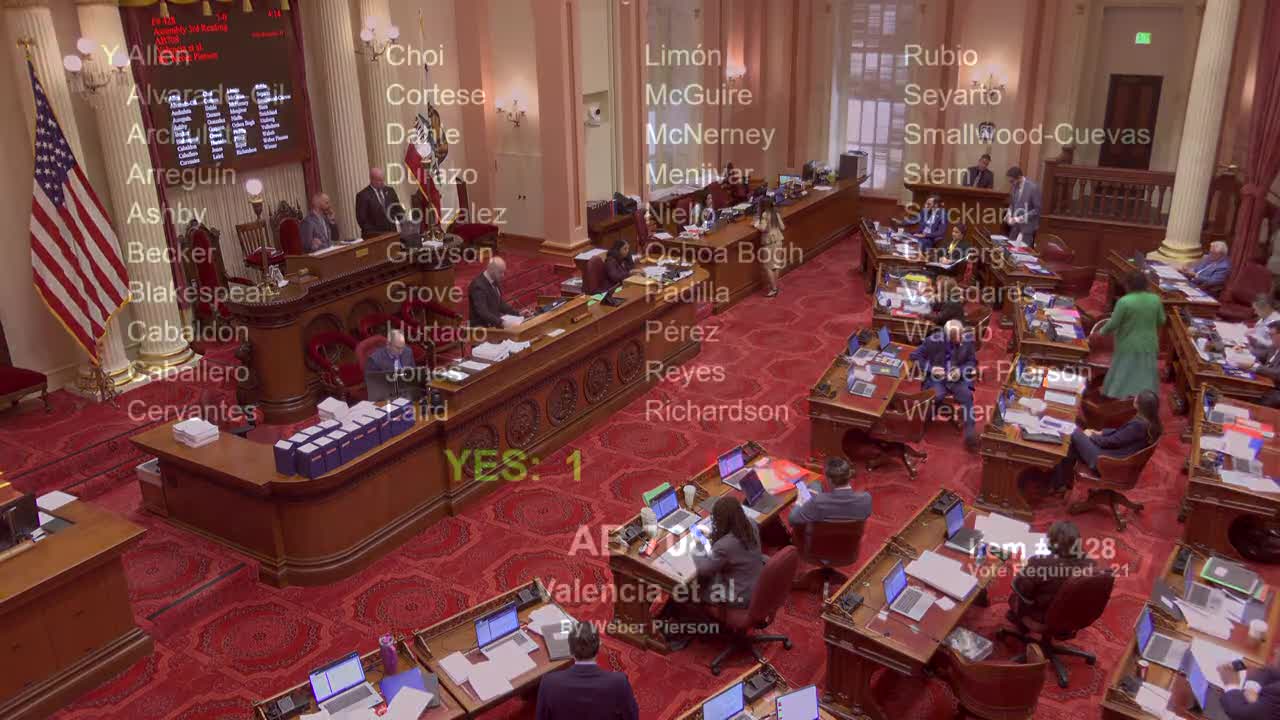 44SEC
Senate Floor
 6MIN
Senate Standing Committee on Business, Professions and Economic Development
 52SEC
Assembly Floor
 2MIN
Assembly Standing Committee on Business and Professions
Bill Author

Bill Co-Author(s):