AB 508: Residential care facilities for the elderly: direct care ratios.
- Session Year: 2025-2026
- House: Assembly
- Latest Version Date: 2025-04-24
Current Status:
Failed
(2026-02-02: From committee: Filed with the Chief Clerk pursuant to Joint Rule 56.)
Introduced
In Committee
Awaiting First Chamber Vote
Passed First Chamber
In Committee
Awaiting Second Chamber Vote
Passed Second Chamber
Enacted
What does this bill do?
This bill requires residential care facilities for the elderly to calculate a daily “direct care ratio” — the hours of direct-care staff per resident — keep 12 months of those records, and make the daily ratios public. Facilities must give residents or their representatives a written, signed copy of requested ratios at admission and when rates increase, post the daily ratio on their website and in visible places like the lobby, and state in advertising that ratios are calculated daily and available on request.
The summary is provided by generative AI which can make mistakes. For original language, please view the details in the table below.
Existing law, the California Residential Care Facilities for the Elderly Act, requires the State Department of Social Services to license, inspect, and regulate residential care facilities for the elderly (RCFEs), as defined, and imposes criminal penalties on a person who violates the act or who willfully or repeatedly violates any rule or regulation adopted under the act.
This bill would require each RCFE to calculate a direct care ratio, as defined, and maintain records of its direct care ratios for a minimum of 12 months. The bill would require RCFEs to disclose its direct care ratios to residents or to the residents representatives upon admission and any time there is a rate increase, as specified. The bill would require these disclosures to be provided in writing and signed by the resident, the residents representative, or the licensee or an employee of the licensee, as specified, to confirm receipt. The bill would require copies of the signed disclosure to be provided to the resident or the residents representative. The bill would require each RCFE to make its direct care ratios available to the public by specified means, including, among others, by posting the daily direct care ratio on the facilitys internet website. The bill would require the RCFEs internet website and any literature or internet website used to advertise the RCFE and the level of care provided by that facility to include a statement that direct care ratios are calculated on a daily basis, that direct care ratios are available to the public upon request for any given day within the prior 12 months, and that direct care ratios are required to be disclosed to residents or their representatives at the points of time described above. The bill would require each RCFE to post the daily direct care ratio in locations visible to all residents, including, but not limited to, the lunchroom or lobby of the facility. By expanding the definition of an existing crime, this bill would impose a state-mandated local program.
The California Constitution requires the state to reimburse local agencies and school districts for certain costs mandated by the state. Statutory provisions establish procedures for making that reimbursement.
This bill would provide that no reimbursement is required by this act for a specified reason.
Existing law, the California Residential Care Facilities for the Elderly Act, requires the State Department of Social Services to license, inspect, and regulate residential care facilities for the elderly (RCFEs), as defined, and imposes criminal penalties on a person who violates the act or who willfully or repeatedly violates any rule or regulation adopted under the act.
This bill would require each RCFE to calculate a direct care ratio, as defined, and maintain records of its direct care ratios for a minimum of 12 months. The bill would require RCFEs to disclose its direct care ratios to residents or to the residents representatives upon admission and any time there is a rate increase, as specified. The bill would require these disclosures to be provided in writing and signed by the resident, the residents representative, or the licensee or an employee of the licensee, as specified, to confirm receipt. The bill would require copies of the signed disclosure to be provided to the resident or the residents representative. The bill would require each RCFE to make its direct care ratios available to the public by specified means, including, among others, by posting the daily direct care ratio on the facilitys internet website. The bill would require the RCFEs internet website and any literature or internet website used to advertise the RCFE and the level of care provided by that facility to include a statement that direct care ratios are calculated on a daily basis, that direct care ratios are available to the public upon request for any given day within the prior 12 months, and that direct care ratios are required to be disclosed to residents or their representatives at the points of time described above. The bill would require each RCFE to post the daily direct care ratio in locations visible to all residents, including, but not limited to, the lunchroom or lobby of the facility. By expanding the definition of an existing crime, this bill would impose a state-mandated local program.
The California Constitution requires the state to reimburse local agencies and school districts for certain costs mandated by the state. Statutory provisions establish procedures for making that reimbursement.
This bill would provide that no reimbursement is required by this act for a specified reason.
(a)Each residential care facility for the elderly shall calculate a direct care ratio, as defined in subdivision (g), on a daily basis and maintain records of its daily direct care ratios for a minimum of 12 months.
(b)(1)Each residential care facility for the elderly shall disclose its direct care ratios to current residents or to the residents representative at the following points in time:
(A)Upon admission, for any day within the prior 12 months requested by the resident or the residents representative.
(B)Any time there is a rate increase, including rate increases due to inflation or due to changes in the residents care needs. For purposes of this paragraph, the facility shall disclose an average of the direct care ratios for the 60 days prior to the effective date of the rate increase.
(2)A disclosure required by this subdivision shall be provided to the resident or the residents representative in writing and include a statement that direct care ratios are calculated on a daily basis and that direct care ratios are available upon request for any given day within the prior 12 months. The disclosure shall be signed and dated by the resident or the residents representative to confirm receipt. If the signature of the resident or residents representative cannot be obtained, the licensee or an employee of the licensee shall sign the disclosure and verify that the disclosure was provided to the resident or residents representative. A disclosure signed by the licensee or an employee of the licensee shall include the name of the signing individual and the date. Copies of the signed disclosure shall be provided to the resident or the residents representative.
(c)Each residential care facility for the elderly shall make its direct care ratios available to the public by any of the following means, based on the preference of the requesting party:
(1)By posting the daily direct care ratio on the facilitys internet website with the statement described in subdivision (e).
(2)Through verbal communication within 24 hours of request, including by telephone.
(3)Through written communication within two business days of request.
(A)A facility may provide written communication by email with the consent of the requester.
(B)An email that contains a photograph of the requested direct care ratio complies with this paragraph.
(d)A residential care facility for the elderlys internet website shall include a statement that direct care ratios are calculated on a daily basis, that direct care ratios are available to the public upon request for any given day within the prior 12 months, and that direct care ratios are required to be disclosed to residents or their representatives at the points of time described in subdivision (b).
(e)Any literature or internet website used to advertise a residential care facility for the elderly and the level of care provided by that facility shall also include the statement described in subdivision (d).
(f)To ensure that residents and their representatives stay informed of daily direct care ratios and to assist resident councils in advocating on behalf of residents pursuant to Section 1569.157 for any discrepancies between posted direct care ratios and the actual hours of direct care received, each residential care facility for the elderly shall post the daily direct care ratio in locations visible to all residents, including, but not limited to, the lunchroom or lobby of the facility.
(g)For purposes of this section, the following definitions shall apply:
(1)Direct care ratio means the number of hours worked by direct care staff on a specific day divided by the number of residents who received care at that facility that day.
(2)Direct care staff means the licensee, or employees of the licensee, who provide direct care to the facilitys residents, including, but not limited to, assistance with activities of daily living. living, and who have completed the training requirements, or are exempt from the training requirements, specified in Section 1569.625.
SEC. 2.No reimbursement is required by this act pursuant to Section 6 of Article XIIIB of the California Constitution because the only costs that may be incurred by a local agency or school district will be incurred because this act creates a new crime or infraction, eliminates a crime or infraction, or changes the penalty for a crime or infraction, within the meaning of Section 17556 of the Government Code, or changes the definition of a crime within the meaning of Section 6 of Article XIIIB of the California Constitution.
(a)Each residential care facility for the elderly shall calculate a direct care ratio, as defined in subdivision (g), on a daily basis and maintain records of its daily direct care ratios for a minimum of 12 months.
(b)(1)Each residential care facility for the elderly shall disclose its direct care ratios to current residents or to the residents representative at the following points in time:
(A)Upon admission, for any day within the prior 12 months requested by the resident or the residents representative.
(B)Any time there is a rate increase, including rate increases due to inflation or due to changes in the residents care needs. For purposes of this paragraph, the facility shall disclose an average of the direct care ratios for the 60 days prior to the effective date of the rate increase.
(2)A disclosure required by this subdivision shall be provided to the resident or the residents representative in writing and include a statement that direct care ratios are calculated on a daily basis and that direct care ratios are available upon request for any given day within the prior 12 months. The disclosure shall be signed and dated by the resident or the residents representative to confirm receipt. If the signature of the resident or residents representative cannot be obtained, the licensee or an employee of the licensee shall sign the disclosure and verify that the disclosure was provided to the resident or residents representative. A disclosure signed by the licensee or an employee of the licensee shall include the name of the signing individual and the date. Copies of the signed disclosure shall be provided to the resident or the residents representative.
(c)Each residential care facility for the elderly shall make its direct care ratios available to the public by any of the following means, based on the preference of the requesting party:
(1)By posting the daily direct care ratio on the facilitys internet website with the statement described in subdivision (e).
(2)Through verbal communication within 24 hours of request, including by telephone.
(3)Through written communication within two business days of request.
(A)A facility may provide written communication by email with the consent of the requester.
(B)An email that contains a photograph of the requested direct care ratio complies with this paragraph.
(d)A residential care facility for the elderlys internet website shall include a statement that direct care ratios are calculated on a daily basis, that direct care ratios are available to the public upon request for any given day within the prior 12 months, and that direct care ratios are required to be disclosed to residents or their representatives at the points of time described in subdivision (b).
(e)Any literature or internet website used to advertise a residential care facility for the elderly and the level of care provided by that facility shall also include the statement described in subdivision (d).
(f)To ensure that residents and their representatives stay informed of daily direct care ratios and to assist resident councils in advocating on behalf of residents pursuant to Section 1569.157 for any discrepancies between posted direct care ratios and the actual hours of direct care received, each residential care facility for the elderly shall post the daily direct care ratio in locations visible to all residents, including, but not limited to, the lunchroom or lobby of the facility.
(g)For purposes of this section, the following definitions shall apply:
(1)Direct care ratio means the number of hours worked by direct care staff on a specific day divided by the number of residents who received care at that facility that day.
(2)Direct care staff means the licensee, or employees of the licensee, who provide direct care to the facilitys residents, including, but not limited to, assistance with activities of daily living.
SEC. 2.No reimbursement is required by this act pursuant to Section 6 of Article XIIIB of the California Constitution because the only costs that may be incurred by a local agency or school district will be incurred because this act creates a new crime or infraction, eliminates a crime or infraction, or changes the penalty for a crime or infraction, within the meaning of Section 17556 of the Government Code, or changes the definition of a crime within the meaning of Section 6 of Article XIIIB of the California Constitution.
|
Date
|
Status
|
|---|---|
| Feb 2, 2026 | From committee: Filed with the Chief Clerk pursuant to Joint Rule 56. |
| Jan 31, 2026 | Died pursuant to Art. IV, Sec. 10(c) of the Constitution. |
| May 23, 2025 | In committee: Held under submission. |
| May 7, 2025 | In committee: Set, first hearing. Referred to APPR. suspense file. |
| Apr 28, 2025 | Re-referred to Com. on APPR. |
| Apr 24, 2025 | Read second time and amended. |
| Apr 23, 2025 | From committee: Amend, and do pass as amended and re-refer to Com. on APPR. (Ayes 7. Noes 0.) (April 22). |
| Mar 28, 2025 | Referred to Com. on AGING & L.T.C. |
| Feb 11, 2025 | From printer. May be heard in committee March 13. |
| Feb 10, 2025 | Read first time. To print. |
|
Date
|
Description
|
Location
|
Votes
|
|
|---|---|---|---|---|
| Apr 22, 2025 | Do pass as amended and be re-referred to the Committee on [Appropriations] | Assembly Standing Committee on Aging and Long-Term Care |
Passed |
This list shows positions taken on this bill by organizations on the date displayed, which is linked to the original source.
Positions by individuals are not included.
|
Organization
|
Position
|
Date
|
|---|---|---|
| 6beds | ** Against | |
| Alzheimer's Association | ** Support | |
| California Advocates for Nursing Home Reform | ** Support | |
| California Assisted Living Association | ** Against | |
| California Long Term Care Ombudsman Association | ** Support | |
| California Senior Legislature | ** Support | |
| Choice in Aging | ** Support | |
| Consumer Attorneys Of California | ** Support | |
| Essential Caregivers Coalition | ** Support | |
| Individual letters | ** Support | |
| LeadingAge California | ** Against | |
| Ombudsman Services of San Mateo County, Inc. | ** Support | |
| Retired Public Employees Association | ** Support |
Date of Hearing: May 7, 2025
ASSEMBLY COMMITTEE ON APPROPRIATIONS
Buffy Wicks, Chair
ABPCA Bill Id:AB 508
Author:(Aguiar-Curry) – As Amended Ver:April 24, 2025
Policy Committee: | Aging and Long Term Care | Vote: | 7 - 0 |
|
| ||
|
|
Urgency: No State Mandated Local Program: Yes Reimbursable: No
SUMMARY:
This bill requires each residential care facility for the elderly (RCFEs) to calculate a daily direct care ratio, maintain records of its direct care ratios, and disclose its direct care ratios to residents and the public.
Specifically, this bill requires an RCFE to do all of the following:
- Calculate a direct care ratio on a daily basis and maintain records of its direct care ratios for at least 12 months.
- Disclose the RCFE’s direct care ratios to residents or to the resident’s representative upon admission and any time there is a rate increase.
- Provide the disclosure in item 2, above, in writing to the resident or the resident’s representative. The disclosure must be signed and dated by the resident or the resident’s representative, as specified.
- Provide the RCFE’s direct care ratios to the public either verbally, through written communication, or by posting to the facility’s internet website, based on the requesting party’s preference.
- Include a statement on the RCFE’s website and in any literature or internet website used to advertise the facility and the level of care provided by the facility stating that direct care ratios are calculated on a daily basis, made available to the public upon request, and are required to be disclosed to residents or resident’s representatives as specified.
- Post the RCFE’s direct care ratio in locations visible to all residents, including, but not limited to the lunch room or lobby of the facility, to ensure residents stay informed of daily direct care ratios and to assist resident councils in advocating for residents when discrepancies arise.
FISCAL EFFECT:
The California Department of Social Services (CDSS) estimates ongoing General Fund costs in the low millions of dollars annually for additional staff to handle a significant increase in informational calls, complaints regarding posting requirements and insufficient staffing, and for legal support in oversight and implementation. Other tasks would include updating regulations and inspection tools and procedures.
COMMENTS:
- Purpose. According to the author:
[This bill] is a vital step forward in improving transparency and accountability in long-term care. This bill requires licensed RCFEs to disclose their daily staffing levels—a key indicator of care quality. By making this information accessible, [this bill] empowers residents, prospective residents, and their families to make informed decisions, compare facilities more effectively, and better understand the level of care their loved ones will receive. As the cost of assisted living continues to rise and care needs grow more complex, it is essential that consumers have clear, reliable information to help them navigate the challenges of affordability and access to high-quality care.
- Background. RCFEs provide personal care and housing to those who require assistance with daily living, but who do not require 24-hour nursing care. California’s network of RCFEs includes small homes with up to six residents to larger RCFEs that can house over 100 residents. The average monthly cost to live in an RCFE in California is $4,500. Some counties, through the Assisted Living Waiver Program, are authorized to have Medi-Cal pay for eligible residents to live in an RCFE, however, most residents pay privately for care. According to CDSS, there are 7,473 licensed RCFEs, including 5,790 RCFEs that serve six or fewer residents.
Existing law, the California Residential Care Facilities for the Elderly Act, requires CDSS, to license, inspect, and regulate RCFEs. In this capacity, CDSS determines the maximum number of residents a facility may admit based on the licensee’s skills, whether the licensee’s family members reside on-site, building features, and staff availability. There is no requirement under state or federal law for an RCFE to maintain a minimum direct care staff-to-resident ratio.
Research in skilled nursing facilities (SNF) has consistently correlated higher staffing levels with better quality of care and changes in staffing requirements with improvements in residents’ outcomes. However, there is limited evidence to understand the staffing-outcomes relationship in assisted living. Staffing ratios in SNFs are set at the federal level, but there are no comparable ratios in place for RCFEs.
This bill requires RCFEs to gather and provide staffing ratio data.
California’s senior population is growing faster than any other age group. By 2030, over 25% of the population in California will be 60 and older. In January of 2021, the Governor released his Master Plan for Aging (MPA), which prioritizes the health and well-being of older Californians and the need for policies that promote healthy aging. This bill advances the goals of the MPA regarding the needs and wellbeing of older Californians.
- Support and Opposition. The California Advocates for Nursing Home Reform (CANHR), sponsor of the bill, writes in support:
Knowing a facility’s staffing level empowers residents to make better decisions when selecting a RCFE. Residents will be able to better estimate the direct care time they are likely to receive in a facility and compare that with other facilities. The federal five-star nursing home rating system, which guides residents on assessing the quality of care in nursing homes, ascribes one-third of its rating to facilities’ staffing level because it is a vital indicator of the amount of care residents receive.
The California Assisted Living Association writes in opposition:
[This bill] will require an RCFE to provide a ratio that will be misleading to prospective residents because it will not reflect the services they will personally receive based on their individual needs. Instead, the ratio represents an arbitrary average of all care provided to all residents in the community.
- Prior Legislation. AB 1354 (Wahab), Chapter 339, Statutes of 2024, required a SNF participating in the Medi-Cal program to post a daily resident census and nurse staffing data on its website or provide daily resident census information upon request.
Analysis Prepared by: Jennifer Swenson / APPR. / (916) 319-2081
Date of Hearing: April 22, 2025
ASSEMBLY COMMITTEE ON AGING AND LONG-TERM CARE
Jasmeet Bains, Chair
ABPCA Bill Id:AB 508 (
Author:Aguiar-Curry) – As Introduced Ver:February 10, 2025
SUBJECT: Residential care facilities for the elderly (RCFEs): direct care ratios
SUMMARY: Requires RCFEs to calculate a direct care ratio and maintain its direct care rations for a minimum of 12 months. Specifically, this bill:
- Requires RCFEs to disclose its direct care ratios to residents or to the resident’s representative upon admission and any time there is a rate increase.
- Requires disclosures to be provided in writing and signed by the resident or the resident’s representative, or the licensee or an employee of a licensee to confirm receipt.
- Requires copies of the signed disclosure to be provided to the resident or the resident’s representative.
- Requires RCFEs to make its direct care ratios available to the public, including posting to the facility’s internet website.
- Mandates the facility’s website and any literature or internet website used to advertise the facility and the level of care provided by that facility to include a statement that reads:
- Direct care ratios are calculated on a daily basis.
- Direct care ratios are available to the public upon request for any given day within the prior 12 months
- Direct care ratios are required to be disclosed to residents or resident’s representatives as specified above.
- Requires RCFEs to post the direct care ratio in locations visible to all residents, including, but not limited to the lunch room or lobby of the facility.
EXISTING LAW:
- Establishes, in federal law, the Older Americans Act (OAA), which promotes the well-being of Americans 60 years old and above through services and programs designed to meet their needs. (42 United States Code (USC.) § 3001, et seq.)
- Establishes, within the OAA, the Office of the Long-Term Care Ombudsman (LTCO) Program and requires states to establish and operate a LTCO for the purpose of identifying, investigating, and resolving complaints that may adversely affect the health, safety, welfare, or rights of residents of long-term care facilities. (42 USC § 3058(g))
- Establishes the Office of the State LTCO under the California Department of Aging (CDA), for the purpose of protecting and advocating for the rights and health and safety of long-term care facility residents, and in providing leadership, direction, and support to local LTCO programs. (WIC § 9700 et seq.)
- Establishes the “California Residential Care Facilities for the Elderly (RCFE) Act” to provide for the licensure and regulation of RCFEs as a separate category within the existing licensing structure of California Department of Social Services (DSS). (HSC § 1569 et seq.)
- Defines “residential care facility for the elderly” to mean a housing arrangement chosen voluntarily by individuals ages 60 and older, or their authorized representative, where varying levels and intensities of care and supervision, protective supervision, personal care, or health-related services are provided, based upon their varying needs, as determined in order to be admitted and to remain in the facility. (HSC § 1569.2(p)(1))
- Establishes the RCFE Resident’s Bill of Rights, as provided, which includes the fundamental rights for all persons residing in a RCFE and ensures facilities respect and promote these and other rights. (HSC § 1569.261 et seq.) Including, but not limited to, the following
- To be accorded safe, healthful, and comfortable accommodations, furnishings, and equipment.
- To provide care, supervision, and services that meet their individual needs and are delivered by staff that are sufficient in numbers, qualifications, and competency to meet their needs.
- To make choices concerning their daily life in the facility.
- To contact the DSS, the LTCO, or both, regarding grievances against the licensee. The licensee shall post the telephone numbers and addresses for the local offices of the DSS and ombudsman program, in accordance with Section 9718 of the Welfare and Institutions Code, conspicuously in the facility foyer, lobby, residents’ activity room, or other location easily accessible to residents.
- Requires RCFEs to employ, and the administrator shall schedule, a sufficient number of staff members to do all of the following:
- Provide the care required in each resident’s written record of care as described in Section 1569.80.
- Ensure the health, safety, comfort, and supervision of the residents.
- Ensure that at least one staff member who has cardiopulmonary resuscitation (CPR) training and first aid training is on duty and on the premises at all times. This paragraph shall not be construed to require staff to provide CPR.
- Ensure that the facility is clean, safe, sanitary, and in good repair at all times. (HSC § 1569.618 (c))
- Requires the Secretary of HHS, in coordination with the Director of CDA, to lead the development and implementation of the MPA established pursuant to Executive Order N-14-19. (WIC § 9850)
FISCAL EFFECT: This bill has not yet been analyzed by a fiscal committee.
COMMENTS: Author’s Statement: “AB 508 is a vital step forward in improving transparency and accountability in long-term care. This bill requires licensed Residential Care Facilities for the Elderly (RCFEs) to disclose their daily staffing levels—a key indicator of care quality. By making this information accessible, AB 508 empowers residents, prospective residents, and their families to make informed decisions, compare facilities more effectively, and better understand the level of care their loved ones will receive. As the cost of assisted living continues to rise and care needs grow more complex, it is essential that consumers have clear, reliable information to help them navigate the challenges of affordability and access to high-quality care."
BACKGROUND
Population data: California’s aging population is growing faster than any other age group. By 2030, over 25 percent of the population in California will be 60 and older.[1]
California is projected to be one of the fastest growing States in the nation in total population. In 2016, California comprised 12 percent of the nation's population[2] and is expected to grow 30 percent by the year 2060 (an increase of 11.7 million people.[3] In California, the population aged 60 years and over is expected to grow more than three times as fast as the total population and this growth will vary by region.
The population over age 60 will have an overall increase of 166 percent during the period from 2010 to 2060. More than half the counties will have over a 100 percent increase in this age group. Nearly half of these counties will have growth rates of over 150 percent. These counties are located throughout the central and southern areas of the State. The influence of the 60 and over age group on California is expected to emerge most strongly between 2010 to 2030.3
The population over age 85 will increase at an even a faster rate than those over 60 years of age, having an overall increase of 489 percent during the period from 2010 to 2060. Counties can expect to experience even higher growth rates after 2020. In particular, the influence of the 85 and over age group on California will emerge most strongly between 2030 to 2040 as the first of the baby boomers reach 85 years of age.3
Life expectancy continues to rise,[4] however during 2019-2021 overall life expectancy for Californians fell from 81.4 years to 78.4 years. For Hispanics, life expectancy declined by nearly 6 years, a difference three times greater than their white counterparts. And the difference between those in California’s highest and lowest income brackets increased by three-and-a-half years to greater than 15 years (11.5 years before the pandemic to more than 15 years in 2021).[5]
Residential Care Facilities for the Elderly
Sometimes referred to as assisted living facilities, RCFEs are responsible for providing housing, housekeeping, supervision, and personal care assistance with activities of daily living, like hygiene, dressing, eating, and walking, to individuals ages 60 and older. California’s network of RCFEs consists of small homes serving a handful of residents to larger RCFEs that can house over 100 residents in communities across the state. Facilities provide a special combination of housing, personalized supportive services, and 24-hour staff designed to respond to the individual needs of those who require help with activities of daily living. This level of care and supervision is for people who are unable to live by themselves but who do not need 24 hour nursing care. They are considered non-medical facilities and are not required to have nurses, certified nursing assistants or doctors on staff. RCFEs are licensed and overseen by CDSS.
Research in skilled nursing facilities (SNF) has consistently correlated higher staffing levels with better quality of care[6] and changes in staffing requirements with improvements in residents’ outcomes. However, there is limited evidence to understand the staffing-outcomes relationship in assisted living, particularly as it relates to hospitalization—a patient-centered outcome that is publicly reported in other long-term care settings as an important marker of quality. Staffing ratios in SNFs is set at the federal level, and no comparable system is in place for RCFEs. RCFEs are regulated state-to-state.
Research done on staffing ratios in assisted living and hospitalization rates[7] found that increased regulatory specificity for direct care workers (for example, a change from requiring “sufficient” direct care worker staffing to requiring a specific staffing ratio or level) is associated with a 4 percent reduction in the monthly risk for hospitalization among residents in the sample and a 6 percent reduction among the subgroup with dementia.
A sample resident contract was provided for background from the California Assisted Living Association to the Author and included resident care services and schedule of rates.
“Resident Care Fee: The Resident Care Fee is derived by assigning the resident a Personal Care Level, as determined by the resident’s participation in a comprehensive assessment performed by a representative of the Community prior to move-in and periodically throughout the residency. If the comprehensive assessment indicates that the resident requires personal care services, then the resident will be placed in one of the additional Personal Care Levels and will be required to pay the associated additional monthly fee as follows: (the care levels are listed along with listed care and costs).
We do not guarantee that any resident will receive a specific number of minutes or amount of care on any given day or time period. The Personal Care Level assigned to a resident represents an estimate only of the approximate range of care minutes or amount of care we anticipate we will provide to the resident.”
Cal Long Term Care Compare (CLTCC) provides free, unbiased information to help make the best choices about long-term care options. This includes information about: Nursing Homes, Hospice Care, Home Health Care, Assisted Living Facilities, Adult Residential Facilities, Continuing Care Retirement Communities and Adult Day Health Centers
CLTCC rate long-term care providers in California. This is done by analyzing data from several state and government sources. These types of ratings can help a consumer evaluate the quality of care at each facility. The information is broken down into categories of staffing, qualify of care, and health and safety inspections. Information is reported on staffing for SNFs, but no information is gathered for RCFEs.
Key findings from “Understaffed and Overworked: Poor Working Conditions and Quality of Care in Residential Care Facilities for the Elderly[8] reported the following:
- California has almost six times more RCFEs than nursing homes.
- There is growing evidence that RCFEs are accepting residents with acute medical needs or cognitive impairment that require on-going medical monitoring, similar to those residents in skilled nursing facilities.
- There is no requirement that RCFEs have skilled licensed staff either on-site or on-call.
- Currently, there are no staffing ratios for RCFEs other than for minimal staffing on the night shift. A common practice among small RCFEs (facilities with 6 or fewer beds) is to hire one to two caregivers as live-in or 24 hour shift workers, pay flat daily or monthly rate without accounting for hours worked or minimum wage or overtime rules. Many caregivers often work around the clock, without proper pay, adequate sleeping facilities or sufficient sleep. Frequently, small RCFEs do not keep records or keep inaccurate or false records of hours worked. Misclassification of workers as independent contractors and retaliation is prevalent.
- Basic labor standards and wage compliance remains elusive for many caregivers in RCFEs. The Department of Labor and California Labor Commissioner’s Office have conducted targeted investigations into RCFEs, finding rampant wage and hour violations. Since 2011, caregivers have filed 526 wage theft claims with the Labor Commissioner’s Office. Of those cases that went to hearing, workers were found to be owed $2.5 million dollars. However, approximately seventy-one percent of the judgment amounts due ($1.8 million) remain unpaid.
- Abuse, neglect and overall poor quality of care and life for residents in RCFEs are results of structural systemic problems. Shortage of staff combined with long hours results in worker fatigue, which increases the risk for errors. Caregivers have not been properly trained and supervised to deal with the acute levels of care needed by residents.
- Understaffing and poor training compounded by rampant wage violations creates high levels of stress for caregivers that impact the quality of care and life for RCFE residents.
The same report issued recommendations moving forward that include:
- Mandated RCFE Staffing Ratios based on acuity levels.
- Coordinated Inspections and Increased Enforcement Funding between Community Care Licensing Division, Labor Commissioner’s Office and Department of Labor.
- Mandatory Denial or Revocation of RCFE Licenses for Unpaid Judgments.
- Mandatory Wage and Hour Compliance Training.
- Technological Infrastructure Updates to Community Care Licensing Division.
- Re-Conceptualizing RCFEs to a mixed skill level staffing facility.
Office of the State Long-Term Care Ombudsman (LTCO)
Under the federal OAA, each state is required to operate an Office of the State LTCO, which is charged with identifying, investigating, and resolving complaints that are made by, or on behalf of, residents of long-term care facilities. In California, the Office of the LTCO is housed under CDA. The State LTCO and their local representatives assist residents in long-term care facilities with issues related to day-to-day care, health, safety, and personal preferences, including investigating abuse and violations of residents’ rights or dignity, and other issues regarding quality of care.
The State LTCO oversees 35 local Ombudsman programs, 240 paid staff, and 364 certified volunteers who advocate on behalf of the residents of long-term care facilities. As of March 2025, these facilities include 1,189 skilled nursing and intermediate care facilities and 7,798 RCFEs, with a combined count of over 322,000 beds.[9]
The State LTCO, which is tasked with identifying, investigating, and resolving complaints made by or on behalf of long-term care residents, investigated 43,824 complaints in 2023 and 34,864 in 2024, with 8,766 in 2024 coming from RCFE residents, staff or someone on their behalf. The most common complaints in 2024 related to violations of residents’ rights, including abuse, gross neglect, and exploitation.
Master Plan for Aging: In January of 2021, the Governor released his Master Plan for Aging (MPA). The MPA prioritizes the health and well-being of older Californians and the need for policies that promote healthy aging. The MPA serves as a blueprint for state government, local government, the private sector, and philanthropy to prepare the state for the coming demographic changes and continue California’s leadership in aging, disability, and equity.
After work began on the MPA, the COVID-19 pandemic reached California. The virus disproportionately harmed older and other at-risk adults, and it strained aging and disability services that were perpetually underfunded. Worldwide, older adults experienced unprecedented death rates. California’s diverse population saw disproportionate numbers, particularly among Latino, Black and Asian Pacific Islander communities and those living in nursing homes. The pandemic intensified social isolation.
The work plan laid out in the MPA four years after its release continues to highlight the urgent needs facing California’s older adults, people with disabilities, caregivers, their families, advocates and the workforce supporting these populations..
In 2025-26, the MPA outlines five bold goals and currently seeks to advance 81 initiatives to build a California for All Ages by 2030. Each initiative features a designated area of focus; to deliver, to analyze and to communicate. It also includes a Data Dashboard on Aging to measure progress. AB 508 can be linked to all of the five bold goals:
- Goal One: Housing for All Ages and Stages
- Goal Two: Health Reimagined
- Goal Three: Inclusion and Equity, Not Isolation
- Goal Four: Caregiving That Works
- Goal Five: Affording Aging
Legislative History: AB 1354 (Wahab), Chapter 339, Statutes of 2024, required a skilled nursing facility participating in the Medi-Cal program to post a daily resident census and nurse staffing data on their website or provide daily resident census information upon request.
Committee amendments: To clarify who shall be represented in the staffing ratio, the committee recommends adding the following clarifying amendment.
(g) For purposes of this section, the following definitions shall apply:
(1) “Direct care ratio” means the number of hours worked by direct care staff on a specific day divided by the number of residents who received care at that facility that day.
(2) “Direct care staff” means the licensee, or employees of the licensee, who provide direct care to the facility’s residents, including, but not limited to, assistance with activities of daily living, and have completed the training requirements or are exempt from the training requirements in Section 1569.625.
Arguments in Support: California Advocates for Nursing Home Reform, the sponsor of the bill, writes “Knowing a facility’s staffing level empowers residents to make better decisions when selecting a RCFE. Residents will be able to better estimate the direct care time they are likely to receive in a facility and compare that with other facilities. The federal five-star nursing home rating system, which guides residents on assessing the quality of care in nursing homes, ascribes one-third of its rating to facilities’ staffing level because it is a vital indicator of the amount of care residents receive. In creating the federal nursing home staffing disclosure requirement, CMS stated daily staffing ratios were “essential” to assist the public in making informed decisions when choosing health care providers and “with reliable information, staffing levels may simply increase due to the market demand created by an informed public.” (69 Fed. Reg. 9282, 9283) RCFEs provide care to diverse residents. Some residents need more care than others. Direct care ratios are one measure that makes comparison among facilities more universal. While a RCFE with a 3.0 direct care ratio may not be twice as good as a facility with a 1.5 ratio, the ratios enable residents to know how much care the average resident receives on any given day, which is vitally important information for RCFE residents.”
The California Long-Term Care Ombudsman Association writes in support, “Unlike nursing homes, there is no requirement for RCFEs to maintain any minimum direct care staff to resident ratio under state or federal law. Facilities are not even required to publish or otherwise share their direct care staffing ratios even though, in the experience of our Ombudsmen, this information is readily available to facilities as they regularly consult it for scheduling and other human resources purposes. While outright lying to consumers about their staffing practices is fraudulent, facilities often obscure or misrepresent those practices to induce consumers to choose their facility over competing facilities that may have better staffing. One way facilities do this is by representing staff who are not responsible for direct care, such a janitor or cook, as staff who provide direct care. From the consumer’s point of view, there is no way to independently verify which facility has more direct care staff.”
Arguments in Opposition: LeadingAge writes in opposition, “Assisted living communities balance independence and support for older adults who require assistance with daily activities but do not need the intensive care provided by skilled nursing facilities. These communities are required to provide the appropriate level of care needed for each resident, which may be provided by various levels of skilled professionals. Additionally, there are a variety of offerings across communities of various sizes and care types. Our mission-driven assisted living members cater to residents with diverse care requirements, from minimal assistance to more intensive support, such as dementia care, and care needs may change day to day. Direct care ratios will vary greatly from one community to the next and daily reporting of the ratio fails to account for these differences and may not accurately reflect the person-centered care provided to the resident. Lastly, AB 508 creates an administrative burden for many RCFEs and will be nearly impossible for Continuing Care Retirement Communities (CCRCs) to comply with. CCRCs are comprised of large campuses or buildings with often half of their residents, or more, living in independent living units. CCRC staff are not always aware of which independent living residents are on campus on any given day.”
California Assisted Living Association write in further opposition, “AB 508 will require RCFE to provide a ratio that will be misleading to prospective residents because it will not reflect the services they will personally receive based on their individual needs. Instead, the ratio represents an arbitrary average of all care provided to all residents in the community.”
REGISTERED SUPPORT / OPPOSITION:
Support
California Advocates for Nursing Home Reform, Sponsor
Alzheimer's Association
California Long Term Care Ombudsman Association
California Senior Legislature
Choice in Aging
Consumer Attorneys of California
Essential Caregivers Coalition
Retired Public Employees Association
Ombudsman Services of San Mateo County, INC
Individual letters
Opposition
6beds
California Assisted Living Association
LeadingAge California
Analysis Prepared by: Elizabeth Fuller / AGING & L.T.C. / (916) 319-3990
http://www.dof.ca.gov/Forecasting/Demographics/Projections ↑
https://longevity.stanford.edu/the-new-map-of-life-initiative/ ↑
https://newsroom.ucla.edu/releases/covid-life-expectancy-drops-by-race-and-income ↑
Shah, Hina B., "Understaffed and Overworked: Poor Working Conditions and Quality of Care in Residential Care Facilities for the Elderly" (2017). Publications. 788.
https://digitalcommons.law.ggu.edu/pubs/788 ↑aging.ca.gov/Providers_and_Partners/Long-Term_Care_Ombudsman/Data_And_Reports/ ↑
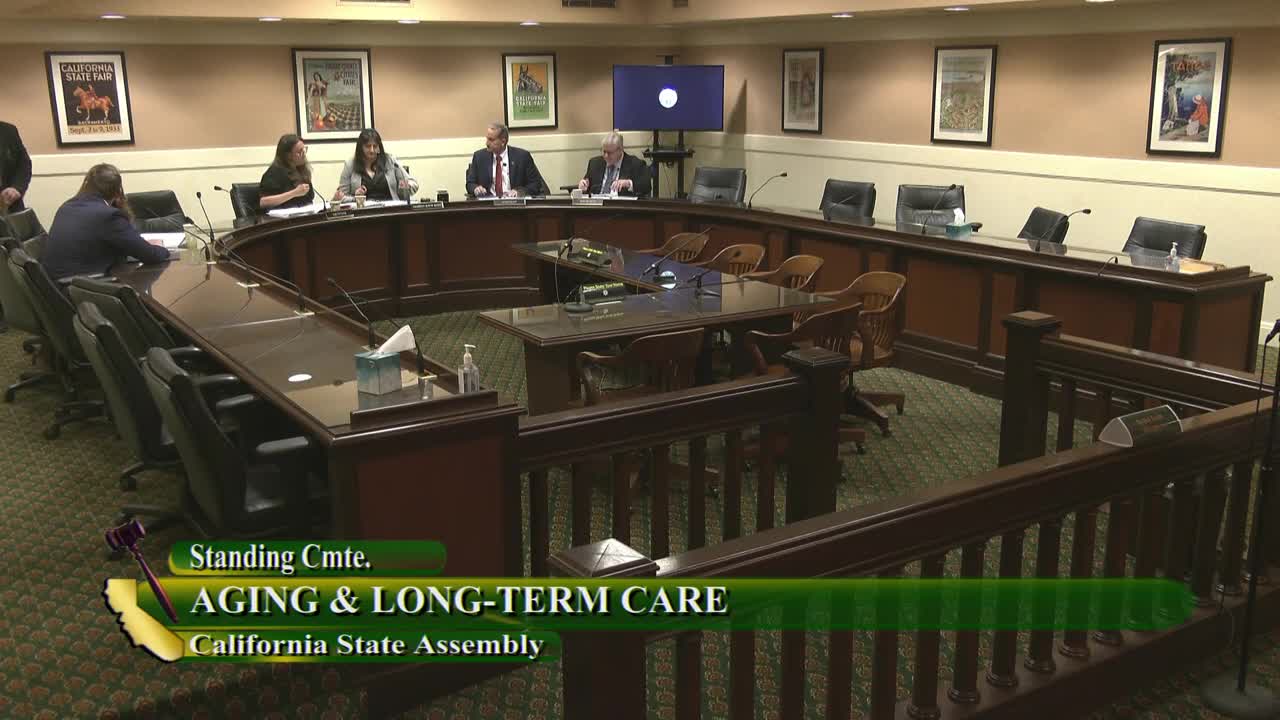
Discussed in Hearing
 14MIN
Assembly Standing Committee on Aging and Long-Term Care
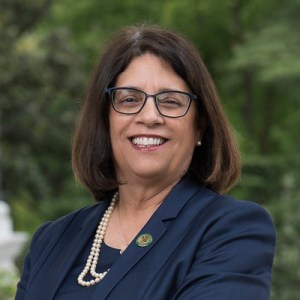
Bill Author
Bill Co-Author(s):