AB 55: Alternative birth centers: licensing and Medi-Cal reimbursement.
- Session Year: 2025-2026
- House: Assembly
- Latest Version Date: 2025-10-11
Current Status:
Passed
(2025-10-11: Chaptered by Secretary of State - Chapter 595, Statutes of 2025.)
Introduced
In Committee
Awaiting First Chamber Vote
Passed First Chamber
In Committee
Awaiting Second Chamber Vote
Passed Second Chamber
Enacted
What does this bill do?
The bill changes licensing and Medi‑Cal rules for alternative birth centers and clinics that act as birth centers by removing a specific Medi‑Cal certification and a hospital‑proximity rule and instead requiring centers to provide comprehensive perinatal care under midwifery/birth‑center standards. Centers must keep a written hospital‑transfer policy detailing referral and transfer arrangements, transfer of medical records, an estimated transfer time given in writing and signed by the patient, and must have at least two attendants at every birth, one of whom is a physician or a licensed/certified midwife.
The summary is provided by generative AI which can make mistakes. For original language, please view the details in the table below.
Existing law provides for the licensure and regulation of various types of clinics, including alternative birth centers, by the State Department of Public Health, and makes a violation of those provisions a crime. Existing law defines an alternative birth center as a clinic that is not part of a hospital and that provides comprehensive perinatal services and delivery care to pregnant women who remain less than 24 hours at the facility. Existing law requires a licensed alternative birth center specialty clinic, and a licensed primary care clinic that provides services as an alternative birth center, to meet certain criteria, including, among others, being located in proximity to a facility with the capacity for management of obstetrical and neonatal emergencies, as specified.
Existing law establishes the Medi-Cal program, which is administered by the State Department of Health Care Services and under which qualified low-income individuals receive health care services. The Medi-Cal program is, in part, governed and funded by federal Medicaid program provisions. Existing law sets forth certain criteria for Medi-Cal reimbursement to alternative birth centers for facility-related delivery costs.
Under existing law, as a criterion under both the licensing provisions and the Medi-Cal reimbursement provisions described above, the facility is required to be a provider of comprehensive perinatal services as defined in the Medi-Cal provisions.
This bill would remove, under both sets of criteria, the certification condition of being a provider of comprehensive perinatal services as defined in the Medi-Cal provisions. The bill would require the facility to provide perinatal services that are comprehensive in nature, as specified, consistent with certain standards. The bill would remove the above-described proximity requirement and would instead require a written policy for hospital transfer. The bill would require the policy to include certain requirements relating to, among other things, arrangements for the referral of a complication, arrangements for the transfer of care, provision of medical records, information about the estimated transfer time, and a clear explanation of the facilitys overall emergency transfer plan, as specified.
The bill would also make a technical change to an obsolete reference within a related provision.
By creating new requirements for an alternative birth center or a primary care clinic that provides services as an alternative birth center, the violation of which is a crime, the bill would impose a state-mandated local program.
The California Constitution requires the state to reimburse local agencies and school districts for certain costs mandated by the state. Statutory provisions establish procedures for making that reimbursement.
This bill would provide that no reimbursement is required by this act for a specified reason.
Existing law provides for the licensure and regulation of various types of clinics, including alternative birth centers, by the State Department of Public Health, and makes a violation of those provisions a crime. Existing law defines an alternative birth center as a clinic that is not part of a hospital and that provides comprehensive perinatal services and delivery care to pregnant women who remain less than 24 hours at the facility. Existing law requires a licensed alternative birth center specialty clinic, and a licensed primary care clinic that provides services as an alternative birth center, to meet certain criteria, including, among others, being located in proximity to a facility with the capacity for management of obstetrical and neonatal emergencies, as specified.
Existing law establishes the Medi-Cal program, which is administered by the State Department of Health Care Services and under which qualified low-income individuals receive health care services. The Medi-Cal program is, in part, governed and funded by federal Medicaid program provisions. Existing law sets forth certain criteria for Medi-Cal reimbursement to alternative birth centers for facility-related delivery costs.
Under existing law, as a criterion under both the licensing provisions and the Medi-Cal reimbursement provisions described above, the facility is required to be a provider of comprehensive perinatal services as defined in the Medi-Cal provisions.
This bill would remove, under both sets of criteria, the certification condition of being a provider of comprehensive perinatal services as defined in the Medi-Cal provisions. The bill would require the facility to provide perinatal services that are comprehensive in nature, as specified, consistent with certain standards. The bill would remove the above-described proximity requirement and would instead require a written policy for hospital transfer. The bill would require the policy to include certain requirements relating to, among other things, arrangements for the referral of a complication, arrangements for the transfer of care, provision of medical records, information about the estimated transfer time, and a clear explanation of the facilitys overall emergency transfer plan, as specified.
The bill would also make a technical change to an obsolete reference within a related provision.
By creating new requirements for an alternative birth center or a primary care clinic that provides services as an alternative birth center, the violation of which is a crime, the bill would impose a state-mandated local program.
The California Constitution requires the state to reimburse local agencies and school districts for certain costs mandated by the state. Statutory provisions establish procedures for making that reimbursement.
This bill would provide that no reimbursement is required by this act for a specified reason.
Existing law provides for the licensure and regulation of various types of clinics, including alternative birth centers, by the State Department of Public Health, and makes a violation of those provisions a crime. Existing law defines an alternative birth center as a clinic that is not part of a hospital and that provides comprehensive perinatal services and delivery care to pregnant women who remain less than 24 hours at the facility. Existing law requires a licensed alternative birth center specialty clinic, and a licensed primary care clinic that provides services as an alternative birth center, to meet certain criteria, including, among others, being located in proximity to a facility with the capacity for management of obstetrical and neonatal emergencies, as specified.
Existing law establishes the Medi-Cal program, which is administered by the State Department of Health Care Services and under which qualified low-income individuals receive health care services. The Medi-Cal program is, in part, governed and funded by federal Medicaid program provisions. Existing law sets forth certain criteria for Medi-Cal reimbursement to alternative birth centers for facility-related delivery costs.
Under existing law, as a criterion under both the licensing provisions and the Medi-Cal reimbursement provisions described above, the facility is required to be a provider of comprehensive perinatal services as defined in the Medi-Cal provisions.
This bill would remove, under both sets of criteria, the certification condition of being a provider of comprehensive perinatal services as defined in the Medi-Cal provisions. The bill would require the facility to provide pregnancy and postpartum services, perinatal services that are comprehensive in nature, as specified, consistent with certain standards. The bill would remove the above-described proximity requirement and would instead require a written policy for hospital transfer. The bill would require the policy to include certain requirements with regard to providing the hospital with specified medical records, speaking with the receiving provider, and providing patients and clients with the estimated transfer time, including relating to, among other things, arrangements for the referral of a complication, arrangements for the transfer of care, provision of medical records, information about the estimated transfer time, and a clear explanation of the facilitys overall emergency transfer plan, as specified.
The bill would also make a technical change to an obsolete reference within a related provision.
By creating new requirements for an alternative birth center or a primary care clinic that provides services as an alternative birth center, the violation of which is a crime, the bill would impose a state-mandated local program.
The California Constitution requires the state to reimburse local agencies and school districts for certain costs mandated by the state. Statutory provisions establish procedures for making that reimbursement.
This bill would provide that no reimbursement is required by this act for a specified reason.
Existing law provides for the licensure and regulation of various types of clinics, including alternative birth centers, by the State Department of Public Health, and makes a violation of those provisions a crime. Existing law defines an alternative birth center as a clinic that is not part of a hospital and that provides comprehensive perinatal services and delivery care to pregnant women who remain less than 24 hours at the facility. Existing law requires a licensed alternative birth center specialty clinic, and a licensed primary care clinic that provides services as an alternative birth center, to meet certain criteria, including, among others, being located in proximity to a facility with the capacity for management of obstetrical and neonatal emergencies, as specified.
Existing law establishes the Medi-Cal program, which is administered by the State Department of Health Care Services and under which qualified low-income individuals receive health care services. The Medi-Cal program is, in part, governed and funded by federal Medicaid program provisions. Existing law sets forth certain criteria for Medi-Cal reimbursement to alternative birth centers for facility-related delivery costs.
Under existing law, as a criterion under both the licensing provisions and the Medi-Cal reimbursement provisions described above, the facility is required to be a provider of comprehensive perinatal services as defined in the Medi-Cal provisions.
This bill would remove, under both sets of criteria, the certification condition of being a provider of comprehensive perinatal services as defined in the Medi-Cal provisions. The bill would require the facility to provide pregnancy and postpartum services, consistent with certain standards. The bill would remove the above-described proximity requirement and would instead require a written plan policy for hospital transfer. The bill would require the plan policy to include certain requirements with regard to providing the hospital with specified medical records, speaking with the receiving provider, and providing the patient patients and clients with the estimated transfer time. time, including a clear explanation of the facilitys overall emergency transfer plan, as specified.
The bill would also make a technical change to an obsolete reference within a related provision.
By creating new requirements for an alternative birth center or a primary care clinic that provides services as an alternative birth center, the violation of which is a crime, the bill would impose a state-mandated local program.
The California Constitution requires the state to reimburse local agencies and school districts for certain costs mandated by the state. Statutory provisions establish procedures for making that reimbursement.
This bill would provide that no reimbursement is required by this act for a specified reason.
Existing law provides for the licensure and regulation of various types of clinics, including alternative birth centers, by the State Department of Public Health, and makes a violation of those provisions a crime. Existing law defines an alternative birth center as a clinic that is not part of a hospital and that provides comprehensive perinatal services and delivery care to pregnant women who remain less than 24 hours at the facility. Existing law requires a licensed alternative birth center specialty clinic, and a licensed primary care clinic that provides services as an alternative birth center, to meet certain criteria, including, among others, being located in proximity to a facility with the capacity for management of obstetrical and neonatal emergencies. emergencies, as specified.
Existing law establishes the Medi-Cal program, which is administered by the State Department of Health Care Services and under which qualified low-income individuals receive health care services. The Medi-Cal program is, in part, governed and funded by federal Medicaid program provisions. Existing law sets forth certain criteria for Medi-Cal reimbursement to alternative birth centers for facility-related delivery costs.
Under existing law, as a criterion under both the licensing provisions and the Medi-Cal reimbursement provisions described above, the facility is required to be a provider of comprehensive perinatal services as defined in the Medi-Cal provisions.
This bill would remove, under both sets of criteria, the certification condition of being a provider of comprehensive perinatal services as defined in the Medi-Cal provisions. The bill would require the facility to provide pregnancy and postpartum services, consistent with certain standards. The bill would delete remove the above-described proximity requirement and would instead require a written policy for hospital transfer, as provided. The plan for hospital transfer. The bill would require the plan to include certain requirements with regard to providing the hospital with medical records, speaking with the receiving provider, and providing the patient with the estimated transfer time.
The bill would also make a technical change to an obsolete reference within a related provision. By
By creating a new requirement new requirements for an alternative birth center or a primary care clinic that provides services as an alternative birth center, the violation of which is a crime, the bill would impose a state-mandated local program.
The California Constitution requires the state to reimburse local agencies and school districts for certain costs mandated by the state. Statutory provisions establish procedures for making that reimbursement.
This bill would provide that no reimbursement is required by this act for a specified reason.
Existing law provides for the licensure and regulation of various types of clinics, including alternative birth centers, by the State Department of Public Health. Health, and makes a violation of those provisions a crime. Existing law defines an alternative birth center as a clinic that is not part of a hospital and that provides comprehensive perinatal services and delivery care to pregnant women who remain less than 24 hours at the facility. Existing law requires a licensed alternative birth center specialty clinic, and a licensed primary care clinic that provides services as an alternative birth center, to meet certain criteria. criteria, including, among others, being located in proximity to a facility with the capacity for management of obstetrical and neonatal emergencies.
Existing law establishes the Medi-Cal program, which is administered by the State Department of Health Care Services and under which qualified low-income individuals receive health care services. The Medi-Cal program is, in part, governed and funded by federal Medicaid program provisions. Existing law sets forth certain criteria for Medi-Cal reimbursement to alternative birth centers for facility-related delivery costs.
Under existing law, as a criterion under both the licensing provisions and the Medi-Cal reimbursement provisions described above, the facility is required to be a provider of comprehensive perinatal services as defined in the Medi-Cal provisions.
This bill would remove, under both sets of criteria, the certification condition of being a provider of comprehensive perinatal services as defined in the Medi-Cal provisions. The bill would delete the above-described proximity requirement and instead require a written policy for hospital transfer, as provided. The bill would also make a technical change to an obsolete reference within a related provision. By creating a new requirement for an alternative birth center or a primary care clinic that provides services as an alternative birth center, the violation of which is a crime, the bill would impose a state-mandated local program.
The California Constitution requires the state to reimburse local agencies and school districts for certain costs mandated by the state. Statutory provisions establish procedures for making that reimbursement.
This bill would provide that no reimbursement is required by this act for a specified reason.
Existing law provides for the licensure and regulation of various types of clinics, including alternative birth centers, by the State Department of Public Health. Existing law defines an alternative birth center as a clinic that is not part of a hospital and that provides comprehensive perinatal services and delivery care to pregnant women who remain less than 24 hours at the facility. Existing law requires a licensed alternative birth center specialty clinic, and a licensed primary care clinic that provides services as an alternative birth center, to meet certain criteria.
Existing law establishes the Medi-Cal program, which is administered by the State Department of Health Care Services and under which qualified low-income individuals receive health care services. The Medi-Cal program is, in part, governed and funded by federal Medicaid program provisions. Existing law sets forth certain criteria for Medi-Cal reimbursement to alternative birth centers for facility-related delivery costs.
Under existing law, as a criterion under both the licensing provisions and the Medi-Cal reimbursement provisions described above, the facility is required to be a provider of comprehensive perinatal services as defined in the Medi-Cal provisions.
This bill would remove, under both sets of criteria, the certification condition of being a provider of comprehensive perinatal services as defined in the Medi-Cal provisions. The bill would also make a technical change to an obsolete reference within a related provision.
(a)An alternative birth center that is licensed as an alternative birth center specialty clinic pursuant to paragraph (4) of subdivision (b) of Section 1204 shall, as a condition of licensure, and a primary care clinic licensed pursuant to subdivision (a) of Section 1204 that provides services as an alternative birth center shall, meet all of the following requirements:
(1)Provide perinatal services that are comprehensive in nature, including, but not limited to, all of the following, consistent with the standards of the midwifery and birth center model of care and as described in paragraph (3):
(A)Psychosocial assessments.
(B)When appropriate, referrals to counseling.
(C)Nutritional assessments.
(D)When appropriate, referrals to counseling on food supplement programs, vitamins, and breastfeeding.
(E)Education on overall health, childbirth, and parenting.
(2)Maintain a quality assurance program.
(3)Meet the standards for certification established by the American Association of Birth Centers, or at least equivalent standards as determined by the state department.
(4)In addition to standards of the American Association of Birth Centers regarding proximity to hospitals and presence of attendants at births, meet both of the following conditions:
(A)Have and implement a written policy for hospital transfer, approved by the governing body of the alternative birth center or the governing body of the primary care clinic that provides services as an alternative birth center, as applicable. The written policy shall include, but not be limited to, all of the following:
(i)The specific arrangements for the referral of a complication to a physician and surgeon for consultation. The certified nurse-midwife or licensed midwife shall not be required to identify a specific physician and surgeon.
(ii)The specific arrangements for the transfer of care during the prenatal period, hospital transfer during the intrapartum and postpartum periods, and access to appropriate emergency medical services for the patient or client and the baby if necessary, and recommendations for preregistration at a hospital that has obstetric emergency services and is most likely to receive the transfer.
(iii)A requirement that at the time of transfer the certified nurse-midwife or licensed midwife, who was responsible for the patients or clients care immediately prior to the time of transfer, provide the hospital with all of the transferred patients or clients medical records that are available at the time of the transfer, including prenatal records, and speak with the receiving provider who is responsible for the patients or clients hospital care at the time of transfer, about labor up to the point of the transfer, including any information that has not yet been added to the medical record. Other records that are not yet available or included in the medical record shall be sent as soon as practicable after transfer.
(iv)A requirement that, during consultation with the patient or client at the time of initial orientation to the alternative birth center, or the primary care clinic that provides services as an alternative birth center, and its model of care, all patients and clients be informed of the estimated transfer time, which is the expected duration from departure from the birth center to arrival at the planned receiving hospital. This information shall also include a clear explanation of the birth centers overall emergency transfer plan, including specified measures in place to mitigate any risk associated with distance from the planned receiving hospital and to ensure safe transfer for both pregnant person and fetus or neonate. This information shall be provided in writing and shall be included in the patients or clients medical file with the patients or clients signed acknowledgment.
(B)Require the presence of at least two attendants at all times during birth, one of whom shall be a physician and surgeon, a licensed midwife, or a certified nurse-midwife.
(5)Have a written policy relating to the dissemination of the following information to patients and clients:
(A)A summary of current state laws requiring child passenger restraint systems to be used when transporting children in motor vehicles.
(B)A listing of child passenger restraint system programs located within the county, as required by Section 27362 of the Vehicle Code.
(C)Information describing the risks of death or serious injury associated with the failure to utilize a child passenger restraint system.
(b)The state department shall issue a permit to a primary care clinic licensed pursuant to subdivision (a) of Section 1204 certifying that the primary care clinic has met the requirements of this section and may provide services as an alternative birth center. Nothing in this section shall be construed to require that a licensed primary care clinic obtain an additional license in order to provide services as an alternative birth center.
(c)(1)Notwithstanding subdivision (a) of Section 1206, no place or establishment owned or leased and operated as a clinic or office by one or more licensed health care practitioners and used as an office for the practice of their profession, within the scope of their license, shall be represented or otherwise held out to be an alternative birth center licensed by the state unless it meets the requirements of this section.
(2)Nothing in this subdivision shall be construed to prohibit licensed health care practitioners from providing birth-related services, within the scope of their license, in a place or establishment described in paragraph (1).
SEC. 2.Section 14148.8 of the Welfare and Institutions Code is amended to read:14148.8.(a)(1)The State Department of Health Care Services shall provide Medi-Cal reimbursements to alternative birth centers for facility-related delivery costs at a statewide all-inclusive rate per delivery that shall not exceed 80 percent of the average Medi-Cal reimbursement received by general acute care hospitals with Medi-Cal contracts and shall be based on an average hospital length of stay of 1.7 days. The reimbursement rate shall be updated annually and shall be based on the California Medical Assistance Commissions annually published legislative report of average contract rates for general acute care hospitals with Medi-Cal contracts. However, the reimbursement shall not exceed the alternative birth centers charges to any non-Medi-Cal patient for similar services. This paragraph shall apply to Medi-Cal reimbursement for facility-related delivery costs of alternative birth centers until the effective date of any necessary federal approval obtained by the department pursuant to paragraph (2).
(2)Effective no earlier than July 1, 2017, the department shall reimburse facility-related Medi-Cal delivery costs of eligible alternative birth centers based on a statewide all-inclusive rate per delivery that shall not exceed 80 percent of the average diagnosis-related groups (DRG) Level 1 rates received by general acute care hospitals pursuant to Section 14105.28 and the applicable provisions of the Medi-Cal State Plan. Reimbursement pursuant to this paragraph shall not exceed the alternative birth centers charges to any non-Medi-Cal patient for similar services. The department shall seek any federal approvals necessary to implement this paragraph. This paragraph shall not be implemented until any necessary federal approvals are obtained. This paragraph shall not be construed to make inoperative any existing payment reductions that are applicable to alternative birth center services, including, but not limited to, the payment reductions imposed pursuant to Section 14105.192, subject to paragraph (3).
(3)Effective July 1, 2022, or the effective date specified in any necessary federal approvals obtained by the department to implement subparagraph (B) of paragraph (13) of subdivision (h) of Section 14105.192, whichever is later, reimbursement to alternative birth centers shall be exempt from the payment reductions imposed by subdivision (d) of Section 14105.192.
(b)In order to be eligible for reimbursement pursuant to this section, an alternative birth center shall satisfy the following criteria as determined by the state department:
(1)The facility shall meet all applicable requirements of Section 1204.3 of the Health and Safety Code.
(2)The facility may utilize licensed midwives, certified nurse-midwives, certified nurse practitioners, and clinical nurse specialists when appropriate.
(3)The facility shall meet the standards for certification established by the American Association of Birth Centers, or at least equivalent standards as determined by the department, including those relating to the proximity and involvement of hospitals, obstetricians, and pediatricians.
(c)Notwithstanding Chapter 3.5 (commencing with Section 11340) of Part 1 of Division 3 of Title 2 of the Government Code, the department may implement, interpret, or make specific this section, in whole or in part, by means of provider bulletins or notices, policy letters, or other similar instructions, without taking regulatory action.
(d)This section does not alter the scope of practice for any health care professional or authorize the delivery of health care services in a setting or in a manner not authorized by the Health and Safety Code or the Business and Professions Code.
(e)This section shall be implemented only to the extent that any necessary federal approvals are obtained and federal financial participation is available and is not otherwise jeopardized.
SEC. 3.No reimbursement is required by this act pursuant to Section 6 of Article XIIIB of the California Constitution because the only costs that may be incurred by a local agency or school district will be incurred because this act creates a new crime or infraction, eliminates a crime or infraction, or changes the penalty for a crime or infraction, within the meaning of Section 17556 of the Government Code, or changes the definition of a crime within the meaning of Section 6 of Article XIIIB of the California Constitution.
(a)An alternative birth center that is licensed as an alternative birth center specialty clinic pursuant to paragraph (4) of subdivision (b) of Section 1204 shall, as a condition of licensure, and a primary care clinic licensed pursuant to subdivision (a) of Section 1204 that provides services as an alternative birth center shall, meet all of the following requirements:
(1)Provide perinatal services that are comprehensive in nature, including, but not limited to, all of the following, consistent with the standards of the midwifery and birth center model of care and as described in paragraph (3):
(A)Psychosocial assessments.
(B)When appropriate, referrals to counseling.
(C)Nutritional assessments.
(D)When appropriate, referrals to counseling on food supplement programs, vitamins, and breastfeeding.
(E)Education on overall health, childbirth, and parenting.
(2)Maintain a quality assurance program.
(3)Meet the standards for certification established by the American Association of Birth Centers, or at least equivalent standards as determined by the state department.
(4)In addition to standards of the American Association of Birth Centers regarding proximity to hospitals and presence of attendants at births, meet both of the following conditions:
(A)Have and implement a written policy for hospital transfer, approved by the governing body of the alternative birth center or the governing body of the primary care clinic that provides services as an alternative birth center, as applicable. The written policy shall include, but not be limited to, all of the following:
(i)The specific arrangements for the referral of a complication to a physician and surgeon for consultation. The certified nurse-midwife or licensed midwife shall not be required to identify a specific physician and surgeon.
(ii)The specific arrangements for the transfer of care during the prenatal period, hospital transfer during the intrapartum and postpartum periods, and access to appropriate emergency medical services for the patient or client and the baby if necessary, and recommendations for preregistration at a hospital that has obstetric emergency services and is most likely to receive the transfer.
(iii)A requirement that at the time of transfer the certified nurse-midwife or licensed midwife, who was responsible for the patients or clients care immediately prior to the time of transfer, provide the hospital with all of the transferred patients or clients medical records that are available at the time of the transfer, including prenatal records, and speak with the receiving provider who is responsible for the patients or clients hospital care at the time of transfer, about labor up to the point of the transfer, including any information that has not yet been added to the medical record. Other records that are not yet available or included in the medical record shall be sent as soon as practicable after transfer.
(iv)A requirement that, during consultation with the patient or client at the time of initial orientation to the alternative birth center, or the primary care clinic that provides services as an alternative birth center, and its model of care, all patients and clients be informed of the estimated transfer time, which is the expected duration from departure from the birth center to arrival at the planned receiving hospital. This information shall also include a clear explanation of the birth centers overall emergency transfer plan, including specified measures in place to mitigate any risk associated with distance from the planned receiving hospital and to ensure safe transfer for both pregnant person and fetus or neonate. This information shall be provided in writing and shall be included in the patients or clients medical file with the patients or clients signed acknowledgment.
(B)Require the presence of at least two attendants at all times during birth, one of whom shall be a physician and surgeon, a licensed midwife, or a certified nurse-midwife.
(5)Have a written policy relating to the dissemination of the following information to patients and clients:
(A)A summary of current state laws requiring child passenger restraint systems to be used when transporting children in motor vehicles.
(B)A listing of child passenger restraint system programs located within the county, as required by Section 27362 of the Vehicle Code.
(C)Information describing the risks of death or serious injury associated with the failure to utilize a child passenger restraint system.
(b)The state department shall issue a permit to a primary care clinic licensed pursuant to subdivision (a) of Section 1204 certifying that the primary care clinic has met the requirements of this section and may provide services as an alternative birth center. Nothing in this section shall be construed to require that a licensed primary care clinic obtain an additional license in order to provide services as an alternative birth center.
(c)(1)Notwithstanding subdivision (a) of Section 1206, no place or establishment owned or leased and operated as a clinic or office by one or more licensed health care practitioners and used as an office for the practice of their profession, within the scope of their license, shall be represented or otherwise held out to be an alternative birth center licensed by the state unless it meets the requirements of this section.
(2)Nothing in this subdivision shall be construed to prohibit licensed health care practitioners from providing birth-related services, within the scope of their license, in a place or establishment described in paragraph (1).
SEC. 2.Section 14148.8 of the Welfare and Institutions Code is amended to read:14148.8.(a)(1)The State Department of Health Care Services shall provide Medi-Cal reimbursements to alternative birth centers for facility-related delivery costs at a statewide all-inclusive rate per delivery that shall not exceed 80 percent of the average Medi-Cal reimbursement received by general acute care hospitals with Medi-Cal contracts and shall be based on an average hospital length of stay of 1.7 days. The reimbursement rate shall be updated annually and shall be based on the California Medical Assistance Commissions annually published legislative report of average contract rates for general acute care hospitals with Medi-Cal contracts. However, the reimbursement shall not exceed the alternative birth centers charges to any non-Medi-Cal patient for similar services. This paragraph shall apply to Medi-Cal reimbursement for facility-related delivery costs of alternative birth centers until the effective date of any necessary federal approval obtained by the department pursuant to paragraph (2).
(2)Effective no earlier than July 1, 2017, the department shall reimburse facility-related Medi-Cal delivery costs of eligible alternative birth centers based on a statewide all-inclusive rate per delivery that shall not exceed 80 percent of the average diagnosis-related groups (DRG) Level 1 rates received by general acute care hospitals pursuant to Section 14105.28 and the applicable provisions of the Medi-Cal State Plan. Reimbursement pursuant to this paragraph shall not exceed the alternative birth centers charges to any non-Medi-Cal patient for similar services. The department shall seek any federal approvals necessary to implement this paragraph. This paragraph shall not be implemented until any necessary federal approvals are obtained. This paragraph shall not be construed to make inoperative any existing payment reductions that are applicable to alternative birth center services, including, but not limited to, the payment reductions imposed pursuant to Section 14105.192, subject to paragraph (3).
(3)Effective July 1, 2022, or the effective date specified in any necessary federal approvals obtained by the department to implement subparagraph (B) of paragraph (13) of subdivision (h) of Section 14105.192, whichever is later, reimbursement to alternative birth centers shall be exempt from the payment reductions imposed by subdivision (d) of Section 14105.192.
(b)In order to be eligible for reimbursement pursuant to this section, an alternative birth center shall satisfy the following criteria as determined by the state department:
(1)The facility shall meet all applicable requirements of Section 1204.3 of the Health and Safety Code.
(2)The facility may utilize licensed midwives, certified nurse-midwives, certified nurse practitioners, and clinical nurse specialists when appropriate.
(3)The facility shall meet the standards for certification established by the American Association of Birth Centers, or at least equivalent standards as determined by the department, including those relating to the proximity and involvement of hospitals, obstetricians, and pediatricians.
(c)Notwithstanding Chapter 3.5 (commencing with Section 11340) of Part 1 of Division 3 of Title 2 of the Government Code, the department may implement, interpret, or make specific this section, in whole or in part, by means of provider bulletins or notices, policy letters, or other similar instructions, without taking regulatory action.
(d)This section does not alter the scope of practice for any health care professional or authorize the delivery of health care services in a setting or in a manner not authorized by the Health and Safety Code or the Business and Professions Code.
(e)This section shall be implemented only to the extent that any necessary federal approvals are obtained and federal financial participation is available and is not otherwise jeopardized.
SEC. 3.No reimbursement is required by this act pursuant to Section 6 of Article XIIIB of the California Constitution because the only costs that may be incurred by a local agency or school district will be incurred because this act creates a new crime or infraction, eliminates a crime or infraction, or changes the penalty for a crime or infraction, within the meaning of Section 17556 of the Government Code, or changes the definition of a crime within the meaning of Section 6 of Article XIIIB of the California Constitution.
(a)An alternative birth center that is licensed as an alternative birth center specialty clinic pursuant to paragraph (4) of subdivision (b) of Section 1204 shall, as a condition of licensure, and a primary care clinic licensed pursuant to subdivision (a) of Section 1204 that provides services as an alternative birth center shall, meet all of the following requirements:
(1)Provide pregnancy and postpartum services, including, but not limited to, psychosocial assessments, nutritional assessments, and overall health, childbirth, and parenting education, consistent with the standards of the midwifery and birth center model of care and as described in paragraph (3).(1)Provide perinatal services that are comprehensive in nature, including, but not limited to, all of the following, consistent with the standards of the midwifery and birth center model of care and as described in paragraph (3):
(A)Psychosocial assessments.
(B)When appropriate, referrals to counseling.
(C)Nutritional assessments.
(D)When appropriate, referrals to counseling on food supplement programs, vitamins, and breastfeeding.
(E)Education on overall health, childbirth, and parenting.
(2)Maintain a quality assurance program.
(3)Meet the standards for certification established by the American Association of Birth Centers, or at least equivalent standards as determined by the state department.
(4)In addition to standards of the American Association of Birth Centers regarding proximity to hospitals and presence of attendants at births, meet both of the following conditions:
(A)Consistent with paragraphs (6) and (7) of subdivision (a) of Section 2746.54 of the Business and Professions Code and paragraphs (8) and (9) of subdivision (a) of Section 2508 of the Business and Professions Code, have a written policy for hospital transfer, which shall include, but not be limited to, both of the following:(A)Have and implement a written policy for hospital transfer, approved by the governing body of the alternative birth center or the governing body of the primary care clinic that provides services as an alternative birth center, as applicable. The written policy shall include, but not be limited to, all of the following:
(i)The specific arrangements for the referral of a complication to a physician and surgeon for consultation. The certified nurse-midwife or licensed midwife shall not be required to identify a specific physician and surgeon.
(ii)The specific arrangements for the transfer of care during the prenatal period, hospital transfer during the intrapartum and postpartum periods, and access to appropriate emergency medical services for the patient or client and the baby if necessary, and recommendations for preregistration at a hospital that has obstetric emergency services and is most likely to receive the transfer.
(i)(iii)A requirement that at the time of transfer the certified nurse-midwife or licensed midwife, who was responsible for the patients or clients care immediately prior to the time of transfer, provide the hospital with all of the transferred patients or clients medical records that are available at the time of the transfer, including prenatal records, and speak with the receiving provider who is responsible for the patients or clients hospital care at the time of transfer, about labor up to the point of the transfer, including any information that has not yet been added to the medical record. Other records that are not yet available or included in the medical record shall be sent as soon as practicable after transfer.
(ii)(iv)A requirement that that, during consultation with the patient or client at the time of initial orientation to the alternative birth center, or the primary care clinic that provides services as an alternative birth center, and its model of care, all patients and clients be informed of the estimated transfer time, which is the expected duration from departure from the birth center to arrival at the planned receiving hospital. This information shall also include a clear explanation of the birth centers overall emergency transfer plan, including specified measures in place to mitigate any risk associated with distance from the planned receiving hospital and to ensure safe transfer for both pregnant person and fetus or neonate. This information shall be provided in writing and shall be included in the patients or clients medical file with the patients or clients signed acknowledgment.
(B)Require the presence of at least two attendants at all times during birth, one of whom shall be a physician and surgeon, a licensed midwife, or a certified nurse-midwife.
(5)Have a written policy relating to the dissemination of the following information to patients and clients:
(A)A summary of current state laws requiring child passenger restraint systems to be used when transporting children in motor vehicles.
(B)A listing of child passenger restraint system programs located within the county, as required by Section 27362 of the Vehicle Code.
(C)Information describing the risks of death or serious injury associated with the failure to utilize a child passenger restraint system.
(b)The state department shall issue a permit to a primary care clinic licensed pursuant to subdivision (a) of Section 1204 certifying that the primary care clinic has met the requirements of this section and may provide services as an alternative birth center. Nothing in this section shall be construed to require that a licensed primary care clinic obtain an additional license in order to provide services as an alternative birth center.
(c)(1)Notwithstanding subdivision (a) of Section 1206, no place or establishment owned or leased and operated as a clinic or office by one or more licensed health care practitioners and used as an office for the practice of their profession, within the scope of their license, shall be represented or otherwise held out to be an alternative birth center licensed by the state unless it meets the requirements of this section.
(2)Nothing in this subdivision shall be construed to prohibit licensed health care practitioners from providing birth-related services, within the scope of their license, in a place or establishment described in paragraph (1).
SEC. 2.Section 14148.8 of the Welfare and Institutions Code is amended to read:14148.8.(a)(1)The State Department of Health Care Services shall provide Medi-Cal reimbursements to alternative birth centers for facility-related delivery costs at a statewide all-inclusive rate per delivery that shall not exceed 80 percent of the average Medi-Cal reimbursement received by general acute care hospitals with Medi-Cal contracts and shall be based on an average hospital length of stay of 1.7 days. The reimbursement rate shall be updated annually and shall be based on the California Medical Assistance Commissions annually published legislative report of average contract rates for general acute care hospitals with Medi-Cal contracts. However, the reimbursement shall not exceed the alternative birth centers charges to any non-Medi-Cal patient for similar services. This paragraph shall apply to Medi-Cal reimbursement for facility-related delivery costs of alternative birth centers until the effective date of any necessary federal approval obtained by the department pursuant to paragraph (2).
(2)Effective no earlier than July 1, 2017, the department shall reimburse facility-related Medi-Cal delivery costs of eligible alternative birth centers based on a statewide all-inclusive rate per delivery that shall not exceed 80 percent of the average diagnosis-related groups (DRG) Level 1 rates received by general acute care hospitals pursuant to Section 14105.28 and the applicable provisions of the Medi-Cal State Plan. Reimbursement pursuant to this paragraph shall not exceed the alternative birth centers charges to any non-Medi-Cal patient for similar services. The department shall seek any federal approvals necessary to implement this paragraph. This paragraph shall not be implemented until any necessary federal approvals are obtained. This paragraph shall not be construed to make inoperative any existing payment reductions that are applicable to alternative birth center services, including, but not limited to, the payment reductions imposed pursuant to Section 14105.192, subject to paragraph (3).
(3)Effective July 1, 2022, or the effective date specified in any necessary federal approvals obtained by the department to implement subparagraph (B) of paragraph (13) of subdivision (h) of Section 14105.192, whichever is later, reimbursement to alternative birth centers shall be exempt from the payment reductions imposed by subdivision (d) of Section 14105.192.
(b)In order to be eligible for reimbursement pursuant to this section, an alternative birth center shall satisfy the following criteria as determined by the state department:
(1)The facility shall meet all applicable requirements of Section 1204.3 of the Health and Safety Code.
(2)The facility may utilize licensed midwives, certified nurse-midwives, certified nurse practitioners, and clinical nurse specialists when appropriate.
(3)The facility shall meet the standards for certification established by the American Association of Birth Centers, or at least equivalent standards as determined by the department, including those relating to the proximity and involvement of hospitals, obstetricians, and pediatricians.
(c)Notwithstanding Chapter 3.5 (commencing with Section 11340) of Part 1 of Division 3 of Title 2 of the Government Code, the department may implement, interpret, or make specific this section, in whole or in part, by means of provider bulletins or notices, policy letters, or other similar instructions, without taking regulatory action.
(d)This section does not alter the scope of practice for any health care professional or authorize the delivery of health care services in a setting or in a manner not authorized by the Health and Safety Code or the Business and Professions Code.
(e)This section shall be implemented only to the extent that any necessary federal approvals are obtained and federal financial participation is available and is not otherwise jeopardized.
SEC. 3.No reimbursement is required by this act pursuant to Section 6 of Article XIIIB of the California Constitution because the only costs that may be incurred by a local agency or school district will be incurred because this act creates a new crime or infraction, eliminates a crime or infraction, or changes the penalty for a crime or infraction, within the meaning of Section 17556 of the Government Code, or changes the definition of a crime within the meaning of Section 6 of Article XIIIB of the California Constitution.
(a)An alternative birth center that is licensed as an alternative birth center specialty clinic pursuant to paragraph (4) of subdivision (b) of Section 1204 shall, as a condition of licensure, and a primary care clinic licensed pursuant to subdivision (a) of Section 1204 that provides services as an alternative birth center shall, meet all of the following requirements:
(1)Provide pregnancy and postpartum services, including, but not limited to, psychosocial assessments, nutritional assessments, and overall health, childbirth, and parenting education, consistent with the high standards of the midwifery and birth center model of care and as described in paragraph (3).
(2)Maintain a quality assurance program.
(3)Meet the standards for certification established by the American Association of Birth Centers, or at least equivalent standards as determined by the state department.
(4)In addition to standards of the American Association of Birth Centers regarding proximity to hospitals and presence of attendants at births, meet both of the following conditions:
(A)Consistent with paragraphs (6) and (7) of subdivision (a) of Section 2746.54 of the Business and Professions Code and paragraphs (8) and (9) of subdivision (a) of Section 2508 of the Business and Professions Code, have a written plan policy for hospital transfer, which shall include, but not be limited to, both of the following:
(i)A requirement that at the time of transfer the certified nurse-midwife or licensed midwife, at the time of transfer or as soon as practicable, who was responsible for the patients or clients care immediately prior to the time of transfer, provide the hospital with all of the transferred patients or clients medical records, records that are available at the time of the transfer, including prenatal records, and speak with the receiving provider who is responsible for the patients inpatient or clients hospital care at the time of transfer, about labor up to the point of the transfer. transfer, including any information that has not yet been added to the medical record. Other records that are not yet available or included in the medical record shall be sent as soon as practicable after transfer.
(ii)A requirement that the patient be provided the estimated transfer time from departure to the expected arrival at the receiving hospital, with incorporated discussions about maternal and fetal or neonatal risks and benefits with the provision of care at the alternative birth center or the primary care clinic that provides services as an alternative birth center.(ii)A requirement that all patients and clients be informed of the estimated transfer time, which is the expected duration from departure from the birth center to arrival at the planned receiving hospital. This information shall also include a clear explanation of the birth centers overall emergency transfer plan, including specified measures in place to mitigate any risk associated with distance from the planned receiving hospital and to ensure safe transfer for both pregnant person and fetus or neonate.
(B)Require the presence of at least two attendants at all times during birth, one of whom shall be a physician and surgeon, a licensed midwife, or a certified nurse-midwife.
(5)Have a written policy relating to the dissemination of the following information to patients: patients and clients:
(A)A summary of current state laws requiring child passenger restraint systems to be used when transporting children in motor vehicles.
(B)A listing of child passenger restraint system programs located within the county, as required by Section 27362 of the Vehicle Code.
(C)Information describing the risks of death or serious injury associated with the failure to utilize a child passenger restraint system.
(b)The state department shall issue a permit to a primary care clinic licensed pursuant to subdivision (a) of Section 1204 certifying that the primary care clinic has met the requirements of this section and may provide services as an alternative birth center. Nothing in this section shall be construed to require that a licensed primary care clinic obtain an additional license in order to provide services as an alternative birth center.
(c)(1)Notwithstanding subdivision (a) of Section 1206, no place or establishment owned or leased and operated as a clinic or office by one or more licensed health care practitioners and used as an office for the practice of their profession, within the scope of their license, shall be represented or otherwise held out to be an alternative birth center licensed by the state unless it meets the requirements of this section.
(2)Nothing in this subdivision shall be construed to prohibit licensed health care practitioners from providing birth-related services, within the scope of their license, in a place or establishment described in paragraph (1).
SEC. 2.Section 14148.8 of the Welfare and Institutions Code is amended to read:14148.8.(a)(1)The State Department of Health Care Services shall provide Medi-Cal reimbursements to alternative birth centers for facility-related delivery costs at a statewide all-inclusive rate per delivery that shall not exceed 80 percent of the average Medi-Cal reimbursement received by general acute care hospitals with Medi-Cal contracts and shall be based on an average hospital length of stay of 1.7 days. The reimbursement rate shall be updated annually and shall be based on the California Medical Assistance Commissions annually published legislative report of average contract rates for general acute care hospitals with Medi-Cal contracts. However, the reimbursement shall not exceed the alternative birth centers charges to any non-Medi-Cal patient for similar services. This paragraph shall apply to Medi-Cal reimbursement for facility-related delivery costs of alternative birth centers until the effective date of any necessary federal approval obtained by the department pursuant to paragraph (2).
(2)Effective no earlier than July 1, 2017, the department shall reimburse facility-related Medi-Cal delivery costs of eligible alternative birth centers based on a statewide all-inclusive rate per delivery that shall not exceed 80 percent of the average diagnosis-related groups (DRG) Level 1 rates received by general acute care hospitals pursuant to Section 14105.28 and the applicable provisions of the Medi-Cal State Plan. Reimbursement pursuant to this paragraph shall not exceed the alternative birth centers charges to any non-Medi-Cal patient for similar services. The department shall seek any federal approvals necessary to implement this paragraph. This paragraph shall not be implemented until any necessary federal approvals are obtained. This paragraph shall not be construed to make inoperative any existing payment reductions that are applicable to alternative birth center services, including, but not limited to, the payment reductions imposed pursuant to Section 14105.192, subject to paragraph (3).
(3)Effective July 1, 2022, or the effective date specified in any necessary federal approvals obtained by the department to implement subparagraph (B) of paragraph (13) of subdivision (h) of Section 14105.192, whichever is later, reimbursement to alternative birth centers shall be exempt from the payment reductions imposed by subdivision (d) of Section 14105.192.
(b)In order to be eligible for reimbursement pursuant to this section, an alternative birth center shall satisfy the following criteria as determined by the state department:
(1)The facility shall meet all applicable requirements of Section 1204.3 of the Health and Safety Code.
(2)The facility may utilize licensed midwives, certified nurse-midwives, certified nurse practitioners, and clinical nurse specialists when appropriate.
(3)The facility shall meet the standards for certification established by the American Association of Birth Centers, or at least equivalent standards as determined by the department, including those relating to the proximity and involvement of hospitals, obstetricians, and pediatricians.
(c)Notwithstanding Chapter 3.5 (commencing with Section 11340) of Part 1 of Division 3 of Title 2 of the Government Code, the department may implement, interpret, or make specific this section, in whole or in part, by means of provider bulletins or notices, policy letters, or other similar instructions, without taking regulatory action.
(d)This section does not alter the scope of practice for any health care professional or authorize the delivery of health care services in a setting or in a manner not authorized by the Health and Safety Code or the Business and Professions Code.
(e)This section shall be implemented only to the extent that any necessary federal approvals are obtained and federal financial participation is available and is not otherwise jeopardized.
SEC. 3.No reimbursement is required by this act pursuant to Section 6 of Article XIIIB of the California Constitution because the only costs that may be incurred by a local agency or school district will be incurred because this act creates a new crime or infraction, eliminates a crime or infraction, or changes the penalty for a crime or infraction, within the meaning of Section 17556 of the Government Code, or changes the definition of a crime within the meaning of Section 6 of Article XIIIB of the California Constitution.
(a)An alternative birth center that is licensed as an alternative birth center specialty clinic pursuant to paragraph (4) of subdivision (b) of Section 1204 shall, as a condition of licensure, and a primary care clinic licensed pursuant to subdivision (a) of Section 1204 that provides services as an alternative birth center shall, meet all of the following requirements:
(1)Provide pregnancy and postpartum services, including, but not limited to, psychosocial assessments, nutritional assessments, and overall health, childbirth, and parenting education, consistent with the high standards of the midwifery and birth center model of care and as described in paragraph (3).
(1)(2)Maintain a quality assurance program.
(2)(3)Meet the standards for certification established by the American Association of Birth Centers, or at least equivalent standards as determined by the state department.
(3)(4)In addition to standards of the American Association of Birth Centers regarding proximity to hospitals and presence of attendants at births, meet both of the following conditions:
(A)Consistent with paragraphs (6) and (7) of subdivision (a) of Section 2746.54 of the Business and Professions Code and paragraphs (8) and (9) of subdivision (a) of Section 2508 of the Business and Professions Code, have a written policy for hospital transfer. plan for hospital transfer, which shall include, but not be limited to, both of the following:
(i)A requirement that the certified nurse-midwife or licensed midwife, at the time of transfer or as soon as practicable, provide the hospital with the transferred patients or clients medical records, including prenatal records, and speak with the receiving provider who is responsible for the patients inpatient care at the time of transfer, about labor up to the point of the transfer.
(ii)A requirement that the patient be provided the estimated transfer time from departure to the expected arrival at the receiving hospital, with incorporated discussions about maternal and fetal or neonatal risks and benefits with the provision of care at the alternative birth center or the primary care clinic that provides services as an alternative birth center.
(B)Require the presence of at least two attendants at all times during birth, one of whom shall be a physician and surgeon, a licensed midwife, or a certified nurse-midwife.
(4)(5)Have a written policy relating to the dissemination of the following information to patients:
(A)A summary of current state laws requiring child passenger restraint systems to be used when transporting children in motor vehicles.
(B)A listing of child passenger restraint system programs located within the county, as required by Section 27362 of the Vehicle Code.
(C)Information describing the risks of death or serious injury associated with the failure to utilize a child passenger restraint system.
(b)The state department shall issue a permit to a primary care clinic licensed pursuant to subdivision (a) of Section 1204 certifying that the primary care clinic has met the requirements of this section and may provide services as an alternative birth center. Nothing in this section shall be construed to require that a licensed primary care clinic obtain an additional license in order to provide services as an alternative birth center.
(c)(1)Notwithstanding subdivision (a) of Section 1206, no place or establishment owned or leased and operated as a clinic or office by one or more licensed health care practitioners and used as an office for the practice of their profession, within the scope of their license, shall be represented or otherwise held out to be an alternative birth center licensed by the state unless it meets the requirements of this section.
(2)Nothing in this subdivision shall be construed to prohibit licensed health care practitioners from providing birth-related services, within the scope of their license, in a place or establishment described in paragraph (1).
SEC. 2.Section 14148.8 of the Welfare and Institutions Code is amended to read:14148.8.(a)(1)The State Department of Health Care Services shall provide Medi-Cal reimbursements to alternative birth centers for facility-related delivery costs at a statewide all-inclusive rate per delivery that shall not exceed 80 percent of the average Medi-Cal reimbursement received by general acute care hospitals with Medi-Cal contracts and shall be based on an average hospital length of stay of 1.7 days. The reimbursement rate shall be updated annually and shall be based on the California Medical Assistance Commissions annually published legislative report of average contract rates for general acute care hospitals with Medi-Cal contracts. However, the reimbursement shall not exceed the alternative birth centers charges to any non-Medi-Cal patient for similar services. This paragraph shall apply to Medi-Cal reimbursement for facility-related delivery costs of alternative birth centers until the effective date of any necessary federal approval obtained by the department pursuant to paragraph (2).
(2)Effective no earlier than July 1, 2017, the department shall reimburse facility-related Medi-Cal delivery costs of eligible alternative birth centers based on a statewide all-inclusive rate per delivery that shall not exceed 80 percent of the average diagnosis-related groups (DRG) Level 1 rates received by general acute care hospitals pursuant to Section 14105.28 and the applicable provisions of the Medi-Cal State Plan. Reimbursement pursuant to this paragraph shall not exceed the alternative birth centers charges to any non-Medi-Cal patient for similar services. The department shall seek any federal approvals necessary to implement this paragraph. This paragraph shall not be implemented until any necessary federal approvals are obtained. This paragraph shall not be construed to make inoperative any existing payment reductions that are applicable to alternative birth center services, including, but not limited to, the payment reductions imposed pursuant to Section 14105.192, subject to paragraph (3).
(3)Effective July 1, 2022, or the effective date specified in any necessary federal approvals obtained by the department to implement subparagraph (B) of paragraph (13) of subdivision (h) of Section 14105.192, whichever is later, reimbursement to alternative birth centers shall be exempt from the payment reductions imposed by subdivision (d) of Section 14105.192.
(b)In order to be eligible for reimbursement pursuant to this section, an alternative birth center shall satisfy the following criteria as determined by the state department:
(1)The facility shall meet all applicable requirements of Section 1204.3 of the Health and Safety Code.
(2)The facility may utilize licensed midwives, certified nurse-midwives, certified nurse practitioners, and clinical nurse specialists when appropriate.
(3)The facility shall meet the standards for certification established by the American Association of Birth Centers, or at least equivalent standards as determined by the department, including those relating to the proximity and involvement of hospitals, obstetricians, and pediatricians.
(c)Notwithstanding Chapter 3.5 (commencing with Section 11340) of Part 1 of Division 3 of Title 2 of the Government Code, the department may implement, interpret, or make specific this section, in whole or in part, by means of provider bulletins or notices, policy letters, or other similar instructions, without taking regulatory action.
(d)This section does not alter the scope of practice for any health care professional or authorize the delivery of health care services in a setting or in a manner not authorized by the Health and Safety Code or the Business and Professions Code.
(e)This section shall be implemented only to the extent that any necessary federal approvals are obtained and federal financial participation is available and is not otherwise jeopardized.
SEC. 3.No reimbursement is required by this act pursuant to Section 6 of Article XIIIB of the California Constitution because the only costs that may be incurred by a local agency or school district will be incurred because this act creates a new crime or infraction, eliminates a crime or infraction, or changes the penalty for a crime or infraction, within the meaning of Section 17556 of the Government Code, or changes the definition of a crime within the meaning of Section 6 of Article XIIIB of the California Constitution.
(a)An alternative birth center that is licensed as an alternative birth center specialty clinic pursuant to paragraph (4) of subdivision (b) of Section 1204 shall, as a condition of licensure, and a primary care clinic licensed pursuant to subdivision (a) of Section 1204 that provides services as an alternative birth center shall, meet all of the following requirements:
(1)Maintain a quality assurance program.
(2)Meet the standards for certification established by the American Association of Birth Centers, or at least equivalent standards as determined by the state department.
(3)In addition to standards of the American Association of Birth Centers regarding proximity to hospitals and presence of attendants at births, meet both of the following conditions:
(A)Be located in proximity, in time and distance, to a facility with the capacity for management of obstetrical and neonatal emergencies, including the ability to provide cesarean section delivery, within 30 minutes from time of diagnosis of the emergency.(A)Consistent with paragraphs (6) and (7) of subdivision (a) of Section 2746.54 of the Business and Professions Code and paragraphs (8) and (9) of subdivision (a) of Section 2508 of the Business and Professions Code, have a written policy for hospital transfer.
(B)Require the presence of at least two attendants at all times during birth, one of whom shall be a physician and surgeon, a licensed midwife, or a certified nurse-midwife.
(4)Have a written policy relating to the dissemination of the following information to patients:
(A)A summary of current state laws requiring child passenger restraint systems to be used when transporting children in motor vehicles.
(B)A listing of child passenger restraint system programs located within the county, as required by Section 27362 of the Vehicle Code.
(C)Information describing the risks of death or serious injury associated with the failure to utilize a child passenger restraint system.
(b)The state department shall issue a permit to a primary care clinic licensed pursuant to subdivision (a) of Section 1204 certifying that the primary care clinic has met the requirements of this section and may provide services as an alternative birth center. Nothing in this section shall be construed to require that a licensed primary care clinic obtain an additional license in order to provide services as an alternative birth center.
(c)(1)Notwithstanding subdivision (a) of Section 1206, no place or establishment owned or leased and operated as a clinic or office by one or more licensed health care practitioners and used as an office for the practice of their profession, within the scope of their license, shall be represented or otherwise held out to be an alternative birth center licensed by the state unless it meets the requirements of this section.
(2)Nothing in this subdivision shall be construed to prohibit licensed health care practitioners from providing birth-related services, within the scope of their license, in a place or establishment described in paragraph (1).
SEC. 2.Section 14148.8 of the Welfare and Institutions Code is amended to read:14148.8.(a)(1)The State Department of Health Care Services shall provide Medi-Cal reimbursements to alternative birth centers for facility-related delivery costs at a statewide all-inclusive rate per delivery that shall not exceed 80 percent of the average Medi-Cal reimbursement received by general acute care hospitals with Medi-Cal contracts and shall be based on an average hospital length of stay of 1.7 days. The reimbursement rate shall be updated annually and shall be based on the California Medical Assistance Commissions annually published legislative report of average contract rates for general acute care hospitals with Medi-Cal contracts. However, the reimbursement shall not exceed the alternative birth centers charges to any non-Medi-Cal patient for similar services. This paragraph shall apply to Medi-Cal reimbursement for facility-related delivery costs of alternative birth centers until the effective date of any necessary federal approval obtained by the department pursuant to paragraph (2).
(2)Effective no earlier than July 1, 2017, the department shall reimburse facility-related Medi-Cal delivery costs of eligible alternative birth centers based on a statewide all-inclusive rate per delivery that shall not exceed 80 percent of the average diagnosis-related groups (DRG) Level 1 rates received by general acute care hospitals pursuant to Section 14105.28 and the applicable provisions of the Medi-Cal State Plan. Reimbursement pursuant to this paragraph shall not exceed the alternative birth centers charges to any non-Medi-Cal patient for similar services. The department shall seek any federal approvals necessary to implement this paragraph. This paragraph shall not be implemented until any necessary federal approvals are obtained. This paragraph shall not be construed to make inoperative any existing payment reductions that are applicable to alternative birth center services, including, but not limited to, the payment reductions imposed pursuant to Section 14105.192, subject to paragraph (3).
(3)Effective July 1, 2022, or the effective date specified in any necessary federal approvals obtained by the department to implement subparagraph (B) of paragraph (13) of subdivision (h) of Section 14105.192, whichever is later, reimbursement to alternative birth centers shall be exempt from the payment reductions imposed by subdivision (d) of Section 14105.192.
(b)In order to be eligible for reimbursement pursuant to this section, an alternative birth center shall satisfy the following criteria as determined by the state department:
(1)The facility shall meet all applicable requirements of Section 1204.3 of the Health and Safety Code.
(2)The facility may utilize licensed midwives, certified nurse-midwives, certified nurse practitioners, and clinical nurse specialists when appropriate.
(3)The facility shall meet the standards for certification established by the American Association of Birth Centers, or at least equivalent standards as determined by the department, including those relating to the proximity and involvement of hospitals, obstetricians, and pediatricians.
(c)Notwithstanding Chapter 3.5 (commencing with Section 11340) of Part 1 of Division 3 of Title 2 of the Government Code, the department may implement, interpret, or make specific this section, in whole or in part, by means of provider bulletins or notices, policy letters, or other similar instructions, without taking regulatory action.
(d)This section does not alter the scope of practice for any health care professional or authorize the delivery of health care services in a setting or in a manner not authorized by the Health and Safety Code or the Business and Professions Code.
(e)This section shall be implemented only to the extent that any necessary federal approvals are obtained and federal financial participation is available and is not otherwise jeopardized.
SEC. 3.No reimbursement is required by this act pursuant to Section 6 of Article XIIIB of the California Constitution because the only costs that may be incurred by a local agency or school district will be incurred because this act creates a new crime or infraction, eliminates a crime or infraction, or changes the penalty for a crime or infraction, within the meaning of Section 17556 of the Government Code, or changes the definition of a crime within the meaning of Section 6 of Article XIIIB of the California Constitution.
(a)An alternative birth center that is licensed as an alternative birth center specialty clinic pursuant to paragraph (4) of subdivision (b) of Section 1204 shall, as a condition of licensure, and a primary care clinic licensed pursuant to subdivision (a) of Section 1204 that provides services as an alternative birth center shall, meet all of the following requirements:
(1)Be a provider of comprehensive perinatal services as defined in Section 14134.5 of the Welfare and Institutions Code.(2)(1)Maintain a quality assurance program.
(3)(2)Meet the standards for certification established by the American Association of Birth Centers, or at least equivalent standards as determined by the state department.
(4)(3)In addition to standards of the American Association of Birth Centers regarding proximity to hospitals and presence of attendants at births, meet both of the following conditions:
(A)Be located in proximity, in time and distance, to a facility with the capacity for management of obstetrical and neonatal emergencies, including the ability to provide cesarean section delivery, within 30 minutes from time of diagnosis of the emergency.
(B)Require the presence of at least two attendants at all times during birth, one of whom shall be a physician and surgeon, a licensed midwife, or a certified nurse-midwife.
(5)(4)Have a written policy relating to the dissemination of the following information to patients:
(A)A summary of current state laws requiring child passenger restraint systems to be used when transporting children in motor vehicles.
(B)A listing of child passenger restraint system programs located within the county, as required by Section 27362 of the Vehicle Code.
(C)Information describing the risks of death or serious injury associated with the failure to utilize a child passenger restraint system.
(b)The state department shall issue a permit to a primary care clinic licensed pursuant to subdivision (a) of Section 1204 certifying that the primary care clinic has met the requirements of this section and may provide services as an alternative birth center. Nothing in this section shall be construed to require that a licensed primary care clinic obtain an additional license in order to provide services as an alternative birth center.
(c)(1)Notwithstanding subdivision (a) of Section 1206, no place or establishment owned or leased and operated as a clinic or office by one or more licensed health care practitioners and used as an office for the practice of their profession, within the scope of their license, shall be represented or otherwise held out to be an alternative birth center licensed by the state unless it meets the requirements of this section.
(2)Nothing in this subdivision shall be construed to prohibit licensed health care practitioners from providing birth related birth-related services, within the scope of their license, in a place or establishment described in paragraph (1).
SEC. 2.Section 14148.8 of the Welfare and Institutions Code is amended to read:14148.8.(a)(1)The State Department of Health Care Services shall provide Medi-Cal reimbursements to alternative birth centers for facility-related delivery costs at a statewide all-inclusive rate per delivery that shall not exceed 80 percent of the average Medi-Cal reimbursement received by general acute care hospitals with Medi-Cal contracts and shall be based on an average hospital length of stay of 1.7 days. The reimbursement rate shall be updated annually and shall be based on the California Medical Assistance Commissions annually published legislative report of average contract rates for general acute care hospitals with Medi-Cal contracts. However, the reimbursement shall not exceed the alternative birth centers charges to any non-Medi-Cal patient for similar services. This paragraph shall apply to Medi-Cal reimbursement for facility-related delivery costs of alternative birth centers until the effective date of any necessary federal approval obtained by the department pursuant to paragraph (2).
(2)Effective no earlier than July 1, 2017, the department shall reimburse facility-related Medi-Cal delivery costs of eligible alternative birth centers based on a statewide all-inclusive rate per delivery that shall not exceed 80 percent of the average diagnosis-related groups (DRG) Level 1 rates received by general acute care hospitals pursuant to Section 14105.28 and the applicable provisions of the Medi-Cal State Plan. Reimbursement pursuant to this paragraph shall not exceed the alternative birth centers charges to any non-Medi-Cal patient for similar services. The department shall seek any federal approvals necessary to implement this paragraph. This paragraph shall not be implemented until any necessary federal approvals are obtained. This paragraph shall not be construed to make inoperative any existing payment reductions that are applicable to alternative birth center services, including, but not limited to, the payment reductions imposed pursuant to Section 14105.192, subject to paragraph (3).
(3)Effective July 1, 2022, or the effective date specified in any necessary federal approvals obtained by the department to implement subparagraph (B) of paragraph (13) of subdivision (h) of Section 14105.192, whichever is later, reimbursement to alternative birth centers shall be exempt from the payment reductions imposed by subdivision (d) of Section 14105.192.
(b)In order to be eligible for reimbursement pursuant to this section, an alternative birth center shall satisfy the following criteria as determined by the state department:
(1)The facility shall meet all applicable requirements of Section 1204.3 of the Health and Safety Code.
(2)The facility shall be currently certified as a Comprehensive Perinatal Services Program (CPSP) provider pursuant to Section 14134.5.(3)(2)The facility may utilize licensed midwives, certified nurse midwives, nurse-midwives, certified nurse practitioners, and clinical nurse specialists when appropriate.
(4)(3)The facility shall meet the standards for certification established by the National Association of Childbearing American Association of Birth Centers, or at least equivalent standards as determined by the department, including those relating to the proximity and involvement of hospitals, obstetricians, and pediatricians.
(c)Notwithstanding Chapter 3.5 (commencing with Section 11340) of Part 1 of Division 3 of Title 2 of the Government Code, the department may implement, interpret, or make specific this section, in whole or in part, by means of provider bulletins or notices, policy letters, or other similar instructions, without taking regulatory action.
(d)This section does not alter the scope of practice for any health care professional or authorize the delivery of health care services in a setting or in a manner not authorized by the Health and Safety Code or the Business and Professions Code.
(e)This section shall be implemented only to the extent that any necessary federal approvals are obtained and federal financial participation is available and is not otherwise jeopardized.
|
Date
|
Status
|
|---|---|
| Oct 11, 2025 | Chaptered by Secretary of State - Chapter 595, Statutes of 2025. |
| Oct 11, 2025 | Approved by the Governor. |
| Sep 16, 2025 | Enrolled and presented to the Governor at 2 p.m. |
| Sep 9, 2025 | Senate amendments concurred in. To Engrossing and Enrolling. (Ayes 80. Noes 0. Page 3099.). |
| Sep 8, 2025 | In Assembly. Concurrence in Senate amendments pending. |
| Sep 8, 2025 | Read third time. Passed. Ordered to the Assembly. (Ayes 39. Noes 0. Page 2602.). |
| Sep 3, 2025 | Read second time. Ordered to third reading. |
| Sep 2, 2025 | Read third time and amended. Ordered to second reading. |
| Aug 29, 2025 | Read second time. Ordered to third reading. |
| Aug 29, 2025 | From committee: Do pass. (Ayes 7. Noes 0.) (August 29). |
| Jun 30, 2025 | In committee: Referred to APPR. suspense file. |
| Jun 12, 2025 | From committee: Do pass and re-refer to Com. on APPR. with recommendation: To Consent Calendar. (Ayes 9. Noes 0.) (June 11). Re-referred to Com. on APPR. |
| May 29, 2025 | From committee chair, with author's amendments: Amend, and re-refer to committee. Read second time, amended, and re-referred to Com. on HEALTH. |
| May 7, 2025 | Referred to Com. on HEALTH. |
| Apr 29, 2025 | In Senate. Read first time. To Com. on RLS. for assignment. |
| Apr 28, 2025 | Read third time. Passed. Ordered to the Senate. (Ayes 75. Noes 0. Page 1317.) |
| Apr 24, 2025 | Read second time. Ordered to third reading. |
| Apr 23, 2025 | From committee: Do pass. (Ayes 15. Noes 0.) (April 23). |
| Apr 21, 2025 | Re-referred to Com. on APPR. |
| Apr 10, 2025 | Read second time and amended. |
| Apr 9, 2025 | From committee: Amend, and do pass as amended and re-refer to Com. on APPR. (Ayes 15. Noes 0.) (April 8). |
| Feb 26, 2025 | Re-referred to Com. on HEALTH. |
| Feb 25, 2025 | From committee chair, with author's amendments: Amend, and re-refer to Com. on HEALTH. Read second time and amended. |
| Feb 3, 2025 | Referred to Com. on HEALTH. |
| Dec 3, 2024 | From printer. May be heard in committee January 2. |
| Dec 2, 2024 | Read first time. To print. |
|
Date
|
Description
|
Location
|
Votes
|
|
|---|---|---|---|---|
| Sep 9, 2025 | AB 55 Bonta Concurrence in Senate Amendments | Assembly Floor |
Passed |
|
| Sep 8, 2025 | Assembly 3rd Reading AB55 Bonta et al. By Caballero | Senate Floor |
Passed |
|
| Aug 29, 2025 | Do pass | Senate Standing Committee on Appropriations |
Passed |
|
| Jun 30, 2025 | Placed on suspense file | Senate Standing Committee on Appropriations |
Passed |
|
| Jun 11, 2025 | Do pass, but first be re-referred to the Committee on [Appropriations] with the recommendation: To Consent Calendar | Senate Standing Committee on Health |
Passed |
|
| Apr 28, 2025 | AB 55 Bonta Assembly Third Reading | Assembly Floor |
Passed |
|
| Apr 23, 2025 | Do pass. | Assembly Standing Committee on Appropriations |
Passed |
|
| Apr 8, 2025 | Do pass as amended and be re-referred to the Committee on [Appropriations] | Assembly Standing Committee on Health |
Passed |
This list shows positions taken on this bill by organizations on the date displayed, which is linked to the original source.
Positions by individuals are not included.
|
Organization
|
Position
|
Date
|
|---|---|---|
| Alliance Of Californians For Community Empowerment | ** Support | |
| American Association of Birth Centers, California Chapter | ** Support | |
| American College of Nurse-Midwives | ** Support | |
| American College Of Obstetricians And Gynecologists District Ix | ** Support | |
| American Nurses Association/California | ** Support | |
| Around-Birth Collective | ** Support | |
| Asian Americans Advancing Justice Southern California | ** Support | |
| Bay Area Legal Aid | ** Support | |
| Black Women For Wellness Action Project | ** Support | |
| Black Women Organized for Political Action | ** Support | |
| California Association of Licensed Midwives | ** Support | |
| California Black Health Network | ** Support | |
| California Black Power Network | ** Support | |
| California Black Women's Health Project | ** Support | |
| California Black Women’s Health Project (co-source) | ** Support | |
| California Catholic Conference | ** Support | |
| California Families for Access to Midwives | ** Support | |
| California Health Coalition Advocacy | ** Support | |
| California Latinas for Reproductive Justice | ** Support | |
| California LGBTQ Health and Human Services Network | ** Support | |
| California Medical Association | ** Support | |
| California Native Vote Project | ** Support | |
| California Nurse-Midwives Association | ** Support | |
| California Pan-Ethnic Network | ** Support | |
| California Physicians Alliance | ** Support | |
| California Wic Association | ** Support | |
| California Womens Law Center | ** Support | |
| Californians for the Advancement of Midwifery | ** Support | |
| Citizens for Choice | ** Support | |
| Community Legal Aid SoCal | ** Support | |
| Courage California | ** Support | |
| End Child Poverty California | ** Support | |
| Essential Access Health | ** Support | |
| First 5 California | ** Support | |
| Green Policy Initiative | ** Support | |
| Having Our Say Coalition | ** Support | |
| Health Access California | ** Support | |
| Hispanas Organized for Political Equality | ** Support | |
| If/when/how: Lawyering for Reproductive Justice | ** Support | |
| Indivisible Ca: Statestrong | ** Support | |
| Initiate Justice | ** Support | |
| LA Best Babies Network | ** Support | |
| Latino Coalition for a Healthy California | ** Support | |
| Local Health Plans Of California | ** Support | |
| National Health Law Program | ** Support | |
| Neighborhood Legal Services of Los Angeles County | ** Support | |
| One individual | ** Support | |
| Planned Parenthood Affiliates Of California | ** Support | |
| Projectca Black Women's Health Project | ** Support | |
| Public Law Center | ** Support | |
| Reproductive Freedom for All California | ** Support | |
| San Francisco Bay Area Black & Jewish Unity Coalition | ** Support | |
| South Sacramento Christian Center | ** Support | |
| The Children's Partnership | ** Support | |
| UNITED NURSES ASSOCIATION OF CALIFORNIA / UNION OF HEALTH CARE PROFESSIONALS | ** Support | |
| western center on law and poverty | ** Support |
CONCURRENCE IN SENATE AMENDMENTS
CSA1 Bill Id:AB 55
Author:(Bonta)
As Amended Ver:September 02, 2025
Majority vote
SUMMARY
Removes the requirement that an alternative birth center (ABC) be a comprehensive perinatal services program (CPSP) provider as a condition of licensure, and a condition for Medi-Cal reimbursement. Removes the requirement that an ABC be 30 minutes from a hospital.
Senate Amendments
- Clarify the types of comprehensive services that ABCs provide to their clients;
- Specify that ABCs have a written policy for hospital transfers should one be necessary;
- Require a conversation with the patient or client about the ABCs' transfer policy and the estimated transfer time, and that the written policy be provided to, and signed by, the client; and,
- Require, at the time of transfer that the midwife who was responsible for the patient's care immediately prior to transfer provide the hospital all of the patient's medical records that are available at the time of transfer, and requires other records that are not yet available, or in the record, to be sent as soon as practicable after transfer.
COMMENTS
Background. In the past decade, more than 50 labor and delivery wards have closed in California hospitals. As a result, large areas of California are without access to birthing facilities or maternity care providers. The absence of access to maternity care has disproportionally impacted California′s low-income, Black, Latinx, and Indigenous populations, and those living in rural communities. When maternity wards close, particularly in rural counties, birthing people receive less prenatal care and rates of preterm birth increase. Currently, twelve California counties, most of them rural, do not have any hospitals delivering babies.
Centers for Disease Control and Prevention (CDC) Report Shows Decrease in Maternal Death Rates as Disparities Persist. Maternal deaths in the U.S. declined in 2023, with the overall mortality rate dropping from 22.3 to 18.6 deaths per 100,000 live births, according to a new report from the CDC National Center for Health Statistics. The report notes that in 2023, 669 women died of maternal causes compared to 817 women who died of the same causes in 2022. Significant improvements were noted for White non-Hispanic and Hispanic women, with rates falling to 14.5 and 12.4, per 100,000 live births respectively. Asian women also experienced a slight decline, from 13.2 deaths per 100,000 live births in 2022 to 10.7. However, maternal mortality among non-Hispanic Black women increased from 49.5 to 50.3 deaths per 100,000 live births, remaining over three times higher than other racial and ethnic groups. While the CDC asserts the slight increase is not statistically significant, it is the only rate for a race or ethnic group tracked in the report that did not appear to decline. These findings highlight persistent racial and age-related disparities, with the maternal mortality rate for women aged 40 and older nearly five times higher than for those under 25.
ABCs. An ABC is a health care facility for childbirth where care is provided in the midwifery and wellness model. An ABC is freestanding and not a hospital. ABCs in California are specialized clinics that provide labor and delivery care and other perinatal services for pregnant individuals. According to the Centers for Medicare and Medicaid Services (CMS), outcomes for Medicaid patients at low risk for complications who give birth in freestanding birth centers are generally better than those for Medicaid patients who deliver in hospitals, and care in these centers is less costly to the health care system. While most births in California take place in hospitals, ABCs serve a small but growing number of families. The number of planned out-of-hospital births attended by midwives has doubled over the past decade, even as birth rates overall declined, according to the 2022 Licensed Midwife Annual Report Summary.
This bill will expand options for Black moms and birthing people. For low-risk births, ABCs provide more access to care providers, removing barriers to care. In California, there are currently 27 open, self-identified freestanding "birth centers," though some are very small and take very few clients. Four of these facilities are licensed.
The American Association of Birth Centers (AABC) sets national standards to provide a consistent and specific tool for measuring the quality of services provided to childbearing families in birth centers. Federal and state regulation, licensure, and national accreditation constitute branches of external evaluation of quality in birth centers. Licensing protects the public by monitoring compliance to codes, ordinances, and a variety of regulations. The standards and attributes for national accreditation are uniformly applied in all localities, thereby eliminating state and local inconsistency.
The AABC recommends that transfer time to a hospital not be specified in regulation but that transfer guidelines focus on having transfer plans in place. There is no data that demonstrates that a specific distance from the birth center to the transfer hospital is required for optimal outcomes. Other states such as Washington, Colorado, Oregon (has a ″reasonable distance″ rule), Hawaii, Texas, and New York have no set time and distance requirements. In Washington, where birth outcomes are comparable between freestanding birth centers and hospitals, there are no regulatory or statutory requirements regarding a birth center′s proximity to a hospital.
Current home birth transfer requirements. Licensed Midwives and Certified Nurse Midwives in the community setting are already required by state law to have a consultation plan and transfer plan that is written including, ″the specific arrangements for the transfer of care during the prenatal period, hospital transfer during the intrapartum and postpartum periods, and access to appropriate emergency medical services for mother and baby if necessary, and recommendations for preregistration at a hospital that has obstetrics.″ This bill proposes to adopt those same home birth transfer requirements for ABCs.
According to the Author
California continues to struggle to address concerning trends in maternal health. Particularly worrisome is that licensed birth centers, or ABCs, which have been found to improve newborn and maternal health outcomes, have continued to close across the state. Eliminating requirements that are only driving up prices for providers and are irrelevant to patient safety is a much-needed step to ensure our remaining birth centers can stay afloat and lay the groundwork for more facilities to open. The author states that this bill is particularly important for combatting the worsening maternal health trends under our current system that are disproportionately impacting Black and Indigenous pregnant patients, and that could be better addressed by accessible, culturally concordant care.
Arguments in Support
Western Center on Law and Poverty, Black Women for Wellness Action Project, California Black Women′s Health Project, California Nurse-Midwives Association, American Association of Birth Centers – California Chapter, and the California Association of Licensed Midwives are the co-sponsors of this bill. They state that, according to data collected by CalMatters, 56 hospitals in California, accounting for 16% of all general acute care hospitals in the state, have stopped attending births since 2012; more than half of these facilities have shuttered services entirely within the last four years. As a result, large areas of California are without access to birthing facilities or perinatal care providers. The co-sponsors note that the absence of access to perinatal care has disproportionately harmed California′s low-income, Black, Latinx, Indigenous, and rural communities, which experience higher rates of adverse birth outcomes. When maternity wards close, particularly in rural counties, birthing people receive less prenatal care, and rates of preterm birth increase. Birth centers specialize in childbirth and care for patients with uncomplicated pregnancies in an environment that is less restrictive and more home-like than a hospital. In 2018, the Centers for Medicare & Medicaid Services published findings from their Strong Start for Mothers and Newborns initiative, which evaluated the effectiveness of three different models of care, including birth centers, to provide enhanced prenatal care to Medicaid beneficiaries. Birthing people who received prenatal care at a birth center had half the national rates of preterm birth, low birth weight, and cesarean sections.
Arguments in Opposition
None.
FISCAL COMMENTS
According to the Senate Appropriations Committee, the Department of Public Health estimates minor and absorbable costs for licensing activities related to alternative birth centers. Unknown potential costs (General Fund and federal funds) related to Medi-Cal reimbursements for alternative birth centers.
VOTES:
ASM HEALTH: 15-0-0
YES: Bonta, Chen, Addis, Aguiar-Curry, Arambula, Carrillo, Flora, Mark González, Krell, Patel, Celeste Rodriguez, Sanchez, Schiavo, Sharp-Collins, Stefani
ASM APPROPRIATIONS: 15-0-0
YES: Wicks, Sanchez, Arambula, Calderon, Caloza, Dixon, Elhawary, Fong, Mark González, Hart, Pacheco, Pellerin, Solache, Ta, Tangipa
ASSEMBLY FLOOR: 75-0-4
YES: Addis, Aguiar-Curry, Ahrens, Alanis, Alvarez, Ávila Farías, Bains, Bauer-Kahan, Bennett, Berman, Boerner, Bonta, Bryan, Calderon, Caloza, Carrillo, Castillo, Chen, Connolly, Davies, DeMaio, Dixon, Elhawary, Fong, Gabriel, Gallagher, Garcia, Gipson, Jeff Gonzalez, Mark González, Hadwick, Haney, Harabedian, Hart, Hoover, Irwin, Jackson, Kalra, Krell, Lackey, Lee, Lowenthal, Macedo, McKinnor, Muratsuchi, Nguyen, Ortega, Pacheco, Papan, Patel, Patterson, Pellerin, Petrie-Norris, Quirk-Silva, Ramos, Ransom, Celeste Rodriguez, Michelle Rodriguez, Rogers, Blanca Rubio, Schiavo, Schultz, Sharp-Collins, Solache, Soria, Stefani, Ta, Tangipa, Valencia, Wallis, Ward, Wicks, Wilson, Zbur, Rivas
ABS, ABST OR NV: Arambula, Ellis, Flora, Sanchez
SENATE FLOOR: 39-0-1
YES: Allen, Alvarado-Gil, Archuleta, Arreguín, Ashby, Becker, Blakespear, Cabaldon, Caballero, Cervantes, Choi, Cortese, Dahle, Durazo, Gonzalez, Grayson, Grove, Hurtado, Jones, Laird, Limón, McGuire, McNerney, Menjivar, Niello, Ochoa Bogh, Padilla, Pérez, Reyes, Richardson, Rubio, Seyarto, Smallwood-Cuevas, Strickland, Umberg, Valladares, Wahab, Weber Pierson, Wiener
ABS, ABST OR NV: Stern
UPDATED
VERSION: September 02, 2025
CONSULTANT: Lara Flynn / HEALTH / (916) 319-2097 FN: 0001813
SENATE RULES COMMITTEE Office of Senate Floor Analyses (916) 651-1520 Fax: (916) 327-4478 | AB 55 |
THIRD READING
Bill No: AB 55
Author: Bonta (D), et al.
Amended: 9/2/25 in Senate
Vote: 21
SENATE HEALTH COMMITTEE: 9-0, 6/11/25
AYES: Menjivar, Valladares, Durazo, Grove, Limón, Padilla, Richardson, Rubio, Wiener
NO VOTE RECORDED: Gonzalez, Weber Pierson
SENATE APPROPRIATIONS COMMITTEE: 7-0, 8/29/25
AYES: Caballero, Seyarto, Cabaldon, Dahle, Grayson, Richardson, Wahab
ASSEMBLY FLOOR: 75-0, 4/28/25 - See last page for vote
SUBJECT: Alternative birth centers: licensing and Medi-Cal reimbursement
SOURCE: American Association of Birth Centers – California Chapter
Black Women for Wellness Action Project
California Association of Licensed Midwives
California Black Women’s Health Project
California Nurse-Midwives Association
Western Center on Law & Poverty, Inc.
DIGEST:
This bill repeals the requirement that licensed alternative birth centers be certified as a Comprehensive Perinatal Services Provider, and the requirement that the alternative birth center be located within 30 minutes of a hospital with the capacity for the management of obstetrical and neonatal emergencies, and instead requires a written policy for hospital transfer that ensures all medical records are provided at the time of transfer, and that patients are informed of the estimated transfer time to the planned receiving hospital.
Senate Floor Amendments of 9/2/2025 modified the requirement that alternative birth centers provide perinatal services by requiring referrals to counseling when appropriate, and revised and added additional elements to the required transfer policy, including the specific arrangements for referrals of complications to physicians and hospital transfers.
ANALYSIS:
Existing law:
- Licenses and regulates clinics by the California Department of Public Health (CDPH), including primary care clinics and specialty clinics. Includes alternative birth centers (ABCs) as a category of specialty clinic, defined as a clinic that is not part of a hospital and that provides comprehensive perinatal services and delivery care to pregnant women who remain less than 24 hours at the facility. [Health and Safety Code (HSC) §1200, et seq. and §1204(b)]
- Establishes the Comprehensive Perinatal Services Provider (CPSP) program as a benefit under the Medi-Cal program, and requires a CPSP to ensure the provision of the following services either through the provider’s own service or through subcontracts or referrals to other providers: psychosocial assessments and when appropriate referrals to counseling; nutrition assessments and when appropriate referral to counseling on food supplement programs, vitamins, and breastfeeding; and, health, childbirth, and parenting education. [Welfare and Institutions Code (WIC) §14134.5]
- Requires an ABC, as a condition of licensure, to meet all of the following requirements:
- Be a certified CPSP provider, as defined in provisions of law governing Medi-Cal;
- Maintain a quality assurance program;
- Meet the standards for certification established by the American Association of Birth Centers, or equivalent standards as determined by CDPH;
- In addition to the standards of the American Association of Birth Centers regarding proximity to hospitals and presence of attendants at birth, meet both of the following requirements:
- Be located in proximity, in time and distance, to a facility with the capacity for management of obstetrical and neonatal emergencies, including the ability to provide a cesarean section delivery, within 30 minutes from time of diagnosis of the emergency; and,
- Have the presence of at least two attendants at all times during birth, one of whom is required to be a physician, a licensed midwife, or a certified nurse-midwife. [HSC §1204.3]
- Licenses and regulates licensed midwives to attend cases of normal pregnancy and childbirth, as defined, and to provide prenatal, intrapartum, and postpartum care. Requires a licensed midwife to disclose to a prospective client, and obtain informed consent for specified provisions, including that there are conditions that are outside of the scope of practice of a licensed midwife that will result in a transfer of care to a physician, and the specific arrangements for the referral of complications to a physician. [Business and Professions Code (BPC) §2505, et seq. and §2508]
- Licenses and regulates certified nurse-midwives, to attend cases of low-risk pregnancy and childbirth, as defined, and to provide prenatal care, intrapartum care, and postpartum care, family planning care, and care for common gynecological conditions, consistent with core competencies adopted by the American College of Nurse-Midwives. Requires a certified nurse-midwife to disclose and obtain informed consent for specified provisions, including that there are conditions outside the scope of practice of a certified nurse-midwife that will result in a referral to a physician, and the specific arrangements for the referral of complications to a physician. [BPC §2746, et seq. and §2746.54]
This bill:
- Repeals a requirement that a licensed ABC be certified as a CPSP provider as a condition of licensure, and as a condition of eligibility for Medi-Cal reimbursement.
- Requires the licensed ABC, instead of certification as a CPSP provider, to provide perinatal services that are comprehensive in nature, including, but not limited to, the following consistent with the standards of the midwifery and birth center model of care: psychosocial assessments; when appropriate, referrals to counseling; nutritional assessments; when appropriate, referrals to counseling on food supplement programs, vitamins, and breastfeeding; and education on overall health, childbirth, and parenting.
- Repeals the requirement that a licensed ABC, as a condition of licensure, be located in proximity, in time and distance, to a facility with the capacity for management of obstetrical and neonatal emergencies, including the ability to provide cesarean section delivery, within 30 minutes from time of diagnosis of the emergency.
- Requires a licensed ABC, instead of the time and distance standard of 30 minutes from a hospital that is being repealed pursuant to 3) above, to have and implement a written policy for hospital transfer, approved by the governing body of the alternative birth center or the governing body of the primary care clinic that provides services as an alternative birth center, that includes all of the following:
- The specific arrangements for the referral of a complication to a physician for consultation, but does not require a specific physician be identified;
- The specific arrangements for the transfer of care during the prenatal period, hospital transfer during the intrapartum and postpartum periods, and access to appropriate emergency medical services for the patient or client and the baby if necessary, and recommendations for preregistration at a hospital that has obstetric emergency services and is most likely to receive the transfer;
- A requirement that at the time of transfer the certified nurse-midwife or licensed midwife, who was responsible for the patient’s or client’s care immediately prior to the time of transfer, provide the hospital with all of the transferred patient’s or client’s medical records that are available at the time of the transfer, including prenatal records, and speak with the receiving provider who is responsible for the patient’s or client’s hospital care at the time of transfer, about labor up to the point of the transfer, including any information that has not yet been added to the medical record. Requires other records that are not yet available or included in the medical record to be sent as soon as practicable after transfer; and,
- A requirement that, during consultation with the patient or client at the time of initial orientation to the alternative birth center and its model of care, all patients and clients be informed of the estimated transfer time, which is the expected duration from departure from the birth center to arrival at the planned receiving hospital. Requires this information to also include a clear explanation of the birth center’s overall emergency transfer plan, including specified measures in place to mitigate any risk associated with distance from the planned receiving hospital and to ensure safe transfer for both pregnant person and fetus or neonate. Requires this information to be provided in writing and to be included in the patient’s medical file with the patient’s signed acknowledgment.
Comments
According to the author of this bill:
California continues to struggle to address concerning trends in maternal health. Particularly worrisome is that ABCs, which have been found to improve newborn and maternal health outcomes, have continued to close across the state. Eliminating requirements that are only driving up prices for providers and are irrelevant to patient safety is a much-needed step to ensure our remaining birth centers can stay afloat and lay the groundwork for more facilities to open. The author states that this bill is particularly important for combatting the worsening maternal health trends under our current system that are disproportionately impacting Black and Indigenous pregnant patients, and that could be better addressed by accessible, culturally concordant care.
Background
Background provided by the author. Currently, twelve counties, most of them rural, do not have any hospitals delivering babies. Current law mandates that ABCs must be CPSP providers, which requires them to be Medi-Cal providers. This requirement is burdensome for ABCs that do not serve Medi-Cal patients and significantly delays the licensure process. Furthermore, birth center owners who intend to serve Medi-Cal patients report that the CPSP requirement unnecessarily duplicates practices already included in the midwifery model of care that exceeds CPSP standards.
When maternity wards close, ABCs that are no longer within 30 minutes of a maternity ward lose their licensure status (and new birth centers cannot acquire licensure in those poor resourced areas as long as a maternity hospital is not nearby). Furthermore, with the closure of maternity wards, prenatal and postpartum care providers typically disappear from those areas. The American Association of Birth Centers, recognized as a leading authority on safety and high-quality care in freestanding birth centers, recommends that: “transfer time not be specified but that transfer guidelines focus on having transfer plans in place. There is no data demonstrating that a specific distance from a birth center to a hospital is required for optimal outcomes. Setting a limit on transport time from midwifery birth centers to hospitals is arbitrary and not based on evidence. The Commission for Accreditation of Birth Centers requires that transfer plans be in place and that evidence-based guidelines be followed when hospital transfers are necessary. Imposing this arbitrary transfer limit will negatively affect access to care for rural women who may prefer a birth center closer to their community than the nearest obstetric hospital.”
ABCs. According to the American Association of Birth Centers (AABC), the birth center is a healthcare facility for childbirth where care is provided in the midwifery and wellness model, and which is freestanding and not a hospital. AABC notes that while the practice of midwifery and the support of physiologic birth and newborn transition may occur in other settings, this is the exclusive model of care in a birth center. California law defines an ABC as a clinic that is not part of a hospital and that provides comprehensive perinatal services and delivery care to pregnant women who remain less than 24 hours at the facility. It is important to note that while someone who operates a birthing location can choose to become licensed as an ABC (whether as a specialty clinic or a service of a primary care clinic), a licensed midwife, certified nurse-midwife, or physician can also provide services, including childbirth, in an “exempt from licensure” setting. The clinic licensure law specifically states that “any place or establishment owned or leased and operated as a clinic or office by one or more licensed health care practitioners and used as an office for the practice of their profession, within the scope of their license” is exempt from the requirement to obtain licensure as a clinic. However, the type of births that can happen in an ABC, whether licensed or not, are limited by the scope of practice of the professional assisting the birth. Licensed midwives and certified nurse-midwives are limited to normal and low-risk pregnancies, as these are defined.
According to CDPH’s website, there are seven licensed ABCs, however, at least one of these has closed even though the license is still active, and another ABC provides all services except for actual childbirth at the ABC location, and partners with a hospital for deliveries. AABC-California, the California Nurse-Midwives Foundation, and Midwifery Access California, joined together to produce a document on the Status of Freestanding Birth Centers in California, which is updated as of April of 2025. According to this document, there are five licensed ABCs in California, plus another 29 freestanding birth centers that are exempt from licensure. Between 2020 and 2025, there has been a 40% reduction in the number of freestanding birth centers (combination of both licensed ABCs and unlicensed birth centers), with 25 birth centers closing over that span. According to this document, the primary factors contributing to these closures include reimbursement issues, staffing challenges, and difficulties obtaining facility licensure. Without a license, reimbursement is much lower, if the birth center is able to obtain insurance reimbursement at all. The majority of freestanding birth centers are therefore self-pay.
A number of studies have demonstrated that midwifery-based birth centers have good outcomes. A study published in Health Services Research in September 2023 compared women with low risk for perinatal complications who received care in the midwifery-based birth center model versus hospital-based care. The study found that women receiving birth center care experienced lower rates of cesarean section, lower rates of low birth weight, lower rates of neonatal death, and higher rates of breast feeding, and that the analysis supports midwifery-based birth center care as a high-quality model that delivers optimal outcomes for low–risk births.
Sharp increase in maternity unit closures. On November 15, 2023, CalMatters published an investigative story focusing on the increase in maternity unit closures in California, titled “As Hospitals Close Labor Wards, Large Stretches of California Are Without Maternity Care.” According to this report, from 2012 to 2019, at least 19 hospitals stopped offering labor and delivery services (six of those were because the hospitals closed completely). In an acceleration, 16 more closed maternity services from 2020 to 2022. By the time of publication, 11 more had announced maternity closures in 2023, including one hospital that closed completely (Madera Community Hospital). CalMatters reported that after El Centro Regional Medical Center closed its maternity service in January of 2023, Imperial County was left with only one hospital doing births for the approximately 2,500 babies born every year in Imperial County. In total, according to CalMatters analysis, at least 46 California hospitals have shut down or suspended labor and delivery since 2012, and 27 of those have taken place in the last three years. Twelve rural counties do not have any hospitals delivering babies, and Latino and low-income communities have been hit hardest by losses. CalMatters noted that the closures come as the country and state contend with a maternal mortality crisis, with pregnancy-related deaths reaching a ten-year high in 2020 in California.
The CalMatters report stated that hospital administrators cite a number of reasons for the closures, including high costs, labor shortages, and declining birth rates. In the past 30 years, the number of births have dropped by half in California, and the birth rate is at its lowest level on record. CalMatters noted that the trend is not unique to California, with labor and delivery units closing across the country. Many closures result from hospital systems consolidating maternity care into one location, which hospitals argue can help maintain staff training and provide a higher level of care. According to CalMatters, labor and delivery units are often the second-most expensive department for hospitals to run, second only to emergency rooms, and quoted a health researcher as stating that obstetrics units are often unprofitable for hospitals to operate.
FISCAL EFFECT: Appropriation: No Fiscal Com.: Yes Local: Yes
According to the Senate Appropriations Committee:
- CDPH estimates minor and absorbable costs for licensing activities related to alternative birth centers.
- Unknown potential costs (General Fund and federal funds) related to Medi-Cal reimbursements for alternative birth centers.
SUPPORT: (Verified 9/2/2025)
American Association of Birth Centers – California Chapter (co-source)
Black Women for Wellness Action Project (co-source)
California Association of Licensed Midwives (co-source)
California Black Women’s Health Project (co-source)
California Nurse-Midwives Association (co-source)
Western Center on Law & Poverty, Inc. (co-source)
Alliance of Californians for Community Empowerment
American College of Obstetricians and Gynecologists District IX
American Nurses Association/California
Around-Birth Collective
Asian Americans Advancing Justice – Southern California
Bay Area Legal Aid
Black Women Organized for Political Action
California Black Health Network
California Black Power Network
California Catholic Conference
California Health Coalition Advocacy
California Latinas for Reproductive Justice
California LGBTQ Health and Human Services Network
California Medical Association
California Native Vote Project
California Pan-Ethnic Network
California Physician’s Alliance
California WIC Association
California Women’s Law Center
Californians for the Advancement of Midwifery
Citizens for Choice
Community Legal Aid SoCal
Courage California
End Child Poverty California
Essential Access Health
First 5 California
Green Policy Initiative
Having Our Say Coalition
Health Access California
Hispanas Organized for Political Equality
If/When/How: Lawyering for Reproductive Justice
Indivisible CA: StateStrong
Initiate Justice
LA Best Babies Network
Latino Coalition for a Healthy California
Local Health Plans of California
National Health Law Program
Neighborhood Legal Services of Los Angeles County
Planned Parenthood Affiliates of California
Public Law Center
Reproductive Freedom for All California
San Francisco Bay Area Black & Jewish Unity Coalition
South Sacramento Christian Center
United Nurses Association of California / Union of Health Care Professionals
One individual
OPPOSITION: (Verified 9/2/2025)
None received
ARGUMENTS IN SUPPORT: Western Center on Law and Poverty, Black Women for Wellness Action Project, California Black Women's Health Project, California Nurse-Midwives Association, American Association of Birth Centers – California Chapter, and the California Association of Licensed Midwives are the co-sponsors of this bill. They state that, according to data collected by CalMatters, 56 hospitals in California, accounting for 16% of all general acute care hospitals in the state, have stopped attending births since 2012; more than half of these facilities have shuttered services entirely within the last four years. As a result, large areas of California are without access to birthing facilities or perinatal care providers. The co-sponsors note that the absence of access to perinatal care has disproportionately harmed California's low-income, Black, Latinx, Indigenous, and rural communities, which experience higher rates of adverse birth outcomes. When maternity wards close, particularly in rural counties, birthing people receive less prenatal care, and rates of preterm birth increase. Freestanding birth centers provide a safe perinatal care option for low-risk birthing people while also addressing maternity care deserts. Birth centers specialize in childbirth and care for patients with uncomplicated pregnancies in an environment that is less restrictive and more home-like than a hospital. Birth centers have an established safety record, as documented in studies of birth center care in the United States. In 2018, the Centers for Medicare & Medicaid Services published findings from their Strong Start for Mothers and Newborns initiative, which evaluated the effectiveness of three different models of care, including birth centers, to provide enhanced prenatal care to Medicaid beneficiaries. Birthing people who received prenatal care at a birth center had half the national rates of preterm birth, low birth weight, and cesarean sections. The co-sponsors also point to recent studies in Washington, which found that delivery in a freestanding birth center for low-risk individuals is as safe as hospital delivery, with comparable rates of perinatal mortality to those used by the American College of Obstetricians and Gynecologists as benchmarks for safe hospital births. Yet current outdated and obstructive licensing requirements in California are impeding birth centers’ ability to obtain licensure, presenting a significant barrier to providing access for birthing people, including those designed to serve low-income and communities of color. For example, existing law requires an ABC to be a CPSP, which prevents many birth centers from obtaining state licensure. Birth center owners report that the CPSP requirement unnecessarily duplicates practices already included in the midwifery model of care. Another example of a barrier in current law is the requirement that birth centers be located in proximity, in time and distance, to a facility with the capacity for management of obstetrical and neonatal emergencies, including the ability to provide cesarean section delivery, within 30 minutes from the time of diagnosis of the emergency. The AABC recommends that transfer time not be specified but rather that transfer guidelines focus on having transfer plans in place. AABC research shows no data demonstrating that a specific distance from the birth center to the transfer hospital is required for optimal outcomes, and, that setting a time limit is arbitrary.
The American College of Obstetricians and Gynecologists District IX (ACOG) states in support that it is appreciative of recent amendments that include specific written hospital transfer protocols which are critical to preserving continuity of care and minimizing risk in maternal emergencies., which include provision of complete medical records at the time of transfer, information to patients regarding estimated transfer times, and a clear outline of the emergency mitigation measures. By establishing these critical safeguards, this bill ensures California families have access to safer, well-regulated birthing options while addressing inequities in maternal healthcare access. The California Medical Association also supports this bill, for similar reasons.
ASSEMBLY FLOOR: 75-0, 4/28/25
AYES: Addis, Aguiar-Curry, Ahrens, Alanis, Alvarez, Ávila Farías, Bains, Bauer-Kahan, Bennett, Berman, Boerner, Bonta, Bryan, Calderon, Caloza, Carrillo, Castillo, Chen, Connolly, Davies, DeMaio, Dixon, Elhawary, Fong, Gabriel, Gallagher, Garcia, Gipson, Jeff Gonzalez, Mark González, Hadwick, Haney, Harabedian, Hart, Hoover, Irwin, Jackson, Kalra, Krell, Lackey, Lee, Lowenthal, Macedo, McKinnor, Muratsuchi, Nguyen, Ortega, Pacheco, Papan, Patel, Patterson, Pellerin, Petrie-Norris, Quirk-Silva, Ramos, Ransom, Celeste Rodriguez, Michelle Rodriguez, Rogers, Blanca Rubio, Schiavo, Schultz, Sharp-Collins, Solache, Soria, Stefani, Ta, Tangipa, Valencia, Wallis, Ward, Wicks, Wilson, Zbur, Rivas
NO VOTE RECORDED: Arambula, Ellis, Flora, Sanchez
Prepared by: Vincent D. Marchand / HEALTH / (916) 651-4111
9/3/25 18:31:19
**** END ****
SENATE RULES COMMITTEE Office of Senate Floor Analyses (916) 651-1520 Fax: (916) 327-4478 | AB 55 |
THIRD READING
Bill No: AB 55
Author: Bonta (D)
Amended: 5/29/25 in Senate
Vote: 21
SENATE HEALTH COMMITTEE: 9-0, 6/11/25
AYES: Menjivar, Valladares, Durazo, Grove, Limón, Padilla, Richardson, Rubio, Wiener
NO VOTE RECORDED: Gonzalez, Weber Pierson
SENATE APPROPRIATIONS COMMITTEE: 7-0, 8/29/25
AYES: Caballero, Seyarto, Cabaldon, Dahle, Grayson, Richardson, Wahab
ASSEMBLY FLOOR: 75-0, 4/28/25 - See last page for vote
SUBJECT: Alternative birth centers: licensing and Medi-Cal reimbursement
SOURCE: American Association of Birth Centers – California Chapter
Black Women for Wellness Action Project
California Association of Licensed Midwives
California Black Women’s Health Project
California Nurse-Midwives Association
Western Center on Law & Poverty, Inc.
DIGEST:
This bill repeals the requirement that licensed alternative birth centers be certified as a Comprehensive Perinatal Services Provider, and the requirement that the alternative birth center be located within 30 minutes of a hospital with the capacity for the management of obstetrical and neonatal emergencies, and instead requires a written policy for hospital transfer that ensures all medical records are provided at the time of transfer, and that patients are informed of the estimated transfer time to the planned receiving hospital.
ANALYSIS:
Existing law:
- Licenses and regulates clinics by the California Department of Public Health (CDPH), including primary care clinics and specialty clinics. Includes alternative birth centers (ABCs) as a category of specialty clinic, defined as a clinic that is not part of a hospital and that provides comprehensive perinatal services and delivery care to pregnant women who remain less than 24 hours at the facility. [Health and Safety Code (HSC) §1200, et seq. and §1204(b)]
- Establishes the Comprehensive Perinatal Services Provider (CPSP) program as a benefit under the Medi-Cal program, and requires a CPSP to ensure the provision of the following services either through the provider’s own service or through subcontracts or referrals to other providers: psychosocial assessments and when appropriate referrals to counseling; nutrition assessments and when appropriate referral to counseling on food supplement programs, vitamins, and breastfeeding; and, health, childbirth, and parenting education. [Welfare and Institutions Code (WIC) §14134.5]
- Requires an ABC, as a condition of licensure, to meet all of the following requirements:
- Be a certified CPSP provider, as defined in provisions of law governing Medi-Cal;
- Maintain a quality assurance program;
- Meet the standards for certification established by the American Association of Birth Centers, or equivalent standards as determined by CDPH;
- In addition to the standards of the American Association of Birth Centers regarding proximity to hospitals and presence of attendants at birth, meet both of the following requirements:
- Be located in proximity, in time and distance, to a facility with the capacity for management of obstetrical and neonatal emergencies, including the ability to provide a cesarean section delivery, within 30 minutes from time of diagnosis of the emergency; and,
- Have the presence of at least two attendants at all times during birth, one of whom is required to be a physician, a licensed midwife, or a certified nurse-midwife. [HSC §1204.3]
- Licenses and regulates licensed midwives to attend cases of normal pregnancy and childbirth, as defined, and to provide prenatal, intrapartum, and postpartum care. Requires a licensed midwife to disclose to a prospective client, and obtain informed consent for specified provisions, including that there are conditions that are outside of the scope of practice of a licensed midwife that will result in a transfer of care to a physician, and the specific arrangements for the referral of complications to a physician. [Business and Professions Code (BPC) §2505, et seq. and §2508]
- Licenses and regulates certified nurse-midwives, to attend cases of low-risk pregnancy and childbirth, as defined, and to provide prenatal care, intrapartum care, and postpartum care, family planning care, and care for common gynecological conditions, consistent with core competencies adopted by the American College of Nurse-Midwives. Requires a certified nurse-midwife to disclose and obtain informed consent for specified provisions, including that there are conditions outside the scope of practice of a certified nurse-midwife that will result in a referral to a physician, and the specific arrangements for the referral of complications to a physician. [BPC §2746, et seq. and §2746.54]
This bill:
- Repeals a requirement that a licensed ABC be certified as a CPSP provider as a condition of licensure, and as a condition of eligibility for Medi-Cal reimbursement.
- Requires the licensed ABC, instead of certification as a CPSP provider, to provide pregnancy and postpartum services, including, but not limited to, psychosocial assessments, nutritional assessments, and overall health, childbirth, and parenting education, consistent with the standards of the midwifery and birth center model of care.
- Repeals the requirement that a licensed ABC, as a condition of licensure, be located in proximity, in time and distance, to a facility with the capacity for management of obstetrical and neonatal emergencies, including the ability to provide cesarean section delivery, within 30 minutes from time of diagnosis of the emergency.
- Requires a licensed ABC, instead of the time and distance standard of 30 minutes from a hospital that is being repealed pursuant to 3) above, to have a written policy for hospital transfer that includes both of the following:
- A requirement that at the time of transfer the certified nurse-midwife or licensed midwife, who was responsible for the patient’s or client’s care immediately prior to the time of transfer, provide the hospital all of the transferred patient’s or client’s medical records that are available at the time of the transfer, including prenatal records, and speak with the receiving provider who is responsible for the patient’s or client’s hospital care at the time of transfer, about labor up to the point of the transfer, including any information that has not yet been added to the medical record. Requires other records that are not yet available or included in the medical record to be sent as soon as practicable after transfer; and,
- A requirement that all patients and clients be informed of the estimated transfer time, which is the expected duration from departure from the birth center to arrival at the planned receiving hospital. Requires this information to also include a clear explanation of the birth center’s overall emergency transfer plan, including specified measures in place to mitigate any risk associated with distance from the planned receiving hospital and to ensure safe transfer for both pregnant person and fetus or neonate.
Comments
According to the author of this bill:
California continues to struggle to address concerning trends in maternal health. Particularly worrisome is that ABCs, which have been found to improve newborn and maternal health outcomes, have continued to close across the state. Eliminating requirements that are only driving up prices for providers and are irrelevant to patient safety is a much-needed step to ensure our remaining birth centers can stay afloat and lay the groundwork for more facilities to open. The author states that this bill is particularly important for combatting the worsening maternal health trends under our current system that are disproportionately impacting Black and Indigenous pregnant patients, and that could be better addressed by accessible, culturally concordant care.
Background
Background provided by the author. Currently, twelve counties, most of them rural, do not have any hospitals delivering babies. Current law mandates that ABCs must be CPSP providers, which requires them to be Medi-Cal providers. This requirement is burdensome for ABCs that do not serve Medi-Cal patients and significantly delays the licensure process. Furthermore, birth center owners who intend to serve Medi-Cal patients report that the CPSP requirement unnecessarily duplicates practices already included in the midwifery model of care that exceeds CPSP standards.
When maternity wards close, ABCs that are no longer within 30 minutes of a maternity ward lose their licensure status (and new birth centers cannot acquire licensure in those poor resourced areas as long as a maternity hospital is not nearby). Furthermore, with the closure of maternity wards, prenatal and postpartum care providers typically disappear from those areas. The American Association of Birth Centers, recognized as a leading authority on safety and high-quality care in freestanding birth centers, recommends that: “transfer time not be specified but that transfer guidelines focus on having transfer plans in place. There is no data demonstrating that a specific distance from a birth center to a hospital is required for optimal outcomes. Setting a limit on transport time from midwifery birth centers to hospitals is arbitrary and not based on evidence. The Commission for Accreditation of Birth Centers requires that transfer plans be in place and that evidence-based guidelines be followed when hospital transfers are necessary. Imposing this arbitrary transfer limit will negatively affect access to care for rural women who may prefer a birth center closer to their community than the nearest obstetric hospital.”
ABCs. According to the American Association of Birth Centers (AABC), the birth center is a healthcare facility for childbirth where care is provided in the midwifery and wellness model, and which is freestanding and not a hospital. AABC notes that while the practice of midwifery and the support of physiologic birth and newborn transition may occur in other settings, this is the exclusive model of care in a birth center. California law defines an ABC as a clinic that is not part of a hospital and that provides comprehensive perinatal services and delivery care to pregnant women who remain less than 24 hours at the facility. It is important to note that while someone who operates a birthing location can choose to become licensed as an ABC (whether as a specialty clinic or a service of a primary care clinic), a licensed midwife, certified nurse-midwife, or physician can also provide services, including childbirth, in an “exempt from licensure” setting. The clinic licensure law specifically states that “any place or establishment owned or leased and operated as a clinic or office by one or more licensed health care practitioners and used as an office for the practice of their profession, within the scope of their license” is exempt from the requirement to obtain licensure as a clinic. However, the type of births that can happen in an ABC, whether licensed or not, are limited by the scope of practice of the professional assisting the birth. Licensed midwives and certified nurse-midwives are limited to normal and low-risk pregnancies, as these are defined.
According to CDPH’s website, there are seven licensed ABCs, however, at least one of these has closed even though the license is still active, and another ABC provides all services except for actual childbirth at the ABC location, and partners with a hospital for deliveries. AABC-California, the California Nurse-Midwives Foundation, and Midwifery Access California, joined together to produce a document on the Status of Freestanding Birth Centers in California, which is updated as of April of 2025. According to this document, there are five licensed ABCs in California, plus another 29 freestanding birth centers that are exempt from licensure. Between 2020 and 2025, there has been a 40% reduction in the number of freestanding birth centers (combination of both licensed ABCs and unlicensed birth centers), with 25 birth centers closing over that span. According to this document, the primary factors contributing to these closures include reimbursement issues, staffing challenges, and difficulties obtaining facility licensure. Without a license, reimbursement is much lower, if the birth center is able to obtain insurance reimbursement at all. The majority of freestanding birth centers are therefore self-pay.
A number of studies have demonstrated that midwifery-based birth centers have good outcomes. A study published in Health Services Research in September 2023 compared women with low risk for perinatal complications who received care in the midwifery-based birth center model versus hospital-based care. The study found that women receiving birth center care experienced lower rates of cesarean section, lower rates of low birth weight, lower rates of neonatal death, and higher rates of breast feeding, and that the analysis supports midwifery-based birth center care as a high-quality model that delivers optimal outcomes for low–risk births.
Sharp increase in maternity unit closures. On November 15, 2023, CalMatters published an investigative story focusing on the increase in maternity unit closures in California, titled “As Hospitals Close Labor Wards, Large Stretches of California Are Without Maternity Care.” According to this report, from 2012 to 2019, at least 19 hospitals stopped offering labor and delivery services (six of those were because the hospitals closed completely). In an acceleration, 16 more closed maternity services from 2020 to 2022. By the time of publication, 11 more had announced maternity closures in 2023, including one hospital that closed completely (Madera Community Hospital). CalMatters reported that after El Centro Regional Medical Center closed its maternity service in January of 2023, Imperial County was left with only one hospital doing births for the approximately 2,500 babies born every year in Imperial County. In total, according to CalMatters analysis, at least 46 California hospitals have shut down or suspended labor and delivery since 2012, and 27 of those have taken place in the last three years. Twelve rural counties do not have any hospitals delivering babies, and Latino and low-income communities have been hit hardest by losses. CalMatters noted that the closures come as the country and state contend with a maternal mortality crisis, with pregnancy-related deaths reaching a ten-year high in 2020 in California.
The CalMatters report stated that hospital administrators cite a number of reasons for the closures, including high costs, labor shortages, and declining birth rates. In the past 30 years, the number of births have dropped by half in California, and the birth rate is at its lowest level on record. CalMatters noted that the trend is not unique to California, with labor and delivery units closing across the country. Many closures result from hospital systems consolidating maternity care into one location, which hospitals argue can help maintain staff training and provide a higher level of care. According to CalMatters, labor and delivery units are often the second-most expensive department for hospitals to run, second only to emergency rooms, and quoted a health researcher as stating that obstetrics units are often unprofitable for hospitals to operate.
FISCAL EFFECT: Appropriation: No Fiscal Com.: Yes Local: Yes
According to the Senate Appropriations Committee:
- CDPH estimates minor and absorbable costs for licensing activities related to alternative birth centers.
- Unknown potential costs (General Fund and federal funds) related to Medi-Cal reimbursements for alternative birth centers.
SUPPORT: (Verified 7/30/2025)
American Association of Birth Centers – California Chapter (co-source)
Black Women for Wellness Action Project (co-source)
California Association of Licensed Midwives (co-source)
California Black Women’s Health Project (co-source)
California Nurse-Midwives Association (co-source)
Western Center on Law & Poverty, Inc. (co-source)
Alliance of Californians for Community Empowerment
American College of Obstetricians and Gynecologists District IX
American Nurses Association/California
Around-Birth Collective
Asian Americans Advancing Justice – Southern California
Bay Area Legal Aid
Black Women Organized for Political Action
California Black Health Network
California Black Power Network
California Catholic Conference
California Health Coalition Advocacy
California Latinas for Reproductive Justice
California LGBTQ Health and Human Services Network
California Medical Association
California Native Vote Project
California Pan-Ethnic Network
California Physician’s Alliance
California WIC Association
California Women’s Law Center
Californians for the Advancement of Midwifery
Citizens for Choice
Community Legal Aid SoCal
Courage California
End Child Poverty California
Essential Access Health
First 5 California
Green Policy Initiative
Having Our Say Coalition
Health Access California
Hispanas Organized for Political Equality
If/When/How: Lawyering for Reproductive Justice
Indivisible CA: StateStrong
Initiate Justice
LA Best Babies Network
Latino Coalition for a Healthy California
Local Health Plans of California
National Health Law Program
Neighborhood Legal Services of Los Angeles County
Planned Parenthood Affiliates of California
Public Law Center
Reproductive Freedom for All California
San Francisco Bay Area Black & Jewish Unity Coalition
South Sacramento Christian Center
United Nurses Association of California / Union of Health Care Professionals
One individual
OPPOSITION: (Verified 7/30/2025)
None received
ARGUMENTS IN SUPPORT: Western Center on Law and Poverty, Black Women for Wellness Action Project, California Black Women's Health Project, California Nurse-Midwives Association, American Association of Birth Centers – California Chapter, and the California Association of Licensed Midwives are the co-sponsors of this bill. They state that, according to data collected by CalMatters, 56 hospitals in California, accounting for 16% of all general acute care hospitals in the state, have stopped attending births since 2012; more than half of these facilities have shuttered services entirely within the last four years. As a result, large areas of California are without access to birthing facilities or perinatal care providers. The co-sponsors note that the absence of access to perinatal care has disproportionately harmed California's low-income, Black, Latinx, Indigenous, and rural communities, which experience higher rates of adverse birth outcomes. When maternity wards close, particularly in rural counties, birthing people receive less prenatal care, and rates of preterm birth increase. Freestanding birth centers provide a safe perinatal care option for low-risk birthing people while also addressing maternity care deserts. Birth centers specialize in childbirth and care for patients with uncomplicated pregnancies in an environment that is less restrictive and more home-like than a hospital. Birth centers have an established safety record, as documented in studies of birth center care in the United States. In 2018, the Centers for Medicare & Medicaid Services published findings from their Strong Start for Mothers and Newborns initiative, which evaluated the effectiveness of three different models of care, including birth centers, to provide enhanced prenatal care to Medicaid beneficiaries. Birthing people who received prenatal care at a birth center had half the national rates of preterm birth, low birth weight, and cesarean sections. The co-sponsors also point to recent studies in Washington, which found that delivery in a freestanding birth center for low-risk individuals is as safe as hospital delivery, with comparable rates of perinatal mortality to those used by the American College of Obstetricians and Gynecologists as benchmarks for safe hospital births. Yet current outdated and obstructive licensing requirements in California are impeding birth centers’ ability to obtain licensure, presenting a significant barrier to providing access for birthing people, including those designed to serve low-income and communities of color. For example, existing law requires an ABC to be a CPSP, which prevents many birth centers from obtaining state licensure. Birth center owners report that the CPSP requirement unnecessarily duplicates practices already included in the midwifery model of care. Another example of a barrier in current law is the requirement that birth centers be located in proximity, in time and distance, to a facility with the capacity for management of obstetrical and neonatal emergencies, including the ability to provide cesarean section delivery, within 30 minutes from the time of diagnosis of the emergency. The AABC recommends that transfer time not be specified but rather that transfer guidelines focus on having transfer plans in place. AABC research shows no data demonstrating that a specific distance from the birth center to the transfer hospital is required for optimal outcomes, and, that setting a time limit is arbitrary.
The American College of Obstetricians and Gynecologists District IX (ACOG) states in support that it is appreciative of recent amendments that include specific written hospital transfer protocols which are critical to preserving continuity of care and minimizing risk in maternal emergencies., which include provision of complete medical records at the time of transfer, information to patients regarding estimated transfer times, and a clear outline of the emergency mitigation measures. By establishing these critical safeguards, this bill ensures California families have access to safer, well-regulated birthing options while addressing inequities in maternal healthcare access. The California Medical Association also supports this bill, for similar reasons.
ASSEMBLY FLOOR: 75-0, 4/28/25
AYES: Addis, Aguiar-Curry, Ahrens, Alanis, Alvarez, Ávila Farías, Bains, Bauer-Kahan, Bennett, Berman, Boerner, Bonta, Bryan, Calderon, Caloza, Carrillo, Castillo, Chen, Connolly, Davies, DeMaio, Dixon, Elhawary, Fong, Gabriel, Gallagher, Garcia, Gipson, Jeff Gonzalez, Mark González, Hadwick, Haney, Harabedian, Hart, Hoover, Irwin, Jackson, Kalra, Krell, Lackey, Lee, Lowenthal, Macedo, McKinnor, Muratsuchi, Nguyen, Ortega, Pacheco, Papan, Patel, Patterson, Pellerin, Petrie-Norris, Quirk-Silva, Ramos, Ransom, Celeste Rodriguez, Michelle Rodriguez, Rogers, Blanca Rubio, Schiavo, Schultz, Sharp-Collins, Solache, Soria, Stefani, Ta, Tangipa, Valencia, Wallis, Ward, Wicks, Wilson, Zbur, Rivas
NO VOTE RECORDED: Arambula, Ellis, Flora, Sanchez
Prepared by: Vincent D. Marchand / HEALTH / (916) 651-4111
8/29/25 20:24:11
**** END ****
SENATE COMMITTEE ON APPROPRIATIONS
Senator Anna Caballero, Chair
2025 - 2026 Regular Session
AB 55 (Bonta) - Alternative birth centers: licensing and Medi-Cal reimbursement
Version: May 29, 2025 | Policy Vote: HEALTH 9 - 0 |
Urgency: No | Mandate: Yes |
Hearing Date: June 30, 2025 | Consultant: Agnes Lee |
Bill Summary:
AB 55 would make changes to the conditions for licensing and Medi-Cal reimbursements for alternative birth centers.
Fiscal Impact:
- The California Department of Public Health (CDPH) estimates minor and absorbable costs for licensing activities related to alternative birth centers.
- Unknown potential costs (General Fund and federal funds) related to Medi-Cal reimbursements for alternative birth centers.
Background:
Comprehensive Perinatal Services Program (CPSP) The CPSP, administered by CDPH, provides a model of enhanced perinatal services for Medi-Cal eligible pregnant and postpartum individuals from entry to care through postpartum. These enhanced services are delivered by qualified Medi-Cal providers. CPSP services must be provided in conformance with current American College of Obstetrics and Gynecologists recommendations and California regulation. CPSP providers are reimbursed by fee-for-service Medi-Cal or according to their contract with a Medi-Cal managed care plan. CPSP clients receive a program orientation, initial nutrition, psychosocial and health education assessments, second and third trimester reassessments and postpartum assessments. The practitioner develops an individualized care plan to address needs identified in the assessments, conducts case coordination, and ensures that the client receives appropriate nutrition, health education and psychosocial interventions and referrals from a multidisciplinary team.
Alternative Birth Centers. The CDPH licenses facilities known as alternative birth centers, which can be licensed as specialty clinics, or be offered as a service of primary care clinics. Alternative birth centers provide “care for low-risk women with uncomplicated singleton term vertex pregnancies who are expected to have an uncomplicated birth.” Alternative birth centers are required under California law to meet the standards of the American Association of Birth Centers, which among other things, limits eligibility for giving birth at an alternative birth center based on pregnancy condition factors.
Current law requires an alternative birth center, as a condition of licensure, to be located in proximity, in time and distance, to a facility with the capacity for management of obstetrical and neonatal emergencies, including the ability to provide cesarean section delivery, within 30 minutes from time of diagnosis of the emergency. Current law also requires an alternative birth center to be a CPSP provider, as a condition of licensure or eligibility for Medi-Cal reimbursements.
Proposed Law:
Specific provisions of the bill would:
- Delete the requirement that an alternative birth center be a CPSP provider as a condition of licensure and Medi-Cal reimbursement.
- Require alternative birth centers, as a condition of licensure, to:
- Provide pregnancy and postpartum services, including, but not limited to, psychosocial assessments, nutritional assessments, and overall health, childbirth, and parenting education, consistent with the standards of the midwifery and birth center model of care and as specified.
- Have a written policy for hospital transfer, as specified.
Related Legislation:
SB 32 (Weber Pierson) would require the state to develop and adopt standards for the geographic accessibility of perinatal units to ensure timely access. The bill is currently in the Assembly Health Committee.
SB 669 (McGuire) would require the CDPH to establish a five-year pilot project to allow critical access and individual and small system rural hospitals to establish standby perinatal medical services. The bill is currently in the Assembly Health Committee.
AB 1386 (Bains) would include perinatal services as a required basic hospital service. The bill was held on the suspense file in the Assembly Appropriations Committee.
-- END --
SENATE COMMITTEE ON HEALTH
Senator Caroline Menjivar, Chair
BILL NO: AB 55
AUTHOR: | Bonta | ||
VERSION: | May 29, 2025 | ||
HEARING DATE: | June 11, 2025 | ||
CONSULTANT: | Vincent D. Marchand | ||
SUBJECT: Alternative birth centers: licensing and Medi-Cal reimbursement
SUMMARY:
Repeals the requirement that licensed alternative birth centers be certified as a Comprehensive Perinatal Services Provider, and the requirement that the alternative birth center be located within 30 minutes of a hospital with the capacity for the management of obstetrical and neonatal emergencies, and instead requires a written policy for hospital transfer that ensures all medical records are provided at the time of transfer, and that patients are informed of the estimated transfer time to the planned receiving hospital.
Existing law:
- Licenses and regulates clinics by the California Department of Public Health (CDPH), including primary care clinics and specialty clinics. Includes alternative birth centers (ABCs) as a category of specialty clinic, defined as a clinic that is not part of a hospital and that provides comprehensive perinatal services and delivery care to pregnant women who remain less than 24 hours at the facility. [HSC §1200, et seq. and §1204(b)]
- Establishes the Comprehensive Perinatal Services Provider (CPSP) program as a benefit under the Medi-Cal program, and requires a CPSP to ensure the provision of the following services either through the provider’s own service or through subcontracts or referrals to other providers: psychosocial assessments and when appropriate referrals to counseling; nutrition assessments and when appropriate referral to counseling on food supplement programs, vitamins, and breastfeeding; and, health, childbirth, and parenting education. [WIC §14134.5]
- Requires an ABC, as a condition of licensure, to meet all of the following requirements:
- Be a certified CPSP provider, as defined in provisions of law governing Medi-Cal;
- Maintain a quality assurance program;
- Meet the standards for certification established by the American Association of Birth Centers, or equivalent standards as determined by CDPH;
- In addition to the standards of the American Association of Birth Centers regarding proximity to hospitals and presence of attendants at birth, meet both of the following requirements:
- Be located in proximity, in time and distance, to a facility with the capacity for management of obstetrical and neonatal emergencies, including the ability to provide a cesarean section delivery, within 30 minutes from time of diagnosis of the emergency; and,
- Have the presence of at least two attendants at all times during birth, one of whom is required to be a physician, a licensed midwife, or a certified nurse-midwife. [HSC §1204.3]
- Licenses and regulates licensed midwives to attend cases of normal pregnancy and childbirth, as defined, and to provide prenatal, intrapartum, and postpartum care. Requires a licensed midwife to disclose to a prospective client, and obtain informed consent for specified provisions, including that there are conditions that are outside of the scope of practice of a licensed midwife that will result in a transfer of care to a physician, and the specific arrangements for the referral of complications to a physician. [BPC §2505, et seq. and §2508]
- Licenses and regulates certified nurse-midwives, to attend cases of low-risk pregnancy and childbirth, as defined, and to provide prenatal care, intrapartum care, and postpartum care, family planning care, and care for common gynecological conditions, consistent with core competencies adopted by the American College of Nurse-Midwives. Requires a certified nurse-midwife to disclose and obtain informed consent for specified provisions, including that there are conditions outside the scope of practice of a certified nurse-midwife that will result in a referral to a physician, and the specific arrangements for the referral of complications to a physician. [BPC §2746, et seq. and §2746.54]
This bill:
- Repeals a requirement that a licensed ABC be certified as a CPSP provider as a condition of licensure, and as a condition of eligibility for Medi-Cal reimbursement.
- Requires the licensed ABC, instead of certification as a CPSP provider, to provide pregnancy and postpartum services, including, but not limited to, psychosocial assessments, nutritional assessments, and overall health, childbirth, and parenting education, consistent with the standards of the midwifery and birth center model of care.
- Repeals the requirement that a licensed ABC, as a condition of licensure, be located in proximity, in time and distance, to a facility with the capacity for management of obstetrical and neonatal emergencies, including the ability to provide cesarean section delivery, within 30 minutes from time of diagnosis of the emergency.
- Requires a licensed ABC, instead of the time and distance standard of 30 minutes from a hospital that is being repealed pursuant to 3) above, to have a written policy for hospital transfer that includes both of the following:
- A requirement that at the time of transfer the certified nurse-midwife or licensed midwife, who was responsible for the patient’s or client’s care immediately prior to the time of transfer, provide the hospital all of the transferred patient’s or client’s medical records that are available at the time of the transfer, including prenatal records, and speak with the receiving provider who is responsible for the patient’s or client’s hospital care at the time of transfer, about labor up to the point of the transfer, including any information that has not yet been added to the medical record. Requires other records that are not yet available or included in the medical record to be sent as soon as practicable after transfer; and,
- A requirement that all patients and clients be informed of the estimated transfer time, which is the expected duration from departure from the birth center to arrival at the planned receiving hospital. Requires this information to also include a clear explanation of the birth center’s overall emergency transfer plan, including specified measures in place to mitigate any risk associated with distance from the planned receiving hospital and to ensure safe transfer for both pregnant person and fetus or neonate.
FISCAL EFFECT:
According to the Assembly Appropriations Committee, minor and absorbable costs to CDPH.
PRIOR VOTES:
Assembly Floor: | 75 - 0 |
Assembly Appropriations Committee: | 15 - 0 |
Assembly Health Committee: | 15 - 0 |
COMMENTS:
- Author’s statement. According to the author, California continues to struggle to address concerning trends in maternal health. Particularly worrisome is that ABCs, which have been found to improve newborn and maternal health outcomes, have continued to close across the state. Eliminating requirements that are only driving up prices for providers and are irrelevant to patient safety is a much-needed step to ensure our remaining birth centers can stay afloat and lay the groundwork for more facilities to open. The author states that this bill is particularly important for combatting the worsening maternal health trends under our current system that are disproportionately impacting Black and Indigenous pregnant patients, and that could be better addressed by accessible, culturally concordant care.
- Background provided by the author. The absence of access to maternity care has disproportionally impacted California's low-income, Black, Latino, Indigenous and those living in rural communities. When maternity wards close, particularly in rural counties, birthing people receive less prenatal care and rates of preterm birth increase. Currently, twelve counties, most of them rural, do not have any hospitals delivering babies. Current law mandates that ABCs must be CPSP providers, which requires them to be Medi-Cal providers. This requirement is burdensome for ABCs that do not serve Medi-Cal patients and significantly delays the licensure process. Furthermore, birth center owners who intend to serve Medi-Cal patients report that the CPSP requirement unnecessarily duplicates practices already included in the midwifery model of care that exceeds CPSP standards.
When maternity wards close, ABCs that are no longer within 30 minutes of a maternity ward lose their licensure status (and new birth centers cannot acquire licensure in those poor resourced areas as long as a maternity hospital is not nearby). Furthermore, with the closure of maternity wards, prenatal and postpartum care providers typically disappear from those areas. The American Association of Birth Centers, recognized as a leading authority on safety and high-quality care in freestanding birth centers, recommends that: “transfer time not be specified but that transfer guidelines focus on having transfer plans in place. There is no data demonstrating that a specific distance from a birth center to a hospital is required for optimal outcomes. Setting a limit on transport time from midwifery birth centers to hospitals is arbitrary and not based on evidence. The Commission for Accreditation of Birth Centers requires that transfer plans be in place and that evidence-based guidelines be followed when hospital transfers are necessary. Imposing this arbitrary transfer limit will negatively affect access to care for rural women who may prefer a birth center closer to their community than the nearest obstetric hospital.”
- ABCs. According to the American Association of Birth Centers (AABC), the birth center is a healthcare facility for childbirth where care is provided in the midwifery and wellness model, and which is freestanding and not a hospital. AABC notes that while the practice of midwifery and the support of physiologic birth and newborn transition may occur in other settings, this is the exclusive model of care in a birth center. California law defines an ABC as a clinic that is not part of a hospital and that provides comprehensive perinatal services and delivery care to pregnant women who remain less than 24 hours at the facility. It is important to note that while someone who operates a birthing location can choose to become licensed as an ABC (whether as a specialty clinic or a service of a primary care clinic), a licensed midwife, certified nurse-midwife, or physician can also provide services, including childbirth, in an “exempt from licensure” setting. The clinic licensure law specifically states that “any place or establishment owned or leased and operated as a clinic or office by one or more licensed health care practitioners and used as an office for the practice of their profession, within the scope of their license” is exempt from the requirement to obtain licensure as a clinic. However, the type of births that can happen in an ABC, whether licensed or not, are limited by the scope of practice of the professional assisting the birth. Licensed midwives and certified nurse-midwives are limited to normal and low-risk pregnancies, as these are defined.
According to CDPH’s website, there are seven licensed ABCs, however, at least one of these has closed even though the license is still active, and another ABC provides all services except for actual childbirth at the ABC location, and partners with a hospital for deliveries. AABC-California, the California Nurse-Midwives Foundation, and Midwifery Access California, joined together to produce a document on the Status of Freestanding Birth Centers in California, which is updated as of April of 2025. According to this document, there are five licensed ABCs in California, plus another 29 freestanding birth centers that are exempt from licensure. Between 2020 and 2025, there has been a 40% reduction in the number of freestanding birth centers (combination of both licensed ABCs and unlicensed birth centers), with 25 birth centers closing over that span. According to this document, the primary factors contributing to these closures include reimbursement issues, staffing challenges, and difficulties obtaining facility licensure. Without a license, reimbursement is much lower, if the birth center is able to obtain insurance reimbursement at all. The majority of freestanding birth centers are therefore self-pay.
A number of studies have demonstrated that midwifery-based birth centers have good outcomes. A study published in Health Services Research in September 2023 compared women with low risk for perinatal complications who received care in the midwifery-based birth center model versus hospital-based care. The study found that women receiving birth center care experienced lower rates of cesarean section, lower rates of low birth weight, lower rates of neonatal death, and higher rates of breast feeding, and that the analysis supports midwifery-based birth center care as a high-quality model that delivers optimal outcomes for low–risk births. - Sharp increase in maternity unit closures. On November 15, 2023, CalMatters published an investigative story focusing on the increase in maternity unit closures in California, titled “As Hospitals Close Labor Wards, Large Stretches of California Are Without Maternity Care.” According to this report, from 2012 to 2019, at least 19 hospitals stopped offering labor and delivery services (six of those were because the hospitals closed completely). In an acceleration, 16 more closed maternity services from 2020 to 2022. By the time of publication, 11 more had announced maternity closures in 2023, including one hospital that closed completely (Madera Community Hospital). CalMatters reported that after El Centro Regional Medical Center closed its maternity service in January of 2023, Imperial County was left with only one hospital doing births for the approximately 2,500 babies born every year in Imperial County. In total, according to CalMatters analysis, at least 46 California hospitals have shut down or suspended labor and delivery since 2012, and 27 of those have taken place in the last three years. Twelve rural counties do not have any hospitals delivering babies, and Latino and low-income communities have been hit hardest by losses. CalMatters noted that the closures come as the country and state contend with a maternal mortality crisis, with pregnancy-related deaths reaching a ten-year high in 2020 in California.
The CalMatters report stated that hospital administrators cite a number of reasons for the closures, including high costs, labor shortages, and declining birth rates. In the past 30 years, the number of births have dropped by half in California, and the birth rate is at its lowest level on record. CalMatters noted that the trend is not unique to California, with labor and delivery units closing across the country. Many closures result from hospital systems consolidating maternity care into one location, which hospitals argue can help maintain staff training and provide a higher level of care. According to CalMatters, labor and delivery units are often the second-most expensive department for hospitals to run, second only to emergency rooms, and quoted a health researcher as stating that obstetrics units are often unprofitable for hospitals to operate.
On February 8, 2024, Adventist Health Simi Valley announced it was closing its labor and delivery department and neonatal intensive care unit effective May 8, 2024. Adventist stated that births had declined by 25% at the hospital and it could no longer sustain the service. Adventist noted that Ventura County births dropped from 19 per 1,000 in 1990 to 10.5 per 1,000 in 2021. Earlier this year, Alameda Health System, which recently acquired St. Rose Hospital in Hayward, announced it was “temporarily suspending” its birthing center at St. Rose on February 18, for 12 to 18 months as they work to evaluate and improve birthing services. - Levels of Maternal Care. The American College of Obstetricians and Gynecologists have defined the “Levels of Maternal Care.” The Levels of Maternal Care describe the capabilities of different birthing facilities, ranging from the most basic level of required capabilities to the most advanced. At the most basic level is an accredited birth center, which is defined as “care for low-risk women with uncomplicated singleton term vertex pregnancies who are expected to have an uncomplicated birth.” Next up on the Levels of Maternal Care is Level I (Basic Care), which is defined as care of low- to medium-risk pregnancies with the ability to detect, stabilize, and initiate management of unanticipated maternal-fetal or neonatal problems that occur during the antepartum, intrapartum, or postpartum period until the patient can be transferred to a facility at which specialty maternal care is available. Level I facilities are required to have the capability and equipment, among other things, to begin emergency cesarean delivery within a time interval that best incorporates maternal and fetal risks and benefits, and the ability at all times to initiate massive transfusion protocol, with process to obtain more blood and component therapy as needed. Level II (Specialty Care) is a Level I facility that additionally provides care for appropriate moderate-to-high-risk conditions. Level II adds the capability to have computed tomography scan, magnetic resonance imagining, nonobstetric ultrasound imaging, and maternal echocardiography with interpretation readily available. Level III (Subspecialty Care) adds more complex maternal medical conditions, obstetric complications, and fetal conditions with additional capabilities and health care providers, while Level IV (Regional Perinatal Health Care Centers) is at the top end, with on-site medical and surgical care of the most complex maternal conditions and critically ill pregnant women and fetuses.
- Related legislation. SB 32 (Weber Pierson) requires the Department of Managed Health Care, the Department of Insurance, and the Department of Health Care Services to consult with stakeholders to develop and adopt standards for the geographic accessibility of perinatal units to ensure timely access for enrollees and insureds. SB 32 passed the Senate Floor by a vote of 36-0.
SB 669 (McGuire) requires CDPH to establish a five-year pilot project to allow critical access and individual and small system rural hospitals to establish standby perinatal medical services. Requires a participating hospital to be greater than 60 minutes from the nearest hospital providing full maternity services, and not have closed a full maternity or labor and delivery department on or after January 1, 2025. SB 669 is pending in the Assembly Health Committee.
AB 1386 (Bains) includes perinatal services as a required basic hospital service, beginning on an unspecified date. Requires CDPH to establish a process to approve or deny a perinatal service compliance plan to meet the requirement to provide perinatal services, and requires hospitals that do not provide perinatal services to submit a perinatal service compliance plan to CDPH. AB 1386 was held on the Assembly Appropriations Committee suspense file. - Prior legislation. SB 1300 (Cortese, Chapter 894, Statutes of 2024) extends the public notice requirement when a health facility eliminates a supplemental service, currently 90 days prior to elimination of the service, to instead be 120 days when it involves the closure of either inpatient psychiatric services or perinatal services, expands the notice of closure to include data on the patients served and a justification for the decision to eliminate services, and requires the hospital to hold a public hearing within 60 days of providing the notice.
AB 1895 (Weber of 2024) would have required a hospital that operates a perinatal unit, and expects challenges in the next six months that may result in a reduction or loss of perinatal services, to make a report to the Department of Health Care Access and Information (HCAI), and for HCAI to forward this report to relevant state departments and to the Chairs of the Senate and Assembly Health Committees, but otherwise required this report to be kept confidential. AB 1896 would have required HCAI to do a community impact assessment of a potential closure within 90 days of receiving a report from a hospital, and to share this impact assessment with state agencies and the two policy committee chairs, but otherwise required this impact assessment to be kept confidential unless the hospital announces a closure of the perinatal services. AB 1895 was vetoed by the Governor, who stated in part: “…current law already requires hospitals to provide public notice in advance of a supplemental service elimination, and much of the information in the proposed community impact report is duplicative. Further, this bill creates costly administrative burdens for the state that are unlikely to change hospitals' business decisions.”
AB 3161 (Bonta, Chapter 757, Statutes of 2024) requires hospital patient safety plans to include demographic data on injured patients in order to address racism and discrimination in health care, including procedures for staff to anonymously report instances of racial bias.
SB 1237 (Dodd, Chapter 88, Statutes of 2020) authorizes a certified nurse-midwife to attend to low-risk pregnancies and perform related incidental functions without physician supervision; replaces the supervision requirement for higher-risk pregnancies with mutually agreed-upon policies and protocols, as specified; requires the Board of Registered Nursing to establish a Nurse-Midwifery Advisory Committee; establishes a disclosure and informed consent requirement; and establishes new reporting and data collection requirements.
AB 1308 (Bonilla, Chapter 665, Statutes of 2013) revised the scope of practice for a licensed midwife to remove the requirement of supervision by a physician and surgeon; authorizes a licensed midwife to directly obtain supplies and devices, obtain and administer drugs and diagnostic tests, order testing, and receive reports that are necessary to their practice of midwifery; and authorizes a licensed midwife to attend cases of normal birth. - Support. Western Center on Law and Poverty, Black Women for Wellness Action Project, California Black Women's Health Project, California Nurse-Midwives Association, American Association of Birth Centers – California Chapter, and the California Association of Licensed Midwives are the co-sponsors of this bill. They state that, according to data collected by CalMatters, 56 hospitals in California, accounting for 16% of all general acute care hospitals in the state, have stopped attending births since 2012; more than half of these facilities have shuttered services entirely within the last four years. As a result, large areas of California are without access to birthing facilities or perinatal care providers. The co-sponsors note that the absence of access to perinatal care has disproportionately harmed California's low-income, Black, Latinx, Indigenous, and rural communities, which experience higher rates of adverse birth outcomes. When maternity wards close, particularly in rural counties, birthing people receive less prenatal care, and rates of preterm birth increase. Freestanding birth centers provide a safe perinatal care option for low-risk birthing people while also addressing maternity care deserts. Birth centers specialize in childbirth and care for patients with uncomplicated pregnancies in an environment that is less restrictive and more home-like than a hospital. Birth centers have an established safety record, as documented in studies of birth center care in the United States. In 2018, the Centers for Medicare & Medicaid Services published findings from their Strong Start for Mothers and Newborns initiative, which evaluated the effectiveness of three different models of care, including birth centers, to provide enhanced prenatal care to Medicaid beneficiaries. Birthing people who received prenatal care at a birth center had half the national rates of preterm birth, low birth weight, and cesarean sections. The co-sponsors also point to recent studies in Washington, which found that delivery in a freestanding birth center for low-risk individuals is as safe as hospital delivery, with comparable rates of perinatal mortality to those used by the American College of Obstetricians and Gynecologists as benchmarks for safe hospital births. Yet current outdated and obstructive licensing requirements in California are impeding birth centers’ ability to obtain licensure, presenting a significant barrier to providing access for birthing people, including those designed to serve low-income and communities of color. For example, existing law requires an ABC to be a CPSP, which prevents many birth centers from obtaining state licensure. Birth center owners report that the CPSP requirement unnecessarily duplicates practices already included in the midwifery model of care. Another example of a barrier in current law is the requirement that birth centers be located in proximity, in time and distance, to a facility with the capacity for management of obstetrical and neonatal emergencies, including the ability to provide cesarean section delivery, within 30 minutes from the time of diagnosis of the emergency. The AABC recommends that transfer time not be specified but rather that transfer guidelines focus on having transfer plans in place. AABC research shows no data demonstrating that a specific distance from the birth center to the transfer hospital is required for optimal outcomes, and, that setting a time limit is arbitrary.
The American College of Obstetricians and Gynecologists District IX (ACOG) states in support that it is appreciative of recent amendments that include specific written hospital transfer protocols which are critical to preserving continuity of care and minimizing risk in maternal emergencies., which include provision of complete medical records at the time of transfer, information to patients regarding estimated transfer times, and a clear outline of the emergency mitigation measures. By establishing these critical safeguards, this bill ensures California families have access to safer, well-regulated birthing options while addressing inequities in maternal healthcare access. The California Medical Association also supports this bill, for similar reasons.
SUPPORT AND OPPOSITION:
Support: American Association of Birth Centers – California Chapter (co-sponsor)
Black Women for Wellness Action Project (co-sponsor)
California Association of Licensed Midwives (co-sponsor)
California Black Women’s Health Project (co-sponsor)
California Nurse-Midwives Association (co-sponsor)
Western Center on Law & Poverty, Inc. (co-sponsor)
Alliance of Californians for Community Empowerment
American College of Obstetricians and Gynecologists District IX
American Nurses Association/California
Asian Americans Advancing Justice – Southern California
Black Women Organized for Political Action
California Black Health Network
California Black Power Network
California Catholic Conference
California Health Coalition Advocacy
California Latinas for Reproductive Justice
California LGBTQ Health and Human Services Network
California Medical Association
California Native Vote Project
California Pan-Ethnic Network
California Physician’s Alliance
California WIC Association
California Women’s Law Center
Californians for the Advancement of Midwifery
Citizens for Choice
Community Legal Aid SoCal
Courage California
End Child Poverty California
Essential Access Health
First 5 California
Green Policy Initiative
Health Access California
Hispanas Organized for Political Equality
If/When/How: Lawyering for Reproductive Justice
Indivisible CA: StateStrong
Initiate Justice
Latino Coalition for a Healthy California
Local Health Plans of California
National Health Law Program
Planned Parenthood Affiliates of California
Public Law Center
Reproductive Freedom for All California
San Francisco Bay Area Black & Jewish Unity Coalition
South Sacramento Christian Center
United Nurses Association of California / Union of Health Care Professionals
Oppose: None received
-- END --
ASSEMBLY THIRD READING
ATR Bill Id:AB 55
Author:(Bonta)
As Amended Ver:April 10, 2025
Majority vote
SUMMARY
Removes the requirement that an alternative birth center (ABC) be a comprehensive perinatal services program (CPSP) provider as a condition of licensure, and a condition for Medi-Cal reimbursement. Removes the requirement that an ABC be 30 minutes from a hospital.
Major Provisions
COMMENTS
Background. In the past decade, more than 50 labor and delivery wards have closed in California hospitals. As a result, large areas of California are without access to birthing facilities or maternity care providers. The absence of access to maternity care has disproportionally impacted California′s low-income, Black, Latinx, and Indigenous populations, and those living in rural communities. When maternity wards close, particularly in rural counties, birthing people receive less prenatal care and rates of preterm birth increase. Currently, twelve California counties, most of them rural, do not have any hospitals delivering babies.
Centers for Disease Control and Prevention (CDC) Report Shows Decrease in Maternal Death Rates as Disparities Persist. Maternal deaths in the U.S. declined in 2023, with the overall mortality rate dropping from 22.3 to 18.6 deaths per 100,000 live births, according to a new report from the CDC National Center for Health Statistics. The report notes that in 2023, 669 women died of maternal causes compared to 817 women who died of the same causes in 2022. Significant improvements were noted for White non-Hispanic and Hispanic women, with rates falling to 14.5 and 12.4, per 100,000 live births respectively. Asian women also experienced a slight decline, from 13.2 deaths per 100,000 live births in 2022 to 10.7. However, maternal mortality among non-Hispanic Black women increased from 49.5 to 50.3 deaths per 100,000 live births, remaining over three times higher than other racial and ethnic groups. While the CDC asserts the slight increase is not statistically significant, it is the only rate for a race or ethnic group tracked in the report that did not appear to decline. These findings highlight persistent racial and age-related disparities, with the maternal mortality rate for women aged 40 and older nearly five times higher than for those under 25.
ABCs. An ABC is a health care facility for childbirth where care is provided in the midwifery and wellness model. An ABC is freestanding and not a hospital. ABCs in California are specialized clinics that provide labor and delivery care and other perinatal services for pregnant individuals. According to the Centers for Medicare and Medicaid Services (CMS), outcomes for Medicaid patients at low risk for complications who give birth in freestanding birth centers are generally better than those for Medicaid patients who deliver in hospitals, and care in these centers is less costly to the health care system. While most births in California take place in hospitals, ABCs serve a small but growing number of families. The number of planned out-of-hospital births attended by midwives has doubled over the past decade, even as birth rates overall declined, according to the 2022 Licensed Midwife Annual Report Summary.
This bill will expand options for Black moms and birthing people. For low-risk births, ABCs provide more access to care providers, removing barriers to care. In California, there are currently 27 open, self-identified freestanding ″birth centers,″ though some are very small and take very few clients. Four of these facilities are licensed.
The American Association of Birth Centers (AABC) sets national standards to provide a consistent and specific tool for measuring the quality of services provided to childbearing families in birth centers. Federal and state regulation, licensure, and national accreditation constitute branches of external evaluation of quality in birth centers. Licensing protects the public by monitoring compliance to codes, ordinances, and a variety of regulations. The standards and attributes for national accreditation are uniformly applied in all localities, thereby eliminating state and local inconsistency.
The AABC recommends that transfer time to a hospital not be specified in regulation but that transfer guidelines focus on having transfer plans in place. There is no data that demonstrates that a specific distance from the birth center to the transfer hospital is required for optimal outcomes. Setting an arbitrary transfer limit will impact access to care for rural women who may desire a birth center birth closer to their community than the nearest obstetric hospital. Other states such as Washington, Colorado, Oregon (has a ″reasonable distance″ rule), Hawaii, Texas, and New York have no set time and distance requirements. In Washington, where birth outcomes are comparable between freestanding birth centers and hospitals, there are no regulatory or statutory requirements regarding a birth center′s proximity to a hospital.
Current home birth transfer requirements. Licensed Midwives and Certified Nurse Midwives in the community setting are already required by state law to have a consultation plan and transfer plan that is written including, ″the specific arrangements for the transfer of care during the prenatal period, hospital transfer during the intrapartum and postpartum periods, and access to appropriate emergency medical services for mother and baby if necessary, and recommendations for preregistration at a hospital that has obstetrics.″ This bill proposes to adopt those same home birth transfer requirements for ABCs.
According to the Author
California continues to struggle to address concerning trends in maternal health. Particularly worrisome is that licensed birth centers, or ABCs, which have been found to improve newborn and maternal health outcomes, have continued to close across the state. Eliminating requirements that are only driving up prices for providers and are irrelevant to patient safety is a much-needed step to ensure our remaining birth centers can stay afloat and lay the groundwork for more facilities to open. The author states that this bill is particularly important for combatting the worsening maternal health trends under our current system that are disproportionately impacting Black and Indigenous pregnant patients, and that could be better addressed by accessible, culturally concordant care.
Arguments in Support
Western Center on Law and Poverty, Black Women for Wellness Action Project, California Black Women′s Health Project, California Nurse-Midwives Association, American Association of Birth Centers – California Chapter, and the California Association of Licensed Midwives are the co-sponsors of this bill. They state that, according to data collected by CalMatters, 56 hospitals in California, accounting for 16% of all general acute care hospitals in the state, have stopped attending births since 2012; more than half of these facilities have shuttered services entirely within the last four years. As a result, large areas of California are without access to birthing facilities or perinatal care providers. The co-sponsors note that the absence of access to perinatal care has disproportionately harmed California′s low-income, Black, Latinx, Indigenous, and rural communities, which experience higher rates of adverse birth outcomes. When maternity wards close, particularly in rural counties, birthing people receive less prenatal care, and rates of preterm birth increase. Birth centers specialize in childbirth and care for patients with uncomplicated pregnancies in an environment that is less restrictive and more home-like than a hospital. Birth centers have an established safety record, as documented in studies of birth center care in the United States. In 2018, the Centers for Medicare & Medicaid Services published findings from their Strong Start for Mothers and Newborns initiative, which evaluated the effectiveness of three different models of care, including birth centers, to provide enhanced prenatal care to Medicaid beneficiaries. Birthing people who received prenatal care at a birth center had half the national rates of preterm birth, low birth weight, and cesarean sections.
Arguments in Opposition
None on file.
FISCAL COMMENTS
According to the Assembly Appropriations Committee, minor and absorbable costs to the Department of Public Health.
VOTES
ASM HEALTH: 15-0-0
YES: Bonta, Chen, Addis, Aguiar-Curry, Arambula, Carrillo, Flora, Mark González, Krell, Patel, Celeste Rodriguez, Sanchez, Schiavo, Sharp-Collins, Stefani
ASM APPROPRIATIONS: 15-0-0
YES: Wicks, Sanchez, Arambula, Calderon, Caloza, Dixon, Elhawary, Fong, Mark González, Hart, Pacheco, Pellerin, Solache, Ta, Tangipa
UPDATED
VERSION: April 10, 2025
CONSULTANT: Lara Flynn / HEALTH / (916) 319-2097 FN: 0000280
Date of Hearing: April 23, 2025
ASSEMBLY COMMITTEE ON APPROPRIATIONS
Buffy Wicks, Chair
ABPCA Bill Id:AB 55
Author:(Bonta) – As Amended Ver:April 10, 2025
Policy Committee: | Health | Vote: | 15 - 0 |
|
| ||
|
|
Urgency: No State Mandated Local Program: Yes Reimbursable: No
SUMMARY:
This bill removes requirements that an alternative birth center (ABC) be a comprehensive perinatal services program (CPSP) provider and 30 minutes from a hospital. The bill instead requires an ABC to provide pregnancy and postpartum services and have a written plan for hospital transfer.
Specifically, this bill:
- Removes the requirement that an ABC be a CPSP provider as a condition of licensure and for Medi-Cal reimbursement, and instead requires an ABC provide pregnancy and postpartum services, including psychosocial assessments, and overall health, childbirth, and parenting education, as specified.
- Removes the requirement that an ABC be 30 minutes from a hospital, and instead requires an ABC to have a written policy for transfer to a hospital that includes both of the following:
- A requirement that the certified midwife or licensed nurse-midwife provide the hospital with the transferred patient’s or client’s medical records, including prenatal records, and at the time of transfer or as soon as practicable, speak with the receiving provider about labor up to the point of transfer.
- A requirement that the patient be provided with the estimated transfer time to the expected arrival at the hospital, with discussions about maternal and fetal or neonatal risks and benefits of provision of care at the ABC or primary care clinic providing services as an ABC.
- A requirement that the certified midwife or licensed nurse-midwife provide the hospital with the transferred patient’s or client’s medical records, including prenatal records, and at the time of transfer or as soon as practicable, speak with the receiving provider about labor up to the point of transfer.
FISCAL EFFECT:
Minor and absorbable costs to the California Department of Public Health (CDPH).
COMMENTS:
- Purpose. This bill is co-sponsored by Western Center on Law and Poverty, Black Women for Wellness Action Project, California Black Women's Health Project, California Nurse-Midwives Association, American Association of Birth Centers – California Chapter, and the California Association of Licensed Midwives. According to the author:
California continues to struggle to address concerning trends in maternal health. Particularly worrisome is that…ABCs, which have been found to improve newborn and maternal health outcomes, have continued to close across the state. Eliminating requirements that are only driving up prices for providers and are irrelevant to patient safety is a much-needed step to ensure our remaining birth centers can stay afloat and lay the groundwork for more facilities to open.
- Background.
ABCs. An ABC is a freestanding health care facility for childbirth where care is provided according to the midwifery and wellness model. An ABC is not a hospital—it is a specialized clinic that provides labor and delivery care and other perinatal services. According to the Centers for Medicare and Medicaid Services (CMS), outcomes for Medicaid patients at low risk for complications who give birth in freestanding birth centers are generally better than those for Medicaid patients who deliver in hospitals, and care in these centers is less costly to the health care system. While most births in California take place in hospitals, ABCs serve a small but growing number of families. The number of planned out-of-hospital births attended by midwives has doubled over the past decade, even as birth rates overall declined. Research shows that for low-risk pregnancies, midwife-led deliveries at ABCs are safe and lead to fewer interventions such as cesarean sections.
Closure of Hospital Labor and Delivery Wards. More than 50 California hospital labor and delivery wards have closed in the past decade. As a result, large areas of California are without access to birthing facilities or maternity care providers. The absence of access to maternity care disproportionally affects California's low-income, Black, Latino/Hispanic, indigenous, and rural communities. When maternity wards close, particularly in rural counties, birthing people receive less prenatal care and rates of preterm birth increase. Currently, twelve California counties, most of them rural, do not have any hospitals delivering babies.
Analysis Prepared by: Allegra Kim / APPR. / (916) 319-2081
Date of Hearing: April 8, 2025
ASSEMBLY COMMITTEE ON HEALTH
Mia Bonta, Chair
ABPCA Bill Id:AB 55
Author:(Bonta) – As Amended Ver:February 25, 2025
SUBJECT: Alternative birth centers: licensing and Medi-Cal reimbursement.
SUMMARY: Removes the requirement that an alternative birth center (ABC) be a comprehensive perinatal services program (CPSP) provider as a condition of licensure, and a condition for Medi-Cal reimbursement. Removes the requirement that an ABC be 30 minutes from a hospital. Specifically, this bill:
- Removes the requirement that an ABC be a CPSP provider as a condition of licensure and for purposes of Medi-Cal reimbursement.
- Removes the requirement that an ABC be 30 minutes from a hospital, and instead requires an ABC to have a written policy for transfer to a hospital that includes both of the following:
- The specific arrangements for the referral of complications to a physician and surgeon for consultation. Specifies that the certified nurse-midwife is not be required to identify a specific physician and surgeon; and,
- The specific arrangements for the transfer of care during the prenatal period, hospital transfer during the intrapartum and postpartum periods, and access to appropriate emergency medical services for mother and baby if necessary, and recommendations for preregistration at a hospital that has obstetric emergency services and is most likely to receive the transfer.
- Updates the name of the ABC standards certification organization from “National Association of Childbearing” to the American Association of Birth Centers (AABC).
EXISTING LAW:
- Requires an ABC, as a condition of licensure, to meet all of the following requirements:
- Be a provider of comprehensive perinatal services, as defined;
- Maintain a quality assurance program; and,
- Meet the standards for certification established by the AABC, or at least equivalent standards as determined by the California Department of Public Health (DPH). [Health and Safety Code Section (HSC) § 1204.3]
- Requires an ABC, in addition to the standards of the AABC regarding proximity to hospitals and presence of attendants at births, meet both of the following conditions:
- Be located in proximity, in time and distance, to a facility with the capacity for management of obstetrical and neonatal emergencies, including the ability to provide cesarean section delivery, within 30 minutes from time of diagnosis of the emergency;
- Require the presence of at least two attendants at all times during birth, one of whom must be a physician and surgeon, a licensed midwife, or a certified nurse-midwife; and,
- Have a written policy relating to the dissemination of the following information to patients:
- A summary of current state laws requiring child passenger restraint systems to be used when transporting children in motor vehicles;
- A listing of child passenger restraint system programs located within the county; and,
- Information describing the risks of death or serious injury associated with the failure to utilize a child passenger restraint system. [Ibid.]
- Establishes the CPSP within DPH as a community-based system of comprehensive perinatal care for low-income women. States that prenatal care, delivery service, postpartum care, and neonatal and infant care are necessary services that have been demonstrated effective in preventing or reducing maternal, perinatal, and infant mortality and morbidity, including prematurity and low birth weight. Includes initial and ongoing physical assessment, psychosocial, nutrition, and health education assessments, interventions, counseling and referral, food supplement programs, vitamins, and breast-feeding and other services as appropriate. Requires all contracted providers to make these services available directly or by subcontract, and to use an appropriate multidisciplinary team. [HSC § 123475, et seq.]
- Establishes the CPSP program services as a Medi-Cal benefit. [Welfare and Institutions Code (WIC) § 14132]
- Defines CPSP providers to include any one of the following, certified pursuant to specified CPSP standards:
- General practice physician;
- Family practice physician;
- Obstetrician-gynecologist;
- Pediatrician;
- Certified nurse midwife;
- A group, any of whose members is one of the above-named physicians; or,
- Any preferred provider organization or clinic enrolled in the Medi-Cal program.
- Allows providers to contract with medical and other practitioners for the purpose of delivering CPSP services. [WIC § 14134.5]
- States that perinatal means the period from the establishment of pregnancy to one month following delivery. Requires the CPSP provider to schedule visits with appropriate providers and track the patient to make sure services have been received. Requires that, through CPSP, the patient receive psychosocial assessment and referrals; nutrition assessment, appropriate referrals to counseling for food supplement programs, vitamins, and breastfeeding, health, childbirth, and parenting education. [WIC § 14134.5]
- Requires the Department of Health Care Services (DHCS) to provide Medi-Cal reimbursements to ABCs for facility-related delivery costs at a statewide all-inclusive rate per delivery not exceeding 80% of the average Medi-Cal reimbursement received by general acute care hospitals with Medi-Cal contracts and to be based on an average hospital length of stay of 1.7 days. [WIC § 14148.8]
- Requires an ABC, in order to be eligible for reimbursement pursuant to 8) above, to satisfy the following criteria as determined DHCS:
- The facility meets all applicable requirements of 1) above in existing law;
- The facility is currently certified as a CPSP provider;
- Authorizes the facility to utilize licensed midwives, certified nurse midwives, nurse-midwives, certified nurse practitioners, and clinical nurse specialists when appropriate;
- The facility meets the standards for certification established by the National Association of Childbearing, or at least equivalent standards as determined by DHCS, including those relating to the proximity and involvement of hospitals, obstetricians, and pediatricians. [Ibid.]
- Authorizes DHCS to implement, interpret, or make specific the provisions in 3) and 4) above, in whole or in part, by means of provider bulletins or notices, policy letters, or other similar instructions, without taking regulatory action. [Ibid.]
- Licenses and regulates midwives to allow the licensee to attend cases of normal pregnancy and childbirth, as defined, and to provide prenatal, intrapartum, and postpartum care, including family-planning care, for the mother, and immediate care for the newborn. Specifies that a licensed midwife can only assist a woman in normal pregnancy and childbirth, which is defined as meeting all of the following conditions:
- There is an absence of both of the following:
- Any preexisting maternal disease or condition likely to affect the pregnancy; and,
- Significant disease arising from the pregnancy.
- There is a singleton fetus;
- There is a cephalic presentation (head down);
- The gestational age of the fetus is greater than 37 weeks and less than 42 completed weeks of pregnancy; and,
- Labor is spontaneous or induced in an outpatient setting. [Business and Professions Code (BPC) §§ 2502 – 2523 et seq.]
- There is an absence of both of the following:
- Requires licensed midwives and certified nurse-midwives to disclose in oral and written form to a prospective patient as part of a patient care plan, and obtain informed consent for, all of the following:
- The patient is retaining a certified nurse-midwife and the certified nurse-midwife is not supervised by a physician and surgeon;
- The certified nurse-midwife’s current licensure status and license number;
- The practice settings in which the certified nurse-midwife practices;
- That the certified nurse-midwife does not have liability coverage for the practice of midwifery, if applicable;
- There are conditions that are outside of the scope of practice of a certified nurse-midwife that will result in a referral for a consultation from, or transfer of care to, a physician and surgeon;
- The specific arrangements for the referral of complications to a physician and surgeon for consultation. Specifies that the certified nurse-midwife is not required to identify a specific physician and surgeon;
- The specific arrangements for the transfer of care during the prenatal period, hospital transfer during the intrapartum and postpartum periods, and access to appropriate emergency medical services for mother and baby if necessary, and recommendations for preregistration at a hospital that has obstetric emergency services and is most likely to receive the transfer;
- If, during the course of care, the patient is informed that the patient has or may have a condition indicating the need for a mandatory transfer, the certified nurse-midwife to initiate the transfer;
- The availability of the text of laws regulating certified nurse-midwifery practices and the procedure for reporting complaints to the Board of Registered Nursing, which may be found on the Board of Registered Nursing’s internet website; and,
- Consultation with a physician and surgeon does not alone create a physician-patient relationship or any other relationship with the physician and surgeon. Requires the certified nurse-midwife to inform the patient that certified nurse-midwife is independently licensed and practicing midwifery and in that regard is solely responsible for the services the certified nurse-midwife provides. [BPC §§ 2508 and 2746.54]
- Requires the disclosure and consent described in 11) above to be signed by both the certified nurse-midwife and licensed midwife and the patient and a copy of the disclosure and consent to be placed in the patient’s medical record. [Ibid.]
- Requires, if a client is transferred to a hospital, the licensed midwife to provide records, including prenatal records, and speak with the receiving physician and surgeon about labor up to the point of the transfer. Requires the hospital to report each transfer of a planned out-of-hospital birth to the Medical Board of California (MBC) and the California Maternal Quality Care Collaborative using a standardized form developed by the MBC. [BPC § 2510]
FISCAL EFFECT: Unknown. This bill has not yet been analyzed by a fiscal committee.
COMMENTS:
- PURPOSE OF THIS BILL. According to the author, California continues to struggle to address concerning trends in maternal health. Particularly worrisome is that licensed birth centers, or ABCs, which have been found to improve newborn and maternal health outcomes, have continued to close across the state. Eliminating requirements that are only driving up prices for providers and are irrelevant to patient safety is a much-needed step to ensure our remaining birth centers can stay afloat and lay the groundwork for more facilities to open. The author states that this bill is particularly important for combatting the worsening maternal health trends under our current system that are disproportionately impacting Black and Indigenous pregnant patients, and that could be better addressed by accessible, culturally concordant care.
- BACKGROUND. In the past decade, more than 50 labor and delivery wards have closed in California hospitals. As a result, large areas of California are without access to birthing facilities or maternity care providers. The absence of access to maternity care has disproportionally impacted California's low-income, Black, Latinx, and Indigenous populations, and those living in rural communities. When maternity wards close, particularly in rural counties, birthing people receive less prenatal care and rates of preterm birth increase. Currently, twelve California counties, most of them rural, do not have any hospitals delivering babies.
- Centers for Disease Control and Prevention (CDC) Report Shows Decrease in Maternal Death Rates as Disparities Persist. Maternal deaths in the U.S. declined in 2023, with the overall mortality rate dropping from 22.3 to 18.6 deaths per 100,000 live births, according to a new report from the CDC National Center for Health Statistics. The report notes that in 2023, 669 women died of maternal causes compared to 817 women who died of the same causes in 2022. Significant improvements were noted for White non-Hispanic and Hispanic women, with rates falling to 14.5 and 12.4, per 100,000 live births respectively. Asian women also experienced a slight decline, from 13.2 deaths per 100,000 live births in 2022 to 10.7.
However, maternal mortality among non-Hispanic Black women increased from 49.5 to 50.3 deaths per 100,000 live births, remaining over three times higher than other racial and ethnic groups. While the CDC asserts the slight increase is not statistically significant, it is the only rate for a race or ethnic group tracked in the report that did not appear to decline. These findings highlight persistent racial and age-related disparities, with the maternal mortality rate for women aged 40 and older nearly five times higher than for those under 25.
The number of live births in the United States steadily declined across most age groups between 2018 and 2023, with notable decreases among women younger than 25 and those aged 25–39. However, births among women aged 40 and older have increased, rising from 126,956 in 2018 to 147,054 in 2023. The overall decline in pregnancies, particularly among younger age groups where maternal mortality rates tend to be lower, likely contributes to the observed reduction in total pregnancy-related deaths, as fewer pregnancies inherently reduce the number of at-risk individuals.
- ABCs. An ABC is a health care facility for childbirth where care is provided in the midwifery and wellness model. An ABC is freestanding and not a hospital. ABCs in California are specialized clinics that provide labor and delivery care and other perinatal services for pregnant individuals. According to the Centers for Medicare and Medicaid Services (CMS), outcomes for Medicaid patients at low risk for complications who give birth in freestanding birth centers are generally better than those for Medicaid patients who deliver in hospitals, and care in these centers is less costly to the health care system. While most births in California take place in hospitals, ABCs serve a small but growing number of families. The number of planned out-of-hospital births attended by midwives has doubled over the past decade, even as birth rates overall declined, according to the 2022 Licensed Midwife Annual Report Summary.
The United States spends more on childbirth than any other country in the world, yet outcomes are worse than other high-resource countries, and even worse for Black and Native American women. There are a variety of factors that influence childbirth, including social determinants such as income, educational levels, access to care, financing, transportation, structural racism, and geographic variability in birth settings.
Frequently, those who seek the services of midwives and ABCs cite the desire for more personalized care or poor experiences with previous hospital births. Recent studies, such as the 2020 National Institute of Health report, “Birth Settings in America: Outcomes, Quality, Access, and Choice,” show that for low-risk pregnancies, midwife-led deliveries at ABCs are safe and lead to fewer interventions such as cesarean sections.
This bill will expand options for Black moms and birthing people. For low-risk births, ABCs provide more access to care providers, removing barriers to care. In California, there are currently 27 open, self-identified freestanding “birth centers,” though some are very small and take very few clients. Four of these facilities are licensed.
- AABC standards for birth centers. The American Association of Birth Centers (AABC) sets national standards to provide a consistent and specific tool for measuring the quality of services provided to childbearing families in birth centers. Federal and state regulation, licensure, and national accreditation constitute branches of external evaluation of quality in birth centers. Licensing protects the public by monitoring compliance to codes, ordinances, and a variety of regulations. The standards and attributes for national accreditation are uniformly applied in all localities, thereby eliminating state and local inconsistency. Meeting the standards of accreditation indicates to clients, states, health and liability insurance agencies, providers, and hospitals that a birth center has met a high standard of evidence-based and widely recognized benchmarks for maternity care, neonatal care, business operations, and safety.
- Guidelines for Transfer. AABC notes that ABC regulations should require practice guidelines and policies that include plans to transfer to an acute care hospital with maternity and newborn services should circumstances warrant. Guidelines address emergent and non-emergent situations for both mothers and newborns, antepartum, during labor, and postpartum. These guidelines should also include indications for transfer and plans for communication with the receiving hospital both during and after transfer has been achieved. Hospitals should be expected to cooperate in planning transfer arrangements, and not to place barriers in the way of safe transitions of care when they are needed.
- Time Limit for Transfer to hospital. AABC recommends that transfer time not be specified but that transfer guidelines focus on having transfer plans in place. There is no data that demonstrates that a specific distance from the birth center to the transfer hospital is required for optimal outcomes. Setting a limit on transport time from the birth center to the hospital is arbitrary and not based on evidence. Birth center providers use various strategies to manage transports based upon their individual transport time and the clinical situation. The Commission for Accreditation of Birth Centers requires that transfer plans be in place and that evidence-based guidelines are followed when hospital transfer is needed.
- AABC standards for birth centers. The American Association of Birth Centers (AABC) sets national standards to provide a consistent and specific tool for measuring the quality of services provided to childbearing families in birth centers. Federal and state regulation, licensure, and national accreditation constitute branches of external evaluation of quality in birth centers. Licensing protects the public by monitoring compliance to codes, ordinances, and a variety of regulations. The standards and attributes for national accreditation are uniformly applied in all localities, thereby eliminating state and local inconsistency. Meeting the standards of accreditation indicates to clients, states, health and liability insurance agencies, providers, and hospitals that a birth center has met a high standard of evidence-based and widely recognized benchmarks for maternity care, neonatal care, business operations, and safety.
The current AABC Standards for Birth Centers require ongoing risk assessment with adherence to eligibility criteria that includes, but is not limited to:
- Compliance with regulatory restrictions on eligibility;
- Gestational age limited to 36-42 weeks;
- Singleton pregnancy;
- Cephalic presentation (not breach);
- No medical, obstetric, fetal and/or neonatal condition precluding a safe labor, birth and postpartum period in a birth center; and,
- That clients requiring intrapartum interventions not appropriate in a birth center should be transferred to the appropriate level of care in a timely manner.
- Transport Time in Regulations. Of the 44 states (and District of Columbia) in which regulations are in place, 18 include mandates for specific transport times and two specify limits on the distance a birth center may be located from the hospital; 24 are silent on this issue. Of the states addressing transfer time or distance in regulations, no more than 30 minutes is the most common transport time in the regulations.
According to the AABC, setting an arbitrary transfer limit will impact access to care for rural women who may desire a birth center birth closer to their community than the nearest obstetric hospital. Other states such as Washington, Colorado, Oregon (has a “reasonable distance” rule), Hawaii, Texas, and New York have no set time and distance requirements. In Washington, where birth outcomes are comparable between freestanding birth centers and hospitals, there are no regulatory or statutory requirements regarding a birth center’s proximity to a hospital.
- Current home birth transfer requirements. As noted in existing law above, Licensed Midwives and Certified Nurse Midwives in the community setting are already required by state law to have a consultation plan and transfer plan that is written including, “the specific arrangements for the transfer of care during the prenatal period, hospital transfer during the intrapartum and postpartum periods, and access to appropriate emergency medical services for mother and baby if necessary, and recommendations for preregistration at a hospital that has obstetrics.”
This bill proposes to adopt those same home birth transfer requirements for ABCs.
- CPSP. CPSP is a Medi-Cal benefit that provides a wide range of culturally competent services to pregnant individuals from conception through 60 days postpartum. In addition to standard obstetric services, patients receive enhanced services in the areas of psychosocial, health education, and nutrition. CPSP has divided authority between DHCS and DPH. DPH is responsible for CPSP provider enrollment and monitoring/oversight of the implementation of the CPSP Program. As a Medi-Cal benefit, DHCS is responsible for reimbursement to approved CPSP providers for performing CPSP services to eligible beneficiaries.
The service delivery model within Medi-Cal has also evolved in recent years, with many services provided through Medi-Cal managed care plans by providers that may or may not be enrolled in CPSP. In a recently issued report on the “Birthing Care Pathway,” DHCS states that its partners report the separate CPSP provider enrollment process with DPH is burdensome for providers. DHCS also indicates opportunities to harmonize CPSP, which was originally created in a different era, with updated clinical guidelines and modernizing its structure. As DHCS’s work continues and the Medi-Cal service delivery evolves, this bill would make simply remove CPSP enrollment as a requirement for licensure. This is consistent with licensure requirements for other providers and facilities, which generally focus on safety, compliance, and consumer protection versus requiring a provider or facility enroll in a specific state program.
- SUPPORT. Western Center on Law and Poverty, Black Women for Wellness Action Project, California Black Women's Health Project, California Nurse-Midwives Association, American Association of Birth Centers – California Chapter, and the California Association of Licensed Midwives are the co-sponsors of this bill. They state that, according to data collected by CalMatters, 56 hospitals in California, accounting for 16% of all general acute care hospitals in the state, have stopped attending births since 2012; more than half of these facilities have shuttered services entirely within the last four years. As a result, large areas of California are without access to birthing facilities or perinatal care providers. The co-sponsors note that the absence of access to perinatal care has disproportionately harmed California's low-income, Black, Latinx, Indigenous, and rural communities, which experience higher rates of adverse birth outcomes. When maternity wards close, particularly in rural counties, birthing people receive less prenatal care, and rates of preterm birth increase.
Freestanding birth centers provide a safe perinatal care option for low-risk birthing people while also addressing maternity care deserts. Birth centers specialize in childbirth and care for patients with uncomplicated pregnancies in an environment that is less restrictive and more home-like than a hospital. Birth centers have an established safety record, as documented in studies of birth center care in the United States. In 2018, the Centers for Medicare & Medicaid Services published findings from their Strong Start for Mothers and Newborns initiative, which evaluated the effectiveness of three different models of care, including birth centers, to provide enhanced prenatal care to Medicaid beneficiaries. Birthing people who received prenatal care at a birth center had half the national rates of preterm birth, low birth weight, and cesarean sections.
The co-sponsors also point to recent studies in Washington, which found that delivery in a freestanding birth center for low-risk individuals is as safe as hospital delivery, with comparable rates of perinatal mortality to those used by the American College of Obstetricians and Gynecologists as benchmarks for safe hospital births. Yet current outdated and obstructive licensing requirements in California are impeding birth centers’ ability to obtain licensure, presenting a significant barrier to providing access for birthing people, including those designed to serve low-income and communities of color. For example, existing law requires an ABC to be a CPSP, which prevents many birth centers from obtaining state licensure. Birth center owners report that the CPSP requirement unnecessarily duplicates practices already included in the midwifery model of care.
Another example of a barrier in current law is the requirement that birth centers be located in proximity, in time and distance, to a facility with the capacity for management of obstetrical and neonatal emergencies, including the ability to provide cesarean section delivery, within 30 minutes from the time of diagnosis of the emergency.
The AABC recommends that transfer time not be specified but rather that transfer guidelines focus on having transfer plans in place. AABC research shows no data demonstrating that a specific distance from the birth center to the transfer hospital is required for optimal outcomes, and, that setting a time limit is arbitrary. Additionally, to receive Medi-Cal and some commercial insurance reimbursement, California birth centers must meet these stringent licensing requirements. Almost half of California births are paid for by Medi-Cal. Increasing the potential number of birth centers eligible for Medi-Cal payment will positively impact underserved communities by making more equitable access to quality birthing options while also reducing Medi-Cal costs. The co-sponsors conclude that this bill will address a maternity care crisis in California by streamlining licensing requirements for ABCs, and increasing access to additional birthing options for California's families.
4) RELATED LEGISLATION.
- AB 1386 (Bains) includes, beginning on an unspecified date, perinatal services as a required basic hospital service. The bill would require, on or before an unspecified date, DPH to establish a process to approve or deny a “perinatal service compliance plan” to meet the requirement to provide perinatal services. AB 1386 would require, on or before an unspecified date, any general acute care hospital that does not provide perinatal services to submit a “perinatal service compliance plan to DPH, with specified information. AB 1386 is currently pending in the Assembly Health Committee.
- SB 32 (Weber Pierson) would require, on or before July 1, 2027, the Department of Managed Health Care, the Department of Insurance, and the State Department of Health Care Services to consult together and with stakeholders develop and adopt standards for the geographic accessibility of perinatal units to ensure timely access for enrollees and insureds, as specified. The bill’s provisions would become inoperative on July 1, 2033, and repealed on January 1, 2034. SB 32 is currently pending in the Senate Health Committee.
- SB 669 (McGuire) would establish a 5-year pilot project to allow critical access and individual and small system rural hospitals to establish standby perinatal medical services, as defined. The bill would require a hospital, to qualify for participation in the pilot project, to meet specified requirements, including, among others, that the hospital (1) be greater than 60 minutes from the nearest hospital providing full maternity services, (2) not have closed a full maternity or labor and delivery department within the past 3 years, and (3) agree to provide routine labor and delivery services or have an agreement with a freestanding birth center. SB 669 is pending in the Senate Health Committee.
5) PREVIOUS LEGISLATION.
- AB 1895 (Weber) would have required a general acute care hospital (GACH) that operates a perinatal unit and determines those services are at risk of closing in the next six months to report specified information to HCAI. Would have required HCAI, DPH, and DHCS to assess the potential impact to the community and develop recommendations for how to resolve the perinatal units' challenges. AB 1895 was vetoed by Governor Newsom, who stated in part, “…current law already requires hospitals to provide public notice in advance of a supplemental service elimination, and much of the information in the proposed community impact report is duplicative. Further, this bill creates costly administrative burdens for the state that are unlikely to change hospitals' business decisions.”
- AB 3161 (Bonta), Chapter 757, Statutes of 2024, requires hospital patient safety plans to include demographic data on injured patients in order to address racism and discrimination in health care, including procedures for staff to anonymously report instances of racial bias.
- SB 1300 (Cortese), Chapter 894, Statutes of 2024, extends the public notice requirement when a health facility eliminates a supplemental service, currently 90 days prior to elimination of the service, to instead be 120 days when it involves the closure of either inpatient psychiatric services or perinatal services, expands the notice of closure to include data on the patients served and a justification for the decision to eliminate services, and requires the hospital to hold a public hearing within 60 days of providing the notice.
- SB 1382 (Glazer), Chapter 796, Statutes of 2024, requires construction standards for licensed community clinics to comply with the federal safety and accessibility standards required for clinics to participate in Medi-Cal and Medicare. Repeals a provision of law prohibiting building standards for outpatient clinical services of a hospital from being more restrictive or comprehensive than comparable building standards applied to licensed clinics. Requires HCAI hold a minimum of two public meetings to on any proposed new construction standards for community clinics.
- SB 1237 (Dodd), Chapter 88, Statutes of 2020 authorizes a certified nurse-midwife to attend to low-risk pregnancies and perform related incidental functions without physician supervision; replaces the supervision requirement for higher-risk pregnancies with mutually agreed-upon policies and protocols, as specified; requires the Board of Registered Nursing to establish a Nurse-Midwifery Advisory Committee; establishes a disclosure and informed consent requirement; and establishes new reporting and data collection requirements.
- AB 1308 (Bonilla), Chapter 665, Statutes of 2013, revises the scope of practice for a licensed midwife to remove the requirement of supervision by a physician and surgeon; authorizes a licensed midwife to directly obtain supplies and devices, obtain and administer drugs and diagnostic tests, order testing, and receive reports that are necessary to their practice of midwifery; and authorizes a licensed midwife to attend cases of normal birth.
- AMENDMENTS. In order to address concerns raised by the American College of Obstetricians and Gynecologists and the California Medical Association, the author is proposing to amend this bill as follows:
- To clarify that deleting the requirement that an ABC be a CPSP provider does not lower the standard of care provided at an ABC;
- To clarify that when a patient is transferred to a hospital that the patient’s records will be provided to the admitting hospital, and that the midwife will speak to the receiving provider who is responsible for the patient’s care about labor up to the point of the transfer; and,
- To clarify that the transfer plan includes sharing with the patient the estimated transfer time from departure to the expected arrival at the receiving hospital, and includes discussions of maternal and fetal or neonatal risks and benefits with the provision of care at the ABC.
REGISTERED SUPPORT / OPPOSITION:
Support
American Association of Birth Centers, California Chapter (cosponsor)
Black Women for Wellness Action Project (cosponsor)
California Association of Licensed Midwives (cosponsor)
California Nurse Midwives Association (cosponsor)
ProjectCA Black Women's Health Project (cosponsor)
Western Center on Law & Poverty, INC. (cosponsor)
Alliance of Californians for Community Empowerment (ACCE Action)
American College of Nurse-Midwives
Asian Americans Advancing Justice-southern California
Black Women Organized for Political Action (BWOPA)
California Black Health Network
California Black Power Network
California Catholic Conference
California Families for Access to Midwives
California Health Coalition Advocacy
California LGBTQ Health and Human Services Network
California Pan - Ethnic Health Network
California Physicians Alliance
California WIC Association
California Women's Law Center
Californians for The Advancement of Midwifery
Citizens for Choice
Community Legal Aid SoCal
Courage California
Essential Access Health
First 5 California
Indivisible CA: StateStrong
Initiate Justice
Latino Coalition for A Healthy California
Local Health Plans of California
Planned Parenthood Affiliates of California
Public Law Center
Reproductive Freedom for All California
San Francisco Bay Area Black & Jewish Unity Coalition
South Sacramento Christian Center
The Children's Partnership
United Nurses Associations of California/Union of Health Care Professionals
Opposition
None on file
Analysis Prepared by: Lara Flynn / HEALTH / (916) 319-2097
Date of Hearing: April 8, 2025
ASSEMBLY COMMITTEE ON HEALTH
Mia Bonta, Chair
ABPCA Bill Id:AB 55
Author:(Bonta) – As Amended Ver:February 25, 2025
SUBJECT: Alternative birth centers: licensing and Medi-Cal reimbursement.
SUMMARY: Removes the requirement that an alternative birth center (ABC) be a comprehensive perinatal services program (CPSP) provider as a condition of licensure, and a condition for Medi-Cal reimbursement. Removes the requirement that an ABC be 30 minutes from a hospital. Specifically, this bill:
- Removes the requirement that an ABC be a CPSP provider as a condition of licensure and for purposes of Medi-Cal reimbursement.
- Removes the requirement that an ABC be 30 minutes from a hospital, and instead requires an ABC to have a written policy for transfer to a hospital that includes both of the following:
- The specific arrangements for the referral of complications to a physician and surgeon for consultation. Specifies that the certified nurse-midwife is not be required to identify a specific physician and surgeon; and,
- The specific arrangements for the transfer of care during the prenatal period, hospital transfer during the intrapartum and postpartum periods, and access to appropriate emergency medical services for mother and baby if necessary, and recommendations for preregistration at a hospital that has obstetric emergency services and is most likely to receive the transfer.
- Updates the name of the ABC standards certification organization from “National Association of Childbearing” to the American Association of Birth Centers (AABC).
EXISTING LAW:
- Requires an ABC, as a condition of licensure, to meet all of the following requirements:
- Be a provider of comprehensive perinatal services, as defined;
- Maintain a quality assurance program; and,
- Meet the standards for certification established by the AABC, or at least equivalent standards as determined by the California Department of Public Health (DPH). [Health and Safety Code Section (HSC) § 1204.3]
- Requires an ABC, in addition to the standards of the AABC regarding proximity to hospitals and presence of attendants at births, meet both of the following conditions:
- Be located in proximity, in time and distance, to a facility with the capacity for management of obstetrical and neonatal emergencies, including the ability to provide cesarean section delivery, within 30 minutes from time of diagnosis of the emergency;
- Require the presence of at least two attendants at all times during birth, one of whom must be a physician and surgeon, a licensed midwife, or a certified nurse-midwife; and,
- Have a written policy relating to the dissemination of the following information to patients:
- A summary of current state laws requiring child passenger restraint systems to be used when transporting children in motor vehicles;
- A listing of child passenger restraint system programs located within the county; and,
- Information describing the risks of death or serious injury associated with the failure to utilize a child passenger restraint system. [Ibid.]
- Establishes the CPSP within DPH as a community-based system of comprehensive perinatal care for low-income women. States that prenatal care, delivery service, postpartum care, and neonatal and infant care are necessary services that have been demonstrated effective in preventing or reducing maternal, perinatal, and infant mortality and morbidity, including prematurity and low birth weight. Includes initial and ongoing physical assessment, psychosocial, nutrition, and health education assessments, interventions, counseling and referral, food supplement programs, vitamins, and breast-feeding and other services as appropriate. Requires all contracted providers to make these services available directly or by subcontract, and to use an appropriate multidisciplinary team. [HSC § 123475, et seq.]
- Establishes the CPSP program services as a Medi-Cal benefit. [Welfare and Institutions Code (WIC) § 14132]
- Defines CPSP providers to include any one of the following, certified pursuant to specified CPSP standards:
- General practice physician;
- Family practice physician;
- Obstetrician-gynecologist;
- Pediatrician;
- Certified nurse midwife;
- A group, any of whose members is one of the above-named physicians; or,
- Any preferred provider organization or clinic enrolled in the Medi-Cal program.
- Allows providers to contract with medical and other practitioners for the purpose of delivering CPSP services. [WIC § 14134.5]
- States that perinatal means the period from the establishment of pregnancy to one month following delivery. Requires the CPSP provider to schedule visits with appropriate providers and track the patient to make sure services have been received. Requires that, through CPSP, the patient receive psychosocial assessment and referrals; nutrition assessment, appropriate referrals to counseling for food supplement programs, vitamins, and breastfeeding, health, childbirth, and parenting education. [WIC § 14134.5]
- Requires the Department of Health Care Services (DHCS) to provide Medi-Cal reimbursements to ABCs for facility-related delivery costs at a statewide all-inclusive rate per delivery not exceeding 80% of the average Medi-Cal reimbursement received by general acute care hospitals with Medi-Cal contracts and to be based on an average hospital length of stay of 1.7 days. [WIC § 14148.8]
- Requires an ABC, in order to be eligible for reimbursement pursuant to 8) above, to satisfy the following criteria as determined DHCS:
- The facility meets all applicable requirements of 1) above in existing law;
- The facility is currently certified as a CPSP provider;
- Authorizes the facility to utilize licensed midwives, certified nurse midwives, nurse-midwives, certified nurse practitioners, and clinical nurse specialists when appropriate;
- The facility meets the standards for certification established by the National Association of Childbearing, or at least equivalent standards as determined by DHCS, including those relating to the proximity and involvement of hospitals, obstetricians, and pediatricians. [Ibid.]
- Authorizes DHCS to implement, interpret, or make specific the provisions in 3) and 4) above, in whole or in part, by means of provider bulletins or notices, policy letters, or other similar instructions, without taking regulatory action. [Ibid.]
- Licenses and regulates midwives to allow the licensee to attend cases of normal pregnancy and childbirth, as defined, and to provide prenatal, intrapartum, and postpartum care, including family-planning care, for the mother, and immediate care for the newborn. Specifies that a licensed midwife can only assist a woman in normal pregnancy and childbirth, which is defined as meeting all of the following conditions:
- There is an absence of both of the following:
- Any preexisting maternal disease or condition likely to affect the pregnancy; and,
- Significant disease arising from the pregnancy.
- There is a singleton fetus;
- There is a cephalic presentation (head down);
- The gestational age of the fetus is greater than 37 weeks and less than 42 completed weeks of pregnancy; and,
- Labor is spontaneous or induced in an outpatient setting. [Business and Professions Code (BPC) §§ 2502 – 2523 et seq.]
- There is an absence of both of the following:
- Requires licensed midwives and certified nurse-midwives to disclose in oral and written form to a prospective patient as part of a patient care plan, and obtain informed consent for, all of the following:
- The patient is retaining a certified nurse-midwife and the certified nurse-midwife is not supervised by a physician and surgeon;
- The certified nurse-midwife’s current licensure status and license number;
- The practice settings in which the certified nurse-midwife practices;
- That the certified nurse-midwife does not have liability coverage for the practice of midwifery, if applicable;
- There are conditions that are outside of the scope of practice of a certified nurse-midwife that will result in a referral for a consultation from, or transfer of care to, a physician and surgeon;
- The specific arrangements for the referral of complications to a physician and surgeon for consultation. Specifies that the certified nurse-midwife is not required to identify a specific physician and surgeon;
- The specific arrangements for the transfer of care during the prenatal period, hospital transfer during the intrapartum and postpartum periods, and access to appropriate emergency medical services for mother and baby if necessary, and recommendations for preregistration at a hospital that has obstetric emergency services and is most likely to receive the transfer;
- If, during the course of care, the patient is informed that the patient has or may have a condition indicating the need for a mandatory transfer, the certified nurse-midwife to initiate the transfer;
- The availability of the text of laws regulating certified nurse-midwifery practices and the procedure for reporting complaints to the Board of Registered Nursing, which may be found on the Board of Registered Nursing’s internet website; and,
- Consultation with a physician and surgeon does not alone create a physician-patient relationship or any other relationship with the physician and surgeon. Requires the certified nurse-midwife to inform the patient that certified nurse-midwife is independently licensed and practicing midwifery and in that regard is solely responsible for the services the certified nurse-midwife provides. [BPC §§ 2508 and 2746.54]
- Requires the disclosure and consent described in 11) above to be signed by both the certified nurse-midwife and licensed midwife and the patient and a copy of the disclosure and consent to be placed in the patient’s medical record. [Ibid.]
- Requires, if a client is transferred to a hospital, the licensed midwife to provide records, including prenatal records, and speak with the receiving physician and surgeon about labor up to the point of the transfer. Requires the hospital to report each transfer of a planned out-of-hospital birth to the Medical Board of California (MBC) and the California Maternal Quality Care Collaborative using a standardized form developed by the MBC. [BPC § 2510]
FISCAL EFFECT: Unknown. This bill has not yet been analyzed by a fiscal committee.
COMMENTS:
- PURPOSE OF THIS BILL. According to the author, California continues to struggle to address concerning trends in maternal health. Particularly worrisome is that licensed birth centers, or ABCs, which have been found to improve newborn and maternal health outcomes, have continued to close across the state. Eliminating requirements that are only driving up prices for providers and are irrelevant to patient safety is a much-needed step to ensure our remaining birth centers can stay afloat and lay the groundwork for more facilities to open. The author states that this bill is particularly important for combatting the worsening maternal health trends under our current system that are disproportionately impacting Black and Indigenous pregnant patients, and that could be better addressed by accessible, culturally concordant care.
- BACKGROUND. In the past decade, more than 50 labor and delivery wards have closed in California hospitals. As a result, large areas of California are without access to birthing facilities or maternity care providers. The absence of access to maternity care has disproportionally impacted California's low-income, Black, Latinx, and Indigenous populations, and those living in rural communities. When maternity wards close, particularly in rural counties, birthing people receive less prenatal care and rates of preterm birth increase. Currently, twelve California counties, most of them rural, do not have any hospitals delivering babies.
- Centers for Disease Control and Prevention (CDC) Report Shows Decrease in Maternal Death Rates as Disparities Persist. Maternal deaths in the U.S. declined in 2023, with the overall mortality rate dropping from 22.3 to 18.6 deaths per 100,000 live births, according to a new report from the CDC National Center for Health Statistics. The report notes that in 2023, 669 women died of maternal causes compared to 817 women who died of the same causes in 2022. Significant improvements were noted for White non-Hispanic and Hispanic women, with rates falling to 14.5 and 12.4, per 100,000 live births respectively. Asian women also experienced a slight decline, from 13.2 deaths per 100,000 live births in 2022 to 10.7.
However, maternal mortality among non-Hispanic Black women increased from 49.5 to 50.3 deaths per 100,000 live births, remaining over three times higher than other racial and ethnic groups. While the CDC asserts the slight increase is not statistically significant, it is the only rate for a race or ethnic group tracked in the report that did not appear to decline. These findings highlight persistent racial and age-related disparities, with the maternal mortality rate for women aged 40 and older nearly five times higher than for those under 25.
The number of live births in the United States steadily declined across most age groups between 2018 and 2023, with notable decreases among women younger than 25 and those aged 25–39. However, births among women aged 40 and older have increased, rising from 126,956 in 2018 to 147,054 in 2023. The overall decline in pregnancies, particularly among younger age groups where maternal mortality rates tend to be lower, likely contributes to the observed reduction in total pregnancy-related deaths, as fewer pregnancies inherently reduce the number of at-risk individuals.
- ABCs. An ABC is a health care facility for childbirth where care is provided in the midwifery and wellness model. An ABC is freestanding and not a hospital. ABCs in California are specialized clinics that provide labor and delivery care and other perinatal services for pregnant individuals. According to the Centers for Medicare and Medicaid Services (CMS), outcomes for Medicaid patients at low risk for complications who give birth in freestanding birth centers are generally better than those for Medicaid patients who deliver in hospitals, and care in these centers is less costly to the health care system. While most births in California take place in hospitals, ABCs serve a small but growing number of families. The number of planned out-of-hospital births attended by midwives has doubled over the past decade, even as birth rates overall declined, according to the 2022 Licensed Midwife Annual Report Summary.
The United States spends more on childbirth than any other country in the world, yet outcomes are worse than other high-resource countries, and even worse for Black and Native American women. There are a variety of factors that influence childbirth, including social determinants such as income, educational levels, access to care, financing, transportation, structural racism, and geographic variability in birth settings.
Frequently, those who seek the services of midwives and ABCs cite the desire for more personalized care or poor experiences with previous hospital births. Recent studies, such as the 2020 National Institute of Health report, “Birth Settings in America: Outcomes, Quality, Access, and Choice,” show that for low-risk pregnancies, midwife-led deliveries at ABCs are safe and lead to fewer interventions such as cesarean sections.
This bill will expand options for Black moms and birthing people. For low-risk births, ABCs provide more access to care providers, removing barriers to care. In California, there are currently 27 open, self-identified freestanding “birth centers,” though some are very small and take very few clients. Four of these facilities are licensed.
- AABC standards for birth centers. The American Association of Birth Centers (AABC) sets national standards to provide a consistent and specific tool for measuring the quality of services provided to childbearing families in birth centers. Federal and state regulation, licensure, and national accreditation constitute branches of external evaluation of quality in birth centers. Licensing protects the public by monitoring compliance to codes, ordinances, and a variety of regulations. The standards and attributes for national accreditation are uniformly applied in all localities, thereby eliminating state and local inconsistency. Meeting the standards of accreditation indicates to clients, states, health and liability insurance agencies, providers, and hospitals that a birth center has met a high standard of evidence-based and widely recognized benchmarks for maternity care, neonatal care, business operations, and safety.
- Guidelines for Transfer. AABC notes that ABC regulations should require practice guidelines and policies that include plans to transfer to an acute care hospital with maternity and newborn services should circumstances warrant. Guidelines address emergent and non-emergent situations for both mothers and newborns, antepartum, during labor, and postpartum. These guidelines should also include indications for transfer and plans for communication with the receiving hospital both during and after transfer has been achieved. Hospitals should be expected to cooperate in planning transfer arrangements, and not to place barriers in the way of safe transitions of care when they are needed.
- Time Limit for Transfer to hospital. AABC recommends that transfer time not be specified but that transfer guidelines focus on having transfer plans in place. There is no data that demonstrates that a specific distance from the birth center to the transfer hospital is required for optimal outcomes. Setting a limit on transport time from the birth center to the hospital is arbitrary and not based on evidence. Birth center providers use various strategies to manage transports based upon their individual transport time and the clinical situation. The Commission for Accreditation of Birth Centers requires that transfer plans be in place and that evidence-based guidelines are followed when hospital transfer is needed.
- AABC standards for birth centers. The American Association of Birth Centers (AABC) sets national standards to provide a consistent and specific tool for measuring the quality of services provided to childbearing families in birth centers. Federal and state regulation, licensure, and national accreditation constitute branches of external evaluation of quality in birth centers. Licensing protects the public by monitoring compliance to codes, ordinances, and a variety of regulations. The standards and attributes for national accreditation are uniformly applied in all localities, thereby eliminating state and local inconsistency. Meeting the standards of accreditation indicates to clients, states, health and liability insurance agencies, providers, and hospitals that a birth center has met a high standard of evidence-based and widely recognized benchmarks for maternity care, neonatal care, business operations, and safety.
The current AABC Standards for Birth Centers require ongoing risk assessment with adherence to eligibility criteria that includes, but is not limited to:
- Compliance with regulatory restrictions on eligibility;
- Gestational age limited to 36-42 weeks;
- Singleton pregnancy;
- Cephalic presentation (not breach);
- No medical, obstetric, fetal and/or neonatal condition precluding a safe labor, birth and postpartum period in a birth center; and,
- That clients requiring intrapartum interventions not appropriate in a birth center should be transferred to the appropriate level of care in a timely manner.
- Transport Time in Regulations. Of the 44 states (and District of Columbia) in which regulations are in place, 18 include mandates for specific transport times and two specify limits on the distance a birth center may be located from the hospital; 24 are silent on this issue. Of the states addressing transfer time or distance in regulations, no more than 30 minutes is the most common transport time in the regulations.
According to the AABC, setting an arbitrary transfer limit will impact access to care for rural women who may desire a birth center birth closer to their community than the nearest obstetric hospital. Other states such as Washington, Colorado, Oregon (has a “reasonable distance” rule), Hawaii, Texas, and New York have no set time and distance requirements. In Washington, where birth outcomes are comparable between freestanding birth centers and hospitals, there are no regulatory or statutory requirements regarding a birth center’s proximity to a hospital.
- Current home birth transfer requirements. As noted in existing law above, Licensed Midwives and Certified Nurse Midwives in the community setting are already required by state law to have a consultation plan and transfer plan that is written including, “the specific arrangements for the transfer of care during the prenatal period, hospital transfer during the intrapartum and postpartum periods, and access to appropriate emergency medical services for mother and baby if necessary, and recommendations for preregistration at a hospital that has obstetrics.”
This bill proposes to adopt those same home birth transfer requirements for ABCs.
- CPSP. CPSP is a Medi-Cal benefit that provides a wide range of culturally competent services to pregnant individuals from conception through 60 days postpartum. In addition to standard obstetric services, patients receive enhanced services in the areas of psychosocial, health education, and nutrition. CPSP has divided authority between DHCS and DPH. DPH is responsible for CPSP provider enrollment and monitoring/oversight of the implementation of the CPSP Program. As a Medi-Cal benefit, DHCS is responsible for reimbursement to approved CPSP providers for performing CPSP services to eligible beneficiaries.
The service delivery model within Medi-Cal has also evolved in recent years, with many services provided through Medi-Cal managed care plans by providers that may or may not be enrolled in CPSP. In a recently issued report on the “Birthing Care Pathway,” DHCS states that its partners report the separate CPSP provider enrollment process with DPH is burdensome for providers. DHCS also indicates opportunities to harmonize CPSP, which was originally created in a different era, with updated clinical guidelines and modernizing its structure. As DHCS’s work continues and the Medi-Cal service delivery evolves, this bill would make simply remove CPSP enrollment as a requirement for licensure. This is consistent with licensure requirements for other providers and facilities, which generally focus on safety, compliance, and consumer protection versus requiring a provider or facility enroll in a specific state program.
- SUPPORT. Western Center on Law and Poverty, Black Women for Wellness Action Project, California Black Women's Health Project, California Nurse-Midwives Association, American Association of Birth Centers – California Chapter, and the California Association of Licensed Midwives are the co-sponsors of this bill. They state that, according to data collected by CalMatters, 56 hospitals in California, accounting for 16% of all general acute care hospitals in the state, have stopped attending births since 2012; more than half of these facilities have shuttered services entirely within the last four years. As a result, large areas of California are without access to birthing facilities or perinatal care providers. The co-sponsors note that the absence of access to perinatal care has disproportionately harmed California's low-income, Black, Latinx, Indigenous, and rural communities, which experience higher rates of adverse birth outcomes. When maternity wards close, particularly in rural counties, birthing people receive less prenatal care, and rates of preterm birth increase.
Freestanding birth centers provide a safe perinatal care option for low-risk birthing people while also addressing maternity care deserts. Birth centers specialize in childbirth and care for patients with uncomplicated pregnancies in an environment that is less restrictive and more home-like than a hospital. Birth centers have an established safety record, as documented in studies of birth center care in the United States. In 2018, the Centers for Medicare & Medicaid Services published findings from their Strong Start for Mothers and Newborns initiative, which evaluated the effectiveness of three different models of care, including birth centers, to provide enhanced prenatal care to Medicaid beneficiaries. Birthing people who received prenatal care at a birth center had half the national rates of preterm birth, low birth weight, and cesarean sections.
The co-sponsors also point to recent studies in Washington, which found that delivery in a freestanding birth center for low-risk individuals is as safe as hospital delivery, with comparable rates of perinatal mortality to those used by the American College of Obstetricians and Gynecologists as benchmarks for safe hospital births. Yet current outdated and obstructive licensing requirements in California are impeding birth centers’ ability to obtain licensure, presenting a significant barrier to providing access for birthing people, including those designed to serve low-income and communities of color. For example, existing law requires an ABC to be a CPSP, which prevents many birth centers from obtaining state licensure. Birth center owners report that the CPSP requirement unnecessarily duplicates practices already included in the midwifery model of care.
Another example of a barrier in current law is the requirement that birth centers be located in proximity, in time and distance, to a facility with the capacity for management of obstetrical and neonatal emergencies, including the ability to provide cesarean section delivery, within 30 minutes from the time of diagnosis of the emergency.
The AABC recommends that transfer time not be specified but rather that transfer guidelines focus on having transfer plans in place. AABC research shows no data demonstrating that a specific distance from the birth center to the transfer hospital is required for optimal outcomes, and, that setting a time limit is arbitrary. Additionally, to receive Medi-Cal and some commercial insurance reimbursement, California birth centers must meet these stringent licensing requirements. Almost half of California births are paid for by Medi-Cal. Increasing the potential number of birth centers eligible for Medi-Cal payment will positively impact underserved communities by making more equitable access to quality birthing options while also reducing Medi-Cal costs. The co-sponsors conclude that this bill will address a maternity care crisis in California by streamlining licensing requirements for ABCs, and increasing access to additional birthing options for California's families.
4) RELATED LEGISLATION.
- AB 1386 (Bains) includes, beginning on an unspecified date, perinatal services as a required basic hospital service. The bill would require, on or before an unspecified date, DPH to establish a process to approve or deny a “perinatal service compliance plan” to meet the requirement to provide perinatal services. AB 1386 would require, on or before an unspecified date, any general acute care hospital that does not provide perinatal services to submit a “perinatal service compliance plan to DPH, with specified information. AB 1386 is currently pending in the Assembly Health Committee.
- SB 32 (Weber Pierson) would require, on or before July 1, 2027, the Department of Managed Health Care, the Department of Insurance, and the State Department of Health Care Services to consult together and with stakeholders develop and adopt standards for the geographic accessibility of perinatal units to ensure timely access for enrollees and insureds, as specified. The bill’s provisions would become inoperative on July 1, 2033, and repealed on January 1, 2034. SB 32 is currently pending in the Senate Health Committee.
- SB 669 (McGuire) would establish a 5-year pilot project to allow critical access and individual and small system rural hospitals to establish standby perinatal medical services, as defined. The bill would require a hospital, to qualify for participation in the pilot project, to meet specified requirements, including, among others, that the hospital (1) be greater than 60 minutes from the nearest hospital providing full maternity services, (2) not have closed a full maternity or labor and delivery department within the past 3 years, and (3) agree to provide routine labor and delivery services or have an agreement with a freestanding birth center. SB 669 is pending in the Senate Health Committee.
5) PREVIOUS LEGISLATION.
- AB 1895 (Weber) would have required a general acute care hospital (GACH) that operates a perinatal unit and determines those services are at risk of closing in the next six months to report specified information to HCAI. Would have required HCAI, DPH, and DHCS to assess the potential impact to the community and develop recommendations for how to resolve the perinatal units' challenges. AB 1895 was vetoed by Governor Newsom, who stated in part, “…current law already requires hospitals to provide public notice in advance of a supplemental service elimination, and much of the information in the proposed community impact report is duplicative. Further, this bill creates costly administrative burdens for the state that are unlikely to change hospitals' business decisions.”
- AB 3161 (Bonta), Chapter 757, Statutes of 2024, requires hospital patient safety plans to include demographic data on injured patients in order to address racism and discrimination in health care, including procedures for staff to anonymously report instances of racial bias.
- SB 1300 (Cortese), Chapter 894, Statutes of 2024, extends the public notice requirement when a health facility eliminates a supplemental service, currently 90 days prior to elimination of the service, to instead be 120 days when it involves the closure of either inpatient psychiatric services or perinatal services, expands the notice of closure to include data on the patients served and a justification for the decision to eliminate services, and requires the hospital to hold a public hearing within 60 days of providing the notice.
- SB 1382 (Glazer), Chapter 796, Statutes of 2024, requires construction standards for licensed community clinics to comply with the federal safety and accessibility standards required for clinics to participate in Medi-Cal and Medicare. Repeals a provision of law prohibiting building standards for outpatient clinical services of a hospital from being more restrictive or comprehensive than comparable building standards applied to licensed clinics. Requires HCAI hold a minimum of two public meetings to on any proposed new construction standards for community clinics.
- SB 1237 (Dodd), Chapter 88, Statutes of 2020 authorizes a certified nurse-midwife to attend to low-risk pregnancies and perform related incidental functions without physician supervision; replaces the supervision requirement for higher-risk pregnancies with mutually agreed-upon policies and protocols, as specified; requires the Board of Registered Nursing to establish a Nurse-Midwifery Advisory Committee; establishes a disclosure and informed consent requirement; and establishes new reporting and data collection requirements.
- AB 1308 (Bonilla), Chapter 665, Statutes of 2013, revises the scope of practice for a licensed midwife to remove the requirement of supervision by a physician and surgeon; authorizes a licensed midwife to directly obtain supplies and devices, obtain and administer drugs and diagnostic tests, order testing, and receive reports that are necessary to their practice of midwifery; and authorizes a licensed midwife to attend cases of normal birth.
- AMENDMENTS. In order to address concerns raised by the American College of Obstetricians and Gynecologists and the California Medical Association, the author is proposing to amend this bill as follows:
- To clarify that deleting the requirement that an ABC be a CPSP provider does not lower the standard of care provided at an ABC;
- To clarify that when a patient is transferred to a hospital that the patient’s records will be provided to the admitting hospital, and that the midwife will speak to the receiving provider who is responsible for the patient’s care about labor up to the point of the transfer; and,
- To clarify that the transfer plan includes sharing with the patient the estimated transfer time from departure to the expected arrival at the receiving hospital, and includes discussions of maternal and fetal or neonatal risks and benefits with the provision of care at the ABC.
REGISTERED SUPPORT / OPPOSITION:
Support
American Association of Birth Centers, California Chapter (cosponsor)
Black Women for Wellness Action Project (cosponsor)
California Association of Licensed Midwives (cosponsor)
California Nurse Midwives Association (cosponsor)
California Black Women's Health Project (cosponsor)
Western Center on Law & Poverty, INC. (cosponsor)
American Association of Birth Centers, California Chapter
Asian Americans Advancing Justice-southern California
Black Women Organized for Political Action (BWOPA)
California Black Health Network
California Catholic Conference
California Families for Access to Midwives
California LGBTQ Health and Human Services Network
California Physicians Alliance
California WIC Association
Californians for the Advancement of Midwifery
Citizens for Choice
Community Legal Aid SoCal
Courage California
Essential Access Health
First 5 California
Indivisible CA: Statestrong
Initiate Justice
Latino Coalition for a Healthy California
Planned Parenthood Affiliates of California
Projectca Black Women's Health Project
Reproductive Freedom for All California
San Francisco Bay Area Black & Jewish Unity Coalition
South Sacramento Christian Center
The Children's Partnership
Western Center on Law & Poverty, INC.
Opposition
None on file
Analysis Prepared by: Lara Flynn / HEALTH / (916) 319-2097
Discussed in Hearing
 1MIN
Assembly Floor
 1MIN
Senate Floor
 1MIN
Assembly Floor
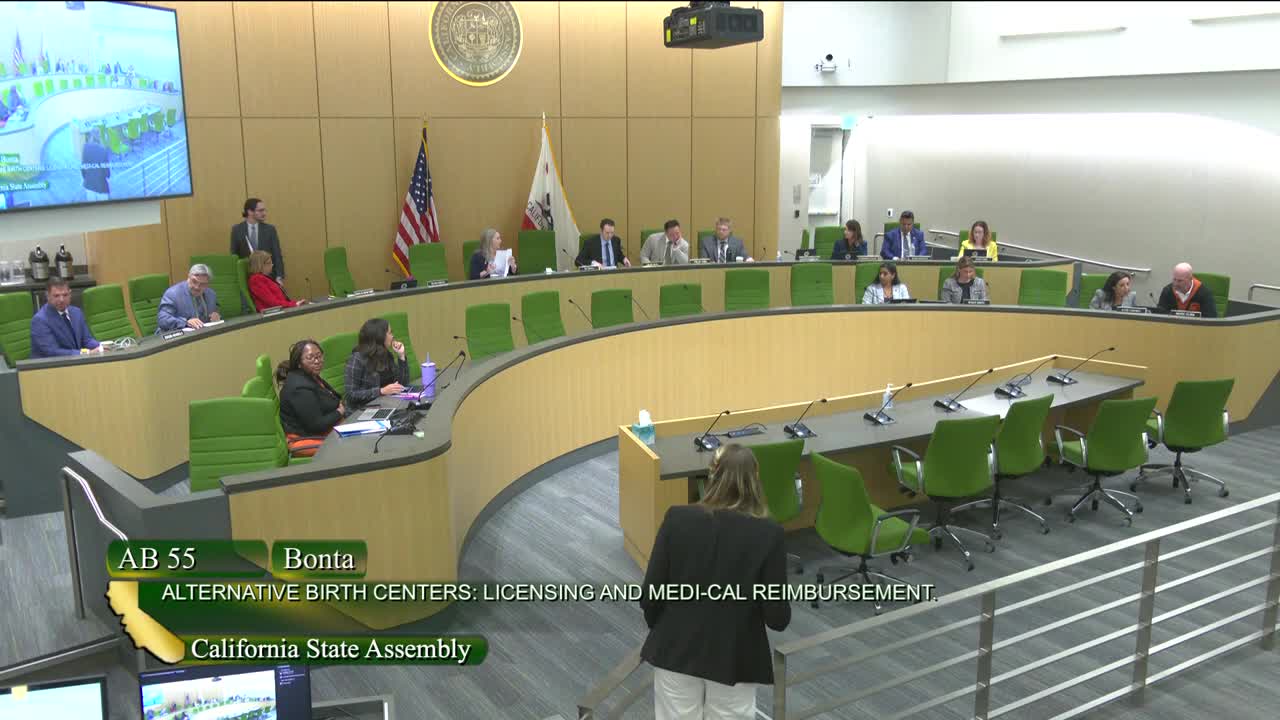 12MIN
Assembly Standing Committee on Health
Bill Author

Bill Co-Author(s):