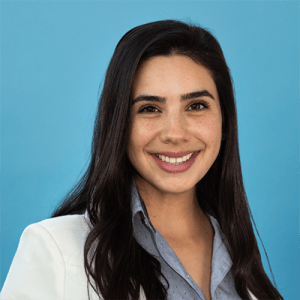
SB 1179: Doctors from El Salvador Program.
- Session Year: 2025-2026
- House: Senate
- Latest Version Date: 2026-04-09
Current Status:
In Progress
(2026-05-14: May 14 hearing: Held in committee and under submission.)
Introduced
In Committee
Awaiting First Chamber Vote
Passed First Chamber
In Committee
Awaiting Second Chamber Vote
Passed Second Chamber
Enacted
What does this bill do?
The bill creates a Doctors from El Salvador Program that lets physicians licensed in El Salvador get a nonrenewable three-year California medical license to practice only at the nonprofit community health center that hires them and its affiliated hospital. Applicants must show El Salvador specialty certification, pass a board review and interview, meet English and experience requirements, and complete ongoing quality reviews and trainings at the hiring clinics; the program includes periodic evaluations and limits the number of participants in each cohort.
The summary is provided by generative AI which can make mistakes. For original language, please view the details in the table below.
Existing law, the Medical Practice Act, establishes the Medical Board of California to license and regulate the practice of medicine. Existing law establishes within the act the Licensed Physicians from Mexico Program, which authorizes the board to issue a limited number of nonrenewable 3-year physicians and surgeons licenses to physicians from Mexico who are licensed, certified, or recertified and in good standing in their medical specialty in Mexico and who meet specified other requirements.
This bill would establish the Doctors from El Salvador Program for the purpose of permitting licensed physicians from El Salvador to practice medicine in California for up to 3 years. The bill would establish a program administration committee and would designate Clinica Monsenor Oscar A. Romero to serve as the primary administrator and lead representative of the committee. The bill would require the committee to, among other things, develop an interview examination for each specialty area, develop an orientation program, and recruit and vet candidates for the program. require the program to be developed in consultation with representatives from a community health clinic in California that has an established partnership and framework with specified universities in El Salvador and would require the program to, among other things, recruit and vet candidates and assist candidates for the program in El Salvador to meet all program requirements. The bill would require the board to issue a nonrenewable 3-year physician and surgeons license to a person who is licensed, certified, or recertified, and in good standing in the applicable medical specialty in El Salvador and who meets other requirements of the program. The
This bill would require a licensee in the program to only practice medicine in California at a federally qualified health center and any practice only in the nonprofit community health center that offered the licensee employment and the corresponding hospital. The bill would require a federally qualified health center employing a licensee in the program to take certain actions, including creating and maintaining medical quality assurance protocols for those licensees. The bill would also require the federally qualified health centers to work with a California medical school or residency program to conduct 10 secondary reviews of randomly selected patient encounters with each of those licensees every 6 months, as specified. The bill would also require the faculty from the medical school or residency program and federally qualified health center chief medical officers to jointly develop 2 quality assurance seminars to be attended by the licensees.
This bill would require an evaluation of the program to be conducted 12 months after the program has commenced by one of specified universities in El Salvador and an unspecified medical school in southern California, except that if the evaluation does not begin within 18 months of commencement of the program, the bill would require the Director of Consumer Affairs to select an independent consultant to conduct the evaluation. The bill would require progress reports to be provided to the Legislature on achievable time intervals beginning in the 2nd year of implementation of the program. The bill would require the board to coordinate with the community health center, as specified, to ensure that the number of program participants that are issued a license does not exceed a certain number of licensees, based on the year in which the applicant applies. The bill would establish various fees to be deposited in the Contingent Fund of the Medical Board of California or the CURES Fund, as specified.
This bill would make legislative findings and declarations as to the necessity of a special statute.
Existing law, the Medical Practice Act, establishes the Medical Board of California to license and regulate the practice of medicine. Existing law establishes within the act the Licensed Physicians from Mexico Program, which authorizes the board to issue a limited number of nonrenewable 3-year physicians and surgeons licenses to physicians from Mexico who are licensed, certified, or recertified and in good standing in their medical specialty in Mexico and who meet specified other requirements.
This bill would establish the Doctors from El Salvador Program for the purpose of permitting licensed physicians from El Salvador to practice medicine in California for up to 3 years. The bill would establish a program administration committee and would designate Clinica Monsenor Oscar A. Romero to serve as the primary administrator and lead representative of the committee. The bill would require the committee to, among other things, develop an interview examination for each specialty area, develop an orientation program, and recruit and vet candidates for the program. The bill would require the board to issue a nonrenewable 3-year physician and surgeons license to a person who is licensed, certified, or recertified, and in good standing in the applicable medical specialty in El Salvador and who meets other requirements of the program. The bill would require a licensee in the program to only practice medicine in California at a federally qualified health center and any corresponding hospital. The bill would require a federally qualified health center employing a licensee in the program to take certain actions, including creating and maintaining medical quality assurance protocols for those licensees. The bill would also require the federally qualified health centers to work with a California medical school or residency program to conduct 10 secondary reviews of randomly selected patient encounters with each of those licensees every 6 months, as specified. The bill would also require the faculty from the medical school or residency program and federally qualified health center chief medical officers to jointly develop 2 quality assurance seminars to be attended by the licensees.
This bill would make legislative findings and declarations as to the necessity of a special statute.
For purposes of this article:
(a)Committee means the program administration committee established pursuant to Section 2130.2.(a)Board means the Medical Board of California.
(b)Licensee means a person licensed under the program.
(c)Primary administrator means the Clinica Monsenor Oscar A. Romero.(d)(c)Program means the Doctors from El Salvador Program established pursuant to this article.
2130.1.The Doctors from El Salvador Program is hereby established for the purpose of permitting licensed physicians from El Salvador to practice medicine, including, but not limited to, family medicine, internal medicine, pediatrics, obstetrics and gynecology, and psychiatry, in California for up to three years.
2130.2.(a)The program administration committee is hereby established.(b)The committee shall be composed of the following members:(1)Two individuals designated by the primary administrator.(2)Two individuals designated by the Universidad Evangelica de El Salvador.(3)Two individuals designated by the Universidad de El Salvador.(c)The Clinica Monsenor Oscar A. Romero shall serve as the primary administrator and lead representative of the committee.2130.3.The committee shall do all of the following:(a)Develop an interview examination for each specialty area.(b)Develop an orientation program that meets all of the following requirements:(1)It is modeled after the orientation program developed for the Licensed Physicians and Dentists from Mexico Pilot Program established pursuant to former Section 853.(2)It includes all of the following components:(A)Medical protocol.(B)Community clinic history and operations.(C)Medical administration.(D)Hospital operations and protocol.(E)Medical ethics.(F)The California medical delivery systems.(G)Health maintenance organizations and managed care practices.(H)Medication documentation and reconciliation.(I)The electronic medical records system utilized by federally qualified health centers.(J)Standards for medical record documentation to support medical decisionmaking and quality care.(3)It is approved by the board.(c)Recruit and vet candidates for the program.(d)Act as the point of contact for candidates for the program and assist those candidates with meeting the requirements for the program.(e)Select appropriate federally qualified health centers in California.(f)Ensure compliance with program provisions.(g)Develop policy and clinical workshops.(h)Monitor productivity and increased access to medical care.(i)Assess the necessity of policy or programmatic improvements.2130.2.The program shall be developed in consultation with representatives from a community health clinic in California that has an established partnership and framework with the Universidad Evangelica de El Salvador and Universidad de El Salvador, and shall include the following:
(a)Coordinating entities for securing required documents.
(b)Recruiting and vetting candidates.
(c)Assisting candidates for the program in El Salvador to meet all program requirements.
(d)Selecting appropriate federally qualified health centers throughout California.
(e)Ensuring compliance with program provisions.
(f)Developing policy and clinical workshops.
(g)Monitoring productivity and increased access to medical care.
(h)Assessing the necessity of policy and programmatic improvements.
2130.4.2130.3.The board shall submit to the Department of Justice fingerprint images and related information required by the Department of Justice of all applicants for a physicians and surgeons license under the program to determine whether the applicant has a criminal conviction record in this state or in any other jurisdiction, including foreign countries, pursuant to Section 2042. The Department of Justice shall provide a state- and federal-level response in accordance with subdivision (p) of Section 11105 of the Penal Code for the board to determine whether the applicant is subject to denial of licensure under the provisions of Division 1.5 (commencing with Section 475) and Section 2221.
2130.5.2130.4.Subject to Section 2130.6, 2130.5, the board shall issue a nonrenewable three-year physicians and surgeons license to a person who meets all of the following requirements:
(a)The person is licensed, certified, or recertified, and in good standing in the applicable medical specialty in El Salvador. This certification or recertification shall be performed, as appropriate, by the Consejo Nacional de las Especialidades Medicas or the Ministry of Health in El Salvador.
(b)Before leaving El Salvador, the person has completed all of the following:
(1)Passed the applicable medical review course with a score equivalent to that required of United States applicants for each of the persons specialty areas. board review course with a score equivalent to that registered by United States applicants when passing a board review course for the United States certification examination in each of the physicians specialty areas and passed an interview examination the entities developed in consultation with the community health clinic referenced in Section 2130.2 for each specialty area. A family practitioner who includes obstetrics and gynecology in their practice shall not perform deliveries in California unless they have performed 50 live birth deliveries, as required by United States standards, confirmed by written documentation by the supervising department chair, hospital administrator, or hospital chief medical officer. Each obstetrician and gynecologist from El Salvador shall be a fellow in good standing of the American College of Obstetricians and Gynecologists.
(2)Passed the committees an interview examination created in consultation with the community health clinic referenced in Section 2130.2 for each of the persons specialty areas.
(3)Satisfactorily completed the committees orientation program. an orientation program developed in consultation with the community health clinic referenced in Section 2130.2.
(4)Provided written documentation to the board that they have scored at least 85 percent on the Test of English as a Foreign Language or at least 350 on the Occupational English Test.
2130.6.2130.5.(a)Subject to subdivision (b), notwithstanding subdivisions (a) to (d), inclusive, of Section 30, the board shall issue a license to an applicant who meets the requirements of Section 2130.3 even if the applicant has not provided an individual taxpayer identification number or social security number to the board.
(b)A licensee who has not provided an individual taxpayer identification number or social security number to the board shall not engage in the practice of medicine unless all of the following conditions are met:
(1)The licensee sought an appropriate three-year visa and accompanying social security number from the federal government within 14 days of licensure under the program.
(2)The licensee provided the board their social security number within 10 days of issuance of the number by the federal government.
(3)The board notified the licensee that it has determined that the requirements of paragraphs (1) and (2) have been met.
(c)The board shall promptly provide the notification described in paragraph (3) of subdivision (b) to the licensee once the board has made the determination described in that subparagraph.
2130.7.2130.6.If a licensee is a family practitioner who includes obstetrics and gynecology in their practice, they shall not perform deliveries in California unless they have written documentation from a supervising department chair, hospital administrator, or hospital chief medical officer that they have performed 50 live birth deliveries in accordance with United States standards. Each license who practices as an obstetrician and gynecologist shall be a fellow in good standing of the American College of Obstetricians and Gynecologists.
2130.8.2130.7.A licensee shall complete 25 continuing education units each year. The board may randomly audit a licensee to ensure compliance with this section and may issue a citation and administrative fine against a licensee who fails to comply with this section.
2130.9.2130.8.(a)A federally qualified health center employing a licensee shall continue the peer review protocols and procedures as required by the federal government.
(b)The federally qualified health centers shall work with a California medical school approved by the board pursuant to Section 2084 or a residency program approved by the Accreditation Council for Graduate Medical Education to conduct 10 secondary reviews of randomly selected patient encounters with each licensee per six-month period, and the reviews shall be transmitted to the approved medical school or medical institution with an approved residency program in PDF format.
(c)The secondary reviews shall be undertaken every six months of each year for the three years that the licensee is employed by a federally qualified health center.
(d)The faculty reviewers in family medicine, pediatrics, internal medicine, psychiatry, and obstetrics and gynecology from the California medical school approved by the board pursuant to Section 2084 or the residency program approved by the Accreditation Council for Graduate Medical Education shall provide feedback to the federally qualified health centers of the findings of their secondary reviews.
(e)The faculty and federally qualified health center chief medical officers shall jointly develop no less than two quality assurance seminars for all licensees to attend during the six months of secondary reviews conducted. The purpose of the approved medical school or medical institution with an approved residency program secondary peer reviews shall be to provide feedback on compliance with medical standards, protocols, and procedures required by the federal government and assessed by the monthly or quarterly peer reviews conducted by federally qualified health centers. The associated costs for the secondary reviews and quality assurance seminars shall be the responsibility of the federally qualified health centers on a pro rata basis.
2130.10.2130.9.(a)A licensee shall only practice medicine in California at a federally qualified health center and any corresponding hospital. only in the nonprofit community health center that offered the licensee employment and the corresponding hospital.
(b)A federally qualified health center employing a licensee shall do all of the following:
(1)Apply peer review protocols and procedures required by federal law to each licensee.
(2)Create and maintain medical quality assurance protocols for licensees.
(3)Obtain and maintain accreditation by the Joint Commission, the National Committee for Quality Assurance, or the Accreditation Association for Ambulatory Health Care, as applicable.
(4)Provide all applicable employment benefits, salary, and policies to licensees as are provided to the centers other employees, including, but not limited to, malpractice insurance coverage.
2130.10.The board shall coordinate with the community health clinic referenced in Section 2130.2 to ensure that the number of program participants that are issued a current and active license does not exceed the following:
(a)Between January 1, 2028 and January 1, 2032, no more than 60 participants. An applicant shall submit an application to the board between January 1, 2027, and June 1, 2027, to be admitted to the cohort commencing on January 1, 2028.
(b)Between January 1, 2032, and January 1, 2036, no more than 85 participants. An applicants shall submit application to the board between January 1, 2031, and June 1, 2031.
(c)Between January 1, 2036, and January 1, 2040, no more than 110 participants. An applicant shall submit an application to the board between January 1, 2035, and June 1, 2035.
(d)Between January 1, 2040, and January 1, 2044, no more than 135 participants. An applicant shall submit an application to the board between January 1, 2039, and June 1, 2039.
(e)Between January 1, 2044, and January 1, 2048, no more than 135 participants. An applicant shall submit an applicant to the board between January 1, 2043, and June 1, 2043.
2130.11.(a)A license issued pursuant to the program shall be deemed to be a license in good standing pursuant to the provisions of this chapter for the purpose of participation in and reimbursement from all federal, state, and local health programs, including, but not limited to, the Medicare Program, the fee-for-service and managed care delivery systems of the Medi-Cal program, and private insurance.
(b)A licensee shall not be denied credentials by a health plan because the licensee is a participant in the program and did not receive their medical education and training in the United States.
2130.12.(a)The application and processing fee shall be the amount specified in subdivision (b) of Section 2435.
(b)The initial license fee shall be one and one-half times the amount specified in subdivision (c) of Section 2435.
(c)The fee for the Controlled Substance Utilization Review and Evaluation System (CURES) shall be three times the annual fee specified under subdivision (a) of Section 208.
(d)The fee for the Steven M. Thompson Physician Corps Loan Repayment Program shall be one and one-half times the amount specified in subdivision (a) of Section 2436.5.
(e)The fees required by this section shall be deposited into the Contingent Fund of the Medical Board of California, except that the fee described in subdivision (c) shall be deposited into the CURES Fund.
(f)Any unencumbered funds collected by the board pursuant to former Section 853 shall be deposited into the Contingent Fund of the Medical Board of California.
2130.13.(a)Beginning 12 months after the program has commenced, an evaluation of the program shall be conducted by a medical school in southern California and one of the following:
(1)The Universidad of El Salvador.
(2)Universidad Evangelica de El Salvador.
(3)A foreign medical school approved by the board.
(b)The evaluation shall include, but not be limited to, the following matters:
(1)Quality of care provided by licensees under this program.
(2)Adaptability of these practitioners to California dental standards.
(3)Impact on working and administrative environments in nonprofit community health centers and impact on interpersonal relations with medical licensed counterparts in health centers.
(4)Response and approval by patients.
(5)Impact on cultural and linguistic services.
(6)Increases in medical encounters provided by participating practitioners to limited-English-speaking patient populations and increases in the number of limited-English-speaking patients seeking health care services from nonprofit community health centers.
(7)Recommendations on whether the program should be continued, expanded, altered, or terminated.
(c)If the evaluation required in subdivision (a) does not begin within 18 months after the program has commenced, the evaluation may be performed by an independent consultant selected by the Director of Consumer Affairs.
(d)Progress reports on the matters specified in subdivision (b) shall be provided to the Legislature on achievable time intervals beginning in the second year of implementation of the program.
(e)Costs for administering the program shall be secured from philanthropic entities.
(f)Program applicants shall be responsible for working with the governments of El Salvador and the United States to obtain the necessary three-year visa required for program participation.
SEC. 2.The Legislature finds and declares that a special statute is necessary and that a general statute cannot be made applicable within the meaning of Section 16 of Article IV of the California Constitution because of the unique and immediate need for physicians in California that have the cultural competency, language fluency, and requisite expertise to treat the large Latino patient population.
For purposes of this article:
(a)Committee means the program administration committee established pursuant to Section 2130.2.
(b)Licensee means a person licensed under the program.
(c)Primary administrator means the Clinica Monsenor Oscar A. Romero.
(d)Program means the Doctors from El Salvador Program established pursuant to this article.
2130.1.The Doctors from El Salvador Program is hereby established for the purpose of permitting licensed physicians from El Salvador to practice medicine, including, but not limited to, family medicine, internal medicine, pediatrics, obstetrics and gynecology, and psychiatry, in California for up to three years.
2130.2.(a)The program administration committee is hereby established.
(b)The committee shall be composed of the following members:
(1)Two individuals designated by the primary administrator.
(2)Two individuals designated by the Universidad Evangelica de El Salvador.
(3)Two individuals designated by the Universidad de El Salvador.
(c)The Clinica Monsenor Oscar A. Romero shall serve as the primary administrator and lead representative of the committee.
2130.3.The committee shall do all of the following:
(a)Develop an interview examination for each specialty area.
(b)Develop an orientation program that meets all of the following requirements:
(1)It is modeled after the orientation program developed for the Licensed Physicians and Dentists from Mexico Pilot Program established pursuant to former Section 853.
(2)It includes all of the following components:
(A)Medical protocol.
(B)Community clinic history and operations.
(C)Medical administration.
(D)Hospital operations and protocol.
(E)Medical ethics.
(F)The California medical delivery systems.
(G)Health maintenance organizations and managed care practices.
(H)Medication documentation and reconciliation.
(I)The electronic medical records system utilized by federally qualified health centers.
(J)Standards for medical record documentation to support medical decisionmaking and quality care.
(3)It is approved by the board.
(c)Recruit and vet candidates for the program.
(d)Act as the point of contact for candidates for the program and assist those candidates with meeting the requirements for the program.
(e)Select appropriate federally qualified health centers in California.
(f)Ensure compliance with program provisions.
(g)Develop policy and clinical workshops.
(h)Monitor productivity and increased access to medical care.
(i)Assess the necessity of policy or programmatic improvements.
2130.4.The board shall submit to the Department of Justice fingerprint images and related information required by the Department of Justice of all applicants for a physicians and surgeons license under the program to determine whether the applicant has a criminal conviction record in this state or in any other jurisdiction, including foreign countries, pursuant to Section 2042. The Department of Justice shall provide a state- and federal-level response in accordance with subdivision (p) of Section 11105 of the Penal Code for the board to determine whether the applicant is subject to denial of licensure under the provisions of Division 1.5 (commencing with Section 475) and Section 2221.
2130.5.Subject to Section 2130.6, the board shall issue a nonrenewable three-year physicians and surgeons license to a person who meets all of the following requirements:
(a)The person is licensed, certified, or recertified, and in good standing in the applicable medical specialty in El Salvador.
(b)Before leaving El Salvador, the person has completed all of the following:
(1)Passed the applicable medical review course with a score equivalent to that required of United States applicants for each of the persons specialty areas.
(2)Passed the committees interview examination for each of the persons specialty areas.
(3)Satisfactorily completed the committees orientation program.
(4)Provided written documentation to the board that they have scored at least 85 percent on the Test of English as a Foreign Language or at least 350 on the Occupational English Test.
2130.6.(a)Subject to subdivision (b), notwithstanding subdivisions (a) to (d), inclusive, of Section 30, the board shall issue a license to an applicant who meets the requirements of Section 2130.3 even if the applicant has not provided an individual taxpayer identification number or social security number to the board.
(b)A licensee who has not provided an individual taxpayer identification number or social security number to the board shall not engage in the practice of medicine unless all of the following conditions are met:
(1)The licensee sought an appropriate three-year visa and accompanying social security number from the federal government within 14 days of licensure under the program.
(2)The licensee provided the board their social security number within 10 days of issuance of the number by the federal government.
(3)The board notified the licensee that it has determined that the requirements of paragraphs (1) and (2) have been met.
(c)The board shall promptly provide the notification described in paragraph (3) of subdivision (b) to the licensee once the board has made the determination described in that subparagraph.
2130.7.If a licensee is a family practitioner who includes obstetrics and gynecology in their practice, they shall not perform deliveries in California unless they have written documentation from a supervising department chair, hospital administrator, or hospital chief medical officer that they have performed 50 live birth deliveries in accordance with United States standards. Each license who practices as an obstetrician and gynecologist shall be a fellow in good standing of the American College of Obstetricians and Gynecologists.
2130.8.A licensee shall complete 25 continuing education units each year. The board may randomly audit a licensee to ensure compliance with this section and may issue a citation and administrative fine against a licensee who fails to comply with this section.
2130.9.(a)A federally qualified health center employing a licensee shall continue the peer review protocols and procedures as required by the federal government.
(b)The federally qualified health centers shall work with a California medical school approved by the board pursuant to Section 2084 or a residency program approved by the Accreditation Council for Graduate Medical Education to conduct 10 secondary reviews of randomly selected patient encounters with each licensee per six-month period, and the reviews shall be transmitted to the approved medical school or medical institution with an approved residency program in PDF format.
(c)The secondary reviews shall be undertaken every six months of each year for the three years that the licensee is employed by a federally qualified health center.
(d)The faculty reviewers in family medicine, pediatrics, internal medicine, psychiatry, and obstetrics and gynecology from the California medical school approved by the board pursuant to Section 2084 or the residency program approved by the Accreditation Council for Graduate Medical Education shall provide feedback to the federally qualified health centers of the findings of their secondary reviews.
(e)The faculty and federally qualified health center chief medical officers shall jointly develop no less than two quality assurance seminars for all licensees to attend during the six months of secondary reviews conducted. The purpose of the approved medical school or medical institution with an approved residency program secondary peer reviews shall be to provide feedback on compliance with medical standards, protocols, and procedures required by the federal government and assessed by the monthly or quarterly peer reviews conducted by federally qualified health centers. The associated costs for the secondary reviews and quality assurance seminars shall be the responsibility of the federally qualified health centers on a pro rata basis.
2130.10.(a)A licensee shall only practice medicine in California at a federally qualified health center and any corresponding hospital.
(b)A federally qualified health center employing a licensee shall do all of the following:
(1)Apply peer review protocols and procedures required by federal law to each licensee.
(2)Create and maintain medical quality assurance protocols for licensees.
(3)Obtain and maintain accreditation by the Joint Commission, the National Committee for Quality Assurance, or the Accreditation Association for Ambulatory Health Care, as applicable.
(4)Provide all applicable employment benefits, salary, and policies to licensees as are provided to the centers other employees, including, but not limited to, malpractice insurance coverage.
2130.11.(a)A license issued pursuant to the program shall be deemed to be a license in good standing pursuant to the provisions of this chapter for the purpose of participation in and reimbursement from all federal, state, and local health programs, including, but not limited to, the Medicare Program, the fee-for-service and managed care delivery systems of the Medi-Cal program, and private insurance.
(b)A licensee shall not be denied credentials by a health plan because the licensee is a participant in the program and did not receive their medical education and training in the United States.
SEC. 2.The Legislature finds and declares that a special statute is necessary and that a general statute cannot be made applicable within the meaning of Section 16 of Article IV of the California Constitution because of the unique and immediate need for physicians in California that have the cultural competency, language fluency, and requisite expertise to treat the large Latino patient population.
|
Date
|
Status
|
|---|---|
| May 14, 2026 | May 14 hearing: Held in committee and under submission. |
| May 8, 2026 | Set for hearing May 14. |
| Apr 27, 2026 | April 27 hearing: Placed on APPR. suspense file. |
| Apr 17, 2026 | Set for hearing April 27. |
| Apr 13, 2026 | From committee: Do pass and re-refer to Com. on APPR. (Ayes 10. Noes 0. Page 3840.) (April 13). Re-referred to Com. on APPR. |
| Apr 13, 2026 | From committee: Do pass and re-refer to Com. on APPR. (Ayes 10. Noes 0.) (April 13). Re-referred to Com. on APPR. |
| Apr 9, 2026 | From committee with author's amendments. Read second time and amended. Re-referred to Com. on B. P. & E.D. |
| Apr 8, 2026 | Set for hearing April 13. |
| Feb 26, 2026 | Referred to Com. on B. P. & E.D. |
| Feb 19, 2026 | From printer. May be acted upon on or after March 21. |
| Feb 18, 2026 | Introduced. Read first time. To Com. on RLS. for assignment. To print. |
|
Date
|
Description
|
Location
|
Votes
|
|
|---|---|---|---|---|
| Apr 27, 2026 | Placed on suspense file | Senate Standing Committee on Appropriations |
Passed |
|
| Apr 13, 2026 | Do pass, but first be re-referred to the Committee on [Appropriations] | Senate Standing Committee on Business, Professions and Economic Development |
Passed |
This list shows positions taken on this bill by organizations on the date displayed, which is linked to the original source.
Positions by individuals are not included.
|
Organization
|
Position
|
Date
|
|---|---|---|
| Academic Futbol Juvenil Amatense | ** Support | |
| Access Reproductive Justice | ** Support | |
| Alexander Valley Healthcare | ** Support | |
| All Inclusive Community Health Center | ** Support | |
| AltaMed Health Services | ** Support | |
| APLA Health | ** Support | |
| Aria Community Health Center | ** Support | |
| Arroyo Vista Family Health Center | ** Support | |
| Bravo Medical Magnet High School | ** Support | |
| Buen Vecino | ** Support | |
| California Immigrant Policy Center | ** Support | |
| Camino Health Center | ** Support | |
| Central American Resource Center of California | ** Support | |
| Central City Neighborhood Partners | ** Support | |
| Central Neighborhood Christian Health Clinics | ** Support | |
| Central Valley Health Network | ** Support | |
| Centro Cultural Costa Rica California | ** Support | |
| Chinatown Service Center | ** Support | |
| Coalition for Humane Immigrant Rights | ** Support | |
| Comite De Cultura Belize | ** Support | |
| Comite De Cultura Dominicano | ** Support | |
| Comite De Cultura El Salvador | ** Support | |
| Comite De Cultura Hondureno LA | ** Support | |
| Comite Fiestas Patrias Contigente Guatemalteco | ** Support | |
| Community Clinic Association of Los Angeles County | ** Support | |
| Community Health Association of Inland Southern Region | ** Support | |
| Community Health Partnership | ** Support | |
| Comprehensive Community Health Centers | ** Support | |
| Consejo de Federaciones Mexicanas | ** Support | |
| Courage California | ** Support | |
| CPCA Advocates, Subsidiary of The California Primary Care Association | ** Support | |
| Dientes Community Dental | ** Support | |
| Eisner Health | ** Support | |
| El Proyecto del Barrio, Inc. | ** Support | |
| El Rescate | ** Support | |
| Family Health Care Centers of Greater Los Angeles, INC. | ** Support | |
| Fecunica Nicaragua | ** Support | |
| Garfield Health Center | ** Support | |
| Golden Valley Health Centers | ** Support | |
| Health Alliance of Northern California | ** Support | |
| Health Care La Ipa | ** Support | |
| Health Center Partners of Southern California | ** Support | |
| Hill Country Community Clinic | ** Support | |
| Homies Unidos Inc | ** Support | |
| Indivisible Ca: Statestrong | ** Support | |
| Innercare | ** Support | |
| JWCH Institute, INC | ** Support | |
| Kheir Clinic | ** Support | |
| La Clinica de La Raza, Inc. | ** Support | |
| Latino Coalition for a Healthy California | ** Support | |
| Los Angeles LGBT Center | ** Support | |
| MCHC Health Centers | ** Support | |
| Neighborhood Healthcare | ** Support | |
| North Coast Clinics Network | ** Support | |
| Northeast Valley Health Corporation | ** Support | |
| One LA-IAF | ** Support | |
| Open Door Community Health Centers | ** Support | |
| OPSAM Health | ** Support | |
| Panama: Mola, Pollera Y Tambor | ** Support | |
| Pilipino Workers Center of Southern California | ** Support | |
| Pupusas With a Purpose | ** Support | |
| Ravenswood Family Health Network | ** Support | |
| Ritter Center | ** Support | |
| Saban Community Clinic | ** Support | |
| Salef | ** Support | |
| Salva | ** Support | |
| Samuel Dixon Family Health Center, INC. | ** Support | |
| San Francisco Community Clinic Consortium | ** Support | |
| SEIU California | ** Support | |
| Share Ourselves | ** Support | |
| Shasta Community Health Center | ** Support | |
| South Central Family Health Center | ** Support | |
| St John's Community Health | ** Support | |
| Thai Community Development Center | ** Support | |
| The Coalition of Orange County Community Health Centers | ** Support | |
| Umma Health | ** Support | |
| Valley Community Healthcare | ** Support | |
| Venice Family Clinic | ** Support | |
| Via Care Community Health Center | ** Support | |
| Watts Healthcare Corporation | ** Support |
SENATE COMMITTEE ON
Senator Sabrina Cervantes, Chair
2025 - 2026 Regular Session
SB 1179 (Menjivar) - Doctors from El Salvador Program
Version: | Policy Vote: |
Urgency: | Mandate: |
Hearing Date: | Consultant: |
Bill Summary:
SB 1179 establishes the Doctors from El Salvador Program (El Salvador Program) to authorize licensed physicians from El Salvador to practice in California for up to three years.
Fiscal Impact:
- The Medical Board of California (MBC) anticipates costs of approximately $67,000 in Fiscal Year (FY) 1, $2,000 in FY 2, $30,000 in FY 3, and $43,000 in FY 4. MBC notes that program administration costs will be offset by fee revenue. The board anticipates first-year revenues of approximately $38,000 in application fees, $104,000 in initial licensing fees, $3,000 in the CURES fund, and $2,000 from the Steven M. Thompson Fee.
- The Office of Information Services (OIS) within the Department of Consumer Affairs anticipates IT costs of approximately $144,000 to build a new MBC license type in BreEZe. OIS notes these costs are not absorbable, and the system build will require a delayed implementation to secure necessary vendor resources.
Background:
The El Salvador Program proposed by this bill is modeled after the Licensed Physicians from Mexico Pilot Program (Mexico Pilot Program). AB 1045 (Firebaugh, Chapter 1157, Statutes of 2002) established the Licensed Physicians and Dentists from Mexico Pilot Program, and was designed to bring physicians and dentists from Mexico with rural experience, who speak the language, understand the culture, and know how to apply this knowledge in serving the large Latino communities in rural areas who have limited or no access to primary health care services. Proponents of the measure were concerned about addressing primary care physician and dentist shortages while maintaining a high quality of care.
AB 1045 authorized up to 30 licensed physicians specializing in family practice, internal medicine, pediatrics, and obstetrics and gynecology and up to 30 licensed dentists from Mexico to practice medicine or dentistry in California for up to three years and required the individuals to meet certain requirements related to training and education. AB 1045 tasked MBC with oversight review of both the implementation of the program and an evaluation of the program once it is implemented. AB 1045 specified that any funding necessary for the implementation of the program, including the evaluation and oversight functions, was to be secured from nonprofit philanthropic entities and further stated that implementation of the program could not move forward unless appropriate funding was secured from nonprofit philanthropic entities.
Physicians from Mexico finally started serving patients under the pilot program in August 2021, beginning with physicians working at San Benito Health Foundation in August 2021. Additional physicians subsequently began serving patients at Clinica de Salud del Valle de Salinas in Monterey County, Altura Centers for Health in Tulare County. From January to November 2023, additional licensed physicians from Mexico began serving patients in the Alta Med Health Corporation in Los Angeles and Orange Counties.
The first annual progress report on the pilot program, submitted to the Legislature by the University of California (UC), Davis in August of 2022, found that many patients had positive experiences with physicians practicing through the pilot program. Patients reportedly had substantially positive experiences communicating with their doctor and frequently felt welcome. While the overall efficacy of the pilot program was still under review, initial reports appeared positive.
UC Davis submitted its second annual progress report on the pilot program to the Legislature in October of 2023. As stated in the report summary, the goal of the evaluation was to provide recommendations on the pilot program and opine on "whether it should be continued, expanded, altered, or terminated." The report summary concluded with a finding that the pilot program "has strong positive feedback from all. Physicians integrated seamlessly, making healthcare more accessible, and increasing patient trust. Staff reported excellent patient care processes and a supportive environment." The report further concluded that physicians in the program "demonstrated a solid understanding of California Medical Standards."
AB 2860 (Garcia, Chapter 246, Statutes of 2024) reestablished the Licensed Physicians and Dentists from Mexico Pilot Program as the distinct Licensed Physicians from Mexico Program and made various updates and conforming changes. AB 2860 expanded the program to include many more physicians and set licensure fees for physicians from Mexico commensurate with those of California licensed physicians and surgeons, among other changes related to ongoing program administration and implementation.
Proposed Law:
- Establishes the El Salvador Program and specifies that the program must be developed in consultation with representatives from a community health clinic in California that has an established partnership and framework with the Universidad Evangélica de El Salvador and Universidad de El Salvador. Requires the program to include:
- Coordinating entities for securing required documents; recruiting and vetting candidates; assisting candidates for the program in El Salvador to meet all program requirements; selecting appropriate federally qualified health centers (FQHCs) throughout California; ensuring compliance with program provisions; developing policy and clinical workshops; monitoring productivity and increased access to medical care and; assessing the necessity of policy and programmatic improvements.
- Requires MBC to issue a nonrenewable three-year physician’s and surgeon’s license to a person who:
- Is licensed, certified, or recertified, and in good standing in the applicable medical specialty in El Salvador by the Consejo Nacional de las Especialidades Médicas or the Ministry of Health in El Salvador.
- Prior to leaving El Salvador, passed the MBC review course with a score equivalent to United States applicants in each of the physician’s specialty areas and passed an interview examination for each specialty area. Specifies that a family practitioner who includes obstetrics and gynecology in their practice is prohibited from performing deliveries in California unless they have performed 50 live birth deliveries, as required by United States standards, confirmed by written documentation by the supervising department chair, hospital administrator, or hospital chief medical officer. Requires each obstetrician and gynecologist from El Salvador to be a fellow in good standing of the American College of Obstetricians and Gynecologists.
- Satisfactorily completed an orientation program developed in consultation with the with representatives from a community health clinic in California that has an established partnership and framework with the Universidad Evangélica de El Salvador and Universidad de El Salvado
- Provides for the same peer review, employment limitations to the employing clinic, and fee requirements as participants in the Mexico Program.
- Requires program costs to be secured from philanthropic entities and requires an evaluation of the program to be conducted by a medical school in Southern California and either a named university in El Salvador or foreign medical school approved by MBC that includes specified information and recommendations on whether the program should be continued, expanded, altered, or terminated.
Staff Comments:
The bill specifies that costs for administering the program be secured from philanthropic entities. Based on the fiscal estimates provided by MBC and OIS, the program will likely require donations in the low-to-mid hundreds of thousands of dollars. It is unknown when adequate funding will be secured to initiate the program.
-- END --
SENATE COMMITTEE ON
BUSINESS, PROFESSIONS AND ECONOMIC DEVELOPMENT
Senator Dr. Aisha Wahab, Chair
2025 - 2026 Regular
Bill No: Hearing Date: April 13, 2026
Author: | |||
Version: |
| ||
Urgency: | Fiscal: | ||
Consultant: | |||
Subject:
SUMMARY:
Establishes a Doctors from El Salvador Program (El Salvador Program) to authorize licensed physicians from El Salvador to become licensed by the Medical Board of California (MBC) and practice in California for three years.
Existing law:
- Establishes the Medical Practice Act which provides for the licensing and regulation of physicians and surgeons in Medical Board of California (MBC). (Business and Professions Code (BPC) § 2000 et seq.)
- Provides that protection of the public shall be the highest priority for the Medical Board of California in exercising its licensing, regulatory, and disciplinary functions. (BPC § 2001.1)
- Prohibits any person who practices or attempts to practice any mode of treating the sick, or who diagnoses, treats, operates, or prescribes for any ailment, disease, injury or other physical or mental condition without having at the time of doing so a valid certificate. (BPC § 2052)
- Requires an applicant for a physician and surgeon’s license to graduate from a medical school approved or recognized by MBC and authorizes MBC to establish standards for approval or recognition of medical education, including for international medical schools. (BPC § 2084)
- Requires applicants for licensure to complete MBC-approved postgraduate training, and establishes differing minimum training requirements based on the location of medical education, including requiring additional postgraduate training for graduates of international medical schools. (BPC § 2096)
- Establishes a Licensed Physicians from Mexico Program (Mexico Program) that authorizes MBC to issue a nonrenewable three-year license to qualified applicants who have met various prescribed requirements for participating in the Mexico Program (BPC § 2125)
- Requires Mexico Program participants, prior to coming to California, to: pass an interview examination developed by the National Autonomous University of Mexico (UNAM) for each specialty area; satisfactorily complete an orientation program approved by MBC that includes medical protocol, community clinic history and operations, medical administration, hospital operations and protocol, medical ethics, the California medical delivery system, health maintenance organizations and managed care practices, medication documentation and reconciliation, the electronic medical records system utilized by federally qualified health centers, and standards for medical record documentation to support medical decisionmaking and quality care and: satisfactorily completed the Test of English as a Foreign Language by scoring a minimum of 85 percent or the Occupational English Test with a minimum score of 350. (Id.)
- Requires a Mexico Program participant to practice only in the nonprofit community health center that offered the licensee employment and the corresponding hospital. Specifies that the participant’s MBC license is deemed to be a license in good standing for the purpose of participation and reimbursement in all federal, state, and local health programs. Prohibits a physician from Mexico from being denied credentials by a health plan because the physician is a participant in the Mexico Program and did not receive their medical education and training in the United States. (Id.)
- Makes various findings and declarations about California’s population, the importance of provider-patient communication, primary care and physician shortages in California, and other related topics. (Id.)
- Authorizes a health care practitioner licensed in another state or territory to provide services to California patients if the health care is provided only during a state of emergency that overwhelms the response capabilities of California health care practitioners and only upon the request of the Director of the Emergency Medical Services Authority (EMSA). (BPC § 900)
This bill:
- Establishes the El Salvador Program, modeled after the Mexico Program, and specifies that the program must be developed in consultation with representatives from a community health clinic in California that has an established partnership and framework with the Universidad Evangélica de El Salvador and Universidad de El Salvador. Requires the program to include coordinating entities for securing required documents; recruiting and vetting candidates; assisting candidates for the program in El Salvador to meet all program requirements; selecting appropriate federally qualified health centers (FQHCs) throughout California; ensuring compliance with program provisions; developing policy and clinical workshops; monitoring productivity and increased access to medical care and; assessing the necessity of policy and programmatic improvements.
- Requires MBC to issue a nonrenewable three-year physician’s and surgeon’s license to a person who:
- Is licensed, certified, or recertified, and in good standing in the applicable medical specialty in El Salvador by the Consejo Nacional de las Especialidades Médicas or the Ministry of Health in El Salvador.
- Prior to leaving El Salvador, passed the MBC review course with a score equivalent to United States applicants in each of the physician’s specialty areas and passed an interview examination for each specialty area. Specifies that a family practitioner who includes obstetrics and gynecology in their practice is prohibited from performing deliveries in California unless they have performed 50 live birth deliveries, as required by United States standards, confirmed by written documentation by the supervising department chair, hospital administrator, or hospital chief medical officer. Requires each obstetrician and gynecologist from El Salvador to be a fellow in good standing of the American College of Obstetricians and Gynecologists.
- Satisfactorily completed an orientation program developed in consultation with the with representatives from a community health clinic in California that has an established partnership and framework with the Universidad Evangélica de El Salvador and Universidad de El Salvado
- Provides for the same peer review, employment limitations to the employing clinic, and fee requirements as participants in the Mexico Program.
- Requires program costs to be secured from philanthropic entities and requires an evaluation of the program to be conducted by a medical school in Southern California and either a named university in El Salvador or foreign medical school approved by MBC that includes specified information and recommendations on whether the program should be continued, expanded, altered, or terminated.
FISCAL EFFECT: Unknown. This bill is keyed fiscal by Legislative Counsel.
COMMENTS:
- Purpose. This bill is co-sponsored by Clínica Monseñor Oscar A. Romero and California Primary Care Association Advocates. According to the Author, “California continues to grapple with a physician workforce shortage. The numbers are even worse when considering physicians with cultural competency and bilingual expertise. According to the most recent U.S. Census data, 45.3% of Californians spoke a language other than English at home. Of those who spoke a language other than English, nearly 29% spoke Spanish. However, according to data from the California Department of Health Care Access and Information, Spanish is the most underrepresented language in the healthcare workforce. Speaking Spanish, however, is not the only requirement for cultural competency; patients in the most recent Mexico Physicians program reported that this experience was different than when using an interpreter, as some things can get lost in translation, compared with comfortably communicating with the provider and not having to dance around words.
The lack of linguistic and cultural competency poses significant barriers, given its importance. The same report on the Mexico Physicians Program found that it made a difference for someone's key determinants of health, as the linguistic connections are directly linked to better interpersonal communication, improved access to care, mutual trust, and ultimately improved satisfaction in patient-doctor relationships. Building upon this for physicians from El Salvador, we want to ensure that we are building up this workforce, thus increasing accessibility to patients. SB 1179 expands on the success of the existing successful framework of the Mexico Physicians Program and creating a similar program for Physicians from El Salvador.”
- Background. According to MBC and provisions of the Medical Practice Act, all applicants for physician licensure, including graduates of international medical schools, must meet uniform standards related to medical education, postgraduate training, and examination. Pursuant to BPC section 2084, applicants are required to graduate from a medical school that is approved or otherwise recognized by the MBC. For international medical graduates, this generally means the school must meet established recognition standards used by MBC in evaluating foreign medical education.
Physician applicants for licensure by MBC must pass all three components of the United States Medical Licensing Examination: Step 1, Step 2 Clinical Knowledge (CK), and Step 3. These examinations assess a physician’s understanding of basic sciences, clinical knowledge, and the application of medical judgment in patient diagnosis and treatment across core disciplines, including medicine, surgery, psychiatry, obstetrics and gynecology, pediatrics, and family medicine.
USMLE Steps 1 and 2 CK are computer-based examinations offered at testing centers worldwide to individuals enrolled in or graduates of accredited medical schools. Step 3, which is administered only in the United States, is a two-day examination that includes both multiple-choice questions and computer-based case simulations designed to assess the ability to apply medical knowledge in unsupervised clinical settings.
Applicants typically complete Steps 1 and 2 CK during medical school and become eligible to take Step 3 after graduation. While Step 3 may be taken upon graduation, many physicians elect to complete at least one year of postgraduate training prior to attempting the examination due to its emphasis on clinical decision-making.
Separately, California requires at least 12 months of approved postgraduate training for physician licensure, and the completion of three years of postgraduate training in order to remain licensed. MBC-approved postgraduate training includes training completed at a program accredited by the Accreditation Council for Graduate Medical Education (ACGME) (if postgraduate training is completed in the United States and its territories) or the Royal College of Physicians and Surgeons of Canada (RCPSC) and/or The College of Family Physicians of Canada (CFPC) if the postgraduate training is completed in Canada. Postgraduate training completed outside of the United States or Canada is generally not accepted as equivalent for purposes of physician licensure.
As a result, many internationally trained and licensed physicians must complete additional residency training in an approved program before becoming eligible for licensure in California. However, there are narrow circumstances under which such physicians may legally practice in California, including through the MBC’s Special Faculty Permit, which allows physicians and surgeons who are eminent in their field to practice in California in limited academic settings without meeting all standard licensure requirements, and the Mexico Program.
Mexico Program. The Mexico Pilot Program, established by AB 1045 (Firebaugh, Chapter 1157, Statutes of 2002), was designed to bring physicians and dentists from Mexico with rural experience, who speak the language, understand the culture, and know how to apply this knowledge in serving the large Latino communities in rural areas who have limited or no access to primary health care services. Proponents of the measure were concerned about addressing primary care physician and dentist shortages while maintaining a high quality of care.
The bill authorized up to 30 licensed physicians specializing in family practice, internal medicine, pediatrics, and obstetrics and gynecology and up to 30 licensed dentists from Mexico to practice medicine or dentistry in California for up to three years, and required the individuals to meet certain requirements related to training and education. AB 1045 tasked MBC with oversight review of both the implementation of the program and an evaluation of the program once it is implemented. The bill specified that any funding necessary for the implementation of the program, including the evaluation and oversight functions, was to be secured from nonprofit philanthropic entities and further stated that implementation of the program could not move forward unless appropriate funding was secured from nonprofit philanthropic entities.
Physicians from Mexico finally started serving patients under the pilot program in August 2021, beginning with physicians working at San Benito Health Foundation in August 2021. Additional physicians subsequently began serving patients at CSVS in Monterey County, Altura Centers for Health in Tulare County. From January to November 2023, additional licensed physicians from Mexico began serving patients in the Alta Med Health Corporation in Los Angeles and Orange Counties.
The first annual progress report on the pilot program, submitted to the Legislature by the University of California, Davis in August of 2022, found that many patients had positive experiences with physicians practicing through the pilot program. In particular, patients reportedly had substantially positive experiences communicating with their doctor, and frequently felt welcome. While the overall efficacy of the pilot program was still under review, initial reports appeared positive.
UC Davis submitted its second annual progress report on the pilot program to the Legislature in October of 2023. As stated in the report summary, the goal of the evaluation was to provide recommendations on the pilot program and opine on "whether it should be continued, expanded, altered, or terminated." The report summary concluded with a finding that the pilot program "has strong positive feedback from all. Physicians integrated seamlessly, making healthcare more accessible, and increasing patient trust. Staff reported excellent patient care processes and a supportive environment." The report further concluded that physicians in the program "demonstrated a solid understanding of California Medical Standards."
AB 2860 (Garcia, Chapter 246, Statutes of 2024) reestablished the Licensed Physicians and Dentists from Mexico Pilot Program as the distinct Licensed Physicians from Mexico Program and made various updates and conforming changes. AB 2860 expanded the program to include many more physicians and set licensure fees for physicians from Mexico commensurate with those of California licensed physicians and surgeons, among other changes related to ongoing program administration and implementation.
Access to care. Recent analyses by the California Health Care Foundation (CHCF) and the UCSF Healthforce Center show that California continues to face significant shortages in its primary care workforce. A 2026 CHCF report Strengthening California’s Primary Care Workforce: Current Challenges and Policy Opportunities found that more than 11 million Californians, over one-quarter of the population, live in federally designated Primary Care Health Professional Shortage Areas, and that access to timely, comprehensive primary care remains out of reach for millions, even among insured populations. The report further highlights structural strain on the system, noting that meeting recommended care needs would require a single primary care physician to work the equivalent of more than 26 hours per day, underscoring the severity of workforce gaps and the need for expanded, team-based care models.
Workforce projections from the UCSF Healthforce Center outlined in the 2023 California Health Workforce Needs: Forecasts and Trends in Primary Care indicate that shortages of primary care clinicians, including physicians, nurse practitioners, and physician assistants, are expected to persist through at least 2030, driven by population growth, increased demand, and an aging workforce. Statewide estimates suggest California will need approximately 10,000 or more additional primary care providers by 2030 to meet patient needs. According to the CHCF 2025 New Survey Highlights Worsening Physician Shortages in Rural Northern California, these shortages are especially acute in rural and underserved areas, where recruitment and retention challenges have led to what researchers describe as “chronic” access gaps rather than temporary workforce fluctuations.
Access challenges are further compounded for Californians with limited English proficiency (LEP). CHCF’s 2024 Health Workforce Strategies for California emphasizes that language concordance between providers and patients is a critical factor in access, quality, and health outcomes, yet the state’s health workforce does not adequately reflect the linguistic diversity of its population. As a result, many LEP Californians face persistent barriers to accessing primary care, including difficulty navigating the health system, reduced use of preventive services, and poorer health outcomes.
- Related Legislation. AB 2386 (Alvarez) requires MBC to issue a full and unrestricted license to a person who has completed the 3-year term of the Mexico Program in good standing upon satisfaction of specified requirements, including having an offer of continued employment from a health care facility or practice in California and also establishes the Provisional License for Qualified International Physicians Act which would require the board which requires MBC to issue a provisional license to an applicant who holds a full and unrestricted license to practice medicine in another country who meets specified requirements. (Status: The bill is pending is the Assembly Committee on Business and Professions)
- Arguments in Support. Supporters write that “The physician shortage has reached a critical stage in California. More than 7 million residentslive in federally designated Health Professional Shortage Areas, and the Association of American Medical Colleges projects a national shortage of up to 124,000 physicians by 2034. Despite comprising nearly 40% of the state’s population, Latinos represent only 6–7% of California’s physicians, a gap that would take 500 years to close at current rates. California is home to more than 850,000 Salvadoreans, the largest concentration of any state in the nation, yet culturally and linguistically competent providers remain critically scarce… SB 1179 is not a temporary fix. It is a meaningful step toward addressing the shortage by bringing highly trained physicians from El Salvador into the communities that need them.”
SUPPORT AND OPPOSITION:
Support:
CPCA Advocates, Subsidiary of the California Primary Care Association (co-sponsor)
Academic Futbol Juvenil Amatense
Access Reproductive Justice
Alexander Valley Healthcare
All Inclusive Community Health Center
Altamed Health Services
APLA Health
Aria Community Health Center
Arroyo Vista Family Health Center
Bravo Medical Magnet High School
Buen Vecino
California Immigrant Policy Center
Camino Health Center
Central American Resource Center of California
Central City Neighborhood Partners
Central Neighborhood Christian Health Clinics
Central Valley Health Network
Centro Cultural Costa Rica California
Chinatown Service Center
Coalition for Humane Immigrant Rights
Comite De Cultura Belize
Comite De Cultura Dominicano
Comite De Cultura El Salvador
Comite De Cultura Hondureno LA
Comite Fiestas Patrias Contigente Guatemalteco
Community Clinic Association of Los Angeles County
Community Health Association of Inland Southern Region
Community Health Partnership
Comprehensive Community Health Centers
Consejo De Federaciones Mexicanas
Courage California
Dientes Community Dental
Eisner Health
El Proyecto Del Barrio, INC.
El Rescate
Family Health Care Centers of Greater Los Angeles, INC.
Fecunica Nicaragua
Garfield Health Center
Golden Valley Health Centers
Health Alliance of Northern California
Health Care LA IPA
Health Center Partners of Southern California
Hill Country Community Clinic
Homies Unidos INC
Indivisible Ca: Statestrong
Innercare
JWCH Institute, INC
Kheir Clinic
La Clinica De La Raza, INC.
Latino Coalition for a Healthy California
Los Angeles Lgbt Center
Mchc Health Centers
Neighborhood Healthcare
North Coast Clinics Network
Northeast Valley Health Corporation
One LA-IAF
Open Door Community Health Centers
Opsam Health
Panama: Mola, Pollera Y Tambor
Pilipino Workers Center of Southern California
Pupusas With a Purpose
Ravenswood Family Health Network
Ritter Center
Saban Community Clinic
Salef
Salva
Samuel Dixon Family Health Center, INC.
San Francisco Community Clinic Consortium
Seiu California
Share Ourselves
Shasta Community Health Center
South Central Family Health Center
St John's Community Health
Thai Community Development Center
The Coalition of Orange County Community Health Centers
Umma Health
Valley Community Healthcare
Venice Family Clinic
Via Care Community Health Center
Watts Healthcare Corporation
Members of the Los Angeles City Council
Opposition:
None received
-- END --
Discussed in Hearing
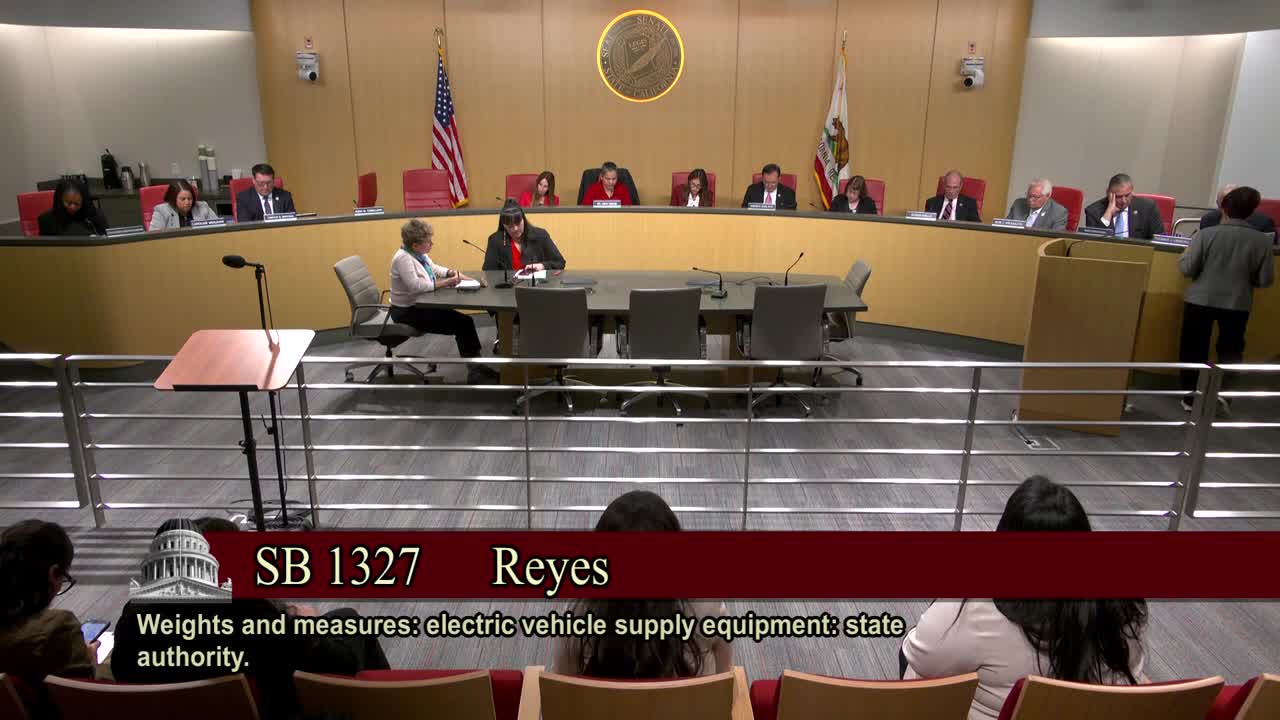 13MIN
Senate Standing Committee on Business, Professions and Economic Development
Bill Author