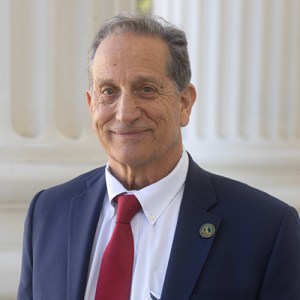
SB 223: The Wildfire Smoke and Health Outcomes Data Act.
- Session Year: 2025-2026
- House: Senate
- Latest Version Date: 2025-04-24
Current Status:
Failed
(2026-02-02: Returned to Secretary of Senate pursuant to Joint Rule 56.)
Introduced
In Committee
Awaiting First Chamber Vote
Passed First Chamber
In Committee
Awaiting Second Chamber Vote
Passed Second Chamber
Enacted
Existing law establishes the State Department of Public Health and sets forth its powers and duties pertaining to, among other things, protecting, preserving, and advancing public health. Existing law requires the department, in consultation with specified stakeholders, to develop a plan, addressing specified issues, with recommendations and guidelines for counties to use in the case of a significant air quality event caused by wildfires or other sources.
This bill, the Wildfire Smoke and Health Outcomes Data Act, would require the State Department of Public Health, in consultation with the Department of Forestry and Fire Protection and the Wildfire and Forest Resilience Task Force, to create, operate, and maintain a statewide integrated wildfire smoke and health data platform on or before July 1, 2028, that, among other things, would integrate wildfire smoke and health data from multiple databases. Under the bill, the purposes for the data platform would include providing adequate information to understand the negative health impacts on Californias population caused by wildfire smoke and evaluating the effectiveness of investments in forest health and wildfire mitigation on health outcomes in California.
This bill would require the State Department of Public Health, in consultation with the Department of Forestry and Fire Protection and the Wildfire and Forest Resilience Task Force, to develop, among other things, protocols for data sharing, documentation, quality control, and promotion of open-source platforms and decision support tools related to wildfire smoke and health data.
This bill would authorize the State Department of Public Health, the Department of Forestry and Fire Protection, and the Wildfire and Forest Resilience Task Force, where appropriate, to utilize data from existing sources, including open source data and other external data, for purposes of implementing the act.
This bill would create the Wildfire Smoke and Health Administration Fund. Under the bill, moneys in the fund would be available, upon appropriation by the Legislature, to the State Department of Public Health, the Department of Forestry and Fire Protection, and the Wildfire and Forest Resilience Task Force for the collection, management, and improvement of wildfire smoke and health data for the purposes of the act. The bill would specify that these provisions do not change existing law with respect to the jurisdiction of the public entities involved. The bill would make related findings and declarations.
Existing law establishes the State Department of Public Health and sets forth its powers and duties pertaining to, among other things, protecting, preserving, and advancing public health. Existing law requires the department, in consultation with specified stakeholders, to develop a plan, addressing specified issues, with recommendations and guidelines for counties to use in the case of a significant air quality event caused by wildfires or other sources.
This bill, the Wildfire Smoke and Health Outcomes Data Act, would require the State Department of Public Health, in consultation with the Department of Forestry and Fire Protection and the Wildfire and Forest Resilience Task Force, to create, operate, and maintain a statewide integrated wildfire smoke and health data platform on or before July 1, 2028, that, among other things, would integrate wildfire smoke and health data from multiple databases. Under the bill, the purposes for the data platform would include providing adequate information to understand the negative health impacts on Californias population caused by wildfire smoke and evaluating the effectiveness of investments in forest health and wildfire mitigation on health outcomes in California.
This bill would require the State Department of Public Health, in consultation with the Department of Forestry and Fire Protection and the Wildfire and Forest Resilience Task Force, to develop, among other things, protocols for data sharing, documentation, quality control, and promotion of open-source platforms and decision support tools related to wildfire smoke and health data.
This bill would authorize the State Department of Public Health, the Department of Forestry and Fire Protection, and the Wildfire and Forest Resilience Task Force, where appropriate, to utilize data from existing sources, including open source data and other external data, for purposes of implementing the act.
This bill would create the Wildfire Smoke and Health Administration Fund. Under the bill, moneys in the fund would be available, upon appropriation, appropriation by the Legislature, to the State Department of Public Health, the Department of Forestry and Fire Protection, and the Wildfire and Forest Resilience Task Force for the collection, management, and improvement of wildfire smoke and health data for the purposes of the act. The bill would make related findings and declarations.
Existing law establishes the State Department of Public Health and sets forth its powers and duties pertaining to, among other things, protecting, preserving, and advancing public health. Existing law requires the department, in consultation with specified stakeholders, to develop a plan, addressing specified issues, with recommendations and guidelines for counties to use in the case of a significant air quality event caused by wildfires or other sources.
This bill, the Wildfire Smoke and Health Outcomes Data Act, would require the State Department of Public Health, in consultation with the Department of Forestry and Fire Protection and the Wildfire and Forest Resilience Task Force, to create, operate, and maintain a statewide integrated wildfire smoke and health data platform on or before July 1, 2028, that, among other things, would integrate wildfire smoke and health data from multiple databases. Under the bill, the purposes for the data platform would include providing adequate information to understand the negative health impacts on Californias population caused by wildfire smoke and evaluating the effectiveness of investments in forest health and wildfire mitigation on health outcomes in California.
This bill would require the State Department of Public Health, in consultation with the Department of Forestry and Fire Protection and the Wildfire and Forest Resilience Task Force, to develop, among other things, protocols for data sharing, documentation, quality control, and promotion of open-source platforms and decision support tools related to wildfire smoke and health data.
This bill would authorize the State Department of Public Health, the Department of Forestry and Fire Protection, and the Wildfire and Forest Resilience Task Force, where appropriate, to utilize data from existing sources, including open source data and other external data, for purposes of implementing the act.
This bill would create the Wildfire Smoke and Health Administration Fund. Under the bill, moneys in the fund would be available, upon appropriation, to the State Department of Public Health, the Department of Forestry and Fire Protection, and the Wildfire and Forest Resilience Task Force for the collection, management, and improvement of wildfire smoke and health data for the purposes of the act. The bill would make related findings and declarations.
The Legislature finds and declares all of the following:
(a)Over the past five years, California has experienced massive increases in climate change-driven wildfires which burn faster and hotter than ever before, presenting extreme dangers to the environment and to humans, alike.
(b)Even when these fires occur in remote areas of the state, smoke from fire conflagrations pollute rural and urban populated areas.
(c)The state and medical community do not have sufficient data to fully understand the negative health impacts on Californias population caused by wildfire smoke.
(d)Policymakers and regulators lack sufficient data to determine whether investments made in addressing forest health have an impact on improving health outcomes for smoke-impacted communities.
SEC. 2.Chapter 2 (commencing with Section 107260) is added to Part 2 of Division 104 of the Health and Safety Code, to read:2.Wildfire Smoke and Health Outcomes Data Act107260.This chapter shall be known, and may be cited, as the Wildfire Smoke and Health Outcomes Data Act.
107261.For purposes of this chapter, Wildfire and Forest Resilience Task Force has the same meaning as provided in Section 4005 of the Public Resources Code.
107262.The State Department of Public Health, the Department of Forestry and Fire Protection, and the Wildfire and Forest Resilience Task Force shall coordinate and integrate existing wildfire smoke and health data from local, state, and federal agencies. The purposes for integrating wildfire smoke and health data include, but are not limited to, providing adequate information to understand the negative health impacts on Californias population caused by wildfire smoke and evaluating the effectiveness of investments in forest health and wildfire mitigation on health outcomes in California.
107262.3.This chapter does not change existing law with respect to the jurisdiction of the public entities involved.
107262.5.The State Department of Public Health, the Department of Forestry and Fire Protection, and the Wildfire and Forest Resilience Task Force, where appropriate, may utilize data from existing sources, including open source data and other external data, for purposes of implementing this chapter.
107263.The State Department of Public Health, in consultation with the Department of Forestry and Fire Protection and the Wildfire and Forest Resilience Task Force, shall develop all of the following:
(a)Protocols for data sharing, documentation, quality control, and promotion of open-source platforms and decision support tools related to wildfire smoke and health data.
(b)Regularly updated data products that track air pollution concentrations attributable to wildfire smoke, population exposure to smoke, and cases of adverse health outcomes attributable to smoke.
(c)Smoke data products that include estimates of smoke impacts by individual wildfire.
(d)Methodological guidelines for estimating smoke air pollutant concentrations and counts of adverse health impacts attributable to wildfire smoke.
(e)Methodologies to estimate smoke emissions from human-made materials.
(f)Smoke emission inventories that include emission estimates from developed landscapes that are burned by wildfire.
107264.(a)On or before July 1, 2028, the State Department of Public Health, in consultation with the Department of Forestry and Fire Protection and the Wildfire and Forest Resilience Task Force, shall create, operate, and maintain a statewide integrated wildfire smoke and health data platform.
(b)On or before July 1, 2028, the State Department of Public Health shall do both of the following:
(1)Make public the protocols developed pursuant to Section 107263.
(2)Publish a strategic plan for data management to guide the implementation of this chapter.
(c)The State Department of Public Health shall ensure that the statewide integrated wildfire smoke and health data platform created pursuant to this section, at a minimum, does all of the following:
(1)Integrates existing wildfire smoke and health data information from multiple autonomous databases managed by federal, state, and local agencies and academia using consistent and standardized formats.
(2)Integrates the data products developed pursuant to subdivision (b) of Section 107263.
(3)Integrates the air pollutant concentrations and counts of adverse health impacts estimated by the methodological guidelines developed pursuant to subdivision (d) of Section 107263.
(4)Integrates measures of smoke emissions from human-made materials estimated by methodologies developed pursuant to subdivision (e) of Section 107263.
(5)Integrates smoke emission inventories developed pursuant to subdivision (f) of Section 107263.
(6)Provides documentation of data quality and data formats through metadata.
(7)Adheres to data protocols developed by state agencies pursuant to Section 107263.
(8)Is able to receive both spatial and time series data from various sources.
(d)This section does not prevent a state agency from disseminating, managing, or publishing data separately from the platform.
107265.(a)The Wildfire Smoke and Health Administration Fund is hereby created. All moneys in the fund are available, upon appropriation by the Legislature, to the State Department of Public Health, the Department of Forestry and Fire Protection, and the Wildfire and Forest Resilience Task Force for the collection, management, and improvement of wildfire smoke and health data for the purposes of this chapter.
(b)The Department of Finance shall develop a standardized agreement to allow for the voluntary donation to the fund by any person, educational institution, government entity, corporation or other business entity, or organization.
The Legislature finds and declares all of the following:
(a)Over the past five years, California has experienced massive increases in climate change-driven wildfires which burn faster and hotter than ever before, presenting extreme dangers to the environment and to humans, alike.
(b)Even when these fires occur in remote areas of the state, smoke from fire conflagrations pollute rural and urban populated areas.
(c)The state and medical community do not have sufficient data to fully understand the negative health impacts on Californias population caused by wildfire smoke.
(d)Policymakers and regulators lack sufficient data to determine whether investments made in addressing forest health have an impact on improving health outcomes for smoke-impacted communities.
SEC. 2.Chapter 2 (commencing with Section 107260) is added to Part 2 of Division 104 of the Health and Safety Code, to read:2.Wildfire Smoke and Health Outcomes Data Act107260.This chapter shall be known, and may be cited, as the Wildfire Smoke and Health Outcomes Data Act.
107261.For purposes of this chapter, Wildfire and Forest Resilience Task Force has the same meaning as provided in Section 4005 of the Public Resources Code.
107262.The State Department of Public Health, the Department of Forestry and Fire Protection, and the Wildfire and Forest Resilience Task Force shall coordinate and integrate existing wildfire smoke and health data from local, state, and federal agencies. The purposes for integrating wildfire smoke and health data include, but are not limited to, providing adequate information to understand the negative health impacts on Californias population caused by wildfire smoke and evaluating the effectiveness of investments in forest health and wildfire mitigation on health outcomes in California.
107262.5.The State Department of Public Health, the Department of Forestry and Fire Protection, and the Wildfire and Forest Resilience Task Force, where appropriate, may utilize data from existing sources, including open source data and other external data, for purposes of implementing this chapter.
107263.The State Department of Public Health, in consultation with the Department of Forestry and Fire Protection and the Wildfire and Forest Resilience Task Force, shall develop all of the following:
(a)Protocols for data sharing, documentation, quality control, and promotion of open-source platforms and decision support tools related to wildfire smoke and health data.
(b)Regularly updated data products that track air pollution concentrations attributable to wildfire smoke, population exposure to smoke, and cases of adverse health outcomes attributable to smoke.
(c)Smoke data products that include estimates of smoke impacts by individual wildfire.
(d)Methodological guidelines for estimating smoke air pollutant concentrations and counts of adverse health impacts attributable to wildfire smoke.
(e)Methodologies to estimate smoke emissions from human-made materials.
(f)Smoke emission inventories that include emission estimates from developed landscapes that are burned by wildfire.
107264.(a)On or before July 1, 2028, the State Department of Public Health, in consultation with the Department of Forestry and Fire Protection and the Wildfire and Forest Resilience Task Force, shall create, operate, and maintain a statewide integrated wildfire smoke and health data platform.
(b)On or before July 1, 2028, the State Department of Public Health shall do both of the following:
(1)Make public the protocols developed pursuant to Section 107263.
(2)Publish a strategic plan for data management to guide the implementation of this chapter.
(c)The State Department of Public Health shall ensure that the statewide integrated wildfire smoke and health data platform created pursuant to this section, at a minimum, does all of the following:
(1)Integrates existing wildfire smoke and health data information from multiple autonomous databases managed by federal, state, and local agencies and academia using consistent and standardized formats.
(2)Integrates the data products developed pursuant to subdivision (b) of Section 107263.
(3)Integrates the air pollutant concentrations and counts of adverse health impacts estimated by the methodological guidelines developed pursuant to subdivision (d) of Section 107263.
(4)Integrates measures of smoke emissions from human-made materials estimated by methodologies developed pursuant to subdivision (e) of Section 107263.
(5)Integrates smoke emission inventories developed pursuant to subdivision (f) of Section 107263.
(6)Provides documentation of data quality and data formats through metadata.
(7)Adheres to data protocols developed by state agencies pursuant to Section 107263.
(8)Is able to receive both spatial and time series data from various sources.
(d)This section does not prevent a state agency from disseminating, managing, or publishing data separately from the platform.
107265.(a)The Wildfire Smoke and Health Administration Fund is hereby created. All moneys in the fund are available, upon appropriation, appropriation by the Legislature, to the State Department of Public Health, the Department of Forestry and Fire Protection, and the Wildfire and Forest Resilience Task Force for the collection, management, and improvement of wildfire smoke and health data for the purposes of this chapter.
(b)The Department of Finance shall develop a standardized agreement to allow for the voluntary donation to the fund by any person, educational institution, government entity, corporation or other business entity, or organization.
The Legislature finds and declares all of the following:
(a)Over the past five years, California has experienced massive increases in climate change-driven wildfires which burn faster and hotter than ever before, presenting extreme dangers to the environment and to humans, alike.
(b)Even when these fires occur in remote areas of the state, smoke from fire conflagrations pollute rural and urban populated areas.
(c)The state and medical community do not have sufficient data to fully understand the negative health impacts on Californias population caused by wildfire smoke.
(d)Policymakers and regulators lack sufficient data to determine whether investments made in addressing forest health have an impact on improving health outcomes for smoke-impacted communities.
SEC. 2.Chapter 2 (commencing with Section 107260) is added to Part 2 of Division 104 of the Health and Safety Code, to read:2.Wildfire Smoke and Health Outcomes Data Act107260.This chapter shall be known, and may be cited, as the Wildfire Smoke and Health Outcomes Data Act.
107261.For purposes of this chapter, Wildfire and Forest Resilience Task Force has the same meaning as provided in Section 4005 of the Public Resources Code.
107262.The State Department of Public Health, the Department of Forestry and Fire Protection, and the Wildfire and Forest Resilience Task Force shall coordinate and integrate existing wildfire smoke and health data from local, state, and federal agencies. The purposes for integrating wildfire smoke and health data include, but are not limited to, providing adequate information to understand the negative health impacts on Californias population caused by wildfire smoke and evaluating the effectiveness of investments in forest health and wildfire mitigation on health outcomes in California.
107262.5.The State Department of Public Health, the Department of Forestry and Fire Protection, and the Wildfire and Forest Resilience Task Force, where appropriate, may utilize data from existing sources, including open source data and other external data, for purposes of implementing this chapter.
107263.The State Department of Public Health, in consultation with the Department of Forestry and Fire Protection and the Wildfire and Forest Resilience Task Force, shall develop all of the following:
(a)Protocols for data sharing, documentation, quality control, and promotion of open-source platforms and decision support tools related to wildfire smoke and health data.
(b)Regularly updated data products that track air pollution concentrations attributable to wildfire smoke, population exposure to smoke, and cases of adverse health outcomes attributable to smoke.
(c)Smoke data products that include estimates of smoke impacts by individual wildfire.
(d)Methodological guidelines for estimating smoke air pollutant concentrations and counts of adverse health impacts attributable to wildfire smoke.
(e)Methodologies to estimate smoke emissions from human-made materials.
(f)Smoke emission inventories that include emission estimates from developed landscapes that are burned by wildfire.
107264.(a)On or before July 1, 2028, the State Department of Public Health, in consultation with the Department of Forestry and Fire Protection and the Wildfire and Forest Resilience Task Force, shall create, operate, and maintain a statewide integrated wildfire smoke and health data platform.
(b)On or before July 1, 2028, the State Department of Public Health shall do both of the following:
(1)Make public the protocols developed pursuant to Section 107263.
(2)Publish a strategic plan for data management to guide the implementation of this chapter.
(c)The State Department of Public Health shall ensure that the statewide integrated wildfire smoke and health data platform created pursuant to this section, at a minimum, does all of the following:
(1)Integrates existing wildfire smoke and health data information from multiple autonomous databases managed by federal, state, and local agencies and academia using consistent and standardized formats.
(2)Integrates the data products developed pursuant to subdivision (b) of Section 107263.
(3)Integrates the air pollutant concentrations and counts of adverse health impacts estimated by the methodological guidelines developed pursuant to subdivision (d) of Section 107263.
(4)Integrates measures of smoke emissions from human-made materials estimated by methodologies developed pursuant to subdivision (e) of Section 107263.
(5)Integrates smoke emission inventories developed pursuant to subdivision (f) of Section 107263.
(6)Provides documentation of data quality and data formats through metadata.
(7)Adheres to data protocols developed by state agencies pursuant to Section 107263.
(8)Is able to receive both spatial and time series data from various sources.
(d)This section does not prevent a state agency from disseminating, managing, or publishing data separately from the platform.
107265.(a)The Wildfire Smoke and Health Administration Fund is hereby created. All moneys in the fund are available, upon appropriation, to the State Department of Public Health, the Department of Forestry and Fire Protection, and the Wildfire and Forest Resilience Task Force for the collection, management, and improvement of wildfire smoke and health data for the purposes of this chapter.
(b)The Department of Finance shall develop a standardized agreement to allow for the voluntary donation to the fund by any person, educational institution, government entity, corporation or other business entity, or organization.
|
Date
|
Status
|
|---|---|
| Feb 2, 2026 | Returned to Secretary of Senate pursuant to Joint Rule 56. |
| May 23, 2025 | May 23 hearing: Held in committee and under submission. |
| May 16, 2025 | Set for hearing May 23. |
| May 5, 2025 | May 5 hearing: Placed on APPR. suspense file. |
| Apr 29, 2025 | Set for hearing May 5. |
| Apr 24, 2025 | Read second time and amended. Re-referred to Com. on APPR. |
| Apr 23, 2025 | From committee: Do pass as amended and re-refer to Com. on APPR. with recommendation: To consent calendar. (Ayes 6. Noes 0. Page 838.) (April 22). |
| Apr 21, 2025 | From committee with author's amendments. Read second time and amended. Re-referred to Com. on N.R. & W. |
| Apr 10, 2025 | Set for hearing April 22. |
| Apr 9, 2025 | Re-referred to Com. on N.R. & W. |
| Apr 3, 2025 | From committee: Do pass and re-refer to Com. on RLS. with recommendation: To consent calendar. (Ayes 11. Noes 0. Page 636.) (April 2). Re-referred to Com. on RLS. |
| Mar 17, 2025 | Set for hearing April 2. |
| Feb 5, 2025 | Referred to Coms. on HEALTH and RLS. |
| Jan 28, 2025 | From printer. May be acted upon on or after February 27. |
| Jan 27, 2025 | Introduced. Read first time. To Com. on RLS. for assignment. To print. |
|
Date
|
Description
|
Location
|
Votes
|
|
|---|---|---|---|---|
| May 5, 2025 | Placed on suspense file | Senate Standing Committee on Appropriations |
Passed |
|
| Apr 22, 2025 | Do pass as amended, but first amend, and re-refer to the Committee on [Appropriations] with the recommendation: To Consent Calendar | Senate Standing Committee on Natural Resources and Water |
Passed |
|
| Apr 2, 2025 | Do pass, but first be re-referred to the Committee on [Rules] with the recommendation: To Consent Calendar | Senate Standing Committee on Health |
Passed |
This list shows positions taken on this bill by organizations on the date displayed, which is linked to the original source.
Positions by individuals are not included.
|
Organization
|
Position
|
Date
|
|---|---|---|
| Association Of California Water Agencies | ** Support | |
| California CattlemenS Association | ** Support | |
| California Farm Bureau | ** Support | |
| California Medical Association | ** Support | |
| California Society For Respiratory Care | ** Support | |
| California State PTA | ** Support | |
| County of Nevada | ** Support | |
| County Of Placer | ** Support | |
| Mountain Counties Water Resources Association | ** Support | |
| Rural County Representatives of California | ** Support | |
| Tuolumne Utilities District | ** Support | |
| Upper Mokelumne River Watershed Authority | ** Support |
SENATE COMMITTEE ON
Senator Anna Caballero, Chair
2025 - 2026 Regular Session
SB 223 (Alvarado-Gil) - The Wildfire Smoke and Health Outcomes Data Act
Version: | Policy Vote: |
Urgency: | Mandate: |
Hearing Date: | Consultant: |
Bill Summary:
SB 223 would require the California Department of Public Health (CDPH), the Department of Forestry and Fire Protection (CAL FIRE), and the Wildfire and Forest Resilience Task Force (Task Force) to coordinate and integrate existing wildfire smoke and health data from local, state, and federal agencies.
Fiscal Impact:
- Unknown one-time costs (likely $1 million to $2 million) and ongoing costs (likely
$1 million), for the CDPH for staffing resources and information technology. Costs would be borne by the Wildfire Smoke and Health Administration Fund created by this bill, upon appropriation.
- CAL FIRE estimates costs of $280,000 in year one, $257,000 in year two, and $240,000 annually thereafter for state staffing and resources. Costs would be borne by the Wildfire Smoke and Health Administration Fund created by this bill, upon appropriation.
- The California Natural Resources Agency indicates no fiscal impact to the agency.
- While the bill creates the Wildfire Smoke and Health Administration Fund which allows for voluntary donations to cover state administration costs, the bill would result in cost pressures to the General Fund to the extent the special fund revenues are not sufficient to cover the costs.
Background:
Current law requires the CDPH to develop a plan with recommendations and guidelines for counties to use in the case of a significant air quality event caused by wildfires or other sources. The plan must address:
- Establishing policies and procedures that address respiratory protection and other protective equipment and devices.
- Making available respiratory protection and other protective equipment and devices to residents that are sensitive receptors and are at risk of serious illness or complications resulting from inhaling highly polluted air from a significant air quality event caused by wildfires or other sources.
- Providing information to residents on what they should do if the air quality index hits a significant threshold.
- Providing information to residents regarding the health impacts of inhaling air pollution during a significant air quality event caused by wildfires or other sources.
- Developing prevention strategies to assist residents in avoiding inhalation of air pollutants.
- Disseminating the information to the public.
Proposed Law:
Specific provisions of the bill would:
- Require CDPH, CAL FIRE, and the Task Force to coordinate and integrate existing wildfire smoke and health data from local, state, and federal agencies for purposes that include, but are not limited to, providing adequate information to understand the negative health impacts on California’s population caused by wildfire smoke and evaluating the effectiveness of investments in forest health and wildfire mitigation on health outcomes in California.
- Require CDPH, in consultation with CAL FIRE and the Task Force, to develop all of the following:
- Protocols for data sharing, documentation, quality control, and promotion of open-source platforms and decision support tools related to wildfire smoke and health data.
- Regularly updated data products that track air pollution concentrations attributable to wildfire smoke, population exposure to smoke, and cases of adverse health outcomes attributable to smoke.
- Smoke data products that include estimates of smoke impacts by individual wildfire.
- Methodological guidelines for estimating smoke air pollutant concentrations and counts of adverse health impacts attributable to wildfire smoke.
- Methodologies to estimate smoke emissions from human-made materials.
- Smoke emission inventories that include emission estimates from developed landscapes that are burned by wildfire.
- Require CDPH, in consultation with the CAL FIRE and the Task Force, to create, operate, and maintain a statewide integrated wildfire smoke and health data platform, as specified.
- Create the Wildfire Smoke and Health Administration Fund and specify that all moneys in the fund are available, upon appropriation by the Legislature, to the CDPH, CAL FIRE, and the Task Force for the collection, management, and improvement of wildfire smoke and health data for the purposes of this bill; and require the Department of Finance to develop a standardized agreement to allow for the voluntary donation to the fund by any person, educational institution, government entity, corporation or other business entity, or organization.
Related Legislation:
SB 945 (Alvarado-Gil, 2024) was similar to this bill. SB 945 was held on the suspense file in the Assembly Appropriations Committee.
-- END --
SENATE COMMITTEE ON NATURAL RESOURCES AND WATER
Senator Monique Limón, Chair
2025 - 2026 Regular
Bill No: SB Hearing Date: April 22, 2025
Author: | Alvarado-Gil | ||
Version: | April 21, 2025 Introduced | ||
Urgency: | No | Fiscal: | Yes |
Consultant: | Katharine Moore | ||
Subject: The Wildfire Smoke and Health Outcomes Data Act
SUMMARY
This bill would require the California Department of Public Health (CDPH), the California Department of Forestry and Fire Protection, and the Wildfire and Forest Resilience Task Force to coordinate and integrate existing wildfire smoke and health data from local, state, and federal agencies, and would require CDPH, in consultation with those agencies, to create, operate, and maintain a statewide-integrated wildfire smoke and health data platform on or before July 1, 2028, as provided.
BACKGROUND AND EXISTING LAW
Wildfire in California. Catastrophic and devastating wildfires have occurred repeatedly in the state in recent years. Thirteen of the 20 largest and 15 of the 20 most destructive wildland fires in state history have occurred since 2015. The 2020 August Complex Fire in northern California – the largest fire in California’s modern history – burned over one million acres while the 2021 Dixie Fire burned almost one million acres. Two wildland fires in recent years burned over the crest of the Sierras, which had not been previously observed. In the last several years, tens of thousands of structures – mostly homes – have been destroyed from wildland fire, insured losses incurred are in the billions of dollars, prime habitat has been destroyed or damaged, and, tragically, hundreds of lives have been lost. Most recently, the Palisades and Eaton Fires in Los Angeles in January resulted in the loss of approximately 16,250 structures and 29 deaths.
While wildfire is a natural phenomenon in the state, the changing climate, continuing development in the Wildland-Urban Interface, and poor forest and wildland vegetation management practices in the last century have resulted in more extreme wildland fire behavior. Millions may be exposed to unhealthy air due to wildfire which may result in numerous adverse human health and environmental impacts that continue even after the wildfire has been extinguished.
Wildfire smoke is a complex chemical mixture of organic and inorganic materials in gas and particulate phases. Its composition can evolve over time through processing in the wildfire and then subsequently in the atmosphere.
The 2021 California Wildfire and Forest Resilience Action Plan (Action Plan) includes three key actions to reduce the health impacts from wildfire smoke. These include implementation of the “Smoke Ready California” campaign to provide coordinated messaging to help Californians plan for and protect themselves from smoke impacts, release of a dedicated wildfire smoke app (California Smoke Spotter), and enhanced reporting of prescribed fire.
Public Health Impacts from Wildfire Smoke. According to an August 2022 CDPH report titled “Wildfire Smoke Considerations for California’s Public Health Officials,” a growing body of scientific evidence links wildfire smoke exposure to various adverse health effects. Although it is often assumed that most healthy people will recover from short-term exposure to wildfire smoke, others may experience more severe symptoms due to biological factors (such as life stage or pre-existing medical conditions) and extrinsic, nonbiologic factors (socioeconomic status, lack of access to adequate housing, lack of access to healthcare, etc.). The risk of health effects due to wildfire smoke exposure appears to vary throughout a lifetime, with children, pregnant women, and the elderly being at higher risk. Studies of ambient air pollution have found that exposure to fine and coarse particles is linked with increased risk of premature mortality and aggravation of pre-existing respiratory and cardiovascular disease. Recent reviews conclude that a strong association exists between exposure to wildfire smoke or wildfire-particulate matter and mortality and respiratory morbidity. Strong positive associations have been found between wildfire smoke exposure and exacerbations of asthma, chronic obstructive pulmonary disease, bronchitis, and pneumonia. Studies have also linked fine particulate matter[1] to increased risk of heart attacks and sudden death from cardiac arrhythmia, heart failure, or stroke. Health risk mitigation strategies to improve the protection of public health have been developed, and additional research is needed to improve the understanding of the various factors involved.
2023 California Council on Science and Technology/Blue Forest report. In September 2023, the California Council on Science and Technology (CCST) and Blue Forest released a report titled “The Human Health Benefits of Improving Forest Health in California,” which examined the connections between forest management, wildfire smoke, and human health through interviews with health sector organizations and a review of scientific literature. The report highlighted knowledge gaps and the data, research, and collaborations needed to fill them, as well as steps to ensure the improved health for living under frequently smoky skies. Two of the major findings from the report are:
- Comprehensive statewide and/or locally specific information on the adverse human health impacts of wildfire smoke are not readily available but could be generated from additional analysis of existing data resources; and,
- A small but growing body of research suggests that management to improve forest health can be tailored to reduce total smoke impacts and benefit human health.
Existing law:
- Establishes the California Department of Forestry and Fire Protection (CAL FIRE) in the California Natural Resources Agency (CNRA) under the leadership of the CAL FIRE Director.
- Provides that CAL FIRE is responsible for the fire protection, fire prevention, maintenance, and enhancement of the state’s forest, range, and brushland resources, contract fire protection, associated emergency services, and assistance in civil disasters and other nonfire emergencies.
- Requires CAL FIRE to coordinate programs of fire protection, fire prevention, pest control, and forest and range maintenance and enhancement. (Public Resources Code (PRC) §§701, 713)
- Establishes the Wildfire and Forest Resilience Task Force (Task Force) composed of CNRA, the California Environmental Protection Agency (CalEPA), the Office of Land Use and Climate Innovation (LUCI), and CAL FIRE, in coordination with relevant lead federal, state, local, and tribal agencies. (PRC §§4005, 4771)
- The Task Force is charged with various activities including developing a comprehensive implementation strategy to track and ensure the achievement of the goals and key actions identified in the Wildfire and Forest Resilience Action Plan. (PRC §4771)
- Establishes CDPH, which has responsibilities related to infectious disease control and prevention, food safety, environmental health, laboratory services, patient safety, emergency preparedness, chronic disease prevention and health promotion, family health, health equity, and vital records and statistics. (Health and Safety Code (HSC) §§131000, et seq.)
- Requires CDPH to develop a plan with recommendations and guidelines for counties to use in the case of a significant air quality event caused by wildfires or other sources. Requires the plan to address: establishing policies and procedures that address respiratory protection and other protective equipment and devices; making available respiratory protection and other protective equipment and devices to residents that are sensitive receptors and are at risk of serious illness or complications resulting from inhaling highly polluted air from a significant air quality event caused by wildfires or other sources; providing information to residents on what they should do if the air quality index hits a significant threshold; providing information to residents regarding the health impacts of inhaling air pollution during a significant air quality event caused by wildfires or other sources; developing prevention strategies to assist residents in avoiding inhalation of air pollutants; and, disseminating the information to the public. (HSC §107250)
- Requires CDPH and the Office of Emergency Services (CalOES), in coordination with other state agencies, to establish a personal protective equipment (PPE) stockpile, upon appropriation and as necessary. Requires CDPH to establish guidelines for procurement, management, and distribution of PPE from the stockpile, and requires the guidelines to take into account, among other things, the amount of each type of PPE that would be required for all health care workers and essential workers in the state during a 90-day pandemic or other health emergency, including, but not limited to, wildfire smoke events. (HSC §131021c)
PROPOSED LAW
This bill would require the CDPH, CAL FIRE, and the Task Force to coordinate and integrate existing wildfire smoke and health data from local, state, and federal agencies, and would require CDPH, in consultation with those agencies, to create, operate, and maintain a statewide-integrated wildfire smoke and health data platform on or before July 1, 2028, as provided.
Specifically, this bill would:
- Establish the Wildfire Smoke and Health Outcomes Data Act (Act).
- Require CDPH, CAL FIRE, and the Task Force to coordinate and integrate existing wildfire smoke and health data from local, state, and federal agencies. Specifies that the purposes for integrating wildfire smoke and health data include, but are not limited to, providing adequate information to understand the negative health impacts on California’s population caused by wildfire smoke and evaluating the effectiveness of investments in forest health and wildfire mitigation on health outcomes in California.
- Require CDPH, in consultation with CAL FIRE and the Task Force, to develop:
- Protocols for data sharing, documentation, quality control, and promotion of open-source platforms and decision support tools related to wildfire smoke and health data;
- Regularly updated data products that track air pollution concentrations attributable to wildfire smoke, population exposure to smoke, and cases of adverse health outcomes attributable to smoke;
- Smoke data products that include estimates of smoke impacts by individual wildfire;
- Methodologies to estimate smoke emissions from human-made materials; and,
- Smoke emission inventories that include emission estimates from developed landscapes that are burned by wildfire.
- Require CDPH, in consultation with CAL FIRE and the Task Force to create, operate, and maintain a statewide-integrated wildfire smoke and health data platform by July 1, 2028.
- Require CDPH, by July 1, 2028, to make the protocols required under 3a) above public and to publish a strategic plan for data management to guide Act implementation.
- Require CDPH to ensure that the statewide-integrated wildfire smoke and health data platform, at a minimum:
- Integrate existing wildfire smoke and health data information from multiple autonomous databases managed by federal, state, and local agencies and academia using consistent and standardized formats;
- Integrate the data products developed pursuant to the Act;
- Integrate the air pollutant concentrations and counts of adverse health impacts estimated by the methodological guidelines developed pursuant to the Act;
- Integrate measures of smoke emissions from human-made materials estimated by methodologies developed pursuant to the Act;
- Integrate smoke emission inventories developed pursuant to the Act;
- Provide documentation of data quality and data formats through metadata;
- Adheres to data protocols developed by state agencies pursuant to the Act; and,
- Is able to receive both spatial and time series data from various sources.
- Prohibit the Act from preventing a state agency from disseminating, managing, or publishing data separately from the platform.
- Create the Wildfire Smoke and Health Administration Fund, and makes all moneys in the fund available, upon appropriation, to CDPH, CAL FIRE, and the Task Force for the collection, management and improvement of wildfire smoke and health data. Require the Department of Finance to develop a standardized agreement to allow for the voluntary donation to the fund by any person, educational institution, government entity, corporation or other business entity, or organization.
ARGUMENTS IN SUPPORT
According to the author, “SB 223 will require state agencies, led by the Department of Public Health, to build a database that measures wildfire specific impacts to health combined with data that measures wildfire fuels mitigation investments. The data will support policy makers, public health officials and forest health management by comprehensively understanding how fuels mitigation investments mitigate the detrimental effects of wildfire smoke on California’s environment and population. Currently, this data does not exist.”
“Over the past several years, California has experienced an increase in wildfires. Because of years of mismanaged forests and woodland health strategies, these wildfires burn faster and hotter than ever before, presenting extreme dangers to the environment and to humans, alike. Even when these fires occur in remote areas of the state, smoke from fire conflagrations often pollute densely populated areas. Unfortunately, the state and the medical community do not have sufficient data to fully understand the negative health impacts on California’s population caused by this smoke.”
ARGUMENTS IN OPPOSITION
None received
COMMENTS
This bill is double-referred. This bill has been referred to both the Senate Committee on Health and this Committee for hearing. This Committee is the second Committee of referral. Elements of this bill under the jurisdiction of the Senate Committee on Health are included here for completeness and context only.
Task Force membership includes CalEPA. The existing organization chart for the Task Force includes an executive committee composed of the Secretaries of CalEPA and CNRA (co-chair), the CAL FIRE director, the LUCI director, the US Forest Service (co-chair), the US Bureau of Land Management, representatives of two county government associations, and a tribal representative. Additional state agency partners include the California Air Resources Board, CalOES, and others. There are also additional federal agency partners, a planning and integration team, work groups, and a science advisory panel. By its nature, the Task Force is a convenor and coordinator. Expertise relevant to the collection and availability of relevant wildfire smoke air quality and other data therefore exist within the Task Force.
In view of this existing expertise, the Committee may wish to amend the bill to clarify that the Act does not extend the jurisdiction of any of the entities named within the Act. [Amendment #1]
Opportunistic air quality data in the smoke plume from the Palisades and Eaton Fires already available. Of note, there already are published observations from a new highly-instrumented atmospheric chemistry research measurement location in southern Los Angeles showing that atmospheric particulate matter lead concentrations in the smoke plume from the Palisades and Eaton Fires increased ambient particulate lead concentrations by a factor of up to 110.[2] Lead is a toxic metal, and is a federal criteria pollutant for which there is a National Ambient Air Quality Standard. While the actual health impacts from exposure to these high short-term lead concentrations are unclear, these observations suggest the need to address and mitigate potential exposure pathways, particularly for sensitive individuals. While a database of wildfire smoke related data may spur additional research, there appears to be considerable extant collaboration between public health, wildfire, and environmental quality researchers.
Action Plan update underway. The Task Force is in the process of updating its Action Plan which should be released imminently.
Recent related legislation
SB 582 (Stern, 2025) would require that health facilities and other specified entities within the jurisdiction of CDPH, residential facilities, alcohol and other drug recovery or treatment facilities, and certain other facilities that have been made nonoperational as a result of a disaster or emergency, to be able to obtain a disaster suspension of its license, and have annual licensing fees waived on a year-by-year basis. (This bill is pending before the Senate Human Services Committee.)
SB 326 (Becker and Laird, 2025), the California Wildfire Mitigation Strategic Planning Act, would require CAL FIRE to develop a Wildfire Risk Mitigation Planning Framework, to prepare a Wildfire Risk Baseline and Forecast every three years, and a Wildfire Mitigation Scenarios Report, as provided, in part to address health risks. (This bill is pending before the Senate Governmental Organization Committee.)
AB 234 (Niello, 2025) would direct CAL FIRE, CalOES, and the Department of Toxic Substances Control to form a workgroup to establish best practices and recommendations, and study and consider ways to prevent, avoid, and mitigate exposure to heavy metals after a wildfire, as provided. (This bill is pending before the Senate Judiciary Committee.)
AB 1003 (Calderon, 2025) would create the Wildfire Smoke Research and Education Fund in the General Fund, and require certain wildfire smoke plans to be developed, as provided. (This bill is pending before the Assembly Emergency Management Committee.)
SB 945 (Alvarado-Gil, 2024), the Wildfire Smoke and Health Outcomes Act, would have required CDPH to create, operate, and maintain a statewide integrated wildfire smoke and health data platform, as provided. (This bill was held on the suspense file in the Assembly Appropriations Committee.)
SB 1014 (Dodd, 2024), the California Wildfire Mitigation Strategic Planning Act, would have required CalOES to develop a Wildfire Risk Mitigation Planning Framework, to prepare a Wildfire Risk Baseline and Forecast every three years, and a Wildfire Mitigation Scenarios Report, as provided, in part to address health risks. (This bill was held on the suspense file in the Assembly Appropriations Committee.)
SB 436 (Dodd, 2023), the California Wildfire Mitigation Strategic Planning Act, would have required CalOES to develop a Wildfire Risk Mitigation Planning Framework, to prepare a Wildfire Risk Baseline and Forecast every three years, and a Wildfire Mitigation Scenarios Report, as provided, in part to address health risks. (This bill was held on the suspense file in the Senate Appropriations Committee.)
AB 619 (Calderon, Chapter 412, Statutes of 2021) requires CDPH to develop a plan, with recommendations and guidelines, for counties to use in the case of a significant air quality event caused by wildfires and other sources. Requires a county, in the next update of its emergency plan, to addresses the recommendations and guidance developed by CDPH.
SUGGESTED AMENDMENTS
AMENDMENT 1
Insert on page 3, between lines 23 and 24:
107262.X. Nothing in this chapter changes existing law with respect to the jurisdiction of the public entities involved.
SUPPORT
Association of California Water Agencies
California Cattlemen’s Association
California Farm Bureau
California Medical Association
California State PTA
California Society for Respiratory Care
County of Nevada
County of Placer
Mountain Counties Water Resources Association
Rural County Representatives of California
Tuolumne Utilities District
Upper Mokelumne River Watershed Authority
OPPOSITION
None received
-- END --
Fine particulate matter is approximately 2.5 µm or smaller in diameter (1,000 µm = 1 mm). Particulate matter in this size range is dominated in number by particles formed in the atmosphere such as from automobile exhaust or wildfire smoke. ↑
Baliaka, HD et al. (2025). Elevated Atmospheric Lead Levels During the Los Angeles Urban Fires – California, January 2025. Morbidity and Mortality Weekly Report. 74(5), February 20, 2025. ↑
SENATE COMMITTEE ON HEALTH
Senator Caroline Menjivar, Chair
BILL NO: SB 223
AUTHOR: | Alvarado-Gil | ||
VERSION: | January 27, 2025 | ||
HEARING DATE: | April 2, 2025 | ||
CONSULTANT: | Margarita Niemann | ||
SUBJECT: The Wildfire Smoke and Health Outcomes Data Act
SUMMARY:
Requires the California Department of Public Health (CDPH), the Department of Forestry and Fire Protection, and the Wildfire and Forest Resilience Task Force to coordinate and integrate existing wildfire smoke and health data from local, state, and federal agencies. Requires CDPH, in consultation with those agencies, to create, operate, and maintain a statewide-integrated wildfire smoke and health data platform on or before July 1, 2028.
Existing law:
- Establishes CDPH, which has responsibilities related to infectious disease control and prevention, food safety, environmental health, laboratory services, patient safety, emergency preparedness, chronic disease prevention and health promotion, family health, health equity, and vital records and statistics. [HSC §131000, et seq.]
- Requires CDPH to develop a plan with recommendations and guidelines for counties to use in the case of a significant air quality event caused by wildfires or other sources. Requires the plan to address: establishing policies and procedures that address respiratory protection and other protective equipment and devices; making available respiratory protection and other protective equipment and devices to residents that are sensitive receptors and are at risk of serious illness or complications resulting from inhaling highly polluted air from a significant air quality event caused by wildfires or other sources; providing information to residents on what they should do if the air quality index hits a significant threshold; providing information to residents regarding the health impacts of inhaling air pollution during a significant air quality event caused by wildfires or other sources; developing prevention strategies to assist residents in avoiding inhalation of air pollutants; and, disseminating the information to the public. [HSC §107250]
- Requires CDPH and the Office of Emergency Services, in coordination with other state agencies, to establish a personal protective equipment (PPE) stockpile, upon appropriation and as necessary. Requires CDPH to establish guidelines for procurement, management, and distribution of PPE from the stockpile, and requires the guidelines to take into account, among other things, the amount of each type of PPE that would be required for all health care workers and essential workers in the state during a 90-day pandemic or other health emergency, including, but not limited to, wildfire smoke events. [HSC §131021 (c)]
This bill:
- Requires CDPH, the Department of Forestry and Fire Protection (CDF), and the Wildfire and Forest Resilience Task Force (Task Force) to coordinate and integrate existing wildfire smoke and health data from local, state, and federal agencies. Specifies that the purposes for integrating wildfire smoke and health data include, but are not limited to, providing adequate information to understand the negative health impacts on California’s population caused by wildfire smoke and evaluating the effectiveness of investments in forest health and wildfire mitigation on health outcomes in California.
- Requires CDPH, in consultation with CDF and the Task Force, to develop:
- Protocols for data sharing, documentation, quality control, and promotion of open-source platforms and decision support tools related to wildfire smoke and health data;
- Regularly updated data products that track air pollution concentrations attributable to wildfire smoke, population exposure to smoke, and cases of adverse health outcomes attributable to smoke;
- Smoke data products that include estimates of smoke impacts by individual wildfire;
- Methodologies to estimate smoke emissions from human-made materials; and,
- Smoke emission inventories that include emission estimates from developed landscapes that are burned by wildfire.
- Requires CDPH, in consultation with CDF and the Task Force to create, operate, and maintain a statewide-integrated wildfire smoke and health data platform by July 1, 2028.
- Requires CDPH, by July 1, 2028, to make the protocols required under 2) above public and to publish a strategic plan for data management to guide the implementation of this bill.
- Requires CDPH to ensure that the statewide-integrated wildfire smoke and health data platform, at a minimum:
- Integrates existing wildfire smoke and health data information from multiple autonomous databases managed by federal, state, and local agencies and academia using consistent and standardized formats;
- Integrates the data products developed pursuant to this bill;
- Integrates the air pollutant concentrations and counts of adverse health impacts estimated by the methodological guidelines developed pursuant to this bill;
- Integrates measures of smoke emissions from human-made materials estimated by methodologies developed pursuant to this bill;
- Integrates smoke emission inventories developed pursuant to this bill;
- Provides documentation of data quality and data formats through metadata;
- Adheres to data protocols developed by state agencies pursuant to this bill; and,
- Is able to receive both spatial and time series data from various sources.
- Prohibits this bill from preventing a state agency from disseminating, managing, or publishing data separately from the platform.
- Creates the Wildfire Smoke and Health Administration Fund, and makes all moneys in the fund available, upon appropriation, to CDPH, CDF, and the Task Force for the collection, management and improvement of wildfire smoke and health data. Requires the Department of Finance to develop a standardized agreement to allow for the voluntary donation to the fund by any person, educational institution, government entity, corporation or other business entity, or organization.
FISCAL EFFECT:
This bill has not been analyzed by a fiscal committee.
COMMENTS:
- Author’s statement. According to the author, this bill will require state agencies, led by CDPH, to build a database that measures wildfire specific impacts to health combined with data that measures wildfire fuels mitigation investments. The data will support policy makers, public health officials and forest health management by comprehensively understanding how fuel mitigation investments mitigate the detrimental effects of wildfire smoke on California’s environment and population. Currently, this data does not exist. Over the past several years, California has experienced an increase in wildfires. Because of years of mismanaged forests and woodland health strategies, these wildfires burn faster and hotter than ever before, presenting extreme dangers to the environment and to humans, alike. Even when these fires occur in remote areas of the state, smoke from fire conflagrations often pollute densely populated areas. Unfortunately, the state and the medical community do not have sufficient data to fully understand the negative health impacts on California’s population caused by this smoke.
- Background. According to an August 2022 CDPH report titled “Wildfire Smoke Considerations for California’s Public Health Officials,” the ten largest wildfires in California’s recorded history have occurred since 2000 – with five of these wildfires occurring in a single year (2020). The 2020 August Complex wildfire was the first California wildfire to burn one million acres. Instead of primarily late summer and early fall, wildfires now occur throughout the year. The 2022 Big Sur wildfire started in January and the 2017 Thomas wildfire started in December. Scientists predict that climate change will result in “longer, hotter, and drier fire seasons” that increase the risk of severe wildfires and exposure to wildfire smoke. CDF reports that the Eaton and Palisades wildfires in 2025 of January were the second most destructive wildfires in California history. Both wildfires were active for 24 days, and destroyed a combined total of 37,728 acres and 16,246 structures; as well as caused a total of 29 deaths.
- Wildfire smoke and health. According to the 2022 CDPH report, a growing body of scientific evidence links wildfire smoke exposure to various adverse health effects. Although it is often assumed that most healthy people will recover from short-term exposure to wildfire smoke, others may experience more severe symptoms due to biological factors (such as life stage or pre-existing medical conditions) and extrinsic, nonbiologic factors (socioeconomic status, lack of access to adequate housing, lack of access to healthcare, etc.). The risk of health effects due to wildfire smoke exposure appears to vary throughout a lifetime, being generally higher in childhood, lower in young adults, and increasing in middle age through older age as the prevalence of heart, lung, and metabolic disease increases. Pregnancy is also a period of unique vulnerability for both the pregnant person and developing fetus. Studies of ambient air pollution have found that exposure to fine and coarse particles is linked with increased risk of premature mortality and aggravation of pre-existing respiratory and cardiovascular disease. Recent reviews conclude that a strong association exists between exposure to wildfire smoke or wildfire-particulate matter (PM) and mortality and respiratory morbidity. Strong positive associations have been found between wildfire smoke exposure and exacerbations of asthma, chronic obstructive pulmonary disease (COPD), bronchitis, and pneumonia. Studies have also linked fine PM to increased risks of heart attacks and sudden death from cardiac arrhythmia, heart failure, or stroke.
- CCST/Blue Forest report. In September 2023, the California Council on Science and Technology (CCST) and Blue Forest released a report titled “The Human Health Benefits of Improving Forest Health in California,” which examines the connections between forest management, wildfire smoke, and human health through interviews with health sector organizations and a review of scientific literature. The report highlights knowledge gaps and the data, research, and collaborations needed to fill them, as well as steps to ensure the improved health for living under frequently smoky skies. Major takeaways from the report include:
- Wildfire smoke impacts human health and health sector organizations’ workforces, operations, and ability to provide services, yet the costs are largely unquantified;
- Many interviewed health sector organizations see value in future engagement with forest management to mitigate adverse outcomes and costs associated with wildfire smoke, but require avenues for collaboration and more information on the potential benefits of forest management to human health and the health sector;
- Comprehensive statewide and/or locally specific information on the adverse human health impacts of wildfire smoke are not readily available but could be generated from additional analysis of existing data resources; and,
- A small but growing body of research suggests that management to improve forest health can be tailored to reduce total smoke impacts and benefit human health.
- Double referral. This bill is double referred. Should it pass out of this Committee, it will be referred to the Senate Rules Committee.
- Related legislation. SB 582 (Stern) requires that health facilities and other specified entities within the jurisdiction of CDPH, residential facilities and other specified entities within the jurisdiction of the Department of Social Services (DSS), and alcohol and other drug recovery or treatment facilities within the jurisdiction of the Department of Health Care Services, that have been made nonoperational as a result of a disaster or emergency, to be able to obtain a disaster suspension of its license, and have annual licensing fees waived on a year-by-year basis. SB 582 is pending in the Senate Rules Committee.
AB 1003 (Calderon) requires CDPH to complete previous requirements established by AB 619 (Calderon, Chapter 412, Statutes of 2021) on or before June 30, 2026, posted on the department’s website within 7 days of completion, and distributed within 14 days of completion to local and state entities and officers. Also creates the Wildfire Smoke Research and Education Fund in the General Fund. AB 1003 is set for hearing on April 8, 2025 in the Assembly Health Committee.
- Prior legislation. SB 945 (Alvarado-Gil of 2024) was substantially similar to this bill. SB 945 was held in the Assembly Appropriations Committee.
AB 73 (Rivas, Chapter 322, Statutes of 2021) revised provisions of law requiring the state to establish a personal protective equipment (PPE) stockpile for pandemic or other health emergencies, by also including wildfire smoke events as a type of emergency for which a PPE stockpile would be required; adds agricultural workers to the definition of “essential workers” for purposes of access to the PPE stockpile; and requires wildfire smoke safety training for agricultural employees to be in a language and manner readily understandable by employees.
AB 617 (Cristina Garcia, Chapter 136, Statutes of 2017) requires the Air Resources Board (ARB) to improve air pollution data collection and reporting; requires expedited pollution control retrofit of large stationary sources; increases penalties for air pollution violations; requires enhanced air pollution monitoring; requires ARB to adopt a statewide emissions reduction strategy targeting pollution-burdened communities; and requires ARB and air districts to implement community emissions reduction programs.
AB 619 (Calderon, Chapter 412, Statutes of 2021) requires CDPH to develop a plan, with recommendations and guidelines, for counties to use in the case of a significant air quality event caused by wildfires and other sources. Requires a county, in the next update of its emergency plan, to addresses the recommendations and guidance developed by CDPH.
- Support. The Mountain Counties Water Resources Association (MCWRA) writes that over one hundred years of suppressing wildfires and changing climate have produced overgrown forests and catastrophic mega wildfires that are impacting communities, degrading California’s headwaters’ water quality, water infrastructure, and forest resources in Sierra Nevada watersheds, and creating a toxic smoke health hazard throughout the state. According to MCWRA, this bill will provide much needed public health information related to wildfire risk investments. Additionally, the California Farm Bureau (Farm Bureau) and Rural County Representatives of California write that both rural and urban areas in California are prone to days and weeks of poor air quality created by wildfire, creating negative health outcomes for vulnerable citizens and impacting the quality of life and commerce for millions of people. There is little data available to understand how wildfire fuels mitigation investments are impacting health outcomes across the state, thereby leaving policymakers without tools to look at specific connections between fires, smoke, and particular health outcomes. This bill will empower policymakers and stakeholders with vital data to better understand how fuel mitigation strategies also improve the quality of life for all Californians impacted by these smoke events. Furthermore, the California Cattlemen’s Association writes that California’s cattle producers directly confront the impacts of wildfire smoke, as well as help to mitigate wildfire risk through the implementation of a variety of fuel treatments. In fact, the California Wildfire and Forest Resilience’s Task Force’s California’s Strategic Plan for Expanding the Use of Beneficial Fire specifically identifies the role of cattle producers in applying prescribed fire and cultural burns, setting a goal of 25,000 acres annually for treatments. Ranchers also utilize certain livestock grazing to reduce fire fuel loads on rangelands and improve the land’s wildfire resilience. This bill would enable state and local governments to better assess the health impacts of this wildfire smoke exposure upon ranchers and their families, and empower public health officials to best prevent or treat the impacts of that exposure.
SUPPORT AND OPPOSITION:
Support: Association of California Water Agencies
California Cattlemen’s Association
California Farm Bureau
California Society for Respiratory Care
California State PTA
County of Placer
Mountain Counties Water Resources Association
Rural County Representatives of California
Tuolumne Utilities District
Oppose: None received.
-- END --
Discussed in Hearing
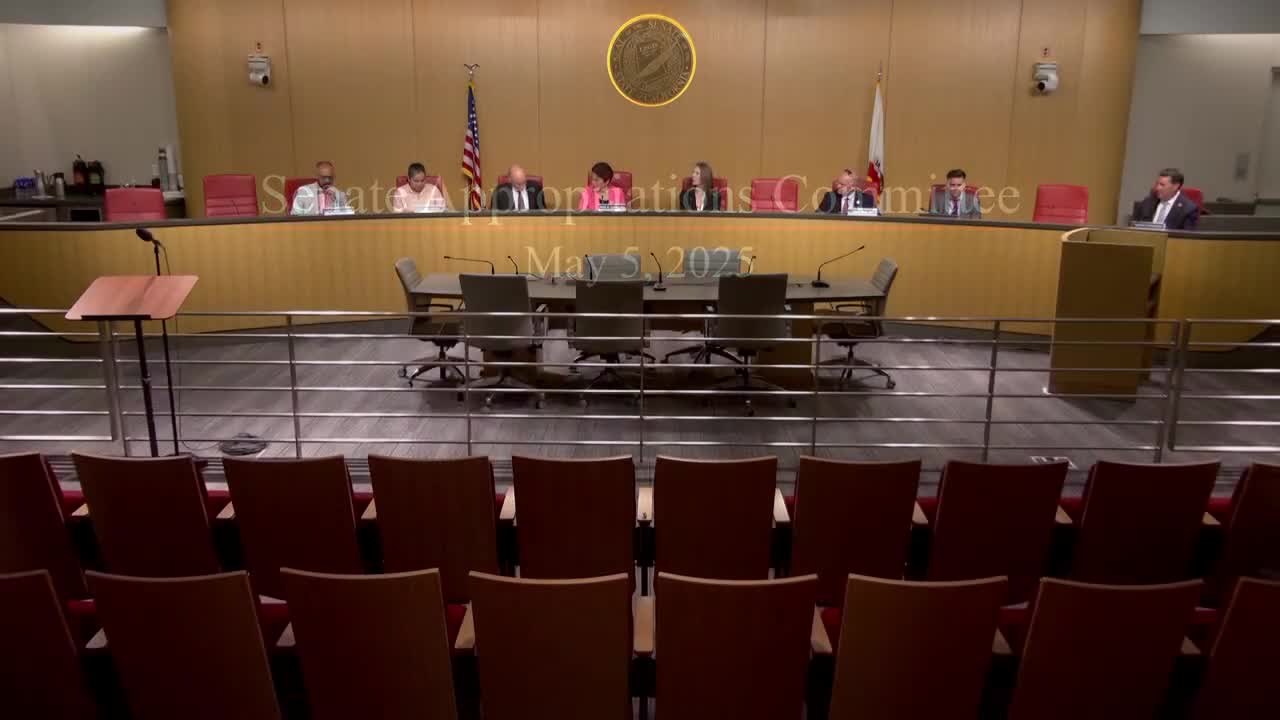 6SEC
Senate Standing Committee on Appropriations
Bill Author

Bill Co-Author(s):