SB 29: Civil actions: decedent’s cause of action.
- Session Year: 2025-2026
- House: Senate
- Latest Version Date: 2025-09-09
Current Status:
In Progress
(2025-09-13: Ordered to inactive file on request of Assembly Member Aguiar-Curry.)
Introduced
In Committee
Awaiting First Chamber Vote
Passed First Chamber
In Committee
Awaiting Second Chamber Vote
Passed Second Chamber
Enacted
Existing law provides that a cause of action that survives the death of the person entitled to commence an action or proceeding passes to the decedents successor in interest and an action may be commenced by the decedents personal representative or, if none, by the decedents successor in interest. Existing law provides that the damages recoverable in that action or proceeding include the loss or damage that the decedent sustained or incurred before death, including any penalties or punitive or exemplary damages that the decedent would have been entitled to recover had the decedent lived. Existing law also permits damages for a decedents pain, suffering, or disfigurement to be recovered in an action brought by the decedents personal representative or successor in interest if the action or proceeding was granted a specified preference before January 1, 2022, or was filed on or after January 1, 2022, and before January 1, 2026. Existing law requires a plaintiff who recovers damages for pain, suffering, or disfigurement between specified dates to submit to the Judicial Council a copy of the judgment, consent judgment, or court-approved settlement agreement entitling the plaintiff to the damages and a cover sheet containing specified information. Existing law requires the Judicial Council to transmit to the Legislature a report detailing this information, as specified.
This bill would extend the time frame for a decedents personal representative or successor in interest to file an action to recover damages for a decedents pain, suffering, or disfigurement to January 1, 2030. 2027. The bill would extend the requirement that a plaintiff who recovers such damages report specified information about the action to the Judicial Council to include damages recovered through January 1, 2029. July 31, 2026. The bill would authorize any party to an action to submit the required information to the Judicial Council. The bill would extend to January 1, 2029, 2027, the deadline for the Judicial Council to submit a report to the Legislature and would change the period covered by the report to January 1, 2025, through July 31, 2029. 2026.
Existing law provides that a cause of action that survives the death of the person entitled to commence an action or proceeding passes to the decedents successor in interest and an action may be commenced by the decedents personal representative or, if none, by the decedents successor in interest. Existing law provides that the damages recoverable in that action or proceeding include the loss or damage that the decedent sustained or incurred before death, including any penalties or punitive or exemplary damages that the decedent would have been entitled to recover had the decedent lived. Existing law also permits damages for a decedents pain, suffering, or disfigurement to be recovered in an action brought by the decedents personal representative or successor in interest if the action or proceeding was granted a specified preference before January 1, 2022, or was filed on or after January 1, 2022, and before January 1, 2026. Existing law requires a plaintiff who recovers damages for pain, suffering, or disfigurement between specified dates to submit to the Judicial Council a copy of the judgment, consent judgment, or court-approved settlement agreement entitling the plaintiff to the damages and a cover sheet containing specified information. Existing law requires the Judicial Council to transmit to the Legislature a report detailing this information, as specified.
This bill would remove the limitation on the recoverability of damages for pain, suffering, or disfigurement described above and the related reporting requirements, and would make all loss and damages the decedent sustained or incurred before death generally recoverable by the representative or successor of the decedent.This bill would extend the time frame for a decedents personal representative or successor in interest to file an action to recover damages for a decedents pain, suffering, or disfigurement to January 1, 2030. The bill would extend the requirement that a plaintiff who recovers such damages report specified information about the action to the Judicial Council to include damages recovered through January 1, 2029. The bill would authorize any party to an action to submit the required information to the Judicial Council. The bill would extend to January 1, 2029, the deadline for the Judicial Council to submit a report to the Legislature and would change the period covered by the report to January 1, 2025, through July 31, 2029.
Existing law provides that a cause of action that survives the death of the person entitled to commence an action or proceeding passes to the decedents successor in interest and an action may be commenced by the decedents personal representative or, if none, by the decedents successor in interest. Existing law provides that the damages recoverable in that action or proceeding include the loss or damage that the decedent sustained or incurred before death, including any penalties or punitive or exemplary damages that the decedent would have been entitled to recover had the decedent lived. Existing law also permits damages for a decedents pain, suffering, or disfigurement to be recovered in an action brought by the decedents personal representative or successor in interest if the action or proceeding was granted a specified preference before January 1, 2022, or was filed on or after January 1, 2022, and before January 1, 2026. Existing law requires a plaintiff who recovers damages for pain, suffering, or disfigurement between specified dates to submit to the Judicial Council a copy of the judgment, consent judgment, or court-approved settlement agreement entitling the plaintiff to the damages and a cover sheet containing specified information. Existing law requires the Judicial Council to transmit to the Legislature a report detailing this information, as specified.
This bill would remove the limitation on the recoverability of damages for pain, suffering, or disfigurement described above and the related reporting requirements, and would make all loss and damages the decedent sustained or incurred before death generally recoverable by the representative or successor of the decedent.
(a)In an action or proceeding by a decedents personal representative or successor in interest on the decedents cause of action, the damages recoverable are limited to the loss or damage that the decedent sustained or incurred before death, including, but not limited to, damages for pain, suffering, or disfigurement, and any penalties or punitive or exemplary damages that the decedent would have been entitled to recover had the decedent lived.
(b)Notwithstanding subdivision (a), in an action or proceeding by a decedents personal representative or successor in interest on the decedents cause of action, the damages recoverable may include damages for pain, suffering, or disfigurement if the action or proceeding was granted a preference pursuant to Section 36 before January 1, 2022, or was filed on or after January 1, 2022, and before January 1, 2030. 2027.
(c)A plaintiff who recovers damages pursuant to subdivision (b) between January 1, 2026, and January 1, 2029, July 31, 2026, inclusive, shall, within 60 days after obtaining a judgment, consent judgment, or court-approved settlement agreement entitling the plaintiff to the damages, submit to the Judicial Council a copy of the judgment, consent judgment, or court-approved settlement agreement, along with a cover sheet detailing all of the following information:
(1)The date the action was filed.
(2)The date of the final disposition of the action.
(3)The amount and type of damages awarded, including economic damages and damages for pain, suffering, or disfigurement.
(4)Any party to the action or proceeding may submit the data specified in this subdivision to the Judicial Council.
(d)(1)On or before January 1, 2029, 2027, the Judicial Council shall transmit to the Legislature a report detailing the information received pursuant to subdivision (c) for all judgments, consent judgments, or court-approved settlement agreements rendered from January 1, 2025, to July 31, 2029, 2026, inclusive, in which damages were recovered pursuant to subdivision (b). The report shall comply with Section 9795 of the Government Code.
(2)This subdivision shall become inoperative on January 1, 2030, pursuant to Section 10231.5 of the Government Code, unless the Legislature takes action to extend or make its provisions permanent.
(e)This section does not alter Section 3333.2 of the Civil Code.
(f)This section does not affect claims brought pursuant to Chapter 11 (commencing with Section 15600) of Part 3 of Division 9 of the Welfare and Institutions Code.
(a)In an action or proceeding by a decedents personal representative or successor in interest on the decedents cause of action, the damages recoverable are limited to the loss or damage that the decedent sustained or incurred before death, including, but not limited to, damages for pain, suffering, or disfigurement, and any penalties or punitive or exemplary damages that the decedent would have been entitled to recover had the decedent lived.
(b)Notwithstanding subdivision (a), in an action or proceeding by a decedents personal representative or successor in interest on the decedents cause of action, the damages recoverable may include damages for pain, suffering, or disfigurement if the action or proceeding was granted a preference pursuant to Section 36 before January 1, 2022, or was filed on or after January 1, 2022, and before January 1, 2030.
(c)A plaintiff who recovers damages pursuant to subdivision (b) between January 1, 2026, and January 1, 2029, inclusive, shall, within 60 days after obtaining a judgment, consent judgment, or court-approved settlement agreement entitling the plaintiff to the damages, submit to the Judicial Council a copy of the judgment, consent judgment, or court-approved settlement agreement, along with a cover sheet detailing all of the following information:
(1)The date the action was filed.
(2)The date of the final disposition of the action.
(3)The amount and type of damages awarded, including economic damages and damages for pain, suffering, or disfigurement.
(4)Any party to the action or proceeding may submit the data specified in this subdivision to the Judicial Council.
(d)(1)On or before January 1, 2029, the Judicial Council shall transmit to the Legislature a report detailing the information received pursuant to subdivision (c) for all judgments, consent judgments, or court-approved settlement agreements rendered from January 1, 2025, to July 31, 2029, inclusive, in which damages were recovered pursuant to subdivision (b). The report shall comply with Section 9795 of the Government Code.
(2)This subdivision shall become inoperative on January 1, 2030, pursuant to Section 10231.5 of the Government Code, unless the Legislature takes action to extend or make its provisions permanent.
(b)(e)This section does not alter Section 3333.2 of the Civil Code.
(c)(f)This section does not affect claims brought pursuant to Chapter 11 (commencing with Section 15600) of Part 3 of Division 9 of the Welfare and Institutions Code.
REVISIONS: HeadingLine 2.(a)In an action or proceeding by a decedents personal representative or successor in interest on the decedents cause of action, the damages recoverable are limited to the loss or damage that the decedent sustained or incurred before death, including including, but not limited to, damages for pain, suffering, or disfigurement, and any penalties or punitive or exemplary damages that the decedent would have been entitled to recover had the decedent lived, and do not include damages for pain, suffering, or disfigurement. lived.
(b)Notwithstanding subdivision (a), in an action or proceeding by a decedents personal representative or successor in interest on the decedents cause of action, the damages recoverable may include damages for pain, suffering, or disfigurement if the action or proceeding was granted a preference pursuant to Section 36 before January 1, 2022, or was filed on or after January 1, 2022, and before January 1, 2026.(c)A plaintiff who recovers damages pursuant to subdivision (b) between January 1, 2022, and January 1, 2025, inclusive, shall, within 60 days after obtaining a judgment, consent judgment, or court-approved settlement agreement entitling the plaintiff to the damages, submit to the Judicial Council a copy of the judgment, consent judgment, or court-approved settlement agreement, along with a cover sheet detailing all of the following information:(1)The date the action was filed.(2)The date of the final disposition of the action.(3)The amount and type of damages awarded, including economic damages and damages for pain, suffering, or disfigurement.(d)(1)On or before January 1, 2025, the Judicial Council shall transmit to the Legislature a report detailing the information received pursuant to subdivision (c) for all judgments, consent judgments, or court-approved settlement agreements rendered from January 1, 2022, to July 31, 2024, inclusive, in which damages were recovered pursuant to subdivision (b). The report shall comply with Section 9795 of the Government Code.(2)This subdivision shall become inoperative on January 1, 2029, pursuant to Section 10231.5 of the Government Code.(e)Nothing in this section alters(b)This section does not alter Section 3333.2 of the Civil Code.
(f)Nothing in this section affects(c)This section does not affect claims brought pursuant to Chapter 11 (commencing with Section 15600) of Part 3 of Division 9 of the Welfare and Institutions Code.
|
Date
|
Status
|
|---|---|
| Sep 13, 2025 | Ordered to inactive file on request of Assembly Member Aguiar-Curry. |
| Sep 10, 2025 | Withdrawn from committee. |
| Sep 10, 2025 | Ordered to third reading. |
| Sep 10, 2025 | Assembly Rule 96 suspended. (Ayes 55. Noes 18. Page 3163.) |
| Sep 9, 2025 | From committee with author's amendments. Read second time and amended. Re-referred to Com. on APPR. |
| Aug 29, 2025 | August 29 hearing postponed by committee. |
| Aug 20, 2025 | August 20 set for first hearing. Placed on APPR. suspense file. |
| Jul 9, 2025 | From committee: Do pass and re-refer to Com. on APPR. (Ayes 9. Noes 3.) (July 8). Re-referred to Com. on APPR. |
| Jul 9, 2025 | Coauthors revised. |
| Jun 16, 2025 | Referred to Com. on JUD. |
| Jun 5, 2025 | In Assembly. Read first time. Held at Desk. |
| Jun 4, 2025 | Read third time. Passed. (Ayes 21. Noes 10. Page 1516.) Ordered to the Assembly. |
| May 27, 2025 | Read second time. Ordered to third reading. |
| May 23, 2025 | Read second time and amended. Ordered to second reading. |
| May 23, 2025 | From committee: Do pass as amended. (Ayes 5. Noes 1. Page 1188.) (May 23). |
| May 16, 2025 | Set for hearing May 23. |
| Apr 21, 2025 | April 21 hearing: Placed on APPR. suspense file. |
| Apr 4, 2025 | Set for hearing April 21. |
| Apr 2, 2025 | From committee: Do pass and re-refer to Com. on APPR. (Ayes 9. Noes 2. Page 609.) (April 1). Re-referred to Com. on APPR. |
| Mar 13, 2025 | Set for hearing April 1. |
| Jan 29, 2025 | Referred to Coms. on JUD. and APPR. |
| Dec 3, 2024 | From printer. May be acted upon on or after January 2. |
| Dec 2, 2024 | Introduced. Read first time. To Com. on RLS. for assignment. To print. |
|
Date
|
Description
|
Location
|
Votes
|
|
|---|---|---|---|---|
| Jul 8, 2025 | Do pass and be re-referred to the Committee on [Appropriations] | Assembly Standing Committee on Judiciary |
Passed |
|
| Jun 4, 2025 | Senate 3rd Reading SB29 Laird | Senate Floor |
Passed |
|
| May 23, 2025 | Do pass as amended | Senate Standing Committee on Appropriations |
Passed |
|
| Apr 21, 2025 | Placed on suspense file | Senate Standing Committee on Appropriations |
Passed |
|
| Apr 1, 2025 | Do pass, but first be re-referred to the Committee on [Appropriations] | Senate Standing Committee on Judiciary |
Passed |
This list shows positions taken on this bill by organizations on the date displayed, which is linked to the original source.
Positions by individuals are not included.
|
Organization
|
Position
|
Date
|
|---|---|---|
| a number of business and insurance entities | ** Against | |
| a number of medical associations, health care providers, and related organizations | ** Against | |
| AARP California | ** Support | |
| Aclu California Action | ** Support | |
| Adventist Health | ** Against | |
| Alliance Of Catholic Health Care | ** Against | |
| American College of Obstetricians and Gynecologists | ** Against | |
| American Property Casualty Insurance Association | ** Against | |
| American Tort Reform Association | ** Against | |
| AmericaS Physician Groups | ** Against | |
| Asbestos Workers Local 16 Retirees Club | ** Support | |
| Association of California Healthcare Districts | ** Against | |
| Beta Healthcare Group | ** Against | |
| CA Now | ** Support | |
| California Academy of Physician Associates | ** Against | |
| California Advocates for Nursing Home Reform | ** Support | |
| California Alliance For Retired Americans | ** Support | |
| California Assisted Living Association | ** Against | |
| California Association For Health Services At Home | ** Against | |
| California Association for Nurse Practitioners | ** Against | |
| California Association Of Health Facilities | ** Against | |
| California Association Of Joint Powers Authorities | ** Against | |
| California Association Of Oral And Maxillofacial Surgeons | ** Against | |
| California Building Industry Association | ** Against | |
| California Business Properties Association | ** Against | |
| California Chamber Of Commerce | ** Against | |
| California Chapter American College Of Cardiology | ** Against | |
| California Chapter of the American College of Emergency Physicians | ** Against | |
| California ChildrenS Hospital Association | ** Against | |
| California Dental Association | ** Against | |
| California Elder Justice Coalition | ** Support | |
| California Employment Lawyers Association | ** Support | |
| California Federation of Labor Unions, Afl-cio | ** Support | |
| CALIFORNIA HEALTHCARE INSURANCE COMPANY INC | ** Against | |
| California Hospital Association | ** Against | |
| California Long Term Care Ombudsman Association | ** Support | |
| California Low-Income Consumer Coalition | ** Support | |
| California Manufacturers & Technology Association | ** Against | |
| California Medical Association | ** Against | |
| California Native Vote Project | ** Support | |
| California Orthopaedic Association | ** Against | |
| California Pharmacists Association | ** Against | |
| California Podiatric Medical Association | ** Against | |
| California Radiological Society | ** Against | |
| California Retailers Association | ** Against | |
| California Rheumatology Alliance | ** Against | |
| California Senior Legislature | ** Support | |
| California Society Of Anesthesiologists | ** Against | |
| California Society Of Dermatology & Dermatologic Surgery | ** Against | |
| California Society Of Plastic Surgeons | ** Against | |
| California State Association of Psychiatrists | ** Against | |
| California Teamsters Public Affairs Council | ** Support | |
| Californians Allied For Patient Protection | ** Against | |
| Central Valley Health Network | ** Against | |
| ChildrenS Specialty Care Coalition | ** Against | |
| Civil Justice Association Of California | ** Against | |
| Consumer Attorneys Of California | ** Support | |
| Consumer Federation Of California | ** Support | |
| Consumer Watchdog | ** Support | |
| Cooperative of American Physicians, Inc. | ** Against | |
| Courage California | ** Support | |
| CPCA Advocates | ** Against | |
| Disability Rights California | ** Support | |
| Equal Rights Advocates | ** Support | |
| Fund Her | ** Support | |
| International Association of Heat and Frost Insulators and Allied Workers | ** Support | |
| LeadingAge California | ** Against | |
| Loma Linda University Health | ** Against | |
| Medical Insurance Exchange Of California | ** Against | |
| National Association of Mutual Insurance Companies | ** Against | |
| Osteopathic Physicians And Surgeons Of California | ** Against | |
| Pacific Association Of Domestic Insurance Companies | ** Against | |
| Physician Association of California | ** Against | |
| Planned Parenthood Affiliates Of California | ** Against | |
| Private Essential Access Community Hospitals | ** Against | |
| Public Risk Innovation Solutions and Management | ** Against | |
| State Building & Construction Trades Council Of California | ** Support | |
| The Doctors Company | ** Against | |
| The Mutual | ** Against | |
| Union Of American Physicians And Dentists | ** Against | |
| VITUITY | ** Against | |
| Western Center on Law & Poverty, INC. | ** Support | |
| Worksafe | ** Support |
SENATE THIRD READING
STR Bill Id:SB 29
Author:(Laird)
As Amended Ver:September 9, 2025
Majority vote
SUMMARY
Extends the time frame for a decedent's personal representative or successor in a "survivor's action" to recover damages for a decedent's pain, suffering, or disfigurement to January 1, 2027, and similarly extends the requirement that a plaintiff who recovers such damages report specified information to the Judicial Council relating to damages recovered through July 31, 2026. Extends time for Judicial Council to submit a report to the Legislature January 1, 2027, which covers the period from January 1, 2025, to July 31, 2026.
Major Provisions
COMMENTS
"Survivor actions" at common law and in statute. At common law, a civil cause of action did not survive the death of the plaintiff. However, English Parliament overturned this rule by statute in the 19th century and American states followed suit (eventually) over the course of the 20th century by enacting "survivor statutes." These statutes allow a decedent's personal representative or successor-in-interest (usually a family member) to bring or continue an action on the decedent's behalf. However, even when states recognized a survivor's cause of action, they sometimes limit the damages available. For example, California's statute, enacted in 1949, allowed the decedent's personal representative or successor-in-interest to bring or continue an action and recover the economic damages suffered by the decedent prior to death. However, under the California statute, the personal representative or family member could not recover the non-economic damages, including damages for pain, suffering, or disfigurement. The lawmakers apparently accepted the traditional common law rationale for denying pain and suffering in a survivor's action: that is, the successor in interest may have an interest in recovering economic harms to the decedent's estate, but they should not recover pain and suffering damages because they did not experience the pain and suffering.
However, California's ban on recovery of pain and suffering created an arbitrary windfall to the culpable defendant. For if the plaintiff were still alive on the date of the judgement, but died one day later, the defendant would be liable for the plaintiff's pain and suffering. If the plaintiff died one day before the judgement, however, the defendant would not be liable for pain and suffering damages. This so-called "death benefit," as some have called it, creates an incentive for the defendant to delay the trial in order to increase the likelihood that the plaintiff would die before the trial concluded, thereby freeing the defendant from the obligation to pay pain and suffering damages. In 1961, the Legislature amended the statute to (1) allow survivor actions for any tort action (not just physical injury) and (2) allow recovery of punitive damages. At the time, the Legislature considered a California Law Review Commission (CLRC) recommendation to eliminate the restriction on pain and suffering damages, because of the arbitrary windfall and the perverse incentive to delay the trial. Specifically, the CLRC report concluded:
[Survivor] causes of action should survive because they exist and could have been enforced by or against the decedent and because, if they do not survive, the death of a victim produces a windfall for the wrongdoer. Under this view it is inconsistent to disallow elements of damages intended to compensate the decedent for his injury merely because of the fortuitous intervention of the death of either party. [CLRC, Recommendation and Study Relating to Survival of Actions, 3 Cal. Law Revision Rep. (1961).]
The Legislature rejected that recommendation in 1961. Sixty years later, SB 447 (Chap. 448, Stats. 2021) belatedly adopted the CLRC recommendation, at least for a time. As introduced, SB 447 would have permanently eliminated the restriction on recovering pain and suffering damages in a survivor action. However, in its final iteration, SB 447 was limited to cases brought on or before January 1, 2026. This compromise was apparently justified by an agreement that – at the very least – the trial delays caused by the Covid-19 pandemic exacerbated the incentive created by existing law to delay trials.
This bill now before the Legislature would extend that law to include cases filed on or before January 1, 2027, and make conforming changes dates relating to plaintiff reports on damages recovered to the Judicial Council and the Judicial Council's report to the Legislature.
According to the Author
When it comes to giving families a chance to recover non-economic damages, there are only three states in the entire nation that reward defendants for prolonging court procedures – leaving victims unable to obtain justice. California must not become the fourth.
Senate Bill 29 will prevent a decades-old injustice from returning to California by extending the sunset on Senate Bill 447 (Laird, 2021), maintaining a victim's right, and the right of their loved ones, to pursue accountability for human suffering – even if they die prior to case resolution. In doing so, this bill will protect the progress we have made in strengthening victims' rights.
Arguments in Support
The Consumer Attorneys of California, the Consumer Federation of California, and several other groups write in support:
Unless SB 29 is enacted, this vital protection will expire on January 1, 2026, reinstating an outdated legal standard that denies justice to families and shields wrongdoers from full accountability. SB 29 will extend the law through 2030, with continued data collection and reporting by the Judicial Council of California, providing a strong foundation for future legislative action.
CCP Section 377.34 governs survival actions—lawsuits brought on behalf of deceased individuals for injuries they suffered before death. Before SB 447, California law barred recovery for non-economic damages such as pain, suffering, or disfigurement once a plaintiff died. This created a perverse incentive for defendants to delay litigation, knowing that if a victim passed away before trial, their suffering would never be acknowledged in court. SB 447 corrected this injustice by allowing families to seek these damages on behalf of their loved ones.
If SB 447 is allowed to sunset, these families will again be left with no legal recourse for the suffering their loved ones endured. The law will once again favor defendants who stall justice and punish families already enduring unimaginable loss.
Arguments in Opposition
The Civil Justice Association of California (CJAC) in opposition, claims that SB 29 will "continue a harmful policy of allowing three forms of unlimited damages to be awarded in lawsuits brought by a person's estate, "survival actions." CJAC elaborates:
This policy of triple damages was created by SB 447 (Laird, Ch. 448, Stats. 2021) to make up for case delays caused by Covid court closures and was to sunset at the end of this year. SB 29 would arbitrarily extend the policy four additional years.
SB 29 could lead to large-scale court awards or settlements against small businesses, nonprofits, and state and local governments, harming communities and cutting into funding for important services and programs. Because state and local government entities are largely self-insured, any damages awarded against them in settlements or court have to be paid with dollars that might otherwise be used for public programs.
The private sector is also straining under the weight of inflation and the state's insurance crises. Small businesses and nonprofits are having a hard time finding affordable insurance, and SB 29 could greatly exacerbate the situation. SB 29 will likely push up their costs, and the liability exposure for excessive damages allowed by SB 29 could be devastating – just a single lawsuit can wipeout a small business or nonprofit.
Proponents of SB 447 used the pandemic court closures as the reason to justify what was supposed to be temporary additional damages recovery in survival actions. There is no longer a basis for continuing this policy of excessive damages since the pandemic is now over.
A large coalition of organizations representing medical providers and medical facilities opposes this bill unless it is amended to exempt medical malpractice claims. They write:
SB 29 would disrupt California's progress in expanding access to health care. In 2022, stakeholders negotiated significant reforms to the MICRA statute. The modernized
MICRA statute not only created new provisions for wrongful death, but also the ability to recover separate non-economic damages from both a hospital and a physician. These amounts increase every year in perpetuity. Stakeholders were keenly aware of SB 447's
2026 sunset and therefore incorporated appropriate increases in AB 35.
While SB 447 was moving through the legislative process, supporters argued that defendants were delaying settling cases to prevent payment of non-economic damages, while the opposition argued the pandemic created a backlog of cases in California courts and delays were objectively not of their making. Given this, SB 447 opponents requested a sunset to only apply to cases and claims impacted by COVID-19 delays (see page 8 of SB 447 Senate Judiciary Committee analysis, 2021). The author agreed to this sunset to only capture cases occurring before January 1, 2026.
Even if SB 447 sunsets for medical malpractice claims, a patient's heirs are still able to recover significant non-economic damages and unlimited economic damages thanks to the MICRA modernization. . . . Our diverse coalition of health care providers strongly believe that SB 29 should be amended to clarify that it does not apply to medical malpractice claims so that patients' access to health care isn't jeopardized.
FISCAL COMMENTS
According to the Assembly Appropriations Committee:
- Costs (Legal Services Revolving Fund, General Fund, special funds), possibly in the hundreds of thousands of dollars to low millions of dollars annually in the near term, to DOJ to represent state agencies in litigation. DOJ reports it has received an increase in requests for representation from state agencies for wrongful death cases since 2021, when SB 447 was enacted (see below). DOJ has received an average of 30 such requests for representation each year since 2021, and expects the number of requests to increase if this bill is enacted. It is not clear whether this bill will increase the number of requests for representation or whether the number of requests will remain at the current level, which appears higher than before SB 447 was enacted. Either way, it seems likely that DOJ will need additional resources to handle the workload associated with these wrongful death cases.
DOJ anticipates costs of $631,000 in fiscal year (FY) 2025-26, $1.2 million in FY 2026-34, and $604,000 in FY 2034-35 for its Torts and Condemnation Section for one deputy attorney general, additional attorney hours, one senior legal analyst, one legal secretary, and costs for external experts, consultants, and witnesses. DOJ's litigation costs are reimbursable through direct billings to client agencies. DOJ's costs will likely extend for several years after this bill's 2030 sunset date because it generally takes several years for each case to resolve.
- Cost pressures (Trial Court Trust Fund, General Fund) to the courts to adjudicate additional and longer cases resulting from this bill. Actual costs will depend on the number of cases filed and the amount of court time needed to resolve each case. It generally costs approximately $1,000 to operate a courtroom for one hour. Although courts are not funded on the basis of workload, increased pressure on the Trial Court Trust Fund may create a demand for increased funding for courts from the General Fund. The fiscal year 2025-26 state budget provides $82 million ongoing General Fund to the Trial Court Trust Fund for court operations. Judicial Council anticipates no costs associated with receiving data about settlements and judgments, and minor and absorbable costs to complete the required report.
- Costs (General Fund, special funds) to state entities of an unknown but significant amount for litigation costs, settlements, and damages resulting from this bill. In the aggregate, these costs may be in the tens of millions to hundreds of millions of dollars or higher, depending on the number of cases and the size of awards and settlements. As of when this analysis was prepared, the following state entities reported costs to this committee:
- The California Department of Corrections and Rehabilitation (CDCR) expects an unknown but significant increase in legal workload, costs for DOJ or contract counsel representation, and settlement amounts (General Fund). CDCR believes more lawsuits will be filed against the department and the duration of litigation will increase. CDCR anticipates hiring four attorneys and one analyst to handle the increased workload for an ongoing cost of $1 million annually.
- California Highway Patrol (CHP) reports it is hard to quantify expected costs, but identifies possible costs in the tens of millions of dollars, with actual costs depending on the number of cases against CHP and the amount of damages. One recent judgment against CHP on special verdict awarded $5 million in damages and $1 million for the decedent's pain and suffering. Future awards and settlements available due to this bill may produce similar costs for CHP.
- California Department of Transportation (Caltrans) estimates costs in the tens of millions of dollars, if not more, in liability, depending on the number of cases that include claims affected by the bill. Caltrans reports that since 2022, it has settled 10 wrongful death cases for $6.8 million, and has an additional 135 wrongful death cases pending with a combined exposure of approximately $300 million.
- Significant, non-reimbursable costs to local entities for litigation costs, settlements, and damages resulting from this bill.
VOTES
SENATE FLOOR: 21-10-9
YES: Allen, Arreguín, Ashby, Becker, Blakespear, Cervantes, Cortese, Durazo, Gonzalez, Laird, Limón, McGuire, McNerney, Menjivar, Padilla, Pérez, Smallwood-Cuevas, Stern, Umberg, Wahab, Wiener
NO: Alvarado-Gil, Choi, Dahle, Grove, Jones, Niello, Ochoa Bogh, Seyarto, Strickland, Valladares
ABS, ABST OR NV: Archuleta, Cabaldon, Caballero, Grayson, Hurtado, Reyes, Richardson, Rubio, Weber Pierson
ASM JUDICIARY: 9-3-0
YES: Kalra, Hart, Bryan, Connolly, Harabedian, Pacheco, Papan, Stefani, Zbur
NO: Dixon, Macedo, Sanchez
UPDATED
VERSION: September 9, 2025
CONSULTANT: Tom Clark / JUD. / (916) 319-2334 FN: 0001989
Date of Hearing: August 20, 2025
ASSEMBLY COMMITTEE ON APPROPRIATIONS
Buffy Wicks, Chair
SBPCA Bill Id:SB 29
Author:(Laird) – As Amended Ver:May 23, 2025
Policy Committee: | Judiciary | Vote: | 9 - 3 |
|
| ||
|
|
Urgency: No State Mandated Local Program: No Reimbursable: No
SUMMARY:
This bill extends, until January 1, 2030, the time in which a decedent’s personal representative may recover damages for the decedent’s pain, suffering, or disfigurement while they were alive, and extends related reporting requirements for the same time period.
FISCAL EFFECT:
- Costs (Legal Services Revolving Fund, General Fund, special funds), possibly in the hundreds of thousands of dollars to low millions of dollars annually in the near term, to DOJ to represent state agencies in litigation. DOJ reports it has received an increase in requests for representation from state agencies for wrongful death cases since 2021, when SB 447 was enacted (see below). DOJ has received an average of 30 such requests for representation each year since 2021, and expects the number of requests to increase if this bill is enacted. It is not clear whether this bill will increase the number of requests for representation or whether the number of requests will remain at the current level, which appears higher than before SB 447 was enacted. Either way, it seems likely that DOJ will need additional resources to handle the workload associated with these wrongful death cases.
DOJ anticipates costs of $631,000 in fiscal year (FY) 2025-26, $1.2 million in FY 2026-34, and $604,000 in FY 2034-35 for its Torts and Condemnation Section for one deputy attorney general, additional attorney hours, one senior legal analyst, one legal secretary, and costs for external experts, consultants, and witnesses. DOJ’s litigation costs are reimbursable through direct billings to client agencies. DOJ’s costs will likely extend for several years after this bill’s 2030 sunset date because it generally takes several years for each case to resolve.
- Cost pressures (Trial Court Trust Fund, General Fund) to the courts to adjudicate additional and longer cases resulting from this bill. Actual costs will depend on the number of cases filed and the amount of court time needed to resolve each case. It generally costs approximately $1,000 to operate a courtroom for one hour. Although courts are not funded on the basis of workload, increased pressure on the Trial Court Trust Fund may create a demand for increased funding for courts from the General Fund. The fiscal year 2025-26 state budget provides $82 million ongoing General Fund to the Trial Court Trust Fund for court operations. Judicial Council anticipates no costs associated with receiving data about settlements and judgments, and minor and absorbable costs to complete the required report.
- Costs (General Fund, special funds) to state entities of an unknown but significant amount for litigation costs, settlements, and damages resulting from this bill. In the aggregate, these costs may be in the tens of millions to hundreds of millions of dollars or higher, depending on the number of cases and the size of awards and settlements. As of when this analysis was prepared, the following state entities reported costs to this committee:
- The California Department of Corrections and Rehabilitation (CDCR) expects an unknown but significant increase in legal workload, costs for DOJ or contract counsel representation, and settlement amounts (General Fund). CDCR believes more lawsuits will be filed against the department and the duration of litigation will increase. CDCR anticipates hiring four attorneys and one analyst to handle the increased workload for an ongoing cost of $1 million annually.
- California Highway Patrol (CHP) reports it is hard to quantify expected costs, but identifies possible costs in the tens of millions of dollars, with actual costs depending on the number of cases against CHP and the amount of damages. One recent judgment against CHP on special verdict awarded $5 million in damages and $1 million for the decedent’s pain and suffering. Future awards and settlements available due to this bill may produce similar costs for CHP.
- California Department of Transportation (Caltrans) estimates costs in the tens of millions of dollars, if not more, in liability, depending on the number of cases that include claims affected by the bill. Caltrans reports that since 2022, it has settled 10 wrongful death cases for $6.8 million, and has an additional 135 wrongful death cases pending with a combined exposure of approximately $300 million.
- Significant, non-reimbursable costs to local entities for litigation costs, settlements, and damages resulting from this bill.
COMMENTS:
- Background. In 2021, the Legislature enacted SB 447 (Laird), Chapter 448, Statutes of 2021. SB 447 allows a representative or surviving family member of a person who died (the “decedent”) to file a lawsuit seeking non-economic damages for the pain, suffering, or disfigurement the decedent experienced before their death. Before SB 447, a representative or survivor could seek only economic damages on behalf of a decedent – like compensation for their medical bills or lost wages resulting from the harm they experienced. SB 447 also requires plaintiffs to report certain settlements or damage awards to Judicial Council, and requires Judicial Council to report that information to the Legislature. Without further action, SB 447 will sunset on January 1, 2026.
This bill extends, until January 1, 2030, the time in which a representative or survivor may seek non-economic damages on behalf of a decedent. The bill also extends existing provisions that require plaintiffs to report certain case resolutions: judgments, consent judgments, and court-approved settlement agreements. However, since many cases are resolved through out-of-court settlements, which are not required to be reported under existing law or this bill, it is not clear whether this data will provide helpful information when lawmakers evaluate this policy again.
- Support and Opposition. This bill is co-sponsored by Consumer Attorneys of California and Consumer Federation of California. Along with a coalition of supporters, they write:
Pain and suffering damages are particularly crucial for families of low- or no-wage earners—including children, stay-at-home parents, gig workers, domestic workers, and others—who often cannot recover significant economic damages. In such cases, pain and suffering may be the only meaningful form of compensation, especially when families face substantial medical bills or emotional trauma due to another’s wrongdoing. If SB 447 is allowed to sunset, these families will again be left with no legal recourse for the suffering their loved ones endured. The law will once again favor defendants who stall justice and punish families already enduring unimaginable loss.
The bill is opposed by a number of business and insurance entities, which argue the bill will lead to an increase in court awards and settlements against businesses and government entities, enriching plaintiff’s attorneys. These organizations oppose the bill entirely and believe the existing law should sunset in 2026.
A number of medical associations, health care providers, and related organizations oppose the bill unless it is amended to exempt medical malpractice claims. They write:
There is no doubt that if the sunset is removed or extended, the increases [in personal injury and wrongful death awards] we agreed to [in other legislation for] medical malpractice cases and the ability to recover additional pain and suffering will result in California’s 17 public health care systems and the five University of California’s academic medical centers seeing a dramatic increase in their medical malpractice costs. These institutions serve over 3.7 million patients annually and they provide a range of services for those who need it most. Increasing their costs will be seen and realized in our state budget, most likely in the millions of dollars.
In 2022, the Legislature increased the statutory caps on non-economic damages available in medical malpractice cases, amending the Medical Injury Compensation Reform Act (MICRA) with AB 35 (Reyes), Chapter 17, Statutes of 2022. These caps had not been updated since MICRA was enacted in 1975. AB 35 allowed a plaintiff to recover up to $500,000 in a wrongful death case against a health care provider or health care institution based on professional negligence. This cap increases annually by $50,000 until it reaches $1 million. If a medical malpractice case does not involve wrongful death, the cap starts at $350,000 and increases each year by $40,000 until it reaches $750,000. The medical stakeholders who oppose SB 29 argue the damages provided under AB 35 are sufficient for plaintiffs with medical malpractice claims. They believe by extending authorization for additional damages in these cases, SB 29 will dramatically increase medical malpractice costs for health care providers, destabilizing their finances and impacting their ability to provide care.
Analysis Prepared by: Annika Carlson / APPR. / (916) 319-2081
SENATE RULES COMMITTEE Office of Senate Floor Analyses (916) 651-1520 Fax: (916) 327-4478 | SB 29 |
THIRD READING
Bill No: SB 29
Author: Laird (D)
Amended: 5/23/25
Vote: 21
SENATE JUDICIARY COMMITTEE: 9-2, 4/1/25
AYES: Umberg, Allen, Arreguín, Ashby, Durazo, Laird, Stern, Wahab, Wiener
NOES: Niello, Valladares
NO VOTE RECORDED: Caballero, Weber Pierson
SENATE APPROPRIATIONS COMMITTEE: 5-1, 5/23/25
AYES: Caballero, Cabaldon, Grayson, Richardson, Wahab
NOES: Seyarto
NO VOTE RECORDED: Dahle
SUBJECT: Civil actions: decedent’s cause of action
SOURCE: Consumer Attorneys of California
Consumer Federation of California
DIGEST:
This bill extends the sunset on provisions that allow for recovery of damages for pain, suffering, and disfigurement in survival actions.
ANALYSIS:
Existing law:
- Provides that, except as otherwise provided by statute, a cause of action for or against a person is not lost by reason of the person’s death, but survives subject to the applicable limitations period. (Code Civil Procedure (Civ. Proc.) § 377.20.)
- Provides that a cause of action that survives the death of the person entitled to commence an action or proceeding passes to the decedent’s successor in interest, and an action may be commenced by the decedent’s personal representative or, if none, by the decedent’s successor in interest. (Code Civ. Proc. § 377.30.)
- Requires a court to allow, on motion after the death of a person who commenced an action or proceeding, a pending action or proceeding that does not abate to be continued by the decedent’s personal representative or, if none, by the decedent’s successor in interest. (Code Civ. Proc. § 377.31.)
- Limits the damages recoverable, in an action or proceeding by a decedent’s personal representative or successor in interest on the decedent’s cause of action, to the loss or damage that the decedent sustained or incurred before death, including any penalties or punitive or exemplary damages that the decedent would have been entitled to recover had the decedent lived, and does not include damages for pain, suffering, or disfigurement. (Code Civ. Proc. § 377.34(a) (“Section 377.34”).)
- Provides that notwithstanding the previous section, damages for pain, suffering, and disfigurement are available if the action or proceeding was granted a preference before January 1, 2022, or was filed on or after January 1, 2022, and before January 1, 2026. (Code Civ. Proc. § 377.34(b).)
- Requires a plaintiff who recovers damages pursuant to the preceding section between January 1, 2022, and January 1, 2025, within 60 days after obtaining a judgment, consent judgment, or court-approved settlement agreement entitling the plaintiff to the damages, to submit to the Judicial Council a copy of the judgment or settlement agreement, along with a cover sheet detailing specified information. Judicial Council is required to submit a report detailing such information to the Legislature by January 1, 2025. (Code Civ. Proc. § 377.34(c), (d).)
- Applies the above provisions to the commencement of an action or proceeding the decedent was entitled to commence, and to the continuation of an action or proceeding commenced by the decedent. (Code Civ. Proc. § 377.35.)
- Establishes a cause of action for the death of a person caused by the wrongful act or neglect of another (“wrongful death action”) that may be asserted by specified persons or by the decedent’s personal representative on their behalf. (Code Civ. Proc. § 377.60.)
- Provides that any part of the estate of a decedent not effectively disposed of by will passes to the decedent’s heirs as prescribed in the Probate Code. (Prob. Code § 6400 et seq.)
This bill extends the sunset to 2030 and establishes a new reporting requirement for the additional period.
Background
California’s survival statute provides that a cause of action for or against a person is not lost by reason of the person’s death. Section 377.34 of the Code of Civil Procedure generally limits the damages that can be recovered in these survival actions or proceedings, which are brought by a decedent’s personal representative or successor in interest on the decedent’s cause of action. The damages recoverable in such actions are the loss or damage that the decedent sustained or incurred before death, including any penalties or punitive or exemplary damages that the decedent would have been entitled to recover had the decedent lived. Section 377.34(a) specifically excludes any damages for pain, suffering, or disfigurement; however, SB 447 (Laird, Ch. 448, Stats. 2021) amended this limitation to allow for such damages in actions filed before January 1, 2026. This bill extends that period to January 1, 2030 and calls for an additional report to be submitted to the Legislature by Judicial Council, as provided.
This bill is co-sponsored by the Consumer Attorneys of California and the Consumer Federation of California. It is supported by Equal Rights Advocates, the Western Center on Law and Poverty, and various labor organizations, including the State Building and Construction Trades Council of California and the California Teamsters. It is opposed by a variety of health care-related organizations, including the California Medical Association, Californians Allied for Patient Protection, and the California Dental Association.
Comment
According to the author:
When it comes to giving families a chance to recover non-economic damages, there are only three states in the entire nation that reward defendants for prolonging court procedures – leaving victims unable to obtain justice. California must not become the fourth.
Senate Bill 29 will permanently correct a decades-old injustice in California by removing the sunset to Senate Bill 447 (Laird, 2021), maintaining a victim’s right, and the right of their loved ones, to pursue accountability for human suffering – even if they die prior to case resolution. It has always been my intent that this law be made permanent, ensuring that victims and their families can continue to seek justice. In doing so, this bill will protect the progress we have made in strengthening victim’s rights.
FISCAL EFFECT: Appropriation: No Fiscal Com.: Yes Local: No
According to the Senate Appropriations Committee:
- Department of Justice (DOJ): The DOJ estimates an ongoing annual impact of $1.5 million or less (Legal Services Revolving Fund). DOJ notes that this bill will have an impact on the Legal Services Revolving Fund; however, costs will be reimbursable through direct billings to the client agency. DOJ also reports that its Tort and Condemnation Section (TORT), within the Civil Law Division, anticipates an increase in litigation representing state agencies upon the enactment of SB 29, including potentially DOJ. To address the additional workload, TORT will require the following resources in each fiscal year beginning January 1, 2026:
- FY 2025-26: 1.0 Deputy Attorney General (DAG), 75 DAG hours, 1.0 Senior Legal Analyst (SLA), the legal complement of 1.0 Legal Secretary (LS) and $250,000 for external consultant experts and witnesses.
- FY 2026-27 and Ongoing: 1.0 DAG, 150 DAG hours, 1.0 SLA, 1.0 LS and $500,000 for external consultant experts and witnesses.
- FY 2025-26: 1.0 Deputy Attorney General (DAG), 75 DAG hours, 1.0 Senior Legal Analyst (SLA), the legal complement of 1.0 Legal Secretary (LS) and $250,000 for external consultant experts and witnesses.
DOJ indicates that implementation of this bill will be dependent upon the appropriation of funds. The DOJ will be unable to absorb the costs to comply with or implement the requirements of this bill within existing budgeted resources.
- Trial Courts: Cost pressures to the state funded trial court system (Trial Court Trust Fund, General Fund) by making damages for a decedent’s pain, suffering, or disfigurement in survivor actions recoverable. Judicial council will incur unknown, additional costs associated with the reporting requirements in this bill.
- State and Local Agencies: Unknown, potentially significant cost pressures (General Fund, local funds) to state and local agencies associated with litigation costs and increased liability in survival actions.
SUPPORT: (Verified 5/23/25)
Consumer Attorneys of California (co-source)
Consumer Federation of California (co-source)
AARP California
ACLU California Action
Asbestos Workers Local 16 Retirees Club
CA Now
California Advocates for Nursing Home Reform
California Alliance for Retired Americans
California Elder Justice Coalition
California Employment Lawyers Association
California Federation of Labor Unions, AFL-CIO
California Long Term Care Ombudsman Association
California Low-Income Consumer Coalition
California Native Vote Project
California Senior Legislature
California Teamsters Public Affairs Council
Consumer Watchdog
Courage California
Disability Rights California
Equal Rights Advocates
Fund Her
International Association of Heat and Frost Insulators and Allied Workers
State Building & Construction Trades Council of California
Western Center on Law & Poverty, Inc.
Worksafe
Two individuals
OPPOSITION: (Verified 5/23/25)
Adventist Health
Alliance of Catholic Health Care
American College of Obstetricians and Gynecologists
American Property Casualty Insurance Association
American Tort Reform Association
America’s Physician Groups
Association of California Healthcare Districts
Beta Healthcare Group
California Academy of Physician Associates
California Assisted Living Association
California Association for Health Services At Home
California Association for Nurse Practitioners
California Association of Health Facilities
California Association of Joint Powers Authorities
California Association of Oral and Maxillofacial Surgeons
California Building Industry Association
California Business Properties Association
California Chamber of Commerce
California Chapter American College of Cardiology
California Chapter of the American College of Emergency Physicians
California Children’s Hospital Association
California Dental Association
California Healthcare Insurance Company, Inc.
California Hospital Association
California Manufacturers & Technology Association
California Medical Association
California Orthopaedic Association
California Pharmacists Association
California Podiatric Medical Association
California Radiological Society
California Retailers Association
California Rheumatology Alliance
California Society of Anesthesiologists
California Society of Dermatology & Dermatologic Surgery
California Society of Plastic Surgeons
California State Association of Psychiatrists
Californians Allied for Patient Protection
Central Valley Health Network
Children’s Specialty Care Coalition
Civil Justice Association of California
Cooperative of American Physicians, Inc.
CPCA Advocates
LeadingAge California
Loma Linda University Health
Medical Insurance Exchange of California
National Association of Mutual Insurance Companies
Osteopathic Physicians and Surgeons of California
Pacific Association of Domestic Insurance Companies
Physician Association of California
Planned Parenthood Affiliates of California
Private Essential Access Community Hospitals
Public Risk Innovation, Solutions, and Management
The Doctors Company
The Mutual
Union of American Physicians and Dentists
Vituity
ARGUMENTS IN SUPPORT: The Consumer Attorneys of California write:
If SB 447 is allowed to sunset, families will once again be denied the ability to seek full justice for their loved ones’ suffering. This would roll back California’s progress and reinstate a system that rewards delay tactics and shields wrongdoers from full accountability. Allowing wrongdoers to escape liability simply because their victim has died is fundamentally unjust.
Allowing SB 447 to sunset would also encourage defense attorneys to do everything possible to drag out and stall cases until a plaintiff dies. Delaying tactics raise the odds that a severely injured victim will die before trial, awarding the defendants an economic windfall. This discourages efficiency in litigation and creates an absolute disincentive for a guilty company -- or its insurers -- to resolve a case even when liability is clear. And when our over-burdened courts must dig through the morass of these dilatory litigation tactics, it creates a ripple effect that impacts the ability of all Californians to use the court system that is funded by their tax dollars.
ARGUMENTS IN OPPOSITION: A large coalition of groups, including Californians Allied for Patient Protection (CAPP) and The Doctors Company, argue:
In 2021, SB 447 (Laird) was passed to allow heirs of injured individuals to recover non-economic damages for pain and suffering if the injured individual passes away before their lawsuit is settled. Among other things, the author and sponsor argued in 2021 that SB 447 was necessary due to the courts being slow to settle cases thanks to the pandemic and a sunset was amended into the bill before the Legislature sent the bill to the Governor. It is important to note that medical malpractice claims are not exempt from SB 447. SB 29 removes the sunset from the law that was passed and extends it into perpetuity.
In 2022, representatives from our organizations agreed to significant reforms to the MICRA statute. We were keenly aware of SB 447’s 2026 sunset and we agreed to appropriate increases in AB 35 with that understanding.
Unfortunately, SB 29 conflicts with the spirit and language of the 2022 updates to modernize MICRA so our organizations are opposed to SB 29 unless amended.
Prepared by: Christian Kurpiewski / JUD. / (916) 651-4113
5/27/25 11:36:35
**** END ****
SENATE COMMITTEE ON APPROPRIATIONS
Senator Anna Caballero, Chair
2025 - 2026 Regular Session
SB 29 (Laird) - Civil actions: decedent’s cause of action
Version: December 2, 2024 | Policy Vote: JUD. 9 - 2 |
Urgency: No | Mandate: No |
Hearing Date: May 23, 2025 | Consultant: Liah Burnley |
Bill Summary:
SB 29 authorizes noneconomic damages in survival actions for the decedent’s pain, suffering, or disfigurement.
*********** ANALYSIS ADDENDUM – SUSPENSE FILE ***********
The following information is revised to reflect amendments
adopted by the committee on May 23, 2025
Fiscal Impact:
- Department of Justice (DOJ): The DOJ estimates an ongoing annual impact of $1.5 million or less (Legal Services Revolving Fund). DOJ notes that this bill will have an impact on the Legal Services Revolving Fund; however, costs will be reimbursable through direct billings to the client agency. DOJ also reports that its Tort and Condemnation Section (TORT), within the Civil Law Division, anticipates an increase in litigation representing state agencies upon the enactment of SB 29, including potentially DOJ. To address the additional workload, TORT will require the following resources in each fiscal year beginning January 1, 2026:
- FY 2025-26: 1.0 Deputy Attorney General (DAG), 75 DAG hours, 1.0 Senior Legal Analyst (SLA), the legal complement of 1.0 Legal Secretary (LS) and $250,000 for external consultant experts and witnesses.
- FY 2026-27 and Ongoing: 1.0 DAG, 150 DAG hours, 1.0 SLA, 1.0 LS and $500,000 for external consultant experts and witnesses.
- FY 2025-26: 1.0 Deputy Attorney General (DAG), 75 DAG hours, 1.0 Senior Legal Analyst (SLA), the legal complement of 1.0 Legal Secretary (LS) and $250,000 for external consultant experts and witnesses.
DOJ indicates that implementation of this bill will be dependent upon the appropriation of funds. The DOJ will be unable to absorb the costs to comply with or implement the requirements of the bill within existing budgeted resources.
- Trial Courts: Cost pressures to the state funded trial court system (Trial Court Trust Fund, General Fund) by making damages for a decedent’s pain, suffering, or disfigurement in survivor actions recoverable. Judicial council will incur unknown, additional costs associated with the reporting requirements in this bill.
- State and Local Agencies: Unknown, potentially significant cost pressures (General Fund, local funds) to state and local agencies associated with litigation costs and increased liability in survival actions.
Author Amendments:
- Extend the time frame for a decedent’s personal representative or successor in interest to file an action to recover damages for a decedent’s pain, suffering, or disfigurement to January 1, 2030.
- Extend the requirement that a plaintiff who recovers such damages report specified information about the action to the Judicial Council to include damages recovered through January 1, 2029.
- Authorize any party to an action to submit the required information to the Judicial Council.
- Extend to January 1, 2029, the deadline for the Judicial Council to submit a report to the Legislature and would change the period covered by the report to January 1, 2025, through July 31, 2029.
-- END --
SENATE COMMITTEE ON APPROPRIATIONS
Senator Anna Caballero, Chair
2025 - 2026 Regular Session
SB 29 (Laird) - Civil actions: decedent’s cause of action
Version: December 2, 2024 | Policy Vote: JUD. 9 - 2 |
Urgency: No | Mandate: No |
Hearing Date: April 21, 2025 | Consultant: Liah Burnley |
Bill Summary:
SB 29 authorizes noneconomic damages in survival actions for the decedent’s pain, suffering, or disfigurement.
Fiscal Impact:
- Department of Justice (DOJ): The DOJ estimates an ongoing annual impact of $1.5 million or less (Legal Services Revolving Fund). DOJ notes that this bill will have an impact on the Legal Services Revolving Fund; however, costs will be reimbursable through direct billings to the client agency. DOJ also reports that its Tort and Condemnation Section (TORT), within the Civil Law Division, anticipates an increase in litigation representing state agencies upon the enactment of SB 29, including potentially DOJ. To address the additional workload, TORT will require the following resources in each fiscal year beginning January 1, 2026:
- FY 2025-26: 1.0 Deputy Attorney General (DAG), 75 DAG hours, 1.0 Senior Legal Analyst (SLA), the legal complement of 1.0 Legal Secretary (LS) and $250,000 for external consultant experts and witnesses.
- FY 2026-27 and Ongoing: 1.0 DAG, 150 DAG hours, 1.0 SLA, 1.0 LS and $500,000 for external consultant experts and witnesses.
- FY 2025-26: 1.0 Deputy Attorney General (DAG), 75 DAG hours, 1.0 Senior Legal Analyst (SLA), the legal complement of 1.0 Legal Secretary (LS) and $250,000 for external consultant experts and witnesses.
DOJ indicates that implementation of this bill will be dependent upon the appropriation of funds. The DOJ will be unable to absorb the costs to comply with or implement the requirements of the bill within existing budgeted resources.

- Trial Courts: Cost pressures to the state funded trial court system (Trial Court Trust Fund, General Fund) by making damages for a decedent’s pain, suffering, or disfigurement in survivor actions recoverable indefinitely. It is unclear how many proceedings would actually be commenced that otherwise would not have as a result of this bill. The fiscal impact of this bill to the courts will depend on many unknown factors, including the number or proceedings and the factors unique to each case. An eight-hour court day costs approximately $10,500 in staff in workload. The Governor’s 2025-26 budget proposes a $40 million ongoing increase in discretionary funding from the General Fund to help pay for increased trial court operation costs beginning in 2025-26. Although courts are not funded on the basis of workload, increased pressure on the Trial Court Trust Fund may create a need for increased funding for courts from the General Fund to fund additional staff and resources and to increase the amount appropriated to backfill for trial court operations. If funding is not provided for the new workload created by this bill, it may result in delays and prioritization of court cases.
- State and Local Agencies: Unknown, potentially significant cost pressures (General Fund, local funds) to state and local agencies, including the University of California, the Department of Transportation, the California Department of Forestry and Fire Prevention, California Department of Corrections and Rehabilitation, the California Highway Patrol, Department of General Services, and more, associated with litigation costs and increased liability in survival actions.
Background:
- Survival Actions: “Survival actions” are lawsuits filed by a decedent’s personal representative or successor in interest on the decedent’s cause of action to recover the damages suffered by the decedent. It allows the heir to pursue the legal claims that the deceased would have been able to seek if they had lived. Section 377.34 of the Code of Civil Procedure limits the types of damages recoverable in survival actions. Until 2021, noneconomic damages for pain and suffering in most survival actions were barred. If the person who experienced the pain and suffering died, the defendant’s liability for the pain and suffering died too.
In 2021, SB 447 (Laird) removed limitations on recovering noneconomic damages for pain, suffering, and disfigurement in specified survival actions. Namely, the limitation was removed on actions that were granted a preference by the courts before January 1, 2022, and on actions filed on or after January 1, 2022, and before January 1, 2026. SB 447 included an inoperative date of January 1, 2029.[1] The damages recovered in these cases are subject to MICRA caps, if applicable (discussed in further detail below).
SB 447 also had a reporting requirement.[2] Plaintiffs who recovered non-economic damages between January 1, 2022, and January 1, 2025 were required to report details of their cases to Judicial Council. According to Judicial Council, there were four cases reported. The amounts of noneconomic damages for pain and suffering awarded in these cases were: $10,000,000,[3] $1,000,000, $216,666, and, $10,000. The report only includes self-reported information from plaintiffs, it does not include data about out of court settlements, the reporting period was relatively short, and some cases may still be ongoing. Cases filed between January 2, 2025 and January 1, 2026 are not included in the report. The report does not include information about cases where the plaintiff did not prevail. Thus, the true fiscal impact of SB 447 remains uncertain.
- MICRA: The Medical Injury Compensation Reform Act (MICRA) of 1975 was enacted to lower medical malpractice liability insurance premiums for healthcare providers in California by decreasing their potential tort liability. MICRA caps apply to claims based on professional negligence (medical malpractice). Other types of claims, like ordinary negligence, wrongful death outside of a healthcare setting, are not subject to damage caps.[4]
Under MICRA, a plaintiff could not recover more than $250,000 in non-economic damages for pain and suffering from all defendants for one injury.[5] The original law did not include any provision to adjust the cap for inflation, and it remained at $250,000 from 1975 until 2023. Adjusted for inflation, $250,000 has the same buying power as $1,534,544 today.
When MICRA was enacted, survival actions to recover noneconomic damage for a decedent’s pain and suffering were disallowed. Thus, the original MICRA caps only applied to noneconomic losses suffered by the decedent’s heirs in wrongful death cases and in medical malpractice claims brought by living plaintiffs for their own pain and suffering.
MICRA remained untouched since its enactment in 1975. However, in 2022, AB 35 (Reyes), the MICRA Modernization Act, made significant changes. Under AB 35, MICRA caps began to increase annually, starting in 2023. Additionally, recovery limits are now dependent upon the type of medical malpractice case–wrongful death claims and non-wrongful death claims have two separate distinct caps. AB 35 also created three separate categories of defendants. Plaintiffs may recover separate damages up to the cap for each category of defendant in the case. The defendant categories are health care providers, health care institutions, and unaffiliated health care providers or institutions. A plaintiff may only recover from each of the three categories once within a case, regardless of the number of causes of action plead or the number of defendants within each category. A defendant cannot be liable for non-economic damages in more than one of the categories.
Pre-MICRA Modernization, a plaintiff could only recover up to $250,000 total for their injury. Post-MICRA modernization, a plaintiff can now recover up to the increased cap, threefold.
Due to the changes made by SB 447 (Liard), combined with the changes made by AB 35 (Reyes), litigants may, depending on the facts and circumstances of each case, recover noneconomic damages for pain and suffering in both an action for injury that involves wrongful death against health care providers based on professional negligence and a survival claim that does not involve wrongful death stemming from the same medical malpractice. In such cases, there are separate MICRA caps for the separate injuries -- the survival claim, which seeks compensation for damages to the decedent, and the wrongful death claim, which seeks compensation for damages to the heirs of the decedent.
By way of illustration, in 2025, if a plaintiff filed their claim after January 1, 2022, they can theoretically recover up to $2,970,000: $1,800,000 in noneconomic damages for their own pain and suffering for wrongful death and up to $1,170,000 in noneconomic damages for professional negligence in a survival action for the pain and suffering experienced by the decedent prior to their death. From 2022-2023, that same plaintiff could have recovered noneconomic damages in both a survival action and a wrongful death action, but liability was capped at $250,000 for each. Prior to 2022, the would only be able to file a wrongful death claim, which was capped at $250,000.
The evolution of MICRA caps on noneconomic damages for pain and suffering—both in survivor actions and in cases brought by living plaintiffs in medical malpractice claims—is illustrated in Table 1 following this analysis.[6] Table 2 further illustrates the development of survivor claims for noneconomic damages and the application of MICRA caps in medical malpractice-related survival actions. [7]
Proposed Law:
This bill permanently authorizes noneconomic damages for the decedent’s pain, suffering, or disfigurement in survival actions. In addition, this bill:
- Specifies that it “does not alter Section 3333.2 of the Civil Code” relating to MICRA.
- Specifies that it “does not affect claims brought pursuant to Chapter 11 (commencing with Section 15600) of Part 3 of Division 9 of the Welfare and Institutions Code” relating to specified elder and dependent adult abuse cases.
- Strikes the requirement that plaintiffs in survivor actions who recover noneconomic damages for pain and suffering, as specified, between January 1, 2022 and January 1, 2025 submit specified information related to the case to the Judicial Council.
- Strikes the requirement in existing law that the Judicial Council transmit a report to the Legislature detailing the information received by plaintiffs in survival actions that recovered noneconomic damages.
- Strikes the existing inoperative date of January 1, 2029.
Related Legislation:
- AB 35 (Reyes, Ch. 17, Stats. 2022) modernized MICRA by, among other things, increasing the caps on noneconomic damages for pain, suffering, or disfigurement in medical malpractice actions, as specified.
- SB 447 (Laird, Ch. 448, Stats. 2021) authorized noneconomic damages in survival actions for the decedent’s pain, suffering, or disfigurement, if the cause of action was filed between January 1, 2022 and before January 1, 2026, subject to MICRA recovery caps in applicable medical malpractice cases.
- SB 314 (Dodd, Ch. 21, Stats. 2019) authorized noneconomic damages in survival actions for the decedent’s pain, suffering, or disfigurement in specified elder and dependent adult abuse cases.
- SB 202 (Cobey, Ch. 657, Stats. 1961) authorized survival actions but limited recoverable damages to the loss or damage that the decedent sustained or incurred before death, including any penalties or punitive or exemplary damages that the decedent would have been entitled to recover had the decedent lived, and specifically exempted recovery of noneconomic damages for pain, suffering, or disfigurement.
- AB 1xx (Keene, Ch. 1, Stats. 1975) enacted MICRA.
Recommended Amendments:
This bill states: “This section does not alter Section 3333.2 of the Civil Code (MICRA).” While this bill does not make changes to MICRA, this bill will expand the number of individuals able to bring a medical malpractice related action against healthcare providers and institutions subject to MICRA caps. Should the Legislature intend to exclude recovery of non-economic damages in medical malpractice survival actions, this bill could be amended to exclude actions brought under Section 3333.2 of the Civil Code.
Alternatively, the Legislature may consider extending the current inoperability date of January 1, 2029 and implementing additional and more robust reporting requirements on the number of survival cases and their outcomes, in order to better assess the fiscal implications of allowing noneconomic damages for pain, suffering, or disfigurement indefinitely.
-- END --
Existing law does not specify procedures for cases filed before January 1, 2026 that are not resolved when the statute becomes inoperable on January 1, 2029.
↑Judicial Council of California, Recovery of Damages for Pain, Suffering, or Disfigurement by Decedent’s Estate (Jan. 1, 2025). Available at: https://courts.ca.gov/system/files/file/lr-2025-recovery-damages-decendents-estate-ccp37734d.pdf ↑
This case involved elder abuse claims. MICRA does not apply to certain elder abuse claims. ↑
See, e.g., Flores v. Natividad Medical Center, 192 Cal. App. 3d 1106, 1116 [incarcerated person’s deliberate indifference claim against prison medical staff not subject to MICRA caps]. ↑
Gilman v. Beverly Hospital (1991) 231 Cal.App.3d 121. ↑
TABLE 1
Year
Noneconomic Damages
Wrongful Death Cap
Noneconomic Damages
Non-Wrongful Death Cap
Pre-MICRA
1962-1975
No Cap
No Cap
MICRA
AB 1xx (Keene)
1976-2022
$250,000 Total Cap
MICRA Modernization
AB 35 (Reyes)
2023
Total potential recovery cap up to $1,500,000
$500,000, against one or more health care providers, collectively
$500,000, against one or more health care institutions, collectively
$500,000, against one or more unaffiliated health care providers or health care institutions, collectively
Total potential recovery cap up to $1,050,000
$350,000, against one or more health care providers, collectively
$350,000, against one or more health care institutions, collectively
$350,000, against one or more unaffiliated health care providers or health care institutions, collectively
2024
Total potential recovery cap up to $1,650,000
$550,000, against one or more health care providers, collectively
$550,000, against one or more health care institutions, collectively
$550,000, against one or more unaffiliated health care providers or health care institutions, collectively
Total potential recovery cap up to $1,170,000
$390,000, against one or more health care providers, collectively
$390,000, against one or more health care institutions, collectively
$390,000, against one or more unaffiliated health care providers or health care institutions, collectively
2025
Total potential recovery cap up to $1,800,000
$600,000, against one or more health care providers, collectively
$600,000, against one or more health care institutions, collectively
$600,000, against one or more unaffiliated health care providers or health care institutions, collectively
Total potential recovery cap up to $1,170,000
$430,000, against one or more health care providers, collectively
$430,000, against one or more health care institutions, collectively
$430,000, against one or more unaffiliated health care providers or health care institutions, collectively
2026
Total potential recovery cap up to $1,950,000
$650,000, against one or more health care providers, collectively
$650,000, against one or more health care institutions, collectively
$650,000, against one or more unaffiliated health care providers or health care institutions, collectively
Total potential recovery cap up to $1,410,000
$470,000, against one or more health care providers, collectively
$470,000, against one or more health care institutions, collectively
$470,000, against one or more unaffiliated health care providers or health care institutions, collectively
2027
Total potential recovery cap up to $2,100,000
$700,000, against one or more health care providers, collectively
$700,000, against one or more health care institutions, collectively
$700,000, against one or more unaffiliated health care providers or health care institutions, collectively
Total potential recovery cap up to $1,530,000
$510,000, against one or more health care providers, collectively
$510,000, against one or more health care institutions, collectively
$510,000, against one or more unaffiliated health care providers or health care institutions, collectively
2028
Total potential recovery cap up to $2,250,000
$750,000, against one or more health care providers, collectively
$750,000, against one or more health care institutions, collectively
$750,000, against one or more unaffiliated health care providers or health care institutions, collectively
Total potential recovery cap up to $1,650,000
$550,000, against one or more health care providers, collectively
$550,000, against one or more health care institutions, collectively
$550,000, against one or more unaffiliated health care providers or health care institutions, collectively
2029
Total potential recovery cap up to $2,400,000
$800,000, against one or more health care providers, collectively
$800,000, against one or more health care institutions, collectively
$800,000, against one or more unaffiliated health care providers or health care institutions, collectively
Total potential recovery cap up to $1,770,000
$590,000, against one or more health care providers, collectively
$590,000, against one or more health care institutions, collectively
$590,000, against one or more unaffiliated health care providers or health care institutions, collectively
2030
Total potential recovery cap up to $2,550,000
$850,000, against one or more health care providers, collectively
$850,000, against one or more health care institutions, collectively
$850,000, against one or more unaffiliated health care providers or health care institutions, collectively
Total potential recovery cap up to $1,770,000
$630,000, against one or more health care providers, collectively
$630,000, against one or more health care institutions, collectively
$630,000, against one or more unaffiliated health care providers or health care institutions, collectively
2031
Total potential recovery cap up to $2,700,000
$900,000, against one or more health care providers, collectively
$900,000, against one or more health care institutions, collectively
$900,000, against one or more unaffiliated health care providers or health care institutions, collectively
Total potential recovery cap up to $2,010,000
$670,000, against one or more health care providers, collectively
$670,000, against one or more health care institutions, collectively
$670,000, against one or more unaffiliated health care providers or health care institutions, collectively
2032
Total potential recovery cap up to $2,850,000
$950,000, against one or more health care providers, collectively
$950,000, against one or more health care institutions, collectively
$950,000, against one or more unaffiliated health care providers or health care institutions, collectively
Total potential recovery cap up to $2,130,000
$710,000, against one or more health care providers, collectively
$710,000, against one or more health care institutions, collectively
$710,000, against one or more unaffiliated health care providers or health care institutions, collectively
2033
Total potential recovery cap up to $3,000,000
$1,000,000, against one or more health care providers, collectively
$1,000,000, against one or more health care institutions, collectively
$1,000,000, against one or more unaffiliated health care providers or health care institutions, collectively
Total potential recovery cap up to $2,250,000
$750,000, against one or more health care providers, collectively
$750,000, against one or more health care institutions, collectively
$750,000, against one or more unaffiliated health care providers or health care institutions, collectively
2034
+2% per year
+2% per year
TABLE 2
SB 202 (Cobey, 1961)
SB 447 (Laird, 2021)
1962-1975
1976-2021
MICRA
AB 1xx (Keene)
2022
MICRA
AB 1xx (Keene)
2023- present
MICRA Modernization
AB 35 (Reyes)
Survival action for decedent’s noneconomic damages for decedent’s pain and suffering
Not Available
Not Available
Available
Cap
Available
Increased Caps
Noneconomic damages in wrongful death actions
Available
Available
Cap
Available
Cap
Available
Increased Caps
Senator Thomas Umberg, Chair
2025-2026 Regular Session
Bill No: SB 29 (Author:Laird)
Version: December 2, 2024
Hearing Date: April 1, 2025
Fiscal: No
Urgency: No
Consultant: CK
SUBJECT
Civil actions: decedent’s cause of action
DIGEST
This bill permanently removes limitations on recovering damages for pain, suffering, and disfigurement in survival actions.
EXECUTIVE SUMMARY
California’s survival statute provides that a cause of action for or against a person is not lost by reason of the person’s death. Section 377.34 of the Code of Civil Procedure generally limits the damages that can be recovered in these survival actions or proceedings, which are brought by a decedent’s personal representative or successor in interest on the decedent’s cause of action. The damages recoverable in such actions are the loss or damage that the decedent sustained or incurred before death, including any penalties or punitive or exemplary damages that the decedent would have been entitled to recover had the decedent lived. Section 377.34(a) specifically excludes any damages for pain, suffering, or disfigurement; however, SB 447 (Laird, Ch. 448, Stats. 2021) amended this limitation to allow for such damages in actions filed before January 1, 2026.
This bill permanently makes available such damages in survival actions, aligning it with a majority of the states in this country.
This bill is co-sponsored by the Consumer Attorneys of California and the Consumer Federation of California. It is supported by Equal Rights Advocates, the Western Center on Law and Poverty, and various labor organizations, including the State Building and Construction Trades Council of California and the California Teamsters. It is opposed by a variety of health care-related organizations, including the California Medical Association, Californians Allied for Patient Protection, and the California Dental Association.
PROPOSED CHANGES TO THE LAW
Existing law:
- Provides that, except as otherwise provided by statute, a cause of action for or against a person is not lost by reason of the person’s death, but survives subject to the applicable limitations period. (Code Civ. Proc. § 377.20.)
- Provides that a cause of action that survives the death of the person entitled to commence an action or proceeding passes to the decedent’s successor in interest, and an action may be commenced by the decedent’s personal representative or, if none, by the decedent’s successor in interest. (Code Civ. Proc. § 377.30.)
- Requires a court to allow, on motion after the death of a person who commenced an action or proceeding, a pending action or proceeding that does not abate to be continued by the decedent’s personal representative or, if none, by the decedent’s successor in interest. (Code Civ. Proc. § 377.31.)
- Limits the damages recoverable, in an action or proceeding by a decedent’s personal representative or successor in interest on the decedent’s cause of action, to the loss or damage that the decedent sustained or incurred before death, including any penalties or punitive or exemplary damages that the decedent would have been entitled to recover had the decedent lived, and does not include damages for pain, suffering, or disfigurement. (Code Civ. Proc. § 377.34(a) (“Section 377.34”).)
- Provides that notwithstanding the previous section, damages for pain, suffering, and disfigurement are available if the action or proceeding was granted a preference before January 1, 2022, or was filed on or after January 1, 2022, and before January 1, 2026. (Code Civ. Proc. § 377.34(b).)
- Requires a plaintiff who recovers damages pursuant to the preceding section between January 1, 2022, and January 1, 2025, within 60 days after obtaining a judgment, consent judgment, or court-approved settlement agreement entitling the plaintiff to the damages, to submit to the Judicial Council a copy of the judgment or settlement agreement, along with a cover sheet detailing specified information. Judicial Council is required to submit a report detailing such information to the Legislature by January 1, 2025. (Code Civ. Proc. § 377.34(c), (d).)
- Applies the above provisions to the commencement of an action or proceeding the decedent was entitled to commence, and to the continuation of an action or proceeding commenced by the decedent. (Code Civ. Proc. § 377.35.)
- Establishes a cause of action for the death of a person caused by the wrongful act or neglect of another (“wrongful death action”) that may be asserted by specified persons or by the decedent’s personal representative on their behalf. (Code Civ. Proc. § 377.60.)
- Provides that any part of the estate of a decedent not effectively disposed of by will passes to the decedent’s heirs as prescribed in the Probate Code. (Prob. Code § 6400 et seq.)
This bill removes the sunset and reporting requirement from Section 377.34 and authorizes recovery of damages for a decedent’s pain, suffering, or disfigurement in any action or proceeding on the decedent’s cause of action.
COMMENTS
- Allowing a decedent’s representative to collect pain and suffering damages
Liability has the primary effect of ensuring that some measure of recourse exists for those persons injured by the unlawful, negligent, or willful acts of others; the risk of that liability has the primary effect of ensuring parties act reasonably to avoid harm to those to whom they owe a duty. For instance, as a general rule, California law provides that persons are responsible, not only for the result of their willful acts, but also for an injury occasioned to another by their want of ordinary care or skill in the management of their property or person, except so far as the latter has, willfully or by want of ordinary care, brought the injury upon themselves. (Civ. Code § 1714(a).)
At common law, an individual’s causes of action for personal torts were extinguished with the death of the injured party or the tortfeasor, following the Latin expression actio personalis moritur cum persona, i.e., a personal action dies with the person concerned.[1] As documented by multiple opinions by the California Supreme Court: “After at least a half century of debate and many unsuccessful legislative initiatives, California’s first statute providing for the survival of personal tort actions was enacted in 1949.”[2] This initial “survival action” applied only to causes of action for personal injury.
In 1961, then-Senator, and later Justice, James A. Cobey introduced SB 202 (Cobey, Ch. 657, Stats. 1961). The bill was prepared by the California Law Revision Commission in the wake of its report, Recommendation and Study Relating to Survival of Actions (Oct. 1960) 3 Cal. Law Revision Com. Rep. (1961) (“the Report”). Three main recommendations were made to overhaul the statute and were included in SB 202. The first urged the expansion of the survival statute to include actions for personal torts that do not involve physical injury, including invasion of privacy, defamation, and malicious prosecution.[3] The second recommendation was that the survival statute should allow recovery of punitive damages that the decedent would have been entitled to, reasoning “[t]he object of awarding such damages being to punish the wrongdoer, it would be particularly inappropriate to permit him to escape such punishment in a case in which he killed rather than only injured his victim.”[4] Both of these recommendations were included in the final bill that was signed into law by Governor Edmund G. Brown.
Relevant here, the third recommendation faced considerable difference of opinion. It urged the Legislature to “discontinue the provision in the 1949 survivorship legislation precluding the estate of the deceased plaintiff from recovering damages for pain, suffering, or disfigurement.”[5] A study accompanying the Report disagreed, arguing:
[D]amages should not be awarded for the deceased’s pain and suffering, bodily disfigurement or loss of a member of his body. Such injuries are strictly to the person of the deceased and, in and of themselves, do not lessen the value of his estate and are not of such a transmissible nature that they should be made the basis of legal liability or an award of compensatory damages after the victim’s death.[6]
However, the California Law Revision Commission made its case and addressed this argument and other concerns involving the change:
The provision in the 1949 survival legislation that damages may not be allowed to the estate of the deceased plaintiff for “pain, suffering or disfigurement” should also be discontinued. One reason advanced in support of this limitation is that the victim’s death and consequent inability to testify renders it difficult and speculative to award damages for such highly personal injuries. The Commission believes, however, that while it may be more difficult to establish the amount of damages in such a case the victim’s death should not automatically preclude recovery. Other competent testimony relating to the decedent’s pain, suffering or disfigurement will be available in many cases. The argument has also been made that the purpose of awarding such damages is to compensate the victim for pain and suffering which he himself has sustained and that when he is dead the object of such damages is lost and his heirs receive a windfall. This argument suggests that the primary reason for providing for survival of actions is to compensate the survivors for a loss to or diminution in the expectancy which they had in the decedent’s estate. The Commission does not agree. Causes of action should survive because they exist and could have been enforced by or against the decedent and because, if they do not survive, the death of a victim produces a windfall for the wrongdoer. Under this view it is inconsistent to disallow elements of damages intended to compensate the decedent for his injury merely because of the fortuitous intervention of the death of either party.[7]
Ultimately, Senator Cobey included the provision in SB 202. However, “[t]he Senate amended the bill at the request of the insurance companies to restore [the] provision of the existing law that prevents the recovery of damages for pain, suffering and disfigurement by the representative of a deceased victim.”[8] A contemporaneous letter from the California Law Revision Commission also highlights that the amendment was proposed by representatives of the insurance industry and that it “was apparent at the hearing that extensive lobbying had been accomplished by the insurance industry prior to the hearing.”[9]
The relevant statutes were later reenacted in the Code of Civil Procedure. Section 377.20 authorizes the survival action, providing that a cause of action is not lost by reason of the person’s death, but survives subject to the applicable limitations period, except as otherwise provided by statute. Section 377.34(a) lays out the remedies available in such actions:
In an action or proceeding by a decedent’s personal representative or successor in interest on the decedent’s cause of action, the damages recoverable are limited to the loss or damage that the decedent sustained or incurred before death, including any penalties or punitive or exemplary damages that the decedent would have been entitled to recover had the decedent lived, and do not include damages for pain, suffering, or disfigurement.
- Revising California’s survival statutes
Sixty years later, SB 447 implemented the final recommendation asserted by the California Law Revision Commission. It authorized recovery of damages for pain, suffering, and disfigurement in certain actions granted a preference and in all cases filed between January 1, 2022 and January 1, 2026. The justification for the change being that if a cause of action for such damages does not survive, it results in “a windfall for the wrongdoer.”
SB 447 not only placed a sunset but required plaintiffs receiving such damages to report information about the action and the amount of damages to Judicial Council. Judicial Council was required to submit a report detailing this information to the Legislature by January 1, 2025. That report indicates that there were only four reported cases involving the payment of pain, suffering, or disfigurement damages in survival actions during the relevant three-year period.[10]
This bill now removes that sunset and permanently authorizes the recovery of such damages in survival actions.
According to the author:
When it comes to giving families a chance to recover non-economic damages, there are only three states in the entire nation that reward defendants for prolonging court procedures – leaving victims unable to obtain justice. California must not become the fourth.
Senate Bill 29 will permanently correct a decades-old injustice in California by removing the sunset to Senate Bill 447 (Laird, 2021), maintaining a victim’s right, and the right of their loved ones, to pursue accountability for human suffering – even if they die prior to case resolution. It has always been my intent that this law be made permanent, ensuring that victims and their families can continue to seek justice. In doing so, this bill will protect the progress we have made in strengthening victim’s rights.
- Stakeholder positions
The Consumer Attorneys of California, a sponsor of the measure, writes:
If SB 447 is allowed to sunset, families will once again be denied the ability to seek full justice for their loved ones’ suffering. This would roll back California’s progress and reinstate a system that rewards delay tactics and shields wrongdoers from full accountability. Allowing wrongdoers to escape liability simply because their victim has died is fundamentally unjust.
Allowing SB 447 to sunset would also encourage defense attorneys to do everything possible to drag out and stall cases until a plaintiff dies. Delaying tactics raise the odds that a severely injured victim will die before trial, awarding the defendants an economic windfall. This discourages efficiency in litigation and creates an absolute disincentive for a guilty company -- or its insurers -- to resolve a case even when liability is clear. And when our over-burdened courts must dig through the morass of these dilatory litigation tactics, it creates a ripple effect that impacts the ability of all Californians to use the court system that is funded by their tax dollars.
LeadingAge California writes in opposition:
SB 447 was one of multiple bills passed by the Legislature in 2021 that included a sunset date due to the impacts of the COVID pandemic. SB 447 was passed prior to the passage of AB 35 (Assemblymember Reyes and Senator Umberg) in 2022, which made sweeping changes to modernize the MICRA statute. The changes proposed in SB 29 undo foundational components of those reforms and will dramatically increase the cost of insurance for long-term care providers, regardless of whether claims are filed against them. We are concerned that those costs will negatively impact access to long-term care services in the state, particularly at a time when they are needed most.
Writing in opposition, a large coalition of groups, including Californians Allied for Patient Protection (CAPP) and The Doctors Company, argue:
In 2021, SB 447 (Laird) was passed to allow heirs of injured individuals to recover non-economic damages for pain and suffering if the injured individual passes away before their lawsuit is settled. Among other things, the author and sponsor argued in 2021 that SB 447 was necessary due to the courts being slow to settle cases thanks to the pandemic and a sunset was amended into the bill before the Legislature sent the bill to the Governor. It is important to note that medical malpractice claims are not exempt from SB 447. SB 29 removes the sunset from the law that was passed and extends it into perpetuity.
In 2022, representatives from our organizations agreed to significant reforms to the MICRA statute. We were keenly aware of SB 447’s 2026 sunset and we agreed to appropriate increases in AB 35 with that understanding.
Unfortunately, SB 29 conflicts with the spirit and language of the 2022 updates to modernize MICRA so our organizations are opposed to SB 29 unless amended.
The author challenges this assertion:
Exempting medical malpractice actions would strip families that have been injured or killed by medical negligence of their right to recover damages for their loved one’s pain and suffering before death. This is an unjust and unnecessary move that undermines accountability.
Medical negligence cases are already subject to MICRA’s cap on damages, which is unique to these cases and clearly defined by statute. The threat of runaway jury awards does not exist in medical malpractice cases because those caps are absolute, with no exceptions. SB 29 respects MICRA’s caps and was already existing law before AB 35 (Reyes, Chapter 17, Statutes of 2022) updated MICRA. Despite these reasonable limits, CMA and CAPP are pushing for an extreme exemption, effectively eliminating accountability for pain and suffering damages in medical malpractice cases.
The State Building and Construction Trades Council of California writes in support:
SB 447 (Laird, 2021) will sunset in 2026. SB 29 seeks to permanently eliminate the sunset to ensure California does not roll back its policies to ensure workers who were harmed on the job are made whole. Without the elimination of this sunset, corporate defendants and their insurers will revert to tactics of harassment and delay, legally robbing victims and their families of the compensation they deserve while avoiding liability.
Writing in support, a coalition of consumer and labor groups, including the California Federation of Labor Unions and the California Low-Income Consumer Coalition, states:
The Problem
If SB 447 is allowed to sunset, families will once again be denied the ability to seek full justice for their loved ones’ suffering. This would roll back California’s progress and reinstate a system that rewards delay tactics and shields wrongdoers from full accountability. Allowing wrongdoers to escape liability simply because their victim has died is fundamentally unjust.
Solution: SB 29
SB 29 ensures that families can continue to hold wrongdoers accountable for the suffering their loved ones endured. By making SB 447 permanent, this bill removes the perverse incentive for defendants to stall legal proceedings in hopes that plaintiffs will not survive their case. It upholds the principle that justice should not depend on whether a victim lives long enough to see their day in court.
California must not revert to an era where financial gain is placed above human suffering. SB 29 is a necessary measure to protect victims’ rights and uphold the integrity of our justice system.
SUPPORT
Consumer Attorneys of California (sponsor)
Consumer Federation of California (sponsor)
ACLU California Action
Asbestos Workers Local 16 Retirees Club
CA Now
California Advocates for Nursing Home Reform
California Alliance for Retired Americans
California Elder Justice Coalition
California Employment Lawyers Association
California Federation of Labor Unions, AFL-CIO
California Long Term Care Ombudsman Association
California Low-Income Consumer Coalition
California Senior Legislature
California Teamsters Public Affairs Council
Consumer Attorneys of California
Consumer Federation of California
Consumer Watchdog
Courage California
Disability Rights California
Equal Rights Advocates
Fund Her
International Association of Heat and Frost Insulators and Allied Workers
State Building & Construction Trades Council of California
Western Center on Law & Poverty, Inc.
Worksafe
OPPOSITION
Adventist Health
Alliance of Catholic Health Care
American College of Obstetricians and Gynecologists
American Property Casualty Insurance Association
American Tort Reform Association
America’s Physician Groups
Association of California Healthcare Districts
Beta Healthcare Group
California Academy of Physician Associates
California Assisted Living Association
California Association for Health Services At Home
California Association for Nurse Practitioners
California Association of Health Facilities
California Association of Joint Powers Authorities
California Association of Oral and Maxillofacial Surgeons
California Building Industry Association
California Business Properties Association
California Chamber of Commerce
California Chapter American College of Cardiology
California Chapter of the American College of Emergency Physicians
California Children’s Hospital Association
California Dental Association
California Healthcare Insurance Company, Inc.
California Hospital Association
California Manufacturers & Technology Association
California Medical Association
California Orthopaedic Association
California Pharmacists Association
California Podiatric Medical Association
California Radiological Society
California Retailers Association
California Rheumatology Alliance
California Society of Anesthesiologists
California Society of Dermatology & Dermatologic Surgery
California Society of Plastic Surgeons
California State Association of Psychiatrists
Californians Allied for Patient Protection
Central Valley Health Network
Children’s Specialty Care Coalition
Civil Justice Association of California
Cooperative of American Physicians, Inc.
CPCA Advocates
LeadingAge California
Loma Linda University Health
Medical Insurance Exchange of California
National Association of Mutual Insurance Companies
Osteopathic Physicians and Surgeons of California
Pacific Association of Domestic Insurance Companies
Physician Association of California
Planned Parenthood Affiliates of California
Private Essential Access Community Hospitals
Public Risk Innovation, Solutions, and Management
The Doctors Company
The Mutual
Union of American Physicians and Dentists
Vituity
RELATED LEGISLATION
Pending Legislation: None known.
Prior Legislation:
SB 447 (Laird, Ch. 448, Stats. 2021) See Executive Summary & Comment 2.
AB 2445 (Reyes, Ch. 51, Stats. 2020) afforded the legal guardians of a decedent the right to bring a wrongful death claim as if they were the decedent’s parents, as specified.
SB 314 (Dodd, Ch. 21, Stats. 2019) explicitly included abandonment as a basis for securing enhanced remedies for a victim of elder or adult dependent abuse, including the exemption from the limitation in Section 377.34 for pain and suffering damages, as specified.
SB 645 (Monning, Ch. 212, Stats. 2019) tightened the limits on the length of deposition testimony in cases involving plaintiffs dying of mesothelioma or silicosis in order to address the perverse incentive that exists for defendants to prolong such litigation as much as possible to secure the windfall that comes if the plaintiff dies before judgment is entered.
SB 202 (Cobey, Ch. 657, Stats. 1961) See Comment 1.
**************
Sullivan v. Delta Air Lines, Inc. (1997) 15 Cal.4th 288, 293. ↑
Id. at 297; see also County of L.A. v. Superior Court (1999) 21 Cal.4th 292 ↑
Sullivan, at 298-299; Report at F-6. ↑
Sullivan, at 299; Report at F-7. ↑
County of L.A. v. Superior Court, 21 Cal.4th at 296. ↑
Ibid. (discussing the history of survival action legislation and the accompanying Report and study). ↑
Report at F-7. ↑
Senator James Cobey, letter to Governor Edmund G. Brown, May 31, 1961. ↑
John H. DeMoully, Executive Secretary with the California Law Revision Commission, letter to Commissioners, April 14, 1961. ↑
Recovery of Damages for Pain, Suffering, or Disfigurement by Decedent’s Estate (January 1, 2025) Judicial Council of California, available at https://courts.ca.gov/system/files/file/lr-2025-recovery-damages-decendents-estate-ccp37734d.pdf [as of Mar. 14, 2025]. ↑
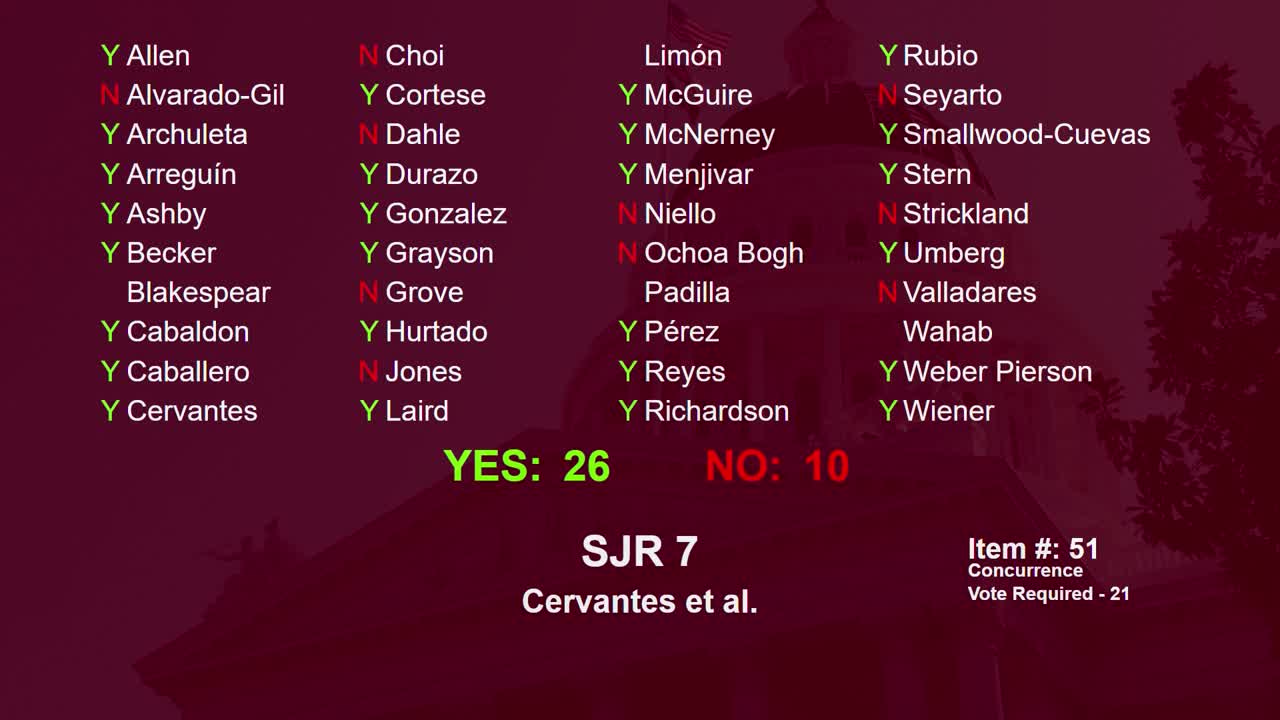
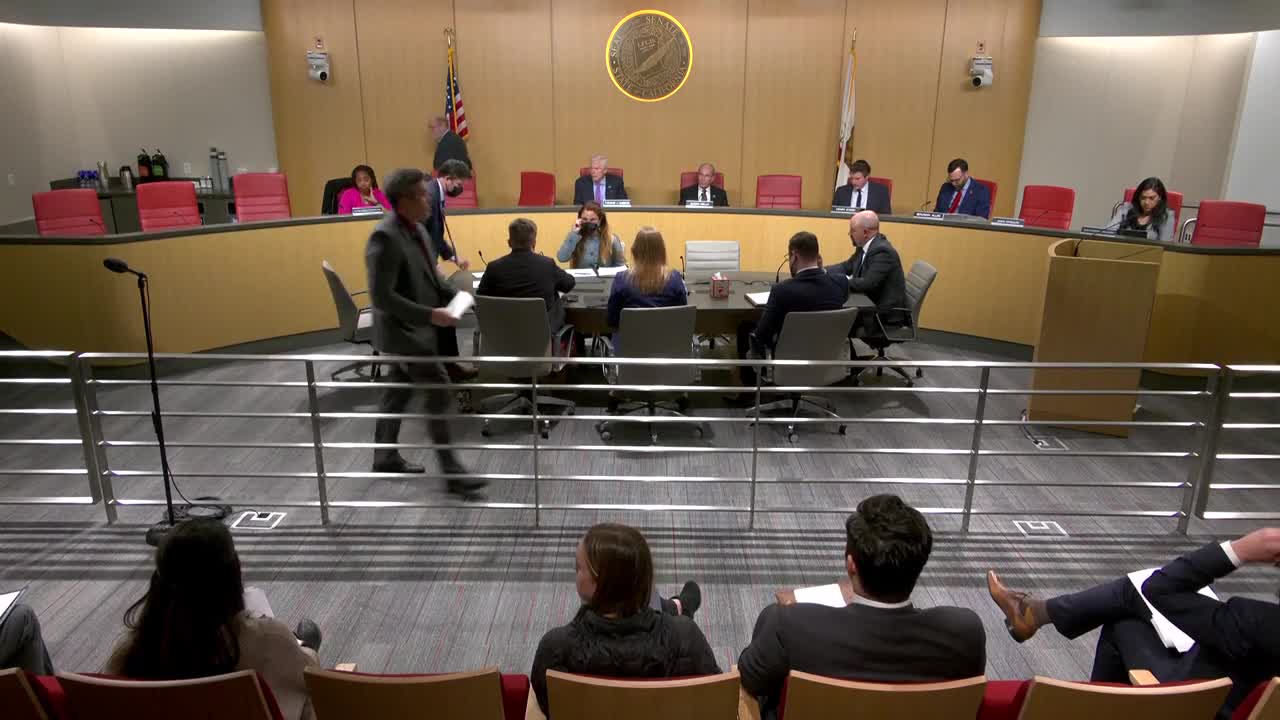
Bill Author

Bill Co-Author(s):
