SB 479: Homeless adult and family multidisciplinary personnel teams.
- Session Year: 2025-2026
- House: Senate
- Latest Version Date: 2026-09-30
Current Status:
Passed
(2026-09-30: Chaptered by Secretary of State. Chapter 969, Statutes of 2026.)
Introduced
In Committee
Awaiting First Chamber Vote
Passed First Chamber
In Committee
Awaiting Second Chamber Vote
Passed Second Chamber
Enacted
Existing law authorizes a county to establish a homeless adult and family multidisciplinary personnel team with the goal of facilitating the expedited identification, assessment, and linkage of homeless individuals to housing and supportive services within that county, and to allow provider agencies and members of the personnel team to share confidential information for the purpose of coordinating housing and supportive services to ensure continuity of care. Existing law requires the sharing of confidential information to be governed by protocols developed in each county describing how and what information may be shared by the homeless adult and family multidisciplinary personnel team, and requires each county to provide a copy of its protocols to the State Department of Social Services.
This bill would additionally authorize a city that is designated as a local health jurisdiction to similarly establish a homeless adult and family multidisciplinary personnel team, as specified.
Existing law authorizes a county to establish a homeless adult and family multidisciplinary personnel team with the goal of facilitating the expedited identification, assessment, and linkage of homeless individuals to housing and supportive services within that county, and to allow provider agencies and members of the personnel team to share confidential information for the purpose of coordinating housing and supportive services to ensure continuity of care. Existing law requires the sharing of confidential information to be governed by protocols developed in each county describing how and what information may be shared by the homeless adult and family multidisciplinary personnel team, and requires each county to provide a copy of its protocols to the State Department of Social Services.
This bill would additionally authorize a city that is designated as a local health jurisdiction to similarly establish a homeless adult and family multidisciplinary personnel team. team, as specified.
Existing law authorizes a county to establish a homeless adult and family multidisciplinary personnel team with the goal of facilitating the expedited identification, assessment, and linkage of homeless individuals to housing and supportive services within that county, and to allow provider agencies and members of the personnel team to share confidential information for the purpose of coordinating housing and supportive services to ensure continuity of care. Existing law requires the sharing of confidential information to be governed by protocols developed in each county describing how and what information may be shared by the homeless adult and family multidisciplinary personnel team, and requires each county to provide a copy of its protocols to the State Department of Social Services.
This bill would additionally authorize a city that is designated as a local health jurisdiction and the City of Oakland to similarly establish a homeless adult and family multidisciplinary personnel team.
This bill would make legislative findings and declarations as to the necessity of a special statute for the City of Oakland.Existing law authorizes a county to establish a homeless adult and family multidisciplinary personnel team with the goal of facilitating the expedited identification, assessment, and linkage of homeless individuals to housing and supportive services within that county, and to allow provider agencies and members of the personnel team to share confidential information for the purpose of coordinating housing and supportive services to ensure continuity of care. Existing law requires the sharing of confidential information to be governed by protocols developed in each county describing how and what information may be shared by the homeless adult and family multidisciplinary personnel team, and requires each county to provide a copy of its protocols to the State Department of Social Services.
This bill would additionally authorize a city that is designated as a local health jurisdiction and the City of Oakland to similarly establish a homeless adult and family multidisciplinary personnel team.
This bill would make legislative findings and declarations as to the necessity of a special statute for the City of Oakland.
Existing law authorizes a county to establish a homeless adult and family multidisciplinary personnel team with the goal of facilitating the expedited identification, assessment, and linkage of homeless individuals to housing and supportive services within that county, and to allow provider agencies and members of the personnel team to share confidential information for the purpose of coordinating housing and supportive services to ensure continuity of care. Existing law requires the sharing of confidential information to be governed by protocols developed in each county describing how and what information may be shared by the homeless adult and family multidisciplinary personnel team, and requires each county to provide a copy of its protocols to the State Department of Social Services.
This bill would additionally authorize a city that is designated as a local health jurisdiction to similarly establish a homeless adult and family multidisciplinary personnel team.
The Control, Regulate and Tax Adult Use of Marijuana Act (AUMA), an initiative measure approved as Proposition 64 at the November 8, 2016, statewide general election, authorizes a person who obtains a state license under AUMA to engage in commercial adult-use cannabis activity pursuant to that license and applicable local ordinances. Existing law, the Medicinal and Adult-Use Cannabis Regulation and Safety Act (MAUCRSA), establishes the Department of Cannabis Control (department) within the Business, Consumer Services, and Housing Agency to administer the act.MAUCRSA, among other things, consolidates the licensure and regulation of commercial medicinal and adult-use cannabis activities. MAUCRSA requires licensees to keep accurate records of commercial cannabis activity, including recording the sale or transport of cannabis or cannabis products from one licensee to another licensee on a sales invoice or receipt. MAUCRSA authorizes the department to suspend, revoke, place on probation with terms and conditions, or otherwise discipline licenses issued by the department and fine a licensee, as specified. This bill, the Cannabis Payment Protection Act, would require the department to suspend the license of a licensee subject to a court order or civil judgment for failure to pay for goods and services sold or transferred by another licensee, if specified conditions are met, until the licensee complies with the terms of the court order or civil judgment. The bill would authorize the department to charge a fee to cover the reasonable administrative costs of implementing these provisions, as specified.AUMA authorizes the Legislature to amend its provisions with a 2/3 vote of both houses to further its purposes and intent.This bill would state that the bill furthers the purposes and intent of AUMA.The Control, Regulate and Tax Adult Use of Marijuana Act (AUMA), an initiative measure approved as Proposition 64 at the November 8, 2016, statewide general election, authorizes a person who obtains a state license under AUMA to engage in commercial adult-use cannabis activity pursuant to that license and applicable local ordinances. Existing law, the Medicinal and Adult-Use Cannabis Regulation and Safety Act (MAUCRSA), establishes the Department of Cannabis Control (department) within the Business, Consumer Services, and Housing Agency to administer the act.
MAUCRSA, among other things, consolidates the licensure and regulation of commercial medicinal and adult-use cannabis activities. MAUCRSA requires licensees to keep accurate records of commercial cannabis activity, including recording the sale or transport of cannabis or cannabis products from one licensee to another licensee on a sales invoice or receipt. MAUCRSA authorizes the department to suspend, revoke, place on probation with terms and conditions, or otherwise discipline licenses issued by the department and fine a licensee, as specified.
This bill, the Cannabis Payment Protection Act, would require the department to suspend the license of a licensee subject to a court order or civil judgment for failure to pay for goods and services sold or transferred by another licensee, if specified conditions are met, until the licensee complies with the terms of the court order or civil judgment. The bill would authorize the department to charge a fee to cover the reasonable administrative costs of implementing these provisions, as specified.
AUMA authorizes the Legislature to amend its provisions with a 2/3 vote of both houses to further its purposes and intent.
This bill would state that the bill furthers the purposes and intent of AUMA.
The Control, Regulate and Tax Adult Use of Marijuana Act (AUMA), an initiative measure approved as Proposition 64 at the November 8, 2016, statewide general election, authorizes a person who obtains a state license under AUMA to engage in commercial adult-use cannabis activity pursuant to that license and applicable local ordinances. Existing law, the Medicinal and Adult-Use Cannabis Regulation and Safety Act, establishes the Department of Cannabis Control within the Business, Consumer Services, and Housing Agency to administer the act.This bill would state the intent of the Legislature to enact legislation relating to cannabis.The Control, Regulate and Tax Adult Use of Marijuana Act (AUMA), an initiative measure approved as Proposition 64 at the November 8, 2016, statewide general election, authorizes a person who obtains a state license under AUMA to engage in commercial adult-use cannabis activity pursuant to that license and applicable local ordinances. Existing law, the Medicinal and Adult-Use Cannabis Regulation and Safety Act, establishes the Department of Cannabis Control within the Business, Consumer Services, and Housing Agency to administer the act.
This bill would state the intent of the Legislature to enact legislation relating to cannabis.
(a)(1)A county or a city that is designated as a local health jurisdiction may establish a homeless adult and family multidisciplinary personnel team with the goal of facilitating the expedited identification, assessment, and linkage of homeless individuals to housing and supportive services within that county or city, and to allow provider agencies and members of the personnel team to share confidential information for the purpose of coordinating housing and supportive services to ensure continuity of care.
(2)If a city within a county that has established a homeless adult and family multidisciplinary personnel team pursuant to this chapter requests to participate in that team, the county shall allow for the participation of appropriate city personnel, as determined by the county, unless the county determines that participation by the city would hinder compliance with the requirements and obligations set forth in this chapter or would otherwise conflict with the countys goals and objectives.
(3)If a county containing a city that has established a homeless adult and family multidisciplinary personnel team pursuant to this chapter requests to participate in that team, the city shall allow for the participation of appropriate county personnel, as determined by the city, unless the city determines that participation by the county would hinder compliance with the requirements and obligations set forth in this chapter or would otherwise conflict with the citys goals and objectives.
(b)For the purposes of this section, the following terms have the following meanings:
(1)Homeless means any recorded instance of an adult or family self-identifying as homeless within the most recent 12 months, or any element contained in service utilization records indicating that an adult or family experienced homelessness within the most recent 12 months.
(2)Homeless adult and family multidisciplinary personnel team means any team of two or more persons who are trained in the identification and treatment of homeless adults and families, and who are qualified to provide a broad range of services related to homelessness. The team may include, but shall not be limited to, all of the following:
(A)Mental health and substance abuse services personnel and practitioners or other trained counseling personnel.
(B)Police officers, probation officers, or other law enforcement agents.
(C)Legal counsel for the adult or family representing them in a criminal matter.
(D)Medical personnel with sufficient training to provide health services.
(E)Social services workers with experience or training in the provision of services to homeless adults or families or funding and eligibility for services.
(F)Case managers or case coordinators responsible for referral, linkage, or coordination of care and services provided to adults or families.
(G)Veterans services providers and counselors.
(H)Domestic violence victim service organizations, as defined in subdivision (b) of Section 1037.1 of the Evidence Code.
(I)Any public or private school teacher, administrative officer, or certified pupil personnel employee.
(J)Housing or homeless services provider agencies and designated personnel.
(3)Homeless services provider agency means any governmental or other agency that has, as one of its purposes, the identification, assessment, and linkage of housing or supportive services to homeless adults or families. The homeless services provider agencies serving adults or families that may share information under this section include, but are not limited to, all of the following entities or service agencies:
(A)Social services.
(B)Health services.
(C)Mental health services.
(D)Substance abuse services.
(E)Probation.
(F)Law enforcement.
(G)Legal counsel for the adult or family representing them in a criminal matter.
(H)Veterans services and counseling.
(I)Domestic violence victim service organizations, as defined in subdivision (b) of Section 1037.1 of the Evidence Code.
(J)Schools.
(K)Homeless services.
(L)Housing.
(c)(1)Members of a homeless adult and family multidisciplinary personnel team engaged in the identification, assessment, and linkage of housing and supportive services to homeless adults or families may disclose to, and exchange with, one another, information and writings that relate to any information that may be designated as confidential under state law if the member of the team reasonably believes it assists with the identification, reduction, or elimination of homelessness or the provision of services. Any discussion relative to the disclosure or exchange of the information or writings during a team meeting is confidential and, notwithstanding any other law, testimony concerning that discussion is not admissible in any criminal, civil, or juvenile court proceeding.
(2)Disclosure and exchange of information pursuant to this section may occur telephonically and electronically if there is adequate verification of the identity of the homeless adult and family multidisciplinary personnel who are involved in that disclosure or exchange of information. Notes of telephonic communication shall be maintained by the multidisciplinary team in any open and corresponding case file and retained as part of the official record.
(3)Disclosure and exchange of information pursuant to this section shall not be made to anyone other than members of the homeless adult and family multidisciplinary personnel team, and those qualified to receive information as set forth in subdivision (d).
(4)Representatives of domestic violence victim service organizations, as defined in subdivision (b) of Section 1037.1 of the Evidence Code, shall obtain an individuals informed consent, in accordance with all applicable state and federal confidentiality laws, before disclosing confidential information about that individual to another team member as specified in this section.
(d)(1)The homeless adult and family multidisciplinary personnel team may designate persons qualified pursuant to paragraph (2) of subdivision (b) to be a member of the team for a particular case. A person designated as a team member pursuant to this subdivision may receive and disclose relevant information and records, subject to the confidentiality provisions of subdivision (g).
(2)A city establishing a homeless adult and family multidisciplinary personnel team pursuant to paragraph (2) of subdivision (a) in a county that has established such a team shall make a reasonable effort to coordinate their team personnel qualifications and oversight practices with the countys team personnel qualifications and oversight practices for persons on the citys team providing similar services.
(3)A county establishing a homeless adult and family multidisciplinary personnel team pursuant to paragraph (3) of subdivision (a) in a county in which a city has established such a team shall make a reasonable effort to coordinate their team personnel qualifications and oversight practices with the citys team personnel qualifications and oversight practices for persons on the countys team providing similar services.
(e)(1)The sharing of information permitted under subdivision (c) shall be governed by protocols developed in each county or city that is designated as a local health jurisdiction describing how and what information may be shared by the homeless adult and family multidisciplinary personnel team to ensure that confidential information gathered by the team is not disclosed in violation of state or federal law. A copy of the protocols shall be distributed to each participating agency and to persons in those agencies who participate in the homeless adult and family multidisciplinary personnel team, and shall be posted on the countys or citys internet website on the homepage of the office of homelessness, social services department, or human services agency within 30 days of adoption. Each county or city shall provide a copy of its protocols to the State Department of Social Services. This subdivision shall not be construed to require the department to review or approve any homeless multidisciplinary personnel team county or city protocols that it receives.
(2)A protocol developed in a county or city pursuant to paragraph (1) shall include, but not be limited to, all of the following:
(A)The items of information or data elements that will be shared.
(B)The participating agencies.
(C)A description of how the information shared pursuant to this section will be used by the homeless adult and family multidisciplinary personnel team only for the intended purposes specified in subdivision (a).
(D)The information retention schedule that participating agencies shall follow.
(E)A requirement that no confidential information or writings be disclosed to persons who are not members of the homeless adult and family multidisciplinary personnel team, except to the extent required or permitted under applicable law.
(F)A requirement that participating agencies develop uniform written policies and procedures that include security and privacy awareness training for employees who will have access to information pursuant to this protocol.
(G)A requirement that all persons who have access to information shared by participating agencies sign a confidentiality statement that includes, at a minimum, general use, security safeguards, acceptable use, and enforcement policies.
(H)A requirement that participating agencies employ security controls that meet applicable federal and state standards, including reasonable administrative, technical, and physical safeguards to ensure data confidentiality, integrity, and availability and to prevent unauthorized or inappropriate access, use, or disclosure.
(I)A requirement that participating agencies take reasonable steps to ensure information is complete, accurate, and up to date to the extent necessary for the agencys intended purposes and that the information has not been altered or destroyed in an unauthorized manner.
(3)A city establishing a homeless adult and family multidisciplinary personnel team pursuant to paragraph (2) of subdivision (a) in a county that has established such a team shall make reasonable attempts to coordinate their protocols with the countys protocols pursuant to this subdivision.
(f)A city establishing a homeless adult and family multidisciplinary personnel team pursuant to paragraph (2) of subdivision (a) in a county that has established such a team shall make reasonable attempts to coordinate their respective teams jurisdictional boundaries, activity schedules, referrals to services, placements into permanent housing resources in the community, and any other key operational processes.
(g)Every member of the homeless adult and family multidisciplinary personnel team who receives information or records regarding adults and families in that members capacity as a member of the team shall be under the same privacy and confidentiality obligations and subject to the same confidentiality penalties as the person disclosing or providing the information or records. The information or records obtained shall be maintained in a manner that ensures the maximum protection of privacy and confidentiality rights.
(h)This section shall not be construed to restrict guarantees of confidentiality provided under state or federal law.
(i)This section does not affect the applicability of any existing state or federal privacy laws, including, but not limited to, the following:
(1)The federal Health Insurance Portability and Accountability Act of 1996 (HIPAA) (Public Law 104-191).
(2)The Information Practices Act of 1977 (Chapter 1 (commencing with Section 1798) of Title 1.8 of Part 4 of Division 3 of the Civil Code) as it relates to state employees and agencies.
(3)The Confidentiality of Medical Information Act (Part 2.6 (commencing with Section 56) of Division 1 of the Civil Code).
(j)Information and records communicated or provided to the team members by all providers and agencies shall be deemed private and confidential and shall be protected from discovery and disclosure by all applicable statutory and common law protections, including, but not limited to, Sections 827, 830, 832, and 18961.7. Existing civil and criminal penalties shall apply to the inappropriate disclosure of information held by the team members.
(a)(1)Notwithstanding any other law, a A county or a city that is designated as a local health jurisdiction may establish a homeless adult and family multidisciplinary personnel team with the goal of facilitating the expedited identification, assessment, and linkage of homeless individuals to housing and supportive services within that county or city, and to allow provider agencies and members of the personnel team to share confidential information for the purpose of coordinating housing and supportive services to ensure continuity of care.
(2)If a city within a county that has established a homeless adult and family multidisciplinary personnel team pursuant to this chapter requests to participate in that team, the county shall allow for the participation of appropriate city personnel, as determined by the county, unless the county determines that participation by the city would hinder compliance with the requirements and obligations set forth in this chapter or would otherwise conflict with the countys goals and objectives.
(3)If a county containing a city that has established a homeless adult and family multidisciplinary personnel team pursuant to this chapter requests to participate in that team, the city shall allow for the participation of appropriate county personnel, as determined by the city, unless the city determines that participation by the county would hinder compliance with the requirements and obligations set forth in this chapter or would otherwise conflict with the citys goals and objectives.
(b)For the purposes of this section, the following terms have the following meanings:
(1)Homeless means any recorded instance of an adult or family self-identifying as homeless within the most recent 12 months, or any element contained in service utilization records indicating that an adult or family experienced homelessness within the most recent 12 months.
(2)Homeless adult and family multidisciplinary personnel team means any team of two or more persons who are trained in the identification and treatment of homeless adults and families, and who are qualified to provide a broad range of services related to homelessness. The team may include, but shall not be limited to, all of the following:
(A)Mental health and substance abuse services personnel and practitioners or other trained counseling personnel.
(B)Police officers, probation officers, or other law enforcement agents.
(C)Legal counsel for the adult or family representing them in a criminal matter.
(D)Medical personnel with sufficient training to provide health services.
(E)Social services workers with experience or training in the provision of services to homeless adults or families or funding and eligibility for services.
(F)Case managers or case coordinators responsible for referral, linkage, or coordination of care and services provided to adults or families.
(G)Veterans services providers and counselors.
(H)Domestic violence victim service organizations, as defined in subdivision (b) of Section 1037.1 of the Evidence Code.
(I)Any public or private school teacher, administrative officer, or certified pupil personnel employee.
(J)Housing or homeless services provider agencies and designated personnel.
(3)Homeless services provider agency means any governmental or other agency that has, as one of its purposes, the identification, assessment, and linkage of housing or supportive services to homeless adults or families. The homeless services provider agencies serving adults or families that may share information under this section include, but are not limited to, all of the following entities or service agencies:
(A)Social services.
(B)Health services.
(C)Mental health services.
(D)Substance abuse services.
(E)Probation.
(F)Law enforcement.
(G)Legal counsel for the adult or family representing them in a criminal matter.
(H)Veterans services and counseling.
(I)Domestic violence victim service organizations, as defined in subdivision (b) of Section 1037.1 of the Evidence Code.
(J)Schools.
(K)Homeless services.
(L)Housing.
(c)(1)Members of a homeless adult and family multidisciplinary personnel team engaged in the identification, assessment, and linkage of housing and supportive services to homeless adults or families may disclose to, and exchange with, one another, information and writings that relate to any information that may be designated as confidential under state law if the member of the team reasonably believes it is generally relevant to assists with the identification, reduction, or elimination of homelessness or the provision of services. Any discussion relative to the disclosure or exchange of the information or writings during a team meeting is confidential and, notwithstanding any other law, testimony concerning that discussion is not admissible in any criminal, civil, or juvenile court proceeding.
(2)Disclosure and exchange of information pursuant to this section may occur telephonically and electronically if there is adequate verification of the identity of the homeless adult and family multidisciplinary personnel who are involved in that disclosure or exchange of information. Notes of telephonic communication shall be maintained by the multidisciplinary team in any open and corresponding case file and retained as part of the official record.
(3)Disclosure and exchange of information pursuant to this section shall not be made to anyone other than members of the homeless adult and family multidisciplinary personnel team, and those qualified to receive information as set forth in subdivision (d).
(4)Representatives of domestic violence victim service organizations, as defined in subdivision (b) of Section 1037.1 of the Evidence Code, shall obtain an individuals informed consent, in accordance with all applicable state and federal confidentiality laws, before disclosing confidential information about that individual to another team member as specified in this section.
(d)(1)The homeless adult and family multidisciplinary personnel team may designate persons qualified pursuant to paragraph (2) of subdivision (b) to be a member of the team for a particular case. A person designated as a team member pursuant to this subdivision may receive and disclose relevant information and records, subject to the confidentiality provisions of subdivision (f). (g).
(2)A city establishing a homeless adult and family multidisciplinary personnel team pursuant to paragraph (2) of subdivision (a) in a county that has established such a team shall make a reasonable effort to coordinate their team personnel qualifications and oversight practices with the countys team personnel qualifications and oversight practices for persons on the citys team providing similar services.
(3)A county establishing a homeless adult and family multidisciplinary personnel team pursuant to paragraph (3) of subdivision (a) in a county in which a city has established such a team shall make a reasonable effort to coordinate their team personnel qualifications and oversight practices with the citys team personnel qualifications and oversight practices for persons on the countys team providing similar services.
(e)(1)The sharing of information permitted under subdivision (c) shall be governed by protocols developed in each county or city that is designated as a local health jurisdiction describing how and what information may be shared by the homeless adult and family multidisciplinary personnel team to ensure that confidential information gathered by the team is not disclosed in violation of state or federal law. A copy of the protocols shall be distributed to each participating agency and to persons in those agencies who participate in the homeless adult and family multidisciplinary personnel team, and shall be posted on the countys or citys internet website on the homepage of the office of homelessness, social services department, or human services agency within 30 days of adoption. Each county or city shall provide a copy of its protocols to the State Department of Social Services. This subdivision shall not be construed to require the department to review or approve any homeless multidisciplinary personnel team county or city protocols that it receives.
(2)A protocol developed in a county or city pursuant to paragraph (1) shall include, but not be limited to, all of the following:
(A)The items of information or data elements that will be shared.
(B)The participating agencies.
(C)A description of how the information shared pursuant to this section will be used by the homeless adult and family multidisciplinary personnel team only for the intended purposes specified in subdivision (a).
(D)The information retention schedule that participating agencies shall follow.
(E)A requirement that no confidential information or writings be disclosed to persons who are not members of the homeless adult and family multidisciplinary personnel team, except to the extent required or permitted under applicable law.
(F)A requirement that participating agencies develop uniform written policies and procedures that include security and privacy awareness training for employees who will have access to information pursuant to this protocol.
(G)A requirement that all persons who have access to information shared by participating agencies sign a confidentiality statement that includes, at a minimum, general use, security safeguards, acceptable use, and enforcement policies.
(H)A requirement that participating agencies employ security controls that meet applicable federal and state standards, including reasonable administrative, technical, and physical safeguards to ensure data confidentiality, integrity, and availability and to prevent unauthorized or inappropriate access, use, or disclosure.
(I)A requirement that participating agencies take reasonable steps to ensure information is complete, accurate, and up to date to the extent necessary for the agencys intended purposes and that the information has not been altered or destroyed in an unauthorized manner.
(3)A city establishing a homeless adult and family multidisciplinary personnel team pursuant to paragraph (2) of subdivision (a) in a county that has established such a team shall make reasonable attempts to coordinate their protocols with the countys protocols pursuant to this subdivision.
(f)A city establishing a homeless adult and family multidisciplinary personnel team pursuant to paragraph (2) of subdivision (a) in a county that has established such a team shall make reasonable attempts to coordinate their respective teams jurisdictional boundaries, activity schedules, referrals to services, placements into permanent housing resources in the community, and any other key operational processes.
(f)(g)Every member of the homeless adult and family multidisciplinary personnel team who receives information or records regarding adults and families in that members capacity as a member of the team shall be under the same privacy and confidentiality obligations and subject to the same confidentiality penalties as the person disclosing or providing the information or records. The information or records obtained shall be maintained in a manner that ensures the maximum protection of privacy and confidentiality rights.
(g)(h)This section shall not be construed to restrict guarantees of confidentiality provided under state or federal law.
(i)This section does not affect the applicability of any existing state or federal privacy laws, including, but not limited to, the following:
(1)The federal Health Insurance Portability and Accountability Act of 1996 (HIPAA) (Public Law 104-191).
(2)The Information Practices Act of 1977 (Chapter 1 (commencing with Section 1798) of Title 1.8 of Part 4 of Division 3 of the Civil Code) as it relates to state employees and agencies.
(3)The Confidentiality of Medical Information Act (Part 2.6 (commencing with Section 56) of Division 1 of the Civil Code).
(h)(j)Information and records communicated or provided to the team members by all providers and agencies shall be deemed private and confidential and shall be protected from discovery and disclosure by all applicable statutory and common law protections. protections, including, but not limited to, Sections 827, 830, 832, and 18961.7. Existing civil and criminal penalties shall apply to the inappropriate disclosure of information held by the team members.
(a)(1)Notwithstanding any other law, a county or a city that is designated as a local health jurisdiction may establish a homeless adult and family multidisciplinary personnel team with the goal of facilitating the expedited identification, assessment, and linkage of homeless individuals to housing and supportive services within that county or city, and to allow provider agencies and members of the personnel team to share confidential information for the purpose of coordinating housing and supportive services to ensure continuity of care.
(2)If a city within a county that has established a homeless adult and family multidisciplinary personnel team pursuant to this chapter requests to participate in that team, the county shall allow for the participation of appropriate city personnel, as determined by the county, unless the county determines that participation by the city would hinder compliance with the requirements and obligations set forth in this chapter or would otherwise conflict with the countys goals and objectives.
(b)For the purposes of this section, the following terms have the following meanings:
(1)Homeless means any recorded instance of an adult or family self-identifying as homeless within the most recent 12 months, or any element contained in service utilization records indicating that an adult or family experienced homelessness within the most recent 12 months.
(2)Homeless adult and family multidisciplinary personnel team means any team of two or more persons who are trained in the identification and treatment of homeless adults and families, and who are qualified to provide a broad range of services related to homelessness. The team may include, but shall not be limited to, all of the following:
(A)Mental health and substance abuse services personnel and practitioners or other trained counseling personnel.
(B)Police officers, probation officers, or other law enforcement agents.
(C)Legal counsel for the adult or family representing them in a criminal matter.
(D)Medical personnel with sufficient training to provide health services.
(E)Social services workers with experience or training in the provision of services to homeless adults or families or funding and eligibility for services.
(F)Case managers or case coordinators responsible for referral, linkage, or coordination of care and services provided to adults or families.
(G)Veterans services providers and counselors.
(H)Domestic violence victim service organizations, as defined in subdivision (b) of Section 1037.1 of the Evidence Code.
(I)Any public or private school teacher, administrative officer, or certified pupil personnel employee.
(J)Housing or homeless services provider agencies and designated personnel.
(3)Homeless services provider agency means any governmental or other agency that has, as one of its purposes, the identification, assessment, and linkage of housing or supportive services to homeless adults or families. The homeless services provider agencies serving adults or families that may share information under this section include, but are not limited to, all of the following entities or service agencies:
(A)Social services.
(B)Health services.
(C)Mental health services.
(D)Substance abuse services.
(E)Probation.
(F)Law enforcement.
(G)Legal counsel for the adult or family representing them in a criminal matter.
(H)Veterans services and counseling.
(I)Domestic violence victim service organizations, as defined in subdivision (b) of Section 1037.1 of the Evidence Code.
(J)Schools.
(K)Homeless services.
(L)Housing.
(c)(1)Members of a homeless adult and family multidisciplinary personnel team engaged in the identification, assessment, and linkage of housing and supportive services to homeless adults or families may disclose to, and exchange with, one another, information and writings that relate to any information that may be designated as confidential under state law if the member of the team reasonably believes it is generally relevant to the identification, reduction, or elimination of homelessness or the provision of services. Any discussion relative to the disclosure or exchange of the information or writings during a team meeting is confidential and, notwithstanding any other law, testimony concerning that discussion is not admissible in any criminal, civil, or juvenile court proceeding.
(2)Disclosure and exchange of information pursuant to this section may occur telephonically and electronically if there is adequate verification of the identity of the homeless adult and family multidisciplinary personnel who are involved in that disclosure or exchange of information.
(3)Disclosure and exchange of information pursuant to this section shall not be made to anyone other than members of the homeless adult and family multidisciplinary personnel team, and those qualified to receive information as set forth in subdivision (d).
(4)Representatives of domestic violence victim service organizations, as defined in subdivision (b) of Section 1037.1 of the Evidence Code, shall obtain an individuals informed consent, in accordance with all applicable state and federal confidentiality laws, before disclosing confidential information about that individual to another team member as specified in this section.
(d)The homeless adult and family multidisciplinary personnel team may designate persons qualified pursuant to paragraph (2) of subdivision (b) to be a member of the team for a particular case. A person designated as a team member pursuant to this subdivision may receive and disclose relevant information and records, subject to the confidentiality provisions of subdivision (f).
(e)(1)The sharing of information permitted under subdivision (c) shall be governed by protocols developed in each county or city that is designated as a local health jurisdiction describing how and what information may be shared by the homeless adult and family multidisciplinary personnel team to ensure that confidential information gathered by the team is not disclosed in violation of state or federal law. A copy of the protocols shall be distributed to each participating agency and to persons in those agencies who participate in the homeless adult and family multidisciplinary personnel team, and shall be posted on the countys or citys internet website on the homepage of the office of homelessness, social services department, or human services agency within 30 days of adoption. Each county or city shall provide a copy of its protocols to the State Department of Social Services. This subdivision shall not be construed to require the department to review or approve any homeless multidisciplinary personnel team county or city protocols that it receives.
(2)A protocol developed in a county or city pursuant to paragraph (1) shall include, but not be limited to, all of the following:
(A)The items of information or data elements that will be shared.
(B)The participating agencies.
(C)A description of how the information shared pursuant to this section will be used by the homeless adult and family multidisciplinary personnel team only for the intended purposes specified in subdivision (a).
(D)The information retention schedule that participating agencies shall follow.
(E)A requirement that no confidential information or writings be disclosed to persons who are not members of the homeless adult and family multidisciplinary personnel team, except to the extent required or permitted under applicable law.
(F)A requirement that participating agencies develop uniform written policies and procedures that include security and privacy awareness training for employees who will have access to information pursuant to this protocol.
(G)A requirement that all persons who have access to information shared by participating agencies sign a confidentiality statement that includes, at a minimum, general use, security safeguards, acceptable use, and enforcement policies.
(H)A requirement that participating agencies employ security controls that meet applicable federal and state standards, including reasonable administrative, technical, and physical safeguards to ensure data confidentiality, integrity, and availability and to prevent unauthorized or inappropriate access, use, or disclosure.
(I)A requirement that participating agencies take reasonable steps to ensure information is complete, accurate, and up to date to the extent necessary for the agencys intended purposes and that the information has not been altered or destroyed in an unauthorized manner.
(f)Every member of the homeless adult and family multidisciplinary personnel team who receives information or records regarding adults and families in that members capacity as a member of the team shall be under the same privacy and confidentiality obligations and subject to the same confidentiality penalties as the person disclosing or providing the information or records. The information or records obtained shall be maintained in a manner that ensures the maximum protection of privacy and confidentiality rights.
(g)This section shall not be construed to restrict guarantees of confidentiality provided under state or federal law.
(h)Information and records communicated or provided to the team members by all providers and agencies shall be deemed private and confidential and shall be protected from discovery and disclosure by all applicable statutory and common law protections. Existing civil and criminal penalties shall apply to the inappropriate disclosure of information held by the team members.
SEC. 2.Section 18999.83 is added to the Welfare and Institutions Code, to read:18999.83.(a)The City of Oakland may establish a homeless adult and family multidisciplinary personnel team with the goal of facilitating the expedited identification, assessment, and linkage of homeless individuals to housing and supportive services within the city and to allow provider agencies and members of the personnel team to share confidential information for the purpose of coordinating housing and supportive services to ensure continuity of care.(b)A homeless adult and family multidisciplinary personnel team established pursuant to this section shall conform to all requirements and obligations of a homeless adult and family multidisciplinary personnel team established pursuant to Section 18999.8.(c)A homeless adult and family multidisciplinary personnel team established pursuant to this section shall adopt a protocol to govern the sharing of information that is in full compliance with the requirements and obligations for protocols developed pursuant to Section 18999.8. A protocol adopted pursuant to this subdivision shall be at least as restrictive of the sharing of confidential information as any protocol adopted pursuant to subdivision (e) of Section 18999.8.SEC. 3.The Legislature finds and declares that a special statute is necessary and that a general statute cannot be made applicable within the meaning of Section 16 of Article IV of the California Constitution because of the unique circumstances of the City of Oakland.(a)(1)Notwithstanding any other law, a county or a city that is designated as a local health jurisdiction may establish a homeless adult and family multidisciplinary personnel team with the goal of facilitating the expedited identification, assessment, and linkage of homeless individuals to housing and supportive services within that county or city, and to allow provider agencies and members of the personnel team to share confidential information for the purpose of coordinating housing and supportive services to ensure continuity of care.
(2)If a city within a county that has established a homeless adult and family multidisciplinary personnel team pursuant to this chapter requests to participate in that team, the county shall allow for the participation of appropriate city personnel, as determined by the county, unless the county determines that participation by the city would hinder compliance with the requirements and obligations set forth in this chapter or would otherwise conflict with the countys goals and objectives.
(b)For the purposes of this section, the following terms have the following meanings:
(1)Homeless means any recorded instance of an adult or family self-identifying as homeless within the most recent 12 months, or any element contained in service utilization records indicating that an adult or family experienced homelessness within the most recent 12 months.
(2)Homeless adult and family multidisciplinary personnel team means any team of two or more persons who are trained in the identification and treatment of homeless adults and families, and who are qualified to provide a broad range of services related to homelessness. The team may include, but shall not be limited to, all of the following:
(A)Mental health and substance abuse services personnel and practitioners or other trained counseling personnel.
(B)Police officers, probation officers, or other law enforcement agents.
(C)Legal counsel for the adult or family representing them in a criminal matter.
(D)Medical personnel with sufficient training to provide health services.
(E)Social services workers with experience or training in the provision of services to homeless adults or families or funding and eligibility for services.
(F)Case managers or case coordinators responsible for referral, linkage, or coordination of care and services provided to adults or families.
(G)Veterans services providers and counselors.
(H)Domestic violence victim service organizations, as defined in subdivision (b) of Section 1037.1 of the Evidence Code.
(I)Any public or private school teacher, administrative officer, or certified pupil personnel employee.
(J)Housing or homeless services provider agencies and designated personnel.
(3)Homeless services provider agency means any governmental or other agency that has, as one of its purposes, the identification, assessment, and linkage of housing or supportive services to homeless adults or families. The homeless services provider agencies serving adults or families that may share information under this section include, but are not limited to, all of the following entities or service agencies:
(A)Social services.
(B)Health services.
(C)Mental health services.
(D)Substance abuse services.
(E)Probation.
(F)Law enforcement.
(G)Legal counsel for the adult or family representing them in a criminal matter.
(H)Veterans services and counseling.
(I)Domestic violence victim service organizations, as defined in subdivision (b) of Section 1037.1 of the Evidence Code.
(J)Schools.
(K)Homeless services.
(L)Housing.
(c)(1)Members of a homeless adult and family multidisciplinary personnel team engaged in the identification, assessment, and linkage of housing and supportive services to homeless adults or families may disclose to, and exchange with, one another, information and writings that relate to any information that may be designated as confidential under state law if the member of the team reasonably believes it is generally relevant to the identification, reduction, or elimination of homelessness or the provision of services. Any discussion relative to the disclosure or exchange of the information or writings during a team meeting is confidential and, notwithstanding any other law, testimony concerning that discussion is not admissible in any criminal, civil, or juvenile court proceeding.
(2)Disclosure and exchange of information pursuant to this section may occur telephonically and electronically if there is adequate verification of the identity of the homeless adult and family multidisciplinary personnel who are involved in that disclosure or exchange of information.
(3)Disclosure and exchange of information pursuant to this section shall not be made to anyone other than members of the homeless adult and family multidisciplinary personnel team, and those qualified to receive information as set forth in subdivision (d).
(4)Representatives of domestic violence victim service organizations, as defined in subdivision (b) of Section 1037.1 of the Evidence Code, shall obtain an individuals informed consent, in accordance with all applicable state and federal confidentiality laws, before disclosing confidential information about that individual to another team member as specified in this section.
(d)The homeless adult and family multidisciplinary personnel team may designate persons qualified pursuant to paragraph (2) of subdivision (b) to be a member of the team for a particular case. A person designated as a team member pursuant to this subdivision may receive and disclose relevant information and records, subject to the confidentiality provisions of subdivision (f).
(e)(1)The sharing of information permitted under subdivision (c) shall be governed by protocols developed in each county or city that is designated as a local health jurisdiction describing how and what information may be shared by the homeless adult and family multidisciplinary personnel team to ensure that confidential information gathered by the team is not disclosed in violation of state or federal law. A copy of the protocols shall be distributed to each participating agency and to persons in those agencies who participate in the homeless adult and family multidisciplinary personnel team, and shall be posted on the countys or citys internet website on the homepage of the office of homelessness, social services department, or human services agency within 30 days of adoption. Each county or city shall provide a copy of its protocols to the State Department of Social Services. This subdivision shall not be construed to require the department to review or approve any homeless multidisciplinary personnel team county or city protocols that it receives.
(2)A protocol developed in a county or city pursuant to paragraph (1) shall include, but not be limited to, all of the following:
(A)The items of information or data elements that will be shared.
(B)The participating agencies.
(C)A description of how the information shared pursuant to this section will be used by the homeless adult and family multidisciplinary personnel team only for the intended purposes specified in subdivision (a).
(D)The information retention schedule that participating agencies shall follow.
(E)A requirement that no confidential information or writings be disclosed to persons who are not members of the homeless adult and family multidisciplinary personnel team, except to the extent required or permitted under applicable law.
(F)A requirement that participating agencies develop uniform written policies and procedures that include security and privacy awareness training for employees who will have access to information pursuant to this protocol.
(G)A requirement that all persons who have access to information shared by participating agencies sign a confidentiality statement that includes, at a minimum, general use, security safeguards, acceptable use, and enforcement policies.
(H)A requirement that participating agencies employ security controls that meet applicable federal and state standards, including reasonable administrative, technical, and physical safeguards to ensure data confidentiality, integrity, and availability and to prevent unauthorized or inappropriate access, use, or disclosure.
(I)A requirement that participating agencies take reasonable steps to ensure information is complete, accurate, and up to date to the extent necessary for the agencys intended purposes and that the information has not been altered or destroyed in an unauthorized manner.
(f)Every member of the homeless adult and family multidisciplinary personnel team who receives information or records regarding adults and families in that members capacity as a member of the team shall be under the same privacy and confidentiality obligations and subject to the same confidentiality penalties as the person disclosing or providing the information or records. The information or records obtained shall be maintained in a manner that ensures the maximum protection of privacy and confidentiality rights.
(g)This section shall not be construed to restrict guarantees of confidentiality provided under state or federal law.
(h)Information and records communicated or provided to the team members by all providers and agencies shall be deemed private and confidential and shall be protected from discovery and disclosure by all applicable statutory and common law protections. Existing civil and criminal penalties shall apply to the inappropriate disclosure of information held by the team members.
SEC. 2.Section 18999.83 is added to the Welfare and Institutions Code, to read:18999.83.(a)The City of Oakland may establish a homeless adult and family multidisciplinary personnel team with the goal of facilitating the expedited identification, assessment, and linkage of homeless individuals to housing and supportive services within the city and to allow provider agencies and members of the personnel team to share confidential information for the purpose of coordinating housing and supportive services to ensure continuity of care.
(b)A homeless adult and family multidisciplinary personnel team established pursuant to this section shall conform to all requirements and obligations of a homeless adult and family multidisciplinary personnel team established pursuant to Section 18999.8.
(c)A homeless adult and family multidisciplinary personnel team established pursuant to this section shall adopt a protocol to govern the sharing of information that is in full compliance with the requirements and obligations for protocols developed pursuant to Section 18999.8. A protocol adopted pursuant to this subdivision shall be at least as restrictive of the sharing of confidential information as any protocol adopted pursuant to subdivision (e) of Section 18999.8.
SEC. 3.The Legislature finds and declares that a special statute is necessary and that a general statute cannot be made applicable within the meaning of Section 16 of Article IV of the California Constitution because of the unique circumstances of the City of Oakland.
(a)(1)Notwithstanding any other law, a county or a city that is designated as a local health jurisdiction may establish a homeless adult and family multidisciplinary personnel team with the goal of facilitating the expedited identification, assessment, and linkage of homeless individuals to housing and supportive services within that county or city, and to allow provider agencies and members of the personnel team to share confidential information for the purpose of coordinating housing and supportive services to ensure continuity of care.
(2)If a city within a county that has established a homeless adult and family multidisciplinary personnel team pursuant to this chapter requests to participate in that team, the county shall allow for the participation of appropriate city personnel, as determined by the county, unless the county determines that participation by the city would hinder compliance with the requirements and obligations set forth in this chapter or would otherwise conflict with the countys goals and objectives.
(b)For the purposes of this section, the following terms have the following meanings:
(1)Homeless means any recorded instance of an adult or family self-identifying as homeless within the most recent 12 months, or any element contained in service utilization records indicating that an adult or family experienced homelessness within the most recent 12 months.
(2)Homeless adult and family multidisciplinary personnel team means any team of two or more persons who are trained in the identification and treatment of homeless adults and families, and who are qualified to provide a broad range of services related to homelessness. The team may include, but shall not be limited to, all of the following:
(A)Mental health and substance abuse services personnel and practitioners or other trained counseling personnel.
(B)Police officers, probation officers, or other law enforcement agents.
(C)Legal counsel for the adult or family representing them in a criminal matter.
(D)Medical personnel with sufficient training to provide health services.
(E)Social services workers with experience or training in the provision of services to homeless adults or families or funding and eligibility for services.
(F)Case managers or case coordinators responsible for referral, linkage, or coordination of care and services provided to adults or families.
(G)Veterans services providers and counselors.
(H)Domestic violence victim service organizations, as defined in subdivision (b) of Section 1037.1 of the Evidence Code.
(I)Any public or private school teacher, administrative officer, or certified pupil personnel employee.
(J)Housing or homeless services provider agencies and designated personnel.
(3)Homeless services provider agency means any governmental or other agency that has, as one of its purposes, the identification, assessment, and linkage of housing or supportive services to homeless adults or families. The homeless services provider agencies serving adults or families that may share information under this section include, but are not limited to, all of the following entities or service agencies:
(A)Social services.
(B)Health services.
(C)Mental health services.
(D)Substance abuse services.
(E)Probation.
(F)Law enforcement.
(G)Legal counsel for the adult or family representing them in a criminal matter.
(H)Veterans services and counseling.
(I)Domestic violence victim service organizations, as defined in subdivision (b) of Section 1037.1 of the Evidence Code.
(J)Schools.
(K)Homeless services.
(L)Housing.
(c)(1)Members of a homeless adult and family multidisciplinary personnel team engaged in the identification, assessment, and linkage of housing and supportive services to homeless adults or families may disclose to, and exchange with, one another, information and writings that relate to any information that may be designated as confidential under state law if the member of the team reasonably believes it is generally relevant to the identification, reduction, or elimination of homelessness or the provision of services. Any discussion relative to the disclosure or exchange of the information or writings during a team meeting is confidential and, notwithstanding any other law, testimony concerning that discussion is not admissible in any criminal, civil, or juvenile court proceeding.
(2)Disclosure and exchange of information pursuant to this section may occur telephonically and electronically if there is adequate verification of the identity of the homeless adult and family multidisciplinary personnel who are involved in that disclosure or exchange of information.
(3)Disclosure and exchange of information pursuant to this section shall not be made to anyone other than members of the homeless adult and family multidisciplinary personnel team, and those qualified to receive information as set forth in subdivision (d).
(4)Representatives of domestic violence victim service organizations, as defined in subdivision (b) of Section 1037.1 of the Evidence Code, shall obtain an individuals informed consent, in accordance with all applicable state and federal confidentiality laws, before disclosing confidential information about that individual to another team member as specified in this section.
(d)The homeless adult and family multidisciplinary personnel team may designate persons qualified pursuant to paragraph (2) of subdivision (b) to be a member of the team for a particular case. A person designated as a team member pursuant to this subdivision may receive and disclose relevant information and records, subject to the confidentiality provisions of subdivision (f).
(e)(1)The sharing of information permitted under subdivision (c) shall be governed by protocols developed in each county or city that is designated as a local health jurisdiction describing how and what information may be shared by the homeless adult and family multidisciplinary personnel team to ensure that confidential information gathered by the team is not disclosed in violation of state or federal law. A copy of the protocols shall be distributed to each participating agency and to persons in those agencies who participate in the homeless adult and family multidisciplinary personnel team, and shall be posted on the countys or citys internet website on the homepage of the office of homelessness, social services department, or human services agency within 30 days of adoption. Each county or city shall provide a copy of its protocols to the State Department of Social Services. This subdivision shall not be construed to require the department to review or approve any homeless multidisciplinary personnel team county or city protocols that it receives.
(2)A protocol developed in a county or city pursuant to paragraph (1) shall include, but not be limited to, all of the following:
(A)The items of information or data elements that will be shared.
(B)The participating agencies.
(C)A description of how the information shared pursuant to this section will be used by the homeless adult and family multidisciplinary personnel team only for the intended purposes specified in subdivision (a).
(D)The information retention schedule that participating agencies shall follow.
(E)A requirement that no confidential information or writings be disclosed to persons who are not members of the homeless adult and family multidisciplinary personnel team, except to the extent required or permitted under applicable law.
(F)A requirement that participating agencies develop uniform written policies and procedures that include security and privacy awareness training for employees who will have access to information pursuant to this protocol.
(G)A requirement that all persons who have access to information shared by participating agencies sign a confidentiality statement that includes, at a minimum, general use, security safeguards, acceptable use, and enforcement policies.
(H)A requirement that participating agencies employ security controls that meet applicable federal and state standards, including reasonable administrative, technical, and physical safeguards to ensure data confidentiality, integrity, and availability and to prevent unauthorized or inappropriate access, use, or disclosure.
(I)A requirement that participating agencies take reasonable steps to ensure information is complete, accurate, and up to date to the extent necessary for the agencys intended purposes and that the information has not been altered or destroyed in an unauthorized manner.
(f)Every member of the homeless adult and family multidisciplinary personnel team who receives information or records regarding adults and families in that members capacity as a member of the team shall be under the same privacy and confidentiality obligations and subject to the same confidentiality penalties as the person disclosing or providing the information or records. The information or records obtained shall be maintained in a manner that ensures the maximum protection of privacy and confidentiality rights.
(g)This section shall not be construed to restrict guarantees of confidentiality provided under state or federal law.
(h)Information and records communicated or provided to the team members by all providers and agencies shall be deemed private and confidential and shall be protected from discovery and disclosure by all applicable statutory and common law protections. Existing civil and criminal penalties shall apply to the inappropriate disclosure of information held by the team members.
SECTION 1.This act shall be known, and may be cited, as the Cannabis Payment Protection Act.SEC. 2.Section 26031.02 is added to the Business and Professions Code, to read:26031.02.(a)Notwithstanding Section 26031, the department shall suspend a license issued by the department if both of the following are met:(1)The licensee is subject to a court order or civil judgment from any federal or state court of competent jurisdiction for failure to pay for goods and services sold or transferred by another licensee.(2)The complainant licensee in the court order or civil judgment under paragraph (1) submits a copy of the court order or civil judgment to the department, no sooner than the 30th calendar day after the court order or civil judgment has been issued, in a form and manner prescribed by the department. (b)The department shall reinstate a license suspended pursuant to subdivision (a) when the suspended licensee complies with the terms of the court order or civil judgment. The suspended licensee shall notify the department of compliance and submit all evidence of compliance as requested by the department.(c)(1)The department may charge the complainant licensee a fee to cover the reasonable administrative costs of processing the license suspension pursuant to subdivision (a).(2)The department may charge the suspended licensee a fee to cover the reasonable administrative costs of reinstating their license pursuant to subdivision (b).(d)This section shall only apply to a person holding a license under this division, and shall only apply to goods and services sold or transferred by a person holding a license under this division.SEC. 3.The Legislature finds and declares that this act furthers the purposes and intent of the Control, Regulate and Tax Adult Use of Marijuana Act.This act shall be known, and may be cited, as the Cannabis Payment Protection Act.
SEC. 2.Section 26031.02 is added to the Business and Professions Code, to read:26031.02.(a)Notwithstanding Section 26031, the department shall suspend a license issued by the department if both of the following are met:
(1)The licensee is subject to a court order or civil judgment from any federal or state court of competent jurisdiction for failure to pay for goods and services sold or transferred by another licensee.
(2)The complainant licensee in the court order or civil judgment under paragraph (1) submits a copy of the court order or civil judgment to the department, no sooner than the 30th calendar day after the court order or civil judgment has been issued, in a form and manner prescribed by the department.
(b)The department shall reinstate a license suspended pursuant to subdivision (a) when the suspended licensee complies with the terms of the court order or civil judgment. The suspended licensee shall notify the department of compliance and submit all evidence of compliance as requested by the department.
(c)(1)The department may charge the complainant licensee a fee to cover the reasonable administrative costs of processing the license suspension pursuant to subdivision (a).
(2)The department may charge the suspended licensee a fee to cover the reasonable administrative costs of reinstating their license pursuant to subdivision (b).
(d)This section shall only apply to a person holding a license under this division, and shall only apply to goods and services sold or transferred by a person holding a license under this division.
SEC. 3.The Legislature finds and declares that this act furthers the purposes and intent of the Control, Regulate and Tax Adult Use of Marijuana Act.
SECTION 1.It is the intent of the Legislature to enact legislation relating to cannabis.It is the intent of the Legislature to enact legislation relating to cannabis.
|
Date
|
Status
|
|---|---|
| Sep 30, 2026 | Chaptered by Secretary of State. Chapter 969, Statutes of 2026. |
| Sep 30, 2026 | Approved by the Governor. |
| Aug 27, 2026 | Enrolled and presented to the Governor at 4:30 p.m. |
| Aug 24, 2026 | Assembly amendments concurred in. (Ayes 40. Noes 0.) Ordered to engrossing and enrolling. |
| Aug 24, 2026 | Assembly amendments concurred in. (Ayes 40. Noes 0. Page 5682.) Ordered to engrossing and enrolling. |
| Aug 24, 2026 | Assembly amendments concurred in. (Ayes 39. Noes 0.) Ordered to engrossing and enrolling. |
| Aug 19, 2026 | In Senate. Concurrence in Assembly amendments pending. |
| Aug 19, 2026 | Read third time. Passed. (Ayes 76. Noes 0. Page 6273.) Ordered to the Senate. |
| Aug 19, 2026 | Read third time. Passed. Ordered to the Senate. |
| Aug 6, 2026 | Read second time. Ordered to third reading. |
| Aug 5, 2026 | From committee: Do pass. (Ayes 15. Noes 0.) (August 5). |
| Jul 2, 2026 | Read second time and amended. Re-referred to Com. on APPR. |
| Jul 2, 2026 | From committee: Do pass as amended and re-refer to Com. on APPR. (Ayes 15. Noes 0.) (July 1). |
| Jun 22, 2026 | From committee with author's amendments. Read second time and amended. Re-referred to Com. on P. & C.P. |
| Jun 17, 2026 | From committee: Do pass and re-refer to Com. on P. & C.P. (Ayes 7. Noes 0.) (June 16). Re-referred to Com. on P. & C.P. |
| Jun 10, 2026 | From committee with author's amendments. Read second time and amended. Re-referred to Com. on HUM. S. |
| May 11, 2026 | Referred to Com. on HUM. S. |
| Jan 26, 2026 | In Assembly. Read first time. Held at Desk. |
| Jan 26, 2026 | Read third time. Passed. (Ayes 39. Noes 0. Page 3281.) Ordered to the Assembly. |
| Jan 21, 2026 | Read second time. Ordered to third reading. |
| Jan 20, 2026 | From committee: Be ordered to second reading pursuant to Senate Rule 28.8. |
| Jan 15, 2026 | Set for hearing January 20. |
| Jan 14, 2026 | From committee: Do pass and re-refer to Com. on APPR. (Ayes 13. Noes 0. Page 3214.) (January 13). Re-referred to Com. on APPR. |
| Jan 13, 2026 | From committee: Do pass and re-refer to Com. on JUD. (Ayes 5. Noes 0. Page 3204.) (January 12). Re-referred to Com. on JUD. |
| Jan 8, 2026 | Set for hearing January 13 in JUD. pending receipt. |
| Jan 7, 2026 | Set for hearing January 12. |
| Jan 5, 2026 | Withdrawn from committee. |
| Jan 5, 2026 | From committee with author's amendments. Read second time and amended. Re-referred to Com. on B. P. & E.D. |
| Jan 5, 2026 | Re-referred to Com. on RLS. |
| Jan 5, 2026 | Re-referred to Coms. on HUMAN S. and JUD. |
| Apr 28, 2025 | April 28 set for first hearing canceled at the request of author. |
| Apr 3, 2025 | Set for hearing April 28. |
| Apr 2, 2025 | Re-referred to Com. on B. P. & E.D. |
| Mar 24, 2025 | From committee with author's amendments. Read second time and amended. Re-referred to Com. on RLS. |
| Feb 26, 2025 | Referred to Com. on RLS. |
| Feb 20, 2025 | From printer. May be acted upon on or after March 22. |
| Feb 19, 2025 | Introduced. Read first time. To Com. on RLS. for assignment. To print. |
|
Date
|
Description
|
Location
|
Votes
|
|
|---|---|---|---|---|
| Aug 24, 2026 | Unfinished Business SB479 Arreguín Concurrence | Senate Floor |
Passed |
|
| Aug 19, 2026 | SB 479 Arreguín Senate Third Reading By Wicks | Assembly Floor |
Passed |
|
| Aug 5, 2026 | Do pass. | Assembly Standing Committee on Appropriations |
Passed |
|
| Jul 1, 2026 | Do pass as amended and be re-referred to the Committee on [Appropriations] | Assembly Standing Committee on Privacy and Consumer Protection |
Passed |
|
| Jun 16, 2026 | Do pass and be re-referred to the Committee on [Privacy and Consumer Protection] | Assembly Standing Committee on Human Services |
Passed |
|
| Jan 26, 2026 | Senate 3rd Reading SB479 Arreguín | Senate Floor |
Passed |
|
| Jan 13, 2026 | Do pass, but first be re-referred to the Committee on [Appropriations] | Senate Standing Committee on Judiciary |
Passed |
|
| Jan 12, 2026 | Do pass, but first be re-referred to the Committee on [Judiciary] | Senate Standing Committee on Human Services |
Passed |
This list shows positions taken on this bill by organizations on the date displayed, which is linked to the original source.
Positions by individuals are not included.
|
Organization
|
Position
|
Date
|
|---|---|---|
| Aids Healthcare Foundation | ** Support | |
| BERKELEY; CITY OF | ** Support | |
| California Cannabis Industry Association | ** Support | |
| California Minority Alliance | ** Against | |
| California Teamsters Public Affairs Council | ** Support | |
| Cannabis Distribution Association | ** Support | |
| City of Pasadena | ** Support | |
| Coachella valley cannabis alliance network | ** Against | |
| Long Beach Collective Association | ** Against | |
| Oakland Privacy | ** Against | |
| San Francisco Cannabis Retailers Alliance | ** Against | |
| Social Equity Los Angeles | ** Against | |
| The City of Berkeley | ** Support | |
| United Cannabis Business Association | ** Against |
SENATE RULES COMMITTEE Office of Senate Floor Analyses (916) 651-4171 | SB 479 |
UNFINISHED BUSINESS
Bill No: SB 479
Author: Arreguín (D)
Amended: 7/2/26
Vote: 21
SENATE HUMAN SERVICES COMMITTEE: 5-0, 1/12/26
AYES: Arreguín, Ochoa Bogh, Becker, Menjivar, Pérez
SENATE JUDICIARY COMMITTEE: 13-0, 1/13/26
AYES: Umberg, Niello, Allen, Ashby, Caballero, Durazo, Laird, Reyes, Stern, Valladares, Wahab, Weber Pierson, Wiener
SENATE APPROPRIATIONS COMMITTEE: Senate Rule 28.8
SENATE FLOOR: 39-0, 1/26/26
AYES: Allen, Alvarado-Gil, Archuleta, Arreguín, Ashby, Becker, Blakespear, Cabaldon, Caballero, Cervantes, Choi, Cortese, Dahle, Durazo, Grayson, Grove, Hurtado, Jones, Laird, Limón, McGuire, McNerney, Menjivar, Niello, Ochoa Bogh, Padilla, Pérez, Reyes, Richardson, Rubio, Seyarto, Smallwood-Cuevas, Stern, Strickland, Umberg, Valladares, Wahab, Weber Pierson, Wiener
NO VOTE RECORDED: Gonzalez
ASSEMBLY FLOOR: 76-0, 8/19/26 - See last page for vote
SUBJECT: Homeless adult and family multidisciplinary personnel teams
SOURCE: Author
DIGEST:
This bill allows cities that are designated as a local health jurisdiction to establish homeless adult and family multidisciplinary personnel teams (MDT).
Assembly Amendments
removes use of the phrase “notwithstanding any other law;” clarifies that information sharing between members of an MDT must assist with the provision of services; requires notes of any telephonic communication between multidisciplinary teams to be maintained as official record; explicitly states the relevant privacy laws in this bill and that newly established teams must follow those laws, policies, and protocol requirements; and makes changes to ensure effective communication between cities and counties to prevent a duplication of services.
ANALYSIS:
Existing law:
- Allows counties to create homeless adult and family MDT consisting of relevant local agencies to expedite the identification, assessment, and linkage of homeless individuals to housing and supportive services. (Welfare and Institutions Code (WIC) § 18999.8)
- Requires homeless adult and family MDT members to share information about individuals experiencing homelessness in compliance with privacy laws and requires counties to set appropriate confidentiality protocols. (WIC § 18999.8(e))
- Authorizes homeless adult and family MDT created in Los Angeles, Orange, Riverside, San Bernardino, San Diego, Santa Clara, and Ventura counties to include “individuals at risk of homelessness” in their programs until January 1, 2025. (WIC § 18999.81)
- Defines a “local health department” to include a city of 50,000 people or greater except when the city declares its intention to be under the jurisdiction of the county health department. (Health and Safety Code § 101185)
This bill:
- Allows a city that is designated as a local health jurisdiction to establish a homeless adult and family MDT to facilitate expedited identification, assessment and linkage of homeless individuals to housing and supportive services within that city and to allow provider agencies and members of the personnel team to share confidential information for the purpose of coordinating housing and supportive services to ensure continuity of care.
- Allows participating agencies of a city homeless adult and family MDT to disclose and exchange information that may be designated as confidential under state law with other participating agencies if the member of the team reasonably believes it assists with the identification, reduction, or elimination of homelessness or the provision of services. Requires that any information exchanged remain confidential.
- Requires, if confidential information is shared telephonically and electronically, notes of telephonic communication shall be maintained by the city or county multidisciplinary team in any open and corresponding case file and retained as part of the official record.
- Requires a city establishing a homeless adult and family multidisciplinary personnel team in a county that has established such a team to make a reasonable effort to coordinate their team personnel qualifications and oversight practices with the county’s team personnel qualifications and oversight practices for persons on the city’s team providing similar services.
- Requires a county establishing a homeless adult and family multidisciplinary personnel team in a county in which a city has established such a team to make a reasonable effort to coordinate their team personnel qualifications and oversight practices with the city’s team personnel qualifications and oversight practices for persons on the county’s team providing similar services.
- Requires a city that is designated as a local health jurisdiction and has a homeless adult and family MDT to create protocols describing how information may be shared to ensure confidentiality. A copy of the protocols must be distributed to each agency that is a member of the MDT and posted on the city’s website.
- Requires a city that is designated as a local health jurisdiction and has a homeless adult and family MDT to provide a copy of its information sharing protocols to the California Department of Social Services (CDSS) but does not require CDSS to approve the protocols.
- Requires information sharing protocols to include:
- The items of information to be shared.
- The participating agencies.
- A description of how the information will be used by the homeless adult and family MDT.
- The information retention schedule.
- A requirement that no confidential information can be disclosed to people outside of the homeless adult and family MDT, unless required or permitted by law.
- A requirement that participating agencies develop uniform written policies and procedures that include security and privacy awareness training for employees who will have access to information pursuant to this protocol.
- A requirement that all people who have access to information sign a confidentiality statement.
- A requirement that participating agencies employ security controls that meet applicable federal and state standards, including reasonable administrative, technical, and physical safeguards to ensure data confidentiality, integrity, and availability and to prevent unauthorized or inappropriate access, use, or disclosure.
- A requirement that participating agencies take reasonable steps to ensure information is complete, accurate, and up to date to the extent necessary for the agency’s intended purposes and that the information has not been altered or destroyed in an unauthorized manner.
- Requires a city establishing a homeless adult and family multidisciplinary personnel team in a county that has established such a team to make reasonable attempts to coordinate their information sharing protocols with the county’s information sharing protocols.
- Requires a city establishing a homeless adult and family multidisciplinary personnel team in a county that has established such a team to make reasonable attempts to coordinate their respective teams’ jurisdictional boundaries, activity schedules, referrals to services, placements into permanent housing resources in the community, and any other key operational processes.
- Clarifies that the bill does not affect the applicability of any existing state or federal privacy laws, including, but not limited to:
- The federal Health Insurance Portability and Accountability Act of 1996 (HIPAA) (Public Law 104-191).
- The Information Practices Act of 1977 (Chapter 1 (commencing with Section 1798) of Title 1.8 of Part 4 of Division 3 of the Civil Code)
- The Confidentiality of Medical Information Act (Part 2.6 (commencing with Section 56) of Division 1 of the Civil Code).
- Clarifies that the information and records be deemed private and confidential and shall be protected from discovery and disclosure by all applicable statutory and common law protections includes but are not limited to, the protections in Sections 827, 830, 832, and 18961.7 of WIC.
Comments
According to the author, “SB 479 will authorize Berkeley, a local health jurisdiction currently operating their own homeless response team, to share crucial information between outreach teams to better coordinate services for our unsheltered neighbors. Currently, only counties have the authority to share specified information to coordinate homelessness services. Due to their unique needs, Berkeley has created their own homeless response teams that are doing great work to serve the unhoused constituents of SD 7. However, current statute has limited their efficacy because different teams can’t communicate information with each other. This bill will institute a minor change in code that will allow Berkeley to serve unhoused residents more effectively by authorizing information sharing between departments to coordinate services and care.”
Homelessness in California. Since 2016, homelessness in the United States, and particularly in California, has been growing. Homelessness has been correlated with a number of negative effects, including high rates of chronic disease and acute illness, a broad range of mental health and substance use issues, greater exposure to violence, malnutrition, extreme weather, and criminal charges. The health, personal, and economic challenges that chronically homeless individuals and families face along with the lack of effective, coordinated services to address these problems often lead to a cycle of housing instability and health deterioration. Persistent homelessness impedes access to needed health and employment services. Additionally, the conditions of homelessness often make it more difficult to exit homelessness, by creating barriers to the resources necessary to obtain income through training, education, and employment.
Each January, the U.S. Department of Housing and Urban Development (HUD) requires Continuums of Care to conduct a Point in Time count of people experiencing homelessness. HUD defines homelessness as either “sheltered” or “unsheltered”. Sheltered homelessness is when a person is living in a temporary place, such as a temporary shelter and unsheltered homelessness is living out in the open or in places not designated for, or ordinarily used as, a regular sleeping accommodation for people (i.e., the streets, vehicles, or parks). The Point in Time count is required by HUD as a condition of receiving federal funding. According to the 2024 Point in Time count, 187,084 people experienced homelessness in California, representing 28 percent of the nation’s homelessness population. Additionally, California accounted for 66% of all people experiencing unsheltered homelessness in the nation. Updated data for 2025 was not available at the time of publication.
California Homelessness Programs. Historically, local jurisdictions have provided most of the homelessness assistance in their communities. More recently, the state has taken a larger role in funding and supporting local governments’ efforts to address homelessness. The state has increased its role in addressing homelessness by providing significant funding to local entities, this includes counties and cities that operate as local health jurisdictions.
Homeless Adult and Family Multidisciplinary Personnel Teams. After the passage of AB 210 (Santiago, Chapter 544, Statutes of 2017) several counties established MDTs to respond to the needs of their local homeless populations and published the required confidentiality protocols. The MDTs provide housing navigation services, connection to health services and resources for material needs through coordination with participating county agencies. The MDTs can include public health departments, law enforcement agencies, behavioral health departments, social services departments and housing services providers, among others.
AB 728 (Santiago, Chapter 337, Statutes of 2019) expanded the information sharing authority of certain county MDTs to include people at risk of homelessness. The County of Los Angeles created the Homelessness Prevention Unit, an MDT that uses predictive modeling based on data from multiple county agencies to predict which county residents are likely to become homeless. In the County of Ventura, the Continuum of Care Alliance is an MDT that was established to provide services to individuals and families that are homeless or could become homeless. This Alliance consists of “community advocates, housing providers, county agencies, housing authorities, health care providers, city administrators, and non-profit organizations.” There are cities that are local health jurisdictions that have established MDTs to address homelessness. This bill expands current law to allow those cities to create homeless adult and family MDTs as created in AB 210 but not with the expanded authority to people at risk of homelessness.
Cities that are Local Health Jurisdictions. California has 61 local health departments, also called local health jurisdictions, which provide public health services to counties and cities. These entities are overseen by the California Department of Public Health and address public health emergencies and administer programs. The basic services they are required to provide include keeping public health statistics, providing health education programs, communicable disease control, programs to promote maternal and child health, environmental health and sanitation regulation, and services promoting other aspects of health including, nutrition and family planning. Local health jurisdictions also receive state and federal funding to provide some of these services.
For most California residents, their county’s public health department serves as their local health jurisdiction. However, there are three cities with public health departments that operate as their own local health jurisdiction, Pasadena, Long Beach, and Berkeley. The counties that these cities are in, Los Angeles and Alameda Counties, cannot provide certain services because they are separate local health jurisdictions. For these cities when there are differences in the authority given to counties and cities, the local health jurisdictions in these cities may face unique hurdles. This bill would remove one of those hurdles by allowing cities that are local health jurisdictions and have homeless MDTs to operate under the same information sharing laws as counties that are local health jurisdictions.
Related/Prior Legislation
AB 1948 (Rendon, Chapter 94, Statutes of 2024) eliminated the sunset date of the provision that allows homeless adult and family MDTs to serve “individuals at risk of homelessness” in Los Angeles, Orange, Riverside, San Bernardino, San Diego, Santa Clara, and Ventura Counties and added San Mateo to that list of counties.
AB 728 (Santiago, Chapter 337, Statutes of 2019) authorized the Counties of Los Angeles, Orange, Riverside, San Bernardino, San Diego, Santa Clara, and Ventura, to expand the goals of the homeless adult and family MDTs to target individuals at risk of homelessness, but not yet homeless.
AB 210 (Santiago, Chapter 544, Statutes of 2017) authorized any county to establish a homeless adult and family MDT with the goal of facilitating the expedited identification, assessment, and linkage of homeless individuals to housing and supportive services within that county and to allow provider agencies to share confidential information in order to coordinate housing and supportive services to ensure continuity of care.
FISCAL EFFECT: Appropriation: No Fiscal Com.: Yes Local: No
According to the Assembly Appropriations Committee: No state costs. Local costs of an unknown amount to each authorized city that creates and administers a homeless adult and family MDT. This is an optional activity for these cities and is therefore not reimbursable by the state.
SUPPORT: (Verified 8/19/26)
Berkeley; City of
City of Pasadena
OPPOSITION: (Verified 8/19/26)
None received
ASSEMBLY FLOOR: 76-0, 8/19/26
AYES: Addis, Aguiar-Curry, Ahrens, Alanis, Alvarez, Arambula, Ávila Farías, Bains, Bauer-Kahan, Bennett, Berman, Boerner, Bonta, Bryan, Calderon, Caloza, Carrillo, Castillo, Chen, Connolly, Davies, DeMaio, Dixon, Elhawary, Ellis, Flora, Fong, Gabriel, Garcia, Gipson, Jeff Gonzalez, Mark González, Hadwick, Haney, Harabedian, Hart, Hoover, Irwin, Jackson, Johnson, Kalra, Krell, Lee, Lowenthal, Macedo, McKinnor, Muratsuchi, Nguyen, Ortega, Pacheco, Papan, Patel, Patterson, Pellerin, Petrie-Norris, Quirk-Silva, Ramos, Ransom, Celeste Rodriguez, Michelle Rodriguez, Rogers, Sanchez, Schiavo, Schultz, Sharp-Collins, Solache, Soria, Stefani, Tangipa, Valencia, Wallis, Ward, Wicks, Wilson, Zbur, Rivas
NO VOTE RECORDED: Lackey, Blanca Rubio, Ta
Prepared by: Naima Ford Antal / HUMAN S. / (916) 651-1524
8/19/26 15:23:01
**** END ****
SENATE THIRD READING
STR Bill Id:SB 479
Author:(Arreguín)
As Amended Ver:July 2, 2026
Majority vote
SUMMARY
Authorizes cities that are designated as local health jurisdictions (LHJs) to establish homeless adult and family multidisciplinary personnel teams (MDTs).
Major Provisions
- Authorizes, in addition to the existing counties, a city that is designated as an LHJ to:
- Establish a homeless adult and family MDT for the goal of facilitating the expedited identification, assessment, and linkage of homeless individuals to housing and supportive services and to allow provider agencies and members of the personnel team to share confidential information for the purpose of coordinating housing and supportive services to ensure continuity of care; and,
- If participating, members of a homeless adult and family MDT to disclose and exchange information that may be designated as confidential under state law with other participating agencies if the member of the team reasonably believes it is generally relevant to the identification, reduction, or elimination of homelessness or the provision of services. Requires that any information exchanged remain confidential.
- Requires a city that is designated as an LHJ and has a homeless adult and family MDT to create protocols describing how information may be shared to ensure confidentiality. A copy of the protocols must be distributed to each agency that is a member of the MDT and posted on the city′s website.
- Requires a city that is designated as an LHJ and has a homeless adult and family MDT to provide a copy of its information sharing protocols to the California Department of Social Services (CDSS) but does not require CDSS to approve the protocols.
- Requires information-sharing protocols to include:
- The items of information to be shared;
- The participating agencies;
- A description of how the information will be used by the homeless adult and family MDT;
- The information retention schedule;
- A requirement that no confidential information can be disclosed to people outside of the homeless adult and family MDT, unless required or permitted by law;
- A requirement that participating agencies develop uniform written policies and procedures that include security and privacy awareness training for employees who will have access to information pursuant to this protocol;
- A requirement that all people who have access to information sign a confidentiality statement;
- A requirement that participating agencies employ security controls that meet applicable federal and state standards, including reasonable administrative, technical, and physical safeguards to ensure data confidentiality, integrity, and availability and to prevent unauthorized or inappropriate access, use, or disclosure, and,
- A requirement that participating agencies take reasonable steps to ensure information is complete, accurate, and up to date to the extent necessary for the agency′s intended purposes and that the information has not been altered or destroyed in an unauthorized manner.
- Prohibits these provisions from affecting the applicability of any existing state or federal privacy laws, including, but not limited to the following:
- The federal Health Insurance Portability and Accountability Act of 1996 (HIPAA);
- The Information Practices Act of 1977 as it relates to state employees and agencies; and,
- The Confidentiality of Medical Information Act.
COMMENTS
Background: Homeless Adult and Family Multidisciplinary Personnel Teams were first established in statute to address the fragmentation of health, mental health, substance use, legal, housing, and social service systems, with each operating under distinct confidentiality standards that limit cross-system communication about shared clients. Modeled in part on child welfare MDT structures developed in the 1980s and 1990s, the homeless adult and family MDT structure established by AB 210 (Santiago), Chapter 544, Statutes of 2017, authorized participating agencies to share information that would otherwise be protected under state confidentiality law, including information related to mental health treatment, substance use, and criminal history, when doing so is reasonably relevant to identifying, reducing, or eliminating a person′s homelessness or coordinating their services.
Under existing law, a county is authorized to establish a homeless adult and family MDT and develop local protocols governing what information may be shared, among whom, and subject to what safeguards. Protocols must be posted publicly and a copy submitted to CDSS, though CDSS has no approval authority over them. Team membership can include mental health and substance use personnel, law enforcement, legal counsel, medical personnel, social workers, case managers, veterans′ services providers, domestic violence victim service organizations, school personnel, and housing and homeless services providers. Once established, teams may share confidential information telephonically or electronically with identity verification, and all recipients of shared information are bound by the same confidentiality obligations as the original disclosing party.
AB 210 allowed counties to connect and share data across multiple existing software systems and databases that were previously walled off. Homeless adult and family MDTs can use enterprise systems to manage baseline housing, shelter intake, and coordinated entry records. To legally merge this housing data with restricted files, counties deploy secure internal data hubs, custom enterprise data warehouses, and localized information networks that pull automated daily updates from county hospital systems, Department of Mental Health databases, and local law enforcement booking logs. This bill would provide cities that are also LHJs, the authority to establish homeless adult and family MDTs.
Homeless Adult and Family Multidisciplinary Personnel Teams in Practice. Prior to the establishment of a homeless adult and family MDT, an individual experiencing co-occurring severe mental illness, chronic medical conditions, and frequent legal system contact would often cycle through public systems without coordination. The hospital would treat physical ailments and discharge the patient to the street without notifying housing providers, while law enforcement would arrest the individual for low-level offenses without insight into their mental health, leading to various expenditures across multiple departments with no long-term resolution for the impacted individual.
With an authorized MDT in place, the approach to connecting people experiencing homelessness shifted to coordinated intervention. The MDT uses shared software to aggregate emergency room admissions, emergency medical service dispatches, and jail bookings, allowing them to identify high-utilizer individuals who are most in need of assistance. During regular case conferences, members securely access a unified database to review the client′s medical history, active warrants, and benefit status before launching an intervention. A joint outreach team consisting of a street medicine nurse, a mental health caseworker, and a housing specialist then visits the individual directly in the field. Because they share a single care plan, they can address physical ailments, conduct clinical evaluations, clear minor legal barriers, and enroll the individual into housing databases simultaneously without requiring redundant paperwork.
According to the Los Angeles County Metropolitan Transportation Authority (Metro) Quarterly Board Report on Homeless Outreach Management and Engagement in February of 2025[1], ″Since 2017, Metro has been funding local social service agencies to deploy multidisciplinary teams who engage and deliver resources and services to unhoused riders. In addition, Metro has partnered with local homeless shelters to provide beds for the outreach teams to utilize. . . Since 2018, Metro MDTs have enrolled more than 20,000 individuals into the Homeless Management and Information System (HMIS), allowing them to gain access to homeless resources and services. The teams have successfully connected more than 5,000 people to interim housing and more than 1,500 people to permanent housing.″
HMIS is a local information technology platform designed to collect and analyze client-level data for individuals experiencing, or at risk of, homelessness. In practice, local jurisdictions use this system to register clients, track their interactions with different service agencies, and log the specific resources they receive, such as emergency shelter, medical care, or financial assistance. Case managers and outreach workers log real-time data during field visits or intake assessments, which creates a continuous digital history for everyone across a geographic region. This shared record allows multiple participating agencies to coordinate care, prevent duplicate service requests, and streamline the referral process into a centralized housing queue. The system automatically compiles these entries and exits logs into standardized reports required for federal and state funding compliance which gives policy analysts the data needed to track system-wide housing retention rates and to identify gaps in local service delivery.
Local Health Jurisdictions. In California, local public health authority is assigned to counties. Most cities receive public health services through their county health department. However, there are a subset of cities that have historically maintained their own public health departments and received designation as LHJs independent of the county. Under current law and regulations administered by the California Department of Public Health, an LHJ is an entity, typically a county health department, but in some cases a city health department, that has accepted responsibility for carrying out specified public health functions within a defined geographic area. Cities with this designation, such as Long Beach, Berkeley, and Pasadena, operate their own health departments, receive direct state and federal public health funding, and carry independent programmatic responsibility for functions such as communicable disease control, environmental health, and public health emergency response.
The LHJ designation is distinct from mental health and substance use disorder (SUD) service delivery authority. Mental and behavioral health service delivery is governed by a separate statute, and since the early 1980s, counties have been the sole entities with authority to serve as the local mental health plan and administer Medi-Cal mental health and SUD services. Cities that held mental health jurisdictional authority prior to that legislative shift, Berkeley and Tri-City Mental Health Center (serving Fremont, Newark, and Union City) were grandfathered into that status; no new city has been eligible to become a mental health jurisdiction since. This means that even a city with full LHJ status for public health purposes, such as Long Beach, does not have direct access to county Department of Mental Health (DMH) or Substance Abuse and Prevention Control (SAPC) data systems, and cannot independently fund or administer mental health or SUD treatment services.
Under existing law, only a county is allowed to establish a homeless adult and family MDT. A city that is a LHJ or any other city, has no independent authority to constitute an MDT. A city located within a county that has already established an MDT may request to participate, but the county retains the right to deny that request if it determines that city participation would hinder compliance with the chapter′s requirements or conflict with the county′s goals and objectives. The city′s participation, even if permitted, is at the county′s discretion and is subject to the county′s protocols.
For a city LHJ like Long Beach, which operates its own health department, holds Continuum of Care (CoC) responsibilities, coordinates housing and social services for its own residents, and has its own homeless outreach and services, the inability to independently convene an MDT means it cannot use the confidentiality-sharing authorization to coordinate its own service providers, even when those providers are not county-administered entities. The city′s access to shared data is largely limited to program enrollment information through CoC participation, rather than the more robust cross-system elements that an MDT could provide. This means mental health treatment records and SUD treatment records stay with county DMH and SAPC systems to which the city has no direct access.
This bill would authorize cities designated as LHJs to independently establish their own homeless adult and family MDTs, subject to the same requirements, obligations, and protocol framework as county MDTs. This would allow LHJ cities to constitute a team among their own provider agencies, including the city health department, city housing department, contracted homeless service providers, among others, and share confidential information within that team without county authorization or participation. A city LHJ that chose to form its own MDT would need to develop protocols, submit them to CDSS, and comply with the full range of statutory requirements, including the domestic violence consent carve-out.
According to the Author
″[This bill] will authorize the City of Berkeley, a LHJ currently operating their own homeless response team, to share crucial information between outreach teams to better coordinate services for our unsheltered neighbors. Currently, only counties have the authority to share specified information to coordinate homelessness services. Due to their unique needs, Berkeley created their own homeless response teams that are doing great work to serve the unhoused constituents of SD 7. However, current statute has limited their efficacy because different teams can′t communicate information with each other. This bill will institute a minor change in code that will allow Berkeley and Oakland to serve unhoused residents more effectively by authorizing information sharing between departments to coordinate services and care.″
Arguments in Support
The City of Berkeley, sponsors of the bill, write in support, ″California, by sheer dent of its population size, has the nation′s largest homeless population with over 187,000 people experiencing homelessness as of 2024, two-thirds of whom are unsheltered. Reducing that number and providing well-coordinated care to people while they are living outside requires a multi-disciplinary approach. Current state law allows counties with specialized teams known as multi-disciplinary teams (typically comprised of housing staff, mental health staff, and services staff) to share confidential information for the purpose of coordinating housing and supportive services to help homeless people. Current law does not allow City-based Local Health Jurisdictions (LHJs) to do the same. [This bill] will close that loophole, allowing cities that are their own LHJs (Berkeley, Pasadena, and Long Beach) to coordinate housing, services, and care in the interest of helping homeless people get housed and access critical services.″
Arguments in Opposition
None on file.
FISCAL COMMENTS
According to the Assembly Appropriations Committee on July 2, 2027, ″No state costs. Local costs of an unknown amount to each authorized city that creates and administers a homeless adult and family MDT. This is an optional activity for these cities and is therefore not reimbursable by the state.″
VOTES
SENATE FLOOR: 39-0-1
YES: Allen, Alvarado-Gil, Archuleta, Arreguín, Ashby, Becker, Blakespear, Cabaldon, Caballero, Cervantes, Choi, Cortese, Dahle, Durazo, Grayson, Grove, Hurtado, Jones, Laird, Limón, McGuire, McNerney, Menjivar, Niello, Ochoa Bogh, Padilla, Pérez, Reyes, Richardson, Rubio, Seyarto, Smallwood-Cuevas, Stern, Strickland, Umberg, Valladares, Wahab, Weber Pierson, Wiener
ABS, ABST OR NV: Gonzalez
ASM HUMAN SERVICES: 7-0-0
YES: Lee, Calderon, Alanis, Elhawary, Jackson, Celeste Rodriguez, Tangipa
ASM PRIVACY AND CONSUMER PROTECTION: 15-0-0
YES: Bauer-Kahan, Macedo, Bryan, DeMaio, Hoover, Irwin, Lowenthal, McKinnor, Ortega, Patterson, Pellerin, Petrie-Norris, Ward, Bennett, Wilson
ASM APPROPRIATIONS: 15-0-0
YES: Wicks, Hoover, Arambula, Calderon, Caloza, Dixon, Fong, Mark González, Krell, Pacheco, Pellerin, Sharp-Collins, Solache, Ta, Tangipa
UPDATED
VERSION: June 10, 2026
CONSULTANT: Jessica Langtry / HUM. S. / (916) 319-2089 FN: 0003360
https://metro.legistar.com/gateway.aspx?m=l&id=/matter.aspx?key=10965 ↑
Date of Hearing: August 5, 2026
ASSEMBLY COMMITTEE ON APPROPRIATIONS
Buffy Wicks, Chair
SBPCA Bill Id:SB 479
Author:(Arreguín) – As Amended Ver:July 2, 2026
Policy Committee: | Human Services | Vote: | 7 - 0 |
Privacy and Consumer Protection | 15 - 0 | ||
|
|
Urgency: No State Mandated Local Program: No Reimbursable: No
SUMMARY:
This bill authorizes a city designated as a local health jurisdiction to establish a homeless adult and family multidisciplinary personnel team (MDT) to better coordinate services for individuals experiencing homelessness.
Specifically, this bill:
- Similar to the existing authorization for counties, authorizes a city designated as a local health jurisdiction to establish a homeless adult and family MDT to facilitate the expedited identification, assessment, and linkage of homeless individuals to housing and supportive services within that county or city and to allow provider agencies and members of the personnel team to share confidential information to ensure continuity of care.
- If a county containing a city with a homeless adult and family MDT requests to participate on that team, requires the city to allow the appropriate county personnel, as determined by the city, to participate unless the city determines participation by the county would hinder compliance with state law or otherwise conflict with the city’s goals and objectives.
- Authorizes members of a homeless adult and family MDT to disclose and exchange information designated as confidential under state law with other participating agencies if the member of the team reasonably believes the information assists with the identification, reduction, or elimination of homelessness or the provision of services.
- Requires notes of telephonic communication to be maintained by the MDT in any open and corresponding case file and retained as part of the official record.
- Requires a city establishing a homeless adult and family MDT in a county that also has a team to coordinate the city’s MDT personnel qualifications and oversight practices with those of the county’s team and establishes a similar requirement for a county establishing a homeless adult and family MDT in a county in which a city has established such a team.
- Requires a city that has a homeless adult and family MDT to create protocols, as specified, describing how information may be shared to ensure confidentiality and requires the city to distribute a copy of the protocols to each member agency of the MDT, post the protocols on the city’s website, and provide them to the California Department of Social Services.
- Requires a city establishing a homeless adult and family MDT in a county that also has a team to coordinate the city’s protocols with the county’s protocols and their respective teams’ jurisdictional boundaries, activity schedules, referrals to services, placements into permanent housing resources in the community, and any other key operational processes.
- Specifies the provisions of this bill do not affect the applicability of existing state or federal privacy laws, including, but not limited to, the federal Health Insurance Portability and Accountability Act of 1996 (HIPAA), the Information Practices Act of 1977, as it relates to state employees and agencies, and the Confidentiality of Medical Information Act.
FISCAL EFFECT:
No state costs. Local costs of an unknown amount to each authorized city that creates and administers a homeless adult and family MDT. This is an optional activity for these cities and is therefore not reimbursable by the state.
COMMENTS:
- Purpose. According to the author:
[This bill] will authorize the City of Berkeley, a [local health jurisdiction] currently operating their own homeless response team, to share crucial information between outreach teams to better coordinate services for our unsheltered neighbors. Currently, only counties have the authority to share specified information to coordinate homelessness services. Due to their unique needs, Berkeley created their own homeless response teams that are doing great work to serve the unhoused constituents of SD 7. However, current statute has limited their efficacy because different teams can’t communicate information with each other. This bill will allow Berkeley to serve unhoused residents more effectively by authorizing information sharing between departments to coordinate services and care.
This bill is sponsored by the City of Berkeley. Recent amendments in the Assembly Committee on Privacy and Consumer Protection removed all opposition.
- Background. County MDTs. Existing law, established by AB 210 (Santiago), Chapter 544, Statutes of 2017, authorizes a county to form a homeless adult and family MDT to facilitate identification and assessment of homeless individuals and link homeless individuals to housing and supportive services. Service providers may share confidential information to ensure continuity of care, including information related to mental health treatment, substance use, and criminal history, when doing so is reasonably relevant to identifying, reducing, or eliminating a person's homelessness or coordinating their services.
Local Heath Jurisdictions. Under existing law and regulations administered by the California Department of Public Health, a local health jurisdiction is an entity that has accepted responsibility for carrying out specified public health functions within a defined geographic area. Existing law assigns local public health authority to counties, and most cities receive public health services through their county health department. However, some cities have historically maintained their own public health departments and are designated by the state as a local health jurisdiction independent of the county. Cities with this designation, such as Long Beach, Berkeley, and Pasadena, operate their own health departments, receive direct state and federal public health funding, and carry independent programmatic responsibility for functions such as communicable disease control, environmental health, and public health emergency response.
This bill additionally authorizes a city designated as a local health jurisdiction to establish a homeless adult and family MDT.
Analysis Prepared by: Jennifer Swenson / APPR. / (916) 319-2081
Date of Hearing: July 1, 2026
Fiscal:
ASSEMBLY COMMITTEE ON PRIVACY AND CONSUMER PROTECTION
Rebecca Bauer-Kahan, Chair
SBPCA Bill Id:SB 479
Author:(Arreguín) – As Amended Ver:June 22, 2026
PROPOSED AMENDMENTS
SENATE VOTE: 39-0
SUBJECT: Homeless adult and family multidisciplinary personnel teams
SYNOPSIS
Addressing homelessness requires a multifaceted, holistic approach that addresses the various needs of an individual, including housing, medical and behavioral health, and social services. To attempt to better coordinate care and support for individuals experiencing homelessness, counties across California have established homeless adult and family multidisciplinary personnel teams (MDTs). These teams, which span a range of disciplines and departments, are authorized to share relevant information amongst themselves that would otherwise be classified as confidential under state law.
This bill authorizes cities that are classified as local health jurisdictions (LHJs) to establish homeless adult and family MDTs to better coordinate services for individuals experiencing homelessness.
The primary concern of this Committee is to ensure that authorizing LHJs to form homeless adult and family MDTs does not put the sensitive personal information of the people being connected with services at risk. Committee amendments, outlined in Comment #6, require these MDTs to work across disciplines and departments while still maintaining all of the privacy protections currently in place related to the sharing of personal medical and behavioral health records.
This bill is sponsored by the City of Berkeley and supported by the AIDS Healthcare Foundation. This bill is opposed by Oakland Privacy. The proposed Committee amendments address several of Oakland Privacy’s concerns.
This bill was previously heard by the Human Services Committee where it passed on a 7-0 vote.
EXISTING LAW:
- Provides, pursuant to the California Constitution, that all people have inalienable rights, including the right to pursue and obtain privacy. (Cal. Const., art. I, § 1.)
- States that the “right to privacy is a personal and fundamental right protected by Section 1 of Article I of the Constitution of California and by the United States Constitution and that all individuals have a right of privacy in information pertaining to them.” Further states these findings of the Legislature:
- The right to privacy is being threatened by the indiscriminate collection, maintenance, and dissemination of personal information and the lack of effective laws and legal remedies.
- The increasing use of computers and other sophisticated information technology has greatly magnified the potential risk to individual privacy that can occur from the maintenance of personal information.
- In order to protect the privacy of individuals, it is necessary that the maintenance and dissemination of personal information be subject to strict limits. (Civ. Code § 1798.1.)
- Prohibits, under the state Confidentiality of Medical Information Act (CMIA), a health care provider, a health care service plan, a contractor, a corporation and its subsidiaries and affiliates, or any business that offers software or hardware to consumers, including a mobile application or other related device, as defined, from intentionally sharing, selling, using for marketing, or otherwise using any medical information, as defined, for any purpose not necessary to provide health care services to a patient, except as expressly authorized by the patient, enrollee, or subscriber, as specified, or as otherwise required or authorized by law. States that a violation of these provisions that results in economic loss or personal injury to a patient is a crime. (Civ. Code § 56, et. seq.)
- Defines, for purposes of the CMIA, medical information to mean any individually identifiable information, in electronic or physical form, in possession of or derived from a provider of health care, health care service plan, pharmaceutical company, or contractor regarding a patient’s medical history, behavioral health app information, behavioral or physical condition, or treatment. (Civ. Code § 56.05(i).)
- Prohibits health care providers, health care service plans, or contractors, as defined, from sharing medical information without the patient’s written authorization, subject to certain exceptions. (Civ. Code § 56.10(a).)
- Prohibits behavioral health and developmental services providers, as defined, from sharing information and records about a patient, regardless of whether they are receiving voluntary or involuntary care, without the patient’s authorization, subject to certain exceptions. (Welf. & Inst. Code § 5328.)
- Establishes under federal law, the Health Information Portability and Accountability Act of 1996 (HIPAA), which sets standards for the privacy of individually identifiable health information and security standards for the protection of electronic protected health information, including, through regulations, that a HIPAA-covered entity may not condition the provision of treatment, payment, enrollment in a health plan, or eligibility for benefits on the provision of an authorization, except under specified circumstances. Provides that if HIPAA’s provisions conflict with state law, the provision that is most protective of patient privacy prevails. (42 U.S.C. § 1320d, et seq.; 45 Code Fed. Regs. Part 164.)
- Defines “multidisciplinary personnel” as any team of three or more persons who are trained in the prevention, identification, management, or treatment of child abuse or neglect cases, and who are qualified to provide a broad range of services related to child abuse or neglect, and may include but not be limited to psychiatrists, police officers, medical personnel, and social workers, among others. (Welf. & Inst. Code, § 18951 subd. (d).)
- Provides that each county may use a children’s advocacy center to implement a coordinated multidisciplinary response to investigate reports involving child physical or sexual abuse, exploitation, or maltreatment and sets forth standards that a children’s advocacy center must meet. (Pen. Code, § 11166.4.)
- Allows a city, county, city and county, or community-based nonprofit organization to establish a domestic violence MPT consisting of two or more persons who are trained in the prevention, identification, management, or treatment of domestic violence cases and who are qualified to provide a broad range of services related to domestic violence. (Pen. Code, § 13752 subd. (a).)
- Allows a county to establish a homeless adult and family MDT with the goal of facilitating the expedited identification, assessment, and linkage of homeless individuals to housing and supportive services within that county and to allow provider agencies and members of the MDT to share confidential information for the purpose of coordinating housing and supportive services to ensure continuity of care. (Welf. & Inst. Code § 18999.8(a).)
- Allows an area agency on aging or a county, or both, to establish an aging MDT with the goal of facilitating the expedited identification, assessment, and linkage of older adults to services and to allow provider agencies and members of the personnel team to share confidential information for the purpose of coordinating services. (Welf. & Inst. Code, § 9450 subd. (a)(1).)
THIS BILL:
- Expands beyond counties, the types of jurisdictions that can establish homeless adult and family multidisciplinary personnel teams.
- Authorizes cities that are designated as a local health jurisdiction to establish MDTs.
COMMENTS:
1) Author’s statement. According to the author:
SB 479 will authorize the City of Berkeley, a LHJ currently operating their own homeless response team, and the City of Oakland and to share crucial information between outreach teams to better coordinate services for our unsheltered neighbors. Currently, only counties have the authority to share specified information to coordinate homelessness services. Due to their unique needs, Berkeley created their own homeless response teams that are doing great work to serve the unhoused constituents of SD 7. However, current statute has limited their efficacy because different teams can’t communicate information with each other. This bill will institute a minor change in code that will allow Berkeley and Oakland to serve unhoused residents more effectively by authorizing information sharing between departments to coordinate services and care.
2) Homeless adult and family MDTs. According to the Human Services Committee’s analysis on this bill, homeless family and adult MDTs:
. . . were first established in statute to address the fragmentation of health, mental health, substance use, legal, housing, and social service systems, with each operating under distinct confidentiality standards that limit cross-system communication about shared clients. Modeled in part on child welfare MDT structures developed in the 1980s and 1990s, the homeless adult and family MDT structure established by AB 210 (Santiago), Chapter 544, Statutes of 2017, authorized participating agencies to share information that would otherwise be protected under state confidentiality law, including information related to mental health treatment, substance use, and criminal history, when doing so is reasonably relevant to identifying, reducing, or eliminating a person's homelessness or coordinating their services.
Under existing law, a county is authorized to establish a homeless adult and family MDT and develop local protocols governing what information may be shared, among whom, and subject to what safeguards. Protocols must be posted publicly and a copy submitted to [California’s Department of Social Services (CDSS)], though CDSS has no approval authority over them. Team membership can include mental health and substance use personnel, law enforcement, legal counsel, medical personnel, social workers, case managers, veterans’ services providers, domestic violence victim service organizations, school personnel, and housing and homeless services providers. Once established, teams may share confidential information telephonically or electronically with identity verification, and all recipients of shared information are bound by the same confidentiality obligations as the original disclosing party.
AB 210 allowed counties to connect and share data across multiple existing software systems and databases that were previously walled off. Homeless adult and family MDTs can use enterprise systems to manage baseline housing, shelter intake, and coordinated entry records. To legally merge this housing data with restricted files, counties deploy secure internal data hubs, custom enterprise data warehouses, and localized information networks that pull automated daily updates from county hospital systems, Department of Mental Health databases, and local law enforcement booking logs.
3) Local health jurisdictions. In California, most cities receive public health services through the counties, which maintain the authority to administer services ranging from immunizations to emergency medical response and disaster preparedness. However, there are several cities that have historically maintained their own public health departments (the cities of Pasadena, Berkeley, and Long Beach) and are therefore designated as LHJs independent of the county. According to the Human Services analysis of SB 479, cities designated as LHJs:
. . . operate their own health departments, receive direct state and federal public health funding, and carry independent programmatic responsibility for functions such as communicable disease control, environmental health, and public health emergency response.
[. . .]
Under existing law, only a county is allowed to establish a homeless adult and family MDT. A city that is a LHJ or any other city, has no independent authority to constitute an MDT. A city located within a county that has already established an MDT may request to participate, but the county retains the right to deny that request if it determines that city participation would hinder compliance with the chapter's requirements or conflict with the county's goals and objectives. The city's participation, even if permitted, is at the county's discretion and is subject to the county's protocols.
For a city LHJ like Long Beach, which operates its own health department, holds Continuum of Care (CoC) responsibilities, coordinates housing and social services for its own residents, and has its own homeless outreach and services, the inability to independently convene an MDT means it cannot use the confidentiality-sharing authorization to coordinate its own service providers, even when those providers are not county-administered entities. The city's access to shared data is largely limited to program enrollment information through CoC participation, rather than the more robust cross-system elements that an MDT could provide.
4) Considerations for sharing personal records. The primary jurisdiction of this Committee is to ensure that authorizing these cities to establish homeless adult and family MDTs does not put the sensitive personal information of the people being connected with services at risk. MDTs are authorized to share various types of sensitive information, including confidential information, personal identifiable information, protected health information, and criminal justice information. While the sharing of such information may be critical to providing adequate support and services to families and individuals in need, caution must be taken when disclosing such information including to minimizing the sharing of personal records whenever possible. Limiting data sharing protects personal information from potential data breaches and ensures that only information necessary to secure services is spread amongst team members.
Additionally, maintaining records of all communications and sharing of information is critical to ensure that members of MDTs remain informed and accountable, and to safeguard against potential breaches. All Californians have a constitutional right to privacy, and special care must be taken to ensure that marginalized and vulnerable residents receive the same privacy protections afforded to everyone else.
5) What this bill would do. This bill authorizes cities that are designated as LHJs to establish homeless adult and family MDTs with the goal of expediting housing and supportive services for these families and individuals.
6) Amendments. The author has agreed to the following amendments that will allow these homeless adult and family MDTs to work across disciplines and departments while still minimizing data sharing and maintaining all privacy protections currently in place related to protecting someone’s personal medical and behavioral health records. The proposed amendments are as follows:
- 18999.8. (a) (1)
Notwithstanding any other law, aA county or a city that is designated as a local health jurisdiction may establish a homeless adult and family multidisciplinary personnel team with the goal of facilitating the expedited identification, assessment, and linkage of homeless individuals to housing and supportive services within that county or city, and to allow provider agencies and members of the personnel team to share confidential information for the purpose of coordinating housing and supportive services to ensure continuity of care.
As currently in print, this bill uses the phrase “notwithstanding any other law” in order to allow LHJs to establish homeless and adult MDTs for the purposes of sharing confidential information. The lack of precision in the phrase “notwithstanding any other law” is undesirable for several reasons. In general, state law cannot authorize an act that is prohibited by federal law. Moreover, the right to privacy is guaranteed under the state Constitution and cannot be waived merely by statutory decree; it is therefore necessary that statutes that depend on an exemption from that constitutional right rely on a recognized exemption from this guarantee.
Further, it is unclear that anything in current law prohibits the establishment of county MDTs for any purpose, as long as the applicable privacy laws are being followed; therefore, there do not appear to be laws that need withstanding.
- (c) (1) Members of a homeless adult and family multidisciplinary personnel team engaged in the identification, assessment, and linkage of housing and supportive services to homeless adults or families may disclose to, and exchange with, one another, information and writings that relate to any information that may be designated as confidential under state law if the member of the team reasonably believes it
is generally relevant toassists with the identification, reduction, or elimination of homelessness or the provision of services. Any discussion relative to the disclosure or exchange of the information or writings during a team meeting is confidential and, notwithstanding any other law, testimony concerning that discussion is not admissible in any criminal, civil, or juvenile court proceeding.
The basic privacy principles supported by state law and policymakers require data minimization, which is the idea that people’s personal information and especially sensitive personal information should be retained and shared only when it is necessary for a purpose. This amendment maintains those data minimization requirements.
- (2) Disclosure and exchange of information pursuant to this section may occur telephonically and electronically if there is adequate verification of the identity of the homeless adult and family multidisciplinary personnel who are involved in that disclosure or exchange of information
., notes of telephonic communication shall be maintained by the multidisciplinary team in any open and corresponding case file and retained as part of the official record.
When it comes to the disclosure of sensitive personal information, telephone communications lack a records trail and potentially stifle accountability. When we are dealing with the confidential medical information of vulnerable people that is protected by law, maintaining records of all communication is important in order to ensure that protocols are followed and to address any breaches that might occur.
- (i) This section does not affect the applicability of any existing state or federal privacy laws, including, but not limited to, the following:
(1) The federal Health Insurance Portability and Accountability Act of 1996 (HIPAA) (Public Law 104-191).
(2) The Information Practices Act of 1977 (Chapter 1 (commencing with Section 1798) of Title 1.8 of Part 4 of Division 3 of the Civil Code) as it relates to State employees and agencies.
(3) The Confidentiality of Medical Information Act (Part 2.6 (commencing with Section 56) of Division 1 of the Civil Code).
To ensure clarity, the Committee generally prefers that relevant privacy laws be explicitly stated, rather than relying on a generic statement related to state and federal privacy laws.
(h)(j) Information and records communicated or provided to the team members by all providers and agencies shall be deemed private and confidential and shall be protected from discovery and disclosure by all applicable statutory and common law protections, including, but not limited to, Section 827, Section 830, Section 832, and Section 18961.7 of the Welfare and Institutions Code. Existing civil and criminal penalties shall apply to the inappropriate disclosure of information held by the team members.
There are significant risks related to the sharing of confidential information. This amendment explicitly states that the teams must follow already-established requirements for file sharing and storage protocols in order to minimize the risks of sensitive personal information being shared outside of the authorized team members.
In addition to these amendments, the County of Los Angeles has requested the following amendments to ensure that County and City teams maintain communication and coordinate efforts to prevent duplicative services. The amendments are as follows:
- (1) A city establishing a homeless adult and family multidisciplinary personnel team pursuant to paragraph (1) of subdivision (a) in a county that has established such a team, will make a reasonable effort to coordinate their team personnel qualifications and oversight practices with the county’s team personnel qualifications and oversight practices for persons on the city’s team providing similar services.
(2) A county establishing a homeless adult and family multidisciplinary personnel team pursuant to paragraph (1) of subdivision (a) in a county in which a city has established such a team, will make a reasonable effort to coordinate their team personnel qualifications and oversight practices with the city's team personnel qualifications and oversight practices for persons on the county's team providing similar services.
- (3) A city establishing a homeless adult and family multidisciplinary personnel team pursuant to paragraph (1) of subdivision (a) in a county that has established such a team, will make reasonable attempts to coordinate their protocols with the county’s protocols pursuant to this subdivision.
- (f) A city establishing a homeless adult and family multidisciplinary personnel team pursuant to paragraph (1) of subdivision (a) in a county that has established such a team, should make reasonable attempts to coordinate their respective teams’ jurisdictional boundaries, activity schedules, referrals to services, placements into permanent housing resources in the community, and any other key operational processes with the county processes in coordination with the county.
ARGUMENTS IN SUPPORT: The City of Berkeley, sponsors of the bill, write in support:
California, by sheer dent of its population size, has the nation's largest homeless population with over 187,000 people experiencing homelessness as of 2024, two-thirds of whom are unsheltered. Reducing that number and providing well-coordinated care to people while they are living outside requires a multi-disciplinary approach. Current state law allows counties with specialized teams known as multi-disciplinary teams (typically comprised of housing staff, mental health staff, and services staff) to share confidential information for the purpose of coordinating housing and supportive services to help homeless people. Current law does not allow City-based Local Health Jurisdictions (LHJs) to do the same. SB 479 will close that loophole, allowing cities that are their own LHJs (Berkeley, Pasadena, and Long Beach) to coordinate housing, services, and care in the interest of helping homeless people get housed and access critical services.
In Berkeley, multi-service teams have tried to coordinate care but given the existing legal limitations, they are too often hamstrung from sharing information that would benefit homeless people. In some cases, city staff have gone to encampments to offer services to individuals currently under care of the mental health team, but lacking shared information, these city staff providers have been confronted by hostile individuals that they are untrained to deal with for whom they could have made better care choices if only they had better information which their colleagues were constrained from sharing. This can put people living outside and caregivers in danger and is a suboptimal way to support people struggling through homelessness.
 If cities are to meaningfully address homelessness, while also complying with the Governor's Executive Order on encampments, they need the legal ability to share information across teams, as counties currently can, to ensure that individuals in encampments can access and receive services, care, and housing. SB 479 will ensure that cities now have that legal ability. This is a small, but crucial change in the law that will have an outsized impact on addressing homelessness. Having led the city of Berkeley's Health, Housing and Community Services Department, and now as the City Manager, I have had firsthand experience with the struggles of the current situation.
ARGUMENTS IN OPPOSITION: In opposition to the bill, Oakland Privacy argues:
Our concerns are not, per se, about the extension of the allowable entities to set up multi-disciplinary teams to include cities as well as counties. It is about privacy-protective language in the original enabling legislation that needs to be improved, and which this bill should be a vehicle for.
As a precedent, these concerns were discussed with the author of the original enabling legislation, Assembly member Quirk-Silva, when she introduced supplementary legislation to set up similar multi-disciplinary teams for justice-involved people with significant mental illness. Assembly Bill 1788 (2024) was amended in both the Assembly Privacy and Senate Judiciary committees to enhance protections and when the bill was reintroduced in 2025 as AB 1387, the privacy modifications remained in the new bill. Unfortunately AB 1387 was vetoed by Governor Newsom.
Please see the 2023 analyses of AB 1788 from Assembly Privacy and Senate Judiciary for more discussion of the proposed privacy-protective amendments, which we will also detail below.
As a threshold comment: The goals of this bill are goals that we share. Coordination to establish continuity of care for people experiencing homelessness is laudable and clearly much-needed. However, people experiencing homelessness are some of the Californians whose privacy rights are most frequently infringed and have one of the highest vulnerability levels for privacy abuses. They are one of the canaries in the veritable coal mine. Therefore, we believe that caution and strong guard rails are necessary when reducing the confidentiality of their medical records and personal information, even for the beneficial reason of increasing access to services. We know the author has some awareness of potential problems and there is an effort to proactively address them, and we appreciate that effort. Our goal is to tighten up the language and make sure it is precise. These amendments are identical to those proposed and which were already accepted for AB 1788 and AB 1387.
The proposed Committee amendments address parts of four of the five concerns raised in this letter.
REGISTERED SUPPORT / OPPOSITION:
Support
City of Berkeley (Sponsor)
Aids Healthcare Foundation
Oppose
Oakland Privacy
Analysis Prepared by: Kate Davis / P. & C.P. / (916) 319-2200
Date of Hearing: June 16, 2026
ASSEMBLY COMMITTEE ON HUMAN SERVICES
Alex Lee, Chair
SBPCA Bill Id:SB 479
Author:(Arreguín) – As Amended Ver:June 10, 2026
SENATE VOTE: 39-0
SUBJECT: Homeless adult and family multidisciplinary personnel teams
SUMMARY: Authorizes cities that are designated as local health jurisdictions (LHJs) to establish homeless adult and family multidisciplinary personnel teams (MDTs). Authorizes the City of Oakland to establish an MDT. Specifically, this bill:
- Authorizes, in addition to the existing counties, a city that is designated as an LHJ to:
- Establish a homeless adult and family MDT for the goal of facilitating the expedited identification, assessment, and linkage of homeless individuals to housing and supportive services and to allow provider agencies and members of the personnel team to share confidential information for the purpose of coordinating housing and supportive services to ensure continuity of care.
- If participating, members of a homeless adult and family MDT to disclose and exchange information that may be designated as confidential under state law with other participating agencies if the member of the team reasonably believes it is generally relevant to the identification, reduction, or elimination of homelessness or the provision of services. Requires that any information exchanged remain confidential.
- Requires a city that is designated as an LHJ and has a homeless adult and family MDT to create protocols describing how information may be shared to ensure confidentiality. A copy of the protocols must be distributed to each agency that is a member of the MDT and posted on the city’s website.
- Requires a city that is designated as an LHJ and has a homeless adult and family MDT to provide a copy of its information sharing protocols to the California Department of Social Services (CDSS) but does not require CDSS to approve the protocols.
- Requires information-sharing protocols to include:
- The items of information to be shared;
- The participating agencies;
- A description of how the information will be used by the homeless adult and family MDT;
- The information retention schedule;
- A requirement that no confidential information can be disclosed to people outside of the homeless adult and family MDT, unless required or permitted by law;
- A requirement that participating agencies develop uniform written policies and procedures that include security and privacy awareness training for employees who will have access to information pursuant to this protocol;
- A requirement that all people who have access to information sign a confidentiality statement;
- A requirement that participating agencies employ security controls that meet applicable federal and state standards, including reasonable administrative, technical, and physical safeguards to ensure data confidentiality, integrity, and availability and to prevent unauthorized or inappropriate access, use, or disclosure, and,
- A requirement that participating agencies take reasonable steps to ensure information is complete, accurate, and up to date to the extent necessary for the agency’s intended purposes and that the information has not been altered or destroyed in an unauthorized manner.
- Authorizes the City of Oakland to establish a homeless adult and family MDT with the goal of facilitating the expedited identification, assessment, and linkage of homeless individuals to housing and supportive services within the city and to allow provider agencies and members of the personnel team to share confidential information for the purpose of coordinating housing and supportive services to ensure continuity of care.
- Requires a homeless adult and family MDT established in the City of Oakland to conform to all requirements and obligations of a homeless adult and family MDT established pursuant existing law governing the establishment of homeless adult and family MDTs.
- Requires a homeless adult and family MDT established in the City of Oakland to adopt a protocol to govern the sharing of information that is in full compliance with the requirements and obligations for protocols developed for existing homeless adult and family MDTs.
- Requires a protocol adopted for a homeless adult and family MDT established in Oakland to be at least as restrictive of the sharing of confidential information as any protocol adopted pursuant to those for existing homeless adult and family MDTs.
- Makes a finding and declaration that a special statute is necessary and that a general statute cannot be made applicable within the meaning of Section 16 of Article IV of the California Constitution because of the unique circumstances of the City of Oakland.
EXISTING LAW:
State law:
- Allows counties to create homeless adult and family MDTs consisting of relevant local agencies to expedite the identification, assessment, and linkage of homeless individuals to housing and supportive services. (Welfare and Institutions Code (WIC) § 18999.8)
- Authorizes members of a homeless adult and family MDT engaged in the identification, assessment, and linkage of housing and supportive services to homeless adults or families to disclose to, and exchange with, one another, information and writings that relate to any information that may be designated as confidential under state law if the member of the team reasonably believes it is generally relevant to the identification, reduction, or elimination of homelessness or the provision of services. Any discussion relative to the disclosure or exchange of the information or writings during a team meeting is confidential and, notwithstanding any other law, testimony concerning that discussion is not admissible in any criminal, civil, or juvenile court proceeding. Requires representatives of domestic violence victim service organizations, as defined, to obtain an individual’s informed consent, in accordance with all applicable state and federal confidentiality laws, before disclosing confidential information about that individual to another team member. (WIC § 18999.8(c)(4))
- Requires homeless adult and family MDT members to share information about individuals experiencing homelessness in compliance with privacy laws and requires counties to set appropriate confidentiality protocols. (WIC § 18999.8(e))
- Authorizes homeless adult and family MDTs created in Los Angeles, Orange, Riverside, San Bernardino, San Diego, Santa Clara, San Mateo, and Ventura counties to include “individuals at risk of homelessness.” (WIC § 18999.81)
- Defines a “local health department” to include a city of 50,000 people or greater except when the city declares its intention to be under the jurisdiction of the county health department. (Health and Safety Code § 101185)
Federal regulations:
- Establishes regulations known as “Part 2” to strictly protect the confidentiality of substance use disorder (SUD) patient records. Encourages individuals to seek treatment by ensuring their medical information is shielded from unauthorized disclosures, including the criminal legal system. (42 Code of Federal Regulations [CFR] Part 2)
FISCAL EFFECT: According to the Senate Appropriations Committee, pursuant to Senate Rule 28.8, the January 5, 2026, version of this bill would result in negligible state costs.
COMMENTS: This analysis only discusses policy issues germane to the jurisdiction of the Assembly Committee on Human Services.
Background: Homeless Adult and Family Multidisciplinary Personnel Teams were first established in statute to address the fragmentation of health, mental health, substance use, legal, housing, and social service systems, with each operating under distinct confidentiality standards that limit cross-system communication about shared clients. Modeled in part on child welfare MDT structures developed in the 1980s and 1990s, the homeless adult and family MDT structure established by AB 210 (Santiago), Chapter 544, Statutes of 2017, authorized participating agencies to share information that would otherwise be protected under state confidentiality law, including information related to mental health treatment, substance use, and criminal history, when doing so is reasonably relevant to identifying, reducing, or eliminating a person's homelessness or coordinating their services.
Under existing law, a county is authorized to establish a homeless adult and family MDT and develop local protocols governing what information may be shared, among whom, and subject to what safeguards. Protocols must be posted publicly and a copy submitted to CDSS, though CDSS has no approval authority over them. Team membership can include mental health and substance use personnel, law enforcement, legal counsel, medical personnel, social workers, case managers, veterans’ services providers, domestic violence victim service organizations, school personnel, and housing and homeless services providers. Once established, teams may share confidential information telephonically or electronically with identity verification, and all recipients of shared information are bound by the same confidentiality obligations as the original disclosing party.
AB 210 allowed counties to connect and share data across multiple existing software systems and databases that were previously walled off. Homeless adult and family MDTs can use enterprise systems to manage baseline housing, shelter intake, and coordinated entry records. To legally merge this housing data with restricted files, counties deploy secure internal data hubs, custom enterprise data warehouses, and localized information networks that pull automated daily updates from county hospital systems, Department of Mental Health databases, and local law enforcement booking logs.
This bill would provide cities that are also LHJs, and the City of Oakland, the authority to establish homeless adult and family MDTs.
Homeless Adult and Family Multidisciplinary Personnel Teams in Practice. Prior to the establishment of a homeless adult and family MDT, an individual experiencing co-occurring severe mental illness, chronic medical conditions, and frequent legal system contact would often cycle through public systems without coordination. The hospital would treat physical ailments and discharge the patient to the street without notifying housing providers, while law enforcement would arrest the individual for low-level offenses without insight into their mental health, leading to various expenditures across multiple departments with no long-term resolution for the impacted individual.
With an authorized MDT in place, the approach to connecting people experiencing homelessness shifted to coordinated intervention. The MDT uses shared software to aggregate emergency room admissions, emergency medical service dispatches, and jail bookings, allowing them to identify high-utilizer individuals who are most in need of assistance. During regular case conferences, members securely access a unified database to review the client's medical history, active warrants, and benefit status before launching an intervention. A joint outreach team consisting of a street medicine nurse, a mental health caseworker, and a housing specialist then visits the individual directly in the field. Because they share a single care plan, they can address physical ailments, conduct clinical evaluations, clear minor legal barriers, and enroll the individual into housing databases simultaneously without requiring redundant paperwork.
According to the Los Angeles County Metropolitan Transportation Authority (Metro) Quarterly Board Report on Homeless Outreach Management and Engagement in February of 2025[1], “Since 2017, Metro has been funding local social service agencies to deploy multidisciplinary teams who engage and deliver resources and services to unhoused riders. In addition, Metro has partnered with local homeless shelters to provide beds for the outreach teams to utilize. . . Since 2018, Metro MDTs have enrolled more than 20,000 individuals into the Homeless Management and Information System (HMIS), allowing them to gain access to homeless resources and services. The teams have successfully connected more than 5,000 people to interim housing and more than 1,500 people to permanent housing.”
HMIS is a local information technology platform designed to collect and analyze client-level data for individuals experiencing, or at risk of, homelessness. In practice, local jurisdictions use this system to register clients, track their interactions with different service agencies, and log the specific resources they receive, such as emergency shelter, medical care, or financial assistance. Case managers and outreach workers log real-time data during field visits or intake assessments, which creates a continuous digital history for everyone across a geographic region. This shared record allows multiple participating agencies to coordinate care, prevent duplicate service requests, and streamline the referral process into a centralized housing queue. The system automatically compiles these entry and exit logs into standardized reports required for federal and state funding compliance which gives policy analysts the data needed to track system-wide housing retention rates and to identify gaps in local service delivery.
Local Heath Jurisdictions. In California, local public health authority is assigned to counties. Most cities receive public health services through their county health department. However, there are a subset of cities that have historically maintained their own public health departments and received designation as LHJs independent of the county. Under current law and regulations administered by the California Department of Public Health, an LHJ is an entity, typically a county health department, but in some cases a city health department, that has accepted responsibility for carrying out specified public health functions within a defined geographic area. Cities with this designation, such as Long Beach, Berkeley, and Pasadena, operate their own health departments, receive direct state and federal public health funding, and carry independent programmatic responsibility for functions such as communicable disease control, environmental health, and public health emergency response.
The LHJ designation is distinct from mental health and SUD service delivery authority. Mental and behavioral health service delivery is governed by a separate statute, and since the early 1980s, counties have been the sole entities with authority to serve as the local mental health plan and administer Medi-Cal mental health and SUD services. Cities that held mental health jurisdictional authority prior to that legislative shift, Berkeley and Tri-City Mental Health Center (serving Fremont, Newark, and Union City) were grandfathered into that status; no new city has been eligible to become a mental health jurisdiction since. This means that even a city with full LHJ status for public health purposes, such as Long Beach, does not have direct access to county Department of Mental Health (DMH) or Substance Abuse and Prevention Control (SAPC) data systems, and cannot independently fund or administer mental health or SUD treatment services.
Under existing law, only a county is allowed to establish a homeless adult and family MDT. A city that is a LHJ or any other city, has no independent authority to constitute an MDT. A city located within a county that has already established an MDT may request to participate, but the county retains the right to deny that request if it determines that city participation would hinder compliance with the chapter's requirements or conflict with the county's goals and objectives. The city's participation, even if permitted, is at the county's discretion and is subject to the county's protocols.
For a city LHJ like Long Beach, which operates its own health department, holds Continuum of Care (CoC) responsibilities, coordinates housing and social services for its own residents, and has its own homeless outreach and services, the inability to independently convene an MDT means it cannot use the confidentiality-sharing authorization to coordinate its own service providers, even when those providers are not county-administered entities. The city's access to shared data is largely limited to program enrollment information through CoC participation, rather than the more robust cross-system elements that an MDT could provide. This means mental health treatment records and SUD treatment records stay with county DMH and SAPC systems to which the city has no direct access.
This bill would authorize cities designated as LHJs, and the City of Oakland, to independently establish their own homeless adult and family MDTs, subject to the same requirements, obligations, and protocol framework as county MDTs. This would allow LHJ cities and the City of Oakland to constitute a team among their own provider agencies, including the city health department, city housing department, contracted homeless service providers, among others, and share confidential information within that team without county authorization or participation. A city LHJ or the City of Oakland that chose to form its own MDT would need to develop protocols, submit them to CDSS, and comply with the full range of statutory requirements, including the domestic violence consent carve-out.
Consent and Confidentiality. Under state law, a person's presence in an HMIS database does not grant an LHJ, or a county, the right to attach clinical data to that profile. County mental health workers are prohibited from inputting a formal diagnosis, psychiatric history, or specific medication plan into a city's HMIS without observing regulatory guidelines.
Restriction of SAPC data is governed by federal law (42 CFR Part 2) that regulates the confidentiality of SUD patient records and is more restrictive than the Health Insurance Portability and Accountability Act (HIPAA). HIPAA was designed to prevent sensitive patient health information from being disclosed without the patient’s consent. Part 2 ensures that county entities like SAPC are prohibited from sharing any information that would identify an unhoused person as having an SUD, or as receiving SUD treatment, with an outside municipal LHJ or housing provider.
Even if an unhoused individual explicitly signs a standard city or county medical release form, that standard waiver does not automatically clear 42 CFR Part 2 requirements. It requires a highly specific, separate consent form that names the exact individuals and agencies allowed to see the substance use data. Because unhoused individuals in crisis rarely have these hyper-specific, multi-agency waivers signed, city LHJs are often unaware of their county SUD treatment status.
When an LHJ and a county try to coordinate care for an unhoused individual, they encounter HIPAA's "Minimum Necessary" Standard. This rule dictates that protected health information should only be disclosed to the extent absolutely necessary to perform a specific job function.
For example, if a Long Beach street medicine team (an LHJ) encounters an unhoused person and calls Los Angeles County DMH to coordinate psychiatric care, the county worker can legally confirm high-level, practical logistical details (e.g., "Yes, this person is enrolled in a county program"). However, they cannot legally hand over clinical files, case notes, or medication histories over the phone or via email, because the city worker is not the treating county psychiatrist.
City of Oakland. Recent amendments add the City of Oakland to the entities that can establish a homeless adult and family MDT and declare that a special statute is necessary because of the unique circumstances of the City of Oakland. The City of Oakland has asserted that because they receive a direct Homeless Housing, Assistance and Prevention allocation, having the ability to form an MDT would be beneficial to their outreach teams to address encampments and get the unhoused connected to housing and services. It is unclear what the policy implications are by allowing a city that is also not an LHJ to form a homeless adult and family MDT, and it is also unclear whether this would open the door for other cities to also form MDTs, since the premise for allowing LHJs to form MDTs was because they were effectively acting in the capacity of a county. This bill would now give the City of Oakland independent authority to constitute a team among its own homelessness services structure and share otherwise-confidential information without needing Alameda County's authorization.
Author’s Statement: According to the Author, “[This bill] will authorize the City of Berkeley, a LHJ currently operating their own homeless response team, and the City of Oakland and to share crucial information between outreach teams to better coordinate services for our unsheltered neighbors. Currently, only counties have the authority to share specified information to coordinate homelessness services. Due to their unique needs, Berkeley created their own homeless response teams that are doing great work to serve the unhoused constituents of SD 7. However, current statute has limited their efficacy because different teams can’t communicate information with each other. This bill will institute a minor change in code that will allow Berkeley and Oakland to serve unhoused residents more effectively by authorizing information sharing between departments to coordinate services and care.”
Equity Implications: The provisions of this bill seek to allow cities that are acting as LHJs, and the City of Oakland, to establish their own homeless adult and family MDTs. Allowing LHJs and the City of Oakland to design and deploy customized, culturally responsive interventions tailored to the unique demographics, structural barriers, and historic inequities present within their municipal boundaries has the potential to reduce systemic barriers to properly care for unhoused individuals and families.
Double referral: Should this bill pass out of this committee, it will be referred to the Assembly Committee on Privacy and Consumer Protection.
Arguments in Support: AIDS Health Foundation (AHF) states, “[This bill] provides an additional layer of support and assistance to the efforts at the state and county levels as well as those services provided by nonprofits like AHF. Because AHF offers services in the other two cities that are designated LHJs, Long Beach and Pasadena, we are hopeful [this bill] will have an impact beyond the East Bay.”
Arguments in Opposition: Oakland Privacy writes, “. . . people experiencing homelessness are some of the Californians whose privacy rights are most frequently infringed and have one of the highest vulnerability levels for privacy abuses. They are one of the canaries in the veritable coal mine. Therefore, we believe that caution and strong guard rails are necessary when reducing the confidentiality of their medical records and personal information, even for the beneficial reason of increasing access to services.”
RELATED AND PRIOR LEGISLATION:
AB 1948 (Rendon), Chapter 94, Statutes of 2024, allowed the homeless adult and family MDTs established in the Counties of Los Angeles, Orange, Riverside, San Bernardino, San Diego, Santa Clara, and Ventura to continue indefinitely, and added the County of San Mateo to the list of participating counties.
AB 2174 (Gallagher), Chapter 143, Statutes of 2020, permitted the Counties of Yuba and Sutter to establish a joint homeless MDT in order to facilitate the expedited identification, assessment, and linkage of homeless individuals to housing and supportive services.
AB 728 (Santiago), Chapter 337, Statutes of 2019, established, until January 1, 2025, a pilot program in the counties of Los Angeles, Orange, Riverside, San Bernardino, San Diego, Santa Clara, and Ventura that allowed homeless adult and family MDTs established in these counties to have the goal of facilitating expedited identification, assessment, and linkage of individuals at risk of homelessness to housing and supportive services, and the goal of facilitating the expedited prevention of homelessness for those individuals.
AB 998 (Grayson), Chapter 802, Statutes of 2018, authorized a city, county, city and county, or a nonprofit organization to establish domestic violence and human trafficking MDTs trained in the prevention, identification, management, or treatment of those cases.
AB 210 (Santiago), Chapter 544, Statutes of 2017, see comments above.
REGISTERED SUPPORT / OPPOSITION:
Support
City of Berkeley (Sponsor)
AIDS Healthcare Foundation
Opposition
Oakland Privacy
Analysis Prepared by: Jessica Langtry / HUM. S. / (916) 319-2089
https://metro.legistar.com/gateway.aspx?m=l&id=/matter.aspx?key=10965 ↑
SENATE RULES COMMITTEE Office of Senate Floor Analyses (916) 651-4171 | SB 479 |
THIRD READING
Bill No: SB 479
Author: Arreguín (D)
Amended: 1/5/26
Vote: 21
SENATE HUMAN SERVICES COMMITTEE: 5-0, 1/12/26
AYES: Arreguín, Ochoa Bogh, Becker, Menjivar, Pérez
SENATE JUDICIARY COMMITTEE: 13-0, 1/13/26
AYES: Umberg, Niello, Allen, Ashby, Caballero, Durazo, Laird, Reyes, Stern, Valladares, Wahab, Weber Pierson, Wiener
SENATE APPROPRIATIONS COMMITTEE: Senate Rule 28.8
SUBJECT: Homeless adult and family multidisciplinary personnel teams
SOURCE: Author
DIGEST:
This bill allows cities that are designated as a local health jurisdiction to establish homeless adult and family multidisciplinary personnel teams (MDT).
ANALYSIS:
Existing Law:
- Allows counties to create homeless adult and family MDT consisting of relevant local agencies to expedite the identification, assessment, and linkage of homeless individuals to housing and supportive services. (Welfare and Institutions Code (WIC) § 18999.8)
- Requires homeless adult and family MDT members to share information about individuals experiencing homelessness in compliance with privacy laws and requires counties to set appropriate confidentiality protocols. (WIC § 18999.8(e))
- Authorizes homeless adult and family MDT created in Los Angeles, Orange, Riverside, San Bernardino, San Diego, Santa Clara, and Ventura counties to include “individuals at risk of homelessness” in their programs until January 1, 2025. (WIC § 18999.81)
- Defines a “local health department” to include a city of 50,000 people or greater except when the city declares its intention to be under the jurisdiction of the county health department. (Health and Safety Code § 101185)
This bill:
- Allows a city that is designated as a local health jurisdiction to establish a homeless adult and family MDT to facilitate expedited identification, assessment and linkage of homeless individuals to housing and supportive services within that city.
- Allows participating agencies of a city homeless adult and family MDT to disclose and exchange information that may be designated as confidential under state law with other participating agencies. Requires that any information exchanged remain confidential.
- Requires a city that is designated as a local health jurisdiction and has a homeless adult and family MDT to create protocols describing how information may be shared to ensure confidentiality. A copy of the protocols must be distributed to each agency that is a member of the MDT and posted on the city’s website.
- Requires a city that is designated as a local health jurisdiction and has a homeless adult and family MDT to provide a copy of its information sharing protocols to the California Department of Social Services (CDSS) but does not require CDSS to approve the protocols.
- Requires information sharing protocols to include:
- The items of information to be shared.
- The participating agencies.
- A description of how the information will be used by the homeless adult and family MDT.
- The information retention schedule.
- A requirement that no confidential information can be disclosed to people outside of the homeless adult and family MDT, unless required or permitted by law.
- A requirement that participating agencies develop uniform written policies and procedures that include security and privacy awareness training for employees who will have access to information pursuant to this protocol.
- A requirement that all people who have access to information sign a confidentiality statement.
- A requirement that participating agencies employ security controls that meet applicable federal and state standards, including reasonable administrative, technical, and physical safeguards to ensure data confidentiality, integrity, and availability and to prevent unauthorized or inappropriate access, use, or disclosure.
- A requirement that participating agencies take reasonable steps to ensure information is complete, accurate, and up to date to the extent necessary for the agency’s intended purposes and that the information has not been altered or destroyed in an unauthorized manner.
Comments
According to the author, “SB 479 will authorize Berkeley, a local health jurisdiction currently operating their own homeless response team, to share crucial information between outreach teams to better coordinate services for our unsheltered neighbors. Currently, only counties have the authority to share specified information to coordinate homelessness services. Due to their unique needs, Berkeley has created their own homeless response teams that are doing great work to serve the unhoused constituents of SD 7. However, current statute has limited their efficacy because different teams can’t communicate information with each other. This bill will institute a minor change in code that will allow Berkeley to serve unhoused residents more effectively by authorizing information sharing between departments to coordinate services and care.”
Homelessness in California. Since 2016, homelessness in the United States, and particularly in California, has been growing. Homelessness has been correlated with a number of negative effects, including high rates of chronic disease and acute illness, a broad range of mental health and substance use issues, greater exposure to violence, malnutrition, extreme weather, and criminal charges. The health, personal, and economic challenges that chronically homeless individuals and families face along with the lack of effective, coordinated services to address these problems often lead to a cycle of housing instability and health deterioration. Persistent homelessness impedes access to needed health and employment services. Additionally, the conditions of homelessness often make it more difficult to exit homelessness, by creating barriers to the resources necessary to obtain income through training, education, and employment.
Each January, the U.S. Department of Housing and Urban Development (HUD) requires Continuums of Care to conduct a Point in Time count of people experiencing homelessness. HUD defines homelessness as either “sheltered” or “unsheltered”. Sheltered homelessness is when a person is living in a temporary place, such as a temporary shelter and unsheltered homelessness is living out in the open or in places not designated for, or ordinarily used as, a regular sleeping accommodation for people (i.e., the streets, vehicles, or parks). The Point in Time count is required by HUD as a condition of receiving federal funding. According to the 2024 Point in Time count, 187,084 people experienced homelessness in California, representing 28 percent of the nation’s homelessness population. Additionally, California accounted for 66% of all people experiencing unsheltered homelessness in the nation. Updated data for 2025 was not available at the time of publication.
California Homelessness Programs. Historically, local jurisdictions have provided most of the homelessness assistance in their communities. More recently, the state has taken a larger role in funding and supporting local governments’ efforts to address homelessness. The state has increased its role in addressing homelessness by providing significant funding to local entities, this includes counties and cities that operate as local health jurisdictions.
Homeless Adult and Family Multidisciplinary Personnel Teams. After the passage of AB 210 (Santiago, Chapter 544, Statutes of 2017) several counties established MDTs to respond to the needs of their local homeless populations and published the required confidentiality protocols. The MDTs provide housing navigation services, connection to health services and resources for material needs through coordination with participating county agencies. The MDTs can include public health departments, law enforcement agencies, behavioral health departments, social services departments and housing services providers, among others.
AB 728 (Santiago, Chapter 337, Statutes of 2019) expanded the information sharing authority of certain county MDTs to include people at risk of homelessness. The County of Los Angeles created the Homelessness Prevention Unit, an MDT that uses predictive modeling based on data from multiple county agencies to predict which county residents are likely to become homeless. In the County of Ventura, the Continuum of Care Alliance is an MDT that was established to provide services to individuals and families that are homeless or could become homeless. This Alliance consists of “community advocates, housing providers, county agencies, housing authorities, health care providers, city administrators, and non-profit organizations.” There are cities that are local health jurisdictions that have established MDTs to address homelessness. This bill expands current law to allow those cities to create homeless adult and family MDTs as created in AB 210 but not with the expanded authority to people at risk of homelessness.
Cities that are Local Health Jurisdictions. California has 61 local health departments, also called local health jurisdictions, which provide public health services to counties and cities. These entities are overseen by the California Department of Public Health and address public health emergencies and administer programs. The basic services they are required to provide include keeping public health statistics, providing health education programs, communicable disease control, programs to promote maternal and child health, environmental health and sanitation regulation, and services promoting other aspects of health including, nutrition and family planning. Local health jurisdictions also receive state and federal funding to provide some of these services.
For most California residents, their county’s public health department serves as their local health jurisdiction. However, there are three cities with public health departments that operate as their own local health jurisdiction, Pasadena, Long Beach, and Berkeley. The counties that these cities are in, Los Angeles and Alameda Counties, cannot provide certain services because they are separate local health jurisdictions. For these cities when there are differences in the authority given to counties and cities, the local health jurisdictions in these cities may face unique hurdles. This bill would remove one of those hurdles by allowing cities that are local health jurisdictions and have homeless MDTs to operate under the same information sharing laws as counties that are local health jurisdictions.
Related/Prior Legislation
AB 1948 (Rendon, Chapter 94, Statutes of 2024) eliminated the sunset date of the provision that allows homeless adult and family MDTs to serve “individuals at risk of homelessness” in Los Angeles, Orange, Riverside, San Bernardino, San Diego, Santa Clara, and Ventura Counties and added San Mateo to that list of counties.
AB 728 (Santiago, Chapter 337, Statutes of 2019) authorized the Counties of Los Angeles, Orange, Riverside, San Bernardino, San Diego, Santa Clara, and Ventura, to expand the goals of the homeless adult and family MDTs to target individuals at risk of homelessness, but not yet homeless.
AB 210 (Santiago, Chapter 544, Statutes of 2017) authorized any county to establish a homeless adult and family MDT with the goal of facilitating the expedited identification, assessment, and linkage of homeless individuals to housing and supportive services within that county and to allow provider agencies to share confidential information in order to coordinate housing and supportive services to ensure continuity of care.
FISCAL EFFECT: Appropriation: No Fiscal Com.: Yes Local: No
SUPPORT: (Verified 1/20/26)
City of Berkeley
OPPOSITION: (Verified 1/20/26)
None received
Prepared by: Naima Ford Antal / HUMAN S. / (916) 651-1524
1/21/26 16:05:24
**** END ****
Senator Thomas Umberg, Chair
2025-2026 Regular Session
Bill No: SB 479 (Author:Arreguín)
Version: January 5, 2026
Hearing Date: January 13, 2026
Fiscal: Yes
Urgency: No
Consultant: AWM
SUBJECT
Homeless adult and family multidisciplinary personnel teams
DIGEST
This bill expands existing law authorizing a county to establish a homeless adult and family multidisciplinary personnel team (MDT), to allow a city that is designated as a local health jurisdiction to establish an MDT under the same terms.
EXECUTIVE SUMMARY
To facilitate identification and assessment of homeless individuals and connect them with housing and supportive services, AB 210 (Santiago, Ch. 544, Stats. 2017) authorized counties to establish MDTs. Under AB 210, members of MDTs may share confidential information with other MDT members to ensure continuity of care, subject to protocols developed by the county.
This bill authorizes a city that is designated as a local health jurisdiction to establish an MDT under the same terms, and subject to the same restrictions, as a county. Under the bill, a city’s MDT is required to satisfy all of the same privacy protections, including information-sharing restrictions, as a county MDT. The bill, therefore, does not appear to raise any undue privacy concerns.
The Human Services Committee is scheduled to hear this bill the day before it is scheduled to be heard in this Committee; at the time of the release of this analysis, the Human Services Committee’s vote is unknown. This bill is sponsored by the author and is supported by the City of Berkeley. This Committee has not received timely opposition to this bill.
PROPOSED CHANGES TO THE LAW
Existing law:
- Defines the following relevant terms:
- “Homeless” means any recorded instance of an adult or family self-identifying as homeless within the most recent 12 months, or any element contained in service utilization records indicating that an adult or family experienced homelessness within the most recent 12 months. (Welf. & Inst. Code, § 18999.8(b)(1).)
- “Homeless adult and family multidisciplinary personnel team” (MDT) means any team of two or more persons who are trained in the identification and treatment of homeless adults and families, and who are qualified to provide a broad range of services related to homelessness; the team may include, but is not limited to, a range of personnel in the fields of mental health and substance abuse, law enforcement, legal counsel, medicine, case managers, educational professionals, and veterans services providers. (Welf. & Inst. Code, § 18999.8(b)(2).)
- “Homeless services provider agency” means any governmental or other agency that has, as one of its purposes, the identification, assessment, and linkage of housing or supportive services to homeless adults or families, including entities or services agencies providing specified services. (Welf. & Inst. Code, § 18999.8(b)(3).)
- Provides that a county, notwithstanding any other law, may establish an MDT with the goal of facilitating the expedited identification, assessment, and linkage of homeless individuals to housing and supportive services within the county and to allow provider agencies and members of the personnel team to share confidential information for the purpose of coordinating housing and supportive services to ensure continuity of care. (Welf. & Inst. Code, § 18999.9(a)(1).)
- Provides that, if a city within a county that has established an MDT pursuant to 2) requests to participate in that team, the county shall allow for the participation of appropriate city personnel, as determined by the county, unless the county determines that participation by the city would hinder compliance with existing requirements and obligations or would otherwise conflict with the county’s goals and objectives. (Welf. & Inst. Code, § 18999.8(a)(2).)
- Permits members of an MDT engaged in the identification, assessment, and linkage of housing and supportive services to homeless adults or families to disclose to, and exchange with, one another, information and writings that relate to any information that may be designated as confidential under state law if the member of the team reasonably believes it is generally relevant to the identification, reduction, or elimination of homelessness or the provision of services. Any discussion relevant to the disclosure or exchange of the information or writings during a team meeting is confidential and, notwithstanding any other law, testimony concerning that discussion is not admissible in any criminal, civil, or juvenile court proceeding.
- Disclosure and exchange of information may occur telephonically and electronically if there is adequate verification of the identity of the MDT personnel who are involved in that disclosure or exchange of information.
- Disclosure and exchange of information shall not be made to anyone other than members of the MDT and other specified persons qualified to receive information.
- Representatives of domestic violence victim service organizations, as defined, shall obtain an individual’s informed consent, as specified, before disclosing confidential information about that individual to another MDT member. (Welf. & Inst. Code, § 18999.8(c).)
- Permits an MDT to designate persons qualified under 1)(b) to be a member of the team for a particular case; these persons may receive and disclose relevant information and records, subject to the confidentiality provisions of 7). (Welf. & Inst. Code, § 18999.8(d).)
- Provides that the sharing of information permitted under 4) shall be governed by protocols developed in each county describing how and what information may be shared by MDT members to ensure that confidential information gathered by the team is not disclosed in violation of federal or state law; a copy of the protocols shall be distributed to team members and persons participating in the team, and shall be posted on the county’s website, a specified.
- The county shall also provide a copy of its protocols to the State Department of Social Services (DSS); DSS is not required to review or approve the protocols.
- A protocol developed by the county must include specified information, including information relating to the data elements that will be shared, the participating agencies, and a description of how the information shared will be used. (Welf. & Inst. Code, § 18999.8(e).)
- Provides that every member of the MDT who receives information in that member’s capacity as a member of the team shall be under the same privacy and confidentiality obligations and subject to the same confidentiality penalties as the person disclosing or providing the information or records; the information or records shall be maintained in a manner that ensures the maximum of privacy and confidentiality rights. (Welf. & Inst. Code, § 18999.8(f).)
- Provides that 1)-7) shall not be construed to restrict guarantees of privacy provided under state or federal law. (Welf. & Inst. Code, § 18999.8(g).)
- Provides that information and records communicated or provided to team members by all providers and agencies shall be deemed private and confidential and shall be protected from discovery and disclosure by all applicable statutory and common law protections; existing civil and criminal penalties shall apply to the inappropriate disclosure of information held by team members. (Welf. & Inst. Code, § 18999.8(g).)
This bill:
- Permits a city that is designated as a local health jurisdiction to establish an MDT under the same terms and conditions as a county.
- Extends all of the same privacy protections for information and documentation gathered or shared by a county MDT to an MDT established by a city designated as a local health jurisdiction.
COMMENTS
- Author’s comment
According to the author:
SB 479 will authorize Berkeley, a local health jurisdiction currently operating their own homeless response team, to share crucial information between outreach teams to better coordinate services for our unsheltered neighbors. Currently, only counties have the authority to share specified information to coordinate homelessness services. Due to their unique needs, Berkeley has created their own homeless response teams that are doing great work to serve the unhoused constituents of SD 7. However, current statute has limited their efficacy because different teams can’t communicate information with each other. This bill will institute a minor change in code that will allow Berkeley to serve unhoused residents more effectively by authorizing information sharing between departments to coordinate services and care.
2. This bill permits a city that is a local health jurisdiction to establish an MDT under the same terms as a county
To facilitate identification and assessment of homeless individuals and connect them with housing and supportive services, AB 210 (Santiago, Ch. 544, Stats. 2017) authorized counties to establish MDTs. Under AB 210, members of MDTs may share confidential information with other MDT members to ensure continuity of care, subject to protocols developed by the county.
This bill authorizes a city that is designated as a local health jurisdiction to establish an MDT under the same terms, and subject to the same restrictions, as a county. Under the bill, a city’s MDT is required to satisfy all of the same privacy protections, including information-sharing restrictions, as a county MDT. The bill, therefore, does not appear to raise any undue privacy concerns.
3. Arguments in support
According to the City of Berkeley:
In Berkeley, multi-service teams have tried to coordinate care but given the existing legal limitations, they are too often hamstrung from sharing information that would benefit homeless people. In some cases, city staff have gone to encampments to offer services to individuals currently under care of the mental health team, but lacking shared information, these city staff providers have been confronted by hostile individuals that they are untrained to deal with for whom they could have made better care choices if only they had better information which their colleagues were constrained from sharing. This can put people living outside and caregivers in danger and is a suboptimal way to support people struggling through homelessness.
If cities are to meaningfully address homelessness, while also complying with the Governor’s Executive Order on encampments, they need the legal ability to share information across teams, as counties currently can, to ensure that individuals in encampments can access and receive services, care, and housing. SB 479 will ensure that cities now have that legal ability. This is a small, but crucial change in the law that will have an outsized impact on addressing homelessness. Having led the city of Berkeley’s Health, Housing and Community Services Department, and now as the City Manager, I have had firsthand experience with the struggles of the current situation, and I strongly support SB 479.
SUPPORT
City of Berkeley
OPPOSITION
None received
RELATED LEGISLATION
Pending legislation: AB 654 (Caloza, 2025) requires the County of Los Angeles to establish a homelessness resource telephone system to receive telephone calls regarding individuals who are experiencing, or at risk of experiencing, homelessness in order to provide those individuals with resources. AB 654 is pending before the Senate Appropriations Committee.
Prior legislation:
AB 1948 (Rendon, Ch. 94, Stats. 2024) eliminated the sunset date the pilot program established by AB 728 (Santiago, Ch. 337, Stats. 2019) and added the County of San Mateo to the list of counties authorized by the pilot.
AB 728 (Santiago, Ch. 337, Stats. 2019) established a pilot program in the Counties of Los Angeles, Orange, Riverside, San Bernardino, San Diego, Santa Clara, and Ventura, that authorized the MDTs established in those counties to operate with the additional goal of facilitating the expedited identification, assessment, and linkage of individuals at risk of homelessness to housing and supportive services within that county, and the goal of facilitating the expedited prevention of homelessness for those individuals.
AB 210 (Santiago, Ch. 544, Stats. 2017) authorized counties to establish MDTs. See Comment 2 for further discussion.
PRIOR VOTES:
The Senate Human Services Committee’s vote was not available at the time this analysis was published.
**************
SENATE COMMITTEE ON HUMAN SERVICES
Senator Arreguín, Chair
2025 - 2026 Regular
Bill No: | SB 479 | ||
Author: | Arreguín | ||
Version: | January 5, 2026 | Hearing Date: | January 12, 2026 |
Urgency: | No | Fiscal: | Yes |
Consultant: | Naima Ford Antal | ||
Subject: Homeless adult and family multidisciplinary personnel teams
SUMMARY
This bill allows cities that are designated as a local health jurisdiction to establish a homeless adult and family multidisciplinary personnel teams (MDT).
ABSTRACT
Existing Law:
- Allows counties to create homeless adult and family MDT consisting of relevant local agencies to expedite the identification, assessment, and linkage of homeless individuals to housing and supportive services. (Welfare and Institutions Code (WIC) 18999.8)
- Requires homeless adult and family MDT members to share information about individuals experiencing homelessness in compliance with privacy laws and requires counties to set appropriate confidentiality protocols. (WIC 18999.8(e))
- Authorizes homeless adult and family MDT created in Los Angeles, Orange, Riverside, San Bernardino, San Diego, Santa Clara, and Ventura counties to include “individuals at risk of homelessness” in their programs until January 1, 2025. (WIC 18999.81)
- Defines a “local health department” to include a city of 50,000 people or greater except when the city declares its intention to be under the jurisdiction of the county health department. (Health and Safety Code 101185)
This Bill:
- Allows a city that is designated as a local health jurisdiction to establish a homeless adult and family MDT to facilitate expedited identification, assessment and linkage of homeless individuals to housing and supportive services within that city.
- Allows participating agencies of a city homeless adult and family MDT to disclose and exchange information that may be designated as confidential under state law with other participating agencies. Requires that any information exchanged remain confidential.
- Requires a city that is designated as a local health jurisdiction and has a homeless adult and family MDT to create protocols describing how information may be shared to ensure confidentiality. A copy of the protocols must be distributed to each agency that is a member of the MDT and posted on the city’s website.
- Requires a city that is designated as a local health jurisdiction and has a homeless adult and family MDT to provide a copy of its information sharing protocols to the California Department of Social Services (CDSS) but does not require CDSS to approve the protocols.
- Requires information sharing protocols to include:
- The items of information to be shared
- The participating agencies
- A description of how the information will be used by the homeless adult and family MDT
- The information retention schedule
- A requirement that no confidential information can be disclosed to people outside of the homeless adult and family MDT, unless required or permitted by law.
- A requirement that participating agencies develop uniform written policies and procedures that include security and privacy awareness training for employees who will have access to information pursuant to this protocol.
- A requirement that all people who have access to information sign a confidentiality statement.
- A requirement that participating agencies employ security controls that meet applicable federal and state standards, including reasonable administrative, technical, and physical safeguards to ensure data confidentiality, integrity, and availability and to prevent unauthorized or inappropriate access, use, or disclosure.
- A requirement that participating agencies take reasonable steps to ensure information is complete, accurate, and up to date to the extent necessary for the agency’s intended purposes and that the information has not been altered or destroyed in an unauthorized manner.
FISCAL IMPACT
This bill has not been analyzed by a fiscal committee.
BACKGROUND AND DISCUSSION
Purpose of the Bill:
According to the author, “SB 479 will authorize Berkeley, a local health jurisdiction currently operating their own homeless response team, to share crucial information between outreach teams to better coordinate services for our unsheltered neighbors. Currently, only counties have the authority to share specified information to coordinate homelessness services. Due to their unique needs, Berkeley has created their own homeless response teams that are doing great work to serve the unhoused constituents of SD 7. However, current statute has limited their efficacy because different teams can’t communicate information with each other. This bill will institute a minor change in code that will allow Berkeley to serve unhoused residents more effectively by authorizing information sharing between departments to coordinate services and care.”
Homelessness in California
Since 2016, homelessness in the United States, and particularly in California, has been growing. Homelessness has been correlated with a number of negative effects, including high rates of chronic disease and acute illness, a broad range of mental health and substance use issues, greater exposure to violence, malnutrition, extreme weather, and criminal charges. The health, personal, and economic challenges that chronically homeless individuals and families face along with the lack of effective, coordinated services to address these problems often lead to a cycle of housing instability and health deterioration. Persistent homelessness impedes access to needed health and employment services. Additionally, the conditions of homelessness often make it more difficult to exit homelessness, by creating barriers to the resources necessary to obtain income through training, education, and employment.
Each January, the U.S. Department of Housing and Urban Development (HUD) requires Continuums of Care to conduct a Point in Time count of people experiencing homelessness. HUD defines homelessness as either “sheltered” or “unsheltered”. Sheltered homelessness is when a person is living in a temporary place, such as a temporary shelter and unsheltered homelessness is living out in the open or in places not designated for, or ordinarily used as, a regular sleeping accommodation for people (i.e., the streets, vehicles, or parks). The Point in Time count is required by HUD as a condition of receiving federal funding. According to the 2024 Point in Time count, 187,084 people experienced homelessness in California, representing 28 percent of the nation’s homelessness population. Additionally, California accounted for 66 percent of all people experiencing unsheltered homelessness in the nation. Updated data for 2025 was not available at the time of publication.
California Homelessness Programs
Historically, local jurisdictions have provided most of the homelessness assistance in their communities. More recently, the state has taken a larger role in funding and supporting local governments’ efforts to address homelessness. The state has increased its role in addressing homelessness by providing significant funding to local entities, this includes counties and cities that operate as local health jurisdictions. Not all programs are still receiving funding, but recent programs include:
- The Homeless Housing, Assistance and Prevention Program, administered by the Department of Housing and Community Development, provides jurisdictions with one-time grant funds to support regional coordination and expand or develop local capacity to address their immediate homelessness challenges informed by a best-practices framework focused on moving homeless individuals and families into permanent housing and supporting the efforts of those individuals and families to maintain their permanent housing.
- The Encampment Resolution Program, a competitive program administered by the Department of Housing and Community Development, provides funds to Continuums of Care, cities, and counties to fund actionable, person-centered local proposals that resolve the experience of unsheltered homelessness for people residing in encampments.
- The Homekey Program, administered by the Department of Housing and Community Development, provides for the acquisition of hotels, motels, residential care facilities, and other facilities that can be converted and rehabilitated to provide permanent housing for persons experiencing homelessness or at risk of homelessness, and who also are impacted by COVID-19. Homekey provides grants to local entities to acquire these properties, which are owned and operated at the local level.
Homeless Adult and Family Multidisciplinary Personnel Teams
After the passage of AB 210 (Santiago, Chapter 544, Statutes of 2017) several counties established MDTs to respond to the needs of their local homeless populations and published the required confidentiality protocols. The MDTs provide housing navigation services, connection to health services and resources for material needs through coordination with participating county agencies. The MDTs can include public health departments, law enforcement agencies, behavioral health departments, social services departments and housing services providers, among others.
AB 728 (Santiago, Chapter 337, Statutes of 2019) expanded the information sharing authority of certain county MDTs to include people at risk of homelessness. The County of Los Angeles created the Homelessness Prevention Unit, an MDT that uses predictive modeling based on data from multiple county agencies to predict which county residents are likely to become homeless. In the County of Ventura, the Continuum of Care Alliance is an MDT that was established to provide services to individuals and families that are homeless or could become homeless. This Alliance consists of “community advocates, housing providers, county agencies, housing authorities, health care providers, city administrators, and non-profit organizations.” There are cities that are local health jurisdictions that have established MDTs to address homelessness. This bill expands current law to allow those cities to create homeless adult and family MDTs as created in AB 210 but not with the expanded authority to people at risk of homelessness.
Cities that are Local Health Jurisdictions
California has 61 local health departments, also called local health jurisdictions, which provide public health services to counties and cities. These entities are overseen by the California Department of Public Health and address public health emergencies and administer programs. The basic services they are required to provide include keeping public health statistics, providing health education programs, communicable disease control, programs to promote maternal and child health, environmental health and sanitation regulation, and services promoting other aspects of health including, nutrition and family planning. Local health jurisdictions also receive state and federal funding to provide some of these services.
For most California residents, their county’s public health department serves as their local health jurisdiction. However, there are three cities with public health departments that operate as their own local health jurisdiction, Pasadena, Long Beach, and Berkeley. The counties that these cities are in, Los Angeles and Alameda Counties, cannot provide certain services because they are separate local health jurisdictions. For these cities when there are differences in the authority given to counties and cities, the local health jurisdictions in these cities may face unique hurdles. This bill would remove one of those hurdles by allowing cities that are local health jurisdictions and have homeless MDTs to operate under the same information sharing laws as counties that are local health jurisdictions.
Related/Prior Legislation:
AB 1948 (Rendon, Chapter 94, Statutes of 2024) Eliminates the sunset date of the provision that allows homeless adult and family MDTs to serve “individuals at risk of homelessness” in Los Angeles, Orange, Riverside, San Bernardino, San Diego, Santa Clara, and Ventura Counties and added San Mateo to that list of counties.
AB 728 (Santiago, Chapter 337, Statutes of 2019) Authorized the Counties of Los Angeles, Orange, Riverside, San Bernardino, San Diego, Santa Clara, and Ventura, to expand the goals of the homeless adult and family MDTs to target individuals at risk of homelessness, but not yet homeless.
AB 210 (Santiago, Chapter 544, Statutes of 2017) Authorizes any county to establish a homeless adult and family MDT with the goal of facilitating the expedited identification, assessment, and linkage of homeless individuals to housing and supportive services within that county and to allow provider agencies to share confidential information in order to coordinate housing and supportive services to ensure continuity of care.
COMMENTS
This bill allows three cities, Berkely, Pasadena, and Long Beach, to share information between city agencies participating in their local homeless MDTs. The cities would have to abide by the requirements and regulations created by AB 210 (Santiago, Chapter 544, Statutes of 2017) in order to disclose certain confidential information that is currently prohibited. While all three cities provide services specifically to people experiencing homelessness, only Berkeley has an interagency program that operates like a homeless adult and family MDT. This bill will allow the city agencies that participate in that MDT to share pertinent information about the people they service to ensure each person is connected with the correct resources while protecting their private information from being used inappropriately.
POSITIONS
Support:
None Received
Oppose:
None Received
-- END --
SENATE COMMITTEE ON
BUSINESS, PROFESSIONS AND ECONOMIC DEVELOPMENT
Senator Angelique Ashby, Chair
2025 - 2026 Regular
Bill No: SB 479 Hearing Date: April 28, 2025
Author: | Arreguín | ||
Version: |
| ||
Urgency: | Fiscal: | ||
Consultant: | |||
Subject: Cannabis: licensing: payment of goods and services
SUMMARY:
Requires the Department of Cannabis Control (DCC) to suspend a license if the licensee is subject to a court order or civil judgement for failing to pay for goods and services sold or transferred by another licensee.
Existing law:
- Establishes the Medicinal and Adult-Use Cannabis Regulation and Safety Act (MAUCRSA) to regulate the cultivation, distribution, transport, storage, manufacturing, processing, and sale of both medicinal cannabis and adult-use cannabis. (Business and Professions Code (BPC) § 26000)
- Establishes the DCC to regulate cannabis with the sole authority to create, issue, deny, renew, discipline, suspend, or revoke licenses for microbusinesses, transportation, storage unrelated to manufacturing activities, distribution, testing, and sale of cannabis and cannabis products within the state. Requires the DCC to administer the portions of MAUCRSA related to and associated with the cultivation of cannabis and with the manufacturing of cannabis products. Delegates to the DCC authority to create, issue, deny, and suspend or revoke cultivation or manufacturing licenses for violations of MAUCRSA. (BPC §§ 26010, 26012)
- Requires the DCC to establish a scale of application, licensing, and renewal fees, based upon the cost of enforcing the provisions of the MAUCRSA, as specified. (BPC § 26180)
- Requires the Department of Finance to estimate annually the revenues received from the cannabis excise tax and provide those estimates to the Controller no later than June 15 of each year, which are to be used to distribute the funds, as specified. (Revenue and Taxation Code (RTC) § 34019(a))
- Establishes the Cannabis Control Appeals Panel (CCAP) within the Business, Consumer Services and Housing Agency, which consists of one member appointed by the Senate Committee on Rules, one member appointed by the Speaker of the Assembly, and three members appointed by the Governor; requires the Governor’s appointees to each reside in a different county; and specifies that each member of the panel may be removed by their appointing authority. (BPC § 26040)
- Provides the DCC with authority for issuing 23 total types of cannabis licenses including subtypes for cultivation, manufacturing, testing, retail, distribution, and microbusiness; requires each licensee except for testing laboratories to clearly designate whether their license is for adult-use or medicinal cannabis. (BPC § 26050)
- Allows for every power granted to or duty imposed upon the director of the DCC to be exercised or performed in the name of the director by a deputy or assistant director or chief, subject to conditions and limitations that the director may prescribe. (BPC § 26010.5(b))
This bill:
- Establishes the Cannabis Payment Protection Act.
- Requires the DCC to suspend a license if both of the following are met:
- The license is subject to a court order or civil judgement from any federal or state court of competent jurisdiction for failure to pay for goods and services sold or transferred by another licensee; and
- The complainant licensee in the court order or civil judgement submits a copy of the court order or civil judgement to the DCC no sooner than the 30th calendar day after the court order or civil judgement has been issued, in a form and manner prescribed by the DCC.
- Requires the DCC to reinstate the suspended license when the suspended licensee complies with the terms of a court order or civil judgement, and further requires the licensee to notify the DCC of compliance and submit all evidence of compliance as requested by the DCC.
- Authorizes the DCC to charge a fee to the complainant to cover the reasonable administrative costs of processing the license suspension.
- Authorizes the DCC to charge the suspended licensee a fee to cover the administrative costs of reinstating their license.
- States that the provisions of this bill applies only to a person holding a license under MAUCRSA and applies only to those goods and services sold or transferred by a holding a license under MAUCRSA.
FISCAL EFFECT:
Unknown. This bill is keyed fiscal by Legislative Counsel.
COMMENTS:
- Purpose. This bill allows the DCC to suspend a license for those licensees who have a civil judgement or court order against them for failing to pay for “goods and services”. The Cannabis Distribution Association is the sponsor of this bill.
According to the Author, “SB 479 provides a simple and fair approach to encourage timely payments across the cannabis supply chain. There is no existing law as it relates to the payment of goods and services in the cannabis industry. Given the restrictive status of cannabis at the federal level, this consumer industry is largely cash-based and extremely capital-limited.
“California’s cannabis industry does not have the same oversight of sales made on terms that is afforded to other similar consumer industries. As a result, terms of sale are not honored by some cannabis businesses, and delayed or missed payments over many years has resulted in significant outstanding, unpaid accounts receivables. Under SB 479, if a licensed cannabis business fails to comply with the terms of their contract with respect to payment of cannabis goods and a court issues a judgement against that licensee, the Department of Cannabis Control (DCC) would be required to suspend their cannabis license. They can only do so if the terms of the judgment have not been fulfilled after a 30-day “right to cure” period. The DCC would be required to reinstate the suspended license when the terms of the judgement have been fulfilled.
“SB 479 is simply meant to act as a deterrent to stabilize the flow of goods and payments within the industry. Similar policies exist in other sectors in California. For example, the California Alcohol Beverage Control and Contractors State Licensing Board have established laws that ensure timely payment for goods and services.”
- Background.
Cannabis Regulation. In 2015, Governor Brown signed three bills into law that created a comprehensive state licensing and regulatory framework governing the commercial cultivation, manufacture, retail sale, transport, distribution, delivery, and testing of medical cannabis in California. AB 243 (Wood, Chapter 688, Statutes of 2015), AB 266 (Bonta, Chapter 689, Statutes of 2015), and SB 643 (McGuire, Chapter 719, Statutes of 2015) collectively established the Medical Marijuana Regulation and Safety Act (later renamed to the Medical Cannabis Regulation and Safety Act (MCRSA)), to be administered by a number of state agencies: a Bureau of Cannabis Control within the Department of Consumer Affairs; the California Department of Public Health; and the California Department of Food and Agriculture. In 2020, Governor Newsom proposed consolidation of the three licensing and regulatory programs within separate state agencies to form a single department with a goal of streamlining and simplifying access to licensing and regulatory oversight of cannabis.
In 2021, the DCC was formally operational with licensing, regulatory and enforcement authority of cannabis regulation. The DCC issues licenses to applicants, renews licenses and has enforcement authority for violations. In the cannabis regulatory space, a separate license is required for every corner of the cannabis market, including growing cannabis, transporting cannabis, making cannabis products, testing cannabis products, selling cannabis, and holding a temporary event where cannabis is sold and displayed. Each license type is distinct and must be approved before starting any type of cannabis business or operation. There are currently 23 different licensing classifications including: 14 cultivation licenses, two Manufacturing licenses, and one each of a Retailer, Testing Laboratory, Distributor, Microbusiness, Cannabis Event Organizer, Process, and Combined activities license. This bill would be applicable to all of the license classifications under the DCC.
DCC Enforcement. The DCC has broad enforcement authority to suspend, revoke, place on probation, or otherwise discipline a license for a violation of provisions of MAUCRSA. In order to take enforcement action, the DCC must conduct an investigation and provide a proper notice and hearing to the licensee. The DCC can immediately suspend a license, if the license was procured through fraud, misrepresentation, or deceit. Licensees are eligible to appeal certain compliance and licensing actions taken by DCC, pursuant to BPC § 26043. As part of Proposition 64, the CCAP was established and charged with reviewing licensing and enforcement decisions issued by the regulatory entity, which today is DCC. The CCAP is a government agency (a separate entity from DCC) that provides a fair, accessible, and timely resolution of appeals from DCC compliance and licensing decisions. The CCAP is responsible for appeals of any decision by state cannabis licensing authorities relating to the order of any penalty assessment, issuing, denying, transferring, conditioning, suspending, or revoking any license provided under MAUCRSA. The CCAP is composed of five appointed members: three appointed by the Governor, one by the Senate Committee on Rules, and one by the Speaker of the Assembly.
Pursuant to current regulations (Title 4, California Code of Regulations § 17802), the DCC is permitted to issue citations containing orders of abatement and fines against a licensee or an unlicensed person, for any acts or omissions that are in violation of any provision of MAUCRSA. Regulations further specify the process the DCC must undertake to issue a citation or fine, including that the DCC must inform the licensee or person that they may request an informal conference, or contest the citation, or both. Within 30 calendar days receiving a notice of the citation, the cited licensee or person may contest the citation by submitting a written request to the DCC for a hearing. Current regulations also permit the DCC to petition for an interim suspension order (ISO) to suspend any license or impose licensing restrictions upon any licensee if the licensee has engaged in acts or omissions constituting a violation of the BPC or the provisions of MAUCRSA or has been convicted of a crime substantially related to the licensed activity, and permitting the licensee to continue to engage in the licensed activity would endanger the public health, safety, or welfare. The ISO can be issued without notice to the licensee if it appears from the DCC petition and supporting documents that serious injury would result to the public before the matter could be heard on notice. However, the ISO process currently affords a licensee a notice of hearing by the DCC within two days after issuance of the initial interim order. Under current law cannabis licensees are afforded a fair amount of due process in order for the DCC to take an enforcement action, and licensees have the opportunity to appeal decisions to the DCC and the CCAP if necessary. This bill would require the DCC to suspend a license, without any of the afforded due process protections, if the licensee has a civil judgment or court order for failing to pay another licensee with whom they are in a contractual relationship. This bill could make it easier for the DCC to suspend a license for a dispute of payment between licensees instead of other violations of MAUCRSA, such as selling or marketing to underage individuals.
Retail Cannabis Credit. While commercial cannabis activity is legal at the state level, it is still not at the federal level. As a result, the legal cannabis industry does not have access to the same banking, credit, or financing options available to other industries. Instead, the cannabis industry is mostly cash-based. Information provided on the American Bankers Association website notes, “Currently, forty-seven states have legalized some form of medical cannabis. Banks face challenges when offering banking services to state-authorized cannabis-related businesses. Although almost all states have now legalized medical cannabis in some form, it remains illegal under federal law to manufacture, distribute, or dispense cannabis. The federal government therefore still considers the proceeds of cannabis-related transactions to be generated by illegal activity. Banks must abide by both state and federal law. Therefore, offering banking services to state-authorized cannabis-related businesses in violation of federal law carries important risk to banks.” Challenges associated with accessing traditional banking services for the cannabis industry led to a reliance on private or other forms of loans outside of traditional business banking operations. As noted by the sponsor, according to a study done by the research firm Whitney Economics, which specializes in the cannabis industry, in 2023, the total amount of delinquent accounts receivables in the U.S. cannabis industry is $3.8 billion. Although there a few cannabis business lending operations, which licensees could borrow from, this bill is specific to a licensee-licensee court order or civil judgement. If a licensee has a loan from a private equity (non-licensee) and a civil judgement is ordered, this bill does not apply.
- Related Legislation. AB 2888 (Chen of 2023) would have required a commercial cannabis licensee to pay for goods and services sold or transferred by another licensee no later than 15 days after the date set in the invoice, as specified. (Status: This bill was held under submission in the Assembly Committee on Appropriations)
AB 766 (Ting of 2023) would have required a commercial cannabis licensee to pay for goods and services sold or transferred by another licensee no later than 15 days after the date set in the invoice, as specified. (Status: This bill was held under submission in the Assembly Committee on Appropriations)
- Arguments in Support. California Cannabis Industry Association writes in support, “SB 479 would provide the Department of Cannabis Control (DCC) with the authority to suspend the license of any licensee who, after receiving a civil judgment for failure to pay another licensee for goods or services, fails to comply with that judgment within a 30-day cure period. Importantly, the bill ensures that a suspended license would be reinstated once the judgment is satisfied. This approach is both fair and balanced – it targets only those who are willfully noncompliant with a court order and creates a strong incentive to resolve outstanding debts.”
California Teamsters Public Affairs Council writes in support and notes, “SB 497 is intended to act as a deterrent to stabilize the flow of goods and payments within the industry. Similar policy exist in other sectors in California.”
Cannabis Distribution Association writes in support, “SB 497 is intended to act as a deterrent to stabilize the flow of goods and payments within the industry. Similar policies exist in other sectors in California. For example, the California Alcohol Beverage Control and Contractors State Licensing Board have established laws that ensure timely payment for goods and services.”
- Arguments in Opposition. Opponents note, “The unintended consequences of this legislation could harm the very industry it aims to protect, placing additional strain on regulators and licensees alike. We stand ready to collaborate with lawmakers to develop alternative measures that address payment disputes equitably and effectively, preserving the integrity and growth of California’s legal cannabis market.”
- Author’s Proposed Amendments. The Author is proposing to amend this bill moving forward to:
- Ensure that the bill applies to DCC licensee-to-licensee disputes over a contract between the licensees and clarifying that the license subject to a contract would be the license that DCC suspends.
- Establish a monetary threshold for the amount of civil judgments that would trigger a license suspension
- Further define what goods and services means for purposes of the contract between licensees
- Providing a right to cure timeframe for a licensee to pay the amount ordered in a judgment
- Authorizing payment plans as a means to comply with a monetary award in a judgment
- Policy Issues for Consideration.
Precedent. This bill would allow a licensing entity to suspend a license for a contractual dispute between two licensees. Enforcement action by regulatory programs like DCC is subject to the Administrative Procedures Act and provides significant due process for licensees. Even immediate suspension orders require notifications to be provided, usually in writing, with statements of findings and facts leading to the action, as well as opportunities to respond, appeal, and ultimately comply with a law in order to maintain licensure. This bill does not reflect existing due process opportunities for state license holders and instead requires DCC to take swift licensure action for activity that is not prohibited by MAUCRSA, in essence making DCC the enforcer of contractual issues between various parties.
There are also typical pathways for state entities to recover costs incurred for formal disciplinary action taken against licensees but this bill not only allows DCC to suspend a license for a judgment in a private civil case but requires both parties to pay DCC for its license suspension efforts via a fee. While the impact of unpaid bills and unpaid judgments is likely significant for aggrieved parties, should DCC enforce MAUCRSA and also enforce judgments in civil cases between licensees?
Drafting issues
- Lack of clarity. As currently drafted, the reference to “goods and services” is overly broad and does not even specify that a DCC licensee can have their license suspended for a civil judgement in a contract related to cannabis goods and services. For example, transportation of cannabis from a licensed cultivator to a licensed dispensary could be subject to a contract and the cannabis delivery could constitute goods and services. Or, cannabis product purchased from one licensee and provided to another could constitute goods and services specific to DCC oversight. Without any parameters though, this bill could potentially apply to other goods and services such as paper towels, t-shirts, hats, food or beverage products, or myriad other examples that are non-cannabis related. As currently drafted, disputes that lead to lawsuits between the parties and the ultimate court judgment could stem from disagreements over quality, delivery timelines, or contract terms between licensees, which all may be valid reasons for a payment dispute, but constitutes an overreach since a person could be subject to licensure suspension, without appropriate due process for disputes that are not even required to be related to cannabis. In addition, it is unclear how a licensee with a suspended license could continue to earn the very income necessary to comply with a judgment or any payments owed to another licensee.
- Timeframe. As currently drafted, this bill requires the complainant licensee in a civil case to notify the DCC within 30 days of the court order or civil judgement being issued. There is no time for the licensee to comply with the provisions of the order to make a payment before the suspension is supposed to occur. The bill should include an established timeframe to allow a licensee to attempt to correct the deficiencies and pay the order before the license suspension is triggered.
- Threshold amount trigger suspension and exhausted appeals. As currently drafted, this bill would apply to court orders or civil judgements for any amount, including $1 or $30,000, as there is no dollar amount specified to warrant the licensure suspension. The bill should specify a judgment amount that leads to automatic licensure suspension. The bill further does not specify that DCC can take action once the appeals process in a civil case has played out, in essence requiring DCC to suspend a license based on a judgment, or monetary award in a judgment that could change on appeal. The bill should ensure that the legal process plays out before DCC suspends a license.
- Effective date. As currently drafted, this bill could allow the DCC to suspend a license based on court orders or civil judgements issued prior to 2026. It is unclear if the intention is for this authority to be prospective or retroactive and it is unclear if an order or judgement issued on December 15, 2025, for example, would render the licensee subject to a suspension.
Is there a simpler approach? Because this bill presents a fundamental shift from the current due process protections that are afforded to many licensed populations in California, and to address the potential impact on the DCC of having two separate enforcement lanes for cannabis licensees, strong consideration should be given to establishing a new provision that is grounds for disciplinary action by DCC. DCC is currently required to take disciplinary action for myriad violations by licensees and others. A simpler approach to tasking DCC with new enforcement authority would be to require that disciplinary action be taken against a licensee who fails to comply with a judgment that has exhausted all appeals, brought by another licensee, according to various specifications.
SUPPORT AND OPPOSITION:
Support:
Cannabis Distribution Association (sponsor)
California Cannabis Industry Association
California Teamsters Public Affairs Council
Opposition:
California Minority Alliance
Coachella Valley Cannabis Alliance Network
Long Beach Collective Association
San Francisco Cannabis Retailers Alliance
Social Equity Los Angeles
United Cannabis Business Association
-- END --
Discussed in Hearing
 1MIN
Senate Floor
 1MIN
Assembly Floor
 8MIN
Assembly Standing Committee on Privacy and Consumer Protection
 8MIN
Assembly Standing Committee on Human Services
 1MIN
Senate Floor
 6MIN
Senate Standing Committee on Judiciary
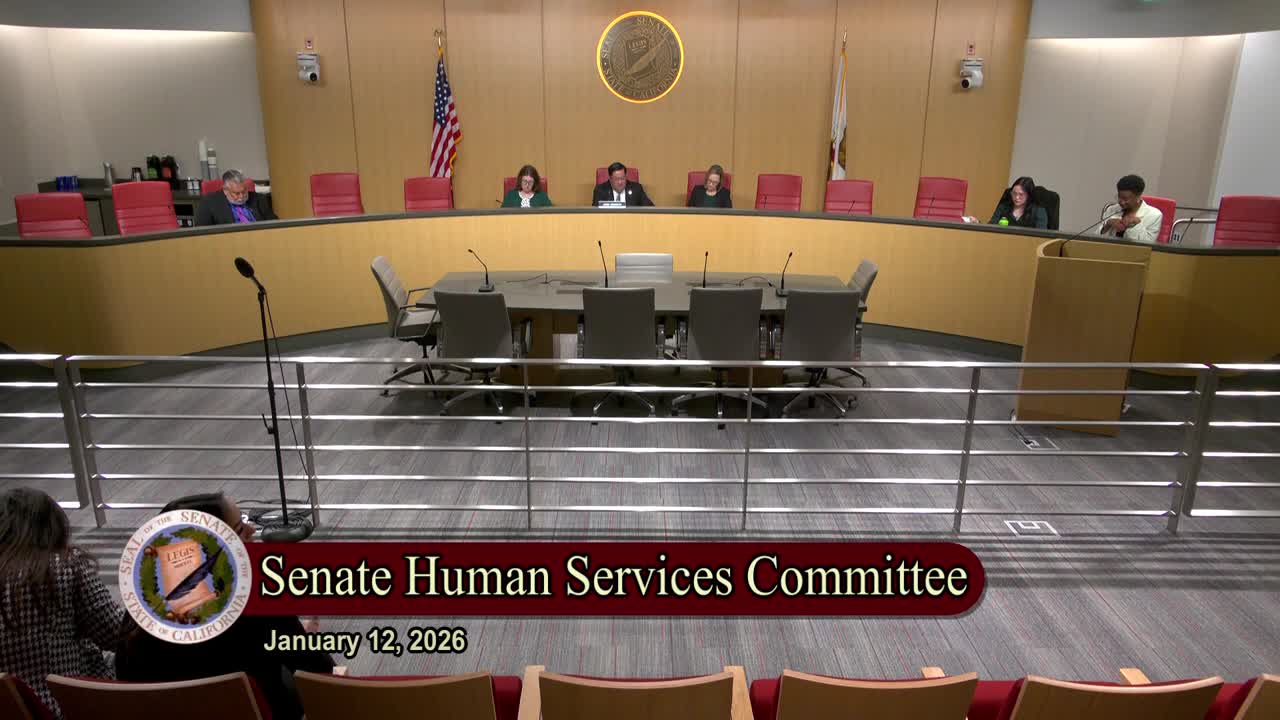 6MIN
Senate Standing Committee on Human Services
Bill Author
Bill Co-Author(s):