SB 88: Air resources: carbon emissions: biomass.
- Session Year: 2025-2026
- House: Senate
- Latest Version Date: 2025-09-13
Current Status:
Failed
(2026-03-02: Veto sustained.)
Introduced
In Committee
Awaiting First Chamber Vote
Passed First Chamber
In Committee
Awaiting Second Chamber Vote
Passed Second Chamber
Enacted
The California Global Warming Solutions Act of 2006 establishes the State Air Resources Board as the state agency responsible for monitoring and regulating sources emitting greenhouse gases and requires the state board to ensure that statewide greenhouse gas emissions are reduced to at least 40% below the 1990 level by 2030.
Existing law requires the state board, in consultation with the Department of Forestry and Fire Protection, to develop a standardized system for quantifying the direct carbon emissions and decay from fuel reduction activities for purposes of meeting the accounting requirements for Greenhouse Gas Reduction Fund expenditures, as specified.
This bill would require the state board, on or before January 1, 2028, to publish on its internet website an assessment of the life-cycle emissions from alternative uses of forest and agricultural biomass residues, as specified. The bill would require the state board, on or before January 1, 2029, to publish on its internet website a strategy to support beneficial carbon removal products, including, but not limited to, biochar, that are generated from agricultural or forest biomass resources.
The bill would require the Department of Forestry and Fire Protection to require, to the extent feasible, all state-funded forest health projects to include an appropriate forest biomass resource disposal component that includes a scientifically based, verifiable method to determine the amount of biomass to be physically removed and the amount to be burned by prescribed burn. The bill would require the State Energy Resources Conservation and Development Commission to include the value proposition of using agricultural and forest biomass resources for low- and negative-carbon liquid and gaseous fuels, including hydrogen, from noncombustion conversion technology methods and other emerging and innovative approaches in relevant reports and other agency-sponsored documentation.
The California Global Warming Solutions Act of 2006 establishes the State Air Resources Board as the state agency responsible for monitoring and regulating sources emitting greenhouse gases and requires the state board to ensure that statewide greenhouse gas emissions are reduced to at least 40% below the 1990 level by 2030. The act requires the state board to prepare and approve a scoping plan for achieving the maximum technologically feasible and cost-effective reductions in greenhouse gas emissions and to update the scoping plan at least once every 5 years.
Existing law requires the state board, in consultation with the Department of Forestry and Fire Protection, to develop a standardized system for quantifying the direct carbon emissions and decay from fuel reduction activities for purposes of meeting the accounting requirements for Greenhouse Gas Reduction Fund expenditures, as specified.
This bill would require the state board, on or before January 1, 2028, to publish on its internet website an assessment of the life-cycle emissions from alternative uses of forest and agricultural biomass residues. residues, as specified. The bill would require the state board, on or before January 1, 2029, to include in the next scoping plan update publish on its internet website a strategy to support beneficial carbon removal products, including, but not limited to, biochar, that are generated from agricultural or forest biomass resources.
The bill would require the Department of Forestry and Fire Protection to require, to the extent feasible, all state-funded forest health projects to include an appropriate forest biomass resource disposal component that includes a scientifically based, verifiable method to determine the amount of biomass to be physically removed and the amount to be burned by prescribed fire. burn. The bill would require the State Energy Resources Conservation and Development Commission to include the value proposition of using agricultural and forest biomass resources for low- and negative-carbon liquid and gaseous fuels, including hydrogen, from noncombustion conversion technology methods and other emerging and innovative approaches in relevant reports and other agency-sponsored documentation.
The California Global Warming Solutions Act of 2006 establishes the State Air Resources Board as the state agency responsible for monitoring and regulating sources emitting greenhouse gases and requires the state board to ensure that statewide greenhouse gas emissions are reduced to at least 40% below the 1990 level by 2030. The act requires the state board to prepare and approve a scoping plan for achieving the maximum technologically feasible and cost-effective reductions in greenhouse gas emissions and to update the scoping plan at least once every 5 years.
Existing law requires the state board, in consultation with the Department of Forestry and Fire Protection, to develop a standardized system for quantifying the direct carbon emissions and decay from fuel reduction activities for purposes of meeting the accounting requirements for Greenhouse Gas Reduction Fund expenditures, as specified.
This bill would require the state board, on or before January 1, 2027, to finalize the standardized system described above. The bill would require the state board, on or before January 1, 2028, to adopt a method of quantification publish on its website an assessment of the life-cycle emissions from alternative uses of forest and agricultural biomass residues. The bill would require the state board, on or before January 1, 2028, 2029, to include in the next scoping plan update a strategy to support beneficial carbon removal products, including, but not limited to, biochar, that are generated from agricultural or forest biomass resources.
The bill would require the Department of Forestry and Fire Protection to require, to the extent feasible, all state-funded forest health projects to include an appropriate forest biomass resource disposal component that includes a scientifically based, verifiable method to determine the amount of biomass to be physically removed and the amount to be burned by prescribed fire. The bill would require the State Energy Resources Conservation and Development Commission to include the value proposition of using agricultural and forest biomass resources for low- and negative-carbon liquid and gaseous fuels, including hydrogen, from noncombustion conversion technology methods and other emerging and innovative approaches in relevant reports and other agency-sponsored documentation.
The California Global Warming Solutions Act of 2006 establishes the State Air Resources Board as the state agency responsible for monitoring and regulating sources emitting greenhouse gases and requires the state board to ensure that statewide greenhouse gas emissions are reduced to at least 40% below the 1990 level by 2030. The act requires the state board to prepare and approve a scoping plan for achieving the maximum technologically feasible and cost-effective reductions in greenhouse gas emissions and to update the scoping plan at least once every 5 years.
Existing law requires the State Air Resources Board, state board, in consultation with the Department of Forestry and Fire Protection, to develop a standardized system for quantifying the direct carbon emissions and decay from fuel reduction activities for purposes of meeting the accounting requirements for Greenhouse Gas Reduction Fund expenditures, as specified.
This bill would require the state board, on or before January 1, 2027, to finalize the standardized system described above. The bill would require the state board, on or before January 1, 2028, to adopt a method of quantification of the life-cycle emissions from alternative uses of forest and agricultural biomass residues. The bill would require the state board, on or before January 1, 2028, to assess the suitability of developing a carbon credit or offset protocol for to include in the next scoping plan update a strategy to support beneficial carbon removal products, including, but not limited to, biochar biochar, that are generated from agricultural or forest biomass resources or forest biomass resources for inclusion in the state boards compliance offset program. The bill would require the state board, on or before January 1, 2029, to vote on a carbon credit or offset protocol for biochar or other carbon removal products and include that credit or protocol in the compliance offset program if the assessment determines that a carbon credit or offset protocol for production and use of biochar or other carbon removal products is appropriate. resources.
The bill would require the Department of Forestry and Fire Protection to require require, to the extent feasible, all state-funded forest health projects to include an appropriate forest biomass resource disposal component that includes a scientifically based, verifiable method to determine the amount of biomass to be physically removed and the amount to be burned by prescribed fire. The bill would require the State Energy Resources Conservation and Development Commission to include the value proposition of using agricultural biomass resources and forest biomass resources for low- and negative-carbon liquid and gaseous fuels, including hydrogen, from noncombustion conversion technology methods and other emerging and innovative approaches in relevant reports and other agency-sponsored documentation.
Existing law requires the State Air Resources Board, in consultation with the Department of Forestry and Fire Protection, to develop a standardized system for quantifying the direct carbon emissions and decay from fuel reduction activities for purposes of meeting the accounting requirements for Greenhouse Gas Reduction Fund expenditures, as specified.
This bill would require the state board, on or before January 1, 2027, to finalize the standardized system described above. The bill would require the state board, on or before January 1, 2028, to adopt a method of quantification of the life-cycle emissions from alternative uses of forest and agricultural biomass residues. The bill would require the state board, on or before January 1, 2028, to assess the suitability of developing a carbon credit or offset protocol for beneficial carbon removal products, including, but not limited to, biochar that are generated from agricultural biomass resources or forest biomass resources for inclusion in the state boards compliance offset program. The bill would require the state board, on or before January 1, 2029, to vote on a carbon credit or offset protocol for biochar or other carbon removal products and include that credit or protocol in the compliance offset program if the assessment determines that a carbon credit or offset protocol for production and use of biochar or other carbon removal products is appropriate.
The bill would require the Department of Forestry and Fire Protection to require all state-funded forest health projects to include an appropriate forest biomass resource disposal component that includes a scientifically based, verifiable method to determine the amount of biomass to be physically removed and the amount to be burned by prescribed fire. The bill would require the State Energy Resources Conservation and Development Commission to include the value proposition of using agricultural biomass resources and forest biomass resources for low- and negative-carbon liquid and gaseous fuels, including hydrogen, from noncombustion conversion technology methods and other emerging and innovative approaches in relevant reports and other agency-sponsored documentation.
Existing law requires the State Air Resources Board, in consultation with the Department of Forestry and Fire Protection, to develop a standardized system for quantifying the direct carbon emissions and decay from fuel reduction activities for purposes of meeting the accounting requirements for Greenhouse Gas Reduction Fund expenditures, as specified.
This bill would require the state board, on or before January 1, 2027, to finalize the standardized system described above. The bill would require the state board, on or before January 1, 2028, to adopt a method of quantification of the life-cycle emissions from alternative uses of forest and agricultural biomass residues. The bill would require the state board, on or before January 1, 2028, to assess the suitability of developing a carbon credit or offset protocol for beneficial carbon removal products, including, but not limited to, biochar that are generated from agricultural biomass resources or forest waste biomass, biomass resources for inclusion in the state boards compliance offset program. The bill would require the state board, on or before January 1, 2029, to vote on a carbon credit or offset protocol for biochar or other carbon removal products and include that credit or protocol in the compliance offset program if the assessment determines that a carbon credit or offset protocol for production and use of biochar or other carbon removal products is appropriate.
The bill would require the Department of Forestry and Fire Protection to require all state-funded forest health projects to include an appropriate forest biomass resource disposal component that includes a scientifically based, verifiable method to determine the amount of biomass to be physically removed and the amount to be burned by prescribed fire. The bill would require the State Energy Resources Conservation and Development Commission to include the value proposition of using agricultural biomass resources and forest biomass resources for low- and negative-carbon liquid and gaseous fuels, including hydrogen, from noncombustion conversion technology methods and other emerging and innovative approaches in relevant reports and other agency-sponsored documentation.
Existing law requires the State Air Resources Board, in consultation with the Department of Forestry and Fire Protection, to develop a standardized system for quantifying the direct carbon emissions and decay from fuel reduction activities for purposes of meeting the accounting requirements for Greenhouse Gas Reduction Fund expenditures, as specified.
This bill would require the state board, on or before January 1, 2027, to finalize the standardized system described above. The bill would require the state board, on or before January 1, 2028, to adopt a method of quantification of the life-cycle emissions benefits from alternative uses of forest and agricultural biomass residues. The bill would require the state board, on or before January 1, 2028, to assess the suitability of developing a carbon credit or offset protocol for beneficial carbon removal products, including, but not limited to, biochar that are generated from agricultural or forest waste biomass, for inclusion in the state boards compliance offset program. The bill would require the state board, on or before January 1, 2029, to adopt vote on a carbon credit or offset protocol for biochar or other carbon removal products and include that credit or protocol in the compliance offset program if the assessment determines that a carbon credit or offset protocol for production and use of biochar or other carbon removal products is appropriate.
The bill would require the Department of Forestry and Fire Protection to require all state-funded forest health projects to include an appropriate forest biomass resource disposal component that includes a scientifically based, verifiable method to determine the amount of biomass to be physically removed and the amount to be burned by prescribed fire. The bill would require the State Energy Resources Conservation and Development Commission to include the value proposition of using biomass for low- and negative-carbon liquid and gaseous fuels, including hydrogen, from noncombustion conversion technology methods and other emerging and innovative approaches in relevant reports and other agency-sponsored documentation.
Existing law requires the State Air Resources Board, in consultation with the Department of Forestry and Fire Prevention, Protection, to develop a standardized system for quantifying the direct carbon emissions and decay from fuel reduction activities for purposes of meeting the accounting requirements for Greenhouse Gas Reduction Fund expenditures, as specified, and, in consultation with academic experts, a historic baseline of greenhouse gas emissions from Californias natural fire regime reflecting conditions before modern fire suppression, on or before December 31, 2020. specified.
This bill would require the state board, on or before January 1, 2027, to finalize the standardized system and historic baseline described above. The bill would require the state board, on or before January 1, 2028, to adopt a method of quantification or a lifecycle model for avoided carbon emissions, including, but not limited to, carbon dioxide, methane, and black carbon, from wildfire from the application of prescribed fire to forest biomass resources and agricultural biomass resources, and to develop of the life-cycle emissions benefits from alternative uses of forest and agricultural biomass residues. The bill would require the state board, on or before January 1, 2028, to assess the suitability of developing a carbon credit or offset protocol for biochar and other beneficial carbon-removal products that result from the avoidance of megafires and prescribed fire using existing methodologies. beneficial carbon removal products, including, but not limited to, biochar that are generated from agricultural or forest waste biomass, for inclusion in the state boards compliance offset program. The bill would require the state board, on or before January 1, 2029, to adopt a carbon credit or offset protocol for biochar or other carbon removal products and include that credit or protocol in the compliance offset program if the assessment determines that a carbon credit or offset protocol for production and use of biochar or other carbon removal products is appropriate.
The bill would require the Department of Forestry and Fire Protection to require all state-funded forest health projects to include an appropriate forest biomass resource disposal component that includes a scientifically based, verifiable method to determine the amount of biomass to be physically removed and the amount to be burned by prescribed fire. The bill would require the State Energy Resources Conservation and Development Commission to include the value proposition of using biomass for low- and negative-carbon liquid and gaseous fuels, including hydrogen, from noncombustible noncombustion conversion technology methods and other emerging and innovative approaches in relevant reports and other agency-sponsored documentation.
Existing law requires the State Air Resources Board, in consultation with the Department of Forestry and Fire Prevention, to develop a standardized system for quantifying the direct carbon emissions and decay from fuel reduction activities for purposes of meeting the accounting requirements for Greenhouse Gas Reduction Fund expenditures, as specified, and, in consultation with academic experts, a historic baseline of greenhouse gas emissions from Californias natural fire regime reflecting conditions before modern fire suppression, on or before December 31, 2020.
This bill would require the state board, on or before January 1, 2027, to finalize the standardized system and historic baseline described above. The bill would require the state board, on or before January 1, 2028, to adopt a method of quantification or a lifecycle model for avoided carbon emissions, including, but not limited to, carbon dioxide, methane, and black carbon, from wildfire from the application of prescribed fire to forest biomass resources and agricultural biomass resources, and to develop a carbon credit or offset protocol for biochar and other beneficial carbon-removal products that result from the avoidance of megafires and prescribed fire using existing methodologies.
The bill would require the Department of Forestry and Fire Protection to require all state-funded forest health projects to include an appropriate forest biomass resource disposal component that includes a scientifically based, verifiable method to determine the amount of biomass to be physically removed and the amount to be burned by prescribed fire. The bill would require the State Energy Resources Conservation and Development Commission to include the value proposition of using biomass for low- and negative-carbon liquid and gaseous fuels, including hydrogen, from noncombustible methods and other emerging and innovative approaches in relevant reports and other agency-sponsored documentation.
The Legislature finds and declares all of the following:
(a)Millions of tons of forest and agricultural biomass are burned in California annually, including by wildfires, prescribed burns, and illegal burns.
(b)Wildfires are a growing source of air pollution that harm public health, including by increasing respiratory illnesses, heart disease, cancer, and premature death.
(c)Wildfires are also a growing source of climate pollution that, in some years, exceeds all of the carbon reductions achieved across the states economy.
(d)Existing law requires a 40-percent reduction in greenhouse gas emissions by 2030, a 50-percent reduction in anthropogenic black carbon emissions by 2030, and carbon neutrality to be achieved by 2045.
(e)The growing emissions from wildfires threaten the states ability to meet its climate goals and reach attainment of federal ambient air quality standards.
(f)Forest and agricultural biomass are resources that can be used for beneficial purposes to create low-carbon fuel alternatives that increase electrical grid and energy reliability, create useful byproducts and new industries, and help support local workforce development in traditionally underinvested areas of the state.
(g)A report by Governor Gavin Newsoms administration, on April 22, 2024, Californias Nature-Based Solutions Climate Targets, prepared pursuant to Assembly Bill 1757 (Chapter 341, Statutes of 2022), sets acreage targets for the amount of forests, shrublands and chaparral, and grasslands to be treated annually by beneficial fire and other fuel reduction activities of 1,500,000 acres by 2030, 2,000,000 acres by 2038, and 2,500,000 acres by 2045, but does not provide a detailed analysis of the emissions that would be avoided if those biomass resources were used for beneficial purposes.
(h)Quantifying avoided emissions from wildfires and prescribed burns of biomass resources will facilitate biomass usage as called for in the states Short-Lived Climate Pollutant Reduction Strategy, the California Forest Carbon Plan, and the State Air Resources Boards plan to phase out open burning of agricultural biomass resources in the San Joaquin Valley.
(i)The state should take action to incentivize alternative uses of biomass resources to reduce the negative impacts from catastrophic wildfires and pile burning and to allow necessary prescribed fires to take place at a level that does not compromise public health, progress on climate action, or ecological sustainability.
SEC. 2.Section 39741.6 is added to the Health and Safety Code, to read:39741.6.(a)For purposes of this section, the following definitions apply:
(1)Agricultural biomass resources means crop, orchard, vineyard, or other agricultural residues, and excludes crops grown for the purpose of producing energy and edible produce.
(2)Agricultural burning has the same meaning as set forth in Section 39011.
(3)Forest biomass resources means material removed for wildfire mitigation, forest restoration projects, or the protection of public safety and infrastructure, excluding trees that are harvested for the primary purpose of producing energy.
(4)Prescribed burning has the same meaning as set forth in Section 4464 of the Public Resources Code.
(b)The state board shall do both of the following:
(1)On or before January 1, 2028, publish on its internet website an assessment of the life-cycle emissions from alternative uses of forest and agricultural biomass residues that takes into account wildfire and management actions.
(2)(A)On or before January 1, 2029, publish on its internet website a comprehensive strategy to support beneficial carbon removal products, including, but not limited to, biochar, that are generated from agricultural or forest biomass resources.
(B)The strategy shall, as appropriate, include the use of biochar for carbon sequestration, agricultural and forestry uses, construction and engineered materials, environmental remediation and water treatment, and other uses.
(c)The Department of Forestry and Fire Protection shall require, to the extent feasible, all state-funded forest health projects to include an appropriate forest biomass resource disposal component that includes a scientifically based, verifiable method to determine the amount of biomass to be physically removed and the amount to be burned by prescribed burn.
(d)The State Energy Resources Conservation and Development Commission shall include the value proposition of using agricultural biomass resources and forest biomass resources for low- and negative-carbon liquid and gaseous fuels, including hydrogen, from noncombustion conversion technology methods and other emerging and innovative approaches in relevant reports and other agency-sponsored documentation.
The Legislature finds and declares all of the following:
(a)Millions of tons of forest and agricultural biomass are burned in California annually, including by wildfires, prescribed burns, and illegal burns.
(b)Wildfires are a growing source of air pollution that harm public health, including by increasing respiratory illnesses, heart disease, cancer, and premature death.
(c)Wildfires are also a growing source of climate pollution that, in some years, exceeds all of the carbon reductions achieved across the states economy.
(d)Existing law requires a 40-percent reduction in greenhouse gas emissions by 2030, a 50-percent reduction in anthropogenic black carbon emissions by 2030, and carbon neutrality to be achieved by 2045.
(e)The growing emissions from wildfires and pile burning of forest and agricultural biomass resources threaten the states ability to meet its climate goals and reach attainment of federal ambient air quality standards.
(f)Forest and agricultural biomass are resources that can be used for beneficial purposes to create low-carbon fuel alternatives that increase electrical grid and energy reliability, create useful byproducts and new industries, and help support local workforce development in traditionally underinvested areas of the state.
(g)A report by Governor Gavin Newsoms administration, on April 22, 2024, Californias Nature-Based Solutions Climate Targets, prepared pursuant to Assembly Bill 1757 (Chapter 341, Statutes of 2022), sets acreage targets for the amount of forests, shrublands and chaparral, and grasslands to be treated annually by beneficial fire and other fuel reduction activities of 1,500,000 acres by 2030, 2,000,000 acres by 2038, and 2,500,000 acres by 2045, but does not provide a detailed analysis of the emissions that would be avoided if those biomass resources were used for beneficial purposes.
(h)Quantifying avoided emissions from wildfires and prescribed burns of biomass resources will facilitate biomass usage as called for in the states Short-Lived Climate Pollutant Reduction Strategy, the California Forest Carbon Plan, and the State Air Resources Boards plan to phase out open burning of agricultural biomass resources in the San Joaquin Valley.
(i)The state should take action to incentivize alternative uses of biomass resources to reduce the negative impacts from catastrophic wildfires and pile burning and to allow necessary prescribed fires to take place at a level that does not compromise public health, progress on climate action, or ecological sustainability.
SEC. 2.Section 39741.6 is added to the Health and Safety Code, to read:39741.6.(a)For purposes of this section, the following definitions apply:
(1)Agricultural biomass resources means crop, orchard, vineyard, or other agricultural residues, and excludes crops grown for the purpose of producing energy and edible produce.
(2)Agricultural burning has the same meaning as set forth in Section 39011.
(3)Forest biomass resources means material removed for wildfire mitigation, forest restoration projects, or the protection of public safety and infrastructure, excluding trees that are harvested for the primary purpose of producing energy.
(4)Prescribed burning has the same meaning as set forth in Section 4464 of the Public Resources Code.
(b)The state board shall do both of the following:
(1)On or before January 1, 2028, publish on its internet website an assessment of the life-cycle emissions from alternative uses of forest and agricultural biomass residues. residues that takes into account wildfire and management actions.
(2)(A)On or before January 1, 2029, include in the next scoping plan update, prepared pursuant to Section 38561, publish on its internet website a comprehensive strategy to support beneficial carbon removal products, including, but not limited to, biochar, that are generated from agricultural or forest biomass resources.
(B)The strategy included in the scoping plan shall, as appropriate, include the use of biochar for carbon sequestration, agricultural and forestry uses, construction and engineered materials, environmental remediation and water treatment, and other uses.
(c)The Department of Forestry and Fire Protection shall require, to the extent feasible, all state-funded forest health projects to include an appropriate forest biomass resource disposal component that includes a scientifically based, verifiable method to determine the amount of biomass to be physically removed and the amount to be burned by prescribed fire. burn.
(d)The State Energy Resources Conservation and Development Commission shall include the value proposition of using agricultural biomass resources and forest biomass resources for low- and negative-carbon liquid and gaseous fuels, including hydrogen, from noncombustion conversion technology methods and other emerging and innovative approaches in relevant reports and other agency-sponsored documentation.
The Legislature finds and declares all of the following:
(a)Millions of tons of forest and agricultural biomass are burned in California annually, including by wildfires, prescribed burns, and illegal burns.
(b)Wildfires are a growing source of air pollution that harm public health, including by increasing respiratory illnesses, heart disease, cancer, and premature death.
(c)Wildfires are also a growing source of climate pollution that, in some years, exceeds all of the carbon reductions achieved across the states economy.
(d)Existing law requires a 40-percent reduction in greenhouse gas emissions by 2030, a 50-percent reduction in anthropogenic black carbon emissions by 2030, and carbon neutrality to be achieved by 2045.
(e)The growing emissions from wildfires and pile burning of forest and agricultural biomass resources threaten the states ability to meet its climate goals and reach attainment of federal ambient air quality standards.
(f)Forest and agricultural biomass are resources that can be used for beneficial purposes to create low-carbon fuel alternatives that increase electrical grid and energy reliability, create useful byproducts and new industries, and help support local workforce development in traditionally underinvested areas of the state.
(g)A report by Governor Gavin Newsoms administration, on April 22, 2024, Californias Nature-Based Solutions Climate Targets, prepared pursuant to Assembly Bill 1757 (Chapter 341, Statutes of 2022), sets acreage targets for the amount of forests, shrublands and chaparral, and grasslands to be treated annually by beneficial fire and other fuel reduction activities of 1,500,000 acres by 2030, 2,000,000 acres by 2038, and 2,500,000 acres by 2045, but does not provide a detailed analysis of the emissions that would be avoided if those biomass resources were used for beneficial purposes.
(h)Quantifying avoided emissions from wildfires and prescribed burns of biomass resources will facilitate biomass usage as called for in the states Short-Lived Climate Pollutant Reduction Strategy, the California Forest Carbon Plan, and the State Air Resources Boards plan to phase out open burning of agricultural biomass resources in the San Joaquin Valley.
(i)The state should take action to incentivize alternative uses of biomass resources to reduce the negative impacts from catastrophic wildfires and pile burning and to allow necessary prescribed fires to take place at a level that does not compromise public health, progress on climate action, or ecological sustainability.
SEC. 2.Section 39741.6 is added to the Health and Safety Code, to read:39741.6.(a)For purposes of this section, the following definitions apply:
(1)Agricultural biomass resources means crop, orchard, vineyard, or other agricultural residues, and excludes crops grown for the purpose of producing energy and edible produce.
(2)Agricultural burning has the same meaning as set forth in Section 39011.
(3)Forest biomass resources means material removed for wildfire mitigation, forest restoration projects, or the protection of public safety and infrastructure, excluding trees that are harvested for the primary purpose of producing energy.
(4)Prescribed burning has the same meaning as set forth in Section 4464 of the Public Resources Code.
(b)The state board shall do all both of the following:
(1)On or before January 1, 2027, finalize the development of the standardized system for quantifying direct carbon emissions and decay from fuel reduction activities for purposes of meeting the accounting requirements for the Greenhouse Gas Reduction Fund.(2)(1)On or before January 1, 2028, adopt a method of quantification publish on its website an assessment of the life-cycle emissions from alternative uses of forest and agricultural biomass residues.
(3)(2)(A)On or before January 1, 2028, 2029, include in the next scoping plan update, prepared pursuant to Section 38561, a comprehensive strategy to support beneficial carbon removal products, including, but not limited to, biochar, that are generated from agricultural or forest biomass resources.
(B)The strategy included in the scoping plan shall, as appropriate, include the use of biochar for carbon sequestration, agricultural and forestry uses, construction and engineered materials, environmental remediation and water treatment, and other uses.
(c)The Department of Forestry and Fire Protection shall require, to the extent feasible, all state-funded forest health projects to include an appropriate forest biomass resource disposal component that includes a scientifically based, verifiable method to determine the amount of biomass to be physically removed and the amount to be burned by prescribed fire.
(d)The State Energy Resources Conservation and Development Commission shall include the value proposition of using agricultural biomass resources and forest biomass resources for low- and negative-carbon liquid and gaseous fuels, including hydrogen, from noncombustion conversion technology methods and other emerging and innovative approaches in relevant reports and other agency-sponsored documentation.
The Legislature finds and declares all of the following:
(a)Millions of tons of forest and agricultural biomass are burned in California annually, including by wildfire, wildfires, prescribed burns, and illegal burns.
(b)Wildfires are a growing source of air pollution that harm public health, including by increasing respiratory illnesses, heart disease, cancer, and premature death.
(c)Wildfires are also a growing source of climate pollution that, in some years, exceeds all of the carbon reductions achieved across the California states economy.
(d)Existing law requires a 40-percent reduction in greenhouse gas emissions by 2030, a 50-percent reduction in anthropogenic black carbon emissions by 2030, and carbon neutrality to be achieved by 2045.
(e)The growing emissions from wildfires and pile burning of forest and agricultural biomass resources threaten Californias the states ability to meet its climate goals. goals and reach attainment of federal ambient air quality standards.
(f)Forest and agricultural biomass are resources that can be used for beneficial purposes to create low-carbon fuel alternatives that increase electrical grid and energy reliability, create useful byproducts and new industries, and help support local workforce development in traditionally underinvested areas of the state.
(g)A report by Governor Gavin Newsoms administration, on April 22, 2024, Californias Nature-Based Solutions Climate Targets, prepared pursuant to Assembly Bill 1757 (Chapter 341, Statutes of 2022), sets acreage targets for the amount of forests, shrublands and chaparral, and grasslands to be treated annually by beneficial fire and other fuel reduction activities of 1,500,000 acres by 2030, 2,000,000 acres by 2038, and 2,500,000 acres by 2045, but does not provide a detailed analysis of the emissions that would be avoided if those biomass resources were used for beneficial purposes.
(h)Quantifying avoided emissions from wildfires and prescribed burns of biomass resources will facilitate biomass usage as called for in the states Short-Lived Climate Pollutant Reduction Strategy, the California Forest Carbon Plan, and the State Air Resources Boards plan to phase out open burning of agricultural biomass resources in the San Joaquin Valley.
(i)The state should take action to incentivize alternative uses of biomass resources to reduce the negative impacts from catastrophic wildfires and pile burning and to allow necessary prescribed fires to take place at a level that does not compromise public health, progress on climate action, or ecological sustainability.
SEC. 2.Section 39741.6 is added to the Health and Safety Code, to read:39741.6.(a)For purposes of this section, the following definitions apply:
(1)Agricultural biomass resources means crop, orchard, vineyard, or other agricultural residues, and excludes crops grown for the purpose of producing energy and edible produce.
(2)Agricultural burning has the same meaning as set forth in Section 39011.
(3)Forest biomass resources means material removed for wildfire mitigation, forest restoration projects, or the protection of public safety and infrastructure, excluding trees that are harvested for the primary purpose of producing energy.
(4)Prescribed burning has the same meaning as set forth in Section 4464 of the Public Resources Code.
(b)The state board shall do all of the following:
(1)On or before January 1, 2027, finalize the development of the standardized system for quantifying direct carbon emissions and decay from fuel reduction activities for purposes of meeting the accounting requirements for the Greenhouse Gas Reduction Fund.
(2)On or before January 1, 2028, adopt a method of quantification of the life-cycle emissions from alternative uses of forest and agricultural biomass residues.
(3)(A)On or before January 1, 2028, assess the suitability of developing a carbon credit or offset protocol for include in the next scoping plan update, prepared pursuant to Section 38561, a comprehensive strategy to support beneficial carbon removal products, including, but not limited to, biochar biochar, that are generated from agricultural biomass resources or forest biomass resources for inclusion in the state boards compliance offset program. resources.
(B)The assessment strategy included in the scoping plan shall, as appropriate, include the use of biochar for carbon sequestration, agricultural and forestry uses, construction and engineered materials, environmental remediation and water treatment, and other uses.
(C)On or before January 1, 2029, vote on a carbon credit or offset protocol for biochar or other carbon removal products and include that credit or protocol in the state boards compliance offset program if the assessment described in subparagraphs (A) and (B) determines that a carbon credit or offset protocol for production and use of biochar or other carbon removal products is appropriate.(c)The Department of Forestry and Fire Protection shall require require, to the extent feasible, all state-funded forest health projects to include an appropriate forest biomass resource disposal component that includes a scientifically based, verifiable method to determine the amount of biomass to be physically removed and the amount to be burned by prescribed fire.
(d)The State Energy Resources Conservation and Development Commission shall include the value proposition of using agricultural biomass resources and forest biomass resources for low- and negative-carbon liquid and gaseous fuels, including hydrogen, from noncombustion conversion technology methods and other emerging and innovative approaches in relevant reports and other agency-sponsored documentation.
The Legislature finds and declares all of the following:
(a)Millions of tons of forest and agricultural biomass are burned in California annually, including by wildfire, prescribed burns, and illegal burns.
(b)Wildfires are a growing source of air pollution that harm public health, including by increasing respiratory illnesses, heart disease, cancer, and premature death.
(c)Wildfires are also a growing source of climate pollution that, in some years, exceeds all of the carbon reductions achieved across the California economy.
(d)Existing law requires a 40-percent reduction in greenhouse gas emissions by 2030, a 50-percent reduction in anthropogenic black carbon emissions by 2030, and carbon neutrality to be achieved by 2045.
(e)The growing emissions from wildfires and pile burning of forest and agricultural biomass resources threaten Californias ability to meet its climate goals.
(f)Forest and agricultural biomass are resources that can be used for beneficial purposes to create low-carbon fuel alternatives that increase electrical grid and energy reliability, create useful byproducts and new industries, and help support local workforce development in traditionally underinvested areas of the state.
(g)A report by Governor Gavin Newsoms administration, on April 22, 2024, Californias Nature-Based Solutions Climate Targets, prepared pursuant to Assembly Bill 1757 (Chapter 341, Statutes of 2022), sets acreage targets for the amount of forests, shrublands and chaparral, and grasslands to be treated annually by beneficial fire and other fuel reduction activities of 1,500,000 acres by 2030, 2,000,000 acres by 2038, and 2,500,000 acres by 2045, but does not provide a detailed analysis of the emissions that would be avoided if those biomass resources were used for beneficial purposes.
(h)Quantifying avoided emissions from wildfires and prescribed burns of biomass resources will facilitate biomass usage as called for in the states Short-Lived Climate Pollutant Reduction Strategy, the California Forest Carbon Plan, and the State Air Resources Boards plan to phase out open burning of agricultural biomass resources in the San Joaquin Valley.
(i)The state should take action to incentivize alternative uses of biomass resources to reduce the negative impacts from catastrophic wildfires and pile burning and to allow necessary prescribed fires to take place at a level that does not compromise public health, progress on climate action, or ecological sustainability.
SEC. 2.Section 39741.6 is added to the Health and Safety Code, to read:39741.6.(a)For purposes of this section, the following definitions apply:
(1)Agricultural biomass resources means crop, orchard, vineyard, or other agricultural residues, and excludes crops grown for the purpose of producing energy and edible produce.
(2)Agricultural burning has the same meaning as set forth in Section 39011.
(3)Forest biomass resources means material removed for wildfire mitigation, forest restoration projects, or the protection of public safety and infrastructure. infrastructure, excluding trees that are harvested for the primary purpose of producing energy.
(4)Prescribed burning has the same meaning as set forth in Section 4464 of the Public Resources Code.
(b)The state board shall do all of the following:
(1)On or before January 1, 2027, finalize the development of the standardized system for quantifying direct carbon emissions and decay from fuel reduction activities for purposes of meeting the accounting requirements for the Greenhouse Gas Reduction Fund.
(2)On or before January 1, 2028, adopt a method of quantification of the life-cycle emissions from alternative uses of forest and agricultural biomass residues.
(3)(A)On or before January 1, 2028, assess the suitability of developing a carbon credit or offset protocol for beneficial carbon removal products, including, but not limited to, biochar that are generated from agricultural biomass resources or forest biomass resources for inclusion in the state boards compliance offset program.
(B)The assessment shall, as appropriate, include the use of biochar for carbon sequestration, agricultural and forestry uses, construction and engineered materials, environmental remediation and water treatment, and other uses.
(C)On or before January 1, 2029, vote on a carbon credit or offset protocol for biochar or other carbon removal products and include that credit or protocol in the state boards compliance offset program if the assessment described in subparagraphs (A) and (B) determines that a carbon credit or offset protocol for production and use of biochar or other carbon removal products is appropriate.
(c)The Department of Forestry and Fire Protection shall require all state-funded forest health projects to include an appropriate forest biomass resource disposal component that includes a scientifically based, verifiable method to determine the amount of biomass to be physically removed and the amount to be burned by prescribed fire.
(d)The State Energy Resources Conservation and Development Commission shall include the value proposition of using agricultural biomass resources and forest biomass resources for low- and negative-carbon liquid and gaseous fuels, including hydrogen, from noncombustion conversion technology methods and other emerging and innovative approaches in relevant reports and other agency-sponsored documentation.
The Legislature finds and declares all of the following:
(a)Millions of tons of forest and agricultural biomass are burned in California annually, including by wildfire, prescribed burns, and illegal burns.
(b)Wildfires are a growing source of air pollution that harm public health, including by increasing respiratory illnesses, heart disease, cancer, and premature death.
(c)Wildfires are also a growing source of climate pollution that, in some years, exceeds all of the carbon reductions achieved across the California economy.
(d)Existing law requires a 40-percent reduction in greenhouse gas emissions by 2030, a 50-percent reduction in anthropogenic black carbon emissions by 2030, and carbon neutrality to be achieved by 2045.
(e)The growing emissions from wildfires and pile burning of forest and agricultural biomass resources threaten Californias ability to meet its climate goals.
(f)Forest and agricultural biomass are resources that can be used for beneficial purposes to create low-carbon fuel alternatives that increase electrical grid and energy reliability, create useful byproducts and new industries, and help support local workforce development in traditionally underinvested areas of the state.
(g)A report by Governor Gavin Newsoms administration, on April 22, 2024, Californias Nature-Based Solutions Climate Targets, prepared pursuant to Assembly Bill 1757 (Chapter 341, Statutes of 2022), sets acreage targets for the amount of forests, shrublands and chaparral, and grasslands to be treated annually by beneficial fire and other fuel reduction activities of 1,500,000 acres by 2030, 2,000,000 acres by 2038, and 2,500,000 acres by 2045, but does not provide a detailed analysis of the emissions that would be avoided if those biomass resources were used for beneficial purposes.
(h)Quantifying avoided emissions from wildfires and prescribed burns of biomass resources will facilitate biomass usage as called for in the states Short-Lived Climate Pollutant Reduction Strategy, the California Forest Carbon Plan, and the State Air Resources Boards plan to phase out open burning of agricultural biomass resources in the San Joaquin Valley.
(i)The state should take action to incentivize alternative uses of biomass resources to reduce the negative impacts from catastrophic wildfires and pile burning and to allow necessary prescribed fires to take place at a level that does not compromise public health, progress on climate action, or ecological sustainability.
SEC. 2.Section 39741.6 is added to the Health and Safety Code, to read:39741.6.(a)For purposes of this section, the following definitions apply:
(1)Agricultural biomass resources means crop, orchard, vineyard, or other agricultural residues, and excludes crops grown for the purpose of producing energy and edible produce.
(2)Agricultural burning has the same meaning as set forth in Section 39011.
(3)Forest biomass resources means material removed for wildfire mitigation, forest restoration projects, or the protection of public safety and infrastructure.
(4)Prescribed burning has the same meaning as set forth in Section 4464 of the Public Resources Code.
(b)The state board shall do all of the following:
(1)On or before January 1, 2027, finalize the development of the standardized system for quantifying direct carbon emissions and decay from fuel reduction activities for purposes of meeting the accounting requirements for the Greenhouse Gas Reduction Fund.
(2)On or before January 1, 2028, adopt a method of quantification of the life-cycle emissions from alternative uses of forest and agricultural biomass residues.
(3)(A)On or before January 1, 2028, assess the suitability of developing a carbon credit or offset protocol for beneficial carbon removal products, including, but not limited to, biochar that are generated from agricultural biomass resources or forest waste biomass, biomass resources for inclusion in the state boards compliance offset program.
(B)The assessment shall, as appropriate, include the use of biochar for carbon sequestration, agricultural and forestry uses, construction and engineered materials, environmental remediation and water treatment, and other uses.
(C)On or before January 1, 2029, vote on a carbon credit or offset protocol for biochar or other carbon removal products and include that credit or protocol in the state boards compliance offset program if the assessment described in subparagraphs (A) and (B) determines that a carbon credit or offset protocol for production and use of biochar or other carbon removal products is appropriate.
(c)The Department of Forestry and Fire Protection shall require all state-funded forest health projects to include an appropriate forest biomass resource disposal component that includes a scientifically based, verifiable method to determine the amount of biomass to be physically removed and the amount to be burned by prescribed fire.
(d)The State Energy Resources Conservation and Development Commission shall include the value proposition of using agricultural biomass resources and forest biomass resources for low- and negative-carbon liquid and gaseous fuels, including hydrogen, from noncombustion conversion technology methods and other emerging and innovative approaches in relevant reports and other agency-sponsored documentation.
The Legislature finds and declares all of the following:
(a)Millions of tons of forest and agricultural biomass are burned in California annually, including by wildfire, prescribed burns, and illegal burns.
(b)Wildfires are a growing source of air pollution that harm public health, including by increasing respiratory illnesses, heart disease, cancer, and premature death.
(c)Wildfires are also a growing source of climate pollution that, in some years, exceeds all of the carbon reductions achieved across the California economy.
(d)Existing law requires a 40-percent reduction in greenhouse gas emissions by 2030, a 50-percent reduction in anthropogenic black carbon emissions by 2030, and carbon neutrality to be achieved by 2045.
(e)The growing emissions from wildfires and pile burning of forest and agricultural biomass resources threaten Californias ability to meet its climate goals.
(f)Forest and agricultural biomass are resources that can be used for beneficial purposes to create low-carbon fuel alternatives that increase electrical grid and energy reliability, create useful byproducts and new industries, and help support local workforce development in traditionally underinvested areas of the state.
(g)A report by Governor Gavin Newsoms administration, on April 22, 2024, Californias Nature-Based Solutions Climate Targets, prepared pursuant to Assembly Bill 1757 (Chapter 341, Statutes of 2022), sets acreage targets for the amount of forests, shrublands and chaparral, and grasslands to be treated annually by beneficial fire and other fuel reduction activities of 1,500,000 acres by 2030, 2,000,000 acres by 2038, and 2,500,000 acres by 2045, but does not provide a detailed analysis of the emissions that would be avoided if those biomass resources were used for beneficial purposes.
(h)Quantifying avoided emissions from wildfires and prescribed burns of biomass resources will facilitate biomass usage as called for in the states Short-Lived Climate Pollutant Reduction Strategy, the California Forest Carbon Plan, and the State Air Resources Boards plan to phase out open burning of agricultural biomass resources in the San Joaquin Valley.
(i)The state should take action to incentivize alternative uses of biomass resources to reduce the negative impacts from catastrophic wildfires and pile burning and to allow necessary prescribed fires to take place at a level that does not compromise public health, progress on climate action, or ecological sustainability.
SEC. 2.Section 39741.6 is added to the Health and Safety Code, to read:39741.6.(a)For purposes of this section, the following definitions apply:
(1)Agricultural biomass resources means crop, orchard, vineyard, or other agricultural residues, and excludes crops grown for the purpose of producing energy and edible produce.
(2)Agricultural burning has the same meaning as set forth in Section 39011.
(3)Forest biomass resources means material removed for wildfire mitigation, forest restoration projects, or the protection of public safety and infrastructure.
(4)Prescribed burning has the same meaning as set forth in Section 4464 of the Public Resources Code.
(b)The state board shall do all of the following:
(1)On or before January 1, 2027, finalize the development of the standardized system for quantifying direct carbon emissions and decay from fuel reduction activities for purposes of meeting the accounting requirements for Greenhouse Gas Reduction Fund.
(2)On or before January 1, 2028, adopt a method of quantification of the life-cycle emissions benefit from alternative uses of forest and agricultural biomass residues.
(3)(A)On or before January 1, 2028, assess the suitability of developing a carbon credit or offset protocol for beneficial carbon removal products, including, but not limited to, biochar that are generated from agricultural or forest waste biomass, for inclusion in the state boards compliance offset program.
(B)The assessment shall, as appropriate, include the use of biochar for carbon sequestration, agricultural and forestry uses, construction and engineered materials, environmental remediation and water treatment, and other uses.
(C)On or before January 1, 2029, adopt vote on a carbon credit or offset protocol for biochar or other carbon removal products and include that credit or protocol in the state boards compliance offset program if the assessment described in subparagraphs (A) and (B) determines that a carbon credit or offset protocol for production and use of biochar or other carbon removal products is appropriate.
(c)The Department of Forestry and Fire Protection shall require all state-funded forest health projects to include an appropriate forest biomass resource disposal component that includes a scientifically based, verifiable method to determine the amount of biomass to be physically removed and the amount to be burned by prescribed fire.
(d)The State Energy Resources Conservation and Development Commission shall include the value proposition of using biomass for low- and negative-carbon liquid and gaseous fuels, including hydrogen, from noncombustion conversion technology methods and other emerging and innovative approaches in relevant reports and other agency-sponsored documentation.
The Legislature finds and declares all of the following:
(a)Millions of tons of forest and agricultural biomass are burned in California annually, including by wildfire, prescribed burns, and illegal burns.
(b)Wildfires are a growing source of air pollution that harm public health, including by increasing respiratory illnesses, heart disease, cancer, and premature death.
(c)Wildfires are also a growing source of climate pollution that, in some years, exceeds all of the carbon reductions achieved across the California economy.
(d)Existing law requires a 40-percent reduction in greenhouse gas emissions by 2030, a 50-percent reduction in anthropogenic black carbon emissions by 2030, and carbon neutrality to be achieved by 2045.
(e)The growing emissions from wildfires and prescribed pile burning of forest and agricultural biomass resources threaten Californias ability to meet its climate goals.
(f)Forest and agricultural biomass are resources that can be used for beneficial purposes to create low-carbon fuel alternatives that increase electrical grid and energy reliability, create useful byproducts and new industries, and help support local workforce development in traditionally underinvested areas of the state.
(g)The 2022 Scoping Plan for Achieving Carbon Neutrality calls for increased forest fuel removal on 2,300,000 million acres annually but does not provide detailed analysis of the emissions that would be avoided if those biomass resources were used for beneficial purposes instead of burned, whether that be through unintentional wildfires, intentionally set illegal burns, or regulated burns approved through local air quality smoke management programs.(g)A report by Governor Gavin Newsoms administration, on April 22, 2024, Californias Nature-Based Solutions Climate Targets, prepared pursuant to Assembly Bill 1757 (Chapter 341, Statutes of 2022), sets acreage targets for the amount of forests, shrublands and chaparral, and grasslands to be treated annually by beneficial fire and other fuel reduction activities of 1,500,000 acres by 2030, 2,000,000 acres by 2038, and 2,500,000 acres by 2045, but does not provide a detailed analysis of the emissions that would be avoided if those biomass resources were used for beneficial purposes.
(h)Quantifying avoided emissions from wildfires and prescribed burns of biomass resources will facilitate biomass usage as called for in the states Short-Lived Climate Pollutant Reduction Strategy,the Strategy, the California Forest Carbon Plan, and the State Air Resources Boards plan to phase out open burning of agricultural biomass resources in the San Joaquin Valley.
(i)The state should take action to incentivize alternative uses of biomass resources to reduce prescribed burning and illegal burns so that the negative impacts from catastrophic wildfires can be offset and pile burning and to allow necessary prescribed fires can to take place at a level that does not compromise public health or health, progress on climate action. action, or ecological sustainability.
SEC. 2.Section 39741.6 is added to the Health and Safety Code, to read:39741.6.(a)For purposes of this section, the following definitions apply:
(1)Agricultural biomass resources means crop, orchard, vineyard, or other agricultural residues, and excludes crops grown for the purpose of producing energy and edible produce.
(2)Agricultural burning has the same meaning as set forth in Section 39011.
(3)Forest biomass resources means material removed for wildfire mitigation, forest restoration projects, or the protection of public safety and infrastructure.
(4)Prescribed fire burning has the same meaning as set forth in Section 4464 of the Public Resources Code.
(b)The state board shall do all of the following:
(1)On or before January 1, 2027, finalize the development of the standardized system for quantifying direct carbon emissions and decay from fuel reduction activities for purposes of meeting the accounting requirements for Greenhouse Gas Reduction Fund expenditures and the historic baseline of greenhouse gas emissions from Californias natural fire regime reflecting conditions before modern fire suppression, as required by Section 38535. Fund.
(2)On or before January 1, 2028, adopt a method of quantification or a lifecycle model for avoided carbon emissions, including, but not limited to, carbon dioxide, methane, and black carbon, from wildfire from the application of prescribed fire to of the life-cycle emissions benefit from alternative uses of forest biomass resources and agricultural biomass resources. residues.
(3)(A)On or before January 1, 2028, develop assess the suitability of developing a carbon credit or offset protocol for biochar and other beneficial carbon-removal products that result from the avoidance of megafires and prescribed fire using existing methodologies. beneficial carbon removal products, including, but not limited to, biochar that are generated from agricultural or forest waste biomass, for inclusion in the state boards compliance offset program.
(B)The protocol assessment shall, as appropriate, include the use of biochar for carbon sequestration, agricultural and forestry uses, construction and engineered materials, environmental remediation and water treatment, and other uses.
(C)On or before January 1, 2029, adopt a carbon credit or offset protocol for biochar or other carbon removal products and include that credit or protocol in the state boards compliance offset program if the assessment described in subparagraphs (A) and (B) determines that a carbon credit or offset protocol for production and use of biochar or other carbon removal products is appropriate.
(c)The Department of Forestry and Fire Protection shall require all state-funded forest health projects to include an appropriate forest biomass resource disposal component that includes a scientifically based, verifiable method to determine the amount of biomass to be physically removed and the amount to be burned by prescribed fire.
(d)The State Energy Resources Conservation and Development Commission shall include the value proposition of using biomass for low- and negative-carbon liquid and gaseous fuels, including hydrogen, from noncombustible noncombustion conversion technology methods and other emerging and innovative approaches in relevant reports and other agency-sponsored documentation.
The Legislature finds and declares all of the following:
(a)Millions of tons of forest and agricultural biomass are burned in California annually, including by wildfire, prescribed burns, and illegal burns.
(b)Wildfires are a growing source of air pollution that harm public health, including by increasing respiratory illnesses, heart disease, cancer, and premature death.
(c)Wildfires are also a growing source of climate pollution that, in some years, exceeds all of the carbon reductions achieved across the California economy.
(d)Existing law requires a 40-percent reduction in greenhouse gas emissions by 2030, a 50-percent reduction in anthropogenic black carbon emissions by 2030, and carbon neutrality to be achieved by 2045.
(e)The growing emissions from wildfires and prescribed burning of forest and agricultural biomass resources threaten Californias ability to meet its climate goals.
(f)Forest and agricultural biomass are resources that can be used for beneficial purposes to create low-carbon fuel alternatives that increase electrical grid and energy reliability, create useful byproducts and new industries, and help support local workforce development in traditionally underinvested areas of the state.
(g)The 2022 Scoping Plan for Achieving Carbon Neutrality calls for increased forest fuel removal on 2,300,000 million acres annually but does not provide detailed analysis of the emissions that would be avoided if those biomass resources were used for beneficial purposes instead of burned, whether that be through unintentional wildfires, intentionally set illegal burns, or regulated burns approved through local air quality smoke management programs.
(h)Quantifying avoided emissions from wildfires and prescribed burns of biomass resources will facilitate biomass usage as called for in the states Short-Lived Climate Pollutant Reduction Strategy,the California Forest Carbon Plan, and the State Air Resources Boards plan to phase out open burning of agricultural biomass resources in the San Joaquin Valley.
(i)The state should take action to incentivize alternative uses of biomass resources to reduce prescribed burning and illegal burns so that impacts from wildfires can be offset and necessary prescribed fires can take place at a level that does not compromise public health or progress on climate action.
SEC. 2.Section 39741.6 is added to the Health and Safety Code, to read:39741.6.(a)For purposes of this section, the following definitions apply:
(1)Agricultural biomass resources means crop, orchard, vineyard, or other agricultural residues, and excludes crops grown for the purpose of producing energy and edible produce.
(2)Agricultural burning has the same meaning as set forth in Section 39011.
(3)Forest biomass resources means material removed for wildfire mitigation, forest restoration projects, or the protection of public safety and infrastructure.
(4)Prescribed fire has the same meaning as set forth in Section 4464 of the Public Resources Code.
(b)The state board shall do all of the following:
(1)On or before January 1, 2027, finalize the development of the standardized system for quantifying direct carbon emissions and decay from fuel reduction activities for purposes of meeting the accounting requirements for Greenhouse Gas Reduction Fund expenditures and the historic baseline of greenhouse gas emissions from Californias natural fire regime reflecting conditions before modern fire suppression, as required by Section 38535.
(2)On or before January 1, 2028, adopt a method of quantification or a lifecycle model for avoided carbon emissions, including, but not limited to, carbon dioxide, methane, and black carbon, from wildfire from the application of prescribed fire to forest biomass resources and agricultural biomass resources.
(3)(A)On or before January 1, 2028, develop a carbon credit or offset protocol for biochar and other beneficial carbon-removal products that result from the avoidance of megafires and prescribed fire using existing methodologies.
(B)The protocol shall, as appropriate, include the use of biochar for carbon sequestration, agricultural and forestry uses, construction and engineered materials, environmental remediation and water treatment, and other uses.
(c)The Department of Forestry and Fire Protection shall require all state-funded forest health projects to include an appropriate forest biomass resource disposal component that includes a scientifically based, verifiable method to determine the amount of biomass to be physically removed and the amount to be burned by prescribed fire.
(d)The State Energy Resources Conservation and Development Commission shall include the value proposition of using biomass for low- and negative-carbon liquid and gaseous fuels, including hydrogen, from noncombustible methods and other emerging and innovative approaches in relevant reports and other agency-sponsored documentation.
|
Date
|
Status
|
|---|---|
| Mar 2, 2026 | Veto sustained. |
| Mar 2, 2026 | Stricken from file. |
| Oct 3, 2025 | Vetoed by the Governor. |
| Oct 3, 2025 | In Senate. Consideration of Governor's veto pending. |
| Sep 22, 2025 | Enrolled and presented to the Governor at 11 a.m. |
| Sep 11, 2025 | Assembly amendments concurred in. (Ayes 40. Noes 0. Page 2872.) Ordered to engrossing and enrolling. |
| Sep 9, 2025 | In Senate. Concurrence in Assembly amendments pending. |
| Sep 9, 2025 | Read third time. Passed. (Ayes 72. Noes 0. Page 3083.) Ordered to the Senate. |
| Sep 3, 2025 | Read second time. Ordered to third reading. |
| Sep 2, 2025 | Read second time and amended. Ordered to second reading. |
| Aug 29, 2025 | From committee: Do pass as amended. (Ayes 11. Noes 0.) (August 29). |
| Jul 2, 2025 | July 2 set for first hearing. Placed on APPR. suspense file. |
| Jun 25, 2025 | Read second time and amended. Re-referred to Com. on APPR. |
| Jun 24, 2025 | From committee: Do pass as amended and re-refer to Com. on APPR. (Ayes 13. Noes 0.) (June 23). |
| Jun 9, 2025 | Referred to Com. on NAT. RES. |
| Jun 3, 2025 | In Assembly. Read first time. Held at Desk. |
| Jun 2, 2025 | Read third time. Passed. (Ayes 37. Noes 0. Page 1399.) Ordered to the Assembly. |
| May 27, 2025 | Read second time. Ordered to third reading. |
| May 23, 2025 | Read second time and amended. Ordered to second reading. |
| May 23, 2025 | From committee: Do pass as amended. (Ayes 5. Noes 0. Page 1191.) (May 23). |
| May 16, 2025 | Set for hearing May 23. |
| May 5, 2025 | May 5 hearing: Placed on APPR. suspense file. |
| Apr 25, 2025 | Set for hearing May 5. |
| Apr 23, 2025 | From committee: Do pass and re-refer to Com. on APPR. (Ayes 6. Noes 0. Page 838.) (April 22). Re-referred to Com. on APPR. |
| Apr 21, 2025 | From committee with author's amendments. Read second time and amended. Re-referred to Com. on N.R. & W. |
| Apr 4, 2025 | Set for hearing April 22. |
| Apr 3, 2025 | From committee with author's amendments. Read second time and amended. Re-referred to Com. on N.R. & W. |
| Mar 20, 2025 | Read second time and amended. Re-referred to Com. on N.R. & W. |
| Mar 19, 2025 | From committee: Do pass as amended and re-refer to Com. on N.R. & W. (Ayes 8. Noes 0. Page 421.) (March 19). |
| Mar 7, 2025 | Set for hearing March 19. |
| Mar 6, 2025 | From committee with author's amendments. Read second time and amended. Re-referred to Com. on E.Q. |
| Jan 29, 2025 | Referred to Coms. on E.Q. and N.R. & W. |
| Jan 23, 2025 | From printer. May be acted upon on or after February 22. |
| Jan 22, 2025 | Introduced. Read first time. To Com. on RLS. for assignment. To print. |
|
Date
|
Description
|
Location
|
Votes
|
|
|---|---|---|---|---|
| Sep 11, 2025 | Unfinished Business SB88 Caballero et al. Concurrence | Senate Floor |
Passed |
|
| Sep 9, 2025 | SB 88 Caballero Senate Third Reading By Aguiar-Curry | Assembly Floor |
Passed |
|
| Aug 29, 2025 | Do pass as amended. | Assembly Standing Committee on Appropriations |
Passed |
|
| Jun 23, 2025 | Do pass as amended and be re-referred to the Committee on [Appropriations] | Assembly Standing Committee on Natural Resources |
Passed |
|
| Jun 2, 2025 | Senate 3rd Reading SB88 Caballero et al. | Senate Floor |
Passed |
|
| May 23, 2025 | Do pass as amended | Senate Standing Committee on Appropriations |
Passed |
|
| May 5, 2025 | Placed on suspense file | Senate Standing Committee on Appropriations |
Passed |
|
| Apr 22, 2025 | Do pass, but first be re-referred to the Committee on [Appropriations] | Senate Standing Committee on Natural Resources and Water |
Passed |
|
| Mar 19, 2025 | Do pass as amended, but first amend, and re-refer to the Committee on [Natural Resources and Water] | Senate Standing Committee on Environmental Quality |
Passed |
This list shows positions taken on this bill by organizations on the date displayed, which is linked to the original source.
Positions by individuals are not included.
|
Organization
|
Position
|
Date
|
|---|---|---|
| 350 Humboldt | ** Against | |
| Agricultural Council Of California | ** Support | |
| Agricultural Energy Consumers Association | ** Support | |
| Almond Alliance of California | ** Support | |
| American Pistachio Growers | ** Support | |
| Association Of California Water Agencies | ** Support | |
| Bioenergy Association of California | ** Support | |
| Biofuelwatch | ** Against | |
| Breathe California Sacramento Region | ** Support | |
| California Air Pollution Control Officers Association | ** Support | |
| California Association Of Winegrape Growers | ** Support | |
| California Biomass Energy Alliance | ** Support | |
| California Chamber Of Commerce | ** Support | |
| California Citrus Mutual | ** Support | |
| California Farm Bureau Federation | ** Support | |
| California Fresh Fruit Association | ** Support | |
| Center For Biological Diversity | ** Against | |
| Center for Race, Poverty, and the Environment | ** Against | |
| City Of Sacramento | ** Support | |
| City of Sacramento - Office of Mayor Pro Tem | ** Support | |
| Cleaner Air Partnership | ** Support | |
| Climate Action California | ** Against | |
| County of Fresno | ** Support | |
| Darling H2O Consulting | ** Support | |
| Earthjustice | ** Against | |
| El Dorado County Water Agency | ** Support | |
| Environmental Protection Information Center | ** Against | |
| Forest Unlimited | ** Against | |
| Forests Forever | ** Against | |
| Green Hydrogen Coalition | ** Support | |
| H Cycle LLC | ** Support | |
| HCycle | ** Support | |
| Mote, INC. | ** Support | |
| Mount Shasta Bioregional Ecology Center | ** Against | |
| Natural Resources Defense Council | ** Against | |
| Nisei Farmers League | ** Support | |
| Northern Sierra Air Quality Management District | ** Support | |
| Northern Sierra AQMD | ** Support | |
| Northern Sonoma County Air Pollution Control District | ** Support | |
| Office of Mayor Pro Tem Eric Guerra | ** Support | |
| Partnership for Policy Integrity | ** Against | |
| Pioneer Community Energy | ** Support | |
| Placer County Air Pollution Control District | ** Support | |
| Placer County Water Agency | ** Support | |
| Raven SR | ** Support | |
| Sacramento Metropolitan Air Quality Management District | ** Support | |
| Sacramento Valley Basinwide Air Pollution Control Council | ** Support | |
| Sierra Club California | ** Against | |
| Sierra Energy | ** Support | |
| Sonoma County Climate Activist Network | ** Against | |
| Swana California Chapters Legislative Task Force | ** Support | |
| The Cleaner Air Partnership | ** Support | |
| Western Growers Association | ** Support | |
| Yosemite Clean Energy | ** Support |
SENATE RULES COMMITTEE Office of Senate Floor Analyses (916) 651-1520 Fax: (916) 327-4478 | SB 88 |
VETO
Bill No: SB 88
Author: Caballero (D), et al.
Enrolled: 9/13/25
Vote: 27
SENATE ENVIRONMENTAL QUALITY COMMITTEE: 8-0, 3/19/25
AYES: Blakespear, Valladares, Dahle, Gonzalez, Hurtado, Menjivar, Padilla, Pérez
SENATE NATURAL RES. & WATER COMMITTEE: 6-0, 4/22/25
AYES: Limón, Seyarto, Allen, Grove, Laird, Stern
NO VOTE RECORDED: Hurtado
SENATE APPROPRIATIONS COMMITTEE: 5-0, 5/23/25
AYES: Caballero, Seyarto, Cabaldon, Grayson, Richardson
NO VOTE RECORDED: Dahle, Wahab
SENATE FLOOR: 40-0, 9/11/25
AYES: Allen, Alvarado-Gil, Archuleta, Arreguín, Ashby, Becker, Blakespear, Cabaldon, Caballero, Cervantes, Choi, Cortese, Dahle, Durazo, Gonzalez, Grayson, Grove, Hurtado, Jones, Laird, Limón, McGuire, McNerney, Menjivar, Niello, Ochoa Bogh, Padilla, Pérez, Reyes, Richardson, Rubio, Seyarto, Smallwood-Cuevas, Stern, Strickland, Umberg, Valladares, Wahab, Weber Pierson, Wiener
ASSEMBLY FLOOR: 72-0, 9/9/25 - See last page for vote
SUBJECT: Air resources: carbon emissions: biomass
SOURCE: Placer County Air Pollution Control District
Sacramento Metropolitan Air Quality Management District
DIGEST:
Requires the California Air Resources Board (CARB) to publish an assessment of the life-cycle emissions from alternative uses of forest and agricultural biomass residues and develop a strategy to support beneficial carbon removal products; directs the Department of Forestry and Fire Protection (CAL FIRE) to require state-funded forest health projects to include a forest biomass resource disposal component, as specified; and, directs the California Energy Commission (CEC) to include the value proposition of using agricultural biomass resources and forest biomass resources for low- and negative-carbon liquid and gaseous fuels in certain reports.
ANALYSIS:
Existing law:
- Under the California Global Warming Solutions Act of 2006 (Health and Safety Code (HSC) §38500 et seq.):
- Establishes the California Air Resources Board (CARB) as the state agency responsible for monitoring and regulating sources emitting greenhouse gases (GHGs).
- Requires CARB to approve a statewide GHG emissions limit equivalent to the statewide GHG emissions level in 1990 to be achieved by 2020 (AB 32, (Nunez, Chapter 488, Statutes of 2006)) and to ensure that statewide GHG emissions are reduced to at least 40% below the 1990 level by 2030 (SB 32 (Pavley, Chapter 249, Statutes of 2016)).
- Establishes the California Air Resources Board (CARB) as the state agency responsible for monitoring and regulating sources emitting greenhouse gases (GHGs).
- States it is the policy of the state that the protection and management of natural and working lands (NWL) is an important strategy in meeting the state’s GHG emissions reduction goals, and the protection and management of those lands can result in the removal of carbon from the atmosphere and the sequestration of carbon in, above, and below the ground. (Public Resources Code (PRC) §9001 et seq.)
- Under AB 1757 (C. Garcia, Chapter 341, Statutes of 2022) (HSC §38561.5):
- Directs California Natural Resources Agency (CNRA) to, in collaboration with CARB and others, to determine an ambitious range of targets for natural carbon sequestration and for nature-based climate solutions that reduce GHG emissions for 2030, 2038, and 2045 (“Targets”), which will be integrated into the AB/SB 32 Scoping Plan Updates.
- Directs California Natural Resources Agency (CNRA) to, in collaboration with CARB and others, to determine an ambitious range of targets for natural carbon sequestration and for nature-based climate solutions that reduce GHG emissions for 2030, 2038, and 2045 (“Targets”), which will be integrated into the AB/SB 32 Scoping Plan Updates.
- Directs CARB to, by January 1, 2025, develop standard methods for state agencies to consistently track GHG emissions and reductions, carbon sequestration, and, where feasible and in consultation with CNRA and CDFA, additional benefits from NWLs over time.
- Under SB 901 (Dodd, Chapter 626, Statutes of 2018), requires CARB in consultation with CalFire to, by December 31, 2020, develop:
- A standardized system for quantifying the direct carbon emissions and decay from fuel reduction activities for purposes of meeting the accounting requirements for Greenhouse Gas Reduction Fund (GGRF) expenditures;
- A historic baseline of greenhouse gas emissions from California’s natural fire regime reflecting conditions before modern fire suppression; and
- A report that assesses GHG emissions associated with wildfire and forest management activities. (HSC § 38535)
This bill:
- Requires CARB to:
- On or before January 1, 2028, publish on its website an assessment of the life-cycle emissions from alternative uses of forest and agricultural biomass residues that take into account wildfire management actions.
- On or before January 1, 2029, publish on its website a comprehensive strategy to support beneficial carbon removal products, including, but not limited to, biochar, that are generated from agricultural or forest biomass resources.
- Requires CAL FIRE to require, to the extent feasible, all state-funded forest health projects to include an appropriate forest biomass resource disposal component that includes a scientifically based, verifiable method to determine the amount of biomass to be physically removed and the amount to be burned by prescribed burn.
- Requires the CEC to include the value proposition of using agricultural biomass resources and forest biomass resources for low- and negative-carbon liquid and gaseous fuels, including hydrogen, from noncombustion conversion technology methods and other emerging and innovative approaches in relevant reports and other agency-sponsored documentation.
Background
What is biomass? Biomass consists of organic residues from plants and animals obtained from harvesting and processing agricultural and forestry crops. Waste biomass is widely available across California, with an estimated 56 million bone dry tons per year available from trash, agricultural waste, sewage and manure, logging, and fire prevention activities in 2045. Today, this biomass returns its carbon to the atmosphere when it decays or burns in prescribed fires or wildfires, or it is burned to produce energy at a power plant.
Where can biomass go? There are a number of options available to make use of biomass resources, rather than treating them strictly as a waste stream to be disposed of.
- Combustion. Today, most biomass used for energy in the state is combusted. “Biomass power plant” is the general term for waste-to-energy power plants that burn organic material, including wood waste. According to the CEC, in 2020, biomass electric facilities produced 5,628 gigawatt-hours, or roughly 3% of the state’s in-state electricity generation portfolio. The CEC notes there are just under 90 operating biomass power plants in California, with an installed capacity of about 1,259 megawatts (MW), a capacity that has largely remained unchanged since 2001, per the CEC Energy Almanac data.
- Non-combustion thermochemical processes. There are two main approaches to converting woody biomass into usable fuels: gasification and pyrolysis. Gasification is the conversion of biomass feedstocks to gaseous fuel, while pyrolysis is the thermal decomposition of biomass in the absence of oxygen (that prevents combustion) to produce liquid fuels. These gas and liquid fuels can be used in conventional equipment (for example, boilers, engines, and turbines) or advanced equipment (such as fuel cells) for the generation of heat and electricity.
- Biochar. The leftover, high-carbon material that remains after thermochemical conversion in an oxygen-limited environment is called biochar. When applied to soil, biochar could potentially aid in retaining moisture and nutrients, while improving soil quality and potentially sequestering carbon from the atmosphere. A recent special report of the Intergovernmental Panel on Climate Change[1] has included biochar as one of the top six negative emission technologies in terms of achievable scale. However, care must be taken in biochar’s production and application to ensure the stored carbon is not quickly released back into the atmosphere.
These are all relatively nascent pathways, and as a result, best practices and emissions profiles are yet to be established for the different technologies. If these end uses of “waste” biomass can be made to be sufficiently appealing (either through incentives or other policies), the logic follows that they can help drive the market towards the dramatic increase in management activities necessary to achieve the AB 1757 goals.
Comments
Purpose of Bill. According to the author, “SB 88 takes critical steps to identify and reduce the harmful air pollution caused by wildfires and open-air burning of forest and agricultural waste in California. By requiring California Air Resources Board, CalFire, and the California Energy Commission to track and quantify harmful pollution emissions, establish emissions baselines, and promote the beneficial use of clean biomass conversion, the bill will mitigate wildfire risks, reduce air pollution and greenhouse gas emissions, and encourage sustainable alternatives to open air burning. This measure will help California meet its climate goals, clean the air pollution, reduce healthcare costs related to dirty air, and accelerate the transition to carbon-negative solutions, ensuring a healthier and more sustainable future.”
Balancing California’s fire deficit, but at what cost? The concept of “fire deficit” refers to an accumulation of unburned fuel in forests, which increases the likelihood of catastrophic fires. Reducing California’s fire deficit is critical: more catastrophic wildfires mean more loss of life, property, and cherished natural resources. The GHG and criteria air pollutant emissions from wildfires have a disproportionately negative effect on marginalized communities, where people have fewer resources for avoiding smoke and less access to adequate health care.
Ultimately, there are a number of overlapping (and potentially conflicting) big-picture priorities the state must juggle here. Reducing our fire deficit is essential to reduce catastrophic wildfire risk. Minimizing smoke exposure is essential to reduce inequitable air pollution exposure. Maximizing beneficial uses of forest and agricultural biomass is essential to avoid an over-accumulation of waste that can act as fuel for fires and a source of methane through decomposition. Charting a path to solve all of these problems at once requires a mix of innovation, deliberation, and good data.
FISCAL EFFECT: Appropriation: No Fiscal Com.: Yes Local: No
According to the Assembly Appropriations Committee:
- Ongoing costs of an unknown amount, likely under $1 million annually, for CARB to implement this bill (Cost of Implementation Account).
- CEC estimates ongoing annual costs of up to $201,000 (Energy Resources Program Account) for one position to conduct biomass analysis and modeling. CEC describes the scope of the analysis required this the bill as unclear and notes potential redundancies with work already underway to implement SB 1075 (Skinner), Chapter 363, Statutes of 2022.
- Administrative costs of an unknown amount, likely minor and absorbable, for CAL FIRE to implement this bill. However, requiring all state-funded forest health projects to include a forest biomass resource disposal component, even to the extent feasible, could increase project costs, which could reduce the overall number of projects funded with existing grant funding.
SUPPORT: (Verified 9/9/25)
Agricultural Council of California
Agricultural Energy Consumers Association
Almond Alliance of California
American Pistachio Growers
Association of California Water Agencies
Bioenergy Association of California
Breathe California Sacramento Region
California Air Pollution Control Officers Association
California Association of Winegrape Growers
California Biomass Energy Alliance
California Citrus Mutual
California Farm Bureau Federation
California Fresh Fruit Association
County of Fresno
El Dorado County Water Agency
Nisei Farmers League
Northern Sierra Air Quality Management District
Northern Sierra Aqmd
Northern Sonoma County Air Pollution Control District
Pioneer Community Energy
Placer County Air Pollution Control District
Placer County Water Agency
Sacramento Metropolitan Air Quality Management District
Swana California Chapters Legislative Task Force
The Cleaner Air Partnership
Western Growers Association
OPPOSITION: (Verified 9/9/25)
Center for Biological Diversity
GOVERNOR'S VETO MESSAGE:
This bill would require the California Air Resources Board to develop specified methods and protocols to quantify the avoided emissions and beneficial uses of forest and agricultural biomass. This bill also would direct the Department of Forestry and Fire Protection to require forest health projects to include a resource disposal component, and the California Energy Commission to include biomass-derived low- and negative-carbon fuels in certain reports.
Throughout my Administration, I have been supportive of advancing methods and practices to sustainably address the growing amount of woody biomass waste in the state, primarily due to the risk it presents of exacerbating catastrophic wildfires. This is why my Administration, for years, has recommended and acted on strategies to address this challenge and risk.
While I applaud the authors' desire to further this work, most of the requirements in this bill are duplicative of existing efforts. At the same time, other provisions would trigger new and substantial costs at each of the affected agencies not accounted for in the 2025 Budget Act. In partnership with the Legislature this year, my Administration has enacted a balanced budget that recognizes the challenging fiscal landscape our state faces while maintaining our commitment to working families and our most vulnerable communities. With significant fiscal pressures and the federal government's hostile economic policies, it is vital that we remain disciplined when considering bills with significant fiscal implications that are not included in the budget, such as this measure.
For these reasons, I cannot sign this bill.
ASSEMBLY FLOOR: 72-0, 9/9/25
AYES: Addis, Aguiar-Curry, Ahrens, Alanis, Alvarez, Arambula, Ávila Farías, Bains, Bauer-Kahan, Bennett, Berman, Bonta, Bryan, Calderon, Caloza, Carrillo, Castillo, Chen, Connolly, Davies, DeMaio, Dixon, Ellis, Flora, Fong, Gabriel, Gallagher, Garcia, Gipson, Jeff Gonzalez, Mark González, Hadwick, Haney, Harabedian, Hart, Hoover, Irwin, Jackson, Johnson, Kalra, Krell, Lackey, Lowenthal, Macedo, McKinnor, Nguyen, Ortega, Pacheco, Papan, Patel, Patterson, Pellerin, Petrie-Norris, Quirk-Silva, Ramos, Ransom, Michelle Rodriguez, Rogers, Blanca Rubio, Sanchez, Schiavo, Sharp-Collins, Solache, Soria, Stefani, Ta, Valencia, Wallis, Ward, Wicks, Wilson, Rivas
NO VOTE RECORDED: Boerner, Elhawary, Lee, Muratsuchi, Celeste Rodriguez, Schultz, Tangipa, Zbur
Prepared by: Heather Walters / E.Q. / (916) 651-4108
10/15/25 12:26:21
**** END ****
Rogelj J, Shindell D, Jiang K, Fifita S and Al E, Mitigation pathways compatible with 1.5°C of sustainable development, in Global Warming of 1.5°C. an IPCC Special Report on the Impacts of Global Warming of 1.5°C above Pre-Industrial Levels and Related Global Greenhouse Gas Emission Pathways, in the Context of Strengthening the Global Response to the Threat of Climate Change, Vol. 163. (2018). ↑
SENATE COMMITTEE ON
Senator Anna Caballero, Chair
2025 - 2026 Regular Session
SB 88 (Caballero) - Air resources: carbon emissions: biomass
Version: | Policy Vote: |
Urgency: | Mandate: |
Hearing Date: | Consultant: |
Bill Summary:
This bill would require the California Air Resources Board (CARB) to develop specified methods and protocols to quantify the avoided emissions and beneficial uses of forest and agricultural biomass. This bill would also direct the Department of Forestry and Fire Protection (CalFire) to require forest health projects to include a resource disposal component, and the State Energy Resources Conservation and Development Commission (CEC) to include biomass-derived low- and negative-carbon fuels, as specified, in certain reports.
*********** ANALYSIS ADDENDUM – SUSPENSE FILE ***********
The following information is revised to reflect amendments
adopted by the committee on May 23, 2025
Fiscal Impact:
- Unknown but potentially significant limited-term costs for CARB (Cost of Implementation Account [COIA] and/or Greenhouse Gas Reduction Fund [GGRF]) to include a strategy for biomass in the next scoping plan update.
- The CEC estimates ongoing costs of up to $201,000 annually (Energy Resources Program Account [ERPA]) and 1 position for biomass analysis and modeling efforts. CEC notes that there is some uncertainty around the amount and scope of analysis that would be required, and actual costs could be less--potentially minor and absorbable.
- CalFire does not anticipate a fiscal impact as a result of this bill.
- To the extent this bill encourages forest treatment activities that reduce the occurrence of catastrophic wildfires from what otherwise would have occurred, it could result in potentially significant savings due to avoided fire suppression costs (General Fund).
Committee Amendments:
Committee amendments strike the evaluation of new offset protocols and instead require the inclusion of a strategy for biomass in the next scoping plan update.
-- END --
SENATE RULES COMMITTEE Office of Senate Floor Analyses (916) 651-1520 Fax: (916) 327-4478 | SB 88 |
UNFINISHED BUSINESS
Bill No: SB 88
Author: Caballero (D), et al.
Amended: 9/2/25 in Assembly
Vote: 21
SENATE ENVIRONMENTAL QUALITY COMMITTEE: 8-0, 3/19/25
AYES: Blakespear, Valladares, Dahle, Gonzalez, Hurtado, Menjivar, Padilla, Pérez
SENATE NATURAL RES. & WATER COMMITTEE: 6-0, 4/22/25
AYES: Limón, Seyarto, Allen, Grove, Laird, Stern
NO VOTE RECORDED: Hurtado
SENATE APPROPRIATIONS COMMITTEE: 5-0, 5/23/25
AYES: Caballero, Seyarto, Cabaldon, Grayson, Richardson
NO VOTE RECORDED: Dahle, Wahab
SENATE FLOOR: 37-0, 6/2/25
AYES: Allen, Alvarado-Gil, Archuleta, Arreguín, Ashby, Becker, Blakespear, Cabaldon, Caballero, Cervantes, Choi, Cortese, Dahle, Durazo, Gonzalez, Grayson, Grove, Jones, Laird, Limón, McGuire, McNerney, Menjivar, Niello, Ochoa Bogh, Padilla, Pérez, Richardson, Rubio, Seyarto, Smallwood-Cuevas, Stern, Strickland, Umberg, Valladares, Weber Pierson, Wiener
NO VOTE RECORDED: Hurtado, Reyes, Wahab
ASSEMBLY FLOOR: 59-0, 9/9/25 – Roll call not available.
SUBJECT: Air resources: carbon emissions: biomass
SOURCE: Placer County Air Pollution Control District
Sacramento Metropolitan Air Quality Management District
DIGEST:
This bill requires the California Air Resources Board (CARB) to publish an assessment of the life-cycle emissions from alternative uses of forest and agricultural biomass residues and develop a strategy to support beneficial carbon removal products; directs the Department of Forestry and Fire Protection (CAL FIRE) to require state-funded forest health projects to include a forest biomass resource disposal component, as specified; and, directs the California Energy Commission (CEC) to include the value proposition of using agricultural biomass resources and forest biomass resources for low- and negative-carbon liquid and gaseous fuels in certain reports.
Assembly Amendments of 9/2/25
reduce CARB’s responsibilities from adopting certain standards and including certain elements in the next Scoping Plan update to instead publish specified information on its website.
ANALYSIS:
Existing law:
- Under the California Global Warming Solutions Act of 2006 (Health and Safety Code (HSC) §38500 et seq.):
- Establishes the California Air Resources Board (CARB) as the state agency responsible for monitoring and regulating sources emitting greenhouse gases (GHGs).
- Requires CARB to approve a statewide GHG emissions limit equivalent to the statewide GHG emissions level in 1990 to be achieved by 2020 (AB 32, 2006) and to ensure that statewide GHG emissions are reduced to at least 40% below the 1990 level by 2030 (SB 32, 2016).
- Establishes the California Air Resources Board (CARB) as the state agency responsible for monitoring and regulating sources emitting greenhouse gases (GHGs).
- States it is the policy of the state that the protection and management of natural and working lands (NWL) is an important strategy in meeting the state’s GHG emissions reduction goals, and the protection and management of those lands can result in the removal of carbon from the atmosphere and the sequestration of carbon in, above, and below the ground. (Public Resources Code (PRC) §9001 et seq.)
- Under AB 1757 (C. Garcia, Chapter 341, Statutes of 2022) (HSC §38561.5):
- Directs California Natural Resources Agency (CNRA) to, in collaboration with CARB and others, to determine an ambitious range of targets for natural carbon sequestration and for nature-based climate solutions that reduce GHG emissions for 2030, 2038, and 2045 (“Targets”), which will be integrated into the AB/SB 32 Scoping Plan Updates.
- Directs California Natural Resources Agency (CNRA) to, in collaboration with CARB and others, to determine an ambitious range of targets for natural carbon sequestration and for nature-based climate solutions that reduce GHG emissions for 2030, 2038, and 2045 (“Targets”), which will be integrated into the AB/SB 32 Scoping Plan Updates.
- Directs CARB to, by January 1, 2025, develop standard methods for state agencies to consistently track GHG emissions and reductions, carbon sequestration, and, where feasible and in consultation with CNRA and CDFA, additional benefits from NWLs over time.
- Under SB 901 (Dodd, Chapter 626, Statutes of 2018), requires CARB in consultation with CalFire to, by December 31, 2020, develop:
- A standardized system for quantifying the direct carbon emissions and decay from fuel reduction activities for purposes of meeting the accounting requirements for Greenhouse Gas Reduction Fund (GGRF) expenditures;
- A historic baseline of greenhouse gas emissions from California’s natural fire regime reflecting conditions before modern fire suppression; and
- A report that assesses GHG emissions associated with wildfire and forest management activities. (HSC § 38535)
This bill:
- Requires CARB to:
- On or before January 1, 2028, publish on its website an assessment of the life-cycle emissions from alternative uses of forest and agricultural biomass residues that take into account wildfire management actions.
- On or before January 1, 2029, publish on its website a comprehensive strategy to support beneficial carbon removal products, including, but not limited to, biochar, that are generated from agricultural or forest biomass resources.
- Requires CAL FIRE to require, to the extent feasible, all state-funded forest health projects to include an appropriate forest biomass resource disposal component that includes a scientifically based, verifiable method to determine the amount of biomass to be physically removed and the amount to be burned by prescribed burn.
- Requires the CEC to include the value proposition of using agricultural biomass resources and forest biomass resources for low- and negative-carbon liquid and gaseous fuels, including hydrogen, from noncombustion conversion technology methods and other emerging and innovative approaches in relevant reports and other agency-sponsored documentation.
Background
What is biomass? Biomass consists of organic residues from plants and animals obtained from harvesting and processing agricultural and forestry crops. Waste biomass is widely available across California, with an estimated 56 million bone dry tons per year available from trash, agricultural waste, sewage and manure, logging, and fire prevention activities in 2045. Today, this biomass returns its carbon to the atmosphere when it decays or burns in prescribed fires or wildfires, or it is burned to produce energy at a power plant.
Where can biomass go? There are a number of options available to make use of biomass resources, rather than treating them strictly as a waste stream to be disposed of.
- Combustion. Today, most biomass used for energy in the state is combusted. “Biomass power plant” is the general term for waste-to-energy power plants that burn organic material, including wood waste. According to the CEC, in 2020, biomass electric facilities produced 5,628 gigawatt-hours, or roughly 3% of the state’s in-state electricity generation portfolio. The CEC notes there are just under 90 operating biomass power plants in California, with an installed capacity of about 1,259 MW, a capacity that has largely remained unchanged since 2001, per the CEC Energy Almanac data.
- Non-combustion thermochemical processes. There are two main approaches to converting woody biomass into usable fuels: gasification and pyrolysis. Gasification is the conversion of biomass feedstocks to gaseous fuel, while pyrolysis is the thermal decomposition of biomass in the absence of oxygen (that prevents combustion) to produce liquid fuels. These gas and liquid fuels can be used in conventional equipment (for example, boilers, engines, and turbines) or advanced equipment (such as fuel cells) for the generation of heat and electricity.
- Biochar. The leftover, high-carbon material that remains after thermochemical conversion in an oxygen-limited environment is called biochar. When applied to soil, biochar could potentially aid in retaining moisture and nutrients, while improving soil quality and potentially sequestering carbon from the atmosphere. A recent special report of the Intergovernmental Panel on Climate Change[1] has included biochar as one of the top six negative emission technologies in terms of achievable scale. However, care must be taken in biochar’s production and application to ensure the stored carbon is not quickly released back into the atmosphere.
These are all relatively nascent pathways, and as a result, best practices and emissions profiles are yet to be established for the different technologies. If these end uses of “waste” biomass can be made to be sufficiently appealing (either through incentives or other policies), the logic follows that they can help drive the market towards the dramatic increase in management activities necessary to achieve the AB 1757 goals.
Comments
Purpose of Bill. According to the author, “SB 88 takes critical steps to identify and reduce the harmful air pollution caused by wildfires and open-air burning of forest and agricultural waste in California. By requiring California Air Resources Board, CalFire, and the California Energy Commission to track and quantify harmful pollution emissions, establish emissions baselines, and promote the beneficial use of clean biomass conversion, the bill will mitigate wildfire risks, reduce air pollution and greenhouse gas emissions, and encourage sustainable alternatives to open air burning. This measure will help California meet its climate goals, clean the air pollution, reduce healthcare costs related to dirty air, and accelerate the transition to carbon-negative solutions, ensuring a healthier and more sustainable future.”
Balancing California’s fire deficit, but at what cost? The concept of “fire deficit” refers to an accumulation of unburned fuel in forests, which increases the likelihood of catastrophic fires. Reducing California’s fire deficit is critical: more catastrophic wildfires mean more loss of life, property, and cherished natural resources. The GHG and criteria air pollutant emissions from wildfires have a disproportionately negative effect on marginalized communities, where people have fewer resources for avoiding smoke and less access to adequate health care.
Ultimately, there are a number of overlapping (and potentially conflicting) big-picture priorities the state must juggle here. Reducing our fire deficit is essential to reduce catastrophic wildfire risk. Minimizing smoke exposure is essential to reduce inequitable air pollution exposure. Maximizing beneficial uses of forest and agricultural biomass is essential to avoid an over-accumulation of waste that can act as fuel for fires and a source of methane through decomposition. Charting a path to solve all of these problems at once requires a mix of innovation, deliberation, and good data.
FISCAL EFFECT: Appropriation: No Fiscal Com.: Yes Local: No
According to the Assembly Appropriations Committee:
- Ongoing costs of an unknown amount, likely under $1 million annually, for CARB to implement this bill (Cost of Implementation Account).
- CEC estimates ongoing annual costs of up to $201,000 (Energy Resources Program Account) for one position to conduct biomass analysis and modeling. CEC describes the scope of the analysis required this the bill as unclear and notes potential redundancies with work already underway to implement SB 1075 (Skinner), Chapter 363, Statutes of 2022.
- Administrative costs of an unknown amount, likely minor and absorbable, for CAL FIRE to implement this bill. However, requiring all state-funded forest health projects to include a forest biomass resource disposal component, even to the extent feasible, could increase project costs, which could reduce the overall number of projects funded with existing grant funding.
SUPPORT: (Verified 9/9/2025)
Placer County Air Pollution Control District (co-source)
Sacramento Metropolitan Air Quality Management District (co-source)
Agricultural Council of California
Agricultural Energy Consumers Association
Almond Alliance of California
American Pistachio Growers
Association of California Water Agencies
Bioenergy Association of California
Breathe California Sacramento Region
California Air Pollution Control Officers Association
California Association of Winegrape Growers
California Biomass Energy Alliance
California Citrus Mutual
California Farm Bureau Federation
California Fresh Fruit Association
County of Fresno
El Dorado County Water Agency
Nisei Farmers League
Northern Sierra Air Quality Management District
Northern Sierra Aqmd
Northern Sonoma County Air Pollution Control District
Pioneer Community Energy
Placer County Water Agency
Swana California Chapters Legislative Task Force
The Cleaner Air Partnership
Western Growers Association
OPPOSITION: (Verified 9/9/2025)
Center for Biological Diversity
Prepared by: Heather Walters / E.Q. / (916) 651-4108
9/9/25 14:45:36
**** END ****
Rogelj J, Shindell D, Jiang K, Fifita S and Al E, Mitigation pathways compatible with 1.5°C of sustainable development, in Global Warming of 1.5°C. an IPCC Special Report on the Impacts of Global Warming of 1.5°C above Pre-Industrial Levels and Related Global Greenhouse Gas Emission Pathways, in the Context of Strengthening the Global Response to the Threat of Climate Change, Vol. 163. (2018). ↑
SENATE THIRD READING
STR Bill Id:SB 88
Author:(Caballero)
As Amended Ver:September 02, 2025
Majority vote
SUMMARY
Requires the California Air Resources Board (ARB) to publish an assessment of the life-cycle emissions from alternative uses of forest and agricultural biomass residues and develop a strategy to support beneficial carbon removal products; directs the Department of Forestry and Fire Protection (CAL FIRE) to require state-funded forest health projects to include a forest biomass resource disposal component, as specified; and, directs the California Energy Commission (CEC) to include the value proposition of using agricultural biomass resources and forest biomass resources for low- and negative-carbon liquid and gaseous fuels in certain reports.
Major Provisions
- Requires ARB to:
- On or before January 1, 2028, publish on its website an assessment of the life-cycle emissions from alternative uses of forest and agricultural biomass residues that take into account wildfire management actions.
- On or before January 1, 2029, publish on its website a comprehensive strategy to support beneficial carbon removal products, including, but not limited to, biochar, that are generated from agricultural or forest biomass resources.
- Requires CAL FIRE to require, to the extent feasible, all state-funded forest health projects to include an appropriate forest biomass resource disposal component that includes a scientifically based, verifiable method to determine the amount of biomass to be physically removed and the amount to be burned by prescribed burn.
- Requires the CEC to include the value proposition of using agricultural biomass resources and forest biomass resources for low- and negative-carbon liquid and gaseous fuels, including hydrogen, from noncombustion conversion technology methods and other emerging and innovative approaches in relevant reports and other agency-sponsored documentation.
COMMENTS
California covers about 100 million acres and approximately 40% of the state is forest. Forest operations such as logging, thinning, fuels reduction programs, vegetation management, and ecosystem restoration create a huge amount of woody biomass. Some of this is brought out of the forest for use, but as much as half of the biomass is left in the forest. When residues from mastication and slash from timber harvests are left scattered throughout the forest, they act as additional dry surface fuel and serve to increase intensity and severity if a wildfire burns through the area. According to the CEC, there are currently approximately 47 million bone dry tons (BDT) of biomass resource potential in California. According to the Board of Forestry, state requirements to remove forest fuels on a combined one million acres per year will lead to 10 to 15 million BDT of forest waste biomass annually.
Biochar is produced using controlled fire, converting forest slash, timber harvest residues, damaged trees, and excess brush, into stable carbon rich charcoal that can be retained in forest soils. It may be a promising product in the food, soil, and agricultural sectors because of its composition and properties of retaining moisture and nutrients, and improving soil quality. Biochar produced from residual biomass and sequestered in soil also results in carbon dioxide removal.
CAL FIRE requires grantees performing forest health and vegetation management projects to confirm that they plan to treat the forest products created by their project, which may include pile burning, chipping, leaving in place, or hauling to a biomass facility. CAL FIRE places no requirement on what method is used by the grantee. The bill would require a "scientifically based, verifiable method" to determine the amount of biomass that should be physically removed and the amount to be burned by prescribed fire, but there is currently no industry standard for such a method. Current statewide efforts to track forest product piles have been difficult because piles can result from both permitted and unpermitted activities, and there is no existing process in place to account for their location, size, or material amounts.
According to the Author
SB 88 takes critical steps to identify and reduce the harmful air pollution caused by wildfires and open air burning of forest and agricultural waste in California. By requiring ARB, CAL FIRE, and the CEC track and quantify harmful pollution emissions, and promote the beneficial use of clean biomass conversion, the bill will mitigate wildfire risks, reduce air pollution and greenhouse gas emissions, and encourage sustainable alternatives to open air burning. This measure will help California meet its climate goals, clean the air pollution, reduce healthcare costs related to dirty air, and accelerate the transition to carbon-negative solutions, ensuring a healthier and more sustainable future.
Arguments in Support
The California Chamber of Commerce writes, "California continues to face a growing surplus of forest and agricultural biomass, in part due to the closure of legacy biomass energy facilities across the state. These closures have left many communities, particularly in rural and fire-prone regions, without viable options for responsible biomass disposal. At the same time, the need to actively manage vegetation to reduce wildfire risk has never been greater. SB 88 presents a constructive, market-oriented solution to this challenge by supporting the development of low-emission uses for excess biomass, such as biochar and other durable carbon-removal products."
Arguments in Opposition
Center for Biological Diversity and a group of 16 additional organizations write, "A primary problem is the bill's incorrect presumption of the benefit of woody biomass products. Converting trees and agricultural materials into biomass products like hydrogen, electricity, fuels, and char comes with significant harms to the climate, public health, environmental justice, and forest ecosystems. Yet the bill incorrectly presumes these biomass products benefit the climate and public health, and would enshrine that presumption into statute, ignoring scientific evidence rebutting that presumption."
FISCAL COMMENTS
According to the Assembly Appropriations Committee:
- Ongoing costs of an unknown amount, likely under $1 million annually, for ARB to implement this bill (Cost of Implementation Account).
- CEC estimates ongoing annual costs of up to $201,000 (Energy Resources Program Account) for one position to conduct biomass analysis and modeling. CEC describes the scope of the analysis required this the bill as unclear and notes potential redundancies with work already underway to implement SB 1075 (Skinner), Chapter 363, Statutes of 2022.
- Administrative costs of an unknown amount, likely minor and absorbable, for CAL FIRE to implement this bill. However, requiring all state-funded forest health projects to include a forest biomass resource disposal component, even to the extent feasible, could increase project costs, which could reduce the overall number of projects funded with existing grant funding.
VOTES
SENATE FLOOR: 37-0-3
YES: Allen, Alvarado-Gil, Archuleta, Arreguín, Ashby, Becker, Blakespear, Cabaldon, Caballero, Cervantes, Choi, Cortese, Dahle, Durazo, Gonzalez, Grayson, Grove, Jones, Laird, Limón, McGuire, McNerney, Menjivar, Niello, Ochoa Bogh, Padilla, Pérez, Richardson, Rubio, Seyarto, Smallwood-Cuevas, Stern, Strickland, Umberg, Valladares, Weber Pierson, Wiener
ABS, ABST OR NV: Hurtado, Reyes, Wahab
ASM NATURAL RESOURCES: 13-0-1
YES: Bryan, Alanis, Connolly, Ellis, Flora, Garcia, Haney, Hoover, Kalra, Muratsuchi, Pellerin, Schultz, Wicks
ABS, ABST OR NV: Zbur
ASM APPROPRIATIONS: 11-0-4
YES: Wicks, Arambula, Calderon, Caloza, Elhawary, Fong, Mark González, Ahrens, Pacheco, Pellerin, Solache
ABS, ABST OR NV: Sanchez, Dixon, Ta, Tangipa
UPDATED
VERSION: September 02, 2025
CONSULTANT: Paige Brokaw / NAT. RES. / (916) 319-2092 FN: 0001328
Date of Hearing: June 23, 2025
ASSEMBLY COMMITTEE ON NATURAL RESOURCES
Isaac G. Bryan, Chair
SBPCA Bill Id:SB 88
Author:(Caballero) – As Amended Ver:May 23, 2025
SENATE VOTE: 37-0
SUBJECT: Air resources: carbon emissions: biomass
SUMMARY: Requires the California Air Resources Board (ARB) to develop specified methods and protocols to quantify the avoided emissions and beneficial uses of forest and agricultural biomass; directs the Department of Forestry and Fire Protection (CAL FIRE) to require forest health projects to include a resource disposal component; and, directs the State Energy Resources Conservation and Development Commission (CEC) to include biomass-derived low- and negative-carbon fuels, as specified, in certain reports.
EXISTING LAW:
- Requires the greenhouse gas (GHG) emissions reduction limit, pursuant to AB 1279 (Muratsuchi), Chapter 337, Statutes of 2022, to be at least 85% below the 1990 level by 2045, and establishes a goal of zero net carbon emissions by 2045, commonly known as carbon neutrality. (Health and Safety Code (HSC) 38500 et seq.)
- Requires ARB to prepare and approve a Scoping Plan for achieving the maximum technologically feasible and cost-effective reductions in GHG emissions from sources or categories of sources of GHGs. (HSC 38561)
- Authorizes ARB to include in their California Global Warming Solutions Act of 2006 (AB 32 (Núñez and Pavley) Chapter 488, Statutes of 2006) regulations the use of market-based compliance mechanisms to comply with the regulations. (HSC 38570)
- Establishes the Greenhouse Gas Reduction Fund (GGRF). (Government Code (GC) 16428.8)
- Requires ARB to develop guidance on reporting and quantification methods for all state agencies that receive appropriations from GGRF to ensure the statutory requirements are met. (GC 16428.9 (b))
- Requires, pursuant to SB 901 (Dodd) Chapter 626, Statutes of 2018, ARB, in consultation with CAL FIRE, to issue a report every five years that assesses GHG emissions associated with wildfire and forest management activities. (HSC 38535)
- Defines “biochar” as materials derived from thermochemical conversion of biomass in an oxygen-limited environment containing at least 60% carbon. (Agricultural Code 14513.5)
- Authorizes the director of CAL FIRE to provide grants to specified entities for the implementation and administration of projects and programs to improve forest health and reduce GHG emissions. Requires moneys appropriated to CAL FIRE for landscape-scale projects to be allocated in order to help develop markets for beneficial uses of the material, including, but not limited to, biochar. (Public Resources Code (PRC) 4799.05)
- Requires the CEC, as part of the 2023 and 2025 editions of the integrated energy policy report (IEPR), to study and model potential growth for hydrogen and its role in decarbonizing the electrical and transportation sectors of the economy, and helping to achieve the goals set forth in The 100 Percent Clean Energy Act of 2018, the California Global Warming Solutions Act of 2006, and the Clean Energy and Pollution Reduction Act of 2015. (PRC 25307)
THIS BILL:
- Finds and declares that the state should take action to incentivize alternative uses of biomass resources to reduce the negative impacts from catastrophic wildfires and pile burning and to allow necessary prescribed fires to take place at a level that does not compromise public health, progress on climate action, or ecological sustainability.
- Defines the following terms:
- “Agricultural biomass resources” as crop, orchard, vineyard, or other agricultural residues, and excludes crops grown for the purpose of producing energy and edible produce.
- “Forest biomass resources” as material removed for wildfire mitigation, forest restoration projects, or the protection of public safety and infrastructure, excluding trees that are harvested for the primary purpose of producing energy.
- Requires ARB to:
- On or before January 1, 2027, finalize the development of the standardized system for quantifying direct carbon emissions and decay from fuel reduction activities for purposes of meeting the accounting requirements for the GGRF.
- On or before January 1, 2028, adopt a method of quantification of the life-cycle emissions from alternative uses of forest and agricultural biomass residues.
- On or before January 1, 2028, include in the next Scoping Plan update a comprehensive strategy to support beneficial carbon removal products, including, but not limited to, biochar that are generated from agricultural or forest biomass resources. Requires the strategy included in the Scoping Plan shall, as appropriate, include the use of biochar for carbon sequestration, agricultural and forestry uses, construction and engineered materials, environmental remediation and water treatment, and other uses.
- Requires CAL FIRE to require, to the extent feasible, all state-funded forest health projects to include an appropriate forest biomass resource disposal component that includes a scientifically based, verifiable method to determine the amount of biomass to be physically removed and the amount to be burned by prescribed fire.
- Requires the CEC to include the value proposition of using agricultural biomass resources and forest biomass resources for low- and negative-carbon liquid and gaseous fuels, including hydrogen, from noncombustion conversion technology methods and other emerging and innovative approaches in relevant reports and other agency-sponsored documentation.
FISCAL EFFECT: According to the Senate Appropriations Committee:
- ARB estimates one-time costs of about $866,000 and ongoing costs of $2.3 million (Cost of Implementation Account and Greenhouse Gas Reduction Fund) for contract funds and approximately 10 positions to finalize the development of the standardized system for quantifying direct carbon emissions and decay from fuel reduction activities as specified, quantify the life-cycle emissions from alternative uses of forest and agricultural biomass residues, and develop protocols, among other things.
- The CEC estimates ongoing costs of up to $201,000 annually (Energy Resources Program Account) and one position for biomass analysis and modeling efforts.
- CAL FIRE does not anticipate a fiscal impact as a result of this bill.
- To the extent this bill encourages forest treatment activities that reduce the occurrence of catastrophic wildfires from what otherwise would have occurred, it could result in potentially significant savings due to avoided fire suppression costs (General Fund).
COMMENTS:
- Author’s statement:
SB 88 takes critical steps to identify and reduce the harmful air pollution caused by wildfires and open air burning of forest and agricultural waste in California. By requiring ARB, CAL FIRE, and the CEC track and quantify harmful pollution emissions, and promote the beneficial use of clean biomass conversion, the bill will mitigate wildfire risks, reduce air pollution and greenhouse gas emissions, and encourage sustainable alternatives to open air burning. This measure will help California meet its climate goals, clean the air pollution, reduce healthcare costs related to dirty air, and accelerate the transition to carbon-negative solutions, ensuring a healthier and more sustainable future.
- Greenhouse Gas Reduction Fund. Under the California Global Warming Solutions Act, ARB adopted the Cap-and-Trade program as a market-based compliance mechanism to establish a declining limit on major sources of GHG emissions throughout California, and ARB creates allowances equal to the total amount of permissible GHG emissions. The Cap-and-Trade program generated billions of dollars, which are deposited into the GGRF. The Legislature appropriates funding from the GGRF to agencies to administer California Climate Investments (CCI) to facilitate GHG emission reductions, improve public health and the environment, and, provide benefits to residents of disadvantaged communities, low-income communities, and low-income households.
ARB is responsible for providing guidance on estimating the net GHG benefits and co-benefits from projects receiving monies from GGRF. This guidance includes quantification methodologies, co-benefits assessment methodologies, and benefits calculator tools. There are currently 56 quantification methodologies and calculator tools for various climate investment programs. One methodology ARB developed is the Forest Restoration and Management Quantification Methodology to provide guidance for estimating the net GHG benefit of forest restoration and management activities including reforestation, forest pest management, fuels reduction, forest conservation, and biomass utilization. Calculations account for on-site forest carbon stocks, carbon stored in wood products, the displacement of fossil fuels that results from biomass energy generation, and GHG emissions associated with the implementation of forest restoration and management projects.
SB 88 requires ARB, by January 1, 2027, to finalize the development of the standardized system for quantifying direct carbon emissions and decay from fuel reduction activities for purposes of meeting the accounting requirements for the GGRF. The language in SB 88 is redundant with SB 901, and could confuse implementation and cause delay.
- Biomass. California covers about 100 million acres and approximately 40% of the state is forest. National Forest System lands cover in excess of 18 million acres (approximately 58% of California forestland); the state is responsible for 13.3 million acres (approximately 33%); and, the rest is privately owned or managed. Forest operations such as logging, thinning, fuels reduction programs, vegetation management, and ecosystem restoration create a huge amount of woody biomass. Some of this is brought out of the forest for use, but as much as half of the biomass is left in the forest. When residues from mastication and slash from timber harvests are left scattered throughout the forest, they act as additional dry surface fuel and serve to increase intensity and severity if a wildfire burns through the area. Often woody biomass materials are piled and burned creating air pollution, such as black carbon, or left to decay, creating methane. According to the CEC, there are currently approximately 47 million bone dry tons (BDT) of biomass resource potential in California. According to the Board of Forestry, state requirements to remove forest fuels on a combined one million acres per year will lead to 10 to 15 million BDT of forest waste biomass annually.
SB 88 requires, or before January 1, 2028, ARB to adopt a method of quantification of the life-cycle emissions from alternative uses of forest and agricultural biomass residues. Methods of quantification are specifically designed for specific projects, so creating a quantification method for a suite of unidentified projects could be challenging to quantify.
- Biochar. Biochar is primarily obtained from the thermochemical conversion of biomass in an oxygen-limited environment, and technically defined as a carbon-rich solid material having organic carbon greater than 10%. More simply put, biochar is produced using controlled fire, converting forest slash, timber harvest residues, damaged trees, and excess brush, into stable carbon rich charcoal that can be retained in forest soils.
It may be a promising product in the food, soil, and agricultural sectors because of its composition and properties of retaining moisture and nutrients, and improving soil quality. It is being considered as one potential solution to reduce climate change impacts in the state, such as droughts, wildfires, and highly variable weather. For example, the drought years from 2012 to 2016 were followed by an above-average wet year in 2017, which rapidly grew grasses and underbrush that eventually became fuel for record-setting fires, consuming more than 730,000 acres. Biochar produced from residual biomass and sequestered in soil also results in carbon dioxide removal. The Center for Biological Diversity (CBD), along with other environmental organizations, express concerns over the presumed benefit of biochar, noting, the processes – gasification or pyrolysis of woody biomass to make hydrogen, methane, biochar, or electricity – can produce significant climate and air pollutants.
This bill requires ARB to include in the next Scoping Plan update a comprehensive strategy to support beneficial carbon removal products, including, but not limited to, biochar that are generated from agricultural or forest biomass resources. The bill requires the strategy included in the Scoping Plan to, as appropriate, include the use of biochar for carbon sequestration, agricultural and forestry uses, construction and engineered materials, environmental remediation and water treatment, and other uses. If ARB determines it is not appropriate, the Scoping Plan should appropriately reflect that.
- CAL FIRE. The bill requires CAL FIRE to require, to the extent feasible, all state-funded forest health projects to include an appropriate forest biomass resource disposal component that includes a scientifically based, verifiable method to determine the amount of biomass to be physically removed and the amount to be burned by prescribed fire.
CAL FIRE requires grantees performing forest health and vegetation management projects to confirm that they plan to treat the forest products created by their project, which may include pile burning, chipping, leaving in place, or hauling to a biomass facility. CAL FIRE places no requirement on what method is used by the grantee. The bill would require a “scientifically based, verifiable method” to determine the amount of biomass that should be physically removed and the amount to be burned by prescribed fire, but there is currently no industry standard for such a method. Current statewide efforts to track forest product piles have been difficult because piles can result from both permitted and unpermitted activities, and there is no existing process in place to account for their location, size, or material amounts.
- Energy Commission. SB 88 requires the CEC to include the value proposition of using agricultural biomass resources and forest biomass resources for low- and negative-carbon liquid and gaseous fuels, including hydrogen, from noncombustion conversion technology methods and other emerging and innovative approaches in relevant reports and other agency-sponsored documentation.
The CEC is already doing similar work in compliance with SB 1075 (Skinner), Chapter 363, Statutes of 2022, which requires the CEC to study, as a part of the 2023 and 2025 IEPRs, the potential growth of hydrogen and its role in decarbonizing the electrical and transportation sectors. Taken together, the CEC's SB 1075 assessments include hydrogen production from biomass gasification or reformation of biogas; compare production technologies; and evaluate feedstocks/availability, system costs, and performance.
The CEC completed the first phase of analysis on clean and renewable hydrogen potential in the power generation and transportation sectors and published the findings in the 2023 IEPR, which is a biennial report that provides a cohesive approach to identifying and solving the state’s energy needs and issues. The report develops and implements energy plans and policies. Phase one of SB 1075 is complete; phase two of the analysis is in progress and will include evaluation of production pathways beyond electrolysis, including biomass gasification or reformation of biogas. This analysis will be included in the forthcoming 2025 IEPR.
SB 1075 implementation does lay some groundwork, particularly on hydrogen produced from biomass, which could help inform aspects of SB 88. That said, SB 1075 is focused specifically on hydrogen—not biomass generally—so SB 88 would broaden the scope and require the CEC to consider costs and benefits of additional fuels and technologies.
Because SB 88 doesn’t clearly define which reports must include these assessments or how detailed they need to be, it could create some ambiguity or require additional resources, depending on interpretation. The author may wish to consider working with the CEC to ascertain if the requirement in this bill can be done in coordination with any ongoing work being done to implement the requirements of SB 1075, or whether there is an existing report where this information can be included.
- Committee amendments. The committee may wish to consider making the following amendments in PRC 39741.6:
- Strike (b)(1) to avoid unnecessary delays;
- Amend (b)(2) to require ARB to publish on its website an assessment of the life-cycle emissions from alternative uses of forest and agricultural biomass residues instead of developing a method of quantification; and,
- Amend (b)(3) to change the date from 2028 to 2029 to give ARB additional time to strategize supporting beneficial carbon removal products.
REGISTERED SUPPORT / OPPOSITION:
Support
Agricultural Council of California
Agricultural Energy Consumers Association
Almond Alliance
American Pistachio Growers
Association of California Water Agencies
Bioenergy Association of California
California Air Pollution Control Officers Association
California Association of Winegrape Growers
California Biomass Energy Alliance
California Chamber of Commerce
California Citrus Mutual
California Farm Bureau
California Fresh Fruit Association
City of Sacramento
County of Fresno
Darling H2o Consulting
Green Hydrogen Coalition
Hcycle
Mote, INC.
Nisei Farmers League
Office of Mayor Pro Tem Eric Guerra
Placer County Air Pollution Control District
Raven SR
Sacramento Metropolitan Air Quality Management District
Sacramento Valley Basinwide Air Pollution Control Council
Sierra Energy
Western Growers Association
Yosemite Clean Energy
Opposition
350 Humboldt
Biofuelwatch
Center for Biological Diversity
Center for Race, Poverty, and the Environment
Climate Action California
Earthjustice
Environmental Protection Information Center
Forest Unlimited
Forests Forever
Mount Shasta Bioregional Ecology Center
Natural Resources Defense Council
Partnership for Policy Integrity
Sierra Club California
Sonoma County Climate Activist Network (SOCOCAN!)
Analysis Prepared by: Paige Brokaw / NAT. RES. /
SENATE RULES COMMITTEE Office of Senate Floor Analyses (916) 651-1520 Fax: (916) 327-4478 | SB 88 |
THIRD READING
Bill No: SB 88
Author: Caballero (D), et al.
Amended: 5/23/25
Vote: 21
SENATE ENVIRONMENTAL QUALITY COMMITTEE: 8-0, 3/19/25
AYES: Blakespear, Valladares, Dahle, Gonzalez, Hurtado, Menjivar, Padilla, Pérez
SENATE NATURAL RES. & WATER COMMITTEE: 6-0, 4/22/25
AYES: Limón, Seyarto, Allen, Grove, Laird, Stern
NO VOTE RECORDED: Hurtado
SENATE APPROPRIATIONS COMMITTEE: 5-0, 5/23/25
AYES: Caballero, Seyarto, Cabaldon, Grayson, Richardson
NO VOTE RECORDED: Dahle, Wahab
SUBJECT: Air resources: carbon emissions: biomass
SOURCE: Author
DIGEST:
This bill (1) requires the California Air Resources Board (CARB) to develop specified methods and protocols to quantify the avoided emissions and beneficial uses of forest and agricultural biomass. This bill also (2) directs the Department of Forestry and Fire Protection (CalFire) to require forest health projects to include a resource disposal component, and the State Energy Resources Conservation and Development Commission (CEC) to include biomass-derived low- and negative-carbon fuels, as specified, in certain reports.
ANALYSIS:
Existing law:
- Under the California Global Warming Solutions Act of 2006 (Health and Safety Code (HSC) §38500 et seq.)
- Establishes the California Air Resources Board (CARB) as the state agency responsible for monitoring and regulating sources emitting greenhouse gases (GHGs).
- Requires CARB to approve a statewide GHG emissions limit equivalent to the statewide GHG emissions level in 1990 to be achieved by 2020 (AB 32, Chapter 488, Statutes of 2006) and to ensure that statewide GHG emissions are reduced to at least 40% below the 1990 level by 2030 (SB 32, chapter 249, statutes of 2016).
- States it is the policy of the state that the protection and management of natural and working lands (NWL) is an important strategy in meeting the state’s GHG emissions reduction goals, and the protection and management of those lands can result in the removal of carbon from the atmosphere and the sequestration of carbon in, above, and below the ground. (Public Resources Code (PRC) §9001 et seq.)
- Under AB 1757 (C. Garcia, Chapter 341, Statutes of 2022) (HSC §38561.5)
- Directs California Natural Resources Agency (CNRA) to, in collaboration with CARB, the California Environmental Protection Agency (CalEPA), the California Department of Food and Agriculture (CDFA), an expert advisory committee, and other relevant state agencies, to determine an ambitious range of targets for natural carbon sequestration and for nature-based climate solutions that reduce GHG emissions for 2030, 2038, and 2045 (“Targets”), which will be integrated into the AB32 and SB 32 Scoping Plan Updates.
- Directs California Natural Resources Agency (CNRA) to, in collaboration with CARB, the California Environmental Protection Agency (CalEPA), the California Department of Food and Agriculture (CDFA), an expert advisory committee, and other relevant state agencies, to determine an ambitious range of targets for natural carbon sequestration and for nature-based climate solutions that reduce GHG emissions for 2030, 2038, and 2045 (“Targets”), which will be integrated into the AB32 and SB 32 Scoping Plan Updates.
- Directs CARB to, by January 1, 2025, develop standard methods for state agencies to consistently track GHG emissions and reductions, carbon sequestration, and, where feasible and in consultation with CNRA and CDFA, additional benefits from NWLs over time.
- Under SB 901 (Dodd, Chapter 626, Statutes of 2018), requires CARB in consultation with CalFire to, by December 31, 2020, develop:
- A standardized system for quantifying the direct carbon emissions and decay from fuel reduction activities for purposes of meeting the accounting requirements for Greenhouse Gas Reduction Fund (GGRF) expenditures;
- A historic baseline of greenhouse gas emissions from California’s natural fire regime reflecting conditions before modern fire suppression; and
- A report that assesses GHG emissions associated with wildfire and forest management activities. (HSC § 38535)
This bill:
- Requires CARB to:
- Finalize, by January 1, 2027, the development of the standardized system for quantifying direct carbon emissions and decay from fuel reduction activities as required by SB 901 (Dodd, Chapter 626, Statutes of 2018), as specified;
- Adopt, by January 1, 2028, a method of quantification of the life-cycle emissions from alternative uses of forest and agricultural biomass residues; and
- Include a comprehensive strategy to support beneficial carbon removal products from biomass in the next Scoping Plan Update.
- Finalize, by January 1, 2027, the development of the standardized system for quantifying direct carbon emissions and decay from fuel reduction activities as required by SB 901 (Dodd, Chapter 626, Statutes of 2018), as specified;
- Requires CalFire to require, to the extent feasible, all state-funded forest health projects to include an appropriate forest biomass resource disposal component, as specified.
- Requires the CEC to include the value proposition of using biomass for low- and negative-carbon liquid and gaseous fuels, including hydrogen, from non combustion conversion technology methods and other approaches in relevant reports and certain documentation.
Background
California’s wildfires. Since 2020, over 7 million acres of California’s lands have burned, with more of these fires being extremely destructive to communities and ecosystems than California has seen historically. Cycles of wildfire are natural to California’s landscapes but have been disturbed by decades of fire exclusion and disconnection from low-level managed wildfire practiced by Native American tribes. Climate change will continue to compound this challenge and expand the threat, severity, and intensity of wildfires. One of the largest sources of carbon emissions from California’s lands over the last eight years has come from catastrophic wildfires.
The state has made a significant investment in California’s forests and fire-prone landscapes to reduce catastrophic wildfire risk. Since 2020, approximately $2.7 billion of state funding has been invested to plan and implement projects across the state that reduce the risk of huge, destructive wildfires. These investments are already demonstrating outcomes, including limiting fire growth within several wildfires in 2022 and 2023. Dozens of state entities are working on these projects in close partnership with tribal, federal, and local governments and a broad range of non-governmental organizations. Proposition 4, approved by Californian voters in November of 2024, included an additional$1.5 billion for wildfire and forest resilience activities.
Wildfire air pollutant emissions. Wildfires produce large amounts of particles and gases, including fine and coarse particles, GHGs, carbon monoxide, non-methane hydrocarbon, and nitrogen oxides. The impact of wildfires on air quality depends on weather patterns, fire plume dynamics, the amount and chemical composition of the emissions, and the atmosphere into which the emissions are dispersed. Geography also plays a role; mountains and other features may contribute to inversion layers that can keep smoke contained in certain areas, such as in the Central Valley. Beyond the immediate impacts wildfires have on people, animals, and the environment, they also have long-term public health consequences.
On GHGs specifically, wildfires occupy a challenging accounting niche; they are a significant source of GHG emissions, but they are not tracked in CARB’s AB 32 GHG Emission Inventory. Thus, although wildfires may contribute more GHGs to the atmosphere in a given year than, say, all reported emissions from residential sources, the latter is considered part of California’s regulated GHG emissions and the former is not. While surprising, this ultimately may be a reasonable course of action. The goal for California’s regulated sectors is to achieve zero emissions. The goal for California’s forests should not be to prevent all wildfires; fire is a natural and vital part of California’s landscape and our forests’ well-being.
What is biomass? Biomass consists of organic residues from plants and animals obtained from harvesting and processing agricultural and forestry crops. Waste biomass is widely available across California, with an estimated 56 million bone dry tons per year available from trash, agricultural waste, sewage and manure, logging, and fire prevention activities in 2045. Today, this biomass returns its carbon to the atmosphere when it decays or burns in prescribed fires or wildfires, or it is burned to produce energy at a power plant.
Where can biomass go? There are a number of options available to make use of biomass resources, rather than treating them strictly as a waste stream to be disposed of.
Combustion. Today, most biomass used for energy in the state is combusted. “Biomass power plant” is the general term for waste-to-energy power plants that burn organic material, including wood waste. According to the CEC, in 2020, biomass electric facilities produced 5,628 gigawatt-hours, or roughly 3% of the state’s in-state electricity generation portfolio. The CEC notes there are just under 90 operating biomass power plants in California, with an installed capacity of about 1,259 MW, a capacity that has largely remained unchanged since 2001, per the CEC Energy Almanac data.
Non-combustion thermochemical processes. There are two main approaches to converting woody biomass into usable fuels: gasification and pyrolysis. Gasification is the conversion of biomass feedstocks to gaseous fuel, while pyrolysis is the thermal decomposition of biomass in the absence of oxygen (that prevents combustion) to produce liquid fuels. These gas and liquid fuels can be used in conventional equipment (for example, boilers, engines, and turbines) or advanced equipment (such as fuel cells) for the generation of heat and electricity.
Biochar. The leftover, high-carbon material that remains after thermochemical conversion in an oxygen-limited environment is called biochar. When applied to soil, biochar could potentially aid in retaining moisture and nutrients, while improving soil quality and potentially sequestering carbon from the atmosphere. A recent special report of the Intergovernmental Panel on Climate Change[1] has included biochar as one of the top six negative emission technologies in terms of achievable scale. However, care must be taken in biochar’s production and application to ensure the stored carbon is not quickly released back into the atmosphere. This nuance is discussed more in the comments below.
These are all relatively nascent pathways, and as a result, best practices and emissions profiles are yet to be established for the different technologies. If these end uses of “waste” biomass can be made to be sufficiently appealing (either through incentives or other policies), the logic follows that they can help drive the market towards the dramatic increase in management activities necessary to achieve the AB 1757 goals.
Comments
Purpose of this bill. According to the author, “SB 88 takes critical steps to identify and reduce the harmful air pollution caused by wildfires and open-air burning of forest and agricultural waste in California. By requiring California Air Resources Board, CalFire, and the California Energy Commission to track and quantify harmful pollution emissions, establish emissions baselines, and promote the beneficial use of clean biomass conversion, this bill will mitigate wildfire risks, reduce air pollution and greenhouse gas emissions, and encourage sustainable alternatives to open air burning. This measure will help California meet its climate goals, clean the air pollution, reduce healthcare costs related to dirty air, and accelerate the transition to carbon-negative solutions, ensuring a healthier and more sustainable future.”
Balancing California’s fire deficit, but at what cost? The concept of “fire deficit” refers to an accumulation of unburned fuel in forests, which increases the likelihood of catastrophic fires. Reducing California’s fire deficit is critical: more catastrophic wildfires mean more loss of life, property, and cherished natural resources. The GHG and criteria air pollutant emissions from wildfires have a disproportionately negative effect on marginalized communities, where people have fewer resources for avoiding smoke and less access to adequate health care.
Ultimately, there are a number of overlapping (and potentially conflicting) big-picture priorities the state must juggle here. Reducing our fire deficit is essential to reduce catastrophic wildfire risk. Minimizing smoke exposure is essential to reduce inequitable air pollution exposure. Maximizing beneficial uses of forest and agricultural biomass is essential to avoid an over-accumulation of waste that can act as fuel for fires and a source of methane through decomposition. Charting a path to solve all of these problems at once requires a mix of innovation, deliberation, and good data.
So what are you going to do with this stuff? The fact remains that California must change how it manages its forest and agricultural waste to meet its climate and air quality goals, and existing incentive structures have not been enough to drive change at the scale needed. The author’s goal to make better, more profitable use of these waste streams to drive markets towards better management practices is laudable.
Even without a protocol to create offsets by reducing the risk of megafires, this bill will still promote beneficial uses of forest and agricultural waste. Developing quantification methods for alternative uses of forest and agricultural biomass resources will facilitate the inclusion of those actions in other climate programs (e.g. receiving GGRF funding or eligibility under the Low-Carbon Fuel Standard). Moreover, the requirements on CalFire and CEC in this bill would actively advance better alternative to pile burning for forest and agricultural waste biomass. Even without avoided megafire offsets, there seem to be a number of promising uses for this biomass that are advanced by this bill. One use in particular—biochar—merits further discussion, as it is a new topic before this committee.
What’s the deal with biochar? Biochar is the solid, carbon-rich ( 70% by weight) material that results from pyrolysis of biomass. Biochar is very stable and can remain in its solid form for centuries to millennia[2]. Given that the carbon contained in biochar started as carbon dioxide in the atmosphere (before being photosynthesized by whatever plant the biomass is comprised of), this clearly has potential as a mechanism for carbon dioxide removal.
Beyond its carbon sequestration capabilities, the biochar itself can—at least in theory—be beneficially used as a soil amendment, pollution remediation approach, compost or other material additive, tool for water purification, or even an asset in energy production. Nevertheless, biochar has a long and complicated history as a climate and agriculture solution and an uncertain future as a carbon removal workhorse. A 2023 comment published in Nature Reviews Materials described the situation: “To date, there is no conclusive evidence demonstrating the environmental friendliness and long-term cost-effectiveness of large-scale biochar implementation in soil and climate agro-economic systems, let alone in water purification and energy storage and conversion. Therefore, although biochar might establish itself as a useful material in some of these areas in the future, substantially more research and long-term studies are needed.”[3] Despite these challenges, biochar is actively being considered in other venues as a candidate for a carbon offset protocol[4].
FISCAL EFFECT: Appropriation: No Fiscal Com.: Yes Local: No
According to the Senate Appropriations Committee:
- CARB estimates one-time costs of about $866,000 and ongoing costs of $2.3 million (Cost of Implementation Account [COIA] and Greenhouse Gas Reduction Fund [GGRF]) for contract funds and approximately 10 positions to finalize the development of the standardized system for quantifying direct carbon emissions and decay from fuel reduction activities as specified, quantify the life-cycle emissions from alternative uses of forest and agricultural biomass residues, and develop protocols, among other things.
- The CEC estimates ongoing costs of up to $201,000 annually (Energy Resources Program Account [ERPA]) and 1 position for biomass analysis and modeling efforts. CEC notes that there is some uncertainty around the amount and scope of analysis that would be required, and actual costs could be less--potentially minor and absorbable.
- CalFire does not anticipate a fiscal impact as a result of this bill.
- To the extent this bill encourages forest treatment activities that reduce the occurrence of catastrophic wildfires from what otherwise would have occurred, it could result in potentially significant savings due to avoided fire suppression costs (General Fund).
SUPPORT: (Verified 5/23/25)
Agricultural Council of California
Agricultural Energy Consumers Association
Almond Alliance of California
American Pistachio Growers
Association of California Water Agencies
Bioenergy Association of California
Breathe California Sacramento Region
California Air Pollution Control Officers Association
California Association of Winegrape Growers
California Biomass Energy Alliance
California Citrus Mutual
California Farm Bureau Federation
California Fresh Fruit Association
County of Fresno
Nisei Farmers League
Northern Sierra Air Quality Management District
Northern Sonoma County Air Pollution Control District
Pioneer Community Energy
Placer County Air Pollution Control District
Placer County Water Agency
Sacramento Metropolitan Air Quality Management District
Swana California Chapters Legislative Task Force
The Cleaner Air Partnership
Western Growers Association
OPPOSITION: (Verified 5/23/25)
Center for Biological Diversity
Prepared by: Eric Walters / E.Q. / (916) 651-4108
5/27/25 11:54:04
**** END ****
Rogelj J, Shindell D, Jiang K, Fifita S and Al E, Mitigation pathways compatible with 1.5°C of sustainable development, in Global Warming of 1.5°C. an IPCC Special Report on the Impacts of Global Warming of 1.5°C above Pre-Industrial Levels and Related Global Greenhouse Gas Emission Pathways, in the Context of Strengthening the Global Response to the Threat of Climate Change, Vol. 163. (2018). ↑
Amonette, et al. Technical Assessment of Biochar Tech, 2023. ↑
Tan, G., Yu, HQ. Rethinking biochar: black gold or not?. Nat Rev Mater 9, 4–5 (2024). https://doi.org/10.1038/s41578-023-00634-1 ↑
“U.S. and Canada Biochar Protocol Development” Climate Action Reserve. https://www.climateactionreserve.org/how/protocols/ncs/biochar/dev/ Accessed 2/20/25 ↑
SENATE COMMITTEE ON
Senator Anna Caballero, Chair
2025 - 2026 Regular Session
SB 88 (Caballero) - Air resources: carbon emissions: biomass
Version: | Policy Vote: |
Urgency: | Mandate: |
Hearing Date: | Consultant: |
Bill Summary:
This bill would require the California Air Resources Board (CARB) to develop specified methods and protocols to quantify the avoided emissions and beneficial uses of forest and agricultural biomass. This bill would also direct the Department of Forestry and Fire Protection (CalFire) to require forest health projects to include a resource disposal component, and the State Energy Resources Conservation and Development Commission (CEC) to include biomass-derived low- and negative-carbon fuels, as specified, in certain reports.
Fiscal Impact:
- CARB estimates one-time costs of about $866,000 and ongoing costs of $2.3 million (Cost of Implementation Account [COIA] and Greenhouse Gas Reduction Fund [GGRF]) for contract funds and approximately 10 positions to finalize the development of the standardized system for quantifying direct carbon emissions and decay from fuel reduction activities as specified, quantify the life-cycle emissions from alternative uses of forest and agricultural biomass residues, and develop protocols, among other things.
- The CEC estimates ongoing costs of up to $201,000 annually (Energy Resources Program Account [ERPA]) and 1 position for biomass analysis and modeling efforts. CEC notes that there is some uncertainty around the amount and scope of analysis that would be required, and actual costs could be less--potentially minor and absorbable.
- CalFire does not anticipate a fiscal impact as a result of this bill.
- To the extent this bill encourages forest treatment activities that reduce the occurrence of catastrophic wildfires from what otherwise would have occurred, it could result in potentially significant savings due to avoided fire suppression costs (General Fund).
Background:
Biomass is renewable organic material that comes from plants and animals. Biomass can be burned directly for heat and energy or converted to liquid and gaseous fuels through different processes. In 2023, biomass accounted for about 5% of US energy consumption. Biomass sources include wood and wood processing waste, and agricultural crops and waste materials.
Removing small diameter woody biomass from forests through prescribed fire or mechanical or manual means can mimic natural fire regimes to restore a healthier balance of material in the forests, improving forest health and especially resiliency to wildfires. This small diameter biomass, however, does not have a high economic value, as its uses are limited for wood products. After being removed mechanically or by hand, the biomass is often pile burned. This pile burning releases carbon emissions that may be avoided by incentivizing the conversion of this biomass into energy via pyrolysis (the heating of organic material in the absence of oxygen) or other means. Incentivizing biomass conversion may also help forest health projects “pencil out,” by providing economic incentives to remove non-merchantable biomass from forests.
Since 2020, over 7 million acres of California’s lands have burned, with more of these fires being extremely destructive to communities and ecosystems than California has seen historically. Cycles of wildfire are natural to California’s landscapes but have been disturbed by decades of fire exclusion and disconnection from low-level managed wildfire practiced by Native American tribes. Climate change will continue to compound this challenge and expand the threat, severity, and intensity of wildfires. One of the largest sources of carbon emissions from California’s lands over the last eight years has come from catastrophic wildfires.
The state has made a significant investment in California’s forests and fire-prone landscapes to reduce catastrophic wildfire risk. Since 2020, approximately $2.7 billion of state funding has been invested to plan and implement projects across the state that reduce the risk of huge, destructive wildfires. These investments are already demonstrating outcomes, including limiting fire growth within several wildfires in 2022 and 2023. Dozens of state entities are working on these projects in close partnership with tribal, federal, and local governments and a broad range of non-governmental organizations. Proposition 4, approved by Californian voters in November of 2024, included an additional$1.5 billion for wildfire and forest resilience activities.
Proposed Law:
This bill would:
- Define the terms “agricultural biomass resources,” “agricultural burning,” “forest biomass resources,” and “prescribed burning” for the purposes of the bill.
- Require CARB to finalize the development of the standardized system for quantifying direct carbon emissions and decay from fuel reduction activities for purposes of meeting the accounting requirements for GGRF on or before January 1, 2027.
- Require CARB to adopt a method of quantification of the life-cycle emissions from alternate uses of forest and agricultural biomass residues, and assess the suitability of developing a carbon credit or offset protocol for beneficial carbon removal products for inclusion in CARB’s compliance offset program, on or before January 1, 2028.
- Require the Department to require all state-funded forest health projects to include an appropriate forest biomass resource disposal component that includes a determination of the amount of biomass to be physically removed and the amount to be burned by prescribed fire.
- Require the CEC to include the value proposition of using agricultural biomass resources and forest biomass resources for low- and negative-carbon liquid and gaseous fuels, including hydrogen, from noncombustion conversion technology methods and other emerging and innovative approaches in relevant reports and other agency-sponsored documentation.
Related Legislation:
SB 1062 (B. Dahle, 2024) would have required the Department of Conservation (DOC) to develop the Biomass Technology Transition Program to support the conversion of traditional biomass combustion technologies to newer advanced bioenergy technology facilities and a future grant program. SB 1062 was held on Suspense in the Assembly Appropriations Committee.
AB 1757 (C. Garcia, Chapter 341, Statutes of 2022) required CNRA, in collaboration with specified entities, including CARB, to determine on or before January 1, 2024, an ambitious range of targets for natural carbon sequestration, and for nature-based climate solutions, that reduce greenhouse gas emissions for 2030, 2038, and 2045 to support state goals to achieve carbon neutrality and foster climate adaptation and resilience.
AB 2878 (Aguiar-Curry, 2022) would have required CARB by December 31, 2025, to include in the SB 901 report a methodology to quantify GHG and short-lived climate pollutant emissions, including black carbon from wildfire, pile burning, and forest management activities and a list of the data needed to use the methodology, among other requirements that resemble SB 88. AB 2878 was held on Suspense in this committee.
Staff Comments:
ERPA funding source. The main funding source supporting CEC is ERPA, which was established to provide funds for ongoing energy programs and energy as established to provide funds for ongoing energy programs and energy projects, including the operations of the CEC. ERPA is supported by a statutory surcharge on electricity consumption. According to the CEC, as building and appliance energy efficiency and the increase of behind-the-meter solar produce customer savings and flatten statewide electricity consumption, ERPA revenues have decreased, and the costs have been borne by fewer and fewer customers. Even as revenues drop, ERPA is repeatedly tapped to support new programs and must cover increases in employee compensation and benefit contributions.
As part of the 2022-23 budget, the Legislature passed trailer bill language that raised the statutory cap on the ERPA surcharge, tied the statutory cap to the Consumer Price Index, and extended the surcharge to behind-the-meter electricity consumption. Using ERPA to fund implementation of this bill would increase ERPA expenditures thereby exacerbating the structural deficit. This bill does not identify a funding source to cover potential CEC costs. Absent allocation from another funding source, the costs of these activities may be borne by ERPA.
Forest health fiscal impacts. As noted above, to the extent SB 88 encourages forest treatment activities that reduce the occurrence of catastrophic wildfires from what otherwise would have occurred, this bill would could result in potentially significant savings due to avoided fire suppression costs. CalFire spends more than $1 billion annually (General Fund) on “emergency fire suppression” – additional fire suppression resources needed when a fire continues to spread after the “initial attack” or about the first 24 hours. The vast majority of fires are contained during initial attack – the ones that are not usually grow to be the largest and most expensive wildfires.
Other examples of the costs and negative effects that improved forest management could potentially mitigate include the following:
- Property. Property losses from the October 2017 “wine country” fires in Sonoma, Napa, Solano, Lake, and Mendocino Counties—which included the Tubbs Fire—are expected to add up to between $6 billion and $8 billion. According to the California Department of Insurance, more than 14,000 homes were damaged or totally destroyed, along with nearly 4,000 commercial buildings, 3,200 cars, and 111 boats. These totals understate the total damage, as they do not include uninsured properties or vehicles.
- Other State Costs. Recovery costs for debris removal and cleanup, social services (such as shelters and social services), and local assistance (including rebuilding public infrastructure and backfilling property tax losses) can also be significant. For example, the administration estimates that state expenditures on wildfire and recovery activities for the 2017 wine country fires have totaled about $1.5 billion. While costs associated with these fires are eligible for federal reimbursement, the administration estimates that the state General Fund share of these costs will be roughly $400 million.
- Air Quality. Smoke from the multiple wildfires that burned in the northern part of the state in October 2017 affected air quality and closed schools, airports, and businesses in cities at least 100 miles away from the fires. At its worst, fine particulate matter air pollution in San Francisco—located over 40 miles away from the fires—was measured at 190 micrograms per cubic meter, more than five times the federal health standard of 35 micrograms per cubic meter.
- Greenhouse Gas (GHG) Emissions. The Sierra Nevada Conservancy estimates that the 2013 Rim Fire—the fourth largest in California history—released 11.4 metric tons of GHG emissions, equivalent to what 2.6 million cars would release in a year. Moreover, burned trees left on the landscape will continue to release additional emissions as they decay over time.
- Water Supply and Quality. Initial estimates suggest the 2012 Bagley Fire resulted in an estimated 330,000 metric tons of fine sediment and 170,000 metric tons of sand, gravel, and cobbles deposited into Lake Shasta—which stores drinking and agricultural water supplies for millions of customers.
- Habitat for Fish and Wildlife. One study found that the 2013 King Fire destroyed 30 out of 45 known habitat sites in the El Dorado National Forest for the California Spotted Owl, and that those sites remained unsuitable even a year after the fire.
-- END --
SENATE COMMITTEE ON NATURAL RESOURCES AND WATER
Senator Monique Limón, Chair
2025 - 2026 Regular
Bill No: SB 88 Hearing Date: April 22, 2025
Author: | Caballero | ||
Version: | April 21, 2025 Amended | ||
Urgency: | No | Fiscal: | Yes |
Consultant: | Edith Hannigan | ||
Subject: Air resources: carbon emissions: biomass
SUMMARY
This bill would require the State Air Resources Board (CARB) to finalize a standardized system for quantifying the direct carbon emissions and decay from fuel reduction activities. The bill would require CARB to assess the suitability of developing a carbon credit or offset protocol for beneficial carbon removal products, including, but not limited to biochar, that are generated from agricultural biomass resources or forest biomass resources for inclusion in CARB’s compliance offset program. This bill would also require the Department of Forestry and Fire Protection (Department) to require all state-funded forest health projects to determine the amount of biomass to be physically removed and the amount to be burned by prescribed fire. The bill would require the State Energy Resources Conservation and Development Commission (CEC) to include the value proposition of using agricultural biomass resources and forest biomass resources for low- and negative-carbon liquid and gaseous fuels, including hydrogen, from noncombustion conversion technology methods and other emerging and innovative approaches in relevant reports and other agency-sponsored documentation.
BACKGROUND AND EXISTING LAW
What is biomass? Biomass is renewable organic material that comes from plants and animals. Biomass can be burned directly for heat and energy or converted to liquid and gaseous fuels through different processes. In 2023, biomass accounted for about 5% of US energy consumption. Biomass sources include wood and wood processing waste, and agricultural crops and waste materials.
Relevance to forest health. Removing small diameter woody biomass from forests through prescribed fire or mechanical or manual means can mimic natural fire regimes to restore a healthier balance of material in the forests, improving forest health and especially resiliency to wildfires. This small diameter biomass, however, does not have a high economic value, as its uses are limited for wood products. After being removed mechanically or by hand, the biomass is often pile burned. This pile burning releases carbon emissions that may be avoided by incentivizing the conversion of this biomass into energy via pyrolysis (the heating of organic material in the absence of oxygen) or other means. Incentivizing biomass conversion may also help forest health projects “pencil out,” by providing economic incentives to remove non-merchantable biomass from forests.
Existing law:
- Under the California Global Warming Solutions Act of 2006 (Health and Safety Code (HSC) §38500 et seq.):
- Establishes CARB as the state agency responsible for monitoring and regulating sources emitting greenhouse gases (GHGs).
- Requires CARB to approve a statewide GHG emissions limit equivalent to the statewide GHG emissions level in 1990 to be achieved by 2020 (AB 32, Chapter 488, Statutes of 2006) and to ensure that statewide GHG emissions are reduced to at least 40% below the 1990 level by 2030.
- Prepare and approve a scoping plan to achieve the maximum technologically feasible and cost-effective reductions in GHG emissions and to update the scoping plan at least once every 5 years.
- States it is the policy of the state that the protection and management of natural and working lands (NWL) is an important strategy in meeting the state’s GHG emissions reduction goals, and the protection and management of those lands can result in the removal of carbon from the atmosphere and the sequestration of carbon in, above, and below the ground. (Public Resources Code (PRC) §§9001 et seq.)
- Under AB 1757 (C. Garcia, Chapter 341, Statutes of 2022) (HSC §38561.5):
- Directs the California Natural Resources Agency (CNRA) to, in collaboration with CARB, the California Environmental Protection Agency (CalEPA), the California Department of Food and Agriculture (CDFA), an expert advisory committee, and other relevant state agencies, to determine an ambitious range of targets for natural carbon sequestration and for nature-based climate solutions that reduce GHG emissions for 2030, 2038, and 2045 (“Targets”), which will be integrated into the AB/SB 32 Scoping Plan Updates.
- Directs CARB to, by January 1, 2025, develop standard methods for state agencies to consistently track GHG emissions and reductions, carbon sequestration, and, where feasible and in consultation with CNRA and CDFA, additional benefits from NWLs over time.
- Under SB 901 (Dodd, Chapter 626, Statutes of 2018), requires CARB in consultation with the Department to, by December 31, 2020, develop:
- A standardized system for quantifying the direct carbon emissions and decay from fuel reduction activities for purposes of meeting the accounting requirements for Greenhouse Gas Reduction Fund (GGRF) expenditures;
- A historic baseline of GHG emissions from California’s natural fire regime reflecting conditions before modern fire suppression; and
- A report that assesses GHG emissions associated with wildfire and forest management activities. (HSC § 38535)
PROPOSED LAW
This bill would:
- Define the terms “agricultural biomass resources,” “agricultural burning,” “forest biomass resources,” and “prescribed burning” for the purposes of the bill.
- Require CARB to finalize the development of the standardized system for quantifying direct carbon emissions and decay from fuel reduction activities for purposes of meeting the accounting requirements for GGRF on or before January 1, 2027.
- Require CARB to adopt a method of quantification of the life-cycle emissions from alternate uses of forest and agricultural biomass residues, and assess the suitability of developing a carbon credit or offset protocol for beneficial carbon removal products for inclusion in CARB’s compliance offset program, on or before January 1, 2028.
- Require the Department to require all state-funded forest health projects to include an appropriate forest biomass resource disposal component that includes a determination of the amount of biomass to be physically removed and the amount to be burned by prescribed fire.
- Require the CEC to include the value proposition of using agricultural biomass resources and forest biomass resources for low- and negative-carbon liquid and gaseous fuels, including hydrogen, from noncombustion conversion technology methods and other emerging and innovative approaches in relevant reports and other agency-sponsored documentation.
ARGUMENTS IN SUPPORT
According to the author, “SB 88 takes critical steps to identify and reduce the harmful air pollution caused by wildfires and open air burning of forest and agricultural waste in California. By requiring California Air Resources Board, CalFire, and the California Energy Commission to track and quantify harmful pollution emissions, establish emissions baselines, and promote the beneficial use of clean biomass conversion, the bill will mitigate wildfire risks, reduce air pollution and greenhouse gas emissions, and encourage sustainable alternatives to open air burning. This measure will help California meet its climate goals, clean the air pollution, reduce healthcare costs related to dirty air, and accelerate the transition to carbon-negative solutions, ensuring a healthier and more sustainable future.”
ARGUMENTS IN OPPOSITION
Writing in opposition, the Sierra Club and other organizations state, “SB 88 would incentivize making biochar and other “carbon-beneficial” products from forest biomass and agricultural materials, such as hydrogen and biofuels, through a carbon credit/offset protocol. As currently written, the bill presupposes that these products are beneficial for the climate and public health, but this assumption is not supported by scientific evidence. These woody biomass products are not “carbon neutral” or “carbon negative,” and many come with significant harms to the climate, public health, environmental justice, and forest ecosystems. The bill would also expand California’s carbon offsets program, but this program has been heavily criticized for harming environmental justice communities and failing to achieve its climate mitigation objectives.’
COMMENTS
This bill is double referred. This bill is double referred with the Senate Environmental Quality Committee, with this committee being the committee of second referral. Elements of this bill under the jurisdiction of the Senate Environmental Quality Committee are included here for context and completeness only. This bill passed out of the Senate Environmental Quality Committee on March 19, 2025, with a vote of 8 - 0.
Incentivizing public safety projects and reducing reliance on fossil fuels. This bill would allow some forest resources removed for certain purposes to be credited for carbon offsets as beneficial carbon removal products. Timber and other forest materials removed for wildfire mitigation, forest health, and the protection of public safety and infrastructure can generate electricity through the pyrolysis of this material. This electricity can help reduce the state’s reliance on fossil fuels for energy. This bill would direct the CARB to develop a carbon credit or offset protocol for these types of biomass products so they can be included in the state’s compliance offset program.
Disadvantages of biomass. The use of biomass for energy requires building large biomass energy plants, which can cost millions of dollars and take years to develop. The levelized cost of energy[1] for biomass plants is about $90 per megawatt-hour (MWh), compared to $24 to $96 per MWh for similar scale solar energy projects. Biomass energy is generally carbon-neutral, but still releases some greenhouse gases and particulate matter into the atmosphere. Different combustion or pyrolysis methods of burning biomass may release more or less greenhouse gases and particulates, but the impact on air quality is still evident. Writing in opposition to the bill, the Sierra Club and others note that by using the term “value proposition” (which is undefined in the bill), this bill pre-supposes there are only benefits to biomass energy. The Sierra Club notes that the bill does not align with science showing there is no low- or negative-carbon fuels made from biomass.
Excluding timber grown explicitly for bioenergy. Some timber and forest products are grown for the express purpose of being used as bioenergy. Cutting down these trees for bioenergy releases carbon that would otherwise remain locked up in the forest. The intention of this bill is to incentivize important public safety and forest health projects through carbon offsets, but exclude timber grown for the express purpose of bioenergy.
SUPPORT
Placer County Air Pollution Control District (co-sponsor)
Sacramento Metropolitan Air Quality Management District (co-sponsor)
Agricultural Council of California
Agricultural Energy Consumers Association
Almond Alliance
American Pistachio Growers
Association of California Water Agencies (ACWA)
Bioenergy Association of California
Breathe California Sacramento Region
California Air Pollution Control Officers Association
California Association of Winegrape Growers
California Biomass Energy Alliance
California Chamber of Commerce
California Citrus Mutual
California Farm Bureau
California Fresh Fruit Association
City of Sacramento - Office of Mayor Pro Tem
Cleaner Air Partnership
Darling H2O Consulting
Green Hydrogen Coalition
H Cycle LLC
Mote, INC.
Nisei Farmers League
Northern Sierra Air Quality Management District
Northern Sonoma County Air Pollution Control District
Raven SR
Sacramento Valley Basinwide Air Pollution Control Council
Sierra Energy
Swana California Chapters Legislative Task Force
Western Growers Association
Yosemite Clean Energy
OPPOSITION
350 Humboldt (unless amended)
Biofuelwatch (unless amended)
Center for Biological Diversity (unless amended)
Forests Forever (unless amended)
Natural Resources Defense Council (NRDC) (unless amended)
Sierra Club California (unless amended)
-- END --
According to the US Energy Information Administration (EIA), LCOE “represents the average revenue per unit of electricity generated that would be required to cover the costs of building and operating a generating plant during an assumed financial life and duty cycle.” ↑
SENATE COMMITTEE ON ENVIRONMENTAL QUALITY
Senator Blakespear, Chair
2025 - 2026 Regular
Bill No: SB 88
Author: | Caballero | ||
Version: | 3/6/2025 | Hearing Date: | 3/19/2025 |
Urgency: | No | Fiscal: | Yes |
Consultant: | Eric Walters | ||
SUBJECT: Air resources: carbon emissions: biomass
DIGEST: This bill requires the California Air Resources Board (CARB) to develop specified methods and protocols to quantify the avoided emissions and beneficial uses of forest and agricultural biomass. This bill also directs the Department of Forestry and Fire Protection (CalFire) to require forest health projects to include a resource disposal component, and the State Energy Resources Conservation and Development Commission (CEC) to include biomass-derived low- and negative-carbon fuels, as specified, in certain reports.
ANALYSIS:
Existing law:
- Under the California Global Warming Solutions Act of 2006 (Health and Safety Code (HSC) §38500 et seq.):
- Establishes the California Air Resources Board (CARB) as the state agency responsible for monitoring and regulating sources emitting greenhouse gases (GHGs).
- Requires CARB to approve a statewide GHG emissions limit equivalent to the statewide GHG emissions level in 1990 to be achieved by 2020 (AB 32, 2006) and to ensure that statewide GHG emissions are reduced to at least 40% below the 1990 level by 2030 (SB 32, 2016).
- States it is the policy of the state that the protection and management of natural and working lands (NWL) is an important strategy in meeting the state’s GHG emissions reduction goals, and the protection and management of those lands can result in the removal of carbon from the atmosphere and the sequestration of carbon in, above, and below the ground. (Public Resources Code (PRC) §9001 et seq.)
- Under AB 1757 (C. Garcia, Chapter 341, Statutes of 2022) (HSC §38561.5):
- Directs California Natural Resources Agency (CNRA) to, in collaboration with CARB, the California Environmental Protection Agency (CalEPA), the California Department of Food and Agriculture (CDFA), an expert advisory committee, and other relevant state agencies, to determine an ambitious range of targets for natural carbon sequestration and for nature-based climate solutions that reduce GHG emissions for 2030, 2038, and 2045 (“Targets”), which will be integrated into the AB/SB 32 Scoping Plan Updates.
- Directs California Natural Resources Agency (CNRA) to, in collaboration with CARB, the California Environmental Protection Agency (CalEPA), the California Department of Food and Agriculture (CDFA), an expert advisory committee, and other relevant state agencies, to determine an ambitious range of targets for natural carbon sequestration and for nature-based climate solutions that reduce GHG emissions for 2030, 2038, and 2045 (“Targets”), which will be integrated into the AB/SB 32 Scoping Plan Updates.
- Directs CARB to, by January 1, 2025, develop standard methods for state agencies to consistently track GHG emissions and reductions, carbon sequestration, and, where feasible and in consultation with CNRA and CDFA, additional benefits from NWLs over time.
- Under SB 901 (Dodd, Chapter 626, Statutes of 2018), requires CARB in consultation with CalFire to, by December 31, 2020, develop:
- A standardized system for quantifying the direct carbon emissions and decay from fuel reduction activities for purposes of meeting the accounting requirements for Greenhouse Gas Reduction Fund (GGRF) expenditures;
- A historic baseline of greenhouse gas emissions from California’s natural fire regime reflecting conditions before modern fire suppression; and
- A report that assesses GHG emissions associated with wildfire and forest management activities. (HSC § 38535)
This bill:
- Makes a number of findings and declarations regarding forest and agricultural waste, emissions from wildfires, and California’s existing relevant plans.
- Defines pertinent terms for the purposes of this legislation: “agricultural biomass resources,” “agricultural burning,” “forest biomass resources,” and “prescribed fire.”
- Requires CARB to:
- Finalize, by January 1, 2027, the development of the standardized system for quantifying direct carbon emissions and decay from fuel reduction activities as required by SB 901 (Dodd, Chapter 626, Statutes of 2018), as specified;
- Adopt, by January 1, 2028, a method of quantification of the life-cycle emissions benefit from alternative uses of forest and agricultural biomass residues;
- Assess, by January 1, 2028, the suitability of developing a carbon credit or offset protocol for, beneficial carbon removal products, including but not limited to biochar (and specifically biochar’s use for carbon sequestration, agricultural and forestry uses, construction and engineered materials, environmental remediation and water treatment, and other uses), that are generated from agricultural or forest waste biomass in the compliance offset program; and
- Adopt, by January 1, 2029, a carbon credit or offset protocol for biochar or other carbon removal products for the compliance offset program if the assessment above determines doing so is appropriate.
- Finalize, by January 1, 2027, the development of the standardized system for quantifying direct carbon emissions and decay from fuel reduction activities as required by SB 901 (Dodd, Chapter 626, Statutes of 2018), as specified;
- Requires CalFire to require all state-funded forest health projects to include an appropriate forest biomass resource disposal component, as specified.
- Requires the CEC to include the value proposition of using biomass for low- and negative-carbon liquid and gaseous fuels, including hydrogen, from non combustion conversion technology methods and other approaches in relevant reports and certain documentation.
Background
- California’s wildfires. Since 2020, over 7 million acres of California’s lands have burned, with more of these fires being extremely destructive to communities and ecosystems than California has seen historically. Cycles of wildfire are natural to California’s landscapes but have been disturbed by decades of fire exclusion and disconnection from low-level managed wildfire practiced by Native American tribes. Climate change will continue to compound this challenge and expand the threat, severity, and intensity of wildfires. One of the largest sources of carbon emissions from California’s lands over the last eight years has come from catastrophic wildfires.
The state has made a significant investment in California’s forests and fire-prone landscapes to reduce catastrophic wildfire risk. Since 2020, approximately $2.7 billion of state funding has been invested to plan and implement projects across the state that reduce the risk of huge, destructive wildfires. These investments are already demonstrating outcomes, including limiting fire growth within several wildfires in 2022 and 2023. Dozens of state entities are working on these projects in close partnership with tribal, federal, and local governments and a broad range of non-governmental organizations. Proposition 4, approved by Californian voters in November of 2024, included an additional$1.5 billion for wildfire and forest resilience activities. - Wildfire air pollutant emissions. Wildfires produce large amounts of particles and gases, including fine and coarse particles, GHGs, carbon monoxide, non-methane hydrocarbon, and nitrogen oxides. The impact of wildfires on air quality depends on weather patterns, fire plume dynamics, the amount and chemical composition of the emissions, and the atmosphere into which the emissions are dispersed. Geography also plays a role; mountains and other features may contribute to inversion layers that can keep smoke contained in certain areas, such as in the Central Valley. Beyond the immediate impacts wildfires have on people, animals, and the environment, they also have long-term public health consequences.
On GHGs specifically, wildfires occupy a challenging accounting niche; they are a significant source of GHG emissions, but they are not tracked in CARB’s AB 32 GHG Emission Inventory. Thus, although wildfires may contribute more GHGs to the atmosphere in a given year than, say, all reported emissions from residential sources, the latter is considered part of California’s regulated GHG emissions and the former is not. While surprising, this ultimately may be a reasonable course of action. The goal for California’s regulated sectors is to achieve zero emissions. The goal for California’s forests should not be to prevent all wildfires; fire is a natural and vital part of California’s landscape and our forests’ well-being. Ultimately, setting any goal involving reducing GHG emissions from wildfire would rely on determining an appropriate baseline to compare against. However, doing so has proven to be extremely challenging. - SB 901 and historic fire baseline. In 2018, the Legislature passed SB 901, a far-reaching suite of reforms to wildfire law and policy in California. The bill addressed numerous issues concerning wildfire prevention, response and recovery, including funding for mutual aid, fuel reduction and forestry policies, wildfire mitigation plans by electric utilities, and cost recovery by electric corporations of wildfire-related damages. It also tasked CARB with three duties regarding wildfire emissions in California: preparing a report, developing quantification tools, and devising a historic baseline.
In November of 2021, CARB released a draft version[1] of the report required by SB 901. After extensive engagement with Cal Fire and a number of academic experts, CARB concluded, in part, that estimating historical fire emissions is challenging due to a lack of data and ever-changing conditions. As a result, the report did not produce the historic fire baseline required by SB 901 and strongly questioned whether such a baseline was possible. The report stated that, “Contemporary fire activity levels have diverged significantly from pre-suppression levels as a result of the accumulation of vegetation fuels brought about by modern fire suppression, increased drought and higher temperatures driven by climate change, and increasing human pressure on the landscape. Comparisons between historical and contemporary fire activity and emissions should be done with an understanding that the combination of climatic, ecological, and societal conditions that created the current fire landscape has never existed in California’s past.”
Ultimately, the required report was never formally finalized and released. - Nature-based solutions. Though wildfire GHG emissions are not included in the AB 32 GHG Emission Inventory, they do contribute to global climate change nonetheless. Because of this, they are considered part of the state’s long-term climate goal of net-zero GHG emissions statewide by 2045. In recognition of the tremendous complexity implicit in measuring and altering carbon flows between the atmosphere and the state’s lands, the Legislature passed AB 1757 (C. Garcia, Chapter 341, Statutes of 2022) to direct CNRA and others to devise an ambitious range of targets for nature-based solutions that would support achieving the state’s 2045 net-zero GHG emission goal.
Those targets were released last year, and the accompanying report recognized the importance of the work that needs to be done.[2] The report stated, “Efforts to build forest health such as reintroducing beneficial fire and thinning reduce the urgent threat of catastrophic wildfire, support long-term carbon storage in our forests, and enable our forests to withstand future climate impacts such as droughts and extreme heat.” As California undertakes steps to achieve the ambitious targets created pursuant to AB 1757, financial support for the work and accurate quantification of outcomes will both be vitally important. - What is biomass? Biomass consists of organic residues from plants and animals obtained from harvesting and processing agricultural and forestry crops. Waste biomass is widely available across California, with an estimated 56 million bone dry tons per year available from trash, agricultural waste, sewage and manure, logging, and fire prevention activities in 2045. Today, this biomass returns its carbon to the atmosphere when it decays or burns in prescribed fires or wildfires, or it is burned to produce energy at a power plant.
- Where can biomass go? There are a number of options available to make use of biomass resources, rather than treating them strictly as a waste stream to be disposed of.
- Combustion. Today, most biomass used for energy in the state is combusted. “Biomass power plant” is the general term for waste-to-energy power plants that burn organic material, including wood waste. According to the CEC, in 2020, biomass electric facilities produced 5,628 gigawatt-hours, or roughly 3% of the state’s in-state electricity generation portfolio. The CEC notes there are just under 90 operating biomass power plants in California, with an installed capacity of about 1,259 MW. The number of power plants and generation capacity has largely remained unchanged since 2001, per the CEC Energy Almanac data.
- Non-combustion thermochemical processes. There are two main approaches to converting woody biomass into usable fuels: gasification and pyrolysis. Gasification is the conversion of biomass feedstocks to gaseous fuel, while pyrolysis is the thermal decomposition of biomass in the absence of oxygen (that prevents combustion) to produce liquid fuels. These gas and liquid fuels can be used in conventional equipment (for example, boilers, engines, and turbines) or advanced equipment (such as fuel cells) for the generation of heat and electricity.
- Biochar. The leftover, high-carbon material that remains after thermochemical conversion in an oxygen-limited environment is called biochar. When applied to soil, biochar could potentially aid in retaining moisture and nutrients, while improving soil quality and potentially sequestering carbon from the atmosphere. A recent special report of the Intergovernmental Panel on Climate Change[3] has included biochar as one of the top six negative emission technologies in terms of achievable scale. However, care must be taken in biochar’s production and application to ensure the stored carbon is not quickly released back into the atmosphere. This nuance is discussed more in the comments below.
- Combustion. Today, most biomass used for energy in the state is combusted. “Biomass power plant” is the general term for waste-to-energy power plants that burn organic material, including wood waste. According to the CEC, in 2020, biomass electric facilities produced 5,628 gigawatt-hours, or roughly 3% of the state’s in-state electricity generation portfolio. The CEC notes there are just under 90 operating biomass power plants in California, with an installed capacity of about 1,259 MW. The number of power plants and generation capacity has largely remained unchanged since 2001, per the CEC Energy Almanac data.
These are all relatively nascent pathways, and as a result, best practices and emissions profiles are yet to be established for the different technologies. If these end uses of “waste” biomass can be made to be sufficiently appealing (either through incentives or other policies), the logic follows that they can help drive the market towards the dramatic increase in management activities necessary to achieve the AB 1757 goals.
Comments
- Purpose of Bill. According to the author, “SB 88 takes critical steps to identify and reduce the harmful air pollution caused by wildfires and open-air burning of forest and agricultural waste in California. By requiring California Air Resources Board, CalFire, and the California Energy Commission to track and quantify harmful pollution emissions, establish emissions baselines, and promote the beneficial use of clean biomass conversion, the bill will mitigate wildfire risks, reduce air pollution and greenhouse gas emissions, and encourage sustainable alternatives to open air burning. This measure will help California meet its climate goals, clean the air pollution, reduce healthcare costs related to dirty air, and accelerate the transition to carbon-negative solutions, ensuring a healthier and more sustainable future.”
- Balancing California’s fire deficit, but at what cost? The concept of “fire deficit” refers to an accumulation of unburned fuel in forests, which increases the likelihood of catastrophic fires. More specifically:
Fire suppression practices have greatly reduced fire, whereas global warming has increased the probability of fire. A widening gap, or fire deficit, therefore exists between actual levels of burning and expected levels of burning given current climate conditions. Recent increases in catastrophic wildfires in the West are an indication of this deficit, and suggest that current fire suppression practices are unsustainable. Fires are projected to increase even further in coming decades, and may require reevaluation of fire management policies and potential investment of additional resources.[4]
Reducing California’s fire deficit is critical: more catastrophic wildfires mean more loss of life, property, and cherished natural resources. The GHG and criteria air pollutant emissions from wildfires have a disproportionately negative effect on marginalized communities, where people have fewer resources for avoiding smoke and less access to adequate health care.
However, to the extent that such activities are used to generate carbon offsets, care must be taken. If investing in wildfire risk mitigation projects end up penciling out to a very low “dollars-per-ton-of-GHG-emissions-avoided,” then investing in these projects may become the preferred method for achieving net-zero emissions on paper. Particularly given the number of polluting industrial sources located in and around marginalized communities, using offsets to promote wildfire mitigation work could reduce smoke exposure and prolong industrial pollutant exposure simultaneously.
Ultimately, there are a number of overlapping (and potentially conflicting) big-picture priorities the state must juggle here. Reducing our fire deficit is essential to reduce catastrophic wildfire risk. Minimizing smoke exposure is essential to reduce inequitable air pollution exposure. Maximizing beneficial uses of forest and agricultural biomass is essential to avoid an over-accumulation of waste that can act as fuel for fires and a source of methane through decomposition. Charting a path to solve all of these problems at once requires a mix of innovation, deliberation, and good data.
- Climate change could complicate correctly counting carbon & confound carefully considered counterfactuals. At its core, a carbon offset is simple: rather than reducing one ton of GHG emissions itself, Entity A pays Entity B (who would not have otherwise done so) to reduce its GHG emissions by one ton. But the devil is in the details, and the details get considerably murkier in the case of “avoided emissions.” Under an avoided emission offset, Entity A pays Entity B to not do something that otherwise would have resulted in one ton of GHG emissions. How does one definitively know Entity B would have caused the emissions without the payment from Entity A? How does one quantify the emissions from something that, by definition, did not happen? For this, we use the concept of a “counterfactual.”
Recent amendments taken to SB 88 laudably remove explicit reference to avoided wildfire emission offsets, but the topic still merits some discussion.
Mitigating megafire risk is a numbers game; nobody knows where or when the next megafire will strike California, and nobody knows which mitigation action will stop a megafire from happening. We know prescribed burns and other forms of fuel removal reduce risk, but nevertheless thoroughly thinned forests still sometimes burn and unmanaged forests may go years without being set ablaze. It is cold comfort to the victims of a wildfire to know that the fire was less likely to have happened because of management activities. And in the context of carbon accounting, the lack of a clear counterfactual scenario is deeply troubling.
Consider a wildfire mitigation project undertaken under an offset protocol created by this bill that reduces the risk of catastrophic fire. Say such a project generates 1,000 tons worth of GHG offsets by removing fallen brush in a forest. Those offsets have value because buyers are able to continue their own GHG emissions unabated as long as they purchase compensatory offsets. But what happens if the forest managed by the project still, despite the project’s mitigation efforts, burns? If a company justified 1,000 tons of ongoing GHG emissions by buying offsets, and the real-world carbon represented by those offsets literally goes up in smoke, what is the result? The company’s carbon accounting may say they have achieved net zero emissions, but the atmosphere holds 2,000 more tons of GHGs and continues to warm accordingly.
The conventional answer to such a quandary is the use of “buffer pools” and conservative estimates. In other words, one could generate 900 tons of GHG offsets with work that is estimated to reduce 1,000 tons of GHGs. Even if 10% of the project burns, the math still supports the offsets being valid. But in the unprecedented and unpredictable times we find ourselves in, even conservative estimates may be overshot, even if they have not been to date.
The fact of the matter is that avoided emissions offsets are built upon models about what will happen to forests, those models are built upon assumptions about how and where fires will happen, and those assumptions are informed by a wildly different past than we expect to see in our climate-changed future. At the scale of emissions from catastrophic megafires, such assumptions could result in profound differences in the number and value of offsets created, potentially creating enormous volumes of offset credits that may or may not represent real carbon emissions. While the importance of better forest management is paramount, so too is the importance of carbon offsets representing a real change to real-world emissions in the atmosphere. The author should continue to refine policies to support the desired biomass management practices without relying on avoided wildfire emissions. - So what are you going to do with this stuff? The fact remains that California must change how it manages its forest and agricultural waste to meet its climate and air quality goals, and existing incentive structures have not been enough to drive change at the scale needed. The author’s goal to make better, more profitable use of these waste streams to drive markets towards better management practices is laudable.
Even without a protocol to create offsets by reducing the risk of megafires, this bill will still promote beneficial uses of forest and agricultural waste. Developing quantification methods for alternative uses of forest and agricultural biomass resources will facilitate the inclusion of those actions in other climate programs (e.g. receiving GGRF funding or eligibility under the Low-Carbon Fuel Standard). Moreover, the requirements on CalFire and CEC in the bill would actively advance better alternative to pile burning for forest and agricultural waste biomass. Even without avoided megafire offsets, there seem to be a number of promising uses for this biomass that are advanced by this bill. One use in particular—biochar—merits further discussion, as it is a new topic before this committee. - What’s the deal with biochar? Biochar is the solid, carbon-rich (>70% by weight) material that results from pyrolysis of biomass. Biochar is very stable and can remain in its solid form for centuries to millennia[5]. Given that the carbon contained in biochar started as carbon dioxide in the atmosphere (before being photosynthesized by whatever plant the biomass is comprised of), this clearly has potential as a mechanism for carbon dioxide removal.
Beyond its carbon sequestration capabilities, the biochar itself can—at least in theory—be beneficially used as a soil amendment, pollution remediation approach, compost or other material additive, tool for water purification, or even an asset in energy production. Nevertheless, biochar has a long and complicated history as a climate and agriculture solution and an uncertain future as a carbon removal workhorse. A 2023 comment published in Nature Reviews Materials summarized the matter thusly:
Over the past few decades, biochar has been extensively studied in the context of environmental remediation, soil amendment, GHG mitigation, and energy storage and conversion. However, success in scaling-up, replicating and realizing long-term applications of biochar has been limited, leading to serious concerns about its practical feasibility. As interest in biochar-related research continues to expand, it is crucial to carefully consider its limitations and drawbacks. …
Despite the existence of standard guidelines proposed by the International Biochar Initiative and European Biochar Certificate, establishing a feedstock–production–characteristic–application relationship remains a challenging task. The variable properties of biochar resulting from feedstock and fabrication method variability make it difficult to replicate results in biochar studies. To date, there is no conclusive evidence demonstrating the environmental friendliness and long-term cost-effectiveness of large-scale biochar implementation in soil and climate agro-economic systems, let alone in water purification and energy storage and conversion. Therefore, although biochar might establish itself as a useful material in some of these areas in the future, substantially more research and long-term studies are needed.[6]
Biochar is actively being considered in other venues as a candidate for a carbon offset protocol[7] (albeit in voluntary, rather than compliance contexts).
- CARB’s role. This bill would direct CARB to assess the suitability of developing offset protocols for carbon-removal products, specifically including biochar, derived from forest and agricultural biomass. Presumably, CARB would bring its technical expertise to bear on this issue and make an evidence-supported determination as to whether biochar can sequester carbon with sufficient certainty to merit developing an offset protocol, which itself would be the subject of a public regulatory process. The decades of inconclusive research on biochar’s merits and drawbacks suggest such work will be very complex. Going forward the author should continue to engage with experts and stakeholders to determine (and take preemptive steps to avoid) pitfalls that could arise from relying on biochar for credible carbon removal at scale in California.
In developing a quantification method for the alternative uses of forest and agricultural biomass residues, SB 88 directs CARB to only assess the benefit of doing such work. This hinders the scope of the analysis and skews the outcome of the method. The committee may wish to consider removing the word “benefit” to ensure CARB considers the full life-cycle emissions that result from alternative uses of these residues, rather than just the benefits.
For CARB’s role in implementing SB 88, it should be noted that the existing forest offset protocol took six years to develop. It may be that the timescale described in SB 88 to develop a biochar offset protocol, particularly such an expansive one as described here, may be untenable. The author may wish to consider increasing the time CARB is given to develop a biochar offset protocol, as well as potentially narrowing the scope of alternative uses of biochar CARB must consider from the five explicitly stated in the bill today.
Moreover, recent amendments to this bill create an additional requirement on CARB: HSC § 39741.6 (b)(3)(C) requires CARB to adopt a carbon credit or offset protocol for biochar or other carbon removal products for inclusion in the compliance offset program, if certain conditions are met, by January 1, 2029. The Legislature cannot compel the CARB Board to approve a measure, as would be necessary to adopt a new compliance offset protocol. The committee may wish to amend subparagraph (C) to direct CARB to bring a proposal to the Board by January 1, 2029. - Committee amendments. Staff recommends the committee adopt the bolded amendments contained in comment 6 above.
Related/Prior Legislation
SB 1062 (B. Dahle, 2024) would have required the Department of Conservation (DOC) to develop the Biomass Technology Transition Program to support the conversion of traditional biomass combustion technologies to newer advanced bioenergy technology facilities and a future grant program. SB 1062 was held on suspense in the Assembly Appropriations Committee.
AB 1757 (C. Garcia, Chapter 341, Statutes of 2022) required CNRA, in collaboration with specified entities, including CARB, to determine on or before January 1, 2024, an ambitious range of targets for natural carbon sequestration, and for nature-based climate solutions, that reduce greenhouse gas emissions for 2030, 2038, and 2045 to support state goals to achieve carbon neutrality and foster climate adaptation and resilience.
AB 2878 (Aguiar-Curry, 2022) would have required CARB by December 31, 2025, to include in the SB 901 report a methodology to quantify GHG and short-lived climate pollutant emissions, including black carbon from wildfire, pile burning, and forest management activities and a list of the data needed to use the methodology, among other requirements that resemble SB 88. AB 2878 was held on suspense in the Senate Appropriations Committee.
DOUBLE REFERRAL:
If this measure is approved by the Senate Environmental Quality Committee, the do pass motion must include the action to re-refer the bill to the Senate Natural Resources and Water Committee.
SOURCE:
Placer County Air Pollution Control District
Sacramento Metropolitan Air Quality Management District
SUPPORT:
Agricultural Energy Consumers Association
American Pistachio Growers
Bioenergy Association of California
Breathe California Sacramento Region
California Association of Winegrape Growers
California Citrus Mutual
California Farm Bureau Federation
California Fresh Fruit Association
Nisei Farmers League
Northern Sierra Air Quality Management District
Northern Sierra Aqmd
Northern Sonoma County Air Pollution Control District
Placer County Air Pollution Control District
Placer County Water Agency
Sacramento Metropolitan Air Quality Management District
The Cleaner Air Partnership
Western Growers Association
OPPOSITION:
Center for Biological Diversity
-- END --
Public Comment Draft - California’s Historical Fire Activity before Modern Fire Suppression. CARB, Nov. 2021 ↑
California’s Nature-Based Solutions Climate Targets. Administration of Governor Gavin Newsom, April 2024. ↑
Rogelj J, Shindell D, Jiang K, Fifita S and Al E, Mitigation pathways compatible with 1.5°C of sustainable development, in Global Warming of 1.5°C. an IPCC Special Report on the Impacts of Global Warming of 1.5°C above Pre-Industrial Levels and Related Global Greenhouse Gas Emission Pathways, in the Context of Strengthening the Global Response to the Threat of Climate Change, Vol. 163. (2018). ↑
Long-term perspective on wildfires in the western USA, Marlon et al., 2012. https://www.pnas.org/doi/10.1073/pnas.1112839109. N.B.: 6 of the 10 worst fire years in California history have occurred since publication of this article. ↑
Amonette, et al. Technical Assessment of Biochar Tech, 2023. ↑
Tan, G., Yu, HQ. Rethinking biochar: black gold or not?. Nat Rev Mater 9, 4–5 (2024). https://doi.org/10.1038/s41578-023-00634-1 ↑
“U.S. and Canada Biochar Protocol Development” Climate Action Reserve. https://www.climateactionreserve.org/how/protocols/ncs/biochar/dev/ Accessed 2/20/25 ↑
Discussed in Hearing
 45SEC
Senate Floor
 2MIN
Assembly Floor
 5MIN
Assembly Standing Committee on Appropriations
 14MIN
Assembly Standing Committee on Natural Resources
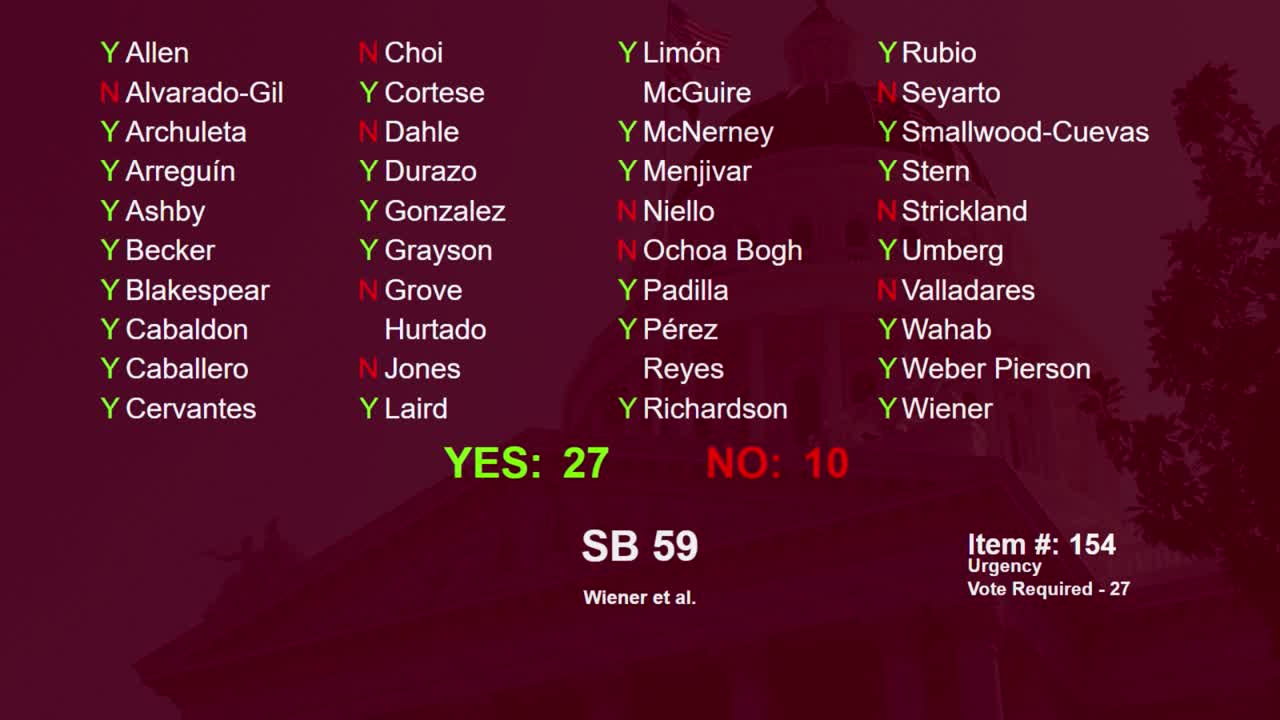 4MIN
Senate Floor
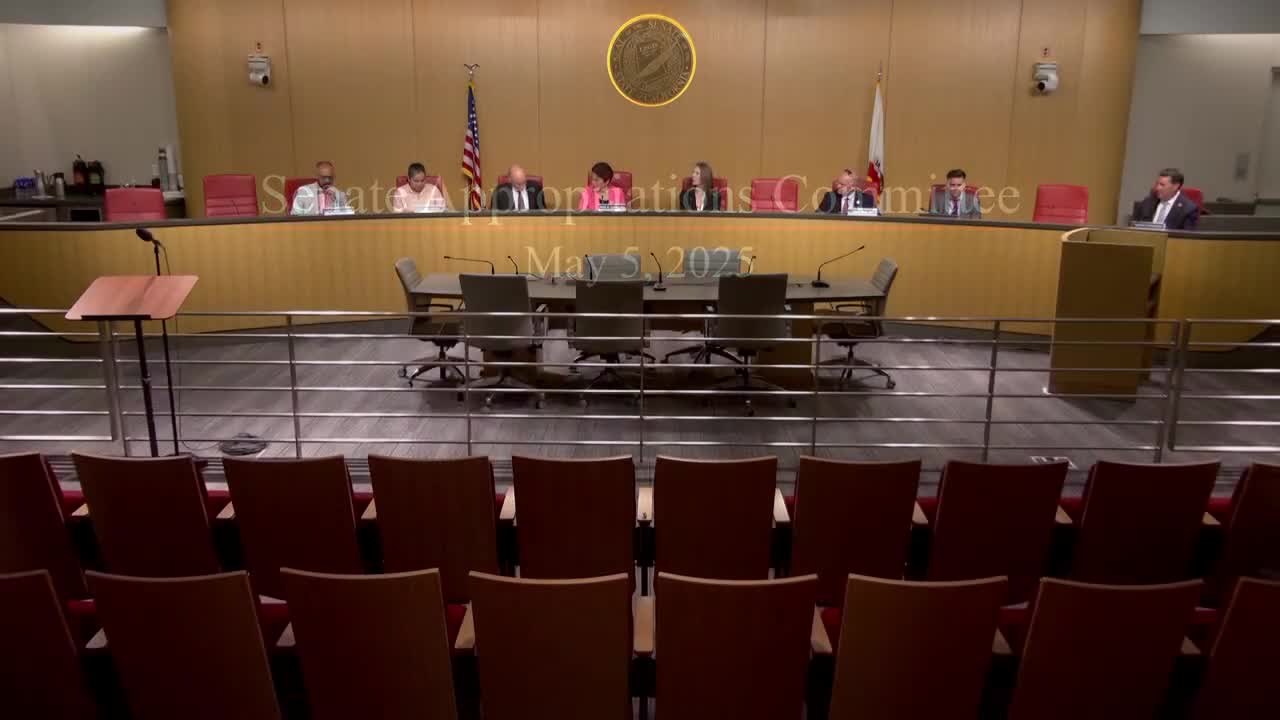 7SEC
Senate Standing Committee on Appropriations
 12MIN
Senate Standing Committee on Natural Resources and Water
 12MIN
Senate Standing Committee on Environmental Quality
Bill Author