SB 917: Alcoholic beverages: certified farmers’ market sales permit.
- Session Year: 2025-2026
- House: Senate
- Latest Version Date: 2026-08-27
Current Status:
Passed
(2026-08-27: Chaptered by Secretary of State. Chapter 147, Statutes of 2026.)
Introduced
In Committee
Awaiting First Chamber Vote
Passed First Chamber
In Committee
Awaiting Second Chamber Vote
Passed Second Chamber
Enacted
The Alcoholic Beverage Control Act authorizes the Department of Alcoholic Beverage Control to issue a certified farmers market sales permit to a licensed winegrower, which authorizes the licensee, a member of the licensees family, or an employee of the licensee to sell wine at certified farmers market locations, as provided. The act places certain restrictions on the wine that the licensed winegrower may sell at a certified farmers market, including requiring the wine to be produced entirely from grapes or other agricultural products grown by the winegrower.
This bill would remove the requirement that the grapes or other agricultural products that produced the wine be grown by the winegrower.
Under existing law, the certified farmers market sales permit authorizes an instructional tasting event by the licensee on the subject of wine at a certified farmers market. Existing law prohibits more than one licensee from conducting an instructional tasting event during the operational hours of a certified farmers market.
This bill would increase the number of licensees allowed to conduct an instructional tasting event during the operational hours of a certified farmers market to 3.
Existing law requires the department to develop, implement, and administer a curriculum for a Responsible Beverage Service (RBS) training program, as provided. Existing law requires an alcohol server to successfully complete an RBS training course and to obtain a certification of successful completion of that course, as demonstrated by the successful completion of an exam. Existing law applies the RBS training requirement to a person who serves alcoholic beverages for consumption, or a person who manages or supervises that person, on premises licensed to serve alcoholic beverages, including a designee for alcoholic beverage sales and service pursuant to a temporary license. Existing law requires a nonprofit organization that has obtained a temporary daily on-sale license or a temporary off-sale license from the department to designate a person or persons to receive RBS training before the event, and requires that designated person or persons to remain onsite for the duration of the event.
This bill would provide that instructional tastings under a certified farmers market sales permit are subject to the RBS training requirement.
The Alcoholic Beverage Control Act authorizes the Department of Alcoholic Beverage Control to issue a certified farmers market sales permit to a licensed winegrower, which authorizes the licensee, a member of the licensees family, or an employee of the licensee to sell wine at certified farmers market locations, as provided. The act places certain restrictions on the wine that the licensed winegrower may sell at a certified farmers market, including requiring the wine to be produced entirely from grapes or other agricultural products grown by the winegrower.
This bill would remove the requirement that the grapes or other agricultural products that produced the wine be grown by the winegrower.
Under existing law, the certified farmers market sales permit authorizes an instructional tasting event by the licensee on the subject of wine at a certified farmers market. Existing law subjects the instructional tasting event to the authorization and managerial control of the operator of the certified farmers market and prohibits more than one licensee from conducting an instructional tasting event during a certified farmers market. the operational hours of a certified farmers market.
This bill, instead, bill would subject increase the number of licensees allowed to conduct an instructional tasting event during the operational hours of a certified farmers market to the authorization and managerial control of the operator of the certified farmers market. 3.
Existing law requires the department to develop, implement, and administer a curriculum for a Responsible Beverage Service (RBS) training program, as provided. Existing law requires an alcohol server to successfully complete an RBS training course and to obtain a certification of successful completion of that course, as demonstrated by the successful completion of an exam. Existing law applies the RBS training requirement to a person who serves alcoholic beverages for consumption, or a person who manages or supervises that person, on premises licensed to serve alcoholic beverages, including a designee for alcoholic beverage sales and service pursuant to a temporary license. Existing law requires a nonprofit organization that has obtained a temporary daily on-sale license or a temporary off-sale license from the department to designate a person or persons to receive RBS training before the event, and requires that designated person or persons to remain onsite for the duration of the event.
This bill would provide that instructional tastings under a certified farmers farmers market sales permit are subject to the RBS training requirement.
The Alcoholic Beverage Control Act authorizes the Department of Alcoholic Beverage Control to issue a certified farmers market sales permit to a licensed winegrower, which authorizes the licensee, a member of the licensees family, or an employee of the licensee to sell wine at certified farmers market locations, as provided. The act places certain restrictions on the wine that the licensed winegrower may sell at a certified farmers market, including requiring the wine to be produced entirely from grapes or other agricultural products grown by the winegrower.
This bill would remove the requirement that the grapes or other agricultural products that produced the wine be grown by the winegrower.
Under existing law, the certified farmers market sales permit authorizes an instructional tasting event by the licensee on the subject of wine at a certified farmers market. Existing law subjects the instructional tasting event to the authorization and managerial control of the operator of the certified farmers market and prohibits more than one licensee from conducting an instructional tasting event during a certified farmers market. Existing law provides that a violation of the Alcoholic Beverages Control Act is a misdemeanor, unless otherwise specified.
This bill, instead, would subject the number of licensees allowed to conduct an instructional tasting event during the operational hours of a certified farmers market to the authorization and managerial control of the operator of the certified farmers market. The bill would require a person the licensee designates to provide the instructional tasting to possess a valid alcohol server certification, as specified. The bill would require a designated person to be present at the instructional tasting and actively overseeing all alcoholic beverage service for the entire duration of the instructional tasting. By expanding an existing crime, this bill imposes a state-mandated local program.
The California Constitution requires the state to reimburse local agencies and school districts for certain costs mandated by the state. Statutory provisions establish procedures for making that reimbursement.This bill would provide that no reimbursement is required by this act for a specified reason.Existing law requires the department to develop, implement, and administer a curriculum for a Responsible Beverage Service (RBS) training program, as provided. Existing law requires an alcohol server to successfully complete an RBS training course and to obtain a certification of successful completion of that course, as demonstrated by the successful completion of an exam. Existing law applies the RBS training requirement to a person who serves alcoholic beverages for consumption, or a person who manages or supervises that person, on premises licensed to serve alcoholic beverages, including a designee for alcoholic beverage sales and service pursuant to a temporary license. Existing law requires a nonprofit organization that has obtained a temporary daily on-sale license or a temporary off-sale license from the department to designate a person or persons to receive RBS training before the event, and requires that designated person or persons to remain onsite for the duration of the event.
This bill would provide that instructional tastings under a certified farmers market sales permit are subject to the RBS training requirement.
The Alcoholic Beverage Control Act authorizes the Department of Alcoholic Beverage Control to issue a certified farmers market sales permit to a licensed winegrower, which authorizes the licensee, a member of the licensees family, or an employee of the licensee to sell wine at certified farmers market locations, as provided. The act places certain restrictions on the wine that the licensed winegrower may sell at a certified farmers market, including requiring the wine to be produced entirely from grapes or other agricultural products grown by the winegrower.
This bill would remove the requirement that the grapes or other agricultural products that produced the wine be grown by the winegrower.
Under existing law, the certified farmers market sales permit authorizes an instructional tasting event by the licensee on the subject of wine at a certified farmers market. Existing law subjects the instructional tasting event to the authorization and managerial control of the operator of the certified farmers market and prohibits more than one licensee from conducting an instructional tasting event during a certified farmers market. Existing law provides that a violation of the Alcoholic Beverages Control Act is a misdemeanor, unless otherwise specified.
This bill, instead, would subject the number of licensees allowed to conduct an instructional tasting event during the operational hours of a certified farmers market to the authorization and managerial control of the operator of the certified farmers market. The bill would require a person the licensee designates to provide the instructional tasting to possess a valid alcohol server certification, as specified. The bill would require a designated person to be present at the instructional tasting and actively overseeing all alcoholic beverage service for the entire duration of the instructional tasting. By expanding an existing crime, this bill imposes a state-mandated local program.
The California Constitution requires the state to reimburse local agencies and school districts for certain costs mandated by the state. Statutory provisions establish procedures for making that reimbursement.
This bill would provide that no reimbursement is required by this act for a specified reason.
(a)A licensed winegrower may apply to the department for a certified farmers market sales permit. A certified farmers market sales permit shall authorize the licensee, a member of the licensees family, or an employee of the licensee to sell wine at a certified farmers market at any place in the state approved by the department. The licensee may only sell wine that is produced entirely from grapes or other agricultural products and that is bottled by the winegrower. In addition, the permit will allow an instructional tasting event by the licensee on the subject of wine at a certified farmers market. The permit may be issued for up to 12 months but shall not be valid for more than one day a week at any single specified certified farmers market location. A winegrower may hold more than one certified farmers market sales permit. The department shall notify the city, county, or city and county and applicable law enforcement agency where the certified farmers market is to be held of the issuance of the permit. A certified farmers market means a location operated in accordance with Chapter 10.5 (commencing with Section 47000) of Division 17 of the Food and Agricultural Code, and the regulations adopted pursuant thereto.
(b)(1)An instructional tasting event is subject to the authorization and managerial control of the operator of the certified farmers market. The licensee, a member of the licensees family, or an employee of the licensee may conduct an instructional tasting event for consumers on the subject of wine at a certified farmers market.
(2)(A)At all times during an instructional tasting event, the instructional tasting event area shall be separated from the remainder of the market by a wall, rope, cable, cord, chain, fence, or other permanent or temporary barrier. Only three licensees may conduct an instructional tasting event during the operational hours of any one certified farmers market.
(B)The licensee shall not permit any consumer to leave the instructional tasting area with an open container of wine.
(c)The licensee shall not pour more than three ounces of wine per person per day.
(d)The licensed winegrower eligible for the certified farmers market sales permit shall not sell more than 5,000 gallons of wine annually pursuant to all certified farmers market sales permits held by any single winegrower. The licensed winegrower shall report total certified farmers market wine sales to the department on an annual basis. The report may be included within the annual report of production submitted to the department, or pursuant to any regulation as may be prescribed by the department.
(e)Except as otherwise provided in this division or by the rules of the department, no premium, gift, free goods, or other thing of value shall be given away by the licensee, a member of the licensees family, or an employee of the licensee in connection with an instructional tasting event conducted pursuant to this section that includes tastings of wine.
(f)The fee for any permit issued pursuant to this section shall be the annual fee as specified in subdivision (b) of Section 23320.
(g)Instructional tastings under a certified farmers market sales permit shall be subject to RBS training pursuant to Article 4 (commencing with Section 25680) of Chapter 16.
(a)A licensed winegrower may apply to the department for a certified farmers market sales permit. A certified farmers market sales permit shall authorize the licensee, a member of the licensees family, or an employee of the licensee to sell wine at a certified farmers market at any place in the state approved by the department. The licensee may only sell wine that is produced entirely from grapes or other agricultural products and that is bottled by the winegrower. In addition, the permit will allow an instructional tasting event by the licensee on the subject of wine at a certified farmers market. The permit may be issued for up to 12 months but shall not be valid for more than one day a week at any single specified certified farmers market location. A winegrower may hold more than one certified farmers market sales permit. The department shall notify the city, county, or city and county and applicable law enforcement agency where the certified farmers market is to be held of the issuance of the permit. A certified farmers market means a location operated in accordance with Chapter 10.5 (commencing with Section 47000) of Division 17 of the Food and Agricultural Code, and the regulations adopted pursuant thereto.
(b)(1)An instructional tasting event is subject to the authorization and managerial control of the operator of the certified farmers market. The licensee, a member of the licensees family, or an employee of the licensee may conduct an instructional tasting event for consumers on the subject of wine at a certified farmers market.
(2)(A)At all times during an instructional tasting event, the instructional tasting event area shall be separated from the remainder of the market by a wall, rope, cable, cord, chain, fence, or other permanent or temporary barrier. The number of licensees allowed to Only three licensees may conduct an instructional tasting event during the operational hours of a any one certified farmers market is subject to the authorization and managerial control of the operator of the certified farmers market. market.
(B)The licensee shall not permit any consumer to leave the instructional tasting area with an open container of wine.
(c)The licensee shall not pour more than three ounces of wine per person per day.
(d)The licensed winegrower eligible for the certified farmers market sales permit shall not sell more than 5,000 gallons of wine annually pursuant to all certified farmers market sales permits held by any single winegrower. The licensed winegrower shall report total certified farmers market wine sales to the department on an annual basis. The report may be included within the annual report of production submitted to the department, or pursuant to any regulation as may be prescribed by the department.
(e)Except as otherwise provided in this division or by the rules of the department, no premium, gift, free goods, or other thing of value shall be given away by the licensee, a member of the licensees family, or an employee of the licensee in connection with an instructional tasting event conducted pursuant to this section that includes tastings of wine.
(f)The fee for any permit issued pursuant to this section shall be the annual fee as specified in subdivision (b) of Section 23320.
(g)Instructional tastings under a certified farmers farmers market sales permit shall be subject to RBS training pursuant to Article 4 (commencing with Section 25680) of Chapter 16.
(a)A licensed winegrower may apply to the department for a certified farmers market sales permit. A certified farmers market sales permit shall authorize the licensee, a member of the licensees family, or an employee of the licensee to sell wine at a certified farmers market at any place in the state approved by the department. The licensee may only sell wine that is produced entirely from grapes or other agricultural products and that is bottled by the winegrower. In addition, the permit will allow an instructional tasting event by the licensee on the subject of wine at a certified farmers market. The permit may be issued for up to 12 months but shall not be valid for more than one day a week at any single specified certified farmers market location. A winegrower may hold more than one certified farmers market sales permit. The department shall notify the city, county, or city and county and applicable law enforcement agency where the certified farmers market is to be held of the issuance of the permit. A certified farmers market means a location operated in accordance with Chapter 10.5 (commencing with Section 47000) of Division 17 of the Food and Agricultural Code, and the regulations adopted pursuant thereto.
(b)(1)An instructional tasting event is subject to the authorization and managerial control of the operator of the certified farmers market. The licensee, a member of the licensees family, or an employee of the licensee may conduct an instructional tasting event for consumers on the subject of wine at a certified farmers market.
(2)(A)At all times during an instructional tasting event, the instructional tasting event area shall be separated from the remainder of the market by a wall, rope, cable, cord, chain, fence, or other permanent or temporary barrier. The licensee shall designate at least one person to provide the instructional tasting. A person designated to provide instructional tasting shall possess a valid alcohol server certification pursuant to Article 4 (commencing with Section 25680) of Chapter 16. For the entire duration of the instructional tasting, there shall be at least one designated person present at the instructional tasting and actively overseeing all alcoholic beverage service. The number of licensees allowed to conduct an instructional tasting event during the operational hours of a certified farmers market is subject to the authorization and managerial control of the operator of the certified farmers market.
(B)The licensee shall not permit any consumer to leave the instructional tasting area with an open container of wine.
(c)The licensee shall not pour more than three ounces of wine per person per day.
(d)The licensed winegrower eligible for the certified farmers market sales permit shall not sell more than 5,000 gallons of wine annually pursuant to all certified farmers market sales permits held by any single winegrower. The licensed winegrower shall report total certified farmers market wine sales to the department on an annual basis. The report may be included within the annual report of production submitted to the department, or pursuant to any regulation as may be prescribed by the department.
(e)Except as otherwise provided in this division or by the rules of the department, no premium, gift, free goods, or other thing of value shall be given away by the licensee, a member of the licensees family, or an employee of the licensee in connection with an instructional tasting event conducted pursuant to this section that includes tastings of wine.
(f)The fee for any permit issued pursuant to this section shall be the annual fee as specified in subdivision (b) of Section 23320.
(g)Instructional tastings under a certified farmers market sales permit shall be subject to RBS training pursuant to Article 4 (commencing with Section 25680) of Chapter 16.
SEC. 2.No reimbursement is required by this act pursuant to Section 6 of Article XIIIB of the California Constitution because the only costs that may be incurred by a local agency or school district will be incurred because this act creates a new crime or infraction, eliminates a crime or infraction, or changes the penalty for a crime or infraction, within the meaning of Section 17556 of the Government Code, or changes the definition of a crime within the meaning of Section 6 of Article XIIIB of the California Constitution.(a)A licensed winegrower may apply to the department for a certified farmers market sales permit. A certified farmers market sales permit shall authorize the licensee, a member of the licensees family, or an employee of the licensee to sell wine at a certified farmers market at any place in the state approved by the department. The licensee may only sell wine that is produced entirely from grapes or other agricultural products grown by the winegrower and that is bottled by the winegrower. In addition, the permit will allow an instructional tasting event by the licensee on the subject of wine at a certified farmers market. The permit may be issued for up to 12 months but shall not be valid for more than one day a week at any single specified certified farmers market location. A winegrower may hold more than one certified farmers market sales permit. The department shall notify the city, county, or city and county and applicable law enforcement agency where the certified farmers market is to be held of the issuance of the permit. A certified farmers market means a location operated in accordance with Chapter 10.5 (commencing with Section 47000) of Division 17 of the Food and Agricultural Code, and the regulations adopted pursuant thereto.
(b)(1)An instructional tasting event is subject to the authorization and managerial control of the operator of the certified farmers market. The licensee, a member of the licensees family, or an employee of the licensee may conduct an instructional tasting event for consumers on the subject of wine at a certified farmers market.
(2)(A)At all times during an instructional tasting event, the instructional tasting event area shall be separated from the remainder of the market by a wall, rope, cable, cord, chain, fence, or other permanent or temporary barrier. Only one licensee may conduct an instructional tasting event during the operational hours of any one certified farmers market. The licensee shall designate at least one person to provide the instructional tasting. A person designated to provide instructional tasting shall possess a valid alcohol server certification pursuant to Article 4 (commencing with Section 25680) of Chapter 16. For the entire duration of the instructional tasting, there shall be at least one designated person present at the instructional tasting and actively overseeing all alcoholic beverage service. The number of licensees allowed to conduct an instructional tasting event during the operational hours of a certified farmers market is subject to the authorization and managerial control of the operator of the certified farmers market.
(B)The licensee shall not permit any consumer to leave the instructional tasting area with an open container of wine.
(c)The licensee shall not pour more than three ounces of wine per person per day.
(d)The licensed winegrower eligible for the certified farmers market sales permit shall not sell more than 5,000 gallons of wine annually pursuant to all certified farmers market sales permits held by any single winegrower. The licensed winegrower shall report total certified farmers market wine sales to the department on an annual basis. The report may be included within the annual report of production submitted to the department, or pursuant to any regulation as may be prescribed by the department.
(e)Except as otherwise provided in this division or by the rules of the department, no premium, gift, free goods, or other thing of value shall be given away by the licensee, a member of the licensees family, or an employee of the licensee in connection with an instructional tasting event conducted pursuant to this section that includes tastings of wine.
(f)The fee for any permit issued pursuant to this section shall be the annual fee as specified in subdivision (b) of Section 23320.
SEC. 2.No reimbursement is required by this act pursuant to Section 6 of Article XIIIB of the California Constitution because the only costs that may be incurred by a local agency or school district will be incurred because this act creates a new crime or infraction, eliminates a crime or infraction, or changes the penalty for a crime or infraction, within the meaning of Section 17556 of the Government Code, or changes the definition of a crime within the meaning of Section 6 of Article XIIIB of the California Constitution.
|
Date
|
Status
|
|---|---|
| Aug 27, 2026 | Chaptered by Secretary of State. Chapter 147, Statutes of 2026. |
| Aug 27, 2026 | Approved by the Governor. |
| Aug 18, 2026 | Enrolled and presented to the Governor at 3 p.m. |
| Aug 13, 2026 | In Senate. Ordered to engrossing and enrolling. |
| Aug 13, 2026 | Read third time. Passed. (Ayes 74. Noes 0. Page 6152.) Ordered to the Senate. |
| Aug 13, 2026 | Read third time. Passed. Ordered to the Senate. |
| Aug 6, 2026 | Read second time. Ordered to third reading. |
| Aug 5, 2026 | From committee: Do pass. (Ayes 15. Noes 0.) (August 5). |
| Jun 25, 2026 | From committee: Do pass and re-refer to Com. on APPR. (Ayes 19. Noes 0.) (June 24). Re-referred to Com. on APPR. |
| May 11, 2026 | Referred to Com. on G.O. |
| Apr 27, 2026 | In Assembly. Read first time. Held at Desk. |
| Apr 27, 2026 | Read third time. Passed. (Ayes 37. Noes 0. Page 4065.) Ordered to the Assembly. |
| Apr 27, 2026 | Read third time. Passed. (Ayes 37. Noes 0.) Ordered to the Assembly. |
| Apr 14, 2026 | Read second time. Ordered to third reading. |
| Apr 13, 2026 | From committee: Be ordered to second reading pursuant to Senate Rule 28.8. |
| Mar 27, 2026 | Set for hearing April 13. |
| Mar 25, 2026 | Read second time and amended. Re-referred to Com. on APPR. |
| Mar 24, 2026 | From committee: Do pass as amended and re-refer to Com. on APPR. (Ayes 14. Noes 0.) (March 24). |
| Mar 24, 2026 | From committee: Do pass as amended and re-refer to Com. on APPR. (Ayes 14. Noes 0. Page 3657.) (March 24). |
| Mar 9, 2026 | Set for hearing March 24. |
| Mar 4, 2026 | From committee with author's amendments. Read second time and amended. Re-referred to Com. on G.O. |
| Feb 11, 2026 | Referred to Com. on G.O. |
| Jan 28, 2026 | From printer. May be acted upon on or after February 27. |
| Jan 27, 2026 | Introduced. Read first time. To Com. on RLS. for assignment. To print. |
|
Date
|
Description
|
Location
|
Votes
|
|
|---|---|---|---|---|
| Aug 13, 2026 | SB 917 Laird Senate Third Reading By Wilson | Assembly Floor |
Passed |
|
| Aug 5, 2026 | Do pass. | Assembly Standing Committee on Appropriations |
Passed |
|
| Jun 24, 2026 | Do pass and be re-referred to the Committee on [Appropriations] | Assembly Standing Committee on Governmental Organization |
Passed |
|
| Apr 27, 2026 | Senate 3rd Reading SB917 Laird | Senate Floor |
Passed |
|
| Mar 24, 2026 | Do pass as amended, but first amend, and re-refer to the Committee on [Appropriations] | Senate Standing Committee on Governmental Organization |
Passed |
This list shows positions taken on this bill by organizations on the date displayed, which is linked to the original source.
Positions by individuals are not included.
|
Organization
|
Position
|
Date
|
|---|---|---|
| Alcohol Justice | ** Against | |
| California Association Of Winegrape Growers | ** Support | |
| County of Sonoma | ** Support | |
| Family Winemakers Of California | ** Support | |
| Family Winemakers of California (Co-Source) | ** Support | |
| Weiler Vineyards | ** Support |
SENATE THIRD READING
STR Bill Id:SB 917
Author:(Laird)
As Amended Ver:March 25, 2026
Majority vote
SUMMARY
This bill would make various changes to provisions in the Alcoholic Beverage Control Act (Act) that currently authorizes a licensed winegrower to conduct limited instructional tastings at a certified farmers' market (CFM). This bill (a) deletes the requirement that wine sold by the winegrower is produced entirely from grapes or other agricultural products grown by the winegrower; (b) increases the number of licensees allowed to conduct an instructional tasting from one to three licensees.
Major Provisions
- Deletes the requirement that wine sold by the winegrower according to a CFM sales permit is produced entirely from grapes or other agricultural products grown by the winegrower.
- Increases the number of licensees allowed to conduct an instructional tasting event during a CFM from one to three.
- Clarifies that instructional tastings under a CFM sales permit are subject to Responsible Beverage Service (RBS) training requirements.
COMMENTS
Background.
Tied-House Laws/Three-Tier System. Existing law, known as the "tied-house" law or "three-
tier" system, separates the alcoholic beverage industry into three component parts: manufacturer/supplier (the first tier), wholesaler (the second tier), and retailer (the third tier). The
original policy rationale for this body of law was to: 1) promote the state’s interest in an orderly
market; 2) prohibit the vertical integration and dominance by a single producer in the
marketplace; 3) prohibit commercial bribery and to protect the public from predatory marketing
practices; and 4) discourage and/or prevent the intemperate use of alcoholic beverages.
Winegrower license. The Act defines a "winegrower" as "any person who has facilities and equipment for the conversion of grapes, berries, or other fruit into wine and is engaged in the production of wine. The applicable Alcoholic Beverage Control (ABC) license for these wine businesses is the Type "02 Winery License". The license is applicable for “winegrowers” (licensed after September 17, 1965). Additionally, the Federal Alcohol and Tobacco Tax and Trade Bureau (TTB) regulations permit a winegrower to use the facilities and equipment of another winegrower to produce wine. This is commonly referred to as an “alternating proprietorship.” The license authorizes the sale of all wines and brandies, regardless of source, to consumers for consumption on the premises in a bona fide eating place that is located on the licensed premises or on premises owned by the licensee that are contiguous to the licensed premises and operated by and for the licensee.
In fiscal year 2024–25, there were approximately 6,874 licensed winegrowers in California. Napa County had the highest number, with 1,931 licenses, followed by Sonoma County with 1,380, and San Luis Obispo County with 614.
Instructional tastings at CFMs. In 2000, Governor Gray Davis signed AB 2520 (Thomson) Chapter 384, Statutes of 2000, authorizing ABC to issue a Certified Farmers’ Market (CFM) sales permit. This permit allows a winegrower (Type 02) to sell wine produced and bottled entirely by the winegrower from grapes grown by the winegrower at a CFM. The bill limited sales to no more than 5,000 gallons of wine per year at CFMs and required winegrowers to report their annual CFM wine sales to ABC.
In 2014, this privilege was expanded through AB 2488 (Levine) Chapter 98, Statutes of 2014, which authorized licensed winegrowers to conduct limited instructional wine tastings for consumers at CFMs. Under this law, a winegrower holding a CFM sales permit may offer instructional tastings if the tasting area is clearly separated from the rest of the market by a barrier, such as a rope, chain, cord, or fence. The winegrower may pour no more than three ounces of wine per person per day. Only one licensee may conduct an instructional tasting event at any given certified farmers' market at a time. The licensee shall not permit any consumer to leave the instructional tasting area with an open container of wine. Supporters argued that instructional tastings help winegrowers educate consumers and promote their products in a setting where they are already permitted to sell wine.
SB 917 makes various changes to this provision in law. Specifically, this bill removes the requirement that wine sold at a CFM must be made only from grapes or agricultural products by the winery. Additionally, this bill increases the number of licensees allowed to conduct an instructional tasting at a CFM to three. Current law prohibits more than one licensed winegrower from conducting a tasting at a given CFM. As of March 2026, there were approximately 165 active CFM sales permits.
What is the RBS Training Program? AB 1221 (Gonzalez Fletcher) Chapter 847 Statutes of 2017 created the
Responsible Beverage Service Training Program Act with the intention of reducing alcohol-
related harm to local communities. The bill required ABC to create the RBS Training Program to
ensure on-premises servers of alcoholic beverages and their managers are educated on the
dangers of serving alcohol to minors and over-serving patrons. Approximately 56,000 ABC
licensees have on-premises alcohol sales privileges, which means alcohol can be consumed on
site. On-premises locations include, but are not limited to, bars, restaurants, tasting rooms, clubs,
stadiums, movie theaters, hotels, and caterers. RBS server certifications are valid for three years.
According to the Author
According to the author's office, "This bill strengthens the California wine industry – which has faced significant challenges in recent years – by expanding opportunities for winemakers to connect with consumers at farmers markets. Currently, to participate in farmers markets, wineries must grow grapes on land they own, reinforcing land ownership as a barrier to market access. SB 917 eliminates this requirement that locks small wineries out of farmers markets to increase equitable access to local markets and encourage consumers to engage with local wine producers."
Arguments in Support
This bill is co-sponsored by Family Winemakers of California and the California Association of Winegrape Growers, which argue, "Expanding opportunities for winemakers to reach consumers is essential to support both producers and grape growers as demand declines." This bill is also supported by other business groups and the County of Sonoma.
Arguments in Opposition
This bill is opposed by Alcohol Justice, which argues, "As California sees, year by year, greater and greater alcohol-related harms and attendant costs, we would like to caution against haphazard increases in alcohol sales across the state."
FISCAL COMMENTS
According to the Assembly Committee on Appropriations analysis, "Minor and absorbable costs to ABC for related education and enforcement. This committee sees a wide array of bills that propose to modify the scope of alcohol laws. Taken together, these proposals could lead to significant new costs and future budget requests. In this case, however, the proposed expansion applies to a relatively small volume of licensees."
VOTES
SENATE FLOOR: 37-0-3
YES: Allen, Alvarado-Gil, Archuleta, Arreguín, Ashby, Becker, Blakespear, Cabaldon, Cervantes, Choi, Cortese, Dahle, Durazo, Grayson, Grove, Hurtado, Jones, Laird, Limón, McGuire, McNerney, Menjivar, Niello, Ochoa Bogh, Padilla, Pérez, Reyes, Richardson, Seyarto, Smallwood-Cuevas, Stern, Strickland, Umberg, Valladares, Wahab, Weber Pierson, Wiener
ABS, ABST OR NV: Caballero, Gonzalez, Rubio
ASM GOVERNMENTAL ORGANIZATION: 19-0-3
YES: Blanca Rubio, Davies, Alvarez, Bryan, Chen, Dixon, Fong, Gabriel, Gipson, Macedo, Nguyen, Pacheco, Ramos, Michelle Rodriguez, Solache, Soria, Ta, Valencia, Wallis
ABS, ABST OR NV: Berman, Carrillo, McKinnor
ASM APPROPRIATIONS: 15-0-0
YES: Wicks, Hoover, Arambula, Calderon, Caloza, Dixon, Fong, Mark González, Krell, Pacheco, Pellerin, Sharp-Collins, Solache, Ta, Tangipa
UPDATED
VERSION: March 25, 2026
CONSULTANT: Eric Johnson / G.O. / (916) 319-2531 FN: 0003385
Date of Hearing: August 5, 2026
ASSEMBLY COMMITTEE ON APPROPRIATIONS
Buffy Wicks, Chair
SBPCA Bill Id:SB 917
Author:(Laird) – As Amended Ver:March 25, 2026
Policy Committee: | Governmental Organization | Vote: | 19 - 0 |
|
| ||
|
|
Urgency: No State Mandated Local Program: No Reimbursable: No
SUMMARY:
This bill allows additional licensed winegrowers to conduct tastings at a certified farmers’ market (CFM).
Specifically, this bill:
- Repeals the requirement that a licensed winegrower permitted to sell wine at a CFM must only sell wine produced entirely from grapes grown by the licensee.
- Increases, from one to three, the number of licensees allowed to conduct an instructional tasting event at a CFM and provides that such tastings are subject to the Responsible Beverage Service (RBS) training requirement.
FISCAL EFFECT:
Minor and absorbable costs to the Department of Alcoholic Beverage Control (ABC) for related education and enforcement.
This committee sees a wide array of bills that propose to modify the scope of alcohol laws. Taken together, these proposals could lead to significant new costs and future budget requests. In this case, however, the proposed expansion applies to a relatively small volume of licensees.
COMMENTS:
- Purpose. According to the author, “This bill strengthens the California wine industry – which has faced significant challenges in recent years – by expanding opportunities for winemakers to connect with consumers at farmers markets.”
- Background. CFM Sales and Tastings. California’s tied-house law prevents the vertical integration of the alcohol industry by keeping the manufacturer, wholesaler, and retailer separated. However, existing law allows ABC to issue a CFM sales permit to a licensed winegrower to sell wine produced and bottled entirely by the winegrower, with only grapes grown by the winegrower. This bill repeals the limitation that otherwise prohibits a winegrower that blends its wine with another winegrower’s grapes from obtaining a CFM permit.
Existing law also allows a licensed winegrower to conduct instructional wine tastings for consumers at a CFM following certain requirements, including allowing only one tasting event to occur at a time. This bill increases the limit to allow three licensees to conduct an event simultaneously and requires the alcohol server to have RBS certification.
RBS Program. AB 1221 (Gonzalez Fletcher), Chapter 847, Statutes of 2017, required ABC to develop, implement, and administer a curriculum for an RBS training program and required an alcohol server to successfully complete an RBS training course offered or authorized by ABC. The program requires an employee of a licensed premises responsible for checking identifications, taking customer orders, and pouring or delivering alcoholic beverages to have a valid RBS certification after passing an exam within 60 days of the employee’s first day of employment.
- Support and Opposition. This bill is co-sponsored by Family Winemakers of California and the California Association of Winegrape Growers, which argue, “Expanding opportunities for winemakers to reach consumers is essential to support both producers and grape growers as demand declines.” This bill is also supported by other business groups and the County of Sonoma.
This bill is opposed by Alcohol Justice, which argues, “As California sees, year by year, greater and greater alcohol-related harms and attendant costs, we would like to caution against haphazard increases in alcohol sales across the state.”
Analysis Prepared by: Irene Ho / APPR. / (916) 319-2081
Date of Hearing: June 24, 2026
ASSEMBLY COMMITTEE ON GOVERNMENTAL ORGANIZATION
Blanca Rubio, Chair
SBPCA Bill Id:SB 917
Author:(Laird) – As Amended Ver:March 25, 2026
SENATE VOTE: 37-0
SUBJECT: Alcoholic beverages: certified farmers’ market sales permit
SUMMARY: This bill would make various changes to provisions in the Alcoholic Beverage Control Act (Act) that currently authorizes a licensed winegrower to conduct limited instructional tastings at a certified farmers’ market (CFM). This bill (a) deletes the requirement that wine sold by the winegrower is produced entirely from grapes or other agricultural products grown by the winegrower; (b) increases the number of licensees allowed to conduct an instructional tasting from one to three licensees. Specifically, this bill:
1) Deletes the requirement that wine sold by the winegrower according to a CFM sales permit is produced entirely from grapes or other agricultural products grown by the winegrower.
2) Increases the number of licensees allowed to conduct an instructional tasting event during a CFM to three.
3) Clarifies that instructional tastings under a CFM sales permit are subject to RBS requirements.
EXISTING LAW:
1) Establishes the Department of Alcoholic Beverage Control (ABC) and grants it exclusive authority to administer the provisions of the Act in accordance with laws enacted by the Legislature. This involves licensing individuals and businesses associated with the manufacture, importation, and sale of alcoholic beverages in this state and the collection of license fees.
2) Provides that CFMs are California agricultural product point-of-sale locations that are registered under the provisions of the California Food and Agriculture Code and the California Department of Food and Agriculture (CDFA).
3) Authorizes ABC to issue a CFM sales permit that authorizes a licensed winegrower to sell wine produced and bottled by the winegrower at certified farmers’ market locations. Additionally, the CFM sales permit allows the licensed winegrower to conduct a limited instructional wine tasting event by the licensee at a CFM.
4) Provides that only one licensee may conduct an instructional tasting event during the operational hours of a CFM.
5) Requires, at all times during an instructional tasting event, the event to be separated from the remainder of the market by a wall, rope, cord, chain, fence, or other permanent or temporary barrier.
6) Prohibits the licensed winegrower from pouring more than three ounces of wine per person per day and from selling more than 5,000 gallons of wine annually pursuant to all CFM market sales permits held by any single winegrower.
7) Requires the licensed winegrower to report total CFM wine sales to ABC on an annual basis.
8) Establishes the Responsible Beverage Service (RBS) Training Program that requires ABC to develop, implement, and administer a curriculum for servers of alcohol and their managers, as specified. Alcohol servers are required to successfully complete an RBS training course offered or authorized by ABC.
FISCAL EFFECT: According to the Senate Appropriations Committee, pursuant to Senate Rule 28.8, negligible state costs.
COMMENTS:
Purpose of the bill. According to the author’s office, “This bill strengthens the California wine industry – which has faced significant challenges in recent years – by expanding opportunities for winemakers to connect with consumers at farmers markets. Currently, to participate in farmers markets, wineries must grow grapes on land they own, reinforcing land ownership as a barrier to market access. SB 917 eliminates this requirement that locks small wineries out of farmers markets to increase equitable access to local markets and encourage consumers to engage with local wine producers.”
Background.
Tied-House Laws/Three-Tier System. Existing law, known as the “tied-house” law or “three-
tier” system, separates the alcoholic beverage industry into three component parts: manufacturer/supplier (the first tier), wholesaler (the second tier), and retailer (the third tier). The
original policy rationale for this body of law was to: (1) promote the state’s interest in an orderly
market; (2) prohibit the vertical integration and dominance by a single producer in the
marketplace; (3) prohibit commercial bribery and to protect the public from predatory marketing
practices; and (4) discourage and/or prevent the intemperate use of alcoholic beverages.
Winegrower license. The Act defines a “winegrower” as “any person who has facilities and equipment for the conversion of grapes, berries, or other fruit into wine and is engaged in the production of wine. The applicable ABC license for these wine businesses is the Type “02 Winery License”. The license is applicable for “winegrowers” (licensed after September 17, 1965). Additionally, the Federal Alcohol and Tobacco Tax and Trade Bureau (TTB) regulations permit a winegrower to use the facilities and equipment of another winegrower to produce wine. This is commonly referred to as an “alternating proprietorship.” The license authorizes the sale of all wines and brandies, regardless of source, to consumers for consumption on the premises in a bona fide eating place that is located on the licensed premises or on premises owned by the licensee that are contiguous to the licensed premises and operated by and for the licensee.
In fiscal year 2024–25, there were approximately 6,874 licensed winegrowers in California. Napa County had the highest number, with 1,931 licenses, followed by Sonoma County with 1,380, and San Luis Obispo County with 614.
Instructional tastings at CFMs. In 2000, Governor Gray Davis signed AB 2520 (Thomson, Statutes of 2000), authorizing ABC to issue a Certified Farmers’ Market (CFM) sales permit. This permit allows a winegrower (Type 02) to sell wine produced and bottled entirely by the winegrower from grapes grown by the winegrower at a CFM. The bill limited sales to no more than 5,000 gallons of wine per year at CFMs and required winegrowers to report their annual CFM wine sales to ABC.
In 2014, this privilege was expanded through AB 2488 (Levine, Statutes of 2014), which authorized licensed winegrowers to conduct limited instructional wine tastings for consumers at CFMs. Under this law, a winegrower holding a CFM sales permit may offer instructional tastings if the tasting area is clearly separated from the rest of the market by a barrier, such as a rope, chain, cord, or fence. The winegrower may pour no more than three ounces of wine per person per day. Only one licensee may conduct an instructional tasting event at any given certified farmers' market at a time. The licensee shall not permit any consumer to leave the instructional tasting area with an open container of wine. Supporters argued that instructional tastings help winegrowers educate consumers and promote their products in a setting where they are already permitted to sell wine.
SB 917 makes various changes to this provision in law. Specifically, this bill removes the requirement that wine sold at a CFM must be made only from grapes or agricultural products by the winery. Additionally, this bill increases the number of licensees allowed to conduct an instructional tasting at a CFM to three. Current law prohibits more than one licensed winegrower from conducting a tasting at a given CFM. As of March 2026, there were approximately 165 active CFM sales permits.
What is the RBS Training Program? AB 1221 (Gonzalez Fletcher, Statutes of 2017) created the
Responsible Beverage Service Training Program Act with the intention of reducing alcohol-
related harm to local communities. The bill required ABC to create the RBS Training Program to
ensure on-premises servers of alcoholic beverages and their managers are educated on the
dangers of serving alcohol to minors and over-serving patrons. Approximately 56,000 ABC
licensees have on-premises alcohol sales privileges, which means alcohol can be consumed on
site. On-premises locations include, but are not limited to, bars, restaurants, tasting rooms, clubs,
stadiums, movie theaters, hotels, and caterers. RBS server certifications are valid for three years.
In support. According to the Family Winemakers of California, “California’s wine industry continues to struggle amid dozens of local, global, and industry challenges that threaten growers and wineries alike. Last year marked the lightest California wine harvest in 20 years, down 23% from the year prior, leaving many vineyards abandoned and unpicked, with growers shouldering
the cost of unsold fruit. Family-owned wineries are finding it increasingly difficult to sell their products, leading to closures across the state. Expanding opportunities for winemakers to reach consumers is essential to support both producers and grape growers as demand declines.”
In opposition. Alcohol Justice writes, “this bill would both increase the overall costs from alcohol-related health concerns and the dismissal of overall risk. By tripling the number of licensees serving alcohol, the bill triples the known costs per drink accruing to the state at these markets. Some of the risks associated with this bill include expanding alcohol consumption in an environment that potentially has many children and youth in attendance [and] in an area that is, by definition, a destination, to which people will be driving.”
Related legislation. AB 1585 (Connolly) of 2026. This bill would provide for wine bottled on or after July 1, 2027, would prohibit the use of the appellation "American" or "United States" on wine produced, bottled, labeled, offered for sale, or sold in California unless 100% of the wine is derived from grapes or agricultural products grown in the United States, as specified. (Senate Committee on Governmental Organization)
Prior legislation. AB 720 (Rogers), Chapter 562, Statutes of 2025. Among various provisions, established an estate tasting event permit that may be issued by ABC to a licensed winegrower that allows sales and consumption of wine at qualifying events, as specified.
AB 2174 (Aguiar-Curry), Chapter 308, Statutes of 2024. Authorized a licensed beer manufacturer to apply for, and ABC to issue, a beer caterer’s permit, which would allow the licensed beer manufacturer to sell beer manufactured by the licensee at specified locations and events, as specified.
AB 2177 (McKinnor), Chapter 61, Statutes of 2024. Authorized a winegrower to sell spirits of wine to a licensee authorized to manufacture or rectify distilled spirits. The bill also modified what it means to “produce” distilled spirits to reference spirits of wine produced by a winegrower.
SB 788 (Ashby), Chapter 114, Statutes of 2023. Removed the requirement that a beer manufacturer must annually produce at least 60,000 barrels of beer in order to manufacture cider or perry under their beer manufacturers license.
AB 1704 (Santiago), Chapter 375, Statutes of 2023. Allowed winegrowers to sell spirits of wine to a Type 4 license holder (distilled spirits manufacturer), as specified.
AB 239 (Villapudua), Chapter 192, Statutes of 2021. Allowed a licensed winegrower to sell or deliver wine in containers supplied, furnished, or sold by the customer at the winegrower's offsite tasting room.
SB 19 (Glazer), Chapter 274, Statutes of 2021. Authorized a licensed winegrower or brandy manufacturer to operate two off-site tasting rooms under its existing winegrower license.
AB 2488 (Levine), Chapter 98, Statutes of 2014. Expanded an existing provision of the Act which allowed a licensed winegrower, under specified conditions, to sell estate grown wine at certified farmers’ markets (CFMs) to also grant the licensed winegrower the privilege of conducting limited wine tastings for consumers at CFMs under certain circumstances.
AB 2293 (De Leon) Chapter 638, Statutes of 2008. Permitted distilled spirits manufacturers and winegrowers to provide their product offerings directly to consumers (free of charge) during invitation-only events on premises for which a caterer's permit authorization has been issued.
SB 1548 (Murray) Chapter 670, Statutes of 2006. Authorized beer manufacturers and wholesalers to offer beer samples (not to exceed 8 ounces per person, per day) to individuals of legal drinking age at on-sale retail licensed premises under specified conditions.
AB 2285 (V. Brown) Chapter 248, Statutes of 1998. Allowed on-sale retail licensees to offer limited tastings of wine or distilled spirits at the licensed establishment.
AB 2520 (Thomson), Chapter 384, Statutes of 2000. Allowed wine to be sold by the bottle at CFMs. Specifically, the law permits a licensed winegrower to sell estate grown wine (no more than 5,000 gallons annually) to adult consumers at a CFM provided the winegrower obtains the proper sales permit (Type 79 license) from ABC.
REGISTERED SUPPORT / OPPOSITION:
Support
Family Winemakers of California
Opposition
Alcohol Justice
Analysis Prepared by: Eric Johnson / G.O. / (916) 319-2531
SENATE RULES COMMITTEE Office of Senate Floor Analyses (916) 651-4171 | SB 917 |
THIRD READING
Bill No: SB 917
Author: Laird (D)
Amended: 3/25/26
Vote: 21
SENATE GOVERNMENTAL ORG. COMMITTEE: 14-0, 3/24/26
AYES: Rubio, Valladares, Alvarado-Gil, Archuleta, Blakespear, Cervantes, Dahle, Hurtado, Ochoa Bogh, Padilla, Richardson, Smallwood-Cuevas, Wahab, Weber Pierson
NO VOTE RECORDED: Ashby
SENATE APPROPRIATIONS COMMITTEE: Senate Rule 28.8
SUBJECT: Alcoholic beverages: certified farmers’ market sales permit
SOURCE: California Association of Winegrape Growers
Family Winemakers of California
DIGEST: This bill makes various changes to provisions in the Alcoholic Beverage Control (ABC) Act that currently authorizes a licensed winegrower to conduct limited instructional tastings at a certified farmers’ market (CFM). This bill (1) deletes the requirement that wine sold by the winegrower is produced entirely from grapes or other agricultural products grown by the winegrower; (2) increases the number of licensees allowed to conduct an instructional tasting from one to three licensees.
ANALYSIS:
Existing law:
- Establishes the Department of ABC and grants it exclusive authority to administer the provisions of the ABC Act in accordance with laws enacted by the Legislature. This involves licensing individuals and businesses associated with the manufacture, importation, and sale of alcoholic beverages in this state and the collection of license fees.
- Provides that CFMs are California agricultural product point-of-sale locations that are registered under the provisions of the California Food and Agriculture Code and the California Department of Food and Agriculture (CDFA).
- Authorizes the Department of ABC to issue a CFM sales permit that authorizes a licensed winegrower to sell wine produced and bottled by the winegrower at certified farmers’ market locations. Additionally, the CFM sales permit allows the licensed winegrower to conduct a limited instructional wine tasting event by the licensee at a CFM.
- Provides that only one licensee may conduct an instructional tasting event during the operational hours of a CFM.
- Requires, at all times during an instructional tasting event, the event to be separated from the remainder of the market by a wall, rope, cord, chain, fence, or other permanent or temporary barrier.
- Prohibits the licensed winegrower from pouring more than three ounces of wine per person per day and from selling more than 5,000 gallons of wine annually pursuant to all CFM market sales permits held by any single winegrower.
- Requires the licensed winegrower to report total CFM wine sales to the Department of ABC on an annual basis.
- Establishes the Responsible Beverage Service (RBS) Training Program that requires the Department of ABC to develop, implement, and administer a curriculum for servers of alcohol and their managers, as specified. Alcohol servers are required to successfully complete an RBS training course offered or authorized by the Department of ABC.
This bill:
- Deletes the requirement that wine sold by the winegrower according to a CFM sales permit is produced entirely from grapes or other agricultural products grown by the winegrower.
- Increases the number of licensees allowed to conduct an instructional tasting event during a CFM to three.
- Clarifies that instructional tastings under a CFM sales permit are subject to RBS requirements.
Background
Author’s Statement. According to the author’s office, “Senate Bill 917 strengthens the California wine industry – which has faced significant challenges in recent years – by expanding opportunities for winemakers to connect with consumers at farmers markets. Currently, to participate in farmers markets, wineries must grow grapes on land they own, reinforcing land ownership as a barrier to market access. SB 917 eliminates this requirement that locks small wineries out of farmers markets to increase equitable access to local markets and encourage consumers to engage with local wine producers.”
Winegrower License. A winegrower license, commonly referred to as a Type 02 license, authorizes the holder to manufacture wine at a licensed premises and to sell the wine they produce, including direct sales from the winery. The license requires a winegrower to have facilities and equipment for the conversion of fruit into wine and engage in the production of wine. Winegrowers may also conduct tastings of their own wine at their licensed location and can operate additional tasting rooms outside of their primary licensed location.
Federal Alcohol and Tobacco Tax and Trade Bureau (TTB) regulations permit a winegrower to use the facilities and equipment of another winegrower to produce wine. This is commonly referred to as an “alternating proprietorship.” Separate winegrower licenses are issued to each legal entity manufacturing wine under its own bonded winery permit. This license type is subject to RBS requirements and requires alcohol servers and managers of alcohol servers to be RBS certified.
In fiscal year 2024–25, there were approximately 6,874 licensed winegrowers in California. Napa County had the highest number, with 1,931 licenses, followed by Sonoma County with 1,380, and San Luis Obispo County with 614.
Instructional Tastings at CFMs. In 2000, Governor Gray Davis signed AB 2520 (Thomson, Chapter 384, Statutes of 2000) authorizing the Department of ABC to issue a CFM sales permit allowing winegrowers to sell wine produced and bottled entirely by the winegrower from grapes grown by the winegrower at a CFM. The bill prohibited the licensee from selling more than 5,000 gallons of wine per year at a CFM and required the winegrower to report their total CFM wine sales annually to the Department of ABC.
In 2014, this privilege was expanded by the signing of AB 2488 (Levine, Chapter 98, Statutes of 2014) which further allowed a licensed winegrower the privilege of conducting limited instructional wine tastings for consumers at farmers’ markets. Under the law, a winegrower who obtains a CFM sales permit may host limited instructional tasting events, provided the tasting area is clearly separated from the rest of the market by a barrier, such as a rope or fence. The winegrower may not pour more than three ounces of wine per person per day. Supporters of this change argued that instructional tasting helped winegrowers promote and educate consumers about their products in a setting where they were already authorized to sell their product.
This bill makes various changes to this provision in law. Specifically, this bill removes the requirement that wine sold at a CFM must be made only from grapes or agricultural products by the winery. Additionally, this bill increases the number of licensees allowed to conduct an instructional tasting at a CFM to three. Current law prohibits more than one licensed winegrower from conducting a tasting at a given CFM. As of March 2026, there were approximately 165 active CFM sales permits.
Responsible Beverage Service Training. AB 1221 (Gonzalez, Chapter 847, Statutes of 2017) created the RBS Training Program Act with the intention of reducing alcohol-related harm to local communities. The bill required the Department of ABC to create the RBS Training Program to ensure on-premises servers of alcoholic beverages and their managers are educated on the dangers of serving alcohol to minors and over-serving patrons.
Anyone that is employed at an ABC on-premises licensed establishment who is responsible for checking identifications, taking customer orders, and pouring or delivering alcoholic beverages must have a valid RBS certification from the Department of ABC. Servers and their managers must register in the RBS Portal, take RBS training from an approved training provider, and pass the department’s RBS exam within 60 days of their first date of employment. Courses are typically offered online, in multiple languages, and cover topics like how alcohol affects the body, state laws and liability, checking IDs and spotting fake IDs, and techniques to prevent service to minors or intoxicated customers. RBS certification is valid for three years.
This bill simply clarifies that instructional tastings under a CFM sales permit, are subject to RBS requirements.
Related/Prior Legislation
AB 774 (Levine, Chapter 107, Statutes of 2015) authorizes a licensed beer manufacturer that holds a CFM beer sales permit to provide limited instructional tastings for consumers at a CFM, under specific conditions.
AB 2004 (Chesbro, Chapter 806, Statutes of 2014), among other things, authorized a licensed beer manufacturer to apply to the Department of ABC for a “certified farmers’ market beer sales permit” for the purpose of allowing the licensee to sell packaged beer at a farmers’ market, including any area outside the footprint of the farmers’ market, under specified conditions.
AB 2488 (Levine, Chapter 98, Statutes of 2014) expanded an existing privilege in the ABC Act relating to the sale of wine by a licensed winegrower at certified farmers’ markets to also allow a licensed winegrower the privilege of conducting limited wine tastings for consumers at farmers’ markets under certain circumstances.
SB 1336 (Wiggins, 2010) would have removed the limitation on the amount of wine that can be sold pursuant to a CFM sale permit. (Never Heard in the Senate Governmental Organization Committee)
AB 2520 (Thomson, Chapter 384, Statutes of 2000) authorizes the Department of ABC to issue a permit allowing winegrowers to sell wine at a CFM, as specified. The bill prohibited the licensee from selling more than 5,000 gallons of wine per year at a CFM.
FISCAL EFFECT: Appropriation: No Fiscal Com.: Yes Local: No
According to the Senate Appropriations Committee, staff notes that the Department of ABC’s activities are funded by regulatory and license fees and generally the department does not receive support from the General Fund. New legislative mandates, although modest in scope, may in totality create new cost pressures and impact the department’s operating costs and future budget requests.
SUPPORT: (Verified 4/13/26)
California Association of Winegrape Growers (Co-source)
Family Winemakers of California (Co-Source)
Weiler Vineyards
OPPOSITION: (Verified 4/13/26)
None received
ARGUMENTS IN SUPPORT: According to the Family Winemaker’s of California, “California’s wine industry continues to struggle amid dozens of local, global, and industry challenges that threaten growers and wineries alike. Last year marked the lightest California wine harvest in 20 years, down 23% from the year prior, leaving many vineyards abandoned and unpicked, with growers shouldering the cost of unsold fruit. Family-owned wineries, in particular, are finding it increasingly difficult to sell their products, leading to closures across the state. Expanding opportunities for winemakers to reach consumers is essential to support both producers and grape growers as demand declines.”
Prepared by: Felipe Lopez / G.O. / (916) 651-1530
4/14/26 16:16:10
**** END ****
SENATE COMMITTEE ON GOVERNMENTAL ORGANIZATION
Senator Susan Rubio
Chair
2025 - 2026 Regular
Bill No: Hearing Date: 3/24/2026
Author: | |||
Version: | Amended | ||
Urgency: | Fiscal: | ||
Consultant: | |||
SUBJECT:
DIGEST: This bill makes various changes to provisions in the Alcoholic Beverage Control (ABC) Act that currently authorizes a licensed winegrower to conduct limited instructional tastings at a certified farmers’ market (CFM). Specifically, the bill deletes the requirement that wine sold by the winegrower is produced entirely from grapes or other agricultural products grown by the winegrower. Additionally, the bill eliminates the prohibition that only one licensee can conduct an instructional tasting at any given CFM and instead authorizes the CFM operator to determine the number of licensees permitted to conduct instructional tastings.
ANALYSIS:
Existing law:
- Establishes the Department of ABC and grants it exclusive authority to administer the provisions of the ABC Act in accordance with laws enacted by the Legislature. This involves licensing individuals and businesses associated with the manufacture, importation, and sale of alcoholic beverages in this state and the collection of license fees.
- Provides that CFMs are California agricultural product point-of-sale locations that are registered under the provisions of the California Food and Agriculture Code and the California Department of Food and Agriculture (CDFA).
- Authorizes operators of a CFM to establish rules and procedures that are more restrictive and stringent than state laws or regulations, as long as those rules and procedures are not in conflict with state laws or regulations.
- Establishes the winegrower license, which authorizes the manufacture and sale of wine.
- Authorizes the Department of ABC to issue a CFM sales permit that authorizes a licensed winegrower to sell wine produced and bottled by the winegrower at certified farmers’ market locations. Additionally, the CFM sales permit allows the licensed winegrower to conduct a limited instructional wine tasting event by the licensee at a CFM.
- Provides that only one licensee may conduct an instructional tasting event during the operational hours of a CFM.
- Requires, at all times during an instructional tasting event, the event to be separated from the remainder of the market by a wall, rope, cord, chain, fence, or other permanent or temporary barrier.
- Prohibits the licensed winegrower from pouring more than three ounces of wine per person per day and from selling more than 5,000 gallons of wine annually pursuant to all CFM market sales permits held by any single winegrower.
- Requires the licensed winegrower to report total CFM wine sales to the Department of ABC on an annual basis.
- Authorizes a licensed beer manufacturer to apply to the Department of ABC for a certified farmers’ market “beer” sales permit that grants the beer manufacturer the privilege of selling beer, that has been produced by the beer manufacturer, at a CFM. The law prohibits the licensed beer manufacturer from selling more than 5,000 gallons of beer annually pursuant to all certified farmers’ markets permits held by any single beer manufacturer. Additionally, the farmers’ market sales permit is subject to the respective discretion and managerial control of a certified farmers’ market or community event operator and existing regulations governed by law under the CDFA.
- Establishes the Responsible Beverage Service (RBS) Training Program that requires the Department of ABC to develop, implement, and administer a curriculum for servers of alcohol and their managers, as specified. Alcohol servers are required to successfully complete an RBS training course offered or authorized by the Department of ABC.
This bill:
- Deletes the requirement that wine sold by the winegrower according to a CFM sales permit is produced entirely from grapes or other agricultural products grown by the winegrower.
- Deletes the prohibition that only one licensee can conduct an instructional tasting event during a CFM and instead, subjects the number of licensees allowed to conduct an instructional tasting event to the authorization and managerial control of the operator of the CFM.
- Clarifies that instructional tastings under a CFM sales permit are subject to RBS requirements.
Background
Author’s Statement. According to the author’s office, “Senate Bill 917 strengthens the California wine industry – which has faced significant challenges in recent years – by expanding opportunities for winemakers to connect with consumers at farmers markets. Currently, to participate in farmers markets, wineries must grow grapes on land they own, reinforcing land ownership as a barrier to market access. SB 917 eliminates this requirement that locks small wineries out of farmers markets to increase equitable access to local markets and encourage consumers to engage with local wine producers.”
Winegrower License. A winegrower license, commonly referred to as a Type 02 license, authorizes the holder to manufacture wine at a licensed premises and to sell the wine they produce, including direct sales from the winery. The license requires a winegrower to have facilities and equipment for the conversion of fruit into wine and engage in the production of wine. Winegrowers may also conduct tastings of their own wine at their licensed location and can operate additional tasting rooms outside of their primary licensed location.
Federal Alcohol and Tobacco Tax and Trade Bureau (TTB) Regulations permit a winegrower to use the facilities and equipment of another winegrower to produce wine. This is commonly referred to as an “alternating proprietorship.” Separate winegrower licenses are issued to each legal entity manufacturing wine under its own bonded winery permit. This license type is subject to RBS requirements and requires alcohol servers and managers of alcohol servers to be RBS certified.
In fiscal year 2024–25, there were approximately 6,874 licensed winegrowers in California. Napa County had the highest number, with 1,931 licenses, followed by Sonoma County with 1,380, and San Luis Obispo County with 614.
Instructional Tastings at CFMs. In 2000, Governor Gray Davis signed AB 2520 (Thomson, Chapter 384, Statutes of 2000) authorizing the Department of ABC to issue a CFM sales permit allowing winegrowers to sell wine produced and bottled entirely by the winegrower from grapes grown by the winegrower at a CFM. The bill prohibited the licensee from selling more than 5,000 gallons of wine per year at a CFM and required the winegrower to report their total CFM wine sales annually to the Department of ABC.
In 2014, this privilege was expanded by the signing of AB 2488 (Levine, Chapter 98, Statutes of 2014) which further allowed a licensed winegrower the privilege of conducting limited instructional wine tastings for consumers at farmers’ markets. Under the law, a winegrower who obtains a CFM sales permit may host limited instructional tasting events, provided the tasting area is clearly separated from the rest of the market by a barrier, such as a rope or fence. The winegrower may not pour more than three ounces of wine per person per day. Supporters of this change argued that instructional tasting helped winegrowers promote and educate consumers about their products in a setting where they were already authorized to sell their product.
This bill makes various changes to this provision in law. Specifically, the bill removes the requirement that wine sold at a CFM must be made only from grapes or agricultural products by the winery. Additionally, the bill gives the operator of a CFM control over how many licensed winegrowers can offer instructional tastings at a CFM. Current law prohibits more than one licensed winegrower from conducting a tasting at a given CFM.
As of March 2026, there were approximately 165 active CFM sales permits.
Responsible Beverage Service Training. AB 1221 (Gonzalez, Chapter 847, Statutes of 2017) created the RBS Training Program Act with the intention of reducing alcohol-related harm to local communities. The bill required the Department of ABC to create the RBS Training Program to ensure on-premises servers of alcoholic beverages and their managers are educated on the dangers of serving alcohol to minors and over-serving patrons.
Anyone that is employed at an ABC on-premises licensed establishment who is responsible for checking identifications, taking customer orders, and pouring or delivering alcoholic beverages must have a valid RBS certification from the Department of ABC. Servers and their managers must register in the RBS Portal, take RBS training from an approved training provider, and pass the department’s RBS exam within 60 days of their first date of employment. Courses are typically offered online, in multiple languages, and cover topics like how alcohol affects the body, state laws and liability, checking IDs and spotting fake IDs, and techniques to prevent service to minors or intoxicated customers. RBS certification is valid for three years.
On-premises locations include, but are not limited to, bars, restaurants, tasting rooms, clubs, stadiums, movie theaters, hotels, and caterers. Covered licensees are required to maintain records of their various certifications, and violators are subject to unspecified “disciplinary action.” The RBS training is currently available in several different languages.
This bill simply clarifies that instructional tastings under a CFM sales permit, are subject to RBS requirements.
Committee Amendments. Current law prohibits more than one licensee from conducting an instructional tasting at a CFM. Under this bill, number of licensees allowed to conduct an instructional tasting event would be determined by the operator of the CFM. The author has agreed to amendments that would limit the number of licensees allowed to conduct an instructional tasting to three as follows:
(2) (A) At all times during an instructional tasting event, the instructional tasting event area shall be separated from the remainder of the market by a wall, rope, cable, cord, chain, fence, or other permanent or temporary barrier. The number of licensees allowed to Only three licensees may conduct an instructional tasting event during the operational hours of a any one certified farmers’ market. is subject to the authorization and managerial control of the operator of the certified farmers’ market.
Prior/Related Legislation
AB 774 (Levine, Chapter 107, Statutes of 2015) authorizes a licensed beer manufacturer that holds a CFM beer sales permit to provide limited instructional tastings for consumers at a CFM, under specific conditions.
AB 2004 (Chesbro, Chapter 806, Statutes of 2014), among other things, authorized a licensed beer manufacturer to apply to the Department of ABC for a “certified farmers’ market beer sales permit” for the purpose of allowing the licensee to sell packaged beer at a farmers’ market, including any area outside the footprint of the farmers’ market, under specified conditions.
AB 2488 (Levine, Chapter 98, Statutes of 2014) expanded an existing privilege in the ABC Act relating to the sale of wine by a licensed winegrower at certified farmers’ markets to also allow a licensed winegrower the privilege of conducting limited wine tastings for consumers at farmers’ markets under certain circumstances.
SB 1336 (Wiggins, 2010) would have removed the limitation on the amount of wine that can be sold pursuant to a CFM sale permit. (Never Heard in the Senate Governmental Organization Committee)
AB 2520 (Thomson, Chapter 384, Statutes of 2000) authorizes the Department of ABC to issue a permit allowing winegrowers to sell wine at a CFM, as specified. The bill prohibited the licensee from selling more than 5,000 gallons of wine per year at a CFM.
FISCAL EFFECT: Appropriation: Fiscal Com.: Local:
SUPPORT:
California Association of Winegrape Growers (Co-source)
Family Winemakers of California (Co-Source)
Weiler Vineyards
OPPOSITION:
None received
ARGUMENTS IN SUPPORT: According to the Family Winemaker’s of California, “California’s wine industry continues to struggle amid dozens of local, global, and industry challenges that threaten growers and wineries alike. Last year marked the lightest California wine harvest in 20 years, down 23% from the year prior, leaving many vineyards abandoned and unpicked, with growers shouldering the cost of unsold fruit. Family-owned wineries, in particular, are finding it increasingly difficult to sell their products, leading to closures across the state. Expanding opportunities for winemakers to reach consumers is essential to support both producers and grape growers as demand declines.”
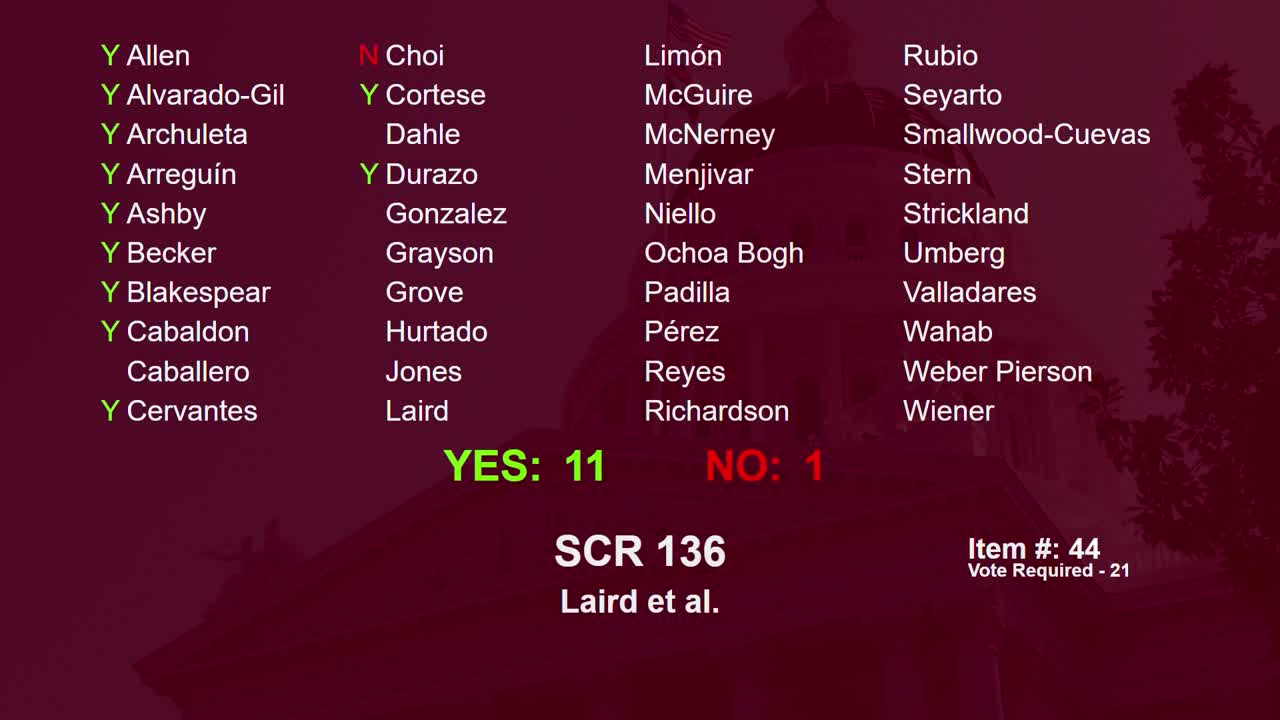
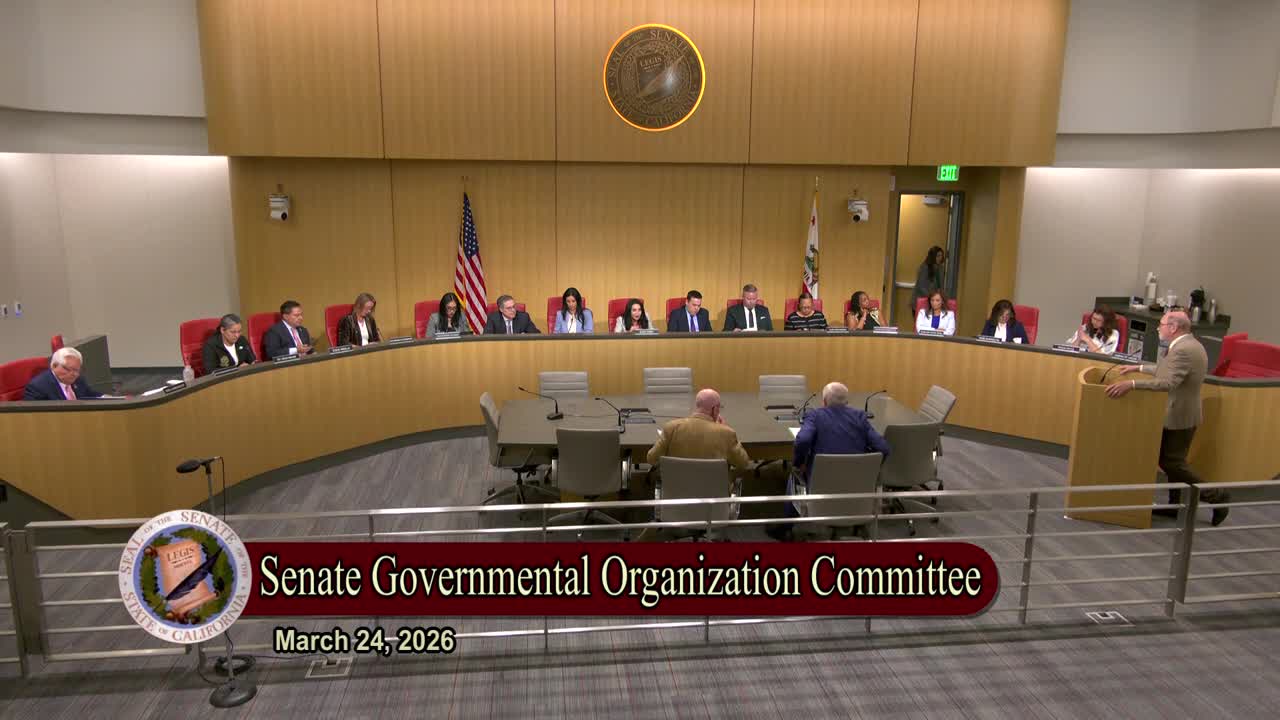
Bill Author

Bill Co-Author(s):