SB 992: County auditors: special districts: annual audit exceptions.
- Session Year: 2025-2026
- House: Senate
- Latest Version Date: 2026-08-27
Current Status:
Passed
(2026-08-27: Chaptered by Secretary of State. Chapter 150, Statutes of 2026.)
Introduced
In Committee
Awaiting First Chamber Vote
Passed First Chamber
In Committee
Awaiting Second Chamber Vote
Passed Second Chamber
Enacted
Existing law requires a county auditor to make or contract with a certified public accountant or public accountant to make an annual audit of the accounts and records of every special district within the county for which an audit is not otherwise provided, as specified. Existing law authorizes a special district to replace this annual audit with a financial review, or, until January 1, 2027, an agreed-upon procedures engagement or an annual financial compilation of the special district, if specified conditions are met, including that the special districts annual revenues do not exceed $150,000. Until January 1, 2027, upon receipt of the financial review, agreed-upon procedures engagement, or financial compilation, existing law authorizes a county auditor to appoint a certified public accountant or a public accountant to conduct an audit of the special district, as specified. Existing law prohibits a special district from replacing the annual audit requirement with an annual financial compilation for more than 5 consecutive years, after which existing law requires the special district to use specified procedures.
This bill would extend the January 1, 2027, repeal date referenced above to January 1, 2037, and would increase the revenue cap described above to $250,000. After replacing the annual audit requirement with an annual financial compilation for 5 years, the bill would authorize a special district with annual revenues of less than $50,000 to replace the annual audit with a financial review, as described above.
Existing law requires a county auditor to make or contract with a certified public accountant or public accountant to make an annual audit of the accounts and records of every special district within the county for which an audit is not otherwise provided, as specified. Existing law authorizes a special district to replace this annual audit with a financial review, or, until January 1, 2027, an agreed-upon procedures engagement or an annual financial compilation of the special district, if specified conditions are met, including that the special districts annual revenues do not exceed $150,000. Until January 1, 2027, upon receipt of the financial review, agreed-upon procedures engagement, or financial compilation, existing law authorizes a county auditor to appoint a certified public accountant or a public accountant to conduct an audit of the special district, as specified. Existing law prohibits a special district from replacing the annual audit requirement with an annual financial compilation for more than 5 consecutive years, after which existing law requires the special district to use specified procedures.
This bill would extend the January 1, 2027, repeal date referenced above to January 1, 2037, and would increase the revenue cap described above to $250,000. After replacing the annual audit requirement with an annual financial compilation for 5 years, the bill would authorize a special district with annual revenues of less than $50,000 to replace the annual audit with a financial review, as described above.
Existing law requires a county auditor to make or contract with a certified public accountant or public accountant to make an annual audit of the accounts and records of every special district within the county for which an audit is not otherwise provided, as specified. Existing law authorizes a special district to replace this annual audit with a financial review, or, until January 1, 2027, an agreed-upon procedures engagement or an annual financial compilation of the special district, if specified conditions are met, including that the special districts annual revenues do not exceed $150,000. Until January 1, 2027, upon receipt of the financial review, agreed-upon procedures engagement, or financial compilation, existing law authorizes a county auditor to appoint a certified public accountant or a public accountant to conduct an audit of the special district, as specified. Existing law prohibits a special district from replacing the annual audit requirement with an annual financial compilation for more than 5 consecutive years, after which existing law requires the special district to use specified procedures.
This bill would remove extend the January 1, 2027, repeal date referenced above, above to January 1, 2037, and would increase the revenue cap described above to $250,000. After replacing the annual audit requirement with an annual financial compilation for 5 years, the bill would authorize a special district with annual revenues of less than $50,000 to replace the annual audit with a financial review, as described above.
Existing law requires a county auditor to make or contract with a certified public accountant or public accountant to make an annual audit of the accounts and records of every special district within the county for which an audit is not otherwise provided, as specified. Existing law authorizes a special district to replace this annual audit with a financial review, or, until January 1, 2027, an agreed-upon procedures engagement or an annual financial compilation of the special district, if specified conditions are met, including that the special districts annual revenues do not exceed $150,000. Until January 1, 2027, upon receipt of the financial review, agreed-upon procedures engagement, or financial compilation, existing law authorizes a county auditor to appoint a certified public accountant or a public accountant to conduct an audit of the special district, as specified.
This bill would remove the January 1, 2027, repeal date referenced above, and would increase the revenue cap described above to $250,000.
(a)(1)The county auditor shall either make or contract with a certified public accountant or public accountant to make an annual audit of the accounts and records of every special district within the county for which an audit by a certified public accountant or public accountant is not otherwise provided. In each case, the minimum requirements of the audit shall be prescribed by the Controller and shall conform to generally accepted auditing standards.
(2)(A)If an audit of a special districts accounts and records is made by a certified public accountant or public accountant, the minimum requirements of the audit shall be prescribed by the Controller and shall conform to generally accepted auditing standards.
(B)A report of the audit required pursuant to subparagraph (A) shall be filed within 12 months of the end of the fiscal year or years under examination as follows:
(i)For a special district defined in paragraph (2) of subdivision (d) of Section 12463, with the Controller.
(ii)For a special district defined in Section 56036, with the Controller, the county auditor, and the local agency formation commission of the county in which the special district is located, unless the special district is located in two or more counties, then with each local agency formation commission within each county in which the district is located.
(3)Any costs incurred by the county auditor, including contracts with, or employment of, certified public accountants or public accountants, in making an audit of every special district pursuant to this section shall be borne by the special district and shall be a charge against any unencumbered funds of the district available for the purpose.
(4)For a special district that is located in two or more counties, this subdivision shall apply to the auditor of the county in which the treasury is located.
(5)The county controller, or ex officio county controller, shall effect this section in those counties having a county controller or ex officio county controller.
(b)A special district may, by unanimous request of the governing board of the special district and with unanimous approval of the board of supervisors, replace the annual audit required by this section with one of the following, performed in accordance with professional standards, as determined by the county auditor:
(1)A biennial audit covering a two-year period.
(2)An audit covering a five-year period if the special districts annual revenues do not exceed an amount specified by the board of supervisors.
(3)An audit conducted at specific intervals, as recommended by the county auditor, that shall be completed at least once every five years.
(c)(1)A special district may, by unanimous request of the governing board of the special district and with unanimous approval of the board of supervisors, replace the annual audit required by this section with a financial review, or an agreed-upon procedures engagement, in accordance with the appropriate professional standards, as determined by the county auditor, if the following conditions are met:
(A)All of the special districts revenues and expenditures are transacted through the countys financial system.
(B)The special districts annual revenues do not exceed two hundred fifty thousand dollars ($250,000).
(C)The special district shall pay for any costs incurred by the county auditor in performing an agreed-upon procedures engagement. Those costs shall be charged against any unencumbered funds of the district available for that purpose.
(2)If the board of supervisors is the governing board of the special district, it may, upon unanimous approval, replace the annual audit of the special district required by this section with a financial review, or an agreed-upon procedures engagement, in accordance with the appropriate professional standards, as determined by the county auditor, if the special district satisfies the requirements of subparagraphs (A) and (B) of paragraph (1).
(d)(1)A special district may, by annual unanimous request of the governing board of the special district and with annual unanimous approval of the board of supervisors, replace the annual audit required by this section with an annual financial compilation of the special district to be performed by the county auditor in accordance with professional standards, if all of the following conditions are met:
(A)All of the special districts revenues and expenditures are transacted through the countys financial system.
(B)The special districts annual revenues do not exceed two hundred fifty thousand dollars ($250,000).
(C)The special district shall pay for any costs incurred by the county auditor in performing a financial compilation. Those costs shall be a charge against any unencumbered funds of the district available for that purpose.
(2)(A)A special district with annual revenues of fifty thousand dollars ($50,000) or more shall not replace an annual audit required by this section with an annual financial compilation of the special district pursuant to paragraph (1) for more than five consecutive years, after which the special district shall comply with subdivision (a).
(B)A special district with annual revenues of less than fifty thousand dollars ($50,000) shall not replace an annual audit required by this section with an annual financial compilation of the special district pursuant to paragraph (1) for more than five consecutive years, after which the special district shall comply with subdivision (a) or (c).
(e)Notwithstanding this section, a special district shall be exempt from the requirement of an annual audit if the financial statements are audited by the Controller to satisfy federal audit requirements.
(f)Upon receipt of the financial review, agreed-upon procedures engagement, or financial compilation, the county auditor shall have the right to appoint, pursuant to subdivision (a), a certified public accountant or a public accountant to conduct an audit of the special district, with proper notice to the governing board of the special district and board of supervisors.
(g)This section shall remain in effect only until January 1, 2037, and as of that date is repealed.
SEC. 2.Section 26909 of the Government Code, as amended by Section 10 of Chapter 329 of the Statutes of 2019, is amended to read:26909.(a)(1)The county auditor shall either make or contract with a certified public accountant or public accountant to make an annual audit of the accounts and records of every special district within the county for which an audit by a certified public accountant or public accountant is not otherwise provided. In each case, the minimum requirements of the audit shall be prescribed by the Controller and shall conform to generally accepted auditing standards.
(2)(A)If an audit of a special districts accounts and records is made by a certified public accountant or public accountant, the minimum requirements of the audit shall be prescribed by the Controller and shall conform to generally accepted auditing standards.
(B)A report of the audit required pursuant to subparagraph (A) shall be filed within 12 months of the end of the fiscal year or years under examination as follows:
(i)For a special district defined in paragraph (2) of subdivision (d) of Section 12463, with the Controller.
(ii)For a special district defined in Section 56036, with the Controller, the county auditor, and the local agency formation commission of the county in which the special district is located, unless the special district is located in two or more counties, then with each local agency formation commission within each county in which the district is located.
(3)Any costs incurred by the county auditor, including contracts with, or employment of, certified public accountants or public accountants, in making an audit of every special district pursuant to this section shall be borne by the special district and shall be a charge against any unencumbered funds of the district available for the purpose.
(4)For a special district that is located in two or more counties, this subdivision shall apply to the auditor of the county in which the treasury is located.
(5)The county controller, or ex officio county controller, shall effect this section in those counties having a county controller or ex officio county controller.
(b)A special district may, by unanimous request of the governing board of the special district and with unanimous approval of the board of supervisors, replace the annual audit required by this section with one of the following, performed in accordance with professional standards, as determined by the county auditor:
(1)A biennial audit covering a two-year period.
(2)An audit covering a five-year period if the special districts annual revenues do not exceed an amount specified by the board of supervisors.
(3)An audit conducted at specific intervals, as recommended by the county auditor, that shall be completed at least once every five years.
(c)(1)A special district may, by unanimous request of the governing board of the special district and with unanimous approval of the board of supervisors, replace the annual audit required by this section with a financial review, in accordance with the appropriate professional standards, as determined by the county auditor, if the following conditions are met:
(A)All of the special districts revenues and expenditures are transacted through the countys financial system.
(B)The special districts annual revenues do not exceed one hundred fifty thousand dollars ($150,000).
(2)If the board of supervisors is the governing board of the special district, it may, upon unanimous approval, replace the annual audit of the special district required by this section with a financial review in accordance with the appropriate professional standards, as determined by the county auditor, if the special district satisfies the requirements of subparagraphs (A) and (B) of paragraph (1).
(d)Notwithstanding this section, a special district shall be exempt from the requirement of an annual audit if the financial statements are audited by the Controller to satisfy federal audit requirements.
(e)This section shall become operative on January 1, 2037.
(a)(1)The county auditor shall either make or contract with a certified public accountant or public accountant to make an annual audit of the accounts and records of every special district within the county for which an audit by a certified public accountant or public accountant is not otherwise provided. In each case, the minimum requirements of the audit shall be prescribed by the Controller and shall conform to generally accepted auditing standards.
(2)(A)If an audit of a special districts accounts and records is made by a certified public accountant or public accountant, the minimum requirements of the audit shall be prescribed by the Controller and shall conform to generally accepted auditing standards.
(B)A report of the audit required pursuant to subparagraph (A) shall be filed within 12 months of the end of the fiscal year or years under examination as follows:
(i)For a special district defined in paragraph (2) of subdivision (d) of Section 12463, with the Controller.
(ii)For a special district defined in Section 56036, with the Controller, the county auditor, and the local agency formation commission of the county in which the special district is located, unless the special district is located in two or more counties, then with each local agency formation commission within each county in which the district is located.
(3)Any costs incurred by the county auditor, including contracts with, or employment of, certified public accountants or public accountants, in making an audit of every special district pursuant to this section shall be borne by the special district and shall be a charge against any unencumbered funds of the district available for the purpose.
(4)For a special district that is located in two or more counties, this subdivision shall apply to the auditor of the county in which the treasury is located.
(5)The county controller, or ex officio county controller, shall effect this section in those counties having a county controller or ex officio county controller.
(b)A special district may, by unanimous request of the governing board of the special district and with unanimous approval of the board of supervisors, replace the annual audit required by this section with one of the following, performed in accordance with professional standards, as determined by the county auditor:
(1)A biennial audit covering a two-year period.
(2)An audit covering a five-year period if the special districts annual revenues do not exceed an amount specified by the board of supervisors.
(3)An audit conducted at specific intervals, as recommended by the county auditor, that shall be completed at least once every five years.
(c)(1)A special district may, by unanimous request of the governing board of the special district and with unanimous approval of the board of supervisors, replace the annual audit required by this section with a financial review, or an agreed-upon procedures engagement, in accordance with the appropriate professional standards, as determined by the county auditor, if the following conditions are met:
(A)All of the special districts revenues and expenditures are transacted through the countys financial system.
(B)The special districts annual revenues do not exceed two hundred fifty thousand dollars ($250,000).
(C)The special district shall pay for any costs incurred by the county auditor in performing an agreed-upon procedures engagement. Those costs shall be charged against any unencumbered funds of the district available for that purpose.
(2)If the board of supervisors is the governing board of the special district, it may, upon unanimous approval, replace the annual audit of the special district required by this section with a financial review, or an agreed-upon procedures engagement, in accordance with the appropriate professional standards, as determined by the county auditor, if the special district satisfies the requirements of subparagraphs (A) and (B) of paragraph (1).
(d)(1)A special district may, by annual unanimous request of the governing board of the special district and with annual unanimous approval of the board of supervisors, replace the annual audit required by this section with an annual financial compilation of the special district to be performed by the county auditor in accordance with professional standards, if all of the following conditions are met:
(A)All of the special districts revenues and expenditures are transacted through the countys financial system.
(B)The special districts annual revenues do not exceed two hundred fifty thousand dollars ($250,000).
(C)The special district shall pay for any costs incurred by the county auditor in performing a financial compilation. Those costs shall be a charge against any unencumbered funds of the district available for that purpose.
(2)(A)A special district with annual revenues of fifty thousand dollars ($50,000) or more shall not replace an annual audit required by this section with an annual financial compilation of the special district pursuant to paragraph (1) for more than five consecutive years, after which the special district shall comply with subdivision (a).
(B)A special district with annual revenues of less than fifty thousand dollars ($50,000) shall not replace an annual audit required by this section with an annual financial compilation of the special district pursuant to paragraph (1) for more than five consecutive years, after which the special district shall comply with subdivision (a) or (c).
(e)Notwithstanding this section, a special district shall be exempt from the requirement of an annual audit if the financial statements are audited by the Controller to satisfy federal audit requirements.
(f)Upon receipt of the financial review, agreed-upon procedures engagement, or financial compilation, the county auditor shall have the right to appoint, pursuant to subdivision (a), a certified public accountant or a public accountant to conduct an audit of the special district, with proper notice to the governing board of the special district and board of supervisors.
(g)This section shall remain in effect only until January 1, 2037, and as of that date is repealed.
SEC. 2.Section 26909 of the Government Code, as amended by Section 10 of Chapter 329 of the Statutes of 2019, is amended to read:26909.(a)(1)The county auditor shall either make or contract with a certified public accountant or public accountant to make an annual audit of the accounts and records of every special district within the county for which an audit by a certified public accountant or public accountant is not otherwise provided. In each case, the minimum requirements of the audit shall be prescribed by the Controller and shall conform to generally accepted auditing standards.
(2)(A)If an audit of a special districts accounts and records is made by a certified public accountant or public accountant, the minimum requirements of the audit shall be prescribed by the Controller and shall conform to generally accepted auditing standards.
(B)A report of the audit required pursuant to subparagraph (A) shall be filed within 12 months of the end of the fiscal year or years under examination as follows:
(i)For a special district defined in paragraph (2) of subdivision (d) of Section 12463, with the Controller.
(ii)For a special district defined in Section 56036, with the Controller, the county auditor, and the local agency formation commission of the county in which the special district is located, unless the special district is located in two or more counties, then with each local agency formation commission within each county in which the district is located.
(3)Any costs incurred by the county auditor, including contracts with, or employment of, certified public accountants or public accountants, in making an audit of every special district pursuant to this section shall be borne by the special district and shall be a charge against any unencumbered funds of the district available for the purpose.
(4)For a special district that is located in two or more counties, this subdivision shall apply to the auditor of the county in which the treasury is located.
(5)The county controller, or ex officio county controller, shall effect this section in those counties having a county controller or ex officio county controller.
(b)A special district may, by unanimous request of the governing board of the special district and with unanimous approval of the board of supervisors, replace the annual audit required by this section with one of the following, performed in accordance with professional standards, as determined by the county auditor:
(1)A biennial audit covering a two-year period.
(2)An audit covering a five-year period if the special districts annual revenues do not exceed an amount specified by the board of supervisors.
(3)An audit conducted at specific intervals, as recommended by the county auditor, that shall be completed at least once every five years.
(c)(1)A special district may, by unanimous request of the governing board of the special district and with unanimous approval of the board of supervisors, replace the annual audit required by this section with a financial review, in accordance with the appropriate professional standards, as determined by the county auditor, if the following conditions are met:
(A)All of the special districts revenues and expenditures are transacted through the countys financial system.
(B)The special districts annual revenues do not exceed one hundred fifty thousand dollars ($150,000).
(2)If the board of supervisors is the governing board of the special district, it may, upon unanimous approval, replace the annual audit of the special district required by this section with a financial review in accordance with the appropriate professional standards, as determined by the county auditor, if the special district satisfies the requirements of subparagraphs (A) and (B) of paragraph (1).
(d)Notwithstanding this section, a special district shall be exempt from the requirement of an annual audit if the financial statements are audited by the Controller to satisfy federal audit requirements.
(e)This section shall become operative on January 1, 2037.
(a)(1)The county auditor shall either make or contract with a certified public accountant or public accountant to make an annual audit of the accounts and records of every special district within the county for which an audit by a certified public accountant or public accountant is not otherwise provided. In each case, the minimum requirements of the audit shall be prescribed by the Controller and shall conform to generally accepted auditing standards.
(2)(A)If an audit of a special districts accounts and records is made by a certified public accountant or public accountant, the minimum requirements of the audit shall be prescribed by the Controller and shall conform to generally accepted auditing standards.
(B)A report of the audit required pursuant to subparagraph (A) shall be filed within 12 months of the end of the fiscal year or years under examination as follows:
(i)For a special district defined in paragraph (2) of subdivision (d) of Section 12463, with the Controller.
(ii)For a special district defined in Section 56036, with the Controller, the county auditor, and the local agency formation commission of the county in which the special district is located, unless the special district is located in two or more counties, then with each local agency formation commission within each county in which the district is located.
(3)Any costs incurred by the county auditor, including contracts with, or employment of, certified public accountants or public accountants, in making an audit of every special district pursuant to this section shall be borne by the special district and shall be a charge against any unencumbered funds of the district available for the purpose.
(4)For a special district that is located in two or more counties, this subdivision shall apply to the auditor of the county in which the treasury is located.
(5)The county controller, or ex officio county controller, shall effect this section in those counties having a county controller or ex officio county controller.
(b)A special district may, by unanimous request of the governing board of the special district and with unanimous approval of the board of supervisors, replace the annual audit required by this section with one of the following, performed in accordance with professional standards, as determined by the county auditor:
(1)A biennial audit covering a two-year period.
(2)An audit covering a five-year period if the special districts annual revenues do not exceed an amount specified by the board of supervisors.
(3)An audit conducted at specific intervals, as recommended by the county auditor, that shall be completed at least once every five years.
(c)(1)A special district may, by unanimous request of the governing board of the special district and with unanimous approval of the board of supervisors, replace the annual audit required by this section with a financial review, or an agreed-upon procedures engagement, in accordance with the appropriate professional standards, as determined by the county auditor, if the following conditions are met:
(A)All of the special districts revenues and expenditures are transacted through the countys financial system.
(B)The special districts annual revenues do not exceed two hundred fifty thousand dollars ($250,000).
(C)The special district shall pay for any costs incurred by the county auditor in performing an agreed-upon procedures engagement. Those costs shall be charged against any unencumbered funds of the district available for that purpose.
(2)If the board of supervisors is the governing board of the special district, it may, upon unanimous approval, replace the annual audit of the special district required by this section with a financial review, or an agreed-upon procedures engagement, in accordance with the appropriate professional standards, as determined by the county auditor, if the special district satisfies the requirements of subparagraphs (A) and (B) of paragraph (1).
(d)(1)A special district may, by annual unanimous request of the governing board of the special district and with annual unanimous approval of the board of supervisors, replace the annual audit required by this section with an annual financial compilation of the special district to be performed by the county auditor in accordance with professional standards, if all of the following conditions are met:
(A)All of the special districts revenues and expenditures are transacted through the countys financial system.
(B)The special districts annual revenues do not exceed two hundred fifty thousand dollars ($250,000).
(C)The special district shall pay for any costs incurred by the county auditor in performing a financial compilation. Those costs shall be a charge against any unencumbered funds of the district available for that purpose.
(2)(A)A special district with annual revenues of fifty thousand dollars ($50,000) or more shall not replace an annual audit required by this section with an annual financial compilation of the special district pursuant to paragraph (1) for more than five consecutive years, after which a the special district shall comply with subdivision (a).
(B)A special district with annual revenues of less than fifty thousand dollars ($50,000) shall not replace an annual audit required by this section with an annual financial compilation of the special district pursuant to paragraph (1) for more than five consecutive years, after which the special district shall comply with subdivision (a) or (c).
(e)Notwithstanding this section, a special district shall be exempt from the requirement of an annual audit if the financial statements are audited by the Controller to satisfy federal audit requirements.
(f)Upon receipt of the financial review, agreed-upon procedures engagement, or financial compilation, the county auditor shall have the right to appoint, pursuant to subdivision (a), a certified public accountant or a public accountant to conduct an audit of the special district, with proper notice to the governing board of the special district and board of supervisors.
(g)This section shall remain in effect only until January 1, 2037, and as of that date is repealed.
SEC. 2.Section 26909 of the Government Code, as amended by Section 10 of Chapter 329 of the Statutes of 2019, is repealed.SEC. 2.Section 26909 of the Government Code, as amended by Section 10 of Chapter 329 of the Statutes of 2019, is amended to read:26909.(a)(1)The county auditor shall either make or contract with a certified public accountant or public accountant to make an annual audit of the accounts and records of every special district within the county for which an audit by a certified public accountant or public accountant is not otherwise provided. In each case, the minimum requirements of the audit shall be prescribed by the Controller and shall conform to generally accepted auditing standards.
(2)(A)If an audit of a special districts accounts and records is made by a certified public accountant or public accountant, the minimum requirements of the audit shall be prescribed by the Controller and shall conform to generally accepted auditing standards.
(B)A report of the audit required pursuant to subparagraph (A) shall be filed within 12 months of the end of the fiscal year or years under examination as follows:
(i)For a special district defined in paragraph (2) of subdivision (d) of Section 12463, with the Controller.
(ii)For a special district defined in Section 56036, with the Controller, the county auditor, and the local agency formation commission of the county in which the special district is located, unless the special district is located in two or more counties, then with each local agency formation commission within each county in which the district is located.
(3)Any costs incurred by the county auditor, including contracts with, or employment of, certified public accountants or public accountants, in making an audit of every special district pursuant to this section shall be borne by the special district and shall be a charge against any unencumbered funds of the district available for the purpose.
(4)For a special district that is located in two or more counties, this subdivision shall apply to the auditor of the county in which the treasury is located.
(5)The county controller, or ex officio county controller, shall effect this section in those counties having a county controller or ex officio county controller.
(b)A special district may, by unanimous request of the governing board of the special district and with unanimous approval of the board of supervisors, replace the annual audit required by this section with one of the following, performed in accordance with professional standards, as determined by the county auditor:
(1)A biennial audit covering a two-year period.
(2)An audit covering a five-year period if the special districts annual revenues do not exceed an amount specified by the board of supervisors.
(3)An audit conducted at specific intervals, as recommended by the county auditor, that shall be completed at least once every five years.
(c)(1)A special district may, by unanimous request of the governing board of the special district and with unanimous approval of the board of supervisors, replace the annual audit required by this section with a financial review, in accordance with the appropriate professional standards, as determined by the county auditor, if the following conditions are met:
(A)All of the special districts revenues and expenditures are transacted through the countys financial system.
(B)The special districts annual revenues do not exceed one hundred fifty thousand dollars ($150,000).
(2)If the board of supervisors is the governing board of the special district, it may, upon unanimous approval, replace the annual audit of the special district required by this section with a financial review in accordance with the appropriate professional standards, as determined by the county auditor, if the special district satisfies the requirements of subparagraphs (A) and (B) of paragraph (1).
(d)Notwithstanding this section, a special district shall be exempt from the requirement of an annual audit if the financial statements are audited by the Controller to satisfy federal audit requirements.
(e)This section shall become operative on January 1, 2027. 2037.
(a)(1)The county auditor shall either make or contract with a certified public accountant or public accountant to make an annual audit of the accounts and records of every special district within the county for which an audit by a certified public accountant or public accountant is not otherwise provided. In each case, the minimum requirements of the audit shall be prescribed by the Controller and shall conform to generally accepted auditing standards.
(2)(A)If an audit of a special districts accounts and records is made by a certified public accountant or public accountant, the minimum requirements of the audit shall be prescribed by the Controller and shall conform to generally accepted auditing standards.
(B)A report of the audit required pursuant to subparagraph (A) shall be filed within 12 months of the end of the fiscal year or years under examination as follows:
(i)For a special district defined in paragraph (2) of subdivision (d) of Section 12463, with the Controller.
(ii)For a special district defined in Section 56036, with the Controller, the county auditor, and the local agency formation commission of the county in which the special district is located, unless the special district is located in two or more counties, then with each local agency formation commission within each county in which the district is located.
(3)Any costs incurred by the county auditor, including contracts with, or employment of, certified public accountants or public accountants, in making an audit of every special district pursuant to this section shall be borne by the special district and shall be a charge against any unencumbered funds of the district available for the purpose.
(4)For a special district that is located in two or more counties, this subdivision shall apply to the auditor of the county in which the treasury is located.
(5)The county controller, or ex officio county controller, shall effect this section in those counties having a county controller or ex officio county controller.
(b)A special district may, by unanimous request of the governing board of the special district and with unanimous approval of the board of supervisors, replace the annual audit required by this section with one of the following, performed in accordance with professional standards, as determined by the county auditor:
(1)A biennial audit covering a two-year period.
(2)An audit covering a five-year period if the special districts annual revenues do not exceed an amount specified by the board of supervisors.
(3)An audit conducted at specific intervals, as recommended by the county auditor, that shall be completed at least once every five years.
(c)(1)A special district may, by unanimous request of the governing board of the special district and with unanimous approval of the board of supervisors, replace the annual audit required by this section with a financial review, or an agreed-upon procedures engagement, in accordance with the appropriate professional standards, as determined by the county auditor, if the following conditions are met:
(A)All of the special districts revenues and expenditures are transacted through the countys financial system.
(B)The special districts annual revenues do not exceed one two hundred fifty thousand dollars ($150,000). ($250,000).
(C)The special district shall pay for any costs incurred by the county auditor in performing an agreed-upon procedures engagement. Those costs shall be charged against any unencumbered funds of the district available for that purpose.
(2)If the board of supervisors is the governing board of the special district, it may, upon unanimous approval, replace the annual audit of the special district required by this section with a financial review, or an agreed-upon procedures engagement, in accordance with the appropriate professional standards, as determined by the county auditor, if the special district satisfies the requirements of subparagraphs (A) and (B) of paragraph (1).
(d)(1)A special district may, by annual unanimous request of the governing board of the special district and with annual unanimous approval of the board of supervisors, replace the annual audit required by this section with an annual financial compilation of the special district to be performed by the county auditor in accordance with professional standards, if all of the following conditions are met:
(A)All of the special districts revenues and expenditures are transacted through the countys financial system.
(B)The special districts annual revenues do not exceed one two hundred fifty thousand dollars ($150,000). ($250,000).
(C)The special district shall pay for any costs incurred by the county auditor in performing a financial compilation. Those costs shall be a charge against any unencumbered funds of the district available for that purpose.
(2)A special district shall not replace an annual audit required by this section with an annual financial compilation of the special district pursuant to paragraph (1) for more than five consecutive years, after which a special district shall comply with subdivision (a).
(e)Notwithstanding this section, a special district shall be exempt from the requirement of an annual audit if the financial statements are audited by the Controller to satisfy federal audit requirements.
(f)Upon receipt of the financial review, agreed-upon procedures engagement, or financial compilation, the county auditor shall have the right to appoint, pursuant to subdivision (a), a certified public accountant or a public accountant to conduct an audit of the special district, with proper notice to the governing board of the special district and board of supervisors.
(g)This section shall remain in effect only until January 1, 2027, and as of that date is repealed.SEC. 2.Section 26909 of the Government Code, as amended by Section 10 of Chapter 329 of the Statutes of 2019, is repealed.26909.(a)(1)The county auditor shall either make or contract with a certified public accountant or public accountant to make an annual audit of the accounts and records of every special district within the county for which an audit by a certified public accountant or public accountant is not otherwise provided. In each case, the minimum requirements of the audit shall be prescribed by the Controller and shall conform to generally accepted auditing standards.(2)(A)If an audit of a special districts accounts and records is made by a certified public accountant or public accountant, the minimum requirements of the audit shall be prescribed by the Controller and shall conform to generally accepted auditing standards.(B)A report of the audit required pursuant to subparagraph (A) shall be filed within 12 months of the end of the fiscal year or years under examination as follows:(i)For a special district defined in paragraph (2) of subdivision (d) of Section 12463, with the Controller.(ii)For a special district defined in Section 56036, with the Controller, the county auditor, and the local agency formation commission of the county in which the special district is located, unless the special district is located in two or more counties, then with each local agency formation commission within each county in which the district is located.(3)Any costs incurred by the county auditor, including contracts with, or employment of, certified public accountants or public accountants, in making an audit of every special district pursuant to this section shall be borne by the special district and shall be a charge against any unencumbered funds of the district available for the purpose.(4)For a special district that is located in two or more counties, this subdivision shall apply to the auditor of the county in which the treasury is located.(5)The county controller, or ex officio county controller, shall effect this section in those counties having a county controller or ex officio county controller.(b)A special district may, by unanimous request of the governing board of the special district and with unanimous approval of the board of supervisors, replace the annual audit required by this section with one of the following, performed in accordance with professional standards, as determined by the county auditor:(1)A biennial audit covering a two-year period.(2)An audit covering a five-year period if the special districts annual revenues do not exceed an amount specified by the board of supervisors.(3)An audit conducted at specific intervals, as recommended by the county auditor, that shall be completed at least once every five years.(c)(1)A special district may, by unanimous request of the governing board of the special district and with unanimous approval of the board of supervisors, replace the annual audit required by this section with a financial review, in accordance with the appropriate professional standards, as determined by the county auditor, if the following conditions are met:(A)All of the special districts revenues and expenditures are transacted through the countys financial system.(B)The special districts annual revenues do not exceed one hundred fifty thousand dollars ($150,000).(2)If the board of supervisors is the governing board of the special district, it may, upon unanimous approval, replace the annual audit of the special district required by this section with a financial review in accordance with the appropriate professional standards, as determined by the county auditor, if the special district satisfies the requirements of subparagraphs (A) and (B) of paragraph (1).(d)Notwithstanding this section, a special district shall be exempt from the requirement of an annual audit if the financial statements are audited by the Controller to satisfy federal audit requirements.(e)This section shall become operative on January 1, 2027.|
Date
|
Status
|
|---|---|
| Aug 27, 2026 | Chaptered by Secretary of State. Chapter 150, Statutes of 2026. |
| Aug 27, 2026 | Approved by the Governor. |
| Aug 18, 2026 | Enrolled and presented to the Governor at 3 p.m. |
| Aug 10, 2026 | Assembly amendments concurred in. (Ayes 39. Noes 0.) Ordered to engrossing and enrolling. |
| Aug 10, 2026 | Assembly amendments concurred in. (Ayes 39. Noes 0. Page 5317.) Ordered to engrossing and enrolling. |
| Aug 10, 2026 | Assembly amendments concurred in. (Ayes 38. Noes 0.) Ordered to engrossing and enrolling. |
| Aug 6, 2026 | In Senate. Concurrence in Assembly amendments pending. |
| Aug 6, 2026 | Read third time. Passed. (Ayes 71. Noes 0. Page 6087.) Ordered to the Senate. |
| Aug 6, 2026 | Read third time. Passed. Ordered to the Senate. |
| Aug 3, 2026 | Read second time. Ordered to consent calendar. |
| Jul 2, 2026 | From committee: Do pass. Ordered to consent calendar. (Ayes 9. Noes 0.) (July 1). |
| Jun 23, 2026 | From committee with author's amendments. Read second time and amended. Re-referred to Com. on L. GOV. |
| Jun 17, 2026 | June 17 hearing postponed by committee. |
| Jun 1, 2026 | Referred to Com. on L. GOV. |
| May 26, 2026 | In Assembly. Read first time. Held at Desk. |
| May 26, 2026 | Read third time. Passed. (Ayes 38. Noes 0.) Ordered to the Assembly. |
| May 26, 2026 | Read third time. Passed. (Ayes 38. Noes 0. Page 4453.) Ordered to the Assembly. |
| Apr 30, 2026 | Read second time. Ordered to third reading. |
| Apr 29, 2026 | From committee: Do pass. (Ayes 7. Noes 0.) (April 29). |
| Apr 29, 2026 | From committee: Do pass. (Ayes 7. Noes 0. Page 4095.) (April 29). |
| Apr 9, 2026 | Set for hearing April 29. |
| Mar 18, 2026 | March 18 set for first hearing canceled at the request of author. |
| Mar 5, 2026 | Set for hearing March 18. |
| Feb 18, 2026 | Referred to Com. on L. GOV. |
| Feb 9, 2026 | From printer. May be acted upon on or after March 8. |
| Feb 5, 2026 | Introduced. Read first time. To Com. on RLS. for assignment. To print. |
|
Date
|
Description
|
Location
|
Votes
|
|
|---|---|---|---|---|
| Aug 10, 2026 | Unfinished Business SB992 Niello Concurrence | Senate Floor |
Passed |
|
| Aug 6, 2026 | SB 992 Niello Consent Calendar Second Day Regular Session | Assembly Floor |
Passed |
|
| Jul 1, 2026 | Do pass. To Consent Calendar. | Assembly Standing Committee on Local Government |
Passed |
|
| May 26, 2026 | Senate 3rd Reading SB992 Niello | Senate Floor |
Passed |
|
| Apr 29, 2026 | Do pass | Senate Standing Committee on Local Government |
Passed |
This list shows positions taken on this bill by organizations on the date displayed, which is linked to the original source.
Positions by individuals are not included.
|
Organization
|
Position
|
Date
|
|---|---|---|
| California Association Of Recreation & Park Districts | ** Support | |
| California Central Valley Flood Control Association | ** Support | |
| California Policy Center | ** Support | |
| California Special Districts Association | ** Support | |
| State Association Of County Auditors | ** Support |
SENATE RULES COMMITTEE Office of Senate Floor Analyses (916) 651-4171 | SB 992 |
UNFINISHED BUSINESS
Bill No: SB 992
Author: Niello (R)
Amended: 6/23/26
Vote: 21
SENATE LOCAL GOVERNMENT COMMITTEE: 7-0, 4/29/26
AYES: Durazo, Choi, Arreguín, Ashby, Cervantes, Laird, Seyarto
SENATE FLOOR: 38-0, 5/26/26
AYES: Allen, Alvarado-Gil, Archuleta, Arreguín, Ashby, Becker, Blakespear, Cabaldon, Caballero, Cervantes, Choi, Cortese, Durazo, Grayson, Grove, Hurtado, Jones, Laird, Limón, McGuire, McNerney, Menjivar, Niello, Ochoa Bogh, Padilla, Pérez, Reyes, Richardson, Rubio, Seyarto, Smallwood-Cuevas, Stern, Strickland, Umberg, Valladares, Wahab, Weber Pierson, Wiener
NO VOTE RECORDED: Dahle, Gonzalez
ASSEMBLY FLOOR: 71-0, 8/6/26 (Consent) - See last page for vote
SUBJECT: County auditors: special districts: annual audit exceptions
SOURCE: California Special Districts Association
State Association of County Auditors
DIGEST:
This bill increases the annual revenue threshold for special districts to substitute alternative financial oversight mechanisms for an annual audit and makes other changes.
Assembly Amendments
authorizes a special district with annual revenues of less than $50,000 to replace the annual audit with a financial review or agreed-upon procedures engagement and extends the sunset to January 1, 2037.
ANALYSIS:
Existing law:
- Requires county auditors to annually audit each special district’s accounts and records.
- Requires special districts to pay for the annual audit.
- Authorizes a special district, by unanimous request of the special district’s governing board and with the unanimous approval of the county board of supervisors, to replace the annual audit with:
- A biennial audit;
- A five-year audit if the district’s annual budget doesn’t exceed an amount set by the county supervisors; or
- An audit at a specified interval, as designated by the county auditor, not to exceed five years.
- Authorizes a special district that processes their financial transactions through the county’s financial system and has annual revenues below $150,000 to replace the annual audit with a financial review upon unanimous request of the special district’s governing board and with the unanimous approval of the county board of supervisors.
- Authorizes, until January 1, 2027, additional alternatives to the annual audit for special districts that both process their financial transactions through the county’s financial system and have annual revenues below $150,000, as follows:
- Upon unanimous request of the governing board of the special district and with unanimous approval of the board of supervisors, the district may replace the annual audit with an agreed-upon procedures engagement (AUP).
- Upon annual unanimous request of the governing board of the special district and with annual unanimous approval of the board of supervisors, the district may replace the annual audit with an annual financial compilation performed by the county auditor.
- Prohibits a special district from replacing the audit with a financial compilation for more than five consecutive years, at which time the district must undergo an annual audit.
- Requires the special district to pay for any costs incurred by the county auditor in performing a financial compilation or an AUP.
- Authorizes a county auditor, upon receipt of the financial review, AUP, or financial compilation, to appoint an accountant to conduct an audit of the special district, with proper notice to the governing board of the special district and board of supervisors.
This bill:
- Increases the annual revenue threshold to $250,000;
- Allows a special district with annual revenues of less than $50,000 not replace an annual audit with an annual financial compilation for more than five consecutive years, after which the special district must comply with an audit or financial review or an agreed-upon procedure engagement;
- Extends the sunset to January 1, 2037.
Background
Annual audits can be costly. To reduce the burden on smaller special districts, the Legislature has authorized several alternatives to the annual audit. By unanimous request of the special district’s governing board and with the unanimous approval of the county board of supervisors, a district may replace the annual audit with: (1) a biennial audit; (2) a five-year audit if the district’s annual budget doesn’t exceed an amount set by the county supervisors; or (3) an audit at a specified interval, as designated by the county auditor, not to exceed five years.
Types of Financial Oversight. Auditors perform a variety of financial oversight services that differ in the scope, activity, and assurance of financial stability, including:
- Audit. An audit is the highest level of financial oversight that a local agency can provide. Its purpose is to provide financial statement users with an opinion by the auditor on whether the financial statements are prepared in accordance with the proper financial reporting framework. The auditor evaluates the internal control system, tests accounting records by examining source documents, and performs other procedures to obtain reasonable assurance about whether the financial statements are free from misstatement, error, or fraud.
- Agreed-upon Procedures Engagement (AUP). Auditors may also enter into an AUP, where the auditor and the client agree upon specific audit procedures to perform or specific aspects of the agency to review, but stops short of performing all of the procedures required in a full audit. An AUP provides less assurance than a full audit but includes some analyses to assure financial stability.
- Financial Review. When performing a financial review, an auditor issues a formal report that includes a conclusion as to whether he or she is aware of any material modifications that should be made to the financial statements for them to meet the accounting principles and practices generally used in an industry. The auditor does not perform any audit procedures, such as assessing fraud risk. Thus, a financial review provides less assurance than an audit and AUP.
- Financial Compilation. The objective of a financial compilation is to present the financial information in a standardized format. A financial compilation provides no assurance regarding the financial statements because the auditor is not required to verify the accuracy or completeness of the information provided, or express an audit opinion or a review conclusion. Furthermore, unlike other financial oversight services, an auditor is not required to be independent, although any lack of independence must be disclosed.
Special districts and audits. To reduce the financial burden of audits on special districts, the Legislature authorized alternative financial oversight options. Special districts that both process their financial transactions through the county’s financial system and have annual revenues below $150,000 may use these alternatives. In 2008, the Legislature authorized these districts to replace the annual audit with a financial review upon unanimous request of the special district’s governing board and with the unanimous approval of the county board of supervisors (AB 2510, La Malfa, 2008). If the governing board of the district is the county board of supervisors, the district may replace the annual audit with a financial review upon unanimous approval of the board. In 2016, the Legislature expanded the alternatives to include an AUP or an annual financial compilation (AB 2613, Achadjian). It limited the use of annual financial compilations to five consecutive years, after which the district must complete a full annual audit. The authority for special districts to use these alternative financial oversight methods in lieu of an audit sunsets January 1, 2027.
Comments
According to the author, “SB 992 (Niello) makes permanent an existing law that authorizes a cost-effective procedure of engagement in lieu of an audit so long as the allowance is not granted for more than five years in row. The proposal also modestly increases the threshold to qualify from $150,000 to $250,000 to account for inflationary pressures since the threshold was put in place a decade ago. These small changes save critical, limited dollars allowing for a larger share of funding to be directed towards front line services while keeping fiscal guardrails in place.”
Oversight. Accurate financial data is necessary to hold special districts accountable. The State Controller and others use this information to compile annual reports and oversee these bodies. The requirement that all local governments conduct an audit serves this purpose. However, the Legislature recognized that audits can burden smaller special districts and therefore authorized alternative options to meet financial oversight and included a sunset to monitor for potential issues. This bill repeals that sunset. Supporters of the measure argue that the alternatives have worked without significant problems over the past ten years and contend that these alternatives allow small districts to direct limited resources towards services for residents. This bill raises questions about whether the Legislature has had enough time to evaluate whether these alternatives maintain transparency and accountability.
Raising the bar. Ten years ago, the Legislature allowed special districts to use three alternatives in lieu of an audit. According to the California Special Districts Association (CSDA), 552 special districts qualified under the $150,000 threshold in 2016. This bill increases the threshold by $100,000, to $250,000. Adjusted for inflation using Consumer Price Index, the original threshold would be approximately $215,000. The new threshold slightly exceeds a pure inflationary adjustment, but only 525 districts would qualify at this higher level, because some local agency revenues have grown faster.
FISCAL EFFECT: Appropriation: No Fiscal Com.: No Local: No
SUPPORT: (Verified 8/7/26)
California Special Districts Association (Co-Source)
State Association of County Auditors (Co-Source)
California Association of Recreation & Park Districts
California Central Valley Flood Control Association
California Policy Center
OPPOSITION: (Verified 8/7/26)
None received
ASSEMBLY FLOOR: 71-0, 8/6/26
AYES: Aguiar-Curry, Ahrens, Alanis, Alvarez, Arambula, Ávila Farías, Bains, Bauer-Kahan, Bennett, Berman, Boerner, Bonta, Bryan, Calderon, Caloza, Carrillo, Chen, Connolly, Davies, DeMaio, Dixon, Elhawary, Ellis, Gabriel, Garcia, Gipson, Jeff Gonzalez, Mark González, Hadwick, Haney, Harabedian, Hart, Hoover, Irwin, Jackson, Johnson, Kalra, Krell, Lackey, Lee, Lowenthal, Macedo, McKinnor, Muratsuchi, Nguyen, Ortega, Pacheco, Papan, Patel, Patterson, Pellerin, Petrie-Norris, Quirk-Silva, Ramos, Ransom, Celeste Rodriguez, Michelle Rodriguez, Rogers, Schultz, Sharp-Collins, Solache, Soria, Stefani, Ta, Tangipa, Wallis, Ward, Wicks, Wilson, Zbur, Rivas
NO VOTE RECORDED: Addis, Castillo, Flora, Fong, Blanca Rubio, Sanchez, Schiavo, Valencia
Prepared by: Itzel Vargas / L. GOV. / (916) 651-4119
8/7/26 13:41:54
**** END ****
Date of Hearing: July 1, 2026
ASSEMBLY COMMITTEE ON LOCAL GOVERNMENT
Juan Carrillo, Chair
SBPCA Bill Id:SB 992
Author:(Niello) – As Amended Ver:June 23, 2026
SENATE VOTE: 38-0
SUBJECT: County auditors: special districts: annual audit exceptions.
SUMMARY: Increases the annual revenue threshold for a special district to replace an annual audit with alternative financial oversight mechanisms. Specifically, this bill:
- Allows a special district with annual revenues of no more than $250,000, instead of $150,000, to replace its required annual audit with a financial review, an agreed-upon procedures engagement (AUP), or an annual financial compilation.
- Specifies that a special district with annual revenues of less than $50,000 shall not replace an annual audit with an annual financial compilation of the special district for more than five consecutive years, after which the special district shall either comply with the annual audit requirement or replace the annual audit with a financial review or an AUP.
- Extends the repeal date on the authority to use alternative financial oversight procedures instead of an annual audit from January 1, 2027, to January 1, 2037.
- Makes a conforming change.
FISCAL EFFECT: None.
COMMENTS:
- Bill Summary. This bill increases the annual revenue threshold from $150,000 to $250,000 for a special district to replace an annual audit with alternative financial oversight mechanisms. Additionally, after replacing the annual audit requirement with a financial compilation for 5 years, this bill would require a special district with annual revenues of less than $50,000 to replace the annual audit with a financial review or an AUP. Lastly, this bill extends the repeal date on the authority to use alternative financial oversight procedures instead of an annual audit from January 1, 2027, to January 1, 2037. The California Special Districts Association and the State Association of County Auditors are the sponsors of this bill.
- Author’s Statement. According to the Author, “SB 992 (Niello) makes permanent an existing law that authorizes a cost-effective procedure of engagement in lieu of an audit so long that the allowance is not granted for more than five years in a row. The proposal also modestly increases the threshold to qualify from $150,000 to $250,000 to account for inflationary pressures since the threshold was put in place a decade ago. These small changes save critical, limited dollars allowing for a larger share of funding to be directed towards front line services while keeping fiscal guardrails in place.”
- Special Districts and Audits. California has roughly 3,300 special districts that provide specific, focused service within their boundaries. About two-thirds of these districts are independent and have their own elected governing boards; one-third are “dependent” special districts that are governed by either a city council or county board of supervisors.
County auditors must annually audit each special district’s accounts and records. The county auditor can contract with a certified public accountant or public accountant for this work. In either case, the audit must meet the State Controller’s standards and conform to generally accepted auditing standards. If the State Controller audits a district’s financial statement to satisfy federal audit requirements, the district is exempt from the requirement for an annual audit. The special district pays for the audit.
Annual audits can be costly. To reduce the burden on smaller special districts, the Legislature has authorized several alternatives to the annual audit. By unanimous request of the special district’s governing board and with the unanimous approval of the county board of supervisors, a district may replace the annual audit with: (1) a biennial audit; (2) a five-year audit if the district’s annual budget doesn’t exceed an amount set by the county supervisors; or (3) an audit at a specified interval, as designated by the county auditor, not to exceed five years.
To reduce the financial burden of audits on special districts, the Legislature authorized alternative financial oversight options. Special districts that both process their financial transactions through the county’s financial system and have annual revenues below $150,000 may use these alternatives. In 2008, the Legislature authorized these districts to replace the annual audit with a financial review upon unanimous request of the special district’s governing board and with the unanimous approval of the county board of supervisors [AB 2510 (La Malfa), Chapter 244, Statutes of 2008]. If the governing board of the district is the county board of supervisors, the district may replace the annual audit with a financial review upon unanimous approval of the board.
In 2016, the Legislature expanded the alternatives to include an AUP or an annual financial compilation [AB 2613 (Achadjian), Chapter 164, Statutes of 2016]. It limited the use of annual financial compilations to five consecutive years, after which the district must complete a full annual audit. The authority for special districts to use these alternative financial oversight methods in lieu of an audit sunsets January 1, 2027.
- Types of Financial Oversight. Auditors perform a variety of financial oversight services that differ in the scope, activity, and assurance of financial stability, including:
- Audits. An audit is the highest level of financial oversight that a local agency can provide. Its purpose is to provide financial statement users with an opinion by the auditor on whether the financial statements are prepared in accordance with the proper financial reporting framework. The auditor evaluates the internal control system, tests accounting records by examining source documents, and performs other procedures to obtain reasonable assurance about whether the financial statements are free from misstatement, error, or fraud.
- AUP. Auditors may also enter into an AUP, where the auditor and the client agree upon specific audit procedures to perform or specific aspects of the agency to review, but stops short of performing all of the procedures required in a full audit. An AUP provides less assurance than a full audit but includes some analyses to assure financial stability.
- Financial Review. When performing a financial review, an auditor issues a formal report that includes a conclusion as to whether they are aware of any material modifications that should be made to the financial statements for them to meet the accounting principles and practices generally used in an industry. The auditor does not perform any audit procedures, such as assessing fraud risk. Thus, a financial review provides less assurance than an audit and AUP.
- Financial Compilation. The objective of a financial compilation is to present the financial information in a standardized format. A financial compilation provides no assurance regarding the financial statements because the auditor is not required to verify the accuracy or completeness of the information provided or express an audit opinion or a review conclusion. Furthermore, unlike other financial oversight services, an auditor is not required to be independent, although any lack of independence must be disclosed.
- Audits. An audit is the highest level of financial oversight that a local agency can provide. Its purpose is to provide financial statement users with an opinion by the auditor on whether the financial statements are prepared in accordance with the proper financial reporting framework. The auditor evaluates the internal control system, tests accounting records by examining source documents, and performs other procedures to obtain reasonable assurance about whether the financial statements are free from misstatement, error, or fraud.
- Arguments in Support. According to the California Special Districts Association, one of the sponsors of this bill, “In 2015, CSDA sponsored legislation, Assembly Bill 2613 (Achadjian), that provided relief to special districts with relatively small district budgets. That bill authorized special districts with annual revenues not in excess of $150,000 to utilize an annual financial compilation report or an agreed-upon procedures engagement in lieu of a traditional annual audit, subject to various conditions and controls. Districts had reported difficulty not only in paying for traditional audits – which could consume a significant percentage of the district’s budget – but also in procuring the services of an auditor to perform an audit in the first place. The alternatives granted by AB 2613 meant that these smaller districts were able to provide the public with insight into district finances and maintain transparency without having to sacrifice a significant percentage of the district’s budget. AB 2613 also included a 10-year sunset on the provision that added the agreed-upon procedures engagement as a means to satisfy the annual audit requirement.
“SB 992 would preserve the agreed-upon procedures engagement alternative beyond its current January 1, 2027, expiration date by eliminating the associated sunset, maintaining district access to that alternative indefinitely.
“Additionally, SB 992 would increase, from $150,000 to $250,000, the threshold for qualification to utilize an annual financial compilation report or an agreed-upon procedures engagement in lieu of a traditional annual audit. This adjustment captures approximately the same number of special districts as when AB 2613 was signed into law. In fact, the number of independent special districts that would qualify under this adjusted threshold would be slightly fewer than the number that originally qualified in 2015 – based on the most recent data available from the State Controller’s Office, approximately 525 districts would potentially qualify to use these alternatives, versus the approximately 552 districts that qualified when AB 2613 was first enacted. These changes ensure that these alternatives remain available and open to special districts and reflect the changing fiscal environment.”
- Arguments in Opposition. None on file.
REGISTERED SUPPORT / OPPOSITION:
Support
California Special Districts Association [SPONSOR]
State Association of County Auditors [SPONSOR]
California Association of Recreation & Park Districts
California Central Valley Flood Control Association
California Policy Center
Opposition
None on file
Analysis Prepared by: Jimmy MacDonald / L. GOV. / (916) 319-3958
SENATE RULES COMMITTEE Office of Senate Floor Analyses (916) 651-4171 | SB 992 |
THIRD READING
Bill No: SB 992
Author: Niello (R)
Introduced: 2/5/26
Vote: 21
SENATE LOCAL GOVERNMENT COMMITTEE: 7-0, 4/29/26
AYES: Durazo, Choi, Arreguín, Ashby, Cervantes, Laird, Seyarto
SUBJECT: County auditors: special districts: annual audit exceptions
SOURCE: California Special Districts Association (Co-Source)
State Association of County Auditors (Co-Source)
DIGEST:
This bill increases the annual revenue threshold for special districts to substitute alternative financial oversight mechanisms for an annual audit and makes other changes.
ANALYSIS:
Existing law:
- Requires county auditors to annually audit each special district’s accounts and records.
- Requires special districts to pay for the annual audit.
- Authorizes a special district, by unanimous request of the special district’s governing board and with the unanimous approval of the county board of supervisors, to replace the annual audit with:
- A biennial audit;
- A five-year audit if the district’s annual budget doesn’t exceed an amount set by the county supervisors; or
- An audit at a specified interval, as designated by the county auditor, not to exceed five years.
- Authorizes a special district that processes their financial transactions through the county’s financial system and has annual revenues below $150,000 to replace the annual audit with a financial review upon unanimous request of the special district’s governing board and with the unanimous approval of the county board of supervisors.
- Authorizes, until January 1, 2027, additional alternatives to the annual audit for special districts that both process their financial transactions through the county’s financial system and have annual revenues below $150,000, as follows:
- Upon unanimous request of the governing board of the special district and with unanimous approval of the board of supervisors, the district may replace the annual audit with an agreed-upon procedures engagement (AUP).
- Upon annual unanimous request of the governing board of the special district and with annual unanimous approval of the board of supervisors, the district may replace the annual audit with an annual financial compilation performed by the county auditor.
- Prohibits a special district from replacing the audit with a financial compilation for more than five consecutive years, at which time the district must undergo an annual audit.
- Requires the special district to pay for any costs incurred by the county auditor in performing a financial compilation or an AUP.
- Authorizes a county auditor, upon receipt of the financial review, AUP, or financial compilation, to appoint an accountant to conduct an audit of the special district, with proper notice to the governing board of the special district and board of supervisors.
This bill:
- Increases the annual revenue threshold to $250,000.
- Removes the January 1, 2027 sunset date.
Background
Annual audits can be costly. To reduce the burden on smaller special districts, the Legislature has authorized several alternatives to the annual audit. By unanimous request of the special district’s governing board and with the unanimous approval of the county board of supervisors, a district may replace the annual audit with: (1) a biennial audit; (2) a five-year audit if the district’s annual budget doesn’t exceed an amount set by the county supervisors; or (3) an audit at a specified interval, as designated by the county auditor, not to exceed five years.
Types of Financial Oversight. Auditors perform a variety of financial oversight services that differ in the scope, activity, and assurance of financial stability, including:
- Audit. An audit is the highest level of financial oversight that a local agency can provide. Its purpose is to provide financial statement users with an opinion by the auditor on whether the financial statements are prepared in accordance with the proper financial reporting framework. The auditor evaluates the internal control system, tests accounting records by examining source documents, and performs other procedures to obtain reasonable assurance about whether the financial statements are free from misstatement, error, or fraud.
- Agreed-upon Procedures Engagement (AUP). Auditors may also enter into an AUP, where the auditor and the client agree upon specific audit procedures to perform or specific aspects of the agency to review, but stops short of performing all of the procedures required in a full audit. An AUP provides less assurance than a full audit but includes some analyses to assure financial stability.
- Financial Review. When performing a financial review, an auditor issues a formal report that includes a conclusion as to whether he or she is aware of any material modifications that should be made to the financial statements for them to meet the accounting principles and practices generally used in an industry. The auditor does not perform any audit procedures, such as assessing fraud risk. Thus, a financial review provides less assurance than an audit and AUP.
- Financial Compilation. The objective of a financial compilation is to present the financial information in a standardized format. A financial compilation provides no assurance regarding the financial statements because the auditor is not required to verify the accuracy or completeness of the information provided, or express an audit opinion or a review conclusion. Furthermore, unlike other financial oversight services, an auditor is not required to be independent, although any lack of independence must be disclosed.
Special districts and audits. To reduce the financial burden of audits on special districts, the Legislature authorized alternative financial oversight options. Special districts that both process their financial transactions through the county’s financial system and have annual revenues below $150,000 may use these alternatives. In 2008, the Legislature authorized these districts to replace the annual audit with a financial review upon unanimous request of the special district’s governing board and with the unanimous approval of the county board of supervisors (AB 2510, La Malfa, 2008). If the governing board of the district is the county board of supervisors, the district may replace the annual audit with a financial review upon unanimous approval of the board.
In 2016, the Legislature expanded the alternatives to include an AUP or an annual financial compilation (AB 2613, Achadjian). It limited the use of annual financial compilations to five consecutive years, after which the district must complete a full annual audit. The authority for special districts to use these alternative financial oversight methods in lieu of an audit sunsets January 1, 2027.
Comments
According to the author, “SB 992 (Niello) makes permanent an existing law that authorizes a cost-effective procedure of engagement in lieu of an audit so long as the allowance is not granted for more than five years in row. The proposal also modestly increases the threshold to qualify from $150,000 to $250,000 to account for inflationary pressures since the threshold was put in place a decade ago. These small changes save critical, limited dollars allowing for a larger share of funding to be directed towards front line services while keeping fiscal guardrails in place.”
Oversight. Accurate financial data is necessary to hold special districts accountable. The State Controller and others use this information to compile annual reports and oversee these bodies. The requirement that all local governments conduct an audit serves this purpose. However, the Legislature recognized that audits can burden smaller special districts and therefore authorized alternative options to meet financial oversight and included a sunset to monitor for potential issues. This bill repeals that sunset. Supporters of the measure argue that the alternatives have worked without significant problems over the past ten years and contend that these alternatives allow small districts to direct limited resources towards services for residents. This bill raises questions about whether the Legislature has had enough time to evaluate whether these alternatives maintain transparency and accountability.
Raising the bar. Ten years ago, the Legislature allowed special districts to use three alternatives in lieu of an audit. According to the California Special Districts Association (CSDA), 552 special districts qualified under the $150,000 threshold in 2016. This bill increases the threshold by $100,000, to $250,000. Adjusted for inflation using Consumer Price Index, the original threshold would be approximately $215,000. The new threshold slightly exceeds a pure inflationary adjustment, but only 525 districts would qualify at this higher level, because some local agency revenues have grown faster.
FISCAL EFFECT: Appropriation: No Fiscal Com.: No Local: No
SUPPORT: (Verified 4/29/26)
California Special Districts Association (Co-Source)
State Association of County Auditors (Co-Source)
California Association of Recreation & Park Districts
California Policy Center
OPPOSITION: (Verified 4/29/26)
None received
Prepared by: Itzel Vargas / L. GOV. / (916) 651-4119
5/1/26 13:12:59
**** END ****
SENATE COMMITTEE ON LOCAL GOVERNMENT
Senator María Elena Durazo, Chair
2025 - 2026 Regular
Bill No: | SB 992 | Hearing Date: | 4/29/26 |
Author: | Niello | Fiscal: | No |
Version: | 2/5/26 | Consultant: | Vargas |
County auditors: special districts: annual audit exceptions
Increases the annual revenue threshold for special districts to substitute alternative financial oversight mechanisms for an annual audit and makes other changes.
Background
California has roughly 3,300 special districts that provide specific, focused service within their boundaries. About two-thirds of these districts are independent and have their own elected governing boards; one-third are “dependent” special districts that are governed by either a city council or county board of supervisors.
County auditors must annually audit each special district’s accounts and records. The county auditor can contract with a certified public accountant or public accountant for this work. In either case, the audit must meet the State Controller’s standards and conform to generally accepted auditing standards. If the State Controller audits a district’s financial statement to satisfy federal audit requirements, the district is exempt from the requirement for an annual audit. The special district pays for the audit.
Annual audits can be costly. To reduce the burden on smaller special districts, the Legislature has authorized several alternatives to the annual audit. By unanimous request of the special district’s governing board and with the unanimous approval of the county board of supervisors, a district may replace the annual audit with: (1) a biennial audit; (2) a five-year audit if the district’s annual budget doesn’t exceed an amount set by the county supervisors; or (3) an audit at a specified interval, as designated by the county auditor, not to exceed five years.
Types of Financial Oversight. Auditors perform a variety of financial oversight services that differ in the scope, activity, and assurance of financial stability, including:
- Audit. An audit is the highest level of financial oversight that a local agency can provide. Its purpose is to provide financial statement users with an opinion by the auditor on whether the financial statements are prepared in accordance with the proper financial reporting framework. The auditor evaluates the internal control system, tests accounting records by examining source documents, and performs other procedures to obtain reasonable assurance about whether the financial statements are free from misstatement, error, or fraud.
- Agreed-upon Procedures Engagement (AUP). Auditors may also enter into an AUP, where the auditor and the client agree upon specific audit procedures to perform or specific aspects of the agency to review, but stops short of performing all of the procedures required in a full audit. An AUP provides less assurance than a full audit but includes some analyses to assure financial stability.
- Financial Review. When performing a financial review, an auditor issues a formal report that includes a conclusion as to whether he or she is aware of any material modifications that should be made to the financial statements for them to meet the accounting principles and practices generally used in an industry. The auditor does not perform any audit procedures, such as assessing fraud risk. Thus, a financial review provides less assurance than an audit and AUP.
- Financial Compilation. The objective of a financial compilation is to present the financial information in a standardized format. A financial compilation provides no assurance regarding the financial statements because the auditor is not required to verify the accuracy or completeness of the information provided, or express an audit opinion or a review conclusion. Furthermore, unlike other financial oversight services, an auditor is not required to be independent, although any lack of independence must be disclosed.
Special districts and audits. To reduce the financial burden of audits on special districts, the Legislature authorized alternative financial oversight options. Special districts that both process their financial transactions through the county’s financial system and have annual revenues below $150,000 may use these alternatives. In 2008, the Legislature authorized these districts to replace the annual audit with a financial review upon unanimous request of the special district’s governing board and with the unanimous approval of the county board of supervisors (AB 2510, La Malfa, 2008). If the governing board of the district is the county board of supervisors, the district may replace the annual audit with a financial review upon unanimous approval of the board.
In 2016, the Legislature expanded the alternatives to include an AUP or an annual financial compilation (AB 2613, Achadjian). It limited the use of annual financial compilations to five consecutive years, after which the district must complete a full annual audit. The authority for special districts to use these alternative financial oversight methods in lieu of an audit sunsets January 1, 2027.
The California Special Districts Association and State Association of County Auditors report that the authority to perform an AUP, financial review, or financial compilation in lieu of an audit has helped special districts save money over the last decade. They want to make the authority permanent and increase the threshold.
Proposed Law
Senate Bill 992 increases the annual revenue threshold for special districts that can substitute a financial review, agreed-upon procedures engagement, or financial compilation for a full annual audit from $150,000 to $250,000 and repeals the January 1, 2027, sunset date on the authority to use those alternative oversight procedures.
Comments
1. Purpose of the bill. According to the author, “SB 992 (Niello) makes permanent an existing law that authorizes a cost-effective procedure of engagement in lieu of an audit so long as the allowance is not granted for more than five years in row. The proposal also modestly increases the threshold to qualify from $150,000 to $250,000 to account for inflationary pressures since the threshold was put in place a decade ago. These small changes save critical, limited dollars allowing for a larger share of funding to be directed towards front line services while keeping fiscal guardrails in place.”
2. Oversight. Accurate financial data is necessary to hold special districts accountable. The State Controller and others use this information to compile annual reports and oversee these bodies. The requirement that all local governments conduct an audit serves this purpose. However, the Legislature recognized that audits can burden smaller special districts and therefore authorized alternative options to meet financial oversight and included a sunset to monitor for potential issues. SB 992 repeals that sunset. Supporters of the measure argue that the alternatives have worked without significant problems over the past ten years and contend that these alternatives allow small districts to direct limited resources towards services for residents. SB 992 raises questions about whether the Legislature has had enough time to evaluate whether these alternatives maintain transparency and accountability.
3. Raising the bar. Ten years ago, the Legislature allowed special districts to use three alternatives in lieu of an audit. According to the California Special Districts Association (CSDA), 552 special districts qualified under the $150,000 threshold in 2016. SB 992 increases the threshold by $100,000, to $250,000. Adjusted for inflation using Consumer Price Index, the original threshold would be approximately $215,000. The new threshold slightly exceeds a pure inflationary adjustment, but only 525 districts would qualify at this higher level, because some local agency revenues have grown faster.
Support and Opposition
(4/24/26)
Support: California Special Districts Association (Co-Sponsor)
State Association of County Auditors (Co-Sponsor)
California Association of Recreation & Park Districts
California Policy Center
Opposition: None Submitted
-- END --
SENATE COMMITTEE ON LOCAL GOVERNMENT
Senator María Elena Durazo, Chair
2025 - 2026 Regular
Bill No: | SB 992 | Hearing Date: | 3/18/26 |
Author: | Niello | Fiscal: | No |
Version: | 2/5/26 | Consultant: | Vargas |
County auditors: special districts: annual audit exceptions
Increases the annual revenue threshold for special districts to substitute alternative financial oversight mechanisms for an annual audit and removes the sunset on their ability to make that substitution.
Background
California has roughly 3,300 special districts that provide specific, focused service within their boundaries. About two-thirds of these districts are independent and have their own elected governing boards; one-third are “dependent” special districts that are governed by either a city council or county board of supervisors.
County auditors must annually audit each special district’s accounts and records. The county auditor can contract with a certified public accountant or public accountant for this work. In either case, the audit must meet the State Controller’s standards and conform to generally accepted auditing standards. If the State Controller audits a district’s financial statement to satisfy federal audit requirements, the district is exempt from the requirement for an annual audit. The special district pays for the audit.
Annual audits can be costly. To reduce the burden on smaller special districts, the Legislature has authorized several alternatives to the annual audit. By unanimous request of the special district’s governing board and with the unanimous approval of the county board of supervisors, a district may replace the annual audit with: (1) a biennial audit; (2) a five-year audit if the district’s annual budget doesn’t exceed an amount set by the county supervisors; or (3) an audit at a specified interval, as designated by the county auditor, not to exceed five years.
Types of Financial Oversight. Auditors perform a variety of financial oversight services that differ in the scope, activity, and assurance of financial stability provided, including:
- Audit. An audit is the highest level of financial oversight that a local agency can provide. Its purpose is to provide financial statement users with an opinion by the auditor on whether the financial statements are prepared in accordance with the proper financial reporting framework. The auditor evaluates the internal control system, tests accounting records by examining source documents, and performs other procedures to obtain reasonable assurance about whether the financial statements are free from misstatement, error, or fraud.
- Agreed-upon Procedures Engagement (AUP). Auditors may also enter into an AUP, where the auditor and the client agree upon specific audit procedures to perform or specific aspects of the agency to review, but stops short of performing all of the procedures required in a full audit. An AUP provides less assurance than a full audit but includes some analyses to assure financial stability.
- Financial Review. When performing a financial review, an auditor issues a formal report that includes a conclusion as to whether he or she is aware of any material modifications that should be made to the financial statements for them to meet the accounting principles and practices generally used in an industry. The auditor does not perform any audit procedures, such as assessing fraud risk. Thus, a financial review provides less assurance than an audit and AUP.
- Financial Compilation. The objective of a financial compilation is to present the financial information in a standardized format. A financial compilation provides no assurance regarding the financial statements because the auditor is not required to verify the accuracy or completeness of the information provided, or express an audit opinion or a review conclusion. Furthermore, unlike other financial oversight services, an auditor is not required to be independent, although any lack of independence must be disclosed.
Special districts and audits. To reduce the financial burden of audits on special districts, the Legislature authorized alternative financial oversight options. Special districts that both process their financial transactions through the county’s financial system and have annual revenues below $150,000 may use these alternatives. In 2008, the Legislature authorized these districts to replace the annual audit with a financial review upon unanimous request of the special district’s governing board and with the unanimous approval of the county board of supervisors (AB 2510, La Malfa, 2008). If the governing board of the district is the county board of supervisors, the district may replace the annual audit with a financial review upon unanimous approval of the board.
In 2016, the Legislature expanded the alternatives to include an AUP or an annual financial compilation (AB 2613, Achadjian). It limited the use of annual financial compilations to five consecutive years, after which the district must complete a full annual audit. The authority for special districts to use these alternative financial oversight methods in lieu of an audit sunsets January 1, 2027.
The California Special Districts Association and State Association of County Auditors report that the authority to perform an AUP, financial review, or financial compilation in lieu of an audit has helped special districts save money over the last decade. They want to make the authority permanent and increase the threshold.
Proposed Law
Senate Bill 992 increases the annual revenue threshold for special districts that can substitute a financial review, agreed-upon procedures engagement, or financial compilation for a full annual audit from $150,000 to $250,000 and repeals the January 1, 2027, sunset date on the authority to use those alternative oversight procedures.
Comments
1. Purpose of the bill. According to the author, “SB 992 (Niello) makes permanent an existing law that authorizes a cost-effective procedure of engagement in lieu of an audit so long that the allowance is not granted for more than five years in row. The proposal also modestly increases the threshold to qualify from $150,000 to $250,000 to account for inflationary pressures since the threshold was put in place a decade ago. These small changes save critical, limited dollars allowing for a larger share of funding to be directed towards front line services while keeping fiscal guardrails in place.”
2. Oversight. Accurate financial data is necessary to hold special districts accountable. The State Controller and others use this information to compile annual reports and oversee these bodies. The requirement that all local governments conduct an audit serves this purpose. However, the Legislature recognized that audits can burden smaller special districts and therefore authorized alternative options to meet financial oversight and included a sunset to monitor for potential issues. SB 992 repeals that sunset. Supporters of the measure argue that the alternatives have worked without significant problems over the past ten years and contend that these alternatives allow small districts to direct limited resources towards services for residents. The Committee may wish to consider whether removing the sunset would limit the Legislature’s ability to continue evaluating whether these alternatives maintain transparency and accountability.
3. Raising the bar. Ten years ago, the Legislature allowed special districts to use three alternatives in lieu of an audit. According to the California Special Districts Association (CSDA), 552 special districts qualified under the $150,000 threshold in 2016. SB 992 increases the threshold by $100,000, to $250,000. Adjusted for inflation using Consumer Price Index the threshold would be approximately $215,000. The new threshold slightly exceeds a pure inflationary adjustment, but only 525 districts would qualify at this higher level, because some local agency revenues have grown faster. The Committee may wish to consider whether the threshold established by SB 992 is consistent with the intent to alleviate the burden of an audit on smaller local agencies.
Support and Opposition
(3/13/2026)
Support: California Special Districts Association (Co-Sponsor)
State Association of County Auditors (Co-Sponsor)
Opposition: None Submitted
-- END --
Discussed in Hearing
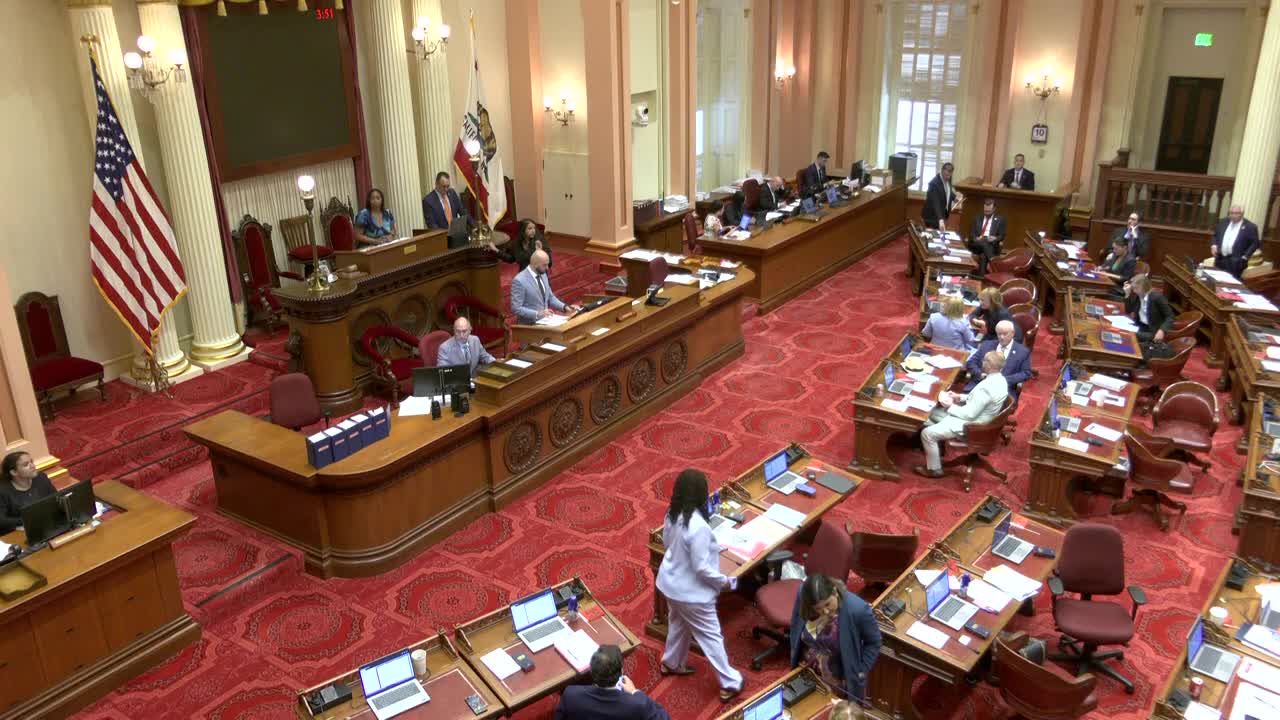 1MIN
Senate Floor
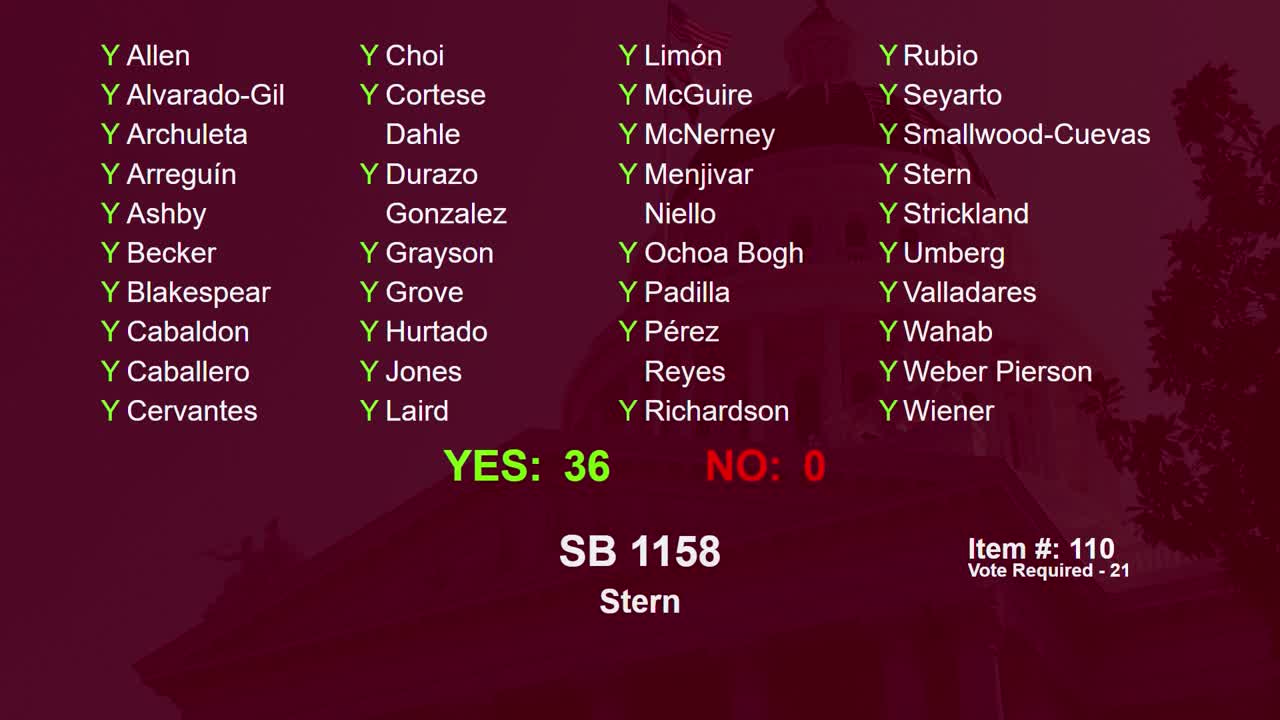 1MIN
Senate Floor
 6MIN
Senate Standing Committee on Local Government
Bill Author

Bill Co-Author(s):