SB 283: Developmental services.
- Session Year: 2017-2018
- House: Senate
- Latest Version Date: 2017-04-06
Existing law, the Lanterman Developmental Disabilities Services Act, requires the State Department of Developmental Services to contract with regional centers to provide services and supports to individuals with developmental disabilities and their families, and requires regional centers to identify and pursue all possible sources of funding for consumers receiving those services. Existing law defines a developmental disability as a disability that originates before an individual attains 18 years of age, continues, or can be expected to continue, indefinitely, and constitutes a substantial disability for the individual.
This bill would modify that definition to make a person who suffers an acquired brain injury, including, but not limited to, a traumatic brain injury, after he or she attains 18 years of age, but before he or she attains 22 years of age, eligible for services and supports for persons with developmental disabilities if the person would be otherwise eligible for those services but for his or her age. mean a disability that originates before an individual attains 22 years of age, continues, or can be expected to continue, indefinitely, and constitutes a substantial disability for the individual.
Existing law, the Lanterman Developmental Disabilities Services Act, requires the State Department of Developmental Services to contract with regional centers to provide services and supports to individuals with developmental disabilities and their families, and requires regional centers to identify and pursue all possible sources of funding for consumers receiving those services. Existing law defines a developmental disability as a disability that originates before an individual attains 18 years of age, continues, or can be expected to continue, indefinitely, and constitutes a substantial disability for the individual.
This bill would modify that definition to make a person who suffers a traumatic brain injury an acquired brain injury, including, but not limited to, a traumatic brain injury, after he or she attains 18 years of age, but before he or she attains 22 years of age, eligible for services and supports for persons with developmental disabilities if the person would be otherwise eligible for those services but for his or her age.
Existing law, the Lanterman Developmental Disabilities Services Act, requires the State Department of Developmental Services to contract with regional centers to provide services and supports to individuals with developmental disabilities and their families, and requires regional centers to identify and pursue all possible sources of funding for consumers receiving those services. Existing law defines a developmental disability as a disability that originates before an individual attains 18 years of age, continues, or can be expected to continue, indefinitely, and constitutes a substantial disability for the individual.
This bill would modify that definition to make a person who suffers a traumatic brain injury after he or she attains 18 years of age, but before he or she attains 22 years of age, eligible for services and supports for persons with developmental disabilities if the person would be otherwise eligible for those services but for his or her age.
As used in this division:
(a)Developmental disability means a disability that originates before an individual attains 18 22 years of age; continues, or can be expected to continue, indefinitely; and constitutes a substantial disability for that individual. As defined by the Director of Developmental Services, in consultation with the Superintendent of Public Instruction, this term shall include intellectual disability, cerebral palsy, epilepsy, and autism. This term shall also include disabling conditions found to be closely related to intellectual disability or to require treatment similar to that required for individuals with an intellectual disability, but shall not include other handicapping conditions that are solely physical in nature.
(b)Services and supports for persons with developmental disabilities means specialized services and supports or special adaptations of generic services and supports directed toward the alleviation of a developmental disability or toward the social, personal, physical, or economic habilitation or rehabilitation of an individual with a developmental disability, or toward the achievement and maintenance of independent, productive, and normal lives. The determination of which services and supports are necessary for each consumer shall be made through the individual program plan process. The determination shall be made on the basis of the needs and preferences of the consumer or, when appropriate, the consumers family, and shall include consideration of a range of service options proposed by individual program plan participants, the effectiveness of each option in meeting the goals stated in the individual program plan, and the cost-effectiveness of each option. Services and supports listed in the individual program plan may include, but are not limited to, diagnosis, evaluation, treatment, personal care, day care, domiciliary care, special living arrangements, physical, occupational, and speech therapy, training, education, supported and sheltered employment, mental health services, recreation, counseling of the individual with a developmental disability and of his or her family, protective and other social and sociolegal services, information and referral services, follow-along services, adaptive equipment and supplies, advocacy assistance, including self-advocacy training, facilitation and peer advocates, assessment, assistance in locating a home, child care, behavior training and behavior modification programs, camping, community integration services, community support, daily living skills training, emergency and crisis intervention, facilitating circles of support, habilitation, homemaker services, infant stimulation programs, paid roommates, paid neighbors, respite, short-term out-of-home care, social skills training, specialized medical and dental care, telehealth services and supports, as defined in Section 2290.5 of the Business and Professions Code, supported living arrangements, technical and financial assistance, travel training, training for parents of children with developmental disabilities, training for parents with developmental disabilities, vouchers, and transportation services necessary to ensure delivery of services to persons with developmental disabilities. Nothing in this subdivision is intended to expand or authorize a new or different service or support for any consumer unless that service or support is contained in his or her individual program plan.
(c)Notwithstanding subdivisions (a) and (b), for any organization or agency receiving federal financial participation under the federal Developmental Disabilities Assistance and Bill of Rights Act of 2000, Chapter 144 (commencing with Section 15001) of Title 42 of the United States Code, as amended, developmental disability and services for persons with developmental disabilities mean the terms as defined in the federal act to the extent required by federal law.
(d)Consumer means a person who has a disability that meets the definition of developmental disability set forth in subdivision (a).
(e)Natural supports means personal associations and relationships typically developed in the community that enhance the quality and security of life for people, including, but not limited to, family relationships, friendships reflecting the diversity of the neighborhood and the community, associations with fellow students or employees in regular classrooms and workplaces, and associations developed through participation in clubs, organizations, and other civic activities.
(f)Circle of support means a committed group of community members, who may include family members, meeting regularly with an individual with developmental disabilities in order to share experiences, promote autonomy and community involvement, and assist the individual in establishing and maintaining natural supports. A circle of support generally includes a plurality of members who neither provide nor receive services or supports for persons with developmental disabilities and who do not receive payment for participation in the circle of support.
(g)Facilitation means the use of modified or adapted materials, special instructions, equipment, or personal assistance by an individual, such as assistance with communications, that will enable a consumer to understand and participate to the maximum extent possible in the decisions and choices that affect his or her life.
(h)Family support services means services and supports that are provided to a child with developmental disabilities or his or her family and that contribute to the ability of the family to reside together.
(i)Voucher means any authorized alternative form of service delivery in which the consumer or family member is provided with a payment, coupon, chit, or other form of authorization that enables the consumer or family member to choose his or her own service provider.
(j)Planning team means the individual with developmental disabilities, the parents or legally appointed guardian of a minor consumer or the legally appointed conservator of an adult consumer, the authorized representative, including those appointed pursuant to subdivision (d) of Section 4548 and subdivision (e) of Section 4705, one or more regional center representatives, including the designated regional center service coordinator pursuant to subdivision (b) of Section 4640.7, any individual, including a service provider, invited by the consumer, the parents or legally appointed guardian of a minor consumer or the legally appointed conservator of an adult consumer, or the authorized representative, including those appointed pursuant to subdivision (d) of Section 4548 and subdivision (e) of Section 4705, and including a minors, dependents, or wards court-appointed developmental services decisionmaker appointed pursuant to Section 319, 361, or 726.
(k)Stakeholder organizations means statewide organizations representing the interests of consumers, family members, service providers, and statewide advocacy organizations.
(l)(1)Substantial disability means the existence of significant functional limitations in three or more of the following areas of major life activity, as determined by a regional center, and as appropriate to the age of the person:
(A)Self-care.
(B)Receptive and expressive language.
(C)Learning.
(D)Mobility.
(E)Self-direction.
(F)Capacity for independent living.
(G)Economic self-sufficiency.
(2)A reassessment of substantial disability for purposes of continuing eligibility shall utilize the same criteria under which the individual was originally made eligible.
(m)Native language means the language normally used or the preferred language identified by the individual and, when appropriate, his or her parent, legal guardian or conservator, or authorized representative.
SECTION 1.Section 4512.5 is added to the Welfare and Institutions Code, to read:4512.5.Notwithstanding subdivision (a) of Section 4512, a person who suffers an acquired brain injury, including, but not limited to, a traumatic brain injury, after he or she attains 18 years of age, but before he or she attains 22 years of age, shall be eligible for services and supports for persons with developmental disabilities if the person would be otherwise eligible for those services but for his or her age.Notwithstanding subdivision (a) of Section 4512, a person who suffers a traumatic brain injury an acquired brain injury, including, but not limited to, a traumatic brain injury, after he or she attains 18 years of age, but before he or she attains 22 years of age, shall be eligible for services and supports for persons with developmental disabilities if the person would be otherwise eligible for those services but for his or her age.
Notwithstanding subdivision (a) of Section 4512, a person who suffers a traumatic brain injury after he or she attains 18 years of age, but before he or she attains 22 years of age, shall be eligible for services and supports for persons with developmental disabilities if the person would be otherwise eligible for those services but for his or her age.
|
Date
|
Status
|
|---|---|
| Feb 1, 2018 | Returned to Secretary of Senate pursuant to Joint Rule 56. |
| May 25, 2017 | May 25 hearing: Held in committee and under submission. |
| May 19, 2017 | Set for hearing May 25. |
| May 15, 2017 | May 15 hearing: Placed on APPR. suspense file. |
| May 4, 2017 | Set for hearing May 15. |
| May 3, 2017 | May 8 hearing postponed by committee. |
| May 2, 2017 | Set for hearing May 8. |
| May 1, 2017 | May 1 set for second hearing canceled at the request of author. |
| Apr 21, 2017 | Set for hearing May 1. |
| Apr 13, 2017 | April 17 set for first hearing canceled at the request of author. |
| Apr 6, 2017 | From committee with author's amendments. Read second time and amended. Re-referred to Com. on APPR. |
| Apr 5, 2017 | Set for hearing April 17. |
| Mar 28, 2017 | From committee: Do pass and re-refer to Com. on APPR. (Ayes 4. Noes 0.) (March 28). Re-referred to Com. on APPR. |
| Mar 13, 2017 | From committee with author's amendments. Read second time and amended. Re-referred to Com. on HUMAN S. |
| Mar 8, 2017 | Set for hearing March 28. |
| Feb 23, 2017 | Referred to Com. on HUMAN S. |
| Feb 10, 2017 | From printer. May be acted upon on or after March 12. |
| Feb 9, 2017 | Introduced. Read first time. To Com. on RLS. for assignment. To print. |
|
Date
|
Description
|
Location
|
Votes
|
|
|---|---|---|---|---|
| May 15, 2017 | Placed on suspense file | Senate Standing Committee on Appropriations |
Passed |
|
| Mar 28, 2017 | Do pass, but first be re-referred to the Committee on [Appropriations] | Senate Standing Committee on Human Services |
Passed |
This list shows positions taken on this bill by organizations on the date displayed, which is linked to the original source.
Positions by individuals are not included.
SENATE COMMITTEE ON
Senator Ricardo Lara, Chair
2017 - 2018 Regular Session
SB 283 (Wilk) - Developmental services
Version: | Policy Vote: |
Urgency: | Mandate: |
Hearing Date: | Consultant: |
This bill meets the criteria for referral to the Suspense File.
Bill Summary:
SB 283 would expand eligibility for entitlement services provided by regional centers to individuals who have a disability originating between 18 and 22 years of age.
Fiscal Impact:
- Likely ongoing costs in the low hundreds of millions per year to provide services to additional individuals (General Fund and federal funds). By extending eligibility for regional center services to individuals who have a disability originating between 18 and 22 years of age, the bill will increase the population that is eligible for those services. The exact fiscal impact of this change is difficult to predict, because the overall number of individuals who would newly qualify for regional center services is unknown. According to an analysis by the Department of Developmental services, the annual costs could be over $340 million per year. See staff comments.
- Unknown, but likely minor, reduction in services provided to individuals with traumatic brain injury by the Department of Rehabilitation (Traumatic Brain Injury Fund). The Department of Rehabilitation provides services to about 900 individuals per year with traumatic brain injury through seven traumatic brain injury centers (serving 20 counties). In addition, the Department provides vocational services to about 1,250 per individuals with traumatic brain injury. The total cost of those programs is about $2.4 million per year. By increasing eligibility for much more comprehensive services through the regional center system, the bill could reduce demand for those services.
Background:
The Department of Developmental Services is responsible for coordinating care and services for about 250,000 people with developmental disabilities. The vast majority of these people are served by 21 regional centers, which are non-profit entities that contract with the state. The regional centers, in turn, contract with a variety of vendors to provide direct services to the developmentally disabled. Services provided by regional centers are not direct health care services; rather, the regional centers provide services such as day programs, employment support, case management, and special living arrangements.
Under current law, eligibility for regional center services is limited to individuals whose disability originates before an individual turns 18 years of age. However, it is important to note that an individual’s condition does not have to be diagnosed before age 18 to quality. Eligibility for regional center services is retroactive, to the extent that the individual’s condition can be shown to have originated before age 18.
The Department of Rehabilitation manages the Traumatic Brain Injury Program, under which funding is provided to seven traumatic brain injury centers in the state. In 2015-16, these centers provide individualized services to about 900 individuals. The Department also provided vocational rehabilitation services to about 1,250 individuals. Finally, the Department provided information and referral services to about 6,500 individuals and 5,300 individuals attend vocational education events.
Proposed Law:
SB 283 would expand eligibility for entitlement services provided by regional centers to individuals who have a disability originating between 18 and 22 years of age.
Related Legislation:
SB 398 Monning (2017) would extend the sunset date on the Traumatic Brain Injury Program, overseen by the Department of Rehabilitation. That bill will be heard in this committee.
Staff Comments:
As noted above, the fiscal impact of this bill is difficult to determine, because there is uncertainty about the size of the population that would be made eligible for regional center services under the bill. Currently, most conditions that make an individual eligible for regional center services manifest long before age 18, such as mental retardation, cerebral palsy, autism, and similar conditions. It is not likely that the change in age-eligibility in this bill will substantially increase eligibility for individuals with those kinds of conditions.
However, the bill is likely to substantially increase eligibility for individuals with an acquired brain injury occurring between ages 18 and 21. Such acquired brain injuries could include traumatic brain injury (from an impact to the skull, such as during a fall or automobile accident) or brain injuries resulting from strokes, prolonged lack of oxygen (such as drowning), or other incidents. The number of individuals between 18 and 22 years of age who experience such brain injuries is unknown.
The cost estimates above developed by the Department of Developmental Services are based on an assumed increase in caseload of 5%, at current per capital costs. This is a reasonable estimate of the potential costs, given the uncertainty.
Alternatively, staff estimates potential annual costs could be about $300 million per year based solely on the projected serious traumatic brain injury rate in the population of 18 to 21 year olds. This estimate is based solely on the incidence of traumatic brain injuries in this age group that result in a visit to a hospital emergency department. On one hand, a significant number of those emergency department visits are not likely to result in brain injuries significant enough to result in a significant disability. On the other hand, this estimate does not include brain injuries resulting in other medical conditions, such as drowning or stroke.
-- END --
SENATE COMMITTEE ON APPROPRIATIONS
Senator Ricardo Lara, Chair
2017 - 2018 Regular Session
SB 283 (Wilk) - Developmental services
Version: April 6, 2017 | Policy Vote: HUMAN S. 4 - 0 |
Urgency: No | Mandate: No |
Hearing Date: May 1, 2017 | Consultant: Brendan McCarthy |
This bill meets the criteria for referral to the Suspense File.
Bill Summary:
SB 283 would expand eligibility for entitlement services provided by regional centers to individuals who have a disability originating between 18 and 22 years of age.
Fiscal Impact:
- Likely ongoing costs in the low hundreds of millions per year to provide services to additional individuals (General Fund and federal funds). By extending eligibility for regional center services to individuals who have a disability originating between 18 and 22 years of age, the bill will increase the population that is eligible for those services. The exact fiscal impact of this change is difficult to predict, because the overall number of individuals who would newly qualify for regional center services is unknown. According to an analysis by the Department of Developmental services, the annual costs could be over $340 million per year. See staff comments.
- Unknown potential reduction in services provided to individuals with traumatic brain injury by the Department of Rehabilitation (Traumatic Brain Injury Fund). The Department of Rehabilitation provides services to about 900 individuals per year with traumatic brain injury through seven traumatic brain injury centers (serving 20 counties). In addition, the Department provides vocational services to about 1,250 per individuals with traumatic brain injury. The total cost of those programs is about $2.4 million per year. By increasing eligibility for much more comprehensive services through the regional center system, the bill could reduce demand for those services.
Background:
The Department of Developmental Services is responsible for coordinating care and services for about 250,000 people with developmental disabilities. The vast majority of these people are served by 21 regional centers, which are non-profit entities that contract with the state. The regional centers, in turn, contract with a variety of vendors to provide direct services to the developmentally disabled. Services provided by regional centers are not direct health care services; rather, the regional centers provide services such as day programs, employment support, case management, and special living arrangements.
Under current law, eligibility for regional center services is limited to individuals whose disability originates before an individual turns 18 years of age. However, it is important to note that an individual’s condition does not have to be diagnosed before age 18 to quality. Eligibility for regional center services is retroactive, to the extent that the individual’s condition can be shown to have originated before age 18.
The Department of Rehabilitation manages the Traumatic Brain Injury Program, under which funding is provided to seven traumatic brain injury centers in the state. In 2015-16, these centers provide individualized services to about 900 individuals. The Department also provided vocational rehabilitation services to about 1,250 individuals. Finally, the Department provided information and referral services to about 6,500 individuals and 5,300 individuals attend vocational education events.
Proposed Law:
SB 283 would expand eligibility for entitlement services provided by regional centers to individuals who have a disability originating between 18 and 22 years of age.
Related Legislation:
SB 398 Monning (2017) would extend the sunset date on the Traumatic Brain Injury Program, overseen by the Department of Rehabilitation. That bill will be heard in this committee.
Staff Comments:
As noted above, the fiscal impact of this bill is difficult to determine, because there is uncertainty about the size of the population that would be made eligible for regional center services under the bill. Currently, most conditions that make an individual eligible for regional center services manifest long before age 18, such as mental retardation, cerebral palsy, autism, and similar conditions. It is not likely that the change in age-eligibility in this bill will substantially increase eligibility for individuals with those kinds of conditions.
However, the bill is likely to substantially increase eligibility for individuals with an acquired brain injury occurring between ages 18 and 21. Such acquired brain injuries could include traumatic brain injury (from an impact to the skull, such as during a fall or automobile accident) or brain injuries resulting from strokes, prolonged lack of oxygen (such as drowning), or other incidents. The number of individuals between 18 and 22 years of age who experience such brain injuries is unknown.
The cost estimates above developed by the Department of Developmental Services are based on an assumed increase in caseload of 5%, at current per capital costs. This is a reasonable estimate of the potential costs, given the uncertainty.
Alternatively, staff estimates potential annual costs could be about $300 million per year based solely on the projected serious traumatic brain injury rate in the population of 18 to 21 year olds. This estimate is based on the incidence of traumatic brain injuries in this age group that result in a visit to a hospital emergency department. On one hand, a significant number of those emergency department visits are not likely to result in brain injuries significant enough to result in a significant disability. On the other hand, this estimate does not include brain injuries resulting in other medical conditions, such as drowning or stroke.
-- END --
SENATE COMMITTEE ON HUMAN SERVICES
Senator Wiener, Chair
2017 - 2018 Regular
Bill No: SB 283
Author: | Wilk | ||
Version: | March 13, 2017 | Hearing Date: | March 28, 2017 |
Urgency: | No | Fiscal: | Yes |
Consultant: | Mareva Brown | ||
Subject: Developmental services: traumatic brain injuries
SUMMARY
This bill expands the age for a person to be eligible for services under the Department of Developmental Services (DDS) to include persons who have suffered an acquired brain injury, including, but not limited to, a traumatic brain injury, between the ages of 18 and 22.
ABSTRACT
Existing law:
- Establishes the Lanterman Developmental Disabilities Services Act, which states that California is responsible for providing an array of services and supports sufficiently complete to meet the needs and choices of each person with developmental disabilities, regardless of age or degree of disability, and at each stage of life, and to support their integration into the mainstream life of the community. (WIC 4500, et seq.)
- Establishes a system of nonprofit Regional Centers, overseen by the Department of Developmental Services (DDS), to provide fixed points of contact in the community for all persons with developmental disabilities and their families, to coordinate services and supports best suited to them throughout their lifetime. (WIC 4620)
- Defines a “developmental disability” to mean a disability that originates before an individual attains 18 years of age which continues, or can be expected to continue, indefinitely and constitutes a substantial disability for that individual, including intellectual disability, cerebral palsy, epilepsy, and autism and related conditions, but excluding other handicapping conditions that are solely physical in nature. (WIC 4512)
- Establishes an Individual Program Plan (IPP) as the process to ensure that services and supports are customized to meet the needs of consumers who are served by regional centers for the purpose of alleviating a developmental disability or toward the social, personal, physical, or economic habilitation or rehabilitation of an individual with a developmental disability, or toward the achievement and maintenance of independent, productive, and normal lives. (WIC 4512 (b))
- Establishes the Department of Rehabilitation (DOR) for the purpose of operating comprehensive, coordinated, effective, efficient, and accountable programs of vocational rehabilitation and independent living that are designed to assess, plan, develop, and provide services for individuals with disabilities, particularly individuals with the most significant disabilities, as specified, so that these individuals may prepare for and engage in gainful employment and live more independently. (WIC 19000, et seq.)
- Defines “acquired traumatic brain injury” as an injury that is sustained after birth from an external force to the brain or any of its parts, resulting in cognitive, psychological, neurological, or anatomical changes in brain functions. (WIC 4354)
- Establishes the Traumatic Brain Injury Fund, funded by traffic penalties, to implement the Traumatic Brain Injury (TBI) program. (WIC 4358, WIC 4358.5)
- Requires service providers through the TBI program to provide a coordinated service model that includes supported living services, community reintegration, vocational support, and information referral and assistance in identifying and coordinating all needed services for a person with TBI, and his or her family. Funds also must be used for public and professional education designed to facilitate early identification of people with TBI and referral to appropriate services. (WIC 4357 (d))
This bill:
- Requires that person who suffers an acquired brain injury, including, but not limited to, a traumatic brain injury, after he or she attains 18 years of age, but before he or she attains 22 years of age, shall be eligible for services and supports for persons with developmental disabilities if the person would be otherwise eligible for those services but for his or her age.
FISCAL IMPACT
This bill has not been analyzed by a fiscal committee.
BACKGROUND AND DISCUSSION
Purpose of the bill:
The author states that California should expand the age of onset for developmental disabilities from 18 to 22 to conform to the federal definition. The author also states that the medical community has long made it clear that a child's brain has not completed its growth or development until the age of 22 at least, and 38 other states include the broader age range in their definitions of developmental disability. “It is time for California, which is usually a leader in such matters, to modernize our definition of developmental disability to include an age of onset prior to age 22,” the author writes, “this change in law would have a very meaningful impact on the lives of these struggling young disabled Californians who need help.”
Acquired Brain Injury
An acquired brain injury is one that occurs after birth which is not hereditary, congenital, degenerative or induced by birth trauma. Examples of acquired brain injury can be a stroke, prolonged lack of oxygen, infection such as encephalitis, or TBI.
Traumatic Brain Injury (TBI)
A traumatic brain injury is defined by the US Centers for Disease Control and Prevention (CDC) as an injury to the head resulting from blunt or penetrating trauma or from acceleration-deceleration of force. Explosive blasts can also cause TBI, particularly among military personnel. TBI can leave lasting impairment after the initial rehabilitation period is ended, including cognitive impairment, behavioral or emotional challenges, difficulty with motor skills and other symptoms. Symptoms may vary considerably from person to person, but may include depression and post-traumatic epilepsy. Other documented effects include difficulties with social interactions, organization, and challenges with work attitude, skills, and performance.[1]
In 2010, CDC estimated there were 2.5 million emergency department visits, hospitalizations, and deaths in the United States from TBI. However, these numbers underestimate the occurrence of TBIs, as they do not include people who did not seek medical care, had outpatient office visits, or those who sought treatment at federal military facilities.[2] Children under 4 years, and adolescents and young adults aged 15–24 years, are among the most likely to have a TBI-related emergency department visit or hospitalization, as reflected in the chart below.[3]

Causes of injury
TBI related injuries tend to vary by age group. According to data compiled by the CDC, TBI-related deaths in children 0 to 4 years old are primarily associated with assault (42.9%) and automobile accidents (29.2%). Auto accidents account for a majority of TBI-related deaths (55.8%) in youth 5–14 years and almost half (47.4%) in young adults 15–24 years. Falls account for the majority (54.4%) of TBI-related deaths in adults 65 years of age and older. Similarly, when looking solely at emergency room visits, young adults 15–24 have the highest proportion of TBI-related hospitalizations due to motor vehicle traffic-related events.
The leading causes of non-fatal TBI in the United States are falls, motor vehicle-related injuries, and strikes or blows to the head from or against an object, such as in sports injuries, according to the CDC’s 2015 report to Congress, “Traumatic Brain Injury In the United States: Epidemiology and Rehabilitation.” There is a growing awareness of the consequence of brain injury related to sports concussions, and there are efforts at the federal level to track and study concussions in children and adults.
Brain Development
Neuroscientists have focused in the last two decades on mapping the changes in adolescents’ brains. Current thinking is that brain development continues into the 20s, with maturations in areas of the frontal lobe that govern executive functions such as decision making.[4]
Developmental Disabilities
While there is general consensus about what conditions are included under the term developmental disability is, there are varying definitions of the age of onset across the country.[5]
Congress passed the Developmental Disabilities Assistance and Bill of Rights Act of 2000, defining a developmental disability as one that means a severe, chronic disability of an individual that is attributable to a mental or physical impairment or a combination of mental and physical impairments, is likely to continue indefinitely, results in substantial functional limitations, such as self-care, learning, mobility and self-sufficiency – and is manifested before the individual attains age 22.
The US Centers for Disease Control, in a study about the prevalence of developmental disabilities in the United States surveyed parents of children ages birth to 17. Researchers analyzed responses from the 1997–2008 National Health Interview Surveys, and surveyed a total of 119,367 parents of children ages 3 to 17, finding that the prevalence of developmental disabilities in the US is about 14 percent.[6]
Meanwhile, the American Association of Intellectual and Developmental Disabilities defines an intellectual disability as a one characterized by significant limitations both in intellectual functioning, such as reasoning and learning, and in adaptive behavior, which includes a range of everyday social and practical skills. This disability originates before the age of 18.[7] However, it defines a developmental disability to include severe chronic disabilities that can be cognitive or physical or both, and that appear before the age of 22 and are likely to be lifelong. Some developmental disabilities are primarily physical, such as cerebral palsy or epilepsy. Some individuals may have a condition that includes a physical and intellectual disability, for example Down syndrome or fetal alcohol syndrome.
Similarly, states have adopted different age limitations. New York, Nebraska, Maryland and 34 other states define a developmental disability as one that originates prior to age 22. Oregon splits the definition: An intellectual disability may originate prior to age 18, and a developmental disability prior to age 22. States also may adopt various thresholds to qualify for services, including degree of disability, income and eligibility for public benefits.
In California, a developmental disability is defined as a one that originates before an individual attains 18 years of age which continues, or can be expected to continue, indefinitely and constitutes a substantial disability for that individual. (WIC 4512) This definition pre-dates the federal age-of-onset definition of 22 years. It includes intellectual disability, cerebral palsy, epilepsy, and autism and related conditions, but excludes other handicapping conditions that are solely physical in nature. Developmental services in California are considered an entitlement to care, regardless of income or public benefit eligibility, providing the individual has a qualifying condition.
Services and supports
Regional Centers
California’s 21 nonprofit regional centers coordinate a robust array of services and supports for more than 300,000 individuals with developmental disabilities through an IPP. Services may include diagnosis, evaluation, treatment, care coordination of services such as personal care, day care, special living arrangements, physical, occupational, and speech therapy.
Additionally, consumers may receive training, education, supported and sheltered employment, mental health services, recreation, counseling of the individual with a developmental disability and of his or her family, information and referral services, follow-along services, adaptive equipment and supplies, advocacy assistance, including self-advocacy training, assistance in locating a home, behavior training and behavior modification programs, camping, community integration services, community support, daily living skills training, emergency and crisis intervention, facilitating circles of support, habilitation, and many others. The regional center system also can provide respite for family caregivers, short-term out-of-home care, social skills training, specialized medical and dental care, telehealth services and supports, supported living arrangements, technical and financial assistance, travel training, training for parents of children with developmental disabilities, training for parents with developmental disabilities, vouchers, and transportation services necessary to ensure delivery of services to persons with developmental disabilities.
Regional center case managers must meet with the consumer and his or her family, as appropriate, annually to create a new IPP. The regional center also coordinates and pays for services. The 2017-2018 Governor’s budget proposal for regional center purchase of services is $5 billion.
Traumatic Brain Injury Centers
Through the Department of Rehabilitation (DOR), seven TBI centers coordinate local care for individuals with traumatic brain injury. According to DOR, California’s seven state-funded TBI programs serve individuals who live in 20 of the state’s 58 counties. TBI center services include coordinated post-acute care, supported living, community reintegration, and vocational supports. The DOR has been administering the California TBI Program since January 2010.
In FY 2015-2016, the seven TBI programs provided services to 918 individuals, and provided another 6,440 referrals for information. Another 1,300 individuals were served through DOR’s Vocational Rehabilitation Program, which focuses on preparing individuals with disabilities to re-enter the workforce.
Funding for each site has historically been $150,000 annually, and has come from criminal penalty funds, including the Seat Belt Penalty Fund. However, that fund has dwindled by more than $50 million since 2006 and can no longer fully support the TBI centers. In 2015-16, each of the seven sites received $120,000 and this year, the state is proposing a general fund augmentation to restore each site to the full $150,000.
Independent Living Centers
Several of the TBI programs are attached to Independent Living Centers (ILCs), which are consumer-controlled, community based, nonresidential private nonprofit agencies. They are created and operated within a local community by individuals with disabilities. Core services consist of information and referral to other programs, peer counseling, benefits advocacy, independent living skills development, housing location assistance, personal assistance services, and personal and systems change advocacy. In California, 28 ILCs each serve at least 22,000 individuals per year, with total statewide funding of $20 million.
Related legislation:
SB 398 (Monning, 2017) removes the sunset date on the state’s TBI program, and makes other technical changes. It will be heard at a later date in this committee.
AB 2127 (Cooley, Chapter 165, Statutes of 2014) prohibits a high school athlete with a suspected concussion or head injury from returning to the athletic activity until the athlete is evaluated by a licensed health care provider, and the athlete receives written clearance from a licensed health care provider. If the athlete sustains a concussion, it requires the athlete to complete a graduated return-to-play protocol of no less than 7 days under a doctor’s supervision.
AB 398 (Monning, Chapter 439, Statutes of 2009) moved the TBI program from the Department of Mental Health into the Department of Rehabilitation, established a special fund in the state Treasury and removed the pilot project status of the TBI program.
The Traumatic Brain Injury Act of 2008 (P.L. 110-206 S. 793, H.R. 1418) authorized research and required in federal law that the CDC to report national trends in TBI and to identify interventions and therapies that are commonly used, or can prevent or remediate further conditions.
COMMENTS
Individuals with traumatic brain injury may receive state-funded services through a variety of agencies – through the state’s regional center system if the TBI occurs under age 18, through the state’s seven TBI centers, or through the state’s Independent Living Centers. The Developmental Services system is significantly more robust than the other two systems. The author seeks to move the population of young adults who suffer TBI after their 18th birthday into the Developmental Services system.
The author argues that the federal government and other states include these young adults in their definitions of developmental disability. However, the author seeks to only move the limited number of young adults suffering acquired brain injury into the DDS system, leaving young adults diagnosed with other developmental disabilities outside that system. The author may wish to consider revising the broader definition of developmental disability to conform to federal language, rather than solely moving those suffering from a TBI into the developmental services system.
POSITIONS
Support:
Brain Injury Association of California
California Association for Health Services at Home
California Disability Services Association
Coldwater Clinical Associates
Headway House, INC.
Hope Neurology and Multiple Sclerosis Center
Independent living Center of Southern California
The Arc and United Cerebral Palsy California Collaboration
Dr. Jay N. Giedd, University of San Diego
Pacific Region Spinal and Head Injury Care System
The Arc and United Cerebral Palsy California Collaboration
The State Council on Developmental Disabilities
3 individuals
Oppose:
None.
-- END --
Ibid, p. 22 ↑
Centers for Disease Control and Prevention. (2015). Report to Congress on Traumatic Brain Injury in the United States: Epidemiology and Rehabilitation. National Center for Injury Prevention and Control; Division of Unintentional Injury Prevention. Atlanta, GA., pg 2 ↑
https://www.cdc.gov/traumaticbraininjury/data/rates_ed_byage.html ↑
Johnson, Sara, et al. “Adolescent Maturity and the Brain: The Promise and Pitfalls of Neuroscience Research in Adolescent Health Policy,” Journal of Adolescent Health, 2009. ↑
SEC. 102. [42 USC 15002] ↑
https://www.cdc.gov/ncbddd/developmentaldisabilities/features/birthdefects-dd-keyfindings.html ↑
https://aaidd.org/intellectual-disability/definition/faqs-on-intellectual-disability ↑
Discussed in Hearing
 48MIN
Senate Standing Committee on Appropriations
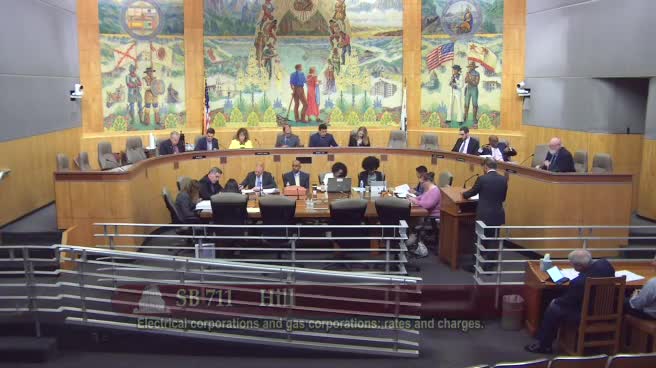 6MIN
Senate Standing Committee on Appropriations
Bill Author