SB 302: Joint powers agencies: Orange County Fire Authority: funds.
- Session Year: 2017-2018
- House: Senate
- Latest Version Date: 2017-10-14
Existing law requires property tax revenues of the County of Orange that are allocated by that county to a joint powers authority formed for the purpose of providing fire protection to be used by that authority for fire protection purposes, as defined. Existing law authorizes a local agency to transfer any portion of its property tax revenues that is allocable to one or more tax rate areas within the local agency to one or more other local agencies that have the same tax rate areas, as specified, subject to specified conditions, including that the transfer will not impair the ability of the transferring agency to provide existing services.
This bill would additionally require, with regard to transfers of structural fire fund property tax revenues allocated by the County of Orange to a joint powers agency and required by existing law to be used to provide fire protection, that the transfer be approved by the county, a majority of member cities, and the agency currently receiving the funds.
This bill would make legislative findings and declarations as to the necessity of a special statute for the Orange County Fire Authority.
Existing law authorizes 2 or more public agencies, by agreement, to form a joint powers authority to exercise any power common to the contracting parties, as specified. Existing law authorizes the agreement to set forth the manner by which the joint powers authority will be governed. Existing law authorizes the board of supervisors of any county to contract with any local agency within the county or with the state for services relating to the prevention and suppression of fires. Existing law additionally requires property tax revenues of a county of the 2nd class the County of Orange that are allocated by that county to a joint powers agency formed for the purpose of providing fire protection to be used by that agency for fire protection purposes, as defined.
This bill would instead require specified property tax revenues of a county of the 2nd class to be allocated by that county to a joint powers agency formed for the purpose of providing fire protection within that county. This bill would additionally require those funds to be appropriated to, and expended by, that joint powers agency for fire protection purposes. specify that withdrawal by a structural fire fund city from the Orange County Fire Authority is subject to specified negotiations, notices, and obligations, as required by law.
Existing law requires property tax revenues of the County of Orange that are allocated by that county to a joint powers authority formed for the purpose of providing fire protection to be used by that authority for fire protection purposes, as defined. Existing law authorizes a local agency to transfer any portion of its property tax revenues that is allocable to one or more tax rate areas within the local agency to one or more other local agencies that have the same tax rate areas, as specified, subject to specified conditions, including that the transfer will not impair the ability of the transferring agency to provide existing services.
This bill would additionally require, with regard to transfers of structural fire fund property tax revenues allocated by the County of Orange to a joint powers agency and required by existing law to be used to provide fire protection, that the transfer be approved by the county, a majority of member cities, and the agency currently receiving the funds.
This bill would make legislative findings and declarations as to the necessity of a special statute for the Orange County Fire Authority.
Existing law authorizes 2 or more public agencies, by agreement, to form a joint powers authority to exercise any power common to the contracting parties, as specified. Existing law authorizes the agreement to set forth the manner by which the joint powers authority will be governed. Existing law authorizes the board of supervisors of any county to contract with any local agency within the county or with the state for services relating to the prevention and suppression of fires. Existing law additionally requires property tax revenues of a county of the 2nd class that are allocated by that county to a joint powers agency formed for the purpose of providing fire protection to be used by that agency for fire protection purposes, as defined.
This bill would instead provide for all require specified property tax revenues of a county of the 2nd class deposited in that countys structural fire fund to be allocated by that county to a joint powers agency formed for the purpose of providing fire protection within that county. This bill would additionally require those funds to be appropriated to, and expended by, that joint powers agency for fire protection purposes.
Existing law authorizes 2 or more public agencies, by agreement, to form a joint powers authority to exercise any power common to the contracting parties, as specified. Existing law authorizes the agreement to set forth the manner by which the joint powers authority will be governed. Existing law authorizes the board of supervisors of any county to contract with any local agency within the county or with the state for services relating to the prevention and suppression of fires. Existing law additionally requires property tax revenues of a county of the 2nd class that are allocated by that county to a joint powers agency formed for the purpose of providing fire protection to be used by that agency for fire protection purposes, as defined.
This bill would make a technical change to this provision. instead provide for all property tax revenues of a county of the 2nd class deposited in that countys structural fire fund to be allocated by that county to a joint powers agency formed for the purpose of providing fire protection within that county. This bill would additionally require those funds to be appropriated to, and expended by, that joint powers agency for fire protection purposes.
Existing law authorizes 2 or more public agencies, by agreement, to form a joint powers authority to exercise any power common to the contracting parties, as specified. Existing law authorizes the agreement to set forth the manner by which the joint powers authority will be governed. Existing law authorizes the board of supervisors of any county to contract with any local agency within the county or with the state for services relating to the prevention and suppression of fires. Existing law additionally requires property tax revenues of a county of the 2nd class that are allocated by that county to a joint powers agency formed for the purpose of providing fire protection to be used by that agency for fire protection purposes, as defined.
This bill would make a technical change to this provision.
(a)For the purposes of the computations required by this chapter for the 198586 fiscal year and fiscal years thereafter, in the case of any transfer of property tax revenues between local agencies that is adopted and approved in conformity with subdivisions (b) and (c), the auditor shall adjust the allocation of property tax revenue determined pursuant to Section 96.1 or its predecessor section, or the annual tax increment determined pursuant to Section 96.5 or its predecessor section, for those local agencies whose allocation would be altered by the transfer.
(b)Commencing with the 198586 fiscal year, any local agency may, by the adoption of a resolution of its governing body or governing board, determine to transfer any portion of its property tax revenues that is allocable to one or more tax rate areas within the local agency to one or more other local agencies having the same tax rate area or tax rate areas. Upon the local agencys adoption of the resolution, the local agency shall notify the board of supervisors of the county or the city council of the city within which the transfer of property tax revenues is proposed.
(c)If the board of supervisors or the city council concurs with the proposed transfer of property tax revenue, the board or council shall, by resolution, notify the county auditor of the approved transfer.
(d)Upon receipt of notification from the board of supervisors or the city council, the county auditor shall make the necessary adjustments specified in subdivision (a).
(e)Prior to the adoption or approval by any local agency of a transfer of property tax revenues pursuant to this section, each local agency that will be affected by the proposed transfer shall hold a public hearing to consider the effect of the proposed transfer on fees, charges, assessments, taxes, or other revenues. Notice of the hearing shall be published pursuant to Section 6061 of the Government Code in one or more newspapers of general circulation within each affected local agency.
(f)No local agency shall transfer property tax revenue pursuant to this section unless each of the following conditions exists:
(1)The transferring agency determines that revenues are available for this purpose.
(2)The transfer will not result in any increase in the ratio between the amount of revenues of the transferring agency that are generated by regulatory licenses, use charges, user fees, or assessments and the amount of revenues of the transferring agency used to finance services provided by the transferring agency.
(3)The transfer will not impair the ability of the transferring agency to provide existing services.
(4)The transfer will not result in a reduction of property tax revenues to school entities.
(5)In the case of structural fire fund property tax revenues subject to Section 6503.1 of the Government Code, where the transfer would not violate Section 6503.1 of the Government Code, the transfer is approved by the board of supervisors of the county, the city councils of a majority of member cities, and the agency currently receiving those funds for fire protection services.
SEC. 2.The Legislature finds and declares that a special statute is necessary and that a general statute cannot be made applicable within the meaning of Section 16 of Article IV of the California Constitution because of the unique conditions with regard to the Orange County Fire Authority.
(a)For the purposes of the computations required by this chapter for the 198586 fiscal year and fiscal years thereafter, in the case of any transfer of property tax revenues between local agencies that is adopted and approved in conformity with subdivisions (b) and (c), the auditor shall adjust the allocation of property tax revenue determined pursuant to Section 96.1 or its predecessor section, or the annual tax increment determined pursuant to Section 96.5 or its predecessor section, for those local agencies whose allocation would be altered by the transfer.
(b)Commencing with the 198586 fiscal year, any local agency may, by the adoption of a resolution of its governing body or governing board, determine to transfer any portion of its property tax revenues that is allocable to one or more tax rate areas within the local agency to one or more other local agencies having the same tax rate area or tax rate areas. Upon the local agencys adoption of the resolution, the local agency shall notify the board of supervisors of the county or the city council of the city within which the transfer of property tax revenues is proposed.
(c)If the board of supervisors or the city council concurs with the proposed transfer of property tax revenue, the board or council shall, by resolution, notify the county auditor of the approved transfer.
(d)Upon receipt of notification from the board of supervisors or the city council, the county auditor shall make the necessary adjustments specified in subdivision (a).
(e)Prior to the adoption or approval by any local agency of a transfer of property tax revenues pursuant to this section, each local agency that will be affected by the proposed transfer shall hold a public hearing to consider the effect of the proposed transfer on fees, charges, assessments, taxes, or other revenues. Notice of the hearing shall be published pursuant to Section 6061 of the Government Code in one or more newspapers of general circulation within each affected local agency.
(f)No local agency shall transfer property tax revenue pursuant to this section unless each of the following conditions exists:
(1)The transferring agency determines that revenues are available for this purpose.
(2)The transfer will not result in any increase in the ratio between the amount of revenues of the transferring agency that are generated by regulatory licenses, use charges, user fees, or assessments and the amount of revenues of the transferring agency used to finance services provided by the transferring agency.
(3)The transfer will not impair the ability of the transferring agency to provide existing services.
(4)The transfer will not result in a reduction of property tax revenues to school entities.
(5)In the case of structural fire fund property tax revenues subject to Section 6503.1 of the Government Code, where the transfer would not violate Section 6503.1 of the Government Code, the transfer is approved by the board of supervisors of the county, the city councils of a majority of member cities, and the agency currently receiving those funds for fire protection services.
SEC. 3.SEC. 2.The Legislature finds and declares that a special statute is necessary and that a general statute cannot be made applicable within the meaning of Section 16 of Article IV of the California Constitution because of the unique conditions with regard to the Orange County Fire Authority.
Withdrawal by a structural fire fund city from the Orange County Fire Authority shall be subject to property tax transfer negotiations and any additional notices and obligations as required by law.
SEC. 2.Section 99.02 of the Revenue and Taxation Code is amended to read:99.02.(a)For the purposes of the computations required by this chapter for the 198586 fiscal year and fiscal years thereafter, in the case of any transfer of property tax revenues between local agencies that is adopted and approved in conformity with subdivisions (b) and (c), the auditor shall adjust the allocation of property tax revenue determined pursuant to Section 96.1 or its predecessor section, or the annual tax increment determined pursuant to Section 96.5 or its predecessor section, for those local agencies whose allocation would be altered by the transfer.
(b)Commencing with the 198586 fiscal year, any local agency may, by the adoption of a resolution of its governing body or governing board, determine to transfer any portion of its property tax revenues that is allocable to one or more tax rate areas within the local agency to one or more other local agencies having the same tax rate area or tax rate areas. Upon the local agencys adoption of the resolution, the local agency shall notify the board of supervisors of the county or the city council of the city within which the transfer of property tax revenues is proposed.
(c)If the board of supervisors or the city council concurs with the proposed transfer of property tax revenue, the board or council shall, by resolution, notify the county auditor of the approved transfer.
(d)Upon receipt of notification from the board of supervisors or the city council, the county auditor shall make the necessary adjustments specified in subdivision (a).
(e)Prior to the adoption or approval by any local agency of a transfer of property tax revenues pursuant to this section, each local agency that will be affected by the proposed transfer shall hold a public hearing to consider the effect of the proposed transfer on fees, charges, assessments, taxes, or other revenues. Notice of the hearing shall be published pursuant to Section 6061 of the Government Code in one or more newspapers of general circulation within each affected local agency.
(f)No local agency shall transfer property tax revenue pursuant to this section unless each of the following conditions exists:
(1)The transferring agency determines that revenues are available for this purpose.
(2)The transfer will not result in any increase in the ratio between the amount of revenues of the transferring agency that are generated by regulatory licenses, use charges, user fees, or assessments and the amount of revenues of the transferring agency used to finance services provided by the transferring agency.
(3)The transfer will not impair the ability of the transferring agency to provide existing services.
(4)The transfer will not result in a reduction of property tax revenues to school entities.
(5)In the case of structural fire fund property tax revenues subject to Section 6503.1 of the Government Code, where the transfer would not violate Section 6503.1 of the Government Code, the transfer is approved by the county, a majority of member cities, and the agency currently receiving those funds for fire protection services.
SEC. 3.The Legislature finds and declares that a special statute is necessary and that a general statute cannot be made applicable within the meaning of Section 16 of Article IV of the California Constitution because of the unique conditions with regard to the Orange County Fire Authority.
SECTION 1.Section 6503.1 of the Government Code is amended to read:6503.1.(a)All property tax revenues of a county of the second class attributable to a rate imposed for fire protection purposes prior to June 6, 1978, shall be allocated by that county to an agency formed for the purpose of providing fire protection pursuant to this chapter. Those funds shall be appropriated to, and expended by, that agency for fire protection purposes.(b)As used in this section, fire protection purposes means those purposes directly related to, and in furtherance of, providing fire prevention, fire suppression, emergency medical services, hazardous materials response, ambulance transport, disaster preparedness, rescue services, and related administrative costs.(c)This section shall not be interpreted to alter any provision of law governing the processes by which cities or counties select providers of ambulance transport services.(a)All property tax revenues of a county of the second class deposited in that countys structural fire fund attributable to a rate imposed for fire protection purposes prior to June 6, 1978, shall be allocated by that county to an agency formed for the purpose of providing fire protection pursuant to this chapter. Those funds shall be appropriated to, and expended by, that agency for fire protection purposes.
(b)As used in this section, fire protection purposes means those purposes directly related to, and in furtherance of, providing fire prevention, fire suppression, emergency medical services, hazardous materials response, ambulance transport, disaster preparedness, rescue services, and related administrative costs.
(c)This section shall not be interpreted to alter any provision of law governing the processes by which cities or counties select providers of ambulance transport services.
(a)When All property tax revenues of a county of the second class are deposited in that countys structural fire fund shall be allocated by that county to an agency formed for the purpose of providing fire protection pursuant to this chapter, those chapter. Those funds shall be appropriated for expenditure by to, and expended by, that agency for fire protection purposes.
(b)As used in this section, fire protection purposes means those purposes directly related to, and in furtherance of, providing fire prevention, fire suppression, emergency medical services, hazardous materials response, ambulance transport, disaster preparedness, rescue services, and related administrative costs.
(c)This section shall not be interpreted to alter any provision of law governing the processes by which cities or counties select providers of ambulance transport services.
(a)When property tax revenues of a county of the second class are allocated by that county to an agency formed for the purpose of providing fire protection pursuant to this chapter, those funds may only shall be appropriated for expenditure by that agency for fire protection purposes.
(b)As used in this section, fire protection purposes means those purposes directly related to, and in furtherance of, providing fire prevention, fire suppression, emergency medical services, hazardous materials response, ambulance transport, disaster preparedness, rescue services, and related administrative costs.
(c)This section shall not be interpreted to alter any provision of law governing the processes by which cities or counties select providers of ambulance transport services.
|
Date
|
Status
|
|---|---|
| Oct 14, 2017 | Chaptered by Secretary of State. Chapter 807, Statutes of 2017. |
| Oct 14, 2017 | Approved by the Governor. |
| Sep 18, 2017 | Enrolled and presented to the Governor at 3 p.m. |
| Sep 12, 2017 | Assembly amendments concurred in. (Ayes 33. Noes 5.) Ordered to engrossing and enrolling. |
| Sep 11, 2017 | In Senate. Concurrence in Assembly amendments pending. |
| Sep 11, 2017 | Read third time. Passed. Ordered to the Senate. |
| Jul 17, 2017 | Read second time. Ordered to third reading. |
| Jul 13, 2017 | From committee: Do pass. (Ayes 6. Noes 2.) (July 12). |
| Jul 3, 2017 | From committee with author's amendments. Read second time and amended. Re-referred to Com. on L. GOV. |
| Jun 19, 2017 | From committee with author's amendments. Read second time and amended. Re-referred to Com. on L. GOV. |
| Jun 5, 2017 | Referred to Com. on L. GOV. |
| May 23, 2017 | In Assembly. Read first time. Held at Desk. |
| May 22, 2017 | Read third time. Passed. (Ayes 31. Noes 3. Page 1145.) Ordered to the Assembly. |
| May 11, 2017 | Read second time. Ordered to third reading. |
| May 10, 2017 | From committee: Do pass. (Ayes 5. Noes 1. Page 1019.) (May 10). |
| May 4, 2017 | From committee with author's amendments. Read second time and amended. Re-referred to Com. on GOV. & F. |
| Apr 25, 2017 | Set for hearing May 10. |
| Apr 24, 2017 | May 3 set for first hearing canceled at the request of author. |
| Apr 19, 2017 | Set for hearing May 3. |
| Apr 5, 2017 | Re-referred to Com. on GOV. & F. |
| Mar 29, 2017 | From committee with author's amendments. Read second time and amended. Re-referred to Com. on RLS. |
| Feb 23, 2017 | Referred to Com. on RLS. |
| Feb 14, 2017 | From printer. May be acted upon on or after March 16. |
| Feb 13, 2017 | Introduced. Read first time. To Com. on RLS. for assignment. To print. |
|
Date
|
Description
|
Location
|
Votes
|
|
|---|---|---|---|---|
| Sep 12, 2017 | Unfinished Business SB302 Mendoza Concurrence | Senate Floor |
Passed |
|
| Sep 11, 2017 | SB 302 Mendoza Senate Third Reading By DALY | Assembly Floor |
Passed |
|
| Jul 12, 2017 | Do pass. | Assembly Standing Committee on Local Government |
Passed |
|
| May 22, 2017 | Senate 3rd Reading SB302 Mendoza | Senate Floor |
Passed |
|
| May 10, 2017 | Do pass | Senate Standing Committee on Governance and Finance |
Passed |
This list shows positions taken on this bill by organizations on the date displayed, which is linked to the original source.
Positions by individuals are not included.
Office of Senate Floor Analyses (916) 651-1520 Fax: (916) 327-4478 | SB |
UNFINISHED BUSINESS
Bill No: SB 302
:
SENATE GOVERNANCE & FIN. COMMITTEE: 5-1, 5/10/17
AYES: McGuire, Nguyen, Beall, Hernandez, Hertzberg
NOES: Moorlach
NO VOTE RECORDED: Lara
SENATE FLOOR: 31-3, 5/22/17
AYES: Allen, Atkins, Beall, Bradford, Cannella, De León, Dodd, Galgiani, Glazer, Hernandez, Hertzberg, Hill, Hueso, Jackson, Lara, Leyva, McGuire, Mendoza, Mitchell, Monning, Newman, Nguyen, Nielsen, Portantino, Roth, Skinner, Stern, Vidak, Wieckowski, Wiener, Wilk
NOES: Gaines, Moorlach, Morrell
NO VOTE RECORDED: Anderson, Bates, Berryhill, Fuller, Pan, Stone
ASSEMBLY FLOOR: 52-24, 9/11/17 - See last page for vote
SOURCE: Orange County Professional Firefighters Association, Local 3631
DIGEST:
This bill requires specified property tax transfers to be approved by Orange County, the Orange County Fire Authority (OCFA), and a majority of cities that are members of OCFA.
Assembly Amendments
require specified property tax transfers to be approved by Orange County, the OCFA, and a majority of cities that are members of OCFA instead of simply clarifying the existing requirement for the OCFA to expend Structural Fire Fund revenue on fire protection services.
ANALYSIS: Existing law requires OCFA to spend Structural Fire Fund (SFF) property taxes on fire protection services.
This bill:
- Adds a condition to existing law governing property tax transfers between cities, counties or special districts, by requiring that the transfer of SFF property tax revenues, as specified, be approved by the board of supervisors of Orange County, the city councils of a majority of OCFA member cities, and the OCFA, as long as the transfer does not violate existing law that requires SFF revenues to be expended by the OCFA for fire protection purposes.
- Finds and declares that a special statute is necessary and that a general statute cannot be made applicable within the meaning of the California Constitution Section 16 of Article IV because of the unique conditions with regard to the OCFA.
Background
The Joint Exercise of Powers Act allows two or more public agencies to use their powers in common if they sign a joint powers agreement. Sometimes an agreement creates a new, separate government called a joint powers authority (JPA). JPAs can be an attractive tool for local governments because they allow for agencies to pool resources and collaborate to remedy local difficulties. Public officials have created about 700 JPAs statewide.
The OCFA was formed as a JPA in 1995 to provide regional fire protection and related services to the County of Orange and 18 member cities. Subsequent to formation, five additional cities have become members of the OCFA. The original JPA agreement was amended in 1999 and renewed in 2010. The term of the JPA runs through 2030, though member cities currently have the option to withdraw in 2020. The OCFA protects over 1,680,000 residents from its 71 fire stations located throughout the County. OCFA Reserve Firefighters also work 10 stations throughout the County.
Prior to Proposition 13, the Orange County Fire Department and the California Department of Forestry provided fire services for the county and participating cities. Orange County paid for fire protection through a property tax, authorized under the Shade Tree Law of 1909, levied on properties in the participating cities and unincorporated areas. The cities that received fire services this way up to 1978 are called "structural fire fund" cities. SFF property taxes are allocated to and controlled by the County, not the individual cities whose residents’ property taxes comprise SFF funds.
When the County and these cities formed OCFA, they turned over their share of property taxes dedicated to fire service. Cities that provided their own fire services prior to Proposition 13 do not have statutorily defined property taxes proportions for fire service. When they joined OCFA, they negotiated their payments with the JPA. These cities are called "cash contract" cities. In 1996, OCFA conducted an equity study on its revenues from its participating jurisdictions after some SFF cities expressed concerns over the amount of their payments. The OCFA study concluded that the JPA collected proportionally more property taxes from SFF cities than cash contract cities.
A 1999 amendment to the JPA agreement created a fund to benefit SFF cities. This fund offered extra services to SFF cities when financial conditions allowed. SFF cities received funding and/or services for renovations like preemption devices for traffic signals, tree trimming in city parks, landscaping projects, and other maintenance. In 2002, legislators responded to firefighters’ concerns that funds were being used for non-fire protection services by enacting AB 2193 (Maddox, Chapter 339, Statutes of 2002), which prohibited the use of property taxes received by OCFA on expenditures not related to fire protection purposes.
The OCFA formed a working group in March 2012 to explore options to reimburse those cities that felt they were providing and unfair amount of property tax. The working group recommended the adoption of an additional amendment to the JPA agreement to provide reimbursement to cities that felt they were providing excess and unnecessary funds to the OCFA. A required two-thirds majority of directors eventually approved this amendment in 2014. The 2014 amendments agreement authorized the City of Irvine to receive an “Additional Equity Adjustment” because its SFF property taxes continued to be significantly higher than the cost of providing fire services to the city. It was estimated that Irvine would have received at least $134.5 million in equity payments by June 30, 2030. However, the County challenged this change to the agreement in court arguing the reimbursement of funds to Irvine violated the requirement that all funds must be spent for fire protection purposes because there was no requirement for those funds to be spent on fire protection purposes. The trial and appellate courts agreed with the County (Orange County Fire Auth. v. County of Orange, Cal. App. 4th Case No. G050687. 2016) effectively negating the authorization to reimburse funds to Irvine or any other cities.
The Orange County Professional Firefighters Association, Local 3631 has raised concerns that Irvine and other cities could leave the JPA in 2020 when the option to withdraw from the JPA agreement is available. Because reimbursement of SFF funds is not an option for participating cities, the firefighters association believes the solution to ensure adequate expenditure of SFF funds to those cities by clarifying existing statute that all SFF funds must be expended.
Comments
Purpose of the bill. According to the sponsor, "SB 302 seeks to bolster the fiscal solvency and long term viability of the OCFA by amending Section 99.02 to better ensure that all monies collected by the OCFA via the SFF are allocated and expended for their intended purpose, by imposing requirements which must be adhered to where parties are interested in negotiating a revenue transfer…
"This new multi-party agreement requirement, in conjunction with the four other requirements which must be adhered to prior to entering into an inter-agency property tax transfer, will better ensure that should such an agreement be entered into, it will not negatively affect the ability of the OCFA to meet its obligation under (Section) 6503.1 to expend funds intended for fire protection services on such fire protection services."
Section 99.02 Precedent. The amendment this bill makes to Revenue and Taxation Code Section 99.02 establishes a new condition that a transfer of property tax must meet. Existing law governing property tax transfers applies to cities, counties and special districts. It does not apply to JPAs. Although the Legislature clarified, pursuant to AB 2170 (Mullin, Chapter 386, Statutes of 2014), that JPAs may levy taxes, this bill will be the first to include a JPA in the property tax transferring process.
FISCAL EFFECT: Appropriation: Fiscal Com.: Local:
Orange County Professional Firefighters Association, Local 3631 (source)
California Professional Firefighters
OPPOSITION: (Verified 9/11/17)
California State Association of Counties
City of Irvine
Orange County Board of Supervisors
ASSEMBLY FLOOR: 52-24, 9/11/17
AYES: Aguiar-Curry, Arambula, Berman, Bloom, Bocanegra, Bonta, Burke, Caballero, Calderon, Cervantes, Chau, Chiu, Chu, Cooley, Cooper, Dababneh, Daly, Eggman, Frazier, Friedman, Cristina Garcia, Eduardo Garcia, Gipson, Gloria, Gonzalez Fletcher, Gray, Grayson, Holden, Jones-Sawyer, Kalra, Levine, Limón, Low, McCarty, Medina, Mullin, Muratsuchi, Nazarian, O'Donnell, Quirk, Reyes, Ridley-Thomas, Rodriguez, Rubio, Salas, Santiago, Mark Stone, Thurmond, Ting, Weber, Wood, Rendon
NOES: Acosta, Travis Allen, Baker, Bigelow, Brough, Chávez, Chen, Choi, Cunningham, Dahle, Fong, Gallagher, Harper, Irwin, Kiley, Lackey, Maienschein, Mathis, Mayes, Melendez, Obernolte, Quirk-Silva, Voepel, Waldron
NO VOTE RECORDED: Flora, Patterson, Steinorth
9/11/17 20:28:48
**** END ****
SENATE THIRD READING
STR Bill Id:SB 302
Author:(Mendoza)
As Amended Ver:July 3, 2017
Majority vote
SENATE VOTE: 31-3
Committee | Votes | Ayes | Noes |
Local Government | 6-2 | Aguiar-Curry, Bloom, Caballero, Gonzalez Fletcher, Grayson, Ridley-Thomas | Lackey, Voepel |
SUMMARY: Requires specified property tax transfers to be approved by Orange County, the Orange County Fire Authority (OCFA), and a majority of cities that are members of OCFA. Specifically, this bill:
- Adds a condition to existing law governing property tax transfers between cities, counties or special districts, by requiring that the transfer of structural fire fund (SFF) property tax revenues, as specified, be approved by the board of supervisors of Orange County, the city councils of a majority of OCFA member cities, and the OCFA, as long as the transfer does not violate existing law that requires SFF revenues to be expended by the OCFA for fire protection purposes.
- Finds and declares that a special statute is necessary and that a general statute cannot be made applicable within the meaning of the California Constitution Section 16 of Article IV because of the unique conditions with regard to the OCFA.
EXISTING LAW:
- Authorizes, pursuant to the Joint Exercise of Powers Act (Act), two or more public agencies, by agreement, to form a joint powers authority (JPA) to exercise any power common to the contracting parties, as specified.
- Authorizes a joint powers agreement to set forth, among other things, the purposes of the JPA and the manner by which the JPA will be governed.
- Authorizes the board of supervisors of any county to contract with any local agency within the county or with the state for services relating to the prevention and suppression of fires.
- Requires, pursuant to Government Code (GOV) Section 6503.1, when property tax revenues of Orange County are allocated by Orange County to OCFA, those funds may only be appropriated for expenditure by OCFA for fire protection purposes.
- Defines, for the purposes of 4), above, "fire protection purposes" to mean those purposes directly related to, and in furtherance of, providing fire prevention, fire suppression, emergency medical services, hazardous materials response, ambulance transport, disaster preparedness, rescue services, and related administrative costs.
- Authorizes, pursuant to Revenue and Taxation Code (RTC) Section 99.02, a local agency (defined as a city, county or special district), via resolution of its governing body, to transfer any portion of its property tax revenues that is allocable to one or more tax rate areas within the local agency to one or more other local agencies that have the same tax rate areas, as specified, subject to all of the following conditions:
- The transferring agency determines that revenues are available for this purpose;
- The transfer will not result in any increase in the ratio between the amount of revenues of the transferring agency that are generated by regulatory licenses, use charges, user fees, or assessments and the amount of revenues of the transferring agency used to finance services provided by the transferring agency;
- The transfer will not impair the ability of the transferring agency to provide existing services; and,
- The transfer will not result in a reduction of property tax revenues to school entities.
FISCAL EFFECT: None
COMMENTS:
- Background. JPAs have existed in California for nearly 100 years, and were originally created to allow multiple local governments in a region to pool resources to meet common needs. The Act authorizes federal, state and local agencies to create and use a joint powers agreement, which is a legal document that allows the contracting parties to exercise powers that are common to all of the contracting parties.
A joint powers agreement can be administered by one of the contracting agencies, or it can be carried out by a new, separate public entity called a JPA. Joint powers agreements are an attractive tool for local governments because they facilitate more efficient service provision through collaboration, and they allow local entities to issue bonds without voter ratification. Public officials have created about 700 JPAs statewide.
- OCFA. The OCFA is a JPA and is, therefore, governed by the Act. The OCFA is a regional fire service agency that serves 23 cities in Orange County and all unincorporated areas. The OCFA protects over 1.68 million residents from its 71 fire stations located throughout Orange County. OCFA Reserve Firefighters work 10 stations throughout the County. The OCFA provides fire services for the following cities: Aliso Viejo, Buena Park, Cypress, Dana Point, Irvine, Laguna Hills, Laguna Woods, Laguna Niguel, Laguna Woods, Lake Forest, La Palma, Los Alamitos, Mission Viejo, Placentia, Rancho Santa Margarita, San Clemente, San Juan Capistrano, Santa Ana, Seal Beach, Stanton, Tustin, Villa Park, Westminster, and Yorba Linda.
The OCFA was formed as a JPA in 1995 to provide regional fire protection and related services to the County of Orange and 18 member cities. Subsequent to formation, five additional cities have become members of the OCFA. The term of the JPA runs through 2030, though member cities have the option to withdraw in 2020.
The OCFA board of directors has 25 members and sets policy according to its adopted Rules of Procedure. Twenty-three of the members represent member cities, and two members represent Orange County's unincorporated area. The OCFA agreement allows OCFA's member agencies to change the agreement by a two-thirds vote.
- OCFA's Long-standing Funding Issues. Prior to Proposition 13, the Orange County Fire Department and the California Department of Forestry provided fire services for Orange County and participating cities. Orange County paid for fire protection through a property tax, authorized under the Shade Tree Law of 1909, levied on properties in the participating cities and unincorporated areas. This portion of Orange County's property tax is known as the SFF, and the cities that received fire services this way up to 1978 are called "SFF" cities.
Proposition 13's implementing legislation locked the portion of SFF property taxes into statute. When Orange County and the SFF cities joined OCFA, they turned over their entire share of property taxes dedicated to fire service. This requirement – that Orange County pays to OCFA all SFF revenue it receives – is contained in the OCFA agreement. Cities that provided their own fire services prior to Proposition 13 do not have statutorily-defined property tax proportions for fire service. When they joined OCFA, they negotiated their payments with the JPA. These cities are called "cash contract" cities.
In 1996, just one year after it was formed, OCFA conducted an equity study on its revenues from its participating jurisdictions after some SFF cities expressed concerns about their payments. The City of Irvine in particular has long protested that, because its property values are disproportionally high, its contribution of SFF funds is also disproportionally large and exceeds the funds necessary to provide fire service to the city. The OCFA study concluded that OCFA collected proportionally more property taxes within the borders of the SFF cities than cash contract cities. In response, OCFA concluded that they should address the funding inequities. A 1999 amendment to the agreement created a fund to benefit SFF cities. This fund offered extra services to SFF cities when financial conditions allowed. SFF cities received funding and/or services for renovations like preemption devices for traffic signals, tree trimming in city parks, landscaping projects, and other maintenance.
- GOV Section 6503.1. Due to concerns about OCFA's practice of offering extra services to SFF cities, the Legislature approved AB 2193 (Maddox), Chapter 339, Statutes of 2002. AB 2193 created GOV Section 6503.1, which clarified that SFF monies allocated by Orange County to OCFA can only be appropriated for expenditure by OCFA for fire protection purposes. AB 2193 defined "fire protection purposes" to mean those purposes directly related to, and in furtherance of, providing fire prevention, fire suppression, emergency medical services, hazardous materials response, ambulance transport, disaster preparedness, rescue services, and related administrative costs.
- End-around GOV Section 6503.1. Despite passage of AB 2193, concerns about funding inequities on the part of SFF cities remained. The OCFA formed a working group in 2012 to explore options to reimburse cities that felt they were providing an unfair amount of property tax. The working group recommended the adoption of an additional amendment to the JPA agreement to provide reimbursement to SFF cities. The required two-thirds majority of OCFA's board of directors eventually approved this amendment in 2014.
The 2014 amendment authorized members whose property taxes overfunded the OCFA (including the City of Irvine) to receive "jurisdictional equity adjustment payments" from surplus funds available to OCFA. In addition, the City of Irvine was granted an "additional equity adjustment," because its SSF property taxes were "significantly higher than the cost of providing fire services" to the city. It was estimated that the City of Irvine would have received at least $134.5 million in equity payments by June 30, 2030. As a means of complying with Section 6503.1, these payments were to be made only from OCFA's unrestricted revenues that were not generated from property taxes. They were not to be made from SFF property taxes.
- 2016 Court Case. Orange County challenged this change to the JPA agreement in court. Both the trial court and the appellate court sided with Orange County, effectively negating the authorization to reimburse funds to the City of Irvine or any other SFF cities (Orange County Fire Auth. v. County of Orange, Cal. App. 4th Case No. G050687. 2016). However, the appellate court stated the following in its opinion (citations omitted):
The County, not the Authority, is the proper forum for adjusting the allocation of SFF property tax revenues. By state law, SFF property taxes are allocated to and controlled by the County, not the individual cities whose residents' property taxes comprise SFF funds. The County agreed in forming the Authority to transfer all SFF dollars to the Authority, with the understanding that SFF funds would be used for fire services (not to funnel SFF funds to high real property value members). Nothing in section 6503.1 prohibits the Authority members from agreeing that the County will no longer provide all SFF funds automatically to the Authority. In this way, excessive funds could be put to work elsewhere.
Local agencies may adopt resolutions "to transfer any portion of its property tax revenues" to other local agencies (RTC Section 99.02(b)) if each of four conditions exists, including "[t]he transferring agency determines that revenues are available for this purpose" (RTC Section 99.02(f)(1)) and "the transfer will not impair the ability of the transferring agency to provide existing services" (RTC Section 99.02 (f)(3))…
Thus, there is at least one process whereby some of the SFF property taxes paid by Irvine residents can be reallocated for other purposes. First, the Authority would need to release the County from its contractual obligation to transmit all SFF funds to the Authority. Then the process provided by RTC Section 99.02 could be followed to determine if a transfer of funds to a different local agency (e.g., Irvine) would be appropriate. The Authority and Irvine avoided this process, preferring to cut the County out of the loop. Beyond the fact that this violates GOV Section 6503.1, this method of reallocating property taxes does not tend to advance the cause of reaching the most equitable distribution of property taxes possible given the constraints of the post-Proposition 13 system.
Only the County can bring the breadth of perspective necessary to deciding whether transferring additional dollars to Irvine would be a fit use of revenues not deemed necessary for fire protection services. Perhaps there are other county-wide services that need additional funding more than Irvine. Perhaps Irvine already receives a higher percentage of property tax revenues back from the County than other cities in the County. There is no way of weighing these concerns in a political process limited to the operation of the Authority.
- RTC Section 99.02. RTC Section 99.02 outlines requirements for transfers of revenues between local agencies, which are defined as cities, counties or special districts. Specifically, RTC Section 99.02 prohibits such transfer, unless four requirements are met:
- The transferring agency determines that revenues are available for this purpose;
- The transfer will not result in any increase in the ratio between the amount of revenues of the transferring agency that are generated by regulatory licenses, use charges, user fees, or assessments and the amount of revenues of the transferring agency used to finance services provided by the transferring agency;
- The transfer will not impair the ability of the transferring agency to provide existing services; and,
- The transfer will not result in a reduction of property tax revenues to school entities.
- Bill Summary. This bill amends RTC Section 99.02 by adding a fifth condition on property tax transfers that would apply narrowly to the transfer of SFF revenues. Specifically, in the case of SFF property tax revenues subject to GOV Section 6503.1, where the transfer would not violate GOV Section 6503.1, this bill requires the transfer to be approved by the board of supervisors of Orange County, the city councils of a majority of OCFA member cities, and the OCFA.
This bill is sponsored by the Orange County Professional Firefighters Association, Local 3631.
- Author's Statement. According to the author, "As the vast majority of the population of Orange County relies on the fire protection services provided by OCFA, it is imperative that the Agency remain fiscally solvent and that the money intended for expenditure on fire protection services actually be so expended. This bill seeks to strengthen and clarify California law to require, with regard to transfers of structural fire fund property tax revenues allocated by the County of Orange to a joint powers agency and required by existing law to be used to provide fire protection, that the transfer be approved by the county, a majority of member cities, and the agency currently receiving the funds."
- Postscript. According to Orange County, SFF funds are based on property taxes approved prior to Proposition 13 and, as such, their expenditure would contain no restrictions if the OCFA agreement was amended to allow Orange County to retain some SFF funds. In other words, if SFF funds were transferred to Orange County or the City of Irvine or any other SFF cities, those agencies would not be required to use the funds for fire protection purposes. While some discussions between OCFA, Orange County and the City of Irvine have occurred since the court's decision, no formal proposals or actions to amend OCFA's agreement or to engage the 99.02 property tax transfer process have occurred. OCFA in May of 2016 considered re-convening their equity working group from 2012, but made no formal decision to do so.
According to OCFA, much of the excess SFF funds have been expended in recent years to pay down OCFA's unfunded pension liability. Concerns have been expressed that, if the City of Irvine exercises its option to withdraw from the OCFA in 2020, the solvency of the OCFA could be in jeopardy.
- Policy Considerations. The Legislature may wish to consider the following policy issues:
- Local Problem, Local Resolution? This bill attempts to address an issue specific to Orange County and the OCFA, which has been debated, litigated and addressed via statute for more than 20 years. The Legislature may wish to consider whether the state should again intervene in this local matter, or whether the affected stakeholders should be given more time to respond (or not) to the 2016 court decision and potentially develop a solution that all stakeholders can accept.
- Purpose of the Act. The California State Association of Counties, in opposition, notes, "This measure runs counter to the local control vested in JPAs pursuant to the Joint Exercise of Powers Act. Many California government agencies, counties included, utilize JPAs to pool their resources for mutually agreed upon purposes. If a dispute arises regarding an agreement made by participating local agencies in a JPA, existing law provides that they be resolved at the local level, not by the state." The Legislature may wish to consider this argument.
- Section 99.02 Precedent. The amendment this bill makes to RTC Section 99.02 establishes a new condition that a transfer of property tax must meet. Existing law governing property tax transfers applies to cities, counties and special districts. It does not apply to JPAs. Although the Legislature clarified, pursuant to AB 2170 (Mullin), Chapter 386, Statutes of 2014, that JPAs may levy taxes, this bill would be the first to include a JPA in the property tax transferring process. While this authority is narrowly applied to transfers of SFF funds, the Legislature may wish to consider whether it wishes to establish this precedent.
- Clear and Present Danger? Given the lack of action on the part of any involved parties to amend OCFA's agreement or to initiate a property tax transfer pursuant to Section 99.02, the Legislature may wish to consider whether this bill is premature or necessary.
- Previous Legislation. AB 1217 (Daly), Chapter 504, Statutes of 2016, prohibited the OCFA governing board from including alternate members.
AB 2170 (Mullin), Chapter 386, Statutes of 2014, specified that the common powers that public agencies may jointly exercise pursuant to a JPA include the authority to levy a fee, assessment, or a tax.
AB 2193 (Maddox), Chapter 339, Statutes of 2002, clarified that when property tax revenues of Orange County are allocated by that county to an agency formed for the purpose of providing fire protection pursuant to the Act, those funds may only be appropriated for expenditure by that agency for fire protection purposes.
AB 1104 (Maddox) of 2001 took several forms, the last of which provided that, when the proceeds of taxes levied by a county pursuant to the Shade Tree Law of 1909 are allocated to an agency formed pursuant to JPA law for the purpose of providing fire protection services, those proceeds may not be appropriated by that agency in a manner that provides a financial advantage to any city that participates in the agency over the other participating cities. AB 1104 was referred to the Assembly Local Government Committee, but was never heard.
- Arguments in Support. The Orange County Professional Firefighters Association, Local 3631, sponsor of this measure, writes, "SB 302 seeks to bolster the fiscal solvency and long term viability of the OCFA by amending Section 99.02 to better ensure that all monies collected by the OCFA via the SFF are allocated and expended for their intended purpose, by imposing requirements which must be adhered to where parties are interested in negotiating a revenue transfer…"
"This new multi-party agreement requirement, in conjunction with the four other requirements which must be adhered to prior to entering into an inter-agency property tax transfer, will better ensure that should such an agreement be entered into, it will not negatively affect the ability of the OCFA to meet its obligation under (Section) 6503.1 to expend funds intended for fire protection services on such fire protection services."
- Arguments in Opposition. The City of Irvine, in opposition, writes, "SB 302 continues to effectively rewrite the existing OCFA JPA Agreement by requiring any Property Tax Sharing Agreement adopted upon withdrawal be approved by the OCFA and a majority of the member cities. Disguised as an unlawful property tax shift, the clear purpose of this statute is to eliminate any potential for an equity deal between the City of Irvine and the County of Orange.
"Irvine is a significant over-contributor to the OCFA, and should be allowed to reach a local agreement. SB 302 effectively negates Irvine’s contractual right to exit the OCFA, if it so chooses. The July 3, 2017 amendment has the State unilaterally amending a lawfully formed JPA without approval of the member agencies. SB 302 should be of potential concern to all JPAs in California. SB 302 demonstrates that JPAs are subject to change at the whim of the State, not at the local control of JPA membership."
Analysis Prepared by: Angela Mapp / L. GOV. / (916) 319-3958 FN: 0001190
Date of Hearing: July 12, 2017
ASSEMBLY COMMITTEE ON LOCAL GOVERNMENT
Cecilia Aguiar-Curry, Chair
SBPCA Bill Id:SB 302
Author:(Mendoza) – As Amended Ver:July 3, 2017
SENATE VOTE: 31-3
SUBJECT: Joint powers agencies: Orange County Fire Authority: funds.
SUMMARY: Requires specified property tax transfers to be approved by Orange County, the Orange County Fire Authority (OCFA), and a majority of cities that are members of OCFA. Specifically, this bill:
- Adds a condition to existing law governing property tax transfers between cities, counties or special districts, by requiring that the transfer of structural fire fund (SFF) property tax revenues, as specified, be approved by the board of supervisors of Orange County, the city councils of a majority of OCFA member cities, and the OCFA, as long as the transfer does not violate existing law that requires SFF revenues to be expended by the OCFA for fire protection purposes.
- Finds and declares that a special statute is necessary and that a general statute cannot be made applicable within the meaning of Section 16 of Article IV of the California Constitution because of the unique conditions with regard to the OCFA.
EXISTING LAW:
- Authorizes, pursuant to the Joint Exercise of Powers Act (Act), two or more public agencies, by agreement, to form a joint powers authority (JPA) to exercise any power common to the contracting parties, as specified.
- Authorizes a joint powers agreement to set forth, among other things, the purposes of the JPA and the manner by which the JPA will be governed.
- Authorizes the board of supervisors of any county to contract with any local agency within the county or with the state for services relating to the prevention and suppression of fires.
- Requires, pursuant to Government Code Section 6503.1 (Section 6503.1), when property tax revenues of Orange County are allocated by Orange County to OCFA, those funds may only be appropriated for expenditure by OCFA for fire protection purposes.
- Defines, for the purposes of 4), above, "fire protection purposes" to mean those purposes directly related to, and in furtherance of, providing fire prevention, fire suppression, emergency medical services, hazardous materials response, ambulance transport, disaster preparedness, rescue services, and related administrative costs.
- Authorizes, pursuant to Revenue and Taxation Code Section 99.02 (Section 99.02), a local agency (defined as a city, county or special district), via resolution of its governing body, to transfer any portion of its property tax revenues that is allocable to one or more tax rate areas within the local agency to one or more other local agencies that have the same tax rate areas, as specified, subject to all of the following conditions:
- The transferring agency determines that revenues are available for this purpose;
- The transfer will not result in any increase in the ratio between the amount of revenues
of the transferring agency that are generated by regulatory licenses, use charges, user fees, or assessments and the amount of revenues of the transferring agency used to finance services provided by the transferring agency; - The transfer will not impair the ability of the transferring agency to provide existing services; and,
- The transfer will not result in a reduction of property tax revenues to school entities.
FISCAL EFFECT: None
COMMENTS:
- Background. JPAs have existed in California for nearly 100 years, and were originally created to allow multiple local governments in a region to pool resources to meet common needs. The Act authorizes federal, state and local agencies to create and use a joint powers agreement, which is a legal document that allows the contracting parties to exercise powers that are common to all of the contracting parties.
A joint powers agreement can be administered by one of the contracting agencies, or it can be carried out by a new, separate public entity called a JPA. Joint powers agreements are an attractive tool for local governments because they facilitate more efficient service provision through collaboration, and they allow local entities to issue bonds without voter ratification. Public officials have created about 700 JPAs statewide.
- OCFA. The OCFA is a JPA and is, therefore, governed by the Act. The OCFA is a regional fire service agency that serves 23 cities in Orange County and all unincorporated areas. The OCFA protects over 1,680,000 residents from its 71 fire stations located throughout Orange County. OCFA Reserve Firefighters work 10 stations throughout the County. The OCFA provides fire services for the following cities: Aliso Viejo, Buena Park, Cypress, Dana Point, Irvine, Laguna Hills, Laguna Woods, Laguna Niguel, Laguna Woods, Lake Forest, La Palma, Los Alamitos, Mission Viejo, Placentia, Rancho Santa Margarita, San Clemente, San Juan Capistrano, Santa Ana, Seal Beach, Stanton, Tustin, Villa Park, Westminster, and Yorba Linda.
The OCFA was formed as a JPA in 1995 to provide regional fire protection and related services to the County of Orange and 18 member cities. Subsequent to formation, five additional cities have become members of the OCFA. The term of the JPA runs through 2030, though member cities have the option to withdraw in 2020.
The OCFA board of directors has 25 members and sets policy according to its adopted Rules of Procedure. Twenty-three of the members represent member cities, and two members represent Orange County's unincorporated area. The OCFA agreement allows OCFA's member agencies to change the agreement by a two-thirds vote.
- OCFA's Long-standing Funding Issues. Prior to Proposition 13, the Orange County Fire Department and the California Department of Forestry provided fire services for Orange County and participating cities. Orange County paid for fire protection through a property tax, authorized under the Shade Tree Law of 1909, levied on properties in the participating cities and unincorporated areas. This portion of Orange County's property tax is known as the SFF, and the cities that received fire services this way up to 1978 are called “SFF” cities.
Proposition 13's implementing legislation locked the portion of SFF property taxes into statute. When Orange County and the SFF cities joined OCFA, they turned over their entire share of property taxes dedicated to fire service. This requirement – that Orange County pays to OCFA all SFF revenue it receives – is contained in the OCFA agreement. Cities that provided their own fire services prior to Proposition 13 do not have statutorily-defined property tax proportions for fire service. When they joined OCFA, they negotiated their payments with the JPA. These cities are called "cash contract" cities.
In 1996, just one year after it was formed, OCFA conducted an equity study on its revenues from its participating jurisdictions after some SFF cities expressed concerns about their payments. The City of Irvine in particular has long protested that, because its property values are disproportionally high, its contribution of SFF funds is also disproportionally large and exceeds the funds necessary to provide fire service to the city. The OCFA study concluded that OCFA collected proportionally more property taxes within the borders of the SFF cities than cash contract cities. In response, OCFA concluded that they should address the funding inequities. A 1999 amendment to the agreement created a fund to benefit SFF cities. This fund offered extra services to SFF cities when financial conditions allowed.
SFF cities received funding and/or services for renovations like preemption devices for traffic signals, tree trimming in city parks, landscaping projects, and other maintenance.
- Section 6503.1. Due to concerns about OCFA's practice of offering extra services to SFF cities, the Legislature approved AB 2193 (Maddox and Daucher), Chapter 339, Statutes of 2002. AB 2193 created Section 6503.1, which clarified that SFF monies allocated by Orange County to OCFA can only be appropriated for expenditure by OCFA for fire protection purposes. AB 2193 defined "fire protection purposes" to mean those purposes directly related to, and in furtherance of, providing fire prevention, fire suppression, emergency medical services, hazardous materials response, ambulance transport, disaster preparedness, rescue services, and related administrative costs.
- End-around Section 6503.1. Despite passage of AB 2193, concerns about funding inequities on the part of SFF cities remained. The OCFA formed a working group in 2012 to explore options to reimburse cities that felt they were providing an unfair amount of property tax. The working group recommended the adoption of an additional amendment to the JPA agreement to provide reimbursement to SFF cities. The required two-thirds majority of OCFA's board of directors eventually approved this amendment in 2014.
The 2014 amendment authorized members whose property taxes overfunded the OCFA (including the City of Irvine) to receive "jurisdictional equity adjustment payments" from surplus funds available to OCFA. In addition, the City of Irvine was granted an "additional equity adjustment," because its SSF property taxes were "significantly higher than the cost of providing fire services" to the city. It was estimated that the City of Irvine would have received at least $134.5 million in equity payments by June 30, 2030. As a means of complying with Section 6503.1, these payments were to be made only from OCFA's unrestricted revenues that were not generated from property taxes. They were not to be made from SFF property taxes.
- 2016 Court Case. Orange County challenged this change to the JPA agreement in court. Both the trial court and the appellate court sided with Orange County, effectively negating the authorization to reimburse funds to the City of Irvine or any other SFF cities (Orange County Fire Auth. v. County of Orange, Cal. App. 4th Case No. G050687. 2016). However, the appellate court stated the following in its opinion (citations omitted):
The County, not the Authority, is the proper forum for adjusting the allocation of SFF property tax revenues. By state law, SFF property taxes are allocated to and controlled by the County, not the individual cities whose residents’ property taxes comprise SFF funds. The County agreed in forming the Authority to transfer all SFF dollars to the Authority, with the understanding that SFF funds would be used for fire services (not to funnel SFF funds to high real property value members). Nothing in section 6503.1 prohibits the Authority members from agreeing that the County will no longer provide all SFF funds automatically to the Authority. In this way, excessive funds could be put to work elsewhere.
Local agencies may adopt resolutions "to transfer any portion of its property tax revenues" to other local agencies (Rev. & Tax. Code, § 99.02, subd. (b)) if each of four conditions exists, including "[t]he transferring agency determines that revenues are available for this purpose" (id., subd. (f)(1)) and "the transfer will not impair the ability of the transferring agency to provide existing services" (id., subd. (f)(3))…
Thus, there is at least one process whereby some of the SFF property taxes paid by Irvine residents can be reallocated for other purposes. First, the Authority would need to release the County from its contractual obligation to transmit all SFF funds to the Authority. Then the process provided by Revenue and Taxation Code section 99.02 could be followed to determine if a transfer of funds to a different local agency (e.g., Irvine) would be appropriate. The Authority and Irvine avoided this process, preferring to cut the County out of the loop. Beyond the fact that this violates section 6503.1, this method
of reallocating property taxes does not tend to advance the cause of reaching the most equitable distribution of property taxes possible given the constraints of the post-Proposition 13 system.
Only the County can bring the breadth of perspective necessary to deciding whether transferring additional dollars to Irvine would be a fit use of revenues not deemed necessary for fire protection services. Perhaps there are other county-wide services that need additional funding more than Irvine. Perhaps Irvine already receives a higher percentage of property tax revenues back from the County than other cities in the County. There is no way of weighing these concerns in a political process limited to the operation of the Authority.
- Section 99.02. Section 99.02 outlines requirements for transfers of revenues between local agencies, which are defined as cities, counties or special districts. Specifically, Section 99.02 prohibits such transfer, unless four requirements are met:
- The transferring agency determines that revenues are available for this purpose;
- The transfer will not result in any increase in the ratio between the amount of revenues
of the transferring agency that are generated by regulatory licenses, use charges, user fees, or assessments and the amount of revenues of the transferring agency used to finance services provided by the transferring agency; - The transfer will not impair the ability of the transferring agency to provide existing services; and,
- The transfer will not result in a reduction of property tax revenues to school entities.
- Bill Summary. This bill amends Section 99.02 by adding a fifth condition on property tax transfers that would apply narrowly to the transfer of SFF revenues. Specifically, in the case of SFF property tax revenues subject to Section 6503.1, where the transfer would not violate Section 6503.1, this bill requires the transfer to be approved by the board of supervisors of Orange County, the city councils of a majority of OCFA member cities, and the OCFA.
This bill is sponsored by the Orange County Professional Firefighters Association,
Local 3631.
- Author's Statement. According to the author, "As the vast majority of the population of Orange County relies on the fire protection services provided by OCFA, it is imperative that the Agency remain fiscally solvent and that the money intended for expenditure on fire protection services actually be so expended. This bill seeks to strengthen and clarify California law to require, with regard to transfers of structural fire fund property tax revenues allocated by the County of Orange to a joint powers agency and required by existing law to be used to provide fire protection, that the transfer be approved by the county, a majority of member cities, and the agency currently receiving the funds."
- Postscript. According to Orange County, SFF funds are based on property taxes approved prior to Proposition 13 and, as such, their expenditure would contain no restrictions if the OCFA agreement was amended to allow Orange County to retain some SFF funds. In other words, if SFF funds were transferred to Orange County or the City of Irvine or any other SFF cities, those agencies would not be required to use the funds for fire protection purposes. While some discussions between OCFA, Orange County and the City of Irvine have occurred since the court's decision, no formal proposals or actions to amend OCFA's agreement or to engage the 99.02 property tax transfer process have occurred. OCFA in May of 2016 considered re-convening their equity working group from 2012, but made no formal decision to do so.
According to OCFA, much of the excess SFF funds have been expended in recent years to pay down OCFA's unfunded pension liability. Concerns have been expressed that, if the City of Irvine exercises its option to withdraw from the OCFA in 2020, the solvency of the OCFA could be in jeopardy.
- Policy Considerations. The Committee may wish to consider the following policy issues:
- Local Problem, Local Resolution? This bill attempts to address an issue specific to Orange County and the OCFA, which has been debated, litigated and addressed via statute for more than 20 years. The Committee may wish to consider whether the state should again intervene in this local matter, or whether the affected stakeholders should be given more time to respond (or not) to the 2016 court decision and potentially develop a solution that all stakeholders can accept.
- Purpose of the Act. The California State Association of Counties, in opposition, notes, "This measure runs counter to the local control vested in JPAs pursuant to the Joint Exercise of Powers Act. Many California government agencies, counties included, utilize JPAs to pool their resources for mutually agreed upon purposes. If a dispute arises regarding an agreement made by participating local agencies in a JPA, existing law provides that they be resolved at the local level, not by the state." The Committee may wish to consider this argument.
- Section 99.02 Precedent. The amendment this bill makes to Section 99.02 establishes a new condition that a transfer of property tax must meet. Existing law governing property tax transfers applies to cities, counties and special districts. It does not apply to JPAs. Although the Legislature clarified, pursuant to AB 2170 (Mullin), Chapter 386, Statutes of 2014, that JPAs may levy taxes, this bill would be the first to include a JPA in the property tax transferring process. While this authority is narrowly applied to transfers of SFF funds, the Committee may wish to consider whether it wishes to establish this precedent.
- Clear and Present Danger? Given the lack of action on the part of any involved parties to amend OCFA's agreement or to initiate a property tax transfer pursuant to Section 99.02, the Committee may wish to consider whether this bill is premature or necessary.
- Previous Legislation. AB 1217 (Daly), Chapter 504, Statutes of 2016, prohibited the OCFA governing board from including alternate members.
AB 2170 (Mullin), Chapter 386, Statutes of 2014, specified that the common powers that public agencies may jointly exercise pursuant to a JPA include the authority to levy a fee, assessment, or a tax.
AB 2193 (Maddox and Daucher), Chapter 339, Statutes of 2002, clarified that when property tax revenues of Orange County are allocated by that county to an agency formed for the purpose of providing fire protection pursuant to the Act, those funds may only be appropriated for expenditure by that agency for fire protection purposes.
AB 1104 (Maddox) of 2001 took several forms, the last of which provided that, when the proceeds of taxes levied by a county pursuant to the Shade Tree Law of 1909 are allocated to an agency formed pursuant to JPA law for the purpose of providing fire protection services, those proceeds may not be appropriated by that agency in a manner that provides a financial advantage to any city that participates in the agency over the other participating cities.
AB 1104 was referred to the Assembly Local Government Committee, but was never heard.
- Arguments in Support. The Orange County Professional Firefighters Association,
Local 3631, sponsor of this measure, writes, "SB 302 seeks to bolster the fiscal solvency and long term viability of the OCFA by amending Section 99.02 to better ensure that all monies collected by the OCFA via the SFF are allocated and expended for their intended purpose, by imposing requirements which must be adhered to where parties are interested in negotiating a revenue transfer…"
"This new multi-party agreement requirement, in conjunction with the four other requirements which must be adhered to prior to entering into an inter-agency property tax transfer, will better ensure that should such an agreement be entered into, it will not negatively affect the ability of the OCFA to meet its obligation under (Section) 6503.1 to expend funds intended for fire protection services on such fire protection services."
- Arguments in Opposition. The City of Irvine, in opposition, writes, "SB 302 continues to effectively rewrite the existing OCFA JPA Agreement by requiring any Property Tax Sharing Agreement adopted upon withdrawal be approved by the OCFA and a majority of the member cities. Disguised as an unlawful property tax shift, the clear purpose of this statute is to eliminate any potential for an equity deal between the City of Irvine and the County of Orange.
"Irvine is a significant over-contributor to the OCFA, and should be allowed to reach a local agreement. SB 302 effectively negates Irvine’s contractual right to exit the OCFA, if it so chooses. The July 3, 2017 amendment has the State unilaterally amending a lawfully formed JPA without approval of the member agencies. SB 302 should be of potential concern to all JPAs in California. SB 302 demonstrates that JPAs are subject to change at the whim of the State, not at the local control of JPA membership."
REGISTERED SUPPORT / OPPOSITION:
Support
Orange County Professional Firefighters Association, Local 3631 [SPONSOR]
California Professional Firefighters
Opposition
City of Irvine
California State Association of Counties
Orange County Board of Supervisors
Analysis Prepared by: Angela Mapp / L. GOV. / (916) 319-3958
Office of Senate Floor Analyses (916) 651-1520 Fax: (916) 327-4478 | SB |
THIRD READING
Bill No: SB 302
:
SENATE GOVERNANCE & FIN. COMMITTEE: 5-1, 5/10/17
AYES: McGuire, Nguyen, Beall, Hernandez, Hertzberg
NOES: Moorlach
NO VOTE RECORDED: Lara
SOURCE: Orange County Professional Firefighters Association, Local 3631
DIGEST:
This bill clarifies the existing requirement for the Orange County Fire Authority to expend Structural Fire Fund Revenue on fire protection services.
ANALYSIS: Existing law requires the Orange County Fire Authority (OCFA) to spend Structural Fire Fund (SFF) property taxes on fire protection services.
This bill specifies that all property tax revenues attributable to a rate imposed for fire protection purposes prior to June 6, 1978, must be allocated to the OCFA and expended on fire protection services.
Background
The Joint Exercise of Powers Act allows two or more public agencies to use their powers in common if they sign a joint powers agreement. Sometimes an agreement creates a new, separate government called a joint powers authority (JPA). JPAs can be an attractive tool for local governments because they allow for agencies to pool resources and collaborate to remedy local difficulties. Public officials have created about 700 JPAs statewide.
The OCFA was formed as a JPA in 1995 to provide regional fire protection and related services to the County of Orange and 18 member cities. Subsequent to formation, five additional cities have become members of the OCFA. The original JPA agreement was amended in 1999 and renewed in 2010. The term of the JPA runs through 2030, though member cities currently have the option to withdraw in 2020. The OCFA protects over 1,680,000 residents from its 71 fire stations located throughout the County. OCFA Reserve Firefighters also work 10 stations throughout the County.
Prior to Proposition 13, the Orange County Fire Department and the California Department of Forestry provided fire services for the county and participating cities. Orange County paid for fire protection through a property tax, authorized under the Shade Tree Law of 1909, levied on properties in the participating cities and unincorporated areas. The cities that received fire services this way up to 1978 are called "structural fire fund" cities. SFF property taxes are allocated to and controlled by the County, not the individual cities whose residents’ property taxes comprise SFF funds.
When the County and these cities formed OCFA, they turned over their share of property taxes dedicated to fire service. Cities that provided their own fire services prior to Proposition 13 do not have statutorily defined property taxes proportions for fire service. When they joined OCFA, they negotiated their payments with the JPA. These cities are called "cash contract" cities. In 1996, OCFA conducted an equity study on its revenues from its participating jurisdictions after some SFF cities expressed concerns over the amount of their payments. The OCFA study concluded that the JPA collected proportionally more property taxes from SFF cities than cash contract cities.
A 1999 amendment to the JPA agreement created a fund to benefit SFF cities. This fund offered extra services to SFF cities when financial conditions allowed. SFF cities received funding and/or services for renovations like preemption devices for traffic signals, tree trimming in city parks, landscaping projects, and other maintenance. In 2002, legislators responded to firefighters’ concerns that funds were being used for non-fire protection services by enacting AB 2193 (Maddox, Chapter 339, Statutes of 2002), which prohibited the use of property taxes received by OCFA on expenditures not related to fire protection purposes.
The OCFA formed a working group in March 2012 to explore options to reimburse those cities that felt they were providing and unfair amount of property tax. The working group recommended the adoption of an additional amendment to the JPA agreement to provide reimbursement to cities that felt they were providing excess and unnecessary funds to the OCFA. A required two-thirds majority of directors eventually approved this amendment in 2014. The 2014 amendments agreement authorized the City of Irvine to receive an “Additional Equity Adjustment” because its SFF property taxes continued to be significantly higher than the cost of providing fire services to the city. It was estimated that Irvine would have received at least $134.5 million in equity payments by June 30, 2030. However, the County challenged this change to the agreement in court arguing the reimbursement of funds to Irvine violated the requirement that all funds must be spent for fire protection purposes because there was no requirement for those funds to be spent on fire protection purposes. The trial and appellate courts agreed with the County (Orange County Fire Auth. v. County of Orange, Cal. App. 4th Case No. G050687. 2016) effectively negating the authorization to reimburse funds to Irvine or any other cities.
The Orange County Professional Firefighters Association, Local 3631 has raised concerns that Irvine and other cities could leave the JPA in 2020 when the option to withdraw from the JPA agreement is available. Because reimbursement of SFF funds is not an option for participating cities, the firefighters association believes the solution to ensure adequate expenditure of SFF funds to those cities by clarifying existing statute that all SFF funds must be expended.
Comments
Purpose of the bill. According to the author, “This bill seeks to strengthen and clarify existing GC section 6503.1 to make clear the existing statutory and contractual obligations imposed on the OCFA that all monies collected for the purpose of fire protection services, shall be so used for those services. It is imperative for the long-term fiscal solvency and viability of the OCFA, and the health and safety of the citizens served, that monies intended solely for fire protection services, be solely expended on those services.”
Let’s be clear. AB 2193 has already been adjudicated by the courts, which stated that any use of SFF funds for any other purpose than fire protection is prohibited. While the local firefighters’ organization argues SB 302 clarifies existing law to ensure that all SFF property taxes collected for fire protection services are used for that purpose, the unintended consequence of amending this section is it once again becomes open for interpretation. Moreover, it is unclear how SB 302 will incentivize SFF cities to remain members of the JPA as the JPA already has the authority to choose spending priorities and in which areas they spend these funds. The existing agreement authorizes the OCFA to spend more revenue on fire protection services in Irvine to create equity. The issue at hand is that Irvine would like to use a portion of its SFF property taxes for non-fire protection services which existing law prohibits. Additionally, SB 302 does not solve the overarching issue that some cities are overfunding the OCFA.
Related/Prior Legislation
AB 1104 (Maddox, 2001) would have provided that when the proceeds of taxes levied by a county pursuant to the Shade Tree Law of 1909 are allocated to an agency formed pursuant to JPA law for the purpose of providing fire protection services, those proceeds may not be appropriated by that agency in a manner that provides a financial advantage to any city that participates in the agency over the other participating cities. AB 1104 was referred to the Assembly Local Government Committee, but was never heard.
FISCAL EFFECT: Appropriation: Fiscal Com.: Local:
Orange County Professional Firefighters Association, Local 3631 (source)
OPPOSITION: (Verified 5/11/17)
None received
5/12/17 11:04:35
SENATE COMMITTEE ON GOVERNANCE AND FINANCE
Senator Mike McGuire, Chair
2017 - 2018 Regular
Bill No: | SB 302 | Hearing Date: | 5/10/17 |
Author: | Mendoza | Tax Levy: | No |
Version: | 5/4/17 | Fiscal: | No |
Consultant: | MacDonald | ||
Joint powers agencies: fire protection: funds
Clarifies the existing requirement for the Orange County Fire Authority to expend Structural Fire Fund revenue on fire protection services.
Background
The Joint Exercise of Powers Act allows two or more public agencies to use their powers in common if they sign a joint powers agreement. Sometimes an agreement creates a new, separate government called a joint powers authority (JPA). JPAs can be an attractive tool for local governments because they allow for agencies to pool resources and collaborate to remedy local difficulties. Public officials have created about 700 JPAs statewide.
The Orange County Fire Authority (OCFA) was formed as a JPA in 1995 to provide regional fire protection and related services to the County of Orange and 18 member cities. Subsequent to formation, five additional cities have become members of the OCFA. The original JPA agreement was amended in 1999 and renewed in 2010. The term of the JPA runs through 2030, though member cities currently have the option to withdraw in 2020. The OCFA protects over 1,680,000 residents from its 71 fire stations located throughout the County. OCFA Reserve Firefighters also work 10 stations throughout the County.
Prior to Proposition 13, the Orange County Fire Department and the California Department of Forestry provided fire services for the county and participating cities. Orange County paid for fire protection through a property tax, authorized under the Shade Tree Law of 1909, levied on properties in the participating cities and unincorporated areas. The cities that received fire services this way up to 1978 are called "structural fire fund" (SFF) cities. SFF property taxes are allocated to and controlled by the County, not the individual cities whose residents’ property taxes comprise SFF funds.
When the County and these cities formed OCFA, they turned over their share of property taxes dedicated to fire service. Cities that provided their own fire services prior to Proposition 13 do not have statutorily defined property taxes proportions for fire service. When they joined OCFA, they negotiated their payments with the JPA. These cities are called "cash contract" cities. In 1996, OCFA conducted an equity study on its revenues from its participating jurisdictions after some SFF cities expressed concerns over the amount of their payments. The OCFA study concluded that the JPA collected proportionally more property taxes from SFF cities than cash contract cities.
A 1999 amendment to the JPA agreement created a fund to benefit SFF cities. This fund offered extra services to SFF cities when financial conditions allowed. SFF cities received funding and/or services for renovations like preemption devices for traffic signals, tree trimming in city parks, landscaping projects, and other maintenance. In 2002, legislators responded to firefighters’ concerns that funds were being used for non-fire protection services by enacting AB 2193 (Maddox, 2002), which prohibited the use of property taxes received by OCFA on expenditures not related to fire protection purposes.
The OCFA formed a working group in March 2012 to explore options to reimburse those cities that felt they were providing and unfair amount of property tax. The working group recommended the adoption of an additional amendment to the JPA agreement to provide reimbursement to cities that felt they were providing excess and unnecessary funds to the OCFA. A required two-thirds majority of directors eventually approved this amendment in 2014. The 2014 amendments agreement authorized the City of Irvine to receive an “Additional Equity Adjustment” because its SFF property taxes continued to be significantly higher than the cost of providing fire services to the city. It was estimated that Irvine would have received at least $134.5 million in equity payments by June 30, 2030. However, the County challenged this change to the agreement in court arguing the reimbursement of funds to Irvine violated the requirement that all funds must be spent for fire protection purposes because there was no requirement for those funds to be spent on fire protection purposes. The trial and appellate courts agreed with the County (Orange County Fire Auth. v. County of Orange, Cal. App. 4th Case No. G050687. 2016) effectively negating the authorization to reimburse funds to Irvine or any other cities.
The Orange County Professional Firefighters Association, Local 3631 has raised concerns that Irvine and other cities could leave the JPA in 2020 when the option to withdraw from the JPA agreement is available. Because reimbursement of SFF funds is not an option for participating cities, the firefighters association believes the solution to ensure adequate expenditure of SFF funds to those cities by clarifying existing statute that all SFF funds must be expended.
Proposed Law
Senate Bill 302 specifies that all property tax revenues attributable to a rate imposed for fire protection purposes prior to June 6, 1978 must be allocated to the OCFA and expended on fire protection services.
State Revenue Impact
No estimate.
Comments
- Purpose of the bill. According to the author, “This bill seeks to strengthen and clarify existing GC section 6503.1 to make clear the existing statutory and contractual obligations imposed on the OCFA that all monies collected for the purpose of fire protection services, shall be so used for those services. It is imperative for the long-term fiscal solvency and viability of the OCFA, and the health and safety of the citizens served, that monies intended solely for fire protection services, be solely expended on those services.”
- Let’s be clear. AB 2193 has already been adjudicated by the courts, which stated that any use of SFF funds for any other purpose than fire protection is prohibited. While the local firefighters’ organization argues SB 302 clarifies existing law to ensure that all SFF property taxes collected for fire protection services are used for that purpose, the unintended consequence of amending this section is it once again becomes open for interpretation. Moreover, it is unclear how SB 302 will incentivize SFF cities to remain members of the JPA as the JPA already has the authority to choose spending priorities and in which areas they spend these funds. The existing agreement authorizes the OCFA to spend more revenue on fire protection services in Irvine to create equity. The issue at hand is that Irvine would like to use a portion of its SFF property taxes for non-fire protection services which existing law prohibits. Additionally, SB 302 does not solve the overarching issue that some cities are overfunding the OCFA. The Committee may wish to consider whether SB 302 is strictly clarifying in nature, and if not, is this legislation necessary?
- Related Legislation. AB 1104 (Maddox, 2001) provided that when the proceeds of taxes levied by a county pursuant to the Shade Tree Law of 1909 are allocated to an agency formed pursuant to JPA law for the purpose of providing fire protection services, those proceeds may not be appropriated by that agency in a manner that provides a financial advantage to any city that participates in the agency over the other participating cities. AB 1104 was referred to the Assembly Local Government Committee, but was never heard.
Support and Opposition
(5/4/17)
Support: Orange County Professional Firefighters Association, Local 3631.
Opposition: Unknown.
-- END --
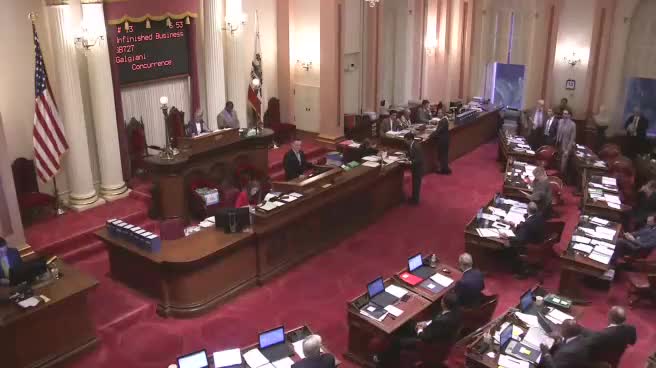
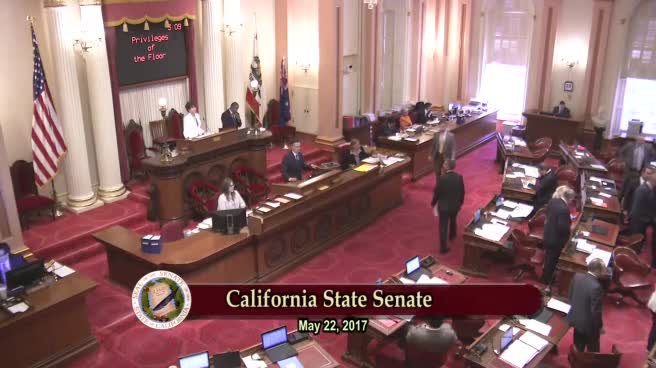
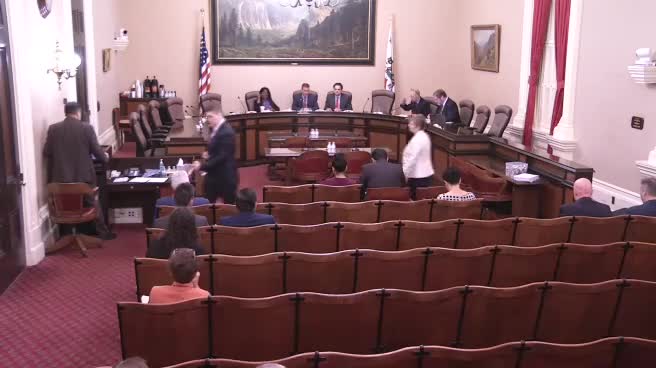
Bill Author
Bill Co-Author(s):