SB 646: State Civil Service Act: adverse action: notice.
- Session Year: 2017-2018
- House: Senate
- Latest Version Date: 2017-02-17
The State Civil Service Act requires notice of any adverse action against any state employee for any cause for discipline based on any civil service law to be served within 3 years after the cause for discipline, upon which the notice is based, first arose. That act provides that an adverse action based on fraud, embezzlement, or the falsification of records is valid if notice of the adverse action is served within 3 years after the discovery of the fraud, embezzlement, or falsification.
This bill would instead provide that for any adverse action not based on fraud, embezzlement, or falsification of records, if the cause for discipline was discovered on or after January 1, 2018, notice would be required to be served within one year of the discovery of the cause for discipline.
(a)No adverse action shall be valid against any state employee for any cause for discipline based on any civil service law of this state, unless notice of the adverse action is served within three years after the cause for discipline, upon which the notice is based, first arose. Adverse action based on fraud, embezzlement, or the falsification of records shall be valid, if notice of the adverse action is served within three years after the discovery of the fraud, embezzlement, or falsification.
(b)If the cause for discipline was discovered on or after January 1, 2018, no adverse action shall be valid against any state employee for any cause for discipline based on any civil service law of this state, unless notice of the adverse action is served within one year after the cause for discipline, upon which the notice is based, first arose. This subdivision shall not apply to an adverse action based on fraud, embezzlement, or falsification of records.
|
Date
|
Status
|
|---|---|
| Sep 13, 2017 | Ordered to inactive file on request of Assembly Member Calderon. |
| Jun 22, 2017 | Read second time. Ordered to third reading. |
| Jun 21, 2017 | From committee: Do pass. (Ayes 5. Noes 1.) (June 21). |
| Jun 12, 2017 | Referred to Com. on P.E., R., & S.S. |
| May 31, 2017 | In Assembly. Read first time. Held at Desk. |
| May 30, 2017 | Read third time. Passed. (Ayes 28. Noes 11. Page 1275.) Ordered to the Assembly. |
| May 26, 2017 | Read second time. Ordered to third reading. |
| May 25, 2017 | From committee: Do pass. (Ayes 5. Noes 2. Page 1188.) (May 25). |
| May 23, 2017 | Set for hearing May 25. |
| May 22, 2017 | May 22 hearing: Placed on APPR. suspense file. |
| May 16, 2017 | Set for hearing May 22. |
| May 9, 2017 | From committee: Do pass and re-refer to Com. on APPR. (Ayes 3. Noes 1. Page 1006.) (May 8). Re-referred to Com. on APPR. |
| Mar 17, 2017 | Set for hearing May 8. |
| Mar 2, 2017 | Referred to Coms. on P.E. & R. and APPR. |
| Feb 21, 2017 | From printer. May be acted upon on or after March 23. |
| Feb 17, 2017 | Introduced. Read first time. To Com. on RLS. for assignment. To print. |
|
Date
|
Description
|
Location
|
Votes
|
|
|---|---|---|---|---|
| Jun 21, 2017 | Do pass. | Assembly Standing Committee on Public Employees, Retirement, and Social Security |
Passed |
|
| May 30, 2017 | Senate 3rd Reading SB646 Galgiani | Senate Floor |
Passed |
|
| May 25, 2017 | Do pass | Senate Standing Committee on Appropriations |
Passed |
|
| May 22, 2017 | Placed on suspense file | Senate Standing Committee on Appropriations |
Passed |
|
| May 8, 2017 | Do pass, but first be re-referred to the Committee on [Appropriations] | Senate Standing Committee on Public Employment and Retirement |
Passed |
This list shows positions taken on this bill by organizations on the date displayed, which is linked to the original source.
Positions by individuals are not included.
SENATE THIRD READING
STR Bill Id:SB 646
Author:(Galgiani)
As Introduced Ver:February 17, 2017
Majority vote
SENATE VOTE: 28-11
Committee | Votes | Ayes | Noes |
Public Employees | 5-1 | Rodriguez, Cervantes, Cooley, Cooper, O'Donnell | Brough |
SUMMARY: Prohibits an adverse action based on a cause for discipline discovered on or after January 1, 2018, from being valid against any state employee for any cause for discipline based on any civil service law of California, unless the employer served notice of the adverse action within one year after the cause for discipline, and specifies that this subdivision shall not apply to an adverse action based on fraud, embezzlement, or falsification of records.
EXISTING LAW:
- Authorizes an appointing power to take adverse action against a state employee for specified causes and establishes administrative procedures for review of an adverse action by the State Personnel Board.
- Requires notice of any adverse action against a state employee for any cause for discipline based on any civil service law to be served within three years of the cause for discipline.
- Specifies that in cases of fraud, embezzlement, or falsification of records, notice must be served within three years after the discovery of the activity.
FISCAL EFFECT: This bill has been keyed nonfiscal by the Legislative Counsel. However, pursuant to Joint Rule 10.5, the Senate Appropriations Committee deemed a review and analysis of this bill to be appropriate and within its purview to examine the extent to which it might potentially increase both workload and state costs.
According to the Senate Appropriations Committee, this bill could result in unknown, potentially significant costs to state departments related to accelerating the adverse action process, including a combination of hiring additional staff and increased overtime for current staff to process disciplinary actions. Absent new funding, state departments responding to the shortened timeframe to initiate adverse actions could be required to choose between 1) reducing staff and resources dedicated to investigations and completing existing adverse actions, or 2) not pursuing new, legitimate disciplinary actions.
COMMENTS: According to the author, "Under current law, there is an unreasonably large window of time, three years, for state agencies to take action against an employee after the alleged wrongdoing has been initially discovered. This long timeframe raises serious due process issues and makes it difficult for an employee to defend his or her actions. Senate Bill 646 will provide procedural fairness and due process for state employees who are being investigated for a personnel matter. The bill will require that notice be served within one year of the discovery of the cause for discipline."
- Comments by Supporters
Numerous organizations in support state that under current law, three years for state agencies to take action against an employee after an alleged wrongdoing has been initially discovered is unreasonably long. This length of time makes investigations more onerous due in part to the insufficient memory of witnesses, and the fact that witnesses whom were involved are no longer available for various reasons, among others. In addition, because of this extended period of time, it creates issues of due process in which an employee cannot adequately defend themselves in a hearing, which is unfair to the employee who may be found innocent of any wrongdoing.
- Prior/Related Legislation
AB 769 (Jones-Sawyer) of 2016 would have provided that any adverse action taken against a state employee for any cause for discipline based on any civil service law of this state, other than for fraud, embezzlement, the falsification of records, or the unauthorized accessing or disclosure of confidential tax information, shall not be valid unless notice is served, and any investigation is completed, within one year after the cause for discipline arose. This bill was vetoed by the Governor.
AB 811 (Salas) of 2015 would have required that any adverse action taken against a state employee for any cause for discipline be served within one year after the discovery of the cause for discipline first arose. This bill was held in the Assembly Appropriations Committee.
Analysis Prepared by: Michael Bolden / P.E.,R., & S.S. / (916) 319-3957 FN: 0001012
Date of Hearing: June 21, 2017
ASSEMBLY COMMITTEE ON PUBLIC EMPLOYEES, RETIREMENT, AND SOCIAL SECURITY
Freddie Rodriguez, Chair
SBPCA Bill Id:SB 646
Author:(Galgiani) – As Introduced Ver:February 17, 2017
SENATE VOTE: 28-11
SUBJECT: State Civil Service Act: adverse action: notice
SUMMARY: Prohibits an adverse action based on a cause for discipline discovered on or after January 1, 2018, from being valid against any state employee for any cause for discipline based on any civil service law of California, unless the employer served notice of the adverse action within one year after the cause for discipline, and specifies that this subdivision shall not apply to an adverse action based on fraud, embezzlement, or falsification of records.
EXISTING LAW:
- Authorizes an appointing power to take adverse action against a state employee for specified causes and establishes administrative procedures for review of an adverse action by the State Personnel Board.
- Requires notice of any adverse action against a state employee for any cause for discipline based on any civil service law to be served within three years of the cause for discipline.
- Specifies that in cases of fraud, embezzlement, or falsification of records, notice must be served within three years after the discovery of the activity.
FISCAL EFFECT: This bill has been keyed nonfiscal by the Legislative Counsel. However, pursuant to Joint Rule 10.5, the Senate Appropriations Committee deemed a review and analysis of this bill to be appropriate and within its purview to examine the extent to which it might potentially increase both workload and state costs.
According to the Senate Appropriations Committee, this bill could result in unknown, potentially significant costs to state departments related to accelerating the adverse action process, including a combination of hiring additional staff and increased overtime for current staff to process disciplinary actions. Absent new funding, state departments responding to the shortened timeframe to initiate adverse actions could be required to choose between (1) reducing staff and resources dedicated to investigations and completing existing adverse actions, or (2) not pursuing new, legitimate disciplinary actions.
COMMENTS: According to the author, “[u]nder current law, there is an unreasonably large window of time, three years, for state agencies to take action against an employee after the alleged wrongdoing has been initially discovered. This long timeframe raises serious due process issues and makes it difficult for an employee to defend his or her actions. Senate Bill 646 will provide procedural fairness and due process for state employees who are being investigated for a personnel matter. The bill will require that notice be served within one year of the discovery of the cause for discipline.”
- Comments by Supporters
Numerous organizations in support state that under current law, three years for state agencies to take action against an employee after an alleged wrongdoing has been initially discovered is unreasonably long. This length of time makes investigations more onerous due in part to the insufficient memory of witnesses, and the fact that witnesses whom were involved are no longer available for various reasons, among others. Moreover, because of this extended period of time, it creates issues of due process in which an employee cannot adequately defend themselves in a hearing, which is unfair to the employee who may be found innocent of any wrongdoing.
- Prior/Related Legislation
2016: AB 769 (Jones-Sawyer), which was vetoed by the Governor, would have provided that any adverse action taken against a state employee for any cause for discipline based on any civil service law of this state, other than for fraud, embezzlement, the falsification of records, or the unauthorized accessing or disclosure of confidential tax information, shall not be valid unless notice is served, and any investigation is completed, within one year after the cause for discipline arose.
The Governor’s veto message stated that, “I am unwilling to reduce longstanding civil service adverse action timeframes because it may take state agencies longer than a year to investigate and serve adverse actions in complex cases involving employee misconduct or unsatisfactory work performance. Further, this bill hinders the progressive discipline process which is intended to give employees a reasonable amount of time to correct problems at an early stage. As such, this bill makes it more difficult for the state to manage and ensure the integrity of its workforce.”
2015: AB 811 (Salas), which was held in the Assembly Appropriations Committee, would have required that any adverse action taken against a state employee for any cause for discipline be served within one year after the discovery of the cause for discipline first arose.
2014: AB 1783 (Jones-Sawyer,) as introduced, would have required that any adverse action taken against a state employee for any cause for discipline, other than for fraud, embezzlement, or the falsification of records, be served and the investigation completed within one year from the time the cause for discipline arose. This bill was subsequently gutted and amended with non-related provisions.
REGISTERED SUPPORT / OPPOSITION:
Support
Association for Los Angeles Deputy Sheriffs
Association of California State Supervisors
California Association of Code Enforcement Officers
California Association of Highway Patrolmen
California Association of Professional Scientists
California College and University Police Chiefs Association
California Correctional Supervisors Organization
California Narcotic Officers' Association
Los Angeles County Professional Peace Officers Association
Los Angeles Police Protective League
Professional Engineers in California Government
Riverside Sheriffs' Association
Service Employees International Union, Local 1000
Opposition
None on file.
Analysis Prepared by: Michael Bolden / P.E.,R., & S.S. / (916) 319-3957
Office of Senate Floor Analyses (916) 651-1520 Fax: (916) 327-4478 | SB |
THIRD READING
Bill No: SB 646
:
SENATE PUBLIC EMP. & RET. COMMITTEE: 3-1, 5/8/17
AYES: Pan, Leyva, Portantino
NOES: Morrell
NO VOTE RECORDED: Moorlach
SENATE APPROPRIATIONS COMMITTEE: 5-2, 5/25/17
AYES: Lara, Beall, Bradford, Hill, Wiener
NOES: Bates, Nielsen
SOURCE: California Correctional Supervisors Organization
DIGEST:
This bill prohibits an adverse action based on a cause for discipline discovered on or after January 1, 2018, from being valid against any state employee unless the employer served notice of the adverse action within one year after the cause for discipline.
ANALYSIS:
Existing law:
- Authorizes an appointing power to take adverse action against a state employee for specified causes and establishes administrative procedures for review of an adverse action by the State Personnel Board.
- Requires notice of any adverse action against a state employee for any cause for discipline based on any civil service law to be served within three years of the cause for discipline.
- Specifies that in cases of fraud, embezzlement, or falsification of records, notice must be served within three years after the discovery of the activity.
This bill provides that for a cause for discipline discovered on or after January 1, 2018, no adverse action shall be valid against any state employee unless notice of the adverse action is served within one year after the cause for discipline first occurred. This subdivision shall not apply to an adverse action based on fraud, embezzlement, or falsification of records.
Background
According to the author, “under current law, there is an unreasonably large window of time, three years, for state agencies to take action against an employee after the alleged wrongdoing has been initially discovered. This long time-frame raises serious due process issues and makes it difficult for an employee to defend his or her actions. Senate Bill 646 will provide procedural fairness and due process for state employees who are being investigated for a personnel matter. The bill will require that notice be served within one year of the discovery of the cause for discipline.”
AB 769 from last year, which was substantially similar to this bill, was vetoed by the Governor. In his veto message the Governor stated.
I am unwilling to reduce longstanding civil service adverse action timeframes because it may take state agencies longer than a year to investigate and serve adverse actions in complex cases involving employee misconduct or unsatisfactory work performance. Further, this bill hinders the progressive discipline process which is intended to give employees a reasonable amount of time to correct problems at an early stage. As such, this bill makes it more difficult for the state to manage and ensure the integrity of its workforce.
Related/Prior Legislation
AB 769 (Jones-Sawyer, 2016), which was vetoed by the Governor, would have provided that any adverse action taken against a state employee for any cause for discipline based on any civil service law of this state, other than for fraud, embezzlement, the falsification of records, or the unauthorized accessing or disclosure of confidential tax information, shall not be valid unless notice is served, and any investigation is completed, within one year after the cause for discipline arose.
AB 811 (Salas, 2015), which died in Assembly Appropriations Committee, would have required that any adverse action taken against a state employee for any cause for discipline be served within one year after the discovery of the cause for discipline first arose.
AB 1783 (Jones-Sawyer, 2014), as introduced, would have required that any adverse action taken against a state employee for any cause for discipline, other than for fraud, embezzlement, or the falsification of records, be served and the investigation completed within one year from the time the cause for discipline arose. AB 1783 was subsequently gutted and amended with non-related provisions.
FISCAL EFFECT: Appropriation: Fiscal Com.: Local:
According to Senate Appropriations Committee, unknown, potentially significant costs, to state departments related to accelerating the adverse action process.
California Correctional Supervisors Organization (source)
Association for Los Angeles Deputy Sheriffs
Association of California State Supervisors
California Association of Code Enforcement Officers
California Association of Highway Patrolmen
California Association of Professional Scientists
California Association of Psychiatric Technicians
California College and University Police Chiefs Association
California Narcotic Officers Association
Los Angeles County Professional Peace Officers Association
Los Angeles Police Protective League
Professional Engineers in California Government
Riverside Sheriffs’ Association
Service Employees International Union, Local 1000
OPPOSITION: (Verified 5/26/17)
None received
ARGUMENTS IN SUPPORT: According to the sponsor, under current law “a state employee suspected of wrongdoing will be removed from the position to another area and will not be allowed to transfer or promote until the investigation is complete. Quite often, because the state agency believes it has three years to complete an investigation, it will take the entire three years to complete the investigation from the date of discovery. This completely stops the employee’s career and puts that employee under duress for three years. Not only is this unfair to the employee, who may be found innocent of any wrongdoing, but it does not reflect the legislative intent of this particular provision of current law.”
According to the Service Employees International Union, Local 1000, “investigations become more onerous the further removed they are in time from alleged misdeeds; witnesses’ memories fade, evidence is lost and many of the individuals involved have often moved on. SB 646 seeks to remedy these problems by requiring departments to conduct more expedient and cost-efficient investigations.”
5/27/17 17:21:36
**** END ****
SENATE COMMITTEE ON APPROPRIATIONS
Senator Ricardo Lara, Chair
2017 - 2018 Regular Session
SB 646 (Galgiani) - State Civil Service Act: adverse action: notice
Version: February 17, 2017 | Policy Vote: P.E. & R. 3 - 1 |
Urgency: No | Mandate: No |
Hearing Date: May 22, 2017 | Consultant: Robert Ingenito |
This bill meets the criteria for referral to the Suspense File.
Bill Summary:
SB 646 would prohibit an adverse action based on a cause for discipline discovered on or after January 1, 2018, from being valid against any state employee unless the employer served notice of the adverse action within one year after the cause for discipline.
Fiscal Impact:
The bill could result in unknown, potentially significant costs, to state departments related to accelerating the adverse action process.
Background:
“Adverse action” generally refers to an action taken by an appointing power to discipline an employee and includes formal reprimand, transfers for disciplinary reasons, suspension, reduction-in-salary, demotion and dismissal. More specifically, adverse action is the final phase in the progressive discipline process within civil service employment with the State. Current law (1) authorizes an appointing power to take adverse action against a state employee for specified causes, and (2) establishes administrative procedures for review of an adverse action. Notice of any adverse action against a state employee for any cause for discipline based on any civil service law must be served within three years of the cause for discipline; there is no time limit under current law with respect its completion. Additionally, current law specifies that in cases of fraud, embezzlement, or falsification of records, notice must be served within three years after the discovery of the activity.
Proposed Law:
This bill would provide that for a cause for discipline discovered on or after January 1, 2018, no adverse action shall be valid against any state employee unless notice of the adverse action is served within one year after the cause for discipline first occurred. The bill would not apply to an adverse action based on fraud, embezzlement, or falsification of records.
Related Legislation:
This bill is similar to AB 769 (Jones-Sawyer, 2016), which additionally required adverse actions to be completed within one year. AB 769 was vetoed by the Governor. Additionally, this bill is similar to AB 811 (Salas) of 2015, AB 1783 (Jones-Sawyer) of 2014, AB 872 (Dickinson) of 2013, AB 1655 (Dickinson) of 2012, AB 920 (Portantino) of 2011, and AB 1744 (Portantino) of 2010. All of these bills were held under submission on the Suspense File of the Assembly Appropriations Committee.
Staff Comments:
The Office of the Legislative Counsel has keyed this bill “non-fiscal.” However, the purview of this Committee, pursuant to Joint Rule 10.5, is to review and analyze bills that would, among other things, result in a substantial expenditure of state money. Thus, even though SB 646 was keyed “non-fiscal,” the Committee requested the bill to examine the extent to which it might potentially increase both workload and state costs.
As noted above, this bill would reduce the timeframe associated with initiating an adverse action. Consequently, it could result in increased costs to state departments, including a combination of hiring additional staff and increased overtime for current staff to process disciplinary actions. Absent new funding, state departments responding to the shortened timeframe to initiate adverse actions could be required to choose between (1) reducing staff and resources dedicated to investigations and completing existing adverse actions, or (2) not pursuing new, legitimate disciplinary actions.
-- END –
SENATE COMMITTEE ON
PUBLIC EMPLOYMENT AND RETIREMENT
Dr. Richard Pan, Chair
2017 - 2018 Regular
Bill No: SB 646 Hearing Date: 5/8/17
Author: | Galgiani | ||
Version: | 2/17/17 As introduced | ||
Urgency: | No | Fiscal: | No |
Consultant: | Glenn Miles | ||
Subject: State Civil Service Act: adverse action: notice
SOURCE: California Correctional Supervisors Organization
DIGEST: This bill prohibits an adverse action based on a cause for discipline discovered on or after January 1, 2018, from being valid against any state employee unless the employer served notice of the adverse action within one year after the cause for discipline.
ANALYSIS:
Existing law:
- Authorizes an appointing power to take adverse action against a state employee for specified causes and establishes administrative procedures for review of an adverse action by the State Personnel Board.
- Requires notice of any adverse action against a state employee for any cause for discipline based on any civil service law to be served within three years of the cause for discipline.
- Specifies that in cases of fraud, embezzlement, or falsification of records, notice must be served within three years after the discovery of the activity.
This bill:
Provides that for a cause for discipline discovered on or after January 1, 2018, no adverse action shall be valid against any state employee unless notice of the adverse action is served within one year after the cause for discipline, first occured. This subdivision shall not apply to an adverse action based on fraud, embezzlement, or falsification of records.
Background
According to the author, “under current law, there is an unreasonably large window of time, three years, for state agencies to take action against an employee after the alleged wrongdoing has been initially discovered. This long time-frame raises serious due process issues and makes it difficult for an employee to defend his or her actions. Senate Bill 646 will provide procedural fairness and due process for state employees who are being investigated for a personnel matter. The bill will require that notice be served within one year of the discovery of the cause for discipline.”
AB 769 from last year, which was substantially similar to this bill, was vetoed by the Governor. In his veto message the Governor stated.
I am unwilling to reduce longstanding civil service adverse action timeframes because it may take state agencies longer than a year to investigate and serve adverse actions in complex cases involving employee misconduct or unsatisfactory work performance. Further, this bill hinders the progressive discipline process which is intended to give employees a reasonable amount of time to correct problems at an early stage. As such, this bill makes it more difficult for the state to manage and ensure the integrity of its workforce.
Related/Prior Legislation
AB 769 (Jones-Sawyer, 2016), which was vetoed by the Governor, would have provided that any adverse action taken against a state employee for any cause for discipline based on any civil service law of this state, other than for fraud, embezzlement, the falsification of records, or the unauthorized accessing or disclosure of confidential tax information, shall not be valid unless notice is served, and any investigation is completed, within one year after the cause for discipline arose.
AB 811 (Salas, 2015), which died in Assembly Appropriations Committee, would have required that any adverse action taken against a state employee for any cause for discipline be served within one year after the discovery of the cause for discipline first arose.
AB 1783 (Jones-Sawyer, 2014), as introduced, would have required that any adverse action taken against a state employee for any cause for discipline, other than for fraud, embezzlement, or the falsification of records, be served and the investigation completed within one year from the time the cause for discipline arose. AB 1783 was subsequently gutted and amended with non-related provisions.
FISCAL EFFECT: Appropriation: No Fiscal Com.: No Local: No
SUPPORT:
California Correctional Supervisors Organization (source)
Association of California State Supervisors
Association for Los Angeles Deputy Sheriffs
California Association of Code Enforcement Officers
California Association of Highway Patrolmen
California Association of Professional Scientists
California Association of Psychiatric Technicians
California College and University Police Chiefs Association
California Narcotic Officers Association
Los Angeles County Professional Peace Officers Association
Los Angeles Police Protective League
Professional Engineers in California Government
Riverside Sheriffs’ Association
Service Employees International Union, Local 1000
OPPOSITION:
None received.
ARGUMENTS IN SUPPORT: According to the sponsor, under current law “a state employee suspected of wrongdoing will be removed from the position to another area and will not be allowed to transfer or promote until the investigation is complete. Quite often, because the state agency believes it has three years to complete an investigation, it will take the entire three years to complete the investigation from the date of discovery. This completely stops the employee’s career and puts that employee under duress for three years. Not only is this unfair to the employee, who may be found innocent of any wrongdoing, but it does not reflect the legislative intent of this particular provision of current law.”
According to the Service Employees International Union, Local 1000, “investigations become more onerous the further removed they are in time from alleged misdeeds; witnesses’ memories fade, evidence is lost and many of the individuals involved have often moved on. SB 646 seeks to remedy these problems by requiring departments to conduct more expedient and cost-efficient investigations.”
Discussed in Hearing
 11MIN
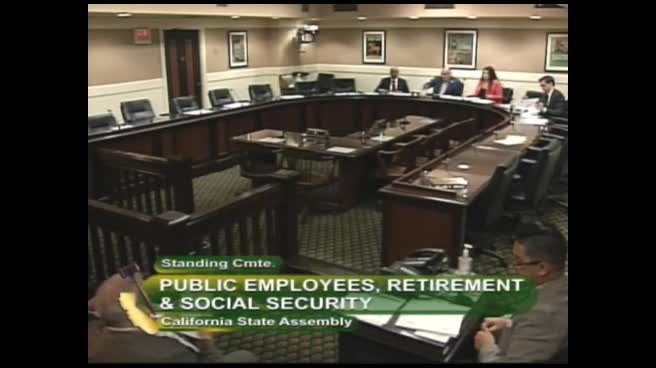
Assembly Standing Committee on Public Employees, Retirement, and Social Security
 2MIN
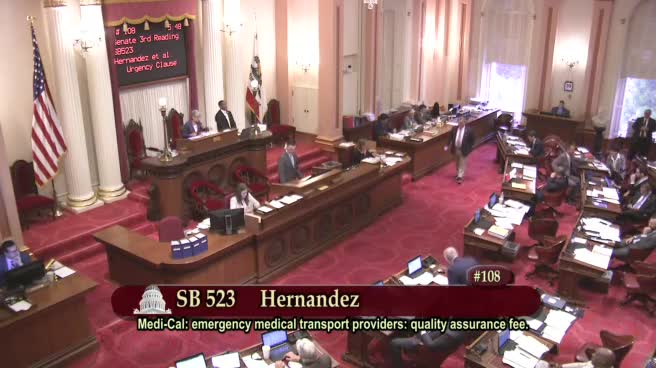
Senate Floor
 48MIN
Senate Standing Committee on Appropriations
 10MIN
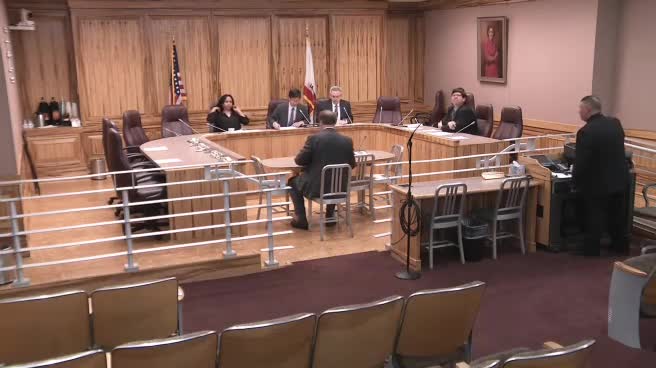
Senate Standing Committee on Public Employment and Retirement
Bill Author

Bill Co-Author(s):