SR 119
- Session Year: 2017-2018
- House: Senate
- Latest Version Date: 2018-08-20
WHEREAS, X-linked adrenoleukodystrophy (X-ALD) is one of a group of genetic disorders called the leukodystrophies that cause damage to the myelin sheath, an insulating membrane that surrounds nerve cells in the brain; and
WHEREAS, Women have two X chromosomes and are the carriers of the disease, but men are most severely affected because men only have one X chromosome and lack the protection provided by an extra X chromosome; and
WHEREAS, The loss of myelin and the progressive dysfunction of the adrenal gland are the primary characteristics of X-ALD; and
WHEREAS, X-ALD affects an estimated one in 20,000 to 50,000 individuals worldwide, including boys like Jeremy Hill, Jr. of Bakersfield; and
WHEREAS, While nearly all patients with X-ALD suffer from adrenal insufficiency, also known as Addisons disease, the neurological symptoms can begin either in childhood or adulthood; and
WHEREAS, The childhood cerebral form is the most severe, with onset between four and 10 years of age; and
WHEREAS, The most common symptoms are behavioral changes, including abnormal withdrawal or aggression, poor memory, and poor school performance; and
WHEREAS, Other symptoms include visual loss, learning disabilities, seizures, poorly articulated speech, difficulty swallowing, deafness, disturbances of gait and coordination, fatigue, intermittent vomiting, increased skin pigmentation, and progressive dementia; and
WHEREAS, The milder adult-onset form is known as adrenomyeloneuropathy (AMN), which typically begins between 21 and 35 years of age, and has symptoms that include progressive stiffness, weakness, or paralysis of the lower limbs, and ataxia; and
WHEREAS, Almost one-half of the women who are carriers of X-ALD will develop a milder form of AMN, but almost never will develop symptoms seen in boys with X-ALD; and
WHEREAS, Treatment with adrenal hormones can be lifesaving, and symptomatic and supportive treatments for X-ALD include physical therapy, psychological support, and special education; and
WHEREAS, Newborn screening is effective in catching and preventing the negative effects of X-ALD and is relatively inexpensive; and
WHEREAS, The prognosis for patients with childhood cerebral X-ALD is generally poor due to progressive neurological deterioration, unless bone marrow transplantation is performed early; and
WHEREAS, Recent evidence suggests that a mixture of oleic acid and erucic acid, known as Lorenzos Oil, administered to boys with X-ALD prior to the onset of symptoms can prevent or delay, but not stop, the appearance of the childhood cerebral form of X-ALD; and
WHEREAS, Death usually occurs between one and 10 years after the onset of symptoms of childhood cerebral X-ALD, and in adult-onset AMN deterioration will progress over decades; and
WHEREAS, November, the month of Jeremy Hill, Jr.s birthday, was chosen to acknowledge the struggles of Jeremy Hill, Jr., his parents, Jeremy and Debra Hill, and his sister, Meagan Hill, in fighting X-ALD; now, therefore, be it
Resolved by the Senate of the State of California, That the Senate does hereby proclaim the month of November 2018 as Adrenoleukodystrophy Awareness Month in California; and be it further
Resolved, That the Secretary of the Senate transmit copies of this resolution to the author for appropriate distribution.
|
Date
|
Status
|
|---|---|
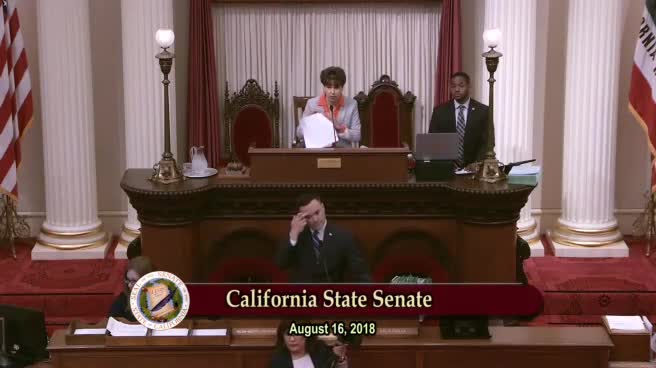
| Aug 16, 2018 | Read. Adopted. (Ayes 38. Noes 0.) Ordered to the Assembly. |
| Aug 8, 2018 | From committee: Ordered to third reading. |
| Jul 2, 2018 | Introduced. Referred to Com. on RLS. |
|
Date
|
Description
|
Location
|
Votes
|
|
|---|---|---|---|---|
| Aug 16, 2018 | Senate 3rd Reading SR119 Fuller | Senate Floor |
Passed |
This list shows positions taken on this bill by organizations on the date displayed, which is linked to the original source.
Positions by individuals are not included.
Office of Senate Floor Analyses (916) 651-1520 Fax: (916) 327-4478 | SR 119 |
THIRD READING
Bill No: SR 119
Introduced: 7/2/18
SUBJECT: Adrenoleukodystrophy Awareness Month
DIGEST:
This resolution proclaims the month of November 2018 as Adrenoleukodystrophy Awareness Month in California.
ANALYSIS: This resolution makes the following legislative findings:
- X-linked adrenoleukodystrophy (X-ALD) is one of a group of genetic disorders called the leukodystrophies that cause damage to the myelin sheath, an insulating membrane that surrounds nerve cells in the brain.
- Women have two X chromosomes and are the carriers of the disease, but men are most severely affected because men only have one X chromosome and lack the protection provided by an extra X chromosome.
- While nearly all patients with X-ALD suffer from adrenal insufficiency, also known as Addison’s disease, the neurological symptoms can begin either in childhood or adulthood.
- The most common symptoms are behavioral changes, including abnormal withdrawal or aggression, poor memory, and poor school performance. Other symptoms include visual loss, learning disabilities, seizures, poorly articulated speech, difficulty swallowing, deafness, disturbances of gait and coordination, fatigue, intermittent vomiting, increased skin pigmentation, and progressive dementia.
- The milder adult-onset form is known as adrenomyeloneuropathy (AMN), which typically begins between 21 and 35 years of age, and has symptoms that include progressive stiffness, weakness, or paralysis of the lower limbs, and ataxia.
- Treatment with adrenal hormones can be lifesaving, and symptomatic and supportive treatments for X-ALD include physical therapy, psychological support, and special education. Newborn screening is effective in catching and preventing the negative effects of X-ALD and is relatively inexpensive.
- The prognosis for patients with childhood cerebral X-ALD is generally poor due to progressive neurological deterioration, unless bone marrow transplantation is performed early.
- Death usually occurs between one and 10 years after the onset of symptoms of childhood cerebral X-ALD, and in adult-onset AMN deterioration will progress over decades.
This resolution proclaims the month of November 2018 as Adrenoleukodystrophy Awareness Month in California.
Related/Prior Legislation
SR 60 (Fuller, 2017) proclaimed the month of November 2017 as Adrenoleukodystrophy Awareness Month in California. The resolution was adopted by the Senate.
FISCAL EFFECT: Appropriation: No Fiscal Com.: No Local: No
None received
None received
Prepared by: Karen Chow / SFA / (916) 651-1520
8/8/18 15:55:32
**** END ****
Bill Author
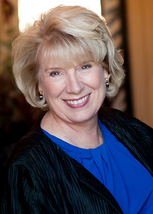
Bill Co-Author(s):