AB 1195: California Global Warming Solutions Act of 2006: Low-Carbon Fuel Standard regulations.
- Session Year: 2019-2020
- House: Assembly
- Latest Version Date: 2019-09-13
|
Date
|
Status
|
|---|---|
| Jan 21, 2020 | Consideration of Governor's veto stricken from file. |
| Oct 11, 2019 | Vetoed by Governor. |
| Sep 19, 2019 | Enrolled and presented to the Governor at 3:30 p.m. |
| Sep 10, 2019 | Senate amendments concurred in. To Engrossing and Enrolling. |
| Sep 6, 2019 | In Assembly. Concurrence in Senate amendments pending. May be considered on or after September 8 pursuant to Assembly Rule 77. |
| Sep 5, 2019 | Read third time. Passed. Ordered to the Assembly. |
| Aug 13, 2019 | Read second time. Ordered to third reading. |
| Aug 12, 2019 | From committee: Be ordered to second reading pursuant to Senate Rule 28.8. |
| Jul 9, 2019 | From committee: Do pass and re-refer to Com. on APPR. (Ayes 13. Noes 0.) (July 9). Re-referred to Com. on APPR. |
| Jun 24, 2019 | Read second time and amended. Re-referred to Com. on TRANS. |
| Jun 20, 2019 | From committee: Amend, and do pass as amended and re-refer to Com. on TRANS. (Ayes 7. Noes 0.) (June 19). |
| May 29, 2019 | Referred to Coms. on EQ. and TRANS. |
| May 23, 2019 | In Senate. Read first time. To Com. on RLS. for assignment. |
| May 22, 2019 | Read third time. Passed. Ordered to the Senate. |
| May 16, 2019 | Read second time. Ordered to third reading. |
| May 15, 2019 | From committee: Do pass. (Ayes 16. Noes 0.) (May 15). |
| May 13, 2019 | Joint Rule 62(a), file notice suspended. (Page 1609.) |
| Apr 22, 2019 | Re-referred to Com. on APPR. |
| Apr 11, 2019 | Read second time and amended. |
| Apr 10, 2019 | From committee: Amend, and do pass as amended and re-refer to Com. on APPR. (Ayes 7. Noes 2.) (April 8). |
| Mar 11, 2019 | Referred to Com. on NAT. RES. |
| Feb 22, 2019 | From printer. May be heard in committee March 24. |
| Feb 21, 2019 | Read first time. To print. |
|
Date
|
Description
|
Location
|
Votes
|
|
|---|---|---|---|---|
| Sep 10, 2019 | AB 1195 O'Donnell Concurrence in Senate Amendments | Assembly Floor |
Passed |
|
| Sep 5, 2019 | Assembly 3rd Reading AB1195 O'Donnell By Umberg | Senate Floor |
Passed |
|
| Sep 5, 2019 | Assembly 3rd Reading AB1195 O'Donnell By Umberg Reconsider | Senate Floor |
Passed |
|
| Sep 5, 2019 | Assembly 3rd Reading AB1195 O'Donnell By Umberg | Senate Floor |
Passed |
|
| Jul 9, 2019 | Do pass, but first be re-referred to the Committee on [Appropriations] | Senate Standing Committee on Transportation |
Passed |
|
| Jun 19, 2019 | Do pass as amended, but first amend, and re-refer to the Committee on [Transportation] | Senate Standing Committee on Environmental Quality |
Passed |
|
| May 22, 2019 | AB 1195 O'Donnell Assembly Third Reading | Assembly Floor |
Passed |
|
| May 15, 2019 | Do pass. | Assembly Standing Committee on Appropriations |
Passed |
|
| Apr 8, 2019 | Do pass as amended and be re-referred to the Committee on [Appropriations] | Assembly Standing Committee on Natural Resources |
Passed |
This list shows positions taken on this bill by organizations on the date displayed, which is linked to the original source.
Positions by individuals are not included.
GOVERNOR'S VETO
GV Bill Id:AB 1195
Author:(O'Donnell)
As Enrolled Ver:September 13, 2019
2/3 vote
SUMMARY:
Requires the Air Resources Board (ARB) to consider allowing renewable natural gas (RNG) or biogas delivered via a common carrier pipeline to a crude oil production or transport facility from a source that ARB determines directly reduces emissions of methane in the state to generate credits under the Low-Carbon Fuel Standard (LCFS) regulation.
The Senate Amendments:
- Require ARB to consider allowing the specified LCFS credit, rather than requiring ARB to modify the LCFS to allow the specified credit.
- Sunset the bill January 1, 2023.
Governor's Veto Message:
This bill requires (ARB) to consider allowing (RNG) or biogas delivered via a common carrier pipeline to a crude oil production or transport facility from a source that ARB determines directly reduces emissions of methane in the state to generate credits under the (LCFS) regulation.
In 2018, ARB amended the LCFS regulation and made a carefully considered decision to prohibit this type of transfer, because doing so would undermine the program's ability to achieve ozone and particulate matter (PM) 2.5 health standards.
The (LCFS) regulations must be adopted to reduce air quality and health risks, not make them worse.
COMMENTS:
In general, LCFS credits are generated by using low-carbon transportation fuels in California. While LCFS credits may be generated from delivery of RNG sources to transportation fuel users, more than 95% of the RNG-based LCFS credits are from out-of-state sources, predominantly large landfills in the Eastern U.S. These remote RNG sources are injected into a common-carrier pipeline at the sources, rather than physically delivered to the buyer in California, so there is no local or in-state methane reduction or other environmental benefit. These out-of-state sources have a significant price advantage over in-state sources due to lesser regulation and lower gas quality standards.
The LCFS includes several alternative credit generation methods for measures that reduce fossil fuel use in transportation directly, such as electric vehicle charging and hydrogen fueling infrastructure, as well as measures that reduce fossil fuel emissions in the fuel production process. For example, the LCFS allows the generation of credits from the use of RNG as a fuel in a refinery as part of the Refinery Investment Credit Program or to generate renewable hydrogen for use in the refinery process as part of the Renewable Hydrogen Refinery Credit Program. For use of RNG as a fuel in the refinery process, the regulation requires the RNG to be directly supplied to the refinery by dedicated pipeline. For renewable hydrogen, because the RNG is being used to create a renewable fuel, the regulation permits the use of contract swaps (no requirement for physical delivery). To date, no credits have been generated using either of these methods.
The regulation also permits RNG to be used to generate credits for use in thermally enhanced oil recovery, but the RNG must be directly supplied to the oil production field. This bill would require ARB to consider allowing delivery via common carrier pipeline, provided the source reduces methane emissions within California.
According to the Author:
AB 1195 incentivizes the replacement of natural gas with RNG by requiring ARB to consider extending the LCFS credit available for such replacement to oil producers. The bill specifies that in order to receive a credit, the RNG must be generated by a source that directly reduces methane emissions in California. As such, AB 1195 could not only reduce the greenhouse gas footprint of all oil and gas operations, but it could also assist in creating stronger in-state market for methane, which is a potent global warming gas, that would otherwise dissipate into the atmosphere.
Arguments in Support:
Supporters argue this bill will create another end use for in-state sources of RNG, encouraging the replacement of fossil natural gas in oil production and reducing methane emissions.
Arguments in Opposition:
Opponents argue this bill, by continuing to utilize pipeline infrastructure, would lock California into continued reliance on dirty, polluting energy resources and delay the shift to clean renewable energy solutions.
FISCAL COMMENTS:
According to the Senate Appropriations Committee, pursuant to Senate Rule 28.8, negligible state costs.
VOTES:
ASM NATURAL RESOURCES: 7-2-2
YES: Friedman, Flora, Chau, Eggman, Cristina Garcia, Mathis, Melendez
NO: Limón, Mark Stone
ABS, ABST OR NV: McCarty, Muratsuchi
ASM APPROPRIATIONS: 16-0-2
YES: Gonzalez, Bigelow, Bloom, Bonta, Calderon, Carrillo, Chau, Diep, Eggman, Fong, Gabriel, Maienschein, Obernolte, Petrie-Norris, Quirk, Robert Rivas
ABS, ABST OR NV: Brough, Eduardo Garcia
ASSEMBLY FLOOR: 62-5-13
YES: Aguiar-Curry, Arambula, Berman, Bigelow, Bloom, Bonta, Brough, Burke, Calderon, Carrillo, Cervantes, Chau, Chen, Choi, Chu, Cooper, Cunningham, Dahle, Daly, Diep, Eggman, Flora, Fong, Frazier, Friedman, Gabriel, Gallagher, Cristina Garcia, Gipson, Gonzalez, Gray, Grayson, Holden, Irwin, Jones-Sawyer, Kamlager-Dove, Kiley, Lackey, Low, Maienschein, Mathis, Mayes, McCarty, Medina, Melendez, Mullin, O'Donnell, Obernolte, Petrie-Norris, Quirk, Quirk-Silva, Ramos, Rodriguez, Blanca Rubio, Salas, Santiago, Smith, Voepel, Waldron, Weber, Wood, Rendon
NO: Levine, Limón, Mark Stone, Ting, Wicks
ABS, ABST OR NV: Bauer-Kahan, Boerner Horvath, Chiu, Cooley, Eduardo Garcia, Gloria, Kalra, Muratsuchi, Nazarian, Patterson, Reyes, Luz Rivas, Robert Rivas
SENATE FLOOR: 35-1-4
YES: Allen, Archuleta, Bates, Beall, Borgeas, Bradford, Caballero, Chang, Dahle, Dodd, Durazo, Galgiani, Glazer, Grove, Hertzberg, Hill, Hueso, Hurtado, Jones, Leyva, McGuire, Monning, Moorlach, Morrell, Nielsen, Pan, Portantino, Roth, Rubio, Skinner, Stone, Umberg, Wieckowski, Wiener, Wilk
NO: Mitchell
ABS, ABST OR NV: Atkins, Lena Gonzalez, Jackson, Stern
SENATE FLOOR: 39-0-1
YES: Allen, Archuleta, Bates, Beall, Borgeas, Bradford, Caballero, Chang, Dahle, Dodd, Durazo, Galgiani, Glazer, Lena Gonzalez, Grove, Hertzberg, Hill, Hueso, Hurtado, Jackson, Jones, Leyva, McGuire, Mitchell, Monning, Moorlach, Morrell, Nielsen, Pan, Portantino, Roth, Rubio, Skinner, Stern, Stone, Umberg, Wieckowski, Wiener, Wilk
ABS, ABST OR NV: Atkins
SENATE FLOOR: 33-6-1
YES: Allen, Archuleta, Atkins, Bates, Beall, Borgeas, Bradford, Caballero, Chang, Dahle, Dodd, Durazo, Galgiani, Glazer, Grove, Hertzberg, Hill, Hueso, Hurtado, Jones, Leyva, McGuire, Moorlach, Morrell, Nielsen, Pan, Portantino, Roth, Rubio, Stone, Umberg, Wieckowski, Wilk
NO: Lena Gonzalez, Jackson, Mitchell, Skinner, Stern, Wiener
ABS, ABST OR NV: Monning
ASSEMBLY FLOOR: 61-14-4
YES: Aguiar-Curry, Arambula, Berman, Bigelow, Bonta, Brough, Burke, Calderon, Carrillo, Cervantes, Chau, Chen, Choi, Chu, Cooley, Cooper, Cunningham, Daly, Diep, Eggman, Flora, Fong, Frazier, Friedman, Gabriel, Gallagher, Cristina Garcia, Eduardo Garcia, Gipson, Gray, Grayson, Holden, Irwin, Jones-Sawyer, Kamlager-Dove, Kiley, Lackey, Low, Maienschein, Mathis, Mayes, Medina, Mullin, Obernolte, O'Donnell, Patterson, Petrie-Norris, Quirk, Quirk-Silva, Ramos, Robert Rivas, Rodriguez, Blanca Rubio, Salas, Santiago, Smith, Voepel, Waldron, Weber, Wood, Rendon
NO: Bauer-Kahan, Bloom, Boerner Horvath, Gloria, Gonzalez, Levine, Limón, McCarty, Melendez, Muratsuchi, Nazarian, Luz Rivas, Mark Stone, Wicks
ABS, ABST OR NV: Chiu, Kalra, Reyes, Ting
UPDATED:
VERSION: September 13, 2019
CONSULTANT: Lawrence Lingbloom / NAT. RES. / (916) 319-2092 FN: 0002595
CONCURRENCE IN SENATE AMENDMENTS
CSA1 Bill Id:AB 1195
Author:(O'Donnell)
As Amended Ver:June 24, 2019
Majority vote
SUMMARY:
Requires the Air Resources Board (ARB) to consider allowing renewable natural gas (RNG) or biogas delivered via a common carrier pipeline to a crude oil production or transport facility from a source that ARB determines directly reduces emissions of methane in the state to generate credits under the Low-Carbon Fuel Standard (LCFS) regulation.
The Senate Amendments:
- Require ARB to consider allowing the specified LCFS credit, rather than requiring ARB to modify the LCFS to allow the specified credit.
- Sunset the bill January 1, 2023.
COMMENTS:
In general, LCFS credits are generated by using low-carbon transportation fuels in California. While LCFS credits may be generated from delivery of RNG sources to transportation fuel users, more than 95% of the RNG-based LCFS credits are from out-of-state sources, predominantly large landfills in the Eastern U.S. These remote RNG sources are injected into a common-carrier pipeline at the sources, rather than physically delivered to the buyer in California, so there is no local or in-state methane reduction or other environmental benefit. These out-of-state sources have a significant price advantage over in-state sources due to lesser regulation and lower gas quality standards.
The LCFS includes several alternative credit generation methods for measures that reduce fossil fuel use in transportation directly, such as electric vehicle charging and hydrogen fueling infrastructure, as well as measures that reduce fossil fuel emissions in the fuel production process. For example, the LCFS allows the generation of credits from the use of RNG as a fuel in a refinery as part of the Refinery Investment Credit Program or to generate renewable hydrogen for use in the refinery process as part of the Renewable Hydrogen Refinery Credit Program. For use of RNG as a fuel in the refinery process, the regulation requires the RNG to be directly supplied to the refinery by dedicated pipeline. For renewable hydrogen, because the RNG is being used to create a renewable fuel, the regulation permits the use of contract swaps (no requirement for physical delivery). To date, no credits have been generated using either of these methods.
The regulation also permits RNG to be used to generate credits for use in thermally enhanced oil recovery, but the RNG must be directly supplied to the oil production field. This bill would require ARB to consider allowing delivery via common carrier pipeline, provided the source reduces methane emissions within California.
According to the Author:
AB 1195 incentivizes the replacement of natural gas with RNG by requiring ARB to consider extending the LCFS credit available for such replacement to oil producers. The bill specifies that in order to receive a credit, the RNG must be generated by a source that directly reduces methane emissions in California. As such, AB 1195 could not only reduce the greenhouse gas footprint of all oil and gas operations, but it could also assist in creating stronger in-state market for methane, which is a potent global warming gas, that would otherwise dissipate into the atmosphere.
Arguments in Support:
Supporters argue this bill will create another end use for in-state sources of RNG, encouraging the replacement of fossil natural gas in oil production and reducing methane emissions.
Arguments in Opposition:
Opponents argue this bill, by continuing to utilize pipeline infrastructure, would lock California into continued reliance on dirty, polluting energy resources and delay the shift to clean renewable energy solutions.
FISCAL COMMENTS:
According to the Senate Appropriations Committee, pursuant to Senate Rule 28.8, negligible state costs.
VOTES:
ASM NATURAL RESOURCES: 7-2-2
YES: Friedman, Flora, Chau, Eggman, Cristina Garcia, Mathis, Melendez
NO: Limón, Mark Stone
ABS, ABST OR NV: McCarty, Muratsuchi
ASM APPROPRIATIONS: 16-0-2
YES: Gonzalez, Bigelow, Bloom, Bonta, Calderon, Carrillo, Chau, Diep, Eggman, Fong, Gabriel, Maienschein, Obernolte, Petrie-Norris, Quirk, Robert Rivas
ABS, ABST OR NV: Brough, Eduardo Garcia
ASSEMBLY FLOOR: 62-5-13
YES: Aguiar-Curry, Arambula, Berman, Bigelow, Bloom, Bonta, Brough, Burke, Calderon, Carrillo, Cervantes, Chau, Chen, Choi, Chu, Cooper, Cunningham, Dahle, Daly, Diep, Eggman, Flora, Fong, Frazier, Friedman, Gabriel, Gallagher, Cristina Garcia, Gipson, Gonzalez, Gray, Grayson, Holden, Irwin, Jones-Sawyer, Kamlager-Dove, Kiley, Lackey, Low, Maienschein, Mathis, Mayes, McCarty, Medina, Melendez, Mullin, O'Donnell, Obernolte, Petrie-Norris, Quirk, Quirk-Silva, Ramos, Rodriguez, Blanca Rubio, Salas, Santiago, Smith, Voepel, Waldron, Weber, Wood, Rendon
NO: Levine, Limón, Mark Stone, Ting, Wicks
ABS, ABST OR NV: Bauer-Kahan, Boerner Horvath, Chiu, Cooley, Eduardo Garcia, Gloria, Kalra, Muratsuchi, Nazarian, Patterson, Reyes, Luz Rivas, Robert Rivas
SENATE FLOOR: 35-1-4
YES: Allen, Archuleta, Bates, Beall, Borgeas, Bradford, Caballero, Chang, Dahle, Dodd, Durazo, Galgiani, Glazer, Grove, Hertzberg, Hill, Hueso, Hurtado, Jones, Leyva, McGuire, Monning, Moorlach, Morrell, Nielsen, Pan, Portantino, Roth, Rubio, Skinner, Stone, Umberg, Wieckowski, Wiener, Wilk
NO: Mitchell
ABS, ABST OR NV: Atkins, Lena Gonzalez, Jackson, Stern
SENATE FLOOR: 39-0-1
YES: Allen, Archuleta, Bates, Beall, Borgeas, Bradford, Caballero, Chang, Dahle, Dodd, Durazo, Galgiani, Glazer, Lena Gonzalez, Grove, Hertzberg, Hill, Hueso, Hurtado, Jackson, Jones, Leyva, McGuire, Mitchell, Monning, Moorlach, Morrell, Nielsen, Pan, Portantino, Roth, Rubio, Skinner, Stern, Stone, Umberg, Wieckowski, Wiener, Wilk
ABS, ABST OR NV: Atkins
SENATE FLOOR: 33-6-1
YES: Allen, Archuleta, Atkins, Bates, Beall, Borgeas, Bradford, Caballero, Chang, Dahle, Dodd, Durazo, Galgiani, Glazer, Grove, Hertzberg, Hill, Hueso, Hurtado, Jones, Leyva, McGuire, Moorlach, Morrell, Nielsen, Pan, Portantino, Roth, Rubio, Stone, Umberg, Wieckowski, Wilk
NO: Lena Gonzalez, Jackson, Mitchell, Skinner, Stern, Wiener
ABS, ABST OR NV: Monning
UPDATED:
VERSION: June 24, 2019
CONSULTANT: Lawrence Lingbloom / NAT. RES. / (916) 319-2092 FN: 0002051
Office of Senate Floor Analyses (916) 651-1520 Fax: (916) 327-4478 | AB 1195 |
THIRD READING
Bill No: AB 1195
Amended: 6/24/19 in Senate
SENATE ENVIRONMENTAL QUALITY COMMITTEE: 7-0, 6/19/19
AYES: Allen, Bates, Dahle, Hill, Skinner, Stern, Wieckowski
SENATE TRANSPORTATION COMMITTEE: 13-0, 7/9/19
AYES: Beall, Bates, Dahle, Dodd, Galgiani, McGuire, Morrell, Roth, Rubio, Skinner, Stone, Umberg, Wieckowski
SENATE APPROPRIATIONS COMMITTEE: Senate Rule 28.8
ASSEMBLY FLOOR: 62-5, 5/22/19 - See last page for vote
SUBJECT: California Global Warming Solutions Act of 2006: Low-Carbon Fuel Standard regulations
DIGEST:
This bill directs the State Air Resources Board (ARB) to, through a public process before January 1, 2023, consider allowing renewable natural gas (RNG)—provided as specified and which reduces in-state methane emissions—to generate Low-Carbon Fuel Standard (LCFS) credits.
Existing law:
- Establishes ARB as the air pollution control agency in California and requires ARB, among other things, to control emissions from a wide array of mobile sources and coordinate, encourage, and review the efforts of all levels of government as they affect air quality. (Health and Safety Code (HSC) §39500 et seq.)
- Requires ARB to ensure that statewide greenhouse gas (GHG) emissions are reduced to at least 40% below the 1990 level by December 31, 2030 (i.e., SB 32); and allows ARB, until December 31, 2030, to adopt regulations that utilize market-based compliance mechanisms (i.e., the cap-and-trade program) to reduce GHG emissions. (HSC §§ 38566, 38562)
- Establishes the LCFS regulations to encourage the innovation, use, and production of cleaner, low-carbon fuels in California in order to reduce GHG emissions. (Subarticle 7 (commencing with Section 95480) of Title 17 of the California Code of Regulations).
This bill:
- Requires the ARB to consider allowing RNG or biogas that is delivered via a common carrier pipeline to a crude oil production or transport facility to generate Credits for Producing and Transporting Crudes Using Innovative Methods under the LCFS regulations.
- Requires ARB’s consideration to be done through a public process that may include a workshop.
- Limits ARB consideration to RNG and biogas that is from a source the ARB determines directly reduces emissions of methane in the state.
- Repeals these provisions January 1, 2023.
Background
- Low-Carbon Fuel Standard. The original LCFS—established by Governor Schwarzenegger through EO S-01-07 with the goal of encouraging the innovation, use, and production of cleaner, low-carbon fuels in California in order to reduce GHG emissions—set a goal of reducing the Carbon Intensity (CI) of fuels in the state to 10% below 2010 levels by 2020. CI is determined by the lifecycle of GHG emissions associated with using gasoline and diesel fuel, as well as their alternatives. Since the original LCFS was adopted, ARB set a new goal to reduce the CI of fuels in the state to 20% below 2010 levels by 2030.
The LCFS is performance-based and fuel-neutral, allowing the market to determine how the CI of California’s transportation fuels will be reduced. This works by setting annual CI standards and requiring producers of fuels with CIs above the standard to purchase credits that are generated by producers of fuels with CIs below the standard. This effectively means that producers of fuels with higher CIs are subsidizing the production of lower-carbon fuels, and is similar to the way offsets (not allowances) work in the cap-and-trade program. In the cap-and-trade program, offset generators sell their offsets to covered entities as one pathway toward compliance with the program. In the LCFS, low-carbon fuels producers generate credits that higher-carbon fuel producers can buy for compliance.
- Biogas and renewable natural gas. Biogas consists primarily of methane and carbon dioxide, and usually contains small amounts of water vapor, hydrogen sulfide, siloxanes, hydrocarbons, ammonia, oxygen, carbon monoxide and nitrogen. Biogas can come from a variety of sources, including, but not limited to, landfills, dairies, sewage, and food waste.
In order to purify biogas into RNG, the trace impurities must be removed and the remaining methane must be sufficiently upgraded so that the “minimum heating value” of the purified RNG is sufficient so that it can be injected into pipelines alongside fossil natural gas without negative impacts.
From an environmental perspective, biogas has several advantages over conventional natural gas. Combustion of natural gas, including biogas, releases carbon dioxide into the atmosphere. However, the combustion of natural gas destroys methane, a gas that is a much more potent GHG than carbon dioxide. In addition to destroying methane, the combustion of biogas, for GHG accounting purposes, is considered carbon neutral because the carbon in biogas, unlike the carbon in conventional natural gas, was recently present in the atmosphere. In addition, biogas can be used to displace the use of fossil fuels, such as conventional natural gas, thereby further decreasing its CI. As such, biogas, and therefore RNG, generates credits under the LCFS.
- Short-Lived Climate Pollutant (SLCP) Strategy. GHGs such as carbon dioxide work to warm the earth by trapping solar radiation in the earth’s atmosphere. Depending on the molecule, these pollutants can vary greatly in their ability to trap heat, which is termed their global warming potential, and the length of time they remain in the atmosphere. Carbon dioxide remains in the atmosphere for centuries, which makes it one of the most critical GHGs to reduce in order to limit long-term climate change. However, climate pollutants including methane, tropospheric ozone, hydrofluorocarbons, and soot (black carbon), are relatively short-lived (anywhere from a few days to a few decades), but when measured in terms of how they heat the atmosphere, their effect can be tens, hundreds, or even thousands of times greater than that of carbon dioxide. These are SLCPs.
Because SLCPs remain in the atmosphere for a relatively short period of time, but have a much higher GWP than carbon dioxide, efforts aimed at reducing their emissions in their near term would result in more immediate climate, air quality, and public health benefits, rather than a strategy focused solely on carbon dioxide. According to ARB’s Web site, “while the climate impacts of CO2 reductions take decades or more to materialize, cutting emissions of SLCPs can immediately slow global warming and reduce the impacts of climate change.” Recent research estimates that SLCPs are responsible for about 40% of global warming to date and that actions to reduce SLCP emissions could cut the amount of warming that would occur over the next few decades by half.
Comments
- Author’s statement. According to the author, “AB 1195 incentivizes the replacement of natural gas with renewable natural gas (RNG) by requiring the California Air Resources Board to consider extending the Low Carbon Fuel Standard (LCFS) credit available for such replacement to oil producers. The bill specifies that in order to receive a credit, the RNG must be generated by a source that directly reduces methane emissions in California. As such, AB 1195 could not only reduce the greenhouse gas footprint of all oil and gas operations, but it could also assist in creating stronger in-state market for methane, which is a potent global warming gas, that would otherwise dissipate into the atmosphere.”
- Innovative methods and decarbonization. There are five innovative methods, set in regulation, that qualify for LCFS credits. These include (a) carbon capture and sequestration, which removes GHGs from the air, (b) solar or wind electrification, and three methods that are typically used to generate steam for a specific type of oil extraction called thermally enhanced oil recovery (TEOR), (c) solar steam generation, (d) solar heat generation (e) RNG or biogas. TEOR typically involves burning natural gas to generate steam for injection into oil-containing geologic formations. This injected steam heats the oil in place, thereby reducing its viscosity, and increasing the volume produced.
The addition to that list proposed by AB 1195, delivery of RNG and biogas via a common carrier pipeline, would be an improvement over the traditional uses of fossil natural gas in the sense that it does not represent the removal of fossil fuels from the ground. However, using these technologies to continue operating crude oil production facilities may not align with longer-term statewide decarbonization efforts. AB 1195’s proposed public consideration process would likely include discussion of these considerations, as well as issues including local air pollutant impacts.
FISCAL EFFECT: Appropriation: No Fiscal Com.: Yes Local: No
California Chamber of Commerce
California Independent Petroleum Association
California Renewable Natural Gas Coalition
California State Pipe Traders Council
Orange County Business Council
OPPOSITION: (Verified 8/13/19)
Sierra Club of California
ASSEMBLY FLOOR: 62-5, 5/22/19
AYES: Aguiar-Curry, Arambula, Berman, Bigelow, Bloom, Bonta, Brough, Burke, Calderon, Carrillo, Cervantes, Chau, Chen, Choi, Chu, Cooper, Cunningham, Dahle, Daly, Diep, Eggman, Flora, Fong, Frazier, Friedman, Gabriel, Gallagher, Cristina Garcia, Gipson, Gonzalez, Gray, Grayson, Holden, Irwin, Jones-Sawyer, Kamlager-Dove, Kiley, Lackey, Low, Maienschein, Mathis, Mayes, McCarty, Medina, Melendez, Mullin, Obernolte, O'Donnell, Petrie-Norris, Quirk, Quirk-Silva, Ramos, Rodriguez, Blanca Rubio, Salas, Santiago, Smith, Voepel, Waldron, Weber, Wood, Rendon
NOES: Levine, Limón, Mark Stone, Ting, Wicks
NO VOTE RECORDED: Bauer-Kahan, Boerner Horvath, Chiu, Cooley, Eduardo Garcia, Gloria, Kalra, Muratsuchi, Nazarian, Patterson, Reyes, Luz Rivas, Robert Rivas
Prepared by: Eric Walters / E.Q. / (916) 651-4108
8/14/19 15:04:40
SENATE COMMITTEE ON TRANSPORTATION
Senator Jim Beall, Chair
2019 - 2020 Regular
Bill No: AB 1195 Hearing Date: 7/9/2019
Author: | O'Donnell | ||
Version: | 6/24/2019 | ||
Urgency: | No | Fiscal: | Yes |
Consultant: | Amy Gilson | ||
SUBJECT: California Global Warming Solutions Act of 2006: Low-Carbon Fuel Standard regulations
DIGEST: This bill directs the California Air Resources Board (ARB) to consider allowing renewable natural gas (RNG) or biogas that is delivered to a crude oil production facility via pipeline to generate credits under the Low Carbon Fuel Standard (LCFS) regulations so long as the gas is from a source that directly reduces methane emissions in the state.
ANALYSIS:
Existing law:
- Enacts the California Global Warming Solutions Act of 2006 (Act), which establishes the ARB as the state agency responsible for monitoring and regulating sources emitting greenhouse gases. Requires the ARB to ensure that statewide greenhouse gas emissions are reduced to at least 40% below the 1990 level by 2030. (Health and Safety Code §38500 et seq.)
- Requires establishment of a statewide goal to reduce the greenhouse gas emissions intensity (i.e. carbon intensity (CI)) of California’s transportation fuels. Requires ARB to adopt an LCFS under its authority granted by the Act. (Executive Order S-01-07)
- Implements the LCFS to reduce emissions from transportation fuels (California Code of Regulations, Title 17 (17 CCR) §95480 et seq.)
- Specifies that LCFS credits may be generated for crude oil that has been produced or transported using innovative methods. Lists five innovative methods that qualify for credits, including RNG or biogas that is physically supplied directly to the crude oil production or transport facilities. (17 CCR §94589(c))
- Specifies that using RNG or biogas to decrease emissions associated with the oil refining process may generate LCFS credits as long as the RNG or biogas is supplied directly to the refinery. Specifies that LCFS credits may be generated at a refinery producing hydrogen from RNG or biogas that is either directly supplied or that is from a common carrier pipeline. (17 CCR §95488.8(i)(2))
This bill:
- Requires the ARB to consider allowing RNG or biogas that is delivered via a common carrier pipeline to a crude oil production or transport facility to generate Credits for Producing and Transporting Crudes Using Innovative Methods under the Low-Carbon Fuel Standard regulations.
- Requires ARB’s consideration to be done through a public process that may include a workshop.
- Limits ARB consideration to RNG and biogas that is from a source the ARB determines directly reduces emissions of methane in the state.
- Repeals these provisions January 1, 2023.
COMMENTS:
- Author’s Statement, “AB 1195 incentivizes the replacement of natural gas with renewable natural gas (RNG) by requiring the California Air Resources Board to consider extending the Low Carbon Fuel Standard (LCFS) credit available for such replacement to oil producers. The bill specifies that in order to receive a credit, the RNG must be generated by a source that directly reduces methane emissions in California. As such, AB 1195 could not only reduce the greenhouse gas footprint of all oil and gas operations, but it could also assist in creating stronger in-state market for methane, which is a potent global warming gas, that would otherwise dissipate into the atmosphere.”
- LCFS credits can currently be generated through the use of “innovative methods” at crude oil production or transportation facilities, including use of RNG and biogas if they are supplied directly to the facility but not including RNG and biogas drawn from a common carrier pipeline. Transportation accounts for 50% of California’s greenhouse gas emissions, including emissions from crude oil production and refining. The LCFS policy framework is designed to reduce the greenhouse gas emissions intensity (carbon intensity (CI)) of transportation fuels used in the state. For example, gasoline has a higher CI than natural gas (fossil fuel methane), which has a higher CI than RNG and biogases (e.g. methane from landfills, wastewater facilities, or dairies). In order to do a full account of emissions associated with a fuel, a fuel’s CI reflects emissions over its full lifecycle, from production to use, not just at the tailpipe. Broadly, in the LCFS regulatory context, low CI fuels generate LCFS credits and, like emissions allowances under the Cap and Trade Program, these credits can be traded in order to satisfy LCFS regulations.
California has many policies to promote zero and near zero emission vehicles, fuels, and infrastructure, including aspects of the LCFS. However, this bill focuses on a different way to generate LCFS credits: using innovative methods to reduce emissions during the production or transport of crude oil. Reducing emissions from oil extraction reduces the overall emissions from traditional, fossil-based transportation fuels because because about 80% of each barrel of crude oil goes to gas, diesel, and jet fuel.[1]
There are five innovative methods, set in regulation, that qualify for LCFS credits. These include (1) carbon capture and sequestration (CCS), which removes GHGs from the air, (2) solar or wind electrification, and three methods that are typically used to generate steam for a specific type of oil extraction called thermally enhanced oil recovery (TEOR), (3) solar steam generation, (4) solar heat generation (5) RNG or biogas. TEOR “typically involves burning natural gas to generate steam for injection into oil-containing geologic formations. This injected steam heats the oil in place, thereby reducing its viscosity, and increasing the volume produced.”[2]
For any of these methods to be eligible for LCFS credits, the method must be implemented onsite. Thus, in order for RNG and biogas to be eligible for LCFS credits, it must be supplied directly to the crude oil production or transportation facility, for example, from a nearby landfill or dairy. RNG or biogas drawn from a common carrier pipeline is not eligible. Similarly, CCS must take place onsite, solar or wind electricity must be produced and consumed onsite and may not come from typical utility transmission lines, steam for solar steam generation must be used onsite, and heat from solar heat generation must be used onsite. Requiring the innovative methods to be implemented onsite facilitates verification that the electricity or gas is coming from a green source and, since innovative method credits can only be generated for oil that will be refined in California, promotes the development of innovative projects in the state. Rather than only RNG or biogas delivered directly from a local source, this bill directs ARB to consider also allowing RNG or biogas delivered via a common carrier pipeline to qualify for LCFS credits, so long as it is from a source ARB determines directly reduces emissions of methane in the state.
- Allowing LCFS credits to be generated through the use of RNG and biogas delivered via common carrier pipeline as an “innovative method” may decrease the GHG emissions of crude oil production or transportation facilities in some cases but at the expense of greener, less polluting “innovative methods.” There is nothing innovative about pulling gas from a pipeline, whether it is renewable or not. Still, replacing traditional fossil natural gas with RNG or biogas that directly reduces methane emissions in the state should reduce emissions regardless of where the gas comes from. It would also be inexpensive as using it would not necessitate any changes to oil production and transport facilities as they are already connected to gas pipelines. On the other hand, common carrier RNG or biogas would likely be the cheapest way to generate LCFS credits during TEOR, cheaper than solar steam or heat generation. Solar steam and heat generation are zero emission, but RNG and biogas are not. The bulk of California oil extraction happens in the Central Valley, an air basin polluted with nitrogen oxides (respiratory irritants that contribute to smog) at levels that well exceed state and federal standards. Because nitrogen oxides are byproducts of burning natural gas, RNG, or biogas, incentivizing RNG and biogas use in oil production could further degrade Central Valley air quality.
- Double referral. This bill passed out of the Environmental Quality Committee, as amended, on June 19 on a 7 – 0 vote.
Related Legislation:
AB 1162 (O’Donnell, 2018) — was gut and amended in the Senate with language identical to the introduced version of this bill. It would have required the state board to recognize as generating an innovative crude production method credit under the LCFS regulations the use of RNG to displace the existing use of natural gas by oil and natural gas companies that are otherwise eligible to opt in to the innovative crude provisions of the regulations. It died in Senate Rules.
Assembly Votes:
Floor 62 – 5
Appropriations 16 – 0
Natural Resources 7 – 2
FISCAL EFFECT: Appropriation: Fiscal Com.: Local:
According to the Assembly Appropriations Committee analysis of a previous version of this bill, “minor and absorbable costs.”
POSITIONS: (Communicated to the committee before noon on Wednesday,
July 3, 2019.)
SUPPORT:
California Chamber of Commerce
California Independent Petroleum Association
California Renewable Natural Gas Coalition
California State Pipe Traders Council
Orange County Business Council
OPPOSITION:
Sierra Club of California
-- END --
U.S. Energy Information Administration, Oil Crude and Petroleum Products Explained, May 23, 2019. Accessed June 27, 2019 from https://www.eia.gov/energyexplained/index.php?page=oil_refining ↑
California Council on Science and technology, Electricity for Natural Gas with CO2 Capture for Enhanced Oil recovery: Emission accounting under Cap-&-Trade and LCFS, January 2015 ↑
SENATE COMMITTEE ON ENVIRONMENTAL QUALITY
Senator Allen, Chair
2019 - 2020 Regular
Bill No: AB 1195
Author: | O'Donnell | ||
Version: | 4/11/2019 | Hearing Date: | 6/19/2019 |
Urgency: | No | Fiscal: | Yes |
Consultant: | David Ernest García | ||
SUBJECT: California Global Warming Solutions Act of 2006: Low-Carbon Fuel Standard regulations
DIGEST: This bill requires that a Low-Carbon Fuel Standard credit may be generated for crude oil that has been produced or transported using innovative methods and delivered for processing to refineries located in the state, as specified.
ANALYSIS:
Existing law:
- Establishes ARB as the air pollution control agency in California and requires ARB, among other things, to control emissions from a wide array of mobile sources and coordinate, encourage, and review the efforts of all levels of government as they affect air quality. (Health and Safety Code (HSC) §39500 et seq.)
- Requires ARB to ensure that statewide GHG emissions are reduced to at least 40% below the 1990 level by December 31, 2030 (i.e., SB 32); and allows ARB, until December 31, 2030, to adopt regulations that utilize market-based compliance mechanisms (i.e., the cap-and-trade program) to reduce GHG emissions. (HSC §§ 38566, 38562)
- Establishes the Low-Carbon Fuel Standard (LCFS) regulations to encourage the innovation, use, and production of cleaner, low-carbon fuels in California in order to reduce GHG emissions. (Subarticle 7 (commencing with Section 95480) of Title 17 of the California Code of Regulations).
This bill:
- Defines “innovative method” to mean crude oil production or transport using one or more of the following technologies:
- Solar steam generation or generated steam of 45 percent quality or greater. Steam shall be used onsite at the crude oil production or transport facility.
- Carbon capture and sequestration. Carbon capture shall take place onsite at the crude oil production or transport facility.
- Solar or wind electricity generation. To qualify, electricity shall be produced and consumed onsite or be provided directly to the crude oil production or transport facility from a third-party generator and not through a utility-owned transmission or distribution network. Energy storage may be used to increase the quantity of electricity supplied to a crude oil production or transport facility from intermittent solar and wind electricity generation sources.
- Solar heat generation, including, but not limited to, boiler water preheating and solar steam generation with a steam quality of less than 45 percent. Heat shall be used onsite at the crude oil production or transport facility.
- Renewable natural gas or biogas energy. Renewable natural gas or biogas shall be physically supplied directly or delivered via common carrier pipeline to the crude oil production or transport facility from a source that the state board determines directly reduces emissions of methane in the state.
- Solar steam generation or generated steam of 45 percent quality or greater. Steam shall be used onsite at the crude oil production or transport facility.
- Defines “Low-Carbon Fuel Standard” to mean the LCFS regulations (Subarticle 7 (commencing with Section 95480) of Title 17 of the California Code of Regulations).
- Defines “steam quality” to mean the ratio of the mass of vapor to the total mass of a vapor-liquid mixture of water at its saturation temperature.
- Requires that a Low-Carbon Fuel Standard credit may be generated for crude oil that has been produced or transported using innovative methods and delivered for processing to refineries located in the state.
Background
- Low-Carbon Fuel Standard. The original LCFS—established by Governor Schwarzenegger through EO S-01-07 with the goal of encouraging the innovation, use, and production of cleaner, low-carbon fuels in California in order to reduce GHG emissions—set a goal of reducing the Carbon Intensity (CI) of fuels in the state to 10% below 2010 levels by 2020. CI is determined by the lifecycle of GHG emissions associated with using gasoline and diesel fuel, as well as their alternatives. Since the original LCFS was adopted, ARB set a new goal to reduce the CI of fuels in the state to 20% below 2010 levels by 2030.
The LCFS is performance-based and fuel-neutral, allowing the market to determine how the CI of California’s transportation fuels will be reduced. This works by setting annual CI standards and requiring producers of fuels with CIs above the standard to purchase credits that are generated by producers of fuels with CIs below the standard. This effectively means that producers of fuels with higher CIs are subsidizing the production of lower-carbon fuels, and is similar to the way offsets (not allowances) work in the cap-and-trade program. In the cap-and-trade program, offset generators sell their offsets to covered entities as one pathway toward compliance with the program. In the LCFS, low-carbon fuels producers generate credits that higher-carbon fuel producers can buy for compliance. - Biogas and Renewable Natural Gas (RNG). Biogas consists primarily of methane and carbon dioxide, and usually contains small amounts of water vapor, hydrogen sulfide, siloxanes, hydrocarbons, ammonia, oxygen, carbon monoxide and nitrogen. Biogas can come from a variety of sources, including, but not limited to, landfills, dairies, sewage, and food waste.
In order to purify biogas into RNG, the trace impurities must be removed and the remaining methane must be sufficiently upgraded so that the “minimum heating value” (HV) of the purified RNG is sufficient so that it can be injected into pipelines alongside fossil natural gas without negative impacts.
From an environmental perspective, biogas has several advantages over conventional natural gas. Combustion of natural gas, including biogas, releases carbon dioxide into the atmosphere. However, the combustion of natural gas destroys methane, a gas that is a much more potent GHG than carbon dioxide. In addition to destroying methane, the combustion of biogas, for GHG accounting purposes, is considered carbon neutral because the carbon in biogas, unlike the carbon in conventional natural gas, was recently present in the atmosphere. In addition, biogas can be used to displace the use of fossil fuels, such as conventional natural gas, thereby further decreasing its CI. As such, biogas, and therefore RNG, generates credits under the LCFS. - Short-Lived Climate Pollutant (SLCP) Strategy. GHGs such as carbon dioxide work to warm the earth by trapping solar radiation in the earth’s atmosphere. Depending on the molecule, these pollutants can vary greatly in their ability to trap heat, which is termed their global warming potential, and the length of time they remain in the atmosphere. Carbon dioxide remains in the atmosphere for centuries, which makes it one of the most critical GHGs to reduce in order to limit long-term climate change. However, climate pollutants including methane, tropospheric ozone, hydrofluorocarbons (HFCs), and soot (black carbon), are relatively short-lived (anywhere from a few days to a few decades), but when measured in terms of how they heat the atmosphere, their effect can be tens, hundreds, or even thousands of times greater than that of carbon dioxide. These are SLCPs.
Because SLCPs remain in the atmosphere for a relatively short period of time, but have a much higher GWP than carbon dioxide, efforts aimed at reducing their emissions in their near term would result in more immediate climate, air quality, and public health benefits, rather than a strategy focused solely on carbon dioxide. According to ARB’s website, “while the climate impacts of CO2 reductions take decades or more to materialize, cutting emissions of SLCPs can immediately slow global warming and reduce the impacts of climate change.” Recent research estimates that SLCPs are responsible for about 40% of global warming to date and that actions to reduce SLCP emissions could cut the amount of warming that would occur over the next few decades by half.
SB 605 (Lara and Pavley, Chapter 523, Statutes of 2014) directed ARB to develop a comprehensive SLCP strategy by January 1, 2016. In developing the SLCP strategy, ARB was required to complete an inventory of sources and emissions of SLCPs in the state based on available data, identify research needs to address data gaps and existing and potential new control measures to reduce emissions. ARB approved the SLCP strategy in March 2017, which set statewide 2030 emission reduction targets for methane, hydrofluorocarbons, and anthropogenic black carbon.
Comments
- Purpose of Bill. According to the author, “AB 1195 incentivizes the replacement of natural gas with renewable natural gas (RNG) by extending the Low Carbon Fuel Standard (LCFS) credit available for such replacement to oil producers. The bill specifies that in order to receive a credit, the RNG must be generated by a source that directly reduces methane emissions in California. As such, AB 1195 will not only reduce the greenhouse gas footprint of all oil and gas operations, but it also assists in creating a stronger in-state market for methane, which is a potent global warming gas, that would otherwise dissipate into the atmosphere.”
- This is going to get complicated. The LCFS is a very complex, scientific regulation that exists with little to no public policy direction in statute because it was established by Governor Schwarzenegger through an Executive Order. This bill attempts to make very technical, scientific changes to that program, so the discussion will be, as the saying goes, “in the weeds.”
AB 1195 contains several definitions and all but one is from the LCFS regulations; one is new, however, and another one has been modified to make the author’s goal achievable. Unfortunately, that modification is problematic. The following few sentences will probably be confusing, but one need not fully comprehend the scientific details in order to understand the public policy concerns, so plow through even if something doesn’t initially make sense.
AB 1195 provides that an “innovative method” is “solar steam generation or generated steam of 45 percent quality or greater. Steam shall be used onsite at the crude oil production or transport facility.” (Emphasis added.)
Steam quality means the ratio of the mass of vapor to the total mass of a vapor-liquid mixture of water at its saturation temperature. That probably doesn’t mean anything to the vast majority of people reading this analysis. Fortunately, one need not understand what that means to understand the problem with this definition that has been modified from the existing LCFS regulations; the emphasized portion is the only part that matters (apart from the fact that 45% is arbitrary, but that is a discussion for another day).
The existing LCFS only allows steam generated from solar energy to qualify as an innovative method to produce crude oil. AB 1195 would open the door for steam generated by traditional boilers powered by natural gas, distillate oil, or even coal. It should go without saying that there is nothing “innovative” or environmentally-friendly about steam generated by traditional boilers, so this is problematic.
Additionally, because AB 1195 would codify these definitions, it would require Legislative action should ARB need to amend the LCFS in the future (such as changing the targets in the regulations or the arbitrary 45% steam quality definition).
Given that the definitions in AB 1195 are either inaccurate or not necessary to accomplish the author’s goals, and would make changes to the LCFS more difficult, the Committee may wish to strike them from bill.
The one new definition in AB 1195 that is not in the existing LCFS would allow RNG or biogas that is delivered through a pipeline to qualify as an innovative production method for crude oil. It is important to note that ARB already has the authority to do that under the LCFS, but has not.
A question arises as to why.
One reason may be that ARB already has several options for oil and gas producers to generate innovative crude production method credits, including the use of RNG to make steam for Thermally Enhanced Oil Recovery (TEOR, which is the use of heat to get oil out of an oil field because the oil cannot be recovered otherwise). The LCFS currently allows for that when the RNG is generated onsite, but not when the RNG is supplied through a pipeline.
Perhaps ARB makes that distinction because allowing pipeline RNG to generate innovative crude production method credits could make more environmentally friendly crude production methods, such as solar steam TEOR, less cost competitive. This is because solar steam TEOR projects require significant upfront capital investment, while the use of pipeline RNG for TEOR would cost almost nothing since these facilities are already connected to natural gas infrastructure. The reality that the environmental benefit of pipeline RNG is less than onsite RNG is likely why ARB structures the LCFS only to allow RNG to generate innovative crude production method credits when it is provided directly onsite.
To give an example of why this is the case, we need to take a quick detour into the world of air quality. Seventy-five percent of oil extraction happens in the Central Valley, which is in an air basin that is in extreme nonattainment for oxides of nitrogen (NOx). NOx is one of six criteria air pollutants for which both state and federal law sets concentration standards that must not be exceeded. NOx can irritate airways in the human respiratory system and exposures over short periods can aggravate respiratory diseases, particularly asthma, leading to respiratory symptoms (such as coughing, wheezing or difficulty breathing), hospital admissions, and visits to emergency rooms. NOx forms acid rain, makes the air hazy and difficult to see though, and contributes to nutrient pollution in coastal waters. NOx can also form both particulate matter and ozone, both of which are also harmful when inhaled due to effects on the respiratory system.
As noted in the background, combustion of RNG is more environmentally-friendly than fossil natural gas because it destroys methane, a GHG more potent than carbon dioxide, as well as a SLCP. Despite this, combustion of RNG still results in NOx formation. Allowing the sources of RNG in the Central Valley to be used to generate innovative crude production method credits provides some direct environmental benefit to the Central Valley that can somewhat offset NOx formation. Allowing pipeline RNG eliminates those local direct environmental benefits of the practice.
Given that ARB could have implemented the policy within AB 1195 and has chosen not to do so—likely for good reasons—the Committee may wish to consider amending AB 1195 to require only that ARB consider allowing the specified pipeline RNG to generate credits for producing and transporting crudes using innovative methods.
Additionally, the Committee may wish to consider amending the bill to contain a three-year, self-repealing provision in order to protect the LCFS from increased regulatory burden and programmatic uncertainty.
DOUBLE REFERRAL:
If this measure is approved by the Senate Environmental Quality Committee, the do pass motion must include the action to re-refer the bill to the Senate Transportation Committee.
SOURCE:
Author
SUPPORT:
California Independent Petroleum Association
California State Pipe Trades Council
Coalition for Renewable Natural Gas
California Chamber of Commerce
Orange County Business Council
OPPOSITION:
California Environmental Justice Alliance
California League of Conservation Voters
Californians Against Fracking
Californians Against Waste
Center for Biological Diversity
Environmental Working Group
Sierra Club California
-- END --
ASSEMBLY THIRD READING
ATR Bill Id:AB 1195
Author:(O'Donnell)
As Amended Ver:April 11, 2019
Majority vote
SUMMARY:
Requires the Air Resources Board (ARB) to modify its Low Carbon Fuel Standards (LCFS) regulation to permit oil and natural gas companies to claim an innovative production method credit (IPMC) for renewable natural gas (RNG) delivered via a common carrier pipeline to the crude oil production or transport facilities from a source ARB determines directly reduces methane emissions in the state.
COMMENTS:
In general, LCFS credits are generated by using low-carbon transportation fuels in California. While LCFS credits may be generated from delivery of RNG sources to transportation fuel users, more than 95% of the RNG-based LCFS credits are from out-of-state sources, predominantly large landfills in the Eastern U.S. These remote RNG sources are injected into a common-carrier pipeline at the sources, rather than physically delivered to the buyer in California, so there is no local or in-state methane reduction or other environmental benefit. These out-of-state sources have a significant price advantage over in-state sources due to lesser regulation and lower gas quality standards.
The LCFS includes several alternative credit generation methods for measures that reduce fossil fuel use in transportation directly, such as electric vehicle charging and hydrogen fueling infrastructure, as well as measures that reduce fossil fuel emissions in the fuel production process. For example, the LCFS allows the generation of credits from the use of RNG as a fuel in a refinery as part of the Refinery Investment Credit Program or to generate renewable hydrogen for use in the refinery process as part of the Renewable Hydrogen Refinery Credit Program. For use of RNG as a fuel in the refinery process, the regulation requires the RNG to be directly supplied to the refinery by dedicated pipeline. For renewable hydrogen, because the RNG is being used to create a renewable fuel, the regulation permits the use of contract swaps (no requirement for physical delivery). To date, no credits have been generated using either of these methods.
The regulation also permits RNG to be used to generate credits for use in thermally enhanced oil recovery, but the RNG must be directly supplied to the oil production field. This bill would instead allow delivery via common carrier pipeline, provided the source reduces methane emissions within California.
According to the Author:
The LCFS uses a system of tradeable credits to determine compliance. Regulated entities that supply fuels with a carbon intensity (CI) above the standard accrue deficits and must obtain enough credits to cover their deficits each year. Other entities can voluntarily participate in the program by supplying lower carbon intensity fuels and generating credits that can be sold to regulated parties. LCFS credits can also be generated through certain projects that reduce emissions during the process of producing transportation fuels. For example, LCFS credits can be generated by operators of oil refineries when switching from traditional natural gas to RNG. This option is not available for operators of oil production, despite the large amount of natural gas required by enhanced oil recovery methods.
California will need high volumes of alternative fuels that have low greenhouse gas (GHG) emissions, such as RNG, in order to meet its GHG and short-lived climate pollutant (SCLP) goals. AB 1195 incentivizes the replacement of natural gas with RNG by extending the LCFS credit available for such replacement to oil producers. This will not only reduce the GHG footprint of all oil and gas operations, but it also assists in creating a stronger market for methane that would otherwise dissipate into the atmosphere.
Arguments in Support:
Supporters argue this bill will create another end use for in-state sources of RNG, encouraging the replacement of fossil natural gas in oil production and reducing methane emissions.
Arguments in Opposition:
Opponents argue this bill, by continuing to utilize pipeline infrastructure, would lock California into continued reliance on dirty, polluting energy resources and delay the shift to clean renewable energy solutions.
FISCAL COMMENTS:
According to the Assembly Appropriations Committee, minor and absorbable costs.
VOTES:
ASM NATURAL RESOURCES: 7-2-2
YES: Friedman, Flora, Chau, Eggman, Cristina Garcia, Mathis, Melendez
NO: Limón, Mark Stone
ABS, ABST OR NV: McCarty, Muratsuchi
ASM APPROPRIATIONS: 16-0-2
YES: Gonzalez, Bigelow, Bloom, Bonta, Calderon, Carrillo, Chau, Diep, Eggman, Fong, Gabriel, Maienschein, Obernolte, Petrie-Norris, Quirk, Robert Rivas
ABS, ABST OR NV: Brough, Eduardo Garcia
UPDATED:
VERSION: April 11, 2019
CONSULTANT: Lawrence Lingbloom / NAT. RES. / (916) 319-2092 FN: 0000469
Date of Hearing: May 15, 2019
ASSEMBLY COMMITTEE ON APPROPRIATIONS
Lorena Gonzalez, Chair
ABPCA Bill Id:AB 1195
Author:(O'Donnell) – As Amended Ver:April 11, 2019
Policy Committee: | Natural Resources | Vote: | 7 - 2 |
|
| ||
|
|
Urgency: No State Mandated Local Program: No Reimbursable: No
SUMMARY:
This bill authorizes a credit under the Low-Carbon Fuel Standard regulations generated for crude oil that has been produced or transported using innovative methods and delivered for processing to refineries located in the state.
FISCAL EFFECT:
Minor and absorbable costs.
COMMENTS:
- Purpose. This bill allows oil producers to claim LCFS credits for using renewable natural gas (RNG) delivered by pipeline, if the RNG is generated by a source ARB determines will directly reduce methane emissions in California. According to the author:
AB 1195 incentivizes the replacement of natural gas with RNG by extending the LCFS credit available for such replacement to oil producers. This will not only reduce the GHG footprint of all oil and gas operations, but it also assists in creating a stronger market for methane that would otherwise dissipate into the atmosphere.
- Background. Shortly after the enactment of AB 32, Chapter 488, Statutes of 2006, Governor Schwarzenegger proposed to set a statewide goal to reduce the carbon intensity (CI) of California's transportation fuels by at least 10% by 2020. The governor proposed this goal as an AB 32 Early Action, which many felt was inappropriate for a portfolio standard. The Early Action provisions in AB 32 were designed to allow ready-to-go discrete regulations to proceed before the regulatory components of AB 32 were operative.
In 2009, ARB adopted the Low Carbon Fuel Standard (LCFS) as a regulation. The LCFS attributes CI values to a variety of fuels based on direct and indirect GHG emissions. The LCFS permits producers of certain low-CI fuels to opt-in to LCFS regulation for the purpose of generating credits, which can be banked and used for compliance, sold to regulated entities and purchased and retired by regulated entities.
In addition, LCFS credits can be exported to other GHG emission reduction programs. The regulation permits the generation of LCFS credits by “innovative methods,” including replacing natural gas used to produce or transport crude oil with solar, wind and RNG, but the RNG must be delivered to the production site and used for steam generation (instead of natural gas).
As of 2017, LCFS has only achieved a reported 3.5% reduction and 2019 amendments to the LCFS increase the targets to 20% and extend the goal date to 2030.
Analysis Prepared by: Jennifer Galehouse / APPR. / (916) 319-2081
Date of Hearing: April 8, 2019
ASSEMBLY COMMITTEE ON NATURAL RESOURCES
Laura Friedman, Chair
ABPCA Bill Id:AB 1195 (
Author:O'Donnell) – As Introduced Ver:February 21, 2019
SUBJECT: California Global Warming Solutions Act of 2006: Low-Carbon Fuel Standard regulations
SUMMARY: Requires the Air Resources Board (ARB) to modify its Low Carbon Fuel Standards (LCFS) regulation to permit oil and natural gas companies to claim an innovative production method credit (IPMC) for renewable natural gas (RNG) used to displace the existing use of natural gas by oil and natural gas companies, negating the regulation’s current requirement that RNG be physically supplied directly to the crude oil production or transport facilities.
EXISTING LAW:
- Requires ARB to adopt a statewide greenhouse gas (GHG) emissions limit equivalent to 1990 levels by 2020 and, in adopting rules and regulations to achieve the maximum technologically feasible and cost-effective GHG emissions reductions, to ensure that statewide GHG emissions are reduced to at least 40% below the 2020 statewide limit no later than December 31, 2030.
- Requires ARB to approve and implement the comprehensive short-lived climate pollutant (SLCP) strategy to achieve, from 2013 levels, a 40% reduction in methane, a 40% reduction in hydrofluorocarbon gases (HFCs), and a 50% reduction in anthropogenic black carbon, by 2030.
- Requires the California Energy Commission (CEC), ARB and the Public Utilities Commission (PUC) to develop recommendations for development and use of RNG, then consider and adopt policies and incentives to increase production and use of RNG that reduces SLCPs in the state. Requires prioritization of fuels with the greatest GHG benefits, including consideration of carbon intensity and reduction in SLCPs.
- Pursuant to Governor Schwarzenegger's Executive Order S-01-07, sets a statewide goal to reduce the carbon intensity (CI) of California's transportation fuels by at least 10% by 2020. The order required ARB to consider adopting an LCFS to implement this goal. In 2009, ARB adopted the LCFS as a regulation. The LCFS attributes CI values to a variety of fuels based on direct and indirect GHG emissions. The LCFS permits producers of certain low CI fuels to opt in to LCFS regulation for the purpose of generating credits, which can be banked and used for compliance, sold to regulated parties, and purchased and retired by regulated parties. In addition, LCFS credits can be exported to other GHG emission reduction programs. The regulation permits the generation of LCFS credits by “innovative methods,” including replacing natural gas used to produce or transport crude oil with solar, wind, and RNG, but requires RNG to be physically supplied directly to the crude oil production or transport facilities so that natural gas combustion at the site is actually reduced.
THIS BILL:
- Requires ARB to recognize as generating an IPMC, RNG used to displace the existing use of natural gas by oil and natural gas companies that are otherwise eligible to opt in to the LCFS innovative crude provisions.
- Authorizes oil and natural gas companies to use renewable natural gas delivered from a common carrier pipeline to generate an IPMC.
FISCAL EFFECT: Unknown
COMMENTS:
- Background. In general, LCFS credits are generated by using low-carbon transportation fuels in California. While LCFS credits may be generated from delivery of RNG sources to transportation fuel users, more than 90% of the RNG-based LCFS credits are from out-of-state sources, predominantly large landfills in the Eastern U.S. These remote RNG sources are injected into a common-carrier pipeline at the sources, rather than physically delivered to the buyer in California, so there is no local or in-state methane reduction or other environmental benefit. These out-of-state sources have a significant price advantage over in-state sources due to lesser regulation and lower gas quality standards.
The LCFS includes several alternative credit generation methods for measures that reduce fossil fuel use in transportation directly, such as electric vehicle charging and hydrogen fueling infrastructure, as well as measures that reduce fossil fuel emissions in the fuel production process. For example, the LCFS allows the generation of credits from the use of RNG as a fuel in a refinery as part of the Refinery Investment Credit Program or to generate renewable hydrogen for use in the refinery process as part of the Renewable Hydrogen Refinery Credit Program. For use of RNG as a fuel in the refinery process, the regulation requires the RNG to be directly supplied to the refinery by dedicated pipeline. For renewable hydrogen, because the RNG is being used to create a renewable fuel, the regulation permits the use of contract swaps (no requirement for physical delivery). To date, no credits have been generated using either of these methods.
The regulation also permits RNG to be used to generate credits for use in thermally enhanced oil recovery, but the RNG must be directly supplied to the oil production field. This bill would instead allow the use of contract swaps, which is most likely to result in the use of LCFS credits from out-of-state RNG sources, with no emissions reductions at or near the production site.
- Author’s statement:
The LCFS uses a system of tradeable credits to determine compliance. Regulated entities that supply fuels with a CI above the standard accrue deficits and must obtain enough credits to cover their deficits each year. Other entities can voluntarily participate in the program by supplying lower carbon intensity fuels and generating credits that can be sold to regulated parties. LCFS credits can also be generated through certain projects that reduce emissions during the process of producing transportation fuels. For example, LCFS credits can be generated by operators of oil refineries when switching from traditional natural gas to RNG. This option is not available for operators of oil production, despite the large amount of natural gas required by enhanced oil recovery methods.
Methane is a potent global warming gas – 34 times more powerful than carbon dioxide at trapping the Earth’s heat over a 100-year period. Methane comprises nearly 10 percent of California’s total GHG emissions. About half of the state’s methane emissions come from decomposing organic waste at landfills, wastewater treatment centers, and dairy farms. Methane derived from these sources…goes largely uncaptured today but could be used to reduce the consumption of fossil fuels. As such, it is important for the state to find beneficial uses for RNG in order to cultivate a healthy, in-state RNG market. The absence of such a market makes it difficult to find investment to capture the large amount of methane derived from organic waste.
California will not meet its SLCP goals without reducing the impacts of the waste stream. While there is a critical need to more responsibly manage organic waste and reduce the amount generated in the long term, it is essential that the state find ways to incentivize the capture of methane emissions in the near term. Capturing methane from waste streams and using it in place of natural gas – whether for compressed natural gas (CNG) vehicles, electricity generation, or hydrogen production – keeps a potent global warming gas out of the atmosphere and can reduce fossil fuel consumption. Additionally, while existing state policies focus on reducing the demand for fossil fuel products, it is important to take a common sense approach and minimize current GHG and SCLP emissions from the supply side of the oil and gas sector.
California will need high volumes of alternative fuels that have low GHG emissions, such as RNG, in order to meet its GHG and SCLP goals. AB 1195 incentivizes the replacement of natural gas with RNG by extending the LCFS credit available for such replacement to oil producers. This will not only reduce the GHG footprint of all oil and gas operations, but it also assists in creating a stronger market for methane that would otherwise dissipate into the atmosphere.
- Bill enables oil and gas producers to consume, rather than generate, RNG-based LCFS credits. Notwithstanding the arguments of the author and supporters, this bill is not likely to support generation of RNG, or any related environmental benefits, in California. Currently, the LCFS permits RNG to be used by oil producers to generate LCFS credits, but the RNG must actually be delivered to the production site and used for steam generation instead of natural gas. This bill would instead allow oil producers to claim RNG-based LCFS credits from a remote source while making no changes at the oil production site. This doesn’t generate LCFS credits from in-state RNG sources, it only creates another consumer of the pool of RNG-based LCFS credits, which are primarily generated by out-of-state sources.
- Suggested amendment. To better align the bill with the author’s intent, the author and the committee may wish to consider amending the bill to allow oil producers to claim credit for using RNG delivered by pipeline, but only if the RNG is generated by a source that ARB determines will directly reduce methane emissions in California.
REGISTERED SUPPORT / OPPOSITION:
Support
California Independent Petroleum Association
California State Pipe Trades Council
Opposition
Sierra Club California
Analysis Prepared by: Lawrence Lingbloom / NAT. RES. /
Bill Author
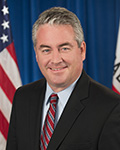
Bill Co-Author(s):