AB 1655: Hydrogen fuel.
- Session Year: 2019-2020
- House: Assembly
- Latest Version Date: 2019-03-28
|
Date
|
Status
|
|---|---|
| Feb 3, 2020 | From committee: Filed with the Chief Clerk pursuant to Joint Rule 56. |
| Jan 31, 2020 | Died pursuant to Art. IV, Sec. 10(c) of the Constitution. |
| Apr 9, 2019 | From committee: Do pass and re-refer to Com. on NAT. RES. (Ayes 13. Noes 0.) (April 8). Re-referred to Com. on NAT. RES. |
| Apr 1, 2019 | Re-referred to Com. on TRANS. |
| Mar 28, 2019 | Referred to Coms. on TRANS. and NAT. RES. |
| Feb 25, 2019 | Read first time. |
| Feb 23, 2019 | From printer. May be heard in committee March 25. |
| Feb 22, 2019 | Introduced. To print. |
|
Date
|
Description
|
Location
|
Votes
|
|
|---|---|---|---|---|
| Apr 8, 2019 | Do pass and be re-referred to the Committee on [Natural Resources] | Assembly Standing Committee on Transportation |
Passed |
This list shows positions taken on this bill by organizations on the date displayed, which is linked to the original source.
Positions by individuals are not included.
Date of Hearing: April 8, 2019
ASSEMBLY COMMITTEE ON TRANSPORTATION
Jim Frazier, Chair
ABPCA Bill Id:AB 1655 (
Author:O'Donnell) – As Amended Ver:March 28, 2019
SUBJECT: Hydrogen fuel
SUMMARY: Requires the California Air Resources Board (ARB), no later than January 1, 2022, to adopt a regulation that defines zero-carbon and implements a zero-carbon standard for hydrogen fuel produced for or dispensed by transportation fueling stations based on the following schedule: 33 % be made from eligible zero-carbon energy resources by January 1, 2022; 66% by 2030; and 100% by 2035.
EXISTING LAW:
- Requires ARB to adopt regulations that, among other provisions, ensures the production and use of hydrogen for transportation purposes contributes to the reduction of GHG emissions, criteria air pollutants, and toxic air contaminants.
- Requires that, on a statewide basis, at least 33.3% of the hydrogen produced for, or dispensed by, fueling stations that receive state funds be made from eligible renewable energy resources.
- Requires that, on a statewide basis, at least 33.3% of the hydrogen produced or dispensed in California for motor vehicles be made from eligible renewable energy resources once hydrogen fuel dispensed for transportation purposes in California exceeds 3,500 metric tons.
- Requires ARB, pursuant to California Global Warming Solutions Act of 2006 [AB 32 (Núñez), Chapter 488, Statutes of 2006], to adopt a statewide greenhouse gas (GHG) emissions limit equivalent to 1990 levels by 2020 and adopt regulations to achieve maximum technologically feasible and cost-effective GHG emission reductions.
- Requires ARB to ensure that statewide GHG emissions are reduced to at least 40% below 1990 levels by 2030.
- Establishes the Alternative and Renewable Fuel and Vehicle Technology Program (ARFVTP), administered by the California Energy Commission (CEC), to provide grants and other financial incentives to accelerate the development and deployment of clean, efficient, low carbon alternative fuels and technologies without adopting any one preferred fuel or technology type.
- Requires CEC to allocate $20 million annually to fund hydrogen fueling stations, not to exceed 20 % of the moneys appropriated to the ARFVTP until there are at least 100 publicly available hydrogen-fueling stations in operation in California.
FISCAL EFFECT: Unknown.
COMMENTS: Nearly 40% of GHG emissions in California come from the transportation sector. In recent years, roughly 90% of emissions from the transportation sector have come from on-road sources, specifically passenger vehicles (69%) and heavy-duty vehicles (22%). To reduce GHG emissions from the transportation sector, the state is advancing efforts to increase the number of ZEVs on California roads and reduce the carbon intensity of fuels. On January 26, 2018, Governor Brown issued Executive Order (EO) B-48-18 and an accompanying budget request. Among other provisions, EO B-48-18 instructs California agencies to work towards a new hydrogen fueling infrastructure goal of 200 stations by 2025 and towards a ZEV deployment goal of 5 million vehicles by 2030. Further, last year, Governor Brown issued EO B-55-18, which establishes the goal to achieve carbon neutrality by 2045.
ZEVs are considered “zero-emission” because they produce no tailpipe exhaust of any criteria pollutant or GHG. There are currently two types of ZEVs available: battery electric vehicles and fuel cell electric vehicles. Battery electric vehicles rely solely on a battery to propel the vehicle and have to be recharged from an external power source. Fuel cell electric vehicles use an electrochemical reaction to combine hydrogen fuel and oxygen to produce electricity to propel the vehicle, with water being the other byproduct of the reaction. Like conventional gas vehicle owners, drivers of fuel cell electric vehicles can quickly fill up their “tank” with hydrogen fuel at a fueling station. Unlike battery electric vehicles, fuel cell vehicles do not have to draw their electric energy from the grid and do not have to store the energy in large batteries, making fuel cell electric vehicles an attractive choice for heavy-duty applications. Additionally, fuel cell vehicles, like their battery electric counterparts, are extremely energy efficient.
Hydrogen fueling stations have been funded with the help of the ARFVTP, which is administered by CEC, and provides funding for development and deployment of alternative and renewable fuels and advanced transportation technologies. AB 8 (Perea), Chapter 401, Statutes of 2013, extended the fees that support the ARFVTP through January 1, 2024 and required CEC to allocate $20 million annually, not to exceed 20% of the moneys appropriated, until there are at least 100 publicly available hydrogen-fueling stations in operation in California. The CEC allocates $20 million annually for the construction, maintenance and operation of hydrogen refueling stations. The investment, combined with one privately funded station has yielded 65 stations that sell retail hydrogen to date. Of the 65 stations, there are 38 open state-funded stations, 1 open privately funded station, and 26 state-funded stations that are under development. The 65 stations will be capable of filling nearly 20,000 fuel cell electric vehicles. California’s fuel cell electric vehicle population consists of 6,100 vehicles, leased or sold.
In addition to the ARFTVP, the state has advanced both the goals of reducing carbon intensity of fuels and/or the promotion of ZEVs through various state efforts, including the Low Carbon Fuel Standard (requires the reduction of carbon intensity of fuels, incentivizes hydrogen production and allows credits for hydrogen fuel stations valued up to $4,500 per year), the CVRP (provides a rebate of up to $7,000 a year for fuel cell vehicle drivers), the ZEV mandate (requires auto manufacturers to increase ZEV sales), and substantial ZEV fueling infrastructure funding.
It is important to note that while ZEVs produce no tailpipe emissions, the fuel (electricity or hydrogen) can still have varying carbon emissions depending on how the fuel is produced (i.e. carbon intensity). The carbon emissions associated with hydrogen-fuel production depend on the source of hydrogen (typically, natural gas or water), the process used to extract it, and the source of the energy driving that process. Currently, most hydrogen is made by converting natural gas (which come from fossil fuels) into hydrogen gas and carbon dioxide. However, hydrogen can also be produced from sources of renewable energy that are lower in carbon than natural gas. Electricity from solar or wind power, for example, can be used to split water into hydrogen and oxygen through electrolysis. Another low-carbon source of hydrogen is methane gas from landfills and sewage treatment facilities, provided that methane leakage is minimized.
While natural gas is the main source of hydrogen fuel, current law requires at least 33% of hydrogen produced for state-funded stations be generated from low-carbon sources. This standard will apply to all stations in the state once production of hydrogen reaches 3,500 metric tons per year (enough for 15,000 cars). According to ARB, by 2024, the hydrogen fuel network will dispense hydrogen with at least 34% renewable content and the potential to reach 39%.
According to the author, “AB 1655 seeks to build upon existing hydrogen content standards in order to further reduce the carbon intensity of zero-emission vehicle fuels. This will further improve the benefits of switching to, and ultimately accelerate the adoption of, zero-emission fuel cell vehicles.”
Writing in support and as sponsor, First Element Fuel states, “Current law requires 33.3% of hydrogen sold as transportation fuel be made from renewable sources. The hydrogen fuel sold today is anywhere between 37% - 44% renewable. FirstElememt Fuel seeks to build upon this requirement by asking ARB to determine a definition of zero-carbon, which shall include renewable sources and technologies that do not increase GHGs with the goal of reaching 100% by 2035. The electric vehicle community is as interested in the deployment of ZEVs as they are the carbon intensity of the fuels that power them. AB 1655 (O’Donnell) provides the fuel cell electric vehicle community its pathway to true zero emissions.”
Committee Comments: Currently, electricity has a pathway to be 100% “clean” through the enactment of SB 100 (De Leon) Chapter 312, Statutes of 2018. If the existing goal of the state is to promote ZEVs and reduce carbon emission from fuels that power vehicles, it seems prudent that the state create a clear pathway to make hydrogen fuel, like its battery electric counterpart, from renewable sources/zero-carbon sources as well.
As drafted, this bill defines eligible zero-carbon energy resources pursuant to Health and Safety Code 43869. However, this code section has no clear definition of “eligible zero-carbon energy resources.” Due to the lack of time, the author may wish to work with the following committee to better define “eligible zero-carbon energy resources”, or find an alternative term/method that best fits the needs of the state and emerging industry.
Double referral: This bill will be referred to the Assembly Natural Resources Committee should it pass out of this committee.
Previous legislation: SB 100 (De Leon) Chapter 312, Statutes of 2018, established the 100 Percent Clean Energy Act of 2017 which increases the Renewables Portfolio Standard (RPS) requirement from 50 % by 2030 to 60 %, and creates the policy of planning to meet all of the state's retail electricity supply with a mix of RPS-eligible and zero-carbon resources by December 31, 2045, for a total of 100 % clean energy.
SB 32 (Pavley), Chapter 249, Statutes of 2016, required ARB to ensure that statewide GHG emissions are reduced at least 40% below 1990 levels by 2030.
SB 350 (de León), Chapter 547, Statutes of 2015, set GHG reduction targets to be achieved by 2030 through a variety of measures, including supporting electrification of the transportation system and established requirements of California Public Utilities Commission in adopting electric vehicle charging proposals from the investor owned utilities.
AB 8 (Perea), Chapter 401, Statutes of 2013, extended until January 1, 2024, the fees that support the AFRVTP and required CEC to allocate $20 million annually, not to exceed 20% of the moneys appropriated, until there are at least 100 publicly available hydrogen-fueling stations in operation in California
AB 118 (Núñez), Chapter 750, Statutes of 2007, created the ARFVTP to provide funding measures to specified entities to develop and deploy technologies and alternative and renewable fuels in the marketplace to help attain the state’s climate change policies.
SB 1505 (Lowenthal), Chapter 877, Statutes of 2006, required ARB to adopt regulations that, among other provisions, ensures the production and use of hydrogen for transportation purposes contributes to the reduction of GHG emissions, criteria air pollutants, and toxic air contaminants.
AB 32 (Núñez), Chapter 488, Statutes of 2006, required ARB to develop a plan of how to reduce emissions to 1990 levels by the year 2020.
REGISTERED SUPPORT / OPPOSITION:
Support
First Element Fuel
Opposition
None on File
Analysis Prepared by: Cynthia Alvarez / TRANS. / (916) 319-2093
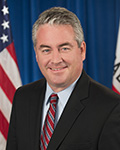
Bill Author
Bill Co-Author(s):