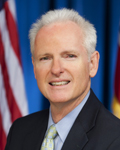
AB 1779: Recovery residences.
- Session Year: 2019-2020
- House: Assembly
- Latest Version Date: 2020-07-15
|
Date
|
Status
|
|---|---|
| Aug 20, 2020 | In committee: Held under submission. |
| Jul 15, 2020 | From committee chair, with author's amendments: Amend, and re-refer to committee. Read second time, amended, and re-referred to Com. on APPR. |
| Aug 30, 2019 | In committee: Held under submission. |
| Aug 12, 2019 | In committee: Referred to APPR. suspense file. |
| Jul 11, 2019 | From committee: Amend, and do pass as amended and re-refer to Com. on APPR. (Ayes 8. Noes 0.) (July 10). |
| Jun 24, 2019 | From committee chair, with author's amendments: Amend, and re-refer to committee. Read second time, amended, and re-referred to Com. on HEALTH. |
| Jun 12, 2019 | Referred to Com. on HEALTH. |
| May 30, 2019 | In Senate. Read first time. To Com. on RLS. for assignment. |
| May 29, 2019 | Read third time. Passed. Ordered to the Senate. |
| May 20, 2019 | Read second time. Ordered to third reading. |
| May 16, 2019 | Read second time and amended. Ordered returned to second reading. |
| May 8, 2019 | In committee: Set, first hearing. Referred to APPR. suspense file. |
| Apr 24, 2019 | From committee: Do pass and re-refer to Com. on APPR. (Ayes 15. Noes 0.) (April 23). Re-referred to Com. on APPR. |
| Apr 23, 2019 | Re-referred to Com. on HEALTH. |
| Apr 22, 2019 | From committee chair, with author's amendments: Amend, and re-refer to Com. on HEALTH. Read second time and amended. |
| Apr 9, 2019 | In committee: Set, first hearing. Hearing canceled at the request of author. |
| Mar 18, 2019 | Referred to Com. on HEALTH. |
| Feb 25, 2019 | Read first time. |
| Feb 23, 2019 | From printer. May be heard in committee March 25. |
| Feb 22, 2019 | Introduced. To print. |
|
Date
|
Description
|
Location
|
Votes
|
|
|---|---|---|---|---|
| Aug 12, 2019 | Placed on suspense file | Senate Standing Committee on Appropriations |
Passed |
|
| Jul 10, 2019 | Do pass as amended, but first amend, and re-refer to the Committee on [Appropriations] | Senate Standing Committee on Health |
Passed |
|
| May 29, 2019 | AB 1779 Daly Assembly Third Reading | Assembly Floor |
Passed |
|
| May 16, 2019 | Do pass as amended. | Assembly Standing Committee on Appropriations |
Passed |
|
| Apr 23, 2019 | Do pass and be re-referred to the Committee on [Appropriations] | Assembly Standing Committee on Health |
Passed |
This list shows positions taken on this bill by organizations on the date displayed, which is linked to the original source.
Positions by individuals are not included.
SENATE COMMITTEE ON
Senator Anthony Portantino, Chair
2019 - 2020 Regular Session
AB 1779 (Daly) - Recovery residences
Version: | Policy Vote: |
Urgency: | Mandate: |
Hearing Date: | Consultant: |
Bill Summary:
Assembly Bill 1779 would require the Department of Health Care Services (DHCS) to adopt specified standards for recovery residence housing that receives public funds through county contracts, and require the submission of a legislative report by January 1, 2025. Would require a county behavioral health administrator to report specified suspected activity to the DHCS.
Fiscal Impact:
Department of Health Care Services. $2.2 million General Fund in FY 2020-21, and $2.1 million General Fund in FY 2021-22, and ongoing, for 15.0 positions, specifically:
- 10.0 Associate Governmental Program Analysts to perform investigations of complaints and continued compliance for a recovery residence that receives state funding and compile the legislative report.
- 2.0 Office Technicians to provide administrative support.
- 1.0 Attorney IV to draft guidance and regulations, analyze any potential enforcement actions, and interface with the Attorney General’s office to obtain inspection warrants when necessary.
- 2.0 Staff Services Manager I to supervise staff.
Local Costs. Unknown, potentially minor state-local mandate costs. The bill would require a local behavioral health department to notify the DHCS of any suspected fraudulent activity or any activity that jeopardizes community safety.
Background:
The DHCS licenses recovery or treatment facilities (RTF) that provide 24-hour residential non-medical services to adults who are recovering from problems related to alcohol, drug, or alcohol and drug misuse or abuse, and who need alcohol, drug, or alcohol and drug recovery, treatment, or detoxification services. The DHCS must determine the qualifications, including the appropriate skills, education, training, and experience of personnel working within licensed or certified alcoholism or drug abuse recovery and treatment programs.
Recovery residences are most commonly known as sober living homes, sober living environments, or unlicensed alcohol and drug free homes (HSC §11833.05). While sober living homes are not licensed by DHCS, they may be subject to local permits, clearances, business taxes, or local fees. According to DHCS, there are around 5,000 recovery residences.
The Drug Medi-Cal Organized Delivery System waiver authorizes counties to use recovery residences if these setting adhere to specified guidelines, such as not providing substance use services that would require licensure by DCHS (one-on-one counseling, detoxification services, group session). If a sober living home is providing just one of the aforementioned services, it must be classified as a residential treatment facility.
Proposed Law:
AB 1779 would include the following provisions, among others:
- Requires DHCS to adopt the most recent standards approved by the National Alliance for Recovery Residences (NARR), or equivalent standards, as the minimum standard for recovery residence housing that receives public funds through county contracts. Presumes a residence, certified by a specified organization, to have met the minimum requirements by the DHCS.
- Requires the denial of an application, or contract termination of a recovery residence if any of the following occur: (1) the residence owner or operator name in the application is on the federal exclusions list; (2) if an applicant was previously denied licensure or certification, or had licensure revoked, suspended, terminated, surrendered, forfeited, or was subject to disciplinary or administrative action; or, (3) if the recovery residence is not in compliance with state laws.
- Requires a county behavioral health administrator that has documented evidence that a recovery residence under contract is not operating in compliance with standards and in a manner that suggests fraudulent activity to report these findings to the DHCS and to the NARR affiliate that provides recognition, registration, or certification for the recovery residence.
- Specifies the bill does not prohibit a county contracting authority from requiring quality and performance standards similar to, or that exceed, the standards described in the bill.
- Authorizes a NARR affiliate to enter into a memorandum of understanding with a county for the purposes of determining whether the county meets specified requirements.
- Requires the DHCS to submit a legislative report, on or before January 1, 2025, the number and types of complaints received, the status of complaints received, and the geographic concentration of reported complaints.
Related Legislation:
The Legislature has deliberated several measures related to alcohol and drug treatment and recovery residences, including:
- SB 589 (Bates) would prohibit an operator of a licensed alcoholism or drug abuse recovery or treatment facility, a certified alcohol or other drug program, a recovery residence, from false advertising or marketing. The bill would authorize the DHCS to investigate allegations of a violation of these provisions and impose the sanctions available pursuant to existing law, as specified. The bill is on the Assembly Appropriations Committee suspense file.
- AB 919 (Petrie-Norris) would require alcoholism or drug (AOD) abuse recovery or treatment facilities to only offer discounted post-discharge housing and specified transportation services under certain conditions, including that the patient enters into a repayment plan for any subsidized rent. The bill is pending in this committee.
- AB 920 (Petrie-Norris) would require DHCS to convene a technical advisory workgroup to make specified recommendations related to substance use disorder services. The bill is pending in this committee.
- AB 940 (Melendez) would prohibit a recover residence from giving or receiving renumeration, and would authorize DHCS to assess a penalty of no more than $10,000 per violation. The bill is a two-year bill and currently in the Assembly Health Committee.
Staff Comments: According to the DHCS, in the past four fiscal years, the department averaged 478 complaints annually for licensed and certified AOD treatment facilities, counselors, and unlicensed facilities. There are approximately 5,000 recovery residences in California. Since DHCS does not currently investigate complaints against recovery residences, there is no average to estimate workload. Based on DHCS’ average of 478 annual complaints for about 2,000 AOD treatment facilities, DHCS estimates the potential of receiving 1,195 complaints annually to investigate at recovery residences alone.
-- END --
SENATE COMMITTEE ON HEALTH
Senator Dr. Richard Pan, Chair
BILL NO: AB 1779
AUTHOR: | Daly | ||
VERSION: | June 24, 2019 | ||
HEARING DATE: | July 10, 2019 | ||
CONSULTANT: | Reyes Diaz | ||
SUBJECT: Recovery residences
SUMMARY:
Requires the Department of Health Care Services (DHCS) to adopt specified standards for recovery residences that receive state funding. Permits specified entities to report suspected activity to DHCS and to take specified action.
Existing law:
- Grants DHCS the sole authority in state government to administer, license, certify, and regulate all substance use disorder (SUD) functions and programs. [HSC §11750, et seq.]
- Requires DHCS to license alcoholism or drug abuse recovery or treatment facilities (RTFs) that provide residential, non-medical services to adults who are recovering from problems related to alcohol, drug, or alcohol and drug misuse or abuse, and who need alcohol, drug, or alcohol and drug recovery, treatment, or detoxification services. [HSC §11834.01, et seq.]
- Defines “recovery residences” (RRs) as residential dwellings that provide primary housing for individuals who seek a cooperative living arrangement that supports personal recovery from an SUD and that do not require licensure by DHCS or do not provide licensable services, as specified, including, but not limited to, residential dwellings commonly referred to as “sober living homes” (SLHs), “sober living environments,” or “unlicensed alcohol and drug free residences.” [HSC §11833.05]
- Requires DHCS to ensure all covered mental health and SUD benefits are provided through county Medi-Cal managed care plans (MCMCP). Deems a county that has opted into the Drug Medi-Cal Organized Delivery System (DMC-ODS) waiver a MCMCP. [WIC §14197.1]
This bill:
- Requires DHCS to adopt the most recent standards approved by the National Alliance for Recovery Residences (NARR) as the minimum standard for receiving state funding for RR housing.
- Requires each specific residence performance requirement that exceeds the NARR standards for RRs to be added to the minimum standard for receiving state funding for RR housing upon distribution of the Best Practices for Operating Recovery Housing (BPORH) by the U.S. Department of Health and Human Services (USDHHS), as specified.
- Requires an RR that is certified by a recognized affiliate of NARR and has adopted NARR-approved standards, as specified, to be presumed to have met the minimum best practices operating requirement.
- Requires an applicant for, or the recognition, registration, or certification of, an RR to be denied or revoked by a state affiliate of NARR under any of the following circumstances:
- The residence owner or operator name in the application is listed on the USDHHS exclusion list for participation in federal programs, as specified;
- An applicant has previously applied for licensure or certification from DHCS, as specified, or previously held a license and an application was denied or the license was revoked, suspended, terminated, surrendered, forfeited, or otherwise subject to disciplinary or administrative action by DHCS, including the imposition of civil penalties, when DHCS determines recognition, registration, or certification would be inconsistent with the ethical and safety standards required for that status; and,
- The RR is not operating in compliance with NARR or BPORH requirements, or applicable state or federal laws.
- Permits a city, county, city and county, or local law enforcement that has documented evidence that an RR is not operating in compliance, as specified, or in a manner that suggests fraudulent activity is occurring or in a manner requiring licensure by DHCS, to report these findings to DHCS, as specified.
- Permits DHCS or a city, county, city and county, or local law enforcement to request that the RR obtain recognition, registration, certification, or licensure, as applicable within 90 days of being notified of a deficiency by DHCS. Requires an RR that is providing treatment for addiction to cease providing services until the appropriate license has been issued.
- Specifies that this bill does not prohibit a county contracting authority from requiring quality and performance standards that are similar to, or that exceed, the standards described in this bill, when contracting for RR services.
- Permits an entity to enter into a memorandum of understanding (MOU) with a county for the purposes of determining if the county’s requirements meet or exceed the minimum requirements of the entity. Permits an MOU to include the granting of reciprocity based on the requirements of the county contract.
- Makes findings and declarations about the effects of SUDs and the need for housing options for those in recovery.
FISCAL EFFECT: According to the Assembly Appropriations Committee,
unknown, likely minor one-time administrative costs to DHCS to adopt a standard. Ongoing costs, likely in the hundreds of thousands of dollars, to post information and develop information-sharing protocols with certifying entities, and collect and report on complaints
PRIOR VOTES:
Assembly Floor: | 76 - 0 |
Assembly Appropriations Committee: | 13 - 0 |
Assembly Health Committee: | 15 - 0 |
COMMENTS:
- Author’s statement. According to the author, despite the growing death toll from opioid and alcohol abuse and addiction, California lacks a uniform set of standards to guide individuals and their loved ones in identifying safe, reliable housing accommodations that will be conducive to continuing recovery. By adopting best practices including minimum standards for RRs, California can take a significant step towards increasing the number of safe RRs for individuals seeking to continue their recovery and reintegrating back into society.
- RRs/SLHs. A 2010 report on the National Institutes of Health (NIH) website, “Sober Living Houses for Alcohol and Drug Dependence: 18-month Outcomes,” states that SLHs are not formal treatment programs and are not obligated to comply with state or local regulations applicable to treatment. However, NIH does not provide a formal definition of an SLH. The report also mentions that it is difficult to determine how many SLHs there are in California because they are outside of the purview of state licensing authorities. The NIH report cites the protection that the federal Fair Housing Act (FHA) affords SLHs to be located in residentially zoned areas, personal privacy under the Fourth Amendment, and the right of people with disabilities to live together for a shared purpose, such as mutually assisted recovery and maintenance of an abstinent lifestyle.
According to DHCS’s website, some types of residences do not provide alcohol and other drug services and therefore do not require licensure by DHCS, including cooperative living arrangements with a commitment or requirement to be free from alcohol and other drugs, sometimes referred to as RRs, SLHs, transitional housing, or alcohol- and drug-free housing. DHCS states that while SLHs are not required to be licensed by DHCS, they may be subject to other types of permits, clearances, business taxes, or local fees, which may be required by the cities or counties in which they are located. If an SLH is providing licensable services then it must obtain a valid residential treatment facility (RTF) license from DHCS. Licensable services can include, but are not limited to, detoxification services, group sessions, individual sessions, one-on-one counseling, educational sessions, or recovery, treatment, or discharge planning. If an SLH is providing just one of the mentioned services, then it should be classified as an RTF and must obtain a valid license from DHCS.
DHCS’s DMC-ODS waiver permits counties to use RRs in their continuum of services if they adhere to the following guidelines: the RR does not provide SUD services that would require licensure by DHCS; all residents of a RR are actively engaged in medically necessary recovery support services to be provided off-site; each county develops guidelines for contracted RR entities; and, the county provides monitoring and oversight of the RR.
- Housing for the disabled. In a joint statement issued in November 2016 by the federal Department of Justice (DOJ) and Department of Housing and Urban Development (HUD), which together are responsible for enforcing the FHA, DOJ and HUD declare that the term “group home” does not have a specific legal meaning, though land use and zoning officials and the courts have referred to some residences for persons with disabilities as group homes, including homes occupied by persons in recovery from alcohol or substance abuse that are commonly called “sober homes” (SLHs). DOJ and HUD contend that persons with disabilities have the same FHA protections whether or not their housing is considered a group home, and that a household where two or more persons with disabilities choose to live together, as a matter of association, may not be subject to requirements or conditions that are not imposed on households consisting of persons without disabilities. DOJ and HUD further state that the provision of services (medical, supervisory, supportive, etc.) is not required for a group home to be protected under the FHA. Group homes can also be opened by individuals or organizations, both for-profit (“commercially operated”) and not-for-profit, and still be protected by the FHA. Further, the FHA does not require a person who resides in an SLH to have participated in or be currently participating in a substance abuse treatment program to be considered a person with a disability. The fact that a resident of an SLH may currently be illegally using a controlled substance does not deprive the other residents of the SLH of the protection of the FHA. The DOJ and HUD statement also says that localities and states must ensure that actions to enforce criminal and other laws against SLHs are not taken to target SLHs and are applied equally, regardless of whether the residents of housing are persons with disabilities.
- Related legislation. AB 919 (Petrie-Norris) adds various provisions to existing law that prohibits “patient brokering” in order to prevent specified entities from inducing an individual to receive recovery or treatment services by providing free housing, transportation, and other related services. Requires DHCS to establish an enforcement program, as specified. AB 919 is was heard in this Committee on July 3, 2019, and passed out by a vote of 8-0.
AB 920 (Petrie-Norris) requires DHCS to convene a technical advisory workgroup, as specified, to make recommendations on potential changes to current laws and regulations relevant to substance use disorder services. Requires a report to the Legislature, as specified. AB 920 was heard in this Committee on July 3, 2019, and passed out by a vote of 8-0.
AB 940 (Melendez) prohibits a recovery residence, as specified, from giving or receiving remuneration or anything of value for the referral of a person who is seeking recovery and treatment services, and requires DHCS to impose a minimum fine of $10,000 for each violation. AB 940 is pending in the Assembly Health Committee.
SB 589 (Bates) prohibits specified entities in the SUD treatment or recovery services industry from making false or misleading statements, as specified, and from engaging in conduct involving the unlawful giving or receiving remuneration or anything of value for referring a person to treatment or recovery services, as specified. SB 589 was heard in the Assembly Health Committee on June 18, 2019, and passed out by a vote of 14-0.
- Prior legislation. SB 992 (Hernandez) requires programs licensed or certified by DHCS to disclose certain business relationships, as specified, including with RRs, and makes changes to current law for licensed RTFs to improve client treatment and provide DHCS more oversight authority over RTFs.
- Support. The California Consortium of Addiction Programs and Professionals (CCAPP), sponsor of this bill, argues that RRs are an important element to California’s continuum of care for addiction treatment and recovery and have been shown to improve outcomes, reduce recidivism, reunite families, and diminish homelessness. CCAPP states that RRs save lives and strengthen communities, and without quality sober living, in many cases, people vested in recovery from addiction would face uncertain futures and bleak prospects for continuing the road to productivity and abstinence. CCAPP also argues that in order for any RR quality assurance program to work, it must not contradict the federal FHA and Americans with Disabilities Act (ADA), and the approach used by this bill accomplishes this by not creating a new facility category for licensing, but by encouraging private certification as a means to distinguish good homes from bad. Allowing homes to certify gives consumers, referring agents, and local governments the tool they need to make decisions about housing for loved ones facing addiction and incorporating RRs into the landscape of caring communities throughout California. Other supporters, largely local government representatives, state that while most operators manage their residences well, requiring the adoption of standards is a first step toward protecting individuals and families seeking recovery housing.
- Opposition. The California Association of Alcohol and Drug Program Executives, Inc. (CAADPE) argues that this bill imposes significant restrictions and regulations on individuals with disabilities, and no such restrictions or regulations are imposed upon similar individuals who do not have these disabilities. CAADPE states the ADA prohibits discrimination against individuals with disabilities by state and local governments, including the programs and services offered by a jurisdiction’s housing development, planning, and zoning agencies. Protecting the opportunities for persons with disabilities to reside in the least restrictive community residential settings should be held inviolate. CAADPE states that unfortunately this bill seeks to undo those protections and undermines the state’s longstanding Community Care Licensing Act.
- Policy concerns. This bill has various provisions that place oversight of RRs receiving state funds with entities that do not appear to be appropriate, as current policies, such as the DMC-ODS, require counties that elect to provide optional RR services to be the ones to monitor and oversee RRs with which they contract. Other provisions in this bill only permit oversight entities to take action, which has the potential to weaken existing law. Further, this bill only identifies RRs that receive state funding, yet there are federal funds that counties are permitted to use to pay for housing an individual in an RR. Lastly, language contained in the findings and declarations section of this bill confuses RRs with DHCS-licensed RTFs, which are the only residential facilities permitted under existing state law to provide treatment services.
- Amendments. After discussions with Committee staff and the sponsor, the author requests the Committee approve the following amendments to address the policy concerns:
- In the legislative findings and declarations, delete language that confuses RRs with licensed RTFs that provide treatment, and language that attempts to distinguish RRs under contract with counties as legitimate versus those RRs that are not under contract;
- Include RRs that receive federal funds as well by replacing “state” with “public funds”;
- Specify that DHCS can adopt standards equivalent to NARR;
- Require counties to terminate contracts with RRs under specified circumstances;
- Add outpatient certified programs to language where appropriate for consistency; and,
- Place the requirement on reporting RR suspected activity on counties that contract with them for consistency with current policies.
SUPPORT AND OPPOSITION:
Support: California Consortium of Addiction Programs and Professionals (sponsor)
California Apartment Association
City of Long Beach
City of Mission Viejo
County Behavioral Health Directors Association of California
Oppose: California Association of Alcohol and Drug Program Executives, Inc.
-- END --
ASSEMBLY THIRD READING
ATR Bill Id:AB 1779
Author:(Daly)
As Amended Ver:May 16, 2019
Majority vote
SUMMARY:
Requires the Department of Health Care Services (DHCS) to adopt as minimum standards for operating recovery housing, the Best Practices for Operating Recovery Housing (BPORH), once they are distributed by the United States Department of Health and Human Services. BPORH would be the minimum requirements for counties seeking to offer recovery housing using state funding. Requires, that until the BPORH are distributed, DHCS to adopt the most recent standards approved by the National Alliance for Recovery Residences (NARR) as the minimum standard for receiving state funding for recovery residence housing.
Major Provisions
COMMENTS:
Unlicensed recover residences/sober living homes. A recovery residence/sober living home is a residence for people in recovery from substance abuse. It may serve as support for individuals undergoing treatment but it does not provide treatment or care, whether medical or personal (as in an assisted living facility). The state laws and licensing requirements that govern treatment and care facilities do not currently include sober living homes. Therefore, the state does not keep any list of registered sober living homes, conduct inspections of sober living homes, or perform any of the other activities associated with licensing facilities. A sober living home may be completely self-governed or have formal on-site management, but in the latter case, the managers' duties relate to the administration of the house rather than the tenants or their recovery (as in "case management"). The tenants of a sober living home pay rent and abide by house rules, which always include maintenance of sobriety and participation in a self-help program. Multiple studies have shown the effectiveness of this kind of environment as a support for people transitioning out of drug or alcohol treatment. The effectiveness of sober living as one component of a person's successful recovery program is not controversial. The California Research Bureau estimates that there are at least 12,000 sober living beds in the state to serve an eligible population of between 25,000 and 35,000 individuals.
Senate Health Committee informational hearing. On January 31, 2018, the Senate Health Committee held an informational hearing to examine the substance use disorder (SUD) treatment system with a focus on treatment and services; insurance coverage; patient referrals; and, the state's regulation and oversight of the system. The hearing provided an overview of recent issues that have affected the state regarding unscrupulous facility operators, and gave an opportunity for state regulators to highlight efforts they have undertaken to combat the exploitation of the SUD system. The goal of the hearing was to examine the issues and to seek strategies and policies that will prevent unscrupulous individuals from exploiting the various industries that are supposed to help treat those with SUDs, as well as to recognize federal and state protections for those with disabilities, and to ensure that policies are not enacted, either at the local or state level, that will limit the number of treatment options for those who need them.
According to the Author:
Recovery residences are one stop along a lengthy process for people seeking to emerge from drug or alcohol addiction. However, unlike licensed Residential Treatment Facilities, which are subject to licensure by the state, recovery residences are private apartments or houses that are not licensed or regulated. Despite the growing death toll from opioid and alcohol abuse and addiction, California lacks a uniform set of standards to guide individuals and their loved ones in identifying safe, reliable housing accommodations that will be conductive to recovery. This bill will enable California to provide accurate and up-to-date information that will protect individuals and families seeking recovery housing. By adopting best practices including minimum standards for recovery residents, California will take a significant step towards increasing the number of residences that are safe for people in recovery and for the communities where they are located.
Arguments in Support:
NARR states that several states including Florida, Massachusetts, Pennsylvania, Rhode Island, and Indiana have adopted laws similar to those proposed in this bill. This bill offers protection for consumers, and addresses legitimate community concerns about poorly managed and overcrowded properties. This bill ensures that state funds will only be spent on recovery housing that meets national best practice standards and is subject to oversight. NARR concludes by stating that this bill offers consumer and public protections without compromising the fair housing rights of disabled individuals. This bill provides third-party oversight by recovery housing experts, ensuring compliance with standards that offers both consumers and community members a resource to address their complaints.
Arguments in Opposition:
Advocates for Responsible Treatment (ART) states the vast majority of residential addiction recovery housing in the state of California are not cooperative living environments. It is commercial enterprise posing as a residential use. Thus, the intent of this bill is to provide a gloss of respectability to a highly profitable business model for which industry is seeking concessions, privileges, and revenue. Recovering addicts, active in recovery and receiving treatment in commercial zones are living dependently in unlicensed residences that provide the same services for which the state requires licenses for other protected classes under the Community Care Act. The Legislature has had evidence of the need for licensing of commercial operations since September 4, 2012 when the California Senate Office of Oversight and Outcomes published "Rogue Rehabs: State failed to police drug and alcohol homes, with deadly results." ART concludes that under no circumstances should the legislature give yet another third party certification veneer of respectability away in exchange for helping certifying agencies make money. To protect recovering addicts from ongoing abuse and fraud, the legislature must bring the entire industry up to an appropriate standard; instead of this bill, it is critical that the State of California license recovery residence.
FISCAL COMMENTS:
According to the Assembly Appropriations Committee, unknown, likely minor one-time administrative costs to DHCS to adopt a standard. Ongoing costs, likely in the hundreds of thousands of dollars, to post information and develop information-sharing protocols with certifying entities, and collect and report on complaints
VOTES:
ASM HEALTH: 15-0-0
YES: Wood, Mayes, Aguiar-Curry, Bigelow, Bonta, Burke, Carrillo, Flora, Limón, McCarty, Nazarian, Ramos, Rodriguez, Santiago, Waldron
ASM APPROPRIATIONS: 13-0-5
YES: Gonzalez, Bloom, Bonta, Calderon, Carrillo, Chau, Eggman, Gabriel, Eduardo Garcia, Maienschein, Petrie-Norris, Quirk, Robert Rivas
ABS, ABST OR NV: Bigelow, Brough, Diep, Fong, Obernolte
UPDATED:
VERSION: May 16, 2019
CONSULTANT: Judith Babcock / HEALTH / (916) 319-2097 FN: 0000851
Date of Hearing: May 8, 2019
ASSEMBLY COMMITTEE ON APPROPRIATIONS
Lorena Gonzalez, Chair
ABPCA Bill Id:AB 1779
Author:(Daly) – As Amended Ver:April 22, 2019
Policy Committee: | Health | Vote: | 15 - 0 |
Urgency: No State Mandated Local Program: Yes Reimbursable: No
SUMMARY:
This bill establishes a framework for regulation of recovery residences (sober living homes). Specifically, this bill:
- Requires DHCS to adopt a Best Practices for Operating Recovery Housing standard, a document that is to be published in the future by the U.S. Department of Health and Human Services that includes suggested minimum standards for operating recovery housing.
- Requires DHCS, until best practices are distributed, to adopt the most recent standards approved by the National Alliance for Recovery Residents (NARR) as the minimum standard for receiving state funding for recovery residence housing.
- Provides recovery residences must meet the standards established in (1) or (2) in order to receive state funding.
- Establishes a number of rules that apply to an unnamed entity that recognizes, registers, or certifies a recovery residence.
- Authorizes a city, county, city and county, or local law enforcement entity that has specified evidence that a recovery residence is not operating in accordance with standards adopted pursuant to (1) or (2) to report these findings to DHCS or to the unnamed entity.
- Requires DHCS to report to the Legislature on or before January 1, 2025, the number and types of complaints received by an unnamed entity and DHCS, the status of complaints received, and the geographic concentration of reported complaints.
- Requires any state and local agencies and their vendors that direct substance use treatment, as well as judges, and parole boards that sets terms and conditions for release, parole, or discharge, to refer to a certified drug and alcohol-free residence, if available.
- Establishes a number of other requirements related to recovery residences.
FISCAL EFFECT:
- Administrative costs to DHCS in the range of $2.2 million GF in the first year of implementation and ongoing to investigate complaints and ensure compliance with standards for all residences that receive state funding.
- Uncertain, potentially significant GF costs to the California Department of Corrections and Rehabilitation (CDCR) for oversight of parolees. This bill requires CDCR to refer parolees to certified homes. For eligible parolees, CDCR funds community reentry programs that offer varying levels of sober living housing. Sober living homes that become certified pursuant to this bill's standards are likely to incur costs to comply with the standards, as well as costs for the certification itself, which will be reflected in higher rents. Higher rents will, in turn, increase CDCR contract costs with sober living housing providers. Higher rents could also necessitate increased financial assistance, in the form of food or transportation vouchers, for parolees who pay their own rent. The state pays on behalf of approximately 3,275 offenders at any one time, or 39,000 months of sober living homes per year. If rents increase by $30/month on average as a result of this bill, state costs will increase by $1.2 million GF.
- One-time, likely minor, GF costs to CDCR for revising procedures and training staff about the new requirements, as well as ongoing costs to verify space in a certified facility.
- Local public safety agencies could also incur local costs, similar in type to costs as noted in (2) and (3) due to the requirement to refer to certified sober living homes. This bill requires county agencies or county-contracted vendors that direct substance abuse treatment to first refer to a certified home. These costs may be state-reimbursable. Although this bill requires a higher level of local government service through mandating local entities refer to certified sober living homes, it is unclear whether an exception may apply.
COMMENTS:
- Purpose. The author notes unlike residential treatment facilities, which are state-licensed, sober living homes are private apartments or houses that are not regulated. This bill seeks to establish minimum standards for these sober living homes in order to ensure quality and community safety.
- Background. DHCS, formerly the Department of Drug and Alcohol Programs, is the state oversight body for drug and alcohol treatment facilities and personnel. DHCS licenses substance use treatment facilities, which provide 24-hour residential nonmedical services to eligible adults who are recovering from problems related to alcohol or other drug (AOD) misuse or abuse. DHCS also offers a voluntary facility certification to both residential and nonresidential programs. Sober living homes are alcohol and drug-free living environments for individuals attempting to maintain abstinence from alcohol and drugs. In contrast to alcoholism and drug abuse recovery or treatment programs, because sober living homes are private residences and do not offer treatment services, they are not regulated by the state.
- Prior Legislation. A litany of bills has addressed the issue of sober living homes and related issues over the last decade. Most recently, AB 285, of the 2017-18 Legislative Session, and AB 2255 (Melendez), of the 2015-16 Legislative Session, were similar to this bill and were both held on the Suspense File of this committee.
AB 2491 (Nestande), of the 2013-14 Legislative Session, also required sober living homes to meet specified requirements, among other provisions, and was held on the Suspense File of the Senate Appropriations Committee.
Analysis Prepared by: Lisa Murawski / APPR. / (916) 319-2081
Date of Hearing: April 23, 2019
ASSEMBLY COMMITTEE ON HEALTH
Jim Wood, Chair
ABPCA Bill Id:AB 1779
Author:(Daly) – As Amended Ver:April 22, 2019
SUBJECT: Recovery residences
SUMMARY: Requires the Department of Health Care Services (DHCS) to adopt as minimum standards for operating recovery housing, the Best Practices for Operating Recovery Housing (BPORH), once they are distributed by the U.S. Department of Health and Human Services (HHS), as the minimum requirements for counties seeking to offer recovery housing using state funding. Requires that until the BPORH are distributed, DHCS to adopt the most recent standards approved by the National Alliance for Recovery Residences as the minimum standard for receiving state funding for recovery residence housing. Specifically, this bill:
- Defines a “recovery residence” to mean a residential dwelling that provides primary housing for individuals who seek a cooperative living arrangement that supports personal recovery from a substance use disorder (SUD) and that does not require licensure by DHCS or does not provide licensable services.
- Requires DHCS to adopt BPORH which includes suggested minimum standards for operating recovery housing as the minimum requirements for counties seeking to offer recovery housing using state funding.
- Requires DHCS, until the BPORH are distributed, to adopt the most recent standards approved by the National Alliance for Recovery Residents (NARR) as the minimum standard for receiving state funding for recovery residence housing.
- Provides a residence that is certified by an organization that is currently a recognized affiliate of NARR and that has adopted the standards approved by NARR, and subsequently the standards identified by the BPORH, is presumed to have met the minimum requirement for best practices.
- Requires an entity that recognizes, registers, or certifies a recovery residence to do all of the following:
- Require an applicant for registration or certification of a recovery residence to submit evidence demonstrating that opioid overdose reversal medication is readily available in case of an onsite opioid overdose emergency;
- Require the owner, operator, or responsible resident to complete a minimum of 10 hours per year of recovery residence training, to include at a minimum, the subjects of ethics, health and safety topics related to addiction recovery and maintenance, and emergency planning procedures;
- Require the recovery residence to maintain the most current standards published by NARR, until the BPORH is distributed; and,
- Require the recovery residence to maintain the standards of the BPORH within six months of its initial distribution.
- Requires an entity that recognizes, registers, or certifies a recovery residence to deny or revoke an application for recognition, registration or certification by a recovery residence under any of the following circumstances:
- If the residence owner or operator named in the application is listed on the HHS’ exclusions list that excludes certain individuals and entities from participation in the Medicare and State health care programs;
- If an applicant has previously applied for a license to operate a residential alcoholism or drug abuse recovery or treatment facility (RTF), or a certified alcoholism or drug abuse recovery or treatment program (AOD), or previously held a license to operate a RTF and that application was denied or the previous license was revoked, suspended, terminated, surrendered, forfeited or otherwise subject to disciplinary or administration action by DHCS including the imposition of civil penalties, when DHCS determines recognition, registration or certification would be inconsistent with the ethical and safety standards required for that status; or,
- If the residence is not operating in compliance with NARR or BPORH requirements or applicable state or federal laws. Requires the entity to notify DHCS if these circumstances apply.
- Authorizes a city, county, city and county, or local law enforcement entity that has documented evidence that a recovery residence is not operating in compliance with NARR or BPORH standards to an extent that resident or community safety is being impacted, in a manner that suggest fraudulent activity is occurring, or in a manner that would require licensure as an RTF, to report these findings to DHCS or to an entity that recognizes, registers or certifies a recovery residence. Authorizes DHCS or a city, county, city or county or local law enforcement to request that the residence obtain recognition, registration certification or licensure, as applicable, as a RTF within 90 days of being notified of that deficiency by DHCS or an entity that recognizes, registers or certifies a recovery residence in order to improve the conditions at the residence and support positive relationships with the community.
- Requires that if the recovery residence is providing treatment for addiction, the recovery residence is to cease providing services that may be provided only with a valid license until the appropriate license has been issued.
- Requires DHCS to maintain and post on its website a registry containing the following information:
- The street address of each recovery residence that has had its recognition, registration or certification revoked, or whose application was denied by an entity that recognizes, registers or certifies a recovery residence; and,
- The name of each operator of a recovery residence that has had its recognition, registration, or certification revoked, or whose application has been denied by an entity that recognizes, registers or certifies a recovery residence.
- Requires, notwithstanding any other law, that on and after January 1, 2021, a state agency, state contracted vendor, county agency, count contracted vendor, licensed or certified alcohol drug treatment program, a certified alcohol drug counselor, or a person or entity licensed in the healing arts of the Business and Professions Code that directs SUD treatment, to refer a person to a certified recovery residence, if available, before referring that person to a recovery residence that is not certified.
- Requires a judge or parole board that sets terms and conditions for the release, parole, or discharge of a person from custody, if it requires a person to reside in a sober living environment, to refer a person to a certified recovery residence, if available, before referring that person to a recovery residence that is not certified, so that proper rehabilitation in accordance with the terms and conditions of the court’s orders or terms of release as applied may be accomplished.
- Prohibits state or county funding to be allocated to a recovery residence that has not submitted evidence demonstrating that opioid overdose reversal medication is readily available in case of an onsite opioid overdose emergency, except as otherwise provided by federal law.
- Permits a county contracting authority to require quality and performance standards that are similar to, or that exceed, the standards described in this bill when contracting for recovery residence or sober living services.
- Permits an entity to enter into a memorandum of understanding with a county for the purposes of determining if the county’s requirements meet or exceed the minimum requirements of the entity. Allows a memorandum of understanding to include the granting of reciprocity based upon the requirements of the county contract.
- Requires DHCS to report to the Legislature on or before January 1, 2025, the number and types of complaints received by entities and DHCS under 7) above, the status of complaints received, and the geographic concentration of reported complaints.
EXISTING LAW:
- Requires DHCS to license RTFs that provide 24-hour residential non-medical services to adults who are recovering from problems related to alcohol, drug, or alcohol and drug misuse or abuse, and who need alcohol, drug, or alcohol and drug recovery, treatment, or detoxification services.
- Requires RTF licensees to provide at least one of the following nonmedical services: recovery; treatment; or, detoxification services. Requires DHCS to adopt regulations requiring records and procedures appropriate for the type of service provided. Provides that the records and procedures may include all of the following: admission criteria; intake process; assessments; recovery, treatment, or detoxification planning; referral; documentation of provision of recovery, treatment, or detoxification services; discharge and continuing care planning; or, indicators of recovery, treatment, or detoxification outcomes.
- Requires a treatment facility that serves six or fewer persons to be considered a residential use of property whether or not unrelated persons are living together. Requires the residents and operators of the facility to be considered a family for the purposes of any law or zoning ordinance that relates to the residential use of property.
- Excludes, for the purposes of local ordinances, a treatment facility that serves six or fewer persons from the definition of a boarding house, rooming house, institution, or home for the care of minors, the aged, or persons with mental health disorders, foster care home, guest home, rest home, community residence, or other similar term that implies that the alcoholism or drug abuse recovery or treatment home is a business run for profit or differs in any other way from a single-family residence.
- Authorizes a city, county, or other local public entity to place restrictions on building heights, setback, lot dimensions, or placement of signs of a treatment facility that serves six or fewer persons as long as the restrictions are identical to those applied to other single-family residences.
- Specifies that any local ordinance that deals with health and safety, building standards, environmental impact standards, or any other matter within the jurisdiction of a local public entity also applies to a treatment facility. Prohibits local ordinances from distinguishing treatment facilities that serve six or fewer persons from other single-family dwellings or distinguishing residents of treatment facilities from persons who reside in other single-family dwellings.
- Prohibits a conditional use permit, zoning variance, or other zoning clearance from being required of an alcoholism or drug abuse recovery or treatment facility that serves six or fewer persons, that is not required of a single-family residence in the same zone.
- Prohibits, under the California Fair Employment and Housing Act (FEHA), discrimination against any person in any housing accommodation on the basis of race, color, religion, sex, marital status, national origin, ancestry, familial status, or disability. Specifies that discriminatory land use regulations, zoning laws, and restrictive covenants are unlawful acts.
- Prohibits under the federal Americans with Disabilities Act of 1990 (ADA), discrimination by any public entity by reason of an individual’s disability. Makes it unlawful, under the federal Fair Housing Act (FHA), to make unavailable or deny, a dwelling to any buyer or renter because of a disability.
FISCAL EFFECT: This bill has not yet been analyzed by a fiscal committee.
COMMENTS:
- PURPOSE OF THIS BILL. According to the author, recovery residences are one stop along a lengthy process for people seeking to emerge from drug or alcohol addiction. However, unlike RTFs, which are subject to licensure by the state, recovery residences are private apartments or houses that are not licensed or regulated. Despite the growing death toll from opioid and alcohol abuse and addiction, California lacks a uniform set of standards to guide individuals and their loved ones in identifying safe, reliable housing accommodations that will be conductive to recovery. This bill will enable California to provide accurate and up-to-date information that will protect individuals and families seeking recovery housing. By adopting best practices including minimum standards for recovery residents, California will take a significant step towards increasing the number of residences that are safe for people in recovery and for the communities where they are located.
- BACKGROUND.
- Unlicensed recover residences/sober living homes. A recovery residence/sober living home is a residence for people in recovery from substance abuse. It may serve as support for individuals undergoing treatment but it does not provide treatment or care, whether medical or personal (as in an assisted living facility). The state laws and licensing requirements that govern treatment and care facilities do not currently include sober living homes. Therefore, the state does not keep any list of registered sober living homes, conduct inspections of sober living homes, or perform any of the other activities associated with licensing facilities. A sober living home may be completely self-governed or have formal on-site management, but in the latter case, the managers’ duties relate to the administration of the house rather than the tenants or their recovery (as in “case management”). The tenants of a sober living home pay rent and abide by house rules, which always include maintenance of sobriety and participation in a self-help program. Multiple studies have shown the effectiveness of this kind of environment as a support for people transitioning out of drug or alcohol treatment. The effectiveness of sober living as one component of a person’s successful recovery program is not controversial. The California Research Bureau estimates that there are at least 12,000 sober living beds in the state to serve an eligible population of between 25,000 and 35,000 individuals.
- ADA, FHA, and Equal Protection. The FHA makes it illegal to engage in various discriminatory practices relating to the sale and rental of housing based on race, color, religion, sex, marital status, national origin, ancestry, familial status, or disability. FEHA also prohibits land use regulations, zoning ordinances, and restrictive covenants from discriminating in housing on the basis of the aforementioned categories. FEHA also states that groups of people with disabilities living together in a single dwelling unit are considered a family.
In addition, the ADA gives civil rights protection to individuals with disabilities, similar to the protections provided to individuals on the basis of race, sex, national origin, and religion. Under the ADA, an individual with a “disability” is someone who has a current “physical or mental impairment” that “substantially limits” one or more of that person’s “major life activities,” such as caring for one’s self, working, etc., or has a record of such a substantially limiting impairment, or is regarded as having such an impairment. The protections of the ADA apply to those who have successfully completed a drug rehabilitation program or who are currently enrolled in such programs. Alcoholics and addicts, as long as they are trying to recover and have not been convicted of major drug crimes, constitute a protected class of disabled persons under state and federal law. - Senate Health Committee informational hearing. On January 31, 2018, the Senate Health Committee held an informational hearing to examine the SUD treatment system with a focus on treatment and services provided in RTFs; insurance coverage; patient referrals; and, the state’s regulation and oversight of the system. The hearing provided an overview of recent issues that have affected the state regarding unscrupulous facility operators, and gave an opportunity for state regulators to highlight efforts they have undertaken to combat the exploitation of the SUD system. The goal of the hearing was to examine the issues and to seek strategies and policies that will prevent unscrupulous individuals from exploiting the various industries that are supposed to help treat those with SUDs, as well as to recognize federal and state protections for those with disabilities, and to ensure that policies are not enacted, either at the local or state level, that will limit the number of treatment options for those who need them.
- SUPPORT. NAAR states that several states including Florida, Massachusetts, Pennsylvania, Rhode Island, and Indiana have adopted laws similar to those proposed in this bill, and other states are in the process of doing so. This bill offers protection for consumers, and addresses legitimate community concerns about poorly managed and overcrowded properties. In conjunction with California and federal legislation enacted last year it will reduce the incidence of insurance-related fraud and the exploitation of vulnerable individuals in need of recovery support services. This bill ensures that state funds will only be spent on recovery housing that meets national best practice standards and is subject to oversight. It also ensures that referrals from state-licensed service providers are not made to substandard and predatory operators. NARR concludes by stating that this bill offers consumer and public protections without compromising the fair housing rights of disabled individuals. This bill provides third-party oversight by recovery housing experts, ensuring compliance with standards that offers both consumers and community members a resource to address their complaints.
- OPPOSITION. Advocates for Responsible Treatment (ART) states the vast majority of residential addiction recovery housing in the state of California are not cooperative living environments. It is commercial enterprise posing as a residential use. Thus, the intent of this bill is to provide a gloss of respectability to a highly profitable business model for which industry is seeking concessions, privileges, and revenue. Recovering addicts, active in recovery and receiving treatment in commercial zones are living dependently in unlicensed residences that provide the same services for which the state requires licenses for other protected classes under the Community Care Act. The Legislature has had evidence of the need for licensing of commercial operations since September 4, 2012 when the California Senate Office of Oversight and Outcomes published “Rogue Rehabs: State failed to police drug and alcohol homes, with deadly results.” ART concludes that under no circumstances should the legislature give yet another third party certification veneer of respectability away in exchange for helping certifying agencies make money. To protect recovering addicts from ongoing abuse and fraud, the legislature must bring the entire industry up to an appropriate standard; instead of this bill, it is critical that the State of California license recovery residence.
- RELATED LEGISLATION.
- AB 615 (Brough) imposes a fine of not more than $10,000 or imprisonment in a county jail for 16 months, or two or three years, or both for persons who willfully violates the prohibition against giving or receiving remuneration or anything of value for the referral of a person who is seeking AOD abuse recovery treatment services. AB 615 is pending in the Assembly Public Safety Committee.
- AB 704 (Patterson) requires a person who has frequent contact with clients of an RTF to be subject to a criminal record review. AB 704 is pending in the Assembly Appropriations Committee.
- AB 919 (Petrie-Norris) establishes an enforcement program within DHCS to focus on the oversight duties related to patient brokering activities conducted by an RTF or an AOD program licensed or certified by the DHCS. AB 919 is pending in the Assembly Health Committee.
- AB 920 (Petrie-Norris) exempts RTFs that serve six or fewer persons and are engaged in an economic relationship with a treatment provider that owns or operates two or more of these facilities from being considered as a residential use of property, thus subject to oversight and restrictions. AB 920 is pending in the Assembly Health Committee.
- AB 940 (Melendez) expands the list of entities and individuals who are prohibited from giving or receiving remuneration or anything of value for the referral of a person who is seeking alcoholism or drug abuse recovery and treatment services to include a recovery resident, as specified, and an owner, partner, officer, director or shareholder of a recovery residence. AB 940 is pending in the Assembly Health Committee.
- SB 589 (Bates) prohibits an operator of a licensed RTF, a certified AOD, a recovery residence, or a third party that provides any form of advertising or marketing services to any of those entities, from engaging in various acts, including making a false or misleading statement about the entity’s products, goods, services, or geographical locations. Authorizes DHCS to investigate allegations of a violation of these provisions and to impose sanctions, as specified. SB 589 is pending in the Senate Appropriations Committee.
- PREVIOUS LEGISLATION.
- AB 285 (Melendez) of 2017 was substantially similar to this bill. AB 285 wass held in the Assembly Appropriations Committee.
- AB 2214 (Rodriguez) of 2018 was substantially similar to this bill. AB 2214 was held in the Assembly Appropriations Committee.
- AB 2255 (Waldron) of 2016 was substantially similar to this bill. AB 2255 would have established state oversight of “drug and alcohol free residences” or sober living homes. AB 2255 was held in the Assembly Appropriations Committee.
- AB 2403 (Bloom) of 2016 would have established a new definition of "integral facility" for licensure purposes, and a prohibition on licensure approval for facilities whose siting would result in overconcentration, as defined. AB 2403 was held in the Assembly Appropriations Committee.
- SB 1283 (Bates) of 2016 would have allowed a city, county, or city and county to adopt, by ordinance, health and safety standards and enforcement mechanisms for structured sober living homes, as defined. SB 1283 failed passage in the Senate Health Committee.
- AB 2491 (Nestande) of 2014 would have exempted sober living homes from licensure as an adult alcoholism or drug abuse recovery or treatment facility and required sober living homes to meet specified requirements, including the active participation of residents in legitimate recovery programs and the maintenance of records of meeting attendance. AB 2491 was held under submission in the Senate Appropriations Committee.
REGISTERED SUPPORT / OPPOSITION:
Support
Anaheim Lighthouse
Association of California Cities – Orange County
Bridges Professional Treatment Services
Broadway Treatment Center
California Consortium Of Addiction Programs And Professionals
Central Velley Recovery Services
Community Recovery Resources
Community Social Model Advocates
National Alliance for Recovery Residences
Northbound Treatment Services
Orange County Recovery Collaboration
Sacramento Recovery House, Inc.
Soroptimist House of Home
Stephen J. Russell & Associates
The Camp
The Villa Center
Valley Sober Living
Windstone Addiction Centers, Inc.
Opposition
Advocates for Responsible Treatment
Disability Rights California
Analysis Prepared by: Judy Babcock / HEALTH / (916) 319-2097
Bill Author