AB 2293: Chronic obstructive pulmonary disease (COPD): research, education, and treatment.
- Session Year: 2019-2020
- House: Assembly
- Latest Version Date: 2020-08-12
|
Date
|
Status
|
|---|---|
| Aug 20, 2020 | In committee: Held under submission. |
| Aug 17, 2020 | In committee: Referred to APPR. suspense file. |
| Aug 12, 2020 | Read second time and amended. Re-referred to Com. on APPR. |
| Aug 11, 2020 | From committee: Amend, and do pass as amended and re-refer to Com. on APPR. with recommendation: To Consent Calendar. (Ayes 8. Noes 0.) (August 10). |
| Jul 1, 2020 | Referred to Com. on HEALTH. |
| Jun 11, 2020 | In Senate. Read first time. To Com. on RLS. for assignment. |
| Jun 10, 2020 | Read third time. Passed. Ordered to the Senate. (Ayes 78. Noes 0. Page 4788.) |
| Jun 8, 2020 | Read second time. Ordered to third reading. |
| Jun 4, 2020 | Read second time and amended. Ordered returned to second reading. |
| Jun 3, 2020 | From committee: Amend, and do pass as amended. (Ayes 18. Noes 0.) (June 3). |
| Jun 2, 2020 | In committee: Set, first hearing. Referred to APPR. suspense file. |
| May 19, 2020 | From committee: Do pass and re-refer to Com. on APPR. with recommendation: To Consent Calendar. (Ayes 15. Noes 0.) (May 18). Re-referred to Com. on APPR. |
| May 12, 2020 | Re-referred to Com. on HEALTH. |
| May 11, 2020 | From committee chair, with author's amendments: Amend, and re-refer to Com. on HEALTH. Read second time and amended. |
| May 5, 2020 | Re-referred to Com. on HEALTH. |
| May 4, 2020 | From committee chair, with author's amendments: Amend, and re-refer to Com. on HEALTH. Read second time and amended. |
| Feb 27, 2020 | Referred to Com. on HEALTH. |
| Feb 15, 2020 | From printer. May be heard in committee March 16. |
| Feb 14, 2020 | Read first time. To print. |
|
Date
|
Description
|
Location
|
Votes
|
|
|---|---|---|---|---|
| Aug 17, 2020 | Placed on suspense file | Senate Standing Committee on Appropriations |
Passed |
|
| Aug 10, 2020 | Do pass as amended, but first amend, and re-refer to the Committee on [Appropriations] with the recommendation: To Consent Calendar | Senate Standing Committee on Health |
Passed |
|
| Jun 10, 2020 | AB 2293 Mayes Assembly Third Reading | Assembly Floor |
Passed |
|
| Jun 3, 2020 | Do pass as amended. | Assembly Standing Committee on Appropriations |
Passed |
|
| May 18, 2020 | Do pass and be re-referred to the Committee on [Appropriations] with recommendation: To Consent Calendar | Assembly Standing Committee on Health |
Passed |
This list shows positions taken on this bill by organizations on the date displayed, which is linked to the original source.
Positions by individuals are not included.
SENATE COMMITTEE ON APPROPRIATIONS
Senator Anthony Portantino, Chair
2019 - 2020 Regular Session
AB 2293 (Mayes) - Chronic obstructive pulmonary disease (COPD): research, education, and treatment.
Version: August 12, 2020 | Policy Vote: HEALTH 8 – 0 |
Urgency: No | Mandate: No |
Hearing Date: August 17, 2020 | Consultant: Samantha Lui |
Bill Summary:
Assembly Bill 2293 would require the Department of Public Health (CDPH) to conduct a Chronic Obstructive Pulmonary Disease (COPD) Provider Awareness Campaign to increase awareness of COPD, as specified, and to conduct outreach to, among others, primary care providers and family care providers.
Fiscal Impact:
According to the CDPH, $778,770 General Fund for 2.0 PYs ($278,770) and $500,000 for the subcontracting the awareness campaign outreach and health education materials.
Background:
According to the Centers for Disease Control and Prevention (CDC) chronic obstructive pulmonary disease, or COPD, refers to a group of diseases that cause airflow blockage and breathing-related problems, and is the fourth leading cause of death in the US in 2019. It includes emphysema and chronic bronchitis. While tobacco smoke is the primary cause, 1 in 4 people with COPD have never smoked Exposure to air pollutants in the home and workplace, genetic factors, and respiratory infections also play a role. Symptoms include chronic or smoker’s cough, chronic phlegm production, shortness of breath, wheezing, and trouble taking deep breaths. A breathing test can measure lung function and detect COPD in at-risk individuals.
The CDPH’s Chronic Disease Control Branch (CDCB) conducts programs for the control and prevention of chronic diseases, including cardiovascular disease, cancer, diabetes, asthma, and other chronic diseases. The mission of the Branch (CDCB) is to prevent and control chronic diseases in Californians. The Budget Act of 2020 includes 40 PYs and $38.1 million total funds for the Branch.
Proposed Law:
AB 2293 would require CDPH to conduct the COPD Provider Awareness Campaign to improve provider education aimed at promoting early diagnosis of COPD, options for screening and testing, current research on the causes of COPD, current research on COPD triggers, the ease and minimal cost of using spirometry testing to diagnose individuals with COPD, and the much lower cost to treat patients diagnosed with stage 1 or mild COPD versus those diagnosed at a later stage.
In addition, the bill:
- Authorizes the CDPH to partner with, or subcontract to, local, regional, or California-based national nonprofit organizations to conduct the COPD Provider Awareness Campaign.
- Require the COPD Provider Awareness Campaign, be provided to primary care physicians and physician assistants, to increase knowledge of COPD diagnosis.
Staff Comments:
The CDPH anticipates the following workload needs, in addition to operations expenses and a $500,000 campaign contract for outreach and health education materials:
- 1.0 Associate Governmental Program Analyst (AGPA). $69,570 GF to prepare contracts and provide fiscal support services and technical assistance to the contractors.
- 1.0 FTE Health Program Specialist I (HPS I). $76,416 GF to work with provider groups and the contracted entity to develop and distribute outreach and health education materials.
-- END --
SENATE COMMITTEE ON HEALTH
Senator Dr. Richard Pan, Chair
BILL NO: AB 2293
AUTHOR: | Mayes | ||
VERSION: | June 4, 2020 | ||
HEARING DATE: | August 10, 2020 | ||
CONSULTANT: | Kimberly Chen | ||
SUBJECT: Chronic obstructive pulmonary disease (COPD): research, education, and treatment
SUMMARY:
Requires the Department of Public Health (DPH) to conduct the Chronic Obstructive Pulmonary Disease (COPD) Provider Awareness Campaign. Authorizes DPH to partner with, or subcontract to, local, regional, or California-based national nonprofit organizations to conduct the COPD Provider Awareness Campaign.
Existing law: Requires DPH to conduct programs for the control and prevention of chronic diseases, including cardiovascular disease, cancer, Lyme disease, diabetes, asthma, and other chronic diseases. [HSC §104100-104323]
This bill:
- Requires DPH to conduct the Provider Awareness Campaign to improve provider education aimed at promoting early diagnosis of COPD, options for screening and testing, current research on the causes of COPD, current research on COPD triggers, and the costs of diagnosis and treatment. Requires DPH to conduct outreach to primary care providers, including primary care physicians and physician assistants, to increase knowledge of COPD diagnosis and treatment among primary care providers.
- Authorizes DPH to partner with, or subcontract to, local, regional, or California-based national nonprofit organizations to conduct the COPD Provider Awareness Campaign. Requires partner or subcontracted organizations to have experience providing public and provider education on COPD.
- Requires DPH to maximize reliance on existing provider communication opportunities, potentially including, but not limited to, seeking partnerships to do all of the following:
- Include information in newsletters or guidance to providers that is issued by DPH or other state or local agencies;
- Include information in publications published by provider membership organizations; and,
- Enhance COPD-related educational offerings by providers of continuing medical education.
- Defines “COPD” to mean an umbrella term used to describe progressive lung diseases, most commonly caused by smoking, and include emphysema, chronic bronchitis, and severe adult asthma, and is characterized by increasing difficulty in breathing, coughing up large amounts of mucus, wheezing, shortness of breath, and chest tightening.
- Makes legislative findings and declarations about COPD, the impact on Californians, and the need for greater awareness about the disease.
FISCAL EFFECT:
According to Assembly Appropriations Committee, ongoing costs to DPH potentially in the hundreds of thousands, depending on the robustness of the provider awareness campaign. Funds could be allocated through the Unallocated Account of the Proposition 99 fund, but the General Fund would likely have to backfill any redirections of funding from this account. The majority of funds in this account are proposed to fund direct health care services within the Department of Health Care Services.
PRIOR VOTES:
Assembly Floor: | 78 - 0 |
Assembly Appropriations Committee: | 18 - 0 |
Assembly Health Committee: | 15 - 0 |
COMMENTS:
- Author’s statement. According to the author, this bill seeks to increase awareness among providers about COPD, the fifth leading cause of death in California. Over one million Californians have been diagnosed with COPD and an estimated one million more Californians have COPD but do not know it. COPD is also more prevalent in women, minorities, and low-income Californians, pointing to a health disparity that needs to be addressed. Further, individuals with lung conditions are more susceptible to COVID-19 so increasing awareness among Californians about COPD, particularly with those who do not know they have the disease, is critical to ensure that vulnerable residents become aware of the need for treatment to manage their lung health and take the necessary precautions to remain safe during the worldwide pandemic.
- COPD. According to the Centers for Disease Control and Prevention (CDC), COPD refers to a group of diseases that cause airflow blockage and breathing-related problems. It includes emphysema and chronic bronchitis. Symptoms of COPD include frequent coughing or wheezing, excess phlegm, mucus, or sputum production, shortness of breath, and trouble taking deep breaths. In the United States, tobacco smoke is a key factor in the development and progression of COPD. Exposure to air pollutants in the home and workplace, genetic factors, and respiratory infections also play a role. Early detection of COPD may change its course and progress. As many as one-half of all individuals with symptoms of COPD have not been diagnosed because these signs are often attributed to aging or “normal” smoker’s symptoms. A definitive diagnosis of COPD involves measuring lung function using spirometry, which is a noninvasive outpatient procedure.
Once COPD has been diagnosed, goals of treatment and management include relieving symptoms; preventing and treating disease progression, complications, and exacerbations; improving exercise tolerance, daily activity, and health status; monitoring nutritional needs; and reducing premature mortality. Management includes smoking cessation and abstinence; limiting exposure to secondhand smoke, dusts, fumes, and gases; pharmacological treatment; supplemental oxygen therapy; pulmonary rehabilitation; collaborative self-management; and, surgery. The CDC recommends efforts toward patient and professional education focus on promoting treatment modalities for individuals with COPD as well as people at risk for COPD.
- Support. This bill is sponsored by Breathe California of Los Angeles County (Breathe LA), which supports establishing a statutory framework to address the state’s fifth leading cause of death, COPD. Breathe LA writes that COPD also has a detrimental effect on California’s health system, as under-diagnosis of COPD drives unnecessary high rates of ER visits and hospital admissions for uncontrolled flare-ups. Approximately 43% of Californians with COPD report having seen a doctor for COPD-related symptoms over a 12-month period. Breathe LA also argues that this bill is especially critical given the COVID-19 pandemic, a virus that attacks the lungs. Individuals with lung conditions are highly susceptible to COVID-19, so increasing awareness among Californians about COPD, particularly with those who do not know they have the disease, is critical to ensure that vulnerable residents become aware of the need for treatment to manage their lung health and take the necessary precautions to remain safe during the worldwide pandemic.
- Author’s amendments. The author proposes amendments to further specify the purpose of the outreach campaign required by this bill and to add a co-author.
- On page 6, line 31, strike out “and the costs of diagnosis and treatment.” and insert: “the ease and minimal cost of using spirometry testing to diagnose individuals with COPD, and the much lower cost to treat patients diagnosed with stage 1 or mild COPD versus those diagnosed at a later stage.”
- On page 7, line 10, strike out “conduct outreach” and insert: “target the COPD Provider Awareness Campaign, as required by Section 104215.”
SUPPORT AND OPPOSITION:
Support: Breathe California of Los Angeles County (sponsor)
Asthma Coalition of Los Angeles County
Boehringer Ingelheim Pharmaceuticals Inc.
Breathe California of the Bay Area
California Association of Area Agencies on Aging
California Chronic Care Coalition
California Society for Respiratory Care
COPD Foundation
Emphysema Foundation of America
Glaxosmithkline
Harbor Community Clinic
Southern California Public Health Association
Oppose: None received
-- END --
ASSEMBLY THIRD READING
ATR Bill Id:AB 2293
Author:(Mayes)
As Amended Ver:June 4, 2020
Majority vote
SUMMARY:
Requires the Department of Public Health (DPH) to conduct a chronic obstructive pulmonary disease (COPD) Provider Awareness Campaign to improve provider education aimed at promoting early diagnoses of COPD, options for screening and testing, current research on the causes of COPD, current research on COPD triggers, and the cost of diagnosis and treatment. Allows DPH to partner with specified entities to conduct the COPD Provider Awareness Campaign.
Major Provisions
COMMENTS:
According to the Centers for Disease Control and Prevention (CDC), COPD refers to a group of diseases that cause airflow blockage and breathing-related problems. It includes emphysema and chronic bronchitis. COPD makes breathing difficult for the 16 million Americans who have this disease; and about 140,000 Americans die of COPD every year. Millions more people suffer from COPD, but have not been diagnosed and are not being treated. Although there is no cure for COPD, it can be treated. According to the CDC, tobacco use is the primary cause of COPD in the United States but air pollutants at home, such as secondhand smoke and some heating fuels, and at work (dusts, gases, and fumes), and genetic predisposition can also cause COPD. COPD diagnosis is done through spirometry which is a simple breathing test administered by a health care professional that measures how much air you breath out and how fast you can blow air out. Spirometry also determines how severe COPD is and helps guide doctors to decide appropriate treatment.
In November 2012, the UCLA Health Policy published a report entitled "Chronic Obstructive Pulmonary Disease Burden in California and Southern California, 2011" which was funded by Breathe California of Los Angeles County (BREATHE LA), the sponsor of this bill. According to the report, at that time, COPD affected 1.1 million or four percent of California adults, more than half of whom live in Southern California. The report also noted that many Californians with COPD need better access to care, specifically 19.4% of those suffering from COPD do not have a personal health care provider.
In 2017, the National Institutes of Health published the COPD National Action Plan (action plan) which is a blueprint for the disease. According to the action plan, COPD imposes an enormous burden on the nation’s health care system including more than $32 billion spent in 2010 on COPD-related patient care and is projected to increase to $49 billion by 2020. The action plan specified the following five goals: 1) Empower people with COPD, their families and caregivers to recognize and reduce the burden of COPD; 2) Improve the prevention, diagnosis, treatment, and management of COPD; 3) collect, analyze, report and disseminate COPD-related public health data; 4) increase and sustain research to better understand the prevention, pathogenesis, diagnosis, treatment, and management of COPD; and, 5) translate national policy, education and program recommendations.
According to the Author:
Despite nearly 140,000 annual COPD deaths, government funding for COPD research and programs is dwarfed by funding for other diseases. This bill seeks to establish the framework to address this public health concern and improve the quality of life for Californians with COPD. In doing so, the bill will improve the health of Californians and prevent unnecessary costs that result from the absence of early intervention.
Arguments in Support:
According to BREATHE LA, the sponsor of this bill, this bill is especially critical given the COVID-19 pandemic, a virus that attacks the lungs. It states that individuals with lung conditions are highly susceptible to COVID-19, so increasing awareness among Californians about COPD, particularly with those who do not know they have the disease, is critical to ensure that vulnerable residents become aware of the need for treatment to manage their lung health and take the necessary precautions to remain safe during the worldwide pandemic. This is particularly the case given that we may see more COVID-19 cases next year. The Southern California Public Health Association states that this bill aims to increase research, diagnosis, and funding for COPD and find new treatments that will help patients live longer and with a greater quality of life.
Arguments in Opposition:
There are no arguments in opposition to this bill.
FISCAL COMMENTS:
According to Assembly Appropriations Committee, ongoing costs to CDPH potentially in the hundreds of thousands, depending on the robustness of the provider awareness campaign. Funds could be allocated through the Unallocated Account of the Proposition 99 fund, but the General Fund would likely have to backfill any redirections of funding from this account. The majority of funds in this account are proposed to fund direct health care services within the Department of Health Care Services.
VOTES:
ASM HEALTH: 15-0-0
YES: Wood, Mayes, Aguiar-Curry, Bigelow, Bonta, Burke, Carrillo, Flora, Limón, McCarty, Nazarian, Ramos, Rodriguez, Santiago, Waldron
ASM APPROPRIATIONS: 18-0-0
YES: Gonzalez, Bigelow, Bauer-Kahan, Bloom, Bonta, Calderon, Carrillo, Chau, Megan Dahle, Diep, Eggman, Fong, Gabriel, Eduardo Garcia, Petrie-Norris, McCarty, Robert Rivas, Voepel
UPDATED:
VERSION: June 4, 2020
CONSULTANT: Rosielyn Pulmano / HEALTH / (916) 319-2097 FN: 0002967
Date of Hearing: May 18, 2020
ASSEMBLY COMMITTEE ON HEALTH
Jim Wood, Chair
ABPCA Bill Id:AB 2293
Author:(Mayes) – As Amended Ver:May 11, 2020
SUBJECT: Chronic obstructive pulmonary disease (COPD): research, education, and treatment.
SUMMARY: Creates the BREATHE Act of 2020 which requires the Department of Public Health (DPH) to conduct a chronic obstructive pulmonary disease (COPD) awareness campaign about COPD. Specifically, this bill:
- Defines COPD to mean an umbrella term used to describe progressive lung diseases, most commonly caused by smoking, and include emphysema, chronic bronchitis, and severe adult asthma, and is characterized by increasing difficulty in breathing, coughing up large amounts of mucus, wheezing, shortness of breath, and chest tightening.
- Creates the BREATHE Act of 2020 which would require DPH to conduct a COPD awareness campaign (awareness campaign) to do the following:
- Increase awareness of COPD in the general public, as well as targeted population subsets with higher incidences of COPD. Requires the awareness campaign to include information about COPD symptoms, prevention, treatment, and the need for early diagnosis; and,
- Improve provider education aimed at promoting early diagnosis of COPD, options for screening and testing, current research on the causes of COPD, current research on COPD triggers, and the costs of diagnosis and treatment.
- Requires DPH for purposes of the awareness campaign to establish a study of, and compile research regarding, COPD, emphysema, and chronic bronchitis awareness.
- Allows DPH to partner with, or subcontract to, local, regional, or California-based national nonprofit organizations to conduct the awareness campaign. Requires the nonprofit organizations to have experience providing public and provider education on COPD.
- Requires DPH to do all of the following:
- Conduct outreach to primary care providers, including primary care physicians and physician assistants, to increase knowledge of COPD diagnosis and treatment among primary care providers;
- Develop community engagement partnerships with organizations to disseminate information and broaden opportunities for education on COPD to a wider segment of the state population; and,
- Conduct outreach, and provide training and support, to family caregivers and in-home service caregivers of COPD patients.
- Establishes the COPD Awareness Fund (fund) to be used, upon appropriation, by DPH to fund COPD outreach and awareness efforts. Requires the fund to consist of moneys accepted by DPH from grants and donations from private entities, and of public moneys transferred to the fund. Requires the fund to be enhanced by annual allocations appropriated in subsequent budget acts through both of the following:
- The General Fund; and,
- The Unallocated Account of the Cigarette and Tobacco Products Surtax Fund.
- Requires moneys from the Unallocated Account of the Cigarette and Tobacco Products Surtax Fund to be transferred to the COPD Awareness Fund, and may, upon appropriation by the Legislature, also be expended for medical or hospital care and treatment of patients affected by COPD and similar tobacco-related diseases who cannot afford to pay for needed COPD and related disease care and treatment, and for whom payment will not be made through any private coverage or by any program funded in whole by the federal government.
- Finds and declares the incidence of COPD among Californians but there is a marked under diagnosis; individuals with chronic lung conditions such as COPD are at higher risk for complications, severe illness, and poorer outcomes if they contract COVID-19, as COVID-19 affects the respiratory system; increasing awareness among Californians about COPD, particularly those who do not know they may have this chronic disease, is critical to ensure that vulnerable residents are aware of the need to manage their lung health and take the necessary precautions to remain safe during the worldwide COVID-19 pandemic; and, with hospitals facing historic surges of patients due to the COVID-19 pandemic, increasing public awareness of COPD at this time is especially critical, as it will reduce hospital admissions for those with uncontrolled COPD flare-ups, thereby decreasing the burden placed on hospitals and healthcare providers addressing the pandemic.
EXISTING LAW:
- Establishes the DPH to protect the public's health and helps shape positive health outcomes for individuals, families and communities. Specifies its functions to include infectious disease control and prevention, food safety, environmental health, laboratory services, patient safety, emergency preparedness, chronic disease prevention and health promotion, family health, health equity and vital records and statistics.
- Establishes through the initiative process the Tobacco Tax and Health Protection Act of 1988, also known as Proposition 99, which increased the state cigarette tax by 25 cents per pack and added an equivalent amount on other tobacco products. Specifies the six accounts that Proposition 99 revenues are deposited under a specified formula, including the Health Education Account, Hospital Services Account, and Research Account.
FISCAL EFFECT: This bill has not yet been analyzed by a fiscal committee.
COMMENTS:
- PURPOSE OF THIS BILL. According to the author, despite nearly 140,000 annual COPD deaths, government funding for COPD research and programs is dwarfed by funding for other diseases. This bill seeks to establish the framework to address this public health concern and improve the quality of life for Californians with COPD. In doing so, the bill will improve the health of Californians and prevent unnecessary costs that result from the absence of early intervention.
- BACKGROUND. According to the Centers for Disease Control and Prevention (CDC), COPD refers to a group of diseases that cause airflow blockage and breathing-related problems. It includes emphysema and chronic bronchitis. COPD makes breathing difficult for the 16 million Americans who have this disease; and about 140,000 Americans die of COPD every year. Millions more people suffer from COPD, but have not been diagnosed and are not being treated. Although there is no cure for COPD, it can be treated. According to the CDC, tobacco use is the primary cause of COPD in the United States but air pollutants at home, such as secondhand smoke and some heating fuels, and at work (dusts, gases, and fumes), and genetic predisposition can also cause COPD. COPD diagnosis is done through spirometry which is a simple breathing test administered by a health care professional that measures how much air you breath out and how fast you can blow air out. Spirometry also determines how severe COPD is and helps guide doctors to decide appropriate treatment.
In November 2012, the UCLA Health Policy published a report entitled “Chronic Obstructive Pulmonary Disease Burden in California and Southern California, 2011” which was funded by Breathe California of Los Angeles County (BREATHE LA), the sponsor of this bill. According to the report, at that time, COPD affected 1.1 million or four percent of California adults, more than half of whom live in Southern California. The report also noted that many Californians with COPD need better access to care, specifically 19.4% of those suffering from COPD do not have a personal health care provider.
In 2017, the National Institutes of Health published the COPD National Action Plan (action plan) which is a blueprint for the disease. According to the action plan, COPD imposes an enormous burden on the nation’s health care system including more than $32 billion spent in 2010 on COPD-related patient care and is projected to increase to $49 billion by 2020. The action plan specified the following five goals: a) Empower people with COPD, their families and caregivers to recognize and reduce the burden of COPD; b) Improve the prevention, diagnosis, treatment, and management of COPD; c) collect, analyze, report and disseminate COPD-related public health data; d) increase and sustain research to better understand the prevention, pathogenesis, diagnosis, treatment, and management of COPD; and, e) translate national policy, education and program recommendations. - SUPPORT. According to BREATHE LA, the sponsor of this bill, this bill is especially critical given the COVID-19 pandemic, a virus that attacks the lungs. It states that individuals with lung conditions are highly susceptible to COVID-19, so increasing awareness among Californians about COPD, particularly with those who do not know they have the disease, is critical to ensure that vulnerable residents become aware of the need for treatment to manage their lung health and take the necessary precautions to remain safe during the worldwide pandemic. This is particularly the case given that we may see more COVID-19 cases next year. The Southern California Public Health Association states that this bill aims to increase research, diagnosis, and funding for COPD and find new treatments that will help patients live longer and with a greater quality of life.
REGISTERED SUPPORT / OPPOSITION:
Support
Breathe California of Los Angeles County (sponsor)
Asthma Coalition of Los Angeles
Boehringer Ingelheim Pharmaceuticals Inc.
Breathe California of the Bay Area
California Society for Respiratory Care
COPD Foundation
Harbor Community Clinic
Southern California Public Health Association
Opposition
None on file
Analysis Prepared by: Rosielyn Pulmano / HEALTH / (916) 319-2097
Date of Hearing: June 2, 2020
ASSEMBLY COMMITTEE ON APPROPRIATIONS
Lorena Gonzalez, Chair
ABPCA Bill Id:AB 2293
Author:(Mayes) – As Amended Ver:May 11, 2020
Policy Committee: | Health | Vote: | 15-0 |
Urgency: No State Mandated Local Program: No Reimbursable: No
SUMMARY:
This bill requires the California Department of Public Health (CDPH) to conduct research, a public awareness campaign, and caregiver and provider training about chronic obstructive pulmonary disease (COPD), and specifies funding through the General Fund and the Unallocated Account of the Cigarette and Tobacco Products Surtax (“Proposition 99”) Fund.
FISCAL EFFECT:
Ongoing costs to CDPH potentially exceeding $2 million GF annually, depending on the robustness of the public awareness campaign. Funds could be allocated through the Unallocated Account of the Proposition 99 fund, but the GF would likely have to backfill any redirections of funding from this account. The majority of funds in this account are proposed to fund direct health care services within the Department of Health Care Services.
COMMENTS:
- Purpose. The author intends this bill to raise awareness of COPD, which the author states affects a large number of Californians and does not receive sufficient public attention nor funding. This bill is sponsored by Breathe California of Los Angeles County and has no opposition.
- Background. According to the Centers for Disease Control and Prevention (CDC), COPD refers to a group of diseases that cause airflow blockage and breathing-related problems. In 2017, the National Institutes of Health released the COPD National Action Plan, which stated COPD imposes an enormous burden on the nation’s health care system and recommended improving COPD prevention, diagnosis, management and education.
Current law stablishes through the initiative process the Tobacco Tax and Health Protection Act of 1988, also known as Proposition 99, which increased the state cigarette tax by 25 cents per pack and added an equivalent amount on other tobacco products. The proposition specifies six accounts to which Proposition 99 revenues are deposited under a specified formula. The Unallocated Account is the most flexible of the six accounts.
Analysis Prepared by: Lisa Murawski / APPR. / (916) 319-2081
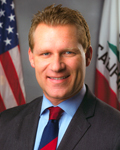
Bill Author
Bill Co-Author(s):