AB 2261: Division of Labor Standards Enforcement: duties.
- Session Year: 2015-2016
- House: Assembly
- Latest Version Date: 2016-06-14
Existing law authorizes any person who believes that he or she has been discharged or otherwise discriminated against in violation of any law under the jurisdiction of the Labor Commissioner to file a complaint, as specified, with the Division of Labor Standards Enforcement, which is within the Department of Industrial Relations, and requires the commissioner to establish procedures for the investigation of discrimination complaints.
This bill would authorize the division to, with or without receiving a complaint from an employee, commence an investigation, issue a citation, or bring an action against investigation of an employer who discharges or otherwise discriminates that it suspects to have discharged or otherwise discriminated against an individual in violation of any law under the jurisdiction of the Labor Commissioner.
Existing law authorizes any person who believes that he or she has been discharged or otherwise discriminated against in violation of any law under the jurisdiction of the Labor Commissioner to file a complaint, as specified, with the Division of Labor Standards Enforcement, which is within the Department of Industrial Relations, and requires the commissioner to establish procedures for the investigation of discrimination complaints.
This bill would authorize the division to, with or without receiving a complaint from an employee, commence an investigation, issue a citation, or bring an action against an employer who discharges or otherwise discriminates against an individual in violation of any law under the jurisdiction of the Labor Commissioner.
(a)(1)Any person who believes that he or she has been discharged or otherwise discriminated against in violation of any law under the jurisdiction of the Labor Commissioner may file a complaint with the division within six months after the occurrence of the violation. The six-month period may be extended for good cause. The complaint shall be investigated by a discrimination complaint investigator in accordance with this section. The Labor Commissioner shall establish procedures for the investigation of discrimination complaints. A summary of the procedures shall be provided to each complainant and respondent at the time of initial contact. The Labor Commissioner shall inform complainants charging a violation of Section 6310 or 6311, at the time of initial contact, of his or her right to file a separate, concurrent complaint with the United States Department of Labor within 30 days after the occurrence of the violation. Each complaint of unlawful discharge or discrimination shall be assigned to a discrimination complaint investigator who shall prepare and submit an investigation report to the Labor Commissioner based on an investigation of the complaint.
(2)The division may, with or without receiving a complaint, commence an investigation of an employer that it suspects to have discharged or otherwise discriminated against an individual in violation of any law under the jurisdiction of the Labor Commissioner in accordance with this section. The assigned investigator shall prepare and submit an investigation report to the Labor Commissioner based upon the investigation.
(b)Each complaint of unlawful discharge or discrimination shall be assigned to a discrimination complaint investigator who shall prepare and submit a report to the Labor Commissioner based on an investigation of the complaint. The Labor Commissioner may designate the chief deputy or deputy, the assistant Labor Commissioner Commissioner, or the chief counsel to receive and review the investigation reports. The investigation An investigation shall include, where if appropriate, interviews with the complainant, respondent, if there is one, the employer, and any witnesses who may have information concerning the alleged a possible violation, and a review of any documents that may be relevant to the disposition of the complaint. investigation. The identity of a witness shall remain confidential unless the identification of the witness becomes necessary to proceed with the investigation or to prosecute an action to enforce a determination. The investigation report submitted to the Labor Commissioner or designee shall include the statements and documents obtained in the investigation, and the findings of the investigator concerning whether a violation occurred. The Labor Commissioner may hold an investigative hearing whenever if the Labor Commissioner determines, after review of the investigation report, that a hearing is necessary to fully establish the facts. In the hearing the investigation report shall be made a part of the record record, and the complainant and respondent complainant, if there is one, and the employer shall have the opportunity to present further evidence. The Labor Commissioner shall issue, serve, and enforce any necessary subpoenas.
(c)If the Labor Commissioner determines a violation has occurred, he or she shall notify the complainant and respondent complainant, if there is one, and the employer and direct the respondent employer to cease and desist from the violation and take any action deemed necessary to remedy the violation, including, where if appropriate, rehiring or reinstatement, reimbursement of lost wages and interest thereon, payment of reasonable attorneys fees associated with any hearing held by the Labor Commissioner in investigating the complaint, related to the investigation, and the posting of notices to employees. If the respondent employer does not comply with the order within 10 working days following notification of the Labor Commissioners determination, the Labor Commissioner shall bring an action promptly in an appropriate court against the respondent. employer. If the Labor Commissioner fails to bring an action in court promptly, the a complainant may bring an action against the Labor Commissioner in any appropriate court for a writ of mandate to compel the Labor Commissioner to bring an action in court against the respondent. If the complainant prevails in his or her action for a writ, the court shall award the complainant court costs and reasonable attorneys fees, notwithstanding any other law. Regardless of any delay in bringing an action in court, the Labor Commissioner shall not be divested of jurisdiction. In any action, the court may permit the claimant to intervene as a party plaintiff to the action and shall have jurisdiction, for cause shown, to restrain the violation and to order all appropriate relief. Appropriate relief includes, but is not limited to, rehiring or reinstatement of the complainant, reimbursement of lost wages and interest thereon, and any other compensation or equitable relief as is appropriate under the circumstances of the case. The Labor Commissioner shall petition the court for appropriate temporary relief or restraining order unless he or she determines good cause exists for not doing so.
(d)(1)If the Labor Commissioner determines no violation has occurred, he or she shall notify the complainant and respondent complainant, if there is one, and the employer and shall dismiss the complaint. complaint or close the investigation. The Labor Commissioner may direct the a complainant to pay reasonable attorneys fees associated with any hearing held by the Labor Commissioner if the Labor Commissioner finds the that a complaint was frivolous, unreasonable, groundless, and was brought in bad faith. The A complainant may, after notification of the Labor Commissioners determination to dismiss a complaint, bring an action in an appropriate court, which court that shall have jurisdiction to determine whether a violation occurred, and occurred and, if so, to restrain the violation and order all appropriate relief to remedy the violation. Appropriate relief includes, but is not limited to, rehiring or reinstatement of the complainant, reimbursement of lost wages and interest thereon, and other compensation or equitable relief as is appropriate under the circumstances of the case. When dismissing If the Labor Commission dismisses a complaint, the Labor Commissioner shall advise the a complainant of his or her right to bring an action in an appropriate court if he or she disagrees with the determination of the Labor Commissioner, and in the case of an alleged violation of Section 6310 or 6311, to file a complaint against the state program with the United States Department of Labor.
(2)The filing of a timely complaint against the state program with the United States Department of Labor shall stay the Labor Commissioners dismissal of the division complaint until the United States Secretary of Labor makes a determination regarding the alleged violation. Within 15 days of receipt of that determination, the Labor Commissioner shall notify the parties whether he or she will reopen the complaint filed with the division or whether he or she will reaffirm the dismissal.
(e)The Labor Commissioner shall notify the complainant and respondent complainant, if there is one, and the employer of his or her determination under subdivision (c) or paragraph (1) of subdivision (d), not later than 60 days after the filing of the complaint. complaint, or commencing the investigation pursuant to paragraph (2) of subdivision (a). Determinations by the Labor Commissioner under subdivision (c) or (d) may be appealed by the a complainant or respondent employer to the Director of Industrial Relations within 10 days following notification of the Labor Commissioners determination. The appeal shall set forth specifically and in full detail the grounds upon which the appealing party considers the Labor Commissioners determination to be unjust or unlawful, and every issue to be considered by the director. The director may consider any issue relating to the initial determination and may modify, affirm, or reverse the Labor Commissioners determination. The directors determination shall be the determination of the Labor Commissioner. The director shall notify the complainant complainant, if there is one, and respondent employer of his or her determination within 10 days of receipt of the appeal.
(f)The rights and remedies provided by this section do not preclude an employee from pursuing any other rights and remedies under any other law.
(g)In the enforcement of this section, there is no requirement that an individual exhaust administrative remedies or procedures.
SECTION 1.Section 98.74 is added to the Labor Code, immediately following Section 98.7, to read:98.74.In addition to receiving employee complaints pursuant to Section 98.7, the division may, with or without receiving a complaint from an employee, commence an investigation, issue a citation, or bring an action against an employer who discharges or otherwise discriminates against an individual in violation of any law under the jurisdiction of the Labor Commissioner.
In addition to receiving employee complaints pursuant to Section 98.7, the division may, with or without receiving a complaint from an employee, commence an investigation, issue a citation, or bring an action against an employer who discharges or otherwise discriminates against an individual in violation of any law under the jurisdiction of the Labor Commissioner.
|
Date
|
Status
|
|---|---|
| Aug 4, 2016 | Ordered to inactive file at the request of Senator Hueso. |
| Aug 2, 2016 | Read second time. Ordered to third reading. |
| Aug 1, 2016 | From committee: Be placed on second reading file pursuant to Senate Rule 28.8. |
| Jun 29, 2016 | From committee: Do pass and re-refer to Com. on APPR. (Ayes 5. Noes 2.) (June 28). Re-referred to Com. on APPR. |
| Jun 22, 2016 | From committee: Do pass and re-refer to Com. on JUD. (Ayes 4. Noes 1.) (June 22). Re-referred to Com. on JUD. |
| Jun 14, 2016 | From committee chair, with author's amendments: Amend, and re-refer to committee. Read second time, amended, and re-referred to Com. on L. & I.R. |
| Jun 9, 2016 | Referred to Coms. on L. & I.R. and JUD. |
| Jun 2, 2016 | In Senate. Read first time. To Com. on RLS. for assignment. |
| Jun 1, 2016 | Read third time. Passed. Ordered to the Senate. (Ayes 49. Noes 31. Page 5079.) |
| Jun 1, 2016 | Read third time. Passed. Ordered to the Senate. (Ayes 49. Noes 31.) |
| Jun 1, 2016 | Read third time. Passed. Ordered to the Senate. |
| May 19, 2016 | Read second time. Ordered to third reading. |
| May 18, 2016 | From committee: Do pass. (Ayes 14. Noes 6.) (May 18). |
| May 11, 2016 | In committee: Set, first hearing. Hearing canceled at the request of author. |
| Apr 21, 2016 | From committee: Do pass and re-refer to Com. on APPR. (Ayes 5. Noes 2.) (April 20). Re-referred to Com. on APPR. |
| Mar 3, 2016 | Referred to Com. on L. & E. |
| Feb 19, 2016 | From printer. May be heard in committee March 20. |
| Feb 18, 2016 | Read first time. To print. |
|
Date
|
Description
|
Location
|
Votes
|
|
|---|---|---|---|---|
| Jun 28, 2016 | Do pass, but first be re-referred to the Committee on [Appropriations] | Senate Standing Committee on Judiciary |
Passed |
|
| Jun 22, 2016 | Do pass, but first be re-referred to the Committee on [Judiciary] | Senate Standing Committee on Labor and Industrial Relations |
Passed |
|
| Jun 1, 2016 | AB 2261 HERNÁNDEZ Assembly Third Reading | Assembly Floor |
Passed |
|
| May 18, 2016 | Do pass. | Assembly Standing Committee on Appropriations |
Passed |
|
| Apr 20, 2016 | Do pass and be re-referred to the Committee on [Appropriations] | Assembly Standing Committee on Labor and Employment |
Passed |
This list shows positions taken on this bill by organizations on the date displayed, which is linked to the original source.
Positions by individuals are not included.
Office of Senate Floor Analyses (916) 651-1520 Fax: (916) 327-4478 | AB |
THIRD READING
Bill No: AB 2261
:
SENATE LABOR & IND. REL. COMMITTEE: 4-1, 6/22/16
AYES: Mendoza, Jackson, Leno, Mitchell
NOES: Stone
SENATE JUDICIARY COMMITTEE: 5-2, 6/28/16
AYES: Jackson, Hertzberg, Leno, Monning, Wieckowski
NOES: Moorlach, Anderson
SENATE APPROPRIATIONS COMMITTEE: Senate Rule 28.8
ASSEMBLY FLOOR: 49-31, 6/1/16 - See last page for vote
SOURCE: California Labor Federation
DIGEST: This bill authorizes the Division of Labor Standards Enforcement to commence an investigation, with or without receiving a complaint from an employee, of an employer that it suspects to have discharged or otherwise discriminated against an individual in violation of any law under the jurisdiction of the Labor Commissioner.
Existing law:
- Prohibits an employer from discharging, discriminating or retaliating against an employee for engaging in specified protected activity, or for filing a claim related to his or her rights that are under the jurisdiction of the Labor Commissioner (LC). (Labor Code §98.6)
- Authorizes any person who believes that he or she has been discharged or otherwise discriminated against in violation of any law under the jurisdiction of the LC to file a complaint within six months of the occurrence, as specified, with the Division of Labor Standards Enforcement (DLSE). (Labor Code §98.7)
- Entitles employees discharged as a result of such protected activity to reinstatement and reimbursement for lost wages and interest thereon, as well as the payment of reasonable attorney’s fees associated with any hearing held in investigating the complaint.
- Establishes timelines for the submittal of such claims to the division, as well as processes to be followed by the LC in investigating these claims, including that of notifying the respondent and employer of the pending investigation within a specified timeframe.
- Provides that in the enforcement of these provisions, there is no requirement that an individual exhaust administrative remedies or procedures before pursuing any other rights and remedies under any other law.
This bill:
- Authorizes the DLSE to, with or without receiving a complaint, commence an investigation of an employer that it suspects to have discharged or otherwise discriminated against an individual in violation of any law under the jurisdiction of the LC.
- Requires the assigned investigator to prepare and submit an investigation report to the LC based on its findings.
- Requires the DLSE in investigating employers under this provision, to follow the existing processes and requirements for employee initiated cases of unlawful discharge or discrimination.
Background
California law contains several provisions emphasizing a strong public policy to protect employees against retaliation for exercising their rights. This is an acknowledgement of the fact that substantive labor and employment laws are meaningless if workers are reluctant to exercise their rights for fear of employer retaliation. Although certain provisions of law contain their own anti-retaliation provisions, two specific provisions of the California Labor Code provide general protection against retaliation for engaging in certain protected activity. Labor Code §98.6 prohibits an employer from discharging, retaliating, or taking other adverse employment action against an employee because the employee has engaged in protected conduct, as specified, such as filing a complaint or claim with the LC. The Labor Code also contains a "whistleblower" statute (Labor Code §1102.5) which prohibits an employer from retaliating against an employee for disclosing information to a government or law enforcement agency, or to others, or for participating in an investigation or hearing, if the employee has reasonable cause to believe that the information discloses a violation of or noncompliance with existing law.
Claims alleging retaliation may be pursued via a civil action or by filing an administrative claim with the LC. However, according to the author, despite these laws providing protection and encouraging the reporting of abuse, the reality is that many workers do not report employer abuse out of fear of losing their jobs. And the LC currently lacks the authority to take action or file an independent citation alleging that an employer has unlawfully retaliated against an employee or employees. The author believes this bill is necessary to give the DLSE the authority to investigate employers, with or without receiving an employee complaint, it suspects may have unlawfully discharged or discriminated against an employee in violation of the law.
FISCAL EFFECT: Appropriation: Fiscal Com.: Local:
California Labor Federation (source)
California Faculty Association
California Immigrant Policy Center
California Professional Firefighters
California Rural Legal Assistance Foundation
Acclamation Insurance Management Services
African American Farmers of California
Allied Managed Care
Associated Builders and Contractors of California
Associated General Contractors
California Association of Winegrape Growers
California Chamber of Commerce
California Chapter American Fence Association
California Chapters of the National Electrical Contractors Association
California Citrus Mutual
California Farm Bureau Federation
California Fence Contractors Association
California Fresh Fruit Association
California Grocers Association
California Joint Powers Authority
California League of Food Processors
California Legislative Council of the Plumbing, Heating and Piping Industry
California New Car Dealers Association
California Newspaper Publishers Association
California Pool and Spa Association
California Restaurant Association
California Retailers Association
California Trucking Association
Coalition of Small and Disabled Veteran Business
Family Business Association
Flasher Barricade Association
League of California Cities
Nisei Farmers League
United Contractors
Western Carwash Association
Western Plant Health Association
Wine Institute
ARGUMENTS IN SUPPORT: According to the author, under existing law, in order to pursue an administrative claim for retaliation, an employee must come forward and file a claim with the LC. The LC currently does not have the authority to independently cite an employer for retaliation, even if the LC, for example, comes across evidence of retaliation during an investigation by the Bureau of Field Enforcement. This, the author argues, can be a particular barrier in retaliation cases since the employee complaint model forces an employee who has already been retaliated against to come forward and individually complain, often risking further retaliation by the employer. According to the author, this bill will simply provide the LC with the authority to independently investigate an employer for unlawful retaliation.
According to the author, in 2014, the LC received 3,800 complaints of employer retaliation. In reality this figure represents only a fraction of the true picture because it only represents those brave workers who were courageous enough to come forward and file a claim. Proponents argue that as long as unscrupulous employers can retaliate against workers by disciplining, demoting, or firing them for voicing concerns about wages and workplace safety issues with impunity, labor laws will go unenforced and all workers will suffer. Furthermore, they argue that good employers are forced to compete against bad actors that perpetuate low-wages and illegal practices.
ARGUMENTS IN OPPOSITION: Opponents argue that this bill expands the authority of the DLSE to investigate and cite an employer for alleged retaliation, even without an employee complaint. Opponents argue that current procedures for employee initiated complaints handled by the LC have safeguards for all parties involved to ensure that there is adequate opportunity to present evidence in a timely and efficient manner and pursue an appeal or litigation if necessary. They argue that while recent amendments to the bill appear to incorporate time restrictions regarding events that may be considered for purposes of retaliation, the bill still allows the LC to unilaterally initiate an investigation of an employer, even when no employee has submitted a complaint.
Opponents are concerned with the potential harassment, disruption, and strain that these LC initiated investigations will impose on employers to be constantly subjected to random investigations for alleged retaliation. Moreover, they argue that this bill is unnecessary because the Labor Code already provides numerous anti-retaliation provisions that specifically protect an employee against any adverse employment action for exercising their rights under the Labor Code.
ASSEMBLY FLOOR: 49-31, 6/1/16
AYES: Alejo, Atkins, Bloom, Bonilla, Bonta, Brown, Burke, Calderon, Campos, Chau, Chiu, Chu, Cooley, Cooper, Dababneh, Daly, Dodd, Eggman, Frazier, Cristina Garcia, Eduardo Garcia, Gatto, Gipson, Gomez, Gonzalez, Gordon, Roger Hernández, Holden, Irwin, Jones-Sawyer, Levine, Lopez, McCarty, Medina, Mullin, Nazarian, O'Donnell, Quirk, Ridley-Thomas, Rodriguez, Salas, Santiago, Mark Stone, Thurmond, Ting, Weber, Williams, Wood, Rendon
NOES: Achadjian, Travis Allen, Arambula, Baker, Bigelow, Brough, Chang, Chávez, Dahle, Beth Gaines, Gallagher, Gray, Grove, Hadley, Harper, Jones, Kim, Lackey, Linder, Low, Maienschein, Mathis, Mayes, Melendez, Obernolte, Olsen, Patterson, Steinorth, Wagner, Waldron, Wilk
8/3/16 19:00:46
**** END ****
Senator Hannah-Beth Jackson, Chair
2015-2016 Regular Session
Bill No: AB 2261 (Author:Roger Hernández)
Version: June 14, 2016
Hearing Date: June 28, 2016
Fiscal: Yes
Urgency: No
Consultant: ME
SUBJECT
Division of Labor Standards Enforcement: duties
DESCRIPTION
This bill would authorize the Division of Labor Standards Enforcement (DLSE) to, with or without receiving a complaint from an employee, commence an investigation of an employer that it suspects to have discharged or otherwise discriminated against an individual in violation of any law under the jurisdiction of the Labor Commissioner. This bill would require the assigned investigator to prepare and submit an investigation report to the Labor Commissioner based on its findings. Moreover, this bill would require the DLSE in investigating employers under this provision, to follow the existing processes and requirements for employee initiated cases of unlawful discharge or discrimination.
BACKGROUND
California has a strong public policy to protect workers against discrimination, discharge, retaliation or any other adverse action by their employer if the employee is attempting to exercise their employment rights. For example, an employer cannot retaliate or take any adverse action against an employee if that employee made a complaint that he or she was owed unpaid wages. A person who believes that he or she has been terminated or otherwise discriminated against in violation of any law under the jurisdiction of the Labor Commissioner can file a complaint with the Division of Labor Standards and Enforcement and have that complaint investigated.
One population that is hesitant to file complaints against employers is undocumented Californians. In California, there are approximately 2.6 million undocumented individuals. (Cho and Smith, Workers’ Rights on ICE: How Immigration Reform Can Stop Retaliation and Advance Labor Rights, National Employment Law Project (Feb. 2013) <http://www.nelp.org/page/-/Justice/2013/Workers-Rights-on-ICE-Retaliation-Report-California.pdf?nocdn=1> [as of June 18, 2016], p. 2.) “Most undocumented immigrants work in traditionally low-wage occupations such as agriculture, construction, manufacturing, and service industries, where workers face the greatest risk for exploitation. Undocumented workers are far more likely to experience violations of wage and hour laws.” (Id.) Many undocumented workers do not file claims against their employers out of fear of “’getting in trouble’ or being fired.” (Id.) Undocumented workers also do not bring claims against employers out of fear of having their status being reported to immigration or law enforcement. (Id. at pp. 2-3.)
Accordingly, this bill would authorize the Division of Labor Standards Enforcement to, with or without receiving a complaint from an employee, commence an investigation of an employer that it suspects to have discharged or otherwise discriminated against an individual in violation of any law under the jurisdiction of the Labor Commissioner.
CHANGES TO EXISTING LAW
Existing law provides that a person shall not discharge an employee, or in any manner discriminate, retaliate, or take any adverse action against any employee or applicant for employment because:
- the employee or applicant engaged in protected conduct, as specified;
- the employee or applicant for employment filed a bona fide complaint or claim or instituted or caused to be instituted any proceeding under or relating to his or her rights that are under the jurisdiction of the Labor Commissioner;
- made a written or oral complaint that he or she is owed unpaid wages;
- the employee has initiated any action or notice pursuant to the Labor Code Section 2699, or has testified or is about to testify in a proceeding pursuant to that section;
- the employee or applicant for employment exercised on behalf of himself, herself, or others any rights afforded him or her. (Lab. Code Sec. 98.6(a).)
Existing law authorizes, in addition to any other remedies available, a civil penalty, not to exceed $10,000 per employee for each violation, to be imposed against the employer. (Lab. Code Sec. 98.6(b)(3).)
Existing law prohibits employers from withholding an employee’s wages and prohibits discrimination, retaliation, and adverse actions by an employer against an employee or job applicant who exercises his or her rights under the law. (Lab. Code Sec. 200 et seq.)
Exiting law provides that any person who believes that he or she has been discharged or otherwise discriminated against in violation of any law under the jurisdiction of the Labor Commissioner may file a complaint with the division, as specified. The complaint shall be investigated, as specified. (Lab. Code Sec. 98.7(a)(1).)
This bill would authorize the Division of Labor Standards Enforcement to, with or without receiving a complaint from an employee, commence an investigation of an employer that it suspects to have discharged or otherwise discriminated against an individual in violation of any law under the jurisdiction of the Labor Commissioner.
This bill would require the assigned investigator to prepare and submit an investigation report to the Labor Commissioner based on its findings.
This bill would require the DLSE in investigating employers under this provision, to follow the existing processes and requirements for employee initiated cases of unlawful discharge or discrimination.
COMMENT
1. Stated need for the bill
According to the author:
Under existing law, in order to pursue an administrative claim for retaliation, an employee must come forward and file a claim with the Labor Commissioner. The Labor Commissioner currently lacks the authority to independently cite an employer for retaliation. This can be a particular barrier in retaliation cases, since the employee complaint model forces an employee who has already been retaliated against to come forward and individually complain, risking further retaliation by the employer.
California law contains a strong public policy to protect employees from retaliation for exercising their rights. This is an acknowledgement of the fact that substantive labor and employment laws are meaningless if workers are reluctant to exercise their rights for fear of employer retaliation.
Despite this strong public policy and several existing statutes that prohibit such retaliation, employer retaliation runs rampant. In 2014, the Labor
Commissioner received 3,800 complaints of employer retaliation. Retaliation claims filed with the Labor Commissioner have increased by 48 percent from 2011 to 2014, an increase of 16 percent per year. In reality, this figure represents only a fraction of the true picture because it only represents those brave workers who were courageous enough to come forward and file a claim with the Labor Commissioner.
Immigrant workers are particularly vulnerable to employer retaliation and abuse. A 2013 report[1] by the National Employment Law Project (NELP) stated, "Silencing or intimidating a large percentage of workers in any industry means that workers are hobbled in their efforts to protect and improve their jobs. As long as unscrupulous employers can exploit some low-wage workers with impunity, all low-wage workers suffer compromised employment protections and economic security. Law-abiding employers are forced to compete with illegal practices, perpetuating low-wages in a whole host of industries."
Currently, in order to pursue an administrative claim for retaliation, a worker must come forward and file a claim with the Labor Commissioner. The Labor Commissioner does not have the authority to independently cite an employer for retaliation, even if the Labor Commissioner, for example, comes across evidence of retaliation during an investigation of the Bureau of Field Enforcement (BOFE).
AB 2261 will simply provide the Labor Commissioner with the authority to independently cite an employer for unlawful retaliation.
2. Opposition Concerns
Writing in opposition, the California Chamber of Commerce and a number of organizations write:
Currently, Labor Code Section 98.7 sets forth a detailed process regarding how employee complaints for alleged retaliation are handled by the Labor Commissioner. These procedures have safeguards for all parties involved to ensure that there is adequate opportunity to present evidence in a timely and efficient manner and pursue an appeal or litigation if necessary. While recent amendments to AB 2261, appear to incorporate time restrictions regarding events that may be considered for purposes of retaliation, the bill still allows the Labor Commissioner to unilaterally initiate an investigation of an employer, even when no employee has submitted a complaint. We are concerned with the potential harassment, disruption, and strain this will impose on employers to be constantly subjected to random investigations for alleged retaliation.
Moreover, the Labor Code already provides numerous anti-retaliation provisions that specifically protect an employee against any adverse employment action for exercising their rights under the Labor Code.
3. Holding all employers accountable to comply with state laws regardless of who they employ
It is in the interest of all California businesses for California’s labor laws to be enforced. Millions of Californians are living without lawful status because Congress has failed to pass comprehensive immigration reform. Fear of deportation stops some undocumented Californians from filing complaints with the Department of Labor Standards Enforcement (DLSE) against employers that violate their labor rights. Writing in support, the California Labor Federation, sponsor of this bill writes:
When workers complain about working conditions or try to organize a union, employers often respond by retaliating against them. Workers who speak out against these common workplace abuses face reduced hours, harassment, and termination as a means of intimidating other workers from coming forward. Just as important, many workers never make complaints in the first place, often because they fear retaliation by their employer.
. . .
California has implemented new laws to increase worker protections against retaliation. None of these reforms are meaningful if workers cannot enforce them. Most low-wage workers rely on the Labor Commissioner’s office. Currently the Labor Commissioner does not have all the tools she needs to ensure that she can protect workers from retaliation when investigating other wage and hour violations.
AB 2261 will allow the Labor Commissioner to investigate and directly cite employers for retaliation with or without a worker complaint. The Labor Commissioner, CalOSHA and the Division of Workers’ Compensation already have similar authority for various meal and rest period violation, wage theft violations, overtime violations, health and safety violations, or workers compensation violations.
When nefarious employers steal the wages of undocumented workers or retaliate against workers who speak out against workplace abuses, the employers’ businesses are subsidized by reduced cost labor. Employers that operate in compliance with state labor laws and do not engage in wage theft or retaliation are disadvantaged when they have to compete with businesses that take advantage of fearful workers. Accordingly, in an effort to hold employers accountable when employees are unwilling to file complaints with the DLSE, this bill would authorize the DLSE to, with or without receiving a complaint from an employee, commence an investigation of an employer that it suspects to have discharged or otherwise discriminated against an individual in violation of any law under the jurisdiction of the Labor Commissioner.
Support: California Immigrant Policy Center; California Professional Firefighters; California Rural Legal Assistance Foundation; California Teamsters Public Affairs Council
Opposition: Acclamation Insurance Management Services; African American Farmers of California; Allied Managed Care; Associated Builders and Contractors of California
Associated General Contractors; California Association of Winegrape Growers; California Chamber of Commerce; California Chapter American Fence Association; California Chapters of the National Electrical Contractors Association (NECA); California Citrus Mutual; California Farm Bureau Federation; California Fence Contractors Association; California Fresh Fruit Association; California Grocers Association; California League of Food Processors; California Legislative Council of the Plumbing, Heating and Piping Industry (CLC); California Newspaper Publishers Association; California Pool and Spa Association; California Restaurant Association; California Retailers Association; California Trucking Association; Coalition of Small and Disabled Veteran Business; CSAC Excess Insurance Authority; Family Business Association; Flasher Barricade Association; League of California Cities; Nisei Farmers League; United Contractors; Western Carwash Association; Western Plant Health Association; Wine Institute
HISTORY
Source: California Labor Federation, AFL-CIO (sponsor)
Related Pending Legislation: None Known
Prior Legislation:
AB 2751 (Hernández, Chapter 79, Statutes of 2014), among other things, clarified that civil penalties against an employer who discriminates, retaliates, or takes adverse action against any employee or job applicant who has engaged in prescribed protected conduct are awarded to the employee or employees who suffered the violation.
SB 666 (Steinberg, Chapter 577, Statutes of 2013), among other things, made it unlawful for an employer to retaliate or take any adverse action against an employee who makes a written oral complaint that he or she is owed unpaid wages and prohibited any person acting on behalf of the employer from retaliating against an employee for disclosing information to a government or law enforcement agency.
AB 263 (Hernández, Chapter 732, Statutes of 2013), among other things, prohibited an employer or any other person or entity from engaging in unfair immigration-related practices, as defined, for the purpose of retaliation against any person who exercises any rights under the Labor Code. AB 263 also clarified that an employer is prohibited from discriminating, retaliating, or taking adverse action against an employee or job applicant who has engaged in prescribed protected conduct relating to the enforcement of the employee’s or applicant’s rights, provided up to a $10,000 penalty for violations thereof, and specified that an employee is not required to exhaust administrative remedies or procedures to enforce this prohibition.
Prior Vote:
Assembly Floor (Ayes 49, Noes 31)
Assembly Appropriations Committee (Ayes 14, Noes 6)
Assembly Labor and Employment Committee (Ayes 5, Noes 2)
**************
(Cho and Smith, Workers’ Rights on ICE: How Immigration Reform Can Stop Retaliation and Advance Labor Rights, National Employment Law Project (Feb. 2013) <http://www.nelp.org/page/-/Justice/2013/Workers-Rights-on-ICE-Retaliation-Report-California.pdf?nocdn=1> [as of June 18, 2016]) ↑
SENATE COMMITTEE ON LABOR AND INDUSTRIAL RELATIONS
Senator Tony Mendoza, Chair
2015 - 2016 Regular
Bill No: AB 2261 Hearing Date: June 22, 2016
Author: | Roger Hernández | ||
Version: | June 14, 2016 | ||
Urgency: | No | Fiscal: | Yes |
Consultant: | Alma Perez-Schwab | ||
Subject: Division of Labor Standards Enforcement: duties
KEY ISSUES
Should the Legislature authorize the Division of Labor Standards Enforcement to commence an investigation, with or without receiving an employee complaint, of an employer that it suspects to have discharged or otherwise discriminated against an individual in violation of labor law?
Should these DLSE initiated investigations follow the same process and timeline required under employee initiated complaints?
ANALYSIS
Existing law:
- Prohibits an employer from discharging, discriminating or retaliating against an employee for engaging in specified protected activity, or for filing a claim related to his or her rights that are under the jurisdiction of the Labor Commissioner (LC).
(Labor Code § 98.6)
- Authorizes any person who believes that he or she has been discharged or otherwise discriminated against in violation of any law under the jurisdiction of the Labor Commissioner to file a complaint within six months of the occurrence, as specified, with the Division of Labor Standards Enforcement (DLSE). (Labor Code §98.7)
- Entitles employees discharged as a result of such protected activity to reinstatement and reimbursement for lost wages and interest thereon, as well as the payment of reasonable attorney’s fees associated with any hearing held in investigating the complaint.
- Establishes timelines for the submittal of such claims to the division, as well as processes to be followed by the Labor Commissioner in investigating these claims, including that of notifying the respondent and employer of the pending investigation within a specified timeframe.
- Provides that in the enforcement of these provisions, there is no requirement that an individual exhaust administrative remedies or procedures before pursuing any other rights and remedies under any other law.
This Bill would authorize the Division of Labor Standards Enforcement to, with or without receiving a complaint, commence an investigation of an employer that it suspects to have discharged or otherwise discriminated against an individual in violation of any law under the jurisdiction of the Labor Commissioner.
This Bill would require the assigned investigator to prepare and submit an investigation report to the Labor Commissioner based on its findings.
This Bill would require the DLSE in investigating employers under this provision, to follow the existing processes and requirements for employee initiated cases of unlawful discharge or discrimination.
COMMENTS
1. Need for this bill?
California law contains several provisions emphasizing a strong public policy to protect employees against retaliation for exercising their rights. This is an acknowledgement of the fact that substantive labor and employment laws are meaningless if workers are reluctant to exercise their rights for fear of employer retaliation. Although certain provisions of law contain their own anti-retaliation provisions, two specific provisions of the California Labor Code provide general protection against retaliation for engaging in certain protected activity. Labor Code §98.6 prohibits an employer from discharging, retaliating, or taking other adverse employment action against an employee because the employee has engaged in protected conduct, as specified, such as filing a complaint or claim with the Labor Commissioner. The Labor Code also contains a "whistleblower" statute (Labor Code §1102.5) which prohibits an employer from retaliating against an employee for disclosing information to a government or law enforcement agency, or to others, or for participating in an investigation or hearing, if the employee has reasonable cause to believe that the information discloses a violation of or noncompliance with existing law.
Claims alleging retaliation may be pursued via a civil action or by filing an administrative claim with the Labor Commissioner. However, according to the author, despite these laws providing protection and encouraging the reporting of abuse, the reality is that many workers do not report employer abuse out of fear of losing their jobs. And the Labor Commissioner currently lacks the authority to take action or file an independent citation alleging that an employer has unlawfully retaliated against an employee or employees. The author believes this bill is necessary to give the Division of Labor Standards Enforcement the authority to investigate employers, with or without receiving an employee complaint, it suspects may have unlawfully discharged or discriminated against an employee in violation of the law.
2. Similar Rights under Existing Law:
It is important to note that the right to initiate an investigation into a labor law violation by a state entity is not a new concept as existing law already affords other enforcement rights to the Labor Commissioner (LC).
Under Labor Code §90.5, the Labor Commissioner must establish the Bureau of Field Enforcement, which is administratively and physically separate from the offices of the Division of Labor Standards Enforcement which accepts and investigates individual employee complaints. BOFE is responsible for, among others, the investigation and enforcement of statutes covering workers' compensation insurance coverage, unlicensed contractors, and wage orders. Under BOFE, the LC has the authority to investigate employers for these labor law violations, even without an employee initiated complaint.
Also under the jurisdiction of the Labor Commissioner, Labor Code §558 provides that if, upon inspection or investigation, the LC determines that a person has violated overtime requirements, regulations regarding hours and days of work, or any applicable local overtime law, the Labor Commissioner may issue a citation.
3. Proponent Arguments:
According to the author, under existing law, in order to pursue an administrative claim for retaliation, an employee must come forward and file a claim with the Labor Commissioner. The LC currently does not have the authority to independently cite an employer for retaliation, even if the LC, for example, comes across evidence of retaliation during an investigation by the Bureau of Field Enforcement. This, the author argues, can be a particular barrier in retaliation cases, since the employee complaint model forces an employee who has already been retaliated against to come forward and individually complain, often risking further retaliation by the employer. According to the author, this bill will simply provide the LC with the authority to independently investigate an employer for unlawful retaliation.
According to the author, in 2014, the Labor Commissioner received 3,800 complaints of employer retaliation. Retaliation claims filed with the Labor Commissioner have increased by 48 percent from 2011 to 2014, an increase of 16 percent per year. In reality this figure represents only a fraction of the true picture because it only represents those brave workers who were courageous enough to come forward and file a claim. Proponents argue that as long as unscrupulous employer can retaliate against workers by disciplining, demoting, or firing them for voicing concerns about wages and workplace safety issues with impunity, labor laws will go unenforced and all workers will suffer. Furthermore, they argue that good employers are forced to compete against bad actors that perpetuate low-wages and illegal practices.
4. Opponent Arguments:
Opponents argue that this bill expands the authority of the Division of Labor Standards Enforcement (DLSE) to investigate and cite an employer for alleged retaliation, even without an employee complaint. Opponents argue that current procedures for employee initiated complaints handled by the Labor Commissioner have safeguards for all parties involved to ensure that there is adequate opportunity to present evidence in a timely and efficient manner and pursue an appeal or litigation if necessary. They argue that while recent amendments to the bill appear to incorporate time restrictions regarding events that may be considered for purposes of retaliation, the bill still allows the Labor Commissioner to unilaterally initiate an investigation of an employer, even when no employee has submitted a complaint.
Opponents are concerned with the potential harassment, disruption, and strain that these Labor Commissioner initiated investigations will impose on employers to be constantly subjected to random investigations for alleged retaliation. Moreover, they argue that the Labor Code already provides numerous anti-retaliation provisions that specifically protect an employee against any adverse employment action for exercising their rights under the Labor Code. Opponents argue that it is unnecessary to expose employers to ongoing threats of investigation and litigation under this bill, when these existing protections already exist.
5. Double Referral:
This bill has been double-referred and, if approved by this committee, it will be sent to the Senate Judiciary Committee for a hearing.
SUPPORT
California Labor Federation (Sponsor)
California Faculty Association
California Immigrant Policy Center
California Professional Firefighters
California Rural Legal Assistance Foundation
OPPOSITION
Acclamation Insurance Management Services
African American Farmers of California
Allied Managed Care
Associated Builders and Contractors of California
Associated General Contractors
California Association of Winegrape Growers
California Chamber of Commerce
California Chapter American Fence Association
California Chapters of the National Electrical Contractors Association
California Citrus Mutual
California Farm Bureau Federation
California Fence Contractors Association
California Fresh Fruit Association
California Grocers Association
California League of Food Processors
California Legislative Council of the Plumbing, Heating and Piping Industry
California New Car Dealers Association
California Newspaper Publishers Association
California Pool and Spa Association
California Restaurant Association
California Retailers Association
California Trucking Association
Coalition of Small and Disabled Veteran Business
CSAC Excess Insurance Authority
Family Business Association
Flasher Barricade Association
League of California Cities
Nisei Farmers League
United Contractors
Western Carwash Association
Western Plant Health Association
Wine Institute
-- END --
ASSEMBLY THIRD READING
ATR Bill Id:AB 2261
Author:(Roger Hernández)
As Introduced Ver:February 18, 2016
Majority vote
Committee | Votes | Ayes | Noes |
Labor | 5-2 | Roger Hernández, Chu, McCarty, O'Donnell, Thurmond | Patterson, Linder |
Appropriations | 14-6 | Gonzalez, Bloom, Bonilla, Bonta, Calderon, Daly, Eggman, Eduardo Garcia, Roger Hernández, Holden, Quirk, Santiago, Weber, Wood | Bigelow, Patterson, Gallagher, Jones, Obernolte, Wagner |
SUBJECT: Division of Labor Standards Enforcement: duties
SUMMARY: Authorizes the Division of Labor Standards Enforcement (DLSE), in addition to receiving employee complaints for retaliation, to, with or without receiving a complaint from an employee, commence an investigation, issue a citation, or bring an action against an employer who discharges or otherwise discriminates against an individual in violation of any law under the jurisdiction of the Labor Commissioner (LC).
EXISTING LAW:
- Prohibits an employer from discharging, discriminating or retaliating against an employee for engaging in specified protected activity, or for filing a claim related to his or her rights that are under the jurisdiction of the LC. (Labor Code Section 98.6).
- Authorizes any person who believes that he or she has been discharged or otherwise discriminated against in violation of any law under the jurisdiction of the LC to file a complaint, as specified, with the DLSE.
- Provides that in the enforcement of these provisions, there is no requirement that an individual exhaust administrative remedies or procedures.
FISCAL EFFECT: According to the Assembly Appropriations Committee, minor/absorbable costs to the Department of Industrial Relations.
COMMENTS: Although certain provisions of law contain their own anti-retaliation provisions, two specific provisions of the California Labor Code provide general protection against retaliation for engaging in certain protected activity.
Existing Labor Code Section 98.6 prohibits an employer from discharging, retaliating, or taking other adverse employment action against an employee because the employee has engaged in protected conduct, as specified, such as filing a complaint or claim with the Labor Commissioner.
The Labor Code also contains a "whistleblower" statute (Labor Code Section 1102.5) which prohibits an employer from retaliating against an employee for disclosing information to a government or law enforcement agency, or to others, or for participating in an investigation or hearing, if the employee has reasonable cause to believe that the information discloses a violation of or noncompliance with existing law.
Claims alleging retaliation may be pursued via a civil action or by filing and administrative claim with the Labor Commissioner. The LC currently lacks the authority to file an independent citation alleging that an employer has unlawfully retaliated against an employee or employees.
According to the author, under existing law, in order to pursue an administrative claim for retaliation, an employee must come forward and file a claim with the LC. The LC currently does not have the authority to independently cite an employer for retaliation, even if the LC, for example, comes across evidence of retaliation during an investigation by the Bureau of Field Enforcement (BOFE).
This can be a particular barrier in retaliation cases, since the employee complaint model forces an employee who has already been retaliated against to come forward and individually complain, often risking further retaliation by the employer.
According to the author, this bill will simply provide the LC with the authority to independently cite an employer for unlawful retaliation.
This bill is sponsored by the California Labor Federation, the American Federation of Labor and Congress of Industrial Organizations (AFL-CIO), who argues that over the last few years, California has implemented new laws to increase worker protections against retaliation. None of these reforms are meaningful if workers cannot enforce them. Most low-wage workers rely on the LC's office. Currently, the LC does not have all the tools she needs to ensure that she can protect workers from retaliation when investigating other wage and hour violations. The sponsor states that this bill will strengthen the ability of the LC to enforce retaliation laws in the most efficient way. This increases protection for the most vulnerable in California's workforce and helps to level the playing field for employers who follow the rules.
Opponents, including the California Chamber of Commerce, state that currently, Labor Code Section 98.7 sets forth a detailed process regarding how employee complaints for alleged retaliation are handled by the LC. These procedures have safeguards for all parties involved to ensure that there is adequate opportunity to present evidence in a timely and efficient manner and pursue an appeal or litigation if necessary. They are concerned with the language proposed in this bill as it appears to eliminate the procedures and time limitations set forth in Labor Code Section 98.7 and subject employers to a constant threat of citation, investigation or litigation for alleged discrimination and retaliation.
Analysis Prepared by: Ben Ebbink / L. & E. / (916) 319-2091 FN: 0002921
Date of Hearing: May 18, 2016
ASSEMBLY COMMITTEE ON APPROPRIATIONS
Lorena Gonzalez, Chair
ABPCA Bill Id:AB 2261
Author:(Roger Hernández) – As Introduced Ver:February 18, 2016
Policy Committee: | Labor and Employment | Vote: | 5 - 2 |
Urgency: No State Mandated Local Program: No Reimbursable: No
SUMMARY:
This bill authorizes the Division of Labor Standards Enforcement (DLSE), in addition to receiving employee complaints for retaliation, to commence an investigation, issue a citation, or bring an action against an employer who discharges or otherwise discriminates against an individual in violation of any law under the jurisdiction of the Labor Commissioner, with or without receiving a complaint from an employee.
FISCAL EFFECT:
Minor/absorbable costs to the Department of Industrial Relations.
COMMENTS:
- Purpose. Current law prohibits an employer from discharging, discriminating or retaliating against an employee for engaging in protected activities, such as whistleblower activities, or for filing a claim related to his or her rights that are under the jurisdiction of the Labor Commissioner. Any person who believes that he or she has been discharged or otherwise discriminated against can pursue civil action or file an administrative claim with the Labor Commissioner. The Labor Commissioner, however, currently lacks the authority to file an independent citation alleging that an employer has unlawfully retaliated against an employee or employees, even if the Labor Commissioner, for example, comes across evidence of retaliation during an investigation by the Bureau of Field Enforcement (BOFE).
This bill, sponsored by the California Labor Federation, AFL-CIO, protects many workers who never make complaints, often because they fear retaliation by their employer. For example, a National Employment Law Project (NELP) study of immigrant hotel workers found that only 20% of those who had experienced work-related pain had filed workers’ compensation claims for fear of getting “in trouble” or being fired. The sponsor states that this bill will strengthen the ability of the Labor Commissioner to enforce retaliation laws and will increase protection for the most vulnerable in California’s workforce.
- Background. In 2014, the Labor Commissioner's Retaliation Complaints Investigation (RCI) unit accepted complaints alleging violations of 23 of the 45 laws relating to retaliation. Of the 3,800 complaints received that year, the unit accepted 1,874 for investigation. The others were rejected because they were deemed to be outside of the jurisdiction of the Labor Commissioner. Cases accepted by the RCI unit have increased by 48 percent from 2011 to 2014. In acknowledgement of the increase in retaliation claims, the Governor's current budget proposal requests 19.5 additional positions for the Labor Commissioner's Retaliation Complaints Investigation (RCI) unit. The Assembly budget subcommittee approved this request on April 12, 2016.
- Opposition. Opposition, including the California Chamber of Commerce, are concerned the bill eliminates existing procedures and time limitations set forth in existing law relative to retaliation claims. They are concerned the bill subjects employers to a constant threat of citation, investigation or litigation for alleged discrimination and retaliation.
Analysis Prepared by: Misty Feusahrens / APPR. / (916) 319-2081
Date of Hearing: April 20, 2016
ASSEMBLY COMMITTEE ON LABOR AND EMPLOYMENT
Roger Hernández, Chair
ABPCA Bill Id:AB 2261 (
Author:Roger Hernández) – As Introduced Ver:February 18, 2016
SUBJECT: Division of Labor Standards Enforcement: duties
SUMMARY: Authorizes the Division of Labor Standards Enforcement (DLSE), in addition to receiving employee complaints for retaliation, to, with or without receiving a complaint from an employee, commence an investigation, issue a citation, or bring an action against an employer who discharges or otherwise discriminates against an individual in violation of any law under the jurisdiction of the Labor Commissioner (LC).
EXISTING LAW:
- Prohibits an employer from discharging, discriminating or retaliating against an employee for engaging in specified protected activity, or for filing a claim related to his or her rights that are under the jurisdiction of the LC. (Labor Code Section 98.6).
- Authorizes any person who believes that he or she has been discharged or otherwise discriminated against in violation of any law under the jurisdiction of the LC to file a complaint, as specified, with the DLSE.
- Provides that in the enforcement of these provisions, there is no requirement that an individual exhaust administrative remedies or procedures.
FISCAL EFFECT: Unknown
COMMENTS: Although certain provisions of law contain their own anti-retaliation provisions, two specific provisions of the California Labor Code provide general protection against retaliation for engaging in certain protected activity.
Existing Labor Code Section 98.6 prohibits an employer from discharging, retaliating, or taking other adverse employment action against an employee because the employee has engaged in protected conduct, as specified, such as filing a complaint or claim with the Labor Commissioner.
The Labor Code also contains a "whistleblower" statute (Labor Code Section 1102.5) which prohibits an employer from retaliating against an employee for disclosing information to a government or law enforcement agency, or to others, or for participating in an investigation or hearing, if the employee has reasonable cause to believe that the information discloses a violation of or noncompliance with existing law.
Claims alleging retaliation may be pursued via a civil action or by filing and administrative claim with the Labor Commissioner. The LC currently lacks the authority to file an independent citation alleging that an employer has unlawfully retaliated against an employee or employees.
Retaliation – An Ongoing Concern
California law contains a strong public policy to protect employees from retaliation for exercising their rights. This is an acknowledgement of the fact that substantive labor and employment laws are meaningless if workers are reluctant to exercise their rights for fear of employer retaliation.
Despite this strong public policy and several existing statutes that prohibit such retaliation, employer retaliation continues to be of concern. In 2014, the LC received 3,800 complaints of employer retaliation. Retaliation claims filed with the LC have increased by 48 percent from 2011 to 2014, an increase of 16 percent per year.
In reality, this figure likely represents only a fraction of the true picture because it only represents those brave workers who were courageous enough to come forward a file a claim with the Labor Commissioner.
In acknowledgement of the increase in retaliation claims and the importance of this issue, the Governor's current budget proposal requests 19.5 additional positions for the Labor Commissioner's Retaliation Complaints Investigation (RCI) unit.
Immigrant workers are particularly vulnerable to employer retaliation and abuse. A 2013 report[1] by the National Employment Law Project (NELP) stated, "Silencing or intimidating a large percentage of workers in any industry means that workers are hobbled in their efforts to protect and improve their jobs. As long as unscrupulous employers can exploit some low-wage workers with impunity, all low-wage workers suffer compromised employment protections and economic security. Law-abiding employers are forced to compete with illegal practices, perpetuating low-wages in a whole host of industries."
Stated Need for the Bill
According to the author, under existing law, in order to pursue an administrative claim for retaliation, an employee must come forward and file a claim with the LC. The LC currently does not have the authority to independently cite an employer for retaliation, even if the LC, for example, comes across evidence of retaliation during an investigation by the Bureau of Field Enforcement (BOFE).
This can be a particular barrier in retaliation cases, since the employee complaint model forces an employee who has already been retaliated against to come forward and individually complain, often risking further retaliation by the employer.
According to the author, this bill will simply provide the LC with the authority to independently cite an employer for unlawful retaliation.
Arguments in Support
This bill is sponsored by the California Labor Federation, AFL-CIO, who argues that workers who speak out against common workplace abuses face reduced hours, harassment, and termination as a means of intimidating other workers from coming forward. Just as important, many workers never make complaints in the first place, often because they fear retaliation by their employer. A NELP study of immigrant hotel workers, Workers’ Rights on ICE, found that only 20% of those who had experienced work-related pain had filed workers’ compensation claims for fear of getting “in trouble” or being fired.
The sponsor argues that, as long as unscrupulous employers can retaliate against workers by disciplining, demoting, or firing them for voicing concerns about wages and workplace safety issues with impunity, labor laws will go unenforced and all workers will suffer. Furthermore, good employers are forced to compete against bad actors that perpetuate low-wages and illegal practices.
Over the last few years, California has implemented new laws to increase worker protections against retaliation. None of these reforms are meaningful if workers cannot enforce them. Most low-wage workers rely on the LC’s office. Currently, the LC does not have all the tools she needs to ensure that she can protect workers from retaliation when investigating other wage and hour violations.
The sponsor states that this bill will strengthen the ability of the LC to enforce retaliation laws in the most efficient way. This increases protection for the most vulnerable in California’s workforce and helps to level the playing field for employers who follow the rules.
Arguments in Opposition
Opponents, including the California Chamber of Commerce, express the following concerns with the bill:
"Currently, Labor Code Section 98.7 sets forth a detailed process regarding how employee complaints for alleged retaliation are handled by the LC. These procedures have safeguards for all parties involved to ensure that there is adequate opportunity to present evidence in a timely and efficient manner and pursue an appeal or litigation if necessary. We are concerned with the language proposed in [this bill] as it appears to eliminate the procedures and time limitations set forth in Labor Code Section 98.7 and subject employers to a constant threat of citation, investigation or litigation for alleged discrimination and retaliation.
We appreciate the author’s intent to protect employees from retaliation in the workplace as well as his willingness to work with the employer community on this issue. We are hopeful that, through further discussions, we may develop amendments that create a balance between employers’ concerns and employee protections."
REGISTERED SUPPORT / OPPOSITION:
Support
California Immigrant Policy Center
California Labor Federation, AFL-CIO (sponsor)
California Professional Firefighters
California Rural Legal Assistance Foundation
Opposition
Acclamation Insurance Management Services
African American Farmers of California
Allied Managed Care
Associated Builders and Contractors of California
Associated General Contractors
California Association of Winegrape Growers
California Chamber of Commerce
California Chapter American Fence Association
California Citrus Mutual
California Farm Bureau Federation
California Fence Contractors Association
California Fresh Fruit Association
California Grocers Association
California League of Food Processors
California Newspaper Publishers Association
California Pool and Spa Association
California Restaurant Association
California Retailers Association
California Trucking Association
Coalition of Small and Disabled Veteran Business
CSAC Excess Insurance Authority
Family Business Association
Flasher Barricade Association
League of California Cities
Nisei Farmers League
Western Carwash Association
Western Plant Health Association
Wine Institute
Analysis Prepared by: Ben Ebbink / L. & E. / (916) 319-2091
http://www.nelp.org/page/-/Justice/2013/Workers-Rights-on-ICE-Retaliation-Report-California.pdf?nocdn=1 ↑
Discussed in Hearing
 4MIN
Senate Standing Committee on Judiciary
 6MIN
Senate Standing Committee on Labor and Industrial Relations
 6MIN
Senate Standing Committee on Public Safety
 7MIN
Assembly Floor
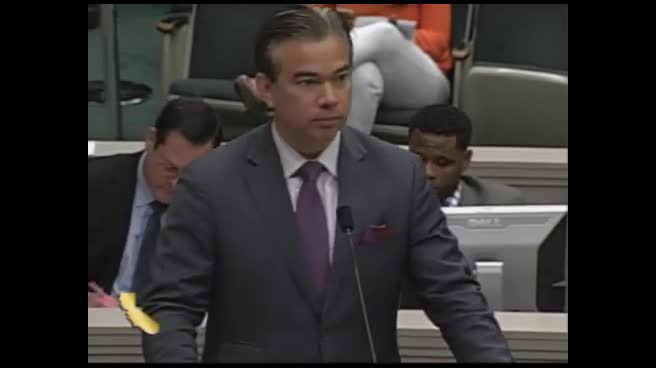 3MIN
Assembly Standing Committee on Appropriations
Bill Author

Bill Co-Author(s):