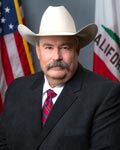
SB 402: Vehicles: off-highway vehicle recreation: County of Inyo.
- Session Year: 2019-2020
- House: Senate
- Latest Version Date: 2019-08-30
|
Date
|
Status
|
|---|---|
| Aug 30, 2019 | Chaptered by Secretary of State. Chapter 211, Statutes of 2019. |
| Aug 30, 2019 | Approved by the Governor. |
| Aug 27, 2019 | Enrolled and presented to the Governor at 3 p.m. |
| Aug 20, 2019 | In Senate. Ordered to engrossing and enrolling. |
| Aug 19, 2019 | Read third time. Passed. Ordered to the Senate. |
| Aug 15, 2019 | Read second time. Ordered to third reading. |
| Aug 14, 2019 | From committee: Do pass. (Ayes 17. Noes 1.) (August 14). |
| Jul 2, 2019 | Coauthors revised. |
| Jul 1, 2019 | From committee: Do pass and re-refer to Com. on W., P., & W. (Ayes 14. Noes 0.) (July 1). Re-referred to Com. on W., P., & W. |
| Jun 20, 2019 | Assembly Rule 56 suspended. |
| Jun 3, 2019 | Referred to Coms. on TRANS. and W., P., & W. |
| May 21, 2019 | In Assembly. Read first time. Held at Desk. |
| May 20, 2019 | In Assembly. Read first time. Held at Desk. |
| May 20, 2019 | Read third time. Passed. (Ayes 33. Noes 0.) Ordered to the Assembly. |
| May 14, 2019 | Read second time. Ordered to third reading. |
| May 13, 2019 | Read third time and amended. |
| May 7, 2019 | Read second time. Ordered to third reading. |
| May 6, 2019 | From committee: Do pass. (Ayes 4. Noes 0.) (May 6). |
| Apr 26, 2019 | Set for hearing May 6. |
| Apr 23, 2019 | From committee: Do pass and re-refer to Com. on APPR. (Ayes 6. Noes 2.) (April 23). Re-referred to Com. on APPR. |
| Apr 11, 2019 | Set for hearing April 23. |
| Apr 10, 2019 | From committee: Do pass and re-refer to Com. on N.R. & W. (Ayes 10. Noes 2.) (April 9). Re-referred to Com. on N.R. & W. |
| Mar 22, 2019 | Set for hearing April 9. |
| Feb 28, 2019 | Referred to Coms. on TRANS. and N.R. & W. |
| Feb 21, 2019 | From printer. May be acted upon on or after March 23. |
| Feb 20, 2019 | Introduced. Read first time. To Com. on RLS. for assignment. To print. |
|
Date
|
Description
|
Location
|
Votes
|
|
|---|---|---|---|---|
| Aug 19, 2019 | SB 402 Borgeas Senate Third Reading | Assembly Floor |
Passed |
|
| Aug 14, 2019 | Do pass. | Assembly Standing Committee on Appropriations |
Passed |
|
| Jul 2, 2019 | Do pass and be re-referred to the Committee on [Appropriations] | Assembly Standing Committee on Water, Parks, and Wildlife |
Passed |
|
| Jul 1, 2019 | Do pass and be re-referred to the Committee on [Water, Parks, and Wildlife] | Assembly Standing Committee on Transportation |
Passed |
|
| May 20, 2019 | Senate 3rd Reading SB402 Borgeas | Senate Floor |
Passed |
|
| May 6, 2019 | Do pass | Senate Standing Committee on Appropriations |
Passed |
|
| Apr 23, 2019 | Do pass, but first be re-referred to the Committee on [Appropriations] | Senate Standing Committee on Natural Resources and Water |
Passed |
|
| Apr 9, 2019 | Do pass, but first be re-referred to the Committee on [Natural Resources and Water] | Senate Standing Committee on Transportation |
Passed |
This list shows positions taken on this bill by organizations on the date displayed, which is linked to the original source.
Positions by individuals are not included.
SENATE THIRD READING
STR Bill Id:SB 402
Author:(Borgeas)
As Amended Ver:May 13, 2019
Majority vote
SUMMARY:
Extends the sunset date to January 1, 2025, for the Inyo County pilot program to designate combined-use roadways segments to connect off-highway vehicles (OHV) facilities.
Major Provisions
- Extends the sunset for the authorized Inyo County pilot program for the designation of combined use highway segments to connect OHV trails and facilities from January 1, 2020 to January 1, 2025.
- Requires that an evaluation of the pilot program by Inyo County, in consultation with the Department of California Highway Patrol (CHP), the California Department of Transportation (Caltrans), and the California Department of Parks and Recreation (Parks), be submitted to the Legislature by January 1, 2024.
- Requires Inyo County to submit a report, in consultation with the Department of Fish and Wildlife and the Great Basin Unified Air Pollution Control District, by January 1, 2022, to the Legislature detailing the operation and impacts of the pilot trail system, including impacts on the neighboring lands, cultural resources and archeological sites, streambed modifications and water quality, protections for wildlife and aquatic habitat, native plants, traffic, particulate pollution, and noise.
COMMENTS:
AB 628 (Conway), Chapter 532, Statutes of 2011, authorized Inyo County to conduct a pilot program, through January 1, 2017, to designate road segments up to 10 miles in length on county roads for combined use with OHVs and motor vehicle traffic. This pilot was extended by SB 1345 (Berryhill), Chapter 217, Statutes of 2016, through January 1, 2020. SB 402 would extend the pilot through January 1, 2025.
The intent of the pilot is to link existing OHV trails and trailheads, mostly on federal land, to OHV recreational use areas with service and lodging facilities. This would create a unified linkage of trail systems for OHV users. According the Rural County Representatives of California (RCRC), Inyo County has unique circumstances that warrant this pilot project. Less than 2% of its 10,000 square miles is privately-owned and many of its nearly 18,000 residents use OHVs as a common mode of transportation. Further, Inyo County's economy relies on tourism, the county's largest financial contributor.
In October 2012, the Adventure Trails System of the Eastern Sierra applied to Inyo County to designate 38 separate combined-use roadways to permit OHV traffic. After environmental review and public input, the Inyo County Board of Supervisors approved a revised application and designated seven combined-use routes in January 2015. After the county took action to approve the routes, the Center for Biological Diversity and the Public Employees for Environmental Responsibility filed a lawsuit, concerned that the county could proceed with the remaining 31 routes in the future. The lawsuit was settled in May 2015, with the county agreeing to limit the number of routes to the seven approved and requiring that any expansion of the program to the remaining routes would have to undergo a new environmental review with public notice and comment. According to the county, three of the combined-use routes opened in the summer of 2015, and the remaining four were opened in September 2017 after successful negotiations with Los Angeles Department of Power and Water, which owns some affected lands.
As required by AB 1345, Inyo County submitted a report to the Legislature in December 2018 to evaluate the pilot. The Inyo County Sherriff's Department and CHP reported no accidents or citations on the combined-use routes. Additionally, they did not receive any complaints regarding the combined-use routes, however, county staff reports receiving multiple concerns related to OHV activity in general. Regarding ridership and OHV use, the seven roads did not experience an increase in OHV use in comparison to other maintained roads. The report also stated the pilot has not affected non-motorized recreation such as equestrian trails; and as for road monitoring, the report notes several instances where OHV's were operating on the road shoulder, for which the county is working to upgrade proper signage for the trails. Ultimately, the report found that a small number of OHV's were driving on the combined-use designated roads. SB 402 requires Inyo County to update this report by January 1, 2024. Additionally, the bill requires the county to submit an interim report by January 1, 2022, examining the environmental impacts of the trail system, including impacts to adjourning lands, cultural resources, and water quality.
According to the Author:
According to the author, "Inyo County primarily consists of publicly administered land; only 1.6% of the county's over 10,000 square miles is privately owned. Inyo County's current pilot project is an important travel management tool that protects the natural beauty of the area and connects OHV riders to fuel, food and lodging in neighboring towns. Inyo County has the second-lowest population density in California, with 1.8 people per square mile and relies heavily on its several million tourists per year – many of which utilize OHVs to navigate its remote areas. The combined use routes currently being operated under this pilot project have not had a detrimental impact on public safety, such as an increase in injuries. SB 402 is important to continue a valuable travel management tool in Inyo County for an additional five years."
Arguments in Support:
Writing in support of the bill, the Off Road Vehicle Legislative Coalition states, "due to various delays, the Inyo Adventure Trails pilot project has not had enough time to get off the ground and make a discernable difference in our community as originally intended. The program deserves more time to be in operation. It is our belief that this pilot project will spur the local economy, which is dependent on the tourism of our millions of visitors. The Adventure Trails program was designed to provide better access for OHV users to access local food, fuel and lodging. Improved access to these trails also gives increased opportunities for all to recreate – including the disabled – and enjoy the beauty of our publicly-owned lands."
Arguments in Opposition:
Writing in opposition, the Center for Biological Diversity states, "Inyo County supports many rare and imperiled species, including threatened and endangered plants, fish, birds, mammals and other wildlife, all of which could suffer from increased off road vehicle activities. Extending the pilot program in Inyo County could affect some of the most sensitive public lands in Owens Valley, eastern Sierras, and Death Valley National Park."
FISCAL COMMENTS:
According to the Assembly Appropriations Committee:
- Minor, absorbable costs to the Department of Fish and Wildlife to consult on the report on the Adventure Trails System combined-use highway.
- Minor, absorbable costs to CHP, Caltrans and Parks to consult on the report to evaluate the pilot program.
VOTES:
SENATE FLOOR: 33-0-5
YES: Archuleta, Atkins, Bates, Beall, Borgeas, Bradford, Caballero, Chang, Dodd, Durazo, Galgiani, Glazer, Grove, Hertzberg, Hill, Hueso, Hurtado, Jones, Leyva, McGuire, Monning, Moorlach, Morrell, Nielsen, Pan, Portantino, Roth, Rubio, Stern, Stone, Umberg, Wiener, Wilk
ABS, ABST OR NV: Allen, Jackson, Mitchell, Skinner, Wieckowski
ASM TRANSPORTATION: 14-0-1
YES: Frazier, Fong, Aguiar-Curry, Berman, Bigelow, Chu, Cunningham, Daly, Diep, Gipson, Grayson, Medina, Nazarian, O'Donnell
ABS, ABST OR NV: Friedman
ASM WATER, PARKS, AND WILDLIFE: 10-0-4
YES: Eduardo Garcia, Gallagher, Bigelow, Choi, Chu, Cristina Garcia, Blanca Rubio, Salas, Wood, Mathis
ABS, ABST OR NV: Friedman, Gloria, Kalra, Levine
ASM APPROPRIATIONS: 17-1-0
YES: Gonzalez, Bigelow, Bonta, Brough, Calderon, Carrillo, Chau, Diep, Eggman, Fong, Gabriel, Eduardo Garcia, Maienschein, Obernolte, Petrie-Norris, Quirk, Robert Rivas
NO: Bloom
UPDATED:
VERSION: May 13, 2019
CONSULTANT: Melissa White / TRANS. / (916) 319-2093 FN: 0001374
Date of Hearing: August 14, 2019
ASSEMBLY COMMITTEE ON APPROPRIATIONS
Lorena Gonzalez, Chair
SBPCA Bill Id:SB 402
Author:(Borgeas) – As Amended Ver:May 13, 2019
Policy Committee: | Transportation | Vote: | 14 - 0 |
Water, Parks and Wildlife | 10 - 0 | ||
|
|
Urgency: No State Mandated Local Program: No Reimbursable: No
SUMMARY:
This bill extends by five years, until January 1, 2025, authorization for Inyo County to establish a pilot project that designates combined-use highways on unincorporated country roads to link existing off-highway motor vehicle (OHV) trails and trailheads and OHV recreation areas. The bill also requires two reports.
The first report, to be completed by the county—in consultation with the Department of Fish and Wildlife (DFW) and the Great Basic Air Pollution Control District—by no later than January 1, 2022, is on the “Adventure Trails System” combined-use highway, to include evaluation of the system’s operation and effects on neighboring lands affected by the system and its effects on cultural resources and archeological sites, streambed modification and water quality, protections for wildlife and aquatic habitat, native plants and wildlife, traffic, particulate pollution and noise.
The second report, to be completed by Inyo County—in consultation with the California Highway Patrol (CHP), the Department of Transportation (Caltrans) and the Department of Parks and Recreation (DPR)—by no later than January 1, 2024, is an evaluation of the pilot program, including road segments in the program and its safety and effectiveness.
FISCAL EFFECT:
- Minor, absorbable costs to DFW to consult on the report on the Adventure Trails System combined-use highway.
- Minor, absorbable costs to CHP, Caltrans and DPR to consult on the report to evaluate the pilot program.
COMMENTS:
- Background. AB 628 (Conway), Chapter 532, Statutes of 2011, authorized Inyo County to conduct a pilot program, through January 1, 2017, to designate road segments up to 10 miles in length on county roads for combined use with OHVs and motor vehicle traffic. In 2016, with passage of SB 1345 ((Berryhill), Chapter 217, the pilot program was extended to 2020. The intent of the pilot is to link existing OHV trails and trailheads, mostly on federal land, to OHV recreational use areas with service and lodging facilities in order to create a unified linkage of trail systems for OHV users. Less than 2% of the county's 10,000 square miles is privately-owned, and many of its nearly 18,000 residents use OHVs as a common mode of transportation. Further, the county's economy is reliant on tourism, its largest financial contributor.
- Purpose, Support and Opposition. According to the author, “the combined use routes currently being operated under this pilot project have not had a detrimental impact on public safety, such as an increase in injuries.” Writing in support of the bill and the pilot project extension specifically, the Off Road Vehicle Legislative Coalition states, “due to various delays, the Inyo Adventure Trails pilot project has not had enough time to get off the ground and make a discernable difference in our community as originally intended.”
Conversely, writing in opposition, the Center for Biological Diversity contends “Extending the pilot program in Inyo County could affect some of the most sensitive public lands in Owens Valley, eastern Sierras, and Death Valley National Park.”
Analysis Prepared by: Jay Dickenson / APPR. / (916) 319-2081
Date of Hearing: July 2, 2019
ASSEMBLY COMMITTEE ON WATER, PARKS, AND WILDLIFE
Eduardo Garcia, Chair
SBPCA Bill Id:SB 402
Author:(Borgeas) – As Amended Ver:May 13, 2019
SENATE VOTE: 33-0
SUBJECT: Vehicles: off-highway vehicle recreation: County of Inyo
SUMMARY: Extends the sunset date to January 1, 2025, for the Inyo County pilot program to designate combined-use roadways segments to connect off-highway vehicles (OHV) facilities. Specifically, this bill:
- Declares the legislative intent to develop additional better data to evaluate whether a combined-use highway is workable and to ensure no General Fund moneys are expended on the pilot program.
- Extends the sunset for the authorized Inyo County pilot program for the designation of combined use highway segments to connect OHV trails and facilities from January 1, 2020, to January 1, 2025.
- Requires that an evaluation of the pilot program by Inyo County, in consultation with the Department of California Highway Patrol (CHP), the California Department of Transportation (Caltrans), and the California Department of Parks and Recreation (State Parks), be submitted to the Legislature by January 1, 2024.
- Requires Inyo County to submit a report, in consultation with the Department of Fish and Wildlife and the Great Basin Unified Air Pollution Control District, by January 1, 2022, to the Legislature detailing the operation and impacts of the pilot trail system, including impacts on the neighboring lands, cultural resources and archeological sites, streambed modifications and water quality, protections for wildlife and aquatic habitat, native plants, traffic, particulate pollution, and noise.
EXISTING LAW:
- Generally prohibits a vehicle registered as an OHV from being operated on public streets, except if the use is to cross a highway, under specific circumstances; when the highway is closed for snow; or when the highway is designated for combined use.
- Allows a local authority, a federal government agency, or the Parks Director, for highways under their respective jurisdiction, to designate a highway segment for combined use of OHVs and regular traffic. The combined-use highway segment cannot be longer than three miles long and must meet one the following criteria:
- Provide a connecting link between OHV trails segments;
- Link an OHV recreational use area and necessary service facilities; or
- Connect lodging facilities with an OHV recreational facility.
- Requires that the pilot program do the following (Vehicle Code §38026.1 et seq.):
- Prescribe a procedure for the County Board of Supervisors to select roads, by a majority vote, to be included in the pilot program;
- Establish, in cooperation with Caltrans, uniform signs, markers, and traffic control devices to control OHVs;
- Require OHVs subject to the pilot program to meet safety requirements related to, for instance, driver licensing, helmet usage, and other conditions of lawful OHV operation;
- Limit speeds to no more than 35 miles per hour; and,
- Provide an opportunity for public comment at a public hearing by the county to evaluate the pilot program.
- Requires, by January 1, 2019, Inyo County, in consultation with CHP, Caltrans, and State Parks, to evaluate the pilot program and report its findings to the Legislature.
FISCAL EFFECT: Unknown, this bill is keyed fiscal.
COMMENTS:
Author’s Statement:
Inyo County primarily consists of publicly administered land; only 1.6 percent of the county’s over 10,000 square miles is privately owned. Inyo County’s current pilot project is an important travel management tool that protects the natural beauty of the area and connects off-highway vehicle (OHV) riders to fuel, food and lodging in neighboring towns. Inyo county has the second-lowest population density in California, with 1.8 people per square mile and relies heavily on its several million tourists per year—many of which utilize OHVs to navigate its remote areas. The combined use routes currently being operated under this pilot project have not had a detrimental impact on public safety, such as an increase in injuries. SB 402 is important to continue a valuable travel management tool in Inyo County for an additional five years.
Background: What is an OHV? OHVs encompass a variety of vehicle types, including motorcycles, snowmobiles, sand buggies, dune buggies, all-terrain vehicles (ATVs), Jeeps, and recreational utility vehicles (also known as utility terrain vehicles or side-by-sides), that are intended to be operated or used exclusively off the highways. They are therefore not subject to the same registration and safety equipment requirements as vehicles that are routinely used on public streets.
Pilot Program. AB 628 (Conway), Chapter 532, Statutes of 2011, authorized Inyo County to conduct a pilot program, through January 1, 2017, to designate road segments up to 10 miles in length on county roads for combined use with OHVs and motor vehicle traffic. This pilot was extended by SB 1345 (Berryhill), Chapter 217, Statutes of 2016, through January 1, 2020. SB 402 would extend the pilot through January 1, 2025.
The intent of the pilot is to link existing OHV trails and trailheads, mostly on federal land, to OHV recreational use areas with service and lodging facilities. This would create a unified linkage of trail systems for OHV users. According to the Rural County Representatives of California (RCRC), Inyo County has unique circumstances that warrant this pilot program. Less than two percent of its 10,000 square miles is privately-owned and many of its nearly 18,000 residents use OHVs as a common mode of transportation.
General Controversy over the Adventure Trails Program. In October 2012, the Adventure Trails System of the Eastern Sierra applied to Inyo County to designate 38 separate combined-use roadways to permit OHV traffic. After environmental review and public input, the Inyo County Board of Supervisors approved a revised application and designated 7 combined-use routes in January 2015. After the county took action to approve the routes, the Center for Biological Diversity and the Public Employees for Environmental Responsibility filed a lawsuit, concerned that the county could proceed with the remaining 31 routes in the future. The lawsuit was settled in May 2015, with the county agreeing to limit the number of routes to the 7 approved and requiring that any expansion of the program to the remaining routes would have to undergo a new environmental review with public notice and comment. According to the county, three of the combined-use routes opened in the summer of 2015, and the remaining four were opened in September 2017 after successful negotiations with the Los Angeles Department of Power and Water (LADWP), which owns some affected lands.
As required by AB 1345, Inyo County submitted a report to the Legislature in December 2018 to evaluate the pilot. The Inyo County Sherriff’s Department and CHP reported no accidents or citations on the combined-use routes. Additionally, they did not receive any complaints regarding the combined-use routes, however, county staff reports receiving multiple concerns related to OHV activity in general. Regarding ridership and OHV use, the seven roads did not experience an increase in OHV use in comparison to other maintained roads. The report also stated the pilot has not affected non-motorized recreation such as equestrian trails; and as for road monitoring, the report notes several instances where OHV’s were operating on the road shoulder, for which the county is working to upgrade proper signage for the trails. Ultimately, the report found that a small number of OHV’s were driving on the combined-use designated roads.
Historical Land Ownership Issue Affects the Pilot Program. One of the largest land owners in the pilot program area, aside from the federal government (US Forest Service and Bureau of Land Management) is the LADWP. According to the Water Education Foundation Los Angeles Aqueduct and Owens Valley:
In 1905, the city of Los Angeles filed for water rights on the Owens River in the eastern Sierra Nevada, 250 miles away. Municipal crews began work on a 233-mile aqueduct capable of delivering four times more water than the city then required. The Los Angeles Aqueduct was completed in 1913, and with this firm water supply the city grew. By 1920, Los Angeles was as populous as San Francisco.
In order to protect its rights, Los Angeles began purchasing land and accompanying water rights in the Owens Valley and converting cropland to a less water-intensive use: cattle grazing. Irrigated acreage in the valley dropped from about 75,000 acres in 1920 to 23,625 acres in 1940. Early on, in 1924, area ranchers and businessmen feared for the valley’s agricultural future and waged a “water war” dynamiting the aqueduct 17 times in a futile attempt to stop the water from flowing south.
With Los Angeles as landlord, the Owens Valley developed into a recreation area with leased rather than owner-occupied farms.
Today Los Angeles controls nearly all the land on the valley floor. Until recent court decisions reduced the amount of exported water, valley water provided up to 75 percent of the city’s annual supply. After years of legal battles, Inyo County and the city of Los Angeles came to an agreement in 1991 to jointly manage the valley’s water resources and regulate the amount of exported water based on environmental effects.
The ownership of land by LADWP has affected the project in significant ways. Because much of the land is under environmental orders for the use of water as outlined above, LADWP has taken a cautious approach to any land uses that might jeopardize the status of those environmental orders. In the initial report filed by Inyo County, they state “LADWP has expressed reservations about the project from the start. LADWP has liability concerns and environmental concerns about the proliferation of illegal OHV use on Los Angeles-owned lands because of the designation of combined-use routes. In addition, LADWP is concerned over its ability and County’s ability to enforce trespass laws on its lands.” The report further states, “Several routes have start and/or end points on lands leased to lessees by the City of Los Angeles. The implementing proceeds specify that any combined-use applications that start and/or end on private property must have the approval of the owner of that Assessor’s Parcel Number… LADWP agreed to the routes as starting points if the County agreed to financially assist LADWP for damage to their lands created by any OHVs regardless of whether that damage was related to a combined use route. This proposal by LADWP was unacceptable to the county.” It is unclear how this will impact the future applications for new routes, however some routes have been negotiated between the parties.
More Time, More Routes, More Reporting? According to the Senate Transportation Committee analysis of the bill, “Supporters of this measure contend that the pilot program has not been implemented for a sufficient period to fully assess the program’s impact to the community. Opponents assert the program has not proven to be effective, enforcement is minimal, and the overall community is not requesting a program extension. While a second extension for an additional five years does raise some questions, the pilot program did in fact experience implementation delays. An extension with the existing program with no modifications, expansions, etc. does seem reasonable. However, the Legislature may wish to question any future extensions beyond 2025.”
Arguments in Support: Supporters argue that, “Due to various delays, the Inyo Adventure Trails pilot project has not had enough time to get off the ground and make a discernable difference in our community as originally intended. The program deserves more time to be in operation. It is our belief that this pilot project will spur the local economy, which is dependent on the tourism of our millions of visitors. The Adventure Trails program was designed to provide better access for OHV users to access local food, fuel and lodging. Improved access to these trails also gives increased opportunities for all to recreate—including the disabled—and enjoy the beauty of our publicly-owned lands.” The Inyo County Board of Supervisors supports the extension of the pilot project due to delays in implementing the original pilot. They argue that though the initial pilot did not suggest any deaths, injuries or public safety complaints, further time is needed for a comprehensive analysis.
Arguments in Opposition: Those in opposition argue that this proposed extension of the existing pilot project fails to address many of the serious issues that have arisen as Inyo County put in place the initial pilot project including: health and safety concerns; licensing, insurance and liability; noise and traffic increases in local communities; air quality impacts from dust and emissions; and significant impacts to natural resources. The proposal would increase Off Road Vehicle (ORV) traffic, noise and air pollution in the eastern Sierras and the Owens Valley. The purpose of the pilot project is to increase ORV use and access to wildlands and, as a result, the proposal will also increase degradation of streams and wildlife habitat as well as greenhouse gas emissions. Affected residents in Inyo County have seen once-quiet streets become hazardous throughways with extensive ORV use causing excessive noise and increased dust. The report to the Legislature from Inyo County does not provide any basis for expanding the project—only 7 routes have been opened there due to opposition by the Center for Biological Diversity and other groups as well as liability concerns raised by landowners including LADWP.
Previous and Related Legislation:
SB 1345 (Berryhill), Chapter 217, Statutes of 2016, extended the sunset of the OHV/combined road use pilot program on Inyo County to 2020.
AB 628 (Conway) Chapter 532, Statutes of 2011, Authorized Inyo County to designate road segments up to 10 miles in length for combined use on a pilot basis.
AB 2338 (Conway) of 2010, would have allowed Inyo County to designate road segments over three miles in length for combined use. AB 2338 was vetoed by the Governor.
REGISTERED SUPPORT / OPPOSITION:
Support
County of Inyo
Individuals (5)
Off Road Vehicle Legislative Coalition
Rural County Representatives of California
Opposition
Center for Biological Diversity
Sierra Club
Analysis Prepared by: Catherine Freeman / W., P., & W. / (916) 319-2096
Date of Hearing: July 1, 2019
ASSEMBLY COMMITTEE ON TRANSPORTATION
Jim Frazier, Chair
SBPCA Bill Id:SB 402
Author:(Borgeas) – As Amended Ver:May 13, 2019
SENATE VOTE: 33-0
SUBJECT: Vehicles: off-highway vehicle recreation: County of Inyo
SUMMARY: Extends the sunset date to January 1, 2025, for the Inyo County pilot program to designate combined-use roadways segments to connect off-highway vehicles (OHV) facilities. Specifically, this bill:
- Declares the legislative intent to develop additional and better data to evaluate whether a combined-use highway is workable and to ensure no General Fund moneys are expended on the pilot program.
- Extends the sunset for the authorized Inyo County pilot program for the designation of combined use highway segments to connect OHV trails and facilities from January 1, 2020 to January 1, 2025.
- Requires that an evaluation of the pilot program by Inyo County, in consultation with the Department of California Highway Patrol (CHP), the California Department of Transportation (Caltrans), and the California Department of Parks and Recreation (Parks), be submitted to the Legislature by January 1, 2024.
- Requires Inyo County to submit a report, in consultation with the Department of Fish and Wildlife and the Great Basin Unified Air Pollution Control District, by January 1, 2022, to the Legislature detailing the operation and impacts of the pilot trail system, including impacts on the neighboring lands, cultural resources and archeological sites, streambed modifications and water quality, protections for wildlife and aquatic habitat, native plants, traffic, particulate pollution, and noise.
EXISTING LAW:
- Generally prohibits a vehicle registered as an OHV from being operated on public streets, except if the use is to cross a highway, under specific circumstances; when the highway is closed for snow; or when the highway is designated for combined use.
- Allows a local authority, a federal government agency, or the Parks Director, for highways under their respective jurisdiction, to designate a highway segment for combined use of OHVs and regular traffic. The combined-use highway segment cannot be longer than three miles long and must meet one the following criteria:
- Provide a connecting link between OHV trails segments;
- Link an OHV recreational use area and necessary service facilities; or
- Connect lodging facilities with an OHV recreational facility.
- Prohibits a freeway from being designated for the combined use of regular traffic and OHVs.
- Provides that, prior to designating a highway for combined use, a local agency, federal agency, or the Parks Director must notify the CHP Commissioner and may not designate a road for combined use if the CHP believes doing so would create a potential traffic safety hazard.
- Requires signs approved by Caltrans on designated combined-use highways before the designation can become effective.
- Prohibits operation of an OHV on a designated combined use highway without the following: a valid license appropriate for the class of vehicle being operated, proof of insurance, a working spotlight, rubber tires, or after dark.
- Authorizes Inyo County, until January 1, 2020, to establish a pilot project to provide a unified system of trails for OHVs by designating combined use highways on unincorporated county roads for segments for no more than 10 miles.
- Requires that the pilot project do the following:
- Prescribe a procedure for the County Board of Supervisors to select roads, by a majority vote, to be included in the pilot project;
- Establish, in cooperation with Caltrans, uniform signs, markers, and traffic control devices to control OHVs;
- Require OHVs subject to the pilot program to meet safety requirements related to, for instance, driver licensing, helmet usage, and other conditions of lawful OHV operation;
- Limit speeds to no more than 35 miles per hour; and,
- Provide an opportunity for public comment at a public hearing by the county to evaluate the pilot.
- Requires, by January 1, 2019, Inyo County, in consultation with CHP, Caltrans, and Parks, to evaluate the pilot program and report its findings to the Legislature.
FISCAL EFFECT: Unknown
COMMENTS: OHVs encompass a variety of vehicle types, including motorcycles, snowmobiles, sand buggies, dune buggies, all-terrain vehicles (ATVs), Jeeps, and recreational utility vehicles (also known as utility terrain vehicles or side-by-sides), that are intended to be operated or used exclusively off the highways. They are therefore not subject to the same registration and safety equipment requirements as vehicles that are routinely used on public streets.
AB 628 (Conway), Chapter 532, Statutes of 2011, authorized Inyo County to conduct a pilot program, through January 1, 2017, to designate road segments up to 10 miles in length on county roads for combined use with OHVs and motor vehicle traffic. This pilot was extended by SB 1345 (Berryhill), Chapter 217, Statutes of 2016, through January 1, 2020. SB 402 would extend the pilot through January 1, 2025.
The intent of the pilot is to link existing OHV trails and trailheads, mostly on federal land, to OHV recreational use areas with service and lodging facilities. This would create a unified linkage of trail systems for OHV users. According the Rural County Representatives of California (RCRC), Inyo County has unique circumstances that warrant this pilot project. Less than 2% of its 10,000 square miles is privately-owned and many of its nearly 18,000 residents use OHVs as a common mode of transportation. Further, Inyo County’s economy relies on tourism, the county’s largest financial contributor.
In October 2012, the Adventure Trails System of the Eastern Sierra applied to Inyo County to designate 38 separate combined-use roadways to permit OHV traffic. After environmental review and public input, the Inyo County Board of Supervisors approved a revised application and designated 7 combined-use routes in January 2015. After the county took action to approve the routes, the Center for Biological Diversity and the Public Employees for Environmental Responsibility filed a lawsuit, concerned that the county could proceed with the remaining 31 routes in the future. The lawsuit was settled in May 2015, with the county agreeing to limit the number of routes to the 7 approved and requiring that any expansion of the program to the remaining routes would have to undergo a new environmental review with public notice and comment. According to the county, three of the combined-use routes opened in the summer of 2015, and the remaining four were opened in September 2017 after successful negotiations with Los Angeles Department of Power and Water, which owns some affected lands.
As required by AB 1345, Inyo County submitted a report to the Legislature in December 2018 to evaluate the pilot. The Inyo County Sherriff’s Department and CHP reported no accidents or citations on the combined-use routes. Additionally, they did not receive any complaints regarding the combined-use routes, however, county staff reports receiving multiple concerns related to OHV activity in general. Regarding ridership and OHV use, the seven roads did not experience an increase in OHV use in comparison to other maintained roads. The report also stated the pilot has not affected non-motorized recreation such as equestrian trails; and as for road monitoring, the report notes several instances where OHV’s were operating on the road shoulder, for which the county is working to upgrade proper signage for the trails. Ultimately, the report found that a small number of OHV’s were driving on the combined-use designated roads.
SB 402 requires Inyo County to update this report by January 1, 2024. Additionally, the bill requires the county to submit an interim report by January 1, 2022, examining the environmental impacts of the trail system, including impacts to adjourning lands, cultural resources, and water quality.
According to the author, “Inyo County primarily consists of publicly administered land; only 1.6% of the county’s over 10,000 square miles is privately owned. Inyo County’s current pilot project is an important travel management tool that protects the natural beauty of the area and connects OHV riders to fuel, food and lodging in neighboring towns. Inyo County has the second-lowest population density in California, with 1.8 people per square mile and relies heavily on its several million tourists per year—many of which utilize OHVs to navigate its remote areas. The combined use routes currently being operated under this pilot project have not had a detrimental impact on public safety, such as an increase in injuries. SB 402 is important to continue a valuable travel management tool in Inyo County for an additional five years.”
Writing in support of the bill, the Off Road Vehicle Legislative Coalition states, “due to various delays, the Inyo Adventure Trails pilot project has not had enough time to get off the ground and make a discernable difference in our community as originally intended. The program deserves more time to be in operation. It is our belief that this pilot project will spur the local economy, which is dependent on the tourism of our millions of visitors. The Adventure Trails program was designed to provide better access for OHV users to access local food, fuel and lodging. Improved access to these trails also gives increased opportunities for all to recreate—including the disabled—and enjoy the beauty of our publicly-owned lands.”
Writing in opposition, the Center for Biological Diversity states, “Inyo County supports many rare and imperiled species, including threatened and endangered plants, fish, birds, mammals and other wildlife, all of which could suffer from increased off road vehicle activities. Extending the pilot program in Inyo County could affect some of the most sensitive public lands in Owens Valley, eastern Sierras, and Death Valley National Park.”
Double referral: This bill will be referred to the Assembly Water, Parks, and Wildlife Committee should it pass out of this committee.
Previous legislation: SB 1345 (Berryhill), Chapter 217, Statutes of 2016, extended the sunset of the OHV/combined road use pilot program on Inyo County to 2020.
AB 628 (Conway) Chapter 532, Statutes of 2011, Authorized Inyo County to designate road segments up to 10 miles in length for combined use on a pilot basis.
AB 2338 (Conway) of 2010, would have allowed Inyo County to designate road segments over three miles in length for combined use. AB 2338 was vetoed by the Governor.
REGISTERED SUPPORT / OPPOSITION:
Support
Five Private Citizens
Inyo County Board of Supervisors
Off Road Vehicle Legislative Coalition
Rural County Representatives of California
Opposition
Center for Biological Diversity
Sierra Club
Analysis Prepared by: Melissa White / TRANS. / (916) 319-2093
Date of Hearing: June 17, 2019
ASSEMBLY COMMITTEE ON TRANSPORTATION
Jim Frazier, Chair
SBPCA Bill Id:SB 402
Author:(Borgeas) – As Amended Ver:May 13, 2019
SENATE VOTE: 33-0
SUBJECT: Vehicles: off-highway vehicle recreation: County of Inyo
SUMMARY: Extends the sunset date to January 1, 2025, for the Inyo County pilot program to designate combined-use roadways segments to connect off-highway vehicles (OHV) facilities. Specifically, this bill:
- Declares the legislative intent to develop additional and better data to evaluate whether a combined-use highway is workable and to ensure no General Fund moneys are expended on the pilot program.
- Extends the sunset for the authorized Inyo County pilot program for the designation of combined use highway segments to connect OHV trails and facilities from January 1, 2020 to January 1, 2025.
- Requires that an evaluation of the pilot program by Inyo County, in consultation with the Department of California Highway Patrol (CHP), the California Department of Transportation (Caltrans), and the California Department of Parks and Recreation (Parks), be submitted to the Legislature by January 1, 2024.
- Requires Inyo County to submit a report, in consultation with the Department of Fish and Wildlife and the Great Basin Unified Air Pollution Control District, by January 1, 2022, to the Legislature detailing the operation and impacts of the pilot trail system, including impacts on the neighboring lands, cultural resources and archeological sites, streambed modifications and water quality, protections for wildlife and aquatic habitat, native plants, traffic, particulate pollution, and noise.
EXISTING LAW:
- Generally prohibits a vehicle registered as an OHV from being operated on public streets, except if the use is to cross a highway, under specific circumstances; when the highway is closed for snow; or when the highway is designated for combined use.
- Allows a local authority, a federal government agency, or the Parks Director, for highways under their respective jurisdiction, to designate a highway segment for combined use of OHVs and regular traffic. The combined-use highway segment cannot be longer than three miles long and must meet one the following criteria:
- Provide a connecting link between OHV trails segments;
- Link an OHV recreational use area and necessary service facilities; or
- Connect lodging facilities with an OHV recreational facility.
- Prohibits a freeway from being designated for the combined use of regular traffic and OHVs.
- Provides that, prior to designating a highway for combined use, a local agency, federal agency, or the Parks Director must notify the CHP Commissioner and may not designate a road for combined use if the CHP believes doing so would create a potential traffic safety hazard.
- Requires signs approved by Caltrans on designated combined-use highways before the designation can become effective.
- Prohibits operation of an OHV on a designated combined use highway without the following: a valid license appropriate for the class of vehicle being operated, proof of insurance, a working spotlight, rubber tires, or after dark.
- Authorizes Inyo County, until January 1, 2020, to establish a pilot project to provide a unified system of trails for OHVs by designating combined use highways on unincorporated county roads for segments for no more than 10 miles.
- Requires that the pilot project do the following:
- Prescribe a procedure for the County Board of Supervisors to select roads, by a majority vote, to be included in the pilot project;
- Establish, in cooperation with Caltrans, uniform signs, markers, and traffic control devices to control OHVs;
- Require OHVs subject to the pilot program to meet safety requirements related to, for instance, driver licensing, helmet usage, and other conditions of lawful OHV operation;
- Limit speeds to no more than 35 miles per hour; and,
- Provide an opportunity for public comment at a public hearing by the county to evaluate the pilot.
- Requires, by January 1, 2019, Inyo County, in consultation with CHP, Caltrans, and Parks, to evaluate the pilot program and report its findings to the Legislature.
FISCAL EFFECT: Unknown
COMMENTS: OHVs encompass a variety of vehicle types, including motorcycles, snowmobiles, sand buggies, dune buggies, all-terrain vehicles (ATVs), Jeeps, and recreational utility vehicles (also known as utility terrain vehicles or side-by-sides), that are intended to be operated or used exclusively off the highways. They are therefore not subject to the same registration and safety equipment requirements as vehicles that are routinely used on public streets.
AB 628 (Conway), Chapter 532, Statutes of 2011, authorized Inyo County to conduct a pilot program, through January 1, 2017, to designate road segments up to 10 miles in length on county roads for combined use with OHVs and motor vehicle traffic. This pilot was extended by SB 1345 (Berryhill), Chapter 217, Statutes of 2016, through January 1, 2020. SB 402 would extend the pilot through January 1, 2025.
The intent of the pilot is to link existing OHV trails and trailheads, mostly on federal land, to OHV recreational use areas with service and lodging facilities. This would create a unified linkage of trail systems for OHV users. According the Rural County Representatives of California (RCRC), Inyo County has unique circumstances that warrant this pilot project. Less than 2% of its 10,000 square miles is privately-owned and many of its nearly 18,000 residents use OHVs as a common mode of transportation. Further, Inyo County’s economy relies on tourism, the county’s largest financial contributor.
In October 2012, the Adventure Trails System of the Eastern Sierra applied to Inyo County to designate 38 separate combined-use roadways to permit OHV traffic. After environmental review and public input, the Inyo County Board of Supervisors approved a revised application and designated 7 combined-use routes in January 2015. After the county took action to approve the routes, the Center for Biological Diversity and the Public Employees for Environmental Responsibility filed a lawsuit, concerned that the county could proceed with the remaining 31 routes in the future. The lawsuit was settled in May 2015, with the county agreeing to limit the number of routes to the 7 approved and requiring that any expansion of the program to the remaining routes would have to undergo a new environmental review with public notice and comment. According to the county, three of the combined-use routes opened in the summer of 2015, and the remaining four were opened in September 2017 after successful negotiations with Los Angeles Department of Power and Water, which owns some affected lands.
As required by AB 1345, Inyo County submitted a report to the Legislature in December 2018 to evaluate the pilot. The Inyo County Sherriff’s Department and CHP reported no accidents or citations on the combined-use routes. Additionally, they did not receive any complaints regarding the combined-use routes, however, county staff reports receiving multiple concerns related to OHV activity in general. Regarding ridership and OHV use, the seven roads did not experience an increase in OHV use in comparison to other maintained roads. The report also stated the pilot has not affected non-motorized recreation such as equestrian trails; and as for road monitoring, the report notes several instances where OHV’s were operating on the road shoulder, for which the county is working to upgrade proper signage for the trails. Ultimately, the report found that a small number of OHV’s were driving on the combined-use designated roads.
SB 402 requires Inyo County to update this report by January 1, 2024. Additionally, the bill requires the county to submit an interim report by January 1, 2022, examining the environmental impacts of the trail system, including impacts to adjourning lands, cultural resources, and water quality.
According to the author, “Inyo County primarily consists of publicly administered land; only 1.6% of the county’s over 10,000 square miles is privately owned. Inyo County’s current pilot project is an important travel management tool that protects the natural beauty of the area and connects OHV riders to fuel, food and lodging in neighboring towns. Inyo County has the second-lowest population density in California, with 1.8 people per square mile and relies heavily on its several million tourists per year—many of which utilize OHVs to navigate its remote areas. The combined use routes currently being operated under this pilot project have not had a detrimental impact on public safety, such as an increase in injuries. SB 402 is important to continue a valuable travel management tool in Inyo County for an additional five years.”
Writing in support of the bill, the Off Road Vehicle Legislative Coalition states, “due to various delays, the Inyo Adventure Trails pilot project has not had enough time to get off the ground and make a discernable difference in our community as originally intended. The program deserves more time to be in operation. It is our belief that this pilot project will spur the local economy, which is dependent on the tourism of our millions of visitors. The Adventure Trails program was designed to provide better access for OHV users to access local food, fuel and lodging. Improved access to these trails also gives increased opportunities for all to recreate—including the disabled—and enjoy the beauty of our publicly-owned lands.”
Writing in opposition, the Center for Biological Diversity states, “Inyo County supports many rare and imperiled species, including threatened and endangered plants, fish, birds, mammals and other wildlife, all of which could suffer from increased off road vehicle activities. Extending the pilot program in Inyo County could affect some of the most sensitive public lands in Owens Valley, eastern Sierras, and Death Valley National Park.”
Double referral: This bill will be referred to the Assembly Water, Parks, and Wildlife Committee should it pass out of this committee.
Previous legislation: SB 1345 (Berryhill), Chapter 217, Statutes of 2016, extended the sunset of the OHV/combined road use pilot program on Inyo County to 2020.
AB 628 (Conway) Chapter 532, Statutes of 2011, Authorized Inyo County to designate road segments up to 10 miles in length for combined use on a pilot basis.
AB 2338 (Conway) of 2010, would have allowed Inyo County to designate road segments over three miles in length for combined use. AB 2338 was vetoed by the Governor.
REGISTERED SUPPORT / OPPOSITION:
Support
Five Private Citizens
Inyo County Board of Supervisors
Off Road Vehicle Legislative Coalition
Rural County Representatives of California
Opposition
Center for Biological Diversity
Analysis Prepared by: Melissa White / TRANS. / (916) 319-2093
Office of Senate Floor Analyses (916) 651-1520 Fax: (916) 327-4478 | SB 402 |
THIRD READING
Bill No: SB 402
Amended: 5/13/19
SENATE TRANSPORTATION COMMITTEE: 10-2, 4/9/19
AYES: Beall, Bates, Dodd, Galgiani, McGuire, Morrell, Roth, Rubio, Stone, Umberg
NOES: Skinner, Wieckowski
SENATE NATURAL RES. & WATER COMMITTEE: 6-2, 4/23/19
AYES: Stern, Jones, Borgeas, Caballero, Hertzberg, Monning
NOES: Allen, Jackson
NO VOTE RECORDED: Hueso
SENATE APPROPRIATIONS COMMITTEE: 4-0, 5/6/19
AYES: Portantino, Bates, Hill, Jones
NO VOTE RECORDED: Bradford, Wieckowski
SUBJECT: Vehicles: off-highway vehicle recreation: County of Inyo
DIGEST:
This bill extends a pilot program in Inyo County relative to off-highway motor vehicles (OHV).
Senate Floor Amendments of 5/13/19 require Inyo County, in consultation with a number of stakeholders, to submit a report to the Legislature by January 1, 2022 on various programmatic operations and impacts, including but not limited to, off-road vehicle traffic, pollution, noise, and various environmental conditions.
Existing law:
- Prohibits, generally, OHV’s from being driven upon any public highway or street, except to cross a highway under certain circumstances, or when a highway is closed due to snow.
- Requires drivers of OHVs that are operated on combined-use road segments to comply with all provisions of the California Vehicle Code, including possessing a valid driver’s license, obeying speed laws, possessing evidence of insurance, and wearing a helmet while on a motorcycle.
- Prohibits the operation of OHVs on roads after dark.
- Authorizes Inyo County to permit combined use on road segments within its jurisdiction of up to 10 miles in length, as specified. This authority is granted on a pilot basis with a sunset date of January 1, 2020.
- Requires Inyo County, by January 1, 2019, to submit a report to the Legislature with findings related to the abovementioned pilot program.
This bill:
- Extends Inyo County’s authority to implement the pilot program until January 1, 2025.
- Requires Inyo County to submit an additional report to the Legislature, subject to the same requirements of the original report, by January 1, 2024.
- Requires, Inyo County, in consultation with a number of stakeholders, to submit a report to the Legislature by January 1, 2022 on various programmatic operations and impacts, including but not limited to, off-road vehicle traffic, pollution, noise, and various environmental conditions.
Comments
- Author’s statement. According to the author, “Inyo County primarily consists of publicly administered land; only 1.6% of the county’s over 10,000 square miles is privately owned. Inyo County’s current pilot project is an important travel management tool that protects the natural beauty of the area and connects off-highway vehicle (OHV) riders to fuel, food and lodging in neighboring towns. Inyo County has the second-lowest population density in California, with 1.8 people per square mile and relies heavily on its several million tourists per year — many of which utilize OHVs to navigate its remote areas. The combined use routes currently being operated under this pilot project have not had a detrimental impact on public safety. SB 402 is necessary to continue a valuable travel management tool in Inyo County for an additional five years.”
- What are OHV’s? OHVs encompass a variety of vehicle types, including motorcycles, snowmobiles, sand buggies, dune buggies, all-terrain vehicles (ATVs), Jeeps, and recreational utility vehicles (also known as utility terrain vehicles or side-by-sides) that are intended to be operated or used exclusively off the highways. They are therefore not subject to the same registration and safety equipment requirements as vehicles that are routinely used on public streets.
- Pilot program. On December 11, 2018, the County of Inyo submitted its report of the pilot program to the Legislature. The report notes that a total of seven combined-use routes were approved for the pilot program with three opening in 2015 and the remaining four opening up in 2017. Regarding safety, the report indicated no accidents occurred or citations were issued on the seven roads studied in the program. With respect to ridership, the seven roads did not experience an increase in OHV use in comparison to other maintained roads. The report also stated the pilot has not affected non-motorized recreation such as equestrian trails; and as for road monitoring, the report notes several instances where OHV’s were operating on the road shoulder. Ultimately, the report found that a small number of OHV’s were driving on the combined-use designated roads.
- More time, more routes, more reporting? Supporters of this measure contend that the pilot program has not been implemented for a sufficient period to fully assess the program’s impact to the community. Opponents assert the program has not proven to be effective, enforcement is minimal, and the overall community is not requesting a program extension. While a second extension for an additional five years does raise some questions, the pilot program did in fact experience implementation delays. An extension with the existing program with no modifications, expansions, etc. does seem reasonable. However, the Legislature may wish to question any future extensions beyond 2025.
FISCAL EFFECT: Appropriation: No Fiscal Com.: Yes Local: No
According to the Senate Appropriations Committee:
- Minor and absorbable costs to the California Highway Patrol (CHP) to continue coordination efforts with specified entities. (Motor Vehicle Account)
- Minor and absorbable costs to CHP, the Department of Transportation (Caltrans), and the Department of Parks and Recreation (DPR) for collection of additional information to be included in report to the Legislature. (various special funds)
Bishop Area Chamber of Commerce and Visitors Bureau
Inyo County Board of Supervisors
Off Road Vehicle Legislative Coalition
Rural County Representatives of California
1 Individual
Center for Biological Diversity
Sierra Club California
Prepared by: Manny Leon / TRANS. / (916) 651-4121
5/15/19 15:03:16
**** END ****
Office of Senate Floor Analyses (916) 651-1520 Fax: (916) 327-4478 | SB 402 |
THIRD READING
Bill No: SB 402
Introduced: 2/20/19
SENATE TRANSPORTATION COMMITTEE: 10-2, 4/9/19
AYES: Beall, Bates, Dodd, Galgiani, McGuire, Morrell, Roth, Rubio, Stone, Umberg
NOES: Skinner, Wieckowski
SENATE NATURAL RES. & WATER COMMITTEE: 6-2, 4/23/19
AYES: Stern, Jones, Borgeas, Caballero, Hertzberg, Monning
NOES: Allen, Jackson
NO VOTE RECORDED: Hueso
SENATE APPROPRIATIONS COMMITTEE: 4-0, 5/6/19
AYES: Portantino, Bates, Hill, Jones
NO VOTE RECORDED: Bradford, Wieckowski
SUBJECT: Vehicles: off-highway vehicle recreation: County of Inyo
DIGEST:
This bill extends a pilot program in Inyo County relative to off-highway motor vehicles (OHV).
Existing law:
- Prohibits, generally, OHV’s from being driven upon any public highway or street, except to cross a highway under certain circumstances, or when a highway is closed due to snow.
- Requires drivers of OHVs that are operated on combined-use road segments to comply with all provisions of the California Vehicle Code, including possessing a valid driver’s license, obeying speed laws, possessing evidence of insurance, and wearing a helmet while on a motorcycle.
- Prohibits the operation of OHVs on roads after dark.
- Authorizes Inyo County to permit combined use on road segments within its jurisdiction of up to 10 miles in length, as specified. This authority is granted on a pilot basis with a sunset date of January 1, 2020.
- Requires Inyo County, by January 1, 2019, to submit a report to the Legislature with findings related to the abovementioned pilot program.
This bill:
- Extends Inyo County’s authority to implement the pilot program until January 1, 2025.
- Requires Inyo County to submit an additional report to the Legislature, subject to the same requirements of the original report, by January 1, 2024.
Comments
- Author’s statement. According to the author, “Inyo County primarily consists of publicly administered land; only 1.6% of the county’s over 10,000 square miles is privately owned. Inyo County’s current pilot project is an important travel management tool that protects the natural beauty of the area and connects off-highway vehicle (OHV) riders to fuel, food and lodging in neighboring towns. Inyo County has the second-lowest population density in California, with 1.8 people per square mile and relies heavily on its several million tourists per year — many of which utilize OHVs to navigate its remote areas. The combined use routes currently being operated under this pilot project have not had a detrimental impact on public safety. SB 402 is necessary to continue a valuable travel management tool in Inyo County for an additional five years.”
- What are OHV’s? OHVs encompass a variety of vehicle types, including motorcycles, snowmobiles, sand buggies, dune buggies, all-terrain vehicles (ATVs), Jeeps, and recreational utility vehicles (also known as utility terrain vehicles or side-by-sides) that are intended to be operated or used exclusively off the highways. They are therefore not subject to the same registration and safety equipment requirements as vehicles that are routinely used on public streets.
- Pilot program. On December 11, 2018, the County of Inyo submitted its report of the pilot program to the Legislature. The report notes that a total of seven combined-use routes were approved for the pilot program with three opening in 2015 and the remaining four opening up in 2017. Regarding safety, the report indicated no accidents occurred or citations were issued on the seven roads studied in the program. With respect to ridership, the seven roads did not experience an increase in OHV use in comparison to other maintained roads. The report also stated the pilot has not affected non-motorized recreation such as equestrian trails; and as for road monitoring, the report notes several instances where OHV’s were operating on the road shoulder. Ultimately, the report found that a small number of OHV’s were driving on the combined-use designated roads.
- More time, more routes, more reporting? Supporters of this measure contend that the pilot program has not been implemented for a sufficient period to fully assess the program’s impact to the community. Opponents assert the program has not proven to be effective, enforcement is minimal, and the overall community is not requesting a program extension. While a second extension for an additional five years does raise some questions, the pilot program did in fact experience implementation delays. An extension with the existing program with no modifications, expansions, etc. does seem reasonable. However, the Legislature may wish to question any future extensions beyond 2025.
FISCAL EFFECT: Appropriation: No Fiscal Com.: Yes Local: No
According to the Senate Appropriations Committee:
- Minor and absorbable costs to the California Highway Patrol (CHP) to continue coordination efforts with specified entities. (Motor Vehicle Account)
- Minor and absorbable costs to CHP, the Department of Transportation, and the Department of Parks and Recreation for collection of additional information to be included in report to the Legislature. (various special funds)
Bishop Area Chamber of Commerce and Visitors Bureau
Inyo County Board of Supervisors
Off Road Vehicle Legislative Coalition
Rural County Representatives of California
1 Individual
Center for Biological Diversity
Sierra Club California
Prepared by: Manny Leon / TRANS. / (916) 651-4121
5/9/19 11:48:25
**** END ****
SENATE COMMITTEE ON APPROPRIATIONS
Senator Anthony Portantino, Chair
2019 - 2020 Regular Session
SB 402 (Borgeas) - Vehicles: off-highway vehicle recreation: County of Inyo
Version: February 20, 2019 | Policy Vote: TRANS. 10 - 2, N.R. & W. 6 - 2 |
Urgency: No | Mandate: No |
Hearing Date: May 6, 2019 | Consultant: Mark McKenzie |
Bill Summary:
SB 402 would provide a five-year extension of a pilot project in Inyo County that authorizes the County to designate certain roads for combined-use by motor vehicles and off-highway vehicles (OHVs).
Fiscal Impact:
- Minor and absorbable costs to the California Highway Patrol (CHP) to continue coordination efforts with specified entities. (Motor Vehicle Account)
- Minor and absorbable costs to CHP, the Department of Transportation (Caltrans), and the Department of Parks and Recreation (DPR) for collection of additional information to be included in report to the Legislature. (various special funds)
Background:
Existing law generally prohibits the operation of OHVs on public streets and highways. However, a local authority, a federal agency, or the Department of Parks and Recreation (DPR) may designate a highway segment of less than three miles for the combined use of motor vehicles and OHVs under specified conditions, including: the segment connects OHV trails or OHV recreational areas to lodging and services, the segment is designed and constructed to safely accommodate both regular traffic and OHVs, and the segment does not create a traffic safety hazard in the opinion of CHP. OHV drivers that use a designated combined-use roadway must have a valid driver’s license, may only operate the OHV during daylight hours, and are prohibited from operating an OHV that does not have rubber tires and an operational stoplight.
Existing law provides for an exception to the general prohibitions noted above and authorizes Inyo County to permit combined-use on road segments within its jurisdiction of up to 10 miles in length, under specified conditions. This authority was initially granted on a pilot basis until January 1, 2017, and was later extended to 2020. Inyo County, in consultation with CHP, Caltrans, and DPR, is required to submit a report on the pilot program by January 1, 2019.
The pilot program was initially controversial in Inyo County, and the Board of Supervisors did not approve any routes until January 2015, ultimately authorizing seven combined-use segments totaling 45 miles.
Proposed Law:
SB 402 would extend Inyo County’s authority to conduct the combined-use pilot program until January 1, 2025. The County would be required to submit a report evaluating the pilot program by January 1, 2024.
Related Legislation:
SB 1345 (Berryhill), Chap. 217/2016, extended the OHV/ motor vehicle combined-use pilot program in Inyo County until January 1, 2020, and required a report on the pilot by January 1, 2019.
AB 628 (Conway), Chap. 532/2011, authorized Inyo County to designate road segments up to 10 miles in length for OHV/motor vehicle combined-use until January 1, 2017, and required the County to submit a report to the Legislature on the pilot by January 1, 2016.
Staff Comments:
On December 11, 2018, the County of Inyo submitted its report of the pilot program to the Legislature. The report notes that a total of seven combined-use routes were approved for the pilot program with three opening in 2015 and the remaining four opening up in 2017. The report notes that no accidents were reported, no citations were issued, and the seven roads did not experience an increase in OHV use in comparison to other maintained roads. The report also stated the pilot has not affected non-motorized recreation such as equestrian trails, and noted that there were several instances where OHVs were operating on the road shoulder. Ultimately, the report found that a small number of OHVs were driving on the combined-use designated roads.
This bill would extend the pilot for an additional five years, and require additional reporting that should allow for a more full evaluation of the combined-use exception. State costs related to the pilot extension would be negligible.
-- END --
SENATE COMMITTEE ON NATURAL RESOURCES AND WATER
Senator Henry Stern, Chair
2019 - 2020 Regular
Bill No: SB 402 Hearing Date: April 23, 2019
Author: | Borgeas | ||
Version: | February 20, 2019 | ||
Urgency: | No | Fiscal: | Yes |
Consultant: | William Craven | ||
Subject: Vehicles: off-highway vehicle recreation: County of Inyo
BACKGROUND AND EXISTING LAW
Existing law:
- Prohibits, generally, off highway vehicles (OHV) from being driven upon any public highway or street, except to cross a highway under certain circumstances, or when a highway is closed due to snow. Vehicle Code §38026 (a) provides a limited exception for combined use of a highway for both motor vehicles and OHVs under specified circumstances.
- Authorizes Inyo County to permit combined use on road segments within its jurisdiction of up to 10 miles in length provided that those segments link existing OHV trails on federal lands with necessary service and lodging facilities in the county. This authority is granted on a pilot basis with a sunset date of January 1, 2020, which itself was an extension of a previous sunset.
- Requires drivers of OHVs that are operated on combined-use road segments to comply with all provisions of the California Vehicle Code, including possessing a valid driver’s license, obeying speed laws, possessing evidence of insurance, and wearing a helmet while on a motorcycle.
- Prohibits the operation of OHVs on roads after dark.
- Requires Inyo County, by January 1, 2019, to submit a report to the Legislature with findings related to the abovementioned pilot program. That report has been submitted.
PROPOSED LAW
This bill:
- Extends Inyo County’s authority to implement the pilot program until January 1, 2025.
- Requires Inyo County to submit an additional report to the Legislature, subject to the same requirements of the original report, by January 1, 2024.
ARGUMENTS IN SUPPORT
According to the author, “Inyo County primarily consists of publicly administered land; only 1.6% of the county’s over 10,000 square miles is privately owned. Inyo County’s current pilot project is an important travel management tool that protects the natural beauty of the area and connects off-highway vehicle (OHV) riders to fuel, food and lodging in neighboring towns. Inyo County has the second-lowest population density in California, with 1.8 people per square mile and relies heavily on its several million tourists per year — many of which utilize OHVs to navigate its remote areas. The combined use routes currently being operated under this pilot project have not had a detrimental impact on public safety. SB 402 is necessary to continue a valuable travel management tool in Inyo County for an additional five years.”
Locally, this network of trails is called the Inyo County Adventures Trail Program and it, and this legislation, is supported by OHV groups and local elected officials as well as several individuals. All of them point to the economic need to connect public lands user groups with local businesses and outfitters.
ARGUMENTS IN OPPOSITION
Opposition groups base their concerns on their view that the project has not addressed health and safety issues, noise, traffic increases, air quality considerations, and significant impact to natural resources. They point out that Inyo County supports many rare and imperiled species, and that if the program were to be expanded, it could affect some of the most sensitive lands in Owens Valley, the eastern Sierra, and Death Valley National Park.
COMMENTS
- Pilot program. On December 11, 2018, the County of Inyo submitted its report of the pilot program to the Legislature. The report notes that a total of seven combined-use routes were approved for the pilot program with three opening in 2015 and the remaining four opening up in 2017. Regarding safety, the report indicated no accidents occurred or citations were issued on the seven roads studied in the program. With respect to ridership, the seven roads did not experience an increase in OHV use in comparison to other maintained roads. The report also stated the pilot has not affected non-motorized recreation such as equestrian trails; and as for road monitoring, the report notes several instances where OHV’s were operating on the road shoulder. Ultimately, the report found that only a small number of OHV’s were driving on the combined-use designated roads. Staff notes that the system now involves combined use totaling approximately 45 miles.
- More time, more routes, more reporting? Supporters of this measure contend that the pilot program has not been implemented for a sufficient period to fully assess the program’s impact to the community. Opponents assert the program has not proven to be effective, enforcement is minimal, and the overall community is not requesting a program extension. While a second extension for an additional five years does raise some questions, the pilot program did in fact experience implementation delays.
- While many of the opposition concerns regarding this pilot project seem to have been reduced between the 2015 report and the 2018 report, there remain isolated complaints of OHV trespass on private property and unclear signage, among other things. Additionally, the data that the Bureau of Land Management has collected on the pilot program has not been tabulated which could provide an interesting perspective when it is available. Also, the county report noted that multiple comments were received detailing OHV incursions into an area not designated for combined use. These matters should also be considered when the sunset is next considered. The most recent report from Inyo County noted that in 2012, the Adventure Trail System submitted 38 separate applications to the county which could significantly expand the program going forward.
SUPPORT
Bishop Area Chamber of Commerce and Visitors Bureau
Inyo County Board of Supervisors
Off Road Vehicle Legislative Coalition
Rural County Representatives of California
1 Individual
OPPOSITION
Center for Biological Diversity
Sierra Club California
37 Individuals
-- END --
SENATE COMMITTEE ON TRANSPORTATION
Senator Jim Beall, Chair
2019 - 2020 Regular
Bill No: SB 402 Hearing Date: 4/9/2019
Author: | Borgeas | ||
Version: | 2/20/2019 | ||
Urgency: | No | Fiscal: | Yes |
Consultant: | Manny Leon | ||
SUBJECT: Vehicles: off-highway vehicle recreation: County of Inyo.
DIGEST: This bill extends a pilot program in Inyo County relative to off-highway motor vehicles (OHV).
ANALYSIS:
Existing law:
- Prohibits, generally, OHV’s from being driven upon any public highway or street, except to cross a highway under certain circumstances, or when a highway is closed due to snow.
- Requires drivers of OHVs that are operated on combined-use road segments to comply with all provisions of the California Vehicle Code, including possessing a valid driver’s license, obeying speed laws, possessing evidence of insurance, and wearing a helmet while on a motorcycle.
- Prohibits the operation of OHVs on roads after dark.
- Authorizes Inyo County to permit combined use on road segments within its jurisdiction of up to 10 miles in length, as specified. This authority is granted on a pilot basis with a sunset date of January 1, 2020.
- Requires Inyo County, by January 1, 2019, to submit a report to the Legislature with findings related to the abovementioned pilot program.
This bill:
- Extends Inyo County’s authority to implement the pilot program until January 1, 2025.
- Requires Inyo County to submit an additional report to the Legislature, subject to the same requirements of the original report, by January 1, 2024.
COMMENTS:
- Author’s statement. According to the author, “Inyo County primarily consists of publicly administered land; only 1.6% of the county’s over 10,000 square miles is privately owned. Inyo County’s current pilot project is an important travel management tool that protects the natural beauty of the area and connects off-highway vehicle (OHV) riders to fuel, food and lodging in neighboring towns. Inyo County has the second-lowest population density in California, with 1.8 people per square mile and relies heavily on its several million tourists per year — many of which utilize OHVs to navigate its remote areas. The combined use routes currently being operated under this pilot project have not had a detrimental impact on public safety. SB 402 is necessary to continue a valuable travel management tool in Inyo County for an additional five years.”
- What are OHV’s? OHVs encompass a variety of vehicle types, including motorcycles, snowmobiles, sand buggies, dune buggies, all-terrain vehicles (ATVs), Jeeps, and recreational utility vehicles (also known as utility terrain vehicles or side-by-sides) that are intended to be operated or used exclusively off the highways. They are therefore not subject to the same registration and safety equipment requirements as vehicles that are routinely used on public streets.
- Pilot program. On December 11, 2018, the County of Inyo submitted its report of the pilot program to the Legislature. The report notes that a total of seven combined-use routes were approved for the pilot program with three opening in 2015 and the remaining four opening up in 2017. Regarding safety, the report indicated no accidents occurred or citations were issued on the seven roads studied in the program. With respect to ridership, the seven roads did not experience an increase in OHV use in comparison to other maintained roads. The report also stated the pilot has not affected non-motorized recreation such as equestrian trails; and as for road monitoring, the report notes several instances where OHV’s were operating on the road shoulder. Ultimately, the report found that a small number of OHV’s were driving on the combined-use designated roads.
- More time, more routes, more reporting? Supporters of this measure contend that the pilot program has not been implemented for a sufficient period to fully assess the program’s impact to the community. Opponents assert the program has not proven to be effective, enforcement is minimal, and the overall community is not requesting a program extension. While a second extension for an additional five years does raise some questions, the pilot program did in fact experience implementation delays. An extension with the existing program with no modifications, expansions, etc. does seem reasonable. However, the Legislature may wish to question any future extensions beyond 2025.
- Double Referral. This bill is also referred to the Senate Committee on Natural Resources and Water.
Related Legislation:
SB 1345 (Berryhill, Chapter 217, Statutes of 2016) — Extended the sunset of the OHV/combined road use pilot program on Inyo County to 2020.
AB 628 (Conway, Chapter 532, Statutes of 2011) — Allowed Inyo County to designate road segments up to 10 miles in length for combined use on a pilot basis.
AB 2338 (Conway, 2010) — Would have allowed Inyo County to designate road segments over three miles in length for combined use. This bill was vetoed by the Governor.
FISCAL EFFECT: Appropriation: No Fiscal Com.: Yes Local: No
POSITIONS: (Communicated to the committee before noon on Wednesday,
April 3, 2019.)
SUPPORT:
Inyo County Board of Supervisors
Rural County Representatives of California
OPPOSITION:
Center for Biological Diversity
Sierra Club California
35 Individuals
-- END --
Bill Author