SB 440: Cognitive Impairment Safety Net System Task Force.
- Session Year: 2019-2020
- House: Senate
- Latest Version Date: 2019-02-21
|
Date
|
Status
|
|---|---|
| Feb 3, 2020 | Returned to Secretary of Senate pursuant to Joint Rule 56. |
| May 16, 2019 | May 16 hearing: Held in committee and under submission. |
| May 10, 2019 | Set for hearing May 16. |
| Apr 22, 2019 | April 22 hearing: Placed on APPR. suspense file. |
| Apr 11, 2019 | Set for hearing April 22. |
| Apr 9, 2019 | From committee: Do pass and re-refer to Com. on APPR. with recommendation: To consent calendar. (Ayes 6. Noes 0.) (April 8). Re-referred to Com. on APPR. |
| Apr 9, 2019 | From committee: Do pass and re-refer to Com. on APPR. with recommendation: To consent calendar. (Ayes 6. Noes 0. Page 621.) (April 8). Re-referred to Com. on APPR. |
| Apr 4, 2019 | Set for hearing April 8. |
| Mar 29, 2019 | Set for hearing April 8. |
| Mar 28, 2019 | From committee: Do pass and re-refer to Com. on HUMAN S. with recommendation: To consent calendar. (Ayes 8. Noes 0.) (March 27). Re-referred to Com. on HUMAN S. |
| Mar 13, 2019 | Set for hearing March 27. |
| Mar 7, 2019 | Referred to Coms. on HEALTH and HUMAN S. |
| Feb 22, 2019 | From printer. May be acted upon on or after March 24. |
| Feb 21, 2019 | Introduced. Read first time. To Com. on RLS. for assignment. To print. |
|
Date
|
Description
|
Location
|
Votes
|
|
|---|---|---|---|---|
| Apr 22, 2019 | Placed on suspense file | Senate Standing Committee on Appropriations |
Passed |
|
| Apr 8, 2019 | Do pass, but first be re-referred to the Committee on [Appropriations] with the recommendation: To Consent Calendar | Senate Standing Committee on Human Services |
Passed |
|
| Mar 27, 2019 | Do pass, but first be re-referred to the Committee on [Human Services] with the recommendation: To Consent Calendar | Senate Standing Committee on Health |
Passed |
This list shows positions taken on this bill by organizations on the date displayed, which is linked to the original source.
Positions by individuals are not included.
SENATE COMMITTEE ON APPROPRIATIONS
Senator Anthony Portantino, Chair
2019 - 2020 Regular Session
SB 440 (Pan) - Cognitive Impairment Safety Net System Task Force
Version: February 21, 2019 | Policy Vote: HEALTH 8 - 0, HUMAN S. 6 - 0 |
Urgency: No | Mandate: No |
Hearing Date: April 22, 2019 | Consultant: Samantha Lui |
Bill Summary:
Senate Bill 440 would require the Secretary of the Health and Human Services Agency to convene a task force, as specified, to study and assess the need for a cognitive impairment safety net system to serve at-risk adults with cognitive impairment, as defined. The bill would require, on or before January 1, 2021, the task force to submit a report to the Legislature and the Governor. The task force must make findings and recommendations to expand existing services and to determine short- and long-term needs for the population.
Fiscal Impact:
The California Health and Human Services (CHHS) Agency estimates costs of low- to mid-hundreds of thousands (General Fund) for consulting services and state staff workload to facilitate meetings, conduct research, and develop findings, including financing options, into a written report.
Background:
The CHHS Agency currently leads three significant committees, the California Child Welfare Council, the Alzheimer’s Disease and Related Disorders Advisory Committee, and the Olmstead Advisory Committee. The Alzheimer’s Disease and Related Disorders Advisory Committee was established in 1988 within the CHHS Agency to provide ongoing feedback on program needs and persons impacted by Alzheimer’s disease and related dementia disorders. Committee membership is comprised of consumers, family members, providers and advocates, and serve as volunteer basis without compensation. In 2005, the Olmstead Advisory Committee was established within the CHHS Agency to make recommendations to improve California’s long-term care system for persons with disabilities and older adults. The Olmstead Advisory Committee is similarly comprised of consumers, providers, advocates, and other stakeholders, and also serve as volunteers. Both committees meet on a quarterly basis, and meeting agenda topics are developed by solicitation of the committee membership.
During the February 12, 2019 State of the State address, Governor Newsom announced his intent to create a new Master Plan on Aging, which will address “person-centered care, the patchwork of public services, and demand for In-Home Supportive Services”; and, launched the Alzheimer’s Prevention and Preparedness Task Force, to be led by former first lady Maria Shriver.
Proposed Law:
Senate Bill 440 includes the following provisions:
- Requires the Secretary of the Health and Human Services Agency to convene a task force, as specified, to study and assess the need for a cognitive impairment safety net system to serve at-risk adults with cognitive impairment, as defined.
- Requires, on or before January 1, 2021, the task force to submit a report to the Legislature and the Governor. The report must include findings and recommendations to expand existing services and to determine short- and long-term needs for the population, such as mental health, case management, supporting housing, or adult placement, and caregiver support.
Related Legislation:
The Legislature has considered several proposals, aiming to improve services and access to Californians with cognitive impairment, including:
- AB 388 (Limón, 2019) requires the Department of Public Health (CDPH) to implement action items in the Health Brain Initiative and coordinate a statewide public awareness campaign on the signs and symptoms of Alzheimer’s disease and other dementias and to reach consumers at risk of cognitive impairment. AB 388 is on the Assembly Appropriations Committee suspense file.
- SB 398 (Monning, Chapter 402, Statutes 2018) extends the sunset date of the Traumatic Brain Injury program from July 1, 2019 to July 1, 2024, requiring Department of Rehabilitation (DOR) to seek all available sources of funding.
- AB 1955 (Limón, 2018) would have required the California Department of Aging to develop and implement a campaign to raise public awareness of the warning signs of Alzheimer’s disease and dementia in order to promote early detection and accurate diagnosis. AB 1955 was held on the Assembly Appropriations Committee suspense file.
- SB 283 (Wilk, 2017) would have expanded the age for a person to be eligible for specified services to include persons who have suffered an acquired brain injury, including, but not limited to, a traumatic brain injury, between the ages of 18 and 22. SB 283 was held in the Senate Appropriations Committee suspense file.
Staff Comments:
SB 440’s broad language offers various implementation approaches and as such, different fiscal implications per scenario. The bill does not specify whether the task force could be embedded within the existing CHHS Agency’s Alzheimer’s Advisory Committee or Olmstead Advisory Committee structures, which could minimize start-up implementation costs and provide information cross-sharing, as the committees work to serve similar populations who could be interested in similar policy areas. The task force could also be implemented to coincide with the Governor’s newly announced initiatives on aging and Alzheimer’s Task Force. Alternatively, a separate task force could be established altogether.
The proponents of the bill note that not all individuals with cognitive impairment are in the aged population or are diagnosed with Alzheimer’s, so existing CHHS committees may not be able to address the bill’s provisions. To the extent the plan includes significant policy and fiscal recommendations, there will also be some indeterminate cost pressures in the future to implement identified recommendations.
-- END --
SENATE COMMITTEE ON HUMAN SERVICES
Senator Hurtado, Chair
2019 - 2020 Regular
Bill No: SB 440
Author: | Pan | ||
Version: | February 21, 2019 | Hearing Date: | April 8, 2019 |
Urgency: | No | Fiscal: | Yes |
Consultant: | Marisa Shea | ||
Subject: Cognitive Impairment Safety Net System Task Force
SUMMARY
This bill requires the Secretary of Health and Human Services (HHS) Agency to convene a task force to study and assess the need for a safety net for adults with cognitive impairment and requires the task force to present its findings in a report with recommendations to the Legislature and the Governor by January 1, 2021.
ABSTRACT
Existing Law:
- Establishes the Lanterman Developmental Disabilities Services Act, which states that California is responsible for providing an array of services and supports sufficiently complete to meet the needs and choices of each person with developmental disabilities, regardless of age or degree of disability, and at each stage of life, and to support their integration into the mainstream life of the community. (WIC 4500, et seq.)
- Establishes a system of nonprofit Regional Centers, overseen by the Department of Developmental Services (DDS), to provide fixed points of contact in the community for all persons with developmental disabilities and their families, to coordinate services and supports best suited to them throughout their lifetime. (WIC 4620)
- Defines a “developmental disability” to mean a disability that originates before an individual attains 18 years of age which continues, or can be expected to continue, indefinitely and constitutes a substantial disability for that individual, including intellectual disability, cerebral palsy, epilepsy, and autism and related conditions, but excluding other handicapping conditions that are solely physical in nature. (WIC 4512)
- Establishes an Individual Program Plan (IPP) as the process to ensure that services and supports are customized to meet the needs of consumers who are served by regional centers for the purpose of alleviating a developmental disability or toward the social, personal, physical, or economic habilitation or rehabilitation of an individual with a developmental disability, or toward the achievement and maintenance of independent, productive, and normal lives. (WIC 4512 (b))
- Establishes the Department of Rehabilitation (DOR) for the purpose of operating comprehensive, coordinated, effective, efficient, and accountable programs of vocational rehabilitation and independent living that are designed to assess, plan, develop, and provide services for individuals with disabilities, particularly individuals with the most significant disabilities, as specified, so that these individuals may prepare for and engage in gainful employment and live more independently. (WIC 19000, et seq.)
- Defines “cognitive impairment” as the loss or deterioration of intellectual capacity characterized by impairments in short- or long-term memory, language, concentration and attention, orientation to people, place or time, visual-spatial abilities or executive functions, including but not limited to, mild cognitive impairment, Alzheimer’s disease or other form of dementia, or brain injury. (WIC 14522.4)
- Defines “acquired traumatic brain injury” as an injury that is sustained after birth from an external force to the brain or any of its parts, resulting in cognitive, psychological, neurological, or anatomical changes in brain functions. (WIC 4354)
- Establishes the Traumatic Brain Injury Fund, funded by traffic penalties, to implement the Traumatic Brain Injury (TBI) program. (WIC 4358, WIC 4358.5)
- Requires adult day health care to be a covered Medi-Cal benefit and authorizes adults who meet Medi-Cal eligibility to receive those benefits if they meet specified criteria, including having a cognitive impairment. (WIC 14520 et seq.)
- Requires HHS to establish an Alzheimer’s disease and Related Disorders Advisory Committee consisting of 14 members, as specified, and requires the committee to regularly review and update the recommendations of the California Alzheimer’s Disease Task Force Report. (HSC 1568.17)
This Bill:
- Requires the Secretary of HHS to convene a task force to study and assess the need for a cognitive impairment safety net system to serve at-risk adults with cognitive impairment.
- Defines “cognitive impairment,” for the purposes of the task force, as including dementia, traumatic brain injury, and those diagnosed with a developmental disability after 18 years of age.
- Requires task force membership to include, at a minimum, all of the following:
- Individuals with cognitive impairment, which may include family members of those individuals;
- Representatives from systems and programs that often come into contact with this population, including but not limited to, developmental services, health, public health, mental health, human services, and a public guardian, public conservator, or public administrator; and
- Representatives from stakeholder groups that have an interest in meeting the needs of this population.
- Requires the task force to determine the short-term and long-term services needed by adults with cognitive impairments, including, but not limited to, meeting more immediate needs, such as mental health, health, and developmental disabilities, and long-term supports and services, including ongoing case management, supportive housing, or adult placement similar to foster care, and caregiver support.
- Requires the task force to consider options for expanding services or developing new service structures to support the population, including options for financing.
- Requires the task force to submit a report of findings and recommendations to the Legislature and the Governor by January 1, 2021.
FISCAL IMPACT
This bill has not yet been analyzed by a fiscal committee.
BACKGROUND AND DISCUSSION
Purpose of the Bill:
According to the author, “SB 440 will establish a collaborative taskforce working across state and local agencies to address the challenges those with cognitive impairment encounter in our existing fragmented health care and social welfare systems.” The author notes that although Alzheimer’s disease accounts for “approximately 30 percent of all persons with cognitive impairment, cognitive impairment is not limited to one specific disease or condition, nor is it limited to a specific age.”
“The number of older adults suffering from cognitive impairment is growing exponentially in conjunction with our aging population,” per the author. Yet, the author highlights the lack of coordinated care currently available to this population, noting that “persons with cognitive impairment are often bounced between multiple safety net systems serving vulnerable adults” because they may not be eligible for existing service programs. Thus, the author “seeks to address some of the challenges faced by adults with cognitive impairment” through SB 440.
Cognitive Impairment
According to the Center for Disease Control and Prevention (CDC), cognition is a combination of mental processes that include the ability to learn new things, intuition, judgment, language, and remembering. Cognitive impairment exists when a person has trouble remembering, learning new things, concentrating, or making decisions that affect their everyday life. People of all ages can experience cognitive impairment, which can range from mild to severe. Alzheimer’s disease and other dementias and conditions such as stroke and traumatic brain injury can cause cognitive impairment, but it is not caused by any one disease or condition. With mild impairment, people may begin to notice changes in cognitive function, but still be able to do their everyday activities. Severe levels of impairment can lead to losing the ability to understand the meaning or importance of something and the ability to talk or write, resulting in the inability to live independently.[1]
This bill, for the purposes of the proposed Cognitive Impairment Safety Net System Task Force, defines “cognitive impairment” as including dementia, traumatic brain injury, and those diagnosed with a developmental disability after 18 years of age.
Dementia
According to the CDC, dementia is a general term for conditions that cause loss of memory severe enough that it may impact a person’s ability to carry out daily activities.[2] Alzheimer’s is the most common type of dementia accounting for 60 to 80 percent of dementia cases, but there are many kinds of dementia. Alzheimer’s causes problems with memory, thinking and behavior with symptoms usually developing slowly and getting worse over time. Alzheimer’s typically worsens until the cognitive decline becomes severe enough to interfere with daily tasks. [3] The Alzheimer’s Association estimates that there are currently more than 650,000 people in California living with Alzheimer’s disease and over 1.6 million family and friends providing care to these individuals.
Individuals with dementia typically rely on the variety of services and supports available to older Californians to help them meet ongoing care needs. California has a variety of services and supports available to older Californians, however each program comes with separate eligibility requirements and not all of them may be the right fit for individuals with dementia. These services may vary from long term supports and services to reliance on care provided by a family caregiver. During a February 25, 2019 informational hearing conducted by this Committee on family caregivers, it was reported that Adult Day Services are an important program for meeting the needs of individuals with dementia.
Alzheimer’s Disease and Related Disorders Advisory Committee
The Alzheimer’s Disease and Related Disorders Advisory Committee was established within HHS in 1988 to provide ongoing advice and assistance on program needs and priorities for persons impacted by Alzheimer’s disease and related dementia disorders. In 2008, the Advisory Committee was charged with updating the 1987 California Alzheimer’s Disease Task Force Report.
In 2011, the Advisory Committee released the California State Plan for Alzheimer’s Disease: An Action Plan for 2011-2021, which created a 10 year action plan to reform and enhance the existing system of care for Californian’s with Alzheimer’s disease and related dementias. The plan outline six goals for the state, they are: eliminating stigma; ensuring access to high quality, coordinated care in the setting of choice; establishing a comprehensive approach to support family caregivers; developing an Alzheimer’s proficient, culturally competent workforce; advancing research; and creating a coordinate state infrastructure that enhances the delivery of care.[4]
Adult Day Services
Adult Day Services programs provide a community alternative to nursing home care for individuals with cognitive impairment who do not need 24-hour skilled nursing. Adult Day Services programs are designed to help people stay mentally and physically active, reduce isolation, improve their health, and prevent decline of their abilities at sites located within the older adult’s community. Most clients attend an adult day services program two to five days per a week, based on their individual need and program hours range from four to eight hours per a day. All programs provide or assist with transportation and some offer extended hours to help accommodate working caregivers. Some programs also offer support groups, training, and other services to caregivers.
Programs typically fall into the Adult Day Program Centers or Adult Day Health Care categories. Adult Day Health Care, now rebranded as Community-Based Adult Services (CBAS) programs, provide a medical model of care through an out-patient day program. Adult Day Program Centers are not funded by Medi-Cal and often have an out of pocket cost associated with participation in the program. The services offered by both programs vary from center to center but all are required to include an individual plan of care, activity programs, dietary services, meals and snacks, personal care and supervision, assistance with the self-administration of medication, and transportation services. Additionally, there is an Alzheimer’s Day Care Resource Center Designation for adult day care programs or CBAS centers that offer specialized Alzheimer’s care for moderate to late stage Alzheimer’s patients or person with similar conditions. These programs provide staff highly trained on caring for individuals with Alzheimer’s and programing according to each patient’s level of functioning. They also provide caregiver respite and support.[5]
Traumatic Brain Injury (TBI) and TBI Centers
A traumatic brain injury is defined by the CDC as an injury to the head resulting from blunt or penetrating trauma or from acceleration-deceleration of force. Explosive blast can also cause TBI, particularly among military personnel. TBI can leave lasting impairment after the initial rehabilitation period is ending, including cognitive impairment, behavioral or emotional challenges, difficulty with motor skills, and other symptoms. Symptoms may vary considerably from person to person, but may include depression and post-traumatic epilepsy. Other documented effects include difficulties with social interactions, organization, and challenges with work attitude, skills and performance.[6]
The leading causes of non-fatal TBI in the United States are falls, motor vehicle-related injuries, and strikes or blows to the head from or against an object, such as in sports injuries, according to the CDC’s 2015 report to Congress, “Traumatic Brain Injury In the United States: Epidemiology and Rehabilitation.” There is a growing awareness of the consequence of brain injury related to sports concussions, and there are efforts at the federal level to track and study concussions in children and adults.
Through the DOR, seven TBI centers coordinate local care for individuals with traumatic brain injury. According to DOR, California’s seven state-funded TBI programs serve individuals who live in 20 of the state’s 58 counties. TBI center services include coordinated post-acute care, supported living, community reintegration, and vocational supports. The DOR has been administering the California TBI Program since January 2010. The 2018-19 State Budget included $892,000 for the TBI program.
Independent Living Centers (ILCs)
ILCs are consumer-controlled, community based, nonresidential private nonprofit agencies. They are created and operated within a local community by individuals with disabilities. Each ILC provides services necessary to assist consumers to live independently and be productive in their communities. The core services provided by an ILC consist of information and referral, peer counseling, benefits advocacy, independent living skills development, housing assistance, personal assistance services, transition services to community based living, transition services to postsecondary life for youth, and person and systems change advocacy. Several of California’s TBI centers are attached to ILCs.
Developmental Disabilities and Regional Center Services
In California, a developmental disability is defined as one that originates before an individual attains 18 years of age which continues, or can be expected to continue, indefinitely and constitutes a substantial disability for that individual, including intellectual disability, cerebral palsy, epilepsy, and autism and related conditions, but excluding other handicapping conditions that are solely physical in nature. If an individual is determined to have a qualifying condition, then developmental services in California are considered an entitlement to care, regardless of income or public benefit eligibility. Developmental services are coordinated for eligible individuals through California’s 21 nonprofit regional centers.
Regional centers coordinate a robust array of services and supports for more than 340,000 Californians with developmental disabilities through an individual program plan (IPP). The IPP process was established to ensure that services and supports are customized to meet the needs of consumers served by regional centers. Regional center case managers must meet with the consumer and their family, as appropriate, annually to create a new IPP. The regional center also coordinates and pays for the services an individual receives.
Services may include diagnosis, evaluation, treatment, care coordination of services such as personal care, day care, special living arrangements, physical, occupational, and speech therapy. Additionally, consumers may receive training, education, supported employment, mental health services, recreation, counseling of the individual with a developmental disability and of his or her family, information and referral services, follow-along services, adaptive equipment and supplies, advocacy assistance, including self-advocacy training, assistance in locating a home, behavior training and behavior modification programs, camping, community integration services, community support, daily living skills training, emergency and crisis intervention, facilitating circles of support, habilitation, and many others. The regional center system can also provide respite for family caregivers, short-term out-of-home care, social skills training, specialized medical and dental care, telehealth services and supports, supported living arranges, technical and financial assistance, training for parents of children with developmental disabilities, vouchers, and transportation services necessary to ensure the delivery of services to persons with developmental disabilities.
This bill includes those diagnosed with a developmental disability after 18 years of age in its definition of “cognitive impairment” for the purposes of the task force. Under current law, if the developmental disability originates after the age of 18, then that individuals would not be eligible for regional center services.
Related/Prior Legislation:
AB 388 (Limon, 2019) requires the Department of Public Health (DPH) to implement action items in the Health Brain Initiative and coordinate a statewide public awareness campaign on the signs and symptoms of Alzheimer’s disease and other dementias and to reach consumers at risk of cognitive impairment. AB 388 also requires DPH, upon appropriation of funding, to establish pilot programs in up to eight counties, consistent with the Health Brain Initiative, and to conduct an evaluation of the pilot programs. AB 388 is waiting to be heard in the Assembly Appropriations Committee.
SB 398 (Monning, Chapter 402, Statutes 2018) made a number of changes relating to the TBI Program, including extending the sunset date from July 1, 2019 to July 1, 2024, requiring DOR to seek all available sources of funding, and deleting the requirement that DOR submit a home- and community-based services waiver application to the federal Centers for Medicare and Medicaid Services.
AB 1955 (Limon, 2018) would have required the California Department of Aging to develop and implement a campaign to raise public awareness of the warning signs of Alzheimer’s disease and dementia in order to promote early detection and accurate diagnosis. AB 1955 was held in the Assembly Appropriations Committee.
SB 283 (Wilk, 2017) would have expanded the age for a person to be eligible for services under the DDS to include persons who have suffered an acquired brain injury, including, but not limited to, a traumatic brain injury, between the ages of 18 and 22. SB 283 was held in the Senate Appropriations Committee.
SB 613 (Allen, Chapter 577, Statutes 2015) required DPH to convene a workgroup to update the Guidelines for Alzheimer’s Disease Management in California to address changes in the health care system, including changes in the Affordable Care Act, Medicaid, and Medicare.
SB 491 (Alquist, Chapter 339, Statutes 2008) expanded the membership of the Alzheimer’s Disease and Related Disorders Advisory Committee from 12 to 14 and required an update to the California Alzheimer’s Disease Task Force Report.
COMMENTS
Californians with cognitive impairment currently forced to rely on a patchwork of services to meet their needs. Individuals with cognitive impairment might have very different access to services age, diagnosis, symptoms, and the income or other resources they have at their disposal. Thus, there is disparities in terms of services available and inherent difficulty in navigating one’s options. This bill would require the Secretary of HHS to convene a task force to study and assess the need for a safety net for adults with cognitive impairment. This will hopefully result in recommendations for how to improve access to services for these individuals.
PRIOR VOTES
Senate Health Committee: | 8 - 0 | ||
| |||
|
POSITIONS
Support:
County Welfare Directors Association of California (CWDA) (Co-Sponsor)
Association of California Caregiver Resource Centers
California Association for Health Services At Home
California State Association of Counties
Oppose:
None
-- END --
https://www.cdc.gov/aging/healthybrain/index.htm ↑
https://www.cdc.gov/features/alzheimers-disease-dementia/index.html ↑
https://www.cdc.gov/features/alzheimers-disease-dementia/index.html ↑
https://www.alz.org/national/documents/StatePlan-Calif.pdf ↑
https://www.caads.org/adultdday/adultday.html ↑
Centers for Disease Control and Prevention. (2015). Report to Congress on Traumatic Brain Injury in the United States: Epidemiology and Rehabilitation. National Center for Injury Prevention and Control; Division of Unintentional Injury Prevention. Atlanta, GA., pg 2 ↑
SENATE COMMITTEE ON HEALTH
Senator Dr. Richard Pan, Chair
BILL NO: SB 440
AUTHOR: | Pan | ||
VERSION: | February 21, 2019 | ||
HEARING DATE: | March 27, 2019 | ||
CONSULTANT: | Kimberly Chen | ||
SUBJECT: Cognitive Impairment Safety Net System Task Force
SUMMARY:
Requires the Secretary of Health and Human Services to convene a task force to study and assess the need for a cognitive impairment safety net for adults with cognitive impairment. Requires the task force to present its findings in a report with recommendations to the Legislature and the Governor by January 1, 2021.
Existing law:
- Requires adult day health care to be a covered Medi-Cal benefit and authorizes adults who meet Medi-Cal eligibility to receive those benefits if they meet specified criteria, including having a cognitive impairment. [WIC §14520-14590]
- Defines “cognitive impairment” as the loss or deterioration of intellectual capacity characterized by impairments in short- or long-term memory, language, concentration and attention, orientation to people, place, or time, visual-spatial abilities or executive functions, including, but not limited to, mild cognitive impairment, Alzheimer’s disease or other form of dementia, or brain injury. [WIC §14522.4]
- Requires the California Health and Human Services Agency (CHHSA) to establish an Alzheimer’s Disease and Related Disorders Advisory Committee consisting of 14 members, as specified, and requires the committee to regularly review and update the recommendations of the California Alzheimer’s Disease Task Force Report. [HSC §1568.17]
This bill:
- Requires CHHSA to convene a task force to study and assess the need for a cognitive impairment safety net system for adults with cognitive impairments. Defines “cognitive impairment,” for purposes of this task force, as dementia, traumatic brain injury, and those diagnosed with a developmental disability after 18 years of age.
- Requires the task force membership to include, at a minimum, all of the following:
- Individuals with cognitive impairments, which may include family members of those individuals;
- Representatives from systems and programs that often come into contact with this population, including, but not limited to, developmental services, health, public health, mental health, human services, and a public guardian, public conservator, or public administrator; and
- Representatives from stakeholder groups that have an interest in meeting the needs of this population.
- Requires the task force to determine the short-term and long-term services needed by adults with cognitive impairments and to consider options for expanding and developing new services for this population, including financing options.
- Requires the task force to submit a report of findings and recommendations to the Legislature and the Governor by January 1, 2021.
FISCAL EFFECT:
This bill has not been analyzed by a fiscal committee.
COMMENTS:
- Author’s statement. According to the author, this bill seeks to address some of the challenges faced by adults with cognitive impairment. The number of adults suffering from cognitive impairment is growing exponentially in conjunction with our aging population. While Alzheimer’s disease accounts for approximately 30% of all persons with cognitive impairment, cognitive impairment is not limited to one specific disease or condition, nor is it limited to a specific age group. Other conditions such as stroke, traumatic brain injury, and poor diet or lifestyle can also lead to cognitive impairments such as dementia. Persons with cognitive impairment are often bounced between multiple safety net systems serving vulnerable adults. Adults with cognitive impairments, but with no qualifying health condition, cannot be served by our health systems. Those without a dominant mental health or substance abuse diagnosis cannot be served by existing efforts to coordinate care, such as the Whole Person Pilot. And adults with developmental disabilities who were not diagnosed prior to age 18 are not eligible for services through California’s developmental service programs. This bill will establish a collaborative taskforce working across state and local agencies to address the challenges those with cognitive impairment encounter in our existing fragmented health care and social welfare systems.
- Cognitive impairment. According to the Center for Disease Control and Prevention (CDC), cognition is a combination of mental processes that includes the ability to learn new things, intuition, judgment, language, and remembering. Cognitive impairment is when a person has trouble remembering, learning new things, concentrating, or making decisions that affect their everyday life. People of all ages can experience cognitive impairment, which can range from mild to severe. Alzheimer’s disease and other dementias and conditions such as stroke and traumatic brain injury can cause cognitive impairment. However, cognitive impairment is not caused by any one disease or condition. Some causes of cognitive impairment are related to treatable health issues (e.g., medication side effects, vitamin B12 deficiency, and depression). With mild impairment, people may begin to notice changes in cognitive function, but still be able to do their everyday activities. Severe levels of impairment can lead to losing the ability to understand the meaning or importance of something and the ability to talk or write, resulting in the inability to live independently.
- Adult Day Health Care Program (ADHC). The ADHC program was a licensed community-based day health program that provided services to older persons and adults with chronic medical, cognitive or mental health conditions, or disabilities that are at risk of needing institutional care. ADHC services were an optional benefit under Medi-Cal through February 29, 2012, and were replaced by the Community-Based Adult Services (CBAS).
- CBAS. CBAS, which was authorized under the “Bridge to Reform” section 1115 waiver, replaced the ADHC program on April 1, 2012. CBAS is a Medi-Cal managed care benefit available to eligible beneficiaries enrolled in a Medi-Cal managed care plan. Eligibility to participate in CBAS is determined by the beneficiary's Medi-Cal managed care plan. Former ADHC participants who also meet additional CBAS eligibility standards now receive services in approved CBAS centers. There are approximately 250 CBAS centers statewide. In addition to meeting Medi-Cal program and waiver requirements, CBAS providers must maintain an ADHC license.
The CBAS Program is administered under an interagency agreement between DHCS, the California Department of Public Health (DPH), and the California Department of Aging (CDA). CDPH licenses ADHC centers and CDA certifies them for participation in Medi-Cal. The primary objectives of the program are to:
- Restore or maintain optimal capacity for self-care to frail elderly persons or adults with disabilities; and,
- Delay or prevent inappropriate or personally undesirable institutionalization.
Each center has a team of health professionals who conduct a comprehensive assessment of each participant and determines the services each individual needs. Services provided at centers include the following: professional nursing services; physical, occupational and speech therapies; mental health services; therapeutic activities; social services; personal care; hot meals and nutritional counseling; and transportation to and from the participant’s residence.
- Alzheimer’s Disease and Related Disorders Advisory Committee. The Alzheimer’s Disease and Related Disorders Advisory Committee was established within CHHS in 1988 to provide ongoing advice and assistance on program needs and priorities of persons impacted by Alzheimer’s disease and related dementia disorders. In 2008, the Committee was charged with updating the 1987 California Alzheimer’s Disease Task Force Report. In 2011, the Committee released California’s State Plan for Alzheimer’s Disease, which created a ten-year action plan. The report detailed six goals, which includes: eliminating stigma; ensuring access to high quality, coordinated care in the setting of choice; establishing a comprehensive approach to support family caregivers; developing an Alzheimer’s proficient, culturally competent workforce; advancing research; and, creating a coordinate state infrastructure that enhances the delivery of care.
- Double referral. This bill is double referred. Should it pass out of this committee, it will be referred to the Senate Committee on Human Services.
- Related legislation. AB 388 (Limon) requires the DPH to implement action items in the Healthy Brain Initiative and coordinate a statewide public awareness campaign on the signs and symptoms of Alzheimer’s disease and other dementias and to reach consumers at risk of cognitive impairment. AB 388 also requires DPH, upon appropriation of funding, to establish pilot programs in up to eight counties, consistent with the Healthy Brain Initiative, and to conduct an evaluation of the pilot programs. AB 388 passed the Assembly Health Committee by a vote of 15-0 on March 19, 2019.
- Prior legislation. AB 1955 (Limon of 2018) would have required CDA to develop and implement a campaign to raise public awareness of the warning signs of Alzheimer’s disease and dementia in order to promote early detection and accurate diagnosis. AB 1955 was held in the Assembly Appropriations Committee suspense file.
SB 613 (Allen, Chapter 577, Statutes of 2015) required the DPH to convene a workgroup to update the Guidelines for Alzheimer’s Disease Management in California to address changes in the health care system, including changes in the Affordable Care Act, Medicaid, and Medicare.
SB 491 (Alquist, Chapter 339, Statutes of 2008) expanded the membership of the Alzheimer’s Disease and Related Disorders Advisory Committee from 12 to 14 and required an update to the California Alzheimer’s Disease Task Force Report.
- Support. This bill is co-sponsored by the California Welfare Directors Association (CWDA), California Commission on Aging, the Elder Justice Coalition and the California Association of Public Administrators, Public Guardians, and Public Conservators. CWDA states that persons with cognitive impairments are often bounced between multiple safety net systems serving vulnerable adults. CWDA argues that individual programs are often ill equipped to meet the long-term needs of this population and often results in higher costs to public system. CWDA concludes that, given the cross-system nature of this problem requires collaboration across state and local agencies, this bill is a first step toward that collaboration.
SUPPORT AND OPPOSITION:
Support: California Association of Public Administrators, Public Guardians, and Public Conservators (co-sponsor)
California Commission on Aging (co-sponsor)
County Welfare Directors Association (co-sponsor)
Elder Justice Coalition (co-sponsor)
California Advocates for Nursing Home Reform
California Association for Health Services at Home
Disability Rights California
Ventura County Board of Supervisors
Oppose: None received
-- END --
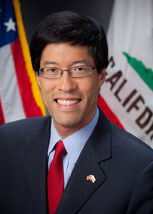
Bill Author
Bill Co-Author(s):