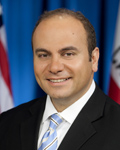
SB 512: Long-term services and supports.
- Session Year: 2019-2020
- House: Senate
- Latest Version Date: 2019-07-05
|
Date
|
Status
|
|---|---|
| Jul 5, 2019 | Read second time and amended. Re-referred to Com. on APPR. |
| Jul 3, 2019 | From committee: Do pass as amended and re-refer to Com. on APPR. (Ayes 8. Noes 0.) (July 2). |
| Jun 12, 2019 | Coauthors revised. |
| May 30, 2019 | Referred to Coms. on AGING & L.T.C. and HUM. S. |
| May 22, 2019 | In Assembly. Read first time. Held at Desk. |
| May 21, 2019 | Read third time. Passed. (Ayes 35. Noes 1.) Ordered to the Assembly. |
| May 16, 2019 | From committee: Do pass. (Ayes 5. Noes 1.) (May 16). |
| May 14, 2019 | Set for hearing May 16. |
| May 13, 2019 | May 13 hearing: Placed on APPR. suspense file. |
| May 3, 2019 | Set for hearing May 13. |
| Apr 25, 2019 | Read second time and amended. Re-referred to Com. on APPR. |
| Apr 24, 2019 | From committee: Do pass as amended and re-refer to Com. on APPR. (Ayes 14. Noes 1.) (April 23). |
| Apr 10, 2019 | Set for hearing April 23. |
| Apr 9, 2019 | From committee: Do pass and re-refer to Com. on G.O. (Ayes 6. Noes 0.) (April 8). Re-referred to Com. on G.O. |
| Mar 20, 2019 | Set for hearing April 8. |
| Mar 7, 2019 | Referred to Coms. on HUMAN S. and G.O. |
| Feb 22, 2019 | From printer. May be acted upon on or after March 24. |
| Feb 21, 2019 | Introduced. Read first time. To Com. on RLS. for assignment. To print. |
|
Date
|
Description
|
Location
|
Votes
|
|
|---|---|---|---|---|
| Jul 2, 2019 | Do pass as amended and be re-referred to the Committee on [Appropriations] | Assembly Standing Committee on Human Services |
Passed |
|
| Jun 11, 2019 | Do pass and be re-referred to the Committee on [Human Services] | Assembly Standing Committee on Aging and Long-Term Care |
Passed |
|
| May 21, 2019 | Senate 3rd Reading SB512 Pan et al. | Senate Floor |
Passed |
|
| May 16, 2019 | Do pass | Senate Standing Committee on Appropriations |
Passed |
|
| May 13, 2019 | Placed on suspense file | Senate Standing Committee on Appropriations |
Passed |
|
| Apr 23, 2019 | Do pass as amended, but first amend, and re-refer to the Committee on [Appropriations] | Senate Standing Committee on Governmental Organization |
Passed |
|
| Apr 8, 2019 | Do pass, but first be re-referred to the Committee on [Governmental Organization] | Senate Standing Committee on Human Services |
Passed |
This list shows positions taken on this bill by organizations on the date displayed, which is linked to the original source.
Positions by individuals are not included.
Date of Hearing: July 2, 2019
ASSEMBLY COMMITTEE ON HUMAN SERVICES
Eloise Gómez Reyes, Chair
SBPCA Bill Id:SB 512
Author:(Pan) – As Amended Ver:April 25, 2019
SENATE VOTE: 35-1
SUBJECT: Long-term services and supports
SUMMARY: Establishes the “California Long-Term Services and Supports Benefits Board” (LTSS Board), the “California Long-Term Services and Supports Benefits Trust Fund” (LTSS Trust), and the “California Long-Term Services and Supports Advisory Committee,” and requires the California Long-Term Services and Supports Advisory Committee to provide advice and recommendations to the LTSS Board which is, in turn, charged with managing and investing revenue deposited into the LTSS Trust, designed to help finance long-term services and supports (LTSS) for eligible older adults and for individuals with disabilities in California. Specifically, this bill:
- Makes a number of Legislative findings and declarations related to: the size, growth, increasing diversity, and varied needs of the population of older adults and individuals with disabilities living in California; the need for and important role that LTSS play for older adults and individuals with disabilities; the costs associated with LTSS, and the stress these costs place on individuals, family members, and certain public programs; California’s need for additional LTSS resources, and the need to better support the healthcare workforce; and the state’s continued commitment to promoting the ability of older adults and individuals with disabilities to live independently in their own homes and their communities, as specified.
- States Legislative intent to, consistent with the United States Supreme Court Olmstead decision, as specified, advance its commitment to older adults and individuals with disabilities by creating a funding stream and a program to provide for LTSS for eligible Californians.
- Creates within state government the LTSS Board, to consist of the following nine individuals: the Treasurer (to serve as Chair), the Secretary of California Health and Human Services (to serve as vice chair), the Director of Finance (or designee), the Controller (or designee), two individuals with expertise in LTSS provision and financing (with one each to be appointed by the Senate Committee on Rules and the Speaker of the Assembly, respectively), a consumer of LTSS who is 60 years of age or older (to be appointed by the Governor), an individual who has lived with a disability and/or chronic condition for most of their life (to be appointed by the Governor), and an unpaid family caregiver to an older adult or individual with a disability (to be appointed by the Governor).
- Creates the LTSS Trust in the State Treasury and establishes the following requirements regarding the LTSS Trust:
- Requires the LTSS Board to manage and invest revenue deposited in the LTSS Trust;
- Requires moneys in the LTSS Trust to be available, upon appropriation by the Legislature, to finance LTSS for eligible older adults and for individuals with disabilities in California; and,
- Requires all costs of administration to be paid out of funds in the LTSS Trust, once sufficient funds are deposited in the LTSS Trust to be self-sustaining.
- Creates within state government the California Long-Term Services and Supports Advisory Committee, required to provide ongoing advice and recommendations to the LTSS Board and to consist of nine members (with three each appointed by the Senate Committee on Rules, the Speaker of the Assembly, and the Governor), with at least one member of the advisory committee being each of the following: a provider of LTSS, a consumer of publicly financed LTSS, a representative of a labor union that is the designated representative of in-home supportive services (IHSS) providers, an advocate for older adults, and advocate for persons with disabilities who rely upon LTSS, and a family caregiver.
- Repeals the provisions of this bill establishing the California Long-Term Services and Supports Advisory Committee as of January 1, 2025.
EXISTING LAW:
- Reauthorizes the Older Americans Act of 1965 to, among other things, protect vulnerable seniors and promote the delivery of evidence-based programs. (Public Law [PL] 114-144)
- Establishes the “Mello-Granlund Older Californians Act” to reflect the policy mandates and directives of the Older Americans Act of 1965, as amended, and sets forth California’s commitment to its older population and other populations served by programs administered by the California Department of Aging (CDA). (Welfare and Institutions Code [WIC] Section 9000 et seq.)
- Establishes the “Aging and Disability Resource Connection” (ADRC) program to provide information to consumers and their families regarding available LTSS programs and to assist older adults, caregivers, and persons with disabilities in accessing local LTSS programs, and sets forth requirements related to the administration and responsibilities of an ADRC program. (WIC 9120)
- Describes, within the federal Patient Protection and Affordable Care Act, the “No Wrong Door – Single Entry Point System” as the development of a statewide system to enable consumers to access all LTSS through an agency, organization, coordinated network, or portal, in accordance with state-established standards, that provides information regarding the availability of such services, how to apply for such services, referral for services and supports otherwise available in the community, and determinations of financial and functional eligibility for such services and supports, or assistance with assessment processes for financial and functional eligibility. (PL 111-148 Section 10202 (c)(5)(A))
- Establishes the “California Residential Care Facilities for the Elderly Act” to provide for the licensure and regulation of residential care facilities for the elderly (RCFEs) as a separate category within the existing licensing structure of the California Department of Social Services (CDSS). (Health and Safety Code [HSC] 1569 et seq.)
- Defines “residential care facility for the elderly” to mean a housing arrangement chosen voluntarily by individuals ages 60 and older, or their authorized representative, where varying levels and intensities of care and supervision, protective supervision, personal care, or health-related services are provided, based upon their varying needs, as determined in order to be admitted and to remain in the facility. (HSC 1569.2(p)(1))
- Provides for the licensure and regulation of health facilities, including skilled nursing facilities (SNFs), by the Department of Public Health. (HSC 1250 et seq.)
- Defines a “skilled nursing facility” to mean a health facility that provides skilled nursing care and supportive care to patients whose primary need is for availability of skilled nursing care on an extended basis. (HSC 1250 (c))
- Establishes the “In-Home Supportive Services” (IHSS) program to provide supportive services, including domestic, protective supervision, personal care, and paramedical services as specified, to individuals who are aged, blind, or living with disabilities, and who are unable to perform the services themselves or remain safely in their homes without receiving these services. (WIC 12300 et seq.)
FISCAL EFFECT: According to the Senate Appropriations Committee on May 13, 2019, this bill may result in the following costs:
- Staff support for the LTSS Board would require costs in the hundreds of thousands of dollars, likely to the State Treasurer, who would serve as a chair of the Board. (General Fund [GF])
- Staff support for the LTSS Advisory Committee would require costs in the hundreds of thousands of dollars, likely to the California Health and Human Services Agency. (GF)
- Potentially significant cost pressure to implement any recommendations that the Committee develops. (GF)
COMMENTS:
California’s aging population and associated needs: CDA reports that the portion of California’s population over the age of 60 is anticipated to grow by 166% between 2010 and 2060. The number of Californians in this age group will grow three times as fast as the state’s overall population in the coming decades. The population of Californians over the age of 85 will grow at an even faster rate, with an estimated overall increase of 489% between the years 2010 and 2060.
A 2015 report by the Public Policy Institute of California pointed to higher population growth rates among certain racial/ethnic groups:
“The number of seniors in every major racial/ethnic group will increase by 2030. Whites will remain the largest group and are projected to grow by 53 percent (1.5 million people). However, the fastest rates of growth will occur among nonwhite populations, especially Latinos (170%, or 1,430,000 people) and Asians (118% or 765,000 people). The African American senior population will increase by 96 percent, or 230,000 people.
“Because Latino and Asian senior populations are growing so quickly, they will make up an increasing share of the total over-65 population going forward. Since 1990, there has been a steady decline in the percent of seniors who are white, and by 2030 that fraction is expected to dip to just below 50 percent. At that point, no ethnic group will constitute a majority of the senior population. Latinos will have increased from 18 percent in 2012 to 26 percent by 2030; Asians will grow from 14 percent to 16 percent. The fraction of seniors who are African American will hold constant at 5 percent.”
Legislative and other efforts in past years have pointed to the need to meet the growing demand for culturally competent services and supports older adults and individuals with disabilities and to the need for better coordination of service availability and delivery across the myriad programs and services in the state. For example, in 2015, the Senate Select Committee on Aging and Long-Term Care released a report that stated that,
“To date, California has not responded to the increase in the aging population or the rich cultural and ethnic diversity of the state. We are plagued by a lack of capacity – especially in rural areas – in services, supports, and workforce across a range of disciplines.
“The challenge before us is two-fold. First, over 5.1 million persons age 65 an over will call California home by 2015. Due to aging Baby Boomers and migration patterns, that number will grow to 8.4 million by 2030 – or nearly one fifth of the population. Second; as the Baby Boom population ages, it will become more ethnically diverse, driving demand for culturally competent service delivery.
“Reliance upon our existing patchwork of programs and services to serve our growing aging and disabled population will result in unnecessary expenditures, inequitable access, and irrelevant services. Furthermore, under the existing fragmented structure there is no leader to oversee or coordinate the entire range of services, and no mechanism for accountability or improvement.”
Long-term services and supports: LTSS include a wide array of health services, health-related services, and other forms of assistance for individuals – including older adults and individuals with disabilities or chronic illnesses – who need help completing their daily routines over an extended period of time. According to the Congressional Research Service, “The need for LTSS affects persons of all ages and is generally measured by limitations in an individual’s ability to perform daily personal care activities such as eating, bathing, dressing, or walking, and activities that allow individuals to live independently in the community, including shopping, housework, and meal preparation. The probability of needing LTSS increases with age. As the nation’s population aged 65 and older continues to increase in size, and individuals continue to live longer post-retirement, the demand for LTSS is also expected to increase.”
LTSS spending comprises a substantial portion of all personal health care spending: in 2016, close to $366 billion was spent on LTSS in the U.S. – this represents 12.9% of the total cost of personal health expenditures ($2.8 trillion). Costs associated with LTSS include: residential services (such as assisted living facilities and nursing homes); services to maintain an individual in their own home (such as in-home personal care assistance and homemaker services); and an array of community-based services (including adult day health care services). The costs of LTSS are also likely underreported, considering the significant amount of unpaid care provided by family, friends, and others.
For the $366 billion in LTSS costs recorded in 2016, public sources of funding paid for over 70%. The two largest public payers were Medicaid (over 42% of total nationwide costs) and Medicare (almost 22% of total costs). The remaining portion of total LTSS costs – about 6% – that is paid for by public programs comes from sources like the Veterans Health Administration and Children’s Health Insurance Program.
Individuals who do not have access to public funding for LTSS are left to rely on private sources, which in 2016 accounted for almost 30% of all LTSS expenditures. The largest component of private sources, at almost 16% of total nationwide costs, was out-of-pocket spending. Private insurance (including health insurance and long-term care insurance) made up the next largest source at almost 8%. The remaining portion (almost 7% of total costs) of private funding came largely from philanthropic contributions.
Accompanying the high costs of LTSS can be confusion regarding, lack of preparation for, and pessimism about long-term care options and affordability among the general public. A 2017 long-term care poll conducted by The Associated Press-NORC Center for Public Affairs found that 67% of older Americans have done little or no planning for long-term care. Two-thirds of Americans age 40 and older felt that the country is not prepared for the rapid growth of the older adult population, and a large percentage (86%) of respondents reported believing that the government should devote some amount of effort into helping people with the costs of ongoing living assistance. An older poll from 2015 found that 34% of respondents erroneously believed that Medicare would pay for nursing home care, and another 39% were unclear; only 27% knew that Medicare is not a viable long-term option for covering LTSS costs.
Need for this bill: This bill seeks to create a structure for beginning to address the long-term care needs of Californians as the state’s population of older adults grows and as need remains among the state’s population of individuals with disabilities. According to the author, “This bill…creates the framework and roadmap for a new program that would provide older Californians and Californians living with a disability with access to long-term services and supports. These are things like help in the home with day-to-day tasks and health maintenance, and help provided in assisted living and other supportive housing settings.
“California needs a new LTSS program that provides flexible benefits responsive to each person’s unique needs. This program must preserve dignity, choice, and intentionality for individuals and families with service and support needs, and be linked to a new, sustainable funding source. This would help relieve the increasing demographic and financial pressure on our Medi-Cal system.”
Recommended amendments: In order to correct an incorrect cross-reference to the Olmstead decision, committee staff recommends the following amendments beginning on line 36 of page 4 of the bill:

Double referral: This bill passed out of the Assembly Aging and Long Term Care Committee on June 11, 2019, with a 7-0 vote.
RELATED LEGISLATION:
AB 1136 (Nazarian) of 2019 would have created the “California Department of Community Living” to better coordinate and guide a person-centered system for delivering services to older adults, people with disabilities, and their caregivers. AB 1136 was held on the Assembly Appropriations Committee suspense file.
AB 1287 (Nazarian) of 2019 would require the development of a plan and strategy for the statewide implementation of the No Wrong Door system and the development of a universal assessment tool to assist older adults, people with disabilities, and caregivers in obtaining accurate information and appropriate community services and supports. AB 1287 is set to be heard on July 8, 2019, in the Senate Human Services Committee.
AB 1382 (Aguiar-Curry) of 2019 would require that the Master Plan for Aging include an implementation plan specifying objectives, and timelines relative to both the paid workforce and unpaid family caregiver workforce. AB 1382 is set to be heard on July 8, 2019, in the Senate Human Services Committee.
SB 228 (Jackson) of 2019 would require the Governor to appoint a Master Plan Director and establish an Aging Task Force to work together with the Master Plan Director to develop a Master Plan for an Aging California that meets a number of specified criteria and that empowers older adults and individuals with disabilities to age with dignity, choice, and independence. SB 228 is set to be heard on July 2, 2019, in the Assembly Human Services Committee.
SB 611 (Caballero) of 2019 would require the Governor to establish the Master Plan for Aging Housing Task Force to assess the housing issues affecting California’s aging population. SB 611 is set to be heard on July 9, 2019, in the Assembly Aging and Long-Term Care Committee.
REGISTERED SUPPORT / OPPOSITION:
Support
Disability Rights California (Sponsor)
UDW/AFSCME Local 3930 (Sponsor)
AARP
American Federation of State, County and Municipal Employees, AFL-CIO
California Aging & Disability Alliance
California Assisted Living Association
California Association for Adult Day Services
California Association for Health Services At Home
California Association of Health Facilities
California Commission on Aging
California Domestic Workers Coalition
California Long-Term Care Ombudsman Association
CalPACE
Congress of California Seniors
Disability Rights Education and Defense Fund
Hand in Hand: The Domestic Employers Network
Justice in Aging
LeadingAge California
State Council on Developmental Disabilities
State Independent Living Council
The Arc of California
United Cerebral Palsy California Collaboration
Opposition
None on file
Analysis Prepared by: Daphne Hunt / HUM. S. / (916) 319-2089
Date of Hearing: June 11, 2019
ASSEMBLY COMMITTEE ON AGING AND LONG-TERM CARE
Adrin Nazarian, Chair
SBPCA Bill Id:SB 512
Author:(Pan) – As Amended Ver:April 25, 2019
SENATE VOTE: 35-1
SUBJECT: Long-term services and supports.
SUMMARY: This bill establishes the California Long-Term Services and Supports (LTSS) Benefits Board (Board) and requires the Board to manage and invest revenue deposited in the California LTSS Benefits Trust Fund (Trust) for the purpose of financing LTSS for eligible individuals. Specifically, this bill:
1) Creates the LTSS Board and requires the board to manage and invest revenue in the LTSS Trust Fund.
2) Requires the LTSS Board to be composed of nine members, as follows:
a) The Treasurer, who shall serve as the chair.
b) The Secretary of the California Health and Human Services Agency, who shall serve as the vice chair.
c) The Director of Finance, or the director’s designee.
d) The Controller, or the controller’s designee.
e) An individual with expertise in the provision and financing of LTSS who shall be appointed by the Senate Committee on Rules.
f) An individual with expertise in the provision and financing of LTSS who shall be appointed by the Speaker of the Assembly.
g) One individual appointed by the Governor that is a person who is 60 years of age or older and who is a consumer of LTSS.
h) One individual appointed by the Governor who has lived with a disability and/or a chronic disability for a majority of their life and who is a consumer of LTSS.
i) One individual appointed by the Governor who serves as an unpaid family caregiver to an older adult or individual with a disability.
3) Creates the LTSS Trust Fund and requires moneys in the fund to be available, upon appropriation by the Legislature, to finance long-term services and support for eligible older adults and individuals with physical and mental disabilities in California.
4) Provides that after sufficient funds are deposited into the LTSS Trust Fund, all costs of administration shall be paid out of funds in the LTSS Trust.
5) Creates the LTSS Committee, until January 1, 2025, and requires the committee to consist of nine members that have experience in aging and disability services. The appointments shall be made as follows:
- A provider of LTSS.
- A consumer of publicly financed LTSS.
- A representative of a labor union that is the designated representative of in-home supportive services providers.
- An advocate for older adults.
- An advocate for persons with physical and mental disabilities who rely upon LTSS.
- A family caregiver.
- Three members each shall be appointed by the Senate Committee on Rules, the Speaker of the Assembly, and the Governor.
6) Requires the LTSS Committee to provide ongoing advice and recommendations to the LTSS Board until January 1, 2025.
EXISTING LAW:
- Establishes Medicare, a federal health insurance program for aged and disabled people.
- Establishes the Medicaid program, under which health care services are provided to qualified, low-income persons.
- Establishes the Medi-Cal program, which is California’s Medicaid, to provide various health and long-term services to low-income women, parents and caretaker adults, children, elderly, people with disabilities and, under the Affordable Care Act, adults without children or who are not pregnant between the ages of 19 and 65.
- Establishes the In-Home Supportive Services (IHSS) program to provide supportive services for aged, blind, or disabled persons who are unable to perform the tasks themselves and who cannot safely remain in their homes unless such services are provided. Those supportive services include, but are not limited to, domestic services, heavy cleaning, personal care services, and accompaniment during travel to health-related appointments or to alternative resource sites, yard hazard abatement, protective supervision, and paramedical services, as defined.
- Provides for the licensure of health facilities, including skilled nursing facilities (SNFs), by the Department of Public Health and defines “SNF” as a health facility that provides skilled nursing care and supportive care to patients whose primary need is for availability of skilled nursing care on an extended basis.
FISCAL EFFECT: According to the Senate Appropriations Committee:
- Staff support for the LTSS Board would require costs in the hundreds of thousands of dollars, likely to the State Treasurer, who would serve as a chair of the Board. (GF)
- Staff support for the LTSS Advisory Committee would require costs in the hundreds of thousands of dollars, likely to the California Health and Human Services Agency. (GF)
- Potentially significant cost pressure to implement any recommendations that the Committee develops. (GF)
COMMENTS:
According to the author “This bill creates the framework and roadmap for a new program that would provide older Californians and Californians living with a disability with access to long-term services and supports. These are things like help in the home with day-to-day tasks and health maintenance, and help provided in assisted living and other supportive housing settings.”
California’s Aging Demographics. In California, the senior population is projected to increase by 4 million in the next 10 years. In 40 years, California’s Department of Finance projects California’s senior population will grow to approximately 13.5 million. Causes of the projected rapid growth of senior population include aging baby boomers and increasing longevity, in general. With longevity comes increased need for care. This indicates higher number of individuals with chronic conditions associated with aging and increasing cost of LTSS.
Long Term Services and Supports (LTSS). LTSS are the services and supports used by individuals of all ages with functional limitations and chronic illnesses who need assistance to perform routine activities of daily living such as bathing, dressing, preparing meals, and administering medications. LTSS include the wide array of medical and non-medical services provided to people of all ages with impaired mobility, impaired cognitive function, physical or mental disabilities, complex medical needs or chronic disease. Individuals may need these services on a regular or occasional basis, for a few months or a lifetime.
LTSS include personal care services, assistance with health maintenance, assistance with activities of daily living such as bathing, dressing, toileting, and cooking, adult day services, transportation, social services, in-home support care, assisted living, assistive technology, nutrition assistance, person-centered care coordination, and nursing facility services.
Caregivers provide services and supports to help individuals with activities of daily living - such as eating, bathing, and dressing - or other activities such as housekeeping or managing medications that help people live independently, while licensed health professionals provide more complex medical care.
LTSS can be home based care, which includes personal care aides, home health aides, and caregivers or in community based settings, which include assisted living facilities, adult day care, respite care, senior centers and meal programs. Additionally, LTSS may occur as facility based care provided in nursing homes, intermediate care facilities, and other 24-hour care settings.
Approximately 20 percent of the people who need LTSS live in an institutional setting. The remaining 80 percent living in the community primarily reside in private homes and residential care facilities for the elderly. For those living at home, most receive assistance from unpaid family and friends, referred to as informal caregivers, some pay for assistance, and low-income households may qualify for Medicaid (Medi-Cal in California) services via the IHSS program.
Paying for LTSS. There are options for paying for LTSS: one can purchase long-term care (LTC) insurance, pay out of pocket or qualify for Medicaid (Medi-Cal in California) or Medicare.
It appears that private pay LTC insurance has not met its promise of an affordable option to help meet LTSS needs. Such policies require an annual premium in return for financial assistance if/when policy holders need help with activities of daily living or nursing home care as they age. These policies can be cost prohibitive and recent reports indicate that the cost will increase over time. Additionally, insurance companies are dropping LTC coverage from their menu of optional coverage. According to the American Association of Retired Persons (AARP), more than 100 insurers sold such policies in the 1990s and fewer than 15 were offering LTC policies in 2018. Few Californians have private LTC insurance. According to AARP, despite the need to cover these costs, only about 800,000 private LTC insurance policies are in effect in California. Because of the low take-up rates, the overwhelming majority of private pay LTSS is paid for out of pocket rather than by insurance.
The out of pocket expense to provide LTSS for older adults is often unaffordable for seniors on a fixed income. As the level of care increases, so does the cost. Paid in-home care costs about $26 per hour, which means 20 hours of weekly care would cost about $2,250 per month. The average cost of assisted living in California in 2018 was $4,070 per month. However, that price ranges from $1,020 to $10,720, depending on the geographic region. According to the Public Policy Institute, nursing home care in 2014 averaged $7,500 a month for a semi-private room and $8,666 a month for a private room. Adult day services for 5 days a week cost about $20,000 per year.
Government healthcare programs that cover LTSS include Medicaid (Medi-Cal in California) and Medicare. Medi-Cal is available for individuals who meet income eligibility. Medicare is available for those who meet age requirements. However, neither program adequately covers LTSS (even for people who are eligible for both). Medicare only pays for short-term rehabilitative care. Medi-Cal pays for personal care and supportive services, but income and asset limits can force older adults to spend down their savings or sell their homes in order to qualify for help through Medi-Cal. This scenario forces people into poverty in their later years in order to access the care they need.
Of the $192 billion spent on formal LTSS in 2011, about two-thirds was paid by Medicare and Medi-Cal. The remainder was paid out-of-pocket by consumers or by private insurance. More than half of LTSS are provided as informal care. The Congressional Budget Office estimates that the value of informal care provided in 2011 was approximately $234 billion.
REGISTERED SUPPORT / OPPOSITION:
Support
Disability Rights California – Sponsor
United Domestic Workers UDW/AFSCME Local 3930 – Co-Sponsor
AARP
American Federation of State, County and Municipal Employees (AFSCME), AFL-CIO
The Arc and United Cerebral Palsy California Collaboration
California Assisted Living Association (CALA)
California Association for Adult Day Services (CAADS)
California Association for Health Services at Home (CAHSAH)
California Long-Term Care Ombudsman Association (CLTCOA)
CalPACE
Congress of California Seniors
LeadingAge
State Independent Living Council (SILC)
Opposition
None on file.
Analysis Prepared by: Barry Brewer / AGING & L.T.C. / (916) 319-3990
Office of Senate Floor Analyses (916) 651-1520 Fax: (916) 327-4478 | SB 512 |
THIRD READING
Bill No: SB 512
Amended: 4/25/19
SENATE HUMAN SERVICES COMMITTEE: 6-0, 4/8/19
AYES: Hurtado, Stone, Beall, Jackson, Pan, Wiener
SENATE GOVERNMENTAL ORG. COMMITTEE: 14-1, 4/23/19
AYES: Dodd, Wilk, Allen, Archuleta, Bradford, Chang, Galgiani, Glazer, Hill, Hueso, Nielsen, Portantino, Rubio, Wiener
NOES: Jones
NO VOTE RECORDED: Borgeas
SENATE APPROPRIATIONS COMMITTEE: 5-1, 5/16/19
AYES: Portantino, Bates, Bradford, Hill, Wieckowski
NOES: Jones
SUBJECT: Long-term services and supports
SOURCE: California Aging and Disability Alliance
United Domestic Workers of America-AFSCME Local 3930/AFL-CIO
DIGEST:
This bill establishes the California Long-Term Services and Supports (LTSS) Benefits Board (Board) and requires the Board to manage and invest revenue deposited in the California LTSS Benefits Trust Fund, which is also created by the bill, for the purpose of financing LTSS for eligible individuals. The bill would also create the LTSS Advisory Committee for the purpose of providing ongoing advice and recommendations to the Board.
Existing federal law:
- Establishes Medicare, a federal health insurance program for aged and disabled people. (42 USC 1395 et seq.)
- Establishes the Medicaid program, under which health care services are provided to qualified, low-income persons. (42 USC 1396 et seq.)
Existing state law:
- Establishes the Medi-Cal program, which is California’s version of Medicaid, to provide various health and long-term services to low-income women, parents and caretaker adults, children, elderly, people living with disabilities and, under the Affordable Care Act, adults without children or who are not pregnant between the ages of 19 and 65. (WIC 1400 et seq.)
- Establishes the In-Home Supportive Services (IHSS) program to provide supportive services for aged, blind, or people living with disabilities who are unable to perform the tasks themselves and who cannot safely remain in their homes unless such services are provided, as specified. (WIC 12300 et seq.)
- Provides for the licensure of health facilities, including skilled nursing facilities (SNFs), by the Department of Public Health and defines SNF as a health facility that provides skilled nursing care and supportive care to patients whose primary need is for availability of skilled nursing care on an extended basis. (HSC 1250 et seq.)
This bill:
- Creates Legislative findings and declarations regarding older adults; people with developmental disabilities; individuals with traumatic injuries or acquired disabilities and their needs for LTSS, which include a broad range of services and supports that enable these populations to live independently in their communities.
- States Legislative intent to, consistent with the principles of the United States Supreme Court’s decision in Olmstead v. L.C. (1998) 525 U.S. 1062, advance the Legislature’s commitment to older adults and individuals with physical and mental disabilities by creating a funding stream and a program to provide LTSS for eligible Californians.
- Creates in state government the California LTSS Board, which shall consist of nine members, as specified.
- Creates the California LTSS Benefits Trust Fund in the State Treasury and requires the LTSS Board to manage and invest revenue deposited in the Fund.
- Requires moneys in the fund to be available, upon appropriation by the Legislature, to finance LTSS for eligible older adults and individuals with physical and mental disabilities in California.
- Requires, after sufficient funds are deposited in the LTSS Trust to be self-sustaining, all costs of administration shall be paid out of funds in the LTSS Trust.
- Creates within state government the California LTSS Advisory Committee, until January 1, 2025, which shall consist of nine members that have experience in aging and disability services and requires that the appointments be made as specified.
- Requires the advisory committee to provide ongoing advice and recommendations to the LTSS Board.
Background
Aging Demographics. In California, the senior population is projected to increase by 4 million in the next ten years. In 40 years, California’s Department of Finance projects California’s senior population will grow to approximately 13.5 million. According to AARP, California’s age 85 and older population will grow 243 percent from 2015 to 2050 and the state’s age 65 and older population will increase 119 percent.
With longevity comes increased need for care. This indicates higher number of individuals with chronic conditions associated with aging and increasing cost of LTSS. Seventy percent of people age 65 and older will need assistance with performing activities of daily living in order to continue living in their homes.
Long Term Services and Supports (LTSS). LTSS are the services and supports used by individuals of all ages with functional limitations and chronic illnesses who need assistance to perform routine activities of daily living such as bathing, dressing, preparing meals, and administering medications. LTSS include the wide array of medical and non-medical services provided to people with impaired mobility, impaired cognitive function, physical or mental disabilities, complex medical needs or chronic disease. Individuals may need these services on a regular or occasional basis, for a few months or a lifetime.
LTSS include personal care services, assistance with health maintenance, assistance with activities of daily living, adult day services, transportation, social services, in-home support care, assisted living, assistive technology, nutrition assistance, person-centered care coordination, and nursing facility services. Caregivers provide these services and supports to help people live independently. Licensed health professionals provide more complex medical care.
LTSS can be home based care, which includes personal care aides, home health aides, and caregivers or in community based settings, which include assisted living facilities, adult day care, respite care, senior centers and meal programs. Additionally, LTSS may occur as facility based care provided in nursing homes, intermediate care facilities, and other 24-hour care settings.
Approximately 20 percent of the people who need LTSS live in an institutional setting. The remaining 80 percent living in the community primarily reside in private homes and residential care facilities for the elderly. For those living at home, most receive assistance from unpaid family and friends (referred to as informal caregivers), some pay for assistance, and low-income households may qualify for Medicaid (Medi-Cal in California) services via the IHSS program.
Paying for LTSS. There are options for paying for LTSS: one can purchase long-term care (LTC) insurance, pay out of pocket or qualify for Medicaid (Medi-Cal in California) or Medicare.
Private pay LTC insurance has not met its promise of an affordable option to help meet LTSS needs. Such policies require an annual premium in return for financial assistance if/when policy holders need help with activities of daily living or nursing home care as they age. These policies can be cost prohibitive and recent reports indicate that the cost will increase over time. Additionally, insurance companies are dropping LTC coverage from their menu of optional coverage. According to AARP, more than 100 insurers sold such policies in the 1990s and fewer than 15 were offering LTC policies in 2018. Few Californians have private long-term care insurance. According to AARP, only about 800,000 private LTC insurance policies are in effect in California. Because of the low take-up rates, the overwhelming majority of private pay LTSS is paid for out of pocket rather than by insurance.
The out of pocket expense to provide LTSS for older adults is often unaffordable for seniors on a fixed income. As the level of care increases, so does the cost. Paid in-home care costs about $26 per hour, which means 20 hours of weekly care would cost about $2,250 per month. The average cost of assisted living in California in 2018 was $4,070 per month. However, that price ranges from $1,020 to $10,720, depending on the geographic region. According to the Public Policy Institute, nursing home care in 2014 averaged $7,500 a month for a semi-private room and $8,666 a month for a private room. Adult day services for 5 days a week cost about $20,000 per year.
Government healthcare programs that cover LTSS include Medicaid (Medi-Cal in California) and Medicare. Medi-Cal is available for individuals who meet income eligibility. Medicare is available for those who meet age requirements. However, neither program adequately covers LTSS (even for people who are eligible for both). Medicare only pays for short-term rehabilitative care. Medi-Cal pays for personal care and supportive services, but income and asset limits can force older adults to spend down their savings or sell their homes in order to qualify for help through Medi-Cal. This scenario forces people into poverty in their later years in order to access the care they need.
Of the $192 billion spent on formal LTSS in 2011, about two-thirds was paid by Medicare and Medi-Cal. The remainder was paid out-of-pocket by consumers or by private insurance. More than half of LTSS are provided as informal care. The Congressional Budget Office estimates that the value of informal care provided in 2011 was approximately $234 billion.
LTSS Social Insurance Program. According to the sponsor, almost 8 million Californians are older adults or persons with mobility, sensory, intellectual, developmental, and/or mental health disabilities, many of whom struggle to afford the services and supports they need to live with dignity and independence. Demand for LTSS is projected to increase in coming years, as are the costs associated with providing needed services and care to this population. As previously discussed, purchasing LTSS can be largely cost prohibitive and the government expenditures for LTSS are projected to increase as our aging population increases.
SB 512 is part of a larger multi-year plan intended to address this problem by establishing an LTSS social insurance program that would serve the needs of middle-class families. Specifically, those whose income exceeds Medi-Cal eligibility but cannot afford private LTC insurance or out-of-pocket costs for extended periods of LTSS. This is a population that the current LTSS system is not adequately serving.
The LTSS social insurance program, as envisioned, will be financed by a yet-to-be-determined sustainable funding source and it will provide a managed cash benefit that Californians can use to pay for a broad range of LTSS.
This bill creates the basic infrastructure of a board, trust fund and advisory committee that would be the foundation for a new state-operated LTSS insurance program envisioned to serve the LTSS needs of “middle-class” Californians who are aged or disabled.
Development of the program is dependent on a planned actuarial study, which will look at California’s population and its needs and provide guidance as to the feasibility and cost of different approaches to creating the program. The study will inform the scope of services that could be provided via the LTSS social insurance program, such as eligibility criteria; benefit parameters; projected cost estimates of LTSS financing options; projected savings to state funded programs and services associated with each option, including but not limited to, Medi-Cal and the IHSS program.
Absent from this bill are essential elements of an insurance program, such as funding streams, eligibility criteria, benefit levels and the administrative structure necessary to operate such a program. The author and sponsors indicate that this bill makes one step in a long term plan to create the new LTSS insurance program and that the missing elements will be developed after and actuarial study is completed. There will likely be follow up legislation to establish the parameters of the insurance program in the next year or two.
Comments
According to the author, this bill creates the framework and roadmap for a new program that would provide older Californians and Californians living with disabilities access to LTSS, which includes help in the home with day-to-day tasks and health maintenance, and help provided in assisted living and other supportive housing settings.
“California needs a new LTSS program that provides flexible benefits responsive to each person’s unique needs. This program must preserve dignity, choice, and intentionality for individuals and families with service and support needs, and be linked to a new, sustainable funding source. This would help relieve the increasing demographic and financial pressure on our Medi-Cal system,” the author states.
Related/Prior Legislation
AB 567 (Calderon, 2019) establishes a task force to design a statewide, public long-term care insurance program. This bill is awaiting a floor vote in the Assembly.
AB 1136 (Nazarian, 2019) establishes the California Department of Community Living and requires that department to establish a statewide No Wrong Door system to support seamless access to information regarding available long-term services and supports, as provided. This bill did not pass out of Assembly Appropriations Committee.
AB 1287 (Nazarian, 2019) requires CDA to develop a plan and strategy for a phased statewide implementation of the No Wrong Door system, as specified. This bill also requires the California Health and Human Services Agency to develop a universal tool and process to assess individual need and determine initial eligibility for programs and services available in the LTSS delivery network and requires the agency to submit a legislative report on that tool, as specified. This bill is awaiting a floor vote in the Assembly.
AB 1382 (Aguiar-Curry, 2019) requires the state to develop a Master Plan for Aging, emphasizing workforce priorities, as provided in this section. Requires the Master Plan for Aging to prioritize the specified issues related to preparing and supporting California’s paid paraprofessionals, professionals, and unpaid family caregiver. This bill is awaiting a floor vote in the Assembly.
SB 228 (Jackson, 2019) requires the Governor to appoint a Master Plan Director and a 13-member Aging Task Force to prepare for the aging of its population and to develop a master plan for aging. This bill is awaiting a floor vote in the Senate.
FISCAL EFFECT: Appropriation: No Fiscal Com.: Yes Local: No
According to an analysis prepared by Senate Appropriations Committee, unknown, potentially-significant costs to county-designated persons and agencies tasked to conduct prepetition screenings whenever requested by persons who allege that a person is gravely disabled as a result from impairment of chronic alcoholism. Even if implementation or workload costs to each county to conduct the screenings are as low as $1,000, costs associated with this measure would exceed $50,000. Local costs to comply with this measure would be subject to reimbursement by the state to the extent that the Commission on State Mandates determines that this bill imposes a state-mandated local program. (General Fund/local funds)
California Aging and Disability Alliance (co-source)
United Domestic Workers of America-AFSCME Local 3930/AFL-CIO (co-source)
AARP
Alzheimer's Association
America's Physician Groups
American Federation of State, County and Municipal Employees, AFL-CIO
California Association for Health Services At Home
California Association of Health Facilities
California State Council of Service Employees
California State Treasurer
CalPACE
Community Action Marin
Disability Rights California
Disability Rights Education and Defense Fund
Justice In Aging
LeadingAge California
OPPOSITION: (Verified 5/16/19)
None received
Prepared by: Taryn Smith / HUMAN S. /
5/18/19 11:05:00
**** END ****
SENATE COMMITTEE ON APPROPRIATIONS
Senator Anthony Portantino, Chair
2019 - 2020 Regular Session
SB 512 (Pan) - Long-term services and supports
Version: April 25, 2019 | Policy Vote: HUMAN S. 6 - 0, G.O. 14 - 1 |
Urgency: No | Mandate: No |
Hearing Date: May 13, 2019 | Consultant: Debra Cooper |
Bill Summary:
SB 512 would establish the California Long-Term Services and Supports (LTSS) Benefits Board (Board) and require the Board to manage and invest revenue deposited in the California LTSS Benefits Trust Fund (LTSS Trust Fund), which would also be created by this bill, for the purpose of financing LTSS for eligible individuals. Additionally, this bill would create the LTSS Advisory Committee (Committee) for the purpose of providing ongoing advice and recommendations to the LTSS Board.
Fiscal Impact:
- Staff support for the LTSS Board would require costs in the hundreds of thousands of dollars, likely to the State Treasurer, who would serve as a chair of the Board. (GF)
- Staff support for the LTSS Advisory Committee would require costs in the hundreds of thousands of dollars, likely to the California Health and Human Services Agency. (GF)
- Potentially significant cost pressure to implement any recommendations that the Committee develops. (GF)
Background:
In California, the senior population is projected to increase by 4 million in the next ten years. In 40 years, California’s Department of Finance projects California’s senior population will grow to approximately 13.5 million.
Long term services and supports (LTSS) are the services and supports used by individuals of all ages with functional limitations and chronic illnesses who need assistance to perform routine activities of daily living such as bathing, dressing, preparing meals, and administering medications. LTSS can be home based care, which is provided by personal care aides, home health aides, and caregivers or in community based settings, which are provided at assisted living facilities, adult day care, respite care, senior centers and meal programs. Additionally, LTSS may occur as facility based care provided in nursing homes, intermediate care facilities, and other 24-hour care settings.
Approximately 20 percent of the people who need LTSS live in an institutional setting. The remaining 80 percent living in the community primarily reside in private homes and residential care facilities for the elderly. For those living at home, most receive assistance from unpaid family and friends (referred to as informal caregivers), some pay for assistance, and low-income households may qualify for Medicaid (Medi-Cal in California) services via the IHSS program.
There are several options for paying for LTSS: one can purchase long-term care (LTC) insurance; pay out of pocket; for those who or qualify, Medicaid (Medi-Cal in California) or Medicare may cover some LTSS expenses. Paid in-home care costs about $26 per hour, which means 20 hours of weekly care would cost about $2,250 per month. The average cost of assisted living in California in 2018 was $4,070 per month. However, that price ranges from $1,020 to $10,720, depending on the geographic region. According to the Public Policy Institute, nursing home care in 2014 averaged $7,500 a month for a semi-private room and $8,666 a month for a private room. Adult day services for 5 days a week cost about $20,000 per year.
Government healthcare programs that cover LTSS include Medicaid (Medi-Cal in California) and Medicare. Medi-Cal is available for individuals who meet income eligibility. Medicare is available for those who meet age requirements. However, neither program adequately covers LTSS (even for people who are eligible for both). Of the $192 billion spent on formal LTSS in 2011, about two-thirds was paid by Medicare and Medi-Cal.
Proposed Law:
This bill would:
- Create the LTSS Board and requires the board to manage and invest revenue in the LTSS Trust Fund;
- Require the LTSS Board to be composed of nine members, as specified;
- Create the LTSS Trust Fund and require moneys in the fund to be available, upon appropriation by the Legislature, to finance long-term services and support for eligible older adults and individuals with physical and mental disabilities in California;
- Provide that after sufficient funds are deposited into the LTSS Trust Fund, all costs of administration shall be paid out of funds in the LTSS Trust;
- Create the LTSS Committee and require the committee to consist of nine members that have experience in aging and disability services, as specified;
- Require the LTSS Committee to provide ongoing advice and recommendations to the LTSS Board;
- Sunset on January 1, 2025.
Related Legislation:
SB 228 (Jackson, 2019) would require the Governor to appoint a Master Plan Director and establish an Aging Task Force that would be responsible for identifying the policies and priorities that need to be implemented in California to prepare for the aging of its population. The measure is pending in the Senate Appropriations Committee.
SB 611 (Caballero, 2019), among other things, would establish the Master Plan for Aging Housing Task Force to make recommendations to the Legislature for legislation that will help increase the supply of affordable housing for older adults and reduce barriers to providing health care and social services to older adults in affordable housing. The measure is pending in the Senate Appropriations Committee.
AB 567 (Calderon, 2019) would establish a task force to design a statewide, public long-term care insurance program. The measure is pending in the Assembly Appropriations Committee.
AB 1136 (Nazarian, 2019) would require the California Department of Aging to establish a statewide No Wrong Door system to assist older adults, people with disabilities, and caregivers in obtaining accurate information and timely referrals to appropriate community services and supports, using specified means. The measure is pending in the Assembly Appropriations Committee.
AB 1287 (Nazarian, 2019) would require the California Department of Aging, in partnership with other specified departments and in consultation with stakeholders, to develop a plan and strategy for a phased statewide implementation of the No Wrong Door system, as described, on or before July 1, 2020. It would also require the California Health and Human Services Agency, in consultation with other specified departments, to develop a universal tool and process to assess individual need and determine initial eligibility for programs and services available in the long-term services and supports delivery network. The measure is pending in the Assembly Appropriations Committee.
AB 1382 (Aguiar-Curry, 2019) would require the state to develop a Master Plan for Aging, emphasizing workforce priorities, as provided in this section. It would also require the Master Plan for Aging to prioritize the following issues related to preparing and supporting California’s paid paraprofessionals, professionals, and unpaid family caregiver. The measure is pending in the Assembly Appropriations Committee.
-- END --
SENATE COMMITTEE ON GOVERNMENTAL ORGANIZATION
Senator Bill Dodd
Chair
2019 - 2020 Regular
Bill No: SB 512 Hearing Date: 4/23/2019
Author: | Pan, et al. | ||
Version: | 2/21/2019 Introduced | ||
Urgency: | No | Fiscal: | Yes |
Consultant: | Felipe Lopez | ||
SUBJECT: Long-term services and supports
DIGEST: This bill establishes the California Long-Term Services and Supports (LTSS) Benefits Board (Board) and requires the Board to manage and invest revenue deposited in the California LTSS Benefits Trust Fund (Trust), which is also created by this bill, for the purpose of financing LTSS for eligible individuals. Additionally, the bill creates the LTSS Advisory Committee (Committee) for the purpose of providing ongoing advice and recommendations to the LTSS Board.
ANALYSIS:
Existing law:
- Establishes Medicare, a federal health insurance program for aged and disabled people.
- Establishes the Medicaid program, under which health care services are provided to qualified, low-income persons.
- Establishes the Medi-Cal program, which is California’s Medicaid, to provide various health and long-term services to low-income women, parents and caretaker adults, children, elderly, people with disabilities and, under the Affordable Care Act, adults without children or who are not pregnant between the ages of 19 and 65.
- Establishes the In-Home Supportive Services (IHSS) program to provide supportive services for aged, blind, or disabled persons who are unable to perform the tasks themselves and who cannot safely remain in their homes unless such services are provided. Those supportive services include, but are not limited to, domestic services, heavy cleaning, personal care services, and accompaniment during travel to health-related appointments or to alternative resource sites, yard hazard abatement, protective supervision, and paramedical services, as defined.
- Provides for the licensure of health facilities, including skilled nursing facilities (SNFs), by the Department of Public Health and defines “SNF” as a health facility that provides skilled nursing care and supportive care to patients whose primary need is for availability of skilled nursing care on an extended basis.
This bill:
- Creates the LTSS Board and requires the board to manage and invest revenue in the LTSS Trust Fund.
- Requires the LTSS Board to be composed of nine members, as follows:
- The Treasurer, who shall serve as the chair.
- The Secretary of the California Health and Human Services Agency, who shall serve as the vice chair.
- The Director of Finance, or the director’s designee.
- The Controller, or the controller’s designee.
- An individual with expertise in the provision and financing of LTSS who shall be appointed by the Senate Committee on Rules.
- An individual with expertise in the provision and financing of LTSS who shall be appointed by the Speaker of the Assembly.
- One individual appointed by the Governor that is a person who is 60 years of age or older and who is a consumer of LTSS.
- One individual appointed by the Governor who has lived with a disability and/or a chronic disability for a majority of their life and who is a consumer of LTSS.
- One individual appointed by the Governor who serves as an unpaid family caregiver to an older adult or individual with a disability.
- Creates the LTSS Trust Fund and requires moneys in the fund to be available, upon appropriation by the Legislature, to finance long-term services and support for eligible older adults and individuals with physical and mental disabilities in California.
- Provides that after sufficient funds are deposited into the LTSS Trust Fund, all costs of administration shall be paid out of funds in the LTSS Trust.
- Creates the LTSS Committee and requires the committee to consist of nine members that have experience in aging and disability services. The appointments shall be made as follows:
- At least one member of the LTSS committee shall be each of the following:
- A provider of LTSS.
- A consumer of publicly financed LTSS.
- A representative of a labor union that is the designated representative of in-home supportive services providers.
- An advocate for older adults.
- An advocate for persons with physical and mental disabilities who rely upon LTSS.
- A family caregiver.
- Three members each shall be appointed by the Senate Committee on Rules, the Speaker of the Assembly, and the Governor.
- At least one member of the LTSS committee shall be each of the following:
- Requires the LTSS Committee to provide ongoing advice and recommendations to the LTSS Board.
- Includes legislative findings.
Background
Purpose of the bill. According to the author’s office, “this bill creates the framework and roadmap for a new program that would provide older Californians and Californians living with a disability with access to long-term services and supports. These are things like help in the home with day-to-day tasks and health maintenance, and help provided in assisted living and other supportive housing settings.”
The author’s office also points out that, “California needs a new LTSS program that provides flexible benefits responsive to each person’s unique needs. This program must preserve dignity, choice, and intentionality for individuals and families with service and support needs, and be linked to a new, sustainable funding source. This would help relieve the increasing demographic and financial pressure on our Medi-Cal system.”
California’s Aging Demographics. In California, the senior population is projected to increase by 4 million in the next 10 years. In 40 years, California’s Department of Finance projects California’s senior population will grow to approximately 13.5 million. Causes of the projected rapid growth of senior population include aging baby boomers and increasing longevity, in general. With longevity comes increased need for care. This indicates higher number of individuals with chronic conditions associated with aging and increasing cost of LTSS.
LTSS are the services and supports used by individuals of all ages with functional limitations and chronic illnesses who need assistance to perform routine activities of daily living such as bathing, dressing, preparing meals, and administering medications. LTSS include the wide array of medical and non-medical services provided to people of all ages with impaired mobility, impaired cognitive function, physical or mental disabilities, complex medical needs or chronic disease. Individuals may need these services on a regular or occasional basis, for a few months or a lifetime.
LTSS include personal care services, assistance with health maintenance, assistance with activities of daily living such as bathing, dressing, toileting, and cooking, adult day services, transportation, social services, in-home support care, assisted living, assistive technology, nutrition assistance, person-centered care coordination, and nursing facility services.
Caregivers provide services and supports to help individuals with activities of daily living—such as eating, bathing, and dressing—or other activities such as housekeeping or managing medications that help people live independently, while licensed health professionals provide more complex medical care.
LTSS can be home based care, which includes personal care aides, home health aides, and caregivers or in community based settings, which include assisted living facilities, adult day care, respite care, senior centers and meal programs. Additionally, LTSS may occur as facility based care provided in nursing homes, intermediate care facilities, and other 24-hour care settings.
Approximately 20 percent of the people who need LTSS live in an institutional setting. The remaining 80 percent living in the community primarily reside in private homes and residential care facilities for the elderly. For those living at home, most receive assistance from unpaid family and friends, referred to as informal caregivers, some pay for assistance, and low-income households may qualify for Medicaid (Medi-Cal in California) services via the IHSS program.
Paying for LTSS. There are options for paying for LTSS: one can purchase long-term care (LTC) insurance, pay out of pocket or qualify for Medicaid (Medi-Cal in California) or Medicare.
It appears that private pay LTC insurance has not met its promise of an affordable option to help meet LTSS needs. Such policies require an annual premium in return for financial assistance if/when policy holders need help with activities of daily living or nursing home care as they age. These policies can be cost prohibitive and recent reports indicate that the cost will increase over time. Additionally, insurance companies are dropping LTC coverage from their menu of optional coverage. According to the American Association of Retired Persons (AARP), more than 100 insurers sold such policies in the 1990s and fewer than 15 were offering LTC policies in 2018. Few Californians have private LTC insurance. According to AARP, despite the need to cover these costs, only about 800,000 private LTC insurance policies are in effect in California. Because of the low take-up rates, the overwhelming majority of private pay LTSS is paid for out of pocket rather than by insurance.
The out of pocket expense to provide LTSS for older adults is often unaffordable for seniors on a fixed income. As the level of care increases, so does the cost. Paid in-home care costs about $26 per hour, which means 20 hours of weekly care would cost about $2,250 per month. The average cost of assisted living in California in 2018 was $4,070 per month. However, that price ranges from $1,020 to $10,720, depending on the geographic region. According to the Public Policy Institute, nursing home care in 2014 averaged $7,500 a month for a semi-private room and $8,666 a month for a private room. Adult day services for 5 days a week cost about $20,000 per year.
Government healthcare programs that cover LTSS include Medicaid (Medi-Cal in California) and Medicare. Medi-Cal is available for individuals who meet income eligibility. Medicare is available for those who meet age requirements. However, neither program adequately covers LTSS (even for people who are eligible for both). Medicare only pays for short-term rehabilitative care. Medi-Cal pays for personal care and supportive services, but income and asset limits can force older adults to spend down their savings or sell their homes in order to qualify for help through Medi-Cal. This scenario forces people into poverty in their later years in order to access the care they need.
Of the $192 billion spent on formal LTSS in 2011, about two-thirds was paid by Medicare and Medi-Cal. The remainder was paid out-of-pocket by consumers or by private insurance. More than half of LTSS are provided as informal care. The Congressional Budget Office estimates that the value of informal care provided in 2011 was approximately $234 billion.
Suggested amendment. The bill creates both an LTSS Board to manage the LTSS Trust Fund and the LTSS Advisory Committee that is intended to provide ongoing advice and recommendations to the LTSS Board. It is unclear if both things need to be created in perpetuity without some kind of review process to better determine the role of the LTSS Advisory Committee. Therefore, the committee may wish to place a sunset date of January 1, 2025 on the LTSS Advisory Committee.
Prior/Related Legislation
SB 228 (Jackson, 2019) requires the Governor to appoint a Master Plan Director and establish an Aging Task Force that would be responsible for identifying the policies and priorities that need to be implemented in California to prepare for the aging of its population. (Pending in the Assembly Human Services Committee)
SB 611 (Caballero, 2019) establishes the Master Plan for Aging Housing Task Force to make recommendations to the Legislature for legislation that will help increase the supply of affordable housing for older adults and reduce barriers to providing health care and social services to older adults in affordable housing. (Pending in the Senate Housing Committee)
AB 567 (Calderon, 2019) establishes a task force to design a statewide, public long-term care insurance program. (Pending in the Assembly Aging and Long-Term Care Committee)
AB 1382 (Aguiar-Curry, 2019) requires the state to adopt a Master Plan for Aging, emphasizing workforce priorities. (Pending in the Assembly Aging and Long-Term Care Committee)
FISCAL EFFECT: Appropriation: No Fiscal Com.: Yes Local: No
SUPPORT:
California Aging & Disability Alliance (Co-source)
Disability Rights California (Co-source)
UDW/AFSCME Local 3930 (Co-source)
America’s Physician Groups
American Association of Retired Persons
California Alliance for Retired Americans
California Association for Adult Day Services
California Association of Health Facilities
California Association for Health Services at Home
California Foundation for Independent Living Centers
California Long-Term Care Ombudsman Association
California State Treasurer, Fiona Ma
CalPACE
Community Action Marin
Disability Rights California
Disability Rights Education and Defense Fund
Justice in Aging
LeadingAge California
SEIU California
OPPOSITION:
None received
ARGUMENTS IN SUPPORT: According to the California Association of Health Facilities, “SB 512 will make improvements to the continuum of long term care services in California. [Furthermore,] there is a great need for the State of California to provide better long term planning and services for the state’s ever growing aging population. Currently, long term care insurance is very expensive and out of financial reach for many Californians.”
Disability Rights of California argues that, “California needs a new LTSS financing program that provides flexible benefits responsive to each person’s unique needs. This program would preserve dignity, choice, and intentionality for individuals and families with service and support needs, and be linked to a new, sustainable funding source. This social insurance program would help relieve the increasing demographic and financial pressure on our Medi-Cal system.”
DUAL REFERRAL: Senate Human Services Committee (6-0) & Senate Governmental Organization Committee
SENATE COMMITTEE ON HUMAN SERVICES
Senator Hurtado, Chair
2019 - 2020 Regular
Bill No: SB 512
Author: | Pan | ||
Version: | February 21, 2019 | Hearing Date: | April 8, 2019 |
Urgency: | No | Fiscal: | Yes |
Consultant: | Taryn Smith | ||
Subject: Long-term services and supports
SUMMARY
This bill establishes the California Long-Term Services and Supports (LTSS) Benefits Board (Board) and requires the Board to manage and invest revenue deposited in the California LTSS Benefits Trust Fund, which is also created by the bill, for the purpose of financing LTSS for eligible individuals. The bill would also create the LTSS Advisory Committee for the purpose of providing ongoing advice and recommendations to the Board.
ABSTRACT
Existing Law:
- Establishes Medicare, a federal health insurance program for aged and disabled people. (42 USC 1395 et seq.)
- Establishes the Medicaid program, under which health care services are provided to qualified, low-income persons. (42 USC 1396 et seq.)
- Establishes the Medi-Cal program, which is California’s Medicaid, to provide various health and long-term services to low-income women, parents and caretaker adults, children, elderly, people with disabilities and, under the Affordable Care Act, adults without children or who are not pregnant between the ages of 19 and 65. (WIC 1400 et seq.)
- Establishes the In-Home Supportive Services (IHSS) program to provide supportive services for aged, blind, or disabled persons who are unable to perform the tasks themselves and who cannot safely remain in their homes unless such services are provided. Those supportive services include, but are not limited to, domestic services, heavy cleaning, personal care services, and accompaniment during travel to health-related appointments or to alternative resource sites, yard hazard abatement, protective supervision, and paramedical services, as defined. (WIC 12300 et seq.)
- Provides for the licensure of health facilities, including skilled nursing facilities (SNFs), by the Department of Public Health and defines “SNF” as a health facility that provides skilled nursing care and supportive care to patients whose primary need is for availability of skilled nursing care on an extended basis. (HSC 1250 et seq.)
This Bill:
Creates Legislative findings and declarations regarding older adults; people with developmental disabilities; individuals with traumatic injuries or acquired disabilities and their needs for LTSS, which include a broad range of services and supports that enable these populations to live independently in their communities.
- States Legislative intent to, consistent with the principles of the United States Supreme Court’s decision in Olmstead v. L.C. (1998) 525 U.S. 1062, advance the Legislature’s commitment to older adults and individuals with physical and mental disabilities by creating a funding stream and a program to provide for LTSS for eligible Californians.
- Creates in state government the California LTSS Board, which shall consist of the following nine members:
- The Treasurer, who shall serve as the chair.
- The Secretary of the California Health and Human Services Agency, who shall serve as the vice chair.
- The Director of Finance, or the director’s designee.
- The Controller, or the controller’s designee.
- An individual with expertise in the provision and financing of LTSS who shall be appointed by the Senate Committee on Rules.
- An individual with expertise in the provision and financing of LTSS who shall be appointed by the Speaker of the Assembly.
- The following individuals, who shall be appointed by the Governor:
- A person who is 60 years of age or older and who is a consumer of LTSS.
- A person who has lived with a disability, a chronic condition, or both, for a majority of their life and who is a consumer of LTSS.
- A person who serves as an unpaid family caregiver to an older adult or individual with a disability.
- Creates the California LTSS Benefits Trust Fund in the State Treasury and requires the LTSS Board to manage and invest revenue deposited in the Fund.
- Requires moneys in the fund to be available, upon appropriation by the Legislature, to finance LTSS for eligible older adults and individuals with physical and mental disabilities in California.
- Requires, after sufficient funds are deposited in the LTSS Trust to be self-sustaining, all costs of administration shall be paid out of funds in the LTSS Trust.
- Creates within state government the California LTSS Advisory Committee, which shall consist of nine members that have experience in aging and disability services and requires that the appointments be made as follows:
- At least one member of the advisory committee shall be each of the following:
- A provider of LTSS
- A consumer of publicly financed LTSS
- A representative of a labor union that is the designated representative of IHSS providers
- An advocate for older adults
- An advocate for persons with physical and mental disabilities who rely upon LTSS
- A family caregiver
- Three members each shall be appointed by the Senate Committee on Rules, the Speaker of the Assembly, and the Governor.
- Requires the advisory committee to provide ongoing advice and recommendations to the LTSS Board.
FISCAL IMPACT
This bill has not yet been analyzed by a fiscal committee.
BACKGROUND AND DISCUSSION
Purpose of the Bill:
According to the author, this bill creates the framework and roadmap for a new program that would provide older Californians and Californians living with a disability access to LTSS, which includes help in the home with day-to-day tasks and health maintenance, and help provided in assisted living and other supportive housing settings.
“California needs a new LTSS program that provides flexible benefits responsive to each person’s unique needs. This program must preserve dignity, choice, and intentionality for individuals and families with service and support needs, and be linked to a new, sustainable funding source. This would help relieve the increasing demographic and financial pressure on our Medi-Cal system,” the author states.
Aging Demographics
In California, the senior population is projected to increase by 4 million in the next ten years. In 40 years, California’s Department of Finance projects California’s senior population will grow to approximately 13.5 million. According to AARP, California’s age 85 and older population will grow 243 percent from 2015 to 2050 and the state’s age 65 and older population will increase 119 percent.
Causes of the projected rapid growth of senior population include aging baby boomers and increasing longevity, in general. With longevity comes increased need for care. This indicates higher number of individuals with chronic conditions associated with aging and increasing cost of LTSS. Seventy percent of people over 65 will need assistance with performing activities of daily living in order to continue living in their homes.
Long Term Services and Supports (LTSS)
LTSS are the services and supports used by individuals of all ages with functional limitations and chronic illnesses who need assistance to perform routine activities of daily living such as bathing, dressing, preparing meals, and administering medications. LTSS include the wide array of medical and non-medical services provided to people of all ages with impaired mobility, impaired cognitive function, physical or mental disabilities, complex medical needs or chronic disease. Individuals may need these services on a regular or occasional basis, for a few months or a lifetime.
LTSS include personal care services, assistance with health maintenance, assistance with activities of daily living such as bathing, dressing, toileting, and cooking, adult day services, transportation, social services, in-home support care, assisted living, assistive technology, nutrition assistance, person-centered care coordination, and nursing facility services.
Caregivers provide services and supports to help individuals with activities of daily living—such as eating, bathing, and dressing—or other activities such as housekeeping or managing medications that help people live independently, while licensed health professionals provide more complex medical care.
LTSS can be home based care, which includes personal care aides, home health aides, and caregivers or in community based settings, which include assisted living facilities, adult day care, respite care, senior centers and meal programs. Additionally, LTSS may occur as facility based care provided in nursing homes, intermediate care facilities, and other 24-hour care settings.
Approximately 20 percent of the people who need LTSS live in an institutional setting. The remaining 80 percent living in the community primarily reside in private homes and residential care facilities for the elderly. For those living at home, most receive assistance from unpaid family and friends (referred to as informal caregivers), some pay for assistance, and low-income households may qualify for Medicaid (Medi-Cal in California) services via the IHSS program.
Paying for LTSS
There are options for paying for LTSS: one can purchase long-term care (LTC) insurance, pay out of pocket or qualify for Medicaid (Medi-Cal in California) or Medicare.
Private pay LTC insurance has not met its promise of an affordable option to help meet LTSS needs. Such policies require an annual premium in return for financial assistance if/when policy holders need help with activities of daily living or nursing home care as they age. These policies can be cost prohibitive and recent reports indicate that the cost will increase over time. Additionally, insurance companies are dropping LTC coverage from their menu of optional coverage. According to AARP, more than 100 insurers sold such policies in the 1990s and fewer than 15 were offering LTC policies in 2018. Few Californians have private long-term care insurance. According to AARP, despite the need to cover these costs, only about 800,000 private LTC insurance policies are in effect in California. Because of the low take-up rates, the overwhelming majority of private pay LTSS is paid for out of pocket rather than by insurance.
The out of pocket expense to provide LTSS for older adults is often unaffordable for seniors on a fixed income. As the level of care increases, so does the cost. Paid in-home care costs about $26 per hour, which means 20 hours of weekly care would cost about $2,250 per month. The average cost of assisted living in California in 2018 was $4,070 per month. However, that price ranges from $1,020 to $10,720, depending on the geographic region. According to the Public Policy Institute, nursing home care in 2014 averaged $7,500 a month for a semi-private room and $8,666 a month for a private room. Adult day services for 5 days a week cost about $20,000 per year.
Government healthcare programs that cover LTSS include Medicaid (Medi-Cal in California) and Medicare. Medi-Cal is available for individuals who meet income eligibility. Medicare is available for those who meet age requirements. However, neither program adequately covers LTSS (even for people who are eligible for both). Medicare only pays for short-term rehabilitative care. Medi-Cal pays for personal care and supportive services, but income and asset limits can force older adults to spend down their savings or sell their homes in order to qualify for help through Medi-Cal. This scenario forces people into poverty in their later years in order to access the care they need.
Of the $192 billion spent on formal LTSS in 2011, about two-thirds was paid by Medicare and Medi-Cal. The remainder was paid out-of-pocket by consumers or by private insurance. More than half of LTSS are provided as informal care. The Congressional Budget Office estimates that the value of informal care provided in 2011 was approximately $234 billion.
LTSS Social Insurance Program
According to the sponsor, almost 8 million Californians are older adults or persons with mobility, sensory, intellectual, developmental, and/or mental health disabilities, many of whom struggle to afford the services and supports they need to live with dignity and independence. Demand for LTSS is projected to increase in coming years, as are the costs associated with providing needed services and care to this population. As previously discussed, purchasing LTSS can be largely cost prohibitive and the government expenditures for LTSS are projected to increase as our aging population increases.
SB 512 is part of a larger multi-year plan intended to address this problem by establishing an LTSS social insurance program that would serve the needs of middle-class families. Specifically, those whose income exceeds Medi-Cal eligibility but cannot afford private LTC insurance or out-of-pocket costs for extended periods of LTSS. The LTSS social insurance program, as envisioned, will be financed by a yet-to-be-determined sustainable funding source and it will provide a managed cash benefit that Californians can use to pay for a broad range of LTSS, such as:
- Help with personal care (bathing, dressing, toileting)
- Help with complex care (medications, wound care)
- Help with housekeeping, home modifications, transportation, paying bills, and meals
- Assisted living, nursing facility, and other supportive housing costs
This bill creates the basic infrastructure of a board, trust fund and advisory committee that would be the foundation for a larger insurance program. Development of the program is dependent on a planned actuarial study, which will inform the scope and cost of the program. The study will look at California’s population and its needs and provide guidance as to the feasibility and cost of different approaches to creating the program. The study will inform the scope of services that could be provided via the LTSS social insurance program, such as eligibility criteria; benefit parameters; projected cost estimates of LTSS financing options; projected savings to state funded programs and services associated with each option, including but not limited to, Medi-Cal and the IHSS program.
As proposed, California will contract with a qualified entity to conduct a feasibility study and actuarial analysis of LTSS benefit options and financing that could be appropriate for California. The sponsors also indicate that they are working with outside experts to develop a revenue simulation to identify the best potential funding sources. The intent is to identify a funding source that is totally separate from the General Fund.
Although the timeline for implementing such a program depends on many factors and may change, the general timeline for the LTSS insurance program is projected as follows:
Fiscal Year 2019-2020 Actuarial study to provide guidance on benefits, eligibility criteria, program design, and program costs. SB 512 creates framework for program implementation.
Fiscal Year 2021-22 Anticipated appointments to Board. Anticipated legislation to define the program and designation of departmental oversight. Anticipated ongoing program design and financing
Fiscal Year 2023-25 Anticipated program implementation
Related/Prior Legislation:
AB 567 (Calderon, 2019) establishes a task force to design a statewide, public long-term care insurance program. This bill is set to be heard by Assembly Insurance Committee on April 3, 2019.
SB 228 (Jackson, 2019) This bill would require the Governor to appoint an Master Plan Director and a 15-member Aging Task Force to prepare for the aging of its population and to develop a master plan for aging. This bill is set to be heard in this committee on April 22, 2019.
SB 611 Caballero, 2019) would establish the Master Plan for Aging Housing Task Force to, among other things, make recommendations to the Legislature for legislation that will help increase the supply of affordable housing for older adults and reduce barriers to providing health care and social services to older adults in affordable housing. This bill is pending referral to a policy committee.
AB 1136 (Nazarian, 2019) states Legislative intent to enact legislation that will establish the California Department of Community Living, within the California Health and Human Services Agency, from a reorganization of the existing California Department of Aging and sets high level requirements for the new Department. This bill is set to be heard by the Assembly Human Services Committee on April 9, 2019.
AB 1287 (Nazarian, 2019) states Legislative intent to establish the Master Plan for an Aging California that responds to population needs in a comprehensive manner, including, but not limited to, implementing the No Wrong Door system that facilitates access to a universal assessment process and streamlined information and support and that the No Wrong Door system will support statewide seamless access to LTSS, including universal assessment, while building upon the information and referral standards established through the Aging and Disability Resource Connection program, which is currently limited to eight counties. This bill is set to be heard by Assembly Human Services Committee on April 9, 2019.
AB 1382 (Aguir-Curry, 2019) requires the state to develop a Master Plan for Aging, emphasizing workforce priorities, as provided in this section. Requires the Master Plan for Aging to prioritize the following issues related to preparing and supporting California’s paid paraprofessionals, professionals, and unpaid family caregiver. This bill is awaiting hearing in the Assembly Long-Term Care Committee.
COMMENTS
This bill creates the basic infrastructure of a board, trust fund and advisory committee that would be the foundation for a new state-operated LTSS insurance program envisioned to serve the LTSS needs of “middle-class” Californians who are aged or disabled. This is a population that the current LTSS system is not adequately serving. Absent from the bill are essential elements of an insurance program, such as funding streams, eligibility criteria, benefit levels and the administrative structure necessary to operate such a program. The author and sponsors indicate that this bill makes one step in a long term plan to create the new LTSS insurance program and that the missing elements will be developed after and actuarial study is completed. There will likely be follow up legislation to establish the parameters of the insurance program in the next year or two.
This planning strategy is modeled after the successful roadmap to creating CalSavers (formerly Secure Choice), a state-run retirement savings program for private sector workers designed to address the retirement security crisis threatening families nationwide.
POSITIONS
Support:
California Aging and Disability Alliance (Sponsor)
United Domestic Workers of America-AFSCME Local 3930/AFL-CIO (Co-Sponsor)
AARP
Alzheimer's Association
America's Physician Groups
American Federation of State, County and Municipal Employees, AFL-CIO
California Association for Health Services At Home
California Association of Health Facilities
California State Council of Service Employees
CalPACE
Community Action Marin
Disability Rights California
Disability Rights Education and Defense Fund
Justice In Aging
LeadingAge California
Oppose:
None received
-- END –
Bill Author