SB 660: Postsecondary education: mental health counselors.
- Session Year: 2019-2020
- House: Senate
- Latest Version Date: 2019-05-17
|
Date
|
Status
|
|---|---|
| Aug 30, 2019 | August 30 hearing postponed by committee. |
| Aug 14, 2019 | August 14 set for first hearing. Placed on APPR. suspense file. |
| Jun 26, 2019 | From committee: Do pass and re-refer to Com. on APPR. (Ayes 11. Noes 0.) (June 25). Re-referred to Com. on APPR. |
| Jun 6, 2019 | Referred to Com. on HIGHER ED. |
| May 24, 2019 | In Assembly. Read first time. Held at Desk. |
| May 23, 2019 | Read third time. Passed. (Ayes 38. Noes 0.) Ordered to the Assembly. |
| May 20, 2019 | Read second time. Ordered to third reading. |
| May 17, 2019 | From committee: Do pass as amended. (Ayes 6. Noes 0.) (May 16). |
| May 10, 2019 | Set for hearing May 16. |
| Apr 29, 2019 | April 29 hearing: Placed on APPR. suspense file. |
| Apr 18, 2019 | Set for hearing April 29. |
| Apr 10, 2019 | From committee: Do pass and re-refer to Com. on APPR. (Ayes 7. Noes 0.) (April 10). Re-referred to Com. on APPR. |
| Mar 15, 2019 | Set for hearing April 10. |
| Mar 14, 2019 | Referred to Com. on ED. |
| Feb 25, 2019 | Read first time. |
| Feb 25, 2019 | From printer. May be acted upon on or after March 27. |
| Feb 22, 2019 | Introduced. To Com. on RLS. for assignment. To print. |
|
Date
|
Description
|
Location
|
Votes
|
|
|---|---|---|---|---|
| Jun 25, 2019 | Do pass and be re-referred to the Committee on [Appropriations] | Assembly Standing Committee on Higher Education |
Passed |
|
| May 23, 2019 | Senate 3rd Reading SB660 Pan et al. | Senate Floor |
Passed |
|
| May 16, 2019 | Do pass as amended | Senate Standing Committee on Appropriations |
Passed |
|
| Apr 29, 2019 | Placed on suspense file | Senate Standing Committee on Appropriations |
Passed |
|
| Apr 10, 2019 | Do pass, but first be re-referred to the Committee on [Appropriations] | Senate Standing Committee on Education |
Passed |
This list shows positions taken on this bill by organizations on the date displayed, which is linked to the original source.
Positions by individuals are not included.
Date of Hearing: August 14, 2019
ASSEMBLY COMMITTEE ON APPROPRIATIONS
Lorena Gonzalez, Chair
SBPCA Bill Id:SB 660
Author:(Pan) – As Amended Ver:May 17, 2019
Policy Committee: | Higher Education | Vote: | 11 - 0 |
|
| ||
|
|
Urgency: No State Mandated Local Program: Yes Reimbursable: Yes
SUMMARY:
This bill requires the California State University (CSU) and the California Community Colleges (CCC) to establish a goal of having one mental health counselor per 1,500 students enrolled at each of their campuses.
The bill also requires the CSU and CCC systems to submit a report by January 1, 2021, and every three years thereafter. The reports are to include campus-specific information about (a) counts of mental health counselors and associated funding, (b) results from student mental health surveys and focus groups and (c) attempted suicides.
FISCAL EFFECT:
- Ongoing General Fund cost pressures to the CSU of about $12 million annually for each of the state’s 23 CSU campuses to meet the goal established by this bill. (This estimate assumes CSUs hire about 100 additional mental health counselors with annual compensation of $120,000.)
- Ongoing GF cost pressures of about $1 million every three years for each CSU campus to assess mental health on their campus. (This estimate assumes these activities cost about $15,000 annually per campus.)
- Ongoing Proposition 98 GF cost pressures of about $170 million for the state’s 114 CCCs to meet the goal established by this bill. (This estimate assumes CCCs hire about 1,400 additional mental health counselors with annual compensation of $120,000.) Because this bill is setting a goal, rather than creating a requirement, it is unlikely the state would need to reimburse these costs to CCC.
- Ongoing Proposition 98 GF costs of about $2 million every three years for each CCC campus to assess mental health on its campus. (This estimate assumes these activities cost about $15,000 annually per campus.) The state would need to reimburse these costs to CCC, if the Commission on State Mandates determines the bill’s requirements to be a reimbursable state mandate.
COMMENTS:
- Background. The International Association of Counseling Services recommends that colleges and universities maintain a ratio of one full-time equivalent mental health professional to every 1,000 to 1,500 students, depending on other services offered on campus.
This bill defines “mental health counselor” as a person who provides individual counseling, group counseling crisis interventions, emergency services, referrals, program evaluation and research or provides outreach and consultation interventions to the campus community and who is licensed in California by an applicable licensing entity.
The CSU estimates its systemwide ratio of mental health counselor to student to be one to 2,176 and the CCC system estimates a systemwide ratio of one to 7,667.
The state’s other public postsecondary education system, the University of California (UC), is not included in this bill. The UC reports its systemwide ratio of mental health counselor to student to be one to 1,156—though ratios may vary from campus to campus.
- Related Legislation. SB 968 (Pan), of the 2017-18 Legislative Session, was similar to this bill and would have required CSU and requested the UC to have one full-time equivalent mental health counselor per 1,500 students enrolled at each of their respective campuses. The bill was vetoed by the Governor.
Analysis Prepared by: Natasha Collins / APPR. / (916) 319-2081
Date of Hearing: June 25, 2019
ASSEMBLY COMMITTEE ON HIGHER EDUCATION
Jose Medina, Chair
SBPCA Bill Id:SB 660
Author:(Pan) – As Amended Ver:May 17, 2019
SENATE VOTE: 38-0
SUBJECT: Postsecondary education: mental health counselors
SUMMARY: Requires the California State University (CSU), Board of Trustees and Board of Governors (BOG) of the California Community Colleges (CCC) to establish a goal of having one mental health counselor per 1,500 students enrolled at each of their respective campuses. Specifically, this bill:
- Requires the CSU Board of Trustees and BOG of the CCC to establish a goal of having one mental health counselor per 1,500 students enrolled at each of their respective campuses.
- Specifies that mental health counselors hired pursuant to this bill be full-time where possible, and efforts should be made so that mental health counselors reflect the diversity of the student body.
- Requires that the counselor per students ratio apply as a goal during all academic terms, including summer and winter sessions.
- Requires that the goal for minimum number of mental health counselors hired on a campus be based on the student population of that campus and states that additional mental health counselors may be hired in accordance with additional needs identified on a campus.
- Requires CSU and CCC by January 1, 2021, and every three years thereafter, to report to the Legislature as specified, how funding was spent and the number of mental health counselors employed on each of its campuses.
- Requires, at least every three years, that each campus conduct a survey and focus groups to understand student needs and challenges regarding among other things, their mental health and emotional well-being.
- Requires that each campus collect data on attempted suicides through self-reporting, mental health counselor records and known hospitalizations.
- Requires that data collected in 5) and 6) above be included in the report to the legislature without any personally identifiable information.
- Specifies that data collected pursuant to this bill be conducted in a manner that is consistent with state and federal privacy law, including but not limited to, the Confidentiality of Medical Information Act and the federal Family Educational Rights and Privacy Act and Health Information Portability and Accountability Act.
- Defines for purposes of this bill “mental health counselor,” to mean a person who provides individual counseling, group counseling crisis interventions, emergency services, referrals, program evaluation and research, or provides outreach and consultation interventions to the campus community, or any combination of these and who holds an active license and is in good standing with the Board of Behavioral Sciences, the Board of Psychology, or the Medical Board of California.
- Makes various findings and declarations relative to the prevalence of mental illness among college students and the many benefits of mental health counseling including improved academic performance.
- Establishes if the Commission on State Mandates determines that this act contains costs mandated by the state, the state shall reimburse the applicable entities.
EXISTING LAW:
- Establishes the CSU, under the administration of the Trustees of the CSU, as one of the public postsecondary educational institutions in the state. (Education Code (EDC) Section 66602)
- Requires that the CCC be administered by the BOG. (EDC Section 70901, et seq.)
- Establishes the Mental Health Services Act (MHSA), enacted by voters in 2004 as Proposition 63, to provide funds to counties to expand services, develop innovative programs, and integrated service plans for mentally ill children, adults, and seniors through a one percent income tax on personal income above $1 million. The MHSA provides funding for programs within five components: Community Services and Supports, Prevention and Early Intervention, Innovation, Capital Facilities and Technological Needs, Workforce Education and Training.
- Requires the Department of Health Care Services, in coordination with counties, to establish a program designed to prevent mental illnesses from becoming severe and disabling. Existing law requires prevention and early intervention programs to include specified components. (Welfare & Institutions Code Section 5840)
FISCAL EFFECT: According to the Senate Appropriations Committee, this bill could result unknown General Fund cost pressures for the two segments to increase the numbers of mental health counselors employed at their campuses.
COMMENTS: Need for the bill. According to the author, “…through Proposition 63, California voters approved the MHSA to provide funds to counties to expand mental health services. Through MHSA funds, the Student Mental Health Initiative (SMHI) was created to allow for K-12 and higher education institutions to apply for program funds. However, funds were not distributed to all higher education institutions. Some community college districts did receive funding for their prevention and early intervention mental health strategies. Regardless, the funding for that program ended in June 2017.”
“Campus counseling services are not meeting the growing student demand. We also do not have the proper data to evaluate campus counseling best practices. SB 660 addresses the mental health crisis facing California’s public higher education system by requiring the CSU and community colleges to hire the appropriate amount of mental health counselors and instituting more consistent system-wide reporting requirements.”
Data collection and use of student mental health records. In its review of the status of student mental health on California college campuses commissioned by the author, the California Research Bureau concludes that limitations in data from each segment prevent a full analysis of the extent to which student mental health is improving or deteriorating. The Research Bureau noted however, that information related to students’ use of counseling centers shows an increasing percentage of students using counseling services on California colleges and universities. This bill requires a campus to survey its students as well as conduct focus groups every three-years regarding their mental and emotional health. It additionally requires collection of data on attempted suicides and authorizes mental health counselor records to be used in the collection of data relative to suicide attempts.
Recommended counselor to student ratio. The International Association of Counseling Services (IACS) recommends that colleges and universities maintain a ratio of one full-time equivalent mental health professional to every 1,000 to 1,500 students. IACS warns that exceeding the ratio may lead to students waiting for services that discourage students from seeking counseling at a center and are likely to leave the university. Delays in treatment could also present difficulties in providing services to students experiencing increasingly more severe psychological issues and impact academic success. The counselor to student ratio is an aspirational goal based on the needs of each campus and its existing resources. California Research Bureau reports that the Association for University and College Counseling Center Directors (AUCCD), an association that advocates for collegiate mental health, also recommends a ratio of no more than 1,500 students per counselor.
Existing mental health counselors on campuses. Of the three segments, it appears that UC meets the standards recommended by IACS and AUCCD. As of fall of 2017, UC reports its system-wide counselor to student ratio to be 1:1,156. To date, the CSU estimates about 221 full-time equivalent counselors system-wide with a ratio of 2,176 per one counselor. The CCC system has the widest gap to close. The CCC Chancellor’s Office estimates about 300 counselors dispersed among its campuses (ratio of 1:7,667). To note, the ratios mentioned above reflect system-wide averages rather than by campus as required under this bill. All segments report wait-listing students as well as having procedures in place for providing immediate assistance for the most severe cases.
Related budget activity. The 2018 Budget provided $10 million one-time Proposition 98 General Fund to support mental health services and training. Trailer bill language, AB 1809 (Committee on Budget), Chapter 33, Statutes of 2018, specifies that the colleges may collaborate with community-based mental health services and county behavioral health department. The CCC Chancellor’s Office must report to the Legislature by March 1, 2019, on use of the funds including recommendations on expansions of programs and services. The 2019 Governor’s Budget proposal provides $5.3 million in ongoing support to the UC for the purposes of expanding mental health services with an emphasis in supporting efforts to meet recommended staffing ratios and hire additional clinicians to serve students.
Arguments in support. The California Faculty Association writes, “IACS, the accreditation body for college counseling centers, recommends a minimum ratio of 1,000 – 1,500 students for each full‐time equivalent counselor on campus. Unfortunately, most CSU campuses employ much less than one full time equivalent (FTE) counselor per 1,500 students. At Cal State LA, there are only 7 full‐time counseling positions for over 28,000 students, and none of the Counselors have permanent positions. At CSU Sacramento, there are only 12 positions for nearly 31,000 students. The UC system seems to be doing better than the CSU system (only UC Riverside does not meet the ratio) while there is little data on mental health services at the Community Colleges. SB 660 (Pan) would go a long way to address the mental health needs of students.”
Arguments in opposition. The CSU writes that, “Mental health counselors play a significant role in the CSU’s approach to addressing students’ well-being. However, one-on-one counseling is only one of many strategies that campuses utilize to meet the mental health needs of students. Peer-to-peer counseling, community partnerships and wellness workshops are also integral to a comprehensive approach to promoting student mental health. Moreover the definition of counselors in the bill excludes qualified and diverse individuals such as post-doctorate professionals who may be better suited to the needs of our students. Requiring that we use our limited resources to meet statutory employment ratios could have the unintended consequence of undermining the successful strategies currently in place and expanding on our campuses. Setting statutory employment ratios would also undermine recent legislative and Board of Trustees actions to encourage partnerships between counties and campuses.”
Prior legislation. SB 968 (Pan, 2018) nearly identical to this bill, contingent upon an appropriation of funds, would have required the CSU Board of Trustees and requests the Regents of UC to have one full-time equivalent mental health counselor per 1,500 students enrolled at each of their respective campuses. SB 968 was vetoed by Governor Brown whose message read:
I am returning Senate Bill 968 without my signature. The bill would prescribe a minimum mental health counselor-to-student ratio at all the campuses of the California State University system, and request the University of California to implement the same ratio on its campuses. Investing greater resources in student mental health is an understandable goal. Such investments, however, should be actively considered and made within the budget process. Moreover, specific ratios should remain within the purview of the boards or with local campuses, rather than dictated by the state.
REGISTERED SUPPORT / OPPOSITION:
Support
California Faculty Association
California Labor Federation, AFL-CIO
Disability Rights California
National Association of Social Workers, California Chapter
San Jose-Evergreen Community College District
Western Association for College Admission Counseling
Opposition
California State University, Office of the Chancellor
Analysis Prepared by: Kevin J. Powers / HIGHER ED. / (916) 319-3960
Office of Senate Floor Analyses (916) 651-1520 Fax: (916) 327-4478 | SB 660 |
THIRD READING
Bill No: SB 660
Amended: 5/17/19
SENATE EDUCATION COMMITTEE: 7-0, 4/10/19
AYES: Leyva, Wilk, Chang, Durazo, Glazer, McGuire, Pan
SENATE APPROPRIATIONS COMMITTEE: 6-0, 5/16/19
AYES: Portantino, Bates, Bradford, Hill, Jones, Wieckowski
SUBJECT: Postsecondary education: mental health counselors
SOURCE: California Faculty Association
DIGEST:
This bill requires the California State University (CSU), Board of Trustees and Board of Governors (BOG) of the California Community Colleges (CCC) to establish a goal of having one mental health counselor per 1,500 students enrolled at each of their respective campuses.
Existing law:
- Establishes the CSU, under the administration of the Trustees of the CSU, as one of the public postsecondary educational institutions in the state. (Education Code § 66602)
- Requires that the CCC be administered by the BOG. (EC § 70901, et seq.)
- Establishes the Mental Health Services Act (MHSA), enacted by voters in 2004 as Proposition 63, to provide funds to counties to expand services, develop innovative programs, and integrated service plans for mentally ill children, adults, and seniors through a one percent income tax on personal income above $1 million. The MHSA provides funding for programs within five components: Community Services and Supports, Prevention and Early Intervention, Innovation, Capital Facilities and Technological Needs, Workforce Education and Training.
- Requires the Department of Health Care Services, in coordination with counties, to establish a program designed to prevent mental illnesses from becoming severe and disabling. Existing law requires prevention and early intervention programs to include specified components. (Welfare & Institutions Code § 5840)
This bill requires the CSU, Board of Trustees and BOG of the CCCs to establish a goal of having one full-time equivalent mental health counselor per 1,500 students enrolled at each of their respective campuses. Specifically, this bill:
- Specifies that mental health counselors hired pursuant to this bill be full-time where possible, and efforts should be made so that mental health counselors reflect the diversity of the student body.
- Requires that the counselor per students ratio apply as a goal during all academic terms, including summer and winter sessions.
- Requires that the goal for minimum number of mental health counselors hired on a campus be based on the student population of that campus and states that additional mental health counselors may be hired in accordance with additional needs identified on a campus.
- Requires CSU and CCC by January 1, 2021, and every three years thereafter, to report to the Legislature as specified, how funding was spent and the number of mental health counselors employed on each of its campuses.
- Requires, at least every three years, that each campus conduct a survey and focus groups to understand student needs and challenges regarding among other things, their mental health and emotional well-being.
- Requires that each campus collect data on attempted suicides through self-reporting, mental health counselor records and known hospitalizations.
- Requires that data collected in 5) and 6) above be included in the report to the legislature without any personally identifiable information.
- Specifies that data collected pursuant to this bill be conducted in a manner that is consistent with state and federal privacy law, including but not limited to, the Confidentiality of Medical Information Act and the federal Family Educational Rights and Privacy Act and Health Information Portability and Accountability Act.
- Defines for purposes of this bill “mental health counselor,” to mean a person who provides individual counseling, group counseling crisis interventions, emergency services, referrals, program evaluation and research, or provides outreach and consultation interventions to the campus community, or any combination of these and who holds an active license and is in good standing with the Board of Behavioral Sciences, the Board of Psychology, or the Medical Board of California.
- Makes various findings and declarations relative to the prevalence of mental illness among college students and the many benefits of mental health counseling including improved academic performance.
- Establishes if the Commission on State Mandates determines that this act contains costs mandated by the state, the state shall reimburse the applicable entities.
Comments
- Need for the bill. According to the California Faculty Association, sponsors of this bill, “campuses are experiencing a mental health crisis and there are not enough mental health counselors to deal with the crisis. Students face anxiety, depression, and stress as they confront challenges of campus life. Suicide is the second cause of death among college students claiming more than 1,100 lives every year nationally. For students of color, these challenges may be even more acute as they face additional stressor such as discrimination, immigration status, financial hardship, being the first in their families to attend college, and are less likely to access needed services.” This bill seeks to ensure provision of mental health services for students by setting a goal in statute that each campus meet the recommend standard of one counselor to every 1,500 students. This bill also requires systemwide to assess mental health on campus.
- Data collection and use of student mental health records. In its review of the status of student mental health on California college campuses commissioned by the author, the California Research Bureau concludes that limitations in data from each segment prevent a full analysis of the extent to which student mental health is improving or deteriorating. The Research Bureau noted however, that information related to students’ use of counseling centers shows an increasing percentage of students using counseling services on California colleges and universities. This bill requires a campus to survey its students as well as conduct focus groups every three-years regarding their mental and emotional health. It additionally requires collection of data on attempted suicides and authorizes mental health counselor records to be used in the collection of data relative to suicide attempts.
- Recommended counselor-to-student ratio. The International Association of Counseling Services (IACS) recommends that colleges and universities maintain a ratio of one full-time equivalent mental health professional to every 1,000 to 1,500 students. IACS warns that exceeding the ratio may lead to students waiting for services that discourage students from seeking counseling at a center and are likely to leave the university. Delays in treatment could also present difficulties in providing services to students experiencing increasingly more severe psychological issues and impact academic success. The counselor to student ratio is an aspirational goal based on the needs of each campus and its existing resources. California Research Bureau reports that the Association for University and College Counseling Center Directors (AUCCD), an association that advocates for collegiate mental health, also recommends a ratio of no more than 1,500 students per counselor.
- Mental health counselors on campuses. Of the three segments, it appears that University of California (UC) meets the standards recommended by IACS and AUCCD. As of fall of 2017 UC reports its systemwide counselor to student ratio to be 1:1,156. For fall 2017, the CSU estimates about 221 full-time equivalent counselors systemwide with a ratio of 1:2,176. The CCC system has the widest gap to close. The CCC Chancellor’s Office estimates about 300 counselors dispersed among its campuses for 2.1 million students systemwide. Unlike, UC and CSU, not all community colleges have mental health counselors and of the colleges that do have no more than one or two persons to persons regardless of the size of the student body on a given campus. Most community colleges have established Behavioral Intervention Teams that monitor students who have either mental health programs or for students ongoing conduct issues. Senate Education Committee staff notes that the ratios mentioned above reflect systemwide averages rather than by campus as required under this bill. All segments report wait-listing students as well as having procedures in place for providing immediate assistance for the most severe cases.
- Related budget activity. The 2018 Budget provided $10 million one-time Proposition 98 General Fund to support mental health services and training. Trailer bill language, AB 1809 (Committee on Budget, Chapter 33, Statutes of 2018), specifies that the colleges may collaborate with community-based mental health services and county behavioral health department. The CCC Chancellor’s Office must report to the Legislature by March 1, 2019, on use of the funds including recommendations on expansions of programs and services. The 2019 Governor’s Budget proposal provides $5.3 million in ongoing support to the UC for the purposes of expanding mental health services with an emphasis in supporting efforts to meet recommended staffing ratios and hire additional clinicians to serve students. The Governor’s Budget is silent regarding funding for CSU or CCC for this purpose.
Related/Prior Legislation
SB 968 (Pan, 2017) nearly identical to this bill, contingent upon an appropriation of funds, would have required the CSU Board of Trustees and requests the Regents of UC to have one full-time equivalent mental health counselor per 1,500 students enrolled at each of their respective campuses. SB 968 was vetoed by Governor Brown whose message read:
I am returning Senate Bill 968 without my signature. The bill would prescribe a minimum mental health counselor-to-student ratio at all the campuses of the California State University system, and request the University of California to implement the same ratio on its campuses.
Investing greater resources in student mental health is an understandable goal. Such investments, however, should be actively considered and made within the budget process. Moreover, specific ratios should remain within the purview of the boards or with local campuses, rather than dictated by the state.
FISCAL EFFECT: Appropriation: No Fiscal Com.: Yes Local: Yes
According to the Senate Appropriations Committee, this bill could result unknown General Fund cost pressures for the two segments to increase the numbers of mental health counselors employed at their campuses.
California Faculty Association (source)
American Academy Of Pediatrics, California
Board of Behavioral Sciences
Cal State Student Association
California Labor Federation, AFL-CIO
California Psychological Association
California State Council of Service Employees
Disability Rights California
National Association of Social Workers, California Chapter
San Jose-Evergreen Community College District
OPPOSITION: (Verified 5/20/19)
Prepared by: Olgalilia Ramirez / ED. /
5/20/19 13:07:22
**** END ****
SENATE COMMITTEE ON APPROPRIATIONS
Senator Anthony Portantino, Chair
2019 - 2020 Regular Session
SB 660 (Pan) - Postsecondary education: mental health counselors
Version: February 22, 2019 | Policy Vote: ED. 7 - 0 |
Urgency: No | Mandate: Yes |
Hearing Date: May 16, 2019 | Consultant: Lenin Del Castillo |
Bill Summary:
This bill requires the California State University (CSU) and the California Community Colleges (CCCs) to have one full-time equivalent mental health counselor per 1,500 students enrolled at each of their respective campuses.
*********** ANALYSIS ADDENDUM – SUSPENSE FILE ***********
The following information is revised to reflect amendments
adopted by the committee on May 16, 2019
Fiscal Impact:
This bill could result unknown General Fund cost pressures for the two segments to increase the numbers of mental health counselors employed at their campuses.
Author Amendments:
Modify the definition of mental health counselor to mean someone that hold an active license and is in good standing with the Board of Behavioral Sciences, the Board of Psychology, or the Medical Board of California.
Committee Amendments:
Provide that the prescribed ratio of mental health counselors to students is a goal, rather than a requirement.
-- END --
SENATE COMMITTEE ON EDUCATION
Senator Connie Leyva, Chair
2019 - 2020 Regular
Bill No: SB 660 Hearing Date: April 10, 2019
Author: | Pan | ||
Version: | February 22, 2019 | ||
Urgency: | No | Fiscal: | Yes |
Consultant: | Olgalilia Ramirez | ||
Subject: Postsecondary education: mental health counselors
SUMMARY
This bill requires the California State University (CSU), Board of Trustees and Board of Governors of the California Community Colleges (CCC) to have one mental health counselor per 1,500 students enrolled at each of their respective campuses.
BACKGROUND
Existing law:
- Establishes the CSU, under the administration of the Trustees of the CSU, as one of the public postsecondary educational institutions in the state. (Education Code § 66602)
- Requires that the CCC be administered by the BOG. (EC § 70901, et seq.)
- Establishes the Mental Health Services Act (MHSA), enacted by voters in 2004 as Proposition 63, to provide funds to counties to expand services, develop innovative programs, and integrated service plans for mentally ill children, adults, and seniors through a one percent income tax on personal income above $1 million. The MHSA provides funding for programs within five components: Community Services and Supports, Prevention and Early Intervention, Innovation, Capital Facilities and Technological Needs, Workforce Education and Training.
- Requires the Department of Health Care Services, in coordination with counties, to establish a program designed to prevent mental illnesses from becoming severe and disabling. Existing law requires prevention and early intervention programs to include specified components. (Welfare & Institutions Code § 5840)
ANALYSIS
This bill requires the CSU, Board of Trustees and Board of Governors of the CCCs to have one full-time equivalent mental health counselor per 1,500 students enrolled at each of their respective campuses. Specifically, it:
- Specifies that mental health counselors hired pursuant to this bill be full-time where possible, and efforts should be made so that mental health counselors reflect the diversity of the student body.
- Requires that the counselor per students ratio apply during all academic terms, including summer and winter sessions.
- Requires that the minimum number of mental health counselors hired on a campus be based on the student population of that campus and states that additional mental health counselors may be hired in accordance with additional needs identified on a campus.
- Requires California State University and California Community Colleges by January 1, 2021, and every three years thereafter, to report to the Legislature as specified, how funding was spent and the number of mental health counselors employed on each of its campuses.
- Requires, at least every three years, that each campus conduct a survey and focus groups to understand student needs and challenges regarding among other things, their mental health and emotional well-being.
- Requires that each campus collect data on attempted suicides through self-reporting, mental health counselor records and known hospitalizations.
- Requires that data collected in 5) and 6) above be included in the report to the legislature without any personally identifiable information.
- Specifies that data collected pursuant to this bill be conducted in a manner that is consistent with state and federal privacy law, including but not limited to, the Confidentiality of Medical Information Act and the federal Family Educational Rights and Privacy Act and Health Information Portability and Accountability Act.
- Defines for purposes of this bill “mental health counselor,” to mean a person who provides individual counseling, group counseling crisis interventions, emergency services, referrals, program evaluation and research, or provides outreach and consultation interventions to the campus community, or any combination of these and who is licensed in the State of California by applicable licensing entity.
- Makes various findings and declarations relative to the prevalence of mental illness among college students and the many benefits of mental health counseling including improved academic performance.
- Establishes if the Commission on State Mandates determines that this act contains costs mandated by the state, the state shall reimburse the applicable entities.
STAFF COMMENTS
- Need for the bill. According to the California Faculty Association, sponsors of this bill, “campuses are experiencing a mental health crisis and there are not enough mental health counselors to deal with the crisis. Students face anxiety, depression, and stress as they confront challenges of campus life. Suicide is the second cause of death among college students claiming more than 1,100 lives every year nationally. For students of color, these challenges may be even more acute as they face additional stressor such as discrimination, immigration status, financial hardship, being the first in their families to attend college, and are less likely to access needed services.” This bill seeks to ensure provision of mental health services for students by requiring in statute each campus to meet standard of one counselor to every 1,500 students and by establishing a systemwide reporting requirement to assess mental health on campus.
- Data collection and use of student mental health records. In its review of the status of student mental health on California college campuses commissioned by the author, the California Research Bureau concludes that limitations in data from each segment prevent a full analysis of the extent to which student mental health is improving or deteriorating. The Research Bureau noted however, that information related to students’ use of counseling centers shows an increasing percentage of students using counseling services on California colleges and universities. This bill requires a campus to survey its students as well as conduct focus groups every three-years regarding their mental and emotional health. It additionally requires collection of data on attempted suicides and authorizes mental health counselor records to be used in the collection of data relative to suicide attempts.
- Recommended counselor-to-student ratio. The International Association of Counseling Services (IACS) recommends that colleges and universities maintain a ratio of one full-time equivalent mental health professional to every 1,000 to 1,500 students. IACS warns that exceeding the ratio may lead to students waiting for services that discourage students from seeking counseling at a center and are likely to leave the university. Delays in treatment could also present difficulties in providing services to students experiencing increasingly more severe psychological issues and impact academic success. The counselor to student ratio is an aspirational goal based on the needs of each campus and its existing resources. California Research Bureau reports that the Association for University and College Counseling Center Directors (AUCCD), an association that advocates for collegiate mental health, also recommends a ratio of no more than 1,500 students per counselor.
- Mental health counselors on campuses. Of the three segments, it appears that University of California (UC) meets the standards recommended by IACS and AUCCD. As of fall of 2017 UC reports its systemwide counselor to student ratio to be 1:1,156. For fall 2017, the California State University (CSU) estimates about 221 full-time equivalent counselors systemwide with a ratio of 1:2,176. The California Community College (CCC) system has the widest gap to close. The CCC Chancellor’s Office estimates about 300 counselors dispersed among its campuses for 2.1 million students systemwide. Unlike, UC and CSU, not all community colleges have mental health counselors and of the colleges that do have no more than one or two persons to persons regardless of the size of the student body on a given campus. Most community colleges have established Behavioral Intervention Teams that monitor students who have either mental health programs or for students ongoing conduct issues. Staff notes that the ratios mentioned above reflect systemwide averages rather than by campus as required under this bill. All segments report wait-listing students as well as having procedures in place for providing immediate assistance for the most severe cases.
- Things to consider. This bill sets a minimum standard in statute for addressing mental health needs on campus. Notwithstanding, the multiple benefits that mental health counseling may offer to help lead a healthy life and support academic progress, it seems prudent for the committee to consider whether prescribing minimum standards for other support services that could improve academic outcomes is also warranted or should be prioritized such as for academic advisors or financial aid counselors.
- Related Budget Activity. The 2018 budget provided $10 million one-time Proposition 98 General Fund to support mental health services and training. Trailer bill language, AB 1809 (Committee on Budget, Chapter 33, statutes of 2018), specifies that the colleges may collaborate with community-based mental health services and county behavioral health department. The Chancellor’s Office must report to the Legislature by March 1, 2019 on use of the funds including recommendations on expansions of programs and services. The Governor’s Budget proposal provides $5.3 million in ongoing support to theUniversity of California for the purposes of expanding mental health services with an emphasis in supporting efforts to meet recommended staffing ratios and hire additional clinicians to serve students. The Governor’s budget does not propose funding for California State University (CSU) or California Community Colleges for this purpose.
- Prior legislation.
SB 968 (Pan, 2017) nearly identical to this bill, contingent upon an appropriation of funds, requires the CSU Board of Trustees and requests the Regents of University of California (UC) to have one full-time equivalent mental health counselor per 1,500 students enrolled at each of their respective campuses. SB 968 was vetoed by Governor Brown whose message read:
“I am returning Senate Bill 968 without my signature. The bill would prescribe a minimum mental health counselor-to-student ratio at all the campuses of the California State University system, and request the University of California to implement the same ratio on its campuses.
Investing greater resources in student mental health is an understandable goal. Such investments, however, should be actively considered and made within the budget process. Moreover, specific ratios should remain within the purview of the boards or with local campuses, rather than dictated by the state.”
SUPPORT
American Academy Of Pediatrics, California
Cal State Student Association
California Faculty Association
California Psychological Association
California State Council of Service Employees
Disability Rights California
San Jose-Evergreen Community College District
OPPOSITION
None received
-- END --
SENATE COMMITTEE ON APPROPRIATIONS
Senator Anthony Portantino, Chair
2019 - 2020 Regular Session
SB 660 (Pan) - Postsecondary education: mental health counselors
Version: February 22, 2019 | Policy Vote: ED. 7 - 0 |
Urgency: No | Mandate: Yes |
Hearing Date: April 29, 2019 | Consultant: Lenin Del Castillo |
Bill Summary:
This bill requires the California State University (CSU) and the California Community Colleges (CCCs) to have one full-time equivalent mental health counselor per 1,500 students enrolled at each of their respective campuses.
Fiscal Impact:
This bill would result in the following costs for the two segments to have one full-time mental health counselor for every 1,500 students:
- $12.2 million General Fund and an additional 100 positions for CSU.
- $210 million Proposition 98 General Fund and an additional $2.3 million every three year for community college districts to comply. The cost for community college districts is likely to be reimbursable under state mandate law.
BACKGROUND: Existing law establishes the CSU, under the administration of the Trustees of the CSU, as one of the public postsecondary educational institutions in the state.
Existing law requires that the CCCs to be administered by the Board of Governors.
Existing law establishes the Mental Health Services Act (MHSA), enacted by voters in 2004 as Proposition 63, to provide funds to counties to expand services, develop innovative programs, and integrated service plans for mentally ill children, adults, and seniors through a 1 percent income tax on personal income above $1 million. The MHSA provides funding for programs within five components: Community Services and Supports, Prevention and Early Intervention, Innovation, Capital Facilities and Technological Needs, Workforce Education and Training.
Proposed Law:
This bill requires the Trustees of the CSU and the Board of Governors of the CCCs to have one full-time equivalent mental health counselor per 1,500 students enrolled at of their respective campuses. The bill provides that the counselor per student ratio apply during all academic terms, including summer and winter sessions.
The bill specifies that mental health counselors hired pursuant to this bill be full-time where possible and requires that the minimum number of mental health counselors hired on a campus be based on the student population of that campus and states that additional mental health counselors may be hired in accordance with additional needs identified on a campus.
This bill requires the CSU and CCCs by January 1, 2021, and every three years thereafter, to report to the Legislature as specified, how funding was spent and the number of mental health counselors employed on each of its campuses.
This bill requires each campus to conduct a survey and focus groups to understand student needs and challenges regarding among other things, their mental health and emotional well-being, and also collect data on attempted suicides through self-reporting, mental health counselor records and known hospitalizations, as specified.
This bill defines “mental health counselor,” as a person who provides individual counseling, group counseling crisis interventions, emergency services, referrals, program evaluation and research, or provides outreach and consultation interventions to the campus community, or any combination of these and who is licensed in the State of California by applicable licensing entity.
Related Legislation:
SB 968 (Pan, 2017) similar to this bill, would have required CSU and requested the UC to have one full-time equivalent mental health counselor per 1,500 students enrolled at each of their respective campuses. The bill was vetoed by the Governor.
Staff Comments:
The student population within the two segments of public higher education widely ranges from 479,000 at the CSU to 2.3 million at the CCCs. CSU estimates that it employs about 221 full-time equivalent counselors systemwide with a ratio of 1 to 2,176. For the CCCs, there may be as many as 300 counselors dispersed among its campuses which would translate to a ratio of 1 to 7,667. However, it is unclear whether they meet the qualifications required by this bill.
This bill requires the two segments to have one mental health counselor for every 1,500 students. In order to comply with this requirement, the CSU would need to hire approximately 100 counselors at a cost of approximately $12 million General Fund. The community college districts would need to hire about 1,400 counselors at a cost of $210 million Proposition 98 General Fund. These estimates assume a salary range of $80,000 to $150,000 for each counselor, including benefits. The Chancellor’s Office indicates additional costs of up to $2.3 million statewide (every three years) for campuses to conduct the required surveys and focus groups.
-- END --
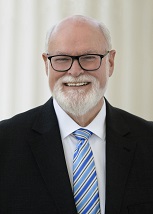
Bill Author