AB 2534: Santa Monica Mountains Conservancy: working group: Los Angeles River Greenway.
- Session Year: 2015-2016
- House: Assembly
- Latest Version Date: 2016-06-30
Existing law establishes the Santa Monica Mountains Conservancy and prescribes the membership and functions and duties of the conservancy with regard to the protection and preservation of lands within the Santa Monica Mountains Zone, as defined.
This bill would require the conservancy to establish the Los Angeles River San Fernando Valley Regional Access and Economic Sustainability Working Group to evaluate and make recommendations for conservancy action pertaining to public access and business integration needs, opportunities, and constraints in areas along and in the vicinity of the Los Angeles River in the San Fernando Valley, as prescribed.
Existing law establishes the Santa Monica Mountains Conservancy and prescribes the membership and functions and duties of the conservancy with regard to the protection and preservation of lands within the Santa Monica Mountains Zone, as defined.
This bill would require the conservancy to establish the Los Angeles River Regional Access and Economic Sustainability Working Group to evaluate and make recommendations for conservancy action pertaining to public access and business integration needs, opportunities, and constraints in areas along and in the vicinity of the Los Angeles River in the San Fernando Valley, as prescribed.
Existing law, the Los Angeles County Flood Control Act, establishes the Los Angeles County Flood Control District and authorizes the district to control and conserve the flood, storm, and other wastewater of the district. Under existing law, the act includes in the objects and purposes of the district to provide for public use of navigable waterways under the districts control that are suitable for recreational and educational purposes, when these purposes are not inconsistent with the use thereof by the district for flood control and water conservation. Existing law also establishes various plans and programs intended to preserve, protect, and rehabilitate lands adjacent to rivers in the state.
This bill would declare the intent of the Legislature to enact legislation to promote the revitalization of the Los Angeles River.
The Legislature finds and declares all of the following:
(a)The Los Angeles River Greenway Trail system in the San Fernando Valley continues to expand and provides an unprecedented opportunity to establish a green, natural open space, with recreational, environmental, and economic amenities, that can serve all residents of the San Fernando Valley and other areas in Los Angeles County, as well as visitors from around the world.
(b)River restoration and revitalization efforts throughout the United States have successfully reunited urban rivers with both the natural environment, surrounding communities, and area businesses and have served to establish vibrant, regional, visitor-serving resources that contribute to the quality of life, public health, and regional economic sustainability.
(c)There are hundreds of visitor-serving businesses adjacent to and in the vicinity of the Los Angeles River in the San Fernando Valley, but these businesses primarily face away from the river with limited or no established connection to the river or visitors to the river.
(d)A planned regional bicycle network is being implemented that includes the Los Angeles River, wherein the river is intended to serve as the backbone of the network, and a plan is needed to ensure that businesses adjacent to and in the vicinity of the river are bicycle friendly and able to attract and serve visitors to the river.
SEC. 2.It is the intent of the Legislature to accomplish all of the following:
(a)Advance the revitalization of the Los Angeles River in the San Fernando Valley by addressing the need for regional public access to the river and connectivity between businesses adjacent to and in the vicinity of the Los Angeles River and the Los Angeles River Greenway, river trails, and bicycle networks.
(b)Enhance both the economic sustainability of businesses adjacent to and in the vicinity of the Los Angeles River Greenway in the San Fernando Valley and the experience of visitors to the Los Angeles River by linking those businesses with the Los Angeles River Greenway.
(c)Identify the needs, opportunities, and constraints related to regional public access and the establishment of permanent connections between area businesses and the Los Angeles River Greenway in the San Fernando Valley.
SEC. 3.Section 33213.5 is added to the Public Resources Code, to read:33213.5.(a)(1)The conservancy shall establish the Los Angeles River San Fernando Valley Regional Access and Economic Sustainability Working Group.
(2)The conservancy shall consider requests from local government entities to have a representative serve as a member of the working group. The working group may include, but need not be limited to, representatives from the conservancy, the City of Los Angeles, nonprofit organizations, environmental organizations, the business community, and city council districts and legislative districts bordering the Los Angeles River.
(b)The working group may focus its efforts on the geographic area from the headwaters of the Los Angeles River at the confluence of Bell and Calabasas Creeks to Griffith Park and its southern boundary along Ventura Boulevard in the San Fernando Valley or any other part of the area adjacent to the Upper Los Angeles River.
(c)The working group shall do all of the following:
(1)Review and evaluate ways to increase connectivity between businesses adjacent to and in the vicinity of the river and the Los Angeles River Greenway, river trails, and bicycle networks.
(2)Develop practical recommendations for establishing permanent connectivity between area businesses, bicycle networks, and the river.
(3)Coordinate with the Lower Los Angeles River Working Group established pursuant to subdivision (a) of Section 32622.
(4)Develop recommendations for appropriate outdoor education and environmental interpretation signage for areas and facilities along the Los Angeles River.
(5)Prepare a report of its findings and recommendations for implementation by the conservancy, including geographic scope, financing, and specific projects.
(d)To assist the working group in carrying out its duties, the conservancy may do both of the following:
(1)Retain experts to conduct necessary technical economic and other studies and analyses, as requested by the working group.
(2)Provide necessary staffing for the working group.
The Legislature finds and declares all of the following:
(a)The Los Angeles River Greenway Trail system in the San Fernando Valley continues to expand and provides an unprecedented opportunity to establish a green, natural open space, with recreational, environmental, and economic amenities, that can serve all residents of the San Fernando Valley and other areas in Los Angeles County, as well as visitors from around the world.
(b)River restoration and revitalization efforts throughout the United States have successfully reunited urban rivers with both the natural environment, surrounding communities, and area businesses and have served to establish vibrant, regional, visitor-serving resources that contribute to the quality of life, public health, and regional economic sustainability.
(c)There are hundreds of visitor-serving businesses adjacent to and in the vicinity of the Los Angeles River in the San Fernando Valley, but these businesses primarily face away from the river with limited or no established connection to the river or visitors to the river.
(d)A planned regional bicycle network is being implemented that includes the Los Angeles River, wherein the river is intended to serve as the backbone of the network, and a plan is needed to ensure that businesses adjacent to and in the vicinity of the river are bicycle friendly and able to attract and serve visitors to the river.
SEC. 2.It is the intent of the Legislature to accomplish all of the following:
(a)Advance the revitalization of the Los Angeles River in the San Fernando Valley by addressing the need for regional public access to the river and connectivity between businesses adjacent to and in the vicinity of the Los Angeles River with and the Los Angeles River Greenway, river trails, and bicycle networks.
(b)Enhance both the economic sustainability of businesses adjacent to and in the vicinity of the Los Angeles River Greenway in the San Fernando Valley and the experience of visitors to the Los Angeles River by linking those businesses with the Los Angeles River Greenway.
(c)Identify the needs, opportunities, and constraints related to regional public access and the establishment of permanent connections between area businesses and the Los Angeles River Greenway in the San Fernando Valley.
SEC. 3.Section 33213.5 is added to the Public Resources Code, to read:33213.5.(a)(1)The conservancy shall establish the Los Angeles River Regional Access and Economic Sustainability Working Group.
(2)The conservancy shall consider requests from local government entities to have a representative serve as a member of the working group. The working group may include, but need not be limited to, representatives from the conservancy, the City of Los Angeles, nonprofit organizations, environmental organizations, the business community, and city council districts and legislative districts bordering the Los Angeles River.
(b)The working group may focus its efforts on the geographic area from the headwaters of the Los Angeles River at the confluence of Bell and Calabasas Creeks to Griffith Park and its southern boundary along Ventura Boulevard in the San Fernando Valley or any other part of the area adjacent to the Upper Los Angeles River.
(c)The working group shall do all of the following:
(1)Review and evaluate the integration needs, opportunities, and constraints with respect to regional public access and the connectivity among businesses along and in the vicinity of the river, visitors to the river, and the Los Angeles River Greenway, river trails, and bicycle networks, including the use of the public parking garage located at Ventura Boulevard between Laurelgrove Avenue and Vantage Avenue and adjacent to the river. ways to increase connectivity between businesses adjacent to and in the vicinity of the river and the Los Angeles River Greenway, river trails, and bicycle networks.
(2)Develop practical recommendations for establishing permanent connectivity between area businesses, bicycle networks, and the river.
(3)Coordinate with the Lower Los Angeles River Working Group established pursuant to subdivision (a) of Section 32622.
(4)Develop recommendations for appropriate outdoor education and environmental interpretation signage for areas and facilities along the Los Angeles River.
(5)Prepare a report of its findings and recommendations for implementation by the conservancy, including geographic scope, financing, and specific projects.
(d)To assist the working group in carrying out its duties, the conservancy may do both of the following:
(1)Retain experts to conduct necessary technical economic and other studies and analyses, as requested by the working group.
(2)Provide necessary staffing for the working group.
The Legislature finds and declares all of the following:
(a)The Los Angeles River Greenway Trail system in the San Fernando Valley continues to expand and provides an unprecedented opportunity to establish a green, natural open space, with recreational, environmental, and economic amenities, that can serve all residents of the San Fernando Valley and other areas in Los Angeles County, as well as visitors from around the world.
(b)River restoration and revitalization efforts throughout the United States have successfully reunited urban rivers with both the natural environment, surrounding communities, and area businesses and have served to establish vibrant, regional, visitor-serving resources that contribute to the quality of life, public health, and regional economic sustainability.
(c)There are hundreds of visitor-serving businesses adjacent to and in the vicinity of the Los Angeles River in the San Fernando Valley, but these businesses primarily face away from the river with limited or no established connection to the river or visitors to the river.
(d)A planned regional bicycle network is being implemented that includes the Los Angeles River, wherein the river is intended to serve as the backbone of the network, and a plan is needed to ensure that businesses adjacent to and in the vicinity of the river are bicycle friendly and able to attract and serve visitors to the river.
SEC. 2.It is the intent of the Legislature to accomplish all of the following:
(a)Advance the revitalization of the Los Angeles River in the San Fernando Valley by addressing the need for regional public access to the river and connectivity between businesses adjacent to and in the vicinity of the Los Angeles River with the Los Angeles River Greenway, river trails, and bicycle networks.
(b)Enhance both the economic sustainability of businesses adjacent to and in the vicinity of the Los Angeles River Greenway in the San Fernando Valley and the experience of visitors to the Los Angeles River by linking those businesses with the Los Angeles River Greenway.
(c)Identify the needs, opportunities, and constraints related to regional public access and the establishment of permanent connections between area businesses and the Los Angeles River Greenway in the San Fernando Valley.
SEC. 3.Section 33213.5 is added to the Public Resources Code, to read:33213.5.(a)(1)The conservancy shall establish the Los Angeles River Regional Access and Economic Sustainability Working Group.
(2)The conservancy shall consider requests from local government entities to have a representative serve as a member of the working group. The working group may include, but need not be limited to, representatives from the conservancy, the City of Los Angeles, nonprofit organizations, environmental organizations, the business community, and city council districts and legislative districts bordering the Los Angeles River.
(b)The working group shall may focus its efforts on the geographic area from the headwaters of the Los Angeles River at the confluence of Bell and Calabasas Creeks to Griffith Park and its southern boundary along Ventura Boulevard in the San Fernando Valley. Valley or any other part of the area adjacent to the Upper Los Angeles River.
(c)The working group shall do all of the following:
(1)Review and evaluate the integration needs, opportunities, and constraints with respect to regional public access and the connectivity among businesses along and in the vicinity of the river, visitors to the river, and the Los Angeles River Greenway, river trails, and bicycle networks, including the use of the public parking garage located at Ventura Boulevard between Laurelgrove Avenue and Vantage Avenue and adjacent to the river.
(2)Develop practical recommendations for establishing permanent connectivity between area businesses, bicycle networks, and the river.
(3)Coordinate with the Lower Los Angeles River Working Group established pursuant to subdivision (a) of Section 32622.
(3)
(4)Develop recommendations for appropriate outdoor education and environmental interpretation signage for areas and facilities along the Los Angeles River.
(4)
(5)Prepare a report of its findings and recommendations for implementation by the conservancy, including geographic scope, financing, and specific projects.
(d)To assist the working group in carrying out its duties, the conservancy may do both of the following. following:
(1)Retain experts to conduct necessary technical economic and other studies and analyses, as requested by the working group.
(2)Provide necessary staffing for the working group.
The Legislature finds and declares all of the following:
(a)The Los Angeles River Greenway Trail system in the San Fernando Valley continues to expand and provides an unprecedented opportunity to establish a green, natural open space, with recreational, environmental, and economic amenities, that can serve all residents of the San Fernando Valley and other areas in Los Angeles County, as well as visitors from around the world.
(b)River restoration and revitalization efforts throughout the United States have successfully reunited urban rivers with both the natural environment, surrounding communities, and area businesses and have served to establish vibrant, regional, visitor-serving resources that contribute to the quality of life, public health, and regional economic sustainability.
(c)There are hundreds of visitor-serving businesses adjacent to and in the vicinity of the Los Angeles River in the San Fernando Valley, but these businesses primarily face away from the river with limited or no established connection to the river or visitors to the river.
(d)A planned regional bicycle network is being implemented that includes the Los Angeles River, wherein the river is intended to serve as the backbone of the network, and a plan is needed to ensure that businesses adjacent to and in the vicinity of the river are bicycle friendly and able to attract and serve visitors to the river.
SEC. 2.It is the intent of the Legislature to accomplish all of the following:
(a)Advance the revitalization of the Los Angeles River in the San Fernando Valley by addressing the need for regional public access to the river and connectivity between businesses adjacent to and in the vicinity of the Los Angeles River with the Los Angeles River Greenway, river trails, and bicycle networks.
(b)Enhance both the economic sustainability of businesses adjacent to and in the vicinity of the Los Angeles River Greenway in the San Fernando Valley and the experience of visitors to the Los Angeles River by linking those businesses with the Los Angeles River Greenway.
(c)Identify the needs, opportunities, and constraints related to regional public access and the establishment of permanent connections between area businesses and the Los Angeles River Greenway in the San Fernando Valley.
SEC. 3.Section 33213.5 is added to the Public Resources Code, to read:33213.5.(a)(1)The conservancy shall establish the Los Angeles River Regional Access and Economic Sustainability Working Group.
(2)The conservancy shall consider requests from local government entities to have a representative serve as a member of the working group. The working group may include, but need not be limited to, representatives from the conservancy, the City of Los Angeles, nonprofit organizations, environmental organizations, the business community, and city council districts and legislative districts bordering the Los Angeles River.
(b)The working group shall focus its efforts on the geographic area from the headwaters of the Los Angeles River at the confluence of Bell and Calabasas Creeks to Griffith Park and its southern boundary along Ventura Boulevard in the San Fernando Valley.
(c)The working group shall do all of the following:
(1)Review and evaluate the integration needs, opportunities, and constraints with respect to regional public access and the connectivity among businesses along and in the vicinity of the river, visitors to the river, and the Los Angeles River Greenway, river trails, and bicycle networks, including the use of the public parking garage located at Ventura Boulevard between Laurelgrove Avenue and Vantage Avenue and adjacent to the river.
(2)Develop practical recommendations for establishing permanent connectivity between area businesses, bicycle networks, and the river.
(3)Develop recommendations for appropriate outdoor education and environmental interpretation signage for areas and facilities along the Los Angeles River.
(4)Prepare a report of its findings and recommendations for implementation by the conservancy, including geographic scope, financing, and specific projects.
(d)To assist the working group in carrying out its duties, the conservancy shall may do both of the following.
(1)Retain experts to conduct necessary technical economic and other studies and analyses, as requested by the working group.
(2)Provide necessary staffing for the working group.
The Legislature finds and declares all of the following:
(a)The Los Angeles River Greenway Trail system in the San Fernando Valley continues to expand and provides an unprecedented opportunity to establish a green, natural open space, with recreational, environmental, and economic amenities, that can serve all residents of the San Fernando Valley and other areas in Los Angeles County, as well as visitors from around the world.
(b)River restoration and revitalization efforts throughout the United States have successfully reunited urban rivers with both the natural environment, surrounding communities, and area businesses and have served to establish vibrant, regional, visitor-serving resources that contribute to the quality of life, public health, and regional economic sustainability.
(c)There are hundreds of visitor-serving businesses adjacent to and in the vicinity of the Los Angeles River in the San Fernando Valley, but these businesses primarily face away from the river with limited or no established connection to the river or visitors to the river.
(d)A planned regional bicycle network is being implemented that includes the Los Angeles River, wherein the river is intended to serve as the backbone of the network, and a plan is needed to ensure that businesses adjacent to and in the vicinity of the river are bicycle friendly and able to attract and serve visitors to the river.
SEC. 2.It is the intent of the Legislature to accomplish all of the following:
(a)Advance the revitalization of the Los Angeles River in the San Fernando Valley by addressing the need for regional public access to the river and connectivity between businesses adjacent to and in the vicinity of the Los Angeles River with the Los Angeles River Greenway, river trails, and bicycle networks.
(b)Enhance both the economic sustainability of businesses adjacent to and in the vicinity of the Los Angeles River Greenway in the San Fernando Valley and the experience visitors to the Los Angeles River by linking those businesses with the Los Angeles River Greenway.
(c)Identify the needs, opportunities, and constraints related to regional public access and the establishment of permanent connections between area businesses and the Los Angeles River Greenway in the San Fernando Valley.
SEC. 3.Section 33213.5 is added to the Public Resources Code, to read:33213.5.(a)(1)The conservancy shall establish the Los Angeles River Regional Access and Economic Sustainability Working Group.
(2)The conservancy shall consider requests from local government entities to have a representative serve as a member of the working group. The working group may include, but need not be limited to, representatives from the conservancy, the City of Los Angeles, nonprofit organizations, environmental organizations, the business community, and city council districts and legislative districts bordering the Los Angeles River.
(b)The working group shall focus its efforts on the geographic area from the headwaters of the Los Angeles River at the confluence of Bell and Calabasas Creeks to Griffith Park and its southern boundary along Ventura Boulevard in the San Fernando Valley.
(c)The working group shall do all of the following:
(1)Review and evaluate the integration needs, opportunities, and constraints with respect to regional public access and the connectivity among businesses along and in the vicinity of the river, visitors to the river, and the Los Angeles River Greenway, river trails, and bicycle networks, including the use of the public parking garage located at ____ Ventura Boulevard between Laurelgrove Avenue and Vantage Avenue and adjacent to the river.
(2)Develop practical recommendations for establishing permanent connectivity between area businesses, bicycle networks, and the river.
(3)Develop recommendations for appropriate outdoor education and environmental interpretation signage for areas and facilities along the Los Angeles River.
(3)
(4)Prepare a report of its findings and recommendations for implementation by the conservancy, including geographic scope, financing, and specific projects.
(d)To assist the working group in carrying out its duties, the conservancy shall do both of the following.
(1)Retain experts to conduct necessary technical economic and other studies and analyses, as requested by the working group.
(2)Provide necessary staffing for the working group.
The Legislature finds and declares all of the following:
(a)The Los Angeles River Greenway Trail system in the San Fernando Valley continues to expand and provides an unprecedented opportunity to establish a green, natural open space, with recreational, environmental, and economic amenities, that can serve all residents of the San Fernando Valley and other areas in Los Angeles County, as well as visitors from around the world.
(b)River restoration and revitalization efforts throughout the United States have successfully reunited urban rivers with both the natural environment, surrounding communities, and area businesses and have served to establish vibrant, regional, visitor-serving resources that contribute to the quality of life, public health, and regional economic sustainability.
(c)There are hundreds of visitor-serving businesses adjacent to and in the vicinity of the Los Angeles River in the San Fernando Valley, but these businesses primarily face away from the river with limited or no established connection to the river or visitors to the river.
(d)A planned regional bicycle network is being implemented that includes the Los Angeles River, wherein the river is intended to serve as the backbone of the network, and a plan is needed to ensure that businesses adjacent to and in the vicinity of the river are bicycle friendly and able to attract and serve visitors to the river.
SEC. 2.It is the intent of the Legislature to accomplish all of the following:
(a)Advance the revitalization of the Los Angeles River in the San Fernando Valley by addressing the need for regional public access to the river and connectivity between businesses adjacent to and in the vicinity of the Los Angeles River with the Los Angeles River Greenway, river trails, and bicycle networks.
(b)Enhance both the economic sustainability of businesses adjacent to and in the vicinity of the Los Angeles River Greenway in the San Fernando Valley and the experience visitors to the Los Angeles River by linking those businesses with the Los Angeles River Greenway.
(c)Identify the needs, opportunities, and constraints related to regional public access and the establishment of permanent connections between area businesses and the Los Angeles River Greenway in the San Fernando Valley.
SEC. 3.Section 33213.5 is added to the Public Resources Code, to read:33213.5.(a)The conservancy shall establish the Los Angeles River Regional Access and Economic Sustainability Working Group.
(b)The working group shall focus its efforts on the geographic area from the headwaters of the Los Angeles River at the confluence of Bell and Calabasas Creeks to Griffith Park and its southern boundary along Ventura Boulevard in the San Fernando Valley.
(c)The working group shall do all of the following:
(1)Review and evaluate the integration needs, opportunities, and constraints with respect to regional public access and the connectivity among businesses along and in the vicinity of the river, visitors to the river, and the Los Angeles River Greenway, river trails, and bicycle networks, including the use of the public parking garage located at ____ Ventura Boulevard and adjacent to the river.
(2)Develop practical recommendations for establishing permanent connectivity between area businesses, bicycle networks, and the river.
(3)Prepare a report of its findings and recommendations for implementation by the conservancy, including geographic scope, financing, and specific projects.
(d)To assist the working group in carrying out its duties, the conservancy shall do both of the following.
(1)Retain experts to conduct necessary technical economic and other studies and analyses, as requested by the working group.
(2)Provide necessary staffing for the working group.
SECTION 1.It is the intent of the Legislature to enact legislation to promote the revitalization of the Los Angeles River.
It is the intent of the Legislature to enact legislation to promote the revitalization of the Los Angeles River.
|
Date
|
Status
|
|---|---|
| Aug 11, 2016 | In committee: Held under submission. |
| Aug 1, 2016 | In committee: Referred to APPR. suspense file. |
| Jun 30, 2016 | Read second time and amended. Re-referred to Com. on APPR. |
| Jun 29, 2016 | From committee: Amend, and do pass as amended and re-refer to Com. on APPR. (Ayes 6. Noes 2.) (June 28). |
| Jun 9, 2016 | From committee chair, with author's amendments: Amend, and re-refer to committee. Read second time, amended, and re-referred to Com. on N.R. & W. |
| Jun 9, 2016 | Referred to Com. on N.R. & W. |
| Jun 6, 2016 | In Senate. Read first time. To Com. on RLS. for assignment. |
| Jun 2, 2016 | Read third time. Passed. Ordered to the Senate. (Ayes 59. Noes 20. Page 5174.) |
| Jun 2, 2016 | Assembly Rule 63 suspended. (Page 5166.) |
| Jun 2, 2016 | Read third time. Passed. Ordered to the Senate. (Ayes 59. Noes 20.) |
| Jun 2, 2016 | Read third time. Passed. Ordered to the Senate. |
| Jun 2, 2016 | Assembly Rule 63 suspended. |
| Jun 2, 2016 | Read second time. Ordered to third reading. |
| Jun 1, 2016 | Read second time and amended. Ordered returned to second reading. |
| May 31, 2016 | From committee: Amend, and do pass as amended. (Ayes 14. Noes 2.) (May 27). |
| May 4, 2016 | In committee: Set, first hearing. Referred to APPR. suspense file. |
| Apr 21, 2016 | Re-referred to Com. on APPR. |
| Apr 20, 2016 | Read second time and amended. |
| Apr 19, 2016 | From committee: Amend, and do pass as amended and re-refer to Com. on APPR. (Ayes 7. Noes 0.) (April 18). |
| Apr 13, 2016 | Re-referred to Com. on NAT. RES. |
| Apr 12, 2016 | From committee chair, with author's amendments: Amend, and re-refer to Com. on NAT. RES. Read second time and amended. |
| Mar 28, 2016 | Re-referred to Com. on NAT. RES. |
| Mar 18, 2016 | From committee chair, with author's amendments: Amend, and re-refer to Com. on NAT. RES. Read second time and amended. |
| Mar 17, 2016 | Referred to Com. on NAT. RES. |
| Feb 22, 2016 | Read first time. |
| Feb 21, 2016 | From printer. May be heard in committee March 22. |
| Feb 19, 2016 | Introduced. To print. |
|
Date
|
Description
|
Location
|
Votes
|
|
|---|---|---|---|---|
| Aug 1, 2016 | Placed on suspense file | Senate Standing Committee on Appropriations |
Passed |
|
| Jun 28, 2016 | Do pass as amended, but first amend, and re-refer to the Committee on [Appropriations] | Senate Standing Committee on Natural Resources and Water |
Passed |
|
| Jun 2, 2016 | AB 2534 NAZARIAN Assembly Third Reading | Assembly Floor |
Passed |
|
| May 27, 2016 | Do pass as amended. | Assembly Standing Committee on Appropriations |
Passed |
|
| Apr 18, 2016 | Do pass as amended and be re-referred to the Committee on [Appropriations] | Assembly Standing Committee on Natural Resources |
Passed |
This list shows positions taken on this bill by organizations on the date displayed, which is linked to the original source.
Positions by individuals are not included.
SENATE COMMITTEE ON
Senator Ricardo Lara, Chair
2015 - 2016 Regular Session
AB 2534 (Nazarian) - Santa Monica Mountains Conservancy: working group: Los Angeles River Greenway
Version: | Policy Vote: |
Urgency: | Mandate: |
Hearing Date: | Consultant: |
This bill meets the criteria for referral to the Suspense File.
Bill Summary:
- AB 2354 requires the Santa Monica Mountains Conservancy (Conservancy) to establish the Los Angeles River San Fernando Valley Regional Access and Economic Sustainability Working Group (Working Group) to, among other things, develop practical recommendations for establishing permanent connectivity between area businesses and report its findings and recommendations for implementation by the Conservancy.
Fiscal Impact:
- One-time costs estimated between $40,000 and $80,000 (General Fund or the Environmental License Plate Fund) for the Conservancy to staff the Working Group.
- Unknown, potentially significant, cost to retain experts to conduct necessary technical economic and other studies and analyses, as authorized in the bill.
Background:
- The Los Angeles River (River) is 51 miles long, contained entirely within the County of Los Angeles, and passes through 13 cities, including 32 miles that stretch across the City of Los Angeles. Although planners had envisioned greenbelts interconnecting parklands along the River as early as the 1930s, the more recent interest in the revitalization and promotion of the re-integration of the river and its tributaries into the adjacent neighborhoods began in the mid-to-late 1980s.
In September 2013, the Army Corps of Engineers (Army Corp), in conjunction with the City of Los Angeles, announced the availability of a Draft Integrated Feasibility Report for the Los Angeles River Ecosystem Restoration Study. In May 2014, the Army Corps backed the $1 billion alternative in the study to restore an 11-mile stretch of the River from Griffith Park to downtown Los Angeles.
Proposed Law:
This bill:
- Requires the Conservancy to establish the Working Group.
- Specifies potential membership of the group.
- States that the working group may focus its efforts on the geographic area from the headwaters of the Los Angeles River at the confluence of Bell and Calabasas Creeks to Griffith Park and its southern boundary along Ventura Boulevard in the San Fernando Valley or any other part of the area adjacent to the Upper Los Angeles River.
- Requires the working group to do all of the following:
- Review and evaluate ways to increase connectivity between businesses adjacent to and in the vicinity of the river and the Los Angeles River Greenway, river trails, and bicycle networks.
- Develop practical recommendations for establishing permanent connectivity between area businesses, bicycle networks, and the river.
- Coordinate with the Lower Los Angeles River Working Group established pursuant to subdivision (a) of Section 32622.
- Develop recommendations for appropriate outdoor education and environmental interpretation signage for areas and facilities along the Los Angeles River.
- Prepare a report of its findings and recommendations for implementation by the conservancy, including geographic scope, financing, and specific projects.
- Authorizes the Conservancy to staff and retain experts to conduct necessary technical economic and other studies and analyses, as requested by the working group and provide necessary staffing for the working group.
Related Legislation:
AB 530 (Rendon, Chapter 684, Statutes of 2015) required the Secretary of the California Natural Resources Agency to appoint the Lower Los Angeles Working Group to develop a revitalization plan for the Lower Los Angeles River watershed.
Staff Comments:
- According to the author, more people are likely to visit the revitalized segments of the River if they knew there were restaurants, shops, parking structures and other attractions only couple of blocks away. This bill initiates the first steps in establishing a public-private partnership by convening a working group of stakeholders to develop recommendations that will facilitate economic growth along the River.
-- END --
SENATE COMMITTEE ON NATURAL RESOURCES AND WATER
Senator Fran Pavley, Chair
2015 - 2016 Regular
Bill No: AB Hearing Date: June 28, 2016
Author: | Nazarian | ||
Version: | June 9, 2016 | ||
Urgency: | No | Fiscal: | Yes |
Consultant: | Katharine Moore | ||
Subject: Santa Monica Mountains Conservancy: working group: Los Angeles River Greenway
BACKGROUND AND EXISTING LAW
- The Santa Monica Mountains Conservancy (conservancy) was established in the Natural Resources Agency in 1980 (see Public Resources Code §§33000 et seq.). In the years since, the conservancy has helped to preserve over 73,000 acres of parkland in both wilderness and urban setting, and has improved more than 114 public recreational facilities throughout Southern California.
- According to the conservancy, its mission is to “strategically buy back, preserve, protect, restore and enhance pieces of Southern California to form an interlinking system of urban, rural and river parks, open space, trails and wildlife habitats through direction action, alliances and partnerships.”
- The Los Angeles River (River) forms from its headwaters in the western San Fernando Valley and flows easterly across the Valley through Griffith Park where the river turns to the south, and passes through downtown Los Angeles and additional downstream cities en route to its estuary in Long Beach. The River is entirely with the County of Los Angeles (County).
- The approximately 32 miles of the River upstream of the City of Vernon is considered to be the upper River and is within the bounds of the City of Los Angeles.
- The areas surrounding the River are widely considered to have relatively few open space and park areas. Historical development along the River in many instances served to isolate the River from the surrounding communities.
- In the early 1990s, community activism over turning a railyard adjacent to the River into open space coincided with the County beginning a process that – after considerable input from stakeholders and community outreach – resulted in the County’s Los Angeles River Master Plan (Master Plan) in 1996. The Master Plan described how economic growth could be spurred along the River in the County through zoning changes and the development of open space, recreational, cultural, artistic, educational and other opportunities. Ultimately over several decades, the River will be returned to a less-polluted, functioning riparian environment in as many reaches as possible, while still controlling flooding and providing recreational opportunities.
- The City of Los Angeles’ Los Angeles River Revitalization Master Plan (Revitalization Master Plan) was released in 2007. Continuing the long-term goals of the County Master Plan, the Revitalization Master Plan also promoted the revitalization of the River as a multi-benefit solution to addressing and enhancing water quality and flood control while enabling safe access to the River and restoring a functional river ecosystem. The City’s Revitalization Master Plan focused on the upper River.
- Both plans contain a list of River projects to be completed and seek to re-focus the surrounding neighborhoods on the River to help form a sense of identity, improve the quality of life and boost civic pride. Since the Master Plan and Revitalization Master Plan were developed, numerous River restoration efforts including the creation of habitat, pocket parks and bikeways have been undertaken, as well as guidelines established for signage and other features.
- The conservancy, the Mountains Recreation and Conservation Authority and others are working to transform the Los Angeles River (River) into a continuous recreational greenway composed of trails, parks and natural lands to provide new recreational opportunities with accompanying economic benefits. The conservancy’s website notes several parks among its efforts to implement the River greenway project. Additionally, both City and County planning efforts include bikeways adjacent to virtually all reaches of the River and its tributaries. Several stretches have already been built.
- In 2014 the U.S. Army Corps of Engineers recommended that the most extensive restoration alternative provided by its Los Angeles River Ecosystem Restoration Feasibility Report be undertaken at an estimated cost of over $1 billion. The area to be restored focuses on the 11 mile soft-bottomed stretch of the River from roughly Griffith Park to downtown called the ARBOR reach. There are also additional federal efforts underway to coordinate revitalization efforts along the River.
- In 2015, AB 530 (Rendon, c. 684, Statutes of 2015) established the Lower Los Angeles River Working Group to develop revitalization plans for the lower River.
- In 2015, it was also announced that the noted architect, Frank Gehry, was recruited by the Los Angeles River Revitalization Corporation (now “River LA”) to develop a restoration plan for the River. River LA is a public-private partnership whose founding was one of the recommendations of the City’s Revitalization Master Plan.
PROPOSED LAW
This bill would require the conservancy to establish the Los Angeles River Regional Access and Economic Sustainability Working Group (working group) to evaluate and make recommendations for conservancy action in areas along and in the vicinity of the Los Angeles River in the San Fernando Valley, as prescribed.
More specifically, the bill would:
- State legislative intent to advance the revitalization, enhance the economic sustainability of businesses and the experience of visitors, and identify the needs, opportunities and constraints related to regional public access and permanent connections between area businesses along and adjacent to the Los Angeles River in the San Fernando Valley, as specified.
- Require the conservancy to establish the working group with specified membership and geographic focus.
- Direct the working group to:
- Review and evaluate methods to increase connectivity between businesses and the river’s greenway, trails and bicycle networks.
- Develop practical recommendations for permanent connectivity between businesses, bicycle networks and the river.
- Coordinate with the Lower Los Angeles River Working Group.
- Develop recommendations for outdoor education and environmental interpretation signage along the River, as specified.
- Prepare and report of its findings and recommendations, as specified.
- Authorize the conservancy to provide certain assistance to the working group, and
- Make appropriate and relevant legislative findings.
ARGUMENTS IN SUPPORT
According to the author, “[r]iver restoration and revitalization efforts throughout the U.S. have successfully reunited urban rivers with the natural environment, surrounding communities, and area businesses. […] Existing businesses in the city of Los Angeles, especially the San Fernando Valley, provide a unique opportunity to further revitalization efforts given their proximity. Angelenos and visitors will frequent the River more often if: 1) getting to the River is made easier; and, 2) awareness of existing businesses along the River is provided to patrons. This bill will allow stakeholders to develop ways to improve access and, in turn, generate further economic growth.”
ARGUMENTS IN OPPOSITION
None received
COMMENTS
Proposed working group furthers the goals of existing revitalization efforts. The working group’s charge is well within the stated goals of existing River revitalization efforts. The working group is directed to work with additional revitalization efforts underway on different reaches of the River. However, the existing geographical jurisdiction of the conservancy and the proposed area for the working group, while defined differently, include the western reaches of the river. Therefore the Committee may wish to revise the name of the working group to better reflect this. [Amendment 1]
Funding for the working group? While outside this Committee’s jurisdiction, the conservancy suggests in its letter of support, the following amendment – “The development and implementation of [the] working group may be eligible for funding from any public or private source, including, but not limited to, funding pursuant to Section 79735 of the Water Code.” The referenced Water Code section is to the support for projects that protect and enhance urban creeks and their tributaries, as specified, in 2014’s voter-approved Proposition 1.
Recent related legislation
SB 1374 (Lara, 2016) would create the Lower Los Angeles River Recreation and Park District, as specified. (before the Assembly Water, Parks and Wildlife Committee)
AB 530 (Rendon, c. 684, Statutes of 2015) created the Lower Los Angeles River Working Group to develop a revitalization plan for the Lower Los Angeles River watershed.
AB 1251 (Gomez, c. 639, Statutes of 2015) enacted the Greenway Development and Sustainment Act that, among other things, defined greenway as a pedestrian and bicycle, nonmotorized vehicle transportation and recreational travel corridor that meets specified requirements with legislative findings specific to the development of greenway along the Los Angeles River and its tributaries.
SUGGESTED AMENDMENTS
AMENDMENT 1
On page 3, line 10, add “San Fernando Valley” between “River” and “Regional”
SUPPORT
Community Conservation Solutions (sponsor)
Santa Monica Mountains Conservancy
OPPOSITION
None Received
-- END --
(Without Reference to File)
ASSEMBLY THIRD READING
ATR Bill Id:AB 2534
Author:(Nazarian)
As Amended Ver:June 1, 2016
Majority vote
Committee | Votes | Ayes | Noes |
Natural Resources | 7-0 | Williams, Cristina Garcia, Gomez, Hadley, McCarty, Mark Stone, Wood | |
Appropriations | 14-2 | Gonzalez, Bloom, Bonilla, Bonta, Calderon, Daly, Eggman, Eduardo Garcia, Roger Hernández, Holden, Quirk, Santiago, Weber, Wood | Bigelow, Gallagher |
SUMMARY: Establishes the Los Angeles River (River) Regional Access and Economic Sustainability Working Group (Working Group) to advance the revitalization of the areas adjacent to the Upper Los Angeles River. Specifically, this bill:
- Requires that the Working Group do the following:
- Review and evaluate public access and connectivity among businesses along and in the vicinity of the River and the Los Angeles River Greenway. Specifies that a public parking garage connectivity should be in the review and evaluation.
- Develop practical recommendations related to permanent connectivity between area businesses, bicycle networks, and the River and appropriate signage.
- Prepare a report of its findings and recommendations for implementation by the Conservancy.
EXISTING LAW:
- Establishes the Santa Monica Mountains Conservancy (Conservancy) within the Natural Resources Agency (NRA) to acquire and protect lands within the Santa Monica Mountains Zone, which is an area of approximately 650,000 acres, generally encompassing the mountain areas of eastern Ventura County, western Los Angeles County, and the mountain areas surrounding the San Fernando, La Crescenta, and Santa Clarita Valleys.
- Establishes nine voting members on the Conservancy, three ex officio members, and six legislative members.
- Requires the secretary of NRA to appoint a local working group to develop a revitalization plan for the Lower Los Angeles River watershed, called the Lower Los Angeles River Working Group (LLA Working Group). Requires the LLA Working Group to develop, through watershed-based planning methods, a revitalization plan that addresses the unique and diverse needs of the Lower Los Angeles River. Requires the San Gabriel and Lower Los Angeles Rivers and Mountains Conservancy to provide any necessary staffing to assist the LLA Working Group.
FISCAL EFFECT: According to the Assembly Appropriations Committee, potential increased costs for the Conservancy to staff the Working Group and contract for the various evaluations, likely in the $120,000 range (special fund).
COMMENTS: The River begins in Canoga Park at the confluence of Bell Creek and the Arroyo Calabasas. It flows mostly east through the San Fernando Valley, where numerous tributaries join, to Burbank and Griffith Park. The River flows through 13 cities and is contained within the County of Los Angeles. It is now almost entirely lined in concrete, although there are three "soft-bottomed" sections in the Sepulveda Basin (San Fernando Valley), Griffith Park, and in Long Beach. Particularly along the lower portion of the River, industrial activity and railyards are immediately adjacent to the River and can effectively isolate it from the surrounding communities.
Although planners had envisioned greenbelts interconnecting parklands along the River as early as the 1930s, the more recent interest in the revitalization and promotion of the re-integration of the River and its tributaries into the adjacent neighborhoods began in the mid-to-late 1980s. There was growing recognition that compared to other large American cities, Los Angeles has relatively fewer parks, particularly in under-represented communities. In the early 1990s, community activism resulted in the County's Los Angeles River Master Plan (County Master Plan) in 1996.
The County Master Plan described how economic growth could be spurred along the River in the county through zoning changes and the development of open space, recreational, cultural, artistic, educational, and other opportunities. This River revitalization aimed to "achieve a better River environment for future generations in the Los Angeles basin." The Los Angeles City Council established its own ad hoc committee on the River in 2002, and the City's Master Plan was released in 2007. Continuing the long-term goals of the County Master Plan, the City Master Plan also promoted the revitalization of the River as a solution with many benefits, including water quality and flood control, while enabling safe access to the River and restoring a functional river ecosystem.
Analysis Prepared by: Michael Jarred / NAT. RES. / (916) 319-2092 FN: 0003365
Date of Hearing: May 4, 2016
ASSEMBLY COMMITTEE ON APPROPRIATIONS
Lorena Gonzalez, Chair
ABPCA Bill Id:AB 2534
Author:(Nazarian) – As Amended Ver:April 20, 2016
Policy Committee: | Natural Resources | Vote: | 7 - 0 |
|
|
Urgency: No State Mandated Local Program: No Reimbursable: No
SUMMARY: This bill requires the Santa Monica Mountains Conservancy (Conservancy) to establish the Los Angeles River Regional Access and Economic Sustainability Working Group (Working Group) to advance the revitalization of the Los Angeles River in the San Fernando Valley. Specifically, this bill:
- Requires the Conservancy to consider requests from local government entities to have a representative on the Working Group.
- Allows the Working Group to include representatives from the Conservancy, the City of Los Angeles, nonprofit organizations, environmental organizations, the business community, and city council districts and legislative districts bordering the River.
- Requires the Working Group to focus its efforts on the geographic area from the headwaters of the Los Angeles River at the confluence of Bell and Calabasas Creeks to Griffith Park and its southern boundary along Ventura Boulevard in the San Fernando Valley
- Additionally, requires the Working Group to:
- Review and evaluate public access and connectivity among businesses along and in the vicinity of the River and the Los Angeles River Greenway including the use of an existing public garage.
- Develop practical recommendations related to permanent connectivity between area businesses, bicycle networks, and the River as well as appropriate signage.
- Prepare a report of its findings and recommendations for implementation by the Conservancy.
- Allows the Conservancy to retain experts and provide staff to conduct necessary technical economic and other studies and analyses, as requested by the working group.
FISCAL EFFECT:
Potential increased costs for the Conservancy to staff the Working group and contract for the various evaluations, likely in the $120,000 range (special fund).
COMMENTS:
- Purpose. According to the author, more people are likely tp visit the revitalized segments of the River if they knew there were restaurants, shops, parking structures and other attractions only couple of blocks away. This bill initiates the first steps in establishing a public-private partnership by convening a working group of stakeholders to develop recommendations that will facilitate economic growth along the River.
- Background. The LA River is 51 miles long, contained entirely within the County of Los Angeles, and passes through 13 cities, including 32 miles that stretch across the City of Los Angeles. The LA River begins in Canoga Park, at the confluence of Bell Creek and the Arroyo Calabasas, and then flows mostly east through the San Fernando Valley where it is joined by several tributaries. In Burbank, it enters and begins skirting Griffith Park, bending sharply southward as it does so. This stretch of the LA River, down to Elysian Park, is called the Glendale Narrows, and contains one of only three stretches of the river with an earthen bottom. After leaving the Glendale Narrows, the river continues southward through downtown Los Angeles until it eventually reaches Long Beach Harbor.
Although planners had envisioned greenbelts interconnecting parklands along the river as early as the 1930s, the more recent interest in the revitalization and promotion of the re-integration of the river and its tributaries into the adjacent neighborhoods began in the mid-to-late 1980s.
In September 2013, the Army Corps, in conjunction with the City of Los Angeles, announced the availability of a Draft Integrated Feasibility Report (Draft IFR) for the Los Angeles River Ecosystem Restoration Study. In May 2014, the Army Corps backed the $1 billion alternative in the study to restore an 11-mile stretch of the LA River from Griffith Park to downtown Los Angeles.
- Lower Los Angeles River (LLA). AB 530 (Rendon), Chapter 684, Statutes of 2015, requires the Secretary of Natural Resources Agency to appoint the LLA Working Group to develop a revitalization plan for the Lower Los Angeles River watershed. The bill requires the LLA Working Group to develop a revitalization plan to address the unique and diverse needs of the Lower Los Angeles River. The bill requires the San Gabriel and Lower Los Angeles Rivers and Mountains Conservancy to provide any necessary staffing to assist the LLA Working Group.
The author may wish to amend this bill to require both working groups and both Conservancies to consult with each other and collaborate on the final working group products.
Analysis Prepared by: Jennifer Galehouse / APPR. / (916) 319-2081
Date of Hearing: April 18, 2016
ASSEMBLY COMMITTEE ON NATURAL RESOURCES
Das Williams, Chair
ABPCA Bill Id:AB 2534 (
Author:Nazarian) – As Amended Ver:April 12, 2016
SUBJECT: Santa Monica Mountains Conservancy: working group: Los Angeles River Greenway
SUMMARY: Establishes the Los Angeles River (River) Regional Access and Economic Sustainability Working Group (Working Group) to advance the revitalization of the Los Angeles River in the San Fernando Valley.
EXISTING LAW:
- Establishes the Santa Monica Mountains Conservancy (Conservancy) within the Natural Resources Agency (NRA) to acquire and protect lands within the Santa Monica Mountains Zone, which is an area of approximately 650,000 acres, generally encompassing the mountain areas of eastern Ventura County, western Los Angeles County, and the mountain areas surrounding the San Fernando, La Crescenta, and Santa Clarita Valleys.
- Establishes nine voting members on the Conservancy, three ex officio members, and six legislative members.
- Requires the secretary of NRA to appoint a local working group to develop a revitalization plan for the Lower Los Angeles River watershed, called the Lower Los Angeles River Working Group (LLA Working Group). Requires the LLA Working Group to develop, through watershed-based planning methods, a revitalization plan that addresses the unique and diverse needs of the Lower Los Angeles River. Requires the San Gabriel and Lower Los Angeles Rivers and Mountains Conservancy to provide any necessary staffing to assist the LLA Working Group.
THIS BILL:
- Makes various findings about the Los Angeles River in the San Fernando Valley.
- Declares the intent of the Legislature to advance the revitalization of the Los Angeles River in the San Fernando Valley by addressing the need for public access to the River and connectivity between businesses in the vicinity of the Los Angeles River and the Los Angeles River Greenway.
- Requires the Conservancy to establish the Working Group.
- Requires the Conservancy to consider requests from local government entities to have a representative on the Working Group.
- Allows the Working Group to include representatives from the Conservancy, the City of Los Angeles, nonprofit organizations, environmental organizations, the business community, and city council districts and legislative districts bordering the River.
- Requires that the Working Group do the following:
- Review and evaluate public access and connectivity among businesses along and in the vicinity of the River and the Los Angeles River Greenway. Specifies that a public parking garage connectivity should be in the review and evaluation.
- Develop practical recommendations related to permanent connectivity between area businesses, bicycle networks, and the River and appropriate signage.
- Prepare a report of its findings and recommendations for implementation by the Conservancy.
- Requires the Conservancy to retain experts and provide staff to assist the Working Group.
FISCAL EFFECT: Unknown
COMMENTS:
- Author’s Statement:
Currently, Angelenos can visit certain segments of the River and experience many of the new trails, bikeways, parkland, and open space, especially in the San Fernando Valley, without ever realizing how close to area businesses they may be. An escape from the urban congestion is partly what the initial revitalization efforts were centered on. On the other hand, more Angelenos would likely visit the revitalized segments of the River if they knew that there were restaurants, shops, parking structures, and other attractions a couple of blocks away. This bill initiates the first steps in establishing a public-private partnership by convening a working group of stakeholders to develop recommendations that will facilitate economic growth along the River.
- Conservancy. The Conservancy was established by the Legislature in 1980. Since that time, it has helped preserve over 73,000 acres of parkland in both wilderness and urban settings, and has improved more than 114 public recreational facilities throughout Southern California. The Conservancy’s mission is statement is:
Through direct action, alliances, partnerships, and joint powers authorities, the Conservancy's mission is to strategically buy back, preserve, protect, restore, and enhance treasured pieces of Southern California to form an interlinking system of urban, rural and river parks, open space, trails, and wildlife habitats that are easily accessible to the general public.
- LA River. The River begins in Canoga Park at the confluence of Bell Creek and the Arroyo Calabasas. It flows mostly east through the San Fernando Valley, where numerous tributaries join, to Burbank and Griffith Park. The River flows through 13 cities and is contained within the County of Los Angeles. It is now almost entirely lined in concrete, although there are three “soft-bottomed” sections in the Sepulveda Basin (San Fernando Valley), Griffith Park, and in Long Beach. Particularly along the lower portion of the River, industrial activity and railyards are immediately adjacent to the River and can effectively isolate it from the surrounding communities.
Although planners had envisioned greenbelts interconnecting parklands along the River as early as the 1930s, the more recent interest in the revitalization and promotion of the re-integration of the River and its tributaries into the adjacent neighborhoods began in the mid-to-late 1980s. There was growing recognition that compared to other large American cities Los Angeles has relatively fewer parks, particularly in under-represented communities. In the early 1990s, community activism resulted in the County’s Los Angeles River Master Plan (County Master Plan) in 1996.
The County Master Plan described how economic growth could be spurred along the River in the county through zoning changes and the development of open space, recreational, cultural, artistic, educational, and other opportunities. This River revitalization aimed to “achieve a better River environment for future generations in the Los Angeles basin.” The Los Angeles City Council established its own ad hoc committee on the River in 2002, and the City’s Master Plan was released in 2007. Continuing the long-term goals of the County Master Plan, the City Master Plan also promoted the revitalization of the River as a solution with many benefits including water quality and flood control while enabling safe access to the River and restoring a functional river ecosystem. This bill creates a workgroup to focus revitalization efforts from the headwaters of the Los Angeles River at the confluence of Bell and Calabasas Creeks to Griffith Park.
- Amendment. This bill requires the Conservancy to retain experts to conduct necessary studies and analyses requested by the Working Group. This could drive up costs and change the scope of the Working Group. The author and committee may wish to amend the bill to allow the Conservancy to provide staff and experts, but not require it to do so.
- Prior Legislation.
AB 530 (Rendon), Chapter 684, Statutes of 2015, requires the Secretary of NRA to appoint the LLA Working Group to develop a revitalization plan for the Lower Los Angeles River watershed. The bill requires the LLA Working Group to develop, through watershed-based planning methods, a revitalization plan that addresses the unique and diverse needs of the Lower Los Angeles River. The bill requires the San Gabriel and Lower Los Angeles Rivers and Mountains Conservancy to provide any necessary staffing to assist the LLA Working Group.
REGISTERED SUPPORT / OPPOSITION:
Support
Community Conservation Solutions (sponsor)
Opposition
None on file
Analysis Prepared by: Michael Jarred / NAT. RES. / (916) 319-2092
Discussed in Hearing
View Older Hearings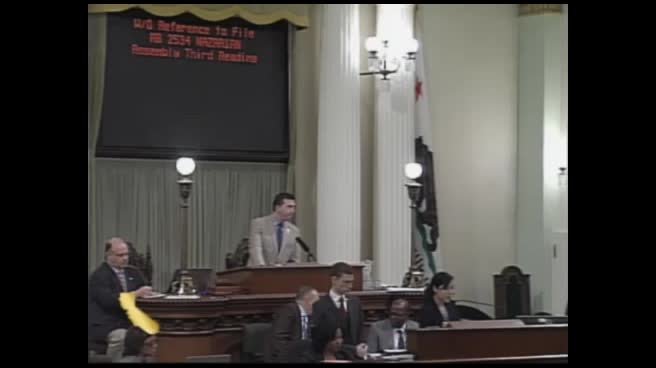
Bill Author

Bill Co-Author(s):