AB 2562: Military service: benefits.
- Session Year: 2015-2016
- House: Assembly
- Latest Version Date: 2016-09-13
Existing law authorizes a reservist, as defined, who is called to active duty on and after January 1, 2014, to defer payments on mortgages, credit cards, retail installment accounts and contracts, real property taxes and assessments, vehicle leases, and obligations owed to utility companies, for the period of active duty plus 60 calendar days, or 180 days, whichever is the lesser, as specified. Existing law authorizes similar provisions to a reservist who was called to active duty before January 1, 2014, as a part of the Iraq and Afghanistan conflicts.
This bill would delete references to the date a reservist is called to active duty, in both the definition of a reservist and the payment deferral provisions, thereby making the above-described benefits available to any reservist who otherwise meets the definition.
(a)Subject to subdivision (b), in addition to any other benefits provided by law and to the extent permitted by federal law, a reservist who is called to active duty may defer payments on any of the following obligations while serving on active duty:
(1)An obligation secured by a mortgage or deed of trust.
(2)Credit Card, as defined in Section 1747.02 of the Civil Code.
(3)Retail installment contract, as defined in Section 1802.6 of the Civil Code.
(4)Retail installment account, installment account, or revolving account, as defined in Section 1802.7 of the Civil Code.
(5)Up to two vehicle loans. For purposes of this chapter, vehicle means a vehicle as defined in Section 670 of the Vehicle Code.
(6)A payment of property tax or any special assessment of in-lieu property tax imposed on real property that is assessed on residential property owned by the reservist and used as that reservists primary place of residence on the date the reservist was ordered to active duty.
(7)An obligation owed to a utility company.
(b)(1)In order for an obligation or liability of a reservist to be subject to the provisions of this chapter, the reservist or the reservists designee shall deliver to the obligor both of the following:
(A)A letter signed by the reservist, under penalty of perjury, requesting a deferment of financial obligations.
(B)A copy of the reservists activation or deployment order and any other information that substantiates the duration of the service members military service.
(2)If required by a financial institution, proof that the reservists employer does not provide continuing income to the reservist while the reservist is on active military duty, including the reservists military pay, of more than 90 percent of the reservists monthly salary and wage income earned before the call to active duty.
(c)Upon request of the reservist or the reservists dependent or designee and within five working days of that request, if applicable, the employer of a reservist shall furnish the letter or other comparable evidence showing that the employers compensation policy does not provide continuing income to the reservist, including the reservists military pay, of more than 90 percent of the reservists monthly salary and wage income earned before the call to active duty.
(d)The deferral period on financial obligations shall be the lesser of 180 days or the period of active duty plus 60 calendar days and shall apply only to those payments due subsequent to the notice provided to a lender as provided in subdivision (b). In addition, the total period of the deferment shall not exceed 180 days within a 365-day period.
(e)If a lender defers payments on a closed end credit obligation or an open-end credit obligation with a maturity date, pursuant to this chapter, the lender shall extend the term of the obligation by the amount of months the obligation was deferred.
(f)If a lender defers payments on an open-end credit obligation pursuant to this chapter, the lender may restrict the availability of additional credit with respect to that obligation during the term of the deferral.
SEC. 2.Section 803 of the Military and Veterans Code is amended to read:803.The following definitions apply for purposes of this chapter:
(a)Reservist means either of the following:
(1)A member of the militia, as defined in Section 120, called or ordered into state military service pursuant to Section 143 or Section 146, or in federal or state military service pursuant to Title 10 or Title 32 of the United States Code.
(2)A reservist of the United States Military Reserve who has been ordered to full-time federal active duty by the President of the United States pursuant to Title 10 of the United States Code.
(b)Military service means either of the following:
(1)Full-time active state service or full-time active federal service of a service member who is a member of the militia, as described in subparagraph (A) of paragraph (1) of subdivision (a).
(2)Full-time active duty of a service member who is a reservist, as described in paragraph (2) of subdivision (a) for a period of 30 consecutive days.
(a)(1)Subject to subdivision (b), in addition to any other benefits provided by law and to the extent permitted by federal law, any member of the United States Military Reserve or the National Guard of this state who is called to active duty after the enactment of this chapter and before January 1, 2014, as a part of the Iraq and Afghanistan conflicts may defer payments on any of the following obligations while serving on active duty:
(A)An obligation secured by a mortgage or deed of trust.
(B)Credit card as defined in Section 1747.02 of the Civil Code.
(C)Retail installment contract as defined in Section 1802.6 of the Civil Code.
(D)Retail installment account, installment account, or revolving account as defined in Section 1802.7 of the Civil Code.
(E)Up to two vehicle loans. For purposes of this chapter, vehicle means a vehicle as defined in Section 670 of the Vehicle Code.
(F)Any payment of property tax or any special assessment of in-lieu property tax imposed on real property that is assessed on residential property owned by the reservist and used as that reservists primary place of residence on the date the reservist was ordered to active duty.
(2)Subject
800.(a)Subject to subdivision (b), in addition to any other benefits provided by law and to the extent permitted by federal law, a reservist who is called to active duty on and after January 1, 2014, may defer payments on any of the following obligations while serving on active duty:
(A)
(1)An obligation secured by a mortgage or deed of trust.
(B)
(2)Credit card Credit Card, as defined in Section 1747.02 of the Civil Code.
(C)
(3)Retail installment contract contract, as defined in Section 1802.6 of the Civil Code.
(D)
(4)Retail installment account, installment account, or revolving account account, as defined in Section 1802.7 of the Civil Code.
(E)
(5)Up to two vehicle loans. For purposes of this chapter, vehicle means a vehicle as defined in Section 670 of the Vehicle Code.
(F)Any
(6)A payment of property tax or any special assessment of in-lieu property tax imposed on real property that is assessed on residential property owned by the reservist and used as that reservists primary place of residence on the date the reservist was ordered to active duty.
(G) Any
(7)An obligation owed to a utility company.
(b)(1)In order for an obligation or liability of a reservist to be subject to the provisions of this chapter, the reservist or the reservists designee shall deliver to the obligor both of the following:
(A)A letter signed by the reservist, under penalty of perjury, requesting a deferment of financial obligations.
(B)A copy of the reservists activation or deployment order and any other information that substantiates the duration of the service members military service.
(2)If required by a financial institution, proof that the reservists employer does not provide continuing income to the reservist while the reservist is on active military duty, including the reservists military pay, of more than 90 percent of the reservists monthly salary and wage income earned before the call to active duty.
(c)Upon request of the reservist or the reservists dependent or designee and within five working days of that request, if applicable, the employer of a reservist shall furnish the letter or other comparable evidence showing that the employers compensation policy does not provide continuing income to the reservist, including the reservists military pay, of more than 90 percent of the reservists monthly salary and wage income earned before the call to active duty.
(d)The deferral period on financial obligations shall be the lesser of 180 days or the period of active duty plus 60 calendar days and shall apply only to those payments due subsequent to the notice provided to a lender as provided in subdivision (b). In addition, the total period of the deferment shall not exceed 180 days within a 365-day period.
(e)If a lender defers payments on a closed end credit obligation or an open-end credit obligation with a maturity date, pursuant to this chapter, the lender shall extend the term of the obligation by the amount of months the obligation was deferred.
(f)If a lender defers payments on an open-end credit obligation pursuant to this chapter, the lender may restrict the availability of additional credit with respect to that obligation during the term of the deferral.
SEC. 2.Section 803 of the Military and Veterans Code is amended to read:803.(a)Before January 1, 2014, for purposes of this chapter, reservist means a member of the United States Military Reserve or National Guard of this state called to active duty as a result of the Iraq conflict pursuant to the Authorization for Use of Military Force Against Iraq Resolution of 2002 (Public Law 107-243) or the Afghanistan conflict pursuant to Presidential Order No. 13239.
(b)On and after January 1, 2014, for purposes of this chapter:
803.The following definitions apply for purposes of this chapter:
(1)
(a)Reservist means either of the following:
(A)
(1)A member of the militia, as defined in Section 120, called or ordered into state military service pursuant to Section 143 or Section 146, or in federal or state military service pursuant to Title 10 or Title 32 of the United States Code.
(B)
(2)A reservist of the United States Military Reserve who has been ordered to full-time federal active duty by the President of the United States pursuant to Title 10 of the United States Code.
(2)
(b)Military service means either of the following:
(A)
(1)Full-time active state service or full-time active federal service of a service member who is a member of the militia, as described in subparagraph (A) of paragraph (1). (1) of subdivision (a).
(B)
(2)Full-time active duty of a service member who is a reservist, as described in subparagraph (B) of paragraph (1), paragraph (2) of subdivision (a) for a period of 30 consecutive days.
|
Date
|
Status
|
|---|---|
| Sep 13, 2016 | Chaptered by Secretary of State - Chapter 332, Statutes of 2016. |
| Sep 13, 2016 | Approved by the Governor. |
| Sep 2, 2016 | Enrolled and presented to the Governor at 12 p.m. |
| Aug 24, 2016 | In Assembly. Ordered to Engrossing and Enrolling. |
| Aug 23, 2016 | Read third time. Passed. Ordered to the Assembly. (Ayes 39. Noes 0. Page 5299.). |
| Aug 23, 2016 | Read third time. Passed. Ordered to the Assembly. |
| Jun 15, 2016 | Read second time. Ordered to third reading. |
| Jun 14, 2016 | From committee: Do pass. (Ayes 5. Noes 0.) (June 14). |
| May 5, 2016 | Referred to Com. on V.A. |
| Apr 21, 2016 | Read third time. Passed. Ordered to the Senate. (Ayes 79. Noes 0. Page 4461.) |
| Apr 21, 2016 | In Senate. Read first time. To Com. on RLS. for assignment. |
| Apr 21, 2016 | Read third time. Passed. Ordered to the Senate. |
| Apr 14, 2016 | Read second time. Ordered to third reading. |
| Apr 13, 2016 | From committee: Do pass. (Ayes 9. Noes 0.) (April 12). |
| Mar 8, 2016 | Referred to Com. on V.A. |
| Feb 22, 2016 | Read first time. |
| Feb 21, 2016 | From printer. May be heard in committee March 22. |
| Feb 19, 2016 | Introduced. To print. |
|
Date
|
Description
|
Location
|
Votes
|
|
|---|---|---|---|---|
| Aug 23, 2016 | Assembly 3rd Reading AB2562 Committee On V.A. (Irwin) By Nielsen | Senate Floor |
Passed |
|
| Jun 14, 2016 | Do pass | Senate Standing Committee on Veterans Affairs |
Passed |
|
| Apr 21, 2016 | AB 2562 V. A. Assembly Third Reading | Assembly Floor |
Passed |
|
| Apr 12, 2016 | Do pass. | Assembly Standing Committee on Veterans Affairs |
Passed |
This list shows positions taken on this bill by organizations on the date displayed, which is linked to the original source.
Positions by individuals are not included.
Office of Senate Floor Analyses (916) 651-1520 Fax: (916) 327-4478 | AB |
THIRD READING
Bill No: AB 2562
:
SENATE VETERANS AFFAIRS COMMITTEE: 5-0, 6/14/16
AYES: Nielsen, Hueso, Allen, Nguyen, Roth
ASSEMBLY FLOOR: 79-0, 4/21/16 - See last page for vote
DIGEST: This bill deletes references to specific dates on which a military servicemember was deployed on active duty. (These dates determine, in part, the servicemember’s eligibility for existing financial and legal protections provided during the time period of the deployment.)
Existing law:
- Authorizes a reservist– who is called to active duty on and after January 1, 2014 – for the period of active duty plus 60 calendar days, or a total of 180 days, whichever is the lesser, to defer payments on:
- Mortgages
- Credit cards
- Retail installment accounts and contracts
- Real property taxes and assessments
- Vehicle leases
- Obligations owed to utility companies
- Authorizes similar provisions to a reservist, who was called to active duty before January 1, 2014, as a part of the Iraq and Afghanistan conflicts.
This bill deletes references to the dates on which a reservist is called to active duty, in both the definition of a reservist and the payment deferral provisions.
Background
Financial and legal protections for deployed troops. Federal law provides specific financial and legal protections for active duty and reserve troops when deployed on federal active duty. The purpose is to allow troops to focus their full attention on their military responsibilities without adverse consequences for them or their families. The most prominent federal laws are:
- The Uniformed Services Employment and Reemployment Rights Act, which is most commonly known by the pronounced acronym “USERRA,” and
- The Servicemembers Civil Relief Act, which provides relief to deployed servicemembers, such as postponing or suspending certain civil obligations.
California state law provides additional, similar protections for servicemembers, primarily in the §§400 and §§800 portions of the Military and Veterans Code.
In general, the federal and state benefits range from prohibiting discrimination in employment on the basis of military or veteran status, securing reemployment rights following deployment, deferral of payment on financial obligations (mortgages and auto loans, utility payments, etc.) until return from deployment, and postponement of civil actions and obligations.
Some of the state protections were enacted initially in response to the events of September 11, 2001. Others were added later over time in piecemeal. The mix of state laws had varied benefit menus and referenced differing conflicts (Afghanistan, Iraq, etc.) and deployment dates. This has led to some confusion among legal and financial institutions in complying with the laws.
Comments
According to the author, a reservist who is called to active duty on and after January 1, 2014, is authorized to defer payments on mortgages, credit cards, retail installment accounts and contracts, real property taxes and assessments, vehicle leases, and obligations owed to utility companies, for the period of active duty plus 60 calendar days, or 180 days, whichever is less. Similar provisions are authorized to a reservist who was called to active duty before January 1, 2014, as a part of the Iraq and Afghanistan conflicts. Assembly Bill 2562 deletes the references to the date a reservist is called to active duty, in both the definition of a reservist and the payment deferral provisions, thereby making the benefits available to any reservist who otherwise meets the definition.
The current wording is a result of drafting to make it abundantly clear that the status quo would be preserved until the effective date of AB 526 (see below under Prior Legislation). This current wording has proven to be confusing to financial institutions. AB 2562 removes the obsolete section of existing code which covered the period before January 1, 2014 and removes the obsolete references to January 1, 2014, since that date has passed. The obsolete language renders this section confusing. This bill does not expand the universe of eligible servicemembers in terms of time or conflict or any other way.
Prior Legislation
AB 526 (Melendez, Chapter 236, Statutes of 2013) extended to a larger class of military reservists the enhanced financial protections currently offered only to service members ordered to active duty as part of the Iraq and Afghanistan conflicts. It also added utility bills to the list of financial obligations subject to statutory deferment.
FISCAL EFFECT: Appropriation: Fiscal Com.: Local:
American G.I. Forum of California
American Legion - Department of California
AMVETS - Department of California
Military Officers Association of America - California Council of Chapters
OPPOSITION: (Verified 6/15/16)
None received
ASSEMBLY FLOOR: 79-0, 4/21/16
AYES: Achadjian, Alejo, Travis Allen, Arambula, Atkins, Baker, Bigelow, Bloom, Bonilla, Bonta, Brough, Brown, Burke, Calderon, Campos, Chang, Chau, Chávez, Chiu, Chu, Cooley, Cooper, Dababneh, Dahle, Daly, Dodd, Eggman, Frazier, Beth Gaines, Gallagher, Cristina Garcia, Eduardo Garcia, Gatto, Gipson, Gomez, Gonzalez, Gordon, Gray, Grove, Hadley, Harper, Roger Hernández, Holden, Irwin, Jones, Jones-Sawyer, Kim, Lackey, Levine, Linder, Lopez, Low, Maienschein, Mathis, Mayes, McCarty, Medina, Melendez, Mullin, Nazarian, Obernolte, O'Donnell, Olsen, Patterson, Quirk, Rodriguez, Salas, Santiago, Steinorth, Mark Stone, Thurmond, Ting, Wagner, Waldron, Weber, Wilk, Williams, Wood, Rendon
NO VOTE RECORDED: Ridley-Thomas
6/15/16 17:24:44
**** END ****
SENATE COMMITTEE ON
Senator Jim Nielsen, Chair
2015 - 2016 Regular
Bill No: Hearing Date: 6/14/16
Author: | Committee on Veterans Affairs | ||
Version: |
| ||
Urgency: | Fiscal: | ||
Consultant: | |||
Subject:
DESCRIPTION
Summary:
Deletes references to specific dates on which a military reservist was called to active duty.
(Note: Existing law provides certain financial protections to military reservists called onto active duty. Eligibility for some protections is limited, in part, by specified calendar dates of activation. This bill makes the protections available to any activated reservist, regardless of date of activation, who otherwise meets the definition of reservist, as defined.)
Existing law:
- Authorizes a reservist– who is called to active duty on and after January 1, 2014 – for the period of active duty plus 60 calendar days, or a total of 180 days, whichever is the lesser, to defer payments on:
- Mortgages;
- Credit cards;
- Retail installment accounts and contracts;
- Real property taxes and assessments;
- Vehicle leases; and
- Obligations owed to utility companies.
- Also authorizes similar provisions to a reservist who was called to active duty before January 1, 2014, as a part of the Iraq and Afghanistan conflicts.
This bill deletes references to the date a reservist is called to active duty, in both the definition of a reservist and the payment deferral provisions,
BACKGROUND
State financial protections for reservists
The State’s intent to provide increased financial protections for servicemembers called to active service can be found in several places in California Law.
In response to the events of September 11, 2001, the California Military Department (CMD) sponsored AB 1433 (Horton), which borrowed heavily from federal law. This bill enabled National Guard members serving in state or federal status and other military reservists performing federal duty to receive financial protections consistent with those found within the federal Soldiers and Sailors Civil Relief Act (SSCRA). These protections were placed in MVC §§400-420.
In 2005, the Legislature enacted AB 306 (Baca) to amend MVC §§800-810, which originally had been enacted in 1991 to address service in the first Gulf War (Desert Storm). This bill expanded and enhanced financial protections of existing laws for members called to active duty due to ongoing conflicts in Iraq (Iraqi and Afghanistan.
Both the §§400 and §§800 portions of the MVC provide for deferment of loans and other obligations during a reserve servicemember’s call to active military service; however these sections are inconsistent in three ways: (1) applicability, (2) the process of obtaining deferrals, and (3) repayment of deferred loans and obligations. This discrepancy inadvertently financially penalizes members who must defer a portion or the entirety of their loan or obligation under MVC §409.3.
In 2010, AB 2455 (Nava) was chaptered into law and made minor, technical corrections to MVC §§800-811. These corrections ensured that all car loans are eligible for deferment and also clarified those financial protections pursuant to MVC §§800-811 were to be extended to the Servicemember's spouse and/or legal dependents.
In 2010, AB 2365 (Lieu) was enacted, allowing California National Guard members and Reservists to receive court awarded damages, including reasonable attorney fees and court costs, incurred while pursuing certain protections under sections of the MVC.
In 2013, SB 720 (Correa) was chaptered into law and revised MVC §409.3 to align with its companion statutes in MVC §§800. These separate statutes both addressed deferment of loans and obligations upon a Servicemember’s call to active military service; however they treated the repayment of the deferred loan or obligation differently. By reconciling and clarifying MVC §409.3 to be consistent with MVC §§800, both Servicemembers and financial institutions now benefit from a more clear and concise statute that protects the interests of both parties.
Also in 2013, AB 526 (Melendez) was chaptered and expanded financial protections given to military reservists called to active duty as part of the Iraq and Afghanistan conflicts to all military reservists called to active duty on and after January 1, 2014. Additionally, this bill authorized the deferral of obligations owed to a utility company and added a requirement for the reservist to provide a copy of their active duty orders to their obligor for the period in which they are deferring a loan or obligation.
COMMENT
Author Comments:
A reservist who is called to active duty on and after January 1, 2014, is authorized to defer payments on mortgages, credit cards, retail installment accounts and contracts, real property taxes and assessments, vehicle leases, and obligations owed to utility companies, for the period of active duty plus 60 calendar days, or 180 days, whichever is less. Similar provisions are authorized to a reservist who was called to active duty before January 1, 2014, as a part of the Iraq and Afghanistan conflicts. Assembly Bill 2562 deletes the references to the date a reservist is called to active duty, in both the definition of a reservist and the payment deferral provisions, thereby making the benefits available to any reservist who otherwise meets the definition.
The current wording is a result of drafting to make it abundantly clear that the status quo would be preserved until the effective date of AB 236 (Melendez, 2013), which enhanced certain financial protections for servicemembers.
This current wording has proven to be confusing to financial institutions. AB 2562 removes the obsolete section of existing code which covered the period before January 1, 2014 and removes the obsolete references to January 1, 2014, since that date has passed. The obsolete language renders this section confusing. This bill does not expand the universe of eligible servicemembers in terms of time or conflict or any other way.
POSITIONS
Sponsor: Author.
Support: None on file.
Oppose: None on file.
-- END --
ASSEMBLY THIRD READING
ATR Bill Id:AB 2562
Author:(Committee on Veterans Affairs)
As Introduced Ver:
Majority vote
Committee | Votes | Ayes | Noes |
Veterans Affairs | 9-0 | Irwin, Chávez, Achadjian, Alejo, Brown, Daly, Frazier, Mathis, Salas |
SUMMARY: Deletes references to the date a reservist is called to active duty, in both the definition of a reservist and the payment deferral provisions, thereby making the above-described benefits available to any reservist who otherwise meets the definition.
EXISTING LAW: Authorizes a reservist, as defined, who is called to active duty on and after January 1, 2014, to defer payments on mortgages, credit cards, retail installment accounts and contracts, real property taxes and assessments, vehicle leases, and obligations owed to utility companies, for the period of active duty plus 60 calendar days, or 180 days, whichever is the lesser, as specified. Also authorizes similar provisions to a reservist who was called to active duty before January 1, 2014, as a part of the Iraq and Afghanistan conflicts.
FISCAL EFFECT: Unknown
COMMENTS: According to the author, the current wording of the law is confusing to financial institutions.
The current wording is a result of drafting to make it abundantly clear that the status quo would be preserved until the effective date of AB 526 (Melendez), Chapter 236, Statutes of 2013, which enhanced certain financial protections for servicemembers.
This bill removes the obsolete section of existing code which covered the period before January 1, 2014 and removes the obsolete references to January 1, 2014, since that date has passed. The obsolete language renders this section confusing. This bill does not expand the universe of eligible servicemembers in terms of time or conflict or any other way.
Analysis Prepared by: John Spangler / V.A. / (916) 319-3550 FN: 0002748
Date of Hearing: April 12, 2016
ASSEMBLY COMMITTEE ON VETERANS AFFAIRS
Jacqui Irwin, Chair
ABPCA Bill Id:AB 2562 (
Author:Committee on Veterans Affairs) – As Introduced Ver:February 19, 2016
SUBJECT: Military service: benefits
SUMMARY: Deletes references to the date a reservist is called to active duty, in both the definition of a reservist and the payment deferral provisions, thereby making the above-described benefits available to any reservist who otherwise meets the definition.
EXISTING LAW: Authorizes a reservist, as defined, who is called to active duty on and after January 1, 2014, to defer payments on mortgages, credit cards, retail installment accounts and contracts, real property taxes and assessments, vehicle leases, and obligations owed to utility companies, for the period of active duty plus 60 calendar days, or 180 days, whichever is the lesser, as specified. Also authorizes similar provisions to a reservist who was called to active duty before January 1, 2014, as a part of the Iraq and Afghanistan conflicts.
FISCAL EFFECT: Unknown.
COMMENTS:
According to the author the current wording of the law has proven to be confusing to financial institutions.
The current wording is a result of drafting to make it abundantly clear that the status quo would be preserved until the effective date of AB 236 (Melendez, 2013), which enhanced certain financial protections for servicemembers.
AB 2562 removes the obsolete section of existing code which covered the period before January 1, 2014 and removes the obsolete references to January 1, 2014, since that date has passed. The obsolete language renders this section confusing. This bill does not expand the universe of eligible servicemembers in terms of time or conflict or any other way.
REGISTERED SUPPORT / OPPOSITION:
Support
None on File.
Opposition
None on File.
Analysis Prepared by: John Spangler / V.A. / (916) 319-3550
Discussed in Hearing
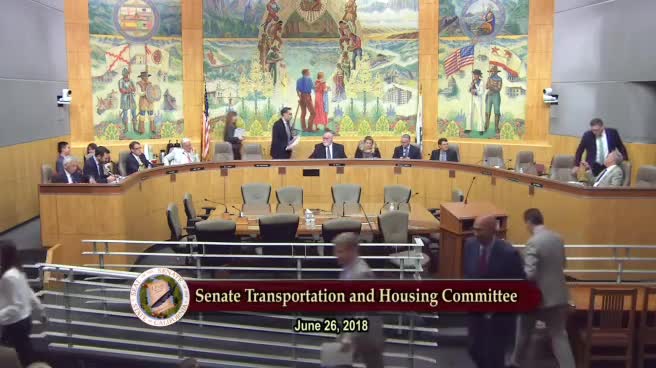 7MIN
Senate Standing Committee on Transportation and Housing
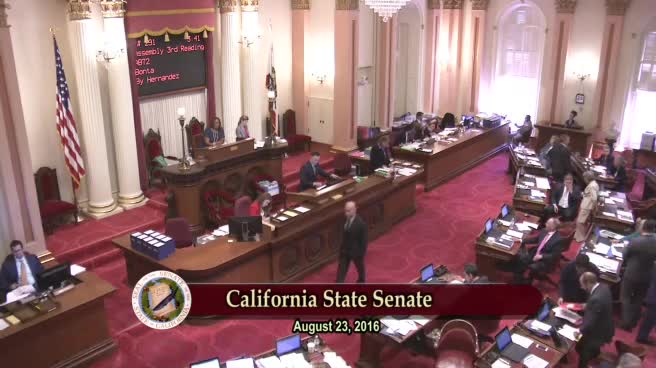 1MIN
Senate Floor
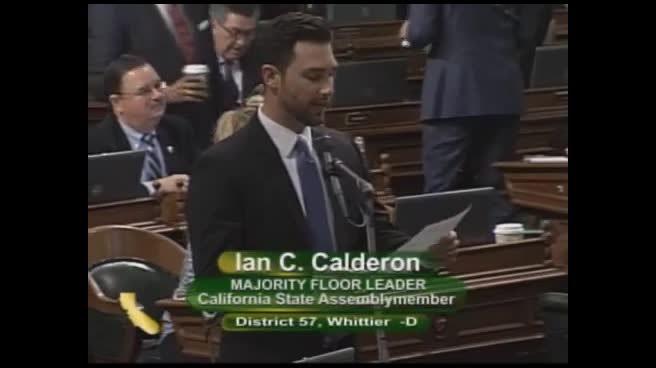 50SEC
Assembly Floor
Bill Author
Bill Co-Author(s):