AB 265: Consumer protection: buy-here-pay-here dealers.
- Session Year: 2015-2016
- House: Assembly
- Latest Version Date: 2015-08-12
Existing law requires buy-here-pay-here dealers, as defined, to provide buyers with specific warranties, disclosures, and services. Existing law prohibits a buy-here-pay-here dealer from locating a vehicle with electronic tracking technology or disabling a vehicle with starter interrupt technology unless the dealer provides written disclosure to the buyer at the time the vehicle is purchased that the vehicle is equipped with starter interrupt technology and that disclosure informs the buyer that a warning will be provided no less than 48 hours before the use of the starter interrupt technology to shut down the vehicle remotely, as specified. Existing law provides that in the event of an emergency the buyer will be provided with the ability to start a dealer-disabled vehicle for no less than 24 hours after the vehicles initial disablement. Existing law makes a violation of this prohibition a misdemeanor punishable as a fine not exceeding $1,000.
This bill would instead require the written disclosure provided to the buyer at the time of sale to inform the buyer that a warning will be provided 5 days before the use of the starter interrupt technology for all weekly payment term contracts and 10 days before the use of starter interrupt technology on all other contracts and a final warning will be provided no less than 48 hours before the use of the starter interrupt technology to shut down the vehicle remotely, as specified. The bill would require the written disclosure provided to the buyer at the time of sale to inform the buyer that in the event of an emergency he or she will be provided with the ability to start a dealer-disabled vehicle for no less than 24 hours after the vehicles initial disablement. The bill would also increase the maximum fine amount from $1,000 to $2,000.
By expanding the scope of a crime, this bill would impose a state-mandated local program.
The California Constitution requires the state to reimburse local agencies and school districts for certain costs mandated by the state. Statutory provisions establish procedures for making that reimbursement.
This bill would provide that no reimbursement is required by this act for a specified reason.
Existing law requires buy-here-pay-here dealers, as defined, to provide buyers with specific warranties, disclosures, and services. Existing law prohibits a buy-here-pay-here dealer from locating a vehicle with electronic tracking technology or disabling a vehicle with starter interrupt technology unless the dealer provides written disclosure to the buyer at the time the vehicle is purchased that the vehicle is equipped with starter interrupt technology and that disclosure informs the buyer that a warning will be provided no less than 48 hours before the use of the starter interrupt technology to shut down the vehicle remotely, as specified. Existing law provides that in the event of an emergency the buyer will be provided with the ability to start a dealer-disabled vehicle for no less than 24 hours after the vehicles initial disablement. Existing law makes a violation of this prohibition a misdemeanor punishable as a fine not exceeding $1,000.
This bill would instead require the written disclosure provided to the buyer at the time of sale to inform the buyer that a warning will be provided 5 days before the use of the starter interrupt technology for all weekly payment term contracts and 10 days before the use of starter interrupt technology on all other contracts and a final warning will be provided no less than 48 hours before the use of the starter interrupt technology to shut down the vehicle remotely, as specified. The bill would require the written disclosure provided to the buyer at the time of sale to inform the buyer that in the event of an emergency he or she will be provided with the ability to start a dealer-disabled vehicle for no less than 24 hours after the vehicles initial disablement. The bill would also increase the maximum fine amount from $1,000 to $2,000.
By expanding the scope of a crime, this bill would impose a state-mandated local program.
The California Constitution requires the state to reimburse local agencies and school districts for certain costs mandated by the state. Statutory provisions establish procedures for making that reimbursement.
This bill would provide that no reimbursement is required by this act for a specified reason.
Existing law requires buy-here-pay-here dealers, as defined, to provide buyers with specific warranties, disclosures, and services. Existing law prohibits a buy-here-pay-here dealer from locating a vehicle with electronic tracking technology or disabling a vehicle with starter interrupt technology unless the dealer provides written disclosure to the buyer at the time the vehicle is purchased that the vehicle is equipped with starter interrupt technology and that disclosure informs the buyer that a warning will be provided no less than 48 hours before the use of the starter interrupt technology to shut down the vehicle remotely, as specified. Existing law provides that in the event of an emergency the buyer will be provided with the ability to start a dealer-disabled vehicle for no less than 24 hours after the vehicles initial disablement. Existing law makes a violation of this prohibition a misdemeanor. misdemeanor punishable as a fine not exceeding $1,000.
This bill would instead require the written disclosure provided to the buyer at the time of sale to inform the buyer that a warning will be provided 10 days before the use of the starter interrupt technology 5 days before the use of the starter interrupt technology for all weekly payment term contracts and 10 days before the use of starter interrupt technology on all other contracts and a final warning will be provided no less than 48 hours before the use of the starter interrupt technology to shut down the vehicle remotely, as specified. By The bill would require the written disclosure provided to the buyer at the time of sale to inform the buyer that in the event of an emergency he or she will be provided with the ability to start a dealer-disabled vehicle for no less than 24 hours after the vehicles initial disablement. The bill would also increase the maximum fine amount from $1,000 to $2,000.
By expanding the scope of a crime, the this bill would impose a state-mandated local program.
The California Constitution requires the state to reimburse local agencies and school districts for certain costs mandated by the state. Statutory provisions establish procedures for making that reimbursement.
This bill would provide that no reimbursement is required by this act for a specified reason.
Existing law requires buy-here-pay-here dealers, as defined, to provide buyers with specific warranties, disclosures, and services. Existing law prohibits a buy-here-pay-here dealer from locating a vehicle with electronic tracking technology or disabling a vehicle with starter interrupt technology unless specified requirements are met, and unless the dealer provides written disclosure to the buyer at the time the vehicle is purchased that the vehicle is equipped with starter interrupt technology and that disclosure informs the buyer that a warning will be provided no less than 48 hours before the use of the starter interrupt technology to shut down the vehicle remotely, as specified. Existing law makes a violation of this prohibition a misdemeanor.
This bill would prohibit a buy-here-pay-here dealer from disabling a vehicle with starter interrupt technology unless the dealer also provides the buyer with specific written disclosures and communications 30 days before the dealer disables the vehicle, as specified. The bill would also require a buy-here-pay-here dealer, if that dealer negotiated a contract pursuant to these provisions in specified languages, to deliver those written disclosures in the language in which the contract was negotiated. By expanding the scope of a crime, this bill would impose a state-mandated local program.
This bill would instead require the written disclosure provided to the buyer at the time of sale to inform the buyer that a warning will be provided 10 days before the use of the starter interrupt technology and a final warning will be provided no less than 48 hours before the use of the starter interrupt technology to shut down the vehicle remotely, as specified. By expanding the scope of a crime, the bill would impose a state-mandated local program.
The California Constitution requires the state to reimburse local agencies and school districts for certain costs mandated by the state. Statutory provisions establish procedures for making that reimbursement.
This bill would provide that no reimbursement is required by this act for a specified reason.
Existing law requires buy-here-pay-here dealers, as defined, to provide buyers with specific warranties, disclosures, and services. Existing law prohibits a buy-here-pay-here dealer from locating a vehicle with electronic tracking technology or disabling a vehicle with starter interrupt technology unless specified requirements are met, and makes a violation of this prohibition a misdemeanor.
This bill would prohibit a buy-here-pay-here dealer from disabling a vehicle with starter interrupt technology unless the dealer also provides the buyer with specific written disclosures and communications 30 days before the dealer disables the vehicle. vehicle, as specified. The bill would also require a buy-here-pay-here dealer, if that dealer negotiated a contract pursuant to these provisions in specified languages, to deliver those written disclosures in the language in which the contract was negotiated. By expanding the scope of a crime, this bill would impose a state-mandated local program.
The California Constitution requires the state to reimburse local agencies and school districts for certain costs mandated by the state. Statutory provisions establish procedures for making that reimbursement.
This bill would provide that no reimbursement is required by this act for a specified reason.
Existing law requires buy-here-pay-here dealers, as defined, to provide buyers with specific warranties, disclosures, and services. Existing law prohibits a buy-here-pay-here dealer from locating a vehicle with electronic tracking technology or disabling a vehicle with starter interrupt technology unless specified requirements are met, and makes a violation of this prohibition a misdemeanor.
This bill would prohibit a buy-here-pay-here dealer from disabling a vehicle with starter interrupt technology unless the dealer also provides the buyer with specific written disclosures 30 days before the dealer disables the vehicle. By expanding the scope of a crime, this bill would impose a state-mandated local program.
The California Constitution requires the state to reimburse local agencies and school districts for certain costs mandated by the state. Statutory provisions establish procedures for making that reimbursement.
This bill would provide that no reimbursement is required by this act for a specified reason.
(a)After a sale of a vehicle under this chapter, a buy-here-pay-here dealer, as defined in Section 241 of the Vehicle Code, shall not do any of the following:
(1) Utilize electronic tracking technology to obtain or record the location of the vehicle, unless the buyer is expressly made aware of the existence and use of the tracking technology by the buy-here-pay-here dealer, the buyers written consent is obtained, and either subparagraph (A) or (B), or both, apply:
(A)The electronic tracking technology is used solely to verify and maintain the operational status of the tracking technology, to repossess the vehicle, or to locate the vehicle to service the loan or keep the loan current.
(B)The electronic tracking technology is used solely for any optional service to the buyer and both of the following conditions are met:
(i)The agreement to utilize electronic tracking technology for the optional service is separate from the purchase and sale agreement, is not a condition of the purchase or sale agreement for the vehicle, and is executed after the completion of the purchase or sale agreement for the vehicle.
(ii)The buyer is permitted to cancel the optional service at any point in the future without affecting the sale of the vehicle, and is informed of his or her ability to do so.
(2)Disable the vehicle by using starter interrupt technology, unless the buy-here-pay-here dealer complies with all of the following provisions:
(A)Notifies the buyer in writing at the time of the sale that the vehicle is equipped with starter interrupt technology, which the buy-here-pay-here dealer can use to shut down the vehicle remotely.
(B)The written disclosure provided to the buyer at the time of sale informs the buyer that a warning will be provided five days before the use of the starter interrupt technology for all weekly payment term contracts and 10 days before the use of starter interrupt technology on all other contracts, and a final warning will be provided no less than 48 hours before the use of the starter interrupt technology to shut down the vehicle remotely and discloses the manner and method in which that warning will occur. The dealer shall offer the buyer a choice of warning methods, including warning from the device, telephone call, email, or text message, if available, provided that the warning method does not violate applicable state or federal law.
(C)The written disclosure provided to the buyer at the time of sale informs the buyer that in the event of an emergency, the buyer will be provided with the ability to start a dealer-disabled vehicle for no less than 24 hours after the vehicles initial disablement.
(b)A buy-here-pay-here dealer shall not require the buyer to make payments to the seller in person. For purposes of this subdivision, payments does not include the downpayment. If the buyer tenders timely payment of a deferred downpayment, the dealer shall not repossess the vehicle or impose any other charge or penalty on the grounds that the payment was not made in person.
(c)Each violation of this section is a misdemeanor punishable by a fine not exceeding two thousand dollars ($2,000).
SEC. 2.No reimbursement is required by this act pursuant to Section 6 of Article XIIIB of the California Constitution because the only costs that may be incurred by a local agency or school district will be incurred because this act creates a new crime or infraction, eliminates a crime or infraction, or changes the penalty for a crime or infraction, within the meaning of Section 17556 of the Government Code, or changes the definition of a crime within the meaning of Section 6 of Article XIIIB of the California Constitution.
(a)After a sale of a vehicle under this chapter, a buy-here-pay-here dealer, as defined in Section 241 of the Vehicle Code, shall not do any of the following:
(1) Utilize electronic tracking technology to obtain or record the location of the vehicle, unless the buyer is expressly made aware of the existence and use of the tracking technology by the buy-here-pay-here dealer, the buyers written consent is obtained, and either subparagraph (A) or (B), or both, apply:
(A)The electronic tracking technology is used solely to verify and maintain the operational status of the tracking technology, to repossess the vehicle, or to locate the vehicle to service the loan or keep the loan current.
(B)The electronic tracking technology is used solely for any optional service to the buyer and both of the following conditions are met:
(i)The agreement to utilize electronic tracking technology for the optional service is separate from the purchase and sale agreement, is not a condition of the purchase or sale agreement for the vehicle, and is executed after the completion of the purchase or sale agreement for the vehicle.
(ii)The buyer is permitted to cancel the optional service at any point in the future without affecting the sale of the vehicle, and is informed of his or her ability to do so.
(2)Disable the vehicle by using starter interrupt technology, unless the buy-here-pay-here dealer complies with all of the following provisions:
(A)Notifies the buyer in writing at the time of the sale that the vehicle is equipped with starter interrupt technology, which the buy-here-pay-here dealer can use to shut down the vehicle remotely.
(B)The written disclosure provided to the buyer at the time of sale informs the buyer that a warning will be provided five days before the use of the starter interrupt technology for all weekly payment term contracts and 10 days before the use of starter interrupt technology on all other contracts, and a final warning will be provided no less than 48 hours before the use of the starter interrupt technology to shut down the vehicle remotely and discloses the manner and method in which that warning will occur. The dealer shall offer the buyer a choice of warning methods, including warning from the device, telephone call, email, or text message, if available, provided that the warning method does not violate applicable state or federal law.
(C)The written disclosure provided to the buyer at the time of sale informs the buyer that in the event of an emergency, the buyer will be provided with the ability to start a dealer-disabled vehicle for no less than 24 hours after the vehicles initial disablement.
(b)A buy-here-pay-here dealer shall not require the buyer to make payments to the seller in person. For purposes of this subdivision, payments does not include the downpayment. If the buyer tenders timely payment of a deferred downpayment, the dealer shall not repossess the vehicle or impose any other charge or penalty on the grounds that the payment was not made in person.
(c)Each violation of this section is a misdemeanor punishable by a fine not exceeding two thousand dollars ($2,000).
SEC. 2.No reimbursement is required by this act pursuant to Section 6 of Article XIIIB of the California Constitution because the only costs that may be incurred by a local agency or school district will be incurred because this act creates a new crime or infraction, eliminates a crime or infraction, or changes the penalty for a crime or infraction, within the meaning of Section 17556 of the Government Code, or changes the definition of a crime within the meaning of Section 6 of Article XIIIB of the California Constitution.
(a)After a sale of a vehicle under this chapter, a buy-here-pay-here dealer, as defined in Section 241 of the Vehicle Code, shall not do any of the following:
(1) Utilize electronic tracking technology to obtain or record the location of the vehicle, unless the buyer is expressly made aware of the existence and use of the tracking technology by the buy-here-pay-here dealer, the buyers written consent is obtained, and either subparagraph (A) or (B), or both, apply:
(A)The electronic tracking technology is used solely to verify and maintain the operational status of the tracking technology, to repossess the vehicle, or to locate the vehicle to service the loan or keep the loan current.
(B)The electronic tracking technology is used solely for any optional service to the buyer and both of the following conditions are met:
(i)The agreement to utilize electronic tracking technology for the optional service is separate from the purchase and sale agreement, is not a condition of the purchase or sale agreement for the vehicle, and is executed after the completion of the purchase or sale agreement for the vehicle.
(ii)The buyer is permitted to cancel the optional service at any point in the future without affecting the sale of the vehicle, and is informed of his or her ability to do so.
(2)Disable the vehicle by using starter interrupt technology, unless the buy-here-pay-here dealer complies with all of the following provisions:
(A)Notifies the buyer in writing at the time of the sale that the vehicle is equipped with starter interrupt technology, which the buy-here-pay-here dealer can use to shut down the vehicle remotely.
(B)The written disclosure provided to the buyer at the time of sale informs the buyer that a warning will be provided 10 days before the use of the starter interrupt technology, five days before the use of the starter interrupt technology for all weekly payment term contracts and 10 days before the use of starter interrupt technology on all other contracts, and a final warning will be provided no less than 48 hours before the use of the starter interrupt technology to shut down the vehicle remotely and discloses the manner and method in which that warning will occur. The dealer shall offer the buyer a choice of warning methods, including warning from the device, telephone call, email, or text message, if available, provided that the warning method does not violate applicable state or federal law.
(C)In The written disclosure provided to the buyer at the time of sale informs the buyer that in the event of an emergency, the buyer will be provided with the ability to start a dealer-disabled vehicle for no less than 24 hours after the vehicles initial disablement.
(b)A buy-here-pay-here dealer shall not require the buyer to make payments to the seller in person. For purposes of this subdivision, payments does not include the downpayment. If the buyer tenders timely payment of a deferred downpayment, the dealer shall not repossess the vehicle or impose any other charge or penalty on the grounds that the payment was not made in person.
(c)Each violation of this section is a misdemeanor punishable by a fine not exceeding one thousand dollars ($1,000). two thousand dollars ($2,000).
SEC. 2.No reimbursement is required by this act pursuant to Section 6 of Article XIIIB of the California Constitution because the only costs that may be incurred by a local agency or school district will be incurred because this act creates a new crime or infraction, eliminates a crime or infraction, or changes the penalty for a crime or infraction, within the meaning of Section 17556 of the Government Code, or changes the definition of a crime within the meaning of Section 6 of Article XIIIB of the California Constitution.
(a)After a sale of a vehicle under this chapter, a buy-here-pay-here dealer, as defined in Section 241 of the Vehicle Code, shall not do any of the following:
(1) Utilize electronic tracking technology to obtain or record the location of the vehicle, unless the buyer is expressly made aware of the existence and use of the tracking technology by the buy-here-pay-here dealer, the buyers written consent is obtained, and subparagraph (A), (B), or both, apply:
(A)The electronic tracking technology is used solely to verify and maintain the operational status of the tracking technology, to repossess the vehicle, or to locate the vehicle to service the loan or keep the loan current.
(B)The electronic tracking technology is used solely for an optional service to the buyer and both of the following conditions are met:
(i)The agreement to utilize electronic tracking technology for the optional service is separate from the purchase and sale agreement, is not a condition of the purchase or sale agreement for the vehicle, and is executed after the completion of the purchase or sale agreement for the vehicle.
(ii)The buyer is permitted to cancel the optional service at any point in the future without affecting the sale of the vehicle, and is informed of his or her ability to do so.
(2)Disable the vehicle by using starter interrupt technology, unless the buy-here-pay-here dealer complies with all of the following:
(A)At the time of the sale, the buy-here-pay-here dealer provides the buyer written notice of both of the following:
(i)That the vehicle is equipped with starter interrupt technology that the buy-here-pay-here dealer can use to shut down the vehicle remotely.
(ii)That a warning will be provided no less than 48 hours before the use of the starter interrupt technology to shut down the vehicle remotely and the manner and method in which that warning will occur. The buy-here-pay-here dealer shall offer the buyer a choice of warning methods, including warning from the device, telephone call, email, or text message, if available, provided that the warning method does not violate applicable state or federal law.
(B)At least 30 days prior to disabling the vehicle for the buyers failure to tender timely loan repayments, the buy-here-pay-here dealer does both of the following:
(i)Provides the buyer written notice of all of the following:
(I)That the loan is past due.
(II)The amount currently due on the loan.
(III)The acceptable forms of payment of the amount currently due, so long as that form of payment is not prohibited by subdivision (b).
(IV)That the buy-here-pay-here dealer may use starter interrupt technology to disable the vehicle as of 30 days from the mailing date of the notice.
(V)That the vehicle will not be disabled if the buyer tenders the amount specified in subclause (II) to the dealer using an acceptable form of payment within 30 days of the mailing date of the notice.
(VI)That, if the amount due is not paid, a warning will be provided using the warning method specified at the time of sale to the buyer no less than 48 hours before the use of the starter interrupt technology to shut down the vehicle remotely.
(ii)Communicate, within 48 hours of mailing the notice required by clause (i), to the buyer that the notice has been sent. The buy-here-pay-here dealer shall offer the buyer at the time of sale a choice of communication methods, including, a telephone call, email, or text message, if available, provided that the warning method does not violate applicable state or federal law. The communication required by this clause shall provide the buyer with notice of the following:
(I)That the loan is past due.
(II)The amount currently due on the loan.
(III)The acceptable forms of payment of the amount currently due, so long as that form of payment is not prohibited by subdivision (b).
(IV)That written notice of the past due loan has been mailed to the buyers last known address and provide the mailing date of the notice.
(V)That the buy-here-pay-here dealer may use starter interrupt technology to disable the vehicle as of 30 days from the mailing date of the notice.
(VI)That the vehicle will not be disabled if the buyer tenders the amount specified in subclause (II) to the dealer using an acceptable form of payment within 30 days of the mailing date of the notice.
(VII)That, should the loan not be paid, a warning will be provided to the buyer, using the method specified at the time of sale, no less than 48 hours before the use of the starter interrupt technology to shut down the vehicle remotely.
(C)A buy-here-pay-here dealer shall keep a physical copy of all notices sent pursuant to clause (i) of subparagraph (B) for at least one year following the mailing date of that notice.
(D)Any buy-here-pay-here dealer who negotiated any contract pursuant to this chapter primarily in Spanish, Chinese, Tagalog, Vietnamese, or Korean, orally or in writing, shall deliver the notice required by subparagraph (B) to the other party to the contract in the language in which the contract was negotiated.
(E) In the event of an emergency, the buyer will be provided with the ability to start a dealer-disabled vehicle for no less than 24 hours after the vehicles initial disablement.
(b)A buy-here-pay-here dealer shall not require the buyer to make payments to the seller in person. For purposes of this subdivision, payments does not include the downpayment. If the buyer tenders timely payment of a deferred downpayment, the dealer shall not repossess the vehicle or impose any other charge or penalty on the grounds that the payment was not made in person.
(c)A violation of this section is a misdemeanor punishable by a fine not exceeding one thousand dollars ($1,000).
SECTION 1.Section 2983.37 of the Civil Code is amended to read:2983.37.(a)After a sale of a vehicle under this chapter, a buy-here-pay-here dealer, as defined in Section 241 of the Vehicle Code, shall not do any of the following:
(1) Utilize electronic tracking technology to obtain or record the location of the vehicle, unless the buyer is expressly made aware of the existence and use of the tracking technology by the buy-here-pay-here dealer, the buyers written consent is obtained, and either subparagraph (A) or (B), or both, apply:
(A)The electronic tracking technology is used solely to verify and maintain the operational status of the tracking technology, to repossess the vehicle, or to locate the vehicle to service the loan or keep the loan current.
(B)The electronic tracking technology is used solely for any optional service to the buyer and both of the following conditions are met:
(i)The agreement to utilize electronic tracking technology for the optional service is separate from the purchase and sale agreement, is not a condition of the purchase or sale agreement for the vehicle, and is executed after the completion of the purchase or sale agreement for the vehicle.
(ii)The buyer is permitted to cancel the optional service at any point in the future without affecting the sale of the vehicle, and is informed of his or her ability to do so.
(2)Disable the vehicle by using starter interrupt technology, unless the buy-here-pay-here dealer complies with all of the following provisions:
(A)Notifies the buyer in writing at the time of the sale that the vehicle is equipped with starter interrupt technology, which the buy-here-pay-here dealer can use to shut down the vehicle remotely.
(B)The written disclosure provided to the buyer at the time of sale informs the buyer that a warning will be provided 10 days before the use of the starter interrupt technology, and a final warning will be provided no less than 48 hours before the use of the starter interrupt technology to shut down the vehicle remotely and discloses the manner and method in which that warning will occur. The dealer shall offer the buyer a choice of warning methods, including warning from the device, telephone call, email, or text message, if available, provided that the warning method does not violate applicable state or federal law.
(C)In the event of an emergency, the buyer will be provided with the ability to start a dealer-disabled vehicle for no less than 24 hours after the vehicles initial disablement.
(b)A buy-here-pay-here dealer shall not require the buyer to make payments to the seller in person. For purposes of this subdivision, payments does not include the downpayment. If the buyer tenders timely payment of a deferred downpayment, the dealer shall not repossess the vehicle or impose any other charge or penalty on the grounds that the payment was not made in person.
(c)A Each violation of this section is a misdemeanor punishable by a fine not exceeding one thousand dollars ($1,000).
SEC. 2.No reimbursement is required by this act pursuant to Section 6 of Article XIIIB of the California Constitution because the only costs that may be incurred by a local agency or school district will be incurred because this act creates a new crime or infraction, eliminates a crime or infraction, or changes the penalty for a crime or infraction, within the meaning of Section 17556 of the Government Code, or changes the definition of a crime within the meaning of Section 6 of Article XIIIB of the California Constitution.
(a)After a sale of a vehicle under this chapter, a buy-here-pay-here dealer, as defined in Section 241 of the Vehicle Code, shall not do any of the following:
(1) Utilize electronic tracking technology to obtain or record the location of the vehicle, unless the buyer is expressly made aware of the existence and use of the tracking technology by the buy-here-pay-here dealer, the buyers written consent is obtained, and either subparagraph (A) or (A), (B), or both, apply:
(A)The electronic tracking technology is used solely to verify and maintain the operational status of the tracking technology, to repossess the vehicle, or to locate the vehicle to service the loan or keep the loan current.
(B)The electronic tracking technology is used solely for an optional service to the buyer and both of the following conditions are met:
(i)The agreement to utilize electronic tracking technology for the optional service is separate from the purchase and sale agreement, is not a condition of the purchase or sale agreement for the vehicle, and is executed after the completion of the purchase or sale agreement for the vehicle.
(ii)The buyer is permitted to cancel the optional service at any point in the future without affecting the sale of the vehicle, and is informed of his or her ability to do so.
(2)Disable the vehicle by using starter interrupt technology, unless the buy-here-pay-here dealer complies with all of the following:
(A)At the time of the sale, the buy-here-pay-here dealer provides the buyer written notice of both of the following:
(i)That the vehicle is equipped with starter interrupt technology that the buy-here-pay-here dealer can use to shut down the vehicle remotely.
(ii)That a warning will be provided no less than 48 hours before the use of the starter interrupt technology to shut down the vehicle remotely and the manner and method in which that warning will occur. The buy-here-pay-here dealer shall offer the buyer a choice of warning methods, including warning from the device, telephone call, e-mail, email, or text message, if available, provided that the warning method does not violate applicable state or federal law.
(B)At least 30 days prior to disabling the vehicle for the buyers failure to tender timely loan repayments, the buy-here-pay-here dealer provides the buyer written notice of all does both of the following:
(i)Provides the buyer written notice of all of the following:
(i)
(I)That the loan is past due.
(ii) That the buy-here-pay-here dealer may use starter interrupt technology to disable the vehicle within 30 days of the mailing date of the notice.
(iii)The amount currently due on the loan.
(II)The amount currently due on the loan.
(iv)
(III)The acceptable forms of payment of the amount currently due. due, so long as that form of payment is not prohibited by subdivision (b).
(IV)That the buy-here-pay-here dealer may use starter interrupt technology to disable the vehicle as of 30 days from the mailing date of the notice.
(v)
(V)That the vehicle will not be disabled if the buyer tenders the amount currently due on the loan to the buy-here-pay-here dealer in an specified in subclause (II) to the dealer using an acceptable form of payment within 30 days of the mailing date of the notice.
(vi)
(VI)That, if the loan amount due is not paid, a warning will be provided using the warning method specified at the time of sale to the buyer no less than 48 hours before the use of the starter interrupt technology to shut down the vehicle remotely.
(ii)Communicate, within 48 hours of mailing the notice required by clause (i), to the buyer that the notice has been sent. The buy-here-pay-here dealer shall offer the buyer at the time of sale a choice of communication methods, including, a telephone call, email, or text message, if available, provided that the warning method does not violate applicable state or federal law. The communication required by this clause shall provide the buyer with notice of the following:
(I)That the loan is past due.
(II)The amount currently due on the loan.
(III)The acceptable forms of payment of the amount currently due, so long as that form of payment is not prohibited by subdivision (b).
(IV)That written notice of the past due loan has been mailed to the buyers last known address and provide the mailing date of the notice.
(V)That the buy-here-pay-here dealer may use starter interrupt technology to disable the vehicle as of 30 days from the mailing date of the notice.
(VI)That the vehicle will not be disabled if the buyer tenders the amount specified in subclause (II) to the dealer using an acceptable form of payment within 30 days of the mailing date of the notice.
(VII)That, should the loan not be paid, a warning will be provided to the buyer, using the method specified at the time of sale, no less than 48 hours before the use of the starter interrupt technology to shut down the vehicle remotely.
(C)A buy-here-pay-here dealer shall keep a physical copy of all notices sent pursuant to clause (i) of subparagraph (B) for at least one year following the mailing date of that notice.
(D)Any buy-here-pay-here dealer who negotiated any contract pursuant to this chapter primarily in Spanish, Chinese, Tagalog, Vietnamese, or Korean, orally or in writing, shall deliver the notice required by subparagraph (B) to the other party to the contract in the language in which the contract was negotiated.
(C)
(E) In the event of an emergency, the buyer will be provided with the ability to start a dealer-disabled vehicle for no less than 24 hours after the vehicles initial disablement.
(b)A buy-here-pay-here dealer shall not require the buyer to make payments to the seller in person. For purposes of this subdivision, payments does not include the downpayment. If the buyer tenders timely payment of a deferred downpayment, the dealer shall not repossess the vehicle or impose any other charge or penalty on the grounds that the payment was not made in person.
(c)A violation of this section is a misdemeanor punishable by a fine not exceeding one thousand dollars ($1,000).
SEC. 2.No reimbursement is required by this act pursuant to Section 6 of Article XIIIB of the California Constitution because the only costs that may be incurred by a local agency or school district will be incurred because this act creates a new crime or infraction, eliminates a crime or infraction, or changes the penalty for a crime or infraction, within the meaning of Section 17556 of the Government Code, or changes the definition of a crime within the meaning of Section 6 of Article XIIIB of the California Constitution.
(a)After a sale of a vehicle under this chapter, a buy-here-pay-here dealer, as defined in Section 241 of the Vehicle Code, shall not do any of the following:
(1) Utilize electronic tracking technology to obtain or record the location of the vehicle, unless the buyer is expressly made aware of the existence and use of the tracking technology by the buy-here-pay-here dealer, the buyers written consent is obtained, and either subparagraph (A) or (B), or both, apply:
(A)The electronic tracking technology is used solely to verify and maintain the operational status of the tracking technology, to repossess the vehicle, or to locate the vehicle to service the loan or keep the loan current.
(B)The electronic tracking technology is used solely for any an optional service to the buyer and both of the following conditions are met:
(i)The agreement to utilize electronic tracking technology for the optional service is separate from the purchase and sale agreement, is not a condition of the purchase or sale agreement for the vehicle, and is executed after the completion of the purchase or sale agreement for the vehicle.
(ii)The buyer is permitted to cancel the optional service at any point in the future without affecting the sale of the vehicle, and is informed of his or her ability to do so.
(2)Disable the vehicle by using starter interrupt technology, unless the buy-here-pay-here dealer complies with all of the following provisions: following:
(A)Notifies the buyer in writing at the time of the sale that
(A)At the time of the sale, the buy-here-pay-here dealer provides the buyer written notice of both of the following:
(i)That the vehicle is equipped with starter interrupt technology, which technology that the buy-here-pay-here dealer can use to shut down the vehicle remotely.
(B)The written disclosure provided to the buyer at the time of sale informs the buyer that
(ii)That a warning will be provided no less than 48 hours before the use of the starter interrupt technology to shut down the vehicle remotely and discloses the manner and method in which that warning will occur. The buy-here-pay-here dealer shall offer the buyer a choice of warning methods, including warning from the device, telephone call, e-mail, or text message, if available, provided that the warning method does not violate applicable state or federal law.
(B)At least 30 days prior to disabling the vehicle for the buyers failure to tender timely loan repayments, the buy-here-pay-here dealer provides the buyer written notice of all of the following:
(i)That the loan is past due.
(ii)That the buy-here-pay-here dealer may use starter interrupt technology to disable the vehicle within 30 days of the mailing date of the notice.
(iii)The amount currently due on the loan.
(iv)The acceptable forms of payment of the amount currently due.
(v)That the vehicle will not be disabled if the buyer tenders the amount currently due on the loan to the buy-here-pay-here dealer in an acceptable form of payment within 30 days of the mailing date of the notice.
(vi)That, if the loan is not paid, a warning will be provided using the warning method specified at the time of sale to the buyer no less than 48 hours before the use of the starter interrupt technology to shut down the vehicle remotely.
(C) In the event of an emergency, the buyer will be provided with the ability to start a dealer-disabled vehicle for no less than 24 hours after the vehicles initial disablement.
(b)A buy-here-pay-here dealer shall not require the buyer to make payments to the seller in person. For purposes of this subdivision, payments does not include the downpayment. If the buyer tenders timely payment of a deferred downpayment, the dealer shall not repossess the vehicle or impose any other charge or penalty on the grounds that the payment was not made in person.
(c)A violation of this section is a misdemeanor punishable by a fine not exceeding one thousand dollars ($1,000).
SEC. 2.No reimbursement is required by this act pursuant to Section 6 of Article XIIIB of the California Constitution because the only costs that may be incurred by a local agency or school district will be incurred because this act creates a new crime or infraction, eliminates a crime or infraction, or changes the penalty for a crime or infraction, within the meaning of Section 17556 of the Government Code, or changes the definition of a crime within the meaning of Section 6 of Article XIIIB of the California Constitution.
|
Date
|
Status
|
|---|---|
| Aug 12, 2015 | Chaptered by Secretary of State - Chapter 179, Statutes of 2015. |
| Aug 12, 2015 | Approved by the Governor. |
| Aug 3, 2015 | Enrolled and presented to the Governor at 3 p.m. |
| Jul 16, 2015 | Senate amendments concurred in. To Engrossing and Enrolling. (Ayes 79. Noes 0. Page 2412.). |
| Jul 16, 2015 | Senate amendments concurred in. To Engrossing and Enrolling. |
| Jul 13, 2015 | In Assembly. Concurrence in Senate amendments pending. May be considered on or after July 15 pursuant to Assembly Rule 77. |
| Jul 13, 2015 | Read third time. Passed. Ordered to the Assembly. (Ayes 38. Noes 0. Page 1901.). |
| Jul 13, 2015 | Read third time. Passed. Ordered to the Assembly. |
| Jul 7, 2015 | Read second time. Ordered to third reading. |
| Jul 6, 2015 | From committee: Be placed on second reading file pursuant to Senate Rule 28.8. |
| Jun 23, 2015 | Read second time and amended. Re-referred to Com. on APPR. |
| Jun 22, 2015 | From committee: Amend, and do pass as amended and re-refer to Com. on APPR. (Ayes 6. Noes 0.) (June 16). |
| May 14, 2015 | Referred to Com. on JUD. |
| Apr 30, 2015 | In Senate. Read first time. To Com. on RLS. for assignment. |
| Apr 30, 2015 | Read third time. Passed. Ordered to the Senate. (Ayes 77. Noes 0. Page 1217.) |
| Apr 30, 2015 | Read third time. Passed. Ordered to the Senate. |
| Apr 23, 2015 | Read second time. Ordered to third reading. |
| Apr 22, 2015 | From committee: Do pass. (Ayes 17. Noes 0.) (April 22). |
| Apr 8, 2015 | From committee: Do pass and re-refer to Com. on APPR. (Ayes 11. Noes 0.) (April 7). Re-referred to Com. on APPR. |
| Apr 6, 2015 | Re-referred to Com. on P. & C.P. |
| Mar 26, 2015 | From committee chair, with author's amendments: Amend, and re-refer to Com. on P. & C.P. Read second time and amended. |
| Mar 10, 2015 | Re-referred to Com. on P. & C.P. |
| Mar 9, 2015 | From committee chair, with author's amendments: Amend, and re-refer to Com. on P. & C.P. Read second time and amended. |
| Feb 17, 2015 | Referred to Com. on P. & C.P. |
| Feb 11, 2015 | From printer. May be heard in committee March 13. |
| Feb 10, 2015 | Read first time. To print. |
|
Date
|
Description
|
Location
|
Votes
|
|
|---|---|---|---|---|
| Jul 16, 2015 | AB 265 HOLDEN Concurrence in Senate Amendments | Assembly Floor |
Passed |
|
| Jul 13, 2015 | Assembly 3rd Reading AB265 Holden By Wieckowski | Senate Floor |
Passed |
|
| Jun 16, 2015 | Do pass as amended, but first amend, and re-refer to the Committee on [Appropriations] | Senate Standing Committee on Judiciary |
Passed |
|
| Apr 30, 2015 | AB 265 HOLDEN Assembly Third Reading | Assembly Floor |
Passed |
|
| Apr 22, 2015 | Do pass. | Assembly Standing Committee on Appropriations |
Passed |
|
| Apr 7, 2015 | Do pass and be re-referred to the Committee on [Appropriations] | Assembly Standing Committee on Privacy and Consumer Protection |
Passed |
This list shows positions taken on this bill by organizations on the date displayed, which is linked to the original source.
Positions by individuals are not included.
AB 265
Page 2
CONCURRENCE IN SENATE AMENDMENTS
AB 265
(Holden)
As Amended June 23, 2015
Majority vote
ASSEMBLY: |
77-0 |
(April 30, 2015) |
SENATE: |
38-0 |
(July 13, 2015) |
Original Committee Reference: P. & C.P.
SUMMARY: Requires a buy-here-pay-here (BHPH) automobile dealer to provide five days' notice to consumers with weekly payment term contracts, or 10 days' notice on all other contracts, before using starter interrupt technology to disable an automobile after the consumer defaults on a finance payment, and increases the maximum fine amount for violations from $1,000 to $2,000. Specifically, this bill:
Amends the written disclosure provided to the buyer at the time of sale to inform the buyer that a warning will be provided five days before the use of the starter interrupt technology for all weekly payment term contracts, and 10 days before the use of starter interrupt technology for all other contracts.
Specifies that the written disclosure must inform the buyer that in event of an emergency, the buyer will be provided with the ability to start a dealer-disabled vehicle for no less than 24 hours after the vehicle's initial disablement.
Increases the penalty for violation of BHPH dealer consumer notice requirements, with each violation being a misdemeanor punishable by a fine not exceeding $2,000.
Declares that no reimbursement is required pursuant to the California Constitution because the only costs that may be incurred by a local agency or school district will be incurred because this act creates a new crime or infraction, eliminates a crime or infraction, changes the penalty for a crime or infraction, or changes the definition of a crime.
The Senate amendments:
Reduce the warning period provided to the buyer for all weekly payment term contracts from 10 days to five before starter interrupt technology may be used.
Specify that a 10-day notification period applies to all other contracts.
Clarify that the written disclosure provided to the buyer at the time of sale must inform the buyer that in the event of an emergency, the buyer will be provided with the ability to start a dealer-disabled vehicle for no less than 24 hours after the vehicle's initial disablement.
Increase the fine for each violation of Civil Code Section 2983.37 from $1,000 to $2,000.
FISCAL EFFECT: According to the Senate Appropriations Committee, pursuant to Senate Rule 28.8, negligible state costs.
COMMENTS:
This bill is intended to provide consumers who purchase automobiles from BHPH dealers with an additional measure protection by requiring the dealer to provide an initial notice to a consumer (five days for weekly payment term contracts, and 10 days for all others), in addition to a final 48-hour notice, before it can disable the car remotely with a starter interrupt device after a missed loan payment. The measure also doubles the maximum penalty for a violation from $1,000 to $2,000. This bill is author-sponsored.
State law broadly defines a BHPH car dealer as one that sells or leases an automobile to a consumer, but maintains most of the financing interest rather than assigning it to a bank or other lender. Put another way, the BHPH dealer and lender are generally the same entity – loan payments are made to the same entity that sold the car.
In practice, BHPH arrangements are considered more financially risky, and are aimed at individuals with poor or no credit histories or those with a low credit score who would otherwise have difficulty getting financing for a car, and who pay higher interest rates to the BHPH dealer as a result. BHPH customers are also often required to make loan repayments on a bi-monthly or even weekly basis.
Under current law, a BHPH dealer that wishes to use starter interrupt technology on a car must notify the buyer in writing at the time of sale, and provide a separate notice to the consumer at least 48 hours before the technology would be used. Buyers must also be provided with the ability to restart a disabled vehicle for at least 24 hours in the event of an emergency. A violation of these and other protections is a misdemeanor punishable by a fine of up to $1,000.
Analysis Prepared by: Hank Dempsey / P. & C.P. / (916) 319-2200 FN: 0001189
AB 265
Page 7
|
Office of Senate Floor Analyses (916) 651-1520 Fax: (916) 327-4478 |
THIRD READING
Bill No: AB 265
Amended: 6/23/15 in Senate
SENATE JUDICIARY COMMITTEE: 6-0, 6/16/15
AYES: Jackson, Moorlach, Anderson, Hertzberg, Leno, Monning
NO VOTE RECORDED: Wieckowski
SENATE APPROPRIATIONS COMMITTEE: Senate Rule 28.8
ASSEMBLY FLOOR: 77-0, 4/30/15 - See last page for vote
SUBJECT: Consumer protection: buy-here-pay-here dealers
DIGEST: This bill amends existing disclosure requirements for buy-here-pay-here dealers by requiring dealers to provide a warning 10 days before using starter interrupt technology, or five days before using the technology for all weekly payment term contracts, and a final warning no less than 48 hours before using the technology to remotely shut down a vehicle. This bill also increases the penalty assessed for violating buy-here-pay-here dealer disclosure requirements to $2,000 per occurrence.
Existing law:
Sets forth, in the Rees-Levering Act, requirements with regard to disclosures required in a conditional sale contract for the sale of a motor vehicle, including specified disclosures regarding finance charges, and sets forth the permissible fees and charges in an automobile conditional sale contract for the sale of a motor vehicle. (Civ. Code Sec. 2982.)
Requires all car dealers to provide a document indicating the price of specified items purchased (including, among other things, any service contract, insurance product, debt cancellation agreement, or theft deterrent device) and stating the cost of the monthly installment payments with and without the items listed. (Civ. Code Sec. 2982.2.)
Defines a “buy-here-pay-here” dealer to mean a dealer that does both of the following, except as specified:
Enters into conditional sale contracts or lease contracts, as specified; and
Assigns less than 90% of all unrescinded conditional sale contracts and lease contracts to unaffiliated third-party finance or leasing sources within 45 days of the consummation of those contracts. (Veh. Code Sec. 241.)
Provides that after the sale of a vehicle, a buy-here-pay-here (BHPH) dealer shall not do any of the following:
Utilize electronic tracking technology to obtain or record the location of the vehicle, unless the buyer is expressly made aware of the existence and use of the tracking technology by the BHPH dealer, the buyer’s written consent is obtained, and either or both of the following apply:
The electronic tracking technology is used solely to verify and maintain the operational status of the tracking technology, to repossess the vehicle, or to locate the vehicle to service the loan or keep the loan current; or
The electronic tracking technology is used solely for any optional service to the buyer and both of the following conditions are met:
The agreement to utilize electronic tracking technology for the optional service is separate from the purchase and sale agreement, is not a condition of the purchase or sale agreement for the vehicle, and is executed after the completion of the purchase or sale agreement for the vehicle; and
The buyer is permitted to cancel the optional service at any point in the future without affecting the sale of the vehicle, and is informed of his or her ability to do so. (Civ. Code Sec. 2983.37(a)(1).)
Provides that after the sale of a vehicle, a BHPH dealer shall not disable the vehicle by using starter interrupt technology, unless the BHPH dealer complies with all of the following provisions:
Notifies the buyer in writing at the time of the sale that the vehicle is equipped with starter interrupt technology, which the BHPH dealer can use to shut down the vehicle remotely;
The written disclosure provided to the buyer at the time of sale informs the buyer that a warning will be provided no less than 48 hours before the use of the starter interrupt technology to shut down the vehicle remotely and discloses the manner and method in which that warning will occur. The dealer shall offer the buyer a choice of warning methods, including warning from the device, telephone call, email, or text message, if available, provided that the warning method does not violate applicable state or federal law; and
In the event of an emergency, the buyer will be provided with the ability to start a dealer-disabled vehicle for no less than 24 hours after the vehicle’s initial disablement. (Civ. Code Sec. 2983.37(a)(2).)
States that a violation of these provisions is a misdemeanor punishable by a fine not exceeding $1,000. (Civ. Code Sec. 2983.37(c).)
This bill:
Provides that after the sale of a vehicle, a BHPH dealer shall not disable a vehicle by using starter interrupt technology unless, in addition to the above requirements, the written disclosure provided to the buyer at the time of sale informs the buyer that a warning will be provided 10 days before the use of the starter interrupt technology, or five days before using the technology for all weekly payment term contracts, and that a final warning will be provided no less than 48 hours before using starter interrupt technology to shut down the vehicle remotely.
Specifies that each violation of the above requirements is a misdemeanor punishable by a fine not exceeding $2,000.
Background
BHPH dealers are automobile dealers that generally handle financing for consumer auto loans internally, not through the services of third party lenders. These dealers typically have more flexibility to approve financing for consumers with poor credit histories by accepting a borrower’s credit risk themselves instead of finding a willing outside lender, and in some cases will approve an automobile loan without checking a consumer’s credit. Since BHPH dealers self-finance their customer’s vehicle purchases, they are typically able to structure financing arrangements based on an individual consumer’s financial situation, including allowing for weekly payments for purchasers who receive a weekly paycheck. However, because of the increased credit risk BHPH dealers take on, their vehicles tend to be older than those sold by other used vehicle dealers and the interest rates on their loans tend to be higher than third-party financed automobile loans.
BHPH dealers gained statewide attention after the Los Angeles Times published a three-part series on these dealers in fall of 2011, which described the situation of several BHPH consumers, including Tiffany Lee:
Tiffany Lee wanted a car. She was weary of the two-hour bus ride to her job at a UCLA Health System clinic. She hated having to ask friends to drive her 7-year-old son to his asthma treatments. But as a single mother with three children, bad credit and a $27,000-a-year salary, she couldn’t find a bank or dealership willing to give her a loan . . . Another buyer might have balked at the deal she was offered. Lee figured she had no choice. She put $3,000 down and drove off in a 2007 Ford Fusion, agreeing to pay $387 a month for four years. The interest rate: 20.7 [percent], nearly triple the national average for a used-car loan . . .
In this little-known but fast-growing corner of the auto market, dealers command premium prices for road-worn vehicles and finance the sales at interest rates that can top 30 [percent]. In a kind of financial alchemy, they have found a way to turn clunkers into cash cows and make money off the least creditworthy customers: the millions of Americans who are stuck in low-paying jobs, saddled with debt and unable to qualify for conventional auto loans. For most of those people, having a car is the only way to stay employed, and they’ll accept almost any terms to get one.
Buy Here Pay Here lots sold nearly 2.4 million cars nationwide [in 2010], up from 1.3 million a decade ago, according to CNW Marketing Research. CNW estimates that there are more than 33,000 such lots nationwide, compared with about 20,000 dealerships selling new cars. Buy Here Pay Here dealers make $80 billion in loans every year, according to the Federal Deposit Insurance Corp. Although dealers are loath to open their books, profit margins average nearly 40 [percent], according to a trade group, the National Alliance of Buy Here Pay Here Dealers. That’s twice what new-car dealers make. Many of the lots require customers to return once or twice a month to make loan payments in cash — hence the term Buy Here Pay Here.
A key reason for the industry’s growth in tough times is that dealers can come out ahead whether or not customers keep up with their loan payments. About 1 in 4 buyers default. In the real estate and credit card industries, that would be bad news. In the world of Buy Here Pay Here, it’s just another avenue for profit: The car can be repossessed and put back on the lot for sale in short order. A new buyer makes a down payment, takes on a high-interest loan and the cycle starts anew. Provided they don’t get wrecked, these recycled vehicles just keep paying dividends. At some dealerships, cars have been sold and resold over and over — three, four, even eight times apiece, motor vehicle records show . . . Default and repossession are so central to the business that many dealers plan on both. They equip cars with hidden GPS devices and remote-control ignition blockers to make the repo man’s work easier. (Ken Bensinger, A Vicious Cycle in the Used-Car Business, Los Angeles Times (Oct. 30, 2011) <http://www.latimes.com/business/buy-here-pay-here/la-fi-buy-here-pay-here-part1-storyb-story.html [as of June 5, 2015].)
The Legislature responded to concerns about the business practices of BHPH dealers by, among other things, prohibiting these dealers from tracking a vehicle after its sale using electronic tracking technology or from disabling a vehicle with starter interrupt technology unless certain disclosures are provided to the vehicle’s purchaser at the time of sale. This bill strengthens the existing disclosure by requiring the disclosure to state that the dealer will provide a warning 10 days before the use of starter interrupt technology, or five days before using the technology for all weekly payment term contracts, and that a final warning will be given no less than 48 hours before using the technology to remotely disable a vehicle. This bill also increases the penalty assessed for violating BHPH dealer disclosure requirements to $2,000 per occurrence.
Comments
The author writes:
Assembly Bill 265 recognizes that for many of the working class Californians forced to use buy-here-pay-here dealerships because of their poor credit, a 48 hour notice is not sufficient. Frequently, payments can be delayed because of clerical errors or other factors wholly outside of the buyers control . . . AB 265 provides more time for these working class Californians, many who work more than one job, to collect enough money to make the payment, keeping them in their car, going to work and making their payments.
Additionally, law enforcement suggested that an ambiguity regarding the fine authority in existing law hindered deterrence of bad actor car dealers. AB 265 clarifies the law to note that each violation subjects a dealership to a fine, permitting multiple penalties to be alleged and providing greater disincentive to car dealerships looking to avoid complying with existing law.
Related/Prior Legislation
SB 956 (Lieu, 2012) would have enacted the Buy-Here-Pay-Here Automobile Dealers Act. The bill would have defined a “buy-here-pay-here” dealer as a dealer who enters into conditional sale contracts or lease contracts and assigns less than 90% of all unrescinded contracts to an unaffiliated third-party finance or leasing source, as specified. The bill would have required those dealers to obtain a finance lender license, would have subjected them to specified provisions of the California Finance Lenders Law, and would have given the Department of Corporations regulatory jurisdiction over the lending and repossessing activities of BHPH automobile dealers. The bill would have governed the terms and conditions of contracts entered into by a BHPH automobile dealer and the rights of the parties, including requiring a notice to a buyer-borrower of specified rights under the contract. The bill was vetoed by Governor Brown.
AB 1447 (Feuer, Chapter 740, Statutes of 2012) established consumer protections for vehicles bought or leased from BHPH dealers. Among other things, the bill requires BHPH dealers to issue a 30-day or 1,000-mile warranty to the buyer or lessee of a used vehicle bought or leased at retail price, and requires the warranty to cover the engine, transmission, drive axle, front and rear wheel drive components, engine cooling system, brakes, front and rear suspension systems, steering, seatbelts, inflatable restraint systems, catalytic converter or other emissions components, heater, seals and gaskets, electrical, electronic, and computer components, alternator, generator, starter, and ignition system. The bill prohibits BHPH dealers from repossessing a vehicle or charging a penalty following timely payment of a deferred downpayment, and prohibits a BHPH dealer from, after the sale of the vehicle, tracking the vehicle using electronic tracking technology or from disabling the vehicle with starter interrupt technology, except as specified.
AB 1534 (Wieckowski, Chapter 741, Statutes of 2012) requires BHPH dealers to affix to and to prominently and conspicuously display a label on any used vehicle offered for retail sale that states the reasonable market value of the vehicle, as well as specified information used to determine the vehicle’s reasonable market value and the date the value was determined. The bill also requires BHPH dealers to provide to prospective buyers a copy of any information obtained from a nationally recognized pricing guide that the BHPH dealer used to determine the reasonable market value of the vehicle.
FISCAL EFFECT: Appropriation: No Fiscal Com.: Yes Local: Yes
California District Attorneys Association
Consumer Attorneys of California
Consumer Federation of California
County of Los Angeles
Silicon Valley Community Foundation
OPPOSITION: (Verified 6/16/15)
None received
ASSEMBLY FLOOR: 77-0, 4/30/15
AYES: Achadjian, Alejo, Travis Allen, Baker, Bigelow, Bloom, Bonilla, Bonta, Brough, Brown, Burke, Calderon, Chang, Chau, Chiu, Chu, Cooley, Cooper, Dababneh, Dahle, Daly, Dodd, Eggman, Frazier, Gallagher, Cristina Garcia, Eduardo Garcia, Gatto, Gipson, Gomez, Gonzalez, Gordon, Gray, Grove, Hadley, Harper, Roger Hernández, Holden, Irwin, Jones, Jones-Sawyer, Kim, Lackey, Levine, Linder, Lopez, Low, Maienschein, Mathis, Mayes, McCarty, Medina, Melendez, Mullin, Nazarian, Obernolte, O'Donnell, Olsen, Patterson, Perea, Quirk, Rendon, Ridley-Thomas, Rodriguez, Salas, Santiago, Steinorth, Mark Stone, Thurmond, Ting, Wagner, Waldron, Weber, Wilk, Williams, Wood, Atkins
NO VOTE RECORDED: Campos, Chávez, Beth Gaines
Prepared by: Tobias Halvarson / JUD. / (916) 651-4113
7/8/15 12:01:28
**** END ****
AB 265 (Holden)
Page 8 of 8
Senator Hannah-Beth Jackson, Chair
2015-2016 Regular Session
AB 265 (Holden)
Version: March 26, 2015
Hearing Date: June 16, 2015
Fiscal: Yes
Urgency: No
TH
SUBJECT
Consumer protection: buy-here-pay-here dealers
DESCRIPTION
Existing law prohibits a buy-here-pay-here dealer from locating a vehicle with electronic tracking technology or disabling a vehicle with starter interrupt technology unless, among other things, the dealer provides a written disclosure to the buyer stating that the dealer will provide a warning no less than 48 hours before the starter interrupt technology is used to shut down the vehicle remotely. This bill would additionally require the above disclosure to state that the dealer will provide a warning 10 days before the use of the starter interrupt technology and a final warning no less than 48 hours before the use of the starter interrupt technology to shut down the vehicle remotely.
BACKGROUND
Buy-here-pay-here (BHPH) dealers are automobile dealers that generally handle financing for consumer auto loans internally, not through the services of third party lenders. These dealers typically have more flexibility to approve financing for consumers with poor credit histories by accepting a borrower’s credit risk themselves instead of finding a willing outside lender, and in some cases will approve an automobile loan without checking a consumer’s credit. Since BHPH dealers self-finance their customer’s vehicle purchases, they are typically able to structure financing arrangements based on an individual consumer’s financial situation, including allowing for weekly payments for purchasers who receive a weekly paycheck. However, because of the increased credit risk BHPH dealers take on, their vehicles tend to be older than those sold by other used vehicle dealers and the interest rates on their loans tend to be higher than third-party financed automobile loans.
BHPH dealers gained statewide attention after the Los Angeles Times published a three-part series on these dealers in fall of 2011, which described the situation of several BHPH consumers, including Tiffany Lee:
Tiffany Lee wanted a car. She was weary of the two-hour bus ride to her job at a UCLA Health System clinic. She hated having to ask friends to drive her 7-year-old son to his asthma treatments. But as a single mother with three children, bad credit and a $27,000-a-year salary, she couldn’t find a bank or dealership willing to give her a loan . . . Another buyer might have balked at the deal she was offered. Lee figured she had no choice. She put $3,000 down and drove off in a 2007 Ford Fusion, agreeing to pay $387 a month for four years. The interest rate: 20.7 [percent], nearly triple the national average for a used-car loan . . .
In this little-known but fast-growing corner of the auto market, dealers command premium prices for road-worn vehicles and finance the sales at interest rates that can top 30 [percent]. In a kind of financial alchemy, they have found a way to turn clunkers into cash cows and make money off the least creditworthy customers: the millions of Americans who are stuck in low-paying jobs, saddled with debt and unable to qualify for conventional auto loans. For most of those people, having a car is the only way to stay employed, and they’ll accept almost any terms to get one.
Buy Here Pay Here lots sold nearly 2.4 million cars nationwide [in 2010], up from 1.3 million a decade ago, according to CNW Marketing Research. CNW estimates that there are more than 33,000 such lots nationwide, compared with about 20,000 dealerships selling new cars. Buy Here Pay Here dealers make $80 billion in loans every year, according to the Federal Deposit Insurance Corp. Although dealers are loath to open their books, profit margins average nearly 40 [percent], according to a trade group, the National Alliance of Buy Here Pay Here Dealers. That’s twice what new-car dealers make. Many of the lots require customers to return once or twice a month to make loan payments in cash — hence the term Buy Here Pay Here.
A key reason for the industry’s growth in tough times is that dealers can come out ahead whether or not customers keep up with their loan payments. About 1 in 4 buyers default. In the real estate and credit card industries, that would be bad news. In the world of Buy Here Pay Here, it’s just another avenue for profit: The car can be repossessed and put back on the lot for sale in short order. A new buyer makes a down payment, takes on a high-interest loan and the cycle starts anew. Provided they don’t get wrecked, these recycled vehicles just keep paying dividends. At some dealerships, cars have been sold and resold over and over — three, four, even eight times apiece, motor vehicle records show . . . Default and repossession are so central to the business that many dealers plan on both. They equip cars with hidden GPS devices and remote-control ignition blockers to make the repo man’s work easier. (Ken Bensinger, A Vicious Cycle in the Used-Car Business, Los Angeles Times (Oct. 30, 2011) <http://www.latimes.com/business/buy-here-pay-here/la-fi-buy-here-pay-here-part1-storyb-story.html> [as of June 5, 2015].)
The Legislature responded to concerns about the business practices of BHPH dealers by, among other things, prohibiting these dealers from tracking a vehicle after its sale using electronic tracking technology or from disabling a vehicle with starter interrupt technology unless certain disclosures are provided to the vehicle’s purchaser at the time of sale. This bill would strengthen the existing disclosure by requiring the disclosure to state that the dealer will provide a warning 10 days before the use of starter interrupt technology and a final warning no less than 48 hours before using starter interrupt technology to shut down the vehicle remotely.
CHANGES TO EXISTING LAW
Existing law, the Rees-Levering Act, sets forth requirements with regard to disclosures required in a conditional sale contract for the sale of a motor vehicle, including specified disclosures regarding finance charges, and sets forth the permissible fees and charges in an automobile conditional sale contract for the sale of a motor vehicle. (Civ. Code Sec. 2982.)
Existing law requires all car dealers to provide a document indicating the price of specified items purchased (including, among other things, any service contract, insurance product, debt cancellation agreement, or theft deterrent device) and stating the cost of the monthly installment payments with and without the items listed. (Civ. Code Sec. 2982.2.)
Existing law defines a “buy-here-pay-here” dealer to mean a dealer that does both of the following, except as specified:
enters into conditional sale contracts or lease contracts, as specified; and
assigns less than 90 percent of all unrescinded conditional sale contracts and lease contracts to unaffiliated third-party finance or leasing sources within 45 days of the consummation of those contracts. (Veh. Code Sec. 241.)
Existing law provides that after the sale of a vehicle, a buy-here-pay-here dealer shall not do any of the following:
utilize electronic tracking technology to obtain or record the location of the vehicle, unless the buyer is expressly made aware of the existence and use of the tracking technology by the buy-here-pay-here dealer, the buyer’s written consent is obtained, and either or both of the following apply:
the electronic tracking technology is used solely to verify and maintain the operational status of the tracking technology, to repossess the vehicle, or to locate the vehicle to service the loan or keep the loan current; or
the electronic tracking technology is used solely for any optional service to the buyer and both of the following conditions are met:
the agreement to utilize electronic tracking technology for the optional service is separate from the purchase and sale agreement, is not a condition of the purchase or sale agreement for the vehicle, and is executed after the completion of the purchase or sale agreement for the vehicle; and
the buyer is permitted to cancel the optional service at any point in the future without affecting the sale of the vehicle, and is informed of his or her ability to do so. (Civ. Code Sec. 2983.37(a)(1).)
Existing law provides that after the sale of a vehicle, a buy-here-pay-here dealer shall not disable the vehicle by using starter interrupt technology, unless the buy-here-pay-here dealer complies with all of the following provisions:
notifies the buyer in writing at the time of the sale that the vehicle is equipped with starter interrupt technology, which the buy-here-pay-here dealer can use to shut down the vehicle remotely;
the written disclosure provided to the buyer at the time of sale informs the buyer that a warning will be provided no less than 48 hours before the use of the starter interrupt technology to shut down the vehicle remotely and discloses the manner and method in which that warning will occur. The dealer shall offer the buyer a choice of warning methods, including warning from the device, telephone call, email, or text message, if available, provided that the warning method does not violate applicable state or federal law; and
in the event of an emergency, the buyer will be provided with the ability to start a dealer-disabled vehicle for no less than 24 hours after the vehicle’s initial disablement. (Civ. Code Sec. 2983.37(a)(2).)
Existing law states that a violation of these provisions is a misdemeanor punishable by a fine not exceeding one thousand dollars ($1,000). (Civ. Code Sec. 2983.37(c).)
This bill would provide that after the sale of a vehicle, a buy-here-pay-here dealer shall not disable a vehicle by using starter interrupt technology, unless, in addition to the above requirements, the written disclosure provided to the buyer at the time of sale informs the buyer that a warning will be provided 10 days before the use of the starter interrupt technology, and a final warning will be provided no less than 48 hours before the use of the starter interrupt technology to shut down the vehicle remotely.
This bill would specify that each violation of the above requirements is a misdemeanor punishable by a fine not exceeding one thousand dollars ($1,000).
COMMENT
Stated need for the bill
The author writes:
Assembly Bill 265 recognizes that for many of the working class Californians forced to use buy-here-pay-here dealerships because of their poor credit, a 48 hour notice is not sufficient. Frequently, payments can be delayed because of clerical errors or other factors wholly outside of the buyers control . . . AB 265 provides more time for these working class Californians, many who work more than one job, to collect enough money to make the payment, keeping them in their car, going to work and making their payments.
Additionally, law enforcement suggested that an ambiguity regarding the fine authority in existing law hindered deterrence of bad actor car dealers. AB 265 clarifies the law to note that each violation subjects a dealership to a fine, permitting multiple penalties to be alleged and providing greater disincentive to car dealerships looking to avoid complying with existing law.
Additional Notice Prior To Disabling Vehicles
This bill would require that owners of vehicles equipped with starter interrupt technology who purchased their vehicles from buy-here-pay-here (BHPH) dealers receive an additional warning before their vehicle is remotely disabled. Under this bill, these consumers would receive a first notice from their BHPH dealer 10 days before the starter interrupt technology is used, and another final notice at least 48 hours before the technology is used and the vehicle is disabled. The addition of an initial notice 10 days before a vehicle is remotely disabled recognizes the fact that some consumers may not be able to resolve whatever condition is prompting the disabling of their vehicle within 48 hours. If a clerical error is prompting the disabling, the additional advance notice provided in this bill would give consumers extra time to resolve the error. Similarly, if the disabling is being prompted by a missed payment, the added 10-day notice gives consumers more time to obtain money to become current on his or her account. Considering that the remote disabling of a vehicle poses obvious safety risks for not only the occupants of the car, but also for anyone who may be relying on the car for transportation out of a remote area, this additional 10-day notice should help consumers avoid the potentially dangerous consequences of having their vehicle remotely disabled.
Amendments to Address Weekly Payers
The author has received comments from some stakeholders suggesting that the bill’s new 10-day advance notice provision may permit multiple late payments to accrue in the case of consumers who make weekly car payments. Accrual of multiple late payments, particularly for consumers without recourse to additional credit, could rapidly increase a consumer’s debt and make the eventual default on their automobile loan more likely. In order to avoid that circumstance, the author offers the following amendments which would, in the case of weekly payers, provide that the first warning will be given five days before starter interrupt technology is used. Additionally, the author offers a technical amendment clarifying that consumers will be given a written disclosure at the time of purchase indicating that they will be provided with the ability to start a dealer-disabled vehicle for no less than 24 hours after its initial disablement, and an amendment to double the fine for dealer non-compliance to $2,000 per violation.
Author’s Amendments:
On page 6, lines 2 and 3, strike “10 days before the use of the starter interrupt technology,” and insert “5 days before the use of the starter interrupt technology for all weekly payment term contracts and 10 days before the use of starter interrupt technology on all other contracts,”
On page 6, line 11, strike “In” and insert “The written disclosure provided to the buyer at the time of sale informs the buyer that in”
On page 6, line 21, strike “one thousand dollars ($1,000).” and insert “two thousand dollars ($2,000).”
Support: California District Attorneys Association; Consumer Attorneys of California; Consumer Federation of California; County of Los Angeles; Silicon Valley Community Foundation
Opposition: None Known
HISTORY
Source: Author
Related Pending Legislation: None Known
Prior Legislation:
SB 956 (Lieu, 2012) would have enacted the Buy-Here-Pay-Here Automobile Dealers Act. This bill would have defined a “buy-here-pay-here” dealer as a dealer who enters into conditional sale contracts or lease contracts and assigns less than 90 percent of all unrescinded contracts to an unaffiliated third-party finance or leasing source, as specified. This bill would have required those dealers to obtain a finance lender license, would have subjected them to specified provisions of the California Finance Lenders Law, and would have given the Department of Corporations regulatory jurisdiction over the lending and repossessing activities of buy-here-pay-here automobile dealers. This bill would have governed the terms and conditions of contracts entered into by a buy-here-pay-here automobile dealer and the rights of the parties, including requiring a notice to a buyer-borrower of specified rights under the contract. This bill was vetoed by Governor Brown.
AB 1447 (Feuer, Ch. 740, Stats. 2012) established consumer protections for vehicles bought or leased from buy-here-pay-here dealers. Among other things, this bill requires buy-here-pay-here dealers to issue a 30-day or 1,000-mile warranty to the buyer or lessee of a used vehicle bought or leased at retail price, and requires the warranty to cover the engine, transmission, drive axle, front and rear wheel drive components, engine cooling system, brakes, front and rear suspension systems, steering, seatbelts, inflatable restraint systems, catalytic converter or other emissions components, heater, seals and gaskets, electrical, electronic, and computer components, alternator, generator, starter, and ignition system. This bill prohibits buy-here-pay-here dealers from repossessing a vehicle or charging a penalty following timely payment of a deferred downpayment, and prohibits a buy-here-pay-here dealer from, after the sale of the vehicle, tracking the vehicle using electronic tracking technology or from disabling the vehicle with starter interrupt technology, except as specified.
AB 1534 (Wieckowski, Ch. 741, Stats. 2012) requires buy-here-pay-here dealers to affix to and to prominently and conspicuously display a label on any used vehicle offered for retail sale that states the reasonable market value of the vehicle, as well as specified information used to determine the vehicle’s reasonable market value and the date the value was determined. This bill also requires buy-here-pay-here dealers to provide to prospective buyers a copy of any information obtained from a nationally recognized pricing guide that the buy-here-pay-here dealer used to determine the reasonable market value of the vehicle.
Prior Vote:
Assembly Floor (Ayes 77, Noes 0)
Assembly Appropriations Committee (Ayes 17, Noes 0)
Assembly Privacy and Consumer Protection Committee (Ayes 11, Noes 0)
**************
AB 265
Page 2
ASSEMBLY THIRD READING
AB 265
(Holden)
As Amended March 26, 2015
Majority vote
Committee |
Votes |
Ayes |
Noes |
Privacy |
11-0 |
Gatto, Wilk, Baker, Calderon, Chang, Chau, Cooper, Dababneh, Dahle, Gordon, Low |
|
Appropriations |
17-0 |
Gomez, Bigelow, Bloom, Bonta, Calderon, Chang, Daly, Eggman, Gallagher, Eduardo Garcia, Holden, Jones, Quirk, Rendon, Wagner, Weber, Wood |
|
SUMMARY:
Requires a buy-here-pay-here automobile dealer to provide 10 days' notice to a consumer before using starter interrupt technology to disable an automobile after the consumer defaults on a finance payment. Specifically, this bill:
Requires a buy-here-pay-here (BHPH) automobile dealer to provide a written disclosure to the buyer at time of sale that a warning will be provided 10 days before the use of starter interrupt technology to disable the automobile in the event of a default.
Clarifies that the violation of BHPH dealer consumer notice requirements may be cumulative, with each such violation being a misdemeanor punishable by a fine not exceeding $1,000.
Declares that no reimbursement is required pursuant to the California Constitution because the only costs that may be incurred by a local agency or school district will be incurred because this act creates a new crime or infraction, eliminates a crime or infraction, changes the penalty for a crime or infraction, or changes the definition of a crime.
FISCAL EFFECT:
According to the Assembly Appropriations Committee, as a violation of the BHPH notification provisions constitute a misdemeanor punishable by a fine of up to $1,000, potential minor nonreimbursable costs to local governments for enforcement, offset to some extent by fine revenues.
COMMENTS:
Purpose of this bill. This bill is intended to provide consumers who purchase automobiles from BHPH dealers with an additional measure protection by requiring the dealer to provide a 10-day notice to the consumer (in addition to the two-day notice required under existing law) before it can disable the car remotely with a starter interrupt device after a missed loan payment. This bill is author-sponsored.
Author's statement. According to the author, "[d]espite efforts in recent years to crack down on abusive loan practices by buy-here-pay-here car dealerships, many continue to take advantage of car buyers with poor credit. Current industry practices of giving 48 hours to make a payment is still shorter and significantly less forgiving than lending practices imposed on those with good credit. This practice by the buy-here-pay-here dealerships results in a nearly 18% of buyers being at least one-day delinquent on their loans. For the working class car buyers forced to rely on buy-here-pay-here car dealerships, two days is frequently insufficient time to determine why a payment is late, if any errors occurred in processing the payment and how much is past due while simultaneously juggling a job and other familial responsibilities."
BHPH car dealerships. State law essentially defines a BHPH car dealer as one that sells or leases an automobile to a consumer, but maintains most of the financing interest rather than assigning it to a bank or other lender. Put another way, the BHPH dealer and lender are simply the same entity – loan payments are made to the same entity that sold the car.
In practice, BHPH arrangements are considered more financially risky, and are aimed at individuals with poor or no credit histories or those with a low credit score who would otherwise have difficulty getting financing for a car, and who pay higher interest rates to the BHPH dealer as a result. BHPH customers are also often required to make loan repayments on a bi-monthly or even weekly basis.
News coverage of the BHPH industry. In October 2011, the Los Angeles Times published a series of articles on the BHPH industry. Among other things, that series found that interest rates on BHPH loans could be quite high, with some topping 30%. In contrast, average interest rates at other used-car dealerships for customers with good credit ranged from 5% to 8%. BHPH dealerships were said to make about $80 billion in loans annually, and sold 2.4 million cars nationally through approximately 33,000 dealerships.
The Los Angeles Times article also found that about one in four customers of BHPH dealerships default. Because of the risk of default, repossession is common, so common in fact that some dealers equip cars with Global Positioning System devices to track their locations and remote-control ignition blockers, which allow the dealer to remotely disable a car when a payment hasn’t been made. It should be noted that consumers generally consent to the use of such devices as a precondition to the sale.
Existing consumer protections. Under current law, a BHPH dealer that wishes to use starter interrupt technology on a car must notify the buyer in writing at the time of sale, and provide a separate notice to the consumer at least 48 hours before the technology would be used. Buyers must also be provided with the ability to restart a disabled vehicle for at least 24 hours in the event of an emergency. A violation of these and other protections is a misdemeanor punishable by a fine of up to $1,000.
Analysis Prepared by: Hank Dempsey / P. & C.P. / (916) 319-2200 FN: 0000199
AB 265
Page 2
Date of Hearing: April 22, 2015
ASSEMBLY COMMITTEE ON APPROPRIATIONS
Jimmy Gomez, Chair
AB 265
(Holden) – As Amended March 26, 2015
Policy Committee: |
Privacy and Consumer Protection |
Vote: |
11 - 0 |
|
|
|
|
|
|
|
|
Urgency: No State Mandated Local Program: Yes Reimbursable: No
SUMMARY:
This bill requires the written disclosure provided by a buy-here-pay-here (BHPH) automobile dealer to a buyer to inform the buyer that a warning will be provided 10 days before the use of starter interrupter technology to disable the automobile in the event of a payment default.
FISCAL EFFECT:
As a violation of the BHPH notification provisions constitute a misdemeanor punishable by a fine of up to $1,000, potential minor nonreimbursable costs to local governments for enforcement, offset to some extent by fine revenues.
COMMENTS:
Background. "Buy Here, Pay Here" car dealers are so-named from the common practice of requiring customers to return once or twice a month to the dealership to make loan payments, usually in cash. According to the author, the typical BHPH business model is to stock and sell older, high-mileage vehicles to consumers who cannot otherwise qualify for conventional auto loans.
In a conventional auto loan, traditional new and used car dealers merely serve as the middleman where the purchase money is provided by a bank or finance company. BHPH dealers, on the other hand, do not assign sale and lease contracts to third party finance or lease sources. Instead they maintain and administer their own sales and lease portfolios, and therefore do not have to comply with underwriting and loan policies set by traditional lenders, leaving them free to set financial terms significantly higher than conventional auto loans and leases.
Following reports by consumer advocates and the Los Angeles Times documenting a number of questionable practices used by BHPH dealers, legislation was enacted in 2012 (AB 1447, Feuer) providing consumer protections with regard to such dealers. AB 1447 in part required a dealer to notify a buyer at the time of sale that a warning will be provided no less than 48 hours before the use of starter interrupter technology to shut down the vehicle.
Purpose. AB 265 is intended to provide an additional measure protection to consumers purchasing vehicles from BHPH dealers by requiring that the dealer provide the buyer a 10-day notice (in addition to the two-day notice required under existing law) before the dealer can disable the car remotely after a missed loan payment.
According to the author, "[d]espite efforts in recent years to crack down on abusive loan practices by buy-here-pay-here car dealerships, many continue to take advantage of car buyers with poor credit. Current industry practices of giving 48 hours to make a payment is still shorter and significantly less forgiving than lending practices imposed on those with good credit. This practice by the buy-here-pay-here dealerships results in a nearly 18% of buyers being at least one-day delinquent on their loans. For the working class car buyers forced to rely on buy-here-pay-here car dealerships, two days is frequently insufficient time to determine why a payment is late, if any errors occurred in processing the payment and how much is past due while simultaneously juggling a job and other familial responsibilities."
Analysis Prepared by: Chuck Nicol / APPR. / (916) 319-2081
AB 265
Page 5
Date of Hearing: April 7, 2015
ASSEMBLY COMMITTEE ON PRIVACY AND CONSUMER PROTECTION
Gatto, Chair
AB 265
(Holden) – As Amended March 26, 2015
SUBJECT:
Consumer protection: buy-here-pay-here dealers
SUMMARY:
Requires a buy-here-pay-here automobile dealer to provide ten days' notice to a consumer before using starter interrupt technology to disable an automobile after the consumer defaults on a finance payment. Specifically, this bill:
Requires a buy-here-pay-here (BHPH) automobile dealer to provide a written disclosure to the buyer at time of sale that a warning will be provided ten days before the use of starter interrupt technology to disable the automobile in the event of a default.
Clarifies that the violation of BHPH dealer consumer notice requirements may be cumulative, with each such violation being a misdemeanor punishable by a fine not exceeding one thousand dollars ($1000).
Declares that no reimbursement is required pursuant to the California Constitution because the only costs that may be incurred by a local agency or school district will be incurred because this act creates a new crime or infraction, eliminates a crime or infraction, changes the penalty for a crime or infraction, or changes the definition of a crime.
EXISTING LAW:
Sets forth in the Rees-Levering Act requirements with regard to disclosures required in a conditional sale contract for the sale of a motor vehicle, including specified disclosures regarding finance charges, and sets forth the permissible fees and charges in an automobile conditional sale contract for the sale of a motor vehicle. (Civil Code (CC) Section 2982)
Requires all car dealers to provide a document indicating the price of specified items purchased, (including, among other things, any service contract, insurance product, debt cancellation agreement, or theft deterrent device) and stating the cost of the monthly installment payments with and without the items listed. (CC 2982.2)
Requires a car dealer selling a used vehicle for a purchase price under $40,000 to offer the buyer a two-day contract cancellation option agreement, priced as specified, and under which the buyer may return the vehicle without cause so long as certain conditions are met. (Vehicle Code (VC) Section 11713.21)
Defines a "buy-here-pay-here" car dealer as one that enters into conditional sale or lease contracts and assigns less than 90% of such contracts to unaffiliated third party finance or leasing sources within 45 days of consummation. (VC 241)
Requires, pursuant to federal regulation, a car dealer, before offering a used vehicle for sale to a consumer, to display a window sticker called the “Buyer’s Guide” that must, among other things, disclose whether any warranty is offered and the basic terms of any warranty. If no express warranty is provided, then the Buyer’s Guide must indicate that the vehicle is being offered for sale “as is” (with no express or implied warranties), or with only the applicable “implied warranties” required by state law. (16 Code of Federal Regulations (C.F.R.) 455.3)
Requires, pursuant to federal regulation, used car dealers, at the time of sale, to give the buyer the original Buyers Guide displayed on the vehicle or an accurate copy that contains all of the required disclosures and reflects the final warranty terms agreed on between the buyer and seller. (16 C.F.R. 455.3)
FISCAL EFFECT:
Unknown
COMMENTS:
Purpose of this bill. AB 265 is intended to provide consumers who purchase automobiles from BHPH dealers with an additional measure protection by requiring the dealer to provide a ten-day notice to the consumer (in addition to the two-day notice required under existing law) before it can disable the car remotely with a starter interrupt device after a missed loan payment. This bill is author-sponsored.
Author's statement. According to the author, "[d]espite efforts in recent years to crack down on abusive loan practices by buy-here-pay-here car dealerships, many continue to take advantage of car buyers with poor credit. Current industry practices of giving 48 hours to make a payment is still shorter and significantly less forgiving than lending practices imposed on those with good credit. This practice by the buy-here-pay-here dealerships results in a nearly 18% of buyers being at least one-day delinquent on their loans. For the working class car buyers forced to rely on buy-here-pay-here car dealerships, two days is frequently insufficient time to determine why a payment is late, if any errors occurred in processing the payment and how much is past due while simultaneously juggling a job and other familial responsibilities."
'Buy-here-pay-here' car dealerships. State law essentially defines a BHPH car dealer as one that sells or leases an automobile to a consumer, but maintains most of the financing interest rather than assigning it to a bank or other lender. Put another way, the BHPH dealer and lender are simply the same entity – loan payments are made to the same entity that sold the car.
In practice, BHPH arrangements are considered more financially risky, and are aimed at individuals with poor or no credit histories or those with a low credit score who would otherwise have difficulty getting financing for a car, and who pay higher interest rates to the BHPH dealer as a result. BHPH customers are also often required to make loan repayments on a bi-monthly or even weekly basis.
News coverage of the BHPH industry. In October 2011, the Los Angeles Times published a series of articles on the BHPH industry. Among other things, that series found that interest rates on BHPH loans could be quite high, with some topping 30%. In contrast, average interest rates at other used-car dealerships for customers with good credit ranged from 5 to 8%. BHPH dealerships were said to make about $80 billion in loans annually, and sold 2.4 million cars nationally through approximately 33,000 dealerships.
The LA Times article also found that about one in four customers of BHPH dealerships default. Because of the risk of default, repossession is common, so common in fact that some dealers equip cars with GPS (Global Positioning System) devices to track their locations and remote-control ignition blockers, which allow the dealer to remotely disable a car when a payment hasn’t been made. It should be noted that consumers generally consent to the use of such devices as a precondition to the sale.
If and when the car is repossessed, it is usually sold again to a new buyer. For example, the Los Angeles Times used DMV records to show that, for example, Repossess Auto in Hawthorne, California and a sister lot had sold more than 130 vehicles at least three times between July 2008 and October 2011.
More recently, a September 2014 story from the New York Times
reported that high-risk subprime auto loans are in high demand, even
with interest rates on some loans exceeding 29%. The use of GPS and
starter-interrupt devices has also grown, with two million vehicles
equipped with such devices.
However, consumers also
report a number of problems with such devices: cars can be disabled
after an owner falls only a couple of days behind in payments,
leaving some individuals stranded away from home or in a potentially
dangerous situation. Moreover, the GPS capability theoretically
allows lenders to track the movement and activities of the owner.
The devices also emit a warning sound when shut down is pending,
which some borrowers see as more degrading than helpful.
Nevertheless, such devices are viewed as effective – one device
maker cited in the New York Times article said that its interrupt
technology reduced late payments for customers from nearly 29% to
roughly 7%.
Existing consumer protections. Under current law, a BHPH dealer that wishes to use starter interrupt technology on a car must notify the buyer in writing at the time of sale, and provide a separate notice to the consumer at least 48 hours before the technology would be used. Buyers must also be provided with the ability to restart a disabled vehicle for at least 24 hours in the event of an emergency. A violation of these and other protections is a misdemeanor punishable by a fine of up to $1000.
Arguments in support. According to the Consumer Attorneys of California, "Car buyers at buy-here-pay-here auto dealerships currently have fewer protections than buyers at traditional car dealerships… The buy-here-pay-here industry's statistics show that although 18% of buyers make late payments, only 4% of those buyers make payments more than 30 days late. Traditional car dealerships obtain loans through large banks. Buyers are given some leeway should the miss a payment as banks frequently take weeks longer to take actions on past due payments. Over 14% of buy-here-pay-here buyers can have their cars disabled despite being able to make their payments within the time frames required by traditional financing operations… This bill will provide greater consumer protections by enhancing the notice required before a buy-here-pay-here dealership can disable a vehicle for failure to timely pay loan payments. "
Previous legislation. AB 2503 (Hagman), Chapter 390, Statutes of 2014, added, among other things, BHPH dealers to the list of financial institutions that are subject to a misdemeanor for knowingly engaging an unlicensed person to repossess collateral on its behalf, and also specified that DMV may take disciplinary action against a BHPH dealer who hires an unlicensed repossessor.
AB 1447 (Feuer), Chapter 740, Statutes of 2012, prohibited a BHPB dealer from selling or leasing a used vehicle at retail price without giving the buyer or lessee a written warranty with a minimum duration of at least 30 days from the date of delivery or when the odometer has registered 1,000 miles from what is shown on the contract, whatever occurs first. AB 1447 also prohibited a BHPH dealer from (1) utilizing electronic tracking to obtain or record the location of the vehicle after sale, unless the buyer is expressly made aware of the tracking device by the dealer, provides written consent, and certain conditions are met, and (2) disabling the vehicle using starter interrupt technology, unless the dealer complies with specified requirements.
AB 1534 (Wieckowski), Chapter 741, Statutes of 2012, required a BHPH dealer to affix a label on any used vehicle being offered for retail sale that states the reasonable market value of that vehicle.
SB 956 (Lieu) of 2012 would have enacted the Buy-Here-Pay-Here Automobile Dealers Act to regulate contract terms and other activities of entities meeting the definition of BHPH automobile dealers. The bill was vetoed by Governor Brown.
REGISTERED SUPPORT / OPPOSITION:
Support
California District Attorneys Association
Consumer Attorneys of California
Consumer Federation of California
Payment Assurance Technology Association
Opposition
None received.
Analysis Prepared by:
Hank Dempsey/P. & C.P./(916) 319-2200
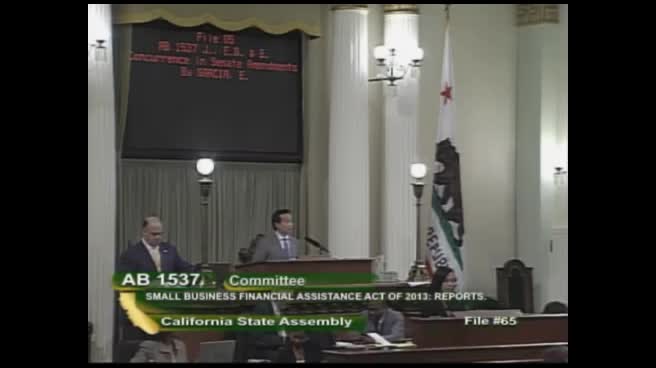
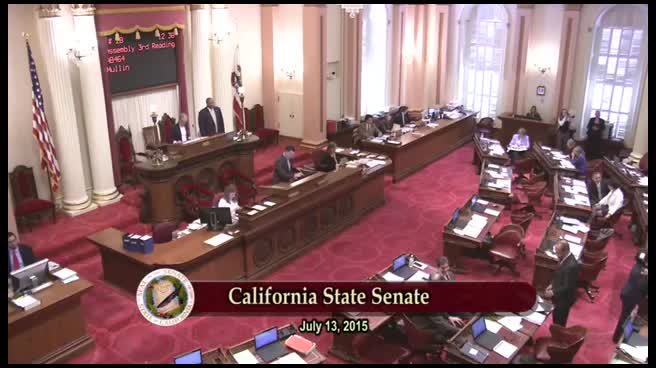
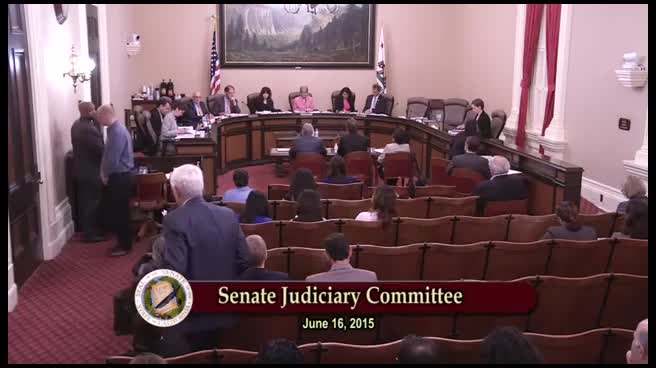
Bill Author

Bill Co-Author(s):