AB 2556: Local public employee organizations.
- Session Year: 2021-2022
- House: Assembly
- Latest Version Date: 2022-09-18
The Meyers-Milias-Brown Act contains various provisions that govern collective bargaining of local represented employees and delegates jurisdiction to the Public Employment Relations Board to resolve disputes and enforce the statutory duties and rights of local public agency employers and employees. The act requires the governing body of a public agency to meet and confer in good faith regarding wages, hours, and other terms and conditions of employment with representatives of recognized employee organizations. Under the act, if the representatives of the public agency and the employee organization fail to reach an agreement, they may mutually agree on the appointment of a mediator and equally share the cost. Existing law gives public employees the right to refuse to join or participate in the activities of employee organizations, and provides that employees who are members of a bona fide religion, body, or sect that has historically held conscientious objections to joining or financially supporting public employee organizations are not required to join or financially support a public employee organization as a condition of employment, as specified.
Existing law, the Firefighters Procedural Bill of Rights Act, grants certain employment rights to firefighters, as defined.
This bill would authorize a recognized employee organization to charge an employee covered by the Firefighters Procedural Bill of Rights Act for the reasonable cost of representation when the employee holds a conscientious objection, as described above, or declines membership in the organization and requests individual representation in a discipline, grievance, arbitration, or administrative hearing from the organization. The bill would apply this authorization only to these proceedings for which the recognized employee organization does not exclusively control the process.
Existing law provides that after any applicable mediation and factfinding procedures have been exhausted, but no earlier than 10 days after the factfinders written findings of fact and recommended terms of settlement have been submitted to the parties, a public agency that is not required to proceed to interest arbitration may, after holding a hearing regarding the impasse, implement its last, best, and final offer.
This bill would revise the above-described timeframe to no earlier than 15 days after the factfinders written findings of fact and recommended terms of settlement have been submitted to the parties.
The Meyers-Milias-Brown Act contains various provisions that govern collective bargaining of local represented employees, and delegates jurisdiction to the Public Employment Relations Board to resolve disputes and enforce the statutory duties and rights of local public agency employers and employees. The act requires the governing body of a public agency to meet and confer in good faith regarding wages, hours, and other terms and conditions of employment with representatives of recognized employee organizations. Under the act, if the representatives of the public agency and the employee organization fail to reach an agreement, they may mutually agree on the appointment of a mediator and equally share the cost. Existing law gives public employees the right to refuse to join or participate in the activities of employee organizations, and provides that employees who are members of a bona fide religion, body, or sect that has historically held conscientious objections to joining or financially supporting public employee organizations are not required to join or financially support a public employee organization as a condition of employment, as specified.
Existing law, the Firefighters Procedural Bill of Rights Act, grants certain employment rights to firefighters, as defined.
This bill would authorize a recognized employee organization to charge an employee covered by the Firefighters Procedural Bill of Rights Act for the reasonable cost of representation when the employee holds a conscientious objection objection, as described above above, or declines membership in the organization and requests individual representation in a discipline, grievance, arbitration, or administrative hearing from the organization. The bill would apply this authorization only to these proceedings for which the recognized employee organization does not exclusively control the process.
Existing law provides that after any applicable mediation and factfinding procedures have been exhausted, but no earlier than 10 days after the factfinders written findings of fact and recommended terms of settlement have been submitted to the parties, a public agency that is not required to proceed to interest arbitration may, after holding a hearing regarding the impasse, implement its last, best, and final offer.
This bill would revise the above-described timeframe to no earlier than 15 days after the factfinders written findings of fact and recommended terms of settlement have been submitted to the parties.
The Meyers-Milias-Brown Act contains various provisions that govern collective bargaining of local represented employees, and delegates jurisdiction to the Public Employment Relations Board to resolve disputes and enforce the statutory duties and rights of local public agency employers and employees. The act requires the governing body of a public agency to meet and confer in good faith regarding wages, hours, and other terms and conditions of employment with representatives of recognized employee organizations. Under the act, if the representatives of the public agency and the employee organization fail to reach an agreement, they may mutually agree on the appointment of a mediator and equally share the cost. Existing law gives public employees the right to refuse to join or participate in the activities of employee organizations, and provides that employees who are members of a bona fide religion, body, or sect that has historically held conscientious objections to joining or financially supporting public employee organizations are not required to join or financially support a public employee organization as a condition of employment, as specified.
Existing law, the Firefighters Procedural Bill of Rights Act, grants certain employment rights to firefighters, as defined.
This bill would authorize a recognized employee organization to charge an employee covered by the Firefighters Procedural Bill of Rights Act for the reasonable cost of representation when the employee holds a conscientious objection described above or declines membership in the organization and requests individual representation in a discipline, grievance, arbitration, or administrative hearing from the organization.
Existing law provides that after any applicable mediation and factfinding procedures have been exhausted, but no earlier than 10 days after the factfinders written findings of fact and recommended terms of settlement have been submitted to the parties, a public agency that is not required to proceed to interest arbitration may, after holding a hearing regarding the impasse, implement its last, best, and final offer.
This bill would revise the above-described timeframe to no earlier than 15 days after the factfinders written findings of fact and recommended terms of settlement have been submitted to the parties.
The Meyers-Milias-Brown Act contains various provisions that govern collective bargaining of local represented employees, and delegates jurisdiction to the Public Employment Relations Board to resolve disputes and enforce the statutory duties and rights of local public agency employers and employees. The act requires the governing body of a public agency to meet and confer in good faith regarding wages, hours, and other terms and conditions of employment with representatives of recognized employee organizations. Under the act, if the representatives of the public agency and the employee organization fail to reach an agreement, they may mutually agree on the appointment of a mediator and equally share the cost.
Existing law provides that after any applicable mediation and factfinding procedures have been exhausted, but no earlier than 10 days after the factfinders written findings of fact and recommended terms of settlement have been submitted to the parties, a public agency that is not required to proceed to interest arbitration may, after holding a hearing regarding the impasse, implement its last, best, and final offer.
This bill would revise the above-described timeframe to no earlier than 15 days after the factfinders written findings of fact and recommended terms of settlement have been submitted to the parties.
If an employee covered by Chapter 9.6 (commencing with Section 3250) holds a conscientious objection described in subdivision (c) of Section 3502.5 or declines membership in the recognized employee organization and requests individual representation in a discipline, grievance, arbitration, or administrative hearing from the recognized employee organization, the recognized employee organization may charge the employee for the reasonable cost of the representation. This section applies only to the above proceedings where the recognized employee organization does not exclusively control the process.
SEC. 2.Section 3505.7 of the Government Code is amended to read:3505.7.After any applicable mediation and factfinding procedures have been exhausted, but no earlier than 15 days after the factfinders written findings of fact and recommended terms of settlement have been submitted to the parties pursuant to Section 3505.5, a public agency that is not required to proceed to interest arbitration may, after holding a public hearing regarding the impasse, implement its last, best, and final offer, but shall not implement a memorandum of understanding. The unilateral implementation of a public agencys last, best, and final offer shall not deprive a recognized employee organization of the right each year to meet and confer on matters within the scope of representation, whether or not those matters are included in the unilateral implementation, prior to the adoption by the public agency of its annual budget, or as otherwise required by law.
If an employee covered by Chapter 9.6 (commencing with Section 3250) holds a conscientious objection described in subdivision (c) of Section 3502.5 or declines membership in the recognized employee organization and requests individual representation in a discipline, grievance, arbitration, or administrative hearing from the recognized employee organization, the recognized employee organization may charge the employee for the reasonable cost of the representation.
SECTION 1.SEC. 2.Section 3505.7 of the Government Code is amended to read:3505.7.After any applicable mediation and factfinding procedures have been exhausted, but no earlier than 15 days after the factfinders written findings of fact and recommended terms of settlement have been submitted to the parties pursuant to Section 3505.5, a public agency that is not required to proceed to interest arbitration may, after holding a public hearing regarding the impasse, implement its last, best, and final offer, but shall not implement a memorandum of understanding. The unilateral implementation of a public agencys last, best, and final offer shall not deprive a recognized employee organization of the right each year to meet and confer on matters within the scope of representation, whether or not those matters are included in the unilateral implementation, prior to the adoption by the public agency of its annual budget, or as otherwise required by law.
After any applicable mediation and factfinding procedures have been exhausted, but no earlier than 10 15 days after the factfinders written findings of fact and recommended terms of settlement have been submitted to the parties pursuant to Section 3505.5, a public agency that is not required to proceed to interest arbitration may, after holding a public hearing regarding the impasse, implement its last, best, and final offer, but shall not implement a memorandum of understanding. The unilateral implementation of a public agencys last, best, and final offer shall not deprive a recognized employee organization of the right each year to meet and confer on matters within the scope of representation, whether or not those matters are included in the unilateral implementation, prior to the adoption by the public agency of its annual budget, or as otherwise required by law.
|
Date
|
Status
|
|---|---|
| Sep 18, 2022 | Chaptered by Secretary of State - Chapter 412, Statutes of 2022. |
| Sep 18, 2022 | Approved by the Governor. |
| Sep 9, 2022 | Enrolled and presented to the Governor at 4 p.m. |
| Aug 30, 2022 | Senate amendments concurred in. To Engrossing and Enrolling. (Ayes 71. Noes 0.). |
| Aug 29, 2022 | In Assembly. Concurrence in Senate amendments pending. |
| Aug 29, 2022 | Read third time. Passed. Ordered to the Assembly. (Ayes 38. Noes 1. Page 5210.). |
| Aug 25, 2022 | Read third time and amended. Ordered to third reading. |
| Aug 11, 2022 | From committee: Do pass. (Ayes 6. Noes 0.) (August 11). |
| Aug 8, 2022 | In committee: Referred to suspense file. |
| Jun 29, 2022 | From committee: Do pass and re-refer to Com. on APPR. (Ayes 4. Noes 0.) (June 29). Re-referred to Com. on APPR. |
| Jun 22, 2022 | From committee chair, with author's amendments: Amend, and re-refer to committee. Read second time, amended, and re-referred to Com. on L., P.E. & R. |
| May 18, 2022 | Referred to Com. on L., P.E. & R. |
| May 10, 2022 | In Senate. Read first time. To Com. on RLS. for assignment. |
| May 9, 2022 | Read third time. Passed. Ordered to the Senate. (Ayes 58. Noes 0. Page 4607.) |
| Apr 28, 2022 | Read second time. Ordered to third reading. |
| Apr 27, 2022 | From committee: Do pass. (Ayes 12. Noes 0.) (April 27). |
| Mar 30, 2022 | From committee: Do pass and re-refer to Com. on APPR. (Ayes 5. Noes 0.) (March 30). Re-referred to Com. on APPR. |
| Mar 10, 2022 | Referred to Com. on P.E. & R. |
| Feb 18, 2022 | From printer. May be heard in committee March 20. |
| Feb 17, 2022 | Read first time. To print. |
|
Date
|
Description
|
Location
|
Votes
|
|
|---|---|---|---|---|
| Aug 30, 2022 | AB 2556 O'Donnell Concurrence in Senate Amendments | Assembly Floor |
Passed |
|
| Aug 29, 2022 | Assembly 3rd Reading AB2556 O'Donnell By Cortese | Senate Floor |
Passed |
|
| May 9, 2022 | AB 2556 O'Donnell Assembly Third Reading | Assembly Floor |
Passed |
This list shows positions taken on this bill by organizations on the date displayed, which is linked to the original source.
Positions by individuals are not included.
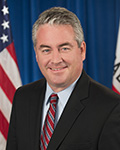
Bill Author
Bill Co-Author(s):