AB 2747: Chronic dialysis clinics.
- Session Year: 2015-2016
- House: Assembly
- Latest Version Date: 2016-08-23
Existing law provides for the licensure and regulation of clinics by the State Department of Public Health. Existing law provides that certain types of specialty clinics, including chronic dialysis clinics, as defined, are eligible for licensure.
This bill would require the department, within 90 days after receiving an initial and complete chronic dialysis clinic application, to complete the application paperwork and conduct a licensure survey, if necessary. The bill would require, for certain applicants, that the department conduct an unannounced certification survey within 60 days after the department receives approval from the federal Centers for Medicare and Medicaid Services to conduct the certification survey. The bill would require the department to forward the results of the certification survey to the federal Centers for Medicare and Medicaid Services, as specified.
Existing law provides for the licensure and regulation of clinics by the State Department of Public Health. Existing law provides that certain types of specialty clinics, including chronic dialysis clinics, as defined, are eligible for licensure.
This bill would require the department, within 90 days after receiving an initial and complete chronic dialysis clinic application, to complete the application paperwork, to conduct a licensure survey, if necessary, and in certain circumstances, to conduct an unannounced certification survey in accordance with a specified timeline, as provided. paperwork and conduct a licensure survey, if necessary. The bill would require, for certain applicants, that the department conduct an unannounced certification survey within 60 days after the department receives approval from the federal Centers for Medicare and Medicaid Services to conduct the certification survey. The bill would require the department to forward the results of the certification survey to the federal Centers for Medicare and Medicaid Services, as specified.
Existing law provides for the licensure and regulation of clinics by the State Department of Public Health. Existing law provides that certain types of specialty clinics, including chronic dialysis clinics, as defined, are eligible for licensure.
This bill would require the department, within 90 days after receiving an initial and complete chronic dialysis clinic application, to complete the application paperwork, to conduct a licensure survey, if necessary, and in certain circumstances, to conduct an unannounced certification survey in accordance with a specified timeline, as provided. The bill would require the department to forward the results of the certification survey to the federal Centers for Medicare and Medicaid Services, as specified.
Under existing law, the California Residential Care Facilities for the Elderly Act, the State Department of Social Services licenses and regulates residential care facilities for the elderly. Under the act, the Legislature finds and declares that, due to a greater demand for residences for the elderly that provide care and supervision, residential care facilities for the elderly are licensed as a separate category from community care facilities. Under the act, no residential care facility for the elderly can accept a person needing care beyond the level of care for which that facility is licensed.
This bill would make technical, nonsubstantive changes to those provisions.
(a)The Legislature finds and declares all of the following:
(1)New dialysis facilities in California are being required to wait nine months or longer to be licensed by the State Department of Public Health and to receive Medicare certification surveys after they are otherwise ready to serve patients.
(2)The prevalence of dialysis in California is increasing faster than the national average due to the high incidence of diabetes and hypertension, the two major causes of End Stage Renal Disease (ESRD). The growth in the ESRD patient population is causing a burden for patients and families, forcing patients to dialyze on shifts and travel to dialysis centers that are not convenient for a patient who is suffering from a chronic disease.
(3)Prior to a new dialysis center being surveyed, the dialysis center invests significant financial resources to develop a new facility. In addition to the construction cost, the dialysis center must be equipped with state-of-the-art equipment to provide quality care. It also must receive a certificate of occupancy, ensuring that the dialysis center is constructed to meet all local, state, and federal regulations.
(4)Additionally, a dialysis center must be staffed prior to requesting a survey, which means that the center is bearing the cost of staff for nine months or more before it can serve patients.
(5)It would require less than one full-time equivalent staff member to eliminate the current backlog of approximately twenty new dialysis centers that are waiting to receive state licensure and a Medicare certification survey. The same is true for providing timely surveys of new dialysis centers on an annual basis.
(b)It is the intent of the Legislature in enacting this act to require expeditious licensure and Medicare certification surveys for new dialysis clinics in California.
SEC. 2.Section 1221.20 is added to the Health and Safety Code, immediately following Section 1221.19, to read:1221.20.(a)Within 90 calendar days after the department receives an initial and complete chronic dialysis clinic application, the department shall complete the application paperwork and conduct a licensure survey, if necessary, to inspect the clinic and evaluate the clinics compliance with state licensure requirements. The department shall forward its recommendation, if necessary, and all other information, to the federal Centers for Medicare and Medicaid Services within the same 90 calendar days.
(b)(1)For an applicant seeking to receive reimbursement under the Medicare or Medi-Cal programs, the department shall conduct an unannounced certification survey, if necessary, within 60 days after the department receives approval from the federal Centers for Medicare and Medicaid Services to conduct the certification survey.
(2)No later than 30 calendar days after the certification survey, the department shall forward the results of its licensure and certification surveys and all other information necessary for certification to the federal Centers for Medicare and Medicaid Services.
(a)The Legislature finds and declares all of the following:
(1)New dialysis facilities in California are being required to wait nine months or longer to be licensed by the State Department of Public Health and to receive Medicare certification surveys after they are otherwise ready to serve patients.
(2)The prevalence of dialysis in California is increasing faster than the national average due to the high incidence of diabetes and hypertension, the two major causes of End Stage Renal Disease (ESRD). The growth in the ESRD patient population is causing a burden for patients and families, forcing patients to dialyze on shifts and travel to dialysis centers that are not convenient for a patient who is suffering from a chronic disease.
(3)Prior to a new dialysis center being surveyed, the dialysis center invests significant financial resources to develop a new facility. In addition to the construction cost, the dialysis center must be equipped with state of the art state-of-the-art equipment to provide quality care. It also must receive a certificate of occupancy, ensuring that the dialysis center is constructed to meet all local, state, and federal regulations.
(4)Additionally, a dialysis center must be staffed prior to requesting a survey, which means that the center is bearing the cost of staff for nine months or more before it can serve patients.
(5)It would require less than one full-time equivalent staff member to eliminate the current backlog of approximately twenty new dialysis centers that are waiting to receive state licensure and a Medicare certification survey. The same is true for providing timely surveys of new dialysis centers on an annual basis.
(b)It is the intent of the Legislature in enacting this act to require expeditious licensure and Medicare certification surveys for new dialysis clinics in California.
SEC. 2.Section 1221.20 is added to the Health and Safety Code, immediately following Section 1221.19, to read:1221.20.(a)Within 90 calendar days after the department receives an initial and complete chronic dialysis clinic application, the department shall complete the application paperwork and conduct a licensure survey, if necessary, to inspect the clinic and evaluate the clinics compliance with state licensure requirements. The department shall forward its recommendation, if necessary, and all other information, to the federal Centers for Medicare and Medicaid Services within the same 90 calendar days.
(b)(1)For an applicant seeking to receive reimbursement under the Medicare or Medi-Cal programs, the department shall complete the initial application paperwork and conduct an unannounced certification survey, if necessary, within 90 days after the departments receipt of a letter from the chronic dialysis clinic notifying the department of its readiness for the certification survey. 60 days after the department receives approval from the federal Centers for Medicare and Medicaid Services to conduct the certification survey.
(2)No later than 30 calendar days after the certification survey, the department shall forward the results of its licensure and certification surveys and all other information necessary for certification to the federal Centers for Medicare and Medicaid Services.
(a)The Legislature finds and declares all of the following:
(1)New dialysis facilities in California are being required to wait nine months or longer to be licensed by the State Department of Public Health and to receive Medicare certification surveys after they are otherwise ready to serve patients.
(2)The prevalence of dialysis in California is increasing faster than the national average due to the high incidence of diabetes and hypertension, the two major causes of End Stage Renal Disease (ESRD). The growth in the ESRD patient population is causing a burden for patients and families, forcing patients to dialyze on shifts and travel to dialysis centers that are not convenient for a patient who is suffering from a chronic disease.
(3)Prior to a new dialysis center being surveyed, the dialysis center invests significant financial resources to develop a new facility. In addition to the construction cost, the dialysis center must be equipped with state of the art equipment to provide quality care. It also must receive a certificate of occupancy, ensuring that the dialysis center is constructed to meet all local, state, and federal regulations.
(4)Additionally, a dialysis center must be staffed prior to requesting a survey, which means that the center is bearing the cost of staff for nine months or more before it can serve patients.
(5)It would require less than one full-time equivalent staff member to eliminate the current backlog of approximately twenty new dialysis centers that are waiting to receive state licensure and a Medicare certification survey. The same is true for providing timely surveys of new dialysis centers on an annual basis.
(b)It is the intent of the Legislature in enacting this act to require expeditious licensure and Medicare certification surveys for new dialysis clinics in California.
SEC. 2.Section 1221.20 is added to the Health and Safety Code, immediately following Section 1221.19, to read:1221.20.(a)Within 90 calendar days after the department receives an initial and complete chronic dialysis clinic application, the department shall complete the application paperwork and conduct a licensure survey, if necessary, to inspect the clinic and evaluate the clinics compliance with state licensure requirements. The department shall forward its recommendation, if necessary, and all other information, to the federal Centers for Medicare and Medicaid Services within the same 90 calendar days.
(b)(1)For an applicant seeking to receive reimbursement under the Medicare or Medi-Cal programs, the department shall complete the initial application paperwork and conduct an unannounced certification survey, if necessary, within 90 days after the departments receipt of a letter from the chronic dialysis clinic notifying the department of its readiness for the certification survey.
(2)No later than 30 calendar days after the certification survey, the department shall forward the results of its licensure and certification surveys and all other information necessary for certification to the federal Centers for Medicare and Medicaid Services.
SECTION 1.Section 1569 of the Health and Safety Code is amended to read:1569.This chapter shall be known, and may be cited, as the California Residential Care Facilities for the Elderly Act.
This chapter shall be known known, and may be cited cited, as the California Residential Care Facilities for the Elderly Act.
|
Date
|
Status
|
|---|---|
| Aug 29, 2016 | Enrolled and presented to the Governor at 4 p.m. |
| Aug 22, 2016 | Senate amendments concurred in. To Engrossing and Enrolling. (Ayes 79. Noes 0. Page 6038.). |
| Aug 22, 2016 | Senate amendments concurred in. To Engrossing and Enrolling. |
| Aug 16, 2016 | In Assembly. Concurrence in Senate amendments pending. May be considered on or after August 18 pursuant to Assembly Rule 77. |
| Aug 15, 2016 | Read third time. Passed. Ordered to the Assembly. (Ayes 38. Noes 0. Page 4974.). |
| Aug 15, 2016 | Read third time. Passed. Ordered to the Assembly. (Ayes 38. Noes 0.). |
| Aug 15, 2016 | Read third time. Passed. Ordered to the Assembly. |
| Aug 9, 2016 | Read second time. Ordered to third reading. |
| Aug 8, 2016 | From committee: Be placed on second reading file pursuant to Senate Rule 28.8. |
| Aug 1, 2016 | Read second time and amended. Re-referred to Com. on APPR. |
| Jun 30, 2016 | From committee: Amend, and do pass as amended and re-refer to Com. on APPR. (Ayes 8. Noes 0.) (June 29). |
| May 12, 2016 | Referred to Com. on HEALTH. |
| May 5, 2016 | Read third time. Passed. Ordered to the Senate. (Ayes 79. Noes 0. Page 4687.) |
| May 5, 2016 | In Senate. Read first time. To Com. on RLS. for assignment. |
| May 5, 2016 | Read third time. Passed. Ordered to the Senate. |
| Apr 28, 2016 | Read second time. Ordered to Consent Calendar. |
| Apr 27, 2016 | From committee: Do pass. To Consent Calendar. (Ayes 19. Noes 0.) (April 27). |
| Apr 13, 2016 | From committee: Do pass and re-refer to Com. on APPR. with recommendation: To Consent Calendar. (Ayes 19. Noes 0.) (April 12). Re-referred to Com. on APPR. |
| Apr 5, 2016 | In committee: Set, first hearing. Hearing canceled at the request of author. |
| Mar 28, 2016 | Re-referred to Com. on HEALTH. |
| Mar 17, 2016 | From committee chair, with author's amendments: Amend, and re-refer to Com. on HEALTH. Read second time and amended. |
| Mar 17, 2016 | Referred to Com. on HEALTH. |
| Feb 22, 2016 | Read first time. |
| Feb 21, 2016 | From printer. May be heard in committee March 22. |
| Feb 19, 2016 | Introduced. To print. |
|
Date
|
Description
|
Location
|
Votes
|
|
|---|---|---|---|---|
| Aug 22, 2016 | AB 2747 HADLEY Concurrence in Senate Amendments | Assembly Floor |
Passed |
|
| Aug 15, 2016 | Assembly 3rd Reading AB2747 Hadley By Hernandez | Senate Floor |
Passed |
|
| Jun 29, 2016 | Do pass as amended, but first amend, and re-refer to the Committee on [Appropriations] | Senate Standing Committee on Health |
Passed |
|
| May 5, 2016 | AB 2747 HADLEY Consent Calendar Second Day Regular Session | Assembly Floor |
Passed |
|
| Apr 27, 2016 | Do pass. To Consent Calendar. | Assembly Standing Committee on Appropriations |
Passed |
|
| Apr 12, 2016 | Do pass and be re-referred to the Committee on [Appropriations] with recommendation: To Consent Calendar | Assembly Standing Committee on Health |
Passed |
This list shows positions taken on this bill by organizations on the date displayed, which is linked to the original source.
Positions by individuals are not included.
GOVERNOR'S VETO
GV Bill Id:AB 2747
Author:(Hadley)
As Enrolled Ver:August 29, 2016
2/3 vote
ASSEMBLY: | 79-0 | (May 5, 2016) | SENATE: | 38-0 | (August 15. 2016) |
ASSEMBLY: | 79-0 | (August 22, 2016) |
Original Committee Reference: HEALTH
SUMMARY: Requires the Department of Public Health (DPH), within 90 calendar days after it receives an initial and complete chronic dialysis clinic application, to complete the application paperwork and conduct a licensure survey, if necessary, to inspect the clinic and evaluate the clinic's compliance with state licensure requirements. Requires DPH to forward its recommendation, if necessary, and all other information, to the federal Centers for Medicare and Medicaid Services (CMS) within the same 90 calendar days. Specifies that for an applicant seeking to receive reimbursement under the Medicare or Medi-Cal programs, DPH shall conduct an unannounced certification survey, if necessary within 60 days after it receives approval from CMS to conduct the certification survey. Requires DPH no later than 30 calendar days after the certification survey, to forward the results of its licensure and certification surveys and all other information necessary for certification to the CMS.
The Senate amendments streamline the timeframe for DPH to complete the review of the application paperwork and conduct licensure surveys of chronic dialysis clinics, including timelines for DPH to conduct its unannounced certification surveys.
FISCAL EFFECT: According to the Senate Appropriations Committee, pursuant to Senate Rule 28.8, negligible state costs.
COMMENTS: According to the author, this bill eliminates the year long wait for licensure of chronic dialysis clinics and ensures patients have access to quality care. The author states that in his district, there is a dialysis center, which has been fully operational since January 2015, and has still not been inspected. The author concludes that it is unconscionable that patients are denied medically necessary facilities due to inspection backlogs. This bill will remedy this problem by giving dialysis centers a reasonable wait time for certification.
I am returning Assembly Bill 2747 without my signature.
This bill requires the Department of Public Health to process license applications for chronic dialysis clinics within 90 days and to conduct federal certification surveys of these same clinics within 60 days of approval by the Centers for Medicare and Medicaid Services.
Currently, the Department is taking the necessary steps to reduce the time spent processing applications for all health facilities. I believe this is a better approach than mandating timeframes for one type of facility.
Analysis Prepared by: Rosielyn Pulmano / HEALTH / (916) 319-2097 FN: 0005075
CONCURRENCE IN SENATE AMENDMENTS
CSA1 Bill Id:AB 2747
Author:(Hadley)
As Amended Ver:August 1, 2016
Majority vote
ASSEMBLY: | 79-0 | (May 5, 2016) | SENATE: | 38-0 | (August 15. 2016) |
Original Committee Reference: HEALTH
SUMMARY: Requires the Department of Public Health (DPH), within 90 calendar days after it receives an initial and complete chronic dialysis clinic application, to complete the application paperwork and conduct a licensure survey, if necessary, to inspect the clinic and evaluate the clinic's compliance with state licensure requirements. Requires DPH to forward its recommendation, if necessary, and all other information, to the federal Centers for Medicare and Medicaid Services (CMS) within the same 90 calendar days. Specifies that for an applicant seeking to receive reimbursement under the Medicare or Medi-Cal programs, DPH shall conduct an unannounced certification survey, if necessary within 60 days after it receives approval from CMS to conduct the certification survey. Requires DPH no later than 30 calendar days after the certification survey, to forward the results of its licensure and certification surveys and all other information necessary for certification to the CMS.
The Senate amendments streamline the timeframe for DPH to complete the review of the application paperwork and conduct licensure surveys of chronic dialysis clinics, including timelines for DPH to conduct its unannounced certification surveys.
FISCAL EFFECT: According to the Senate Appropriations Committee, pursuant to Senate Rule 28.8, negligible state costs.
COMMENTS: According to the author, this bill eliminates the year long wait for licensure of chronic dialysis clinics and ensures patients have access to quality care. The author states that in his district, there is a dialysis center, which has been fully operational since January 2015, and has still not been inspected. The author concludes that it is unconscionable that patients are denied medically necessary facilities due to inspection backlogs. This bill will remedy this problem by giving dialysis centers a reasonable wait time for certification.
Analysis Prepared by: Rosielyn Pulmano / HEALTH / (916) 319-2097 FN: 0003894
Office of Senate Floor Analyses (916) 651-1520 Fax: (916) 327-4478 | AB 2747 |
THIRD READING
Bill No: AB 2747
Amended: 8/1/16 in Senate
SENATE HEALTH COMMITTEE: 8-0, 6/29/16
AYES: Hernandez, Nguyen, Hall, Mitchell, Monning, Nielsen, Pan, Roth
NO VOTE RECORDED: Wolk
SENATE APPROPRIATIONS COMMITTEE: Senate rule 28.8
ASSEMBLY FLOOR: 79-0, 5/5/16 (Consent) - See last page for vote
SUBJECT: Chronic dialysis clinics
DIGEST: This bill requires the Department of Public Health (DPH) to process a license application for a chronic dialysis clinic, and conduct a licensure survey, within 90 days of receiving an application, and to also conduct an unannounced certification survey for the Centers for Medicare and Medicaid Services (CMS) within 60 days after DPH receives approval from CMS to conduct the CMS certification survey.
Existing law:
- Licenses and regulates various clinics by DPH, including primary care clinics as well as specialty clinics which include: surgical clinics, chronic dialysis clinics, and rehabilitation clinics.
- Requires DPH to adopt reasonable rules and regulations as may be necessary to enable DPH to carry out the purposes of provisions of law governing the various types of clinics licensed by DPH.
- Requires chronic dialysis clinics to comply with federal certification standards for an end stage renal disease clinic, as specified, until DPH adopts regulations relating to the provision of services by a chronic dialysis clinic.
- Requires DPH, no later than 90 calendar days have receipt of a home health agency application, to make every effort to complete the application paperwork and conduct a licensure survey, and to also make every effort to conduct an unannounced certification survey for CMS within 90 days of receipt of a letter from the agency notifying DPH of the agency’s readiness for the CMS certification survey.
This bill:
- Requires DPH, within 90 calendar days after it receives an initial and complete CDC application, to complete the application paperwork and conduct a licensure survey, if necessary, to inspect the clinic and evaluate the clinic’s compliance with state licensure requirements. Requires DPH to forward its recommendation, if necessary, and all other information, to CMS within the same 90 calendar days.
- Requires DPH, for a chronic dialysis clinic (CDC) applicant seeking to receive reimbursement under the Medicare or Medi-Cal programs, to conduct an unannounced CMS certification survey, if necessary, within 60 days after DPH receives approval from CMS to conduct the certification survey.
- Requires DPH, no later than 30 calendar days after the CMS certification survey, to forward the results of its licensure and certification surveys and all other information necessary for certification to CMS.
- Makes various legislative findings and declarations, including the following:
- New dialysis facilities in California are being required to wait nine months or longer to be licensed by DPH and to receive CMS certification surveys after they are otherwise ready to serve patients;
- The prevalence of dialysis in California is increasing faster than the national average;
- A dialysis center must be staffed prior to requesting a survey, which means that the center is bearing the cost of staff for nine months or more before it can serve patients;
- It would require less than one full-time equivalent staff member to eliminate the current backlog of approximately 20 new dialysis centers; and,
- It is the intent of the Legislature in enacting this bill to require expeditious licensure and Medicare certification surveys for new dialysis clinics in California.
Comments
- Author’s statement. According to the author, there is a dialysis center in his district which has been fully operational since January of 2015, and has still not been inspected. The author states that it is unconscionable that patients are denied medically necessary facilities due to inspection backlogs. This bill will remedy this problem by giving dialysis centers a reasonable wait time for certification.
- Chronic dialysis clinics and the timeline for licensure and certification. A CDC provides care for the treatment of patients with end-stage renal disease (ESRD), including renal dialysis services. ESRD, also known as end-stage kidney disease or kidney failure, is when the kidneys, which remove waste and excess water from the body, are no longer able to work at a level needed for day-to-day life. The most common causes of ESRD in the United States are diabetes and high blood pressure. Dialysis does some of the job of the kidneys when they stop working, including removing extra salt, water, and waste products so they do not build up in the body. A typical patient with ESRD will need to go to a CDC three times a week for dialysis treatment, with each treatment taking about four hours. According to data from the United States Renal Data System, there is wide variation in the prevalence of ESRD throughout the United States, with the lowest rates in New England, and the highest rates in the Ohio and Mississippi River valleys, the Southeast, Texas and California.
According to DPH, there are currently 534 licensed CDCs in California, and 13 CDC applicants awaiting their initial licensure survey. The length of time these 13 applications have been pending range from 51 days to more than 400 days. There are also 30 CDCs that have been licensed, but are awaiting the CMS certification survey. According to DPH, it cannot proceed with the CMS certification survey until it has received approval from CMS, and the average length of time to receive approval to schedule a CMS survey is 307 days from when CMS is notified that a CDC is ready for the certification survey. Once DPH receives the approval from CMS, the CDC is informed that there will be an unannounced survey within one to two months. A CDC may apply for a priority exemption request from CMS to shorten this wait, but DPH states that these are rarely granted, except in areas where the CDC can demonstrate a shortage of providers.
- History of concern with DPH’s Licensing and Certification Program. DPH’s Licensing and Certification Program (L&C) licenses and regulates numerous categories of health facilities and agencies, including hospitals, skilled nursing facilities, and clinics. In addition, CMS contracts with L&C to evaluate facilities to certify that they meet federal requirements to become Medicare and Medi-Cal providers. L&C performs these functions directly, through various field offices, in most of the state, but contracts with Los Angeles County for the licensing and CMS certification function of health facilities located in Los Angeles County. There have been long-standing concerns about the L&C program, especially with regard to complaint investigation backlogs in long-term care facilities, and it has been the subject of multiple legislative oversight hearings, including by the Senate Budget and Fiscal Review Subcommittee No. 3, as well as an audit by the California State Auditor in 2014. A lack of an adequate number of health facility evaluator nurses to perform licensing and certification surveys and to work on complaint investigations was identified as part of these oversight hearings, and the 2015-2016 Budget included an increase in expenditure authority to add 237 positions to address the licensing and certification workload. The contract with Los Angeles County was also increased to provide additional resources for L&C activities in Los Angeles County. Budget trailer bill language was adopted that focused on shortening the timeline to investigate complaints in long-term care facilities. While L&C has hired many new health facility evaluator nurses, there are still a number of vacant positions, and they are working to improve efforts to fill these positions.
- CMS survey policies. According to DPH, this bill’s requirement that it conduct a CMS certification survey within 90 days of notification by the CDC is in conflict with the requirement that CMS approve a CDC for a survey prior to DPH performing the unannounced certification survey. DPH reports that it currently takes an average of 307 days for CMS to issue this approval, and even then, because it must be unannounced, the survey cannot take place immediately. CMS directs states to prioritize federal survey functions in four priority “tiers.” Tier 1 consists of statutory mandates, such as surveys of existing nursing homes and home health agencies. Most initial surveys for providers seeking to participate in Medicare or Medicaid for the first time are prioritized in Tier 4, compared to complaint investigations and recertification of existing providers. Because of the unique reliance of dialysis patients on Medicare, CMS does grant end stage renal disease facilities, or CDCs in California, a higher priority than most other provider types by placing them in Tier 3. Further, CMS has a priority exception request procedure which allows providers to apply for an exception to their tier assignment if lack of CMS certification would “cause significant access-to-care problems for beneficiaries served by the provider.”
Related/Prior Legislation
SB 534 (Hernandez of 2015), among other provisions, required CDC’s to comply with applicable federal certification standards for end stage renal disease clinics until DPH adopts regulations relating to the provision of services by a CDC. SB 534 was held on the Senate Appropriations suspense file.
AB 993 (Aghazarian, Chapter 620, Statutes of 2007), among other provisions, required DPH, no later than 90 calendar days after receipt of a home health agency application, to make every effort to complete the application paperwork and conduct a licensure survey, and to also make every effort to conduct an unannounced certification survey for CMS within 90 days of receipt of a letter from the agency notifying DPH of the agency’s readiness for the CMS certification survey.
FISCAL EFFECT: Appropriation: No Fiscal Com.: Yes Local: No
California Dialysis Council
DaVita
Fresenius Medical Care
Kaiser Permanente
Renal Support Network
U.S. Renal Care
One Individual
OPPOSITION: (Verified 8/10/16)
Department of Public Health
ARGUMENTS IN SUPPORT: This bill is supported by Fresenius Medical Care (FMC), which states that according to the most recent United States Renal Data Systems annual report, the number of Californians with ESRD has grown more than 36% in the past decade. FMC states that it operates more than 140 CDCs in California, but currently has 5 facilities that have been waiting since before August 2015 for their licensure and certification surveys. The California Dialysis Council states in support that this bill is an important step in ensuring that California has enough dialysis clinics for the increasing California population. Kaiser Permanente states in support that expedited DPH completion of application paperwork, licensure and certification surveys, and coordination with CMS would facilitate timely CMS certification of newly built dialysis centers, which would in turn positively affect its ability to place dialysis patients promptly and appropriately. DaVita and U.S. Renal Care both state that recently constructed dialysis clinics are waiting nine months or more for state licensure and CMS certification surveys. Meanwhile, patients are driving long distances to receive dialysis treatment while more convenient new clinics sit idle, fully equipped and fully staffed, waiting for DPH to conduct licensure and certification surveys.
ARGUMENTS IN OPPOSITION: This bill is opposed by DPH, which states that mandatory timelines for processing initial licenses and for completing the certification survey for health facilities removes needed flexibility for DPH to prioritize critical workload in a way that best protects patient safety. DPH states that creating mandatory timeframes would elevate the priority of initial licensing for CDC’s at the expense of other functions, such as complaint investigations and relicensing of currently operating facilities.
ASSEMBLY FLOOR: 79-0, 5/5/16
AYES: Achadjian, Alejo, Travis Allen, Arambula, Atkins, Baker, Bigelow, Bloom, Bonilla, Bonta, Brough, Brown, Burke, Calderon, Campos, Chang, Chau, Chávez, Chiu, Chu, Cooley, Cooper, Dababneh, Dahle, Daly, Dodd, Eggman, Frazier, Gallagher, Cristina Garcia, Eduardo Garcia, Gatto, Gipson, Gomez, Gonzalez, Gordon, Gray, Grove, Hadley, Harper, Roger Hernández, Holden, Irwin, Jones, Jones-Sawyer, Kim, Lackey, Levine, Linder, Lopez, Low, Maienschein, Mathis, Mayes, McCarty, Medina, Melendez, Mullin, Nazarian, Obernolte, O'Donnell, Olsen, Patterson, Quirk, Ridley-Thomas, Rodriguez, Salas, Santiago, Steinorth, Mark Stone, Thurmond, Ting, Wagner, Waldron, Weber, Wilk, Williams, Wood, Rendon
NO VOTE RECORDED: Beth Gaines
Prepared by: Vince Marchand / HEALTH / (916) 651-4111
8/10/16 16:03:44
**** END ****
SENATE COMMITTEE ON HEALTH
Senator Ed Hernandez, O.D., Chair
BILL NO: AB 2747
AUTHOR: | Hadley | ||
VERSION: | March 17, 2016 | ||
HEARING DATE: | June 29th, 2016 | ||
CONSULTANT: | Vince Marchand | ||
SUBJECT: Chronic dialysis clinics
SUMMARY:
Requires the Department of Public Health to process a license application for a chronic dialysis clinic, and conduct a licensure survey, within 90 days of receiving an application, and to also conduct an unannounced certification survey for the Centers for Medicare and Medicaid Services (CMS) within 90 days of receipt of a letter from the clinic notifying the department of the clinic’s readiness for the CMS certification survey.
Existing law:
- Licenses and regulates various clinics by Department of Public Health (DPH), including primary care clinics as well as specialty clinics which include: surgical clinics, chronic dialysis clinics, and rehabilitation clinics.
- Requires DPH to adopt reasonable rules and regulations as may be necessary to enable DPH to carry out the purposes of provisions of law governing the various types of clinics licensed by DPH.
- Requires chronic dialysis clinics to comply with federal certification standards for an end stage renal disease clinic, as specified, until DPH adopts regulations relating to the provision of services by a chronic dialysis clinic.
- Requires DPH, no later than 90 calendar days have receipt of a home health agency application, to make every effort to complete the application paperwork and conduct a licensure survey, and to also make every effort to conduct an unannounced certification survey for CMS within 90 days of receipt of a letter from the agency notifying DPH of the agency’s readiness for the CMS certification survey.
This bill:
- Requires DPH, within 90 calendar days after it receives an initial and complete CDC application, to complete the application paperwork and conduct a licensure survey, if necessary, to inspect the clinic and evaluate the clinic’s compliance with state licensure requirements. Requires DPH to forward its recommendation, if necessary, and all other information, to CMS within the same 90 calendar days.
- Requires DPH, for a CDC applicant seeking to receive reimbursement under the Medicare or Medi-Cal programs, to complete the initial application paperwork and conduct an unannounced CMS certification survey, if necessary, within 90 days after DPH’s receipt of a letter from the CDC notifying DPH of its readiness for the certification survey.
- Requires DPH, no later than 30 calendar days after the CMS certification survey, to forward the results of its licensure and certification surveys and all other information necessary for certification to CMS.
- Makes various legislative findings and declarations, including the following:
- New dialysis facilities in California are being required to wait nine months or longer to be licensed by DPH and to receive CMS certification surveys after they are otherwise ready to serve patients;
- The prevalence of dialysis in California is increasing faster than the national average;
- A dialysis center must be staffed prior to requesting a survey, which means that the center is bearing the cost of staff for nine months or more before it can serve patients;
- It would require less than one full-time equivalent staff member to eliminate the current backlog of approximately 20 new dialysis centers; and,
- It is the intent of the Legislature in enacting this bill to require expeditious licensure and Medicare certification surveys for new dialysis clinics in California.
FISCAL EFFECT:
According to the Assembly Appropriations Committee, cost pressure under $75,000 annually to DPH to expedite licensure and certification for specified facilities (GF or Licensing and Certification (L&C) Fund).
PRIOR VOTES:
Assembly Floor: | 79 - 0 |
Assembly Appropriations Committee: | 19 - 0 |
Assembly Health Committee: | 19 - 0 |
COMMENTS:
- Author’s statement. According to the author, there is a dialysis center in his district which has been fully operational since January of 2015, and has still not been inspected. The author states that it is unconscionable that patients are denied medically necessary facilities due to inspection backlogs. This bill will remedy this problem by giving dialysis centers a reasonable wait time for certification.
- Chronic dialysis clinics and the timeline for licensure and certification. A CDC provides care for the treatment of patients with end-stage renal disease (ESRD), including renal dialysis services. ESRD, also known as end-stage kidney disease or kidney failure, is when the kidneys, which remove waste and excess water from the body, are no longer able to work at a level needed for day-to-day life. The most common causes of ESRD in the United States are diabetes and high blood pressure. Dialysis does some of the job of the kidneys when they stop working, including removing extra salt, water, and waste products so they do not build up in the body. A typical patient with ESRD will need to go to a CDC three times a week for dialysis treatment, with each treatment taking about four hours. According to data from the United States Renal Data System, there is wide variation in the prevalence of ESRD throughout the United States, with the lowest rates in New England, and the highest rates in the Ohio and Mississippi River valleys, the Southeast, Texas and California.
According to DPH, there are currently 534 licensed CDCs in California, and 13 CDC applicants awaiting their initial licensure survey. The length of time these 13 applications have been pending range from 51 days to more than 400 days. There are also 30 CDCs that have been licensed, but are awaiting the CMS certification survey. According to DPH, it cannot proceed with the CMS certification survey until it has received approval from CMS, and the average length of time to receive approval to schedule a CMS survey is 307 days from when CMS is notified that a CDC is ready for the certification survey. Once DPH receives the approval from CMS, the CDC is informed that there will be an unannounced survey within one to two months. A CDC may apply for a priority exemption request from CMS to shorten this wait, but DPH states that these are rarely granted, except in areas where the CDC can demonstrate a shortage of providers.
- History of concern with DPH’s Licensing and Certification Program. DPH’s Licensing and Certification Program (L&C) licenses and regulates numerous categories of health facilities and agencies, including hospitals, skilled nursing facilities, and clinics. In addition, CMS contracts with L&C to evaluate facilities to certify that they meet federal requirements to become Medicare and Medi-Cal providers. L&C performs these functions directly, through various field offices, in most of the state, but contracts with Los Angeles County for the licensing and CMS certification function of health facilities located in Los Angeles County. There have been long-standing concerns about the L&C program, especially with regard to complaint investigation backlogs in long-term care facilities, and it has been the subject of multiple legislative oversight hearings, including by the Senate Budget and Fiscal Review Subcommittee No. 3, as well as an audit by the California State Auditor in 2014. A lack of an adequate number of health facility evaluator nurses to perform licensing and certification surveys and to work on complaint investigations was identified as part of these oversight hearings, and the 2015-2016 Budget included an increase in expenditure authority to add 237 positions to address the licensing and certification workload. The contract with Los Angeles County was also increased to provide additional resources for L&C activities in Los Angeles County. Budget trailer bill language was adopted that focused on shortening the timeline to investigate complaints in long-term care facilities. While L&C has hired many new health facility evaluator nurses, there are still a number of vacant positions, and they are working to improve efforts to fill these positions.
- CMS survey policies. According to DPH, this bill’s requirement that it conduct a CMS certification survey within 90 days of notification by the CDC is in conflict with the requirement that CMS approve a CDC for a survey prior to DPH performing the unannounced certification survey. DPH reports that it currently takes an average of 307 days for CMS to issue this approval, and even then, because it must be unannounced, the survey cannot take place immediately. CMS directs states to prioritize federal survey functions in four priority “tiers.” Tier 1 consists of statutory mandates, such as surveys of existing nursing homes and home health agencies. Most initial surveys for providers seeking to participate in Medicare or Medicaid for the first time are prioritized in Tier 4, compared to complaint investigations and recertification of existing providers. Because of the unique reliance of dialysis patients on Medicare, CMS does grant end stage renal disease facilities, or CDCs in California, a higher priority than most other provider types by placing them in Tier 3. Further, CMS has a priority exception request procedure which allows providers to apply for an exception to their tier assignment if lack of CMS certification would “cause significant access-to-care problems for beneficiaries served by the provider.”
- Prior legislation. SB 534 (Hernandez of 2015), among other provisions, required CDC’s to comply with applicable federal certification standards for end stage renal disease clinics until DPH adopts regulations relating to the provision of services by a CDC. SB 534 was held on the Senate Appropriations suspense file.
AB 993 (Aghazarian, Chapter 620, Statutes of 2007), among other provisions, required
DPH, no later than 90 calendar days have receipt of a home health agency application, to make every effort to complete the application paperwork and conduct a licensure survey, and to also make every effort to conduct an unannounced certification survey for CMS within 90 days of receipt of a letter from the agency notifying DPH of the agency’s readiness for the CMS certification survey.
- Support. This bill is supported by Fresenius Medical Care (FMC), which states that according to the most recent United States Renal Data Systems annual report, the number of Californians with ESRD has grown more than 36% in the past decade. FMC states that it operates more than 140 CDCs in California, but currently has 5 facilities that have been waiting since before August 2015 for their licensure and certification surveys. The California Dialysis Council states in support that this bill is an important step in ensuring that California has enough dialysis clinics for the increasing California population. Kaiser Permanente states in support that expedited DPH completion of application paperwork, licensure and certification surveys, and coordination with CMS would facilitate timely CMS certification of newly built dialysis centers, which would in turn positively affect its ability to place dialysis patients promptly and appropriately. DaVita and U.S. Renal Care both state that recently constructed dialysis clinics are waiting nine months or more for state licensure and CMS certification surveys. Meanwhile, patients are driving long distances to receive dialysis treatment while more convenient new clinics sit idle, fully equipped and fully staffed, waiting for DPH to conduct licensure and certification surveys.
- Opposition. This bill is opposed by DPH, which states that the requirement that it conduct an unannounced CMS certification survey within 90 days of being informed by the CDC that it is ready for the survey is in contravention to CMS policy that requires the CDC to have an exception from CMS in order for DPH to perform the certification survey. DPH states it does not have the authority to preempt CMS requirements related to federal certification survey priorities. DPH states that generally, CMS policy is to make complaint investigations and recertification surveys for existing CMS-certified providers a higher priority than certification of new providers. Additionally, DPH states that mandatory timelines for processing initial licenses for health facilities removes needed flexibility for DPH to prioritize critical workload in a way that best protects patient safety. DPH states that creating mandatory timeframes would elevate the priority of initial licensing for CDC’s at the expense of other functions, such as complaint investigations and relicensing of currently operating facilities.
- Policy comment. This bill has two components: a 90 day clock for the initial licensure survey, and a second 90 day clock for the CMS certification survey. As noted above, DPH is bound to follow CMS policies, and cannot perform a CMS certification survey without first being approved to do so by CMS. The author may wish to consider amending this bill to retain the 90 day requirement for the initial licensure survey, but delete the 90 day requirement for the CMS certification survey, and simply require the certification survey within 60 days of DPH receiving CMS approval for the certification survey.
SUPPORT AND OPPOSITION:
Support: California Dialysis Council
DaVita
Fresenius Medical Care
Kaiser Permanente
Renal Support Network
U.S. Renal Care
One Individual
Oppose: Department of Public Health
-- END --
Date of Hearing: April 20, 2016
ASSEMBLY COMMITTEE ON APPROPRIATIONS
Lorena Gonzalez, Chair
ABPCA Bill Id:AB 2747
Author:(Hadley) – As Amended Ver:March 17, 2016
Policy Committee: | Health | Vote: | 19 - 0 |
|
|
Urgency: No State Mandated Local Program: No Reimbursable: No
SUMMARY:
This bill requires the California Department of Public Health (CDPH) to complete both initial licensure and certification surveys, within 90 calendar days of receiving a complete chronic dialysis clinic (CDC) application.
FISCAL EFFECT:
Cost pressure under $75,000 annually to CDPH to expedite licensure and certification for specified facilities (GF or Licensing and Certification (L&C) Fund).
COMMENTS:
- Purpose. The author cites long wait times for certification of dialysis centers to participate in Medicare and Medi-Cal. This bill intends to remedy the problem by giving dialysis centers a reasonable wait time for certification.
- Background. CDPH L&C functions as the enforcement and regulatory agency for approximately 30 different types of health care facilities, including CDCs. As indicated in their name, CDPH L&C performs two different, related functions: ensuring compliance with state licensing laws, and certifying facilities for participation in Medicare and Medi-Cal. With respect to dialysis, licensed CDCs are also certified as end stage renal disease facilities (ESRDs). Certification is performed under contract with CMS, and L&C receives a federal grant for the purpose. The federal grant specifies workload priorities, creating a tiered system under which higher-tier activities, the most urgent and important, must be completed before lower-tier activities.
In 2007, CMS issued Survey and Certification (S&C) Letter 08-03, which made certification of ESRDs a "Tier 3" workload priority, meaning that initial ESRD certification surveys can only be conducted when higher-priority Tier 1 and 2 workload, and Tier 3 recertification of ESRDs are completed, providing federal budgetary funds were still available. CMS also has a priority exception process, which allows health facilities to apply for an exception from the priority process if they can provide data and other evidence that the lack of CMS certification would cause significant access to care problems for beneficiaries. Per CMS policy, the burden is on the applicant to provide data and other evidence that effectively establishes the probability of serious, adverse beneficiary health care access consequences if the provider is not enrolled to participate in Medicare. According to CMS, they will not endorse any request that fails to provide such evidence and that fails to establish the special circumstances surround the request. Accordingly, CMS expects that such exceptions will be infrequent.
Under current CMS policy and guidance, the CDPH is not allowed to conduct a certification survey for a new ESRD unless CMS has granted the applicant an exception.
- Staff Comments. The existing federal workload priority designation appears to create a bottleneck for certifying new facilities for participation in Medi-Cal and Medicare. If it is desirable to allow timely certification of new facilities, and if federally allowable, the author should consider allowing cost recovery through fees for certification workload that is otherwise not reimbursed pursuant to rules governing CDPH's federal grant for certification activities. Otherwise, this activity would have to be funded with GF or subsidized through other facility fees paid into the L&C fund. Facilities pay licensing fees to the L&C Fund based on licensure workload associated with each facility type, which is tracked by actual hours spent on activities related to each type of facility. If the fund paid for additional workload for certifying facilities as ESRDs, using the current fee methodology fees would not accurately reflect this additional, albeit small, increase in workload attributable to certification surveys for ESRDs.
Analysis Prepared by: Lisa Murawski / APPR. / (916) 319-2081
Date of Hearing: April 12, 2016
ASSEMBLY COMMITTEE ON HEALTH
Jim Wood, Chair
ABPCA Bill Id:AB 2747
Author:(Hadley) – As Amended Ver:March 17, 2016
SUBJECT: Chronic dialysis clinics.
SUMMARY: Requires the Department of Public Health (DPH) to complete the licensing of chronic dialysis clinics within 90 days. Specifically, this bill:
- Requires DPH, within 90 calendar days after it receives an initial and complete chronic dialysis clinic application, to complete the application paperwork and conduct a licensure survey, if necessary, to inspect the clinic and evaluate the clinic’s compliance with state licensure requirements.
- Requires DPH to forward its recommendation and any other necessary information to the federal Centers for Medicare and Medicaid Services (CMS) within the same 90 calendar days.
- Requires DPH, for an applicant seeking to receive reimbursement under the Medicare or Medi-Cal Program, to complete the initial application paperwork and conduct an unannounced certification survey, if necessary, within 90 days after DPH’s receipt of a letter from the chronic dialysis clinic notifying DPH of its readiness for the certification survey.
- Requires DPH, no later than 30 calendar days after the certification survey, to forward the results of its licensure and certification surveys and all other information necessary for certification to CMS.
EXISTING LAW:
- Defines a chronic dialysis clinic as a clinic that provides less than 24-hour care for the treatment of patients with end-stage renal diseases, including renal dialysis services.
- Prohibits a person or entity from providing chronic dialysis services to patients unless the services are provided under the direction of a chronic dialysis clinic or a general acute care hospital.
- Establishes the Office of Statewide Health Planning and Development (OSHPD), to among other functions, monitor the construction, renovation of various health facilities (including chronic dialysis clinics), and seismic safety of hospitals.
- Establishes the California Building Standards Code (commonly referred to as Title 24) which governs the building standards for various health facilities, including chronic dialysis clinics.
FISCAL EFFECT: This bill has not yet been analyzed by a fiscal committee.
COMMENTS:
- PURPOSE OF THIS BILL. According to the author, this bill brings dialysis centers’ inspection times in line with existing inspection times required of nursing homes and long-term care facilities. This bill eliminates the year long wait and ensures patients have access to quality care. The author states that in his district, there is a dialysis center, which has been fully operational since January 2015, and has still not been inspected. The author concludes that it is unconscionable that patients are denied medically necessary facilities due to inspection backlogs. This bll will remedy this problem by giving dialysis centers a reasonable wait time for certification.
- BACKGROUND.
- Chronic Kidney Disease (CKD). According to a National Chronic Kidney Disease Fact Sheet, 2014 found on the Center for Disease Control and Prevention’s (CDC) Website, CKD is a condition in which the kidneys are damaged and cannot filter blood as well as healthy kidneys and wastes from the blood remain in the body and may cause other health problems. CDC estimates that more than 10% of adults (20 million) in the U.S. may have CKD of varying levels of seriousness. The chances of CKD increase with age; it increases after 50 and is most common among adults older than 70 years. Adults with diabetes or high blood pressure or both have a higher risk of developing CKD than those without these diseases. Approximately 33% of adults with diabetes and 20% of adults with high blood pressure has CKD. In 2011, over 100,000 patients started treatment for end-stage renal disease where the kidneys stop working and there is kidney failure.
- Licensure of Chronic Dialysis Clinics. According to the DPH’s Website, among other requirements, to apply for a licensure, a chronic dialysis clinic must submit written certification of Title 24 compliance from a California licensed architect or a local building authority. The written statement must show that the building meets the California Building Code, California Electrical Code, California Mechanical Code and California Plumbing Code and possesses a certificate of occupancy. In addition, dialysis providers that need to bill Medicare for their services must be certified by CMS and CMS contracts with DPH to conduct the Medicare certification surveys. According to the author, many dialysis clinics are waiting for more than nine months for state licensure and Medicare certification surveys and this can be costly. According to the California Dialysis Council (Council), the costs per day can vary depending upon the size of the dialysis center and the location and a new clinic has to operate like it is fully treating patients so that the delivery systems do not become contaminated. The Council notes there is a high fixed cost associated with the physical plant (lease rate, utilities, equipment and fixed salaries) and one facility in Beverly Hills that has been waiting 10 months for its Medicare survey lost $1.2 million last year and is losing approximately $120,000 per month.
- Home Health Agencies (HHAs). Current law requires DPH to complete the application paperwork and conduct a licensure survey of a HHA within 90 calendar days. HHAs are private or public organizations, including but not limited to, any partnership, corporation, political subdivision of the state, or other government agency within the state, which provides, or arranges for the provision of, skilled nursing services, to persons in their temporary or permanent place of residence. This bill seeks to adopt similar licensing and certification survey requirements that apply to home health agencies.
- SUPPORT. According to the California Dialysis Council, this bill ensures that new dialysis clinics are able to serve patients in a timely fashion.
REGISTERED SUPPORT / OPPOSITION:
Support
California Dialysis Council
DaVita
Fresenius Medical Care
Opposition
None on file.
Analysis Prepared by: Rosielyn Pulmano / HEALTH / (916) 319-2097
Date of Hearing: April 5, 2016
ASSEMBLY COMMITTEE ON HEALTH
Jim Wood, Chair
ABPCA Bill Id:AB 2747
Author:(Hadley) – As Amended Ver:March 17, 2016
SUBJECT: Chronic dialysis clinics.
SUMMARY: Requires the Department of Public Health (DPH) to complete the licensing of chronic dialysis clinics within 90 days. Specifically, this bill:
- Requires DPH, within 90 calendar days after it receives an initial and complete chronic dialysis clinic application, to complete the application paperwork and conduct a licensure survey, if necessary, to inspect the clinic and evaluate the clinic’s compliance with state licensure requirements.
- Requires DPH to forward its recommendation and any other necessary information to the federal Centers for Medicare and Medicaid Services (CMS) within the same 90 calendar days.
- Requires DPH, for an applicant seeking to receive reimbursement under the Medicare or Medi-Cal Program, to complete the initial application paperwork and conduct an unannounced certification survey, if necessary, within 90 days after DPH’s receipt of a letter from the chronic dialysis clinic notifying DPH of its readiness for the certification survey.
- Requires DPH, no later than 30 calendar days after the certification survey, to forward the results of its licensure and certification surveys and all other information necessary for certification to CMS.
EXISTING LAW:
- Defines a chronic dialysis clinic as a clinic that provides less than 24-hour care for the treatment of patients with end-stage renal diseases, including renal dialysis services.
- Prohibits a person or entity from providing chronic dialysis services to patients unless the services are provided under the direction of a chronic dialysis clinic or a general acute care hospital.
- Establishes the Office of Statewide Health Planning and Development (OSHPD), to among other functions, monitor the construction, renovation of various health facilities (including chronic dialysis clinics), and seismic safety of hospitals.
- Establishes the California Building Standards Code (commonly referred to as Title 24) which governs the building standards for various health facilities, including chronic dialysis clinics.
FISCAL EFFECT: This bill has not yet been analyzed by a fiscal committee.
COMMENTS:
- PURPOSE OF THIS BILL. According to the author, this bill brings dialysis centers’ inspection times in line with existing inspection times required of nursing homes and long-term care facilities. This bill eliminates the year long wait and ensures patients have access to quality care. The author states that in his district, there is a dialysis center, which has been fully operational since January 2015, and has still not been inspected. The author concludes that it is unconscionable that patients are denied medically necessary facilities due to inspection backlogs. This bll will remedy this problem by giving dialysis centers a reasonable wait time for certification.
- BACKGROUND.
- Chronic Kidney Disease (CKD). According to a National Chronic Kidney Disease Fact Sheet, 2014 found on the Center for Disease Control and Prevention’s (CDC) Website, CKD is a condition in which the kidneys are damaged and cannot filter blood as well as healthy kidneys and wastes from the blood remain in the body and may cause other health problems. CDC estimates that more than 10% of adults (20 million) in the U.S. may have CKD of varying levels of seriousness. The chances of CKD increase with age; it increases after 50 and is most common among adults older than 70 years. Adults with diabetes or high blood pressure or both have a higher risk of developing CKD than those without these diseases. Approximately 33% of adults with diabetes and 20% of adults with high blood pressure has CKD. In 2011, over 100,000 patients started treatment for end-stage renal disease where the kidneys stop working and there is kidney failure.
- Licensure of Chronic Dialysis Clinics. According to the DPH’s Website, among other requirements, to apply for a licensure, a chronic dialysis clinic must submit written certification of Title 24 compliance from a California licensed architect or a local building authority. The written statement must show that the building meets the California Building Code, California Electrical Code, California Mechanical Code and California Plumbing Code and possesses a certificate of occupancy. In addition, dialysis providers that need to bill Medicare for their services must be certified by CMS and CMS contracts with DPH to conduct the Medicare certification surveys. According to the author, many dialysis clinics are waiting for more than nine months for state licensure and Medicare certification surveys and this can be costly. According to the California Dialysis Council (Council), the costs per day can vary depending upon the size of the dialysis center and the location and a new clinic has to operate like it is fully treating patients so that the delivery systems do not become contaminated. The Council notes there is a high fixed cost associated with the physical plant (lease rate, utilities, equipment and fixed salaries) and one facility in Beverly Hills that has been waiting 10 months for its Medicare survey lost $1.2 million last year and is losing approximately $120,000 per month.
- Home Health Agencies (HHAs). Current law requires DPH to complete the application paperwork and conduct a licensure survey of a HHA within 90 calendar days. HHAs are private or public organizations, including but not limited to, any partnership, corporation, political subdivision of the state, or other government agency within the state, which provides, or arranges for the provision of, skilled nursing services, to persons in their temporary or permanent place of residence. This bill seeks to adopt similar licensing and certification survey requirements that apply to home health agencies.
- SUPPORT. According to the California Dialysis Council, this bill ensures that new dialysis clinics are able to serve patients in a timely fashion.
REGISTERED SUPPORT / OPPOSITION:
Support
California Dialysis Council
DaVita
Fresenius Medical Care
Opposition
None on file.
Analysis Prepared by: Rosielyn Pulmano / HEALTH / (916) 319-2097
Discussed in Hearing
 4MIN
Senate Standing Committee on Judiciary
 28SEC
Senate Standing Committee on Education
 1MIN
Assembly Floor
 1MIN
Senate Floor
Bill Author
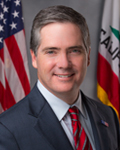
Bill Co-Author(s):