AB 281: Collateral recovery.
- Session Year: 2015-2016
- House: Assembly
- Latest Version Date: 2015-10-10
(1)Existing law, the Collateral Recovery Act, provides for the licensure and regulation of repossession agencies by the Bureau of Security and Investigative Services under the supervision and control of the Director of Consumer Affairs. The chief of the bureau serves under the direction and supervision of the director. Existing law makes a violation of the act a crime.
Existing law also provides for the denial of a license for specified acts, and authorizes the director to assess administrative fines.
This bill would establish, beginning July 1, 2017, a Collateral Recovery Disciplinary Review Committee, to consist of 5 members to be appointed by, and to serve at the pleasure of, the Governor, for purposes of reviewing the request of a licensee, certificate holder, or registrant to contest the assessment of an administrative fine or to appeal a denial, revocation, or suspension, except as specified. The bill would set forth the duties of the Collateral Recovery Disciplinary Review Committee in that regard, and would authorize the members of the committee to be paid per diem and reimbursed for actual travel expenses.
(2)Existing law prohibits a person from performing the duties of a registrant for a licensed repossession agency unless the person has in his or her possession a valid repossessor registration card or evidence of a valid temporary registration or registration renewal. Existing law authorizes a person to perform the duties of a registrant for a licensee pending receipt of a registration card if the person has been approved by the bureau and carries on his or her person a hardcopy printout of the bureaus approval from the bureaus Internet Web site.
This bill would exempt from that prohibition a person who has in his or her possession a hardcopy printout or electronic copy of the bureaus approval from the bureaus Internet Web site. The bill would also specify for the above-described purposes that an electronic copy of the bureaus approval may include an easily legible electronic screenshot display of that information.
(3)The Collateral Recovery Act authorizes licensed repossessors to perform repair work upon vehicles and charge owners if expressly authorized to do so.
This bill would prohibit licensed repossessors from performing, or charging for, repair work, cleaning, or detailing.
(4)The Collateral Recovery Act requires licensees to remove personal effects from collateral, make a complete and accurate inventory of the personal effects, and provide the inventory to a debtor not later than 48 hours after the recovery of the collateral, with certain exceptions, as specified. The act requires licensees to label and store the personal effects, except for the personal effects removed by or in the presence of the debtor or the party in possession at the time of the repossession, in a secure manner for a minimum of 60 days, and authorizes licensees to dispose of the personal effects after the expiration of that period, as specified. The act authorizes a licensee, if personal effects or other personal property not covered by a security agreement are to be released to someone other than the debtor, to request written authorization to do so from the debtor.
This bill would instead require a licensee to request that authorization. The bill would require the inventory to be provided to a debtor no later than 96 hours after the recovery of the collateral if a licensee is unable to open a locked compartment that is part of the collateral, with specified exceptions. The bill would prohibit a licensee from selling personal effects and remitting money from the sale to a third party.
(5)The Collateral Recovery Act prohibits a repossession agency, except as otherwise provided by law, from disclosing the personal information of persons employed by the agency.
This bill would exclude disclosure to an individual to whom the information pertains from these prohibitions, and would allow a repossession agency to disclose the name, drivers license number, and date of birth of a person employed by the agency to an insurance company for the purpose of verifying information for the issuance or renewal of a policy of insurance.
(6)The Collateral Recovery Act, among other things, prohibits a licensed repossession agency or its registrants from making demand for payment in lieu of repossession, selling recovered collateral, or appraising or determining the value of any collateral, and provides that licensed repossession agencies are not liable for the acts or omissions of legal owners and that legal owners are not liable for acts or omissions of licensed repossession agencies, as specified.
This bill would require a licensed repossession agency, at least annually, to provide a legal owner with a copy of those prohibitions and provisions.
This bill would define the terms registered owner and repossession for the purposes of the act. The bill would also make technical and conforming changes.
(7)Existing law requires a person who takes possession of a vehicle by or on behalf of the vehicles legal owner to notify the law enforcement department with applicable jurisdiction of the repossession within one hour of the repossession, as specified, and to forward a written notice to the city police or sheriffs department within one business day. Under existing law, a person who fails to provide this notification is guilty of an infraction and subject to a $300 to $500 fine.
This bill would delete the requirement to forward that written notice within one business day.
Under existing law, whenever a peace officer determines, among other things, that a person was driving without a license or while his or her driving privilege was suspended or revoked, the peace officer is authorized to remove and seize that vehicle. Existing law requires the law enforcement agency and the impounding agency, including any storage facility acting on behalf of the law enforcement agency or impounding agency, to comply with specified provisions and precludes liability to the registered owner for the improper release of the vehicle to the legal owner or the legal owners agent if the release complies with certain requirements.
Existing law requires the legal owner to indemnify and hold harmless a storage facility from any claims arising out of the release of the vehicle to the legal owner or the legal owners agent and from any damage to the vehicle after its release, including the reasonable costs associated with defending any such claims.
This bill would instead require the legal owner of collateral, by operation of law and without requiring further action, to indemnify and hold harmless the state, a law enforcement agency, city, county, city and county, a tow yard, storage facility, or an impounding yard from a claim arising out of the release of the collateral to a licensed repossessor or licensed repossession agency, and from any damage to the collateral after its release, including reasonable attorneys fees and costs associated with defending a claim, if the collateral was released in compliance, as specified.
Existing law requires any person, defined as a natural person or specified business entity, that charges for towing or storage, or both, except for storage unrelated to a tow, to, among other things, provide, upon request, a copy of the Towing Fees and Access Notice to any owner or operator of a towed or stored vehicle.
This bill would define a person to include the state, a city, county, city and county, law enforcement agency, a tow yard, storage facility, or an impounding yard that imposes such charges. By expanding this requirement to local agencies, the bill would create a state-mandated local program.
(8)This bill would incorporate additional changes in Section 14602.9 of the Vehicle Code proposed by SB 541 that would become operative only if SB 541 and this bill are both chaptered and become effective on or before January 1, 2016, and this bill is chaptered last.
(9)The California Constitution requires the state to reimburse local agencies and school districts for certain costs mandated by the state. Statutory provisions establish procedures for making that reimbursement.
This bill would provide that with regard to certain mandates no reimbursement is required by this act for a specified reason.
With regard to any other mandates, this bill would provide that, if the Commission on State Mandates determines that the bill contains costs so mandated by the state, reimbursement for those costs shall be made pursuant to the statutory provisions noted above.
(1)Existing law, the Collateral Recovery Act, provides for the licensure and regulation of repossession agencies by the Bureau of Security and Investigative Services under the supervision and control of the Director of Consumer Affairs. The chief of the bureau serves under the direction and supervision of the director. Existing law makes a violation of the act a crime.
Existing law also provides for the denial of a license for specified acts, and authorizes the director to assess administrative fines.
This bill would establish, beginning July 1, 2017, a Collateral Recovery Disciplinary Review Committee, to consist of 5 members to be appointed by, and to serve at the pleasure of, the Governor, for purposes of reviewing the request of a licensee licensee, certificate holder, or registrant to contest the assessment of an administrative fine or to appeal a denial of a license, denial, revocation, or suspension, except as specified. The bill would set forth the duties of the Collateral Recovery Disciplinary Review Committee in that regard, and would authorize the members of the committee to be paid per diem and reimbursed for actual travel expenses.
(2)Existing law prohibits a person from performing the duties of a registrant for a licensed repossession agency unless the person has in his or her possession a valid repossessor registration card or evidence of a valid temporary registration or registration renewal. Existing law authorizes a person to perform the duties of a registrant for a licensee pending receipt of a registration card if the person has been approved by the bureau and carries on his or her person a hardcopy printout of the bureaus approval from the bureaus Internet Web site.
This bill would exempt from that prohibition a person who has in his or her possession a hardcopy printout or electronic copy of the bureaus approval from the bureaus Internet Web site. The bill would also specify for the above-described purposes that an electronic copy of the bureaus approval may include an easily legible electronic screenshot display of that information.
(3)The Collateral Recovery Act authorizes licensed repossessors to perform repair work upon vehicles and charge owners if expressly authorized to do so.
This bill would prohibit licensed repossessors from performing, or charging for, repair work, cleaning, or detailing.
(4)The Collateral Recovery Act requires licensees to remove personal effects from collateral, make a complete and accurate inventory of the personal effects, and provide the inventory to a debtor not later than 48 hours after the recovery of the collateral, with certain exceptions, as specified. The act requires licensees to label and store the personal effects, except for the personal effects removed by or in the presence of the debtor or the party in possession at the time of the repossession, in a secure manner for a minimum of 60 days, and authorizes licensees to dispose of the personal effects after the expiration of that period, as specified. The act authorizes a licensee, if personal effects or other personal property not covered by a security agreement are to be released to someone other than the debtor, to request written authorization to do so from the debtor.
This bill, instead of requiring licensees to make a complete and accurate inventory of the personal effects, would require licensees to make a good faith effort to inventory the personal effects in writing or by photograph. The bill would prohibit licensees from inventorying or removing trash, and would specify that licensees are not responsible for hidden personal effects. The bill would require a licensee unable to open a compartment in the collateral to notify the legal owner of the collateral of that inability within 24 hours, and would require the legal owner to provide the licensee with access to the compartment within 72 hours of notification, as specified. The bill would specify that the 48-hour period in which the licensee must provide the inventory of personal effects to a debtor is tolled until the legal owner provides that access or 72 hours elapse after notification. The bill would authorize a licensee to allow a debtor, or a person in possession of the collateral at the time of repossession, to sign a waiver forfeiting the personal effects and inventory, and would require the licensee to immediately dispose of the personal effects upon receiving that waiver. bill would instead require a licensee to request that authorization. The bill would require the inventory to be provided to a debtor no later than 96 hours after the recovery of the collateral if a licensee is unable to open a locked compartment that is part of the collateral, with specified exceptions. The bill would prohibit a licensee from selling personal effects and remitting money from the sale to a third party, and would further prohibit a licensee from releasing or conspiring or agreeing to release personal effects to a person other than the debtor or person in possession of the collateral at the time of repossession. party.
(5)The Collateral Recovery Act prohibits a repossession agency, except as otherwise provided by law, from disclosing the personal information of persons employed by the agency.
This bill would exclude disclosure to an individual to whom the information pertains from these prohibitions, and would allow a repossession agency to disclose the name, drivers license number, and date of birth of a person employed by the agency to an insurance company for the purpose of verifying information for the issuance or renewal of a policy of insurance.
(6)The Collateral Recovery Act, among other things, prohibits a licensed repossession agency or its registrants from making demand for payment in lieu of repossession, selling recovered collateral, or appraising or determining the value of any collateral, and provides that licensed repossession agencies are not liable for the acts or omissions of legal owners and that legal owners are not liable for acts or omissions of licensed repossession agencies, as specified.
This bill would require a licensed repossession agency, at least annually, to provide a legal owner with a copy of those prohibitions and provisions.
This bill would define the terms registered owner and repossession for the purposes of the act. The bill would also make technical and conforming changes.
(7)Existing law requires a person who takes possession of a vehicle by or on behalf of the vehicles legal owner to notify the law enforcement department with applicable jurisdiction of the repossession within one hour of the repossession, as specified, and to forward a written notice to the city police or sheriffs department within one business day. Under existing law, a person who fails to provide this notification is guilty of an infraction and subject to a $300 to $500 fine.
This bill would delete the requirement to forward that written notice within one business day.
Under existing law, whenever a peace officer determines, among other things, that a person was driving without a license or while his or her driving privilege was suspended or revoked, the peace officer is authorized to remove and seize that vehicle. Existing law requires the law enforcement agency and the impounding agency, including any storage facility acting on behalf of the law enforcement agency or impounding agency, to comply with specified provisions and precludes liability to the registered owner for the improper release of the vehicle to the legal owner or the legal owners agent if the release complies with certain requirements.
Existing law requires the legal owner to indemnify and hold harmless a storage facility from any claims arising out of the release of the vehicle to the legal owner or the legal owners agent and from any damage to the vehicle after its release, including the reasonable costs associated with defending any such claims.
This bill would instead require the legal owner of collateral, by operation of law and without requiring further action, to indemnify and hold harmless the state, a law enforcement agency, city, county, city and county, a tow yard, storage facility, or an impounding yard from a claim arising out of the release of the collateral to a licensed repossessor or licensed repossession agency, and from any damage to the collateral after its release, including reasonable attorneys fees and costs associated with defending a claim, if the collateral was released in compliance, as specified.
Existing law requires any person, defined as a natural person or specified business entity, that charges for towing or storage, or both, except for storage unrelated to a tow, to, among other things, provide, upon request, a copy of the Towing Fees and Access Notice to any owner or operator of a towed or stored vehicle.
This bill would define a person to include the state, a city, county, city and county, law enforcement agency, a tow yard, storage facility, or an impounding yard that imposes such charges. By expanding this requirement to local agencies, the bill would create a state-mandated local program.
(8)This bill would incorporate additional changes in Section 14602.9 of the Vehicle Code proposed by SB 541 that would become operative only if SB 541 and this bill are both chaptered and become effective on or before January 1, 2016, and this bill is chaptered last.
(8)
(9)The California Constitution requires the state to reimburse local agencies and school districts for certain costs mandated by the state. Statutory provisions establish procedures for making that reimbursement.
This bill would provide that with regard to certain mandates no reimbursement is required by this act for a specified reason.
With regard to any other mandates, this bill would provide that, if the Commission on State Mandates determines that the bill contains costs so mandated by the state, reimbursement for those costs shall be made pursuant to the statutory provisions noted above.
(1)Existing law, the Collateral Recovery Act, provides for the licensure and regulation of repossession agencies by the Bureau of Security and Investigative Services under the supervision and control of the Director of Consumer Affairs. The chief of the bureau serves under the direction and supervision of the director. Existing law makes a violation of the act a crime. Existing
Existing law also provides for the denial of a license for specified violations of the act, acts, and authorizes the director to assess administrative fines and penalties. fines.
This bill would establish, beginning July 1, 2017, a Collateral Recovery Disciplinary Review Committee, to consist of 5 members to be appointed by, and to serve at the pleasure of, the Governor, for purposes of reviewing the request of a licensee to contest the assessment of an administrative fine or to appeal a denial of a license, except as specified. The bill would set forth the duties of the Collateral Recovery Disciplinary Review Committee in that regard, and would authorize the members of the committee to be paid per diem and reimbursed for actual travel expenses.
(2)Existing law prohibits a person from performing the duties of a registrant for a licensed repossession agency unless the person has in his or her possession a valid repossessor registration card or evidence of a valid temporary registration or registration renewal. Existing law authorizes a person to perform the duties of a registrant for a licensee pending receipt of a registration card if the person has been approved by the bureau and carries on his or her person a hardcopy printout of the bureaus approval from the bureaus Internet Web site.
This bill would exempt from that prohibition a person who has in his or her possession a hardcopy printout or electronic copy of the bureaus approval from the bureaus Internet Web site. The bill would also specify for the above-described purposes that an electronic copy of the bureaus approval may include an electronic screenshot display of that information.
(3)The Collateral Recovery Act authorizes licensed repossessors to perform repair work upon vehicles and charge owners if expressly authorized to do so.
This bill would prohibit licensed repossessors from performing, or charging for, repair work, cleaning, or detailing.
(4)The Collateral Recovery Act requires licensees to remove personal effects from collateral, make a complete and accurate inventory of the personal effects, and provide the inventory to a debtor not later than 48 hours after the recovery of the collateral, with certain exceptions, as specified. The act requires licensees to label and store the personal effects, except for the personal effects removed by or in the presence of the debtor or the party in possession at the time of the repossession, in a secure manner for a minimum of 60 days, and authorizes licensees to dispose of the personal effects after the expiration of that period, as specified.
This bill, instead of requiring licensees to make a complete and accurate inventory of the personal effects, would require licensees to make a good faith effort to inventory the personal effects in writing or by photograph. The bill would prohibit licensees from inventorying or removing trash, and would specify that licensees are not responsible for hidden personal effects. The bill would require a licensee unable to open a compartment in the collateral to notify the legal owner of the collateral of that inability within 24 hours, and would require the legal owner to provide the licensee with access to the compartment within 72 hours of notification, as specified. The bill would specify that the 48-hour period in which the licensee must provide the inventory of personal effects to a debtor is tolled until the legal owner provides that access or 72 hours elapse after notification. The bill would authorize a licensee to allow a debtor, or a person in possession of the collateral at the time of repossession, to sign a waiver forfeiting the personal effects and inventory, and would require the licensee to immediately dispose of the personal effects upon receiving that waiver. The bill would prohibit a licensee from selling personal effects and remitting money from the sale to a third party, and would further prohibit a licensee from releasing or conspiring or agreeing to release personal effects to a person other than the debtor or person in possession of the collateral at the time of repossession.
(5)The Collateral Recovery Act prohibits a repossession agency, except as otherwise provided by law, from disclosing the personal information of persons employed by the agency.
This bill would allow a repossession agency to disclose the name, drivers license number, and date of birth of a person employed by the agency to an insurance company for the purpose of verifying information for the issuance or renewal of a policy of insurance.
(6)The Collateral Recovery Act, among other things, prohibits a licensed repossession agency or its registrants from making demand for payment in lieu of repossession, selling recovered collateral, or appraising or determining the value of any collateral, and provides that licensed repossession agencies are not liable for the acts or omissions of legal owners and that legal owners are not liable for acts or omissions of licensed repossession agencies, as specified.
This bill would require a licensed repossession agency, at least annually, to provide a legal owner with a copy of those prohibitions and provisions.
This bill would define the term terms registered owner and repossession for the purposes of the act. The bill would also make technical and conforming changes.
(7)Existing law requires a person who takes possession of a vehicle by or on behalf of the vehicles legal owner to notify the law enforcement department with applicable jurisdiction of the repossession within one hour of the repossession, as specified, and to forward a written notice to the city police or sheriffs department within one business day. Under existing law, a person who fails to provide this notification is guilty of an infraction and subject to a $300 to $500 fine.
This bill, if a vehicle is removed to a tow yard, storage facility, or impounding yard after a person takes possession of the vehicle on behalf of the vehicles legal owner and provides law enforcement with the above-described notifications, and the tow yard, storage facility, or impounding yard is outside of the jurisdiction in which the taking of possession occurred, would prohibit the person who took possession from notifying the law enforcement department of the jurisdiction of the tow yard, storage facility, or impounding yard of the removal, and would require the tow yard, storage facility, or impounding yard to direct the registered owner of the vehicle to the law enforcement department of the jurisdiction in which the taking of possession occurred. bill would delete the requirement to forward that written notice within one business day.
Under existing law, whenever a peace officer determines, among other things, that a person was driving without a license or while his or her driving privilege was suspended or revoked, the peace officer is authorized to remove and seize that vehicle. Existing law requires the law enforcement agency and the impounding agency, including any storage facility acting on behalf of the law enforcement agency or impounding agency, to comply with specified provisions and precludes liability to the registered owner for the improper release of the vehicle to the legal owner or the legal owners agent if the release complies with certain requirements.
Existing law requires the legal owner to indemnify and hold harmless a storage facility from any claims arising out of the release of the vehicle to the legal owner or the legal owners agent and from any damage to the vehicle after its release, including the reasonable costs associated with defending any such claims.
This bill would instead require the legal owner of collateral, by operation of law and without requiring further action, to indemnify and hold harmless the state, a law enforcement agency, city, county, city and county, a tow yard, storage facility, or an impounding yard from a claim arising out of the release of the collateral to a licensed repossessor or licensed repossession agency, and from any damage to the collateral after its release, including reasonable attorneys fees and costs associated with defending a claim, if the collateral was released in compliance, as specified.
Existing law requires any person, defined as a natural person or specified business entity, that charges for towing or storage, or both, except for storage unrelated to a tow, to, among other things, provide, upon request, a copy of the Towing Fees and Access Notice to any owner or operator of a towed or stored vehicle.
This bill would define a person to include the state, a city, county, city and county, law enforcement agency, a tow yard, storage facility, or an impounding yard that imposes such charges. By expanding this requirement to local agencies, the bill would create a state-mandated local program.
(8)Because a violation of the bills provisions under the Collateral Recovery Act would be a crime, the bill would impose a state-mandated local program.
The California Constitution requires the state to reimburse local agencies and school districts for certain costs mandated by the state. Statutory provisions establish procedures for making that reimbursement.
This bill would provide that no reimbursement is required by this act for a specified reason.
(8)The California Constitution requires the state to reimburse local agencies and school districts for certain costs mandated by the state. Statutory provisions establish procedures for making that reimbursement.
This bill would provide that with regard to certain mandates no reimbursement is required by this act for a specified reason.
With regard to any other mandates, this bill would provide that, if the Commission on State Mandates determines that the bill contains costs so mandated by the state, reimbursement for those costs shall be made pursuant to the statutory provisions noted above.
(1)Existing law, the Collateral Recovery Act, provides for the licensure and regulation of repossession agencies by the Bureau of Security and Investigative Services under the supervision and control of the Director of Consumer Affairs. The chief of the bureau serves under the direction and supervision of the director. Existing law makes a violation of the act a crime. Existing law also provides for the denial of a license for specified violations of the act, and authorizes the director to assess administrative fines and penalties.
This bill would establish a Collateral Recovery Disciplinary Review Committee, to consist of 5 members to be appointed by, and to serve at the pleasure of, the Governor, for purposes of reviewing the request of a licensee to contest the assessment of an administrative fine or to appeal a denial of a license, except as specified. The bill would set forth the duties of the Collateral Recovery Disciplinary Review Committee in that regard, and would authorize the members of the committee to be paid per diem and reimbursed for actual travel expenses.
(2)Existing law prohibits a person from performing the duties of a registrant for a licensed repossession agency unless the person has in his or her possession a valid repossessor registration card or evidence of a valid temporary registration or registration renewal. Existing law authorizes a person to perform the duties of a registrant for a licensee pending receipt of a registration card if the person has been approved by the bureau and carries on his or her person a hardcopy printout of the bureaus approval from the bureaus Internet Web site.
This bill would exempt from that prohibition a person who has in his or her possession a hardcopy printout or electronic copy of the bureaus approval from the bureaus Internet Web site. The bill would also specify for the above-described purposes that an electronic copy of the bureaus approval may include an electronic screenshot display of that information.
(3)The Collateral Recovery Act authorizes licensed repossessors to perform repair work upon vehicles and charge owners if expressly authorized to do so.
This bill would prohibit licensed repossessors from performing, or charging for, repair work, cleaning, or detailing.
(4)The Collateral Recovery Act requires licensees to remove personal effects from collateral, make a complete and accurate inventory of the personal effects, and provide the inventory to a debtor not later than 48 hours after the recovery of the collateral, with certain exceptions, as specified. The act requires licensees to label and store the personal effects, except for the personal effects removed by or in the presence of the debtor or the party in possession at the time of the repossession, in a secure manner for a minimum of 60 days, and authorizes licensees to dispose of the personal effects after the expiration of that period, as specified.
This bill, instead of requiring licensees to make a complete and accurate inventory of the personal effects, would require licensees to make a good faith effort to inventory the personal effects in writing or by photograph. The bill would prohibit licensees from inventorying or removing trash, and would specify that licensees are not responsible for hidden personal effects. The bill would require a licensee unable to open a compartment in the collateral to notify the legal owner of the collateral of that inability within 24 hours, and would require the legal owner to provide the licensee with access to the compartment within 72 hours of notification, as specified. The bill would specify that the 48-hour period in which the licensee must provide the inventory of personal effects to a debtor is tolled until the legal owner provides that access or 72 hours elapse after notification. The bill would authorize a licensee to allow a debtor, or a person in possession of the collateral at the time of repossession, to sign a waiver forfeiting the personal effects and inventory, and would require the licensee to immediately dispose of the personal effects upon receiving that waiver. The bill would prohibit a licensee from selling personal effects and remitting money from the sale to a third party, and would further prohibit a licensee from releasing or conspiring or agreeing to release personal effects to a person other than the debtor or person in possession of the collateral at the time of repossession.
(5)The Collateral Recovery Act prohibits a repossession agency, except as otherwise provided by law, from disclosing the personal information of persons employed by the agency.
This bill would allow a repossession agency to disclose the name, drivers license number, and date of birth of a person employed by the agency to an insurance company for the purpose of verifying information for the issuance or renewal of a policy of insurance.
(6)The Collateral Recovery Act, among other things, prohibits a licensed repossession agency or its registrants from making demand for payment in lieu of repossession, selling recovered collateral, or appraising or determining the value of any collateral, and provides that licensed repossession agencies are not liable for the acts or omissions of legal owners and that legal owners are not liable for acts or omissions of licensed repossession agencies, as specified.
This bill would require a licensed repossession agency, at least annually, to provide a legal owner with a copy of those prohibitions and provisions.
This bill would define the term repossession for the purposes of the act. The bill would also make technical and conforming changes.
(7)Existing law requires a person who takes possession of a vehicle by or on behalf of the vehicles legal owner to notify the law enforcement department with applicable jurisdiction of the repossession within one hour of the repossession, as specified, and to forward a written notice to the city police or sheriffs department within one business day. Under existing law, a person who fails to provide this notification is guilty of an infraction and subject to a $300 to $500 fine.
This bill, if a vehicle is removed to a tow yard, storage facility, or impounding yard after a person takes possession of the vehicle on behalf of the vehicles legal owner and provides law enforcement with the above-described notifications, and the tow yard, storage facility, or impounding yard is outside of the jurisdiction in which the taking of possession occurred, would prohibit the person who took possession from notifying the law enforcement department of the jurisdiction of the tow yard, storage facility, or impounding yard of the removal, and would require the tow yard, storage facility, or impounding yard to direct the registered owner of the vehicle to the law enforcement department of the jurisdiction in which the taking of possession occurred.
(8)Because a violation of the bills provisions under the Collateral Recovery Act would be a crime, the bill would impose a state-mandated local program.
The California Constitution requires the state to reimburse local agencies and school districts for certain costs mandated by the state. Statutory provisions establish procedures for making that reimbursement.
This bill would provide that no reimbursement is required by this act for a specified reason.
Existing
(1)Existing law, the Collateral Recovery Act, provides for the licensure and regulation of repossession agencies by the Bureau of Security and Investigative Services under the supervision and control of the Director of Consumer Affairs. The chief of the bureau serves under the direction and supervision of the director. Existing law makes a violation of the act a crime. Existing law also provides for the denial of a license for specified violations of the act, and authorizes the director to assess administrative fines and penalties.
This bill would establish a Collateral Recovery Disciplinary Review Committee, to consist of 5 members to be appointed by, and to serve at the pleasure of, the Governor, for purposes of reviewing the request of a licensee to contest the assessment of an administrative fine or to appeal a denial of a license, except as specified. The bill would set forth the duties of the Collateral Recovery Disciplinary Review Committee in that regard, and would authorize the members of the committee to be paid per diem and reimbursed for actual travel expenses.
Existing
(2)Existing law prohibits a person from performing the duties of a registrant for a licensed repossession agency unless the person has in his or her possession a valid repossessor registration card or evidence of a valid temporary registration or registration renewal. Existing law authorizes a person to perform the duties of a registrant for a licensee pending receipt of a registration card if the person has been approved by the bureau and carries on his or her person a hardcopy printout of the bureaus approval from the bureaus Internet Web site.
This bill would exempt from that prohibition a person who has in his or her possession a hardcopy printout or electronic copy of the bureaus approval from the bureaus Internet Web site. The bill would also specify for the above-described purposes that an electronic copy of the bureaus approval may include an electronic screenshot display of that information.
The
(3)The Collateral Recovery Act authorizes licensed repossessors to perform repair work upon vehicles and charge owners if expressly authorized to do so.
This bill would prohibit licensed repossessors from performing, or charging for, repair work. work, cleaning, or detailing.
(4)The Collateral Recovery Act requires licensees to remove personal effects from collateral, make a complete and accurate inventory of the personal effects, and provide the inventory to a debtor not later than 48 hours after the recovery of the collateral, with certain exceptions, as specified. The act requires licensees to label and store the personal effects, except for the personal effects removed by or in the presence of the debtor or the party in possession at the time of the repossession, in a secure manner for a minimum of 60 days, and authorizes licensees to dispose of the personal effects after the expiration of that period, as specified.
This bill, instead of requiring licensees to make a complete and accurate inventory of the personal effects, would require licensees to make a good faith effort to inventory the personal effects in writing or by photograph. The bill would prohibit licensees from inventorying or removing trash, and would specify that licensees are not responsible for hidden personal effects. The bill would require a licensee unable to open a compartment in collateral to notify the legal owner of the collateral of that inability within 24 hours, and would require the legal owner to provide the licensee with access to the compartment within 72 hours of notification, as specified. The bill would specify that the 48-hour period in which the licensee must provide the inventory of personal effects to a debtor is tolled until the legal owner provides that access or 72 hours elapse after notification. The bill would authorize a licensee to allow a debtor, or a person in possession of the collateral at the time of repossession, to sign a waiver forfeiting the personal effects and inventory, and would require the licensee to immediately dispose of the personal effects upon receiving that waiver. The bill would prohibit a licensee from selling personal effects and remitting money from the sale to a third party, and would further prohibit a licensee from releasing or conspiring or agreeing to release personal effects to a person other than the debtor or person in possession of the collateral at the time of repossession.
(5)The Collateral Recovery Act prohibits a repossession agency, except as otherwise provided by law, from disclosing the personal information of persons employed by the agency.
This bill would allow a repossession agency to disclose the name, drivers license number, and date of birth of a person employed by the agency to an insurance company for the purpose of verifying information for the issuance or renewal of a policy of insurance.
(6)The Collateral Recovery Act, among other things, prohibits a licensed repossession agency or its registrants from making demand for payment in lieu of repossession, selling recovered collateral, or appraising or determining the value of any collateral, and provides that licensed repossession agencies are not liable for the acts or omissions of legal owners and that legal owners are not liable for acts or omissions of licensed repossession agencies, as specified.
This bill would require a licensed repossession agency, at least annually, to provide a legal owner with a copy of those prohibitions and provisions.
This bill would define the term repossession for the purposes of the act. The bill would also make technical and conforming changes.
(7)Existing law requires a person who takes possession of a vehicle by or on behalf of the vehicles legal owner to notify the law enforcement department with applicable jurisdiction of the repossession within one hour of the repossession, as specified, and to forward a written notice to the city police or sheriffs department within one business day. Under existing law, a person who fails to provide this notification is guilty of an infraction and subject to a $300 to $500 fine.
This bill, if a vehicle is removed to a tow yard, storage facility, or impounding yard after a person takes possession of the vehicle on behalf of the vehicles legal owner and provides law enforcement with the above-described notifications, and the tow yard, storage facility, or impounding yard is outside of the jurisdiction in which the taking of possession occurred, would prohibit the person who took possession from notifying the law enforcement department of the jurisdiction of the tow yard, storage facility, or impounding yard of the removal, and would require the tow yard, storage facility, or impounding yard to direct the registered owner of the vehicle to the law enforcement department of the jurisdiction in which the taking of possession occurred.
Because
(8)Because a violation of the bills provisions under the Collateral Recovery Act would be a crime, the bill would impose a state-mandated local program.
The California Constitution requires the state to reimburse local agencies and school districts for certain costs mandated by the state. Statutory provisions establish procedures for making that reimbursement.
This bill would provide that no reimbursement is required by this act for a specified reason.
Existing law, the Collateral Recovery Act, provides for the licensure and regulation of repossession agencies by the Bureau of Security and Investigative Services under the supervision and control of the Director of Consumer Affairs. The chief of the bureau serves under the direction and supervision of the director. Existing law makes a violation of the act a crime. Existing law also provides for the denial of a license for specified violations of the act, and authorizes the director to assess administrative fines and penalties.
This bill would establish a Collateral Recovery Disciplinary Review Committee, to consist of 5 members to be appointed by, and to serve at the pleasure of, the Governor, for purposes of reviewing the request of a licensee to contest the assessment of an administrative fine or to appeal a denial of a license, except as specified. The bill would set forth the duties of the Collateral Recovery Disciplinary Review Committee in that regard, and would authorize the members of the committee to be paid per diem and reimbursed for actual travel expenses.
Existing law prohibits a person from performing the duties of a registrant for a licensed repossession agency unless the person has in his or her possession a valid repossessor registration card or evidence of a valid temporary registration or registration renewal. Existing law authorizes a person to perform the duties of a registrant for a licensee pending receipt of a registration card if the person has been approved by the bureau and carries on his or her person a hardcopy printout of the bureaus approval from the bureaus Internet Web site.
This bill would authorize a person performing the duties of a registrant to alternatively display a exempt from that prohibition a person who has in his or her possession a hardcopy printout or electronic copy of the bureaus approval from the bureaus Internet Web site or an electronic screenshot display of this information directly from the bureaus Internet Web site. The bill would also authorize a person performing the duties of a registrant for a licensee pending receipt of a registration card if the person has been approved by the bureau and carries on his or her person an specify for the above-described purposes that an electronic copy of the bureaus approval may include an electronic screenshot display of this information directly from the bureaus Internet Web site. that information.
The Collateral Recovery Act authorizes licensed repossessors to perform repair work upon vehicles and charge owners if expressly authorized to do so.
This bill would prohibit licensed repossessors from performing, or charging for, repair work.
This bill would also make technical changes.
Because a violation of the bills provisions under the Collateral Recovery Act would be a crime, the bill would impose a state-mandated local program.
The California Constitution requires the state to reimburse local agencies and school districts for certain costs mandated by the state. Statutory provisions establish procedures for making that reimbursement.
This bill would provide that no reimbursement is required by this act for a specified reason.
Existing law, the Collateral Recovery Act, provides for the licensure and regulation of repossession agencies by the Bureau of Security and Investigative Services under the supervision and control of the Director of Consumer Affairs. The chief of the bureau serves under the direction and supervision of the director. Existing law makes a violation of the act a crime. Existing law also provides for the denial of a license for specified violations of the act, and authorizes the director to assess administrative fines and penalties.
This bill would establish a Collateral Recovery Disciplinary Review Committee, to consist of 5 members to be appointed by, and to serve at the pleasure of, the Governor, for purposes of reviewing the request of a licensee to contest the assessment of an administrative fine or to appeal a denial of a license, except as specified. The bill would set forth the duties of the Collateral Recovery Disciplinary Review Committee in that regard, and would authorize the members of the committee to be paid per diem and reimbursed for actual travel expenses.
Existing law prohibits a person from performing the duties of a registrant for a licensed repossession agency unless the person has in his or her possession a valid repossessor registration card or evidence of a valid temporary registration or registration renewal. Existing law authorizes a person to perform the duties of a registrant for a licensee pending receipt of a registration card if the person has been approved by the bureau and carries on his or her person a hardcopy printout of the bureaus approval from the bureaus Internet Web site.
This bill would authorize a person performing the duties of a registrant to alternatively display a hardcopy printout or electronic copy of the bureaus approval from the bureaus Internet Web site or an electronic screenshot display of this information directly from the bureaus Internet Web site. The bill would also authorize a person performing the duties of a registrant for a licensee pending receipt of a registration card if the person has been approved by the bureau and carries on his or her person an electronic screenshot display of this information directly from the bureaus Internet Web site.
The Collateral Recovery Act authorizes licensed repossessors to perform repair work upon vehicles and charge owners if expressly authorized to do so.
This bill would prohibit licensed repossessors from performing, or charging for, repair work.
This bill would also make technical changes.
Because a violation of the bills provisions under the Collateral Recovery Act would be a crime, the bill would impose a state-mandated local program.
The California Constitution requires the state to reimburse local agencies and school districts for certain costs mandated by the state. Statutory provisions establish procedures for making that reimbursement.
This bill would provide that no reimbursement is required by this act for a specified reason.
The following terms as used in this chapter have the meaning expressed in this section:
(a)Advertisement means any written or printed communication, including a directory listing, except a free telephone directory listing that does not allow space for a license number.
(b)Assignment means any written authorization by the legal owner, lienholder, lessor, lessee, registered owner, or the agent of any of them, to repossess any collateral, including, but not limited to, collateral registered under the Vehicle Code that is subject to a security agreement that contains a repossession clause. Assignment also means any written authorization by an employer to recover any collateral entrusted to an employee or former employee in possession of the collateral. A photocopy of an assignment, facsimile copy of an assignment, or electronic format of an assignment shall have the same force and effect as an original written assignment.
(c)Bureau means the Bureau of Security and Investigative Services.
(d)Chief means the Chief of the Bureau of Security and Investigative Services.
(e)Collateral means any specific vehicle, trailer, boat, recreational vehicle, motor home, appliance, or other property that is subject to a security agreement.
(f)Combustibles means any substances or articles that are capable of undergoing combustion or catching fire, or that are flammable, if retained.
(g)Dangerous drugs means any controlled substances as defined in Chapter 2 (commencing with Section 11053) of Division 10 of the Health and Safety Code.
(h)Deadly weapon means and includes any instrument or weapon of the kind commonly known as a blackjack, slungshot, billy, sandclub, sandbag, metal knuckles, dirk, dagger, pistol, or revolver, or any other firearm, any knife having a blade longer than five inches, any razor with an unguarded blade, and any metal pipe or bar used or intended to be used as a club.
(i)Debtor means any person obligated under a security agreement.
(j)Department means the Department of Consumer Affairs.
(k)Director means the Director of Consumer Affairs.
(l)Electronic format includes, but is not limited to, a text message, email, or Internet posting.
(m)Health hazard means any personal effects that if retained would produce an unsanitary or unhealthful condition, or which might damage other personal effects.
(n)Legal owner means a person holding a security interest in any collateral that is subject to a security agreement, a lien against any collateral, or an interest in any collateral that is subject to a lease agreement.
(o)Licensee means an individual, partnership, limited liability company, or corporation licensed under this chapter as a repossession agency.
(p)Multiple licensee means a repossession agency holding more than one repossession license under this chapter, with one fictitious trade style and ownership, conducting repossession business from additional licensed locations other than the location shown on the original license.
(q)Person includes any individual, partnership, limited liability company, or corporation.
(r)Personal effects means any property that is not the property of the legal owner.
(s)Private building means and includes any dwelling, outbuilding, or other enclosed structure.
(t)Qualified certificate holder or qualified manager is a person who possesses a valid qualification certificate in accordance with the provisions of Article 5 (commencing with Section 7504) and is in active control or management of, and who is a director of, the licensees place of business.
(u)Registered owner means the individual listed in the records of the Department of Motor Vehicles, or on a conditional sales contract, or on a repossession assignment, as the registered owner.
(v)Registrant means a person registered under this chapter.
(w)Repossession means the locating or recovering of collateral by means of an assignment.
(x)Secured area means and includes any fenced and locked area.
(y)Security agreement means an obligation, pledge, mortgage, chattel mortgage, lease agreement, deposit, or lien, given by a debtor as security for payment or performance of his or her debt, by furnishing the creditor with a recourse to be used in case of failure in the principal obligation. Security agreement also includes a bailment where an employer-employee relationship exists or existed between the bailor and the bailee.
(z)Services means any duty or labor to be rendered by one person for another.
(aa)Violent act means any act that results in bodily harm or injury to any party involved.
(bb)The amendments made to this section by Chapter 418 of the Statutes of 2006 shall not be deemed to exempt any person from the provisions of this chapter.
SEC. 2.Section 7500.3 of the Business and Professions Code, as amended by Section 1 of Chapter 476 of the Statutes of 2012, is amended to read:7500.3.(a)A repossession agency shall not include any of the following:
(1)Any bank subject to the jurisdiction of the Commissioner of Financial Institutions of the State of California under Division 1 (commencing with Section 99) of the Financial Code or the Comptroller of the Currency of the United States.
(2)Any person organized, chartered, or holding a license or authorization certificate to make loans pursuant to the laws of this state or the United States who is subject to supervision by any official or agency of this state or the United States.
(3)An attorney at law in performing his or her duties as an attorney at law.
(4)The legal owner of collateral that is subject to a security agreement; or a bona fide employee employed exclusively and regularly by the legal owner of collateral that is subject to a security agreement. With regard to collateral subject to registration under the Vehicle Code, the legal owner shall be the legal owner listed on the records of the Department of Motor Vehicles or the seller or lessor named on a valid conditional sales contract or rental or lease agreement if the seller or lessor is a licensed vehicle dealer as defined in Section 285 of the Vehicle Code.
(5)An officer or employee of the United States of America, or of this state or a political subdivision thereof, while the officer or employee is engaged in the performance of his or her official duties.
(6)A qualified certificate holder or a registrant when performing services for, or on behalf of, a licensee.
(7)A dealer, including its bona fide employees, regularly engaged in the sale of collateral designed primarily for agricultural use, as defined in subdivision (b) of Section 51201 of the Government Code, for use in the care of lawns and gardens, or for use as special construction equipment, as defined in subdivision (b) of Section 565 of the Vehicle Code, or for use in the production, generation, storage, or transmission of mechanical or electric energy, that is subject to a security agreement of the manufacturer or an affiliate of that manufacturer, provided the following requirements are met:
(A)The dealer or the secured party maintains adequate records of all repossessions.
(B)The dealer or the secured party completes a collateral condition report.
(C)The dealer or the secured party records any odometer or hour meter readings.
(D)The dealer or the secured party creates records of all transactions pertaining to the sale of the collateral, including, but not limited to, bids solicited and received, cash received, remittances to the seller, and allocation of any moneys not so remitted to appropriate ledger accounts.
(E)The dealer removes and stores any personal effects that were taken with the collateral for a minimum of 60 days in a secure manner, completes an inventory of the personal effects, and notes the date that inventory is taken.
(F)If personal effects that were taken with the collateral are to be released to someone other than the debtor, the dealer shall request written authorization to do so from the debtor. The dealer may dispose of personal effects after storing them for at least 60 days pursuant to subparagraph (E).
(b)Entities described in paragraph (7) of subdivision (a), or a debtor, lienholder, lessor or, lessee, registered owner, or an agent thereof shall not by any means, directly or indirectly, expressed or implied, instruct, coerce, or attempt to coerce another person to violate any law, regulation, or rule regarding the recovery of collateral, including, but not limited to, the provisions of this chapter or Section 9609 of the Commercial Code.
(c)This section shall remain in effect only until January 1, 2018, and as of that date is repealed, unless a later enacted statute, that is enacted before January 1, 2018, deletes or extends that date.
SEC. 3.Section 7506.9 of the Business and Professions Code is amended to read:7506.9.(a)Upon the issuance of the initial registration, reregistration, or renewal, the chief shall issue to the registrant a suitable pocket identification card. At the request of the registrant, the identification card may include a photograph of the registrant. The photograph shall be of a size prescribed by the bureau. The card shall contain the name of the licensee with whom the registrant is registered. The applicant may request to be issued an enhanced pocket card that shall be composed of durable material and may incorporate technologically advanced security features. The bureau may charge a fee sufficient to reimburse the department for costs for furnishing the enhanced pocket card. The fee charged may not exceed the actual cost for system development, maintenance, and processing necessary to provide the service, and may not exceed six dollars ($6). If the applicant does not request an enhanced card, the department shall issue a standard card at no cost to the applicant.
(b)Until the registration certificate is issued or denied, a person may be assigned to work with a temporary registration on a secure form prescribed by the chief, and issued by the qualified certificate holder, for a period not to exceed 120 days from the date the employment or contract commenced, provided the person signs a declaration under penalty of perjury that he or she has not been convicted of a felony or committed any other act constituting grounds for denial of a registration pursuant to Section 7506.8 (unless he or she declares that the conviction of a felony or the commission of a specified act or acts occurred prior to the issuance of a registration by the chief and the conduct was not the cause of any subsequent suspension or termination of a registration), and that he or she has read and understands the provisions of this chapter.
(c)The chief shall issue an additional temporary registration for not less than 60 days nor more than 120 days, if the chief determines that the investigation of the applicant will take longer to complete than the initial temporary registration time period.
(d)No person shall perform the duties of a registrant for a licensee unless the person has in his or her possession a valid repossessor registration card, a hardcopy printout or electronic copy of the bureaus approval from the bureaus Internet Web site, which may include an easily legible electronic screenshot of that information, or evidence of a valid temporary registration or registration renewal as described in subdivision (b) or (e) of this section or subdivision (f) of Section 7506.10. Every person, while engaged in any activity for which licensure is required, shall display his or her valid pocket card, as provided by regulation.
(e)A person may work as a registrant pending receipt of the registration card if he or she has been approved by the bureau and carries on his or her person a hardcopy printout or electronic copy of the bureaus approval from the bureaus Internet Web site, which may include an easily legible electronic screenshot of that information, and a valid picture identification.
SEC. 4.Section 7507.5 of the Business and Professions Code is amended to read:7507.5.No charge shall be made for services incurred in connection with the recovery, transportation, and storage of collateral except under terms agreed to by the legal owner at the time of the repossession authorization or specifically agreed upon at a subsequent time. Repair work, cleaning, or detailing shall not be performed and shall not be charged to the legal owner.
SEC. 5.Section 7507.9 of the Business and Professions Code is amended to read:7507.9.Personal effects shall be removed from the collateral, including any personal effect that is mounted but detachable from the collateral by a release mechanism. A complete and accurate inventory of the personal effects shall be made, and the personal effects shall be labeled and stored by the licensee for a minimum of 60 days in a secure manner, except those personal effects removed by or in the presence of the debtor or the party in possession of the collateral at the time of the repossession. If the licensee or the licensees agent cannot determine whether the property attached to the collateral is a personal effect or a part of the collateral, then that fact shall be noted on the inventory and the licensee or agent shall not be obligated to remove the item from the collateral, unless the item can be removed without the use of tools, in which case it shall be removed and inventoried. The licensee or the licensees agent shall notify the debtor that if the debtor takes the position that an item is a personal effect, then the debtor shall contact the legal owner to resolve the issue.
(a)The date and time the inventory is made shall be indicated. The permanent records of the licensee shall indicate the name of the employee or registrant who performed the inventory.
(b)The following items of personal effects are items determined to present a danger or health hazard when recovered by the licensee and shall be disposed of in the following manner:
(1)Deadly weapons and dangerous drugs shall be turned over to any law enforcement agency for retention. These items shall be entered on the inventory and a notation shall be made as to the date, time, and place the deadly weapon or dangerous drug was turned over to the law enforcement agency, and a receipt from the law enforcement agency shall be maintained in the records of the repossession agency.
(2)Combustibles shall be inventoried and noted as disposed of, dangerous combustible, and the item shall be disposed of in a reasonable and safe manner.
(3)Food and other health hazard items shall be inventoried and noted as disposed of, health hazard, and disposed of in a reasonable and safe manner.
(c)Personal effects may be disposed of after being held for at least 60 days. The inventory, and adequate information as to how, when, and to whom the personal effects were disposed of, shall be filed in the permanent records of the licensee and retained for four years.
(d)The inventory shall include the name, address, business hours, and telephone number of the repossession agency to contact for recovering the personal effects and an itemization of all personal effects removal and storage charges that will be made by the repossession agency. The inventory shall also include the following statement: Please be advised that the property listed on this inventory will be disposed of by the repossession agency after being held for 60 days from the date of this notice IF UNCLAIMED.
(e)The inventory shall be provided to a debtor not later than 48 hours after the recovery of the collateral, except that if:
(1)The 48-hour period encompasses a Saturday, Sunday, or postal holiday, the inventory shall be provided no later than 72 hours after the recovery of the collateral.
(2)The 48-hour period encompasses a Saturday or Sunday and a postal holiday, the inventory shall be provided no later than 96 hours after the recovery of the collateral.
(3)Inventory resulting from repossession of a yacht, motor home, or travel trailer is such that it shall take at least four hours to inventory, then the inventory shall be provided no later than 96 hours after the recovery of the collateral. When the 96-hour period encompasses a Saturday, Sunday, or postal holiday, the inventory shall be provided no later than 120 hours after the recovery of the collateral.
(4)The licensee is unable to open a locked compartment that is part of the collateral, the available inventory shall be provided no later than 96 hours after the recovery of the collateral. When the 96-hour period encompasses a Saturday, Sunday, or postal holiday, the inventory shall be provided no later than 120 hours after the recovery of the collateral.
(f)Environmental, Olympic, special interest, or other license plates issued pursuant to Article 8 (commencing with Section 5000), Article 8.4 (commencing with Section 5060), or Article 8.5 (commencing with Section 5100) of Chapter 1 of Division 3 of the Vehicle Code that remain the personal effects of the debtor shall be removed from the collateral and inventoried pursuant to this section. If the plates are not claimed by the debtor within 60 days, they shall either (1) be effectively destroyed and the licensee shall, within 30 days thereafter, notify the Department of Motor Vehicles of their effective destruction on a form promulgated by the chief that has been approved as to form by the Director of the Department of Motor Vehicles; or (2) be retained by the licensee indefinitely to be returned to the debtor upon request, in which case the licensee shall not charge more than 60 days storage on the plates.
(g)The notice may be given by regular mail addressed to the last known address of the debtor or by personal service at the option of the repossession agency.
(h)With the consent of the licensee, the debtor waives the preparation and presentation of an inventory if the debtor redeems the personal effects or other personal property not covered by a security interest within the time period for the notices required by this section and signs a statement that he or she has received all the property.
(i)If personal effects or other personal property not covered by a security agreement are to be released to someone other than the debtor, the repossession agency shall request written authorization to do so from the debtor.
(j)A licensee shall not sell personal effects or other personal property not covered by a security agreement and remit money from the sale to a third party, including, but not limited to, any lending institution.
(k)The inventory shall be a confidential document. A licensee shall only disclose the contents of the inventory under the following circumstances:
(1)In response to the order of a court having jurisdiction to issue the order.
(2)In compliance with a lawful subpoena issued by a court of competent jurisdiction.
(3)When the debtor has consented in writing to the release and the written consent is signed and dated by the debtor subsequent to the repossession and states the entity or entities to whom the contents of the inventory may be disclosed.
(4)To the debtor.
SEC. 6.Section 7507.115 of the Business and Professions Code is amended to read:7507.115.(a)A licensee shall not appraise or determine the value of any collateral, whether damaged or not.
(b)(1)Notwithstanding subdivision (a), a licensee may complete a condition report that makes a general assessment of the collateral.
(2)A condition report does not include all damage or missing parts.
(3)A condition report shall include the following statement: In accordance with Section 7507.115 of the Business and Professions Code, this condition report is a general assessment of the collateral and does not include all damage or missing parts.
SEC. 7.Section 7507.13 of the Business and Professions Code is amended to read:7507.13.(a)A licensed repossession agency is not liable for the act or omission of a legal owner, debtor, lienholder, lessor, lessee, registered owner, or an agent of any of them, in making an assignment to it or for accepting an assignment from any legal owner, debtor, lienholder, lessor, lessee, registered owner, or an agent of any of them, and is entitled to indemnity from the legal owner, debtor, lienholder, lessor, lessee, or registered owner for any loss, damage, cost, or expense, including court costs and attorneys fees, that it may reasonably incur as a result thereof. Nothing in this subdivision limits the liability of any person for his or her tortious conduct.
(b)The legal owner, debtor, lienholder, lessor, lessee, registered owner, or the agent of any of them, is not liable for any act or omission by a licensed repossession agency, or its agent, in carrying out an assignment and is entitled to indemnity from the repossession agency for any loss, damage, cost, or expense, including court costs and attorneys fees, that the legal owner, debtor, lienholder, lessor, lessee, registered owner, or the agent of any of them, may reasonably incur as a result thereof. Nothing in this subdivision limits the liability of any person for his or her tortious conduct.
(c)The legal owner, debtor, lienholder, lessor, lessee, registered owner, or the agent of any of them, is not guilty of a violation of Section 7502.1 or 7502.2 if, at the time of the assignment, the party making the assignment has in its possession a copy of the repossessors current, unexpired repossession agency license, and a copy of the current, unexpired repossession agencys qualified managers certificate, and does not have actual knowledge of any order of suspension or revocation of the license or certificate.
(d)Neither a licensed repossession agency nor a legal owner, debtor, lienholder, lessor, lessee, registered owner, or an agent of any of them may, by any means, direct or indirect, express or implied, instruct or attempt to coerce the other to violate any law, regulation, or rule regarding the recovery of any collateral, including, but not limited to, the provisions of this chapter or Section 9609 of the Commercial Code.
(e)A licensed repossession agency, at least annually, on or before January 31 of each year, shall provide a legal owner from which the agency accepts an assignment with a copy of this section, Sections 7500.2, 7507.4, 7507.115, 7507.12, and 7507.125 of this code, and Section 28 of the Vehicle Code.
SEC. 8.Section 7508.7 of the Business and Professions Code is amended to read:7508.7.(a)Except as otherwise provided by law, a repossession agency shall not disclose to the public, any person other than the individual to whom the information pertains, or any nongovernmental entity, without a court order, the residence address, residence telephone number, cellular telephone number, drivers license number, work schedule, past, present, or future location, or any other personal information of any licensee, registrant, qualified certificate holder, qualified manager, employee, or independent contractor the agency employs.
(b)For the purpose of verifying information for the issuance or renewal of a policy of insurance, a repossession agency may provide to an insurance company the name, drivers license number, and date of birth of a licensee, registrant, qualified certificate holder, qualified manager, employee, or independent contractor the agency employs.
SEC. 9.Section 7509 is added to the Business and Professions Code, to read:7509.(a)(1)A licensee, certificate holder, or registrant under this chapter may request a review by the Collateral Recovery Disciplinary Review Committee, as established in Section 7509.1, to contest the assessment of an administrative fine or to appeal a denial, revocation, or suspension, unless the denial, revocation, or suspension is ordered by the director in accordance with Chapter 5 (commencing with Section 11500) of Part 1 of Division 3 of Title 2 of the Government Code.
(2)A request for a review shall be by written notice to the disciplinary review committee within 30 days of the issuance of the citation and assessment or denial, revocation, or suspension.
(3)Following a review by the disciplinary review committee, the appellant shall be notified within 30 days, in writing, by regular mail, of the committees decision.
(4)If the appellant disagrees with the decision made by the disciplinary review committee, he or she may request a hearing in accordance with Chapter 5 (commencing with Section 11500) of Part 1 of Division 3 of Title 2 of the Government Code. A request for a hearing following a decision by the disciplinary review committee shall be by written notice to the bureau within 30 days of the committees decision.
(5)If the appellant does not request a hearing within 30 days, the disciplinary review committees decision shall become final.
(b)(1)A licensee, certificate holder, or registrant may request a hearing in accordance with Chapter 5 (commencing with Section 11500) of Part 1 of Division 3 of Title 2 of the Government Code if he or she contests the assessment of an administrative fine, or to appeal a denial, revocation, or suspension. A hearing may also be requested if the appellant disagrees with the decision made by the disciplinary review committee.
(2)A request for a hearing shall be by written notice to the bureau within 30 days of the issuance of the decision by the disciplinary review committee. A hearing pursuant to this subdivision shall be available only after a review by the disciplinary review committee.
(c)This section shall become operative on July 1, 2017.
SEC. 10.Section 7509.1 is added to the Business and Professions Code, to read:7509.1.(a)On or before July 1, 2017, the Governor shall appoint a Collateral Recovery Disciplinary Review Committee, and may remove any member of the committee for misconduct, incompetency, or neglect of duty. The committee shall consist of five members. Of the five members, three members shall be actively engaged in business as a licensed repossession agency and two members shall be public members. None of the public members shall be licensees, certificate holders, or registrants, or engaged in any business or profession in which any part of the fees, compensation, or revenue thereof is derived from any licensee.
(b)The disciplinary review committee shall meet every 60 days or more or less frequently as may be required. The members shall be paid per diem pursuant to Section 103 and shall be reimbursed for actual travel expenses. The members shall be appointed for a term of four years.
(c)This section shall become operative on July 1, 2017.
SEC. 11.Section 7509.2 is added to the Business and Professions Code, to read:7509.2.(a)The Collateral Recovery Disciplinary Review Committee shall perform the following functions:
(1)Affirm, rescind, or modify all decisions concerning administrative fines assessed by the director or bureau against repossession agencies or their employees, that are appealed to the committee.
(2)Affirm, rescind, or modify all decisions concerning denial of licenses issued by the director or bureau, except denials or suspensions ordered by the director in accordance with Chapter 5 (commencing with Section 11500) of Part 1 of Division 3 of Title 2 of the Government Code, that are appealed to the committee.
(b)The Collateral Recovery Disciplinary Review Committee may grant a probationary license, certificate, registration, or permit with respect to the appealed decisions described in subdivision (a).
(c)This section shall become operative on July 1, 2017.
SEC. 12.Section 7509.3 is added to the Business and Professions Code, to read:7509.3.(a)The bureau shall provide the Collateral Recovery Disciplinary Review Committee all evidence used by the bureau in reaching its decision prior to any review or appeal of that decision by the committee.
(b)This section shall become operative on July 1, 2017.
SEC. 13.Section 28 of the Vehicle Code is amended to read:28.(a)Whenever possession is taken of any vehicle by or on behalf of its legal owner under the terms of a security agreement or lease agreement, the person taking possession shall contact, for the purpose of providing the information required pursuant to subdivision (d), within one hour after taking possession of the vehicle, by the most expeditious means available, the city police department where the taking of possession occurred, if within an incorporated city, or the sheriffs department of the county where the taking of possession occurred, if outside an incorporated city, or the police department of a campus of the University of California or the California State University, if the taking of possession occurred on that campus. If, after an attempt to notify, law enforcement is unable to receive and record the notification required pursuant to subdivision (d), the person taking possession of the vehicle shall continue to attempt notification until the information required pursuant to subdivision (d) is provided.
(b)If possession is taken of more than one vehicle, the possession of each vehicle shall be considered and reported as a separate event.
(c)Any person failing to notify the city police department, sheriffs department, or campus police department as required by this section is guilty of an infraction, and shall be fined a minimum of three hundred dollars ($300), and up to five hundred dollars ($500). The district attorney, city attorney, or city prosecutor shall promptly notify the Bureau of Security and Investigative Services of any conviction resulting from a violation of this section.
(d)For the notification required by this section, the person shall report only the following information and in the following order:
(1)The approximate location of the repossession.
(2)The date and approximate time of the repossession.
(3)The vehicle year, make, and model.
(4)The last six digits of the vehicle identification number.
(5)The registered owner as provided on the repossession assignment.
(6)The legal owner requesting the repossession as provided on the repossession assignment.
(7)The name of the repossession agency.
(8)The telephone number of the repossession agency.
SEC. 14.Section 14602.6 of the Vehicle Code is amended to read:14602.6.(a)(1)Whenever a peace officer determines that a person was driving a vehicle while his or her driving privilege was suspended or revoked, driving a vehicle while his or her driving privilege is restricted pursuant to Section 13352 or 23575 and the vehicle is not equipped with a functioning, certified interlock device, or driving a vehicle without ever having been issued a drivers license, the peace officer may either immediately arrest that person and cause the removal and seizure of that vehicle or, if the vehicle is involved in a traffic collision, cause the removal and seizure of the vehicle without the necessity of arresting the person in accordance with Chapter 10 (commencing with Section 22650) of Division 11. A vehicle so impounded shall be impounded for 30 days.
(2)The impounding agency, within two working days of impoundment, shall send a notice by certified mail, return receipt requested, to the legal owner of the vehicle, at the address obtained from the department, informing the owner that the vehicle has been impounded. Failure to notify the legal owner within two working days shall prohibit the impounding agency from charging for more than 15 days impoundment when the legal owner redeems the impounded vehicle. The impounding agency shall maintain a published telephone number that provides information 24 hours a day regarding the impoundment of vehicles and the rights of a registered owner to request a hearing. The law enforcement agency shall be open to issue a release to the registered owner or legal owner, or the agent of either, whenever the agency is open to serve the public for nonemergency business.
(b)The registered and legal owner of a vehicle that is removed and seized under subdivision (a) or their agents shall be provided the opportunity for a storage hearing to determine the validity of, or consider any mitigating circumstances attendant to, the storage, in accordance with Section 22852.
(c)Any period in which a vehicle is subjected to storage under this section shall be included as part of the period of impoundment ordered by the court under subdivision (a) of Section 14602.5.
(d)(1)An impounding agency shall release a vehicle to the registered owner or his or her agent prior to the end of 30 days impoundment under any of the following circumstances:
(A)When the vehicle is a stolen vehicle.
(B)When the vehicle is subject to bailment and is driven by an unlicensed employee of a business establishment, including a parking service or repair garage.
(C)When the license of the driver was suspended or revoked for an offense other than those included in Article 2 (commencing with Section 13200) of Chapter 2 of Division 6 or Article 3 (commencing with Section 13350) of Chapter 2 of Division 6.
(D)When the vehicle was seized under this section for an offense that does not authorize the seizure of the vehicle.
(E)When the driver reinstates his or her drivers license or acquires a drivers license and proper insurance.
(2)No vehicle shall be released pursuant to this subdivision without presentation of the registered owners or agents currently valid drivers license to operate the vehicle and proof of current vehicle registration, or upon order of a court.
(e)The registered owner or his or her agent is responsible for all towing and storage charges related to the impoundment, and any administrative charges authorized under Section 22850.5.
(f)A vehicle removed and seized under subdivision (a) shall be released to the legal owner of the vehicle or the legal owners agent prior to the end of 30 days impoundment if all of the following conditions are met:
(1)The legal owner is a motor vehicle dealer, bank, credit union, acceptance corporation, or other licensed financial institution legally operating in this state or is another person, not the registered owner, holding a security interest in the vehicle.
(2)(A)The legal owner or the legal owners agent pays all towing and storage fees related to the seizure of the vehicle. No lien sale processing fees shall be charged to the legal owner who redeems the vehicle prior to the 15th day of impoundment. Neither the impounding authority nor any person having possession of the vehicle shall collect from the legal owner of the type specified in paragraph (1), or the legal owners agent any administrative charges imposed pursuant to Section 22850.5 unless the legal owner voluntarily requested a poststorage hearing.
(B)A person operating or in charge of a storage facility where vehicles are stored pursuant to this section shall accept a valid bank credit card or cash for payment of towing, storage, and related fees by a legal or registered owner or the owners agent claiming the vehicle. A credit card shall be in the name of the person presenting the card. Credit card means credit card as defined in subdivision (a) of Section 1747.02 of the Civil Code, except, for the purposes of this section, credit card does not include a credit card issued by a retail seller.
(C)A person operating or in charge of a storage facility described in subparagraph (B) who violates subparagraph (B) shall be civilly liable to the owner of the vehicle or to the person who tendered the fees for four times the amount of the towing, storage, and related fees, but not to exceed five hundred dollars ($500).
(D)A person operating or in charge of a storage facility described in subparagraph (B) shall have sufficient funds on the premises of the primary storage facility during normal business hours to accommodate, and make change in, a reasonable monetary transaction.
(E)Credit charges for towing and storage services shall comply with Section 1748.1 of the Civil Code. Law enforcement agencies may include the costs of providing for payment by credit when making agreements with towing companies on rates.
(3)The legal owner or the legal owners agent presents a copy of the assignment, as defined in subdivision (b) of Section 7500.1 of the Business and Professions Code; a release from the one responsible governmental agency, only if required by the agency; a government-issued photographic identification card; and any one of the following, as determined by the legal owner or the legal owners agent: a certificate of repossession for the vehicle, a security agreement for the vehicle, or title, whether paper or electronic, showing proof of legal ownership for the vehicle. Any documents presented may be originals, photocopies, or facsimile copies, or may be transmitted electronically. The law enforcement agency, impounding agency, or any other governmental agency, or any person acting on behalf of those agencies, shall not require any documents to be notarized. The law enforcement agency, impounding agency, or any person acting on behalf of those agencies may require the agent of the legal owner to produce a photocopy or facsimile copy of its repossession agency license or registration issued pursuant to Chapter 11 (commencing with Section 7500) of Division 3 of the Business and Professions Code, or to demonstrate, to the satisfaction of the law enforcement agency, impounding agency, or any person acting on behalf of those agencies, that the agent is exempt from licensure pursuant to Section 7500.2 or 7500.3 of the Business and Professions Code.
No administrative costs authorized under subdivision (a) of Section 22850.5 shall be charged to the legal owner of the type specified in paragraph (1), who redeems the vehicle unless the legal owner voluntarily requests a poststorage hearing. No city, county, city and county, or state agency shall require a legal owner or a legal owners agent to request a poststorage hearing as a requirement for release of the vehicle to the legal owner or the legal owners agent. The law enforcement agency, impounding agency, or other governmental agency, or any person acting on behalf of those agencies, shall not require any documents other than those specified in this paragraph. The law enforcement agency, impounding agency, or other governmental agency, or any person acting on behalf of those agencies, shall not require any documents to be notarized. The legal owner or the legal owners agent shall be given a copy of any documents he or she is required to sign, except for a vehicle evidentiary hold logbook. The law enforcement agency, impounding agency, or any person acting on behalf of those agencies, or any person in possession of the vehicle, may photocopy and retain the copies of any documents presented by the legal owner or legal owners agent.
(4)A failure by a storage facility to comply with any applicable conditions set forth in this subdivision shall not affect the right of the legal owner or the legal owners agent to retrieve the vehicle, provided all conditions required of the legal owner or legal owners agent under this subdivision are satisfied.
(g)(1)A legal owner or the legal owners agent that obtains release of the vehicle pursuant to subdivision (f) shall not release the vehicle to the registered owner of the vehicle, or the person who was listed as the registered owner when the vehicle was impounded, or any agents of the registered owner, unless the registered owner is a rental car agency, until after the termination of the 30-day impoundment period.
(2)The legal owner or the legal owners agent shall not relinquish the vehicle to the registered owner or the person who was listed as the registered owner when the vehicle was impounded until the registered owner or that owners agent presents his or her valid drivers license or valid temporary drivers license to the legal owner or the legal owners agent. The legal owner or the legal owners agent or the person in possession of the vehicle shall make every reasonable effort to ensure that the license presented is valid and possession of the vehicle will not be given to the driver who was involved in the original impoundment proceeding until the expiration of the impoundment period.
(3)Prior to relinquishing the vehicle, the legal owner may require the registered owner to pay all towing and storage charges related to the impoundment and any administrative charges authorized under Section 22850.5 that were incurred by the legal owner in connection with obtaining custody of the vehicle.
(4)Any legal owner who knowingly releases or causes the release of a vehicle to a registered owner or the person in possession of the vehicle at the time of the impoundment or any agent of the registered owner in violation of this subdivision shall be guilty of a misdemeanor and subject to a fine in the amount of two thousand dollars ($2,000) in addition to any other penalties established by law.
(5)The legal owner, registered owner, or person in possession of the vehicle shall not change or attempt to change the name of the legal owner or the registered owner on the records of the department until the vehicle is released from the impoundment.
(h)(1)A vehicle removed and seized under subdivision (a) shall be released to a rental car agency prior to the end of 30 days impoundment if the agency is either the legal owner or registered owner of the vehicle and the agency pays all towing and storage fees related to the seizure of the vehicle.
(2)The owner of a rental vehicle that was seized under this section may continue to rent the vehicle upon recovery of the vehicle. However, the rental car agency may not rent another vehicle to the driver of the vehicle that was seized until 30 days after the date that the vehicle was seized.
(3)The rental car agency may require the person to whom the vehicle was rented to pay all towing and storage charges related to the impoundment and any administrative charges authorized under Section 22850.5 that were incurred by the rental car agency in connection with obtaining custody of the vehicle.
(i)Notwithstanding any other provision of this section, the registered owner and not the legal owner shall remain responsible for any towing and storage charges related to the impoundment, any administrative charges authorized under Section 22850.5, and any parking fines, penalties, and administrative fees incurred by the registered owner.
(j)(1)The law enforcement agency and the impounding agency, including any storage facility acting on behalf of the law enforcement agency or impounding agency, shall comply with this section and shall not be liable to the registered owner for the improper release of the vehicle to the legal owner or the legal owners agent provided the release complies with the provisions of this section. A law enforcement agency shall not refuse to issue a release to a legal owner or the agent of a legal owner on the grounds that it previously issued a release.
(2)(A)The legal owner of collateral shall, by operation of law and without requiring further action, indemnify and hold harmless a law enforcement agency, city, county, city and county, the state, a tow yard, storage facility, or an impounding yard from a claim arising out of the release of the collateral to a licensed repossessor or licensed repossession agency, and from any damage to the collateral after its release, including reasonable attorneys fees and costs associated with defending a claim, if the collateral was released in compliance with this section.
(B)This subdivision shall apply only when collateral is released to a licensed repossessor, licensed repossession agency, or its officers or employees pursuant to Chapter 11 (commencing with Section 7500) of Division 3 of the Business and Professions Code.
SEC. 15.Section 14602.9 of the Vehicle Code is amended to read:14602.9.(a)An officer of the Department of the California Highway Patrol may impound a bus of a charter-party carrier for 30 days if the officer determines that any of the following violations occurred while the bus driver was operating the bus of a charter-party carrier:
(1)The driver was operating the bus of a charter-party carrier when the charter-party carrier did not have a permit or certificate issued by the Public Utilities Commission, pursuant to Section 5375 of the Public Utilities Code.
(2)The driver was operating the bus of a charter-party carrier when the charter-party carrier was operating the bus with a suspended permit or certificate from the Public Utilities Commission.
(3)The driver was operating the bus of a charter-party carrier without having a current and valid drivers license of the proper class, a passenger vehicle endorsement, or the required certificate.
(b)Within two working days after impoundment, the impounding agency shall send a notice by certified mail, return receipt requested, to the legal owner of the vehicle, at the address obtained from the department, informing the owner that the vehicle has been impounded. Failure to notify the legal owner within two working days shall prohibit the impounding agency from charging for more than 15 days impoundment when the legal owner redeems the impounded vehicle. The impounding agency shall maintain a published telephone number that provides information 24 hours a day regarding the impoundment of vehicles and the rights of a registered owner to request a hearing.
(c)The registered and legal owner of a vehicle that is removed and seized under subdivision (a) or his or her agent shall be provided the opportunity for a storage hearing to determine the validity of, or consider any mitigating circumstances attendant to, the storage, in accordance with Section 22852.
(d)(1)The impounding agency shall release the vehicle to the registered owner or his or her agent prior to the end of the impoundment period under any of the following circumstances:
(A)When the vehicle is a stolen vehicle.
(B)When the vehicle is subject to bailment and is driven by an unlicensed employee of a business establishment, including a parking service or repair garage.
(C)When the driver of the vehicle is not the sole registered owner of the vehicle and the vehicle is being released to another registered owner of the vehicle who agrees not to allow the driver to use the vehicle until after the end of the impoundment period and the charter-party carrier has been issued a valid permit from the Public Utilities Commission, pursuant to Section 5375 of the Public Utilities Code.
(2)A vehicle shall not be released pursuant to this subdivision without presentation of the registered owners or agents currently valid drivers license to operate the vehicle and proof of current vehicle registration, or upon order of a court.
(e)The registered owner or his or her agent is responsible for all towing and storage charges related to the impoundment, and any administrative charges authorized under Section 22850.5.
(f)A vehicle removed and seized under subdivision (a) shall be released to the legal owner of the vehicle or the legal owners agent prior to the end of the impoundment period if all of the following conditions are met:
(1)The legal owner is a motor vehicle dealer, bank, credit union, acceptance corporation, or other licensed financial institution legally operating in this state, or is another person who is not the registered owner and holds a security interest in the vehicle.
(2)The legal owner or the legal owners agent pays all towing and storage fees related to the seizure of the vehicle. A lien sale processing fee shall not be charged to the legal owner who redeems the vehicle prior to the 10th day of impoundment. The impounding authority or any person having possession of the vehicle shall not collect from the legal owner of the type specified in paragraph (1), or the legal owners agent, any administrative charges imposed pursuant to Section 22850.5 unless the legal owner voluntarily requested a poststorage hearing.
(3)(A)The legal owner or the legal owners agent presents either lawful foreclosure documents or an affidavit of repossession for the vehicle, and a security agreement or title showing proof of legal ownership for the vehicle. All presented documents may be originals, photocopies, or facsimile copies, or may be transmitted electronically. The impounding agency shall not require a document to be notarized. The impounding agency may require the agent of the legal owner to produce a photocopy or facsimile copy of its repossession agency license or registration issued pursuant to Chapter 11 (commencing with Section 7500) of Division 3 of the Business and Professions Code, or to demonstrate, to the satisfaction of the impounding agency, that the agent is exempt from licensure pursuant to Section 7500.2 or 7500.3 of the Business and Professions Code.
(B)Administrative costs authorized under subdivision (a) of Section 22850.5 shall not be charged to the legal owner of the type specified in paragraph (1), who redeems the vehicle unless the legal owner voluntarily requests a poststorage hearing. A city, county, or state agency shall not require a legal owner or a legal owners agent to request a poststorage hearing as a requirement for release of the vehicle to the legal owner or the legal owners agent. The impounding agency shall not require any documents other than those specified in this paragraph. The impounding agency shall not require any documents to be notarized.
(C)As used in this paragraph, foreclosure documents means an assignment as that term is defined in subdivision (b) of Section 7500.1 of the Business and Professions Code.
(g)(1)A legal owner or the legal owners agent who obtains release of the vehicle pursuant to subdivision (f) may not release the vehicle to the registered owner of the vehicle or any agents of the registered owner, unless the registered owner is a rental car agency, until after the termination of the impoundment period.
(2)The legal owner or the legal owners agent shall not relinquish the vehicle to the registered owner until the registered owner or that owners agent presents his or her valid drivers license or valid temporary drivers license to the legal owner or the legal owners agent. The legal owner or the legal owners agent shall make every reasonable effort to ensure that the license presented is valid.
(3)Prior to relinquishing the vehicle, the legal owner may require the registered owner to pay all towing and storage charges related to the impoundment and any administrative charges authorized under Section 22850.5 that were incurred by the legal owner in connection with obtaining custody of the vehicle.
(h)(1)A vehicle removed and seized under subdivision (a) shall be released to a rental agency prior to the end of the impoundment period if the agency is either the legal owner or registered owner of the vehicle and the agency pays all towing and storage fees related to the seizure of the vehicle.
(2)The owner of a rental vehicle that was seized under this section may continue to rent the vehicle upon recovery of the vehicle. However, the rental agency shall not rent another vehicle to the driver of the vehicle that was seized until the impoundment period has expired.
(3)The rental agency may require the person to whom the vehicle was rented to pay all towing and storage charges related to the impoundment and any administrative charges authorized under Section 22850.5 that were incurred by the rental agency in connection with obtaining custody of the vehicle.
(i)Notwithstanding any other provision of this section, the registered owner, and not the legal owner, shall remain responsible for any towing and storage charges related to the impoundment, any administrative charges authorized under Section 22850.5, and any parking fines, penalties, and administrative fees incurred by the registered owner.
(j)The impounding agency is not liable to the registered owner for the improper release of the vehicle to the legal owner or the legal owners agent provided the release complies with this section.
(k)For the purposes of this section, a bus means a bus as defined by Section 233 or a tour bus as defined by Section 612.
(l)For the purposes of this section, a charter-party carrier means a charter-party carrier as defined by Section 5360 of the Public Utilities Code.
SEC. 15.5.Section 14602.9 of the Vehicle Code is amended to read:14602.9.(a)For purposes of this section, peace officer means a person designated as a peace officer pursuant to Chapter 4.5 (commencing with Section 830) of Title 3 of Part 2 of the Penal Code.
(b)A peace officer may impound a bus or limousine of a charter-party carrier for 30 days if the officer determines that any of the following violations occurred while the driver was operating the bus or limousine of the charter-party carrier:
(1)The driver was operating the bus or limousine of a charter-party carrier when the charter-party carrier did not have a permit or certificate issued by the Public Utilities Commission, pursuant to Section 5375 of the Public Utilities Code.
(2)The driver was operating the bus or limousine of a charter-party carrier when the charter-party carrier was operating with a suspended permit or certificate from the Public Utilities Commission.
(3)The driver was operating the bus or limousine of a charter-party carrier without having a current and valid drivers license of the proper class, a passenger vehicle endorsement, or the required certificate.
(c)A peace officer may impound a bus or limousine belonging to a passenger stage corporation for 30 days if the officer determines any of the following violations occurred while the driver was operating the bus or limousine:
(1)The driver was operating the bus or limousine when the passenger stage corporation did not have a certificate of public convenience and necessity issued by the Public Utilities Commission as required pursuant to Article 2 (commencing with Section 1031) of Chapter 5 of Part 1 of Division 1 of the Public Utilities Code.
(2)The driver was operating the bus or limousine when the operating rights or certificate of public convenience and necessity of a passenger stage corporation was suspended, canceled, or revoked pursuant to Section 1033.5, 1033.7, or 1045 of the Public Utilities Code.
(3)The driver was operating the bus or limousine without having a current and valid drivers license of the proper class.
(d)Within two working days after impoundment, the impounding agency shall send a notice by certified mail, return receipt requested, to the legal owner of the vehicle, at the address obtained from the department, informing the owner that the vehicle has been impounded. Failure to notify the legal owner within two working days shall prohibit the impounding agency from charging for more than 15 days impoundment when the legal owner redeems the impounded vehicle. The impounding agency shall maintain a published telephone number that provides information 24 hours a day regarding the impoundment of vehicles and the rights of a registered owner to request a hearing.
(e)The registered and legal owner of a vehicle that is removed and seized under subdivision (b) or (c) or his or her agent shall be provided the opportunity for a storage hearing to determine the validity of, or consider any mitigating circumstances attendant to, the storage, in accordance with Section 22852.
(f)(1)The impounding agency shall release the vehicle to the registered owner or his or her agent prior to the end of the impoundment period under any of the following circumstances:
(A)When the vehicle is a stolen vehicle.
(B)When the vehicle is subject to bailment and is driven by an unlicensed employee of a business establishment, including a parking service or repair garage.
(C)When, for a charter-party carrier of passengers, the driver of the vehicle is not the sole registered owner of the vehicle and the vehicle is being released to another registered owner of the vehicle who agrees not to allow the driver to use the vehicle until after the end of the impoundment period and the charter-party carrier has been issued a valid permit from the Public Utilities Commission, pursuant to Section 5375 of the Public Utilities Code.
(D)When, for a passenger stage corporation, the driver of the vehicle is not the sole registered owner of the vehicle and the vehicle is being released to another registered owner of the vehicle who agrees not to allow the driver to use the vehicle until after the end of the impoundment period and the passenger stage corporation has been issued a valid certificate of public convenience and necessity by the Public Utilities Commission, pursuant to Article 2 (commencing with Section 1031) of Chapter 5 of Part 1 of Division 1 of the Public Utilities Code.
(2)A vehicle shall not be released pursuant to this subdivision without presentation of the registered owners or agents currently valid drivers license to operate the vehicle and proof of current vehicle registration, or upon order of a court.
(g)The registered owner or his or her agent is responsible for all towing and storage charges related to the impoundment, and any administrative charges authorized under Section 22850.5.
(h)A vehicle removed and seized under subdivision (b) or (c) shall be released to the legal owner of the vehicle or the legal owners agent prior to the end of the impoundment period if all of the following conditions are met:
(1)The legal owner is a motor vehicle dealer, bank, credit union, acceptance corporation, or other licensed financial institution legally operating in this state, or is another person who is not the registered owner and holds a security interest in the vehicle.
(2)The legal owner or the legal owners agent pays all towing and storage fees related to the seizure of the vehicle. A lien sale processing fee shall not be charged to the legal owner who redeems the vehicle prior to the 10th day of impoundment. The impounding authority or any person having possession of the vehicle shall not collect from the legal owner of the type specified in paragraph (1), or the legal owners agent, any administrative charges imposed pursuant to Section 22850.5 unless the legal owner voluntarily requested a poststorage hearing.
(3)(A)The legal owner or the legal owners agent presents either lawful foreclosure documents or an affidavit of repossession for the vehicle, and a security agreement or title showing proof of legal ownership for the vehicle. All presented documents may be originals, photocopies, or facsimile copies, or may be transmitted electronically. The impounding agency shall not require a document to be notarized. The impounding agency may require the agent of the legal owner to produce a photocopy or facsimile copy of its repossession agency license or registration issued pursuant to Chapter 11 (commencing with Section 7500) of Division 3 of the Business and Professions Code, or to demonstrate, to the satisfaction of the impounding agency, that the agent is exempt from licensure pursuant to Section 7500.2 or 7500.3 of the Business and Professions Code.
(B)Administrative costs authorized under subdivision (a) of Section 22850.5 shall not be charged to the legal owner of the type specified in paragraph (1), who redeems the vehicle unless the legal owner voluntarily requests a poststorage hearing. A city, county, or state agency shall not require a legal owner or a legal owners agent to request a poststorage hearing as a requirement for release of the vehicle to the legal owner or the legal owners agent. The impounding agency shall not require any documents other than those specified in this paragraph. The impounding agency shall not require any documents to be notarized.
(C)As used in this paragraph, foreclosure documents means an assignment as that term is defined in subdivision (b) of Section 7500.1 of the Business and Professions Code.
(i)(1)A legal owner or the legal owners agent who obtains release of the vehicle pursuant to subdivision (h) may not release the vehicle to the registered owner of the vehicle or any agents of the registered owner, unless the registered owner is a rental car agency, until after the termination of the impoundment period.
(2)The legal owner or the legal owners agent shall not relinquish the vehicle to the registered owner until the registered owner or that owners agent presents his or her valid drivers license or valid temporary drivers license to the legal owner or the legal owners agent. The legal owner or the legal owners agent shall make every reasonable effort to ensure that the license presented is valid.
(3)Prior to relinquishing the vehicle, the legal owner may require the registered owner to pay all towing and storage charges related to the impoundment and any administrative charges authorized under Section 22850.5 that were incurred by the legal owner in connection with obtaining custody of the vehicle.
(j)(1)A vehicle removed and seized under subdivision (b) or (c) shall be released to a rental agency prior to the end of the impoundment period if the agency is either the legal owner or registered owner of the vehicle and the agency pays all towing and storage fees related to the seizure of the vehicle.
(2)The owner of a rental vehicle that was seized under this section may continue to rent the vehicle upon recovery of the vehicle. However, the rental agency shall not rent another vehicle to the driver of the vehicle that was seized until the impoundment period has expired.
(3)The rental agency may require the person to whom the vehicle was rented to pay all towing and storage charges related to the impoundment and any administrative charges authorized under Section 22850.5 that were incurred by the rental agency in connection with obtaining custody of the vehicle.
(k)Notwithstanding any other provision of this section, the registered owner, and not the legal owner, shall remain responsible for any towing and storage charges related to the impoundment, any administrative charges authorized under Section 22850.5, and any parking fines, penalties, and administrative fees incurred by the registered owner.
(l)The impounding agency is not liable to the registered owner for the improper release of the vehicle to the legal owner or the legal owners agent provided the release complies with this section.
(m)This section does not authorize the impoundment of privately owned personal vehicles that are not common carriers nor the impoundment of vehicles used in transportation for compensation by charter-party carriers that are not required to carry individual permits.
(n)For the purposes of this section, a charter-party carrier means a charter-party carrier of passengers as defined by Section 5360 of the Public Utilities Code.
(o)For purposes of this section, a passenger stage corporation means a passenger stage corporation as defined by Section 226 of the Public Utilities Code.
SEC. 16.Section 22651.07 of the Vehicle Code is amended to read:22651.07.(a)A person, including a law enforcement agency, city, county, city and county, the state, a tow yard, storage facility, or an impounding yard, that charges for towing or storage, or both, except for storage unrelated to a tow, shall do all of the following:
(1)(A)Except as provided in subparagraph (B), post in the office area of the storage facility, in plain view of the public, the Towing Fees and Access Notice and have copies readily available to the public.
(B)An automotive repair dealer, registered pursuant to Article 3 (commencing with Section 9884) of Chapter 20.3 of Division 3 of the Business and Professions Code, that does not provide towing services is exempt from the requirement to post the Towing Fees and Access Notice in the office area.
(2)Provide, upon request, a copy of the Towing Fees and Access Notice to any owner or operator of a towed or stored vehicle.
(3)Provide a distinct notice on an itemized invoice for any towing or storage, or both, charges stating: Upon request, you are entitled to receive a copy of the Towing Fees and Access Notice. This notice shall be contained within a bordered text box, printed in no less than 10-point type.
(b)Prior to receiving payment for any towing, recovery, or storage-related fees, a person that charges for towing or storage, or both, shall provide an itemized invoice of actual charges to the vehicle owner or his or her agent. If an automotive repair dealer, registered pursuant to Article 3 (commencing with Section 9884) of Chapter 20.3 of Division 3 of the Business and Professions Code, did not provide the tow, and passes along, from the tower to the consumer, any of the information required on the itemized invoice, pursuant to subdivision (e), the automotive repair dealer shall not be responsible for the accuracy of those items of information that remain unaltered.
(c)Prior to paying any towing, recovery, or storage-related fees, a vehicle owner or his or her agent or a licensed repossessor shall have the right to all of the following:
(1)Receive his or her personal property, at no charge, during normal business hours. Normal business hours for releasing collateral and personal property are Monday through Friday from 8:00 a.m. to 5:00 p.m., inclusive, except state holidays.
(2)Retrieve his or her vehicle during the first 72 hours of storage and not pay a lien fee.
(3)Request a copy of the Towing Fees and Access Notice.
(4)Be permitted to pay by cash or a valid bank credit card. Credit charges for towing and storage services shall comply with Section 1748.1 of the Civil Code. Law enforcement agencies may include the costs of providing for payment by credit when agreeing with a towing or storage provider on rates.
(d)The Towing Fees and Access Notice shall be a standardized document plainly printed in no less that 10-point type. A person may distribute the form using its own letterhead, but the language of the Towing Fees and Access Notice shall read as follows:
Towing Fees and Access Notice |
Note: The following information is intended to serve as a general summary of some of the laws that provide vehicle owners certain rights when their vehicle is towed. It is not intended to summarize all of the laws that may be applicable nor is it intended to fully and completely state the entire law in any area listed. Please review the applicable California code for a definitive statement of the law in your particular situation. |
How much can a towing company charge? |
Rates for public tows and storage are generally established by an agreement between the law enforcement agency requesting the tow and the towing company (to confirm the approved rates, you may contact the law enforcement agency that initiated the tow; additionally, these rates are required to be posted at the storage facility). |
Rates for private property tows and storage cannot exceed the approved rates for the law enforcement agency that has primary jurisdiction for the property from which the vehicle was removed or the towing companys approved CHP rate. |
Rates for owners request tows and storage are generally established by mutual agreement between the requestor and the towing company, but may be dictated by agreements established between the requestors motor club and motor club service provider. |
Where can you complain about a towing company? |
For public tows: Contact the law enforcement agency initiating the tow. |
Your rights if your vehicle is towed: |
Generally, prior to paying any towing and storage-related fees you have the right to: |
Receive an itemized invoice of actual charges. |
Receive your personal property, at no charge, during normal business hours. |
Retrieve your vehicle during the first 72 hours of storage and not pay a lien fee. |
Request a copy of the Towing Fees and Access Notice. |
Pay by cash or valid bank credit card. |
Inspect your vehicle or have your insurance carrier inspect your vehicle at the storage facility, at no charge, during normal business hours. |
You have the right to have the vehicle released to you upon (1) payment of all towing and storage-related fees, (2) presentation of a valid photo identification, (3) presentation of reliable documentation showing that you are the owner of the vehicle or that the owner has authorized you to take possession of the vehicle, and (4), if applicable, presentation of any required police or law enforcement release documents. |
Prior to your vehicle being repaired: |
You have the right to choose the repair facility and to have no repairs made to your vehicle unless you authorize them in writing. |
Any authorization you sign for towing and any authorization you sign for repair must be on separate forms. |
What if I do not pay the towing and storage-related fees or abandon my vehicle at the towing company? |
Pursuant to Sections 3068.1 to 3074, inclusive, of the Civil Code, a towing company may sell your vehicle and any moneys received will be applied to towing and storage-related fees that have accumulated against your vehicle. |
You are responsible for paying the towing company any outstanding balance due on any of these fees once the sale is complete. |
Who is liable if my vehicle was damaged during towing or storage? |
Generally the owner of a vehicle may recover for any damage to the vehicle resulting from any intentional or negligent act of a person causing the removal of, or removing, the vehicle. |
What happens if a towing company violates the law? |
If a tow company does not satisfactorily meet certain requirements detailed in this notice, you may bring a lawsuit in court, generally in small claims court. The tower may be civilly liable for damages up to two times the amount charged, not to exceed $500, and possibly more for certain violations. |
(e)Itemized invoice, as used in this section, means a written document that contains the following information. Any document that substantially complies with this subdivision shall be deemed an itemized invoice for purposes of this section:
(1)The name, address, telephone number, and carrier identification number as required by subdivision (a) of Section 34507.5 of the person that is charging for towing and storage.
(2)If ascertainable, the registered owner or operators name, address, and telephone number.
(3)The date service was initiated.
(4)The location of the vehicle at the time service was initiated, including either the address or nearest intersecting roadways.
(5)A vehicle description that includes, if ascertainable, the vehicle year, make, model, odometer reading, license plate number, or if a license plate number is unavailable, the vehicle identification number (VIN).
(6)The service dispatch time, the service arrival time of the tow truck, and the service completion time.
(7)A clear, itemized, and detailed explanation of any additional services that caused the total towing-related service time to exceed one hour between service dispatch time and service completion time.
(8)The hourly rate or per item rate used to calculate the total towing and recovery-related fees. These fees shall be listed as separate line items.
(9)If subject to storage fees, the daily storage rate and the total number of days stored. The storage fees shall be listed as a separate line item.
(10)If subject to a gate fee, the date and time the vehicle was either accessed, for the purposes of returning personal property, or was released after normal business hours. Normal business hours are Monday through Friday from 8:00 a.m. to 5:00 p.m., inclusive, except state holidays. A gate fee shall be listed as a separate line item.
(11)A description of the method of towing.
(12)If the tow was not requested by the vehicles owner or driver, the identity of the person or governmental agency that directed the tow. This paragraph shall not apply to information otherwise required to be redacted under Section 22658.
(13)A clear, itemized, and detailed explanation of any additional services or fees.
(f)Person, as used in this section, includes those entities described in subdivision (a) and has the same meaning as described in Section 470.
(g)An insurer or insurers agent shall be permitted to pay for towing and storage charges by bank draft.
(h)A person who violates this section is civilly liable to a registered or legal owner of the vehicle, or a registered owners insurer, for up to two times the amount charged. For any action brought under this section, liability shall not exceed five hundred dollars ($500) per vehicle.
(i)This section shall not apply to the towing or storage of a repossessed vehicle by any person subject to, or exempt from, the Collateral Recovery Act (Chapter 11 (commencing with Section 7500) of Division 3 of the Business and Professions Code).
(j)This section does not relieve a person from the obligation to comply with the provision of any other law.
SEC. 17.Section 22850.5 of the Vehicle Code is amended to read:22850.5.(a)A city, county, or city and county, or a state agency may adopt a regulation, ordinance, or resolution establishing procedures for the release of properly impounded vehicles to the registered owner or the agent of the registered owner and for the imposition of a charge equal to its administrative costs relating to the removal, impound, storage, or release of the vehicles to the registered owner or to the agent of the registered owner. Those administrative costs may be waived by the local or state authority upon verifiable proof that the vehicle was reported stolen at the time the vehicle was removed.
(b)The following apply to any charges imposed for administrative costs pursuant to subdivision (a):
(1)The charges shall only be imposed on the registered owner or the agents of that owner and shall not include any vehicle towed under an abatement program or sold at a lien sale pursuant to Sections 3068.1 to 3074, inclusive, of, and Section 22851 of, the Civil Code unless the sale is sufficient in amount to pay the lienholders total charges and proper administrative costs.
(2)Any charges shall be collected by the local or state authority only from the registered owner or an agent of the registered owner.
(3)The charges shall be in addition to any other charges authorized or imposed pursuant to this code.
(4)No charge may be imposed for any hearing or appeal relating to the removal, impound, storage, or release of a vehicle unless that hearing or appeal was requested in writing by the registered or legal owner of the vehicle or an agent of that registered or legal owner. In addition, the charge may be imposed only upon the person requesting that hearing or appeal.
No administrative costs authorized under subdivision (a) shall be charged to the legal owner who redeems the vehicle unless the legal owner voluntarily requests a poststorage hearing. No city, county, city and county, or state agency shall require a legal owner or a legal owners agent to request a poststorage hearing as a requirement for release of the vehicle to the legal owner or the legal owners agent. The impounding agency, or any person acting on behalf of the agency, shall not require the legal owner or the legal owners agent to produce any documents other than those specified in paragraph (3) of subdivision (f) of Section 14602.6 or paragraph (3) of subdivision (e) of Section 14602.7. The impounding agency, or any person acting on behalf of the agency, shall not require any documents to be notarized.
SEC. 18.Section 15.5 of this bill incorporates amendments to Section 14602.9 of the Vehicle Code proposed by both this bill and Senate Bill 541. It shall only become operative if (1) both bills are enacted and become effective on or before January 1, 2016, (2) each bill amends Section 14602.9 of the Vehicle Code, and (3) this bill is enacted after Senate Bill 541, in which case Section 15 of this bill shall not become operative.
SEC. 19.No reimbursement is required by this act pursuant to Section 6 of Article XIIIB of the California Constitution for certain costs that may be incurred by a local agency or school district because, in that regard, this act creates a new crime or infraction, eliminates a crime or infraction, or changes the penalty for a crime or infraction, within the meaning of Section 17556 of the Government Code, or changes the definition of a crime within the meaning of Section 6 of Article XIIIB of the California Constitution.
However, if the Commission on State Mandates determines that this act contains other costs mandated by the state, reimbursement to local agencies and school districts for those costs shall be made pursuant to Part 7 (commencing with Section 17500) of Division 4 of Title 2 of the Government Code.
The following terms as used in this chapter have the meaning expressed in this section:
(a)Advertisement means any written or printed communication, including a directory listing, except a free telephone directory listing that does not allow space for a license number.
(b)Assignment means any written authorization by the legal owner, lienholder, lessor, lessee, registered owner, or the agent of any of them, to repossess any collateral, including, but not limited to, collateral registered under the Vehicle Code that is subject to a security agreement that contains a repossession clause. Assignment also means any written authorization by an employer to recover any collateral entrusted to an employee or former employee in possession of the collateral. A photocopy of an assignment, facsimile copy of an assignment, or electronic format of an assignment shall have the same force and effect as an original written assignment.
(c)Bureau means the Bureau of Security and Investigative Services.
(d)Chief means the Chief of the Bureau of Security and Investigative Services.
(e)Collateral means any specific vehicle, trailer, boat, recreational vehicle, motor home, appliance, or other property that is subject to a security agreement.
(f)Combustibles means any substances or articles that are capable of undergoing combustion or catching fire, or that are flammable, if retained.
(g)Dangerous drugs means any controlled substances as defined in Chapter 2 (commencing with Section 11053) of Division 10 of the Health and Safety Code.
(h)Deadly weapon means and includes any instrument or weapon of the kind commonly known as a blackjack, slungshot, billy, sandclub, sandbag, metal knuckles, dirk, dagger, pistol, or revolver, or any other firearm, any knife having a blade longer than five inches, any razor with an unguarded blade, and any metal pipe or bar used or intended to be used as a club.
(i)Debtor means any person obligated under a security agreement.
(j)Department means the Department of Consumer Affairs.
(k)Director means the Director of Consumer Affairs.
(l)Electronic format includes, but is not limited to, a text message, email, or Internet posting.
(m)Health hazard means any personal effects that if retained would produce an unsanitary or unhealthful condition, or which might damage other personal effects.
(n)Legal owner means a person holding a security interest in any collateral that is subject to a security agreement, a lien against any collateral, or an interest in any collateral that is subject to a lease agreement.
(o)Licensee means an individual, partnership, limited liability company, or corporation licensed under this chapter as a repossession agency.
(p)Multiple licensee means a repossession agency holding more than one repossession license under this chapter, with one fictitious trade style and ownership, conducting repossession business from additional licensed locations other than the location shown on the original license.
(q)Person includes any individual, partnership, limited liability company, or corporation.
(r)Personal effects means any property that is not the property of the legal owner.
(s)Private building means and includes any dwelling, outbuilding, or other enclosed structure.
(t)Qualified certificate holder or qualified manager is a person who possesses a valid qualification certificate in accordance with the provisions of Article 5 (commencing with Section 7504) and is in active control or management of, and who is a director of, the licensees place of business.
(u)Registered owner means the individual listed in the records of the Department of Motor Vehicles, or on a conditional sales contract, or on a repossession assignment, as the registered owner.
(v)Registrant means a person registered under this chapter.
(w)Repossession means the locating or recovering of collateral by means of an assignment.
(x)Secured area means and includes any fenced and locked area.
(y)Security agreement means an obligation, pledge, mortgage, chattel mortgage, lease agreement, deposit, or lien, given by a debtor as security for payment or performance of his or her debt, by furnishing the creditor with a recourse to be used in case of failure in the principal obligation. Security agreement also includes a bailment where an employer-employee relationship exists or existed between the bailor and the bailee.
(z)Services means any duty or labor to be rendered by one person for another.
(aa)Violent act means any act that results in bodily harm or injury to any party involved.
(bb)The amendments made to this section by Chapter 418 of the Statutes of 2006 shall not be deemed to exempt any person from the provisions of this chapter.
SEC. 2.Section 7500.3 of the Business and Professions Code, as amended by Section 1 of Chapter 476 of the Statutes of 2012, is amended to read:7500.3.(a)A repossession agency shall not include any of the following:
(1)Any bank subject to the jurisdiction of the Commissioner of Financial Institutions of the State of California under Division 1 (commencing with Section 99) of the Financial Code or the Comptroller of the Currency of the United States.
(2)Any person organized, chartered, or holding a license or authorization certificate to make loans pursuant to the laws of this state or the United States who is subject to supervision by any official or agency of this state or the United States.
(3)An attorney at law in performing his or her duties as an attorney at law.
(4)The legal owner of collateral that is subject to a security agreement; or a bona fide employee employed exclusively and regularly by the legal owner of collateral that is subject to a security agreement. With regard to collateral subject to registration under the Vehicle Code, the legal owner shall be the legal owner listed on the records of the Department of Motor Vehicles or the seller or lessor named on a valid conditional sales contract or rental or lease agreement if the seller or lessor is a licensed vehicle dealer as defined in Section 285 of the Vehicle Code.
(5)An officer or employee of the United States of America, or of this state or a political subdivision thereof, while the officer or employee is engaged in the performance of his or her official duties.
(6)A qualified certificate holder or a registrant when performing services for, or on behalf of, a licensee.
(7)A dealer, including its bona fide employees, regularly engaged in the sale of collateral designed primarily for agricultural use, as defined in subdivision (b) of Section 51201 of the Government Code, for use in the care of lawns and gardens, or for use as special construction equipment, as defined in subdivision (b) of Section 565 of the Vehicle Code, or for use in the production, generation, storage, or transmission of mechanical or electric energy, that is subject to a security agreement of the manufacturer or an affiliate of that manufacturer, provided the following requirements are met:
(A)The dealer or the secured party maintains adequate records of all repossessions.
(B)The dealer or the secured party completes a collateral condition report.
(C)The dealer or the secured party records any odometer or hour meter readings.
(D)The dealer or the secured party creates records of all transactions pertaining to the sale of the collateral, including, but not limited to, bids solicited and received, cash received, remittances to the seller, and allocation of any moneys not so remitted to appropriate ledger accounts.
(E)The dealer removes and stores any personal effects that were taken with the collateral for a minimum of 60 days in a secure manner, completes an inventory of the personal effects, and notes the date that inventory is taken.
(F)If personal effects that were taken with the collateral are to be released to someone other than the debtor, the dealer shall request written authorization to do so from the debtor. The dealer may dispose of personal effects after storing them for at least 60 days pursuant to subparagraph (E).
(b)Entities described in paragraph (7) of subdivision (a), or a debtor, lienholder, lessor or, lessee, registered owner, or an agent thereof shall not by any means, directly or indirectly, expressed or implied, instruct, coerce, or attempt to coerce another person to violate any law, regulation, or rule regarding the recovery of collateral, including, but not limited to, the provisions of this chapter or Section 9609 of the Commercial Code.
(c)This section shall remain in effect only until January 1, 2018, and as of that date is repealed, unless a later enacted statute, that is enacted before January 1, 2018, deletes or extends that date.
SEC. 3.Section 7506.9 of the Business and Professions Code is amended to read:7506.9.(a)Upon the issuance of the initial registration, reregistration, or renewal, the chief shall issue to the registrant a suitable pocket identification card. At the request of the registrant, the identification card may include a photograph of the registrant. The photograph shall be of a size prescribed by the bureau. The card shall contain the name of the licensee with whom the registrant is registered. The applicant may request to be issued an enhanced pocket card that shall be composed of durable material and may incorporate technologically advanced security features. The bureau may charge a fee sufficient to reimburse the department for costs for furnishing the enhanced pocket card. The fee charged may not exceed the actual cost for system development, maintenance, and processing necessary to provide the service, and may not exceed six dollars ($6). If the applicant does not request an enhanced card, the department shall issue a standard card at no cost to the applicant.
(b)Until the registration certificate is issued or denied, a person may be assigned to work with a temporary registration on a secure form prescribed by the chief, and issued by the qualified certificate holder, for a period not to exceed 120 days from the date the employment or contract commenced, provided the person signs a declaration under penalty of perjury that he or she has not been convicted of a felony or committed any other act constituting grounds for denial of a registration pursuant to Section 7506.8 (unless he or she declares that the conviction of a felony or the commission of a specified act or acts occurred prior to the issuance of a registration by the chief and the conduct was not the cause of any subsequent suspension or termination of a registration), and that he or she has read and understands the provisions of this chapter.
(c)The chief shall issue an additional temporary registration for not less than 60 days nor more than 120 days, if the chief determines that the investigation of the applicant will take longer to complete than the initial temporary registration time period.
(d)No person shall perform the duties of a registrant for a licensee unless the person has in his or her possession a valid repossessor registration card, a hardcopy printout or electronic copy of the bureaus approval from the bureaus Internet Web site, which may include an easily legible electronic screenshot of that information, or evidence of a valid temporary registration or registration renewal as described in subdivision (b) or (e) of this section or subdivision (f) of Section 7506.10. Every person, while engaged in any activity for which licensure is required, shall display his or her valid pocket card, as provided by regulation.
(e)A person may work as a registrant pending receipt of the registration card if he or she has been approved by the bureau and carries on his or her person a hardcopy printout or electronic copy of the bureaus approval from the bureaus Internet Web site, which may include an easily legible electronic screenshot of that information, and a valid picture identification.
SEC. 4.Section 7507.5 of the Business and Professions Code is amended to read:7507.5.No charge shall be made for services incurred in connection with the recovery, transportation, and storage of collateral except under terms agreed to by the legal owner at the time of the repossession authorization or specifically agreed upon at a subsequent time. Repair work, cleaning, or detailing shall not be performed and shall not be charged to the legal owner.
SEC. 5.Section 7507.9 of the Business and Professions Code is amended to read:7507.9.Except as otherwise provided in this section, personal effects
7507.9.Personal effects shall be removed from the collateral, including any personal effect that is mounted but detachable from the collateral by a release mechanism. A licensee shall make a good faith effort to inventory the personal effects, in writing or by photograph, but shall not inventory or remove trash of any kind or be held responsible for hidden personal effects. If the licensee is unable to open a trunk, glove box, or other compartment in the collateral, the licensee shall notify the legal owner of this inability within 24 hours. The legal owner, within 72 hours of notification, shall either send to the licensee a key or entry code to the compartment or authorize the licensee to make a key at the legal owners expense to enable the licensee to open and inventory the contents of the compartment in accordance with this section. The complete and accurate inventory of the personal effects shall be made, and the personal effects shall be labeled and stored by the licensee for a minimum of 60 days in a secure manner, except those personal effects removed by or in the presence of the debtor or the party in possession of the collateral at the time of the repossession. If the licensee or the licensees agent cannot determine whether the property attached to the collateral is a personal effect or a part of the collateral, then that fact shall be noted on the inventory and the licensee or agent shall not be obligated to remove the item from the collateral, unless the item can be removed without the use of tools, in which case it shall be removed and inventoried. The licensee or the licensees agent shall notify the debtor that if the debtor takes the position that an item is a personal effect, then the debtor shall contact the legal owner to resolve the issue.
(a)The date and time the inventory is made shall be indicated. The permanent records of the licensee shall indicate the name of the employee or registrant who performed the inventory.
(b)The following items of personal effects are items determined to present a danger or health hazard when recovered by the licensee and shall be disposed of in the following manner:
(1)Deadly weapons and dangerous drugs shall be turned over to any law enforcement agency for retention. These items shall be entered on the inventory and a notation shall be made as to the date and the time and the date, time, and place the deadly weapon or dangerous drug was turned over to the law enforcement agency, and a receipt from the law enforcement agency shall be maintained in the records of the repossession agency.
(2)Combustibles shall be inventoried and noted as disposed of, dangerous combustible, and the item shall be disposed of in a reasonable and safe manner.
(3)Food and other health hazard items shall be inventoried and noted as disposed of, health hazard, and disposed of in a reasonable and safe manner.
(c)Personal effects may be disposed of after being held for at least 60 days. The inventory, and adequate information as to how, when, and to whom the personal effects were disposed of, shall be filed in the permanent records of the licensee and retained for four years.
(d)The inventory shall include the name, address, business hours, and telephone number of the repossession agency to contact for recovering the personal effects and an itemization of all personal effects removal and storage charges that will be made by the repossession agency. The inventory shall also include the following statement: Please be advised that the property listed on this inventory will be disposed of by the repossession agency after being held for 60 days from the date of this notice IF UNCLAIMED.
(e)The inventory shall be provided to a debtor not later than 48 hours after the recovery of the collateral, except that if:
(1)The 48-hour period encompasses a Saturday, Sunday, or postal holiday, the inventory shall be provided no later than 72 hours after the recovery of the collateral.
(2)The 48-hour period encompasses a Saturday or Sunday and a postal holiday, the inventory shall be provided no later than 96 hours after the recovery of the collateral.
(3)Inventory resulting from repossession of a yacht, motor home, or travel trailer is such that it shall take at least four hours to inventory, then the inventory shall be provided no later than 96 hours after the recovery of the collateral. When the 96-hour period encompasses a Saturday, Sunday, or postal holiday, the inventory shall be provided no later than 120 hours after the recovery of the collateral.
(4)The licensee is unable to open and inventory the contents of a trunk, glove box, or other compartment in the collateral, the 48-hour period shall be tolled until the legal owner sends to the licensee a key or entry code to the compartment or authorizes the licensee to make a key at the legal owners expense, or 72 hours elapse after the licensee has informed the legal owner of the licensees inability to open and inventory the contents of the trunk, glove box, or other compartment in the collateral, whichever is earlier.
(4)The licensee is unable to open a locked compartment that is part of the collateral, the available inventory shall be provided no later than 96 hours after the recovery of the collateral. When the 96-hour period encompasses a Saturday, Sunday, or postal holiday, the inventory shall be provided no later than 120 hours after the recovery of the collateral.
(f)Environmental, Olympic, special interest, or other license plates issued pursuant to Article 8 (commencing with Section 5000), Article 8.4 (commencing with Section 5060), or Article 8.5 (commencing with Section 5100) of Chapter 1 of Division 3 of the Vehicle Code that remain the personal effects of the debtor shall be removed from the collateral and inventoried pursuant to this section. If the plates are not claimed by the debtor within 60 days, they shall either (1) be effectively destroyed and the licensee shall, within 30 days thereafter, notify the Department of Motor Vehicles of their effective destruction on a form promulgated by the chief that has been approved as to form by the Director of the Department of Motor Vehicles; or (2) be retained by the licensee indefinitely to be returned to the debtor upon request, in which case the licensee shall not charge more than 60 days storage on the plates.
(g)The notice may be given by regular mail addressed to the last known address of the debtor or by personal service at the option of the repossession agency.
(h)(1)With the consent of the licensee, the debtor waives the preparation and presentation of an inventory if the debtor redeems the personal effects or other personal property not covered by a security interest within the time period for the notices required by this section and signs a statement that he or she has received all the property.
(2)A licensee may allow a debtor, or a person in possession of the collateral at the time of repossession, to sign a waiver forfeiting personal effects or other personal property not covered by a security agreement and waiving an inventory of those personal effects or other personal property. Upon receipt of the waiver, the licensee shall immediately dispose of the personal effects or other personal property.
(i)If personal effects or other personal property not covered by a security agreement are to be released to someone other than the debtor, the repossession agency shall request written authorization to do so from the debtor.
(i)(1)
(j)A licensee shall not sell personal effects or other personal property not covered by a security agreement and remit money from the sale to a third party, including, but not limited to, any lending institution.
(2)A licensee shall not release or conspire or agree to release personal effects or other personal property not covered by a security agreement to anyone other than the debtor or the person in possession of the collateral at the time of repossession.
(j)
(k)The inventory shall be a confidential document. A licensee shall only disclose the contents of the inventory under the following circumstances:
(1)In response to the order of a court having jurisdiction to issue the order.
(2)In compliance with a lawful subpoena issued by a court of competent jurisdiction.
(3)When the debtor has consented in writing to the release and the written consent is signed and dated by the debtor subsequent to the repossession and states the entity or entities to whom the contents of the inventory may be disclosed.
(4)To the debtor.
(k)A licensee may store personal effects inside the collateral until the collateral is no longer in the possession of the licensee. The collateral shall not leave the possession of the licensee until all personal effects have been removed.
SEC. 6.Section 7507.115 of the Business and Professions Code is amended to read:7507.115.(a)A licensee shall not appraise or determine the value of any collateral, whether damaged or not.
(b)(1)Notwithstanding subdivision (a), a licensee may complete a condition report that makes a general assessment of the collateral.
(2)A condition report does not include all damage or missing parts.
(3)A condition report shall include the following statement: In accordance with Section 7507.115 of the Business and Professions Code, this condition report is a general assessment of the collateral and does not include all damage or missing parts.
SEC. 7.Section 7507.13 of the Business and Professions Code is amended to read:7507.13.(a)A licensed repossession agency is not liable for the act or omission of a legal owner, debtor, lienholder, lessor, lessee, registered owner, or an agent of any of them, in making an assignment to it or for accepting an assignment from any legal owner, debtor, lienholder, lessor, lessee, registered owner, or an agent of any of them, and is entitled to indemnity from the legal owner, debtor, lienholder, lessor, lessee, or registered owner for any loss, damage, cost, or expense, including court costs and attorneys fees, that it may reasonably incur as a result thereof. Nothing in this subdivision limits the liability of any person for his or her tortious conduct.
(b)The legal owner, debtor, lienholder, lessor, lessee, registered owner, or the agent of any of them, is not liable for any act or omission by a licensed repossession agency, or its agent, in carrying out an assignment and is entitled to indemnity from the repossession agency for any loss, damage, cost, or expense, including court costs and attorneys fees, that the legal owner, debtor, lienholder, lessor, lessee, registered owner, or the agent of any of them, may reasonably incur as a result thereof. Nothing in this subdivision limits the liability of any person for his or her tortious conduct.
(c)The legal owner, debtor, lienholder, lessor, lessee, registered owner, or the agent of any of them, is not guilty of a violation of Section 7502.1 or 7502.2 if, at the time of the assignment, the party making the assignment has in its possession a copy of the repossessors current, unexpired repossession agency license, and a copy of the current, unexpired repossession agencys qualified managers certificate, and does not have actual knowledge of any order of suspension or revocation of the license or certificate.
(d)Neither a licensed repossession agency nor a legal owner, debtor, lienholder, lessor, lessee, registered owner, or an agent of any of them may, by any means, direct or indirect, express or implied, instruct or attempt to coerce the other to violate any law, regulation, or rule regarding the recovery of any collateral, including, but not limited to, the provisions of this chapter or Section 9609 of the Commercial Code.
(e)A licensed repossession agency, at least annually, on or before January 31 of each year, shall provide a legal owner from which the agency accepts an assignment with a copy of this section, Sections 7500.2, 7507.4, 7507.115, 7507.12, and 7507.125 of this code, and Section 28 of the Vehicle Code.
SEC. 8.Section 7508.7 of the Business and Professions Code is amended to read:7508.7.(a)Except as otherwise provided by law, a repossession agency shall not disclose to the public, any person, person other than the individual to whom the information pertains, or any nongovernmental entity, without a court order, the residence address, residence telephone number, cellular telephone number, drivers license number, work schedule, past, present, or future location, or any other personal information of any licensee, registrant, qualified certificate holder, qualified manager, employee, or independent contractor the agency employs.
(b)For the purpose of verifying information for the issuance or renewal of a policy of insurance, a repossession agency may provide to an insurance company the name, drivers license number, and date of birth of a licensee, registrant, qualified certificate holder, qualified manager, employee, or independent contractor the agency employs.
SEC. 9.Section 7509 is added to the Business and Professions Code, to read:7509.(a)(1)A person licensed with the bureau licensee, certificate holder, or registrant under this chapter may request a review by the Collateral Recovery Disciplinary Review Committee, as established in Section 7509.1, to contest the assessment of an administrative fine or to appeal a denial of a license, denial, revocation, or suspension, unless the denial denial, revocation, or suspension is ordered by the director in accordance with Chapter 5 (commencing with Section 11500) of Part 1 of Division 3 of Title 2 of the Government Code.
(b)
(2)A request for a review shall be by written notice to the disciplinary review committee within 30 days of the issuance of the citation and assessment or denial. denial, revocation, or suspension.
(c)
(3)Following a review by the disciplinary review committee, the appellant shall be notified within 30 days, in writing, by regular mail, of the committees decision. At the discretion of the disciplinary review committee, an appellant may be notified immediately of the committees decision once it is made.
(d)
(4)If the appellant disagrees with the decision made by the disciplinary review committee, he or she may request a hearing in accordance with Chapter 5 (commencing with Section 11500) of Part 1 of Division 3 of Title 2 of the Government Code. A request for a hearing following a decision by the disciplinary review committee shall be by written notice to the bureau within 30 days following notice of the committees decision.
(e)
(5)If the appellant does not request a hearing within 30 days, the disciplinary review committees decision shall become final.
(f)Notwithstanding subdivisions (a) to (e), inclusive, when a hearing is held under this chapter to determine whether an application for licensure should be granted, the proceedings shall be conducted in accordance with Chapter 5 (commencing with Section 11500) of Part 1 of Division 3 of Title 2 of the Government Code, and the director shall have all of the powers granted therein.
(b)(1)A licensee, certificate holder, or registrant may request a hearing in accordance with Chapter 5 (commencing with Section 11500) of Part 1 of Division 3 of Title 2 of the Government Code if he or she contests the assessment of an administrative fine, or to appeal a denial, revocation, or suspension. A hearing may also be requested if the appellant disagrees with the decision made by the disciplinary review committee.
(2)A request for a hearing shall be by written notice to the bureau within 30 days of the issuance of the decision by the disciplinary review committee. A hearing pursuant to this subdivision shall be available only after a review by the disciplinary review committee.
(c)This section shall become operative on July 1, 2017.
SEC. 10.Section 7509.1 is added to the Business and Professions Code, to read:7509.1.(a)On or before July 1, 2017, the Governor shall appoint a Collateral Recovery Disciplinary Review Committee, and may remove any member of the committee for misconduct, incompetency, or neglect of duty. The committee shall consist of five members. Of the five members, three members shall be actively engaged in business as a licensed repossession agency and two members shall be public members. None of the public members shall be licensees, certificate holders, or registrants, or engaged in any business or profession in which any part of the fees, compensation, or revenue thereof is derived from any licensee.
(b)The disciplinary review committee shall meet as every 60 days or more or less frequently as may be required. The members shall be paid per diem pursuant to Section 103 and shall be reimbursed for actual travel expenses. The members shall serve be appointed for a term of four years.
(c)This section shall become operative on July 1, 2017.
SEC. 11.Section 7509.2 is added to the Business and Professions Code, to read:7509.2.(a)The Collateral Recovery Disciplinary Review Committee shall perform the following functions:
(1)Affirm, rescind, or modify all appealed decisions concerning administrative fines assessed by the director or bureau against repossession agencies or their employees. employees, that are appealed to the committee.
(2)Affirm, rescind, or modify all appealed decisions concerning denial of licenses issued by the director or bureau, except denials or suspensions ordered by the director in accordance with Chapter 5 (commencing with Section 11500) of Part 1 of Division 3 of Title 2 of the Government Code. Code, that are appealed to the committee.
(b)The Collateral Recovery Disciplinary Review Committee may grant a probationary license, certificate, registration, or permit with respect to the appealed decisions described in subdivision (a).
(b)
(c)This section shall become operative on July 1, 2017.
SEC. 12.Section 7509.3 is added to the Business and Professions Code, to read:7509.3.(a)The bureau shall provide the Collateral Recovery Disciplinary Review Committee all evidence used by the bureau in reaching its decision prior to any review or appeal of that decision by the committee.
(b)This section shall become operative on July 1, 2017.
SEC. 13.Section 28 of the Vehicle Code is amended to read:28.(a)Whenever possession is taken of any vehicle by or on behalf of its legal owner under the terms of a security agreement or lease agreement, the person taking possession shall contact, for the purpose of providing the information required pursuant to subdivision (d), within one hour after taking possession of the vehicle, by the most expeditious means available, the city police department where the taking of possession occurred, if within an incorporated city, or the sheriffs department of the county where the taking of possession occurred, if outside an incorporated city, or the police department of a campus of the University of California or the California State University, if the taking of possession occurred on that campus. If, after an attempt to notify, law enforcement is unable to receive and record the notification required pursuant to subdivision (d), the person taking possession of the vehicle shall continue to attempt notification until the information required pursuant to subdivision (d) is provided.
(b)If possession is taken of more than one vehicle, the possession of each vehicle shall be considered and reported as a separate event.
(c)Any person failing to notify the city police department, sheriffs department, or campus police department as required by this section is guilty of an infraction, and shall be fined a minimum of three hundred dollars ($300), and up to five hundred dollars ($500). The district attorney, city attorney, or city prosecutor shall promptly notify the Bureau of Security and Investigative Services of any conviction resulting from a violation of this section.
(d)For the notification required by this section, the person shall report only the following information and in the following order:
(1)The approximate location of the repossession.
(2)The date and approximate time of the repossession.
(3)The vehicle year, make, and model.
(4)The last six digits of the vehicle identification number.
(5)The registered owner as provided on the repossession assignment.
(6)The legal owner requesting the repossession as provided on the repossession assignment.
(7)The name of the repossession agency.
(8)The telephone number of the repossession agency.
SEC. 14.Section 14602.6 of the Vehicle Code is amended to read:14602.6.(a)(1)Whenever a peace officer determines that a person was driving a vehicle while his or her driving privilege was suspended or revoked, driving a vehicle while his or her driving privilege is restricted pursuant to Section 13352 or 23575 and the vehicle is not equipped with a functioning, certified interlock device, or driving a vehicle without ever having been issued a drivers license, the peace officer may either immediately arrest that person and cause the removal and seizure of that vehicle or, if the vehicle is involved in a traffic collision, cause the removal and seizure of the vehicle without the necessity of arresting the person in accordance with Chapter 10 (commencing with Section 22650) of Division 11. A vehicle so impounded shall be impounded for 30 days.
(2)The impounding agency, within two working days of impoundment, shall send a notice by certified mail, return receipt requested, to the legal owner of the vehicle, at the address obtained from the department, informing the owner that the vehicle has been impounded. Failure to notify the legal owner within two working days shall prohibit the impounding agency from charging for more than 15 days impoundment when the legal owner redeems the impounded vehicle. The impounding agency shall maintain a published telephone number that provides information 24 hours a day regarding the impoundment of vehicles and the rights of a registered owner to request a hearing. The law enforcement agency shall be open to issue a release to the registered owner or legal owner, or the agent of either, whenever the agency is open to serve the public for nonemergency business.
(b)The registered and legal owner of a vehicle that is removed and seized under subdivision (a) or their agents shall be provided the opportunity for a storage hearing to determine the validity of, or consider any mitigating circumstances attendant to, the storage, in accordance with Section 22852.
(c)Any period in which a vehicle is subjected to storage under this section shall be included as part of the period of impoundment ordered by the court under subdivision (a) of Section 14602.5.
(d)(1)An impounding agency shall release a vehicle to the registered owner or his or her agent prior to the end of 30 days impoundment under any of the following circumstances:
(A)When the vehicle is a stolen vehicle.
(B)When the vehicle is subject to bailment and is driven by an unlicensed employee of a business establishment, including a parking service or repair garage.
(C)When the license of the driver was suspended or revoked for an offense other than those included in Article 2 (commencing with Section 13200) of Chapter 2 of Division 6 or Article 3 (commencing with Section 13350) of Chapter 2 of Division 6.
(D)When the vehicle was seized under this section for an offense that does not authorize the seizure of the vehicle.
(E)When the driver reinstates his or her drivers license or acquires a drivers license and proper insurance.
(2)No vehicle shall be released pursuant to this subdivision without presentation of the registered owners or agents currently valid drivers license to operate the vehicle and proof of current vehicle registration, or upon order of a court.
(e)The registered owner or his or her agent is responsible for all towing and storage charges related to the impoundment, and any administrative charges authorized under Section 22850.5.
(f)A vehicle removed and seized under subdivision (a) shall be released to the legal owner of the vehicle or the legal owners agent prior to the end of 30 days impoundment if all of the following conditions are met:
(1)The legal owner is a motor vehicle dealer, bank, credit union, acceptance corporation, or other licensed financial institution legally operating in this state or is another person, not the registered owner, holding a security interest in the vehicle.
(2)(A)The legal owner or the legal owners agent pays all towing and storage fees related to the seizure of the vehicle. No lien sale processing fees shall be charged to the legal owner who redeems the vehicle prior to the 15th day of impoundment. Neither the impounding authority nor any person having possession of the vehicle shall collect from the legal owner of the type specified in paragraph (1), or the legal owners agent any administrative charges imposed pursuant to Section 22850.5 unless the legal owner voluntarily requested a poststorage hearing.
(B)A person operating or in charge of a storage facility where vehicles are stored pursuant to this section shall accept a valid bank credit card or cash for payment of towing, storage, and related fees by a legal or registered owner or the owners agent claiming the vehicle. A credit card shall be in the name of the person presenting the card. Credit card means credit card as defined in subdivision (a) of Section 1747.02 of the Civil Code, except, for the purposes of this section, credit card does not include a credit card issued by a retail seller.
(C)A person operating or in charge of a storage facility described in subparagraph (B) who violates subparagraph (B) shall be civilly liable to the owner of the vehicle or to the person who tendered the fees for four times the amount of the towing, storage, and related fees, but not to exceed five hundred dollars ($500).
(D)A person operating or in charge of a storage facility described in subparagraph (B) shall have sufficient funds on the premises of the primary storage facility during normal business hours to accommodate, and make change in, a reasonable monetary transaction.
(E)Credit charges for towing and storage services shall comply with Section 1748.1 of the Civil Code. Law enforcement agencies may include the costs of providing for payment by credit when making agreements with towing companies on rates.
(3)The legal owner or the legal owners agent presents a copy of the assignment, as defined in subdivision (b) of Section 7500.1 of the Business and Professions Code; a release from the one responsible governmental agency, only if required by the agency; a government-issued photographic identification card; and any one of the following, as determined by the legal owner or the legal owners agent: a certificate of repossession for the vehicle, a security agreement for the vehicle, or title, whether paper or electronic, showing proof of legal ownership for the vehicle. Any documents presented may be originals, photocopies, or facsimile copies, or may be transmitted electronically. The law enforcement agency, impounding agency, or any other governmental agency, or any person acting on behalf of those agencies, shall not require any documents to be notarized. The law enforcement agency, impounding agency, or any person acting on behalf of those agencies may require the agent of the legal owner to produce a photocopy or facsimile copy of its repossession agency license or registration issued pursuant to Chapter 11 (commencing with Section 7500) of Division 3 of the Business and Professions Code, or to demonstrate, to the satisfaction of the law enforcement agency, impounding agency, or any person acting on behalf of those agencies, that the agent is exempt from licensure pursuant to Section 7500.2 or 7500.3 of the Business and Professions Code.
No administrative costs authorized under subdivision (a) of Section 22850.5 shall be charged to the legal owner of the type specified in paragraph (1), who redeems the vehicle unless the legal owner voluntarily requests a poststorage hearing. No city, county, city and county, or state agency shall require a legal owner or a legal owners agent to request a poststorage hearing as a requirement for release of the vehicle to the legal owner or the legal owners agent. The law enforcement agency, impounding agency, or other governmental agency, or any person acting on behalf of those agencies, shall not require any documents other than those specified in this paragraph. The law enforcement agency, impounding agency, or other governmental agency, or any person acting on behalf of those agencies, shall not require any documents to be notarized. The legal owner or the legal owners agent shall be given a copy of any documents he or she is required to sign, except for a vehicle evidentiary hold logbook. The law enforcement agency, impounding agency, or any person acting on behalf of those agencies, or any person in possession of the vehicle, may photocopy and retain the copies of any documents presented by the legal owner or legal owners agent.
(4)A failure by a storage facility to comply with any applicable conditions set forth in this subdivision shall not affect the right of the legal owner or the legal owners agent to retrieve the vehicle, provided all conditions required of the legal owner or legal owners agent under this subdivision are satisfied.
(g)(1)A legal owner or the legal owners agent that obtains release of the vehicle pursuant to subdivision (f) shall not release the vehicle to the registered owner of the vehicle, or the person who was listed as the registered owner when the vehicle was impounded, or any agents of the registered owner, unless the registered owner is a rental car agency, until after the termination of the 30-day impoundment period.
(2)The legal owner or the legal owners agent shall not relinquish the vehicle to the registered owner or the person who was listed as the registered owner when the vehicle was impounded until the registered owner or that owners agent presents his or her valid drivers license or valid temporary drivers license to the legal owner or the legal owners agent. The legal owner or the legal owners agent or the person in possession of the vehicle shall make every reasonable effort to ensure that the license presented is valid and possession of the vehicle will not be given to the driver who was involved in the original impoundment proceeding until the expiration of the impoundment period.
(3)Prior to relinquishing the vehicle, the legal owner may require the registered owner to pay all towing and storage charges related to the impoundment and any administrative charges authorized under Section 22850.5 that were incurred by the legal owner in connection with obtaining custody of the vehicle.
(4)Any legal owner who knowingly releases or causes the release of a vehicle to a registered owner or the person in possession of the vehicle at the time of the impoundment or any agent of the registered owner in violation of this subdivision shall be guilty of a misdemeanor and subject to a fine in the amount of two thousand dollars ($2,000) in addition to any other penalties established by law.
(5)The legal owner, registered owner, or person in possession of the vehicle shall not change or attempt to change the name of the legal owner or the registered owner on the records of the department until the vehicle is released from the impoundment.
(h)(1)A vehicle removed and seized under subdivision (a) shall be released to a rental car agency prior to the end of 30 days impoundment if the agency is either the legal owner or registered owner of the vehicle and the agency pays all towing and storage fees related to the seizure of the vehicle.
(2)The owner of a rental vehicle that was seized under this section may continue to rent the vehicle upon recovery of the vehicle. However, the rental car agency may not rent another vehicle to the driver of the vehicle that was seized until 30 days after the date that the vehicle was seized.
(3)The rental car agency may require the person to whom the vehicle was rented to pay all towing and storage charges related to the impoundment and any administrative charges authorized under Section 22850.5 that were incurred by the rental car agency in connection with obtaining custody of the vehicle.
(i)Notwithstanding any other provision of this section, the registered owner and not the legal owner shall remain responsible for any towing and storage charges related to the impoundment, any administrative charges authorized under Section 22850.5, and any parking fines, penalties, and administrative fees incurred by the registered owner.
(j)(1)The law enforcement agency and the impounding agency, including any storage facility acting on behalf of the law enforcement agency or impounding agency, shall comply with this section and shall not be liable to the registered owner for the improper release of the vehicle to the legal owner or the legal owners agent provided the release complies with the provisions of this section. A law enforcement agency shall not refuse to issue a release to a legal owner or the agent of a legal owner on the grounds that it previously issued a release.
(2)(A)The legal owner of collateral shall, by operation of law and without requiring further action, indemnify and hold harmless a law enforcement agency, city, county, city and county, the state, a tow yard, storage facility, or an impounding yard from a claim arising out of the release of the collateral to a licensed repossessor or licensed repossession agency, and from any damage to the collateral after its release, including reasonable attorneys fees and costs associated with defending a claim, if the collateral was released in compliance with this section.
(B)This subdivision shall apply only when collateral is released to a licensed repossessor, licensed repossession agency, or its officers or employees pursuant to Chapter 11 (commencing with Section 7500) of Division 3 of the Business and Professions Code.
SEC. 15.Section 14602.9 of the Vehicle Code is amended to read:14602.9.(a)An officer of the Department of the California Highway Patrol may impound a bus of a charter-party carrier for 30 days if the officer determines that any of the following violations occurred while the bus driver was operating the bus of a charter-party carrier:
(1)The driver was operating the bus of a charter-party carrier when the charter-party carrier did not have a permit or certificate issued by the Public Utilities Commission, pursuant to Section 5375 of the Public Utilities Code.
(2)The driver was operating the bus of a charter-party carrier when the charter-party carrier was operating the bus with a suspended permit or certificate from the Public Utilities Commission.
(3)The driver was operating the bus of a charter-party carrier without having a current and valid drivers license of the proper class, a passenger vehicle endorsement, or the required certificate.
(b)Within two working days after impoundment, the impounding agency shall send a notice by certified mail, return receipt requested, to the legal owner of the vehicle, at the address obtained from the department, informing the owner that the vehicle has been impounded. Failure to notify the legal owner within two working days shall prohibit the impounding agency from charging for more than 15 days impoundment when the legal owner redeems the impounded vehicle. The impounding agency shall maintain a published telephone number that provides information 24 hours a day regarding the impoundment of vehicles and the rights of a registered owner to request a hearing.
(c)The registered and legal owner of a vehicle that is removed and seized under subdivision (a) or his or her agent shall be provided the opportunity for a storage hearing to determine the validity of, or consider any mitigating circumstances attendant to, the storage, in accordance with Section 22852.
(d)(1)The impounding agency shall release the vehicle to the registered owner or his or her agent prior to the end of the impoundment period under any of the following circumstances:
(A)When the vehicle is a stolen vehicle.
(B)When the vehicle is subject to bailment and is driven by an unlicensed employee of a business establishment, including a parking service or repair garage.
(C)When the driver of the vehicle is not the sole registered owner of the vehicle and the vehicle is being released to another registered owner of the vehicle who agrees not to allow the driver to use the vehicle until after the end of the impoundment period and the charter-party carrier has been issued a valid permit from the Public Utilities Commission, pursuant to Section 5375 of the Public Utilities Code.
(2)A vehicle shall not be released pursuant to this subdivision without presentation of the registered owners or agents currently valid drivers license to operate the vehicle and proof of current vehicle registration, or upon order of a court.
(e)The registered owner or his or her agent is responsible for all towing and storage charges related to the impoundment, and any administrative charges authorized under Section 22850.5.
(f)A vehicle removed and seized under subdivision (a) shall be released to the legal owner of the vehicle or the legal owners agent prior to the end of the impoundment period if all of the following conditions are met:
(1)The legal owner is a motor vehicle dealer, bank, credit union, acceptance corporation, or other licensed financial institution legally operating in this state, or is another person who is not the registered owner and holds a security interest in the vehicle.
(2)The legal owner or the legal owners agent pays all towing and storage fees related to the seizure of the vehicle. A lien sale processing fee shall not be charged to the legal owner who redeems the vehicle prior to the 10th day of impoundment. The impounding authority or any person having possession of the vehicle shall not collect from the legal owner of the type specified in paragraph (1), or the legal owners agent, any administrative charges imposed pursuant to Section 22850.5 unless the legal owner voluntarily requested a poststorage hearing.
(3)(A)The legal owner or the legal owners agent presents either lawful foreclosure documents or an affidavit of repossession for the vehicle, and a security agreement or title showing proof of legal ownership for the vehicle. All presented documents may be originals, photocopies, or facsimile copies, or may be transmitted electronically. The impounding agency shall not require a document to be notarized. The impounding agency may require the agent of the legal owner to produce a photocopy or facsimile copy of its repossession agency license or registration issued pursuant to Chapter 11 (commencing with Section 7500) of Division 3 of the Business and Professions Code, or to demonstrate, to the satisfaction of the impounding agency, that the agent is exempt from licensure pursuant to Section 7500.2 or 7500.3 of the Business and Professions Code.
(B)Administrative costs authorized under subdivision (a) of Section 22850.5 shall not be charged to the legal owner of the type specified in paragraph (1), who redeems the vehicle unless the legal owner voluntarily requests a poststorage hearing. A city, county, or state agency shall not require a legal owner or a legal owners agent to request a poststorage hearing as a requirement for release of the vehicle to the legal owner or the legal owners agent. The impounding agency shall not require any documents other than those specified in this paragraph. The impounding agency shall not require any documents to be notarized.
(C)As used in this paragraph, foreclosure documents means an assignment as that term is defined in subdivision (b) of Section 7500.1 of the Business and Professions Code.
(g)(1)A legal owner or the legal owners agent who obtains release of the vehicle pursuant to subdivision (f) may not release the vehicle to the registered owner of the vehicle or any agents of the registered owner, unless the registered owner is a rental car agency, until after the termination of the impoundment period.
(2)The legal owner or the legal owners agent shall not relinquish the vehicle to the registered owner until the registered owner or that owners agent presents his or her valid drivers license or valid temporary drivers license to the legal owner or the legal owners agent. The legal owner or the legal owners agent shall make every reasonable effort to ensure that the license presented is valid.
(3)Prior to relinquishing the vehicle, the legal owner may require the registered owner to pay all towing and storage charges related to the impoundment and any administrative charges authorized under Section 22850.5 that were incurred by the legal owner in connection with obtaining custody of the vehicle.
(h)(1)A vehicle removed and seized under subdivision (a) shall be released to a rental agency prior to the end of the impoundment period if the agency is either the legal owner or registered owner of the vehicle and the agency pays all towing and storage fees related to the seizure of the vehicle.
(2)The owner of a rental vehicle that was seized under this section may continue to rent the vehicle upon recovery of the vehicle. However, the rental agency shall not rent another vehicle to the driver of the vehicle that was seized until the impoundment period has expired.
(3)The rental agency may require the person to whom the vehicle was rented to pay all towing and storage charges related to the impoundment and any administrative charges authorized under Section 22850.5 that were incurred by the rental agency in connection with obtaining custody of the vehicle.
(i)Notwithstanding any other provision of this section, the registered owner, and not the legal owner, shall remain responsible for any towing and storage charges related to the impoundment, any administrative charges authorized under Section 22850.5, and any parking fines, penalties, and administrative fees incurred by the registered owner.
(j)The impounding agency is not liable to the registered owner for the improper release of the vehicle to the legal owner or the legal owners agent provided the release complies with this section.
(k)For the purposes of this section, a bus means a bus as defined by Section 233 or a tour bus as defined by Section 612.
(l)For the purposes of this section, a charter-party carrier means a charter-party carrier as defined by Section 5360 of the Public Utilities Code.
SEC. 15.5.Section 14602.9 of the Vehicle Code is amended to read:14602.9.(a)An officer of the Department of the California Highway Patrol
14602.9.(a)For purposes of this section, peace officer means a person designated as a peace officer pursuant to Chapter 4.5 (commencing with Section 830) of Title 3 of Part 2 of the Penal Code.
(b)A peace officer may impound a bus or limousine of a charter-party carrier for 30 days if the officer determines that any of the following violations occurred while the bus driver was operating the bus or limousine of a the charter-party carrier:
(1)The driver was operating the bus or limousine of a charter-party carrier when the charter-party carrier did not have a permit or certificate issued by the Public Utilities Commission, pursuant to Section 5375 of the Public Utilities Code.
(2)The driver was operating the bus or limousine of a charter-party carrier when the charter-party carrier was operating the bus with a suspended permit or certificate from the Public Utilities Commission.
(3)The driver was operating the bus or limousine of a charter-party carrier without having a current and valid drivers license of the proper class, a passenger vehicle endorsement, or the required certificate.
(c)A peace officer may impound a bus or limousine belonging to a passenger stage corporation for 30 days if the officer determines any of the following violations occurred while the driver was operating the bus or limousine:
(1)The driver was operating the bus or limousine when the passenger stage corporation did not have a certificate of public convenience and necessity issued by the Public Utilities Commission as required pursuant to Article 2 (commencing with Section 1031) of Chapter 5 of Part 1 of Division 1 of the Public Utilities Code.
(2)The driver was operating the bus or limousine when the operating rights or certificate of public convenience and necessity of a passenger stage corporation was suspended, canceled, or revoked pursuant to Section 1033.5, 1033.7, or 1045 of the Public Utilities Code.
(3)The driver was operating the bus or limousine without having a current and valid drivers license of the proper class.
(b)
(d)Within two working days after impoundment, the impounding agency shall send a notice by certified mail, return receipt requested, to the legal owner of the vehicle, at the address obtained from the department, informing the owner that the vehicle has been impounded. Failure to notify the legal owner within two working days shall prohibit the impounding agency from charging for more than 15 days impoundment when the legal owner redeems the impounded vehicle. The impounding agency shall maintain a published telephone number that provides information 24 hours a day regarding the impoundment of vehicles and the rights of a registered owner to request a hearing.
(c)
(e)The registered and legal owner of a vehicle that is removed and seized under subdivision (a) (b) or (c) or his or her agent shall be provided the opportunity for a storage hearing to determine the validity of, or consider any mitigating circumstances attendant to, the storage, in accordance with Section 22852.
(d)
(f)(1)The impounding agency shall release the vehicle to the registered owner or his or her agent prior to the end of the impoundment period under any of the following circumstances:
(A)When the vehicle is a stolen vehicle.
(B)When the vehicle is subject to bailment and is driven by an unlicensed employee of a business establishment, including a parking service or repair garage.
(C)When When, for a charter-party carrier of passengers, the driver of the vehicle is not the sole registered owner of the vehicle and the vehicle is being released to another registered owner of the vehicle who agrees not to allow the driver to use the vehicle until after the end of the impoundment period and the charter-party carrier has been issued a valid permit from the Public Utilities Commission, pursuant to Section 5375 of the Public Utilities Code.
(D)When, for a passenger stage corporation, the driver of the vehicle is not the sole registered owner of the vehicle and the vehicle is being released to another registered owner of the vehicle who agrees not to allow the driver to use the vehicle until after the end of the impoundment period and the passenger stage corporation has been issued a valid certificate of public convenience and necessity by the Public Utilities Commission, pursuant to Article 2 (commencing with Section 1031) of Chapter 5 of Part 1 of Division 1 of the Public Utilities Code.
(2)A vehicle shall not be released pursuant to this subdivision without presentation of the registered owners or agents currently valid drivers license to operate the vehicle and proof of current vehicle registration, or upon order of a court.
(e)
(g)The registered owner or his or her agent is responsible for all towing and storage charges related to the impoundment, and any administrative charges authorized under Section 22850.5.
(f)
(h)A vehicle removed and seized under subdivision (a) (b) or (c) shall be released to the legal owner of the vehicle or the legal owners agent prior to the end of the impoundment period if all of the following conditions are met:
(1)The legal owner is a motor vehicle dealer, bank, credit union, acceptance corporation, or other licensed financial institution legally operating in this state, or is another person who is not the registered owner and holds a security interest in the vehicle.
(2)The legal owner or the legal owners agent pays all towing and storage fees related to the seizure of the vehicle. A lien sale processing fee shall not be charged to the legal owner who redeems the vehicle prior to the 10th day of impoundment. The impounding authority or any person having possession of the vehicle shall not collect from the legal owner of the type specified in paragraph (1), or the legal owners agent, any administrative charges imposed pursuant to Section 22850.5 unless the legal owner voluntarily requested a poststorage hearing.
(3)(A)The legal owner or the legal owners agent presents either lawful foreclosure documents or an affidavit of repossession for the vehicle, and a security agreement or title showing proof of legal ownership for the vehicle. All presented documents may be originals, photocopies, or facsimile copies, or may be transmitted electronically. The impounding agency shall not require a document to be notarized. The impounding agency may require the agent of the legal owner to produce a photocopy or facsimile copy of its repossession agency license or registration issued pursuant to Chapter 11 (commencing with Section 7500) of Division 3 of the Business and Professions Code, or to demonstrate, to the satisfaction of the impounding agency, that the agent is exempt from licensure pursuant to Section 7500.2 or 7500.3 of the Business and Professions Code.
(B)Administrative costs authorized under subdivision (a) of Section 22850.5 shall not be charged to the legal owner of the type specified in paragraph (1), who redeems the vehicle unless the legal owner voluntarily requests a poststorage hearing. A city, county, or state agency shall not require a legal owner or a legal owners agent to request a poststorage hearing as a requirement for release of the vehicle to the legal owner or the legal owners agent. The impounding agency shall not require any documents other than those specified in this paragraph. The impounding agency shall not require any documents to be notarized.
(C)As used in this paragraph, foreclosure documents means an assignment as that term is defined in subdivision (o) (b) of Section 7500.1 of the Business and Professions Code.
(g)
(i)(1)A legal owner or the legal owners agent who obtains release of the vehicle pursuant to subdivision (f) (h) may not release the vehicle to the registered owner of the vehicle or any agents of the registered owner, unless the registered owner is a rental car agency, until after the termination of the impoundment period.
(2)The legal owner or the legal owners agent shall not relinquish the vehicle to the registered owner until the registered owner or that owners agent presents his or her valid drivers license or valid temporary drivers license to the legal owner or the legal owners agent. The legal owner or the legal owners agent shall make every reasonable effort to ensure that the license presented is valid.
(3)Prior to relinquishing the vehicle, the legal owner may require the registered owner to pay all towing and storage charges related to the impoundment and any administrative charges authorized under Section 22850.5 that were incurred by the legal owner in connection with obtaining custody of the vehicle.
(h)
(j)(1)A vehicle removed and seized under subdivision (a) (b) or (c) shall be released to a rental agency prior to the end of the impoundment period if the agency is either the legal owner or registered owner of the vehicle and the agency pays all towing and storage fees related to the seizure of the vehicle.
(2)The owner of a rental vehicle that was seized under this section may continue to rent the vehicle upon recovery of the vehicle. However, the rental agency shall not rent another vehicle to the driver of the vehicle that was seized until the impoundment period has expired.
(3)The rental agency may require the person to whom the vehicle was rented to pay all towing and storage charges related to the impoundment and any administrative charges authorized under Section 22850.5 that were incurred by the rental agency in connection with obtaining custody of the vehicle.
(i)
(k)Notwithstanding any other provision of this section, the registered owner, and not the legal owner, shall remain responsible for any towing and storage charges related to the impoundment, any administrative charges authorized under Section 22850.5, and any parking fines, penalties, and administrative fees incurred by the registered owner.
(j)
(l)The impounding agency is not liable to the registered owner for the improper release of the vehicle to the legal owner or the legal owners agent provided the release complies with this section.
(k)For the purposes of this section, a bus means a bus as defined by Section 233 or a tour bus as defined by Section 612.
(m)This section does not authorize the impoundment of privately owned personal vehicles that are not common carriers nor the impoundment of vehicles used in transportation for compensation by charter-party carriers that are not required to carry individual permits.
(l)
(n)For the purposes of this section, a charter-party carrier means a charter-party carrier of passengers as defined by Section 5360 of the Public Utilities Code.
(o)For purposes of this section, a passenger stage corporation means a passenger stage corporation as defined by Section 226 of the Public Utilities Code.
SEC. 16.Section 22651.07 of the Vehicle Code is amended to read:22651.07.(a)A person, including a law enforcement agency, city, county, city and county, the state, a tow yard, storage facility, or an impounding yard, that charges for towing or storage, or both, except for storage unrelated to a tow, shall do all of the following:
(1)(A)Except as provided in subparagraph (B), post in the office area of the storage facility, in plain view of the public, the Towing Fees and Access Notice and have copies readily available to the public.
(B)An automotive repair dealer, registered pursuant to Article 3 (commencing with Section 9884) of Chapter 20.3 of Division 3 of the Business and Professions Code, that does not provide towing services is exempt from the requirement to post the Towing Fees and Access Notice in the office area.
(2)Provide, upon request, a copy of the Towing Fees and Access Notice to any owner or operator of a towed or stored vehicle.
(3)Provide a distinct notice on an itemized invoice for any towing or storage, or both, charges stating: Upon request, you are entitled to receive a copy of the Towing Fees and Access Notice. This notice shall be contained within a bordered text box, printed in no less than 10-point type.
(b)Prior to receiving payment for any towing, recovery, or storage-related fees, a person that charges for towing or storage, or both, shall provide an itemized invoice of actual charges to the vehicle owner or his or her agent. If an automotive repair dealer, registered pursuant to Article 3 (commencing with Section 9884) of Chapter 20.3 of Division 3 of the Business and Professions Code, did not provide the tow, and passes along, from the tower to the consumer, any of the information required on the itemized invoice, pursuant to subdivision (e), the automotive repair dealer shall not be responsible for the accuracy of those items of information that remain unaltered.
(c)Prior to paying any towing, recovery, or storage-related fees, a vehicle owner or his or her agent or a licensed repossessor shall have the right to all of the following:
(1)Receive his or her personal property, at no charge, during normal business hours. Normal business hours for releasing collateral and personal property are Monday through Friday from 8:00 a.m. to 5:00 p.m., inclusive, except state holidays.
(2)Retrieve his or her vehicle during the first 72 hours of storage and not pay a lien fee.
(3)Request a copy of the Towing Fees and Access Notice.
(4)Be permitted to pay by cash or a valid bank credit card. Credit charges for towing and storage services shall comply with Section 1748.1 of the Civil Code. Law enforcement agencies may include the costs of providing for payment by credit when agreeing with a towing or storage provider on rates.
(d)The Towing Fees and Access Notice shall be a standardized document plainly printed in no less that 10-point type. A person may distribute the form using its own letterhead, but the language of the Towing Fees and Access Notice shall read as follows:
Towing Fees and Access Notice |
Note: The following information is intended to serve as a general summary of some of the laws that provide vehicle owners certain rights when their vehicle is towed. It is not intended to summarize all of the laws that may be applicable nor is it intended to fully and completely state the entire law in any area listed. Please review the applicable California code for a definitive statement of the law in your particular situation. |
How much can a towing company charge? |
Rates for public tows and storage are generally established by an agreement between the law enforcement agency requesting the tow and the towing company (to confirm the approved rates, you may contact the law enforcement agency that initiated the tow; additionally, these rates are required to be posted at the storage facility). |
Rates for private property tows and storage cannot exceed the approved rates for the law enforcement agency that has primary jurisdiction for the property from which the vehicle was removed or the towing companys approved CHP rate. |
Rates for owners request tows and storage are generally established by mutual agreement between the requestor and the towing company, but may be dictated by agreements established between the requestors motor club and motor club service provider. |
Where can you complain about a towing company? |
For public tows: Contact the law enforcement agency initiating the tow. |
Your rights if your vehicle is towed: |
Generally, prior to paying any towing and storage-related fees you have the right to: |
Receive an itemized invoice of actual charges. |
Receive your personal property, at no charge, during normal business hours. |
Retrieve your vehicle during the first 72 hours of storage and not pay a lien fee. |
Request a copy of the Towing Fees and Access Notice. |
Pay by cash or valid bank credit card. |
Inspect your vehicle or have your insurance carrier inspect your vehicle at the storage facility, at no charge, during normal business hours. |
You have the right to have the vehicle released to you upon (1) payment of all towing and storage-related fees, (2) presentation of a valid photo identification, (3) presentation of reliable documentation showing that you are the owner of the vehicle or that the owner has authorized you to take possession of the vehicle, and (4), if applicable, presentation of any required police or law enforcement release documents. |
Prior to your vehicle being repaired: |
You have the right to choose the repair facility and to have no repairs made to your vehicle unless you authorize them in writing. |
Any authorization you sign for towing and any authorization you sign for repair must be on separate forms. |
What if I do not pay the towing and storage-related fees or abandon my vehicle at the towing company? |
Pursuant to Sections 3068.1 to 3074, inclusive, of the Civil Code, a towing company may sell your vehicle and any moneys received will be applied to towing and storage-related fees that have accumulated against your vehicle. |
You are responsible for paying the towing company any outstanding balance due on any of these fees once the sale is complete. |
Who is liable if my vehicle was damaged during towing or storage? |
Generally the owner of a vehicle may recover for any damage to the vehicle resulting from any intentional or negligent act of a person causing the removal of, or removing, the vehicle. |
What happens if a towing company violates the law? |
If a tow company does not satisfactorily meet certain requirements detailed in this notice, you may bring a lawsuit in court, generally in small claims court. The tower may be civilly liable for damages up to two times the amount charged, not to exceed $500, and possibly more for certain violations. |
(e)Itemized invoice, as used in this section, means a written document that contains the following information. Any document that substantially complies with this subdivision shall be deemed an itemized invoice for purposes of this section:
(1)The name, address, telephone number, and carrier identification number as required by subdivision (a) of Section 34507.5 of the person that is charging for towing and storage.
(2)If ascertainable, the registered owner or operators name, address, and telephone number.
(3)The date service was initiated.
(4)The location of the vehicle at the time service was initiated, including either the address or nearest intersecting roadways.
(5)A vehicle description that includes, if ascertainable, the vehicle year, make, model, odometer reading, license plate number, or if a license plate number is unavailable, the vehicle identification number (VIN).
(6)The service dispatch time, the service arrival time of the tow truck, and the service completion time.
(7)A clear, itemized, and detailed explanation of any additional services that caused the total towing-related service time to exceed one hour between service dispatch time and service completion time.
(8)The hourly rate or per item rate used to calculate the total towing and recovery-related fees. These fees shall be listed as separate line items.
(9)If subject to storage fees, the daily storage rate and the total number of days stored. The storage fees shall be listed as a separate line item.
(10)If subject to a gate fee, the date and time the vehicle was either accessed, for the purposes of returning personal property, or was released after normal business hours. Normal business hours are Monday through Friday from 8:00 a.m. to 5:00 p.m., inclusive, except state holidays. A gate fee shall be listed as a separate line item.
(11)A description of the method of towing.
(12)If the tow was not requested by the vehicles owner or driver, the identity of the person or governmental agency that directed the tow. This paragraph shall not apply to information otherwise required to be redacted under Section 22658.
(13)A clear, itemized, and detailed explanation of any additional services or fees.
(f)Person, as used in this section, includes those entities described in subdivision (a) and has the same meaning as described in Section 470.
(g)An insurer or insurers agent shall be permitted to pay for towing and storage charges by bank draft.
(h)A person who violates this section is civilly liable to a registered or legal owner of the vehicle, or a registered owners insurer, for up to two times the amount charged. For any action brought under this section, liability shall not exceed five hundred dollars ($500) per vehicle.
(i)This section shall not apply to the towing or storage of a repossessed vehicle by any person subject to, or exempt from, the Collateral Recovery Act (Chapter 11 (commencing with Section 7500) of Division 3 of the Business and Professions Code).
(j)This section does not relieve a person from the obligation to comply with the provision of any other law.
SEC. 17.Section 22850.5 of the Vehicle Code is amended to read:22850.5.(a)A city, county, or city and county, or a state agency may adopt a regulation, ordinance, or resolution establishing procedures for the release of properly impounded vehicles to the registered owner or the agent of the registered owner and for the imposition of a charge equal to its administrative costs relating to the removal, impound, storage, or release of the vehicles to the registered owner or to the agent of the registered owner. Those administrative costs may be waived by the local or state authority upon verifiable proof that the vehicle was reported stolen at the time the vehicle was removed.
(b)The following apply to any charges imposed for administrative costs pursuant to subdivision (a):
(1)The charges shall only be imposed on the registered owner or the agents of that owner and shall not include any vehicle towed under an abatement program or sold at a lien sale pursuant to Sections 3068.1 to 3074, inclusive, of, and Section 22851 of, the Civil Code unless the sale is sufficient in amount to pay the lienholders total charges and proper administrative costs.
(2)Any charges shall be collected by the local or state authority only from the registered owner or an agent of the registered owner.
(3)The charges shall be in addition to any other charges authorized or imposed pursuant to this code.
(4)No charge may be imposed for any hearing or appeal relating to the removal, impound, storage, or release of a vehicle unless that hearing or appeal was requested in writing by the registered or legal owner of the vehicle or an agent of that registered or legal owner. In addition, the charge may be imposed only upon the person requesting that hearing or appeal.
No administrative costs authorized under subdivision (a) shall be charged to the legal owner who redeems the vehicle unless the legal owner voluntarily requests a poststorage hearing. No city, county, city and county, or state agency shall require a legal owner or a legal owners agent to request a poststorage hearing as a requirement for release of the vehicle to the legal owner or the legal owners agent. The impounding agency, or any person acting on behalf of the agency, shall not require the legal owner or the legal owners agent to produce any documents other than those specified in paragraph (3) of subdivision (f) of Section 14602.6 or paragraph (3) of subdivision (e) of Section 14602.7. The impounding agency, or any person acting on behalf of the agency, shall not require any documents to be notarized.
SEC. 18.Section 15.5 of this bill incorporates amendments to Section 14602.9 of the Vehicle Code proposed by both this bill and Senate Bill 541. It shall only become operative if (1) both bills are enacted and become effective on or before January 1, 2016, (2) each bill amends Section 14602.9 of the Vehicle Code, and (3) this bill is enacted after Senate Bill 541, in which case Section 15 of this bill shall not become operative.
SEC. 18.SEC. 19.No reimbursement is required by this act pursuant to Section 6 of Article XIIIB of the California Constitution for certain costs that may be incurred by a local agency or school district because, in that regard, this act creates a new crime or infraction, eliminates a crime or infraction, or changes the penalty for a crime or infraction, within the meaning of Section 17556 of the Government Code, or changes the definition of a crime within the meaning of Section 6 of Article XIIIB of the California Constitution.
However, if the Commission on State Mandates determines that this act contains other costs mandated by the state, reimbursement to local agencies and school districts for those costs shall be made pursuant to Part 7 (commencing with Section 17500) of Division 4 of Title 2 of the Government Code.
The following terms as used in this chapter have the meaning expressed in this section:
(a)Advertisement means any written or printed communication, including a directory listing, except a free telephone directory listing that does not allow space for a license number.
(b)Assignment means any written authorization by the legal owner, lienholder, lessor or lessor, lessee, registered owner, or the agent of any of them, to look for, locate, or repossess any collateral, including, but not limited to, collateral registered under the Vehicle Code that is subject to a security agreement that contains a repossession clause. Assignment also means any written authorization by an employer to recover any collateral entrusted to an employee or former employee in possession of the collateral. A photocopy of an assignment, facsimile copy of an assignment, or electronic format of an assignment shall have the same force and effect as an original written assignment.
(c)Bureau means the Bureau of Security and Investigative Services.
(d)Chief means the Chief of the Bureau of Security and Investigative Services.
(e)Collateral means any specific vehicle, trailer, boat, recreational vehicle, motor home, appliance, or other property that is subject to a security agreement.
(f)Combustibles means any substances or articles that are capable of undergoing combustion or catching fire, or that are flammable, if retained.
(g)Dangerous drugs means any controlled substances as defined in Chapter 2 (commencing with Section 11053) of Division 10 of the Health and Safety Code.
(h)Deadly weapon means and includes any instrument or weapon of the kind commonly known as a blackjack, slungshot, billy, sandclub, sandbag, metal knuckles, dirk, dagger, pistol, or revolver, or any other firearm, any knife having a blade longer than five inches, any razor with an unguarded blade, and any metal pipe or bar used or intended to be used as a club.
(i)Debtor means any person obligated under a security agreement.
(j)Department means the Department of Consumer Affairs.
(k)Director means the Director of Consumer Affairs.
(l)Electronic format includes, but is not limited to, a text message, email, or Internet posting.
(m)Health hazard means any personal effects that if retained would produce an unsanitary or unhealthful condition, or which might damage other personal effects.
(n)Legal owner means a person holding a security interest in any collateral that is subject to a security agreement, a lien against any collateral, or an interest in any collateral that is subject to a lease agreement.
(o)Licensee means an individual, partnership, limited liability company, or corporation licensed under this chapter as a repossession agency.
(p)Multiple licensee means a repossession agency holding more than one repossession license under this chapter, with one fictitious trade style and ownership, conducting repossession business from additional licensed locations other than the location shown on the original license.
(q)Person includes any individual, partnership, limited liability company, or corporation.
(r)Personal effects means any property that is not the property of the legal owner.
(s)Private building means and includes any dwelling, outbuilding, or other enclosed structure.
(t)Qualified certificate holder or qualified manager is a person who possesses a valid qualification certificate in accordance with the provisions of Article 5 (commencing with Section 7504) and is in active control or management of, and who is a director of, the licensees place of business.
(u)Registered owner means the individual listed in the records of the Department of Motor Vehicles, or on a conditional sales contract, or on a repossession assignment, as the registered owner.
(u)
(v)Registrant means a person registered under this chapter.
(v)
(w)Repossession means the locating or recovering of collateral by means of an assignment.
(w)
(x)Secured area means and includes any fenced and locked area.
(x)
(y)Security agreement means an obligation, pledge, mortgage, chattel mortgage, lease agreement, deposit, or lien, given by a debtor as security for payment or performance of his or her debt, by furnishing the creditor with a recourse to be used in case of failure in the principal obligation. Security agreement also includes a bailment where an employer-employee relationship exists or existed between the bailor and the bailee.
(y)
(z)Services means any duty or labor to be rendered by one person for another.
(z)
(aa)Violent act means any act that results in bodily harm or injury to any party involved.
(aa)
(bb)The amendments made to this section by Chapter 418 of the Statutes of 2006 shall not be deemed to exempt any person from the provisions of this chapter.
SEC. 2.Section 7500.3 of the Business and Professions Code, as amended by Section 1 of Chapter 476 of the Statutes of 2012, is amended to read:7500.3.(a)A repossession agency shall not include any of the following:
(1)Any bank subject to the jurisdiction of the Commissioner of Financial Institutions of the State of California under Division 1 (commencing with Section 99) of the Financial Code or the Comptroller of the Currency of the United States.
(2)Any person organized, chartered, or holding a license or authorization certificate to make loans pursuant to the laws of this state or the United States who is subject to supervision by any official or agency of this state or the United States.
(3)An attorney at law in performing his or her duties as an attorney at law.
(4)The legal owner of collateral that is subject to a security agreement; or a bona fide employee employed exclusively and regularly by the legal owner of collateral that is subject to a security agreement. With regard to collateral subject to registration under the Vehicle Code, the legal owner shall be the legal owner listed on the records of the Department of Motor Vehicles or the seller or lessor named on a valid conditional sales contract or rental or lease agreement if the seller or lessor is a licensed vehicle dealer as defined in Section 285 of the Vehicle Code.
(5)An officer or employee of the United States of America, or of this state or a political subdivision thereof, while the officer or employee is engaged in the performance of his or her official duties.
(6)A qualified certificate holder or a registrant when performing services for, or on behalf of, a licensee.
(7)A dealer, including its bona fide employees, regularly engaged in the sale of collateral designed primarily for agricultural use, as defined in subdivision (b) of Section 51201 of the Government Code, for use in the care of lawns and gardens, or for use as special construction equipment, as defined in subdivision (b) of Section 565 of the Vehicle Code, or for use in the production, generation, storage, or transmission of mechanical or electric energy, that is subject to a security agreement of the manufacturer or an affiliate of that manufacturer, provided the following requirements are met:
(A)The dealer or the secured party maintains adequate records of all repossessions.
(B)The dealer or the secured party completes a collateral condition report.
(C)The dealer or the secured party records any odometer or hour meter readings.
(D)The dealer or the secured party creates records of all transactions pertaining to the sale of the collateral, including, but not limited to, bids solicited and received, cash received, remittances to the seller, and allocation of any moneys not so remitted to appropriate ledger accounts.
(E)The dealer removes and stores any personal effects that were taken with the collateral for a minimum of 60 days in a secure manner, completes an inventory of the personal effects, and notes the date that inventory is taken.
(F)If personal effects that were taken with the collateral are to be released to someone other than the debtor, the dealer shall request written authorization to do so from the debtor. The dealer may dispose of personal effects after storing them for at least 60 days pursuant to subparagraph (E).
(b)Entities described in paragraph (7) of subdivision (a), or a debtor, lienholder, lessor or or, lessee, registered owner, or an agent thereof shall not by any means, directly or indirectly, expressed or implied, instruct, coerce, or attempt to coerce another person to violate any law, regulation, or rule regarding the recovery of collateral, including, but not limited to, the provisions of this chapter or Section 9609 of the Commercial Code.
(c)This section shall remain in effect only until January 1, 2018, and as of that date is repealed, unless a later enacted statute, that is enacted before January 1, 2018, deletes or extends that date.
SEC. 2.SEC. 3.Section 7506.9 of the Business and Professions Code is amended to read:7506.9.(a)Upon the issuance of the initial registration, reregistration, or renewal, the chief shall issue to the registrant a suitable pocket identification card. At the request of the registrant, the identification card may include a photograph of the registrant. The photograph shall be of a size prescribed by the bureau. The card shall contain the name of the licensee with whom the registrant is registered. The applicant may request to be issued an enhanced pocket card that shall be composed of durable material and may incorporate technologically advanced security features. The bureau may charge a fee sufficient to reimburse the department for costs for furnishing the enhanced pocket card. The fee charged may not exceed the actual cost for system development, maintenance, and processing necessary to provide the service, and may not exceed six dollars ($6). If the applicant does not request an enhanced card, the department shall issue a standard card at no cost to the applicant.
(b)Until the registration certificate is issued or denied, a person may be assigned to work with a temporary registration on a secure form prescribed by the chief, and issued by the qualified certificate holder, for a period not to exceed 120 days from the date the employment or contract commenced, provided the person signs a declaration under penalty of perjury that he or she has not been convicted of a felony or committed any other act constituting grounds for denial of a registration pursuant to Section 7506.8 (unless he or she declares that the conviction of a felony or the commission of a specified act or acts occurred prior to the issuance of a registration by the chief and the conduct was not the cause of any subsequent suspension or termination of a registration), and that he or she has read and understands the provisions of this chapter.
(c)The chief shall issue an additional temporary registration for not less than 60 days nor more than 120 days, if the chief determines that the investigation of the applicant will take longer to complete than the initial temporary registration time period.
(d)No person shall perform the duties of a registrant for a licensee unless the person has in his or her possession a valid repossessor registration card, a hardcopy printout or electronic copy of the bureaus approval from the bureaus Internet Web site, which may include an electronic screenshot of that information, or evidence of a valid temporary registration or registration renewal as described in subdivision (b) or (e) of this section or subdivision (f) of Section 7506.10. Every person, while engaged in any activity for which licensure is required, shall display his or her valid pocket card, as provided by regulation.
(e)A person may work as a registrant pending receipt of the registration card if he or she has been approved by the bureau and carries on his or her person a hardcopy printout or electronic copy of the bureaus approval from the bureaus Internet Web site, which may include an electronic screenshot of that information, and a valid picture identification.
SEC. 3.SEC. 4.Section 7507.5 of the Business and Professions Code is amended to read:7507.5.No charge shall be made for services incurred in connection with the recovery, transportation, and storage of collateral except under terms agreed to by the legal owner at the time of the repossession authorization or specifically agreed upon at a subsequent time. Repair work, cleaning, or detailing shall not be performed and shall not be charged to the legal owner.
SEC. 4.SEC. 5.Section 7507.9 of the Business and Professions Code is amended to read:7507.9.Except as otherwise provided in this section, personal effects shall be removed from the collateral, including any personal effect that is mounted but detachable from the collateral by a release mechanism. A licensee shall make a good faith effort to inventory the personal effects, in writing or by photograph, but shall not inventory or remove trash of any kind or be held responsible for hidden personal effects. If the licensee is unable to open a trunk, glove box, or other compartment in the collateral, the licensee shall notify the legal owner of this inability within 24 hours. The legal owner, within 72 hours of notification, shall either send to the licensee a key or entry code to the compartment or authorize the licensee to make a key at the legal owners expense to enable the licensee to open and inventory the contents of the compartment in accordance with this section. The personal effects shall be labeled and stored by the licensee for a minimum of 60 days in a secure manner, except those personal effects removed by or in the presence of the debtor or the party in possession of the collateral at the time of the repossession. If the licensee or the licensees agent cannot determine whether the property attached to the collateral is a personal effect or a part of the collateral, then that fact shall be noted on the inventory and the licensee or agent shall not be obligated to remove the item from the collateral, unless the item can be removed without the use of tools, in which case it shall be removed and inventoried. The licensee or the licensees agent shall notify the debtor that if the debtor takes the position that an item is a personal effect, then the debtor shall contact the legal owner to resolve the issue.
(a)The date and time the inventory is made shall be indicated. The permanent records of the licensee shall indicate the name of the employee or registrant who performed the inventory.
(b)The following items of personal effects are items determined to present a danger or health hazard when recovered by the licensee and shall be disposed of in the following manner:
(1)Deadly weapons and dangerous drugs shall be turned over to any law enforcement agency for retention. These items shall be entered on the inventory and a notation shall be made as to the date and the time and the place the deadly weapon or dangerous drug was turned over to the law enforcement agency, and a receipt from the law enforcement agency shall be maintained in the records of the repossession agency.
(2)Combustibles shall be inventoried and noted as disposed of, dangerous combustible, and the item shall be disposed of in a reasonable and safe manner.
(3)Food and other health hazard items shall be inventoried and noted as disposed of, health hazard, and disposed of in a reasonable and safe manner.
(c)Personal effects may be disposed of after being held for at least 60 days. The inventory, and adequate information as to how, when, and to whom the personal effects were disposed of, shall be filed in the permanent records of the licensee and retained for four years.
(d)The inventory shall include the name, address, business hours, and telephone number of the repossession agency to contact for recovering the personal effects and an itemization of all personal effects removal and storage charges that will be made by the repossession agency. The inventory shall also include the following statement: Please be advised that the property listed on this inventory will be disposed of by the repossession agency after being held for 60 days from the date of this notice IF UNCLAIMED.
(e)The inventory shall be provided to a debtor not later than 48 hours after the recovery of the collateral, except that if:
(1)The 48-hour period encompasses a Saturday, Sunday, or postal holiday, the inventory shall be provided no later than 72 hours after the recovery of the collateral.
(2)The 48-hour period encompasses a Saturday or Sunday and a postal holiday, the inventory shall be provided no later than 96 hours after the recovery of the collateral.
(3)Inventory resulting from repossession of a yacht, motor home, or travel trailer is such that it shall take at least four hours to inventory, then the inventory shall be provided no later than 96 hours after the recovery of the collateral. When the 96-hour period encompasses a Saturday, Sunday, or postal holiday, the inventory shall be provided no later than 120 hours after the recovery of the collateral.
(4)The licensee is unable to open and inventory the contents of a trunk, glove box, or other compartment in the collateral, the 48-hour period shall be tolled until the legal owner sends to the licensee a key or entry code to the compartment or authorizes the licensee to make a key at the legal owners expense, or 72 hours elapse after the licensee has informed the legal owner of the licensees inability to open and inventory the contents of the trunk, glove box, or other compartment in the collateral, whichever is earlier.
(f)Environmental, Olympic, special interest, or other license plates issued pursuant to Article 8 (commencing with Section 5000), Article 8.4 (commencing with Section 5060), or Article 8.5 (commencing with Section 5100) of Chapter 1 of Division 3 of the Vehicle Code that remain the personal effects of the debtor shall be removed from the collateral and inventoried pursuant to this section. If the plates are not claimed by the debtor within 60 days, they shall either (1) be effectively destroyed and the licensee shall, within 30 days thereafter, notify the Department of Motor Vehicles of their effective destruction on a form promulgated by the chief that has been approved as to form by the Director of the Department of Motor Vehicles; or (2) be retained by the licensee indefinitely to be returned to the debtor upon request, in which case the licensee shall not charge more than 60 days storage on the plates.
(g)The notice may be given by regular mail addressed to the last known address of the debtor or by personal service at the option of the repossession agency.
(h)(1)With the consent of the licensee, the debtor waives the preparation and presentation of an inventory if the debtor redeems the personal effects or other personal property not covered by a security interest within the time period for the notices required by this section and signs a statement that he or she has received all the property.
(2)A licensee may allow a debtor, or a person in possession of the collateral at the time of repossession, to sign a waiver forfeiting personal effects or other personal property not covered by a security agreement and waiving an inventory of those personal effects or other personal property. Upon receipt of the waiver, the licensee shall immediately dispose of the personal effects or other personal property.
(i)(1)A licensee shall not sell personal effects or other personal property not covered by a security agreement and remit money from the sale to a third party, including, but not limited to, any lending institution.
(2)A licensee shall not release or conspire or agree to release personal effects or other personal property not covered by a security agreement to anyone other than the debtor or the person in possession of the collateral at the time of repossession.
(j)The inventory shall be a confidential document. A licensee shall only disclose the contents of the inventory under the following circumstances:
(1)In response to the order of a court having jurisdiction to issue the order.
(2)In compliance with a lawful subpoena issued by a court of competent jurisdiction.
(3)When the debtor has consented in writing to the release and the written consent is signed and dated by the debtor subsequent to the repossession and states the entity or entities to whom the contents of the inventory may be disclosed.
(4)To the debtor.
(k)A licensee may store personal effects inside the collateral until the collateral is no longer in the possession of the licensee. The collateral shall not leave the possession of the licensee until all personal effects have been removed.
SEC. 5.SEC. 6.Section 7507.115 of the Business and Professions Code is amended to read:7507.115.(a)A licensee shall not appraise or determine the value of any collateral, whether damaged or not.
(b)(1)Notwithstanding subdivision (a), a licensee may complete a condition report that makes a general assessment of the collateral.
(2)A condition report does not include all damage or missing parts.
(3)A condition report shall include the following statement: In accordance with Section 7507.115 of the Business and Professions Code, this condition report is a general assessment of the collateral and does not include all damage or missing parts.
SEC. 6.SEC. 7.Section 7507.13 of the Business and Professions Code is amended to read:7507.13.(a)A licensed repossession agency is not liable for the act or omission of a legal owner, debtor, lienholder, lessor or lessor, lessee, registered owner, or an agent of any of them, in making an assignment to it or for accepting an assignment from any legal owner, debtor, lienholder, lessor or lessor, lessee, registered owner, or an agent of any of them, and is entitled to indemnity from the legal owner, debtor, lienholder, lessor or lessee lessor, lessee, or registered owner for any loss, damage, cost, or expense, including court costs and attorneys fees, that it may reasonably incur as a result thereof. Nothing in this subdivision limits the liability of any person for his or her tortious conduct.
(b)The legal owner, debtor, lienholder, lessor or lessor, lessee, registered owner, or the agent of any of them, is not liable for any act or omission by a licensed repossession agency, or its agent, in carrying out an assignment and is entitled to indemnity from the repossession agency for any loss, damage, cost, or expense, including court costs and attorneys fees, that the legal owner, debtor, lienholder, lessor or lessor, lessee, registered owner, or the agent of any of them, may reasonably incur as a result thereof. Nothing in this subdivision limits the liability of any person for his or her tortious conduct.
(c)The legal owner, debtor, lienholder, lessor or lessor, lessee, registered owner, or the agent of any of them, is not guilty of a violation of Section 7502.1 or 7502.2 if, at the time of the assignment, the party making the assignment has in its possession a copy of the repossessors current, unexpired repossession agency license, and a copy of the current, unexpired repossession agencys qualified managers certificate, and does not have actual knowledge of any order of suspension or revocation of the license or certificate.
(d)Neither a licensed repossession agency nor a legal owner, debtor, lienholder, lessor or lessor, lessee, registered owner, or an agent of any of them may, by any means, direct or indirect, express or implied, instruct or attempt to coerce the other to violate any law, regulation, or rule regarding the recovery of any collateral, including, but not limited to, the provisions of this chapter or Section 9609 of the Commercial Code.
(e)A licensed repossession agency, at least annually, on or before January 31 of each year, shall provide a legal owner from which the agency accepts an assignment with a copy of this section, Sections 7500.2, 7507.4, 7507.115, 7507.12, and 7507.125 of this code, and Section 28 of the Vehicle Code.
SEC. 7.SEC. 8.Section 7508.7 of the Business and Professions Code is amended to read:7508.7.(a)Except as otherwise provided by law, a repossession agency shall not disclose to the public, any person, or any nongovernmental entity, without a court order, the residence address, residence telephone number, cellular telephone number, drivers license number, work schedule, past, present, or future location, or any other personal information of any licensee, registrant, qualified certificate holder, qualified manager, employee, or independent contractor the agency employs.
(b)For the purpose of verifying information for the issuance or renewal of a policy of insurance, a repossession agency may provide to an insurance company the name, drivers license number, and date of birth of a licensee, registrant, qualified certificate holder, qualified manager, employee, or independent contractor the agency employs.
SEC. 8.SEC. 9.Section 7509 is added to the Business and Professions Code, to read:7509.(a)A person licensed with the bureau under this chapter may request a review by the Collateral Recovery Disciplinary Review Committee, as established in Section 7509.1, to contest the assessment of an administrative fine or to appeal a denial of a license, unless the denial is ordered by the director in accordance with Chapter 5 (commencing with Section 11500) of Part 1 of Division 3 of Title 2 of the Government Code.
(b)A request for a review shall be by written notice to the disciplinary review committee within 30 days of the issuance of the citation and assessment or denial.
(c)Following a review by the disciplinary review committee, the appellant shall be notified within 30 days, in writing, by regular mail, of the committees decision. At the discretion of the disciplinary review committee, an appellant may be notified immediately of the committees decision once it is made.
(d)If the appellant disagrees with the decision made by the disciplinary review committee, he or she may request a hearing in accordance with Chapter 5 (commencing with Section 11500) of Part 1 of Division 3 of Title 2 of the Government Code. A request for a hearing following a decision by the disciplinary review committee shall be by written notice to the bureau within 30 days following notice of the committees decision.
(e)If the appellant does not request a hearing within 30 days, the disciplinary review committees decision shall become final.
(f)Notwithstanding subdivisions (a) to (e), inclusive, when a hearing is held under this chapter to determine whether an application for licensure should be granted, the proceedings shall be conducted in accordance with Chapter 5 (commencing with Section 11500) of Part 1 of Division 3 of Title 2 of the Government Code, and the director shall have all of the powers granted therein.
SEC. 9.SEC. 10.Section 7509.1 is added to the Business and Professions Code, to read:7509.1.(a)The On or before July 1, 2017, the Governor shall appoint a Collateral Recovery Disciplinary Review Committee, and may remove any member of the committee for misconduct, incompetency, or neglect of duty. The committee shall consist of five members. Of the five members, three members shall be actively engaged in business as a licensed repossession agency and two members shall be public members. None of the public members shall be licensees, certificate holders, or registrants, or engaged in any business or profession in which any part of the fees, compensation, or revenue thereof is derived from any licensee.
(b)The disciplinary review committee shall meet as frequently as may be required. The members shall be paid per diem pursuant to Section 103 and shall be reimbursed for actual travel expenses. The members shall serve for a term of four years.
SEC. 10.SEC. 11.Section 7509.2 is added to the Business and Professions Code, to read:7509.2.(a)The Collateral Recovery Disciplinary Review Committee shall perform the following functions:
(a)
(1)Affirm, rescind, or modify all appealed decisions concerning administrative fines assessed by the director or bureau against repossession agencies or their employees.
(b)
(2)Affirm, rescind, or modify all appealed decisions concerning denial of licenses issued by the director or bureau, except denials or suspensions ordered by the director in accordance with Chapter 5 (commencing with Section 11500) of Part 1 of Division 3 of Title 2 of the Government Code.
(b)This section shall become operative on July 1, 2017.
SEC. 11.SEC. 12.Section 7509.3 is added to the Business and Professions Code, to read:7509.3.(a)The bureau shall provide the Collateral Recovery Disciplinary Review Committee all evidence used by the bureau in reaching its decision prior to any review or appeal of that decision by the committee.
(b)This section shall become operative on July 1, 2017.
SEC. 12.SEC. 13.Section 28 of the Vehicle Code is amended to read:28.(a)Whenever possession is taken of any vehicle by or on behalf of its legal owner under the terms of a security agreement or lease agreement, the person taking possession shall contact, for the purpose of providing the information required pursuant to subdivision (d), within one hour after taking possession of the vehicle, by the most expeditious means available, the city police department where the taking of possession occurred, if within an incorporated city, or the sheriffs department of the county where the taking of possession occurred, if outside an incorporated city, or the police department of a campus of the University of California or the California State University, if the taking of possession occurred on that campus, and shall within one business day forward a written notice to the city police or sheriffs department. campus. If, after an attempt to notify, law enforcement is unable to receive and record the notification required pursuant to subdivision (d), the person taking possession of the vehicle shall continue to attempt notification until the information required pursuant to subdivision (d) is provided.
(b)If possession is taken of more than one vehicle, the possession of each vehicle shall be considered and reported as a separate event.
(c)Any person failing to notify the city police department, sheriffs department, or campus police department as required by this section is guilty of an infraction, and shall be fined a minimum of three hundred dollars ($300), and up to five hundred dollars ($500). The district attorney, city attorney, or city prosecutor shall promptly notify the Bureau of Security and Investigative Services of any conviction resulting from a violation of this section.
(d)For the notification required by this section, the person shall report only the following information and in the following order:
(1)The approximate location of the repossession.
(2)The date and approximate time of the repossession.
(3)The vehicle year, make, and model.
(4)The last six digits of the vehicle identification number.
(5)The registered owner as provided on the repossession assignment.
(6)The legal owner requesting the repossession as provided on the repossession assignment.
(7)The name of the repossession agency.
(8)The telephone number of the repossession agency.
(e)If a vehicle is removed to a tow yard, storage facility, or impounding yard after possession is taken of the vehicle on behalf of its legal owner, the person taking possession has notified the appropriate city police department, sheriffs department, or campus police department, as required by this section, and the tow yard, storage facility, or impounding yard is outside of the jurisdiction in which the taking of possession occurred, both of the following shall apply:
(1)The person shall not notify the city police department, sheriffs department, or campus police department of the jurisdiction in which the tow yard, storage facility, or impounding yard is located of the removal.
(2)The tow yard, storage facility, or impounding yard shall direct the registered owner of the vehicle to the city police department, sheriffs department, or campus police department of the jurisdiction in which the taking of possession occurred.
SEC. 14.Section 14602.6 of the Vehicle Code is amended to read:14602.6.(a)(1)Whenever a peace officer determines that a person was driving a vehicle while his or her driving privilege was suspended or revoked, driving a vehicle while his or her driving privilege is restricted pursuant to Section 13352 or 23575 and the vehicle is not equipped with a functioning, certified interlock device, or driving a vehicle without ever having been issued a drivers license, the peace officer may either immediately arrest that person and cause the removal and seizure of that vehicle or, if the vehicle is involved in a traffic collision, cause the removal and seizure of the vehicle without the necessity of arresting the person in accordance with Chapter 10 (commencing with Section 22650) of Division 11. A vehicle so impounded shall be impounded for 30 days.
(2)The impounding agency, within two working days of impoundment, shall send a notice by certified mail, return receipt requested, to the legal owner of the vehicle, at the address obtained from the department, informing the owner that the vehicle has been impounded. Failure to notify the legal owner within two working days shall prohibit the impounding agency from charging for more than 15 days impoundment when the legal owner redeems the impounded vehicle. The impounding agency shall maintain a published telephone number that provides information 24 hours a day regarding the impoundment of vehicles and the rights of a registered owner to request a hearing. The law enforcement agency shall be open to issue a release to the registered owner or legal owner, or the agent of either, whenever the agency is open to serve the public for regular, nonemergency business.
(b)The registered and legal owner of a vehicle that is removed and seized under subdivision (a) or their agents shall be provided the opportunity for a storage hearing to determine the validity of, or consider any mitigating circumstances attendant to, the storage, in accordance with Section 22852.
(c)Any period in which a vehicle is subjected to storage under this section shall be included as part of the period of impoundment ordered by the court under subdivision (a) of Section 14602.5.
(d)(1)An impounding agency shall release a vehicle to the registered owner or his or her agent prior to the end of 30 days impoundment under any of the following circumstances:
(A)When the vehicle is a stolen vehicle.
(B)When the vehicle is subject to bailment and is driven by an unlicensed employee of a business establishment, including a parking service or repair garage.
(C)When the license of the driver was suspended or revoked for an offense other than those included in Article 2 (commencing with Section 13200) of Chapter 2 of Division 6 or Article 3 (commencing with Section 13350) of Chapter 2 of Division 6.
(D)When the vehicle was seized under this section for an offense that does not authorize the seizure of the vehicle.
(E)When the driver reinstates his or her drivers license or acquires a drivers license and proper insurance.
(2)No vehicle shall be released pursuant to this subdivision without presentation of the registered owners or agents currently valid drivers license to operate the vehicle and proof of current vehicle registration, or upon order of a court.
(e)The registered owner or his or her agent is responsible for all towing and storage charges related to the impoundment, and any administrative charges authorized under Section 22850.5.
(f)A vehicle removed and seized under subdivision (a) shall be released to the legal owner of the vehicle or the legal owners agent prior to the end of 30 days impoundment if all of the following conditions are met:
(1)The legal owner is a motor vehicle dealer, bank, credit union, acceptance corporation, or other licensed financial institution legally operating in this state or is another person, not the registered owner, holding a security interest in the vehicle.
(2)(A)The legal owner or the legal owners agent pays all towing and storage fees related to the seizure of the vehicle. No lien sale processing fees shall be charged to the legal owner who redeems the vehicle prior to the 15th day of impoundment. Neither the impounding authority nor any person having possession of the vehicle shall collect from the legal owner of the type specified in paragraph (1), or the legal owners agent any administrative charges imposed pursuant to Section 22850.5 unless the legal owner voluntarily requested a poststorage hearing.
(B)A person operating or in charge of a storage facility where vehicles are stored pursuant to this section shall accept a valid bank credit card or cash for payment of towing, storage, and related fees by a legal or registered owner or the owners agent claiming the vehicle. A credit card shall be in the name of the person presenting the card. Credit card means credit card as defined in subdivision (a) of Section 1747.02 of the Civil Code, except, for the purposes of this section, credit card does not include a credit card issued by a retail seller.
(C)A person operating or in charge of a storage facility described in subparagraph (B) who violates subparagraph (B) shall be civilly liable to the owner of the vehicle or to the person who tendered the fees for four times the amount of the towing, storage, and related fees, but not to exceed five hundred dollars ($500).
(D)A person operating or in charge of a storage facility described in subparagraph (B) shall have sufficient funds on the premises of the primary storage facility during normal business hours to accommodate, and make change in, a reasonable monetary transaction.
(E)Credit charges for towing and storage services shall comply with Section 1748.1 of the Civil Code. Law enforcement agencies may include the costs of providing for payment by credit when making agreements with towing companies on rates.
(3)The legal owner or the legal owners agent presents a copy of the assignment, as defined in subdivision (b) of Section 7500.1 of the Business and Professions Code; a release from the one responsible governmental agency, only if required by the agency; a government-issued photographic identification card; and any one of the following, as determined by the legal owner or the legal owners agent: a certificate of repossession for the vehicle, a security agreement for the vehicle, or title, whether paper or electronic, showing proof of legal ownership for the vehicle. Any documents presented may be originals, photocopies, or facsimile copies, or may be transmitted electronically. The law enforcement agency, impounding agency, or any other governmental agency, or any person acting on behalf of those agencies, shall not require any documents to be notarized. The law enforcement agency, impounding agency, or any person acting on behalf of those agencies may require the agent of the legal owner to produce a photocopy or facsimile copy of its repossession agency license or registration issued pursuant to Chapter 11 (commencing with Section 7500) of Division 3 of the Business and Professions Code, or to demonstrate, to the satisfaction of the law enforcement agency, impounding agency, or any person acting on behalf of those agencies, that the agent is exempt from licensure pursuant to Section 7500.2 or 7500.3 of the Business and Professions Code.
No administrative costs authorized under subdivision (a) of Section 22850.5 shall be charged to the legal owner of the type specified in paragraph (1), who redeems the vehicle unless the legal owner voluntarily requests a poststorage hearing. No city, county, city and county, or state agency shall require a legal owner or a legal owners agent to request a poststorage hearing as a requirement for release of the vehicle to the legal owner or the legal owners agent. The law enforcement agency, impounding agency, or other governmental agency, or any person acting on behalf of those agencies, shall not require any documents other than those specified in this paragraph. The law enforcement agency, impounding agency, or other governmental agency, or any person acting on behalf of those agencies, shall not require any documents to be notarized. The legal owner or the legal owners agent shall be given a copy of any documents he or she is required to sign, except for a vehicle evidentiary hold logbook. The law enforcement agency, impounding agency, or any person acting on behalf of those agencies, or any person in possession of the vehicle, may photocopy and retain the copies of any documents presented by the legal owner or legal owners agent.
(4)A failure by a storage facility to comply with any applicable conditions set forth in this subdivision shall not affect the right of the legal owner or the legal owners agent to retrieve the vehicle, provided all conditions required of the legal owner or legal owners agent under this subdivision are satisfied.
(g)(1)A legal owner or the legal owners agent that obtains release of the vehicle pursuant to subdivision (f) shall not release the vehicle to the registered owner of the vehicle, or the person who was listed as the registered owner when the vehicle was impounded, or any agents of the registered owner, unless the registered owner is a rental car agency, until after the termination of the 30-day impoundment period.
(2)The legal owner or the legal owners agent shall not relinquish the vehicle to the registered owner or the person who was listed as the registered owner when the vehicle was impounded until the registered owner or that owners agent presents his or her valid drivers license or valid temporary drivers license to the legal owner or the legal owners agent. The legal owner or the legal owners agent or the person in possession of the vehicle shall make every reasonable effort to ensure that the license presented is valid and possession of the vehicle will not be given to the driver who was involved in the original impoundment proceeding until the expiration of the impoundment period.
(3)Prior to relinquishing the vehicle, the legal owner may require the registered owner to pay all towing and storage charges related to the impoundment and any administrative charges authorized under Section 22850.5 that were incurred by the legal owner in connection with obtaining custody of the vehicle.
(4)Any legal owner who knowingly releases or causes the release of a vehicle to a registered owner or the person in possession of the vehicle at the time of the impoundment or any agent of the registered owner in violation of this subdivision shall be guilty of a misdemeanor and subject to a fine in the amount of two thousand dollars ($2,000) in addition to any other penalties established by law.
(5)The legal owner, registered owner, or person in possession of the vehicle shall not change or attempt to change the name of the legal owner or the registered owner on the records of the department until the vehicle is released from the impoundment.
(h)(1)A vehicle removed and seized under subdivision (a) shall be released to a rental car agency prior to the end of 30 days impoundment if the agency is either the legal owner or registered owner of the vehicle and the agency pays all towing and storage fees related to the seizure of the vehicle.
(2)The owner of a rental vehicle that was seized under this section may continue to rent the vehicle upon recovery of the vehicle. However, the rental car agency may not rent another vehicle to the driver of the vehicle that was seized until 30 days after the date that the vehicle was seized.
(3)The rental car agency may require the person to whom the vehicle was rented to pay all towing and storage charges related to the impoundment and any administrative charges authorized under Section 22850.5 that were incurred by the rental car agency in connection with obtaining custody of the vehicle.
(i)Notwithstanding any other provision of this section, the registered owner and not the legal owner shall remain responsible for any towing and storage charges related to the impoundment, any administrative charges authorized under Section 22850.5, and any parking fines, penalties, and administrative fees incurred by the registered owner.
(j)(1)The law enforcement agency and the impounding agency, including any storage facility acting on behalf of the law enforcement agency or impounding agency, shall comply with this section and shall not be liable to the registered owner for the improper release of the vehicle to the legal owner or the legal owners agent provided the release complies with the provisions of this section. The legal owner shall indemnify and hold harmless a storage facility from any claims arising out of the release of the vehicle to the legal owner or the legal owners agent and from any damage to the vehicle after its release, including the reasonable costs associated with defending any such claims. A law enforcement agency shall not refuse to issue a release to a legal owner or the agent of a legal owner on the grounds that it previously issued a release.
(2)(A)The legal owner of collateral shall, by operation of law and without requiring further action, indemnify and hold harmless a law enforcement agency, city, county, city and county, the state, a tow yard, storage facility, or an impounding yard from a claim arising out of the release of the collateral to a licensed repossessor or licensed repossession agency, and from any damage to the collateral after its release, including reasonable attorneys fees and costs associated with defending a claim, if the collateral was released in compliance with this section.
(B)This subdivision shall apply only when collateral is released to a licensed repossessor, licensed repossession agency, or its officers or employees pursuant to Chapter 11 (commencing with Section 7500) of Division 3 of the Business and Professions Code.
SEC. 15.Section 14602.9 of the Vehicle Code is amended to read:14602.9.(a)An officer of the Department of the California Highway Patrol may impound a bus of a charter-party carrier for 30 days if the officer determines that any of the following violations occurred while the bus driver was operating the bus of a charter-party carrier:
(1)The driver was operating the bus of a charter-party carrier when the charter-party carrier did not have a permit or certificate issued by the Public Utilities Commission, pursuant to Section 5375 of the Public Utilities Code.
(2)The driver was operating the bus of a charter-party carrier when the charter-party carrier was operating the bus with a suspended permit or certificate from the Public Utilities Commission.
(3)The driver was operating the bus of a charter-party carrier without having a current and valid drivers license of the proper class, a passenger vehicle endorsement, or the required certificate.
(b)Within two working days after impoundment, the impounding agency shall send a notice by certified mail, return receipt requested, to the legal owner of the vehicle, at the address obtained from the department, informing the owner that the vehicle has been impounded. Failure to notify the legal owner within two working days shall prohibit the impounding agency from charging for more than 15 days impoundment when the legal owner redeems the impounded vehicle. The impounding agency shall maintain a published telephone number that provides information 24 hours a day regarding the impoundment of vehicles and the rights of a registered owner to request a hearing.
(c)The registered and legal owner of a vehicle that is removed and seized under subdivision (a) or his or her agent shall be provided the opportunity for a storage hearing to determine the validity of, or consider any mitigating circumstances attendant to, the storage, in accordance with Section 22852.
(d)(1)The impounding agency shall release the vehicle to the registered owner or his or her agent prior to the end of the impoundment period under any of the following circumstances:
(A)When the vehicle is a stolen vehicle.
(B)When the vehicle is subject to bailment and is driven by an unlicensed employee of a business establishment, including a parking service or repair garage.
(C)When the driver of the vehicle is not the sole registered owner of the vehicle and the vehicle is being released to another registered owner of the vehicle who agrees not to allow the driver to use the vehicle until after the end of the impoundment period and the charter-party carrier has been issued a valid permit from the Public Utilities Commission, pursuant to Section 5375 of the Public Utilities Code.
(2)A vehicle shall not be released pursuant to this subdivision without presentation of the registered owners or agents currently valid drivers license to operate the vehicle and proof of current vehicle registration, or upon order of a court.
(e)The registered owner or his or her agent is responsible for all towing and storage charges related to the impoundment, and any administrative charges authorized under Section 22850.5.
(f)A vehicle removed and seized under subdivision (a) shall be released to the legal owner of the vehicle or the legal owners agent prior to the end of the impoundment period if all of the following conditions are met:
(1)The legal owner is a motor vehicle dealer, bank, credit union, acceptance corporation, or other licensed financial institution legally operating in this state, or is another person who is not the registered owner and holds a security interest in the vehicle.
(2)The legal owner or the legal owners agent pays all towing and storage fees related to the seizure of the vehicle. A lien sale processing fee shall not be charged to the legal owner who redeems the vehicle prior to the 10th day of impoundment. The impounding authority or any person having possession of the vehicle shall not collect from the legal owner of the type specified in paragraph (1), or the legal owners agent, any administrative charges imposed pursuant to Section 22850.5 unless the legal owner voluntarily requested a poststorage hearing.
(3)(A)The legal owner or the legal owners agent presents either lawful foreclosure documents or an affidavit of repossession for the vehicle, and a security agreement or title showing proof of legal ownership for the vehicle. All presented documents may be originals, photocopies, or facsimile copies, or may be transmitted electronically. The impounding agency shall not require a document to be notarized. The impounding agency may require the agent of the legal owner to produce a photocopy or facsimile copy of its repossession agency license or registration issued pursuant to Chapter 11 (commencing with Section 7500) of Division 3 of the Business and Professions Code, or to demonstrate, to the satisfaction of the impounding agency, that the agent is exempt from licensure pursuant to Section 7500.2 or 7500.3 of the Business and Professions Code.
(B)Administrative costs authorized under subdivision (a) of Section 22850.5 shall not be charged to the legal owner of the type specified in paragraph (1), who redeems the vehicle unless the legal owner voluntarily requests a poststorage hearing. A city, county, or state agency shall not require a legal owner or a legal owners agent to request a poststorage hearing as a requirement for release of the vehicle to the legal owner or the legal owners agent. The impounding agency shall not require any documents other than those specified in this paragraph. The impounding agency shall not require any documents to be notarized.
(C)As used in this paragraph, foreclosure documents means an assignment as that term is defined in subdivision (o) (b) of Section 7500.1 of the Business and Professions Code.
(g)(1)A legal owner or the legal owners agent who obtains release of the vehicle pursuant to subdivision (f) may not release the vehicle to the registered owner of the vehicle or any agents of the registered owner, unless the registered owner is a rental car agency, until after the termination of the impoundment period.
(2)The legal owner or the legal owners agent shall not relinquish the vehicle to the registered owner until the registered owner or that owners agent presents his or her valid drivers license or valid temporary drivers license to the legal owner or the legal owners agent. The legal owner or the legal owners agent shall make every reasonable effort to ensure that the license presented is valid.
(3)Prior to relinquishing the vehicle, the legal owner may require the registered owner to pay all towing and storage charges related to the impoundment and any administrative charges authorized under Section 22850.5 that were incurred by the legal owner in connection with obtaining custody of the vehicle.
(h)(1)A vehicle removed and seized under subdivision (a) shall be released to a rental agency prior to the end of the impoundment period if the agency is either the legal owner or registered owner of the vehicle and the agency pays all towing and storage fees related to the seizure of the vehicle.
(2)The owner of a rental vehicle that was seized under this section may continue to rent the vehicle upon recovery of the vehicle. However, the rental agency shall not rent another vehicle to the driver of the vehicle that was seized until the impoundment period has expired.
(3)The rental agency may require the person to whom the vehicle was rented to pay all towing and storage charges related to the impoundment and any administrative charges authorized under Section 22850.5 that were incurred by the rental agency in connection with obtaining custody of the vehicle.
(i)Notwithstanding any other provision of this section, the registered owner, and not the legal owner, shall remain responsible for any towing and storage charges related to the impoundment, any administrative charges authorized under Section 22850.5, and any parking fines, penalties, and administrative fees incurred by the registered owner.
(j)The impounding agency is not liable to the registered owner for the improper release of the vehicle to the legal owner or the legal owners agent provided the release complies with this section.
(k)For the purposes of this section, a bus means a bus as defined by Section 233 or a tour bus as defined by Section 612.
(l)For the purposes of this section, a charter-party carrier means a charter-party carrier as defined by Section 5360 of the Public Utilities Code.
SEC. 16.Section 22651.07 of the Vehicle Code is amended to read:22651.07.(a)A person person, including a law enforcement agency, city, county, city and county, the state, a tow yard, storage facility, or an impounding yard, that charges for towing or storage, or both, except for storage unrelated to a tow, shall do all of the following:
(1)(A)Except as provided in subparagraph (B), post in the office area of the storage facility, in plain view of the public, the Towing Fees and Access Notice and have copies readily available to the public.
(B)An automotive repair dealer, registered pursuant to Article 3 (commencing with Section 9884) of Chapter 20.3 of Division 3 of the Business and Professions Code, that does not provide towing services is exempt from the requirement to post the Towing Fees and Access Notice in the office area.
(2)Provide, upon request, a copy of the Towing Fees and Access Notice to any owner or operator of a towed or stored vehicle.
(3)Provide a distinct notice on an itemized invoice for any towing or storage, or both, charges stating: Upon request, you are entitled to receive a copy of the Towing Fees and Access Notice. This notice shall be contained within a bordered text box, printed in no less than 10-point type.
(b)Prior to receiving payment for any towing, recovery, or storage-related fees, a person that charges for towing or storage, or both, shall provide an itemized invoice of actual charges to the vehicle owner or his or her agent. If an automotive repair dealer, registered pursuant to Article 3 (commencing with Section 9884) of Chapter 20.3 of Division 3 of the Business and Professions Code, did not provide the tow, and passes along, from the tower to the consumer, any of the information required on the itemized invoice, pursuant to subdivision (e), the automotive repair dealer shall not be responsible for the accuracy of those items of information that remain unaltered.
(c)Prior to paying any towing, recovery, or storage-related fees, a vehicle owner or his or her agent or a licensed repossessor shall have the right to all of the following:
(1)Receive his or her personal property, at no charge, during normal business hours. Normal business hours for releasing collateral and personal property are Monday through Friday from 8:00 a.m. to 5:00 p.m., inclusive, except state holidays.
(2)Retrieve his or her vehicle during the first 72 hours of storage and not pay a lien fee.
(3)Request a copy of the Towing Fees and Access Notice.
(4)Be permitted to pay by cash or a valid bank credit card. Credit charges for towing and storage services shall comply with Section 1748.1 of the Civil Code. Law enforcement agencies may include the costs of providing for payment by credit when agreeing with a towing or storage provider on rates.
(d)The Towing Fees and Access Notice shall be a standardized document plainly printed in no less that 10-point type. A person may distribute the form using its own letterhead, but the language of the Towing Fees and Access Notice shall read as follows:
Towing Fees and Access Notice |
Note: The following information is intended to serve as a general summary of some of the laws that provide vehicle owners certain rights when their vehicle is towed. It is not intended to summarize all of the laws that may be applicable nor is it intended to fully and completely state the entire law in any area listed. Please review the applicable California code for a definitive statement of the law in your particular situation. |
How much can a towing company charge? |
Rates for public tows and storage are generally established by an agreement between the law enforcement agency requesting the tow and the towing company (to confirm the approved rates, you may contact the law enforcement agency that initiated the tow; additionally, these rates are required to be posted at the storage facility). |
Rates for private property tows and storage cannot exceed the approved rates for the law enforcement agency that has primary jurisdiction for the property from which the vehicle was removed or the towing companys approved CHP rate. |
Rates for owners request tows and storage are generally established by mutual agreement between the requestor and the towing company, but may be dictated by agreements established between the requestors motor club and motor club service provider. |
Where can you complain about a towing company? |
For public tows: Contact the law enforcement agency initiating the tow. |
Your rights if your vehicle is towed: |
Generally, prior to paying any towing and storage-related fees you have the right to: |
Receive an itemized invoice of actual charges. |
Receive your personal property, at no charge, during normal business hours. |
Retrieve your vehicle during the first 72 hours of storage and not pay a lien fee. |
Request a copy of the Towing Fees and Access Notice. |
Pay by cash or valid bank credit card. |
Inspect your vehicle or have your insurance carrier inspect your vehicle at the storage facility, at no charge, during normal business hours. |
You have the right to have the vehicle released to you upon (1) payment of all towing and storage-related fees, (2) presentation of a valid photo identification, (3) presentation of reliable documentation showing that you are the owner of the vehicle or that the owner has authorized you to take possession of the vehicle, and (4), if applicable, presentation of any required police or law enforcement release documents. |
Prior to your vehicle being repaired: |
You have the right to choose the repair facility and to have no repairs made to your vehicle unless you authorize them in writing. |
Any authorization you sign for towing and any authorization you sign for repair must be on separate forms. |
What if I do not pay the towing and storage-related fees or abandon my vehicle at the towing company? |
Pursuant to Sections 3068.1 to 3074, inclusive, of the Civil Code, a towing company may sell your vehicle and any moneys received will be applied to towing and storage-related fees that have accumulated against your vehicle. |
You are responsible for paying the towing company any outstanding balance due on any of these fees once the sale is complete. |
Who is liable if my vehicle was damaged during towing or storage? |
Generally the owner of a vehicle may recover for any damage to the vehicle resulting from any intentional or negligent act of a person causing the removal of, or removing, the vehicle. |
What happens if a towing company violates the law? |
If a tow company does not satisfactorily meet certain requirements detailed in this notice, you may bring a lawsuit in court, generally in small claims court. The tower may be civilly liable for damages up to two times the amount charged, not to exceed $500, and possibly more for certain violations. |
(e)Itemized invoice, as used in this section, means a written document that contains the following information. Any document that substantially complies with this subdivision shall be deemed an itemized invoice for purposes of this section:
(1)The name, address, telephone number, and carrier identification number as required by subdivision (a) of Section 34507.5 of the person that is charging for towing and storage.
(2)If ascertainable, the registered owner or operators name, address, and telephone number.
(3)The date service was initiated.
(4)The location of the vehicle at the time service was initiated, including either the address or nearest intersecting roadways.
(5)A vehicle description that includes, if ascertainable, the vehicle year, make, model, odometer reading, license plate number, or if a license plate number is unavailable, the vehicle identification number (VIN).
(6)The service dispatch time, the service arrival time of the tow truck, and the service completion time.
(7)A clear, itemized, and detailed explanation of any additional services that caused the total towing-related service time to exceed one hour between service dispatch time and service completion time.
(8)The hourly rate or per item rate used to calculate the total towing and recovery-related fees. These fees shall be listed as separate line items.
(9)If subject to storage fees, the daily storage rate and the total number of days stored. The storage fees shall be listed as a separate line item.
(10)If subject to a gate fee, the date and time the vehicle was either accessed, for the purposes of returning personal property, or was released after normal business hours. Normal business hours are Monday through Friday from 8:00 a.m. to 5:00 p.m., inclusive, except state holidays. A gate fee shall be listed as a separate line item.
(11)A description of the method of towing.
(12)If the tow was not requested by the vehicles owner or driver, the identity of the person or governmental agency that directed the tow. This paragraph shall not apply to information otherwise required to be redacted under Section 22658.
(13)A clear, itemized, and detailed explanation of any additional services or fees.
(f)Person, as used in this section, includes those entities described in subdivision (a) and has the same meaning as described in Section 470.
(g)An insurer or insurers agent shall be permitted to pay for towing and storage charges by bank draft.
(h)A person who violates this section is civilly liable to a registered or legal owner of the vehicle, or a registered owners insurer, for up to two times the amount charged. For any action brought under this section, liability shall not exceed five hundred dollars ($500) per vehicle.
(i)This section shall not apply to the towing or storage of a repossessed vehicle by any person subject to, or exempt from, the Collateral Recovery Act (Chapter 11 (commencing with Section 7500) of Division 3 of the Business and Professions Code).
(j)This section does not relieve a person from the obligation to comply with the provision of any other law.
SEC. 17.Section 22850.5 of the Vehicle Code is amended to read:22850.5.(a)A city, county, or city and county, or a state agency may adopt a regulation, ordinance, or resolution establishing procedures for the release of properly impounded vehicles to the registered owner or the agent of the registered owner and for the imposition of a charge equal to its administrative costs relating to the removal, impound, storage, or release of the vehicles. vehicles to the registered owner or to the agent of the registered owner. Those administrative costs may be waived by the local or state authority upon verifiable proof that the vehicle was reported stolen at the time the vehicle was removed.
(b)The following apply to any charges imposed for administrative costs pursuant to subdivision (a):
(1)The charges shall only be imposed on the registered owner or the agents of that owner and shall not include any vehicle towed under an abatement program or sold at a lien sale pursuant to Sections 3068.1 to 3074, inclusive, of, and Section 22851 of, the Civil Code unless the sale is sufficient in amount to pay the lienholders total charges and proper administrative costs.
(2)Any charges shall be collected by the local or state authority only from the registered owner or an agent of the registered owner.
(3)The charges shall be in addition to any other charges authorized or imposed pursuant to this code.
(4)No charge may be imposed for any hearing or appeal relating to the removal, impound, storage, or release of a vehicle unless that hearing or appeal was requested in writing by the registered or legal owner of the vehicle or an agent of that registered or legal owner. In addition, the charge may be imposed only upon the person requesting that hearing or appeal.
No administrative costs authorized under subdivision (a) shall be charged to the legal owner who redeems the vehicle unless the legal owner voluntarily requests a poststorage hearing. No city, county, city and county, or state agency shall require a legal owner or a legal owners agent to request a poststorage hearing as a requirement for release of the vehicle to the legal owner or the legal owners agent. The impounding agency, or any person acting on behalf of the agency, shall not require the legal owner or the legal owners agent to produce any documents other than those specified in paragraph (3) of subdivision (f) of Section 14602.6 or paragraph (3) of subdivision (e) of Section 14602.7. The impounding agency, or any person acting on behalf of the agency, shall not require any documents to be notarized.
SEC. 13.No reimbursement is required by this act pursuant to Section 6 of Article XIIIB of the California Constitution because the only costs that may be incurred by a local agency or school district will be incurred because this act creates a new crime or infraction, eliminates a crime or infraction, or changes the penalty for a crime or infraction, within the meaning of Section 17556 of the Government Code, or changes the definition of a crime within the meaning of Section 6 of Article XIIIB of the California Constitution.
SEC. 18.No reimbursement is required by this act pursuant to Section 6 of Article XIIIB of the California Constitution for certain costs that may be incurred by a local agency or school district because, in that regard, this act creates a new crime or infraction, eliminates a crime or infraction, or changes the penalty for a crime or infraction, within the meaning of Section 17556 of the Government Code, or changes the definition of a crime within the meaning of Section 6 of Article XIIIB of the California Constitution.
However, if the Commission on State Mandates determines that this act contains other costs mandated by the state, reimbursement to local agencies and school districts for those costs shall be made pursuant to Part 7 (commencing with Section 17500) of Division 4 of Title 2 of the Government Code.
The following terms as used in this chapter have the meaning expressed in this section:
(a)Advertisement means any written or printed communication, including a directory listing, except a free telephone directory listing that does not allow space for a license number.
(b)Assignment means any written authorization by the legal owner, lienholder, lessor or lessee, or the agent of any of them, to look for, locate, or repossess any collateral, including, but not limited to, collateral registered under the Vehicle Code that is subject to a security agreement that contains a repossession clause. Assignment also means any written authorization by an employer to recover any collateral entrusted to an employee or former employee in possession of the collateral. A photocopy of an assignment, facsimile copy of an assignment, or electronic format of an assignment shall have the same force and effect as an original written assignment.
(c)Bureau means the Bureau of Security and Investigative Services.
(d)Chief means the Chief of the Bureau of Security and Investigative Services.
(e)Collateral means any specific vehicle, trailer, boat, recreational vehicle, motor home, appliance, or other property that is subject to a security agreement.
(f)Combustibles means any substance substances or article articles that is are capable of undergoing combustion or catching fire, or that is are flammable, if retained.
(g)Dangerous drugs means any controlled substances as defined in Chapter 2 (commencing with Section 11053) of Division 10 of the Health and Safety Code.
(h)Deadly weapon means and includes any instrument or weapon of the kind commonly known as a blackjack, slungshot, billy, sandclub, sandbag, metal knuckles, dirk, dagger, pistol, or revolver, or any other firearm, any knife having a blade longer than five inches, any razor with an unguarded blade, and any metal pipe or bar used or intended to be used as a club.
(i)Debtor means any person obligated under a security agreement.
(j)Department means the Department of Consumer Affairs.
(k)Director means the Director of Consumer Affairs.
(l)Electronic format includes, but is not limited to, a text message, email, or Internet posting.
(m)Health hazard means any personal effects that if retained would produce an unsanitary or unhealthful condition, or which might damage other personal effects.
(n)Legal owner means a person holding a security interest in any collateral that is subject to a security agreement, a lien against any collateral, or an interest in any collateral that is subject to a lease agreement.
(o)Licensee means an individual, partnership, limited liability company, or corporation licensed under this chapter as a repossession agency.
(p)Multiple licensee means a repossession agency holding more than one repossession license under this chapter, with one fictitious trade style and ownership, conducting repossession business from additional licensed locations other than the location shown on the original license.
(q)Person includes any individual, partnership, limited liability company, or corporation.
(r)Personal effects means any property that is not the property of the legal owner.
(s)Private building means and includes any dwelling, outbuilding, or other enclosed structure.
(t)Qualified certificate holder or qualified manager is a person who possesses a valid qualification certificate in accordance with the provisions of Article 5 (commencing with Section 7504) and is in active control or management of, and who is a director of, the licensees place of business.
(u)Registrant means a person registered under this chapter.
(v)Repossession means the locating or recovering of collateral by means of an assignment.
(w)Secured area means and includes any fenced and locked area.
(x)Security agreement means an obligation, pledge, mortgage, chattel mortgage, lease agreement, deposit, or lien, given by a debtor as security for payment or performance of his or her debt, by furnishing the creditor with a recourse to be used in case of failure in the principal obligation. Security agreement also includes a bailment where an employer-employee relationship exists or existed between the bailor and the bailee.
(y)Services means any duty or labor to be rendered by one person for another.
(z)Violent act means any act that results in bodily harm or injury to any party involved.
(aa)The amendments made to this section by Chapter 418 of the Statutes of 2006 shall not be deemed to exempt any person from the provisions of this chapter.
SEC. 2.Section 7506.9 of the Business and Professions Code is amended to read:7506.9.(a)Upon the issuance of the initial registration, reregistration, or renewal, the chief shall issue to the registrant a suitable pocket identification card. At the request of the registrant, the identification card may include a photograph of the registrant. The photograph shall be of a size prescribed by the bureau. The card shall contain the name of the licensee with whom the registrant is registered. The applicant may request to be issued an enhanced pocket card that shall be composed of durable material and may incorporate technologically advanced security features. The bureau may charge a fee sufficient to reimburse the department for costs for furnishing the enhanced pocket card. The fee charged may not exceed the actual cost for system development, maintenance, and processing necessary to provide the service, and may not exceed six dollars ($6). If the applicant does not request an enhanced card, the department shall issue a standard card at no cost to the applicant.
(b)Until the registration certificate is issued or denied, a person may be assigned to work with a temporary registration on a secure form prescribed by the chief, and issued by the qualified certificate holder, for a period not to exceed 120 days from the date the employment or contract commenced, provided the person signs a declaration under penalty of perjury that he or she has not been convicted of a felony or committed any other act constituting grounds for denial of a registration pursuant to Section 7506.8 (unless he or she declares that the conviction of a felony or the commission of a specified act or acts occurred prior to the issuance of a registration by the chief and the conduct was not the cause of any subsequent suspension or termination of a registration), and that he or she has read and understands the provisions of this chapter.
(c)The chief shall issue an additional temporary registration for not less than 60 days nor more than 120 days, if the chief determines that the investigation of the applicant will take longer to complete than the initial temporary registration time period.
(d)No person shall perform the duties of a registrant for a licensee unless the person has in his or her possession a valid repossessor registration card, a hardcopy printout or electronic copy of the bureaus approval from the bureaus Internet Web site, which may include an electronic screenshot of that information, or evidence of a valid temporary registration or registration renewal as described in subdivision (b) or (e) of this section or subdivision (f) of Section 7506.10. Every person, while engaged in any activity for which licensure is required, shall display his or her valid pocket card, as provided by regulation.
(e)A person may work as a registrant pending receipt of the registration card if he or she has been approved by the bureau and carries on his or her person a hardcopy printout or electronic copy of the bureaus approval from the bureaus Internet Web site, which may include an electronic screenshot of that information, and a valid picture identification.
SEC. 3.Section 7507.5 of the Business and Professions Code is amended to read:7507.5.No charge shall be made for services incurred in connection with the recovery, transportation, and storage of collateral except under terms agreed to by the legal owner at the time of the repossession authorization or specifically agreed upon at a subsequent time. Repair work, cleaning, or detailing shall not be performed and shall not be charged to the legal owner.
SEC. 4.Section 7507.9 of the Business and Professions Code is amended to read:7507.9.Except as otherwise provided in this section, personal effects shall be removed from the collateral, including any personal effect that is mounted but detachable from the collateral by a release mechanism. A licensee shall make a good faith effort to inventory the personal effects, in writing or by photograph, but shall not inventory or remove trash of any kind or be held responsible for hidden personal effects. If the licensee is unable to open a trunk, glove box, or other compartment in the collateral, the licensee shall notify the legal owner of this inability within 24 hours. The legal owner, within 72 hours of notification, shall either send to the licensee a key or entry code to the compartment or authorize the licensee to make a key at the legal owners expense to enable the licensee to open and inventory the contents of the compartment in accordance with this section. The personal effects shall be labeled and stored by the licensee for a minimum of 60 days in a secure manner, except those personal effects removed by or in the presence of the debtor or the party in possession of the collateral at the time of the repossession. If the licensee or the licensees agent cannot determine whether the property attached to the collateral is a personal effect or a part of the collateral, then that fact shall be noted on the inventory and the licensee or agent shall not be obligated to remove the item from the collateral, unless the item can be removed without the use of tools, in which case it shall be removed and inventoried. The licensee or the licensees agent shall notify the debtor that if the debtor takes the position that an item is a personal effect, then the debtor shall contact the legal owner to resolve the issue.
(a)The date and time the inventory is made shall be indicated. The permanent records of the licensee shall indicate the name of the employee or registrant who performed the inventory.
(b)The following items of personal effects are items determined to present a danger or health hazard when recovered by the licensee and shall be disposed of in the following manner:
(1)Deadly weapons and dangerous drugs shall be turned over to any law enforcement agency for retention. These items shall be entered on the inventory and a notation shall be made as to the date and the time and the place the deadly weapon or dangerous drug was turned over to the law enforcement agency, and a receipt from the law enforcement agency shall be maintained in the records of the repossession agency.
(2)Combustibles shall be inventoried and noted as disposed of, dangerous combustible, and the item shall be disposed of in a reasonable and safe manner.
(3)Food and other health hazard items shall be inventoried and noted as disposed of, health hazard, and disposed of in a reasonable and safe manner.
(c)Personal effects may be disposed of after being held for at least 60 days. The inventory, and adequate information as to how, when, and to whom the personal effects were disposed of, shall be filed in the permanent records of the licensee and retained for four years.
(d)The inventory shall include the name, address, business hours, and telephone number of the repossession agency to contact for recovering the personal effects and an itemization of all personal effects removal and storage charges that will be made by the repossession agency. The inventory shall also include the following statement: Please be advised that the property listed on this inventory will be disposed of by the repossession agency after being held for 60 days from the date of this notice IF UNCLAIMED.
(e)The inventory shall be provided to a debtor not later than 48 hours after the recovery of the collateral, except that if:
(1)The 48-hour period encompasses a Saturday, Sunday, or postal holiday, the inventory shall be provided no later than 72 hours after the recovery of the collateral.
(2)The 48-hour period encompasses a Saturday or Sunday and a postal holiday, the inventory shall be provided no later than 96 hours after the recovery of the collateral.
(3)Inventory resulting from repossession of a yacht, motor home, or travel trailer is such that it shall take at least four hours to inventory, then the inventory shall be provided no later than 96 hours after the recovery of the collateral. When the 96-hour period encompasses a Saturday, Sunday, or postal holiday, the inventory shall be provided no later than 120 hours after the recovery of the collateral.
(4)The licensee is unable to open and inventory the contents of a trunk, glove box, or other compartment in the collateral, the 48-hour period shall be tolled until the legal owner sends to the licensee a key or entry code to the compartment or authorizes the licensee to make a key at the legal owners expense, or 72 hours elapse after the licensee has informed the legal owner of the licensees inability to open and inventory the contents of the trunk, glove box, or other compartment in the collateral, whichever is earlier.
(f)Environmental, Olympic, special interest, or other license plates issued pursuant to Article 8 (commencing with Section 5000), Article 8.4 (commencing with Section 5060), or Article 8.5 (commencing with Section 5100) of Chapter 1 of Division 3 of the Vehicle Code that remain the personal effects of the debtor shall be removed from the collateral and inventoried pursuant to this section. If the plates are not claimed by the debtor within 60 days, they shall either (1) be effectively destroyed and the licensee shall, within 30 days thereafter, notify the Department of Motor Vehicles of their effective destruction on a form promulgated by the chief that has been approved as to form by the Director of the Department of Motor Vehicles; or (2) be retained by the licensee indefinitely to be returned to the debtor upon request, in which case the licensee shall not charge more than 60 days storage on the plates.
(g)The notice may be given by regular mail addressed to the last known address of the debtor or by personal service at the option of the repossession agency.
(h)(1)With the consent of the licensee, the debtor waives the preparation and presentation of an inventory if the debtor redeems the personal effects or other personal property not covered by a security interest within the time period for the notices required by this section and signs a statement that he or she has received all the property.
(2)A licensee may allow a debtor, or a person in possession of the collateral at the time of repossession, to sign a waiver forfeiting personal effects or other personal property not covered by a security agreement and waiving an inventory of those personal effects or other personal property. Upon receipt of the waiver, the licensee shall immediately dispose of the personal effects or other personal property.
(i)(1)A licensee shall not sell personal effects or other personal property not covered by a security agreement and remit money from the sale to a third party, including, but not limited to, any lending institution.
(2)A licensee shall not release or conspire or agree to release personal effects or other personal property not covered by a security agreement to anyone other than the debtor or the person in possession of the collateral at the time of repossession.
(j)The inventory shall be a confidential document. A licensee shall only disclose the contents of the inventory under the following circumstances:
(1)In response to the order of a court having jurisdiction to issue the order.
(2)In compliance with a lawful subpoena issued by a court of competent jurisdiction.
(3)When the debtor has consented in writing to the release and the written consent is signed and dated by the debtor subsequent to the repossession and states the entity or entities to whom the contents of the inventory may be disclosed.
(4)To the debtor.
(k)A licensee may store personal effects inside the collateral until the collateral is no longer in the possession of the licensee. Collateral The collateral shall not leave the possession of the licensee until all personal effects have been removed.
SEC. 5.Section 7507.115 of the Business and Professions Code is amended to read:7507.115.(a)A licensee shall not appraise or determine the value of any collateral, whether damaged or not.
(b)(1)Notwithstanding subdivision (a), a licensee may complete a condition report that makes a general assessment of the collateral.
(2)A condition report does not include all damage or missing parts.
(3)A condition report shall include the following statement: In accordance with Section 7507.115 of the Business and Professions Code, this condition report is a general assessment of the collateral and does not include all damage or missing parts.
SEC. 6.Section 7507.13 of the Business and Professions Code is amended to read:7507.13.(a)A licensed repossession agency is not liable for the act or omission of a legal owner, debtor, lienholder, lessor or lessee, or an agent of any of them, in making an assignment to it or for accepting an assignment from any legal owner, debtor, lienholder, lessor or lessee, or an agent of any of them, and is entitled to indemnity from the legal owner, debtor, lienholder, lessor or lessee for any loss, damage, cost, or expense, including court costs and attorneys fees, that it may reasonably incur as a result thereof. Nothing in this subdivision limits the liability of any person for his or her tortious conduct.
(b)The legal owner, debtor, lienholder, lessor or lessee, or the agent of any of them, is not liable for any act or omission by a licensed repossession agency, or its agent, in carrying out an assignment and is entitled to indemnity from the repossession agency for any loss, damage, cost, or expense, including court costs and attorneys fees, that the legal owner, debtor, lienholder, lessor or lessee, or the agent of any of them, may reasonably incur as a result thereof. Nothing in this subdivision limits the liability of any person for his or her tortious conduct.
(c)The legal owner, debtor, lienholder, lessor or lessee, or the agent of any of them, is not guilty of a violation of Section 7502.1 or 7502.2 if, at the time of the assignment, the party making the assignment has in its possession a copy of the repossessors current, unexpired repossession agency license, and a copy of the current, unexpired repossession agencys qualified managers certificate, and does not have actual knowledge of any order of suspension or revocation of the license or certificate.
(d)Neither a licensed repossession agency nor a legal owner, debtor, lienholder, lessor or lessee, or an agent of any of them may, by any means, direct or indirect, express or implied, instruct or attempt to coerce the other to violate any law, regulation, or rule regarding the recovery of any collateral, including, but not limited to, the provisions of this chapter or Section 9609 of the Commercial Code.
(e)A licensed repossession agency, at least annually, on or before January 31 of each year, shall provide a legal owner from which the agency accepts an assignment with a copy of this section, Sections 7500.2, 7507.4, 7507.115, 7507.12, and 7507.125 of this code, and Section 28 of the Vehicle Code.
SEC. 7.Section 7508.7 of the Business and Professions Code is amended to read:7508.7.(a)Except as otherwise provided by law, a repossession agency shall not disclose to the public, any person, or any nongovernmental entity, without a court order, the residence address, residence telephone number, cellular telephone number, drivers license number, work schedule, past, present, or future location, or any other personal information of any licensee, registrant, qualified certificate holder, qualified manager, employee, or independent contractor the agency employs.
(b)For the purpose of verifying information for the issuance or renewal of a policy of insurance, a repossession agency may provide to an insurance company the name, drivers license number, and date of birth of a licensee, registrant, qualified certificate holder, qualified manager, employee, or independent contractor the agency employs.
SEC. 8.Section 7509 is added to the Business and Professions Code, to read:7509.(a)A person licensed with the bureau under this chapter may request a review by the Collateral Recovery Disciplinary Review Committee, as established in Section 7509.1, to contest the assessment of an administrative fine or to appeal a denial of a license, unless the denial is ordered by the director in accordance with Chapter 5 (commencing with Section 11500) of Part 1 of Division 3 of Title 2 of the Government Code.
(b)A request for a review shall be by written notice to the disciplinary review committee within 30 days of the issuance of the citation and assessment or denial.
(c)Following a review by the disciplinary review committee, the appellant shall be notified within 30 days, in writing, by regular mail, of the committees decision. At the discretion of the disciplinary review committee, an appellant may be notified immediately of the committees decision once it is made.
(d)If the appellant disagrees with the decision made by the disciplinary review committee, he or she may request a hearing in accordance with Chapter 5 (commencing with Section 11500) of Part 1 of Division 3 of Title 2 of the Government Code. A request for a hearing following a decision by the disciplinary review committee shall be by written notice to the bureau within 30 days following notice of the committees decision.
(e)If the appellant does not request a hearing within 30 days, the disciplinary review committees decision shall become final.
(f)Notwithstanding subdivisions (a) to (e), inclusive, when a hearing is held under this chapter to determine whether an application for licensure should be granted, the proceedings shall be conducted in accordance with Chapter 5 (commencing with Section 11500) of Part 1 of Division 3 of Title 2 of the Government Code, and the director shall have all of the powers granted therein.
SEC. 9.Section 7509.1 is added to the Business and Professions Code, to read:7509.1.(a)The Governor shall appoint a Collateral Recovery Disciplinary Review Committee, and may remove any member of the committee for misconduct, incompetency, or neglect of duty. The committee shall consist of five members. Of the five members, three members shall be actively engaged in business as a licensed repossession agency and two members shall be public members. None of the public members shall be licensees, certificate holders, or registrants, or engaged in any business or profession in which any part of the fees, compensation, or revenue thereof is derived from any licensee.
(b)The disciplinary review committee shall meet as frequently as may be required. The members shall be paid per diem pursuant to Section 103 and shall be reimbursed for actual travel expenses. The members shall serve for a term of four years.
SEC. 10.Section 7509.2 is added to the Business and Professions Code, to read:7509.2.The Collateral Recovery Disciplinary Review Committee shall perform the following functions:
(a)Affirm, rescind, or modify all appealed decisions concerning administrative fines assessed by the director or bureau against repossession agencies or their employees.
(b)Affirm, rescind, or modify all appealed decisions concerning denial of licenses issued by the director or bureau, except denials or suspensions ordered by the director in accordance with Chapter 5 (commencing with Section 11500) of Part 1 of Division 3 of Title 2 of the Government Code.
SEC. 11.Section 7509.3 is added to the Business and Professions Code, to read:7509.3.The bureau shall provide the Collateral Recovery Disciplinary Review Committee all evidence used by the bureau in reaching its decision prior to any review or appeal of that decision by the committee.
SEC. 12.Section 28 of the Vehicle Code is amended to read:28.(a)Whenever possession is taken of any vehicle by or on behalf of its legal owner under the terms of a security agreement or lease agreement, the person taking possession shall contact, for the purpose of providing the information required pursuant to subdivision (d) (d), within one hour, hour after taking possession of the vehicle, by the most expeditious means available, the city police department where the taking of possession occurred, if within an incorporated city, or the sheriffs department of the county where the taking of possession occurred, if outside an incorporated city, or the police department of a campus of the University of California or the California State University, if the taking of possession occurred on that campus, and shall within one business day forward a written notice to the city police or sheriffs department. If, after an attempt to notify, law enforcement is unable to receive and record the notification required pursuant to subdivision (d), the person taking possession of the vehicle shall continue to attempt notification until the information required pursuant to subdivision (d) is provided.
(b)If possession is taken of more than one vehicle, the possession of each vehicle shall be considered and reported as a separate event.
(c)Any person failing to notify the city police department, sheriffs department, or campus police department as required by this section is guilty of an infraction, and shall be fined a minimum of three hundred dollars ($300), and up to five hundred dollars ($500). The district attorney, city attorney, or city prosecutor shall promptly notify the Bureau of Security and Investigative Services of any conviction resulting from a violation of this section.
(d)For the notification required by this section, the person shall report only the following information and in the following order:
(1)The approximate location of the repossession.
(2)The date and approximate time of the repossession.
(3)The vehicle year, make, and model.
(4)The last six digits of the vehicle identification number.
(5)The registered owner as provided on the repossession assignment.
(6)The legal owner requesting the repossession as provided on the repossession assignment.
(7)The name of the repossession agency.
(8)The telephone number of the repossession agency.
(e)If a vehicle is removed to a tow yard, storage facility, or impounding yard after possession is taken of the vehicle on behalf of its legal owner, and the person taking possession has notified the appropriate city police department, sheriffs department, or campus police department, as required by this section, and the tow yard, storage facility, or impounding yard is outside of the jurisdiction in which the taking of possession occurred, both of the following shall apply:
(1)The person shall not notify the city police department, sheriffs department, or campus police department of the jurisdiction in which the tow yard, storage facility, or impounding yard is located of the removal.
(2)The tow yard, storage facility, or impounding yard shall direct the registered owner of the vehicle to the city police department, sheriffs department, or campus police department of the jurisdiction in which the taking of possession occurred.
SEC. 13.No reimbursement is required by this act pursuant to Section 6 of Article XIIIB of the California Constitution because the only costs that may be incurred by a local agency or school district will be incurred because this act creates a new crime or infraction, eliminates a crime or infraction, or changes the penalty for a crime or infraction, within the meaning of Section 17556 of the Government Code, or changes the definition of a crime within the meaning of Section 6 of Article XIIIB of the California Constitution.
The following terms as used in this chapter have the meaning expressed in this section:
(a)Advertisement means any written or printed communication, including a directory listing, except a free telephone directory listing that does not allow space for a license number.
(b)Assignment means any written authorization by the legal owner, lienholder, lessor or lessee, or the agent of any of them, to skip trace, look for, locate, or repossess, repossess any collateral, including, but not limited to, collateral registered under the Vehicle Code that is subject to a security agreement that contains a repossession clause. Assignment also means any written authorization by an employer to recover any collateral entrusted to an employee or former employee in possession of the collateral. A photocopy of an assignment, facsimile copy of an assignment, or electronic format of an assignment shall have the same force and effect as an original written assignment.
(c)Bureau means the Bureau of Security and Investigative Services.
(d)Chief means the Chief of the Bureau of Security and Investigative Services.
(e)Collateral means any specific vehicle, trailer, boat, recreational vehicle, motor home, appliance, or other property that is subject to a security agreement.
(f)Combustibles means any substance or article that is capable of undergoing combustion or catching fire, or that is flammable, if retained.
(g)Dangerous drugs means any controlled substances as defined in Chapter 2 (commencing with Section 11053) of Division 10 of the Health and Safety Code.
(h)Deadly weapon means and includes any instrument or weapon of the kind commonly known as a blackjack, slungshot, billy, sandclub, sandbag, metal knuckles, dirk, dagger, pistol, or revolver, or any other firearm, any knife having a blade longer than five inches, any razor with an unguarded blade, and any metal pipe or bar used or intended to be used as a club.
(i)Debtor means any person obligated under a security agreement.
(j)Department means the Department of Consumer Affairs.
(k)Director means the Director of Consumer Affairs.
(l)Electronic format includes, but is not limited to, a text message, email, or Internet posting.
(m)Health hazard means any personal effects that if retained would produce an unsanitary or unhealthful condition, or which might damage other personal effects.
(n)Legal owner means a person holding a security interest in any collateral that is subject to a security agreement, a lien against any collateral, or an interest in any collateral that is subject to a lease agreement.
(o)Licensee means an individual, partnership, limited liability company, or corporation licensed under this chapter as a repossession agency.
(p)Multiple licensee means a repossession agency holding more than one repossession license under this chapter, with one fictitious trade style and ownership, conducting repossession business from additional licensed locations other than the location shown on the original license.
(q)Person includes any individual, partnership, limited liability company, or corporation.
(r)Personal effects means any property that is not the property of the legal owner.
(s)Private building means and includes any dwelling, outbuilding, or other enclosed structure.
(t)Qualified certificate holder or qualified manager is a person who possesses a valid qualification certificate in accordance with the provisions of Article 5 (commencing with Section 7504) and is in active control or management of, and who is a director of, the licensees place of business.
(u)Registrant means a person registered under this chapter.
(v)Repossession means the recovering of collateral by means of an assignment.
(v)
(w)Secured area means and includes any fenced and locked area.
(w)
(x)Security agreement means an obligation, pledge, mortgage, chattel mortgage, lease agreement, deposit, or lien, given by a debtor as security for payment or performance of his or her debt, by furnishing the creditor with a recourse to be used in case of failure in the principal obligation. Security agreement also includes a bailment where an employer-employee relationship exists or existed between the bailor and the bailee.
(x)
(y)Services means any duty or labor to be rendered by one person for another.
(y)
(z)Violent act means any act that results in bodily harm or injury to any party involved.
(z)
(aa)The amendments made to this section during the 200506 Regular Session by Chapter 418 of the Statutes of 2006 shall not be deemed to exempt any person from the provisions of this chapter.
SEC. 2.Section 7506.9 of the Business and Professions Code is amended to read:7506.9.(a)Upon the issuance of the initial registration, reregistration, or renewal, the chief shall issue to the registrant a suitable pocket identification card. At the request of the registrant, the identification card may include a photograph of the registrant. The photograph shall be of a size prescribed by the bureau. The card shall contain the name of the licensee with whom the registrant is registered. The applicant may request to be issued an enhanced pocket card that shall be composed of durable material and may incorporate technologically advanced security features. The bureau may charge a fee sufficient to reimburse the department for costs for furnishing the enhanced pocket card. The fee charged may not exceed the actual cost for system development, maintenance, and processing necessary to provide the service, and may not exceed six dollars ($6). If the applicant does not request an enhanced card, the department shall issue a standard card at no cost to the applicant.
(b)Until the registration certificate is issued or denied, a person may be assigned to work with a temporary registration on a secure form prescribed by the chief, and issued by the qualified certificate holder, for a period not to exceed 120 days from the date the employment or contract commenced, provided the person signs a declaration under penalty of perjury that he or she has not been convicted of a felony or committed any other act constituting grounds for denial of a registration pursuant to Section 7506.8 (unless he or she declares that the conviction of a felony or the commission of a specified act or acts occurred prior to the issuance of a registration by the chief and the conduct was not the cause of any subsequent suspension or termination of a registration), and that he or she has read and understands the provisions of this chapter.
(c)The chief shall issue an additional temporary registration for not less than 60 days nor more than 120 days, if the chief determines that the investigation of the applicant will take longer to complete than the initial temporary registration time period.
(d)No person shall perform the duties of a registrant for a licensee unless the person has in his or her possession a valid repossessor registration card, a hardcopy printout or electronic copy of the bureaus approval from the bureaus Internet Web site, which may include an electronic screenshot of that information, or evidence of a valid temporary registration or registration renewal as described in subdivision (b) or (e) of this section or subdivision (f) of Section 7506.10. Every person, while engaged in any activity for which licensure is required, shall display his or her valid pocket card, as provided by regulation.
(e)A person may work as a registrant pending receipt of the registration card if he or she has been approved by the bureau and carries on his or her person a hardcopy printout or electronic copy of the bureaus approval from the bureaus Internet Web site, which may include an electronic screenshot of that information, and a valid picture identification.
SEC. 3.Section 7507.5 of the Business and Professions Code is amended to read:7507.5.No charge shall be made for services incurred in connection with the recovery, transportation, and storage of collateral except under terms agreed to by the legal owner at the time of the repossession authorization or specifically agreed upon at a subsequent time. Repair work work, cleaning, or detailing shall not be performed and shall not be charged to the legal owner.
SEC. 4.Section 7507.9 of the Business and Professions Code is amended to read:7507.9.Personal Except as otherwise provided in this section, personal effects shall be removed from the collateral, including any personal effect that is mounted but detachable from the collateral by a release mechanism. A complete and accurate licensee shall make a good faith effort to inventory of the personal effects shall be made, and the effects, in writing or by photograph, but shall not inventory or remove trash of any kind or be held responsible for hidden personal effects. If the licensee is unable to open a trunk, glove box, or other compartment in the collateral, the licensee shall notify the legal owner of this inability within 24 hours. The legal owner, within 72 hours of notification, shall either send to the licensee a key or entry code to the compartment or authorize the licensee to make a key at the legal owners expense to enable the licensee to open and inventory the contents of the compartment in accordance with this section. The personal effects shall be labeled and stored by the licensee for a minimum of 60 days in a secure manner, except those personal effects removed by or in the presence of the debtor or the party in possession of the collateral at the time of the repossession. If the licensee or the licensees agent cannot determine whether the property attached to the collateral is a personal effect or a part of the collateral, then that fact shall be noted on the inventory and the licensee or agent shall not be obligated to remove the item from the collateral, unless the item can be removed without the use of tools, in which case it shall be removed and inventoried. The licensee or the licensees agent shall notify the debtor that if the debtor takes the position that an item is a personal effect, then the debtor shall contact the legal owner to resolve the issue.
(a)The date and time the inventory is made shall be indicated. The permanent records of the licensee shall indicate the name of the employee or registrant who performed the inventory.
(b)The following items of personal effects are items determined to present a danger or health hazard when recovered by the licensee and shall be disposed of in the following manner:
(1)Deadly weapons and dangerous drugs shall be turned over to any law enforcement agency for retention. These items shall be entered on the inventory and a notation shall be made as to the date and the time and the place the deadly weapon or dangerous drug was turned over to the law enforcement agency, and a receipt from the law enforcement agency shall be maintained in the records of the repossession agency.
(2)Combustibles shall be inventoried and noted as disposed of, dangerous combustible, and the item shall be disposed of in a reasonable and safe manner.
(3)Food and other health hazard items shall be inventoried and noted as disposed of, health hazard, and disposed of in a reasonable and safe manner.
(c)Personal effects may be disposed of after being held for at least 60 days. The inventory, and adequate information as to how, when, and to whom the personal effects were disposed of, shall be filed in the permanent records of the licensee and retained for four years.
(d)The inventory shall include the name, address, business hours, and telephone number of the repossession agency to contact for recovering the personal effects and an itemization of all personal effects removal and storage charges that will be made by the repossession agency. The inventory shall also include the following statement: Please be advised that the property listed on this inventory will be disposed of by the repossession agency after being held for 60 days from the date of this notice IF UNCLAIMED.
(e)The inventory shall be provided to a debtor not later than 48 hours after the recovery of the collateral, except that if:
(1)The 48-hour period encompasses a Saturday, Sunday, or postal holiday, the inventory shall be provided no later than 72 hours after the recovery of the collateral.
(2)The 48-hour period encompasses a Saturday or Sunday and a postal holiday, the inventory shall be provided no later than 96 hours after the recovery of the collateral.
(3)Inventory resulting from repossession of a yacht, motor home, or travel trailer is such that it shall take at least four hours to inventory, then the inventory shall be provided no later than 96 hours after the recovery of the collateral. When the 96-hour period encompasses a Saturday, Sunday, or postal holiday, the inventory shall be provided no later than 120 hours after the recovery of the collateral.
(4)The licensee is unable to open and inventory the contents of a trunk, glove box, or other compartment in the collateral, the 48-hour period shall be tolled until the legal owner sends to the licensee a key or entry code to the compartment or authorizes the licensee to make a key at the legal owners expense, or 72 hours elapse after the licensee has informed the legal owner of the licensees inability to open and inventory the contents of the trunk, glove box, or other compartment in the collateral, whichever is earlier.
(f)Environmental, Olympic, special interest, or other license plates issued pursuant to Article 8 (commencing with Section 5000), Article 8.4 (commencing with Section 5060), or Article 8.5 (commencing with Section 5100) of Chapter 1 of Division 3 of the Vehicle Code that remain the personal effects of the debtor shall be removed from the collateral and inventoried pursuant to this section. If the plates are not claimed by the debtor within 60 days, they shall either (1) be effectively destroyed and the licensee shall, within 30 days thereafter, notify the Department of Motor Vehicles of their effective destruction on a form promulgated by the chief that has been approved as to form by the Director of the Department of Motor Vehicles; or (2) be retained by the licensee indefinitely to be returned to the debtor upon request, in which case the licensee shall not charge more than 60 days storage on the plates.
(g)The notice may be given by regular mail addressed to the last known address of the debtor or by personal service at the option of the repossession agency.
(h)(1)With the consent of the licensee, the debtor waives the preparation and presentation of an inventory if the debtor redeems the personal effects or other personal property not covered by a security interest within the time period for the notices required by this section and signs a statement that he or she has received all the property.
(2)A licensee may allow a debtor, or a person in possession of the collateral at the time of repossession, to sign a waiver forfeiting personal effects or other personal property not covered by a security agreement and waiving an inventory of those personal effects or other personal property. Upon receipt of the waiver, the licensee shall immediately dispose of the personal effects or other personal property.
(i)If personal effects or other personal property not covered by a security agreement are to be released to someone other than the debtor, the repossession agency may request written authorization to do so from the debtor.
(i)(1)A licensee shall not sell personal effects or other personal property not covered by a security agreement and remit money from the sale to a third party, including, but not limited to, any lending institution.
(2)A licensee shall not release or conspire or agree to release personal effects or other personal property not covered by a security agreement to anyone other than the debtor or the person in possession of the collateral at the time of repossession.
(j)The inventory shall be a confidential document. A licensee shall only disclose the contents of the inventory under the following circumstances:
(1)In response to the order of a court having jurisdiction to issue the order.
(2)In compliance with a lawful subpoena issued by a court of competent jurisdiction.
(3)When the debtor has consented in writing to the release and the written consent is signed and dated by the debtor subsequent to the repossession and states the entity or entities to whom the contents of the inventory may be disclosed.
(4)To the debtor.
(k)A licensee may store personal effects inside the collateral until the collateral is no longer in the possession of the licensee. Collateral shall not leave possession of the licensee until all personal effects have been removed.
SEC. 5.Section 7507.115 of the Business and Professions Code is amended to read:7507.115.(a)A licensee shall not appraise or determine the value of any collateral, whether damaged or not.
(b)(1)Notwithstanding subdivision (a), a licensee may complete a condition report that makes a general assessment of the collateral.
(2)A condition report does not include all damage or missing parts.
(3)A condition report shall include the following statement: In accordance with Section 7505.115 7507.115 of the Business and Professions Code, this condition report is a general assessment of the collateral and does not include all damage or missing parts.
SEC. 6.Section 7507.13 of the Business and Professions Code is amended to read:7507.13.(a)A licensed repossession agency is not liable for the act or omission of a legal owner, debtor, lienholder, lessor or lessee, or an agent of any of them, in making an assignment to it or for accepting an assignment from any legal owner, debtor, lienholder, lessor or lessee, or an agent of any of them, and is entitled to indemnity from the legal owner, debtor, lienholder, lessor or lessee for any loss, damage, cost, or expense, including court costs and attorneys fees, that it may reasonably incur as a result thereof. Nothing in this subdivision limits the liability of any person for his or her tortious conduct.
(b)The legal owner, debtor, lienholder, lessor or lessee, or the agent of any of them, is not liable for any act or omission by a licensed repossession agency, or its agent, in carrying out an assignment and is entitled to indemnity from the repossession agency for any loss, damage, cost, or expense, including court costs and attorneys fees, that the legal owner, debtor, lienholder, lessor or lessee, or the agent of any of them, may reasonably incur as a result thereof. Nothing in this subdivision limits the liability of any person for his or her tortious conduct.
(c)The legal owner, debtor, lienholder, lessor or lessee, or the agent of any of them, is not guilty of a violation of Section 7502.1 or 7502.2 if, at the time of the assignment, the party making the assignment has in its possession a copy of the repossessors current, unexpired repossession agency license, and a copy of the current, unexpired repossession agencys qualified managers certificate, and does not have actual knowledge of any order of suspension or revocation of the license or certificate.
(d)Neither a licensed repossession agency nor a legal owner, debtor, lienholder, lessor or lessee, or an agent of any of them may, by any means, direct or indirect, express or implied, instruct or attempt to coerce the other to violate any law, regulation, or rule regarding the recovery of any collateral, including, but not limited to, the provisions of this chapter or Section 9609 of the Commercial Code.
(e)A licensed repossession agency, at least annually, on or before January 31 of each year, shall provide a legal owner from which the agency accepts an assignment with a copy of this section, Sections 7500.2, 7507.4, 7507.115, 7507.12, and 7507.125 of this code, and Section 28 of the Vehicle Code.
SEC. 7.Section 7508.7 of the Business and Professions Code is amended to read:7508.7.Except
(a)Except as otherwise provided by law, a repossession agency shall not disclose to the public, any person, or any nongovernmental entity, without a court order, the residence address, residence telephone number, cellular telephone number, drivers license number, work schedule, past, present, or future location, or any other personal information of any licensee, registrant, qualified certificate holder, qualified manager, employee, or independent contractor that it the agency employs.
(b)For the purpose of verifying information for the issuance or renewal of a policy of insurance, a repossession agency may provide to an insurance company the name, drivers license number, and date of birth of a licensee, registrant, qualified certificate holder, qualified manager, employee, or independent contractor the agency employs.
SEC. 4.SEC. 8.Section 7509 is added to the Business and Professions Code, to read:7509.(a)A person licensed with the bureau under this chapter may request a review by the Collateral Recovery Disciplinary Review Committee, as established in Section 7509.1, to contest the assessment of an administrative fine or to appeal a denial of a license, unless the denial is ordered by the director in accordance with Chapter 5 (commencing with Section 11500) of Part 1 of Division 3 of Title 2 of the Government Code.
(b)A request for a review shall be by written notice to the disciplinary review committee within 30 days of the issuance of the citation and assessment or denial.
(c)Following a review by the disciplinary review committee, the appellant shall be notified within 30 days, in writing, by regular mail, of the committees decision. At the discretion of the disciplinary review committee, an appellant may be notified immediately of the committees decision once it is made.
(d)If the appellant disagrees with the decision made by the disciplinary review committee, he or she may request a hearing in accordance with Chapter 5 (commencing with Section 11500) of Part 1 of Division 3 of Title 2 of the Government Code. A request for a hearing following a decision by the disciplinary review committee shall be by written notice to the bureau within 30 days following notice of the committees decision.
(e)If the appellant does not request a hearing within 30 days, the disciplinary review committees decision shall become final.
(f)Notwithstanding subdivisions (a) to (e), inclusive, when a hearing is held under this chapter to determine whether an application for licensure should be granted, the proceedings shall be conducted in accordance with Chapter 5 (commencing with Section 11500) of Part 1 of Division 3 of Title 2 of the Government Code, and the director shall have all of the powers granted therein.
SEC. 5.SEC. 9.Section 7509.1 is added to the Business and Professions Code, to read:7509.1.(a)The Governor shall appoint a Collateral Recovery Disciplinary Review Committee, and may remove any member of the committee for misconduct, incompetency, or neglect of duty. The committee shall consist of five members. Of the five members, three members shall be actively engaged in business as a licensed repossession agency and two members shall be public members. None of the public members shall be licensees, certificate holders, or registrants, or engaged in any business or profession in which any part of the fees, compensation, or revenue thereof is derived from any licensee.
(b)The disciplinary review committee shall meet as frequently as may be required. The members shall be paid per diem pursuant to Section 103 and shall be reimbursed for actual travel expenses. The members shall serve for a term of four years.
SEC. 6.SEC. 10.Section 7509.2 is added to the Business and Professions Code, to read:7509.2.The Collateral Recovery Disciplinary Review Committee shall perform the following functions:
(a)Affirm, rescind, or modify all appealed decisions concerning administrative fines assessed by the director or bureau against repossession agencies or their employees.
(b)Affirm, rescind, or modify all appealed decisions concerning denial of licenses issued by the director or bureau, except denials or suspensions ordered by the director in accordance with Chapter 5 (commencing with Section 11500) of Part 1 of Division 3 of Title 2 of the Government Code.
SEC. 7.SEC. 11.Section 7509.3 is added to the Business and Professions Code, to read:7509.3.The bureau shall provide the Collateral Recovery Disciplinary Review Committee all evidence used by the bureau in reaching its decision prior to any review or appeal of that decision by the committee.
SEC. 12.Section 28 of the Vehicle Code is amended to read:28.(a)Whenever possession is taken of any vehicle by or on behalf of its legal owner under the terms of a security agreement or lease agreement, the person taking possession shall contact, for the purpose of providing the information required pursuant to subdivision (d) within one hour, after taking possession of the vehicle, by the most expeditious means available, the city police department where the taking of possession occurred, if within an incorporated city, or the sheriffs department of the county where the taking of possession occurred, if outside an incorporated city, or the police department of a campus of the University of California or the California State University, if the taking of possession occurred on that campus, and shall within one business day forward a written notice to the city police or sheriffs department. If, after an attempt to notify, law enforcement is unable to receive and record the notification required pursuant to subdivision (d), the person taking possession of the vehicle shall continue to attempt notification until the information required pursuant to subdivision (d) is provided.
(b)If possession is taken of more than one vehicle, the possession of each vehicle shall be considered and reported as a separate event.
(c)Any person failing to notify the city police department, sheriffs department, or campus police department as required by this section is guilty of an infraction, and shall be fined a minimum of three hundred dollars ($300), and up to five hundred dollars ($500). The district attorney, city attorney, or city prosecutor shall promptly notify the Bureau of Security and Investigative Services of any conviction resulting from a violation of this section.
(d)For the notification required by this section, the person shall report only the following information and in the following order:
(1)The approximate location of the repossession.
(2)The date and approximate time of the repossession.
(3)The vehicle year, make, and model.
(4)The last six digits of the vehicle identification number.
(5)The registered owner as provided on the repossession assignment.
(6)The legal owner requesting the repossession as provided on the repossession assignment.
(7)The name of the repossession agency.
(8)The telephone number of the repossession agency.
(e)If a vehicle is removed to a tow yard, storage facility, or impounding yard after possession is taken of the vehicle on behalf of its legal owner, and the person taking possession has notified the appropriate city police department, sheriffs department, or campus police department, as required by this section, and the tow yard, storage facility, or impounding yard is outside of the jurisdiction in which the taking of possession occurred, both of the following shall apply:
(1)The person shall not notify the city police department, sheriffs department, or campus police department of the jurisdiction in which the tow yard, storage facility, or impounding yard is located of the removal.
(2)The tow yard, storage facility, or impounding yard shall direct the registered owner of the vehicle to the city police department, sheriffs department, or campus police department of the jurisdiction in which the taking of possession occurred.
SEC. 8.SEC. 13.No reimbursement is required by this act pursuant to Section 6 of Article XIIIB of the California Constitution because the only costs that may be incurred by a local agency or school district will be incurred because this act creates a new crime or infraction, eliminates a crime or infraction, or changes the penalty for a crime or infraction, within the meaning of Section 17556 of the Government Code, or changes the definition of a crime within the meaning of Section 6 of Article XIIIB of the California Constitution.
The following terms as used in this chapter have the meaning expressed in this section:
(a)Advertisement means any written or printed communication, including a directory listing, except a free telephone directory listing that does not allow space for a license number.
(b)Assignment means any written authorization by the legal owner, lienholder, lessor or lessee, or the agent of any of them, to skip trace, locate, or repossess, including, but not limited to, collateral registered under the Vehicle Code that is subject to a security agreement that contains a repossession clause. Assignment also means any written authorization by an employer to recover any collateral entrusted to an employee or former employee in possession of the collateral. A photocopy of an assignment, facsimile copy of an assignment, or electronic format of an assignment shall have the same force and effect as an original written assignment.
(c)Bureau means the Bureau of Security and Investigative Services.
(d)Chief means the Chief of the Bureau of Security and Investigative Services.
(e)Collateral means any specific vehicle, trailer, boat, recreational vehicle, motor home, appliance, or other property that is subject to a security agreement.
(f)Combustibles means any substance or article that is capable of undergoing combustion or catching fire, or that is flammable, if retained.
(g)Dangerous drugs means any controlled substances as defined in Chapter 2 (commencing with Section 11053) of Division 10 of the Health and Safety Code.
(h)Deadly weapon means and includes any instrument or weapon of the kind commonly known as a blackjack, slungshot, billy, sandclub, sandbag, metal knuckles, dirk, dagger, pistol, or revolver, or any other firearm, any knife having a blade longer than five inches, any razor with an unguarded blade, and any metal pipe or bar used or intended to be used as a club.
(i)Debtor means any person obligated under a security agreement.
(j)Department means the Department of Consumer Affairs.
(k)Director means the Director of Consumer Affairs.
(l)Electronic format includes, but is not limited to, a text message, e-mail, email, or Internet posting.
(m)Health hazard means any personal effects that if retained would produce an unsanitary or unhealthful condition, or which might damage other personal effects.
(n)Legal owner means a person holding a security interest in any collateral that is subject to a security agreement, a lien against any collateral, or an interest in any collateral that is subject to a lease agreement.
(o)Licensee means an individual, partnership, limited liability company, or corporation licensed under this chapter as a repossession agency.
(p)Multiple licensee means a repossession agency holding more than one repossession license under this chapter, with one fictitious trade style and ownership, conducting repossession business from additional licensed locations other than the location shown on the original license.
(q)Person includes any individual, partnership, limited liability company, or corporation.
(r)Personal effects means any property that is not the property of the legal owner.
(s)Private building means and includes any dwelling, outbuilding, or other enclosed structure.
(t)Qualified certificate holder or qualified manager is a person who possesses a valid qualification certificate in accordance with the provisions of Article 5 (commencing with Section 7504) and is in active control or management of, and who is a director of, the licensees place of business.
(u)Registrant means a person registered under this chapter.
(v)Secured area means and includes any fenced and locked area.
(w)Security agreement means an obligation, pledge, mortgage, chattel mortgage, lease agreement, deposit, or lien, given by a debtor as security for payment or performance of his or her debt, by furnishing the creditor with a recourse to be used in case of failure in the principal obligation. Security agreement also includes a bailment where an employer-employee relationship exists or existed between the bailor and the bailee.
(x)Services means any duty or labor to be rendered by one person for another.
(y)Violent act means any act that results in bodily harm or injury to any party involved.
(z)The amendments made to this section during the 200506 Regular Session shall not be deemed to exempt any person from the provisions of this chapter.
SEC. 2.Section 7506.9 of the Business and Professions Code is amended to read:7506.9.(a)Upon the issuance of the initial registration, reregistration, or renewal, the chief shall issue to the registrant a suitable pocket identification card. At the request of the registrant, the identification card may include a photograph of the registrant. The photograph shall be of a size prescribed by the bureau. The card shall contain the name of the licensee with whom the registrant is registered. The applicant may request to be issued an enhanced pocket card that shall be composed of durable material and may incorporate technologically advanced security features. The bureau may charge a fee sufficient to reimburse the department for costs for furnishing the enhanced pocket card. The fee charged may not exceed the actual cost for system development, maintenance, and processing necessary to provide the service, and may not exceed six dollars ($6). If the applicant does not request an enhanced card, the department shall issue a standard card at no cost to the applicant.
(b)Until the registration certificate is issued or denied, a person may be assigned to work with a temporary registration on a secure form prescribed by the chief, and issued by the qualified certificate holder, for a period not to exceed 120 days from the date the employment or contract commenced, provided the person signs a declaration under penalty of perjury that he or she has not been convicted of a felony or committed any other act constituting grounds for denial of a registration pursuant to Section 7506.8 (unless he or she declares that the conviction of a felony or the commission of a specified act or acts occurred prior to the issuance of a registration by the chief and the conduct was not the cause of any subsequent suspension or termination of a registration), and that he or she has read and understands the provisions of this chapter.
(c)The chief shall issue an additional temporary registration for not less than 60 days nor more than 120 days, if the chief determines that the investigation of the applicant will take longer to complete than the initial temporary registration time period.
(d)No person shall perform the duties of a registrant for a licensee unless the person has in his or her possession a valid repossessor registration card card, a hardcopy printout or electronic copy of the bureaus approval from the bureaus Internet Web site, which may include an electronic screenshot of that information, or evidence of a valid temporary registration or registration renewal as described in subdivision (b) or (e) of this section or subdivision (c) (f) of Section 7506.10. Every person, while engaged in any activity for which licensure is required, shall display his or her valid pocket card, a hardcopy printout or electronic copy of the bureaus approval from the bureaus Internet Web site, or an electronic screenshot display of this information directly from the bureaus Internet Web site as provided by regulation.
(e)A person may work as a registrant pending receipt of the registration card if he or she has been approved by the bureau and carries on his or her person a hardcopy printout or electronic copy of the bureaus approval from the bureaus Internet Web site, or an electronic display of this information directly from the bureaus Internet Web Site, which may include an electronic screenshot of that information, and a valid picture identification.
SEC. 3.Section 7507.5 of the Business and Professions Code is amended to read:7507.5.No charge shall be made for services incurred in connection with the recovery, transportation, and storage of collateral except under terms agreed to by the legal owner at the time of the repossession authorization or specifically agreed upon at a subsequent time. Repair work shall not be performed and shall not be charged to the legal owner.
SEC. 4.Section 7509 is added to the Business and Professions Code, to read:7509.(a)A person licensed with the bureau under this chapter may request a review by the Collateral Recovery Disciplinary Review Committee, as established in Section 7509.1, to contest the assessment of an administrative fine or to appeal a denial of a license, unless the denial is ordered by the director in accordance with Chapter 5 (commencing with Section 11500) of Part 1 of Division 3 of Title 2 of the Government Code.
(b)A request for a review shall be by written notice to the disciplinary review committee within 30 days of the issuance of the citation and assessment or denial.
(c)Following a review by the disciplinary review committee, the appellant shall be notified within 30 days, in writing, by regular mail, of the committees decision. At the discretion of the disciplinary review committee, an appellant may be notified immediately of the committees decision once it is made.
(d)If the appellant disagrees with the decision made by the disciplinary review committee, he or she may request a hearing in accordance with Chapter 5 (commencing with Section 11500) of Part 1 of Division 3 of Title 2 of the Government Code. A request for a hearing following a decision by the disciplinary review committee shall be by written notice to the bureau within 30 days following notice of the committees decision.
(e)If the appellant does not request a hearing within 30 days, the disciplinary review committees decision shall become final.
(f)Notwithstanding subdivisions (a) to (e), inclusive, where when a hearing is held under this chapter to determine whether an application for licensure should be granted, the proceedings shall be conducted in accordance with Chapter 5 (commencing with Section 11500) of Part 1 of Division 3 of Title 2 of the Government Code, and the director shall have all of the powers granted therein.
SEC. 5.Section 7509.1 is added to the Business and Professions Code, to read:7509.1.(a)The Governor shall appoint a Collateral Recovery Disciplinary Review Committee, and may remove any member of the committee for misconduct, incompetency, or neglect of duty. The committee shall consist of five members. Of the five members, three members shall be actively engaged in the business of owning licensed repossession agencies business as a licensed repossession agency and two members shall be public members. None of the public members shall be licensees, certificate holders, or registrants, or engaged in any business or profession in which any part of the fees, compensation, or revenue thereof is derived from any licensee.
(b)The disciplinary review committee shall meet as frequently as may be required. The members shall be paid per diem pursuant to Section 103 and shall be reimbursed for actual travel expenses. The members shall serve for a term of four years.
SEC. 6.Section 7509.2 is added to the Business and Professions Code, to read:7509.2.The Collateral Recovery Disciplinary Review Committee shall perform the following functions:
(a)Affirm, rescind, or modify all appealed decisions concerning administrative fines assessed by the director or bureau against repossession agencies or their employees.
(b)Affirm, rescind, or modify all appealed decisions concerning denial of licenses issued by the director or bureau, except denials or suspensions ordered by the director in accordance with Chapter 5 (commencing with Section 11500) of Part 1 of Division 3 of Title 2 of the Government Code.
SEC. 7.Section 7509.3 is added to the Business and Professions Code, to read:7509.3.The bureau shall provide the Collateral Recovery Disciplinary Review Committee all evidence used by the bureau in reaching its decision prior to any review or appeal of that decision by the committee.
SEC. 8.No reimbursement is required by this act pursuant to Section 6 of Article XIIIB of the California Constitution because the only costs that may be incurred by a local agency or school district will be incurred because this act creates a new crime or infraction, eliminates a crime or infraction, or changes the penalty for a crime or infraction, within the meaning of Section 17556 of the Government Code, or changes the definition of a crime within the meaning of Section 6 of Article XIIIB of the California Constitution.
The following terms as used in this chapter have the meaning expressed in this section:
(a)Advertisement means any written or printed communication, including a directory listing, except a free telephone directory listing that does not allow space for a license number.
(b)Assignment means a any written authorization by the legal owner, lienholder, lessor or lessee, or the agent of any of them, to skip trace, locate, or repossess or to collect money payment in lieu of repossession of any collateral, repossess, including, but not limited to, collateral registered under the Vehicle Code that is subject to a security agreement that contains a repossession clause. Assignment also means a any written authorization by an employer to recover any collateral entrusted to an employee or former employee in possession of the collateral. A photocopy of an assignment, facsimile copy of an assignment, or electronic format of an assignment shall have the same force and effect as an original written assignment.
(c)Bureau means the Bureau of Security and Investigative Services.
(d)Chief means the Chief of the Bureau of Security and Investigative Services.
(e)Collateral means any specific vehicle, trailer, boat, recreational vehicle, motor home, appliance, or other property that is subject to a security agreement.
(f)Combustibles means any substance or article that is capable of undergoing combustion or catching fire, or that is flammable, if retained.
(g)Dangerous drugs means any controlled substances as defined in Chapter 2 (commencing with Section 11053) of Division 10 of the Health and Safety Code.
(h)Deadly weapon means and includes any instrument or weapon of the kind commonly known as a blackjack, slungshot, billy, sandclub, sandbag, metal knuckles, dirk, dagger, pistol, or revolver, or any other firearm, any knife having a blade longer than five inches, any razor with an unguarded blade, and any metal pipe or bar used or intended to be used as a club.
(i)Debtor means any person obligated under a security agreement.
(j)Department means the Department of Consumer Affairs.
(k)Director means the Director of Consumer Affairs.
(l)Electronic format includes, but is not limited to, a text message, e-mail, or Internet posting.
(m)Health hazard means any personal effects which that if retained would produce an unsanitary or unhealthful condition, or which might damage other personal effects.
(n)Legal owner means a person holding a security interest in any collateral that is subject to a security agreement, a lien against any collateral, or an interest in any collateral that is subject to a lease agreement.
(o)Licensee means an individual, partnership, limited liability company, or corporation licensed under this chapter as a repossession agency.
(p)Multiple licensee means a repossession agency holding more than one repossession license under this chapter, with one fictitious trade style and ownership, conducting repossession business from additional licensed locations other than the location shown on the original license.
(q)Person includes any individual, partnership, limited liability company, or corporation.
(r)Personal effects means any property that is not the property of the legal owner.
(s)Private building means and includes any dwelling, outbuilding, or other enclosed structure.
(t)Qualified certificate holder or qualified manager is a person who possesses a valid qualification certificate in accordance with the provisions of Article 5 (commencing with Section 7504) and is in active control or management of, and who is a director of, the licensees place of business.
(u)Registrant means a person registered under this chapter.
(v)Secured area means and includes any fenced and locked area.
(w)Security agreement means an obligation, pledge, mortgage, chattel mortgage, lease agreement, deposit, or lien, given by a debtor as security for payment or performance of his or her debt, by furnishing the creditor with a recourse to be used in case of failure in the principal obligation. Security agreement also includes a bailment where an employer-employee relationship exists or existed between the bailor and the bailee.
(x)Services means any duty or labor to be rendered by one person for another.
(y)Violent act means any act that results in bodily harm or injury to any party involved.
(z)The amendments made to this section during the 200506 Regular Session shall not be deemed to exempt any person from the provisions of this chapter.
SEC. 2.Section 7506.9 of the Business and Professions Code is amended to read:7506.9.(a)Upon the issuance of the initial registration, reregistration, or renewal, the chief shall issue to the registrant a suitable pocket identification card. At the request of the registrant, the identification card may include a photograph of the registrant. The photograph shall be of a size prescribed by the bureau. The card shall contain the name of the licensee with whom the registrant is registered. The applicant may request to be issued an enhanced pocket card that shall be composed of durable material and may incorporate technologically advanced security features. The bureau may charge a fee sufficient to reimburse the department for costs for furnishing the enhanced pocket card. The fee charged may not exceed the actual cost for system development, maintenance, and processing necessary to provide the service, and may not exceed six dollars ($6). If the applicant does not request an enhanced card, the department shall issue a standard card at no cost to the applicant.
(b)Until the registration certificate is issued or denied, a person may be assigned to work with a temporary registration on a secure form prescribed by the chief, and issued by the qualified certificate holder, for a period not to exceed 120 days from the date the employment or contract commenced, provided the person signs a declaration under penalty of perjury that he or she has not been convicted of a felony or committed any other act constituting grounds for denial of a registration pursuant to Section 7506.8 (unless he or she declares that the conviction of a felony or the commission of a specified act or acts occurred prior to the issuance of a registration by the chief and the conduct was not the cause of any subsequent suspension or termination of a registration), and that he or she has read and understands the provisions of this chapter.
(c)The chief shall issue an additional temporary registration for not less than 60 days nor more than 120 days, if the chief determines that the investigation of the applicant will take longer to complete than the initial temporary registration time period.
(d)No person shall perform the duties of a registrant for a licensee unless the person has in his or her possession a valid repossessor registration card or evidence of a valid temporary registration or registration renewal as described in subdivision (b) or (e) of this section or subdivision (c) of Section 7506.10. Every person, while engaged in any activity for which licensure is required, shall display his or her valid pocket card, a hardcopy printout or electronic copy of the bureaus approval from the bureaus Internet Web site, or an electronic screenshot display of this information directly from the bureaus Internet Web site as provided by regulation.
(e)A person may work as a registrant pending receipt of the registration card if he or she has been approved by the bureau and carries on his or her person a hardcopy printout or electronic copy of the bureaus approval from the bureaus Internet Web site, or an electronic display of this information directly from the bureaus Internet Web Site, and a valid picture identification.
SEC. 3.Section 7507.5 of the Business and Professions Code is amended to read:7507.5.No charge shall be made for services incurred in connection with the recovery, transportation, and storage of collateral except under terms agreed to by the legal owner at the time of the repossession authorization or specifically agreed upon at a subsequent time. Repair work may not be charged to the legal owner unless expressly authorized by him or her shall not be performed and shall not be charged to the legal owner.
SEC. 4.Section 7509 is added to the Business and Professions Code, to read:7509.(a)A person licensed with the bureau under this chapter may request a review by the Collateral Recovery Disciplinary Review Committee, as established in Section 7509.1, to contest the assessment of an administrative fine or to appeal a denial of a license, unless the denial is ordered by the director in accordance with Chapter 5 (commencing with Section 11500) of Part 1 of Division 3 of Title 2 of the Government Code.
(b)A request for a review shall be by written notice to the disciplinary review committee within 30 days of the issuance of the citation and assessment or denial.
(c)Following a review by the disciplinary review committee, the appellant shall be notified within 30 days, in writing, by regular mail, of the committees decision. At the discretion of the disciplinary review committee, an appellant may be notified immediately of the committees decision once it is made.
(d)If the appellant disagrees with the decision made by the disciplinary review committee, he or she may request a hearing in accordance with Chapter 5 (commencing with Section 11500) of Part 1 of Division 3 of Title 2 of the Government Code. A request for a hearing following a decision by the disciplinary review committee shall be by written notice to the bureau within 30 days following notice of the committees decision.
(e)If the appellant does not request a hearing within 30 days, the disciplinary review committees decision shall become final.
(f)Notwithstanding subdivisions (a) to (e), inclusive, where a hearing is held under this chapter to determine whether an application for licensure should be granted, the proceedings shall be conducted in accordance with Chapter 5 (commencing with Section 11500) of Part 1 of Division 3 of Title 2 of the Government Code, and the director shall have all of the powers granted therein.
SEC. 5.Section 7509.1 is added to the Business and Professions Code, to read:7509.1.(a)The Governor shall appoint a Collateral Recovery Disciplinary Review Committee, and may remove any member of the committee for misconduct, incompetency, or neglect of duty. The committee shall consist of five members. Of the five members, three members shall be actively engaged in the business of owning licensed repossession agencies and two members shall be public members. None of the public members shall be licensees, certificate holders, or registrants, or engaged in any business or profession in which any part of the fees, compensation, or revenue thereof is derived from any licensee.
(b)The disciplinary review committee shall meet as frequently as may be required. The members shall be paid per diem pursuant to Section 103 and shall be reimbursed for actual travel expenses. The members shall serve for a term of four years.
SEC. 6.Section 7509.2 is added to the Business and Professions Code, to read:7509.2.The Collateral Recovery Disciplinary Review Committee shall perform the following functions:
(a)Affirm, rescind, or modify all appealed decisions concerning administrative fines assessed by the director or bureau against repossession agencies or their employees.
(b)Affirm, rescind, or modify all appealed decisions concerning denial of licenses issued by the director or bureau, except denials or suspensions ordered by the director in accordance with Chapter 5 (commencing with Section 11500) of Part 1 of Division 3 of Title 2 of the Government Code.
SEC. 7.Section 7509.3 is added to the Business and Professions Code, to read:7509.3.The bureau shall provide the Collateral Recovery Disciplinary Review Committee all evidence used by the bureau in reaching its decision prior to any review or appeal of that decision by the committee.
SEC. 8.No reimbursement is required by this act pursuant to Section 6 of Article XIIIB of the California Constitution because the only costs that may be incurred by a local agency or school district will be incurred because this act creates a new crime or infraction, eliminates a crime or infraction, or changes the penalty for a crime or infraction, within the meaning of Section 17556 of the Government Code, or changes the definition of a crime within the meaning of Section 6 of Article XIIIB of the California Constitution.
|
Date
|
Status
|
|---|---|
| Oct 10, 2015 | Chaptered by Secretary of State - Chapter 740, Statutes of 2015. |
| Oct 10, 2015 | Approved by the Governor. |
| Sep 23, 2015 | Enrolled and presented to the Governor at 4 p.m. |
| Sep 11, 2015 | Senate amendments concurred in. To Engrossing and Enrolling. (Ayes 79. Noes 0. Page 3156.). |
| Sep 11, 2015 | Senate amendments concurred in. To Engrossing and Enrolling. (Ayes 79. Noes 0.). |
| Sep 11, 2015 | Senate amendments concurred in. To Engrossing and Enrolling. |
| Sep 10, 2015 | Read third time. Passed. Ordered to the Assembly. (Ayes 40. Noes 0. Page 2716.). |
| Sep 10, 2015 | In Assembly. Concurrence in Senate amendments pending. |
| Sep 10, 2015 | Read third time. Passed. Ordered to the Assembly. |
| Sep 8, 2015 | Read second time. Ordered to third reading. |
| Sep 4, 2015 | Read third time and amended. Ordered to second reading. |
| Aug 19, 2015 | Read second time. Ordered to third reading. |
| Aug 18, 2015 | From committee: Do pass. (Ayes 7. Noes 0.) (August 17). |
| Aug 17, 2015 | From committee chair, with author's amendments: Amend, and re-refer to committee. Read second time, amended, and re-referred to Com. on APPR. |
| Jun 22, 2015 | In committee: Set, first hearing. Hearing canceled at the request of author. |
| Jun 16, 2015 | Read second time and amended. Re-referred to Com. on APPR. |
| Jun 15, 2015 | From committee: Amend, and do pass as amended and re-refer to Com. on APPR. (Ayes 9. Noes 0.) (June 15). |
| Jun 8, 2015 | From committee chair, with author's amendments: Amend, and re-refer to committee. Read second time, amended, and re-referred to Com. on B., P. & E.D. |
| May 28, 2015 | Referred to Com. on B., P. & E.D. |
| May 14, 2015 | In Senate. Read first time. To Com. on RLS. for assignment. |
| May 14, 2015 | Read third time. Passed. Ordered to the Senate. (Ayes 78. Noes 0. Page 1447.) |
| May 14, 2015 | Read third time. Passed. Ordered to the Senate. |
| May 7, 2015 | Read second time. Ordered to Consent Calendar. |
| May 6, 2015 | From committee: Do pass. To Consent Calendar. (Ayes 17. Noes 0.) (May 6). |
| Apr 23, 2015 | Re-referred to Com. on APPR. |
| Apr 22, 2015 | Read second time and amended. |
| Apr 21, 2015 | From committee: Amend, and do pass as amended and re-refer to Com. on APPR. (Ayes 14. Noes 0.) (April 21). |
| Feb 23, 2015 | Referred to Com. on B. & P. |
| Feb 12, 2015 | From printer. May be heard in committee March 14. |
| Feb 11, 2015 | Read first time. To print. |
|
Date
|
Description
|
Location
|
Votes
|
|
|---|---|---|---|---|
| Sep 11, 2015 | AB 281 GALLAGHER Concurrence in Senate Amendments | Assembly Floor |
Passed |
|
| Sep 10, 2015 | Assembly 3rd Reading AB281 Gallagher By Bates | Senate Floor |
Passed |
|
| Aug 17, 2015 | Do pass | Senate Standing Committee on Appropriations |
Passed |
|
| Jun 15, 2015 | Do pass as amended, but first amend, and re-refer to the Committee on [Appropriations] | Senate Standing Committee on Business, Professions and Economic Development |
Passed |
|
| May 14, 2015 | AB 281 GALLAGHER Consent Calendar Second Day Regular Session | Assembly Floor |
Passed |
|
| May 6, 2015 | Do pass. To Consent Calendar. | Assembly Standing Committee on Appropriations |
Passed |
|
| Apr 21, 2015 | Do pass as amended and be re-referred to the Committee on [Appropriations] | Assembly Standing Committee on Business and Professions |
Passed |
This list shows positions taken on this bill by organizations on the date displayed, which is linked to the original source.
Positions by individuals are not included.
AB 281
Page 4
CONCURRENCE IN SENATE AMENDMENTS
AB 281
(Gallagher)
As Amended September 4, 2015
Majority vote
ASSEMBLY: |
78-0 |
(May 14, 2015) |
SENATE: |
40-0 |
(September 10, 2015) |
Original Committee Reference: B. & P.
SUMMARY: Establishes, on or after July 1, 2017, a Collateral Recovery Disciplinary Review Committee (DRC) to review a licensee's contestation of an administrative fine or an applicant's license denial, and makes a number of other changes to the Collateral Recovery Act (Act) related to licensed repossession agencies (LRAs).
The Senate amendments:
Delay the appointment of the DRC until July 1, 2017.
Revise the definition of "assignment," and define the terms "registered owner" and "repossession."
Prohibit a licensed repossessor from performing or charging the legal owner for repair work, cleaning, or detailing of any collateral recovered.
Provide that if a licensee is unable to open a locked compartment that is a part of the collateral, the available inventory shall be provided no later than 96 hours after the recovery of the collateral, as specified.
Make other changes regarding personal effects and inventory, and prohibit a licensee from selling these items and remitting proceeds to a third party, including any lending institution.
Require an LRA to provide an annual notice of specified inventory and reporting requirements of a repossessor agency to a legal owner from which the agency accepts an assignment.
Authorize an LRA to provide to an insurance company, the name, driver's license number, and date of birth of a licensee, registrant, qualified certificate holder, qualified manager, employee, or any independent contractor the LRA employs for the purpose of verifying information for the issuance or renewal of an insurance policy.
Specify that a licensee may also request a review by the DRC to appeal a revocation or suspension of their license.
Clarify that a licensee, certificate holder, or registrant may request a hearing in accordance with the Administrative Procedure Act if he or she disagrees with the decision made by the DRC.
Specify that the DRC shall meet every 60 days, or more or less frequently as may be required, and may grant a probationary license, certificate, registration, or permit, as specified.
No longer require an LRA to provide written notice to the relevant city policy or sheriff's department where the taking of possession occurred.
Require the legal owner of collateral to indemnify and hold harmless the state, a law enforcement agency, city, county, tow yard, storage facility, or an impounding yard from any damage to the collateral after it is released, as specified, if the collateral was legally released.
Add double joining language to address chaptering out issues with SB 541 (Hill) of the current legislative session.
Make other minor, technical, confirming, and clarifying changes to the Collateral Recovery Act.
FISCAL EFFECT: According to the Senate Appropriations Committee:
Estimated Bureau of Security Investigative Services (BSIS) costs of approximately $14,000 annually to hold four DRC hearings. (Private Security Services Fund)
BSIS staff costs of approximately $33,000 annually for 0.5 Personnel Year of administrative workload associated with DRC activities. (Private Security Services Fund)
Minor and absorbable costs to make necessary IT changes to the BreEZe system. (Private Security Services Fund)
Likely minor costs, if any, to local agencies, including law enforcement entities, to provide a specified notice to owners of towed or stored vehicles. While this bill is keyed as a mandate, this provision is not likely to impose significant costs on local agencies because towing companies and impound lots are not generally owned or operated by local agencies. Staff assumes that any costs to provide the specified notice could be offset by increased towing and storage charges, to the extent local agencies own or operate towing or storage facilities.
COMMENTS:
Purpose. This bill is sponsored by the California Association of Licensed Repossessors. According to the author, "[This bill] clarifies the job description of repossessors, promotes flexibility, and establishes a [DRC] – a proven mechanism to save time and taxpayer dollars."
DRCs. The Private Security Services Act establishes two DRCs, one in northern California and one in southern California, and the Alarm Company Operator Act establishes one DRC. The DRCs provide their respective applicants and licensees an alternate path to consider appeals of the BSIS's decisions to deny, suspend or revoke licenses, or assess administrative fines. All DRCs are comprised of five members appointed by the Governor, three of whom are professional members. DRC meetings are scheduled depending on the number of appeals.
The DRC Process. The Private Security Services Act and the Alarm Company Operator Act have different processes for their respective DRCs. For Private Security DRCs, applicants and licensees have the option of filing an appeal with the DRC or through the administrative hearing process. If the applicant or licensee requests the appeal to be heard first by the DRC, the applicant or licensee may still appeal a DRC decision through the administrative process. For the Alarm Company Operator DRC, applicants and licensees are required to file their appeal with a DRC first, and are then provided the ability to appeal a DRC decision through the administrative process.
When applicants and licensees file their appeals to a DRC, BSIS staff schedules the appeal review for an upcoming meeting and mail the respondent information about the meeting and what to expect. Approximately two weeks before a scheduled DRC meeting, BSIS staff provides each DRC member with a case file for each appeal to be heard during the meeting. During the hearing, the applicant or licensee is afforded the opportunity to present his or her case. He or she may be represented by an attorney and may bring witnesses as character references or observers of the incident resulting in the BSIS's action. DRC members ask questions to clarify issues related to the case to obtain the information needed to make a decision on the appeal. The average hearing time per person is 15 minutes to 30 minutes. The BSIS staff mail the applicant or licensee the DRC’s decision on their appeal within 30 days.
DRC Statistics. In March of this year, the Assembly Business and Professions Committee and the Senate Business, Professions and Economic Development Committee held a joint sunset oversight hearing to review several of the boards and bureaus under the DCA, including the BSIS. In the BSIS's sunset report, it noted, "To maximize the efficiency of its disciplinary activities, the [BSIS] ensures that those licensees eligible to have their appeals heard by a Bureau [DRC] are properly notified of this option in a timely manner. Each year, approximately 900 [BSIS] licensees request an appeal of their denials, suspensions, or imposition of fines through DRC[s]."
The BSIS notes that the number of pending appeal cases changes depending on the fluctuating quantity of incoming appeal requests from applicants and licensees. It also states that it has been able to address a high number of pending appeals by scheduling two-day hearings and meeting monthly to accommodate the number of appeals. Once an appeal is received by the BSIS, an appellant is generally scheduled for hearing within 30 days to 60 days. According to the BSIS, this approach has resulted in no ongoing backlogs. Over the last three fiscal years:
The Private Security DRC had an annual average of 20 meetings and an average caseload of 35 appeals per meeting. The Alarm Company Operator DRC held an annual average of 3 meetings and had an average caseload of 9 appeals per meeting.
The Private Security DRC overturned an average of 203 decisions and upheld an average of 345 decisions. The Alarm Company DRC overturned an average of five decisions and upheld an average seven decisions. The Private Security DRC received an annual average of 12 citation appeals. The Alarm Company DRC received one citation appeal (Fiscal Year 2013-14).
There was an annual average of 11 requests for formal administrative appeals for citations and fines for all BSIS professions.
According to BSIS, during Fiscal Year 2013-14, there were approximately 309 actively licensed LRAs, 891 actively licensed repossessors and 330 actively licensed repossessor qualified managers operating in California. By way of comparison, for licensees under the Act, over the last three fiscal years, there were 38 citations and 1 appeal, for an annual average of 13 citations and less than one appeal each year. There were also 58 license denials and 17 appeals, for an annual average of 19-20 denials and five to six appeals each year.
According to BSIS, the average time for appeal of a license denial under the Act is 570 days. Based on the past three fiscal years, the overall average time for cases to be considered through the administrative hearing process is 290 days to 300 days. In addition, according to BSIS's 2014 sunset report, there are much fewer licensees under the Act (under 2,000) while there were nearly 25,000 alarm company licensees and nearly 300,000 private security licensees.
This bill would establish a Collateral Recovery DRC, to consist of five members appointed by the Governor, for purposes of reviewing requests of licensees to contest the assessment of an administrative fine or for applicants to appeal the denial, revocation, or suspension of a license. According to the author, disciplinary actions currently take a long period of time, sometimes a year a half to reach their final outcome. A DRC would result in determinations on a much more expedited basis, and the licensee may accept the outcome of the DRC and not pursue an additional appeal. In addition, the full adjudication costs are paid out of the licensee fund, which will be saved if the licensee accepts the decision of the DRC.
Analysis Prepared by: Eunie Linden / B. & P. / (916) 319-3301 FN: 0002388
AB 281
Page 6
|
Office of Senate Floor Analyses (916) 651-1520 Fax: (916) 327-4478 |
THIRD READING
Bill No: AB 281
Amended: 9/4/15 in Senate
SENATE BUS, PROF. & ECON. DEV. COMMITTEE: 9-0, 6/15/15
AYES: Hill, Bates, Berryhill, Block, Galgiani, Hernandez, Jackson, Mendoza, Wieckowski
SENATE APPROPRIATIONS COMMITTEE: 7-0, 8/17/15
AYES: Lara, Bates, Beall, Hill, Leyva, Mendoza, Nielsen
ASSEMBLY FLOOR: 78-0, 5/14/15 (Consent) - See last page for vote
SOURCE: California Association of Licensed Repossessors
DIGEST: This bill establishes a Collateral Recovery Disciplinary Review Committee within the Bureau of Security and Investigative Services to review a request of a licensee to contest administrative actions or fines. This bill prohibits licensed repossessors from performing repair work on collateral and removes provisions authorizing repossessors to make demands for payment in lieu of repossession. This bill also makes numerous technical, updating, and conforming changes to both the Business and Professions Code and Vehicle Code relating to the work of repossessors.
Senate Floor Amendments of 9/4/15 make various technical and clarifying changes.
ANALYSIS:
Existing law:
Provides for the licensure and regulation of licensed repossession agencies (LRAs), repossessors, and repossessor qualified managers by the Bureau under the Collateral Recovery Act (Act), which governs collateral repossessions. (Business and Professions Code (BPC) § 7500 et seq.)
Authorizes a person to perform the duties of a registrant pending receipt of a registration card if the person has been approved by the Bureau of Security and Investigative Services (Bureau) and carries on his or her person a hardcopy printout of the Bureau’s approval from the Bureau’s website and valid picture identification. (BPC § 7506.9(e))
Authorizes licensed repossessors to charge owners for repair work on collateral, if expressly authorized to do so. (BPC §7507.5)
Requires that all personal effects be removed from the recovered collateral. Requires a complete and accurate inventory of the personal effects be made, labeled, and stored by the licensee for a minimum of 60 days.
(BPC § 7507.9)
This bill:
Establishes a Collateral Recovery Disciplinary Review Committee (DRC) within the Bureau to review a request from a licensee to contest an administrative fine or appeal the denial of a license.
The members of the DRC will consist of five members appointed by the Governor: three members actively engaged in the business of an LRA and two public members. Each member of the DRC will be appointed for a term of four years.
Requires a licensee or applicant for a license, to request review by written notice to the DRC within 30 days of the issuance of a citation and requires the DRC to notify the appellant within 30 days of the review of the DRC’s decision.
Authorizes an appellant who disagrees with the DRC’s decision to request a formal administrative hearing within 30 days of the DRC’s notification of decision otherwise the DRC’s decision is final.
Requires the DRC to meet every 60 days or more or less and authorizes members of the DRC to be paid per diem and reimbursed for actual travel expenses.
Adds an operative date of July 1, 2017, to all DRC provisions.
Prohibits a licensed repossessor from performing or charging for repair work, cleaning, or detailing of any collateral recovered.
Updates the method repossessors use to locate collateral by removing the reference to “skip trace” and replacing the term with “look for”.
Defines the term “repossession” to mean recovering collateral by means of an assignment by the legal owner, lien-holder, lessor, lessee or registered owner.
Defines the term “registered owner” to mean the individual listed in the records of the Department of Motor Vehicles, on a conditional sales contract, or on a repossession assignment.
Requires a repossession agency to make a complete and accurate inventory of any personal effects of value.
Authorizes a repossession agency to store any personal effects inside the collateral until the collateral is no longer in the possession of the repossession agency.
Prohibits a repossession agency from selling any personal effects not secured by a security agreement and remitting the money from the sale to a third party, including any lending institution.
Prohibits a licensee from releasing or conspiring to release the personal effects or other personal property not covered by a security agreement to anyone other than the debtor or person in possession of the collateral at the time of the repossession.
Requires the legal owner of collateral to indemnify and hold harmless the state, law enforcement agency, city, country, tow yard, storage facility, or impounding yard from a claim arising out of the release of collateral to a licensed repossessor or LRA and from any damage to the collateral after its release.
Makes various technical and clarifying changes.
Background
Collateral recovery. Under current law, licensed repossessors must remove all personal effects in recovered collateral, provide a complete and accurate written inventory of all items, and provide the inventory to a debtor within 48 hours after the recovery of the collateral. These personal effects must be stored by the licensee in a secure location for a minimum of 60 days, after which a licensee may dispose of these items. Any personal effects that have been disposed of are filed in a permanent record that the licensee must retain for four years.
There are concerns that written inventories are not always the most accurate, as oftentimes items cannot be identified and are mislabeled by the licensee who is conducting the inventory. The industry has pointed out that items, such as makeshift drug paraphernalia or other unrecognizable personal effects are misidentified because the licensee conducting the inventory does not know or cannot recognize the item. Photographs of the debtor’s personal effects provide a more accurate inventory because identification through a description of the items is not left up to the licensee’s interpretation. In addition, many licensees already use tablet devices to help document and inventory the personal effects retrieved alongside recovered collateral. This common practice helps licensees preserve an electronic copy of the inventory for future reference and increases the accountability of licensees.
In order to further public trust in the industry and the confidence of individuals to retrieve their personal effects, the author asserts that licensees should be able to leave these items in the repossessed vehicle after an inventory of these items has been completed so that no items will be misplaced or lost when transferred to a separate storage location. Current law also states that licensees must keep all personal effects for a minimum of 60 days and may dispose of these items if the debtor does not claim them within that time. The author asserts that many times, the debtor does not want to retrieve his or her personal effects recovered at the time the vehicle is repossessed. However, even though the debtor does not want to keep these personal effects, the licensee must retain these items for a minimum of 60 days.
This bill changes the requirement for licensees from having to create a complete and accurate inventory to one of good faith effort. This bill also allows a licensee to dispose of any personal effects immediately after obtaining a waiver forfeiting any personal items from the debtor or person in possession of the collateral at the time of repossession. The author asserts that this will allow LRAs to dispose of unwanted items and trash the owner has no interest in keeping immediately without having to wait the minimum 60 days.
DRCs. In the Bureau’s March sunset report, it noted, “To maximize the efficiency of its disciplinary activities, the Bureau ensures that those licensees eligible to have their appeals heard by an established DRC are properly notified of this option in a timely manner. Each year, approximately 900 Bureau licensees request an appeal of their denials, suspensions, or imposition of fines through DRCs.”
Currently, there are two established DRCs in the Private Security Act and one DRC established in the Alarm Company Act. This bill will establish a DRC in the Collateral Recovery Act.
FISCAL EFFECT: Appropriation: No Fiscal Com.: Yes Local: Yes
According to the Senate Appropriations Committee:
Estimated Bureau costs of approximately $14,000 annually to hold four DRC hearings. (Private Security Services Fund)
Bureau staff costs of approximately $33,000 annually for 0.5 PY of administrative workload associated with DRC activities. (Private Security Services Fund)
Minor and absorbable costs to make necessary information technology changes to the BreEZe system. (Private Security Services Fund)
Likely minor costs, if any, to local agencies, including law enforcement entities, to provide a specified notice to owners of towed or stored vehicles. While this bill is keyed as a mandate, this provision is not likely to impose significant costs on local agencies because towing companies and impound lots are not generally owned or operated by local agencies. Any costs to provide the specified notice could be offset by increased towing and storage charges, to the extent local agencies own or operate towing or storage facilities.
California Association of Licensed Repossessors (source)
None received
ARGUMENTS IN SUPPORT: Supporters believe that provisions in this bill will clarify the job description of repossessors, promote flexibility and state that establishing the DRC will provide an opportunity for the Bureau to save money, and make quicker decisions related to licensees’ pending cases.
ASSEMBLY FLOOR: 78-0, 5/14/15
AYES: Achadjian, Alejo, Travis Allen, Baker, Bigelow, Bloom, Bonilla, Bonta, Brough, Brown, Burke, Calderon, Campos, Chang, Chau, Chávez, Chiu, Chu, Cooley, Cooper, Dababneh, Dahle, Daly, Dodd, Eggman, Frazier, Beth Gaines, Gallagher, Cristina Garcia, Eduardo Garcia, Gatto, Gipson, Gomez, Gonzalez, Gordon, Gray, Grove, Hadley, Harper, Roger Hernández, Holden, Irwin, Jones, Jones-Sawyer, Kim, Lackey, Levine, Lopez, Low, Maienschein, Mathis, Mayes, McCarty, Melendez, Mullin, Nazarian, Obernolte, O'Donnell, Olsen, Patterson, Perea, Quirk, Rendon, Ridley-Thomas, Rodriguez, Salas, Santiago, Steinorth, Mark Stone, Thurmond, Ting, Wagner, Waldron, Weber, Wilk, Williams, Wood, Atkins
NO VOTE RECORDED: Linder, Medina
Prepared by: Janelle Miyashiro / B., P. & E.D. / (916) 651-4104
9/8/15 14:38:31
**** END ****
AB 281
Page 7
|
Office of Senate Floor Analyses (916) 651-1520 Fax: (916) 327-4478 |
THIRD READING
Bill No: AB 281
Amended: 8/17/15 in Senate
SENATE BUS, PROF. & ECON. DEV. COMMITTEE: 9-0, 6/15/15
AYES: Hill, Bates, Berryhill, Block, Galgiani, Hernandez, Jackson, Mendoza, Wieckowski
SENATE APPROPRIATIONS COMMITTEE: 7-0, 8/17/15
AYES: Lara, Bates, Beall, Hill, Leyva, Mendoza, Nielsen
ASSEMBLY FLOOR: 78-0, 5/14/15 (Consent) - See last page for vote
SOURCE: California Association of Licensed Repossessors
DIGEST: This bill establishes a Collateral Recovery Disciplinary Review Committee within the Bureau of Security and Investigative Services to review a request of a licensee to contest administrative actions or fines. This bill prohibits licensed repossessors from performing repair work on collateral and removes provisions authorizing repossessors to make demands for payment in lieu of repossession. This bill also makes numerous technical, updating, and conforming changes to both the Business and Professions Code and Vehicle Code relating to the work of repossessors.
Existing law:
Provides for the licensure and regulation of licensed repossession agencies (LRAs), repossessors, and repossessor qualified managers by the Bureau under the Collateral Recovery Act (Act), which governs collateral repossessions. (Business and Professions Code (BPC) § 7500 et seq.)
Authorizes a person to perform the duties of a registrant pending receipt of a registration card if the person has been approved by the Bureau of Security and Investigative Services (Bureau) and carries on his or her person a hardcopy printout of the Bureau’s approval from the Bureau’s website and valid picture identification. (BPC § 7506.9(e))
Authorizes licensed repossessors to charge owners for repair work on collateral, if expressly authorized to do so. (BPC §7507.5)
Requires that all personal effects be removed from the recovered collateral. Requires a complete and accurate inventory of the personal effects be made, labeled, and stored by the licensee for a minimum of 60 days.
(BPC § 7507.9)
Prohibits a licensee from falsifying or altering an inventory. (BPC § 7508.2(f))
Requires the person taking a vehicle by or on behalf of its legal owner under the terms of a security or lease agreement, to contact the city police, sheriff, or campus police department where the taking of possession occurred within one hour after taking possession of the vehicle by the most expeditious means available. (Vehicle Code (VEH) § 28)
Requires the legal owner to indemnify and hold harmless a storage facility from any claims arising out of the release of the vehicle and from any damage to the vehicle after its release. (VEH § 14602.6)
This bill:
Establishes a Collateral Recovery Disciplinary Review Committee (DRC) within the Bureau to review a request from a licensee to contest an administrative fine or appeal the denial of a license.
The members of the DRC will consist of five members appointed by the Governor: three members actively engaged in the business of a licensed repossession agency and two public members. Each member of the DRC will be appointed for a term of four years.
Requires a licensee or applicant for a license, to request review by written notice to the DRC within 30 days of the issuance of a citation and requires the DRC to notify the appellant within 30 days of the review of the DRC’s decision.
Authorizes an appellant who disagrees with the DRC’s decision to request a formal administrative hearing within 30 days of the DRC’s notification of decision otherwise the DRC’s decision is final.
Requires the DRC to meet as frequently required and authorizes members of the DRC to be paid per diem and reimbursed for actual travel expenses.
Authorizes a licensed repossessor to display a hardcopy printout or electronic copy, including a screenshot, of the Bureau’s approval from the Bureau’s website.
Prohibits a licensed repossessor from performing or charging for repair work, cleaning, or detailing of any collateral recovered.
Updates the method repossessors use to locate collateral by removing the reference to “skip trace” and replacing the term with “look for”.
Defines the term “repossession” to mean recovering collateral by means of an assignment by the legal owner, lien-holder, lessor, lessee or registered owner.
Defines the term “registered owner” to mean the individual listed in the records of the Department of Motor Vehicles, on a conditional sales contract, or on a repossession assignment.
Authorizes a repossession agency to make a good faith effort to inventory any personal effects of value through either a written or photographic inventory.
Prohibits a repossession agency to inventory or remove any trash in recovered collateral.
Requires a licensee that is unable to open a trunk, glove box, or any other compartment, to contact the legal owner of the recovered collateral. Within 72 hours of this notification, the registered owner must provide the licensee with either a key or authorize a key to be made (at the registered owner’s expense) in order for the licensee to inventory the contents of the inaccessible compartment.
Authorizes a repossession agency to store any personal effects inside the collateral until the collateral is no longer in the possession of the repossession agency.
Authorizes a repossession agency to allow a registered owner or person in possession of the vehicle to sign a waiver forfeiting any personal effects not covered by a security agreement. Authorizes a repossession agency to dispose of these forfeited personal effects immediately after obtaining the signed waiver from the registered owner or person in possession of the vehicle.
Prohibits a repossession agency from selling any personal effects not secured by a security agreement and remitting the money from the sale to a third party, including any lending institution.
Prohibits a licensee from releasing or conspiring to release the personal effects or other personal property not covered by a security agreement to anyone other than the debtor or person in possession of the collateral at the time of the repossession.
Requires a licensed repossessor agency to provide a notice of the above mentioned inventory and reporting requirements of a repossessor agency to a legal owner from which the agency accepts an assignment on or before January 31 of each year.
Prohibits a repossession agency from disclosing, to the public, any person or nongovernmental entity’s residence address, residence telephone number, cellular telephone number, driver’s license number, work schedule, and the past, present, or future location, of any licensee, registrant, qualified certificate holder, qualified manager, employee, or any independent contractor the agency employs without a court order.
Authorizes a repossession agency to provide to an insurance company, the name, driver’s license number, and date of birth of a licensee, registrant, qualified certificate holder, qualified manager, employee, or any independent contractor the agency employs for the purpose of verifying information for the issuance or renewal of an insurance policy.
Mandates the tow yard, storage facility, or impounding yard to direct the registered owner of a recovered vehicle to the city police, sheriff, or campus police department of the jurisdiction in which the collateral was recovered. Prohibits the person taking possession of the recovered vehicle on behalf of the vehicle’s legal owner from notifying the law enforcement department of the jurisdiction of the tow yard, storage facility, or impounding yard of the removal.
Requires the legal owner of collateral to indemnify and hold harmless the state, law enforcement agency, city, country, tow yard, storage facility, or impounding yard from a claim arising out of the release of collateral to a licensed repossessor or LRA and from any damage to the collateral after its release.
Makes other technical clean up references to correct code sections in the Act.
Background
Under current law, licensed repossessors must remove all personal effects in recovered collateral, provide a complete and accurate written inventory of all items, and provide the inventory to a debtor within 48 hours after the recovery of the collateral. These personal effects must be stored by the licensee in a secure location for a minimum of 60 days, after which a licensee may dispose of these items. Any personal effects that have been disposed of are filed in a permanent record that the licensee must retain for four years.
However, written inventories are not always the most accurate, as oftentimes items cannot be identified and are mislabeled by the licensee who is conducting the inventory. The industry has pointed out that items, such as makeshift drug paraphernalia or other unrecognizable personal effects are misidentified because the licensee conducting the inventory does not know or cannot recognize the item. Photographs of the debtor’s personal effects provide a more accurate inventory because identification through a description of the items is not left up to the licensee’s interpretation. In addition, many licensees already use tablet devices to help document and inventory the personal effects retrieved alongside recovered collateral. This common practice helps licensees preserve an electronic copy of the inventory for future reference and increases the accountability of licensees.
Another issue raised by the industry is the requirement of licensees to remove all personal effects in the recovered collateral and store these items in a separate, secure location. In order to further public trust in the industry and the confidence of individuals to retrieve their personal effects, the author asserts that licensees should be able to leave these items in the repossessed vehicle after an inventory of these items has been completed so that no items will be misplaced or lost when transferred to a separate storage location. Current law also states that licensees must keep all personal effects for a minimum of 60 days and may dispose of these items if the debtor does not claim them within that time. The author asserts that many times, the debtor does not want to retrieve his or her personal effects recovered at the time the vehicle is repossessed. However, even though the debtor does not want to keep these personal effects, the licensee must retain these items for a minimum of 60 days.
This bill changes the requirement for licensees from having to create a complete and accurate inventory to one of good faith effort. The author asserts that the change in this language is necessary because a complete and accurate inventory is not always possible depending on the state of distress the collateral is in when it is recovered. Oftentimes, there are copious amounts of trash in the recovered vehicles, and items can be buried beneath this trash. The author asserts that this change, alongside the amendments that would allow photographic inventory and the storing of personal effects inside the collateral, will provide greater consumer protection and encourage trust since items that would be hidden in the repossessed vehicle would not need to be removed and could be photographed inside the vehicle. This bill also allows a licensee to dispose of any personal effects immediately after obtaining a waiver forfeiting any personal items from the debtor or person in possession of the collateral at the time of repossession. The author asserts that this will allow LRAs to dispose of unwanted items and trash the owner has no interest in keeping immediately without having to wait the minimum 60 days.
FISCAL EFFECT: Appropriation: No Fiscal Com.: Yes Local: Yes
According to the Senate Appropriations Committee:
Estimated Bureau costs of approximately $14,000 annually to hold four DRC hearings. (Private Security Services Fund)
Bureau staff costs of approximately $33,000 annually for 0.5 PY of administrative workload associated with DRC activities. (Private Security Services Fund)
Minor and absorbable costs to make necessary information technology changes to the BreEZe system. (Private Security Services Fund)
Likely minor costs, if any, to local agencies, including law enforcement entities, to provide a specified notice to owners of towed or stored vehicles. While the bill is keyed as a mandate, this provision is not likely to impose significant costs on local agencies because towing companies and impound lots are not generally owned or operated by local agencies. Any costs to provide the specified notice could be offset by increased towing and storage charges, to the extent local agencies own or operate towing or storage facilities.
California Association of Licensed Repossessors (source)
OPPOSITION: (Verified 8/19/15)
None received
ARGUMENTS IN SUPPORT: According to California Association of Licensed Repossessors, “AB 281 would revise the Collateral Recovery Act to clarify the job description of repossessors, promote flexibility, and establish a disciplinary review committee – a proven mechanism to save time and taxpayer dollars…Establishing this committee will provide an opportunity for the Bureau of Security and Investigative Services to save money, and for quicker decisions to be made in the pending cases of licensees.”
ASSEMBLY FLOOR: 78-0, 5/14/15
AYES: Achadjian, Alejo, Travis Allen, Baker, Bigelow, Bloom, Bonilla, Bonta, Brough, Brown, Burke, Calderon, Campos, Chang, Chau, Chávez, Chiu, Chu, Cooley, Cooper, Dababneh, Dahle, Daly, Dodd, Eggman, Frazier, Beth Gaines, Gallagher, Cristina Garcia, Eduardo Garcia, Gatto, Gipson, Gomez, Gonzalez, Gordon, Gray, Grove, Hadley, Harper, Roger Hernández, Holden, Irwin, Jones, Jones-Sawyer, Kim, Lackey, Levine, Lopez, Low, Maienschein, Mathis, Mayes, McCarty, Melendez, Mullin, Nazarian, Obernolte, O'Donnell, Olsen, Patterson, Perea, Quirk, Rendon, Ridley-Thomas, Rodriguez, Salas, Santiago, Steinorth, Mark Stone, Thurmond, Ting, Wagner, Waldron, Weber, Wilk, Williams, Wood, Atkins
NO VOTE RECORDED: Linder, Medina
Prepared by: Janelle Miyashiro / B., P. & E.D. / (916) 651-4104
8/19/15 20:23:21
**** END ****
AB 281 (Gallagher) Page 4 of 4
SENATE COMMITTEE ON APPROPRIATIONS
Senator Ricardo Lara, Chair
2015 - 2016 Regular Session
AB 281 (Gallagher) - Collateral recovery
|
|
Version: June 16, 2015 |
Policy Vote: B., P. & E.D. 9 - 0 |
Urgency: No |
Mandate: Yes |
Hearing Date: August 17, 2015 |
Consultant: Mark McKenzie |
This bill does not meet the criteria for referral to the Suspense File.
Bill Summary:
AB 281 would establish a Collateral Recovery Disciplinary Review Committee (DRC) within the Bureau of Security and Investigative Services (BSIS) by July 1, 2017 to consider appeals of administrative fines and decisions to deny a license. The bill would also make a number of changes to the Collateral Recovery Act related to repossession agencies.
Fiscal Impact:
Estimated BSIS costs of approximately $14,000 annually to hold four DRC hearings. (Private Security Services Fund)
BSIS staff costs of approximately $33,000 annually for 0.5 PY of administrative workload associated with DRC activities. (Private Security Services Fund)
Minor and absorbable costs to make necessary IT changes to the BreEZe system. (Private Security Services Fund)
Likely minor costs, if any, to local agencies, including law enforcement entities, to provide a specified notice to owners of towed or stored vehicles. While the bill is keyed as a mandate, this provision is not likely to impose significant costs on local agencies because towing companies and impound lots are not generally owned or operated by local agencies. Staff assumes that any costs to provide the specified notice could be offset by increased towing and storage charges, to the extent local agencies own or operate towing or storage facilities.
Background:
Pursuant to existing law, the BSIS, within the Department of Consumer Affairs (DCA), licenses and regulates approximately 380,000 companies and employees serving in the areas of alarm services, locksmith services, private investigation, private security, repossession, and firearm and baton training. Based on the past three fiscal years, the BSIS issues an average of 1,900 company licenses, 71,000 employee registrations, and 12,000 Bureau firearm permits annually. In addition, the BSIS renews an average of 9,500 company licenses, 105,000 employee registrations, and 11,500 Bureau firearm permits each year. The BSIS is responsible for regulating the following six areas of state law: the Alarm Company Act; the Locksmith Act; the Private Investigator Act; the Private Security Services Act; the Proprietary Security Services Act; and the Collateral Recovery Act.
Existing law provides for the licensure and regulation of licensed repossession agencies (LRAs), repossessors, and repossessor qualified managers by the BSIS under the under the Collateral Recovery Act (Act), and defines an LRA as any person who, for any consideration whatsoever, engages in the business or accepts employment to locate or recover collateral. The BSIS is authorized to deny a license if the applicant has violated specified provisions. Existing law authorizes the Director of DCA to impose administrative fines against any licensee for specified acts. Existing law also establishes adjudicatory procedures for hearings of BSIS actions to deny, suspend, or revoke licenses.
Existing law currently provides for three DRCs within BSIS; the Private Security Services Act establishes two DRCs (one each in Northern and Southern California), and the Alarm Company Act establishes one DRC. The DRCs provide their respective applicants and licensees an alternate path to appeal BSIS decisions to assess administrative fines or deny, suspend, or revoke licenses.
When a debtor defaults on payments for a home, vehicle or product, the creditor is authorized to collect and resell the collateral to defray the delinquent amount owed by the debtor. Under existing law, a creditor, legal, or registered owner may contract with a repossession agency to locate and recover viable collateral for resale, with the proceeds going towards the outstanding loan amount.
The Collateral Recovery Act prohibits repossessors from performing those duties unless he or she has in his or her possession a valid repossessor registration card or evidence of a valid temporary registration or registration renewal. The Act also requires every person engaged in repossession activities to display his or her valid pocket identification card issued by the Bureau. However, the Act authorizes a person to perform repossession activities pending receipt of a registration card if the person has been approved by the Bureau and carries on his or her person a hardcopy printout or electronic copy of the Bureau's approval from the Bureau's website and valid picture identification.
According to the BSIS, during Fiscal Year 2013-14, there were approximately 309 actively licensed LRAs, 891 actively licensed repossessors and 330 actively licensed repossessor qualified managers operating in California.
Proposed Law:
AB 281 would require the Governor to appoint a Collateral Recovery DRC, comprised of five specified members, and authorize a person licensed under the Collateral Recovery Act to appeal the assessment of administrative fines and decisions to deny a license. The bill requires a request for appeal to the DRC to be made in writing within 30 days of the action against the licensee, and requires the appellant to be notified of the DRC’s decision within 30 days. If the appellant disagrees with the DRC’s decision, he or she may request a hearing pursuant to current appeals procedures within 30 days of the DRC’s decision.
The bill would also make specified changes to the Collateral Recovery Act, including the following:
Define the term “repossession” to mean recovering collateral by means of an assignment by the legal owner, lien-holder, lessor, lessee or registered owner.
Authorize a licensed repossessor to display a hardcopy printout or electronic copy, including a screenshot, of the BSIS approval of a license application from its website, which may be used to prove licensure.
Prohibit a licensed repossessor from performing or charging for repair work, cleaning, or detailing of any collateral recovered.
Authorize an LRA to make a good faith effort to inventory any personal effects of value through either a written or photographic inventory, rather than making a complete and accurate inventory of personal items.
Prescribes requirements for repossessors to follow when unable to open a trunk, glove box, or other compartment.
Make other changes regarding personal effects and inventory, and prohibit a licensee from selling these items and remitting proceeds to a third party, including any lending institution.
Require an LRA to provide an annual notice of specified inventory and reporting requirements of a repossessor agency to a legal owner from which the agency accepts an assignment.
Authorize a repossession agency to provide to an insurance company, the name, driver’s license number, and date of birth of a licensee, registrant, qualified certificate holder, qualified manager, employee, or any independent contractor the agency employs for the purpose of verifying information for the issuance or renewal of an insurance policy.
Require the legal owner of collateral to indemnify and hold harmless the state, law enforcement agency, city, county, a tow yard, storage facility, or an impounding yard from any damage to the collateral after it is released, as specified, if the collateral was legally released.
Require a person, including the state, city, county, law enforcement agency, tow yard, storage facility, an impounding lot, or a business entity that charges for towing and/or storage, to provide a copy of the Towing Fees and Access Notice to any owner or operator of a towed or stored vehicle, as specified.
Make other minor, technical, and clarifying changes to the Act.
Related Legislation:
AB 921 (Jones), currently pending on the Senate Floor, would establish a Private Investigator DRC within the BSIS to consider appeals of administrative fines and decisions to deny, suspend, or revoke a license.
Staff Comments:
This bill is intended to provide an alternative and expedited procedure for review of assessments of fines against a licensee or actions to deny a license issued under the Collateral Recovery Act. The current administrative process for contesting a fine or appealing a license decision can be lengthy. DCA indicates that any costs to develop and adopt regulations specifying a DRC process would be minor since BSIS currently has three other DRCs that can be used as a model that could be easily replicated. BSIS estimates that, based upon the number of citations and license actions, the DRC would hold four hearings annually at a cost of approximately $3,500 per hearing.
The bill would also update and clarify the duties and responsibilities of the repossessors. None of these provisions are projected to have a state fiscal impact.
-- END --
AB 281 (Gallagher) Page 10 of 10
SENATE COMMITTEE ON
BUSINESS, PROFESSIONS AND ECONOMIC DEVELOPMENT
Senator Jerry Hill, Chair
2015 - 2016 Regular
Bill No: AB 281 Hearing Date: June 15, 2015
Author: |
Gallagher |
||
Version: |
June 8, 2015 Amended |
||
Urgency: |
No |
Fiscal: |
Yes |
Consultant: |
Janelle Miyashiro |
||
Subject: Collateral recovery.
SUMMARY:
Establishes a Collateral Recovery Disciplinary Review Committee (DRC) within the Bureau of Security and Investigative Services (Bureau) to review a request of a licensee to contest an administrative fine or to appeal the denial of a license. Authorizes licensed repossessors to display a printout of their registration or a screenshot of their registration from the Bureau's website. Makes clean-up, clarifying language that prohibits licensed repossessors from performing repair work on collateral; removes provisions in law authorizing repossessors to make demands for payment in lieu of repossession; and removes the reference to “skip trace”. Defines “repossession” as relating to the work of repossessors. Makes other technical, updating, and conforming changes.
Existing law:
Provides for the licensure and regulation of licensed repossession agencies (LRAs), repossessors, and repossessor qualified managers (QMs) by the Bureau of Security and Investigative Services (Bureau) in the Department of Consumer Affairs (DCA) under the Collateral Recovery Act (Act), which governs collateral repossessions by a legal owner, lienholder, lessor or lessee or the agent of any of them based on written authorization and a security agreement. (Business and Professions Code (BPC) § 7500 et seq.)
Defines a “repossession agency” to include any person who, for any consideration whatsoever, engages in business or accepts employment to locate or recover collateral. (BPC § 7500.2)
Authorizes the Bureau to deny a license if the applicant has committed specified acts. (BPC § 7503.5)
Authorizes the Bureau to assess administrative fines against any licensee for specified acts. (BPC § 7508.1)
Prohibits a person from performing the duties of a registrant for a LRA unless he or she has in his or her possession a valid repossessor registration card or evidence of a valid temporary registration or registration renewal, and requires every person engaged in repossession activities to display his or her valid pocket card issued by the Bureau. (BPC § 7506.9(d))
Authorizes a person to perform the duties of a registrant pending receipt of a registration card if the person has been approved by the Bureau and carries on his or her person a hardcopy printout of the BSIS's approval from the BSIS's website and valid picture identification. (BPC § 7506.9(e))
Prohibits a licensed repossession agency or its registrants from making payment demands in lieu of repossession as well as prohibits licensee from selling recovered collateral. (BPC § 7507.4)
Authorizes licensed repossessors to charge owners for repair work on collateral, if expressly authorized to do so. (BPC §7507.5)
Requires that all personal effects be removed from the recovered collateral including any personal effect that is mounted but detachable by a release mechanism. Requires a complete and accurate inventory of the personal effects be made, labeled, and stored by the licensee for a minimum of 60 days.
(BPC § 7507.9)
Requires a licensee to serve a debtor with a notice of seizures as soon as possible after the recovery of collateral. (BPC § 7507.10)
Prohibits a licensee from falsifying or altering an inventory. (BPC § 7508.2(f))
Establishes two Private Security DRCs, one in northern California and one in southern California, which licensees have the option of using to review administrative fines and licensure decisions, except as specified. (BPC §§ 7581.1-7581.5)
Establishes an Alarm Company Operator DRC, which licensees have the option of using to review administrative fines and licensure decisions, except as specified. (BPC §§ 7591.17-7591.20)
Requires the person taking a vehicle by or on behalf of its legal owner under the terms of a security or lease agreement, to contact the city police, sheriff, or campus police department where the taking of possession occurred within one hour after taking possession of the vehicle by the most expeditious means available.
(Vehicle Code (VC) § 28)
This
bill:
Establishes a Collateral Recovery Disciplinary Review Committee (DRC) within the Bureau to review a request from a licensee to contest an administrative fine or appeal the denial of a license.
The members of the DRC will consist of five members appointed by the Governor: three members actively engaged in the business of a licensed repossession agency and two public members. Each member of the DRC will be appointed for a term of four years.
Requires a licensee or applicant for a license, to request review by written notice to the DRC within 30 days of the issuance of a citation and requires the DRC to notify the appellant within 30 days of the review of the DRC’s decision.
Authorizes an appellant who disagrees with the DRC’s decision to request a formal administrative hearing within 30 days of the DRC’s notification of decision otherwise the DRC’s decision is final.
Requires the DRC to meet as frequently required and authorizes members of the DRC to be paid per diem and reimbursed for actual travel expenses.
Authorizes a licensed repossessor to display a hardcopy printout or electronic copy, including a screenshot, of the Bureau’s approval from the Bureau’s website.
Prohibits a licensed repossessor from performing or charging for repair work, cleaning, or detailing of any collateral recovered.
Updates the method repossessors use to locate collateral by removing the reference to “skip trace” and replacing the term with “look for”.
Defines the term “repossession” to mean recovering collateral by means of an assignment by the legal owner, lien-holder, lessor, lessee or registered owner.
Authorizes a repossession agency to make a good faith effort to inventory any personal effects of value through either a written or photographic inventory.
Prohibits a repossession agency to inventory or remove any trash in recovered collateral.
Requires a licensee that is unable to open a trunk, glove box, or any other compartment, to contact the legal owner of the recovered collateral. Within 72 hours of this notification, the registered owner must provide the licensee with either a key or authorize a key to be made (at the registered owner’s expense) in order for the licensee to inventory the contents of the inaccessible compartment.
Authorizes a repossession agency to store any personal effects inside the collateral until the collateral is no longer in the possession of the repossession agency.
Authorizes a repossession agency to allow a registered owner or person in possession of the vehicle to sign a waiver forfeiting any personal effects not covered by a security agreement. Authorizes a repossession agency to dispose of these forfeited personal effects immediately after obtaining the signed waiver from the registered owner or person in possession of the vehicle.
Prohibits a repossession agency from selling any personal effects not secured by a security agreement and remitting the money from the sale to a third party, including any lending institution.
Prohibits a licensee from releasing or conspiring to release the personal effects or other personal property not covered by a security agreement to anyone other than the debtor or person in possession of the collateral at the time of the repossession.
Requires a licensed repossessor agency to provide a notice of the above mentioned inventory and reporting requirements of a repossessor agency to a legal owner from which the agency accepts an assignment on or before January 31 of each year.
Prohibits a repossession agency from disclosing, to the public, any person or nongovernmental entity’s residence address, residence telephone number, cellular telephone number, driver’s license number, work schedule, and the past, present, or future location, of any licensee, registrant, qualified certificate holder, qualified manager, employee, or any independent contractor the agency employs without a court order.
Authorizes a repossession agency to provide to an insurance company, the name, driver’s license number, and date of birth of a licensee, registrant, qualified certificate holder, qualified manager, employee, or any independent contractor the agency employs for the purpose of verifying information for the issuance or renewal of an insurance policy.
Amends the vehicle code to mandate the tow yard, storage facility, or impounding yard to direct the registered owner of a recovered vehicle to the city police, sheriff, or campus police department of the jurisdiction in which the collateral was recovered. Prohibits the person taking possession of the recovered vehicle on behalf of the vehicle’s legal owner from notifying the law enforcement department of the jurisdiction of the tow yard, storage facility, or impounding yard of the removal.
Makes other technical clean up references to correct code sections in the Act.
FISCAL EFFECT:
This bill is keyed “fiscal” by Legislative Counsel. According to the Assembly Appropriations analysis written on May 6, 2015, this bill will result in ongoing costs of approximately $47,000 annually (special funds) to the Bureau for a half-time staff services analyst (SSA) position and four hearings per year associated with the new DRC.
COMMENTS:
Purpose. This bill is sponsored by the California Association of Licensed Repossessors (CALR). According to the Author, “AB 281 would establish a Collateral Recovery Disciplinary Review Committee (DRC), for the purpose of reviewing the request of a licensee to contest the assessment of an administrative fine or to appeal a denial of a license.”
The Author states, “Disciplinary actions currently take a lengthy period of time, sometimes a year and a half to reach their final outcome. A DRC would result in determinations on a much more expedited basis, and the licensee may accept the outcome of the DRC and not pursue an appeal. That has been the experience for DRCs with security guards.”
Background. Under existing law, a creditor, legal, or registered owner may contract with a repossession agency to locate and recover viable collateral for resale, with the proceeds going towards the outstanding loan amount. While many car dealers offer financing on site at the dealership, the financing component is actually covered by a separate subsidiary or creditor, whose employees can repossess a vehicle. However, it is common practice for those creditors to hire repossession agencies to recover those vehicles instead of using its own employees. Those agencies must register with the Bureau. All managers and employees must also register with the Bureau, and are subject to a background check at that time. The Collateral Recovery Act strictly regulates the activities of repossession agencies and their employees.
Currently, there are approximately 309 licensed repossession agencies
(LRAs),
891 actively licensed repossessors, and 330 actively
licensed repossessor qualified managers (QMs) operating within
California. In order to be eligible for licensure as a LRA, an
applicant must have at least two years (2,000 hours each year) of
compensated experience totaling not less than 4,000 hours as a
registrant or a LRA. In addition to meeting experience requirements,
applicants must pass a written examination. Any applicant who worked
for a licensed repossession agency must have been registered as a
repossession agency employee to claim the experience.
Disciplinary Review Committees (DRCs). The Private Security Services Act establishes two DRCs, one in northern California and one in southern California and the Alarm Company Operator Act establishes one DRC. The DRCs provide their respective applicants and licensees an alternate path to consider appeals of the BSIS's decisions to deny, suspend or revoke licenses, or assess administrative fines. All DRCs are comprised of five members appointed by the Governor, three of whom are professional members actively engaged in their respective businesses and two of whom are public members. DRC meetings are scheduled depending on the number of appeals received and are conducted in accordance with the Open Meeting Act.
The Private Security Services Act and the Alarm Company Operator Act
have different processes for their respective DRCs. For Private
Security DRCs, applicants and licensees have the option of filing an
appeal with the DRC or through the administrative hearing process.
If the applicant or licensee requests the appeal to be heard first by
the DRC, the applicant or licensee may still appeal a DRC decision
through the administrative process. For the Alarm Company Operator
DRC, applicants and licensees are required to file their appeal with
a DRC first, and are then provided the ability to appeal a DRC
decision through the administrative process. The Collateral Recovery
DRC in this bill is modeled after the Alarm Company DRC.
When
applicants and licensees file their appeals to a DRC, Bureau staff
schedules the appeal review for an upcoming meeting and mail the
respondent information about the meeting and what to expect.
Approximately two weeks before a scheduled DRC meeting, Bureau staff
provides each DRC member with a case file for each appeal to be heard
during the meeting. During the hearing, the applicant or licensee is
afforded the opportunity to present his or her case. He or she may
be represented by an attorney and may bring witnesses as character
references or observers of the incident resulting in the Bureau’s
action. DRC members ask questions to clarify issues related to the
case to obtain the information needed to make a decision on the
appeal. The average hearing time per person is 15-30 minutes. The
Bureau staff mail the applicant or licensee the DRC’s decision on
their appeal within 30 days.
In March of this year, the Assembly Committee on Business and
Professions and the Senate Committee on Business, Professions and
Economic Development held a joint sunset oversight hearing to review
several of the boards and bureaus under the DCA, including the
Bureau. In the Bureau’s sunset report, it noted, “To maximize
the efficiency of its disciplinary activities, the [Bureau] ensures
that those licensees eligible to have their appeals heard by a Bureau
[DRC] are properly notified of this option in a timely manner. Each
year, approximately 900 [Bureau] licensees request an appeal of their
denials, suspensions, or imposition of fines through DRC[s].”
The
Bureau notes that the number of pending appeal cases changes
depending on the fluctuating quantity of incoming appeal requests
from applicants and licensees. It also states that it has been able
to address a high number of pending appeals by scheduling two-day
hearings and meeting monthly to accommodate the number of appeals.
Once an appeal is received by the Bureau, an appellant is generally
scheduled for hearing within 30 to 60 days. According to the Bureau,
this approach has resulted in no ongoing backlogs.
Over the last three fiscal years:
The Private Security DRC had an annual average of 20 meetings and an average caseload of 35 appeals per meeting. The Alarm Company Operator DRC held an annual average of 3 meetings and had an average caseload of
9 appeals per meeting.
The annual cost for the Southern California Private Security DRC, which had
11 meetings, was $27,820.32, and for the Northern California Private Security DRC, which had 10 meetings, was $12,700.00. The annual cost for the Alarm Company Operator DRC, which had four meetings, was $7,978.69. This does not include staff time.
The Private Security DRC overturned an average of 203 decisions and upheld an average of 345 decisions. The Alarm Company DRC overturned an average of five decisions and upheld an average seven decisions.
The Private Security DRC received an annual average of 12 citation appeals. The Alarm Company DRC received one citation appeal (FY 2013-14).
There was an annual average of 11 requests for formal administrative appeals for citations and fines for all BSIS professions.
By way of comparison, for licensees under the Collateral Recovery Act, over the last three fiscal years:
There were 38 citations and 1 appeal, for an annual average of 13 citations and less than one appeal each year.
There were 58 license denials and 17 appeals, for an annual average of 19-20 denials and 5-6 appeals each year.
According to BSIS, the average time for appeals of a license denial under the Act is 570 days. Based on the past three fiscal years, the overall average time for cases to be considered through the administrative hearing process is 290-300 days.
According to Bureau’s 2014 sunset report, there are much fewer licensees under the Act (under 2,000) while there were nearly 25,000 alarm company licensees and nearly 300,000 private security licensees.
Defining Repossession. Currently, the Act does not define the term “repossession”, although the word is used throughout the Act and is the fundamental practice which is the basis for licensure. The Act does define a “repossession agency” to include any person who, for any consideration whatsoever, engages in business or accepts employment to locate or recover collateral. Although this definition of “repossession agency” defines “repossession” implicitly, the industry has raised concerns over the clarity of the term. This bill will add the definition of “repossession” to clarify what the act of repossession is.
Inventory and Retention of Personal Effects from Recovered Collateral. Under current law, licensed repossessors must remove all personal effects in recovered collateral, provide a complete and accurate written inventory of all items, and provide the inventory to a debtor within 48 hours after the recovery of the collateral. These personal effects must be stored by the licensee in a secure location for a minimum of 60 days, after which a licensee may dispose of these items. Any personal effects that have been disposed of are filed in a permanent record that the licensee must retain for four years.
Advancements in technology have rendered these written inventories nearly obsolete. Written inventories are not always the most accurate, as oftentimes items cannot be identified and are mislabeled by the licensee who is conducting the inventory. The industry has pointed out that items, such as makeshift drug paraphernalia or other unrecognizable personal effects are misidentified because the licensee conducting the inventory does not know or cannot recognize the item. Photographs of the debtor’s personal effects provide a more accurate inventory because identification through a description of the items is not left up to the licensee’s interpretation. In addition, many licensees already use tablet devices to help document and inventory the personal effects retrieved alongside recovered collateral. This common practice helps licensees preserve an electronic copy of the inventory for future reference and increases the accountability of licensees.
Another issue raised by the industry is the requirement of licensees to remove all personal effects in the recovered collateral and store these items in a separate, secure location. This specific issue usually pertains to vehicles that have been repossessed. In order to further public trust in the industry and the confidence of individuals to retrieve their personal effects, the Author asserts that licensees should be able to leave these items in the repossessed vehicle after an inventory of these items has been completed so that no items will be misplaced or lost when transferred to a separate storage location. Current law also states that licensees must keep all personal effects for a minimum of 60 days and may dispose of these items if the debtor does not claim them within that time. The Author asserts that many times, the debtor does not want to retrieve his or her personal effects recovered at the time the vehicle is repossessed. However, even though the debtor does not want to keep these personal effects, the licensee must retain these items for a minimum of 60 days.
This bill changes the requirement for licensees from having to create a complete and accurate inventory to one of good faith effort. The Author asserts that the change in this language is necessary because a complete and accurate inventory is not always possible depending on the state of distress the collateral is in when it is recovered. Oftentimes, there are copious amounts of trash in the recovered vehicles, and items can be buried beneath this trash. The Author asserts that this change, alongside the amendments that would allow photographic inventory and the storing of personal effects inside the collateral, will provide greater consumer protection and encourage trust since items that would be hidden in the repossessed vehicle would not need to be removed and could be photographed inside the vehicle. This bill would also allow a licensee to dispose of any personal effects immediately after obtaining a waiver forfeiting any personal items from the debtor or person in possession of the collateral at the time of repossession. The Author asserts that this will allow LRAs to dispose of unwanted items and trash the owner has no interest in keeping immediately without having to wait the minimum 60 days.
Clarifying and Conforming Provisions. Under current law, licensed repossessors are prohibited from performing the duties of a registrant for a LRA unless he or she has in his or her possession, a valid repossessor registration card or evidence of a valid temporary registration or registration renewal. Current law also requires every person engaged in repossession activities to display a hardcopy printout from the Bureau’s website of his or her valid pocket card issued by the Bureau. This bill would increase flexibility by allowing a licensed repossessor to display an online electronic copy or screenshot display directly from the Bureau’s website instead of just a hardcopy printout.
Licensed repossessors are also prohibited from demanding payment in lieu of repossession. This bill would further clarify that repossession assignments do not include authorization to collect money in lieu of repossession, and prohibit repossessors from performing repair work and charging that work to the legal owner. Because a substantial portion of repossessions involve vehicles, licensees under the Act are already prohibited from performing repair work on those vehicles under the Automotive Repair Act.
In the definition of the term “assignment”, the phrase “skip
trace” is used to refer to a method of collateral recovery that
repossessors have utilized. “Skip-tracing” is performed by
gathering as much information about the subject for recovery as
possible; through DMV records, personal contacts, phone number
databases, credit reports, criminal background checks, utility bills,
public tax information, job applications, or any other method to find
either where the individual in possession of collateral might be
located, or the collateral itself. This term, however, is outdated
as the current practice of repossession no longer utilizes
“skip-tracing” as a primary means of located collateral to be
recovered. A more accurate method that repossessors utilize to
recover collateral is simply to physically look for, locate, and
recover the collateral. This bill will replace “skip-trace” with
“look for” in order to reflect the current methods of locating
and recovering collateral.
Prior/Related Legislation. AB 921 (Jones, 2015) of the current legislative session would establish a disciplinary review committee for licensed private investigators.
(Status: This bill is currently set for hearing on June 22, 2015 in the Senate Business Professions and Economic Development Committee.)
AB 2503 (Hagman, Chapter 390, Statutes of 2014) among other things, required the repossessor of a vehicle to contact law enforcement within one hour of the repossession and required the licensee to continue to attempt notification if law enforcement was unavailable until the required information was provided.
AB 791 (Hagman, Chapter 340, Statutes of 2013) among other things, prohibited a licensed repossession agency or its registrants from making a demand for payment in lieu of repossession and prohibited a licensed repossession agency from selling collateral recovered under the Collateral Recovery Act.
AB 515 (Hagman, Chapter 322, Statutes of 2009) made numerous revisions to the Collateral Recovery Act and Vehicle Code Sections relating to the impound of vehicles.
AB 659 (Ma, Chapter 192, Statutes of 2007) specified that the legal owner of collateral registered under the Vehicle Code includes the seller or lessee named on a valid conditional sales contract or lease agreement and requires a licensed repossessor to provide details about the incident to the person who made the assignment. That person will then be required to notify a subsequent repossessor of that information at the time of making another assignment to skip trace, locate, or repossess that vehicle.
AB 2318 (Calderon, Chapter 418, Statutes of 2006) provided that a repossessor shall not be required to remove property that is attached to or that is on the collateral of being repossessed if the repossessor cannot determine whether or not the item is a "personal effect" (i.e., property that does not belong to the legal owner of the collateral) or a part of the collateral, except that the repossessor shall remove and inventory all items that can be removed without using tools, and increases the fine to $250 on a repossession agency that does not register repossessors with the BSIS in a timely fashion.
AB 409 (Yee, Chapter 381, Statutes of 2006) provided licensees under the Board of Barbering and Cosmetology with appeal rights to the DRC established by the Board.
AB 3291 (McPherson, Chapter 1285, Statutes of 1994) established the Private Security Disciplinary Review Committee.
Arguments in Support. Writing in support of the bill, the California Association of Licensed Repossessors (CALR) states, “AB 281 would revise the Collateral Recovery Act to clarify the job description of repossessors, promote flexibility, and establish a disciplinary review committee – a proven mechanism to save time and taxpayer dollars…Establishing this committee will provide an opportunity for the Bureau of Security and Investigative Services to save money, and for quicker decisions to be made in the pending cases of licensees.”
Recommended Amendments. To add further clarity and consistency for definitions within the Act, the Author should amend the bill according to the following:
In BPC § 7500.1:
The new definition of repossession in subdivision (v) should include the term “locating” to be consistent with how repossession agencies are currently defined in BPC.
Additionally, since the definition of “repossession” is linked to “assignment”, which is defined in subdivision (b), the entities that can request repossession services need to align. If it is decided that “registered owner” is to be included in (v), then “registered owner” must also be included in (b).
Lastly, if “registered owner” is included in subdivisions (b) and (v), a subdivision to define this term must be added. In regard to defining “registered owner”, there is collateral that is subject to a security agreement that can be repossessed, but there is no formal process for the lessee to register the collateral. If “registered owner” were to be defined, it might need to be confined to the following collateral: vehicle, trailer, boat, recreational vehicle and motor home. However, in doing so, the concerns would be how the owner of other property that cannot be registered would be treated.
SUPPORT AND OPPOSITION:
Support: California Association of Licensed Repossessors (Sponsor)
Opposition: None
on file as of June 9, 2015.
-- END --
AB 281
Page 2
Date of Hearing: May 6, 2015
ASSEMBLY COMMITTEE ON APPROPRIATIONS
Jimmy Gomez, Chair
AB 281
(Gallagher) – As Amended April 22, 2015
Policy Committee: |
Business and Professions |
Vote: |
14 - 0 |
|
|
|
|
|
|
|
|
Urgency: No State Mandated Local Program: Yes Reimbursable: No
SUMMARY:
This bill establishes a Collateral Recovery Disciplinary Review Committee (DRC) within the Bureau Security Investigative Services (Bureau) to review a request of a licensee to contest an administrative fine or to appeal the denial of a license; prohibits licensed repossessors from performing repair work on collateral; and authorizes licensed repossessors to display a printout of their registration or a screenshot of their registration from the Bureau's website.
FISCAL EFFECT:
Ongoing costs of approximately $47,000 annually (special funds) to the Bureau for a half-time staff services analyst (SSA) position and four hearings per year associated with the new DRC.
COMMENTS:
Purpose. According to the author, "[This bill] clarifies the job description of repossessors, promotes flexibility, and establishes a DRC – a proven mechanism to save time and taxpayer dollars."
Background. When a debtor defaults on payments for a home, vehicle or product, the creditor is authorized to collect and resell the collateral to defray the delinquent amount owed by the debtor. Under existing law, a creditor may use a collections agency to recover loan payments in default from customers, and if that is unsuccessful, a creditor may hire a licensed repossession agency (LRA) to recover viable collateral for resale, with the proceeds going towards the outstanding loan amount.
The Act prohibits repossessors from performing those duties unless he or she has in his or her possession a valid repossessor registration card or evidence of a valid temporary registration or registration renewal. The Act also requires every person engaged in repossession activities to display his or her valid pocket identification card issued by the Bureau. However, the Act authorizes a person to perform repossession activities pending receipt of a registration card if the person has been approved by the Bureau and carries on his or her person a hardcopy printout or electronic copy of the Bureau's approval from the Bureau's website and valid picture identification.
According to the Bureau, during Fiscal Year 2013-14, there were approximately 309 actively licensed LRAs, 891 actively licensed repossessors and 330 actively licensed repossessor qualified managers operating in California.
There are three DRCs within Bureau. The Private Security Services Act establishes two DRCs, and the Alarm Company Act establishes one DRC. The DRCs provide their respective applicants and licensees an alternate path to appeal the Bureau's decisions to deny, suspend, or revoke licenses, or assessments of administrative fines.
Current Legislation. AB 921 (Jones), also before this committee, would establish a DRC for private investigators.
Prior Legislation. AB 791 (Hagman), Chapter 340, Statutes of 2013, among other things, prohibited an LRA or its registrants from making a demand for payment in lieu of repossession, and prohibited an LRA from selling collateral recovered under the Act.
Analysis Prepared by: Jennifer Swenson / APPR. / (916) 319-2081
AB 281
Page 7
Date of Hearing: April 21, 2015
ASSEMBLY COMMITTEE ON BUSINESS AND PROFESSIONS
Susan Bonilla, Chair
AB 281
(Gallagher) – As Introduced February 11, 2015
SUBJECT: Collateral recovery.
SUMMARY: Establishes a Collateral Recovery Disciplinary Review Committee (DRC) to review a licensee's contestation of an administrative fine or an applicant's license denial; prohibits licensed repossessors from performing repair work on collateral; authorizes licensed repossessors to display a printout of their registration or a screenshot of their registration from the Bureau of Security Investigative Services (BSIS) website; and makes other technical changes.
EXISTING LAW:
Establishes the Collateral Recovery Act (Act) governing collateral repossessions by a legal owner, lienholder, lessor or lessee or the agent of any of them based on written authorization and a security agreement, and provides for the licensing and regulation of licensed repossession agencies (LRAs), repossessors, and repossessor qualified managers by the BSIS under the Department of Consumer Affairs. (Business and Professions Code (BPC) Section 7500 et seq.).
Authorizes the BSIS to deny a license if the applicant has committed specified acts. (BPC Section 7503.5)
Authorizes the BSIS to assess administrative fines against any licensee for specified acts. (BPC Section 7508.1)
Prohibits a person from performing the duties of a registrant for a LRA unless he or she has in his or her possession a valid repossessor registration card or evidence of a valid temporary registration or registration renewal, and requires every person engaged in repossession activities to display his or her valid pocket card issued by the BSIS. (BPC Section 7506.9(d))
Authorizes a person to perform the duties of a registrant pending receipt of a registration card if the person has been approved by the BSIS and carries on his or her person a hardcopy printout of the BSIS's approval from the BSIS's website and valid picture identification. (BPC Section 7506.9(e))
Authorizes licensed repossessors to charge owners for repair work on collateral, if expressly authorized to do so. (BPC Section 7507.5)
Establishes two Private Security DRCs, one in northern California and one in southern California, which licensees have the option of using to review administrative fines and licensure decisions, except as specified. (BPC Sections 7581.1-7581.5)
Establishes an Alarm Company Operator DRC, which licensees have the option of using to review administrative fines and licensure decisions, except as specified. (BPC Sections 7591.17-7591.20)
THIS BILL:
Establishes a Collateral Recovery DRC and authorizes licensees, or applicants for a license, under the Act to request a review by the DRC to contest the assessment of an administrative fine or to appeal a denial of a license and requires the DRC to affirm, rescind or modify all appealed decisions, except as specified.
Requires a licensee, or applicant for a license, to request review by written notice to the DRC within 30 days of the issuance of a citation, and requires the DRC to notify the appellant within 30 days of the review of the DRC's decision.
Authorizes an appellant who disagrees with the DRC's decision to request a formal administrative hearing within 30 days following notice of the DRC's decision, otherwise the DRC's decision is final.
Requires the Governor to appoint a five-member DRC, three of whom must be actively engaged in the business of owning LRAs and two of whom must be public members, and authorizes the removal of any member for misconduct, incompetency or neglect of duty.
Requires the DRC to meet as frequently as may be required, and authorizes members of the DRC to be paid per diem and reimbursed for actual travel expenses.
Requires the BSIS to provide the Collateral Recovery DRC all evidence used by the BSIS in reaching its decision prior to any review or appeal of that decision by the DRC.
Authorizes a person performing the duties of a registrant to alternatively display a hardcopy printout or electronic copy of the bureau’s approval from the BSIS's website or an electronic screenshot display of this information directly from the BSIS's website.
Authorizes a person performing the duties of a registrant for a licensee pending receipt of a registration card if the person has been approved by the BSIS and to alternatively carry on his or her person an electronic screenshot display of this information directly from the BSIS's website.
Clarifies that assignments do not include authorization to collect money in lieu of repossession for any collateral.
Prohibits licensed repossessors from performing, or charging for, repair work on collateral.
Makes additional technical changes.
FISCAL EFFECT: Unknown. This bill is keyed fiscal by the Legislative Counsel.
COMMENTS:
Purpose. This bill is sponsored by the California Association of Licensed Repossessors. According to the author, "[This bill] clarifies the job description of repossessors, promotes flexibility, and establishes a [DRC] – a proven mechanism to save time and taxpayer dollars."
Background. When a debtor defaults on payments for a home, vehicle or product, the creditor is authorized to collect and resell the collateral to defray the delinquent amount owed by the debtor. Under existing law, a creditor may use a collections agency to recover loan payments in default from customers, and if that is unsuccessful, a creditor may hire an LRA to recover viable collateral for resale, with the proceeds going towards the outstanding loan amount. A substantial portion of repossessions involve vehicles due to their relatively high value, the ease of resale and the ability to repossess vehicles without home entry or permission since they are commonly parked outside.
According to BSIS, during Fiscal Year 2013-14, there were approximately 309 actively licensed LRAs, 891 actively licensed repossessors and 330 actively licensed repossessor qualified managers operating in California.
Identification Requirements. The Act prohibits repossessors from performing those duties unless he or she has in his or her possession a valid repossessor registration card or evidence of a valid temporary registration or registration renewal. The Act also requires every person engaged in repossession activities to display his or her valid pocket identification card issued by the BSIS. However, the Act authorizes a person to perform repossession activities pending receipt of a registration card if the person has been approved by the BSIS and carries on his or her person a hardcopy printout or electronic copy of the BSIS's approval from the BSIS's website and valid picture identification. According to the author, this bill would provide additional flexibility by allowing all licensees to display a hardcopy of their registration, an electronic copy of their registration, or a screenshot display directly from the BSIS website as proof of registration.
DRCs. The Private Security Services Act establishes two DRCs,
one in northern California and one in southern California, and the
Alarm Company Operator Act establishes one DRC. The DRCs provide
their respective applicants and licensees an alternate path to
consider appeals of the BSIS's decisions to deny, suspend or revoke
licenses, or assess administrative fines. All DRCs are comprised of
five members appointed by the Governor, three of whom are
professional members. DRC meetings are scheduled depending on the
number of appeals received.
The DRC Process. The
Private Security Services Act and the Alarm Company Operator Act have
different processes for their respective DRCs. For Private Security
DRCs, applicants and licensees have the option of filing an appeal
with the DRC or through the administrative hearing process. If the
applicant or licensee requests the appeal to be heard first by the
DRC, the applicant or licensee may still appeal a DRC decision
through the administrative process. For the Alarm Company Operator
DRC, applicants and licensees are required to file their appeal with
a DRC first, and are then provided the ability to appeal a DRC
decision through the administrative process.
When
applicants and licensees file their appeals to a DRC, BSIS staff
schedules the appeal review for an upcoming meeting and mail the
respondent information about the meeting and what to expect.
Approximately two weeks before a scheduled DRC meeting, BSIS staff
provides each DRC member with a case file for each appeal to be heard
during the meeting. During the hearing, the applicant or licensee is
afforded the opportunity to present his or her case. He or she may
be represented by an attorney and may bring witnesses as character
references or observers of the incident resulting in the BSIS's
action. DRC members ask questions to clarify issues related to the
case to obtain the information needed to make a decision on the
appeal. The average hearing time per person is 15-30 minutes. The
BSIS staff mail the applicant or licensee the DRC’s decision on
their appeal within 30 days.
DRC Statistics. In March of this year, the Assembly Committee
on Business and Professions and the Senate Committee on Business,
Professions and Economic Development held a joint sunset oversight
hearing to review several of the boards and bureaus under the DCA,
including the BSIS. In the BSIS’s sunset report, it noted, “To
maximize the efficiency of its disciplinary activities, the [BSIS]
ensures that those licensees eligible to have their appeals heard by
a Bureau [DRC] are properly notified of this option in a timely
manner. Each year, approximately 900 [BSIS] licensees request an
appeal of their denials, suspensions, or imposition of fines through
DRC[s].”
The BSIS notes that the number of pending
appeal cases changes depending on the fluctuating quantity of
incoming appeal requests from applicants and licensees. It also
states that it has been able to address a high number of pending
appeals by scheduling two-day hearings and meeting monthly to
accommodate the number of appeals. Once an appeal is received by the
BSIS, an appellant is generally scheduled for hearing within 30 to 60
days. According to the BSIS, this approach has resulted in no ongoing
backlogs.
Over the last three fiscal years:
The Private Security DRC had an annual average of 20 meetings and an average caseload of 35 appeals per meeting. The Alarm Company Operator DRC held an annual average of 3 meetings and had an average caseload of 9 appeals per meeting.
The annual cost for the Southern California Private Security DRC, which had 11 meetings, was $27,820.32, and for the Northern California Private Security DRC, which had 10 meetings, was $12,700.00. The annual cost for the Alarm Company Operator DRC, which had four meetings, was $7,978.69. This does not include staff time.
The Private Security DRC overturned an average of 203 decisions and upheld an average of 345 decisions. The Alarm Company DRC overturned an average of five decisions and upheld an average seven decisions.
The Private Security DRC received an annual average of 12 citation appeals. The Alarm Company DRC received one citation appeal (FY 2013-14).
There was an annual average of 11 requests for formal administrative appeals for citations and fines for all BSIS professions.
By way of comparison, for licensees under the Act, over the last three fiscal years:
There were 38 citations and 1 appeal, for an annual average of 13 citations and less than one appeal each year.
There were 58 license denials and 17 appeals, for an annual average of 19-20 denials and 5-6 appeals each year.
According to BSIS, the average time for appeals of a license denial under the Act is 570 days. Based on the past three fiscal years, the overall average time for cases to be considered through the administrative hearing process is 290-300 days.
According to BSIS's 2014 sunset report, there are much fewer
licensees under the Act (under 2,000) while there were nearly 25,000
alarm company licensees and nearly 300,000 private security
licensees.
This bill would establish a Collateral Recovery DRC, to consist of five members appointed by the Governor, for purposes of reviewing requests of licensees to contest the assessment of an administrative fine or for applicants to appeal the denial of a license. According to the author, disciplinary actions currently take a long period of time, sometimes a year a half to reach their final outcome. A DRC would result in determinations on a much more expedited basis, and the licensee may accept the outcome of the DRC and not pursue an additional appeal. In addition, the full adjudication costs are paid out of the licensee fund, which will be saved if the licensee accepts the decision of the DRC.
Clean-up Provisions. The Act prohibits the sale of
collateral recovered under the Act or making a demand for payment in
lieu of repossession and authorizes BSIS to assess administrative
fines for those acts (BPC Section 7580.2(c)). In addition, the
Automotive Repair Act requires automotive repair dealers to register
with the Bureau of Automotive Repair, unless he or she or is an
employee of an automotive repair dealer and repairs motor vehicles
only as an employee. An "automotive repair dealer” is defined
as a person who engages in the business of repairing or diagnosing
malfunctions of motor vehicles for compensation (BPC Sections
9880.1, 9880.2, and 9884.6).
This bill would make
conforming changes in the Act and clarify that repossession
assignments do not include authorization to collect money in lieu of
repossession, and prohibit repossessors from performing repair work
and charging that work to the legal owner. Because a substantial
portion of repossessions involve vehicles, licensees under the Act
are already prohibited from performing repair work on those vehicles
under the Automotive Repair Act.
Current Related Legislation. AB 921 (Jones) of the current legislative session would establish a DRC for private investigators. STATUS: This bill is pending in the Assembly Appropriations Committee.
Prior Related Legislation. AB 791 (Hagman), Chapter 340, Statutes of 2013, among other things, prohibited an LRA or its registrants from making a demand for payment in lieu of repossession, and prohibited an LRA from selling collateral recovered under the Act.
AB 409 (Yee), Chapter 381, Statutes of 2006, provided licensees under the Board of Barbering and Cosmetology with appeal rights to the DRC established by the Board.
AB 3291 (McPherson), Chapter 1285, Statutes of 1994, revised and recasted the Private Investigator Act, including provisions relating to the Private Investigator DRC.
ARGUMENTS IN SUPPORT:
According to the sponsors, the California Association of Licensed Repossessors, "Existing law prohibits a person from performing the duties of a repossessor unless the person has a valid repossessor registration card. During the course of repossession, repossessors are often asked to show proof of this registration. [This bill] would protect consumers by allowing a repossessor to easily display this information in several formats; including a hardcopy, an online electronic copy, or a screenshot display directly from the [BSIS's] website. [This bill would also] establish a Collateral Recovery [DRC.]…for purposes of reviewing the request of a licensee to contest the assessment of an administrative fine or to appeal the denials of a license. Establishing this committee will provide an opportunity for the [BSIS] to save money, and for quicker decisions to be made in the pending cases of licensees. [DRCs] are currently established for alarm company operators and private security services. The DRC for repossessors will be modeled after existing DRCs, which have proven to be extreme effective in resolving these cases."
ARGUMENTS IN OPPOSITION:
None on file.
POLICY ISSUE FOR CONSIDERATION:
Overturning a BSIS Decision. The process surrounding the review of a DRC decision overturning a BSIS fine or denial is unclear. The author may wish to amend the bill to specify the details of this process.
AMENDMENTS:
Intent of the Bill. Existing law authorizes the use of hardcopy printout or an electronic copy of the BSIS's approval from the BSIS's website as an alternate form of registration pending receipt of the registration card. The author's intent is to similarly allow persons who have been issued registration cards the flexibility of providing that proof of registration through similar means. As a result, the author may wish to consider amending the bill to include those alternate forms of proof of registration to be used in lieu of the registration card, instead of being used in lieu of the pocket card.
"Electronic Copy" Vs. Electronic Screenshot." BPC Section 7506.9(e) authorizes the use of an "electronic copy" of the BSIS's approval from the BSIS website as proof of registration pending receipt of the registration card. Because this provision may be interpreted to include an electronic screenshot display of that information that is stored, for example, on a person's phone, the author may wish to consider deleting the provision that allows a registrant to pull this information directly from the BSIS's website and instead specifying that an electronic copy includes an electronic screenshot of the BSIS's approval. If a licensee relies on the ability to display this information directly from the website, but encounters technical difficulties while on the job, for example, poor internet connection, the licensee may be penalized for misplaced reliance on the ability to prove registration, when it would be relatively simple for a licensee to store an electronic copy of this information.
To address the issues raised above, the author should adopt the following amendments:
On page 6, line 5, delete "(c)" and add: (f)
On page 6, subdivision (d), restore to existing law.
On page 6, line 3, after "card" insert: a hardcopy printout or electronic copy of the bureau's approval from the bureau's Internet Web site, which may include an electronic screenshot of that information,
On page 6, subdivision (e), restore to existing law.
On page 6, line 15, delete "site" insert: site, which may include an electronic screenshot of that information,
On page 7, lines
25-26, strike: the business of owning licensed repossession
agencies, and insert, business as a licensed
repossession agency
REGISTERED SUPPORT:
California Association of Licensed Repossessors (sponsor)
REGISTERED OPPOSITION:
None on file.
Analysis Prepared by: Eunie Linden / B. & P. / (916) 319-3301
Discussed in Hearing
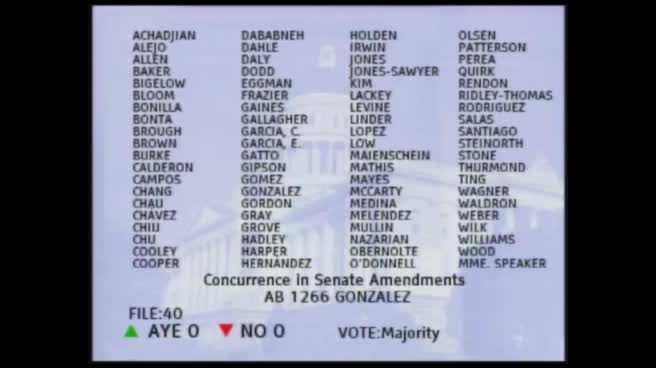 1MIN
Assembly Floor
 6MIN
Senate Floor
 2MIN
Senate Standing Committee on Appropriations
 3MIN
Assembly Standing Committee on Business and Professions
Bill Author

Bill Co-Author(s):