SB 1172: Student Test Taker Privacy Protection Act.
- Session Year: 2021-2022
- House: Senate
- Latest Version Date: 2022-09-28
Existing law, the California Consumer Privacy Act of 2018 (CCPA), imposes various obligations on businesses with respect to personal information, as defined. The California Privacy Rights Act of 2020, approved by the voters as Proposition 24 at the November 3, 2020, statewide general election, amended, added to, and reenacted the CCPA.
The CCPA requires a business to inform consumers of the categories of personal information to be collected and the purposes for which the categories of personal information are collected or used and whether that information is sold or shared. Existing law, the Student Online Personal Information Protection Act, prohibits an operator, as defined, from, among other things, disclosing a K12 students personal information, except as specified.
This bill would prohibit a business providing proctoring services in an educational setting from collecting, retaining, using, or disclosing personal information except to the extent necessary to provide those proctoring services and in other specified circumstances.
The California Privacy Rights Act of 2020 authorizes the Legislature to amend the act to further the purposes and intent of the act by a majority vote of both houses of the Legislature, as specified.
This bill would declare that its provisions further the purposes and intent of the California Privacy Rights Act of 2020.
Existing law, the California Consumer Privacy Act of 2018 (CCPA), imposes various obligations on businesses with respect to personal information, as defined. The California Privacy Rights Act of 2020, approved by the voters as Proposition 24 at the November 3, 2020, statewide general election, amended, added to, and reenacted the CCPA.
The CCPA requires a business to inform consumers of the categories of personal information to be collected and the purposes for which the categories of personal information are collected or used and whether that information is sold or shared. Existing law, the Student Online Personal Information Protection Act, prohibits an operator, as defined, from, among other things, disclosing a K12 students personal information, except as specified.
This bill would prohibit a business providing proctoring services in an educational setting from collecting, retaining, using, or disclosing personal information except to the extent necessary to provide those proctoring services and in other specified circumstances. The bill would authorize a consumer to bring a civil action against a business for violating that provision.
The California Privacy Rights Act of 2020 authorizes the Legislature to amend the act to further the purposes and intent of the act by a majority vote of both houses of the Legislature, as specified.
This bill would declare that its provisions further the purposes and intent of the California Privacy Rights Act of 2020.
Existing law, the California Consumer Privacy Act of 2018 (CCPA), imposes various obligations on businesses with respect to personal information, as defined. The California Privacy Rights Act of 2020, approved by the voters as Proposition 24 at the November 3, 2020, statewide general election, amended, added to, and reenacted the CCPA.
The CCPA requires a business to inform consumers of the categories of personal information to be collected and the purposes for which the categories of personal information are collected or used and whether that information is sold or shared. The CCPA prohibits a business from collecting additional categories of personal information or using personal information collected for additional purposes that are incompatible with the disclosed purpose for which the personal information was collected without providing the consumer with notice. The CCPA provides that the obligations it imposes on businesses do not apply to information that is deidentified or aggregated. Existing law, the Student Online Personal Information Protection Act, prohibits an operator, as defined, from, among other things, disclosing a K12 students personal information, except as specified.
This bill would prohibit a business providing proctoring services in an educational setting from collecting, retaining, using, or disclosing personal information except to the extent necessary to provide those proctoring services. services and in other specified circumstances. The bill would authorize a consumer to bring a civil action against a business for violating that provision.
The California Privacy Rights Act of 2020 authorizes the Legislature to amend the act to further the purposes and intent of the act by a majority vote of both houses of the Legislature, as specified.
This bill would declare that its provisions further the purposes and intent of the California Privacy Rights Act of 2020.
Existing law, the California Consumer Privacy Act of 2018 (CCPA), imposes various obligations on businesses with respect to personal information, as defined. The California Privacy Rights Act of 2020, approved by the voters as Proposition 24 at the November 3, 2020, statewide general election, amended, added to, and reenacted the CCPA.
The CCPA requires a business to inform consumers of the categories of personal information to be collected and the purposes for which the categories of personal information are collected or used and whether that information is sold or shared. The CCPA prohibits a business from collecting additional categories of personal information or using personal information collected for additional purposes that are incompatible with the disclosed purpose for which the personal information was collected without providing the consumer with notice. The CCPA provides that the obligations it imposes on businesses do not apply to information that is deidentified or aggregated.
This bill would prohibit a business providing proctoring services in an educational setting from collecting, retaining, using, or disclosing personal information except to the extent necessary to provide those proctoring services. The bill would authorize a consumer to bring a civil action against a business for violating that provision.
The California Privacy Rights Act of 2020 authorizes the Legislature to amend the act to further the purposes and intent of the act by a majority vote of both houses of the Legislature, as specified.
This bill would declare that its provisions further the purposes and intent of the California Privacy Rights Act of 2020.
(a)Notwithstanding Section 22584 of the Business and Professions Code, a business providing proctoring services in an educational setting shall collect, use, retain, and disclose only the personal information strictly necessary to provide those services.
(b)This section shall not prohibit a business from collecting, using, retaining, or disclosing personal information if doing so is necessary for any of the following:
(1)To comply with federal, state, or local law.
(2)To comply with a court order or subpoena.
(3)To comply with a civil, criminal, or regulatory inquiry, investigation, subpoena, or summons by a federal, state, or local agency authorized by law to conduct that inquiry or investigation, or authorized to serve a subpoena or summons, as applicable.
(A)A law enforcement agency may direct a business, pursuant to a law enforcement agency-approved investigation with an active case number, not to delete a consumers personal information, and, upon receipt of that direction, a business shall not delete the personal information for 90 days, in order to allow the law enforcement agency to obtain a court order or subpoena to obtain the consumers personal information.
(B)A business that has received direction from a law enforcement agency not to delete a consumers personal information that otherwise would not be permissible to retain or disclose pursuant to this section shall not use or disclose the consumers personal information for any purpose except in response to a court order or subpoena.
(4)To cooperate with a law enforcement agency concerning conduct or activity that the business reasonably and in good faith believes to violate federal, state, or local law.
(5)To cooperate with a government agency request for emergency access to a consumers personal information if a natural person is at imminent risk of death or serious physical injury, provided that all of the following are met:
(A)The request is approved by a high-ranking agency officer for emergency access to a consumers personal information.
(B)The request is based on the agencys good faith determination that it has a lawful basis to access the information on a nonemergency basis.
(C)The agency agrees to petition a court for an appropriate order within three days and to destroy the information if that order is not granted.
(6)To exercise or defend a legal claim.
(c)For purposes of this section, personal information has the same meaning as in Section 1798.140 of the Civil Code.
(d)For purposes of this section, proctoring services includes, but is not limited to, services offered by a business to observe, monitor, or administer an exam.
SEC. 2.The Legislature finds and declares that the chapter added to the Business and Professions Code by this act furthers the purpose and intent of the California Privacy Rights Act of 2020, enacted by Proposition 24 at the November 3, 2020, statewide election, within the meaning of Section 25 of Proposition 24.
(a)Notwithstanding Section 22584 of the Business and Professions Code, a business providing proctoring services in an educational setting shall collect, use, retain, and disclose only the personal information strictly necessary to provide that service. those services.
(b)A consumer whose personal information is collected, used, retained, or disclosed in violation of this section may bring a civil action against that business and may recover all of the following:(1)Liquidated damages of one thousand dollars ($1,000) per consumer per incident or actual damages, whichever is greater.(2)Injunctive or declaratory relief.(3)Reasonable attorney fees and costs, including expert witness fees.(c)(b)This section shall not prohibit a business from collecting, using, retaining, or disclosing personal information if doing so is necessary for any of the following:
(1)To comply with federal, state, or local law.
(2)To comply with a court order or subpoena.
(3)To comply with a civil, criminal, or regulatory inquiry, investigation, subpoena, or summons by a federal, state, or local agency authorized by law to conduct that inquiry or investigation, or authorized to serve a subpoena or summons, as applicable.
(A)A law enforcement agency may direct a business, pursuant to a law enforcement agency-approved investigation with an active case number, not to delete a consumers personal information, and, upon receipt of that direction, a business shall not delete the personal information for 90 days, in order to allow the law enforcement agency to obtain a court order or subpoena to obtain the consumers personal information.
(B)A business that has received direction from a law enforcement agency not to delete a consumers personal information that otherwise would not be permissible to retain or disclose pursuant to this section shall not use or disclose the consumers personal information for any purpose except in response to a court order or subpoena.
(4)To cooperate with a law enforcement agency concerning conduct or activity that the business reasonably and in good faith believes to violate federal, state, or local law.
(5)To cooperate with a government agency request for emergency access to a consumers personal information if a natural person is at imminent risk of death or serious physical injury, provided that all of the following are met:
(A)The request is approved by a high-ranking agency officer for emergency access to a consumers personal information.
(B)The request is based on the agencys good faith determination that it has a lawful basis to access the information on a nonemergency basis.
(C)The agency agrees to petition a court for an appropriate order within three days and to destroy the information if that order is not granted.
(6)To exercise or defend a legal claim.
(d)(c)For purposes of this section, personal information has the same meaning as in Section 1798.140 of the Civil Code.
(d)For purposes of this section, proctoring services includes, but is not limited to, services offered by a business to observe, monitor, or administer an exam.
SEC. 2.The Legislature finds and declares that the chapter added to the Business and Professions Code by this act furthers the purpose and intent of the California Privacy Rights Act of 2020, enacted by Proposition 24 at the November 3, 2020, statewide election, within the meaning of Section 25 of Proposition 24.
(a)Notwithstanding Section 22584 of the Business and Professions Code, a business providing proctoring services in an educational setting shall collect, use, retain, and disclose only the personal information strictly necessary to provide that service.
(b)A consumer whose personal information is collected, used, retained, or disclosed in violation of this section may bring a civil action against that business and may recover all of the following:
(1)Liquidated damages of one thousand dollars ($1,000) per consumer per incident or actual damages, whichever is greater.
(2)Injunctive or declaratory relief.
(3)Reasonable attorney fees and costs, including expert witness fees.
(c)This section shall not prohibit a business from collecting, using, retaining, or disclosing personal information if doing so is necessary for any of the following:
(1)To comply with federal, state, or local law.
(2)To comply with a court order or subpoena.
(3)To comply with a civil, criminal, or regulatory inquiry, investigation, subpoena, or summons by a federal, state, or local agency authorized by law to conduct that inquiry or investigation, or authorized to serve a subpoena or summons, as applicable.
(A)A law enforcement agency may direct a business, pursuant to a law enforcement agency-approved investigation with an active case number, not to delete a consumers personal information, and, upon receipt of that direction, a business shall not delete the personal information for 90 days, in order to allow the law enforcement agency to obtain a court order or subpoena to obtain the consumers personal information.
(B)A business that has received direction from a law enforcement agency not to delete a consumers personal information that otherwise would not be permissible to retain or disclose pursuant to this section shall not use or disclose the consumers personal information for any purpose except in response to a court order or subpoena.
(4)To cooperate with a law enforcement agency concerning conduct or activity that the business reasonably and in good faith believes to violate federal, state, or local law.
(5)To cooperate with a government agency request for emergency access to a consumers personal information if a natural person is at imminent risk of death or serious physical injury, provided that all of the following are met:
(A)The request is approved by a high-ranking agency officer for emergency access to a consumers personal information.
(B)The request is based on the agencys good faith determination that it has a lawful basis to access the information on a nonemergency basis.
(C)The agency agrees to petition a court for an appropriate order within three days and to destroy the information if that order is not granted.
(6)To exercise or defend a legal claim.
(d)For purposes of this section, personal information has the same meaning as in Section 1798.140 of the Civil Code.
SEC. 2.The Legislature finds and declares that the section added to the Civil chapter added to the Business and Professions Code by this act furthers the purpose and intent of the California Privacy Rights Act of 2020, enacted by Proposition 24 at the November 3, 2020, statewide election, within the meaning of Section 25 of Proposition 24.
(a)Notwithstanding subdivision (a) of Section 1798.100 and paragraph (6) of subdivision (a) of Section 1798.145, a business providing proctoring services in an educational setting shall collect, use, retain, and disclose only the personal information strictly necessary to provide that service.
(b)A consumer whose personal information is collected, used, retained, or disclosed in violation of this section may bring a civil action against that business and may recover all of the following:
(1)Liquidated damages of one thousand dollars ($1,000) per consumer per incident or actual damages, whichever is greater.
(2)Injunctive or declaratory relief.
(3)Reasonable attorney fees and costs, including expert witness fees.
SEC. 2.The Legislature finds and declares that the section added to the Civil Code by this act furthers the purpose and intent of the California Privacy Rights Act of 2020, enacted by Proposition 24 at the November 3, 2020, statewide election, within the meaning of Section 25 of Proposition 24.
|
Date
|
Status
|
|---|---|
| Sep 28, 2022 | Chaptered by Secretary of State. Chapter 720, Statutes of 2022. |
| Sep 28, 2022 | Approved by the Governor. |
| Aug 30, 2022 | Enrolled and presented to the Governor at 3 p.m. |
| Aug 24, 2022 | Assembly amendments concurred in. (Ayes 31. Noes 9. Page 5084.) Ordered to engrossing and enrolling. |
| Aug 22, 2022 | In Senate. Concurrence in Assembly amendments pending. |
| Aug 22, 2022 | Read third time. Passed. (Ayes 64. Noes 0. Page 6001.) Ordered to the Senate. |
| Aug 4, 2022 | Read second time. Ordered to third reading. |
| Aug 3, 2022 | From committee: Do pass. (Ayes 12. Noes 3.) (August 3). |
| Jun 29, 2022 | Read second time and amended. Re-referred to Com. on APPR. |
| Jun 28, 2022 | From committee: Do pass as amended and re-refer to Com. on APPR. (Ayes 10. Noes 1.) (June 28). |
| Jun 20, 2022 | Read second time and amended. Re-referred to Com. on JUD. |
| Jun 16, 2022 | From committee: Do pass as amended and re-refer to Com. on JUD. (Ayes 7. Noes 0.) (June 14). |
| Jun 2, 2022 | Referred to Coms. on P. & C.P. and JUD. |
| May 26, 2022 | In Assembly. Read first time. Held at Desk. |
| May 25, 2022 | Read third time. Passed. (Ayes 27. Noes 9. Page 3906.) Ordered to the Assembly. |
| May 19, 2022 | From committee: Do pass. (Ayes 5. Noes 2. Page 3786.) (May 19). |
| May 13, 2022 | Set for hearing May 19. |
| Apr 18, 2022 | April 18 hearing: Placed on APPR suspense file. |
| Apr 7, 2022 | Set for hearing April 18. |
| Apr 6, 2022 | From committee: Do pass and re-refer to Com. on APPR. (Ayes 8. Noes 2. Page 3326.) (April 5). Re-referred to Com. on APPR. |
| Mar 25, 2022 | Set for hearing April 5. |
| Mar 2, 2022 | Referred to Com. on JUD. |
| Feb 18, 2022 | From printer. |
| Feb 17, 2022 | Introduced. Read first time. To Com. on RLS. for assignment. To print. |
|
Date
|
Description
|
Location
|
Votes
|
|
|---|---|---|---|---|
| Aug 24, 2022 | Unfinished Business SB1172 Pan Concurrence | Senate Floor |
Passed |
|
| Aug 22, 2022 | SB 1172 Pan Senate Third Reading By Cunningham | Assembly Floor |
Passed |
|
| May 25, 2022 | Senate 3rd Reading SB1172 Pan | Senate Floor |
Passed |
This list shows positions taken on this bill by organizations on the date displayed, which is linked to the original source.
Positions by individuals are not included.
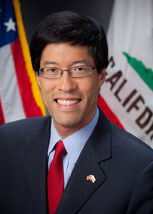
Bill Author
Bill Co-Author(s):