SB 1296: Viral surveillance program.
- Session Year: 2021-2022
- House: Senate
- Latest Version Date: 2022-08-25
Existing law establishes the State Department of Public Health to implement various programs throughout the state relating to public health, including licensing and regulating health facilities and control of infectious diseases. Existing law requires the department to examine the causes of communicable disease in humans and domestic animals occurring, or likely to occur, in the state, and to establish a list of reportable diseases and the mechanism and timeline requirements for that reporting.
Existing law requires local health departments to have available the services of a public health laboratory for the examination of specimens from suspected cases of infectious and environmental diseases. Existing law requires the laboratory to provide the analyses required to assist in community disease surveillance.
This bill, no later than January 1, 2024, would require the department to complete an evaluation of the effectiveness of the states viral surveillance capacity, including a comprehensive list of all public health laboratories and private clinical laboratories that conduct viral surveillance and genomic sequencing, as specified, and recommendations on how to optimize the states viral surveillance capabilities. The bill, no later than January 1, 2025, would require the department to establish the Viral Surveillance Hub (VSH) that would be responsible for timely communication with any laboratory that conducts viral surveillance and identifies a potential novel virus or variant. The bill, beginning January 1, 2025, would require a laboratory conducting viral surveillance to report within appropriate timeframes established by the department to VSH the identification of a potential novel virus or variant strongly suspected to be a pathogen as well as to submit within appropriate timeframes established by the department samples of each potential novel virus or variant strongly suspected to be a pathogen to VSH, as specified. The bill would require VSH to conduct next-generation sequencing of any samples, as specified, submitted by a viral surveillance facility and would allow VSH to contract with an outside entity to conduct this sequencing. The bill would require the department to have the results from viral sequences published on an internet website designed to hold sequence data, such as GISAID, with a hyperlink to the results on the departments internet website. The bill would require VSH to notify local health departments and the federal Centers for Disease Control and Prevention upon a confirmed detection of a new virus or variant in the population.
Existing law establishes the State Department of Public Health to implement various programs throughout the state relating to public health, including licensing and regulating health facilities and control of infectious diseases. Existing law requires the department to examine the causes of communicable disease in humans and domestic animals occurring, or likely to occur, in the state, and to establish a list of reportable diseases and the mechanism and timeline requirements for that reporting.
Existing law requires local health departments to have available the services of a public health laboratory for the examination of specimens from suspected cases of infectious and environmental diseases. Existing law requires the laboratory to provide the analyses required to assist in community disease surveillance.
This bill, no later than January 1, 2024, would require the department to complete an evaluation of the effectiveness of the states viral surveillance capacity, including a comprehensive list of all public health laboratories and private clinical laboratories that conduct viral surveillance and genomic sequencing, as specified, and recommendations on how to optimize the states viral surveillance capabilities. The bill, no later than January 1, 2025, would require the department to establish the Viral Surveillance Hub (VSH) that would be responsible for timely communication with any laboratory that conducts viral surveillance and identifies a potential novel virus or variant. The bill, beginning January 1, 2025, would require a laboratory conducting viral surveillance to report within 24 hours appropriate timeframes established by the department to VSH the identification of a potential novel virus or variant strongly suspected to be a pathogen as well as to submit within 24 hours appropriate timeframes established by the department samples of each potential novel virus or variant strongly suspected to be a pathogen to VSH, as specified. The bill would require VSH to conduct next-generation sequencing of any samples, as specified, submitted by a viral surveillance facility and would allow VSH to contract with an outside entity to conduct this sequencing. The bill would require the department to have the results from viral sequences published on an internet website designed to hold sequence data, such as GISAID, with a hyperlink to the results on the departments internet website. The bill would require VSH to notify local health departments and the federal Centers for Disease Control and Prevention upon a confirmed detection of a new virus or variant in the population.
Existing law establishes the State Department of Public Health to implement various programs throughout the state relating to public health, including licensing and regulating health facilities and control of infectious diseases. Existing law requires the department to examine the causes of communicable disease in humans and domestic animals occurring, or likely to occur, in the state, and to establish a list of reportable diseases and the mechanism and timeline requirements for that reporting.
This bill would state the intent of the Legislature to enact legislation that would establish a statewide viral surveillance program.Existing law requires local health departments to have available the services of a public health laboratory for the examination of specimens from suspected cases of infectious and environmental diseases. Existing law requires the laboratory to provide the analyses required to assist in community disease surveillance.
This bill, no later than January 1, 2024, would require the department to complete an evaluation of the effectiveness of the states viral surveillance capacity, including a comprehensive list of all public and private clinical laboratories that conduct viral surveillance and genomic sequencing, as specified, and recommendations on how to optimize the states viral surveillance capabilities. The bill, no later than January 1, 2025, would require the department to establish the Viral Surveillance Hub (VSH) that would be responsible for timely communication with any laboratory that conducts viral surveillance and identifies a potential novel virus or variant. The bill, beginning January 1, 2025, would require a laboratory conducting viral surveillance to report within 24 hours to VSH the identification of a potential novel virus or variant as well as to submit within 24 hours samples of each potential novel virus or variant to VSH, as specified. The bill would require VSH to conduct next-generation sequencing of any samples, as specified, submitted by a viral surveillance facility and would allow VSH to contract with an outside entity to conduct this sequencing. The bill would require the department to have the results from viral sequences published on an internet website designed to hold sequence data, such as GISAID, with a hyperlink to the results on the departments internet website. The bill would require VSH to notify local health departments and the federal Centers for Disease Control and Prevention upon a confirmed detection of a new virus or variant in the population.
Existing law establishes the State Department of Public Health to implement various programs throughout the state relating to public health, including licensing and regulating health facilities and control of infectious diseases.
This bill would state the intent of the Legislature to enact legislation that would establish a statewide viral surveillance program.
(a)The following definitions shall apply for purposes of this section:
(1)Viral surveillance means the monitoring of temporal or geographic circulation patterns of contagious viruses, including, but not limited to, those detailed in the federal Centers for Disease Control and Preventions (CDC) National Respiratory and Enteric Virus Surveillance System.
(2)Genomic sequencing means any laboratory procedure that determines the order of all or most of the nucleotides in the genome of a disease-causing microbe, as per the CDCs description.
(3)Next-generation sequencing refers to sequencing technologies that can process a large quantity of genetic material at a time, as per the CDCs description.
(4)Clinical laboratory is a clinical laboratory as set forth in paragraph (8) of subdivision (a) of Section 1206 of the Business and Professions Code.
(5)Public health laboratory is a public health laboratory as described in Section 101150.
(b)The department, no later than January 1, 2024, shall complete an evaluation of the effectiveness of the states viral surveillance capacity, which shall include, but not be limited to, all of the following:
(1)A comprehensive list of all public health laboratories and private clinical laboratories in California that conduct viral surveillance and genomic sequencing, or both, of patient laboratory samples.
(2)A comprehensive list of all research laboratories in California that conducted COVID-19 diagnostic testing pursuant to the waivers and allowances granted under federal and state law.
(3)The manner in which public health laboratories and private clinical laboratories that conduct viral surveillance communicate with other local and state public health and viral surveillance entities, including the frequency of communications.
(4)The type of information that is shared between entities and the manner by which information is shared.
(5)Recommendations on how to optimize the states viral surveillance capabilities.
(6)An evaluation of the funding and other resources needed to establish the Viral Surveillance Hub (VSH), including, but not limited to, all of the following:
(A)Funding needed to support staffing and activities related to the VSH.
(B)Logistics of specimen transport.
(C)Development of a comprehensive organism database for participating laboratories to access.
(D)Information technology infrastructure needed.
(7)An evaluation of the funding and resources to support public health laboratories.
(c)The department shall, no later than January 1, 2025, establish the VSH responsible for timely communication with any laboratory that conducts viral surveillance that identifies a potential novel virus or variant. In establishing VSH, the department shall take into consideration the recommendations of the assessment required under subdivision (b). VSH shall allow for the electronic transmittal of information by any laboratory that conducts viral surveillance.
(d)Each laboratory, beginning January 1, 2025, that conducts viral surveillance that identifies a potential novel virus or variant strongly suspected to be a pathogen shall report this to VSH within the appropriate timeframes established by the department that are sufficient to facilitate timely identification of potentially new viruses or variants. Each laboratory that conducts viral surveillance shall submit samples of each potential novel virus or variant strongly suspected to be a pathogen to VSH for further analysis and next-generation sequencing within the appropriate timeframes established by the department that are sufficient to facilitate timely identification of potentially new viruses or variants.
(e)VSH shall conduct next-generation sequencing of any samples of potentially new viruses or variants submitted to them by a viral surveillance facility. VSH may contract with an outside entity to conduct next-generation sequencing and analysis of submitted samples. The department shall have the resulting viral sequences published on an internet website designed to hold sequence data, such as GISAID, with a hyperlink on its internet website to the published viral sequences. No private patient information shall be published.
(f)VSH shall notify local health departments and the CDC upon confirmation that a new virus or variant has been detected in the population.
(a)The following definitions shall apply for purposes of this section:
(1)Viral surveillance means the monitoring of temporal or geographic circulation patterns of contagious viruses, including, but not limited to, those detailed in the federal Centers for Disease Control and Preventions (CDC) National Respiratory and Enteric Virus Surveillance System.
(2)Genomic sequencing means any laboratory procedure that determines the order of all or most of the nucleotides in the genome of a disease-causing microbe, as per the CDCs description.
(3)Next-generation sequencing refers to sequencing technologies that can process a large quantity of genetic material at a time, as per the CDCs description.
(4)Clinical laboratory is a clinical laboratory as set forth in paragraph (8) of subdivision (a) of Section 1206 of the Business and Professions Code.
(5)Public health laboratory is a public health laboratory as described in Section 101150.
(b)The department, no later than January 1, 2024, shall complete an evaluation of the effectiveness of the states viral surveillance capacity, which shall include, but not be limited to, all of the following:
(1)A comprehensive list of all public health laboratories and private clinical laboratories in California that conduct viral surveillance and genomic sequencing, or both, of patient laboratory samples.
(2)A comprehensive list of all research laboratories in California that conducted COVID-19 diagnostic testing pursuant to the waivers and allowances granted under federal and state law.
(3)The manner in which public health laboratories and private clinical laboratories that conduct viral surveillance communicate with other local and state public health and viral surveillance entities, including the frequency of communications.
(4)The type of information that is shared between entities and the manner by which information is shared.
(5)Recommendations on how to optimize the states viral surveillance capabilities.
(6)An evaluation of the funding and other resources needed to establish the Viral Surveillance Hub (VSH), including, but not limited to, all of the following:
(A)Funding needed to support staffing and activities related to the VSH.
(B)Logistics of specimen transport.
(C)Development of a comprehensive organism database for participating laboratories to access.
(D)Information technology infrastructure needed.
(7)An evaluation of the funding and resources to support public health laboratories.
(c)The department shall, no later than January 1, 2025, establish the Viral Surveillance Hub (VSH) VSH responsible for timely communication with any laboratory that conducts viral surveillance that identifies a potential novel virus or variant. In establishing VSH, the department shall take into consideration the recommendations of the assessment required under subdivision (b). VSH shall allow for the electronic transmittal of information by any laboratory that conducts viral surveillance.
(d)Each laboratory, beginning January 1, 2025, that conducts viral surveillance that identifies a potential novel virus or variant strongly suspected to be a pathogen shall report this to VSH within 24 hours. the appropriate timeframes established by the department that are sufficient to facilitate timely identification of potentially new viruses or variants. Each laboratory that conducts viral surveillance shall submit samples of each potential novel virus or variant strongly suspected to be a pathogen to VSH for further analysis and next-generation sequencing within 24 hours of the initial report. the appropriate timeframes established by the department that are sufficient to facilitate timely identification of potentially new viruses or variants.
(e)VSH shall conduct next-generation sequencing of any samples of potentially new viruses or variants submitted to them by a viral surveillance facility. VSH may contract with an outside entity to conduct next-generation sequencing and analysis of submitted samples. The department shall have the resulting viral sequences published on an internet website designed to hold sequence data, such as GISAID, with a hyperlink on its internet website to the published viral sequences. No private patient information shall be published.
(f)VSH shall notify local health departments and the CDC upon confirmation that a new virus or variant has been detected in the population.
(a)The following definitions shall apply for purposes of this section:
(1)Viral surveillance means the monitoring of temporal or geographic circulation patterns of contagious viruses, including, but not limited to, those detailed in the federal Centers for Disease Control and Preventions (CDC) National Respiratory and Enteric Virus Surveillance System.
(2)Genomic sequencing means any laboratory procedure that determines the order of all or most of the nucleotides in the genome of a disease-causing microbe, as per the CDCs description.
(3)Next-generation sequencing refers to sequencing technologies that can process a large quantity of genetic material at a time, as per the CDCs description.
(4)Clinical laboratory is a clinical laboratory as set forth in paragraph (8) of subdivision (a) of Section 1206 of the Business and Professions Code.
(b)The department, no later than January 1, 2024, shall complete an evaluation of the effectiveness of the states viral surveillance capacity, which shall include, but not be limited to, all of the following:
(1)A comprehensive list of all public and private clinical laboratories in California that conduct viral surveillance and genomic sequencing, or both, of patient laboratory samples.
(2)A comprehensive list of all research laboratories in California that conducted COVID-19 diagnostic testing pursuant to the waivers and allowances granted under federal and state law.
(3)The manner in which public and private clinical laboratories that conduct viral surveillance communicate with other local and state public health and viral surveillance entities, including the frequency of communications.
(4)The type of information that is shared between entities and the manner by which information is shared.
(5)Recommendations on how to optimize the states viral surveillance capabilities.
(c)The department shall, no later than January 1, 2025, establish the Viral Surveillance Hub (VSH) responsible for timely communication with any laboratory that conducts viral surveillance that identifies a potential novel virus or variant. In establishing VSH, the department shall take into consideration the recommendations of the assessment required under subdivision (b). VSH shall allow for the electronic transmittal of information by any laboratory that conducts viral surveillance.
(d)Each laboratory, beginning January 1, 2025, that conducts viral surveillance that identifies a potential novel virus or variant shall report this to VSH within 24 hours. Each laboratory that conducts viral surveillance shall submit samples of each potential novel virus or variant to VSH for further analysis and next-generation sequencing within 24 hours of the initial report.
(e)VSH shall conduct next-generation sequencing of any samples of potentially new viruses or variants submitted to them by a viral surveillance facility. VSH may contract with an outside entity to conduct next-generation sequencing and analysis of submitted samples. The department shall have the resulting viral sequences published on an internet website designed to hold sequence data, such as GISAID, with a hyperlink on its internet website to the published viral sequences. No private patient information shall be published.
(f)VSH shall notify local health departments and the CDC upon confirmation that a new virus or variant has been detected in the population.
SECTION 1.It is the intent of the Legislature to enact legislation that would establish a statewide viral surveillance program.It is the intent of the Legislature to enact legislation that would establish a statewide viral surveillance program.
|
Date
|
Status
|
|---|---|
| Sep 27, 2022 | In Senate. Consideration of Governor's veto pending. |
| Sep 27, 2022 | Vetoed by the Governor. |
| Aug 30, 2022 | Enrolled and presented to the Governor at 3 p.m. |
| Aug 23, 2022 | In Senate. Ordered to engrossing and enrolling. |
| Aug 22, 2022 | Read third time. Passed. (Ayes 71. Noes 0. Page 6013.) Ordered to the Senate. |
| Aug 15, 2022 | Read second time. Ordered to third reading. |
| Aug 11, 2022 | From committee: Do pass. (Ayes 13. Noes 0.) (August 11). |
| Aug 3, 2022 | August 3 set for first hearing. Placed on suspense file. |
| Jun 29, 2022 | From committee: Do pass and re-refer to Com. on APPR. (Ayes 14. Noes 0.) (June 28). Re-referred to Com. on APPR. |
| May 27, 2022 | Referred to Com. on HEALTH. |
| May 25, 2022 | In Assembly. Read first time. Held at Desk. |
| May 24, 2022 | Read third time. Passed. (Ayes 37. Noes 0. Page 3873.) Ordered to the Assembly. |
| May 19, 2022 | From committee: Do pass. (Ayes 6. Noes 0. Page 3791.) (May 19). |
| May 13, 2022 | Set for hearing May 19. |
| May 2, 2022 | May 2 hearing: Placed on APPR suspense file. |
| Apr 26, 2022 | Set for hearing May 2. |
| Apr 21, 2022 | From committee: Do pass and re-refer to Com. on APPR. (Ayes 9. Noes 0. Page 3462.) (April 20). Re-referred to Com. on APPR. |
| Apr 6, 2022 | From committee with author's amendments. Read second time and amended. Re-referred to Com. on HEALTH. |
| Apr 5, 2022 | Set for hearing April 20. |
| Mar 23, 2022 | Re-referred to Com. on HEALTH. |
| Mar 14, 2022 | From committee with author's amendments. Read second time and amended. Re-referred to Com. on RLS. |
| Mar 2, 2022 | Referred to Com. on RLS. |
| Feb 22, 2022 | From printer. |
| Feb 18, 2022 | Introduced. Read first time. To Com. on RLS. for assignment. To print. |
|
Date
|
Description
|
Location
|
Votes
|
|
|---|---|---|---|---|
| Aug 22, 2022 | SB 1296 Pan Senate Third Reading By Arambula | Assembly Floor |
Passed |
|
| May 24, 2022 | Senate 3rd Reading SB1296 Pan | Senate Floor |
Passed |
This list shows positions taken on this bill by organizations on the date displayed, which is linked to the original source.
Positions by individuals are not included.
Bill Author
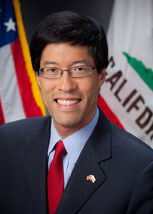
Bill Co-Author(s):