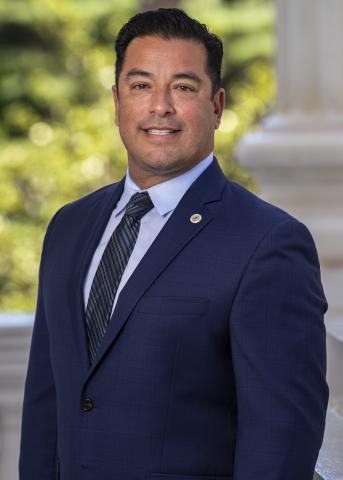
SB 311: Compassionate Access to Medical Cannabis Act or Ryan’s Law.
- Session Year: 2021-2022
- House: Senate
- Latest Version Date: 2021-09-28
Existing law generally requires the licensure and regulation of various health care facilities, including, among others, a hospice facility. The Compassionate Use Act of 1996, an initiative measure enacted by the approval of Proposition 215 at the November 5, 1996, statewide general election, prohibits specified criminal penalties from being imposed on a patient or a patients primary caregiver who possesses or cultivates cannabis for the personal medical purposes of the patient upon the written or oral recommendation or approval of a physician. Existing law, known as the Medical Marijuana Program, requires counties to administer an identification card program for qualified patients and provides immunity from arrest to qualified patients with a valid identification card or designated primary caregivers, within prescribed limits.
This bill, the Compassionate Access to Medical Cannabis Act or Ryans Law, would require specified types of health care facilities to allow a terminally ill patients use of medicinal cannabis within the health care facility, subject to certain restrictions. The bill would require a patient to provide the health care facility with a copy of their medical marijuana card or written documentation that the use of medicinal cannabis is recommended by a physician. The bill would require a health care facility to reasonably restrict the manner in which a patient stores and uses medicinal cannabis to ensure the safety of other patients, guests, and employees of the health care facility, compliance with other state laws, and the safe operations of the health care facility. The bill would provide that compliance with the bill would not be a condition for obtaining, retaining, or renewing a license as a health care facility. The bill would require that health care facilities permitting patient use of medical cannabis comply with other drug and medication requirements, as specified, and would make those facilities subject to enforcement actions by the State Department of Public Health. The bill would authorize a health care facility to suspend compliance with these provisions if a regulatory agency, the United States Department of Justice, or the federal Centers for Medicare and Medicaid Services takes specified actions, including initiating an enforcement action against a health care facility related to the facilitys compliance with a state-regulated medical marijuana program.
Existing law generally requires the licensure and regulation of various health care facilities, including, among others, a hospice facility. The Compassionate Use Act of 1996, an initiative measure enacted by the approval of Proposition 215 at the November 5, 1996, statewide general election, prohibits specified criminal penalties from being imposed on a patient or a patients primary caregiver who possesses or cultivates cannabis for the personal medical purposes of the patient upon the written or oral recommendation or approval of a physician. Existing law, known as the Medical Marijuana Program, requires counties to administer an identification card program for qualified patients and provides immunity from arrest to qualified patients with a valid identification card or designated primary caregivers, within prescribed limits.
This bill, the Compassionate Access to Medical Cannabis Act or Ryans Law, would prohibit require specified types of health care facilities from prohibiting or interfering with to allow a terminally ill patients use of medicinal cannabis within the health care facility, subject to certain restrictions. The bill would require a patient to provide the health care facility with a copy of their medical marijuana card or written documentation that the use of medicinal cannabis is recommended by a physician. The bill would authorize require a health care facility to reasonably restrict the manner in which a patient stores and uses medicinal cannabis to ensure the safety of other patients, guests, and employees of the health care facility, compliance with other state laws, and the safe operations of the health care facility. The bill would prohibit the department that licenses the health care facility from enforcing these provisions, and provide that compliance with the bill would not be a condition for obtaining, retaining, or renewing a license as a health care facility. The bill would require that health care facilities permitting patient use of medical cannabis comply with other drug and medication requirements, as specified, and would make those facilities subject to enforcement actions by the State Department of Public Health. The bill would authorize a health care facility to suspend compliance with these provisions if a regulatory agency, the United States Department of Justice, or the federal Centers for Medicare and Medicaid Services takes specified actions, including initiating an enforcement action against a health care facility related to the facilitys compliance with a state-regulated medical marijuana program.
Existing law generally requires the licensure and regulation of various health care facilities, including, among others, a hospice facility. The Compassionate Use Act of 1996, an initiative measure enacted by the approval of Proposition 215 at the November 5, 1996, statewide general election, prohibits specified criminal penalties from being imposed on a patient or a patients primary caregiver who possesses or cultivates cannabis for the personal medical purposes of the patient upon the written or oral recommendation or approval of a physician. Existing law, known as the Medical Marijuana Program, requires counties to administer an identification card program for qualified patients and provides immunity from arrest to qualified patients with a valid identification card or designated primary caregivers, within prescribed limits.
This bill, the Compassionate Access to Medical Cannabis Act or Ryans Law, would prohibit specified types of health care facilities from prohibiting or interfering with a terminally ill patients use of medicinal cannabis within the health care facility, subject to certain restrictions. The bill would require a patient to provide the health care facility with a copy of their medical marijuana card or written documentation that the use of medicinal cannabis is recommended by a physician. The bill would authorize a health care facility to reasonably restrict the manner in which a patient stores and uses medicinal cannabis to ensure the safety of other patients, guests, and employees of the health care facility, compliance with other state laws, and the safe operations of the health care facility. The bill would prohibit the department that licenses the health care facility from enforcing these provisions, and compliance with the bill would not be a condition for obtaining, retaining, or renewing a license as a health care facility. The bill would authorize a health care facility to suspend compliance with these provisions if a regulatory agency, the United States Department of Justice, or the federal Centers for Medicare and Medicaid Services takes specified actions, including initiating an enforcement action against a health care facility related to the facilitys compliance with a state-regulated medical marijuana program.
(a)This chapter shall be known, and may be cited, as the Compassionate Access to Medical Cannabis Act or Ryans Law.
(b)It is the intent of the Legislature in enacting this chapter to support the ability of a terminally ill patient to safely use medicinal cannabis within specified health care facilities in compliance with the Compassionate Use Act of 1996 and Article 2.5 (commencing with Section 11362.7) of Chapter 6 of Division 10.
1649.1.Unless the context requires otherwise, the following definitions shall apply to this chapter:
(a)Compassionate Use Act of 1996 means the initiative measure enacted by the approval of Proposition 215 at the November 5, 1996, statewide general election and found at Section 11362.5, and any amendments to that act.
(b)(1)Except as provided in paragraph (2), health care facility means a health facility specified in subdivision (a), (c), (f), (i), or (n) of Section 1250.
(2)The meaning of health care facility shall not include a chemical dependency recovery hospital or a state hospital.
(c)Medicinal cannabis means cannabis or a cannabis product used in compliance with the Compassionate Use Act of 1996 and Article 2.5 (commencing with Section 11362.7) of Chapter 6 of Division 10.
(d)Patient means an individual who is terminally ill.
(e)Terminally ill means a medical condition resulting in a prognosis of life of one year or less, if the disease follows its natural course.
1649.2.(a)A health care facility shall permit patient use of medical cannabis and shall do all of the following:
(1)Prohibit smoking or vaping as methods to use medicinal cannabis.
(2)Include the use of medicinal cannabis within the patients medical records.
(3)Require a patient to provide a copy of the patients valid identification card, as described in Section 11362.715, or a copy of that patients written documentation as defined in Section 11362.7.
(4)Reasonably restrict the manner in which a patient stores and uses medicinal cannabis, including requiring the medicinal cannabis to be stored in a locked container, to ensure the safety of other patients, guests, and employees of the health care facility, compliance with other state laws, and the safe operations of the health care facility.
(5)Develop and disseminate written guidelines for the use of medicinal cannabis within the health care facility pursuant to this chapter.
(b)This section does not apply to a patient receiving emergency services and care, as defined in Section 1317.1, or to the emergency department of a health care facility, as specified in subdivision (a) of Section 1250, while the patient is receiving emergency services and care.
1649.3.Notwithstanding the classification of medicinal cannabis as a Schedule I drug and any other law, health facilities permitting patient use of medicinal cannabis shall comply with drug and medication requirements applicable to Schedule II, III, and IV drugs and shall be subject to enforcement actions by the State Department of Public Health.
1649.4.This chapter does not require a health care facility to provide a patient with a recommendation to use medicinal cannabis in compliance with the Compassionate Use Act of 1996 and Article 2.5 (commencing with Section 11362.7) of Chapter 6 of Division 10 or include medicinal cannabis in a patients discharge plan.
1649.5.(a)Compliance with this chapter shall not be a condition for obtaining, retaining, or renewing a license as a health care facility.
(b)This chapter does not reduce, expand, or otherwise modify the laws restricting the cultivation, possession, distribution, or use of cannabis that may be otherwise applicable, including, but not limited to, the Control, Regulate and Tax Adult Use of Marijuana Act, an initiative measure enacted by the approval of Proposition 64 at the November 8, 2016, statewide general election, and any amendments to that act.
1649.6.(a)If a federal regulatory agency, the United States Department of Justice (US DOJ), or the federal Centers for Medicare and Medicaid Services (CMS) takes one of the following actions, a health care facility may suspend compliance with Section 1649.2 until the regulatory agency, the US DOJ, or CMS notifies the health care facility that it may resume permitting the use of medicinal cannabis within the facility:
(1)A federal regulatory agency or the US DOJ initiates enforcement action against a health care facility related to the facilitys compliance with a state-regulated medical marijuana program.
(2)A federal regulatory agency, the US DOJ, or CMS issues a rule or otherwise provides notification to the health care facility that expressly prohibits the use of medical marijuana in health care facilities or otherwise prohibits compliance with a state-regulated medical marijuana program.
(b)This section does not permit a health care facility to prohibit patient use of medicinal cannabis due solely to the fact that cannabis is a Schedule I drug pursuant to the federal Uniform Controlled Substances Act, or other federal constraints on the use of medicinal cannabis that were in existence prior to the enactment of this chapter.
(a)This chapter shall be known, and may be cited, as the Compassionate Access to Medical Cannabis Act or Ryans Law.
(b)It is the intent of the Legislature in enacting this chapter to support the ability of a terminally ill patient to safely use medicinal cannabis within specified health care facilities in compliance with the Compassionate Use Act of 1996 and Article 2.5 (commencing with Section 11362.7) of Chapter 6 of Division 10.
1649.5.1649.1.Unless the context requires otherwise, the following definitions shall apply to this chapter:
(a)Compassionate Use Act of 1996 means the initiative measure enacted by the approval of Proposition 215 at the November 5, 1996, statewide general election and found at Section 11362.5, and any amendments to that act.
(b)(1)Except as provided in paragraph (2), health care facility means a health facility specified in subdivision (a), (c), (f), (i), or (n) of Section 1250.
(2)The meaning of health care facility shall not include a chemical dependency recovery hospital or a state hospital.
(c)Medicinal cannabis means cannabis or a cannabis product used in compliance with the Compassionate Use Act of 1996 and Article 2.5 (commencing with Section 11362.7) of Chapter 6 of Division 10.
(d)Patient means an individual who is terminally ill.
(e)Terminally ill means a medical condition resulting in a prognosis of life of one year or less, if the disease follows its natural course.
1649.10.1649.2.(a)A health care facility shall permit patient use of medical cannabis and shall do all of the following:
(1)Refrain from interfering or prohibiting a patient from using medicinal cannabis within the health care facility.(2)(1)Prohibit smoking or vaping as methods to use medicinal cannabis.
(3)(2)Include the use of medicinal cannabis within the patients medical records.
(4)(3)Require a patient to provide a copy of the patients valid identification card, as described in Section 11362.715, or a copy of that patients written documentation as defined in Section 11362.7.
(4)Reasonably restrict the manner in which a patient stores and uses medicinal cannabis, including requiring the medicinal cannabis to be stored in a locked container, to ensure the safety of other patients, guests, and employees of the health care facility, compliance with other state laws, and the safe operations of the health care facility.
(5)Develop and disseminate written guidelines for the use of medicinal cannabis within the health care facility pursuant to this chapter.
(b)This section does not apply to a patient receiving emergency services and care, as defined in Section 1317.1, or to the emergency department of a health care facility, as specified in subdivision (a) of Section 1250, while the patient is receiving emergency services and care.
1649.15.A health care facility may reasonably restrict the manner in which a patient stores and uses medicinal cannabis, including requiring the medicinal cannabis to be stored in a locked container, to ensure the safety of other patients, guests, and employees of the health care facility, compliance with other state laws, and the safe operations of the health care facility. A health care facility may specify that it is not responsible for lost or stolen medicinal cannabis. A health care facility shall include all restrictions within the written guidelines required by Section 1649.10.1649.3.Notwithstanding the classification of medicinal cannabis as a Schedule I drug and any other law, health facilities permitting patient use of medicinal cannabis shall comply with drug and medication requirements applicable to Schedule II, III, and IV drugs and shall be subject to enforcement actions by the State Department of Public Health.
1649.20.1649.4.This chapter does not require a health care facility to provide a patient with a recommendation to use medicinal cannabis in compliance with the Compassionate Use Act of 1996 and Article 2.5 (commencing with Section 11362.7) of Chapter 6 of Division 10 or include medicinal cannabis in a patients discharge plan.
1649.25.1649.5.(a)This chapter shall not be enforced by the department that licenses the health care facility.(b)(a)Compliance with this chapter shall not be a condition for obtaining, retaining, or renewing a license as a health care facility.
(c)(b)This chapter does not reduce, expand, or otherwise modify the laws restricting the cultivation, possession, distribution, or use of cannabis that may be otherwise applicable, including, but not limited to, the Control, Regulate and Tax Adult Use of Marijuana Act, an initiative measure enacted by the approval of Proposition 64 at the November 8, 2016, statewide general election, and any amendments to that act.
1649.30.1649.6.(a)If a federal regulatory agency, the United States Department of Justice (US DOJ), or the federal Centers for Medicare and Medicaid Services (CMS) takes one of the following actions, a health care facility may suspend compliance with Section 1649.10 1649.2 until the regulatory agency, the US DOJ, or CMS notifies the health care facility that it may resume permitting the use of medicinal cannabis within the facility:
(1)A federal regulatory agency or the US DOJ initiates enforcement action against a health care facility related to the facilitys compliance with a state-regulated medical marijuana program.
(2)A federal regulatory agency, the US DOJ, or CMS issues a rule or otherwise provides notification to the health care facility that expressly prohibits the use of medical marijuana in health care facilities or otherwise prohibits compliance with a state-regulated medical marijuana program.
(b)This section does not permit a health care facility to prohibit the patient use of medicinal cannabis due solely to the fact that cannabis is a Schedule I drug pursuant to the federal Uniform Controlled Substances Act, or other federal constraints on the use of medicinal cannabis that were in existence prior to the enactment of this chapter.
(a)This chapter shall be known, and may be cited, as the Compassionate Access to Medical Cannabis Act or Ryans Law.
(b)It is the intent of the Legislature in enacting this chapter to support the ability of a terminally ill patient to safely use medicinal cannabis within specified health care facilities in compliance with the Compassionate Use Act of 1996 and Article 2.5 (commencing with Section 11362.7) of Chapter 6 of Division 10.
1649.5.Unless the context requires otherwise, the following definitions shall apply to this chapter:
(a)Compassionate Use Act of 1996 means the initiative measure enacted by the approval of Proposition 215 at the November 5, 1996, statewide general election and found at Section 11362.5, and any amendments to that act.
(b)(1)Except as provided in paragraph (2), health care facility means a health facility specified in subdivision (a), (c), (f), (i), or (n) of Section 1250.
(2)The meaning of health care facility shall not include a chemical dependency recovery hospital or a state hospital.
(c)Medicinal cannabis means cannabis or a cannabis product used in compliance with the Compassionate Use Act of 1996 and Article 2.5 (commencing with Section 11362.7) of Chapter 6 of Division 10.
(d)Patient means an individual who is terminally ill.
(e)Terminally ill means a medical condition resulting in a prognosis of life of one year or less, if the disease follows its natural course.
1649.10.(a)A health care facility shall do all of the following:
(1)Not interfere or prohibit Refrain from interfering or prohibiting a patient from using medicinal cannabis within the health care facility.
(2)Prohibit smoking or vaping as methods to use medicinal cannabis.
(3)Include the use of medicinal cannabis within the patients medical records.
(4)Require a patient to provide a copy of the patients valid identification card, as described in Section 11362.715, or a copy of that patients written documentation as defined in Section 11362.7.
(5)Develop and disseminate written guidelines for the use of medicinal cannabis within the health care facility pursuant to this chapter.
(b)This section does not apply to a patient receiving emergency services and care, as defined in Section 1317.1, or to the emergency department of a health care facility, as specified in subdivision (a) of Section 1250, while the patient is receiving emergency services and care.
1649.15.A health care facility may reasonably restrict the manner in which a patient stores and uses medicinal cannabis, including requiring the medicinal cannabis to be stored in a locked container, to ensure the safety of other patients, guests, and employees of the health care facility, compliance with other state laws, and the safe operations of the health care facility. A health care facility may specify that it is not responsible for lost or stolen medicinal cannabis. A health care facility shall include all restrictions within the written guidelines required by Section 1649.10.
1649.20.This chapter does not require a health care facility to provide a patient with a recommendation to use medicinal cannabis in compliance with the Compassionate Use Act of 1996 and Article 2.5 (commencing with Section 11362.7) of Chapter 6 of Division 10 or include medicinal cannabis in a patients discharge plan.
1649.25.(a)This chapter shall not be enforced by the department that licenses the health care facility.
(b)Compliance with this chapter shall not be a condition for obtaining, retaining, or renewing a license as a health care facility.
(c)This chapter does not reduce, expand, or otherwise modify the laws restricting the cultivation, possession, distribution, or use of cannabis that may be otherwise applicable, including, but not limited to, the Control, Regulate and Tax Adult Use of Marijuana Act, an initiative measure enacted by the approval of Proposition 64 at the November 8, 2016, statewide general election, and any amendments to that act.
1649.30.(a)If a federal regulatory agency, the United States Department of Justice (US DOJ), or the federal Centers for Medicare and Medicaid Services (CMS) takes one of the following actions, a health care facility may suspend compliance with Section 1649.10 until the regulatory agency, the US DOJ, or CMS notifies the health care facility that it may resume permitting the use of medicinal cannabis within the facility:
(1)A federal regulatory agency or the US DOJ initiates enforcement action against a health care facility related to the facilitys compliance with a state-regulated medical marijuana program.
(2)A federal regulatory agency, the US DOJ, or CMS issues a rule or otherwise provides notification to the health care facility that expressly prohibits the use of medical marijuana in health care facilities or otherwise prohibits compliance with a state-regulated medical marijuana program.
(b)This section does not permit a health care facility to prohibit the use of medicinal cannabis due solely to the fact that cannabis is a Schedule I drug pursuant to the federal Uniform Controlled Substances Act, or other federal constraints on the use of medicinal cannabis that were in existence prior to the enactment of this chapter.
REVISIONS: HeadingLine 5.(a)This chapter shall be known, and may be cited, as the Compassionate Access to Medical Cannabis Act or Ryans Law.
(b)It is the intent of the Legislature in enacting this chapter to support the ability of a terminally ill patient to safely use medicinal cannabis within specified health care facilities in compliance with the Compassionate Use Act of 1996 and Article 2.5 (commencing with Section 11362.7) of Chapter 6 of Division 10.
1649.5.Unless the context requires otherwise, the following definitions shall apply to this chapter:
(a)Compassionate Use Act of 1996 means the initiative measure enacted by the approval of Proposition 215 at the November 5, 1996, statewide general election and found at Section 11362.5, and any amendments to that act.
(b)(1)Except as provided in paragraph (2), health care facility means a health facility specified in subdivision (a), (c), (f), (i), or (n) of Section 1250.
(2)The meaning of health care facility shall not include a chemical dependency recovery hospital or a state hospital.
(c)Medicinal cannabis means cannabis or a cannabis product used in compliance with the Compassionate Use Act of 1996 and Article 2.5 (commencing with Section 11362.7) of Chapter 6 of Division 10.
(d)Patient means an individual who is terminally ill.
(e)Terminally ill means a medical condition resulting in a prognosis of life of one year or less, if the disease follows its natural course.
1649.10.(a)A health care facility shall do all of the following:
(1)Not interfere or prohibit a patient from using medicinal cannabis within the health care facility.
(2)Prohibit smoking or vaping as methods to use medicinal cannabis.
(3)Include the use of medicinal cannabis within the patients medical records.
(4)Require a patient to provide a copy of the patients valid identification card, as described in Section 11362.715, or a copy of that patients written documentation as defined in Section 11362.7.
(5)Develop and disseminate written guidelines for the use of medicinal cannabis within the health care facility pursuant to this chapter.
(b)This section does not apply to a patient receiving emergency services and care, as defined in Section 1317.1, or to the emergency department of a health care facility, as specified in subdivision (a) of Section 1250, while the patient is receiving emergency services and care.
1649.15.A health care facility may reasonably restrict the manner in which a patient stores and uses medicinal cannabis, including requiring the medicinal cannabis to be stored in a locked container, to ensure the safety of other patients, guests, and employees of the health care facility, compliance with other state laws, and the safe operations of the health care facility. A health care facility may specify that it is not responsible for lost or stolen medicinal cannabis. A health care facility shall include all restrictions within the written guidelines required by Section 1649.10.
1649.20.This chapter does not require a health care facility to provide a patient with a recommendation to use medicinal cannabis in compliance with the Compassionate Use Act of 1996 and Article 2.5 (commencing with Section 11362.7) of Chapter 6 of Division 10 or include medicinal cannabis in a patients discharge plan.
1649.25.(a)This chapter shall not be enforced by the department that licenses the health care facility.
(b)Compliance with this chapter shall not be a condition for obtaining, retaining, or renewing a license as a health care facility.
(c)This chapter does not reduce, expand, or otherwise modify the laws restricting the cultivation, possession, distribution, or use of cannabis that may be otherwise applicable, including, but not limited to, the Control, Regulate and Tax Adult Use of Marijuana Act, an initiative measure enacted by the approval of Proposition 64 at the November 8, 2016, statewide general election, and any amendments to that act.
1649.30.(a)If a federal regulatory agency, the United States Department of Justice (US DOJ), or the federal Centers for Medicare and Medicaid Services (CMS) takes one of the following actions, a health care facility may suspend compliance with Section 1649.10 until the regulatory agency, the US DOJ, or CMS notifies the health care facility that it may resume permitting the use of medicinal cannabis within the facility:
(1)A federal regulatory agency or the US DOJ initiates enforcement action against a health care facility related to the facilitys compliance with a state-regulated medical marijuana program.
(2)A federal regulatory agency, the US DOJ, or CMS issues a rule or otherwise provides notification to the health care facility that expressly prohibits the use of medical marijuana in health care facilities or otherwise prohibits compliance with a state-regulated medical marijuana program.
(b)This section does not permit a health care facility to prohibit the use of medicinal cannabis due solely to the fact that cannabis is a Schedule I drug pursuant to the federal Uniform Controlled Substances Act, or other federal constraints on the use of medicinal cannabis that were in existence prior to the enactment of this chapter.
|
Date
|
Status
|
|---|---|
| Sep 28, 2021 | Chaptered by Secretary of State. Chapter 384, Statutes of 2021. |
| Sep 28, 2021 | Approved by the Governor. |
| Sep 17, 2021 | Enrolled and presented to the Governor at 1:30 p.m. |
| Sep 10, 2021 | Assembly amendments concurred in. (Ayes 36. Noes 1. Page 2609.) Ordered to engrossing and enrolling. |
| Sep 9, 2021 | In Senate. Concurrence in Assembly amendments pending. |
| Sep 9, 2021 | Read third time. Passed. (Ayes 71. Noes 1. Page 3012.) Ordered to the Senate. |
| Sep 2, 2021 | Ordered to third reading. |
| Sep 1, 2021 | Read third time and amended. (Ayes 67. Noes 1. Page 2592.) |
| Jun 9, 2021 | Read second time. Ordered to third reading. |
| Jun 8, 2021 | Coauthors revised. |
| May 13, 2021 | Referred to Com. on HEALTH. |
| Mar 22, 2021 | In Assembly. Read first time. Held at Desk. |
| Mar 22, 2021 | Read third time. Passed. (Ayes 36. Noes 0. Page 568.) Ordered to the Assembly. |
| Mar 15, 2021 | Read second time. Ordered to third reading. |
| Mar 11, 2021 | From committee: Do pass. (Ayes 11. Noes 0. Page 457.) (March 10). |
| Mar 1, 2021 | From committee with author's amendments. Read second time and amended. Re-referred to Com. on HEALTH. |
| Feb 23, 2021 | Set for hearing March 10. |
| Feb 22, 2021 | Art. IV. Sec. 8(a) of the Constitution dispensed with. |
| Feb 17, 2021 | Referred to Com. on HEALTH. |
| Feb 5, 2021 | From printer. May be acted upon on or after March 7. |
| Feb 4, 2021 | Introduced. Read first time. To Com. on RLS. for assignment. To print. |
|
Date
|
Description
|
Location
|
Votes
|
|
|---|---|---|---|---|
| Sep 10, 2021 | Unfinished Business SB311 Hueso et al. Concurrence | Senate Floor |
Passed |
|
| Sep 9, 2021 | SB 311 Hueso Senate Third Reading By Wood | Assembly Floor |
Passed |
|
| Sep 1, 2021 | SB 311 Hueso Senate Third Reading By Wood Amendment Set #1 | Assembly Floor |
Passed |
|
| Mar 22, 2021 | Senate 3rd Reading SB311 Hueso et al. | Senate Floor |
Passed |
This list shows positions taken on this bill by organizations on the date displayed, which is linked to the original source.
Positions by individuals are not included.