SB 401: Psychology: unprofessional conduct: disciplinary action: sexual acts.
- Session Year: 2021-2022
- House: Senate
- Latest Version Date: 2022-09-13
Existing law, the Psychology Licensing Law, provides for the licensure, regulation, and discipline of psychologists by the Board of Psychology. Existing law authorizes the board to refuse to issue a registration or license, to issue a registration or license with terms and conditions, or to suspend or revoke the registration or license of a registrant or licensee if the applicant, registrant, or licensee has been guilty of unprofessional conduct. Under existing law, unprofessional conduct includes, among other things, any act of sexual abuse, or sexual relations with a patient or former patient within 2 years following termination of therapy, or sexual misconduct that is substantially related to the qualifications, functions, or duties of a psychologist or registered psychological associate.
This bill would recast and revise the circumstances under which specified sexual acts constitute unprofessional conduct. The bill would provide that unprofessional conduct includes any act of sexual behavior or sexual contact with a client or former client within 2 years following termination of therapy and any act of sexual abuse or sexual misconduct. The bill would define those terms for its purposes.
Existing law, as an exception to the provisions described above that authorize specified disciplinary action by the board, requires that an order of revocation of a registration or license be included in a specified administrative adjudication decision or proposed decision that contains a finding of fact that the licensee or registrant engaged in an act of sexual contact, as defined, with a patient or former patient within 2 years following termination of therapy. Existing law prohibits an administrative law judge from staying the revocation.
This bill would also authorize an order of revocation to be included with any proposed or issued decision that contains a finding that the licensee or registrant engaged in sexual abuse, sexual behavior, or sexual misconduct, as those terms are defined.
Existing law, the Psychology Licensing Law, provides for the licensure, regulation, and discipline of psychologists by the Board of Psychology. Existing law authorizes the board to refuse to issue a registration or license, to issue a registration or license with terms and conditions, or to suspend or revoke the registration of or license of a registrant or licensee if the applicant, registrant, or licensee has been guilty of unprofessional conduct. Under existing law, unprofessional conduct includes, among other things, any act of sexual abuse, or sexual relations with a patient or former patient within 2 years following termination of therapy, or sexual misconduct that is substantially related to the qualifications, functions, or duties of a psychologist, psychological assistant, or registered psychologist. psychologist or registered psychological associate.
This bill would recast and revise the circumstances under which specified sexual acts constitute unprofessional conduct. The bill would provide that unprofessional conduct includes any act of sexual behavior or sexual contact with a client or former client within 2 years following termination of therapy and any act of sexual abuse or sexual misconduct. The bill would define those terms for its purposes.
Existing law, as an exception to the provisions described above that authorize specified disciplinary action by the board, requires that an order of revocation of a registration or license be included in a specified administrative adjudication decision or proposed decision that contains a finding of fact that the licensee or registrant engaged in an act of sexual contact, as defined, with a patient or former patient within 2 years following termination of therapy. Existing law prohibits an administrative law judge from staying the revocation.
This bill would also authorize an order of revocation to be included with any proposed or issued decision that contains a finding that the licensee or registrant engaged in sexual abuse, sexual behavior, or sexual misconduct, as those terms are defined.
Existing law, the Psychology Licensing Law, provides for the licensure, regulation, and discipline of psychologists by the Board of Psychology. Under existing law, the Legislature has made findings regarding the importance of regulating that practice. Existing law authorizes the board to refuse to issue a registration or license, to issue a registration or license with terms and conditions, or to suspend or revoke the registration of license of a registrant or licensee if the applicant, registrant, or licensee has been guilty of unprofessional conduct. Under existing law, unprofessional conduct includes, among other things, any act of sexual abuse, or sexual relations with a patient or former patient within 2 years following termination of therapy, or sexual misconduct that is substantially related to the qualifications, functions, or duties of a psychologist, psychological assistant, or registered psychologist.
This bill would make nonsubstantive changes to those legislative findings. recast and revise the circumstances under which specified sexual acts constitute unprofessional conduct. The bill would provide that unprofessional conduct includes any act of sexual behavior or sexual contact with a client or former client within 2 years following termination of therapy and any act of sexual abuse or sexual misconduct. The bill would define those terms for its purposes.
Existing law, as an exception to the provisions described above that authorize specified disciplinary action by the board, requires that an order of revocation of a registration or license be included in a specified administrative adjudication decision or proposed decision that contains a finding of fact that the licensee or registrant engaged in an act of sexual contact, as defined, with a patient or former patient within 2 years following termination of therapy. Existing law prohibits an administrative law judge from staying the revocation.
This bill would also authorize an order of revocation to be included with any proposed or issued decision that contains a finding that the licensee or registrant engaged in sexual abuse, sexual behavior, or sexual misconduct, as those terms are defined.
Existing law, the Psychology Licensing Law, provides for the licensure, regulation, and discipline of psychologists by the Board of Psychology. Under existing law, the Legislature has made findings regarding the importance of regulating that practice.
This bill would make nonsubstantive changes to those legislative findings.
The board may refuse to issue any registration or license, or may issue a registration or license with terms and conditions, or may suspend or revoke the registration or license of any registrant or licensee if the applicant, registrant, or licensee has been guilty of unprofessional conduct. Unprofessional conduct shall include, but not be limited to:
(a)Conviction of a crime substantially related to the qualifications, functions or duties of a psychologist or registered psychological associate.
(b)Use of any controlled substance as defined in Division 10 (commencing with Section 11000) of the Health and Safety Code, or dangerous drug, or any alcoholic beverage to an extent or in a manner dangerous to themselves, any other person, or the public, or to an extent that this use impairs their ability to perform the work of a psychologist with safety to the public.
(c)Fraudulently or neglectfully misrepresenting the type or status of license or registration actually held.
(d)Impersonating another person holding a psychology license or allowing another person to use their license or registration.
(e)Using fraud or deception in applying for a license or registration or in passing the examination provided for in this chapter.
(f)Paying, or offering to pay, accepting, or soliciting any consideration, compensation, or remuneration, whether monetary or otherwise, for the referral of clients.
(g)Violating Section 17500.
(h)Willful, unauthorized communication of information received in professional confidence.
(i)Violating any rule of professional conduct promulgated by the board and set forth in regulations duly adopted under this chapter.
(j)Being grossly negligent in the practice of their profession.
(k)Violating any of the provisions of this chapter or regulations duly adopted thereunder.
(l)The aiding or abetting of any person to engage in the unlawful practice of psychology.
(m)The suspension, revocation or imposition of probationary conditions by another state or country of a license or certificate to practice psychology or as a psychological assistant issued by that state or country to a person also holding a license or registration issued under this chapter if the act for which the disciplinary action was taken constitutes a violation of this section.
(n)The commission of any dishonest, corrupt, or fraudulent act.
(o)(1)Any act of sexual abuse or sexual misconduct.
(2)Any act of sexual behavior or sexual contact with a client or former client within two years following termination of therapy.
(3)For purposes of this section, the following definitions apply:
(A)Sexual abuse means the touching of an intimate part of a person by force or coercion.
(B)Sexual behavior means inappropriate physical contact or communication of a sexual nature with a client or a former client for the purpose of sexual arousal, gratification, exploitation, or abuse. Sexual behavior does not include the provision of appropriate therapeutic interventions relating to sexual issues.
(C)Sexual contact means the touching of an intimate part of a client or a former client.
(D)Sexual misconduct means inappropriate conduct or communication of a sexual nature that is substantially related to the qualifications, functions, or duties of a psychologist or registered psychological associate.
(p)Functioning outside of their particular field or fields of competence as established by their education, training, and experience.
(q)Willful failure to submit, on behalf of an applicant for licensure, verification of supervised experience to the board.
(r)Repeated acts of negligence.
SEC. 2.Section 2960.1 of the Business and Professions Code is amended to read:2960.1.Notwithstanding Section 2960, any proposed decision or decision issued under this chapter in accordance with the procedures set forth in Chapter 5 (commencing with Section 11500) of Part 1 of Division 3 of Title 2 of the Government Code, that contains any finding of fact that the licensee or registrant engaged in any act of sexual contact, as defined in Section 2960, shall contain an order of revocation. The revocation shall not be stayed by the administrative law judge. A proposed or issued decision that contains a finding that the licensee or registrant engaged in an act of sexual abuse, sexual behavior, or sexual misconduct, as those terms are defined in Section 2960, may contain an order of revocation.
The board may refuse to issue any registration or license, or may issue a registration or license with terms and conditions, or may suspend or revoke the registration or license of any registrant or licensee if the applicant, registrant, or licensee has been guilty of unprofessional conduct. Unprofessional conduct shall include, but not be limited to:
(a)Conviction of a crime substantially related to the qualifications, functions or duties of a psychologist or registered psychological associate.
(b)Use of any controlled substance as defined in Division 10 (commencing with Section 11000) of the Health and Safety Code, or dangerous drug, or any alcoholic beverage to an extent or in a manner dangerous to themselves, any other person, or the public, or to an extent that this use impairs their ability to perform the work of a psychologist with safety to the public.
(c)Fraudulently or neglectfully misrepresenting the type or status of license or registration actually held.
(d)Impersonating another person holding a psychology license or allowing another person to use their license or registration.
(e)Using fraud or deception in applying for a license or registration or in passing the examination provided for in this chapter.
(f)Paying, or offering to pay, accepting, or soliciting any consideration, compensation, or remuneration, whether monetary or otherwise, for the referral of clients.
(g)Violating Section 17500.
(h)Willful, unauthorized communication of information received in professional confidence.
(i)Violating any rule of professional conduct promulgated by the board and set forth in regulations duly adopted under this chapter.
(j)Being grossly negligent in the practice of their profession.
(k)Violating any of the provisions of this chapter or regulations duly adopted thereunder.
(l)The aiding or abetting of any person to engage in the unlawful practice of psychology.
(m)The suspension, revocation or imposition of probationary conditions by another state or country of a license or certificate to practice psychology or as a psychological assistant issued by that state or country to a person also holding a license or registration issued under this chapter if the act for which the disciplinary action was taken constitutes a violation of this section.
(n)The commission of any dishonest, corrupt, or fraudulent act.
(o)(1)Any act of sexual abuse, or sexual relations with a patient or former patient within two years following termination of therapy, or sexual misconduct that is substantially related to the qualifications, functions or duties of a psychologist or registered psychological associate. abuse or sexual misconduct.
(2)Any act of sexual behavior or sexual contact with a client or former client within two years following termination of therapy.
(3)For purposes of this section, the following definitions apply:
(A)Sexual abuse means the touching of an intimate part of a person by force or coercion.
(B)Sexual behavior means inappropriate physical contact or communication of a sexual nature with a client or a former client for the purpose of sexual arousal, gratification, exploitation, or abuse. Sexual behavior does not include the provision of appropriate therapeutic interventions relating to sexual issues.
(C)Sexual contact means the touching of an intimate part of a client or a former client.
(D)Sexual misconduct means inappropriate conduct or communication of a sexual nature that is substantially related to the qualifications, functions, or duties of a psychologist or registered psychological associate.
(p)Functioning outside of their particular field or fields of competence as established by their education, training, and experience.
(q)Willful failure to submit, on behalf of an applicant for licensure, verification of supervised experience to the board.
(r)Repeated acts of negligence.
SEC. 2.Section 2960.1 of the Business and Professions Code is amended to read:2960.1.Notwithstanding Section 2960, any proposed decision or decision issued under this chapter in accordance with the procedures set forth in Chapter 5 (commencing with Section 11500) of Part 1 of Division 3 of Title 2 of the Government Code, that contains any finding of fact that the licensee or registrant engaged in any act of sexual contact, as defined in Section 2960, shall contain an order of revocation. The revocation shall not be stayed by the administrative law judge. A proposed or issued decision that contains a finding that the licensee or registrant engaged in an act of sexual abuse, sexual behavior, or sexual misconduct, as those terms are defined in Section 2960, may contain an order of revocation.
The board may refuse to issue any registration or license, or may issue a registration or license with terms and conditions, or may suspend or revoke the registration or license of any registrant or licensee if the applicant, registrant, or licensee has been guilty of unprofessional conduct. Unprofessional conduct shall include, but not be limited to:
(a)Conviction of a crime substantially related to the qualifications, functions or duties of a psychologist or psychological assistant.
(b)Use of any controlled substance as defined in Division 10 (commencing with Section 11000) of the Health and Safety Code, or dangerous drug, or any alcoholic beverage to an extent or in a manner dangerous to himself or herself, oneself, any other person, or the public, or to an extent that this use impairs his or her their ability to perform the work of a psychologist with safety to the public.
(c)Fraudulently or neglectfully misrepresenting the type or status of license or registration actually held.
(d)Impersonating another person holding a psychology license or allowing another person to use his or her their license or registration.
(e)Using fraud or deception in applying for a license or registration or in passing the examination provided for in this chapter.
(f)Paying, or offering to pay, accepting, or soliciting any consideration, compensation, or remuneration, whether monetary or otherwise, for the referral of clients.
(g)Violating Section 17500.
(h)Willful, unauthorized communication of information received in professional confidence.
(i)Violating any rule of professional conduct promulgated by the board and set forth in regulations duly adopted under this chapter.
(j)Being grossly negligent in the practice of his or her their profession.
(k)Violating any of the provisions of this chapter or regulations duly adopted thereunder.
(l)The aiding or abetting of any person to engage in the unlawful practice of psychology.
(m)The suspension, revocation or imposition of probationary conditions by another state or country of a license or certificate to practice psychology or as a psychological assistant issued by that state or country to a person also holding a license or registration issued under this chapter if the act for which the disciplinary action was taken constitutes a violation of this section.
(n)The commission of any dishonest, corrupt, or fraudulent act.
(o)(1)Any act of sexual abuse, or sexual relations with a patient or former patient within two years following termination of therapy, or sexual misconduct that is substantially related to the qualifications, functions or duties of a psychologist or psychological assistant or registered psychologist. abuse or sexual misconduct.
(2)Any act of sexual behavior or sexual contact with a client or former client within two years following termination of therapy.
(3)For purposes of this section, the following definitions apply:
(A)Sexual abuse means the touching of an intimate part of a person by force or coercion.
(B)Sexual behavior means inappropriate physical contact or communication of a sexual nature with a client or a former client for the purpose of sexual arousal, gratification, exploitation, or abuse. Sexual behavior does not include the provision of appropriate therapeutic interventions relating to sexual issues.
(C)Sexual contact means the touching of an intimate part of a client or a former client.
(D)Sexual misconduct means inappropriate conduct or communication of a sexual nature that is substantially related to the qualifications, functions, or duties of a psychologist, psychological assistant, or registered psychologist.
(p)Functioning outside of his or her their particular field or fields of competence as established by his or her their education, training, and experience.
(q)Willful failure to submit, on behalf of an applicant for licensure, verification of supervised experience to the board.
(r)Repeated acts of negligence.
SEC. 2.Section 2960.1 of the Business and Professions Code is amended to read:2960.1.Notwithstanding Section 2960, any proposed decision or decision issued under this chapter in accordance with the procedures set forth in Chapter 5 (commencing with Section 11500) of Part 1 of Division 3 of Title 2 of the Government Code, that contains any finding of fact that the licensee or registrant engaged in any act of sexual contact, as defined in Section 728, when that act is with a patient, or with a former patient within two years following termination of therapy, 2960, shall contain an order of revocation. The revocation shall not be stayed by the administrative law judge. A proposed or issued decision that contains a finding that the licensee or registrant engaged in an act of sexual abuse, sexual behavior, or sexual misconduct, as those terms are defined in Section 2960, may contain an order of revocation.
SECTION 1.Section 2900 of the Business and Professions Code is amended to read:2900.The Legislature finds and declares that the practice of psychology in California affects the public health, safety, and welfare and shall be subject to regulation and control in the public interest to protect the public from the unauthorized and unqualified practice of psychology and from unprofessional conduct by persons licensed to practice psychology.The Legislature finds and declares that the practice of psychology in California affects the public health, safety, and welfare and is to shall be subject to regulation and control in the public interest to protect the public from the unauthorized and unqualified practice of psychology and from unprofessional conduct by persons licensed to practice psychology.
|
Date
|
Status
|
|---|---|
| Sep 13, 2022 | Chaptered by Secretary of State. Chapter 298, Statutes of 2022. |
| Sep 13, 2022 | Approved by the Governor. |
| Aug 23, 2022 | Enrolled and presented to the Governor at 12:30 p.m. |
| Aug 16, 2022 | Assembly amendments concurred in. (Ayes 36. Noes 0. Page 4846.) Ordered to engrossing and enrolling. |
| Aug 11, 2022 | In Senate. Concurrence in Assembly amendments pending. |
| Aug 11, 2022 | Read third time. Passed. (Ayes 76. Noes 0. Page 5827.) Ordered to the Senate. |
| Aug 4, 2022 | Read second time. Ordered to consent calendar. |
| Aug 3, 2022 | From committee: Do pass. Ordered to consent calendar. (Ayes 15. Noes 0.) (August 3). |
| Jun 21, 2022 | From committee: Do pass and re-refer to Com. on APPR. with recommendation: To consent calendar. (Ayes 18. Noes 0.) (June 21). Re-referred to Com. on APPR. |
| Jun 6, 2022 | From committee with author's amendments. Read second time and amended. Re-referred to Com. on B. & P. |
| May 27, 2022 | Re-referred to Com. on B. & P. |
| Jun 17, 2021 | Re-referred to Com. on RLS. pursuant to Assembly Rule 96. |
| May 13, 2021 | Referred to Com. on B. & P. |
| Apr 22, 2021 | In Assembly. Read first time. Held at Desk. |
| Apr 22, 2021 | Read third time. Passed. (Ayes 38. Noes 0. Page 887.) Ordered to the Assembly. |
| Apr 20, 2021 | Read second time. Ordered to consent calendar. |
| Apr 19, 2021 | From committee: Be ordered to second reading pursuant to Senate Rule 28.8 and ordered to consent calendar. |
| Apr 6, 2021 | Set for hearing April 19. |
| Mar 25, 2021 | April 5 hearing postponed by committee. |
| Mar 23, 2021 | Set for hearing April 5. |
| Mar 22, 2021 | From committee: Do pass and re-refer to Com. on APPR with recommendation: To consent calendar. (Ayes 14. Noes 0. Page 573.) (March 22). Re-referred to Com. on APPR. |
| Mar 18, 2021 | Set for hearing March 22. |
| Mar 18, 2021 | Re-referred to Com. on B., P. & E.D. |
| Mar 4, 2021 | From committee with author's amendments. Read second time and amended. Re-referred to Com. on RLS. |
| Feb 25, 2021 | Referred to Com. on RLS. |
| Feb 22, 2021 | Art. IV. Sec. 8(a) of the Constitution dispensed with. |
| Feb 16, 2021 | From printer. May be acted upon on or after March 18. |
| Feb 12, 2021 | Introduced. Read first time. To Com. on RLS. for assignment. To print. |
|
Date
|
Description
|
Location
|
Votes
|
|
|---|---|---|---|---|
| Aug 16, 2022 | Unfinished Business SB401 Pan Concurrence | Senate Floor |
Passed |
|
| Aug 11, 2022 | SB 401 Pan Consent Calendar Second Day Regular Session | Assembly Floor |
Passed |
|
| Apr 22, 2021 | Consent Calendar SB401 | Senate Floor |
Passed |
This list shows positions taken on this bill by organizations on the date displayed, which is linked to the original source.
Positions by individuals are not included.
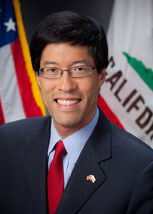
Bill Author
Bill Co-Author(s):