AB 338: Los Angeles County Metropolitan Transportation Authority: transactions and use tax.
- Session Year: 2015-2016
- House: Assembly
- Latest Version Date: 2015-04-13
Existing law authorizes the Los Angeles County Metropolitan Transportation Authority (MTA) to impose, in addition to any other tax that it is authorized to impose, a transactions and use tax at a rate of 0.5% for the funding of specified transportation-related projects and programs, subject to various requirements, including the adoption of an expenditure plan and voter approval. Existing law authorizes the MTA to seek voter approval to extend the transactions and use tax pursuant to an amended ordinance, subject to various requirements, including adoption of an amended expenditure plan that, among other things, updates certain cost estimates and identifies expected completion dates for projects and programs under the previous expenditure plan, and also requires the amended expenditure plan to be included in an updated long range transportation plan, as specified.
This bill would authorize the MTA to impose an additional transportation transactions and use tax at a rate of 0.5%, for a period not to exceed 30 years, subject to various requirements, including the adoption of an expenditure plan and voter approval.
The Transactions and Use Tax Law limits to 2% the combined rate of all transactions and use taxes imposed in any county, with certain exceptions.
This bill would exempt the transactions and use tax authorized by the bill from this limitation.
Existing law authorizes the Los Angeles County Metropolitan Transportation Authority (MTA) to impose, in addition to any other tax that it is authorized to impose, a transactions and use tax at a rate of 0.5% for the funding of specified transportation-related projects and programs, subject to various requirements, including the adoption of an expenditure plan and voter approval. Existing law authorizes the MTA to seek voter approval to extend the transactions and use tax pursuant to an amended ordinance, subject to various requirements, including adoption of an amended expenditure plan that, among other things, updates certain cost estimates and identifies expected completion dates for projects and programs under the previous expenditure plan, and also requires the amended expenditure plan to be included in an updated long range transportation plan, as specified.
This bill would authorize the MTA to impose an additional transportation transactions and use tax at a rate of 0.5%, for a period not to exceed 30 years, subject to various requirements, including the adoption of an expenditure plan and voter approval.
The Transactions and Use Tax Law limits to 2% the combined rate of all transactions and use taxes imposed in any county, with certain exceptions.
This bill would exempt the transactions and use tax authorized by the bill from this limitation.
The County Transportation Commissions Act provides for the creation of county transportation commissions with specified powers and duties in the southern California region, including Los Angeles County. The act makes various legislative findings regarding the transportation needs of the region.
The bill would make an additional legislative finding that transportation resources should be equitably distributed within Los Angeles County.
The County Transportation Commissions Act provides for the creation of county transportation commissions with specified powers and duties in the southern California region, including Los Angeles County. The act makes various legislative findings regarding the transportation needs of the region.
The bill would make an additional legislative finding that transportation resources should be equitably distributed within Los Angeles County.
The Legislature finds and declares all of the following:
(a)Various economic studies have shown that the biggest burden on family incomes is the cost of housing and transportation. These two variables greatly affect the quality of life for Californians.
(b)Los Angeles County voters have recognized the importance of investing in a transportation network that is responsive to the needs of commuters and transit users and that facilitates the movement of goods in the region. Los Angeles County has three existing voter-approved sales tax measures for transportation projects administered by Los Angeles County Metropolitan Transportation Authority (MTA).
(c)In 1980, voters in Los Angeles County approved Proposition A, a sales tax of one-half of 1 percent on most retail sales in Los Angeles County. The MTA returns 25 percent of Proposition A proceeds to the cities in Los Angeles County for transportation purposes. Thirty-five percent of Proposition A proceeds is required to be used for rail development while the remaining 40 percent is for discretionary purposes. Almost all of the discretionary portion is used to fund bus service provided by the MTA and 16 other municipal bus operators within Los Angeles County. The collection of the sales tax is ongoing.
(d)In 1990, voters in Los Angeles County approved Proposition C, an additional sales tax of one-half of 1 percent on retail sales in Los Angeles County. The MTA returns 20 percent of Proposition C proceeds to the cities in Los Angeles County for transportation purposes. Forty percent of the Proposition C proceeds is required to be used for construction and operation of the bus transit and rail system, 5 percent to expand rail and bus security, 10 percent for commuter rail, rail and construction of transit centers, park and ride lots, and freeway bus stops, and 25 percent for transit-related improvements to freeways and state highways. The collection of the sales tax is ongoing.
(e)Most recently, voters in Los Angeles County approved Measure R in 2008. Measure R is an ordinance authorizing an additional sales tax of one-half of 1 percent to fund traffic relief and rail expansion according to an expenditure plan contained in the ordinance. Measure R became effective July 1, 2009, and will remain in effect for 30 years.
(f)MTA has been entrusted with the responsibility and has the voters confidence that it will protect and use the sales tax funding responsibly and according to the rules approved by the voters.
SEC. 2.Section 130350.7 is added to the Public Utilities Code, to read:130350.7.(a)The Los Angeles County Metropolitan Transportation Authority (MTA), in addition to any other tax it is authorized to impose or has imposed, may impose a transactions and use tax at the rate of 0.5 percent, for a period not to exceed 30 years, that is applicable in the incorporated and unincorporated areas of the County of Los Angeles.
(b)The ordinance imposing the tax shall contain all of the following:
(1)An expenditure plan that lists the transportation projects and programs to be funded from net revenues from the tax. The expenditure plan shall appear in the ordinance as an exhibit. The expenditure plan shall include measures that ensure net revenues are shared equitably between regions of the county.
(2)Provisions conforming to the Transactions and Use Tax Law (Part 1.6 (commencing with Section 7251) of Division 2 of the Revenue and Taxation Code), except as otherwise provided in subdivision (f).
(3)A provision limiting the MTAs costs of administering the ordinance and the net revenues from the tax to 1.5 percent of the total tax revenues.
(4)A requirement that the net revenues from the tax, defined to mean the total tax revenues less any refunds, costs of administration by the State Board of Equalization, and the MTAs administration costs, shall be used by the MTA to fund transportation projects and programs identified in the expenditure plan.
(5)A requirement that the MTA, during the period that the ordinance is operative, allocate ____ 20 percent of all net revenues derived from the tax for bus operations. These revenues shall be allocated to all eligible and included municipal transit operators in the County of Los Angeles and to the MTA, in accordance with Section 99285. However, the allocations to the MTA and eligible and included municipal operators shall be made solely from revenues derived from a tax imposed pursuant to this section, and not from local discretionary sources. Funds allocated by MTA to itself pursuant to this section shall be used for transit operations and shall not supplant funds from any other source allocated by MTA to itself for public transit operations. Funds allocated by MTA to the eligible and included municipal operators pursuant to this section shall be used for transit operations and shall not supplant any funds authorized by other provisions of law and allocated by MTA to the eligible and included municipal operators for public transit. In addition to this amount, the MTA shall allocate ____ 5 percent of all net revenues derived from the tax for rail operations.
(c)The MTA shall notify the Legislature prior to the adoption of amendments to the adopted expenditure plan.
(d)The ordinance shall be adopted by the MTA board, which shall also adopt a resolution that submits the ordinance to the voters.
(e)The ordinance shall become operative pursuant to Section 130352 if approved by two-thirds of the voters voting on the measure, pursuant to subdivision (d) of Section 2 of Article XIII C of the California Constitution.
(f)The MTA may incur bonded indebtedness payable from the net revenues of the tax pursuant to the bond issuance provisions of this chapter and any successor act.
(g)The tax authorized by this section shall be imposed pursuant to the Transactions and Use Tax Law (Part 1.6 (commencing with Section 7251) of Division 2 of the Revenue and Taxation Code), notwithstanding the combined rate limitation in Section 7251.1 of the Revenue and Taxation Code.
The Legislature finds and declares all of the following:
(a)Various economic studies have shown that the biggest burden on family incomes is the cost of housing and transportation. These two variables greatly affect the quality of life for Californians.
(b)Los Angeles County voters have recognized the importance of investing in a transportation network that is responsive to the needs of commuters and transit users and that facilitates the movement of goods in the region. Los Angeles County has three existing voter-approved sales tax measures for transportation projects administered by Los Angeles County Metropolitan Transportation Authority (MTA).
(c)In 1980, voters in Los Angeles County approved Proposition A, a sales tax of one-half of 1 percent on most retail sales in Los Angeles County. The MTA returns 25 percent of Proposition A proceeds to the cities in Los Angeles County for transportation purposes. Thirty-five percent of Proposition A proceeds is required to be used for rail development while the remaining 40 percent is for discretionary purposes. Almost all of the discretionary portion is used to fund bus service provided by the MTA and 16 other municipal bus operators within Los Angeles County. The collection of the sales tax is ongoing.
(d)In 1990, voters in Los Angeles County approved Proposition C, an additional sales tax of one-half of 1 percent on retail sales in Los Angeles County. The MTA returns 20 percent of Proposition C proceeds to the cities in Los Angeles County for transportation purposes. Forty percent of the Proposition C proceeds is required to be used for construction and operation of the bus transit and rail system, 5 percent to expand rail and bus security, 10 percent for commuter rail, and construction of transit centers, park and ride lots, and freeway bus stops, and 25 percent for transit-related improvements to freeways and state highways. The collection of the sales tax is ongoing.
(e)Most recently, voters in Los Angeles County approved Measure R in 2008. Measure R is an ordinance authorizing an additional sales tax of one-half of 1 percent to fund traffic relief and rail expansion according to an expenditure plan contained in the ordinance. Measure R became effective July 1, 2009, and will remain in effect for 30 years.
(f)MTA has been entrusted with the responsibility and has the voters confidence that it will protect and use the sales tax funding responsibly and according to the rules approved by the voters.
SEC. 2.Section 130350.7 is added to the Public Utilities Code, to read:130350.7.(a)The Los Angeles County Metropolitan Transportation Authority (MTA), in addition to any other tax it is authorized to impose or has imposed, may impose a transactions and use tax at the rate of 0.5 percent, for a period not to exceed 30 years, that is applicable in the incorporated and unincorporated areas of the County of Los Angeles.
(b)The ordinance imposing the tax shall contain all of the following:
(1)An expenditure plan that lists the transportation projects and programs to be funded from net revenues from the tax. The expenditure plan shall appear in the ordinance as an exhibit. The expenditure plan shall include measures that ensure net revenues are shared equitably between regions of the county.
(2)Provisions conforming to the Transactions and Use Tax Law (Part 1.6 (commencing with Section 7251) of Division 2 of the Revenue and Taxation Code), except as otherwise provided in subdivision (f).
(3)A provision limiting the MTAs costs of administering the ordinance and the net revenues from the tax to 1.5 percent of the total tax revenues.
(4)A requirement that the net revenues from the tax, defined to mean the total tax revenues less any refunds, costs of administration by the State Board of Equalization, and the MTAs administration costs, shall be used by the MTA to fund transportation projects and programs identified in the expenditure plan.
(5)A requirement that the MTA, during the period that the ordinance is operative, allocate ____ percent of all net revenues derived from the tax for bus operations. These revenues shall be allocated to all eligible and included municipal transit operators in the County of Los Angeles and to the MTA, in accordance with Section 99285. However, the allocations to the MTA and eligible and included municipal operators shall be made solely from revenues derived from a tax imposed pursuant to this section, and not from local discretionary sources. Funds allocated by MTA to itself pursuant to this section shall be used for transit operations and shall not supplant funds from any other source allocated by MTA to itself for public transit operations. Funds allocated by MTA to the eligible and included municipal operators pursuant to this section shall be used for transit operations and shall not supplant any funds authorized by other provisions of law and allocated by MTA to the eligible and included municipal operators for public transit. In addition to this amount, the MTA shall allocate ____ percent of all net revenues derived from the tax for rail operations.
(c)The MTA shall notify the Legislature prior to the adoption of amendments to the adopted expenditure plan.
(d)The ordinance shall be adopted by the MTA board, which shall also adopt a resolution that submits the ordinance to the voters.
(e)The ordinance shall become operative pursuant to Section 130352 if approved by two-thirds of the voters voting on the measure, pursuant to subdivision (d) of Section 2 of Article XIII C of the California Constitution.
(f)The MTA may incur bonded indebtedness payable from the net revenues of the tax pursuant to the bond issuance provisions of this chapter and any successor act.
(g)The tax authorized by this section shall be imposed pursuant to the Transactions and Use Tax Law (Part 1.6 (commencing with Section 7251) of Division 2 of the Revenue and Taxation Code), notwithstanding the combined rate limitation in Section 7251.1 of the Revenue and Taxation Code.
SECTION 1.Section 130001 of the Public Utilities Code is amended to read:130001.The Legislature hereby finds and declares that:
(a)Public demand for an efficient public transportation system in the southern California region resulting from population sprawl, the concentration of many transit dependent citizens in the large urban areas, and increasing mobility requirements indicates a need for improved, as well as more innovative, policy and decisionmaking institutions to resolve these problems.
(b)A basic purpose of transportation policy within the region should be to avoid undesirable duplication of transportation services, achieve the operation of a coordinated and integrated transportation system which will reduce automobile usage and dependency, reduce the consumption of scarce and expensive energy fuels, and reduce the levels of automobile-related air pollution.
(c)Recognizing the scarcity of resources available for all transportation development, the commissions shall give priority to low-cost highway and transit improvements, and shall work toward maximizing the effectiveness of existing resources available to the commissions.
(d)Recognizing the importance of the state highway system in the Los Angeles metropolitan area to bus, automobile, and freight transportation, it is necessary to maintain this highway system at least at its present operating standards and to increase the person-moving capability of this system by such methods as carpooling, improved traffic operations, exclusive busways, and fringe parking facilities.
(e)Recognizing the geographic diversity and transportation needs in Los Angeles County, transportation resources should be equitably distributed within the county.
(f)The transportation system should offer adequate public transportation to all citizens, including those immobilized by poverty, age, physical handicaps, or other reasons.
(g)The cities and local communities acting singly or jointly should be given more responsibilities for designing and providing local transit services to improve the responsiveness of public transit to public needs.
(h)The transportation decisionmaking process should be responsive to public values, and provide for the continuing involvement of the public in the preparation, revision, and discussion of transportation plans and services.
(i)Transportation planning should recognize that transportation systems have significant effect on the physical and socioeconomic characteristics of the areas served, and emphasis should be given to the protection and enhancement of the environment and the restoration of blighted neighborhoods near community centers. Los Angeles County, in particular, is a multicentered area with diverse socioeconomic levels and travel patterns, and a majority of the trips in the county are four miles or less.
The Legislature hereby finds and declares that:
(a)Public demand for an efficient public transportation system in the southern California region resulting from population sprawl, the concentration of many transit dependent citizens in the large urban areas, and increasing mobility requirements indicates a need for improved, as well as more innovative, policy and decisionmaking institutions to resolve these problems.
(b)A basic purpose of transportation policy within the region should be to avoid undesirable duplication of transportation services, achieve the operation of a coordinated and integrated transportation system which will reduce automobile usage and dependency, reduce the consumption of scarce and expensive energy fuels, and reduce the levels of automobile-related air pollution.
(c)Recognizing the scarcity of resources available for all transportation development, the commissions shall give priority to low-cost highway and transit improvements, and shall work toward maximizing the effectiveness of existing resources available to the commissions.
(d)Recognizing the importance of the state highway system in the Los Angeles metropolitan area to bus, automobile, and freight transportation, it is necessary to maintain this highway system at least at its present operating standards and to increase the person-moving capability of this system by such methods as carpooling, improved traffic operations, exclusive busways, and fringe parking facilities.
(e)Recognizing the geographic diversity and transportation needs in Los Angeles County, transportation resources should be equitably distributed within the county.
(e)
(f)The transportation system should offer adequate public transportation to all citizens, including those immobilized by poverty, age, physical handicaps, or other reasons.
(f)
(g)The cities and local communities acting singly or jointly should be given more responsibilities for designing and providing local transit services to improve the responsiveness of public transit to public needs.
(g)
(h)The transportation decisionmaking process should be responsive to public values, and provide for the continuing involvement of the public in the preparation, revision, and discussion of transportation plans and services.
(h)
(i)Transportation planning should recognize that transportation systems have significant effect on the physical and socioeconomic characteristics of the areas served, and emphasis should be given to the protection and enhancement of the environment and the restoration of blighted neighborhoods near community centers. Los Angeles County, in particular, is a multicentered area with diverse socioeconomic levels and travel patterns, and a majority of the trips in the county are four miles or less.
|
Date
|
Status
|
|---|---|
| Jun 15, 2015 | In committee: Hearing postponed by committee. |
| May 21, 2015 | Referred to Coms. on T. & H. and GOV. & F. |
| May 11, 2015 | In Senate. Read first time. To Com. on RLS. for assignment. |
| May 11, 2015 | Read third time. Passed. Ordered to the Senate. (Ayes 49. Noes 29. Page 1384.) |
| May 11, 2015 | Read third time. Passed. Ordered to the Senate. |
| May 7, 2015 | Read second time. Ordered to third reading. |
| May 6, 2015 | From committee: Do pass. (Ayes 12. Noes 5.) (May 6). |
| Apr 28, 2015 | From committee: Do pass and re-refer to Com. on APPR. (Ayes 11. Noes 5.) (April 27). Re-referred to Com. on APPR. |
| Apr 23, 2015 | From committee: Do pass and re-refer to Com. on TRANS. (Ayes 6. Noes 3.) (April 22). Re-referred to Com. on TRANS. |
| Apr 14, 2015 | Re-referred to Com. on L. GOV. |
| Apr 13, 2015 | From committee chair, with author's amendments: Amend, and re-refer to Com. on L. GOV. Read second time and amended. |
| Mar 23, 2015 | Re-referred to Com. on L. GOV. |
| Mar 19, 2015 | From committee chair, with author's amendments: Amend, and re-refer to Com. on L. GOV. Read second time and amended. |
| Mar 19, 2015 | Referred to Coms. on L. GOV. and TRANS. |
| Feb 17, 2015 | From printer. May be heard in committee March 19. |
| Feb 13, 2015 | Read first time. To print. |
|
Date
|
Description
|
Location
|
Votes
|
|
|---|---|---|---|---|
| May 11, 2015 | AB 338 HERNÁNDEZ Assembly Third Reading | Assembly Floor |
Passed |
|
| May 6, 2015 | Do pass. | Assembly Standing Committee on Appropriations |
Passed |
|
| Apr 27, 2015 | Do pass and be re-referred to the Committee on [Appropriations] | Assembly Standing Committee on Transportation |
Passed |
|
| Apr 22, 2015 | Do pass and be re-referred to the Committee on [Transportation] | Assembly Standing Committee on Local Government |
Passed |
This list shows positions taken on this bill by organizations on the date displayed, which is linked to the original source.
Positions by individuals are not included.
AB 338 (Roger Hernández) Page 5 of 5
SENATE COMMITTEE ON TRANSPORTATION AND HOUSING
Senator Jim Beall, Chair
2015 - 2016 Regular
Bill No: AB 338 Hearing Date: 6/16/2015
Author: |
Roger Hernández |
||
Version: |
4/13/2015 |
||
Urgency: |
No |
Fiscal: |
Yes |
Consultant: |
Eric Thronson |
||
SUBJECT: Los Angeles County Metropolitan Transportation Authority: transactions and use tax
DIGEST: This bill authorizes the Los Angeles County Metropolitan Transportation Authority (LACMTA) to impose by ordinance an additional local, countywide, one-half-cent sales tax.
ANALYSIS:
Existing law permits a county board of supervisors to create a countywide transportation authority to plan and fund transportation projects within the county. These transportation authorities may impose a local sales tax for transportation purposes, if the tax ordinance is within statutory limits and abides by restrictions on local taxes contained in the California Constitution. Counties that have chosen to tax themselves for transportation purposes call themselves “self-help” counties because they have approved measures to help themselves address their own transportation problems.
Instead of asking voters to impose a local sales tax for transportation purposes under the generic authority in existing law, some counties have specific authorization to propose a measure to increase the sales tax for transportation purposes. For example, the Legislature has passed specific legislation authorizing Los Angeles County to propose to the voters an increase in the local sales tax for transportation. Voters have approved three separate measures in Los Angeles County, for a total sales tax rate of 1.5% dedicated to transportation purposes.
This bill:
Authorizes LACMTA to impose by ordinance an additional local, countywide, one-half-cent sales tax for up to 30 years.
Requires LACMTA to adopt the ordinance and submit the proposal to the voters.
Specifies that the ordinance only becomes operative if approved by two-thirds of the voters voting on the measure.
Requires the ordinance imposing the tax to contain all of the following:
An expenditure plan that lists the projects and programs to be funded from the tax.
Provisions conforming to existing requirements for the imposition of a sales tax, except the limitation that the combined sales tax rate cannot exceed 2%.
Provisions limiting LACMTA’s administration costs to 1.5%.
A requirement that net revenues must be used for projects and programs in the expenditure plan.
Requires LACMTA to notify the Legislature prior to amending the adopted expenditure plan.
Requires that net revenues are shared equitably between regions of the county.
Requires LACMTA to allocate 20% of the revenues for bus operations, and that these revenues for operations:
Must be allocated based on formulas in existing law.
Cannot be derived from local discretionary shares.
Cannot be used to supplant funds from any other source designated for operations.
Requires LACMTA to allocate 5% of the revenues for rail operations.
COMMENTS:
Purpose. While Los Angeles continues to experience some of the most challenging traffic congestion in the state and nation, Los Angeles voters have also recognized the importance of investing in a transportation network that is responsive to the needs of commuters, and transit users, and that facilitates the movement of goods in the region. Most importantly, Los Angeles voters have responded to an expenditure plan that can demonstrate fairness in the distribution of investments throughout the region. According to the author, this bill provides an approach to bring additional resources to Los Angeles County predicated on fairness, transparency, and acknowledgement of best practices.
L.A. County measure history. Los Angeles County currently has in place three separate one-half-cent sales taxes for transportation purposes (for a total of 1.5 cents per dollar spent). The first two one-half-cent taxes were initiated in 1981 and 1991 under terms of special legislation and after local voter approval, and have no expiration date.
In 2008, the Legislature passed and the governor signed AB 2321 (Feuer, Chapter 302), which authorized LACMTA to place before the voters an ordinance to increase the local transportation sales tax by another one-half cent for 30 years. The statute required LACMTA to adopt an expenditure plan prior to submitting the ordinance to the voters, and identified 18 projects to be included in that expenditure plan. AB 2321 required LACMTA to include in the expenditure plan the anticipated completion date for each project. In November 2008, LACMTA placed the sales tax ordinance, referred to as Measure R, on the ballot, and 67% of the voters approved the measure.
At the time voters approved Measure R, LACMTA estimated that the 30-year program would raise about $40 billion. Because of the recession and general economic malaise that followed that vote, LACMTA adjusted its revenue estimates downward and now only expects the sales tax measure to generate about $36 billion. To address this funding shortfall, LACMTA began a search for additional revenue or funding mechanisms to meet its transportation needs. In 2012, the Legislature passed and the governor signed AB 1446 (Feuer, Chapter 806), which authorized LACMTA to place before the voters an ordinance to either eliminate or extend Measure R’s 30-year sunset date. The measure, put before the voters in November 2012, failed to achieve the two-thirds majority necessary for passage.
Instead of seeking to extend Measure R, the author of this bill is authorizing LACMTA to propose to voters another half-cent sales tax. This new authorization would not contain the required projects of past measures, nor the restrictions of past legislation, but is somewhat a “clean slate” from which LACMTA can build a new expenditure plan and funding prioritization.
Similar legislation passed the Senate. Similar to this bill, SB 767 (De León) authorizes LACMTA to impose an additional countywide sales tax measure, with a few significant differences. First, this bill limits the length of the measure’s term to no longer than 30 years, whereas SB 767 allows LACMTA to determine the length of the measure’s term. Second, SB 767 does not require LACMTA to notify the Legislature prior to amending the adopted expenditure plan. Finally, SB 767 does not allocate a percentage of the revenue raised by the potential measure to bus and rail operations. SB 767 was passed by this committee on April 14 8-0 and is currently pending in the Assembly Rules Committee.
Chaptering amendments. This bill has chaptering conflicts with SB 767. Should these bills continue to move through the Legislature, the author will need to resolve this conflict at some point.
Technical amendments.
Page 3, line 29, delete “regions” and insert “subregions”.
Page 3, line 33, delete “(f)” and insert “(g)”.
Double-referral. The Rules Committee has referred this bill to both this committee and the Governance and Finance Committee. Therefore, if the bill passes this committee, it will be referred to the Committee on Governance and Finance.
RELATED LEGISLATION:
SB 314 (Murray, 2003) — established a list of projects that LACMTA was to construct with proceeds from a voter-approved 6.5-year, one-half-cent sales tax.
AB 2321 (Feuer, 2008) — superseded SB 314, authorizing LACMTA to place before the voters an ordinance to increase by one-half cent the local transportation sales tax for 30 years.
AB 1446 (Feuer, 2012) — authorized LACMTA to place before the voters an ordinance to either eliminate or extend Measure R’s 30-year sunset date.
SB 1037 (E. Hernandez, 2014) — required LACMTA to update its expenditure plan and Long-Range Transportation Plan before presenting another measure to extend Measure R before the voters.
Assembly Votes:
Floor: 49-29
Appr: 12-5
Trans: 11-5
L Gov: 6-3
FISCAL EFFECT: Appropriation: No Fiscal Com.: Yes Local: No
POSITIONS: (Communicated to the committee before noon on Wednesday,
June 10, 2015.)
SUPPORT:
Amalgamated Transit Union
California Teamsters Public Affairs Council
OPPOSITION:
California Taxpayers Association
-- END --
AB 338
Page 4
ASSEMBLY THIRD READING
AB 338
(Roger Hernández)
As Amended April 13, 2015
Majority vote
Committee |
Votes |
Ayes |
Noes |
Local Government |
6-3 |
Gonzalez, Alejo, Chiu, Cooley, Gordon, Holden |
Maienschein, Linder, Waldron |
Transportation |
11-5 |
Frazier, Bloom, Chu, Daly, Dodd, Eduardo Garcia, Gomez, Medina, Nazarian, O'Donnell, Santiago |
Achadjian, Baker, Kim, Linder, Melendez |
Appropriations |
12-5 |
Gomez, Bloom, Bonta, Calderon, Daly, Eggman, Eduardo Garcia, Holden, Quirk, Rendon, Weber, Wood |
Bigelow, Chang, Gallagher, Jones, Wagner |
SUMMARY: Authorizes the Los Angeles County Metropolitan Transportation Authority (MTA), subject to voter approval, to impose an additional transactions and use tax at a rate of 0.5% for a period not to exceed 30 years. Specifically, this bill:
Authorizes MTA to impose a transactions and use tax at a rate of 0.5% that is applicable to the incorporated and unincorporated areas of Los Angeles County (County) for a period not to exceed 30 years.
Requires MTA to adopt the ordinance and submit the proposed transactions and use tax to the voters. Specifies that the ordinance only becomes operative, if approved by two-thirds of the voters voting on the measure, pursuant to California Constitution Article XIII C.
Requires the ordinance imposing the tax to contain all of the following:
An expenditure plan that lists the transportation projects and programs to be funded by the tax;
An expenditure plan that includes measures that ensure net revenues are shared equitably between regions of the County;
A provision conforming the ordinance to the existing Transaction and Use Tax Law, except to the 2% combined transactions and use tax cap;
A provision that limits MTA's administrative costs to 1.5% of total net revenues; and,
A requirement that MTA allocate 20% of net revenues from the tax to bus operations and 5% of net revenues from the tax to rail operations, during the period that the ordinance is operative.
Requires MTA to notify the Legislature prior to the adoption of amendments to the adopted expenditure plan.
Allows MTA to incur bonded indebtedness payable from the net revenues of the tax.
Requires the 20% of tax revenues to bus operations to be allocated to all eligible and included municipal transit operators in the County and to MTA in accordance with current law. Requires the allocation to MTA and eligible and included municipal operators to be made solely from the revenues derived from the tax and not from local discretionary sources.
Makes findings and declarations relating to Los Angeles County voter approved sales tax measures to fund transportation.
FISCAL EFFECT: According to the Assembly Appropriations Committee, negligible state fiscal impact. According to the State Board of Equalization (BOE) a new 0.5% district tax in Los Angeles County would raise approximately $8 million in the first full year of implementation
COMMENTS:
Transaction and Use Taxes. Transactions and use taxes are taxes imposed on the total retail price of any tangible personal property and the use or storage of such property when sales tax is not paid. These types of taxes may be levied as general taxes, which are unrestricted, or special taxes, which are restricted for a specified use. The Transactions and Use Tax law authorizes the adoption of local add-on rates to the combined state and local sales tax rate. The law has been amended multiple times to authorize specific cities, counties, special districts and county transportation authorities to impose a transactions and use tax, if voters approve the tax.
Existing state law authorizes cities and counties to impose transactions and use taxes in 0.125% increments in addition to the state's 7.5% sales tax provided that the combined rate in the county does not exceed 2%. The Legislature has granted several exemptions to the 2% cap, including to several counties to allow an additional countywide transaction and use tax for transportation purposes.
Prior Legislation. SB 314 (Murray), Chapter 785, Statutes of 2003, originally enacted provisions that authorized MTA to impose a 0.5% transactions and use tax, not subject to the 2% cap for no more than six and one-half years, for specific transportation projects and programs. The authority to put a tax measure on the ballot was never used. AB 2321 (Feuer), Chapter 302, Statutes of 2008, modified those provisions to allow MTA to impose a transactions and use tax for 30 years. AB 2321 additionally required MTA to adopt an expenditure plan prior to submitting a transactions and use tax to the voters and to include specified projects and programs in its Long-Range Transportation Plan. In November 2008, more than 67% of Los Angeles County voters approved this tax in a ballot measure known as Measure R. Measure R, in addition to Measure C (1990) and Proposition A (1980), are the three 0.5% countywide transactions and use taxes that provide the majority of MTA's funding.
AB 1446 (Feuer), Chapter 806, Statutes of 2012, authorized MTA, subject to voter approval, to extend the existing transactions and use tax (Measure R) for an unlimited amount of time, allowing MTA to determine a sunset date, if any. AB 1446 also required MTA to update its expenditure plan prior to submitting the tax measure to the voters. However, the measure put before Los Angeles County voters in November 2012 failed to achieve the two-thirds threshold necessary for passage. SB 1037 (Hernandez), Chapter 196, Statutes of 2014, requires MTA to update its expenditure plan and Long-Range Transportation Plan before placing another transactions and use tax measure before the voters.
According to the Board of Equalization, Los Angeles County has 14 transaction and use taxes, three county-wide taxes for transportation purposes and 11 city-wide taxes. Despite the statutory exemption for MTA's transactions and use tax, Los Angeles County has reached the 2% cap.
Bill Summary. This bill authorizes MTA to impose by ordinance an additional 0.5% transactions and use tax, for a period not to exceed 30 years, subject to two-thirds voter approval pursuant to the California Constitution. The transaction and use tax authorized by this bill is not subject to the 2% cap in existing law.
Similar to prior legislation, this bill requires the ordinance imposing the tax to contain specified information, including an expenditure plan to list the transportation projects and programs to be funded from the tax. However, this bill also requires the expenditure plan to include measures that ensure revenues are shared equitably between regions of the County. Similar to AB 2321, this bill specifies that 20% of all revenue derived from that tax is for bus transit operations and 5% is for rail transit operations.
This bill is author-sponsored.
Author's Statement. According to the author, "The purpose of this bill is to provide MTA with an opportunity to seek a county-wide voter approval for a half cent increase to the countywide sales tax for transportation purposes. As MTA continues to work with the subregional Council of Governments to develop priorities for a potential expenditure plan, this bill furthers that commitment by providing constructive parameters to ensure a fair and equitable distribution of resources and investments in the county. Moreover, this bill recognizes best practices by investing in transit and rail as an important part of addressing the traffic issues in Los Angeles. In fact, all three existing voter approved sales tax measures in LA [Los Angeles] County include funding for transit and rail.
"While Los Angeles continues to experience some of the most challenging traffic congestion in the state and nation, Los Angeles voters have also recognized the importance of investing in a transportation network that is responsible to the needs to commuters, transit users, and that facilitates the movement of goods in the region. Most importantly, Los Angeles voters have responded to an expenditure plan that can demonstrate fairness in the distribution of investments throughout the region.
"This bill provides an approach and potential pathway to bring additional resources to Los Angeles County by creating a platform which will lead to investments predicated on fairness and transparency."
Pending Legislation. SB 767 (De León) of the current legislative session, pending in the Senate, is substantially similar to this bill. SB 767 would also authorize MTA to impose an additional countywide 0.5% transactions and use tax, but contains several differences to this bill. SB 767 allows MTA to determine the length of the transactions and use tax and this bill establishes a 30-year limit. Additionally, SB 767 does not contain several of the provisions in this bill, including the requirement that the expenditure plan must contain a measure to ensure equity between regions, the dedicated percentage of revenue to bus and rail operations, or the requirement that MTA must notify the Legislature prior to adopting amendments to the adopted expenditure plan.
AB 464 (Mullin) of the current legislative session, pending in the Assembly, would not impact the authority granted by this bill to MTA, but seeks to raise the overall statewide transactions and use tax rate cap from 2% to 3%.
Arguments in Support. Supporters argue given current transportation needs, this bill is a reasonable approach to getting additional funding that will help reduce gridlock, put people to work, and promote economic growth in the region.
Arguments in Opposition. Opposition argues that any increase in the transactions and use tax only adds to what is already one of the most regressive taxes in the state which disproportionately impacts California's most vulnerable residents.
Analysis Prepared by: Misa Lennox / L. GOV. / (916) 319-3958 FN: 0000341
AB 338
Page 2
Date of Hearing: May 6, 2015
ASSEMBLY COMMITTEE ON APPROPRIATIONS
Jimmy Gomez, Chair
AB 338
(Roger Hernández) – As Amended April 13, 2015
Policy Committee: |
Local Government |
Vote: |
6 - 3 |
|
Transportation |
|
11 - 5 |
|
|
|
|
Urgency: No State Mandated Local Program: No Reimbursable: No
SUMMARY:
This bill authorizes the Los Angeles County Metropolitan Transportation Authority (MTA), subject to voter approval, to impose an additional 0.5% transactions and use tax (sales tax) for no more than 30 years, for funding transportation-related projects and programs.
FISCAL EFFECT:
Negligible state fiscal impact.
According to the State Board of Equalization (BOE) a new 0.5% district tax in LA County would raise approximately $8 million in the first full year of implementation.
COMMENTS:
Purpose. According to the author, "While Los Angeles continues to experience some of the most challenging traffic congestion in the state and nation, Los Angeles voters have also recognized the importance of investing in a transportation network that is responsive to the needs to commuters, transit users, and that facilitates the movement of goods in the region. Most importantly, Los Angeles voters have responded to an expenditure plan that can demonstrate fairness in the distribution of investments throughout the region. AB 338 provides an approach to bring additional resources to Los Angeles County predicated on fairness, transparency and acknowledgement of best practices."
Background. The Transactions and Use Tax law authorizes the adoption of local add-on rates to the combined state and local sales tax rate. The law has been amended multiple times to authorize specific cities, counties, special districts, and county transportation authorities to impose a sales tax, subject to two-thirds voter approval. Existing law caps the combined rate of all sales taxes in a county at 2% but provides several exemptions to the cap, including to several counties to allow an additional sales tax for transportation purposes.
According to the Board of Equalization, Los Angeles County has 14 sales taxes, including three county-wide taxes for transportation purposes and 11 city-wide taxes. Despite the statutory exemption for Measure R, the County has reached the 2% cap. Measure R, in addition to Measure C (1990) and Proposition A (1980), which were both imposed indefinitely, are the three one half-cent county-wide sales taxes that provide the majority of MTA's funding.
Related legislation:
SB 767 (De León) also authorizes MTA to impose an additional countywide 0.5% transactions and use tax, but is not identical to this bill. SB 767 is pending in the Senate Appropriations Committee.
AB 464 (Mullin) raises the transactions and use tax rate cap from 2% to 3%. AB 464 is pending on the Assembly Floor.
Prior legislation:
SB 1037 (Hernández), Chapter 196, Statutes of 2014, required MTA to update its expenditure plan and Long-Range Transportation Plan before placing another sales tax measure before the voters.
AB 1446 (Feuer), Chapter 806, Statutes of 2012, authorized MTA, subject to voter approval, to extend the existing sales tax (Measure R) indefinitely. AB 1446 also required MTA to update its expenditure plan prior to submitting the tax measure to the voters. The measure was put before Los Angeles County voters in November 2012 but failed to achieve the two-thirds threshold necessary for passage.
AB 2321 (Feuer), Chapter 302, Statutes of 2008, authorized MTA to impose, subject to voter approval, a 0.5% sales tax for 30 years and required MTA to include specified projects and programs in its long-range transportation plan. In November of 2008, more than 67% of Los Angeles County voters approved this tax in a ballot measure known as Measure R.
SB 314 (Murray), Chapter 785, Statutes of 2003, authorized MTA to impose, subject to voter approval, a 0.5% sales tax for no more than six and one-half years for specific transportation projects and programs. That sales tax was never imposed.
Analysis Prepared by: Jennifer Swenson / APPR. / (916) 319-2081
AB 338
Page 4
Date of Hearing: April 27, 2015
ASSEMBLY COMMITTEE ON TRANSPORTATION
Jim Frazier, Chair
AB 338
(Roger Hernández) – As Amended April 13, 2015
SUBJECT: Los Angeles County Metropolitan Transportation Authority: transactions and use tax
SUMMARY: Authorizes the Los Angeles County Metropolitan Transportation Authority (MTA), subject to voter approval, to impose an additional transactions and use tax (sales tax) at a rate of 0.5% for no more than 30 years. Specifically, this bill:
Authorizes MTA to impose a one half-cent sales tax that is applicable to the incorporated and unincorporated areas of Los Angeles County (County) for a period not to exceed 30 years.
Specifies that the authorized tax is in addition to any other tax MTA is authorized to impose or has imposed.
Requires MTA to adopt an ordinance imposing the sales tax and submit it to the voters.
Specifies that the ordinance only becomes operative if approved by two-thirds
of the voters voting on the measure pursuant to Article XIII C of the California Constitution.Requires the ordinance imposing the tax to contain all of the following:
An expenditure plan that lists the transportation projects and programs to be funded by the tax and that includes measures that ensure net revenues are shared equitably between regions of the County;
Provisions conforming the ordinance to the existing Transactions and Use Tax Law, except to the 2% combined transactions and use tax cap;
A provision that limits MTA's administrative costs to 1.5% of total net revenues;
A requirement that the net revenues from the tax and MTA's administration costs be used by MTA to fund transportation projects and programs identified in the expenditure plan; and,
A requirement that MTA allocate 20% of net revenues from the tax to bus operations and 5% of net revenues from the tax to rail operations during the period that the ordinance is operative.
Requires MTA to notify the Legislature prior to the adoption of amendments to the adopted expenditure plan.
Allows MTA to incur bonded indebtedness payable from the net revenues of the tax.
Requires the tax to be imposed pursuant to the Transactions and Use Tax Law and exempts it from the 2% combined rate limitation.
Requires that the 20% of tax revenues for bus operations be allocated to all eligible and included municipal transit operators in the County and to MTA in accordance with current law.
Requires that the allocations to MTA and eligible and included municipal operators be made solely from the revenues derived from the tax and not from local discretionary sources.
Requires that the funds allocated for bus operations not supplant any other funds allocated for public transit.
EXISTING LAW:
Authorized MTA to adopt a one half cent-sales tax in Los Angeles County for 30 years, subject to two-thirds voter approval. The sales tax, presented to the voters as Measure R, was approved in 2008.
Requires MTA to allocate 20% of the proceeds derived from the one half-cent sales tax for bus operations and 5% for rail operations.
Authorizes MTA to incur bonded indebtedness payable from the proceeds of Measure R.
Required MTA to adopt an expenditure plan prior to submitting the proposed Measure R to the voters for a vote.
Allows MTA, subject to two-thirds voter approval, to extend the tax approved through Measure R indefinitely. MTA placed this measure before the voters in November 2012 but it failed to achieve the two-thirds threshold necessary for passage.
Authorizes cities and counties to impose sales taxes in 0.125% increments in addition to the state’s 7.5% sales tax.
Limits the combined rate of all transactions and use taxes imposed in any county to 2%.
FISCAL EFFECT: Unknown
COMMENTS: The Transactions and Use Tax law authorizes the adoption of local add-on rates to the combined state and local sales tax rate. The law has been amended multiple times to authorize specific cities, counties, special districts, and county transportation authorities to impose a sales tax, subject to two-thirds voter approval. Existing law caps the combined rate of all sales taxes in a county at 2% but provides several exemptions to the cap, including to several counties to allow an additional sales tax for transportation purposes.
According to the Board of Equalization, Los Angeles County has 14 sales taxes, including three county-wide taxes for transportation purposes and 11 city-wide taxes. Despite the statutory exemption for Measure R, the County has reached the 2% cap. Measure R, in addition to Measure C (1990) and Proposition A (1980), which were both imposed indefinitely, are the three one half-cent county-wide sales taxes that provide the majority of MTA's funding.
AB 338 authorizes MTA to impose, with voter approval, an additional one half-cent sales tax for up to 30 years, subject to two-thirds voter approval. The tax authorized by this bill is not subject to the 2% cap. Similar to prior legislation, this bill requires the ordinance imposing the tax to contain specified information, including an expenditure plan to list the transportation projects and programs to be funded from the tax. However, AB 338 also requires the expenditure plan to include measures that ensure revenues are shared equitably between regions of the County. Similar to the authorizing legislation for Measure R, AB 338 specifies that 20% of all revenues derived from that tax be spent for bus transit operations and 5% for rail transit operations.
According to the author, "While Los Angeles continues to experience some of the most challenging traffic congestion in the state and nation, Los Angeles voters have also recognized the importance of investing in a transportation network that is responsive to the needs to commuters, transit users, and that facilitates the movement of goods in the region. Most importantly, Los Angeles voters have responded to an expenditure plan that can demonstrate fairness in the distribution of investments throughout the region. AB 338 provides an approach to bring additional resources to Los Angeles County predicated on fairness, transparency and acknowledgement of best practices."
There is no doubt that the state needs more funding for transportation across the board. AB 338 provides the opportunity for Los Angeles County voters to decide whether or not to tax themselves to fulfill that funding need in their own region. This is a reasonable approach to addressing transportation funding needs.
Double referral: This bill passed out of the Assembly Local Government Committee on April 22, 2015, with a 6-3 vote.
Related
legislation: SB 767 (De León) also authorizes MTA to impose an
additional countywide 0.5% transactions and use tax, but is not
identical to this bill. SB 767 allows MTA to determine the length of
the transactions and use tax, whereas this bill establishes a 30-year
limit. Additionally, SB 767 does not contain several of the
provisions in this bill, including the requirement that the
expenditure plan must contain a measure to ensure equity between
regions, the dedicated percentage of revenue to bus and rail
operations, or the requirement that MTA must notify the Legislature
prior to adopting amendments to the adopted expenditure plan.
SB
767 passed out of the Senate Transportation and Housing and
Governance and Finance committees and is awaiting a hearing in the
Senate Appropriations Committee.
AB 464 (Mullin) raises the transactions and use tax rate cap from 2% to 3%. AB 464 passed the Assembly Revenue and Taxation Committee on April 13 on a 5-3 vote and will be heard in the Assembly Local Government Committee on April 29, 2015.
Prior legislation: SB 314 (Murray), Chapter 785, Statutes of 2003, originally enacted provisions that authorized MTA to impose, subject to voter approval, a 0.5% sales tax for no more than six and one-half years for specific transportation projects and programs. That sales tax was never imposed.
AB 2321 (Feuer), Chapter 302, Statutes of 2008, authorized MTA to impose, subject to voter approval, a 0.5% sales tax for 30 years and required MTA to include specified projects and programs in its long-range transportation plan. In November of 2008, more than 67% of Los Angeles County voters approved this tax in a ballot measure known as Measure R.
AB 1446 (Feuer), Chapter 806, Statutes of 2012, authorized MTA, subject to voter approval, to extend the existing sales tax (Measure R) indefinitely. AB 1446 also required MTA to update its expenditure plan prior to submitting the tax measure to the voters. The measure was put before Los Angeles County voters in November 2012 but failed to achieve the two-thirds threshold necessary for passage.
SB 1037 (Hernández), Chapter 196, Statutes of 2014, required MTA to update its expenditure plan and Long-Range Transportation Plan before placing another sales tax measure before the voters.
REGISTERED SUPPORT / OPPOSITION:
Support
Amalgamated Transit Union
California Teamsters Public Affairs Council
Opposition
California Taxpayers Association
Howard Jarvis Taxpayers Association
Analysis Prepared by: Anya Lawler / TRANS. / (916) 319-2093
AB 338
Page 4
Date of Hearing: April 22, 2015
ASSEMBLY COMMITTEE ON LOCAL GOVERNMENT
Brian Maienschein, Chair
AB 338
Roger Hernández – As Amended April 13, 2015
SUBJECT: Los Angeles County Metropolitan Transportation Authority: transactions and use tax.
SUMMARY: Authorizes the Los Angeles County Metropolitan Transportation Authority (MTA), subject to voter approval, to impose an additional transactions and use tax at a rate of 0.5% for a period not to exceed 30 years. Specifically, this bill:
Authorizes MTA to impose a transactions and use tax at a rate of 0.5% that is applicable to the incorporated and unincorporated areas of Los Angeles County (County) for a period not to exceed 30 years.
Requires MTA to adopt the ordinance and submit the proposed transactions and use tax to the voters. Specifies that the ordinance only becomes operative, if approved by two-thirds
of the voters voting on the measure, pursuant to Article XIII C of the California Constitution.Requires the ordinance imposing the tax to contain all of the following:
An expenditure plan that lists the transportation projects and programs to be funded by the tax;
An expenditure plan that includes measures that ensure net revenues are shared equitably between regions of the County;
A provision conforming the ordinance to the existing Transaction and Use Tax Law, except to the 2% combined transactions and use tax cap;
A provision that limits MTA's administrative costs to 1.5% of total net revenues; and,
A requirement that MTA allocate 20% of net revenues from the tax to bus operations and 5% of net revenues from the tax to rail operations, during the period that the ordinance is operative.
Requires MTA to notify the Legislature prior to the adoption of amendments to the adopted expenditure plan.
Allows MTA to incur bonded indebtedness payable from the net revenues of the tax.
Requires the 20% of tax revenues to bus operations to be allocated to all eligible and included municipal transit operators in the County and to MTA in accordance with current law. Requires the allocation to MTA and eligible and included municipal operators to be made solely from the revenues derived from the tax and not from local discretionary sources.
Makes findings and declarations relating to Los Angeles County voter approved sales tax measures to fund transportation.
FISCAL EFFECT: This bill is keyed fiscal.
COMMENTS:
Transaction and Use Taxes. Transactions and use taxes are taxes imposed on the total retail price of any tangible personal property and the use or storage of such property when sales tax is not paid. These types of taxes may be levied as general taxes, which are unrestricted, or special taxes, which are restricted for a specified use. The Transactions and Use Tax law authorizes the adoption of local add-on rates to the combined state and local sales tax rate. The law has been amended multiple times to authorize specific cities, counties, special districts and county transportation authorities to impose a transactions and use tax, if voters approve the tax.
Existing state law authorizes cities and counties to impose transactions and use taxes in 0.125% increments in addition to the state’s 7.5% sales tax provided that the combined rate in the county does not exceed 2%. The Legislature has granted several exemptions to the 2% cap, including to several counties to allow an additional countywide transaction and use tax for transportation purposes.
Prior Legislation. SB 314 (Murray), Chapter 785, Statutes of 2003, originally enacted provisions that authorized MTA to impose a 0.5% transactions and use tax, not subject to the 2% cap for no more than six and one-half years, for specific transportation projects and programs. The authority to put a tax measure on the ballot was never used. AB 2321 (Feuer), Chapter 302, Statutes of 2008, modified those provisions to allow MTA to impose a transactions and use tax for 30 years. AB 2321 additionally required MTA to adopt an expenditure plan prior to submitting a transactions and use tax to the voters and to include specified projects and programs in its Long –Range Transportation Plan. In November 2008, more than 67% of Los Angeles County voters approved this tax in a ballot measure known as Measure R. Measure R, in addition to Measure C (1990) and Proposition A (1980), are the three 0.5% countywide transactions and use taxes that provide the majority of MTA's funding.
AB 1446 (Feuer), Chapter 806, Statutes of 2012, authorized MTA, subject to voter approval, to extend the existing transactions and use tax (Measure R) for an unlimited amount of time, allowing MTA to determine a sunset date, if any. AB 1446 also required MTA to update its expenditure plan prior to submitting the tax measure to the voters. However, the measure put before Los Angeles County voters in November 2012 failed to achieve the two-thirds threshold necessary for passage. SB 1037 (Hernández), Chapter 196, Statutes of 2014, requires MTA to update its expenditure plan and Long-Range Transportation Plan before placing another transactions and use tax measure before the voters.
According to the Board of Equalization, Los Angeles County has 14 transaction and use taxes, three county-wide taxes for transportation purposes and 11 city-wide taxes. Despite the statutory exemption for MTA's transactions and use tax, Los Angeles County has reached the 2% cap.
Bill Summary. This bill authorizes MTA to impose by ordinance an additional 0.5% transactions and use tax, for a period not to exceed 30 years, subject to two-thirds voter approval pursuant to the California Constitution. The transaction and use tax authorized by this bill is not subject to the 2% cap in existing law.
Similar to prior legislation, this bill requires the ordinance imposing the tax to contain specified information, including an expenditure plan to list the transportation projects and programs to be funded from the tax. However, this bill also requires the expenditure plan to include measures that ensure revenues are shared equitably between regions of the County. Similar to AB 2321, this bill specifies that 20% of all revenue derived from that tax is for bus transit operations and 5% is for rail transit operations.
This bill is author-sponsored.
Author's Statement. According to the author, "The purpose of this bill is to provide MTA with an opportunity to seek a county-wide voter approval for a half cent increase to the countywide sales tax for transportation purposes. As MTA continues to work with the subregional Council of Governments to develop priorities for a potential expenditure plan, this bill furthers that commitment by providing constructive parameters to ensure a fair and equitable distribution of resources and investments in the county. Moreover, this bill recognizes best practices by investing in transit and rail as an important part of addressing the traffic issues in Los Angeles. In fact, all three existing voter approved sales tax measures in LA County include funding for transit and rail.
"While Los Angeles continues to experience some of the most challenging traffic congestion in the state and nation, Los Angeles voters have also recognized the importance of investing in a transportation network that is responsible to the needs to commuters, transit users, and that facilitates the movement of goods in the region. Most importantly, Los Angeles voters have responded to an expenditure plan that can demonstrate fairness in the distribution of investments throughout the region.
"This bill provides an approach and potential pathway to bring additional resources to Los Angeles County by creating a platform which will lead to investments predicated on fairness and transparency."
Pending Legislation. This bill is substantially similar to SB 767 (De León), which passed out of the Senate Transportation and Housing Committee and is currently pending in the Senate Governance and Finance Committee. SB 767 would also authorize MTA to impose an additional countywide 0.5% transactions and use tax, but contains several differences to this bill. SB 767 allows MTA to determine the length of the transactions and use tax and this bill establishes a 30-year limit. Additionally, SB 767 does not contain several of the provisions in this bill, including the requirement that the expenditure plan must contain a measure to ensure equity between regions, the dedicated percentage of revenue to bus and rail operations, or the requirement that MTA must notify the Legislature prior to adopting amendments to the adopted expenditure plan.
AB 464 (Mullin), currently pending in this Committee, would not impact the authority granted by this bill to MTA, but seeks to raise the overall statewide transactions and use tax rate cap from 2% to 3%.
Arguments in Support. Supporters argue given current transportation needs, this bill is a reasonable approach to getting additional funding that will help reduce gridlock, put people to work, and promote economic growth in the region.
Arguments in Opposition. Opposition argues that any increase in the transactions and use tax only adds to what is already one of the most regressive taxes in the state which disproportionately impacts California's most vulnerable residents.
Double-Referral. This bill is double-referred to the Transportation Committee.
REGISTERED SUPPORT / OPPOSITION:
Support
Amalgamated Transit Union
California Teamsters Public Affairs Council
Opposition
California Taxpayers Association
Howard Jarvis Taxpayers Association
Analysis Prepared by: Misa Lennox / L. GOV. / (916) 319-3958
Discussed in Hearing
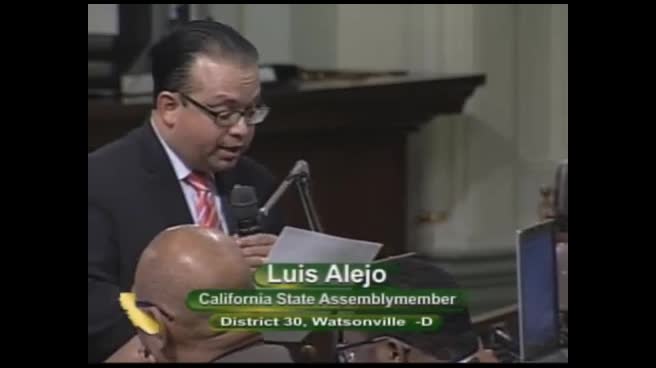 2MIN
Assembly Floor
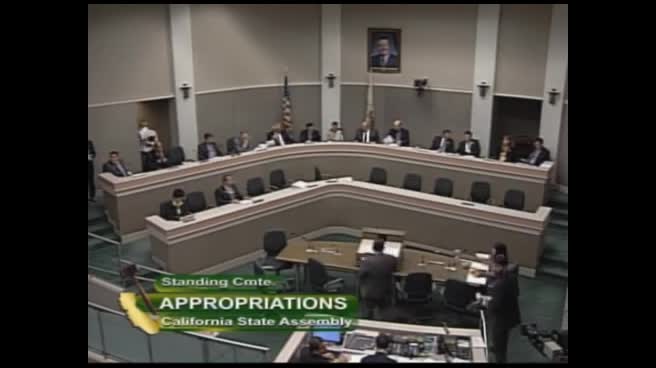 2MIN
Assembly Standing Committee on Appropriations
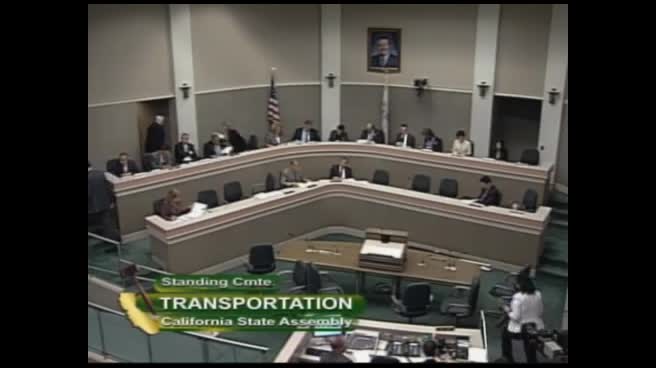 7MIN
Assembly Standing Committee on Transportation
Bill Author

Bill Co-Author(s):