SB 939: Prescription drug pricing.
- Session Year: 2021-2022
- House: Senate
- Latest Version Date: 2022-06-15
Existing federal law requires the United States Secretary of Health and Human Services to enter into an agreement with each manufacturer of covered outpatient drugs to ensure the amount a covered entity is required to pay for those drugs does not exceed the average manufacturer price of the drug under the federal Medicaid program. Existing state law requires a covered entity to dispense only drugs subject to these federal pricing requirements to Medi-Cal beneficiaries. Existing law defines a covered entity to include a federally qualified health center and entities receiving specified grants and federal funding.
This bill would prohibit a pharmacy benefit manager from discriminating against a covered entity or its pharmacy in connection with dispensing a drug subject to federal pricing requirements or preventing a covered entity from retaining the benefit of discounted pricing for those drugs. The bill would prohibit a drug manufacturer that is subject to federal pricing requirements from imposing preconditions, limitations, delays, or other barriers to the purchase of covered drugs that are not required under federal law or regulations.
Existing federal law requires the United States Secretary of Health and Human Services to enter into an agreement with each manufacturer of covered outpatient drugs to ensure the amount a covered entity is required to pay for those drugs does not exceed the average manufacturer price of the drug under the federal Medicaid program. Existing state law requires a covered entity to dispense only drugs subject to these federal pricing requirements to Medi-Cal beneficiaries. Existing law defines a covered entity to include a federally qualified health center and entities receiving specified grants and federal funding.
This bill would prohibit a pharmacy benefit manager from discriminating against a covered entity or its pharmacy in connection with dispensing a drug subject to federal pricing requirements or preventing a covered entity from retaining the benefit of discounted pricing for those drugs. The bill would prohibit a drug manufacturer that is subject to federal pricing requirements from imposing preconditions, limitations, delays, or other barriers to the purchase of covered drugs. drugs that are not required under federal law or regulations.
Existing federal law requires the United States Secretary of Health and Human Services to enter into an agreement with each manufacturer of covered outpatient drugs to ensure the amount a covered entity is required to pay for those drugs does not exceed the average manufacturer price of the drug under the federal Medicaid program. Existing state law requires a covered entity to dispense only drugs subject to these federal pricing requirements to Medi-Cal beneficiaries. Existing law defines a covered entity to include a federally qualified health center and entities receiving specified grants and federal funding.
This bill would prohibit a pharmacy benefit manager from discriminating against a covered entity or its pharmacy in connection with dispensing a drug subject to federal pricing requirements or preventing a covered entity from retaining the benefit of discounted pricing for those drugs. The bill would prohibit a drug manufacturer that is subject to federal pricing requirements from imposing preconditions, limitations, delays, or other barriers to the purchase of covered drugs.
(a)The Legislature finds and declares all of the following:
(1)Congress created the 340B discount drug purchasing program to enable safety net providers to stretch scarce federal resources as far as possible and to expand services for low-income and underserved patients.
(2)The 340B program is an essential part of Californias health care safety net.
(3)Some pharmacy benefit managers, drug manufacturers, and other for-profit entities are taking actions to undermine the benefits of the 340B program. These actions harm safety net providers and the vulnerable patients they serve.
(b)It is the intent of the Legislature to ensure continued access to the benefits of the 340B program without discrimination and interference from pharmacy benefit managers, drug manufacturers, and other payers.
127471.For purposes of this article:
(a)Covered drug means a drug purchased by a covered entity that is subject to the federal pricing requirements set forth in Section 256b of Title 42 of the United States Code.
(b)Covered entity means a provider defined as a covered entity in Section 256b of Title 42 of the United States Code.
(c)Drug manufacturer means both of the following:
(1)An means an entity described in Section 1396r-8(k)(5) of Title 42 of the United States Code that is subject to the pricing limitations set forth in Section 256b of Title 42 of the United States Code.
(2)A wholesaler described in Section 1396r-8(k)(11) of Title 42 of the United States Code engaged in the distribution of covered drugs for an entity described in Section 1396r-8(k)(5) of Title 42 of the United States Code that is subject to the pricing limitations set forth in Section 256b of Title 42 of the United States Code.(d)Payer means a pharmacy benefit manager.
(e)Pharmacy benefit manager has the same meaning as defined in Section 4430 of the Business and Professions Code, and includes a wholly or partially owned or controlled subsidiary of a pharmacy benefit manager.
(f)Specified pharmacy means a pharmacy owned by, or under contract with, a covered entity that is registered with the 340B discount drug purchasing program described in Section 256b of Title 42 of the United States Code to dispense covered drugs on behalf of the covered entity, whether in person or via mail.
127472.(a)A payer shall not impose any requirements, conditions, or exclusions that do either of the following:
(1)Discriminate against a covered entity or a specified pharmacy in connection with dispensing covered drugs.
(2)Prevent a covered entity from retaining the benefit of discounted pricing for the purchase of covered drugs.
(b)Discrimination prohibited pursuant to subdivision (a) includes all of the following:
(1)Payment terms, reimbursement methodologies, or other terms and conditions that distinguish between covered drugs and other drugs, account for the availability of discounts under the 340B discount drug purchasing program described in Section 256b of Title 42 of the United States Code in determining reimbursement, or are less favorable than the payment terms or reimbursement methodologies for similarly situated entities that are not furnishing or dispensing covered drugs.
(2)Terms or conditions applied to covered entities or specified pharmacies based on the furnishing or dispensing of covered drugs or their status as a covered entity or specified pharmacy, including restrictions or requirements for participation in standard or preferred pharmacy networks, or requirements related to the frequency or scope of audits.
(3)Requiring a covered entity or specified pharmacy to identify, either directly or through a third party, covered drugs or covered drug costs.
(4)Refusing to contract with or terminating a contract with a covered entity or specified pharmacy, or otherwise excluding a covered entity or specified pharmacy from a standard or preferred network, on the basis that the entity or pharmacy is a covered entity or a specified pharmacy or for reasons other than those that apply equally to entities or pharmacies that are not covered entities or specified pharmacies.
(5)Retaliation against a covered entity or specified pharmacy based on its exercise of any right or remedy under this article.
(6)Interfering with an individuals choice to receive a covered drug from a covered entity or specified pharmacy, whether in person or via direct delivery, mail, or other form of shipment.
(c)This section does not apply to the Medi-Cal program or the federal Medicare program, but does apply to entities that contract with Medi-Cal or Medicare if they meet the definition of a payer and have discretion to negotiate or establish rates of payment for drugs.
127473.(a)A drug manufacturer shall comply with federal pricing requirements set forth in Section 256b of Title 42 of the United States Code when selling covered drugs to covered entities located in California, and shall not impose any preconditions, limitations, delays, or other barriers to the purchase of covered drugs that are not required under Section 256b of Title 42 of the United States Code, or any rules or regulations adopted thereunder.
(b)Arrangements prohibited by subdivision (a) include all of the following:
(1)Implementation of policies or limitations that restrict the ability of covered entities or specified pharmacies to dispense covered drugs, including restrictions on the number or type of locations through which covered drugs may be dispensed by or on behalf of a covered entity.
(2)Conditioning the sale of covered drugs for covered entities on enrollment with third-party vendors or on the sharing of claims information or other data.
(3)Charging covered entities for covered drugs at amounts above the federal ceiling price, including policies that condition discounts on rebate requests. This paragraph shall not apply to the AIDS Drug Assistance Program (Chapter 6 (commencing with Section 120950) of Part 4 of Division 105).
(4)Delays in shipping covered drugs compared to drugs that are not discounted.
(5)Retaliation against a covered entity or specified pharmacy based on its exercise of any right or remedy under this article.
127474.(a)This article shall only be implemented to the extent that is consistent with Section 256b of Title 42 of the United States Code, or any rules or regulations adopted thereunder.
(b)Covered entities shall comply with applicable requirements set forth in Section 256b of Title 42 of the United States Code, including requirements related to the conduct of audits.
(a)The Legislature finds and declares all of the following:
(1)Congress created the 340B discount drug purchasing program to enable safety net providers to stretch scarce federal resources as far as possible and to expand services for low-income and underserved patients.
(2)The 340B program is an essential part of Californias health care safety net.
(3)Some pharmacy benefit managers, drug manufacturers, and other for-profit entities are taking actions to undermine the benefits of the 340B program. These actions harm safety net providers and the vulnerable patients they serve.
(b)It is the intent of the Legislature to ensure continued access to the benefits of the 340B program without discrimination and interference from pharmacy benefit managers, drug manufacturers, and other payers.
127470.127471.For purposes of this article:
(a)Covered drug means a drug purchased by a covered entity that is subject to the federal pricing requirements set forth in Section 256b of Title 42 of the United States Code.
(b)Covered entity means a provider defined as a covered entity in Section 256b of Title 42 of the United States Code.
(c)Drug manufacturer means both of the following:
(1)An entity described in Section 1396r-8(k)(5) of Title 42 of the United States Code that is subject to the pricing limitations set forth in Section 256b of Title 42 of the United States Code.
(2)A wholesaler described in Section 1396r-8(k)(11) of Title 42 of the United States Code engaged in the distribution of covered drugs for an entity described in Section 1396r-8(k)(5) of Title 42 of the United States Code that is subject to the pricing limitations set forth in Section 256b of Title 42 of the United States Code.
(d)Payer means a pharmacy benefit manager.
(e)Pharmacy benefit manager has same meaning as defined in Section 4430 of the Business and Professions Code, and includes a wholly or partially owned or controlled subsidiary of a pharmacy benefit manager.
(f)Specified pharmacy means a pharmacy owned by, or under contract with, a covered entity that is registered with the 340B discount drug purchasing program described in Section 256b of Title 42 of the United States Code to dispense covered drugs on behalf of the covered entity, whether in person or via mail.
127471.127472.(a)A payer shall not impose any requirements, conditions, or exclusions that do either of the following:
(1)Discriminate against a covered entity or a specified pharmacy in connection with dispensing covered drugs.
(2)Prevent a covered entity from retaining the benefit of discounted pricing for the purchase of covered drugs.
(b)Discrimination prohibited pursuant to subdivision (a) includes all of the following:
(1)Payment terms, reimbursement methodologies, or other terms and conditions that distinguish between covered drugs and other drugs, account for the availability of discounts under the 340B discount drug purchasing program described in Section 256b of Title 42 of the United States Code in determining reimbursement, or are less favorable than the payment terms or reimbursement methodologies for similarly situated entities that are not furnishing or dispensing covered drugs.
(2)Terms or conditions applied to covered entities or specified pharmacies based on the furnishing or dispensing of covered drugs or their status as a covered entity or specified pharmacy, including restrictions or requirements for participation in standard or preferred pharmacy networks, or requirements related to the frequency or scope of audits.
(3)Requiring a covered entity or specified pharmacy to identify, either directly or through a third party, covered drugs or covered drug costs.
(4)Refusing to contract with or terminating a contract with a covered entity or specified pharmacy, or otherwise excluding a covered entity or specified pharmacy from a standard or preferred network, on the basis that the entity or pharmacy is a covered entity or a specified pharmacy or for reasons other than those that apply equally to entities or pharmacies that are not covered entities or specified pharmacies.
(5)Retaliation against a covered entity or specified pharmacy based on its exercise of any right or remedy under this article.
(6)Interfering with an individuals choice to receive a covered drug from a covered entity or specified pharmacy, whether in person or via direct delivery, mail, or other form of shipment.
(c)This section does not apply to the Medi-Cal program or the federal Medicare program, but does apply to entities that contract with Medi-Cal or Medicare if they meet the definition of a payer and have discretion to negotiate or establish rates of payment for drugs.
127472.127473.(a)A drug manufacturer shall comply with federal pricing requirements set forth in Section 256b of Title 42 of the United States Code when selling covered drugs to covered entities located in California, and shall not impose any preconditions, limitations, delays, or other barriers to the purchase of covered drugs. drugs that are not required under Section 256b of Title 42 of the United States Code, or any rules or regulations adopted thereunder.
(b)Arrangements prohibited by subdivision (a) include all of the following:
(1)Implementation of policies or limitations that restrict the ability of covered entities or specified pharmacies to dispense covered drugs, including restrictions on the number or type of locations through which covered drugs may be dispensed by or on behalf of a covered entity.
(2)Conditioning the sale of covered drugs for covered entities on enrollment with third-party vendors or on the sharing of claims information or other data.
(3)Charging covered entities for covered drugs at amounts above the federal ceiling price, including policies that condition discounts on rebate requests.
(4)Interfering with an individuals choice to receive a covered drug from a covered entity or specified pharmacy, whether in person or via direct delivery, mail, or other form of shipment.(5)(4)Delays in shipping covered drugs compared to drugs that are not discounted.
(6)(5)Retaliation against a covered entity or specified pharmacy based on its exercise of any right or remedy under this article.
127474.This article shall only be implemented to the extent that is consistent with Section 256b of Title 42 of the United States Code, or any rules or regulations adopted thereunder.
For purposes of this article:
(a)Covered drug means a drug purchased by a covered entity that is subject to the federal pricing requirements set forth in Section 256b of Title 42 of the United States Code.
(b)Covered entity means a provider defined as a covered entity in Section 256b of Title 42 of the United States Code.
(c)Drug manufacturer means both of the following:
(1)An entity described in Section 1396r-8(k)(5) of Title 42 of the United States Code that is subject to the pricing limitations set forth in Section 256b of Title 42 of the United States Code.
(2)A wholesaler described in Section 1396r-8(k)(11) of Title 42 of the United States Code engaged in the distribution of covered drugs for an entity described in Section 1396r-8(k)(5) of Title 42 of the United States Code that is subject to the pricing limitations set forth in Section 256b of Title 42 of the United States Code.
(d)Payer means a pharmacy benefit manager.
(e)Pharmacy benefit manager has same meaning as defined in Section 4430 of the Business and Professions Code, and includes a wholly or partially owned or controlled subsidiary of a pharmacy benefit manager.
(f)Specified pharmacy means a pharmacy owned by, or under contract with, a covered entity that is registered with the 340B discount drug purchasing program described in Section 256b of Title 42 of the United States Code to dispense covered drugs on behalf of the covered entity, whether in person or via mail.
127471.(a)A payer shall not impose any requirements, conditions, or exclusions that do either of the following:
(1)Discriminate against a covered entity or a specified pharmacy in connection with dispensing covered drugs.
(2)Prevent a covered entity from retaining the benefit of discounted pricing for the purchase of covered drugs.
(b)Discrimination prohibited pursuant to subdivision (a) includes all of the following:
(1)Payment terms, reimbursement methodologies, or other terms and conditions that distinguish between covered drugs and other drugs, account for the availability of discounts under the 340B discount drug purchasing program described in Section 256b of Title 42 of the United States Code in determining reimbursement, or are less favorable than the payment terms or reimbursement methodologies for similarly situated entities that are not furnishing or dispensing covered drugs.
(2)Terms or conditions applied to covered entities or specified pharmacies based on the furnishing or dispensing of covered drugs or their status as a covered entity or specified pharmacy, including restrictions or requirements for participation in standard or preferred pharmacy networks, or requirements related to the frequency or scope of audits.
(3)Requiring a covered entity or specified pharmacy to identify, either directly or through a third party, covered drugs or covered drug costs.
(4)Refusing to contract with or terminating a contract with a covered entity or specified pharmacy, or otherwise excluding a covered entity or specified pharmacy from a standard or preferred network, on the basis that the entity or pharmacy is a covered entity or a specified pharmacy or for reasons other than those that apply equally to entities or pharmacies that are not covered entities or specified pharmacies.
(5)Retaliation against a covered entity or specified pharmacy based on its exercise of any right or remedy under this article.
(c)This section does not apply to the Medi-Cal program or the federal Medicare program, but does apply to entities that contract with Medi-Cal or Medicare if they meet the definition of a payer and have discretion to negotiate or establish rates of payment for drugs.
127472.(a)A drug manufacturer shall comply with federal pricing requirements set forth in Section 256b of Title 42 of the United States Code when selling covered drugs to covered entities located in California, and shall not impose any preconditions, limitations, delays, or other barriers to the purchase of covered drugs.
(b)Arrangements prohibited by subdivision (a) include all of the following:
(1)Implementation of policies or limitations that restrict the ability of covered entities or specified pharmacies to dispense covered drugs, including restrictions on the number or type of locations through which covered drugs may be dispensed by or on behalf of a covered entity.
(2)Conditioning the sale of covered drugs for covered entities on enrollment with third-party vendors or on the sharing of claims information or other data.
(3)Charging covered entities for covered drugs at amounts above the federal ceiling price, including policies that condition discounts on rebate requests.
(4)Interfering with an individuals choice to receive a covered drug from a covered entity or specified pharmacy, whether in person or via direct delivery, mail, or other form of shipment.
(5)Delays in shipping covered drugs compared to drugs that are not discounted.
(6)Retaliation against a covered entity or specified pharmacy based on its exercise of any right or remedy under this article.
|
Date
|
Status
|
|---|---|
| Jun 28, 2022 | June 28 set for first hearing canceled at the request of author. |
| Jun 15, 2022 | From committee with author's amendments. Read second time and amended. Re-referred to Com. on HEALTH. |
| May 27, 2022 | Referred to Com. on HEALTH. |
| May 24, 2022 | In Assembly. Read first time. Held at Desk. |
| May 23, 2022 | Read third time. Passed. (Ayes 24. Noes 9. Page 3837.) Ordered to the Assembly. |
| Mar 28, 2022 | Read second time. Ordered to third reading. |
| Mar 24, 2022 | From committee: Do pass. (Ayes 9. Noes 1. Page 3203.) (March 23). |
| Mar 15, 2022 | From committee with author's amendments. Read second time and amended. Re-referred to Com. on HEALTH. |
| Mar 11, 2022 | Set for hearing March 23. |
| Feb 16, 2022 | Referred to Com. on HEALTH. |
| Feb 9, 2022 | From printer. |
| Feb 8, 2022 | Article IV Section 8(a) of the Constitution and Joint Rule 55 dispensed with February 7, 2022, suspending the 30 calendar day requirement. |
|
Date
|
Description
|
Location
|
Votes
|
|
|---|---|---|---|---|
| May 23, 2022 | Senate 3rd Reading SB939 Pan et al. | Senate Floor |
Passed |
This list shows positions taken on this bill by organizations on the date displayed, which is linked to the original source.
Positions by individuals are not included.
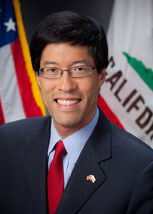
Bill Author
Bill Co-Author(s):