AB 1451: Urgent and emergency mental health and substance use disorder treatment.
- Session Year: 2023-2024
- House: Assembly
- Latest Version Date: 2023-09-12
Current Status:
Failed
(2024-01-29: Consideration of Governor's veto stricken from file.)
Introduced
In Committee
First Chamber
In Committee
Second Chamber
Enacted
Existing law, the Knox-Keene Health Care Service Plan Act of 1975, provides for the licensure and regulation of health care service plans by the Department of Managed Health Care, and makes a willful violation of the act a crime. Existing law provides for the regulation of health insurers by the Department of Insurance. Existing law requires a health care service plan or health insurer that provides hospital, medical, or surgical coverage shall provide coverage for medically necessary treatment of mental health and substance use disorders, under the same terms and conditions applied to other medical conditions, as specified. Existing law also includes requirements for timely access to care, including mental health services, including a requirement that a health care service plan or health insurer provide or arrange for the provision of covered health care services in a timely manner appropriate for the nature of the enrollees or insureds condition consistent with good professional practice.
This bill would require a health care service plan contract or health insurance policy issued, amended, renewed, or delivered on or after January 1, 2024, to provide coverage for treatment of urgent and emergency mental health and substance use disorders. The bill would require the treatment to be provided without preauthorization, and to be reimbursed in a timely manner, pursuant to specified provisions. The bills provisions would only be implemented upon appropriation by the Legislature for administrative costs of the departments. The bill would clarify that it would not relieve a health plan or insurer of existing obligations, as specified. Because a violation of the bills requirements by a health care service plan would be a crime, the bill would impose a state-mandated local program.
The California Constitution requires the state to reimburse local agencies and school districts for certain costs mandated by the state. Statutory provisions establish procedures for making that reimbursement.
This bill would provide that no reimbursement is required by this act for a specified reason.
Existing law, the Knox-Keene Health Care Service Plan Act of 1975, provides for the licensure and regulation of health care service plans by the Department of Managed Health Care, and makes a willful violation of the act a crime. Existing law provides for the regulation of health insurers by the Department of Insurance. Existing law requires a health care service plan or health insurer that provides hospital, medical, or surgical coverage shall provide coverage for medically necessary treatment of mental health and substance use disorders, under the same terms and conditions applied to other medical conditions, as specified. Existing law also includes requirements for timely access to care, including mental health services, including a requirement that a health care service plan or health insurer provide or arrange for the provision of covered health care services in a timely manner appropriate for the nature of the enrollees or insureds condition consistent with good professional practice.
This bill would require a health care service plan contract or health insurance policy issued, amended, renewed, or delivered on or after January 1, 2024, to provide coverage for treatment of urgent and emergency mental health and substance use disorders. The bill would require the treatment to be provided without preauthorization, and to be reimbursed in a timely manner, pursuant to specified provisions. The bills provisions would only be implemented upon appropriation by the Legislature. Legislature for administrative costs of the departments. The bill would clarify that it would not relieve a health plan or insurer of existing obligations, as specified. Because a violation of the bills requirements by a health care service plan would be a crime, the bill would impose a state-mandated local program.
The California Constitution requires the state to reimburse local agencies and school districts for certain costs mandated by the state. Statutory provisions establish procedures for making that reimbursement.
This bill would provide that no reimbursement is required by this act for a specified reason.
Existing law, the Knox-Keene Health Care Service Plan Act of 1975, provides for the licensure and regulation of health care service plans by the Department of Managed Health Care, and makes a willful violation of the act a crime. Existing law provides for the regulation of health insurers by the Department of Insurance. Existing law requires a health care service plan or health insurer that provides hospital, medical, or surgical coverage shall provide coverage for medically necessary treatment of mental health and substance use disorders, under the same terms and conditions applied to other medical conditions, as specified. Existing law also includes requirements for timely access to care, including mental health services, including a requirement that a health care service plan or health insurer provide or arrange for the provision of covered health care services in a timely manner appropriate for the nature of the enrollees or insureds condition consistent with good professional practice.
This bill would require a health care service plan contract or health insurance policy issued, amended, renewed, or delivered on or after January 1, 2024, to provide coverage for treatment of urgent and emergent emergency mental health and substance use disorders. The bill would require the treatment to be provided without preauthorization, and to be reimbursed in a timely manner, pursuant to specified provisions. The bills provisions would only be implemented upon appropriation by the Legislature. Because a violation of the bills requirements by a health care service plan would be a crime, the bill would impose a state-mandated local program.
The California Constitution requires the state to reimburse local agencies and school districts for certain costs mandated by the state. Statutory provisions establish procedures for making that reimbursement.
This bill would provide that no reimbursement is required by this act for a specified reason.
Existing law, the Knox-Keene Health Care Service Plan Act of 1975, provides for the licensure and regulation of health care service plans by the Department of Managed Health Care, and makes a willful violation of the act a crime. Existing law provides for the regulation of health insurers by the Department of Insurance. Existing law requires a health care service plan or health insurer that provides hospital, medical, or surgical coverage shall provide coverage for medically necessary treatment of mental health and substance use disorders, under the same terms and conditions applied to other medical conditions, as specified. Existing law also includes requirements for timely access to care, including mental health services, including a requirement that a health care service plan or health insurer provide or arrange for the provision of covered health care services in a timely manner appropriate for the nature of the enrollees or insureds condition consistent with good professional practice.
This bill would require a health care service plan contract or health insurance policy issued, amended, renewed, or delivered on or after January 1, 2024, to provide coverage for treatment of a behavioral health crisis that is identified during an appointment at a contracted facility where an enrollee or insured is receiving treatment from a contracted provider for a medical condition, as specified. The bill would authorize treatment for the behavioral health crisis to be provided at the contracted facility, if the facility has the appropriate staff to provide that care. urgent and emergent mental health and substance use disorders. The bill would require the treatment to be provided without preauthorization, and would authorize the provider or facility to use same-day billing to obtain reimbursement for both the medical and behavioral health services provided to the enrollee or insured. preauthorization, and to be reimbursed in a timely manner, pursuant to specified provisions. Because a violation of the bills requirements by a health care service plan would be a crime, the bill would impose a state-mandated local program.
The California Constitution requires the state to reimburse local agencies and school districts for certain costs mandated by the state. Statutory provisions establish procedures for making that reimbursement.
This bill would provide that no reimbursement is required by this act for a specified reason.
Existing law, the Knox-Keene Health Care Service Plan Act of 1975, provides for the licensure and regulation of health care service plans by the Department of Managed Health Care, and makes a willful violation of the act a crime. Existing law provides for the regulation of health insurers by the Department of Insurance. Existing law requires a health care service plan or health insurer that provides hospital, medical, or surgical coverage shall provide coverage for medically necessary treatment of mental health and substance use disorders, under the same terms and conditions applied to other medical conditions, as specified. Existing law also includes requirements for timely access to care, including mental health services, including a requirement that a health care service plan or health insurer provide or arrange for the provision of covered health care services in a timely manner appropriate for the nature of the enrollees or insureds condition consistent with good professional practice.
This bill would require a health care service plan contract or health insurance policy issued, amended, renewed, or delivered on or after January 1, 2024, to provide coverage for treatment of a behavioral health crisis that is identified during an appointment at a contracted facility where an enrollee or insured is receiving treatment from a contracted provider for a medical condition, as specified. The bill would authorize treatment for the behavioral health crisis to be provided at the contracted facility, if the facility has the appropriate staff to provide that care. The bill would require the treatment to be provided without preauthorization, and would authorize the provider or facility to use same-day billing to obtain reimbursement for both the medical and behavioral health services provided to the enrollee or insured. Because a violation of the bills requirements by a health care service plan would be a crime, the bill would impose a state-mandated local program.
The California Constitution requires the state to reimburse local agencies and school districts for certain costs mandated by the state. Statutory provisions establish procedures for making that reimbursement.
This bill would provide that no reimbursement is required by this act for a specified reason.
(a)A health care service plan contract issued, amended, or renewed on or after January 1, 2024, that provides coverage for medically necessary treatment of mental health and substance use disorders shall cover treatment for urgent and emergency mental health and substance use disorders as provided in this section, consistent with other provisions of this article.
(b)Treatment for urgent and emergency mental health and substance use disorders pursuant to this section shall not require preauthorization.
(c)A health care service plan shall provide reimbursement for services provided pursuant to this section in compliance with the requirements for timely payment of claims, as required by this chapter.
(d)This section shall only be implemented upon appropriation by the Legislature for administrative costs of the department.
(e)Nothing in this section shall relieve a health plan of its existing obligations under Sections 1374.72 and 1374.724.
SEC. 2.Section 10144.58 is added to the Insurance Code, to read:10144.58.(a)A health insurance policy issued, amended, or renewed on or after January 1, 2024, that provides coverage for medically necessary treatment of mental health and substance use disorders shall cover treatment for urgent and emergency mental health and substance use disorders as provided in this section, consistent with other provisions of this article.
(b)Treatment for urgent and emergency mental health and substance use disorders shall not require preauthorization.
(c)A health insurer shall provide reimbursement for services provided pursuant to this section in compliance with Section 10123.13.
(d)This section shall only be implemented upon appropriation by the Legislature for administrative costs of the department.
(e)Nothing in this section shall relieve an insurer of its existing obligations under Sections 10144.5 and 10144.57.
SEC. 3.No reimbursement is required by this act pursuant to Section 6 of Article XIIIB of the California Constitution because the only costs that may be incurred by a local agency or school district will be incurred because this act creates a new crime or infraction, eliminates a crime or infraction, or changes the penalty for a crime or infraction, within the meaning of Section 17556 of the Government Code, or changes the definition of a crime within the meaning of Section 6 of Article XIIIB of the California Constitution.
(a)A health care service plan contract issued, amended, or renewed on or after January 1, 2024, that provides coverage for medically necessary treatment of mental health and substance use disorders shall cover treatment for urgent and emergency mental health and substance use disorders as provided in this section. section, consistent with other provisions of this article.
(b)Treatment for urgent and emergency mental health and substance use disorders pursuant to this section shall not require preauthorization.
(c)A health care service plan shall provide reimbursement for services provided pursuant to this section in compliance with the requirements for timely payment of claims, as required by this chapter.
(d)This section shall only be implemented upon appropriation by the Legislature. Legislature for administrative costs of the department.
(e)Nothing in this section shall relieve a health plan of its existing obligations under Sections 1374.72 and 1374.724.
SEC. 2.Section 10144.58 is added to the Insurance Code, to read:10144.58.(a)A health insurance policy issued, amended, or renewed on or after January 1, 2024, that provides coverage for medically necessary treatment of mental health and substance use disorders shall cover treatment for urgent and emergency mental health and substance use disorders as provided in this section. section, consistent with other provisions of this article.
(b)Treatment for urgent and emergency mental health and substance use disorders shall not require preauthorization.
(c)A health insurer shall provide reimbursement for services provided pursuant to this section in compliance with Section 10123.13.
(d)This section shall only be implemented upon appropriation by the Legislature. Legislature for administrative costs of the department.
(e)Nothing in this section shall relieve an insurer of its existing obligations under Sections 10144.5 and 10144.57.
SEC. 3.No reimbursement is required by this act pursuant to Section 6 of Article XIIIB of the California Constitution because the only costs that may be incurred by a local agency or school district will be incurred because this act creates a new crime or infraction, eliminates a crime or infraction, or changes the penalty for a crime or infraction, within the meaning of Section 17556 of the Government Code, or changes the definition of a crime within the meaning of Section 6 of Article XIIIB of the California Constitution.
(a)A health care service plan contract issued, amended, or renewed on or after January 1, 2024, that provides coverage for medically necessary treatment of mental health and substance use disorders shall cover treatment for urgent and emergent emergency mental health and substance use disorders as provided in this section.
(b)Treatment for urgent and emergent emergency mental health and substance use disorders pursuant to this section shall not require preauthorization.
(c)A health care service plan shall provide reimbursement for services provided pursuant to this section in compliance with the requirements for timely payment of claims, as required by this chapter.
(d)This section shall only be implemented upon appropriation by the Legislature.
SEC. 2.Section 10144.58 is added to the Insurance Code, to read:10144.58.(a)A health insurance policy issued, amended, or renewed on or after January 1, 2024, that provides coverage for medically necessary treatment of mental health and substance use disorders shall cover treatment for urgent and emergent emergency mental health and substance use disorders as provided in this section.
(b)Treatment for urgent and emergent emergency mental health and substance use disorders shall not require preauthorization.
(c)A health insurer shall provide reimbursement for services provided pursuant to this section in compliance with Section 10123.13.
(d)This section shall only be implemented upon appropriation by the Legislature.
SEC. 3.No reimbursement is required by this act pursuant to Section 6 of Article XIIIB of the California Constitution because the only costs that may be incurred by a local agency or school district will be incurred because this act creates a new crime or infraction, eliminates a crime or infraction, or changes the penalty for a crime or infraction, within the meaning of Section 17556 of the Government Code, or changes the definition of a crime within the meaning of Section 6 of Article XIIIB of the California Constitution.
(a)A health care service plan contract issued, amended, or renewed on or after January 1, 2024, that provides coverage for medically necessary treatment of mental health and substance use disorders shall cover treatment for a behavioral health crisis urgent and emergent mental health and substance use disorders as provided in this section.
(b)During an appointment at a contracted facility, at which an enrollee is receiving treatment from a contracted provider for a medical condition, and it is the providers medical judgment that the enrollee also shows signs of a behavioral health crisis, treatment for the behavioral health crisis may also be provided at the contracted facility, if the facility has the appropriate staff to provide that care.(c)(b)Treatment for a behavioral health crisis urgent and emergent mental health and substance use disorders pursuant to this section shall not require preauthorization. The provider or facility may use same-day billing to obtain reimbursement for both the medical and behavioral health services provided to the enrollee.
(d)(c)A health care service plan shall provide reimbursement for services provided pursuant to this section in compliance with the requirements for timely payment of claims, as required by this chapter.
SEC. 2.Section 10144.58 is added to the Insurance Code, to read:10144.58.(a)A health insurance policy issued, amended, or renewed on or after January 1, 2024, that provides coverage for medically necessary treatment of mental health and substance use disorders shall cover treatment for a behavioral health crisis urgent and emergent mental health and substance use disorders as provided in this section.
(b)During an appointment at a contracted facility, at which an insured is receiving treatment from a contracted provider for a medical condition, and it is the providers medical judgment that the insured also shows signs of a behavioral health crisis, treatment for the behavioral health crisis may also be provided at the contracted facility, if the facility has the appropriate staff to provide that care.(c)(b)Treatment for a behavioral health crisis pursuant to this section urgent and emergent mental health and substance use disorders shall not require preauthorization. The provider or facility may use same-day billing to obtain reimbursement for both the medical and behavioral health services provided to the insured.
(d)(c)A health insurer shall provide reimbursement for services provided pursuant to this section in compliance with Section 10123.13.
SEC. 3.No reimbursement is required by this act pursuant to Section 6 of Article XIIIB of the California Constitution because the only costs that may be incurred by a local agency or school district will be incurred because this act creates a new crime or infraction, eliminates a crime or infraction, or changes the penalty for a crime or infraction, within the meaning of Section 17556 of the Government Code, or changes the definition of a crime within the meaning of Section 6 of Article XIIIB of the California Constitution.
(a)A health care service plan contract issued, amended, or renewed on or after January 1, 2024, that provides coverage for medically necessary treatment of mental health and substance use disorders shall cover treatment for a behavioral health crisis as provided in this section.
(b)During an appointment at a contracted facility, at which an enrollee is receiving treatment from a contracted provider for a medical condition, and it is the providers medical judgment that the enrollee also shows signs of a behavioral health crisis, treatment for the behavioral health crisis may also be provided at the contracted facility, if the facility has the appropriate staff to provide that care.
(c)Treatment for a behavioral health crisis pursuant to this section shall not require preauthorization. The provider or facility may use same-day billing to obtain reimbursement for both the medical and behavioral health services provided to the enrollee.
(d)A health care service plan shall provide reimbursement for services provided pursuant to this section in compliance with the requirements for timely payment of claims, as required by this chapter.
SEC. 2.Section 10144.58 is added to the Insurance Code, to read:10144.58.(a)A health insurance policy issued, amended, or renewed on or after January 1, 2024, that provides coverage for medically necessary treatment of mental health and substance use disorders shall cover treatment for a behavioral health crisis as provided in this section.
(b)During an appointment at a contracted facility, at which an insured is receiving treatment from a contracted provider for a medical condition, and it is the providers medical judgment that the insured also shows signs of a behavioral health crisis, treatment for the behavioral health crisis may also be provided at the contracted facility, if the facility has the appropriate staff to provide that care.
(c)Treatment for a behavioral health crisis pursuant to this section shall not require preauthorization. The provider or facility may use same-day billing to obtain reimbursement for both the medical and behavioral health services provided to the insured.
(d)A health insurer shall provide reimbursement for services provided pursuant to this section in compliance with Section 10123.13.
SEC. 3.No reimbursement is required by this act pursuant to Section 6 of Article XIIIB of the California Constitution because the only costs that may be incurred by a local agency or school district will be incurred because this act creates a new crime or infraction, eliminates a crime or infraction, or changes the penalty for a crime or infraction, within the meaning of Section 17556 of the Government Code, or changes the definition of a crime within the meaning of Section 6 of Article XIIIB of the California Constitution.
|
Date
|
Status
|
|---|---|
| Jan 29, 2024 | Consideration of Governor's veto stricken from file. |
| Jan 3, 2024 | Consideration of Governor's veto pending. |
| Oct 7, 2023 | Vetoed by Governor. |
| Sep 15, 2023 | Enrolled and presented to the Governor at 4 p.m. |
| Sep 11, 2023 | Senate amendments concurred in. To Engrossing and Enrolling. (Ayes 67. Noes 2. Page 3195.). |
| Sep 7, 2023 | In Assembly. Concurrence in Senate amendments pending. May be considered on or after September 9 pursuant to Assembly Rule 77. |
| Sep 7, 2023 | Read third time. Passed. Ordered to the Assembly. (Ayes 33. Noes 0. Page 2463.). |
| Sep 5, 2023 | Read second time. Ordered to third reading. |
| Sep 1, 2023 | From committee: Do pass. (Ayes 5. Noes 0.) (September 1). |
| Aug 14, 2023 | In committee: Referred to APPR suspense file. |
| Jul 13, 2023 | Read second time and amended. Re-referred to Com. on APPR. |
| Jul 13, 2023 | From committee: Amend, and do pass as amended and re-refer to Com. on APPR. (Ayes 10. Noes 0.) (July 12). |
| Jun 14, 2023 | Referred to Com. on HEALTH. |
| Jun 1, 2023 | In Senate. Read first time. To Com. on RLS. for assignment. |
| May 31, 2023 | Read third time. Passed. Ordered to the Senate. (Ayes 67. Noes 0. Page 2013.) |
| May 22, 2023 | Read second time. Ordered to third reading. |
| May 18, 2023 | Read second time and amended. Ordered returned to second reading. |
| May 18, 2023 | From committee: Amend, and do pass as amended. (Ayes 12. Noes 2.) (May 18). |
| May 18, 2023 | Joint Rule 62(a), file notice suspended. (Page 1580.) |
| May 17, 2023 | In committee: Set, first hearing. Referred to APPR. suspense file. |
| May 2, 2023 | Re-referred to Com. on APPR. |
| May 1, 2023 | Read second time and amended. |
| Apr 27, 2023 | From committee: Amend, and do pass as amended and re-refer to Com. on APPR. (Ayes 12. Noes 0.) (April 25). |
| Mar 9, 2023 | Referred to Com. on HEALTH. |
| Feb 18, 2023 | From printer. May be heard in committee March 20. |
| Feb 17, 2023 | Read first time. To print. |
|
Date
|
Description
|
Location
|
Votes
|
|
|---|---|---|---|---|
| Sep 11, 2023 | AB 1451 Jackson Concurrence in Senate Amendments | Assembly Floor |
Passed |
|
| Sep 7, 2023 | Assembly 3rd Reading AB1451 Jackson By Wiener | Senate Floor |
Passed |
|
| Sep 1, 2023 | Do pass | Senate Standing Committee on Appropriations |
Passed |
|
| Aug 14, 2023 | Placed on suspense file | Senate Standing Committee on Appropriations |
Passed |
|
| Jul 12, 2023 | Do pass as amended, but first amend, and re-refer to the Committee on [Appropriations] | Senate Standing Committee on Health |
Passed |
|
| May 31, 2023 | AB 1451 Jackson Assembly Third Reading | Assembly Floor |
Passed |
|
| May 18, 2023 | Do pass as amended. | Assembly Standing Committee on Appropriations |
Passed |
|
| Apr 25, 2023 | Do pass as amended and be re-referred to the Committee on [Appropriations] | Assembly Standing Committee on Health |
Passed |
This list shows positions taken on this bill by organizations on the date displayed, which is linked to the original source.
Positions by individuals are not included.
|
Organization
|
Position
|
Date
|
|---|---|---|
| America'S Health Insurance Plans | ** Against | |
| Association Of California Life & Health Insurance Companies | ** Against | |
| Board of Behavioral Sciences | ** Support | |
| California Academy Of Family Physicians | ** Support | |
| California Alliance Of Child And Family Services | ** Support | |
| California Association Of Health Plans | ** Against | |
| California Chamber Of Commerce | ** Against | |
| California Faculty Association | ** Support | |
| California Health+ Advocates | ** Support | |
| California Hospital Association | ** Support | |
| California Pan - Ethnic Health Network | ** Support | |
| California Psychological Association | ** Support | |
| Dbsa California | ** Support | |
| Department Of Finance | ** Against | |
| Depression and Bipolar Support Alliance California. | ** Support | |
| Didi Hirsch Mental Health Services | ** Support | |
| National Association Of Social Workers, California Chapter | ** Support | |
| National Health Law Program | ** Support | |
| Senior Advocacy Services | ** Support | |
| Steinberg Institute | ** Support | |
| The Kennedy Forum | ** Support |
GOVERNOR'S VETO
GV Bill Id:AB 1451
Author:(Jackson)
As Enrolled Ver:September 12, 2023
2/3 vote
SUMMARY
Requires a health plan contract or health insurance policy issued, amended, or renewed on or after January 1, 2024, that provides coverage for medically necessary treatment of mental health (MH) and substance use disorders (SUDs) to cover treatment for urgent or emergency MH and SUDs. Prohibits a health plan or insurer from requiring prior authorization for the treatment of urgent or emergency MH and SUDs. Requires a health plan or insurer to provide reimbursement for services in compliance with the existing requirements for timely payment of claims. Provides that this bill be implemented upon appropriation by the Legislature.
Senate Amendments
Clarify that appropriation is for administrative costs of the Department of Managed Health Care (DMHC) and California Department of Insurance (CDI). Clarify that nothing in this bill relieves a health plan or insurer of its existing obligations.
Governor’s Veto Message
This bill would require health plans to cover treatment for urgent and emergency MH and SUDs without prior authorization, upon appropriation by the Legislature for administrative costs.
I share the author's concern regarding the importance of accessible behavioral health services statewide, as evidenced by the billions of dollars we have invested to enhance access to timely and necessary behavioral health care, as well as the programs and reforms implemented to improve our delivery system. Existing law already prohibits prior authorization for emergency care, and requires MH and SUD services to meet timely access standards. The requirements in this bill would result in significant costs in the tens of millions of dollars, to the state General Fund and to consumers through health plan premium increases. These impacts should be considered as part of the annual budget process.
In partnership with the Legislature, we enacted a budget that closed a shortfall of more than $30 billion through balanced solutions that avoided deep program cuts and protected education, health care, climate, public safety, and social service programs that are relied on by millions of Californians. This year, however, the Legislature sent me bills outside of this budget process that, if all enacted, would add nearly $19 billion of unaccounted costs in the budget, of which $11 billion would be ongoing.
With our state facing continuing economic risk and revenue uncertainty, it is important to remain disciplined when considering bills with significant fiscal implications, such as this measure.
COMMENTS
According to the California Health Benefits Review Program (CHBRP), although any person can experience a behavioral health crisis, people with MH and SUDs are at increased risk of having a behavioral health crisis. Behavioral health crises may be more likely to occur if stigma associated with having a MH or SUD means that people are less likely to seek care that would help them manage their condition. Despite notable gains in stigma reduction over the past century in relation to gender, race, sexual orientation, religion, and medical diagnoses (e.g., HIV), behavioral health–related stigma is still prevalent. CHBRP notes that a systematic review reported that stigma reduces quality of life by creating additional issues including housing and employment difficulties and barriers to access and quality health care (e.g., delayed treatment, early treatment discontinuation). Use of the term behavioral health to encompass both MH conditions and SUDs is increasing. Historically, however, funding, workforce, and service delivery for MH and SUD have been separate, and data continue to be collected and reported separately.
- The Patient Protection and Affordable Care Act (ACA) and essential health benefits (EHBs) and recent state law. The ACA specified coverage of the 10 EHBs, including MH and SUD treatment services. SB 855 (Wiener), Chapter 151, Statutes of 2020, requires commercial health plans and insurers to provide full coverage for the treatment of all MH conditions and SUDs. SB 855 also establishes specific standards for what constitutes medically necessary treatment and criteria for the use of clinical guidelines. SB 855 applies to all state-regulated health care service plans and insurers that provide hospital, medical, or surgical coverage, and to any entity acting on the plan or insurer's behalf. A health plan cannot limit benefits or coverage for MH or SUD treatments or services when medically necessary. More recently, federal law designated 988 as the new three-digit phone number for the national suicide prevention and MH crisis hotline. AB 988 (Bauer Kahan), Chapter 747, Statutes of 2022, specifies that coverage of MH and SUD treatment pursuant to existing law includes medically necessary treatment of a MH or SUD, including, but not limited to, behavioral health crisis services, provided to an enrollee by a 988 center or mobile crisis team regardless of whether the service is provided by an in-network or out-of-network provider. AB 988 also prohibits a health plan or insurer from requiring prior authorization for medically necessary treatment of a MH or SUD provided by a 988 center, mobile crisis team, or other provider of behavioral health crisis services to an enrollee or insured.
- Disparities and Behavioral Health. CHBRP also notes that studies have shown that factors such as level of education, immigration status, race/ethnicity, and language contribute to disparities in access to behavioral health services. In one study, people whose highest level of education was a high school diploma or less were more likely to have unmet need for behavioral health services.
- Barriers. Throughout California, CHBRP states that communities are facing multiple barriers to behavioral crisis response including a shortage and maldistribution of facilities and providers. In both public and private settings, the supply and distribution of the state's behavioral health workforce affects the ability to provide necessary and competent services to patients facing behavioral health crises. There is particular concern about the capacity of California's county behavioral health safety net to provide care to those with behavioral health needs. This safety net includes county behavioral health agencies, city behavioral health authorities, and community-based organizations with which they contract to provide behavioral health services. The county behavioral health safety net primarily serves low-income people with MH conditions, SUDs, and co-occurring disorders who require a range of specialty behavioral health services. Additionally, federally qualified health centers (FQHCs) and FQHC lookalikes play significant roles in providing behavioral health services to people with low-incomes who have SUD or mild to moderate MH conditions. The majority of people served by the county behavioral health safety net and FQHCs are uninsured or enrolled in Medicaid. With 6,702 inpatient psychiatric beds available across the state, California has a shortage of beds as well as high bed occupancy rates and long waitlists for placements. There were 17.05 psychiatric inpatient beds for every 100,000 California residents (one psychiatric bed per 5,856 people) in 2016, substantially below a recommended ratio of one per 2,000 people. Of the 58 California counties, 25 have no inpatient psychiatric services at all, 25 do not have any inpatient adult psychiatric beds, 42 do not have child/adolescent beds, 56 do not have geriatric psychiatric (long-term) beds, 48 do not have chemical dependency beds, and 55 do not have psychiatric intensive care beds.
- Workforce. California's behavioral health professionals are not evenly distributed across the state. As examples, CHBRP notes that the Greater Bay Area had the highest ratios per capita for psychiatrists, psychologists, and licensed clinical social workers and the second highest ratios for licensed marriage and family therapists and licensed professional clinical counselors, while the San Joaquin Valley had the lowest ratios per capita for these professions. A recent needs assessment on the behavioral health workforce in California reported that county behavioral health agencies are facing challenges with recruiting personnel who specialize in treating the clients they serve. Difficulties were reported in recruiting staff for specific programs such as crisis care (especially 24/7 care), forensic services, full-service partnership programs, and narcotics treatment programs. Among California county agencies, 86% had difficulty recruiting staff to work in these specific MH programs and 43% experienced difficulty with recruitment of staff for specific SUD programs. The distribution of California's behavioral health professionals across racial/ethnic groups does not reflect the state's population. As an example, while Latino persons make up 39% of California's population, they comprise only 12% to 32% of behavioral health professions and are most underrepresented among psychiatrists and psychologists, comprising only 5% and 12% of these professionals, respectively. The lack of access to racially/ethnically and linguistically concordant providers makes it more difficult for people to obtain treatment that can help them manage their behavioral health condition(s) and reduce the risk of experiencing a behavioral health crisis. The shortage and maldistribution of behavioral health professionals is compounded because many of these professionals do not accept health insurance.
According to the Author
Imagine you have a family member suffering from a MH condition, diagnosed or not, and they have a moment of clarity and agree to seek help. Then imagine that their moment of clarity comes while visiting an emergency room or an urgent care. Then they are denied due to the billing procedure that only allows for payment of one visit per day. The author states in California, our medical system only allows for billing of one visit per day, when our brothers and sisters, loved ones and friends with MH conditions have a moment of clarity it can last as little as five minutes. The author concludes that with MH being designated as a crisis, our billing system needs to catch up to address the ongoing behavioral health crisis.
Arguments in Support
The National Health Law Program (NHeLP) writes that California is currently experiencing a MH and SUD crisis that shows no signs of abating. The COVID-19 pandemic also exacerbated this crisis, as the number of individuals with serious mental illness and experiencing overdoses significantly increased during the past two years. For most of these individuals, we know the type of treatment that is effective and could prevent major complications and even death. One of these types of treatment is crisis intervention, which ensures that individuals experiencing behavioral health emergencies can access care from appropriate providers trained in deescalating situations in a timely manner. For far too long, however, our society has failed to respond to behavioral health crises as the medical emergencies they are, often times leaving it up to law enforcement to inappropriately and ineffectively intervene. NHeLP continues that for that reason, and faced with mounting problems associated with behavioral health conditions, policymakers across the country have begun to look at ways to remove barriers to access to behavioral health crisis interventions. One of the most important current barriers to behavioral health crisis interventions is the lack of comprehensive coverage for these services in private health insurance plans. Many private plans continue to deny coverage for MH or SUD crisis services by imposing onerous requirements such as limiting provision to only certain specialized facilities. These policies are not only harmful, but are also in violation of federal law, which requires plans to offer behavioral health services on equal footing and without additional limitations as physical services. This bill would bring plans into compliance with parity requirements by ensuring that plans cover behavioral health crisis interventions in contracted facilities that identify a problem and without prior authorization, just as they cover physical health emergencies. In so doing, the bill will improve timely access to emergency care for the many Californians living with MH conditions and SUDs.
Arguments in Opposition
The California Association of Health Plans, the Association of California Life and Health Insurance Companies, and America's Health Insurance Plans write in opposition that state mandates increase costs of coverage, especially for families who buy coverage without subsidies, small business owners who cannot or do not wish to self-insure, and California taxpayers who foot the bill for the state's share of those mandates. Health plans compete for business based on innovative benefit designs that increase access to care, improve quality, and contain costs. All ACA-compliant plans provide a robust package of EHBs in the large group, small business, and individual markets (both on and off the Exchange). The opposition states mandate bills will increase costs and limit flexibility for employers. Faced with higher costs, employers must make difficult decisions about whether to absorb premium increases or seek alternative coverage options. The Department of Finance is opposed to this bill, as it will likely result in increased health care expenditures and premiums due to increased utilization without prior authorization. Through this bill, additional services may be authorized without due cause, which could lead to additional increases in healthcare costs. Additionally, this bill results in state costs not accounted for in the 2023-24 budget plan. Enrollees receiving coverage for hospital, medical, and surgical expenses are currently able to receive emergency mental health and substance use disorder serves without prior authorization, along with health plans already reimbursing providers for emergency services rendered.
FISCAL COMMENTS
According to the Senate Appropriations Committee, DMHC estimates costs of approximately $34,990,000 in 2023-24, $89,597,000 in 2024-25, $95,655,000 in 2025-26, $95,376,000 in 2026-27, $93,454,000 in 2027-28, and $93,794,000 in 2028-29 and annually thereafter for state administration (Managed Care Fund/MCF). A significant portion of these costs is related to the DMHC's anticipation of additional workload to address an increased volume of consumer complaints to its Help Center. CDI estimates costs of $3,000 in 2023-24 for state administration (Insurance Fund). Unknown, potential ongoing costs for the Medi-Cal program (General Fund and federal funds) to the extent that removing prior authorization would increase utilization of services.
VOTES
ASM HEALTH: 12-0-3
YES: Wood, Waldron, Aguiar-Curry, Arambula, Boerner, Wendy Carrillo, Maienschein, McCarty, Rodriguez, Santiago, Villapudua, Weber
ABS, ABST OR NV: Flora, Vince Fong, Joe Patterson
ASM APPROPRIATIONS: 12-2-2
YES: Holden, Bryan, Calderon, Wendy Carrillo, Mike Fong, Hart, Lowenthal, Mathis, Papan, Pellerin, Weber, Ortega
NO: Megan Dahle, Dixon
ABS, ABST OR NV: Robert Rivas, Sanchez
ASSEMBLY FLOOR: 67-0-13
YES: Addis, Aguiar-Curry, Alanis, Alvarez, Arambula, Bains, Bauer-Kahan, Bennett, Berman, Boerner, Bonta, Bryan, Calderon, Juan Carrillo, Wendy Carrillo, Cervantes, Connolly, Davies, Mike Fong, Friedman, Gabriel, Garcia, Gipson, Grayson, Haney, Hart, Holden, Irwin, Jackson, Jones-Sawyer, Kalra, Lee, Low, Lowenthal, Maienschein, Mathis, McCarty, McKinnor, Muratsuchi, Stephanie Nguyen, Ortega, Pacheco, Papan, Pellerin, Petrie-Norris, Quirk-Silva, Ramos, Reyes, Luz Rivas, Robert Rivas, Rodriguez, Blanca Rubio, Santiago, Schiavo, Soria, Ting, Valencia, Villapudua, Waldron, Wallis, Ward, Weber, Wicks, Wilson, Wood, Zbur, Rendon
ABS, ABST OR NV: Chen, Megan Dahle, Dixon, Essayli, Flora, Vince Fong, Gallagher, Hoover, Lackey, Jim Patterson, Joe Patterson, Sanchez, Ta
SENATE FLOOR: 33-0-7
YES: Allen, Alvarado-Gil, Archuleta, Ashby, Atkins, Becker, Blakespear, Bradford, Caballero, Cortese, Dodd, Durazo, Eggman, Glazer, Gonzalez, Hurtado, Laird, Limón, McGuire, Menjivar, Min, Newman, Padilla, Portantino, Roth, Rubio, Skinner, Smallwood-Cuevas, Stern, Umberg, Wahab, Wiener, Wilk
ABS, ABST OR NV: Dahle, Grove, Jones, Nguyen, Niello, Ochoa Bogh, Seyarto
ASSEMBLY FLOOR: 67-2-11
YES: Addis, Aguiar-Curry, Alanis, Alvarez, Arambula, Bains, Bauer-Kahan, Bennett, Berman, Boerner, Bonta, Bryan, Calderon, Juan Carrillo, Wendy Carrillo, Cervantes, Connolly, Davies, Mike Fong, Friedman, Gabriel, Garcia, Gipson, Grayson, Haney, Hart, Holden, Irwin, Jackson, Jones-Sawyer, Kalra, Lee, Low, Lowenthal, Maienschein, Mathis, McCarty, McKinnor, Muratsuchi, Stephanie Nguyen, Ortega, Pacheco, Papan, Pellerin, Petrie-Norris, Quirk-Silva, Ramos, Rendon, Reyes, Luz Rivas, Rodriguez, Blanca Rubio, Santiago, Schiavo, Soria, Ting, Valencia, Villapudua, Waldron, Wallis, Ward, Weber, Wicks, Wilson, Wood, Zbur, Robert Rivas
NO: Dixon, Essayli
ABS, ABST OR NV: Chen, Megan Dahle, Flora, Vince Fong, Gallagher, Hoover, Lackey, Jim Patterson, Joe Patterson, Sanchez, Ta
UPDATED
VERSION: September 12, 2023
CONSULTANT: Kristene Mapile / HEALTH / (916) 319-2097 FN: 0002511
CONCURRENCE IN SENATE AMENDMENTS
CSA1 Bill Id:AB 1451
Author:(Jackson)
As Amended Ver:July 13, 2023
Majority vote
SUMMARY
Requires a health plan contract or health insurance policy issued, amended, or renewed on or after January 1, 2024, that provides coverage for medically necessary treatment of mental health (MH) and substance use disorders (SUDs) to cover treatment for urgent or emergency MH and SUDs. Prohibits a health plan or insurer from requiring prior authorization for the treatment of urgent or emergency MH and SUDs. Requires a health plan or insurer to provide reimbursement for services in compliance with the existing requirements for timely payment of claims. Provides that this bill be implemented upon appropriation by the Legislature.
Senate Amendments
Clarify that appropriation is for administrative costs of the Department of Managed Health Care (DMHC) and California Department of Insurance (CDI). Clarify that nothing in this bill relieves a health plan or insurer of its existing obligations.
COMMENTS
According to the California Health Benefits Review Program (CHBRP), although any person can experience a behavioral health crisis, people with MH and SUDs are at increased risk of having a behavioral health crisis. Behavioral health crises may be more likely to occur if stigma associated with having a MH or SUD means that people are less likely to seek care that would help them manage their condition. Despite notable gains in stigma reduction over the past century in relation to gender, race, sexual orientation, religion, and medical diagnoses (e.g., HIV), behavioral health–related stigma is still prevalent. CHBRP notes that a systematic review reported that stigma reduces quality of life by creating additional issues including housing and employment difficulties and barriers to access and quality health care (e.g., delayed treatment, early treatment discontinuation). Use of the term behavioral health to encompass both MH conditions and SUDs is increasing. Historically, however, funding, workforce, and service delivery for MH and SUD have been separate, and data continue to be collected and reported separately.
- The Patient Protection and Affordable Care Act (ACA) and essential health benefits (EHBs) and recent state law. The ACA specified coverage of the 10 EHBs, including MH and SUD treatment services. SB 855 (Wiener), Chapter 151, Statutes of 2020, requires commercial health plans and insurers to provide full coverage for the treatment of all MH conditions and SUDs. SB 855 also establishes specific standards for what constitutes medically necessary treatment and criteria for the use of clinical guidelines. SB 855 applies to all state-regulated health care service plans and insurers that provide hospital, medical, or surgical coverage, and to any entity acting on the plan or insurer's behalf. A health plan cannot limit benefits or coverage for MH or SUD treatments or services when medically necessary. More recently, federal law designated 988 as the new three-digit phone number for the national suicide prevention and MH crisis hotline. AB 988 (Bauer Kahan), Chapter 747, Statutes of 2022, specifies that coverage of MH and SUD treatment pursuant to existing law includes medically necessary treatment of a MH or SUD, including, but not limited to, behavioral health crisis services, provided to an enrollee by a 988 center or mobile crisis team regardless of whether the service is provided by an in-network or out-of-network provider. AB 988 also prohibits a health plan or insurer from requiring prior authorization for medically necessary treatment of a MH or SUD provided by a 988 center, mobile crisis team, or other provider of behavioral health crisis services to an enrollee or insured.
- Disparities and Behavioral Health. CHBRP also notes that studies have shown that factors such as level of education, immigration status, race/ethnicity, and language contribute to disparities in access to behavioral health services. In one study, people whose highest level of education was a high school diploma or less were more likely to have unmet need for behavioral health services. This study also reported that people who did not speak English or did not speak it well were more likely to have unmet need for behavioral health services than people who only speak English.
- Barriers. Throughout California, CHBRP states that communities are facing multiple barriers to behavioral crisis response including a shortage and maldistribution of facilities and providers. In both public and private settings, the supply and distribution of the state's behavioral health workforce affects the ability to provide necessary and competent services to patients facing behavioral health crises. There is particular concern about the capacity of California's county behavioral health safety net to provide care to those with behavioral health needs. This safety net includes county behavioral health agencies, city behavioral health authorities, and community-based organizations with which they contract to provide behavioral health services. The county behavioral health safety net primarily serves low-income people with MH conditions, SUDs, and co-occurring disorders who require a range of specialty behavioral health services. Additionally, federally qualified health centers (FQHCs) and FQHC lookalikes play significant roles in providing behavioral health services to people with low-incomes who have SUD or mild to moderate MH conditions. The majority of people served by the county behavioral health safety net and FQHCs are uninsured or enrolled in Medicaid. With 6,702 inpatient psychiatric beds available across the state, California has a shortage of beds as well as high bed occupancy rates and long waitlists for placements. There were 17.05 psychiatric inpatient beds for every 100,000 California residents (one psychiatric bed per 5,856 people) in 2016, substantially below a recommended ratio of one per 2,000 people. Of the 58 California counties, 25 have no inpatient psychiatric services at all, 25 do not have any inpatient adult psychiatric beds, 42 do not have child/adolescent beds, 56 do not have geriatric psychiatric (long-term) beds, 48 do not have chemical dependency beds, and 55 do not have psychiatric intensive care beds.
- Workforce. California's behavioral health professionals are not evenly distributed across the state. As examples, CHBRP notes that the Greater Bay Area had the highest ratios per capita for psychiatrists, psychologists, and licensed clinical social workers and the second highest ratios for licensed marriage and family therapists and licensed professional clinical counselors, while the San Joaquin Valley had the lowest ratios per capita for these professions. A recent needs assessment on the behavioral health workforce in California reported that county behavioral health agencies are facing challenges with recruiting personnel who specialize in treating the clients they serve. Difficulties were reported in recruiting staff for specific programs such as crisis care (especially 24/7 care), forensic services, full-service partnership programs, and narcotics treatment programs. Among California county agencies, 86% had difficulty recruiting staff to work in these specific MH programs and 43% experienced difficulty with recruitment of staff for specific SUD programs. The distribution of California's behavioral health professionals across racial/ethnic groups does not reflect the state's population. As an example, while Latino persons make up 39% of California's population, they comprise only 12% to 32% of behavioral health professions and are most underrepresented among psychiatrists and psychologists, comprising only 5% and 12% of these professionals, respectively. The linguistic diversity of behavioral health professionals also does not reflect the linguistic diversity of California's population, with 41% of behavioral health professionals speaking only English. The lack of access to racially/ethnically and linguistically concordant providers makes it more difficult for people to obtain treatment that can help them manage their behavioral health condition(s) and reduce the risk of experiencing a behavioral health crisis. The shortage and maldistribution of behavioral health professionals is compounded because many of these professionals do not accept health insurance.
According to the Author
Imagine you have a family member suffering from a MH condition, diagnosed or not, and they have a moment of clarity and agree to seek help. Then imagine that their moment of clarity comes while visiting an emergency room or an urgent care. Then they are denied due to the billing procedure that only allows for payment of one visit per day. The author states in California, our medical system only allows for billing of one visit per day, when our brothers and sisters, loved ones and friends with MH conditions have a moment of clarity it can last as little as five minutes. The author concludes that with MH being designated as a crisis, our billing system needs to catch up to address the ongoing behavioral health crisis.
Arguments in Support
The National Health Law Program (NHeLP) writes that California is currently experiencing a MH and SUD crisis that shows no signs of abating. The COVID-19 pandemic also exacerbated this crisis, as the number of individuals with serious mental illness and experiencing overdoses significantly increased during the past two years. For most of these individuals, we know the type of treatment that is effective and could prevent major complications and even death. One of these types of treatment is crisis intervention, which ensures that individuals experiencing behavioral health emergencies can access care from appropriate providers trained in deescalating situations in a timely manner. For far too long, however, our society has failed to respond to behavioral health crises as the medical emergencies they are, often times leaving it up to law enforcement to inappropriately and ineffectively intervene. NHeLP continues that for that reason, and faced with mounting problems associated with behavioral health conditions, policymakers across the country have begun to look at ways to remove barriers to access to behavioral health crisis interventions. One of the most important current barriers to behavioral health crisis interventions is the lack of comprehensive coverage for these services in private health insurance plans. Many private plans continue to deny coverage for MH or SUD crisis services by imposing onerous requirements such as limiting provision to only certain specialized facilities. These policies are not only harmful, but are also in violation of federal law, which requires plans to offer behavioral health services on equal footing and without additional limitations as physical services. This bill would bring plans into compliance with parity requirements by ensuring that plans cover behavioral health crisis interventions in contracted facilities that identify a problem and without prior authorization, just as they cover physical health emergencies. In so doing, the bill will improve timely access to emergency care for the many Californians living with MH conditions and SUDs.
Arguments in Opposition
The California Association of Health Plans, the Association of California Life and Health Insurance Companies, and America's Health Insurance Plans write in opposition that state mandates increase costs of coverage, especially for families who buy coverage without subsidies, small business owners who cannot or do not wish to self-insure, and California taxpayers who foot the bill for the state's share of those mandates. Health plans compete for business based on innovative benefit designs that increase access to care, improve quality, and contain costs. All ACA-compliant plans provide a robust package of EHBs in the large group, small business, and individual markets (both on and off the Exchange). In the individual market, the ACA sought to preserve the balance between comprehensive coverage and affordability by requiring states to bear the cost for new mandates that exceed the EHB package. The Centers for Medicaid and Medicare Services recently affirmed that states are still responsible for defraying the cost of new mandates. The opposition states mandate bills will increase costs and limit flexibility for employers. Faced with higher costs, employers must make difficult decisions about whether to absorb premium increases or seek alternative coverage options. The Department of Finance is opposed to this bill, as it will likely result in increased health care expenditures and premiums due to increased utilization without prior authorization. Through this bill, additional services may be authorized without due cause, which could lead to additional increases in healthcare costs. Additionally, this bill results in state costs not accounted for in the 2023-24 budget plan. Enrollees receiving coverage for hospital, medical, and surgical expenses are currently able to receive emergency mental health and substance use disorder serves without prior authorization, along with health plans already reimbursing providers for emergency services rendered.
FISCAL COMMENTS
According to the Senate Appropriations Committee, DMHC estimates costs of approximately $34,990,000 in 2023-24, $89,597,000 in 2024-25, $95,655,000 in 2025-26, $95,376,000 in 2026-27, $93,454,000 in 2027-28, and $93,794,000 in 2028-29 and annually thereafter for state administration (Managed Care Fund/MCF). A significant portion of these costs is related to the DMHC's anticipation of additional workload to address an increased volume of consumer complaints to its Help Center. CDI estimates costs of $3,000 in 2023-24 for state administration (Insurance Fund). Unknown, potential ongoing costs for the Medi-Cal program (General Fund and federal funds) to the extent that removing prior authorization would increase utilization of services.
VOTES:
ASM HEALTH: 12-0-3
YES: Wood, Waldron, Aguiar-Curry, Arambula, Boerner, Wendy Carrillo, Maienschein, McCarty, Rodriguez, Santiago, Villapudua, Weber
ABS, ABST OR NV: Flora, Vince Fong, Joe Patterson
ASM APPROPRIATIONS: 12-2-2
YES: Holden, Bryan, Calderon, Wendy Carrillo, Mike Fong, Hart, Lowenthal, Mathis, Papan, Pellerin, Weber, Ortega
NO: Megan Dahle, Dixon
ABS, ABST OR NV: Robert Rivas, Sanchez
ASSEMBLY FLOOR: 67-0-13
YES: Addis, Aguiar-Curry, Alanis, Alvarez, Arambula, Bains, Bauer-Kahan, Bennett, Berman, Boerner, Bonta, Bryan, Calderon, Juan Carrillo, Wendy Carrillo, Cervantes, Connolly, Davies, Mike Fong, Friedman, Gabriel, Garcia, Gipson, Grayson, Haney, Hart, Holden, Irwin, Jackson, Jones-Sawyer, Kalra, Lee, Low, Lowenthal, Maienschein, Mathis, McCarty, McKinnor, Muratsuchi, Stephanie Nguyen, Ortega, Pacheco, Papan, Pellerin, Petrie-Norris, Quirk-Silva, Ramos, Reyes, Luz Rivas, Robert Rivas, Rodriguez, Blanca Rubio, Santiago, Schiavo, Soria, Ting, Valencia, Villapudua, Waldron, Wallis, Ward, Weber, Wicks, Wilson, Wood, Zbur, Rendon
ABS, ABST OR NV: Chen, Megan Dahle, Dixon, Essayli, Flora, Vince Fong, Gallagher, Hoover, Lackey, Jim Patterson, Joe Patterson, Sanchez, Ta
SENATE FLOOR: 33-0-7
YES: Allen, Alvarado-Gil, Archuleta, Ashby, Atkins, Becker, Blakespear, Bradford, Caballero, Cortese, Dodd, Durazo, Eggman, Glazer, Gonzalez, Hurtado, Laird, Limón, McGuire, Menjivar, Min, Newman, Padilla, Portantino, Roth, Rubio, Skinner, Smallwood-Cuevas, Stern, Umberg, Wahab, Wiener, Wilk
ABS, ABST OR NV: Dahle, Grove, Jones, Nguyen, Niello, Ochoa Bogh, Seyarto
UPDATED
VERSION: July 13, 2023
CONSULTANT: Kristene Mapile / HEALTH / (916) 319-2097 FN: 0001710
SENATE RULES COMMITTEE Office of Senate Floor Analyses (916) 651-1520 Fax: (916) 327-4478 | AB 1451 |
THIRD READING
Bill No: AB 1451
Author: Jackson (D)
Amended: 7/13/23 in Senate
Vote: 21
SENATE HEALTH COMMITTEE: 10-0, 7/12/23
AYES: Eggman, Glazer, Gonzalez, Hurtado, Limón, Menjivar, Roth, Rubio, Wahab, Wiener
NO VOTE RECORDED: Nguyen, Grove
SENATE APPROPRIATIONS COMMITTEE: 5-0, 9/1/23
AYES: Portantino, Ashby, Bradford, Wahab, Wiener
NO VOTE RECORDED: Jones, Seyarto
ASSEMBLY FLOOR: 67-0, 5/31/23 - See last page for vote
SUBJECT: Urgent and emergency mental health and substance use disorder treatment
SOURCE: Author
DIGEST:
This bill requires a health plan contract or insurance policy issued, amended, or renewed on or after January 1, 2024 that provides coverage for medically necessary treatment of mental health and substance use disorders to cover treatment for urgent and emergency mental health and substance use disorders without preauthorization consistent with existing law.
ANALYSIS:
Existing law:
- Establishes the Department of Managed Health Care (DMHC) to regulate health plans under the Knox-Keene Health Care Service Plan Act of 1975 (Knox-Keene Act) and the California Department of Insurance (CDI) to regulate health and other insurers. [HSC §1340, et seq., and INS §106, et seq.]
- Requires every health plan contract and insurance policy that provides hospital, medical, or surgical coverage to provide coverage for medically necessary treatment of mental health and substance use disorders under the same terms and conditions applied to other medical conditions, as specified. [HSC §1374.72 and INS §10144.5]
- Requires a health plan or insurer, in conducting utilization review of all covered health care services and benefits for the diagnosis, prevention, and treatment of mental health and substance use disorders in children, adolescents, and adults, to apply the criteria and guidelines set forth in the most recent versions of treatment criteria developed by the nonprofit professional association for the relevant clinical specialty. [HSC §1374.721 and INS §10144.52]
- Prohibits a health plan or insurer, in conducting utilization review involving level of care placement decisions or any other patient care decisions that are within the scope of the sources specified 4) above, from applying different, additional, conflicting, or more restrictive utilization review criteria than the criteria and guidelines set forth in those sources. [HSC §1374.721 and INS §10144.52]
- Requires coverage without prior authorization of mental health and substance use disorder treatment, including but not limited to behavioral health crisis services provided to an insured or enrollee by a 988 center or mobile crisis team, regardless of whether service is provided by an in-network or out-of-network provider. [HSC §1374.724 and INS §10144.57]
This bill:
- Requires a health plan contract or health insurance policy issued, amended, or renewed on or after January 1, 2024, that provides coverage for medically necessary treatment of mental health and substance use disorders, to cover treatment for urgent and emergency mental health and substance use disorders as provided below, consistent with other provisions of the law.
- Prohibits treatment for urgent and emergency mental health and substance use disorders from requiring preauthorization.
- Requires a health plan or health insurer to provide reimbursement for services in compliance with the requirements for timely payment of claims, as required by law.
- Requires this bill to be implemented upon appropriation by the Legislature for administrative costs of the departments.
- Prohibits this bill from relieving a health plan or insurer of its existing obligations to provide mental health and substance use disorder treatment, as specified.
Comments
According to the author, imagine you have a family member suffering from a mental health condition, diagnosed or not, they finally have a moment of clarity and agree to seek help. This bill seeks to allow for patients to be seen without preauthorization fixing a problem within our healthcare system which currently prevents the treatment due to failure of bureaucracy. With mental health being designated as a crisis here in this State, our billing and authorization requirements needs to catch up to address the ongoing behavioral health crisis.
California Health Benefits Review Program (CHBRP) report. AB 1996 (Thomson, Chapter 795, Statutes of 2002) requests the University of California to assess legislation proposing a mandated benefit or service and prepare a written analysis with relevant data on the medical, economic, and public health impacts of proposed health plan and health insurance benefit mandate legislation. CHBRP was created in response to AB 1996, and reviewed this bill. Key findings include:
- In California, 6.8 million adults had any mental illness (AMI) and 1.8 million had an SMI in 2021. This translates to almost 1 in 7 California adults experiencing AMI, and 1 in 26 with a serious mental illness (SMI) that makes it difficult to carry out daily activities. Among children in California,1 in 14 has an emotional disturbance that limits functioning in family, school, or community activities. The prevalence of SMI in California in 2019 varied by income, with much higher rates of mental illness for both children and adults in families with incomes below 100% of the federal poverty level.
- Adults in California with an SMI were more likely to receive treatment, but 40% did not receive any treatment. Of people aged 12 or older in 2021, 43.7 million people (15.6%) were defined as needing substance use treatment in the past year. In California, one in seven adolescents and 7% of adults reported experiencing an major depressive episode (MDE) between 2018 and 2019. Between 2016 and 2019, about one in three adolescents in California who reported experiencing symptoms of MDE during the past year received treatment. In terms of treatment settings, in 2021, 4.7 million adolescents aged 12 to 17 years received mental health services in a specialty setting and 3.7 million in a nonspecialty setting such as a school or general medical provider. Of the 46.5 million adults aged 18 years or older who received mental health services, 34.4 million took prescription medication, 28.1 million received virtual services, 20.1 million received outpatient services, and 2.5 million received inpatient services.
- Those with commercial insurance may seek care from a private practice medical care provider or behavioral health provider. If a person has a behavioral health crisis during a visit for a physical health issue and needs behavioral health care urgently, a medical care provider may provide a warm handoff to a behavioral health provider onsite, if those services are available, or they may refer the person to an external behavioral health provider if such services are not available onsite. Individuals who need care on an emergency basis may self-refer to a mental health crisis center or a sobering center if one is available in the community or to a hospital ED. Alternatively, they may contact emergency services or someone else may call on their behalf. After 911 is called, first responders (i.e., emergency medical technicians [EMTs]/paramedics, law enforcement personnel) or a mobile crisis response team, if available in the community, will be summoned. The individual will be assessed and potentially transported to a hospital ED, psychiatric facility, mental health crisis center, sobering center, or other care facility. Mobile crisis teams, which may include a behavioral health clinician, medical professional, and peer support specialist, also would assess the person’s needs, provide them with resources or referrals for needed care and other services, and potentially transport them to needed care/ services. Mobile crisis response teams offer an alternative to traditional first responders. San Francisco’s first Street Crisis Response Team was launched in November 2020 as a pilot project; it operates citywide, 24 hours per day throughout the year. Designed to assist people in crisis who do not necessitate a law-enforcement response, teams consist of a specially trained community paramedic, a behavioral health clinician, and a peer support specialist.
Budget Trailer Bill. AB 118 (Committee on Budget) is the health budget trailer bill that is pending with the Governor. One of many provisions in the trailer bill is an amendment to the health insurance mandate related to behavioral health crisis and 998 centers. Specifically, the trailer bill revises existing law to require coverage of mental health and substance use disorder treatment provided by a 988 center, mobile crisis team, or other provide of behavioral health crisis services. At a minimum all items and services must be covered that are covered under the Medi-Cal program. The trailer bill requires payment for behavioral health crisis stabilization unless it is reasonably determined that services were never performed. The trailer bill allows for prior authorization that complies with existing law, but also requires actions to be taken after stabilization for the plan to respond to a provider requesting authorization, and to transfer the care to another provider after stabilization.
Related/Prior Legislation
AB 988 (Bauer-Kahan, Chapter 747, Statutes of 2022) established requirements associated with 988 suicide and behavioral health crisis assistance, including requiring health plan and insurer coverage of 988 center services when medically necessary and without prior authorization.
SB 855 (Weiner, Chapter 151, Statutes of 2020) expanded California’s mental health parity law with broader requirements on health plans and disability insurers to cover medically necessary treatment of mental health and substance use disorders under the same terms and conditions applied to other medical conditions; established new requirements for medically necessary care determinations and utilization review; and banned discretionary clauses in health plan contracts.
FISCAL EFFECT: Appropriation: No Fiscal Com.: Yes Local: Yes
According to the Senate Appropriations Committee:
- DMHC estimates costs of approximately $34,990,000 in 2023-24, $89,597,000 in 2024-25, $95,655,000 in 2025-26, $95,376,000 in 2026-27, $93,454,000 in 2027-28, and $93,794,000 in 2028-29 and annually thereafter for state administration (Managed Care Fund/MCF). A significant portion of these costs is related to the DMHC’s anticipation of additional workload to address an increased volume of consumer complaints to its Help Center.
- CDI estimates costs of $3,000 in 2023-24 for state administration (Insurance Fund).
- Unknown, potential ongoing costs for the Medi-Cal program (General Fund and federal funds) to the extent that removing prior authorization would increase utilization of services.
SUPPORT: (Verified 8/21/23)
Board of Behavioral Sciences
California Academy of Family Physicians
California Alliance of Child and Family Services
California Faculty Association
California Health+ Advocates
California Hospital Association
California Pan - Ethnic Health Network
California Psychological Association
Depression and Bipolar Support Alliance California
Didi Hirsch Mental Health Services
National Association of Social Workers, California Chapter
National Health Law Program
Senior Advocacy Services
Steinberg Institute
The Kennedy Forum
OPPOSITION: (Verified 8/21/23)
America's Health Insurance Plans
Association of California Life & Health Insurance Companies
California Association of Health Plans
Department of Finance
ARGUMENTS IN SUPPORT: The Board of Behavioral Sciences believes this bill is needed to help address the state’s ongoing mental health crisis. The California Hospital Association writes for too long, California’s public mental health system has borne full responsibility for behavioral health crisis care. Throughout the nation, crisis services are funded by state and local government programs even though they are available to anyone in the community, regardless of insurance status. As observed by the National Association of State Mental Health Program Directors, “Private insurance covers the majority of the population, yet provides only a spotty minority of the funding for crisis services.” This bill is an important step in California’s quest to achieve parity in coverage and access between primary health care and behavioral health care. The California Pan-Ethnic Health Network writes this bill would strengthen access to mental health services by expanding the scope of which a health plan must provide mental health benefits to include treatment for a behavioral health crisis. This bill will ensure greater parity between the county behavioral health safety net and commercial coverage. As California begins to invest in behavioral health crises treatment, this important piece of legislation will fulfill a gap that currently exists in health plans.
Support if amended. Health Access California writes that the measure eliminates prior authorization for urgent care for behavioral health but does nothing to prevent health plans and insurers from denying coverage after a consumer has already received care. While receiving care is a good thing, exposing a consumer to thousands or even hundreds of thousands of dollars of medical debt if a health plan or insurer denies coverage retrospectively is bad for consumers. An inpatient stay or a stay in residential facility could easily reach hundreds of thousands of dollars in costs.
ARGUMENTS IN OPPOSITION: The California Association of Health Plans, the Association of California Life and Health Insurance Companies, and America’s Health Insurance Plans write in opposition to this along with other health insurance mandate bills. Taken together, these bills will increase premiums by at least $742,533,000 in 2024 alone, with projected additional increases in out years. State mandates increase costs of coverage, especially for families who buy coverage without subsidies, small business owners who cannot or do not wish to self-insure, and California taxpayers who foot the bill for the state’s share of those mandates. Benefit mandates that do not promote evidence-based medicine can lead to lower quality care, over- or misutilization of services, and higher costs for treatments that may be ineffective, less safe, or higher cost than other, new or trusted services. The Department of Finance is opposed to this bill, as it will likely result in increased health care expenditures and premiums due to increased utilization without prior authorization. Through this bill, additional services may be authorized without due cause, which could lead to additional increases in healthcare costs. Additionally, this bill results in state costs not accounted for in the 2023-24 budget plan. Enrollees receiving coverage for hospital, medical, and surgical expenses are currently able to receive emergency mental health and substance use disorder serves without prior authorization, along with health plans already reimbursing providers for emergency services rendered.
ASSEMBLY FLOOR: 67-0, 5/31/23
AYES: Addis, Aguiar-Curry, Alanis, Alvarez, Arambula, Bains, Bauer-Kahan, Bennett, Berman, Boerner, Bonta, Bryan, Calderon, Juan Carrillo, Wendy Carrillo, Cervantes, Connolly, Davies, Mike Fong, Friedman, Gabriel, Garcia, Gipson, Grayson, Haney, Hart, Holden, Irwin, Jackson, Jones-Sawyer, Kalra, Lee, Low, Lowenthal, Maienschein, Mathis, McCarty, McKinnor, Muratsuchi, Stephanie Nguyen, Ortega, Pacheco, Papan, Pellerin, Petrie-Norris, Quirk-Silva, Ramos, Reyes, Luz Rivas, Robert Rivas, Rodriguez, Blanca Rubio, Santiago, Schiavo, Soria, Ting, Valencia, Villapudua, Waldron, Wallis, Ward, Weber, Wicks, Wilson, Wood, Zbur, Rendon
NO VOTE RECORDED: Chen, Megan Dahle, Dixon, Essayli, Flora, Vince Fong, Gallagher, Hoover, Lackey, Jim Patterson, Joe Patterson, Sanchez, Ta
Prepared by: Teri Boughton / HEALTH / (916) 651-4111
9/2/23 9:51:56
**** END ****
SENATE COMMITTEE ON
Senator Anthony Portantino, Chair
2023 - 2024 Regular Session
AB 1451 (Jackson) - Urgent and emergency mental health and substance use disorder treatment
Version: | Policy Vote: |
Urgency: | Mandate: |
Hearing Date: August 14, 2023 | Consultant: |
Bill Summary:
AB 1451 would require a health plan contract or insurance policy issued, amended, or renewed on or after January 1, 2024 that provides coverage for medically necessary treatment of mental health and substance use disorders to cover treatment for urgent and emergency mental health and substance use disorders without prior authorization.
Fiscal Impact:
- The Department of Managed Health Care (DMHC) estimates costs of approximately $34,990,000 in 2023-24, $89,597,000 in 2024-25, $95,655,000 in 2025-26, $95,376,000 in 2026-27, $93,454,000 in 2027-28, and $93,794,000 in 2028-29 and annually thereafter for state administration (Managed Care Fund). A significant portion of these costs is related to the DMHC’s anticipation of additional workload to address an increased volume of consumer complaints to its Help Center.
- The California Department of Insurance (CDI) estimates costs of $3,000 in 2023-24 for state administration (Insurance Fund).
- Unknown, potential ongoing costs for the Medi-Cal program (General Fund and federal funds) to the extent that removing prior authorization would increase utilization of services.
Background:
Existing law establishes the DMHC to regulate health plans under the Knox-Keene Act and the CDI to regulate health insurance. Current law requires every health plan and disability insurance policy that provides hospital, medical, or surgical coverage to provide coverage for medically necessary treatment of mental health and substance use disorders, under the same terms and conditions applied to other medical conditions, as specified. Current law defines “medically necessary treatment of mental health or substance use disorder” to include that the service or product is in accordance with generally accepted standards of mental health or substance use disorder care, clinically appropriate in terms of type, frequency, extent, site, and duration.
Prior authorization is a form of utilization review or utilization management used by health plans and insurers to determine whether to authorize, modify, or deny health care services. Utilization review can occur prospectively, retrospectively, or concurrently and a plan or insurer can approve, modify, delay or deny in whole or in part a request based on its medical necessity. California law requires written policies and procedures that are consistent with criteria or guidelines that are supported by clinical principles and processes. These policies and procedures must be filed with regulators, and disclosed, upon request, to providers, plans and enrollees or insureds. There are timelines in the law for plans and insurers to respond to requests once any requested medical information that is reasonably necessary to make the determination is provided.
Current law prohibits health plans and insurers from requiring prior authorization for behavioral health crisis stabilization services and care provided by a 988 center, mobile crisis team, or other provider of behavioral health crisis services, as specified. Current law does authorize a health plan or insurer to require prior authorization as a prerequisite for payment for medically necessary mental health or substance use disorder services following stabilization from a behavioral health crisis addressed by services provided through the 988 system, as specified.
Proposed Law:
Specific provisions of the bill would:
- Require a health plan contract or insurance policy issued, amended, or renewed on or after January 1, 2024 that provides coverage for medically necessary treatment of mental health and substance use disorders to cover treatment for urgent and emergency mental health and substance use disorders without prior authorization.
- Condition implementation upon appropriation by the Legislature for administrative costs of DMHC and CDI.
-- END --
SENATE COMMITTEE ON
Senator Anthony Portantino, Chair
2023 - 2024 Regular Session
AB 1451 (Jackson) - Urgent and emergency mental health and substance use disorder treatment
Version: | Policy Vote: |
Urgency: | Mandate: |
Hearing Date: August 14, 2023 | Consultant: |
Bill Summary:
AB 1451 would require a health plan contract or insurance policy issued, amended, or renewed on or after January 1, 2024 that provides coverage for medically necessary treatment of mental health and substance use disorders to cover treatment for urgent and emergency mental health and substance use disorders without prior authorization.
Fiscal Impact:
- The Department of Managed Health Care (DMHC) estimates costs of approximately $34,990,000 in 2023-24, $89,597,000 in 2024-25, $95,655,000 in 2025-26, $95,376,000 in 2026-27, $93,454,000 in 2027-28, and $93,794,000 in 2028-29 and annually thereafter for state administration (Managed Care Fund). A significant portion of these costs is related to the DMHC’s anticipation of additional workload to address an increased volume of consumer complaints to its Help Center.
- The California Department of Insurance (CDI) estimates costs of $3,000 in 2023-24 for state administration (Insurance Fund).
- Unknown, potential ongoing costs for the Medi-Cal program (General Fund and federal funds) to the extent that removing prior authorization would increase utilization of services.
Background:
Existing law establishes the DMHC to regulate health plans under the Knox-Keene Act and the CDI to regulate health insurance. Current law requires every health plan and disability insurance policy that provides hospital, medical, or surgical coverage to provide coverage for medically necessary treatment of mental health and substance use disorders, under the same terms and conditions applied to other medical conditions, as specified. Current law defines “medically necessary treatment of mental health or substance use disorder” to include that the service or product is in accordance with generally accepted standards of mental health or substance use disorder care, clinically appropriate in terms of type, frequency, extent, site, and duration.
Prior authorization is a form of utilization review or utilization management used by health plans and insurers to determine whether to authorize, modify, or deny health care services. Utilization review can occur prospectively, retrospectively, or concurrently and a plan or insurer can approve, modify, delay or deny in whole or in part a request based on its medical necessity. California law requires written policies and procedures that are consistent with criteria or guidelines that are supported by clinical principles and processes. These policies and procedures must be filed with regulators, and disclosed, upon request, to providers, plans and enrollees or insureds. There are timelines in the law for plans and insurers to respond to requests once any requested medical information that is reasonably necessary to make the determination is provided.
Current law prohibits health plans and insurers from requiring prior authorization for behavioral health crisis stabilization services and care provided by a 988 center, mobile crisis team, or other provider of behavioral health crisis services, as specified. Current law does authorize a health plan or insurer to require prior authorization as a prerequisite for payment for medically necessary mental health or substance use disorder services following stabilization from a behavioral health crisis addressed by services provided through the 988 system, as specified.
Proposed Law:
Specific provisions of the bill would:
- Require a health plan contract or insurance policy issued, amended, or renewed on or after January 1, 2024 that provides coverage for medically necessary treatment of mental health and substance use disorders to cover treatment for urgent and emergency mental health and substance use disorders without prior authorization.
- Condition implementation upon appropriation by the Legislature for administrative costs of DMHC and CDI.
-- END --
SENATE COMMITTEE ON HEALTH
Senator Dr. Susan Talamantes Eggman, Chair
BILL NO: AB 1451
AUTHOR: | Jackson | ||
VERSION: | May 18, 2023 | ||
HEARING DATE: | July 12, 2023 | ||
CONSULTANT: | Teri Boughton | ||
SUBJECT: Urgent and emergency mental health and substance use disorder treatment
SUMMARY:
Requires a health plan contract or insurance policy issued, amended, or renewed on or after January 1, 2024 that provides coverage for medically necessary treatment of mental health and substance use disorders to cover treatment for urgent and emergency mental health and substance use disorders without prior authorization.
Existing law:
- Establishes the Department of Managed Health Care (DMHC) to regulate health plans under the Knox-Keene Health Care Service Plan Act of 1975 (Knox-Keene Act) and the California Department of Insurance (CDI) to regulate health and other insurers. [HSC §1340, et seq., and INS §106, et seq.]
- Requires every health plan contract and insurance policy that provides hospital, medical, or surgical coverage to provide coverage for medically necessary treatment of mental health and substance use disorders under the same terms and conditions applied to other medical conditions, as specified. [HSC §1374.72 and INS §10144.5]
- Requires a health plan or insurer, in conducting utilization review of all covered health care services and benefits for the diagnosis, prevention, and treatment of mental health and substance use disorders in children, adolescents, and adults, to apply the criteria and guidelines set forth in the most recent versions of treatment criteria developed by the nonprofit professional association for the relevant clinical specialty. [HSC §1374.721 and INS §10144.52]
- Prohibits a health plan or insurer, in conducting utilization review involving level of care placement decisions or any other patient care decisions that are within the scope of the sources specified 4) above, from applying different, additional, conflicting, or more restrictive utilization review criteria than the criteria and guidelines set forth in those sources. [HSC §1374.721 and INS §10144.52]
- Requires coverage without prior authorization of mental health and substance use disorder treatment, including but not limited to behavioral health crisis services provided to an insured or enrollee by a 988 center or mobile crisis team, regardless of whether service is provided by an in-network or out-of-network provider. [HSC §1374.724 and INS §10144.57]
- Establishes, in DMHC and CDI, the Independent Medical Review (IMR) System which reviews disputed health care services that a plan, or one of its contracting entities, or insurer determines is not medically necessary. Permits enrollees and insureds to apply for IMR when all of the following conditions are met:
- The provider has recommended a health care service as medically necessary;
- The enrollee or insured has received urgent care or emergency services that a provider determined was medically necessary or has been seen by an in-plan provider for the diagnosis or treatment of the medical condition;
- The disputed health care service has been denied, modified, or delayed by the plan, or by one of its contracting providers, or insurer based on a decision that it is not medically necessary; and,
- The enrollee or insured has filed a grievance with the plan, provider, or insurer and the decision was upheld or remains unresolved after 30 days. Permits a grievance requiring expedited review to go to IMR after three days of the grievance process. [HSC §1374.30 and INS §10169]
- Requires, if there is an imminent and serious threat to the health of the insured or enrollee, all necessary information and documents to be delivered to an IMR organization within 24 hours of approval of the request for review. Requires the use of medical and scientific evidence from specified sources. [INS §10145.3 and §10169 and HSC §1370.4]
- Requires CDI or DMHC to expeditiously review IMR requests and immediately notify the insured or enrollee if the request has been approved, in whole or in part, and, if not, the reasons for the denial. Requires the insurer or plan to promptly issue a notification to the insured or enrollee, after submitting all of the required material to the IMR organization, including an annotated list of documents submitted and offer the insured or enrollee the opportunity to request copies of those documents. Requires any request for IMR not approved by CDI or DMHC to be treated as an immediate request for CDI or DMHC to review the grievance. [HSC §1374.31 and INS §10169.1]
This bill:
- Requires a health plan contract or health insurance policy issued, amended, or renewed on or after January 1, 2024, that provides coverage for medically necessary treatment of mental health and substance use disorders, to cover treatment for urgent and emergency mental health and substance use disorders as provided below.
- Prohibits treatment for urgent and emergency mental health and substance use disorders from requiring preauthorization.
- Requires a health plan or health insurer to provide reimbursement for services in compliance with the requirements for timely payment of claims, as required by law.
- Requires this bill to be implemented upon appropriation by the Legislature.
FISCAL EFFECT:
According to the Assembly Appropriations Committee, DMHC estimates costs in the hundreds of thousands of dollars (Managed Care Fund) due to an increase in provider complaints for health plans' failure to timely pay claims, and any related investigations and enforcement. CDI estimates one-time costs of $3,000 to the Insurance Fund.
PRIOR VOTES:
Assembly Floor: | 67 - 0 |
Assembly Appropriations Committee: | 12 - 2 |
Assembly Health Committee: | 12 - 0 |
COMMENTS:
- Author’s statement. According to the author, imagine you have a family member suffering from a mental health condition, diagnosed or not, they finally have a moment of clarity and agree to seek help. This bill seeks to allow for patients to be seen without preauthorization fixing a problem within our healthcare system which currently prevents the treatment due to failure of bureaucracy. With mental health being designated as a crisis here in this State, our billing and authorization requirements needs to catch up to address the ongoing behavioral health crisis.
- California Health Benefits Review Program (CHBRP) report. AB 1996 (Thomson, Chapter 795, Statutes of 2002) requests the University of California to assess legislation proposing a mandated benefit or service and prepare a written analysis with relevant data on the medical, economic, and public health impacts of proposed health plan and health insurance benefit mandate legislation. CHBRP was created in response to AB 1996, and reviewed this bill. Key findings include:
- In California, 6.8 million adults had any mental illness (AMI) and 1.8 million had an SMI in 2021. This translates to almost 1 in 7 California adults experiencing AMI, and 1 in 26 with a serious mental illness (SMI) that makes it difficult to carry out daily activities. Among children in California,1 in 14 has an emotional disturbance that limits functioning in
family, school, or community activities. The prevalence of SMI in California in 2019 varied by income, with much higher rates of mental illness for both children and adults in families with incomes below 100% of the federal poverty level. - Adults in California with an SMI were more likely to receive treatment, but 40% did not receive any treatment. Of people aged 12 or older in 2021, 43.7 million people (15.6%) were defined as needing substance use treatment in the past year. In California, one in seven adolescents and 7% of adults reported experiencing an major depressive episode (MDE) between 2018 and 2019. Between 2016 and 2019, about one in three adolescents in California who reported experiencing symptoms of MDE during the past year received treatment. In terms of treatment settings, in 2021, 4.7 million adolescents aged 12 to 17 years received mental health services in a specialty setting and 3.7 million in a nonspecialty setting such as a school or general medical provider. Of the 46.5 million adults aged 18 years or older who received mental health services, 34.4
million took prescription medication, 28.1 million received virtual services, 20.1 million received outpatient services, and 2.5 million received inpatient services. - Those with commercial insurance may seek care from a private practice medical care provider or behavioral health provider. If a person has a behavioral health crisis during a visit for a physical health issue and needs behavioral health care urgently, a medical care provider may provide a warm handoff to a behavioral health provider onsite, if those services are available, or they may refer the person to an external behavioral health provider if such services are not available onsite. Individuals who need care on an emergency basis may self-refer to a mental health crisis center or a sobering center if one is available in the community or to a hospital ED. Alternatively, they may contact emergency services or someone else may call on their behalf. After 911 is called, first responders (i.e., emergency medical technicians [EMTs]/paramedics, law enforcement personnel) or a mobile crisis response team, if available in the community,
will be summoned. The individual will be assessed and potentially transported to a
hospital ED, psychiatric facility, mental health crisis center, sobering center, or other care
facility. Mobile crisis teams, which may include a behavioral health clinician, medical professional, and peer support specialist, also would assess the person’s needs, provide them with resources or referrals for needed care and other services, and potentially transport them to needed care/ services. Mobile crisis response teams offer an alternative
to traditional first responders. San Francisco’s first Street Crisis Response Team was launched in November 2020 as a pilot project; it operates citywide, 24 hours per day throughout the year. Designed to assist people in crisis who do not necessitate a law-enforcement response, teams consist of a specially trained community paramedic, a behavioral health clinician, and a peer support specialist.
- In California, 6.8 million adults had any mental illness (AMI) and 1.8 million had an SMI in 2021. This translates to almost 1 in 7 California adults experiencing AMI, and 1 in 26 with a serious mental illness (SMI) that makes it difficult to carry out daily activities. Among children in California,1 in 14 has an emotional disturbance that limits functioning in
- Budget Trailer Bill. AB 118 (Committee on Budget) is the health budget trailer bill that is pending with the Governor. One of many provisions in the trailer bill is an amendment to the health insurance mandate related to behavioral health crisis and 998 centers. Specifically, the trailer bill revises existing law to require coverage of mental health and substance use disorder treatment provided by a 988 center, mobile crisis team, or other provide of behavioral health crisis services. At a minimum all items and services must be covered that are covered under the Medi-Cal program. The trailer bill requires payment for behavioral health crisis stabilization unless it is reasonably determined that services were never performed. The trailer bill allows for prior authorization that complies with existing law, but also requires actions to be taken after stabilization for the plan to respond to a provider requesting authorization, and to transfer the care to another provider after stabilization.
- Related legislation. SB 238 (Wiener) requires a health plan or a disability insurer that modifies, delays, or denies a health care service, based in whole or in part on medical necessity, to automatically submit within 24 hours a decision regarding a disputed health care service to the IMR System, as specified, if the decision is to deny, modify, or delay specified services relating to mental health or substance use disorder conditions for an enrollee or insured up to 26 years of age. SB 238 is passed the Assembly Health Committee with a vote of 12-3 on June 27, 2023.
- Prior legislation. AB 988 (Bauer-Kahan, Chapter 747, Statutes of 2022) establishes requirements associated with 988 suicide and behavioral health crisis assistance, including requiring health plan and insurer coverage of 988 center services when medically necessary and without prior authorization.
SB 855 (Weiner, Chapter 151, Statutes of 2020) expands California’s mental health parity law with broader requirements on health plans and disability insurers to cover medically necessary treatment of mental health and substance use disorders under the same terms and conditions applied to other medical conditions; establishes new requirements for medically necessary care determinations and utilization review; and bans discretionary clauses in health plan contracts.
- Support. The Board of Behavioral Sciences believes this bill is needed to help address the state’s ongoing mental health crisis. The California Hospital Association writes for too long, California’s public mental health system has borne full responsibility for behavioral health crisis care. Throughout the nation, crisis services are funded by state and local government programs even though they are available to anyone in the community, regardless of insurance status. As observed by the National Association of State Mental Health Program Directors, “Private insurance covers the majority of the population, yet provides only a spotty minority of the funding for crisis services.” This bill is an important step in California’s quest to achieve parity in coverage and access between primary health care and behavioral health care. The California Pan-Ethnic Health Network writes this bill would strengthen access to mental health services by expanding the scope of which a health plan must provide mental health benefits to include treatment for a behavioral health crisis. This bill will ensure greater parity between the county behavioral health safety net and commercial coverage. As California begins to invest in behavioral health crises treatment, this important piece of legislation will fulfill a gap that currently exists in health plans.
- Support if amended. Health Access California writes as we understand the intent of the author, it is to assure that Californians with commercial health coverage receive timely access to necessary emergent and urgent behavioral health care. This is already existing law. By imposing the requirement that such coverage is only available “upon appropriation” by the Legislature, this bill denies consumers that coverage until such an appropriation is made. We do not believe this is the intent and we ask that this provision be removed. Unless this provision is stricken, this bill may be used to deny consumers coverage for care they have access to today. The measure also eliminates prior authorization for urgent care for behavioral health but does nothing to prevent health plans and insurers from denying coverage after a consumer has already received care. While receiving care is a good thing, exposing a consumer to thousands or even hundreds of thousands of dollars of medical debt if a health plan or insurer denies coverage retrospectively is bad for consumers. An inpatient stay or a stay in residential facility could easily reach hundreds of thousands of dollars in costs.
- Opposition. The California Association of Health Plans, the Association of California Life and Health Insurance Companies, and America’s Health Insurance Plans write in opposition to this along with 20 other health insurance mandate bills. These bills include mandates for health plans and insurers to cover specific services, as well as bills that eliminate cost sharing and limit utilization management, which have similar cost impacts as coverage mandates. Taken together, these bills will increase premiums by at least $742,533,000 in 2024 alone, with projected additional increases in out years. Ultimately, these bills will harm affordability and access for small businesses and individual market consumers. Moreover, they will increase costs, reduce choice and competition, and further incent some employers and individuals to avoid state regulation by seeking alternative coverage options. State mandates increase costs of coverage – especially for families who buy coverage without subsidies, small business owners who cannot or do not wish to self-insure, and California taxpayers who foot the bill for the state’s share of those mandates. Benefit mandates that do not promote evidence-based medicine can lead to lower quality care, over- or misutilization of services, and higher costs for treatments that may be ineffective, less safe, or higher cost than other, new or trusted services. California is rightly focused on achieving both universal coverage and cost containment at a time when the national conversation has shifted toward lower costs through less comprehensive options.
- Amendments. The committee may wish to amend this bill to clarify that the appropriation that is necessary for this bill to be implemented refers to the regulator’s costs and not the costs of the urgent and emergent mental health and substance use disorder services described in this bill. Other clarifications are necessary to ensure this bill does not conflict with existing law. The committee may wish to suggest the author take the amendments described below with parallel changes to the Insurance Code:
1374.725. is added to the Health and Safety Code to read:
(a) A health care service plan contract issued, amended, or renewed on or after January 1, 2024, that provides coverage for medically necessary treatment of mental health and substance use disorders shall cover treatment for urgent and emergency mental health and substance use disorders as provided in this section, consistent with other provisions of this article.
(b) (1) Prior authorization for treatment for urgent or exigent and emergency mental health and substance use disorders pursuant to this section shall not exceed 24 hours. require preauthorization.
(2) For this purpose, “exigent” shall have the same meaning as provided in Section 1367.241 but shall apply to all forms of behavioral health treatment authorized under this article.
(c) A health care service plan shall provide reimbursement for services provided pursuant to this section in compliance with the requirements for timely payment of claims, as required by this chapter.
(d) This section shall only be implemented upon appropriation by the Legislature for administrative costs for the department.
(e) Nothing in this section shall relieve a health plan of its existing obligations under Section 1374.721 and 1374.724 of the Health and Safety Code.
SUPPORT AND OPPOSITION:
Support: Board of Behavioral Sciences
California Academy of Family Physicians
California Alliance of Child and Family Services
California Faculty Association
California Health+ Advocates
California Hospital Association
California Pan - Ethnic Health Network
California Psychological Association
Depression and Bipolar Support Alliance California
Didi Hirsch Mental Health Services
National Association of Social Workers, California Chapter
National Health Law Program
Senior Advocacy Services
Oppose: America's Health Insurance Plans
Association of California Life & Health Insurance Companies
California Association of Health Plans
-- END --
SENATE COMMITTEE ON HEALTH
Senator Dr. Susan Talamantes Eggman, Chair
BILL NO: AB 1451
AUTHOR: | Jackson | ||
VERSION: | May 18, 2023 | ||
HEARING DATE: | July 12, 2023 | ||
CONSULTANT: | Teri Boughton | ||
SUBJECT: Urgent and emergency mental health and substance use disorder treatment
SUMMARY:
Requires a health plan contract or insurance policy issued, amended, or renewed on or after January 1, 2024 that provides coverage for medically necessary treatment of mental health and substance use disorders to cover treatment for urgent and emergency mental health and substance use disorders without prior authorization.
Existing law:
- Establishes the Department of Managed Health Care (DMHC) to regulate health plans under the Knox-Keene Health Care Service Plan Act of 1975 (Knox-Keene Act) and the California Department of Insurance (CDI) to regulate health and other insurers. [HSC §1340, et seq., and INS §106, et seq.]
- Requires every health plan contract and insurance policy that provides hospital, medical, or surgical coverage to provide coverage for medically necessary treatment of mental health and substance use disorders under the same terms and conditions applied to other medical conditions, as specified. [HSC §1374.72 and INS §10144.5]
- Requires a health plan or insurer, in conducting utilization review of all covered health care services and benefits for the diagnosis, prevention, and treatment of mental health and substance use disorders in children, adolescents, and adults, to apply the criteria and guidelines set forth in the most recent versions of treatment criteria developed by the nonprofit professional association for the relevant clinical specialty. [HSC §1374.721 and INS §10144.52]
- Prohibits a health plan or insurer, in conducting utilization review involving level of care placement decisions or any other patient care decisions that are within the scope of the sources specified 4) above, from applying different, additional, conflicting, or more restrictive utilization review criteria than the criteria and guidelines set forth in those sources. [HSC §1374.721 and INS §10144.52]
- Requires coverage without prior authorization of mental health and substance use disorder treatment, including but not limited to behavioral health crisis services provided to an insured or enrollee by a 988 center or mobile crisis team, regardless of whether service is provided by an in-network or out-of-network provider. [HSC §1374.724 and INS §10144.57]
- Establishes, in DMHC and CDI, the Independent Medical Review (IMR) System which reviews disputed health care services that a plan, or one of its contracting entities, or insurer determines is not medically necessary. Permits enrollees and insureds to apply for IMR when all of the following conditions are met:
- The provider has recommended a health care service as medically necessary;
- The enrollee or insured has received urgent care or emergency services that a provider determined was medically necessary or has been seen by an in-plan provider for the diagnosis or treatment of the medical condition;
- The disputed health care service has been denied, modified, or delayed by the plan, or by one of its contracting providers, or insurer based on a decision that it is not medically necessary; and,
- The enrollee or insured has filed a grievance with the plan, provider, or insurer and the decision was upheld or remains unresolved after 30 days. Permits a grievance requiring expedited review to go to IMR after three days of the grievance process. [HSC §1374.30 and INS §10169]
- Requires, if there is an imminent and serious threat to the health of the insured or enrollee, all necessary information and documents to be delivered to an IMR organization within 24 hours of approval of the request for review. Requires the use of medical and scientific evidence from specified sources. [INS §10145.3 and §10169 and HSC §1370.4]
- Requires CDI or DMHC to expeditiously review IMR requests and immediately notify the insured or enrollee if the request has been approved, in whole or in part, and, if not, the reasons for the denial. Requires the insurer or plan to promptly issue a notification to the insured or enrollee, after submitting all of the required material to the IMR organization, including an annotated list of documents submitted and offer the insured or enrollee the opportunity to request copies of those documents. Requires any request for IMR not approved by CDI or DMHC to be treated as an immediate request for CDI or DMHC to review the grievance. [HSC §1374.31 and INS §10169.1]
This bill:
- Requires a health plan contract or health insurance policy issued, amended, or renewed on or after January 1, 2024, that provides coverage for medically necessary treatment of mental health and substance use disorders, to cover treatment for urgent and emergency mental health and substance use disorders as provided below.
- Prohibits treatment for urgent and emergency mental health and substance use disorders from requiring preauthorization.
- Requires a health plan or health insurer to provide reimbursement for services in compliance with the requirements for timely payment of claims, as required by law.
- Requires this bill to be implemented upon appropriation by the Legislature.
FISCAL EFFECT:
According to the Assembly Appropriations Committee, DMHC estimates costs in the hundreds of thousands of dollars (Managed Care Fund) due to an increase in provider complaints for health plans' failure to timely pay claims, and any related investigations and enforcement. CDI estimates one-time costs of $3,000 to the Insurance Fund.
PRIOR VOTES:
Assembly Floor: | 67 - 0 |
Assembly Appropriations Committee: | 12 - 2 |
Assembly Health Committee: | 12 - 0 |
COMMENTS:
- Author’s statement. According to the author, imagine you have a family member suffering from a mental health condition, diagnosed or not, they finally have a moment of clarity and agree to seek help. This bill seeks to allow for patients to be seen without preauthorization fixing a problem within our healthcare system which currently prevents the treatment due to failure of bureaucracy. With mental health being designated as a crisis here in this State, our billing and authorization requirements needs to catch up to address the ongoing behavioral health crisis.
- California Health Benefits Review Program (CHBRP) report. AB 1996 (Thomson, Chapter 795, Statutes of 2002) requests the University of California to assess legislation proposing a mandated benefit or service and prepare a written analysis with relevant data on the medical, economic, and public health impacts of proposed health plan and health insurance benefit mandate legislation. CHBRP was created in response to AB 1996, and reviewed this bill. Key findings include:
- In California, 6.8 million adults had any mental illness (AMI) and 1.8 million had an SMI in 2021. This translates to almost 1 in 7 California adults experiencing AMI, and 1 in 26 with a serious mental illness (SMI) that makes it difficult to carry out daily activities. Among children in California,1 in 14 has an emotional disturbance that limits functioning in
family, school, or community activities. The prevalence of SMI in California in 2019 varied by income, with much higher rates of mental illness for both children and adults in families with incomes below 100% of the federal poverty level. - Adults in California with an SMI were more likely to receive treatment, but 40% did not receive any treatment. Of people aged 12 or older in 2021, 43.7 million people (15.6%) were defined as needing substance use treatment in the past year. In California, one in seven adolescents and 7% of adults reported experiencing an major depressive episode (MDE) between 2018 and 2019. Between 2016 and 2019, about one in three adolescents in California who reported experiencing symptoms of MDE during the past year received treatment. In terms of treatment settings, in 2021, 4.7 million adolescents aged 12 to 17 years received mental health services in a specialty setting and 3.7 million in a nonspecialty setting such as a school or general medical provider. Of the 46.5 million adults aged 18 years or older who received mental health services, 34.4
million took prescription medication, 28.1 million received virtual services, 20.1 million received outpatient services, and 2.5 million received inpatient services. - Those with commercial insurance may seek care from a private practice medical care provider or behavioral health provider. If a person has a behavioral health crisis during a visit for a physical health issue and needs behavioral health care urgently, a medical care provider may provide a warm handoff to a behavioral health provider onsite, if those services are available, or they may refer the person to an external behavioral health provider if such services are not available onsite. Individuals who need care on an emergency basis may self-refer to a mental health crisis center or a sobering center if one is available in the community or to a hospital ED. Alternatively, they may contact emergency services or someone else may call on their behalf. After 911 is called, first responders (i.e., emergency medical technicians [EMTs]/paramedics, law enforcement personnel) or a mobile crisis response team, if available in the community,
will be summoned. The individual will be assessed and potentially transported to a
hospital ED, psychiatric facility, mental health crisis center, sobering center, or other care
facility. Mobile crisis teams, which may include a behavioral health clinician, medical professional, and peer support specialist, also would assess the person’s needs, provide them with resources or referrals for needed care and other services, and potentially transport them to needed care/ services. Mobile crisis response teams offer an alternative
to traditional first responders. San Francisco’s first Street Crisis Response Team was launched in November 2020 as a pilot project; it operates citywide, 24 hours per day throughout the year. Designed to assist people in crisis who do not necessitate a law-enforcement response, teams consist of a specially trained community paramedic, a behavioral health clinician, and a peer support specialist.
- In California, 6.8 million adults had any mental illness (AMI) and 1.8 million had an SMI in 2021. This translates to almost 1 in 7 California adults experiencing AMI, and 1 in 26 with a serious mental illness (SMI) that makes it difficult to carry out daily activities. Among children in California,1 in 14 has an emotional disturbance that limits functioning in
- Budget Trailer Bill. AB 118 (Committee on Budget) is the health budget trailer bill that is pending with the Governor. One of many provisions in the trailer bill is an amendment to the health insurance mandate related to behavioral health crisis and 998 centers. Specifically, the trailer bill revises existing law to require coverage of mental health and substance use disorder treatment provided by a 988 center, mobile crisis team, or other provide of behavioral health crisis services. At a minimum all items and services must be covered that are covered under the Medi-Cal program. The trailer bill requires payment for behavioral health crisis stabilization unless it is reasonably determined that services were never performed. The trailer bill allows for prior authorization that complies with existing law, but also requires actions to be taken after stabilization for the plan to respond to a provider requesting authorization, and to transfer the care to another provider after stabilization.
- Related legislation. SB 238 (Wiener) requires a health plan or a disability insurer that modifies, delays, or denies a health care service, based in whole or in part on medical necessity, to automatically submit within 24 hours a decision regarding a disputed health care service to the IMR System, as specified, if the decision is to deny, modify, or delay specified services relating to mental health or substance use disorder conditions for an enrollee or insured up to 26 years of age. SB 238 is passed the Assembly Health Committee with a vote of 12-3 on June 27, 2023.
- Prior legislation. AB 988 (Bauer-Kahan, Chapter 747, Statutes of 2022) establishes requirements associated with 988 suicide and behavioral health crisis assistance, including requiring health plan and insurer coverage of 988 center services when medically necessary and without prior authorization.
SB 855 (Weiner, Chapter 151, Statutes of 2020) expands California’s mental health parity law with broader requirements on health plans and disability insurers to cover medically necessary treatment of mental health and substance use disorders under the same terms and conditions applied to other medical conditions; establishes new requirements for medically necessary care determinations and utilization review; and bans discretionary clauses in health plan contracts.
- Support. The Board of Behavioral Sciences believes this bill is needed to help address the state’s ongoing mental health crisis. The California Hospital Association writes for too long, California’s public mental health system has borne full responsibility for behavioral health crisis care. Throughout the nation, crisis services are funded by state and local government programs even though they are available to anyone in the community, regardless of insurance status. As observed by the National Association of State Mental Health Program Directors, “Private insurance covers the majority of the population, yet provides only a spotty minority of the funding for crisis services.” This bill is an important step in California’s quest to achieve parity in coverage and access between primary health care and behavioral health care. The California Pan-Ethnic Health Network writes this bill would strengthen access to mental health services by expanding the scope of which a health plan must provide mental health benefits to include treatment for a behavioral health crisis. This bill will ensure greater parity between the county behavioral health safety net and commercial coverage. As California begins to invest in behavioral health crises treatment, this important piece of legislation will fulfill a gap that currently exists in health plans.
- Support if amended. Health Access California writes as we understand the intent of the author, it is to assure that Californians with commercial health coverage receive timely access to necessary emergent and urgent behavioral health care. This is already existing law. By imposing the requirement that such coverage is only available “upon appropriation” by the Legislature, this bill denies consumers that coverage until such an appropriation is made. We do not believe this is the intent and we ask that this provision be removed. Unless this provision is stricken, this bill may be used to deny consumers coverage for care they have access to today. The measure also eliminates prior authorization for urgent care for behavioral health but does nothing to prevent health plans and insurers from denying coverage after a consumer has already received care. While receiving care is a good thing, exposing a consumer to thousands or even hundreds of thousands of dollars of medical debt if a health plan or insurer denies coverage retrospectively is bad for consumers. An inpatient stay or a stay in residential facility could easily reach hundreds of thousands of dollars in costs.
- Opposition. The California Association of Health Plans, the Association of California Life and Health Insurance Companies, and America’s Health Insurance Plans write in opposition to this along with 20 other health insurance mandate bills. These bills include mandates for health plans and insurers to cover specific services, as well as bills that eliminate cost sharing and limit utilization management, which have similar cost impacts as coverage mandates. Taken together, these bills will increase premiums by at least $742,533,000 in 2024 alone, with projected additional increases in out years. Ultimately, these bills will harm affordability and access for small businesses and individual market consumers. Moreover, they will increase costs, reduce choice and competition, and further incent some employers and individuals to avoid state regulation by seeking alternative coverage options. State mandates increase costs of coverage – especially for families who buy coverage without subsidies, small business owners who cannot or do not wish to self-insure, and California taxpayers who foot the bill for the state’s share of those mandates. Benefit mandates that do not promote evidence-based medicine can lead to lower quality care, over- or misutilization of services, and higher costs for treatments that may be ineffective, less safe, or higher cost than other, new or trusted services. California is rightly focused on achieving both universal coverage and cost containment at a time when the national conversation has shifted toward lower costs through less comprehensive options.
- Amendments. The committee may wish to amend this bill to clarify that the appropriation that is necessary for this bill to be implemented refers to the regulator’s costs and not the costs of the urgent and emergent mental health and substance use disorder services described in this bill. Other clarifications are necessary to ensure this bill does not conflict with existing law. The committee may wish to suggest the author take the amendments described below with parallel changes to the Insurance Code:
1374.725. is added to the Health and Safety Code to read:
(a) A health care service plan contract issued, amended, or renewed on or after January 1, 2024, that provides coverage for medically necessary treatment of mental health and substance use disorders shall cover treatment for urgent and emergency mental health and substance use disorders as provided in this section, consistent with other provisions of this article.
(b) (1) Prior authorization for treatment for urgent or exigent and emergency mental health and substance use disorders pursuant to this section shall not exceed 24 hours. require preauthorization.
(2) For this purpose, “exigent” shall have the same meaning as provided in Section 1367.241 but shall apply to all forms of behavioral health treatment authorized under this article.
(c) A health care service plan shall provide reimbursement for services provided pursuant to this section in compliance with the requirements for timely payment of claims, as required by this chapter.
(d) This section shall only be implemented upon appropriation by the Legislature for administrative costs for the department.
(e) Nothing in this section shall relieve a health plan of its existing obligations under Section 1374.721 and 1374.724 of the Health and Safety Code.
SUPPORT AND OPPOSITION:
Support: Board of Behavioral Sciences
California Academy of Family Physicians
California Alliance of Child and Family Services
California Faculty Association
California Health+ Advocates
California Hospital Association
California Pan - Ethnic Health Network
California Psychological Association
Depression and Bipolar Support Alliance California
Didi Hirsch Mental Health Services
National Association of Social Workers, California Chapter
National Health Law Program
Senior Advocacy Services
Oppose: America's Health Insurance Plans
Association of California Life & Health Insurance Companies
California Association of Health Plans
California Chamber of Commerce
-- END --
ASSEMBLY THIRD READING
ATR Bill Id:AB 1451
Author:(Jackson)
As Amended Ver:May 18, 2023
Majority vote
SUMMARY
Requires a health plan contract or health insurance policy issued, amended, or renewed on or after January 1, 2024, that provides coverage for medically necessary treatment of mental health (MH) and substance use disorders (SUDs) to cover treatment for urgent or emergency MH and SUDs. Prohibits a health plan or insurer from requiring prior authorization for the treatment of urgent or emergency MH and SUDs. Requires a health plan or insurer to provide reimbursement for services in compliance with the existing requirements for timely payment of claims. Provides that this bill be implemented upon appropriation by the Legislature.
Major Provisions
COMMENTS
According to the California Health Benefits Review Program (CHBRP), although any person can experience a behavioral health crisis, people with MH and SUDs are at increased risk of having a behavioral health crisis. Behavioral health crises may be more likely to occur if stigma associated with having a MH or SUD means that people are less likely to seek care that would help them manage their condition. Despite notable gains in stigma reduction over the past century in relation to gender, race, sexual orientation, religion, and medical diagnoses (e.g., HIV), behavioral health–related stigma is still prevalent. CHBRP notes that a systematic review reported that stigma reduces quality of life by creating additional issues including housing and employment difficulties and barriers to access and quality health care (e.g., delayed treatment, early treatment discontinuation). Use of the term behavioral health to encompass both MH conditions and SUDs is increasing. Historically, however, funding, workforce, and service delivery for MH and SUD have been separate, and data continue to be collected and reported separately.
- The Patient Protection and Affordable Care Act (ACA) and essential health benefits (EHBs) and recent state law. The ACA specified coverage of the 10 EHBs, including MH and SUD treatment services. SB 855 (Wiener), Chapter 151, Statutes of 2020, requires commercial health plans and insurers to provide full coverage for the treatment of all MH conditions and SUDs. SB 855 also establishes specific standards for what constitutes medically necessary treatment and criteria for the use of clinical guidelines. SB 855 applies to all state-regulated health care service plans and insurers that provide hospital, medical, or surgical coverage, and to any entity acting on the plan or insurer's behalf. A health plan cannot limit benefits or coverage for MH or SUD treatments or services when medically necessary. More recently, federal law designated 988 as the new three-digit phone number for the national suicide prevention and MH crisis hotline. AB 988 (Bauer Kahan), Chapter 747, Statutes of 2022, specifies that coverage of MH and SUD treatment pursuant to existing law includes medically necessary treatment of a MH or SUD, including, but not limited to, behavioral health crisis services, provided to an enrollee by a 988 center or mobile crisis team regardless of whether the service is provided by an in-network or out-of-network provider. AB 988 also prohibits a health plan or insurer from requiring prior authorization for medically necessary treatment of a MH or SUD provided by a 988 center, mobile crisis team, or other provider of behavioral health crisis services to an enrollee or insured.
- Behavioral Health Crisis Definitions. CHBRP analyzed this bill and provided the Committee with a background on behavioral health conditions. CHBRP's analysis notes that there are multiple definitions of a "behavioral health crisis" used in the behavioral health field. Two ways of defining a behavioral health crisis, used by a behavioral health treatment membership organization and a patient advocacy organization, respectively, are:
- Any event or situation associated with real or potential disruption of stability and safety as a result of behavioral health issues or conditions. Crisis, as used here, does not only refer to situations that require calling 911 or 988. A crisis may begin at the moment things begin to fall apart (e.g., a person runs out of psychotropic medication and cannot obtain more, or is overwhelmed by urges to use substances they are trying to avoid) and may continue until the person is safely re-stabilized and connected or re-connected to ongoing supports and services. This definition was incorporated into the Department of Health Care Services (DHCS) Notice on Medi-Cal's Mobile Crisis Services Benefit Implementation; and,
- Any situation in which a person's behavior puts them at risk of hurting themselves or others and/or prevents them from being able to care for themselves or function effectively in the community. Any person can have a behavioral health crisis, which may be triggered by a stressful event but also can occur without a clear cause. The definitions are inclusive of situations where care is needed on an urgent or emergency basis. According to the Department of Managed Health Care (DMHC), timely access requirements for urgent care are two days if prior authorization is not required by the health plan and four days if prior authorization is required by the health plan. For care on an urgent basis, individuals can seek care on their own from a medical or behavioral health provider, or they can contact their health plan/insurer for assistance in obtaining care. For care on an emergency basis, such as when a person is a danger to themselves or others, individuals can seek care directly from an emergency medical services provider or be transported to such a provider by first responders (e.g., emergency medical technicians/paramedics, law enforcement personnel).
Mobile crisis response teams offer an alternative to traditional first responders. In 2022, DHCS announced that it planned to seek federal approvals to provide qualifying community-based mobile crisis services to eligible Medi-Cal beneficiaries experiencing a behavioral health crisis. Similar programs in California predate DHCS' mobile crisis care initiative. Designed to assist people in crisis who do not necessitate a law-enforcement response, teams consist of a specially trained community paramedic, a behavioral health clinician, and a peer support specialist.
- Disparities and Behavioral Health. CHBRP also notes that studies have shown that factors such as level of education, immigration status, race/ethnicity, and language contribute to disparities in access to behavioral health services. In one study, people whose highest level of education was a high school diploma or less were more likely to have unmet need for behavioral health services. This study also reported that people who did not speak English or did not speak it well were more likely to have unmet need for behavioral health services than people who only speak English.
- Barriers. Throughout California, CHBRP states that communities are facing multiple barriers to behavioral crisis response including a shortage and maldistribution of facilities and providers. In both public and private settings, the supply and distribution of the state's behavioral health workforce affects the ability to provide necessary and competent services to patients facing behavioral health crises. There is particular concern about the capacity of California's county behavioral health safety net to provide care to those with behavioral health needs. This safety net includes county behavioral health agencies, city behavioral health authorities, and community-based organizations with which they contract to provide behavioral health services. The county behavioral health safety net primarily serves low-income people with MH conditions, SUDs, and co-occurring disorders who require a range of specialty behavioral health services. Additionally, federally qualified health centers (FQHCs) and FQHC lookalikes play significant roles in providing behavioral health services to people with low-incomes who have SUD or mild to moderate MH conditions. The majority of people served by the county behavioral health safety net and FQHCs are uninsured or enrolled in Medicaid. With 6,702 inpatient psychiatric beds available across the state, California has a shortage of beds as well as high bed occupancy rates and long waitlists for placements. There were 17.05 psychiatric inpatient beds for every 100,000 California residents (one psychiatric bed per 5,856 people) in 2016, substantially below a recommended ratio of one per 2,000 people. Of the 58 California counties, 25 have no inpatient psychiatric services at all, 25 do not have any inpatient adult psychiatric beds, 42 do not have child/adolescent beds, 56 do not have geriatric psychiatric (long-term) beds, 48 do not have chemical dependency beds, and 55 do not have psychiatric intensive care beds.
- Workforce. California's behavioral health professionals are not evenly distributed across the state. As examples, CHBRP notes that the Greater Bay Area had the highest ratios per capita for psychiatrists, psychologists, and licensed clinical social workers and the second highest ratios for licensed marriage and family therapists and licensed professional clinical counselors, while the San Joaquin Valley had the lowest ratios per capita for these professions. A recent needs assessment on the behavioral health workforce in California reported that county behavioral health agencies are facing challenges with recruiting personnel who specialize in treating the clients they serve. Difficulties were reported in recruiting staff for specific programs such as crisis care (especially 24/7 care), forensic services, full-service partnership programs, and narcotics treatment programs. Among California county agencies, 86% had difficulty recruiting staff to work in these specific MH programs and 43% experienced difficulty with recruitment of staff for specific SUD programs. The distribution of California's behavioral health professionals across racial/ethnic groups does not reflect the state's population. As an example, while Latino persons make up 39% of California's population, they comprise only 12% to 32% of behavioral health professions and are most underrepresented among psychiatrists and psychologists, comprising only 5% and 12% of these professionals, respectively. The linguistic diversity of behavioral health professionals also does not reflect the linguistic diversity of California's population, with 41% of behavioral health professionals speaking only English. The lack of access to racially/ethnically and linguistically concordant providers makes it more difficult for people to obtain treatment that can help them manage their behavioral health condition(s) and reduce the risk of experiencing a behavioral health crisis. The shortage and maldistribution of behavioral health professionals is compounded because many of these professionals do not accept health insurance.
According to the Author
Imagine you have a family member suffering from a MH condition, diagnosed or not, and they have a moment of clarity and agree to seek help. Then imagine that their moment of clarity comes while visiting an emergency room or an urgent care. Then they are denied due to the billing procedure that only allows for payment of one visit per day. The author states in California, our medical system only allows for billing of one visit per day, when our brothers and sisters, loved ones and friends with MH conditions have a moment of clarity it can last as little as five minutes. The author concludes that with MH being designated as a crisis, our billing system needs to catch up to address the ongoing behavioral health crisis.
Arguments in Support
The National Health Law Program (NHeLP) writes that California is currently experiencing a MH and SUD crisis that shows no signs of abating. The COVID-19 pandemic also exacerbated this crisis, as the number of individuals with serious mental illness and experiencing overdoses significantly increased during the past two years. For most of these individuals, we know the type of treatment that is effective and could prevent major complications and even death. One of these types of treatment is crisis intervention, which ensures that individuals experiencing behavioral health emergencies can access care from appropriate providers trained in deescalating situations in a timely manner. For far too long, however, our society has failed to respond to behavioral health crises as the medical emergencies they are, often times leaving it up to law enforcement to inappropriately and ineffectively intervene. NHeLP continues that for that reason, and faced with mounting problems associated with behavioral health conditions, policymakers across the country have begun to look at ways to remove barriers to access to behavioral health crisis interventions. One of the most important current barriers to behavioral health crisis interventions is the lack of comprehensive coverage for these services in private health insurance plans. Many private plans continue to deny coverage for MH or SUD crisis services by imposing onerous requirements such as limiting provision to only certain specialized facilities. These policies are not only harmful, but are also in violation of federal law, which requires plans to offer behavioral health services on equal footing and without additional limitations as physical services. This bill would bring plans into compliance with parity requirements by ensuring that plans cover behavioral health crisis interventions in contracted facilities that identify a problem and without prior authorization, just as they cover physical health emergencies. In so doing, the bill will improve timely access to emergency care for the many Californians living with MH conditions and SUDs.
Arguments in Opposition
The California Association of Health Plans, the Association of California Life and Health Insurance Companies, and America's Health Insurance Plans write in opposition that state mandates increase costs of coverage, especially for families who buy coverage without subsidies, small business owners who cannot or do not wish to self-insure, and California taxpayers who foot the bill for the state's share of those mandates. Health plans compete for business based on innovative benefit designs that increase access to care, improve quality, and contain costs. All ACA-compliant plans provide a robust package of EHBs in the large group, small business, and individual markets (both on and off the Exchange). In the individual market, the ACA sought to preserve the balance between comprehensive coverage and affordability by requiring states to bear the cost for new mandates that exceed the EHB package. The Centers for Medicaid and Medicare Services recently affirmed that states are still responsible for defraying the cost of new mandates. The opposition states mandate bills will increase costs and limit flexibility for employers. Faced with higher costs, employers must make difficult decisions about whether to absorb premium increases or seek alternative coverage options.
FISCAL COMMENTS
According to the Assembly Appropriations Committee, amendments make the bill subject to an appropriation and replace "emergent" with "emergency". Cost pressure as follows:
- DMHC estimates costs in the hundreds of thousands of dollars (Managed Care Fund) due to an increase in provider complaints for health plans' failure to timely pay claims, and any related investigations and enforcement; and,
- The California Department of Insurance estimates one-time costs of $3,000 to the Insurance Fund.
VOTES
ASM HEALTH: 12-0-3
YES: Wood, Waldron, Aguiar-Curry, Arambula, Boerner, Wendy Carrillo, Maienschein, McCarty, Rodriguez, Santiago, Villapudua, Weber
ABS, ABST OR NV: Flora, Vince Fong, Joe Patterson
ASM APPROPRIATIONS: 12-2-2
YES: Holden, Bryan, Calderon, Wendy Carrillo, Mike Fong, Hart, Lowenthal, Mathis, Papan, Pellerin, Weber, Ortega
NO: Megan Dahle, Dixon
ABS, ABST OR NV: Robert Rivas, Sanchez
UPDATED
VERSION: May 18, 2023
CONSULTANT: Kristene Mapile / HEALTH / (916) 319-2097 FN: 0000876
Date of Hearing: May 17, 2023
ASSEMBLY COMMITTEE ON APPROPRIATIONS
Chris Holden, Chair
ABPCA Bill Id:AB 1451
Author:(Jackson) – As Amended Ver:May 1, 2023
Policy Committee: | Health | Vote: | 12 - 0 |
|
| ||
|
|
Urgency: No State Mandated Local Program: Yes Reimbursable: No
SUMMARY:
This bill requires a health plan or health insurance policy that provides coverage for medically necessary treatment of mental health (MH) and substance use disorders (SUDs) to cover treatment for urgent and emergent MH and SUDs without prior authorization and to provide reimbursement for services in compliance with the existing requirements for timely payment of claims.
FISCAL EFFECT:
The Department of Managed Health Care (DMHC) estimates costs in the hundreds of thousands of dollars (Managed Care Fund).
The California Department of Insurance (CDI) estimates one-time costs of $3,000 to the Insurance Fund.
COMMENTS:
- Purpose. According to the author:
Imagine you have a family member suffering from a mental health condition, diagnosed or not, and they have a moment of clarity and agree to seek help. Then imagine that their moment of clarity comes while visiting and emergency room or an urgent care…when our brothers and sisters, loved ones and friends with Mental Health conditions have a moment of clarity it can last as little as five minutes.
- Behavioral Health Crisis Definitions. The California Health Benefits Review Program (CHBRP) provided a background on behavioral health conditions. CHBRP notes there are multiple definitions of a “behavioral health crisis” used in the behavioral health field. Two ways of defining a behavioral health crisis, used by a behavioral health treatment membership organization and a patient advocacy organization, respectively, are:
- Any event or situation associated with real or potential disruption of stability and safety as a result of behavioral health issues or conditions. Crisis, as used here, does not only refer to situations that require calling 911 or 988. A crisis may begin at the moment things begin to fall apart (for example, a person runs out of psychotropic medication and cannot obtain more, or is overwhelmed by urges to use substances they are trying to avoid) and may continue until the person is safely re-stabilized and connected or re-connected to ongoing supports and services. This definition was incorporated into the Department of Health Care Services (DHCS) Notice on Medi-Cal’s Mobile Crisis Services Benefit Implementation.
- Any situation in which a person’s behavior puts them at risk of hurting themselves or others or prevents them from being able to care for themselves or function effectively in the community. Any person can have a behavioral health crisis, which may be triggered by a stressful event but also can occur without a clear cause.
- Any event or situation associated with real or potential disruption of stability and safety as a result of behavioral health issues or conditions. Crisis, as used here, does not only refer to situations that require calling 911 or 988. A crisis may begin at the moment things begin to fall apart (for example, a person runs out of psychotropic medication and cannot obtain more, or is overwhelmed by urges to use substances they are trying to avoid) and may continue until the person is safely re-stabilized and connected or re-connected to ongoing supports and services. This definition was incorporated into the Department of Health Care Services (DHCS) Notice on Medi-Cal’s Mobile Crisis Services Benefit Implementation.
The definitions are inclusive of situations where care is needed on an urgent or emergency basis. According to the DMHC, timely access requirements for urgent care are two days if prior authorization is not required by the health plan and four days if prior authorization is required by the health plan. For care on an urgent basis, individuals can seek care on their own from a medical or behavioral health provider, or they can contact their health plan/insurer for assistance in obtaining care. For care on an emergency basis, such as when a person is a danger to themselves or others, individuals can seek care directly from an emergency medical services provider or be transported to such a provider by first responders.
Mobile crisis response teams offer an alternative to traditional first responders. In 2022, DHCS announced that it planned to seek federal approvals to provide qualifying community-based mobile crisis services to eligible Medi-Cal beneficiaries experiencing a behavioral health crisis. Similar programs in California predate DHCS’ mobile crisis care initiative. As one example, San Francisco’s launched a Street Crisis Response Team pilot project in November 2020; it operates citywide, 24 hours per day throughout the year. Designed to assist people in crisis who do not need a response from law enforcement, teams consist of a specially trained community paramedic, a behavioral health clinician, and a peer support specialist.
- Clarification Needed. CDI interprets “emergent care” to mean emergency care, which is defined in statutes and regulations. The author may wish to ensure terms used in this bill are consistent with existing definitions, or clarify if that is not what is intended.
Analysis Prepared by: Allegra Kim / APPR. / (916) 319-2081
Date of Hearing: April 25, 2023
ASSEMBLY COMMITTEE ON HEALTH
Jim Wood, Chair
ABPCA Bill Id:AB 1451
Author:(Jackson) – As Introduced Ver:February 17, 2023
AS PROPOSED TO BE AMENDED
SUBJECT: Behavioral health crisis treatment.
SUMMARY: Requires a health plan contract or health insurance policy issued, amended, or renewed on or after January 1, 2024, that provides coverage for medically necessary treatment of mental health (MH) and substance use disorders (SUDs) to cover treatment for urgent or emergent MH and substance use disorders. Prohibits a health plan or insurer from requiring prior authorization for the treatment of urgent or emergency MH and SUDs. Requires a health plan or insurer to provide reimbursement for services in compliance with the existing requirements for timely payment of claims.
EXISTING LAW:
- Establishes the Department of Managed Health Care (DMHC) to regulate health plans and California Department of Insurance (CDI) to regulate health insurance. [Health and Safety Code (HSC) §1340, et seq.; Insurance Code (INS) §106, et seq.]
- Requires health plans to ensure that all services are readily available at reasonable times to each enrollee consistent with good professional practice, and to the extent feasible, a health plan to make all services readily accessible to all enrollees consistent with existing law on timely access to health care services. [HSC §1367]
- Requires DMHC to develop and adopt regulations to ensure that enrollees have access to health care services in a timely manner, regarding:
- Waiting times for appointments, including primary and specialty care physicians;
- Care in an episode of illness, including timeliness of referrals and obtaining other services, as needed; and,
- Waiting time to speak to a physician, registered nurse, or other qualified health professional trained to screen or triage. [HSC §1367.03]
- Requires, in developing these standards, DMHC to consider the clinical appropriateness, the nature of the specialty, the urgency or care, and the requirements of law governing utilization review. [HSC §1367.03]
- Requires CDI to promulgate regulations applicable to health insurers to ensure access to health care in a timely manner, and designed to ensure adequacy of the number of locations of institutional facilities and professional providers, adequacy of number of professional providers, and license classifications, consistent with standards of good health care and clinically appropriate care, and that contracts are fair and reasonable. [INS §10133.5]
- Requires every health plan contract and insurance policy that provides hospital, medical, or surgical coverage to provide coverage for medically necessary treatment of MH and SUDs under the same terms and conditions applied to other medical conditions, as specified. [HSC §1374.72 and INS §10144.5]
- Requires the health plan or insurer, if services for the medically necessary treatment of a MH or SUD are not available in network within the geographic and timely access standards set by law or regulation, to arrange coverage to ensure the delivery of medically necessary out-of-network services and any medically necessary follow-up services that, to the maximum extent possible, meet those geographic and timely access standards. This includes, but is not limited to, providing services to secure medically necessary out-of-network options that are available to the enrollee within geographic and timely access standards, and requires the enrollee or insured to pay no more than the same cost sharing that would be paid for the same covered services received from an in-network provider. [HSC §1374.72 and INS §10144.5]
FISCAL EFFECT: Unknown. This bill has not yet been analyzed by a fiscal committee.
COMMENTS:
- PURPOSE OF THIS BILL. According to the author, imagine you have a family member suffering from a MH condition, diagnosed or not, and they have a moment of clarity and agree to seek help. Then imagine that their moment of clarity comes while visiting an emergency room or an urgent care. Then they are denied due to the billing procedure that only allows for payment of one visit per day. The author states in California, our medical system only allows for billing of one visit per day, when our brothers and sisters, loved ones and friends with MH conditions have a moment of clarity it can last as little as five minutes. The author concludes that with MH being designated as a crisis, our billing system needs to catch up to address the ongoing behavioral health crisis.
- BACKGROUND. According to the California Health Benefits Review Program (CHBRP), although any person can experience a behavioral health crisis, people with MH and SUDs are at increased risk of having a behavioral health crisis. Behavioral health crises may be more likely to occur if stigma associated with having a MH or SUD means that people are less likely to seek care that would help them manage their condition. Despite notable gains in stigma reduction over the past century in relation to gender, race, sexual orientation, religion, and medical diagnoses (e.g., HIV), behavioral health–related stigma is still prevalent. CHBRP notes that a systematic review reported that stigma reduces quality of life by creating additional issues including housing and employment difficulties and barriers to access and quality health care (e.g., delayed treatment, early treatment discontinuation). Use of the term behavioral health to encompass both MH conditions and SUDs is increasing. Historically, however, funding, workforce, and service delivery for MH and SUD have been separate, and data continue to be collected and reported separately.
- Federal Mental Health Parity Act (MHPA). In 1996, the U.S. Congress passed the MHPA, which prohibits large group health plans from imposing higher annual or lifetime dollar limits on MH benefits. However, the MHPA did not mandate coverage for MH services and only applied to group health plans that offered MH benefits. The MHPA also did not apply to SUDs, services limits, limitations on the types of facilities covered, or differences in cost sharing, and plans could have stricter prior authorization requirements for MH services than for other medical services. It should be noted that these restrictions were lifted in the Paul Wellstone and Pete Domenici Mental Health Parity and Addiction Equity Act of 2008 (federal Act) discussed below.
- State MH Parity. In 1999, California passed AB 88 (Thompson), Chapter 534, Statutes of 1999, which requires a health plan contract or disability insurance policy to provide coverage for the diagnosis and medically necessary services of serious mental illness of a person of any age and of serious emotional distress of a child. Benefits must be applied under the same terms and conditions as applied to other medical conditions. AB 88 also requires copayments, deductibles, and maximum lifetime benefits to be applied equally to all benefits under the plan.
- Federal Act. In 2008, Congress passed the federal Act to cover some of the gaps in the MHPA. Similar to the MHPA, the federal Act only applies to large-group health plans. However, the federal Act also included Medicare Advantage plans offered through group health plans, state and local government plans, Medicaid managed care plans, and state Children’s Health Insurance Program plans. Unlike the MHPA, the federal Act prohibited differences in services limits, cost-sharing, in-and-out-of-network coverage, and applied to services for SUDs. The federal Act requires, if health plans include services for MH and SUDs as part of their benefits, to provide those services under the same terms and conditions as other medical services. The federal Act eliminated all differences between MH and SUDs and other medical services as they related to: services and visit limits; deductibles; copayments; coinsurance; and, the use of out-of-network providers when a health plan gave this option. Further, federal regulations in 2010 and then the final rule in 2013, prohibited health plans from imposing a financial requirement or services limit restriction that is more restrictive than what are offered for medical and surgical benefits in the same classification. Both DMHC and CDI provide regulatory oversight of federal and California parity laws and are monitoring filings for compliance with these laws.
- The Patient Protection and Affordable Care Act (ACA) and essential health benefits (EHBs) and recent state law. The ACA applied the federal Act to issuers in the individual market and qualified health plans offered through a health benefit exchange, including small group products. The ACA also specified coverage of the 10 EHBs, including MH and SUD treatment services. California’s EHB statute also specifically states that the federal Act applies to health plans that must comply with EHBs, including products offered off the exchange. The ACA states that coverage of MH and SUD services along with any scope and duration limits imposed on the benefits be in compliance with the federal Act and all rules, regulations, and guidance issued pursuant to the federal Act. According to a 2015 Health Affairs Health Policy Brief, the ACA went beyond the federal Act by mandating coverage instead of requiring parity only if coverage is provided.
- Federal Mental Health Parity Act (MHPA). In 1996, the U.S. Congress passed the MHPA, which prohibits large group health plans from imposing higher annual or lifetime dollar limits on MH benefits. However, the MHPA did not mandate coverage for MH services and only applied to group health plans that offered MH benefits. The MHPA also did not apply to SUDs, services limits, limitations on the types of facilities covered, or differences in cost sharing, and plans could have stricter prior authorization requirements for MH services than for other medical services. It should be noted that these restrictions were lifted in the Paul Wellstone and Pete Domenici Mental Health Parity and Addiction Equity Act of 2008 (federal Act) discussed below.
SB 855 (Wiener), Chapter 151, Statutes of 2020, requires commercial health plans and insurers to provide full coverage for the treatment of all MH conditions and SUDs. SB 855 also establishes specific standards for what constitutes medically necessary treatment and criteria for the use of clinical guidelines. SB 855 applies to all state-regulated health care service plans and insurers that provide hospital, medical, or surgical coverage, and to any entity acting on the plan or insurer's behalf. A health plan cannot limit benefits or coverage for MH or SUD treatments or services when medically necessary. More recently, federal law designated 988 as the new three-digit phone number for the national suicide prevention and MH crisis hotline. AB 988 (Bauer Kahan), Chapter 747, Statutes of 2022, specifies that coverage of MH and SUD treatment pursuant to existing law includes medically necessary treatment of a MH or SUD, including, but not limited to, behavioral health crisis services, provided to an enrollee by a 988 center or mobile crisis team regardless of whether the service is provided by an in-network or out-of-network provider. AB 988 also prohibits a health plan or insurer from requiring prior authorization for medically necessary treatment of a MH or SUD provided by a 988 center, mobile crisis team, or other provider of behavioral health crisis services to an enrollee or insured.
- Behavioral Health Crisis Definitions. CHBRP analyzed this bill and provided the Committee with a background on behavioral health conditions. CHBRP’s analysis notes that there are multiple definitions of a “behavioral health crisis” used in the behavioral health field. Two ways of defining a behavioral health crisis, used by a behavioral health treatment membership organization and a patient advocacy organization, respectively, are:
- Any event or situation associated with real or potential disruption of stability and safety as a result of behavioral health issues or conditions. Crisis, as used here, does not only refer to situations that require calling 911 or 988. A crisis may begin at the moment things begin to fall apart (e.g., a person runs out of psychotropic medication and cannot obtain more, or is overwhelmed by urges to use substances they are trying to avoid) and may continue until the person is safely re-stabilized and connected or re-connected to ongoing supports and services. This definition was incorporated into the Department of Health Care Services (DHCS) Notice on Medi-Cal’s Mobile Crisis Services Benefit Implementation; and,
- Any situation in which a person’s behavior puts them at risk of hurting themselves or others and/or prevents them from being able to care for themselves or function effectively in the community. Any person can have a behavioral health crisis, which may be triggered by a stressful event but also can occur without a clear cause. The definitions are inclusive of situations where care is needed on an urgent or emergency basis. According to the DMHC, timely access requirements for urgent care are two days if prior authorization is not required by the health plan and four days if prior authorization is required by the health plan. For care on an urgent basis, individuals can seek care on their own from a medical or behavioral health provider, or they can contact their health plan/insurer for assistance in obtaining care. For care on an emergency basis, such as when a person is a danger to themselves or others, individuals can seek care directly from an emergency medical services provider or be transported to such a provider by first responders (e.g., emergency medical technicians/paramedics, law enforcement personnel).
- Any event or situation associated with real or potential disruption of stability and safety as a result of behavioral health issues or conditions. Crisis, as used here, does not only refer to situations that require calling 911 or 988. A crisis may begin at the moment things begin to fall apart (e.g., a person runs out of psychotropic medication and cannot obtain more, or is overwhelmed by urges to use substances they are trying to avoid) and may continue until the person is safely re-stabilized and connected or re-connected to ongoing supports and services. This definition was incorporated into the Department of Health Care Services (DHCS) Notice on Medi-Cal’s Mobile Crisis Services Benefit Implementation; and,
- Behavioral Health Crisis Definitions. CHBRP analyzed this bill and provided the Committee with a background on behavioral health conditions. CHBRP’s analysis notes that there are multiple definitions of a “behavioral health crisis” used in the behavioral health field. Two ways of defining a behavioral health crisis, used by a behavioral health treatment membership organization and a patient advocacy organization, respectively, are:
Mobile crisis response teams offer an alternative to traditional first responders. In 2022, DHCS announced that it planned to seek federal approvals to provide qualifying community-based mobile crisis services to eligible Medi-Cal beneficiaries experiencing a behavioral health crisis. Similar programs in California predate DHCS’ mobile crisis care initiative. As one example, San Francisco’s first Street Crisis Response Team was launched in November 2020 as a pilot project; it operates citywide, 24 hours per day throughout the year. Designed to assist people in crisis who do not necessitate a law-enforcement response, teams consist of a specially trained community paramedic, a behavioral health clinician, and a peer support specialist.
- Disparities and Behavioral Health. CHBRP also notes that studies have shown that factors such as level of education, immigration status, race/ethnicity, and language contribute to disparities in access to behavioral health services. In one study, people whose highest level of education was a high school diploma or less were more likely to have unmet need for behavioral health services. This study also reported that people who did not speak English or did not speak it well were more likely to have unmet need for behavioral health services than people who only speak English.
Drug- and alcohol-induced death rates also differed considerably by race/ethnicity. In 2019, American Indian and Alaska Native Californians had the highest rates (39.2 drug-induced and 34.4 alcohol-induced deaths per 100,000 population) and Asian, Native Hawaiian, and Pacific Islander Californians had the lowest (4.1 drug-induced and 2.5 alcohol-induced deaths per 100,000 population). Black (28.4 drug- deaths and 10.7 alcohol-induced deaths per 100,000 population) and white Californians (23.2 drug-induced and 14.1 alcohol-induced deaths per 100,000 population) had drug-induced death rates that were more than twice as high as Latino Californians (11.1 drug-induced and 14.7 alcohol-induced deaths per 100,000 population). The number of amphetamine-related emergency department visits in California increased nearly 50% between 2018 and 2020. While Black Californians had the highest rate of nonfatal emergency department visits for amphetamines (26.7% per 100,000 population; 656 visits), Latino Californians accounted for 40% of those visits (7.1% per 100,000 population; 1,162 visits). In 2019, more than 3,200 Californians died from an opioid-related overdose. The death rate from fentanyl increased 10-fold, from 0.3 deaths per 100,000 population in 2015 to 3.8 deaths per 100,000 population in 2019. The rate of deaths from heroin increased steadily from 2011 to 2019, while the rate of prescription overdose deaths decreased by 30% over the same period. In 2019, American Indian and Alaska Native Californians had the highest rate of opioid overdose deaths (15.7 deaths per 100,000 population), followed by white (12.6 deaths per 100,000 population), and Black Californians (12.3 deaths per 100,000 population). CHBRP notes that even when infrastructure including facilities, providers, and insurance are in place, there are social determinants of health that can affect health equity and access to behavioral health services.
- Barriers. Throughout California, CHBRP states that communities are facing multiple barriers to behavioral crisis response including a shortage and maldistribution of facilities and providers. In both public and private settings, the supply and distribution of the state’s behavioral health workforce affects the ability to provide necessary and competent services to patients facing behavioral health crises. There is particular concern about the capacity of California’s county behavioral health safety net to provide care to those with behavioral health needs. This safety net includes county behavioral health agencies, city behavioral health authorities, and community-based organizations with which they contract to provide behavioral health services. The county behavioral health safety net primarily serves low-income people with MH conditions, SUDs, and co-occurring disorders who require a range of specialty behavioral health services.
Additionally, federally qualified health centers (FQHCs) and FQHC lookalikes play significant roles in providing behavioral health services to people with low-incomes who have SUD or mild to moderate MH conditions. The majority of people served by the county behavioral health safety net and FQHCs are uninsured or enrolled in Medicaid. With 6,702 inpatient psychiatric beds available across the state, California has a shortage of beds as well as high bed occupancy rates and long waitlists for placements. There were 17.05 psychiatric inpatient beds for every 100,000 California residents (one psychiatric bed per 5,856 people) in 2016, substantially below a recommended ratio of one per 2,000 people. Of the 58 California counties, 25 have no inpatient psychiatric services at all, 25 do not have any inpatient adult psychiatric beds, 42 do not have child/adolescent beds, 56 do not have geriatric psychiatric (long-term) beds, 48 do not have chemical dependency beds, and 55 do not have psychiatric intensive care beds.
As noted above, mobile crisis services are intended to provide community-based crisis response and reduce unnecessary first responder involvement and emergency utilization. Limited crisis intervention services are currently covered by a specialty MH benefit service under Medi-Cal and are provided by some counties. While DHCS is pursuing federal approval for mobile crisis services, this is not yet a statewide Medi-Cal benefit. As of 2021, approximately two-thirds of the 58 California counties have mobile crisis teams of varying design and utilization. Of the 35 counties with mobile crisis services, most (73%) did not provide 24/7 coverage but prioritize services during peak hours. First responders and primary care providers generally have limited training in dealing with behavioral health crisis management and treatment. Inconsistent training, complexity of procedures, and stigmatization make this a very challenging task, and many first responders report feeling unfit to respond to behavioral health crises because they lack the knowledge, resources, and training to handle these situations. Recent studies have reported a shortage and maldistribution of psychiatrists and other behavioral health providers, including addiction specialists, that are authorized to diagnose behavioral health conditions.
- Workforce. California’s behavioral health professionals are not evenly distributed across the state. As examples, CHBRP notes that the Greater Bay Area had the highest ratios per capita for psychiatrists, psychologists, and licensed clinical social workers and the second highest ratios for licensed marriage and family therapists and licensed professional clinical counselors, while the San Joaquin Valley had the lowest ratios per capita for these professions. A recent needs assessment on the behavioral health workforce in California reported that county behavioral health agencies are facing challenges with recruiting personnel who specialize in treating the clients they serve. Difficulties were reported in recruiting staff for specific programs such as crisis care (especially 24/7 care), forensic services, full-service partnership programs, and narcotics treatment programs. Among California county agencies, 86% had difficulty recruiting staff to work in these specific MH programs and 43% experienced difficulty with recruitment of staff for specific SUD programs. The distribution of California’s behavioral health professionals across racial/ethnic groups does not reflect the state’s population. As an example, while Latino persons make up 39% of California’s population, they comprise only 12% to 32% of behavioral health professions and are most underrepresented among psychiatrists and psychologists, comprising only 5% and 12% of these professionals, respectively. The linguistic diversity of behavioral health professionals also does not reflect the linguistic diversity of California’s population, with 41% of behavioral health professionals speaking only English. The lack of access to racially/ethnically and linguistically concordant providers makes it more difficult for people to obtain treatment that can help them manage their behavioral health condition(s) and reduce the risk of experiencing a behavioral health crisis.
The shortage and maldistribution of behavioral health professionals is compounded because many of these professionals do not accept health insurance. No entity regularly collects and reports data on participation of California’s behavioral health professionals in commercial health insurance, Medicare, or Medi-Cal. Psychiatrists’ low rate of participation in MediCal compounds the demand for psychiatrists’ services in the county behavioral health safety net.
- SUPPORT. The National Health Law Program writes that California is currently experiencing a MH and SUD crisis that shows no signs of abating. The COVID-19 pandemic also exacerbated this crisis, as the number of individuals with serious mental illness and experiencing overdoses significantly increased during the past two years. For most of these individuals, we know the type of treatment that is effective and could prevent major complications and even death. One of these types of treatment is crisis intervention, which ensures that individuals experiencing behavioral health emergencies can access care from appropriate providers trained in deescalating situations in a timely manner. For far too long, however, our society has failed to respond to behavioral health crises as the medical emergencies they are, often times leaving it up to law enforcement to inappropriately and ineffectively intervene. For that reason, and faced with mounting problems associated with behavioral health conditions, policymakers across the country have begun to look at ways to remove barriers to access to behavioral health crisis interventions. One of the most important current barriers to behavioral health crisis interventions is the lack of comprehensive coverage for these services in private health insurance plans. Many private plans continue to deny coverage for MH or SUD crisis services by imposing onerous requirements such as limiting provision to only certain specialized facilities. These policies are not only harmful, but are also in violation of federal law, which requires plans to offer behavioral health services on equal footing and without additional limitations as physical services. This bill would bring plans into compliance with parity requirements by ensuring that plans cover behavioral health crisis interventions in contracted facilities that identify a problem and without prior authorization, just as they cover physical health emergencies. In so doing, the bill will improve timely access to emergency care for the many Californians living with MH conditions and SUDs.
- OPPOSITION. The California Association of Health Plans, the Association of California Life and Health Insurance Companies, and America’s Health Insurance Plans write that state mandates increase costs of coverage, especially for families who buy coverage without subsidies, small business owners who cannot or do not wish to self-insure, and California taxpayers who foot the bill for the state’s share of those mandates. Health plans compete for business based on innovative benefit designs that increase access to care, improve quality, and contain costs. All ACA-compliant plans provide a robust package of EHBs in the large group, small business, and individual markets (both on and off the Exchange). In the individual market, the ACA sought to preserve the balance between comprehensive coverage and affordability by requiring states to bear the cost for new mandates that exceed the EHB package. The Centers for Medicaid and Medicare Services (CMS) recently affirmed that states are still responsible for defraying the cost of new mandates. The opposition states mandate bills will increase costs and limit flexibility for employers. Faced with higher costs, employers must make difficult decisions about whether to absorb premium increases or seek alternative coverage options.
- RELATED LEGISLATION. SB 282 (Eggman) expands existing law in which FQHC and rural health center services are reimbursed on a per-visit basis, as specified to authorize reimbursement for a maximum of 2 visits that take place on the same day at a single site, whether through a face-to-face or telehealth-based encounter, if after the first visit the patient suffers illness or injury that requires additional diagnosis or treatment, or if the patient has a medical visit and either a MH visit or a dental visit, as defined. Requires DHCS, by July 1, 2024, to submit a state plan amendment to CMS reflecting those provisions.
- PREVIOUS LEGISLATION.
- AB 988 (Bauer-Kahan), Chapter 747, Statutes of 2022, requires the California Health and Human Services Agency (CHHSA) to appoint and convene a state 988 policy advisory group (AG) to advise CHHSA on the implementation and administration of the five-year implementation plan for the 988 Suicide Prevention System.
- AB 1859 (Levine) of 2022 would have required a health plan or a health insurer, for a health care service plan contract or a health insurance policy issued, amended, or renewed on or after July 1, 2023, that includes coverage for MH services to, among other things, approve the provision of medically necessary treatment of a MH or SUD for persons who are screened, evaluated, and detained for treatment and evaluation under the Lanterman-Petris-Short Act. Prohibits a noncontracting provider of covered MH or substance use disorder treatment from billing the previously described enrollee or insured more than the cost-sharing amount the enrollee or insured would pay to a contracting provider for that treatment. AB 1859 was vetoed by Governor Newsom:
“This bill would require health plans and health insurers to approve medically necessary treatment of a MH or substance use disorder for individuals involuntarily detained under the Lanterman-Petris-Short (LPS) Act (a "5150 hold"). It would also require health plans and insurers to offer such individuals a timely follow-up appointment after release from a 5150 hold, whether in or out of the health plan or insurer's provider network, at the in-network cost-sharing amount.
While I support the author's efforts to connect individuals experiencing MH or substance use disorder crises with prompt follow-up care, each of the requirements listed above is already in existing, recently enacted law. This bill also proposes to add provisions concerning provider and facility responsibilities in the Knox-Keene Act, which govern health plans, not providers. As a result, these provisions would be unenforceable and lead to undue confusion.
To improve care coordination for patients following an involuntary hold, I am signing AB 2242, which requires the Department of Health Care Services (DHCS) to convene a stakeholder workgroup to develop a model care coordination plan, which facilities would be required to adopt by August 2024.”
REGISTERED SUPPORT / OPPOSITION:
Support
California Academy of Family Physicians
California Pan - Ethnic Health Network
California Psychological Association
DBSA California
National Health Law Program
Senior Advocacy Services
Opposition
America's Health Insurance Plans (AHIP)
Association of California Life & Health Insurance Companies
California Association of Health Plans
Analysis Prepared by: Kristene Mapile / HEALTH / (916) 319-2097

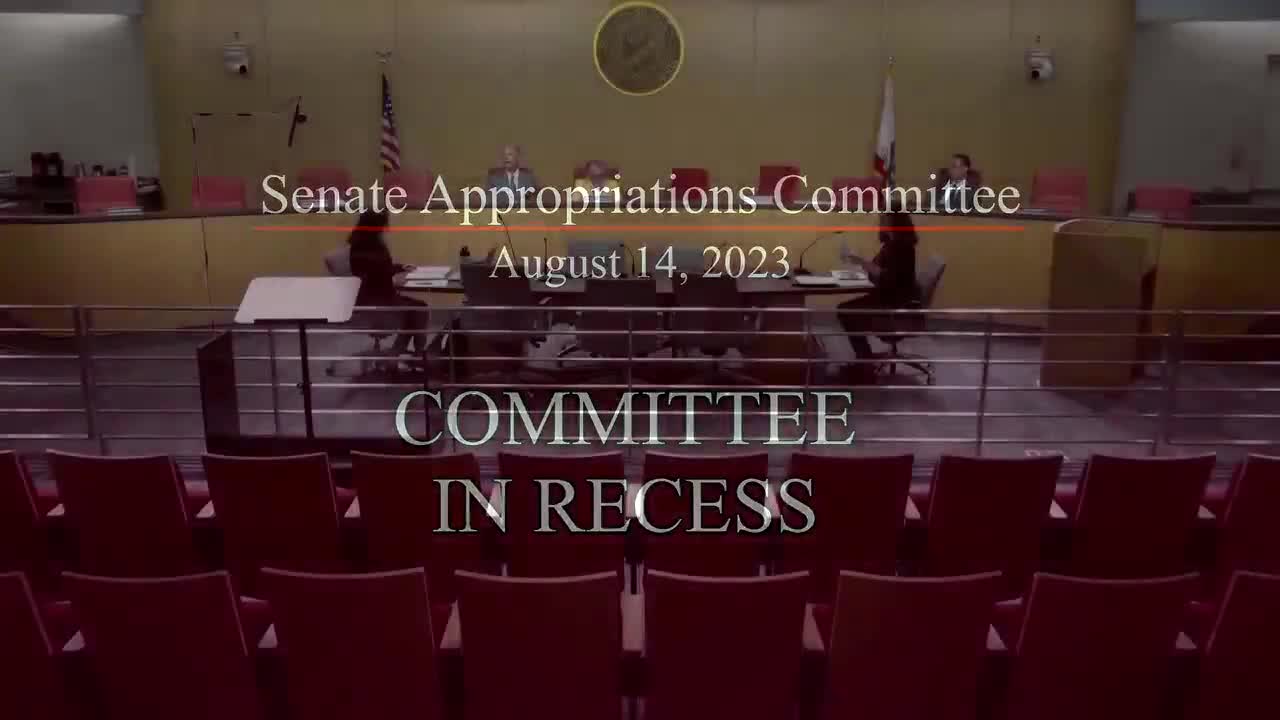
Bill Author

Bill Co-Author(s):