AB 2378: Alcoholic beverage control: licensing exemption: apprenticeship program for bartending or mixology.
- Session Year: 2023-2024
- House: Assembly
- Latest Version Date: 2024-09-20
Current Status:
Passed
(2024-09-20: Chaptered by Secretary of State - Chapter 309, Statutes of 2024.)
Introduced
In Committee
First Chamber
In Committee
Second Chamber
Enacted
Existing law generally prohibits anyone from manufacturing, importing, or selling alcoholic beverages in California without a license from the Department of Alcoholic Beverage Control. Existing law creates certain exceptions from this proscription, including by allowing the service of alcohol without a license or permit in a limousine or as part of a hot air balloon ride service, provided there is no extra charge or fee for the alcoholic beverages.
This bill would additionally allow the service of alcoholic beverages without a license or permit by an apprenticeship program for bartending or mixology, if certain requirements are met. The bill would require, in this regard, that the enrolled students are 21 years of age or older, that the program adopts a policy allowing the students to taste, but not consume, the alcoholic beverages, and that there is no extra charge or fee for the alcoholic beverages.
Existing law generally prohibits anyone from manufacturing, importing, or selling alcoholic beverages in California without a license from the Department of Alcoholic Beverage Control. Existing law creates certain exceptions from this proscription, including by allowing the service of alcohol without a license or permit in a limousine or as part of a hot air balloon ride service, provided there is no extra charge or fee for the alcoholic beverages.
This bill would additionally allow the service of alcoholic beverages without a license or permit by an apprenticeship program for bartending or mixology, if certain requirements are met. The bill would require, in this regard, that the enrolled students are 21 years of age or older, that the students are tasting, not consuming, program adopts a policy allowing the students to taste, but not consume, the alcoholic beverages, and that there is no extra charge or fee for the alcoholic beverages.
Existing law generally prohibits anyone from manufacturing, importing, or selling alcoholic beverages in California without a license from the Department of Alcoholic Beverage Control. Existing law creates certain exceptions from this proscription, including by allowing the service of alcohol without a license or permit in a limousine or as part of a hot air balloon ride service, provided there is no extra charge or fee for the alcoholic beverages.
This bill would additionally allow the service of alcoholic beverages without a license or permit by an apprenticeship program for bartending or mixology, if certain requirements are met. The bill would require, in this regard, that the enrolled students are 21 years of age or older, that the students are tasting, not consuming, the alcoholic beverages, and that there is no extra charge or fee for the alcoholic beverages.
Existing law, the Alcoholic Beverage Control Act, makes the purchase of any alcoholic beverage, the consumption of any alcoholic beverage in any on-sale premises, or possession of any alcoholic beverage on any street or highway or in any public place or any place open to the public by a person under 21 years of age a misdemeanor. Existing law also makes selling, furnishing, giving, or causing to be sold, furnished, or given away any alcoholic beverage to a person under 21 years of age a misdemeanor.Existing law authorizes a qualified student, as defined, to taste an alcoholic beverage and exempts the student and the qualified academic institution in which the student is enrolled from criminal prosecution under the above-described provisions if specified requirements are met, including, among other things, that the qualified student tastes the alcoholic beverage for educational purposes as part of the instruction in a course required by the degree program.This bill would additionally authorize a qualified student to taste an alcoholic beverage for educational purposes as part of the instruction in a registered apprenticeship program for bartending and mixology, as specified, and would exempt the student and the registered apprenticeship program in which the student is enrolled from criminal prosecution, as specified.Existing law, the Alcoholic Beverage Control Act, makes the purchase of any alcoholic beverage, the consumption of any alcoholic beverage in any on-sale premises, or possession of any alcoholic beverage on any street or highway or in any public place or any place open to the public by a person under 21 years of age a misdemeanor. Existing law also makes selling, furnishing, giving, or causing to be sold, furnished, or given away any alcoholic beverage to a person under 21 years of age a misdemeanor.
Existing law authorizes a qualified student, as defined, to taste an alcoholic beverage and exempts the student and the qualified academic institution in which the student is enrolled from criminal prosecution under the above-described provisions if specified requirements are met, including, among other things, that the qualified student tastes the alcoholic beverage for educational purposes as part of the instruction in a course required by the degree program.
This bill would additionally authorize a qualified student to taste an alcoholic beverage for educational purposes as part of the instruction in a registered apprenticeship program for bartending and mixology, as specified, and would exempt the student and the registered apprenticeship program in which the student is enrolled from criminal prosecution, as specified.
Existing law finds and declares, among other things, that the failure to properly repair and maintain commercial and industrial facilities or structures may pose a threat to public health or safety or to the environment that could be prevented through expeditious and coordinated agency action. Existing law authorizes a responsible party to request the permit assistance centers operated by the office of the Secretary for Environmental Protection to designate a consolidated permit agency for a repair or maintenance project to administer the processing and issuance of a consolidated permit for a project, as specified. Existing law defines terms for purposes of those provisions.This bill would make a technical, nonsubstantive change to those definitions.Existing law finds and declares, among other things, that the failure to properly repair and maintain commercial and industrial facilities or structures may pose a threat to public health or safety or to the environment that could be prevented through expeditious and coordinated agency action. Existing law authorizes a responsible party to request the permit assistance centers operated by the office of the Secretary for Environmental Protection to designate a consolidated permit agency for a repair or maintenance project to administer the processing and issuance of a consolidated permit for a project, as specified. Existing law defines terms for purposes of those provisions.
This bill would make a technical, nonsubstantive change to those definitions.
(a)(1)A license or permit is not required for the serving of alcoholic beverages in a limousine by any person operating a limousine service regulated by the Public Utilities Commission, provided there is no extra charge or fee for the alcoholic beverages.
(2)For purposes of this subdivision, there is no extra charge or fee for the alcoholic beverages when the fee charged for the limousine service is the same regardless of whether alcoholic beverages are served.
(b)(1)A license or permit is not required for the serving of alcoholic beverages as part of a hot air balloon ride service, provided there is no extra charge or fee for the alcoholic beverages.
(2)For purposes of this subdivision, there is no extra charge or fee for the alcoholic beverages when the fee charged for the hot air balloon ride service is the same regardless of whether alcoholic beverages are served.
(c)A license or permit is not required for the serving of wine or beer as part of any service provided by an establishment that is subject to regulation by the State Board of Barbering and Cosmetology under the Barbering and Cosmetology Act (Chapter 10 (commencing with Section 7301) of Division 3) if the following requirements are met:
(1)There is no extra charge or fee for the beer or wine. For purposes of this paragraph, there is no extra charge or fee for the beer or wine if the fee charged for the service is the same regardless of whether beer or wine is served.
(2)The license of the establishment providing the service is in good standing with the State Board of Barbering and Cosmetology.
(3)No more than 12 ounces of beer or six ounces of wine by the glass is offered to a client.
(4)The beer or wine is provided only during business hours and in no case later than 10 p.m.
(5)Nothing in this subdivision shall be construed to limit the authority of a city or city and county to restrict or limit the consumption of alcoholic beverages, as described in this subdivision, pursuant to Section 23791.
(d)A license or permit is not required for the serving of alcoholic beverages as part of the curriculum of an apprenticeship program for bartending or mixology, provided all of the following requirements are met:
(1)The apprenticeship program is approved by the Chief of the Division of Apprenticeship Standards pursuant to Section 3075 of the Labor Code.
(2)Students enrolled in the apprenticeship program are 21 years of age or older.
(3)The apprenticeship program adopts a policy that the students may taste, but may not consume, the alcoholic beverages served.
(4)There is no extra charge or fee for the alcoholic beverages served.
(a)(1)A license or permit is not required for the serving of alcoholic beverages in a limousine by any person operating a limousine service regulated by the Public Utilities Commission, provided there is no extra charge or fee for the alcoholic beverages.
(2)For purposes of this subdivision, there is no extra charge or fee for the alcoholic beverages when the fee charged for the limousine service is the same regardless of whether alcoholic beverages are served.
(b)(1)A license or permit is not required for the serving of alcoholic beverages as part of a hot air balloon ride service, provided there is no extra charge or fee for the alcoholic beverages.
(2)For purposes of this subdivision, there is no extra charge or fee for the alcoholic beverages when the fee charged for the hot air balloon ride service is the same regardless of whether alcoholic beverages are served.
(c)A license or permit is not required for the serving of wine or beer as part of any service provided by an establishment that is subject to regulation by the State Board of Barbering and Cosmetology under the Barbering and Cosmetology Act (Chapter 10 (commencing with Section 7301) of Division 3) if the following requirements are met:
(1)There is no extra charge or fee for the beer or wine. For purposes of this paragraph, there is no extra charge or fee for the beer or wine if the fee charged for the service is the same regardless of whether beer or wine is served.
(2)The license of the establishment providing the service is in good standing with the State Board of Barbering and Cosmetology.
(3)No more than 12 ounces of beer or six ounces of wine by the glass is offered to a client.
(4)The beer or wine is provided only during business hours and in no case later than 10 p.m.
(5)Nothing in this subdivision shall be construed to limit the authority of a city or city and county to restrict or limit the consumption of alcoholic beverages, as described in this subdivision, pursuant to Section 23791.
(d)A license or permit is not required for the serving of alcoholic beverages as part of the curriculum of an apprenticeship program for bartending or mixology, provided all of the following requirements are met:
(1)The apprenticeship program is approved by the Chief of the Division of Apprenticeship Standards pursuant to Section 3075 of the Labor Code.
(2)Students enrolled in the apprenticeship program are 21 years of age or older.
(3)Students are tasting, but not consuming, The apprenticeship program adopts a policy that the students may taste, but may not consume, the alcoholic beverages served.
(4)There is no extra charge or fee for the alcoholic beverages served.
(a)(1)A license or permit is not required for the serving of alcoholic beverages in a limousine by any person operating a limousine service regulated by the Public Utilities Commission, provided there is no extra charge or fee for the alcoholic beverages.
(2)For purposes of this subdivision, there is no extra charge or fee for the alcoholic beverages when the fee charged for the limousine service is the same regardless of whether alcoholic beverages are served.
(b)(1)A license or permit is not required for the serving of alcoholic beverages as part of a hot air balloon ride service, provided there is no extra charge or fee for the alcoholic beverages.
(2)For purposes of this subdivision, there is no extra charge or fee for the alcoholic beverages when the fee charged for the hot air balloon ride service is the same regardless of whether alcoholic beverages are served.
(c)A license or permit is not required for the serving of wine or beer as part of any service provided by an establishment that is subject to regulation by the State Board of Barbering and Cosmetology under the Barbering and Cosmetology Act (Chapter 10 (commencing with Section 7301) of Division 3) if the following requirements are met:
(1)There is no extra charge or fee for the beer or wine. For purposes of this paragraph, there is no extra charge or fee for the beer or wine if the fee charged for the service is the same regardless of whether beer or wine is served.
(2)The license of the establishment providing the service is in good standing with the State Board of Barbering and Cosmetology.
(3)No more than 12 ounces of beer or six ounces of wine by the glass is offered to a client.
(4)The beer or wine is provided only during business hours and in no case later than 10 p.m.
(5)Nothing in this subdivision shall be construed to limit the authority of a city or city and county to restrict or limit the consumption of alcoholic beverages, as described in this subdivision, pursuant to Section 23791.
(d)A license or permit is not required for the serving of alcoholic beverages as part of the curriculum of an apprenticeship program for bartending or mixology, provided all of the following requirements are met:
(1)The apprenticeship program is approved by the Chief of the Division of Apprenticeship Standards pursuant to Section 3075 of the Labor Code.
(2)Students enrolled in the apprenticeship program are 21 years of age or older.
(3)Students are tasting, but not consuming, the alcoholic beverages served.
(4)There is no extra charge or fee for the alcoholic beverages served.
SECTION 1.Section 25668 of the Business and Professions Code is amended to read:25668.(a)A qualified student may taste an alcoholic beverage, and both the student and the registered apprenticeship program or qualified academic institution in which the student is enrolled shall not be subject to criminal prosecution under subdivision (a) of Section 25658 and subdivision (a) of Section 25662, if all of the following criteria are met:(1)The qualified student tastes the alcoholic beverage while enrolled in a registered apprenticeship program or a qualified academic institution.(2)The qualified student tastes the alcoholic beverage for educational purposes as part of the instruction in a registered apprenticeship program or a course required for an associates degree or bachelors degree at a qualified academic institution.(3)The alcoholic beverage remains in the control of an authorized instructor of the registered apprenticeship program or qualified academic institution who is at least 21 years of age.(b)This section shall not be construed to allow a student under 21 years of age to receive an alcoholic beverage unless it is delivered as part of the students curriculum requirements.(c)A license or permit is not required to be held by a registered apprenticeship program or a qualified academic institution engaging in the activities authorized by this section, provided an extra fee or charge is not imposed for the alcoholic beverages tasted.(d)For the purposes of this section, the following terms have the following meanings:(1)Registered apprenticeship program means an apprenticeship program for bartending or mixology approved by the Chief of the Division of Apprenticeship Standards pursuant to Section 3075 of the Labor Code.(2)Qualified academic institution means a public college or university accredited by a commission recognized by the United States Department of Education and has established an associates degree or bachelors degree program in any of the following:(A)Hotel management.(B)Culinary arts.(C)Enology or brewing that is designed to train industry professionals in the production of wine or beer.(3)Qualified student means a student enrolled in a registered apprenticeship program or a qualified academic institution who is at least 18 years of age.(4)Taste means to draw an alcoholic beverage into the mouth, but does not include swallowing or otherwise consuming the alcoholic beverage.(a)A qualified student may taste an alcoholic beverage, and both the student and the registered apprenticeship program or qualified academic institution in which the student is enrolled shall not be subject to criminal prosecution under subdivision (a) of Section 25658 and subdivision (a) of Section 25662, if all of the following criteria are met:
(1)The qualified student tastes the alcoholic beverage while enrolled in a registered apprenticeship program or a qualified academic institution.
(2)The qualified academic institution has established an associates degree or bachelors degree program in any of the following:(A)Hotel management.(B)Culinary arts.(C)Enology or brewing that is designed to train industry professionals in the production of wine or beer.(3)(2)The qualified student tastes the alcoholic beverage for educational purposes as part of the instruction in a registered apprenticeship program or a course required for an associates degree or bachelors degree. degree at a qualified academic institution.
(4)(3)The alcoholic beverage remains in the control of an authorized instructor of the registered apprenticeship program or qualified academic institution who is at least 21 years of age.
(b)This section shall not be construed to allow a student under 21 years of age to receive an alcoholic beverage unless it is delivered as part of the students curriculum requirements.
(c)A license or permit is not required to be held by a registered apprenticeship program or a qualified academic institution engaging in the activities authorized by this section, provided an extra fee or charge is not imposed for the alcoholic beverages tasted.
(d)For the purposes of this section, the following terms have the following meanings:
(1)Registered apprenticeship program means an apprenticeship program for bartending or mixology approved by the Chief of the Division of Apprenticeship Standards pursuant to Section 3075 of the Labor Code.
(1)(2)Qualified academic institution means a public college or university accredited by a commission recognized by the United States Department of Education. Education and has established an associates degree or bachelors degree program in any of the following:
(A)Hotel management.
(B)Culinary arts.
(C)Enology or brewing that is designed to train industry professionals in the production of wine or beer.
(2)(3)Qualified student means a student enrolled in a registered apprenticeship program or a qualified academic institution who is at least 18 years of age.
(3)(4)Taste means to draw an alcoholic beverage into the mouth, but does not include swallowing or otherwise consuming the alcoholic beverage.
SECTION 1.Section 57051 of the Health and Safety Code is amended to read:57051.For purposes of this division, the following terms have the following meanings:(a)Consolidated permit means a permit incorporating permits for a repair or maintenance project and issued in a single permit document by the consolidated permit agency.(b)Consolidated permit agency means the public agency that has the greatest overall jurisdiction over a repair or maintenance project, as determined pursuant to Section 57053.(c)Office means the permit assistance centers operated by the office of the Secretary for Environmental Protection.(d)Participating permit agency means a public agency, other than the consolidated permit agency, that is responsible for the issuance of a repair or maintenance project permit.(e)Public agency means any state or local agency that has jurisdiction under state or local law to approve a repair or maintenance project.(f)Repair or maintenance project permit means any license, certificate, registration, permit, or other form of authorization required by a public agency to carry out a repair and maintenance project.(g)Repair or maintenance project means a project to repair or maintain an existing commercial or industrial facility or structure that would not involve or allow an addition to, or an enlargement or expansion of, the use of the facility or structure when the failure to repair or maintain that facility or structure would potentially cause a violation of any law or regulation intended for the protection of human health or safety, or the environment.(h)Responsible party means the owner or lessee or operator of the facility or structure proposed to be repaired or maintained pursuant to a repair or maintenance project.For purposes of this division, the following terms have the following meaning: meanings:
(a)Consolidated permit means a permit incorporating permits for a repair or maintenance project and issued in a single permit document by the consolidated permit agency.
(b)Consolidated permit agency means the public agency that has the greatest overall jurisdiction over a repair or maintenance project, as determined pursuant to Section 57053.
(c)Office means the permit assistance centers operated by the office of the Secretary for Environmental Protection.
(d)Participating permit agency means a public agency, other than the consolidated permit agency, that is responsible for the issuance of a repair or maintenance project permit.
(e)Public agency means any state or local agency that has jurisdiction under state or local law to approve a repair or maintenance project.
(f)Repair or maintenance project permit means any license, certificate, registration, permit, or other form of authorization required by a public agency to carry out a repair and maintenance project.
(g)Repair or maintenance project means a project to repair or maintain an existing commercial or industrial facility or structure that would not involve or allow an addition to, or an enlargement or expansion of, the use of the facility or structure when the failure to repair or maintain that facility or structure would potentially cause a violation of any law or regulation intended for the protection of human health or safety, or the environment.
(h)Responsible party means the owner or lessee or operator of the facility or structure proposed to be repaired or maintained pursuant to a repair or maintenance project.
|
Date
|
Status
|
|---|---|
| Sep 20, 2024 | Chaptered by Secretary of State - Chapter 309, Statutes of 2024. |
| Sep 20, 2024 | Approved by the Governor. |
| Aug 28, 2024 | Enrolled and presented to the Governor at 4 p.m. |
| Aug 22, 2024 | Senate amendments concurred in. To Engrossing and Enrolling. (Ayes 62. Noes 0. Page 6423.). |
| Aug 20, 2024 | In Assembly. Concurrence in Senate amendments pending. May be considered on or after August 22 pursuant to Assembly Rule 77. |
| Aug 19, 2024 | Read third time. Passed. Ordered to the Assembly. (Ayes 40. Noes 0. Page 5200.). |
| Jun 11, 2024 | Read second time. Ordered to third reading. |
| Jun 10, 2024 | From committee: Be ordered to second reading pursuant to Senate Rule 28.8. |
| May 29, 2024 | Read second time and amended. Re-referred to Com. on APPR. |
| May 28, 2024 | From committee: Amend, and do pass as amended and re-refer to Com. on APPR. (Ayes 11. Noes 0.) (May 28). |
| May 21, 2024 | From committee chair, with author's amendments: Amend, and re-refer to committee. Read second time, amended, and re-referred to Com. on G.O. |
| May 8, 2024 | Referred to Com. on G.O. |
| Apr 25, 2024 | In Senate. Read first time. To Com. on RLS. for assignment. |
| Apr 25, 2024 | Read third time. Passed. Ordered to the Senate. (Ayes 75. Noes 0. Page 4998.) |
| Apr 18, 2024 | Read second time. Ordered to Consent Calendar. |
| Apr 17, 2024 | From committee: Do pass. To Consent Calendar. (Ayes 15. Noes 0.) (April 17). |
| Apr 4, 2024 | From committee: Do pass and re-refer to Com. on APPR. (Ayes 21. Noes 0.) (April 3). Re-referred to Com. on APPR. |
| Mar 19, 2024 | Re-referred to Com. on G.O. |
| Mar 18, 2024 | From committee chair, with author's amendments: Amend, and re-refer to Com. on G.O. Read second time and amended. |
| Mar 18, 2024 | Referred to Com. on G.O. |
| Feb 13, 2024 | From printer. May be heard in committee March 14. |
| Feb 12, 2024 | Read first time. To print. |
|
Date
|
Description
|
Location
|
Votes
|
|
|---|---|---|---|---|
| Aug 22, 2024 | AB 2378 Calderon Concurrence in Senate Amendments | Assembly Floor |
Passed |
|
| Aug 19, 2024 | Assembly 3rd Reading AB2378 Calderon By Durazo | Senate Floor |
Passed |
|
| May 28, 2024 | Do pass as amended, but first amend, and re-refer to the Committee on [Appropriations] | Senate Standing Committee on Governmental Organization |
Passed |
|
| Apr 25, 2024 | AB 2378 Calderon Consent Calendar Second Day Regular Session | Assembly Floor |
Passed |
|
| Apr 17, 2024 | Do pass. To Consent Calendar. | Assembly Standing Committee on Appropriations |
Passed |
|
| Apr 3, 2024 | Do pass and be re-referred to the Committee on [Appropriations] | Assembly Standing Committee on Governmental Organization |
Passed |
This list shows positions taken on this bill by organizations on the date displayed, which is linked to the original source.
Positions by individuals are not included.
|
Organization
|
Position
|
Date
|
|---|---|---|
| Alcohol Justice | ** Against | |
| California Alcohol Policy Alliance | ** Against | |
| California Labor Federation | ** Support | |
| City of Los Angeles Workforce Development Board | ** Support | |
| Hospitality Training Academy | ** Support | |
| Los Angeles County Federation of Labor | ** Support | |
| Neighborhood Legal Services Los Angeles | ** Support | |
| UNITE HERE Local 11 | ** Support |
CONCURRENCE IN SENATE AMENDMENTS
CSA1 Bill Id:AB 2378
Author:(Calderon)
As Amended Ver:May 29, 2024
Majority vote
SUMMARY
This bill allows for the service of alcoholic beverages without a license or permit by an apprenticeship program for bartending or mixology, if certain requirements are meant, including that the enrolled students are 21 years of age or older.
Senate Amendments
- Clarify that a license or permit is not required for the serving of alcoholic beverages as part of the curriculum of an apprenticeship program for bartending or mixology, provided all of the following requirements are met:
- The apprenticeship program is approved by the Chief of the Division of Apprenticeship Standards pursuant to Section 3075 of the Labor Code.
- Students enrolled in the apprenticeship program are 21 years of age or older.
- The apprenticeship program adopts a policy that the students may taste, but may not consume, the alcoholic beverages served.
- There is no extra charge or fee for the alcoholic beverages served.
COMMENTS
Background.
The enactment of the 21st Amendment to the United States Constitution in 1933 repealed the 18th Amendment and ended the era of Prohibition. Accordingly, states were granted the authority to establish alcoholic beverage laws and administrative structures to regulate the sale and distribution of alcoholic beverages.
The ABC Act provides that any person under 21 years of age who purchases any alcoholic beverage, who consumes any alcoholic beverage in any on-sale premises, or who possesses any alcoholic beverage on any street or highway or in any public place or any place open to the public is guilty of a misdemeanor. In addition, the ABC Act provides that every person who sells, furnishes, gives, or causes to be sold, furnished, or given away any alcoholic beverage to any person under 21 years of age is guilty of a misdemeanor.
In 2019, Governor Brown signed AB 1308 (Cunningham, Chapter 457) that created a narrow exception to the Act related to consumption and possession of alcoholic beverages by underage individuals. The bill allowed a qualified student to taste, but not consume, an alcoholic beverage and exempts the student and the qualified academic institution in which the student is enrolled from criminal prosecution if the qualified academic institution has established an Associate's degree or a Bachelor's degree program in hotel management or culinary arts, as provided. The bill included various safeguards including a requirement that the alcoholic beverage remain in the control of an authorized instructor of the academic institution who is at least 21 years of age. AB 1308 also exempted the student and the qualified academic institution in which the student is enrolled from criminal prosecution if specified requirements are met.
This bill amends current law to allow the service of alcohol without a license or permit by an apprenticeship program for bartending or mixology
The Hospitality Training Academy. The Hospitality Training Academy (HTA) is a unique and award-winning labor-management partnership between UNITE HERE Local 11 and more than 150 hotel and food service employers in Southern California. HTA is a 501(c)(3) non-profit organization that is funded by grants from the Department of Labor, the California Workforce Development Board, and other public and private agencies, as well as by collectively bargained contributions from its participating employers. This funding is intended to support workforce development and give people looking for jobs in the hospitality sector (culinary/cook, server, bartender) training in critical skills. The HTA sponsors four registered apprenticeship programs approved by the United States Department of Labor and the California Division of Apprenticeship Standards, along with pre-apprenticeship and other training programs. Once students leave the HTA, most, if not all, are placed into unionized hospitality jobs with good wages, benefits, and protections. The HTA serves a diverse population of students and is committed to diversifying the hospitality industry. The program comes at no cost to the participants.
In relation to this bill, HTA and similar apprenticeship programs face a challenge expanding their offered programs to other fields. The ABC Act does not allow students in bartending and mixology apprenticeship programs to taste what they are creating, despite the high caliber students these programs produce. Tasting (but not swallowing or consuming) the beverages is an essential part of learning the science behind flavors and textures.
Apprenticeship in California. Apprenticeship is a system of training in a trade or profession that combines both classroom study and on-the-job training. The DAS administers California's apprenticeship law and establishes apprenticeship standards for wages, hours, working conditions, and the specific skills required for state certification as a journeyperson in an apprenticeable occupation. DAS promotes apprenticeship training, consults with program sponsors, and monitors programs to ensure high standards for on-the-job training and supplemental classroom instruction.
According to the Author
According to the author, "Bartending or mixology apprenticeship programs in our state face a unique challenge, as it is unclear if they are eligible for ABC licenses. This legal uncertainty has prevented these apprenticeship programs from operating without an ABC license or exemption, since they are unable to utilize alcoholic beverages in their training. AB 2378 remedies this problem by exempting approved bartending or mixology apprenticeship program from the ABC licensing requirements for serving alcoholic beverages. Thus, allowing students in an approved apprenticeship program to taste an alcoholic beverage as part of their curriculum. Allowing these students to taste their creations will generate competitive, qualified candidates for unionized jobs in the hospitality industry."
Arguments in Support
According to the Hospitality Training Academy, "AB 2378 would advance both state and national policy promoting apprenticeship as a vital pathway to a career in a good union job in a crucial and growing industry. It would ensure that the same protections currently required of other educational programs that utilize alcoholic beverages are also applied to apprenticeship programs. And it would enable HTA to launch a first-of-its-kind apprenticeship program in great demand from both prospective participants and leading hospitality industry employers."
Arguments in Opposition
According to Alcohol Justice, "the scientific literature shows again and again that earlier age of initiation into alcohol use is associated with greater likelihood of severe harm from alcohol later in life. Already, the stress, demands, and access to alcohol leads to substantial rates of alcohol use disorder, with 39% of bartenders reporting harm to their physical or mental health from alcohol use. This policy can only make that worse."
FISCAL COMMENTS
According to the Senate Appropriations Committee, pursuant to Senate Rule 28.8, negligible state costs.
VOTES:
ASM GOVERNMENTAL ORGANIZATION: 21-0-1
YES: Blanca Rubio, Lackey, Addis, Bains, Bryan, Davies, Dixon, Gabriel, Gipson, Haney, Jones-Sawyer, Low, McKinnor, Pacheco, Papan, Jim Patterson, Ramos, Soria, Waldron, Valencia, Wallis
ABS, ABST OR NV: Cervantes
ASM APPROPRIATIONS: 15-0-0
YES: Wicks, Sanchez, Arambula, Bryan, Calderon, Wendy Carrillo, Dixon, Mike Fong, Grayson, Haney, Hart, Jim Patterson, Pellerin, Ta, Villapudua
ASSEMBLY FLOOR: 75-0-5
YES: Addis, Aguiar-Curry, Alanis, Alvarez, Arambula, Bains, Bauer-Kahan, Bennett, Berman, Bonta, Bryan, Calderon, Juan Carrillo, Wendy Carrillo, Cervantes, Chen, Connolly, Davies, Dixon, Essayli, Flora, Mike Fong, Vince Fong, Friedman, Gabriel, Garcia, Gipson, Grayson, Haney, Holden, Hoover, Irwin, Jackson, Jones-Sawyer, Kalra, Lackey, Lee, Low, Lowenthal, Maienschein, McCarty, McKinnor, Muratsuchi, Stephanie Nguyen, Ortega, Pacheco, Papan, Jim Patterson, Joe Patterson, Pellerin, Petrie-Norris, Quirk-Silva, Ramos, Rendon, Reyes, Luz Rivas, Rodriguez, Blanca Rubio, Sanchez, Santiago, Schiavo, Soria, Ta, Ting, Valencia, Villapudua, Waldron, Wallis, Ward, Weber, Wicks, Wilson, Wood, Zbur, Robert Rivas
ABS, ABST OR NV: Boerner, Megan Dahle, Gallagher, Hart, Mathis
SENATE FLOOR: 40-0-0
YES: Allen, Alvarado-Gil, Archuleta, Ashby, Atkins, Becker, Blakespear, Bradford, Caballero, Cortese, Dahle, Dodd, Durazo, Eggman, Glazer, Gonzalez, Grove, Hurtado, Jones, Laird, Limón, McGuire, Menjivar, Min, Newman, Nguyen, Niello, Ochoa Bogh, Padilla, Portantino, Roth, Rubio, Seyarto, Skinner, Smallwood-Cuevas, Stern, Umberg, Wahab, Wiener, Wilk
UPDATED
VERSION: May 29, 2024
CONSULTANT: Eric Johnson / G.O. / (916) 319-2531 FN: 0004223
SENATE RULES COMMITTEE Office of Senate Floor Analyses (916) 651-1520 Fax: (916) 327-4478 | AB 2378 |
THIRD READING
Bill No: AB 2378
Author: Calderon (D)
Amended: 5/29/24 in Senate
Vote: 21
SENATE GOVERNMENTAL ORG. COMMITTEE: 11-0, 5/28/24
AYES: Dodd, Wilk, Alvarado-Gil, Archuleta, Glazer, Nguyen, Padilla, Portantino, Roth, Seyarto, Smallwood-Cuevas
NO VOTE RECORDED: Ashby, Bradford, Jones, Ochoa Bogh, Rubio
SENATE APPROPRIATIONS COMMITTEE: Senate Rule 28.8
ASSEMBLY FLOOR: 75-0, 4/25/24 (Consent) - See last page for vote
SUBJECT: Alcoholic beverage control: licensing exemption: apprenticeship program for bartending or mixology
SOURCE: Hospitality Training Academy
DIGEST: This bill allows for the service of alcoholic beverages without a license or permit by an apprenticeship program for bartending or mixology, if certain requirements are meant, including that the enrolled students are 21 years of age or older.
ANALYSIS:
Existing law:
- Establishes the Department of Alcoholic Beverage Control (ABC) and grants it exclusive authority to administer the provisions of the ABC Act in accordance with laws enacted by the Legislature. This involves licensing individuals and businesses associated with the manufacture, importation, and sale of alcoholic beverages in this state and the collection of license fees.
- Provides, under the ABC Act, that any person under 21 years who purchases any alcoholic beverage, who consumes any alcoholic beverage in any on-sale premises, or who possesses any alcoholic beverage on any street or highway or in any public place or any place open to the public is guilty of a misdemeanor.
- Provides that every person who sells, furnishes, gives, or causes to be sold, furnished, or given away any alcoholic beverage to any person under 21 years of age is guilty of a misdemeanor.
- Prohibits, generally, anyone from manufacturing, importing, or selling alcoholic beverages in California without a license from the Department of ABC. Existing law creates certain exceptions from this prohibition, including by allowing the service of alcohol without a license or permit in a limousine or as part of a hot air balloon ride service, provided there is no extra charge or fee for the alcoholic beverages.
- Allows a qualified student to taste, but not consume, an alcoholic beverage and exempts the student and the qualified academic institution in which the student is enrolled from criminal prosecution if, among other things, the qualified academic institution has established an Associate’s degree or Bachelor’s degree program in enology or brewing that is designed to train industry professionals in the production of wine or beer and the qualified student tastes the alcoholic beverage for educational purposes in a course required by the degree program.
- Allows a qualified student to taste, but not consume, an alcoholic beverage and exempts the student and the qualified academic institution in which the student is enrolled from criminal prosecution if the qualified academic institution has established an Associate’s degree or a Bachelor’s degree program in hotel management or culinary arts, as provided.
This bill:
- Provides that a license or permit is not required for the serving of alcoholic beverages as part of the curriculum of an apprenticeship program for bartending or mixology, provided all of the following:
- The apprenticeship program adopts a policy that the students may taste, but not consume, the alcoholic beverages served.
- There is no extra charge or fee for the alcoholic beverages served.
- Students enrolled in the apprenticeship program are 21 years of age or older.
- Requires the apprenticeship program to be approved by the Chief Division of Apprenticeship Standards, as specified.
Background
Author Statement. According to the author, “Bartending or mixology apprenticeship programs in our state face a unique challenge, as it is unclear if they are eligible for ABC licenses. This legal uncertainty has prevented these apprenticeship programs from operating without an ABC license or exemption, since they are unable to utilize alcoholic beverages in their training. AB 2378 remedies this problem by exempting approved bartending or mixology apprenticeship program from the ABC licensing requirements for serving alcoholic beverages. Thus, allowing students in an approved apprenticeship program to taste an alcoholic beverage as part of their curriculum. Allowing these students to taste their creations will generate competitive, qualified candidates for unionized jobs in the hospitality industry.”
Underage Drinking Laws. The enactment of the 21st Amendment to the United States Constitution in 1933 repealed the 18th Amendment and ended the era of Prohibition. Accordingly, states were granted the authority to establish alcoholic beverage laws and administrative structures to regulate the sale and distribution of alcoholic beverages.
Existing law establishes the Department of ABC and grants it exclusive authority to administer the provisions of the ABC Act in accordance with laws enacted by the Legislature. This involves licensing individuals and businesses associated with the manufacture, importation and sale of alcoholic beverages in this state and the collection of license fees for this purpose.
The ABC Act provides that any person under 21 years of age who purchases any alcoholic beverage, who consumes any alcoholic beverage in any on-sale premises, or who possesses any alcoholic beverage on any street or highway or in any public place or any place open to the public is guilty of a misdemeanor. In addition, the ABC Act provides that every person who sells, furnishes, gives, or causes to be sold, furnished, or given away any alcoholic beverage to any person under 21 years of age is guilty of a misdemeanor.
In 2014, Governor Brown signed AB 1989 (Chesbro, Chapter 162, Statutes of 2014) which created a narrow exception to the ABC Act related to consumption and possession of alcoholic beverages by underage individuals. The bill allows students who are at least 18 years of age and enrolled in degree granting programs in enology or brewing at accredited public postsecondary educational institutions to taste, but not consume, alcoholic beverages for educational purposes as part of the instruction in a course required for a degree. The bill included various safeguards including a requirement that the alcoholic beverage remain in the control of an authorized instructor of the academic institution who is at least 21 years of age. The bill also specified that the tasting of the alcoholic beverage had to be for educational purposes as part of the instruction in a course required for an Associate’s degree or Bachelor’s degree.
In 2019, Governor Newsom signed AB 1308 (Cunningham, Chapter 457, Statutes of 2019) which allowed adding hotel management and culinary arts to the list of degrees that would allow individuals under the age of 21 to taste alcoholic beverages as part of their curriculum. This bill amends current law to allow the service of alcohol without a license or permit by an apprenticeship program for bartending or mixology. This bill requires the apprenticeship program to be approved by the chief of the Division of Apprenticeship standards and require students to be 21 years of age or older. Additionally, students would be allowed to taste the alcoholic beverages but would not be allowed to consume such beverages.
The Hospitality Training Academy. The Hospitality Training Academy (HTA) is a unique and award-winning labor-management partnership between UNITE HERE Local 11 and more than 150 hotel and food service employers in Southern California. HTA is a 501(c)(3) non-profit organization that is funded by grants from the Department of Labor, the California Workforce Development Board, and other public and private agencies, as well as by collectively bargained contributions from its participating employers. This funding is intended to support workforce development and give people looking for jobs in the hospitality sector (culinary/cook, server, bartender) training in critical skills. The HTA sponsors four registered apprenticeship programs approved by the United States Department of Labor and the California Division of Apprenticeship Standards (DAS), along with pre-apprenticeship and other training programs. Once students leave the HTA, most, if not all, are placed into unionized hospitality jobs with good wages, benefits, and protections. The HTA serves a diverse population of students and is committed to diversifying the hospitality industry. The program comes at no cost to the participants.
In relation to this bill, HTA and similar apprenticeship programs face a challenge expanding their offered programs to other fields. The ABC Act does not allow students in bartending and mixology apprenticeship programs to taste what they are creating, despite the high caliber students these programs produce. Tasting (but not swallowing or consuming) the beverages is an essential part of learning the science behind flavors and textures.
Apprenticeship in California. Apprenticeship is a system of training in a trade or profession that combines both classroom study and on-the-job training. The DAS administers California’s apprenticeship law and establishes apprenticeship standards for wages, hours, working conditions, and the specific skills required for state certification as a journeyperson in an apprenticeable occupation. DAS promotes apprenticeship training, consults with program sponsors, and monitors programs to ensure high standards for on-the-job training and supplemental classroom instruction.
Related/Prior Legislation
AB 1308 (Cunningham, Chapter 457, Statutes of 2019) allowed a qualified student to taste, but not consume, an alcoholic beverage and exempts the student and the qualified academic institution in which the student is enrolled from criminal prosecution if the qualified academic institution has established an Associate’s degree or a Bachelor’s degree program in hotel management or culinary arts, as provided.
AB 235 (O’Donnel, Chapter 704, Statutes of 2018) authorized a two-pronged process for the approval of apprenticeship programs, maintaining the current process for the trades and firefighting, and establishes a separate path for programs in newly emerging areas of apprenticeship.
SB 228 (Dodd, Chapter 119, Statutes of 2017) expanded a current exception to the prohibition against the possession, consumption, or sale of alcoholic beverages on school grounds to authorize beer to be possessed, consumed, or sold at a qualified community college district that have a brewing instructional program, as specified.
AB 1989 (Chesbro, Chapter 162, Statutes of 2014) created a narrow exception in the ABC Act relating to consumption or possession of alcoholic beverages by underage persons by allowing students who are at least 18 years of age and enrolled in degree granting programs in enology or brewing at accredited public postsecondary educational institutions to taste, but not consume, an alcoholic beverage for educational purposes as part of the instruction in a course required for a degree.
FISCAL EFFECT: Appropriation: No Fiscal Com.: Yes Local: No
SUPPORT: (Verified 6/10/24)
Hospitality Training Academy (Source)
California Labor Federation
City of Los Angeles Workforce Development Board
Los Angeles County Federation of Labor
Neighborhood Legal Services Los Angeles
UNITE HERE Local 11
OPPOSITION: (Verified 6/10/24)
Alcohol Justice
California Alcohol Policy Alliance
ARGUMENTS IN SUPPORT: According to the Hospitality Training Academy, “AB 2378 would advance both state and national policy promoting apprenticeship as a vital pathway to a career in a good union job in a crucial and growing industry. It would ensure that the same protections currently required of other educational programs that utilize alcoholic beverages are also applied to apprenticeship programs. And it would enable HTA to launch a first-of-its-kind apprenticeship program in great demand from both prospective participants and leading hospitality industry employers.”
ARGUMENTS IN OPPOSITION: According to Alcohol Justice, “the scientific literature shows again and again that earlier age of initiation into alcohol use is associated with greater likelihood of severe harm from alcohol later in life. Already, the stress, demands, and access to alcohol leads to substantial rates of alcohol use disorder, with 39% of bartenders reporting harm to their physical or mental health from alcohol use. This policy can only make that worse.”
ASSEMBLY FLOOR: 75-0, 4/25/24
AYES: Addis, Aguiar-Curry, Alanis, Alvarez, Arambula, Bains, Bauer-Kahan, Bennett, Berman, Bonta, Bryan, Calderon, Juan Carrillo, Wendy Carrillo, Cervantes, Chen, Connolly, Davies, Dixon, Essayli, Flora, Mike Fong, Vince Fong, Friedman, Gabriel, Garcia, Gipson, Grayson, Haney, Holden, Hoover, Irwin, Jackson, Jones-Sawyer, Kalra, Lackey, Lee, Low, Lowenthal, Maienschein, McCarty, McKinnor, Muratsuchi, Stephanie Nguyen, Ortega, Pacheco, Papan, Jim Patterson, Joe Patterson, Pellerin, Petrie-Norris, Quirk-Silva, Ramos, Rendon, Reyes, Luz Rivas, Rodriguez, Blanca Rubio, Sanchez, Santiago, Schiavo, Soria, Ta, Ting, Valencia, Villapudua, Waldron, Wallis, Ward, Weber, Wicks, Wilson, Wood, Zbur, Robert Rivas
NO VOTE RECORDED: Boerner, Megan Dahle, Gallagher, Hart, Mathis
Prepared by: Felipe Lopez / G.O. / (916) 651-1530
6/11/24 13:15:53
**** END ****
SENATE COMMITTEE ON GOVERNMENTAL ORGANIZATION
Senator Bill Dodd
Chair
2023 - 2024 Regular
Bill No: 2378 Hearing Date: 5/28/2024
Author: | |||
Version: | 5/21/2024 Amended | ||
Urgency: | No | Fiscal: | Yes |
Consultant: | Felipe Lopez | ||
SUBJECT: Alcoholic beverage control: minors: exemption for qualified students
DIGEST: This bill allows for the service of alcoholic beverages without a license or permit by an apprenticeship program for bartending or mixology, if certain requirements are meant, including that the enrolled students are 21 years of age or older.
ANALYSIS:
Existing law:
- Establishes the Department of Alcoholic Beverage Control (ABC) and grants it exclusive authority to administer the provisions of the ABC Act in accordance with laws enacted by the Legislature. This involves licensing individuals and businesses associated with the manufacture, importation, and sale of alcoholic beverages in this state and the collection of license fees.
- Provides, under the ABC Act, that any person under 21 years who purchases any alcoholic beverage, who consumes any alcoholic beverage in any on-sale premises, or who possesses any alcoholic beverage on any street or highway or in any public place or any place open to the public is guilty of a misdemeanor.
- Provides that every person who sells, furnishes, gives, or causes to be sold, furnished, or given away any alcoholic beverage to any person under 21 years of age is guilty of a misdemeanor.
- Generally prohibits anyone from manufacturing, importing, or selling alcoholic beverages in California without a license from the Department of ABC. Existing law creates certain exceptions from this prohibition, including by allowing the service of alcohol without a license or permit in a limousine or as part of a hot air balloon ride service, provided there is no extra charge or fee for the alcoholic beverages.
- Allows a qualified student to taste, but not consume, an alcoholic beverage and exempts the student and the qualified academic institution in which the student is enrolled from criminal prosecution if, among other things, the qualified academic institution has established an Associate’s degree or Bachelor’s degree program in enology or brewing that is designed to train industry professionals in the production of wine or beer and the qualified student tastes the alcoholic beverage for educational purposes in a course required by the degree program.
- Allows a qualified student to taste, but not consume, an alcoholic beverage and exempts the student and the qualified academic institution in which the student is enrolled from criminal prosecution if the qualified academic institution has established an Associate’s degree or a Bachelor’s degree program in hotel management or culinary arts, as provided.
This bill:
- Provides that a license or permit is not required for the serving of alcoholic beverages as part of the curriculum of an apprenticeship program for bartending or mixology, provided all of the following:
- Students are tasting, but not consuming, the alcoholic beverages.
- There is no extra charge or fee for the alcoholic beverages served.
- Students enrolled in the apprenticeship program are 21 years of age or older.
- Requires the apprenticeship program to be approved by the Chief Division of Apprenticeship Standards, as specified.
Background
Author Statement. According to the author’s office, “bartending or mixology apprenticeship programs in our state face a unique challenge, as it is unclear if they are eligible for ABC licenses. This legal uncertainty has prevented these apprenticeship programs from operating without an ABC license or exemption, since they are unable to utilize alcoholic beverages in their training. AB 2378 remedies this problem by exempting approved bartending or mixology apprenticeship program from the ABC licensing requirements for serving alcoholic beverages. Thus, allowing students in an approved apprenticeship program to taste an alcoholic beverage as part of their curriculum. Allowing these students to taste their creations will generate competitive, qualified candidates for unionized jobs in the hospitality industry.”
Underage Drinking Laws. The enactment of the 21st Amendment to the United States Constitution in 1933 repealed the 18th Amendment and ended the era of Prohibition. Accordingly, states were granted the authority to establish alcoholic beverage laws and administrative structures to regulate the sale and distribution of alcoholic beverages.
Existing law establishes the Department of ABC and grants it exclusive authority to administer the provisions of the ABC Act in accordance with laws enacted by the Legislature. This involves licensing individuals and businesses associated with the manufacture, importation and sale of alcoholic beverages in this state and the collection of license fees for this purpose.
The ABC Act provides that any person under 21 years of age who purchases any alcoholic beverage, who consumes any alcoholic beverage in any on-sale premises, or who possesses any alcoholic beverage on any street or highway or in any public place or any place open to the public is guilty of a misdemeanor. In addition, the ABC Act provides that every person who sells, furnishes, gives, or causes to be sold, furnished, or given away any alcoholic beverage to any person under 21 years of age is guilty of a misdemeanor.
In 2014, Governor Brown signed AB 1989 (Chesbro, Chapter 162, Statutes of 2014) which created a narrow exception to the ABC Act related to consumption and possession of alcoholic beverages by underage individuals. The bill allows students who are at least 18 years of age and enrolled in degree granting programs in enology or brewing at accredited public postsecondary educational institutions to taste, but not consume, alcoholic beverages for educational purposes as part of the instruction in a course required for a degree. The bill included various safeguards including a requirement that the alcoholic beverage remain in the control of an authorized instructor of the academic institution who is at least 21 years of age. The bill also specified that the tasting of the alcoholic beverage had to be for educational purposes as part of the instruction in a course required for an Associate’s degree or Bachelor’s degree.
In 2019, Governor Newsom signed AB 1308 (Cunningham, Chapter 457, Statutes of 2019) which allowed adding hotel management and culinary arts to the list of degrees that would allow individuals under the age of 21 to taste alcoholic beverages as part of their curriculum. AB 2378 would amend current law to allow the service of alcohol without a license or permit by an apprenticeship program for bartending or mixology. The bill would require the apprenticeship program to be approved by the chief of the Division of Apprenticeship standards and require students to be 21 years of age or older. Additionally, students would be allowed to taste the alcoholic beverages but would not be allowed to consume such beverages.
The Hospitality Training Academy. The Hospitality Training Academy (HTA) is a unique and award-winning labor-management partnership between UNITE HERE Local 11 and more than 150 hotel and food service employers in Southern California. HTA is a 501(c)(3) non-profit organization that is funded by grants from the Department of Labor, the California Workforce Development Board, and other public and private agencies, as well as by collectively bargained contributions from its participating employers. This funding is intended to support workforce development and give people looking for jobs in the hospitality sector (culinary/cook, server, bartender) training in critical skills. The HTA sponsors four registered apprenticeship programs approved by the United States Department of Labor and the California Division of Apprenticeship Standards (DAS), along with pre-apprenticeship and other training programs. Once students leave the HTA, most, if not all, are placed into unionized hospitality jobs with good wages, benefits, and protections. The HTA serves a diverse population of students and is committed to diversifying the hospitality industry. The program comes at no cost to the participants.
In relation to this bill, HTA and similar apprenticeship programs face a challenge expanding their offered programs to other fields. The ABC Act does not allow students in bartending and mixology apprenticeship programs to taste what they are creating, despite the high caliber students these programs produce. Tasting (but not swallowing or consuming) the beverages is an essential part of learning the science behind flavors and textures.
Apprenticeship in California. Apprenticeship is a system of training in a trade or profession that combines both classroom study and on-the-job training. The DAS administers California’s apprenticeship law and establishes apprenticeship standards for wages, hours, working conditions, and the specific skills required for state certification as a journeyperson in an apprenticeable occupation. DAS promotes apprenticeship training, consults with program sponsors, and monitors programs to ensure high standards for on-the-job training and supplemental classroom instruction.
Policy Considerations. The bill currently allows students in these types of apprenticeship programs to taste, but not consume alcoholic beverages. The bill also requires that students enrolled be 21 years of age or older, which is the legal drinking age in California. By adding such a prohibition, the bill could be opening up these type of programs to violation of the ABC Act if a single student consumes any alcohol whatsoever. As such, the author may wish to amend the bill as follows:
(3) The apprenticeship program adopts a policy that allows students to taste, but not consume, Students are tasting, but not consuming, the alcoholic beverages served.
While a small change, this language would protect these programs from a violation of the ABC Act if a student happens to consume any alcoholic beverages. In other words, the language would make the consumption of alcoholic beverages a violation of the program’s policy, rather than a violation of the ABC Act.
Prior/Related Legislation
AB 1308 (Cunningham, Chapter 457, Statutes of 2019) allows a qualified student to taste, but not consume, an alcoholic beverage and exempts the student and the qualified academic institution in which the student is enrolled from criminal prosecution if the qualified academic institution has established an Associate’s degree or a Bachelor’s degree program in hotel management or culinary arts, as provided.
AB 235 (O’Donnel, Chapter 704, Statutes of 2018) authorizes a two-pronged process for the approval of apprenticeship programs, maintaining the current process for the trades and firefighting, and establishes a separate path for programs in newly emerging areas of apprenticeship.
SB 228 (Dodd, Chapter 119, Statutes of 2017) expanded a current exception to the prohibition against the possession, consumption, or sale of alcoholic beverages on school grounds to authorize beer to be possessed, consumed, or sold at a qualified community college district that have a brewing instructional program, as specified.
AB 1989 (Chesbro, Chapter 162, Statutes of 2014) created a narrow exception in the ABC Act relating to consumption or possession of alcoholic beverages by underage persons by allowing students who are at least 18 years of age and enrolled in degree granting programs in enology or brewing at accredited public postsecondary educational institutions to taste, but not consume, an alcoholic beverage for educational purposes as part of the instruction in a course required for a degree.
FISCAL EFFECT: Appropriation: Fiscal Com.: Local:
SUPPORT:
Hospitality Training Academy (Source)
California Labor Federation
City of Los Angeles Workforce Development Board
Los Angeles County Federation of Labor
Neighborhood Legal Services Los Angeles
UNITE HERE Local 11
OPPOSITION:
Alcohol Justice
California Alcohol Policy Alliance
ARGUMENTS IN SUPPORT: According to the Hospitality Training Academy, “AB 2378 would advance both state and national policy promoting apprenticeship as a vital pathway to a career in a good union job in a crucial and growing industry. It would ensure that the same protections currently required of other educational programs that utilize alcoholic beverages are also applied to apprenticeship programs. And it would enable HTA to launch a first-of-its-kind apprenticeship program in great demand from both prospective participants and leading hospitality industry employers.”
ARGUMENTS IN OPPOSITION: According to Alcohol Justice, “the scientific literature shows again and again that earlier age of initiation into alcohol use is associated with greater likelihood of severe harm from alcohol later in life. Already, the stress, demands, and access to alcohol leads to substantial rates of alcohol use disorder, with 39% of bartenders reporting harm to their physical or mental health from alcohol use. This policy can only make that worse.”
Date of Hearing: April 17, 2024
ASSEMBLY COMMITTEE ON APPROPRIATIONS
Buffy Wicks, Chair
ABPCA Bill Id:AB 2378
Author:(Calderon) – As Amended Ver:March 18, 2024
Policy Committee: | Governmental Organization | Vote: | 21 - 0 |
|
| ||
|
|
Urgency: No State Mandated Local Program: No Reimbursable: No
SUMMARY:
This bill allows a qualified student to taste an alcoholic beverage for educational purposes as part of the student’s instruction in a registered apprenticeship program for bartending and mixology.
FISCAL EFFECT:
Minor and absorbable costs to the Department of Alcoholic Beverage Control to oversee this exception allowing qualified students under 21 years of age to taste alcohol.
COMMENTS:
- Purpose. According to the author:
Currently, only students enrolled in academic programs for the culinary arts, brewing, or enology can taste alcoholic beverages as a part of their studies. This practice does not extend to students in apprenticeship programs, where graduates are often connected with unionized jobs in the hospitality industry. AB 2378 allows students in a registered apprenticeship program to taste, but not swallow or consume, an alcoholic beverage as part of their bartending curriculum.
- Support and Opposition. This bill is sponsored by the Hospitality Training Academy (HTA), which argues this bill “would ensure that the same protections currently required of other educational programs that utilize alcoholic beverages are also applied to apprenticeship programs” and “enable HTA to launch a first-of-its-kind apprenticeship program in great demand from both prospective participants and leading hospitality industry employers.” This bill is also supported by labor organizations and the City of Los Angeles Workforce Development Board.
This bill is opposed by groups seeking to prevent the proliferation of alcohol, with Alcohol Justice stating existing law requires a bartender to be at least 21 years old and arguing “we are dubious that a hospitality program that would try to teach anyone substantially under age to taste and mix alcoholic drinks has the best interests of those students at heart.”
- Educational Programs for Underage Students. Existing law allows a person at least 18 years of age enrolled in specified enology or brewing programs at educational institutions to taste, but not consume, an alcoholic beverage as part of the instruction in a course required for a degree, with neither the student nor institution subject to criminal prosecution for such activity. AB 1308 (Cunningham), Chapter 457, Statutes of 2019, further allowed similar qualified students seeking a hotel management or culinary arts degree to taste an alcoholic beverage. This bill additionally extends the same tasting privileges to a qualified student enrolled in a registered apprenticeship program for bartending or mixology approved by the Division of Apprenticeship Standards.
Analysis Prepared by: Irene Ho / APPR. / (916) 319-2081
Date of Hearing: April 3, 2024
ASSEMBLY COMMITTEE ON GOVERNMENTAL ORGANIZATION
Blanca Rubio, Chair
ABPCA Bill Id:AB 2378 (
Author:Calderon) – As Amended Ver:March 18, 2024
SUBJECT: Alcoholic beverage control: minors: exemption for qualified students
SUMMARY: This bill would allow a “qualified student” to taste an alcoholic beverage for educational purposes as part of the instruction in a registered apprenticeship program for bartending and mixology, as specified, and would exempt the student and the registered apprenticeship program in which the student is enrolled from criminal prosecution, as specified. Specifically, this bill:
1) Provides that a qualified student may taste an alcoholic beverage, and both the student and the registered apprenticeship program in which the student is enrolled shall not be subject to criminal prosecution, as defined, if all of the following criteria are met:
a) The qualified student tastes the alcoholic beverage while enrolled in a registered apprenticeship program.
b) The qualified student tastes the alcoholic beverage for educational purposes as part of the instruction in a registered apprenticeship program.
c) The alcoholic beverage remains in the control of an authorized instructor of the registered apprenticeship program who is at least 21 years of age.
2) States this bill shall not be construed to allow a student under 21 years of age to receive an alcoholic beverage unless it is delivered as part of the student’s curriculum requirements.
3) Provides a license or permit is not required to be held by a registered apprenticeship program engaging in the activities authorized by this section, provided an extra fee or charge is not imposed for the alcoholic beverages tasted.
4) Defines “Registered apprenticeship program” means an apprenticeship program for bartending or mixology approved by the Chief of the Division of Apprenticeship Standards pursuant to Section 3075 of the Labor Code.
5) Defines “Qualified student” means a student enrolled in a registered apprenticeship program or a qualified academic institution who is at least 18 years of age.
6) Defines “Taste” means to draw an alcoholic beverage into the mouth, but does not include swallowing or otherwise consuming the alcoholic beverage.
EXISTING LAW:
- Establishes the Department of Alcoholic Beverage Control (ABC) and grants it exclusive authority to administer the provisions of the Alcoholic Beverage Control Act (Act) in accordance with laws enacted by the Legislature. This involves licensing individuals and businesses associated with the manufacture, importation, and sale of alcoholic beverages in this state and the collection of license fees.
- Provides, under the Act, that any person under 21 years who purchases any alcoholic beverage, who consumes any alcoholic beverage in any on-sale premises, or who possesses any alcoholic beverage on any street or highway or in any public place or any place open to the public is guilty of a misdemeanor.
- Provides that every person who sells, furnishes, gives, or causes to be sold, furnished, or given away any alcoholic beverage to any person under 21 years of age is guilty of a misdemeanor.
- Allows a qualified student to taste, but not consume, an alcoholic beverage and exempts the student and the qualified academic institution in which the student is enrolled from criminal prosecution if, among other things, the qualified academic institution has established an Associate’s degree or Bachelor’s degree program in enology or brewing that is designed to train industry professionals in the production of wine or beer and the qualified student tastes the alcoholic beverage for educational purposes in a course required by the degree program.
- Provides that a qualified student may taste an alcoholic beverage, and both the student and the qualified academic institution in which the student is enrolled shall not be subject to criminal prosecution, if the following criteria are met: a) The qualified student tastes the alcoholic beverage while enrolled in a qualified academic institution; b) The qualified academic institution has established an Associate’s degree or Bachelor’s degree program in either hotel management or culinary arts; and c) The qualified student tastes the alcoholic beverage for educational purposes as part of the instruction in a course required for an Associate’s degree or Bachelor’s degree.
- Provides a framework for promoting and developing apprenticeship training through the California Apprenticeship Council (CAC) and the Division of Apprenticeship Standards (DAS) within the Department of Industrial Relations (DIR). DAS enforces apprenticeship standards for, among other things, working conditions, classroom instruction and the specific skills required for state certification as a journeyperson in an apprentice occupation. (Labor Code §3070-3098)
- Requires that all apprenticeship programs be approved by the Chief of the DAS. Existing law empowers the Chief to approve apprenticeship programs in any trade anywhere in the state, including cities and trade areas, if the apprentice training needs justify the creation of a program. (Labor Code §3075)
FISCAL EFFECT: This bill is keyed fiscal by Legislative Counsel.
COMMENTS:
Background.
The enactment of the 21st Amendment to the United States Constitution in 1933 repealed the 18th Amendment and ended the era of Prohibition. Accordingly, states were granted the authority to establish alcoholic beverage laws and administrative structures to regulate the sale and distribution of alcoholic beverages.
Current law does not permit underage students that are registered and attending an apprenticeship program for bartending or mixology approved by the Chief of the Division of Apprenticeship Standards pursuant to Section 3075 of the Labor Code to taste an alcoholic beverage during their required courses. Business and Professions Code §25658 (a) stipulates that any person who furnishes or gives any alcoholic beverage to a person under the age of 21 years of age is guilty of a misdemeanor. This section of current law prevents instructors from providing alcoholic beverage to underage students enrolled in their courses that require tasting.
Business and Professions Code §25662 (a) further states that any person under 21 years of age who has any alcoholic beverage in his or her possession in any place open to the public is guilty of a misdemeanor and shall be subject to penalty.
In 2019, Governor Brown signed AB 1308 (Cunningham, Chapter 457) that created a narrow exception to the Act related to consumption and possession of alcoholic beverages by underage individuals. The bill allowed a qualified student to taste, but not consume, an alcoholic beverage and exempts the student and the qualified academic institution in which the student is enrolled from criminal prosecution if the qualified academic institution has established an Associate’s degree or a Bachelor’s degree program in hotel management or culinary arts, as provided. The bill included various safeguards including a requirement that the alcoholic beverage remain in the control of an authorized instructor of the academic institution who is at least 21 years of age. AB 1308 also exempted the student and the qualified academic institution in which the student is enrolled from criminal prosecution if specified requirements are met.
AB 2378 (Calderon, 2024) builds upon this exception by adding a registered apprenticeship program for bartending or mixology to the list of degrees that would allow individuals under the age of 21 to taste alcoholic beverages as part of their curriculum.
The Hospitality Training Academy. The Hospitality Training Academy (HTA) is a unique and award-winning labor-management partnership between UNITE HERE Local 11 and more than 150 hotel and food service employers in Southern California. HTA is a 501(c)(3) non-profit organization that is funded by grants from the Department of Labor, the California Workforce Development Board, and other public and private agencies, as well as by collectively bargained contributions from its participating employers. This funding is intended to support workforce development and give people looking for jobs in the hospitality sector (culinary/cook, server, bartender) training in critical skills. The HTA sponsors four registered apprenticeship programs approved by the United States Department of Labor and the California Division of Apprenticeship Standards, along with pre-apprenticeship and other training programs. Once students leave the HTA, most, if not all, are placed into unionized hospitality jobs with good wages, benefits, and protections. The HTA serves a diverse population of students and is committed to diversifying the hospitality industry. The program comes at no cost to the participants.
In relation to this bill, HTA and similar apprenticeship programs face a challenge expanding their offered programs to other fields. The Act (BPC § 25658) does not allow students in bartending and mixology apprenticeship programs to taste what they are creating, despite the high caliber students these programs produce. Tasting (but not swallowing or consuming) the beverages is an essential part of learning the science behind flavors and textures. AB 2378 would amend current law to apply an existing exemption from the Act to registered apprenticeship programs approved by the Chief of the DAS. This measure would enable HTA to launch a recently approved and first-of-its-kind apprenticeship program in Bartending and Mixology. There is incredible demand for this program, both from potential apprentices and from employers.
Apprenticeship in California. Apprenticeship is a system of training in a trade or profession that combines both classroom study and on-the-job training. The DAS administers California’s apprenticeship law and establishes apprenticeship standards for wages, hours, working conditions, and the specific skills required for state certification as a journeyperson in an apprenticeable occupation. DAS promotes apprenticeship training, consults with program sponsors, and monitors programs to ensure high standards for on-the-job training and supplemental classroom instruction.
Purpose of the bill. The author’s office states that “Currently, only students enrolled in academic programs for the culinary arts, brewing, or enology can taste alcoholic beverages as a part of their studies. This practice does not extend to students in apprenticeship programs, where graduates are often connected with unionized jobs in the hospitality industry. AB 2378 allows students in a registered apprenticeship program to taste, but not swallow or consume, an alcoholic beverage as part of their bartending curriculum. Allowing these students to taste their creations will train the next generation of skilled hospitality professionals, who will be able to secure employment opportunities with good wages, benefits, and worker protections.”
It should be noted that in order to further restrain the application of the bill—and protect the basic policy underpinnings of the existing minimum drinking age—the current language of the bill states:
1) The measure would only applies to students aged 18-20;
2) The bill only allows for “tasting,”not consuming; and
3) The bill only applies to the taste of an alcoholic beverage that is delivered as part of the student’s curriculum requirements.
In Support. According to the Hospitality Industry Training and Education Fund, AB 2378 “would enable HTA to launch a recently approved and first-of-its-kind apprenticeship program in Bartending and Mixology. There is incredible demand for this program, both from potential apprentices and from employers. But existing law renders the execution of the program cost prohibitive. This bill would ensure that the same protections currently required of other educational programs that utilize alcoholic beverages are also applied to apprenticeship programs. The measure would enable HTA to launch a first-of-its-kind apprenticeship program in great demand from both prospective participants and leading hospitality industry employers.”
Prior legislation. AB 1308 (Cunningham), Chapter 457, Statutes of 2019. Allowed a qualified student to taste, but not consume, an alcoholic beverage and exempts the student and the qualified academic institution in which the student is enrolled from criminal prosecution if the qualified academic institution has established an Associate’s degree or a Bachelor’s degree program in hotel management or culinary arts, as provided.
AB 235 (O'Donnell), Chapter 704, Statutes of 2018. Authorized a two-pronged process for the approval of apprenticeship programs, maintaining the current process for the trades and firefighting, and establishes a separate path for programs in newly emerging areas of apprenticeship.
SB 228 (Dodd), Chapter 119, Statutes of 2017. Expanded current exceptions to the prohibition against the possession, consumption, or sale of alcoholic beverages on school grounds, to authorize beer to be possessed, consumed, or sold at qualified community college districts that have a brewing instructional program (expands existing law that applied only to wine possessed, consumed, or sold in connection with a course of instruction in enology and viticulture).
AB 1989 (Chesbro), Chapter 162, Statutes of 2014. Created a narrow exception in the Act relating to consumption or possession of alcoholic beverages by underage persons by allowing students who are at least 18 years of age and enrolled in degree granting programs in enology or brewing at accredited public postsecondary educational institutions to taste, but not consume, an alcoholic beverage for educational purposes as part of the instruction in a course required for a degree.
REGISTERED SUPPORT / OPPOSITION:
Support
City of Los Angeles Workforce Development Board
Hospitality Training Academy
Los Angeles County Federation of Labor
Neighborhood Legal Services of Los Angeles County
Unite Here Local 11
Oppose
Alcohol Justice
California Alcohol Policy Alliance
Analysis Prepared by: Eric Johnson / G.O. / (916) 319-2531
Discussed in Hearing
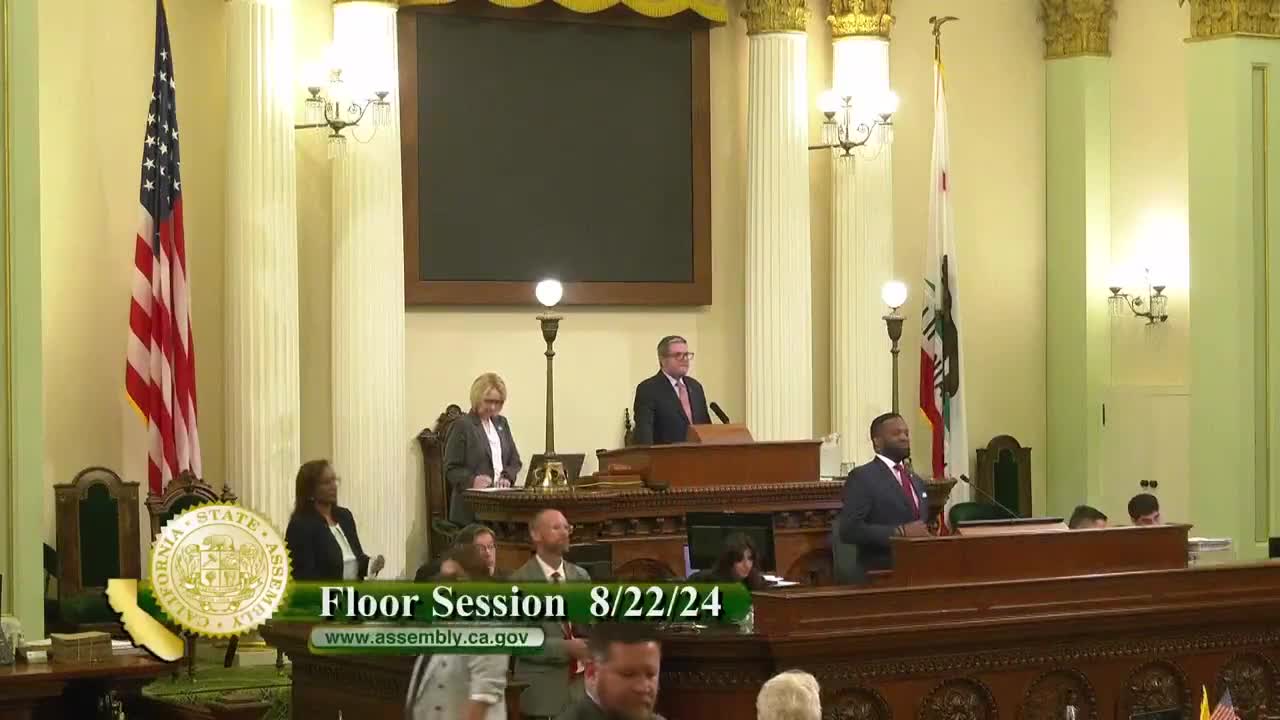 46SEC
Assembly Floor
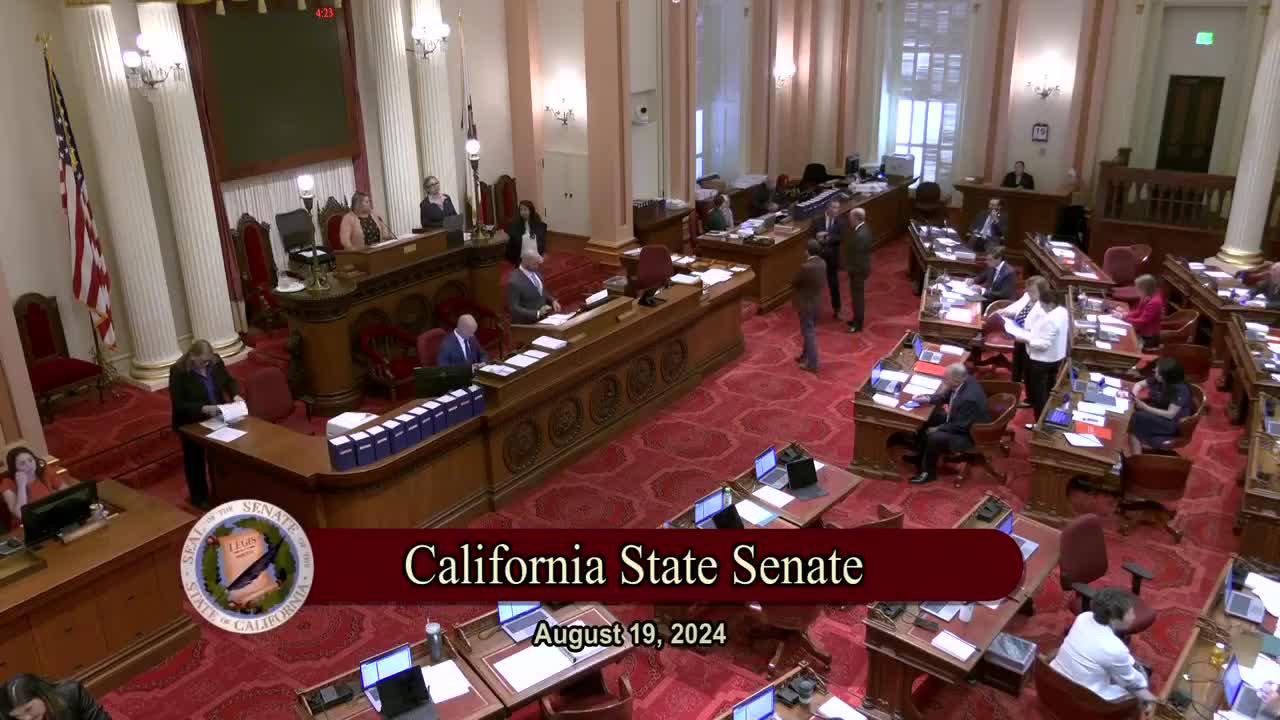 53SEC
Senate Floor
 14MIN
Senate Standing Committee on Governmental Organization
 11MIN
Assembly Standing Committee on Governmental Organization
Bill Author

Bill Co-Author(s):