AB 2383: State Department of Developmental Services: training programs for care management professionals.
- Session Year: 2023-2024
- House: Assembly
- Latest Version Date: 2024-07-03
Current Status:
Failed
(2024-08-15: In committee: Held under submission.)
Introduced
In Committee
First Chamber
In Committee
Second Chamber
Enacted
Existing law, the Lanterman Developmental Disabilities Services Act, makes the State Department of Developmental Services (department) responsible for providing various services and supports to individuals with developmental disabilities, and for ensuring the appropriateness and quality of those services and supports. Pursuant to that law, the department contracts with regional centers to provide services and supports to persons with developmental disabilities. The services and supports to be provided to a regional center consumer are contained in an individual program plan (IPP), developed in accordance with prescribed requirements.
Existing law provides for the licensure and regulation of health facilities, including general acute care hospitals, by the State Department of Public Health. A violation of these provisions is a crime. Existing law requires each hospital to have a written discharge planning policy and process that requires that the appropriate arrangements for posthospital care are made prior to discharge, as specified.
Existing law establishes the Medi-Cal program, which is administered by the State Department of Health Care Services and under which qualified low-income persons receive health care services. The Medi-Cal program is, in part, governed and funded by federal Medicaid program provisions. Existing federal law provides for various home- and community-based services, as part of a waiver or a state plan amendment under the Medicaid program, to promote coverage and services that enable an individual who would otherwise be institutionalized to live at home or in the community.
This bill would require the State Department of Developmental Services, in consultation with the State Department of Health Care Services, Services and the State Department of Public Health, to develop or contract for the development of, and to implement by July 1, 2025, required training programs for specified general acute care hospital and regional center care management professionals, to provide those care management professionals with an understanding of Medi-Cal home- and community-based waivers, as specified, and information on how to identify a newborn who is likely to qualify for any of those waivers. The bill would require the State Department of Public Health to make the training program available for hospital care management professionals, as specified. The bill would require a care management professional to provide the family of a child with a developmental disability, as defined, the identified families with information and a navigation plan for Medi-Cal home- and community-based waiver programs when the care management professional has reason to believe that it is more likely than not that the child would qualify under one or more waivers. The bill would require the information and navigation plan to be provided upon discharge from the hospital hospital, as specified, or as part of the regional centers IPP process, as applicable. Because a violation of these requirements would be a crime with respect to hospital care management professionals, this bill would impose a state-mandated local program.
This bill would specify the timeframe for completion of the initial training by a care management professional. The bill would require the department State Department of Developmental Services to solicit and consider stakeholder input when developing the training program, and would authorize the department to consult or collaborate with the State Department of Health Care Services and the State Department of Public Health, as specified. program.
The California Constitution requires the state to reimburse local agencies and school districts for certain costs mandated by the state. Statutory provisions establish procedures for making that reimbursement.
This bill would provide that no reimbursement is required by this act for a specified reason.
Existing law, the Lanterman Developmental Disabilities Services Act, makes the State Department of Developmental Services (department) responsible for providing various services and supports to individuals with developmental disabilities, and for ensuring the appropriateness and quality of those services and supports. Pursuant to that law, the department contracts with regional centers to provide services and supports to persons with developmental disabilities. The services and supports to be provided to a regional center consumer are contained in an individual program plan (IPP), developed in accordance with prescribed requirements.
Existing law provides for the licensure and regulation of health facilities, including general acute care hospitals, by the State Department of Public Health. A violation of these provisions is a crime. Existing law requires each hospital to have a written discharge planning policy and process that requires that the appropriate arrangements for posthospital care are made prior to discharge, as specified.
Existing law establishes the Medi-Cal program, which is administered by the State Department of Health Care Services and under which qualified low-income persons receive health care services. The Medi-Cal program is, in part, governed and funded by federal Medicaid program provisions. Existing federal law provides for various home- and community-based services, as part of a waiver or a state plan amendment under the Medicaid program, to promote coverage and services that enable an individual who would otherwise be institutionalized to live at home or in the community.
This bill would require the State Department of Developmental Services, in consultation with the State Department of Health Care Services, to develop or contract the development of, and to implement by July 1, 2025, required training programs for specified general acute care hospital and regional center care management professionals, to provide those care management professionals with an understanding of Medi-Cal home- and community-based waivers, as specified, and information on how to identify a newborn who is likely to qualify for any of those waivers. The bill would require a care management professional to provide the family of a child with a developmental disability, as defined, with information and a navigation plan for Medi-Cal home- and community-based waiver programs when the care management professional has reason to believe that it is more likely than not that the child would qualify under one or more waivers. The bill would require the information and navigation plan to be provided upon discharge from the hospital or as part of the regional centers IPP process, as applicable. Because a violation of these requirements would be a crime with respect to hospital care management professionals, this bill would impose a state-mandated local program.
This bill would specify the timeframe for completion of the initial training by a care management professional. The bill would require the department to solicit and consider stakeholder input when developing the training program, and would authorize the department to consult or collaborate with the State Department of Health Care Services and the State Department of Public Health, as specified.
The California Constitution requires the state to reimburse local agencies and school districts for certain costs mandated by the state. Statutory provisions establish procedures for making that reimbursement.
This bill would provide that no reimbursement is required by this act for a specified reason.
Existing law, the Lanterman Developmental Disabilities Services Act, makes the State Department of Developmental Services (department) responsible for providing various services and supports to individuals with developmental disabilities, and for ensuring the appropriateness and quality of those services and supports. Pursuant to that law, the department contracts with regional centers to provide services and supports to persons with developmental disabilities. The services and supports to be provided to a regional center consumer are contained in an individual program plan (IPP), developed in accordance with prescribed requirements.
Existing law provides for the licensure and regulation of health facilities, including hospitals, by the State Department of Public Health. A violation of these provisions is a crime. Existing law requires each hospital to have a written discharge planning policy and process that requires that the appropriate arrangements for posthospital care are made prior to discharge, as specified.
Existing law establishes the Medi-Cal program, which is administered by the State Department of Health Care Services and under which qualified low-income persons receive health care services. The Medi-Cal program is, in part, governed and funded by federal Medicaid program provisions. Existing federal law provides for various home- and community-based services, as part of a waiver or a state plan amendment under the Medicaid program, to promote coverage and services that enable an individual who would otherwise be institutionalized to live at home or in the community.
This bill would require the State Department of Developmental Services Services, in consultation with the State Department of Health Care Services, to develop or contract the development of, and to implement by July 1, 2025, a required training program required training programs for specified hospital and regional center care management professionals, to provide those care management professionals with an understanding of Medi-Cal home- and community-based waivers, as specified, and information on how to identify a newborn who is likely to qualify for any of those waivers. The bill would require a care management professional to provide the family of a medically fragile child, child with a developmental disability, as defined, with information and a navigation plan for Medi-Cal home- and community-based waiver programs when the care management professional has reason to believe that it is more likely than not that the child would qualify under one or more waiver. waivers. The bill would require the information and navigation plan to be provided upon discharge from the hospital or as part of the regional centers IPP process, as applicable. Because a violation of these requirements would be a crime with respect to hospital care management professionals, this bill would impose a state-mandated local program. The
This bill would specify the timeframe for completion of the initial training by a care management professional. The bill would require the department to solicit and consider stakeholder input when developing the training program, and would authorize the department to consult or collaborate with the State Department of Health Care Services and the State Department of Public Health, as specified.
The California Constitution requires the state to reimburse local agencies and school districts for certain costs mandated by the state. Statutory provisions establish procedures for making that reimbursement.
This bill would provide that no reimbursement is required by this act for a specified reason.
Existing law, the Lanterman Developmental Disabilities Services Act, requires the State Department of Developmental Services to enter into contracts with private nonprofit corporations to operate regional centers in order to provide community services and supports for persons with developmental disabilities and their families. Existing law states the intent of the Legislature that the design and activities of regional centers reflect a strong commitment to the delivery of direct service coordination. makes the State Department of Developmental Services (department) responsible for providing various services and supports to individuals with developmental disabilities, and for ensuring the appropriateness and quality of those services and supports. Pursuant to that law, the department contracts with regional centers to provide services and supports to persons with developmental disabilities. The services and supports to be provided to a regional center consumer are contained in an individual program plan (IPP), developed in accordance with prescribed requirements.
Existing law establishes the Medi-Cal program, which is administered by the State Department of Health Care Services and under which qualified low-income persons receive health care services. The Medi-Cal program is, in part, governed and funded by federal Medicaid program provisions. Existing federal law provides for various home- and community-based services, as part of a waiver or a state plan amendment under the Medicaid program, to promote coverage and services that enable an individual who would otherwise be institutionalized to live at home or in the community.
This bill would make a technical, nonsubstantive change to that statement of intent. require the State Department of Developmental Services to develop or contract the development of, and to implement by July 1, 2025, a required training program for specified hospital and regional center care management professionals, to provide those care management professionals with an understanding of Medi-Cal home- and community-based waivers, as specified, and information on how to identify a newborn who is likely to qualify for any of those waivers. The bill would require a care management professional to provide the family of a medically fragile child, as defined, with information and a navigation plan for Medi-Cal home- and community-based waiver programs when the care management professional has reason to believe that it is more likely than not that the child would qualify under one or more waiver. The bill would require the information and navigation plan to be provided upon discharge from the hospital or as part of the regional centers IPP process, as applicable. The bill would specify the timeframe for completion of the initial training by a care management professional. The bill would require the department to solicit and consider stakeholder input when developing the training program, and would authorize the department to consult or collaborate with the State Department of Health Care Services and the State Department of Public Health, as specified.
Existing law, the Lanterman Developmental Disabilities Services Act, requires the State Department of Developmental Services to enter into contracts with private nonprofit corporations to operate regional centers in order to provide community services and supports for persons with developmental disabilities and their families. Existing law states the intent of the Legislature that the design and activities of regional centers reflect a strong commitment to the delivery of direct service coordination.
This bill would make a technical, nonsubstantive change to that statement of intent.
(a)It is the intent of the Legislature to ensure that families of children with developmental disabilities who are eligible for Medi-Cal home- and community-based waiver programs are able to utilize all state programs for which they are eligible, to help cover the costs of intensive medical needs.
(b)(1)The State Department of Developmental Services, in consultation with the State Department of Health Care Services, shall develop or contract for the development of, and implement by July 1, 2025, a required training program for hospital care management professionals, including case managers, social workers, Early Start liaisons, coordinators, navigators, and medical discharge planners. The training program shall include an initial training and an annual refresher course. (2)(A)The training program shall provide those care management professionals with an understanding of Medi-Cal home- and community-based waivers under Section 1915(c) of the federal Social Security Act (42 U.S.C. Sec. 1396n (c)), including the Home and Community-Based Alternatives Waiver, the Home and Community-Based Services Waiver for Californians with Developmental Disabilities, the Self-Determination Program Waiver for Individuals with Developmental Disabilities, and the Medi-Cal Waiver Program. In addition, the training program shall provide care management professionals with information on how to identify a newborn who is likely to qualify for any of those waivers.(B)Consistent with the training required by this section, a care management professional shall provide the family of a child with a developmental disability information and a navigation plan on Medi-Cal home- and community-based waiver programs when the care management professional has reason to believe that it is more likely than not that the child would qualify under one or more waivers. The information and navigation plan shall be provided upon discharge from the hospital as part of the discharge planning process described in Section 1262.5, including if the child is being discharged from the neonatal or pediatric intensive care unit. (3)The State Department of Developmental Services shall solicit and consider stakeholder input when developing the training program. In addition, the State Department of Developmental Services may consult or collaborate with the State Department of Health Care Services, the State Department of Public Health, or both, for purposes of developing the training program, as necessary.(b)The department shall make the required training program developed pursuant to Section 4511.2 of the Welfare and Institutions Code available for hospital care management professionals, including case managers, social workers, Early Start liaisons, coordinators, navigators, and medical discharge planners.
(c)A care management professional shall receive the initial training described in this section within 60 days from the date the training program is implemented. A care management professional employed after the date the program is implemented shall receive the initial training within 60 days of their employment.
(d)For purposes of this section, developmental disability has the same meaning as defined in Section 4512 of the Welfare and Institutions Code.(d)Consistent with the training required by this section, a care management professional shall provide families with information and a navigation plan on Medi-Cal home- and community-based waiver programs when the care management professional has reason to believe that it is more likely than not that the familys child would qualify under one or more waivers. The information and navigation plan shall be provided upon discharge from the hospital as part of the discharge planning process described in Section 1262.5, including if the child is being discharged from the neonatal or pediatric intensive care unit.
(e)For purposes of this section, hospital means a general acute care hospital, as defined in subdivision (a) of Section 1250.
SEC. 2.Section 4511.2 is added to the Welfare and Institutions Code, to read:4511.2.(a)It is the intent of the Legislature to ensure that families of children with developmental disabilities are able to utilize all state programs for which they are eligible, to help cover the costs of intensive medical needs.
(b)(1)The State Department of Developmental Services, in consultation with the State Department of Health Care Services, Services and the State Department of Public Health, shall develop or contract for the development of, and implement by July 1, 2025, a required training program for regional center care management professionals, professionals and hospital care management professionals, such as case managers, social workers, Early Start liaisons, coordinators, and navigators. The training program shall include an initial training and an annual refresher course.
(2)(A)The training program shall provide those care management professionals with an understanding of Medi-Cal home- and community-based waivers under Section 1915(c) of the federal Social Security Act (42 U.S.C. Sec. 1396n (c)), including the Home and Community-Based Alternatives Waiver, the Home and Community-Based Services Waiver for Californians with Developmental Disabilities, the Self-Determination Program Waiver for Individuals with Developmental Disabilities, and the Medi-Cal Waiver Program. In addition, the training program shall provide care management professionals with information on how to identify a newborn who is likely to qualify for any of those waivers.
(B)Consistent with the training required by this section, a care management professional shall provide the family of a child with a developmental disability with information and a navigation plan on Medi-Cal home- and community-based waiver programs when the care management professional has reason to believe that it is more likely than not that the child would qualify under one or more waivers. The information and navigation plan shall be provided as part of the regional centers individual program plan (IPP) process.(3)The department shall solicit and consider stakeholder input when developing the training program.
(c)A care management professional shall receive the initial training described in this section within 60 days from the date the training program is implemented. A care management professional employed after the date the program is implemented shall receive the initial training within 60 days of their employment.
(d)Consistent with the training required by this section, a care management professional shall provide the family of a child with a developmental disability with information and a navigation plan on Medi-Cal home- and community-based waiver programs when the care management professional has reason to believe that it is more likely than not that the child would qualify under one or more waivers. The information and navigation plan shall be provided as part of the regional centers individual program plan (IPP) process.
SEC. 3.No reimbursement is required by this act pursuant to Section 6 of Article XIIIB of the California Constitution because the only costs that may be incurred by a local agency or school district will be incurred because this act creates a new crime or infraction, eliminates a crime or infraction, or changes the penalty for a crime or infraction, within the meaning of Section 17556 of the Government Code, or changes the definition of a crime within the meaning of Section 6 of Article XIIIB of the California Constitution.
(a)It is the intent of the Legislature to ensure that families of children with developmental disabilities are able to utilize all state programs for which they are eligible, to help cover the costs of intensive medical needs.
(b)(1)The State Department of Developmental Services, in consultation with the State Department of Health Care Services, shall develop or contract for the development of, and implement by July 1, 2025, a required training program for hospital care management professionals, including case managers, social workers, Early Start liaisons, coordinators, navigators, and medical discharge planners. The training program shall include an initial training and an annual refresher course.
(2)(A)The training program shall provide those care management professionals with an understanding of Medi-Cal home- and community-based waivers under Section 1915(c) of the federal Social Security Act (42 U.S.C. Sec. 1396n (c)), including the Home and Community-Based Alternatives Waiver, the Home and Community-Based Services Waiver for Californians with Developmental Disabilities, the Self-Determination Program Waiver for Individuals with Developmental Disabilities, and the Medi-Cal Waiver Program. In addition, the training program shall provide care management professionals with information on how to identify a newborn who is likely to qualify for any of those waivers.
(B)Consistent with the training required by this section, a care management professional shall provide the family of a child with a developmental disability information and a navigation plan on Medi-Cal home- and community-based waiver programs when the care management professional has reason to believe that it is more likely than not that the child would qualify under one or more waivers. The information and navigation plan shall be provided upon discharge from the hospital as part of the discharge planning process described in Section 1262.5, including if the child is being discharged from the neonatal or pediatric intensive care unit.
(3)The State Department of Developmental Services shall solicit and consider stakeholder input when developing the training program. In addition, the State Department of Developmental Services may consult or collaborate with the State Department of Health Care Services, the State Department of Public Health, or both, for purposes of developing the training program, as necessary.
(c)A care management professional shall receive the initial training described in this section within 60 days from the date the training program is implemented. A care management professional employed after the date the program is implemented shall receive the initial training within 60 days of their employment.
(d)For purposes of this section, developmental disability has the same meaning as defined in Section 4512 of the Welfare and Institutions Code.
(e)For purposes of this section, hospital means a general acute care hospital, as defined in subdivision (a) of Section 1250.
SEC. 2.Section 4511.2 is added to the Welfare and Institutions Code, to read:4511.2.(a)It is the intent of the Legislature to ensure that families of children with developmental disabilities are able to utilize all state programs for which they are eligible, to help cover the costs of intensive medical needs.
(b)(1)The State Department of Developmental Services, in consultation with the State Department of Health Care Services, shall develop or contract for the development of, and implement by July 1, 2025, a required training program for regional center care management professionals, such as case managers, social workers, Early Start liaisons, coordinators, and navigators. The training program shall include an initial training and an annual refresher course.
(2)(A)The training program shall provide those care management professionals with an understanding of Medi-Cal home- and community-based waivers under Section 1915(c) of the federal Social Security Act (42 U.S.C. Sec. 1396n (c)), including the Home and Community-Based Alternatives Waiver, the Home and Community-Based Services Waiver for Californians with Developmental Disabilities, the Self-Determination Program Waiver for Individuals with Developmental Disabilities, and the Medi-Cal Waiver Program. In addition, the training program shall provide care management professionals with information on how to identify a newborn who is likely to qualify for any of those waivers.
(B)Consistent with the training required by this section, a care management professional shall provide the family of a child with a developmental disability with information and a navigation plan on Medi-Cal home- and community-based waiver programs when the care management professional has reason to believe that it is more likely than not that the child would qualify under one or more waivers. The information and navigation plan shall be provided as part of the regional centers individual program plan (IPP) process.
(3)The department shall solicit and consider stakeholder input when developing the training program.
(c)A care management professional shall receive the initial training described in this section within 60 days from the date the training program is implemented. A care management professional employed after the date the program is implemented shall receive the initial training within 60 days of their employment.
SEC. 3.No reimbursement is required by this act pursuant to Section 6 of Article XIIIB of the California Constitution because the only costs that may be incurred by a local agency or school district will be incurred because this act creates a new crime or infraction, eliminates a crime or infraction, or changes the penalty for a crime or infraction, within the meaning of Section 17556 of the Government Code, or changes the definition of a crime within the meaning of Section 6 of Article XIIIB of the California Constitution.
(a)It is the intent of the Legislature to ensure that families of children with developmental disabilities are able to utilize all state programs for which they are eligible, to help cover the costs of intensive medical needs.
(b)(1)The State Department of Developmental Services, in consultation with State Department of Health Care Services, shall develop or contract for the development of, and implement by July 1, 2025, a required training program for hospital care management professionals, including case managers, social workers, Early Start liaisons, coordinators, navigators, and medical discharge planners. The training program shall include an initial training and an annual refresher course.
(2)(A)The training program shall provide those care management professionals with an understanding of Medi-Cal home- and community-based waivers under Section 1915(c) of the federal Social Security Act (42 U.S.C. Sec. 1396n (c)), including the Home and Community-Based Alternatives Waiver, the Home and Community-Based Services Waiver for Californians with Developmental Disabilities, the Self-Determination Program Waiver for Individuals with Developmental Disabilities, and the Medi-Cal Waiver Program. In addition, the training program shall provide care management professionals with information on how to identify a newborn who is likely to qualify for any of those waivers.
(B)Consistent with the training required by this section, a care management professional shall provide the family of a child with a developmental disability information and a navigation plan on Medi-Cal home- and community-based waiver programs when the care management professional has reason to believe that it is more likely than not that the child would qualify under one or more waivers. The information and navigation plan shall be provided upon discharge from the hospital as part of the discharge planning process described in Section 1262.5, including if the child is being discharged from the neonatal or pediatric intensive care unit.
(3)The State Department of Developmental Services shall solicit and consider stakeholder input when developing the training program. In addition, the State Department of Developmental Services may consult or collaborate with the State Department of Health Care Services, the State Department of Public Health, or both, for purposes of developing the training program, as necessary.
(c)A care management professional shall receive the initial training described in this section within 60 days from the date the training program is implemented. A care management professional employed after the date the program is implemented shall receive the initial training within 60 days of their employment.
(d)For purposes of this section, developmental disability has the same meaning as defined in Section 4512 of the Welfare and Institutions Code.
SECTION 1.SEC. 2.Section 4511.2 is added to the Welfare and Institutions Code, to read:4511.2.(a)It is the intent of the Legislature to ensure that families of medically fragile children children with developmental disabilities are able to utilize all state programs for which they are eligible, to help cover the costs of intensive medical needs.
(b)(1)The State Department of Developmental Services Services, in consultation with the State Department of Health Care Services, shall develop or contract for the development of, and implement by July 1, 2025, a required training program for hospital and regional center care management professionals, such as case managers, social workers, Early Start liaisons, coordinators, navigators, and medical discharge planners. and navigators. The training program shall include an initial training and an annual refresher course.
(2)(A)The training program shall provide those care management professionals with an understanding of Medi-Cal home- and community-based waivers under Section 1915(c) of the federal Social Security Act (42 U.S.C. Sec. 1396n (c)), including the Home and Community-Based Alternatives Waiver, the Home and Community-Based Services Waiver for Californians with Developmentally Developmental Disabilities, the Self-Determination Program Waiver for Individuals with Developmental Disabilities, and the Medi-Cal Waiver Program. In addition, the training program shall provide care management professionals with information on how to identify a newborn who is likely to qualify for any of those waivers.
(B)Consistent with the training required by this section, a care management professional shall provide the family of a medically fragile child child with a developmental disability with information and a navigation plan on Medi-Cal home- and community-based waiver programs when the care management professional has reason to believe that it is more likely than not that the child would qualify under one or more waiver. waivers. The information and navigation plan shall be provided upon discharge from the hospital, including if the child is being discharged from the neonatal or pediatric intensive care unit, or as part of the regional centers individual program plan (IPP) process, as applicable. process.
(3)The department shall solicit and consider stakeholder input when developing the training program. In addition, the department may consult or collaborate with the State Department of Health Care Services, the State Department of Public Health, or both, for purposes of developing the training program, as necessary.
(c)A care management professional shall receive the initial training described in this section within 60 days from the date the training program is implemented. A care management professional employed after the date the program is implemented shall receive the initial training within 60 days of their employment.
(d)For purposes of this section, medically fragile has the same meaning as defined in Section 1760.2 of the Health and Safety Code.SEC. 3.No reimbursement is required by this act pursuant to Section 6 of Article XIIIB of the California Constitution because the only costs that may be incurred by a local agency or school district will be incurred because this act creates a new crime or infraction, eliminates a crime or infraction, or changes the penalty for a crime or infraction, within the meaning of Section 17556 of the Government Code, or changes the definition of a crime within the meaning of Section 6 of Article XIIIB of the California Constitution.
(a)It is the intent of the Legislature to ensure that families of medically fragile children are able to utilize all state programs for which they are eligible, to help cover the costs of intensive medical needs.
(b)(1)The State Department of Developmental Services shall develop or contract for the development of, and implement by July 1, 2025, a required training program for hospital and regional center care management professionals, such as case managers, social workers, Early Start liaisons, coordinators, navigators, and medical discharge planners. The training program shall include an initial training and an annual refresher course.
(2)(A)The training program shall provide those care management professionals with an understanding of Medi-Cal home- and community-based waivers under Section 1915(c) of the federal Social Security Act (42 U.S.C. Sec. 1396n (c)), including the Home and Community-Based Alternatives Waiver, the Home and Community-Based Services Waiver for Californians with Developmentally Disabilities, the Self-Determination Program Waiver for Individuals with Developmental Disabilities, and the Medi-Cal Waiver Program. In addition, the training program shall provide care management professionals with information on how to identify a newborn who is likely to qualify for any of those waivers.
(B)Consistent with the training required by this section, a care management professional shall provide the family of a medically fragile child with information and a navigation plan on Medi-Cal home- and community-based waiver programs when the care management professional has reason to believe that it is more likely than not that the child would qualify under one or more waiver. The information and navigation plan shall be provided upon discharge from the hospital, including if the child is being discharged from the neonatal or pediatric intensive care unit, or as part of the regional centers individual program plan (IPP) process, as applicable.
(3)The department shall solicit and consider stakeholder input when developing the training program. In addition, the department may consult or collaborate with the State Department of Health Care Services, the State Department of Public Health, or both, for purposes of developing the training program, as necessary.
(c)A care management professional shall receive the initial training described in this section within 60 days from the date the training program is implemented. A care management professional employed after the date the program is implemented shall receive the initial training within 60 days of their employment.
(d)For purposes of this section, medically fragile has the same meaning as defined in Section 1760.2 of the Health and Safety Code.
SECTION 1.Section 4620 of the Welfare and Institutions Code is amended to read:4620.(a)In order for the state to carry out many of its responsibilities as established in this division, the state shall contract with appropriate agencies to provide fixed points of contact in the community for persons with developmental disabilities and their families, to the end that these persons may have access to the services and supports best suited to them throughout their lifetime. It is the intent of the Legislature in enacting this division that the network of regional centers for persons with developmental disabilities and their families be accessible to every family in need of regional center services. It is the further intent of the Legislature that the design and activities of regional centers reflect a strong commitment to the delivery of direct service coordination, and that all other operational expenditures of regional centers are necessary to support and enhance the delivery of direct service coordination and services and supports identified in individual program plans.(b)The Legislature finds that the service provided to individuals and their families by regional centers is of such a special and unique nature that it cannot be satisfactorily provided by state agencies. Therefore, private nonprofit community agencies shall be utilized by the state for the purpose of operating regional centers.(a)In order for the state to carry out many of its responsibilities as established in this division, the state shall contract with appropriate agencies to provide fixed points of contact in the community for persons with developmental disabilities and their families, to the end that these persons may have access to the services and supports best suited to them throughout their lifetime. It is the intent of the Legislature in enacting this division that the network of regional centers for persons with developmental disabilities and their families be accessible to every family in need of regional center services. It is the further intent of the Legislature that the design and activities of regional centers reflect a strong commitment to the delivery of direct service coordination coordination, and that all other operational expenditures of regional centers are necessary to support and enhance the delivery of direct service coordination and services and supports identified in individual program plans.
(b)The Legislature finds that the service provided to individuals and their families by regional centers is of such a special and unique nature that it cannot be satisfactorily provided by state agencies. Therefore, private nonprofit community agencies shall be utilized by the state for the purpose of operating regional centers.
|
Date
|
Status
|
|---|---|
| Aug 15, 2024 | In committee: Held under submission. |
| Aug 5, 2024 | In committee: Referred to APPR suspense file. |
| Jul 3, 2024 | Read second time and amended. Re-referred to Com. on APPR. |
| Jul 3, 2024 | From committee: Amend, and do pass as amended and re-refer to Com. on APPR with recommendation: To Consent Calendar. (Ayes 11. Noes 0.) (July 3). |
| Jun 18, 2024 | From committee: Do pass and re-refer to Com. on HEALTH. (Ayes 5. Noes 0.) (June 17). Re-referred to Com. on HEALTH. |
| Jun 5, 2024 | Referred to Coms. on HUMAN S. and HEALTH. |
| May 23, 2024 | In Senate. Read first time. To Com. on RLS. for assignment. |
| May 22, 2024 | Read third time. Passed. Ordered to the Senate. (Ayes 72. Noes 0. Page 5474.) |
| May 20, 2024 | Read second time. Ordered to third reading. |
| May 16, 2024 | From committee: Do pass. (Ayes 15. Noes 0.) (May 16). |
| May 16, 2024 | Joint Rule 62(a), file notice suspended. (Page 5215.) |
| May 15, 2024 | In committee: Set, first hearing. Referred to APPR. suspense file. |
| Apr 29, 2024 | Re-referred to Com. on APPR. |
| Apr 25, 2024 | Read second time and amended. |
| Apr 24, 2024 | From committee: Amend, and do pass as amended and re-refer to Com. on APPR. with recommendation: To Consent Calendar. (Ayes 16. Noes 0.) (April 23). |
| Apr 16, 2024 | Re-referred to Com. on HEALTH. |
| Apr 15, 2024 | Read second time and amended. |
| Apr 11, 2024 | From committee: Amend, and do pass as amended and re-refer to Com. on HEALTH. (Ayes 6. Noes 0.) (April 9). |
| Apr 1, 2024 | Re-referred to Com. on HUM. S. |
| Mar 21, 2024 | From committee chair, with author's amendments: Amend, and re-refer to Com. on HUM. S. Read second time and amended. |
| Mar 21, 2024 | Referred to Coms. on HUM. S. and HEALTH. |
| Feb 13, 2024 | From printer. May be heard in committee March 14. |
| Feb 12, 2024 | Read first time. To print. |
|
Date
|
Description
|
Location
|
Votes
|
|
|---|---|---|---|---|
| Aug 5, 2024 | Placed on suspense file | Senate Standing Committee on Appropriations |
Passed |
|
| Jul 3, 2024 | Do pass as amended, but first amend, and re-refer to the Committee on [Appropriations] with the recommendation: To Consent Calendar | Senate Standing Committee on Health |
Passed |
|
| Jun 17, 2024 | Do pass, but first be re-referred to the Committee on [Health] | Senate Standing Committee on Human Services |
Passed |
|
| May 22, 2024 | AB 2383 Wendy Carrillo Assembly Third Reading | Assembly Floor |
Passed |
|
| May 16, 2024 | Do pass. | Assembly Standing Committee on Appropriations |
Passed |
|
| Apr 23, 2024 | Do pass as amended, and be re-referred to the Committee on [Appropriations] with recommendation: To Consent Calendar | Assembly Standing Committee on Health |
Passed |
|
| Apr 9, 2024 | Do pass as amended and be re-referred to the Committee on [Health] | Assembly Standing Committee on Human Services |
Passed |
This list shows positions taken on this bill by organizations on the date displayed, which is linked to the original source.
Positions by individuals are not included.
|
Organization
|
Position
|
Date
|
|---|---|---|
| The Arc and United Cerebral Palsy California Collaboration | ** Support |
SENATE COMMITTEE ON
Senator Anna Caballero, Chair
2023 - 2024 Regular Session
AB 2383 (Wendy Carrillo) - State Department of Developmental Services: training programs for care management professionals
Version: | Policy Vote: |
Urgency: | Mandate: |
Hearing Date: | Consultant: |
Bill Summary:
AB 2383 would require the Department of Developmental Services (DDS), in consultation with the Department of Health Care Services (DHCS) and the California Department of Public Health (CDPH), to develop a required training program for regional center care management professionals and hospital care management professionals regarding specified Medi-Cal home- and community-based services programs.
Fiscal Impact:
- Unknown General Fund costs for the DDS to develop and implement the training program.
- The CDPH estimates annual ongoing costs of approximately $280,000 beginning in 2024-25. CDPH also estimates additional one-time costs of approximately $22,500 in 2024-25, $166,000 in 2025-26 and 2026-27, and $95,500 in 2027-28 (Licensing and Certification Fund). This includes costs to verify facility compliance with the training requirement for health care professionals and to promulgate regulations.
- The DHCS indicates no fiscal impact.
Background:
In 1969, the Lanterman Act established that individuals with developmental disabilities and their families have a right to receive the necessary supports and services required to live independently in the community. The Lanterman Act enumerates the rights of individuals with developmental disabilities, as well as the rights of their families, what services and supports are available to these individuals, and how regional centers and service providers work together to provide these supports and services. In addition to establishing the rights of individuals, the Lanterman Act also created California’s regional center system, comprised of 21 nonprofit regional centers throughout the state whose primary purpose is to connect individuals with services in the community.
Current law establishes the Medi-Cal program which provides health care services to qualified low-income individuals. Medi-Cal home- and community-based waiver services are long-term services and supports provided in home- and community-based settings, as recognized under the federal Medicaid Program. These services can be a combination of standard medical services and non-medical services. Standard services can include, but are not limited to, case management (supports and service coordination), homemaker, home health aide, personal care, adult day health services, habilitation (both day and residential), and respite care. States can also propose “other” types of services that may assist in diverting and/or transitioning individuals from institutional settings into their homes and communities.
Proposed Law:
Specific provisions of the bill would:
- Require the DDS, in consultation with the DHCS and the CDPH, to develop or contract for the development of, and implement by July 1, 2025, a required training program for regional center care management professionals and hospital care management professionals, as specified; and require the training program to include an initial training and an annual refresher course.
- Require the training program to provide those care management professionals with an understanding of Medi-Cal home- and community-based waivers, as specified, and provide care management professionals with information on how to identify a newborn who is likely to qualify for any of those waivers.
- Require the care management professional to receive the initial training within 60 days from the date the training program is implemented; and require a care management professional employed after the date the program is implemented to receive the initial training within 60 days of their employment.
- Require the care management professional to provide the family of a child with a developmental disability with information and a navigation plan on Medi-Cal home- and community-based waiver programs when the care management professional has reason to believe that it is more likely than not that the child would qualify under one or more waivers; and require the information and navigation plan to be provided as part of the regional center’s individual program plan process.
- Require the CDPH to make the required training program available for hospital care management professionals, as specified.
-- END --
SENATE COMMITTEE ON HEALTH
Senator Richard Roth, Chair
BILL NO: AB 2383
AUTHOR: | Wendy Carrillo | ||
VERSION: | April 25, 2024 | ||
HEARING DATE: | July 3, 2024 | ||
CONSULTANT: | Jen Flory | ||
SUBJECT: State Department of Developmental Services: services for children with developmental disabilities: training programs
SUMMARY:
Requires the Department of Developmental Services, in consultation with the Department of Health Care Services, to develop a training program for hospital and regional center care management professionals on specified Medi-Cal Home and Community-Based Services waiver programs. Requires these professionals to give information about these waiver programs to families of children with developmental disabilities.
Existing law:
- Permits, under federal law, a state Medicaid program to pay for part or all of the cost of home and community-based services (HCBS) that are federally approved, and which are provided pursuant to a written plan of care to individuals with respect to whom there has been a determination that but for the provision of such services the individual would require the level of care provided in a hospital, nursing facility, or intermediate care facility for the developmentally disabled, the cost of which could be otherwise be reimbursed by the state’s Medicaid program. [42 USC §1396n]
- Establishes the Medi-Cal program, administered by the Department of Health Care Services (DHCS), which provides medical coverage to low income persons. [WIC §14000, et seq.]
- Establishes a schedule of benefits under the Medi-Cal program, which includes benefits required under federal law and benefits provided at the state’s option, both of which are funded with federal and state dollars. The schedule of benefits includes HCBS approved by the U.S. Department of Health and Human Services (HHS) to the extent that federal financial participation is available for those services under the state plan or an applicable federal waiver. [WIC §14132]
- Requires DHCS to seek waivers for all HCBS services approvable under federal law and limits coverage of HCBS services to the terms, conditions, and duration of the federal waiver. [WIC §14132 and §14137]
- Establishes an entitlement to services for individuals with developmental disabilities under the Lanterman Developmental Disabilities Services Act (Lanterman Act), including a right to treatment and habilitation services and supports in the least restrictive environment, a right to prompt medical care and treatment, and a right to make choices in their own lives. [WIC §4500, et seq. and §4502]
- Defines “developmental disability” as a disability that originates before an individual attains 18 years of age, continues, or can be expected to continue, indefinitely, and constitutes a substantial disability for that individual. Includes intellectual disability, cerebral palsy, epilepsy, and autism, and disabling conditions found to be closely related to intellectual disability or to require treatment similar to that required for individuals with an intellectual disability, but shall not include other disabling conditions that are solely physical in nature. [WIC §4512]
- Establishes a system of nonprofit regional centers throughout the state to identify needs and coordinate services for eligible individuals with developmental disabilities and requires Department of Developmental Services (DDS) to contract with regional centers to provide case management services and arrange for or purchase services that meet the needs of individuals with developmental disabilities, as defined. [WIC §4620, et seq.]
This bill:
- Requires DDS, in consultation with DHCS, to develop or contract for the development of a required training program for hospital care management professionals and a training program for regional center care management professionals, including case managers, social workers, Early Start liaisons, coordinators, navigators, and medical discharge planners by July 1, 2025. Requires the training programs to include an initial training and annual refresher course.
- Requires the training programs to provide information on Medi-Cal HCBS waivers, including the HCBS Alternatives (HCBA) Waiver, the HCBS Waiver for Californians with Developmental Disabilities (HCBS-DD), the Self-Determination Program Waiver for Individuals with Developmental Disabilities (SDP) and the Medi-Cal Waiver Program (MCWP). Requires the training programs to include information on how to identify a newborn who is likely to qualify for any of these waivers.
- Requires a care management professional to provide the family of a child with a developmental disability information and a navigation plan on Medi-Cal HCBS waiver programs when the care management professional has reason to believe that it is more likely than not that the child would qualify under one or more waivers. Requires the information and navigation plan to be provided upon discharge from a hospital as part of the discharge planning process, including if the child is being discharged from the neonatal or pediatric intensive care unit, and as part of a regional center’s individual program plan process.
- Requires DDS to solicit and consider stakeholder input when developing the training program and allows DDS to consult or collaborate with DHCS, the Department of Public Health (CDPH), or both, for purposes of developing the training program, as necessary.
- Requires a care management professional to receive the initial training within 60 days from the date the training program is implemented or within 60 days of their employment if employed after the date of the implementation of this program.
- States that it is the intent of the Legislature to ensure that families of children with developmental disabilities are able to utilize all state programs for which they are eligible, to help cover the costs of intensive medical needs.
FISCAL EFFECT:
According to the Assembly Appropriations Committee, this bill would have the following fiscal effect:
- Estimated ongoing General Fund costs to DDS, likely in the hundreds of thousands of dollars, to develop, or contract to develop, and implement the required initial training and annual refresher course. Actual costs will depend in part, on how the training is delivered, for example, whether online or in-person, which the bill does not specify.
- Costs to DHCS of an unknown amount to consult with DDS on the development of the training.
PRIOR VOTES:
Senate Human Services Committee: Assembly Floor: | 5 - 0 72 - 0 |
Assembly Appropriations Committee: | 15 - 0 |
Assembly Health Committee Assembly Human Services Committee: | 16 - 0 6 - 0 |
COMMENTS:
- Author’s statement. According to the author, this bill will ensure that state programs to support middle-income families with medically fragile children are utilized to the maximum extent possible. These waiver programs allow for a child to receive services and care through Medi-Cal, without the parent's income taken into consideration. By training hospital and regional center staff to recognize when a family would likely benefit from a waiver program and requiring that they be informed, loved ones can save the expense and planning time required to coordinate care, allowing them to spend more time being a family.
- Medi-Cal HCBS waivers. HCBS waivers allow states that participate in Medicaid to develop alternatives for individuals who would otherwise require care in an institutional setting. Medi-Cal has an agreement with the federal government, which allows for waiver services to be offered in either a home or community setting. The services offered under the waiver must cost no more than the alternative institutional level of care. The services available under HCBS waivers include case management, community transition services, private duty nursing, family training, home health aides, life-sustaining utility reimbursement, habilitation services, respite care, and other services required to maintain the health and safety of eligible participants in the community setting of their choice.
The waiver mechanism allows states to waive three requirements for Medicaid State Plan Services: comparability, state wideness, and income limits. What this means in practice is that states can offer an HCBS waiver to a limited number of people; can limit where in the state waiver services are available; and can target certain types of populations (for example seniors, people with disabilities, mental illness, or intellectual or developmental disabilities, and people with certain illnesses or conditions, such as people with AIDS or technology-dependent children). It also means that income protections like institutional deeming and spousal impoverishment protections apply to waiver recipients. The waiver thus allows states to cover services beyond the scope of traditional Medicaid benefits. California currently has six HCBS waivers. This bill applies to the four waivers that are not primarily focused on older Californians:
- HCBA. The HCBA waiver provides care management services to persons of any age who are medically fragile or technologically dependent. The care management services are provided by a multidisciplinary Care Management Team comprised of a nurse and social worker. The Care Management Team coordinates waiver and state plan services (those services available to all Medi-Cal recipients, such as medical, behavioral health, In-Home Supportive Services, etc.), and arranges for other long-term services and supports available in the local community. Care management and waiver services are provided in the participant's community-based residence. This residence can be privately owned, secured through a tenant lease arrangement, or the residence of a participant's family member. Despite recently increasing the program’s capacity, the HCBA program currently has 5,138 individuals on the waitlist. Applicants under age 21 are one of the priority populations who can be moved more quickly off the waitlist.
- HCBS-DD. The HCBS-DD Waiver is administered by DDS, which authorizes HCBS services for developmentally disabled persons who are Regional Center consumers. Twenty-one regional centers throughout California purchase and coordinate services and supports for individuals with developmental disabilities. The waiver services make it possible for consumers to live in the community instead of an Intermediate Care Facility for the developmentally disabled or a State Developmental Center. The HCBS-DD waiver is currently the largest HCBS waiver in California as well as the nation.
- SDP. The SDP waiver is also administered by DDS and is designed for individuals who meet the diagnostic and level-of-care criteria for services provided in an Intermediate Care Facility for the developmentally disabled and provides individuals and their families with more freedom, control, and responsibility in choosing services and supports to help them meet objectives in their Individual Program Plan. An individual budget is determined by the individual program planning team based on the expected cost of an individual’s service needs, and the individual or their family decides on the particular services and providers. During the three-year implementation period of the SDP, the program was only available to 2,500 individuals. Starting July 1, 2021 the SDP became available to all eligible individuals receiving services from a regional center.
- MCWP. In MCWP, formerly known as the AIDS Waiver, local agencies under contract with CDPH provide comprehensive case management and direct care services to persons living with HIV/AIDS as an alternative to nursing facility care or hospitalization. The waiver aims to assist participants with disease management, preventing HIV transmission, stabilizing overall health, improving quality of life, avoiding costly institutional care; increase coordination among service providers and eliminate duplication of services; and transition participants to more appropriate programs as their medical and psychosocial status improves.
Individuals may only enroll in one type of HCBS waiver at a time. The waivers do have many overlapping eligibility requirements and services, so families may need assistance in sorting through which waiver would be the most beneficial for their situation. Additionally, while hospital staff connected to neonatal intensive care units would most likely make referrals for the HCBA waiver, regional center staff would be the ones to make referrals for the HCBS-DD and SDP waivers.
- Institutional deeming rule for HCBS waiver programs. One key way that HCBS waivers differ from the regular Medi-Cal eligibility rules is how income is calculated under the “institutional deeming” rule. Institutional deeming considers only the personal income and resources of a person under the age of 18 (or a married adult) who is otherwise eligible for a HCBS waiver. Typically, a family’s health insurance or income will not cover the total cost of services needed for children with severe disabilities or medical conditions. Through institutional deeming rules, the family may obtain Medi-Cal benefits for needed services regardless of the parent’s income. This also allows that child to be eligible for all Medi-Cal services – not just those provided through the HCBS waiver. This eligibility applies as long as the person is enrolled in the HCBS waiver.
- Early Start report on best practices. In 2022, the California Early Start program published Darby’s Legacy: Best Practices When Service Families with Infants and Toddlers who are Medically Fragile. The document began with the story one family faced in struggling to get the needed respite, nursing assistance, and breathing equipment when their daughter was born with Trisomy 13 and they tried to qualify for an HCBS waiver program. The father had to quit his job to care for his daughter and the entire family struggled financially and emotionally while trying to navigate state and social service systems. The document contains best practices to help families navigate their health care coverage and obtain assistance from a variety of state programs designed to help families in these situations. With regards to the HCBS waivers in particular, the best practices identified in the document were that care-management professionals, such as social workers and medical discharge planners, should understand the HCBS waivers, including the HCBA and the HCBS-DD waivers and that professionals should link families with information about Medi-Cal and HCBS waiver programs prior to discharge from neonatal and pediatric intensive care units. This bill seeks to implement this recommendation.
- Double referral. This bill was heard in the Senate Human Services Committee on June 17, 2024, and passed with a 5-0 vote.
- Support. Sponsor the Arc and United Cerebral Palsy California Collaboration write that there is definitive need for training on pathways to the Medi-Cal HCBS waivers in birthing centers for families in one of the most stressful times in their life when they have been told their child is medically fragile or determined to have a developmental disability. The training program will provide the care professional with the tools to provide the family a navigation plan for the Medi-Cal HCBS waiver programs when the care management professional has reason to believe that it is more likely than not that the child would qualify under one or more waivers. Many families have struggled for support and resources trying to qualify for the lengthy process for state waiver programs after leaving the facility when time is of the essence.
- Policy comments. This bill proposes a fairly simple solution to help families with high needs children enroll in the HCBS waivers that are designed to help precisely those families: train the hospital and regional center staff that these families would encounter on how to navigate the requirements of each of the waivers. To achieve this goal, it is worth considering: 1) whether DDS should be the entity responsible for developing the trainings, as these are Medicaid services and only two of the four waivers are administered by DDS; 2) what entity should coordinate with hospitals for the training requirements of hospital staff, and, 3) whether the terminology should include both “medically fragile” children in addition to “children with developmental disabilities.” While the “developmental disability” terminology would be readily understood by regional center staff, some waiver-eligible children with high medical needs may not be identified as such. The existing definition of “developmental disability” excludes conditions that are solely physical, yet some children with solely severe physical disabilities may also be at risk of institutionalization absent the HCBS waiver services. Alternatively, the language could be amended to focus instead on children who are potentially eligible for any of the HCBS waiver programs, rather than otherwise define the children.
- Amendments. The author and committee staff have agreed to language that reorganizes the language so that 1) only one training is developed by DSS, in consultation with DHCS and CDPH; 2) CDPH makes the training available to hospitals; and 3) hospital care management professionals are to give the information to families with children who are more likely than not eligible for one of the waiver programs instead of limiting this to children with developmental disabilities.
SUPPORT AND OPPOSITION:
Support: The Arc and United Cerebral Palsy California Collaboration (sponsor)
Oppose: None received.
-- END --
SENATE COMMITTEE ON HUMAN SERVICES
Senator Alvarado-Gil, Chair
2023 - 2024 Regular
Bill No: | AB 2383 | ||
Author: | Wendy Carrillo | ||
Version: | April 25, 2024 | Hearing Date: | June 17, 2024 |
Urgency: | No | Fiscal: | Yes |
Consultant: | Diana Dominguez | ||
Subject: State Department of Developmental Services: services for children with developmental disabilities: training programs
SUMMARY
This bill requires the Department of Developmental Services (DDS), in consultation with the Department of Health Care Services, to develop or contract for the development of, and to implement by July 1, 2025, required training programs for general acute care hospitals and regional center care management professionals.
ABSTRACT
Existing Law:
- Establishes the Lanterman Developmental Disabilities Services Act (Lanterman Act), which states that California is responsible for providing a range of services and supports sufficiently complete to meet the needs and choices of each person with developmental disabilities, regardless of age or degree of disability, and at each stage of life, and to support their integration into the mainstream life of the community. (WIC 4500, et seq.)
- Establishes a system of nonprofit Regional Centers, overseen by DDS, to provide fixed points of contract in the community for all persons with developmental disabilities and their families, to coordinate services and supports best suited to them throughout their lifetime. (WIC 4620)
- Establishes an Individual Program Plan (IPP) as the process to ensure that services and supports are customized to meet the needs of consumers who are served by regional centers for the purpose of alleviating a developmental disability or toward the social, personal, physical, or economic habilitation or rehabilitation of an individual with a developmental disability, or toward the achievement and maintenance of independent, productive, and normal lives. (WIC 4512(b))
- Requires the IPP planning processes to include:
- A statement of the individual’s goals and objectives, a schedule of the type and nature of services to be provided and other information and considerations, as specified;
- Review and modification, as necessary, by the regional center’s planning team no less frequently than every three years; and
- Statewide training and review of the IPP plan creation, as specified. (WIC 4646.5)
- A statement of the individual’s goals and objectives, a schedule of the type and nature of services to be provided and other information and considerations, as specified;
- Defines “developmental disability” to mean a disability that originates before an individual attains 18 years of age, continues, or can be expected to continue, indefinitely, and constitutes a substantial disability for that individual. As defined by the Director of DDS, in consultation with the Superintendent of Public Instruction, this term shall include intellectual disability, cerebral palsy, epilepsy, and autism. This term shall also include disabling conditions found to be closely related to intellectual disability or to require treatment similar to that required for individuals with an intellectual disability, but shall not include other handicapping conditions that are solely physical in nature. (WIC 4512)
This Bill:
- States it is the intent of the Legislature to ensure that families of children with developmental disabilities are able to utilize all state programs for which they are eligible in order to cover the costs of intensive medical needs.
- Requires DDS, in consultation with the Department of Health Care Services, to develop or contract for the development of, and implement by July 1, 2025, a required training program for hospital care management professionals, including case managers, social workers, Early Start liaisons, coordinators, navigators, and medical discharge planners. Requires this training program to include an initial training and an annual refresher course.
- Requires the training to provide hospital care management professionals with an understanding of Medi-Cal home- and community-based waivers under Section 1915(c) of the federal Social Security Act (42 U.S.C. 1396n (c)), including the Home and Community-Based Alternatives Waiver, the Home and Community-Based Services Waiver for Californians with Developmental Disabilities, the Self-Determination Program Waiver for Individuals with Developmental Disabilities, and the Medi-Cal Waiver Program. Requires the training program to provide hospital care management professionals with information on how to identify a newborn who is likely to qualify for any of those waivers.
- Consistent with this training, requires a hospital care management professional to provide the family of a child with a developmental disability information and a navigation plan on Medi-Cal home- and community-based waiver programs when the care management professional has reason to believe that it is more likely than not that the child would qualify under one or more waivers. Requires the information and navigation plan to be provided upon discharge from the hospital as part of the discharge planning process described in HSC 1262.5, including if the child is being discharged from the neonatal or pediatric intensive care unit.
- Requires DDS to solicit and consider stakeholder input when developing the training program for hospital care management professionals. Allows DDS to consult or collaborate with the Department of Health Care Services, the State Department of Public Health, or both, for purposes of developing the training program, as necessary.
- Requires a hospital care management professional to receive the initial training within 60 days from the date the training program is implemented. Requires a hospital care management professional employed after that date to receive the initial training within 60 days of their employment.
- Defines “developmental disability” as having the same meaning as WIC 4512.
- Defines “hospital” as meaning general acute care hospital, as defined in HSC 1250(a).
- Requires DDS, in consultation with the Department of Health Care Services, to develop or contract for the development of, and implement by July 1, 2025, a required training program for regional center care management professionals, such as case managers, social workers, Early Start liaisons, coordinators, and navigators. Requires this training program to include an initial training and an annual refresher course.
- Requires the training program to provide regional center care management professionals with an understanding of Medi-Cal home- and community-based waivers under Section 1915(c) of the federal Social Security Act (42 U.S.C. 1396n (c)), including the Home and Community-Based Alternatives Waiver, the Home and Community-Based Services Waiver for Californians with Developmental Disabilities, the Self-Determination Program Waiver for Individuals with Developmental Disabilities, and the Medi-Cal Waiver Program. Requires the training program to provide regional center care management professionals with information on how to identify a newborn who is likely to qualify for any of those waivers.
- Consistent with this training, requires a regional center care management professional to provide the family of a child with a developmental disability with information and a navigation plan on Medi-Cal home- and community-based waiver programs when the care management professional has reason to believe that it is more likely than not that the child would qualify under one or more waivers. Requires the information and navigation plan to be provided as part of the regional center’s IPP process.
- Requires DDS to solicit and consider stakeholder input when developing the training program for regional center care management professionals.
- Requires a regional center care management professional to receive the initial training within 60 days from the date the training program is implemented. Requires a care management professional employed after that date to receive the initial training within 60 days of their employment.
FISCAL IMPACT
According to the Assembly Appropriations Committee analysis,
“Estimated ongoing General Fund costs to DDS, likely in the hundreds of thousands of dollars, to develop, or contract to develop, and implement the required initial training and annual refresher course. Actual costs will depend in part on how the training is delivered, for example, whether online or in-person, which the bill does not specify.
“Costs to Department of Health Care Services of an unknown amount to consult with DDS on the development of the training.
“According to the Legislative Analyst’s Office, the General Fund faces a structural deficit in the tens of billions of dollars over the next several fiscal years.”
BACKGROUND AND DISCUSSION
Purpose of the Bill:
According to the author, “This bill will ensure that state programs to support middle income families with medically fragile children are utilized to the maximum extent possible. These waiver programs allow for a child to receive services and care through Medi-Cal, without the parent's income taken into consideration. The author concludes that by training hospital and regional center staff to recognize when a family would likely benefit from a waiver program and requiring that they be informed, loved ones can save the expense and planning time required to coordinate care, allowing them to spend more time being a family.”
Lanterman Act
In 1969, the Lanterman Act established that individuals with developmental disabilities and their families have a right to receive the necessary supports and services required to live independently in the community. The Lanterman Act enumerates the rights of individuals with developmental disabilities, as well as the rights of their families, what services and supports are available to these individuals, and how regional centers and service providers work together to provide these supports and services. The term “developmental disability” is defined as a disability that originates before a person reaches 18 years of age, is expected to continue indefinitely, and is a significant disability for the individual; such disabilities include, among others: epilepsy, autism spectrum disorder, intellectual disability, and cerebral palsy.
In addition to establishing the rights of individuals, the Lanterman Act also created California’s regional center system, comprised of 21 nonprofit regional centers throughout the state whose primary purpose is to connect individuals with services in the community. The Department of Finance estimates that approximately 421,000 individuals will receive developmental services in 2023–24.
Regional Centers
Direct responsibility for implementation of the Lanterman Act’s service system is shared by DDS and a statewide network of 21 regional centers, which are private, community-based nonprofit entities that contract with DDS to carry out many of the state’s responsibilities. Regional center contracts include specific and measurable performance objectives. Every year, DDS reviews each regional center’s performance data for compliance with their contracts and posts them on their website. Regional center services are not consistent across the state. One often-cited strength of the regional center system is each regional center’s local control and flexibility, while one challenge is the system’s lack of uniformity.
Home and Community-Based Services (HCBS)
HCBS are long-term services and supports provided in home- and community-based settings, as recognized under the federal Medicaid Program (Medi-Cal in California). These services can be a combination of standard medical services and non-medical services. Standard services can include, but are not limited to, case management (supports and service coordination), homemaker, home health aide, personal care, adult day health services, habilitation (both day and residential), and respite care. States can also propose “other” types of services that may assist in diverting and/or transitioning individuals from institutional settings into their homes and communities.
In California, the Department of Health Care Services, in collaboration with DDS, Department of Public Health, and other entities, developed a multi-year Statewide Transition Plan to bring the state into compliance with new rules. According to DDS[1],
“The purpose of the rules is to ensure that individuals receive services in settings that are integrated in and support full access to the greater community. This includes opportunities to seek employment and work in competitive and integrated settings, engage in community life, control personal resources, and receive services to the same degree as individuals who do not receive regional center services. It means that settings need to focus on the nature and quality of individuals’ experiences and not just about the buildings where the services are delivered. Individuals have an active role in the development of their plan, the planning process is person-centered, and the plan reflects the individual’s service and supports and what is important to them.”
HCBS for Individuals with Developmental Disabilities (HCBS-DD)
The HCBS-DD Waiver program is administered by CDSS, which authorizes services for regional center consumers. The HCBS-DD Waiver program recognizes that many individuals at risk of being placed in medical facilities can be cared for in their homes and communities, which preserves their independence and ties to family and friends at a cost no higher than that of institutional care. This waiver provides home and community-based services to regional center consumers as an alternative to care provided in an intermediate care facility. Costs for these services are funded jointly by the federal government’s Medicaid program and the state. The HCBS-DD Waiver is currently the largest HCBS waiver in California, as well as the nation.
Self-Determination Program Waiver for Individuals with Developmental Disabilities
The Self-Determination Program Waiver offers HCBS not otherwise available through a participant’s Medicaid program. The purpose of the Self-Determination Program Waiver is to serve participants in their own homes and communities as an alternative to receiving services in an intermediate care facility. The Self-Determination Program Waiver allows participants the opportunity to accept greater control and responsibility regarding the delivery of needed services. With the receipt of appropriate supports and information, participants are able to manage their services within an individual budget amount to achieve the goals and objectives of their IPPs. As of April 2023, California’s Self-Determination Program has 2,688 enrolled participants.[2]
Existing HCBS Trainings
DDS collaborated with two consulting groups, Public Consulting Group and Support Development Associates, to organize a series of training sessions focusing on the HCBS Final Rule, along with person-centered planning and practices. Beginning in August 2019 and through June 2021, these sessions have encompassed both in-person workshops and online webinars conducted statewide. DDS has recordings of past trainings available on its website[3], including the following topics related to HCBS: Overview of the HCBS Settings Final Rule, HCBS Final Rule and How it is Supported by Person-Centered Planning, HCBS Final Rule Self-Assessment Training, and Strategies for Providing Services in Alignment with the Final Rule.
This bill would require DDS, in consultation with the Department of Health Care Services, to develop training programs for general acute care hospitals and regional center care management professionals on HCBS waivers and how to identify a newborn who is likely to qualify for those waivers.
Darby’s Legacy Report
In 2022, California Early Start published a report titled Darby’s Legacy: Best Practices When Serving Families With Infants and Toddlers Who Are Medically Fragile[4]. Before her birth, Darby was diagnosed with a severe form of a rare chromosomal condition. Her condition was labelled “incompatible with life.” After her birth, Darby’s condition kept her in the NICU for 19 days before she could go home with her family, and her medical complications required subsequent hospitalizations. Darby’s parents struggled to get approval of support through an HCBS waiver and struggled to get access to respite, nursing assistance, and breathing equipment. According to Darby’s mother, “My husband had to quit his job to care for Darby. Having to provide her 24-hour care with no family support, living on one income, and having to blindly navigate the state and social service systems to get resources left our family emotionally, financially, and mentally barren.” Darby passed away at 15 months old.
The Darby’s Legacy report includes best practices for family support, navigating health coverage, and connecting families to other programs they may be eligible for. This bill seeks to implement best practices outlined in the report[5] by requiring care management professionals to receive training to understand HCBS waivers, and requiring care management professionals to provide families with information on these waivers.
Related/Prior Legislation:
SB 468 (Emmerson, Chapter 683, Statutes of 2013) established the statewide SDP to provide individuals and their families with more freedom, control, and responsibility in choosing services and supports to help them meet objectives in their IPP.
COMMENTS
This bill seeks to provide training to hospital and regional center staff to inform families of their choices for caring for a young child with a developmental disability. Currently, there are many options for a family to choose from when planning care, but these options can be complicated and time-consuming to understand, especially for families who may not have any prior experience navigating developmental services or HCBS. Implementation of these trainings will equip hospital and regional center care management staff with a comprehensive and ongoing understanding of available options for families and consumers, in line with federal and state objectives of strengthening family- and person-centered care.
PRIOR VOTES
Assembly Floor: | 72 - 0 |
Assembly Appropriations Committee: | 15 - 0 |
Assembly Human Services Committee: | 6 - 0 |
POSITIONS
Support:
The Arc and United Cerebral Palsy California Collaboration (Sponsor)
Oppose:
None
-- END --
https://www.dds.ca.gov/initiatives/cms-hcbs-regulations/fact-sheet-home-and-community-based-setting-rule/ ↑
https://scdd.ca.gov/wp-content/uploads/sites/33/2023/08/FINAL_SDP.Eval_.Full_.Report6.30.23Public_8-29-23.Accessible.pdf ↑
https://www.dds.ca.gov/initiatives/cms-hcbs-regulations/training-information/ ↑
https://www.dds.ca.gov/wp-content/uploads/2022/11/ICC-Darbys-Legacy.pdf ↑
Darby’s Legacy, page 27 ↑
ASSEMBLY THIRD READING
ATR Bill Id:AB 2383
Author:(Wendy Carrillo)
As Amended Ver:April 25, 2024
Majority vote
SUMMARY
Requires the State Department of Developmental Services (DDS), in consultation with the State Department of Health Care Services (DHCS), to develop or contract for the development of, and to implement by July 1, 2025, required training programs for general acute care hospitals (GACHs) and regional center care management professionals.
Major Provisions
- Requires DDS to develop or contract for the development of, and implement by July 1, 2025, a required training program for GACHs and regional center care management professionals including:
- Case managers;
- Social workers;
- Early Start liaisons;
- Coordinators;
- Navigators; and,
- Medical discharge planners.
- Requires the training program to include an initial training and an annual refresher course.
- Requires the training program to provide care management professionals as described in 1) with an understanding of Medi-Cal home- and community-based waivers under Section 1915(c) of the federal Social Security Act (42 United States Code Section 1396n (c)), including the Home and Community-Based Alternatives Waiver, the Home and Community-Based Services Waiver for Californians with Developmentally Disabilities, the Self-Determination Program Waiver for Individuals with Developmental Disabilities, and the Medi-Cal Waiver Program.
- Requires the training program to provide care management professionals with information on how to identify a newborn who is likely to qualify for any of the waivers specified in 3) above.
- Requires the care management professional to provide the family of a child with a developmental disability with information and a navigation plan on Medi-Cal home- and community-based waiver programs when the care management professional has reason to believe that it is more likely than not that the child would qualify under one or more waiver. Requires the information and navigation plan to be provided as part of the regional center’s individual program plan (IPP) process, as applicable.
- Requires DDS to solicit and consider stakeholder input when developing the training program. In addition, permits DSS to consult or collaborate DHCS, the California Department of Public Health (CDPH), or both, for purposes of developing the training program, as necessary.
- Requires a care management professional to receive the initial training within 60 days from the date the training program is implemented, and requires a care management professional employed after the program is implemented to receive the initial training within 60 days of their employment.
COMMENTS
Background: Lanterman Developmental Disabilities Act originally became statute in 1969. The Lanterman Act provides entitlement to services and supports for individuals three years of age and older who have a qualifying developmental disability. Qualifying disabilities include autism, epilepsy, cerebral palsy, intellectual disabilities, and other conditions closely related to intellectual disabilities that require similar treatment. To qualify, an individual must have a disability that is substantial that began before the individual attains 18 years of age and is expected to be lifelong. There are no income related eligibility criteria. Direct responsibility for implementation of the Lanterman Act’s service system is shared by DDS and a statewide network of 21 regional centers, which are private, community-based nonprofit entities, that contract with DDS to carry out many of the state’s responsibilities.
As of August 2023, the 21 regional centers served 459,395 consumers, providing services such as: information and referral; assessment and diagnosis; counseling; lifelong individualized planning and service coordination; purchase of necessary services included in the IPP; resource development; outreach; assistance in finding and using community and other resources; advocacy for the protection of legal, civil and service rights; early intervention services for at risk infants and their families; genetic counseling; family support; planning, placement, and monitoring for 24-hour out-of-home care; training and educational opportunities for individuals and families; and, community education about developmental disabilities. Regional centers services vary at each location. One location might offer one program and the next might offer what they consider an alternative or offer nothing comparable. Geographically, regional centers’ spending also varies.
Home and Community-Based Services (HCBS) are long-term services and supports provided in home and community-based settings, as recognized under the federal Medicaid Program (Medi-Cal in California). These services can be a combination of standard medical services and non-medical services. Standard services can include, but are not limited to, case management (i.e. supports and service coordination), homemaker, home health aide, personal care, adult day health services, habilitation (both day and residential), and respite care. States can also propose “other” types of services that may assist in diverting and/or transitioning individuals from institutional settings into their homes and communities.
In California, DHCS in collaboration with DDS, CDPH, and other entities developed a multi-year Statewide Transition Plan (STP) to bring California into compliance with new rules.
According to DDS:
“The purpose of the rules is to ensure that individuals receive services in settings that are integrated in and support full access to the greater community. This includes opportunities to seek employment and work in competitive and integrated settings, engage in community life, control personal resources, and receive services to the same degree as individuals who do not receive regional center services. It means that settings need to focus on the nature and quality of individuals’ experiences and not just about the buildings where the services are delivered. Individuals have an active role in the development of their plan, the planning process is person-centered, and the plan reflects the individual’s service and supports and what is important to them.”
HCBS for Californians with Developmental Disabilities. The HCBS- Developmental Disabilities Waiver program recognizes that many individuals at risk of being placed in medical facilities can be cared for in their homes and communities, preserving their independence and ties to family and friends at a cost no higher than that of institutional care. This waiver provides home and community-based services to regional center consumers as an alternative to care provided in a facility that meets the federal requirement of an intermediate care facility for individuals with developmental disabilities.
The HCBS-DD Waiver funds certain services that allow persons with developmental disabilities to live at home or in the community. Costs for these services are funded jointly by the federal government’s Medicaid program and the State of California.
Self-Determination Program (SDP) Waiver for Individuals with Developmental Disabilities offers HCBS not otherwise available through a participant’s Medicaid program. The purpose of the SDP Waiver is to serve participants in their own homes and communities as an alternative to receiving services in an intermediate care facility for persons with developmental disabilities. The SDP Waiver allows participants the opportunity to accept greater control and responsibility regarding the delivery of needed services. With the receipt of appropriate supports and information, participants will be able to manage their service mix within an individual budget amount to achieve the goals and objectives of their IPPs.
In 2018, Centers for Medicare & Medicaid Services approved the SDP waiver and 2,500 individuals were selected in 2018, and then a second set of participants again one year later were selected. The 2020-21 Annual Budget included $4.4 million total funds ($3.1 million General Fund) ongoing to support administration of the SDP. As of July 1, 2021, the SDP is available to all eligible individuals receiving services from a regional center. While enrollment has steadily increased since the full rollout, the enrollment broken down into racial and ethnic demographics is not proportionate.
The Legislative Analyst Office (LAO)’s 2023-24 Budget report on DDS reveals that “white consumers comprise a plurality of [SDP] participants (45%), despite making up only 30% of all DDS consumers. By comparison, Latino consumers comprise only 23% of [SDP] participants, but 40% of all DDS consumers.”
The 2021-22 Budget provided money to establish the following to increase service access and equity, and reduce disparities:
- An Office of the SDP Ombudsperson within DDS to provide information and assist regional center consumers and their families in understanding their rights under the self-determination program;
- Participant Choice Specialists to provide timely transition to program participation and access to regional center staff; and,
- Enhanced Transition Support Services for individuals and their families who need greater assistance in transitioning to the SDP.
Existing HCBS- Specific Trainings. DDS collaborated with two consulting groups, Public Consulting Group and Support Development Associates, to organize a series of training sessions focusing on the HCBS Final Rule, along with person-centered planning and practices. Beginning in August 2019 and through June 2021, these sessions have encompassed both face-to-face workshops and online webinars conducted statewide. DDS has the following archived recordings on its website:
- Developing a Community of Practice;
- Developing Outcomes through Person-Centered Planning;
- Partnership in Person-Centered Planning;
- Person-Centered Practices & Cultural Considerations;
- A Person-Centered Approach to Risk;
- Continuing Person-Centered Engagement in Challenging Times;
- HCBS Final Rule Webinar: Strategies for Providing Services in Alignment with the Final Rule;
- HCBS Final Rule Self-Assessment Training;
- HCBS Final Rule and How it is Supported by Person-Centered Planning; and,
- Overview of the HCBS Settings Final Rule.
This bill requires specified staff from regional centers and hospitals to be trained in Medi-Cal home- and community-based waivers including the Home and Community-Based Alternatives Waiver, the HCBS Waiver for Californians with Developmentally Disabilities, the SDP Waiver for Individuals with Developmental Disabilities, and the Medi-Cal Waiver Program in order to assist families navigate options available.
Equity Implications: This bill attempts to educate families about possible choices when they are caring for someone with a developmental disability. Currently, there are many options for a family to choose from when planning care, but it is complicated and time-consuming to understand all the choices to make a decision. Staff at regional centers having one comprehensive understanding of available options for a family could help expand the use of these services, ultimately leading to better person-centered care.
According to the Author
“[This bill] will ensure that state programs to support middle income families with Medically Fragile Children are utilized to the maximum extent possible. These waiver programs allow for a child to receive services and care through Medi-Cal, without the parent's income taken into consideration. By training hospital and regional center staff to recognize when a family would likely benefit from a waiver program and requiring that they be informed, loved ones can save the expense and planning time required to coordinate care, allowing them to spend more time being a family.”
Arguments in Support
According to the The Arc & United Cerebral Palsy California Collaboration, “There is definitive need for training on pathways to the MediCal medical waivers in birthing centers for families in one of the most stressful times in their life when they have been told their child is medically fragile or determined to have a developmental disability. The training program will provide the care professional with the tools to provide the family a navigation plan for the MediCal home and community based waiver programs when the care management professional has reason to believe that it is more likely than not that the child would qualify under one or more waiver”
Arguments in Opposition
No opposition on file.
FISCAL COMMENTS
According to the Assembly Committee on Appropriations on May 16, 2024:
- Estimated ongoing General Fund costs to DDS, likely in the hundreds of thousands of dollars, to develop, or contract to develop, and implement the required initial training and annual refresher course. Actual costs will depend in part on how the training is delivered, for example, whether online or in-person, which the bill does not specify.
- Costs to DHCS of an unknown amount to consult with DDS on the development of the training.
According to the Legislative Analyst’s Office, the General Fund faces a structural deficit in the tens of billions of dollars over the next several fiscal years.
VOTES
ASM HUMAN SERVICES: 6-0-1
YES: Lee, Essayli, Calderon, Gipson, Jackson, Ortega
ABS, ABST OR NV: Mathis
ASM HEALTH: 16-0-0
YES: Bonta, Waldron, Aguiar-Curry, Arambula, Wendy Carrillo, Flora, Haney, Jones-Sawyer, Maienschein, McCarty, Joe Patterson, Rodriguez, Sanchez, Santiago, Schiavo, Weber
ASM APPROPRIATIONS: 15-0-0
YES: Wicks, Sanchez, Arambula, Bryan, Calderon, Wendy Carrillo, Dixon, Mike Fong, Grayson, Haney, Hart, Jim Patterson, Pellerin, Ta, Villapudua
UPDATED
VERSION: April 25, 2024
CONSULTANT: Alexandria Smith / HUM. S. / (916) 319-2089 FN: 0003278
Date of Hearing: May 15, 2024
ASSEMBLY COMMITTEE ON APPROPRIATIONS
Buffy Wicks, Chair
ABPCA Bill Id:AB 2383
Author:(Wendy Carrillo) – As Amended Ver:April 25, 2024
Policy Committee: | Human Services | Vote: | 6 - 0 |
Health | 16 - 0 | ||
|
|
Urgency: No State Mandated Local Program: Yes Reimbursable: No
SUMMARY:
This bill requires the California Department of Developmental Services (DDS) to develop and implement a required training program for hospital and regional center care management professionals. The training must provide understanding of Medi-Cal home- and community-based (HCBS) waivers, and information on identifying a newborn who is likely to qualify for those waivers.
Specifically, this bill:
- Requires DDS, in consultation with the State Department of Health Care Services (DHCS), to develop and implement, by July 1, 2025, a required training program for hospital and regional center care management professionals. Requires the training program to include an initial training and an annual refresher course.
- Requires the training program to provide care management professionals as described in 1) an understanding of Medi-Cal home- and community-based waivers, including the Home and Community-Based Services (HBCS) Alternatives Waiver, the HBCS Waiver for Californians with Developmentally Disabilities, the Self-Determination Program Waiver for Individuals with Developmental Disabilities, and the Medi-Cal Waiver Program.
- Requires the training program to provide information on how to identify a newborn who is likely to qualify for any of the waivers specified above.
- Requires, consistent with the training required by 3), above, a care management professional to provide the family of a child with a developmental disability information and a navigation plan on Medi-Cal HCBS waiver programs when the care management professional has reason to believe it is more likely than not the child will qualify under one or more waivers.
- Requires DDS to solicit and consider stakeholder input when developing the training program. Authorizes DDS to consult or collaborate with DHCS, the Department of Public Health (DPH), or both, for purposes of developing the training program, as necessary.
- Requires a care management professional to receive the initial training within 60 days from the date the training program is implemented, and a care management professional employed after the date the program is implemented to receive the initial training within 60 days of their employment.
FISCAL EFFECT:
- Estimated ongoing General Fund costs to DDS, likely in the hundreds of thousands of dollars, to develop, or contract to develop, and implement the required initial training and annual refresher course. Actual costs will depend in part on how the training is delivered, for example, whether online or in-person, which the bill does not specify.
- Costs to DHCS of an unknown amount to consult with DDS on the development of the training.
According to the Legislative Analyst’s Office, the General Fund faces a structural deficit in the tens of billions of dollars over the next several fiscal years.
COMMENTS:
- Purpose. According to the author
[This bill] will ensure that state programs to support middle income families with Medically Fragile Children are utilized to the maximum extent possible. These waiver programs allow for a child to receive services and care through Medi-Cal, without the parent's income taken into consideration. By training hospital and regional center staff to recognize when a family would likely benefit from a waiver program and requiring that they be informed, loved ones can save the expense and planning time required to coordinate care, allowing them to spend more time being a family.
- Background. Medicaid (Medi-Cal in California) is administered as a state-federal partnership. States are subject to federal law and strict federal rules that guide the provision of Medicaid services. However, federal law authorizes the Centers for Medicare and Medicaid Services, which oversees state Medicaid programs, to approve various demonstrations and waivers. Under these authorities, states are granted flexibility to design, deliver and receive federal financial participation (or federal matching funds) for Medicaid services in ways not otherwise authorized under Medicaid rules.
HCBS waivers allow state Medicaid programs to develop creative alternatives for individuals who would otherwise require care in a nursing facility or hospital. Medi-Cal has an agreement with the federal government that allows for waiver services to be offered in either a home or community setting. Recipients of HCBS waivers must have full-scope Medi-Cal eligibility.
Institutional deeming is a Medi-Cal eligibility rule that considers only the personal income and resources of a person under the age of 18 or a married adult who is otherwise eligible for a waiver. This allows a person who meets the criteria above to be determined as eligible for Medi-Cal regardless of their parent’s or spouse's income and resources. This also allows the person who is “institutionally deemed” to be eligible for all Medi-Cal services, including waiver services and other health care services. This eligibility is particularly important for individuals who may have intensive care needs but who may not otherwise qualify for Medi-Cal based on household income.
Existing law establishes training mandates for hospital and other health facility staff on a variety of topics, including infection control, reducing bias and discrimination, and safety and violence prevention, among others. Licensure statute governing licensed health professions also mandates training on certain topics. For instance, licensed clinical social workers are required to earn 36 hours of continuing education units per two-year renewal period. Required topics include one-time or annual training on suicide risk assessment, HIV/AIDS, telehealth, and law and ethics.
This bill requires training of care management professionals within hospitals and regional centers to assist these professionals to identify children, including newborns, who may be eligible for one of California’s HCBS programs. These HCBS waiver programs are not broadly well-known, and may be difficult to navigate. This is particularly true for families who may not think they are eligible for supports like Medi-Cal based on their income, but whose children may be able to qualify for Medi-Cal and be enrolled in a waiver program through institutional deeming.
Analysis Prepared by: Jennifer Swenson / APPR. / (916) 319-2081
Date of Hearing: April 23, 2024
ASSEMBLY COMMITTEE ON HEALTH
Mia Bonta, Chair
ABPCA Bill Id:AB 2383
Author:(Wendy Carrillo) – As Amended Ver:April 15, 2024
SUBJECT: State Department of Developmental Services: services for children with developmental disabilities: training programs.
SUMMARY: Requires the State Department of Developmental Services (DDS), in consultation with the State Department of Health Care Services (DHCS), to develop or contract for the development of, and to implement by July 1, 2025, required training programs for specified hospital and regional center care management professionals. The training must provide those care management professionals with an understanding of Medi-Cal home- and community-based (HCBS) waivers, and information on how to identify a newborn who is likely to qualify for any of those waivers. Specifically, this bill:
- Applies to case managers, social workers, Early Start liaisons, coordinators, navigators, and, in the hospital setting, medical discharge planners. Requires the training program to include an initial training and an annual refresher course.
- Requires the training program to provide those care management professionals with an understanding of Medi-Cal HCBS waivers under Section 1915(c) of the federal Social Security Act, including:
- The HCBS Alternatives Waiver;
- The HCBS Waiver for Californians with Developmental Disabilities,
- The Self-Determination Program Waiver for Individuals with Developmental Disabilities; and,
- The Medi-Cal Waiver Program.
- Requires the training program to provide care management professionals with information on how to identify a newborn who is likely to qualify for any of those waivers.
- Requires, consistent with the training required by 2) above, a care management professional to provide the family of a child with a developmental disability information and a navigation plan on Medi-Cal HCBS waiver programs when the care management professional has reason to believe that it is more likely than not that the child would qualify under one or more waivers.
- Requires DDS to solicit and consider stakeholder input when developing the training program. Authorizes DDS to consult or collaborate with DHCS, the Department of Public Health (DPH), or both, for purposes of developing the training program, as necessary.
- Requires a care management professional to receive the initial training described in 2) above within 60 days from the date the training program is implemented, and a care management professional employed after the date the program is implemented to receive the initial training within 60 days of their employment.
EXISTING LAW:
- Establishes an entitlement to services for individuals with developmental disabilities under the Lanterman Developmental Disabilities Services Act (Lanterman Act). [Welfare and Institutions Code Section (WIC) § 4500, et seq.]
- Establishes a system of nonprofit regional centers throughout the state to identify needs and coordinate services for eligible individuals with developmental disabilities and requires DDS to contract with regional centers to provide case management services and arrange for or purchase services that meet the needs of individuals with developmental disabilities, as defined. [WIC § 4620 et seq.]
- Requires the development of an Individual Program Plan (IPP) for each regional center consumer, which specifies services to be provided to the consumer, based on his or her individualized needs determination and preferences, and defines that planning process as the vehicle to ensure that services and supports are customized to meet the needs of consumers who are served by regional centers. [WIC § 4646]
- Grants all individuals with developmental disabilities, among all other rights and responsibilities established for any individual by the United States Constitution and laws and the California Constitution and laws, the right to treatment and rehabilitation services and supports in the least restrictive environment. [WIC § 4502]
- Defines “developmental disability” to mean a disability that originates before an individual attains 18 years of age, continues, or can be expected to continue, indefinitely, and constitutes a substantial disability for that individual. As defined by the Director of DDS, in consultation with the Superintendent of Public Instruction, this term shall include intellectual disability, cerebral palsy, epilepsy, and autism. This term shall also include disabling conditions found to be closely related to intellectual disability or to require treatment similar to that required for individuals with an intellectual disability, but shall not include other handicapping conditions that are solely physical in nature. [WIC § 4512]
- Establishes DPH, which, among other functions, licenses and regulates health facilities, including hospitals, as specified. [Health and Safety Code §1250, et seq.]
- Establishes the Medi-Cal Program, administered by DHCS, to provide comprehensive health benefits to low-income individuals who meet specified eligibility criteria. [WIC § 14000, et seq.]
- Establishes a schedule of benefits under the Medi-Cal program, which includes federally required and optional Medicaid benefits, subject to utilization controls. [WIC §14132]
- Permits, under federal law, a state Medicaid program to pay for part or all of the cost of HCBS services (other than room and board) that are federally approved, and which are provided pursuant to a written plan of care to individuals with respect to whom there has been a determination that, but for the provision of such services, the individuals would require the level of care provided in a hospital or a nursing facility or intermediate care facility for the [developmentally disabled,] the cost of which could be otherwise be reimbursed by the state’s Medicaid program. [42 United States Code § 1396n, or § 1915(c) of the Social Security Act (SSA)]
FISCAL EFFECT: Unknown. This bill has not yet been analyzed by a fiscal committee.
COMMENTS:
- PURPOSE OF THIS BILL. According to the author, this bill will ensure that state programs to support middle income families with medically fragile children are utilized to the maximum extent possible. These waiver programs allow for a child to receive services and care through Medi-Cal, without the parent's income taken into consideration. The author concludes that by training hospital and regional center staff to recognize when a family would likely benefit from a waiver program and requiring that they be informed, loved ones can save the expense and planning time required to coordinate care, allowing them to spend more time being a family.
- BACKGROUND.
- Regional Centers. Pursuant to the Lanterman Act, some individuals with developmental disabilities or related risk factors qualify for services offered through regional centers contracted with the state DDS. Regional centers provide each consumer with a service coordinator, who coordinates the activities necessary to develop and implement the consumer's IPP. Regional centers serve as fixed points of contact in the community for consumers and their families to access services and supports. Regional center staff participate in the individual program planning process, assist consumers to obtain necessary services and supports from “generic agencies,” like state agencies that offer health benefits, and purchase other services as necessary. The regional center conducts a variety of activities to achieve the stated objectives of a consumer's IPP.
- Medicaid Waivers and Demonstrations. Medicaid (Medi-Cal in California) is administered as a state-federal partnership. States are subject to federal law and strict federal rules that guide the provision of Medicaid services. However, federal law also authorizes the Centers for Medicare and Medicaid Services (CMS), which oversees state Medicaid programs, to approve various demonstrations and waivers. Under these authorities, states are granted flexibility to design, deliver and receive federal financial participation (or federal matching funds) for Medicaid services in ways that are not otherwise authorized under Medicaid rules. The demonstrations and waivers are categorized according to the section of the federal SSA that describes the particular demonstration or waiver authority and requirements.
- 1915(c) HCBS Waivers. Under Section 1915(c) of the federal SSA, CMS may waive certain provisions of Medicaid law to give states additional flexibility to design and improve their HCBS programs. HCBS, or 1915(c) waivers, allow state Medicaid programs to develop creative alternatives for individuals who would otherwise require care in a nursing facility or hospital. Medi-Cal has an agreement with the federal government that allows for waiver services to be offered in either a home or community setting. The services offered under the waiver must cost no more than the alternative institutional level of care. Recipients of HCBS waivers must have full-scope Medi-Cal eligibility.
HCBS waivers offer a variety of services designed to support individuals with intensive needs to live in the community, including case management, community transition services, private duty nursing, family training, home health aides, life-sustaining utility reimbursement, habilitation services, respite care, and other services required to maintain the health and safety of eligible participants in the community setting of their choice. Depending on the waiver, services are provided by licensed and certified Home Health Agencies; individually licensed HCBS Waiver Providers; and/or unlicensed caregivers.
HCBS waivers included in the training required by this bill include the following:
- HCBS-DD Waiver. The HCBS for the Developmentally Disabled (HCBS-DD) Waiver is administered by DDS, which authorizes HCBS for developmentally disabled persons who are regional center consumers. The waiver services make it possible for consumers to live in the community instead of a facility, such as an Intermediate Care Facility for the Developmentally Disabled (ICF-DD). The HCBS-DD Waiver is currently California largest HCBS waiver.
- Self-Determination Waiver. The Self Determination Program (SDP) waiver is designed for individuals who meet the diagnostic and level-of-care criteria for services provided in an ICF-DD. The SDP waiver allows participants the opportunity to accept greater control and responsibility regarding the delivery of needed services. An individual budget is determined by the individual program planning team based on the expected cost of an individual’s service needs, and the individual or their family decides on the particular services and providers.
- Home and Community-Based Alternatives (HCBA) Waiver. The HCBA waiver provides care management services to persons at risk of nursing home or institutional placement. Care is managed by a team comprised of a nurse and social worker. The team coordinates waiver and other Medi-Cal health care and long-term services and supports. Care management and services are provided in the participant's community-based residence.
- The Medi-Cal Waiver Program (MCWP). Under the MCWP, local agencies under contract with DPH, Office of AIDS provide HCBS as an alternative to nursing facility care or hospitalization, to persons living with HIV/AIDS. The waiver aims to assist participants with disease management, preventing HIV transmission, stabilizing overall health, improving quality of life, avoiding costly institutional care; increase coordination among service providers and eliminate duplication of services; and transition participants to more appropriate programs as their medical and psychosocial status improves.
- Institutional Deeming. Institutional deeming is a Medi-Cal eligibility rule that considers only the personal income and resources of a person under the age of 18 or a married adult who is otherwise eligible for a waiver. This allows a person who meets the criteria above to be determined as eligible for Medi-Cal regardless of his or her parent’s or spouse's income and resources. Through institutional deeming, a family may obtain Medi-Cal benefits for needed services, regardless of income. This also allows the person who is “institutionally deemed” to be eligible for all Medi-Cal services, including waiver services and other health care services. This eligibility applies as long as the person is enrolled in the waiver, and is particularly important for individuals who may have intensive care needs but who may not otherwise qualify for Medi-Cal based on household income.
- Training Mandates. Current law establishes training mandates for hospital and other health facility staff on a variety of topics. For hospitals, some of these topics include infection control, reducing bias and discrimination, and safety and violence prevention. Licensure statute governing licensed health professions also mandates training on certain topics. For instance, licensed clinical social workers are required to earn 36 hours of Continuing Education Units per 2-year renewal period. Required topics include one-time or annual training on suicide risk assessment, HIV/AIDS, telehealth, and law and ethics.
This bill would require training of care management professionals, as specified, within hospitals and regional centers to assist these professionals to identify children, including newborns, who may be eligible for one of California’s HCBS programs. These HCBS waiver programs are not broadly well-known, and may be difficult to navigate. This is particularly true for families who may not think they are eligible for supports like Medi-Cal based on their income, but whose children may be able to qualify for Medi-Cal and be enrolled in a waiver program through institutional deeming, as explained above.
- SUPPORT. The Arc & United Cerebral Palsy California Collaboration, the state’s largest intellectual and developmental disability organization and sponsor of this bill, writes in support that there is definitive need for training on pathways to the Medi-Cal medical waivers in the stressful period when a family has been told their child is medically fragile or determined to have a developmental disability. The sponsor indicates the training program will equip care professionals with the tools to support families struggling to navigate the complex array of intensive services their children may need.
- PREVIOUS LEGISLATION. AB 1152 (Hernández), Chapter 981, Statutes of 2018, requires each hospital to include, as part of its discharge policy, a written homeless patient discharge planning policy and process. Prohibits a hospital from discharging a homeless patient to a location other than where the patient identifies as his or her residence unless to another licensed facility, or a social services agency or provider that has agreed to accept the patient, and requires certain conditions to be met prior to discharging the homeless patient.
- DOUBLE REFERRAL. This bill is double referred. It passed the Assembly Committee on Human Services with a 6-0 vote.
- AMENDMENT. The author and Committee have agreed to amend the bill to narrow the hospital staff training requirement to general acute care hospitals only.
REGISTERED SUPPORT / OPPOSITION:
Support
The Arc & United Cerebral Palsy California Collaboration (sponsor)
Opposition
None on file.
Analysis Prepared by: Lisa Murawski / HEALTH / (916) 319-2097
Date of Hearing: April 9, 2024
ASSEMBLY COMMITTEE ON HUMAN SERVICES
Alex Lee, Chair
ABPCA Bill Id:AB 2383 (
Author:Wendy Carrillo) – As Amended Ver:March 21, 2024
SUBJECT: State Department of Developmental Services: services for medically fragile children: training program
SUMMARY: Requires the Department of Developmental Services (DDS) to develop or contract for the development of, and implement by July 1, 2025, a required training program for hospital and regional center care management professionals. Specifically, this bill:
- Requires DDS to develop or contract for the development of, and implement by July 1, 2025, a required training program for hospital and regional center care management professionals including:
- Case managers;
- Social workers;
- Early Start liaisons;
- Coordinators;
- Navigators; and,
- Medical discharge planners.
- Requires the training program to include an initial training and an annual refresher course.
- Requires the training program to provide care management professionals as described in 1) with an understanding of Medi-Cal home- and community-based waivers under Section 1915(c) of the federal Social Security Act (42 United States Code § 1396n (c)), including the Home and Community-Based Alternatives Waiver, the Home and Community-Based Services Waiver for Californians with Developmentally Disabilities, the Self-Determination Program Waiver for Individuals with Developmental Disabilities, and the Medi-Cal Waiver Program.
- Requires the training program to provide care management professionals with information on how to identify a newborn who is likely to qualify for any of the waivers specified in 3) above.
- Requires the care management professional to provide the family of a medically fragile child with information and a navigation plan on Medi-Cal home- and community-based waiver programs when the care management professional has reason to believe that it is more likely than not that the child would qualify under one or more waiver. Requires the information and navigation plan to be provided upon discharge from the hospital, including if the child is being discharged from the neonatal or pediatric intensive care unit, or as part of the regional center’s individual program plan (IPP) process, as applicable.
- Requires DDS to solicit and consider stakeholder input when developing the training program. In addition, permits DSS to consult or collaborate with the California Department of Health Care Services (DHCS), the California Department of Public Health (CDPH), or both, for purposes of developing the training program, as necessary.
- Requires a care management professional to receive the initial training within 60 days from the date the training program is implemented.
- Requires a care management professional employed after the program is implemented to receive the initial training within 60 days of their employment.
- Defines “medically fragile” as having an acute or chronic health problem that requires therapeutic intervention and skilled nursing care during all or part of the day. Medically fragile problems include, but are not limited to, HIV disease, severe lung disease requiring oxygen, severe lung disease requiring ventilator or tracheostomy care, complicated spinal bifida, heart disease, malignancy, asthmatic exacerbations, cystic fibrosis exacerbations, neuromuscular disease, encephalopathies, and seizure disorders.
EXISTING LAW:
- Establishes an entitlement to services for individuals with developmental disabilities under the Lanterman Developmental Disabilities Services Act (Lanterman Act). (Welfare and Institutions Code [WIC] § 4500 et seq.)
- Grants all individuals with developmental disabilities, among all other rights and responsibilities established for any individual by the United States Constitution and laws and the California Constitution and laws, the right to treatment and rehabilitation services and supports in the least restrictive environment. (WIC § 4502)
- Establishes a system of nonprofit regional centers throughout the state to identify needs and coordinate services for eligible individuals with developmental disabilities and requires DDS to contract with regional centers to provide case management services and arrange for or purchase services that meet the needs of individuals with developmental disabilities, as defined. (WIC § 4620 et seq.)
- Requires the development of an IPP for each regional center consumer, which specifies services to be provided to the consumer, based on their individualized needs determination and preferences, and defines that planning process as the vehicle to ensure that services and supports are customized to meet the needs of consumers who are served by regional centers. (WIC § 4646)
- Requires the IPP planning processes to include:
- A statement of the individual’s goals and objectives, a schedule of the type and nature of services to be provided and other information and considerations, as specified;
- Review and modify, as necessary, by the regional center’s planning team no less frequently than every three years; and,
- Statewide training and review of the IPP plan creation, as specified. (WIC § 4646.5)
- Defines “developmental disability” to mean a disability that originates before an individual attains 18 years of age, continues, or can be expected to continue, indefinitely, and constitutes a substantial disability for that individual. As defined by the Director of DDS, in consultation with the Superintendent of Public Instruction, this term shall include intellectual disability, cerebral palsy, epilepsy, and autism. This term shall also include disabling conditions found to be closely related to intellectual disability or to require treatment similar to that required for individuals with an intellectual disability, but shall not include other handicapping conditions that are solely physical in nature. (WIC § 4512)
FISCAL EFFECT: Unknown, this bill has not been analyzed by a fiscal committee.
COMMENTS:
Background: Lanterman Developmental Disabilities Act originally became statute in 1969. The Lanterman Act provides entitlement to services and supports for individuals three years of age and older who have a qualifying developmental disability. Qualifying disabilities include autism, epilepsy, cerebral palsy, intellectual disabilities, and other conditions closely related to intellectual disabilities that require similar treatment. To qualify, an individual must have a disability that is substantial that began before the individual attains 18 years of age and is expected to be lifelong. There are no income related eligibility criteria. Direct responsibility for implementation of the Lanterman Act’s service system is shared by DDS and a statewide network of 21 regional centers, which are private, community-based nonprofit entities, that contract with DDS to carry out many of the state’s responsibilities.
As of August 2023, the 21 regional centers served 459,395 consumers, providing services such as: information and referral; assessment and diagnosis; counseling; lifelong individualized planning and service coordination; purchase of necessary services included in the IPP; resource development; outreach; assistance in finding and using community and other resources; advocacy for the protection of legal, civil and service rights; early intervention services for at risk infants and their families; genetic counseling; family support; planning, placement, and monitoring for 24-hour out-of-home care; training and educational opportunities for individuals and families; and, community education about developmental disabilities. Regional centers services vary at each location. One location might offer one program and the next might offer what they consider an alternative or offer nothing comparable. Geographically, regional centers’ spending also varies.
Home and Community-Based Services (HCBS) are long-term services and supports provided in home and community-based settings, as recognized under the federal Medicaid Program (Medi-Cal in California). These services can be a combination of standard medical services and non-medical services. Standard services can include, but are not limited to, case management (i.e. supports and service coordination), homemaker, home health aide, personal care, adult day health services, habilitation (both day and residential), and respite care. States can also propose “other” types of services that may assist in diverting and/or transitioning individuals from institutional settings into their homes and communities.
In California, DHCS in collaboration with DDS, CDPH, and other entities developed a multi-year Statewide Transition Plan (STP) to bring California into compliance with new rules.
According to DDS,
“The purpose of the rules is to ensure that individuals receive services in settings that are integrated in and support full access to the greater community. This includes opportunities to seek employment and work in competitive and integrated settings, engage in community life, control personal resources, and receive services to the same degree as individuals who do not receive regional center services. It means that settings need to focus on the nature and quality of individuals’ experiences and not just about the buildings where the services are delivered. Individuals have an active role in the development of their plan, the planning process is person-centered, and the plan reflects the individual’s service and supports and what is important to them.”
HCBS for Californians with Developmental Disabilities. The HCBS- Developmental Disabilities Waiver program recognizes that many individuals at risk of being placed in medical facilities can be cared for in their homes and communities, preserving their independence and ties to family and friends at a cost no higher than that of institutional care. This waiver provides home and community-based services to regional center consumers as an alternative to care provided in a facility that meets the federal requirement of an intermediate care facility for individuals with developmental disabilities.
The HCBS-DD Waiver funds certain services that allow persons with developmental disabilities to live at home or in the community. Costs for these services are funded jointly by the federal government’s Medicaid program and the State of California.
Self-Determination Program (SDP) Waiver for Individuals with Developmental Disabilities offers HCBS not otherwise available through a participant’s Medicaid program. The purpose of the SDP Waiver is to serve participants in their own homes and communities as an alternative to receiving services in an intermediate care facility for persons with developmental disabilities. The SDP Waiver allows participants the opportunity to accept greater control and responsibility regarding the delivery of needed services. With the receipt of appropriate supports and information, participants will be able to manage their service mix within an individual budget amount to achieve the goals and objectives of their IPPs.
In 2018, Centers for Medicare & Medicaid Services approved the SDP waiver and 2,500 individuals were selected in 2018, and then a second set of participants again one year later were selected. The 2020-21 Annual Budget included $4.4 million total funds ($3.1 million General Fund) ongoing to support administration of the SDP. As of July 1, 2021, the SDP is available to all eligible individuals receiving services from a regional center. While enrollment has steadily increased since the full rollout, the enrollment broken down into racial and ethnic demographics is not proportionate.
The Legislative Analyst Office (LAO)’s 2023-24 Budget report on DDS reveals that “white consumers comprise a plurality of [SDP] participants (45 percent), despite making up only 30 percent of all DDS consumers. By comparison, Latino consumers comprise only 23 percent of [SDP] participants, but 40 percent of all DDS consumers.”
The 2021-22 Budget provided money to establish the following to increase service access and equity, and reduce disparities:
- An Office of the SDP Ombudsperson within DDS to provide information and assist regional center consumers and their families in understanding their rights under the self-determination program;
- Participant Choice Specialists to provide timely transition to program participation and access to regional center staff; and,
- Enhanced Transition Support Services for individuals and their families who need greater assistance in transitioning to the SDP.
Existing HCBS- Specific Trainings. DDS collaborated with two consulting groups, Public Consulting Group and Support Development Associates, to organize a series of training sessions focusing on the HCBS Final Rule, along with person-centered planning and practices. Beginning in August 2019 and through June 2021, these sessions have encompassed both face-to-face workshops and online webinars conducted statewide. DDS has the following archived recordings on its website:
- Developing a Community of Practice;
- Developing Outcomes through Person-Centered Planning;
- Partnership in Person-Centered Planning;
- Person-Centered Practices & Cultural Considerations;
- A Person-Centered Approach to Risk;
- Continuing Person-Centered Engagement in Challenging Times;
- HCBS Final Rule Webinar: Strategies for Providing Services in Alignment with the Final Rule;
- HCBS Final Rule Self-Assessment Training;
- HCBS Final Rule and How it is Supported by Person-Centered Planning; and,
- Overview of the HCBS Settings Final Rule
This bill requires specified staff from regional centers and hospitals to be trained in Medi-Cal home- and community-based waivers including the Home and Community-Based Alternatives Waiver, the HCBS Waiver for Californians with Developmentally Disabilities, the SDP Waiver for Individuals with Developmental Disabilities, and the Medi-Cal Waiver Program in order to assist families navigate options available.
Author’s Statement: According to the Author, “AB 2383 will ensure that state programs to support middle income families with Medically Fragile Children are utilized to the maximum extent possible. These waiver programs allow for a child to receive services and care through Medi-Cal, without the parent's income taken into consideration. By training hospital and regional center staff to recognize when a family would likely benefit from a waiver program and requiring that they be informed, loved ones can save the expense and planning time required to coordinate care, allowing them to spend more time being a family.”
Equity Implications: This bill attempts to educate families about possible choices when they are caring for someone with a developmental disability. Currently, there are many options for a family to choose from when planning care, but it is complicated and time-consuming to understand all the choices to make a decision. Staff at regional centers having one comprehensive understanding of available options for a family could help expand the use of these services, ultimately leading to better person-centered care.
Policy Considerations: This bill requires a training program to be created for both hospitals and regional centers. Hospital and regional centers are vastly different settings because they serve people at different times in their lives. Regional Centers assess clients for eligibility and then help guide and navigate services and therapies. Hospitals see people when they are ill and help treat acute problems. While there might be an overlap in clients and patients, the information provided should reflect the different settings. As such, creating one training might create unintended harm and not be helpful.
The Author may wish to create separate trainings for separate settings to ensure staff are providing the most appropriate information.
This bill requires DDS to be the lead department for creating trainings on Medi-Cal programs and only permits consultation with DHCS and CDPH. DDS is the expert in developmental disabilities. DHCS is the expert in Medi-Cal. Both departments need to be involved in the development of trainings for Medi-Cal.
The Author may wish to require DDS to collaborate with DHCS so that trainings are appropriate and accurate.
This bill uses the terminology “medically fragile,” which refers to people who have an acute or chronic health problem that requires therapeutic intervention and skilled nursing care during all or part of the day. Medically fragile problems include, but are not limited to, HIV disease, severe lung disease requiring oxygen, severe lung disease requiring ventilator or tracheostomy care, complicated spina bifida, heart disease, malignancy, asthmatic exacerbations, cystic fibrosis exacerbations, neuromuscular disease, encephalopathies, and seizure disorders. These disorders do not line up with developmental disabilities.
In order to qualify for regional center services, an individual must have a disability that originates before an individual attains 18 years of age, continues, or can be expected to continue, indefinitely, and constitutes a substantial disability for that individual. As defined by the Director of DDS, in consultation with the Superintendent of Public Instruction, this term must include intellectual disability, cerebral palsy, epilepsy, and autism. This term must also include disabling conditions found to be closely related to intellectual disability or to require treatment similar to that required for individuals with an intellectual disability, but cannot include other handicapping conditions that are solely physical in nature.
While there might be overlap in the terminology, the terms are not analogous. Telling people they qualify for something they do not can be harmful and misleading.
The Author may wish to remove medically fragile and instead replace the terminology with developmentally disabled to avoid confusion.
Proposed Committee Amendments: The Committee proposes amendments to address policy considerations stated above to do the following:
- Separate regional center and hospital training programs and requirements by drafting requirements in separate code sections.
- Require DHCS to consult on the development of a training program.
- Remove permissive language allowing DDS to consultant with DHCS and CDPH in regional center training requirements.
- Strike reference to medically fragile, and instead, reference developmentally disabled as defined in WIC § 4512.
Double referral: Should this bill pass out of this committee, it will be referred to the Assembly Committee on Health.
RELATED AND PRIOR LEGISLATION:
AB 1244 (Chesbro) of 2011, would have created a self-determination program to provide individuals with a single, capitated funding allocation they may use to purchase services that support goals identified in their IPP. AB 1244 failed passage in the Senate Human Services Committee.
AB 9 X4 (Evans), Chapter 9, Statutes of 2009, Fourth Extraordinary Session, created an option for the individual choice budget, which allowed for the purchase of otherwise suspended services but required savings of $35.1 million. AB 9 X4 has not been implemented.
AB 131 (Committee on Budget), Chapter 80, Statutes of 2005, established a self-directed services option statewide, contingent upon approval of a federal waiver. A waiver was never obtained, and it has not been implemented.
SB 1038 (Thompson), Chapter 1043, Statutes of 1998, authorized the creation of pilot projects for self-determination at three regional centers. Two other regional centers also created independent self-determination pilots under an alternative service delivery model, bringing the number of regional centers engaged in the pilot to five.
REGISTERED SUPPORT / OPPOSITION:
Support
The Arc and United Cerebral Palsy California Collaboration (Sponsor)
Opposition
None on file.
Analysis Prepared by: Alexandria Smith / HUM. S. / (916) 319-2089
Discussed in Hearing
 1MIN
Senate Standing Committee on Appropriations
 6MIN
Senate Standing Committee on Human Services
 1MIN
Assembly Floor
 10MIN
Assembly Standing Committee on Human Services
Bill Author
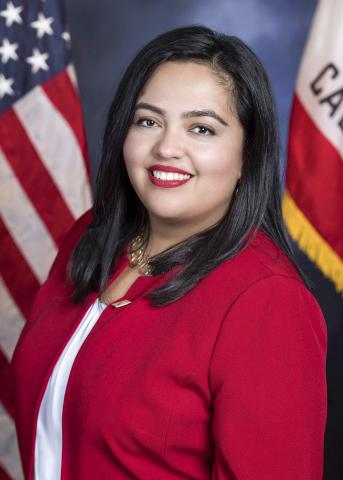
Bill Co-Author(s):
