AB 2635: California Agritourism Liability Act: agritourism civil liability.
- Session Year: 2023-2024
- House: Assembly
- Latest Version Date: 2024-03-21
Current Status:
Failed
(2024-04-23: In committee: Set, first hearing. Hearing canceled at the request of author.)
Introduced
In Committee
First Chamber
In Committee
Second Chamber
Enacted
Existing law provides for the direct marketing of agricultural products, including through certified farmers markets.
Existing law generally provides that everyone is responsible, not only for the result of their willful acts, but also for an injury occasioned to another by that persons want of ordinary care or skill in the management of their property or person, except as specified.
This bill, the California Agritourism Liability Act, would define agritourism activity as an activity carried out on a farm, ranch, or rural land whose primary business activity is agriculture or ranching and that allows members of the general public to view, enjoy, and participate in rural activities, as provided. The bill would require an agritourism operator to include a warning notice on signs at the agritourism location, as specified. The bill would exempt an agritourism professional from civil liability for injury, loss, damage, or death of a participant of an agritourism activity resulting exclusively from an inherent risk of agritourism activity, as defined, unless the agritourism professional commits an act or omission that is grossly negligent or constitutes willful or wanton disregard for the safety of a participant, has actual knowledge or reasonably should have known of an existing dangerous condition on the land, facilities, or equipment, or dangerous propensity of a particular animal and does not make the danger known to a participant, or knowingly permits participants to use facilities or engage in agritourism activities while under the influence of alcohol or drugs. The bill would require the agritourism professional to plead the affirmative defense of assumption of the risk of agritourism activity.
This bill would state the intent of the Legislature to enact subsequent legislation relating to the liability of farms conducting agricultural tourism operations.Existing law provides for the direct marketing of agricultural products, including through certified farmers markets.
Existing law generally provides that everyone is responsible, not only for the result of their willful acts, but also for an injury occasioned to another by that persons want of ordinary care or skill in the management of their property or person, except as specified.
This bill would state the intent of the Legislature to enact subsequent legislation relating to the liability of farms conducting agricultural tourism operations.
This title shall be known, and may be cited, as the California Agritourism Liability Act.
3273.71.For purposes of this title, the following definitions apply:
(a)Agritourism activity means an activity carried out on a farm, a ranch, or rural land whose primary business activity is agriculture or ranching and that allows members of the general public, for recreational, entertainment, or educational purposes, to view or enjoy rural activities, including, but not limited to, farming, ranching, historic, cultural, and onsite educational programs, recreational farming programs that may include onsite hospitality services, guided and self-guided tours, petting zoos, farm festivals, corn mazes, harvest-your-own operations, hayrides, horseback riding, fishing, and camping. An activity is an agritourism activity whether or not a participant pays to participate in the activity.
(b)Agritourism operator means the owner of the farm, ranch, or rural land on which agritourism activities are carried out.
(c)Agritourism professional means a person in the business, or employed by the business, of providing one or more agritourism activity, whether or not for compensation.
(d)Inherent risk means the dangers or conditions that are associated with part of an agritourism activity, including certain hazards such as surface and subsurface conditions, natural conditions of land, vegetation, or waters, the behavior of wild or domestic animals, and ordinary dangers of structures or equipment ordinarily used in farming and ranching operations. Inherent risks of agritourism activities also include the potential of a participant to act in a negligent manner that may contribute to injury to the participant or others, including failing to follow instructions given by the agritourism professional or failing to exercise reasonable caution while engaging in the agritourism activity.
(e)Participant means a person, other than an agritourism professional, who engages in an agritourism activity, regardless of whether or not they paid to engage in the activity.
(f)Person means an individual, fiduciary, firm, association, partnership, limited liability company, corporation, unit of government, or any other group acting as a unit.
3273.72.(a)Except as provided in subdivision (d) and Section 3273.73, an agritourism professional shall not be civilly liable for injury, loss, damage, or death of a participant resulting exclusively from an inherent risk of agritourism activity.
(b)Except as provided in subdivision (d) and Section 3273.73, a participant or the participants representative shall not maintain a civil action against, or recover from, an agritourism professional for injury, loss, damage, or death of the participant resulting exclusively from an inherent risk of agritourism activity.
(c)In an action for damages against an agritourism professional for an agritourism activity, the agritourism professional shall plead the affirmative defense of assumption of the risk of agritourism activity by a participant.
(d)This section does not prevent or limit the civil liability of an agritourism professional or agritourism operator if the agritourism professional or agritourism operator does any of the following:
(1)Commits an act or omission that is grossly negligent or constitutes willful or wanton disregard for the safety of a participant and that act or omission proximately causes injury, loss, damage, or death of the participant.
(2)Has actual knowledge or reasonably should have known of a dangerous condition on the land, facilities, or equipment used in the agritourism activity, or the dangerous propensity of a particular animal used in the activity, and does not make the danger known to the participant, and the danger proximately causes injury, loss, damage, or death of the participant.
(3)Knowingly permits a participant to use facilities or engage in an agritourism activity while under the influence of alcohol or drugs.
(e)Any limitation on legal liability afforded by this section to an agritourism professional is in addition to any other limitations of legal liability otherwise provided by law.
3273.73.(a)An agritourism operator shall post and maintain signs that contain the warning notice specified in subdivision (b). The signs shall be placed in a clearly visible location at the entrance to the agritourism location and at the site of the agritourism activity. The signs shall be printed in black letters and each letter shall be at minimum one inch in height.
(b)The sign described in subdivision (a) shall contain the following notice of warning:
WARNING: Under California law, there is no liability for an injury, loss, damage, or death of a participant in an agritourism activity conducted at this agritourism location if the injury, loss, damage, or death results exclusively from the inherent risks of the agritourism activity. Inherent risks of agritourism activities are risks of injury inherent to land, equipment, and animals, as well as the potential for you to act in a negligent manner that may contribute to your injury, loss, damage, or death. You are assuming the risk of participating in this agritourism activity.
SECTION 1.It is the intent of the Legislature to enact subsequent legislation relating to the liability of farms conducting agricultural tourism operations. REVISIONS: HeadingLine 2.
It is the intent of the Legislature to enact subsequent legislation relating to the liability of farms conducting agricultural tourism operations.
|
Date
|
Status
|
|---|---|
| Apr 23, 2024 | In committee: Set, first hearing. Hearing canceled at the request of author. |
| Apr 11, 2024 | From committee: Do pass and re-refer to Com. on JUD. (Ayes 8. Noes 0.) (April 10). Re-referred to Com. on JUD. |
| Apr 11, 2024 | Coauthors revised. |
| Apr 1, 2024 | Re-referred to Com. on AGRI. |
| Mar 21, 2024 | From committee chair, with author's amendments: Amend, and re-refer to Com. on AGRI. Read second time and amended. |
| Mar 21, 2024 | Referred to Coms. on AGRI. and JUD. |
| Feb 15, 2024 | From printer. May be heard in committee March 16. |
| Feb 14, 2024 | Read first time. To print. |
|
Date
|
Description
|
Location
|
Votes
|
|
|---|---|---|---|---|
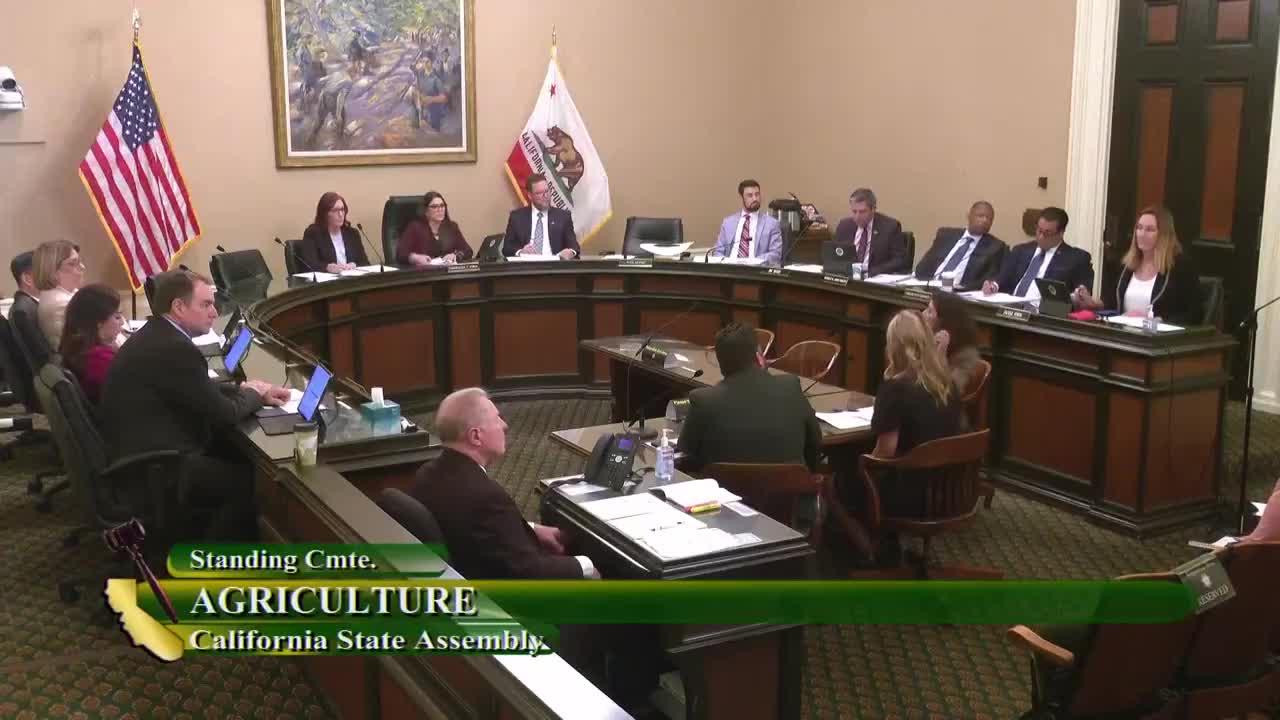
| Apr 10, 2024 | Do pass and be re-referred to the Committee on [Judiciary] | Assembly Standing Committee on Agriculture |
Passed |
This list shows positions taken on this bill by organizations on the date displayed, which is linked to the original source.
Positions by individuals are not included.
|
Organization
|
Position
|
Date
|
|---|---|---|
| California Farm Bureau | ** Support | |
| Community Alliance With Family Farmers | ** Support | |
| Consumer Attorneys Of California | ** Against |
Date of Hearing: April 10, 2024
ASSEMBLY COMMITTEE ON AGRICULTURE
Esmeralda Soria, Chair
ABPCA Bill Id:AB 2635
Author:(Irwin) – As Amended Ver:March 21, 2024
SUBJECT: California Agritourism Liability Act: agritourism civil liability
SUMMARY: This bill defines “agritourism activity” as an activity carried out on a farm, ranch, or rural land whose primary business activity is agriculture or ranching and that allows members of the general public to view, enjoy, and participate in rural activities and would exempt agritourism professionals from specified types of civil liability, as provided. Specifically, this bill:
- Defines the following:
- “Agritourism activity” means an activity carried out on a farm, a ranch, or rural land whose primary business activity is agriculture or ranching and that allows members of the general public, for recreational, entertainment, or educational purposes, to view or enjoy rural activities, including, but not limited to, farming, ranching, historic, cultural, and onsite educational programs, recreational farming programs that may include onsite hospitality services, guided and self-guided tours, petting zoos, farm festivals, corn mazes, harvest-your-own operations, hayrides, horseback riding, fishing, and camping. An activity is an agritourism activity whether or not a participant pays to participate in the activity.
- “Agritourism operator” means the owner of the farm, ranch, or rural land on which agritourism activities are carried out.
- “Agritourism professional” means a person in the business, or employed by the business, of providing one or more agritourism activity, whether or not for compensation.
- “Inherent risk” means the dangers or conditions that are associated with part of an agritourism activity, including certain hazards, as specified.
- “Participant” means a person, other than an agritourism professional, who engages in an agritourism activity, regardless of whether or not they paid to engage in the activity.
- “Person” means an individual, fiduciary, firm, association, partnership, limited liability company, corporation, unit of government, or any other group acting as a unit.
- “Agritourism activity” means an activity carried out on a farm, a ranch, or rural land whose primary business activity is agriculture or ranching and that allows members of the general public, for recreational, entertainment, or educational purposes, to view or enjoy rural activities, including, but not limited to, farming, ranching, historic, cultural, and onsite educational programs, recreational farming programs that may include onsite hospitality services, guided and self-guided tours, petting zoos, farm festivals, corn mazes, harvest-your-own operations, hayrides, horseback riding, fishing, and camping. An activity is an agritourism activity whether or not a participant pays to participate in the activity.
- Exempts an agritourism professional from civil liability, as specified, unless the agritourism professional commits an act or omission that is grossly negligent or constitutes willful or wanton disregard for the safety, as specified.
- Requires the agritourism professional to plead the affirmative defense of assumption of the risk of agritourism activity.
- Requires an agritourism operator to include a warning notice on signs at the agritourism location, as specified.
EXISTING LAW:
- Provides for the direct marketing of agricultural products, including through certified farmers’ markets and farm stands. Food and Agriculture code 47000 – 47003
- Provides, generally, that everyone is responsible, not only for the result of their willful acts, but also for an injury occasioned to another by that person’s want of ordinary care or skill in the management of their property or person, except as specified. Civil Code 1708 - 1725
FISCAL EFFECT: Unknown.
COMMENTS: Agritourism involves any agriculturally based operation or activity that brings visitors to a farm or ranch. Agricultural tourism has become a necessary means for many small farms’ survival. By diversifying business operations, farm operators are able to ensure a more stable income. This is because agritourism activities can occur during times of the year that crops may not be in season, and by providing a completely separate stream of income. Some studies have found that agritourism operations often benefit their surrounding communities by drawing tourists to the area. The economic boost by the increase in traffic can be beneficial to rural areas in need of diversified streams of income.
The Small Farm Center at the University of California states "Agricultural tourism or agritourism, is one alternative for improving the incomes and potential economic viability of small farms and rural communities. Some forms of agritourism enterprises are well developed in California, including fairs and festivals. Other possibilities still offer potential for development". The UC Small Farm Center has developed a California Agritourism Database that provides visitors and potential entrepreneurs with information about existing agritourism locations throughout the state.
A 2023 research article by Rachael Callahan, the Statewide Agritourism Coordinator in the UC Sustainable Agriculture Research and Education Program, found that agritourism played an important role in the livelihood of California small-scale farmers during the pandemic and demonstrated how agritourism can serve as a viable risk-management strategy. Furthermore, agritourism operators were able to stay afloat by providing farm products, on-farm recreation, and educational opportunities to the public. This helped maintain the viability of the food system as a whole during the pandemic. More research is needed to better understand the role agritourism can play in future disasters and to ensure equity in the industry. Farmers can also benefit from business development technical assistance to support decision making related to enterprise diversification and e-commerce.
The National AgLaw center’s report in recent agritourism litigation states the following: As farmers and ranchers continue to diversify their operations with new ideas for what they can do under the umbrella of “agritourism,” litigation is a risk they must expect. It appears that at least some local land use laws simply don’t know what to do with agritourism activities, while others either distinguish agritourism activities from other agricultural land uses or include it within the definition and laws that address agriculture. Most problematic in the land use arena are weddings and events held on farms and ranches, which look much different from traditional agricultural land uses and carry the potential of nuisance impacts on the surrounding community. The court decisions we summarized did not bode well for these types of activities, resulting in more cases than not that did not consider weddings and events to fit neatly within the definition of agriculture. Our research highlights the need for a clear understanding of how local land use laws define and regulate agritourism before proceeding with an activity, so as not to end up in a land use lawsuit.
According to the author, currently in state law, there is not a definition of agritourism or agritourism activities. At least 39 other states have some sort of definition and liability protections or agritourism operators. The bill seeks to provide a base level of legal protections to farmers and ranchers that operate agritourism businesses on their properties. Agritourism has inherent risk and this bill seeks to provide legal protections to agritourism businesses. Agritourism is a popular way for farmers and ranchers to earn additional income. Operating agritourism activities often help keep small and family-owned farms open, accessible to the public, and avoids development. This bill may benefit small farms, as well as farmers of color or farmers that have been historically marginalized.
Opponents state this bill immunizes agritourism businesses such as wineries, pumpkin patches and u-pic farms for injury or death caused by their negligence. Many of these businesses charge an entry fee and, in the case of pumpkin patches, have children as target customers. It is important to note that current law works and opponents have not been provided examples of unwarranted lawsuits in this area. Under the current law, an injured person has to prove the negligence (i.e., failure to use ordinary care) of a business in order to recover damages. Also, under California “assumption of the risk” law, an individual can be held liable for their actions if they have actual knowledge of the risk and voluntarily assumed it. Private businesses that invite, especially for a charge, people onto their properties should not be relieved of negligent acts that cause harm.
Furthermore opponents state that this bill is extremely broad and covers farms that charge for entrance. These broad definitions in the bill cover almost all activity on the business. For example, “Inherent risks of agritourism activity means those dangers or conditions that are an integral part of an agritourism activity including certain hazards, such as surface and subsurface conditions, natural conditions of land, vegetation, waters, the behavior of wild or domestic animals, and ordinary dangers of structures or equipment used in farming and ranching operations or associated with the recreation elements of themed play activities.” This language basically covers anything that these businesses do-train and tractor rides, petting zoos, unmarked dangers in water, etc. This bill could also cover injuries to employees who are often lower paid farm workers, those least able to absorb the cost of an employer’s negligence.
Granting immunities to these private businesses is a slippery slope that consumer attorneys have opposed when other industries have attempted these special protections, such as when product manufacturers or prescription pharmaceuticals have tried to get a free immunity pass. Granting such broad immunity to agritourism puts California consumers, especially children, at risk. As consumer attorneys have learned through long, hard lessons, if immunity applies, concern for public safety by the immunized industry is diminished.
REGISTERED SUPPORT / OPPOSITION:
Support
California Farm Bureau
Community Alliance with Family Farmers
Opposition
Consumer Attorneys of California
Analysis Prepared by: Victor Francovich / AGRI. / (916) 319-2084
Discussed in Hearing
 12MIN
Assembly Standing Committee on Agriculture
Bill Author

Bill Co-Author(s):
