AB 3007: California Environmental Quality Act: record of environmental documents: format.
- Session Year: 2023-2024
- House: Assembly
- Latest Version Date: 2024-09-25
Current Status:
Passed
(2024-09-25: Chaptered by Secretary of State - Chapter 583, Statutes of 2024.)
Introduced
In Committee
First Chamber
In Committee
Second Chamber
Enacted
Existing law requires project applicants and public agencies subject to the California Environmental Quality Act to pay a filing fee to the Department of Fish and Wildlife for each proposed project for the purpose of defraying the costs of managing and protecting fish and wildlife trust resources, as specified. Existing law specifies the required filing fees and provides that a filing fee is not required to be paid if specified conditions exist. Existing law also authorizes a county clerk to charge a documentary handling fee of $50 per filing in addition to the filing fee, and requires the county clerk of each county and the Office of Planning and Research to maintain a record, both electronic and in paper, of all environmental documents received, as specified.
This bill would instead require the county clerk of each county and the Office of Planning and Research to maintain the record electronically and authorize the county clerk of each county and the office to maintain the record on paper.
Existing law requires project applicants and public agencies subject to the California Environmental Quality Act to pay a filing fee to the Department of Fish and Wildlife for each proposed project for the purpose of defraying the costs of managing and protecting fish and wildlife trust resources, as specified. Existing law specifies the required filing fees and provides that a filing fee is not required to be paid if specified conditions exist. Existing law also authorizes a county clerk to charge a documentary handling fee of $50 per filing in addition to the filing fee, and requires the county clerk of each county and the Office of Planning and Research to maintain a record, both electronic and in paper, of all environmental documents received, as specified.
This bill would instead require the county clerk of each county and the Office of Planning and Research to maintain the record either electronically or on paper, or both. electronically and authorize the county clerk of each county and the office to maintain the record on paper.
Existing law requires project applicants and public agencies subject to the California Environmental Quality Act to pay a filing fee to the Department of Fish and Wildlife for each proposed project for the purpose of defraying the costs of managing and protecting fish and wildlife trust resources, as specified. Existing law specifies the required filing fees and provides that a filing fee is not required to be paid if specified conditions exist. Existing law also authorizes a county clerk to charge a documentary handling fee of $50 per filing in addition to the filing fee, and requires the county clerk of each county and the Office of Planning and Research to maintain a record, both electronic and in paper, of all environmental documents received, as specified.
This bill would instead require the county clerk of each county and the Office of Planning and Research to maintain the record either electronically or on paper, or both.
(a)The department shall impose and collect a filing fee in the amount prescribed in subdivision (d) to defray the costs of managing and protecting fish and wildlife trust resources, including, but not limited to, consulting with other public agencies, reviewing environmental documents, recommending mitigation measures, developing monitoring requirements for purposes of the California Environmental Quality Act (Division 13 (commencing with Section 21000) of the Public Resources Code), consulting pursuant to Section 21104.2 of the Public Resources Code, and other activities protecting those trust resources identified in the review pursuant to the California Environmental Quality Act.
(b)The filing fees shall be proportional to the cost incurred by the department and shall be annually reviewed and adjustments recommended to the Legislature in an amount necessary to pay the full costs of department programs as specified. The department shall annually adjust the fees pursuant to Section 713.
(c)(1)All project applicants and public agencies subject to the California Environmental Quality Act shall pay a filing fee for each proposed project, as specified in subdivision (d).
(2)Notwithstanding paragraph (1), a filing fee shall not be paid pursuant to this section if any of the following conditions exist:
(A)The project has no effect on fish and wildlife.
(B)The project is being undertaken by the department.
(C)The project costs are payable by the department from any of the following sources that are held by the department:
(i)The Public Resources Account in the Cigarette and Tobacco Products Surtax Fund.
(ii)The California Wildlife, Coastal, and Park Land Conservation Fund of 1988.
(iii)The Habitat Conservation Fund.
(iv)The Fisheries Restoration Account in the Fish and Game Preservation Fund.
(v)The Commercial Salmon Stamp Dedicated Subaccount in the Fish and Game Preservation Fund.
(vi)The California Ocean Resource Enhancement Account.
(D)The project is implemented by the department through a contract with either a nonprofit entity or a local government agency.
(3)Filing fees shall be paid at the time and in the amount specified in subdivision (d). Notwithstanding Sections 21080.5 and 21081 of the Public Resources Code, a project shall not be operative, vested, or final, and local government permits for the project shall not be valid, until the filing fees required pursuant to this section are paid.
(d)The fees shall be in the following amounts:
(1)For a project that is statutorily or categorically exempt from the California Environmental Quality Act, including those certified regulatory programs that incorporate statutory and categorical exemptions, a filing fee shall not be paid.
(2)For a project for which a negative declaration is prepared pursuant to subdivision (c) of Section 21080 of the Public Resources Code, the filing fee is one thousand eight hundred dollars ($1,800). A local agency collecting the filing fee shall remit the fee to the county clerk at the time of filing a notice of determination pursuant to Section 21152 of the Public Resources Code. A state agency collecting the filing fee shall remit the fee to the Office of Planning and Research at the time of filing a notice of determination pursuant to Section 21108 of the Public Resources Code.
(3)For a project with an environmental impact report prepared pursuant to the California Environmental Quality Act, the filing fee is two thousand five hundred dollars ($2,500). A local agency collecting the filing fee shall remit the fee to the county clerk at the time of filing a notice of determination pursuant to Section 21152 of the Public Resources Code. A state agency collecting the filing fee shall remit the fee to the Office of Planning and Research at the time of filing a notice of determination pursuant to Section 21108 of the Public Resources Code.
(4)For a project that is subject to a certified regulatory program pursuant to Section 21080.5 of the Public Resources Code, the filing fee is eight hundred fifty dollars ($850). The filing fee shall be paid to the department before the filing of the notice of determination pursuant to Section 21080.5 of the Public Resources Code.
(e)The county clerk may charge a documentary handling fee of fifty dollars ($50) per filing in addition to the filing fee specified in subdivision (d).
(1)The county clerk of each county and the Office of Planning and Research shall maintain a record electronically, and may maintain the record on paper, of all environmental documents received. The record shall include, for each environmental document received, the name of each applicant or lead agency, the document filing number, the project name as approved by the lead agency, and the filing date. The record shall be made available for examination or audit by authorized personnel of the department during normal business hours.
(2)The filing fee imposed and collected pursuant to subdivision (d) shall be remitted monthly to the department within 30 days after the end of each month. The remittance shall be accompanied with the information required pursuant to paragraph (1). The amount of fees due shall be reported on forms prescribed and provided by the department.
(3)The department shall assess a penalty of 10 percent of the amount of fees due for a failure to remit the amount payable when due. The department may pursue collection of delinquent fees through the Controllers office pursuant to Section 12419.5 of the Government Code.
(f)Notwithstanding subdivision (a) of Section 12000, failure to pay the fee under subdivision (d) is not a misdemeanor. All unpaid fees are a statutory assessment subject to collection under procedures as provided in the Revenue and Taxation Code.
(g)Only one filing fee shall be paid for each project unless the project is tiered or phased, or separate environmental documents are required.
(h)This section does not preclude or modify the duty of the department to recommend, require, permit, or engage in mitigation activities pursuant to the California Environmental Quality Act.
(i)The permit process of the California Coastal Commission, as certified by the Secretary of the Natural Resources Agency, is exempt from the payment of the filing fees prescribed by paragraph (4) of subdivision (d) insofar as the permits are issued under any of the following regulations:
(1)Subchapter 4 (commencing with Section 13136) of Chapter 5 of Division 5.5 of Title 14 of the California Code of Regulations.
(2)Subchapter 1 (commencing with Section 13200), Subchapter 3 (commencing with Section 13213), Subchapter 4 (commencing with Section 13215), Subchapter 4.5 (commencing with Section 13238), Subchapter 5 (commencing with Section 13240), Subchapter 6 (commencing with Section 13250), and Subchapter 8 (commencing with Section 13255.0) of Chapter 6 of Division 5.5 of Title 14 of the California Code of Regulations.
(a)The department shall impose and collect a filing fee in the amount prescribed in subdivision (d) to defray the costs of managing and protecting fish and wildlife trust resources, including, but not limited to, consulting with other public agencies, reviewing environmental documents, recommending mitigation measures, developing monitoring requirements for purposes of the California Environmental Quality Act (Division 13 (commencing with Section 21000) of the Public Resources Code), consulting pursuant to Section 21104.2 of the Public Resources Code, and other activities protecting those trust resources identified in the review pursuant to the California Environmental Quality Act.
(b)The filing fees shall be proportional to the cost incurred by the department and shall be annually reviewed and adjustments recommended to the Legislature in an amount necessary to pay the full costs of department programs as specified. The department shall annually adjust the fees pursuant to Section 713.
(c)(1)All project applicants and public agencies subject to the California Environmental Quality Act shall pay a filing fee for each proposed project, as specified in subdivision (d).
(2)Notwithstanding paragraph (1), a filing fee shall not be paid pursuant to this section if any of the following conditions exist:
(A)The project has no effect on fish and wildlife.
(B)The project is being undertaken by the department.
(C)The project costs are payable by the department from any of the following sources that are held by the department:
(i)The Public Resources Account in the Cigarette and Tobacco Products Surtax Fund.
(ii)The California Wildlife, Coastal, and Park Land Conservation Fund of 1988.
(iii)The Habitat Conservation Fund.
(iv)The Fisheries Restoration Account in the Fish and Game Preservation Fund.
(v)The Commercial Salmon Stamp Dedicated Subaccount in the Fish and Game Preservation Fund.
(vi)The California Ocean Resource Enhancement Account.
(D)The project is implemented by the department through a contract with either a nonprofit entity or a local government agency.
(3)Filing fees shall be paid at the time and in the amount specified in subdivision (d). Notwithstanding Sections 21080.5 and 21081 of the Public Resources Code, a project shall not be operative, vested, or final, and local government permits for the project shall not be valid, until the filing fees required pursuant to this section are paid.
(d)The fees shall be in the following amounts:
(1)For a project that is statutorily or categorically exempt from the California Environmental Quality Act, including those certified regulatory programs that incorporate statutory and categorical exemptions, a filing fee shall not be paid.
(2)For a project for which a negative declaration is prepared pursuant to subdivision (c) of Section 21080 of the Public Resources Code, the filing fee is one thousand eight hundred dollars ($1,800). A local agency collecting the filing fee shall remit the fee to the county clerk at the time of filing a notice of determination pursuant to Section 21152 of the Public Resources Code. A state agency collecting the filing fee shall remit the fee to the Office of Planning and Research at the time of filing a notice of determination pursuant to Section 21108 of the Public Resources Code.
(3)For a project with an environmental impact report prepared pursuant to the California Environmental Quality Act, the filing fee is two thousand five hundred dollars ($2,500). A local agency collecting the filing fee shall remit the fee to the county clerk at the time of filing a notice of determination pursuant to Section 21152 of the Public Resources Code. A state agency collecting the filing fee shall remit the fee to the Office of Planning and Research at the time of filing a notice of determination pursuant to Section 21108 of the Public Resources Code.
(4)For a project that is subject to a certified regulatory program pursuant to Section 21080.5 of the Public Resources Code, the filing fee is eight hundred fifty dollars ($850). The filing fee shall be paid to the department before the filing of the notice of determination pursuant to Section 21080.5 of the Public Resources Code.
(e)The county clerk may charge a documentary handling fee of fifty dollars ($50) per filing in addition to the filing fee specified in subdivision (d).
(1)The county clerk of each county and the Office of Planning and Research shall maintain a record, either electronically or on paper, or both, record electronically, and may maintain the record on paper, of all environmental documents received. The record shall include, for each environmental document received, the name of each applicant or lead agency, the document filing number, the project name as approved by the lead agency, and the filing date. The record shall be made available for examination or audit by authorized personnel of the department during normal business hours.
(2)The filing fee imposed and collected pursuant to subdivision (d) shall be remitted monthly to the department within 30 days after the end of each month. The remittance shall be accompanied with the information required pursuant to paragraph (1). The amount of fees due shall be reported on forms prescribed and provided by the department.
(3)The department shall assess a penalty of 10 percent of the amount of fees due for a failure to remit the amount payable when due. The department may pursue collection of delinquent fees through the Controllers office pursuant to Section 12419.5 of the Government Code.
(f)Notwithstanding subdivision (a) of Section 12000, failure to pay the fee under subdivision (d) is not a misdemeanor. All unpaid fees are a statutory assessment subject to collection under procedures as provided in the Revenue and Taxation Code.
(g)Only one filing fee shall be paid for each project unless the project is tiered or phased, or separate environmental documents are required.
(h)This section does not preclude or modify the duty of the department to recommend, require, permit, or engage in mitigation activities pursuant to the California Environmental Quality Act.
(i)The permit process of the California Coastal Commission, as certified by the Secretary of the Natural Resources Agency, is exempt from the payment of the filing fees prescribed by paragraph (4) of subdivision (d) insofar as the permits are issued under any of the following regulations:
(1)Subchapter 4 (commencing with Section 13136) of Chapter 5 of Division 5.5 of Title 14 of the California Code of Regulations.
(2)Subchapter 1 (commencing with Section 13200), Subchapter 3 (commencing with Section 13213), Subchapter 4 (commencing with Section 13215), Subchapter 4.5 (commencing with Section 13238), Subchapter 5 (commencing with Section 13240), Subchapter 6 (commencing with Section 13250), and Subchapter 8 (commencing with Section 13255.0) of Chapter 6 of Division 5.5 of Title 14 of the California Code of Regulations.
(a)The department shall impose and collect a filing fee in the amount prescribed in subdivision (d) to defray the costs of managing and protecting fish and wildlife trust resources, including, but not limited to, consulting with other public agencies, reviewing environmental documents, recommending mitigation measures, developing monitoring requirements for purposes of the California Environmental Quality Act (Division 13 (commencing with Section 21000) of the Public Resources Code), consulting pursuant to Section 21104.2 of the Public Resources Code, and other activities protecting those trust resources identified in the review pursuant to the California Environmental Quality Act.
(b)The filing fees shall be proportional to the cost incurred by the department and shall be annually reviewed and adjustments recommended to the Legislature in an amount necessary to pay the full costs of department programs as specified. The department shall annually adjust the fees pursuant to Section 713.
(c)(1)All project applicants and public agencies subject to the California Environmental Quality Act shall pay a filing fee for each proposed project, as specified in subdivision (d).
(2)Notwithstanding paragraph (1), a filing fee shall not be paid pursuant to this section if any of the following conditions exist:
(A)The project has no effect on fish and wildlife.
(B)The project is being undertaken by the department.
(C)The project costs are payable by the department from any of the following sources that are held by the department:
(i)The Public Resources Account in the Cigarette and Tobacco Products Surtax Fund.
(ii)The California Wildlife, Coastal, and Park Land Conservation Fund of 1988.
(iii)The Habitat Conservation Fund.
(iv)The Fisheries Restoration Account in the Fish and Game Preservation Fund.
(v)The Commercial Salmon Stamp Dedicated Subaccount in the Fish and Game Preservation Fund.
(vi)The California Ocean Resource Enhancement Account.
(D)The project is implemented by the department through a contract with either a nonprofit entity or a local government agency.
(3)Filing fees shall be paid at the time and in the amount specified in subdivision (d). Notwithstanding Sections 21080.5 and 21081 of the Public Resources Code, a project shall not be operative, vested, or final, and local government permits for the project shall not be valid, until the filing fees required pursuant to this section are paid.
(d)The fees shall be in the following amounts:
(1)For a project that is statutorily or categorically exempt from the California Environmental Quality Act, including those certified regulatory programs that incorporate statutory and categorical exemptions, a filing fee shall not be paid.
(2)For a project for which a negative declaration is prepared pursuant to subdivision (c) of Section 21080 of the Public Resources Code, the filing fee is one thousand eight hundred dollars ($1,800). A local agency collecting the filing fee shall remit the fee to the county clerk at the time of filing a notice of determination pursuant to Section 21152 of the Public Resources Code. A state agency collecting the filing fee shall remit the fee to the Office of Planning and Research at the time of filing a notice of determination pursuant to Section 21108 of the Public Resources Code.
(3)For a project with an environmental impact report prepared pursuant to the California Environmental Quality Act, the filing fee is two thousand five hundred dollars ($2,500). A local agency collecting the filing fee shall remit the fee to the county clerk at the time of filing a notice of determination pursuant to Section 21152 of the Public Resources Code. A state agency collecting the filing fee shall remit the fee to the Office of Planning and Research at the time of filing a notice of determination pursuant to Section 21108 of the Public Resources Code.
(4)For a project that is subject to a certified regulatory program pursuant to Section 21080.5 of the Public Resources Code, the filing fee is eight hundred fifty dollars ($850). The filing fee shall be paid to the department before the filing of the notice of determination pursuant to Section 21080.5 of the Public Resources Code.
(e)The county clerk may charge a documentary handling fee of fifty dollars ($50) per filing in addition to the filing fee specified in subdivision (d).
(1)The county clerk of each county and the Office of Planning and Research shall maintain a record, both electronic and in paper, either electronically or on paper, or both, of all environmental documents received. The record shall include, for each environmental document received, the name of each applicant or lead agency, the document filing number, the project name as approved by the lead agency, and the filing date. The record shall be made available for examination or audit by authorized personnel of the department during normal business hours.
(2)The filing fee imposed and collected pursuant to subdivision (d) shall be remitted monthly to the department within 30 days after the end of each month. The remittance shall be accompanied with the information required pursuant to paragraph (1). The amount of fees due shall be reported on forms prescribed and provided by the department.
(3)The department shall assess a penalty of 10 percent of the amount of fees due for a failure to remit the amount payable when due. The department may pursue collection of delinquent fees through the Controllers office pursuant to Section 12419.5 of the Government Code.
(f)Notwithstanding subdivision (a) of Section 12000, failure to pay the fee under subdivision (d) is not a misdemeanor. All unpaid fees are a statutory assessment subject to collection under procedures as provided in the Revenue and Taxation Code.
(g)Only one filing fee shall be paid for each project unless the project is tiered or phased, or separate environmental documents are required.
(h)This section does not preclude or modify the duty of the department to recommend, require, permit, or engage in mitigation activities pursuant to the California Environmental Quality Act.
(i)The permit process of the California Coastal Commission, as certified by the Secretary of the Natural Resources Agency, is exempt from the payment of the filing fees prescribed by paragraph (4) of subdivision (d) insofar as the permits are issued under any of the following regulations:
(1)Subchapter 4 (commencing with Section 13136) of Chapter 5 of Division 5.5 of Title 14 of the California Code of Regulations.
(2)Subchapter 1 (commencing with Section 13200), Subchapter 3 (commencing with Section 13213), Subchapter 4 (commencing with Section 13215), Subchapter 4.5 (commencing with Section 13238), Subchapter 5 (commencing with Section 13240), Subchapter 6 (commencing with Section 13250), and Subchapter 8 (commencing with Section 13255.0) of Chapter 6 of Division 5.5 of Title 14 of the California Code of Regulations.
|
Date
|
Status
|
|---|---|
| Sep 25, 2024 | Chaptered by Secretary of State - Chapter 583, Statutes of 2024. |
| Sep 25, 2024 | Approved by the Governor. |
| Aug 19, 2024 | Enrolled and presented to the Governor at 3 p.m. |
| Aug 12, 2024 | In Assembly. Ordered to Engrossing and Enrolling. |
| Aug 12, 2024 | Read third time. Passed. Ordered to the Assembly. (Ayes 38. Noes 0. Page 5045.). |
| Aug 6, 2024 | Read second time. Ordered to Consent Calendar. |
| Aug 5, 2024 | From committee: Be ordered to second reading file pursuant to Senate Rule 28.8 and ordered to Consent Calendar. |
| Jul 3, 2024 | From committee: Do pass and re-refer to Com. on APPR with recommendation: To Consent Calendar. (Ayes 7. Noes 0.) (July 3). Re-referred to Com. on APPR. |
| Jun 11, 2024 | From committee: Do pass and re-refer to Com. on E.Q. with recommendation: To Consent Calendar. (Ayes 11. Noes 0.) (June 11). Re-referred to Com. on E.Q. |
| May 22, 2024 | Referred to Coms. on N.R. & W. and E.Q. |
| May 9, 2024 | In Senate. Read first time. To Com. on RLS. for assignment. |
| May 9, 2024 | Read third time. Passed. Ordered to the Senate. (Ayes 65. Noes 0. Page 5163.) |
| May 6, 2024 | Read second time. Ordered to Consent Calendar. |
| May 2, 2024 | Read second time and amended. Ordered returned to second reading. |
| May 1, 2024 | From committee: Amend, and do pass as amended. To Consent Calendar. (Ayes 14. Noes 0.) (May 1). |
| Apr 16, 2024 | From committee: Do pass and re-refer to Com. on APPR. (Ayes 15. Noes 0.) (April 16). Re-referred to Com. on APPR. |
| Mar 11, 2024 | Referred to Com. on W., P., & W. |
| Feb 17, 2024 | From printer. May be heard in committee March 18. |
| Feb 16, 2024 | Read first time. To print. |
|
Date
|
Description
|
Location
|
Votes
|
|
|---|---|---|---|---|
| Aug 12, 2024 | Consent Calendar 2nd AB3007 Hoover | Senate Floor |
Passed |
|
| Jul 3, 2024 | Do pass, but first be re-referred to the Committee on [Appropriations] with the recommendation: To Consent Calendar | Senate Standing Committee on Environmental Quality |
Passed |
|
| Jun 11, 2024 | Do pass, but first be re-referred to the Committee on [Environmental Quality] with the recommendation: To Consent Calendar | Senate Standing Committee on Natural Resources and Water |
Passed |
|
| May 9, 2024 | AB 3007 Hoover Consent Calendar Second Day Regular Session | Assembly Floor |
Passed |
|
| May 1, 2024 | Do pass as amended. To Consent Calendar. | Assembly Standing Committee on Appropriations |
Passed |
|
| Apr 16, 2024 | Do pass and be re-referred to the Committee on [Appropriations] | Assembly Standing Committee on Water, Parks, and Wildlife |
Passed |
This list shows positions taken on this bill by organizations on the date displayed, which is linked to the original source.
Positions by individuals are not included.
|
Organization
|
Position
|
Date
|
|---|---|---|
| California Association Of Clerks & Election Officials | ** Support | |
| Junior Philanthropist Foundation | ** Support | |
| Planning And Conservation League | ** Support |
SENATE RULES COMMITTEE Office of Senate Floor Analyses (916) 651-1520 Fax: (916) 327-4478 | AB 3007 |
CONSENT
Bill No: AB 3007
Author: Hoover (R)
Amended: 5/2/24 in Assembly
Vote: 21
SENATE NATURAL RES. & WATER COMMITTEE: 11-0, 6/11/24
AYES: Min, Seyarto, Allen, Dahle, Eggman, Grove, Hurtado, Laird, Limón, Padilla, Stern
SENATE ENVIRONMENTAL QUALITY COMMITTEE: 7-0, 7/3/24
AYES: Allen, Dahle, Gonzalez, Hurtado, Menjivar, Nguyen, Skinner
SENATE APPROPRIATIONS COMMITTEE: Senate Rule 28.8
ASSEMBLY FLOOR: 65-0, 5/9/24 (Consent) - See last page for vote
SUBJECT: California Environmental Quality Act: record of environmental documents: format
SOURCE: California Association of Clerks & Election Officials
DIGEST:
This bill removes a requirement for county clerks and the Office of Planning and Research (OPR) to maintain paper and electronic documents received from the California Department of Fish and Wildlife (CDFW) that make up the administrative record under the California Environmental Quality Act (CEQA), and instead only require an electronic copy.
ANALYSIS:
Existing law:
- Requires lead agencies to submit in electronic format the draft environmental impact report (EIR), proposed negative declaration, or proposed mitigated negative declaration to the State Clearinghouse for review and comment by state agencies when a state agency has a specified duty to review the project. Requires a lead agency to also post these documents on its internet website. (Public Resources Code (PRC) §21082.1.)
- Provides that fish and wildlife resources are held in trust for the people of California by and through CDFW. (Fish and Game Code (FGC) §711.7.)
- Under CEQA, requires a lead agency to consult with responsible and trust agencies prior to determining whether or not a negative declaration or an EIR is required for a proposed project. (PRC §21080.3.)
- Under CEQA, defines “responsible agency” as a public agency, other than the lead agency, which has responsibility for carrying out or approving a project by, for example, issuing a permit necessary for a project. (PRC §21069.)
- Under CEQA, defines “trustee agency” as a state agency that has legal jurisdiction over natural resources affected by a project, that are held in trust for the people of California. (PRC §21070.)
- Requires county clerks and OPR to maintain a paper and electronic record of all environmental review documents they receive from CDFW. (FGC §711.4(e).)
This bill instead of requiring the county clerk of each county and OPR to maintain a CEQA record received from CDFW both electronically and in paper, this bill would instead require the county clerk of each county and OPR to maintain the record electronically and authorize the county clerk of each county and OPR to maintain the record on paper.
Background
CEQA. CEQA was enacted in 1970 in an effort to disclose and mitigate the potential environmental damage that certain development projects (e.g., housing developments) might cause. Under CEQA, CDFW is the trustee agency for the state’s fish, wildlife, and plant resources. For purposes of CEQA, CDFW is charged by law to provide, as available, biological expertise during public agency environmental review efforts, focusing specifically on projects and related activities that have the potential to adversely affect fish and wildlife resources.
Current law requires county clerks and OPR to maintain a record, in both paper and electronic format, of all the environmental documents they receive from CDFW.
AB 819. CEQA was enacted 50 years ago, long before electronic technology could be utilized. Due to the COVID-19 pandemic, Governor Newsom issued Executive Order N-54-20 permitting certain posting and filing requirements under CEQA to be carried out electronically. Previously, the CEQA Guidelines encouraged all public agencies to make certain CEQA documents available in electronic format on the Internet.
AB 819 (Levine, Chapter 97, Statutes of 2021), now requires specified CEQA notices and environmental review documents to only be filed electronically and posted online, modernizing the filing of CEQA-related reports.
Comments
Modernizing and Aligning CEQA Record Keeping. This bill is conforming the CEQA recordkeeping requirements located within the Fish and Game Code to that of AB 819, which removed the hard-copy requirement from the Public Resources Code.
Related/Prior Legislation
AB 819 (Levine, Chapter 97, Statutes of 2021) required specified CEQA notices and environmental review documents to be filed electronically and posted online.
FISCAL EFFECT: Appropriation: No Fiscal Com.: Yes Local: No
SUPPORT: (Verified 8/5/24)
California Association of Clerks & Election Officials (source)
Junior Philanthropists Foundation
Planning and Conservation League
OPPOSITION: (Verified 8/5/24)
None received
ARGUMENTS IN SUPPORT: According to the author, “This is a common sense bill which will help reduce administrative burdens for our county clerks. As the state continues to expand digital requirements, we need to follow up and remove duplicative paper requirements. We have an opportunity to better support California county clerks and streamline the work that they do.”
ARGUMENTS IN OPPOSITION: None received.
ASSEMBLY FLOOR: 65-0, 5/9/24
AYES: Addis, Aguiar-Curry, Alanis, Alvarez, Arambula, Bauer-Kahan, Bennett, Berman, Boerner, Bonta, Bryan, Calderon, Juan Carrillo, Wendy Carrillo, Chen, Connolly, Davies, Dixon, Essayli, Mike Fong, Vince Fong, Friedman, Gallagher, Garcia, Gipson, Hart, Holden, Hoover, Irwin, Jackson, Jones-Sawyer, Kalra, Lackey, Lee, Lowenthal, Maienschein, McCarty, McKinnor, Muratsuchi, Ortega, Pacheco, Papan, Jim Patterson, Joe Patterson, Pellerin, Quirk-Silva, Ramos, Rendon, Reyes, Rodriguez, Blanca Rubio, Sanchez, Santiago, Soria, Ta, Valencia, Villapudua, Waldron, Ward, Weber, Wicks, Wilson, Wood, Zbur, Robert Rivas
NO VOTE RECORDED: Bains, Cervantes, Megan Dahle, Flora, Gabriel, Grayson, Haney, Low, Mathis, Stephanie Nguyen, Petrie-Norris, Luz Rivas, Schiavo, Ting, Wallis
Prepared by: Paul Jacobs / N.R. & W. / (916) 651-4116
8/7/24 13:38:48
**** END ****
SENATE COMMITTEE ON ENVIRONMENTAL QUALITY
Senator Allen, Chair
2023 - 2024 Regular
Bill No. | AB 3007 | Hearing Date: | 7/03/2024 |
Author: | Hoover | ||
Version: | 5/2/2024 | ||
Urgency: | No | Fiscal: | Yes |
Consultant: | Brynn Cook | ||
SUBJECT: California Environmental Quality Act: record of environmental documents: format
DIGEST: This bill removes the requirement that a county clerk and the Office of Planning and Research (OPR) maintain paper documents of the administrative record for specified projects under the California Environmental Quality Act (CEQA).
ANALYSIS:
Existing law:
- Under CEQA, requires lead agencies with the principal responsibility for approving or carrying out a proposed project to prepare a negative declaration, mitigated negative declaration, or environmental impact report (EIR) for the project, unless it is exempt from CEQA [Public Resources Code (PRC) § 21000 et seq.].
- Requires the lead agency to submit in electronic format the draft EIR, proposed negative declaration, or proposed mitigated negative declaration to the State Clearinghouse for review and comment by state agencies when a state agency has a specified duty to review the project. Requires a lead agency to also post these documents on its internet website (PRC § 21082.1).
- Provides that fish and wildlife resources are held in trust for the people of California by and through the California Department of Fish and Wildlife (CDFW) (Fish and Game Code (FGC) § 711.7).
- Requires county clerks and OPR to maintain a paper and electronic record of all environmental review documents they receive. Allows county clerks to charge a $50 handling fee for the filing of environmental review documents under CEQA (FGC § 711.4(e)).
This bill:
- Removes the requirement that the county clerk of each county and OPR maintain a record of all environmental documents received for certain projects where the Department of Fish and Wildlife collects a filing fee.
- Authorizes those county clerks and OPR to maintain paper records of those documents.
Background
- The A, B, C’s of CEQA. CEQA is designed to (a) make government agencies and the public aware of the environmental impacts of a proposed project, (b) ensure the public can take part in the review process, and (c) identify and implement measures to mitigate or eliminate any negative impact the project may have on the environment. CEQA is enforced by civil lawsuits that can challenge any project’s environmental review. Nonprofits, private individuals, public agencies, advocacy groups, and other organizations can all file lawsuits under CEQA.
Under CEQA, projects (unless they have a specific exemption) must undergo environmental analysis. This process starts with an initial study which determines what level of further environmental review is needed for a given project. If a project has no significant effects on the environment, or if those effects can be fully mitigated, the project can move forward with a negative declaration (ND) or mitigated negative declaration (MND). If the initial study finds that the project has potential significant effects on the environment, then a full EIR is conducted. An EIR provides a thorough environmental review of a proposed project, analyzing the significant direct and indirect environmental impacts of a proposed project on water quality, transportation, air quality, and greenhouse gas emissions among other factors. The EIR also includes proposed mitigation measures for any significant effects that it identifies and considers alternatives to the proposed project. EIRs must be completed and certified within a year, and NDs must be completed within 180 days.
- CEQA documentation at CDFW. CDFW, as the trustee agency for fish and wildlife resources in the state, is tasked with providing biological expertise during public agency environmental review, focusing specifically on projects and related activities that have the potential to adversely affect fish and wildlife resources.
Current law requires county clerks and OPR to maintain a record, in both paper and electronic format, of all the environmental documents they receive from CDFW. This includes documents regarding environmental review for CEQA.
In the last few years, there have been several steps taken to move CEQA documents online. The CEQA guidelines have encouraged public agencies to make certain CEQA documents available in electronic format on the Internet. In 2021, AB 819 (Levine, Chapter 97, Statutes of 2021), set the requirement that specified CEQA notices and environmental review documents only be filed electronically and posted online, to modernize filing CEQA-related reports.
Comments
- Purpose of Bill. According to the author, “This is a common-sense bill which will help reduce administrative burdens for our county clerks. As the state continues to expand digital requirements, we need to follow up and remove duplicative paper requirements. We have an opportunity to better support California county clerks and streamline the work that they do.”
- Save the trees, update CEQA. The environmental review documents for CEQA can be extensive. Because CEQA cases are argued based on a document (the administrative record) containing all the evidence that a lead agency directly or indirectly considered in making their decision on a project, it behooves the lead agency and all involved parties to ensure that the information provided in that document is comprehensive. According to a briefing by the Civil and Small Claims Advisory Committee of the California Courts, the content of the administrative record can range from “several dozen pages for even the smallest project, to many hundreds of pages for most projects, to tens of thousands of pages for the largest projects.” Documents at the larger end of the scale can be unwieldy to use and consume paper.
AB 3007 would chip away at some of the paper documentation requirements for CEQA and conform CEQA recordkeeping requirements in the Public Resources Code with the requirements already in the Fish and Game Code: namely to remove the requirement to keep hard copies of environmental documents provided by CDFW.
DOUBLE REFERRAL:
This measure was heard in Senate Natural Resources and Water Committee on June 7, 2024, and passed out of committee with a vote of 11-0.
Related/Prior Legislation
AB 819 (Levine, Chapter 97, Statutes of 2021), now requires specified CEQA notices and environmental review documents to only be filed electronically and posted online, modernizing the filing of CEQA-related reports.
SOURCE:
California Association of Clerks & Election Officials
SUPPORT:
California Association of Clerks & Election Officials
Planning and Conservation League
OPPOSITION:
None received
Positions reflect letters received by noon one week prior to the hearing.
-- END --
SENATE COMMITTEE ON NATURAL RESOURCES AND WATER
Senator Dave Min, Chair
2023 - 2024 Regular
Bill No: AB Hearing Date: June 11, 2024
Author: | Hoover | ||
Version: | May 2, 2024 Amended | ||
Urgency: | No | Fiscal: | Yes |
Consultant: | Paul Jacobs | ||
Subject: California Environmental Quality Act: record of environmental documents: format
SUMMARY
This bill would remove a requirement for county clerks and the Office of Planning and Research (OPR) to maintain paper and electronic documents received from the California Department of Fish and Wildlife (CDFW) that make up the administrative record under the California Environmental Quality Act (CEQA), and instead only require an electronic copy.
BACKGROUND AND EXISTING LAW
Background:
CEQA. CEQA was enacted in 1970 in an effort to disclose and mitigate the potential environmental damage that certain development projects (e.g., housing developments) might cause. Under CEQA, CDFW is the trustee agency for the state’s fish, wildlife, and plant resources. For purposes of CEQA, CDFW is charged by law to provide, as available, biological expertise during public agency environmental review efforts, focusing specifically on projects and related activities that have the potential to adversely affect fish and wildlife resources.
Current law requires county clerks and OPR to maintain a record, in both paper and electronic format, of all the environmental documents they receive from CDFW.
AB 819. CEQA was enacted 50 years ago, long before electronic technology could be utilized. Due to the COVID-19 pandemic, Governor Newsom issued Executive Order N-54-20 permitting certain posting and filing requirements under CEQA to be carried out electronically. Previously, the CEQA Guidelines encouraged all public agencies to make certain CEQA documents available in electronic format on the Internet.
AB 819 (Levine, Chapter 97, Statutes of 2021), now requires specified CEQA notices and environmental review documents to only be filed electronically and posted online, modernizing the filing of CEQA-related reports.
Existing law:
- Requires lead agencies to submit in electronic format the draft environmental impact report (EIR), proposed negative declaration, or proposed mitigated negative declaration to the State Clearinghouse for review and comment by state agencies when a state agency has a specified duty to review the project. Requires a lead agency to also post these documents on its internet website. Public Resources Code (PRC) §21082.1.
- Provides that fish and wildlife resources are held in trust for the people of California by and through CDFW. Fish and Game Code (FGC) §711.7.
- Under CEQA, requires a lead agency to consult with responsible and trust agencies prior to determining whether or not a negative declaration or an EIR is required for a proposed project. PRC §21080.3.
- Under CEQA, defines “responsible agency” as a public agency, other than the lead agency, which has responsibility for carrying out or approving a project by, for example, issuing a permit necessary for a project. PRC §21069.
- Under CEQA, defines “trustee agency” as a state agency that has legal jurisdiction over natural resources affected by a project, that are held in trust for the people of California. PRC §21070.
- Requires county clerks and OPR to maintain a paper and electronic record of all environmental review documents they receive from CDFW. FGC §711.4(e).
PROPOSED LAW
Instead of requiring the county clerk of each county and OPR to maintain a CEQA record received from CDFW both electronically and in paper, this bill would instead require the county clerk of each county and OPR to maintain the record electronically and authorize the county clerk of each county and OPR to maintain the record on paper.
ARGUMENTS IN SUPPORT
According to the author, “This is a common sense bill which will help reduce administrative burdens for our county clerks. As the state continues to expand digital requirements, we need to follow up and remove duplicative paper requirements. We have an opportunity to better support California county clerks and streamline the work that they do.”
ARGUMENTS IN OPPOSITION
None received.
COMMENTS
Dual referral. This bill is referred to this Committee and the Senate Environmental Quality Committee. Elements of the bill under the latter Committee’s jurisdiction will be discussed before that Committee and are included here for completeness and context only.
Modernizing and Aligning CEQA Record Keeping. This bill is conforming the CEQA recordkeeping requirements located within the Fish and Game Code to that of AB 819, which removed the hard-copy requirement from the Public Resources Code.
Prior legislation.
AB 819 (Levine, Chapter 97, Statutes of 2021) requires specified CEQA notices and environmental review documents to be filed electronically and posted online.
SUPPORT
California Association of Clerks & Election Officials (sponsor)
Junior Philanthropists Foundation
Planning and Conservation League
OPPOSITION
None Received
-- END --
Date of Hearing: May 1, 2024
ASSEMBLY COMMITTEE ON APPROPRIATIONS
Buffy Wicks, Chair
ABPCA Bill Id:AB 3007
Author:(Hoover) – As Introduced Ver:February 16, 2024
Policy Committee: | Water, Parks and Wildlife | Vote: | 15 - 0 |
|
| ||
|
|
Urgency: No State Mandated Local Program: No Reimbursable: No
SUMMARY:
This bill permits a county clerk and the Office of Planning and Research (OPR) to maintain all documents that make up the administrative record for specified projects under the California Environmental Quality Act (CEQA) either electronically or on paper, or both.
FISCAL EFFECT:
Negligible state costs.
COMMENTS:
1) Purpose. According to the author:
This is a common sense bill which will help reduce administrative burdens for our county clerks. As the state continues to expand digital requirements, we need to follow up and remove duplicative paper requirements. We have an opportunity to better support California county clerks and streamline the work that they do.
2) Background. CEQA provides a process for evaluating the environmental effects of applicable projects undertaken or approved by public agencies. If a project is not exempt from CEQA, the lead agency prepares an initial study to determine whether the project may have a significant effect on the environment. If the initial study shows the project would not have a significant effect on the environment, the lead agency must prepare a negative declaration. If the initial study shows that project may have a significant effect, the lead agency must prepare an environmental impact report (EIR).
Generally, an EIR must accurately describe the proposed project, identify and analyze each significant environmental impact expected to result from the proposed project, identify mitigation measures to reduce those impacts to the extent feasible, and evaluate a range of reasonable alternatives to the proposed project. Prior to approving any project that has received environmental review, the lead agency must make certain findings. If mitigation measures are required or incorporated into a project, the lead agency must adopt a reporting or monitoring program to ensure compliance with those measures.
The California Department of Fish and Wildlife (CDFW) is the trustee agency for the state’s fish, wildlife, and plant resources. For purposes of CEQA, CDFW is charged by law to provide, as available, biological expertise during public agency environmental review efforts, focusing specifically on projects and related activities that have the potential to adversely affect fish and wildlife resources.
The Fish and Game Code (FGC) authorizes CDFW to assess fees on project proponents so the department can defray its costs related to its role as a responsible agency under CEQA. These same sections of FGC also grant county clerks fee authority for the processing of CEQA documents and require county clerks and OPR to maintain a record, in both paper and electronic format, of all the environmental documents they receive. The California Association of Clerks and Election Officials, the sponsor of this bill, contends:
Under current law, CEQA documents received, acknowledged and retained by the county clerks are required to be uploaded to the internet in electronic format and also stored in hard-copy, paper form with the county. Now that the counties are mandated to upload and post electronic copies of the same documents, the storage of additional paper copies is duplicative and unnecessary.
While the author’s intent is to make the retention of hard copies of CEQA documents optional, the language in the bill technically allows county clerks and OPR to maintain paper copies only, in lieu of electronic records. Further, this scenario potentially conflicts with Public Resources Code section 21092.3, which requires CEQA notices and environmental review documents be filed electronically and posted online. To address this discrepancy, the committee may wish to amend the bill as follows:
FGC 711.4 (e)(1): The county clerk of each county and the Office of Planning and Research shall maintain a record, either electronically or on paper, or both, record electronically, and may maintain the record on paper, of all environmental documents received. The record shall include, for each environmental document received, the name of each applicant or lead agency, the document filing number, the project name as approved by the lead agency, and the filing date. The record shall be made available for examination or audit by authorized personnel of the department during normal business hours.
Analysis Prepared by: Nikita Koraddi / APPR. / (916) 319-2081
Date of Hearing: April 16, 2024
ASSEMBLY COMMITTEE ON WATER, PARKS, AND WILDLIFE
Diane Papan, Chair
ABPCA Bill Id:AB 3007 (
Author:Hoover) – As Introduced Ver:February 16, 2024
SUBJECT: California Environmental Quality Act: record of environmental documents: format
SUMMARY: Permits a county clerk and the Office of Planning and Research (OPR) to maintain documents that make up the administrative record under the California Environmental Quality Act (CEQA) or in either electronic or paper, or both, format.
EXISTING LAW:
- Under CEQA, requires lead agencies with the principal responsibility for approving or carrying out a proposed project to prepare a negative declaration, mitigated negative declaration, or environmental impact report (EIR) for the project, unless it is exempt from CEQA [Public Resources Code (PRC) § 21000 et seq.].
- Requires the lead agency to submit in electronic format the draft EIR, proposed negative declaration, or proposed mitigated negative declaration to the State Clearinghouse for review and comment by state agencies when a state agency has a specified duty to review the project. Requires a lead agency to also post these documents on its internet website (PRC § 21082.1).
- Provides that fish and wildlife resources are held in trust for the people of California by and through the Department of Fish and Wildlife (DFW) [Fish and Game Code (FGC) § 711.7].
- Requires county clerks and OPR to maintain a paper and electronic record of all environmental review documents they receive. Allows county clerks to charge a $50 handling fee for the filing of environmental review documents under CEQA [FGC § 711.4(e)].
- Under CEQA, requires a lead agency to consult with responsible and trust agencies prior to determining whether or not negative declaration or EIR is required for a proposed project (PRC § 21080.3).
- Under CEQA, defines “responsible agency” as a public agency, other than the lead agency, which has responsibility for carrying out or approving a project by, for example, issuing a permit necessary for a project (PRC § 21069).
- Under CEQA, defines “trustee agency” as a state agency that has legal jurisdiction over natural resources affected by a project, that are held in trust for the people of California (PRC § 21070).
FISCAL EFFECT: Unknown. This bill is keyed fiscal.
COMMENTS:
- Purpose of this bill. This bill eliminates a requirement that both an electronic and paper copy of various CEQA documents be maintained by a county clerk; instead, a county clerk will have the option to retain these documents in either or both formats. The author asserts “This is a common sense bill which will help reduce administrative burdens for our county clerks. As the state continues to expand digital requirements, we need to follow up and remove duplicative paper requirements. We have an opportunity to better support California county clerks and streamline the work that they do.”
- Background. CEQA was enacted in 1970 in an effort to disclose and mitigate the potential environmental damage that certain development projects (e.g., housing developments) might cause. Under CEQA, DFW serves as a “trustee agency” in order to protect fish and wildlife because of its responsibility to protect these resources for the benefit of the public. In this role, DFW consults and works with other public agencies to inform decision-makers and the general public about the potential environmental impacts of proposed projects (e.g., through the review of environmental documents) and to reduce those environmental impacts to the extent feasible (e.g., by recommending mitigation measures).
FGC authorizes DFW to assess fees on project proponents so DFW can defray its costs in serving as a responsible or trustee agency under CEQA. These same sections of FGC also grant county clerks fee authority for the processing of CEQA documents and require county clerks to retain environmental documents in both paper and electronic format. The existing FGC requirement for both formats is inconsistent with similar sections of CEQA. This bill addresses this discrepancy and makes requirements for environmental documents under FGC consistent with requirements under the CEQA statute. - Related legislation. AB 819 (Levine), Chapter 97, Statutes of 2021, requires specified CEQA notices and environmental review documents to be filed electronically and posted online.
AB 2565 (Ammiano), Chapter 210, Statutes of 2010, authorizes a public agency to charge and collect a reasonable fee from members of the public for a copy of an environmental document that does not exceed the cost of reproducing the environmental document. Authorizes the public agency to provide the environmental document in an electronic format.
REGISTERED SUPPORT / OPPOSITION:
Support
None on file
Opposition
None on file
Analysis Prepared by: Pablo Garza / W., P., & W. / (916) 319-2096
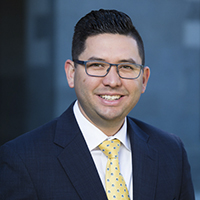
Bill Author
Bill Co-Author(s):