AB 3192: Major coastal resorts: audits: waste.
- Session Year: 2023-2024
- House: Assembly
- Latest Version Date: 2024-04-24
Current Status:
Failed
(2024-05-16: In committee: Held under submission.)
Introduced
In Committee
First Chamber
In Committee
Second Chamber
Enacted
(1)Existing law, the California Coastal Act of 1976, among other things, requires anyone wishing to perform or undertake any development in the coastal zone, except as specified, in addition to obtaining any other permit required by law from any local government or from any state, regional, or local agency, to obtain a coastal development permit from the California Coastal Commission or a local government, as provided.
This bill would establish the Major Coastal Resorts Environmental Accountability Act, and would define major coastal resort for these purposes. The bill would require a major coastal resort, with the assistance of a qualified, independent consultant, to every 2 years prepare an audit of the major coastal resorts compliance with specified provisions, including the coastal development permit, as provided. The bill would require the commission to compile and keep updated a list of consultants qualified to assist with the audit. The bill would require the major coastal resort to provide for the qualified consultants compensation for the audit, as provided. The bill would prohibit the major coastal resort from discriminating or retaliating against any employee or applicant for employment for, among other things, participating in the audit or an investigation, as provided. The bill would require the major coastal resort to post the audit on its internet website and to provide copies to the commission and relevant local governments. The bill would authorize the commission to charge a major coastal resort a fee for compiling and updating the list of qualified qualified, independent consultants and receiving copies of the audits, as provided. The bill would subject a major coastal resort that violates these requirements to specified administrative penalties assessed by the commission.
The bill would permit the use of any nonorganic pesticide, as defined, or fertilizing material, as defined, on areas of a golf course at a major coastal resort only as provided. The bill would subject a major coastal resort that violates this requirement to specified administrative penalties assessed by the Department of Pesticide Regulation.
(2)Existing law prohibits lodging establishments from providing a small plastic bottle containing a personal care product to a person staying in a sleeping room accommodation, in any space within the sleeping room accommodation, or within bathrooms shared by the public or guests.
This bill would prohibit a major coastal resort from providing to guests specified materials, including single-use plastic bottled beverages. The bill would require a major coastal resort to, among other things, provide at least one recycling bin or container in each guest room, as provided. The bill would require the major coastal resort to maintain records related to these requirements for 3 years. The bill would subject a major coastal resort that violates these requirements to a civil penalty of $500 per each day the violation continues. specified administrative penalties assessed by the Department of Resources Recycling and Recovery.
(1)Existing law, the California Coastal Act of 1976, among other things, requires anyone wishing to perform or undertake any development in the coastal zone, except as specified, in addition to obtaining any other permit required by law from any local government or from any state, regional, or local agency, to obtain a coastal development permit from the California Coastal Commission or a local government, as provided.
This bill would establish the Major Coastal Resorts Environmental Accountability Act, and would define major coastal resort for these purposes. The bill would require a major coastal resort, with the assistance of a qualified, independent consultant, to every 2 years prepare an audit of the major coastal resorts compliance with specified provisions, including the coastal development permit, as provided. The bill would require the commission to compile and keep updated a list of consultants qualified to assist with the audit. The bill would require the major coastal resort to provide for the qualified consultants compensation for the audit, as provided. The bill would prohibit the major coastal resort from discriminating or retaliating against any employee or applicant for employment for, among other things, participating in the audit or an investigation, as provided. The bill would require the major coastal resort to post the audit on its internet website and to provide copies to the commission and relevant local governments. The bill would authorize the commission to charge a major coastal resort a fee for compiling the list of qualified consultants and receiving copies of the audits, as provided.
The bill would also prohibit permit the use of any nonorganic pesticide, as defined, or fertilizing material, as defined, on areas of a golf course at a major coastal resort, except resort only as provided.
(2)Existing law prohibits lodging establishments from providing a small plastic bottle containing a personal care product to a person staying in a sleeping room accommodation, in any space within the sleeping room accommodation, or within bathrooms shared by the public or guests.
This bill would prohibit a major coastal resort from providing to guests specified materials, including single-use plastic bottled beverages. The bill would require a major coastal resort to, among other things, provide at least one recycling bin or container in each guest room, as provided. The bill would require the major coastal resort to maintain records related to these requirements for 3 years. The bill would subject a major coastal resort that violates these requirements to a civil penalty of $500 per each day the violation continues.
(1)Existing law, the California Coastal Act of 1976, among other things, requires anyone wishing to perform or undertake any development in the coastal zone, except as specified, in addition to obtaining any other permit required by law from any local government or from any state, regional, or local agency, to obtain a coastal development permit from the California Coastal Commission or a local government, as provided.
This bill would establish the Major Coastal Resorts Environmental Accountability Act, and would define major coastal resort for these purposes. The bill would require the commission, a major coastal resort, with the assistance of a qualified qualified, independent consultant, to every 2 years prepare an audit of a the major coastal resorts compliance with specified provisions, including the coastal development permit, as provided. The bill would require the commission to compile and keep updated a list of consultants qualified to assist with the audit. The bill would require the major coastal resort to provide for the qualified consultants compensation for the audit, as provided. The bill would require the commission to document the audits investigation and findings in a public report to be posted on the commissions internet website, as provided. The bill would prohibit the major coastal resort from discriminating or retaliating against any employee or applicant for employment for, among other things, participating in the audit, investigation, or the report. audit or an investigation, as provided. The bill would require the major coastal resort to post the audit on its internet website and to provide copies to the commission and relevant local governments.
The bill would require any coastal development permit pertaining to a major coastal resort approved after January 1, 2025, to include, in addition to any other permitting requirements, new requirements, including a turf, landscape, and pest management plan, as provided. The bill would require any major coastal resorts coastal development permit, in existence as of January 1, 2025, to be amended to include these new requirements when the permit is renewed or updated. To the extent the bill would create additional duties for local governments, the bill would impose a state-mandated local program.The bill would also prohibit the use of any nonorganic pesticide, as defined, or fertilizing material, as defined, at a major coastal resort. resort, except as provided.
(2)Existing law prohibits lodging establishments from providing a small plastic bottle containing a personal care product to a person staying in a sleeping room accommodation, in any space within the sleeping room accommodation, or within bathrooms shared by the public or guests.
This bill would prohibit a major coastal resort from providing to guests specified materials, including single-use plastic bottled beverages. The bill would require a major coastal resort to, among other things, provide at least one recycling bin or container in each guest room, as provided. The bill would require the major coastal resort to maintain records related to these requirements for 3 years. The bill would subject a major coastal resort that violates these requirements to a civil penalty of $500 per each day the violation continues.
(3) The California Constitution requires the state to reimburse local agencies and school districts for certain costs mandated by the state. Statutory provisions establish procedures for making that reimbursement.This bill would provide that, if the Commission on State Mandates determines that the bill contains costs mandated by the state, reimbursement for those costs shall be made pursuant to the statutory provisions noted above.(1)Existing law, the California Coastal Act of 1976, among other things, requires anyone wishing to perform or undertake any development in the coastal zone, except as specified, in addition to obtaining any other permit required by law from any local government or from any state, regional, or local agency, to obtain a coastal development permit from the California Coastal Commission or a local government, as provided.
This bill would establish the Major Coastal Resorts Environmental Accountability Act, and would define major coastal resort for these purposes. The bill would require the commission, with the assistance of a qualified consultant, to every 2 years prepare an audit of a major coastal resorts compliance with specified provisions, including the coastal development permit, as provided. The bill would require the major coastal resort to provide for the qualified consultants compensation for the audit, as provided. The bill would require the commission to document the audits investigation and findings in a public report to be posted on the commissions internet website, as provided. The bill would prohibit the major coastal resort from discriminating or retaliating against any employee or applicant for employment for, among other things, participating in the audit, investigation, or the report.
The bill would require any coastal development permit pertaining to a major coastal resort approved after January 1, 2025, to include, in addition to any other permitting requirements, new requirements, including a turf, landscape, and pest management plan, as provided. The bill would require any major coastal resorts coastal development permit, in existence as of January 1, 2025, to be amended to include these new requirements when the permit is renewed or updated. To the extent the bill would create additional duties for local governments, the bill would impose a state-mandated local program.
The bill would also prohibit the use of any nonorganic pesticide, as defined, or fertilizing material, as defined, at a major coastal resort.
(2)Existing law prohibits lodging establishments from providing a small plastic bottle containing a personal care product to a person staying in a sleeping room accommodation, in any space within the sleeping room accommodation, or within bathrooms shared by the public or guests.
This bill would prohibit a major coastal resort from providing to guests specified materials, including single-use plastic bottled beverages. The bill would require a major coastal resort to, among other things, provide at least one recycling bin or container in each guest room, as provided. The bill would require the major coastal resort to maintain records related to these requirements for 3 years. The bill would subject a major coastal resort that violates these requirements to a civil penalty of $500 per each day the violation continues.
(3) The California Constitution requires the state to reimburse local agencies and school districts for certain costs mandated by the state. Statutory provisions establish procedures for making that reimbursement.
This bill would provide that, if the Commission on State Mandates determines that the bill contains costs mandated by the state, reimbursement for those costs shall be made pursuant to the statutory provisions noted above.
This act shall be known, and may be cited, as the Major Coastal Resorts Environmental Accountability Act.
SEC. 2.The Legislature finds and declares all of the following:
(a)The California coastal zone is a valuable natural and scenic resource. Protection of this resource, including its terrestrial and marine wildlife and ecosystems, and the health and welfare of its residents and workers, is a paramount concern to the state.
(b)Major coastal resorts, each of which hosts tens of thousands of guests per year and has a substantial land use footprint, including golf courses and other recreational amenities, can have significant environmental impacts on our sensitive coasts, including potential impacts to wildlife, ecosystems, and water quality.
(c)Some major coastal resorts discharge stormwater to the ocean or beach, yet lack sufficient ongoing monitoring to ensure water quality is not being degraded. Major coastal resorts often employ large volumes of chemical pesticides, herbicides, and fertilizers, but their usage generally is not publicly disclosed, and some resorts lack any requirements to apply up-to-date, nonchemical pest and growth management strategies. Some major coastal resorts also engage in high-volume use of single-use plastics and other unsustainable materials, which are not always properly recycled, and any fugitive release of these plastic materials can impact proximate coastal resources.
(d)Although major coastal resorts are subject to environmental conditions and mitigation measures in their coastal development permits and California Environmental Quality Act documents, there is a need for coordinated and focused oversight to ensure compliance with those requirements. Regulatory agencies and the public often lack information as to whether major coastal resorts are abiding by applicable environmental protections and thus face obstacles in efforts to ensure compliance. In addition, to ensure compliance with applicable environmental protections, it is important for regulatory agencies and the public to know whether major coastal resorts have sufficient species monitoring and maintenance plans.
(e)These environmental impacts and regulatory gaps are incompatible with the interests of the state and its residents and with the goal of the California Coastal Act of 1976 to protect, maintain, and, where feasible, enhance and restore the overall quality of the coastal zone environment and its natural and artificial resources.
(f)Legislation establishing a biennial compliance audit that centralizes review and validation of major coastal resorts environmental compliance is necessary and appropriate to ensure the accountability of major coastal resorts for their ecological impacts and compliance with environmental protections and to prevent and mitigate substantial adverse effects on important coastal resources.
(g)Whistleblower protections are necessary and appropriate to ensure major coastal resort employees are protected when disclosing information relevant to major coastal resorts compliance with environmental protections.
SEC. 3.Chapter 8.5 (commencing with Section 30750) is added to Division 20 of the Public Resources Code, to read:8.5.Major Coastal Resorts 30750.For purposes of this chapter, the following definitions apply:
(a)Fertilizing material shall have the same meaning as in Section 14533 of the Food and Agricultural Code.
(b)Major coastal resort means a resort or hotel that meets all of the following:
(1)Is composed of more than 300 guest rooms or units, all of which are located within the same contiguous resort complex. Rooms or units located in separate and distinct resort complexes shall not be aggregated for purposes of this subdivision.
(2)Includes or operates a golf course on the premises.
(3)Is located in whole or in part in the coastal zone.
(4)Is either of the following:
(A)Located, in any part, within 100 meters of the mean high tide line of the sea.
(B)Includes, is adjacent to, or is within 400 meters of, any part of any of the following:
(i)An environmentally sensitive area.
(ii)A sensitive coastal resource area.
(iii)An area otherwise protected or preserved under state, federal, or local law, including, but not limited to, marine managed areas and marine protected areas as defined under Section 36602.
(iv)The habitat of a species protected under state, federal, or local law, including, but not limited to, species that are identified as endangered, threatened, rare, species of concern, or species of special concern by a state or federal agency, and special status species tracked by the Department of Fish and Wildlifes California Natural Diversity Database.
(c)Pesticide means a conventional pesticide with all active ingredients other than biological pesticides and antimicrobial pesticides, with conventional active ingredients generally produced synthetically, including synthetic chemicals that prevent, mitigate, destroy, or repel any pest or that act as a plant growth regulator, desiccant, defoliant, or nitrogen stabilizer, and shall include insecticides, herbicides, rodenticides, fungicides, and growth regulators.
30750.1.(a)(1)Every two years, a major coastal resort shall, with the assistance of a qualified, independent consultant identified pursuant to subdivision (b), prepare an audit of the major coastal resorts compliance with all of the following:
(A)The major coastal resorts coastal development permit.
(B)Any applicable local government permit conditions that implement a certified local coastal program.
(C)Any applicable mitigation measures and reporting or monitoring program under the California Environmental Quality Act (Division 13 (commencing with Section 21000)) that pertains to or affects coastal zone resources.
(D)Chapter 6.2 (commencing with Section 42380) of Part 3 of Division 30.
(2)The audit described in paragraph (1) shall also include all of the following:
(A)Disclosure of the types, quantity, and frequency of the pesticides and fertilizing material that the major coastal resort has used during the previous two years.
(B)Whether the major coastal resort has developed a plan for complying with any coastal development permit conditions or mitigation measures regarding biological resources and for continued monitoring of relevant biological resources to ensure that the conditions and mitigation measures are satisfactorily protecting those resources. If the major coastal resort has adopted such a plan, the audit shall include the plan and any data generated pursuant to the plan concerning the success of conditions or mitigation measures in protecting, restoring, or creating biological resources.
(C)Whether the major coastal resort conducts ongoing monitoring of the major coastal resorts stormwater discharges in the coastal zone, including monitoring sufficient to evaluate the contents of the discharges for pollutants or waste. If the major coastal resort conducts this monitoring, the audit shall include the data generated by the monitoring. For purposes of this paragraph, waste shall have the same meaning as in Section 13050 of the Water Code.
(D)Whether the major coastal resort conducts monitoring or surveys of relevant species and habitat. If the major coastal resort conducts this monitoring, the audit shall include the data generated by the monitoring.
(E)Whether the major coastal resort has adopted a turf, landscape, and pest management plan that follows state-of-the-art environmental methods, such as integrated pest management and nonchemical strategies, to address pests, weeds, and plant growth. If the major coastal resort has adopted any such plan or plans, the audit shall include the plan or plans and any data generated concerning the impact of the methods and measures used pursuant to any such plan.
(F)Whether either of the following applies to the major coastal resort:
(i)The major coastal resort has been issued, or is in the process of being issued, waste discharge requirements or a waiver under the Porter-Cologne Water Quality Control Act (Division 7 (commencing with Section 13000) of the Water Code) or a national pollutant discharge elimination system permit under the federal Clean Water Act (33 U.S.C. Sec. 1251 et seq.) for the resorts stormwater discharges in the coastal zone, if any.
(ii)Waste discharge requirements or a national pollutant discharge elimination system permit are not required for the major coastal resorts stormwater discharges in the coastal zone under state or federal law.
(b)The commission shall compile and keep updated a list of consultants qualified to assist with auditing major coastal resorts compliance. A major coastal resort may select from the list the consultant who will assist in reviewing the resorts compliance and preparing its audit. The major coastal resort shall provide for the qualified consultants compensation for the audit at the consultants normal rate of pay, which the major coastal resort shall pay directly to the consultant.
(c)The major coastal resort shall post the audit on its internet website and provide copies to the commission and relevant local governments.
(d)At the time a major coastal resort commences an audit, it shall provide notice to the public and invite public comments on the audit and investigation.
(e)The commission may charge a major coastal resort a fee for compiling and updating the list of qualified qualified, independent consultants pursuant to subdivision (b), and receiving copies of the audits pursuant to subdivision (c), in an amount not to exceed the reasonable cost of those duties, not to exceed five thousand dollars ($5,000) for each major coastal resort.
(f)A major coastal resort in violation of any requirements of this section shall result in administrative penalties assessed by the commission pursuant to Article 2 (commencing with Section 30820) of Chapter 9.
30750.2.(a)The use of any nonorganic pesticide or fertilizing material at, or on any part of, any major coastal resort is authorized on areas of a golf course only when applied in a manner consistent with established integrated pest management principles and where no organic alternative fit for intended use and proven effectiveness is available. Where nonorganic pesticide or fertilizing material is used, the major coastal resort shall use the least toxic alternative possible in the smallest quantity possible.
(b)A major coastal resort in violation of the requirements of this section shall result in administrative penalties assessed by the Department of Pesticide Regulation pursuant to Article 12 (commencing with Section 12996) of Chapter 2 of Division 7 of the Food and Agricultural Code, including, but not limited to, Section 12999.4 of the Food and Agricultural Code.
30750.3.(a)A major coastal resort, or person acting on behalf of a major coastal resort, shall not discriminate or retaliate against any employee or applicant for employment for engaging in either of the following:
(1)Participating in an audit pursuant to Section 30750.1 or an investigation by any law enforcement agency.
(2)Disclosing information, or because the major coastal resort believes the employee or applicant for employment disclosed or may disclose information, to the commission, a consultant acting under Section 30750.1, another government or law enforcement agency, a person with authority over the employee or applicant for employment, or another person who has the authority to investigate, discover, or correct a violation or noncompliance, the media, a nonprofit organization, or a state or local government, if the employee or applicant for employment has reasonable cause to believe that the information discloses a violation of or noncompliance with a coastal development permit, local government permit conditions that implement a certified local coastal program, or mitigation measures or a reporting or monitoring program under the California Environmental Quality Act (Division 13 (commencing with Section 21000)) pertaining to or affecting coastal zone resources.
(b)This section may be enforced to the same extent, and pursuant to the same procedures and for the same remedies, as Section 1102.5 of the Labor Code.
(c)In addition to any other remedies, a person discriminated or retaliated against in the terms and conditions of employment or in hiring in violation of subdivision (a) is entitled to recover an additional sum payable as liquidated damages in the amount of five hundred dollars ($500), per employee or applicant for employment, for each day the rights of an employee or applicant for employment under subdivision (a) are violated and continuing until such time as the violation is cured.SEC. 4.Chapter 6.2 (commencing with Section 42380) is added to Part 3 of Division 30 of the Public Resources Code, to read:6.2.Major Coastal Resorts42380.For purposes of this chapter, the following terms apply:
(a)Major coastal resort shall have the same meaning as in Section 30750.
(b)Organic waste shall have the same meaning as in Section 42649.8.
42380.1.A major coastal resort shall not provide to guests any of the following:
(a)Single-use plastic bottled beverages.
(b)Nonrecyclable single-use coffee pods.
(c)Plastic straws.
(d)Single-use plastic bags as part of a retail sale transaction.
(e)Any expanded polystyrene products or packaging.
42380.2.A major coastal resort shall do both of the following:
(a)Provide at least one recycling bin or container in each guest room, and in each individual unit of other guest lodging, such as a cabin or villa. The recycling bin or container shall meet all of the following requirements:
(1)Is in the same area as a bin or container for nonrecyclable trash.
(2)Is visible and easily accessible.
(3)Is clearly marked with educational signage indicating what is appropriate to place in the recycling bin or container in accordance with state law and the local jurisdictions solid waste ordinances and practices.
(b)Source separate recyclable materials, organic waste, and other solid waste.
42380.3.A major coastal resort shall maintain records of its operations to comply with the requirements of this chapter. Records of past operations shall be preserved for three years.
42380.4.A major coastal resort in violation of any requirement of this chapter is liable for a civil penalty of five hundred dollars ($500) per each day the violation continues. Any person, including the Attorney General or a district attorney, county counsel, or city attorney, may bring an action for the recovery of civil penalties under this section. administrative penalties assessed by the department pursuant to Article 3 (commencing with Section 45010) of Chapter 1 of Part 5.
This act shall be known, and may be cited, as the Major Coastal Resorts Environmental Accountability Act.
SEC. 2.The Legislature finds and declares all of the following:
(a)The California coastal zone is a valuable natural and scenic resource. Protection of this resource, including its terrestrial and marine wildlife and ecosystems, and the health and welfare of its residents and workers, is a paramount concern to the state.
(b)Major coastal resorts, each of which hosts tens of thousands of guests per year and has a substantial land use footprint, including golf courses and other recreational amenities, can have significant environmental impacts on our sensitive coasts, including potential impacts to wildlife, ecosystems, and water quality.
(c)Some major coastal resorts discharge stormwater to the ocean or beach, yet lack sufficient ongoing monitoring to ensure water quality is not being degraded. Major coastal resorts often employ large volumes of chemical pesticides, herbicides, and fertilizers, but their usage generally is not publicly disclosed, and some resorts lack any requirements to apply up-to-date, nonchemical pest and growth management strategies. Some major coastal resorts also engage in high-volume use of single-use plastics and other unsustainable materials, which are not always properly recycled, and any fugitive release of these plastic materials can impact proximate coastal resources.
(d)Although major coastal resorts are subject to environmental conditions and mitigation measures in their coastal development permits and California Environmental Quality Act documents, there is a need for coordinated and focused oversight to ensure compliance with those requirements. Regulatory agencies and the public often lack information as to whether major coastal resorts are abiding by applicable environmental protections and thus face obstacles in efforts to ensure compliance. In addition, to ensure compliance with applicable environmental protections, it is important for regulatory agencies and the public to know whether major coastal resorts have sufficient species monitoring and maintenance plans.
(e)These environmental impacts and regulatory gaps are incompatible with the interests of the state and its residents and with the goal of the California Coastal Act of 1976 to protect, maintain, and, where feasible, enhance and restore the overall quality of the coastal zone environment and its natural and artificial resources.
(f)Legislation establishing a biannual biennial compliance audit that centralizes review and validation of major coastal resorts environmental compliance is necessary and appropriate to ensure the accountability of major coastal resorts for their ecological impacts and compliance with environmental protections and to prevent and mitigate substantial adverse effects on important coastal resources.
(g)Whistleblower protections are necessary and appropriate to ensure major coastal resort employees are protected when disclosing information relevant to major coastal resorts compliance with environmental protections.
SEC. 3.Chapter 8.5 (commencing with Section 30750) is added to Division 20 of the Public Resources Code, to read:8.5.Major Coastal Resorts 30750.For purposes of this chapter, the following terms definitions apply:
(a)Fertilizing material shall have the same meaning as in Section 14533 of the Food and Agricultural Code.
(b)Major coastal resort means a resort or hotel that meets all of the following:
(1)Is composed of more than 300 guest rooms or units. units, all of which are located within the same contiguous resort complex. Rooms or units located in separate and distinct resort complexes shall not be aggregated for purposes of this subdivision.
(2)Includes or operates a golf course on the premises.
(3)Is located in whole or in part in the coastal zone.
(4)Is either of the following:
(A)Located, in any part, within 100 meters of the mean high tide line of the sea.
(B)Includes, is adjacent to, or is within 400 meters of, any part of any of the following:
(i)An environmentally sensitive area.
(ii)A sensitive coastal resource area.
(iii)An area otherwise protected or preserved under state, federal, or local law, including, but not limited to, marine managed areas and marine protected areas as defined under Section 36602.
(iv)The habitat of a species protected under state, federal, or local law, including, but not limited to, species that are identified as endangered, threatened, rare, species of concern, or species of special concern by a state or federal agency, and special status species tracked by the Department of Fish and Wildlifes California Natural Diversity Database.
(c)Pesticide means a conventional pesticide with all active ingredients other than biological pesticides and antimicrobial pesticides, with conventional active ingredients generally produced synthetically, including synthetic chemicals that prevent, mitigate, destroy, or repel any pest or that act as a plant growth regulator, desiccant, defoliant, or nitrogen stabilizer, and shall include insecticides, herbicides, rodenticides, fungicides, and growth regulators.
30750.1.(a)(1)Every two years, a major coastal resort shall, with the assistance of a qualified, independent consultant identified pursuant to subdivision (b), prepare an audit of the major coastal resorts compliance with all of the following:
(A)The major coastal resorts coastal development permit.
(B)Any applicable local government permit conditions that implement a certified local coastal program.
(C)Any applicable mitigation measures and reporting or monitoring program under the California Environmental Quality Act (Division 13 (commencing with Section 21000)) that pertains to or affects coastal zone resources.
(D)Chapter 6.2 (commencing with Section 42380) of Part 3 of Division 30.
(2)The audit described in paragraph (1) shall also include all of the following:
(A)Disclosure of the types, quantity, and frequency of the pesticides and fertilizing material that the major coastal resort has used during the previous two years.
(B)Whether the major coastal resort has developed a plan for complying with any coastal development permit conditions or mitigation measures regarding biological resources and for continued monitoring of relevant biological resources to ensure that the conditions and mitigation measures are satisfactorily protecting those resources. If the major coastal resort has adopted such a plan, the audit shall include the plan, as well as plan and any data generated pursuant to the plan concerning the success of conditions or mitigation measures in protecting, restoring, or creating biological resources.
(C)Whether the major coastal resort conducts ongoing monitoring of the major coastal resorts stormwater discharges in the coastal zone, including monitoring sufficient to evaluate the contents of the discharges for pollutants or waste. If the major coastal resort conducts this monitoring, the audit shall include the data generated by the monitoring. For purposes of this paragraph, waste shall have the same meaning as in Section 13050 of the Water Code.
(D)Whether the major coastal resort conducts monitoring or surveys of relevant species and habitat. If the major coastal resort conducts this monitoring, the audit shall include the data generated by the monitoring.
(E)Whether the major coastal resort has adopted a turf, landscape, and pest management plan that follows state-of-the-art environmental methods, such as integrated pest management and nonchemical strategies, to address pests, weeds, and plant growth. If the major coastal resort has adopted any such plan or plans, the audit shall include the plan or plans, as well as plans and any data generated concerning the impact of the methods and measures used pursuant to any such plan.
(F)Whether either of the following applies to the major coastal resort:
(i)The major coastal resort has been issued, or is in the process of being issued, waste discharge requirements or a waiver under the Porter-Cologne Water Quality Control Act (Division 7 (commencing with Section 13000) of the Water Code) or a national pollutant discharge elimination system permit under the federal Clean Water Act (33 U.S.C. Sec. 1251 et seq.) for the resorts stormwater discharges in the coastal zone, if any.
(ii)Waste discharge requirements or a national pollutant discharge elimination system permit are not required for the major coastal resorts stormwater discharges in the coastal zone under state or federal law.
(b)The commission shall compile and keep updated a list of consultants qualified to assist with auditing major coastal resorts compliance. A major coastal resort may select from the list the consultant who will assist in reviewing the resorts compliance and preparing its audit. The major coastal resort shall provide for the qualified consultants compensation for the audit at the consultants normal rate of pay, which the major coastal resort shall pay directly to the consultant.
(c)The major coastal resort shall post the audit on its internet website and provide copies to the commission and relevant local governments.
(d)At the time a major coastal resort commences an audit, it shall provide notice to the public and invite public comments on the audit and investigation.
(e)The commission may charge a major coastal resort a fee for compiling and updating the list of qualified independent consultants pursuant to subdivision (b), and receiving copies of the audits pursuant to subdivision (c), in an amount not to exceed the reasonable cost of those duties, not to exceed five thousand dollars ($5,000) for each major coastal resort.
30750.3.30750.2.The use of any nonorganic pesticide or fertilizing material at, or on any part of, any major coastal resort is prohibited, except in the following circumstances: authorized on areas of a golf course only when applied in a manner consistent with established integrated pest management principles and where no organic alternative fit for intended use and proven effectiveness is available. Where nonorganic pesticide or fertilizing material is used, the major coastal resort shall use the least toxic alternative possible in the smallest quantity possible.
(a)The incidental and limited use of pesticides for purposes of building maintenance may be used if there are no reasonable alternatives and the use does not include a rodenticide.(b)Nonorganic pesticides or fertilizing material may be used on areas of a golf course specifically dedicated for use as the green and where no organic alternative exists for the necessary purpose. Where nonorganic pesticide or fertilizing material is used, the major coastal resort shall use the least toxic alternative possible in the smallest quantity possible.30750.4.30750.3.(a)A major coastal resort, or person acting on behalf of a major coastal resort, shall not discriminate or retaliate against any employee or applicant for employment for engaging in either of the following:
(1)Participating in an audit pursuant to Section 30750.1 or an investigation by any law enforcement agency.
(2)Disclosing information, or because the major coastal resort believes the employee or applicant for employment disclosed or may disclose information, to the commission, a consultant acting under Section 30750.1, another government or law enforcement agency, a person with authority over the employee or applicant for employment, or another person who has the authority to investigate, discover, or correct a violation or noncompliance, the media, a nonprofit organization, or a state or local government, if the employee or applicant for employment has reasonable cause to believe that the information discloses a violation of or noncompliance with a coastal development permit, local government permit conditions that implement a certified local coastal program, or mitigation measures or a reporting or monitoring program under the California Environmental Quality Act (Division 13 (commencing with Section 21000)) pertaining to or affecting coastal zone resources.
(b)This section may be enforced to the same extent, and pursuant to the same procedures and for the same remedies, as Section 1102.5 of the Labor Code.
(c)In addition to any other remedies, a person discriminated or retaliated against in the terms and conditions of employment or in hiring in violation of subdivision (a) is entitled to recover an additional sum payable as liquidated damages in the amount of five hundred dollars ($500), per employee or applicant for employment, for each day the rights of an employee or applicant for employment under subdivision (a) are violated and continuing until such time as the violation is cured.
SEC. 4.Chapter 6.2 (commencing with Section 42380) is added to Part 3 of Division 30 of the Public Resources Code, to read:6.2.Major Coastal Resorts42380.For purposes of this chapter, the following terms apply:
(a)Major coastal resort shall have the same meaning as in Section 30750.
(b)Organic waste shall have the same meaning as in Section 42649.8.
42380.1.A major coastal resort shall not provide to guests any of the following:
(a)Single-use plastic bottled beverages.
(b)Nonrecyclable single-use coffee pods.
(c)Plastic straws.
(d)Single-use plastic bags as part of a retail sale transaction.
(e)Any expanded polystyrene products or packaging.
42380.2.A major coastal resort shall do both of the following:
(a)Provide at least one recycling bin or container in each guest room, and in each individual unit of other guest lodging, such as a cabin or villa. The recycling bin or container shall meet all of the following requirements:
(1)Is in the same area as a bin or container for nonrecyclable trash.
(2)Is visible and easily accessible.
(3)Is clearly marked with educational signage indicating what is appropriate to place in the recycling bin or container in accordance with state law and the local jurisdictions solid waste ordinances and practices.
(b)Source separate recyclable materials, organic waste, and other solid waste.
42380.3.A major coastal resort shall maintain records of its operations to comply with the requirements of this chapter. Records of past operations shall be preserved for three years.
42380.4.A major coastal resort in violation of any requirement of this chapter is liable for a civil penalty of five hundred dollars ($500) per each day the violation continues. Any person, including the Attorney General or a district attorney, county counsel, or city attorney, may bring an action for the recovery of civil penalties under this section.
This act shall be known, and may be cited, as the Major Coastal Resorts Environmental Accountability Act.
SEC. 2.The Legislature finds and declares all of the following:
(a)The California coastal zone is a valuable natural and scenic resource. Protection of this resource, including its terrestrial and marine wildlife and ecosystems, and the health and welfare of its residents and workers, is a paramount concern to the state.
(b)Major coastal resorts, each of which hosts tens of thousands of guests per year and has a substantial land use footprint, including golf courses and other recreational amenities, can have significant environmental impacts on our sensitive coasts, including potential impacts to wildlife, ecosystems, and water quality.
(c)Some major coastal resorts discharge stormwater to the ocean or beach, yet lack sufficient ongoing monitoring to ensure water quality is not being degraded. Major coastal resorts often employ large volumes of chemical pesticides, herbicides, and fertilizers, but their usage generally is not publicly disclosed, and some resorts lack any requirements to apply up-to-date, nonchemical pest and growth management strategies. Some major coastal resorts also engage in high-volume use of single-use plastics and other unsustainable materials, which are not always properly recycled, and any fugitive release of these plastic materials can impact proximate coastal resources.
(d)Although major coastal resorts are subject to environmental conditions and mitigation measures in their coastal development permits and California Environmental Quality Act documents, there is a need for coordinated and focused oversight to ensure compliance with those requirements. Regulatory agencies and the public often lack information as to whether major coastal resorts are abiding by applicable environmental protections and thus face obstacles in efforts to ensure compliance. In addition, to ensure compliance with applicable environmental protections, it is important for regulatory agencies and the public to know whether major coastal resorts to have sufficient species monitoring and maintenance plans.
(e)These environmental impacts and regulatory gaps are incompatible with the interests of the state and its residents and with the goal of the California Coastal Act of 1976 to protect, maintain, and, where feasible, enhance and restore the overall quality of the coastal zone environment and its natural and artificial resources.
(f)Legislation establishing a biannual compliance audit that centralizes review and validation of major coastal resorts environmental compliance in an overseeing agency, with some funding provided by the major coastal resorts, and imposing updated species monitoring, stormwater monitoring, pesticide use restrictions, and recycling requirements on major coastal resorts, is necessary and appropriate to ensure the accountability of major coastal resorts for their ecological impacts and compliance with environmental protections and to prevent and mitigate substantial adverse effects on important coastal resources.
(g)Whistleblower protections are necessary and appropriate to ensure major coastal resort employees are protected when disclosing information relevant to major coastal resorts compliance with environmental protections.
SEC. 3.Chapter 8.5 (commencing with Section 30750) is added to Division 20 of the Public Resources Code, to read:8.5.Major Coastal Resorts 30750.For purposes of this chapter, the following terms apply:
(a)Fertilizing material shall have the same meaning as in Section 14533 of the Food and Agricultural Code.
(b)Major coastal resort means a resort or hotel that meets all of the following:
(1)Is composed of more than 300 guest rooms or units.
(2)Includes or operates a golf course on the premises.
(3)Is located in whole or in part in the coastal zone.
(4)Is either of the following:
(A)Located, in any part, within 100 meters of the mean high tide line of the sea.
(B)Includes, is adjacent to, or is within 400 meters of, any part of any of the following:
(i)An environmentally sensitive area.
(ii)A sensitive coastal resource area.
(iii)An area otherwise protected or preserved under state, federal, or local law, including, but not limited to, marine managed areas and marine protected areas as defined under Section 36602.
(iv)The habitat of a species protected under state, federal, or local law, including, but not limited to, species that are identified as endangered, threatened, rare, species of concern, or species of special concern by a state or federal agency, and special status species tracked by the Department of Fish and Wildlifes California Natural Diversity Database.
(c)Pesticide means a conventional pesticide with all active ingredients other than biological pesticides and antimicrobial pesticides, with conventional active ingredients generally produced synthetically, including synthetic chemicals that prevent, mitigate, destroy, or repel any pest or that act as a plant growth regulator, desiccant, defoliant, or nitrogen stabilizer, and shall include insecticides, herbicides, rodenticides, fungicides, and growth regulators.
30750.1.(a)(1)Every two years, the commission a major coastal resort shall, with the assistance of a qualified qualified, independent consultant identified pursuant to subdivision (b), prepare an audit of each the major coastal resorts compliance with all of the following:
(1)(A)The major coastal resorts coastal development permit.
(2)(B)Any applicable local government permit conditions that implement a certified local coastal program.
(3)(C)Any applicable mitigation measures and reporting or monitoring program under the California Environmental Quality Act (Division 13 (commencing with Section 21000)) that pertains to or affects coastal zone resources.
(4)(D)Chapter 6.2 (commencing with Section 42380) of Part 3 of Division 30.
(2)The audit described in paragraph (1) shall also include all of the following:
(A)Disclosure of the types, quantity, and frequency of the pesticides and fertilizing material that the major coastal resort has used during the previous two years.
(B)Whether the major coastal resort has developed a plan for complying with any coastal development permit conditions or mitigation measures regarding biological resources and for continued monitoring of relevant biological resources to ensure that the conditions and mitigation measures are satisfactorily protecting those resources. If the major coastal resort has adopted such a plan, the audit shall include the plan, as well as any data generated pursuant to the plan concerning the success of conditions or mitigation measures in protecting, restoring, or creating biological resources.
(C)Whether the major coastal resort conducts ongoing monitoring of the major coastal resorts stormwater discharges in the coastal zone, including monitoring sufficient to evaluate the contents of the discharges for pollutants or waste. If the major coastal resort conducts this monitoring, the audit shall include the data generated by the monitoring. For purposes of this paragraph, waste shall have the same meaning as in Section 13050 of the Water Code.
(D)Whether the major coastal resort conducts monitoring or surveys of relevant species and habitat. If the major coastal resort conducts this monitoring, the audit shall include the data generated by the monitoring.
(E)Whether the major coastal resort has adopted a turf, landscape, and pest management plan that follows state-of-the-art environmental methods, such as integrated pest management and nonchemical strategies, to address pests, weeds, and plant growth. If the major coastal resort has adopted any such plan or plans, the audit shall include the plan or plans, as well as any data generated concerning the impact of the methods and measures used pursuant to any such plan.
(F)Whether either of the following applies to the major coastal resort:
(i)The major coastal resort has been issued, or is in the process of being issued, waste discharge requirements or a waiver under the Porter-Cologne Water Quality Control Act (Division 7 (commencing with Section 13000) of the Water Code) or a national pollutant discharge elimination system permit under the federal Clean Water Act (33 U.S.C. Sec. 1251 et seq.) for the resorts stormwater discharges in the coastal zone, if any.
(ii)Waste discharge requirements or a national pollutant discharge elimination system permit are not required for the major coastal resorts stormwater discharges in the coastal zone under state or federal law.
(b)The commission shall compile and keep updated a list of consultants qualified to assist with auditing major coastal resorts compliance. A major coastal resort may select from the list the consultant who will assist in reviewing the resorts compliance and preparing its audit. The consultant shall report to and assist the commission in investigating and preparing the audit. The commission shall have final approval authority over the audit and report described in subdivision (d). The major coastal resort shall provide for the qualified consultants compensation for the audit at the consultants normal rate of pay, which the major coastal resort shall pay directly to the consultant.
(c)The major coastal resort shall post the audit on its internet website and provide copies to the commission and relevant local governments.
(c)(d)At the time the commission a major coastal resort commences an audit, the commission it shall provide notice to the public and invite public comments on the audit and investigation.
(d)(1)The commission shall document the audits investigation and findings regarding a major coastal resorts compliance in a public report that shall be posted on the commissions internet website.(2)The report shall include both of the following:(A)A summary documenting the implementation of the major coastal resorts turf, landscape, and pest management plan, if any, over the preceding two years.(B)Disclosure of the types, quantity, and frequency of the pesticides and fertilizing material that the major coastal resort has used.(e)The commission shall decide whether to pursue enforcement under Chapter 9 (commencing with Section 30800) of any violations identified in the audit and shall make that decision available to the public.30750.2.(a)Any coastal development permit pertaining to a major coastal resort approved after January 1, 2025, shall include, in addition to any other permitting requirements, the following requirements:(1)(A)A plan for complying with any coastal development permit conditions or mitigation measures regarding biological resources and for continued monitoring of relevant biological resources to ensure that the conditions and mitigation measures are satisfactorily protecting those resources.(B)The plan shall include, as appropriate, all of the following:(i)Performance criteria for evaluating the success of conditions or mitigation measures in protecting, restoring, or creating biological resources.(ii)The maintenance measures necessary to implement the conditions or mitigation measures.(iii)Qualitative monitoring or surveys of relevant species and habitat.(iv)Quantitative monitoring or surveys, with randomly selected transects, of relevant species and habitat.(2)Ongoing monitoring and reporting of the major coastal resorts stormwater discharges in the coastal zone, if any, sufficient to evaluate the contents of the discharges for pollutants or waste and ensure the quality of waters of the state is not being degraded. That monitoring and reporting shall be imposed in coordination with the State Water Resources Control Board or relevant regional water quality control board. For purposes of this paragraph, waste shall have the same meaning as in Section 13050 of the Water Code.(3)Verification from the major coastal resort that the either of the following applies:(A)The major coastal resort has been issued, or is in the process of being issued, waste discharge requirements or a waiver under the Porter-Cologne Water Quality Control Act (Division 7 (commencing with Section 13000) of the Water Code) or a national pollutant discharge elimination system permit under the federal Clean Water Act (33 U.S.C. Sec. 1251 et seq.) for the resorts stormwater discharges in the coastal zone, if any.(B)Waste discharge requirements or a national pollutant discharge elimination system permit are not required for the major coastal resorts stormwater discharges in the coastal zone under state or federal law.(4)A turf, landscape, and pest management plan that follows state-of-the-art environmental methods, such as integrated pest management and nonchemical strategies, to address pests, weeds, and plant growth.(b)Any coastal development permit for a major coastal resort in existence as of January 1, 2025, shall be amended, when the permit is renewed or updated, to include the requirements in subdivision (a).(c)The legitimate costs that a local government incurs to implement subdivision (b) shall be eligible for reimbursement pursuant to Section 30353, if such costs have not been provided in an implementation grant issued pursuant to Section 30351.30750.3.The use of any nonorganic pesticide or fertilizing material at, or on any part of, any major coastal resort is prohibited. prohibited, except in the following circumstances:
(a)The incidental and limited use of pesticides for purposes of building maintenance may be used if there are no reasonable alternatives and the use does not include a rodenticide.
(b)Nonorganic pesticides or fertilizing material may be used on areas of a golf course specifically dedicated for use as the green and where no organic alternative exists for the necessary purpose. Where nonorganic pesticide or fertilizing material is used, the major coastal resort shall use the least toxic alternative possible in the smallest quantity possible.
30750.4.(a)A major coastal resort, or person acting on behalf of a major coastal resort, shall not discriminate or retaliate against any employee or applicant for employment for engaging in either of the following:
(1)Participating in an audit, investigation, or report audit pursuant to Section 30750.1. 30750.1 or an investigation by any law enforcement agency.
(2)Disclosing information, or because the major coastal resort believes the employee or applicant for employment disclosed or may disclose information, to the commission, a consultant acting under Section 30750.1, another government or law enforcement agency, a person with authority over the employee or applicant for employment, or another person who has the authority to investigate, discover, or correct a violation or noncompliance, the media, a nonprofit organization, or a state or local government, if the employee or applicant for employment has reasonable cause to believe that the information discloses a violation of or noncompliance with a coastal development permit, local government permit conditions that implement a certified local coastal program, Section 30750.3, or mitigation measures or a reporting or monitoring program under the California Environmental Quality Act (Division 13 (commencing with Section 21000)) pertaining to or affecting coastal zone resources.
(b)This section may be enforced to the same extent, and pursuant to the same procedures and for the same remedies, as Section 1102.5 of the Labor Code.
(c)In addition to any other remedies, a person discriminated or retaliated against in the terms and conditions of employment or in hiring in violation of subdivision (a) is entitled to recover an additional sum payable as liquidated damages in the amount of five hundred dollars ($500), per employee or applicant for employment, for each day the rights of an employee or applicant for employment under subdivision (a) are violated and continuing until such time as the violation is cured.
SEC. 4.Chapter 6.2 (commencing with Section 42380) is added to Part 3 of Division 30 of the Public Resources Code, to read:6.2.Major Coastal Resorts42380.For purposes of this chapter, the following terms apply:
(a)Major coastal resort shall have the same meaning as in Section 30750.
(b)Organic waste shall have the same meaning as in Section 42649.8.
42380.1.A major coastal resort shall not provide to guests any of the following:
(a)Single-use plastic bottled beverages.
(b)Nonrecyclable single-use coffee pods.
(c)Plastic straws.
(d)Single-use plastic bags as part of a retail sale transaction.
(e)Any expanded polystyrene products. products or packaging.
42380.2.A major coastal resort shall do all both of the following:
(a)Provide at least one recycling bin or container in each guest room, and in each individual unit of other guest lodging, such as a cabin or villa. The recycling bin or container shall meet all of the following requirements:
(1)Is in the same area as a bin or container for nonrecyclable trash.
(2)Is visible and easily accessible.
(3)Is clearly marked with educational signage indicating what is appropriate to place in the recycling bin or container in accordance with state law and the local jurisdictions solid waste ordinances and practices.
(b)Source separate recyclable materials, organic waste, and other solid waste.
(c)Subscribe to a recycling service that includes collection and recycling of the recyclable materials, and subscribe to either an organic recycling service that includes collection and recycling of the organic waste or recycle the organic waste onsite. 42380.3.A major coastal resort shall maintain records of its operations to comply with the requirements of this chapter. Records of past operations shall be preserved for three years.
42380.4.A major coastal resort in violation of any requirement of this chapter is liable for a civil penalty of five hundred dollars ($500) per each day the violation continues. Any person, including the Attorney General or a district attorney, county counsel, or city attorney, may bring an action for the recovery of civil penalties under this section.
SEC. 5. If the Commission on State Mandates determines that this act contains costs mandated by the state, reimbursement to local agencies and school districts for those costs shall be made pursuant to Part 7 (commencing with Section 17500) of Division 4 of Title 2 of the Government Code.This act shall be known, and may be cited, as the Major Coastal Resorts Environmental Accountability Act.
SEC. 2.The Legislature finds and declares all of the following:
(a)The California coastal zone is a valuable natural and scenic resource. Protection of this resource, including its terrestrial and marine wildlife and ecosystems, and the health and welfare of its residents and workers, is a paramount concern to the state.
(b)Major coastal resorts, each of which hosts tens of thousands of guests per year and has a substantial land use footprint, including golf courses and other recreational amenities, can have significant environmental impacts on our sensitive coasts, including potential impacts to wildlife, ecosystems, and water quality.
(c)Some major coastal resorts discharge stormwater to the ocean or beach, yet lack sufficient ongoing monitoring to ensure water quality is not being degraded. Major coastal resorts often employ large volumes of chemical pesticides, herbicides, and fertilizers, but their usage generally is not publicly disclosed, and some resorts lack any requirements to apply up-to-date, nonchemical pest and growth management strategies. Some major coastal resorts also engage in high-volume use of single-use plastics and other unsustainable materials, which are not always properly recycled, and any fugitive release of these plastic materials can impact proximate coastal resources.
(d)Although major coastal resorts are subject to environmental conditions and mitigation measures in their coastal development permits and California Environmental Quality Act documents, there is a need for coordinated and focused oversight to ensure compliance with those requirements. Regulatory agencies and the public often lack information as to whether major coastal resorts are abiding by applicable environmental protections and thus face obstacles in efforts to ensure compliance. In addition, to ensure compliance with applicable environmental protections, it is important for major coastal resorts to have sufficient species monitoring and maintenance plans.
(e)These environmental impacts and regulatory gaps are incompatible with the interests of the state and its residents and with the goal of the California Coastal Act of 1976 to protect, maintain, and, where feasible, enhance and restore the overall quality of the coastal zone environment and its natural and artificial resources.
(f)Legislation establishing a biannual compliance audit that centralizes review and validation of major coastal resorts environmental compliance in an overseeing agency, with some funding provided by the major coastal resorts, and imposing updated species monitoring, stormwater monitoring, pesticide use restrictions, and recycling requirements on major coastal resorts, is necessary and appropriate to ensure the accountability of major coastal resorts for their ecological impacts and compliance with environmental protections and to prevent and mitigate substantial adverse effects on important coastal resources.
(g)Whistleblower protections are necessary and appropriate to ensure major coastal resort employees are protected when disclosing information relevant to major coastal resorts compliance with environmental protections.
SEC. 3.Chapter 8.5 (commencing with Section 30750) is added to Division 20 of the Public Resources Code, to read:8.5.Major Coastal Resorts 30750.For purposes of this chapter, the following terms apply:
(a)Fertilizing material shall have the same meaning as in Section 14533 of the Food and Agricultural Code.
(b)Major coastal resort means a resort or hotel that meets all of the following:
(1)Is composed of more than 300 guest rooms or units.
(2)Includes or operates a golf course on the premises.
(3)Is located in whole or in part in the coastal zone.
(4)Is either of the following:
(A)Located, in any part, within 100 meters of the mean high tide line of the sea.
(B)Includes, is adjacent to, or is within 400 meters of, any part of any of the following:
(i)An environmentally sensitive area.
(ii)A sensitive coastal resource area.
(iii)An area otherwise protected or preserved under state, federal, or local law, including, but not limited to, marine managed areas and marine protected areas as defined under Section 36602.
(iv)The habitat of a species protected under state, federal, or local law, including, but not limited to, species that are identified as endangered, threatened, rare, species of concern, or species of special concern by a state or federal agency, and special status species tracked by the Department of Fish and Wildlifes California Natural Diversity Database.
(c)Pesticide means a conventional pesticide with all active ingredients other than biological pesticides and antimicrobial pesticides, with conventional active ingredients generally produced synthetically, including synthetic chemicals that prevent, mitigate, destroy, or repel any pest or that act as a plant growth regulator, desiccant, defoliant, or nitrogen stabilizer, and shall include insecticides, herbicides, rodenticides, fungicides, and growth regulators.
30750.1.(a)Every two years, the commission shall, with the assistance of a qualified consultant identified pursuant to subdivision (b), prepare an audit of each major coastal resorts compliance with all of the following:
(1)The major coastal resorts coastal development permit.
(2)Any applicable local government permit conditions that implement a certified local coastal program.
(3)Any applicable mitigation measures and reporting or monitoring program under the California Environmental Quality Act (Division 13 (commencing with Section 21000)) that pertains to or affects coastal zone resources.
(4)Chapter 6.2 (commencing with Section 42380) of Part 3 of Division 30.
(b)The commission shall compile and keep updated a list of consultants qualified to assist with auditing major coastal resorts compliance. A major coastal resort may select from the list the consultant who will assist in reviewing the resorts compliance and preparing its audit. The consultant shall report to and assist the commission in investigating and preparing the audit. The commission shall have final approval authority over the audit and report described in subdivision (d). The major coastal resort shall provide for the qualified consultants compensation for the audit at the consultants normal rate of pay, which the major coastal resort shall pay directly to the consultant.
(c)At the time the commission commences an audit, the commission shall provide notice to the public and invite public comments on the audit and investigation.
(d)(1)The commission shall document the audits investigation and findings regarding a major coastal resorts compliance in a public report that shall be posted on the commissions internet website.
(2)The report shall include both of the following:
(A)A summary documenting the implementation of the major coastal resorts turf, landscape, and pest management plan, if any, over the preceding two years.
(B)Disclosure of the types, quantity, and frequency of the pesticides and fertilizing material that the major coastal resort has used.
(e)The commission shall decide whether to pursue enforcement under Chapter 9 (commencing with Section 30800) of any violations identified in the audit and shall make that decision available to the public.
30750.2.(a)Any coastal development permit pertaining to a major coastal resort approved after January 1, 2025, shall include, in addition to any other permitting requirements, the following requirements:
(1)(A)A plan for complying with any coastal development permit conditions or mitigation measures regarding biological resources and for continued monitoring of relevant biological resources to ensure that the conditions and mitigation measures are satisfactorily protecting those resources.
(B)The plan shall include, as appropriate, all of the following:
(i)Performance criteria for evaluating the success of conditions or mitigation measures in protecting, restoring, or creating biological resources.
(ii)The maintenance measures necessary to implement the conditions or mitigation measures.
(iii)Qualitative monitoring or surveys of relevant species and habitat.
(iv)Quantitative monitoring or surveys, with randomly selected transects, of relevant species and habitat.
(2)Ongoing monitoring and reporting of the major coastal resorts stormwater discharges in the coastal zone, if any, sufficient to evaluate the contents of the discharges for pollutants or waste and ensure the quality of waters of the state is not being degraded. That monitoring and reporting shall be imposed in coordination with the State Water Resources Control Board or relevant regional water quality control board. For purposes of this paragraph, waste shall have the same meaning as in Section 13050 of the Water Code.
(3)Verification from the major coastal resort that the either of the following applies:
(A)The major coastal resort has been issued, or is in the process of being issued, waste discharge requirements or a waiver under the Porter-Cologne Water Quality Control Act (Division 7 (commencing with Section 13000) of the Water Code) or a national pollutant discharge elimination system permit under the federal Clean Water Act (33 U.S.C. Sec. 1251 et seq.) for the resorts stormwater discharges in the coastal zone, if any.
(B)Waste discharge requirements or a national pollutant discharge elimination system permit are not required for the major coastal resorts stormwater discharges in the coastal zone under state or federal law.
(4)A turf, landscape, and pest management plan that follows state-of-the-art environmental methods, such as integrated pest management and nonchemical strategies, to address pests, weeds, and plant growth.
(b)Any coastal development permit for a major coastal resort in existence as of January 1, 2025, shall be amended, when the permit is renewed or updated, to include the requirements in subdivision (a).
(c)The legitimate costs that a local government incurs to implement subdivision (b) shall be eligible for reimbursement pursuant to Section 30353, if such costs have not been provided in an implementation grant issued pursuant to Section 30351.
30750.3.The use of any nonorganic pesticide or fertilizing material at, or on any part of, any major coastal resort is prohibited.
30750.4.(a)A major coastal resort, or person acting on behalf of a major coastal resort, shall not discriminate or retaliate against any employee or applicant for employment for engaging in either of the following:
(1)Participating in an audit, investigation, or report pursuant to Section 30750.1.
(2)Disclosing information, or because the major coastal resort believes the employee or applicant for employment disclosed or may disclose information, to the commission, a consultant acting under Section 30750.1, another government or law enforcement agency, a person with authority over the employee or applicant for employment, or another person who has the authority to investigate, discover, or correct a violation or noncompliance, the media, a nonprofit organization, or a state or local government, if the employee or applicant for employment has reasonable cause to believe that the information discloses a violation of or noncompliance with a coastal development permit, local government permit conditions that implement a certified local coastal program, Section 30750.3, or mitigation measures or a reporting or monitoring program under the California Environmental Quality Act (Division 13 (commencing with Section 21000)) pertaining to or affecting coastal zone resources.
(b)This section may be enforced to the same extent, and pursuant to the same procedures and for the same remedies, as Section 1102.5 of the Labor Code.
(c)In addition to any other remedies, a person discriminated or retaliated against in the terms and conditions of employment or in hiring in violation of subdivision (a) is entitled to recover an additional sum payable as liquidated damages in the amount of five hundred dollars ($500), per employee or applicant for employment, for each day the rights of an employee or applicant for employment under subdivision (a) are violated and continuing until such time as the violation is cured.
SEC. 4.Chapter 6.2 (commencing with Section 42380) is added to Part 3 of Division 30 of the Public Resources Code, to read:6.2.Major Coastal Resorts42380.For purposes of this chapter, the following terms apply:
(a)Major coastal resort shall have the same meaning as in Section 30750.
(b)Organic waste shall have the same meaning as in Section 42649.8.
42380.1.A major coastal resort shall not provide to guests any of the following:
(a)Single-use plastic bottled beverages.
(b)Nonrecyclable single-use coffee pods.
(c)Plastic straws.
(d)Single-use plastic bags as part of a retail sale transaction.
(e)Any expanded polystyrene products.
42380.2.A major coastal resort shall do all of the following:
(a)Provide at least one recycling bin or container in each guest room, and in each individual unit of other guest lodging, such as a cabin or villa. The recycling bin or container shall meet all of the following requirements:
(1)Is in the same area as a bin or container for nonrecyclable trash.
(2)Is visible and easily accessible.
(3)Is clearly marked with educational signage indicating what is appropriate to place in the recycling bin or container in accordance with state law and the local jurisdictions solid waste ordinances and practices.
(b)Source separate recyclable materials, organic waste, and other solid waste.
(c)Subscribe to a recycling service that includes collection and recycling of the recyclable materials, and subscribe to either an organic recycling service that includes collection and recycling of the organic waste or recycle the organic waste onsite.
42380.3.A major coastal resort shall maintain records of its operations to comply with the requirements of this chapter. Records of past operations shall be preserved for three years.
42380.4.A major coastal resort in violation of any requirement of this chapter is liable for a civil penalty of five hundred dollars ($500) per each day the violation continues. Any person, including the Attorney General or a district attorney, county counsel, or city attorney, may bring an action for the recovery of civil penalties under this section.
SEC. 5.If the Commission on State Mandates determines that this act contains costs mandated by the state, reimbursement to local agencies and school districts for those costs shall be made pursuant to Part 7 (commencing with Section 17500) of Division 4 of Title 2 of the Government Code.
|
Date
|
Status
|
|---|---|
| May 16, 2024 | In committee: Held under submission. |
| May 8, 2024 | In committee: Set, first hearing. Referred to APPR. suspense file. |
| Apr 25, 2024 | Re-referred to Com. on APPR. |
| Apr 24, 2024 | Read second time and amended. |
| Apr 23, 2024 | From committee: Amend, and do pass as amended and re-refer to Com. on APPR. (Ayes 8. Noes 3.) (April 23). |
| Apr 23, 2024 | From committee: Do pass and re-refer to Com. on JUD. (Ayes 6. Noes 3.) (April 22). Re-referred to Com. on JUD. |
| Apr 18, 2024 | (Pending re-refer to Com. on JUD.) |
| Apr 18, 2024 | Assembly Rule 56 suspended. |
| Apr 17, 2024 | Re-referred to Com. on NAT. RES. |
| Apr 16, 2024 | From committee chair, with author's amendments: Amend, and re-refer to Com. on NAT. RES. Read second time and amended. |
| Apr 11, 2024 | Re-referred to Com. on NAT. RES. |
| Apr 10, 2024 | From committee chair, with author's amendments: Amend, and re-refer to Com. on NAT. RES. Read second time and amended. |
| Apr 9, 2024 | In committee: Set, first hearing. Failed passage. Reconsideration granted. |
| Mar 11, 2024 | Referred to Coms. on NAT. RES. and JUD. |
| Feb 17, 2024 | From printer. May be heard in committee March 18. |
| Feb 16, 2024 | Read first time. To print. |
|
Date
|
Description
|
Location
|
Votes
|
|
|---|---|---|---|---|
| Apr 23, 2024 | Do pass as amended and be re-referred to the Committee on [Appropriations] | Assembly Standing Committee on Judiciary |
Passed |
|
| Apr 22, 2024 | Do pass and be re-referred to the Committee on [Judiciary] | Assembly Standing Committee on Natural Resources |
Passed |
|
| Apr 8, 2024 | Reconsideration. | Assembly Standing Committee on Natural Resources |
Passed |
|
| Apr 8, 2024 | Do pass as amended and be re-referred to the Committee on [Judiciary] | Assembly Standing Committee on Natural Resources |
Failed |
This list shows positions taken on this bill by organizations on the date displayed, which is linked to the original source.
Positions by individuals are not included.
|
Organization
|
Position
|
Date
|
|---|---|---|
| American Chemistry Council | ** Against | |
| Anaheim / Orange County Hotel & Lodging Association | ** Against | |
| A Voice for Choice Advocacy | ** Support | |
| Building Owners and Managers Association of California | ** Against | |
| California Alliance For Golf | ** Against | |
| California Association of Boutique and Breakfast Inns | ** Against | |
| California Automatic Vendors | ** Against | |
| California Automatic Vendor's Council | ** Against | |
| California Business Properties Association | ** Against | |
| California Business Roundtable | ** Against | |
| California Chamber Of Commerce | ** Against | |
| California Environmental Voters | ** Support | |
| California Golf Course Superintendents Association | ** Against | |
| California Hospitality United Coalition | ** Against | |
| California Hotel & Lodging Association | ** Against | |
| California Manufacturers & Technology Association | ** Against | |
| Californians Against Waste | ** Support | |
| California Travel Association | ** Against | |
| Clean Earth 4 Kids | ** Support | |
| Climate Resolve | ** Support | |
| Croplife America | ** Against | |
| East Area Progressive Democrats | ** Support | |
| Hotel Association of Los Angeles | ** Against | |
| Hotel Council of San Francisco | ** Against | |
| Household and Commercial Products Association | ** Against | |
| Indivisible California Green Team | ** Support | |
| International Bottled Water Association | ** Against | |
| Naiop California | ** Against | |
| PDA-CA | ** Support | |
| Pest Control Operators Of California | ** Against | |
| Physicians for Social Responsibility-San Francisco Bay Area Chapter | ** Support | |
| Plastics Industry Association | ** Against | |
| Progressive Democrats of America- San Francisco | ** Support | |
| Responsible Industry For A Sound Environment | ** Against | |
| San Diego County Lodging Association | ** Against | |
| San Joaquin Valley Democratic Club | ** Support | |
| S.F. Bay Physicians for Social Responsibility | ** Support | |
| Southern California PGA | ** Against | |
| Sunrise Movement LA | ** Support | |
| UNITE HERE Local 11 | ** Support | |
| Usc Environmental Student Assembly | ** Support | |
| Western Plant Health Association | ** Against | |
| William Monroe, Region 1 Director, California Democratic Party | ** Support |
Date of Hearing: May 8, 2024
ASSEMBLY COMMITTEE ON APPROPRIATIONS
Buffy Wicks, Chair
ABPCA Bill Id:AB 3192
Author:(Muratsuchi) – As Amended Ver:April 24, 2024
Policy Committee: | Natural Resources | Vote: | 5 - 3 |
Natural Resources | 11 - 0 | ||
Natural Resources | 6 - 3 |
Urgency: No State Mandated Local Program: No Reimbursable: No
SUMMARY:
This bill requires major coastal resorts to comply with various requirements and submit a biennial audit to the California Coastal Commission (Commission).
Specifically, this bill, among other things:
- Requires a major coastal resort, as defined, on a biennial basis, with the assistance of a qualified independent consultant, to prepare an audit with numerous specified disclosures as well as the resort’s compliance with numerous specified requirements.
- Requires the Commission to compile and keep updated a list of consultants qualified to assist with auditing major coastal resorts’ compliance with this bill’s requirements.
- Authorizes the Commission to charge a major coastal resort a fee for compiling and updating the list of qualified independent consultants and receiving copies of resort audits, in an amount not to exceed the reasonable cost of those duties, not to exceed $5,000 for each major coastal resort.
- Provides that a major coastal resort in violation of specified requirements shall result in administrative penalties assessed by the Commission.
- Specifies requirements related to the use of non-organic pesticides or fertilizing material at major coastal resorts, and provides that a resort in violation of these requirements shall result in administrative penalties assessed by the Department of Pesticide Regulation (DPR).
- Prohibits a major coastal resort from discriminating or retaliating against any employee or applicant for employment for engaging in specified activities and provides that an employee may seek civil penalties not exceeding $10,000 if the employee is retaliated against.
- Prohibits a major coastal resort from providing to guests numerous specified items, including single-use plastic bottled beverages and prescribes requirements related to the provision of recycling bins. Provides that a major coastal resort in violation of these requirements is liable for administrative penalties assessed by the Department of Resources Recycling and Recovery (CalRecycle).
For a more detailed summary of this bill’s provisions, please see the Assembly Judiciary Committee analysis of this bill.
FISCAL EFFECT:
1) The Commission estimates ongoing annual costs of approximately $1.23 million (General Fund) for four new coastal program analysts and one new attorney to create and manage the list of qualified consultants, work closely with the consultants and fact-check their work, and prepare enforcement orders and staff reports for every violation that is documented and verified.
Coastal Act administrative penalties can be assessed only by the Commission as a whole at a noticed public hearing, pursuant to a staff recommendation supported by findings in a staff report. Because the Commission’s enforcement orders are formal legal proceedings subject to judicial review, Commission staff will need to conduct significant research and legal analysis and verify every aspect of a resort’s audit related to coastal development permit (CDP) compliance. It is not clear that there are currently any existing consulting or auditing firms qualified to perform the required audits; therefore, it is likely that any consultant selected to perform CDP compliance audits would require extensive training and ongoing management by Commission staff.
While the Commission is authorized to collect fees of up to $5,000 from each resort that will somewhat offset the Commission’s costs, these fees will likely cover only a small portion of the Commission’s total implementation and enforcement costs.
2) Ongoing annual costs of an unknown but potentially significant amount, likely in the hundreds of thousands of dollars, for CalRecycle to enforce the relevant provisions of this bill (General Fund or special fund). It is not entirely clear, however, if CalRecycle can implement the bill as written. The bill references existing civil penalties in the Public Resources Code that are specific to operators of solid waste facilities. It is not clear how CalRecycle could assess these penalties on a major coastal resort. Further, the bill does not explicitly give CalRecycle the authority to independently evaluate compliance. Without this ability, it will be challenging for CalRecycle to make the necessary findings to assess penalties.
3) DPR estimates ongoing annual costs of approximately $875,000 (DPR Fund) for four new staff to implement this bill. This bill tasks DPR with enforcing requirements that are novel to the department’s enforcement unit. Staff would need to develop regulations, investigate complaints, review audit findings, develop investigatory materials and cases, and enforce violations via either settlements or administrative hearings.
According to the Legislative Analyst’s Office (LAO), the DPR Fund is in a structural deficit – with its ongoing revenues failing to keep pace with its increased expenditures – and is projected to be insolvent in fiscal year (FY) 2024-25. As part of the FY 2024-25 budget, the Governor proposes to increase the mill assessment – a tax levied on pesticides when first sold into or within the state – to address the structural deficit within the DPR Fund and to support various programmatic expansions for the department.
According to the Legislative Analyst’s Office, the General Fund faces a structural deficit in the tens of billions of dollars over the next several fiscal years.
COMMENTS:
1) Purpose. According to the author:
Major coastal resorts can have significant environmental impacts on our sensitive coasts, including potential impacts to wildlife, ecosystems, and water quality… Major coastal resorts are likely to employ large volumes of pesticides and fertilizers, but such usage generally is not publicly disclosed, and there are concerns that some resorts lack requirements to apply up-to-date pest management strategies. There are also concerns that some major coastal resorts engage in high-volume use of single-use plastics and other unsustainable materials, which may not always be properly recycled, and that the fugitive release of these plastic materials can impact proximate coastal resources.
AB 3192 protects sensitive coastal areas by requiring Major Coastal Resorts to conduct a biannual audit of its environmental compliance and monitoring procedures. Except in certain limited circumstances, the bill also prohibits the use of nonorganic pesticides or fertilizing material by major coastal resorts.
2) Background. This bill establishes a broad range of environmental requirements and review for major coastal resorts, as defined. The author states this bill applies to six resorts in the state. According to the sponsor, Unite Here Local 11, there are environmental conditions and mitigation measures for resorts in their CDPs and California Environmental Quality Act documents, but “there is a need for coordinated and focused oversight to ensure compliance with those requirements.”
Commission Enforcement. Generally, any development activity in the Coastal Zone requires a CDP from the Commission or a local government with a certified local coastal program. The Commission is authorized to issue administrative civil penalties for violations of the Coastal Act. Penalties for violations range from $500 per day to $15,000 per day, depending on the type and severity of the violation. Due to a shortage of staff capacity and resources, the Commission has a backlog of over 3,000 violations. Staff continually assess the universe of cases and generally bring the most egregious violations to the Commission for administrative penalties. This bill subjects any violations identified in the audit related to CDPs to mandatory administrative civil penalties by the Commission.
Opposition. A coalition of business organizations argues, among other things, that this bill fails to contemplate the reporting, auditing processes, and other requirements already in place for pesticide use, single-use plastics, water quality permitting and monitoring, employee protections under the Labor Code, and ecological resource protection. The coalition argues that the “existing regulatory framework in each of these important areas is necessarily complex, technical, and specialized. The bill would serve to add conflict to longstanding legal regimes and result in confusion to the highly complex matrix of regulatory compliance.”
Analysis Prepared by: Nikita Koraddi / APPR. / (916) 319-2081
Date of Hearing: April 22, 2024
ASSEMBLY COMMITTEE ON NATURAL RESOURCES
Isaac G. Bryan, Chair
ABPCA Bill Id:AB 3192 (
Author:Muratsuchi) – As Amended Ver:April 16, 2024
SUBJECT: Major coastal resorts: coastal development permits: audits: waste
SUMMARY: Establishes environmental standards and auditing for environmental compliance and waste reduction and recycling requirements for major coastal resorts (resorts).
EXISTING LAW:
- Establishes the California Coastal Commission (Commission) to protect regional, state, and national interests in assuring the maintenance of the long-term productivity and economic vitality of coastal resources necessary for the well-being of the people of the state, and to avoid long-term costs to the public and a diminished quality of life resulting from the misuse of coastal resources, to coordinate and integrate the activities of the many agencies whose activities impact the coastal zone, and to supplement their activities in matters not properly within the jurisdiction of any existing agency. (Public Resources Code (PRC) 30004)
- Requires any person wishing to perform or undertake any development in the coastal zone, in addition to obtaining any other permit required by law from any local government or from any state, regional, or local agency, to obtain a coastal development permit. (PRC 30600)
- Pursuant to the California Environmental Quality Act (CEQA), requires lead agencies with the principal responsibility for carrying out or approving a proposed project to prepare a negative declaration, mitigated negative declaration, or environmental impact report for the action, unless the project is exempt from CEQA (CEQA includes various statutory exemptions, as well as categorical exemptions in the CEQA Guidelines). (PRC 21000 et seq.)
- Authorizes the state’s pesticide regulatory program and mandates the Department of Pesticide Regulation (DPR) to, among other things, provide for the proper, safe, and efficient use of pesticides essential for the production of food and fiber, for the protection of public health and safety, for the protection of the environment from environmentally harmful pesticides, and to assure agricultural and pest control workers safe working conditions where pesticides are present by prohibiting, regulating, or otherwise ensuring proper stewardship of those pesticides. (Food and Agriculture Code 11401 et seq.)
- Prohibits lodging establishments with more than 50 rooms from providing small plastic bottles containing personal care products to guests. Expands this prohibition to apply to lodging establishment with 50 or fewer rooms beginning January 1, 2024. (PRC 42372)
- Requires Air Resources Board (ARB) to develop a comprehensive strategy to reduce the emissions of short-lived climate pollutants (SLCP) to achieve a 40% reduction in methane emissions, 40% reduction in hydrofluorocarbon gases, and 50% reduction in anthropogenic black carbon below 2013 levels by 2030. (Health and Safety Code (HSC) 39730-39730.5)
- Requires the state to reduce the disposal of (i.e., divert) organic waste by 40% from the 2014 level by 2020 and 75% by 2025 to help achieve the state’s methane reduction goal. (HSC 39730.6)
- Requires businesses that generate more than four cubic yards of waste per week (approximately one dumpster) to arrange for recycling services. Requires the business to source separate recyclable materials from solid waste and subscribe to a basic level of recycling service that includes collection, self-hauling, or other arrangements to pick up the materials, or subscribe to a recycling service that may include mixed waste processing that yields diversion results comparable to source separation. (PRC 42649.2)
- Requires businesses that generate more than four cubic yards of waste per week, as specified, to arrange for recycling services for organic waste. Requires the business to take one of the following actions:
- Source separate organic waste from other waste and subscribe to a basic level of organic waste recycling service that includes collection and recycling of organic waste;
- Recycle its organic waste or self-haul its own organic waste for recycling;
- Subscribe to an organic waste recycling service that may include mixed waste processing that specifically recycles organic waste; or,
- Make other arrangements that meet specified requirements. (PRC 42649.81)
THIS BILL establishes the Major Coastal Resorts Environmental Accountability Act, which:
- States legislative findings relating to the environmental impacts of resorts and the need for additional state monitoring and oversight.
- Defines terms used in the bill:
- “Major coastal resort” as a resort or hotel that:
- Is composed of more than 300 guest rooms or units, all of which are located within the same contiguous resort complex. Specifies that rooms or units located in separate and distinct resort complexes cannot be aggregated for purposes of the bill.
- Includes or operates a golf course on the premises.
- Is located in whole or in part in the coastal zone.
- Is located within 100 meters of the mean high tide line of the sea or that includes is adjacent to, or is within 400 meters of any part of an environmentally sensitive area, a sensitive coastal resource area, an area otherwise protected or preserved, or the habitat of a protected species.
- “Pesticide” as a conventional pesticide with all active ingredients other than biological pesticides and antimicrobial pesticides, with conventional active ingredients generally produced synthetically, including synthetic chemicals that prevent, mitigate, destroy, or repel any pest or that act as a plant growth regulator, desiccant, defoliant, or nitrogen stabilizer, and includes insecticides, rodenticides, herbicides, fungicides, and growth regulators.
- “Organic waste” as food waste, green waste, landscape and pruning waste, nonhazardous wood waste, and food-soiled paper waste that is mixed with food waste.
- “Major coastal resort” as a resort or hotel that:
- Every two years, requires a major coastal resort, with the assistance of a qualified consultant, to prepare an audit of each resort’s compliance with the following:
- The resort’s coastal development permit.
- Any applicable local government permit conditions that implement a certified local coastal program.
- Any applicable mitigation measures and reporting or monitoring program under CEQA relating to coastal zone resources.
- The recycling requirements established by this bill.
- Disclosure of the types, quantity, and frequency of the pesticides and fertilizing material used during the previous two years.
- Whether the major coastal resort has developed a plan for complying with any coastal development permit conditions or mitigation measures regarding biological resources and for continued monitoring of relevant biological resources to ensure that the conditions and mitigation measures are satisfactorily protecting those resources, as specified.
- Whether the major coastal resort conducts ongoing monitoring of the resort’s stormwater discharges in the coastal zone, as specified.
- Whether the major coastal resort has adopted a turf, landscape, and pest management plan that follows state-of-the-art environmental methods, as specified.
- Whether either of the following apply to the major coastal resort:
- The resort has been issued, or is in the process of being issued, a waste discharge permit or a waiver under the Porter-Cologne Water Quality Control Act or a national pollutant discharge elimination system permit under the federal Clean Water Act; or,
- Waste discharge requirements or a national pollutant discharge elimination system permit are not required for the resort’s stormwater discharges in the coastal zone under federal or state law.
- Requires a major coastal resort to post the audit on its website and provide copies to the Commission and relevant local governments.
- Requires the Commission to compile and keep updated a list of consultants qualified to assist with auditing major coastal resorts’ compliance, as specified. Authorizes the major coastal resort to select a consultant from the list to prepare its audit.
- Requires a major coastal resort to provide notice to the public and invite public comment at the time it commences an audit.
- Authorizes the Commission to charge a major coastal resort fee for compiling and updating the list of qualified consultants and receiving copies of the audits in an amount not to exceed the reasonable costs of those duties, not to exceed $5,000 for each major coastal resort.
- Authorizes the use of any nonorganic pesticide at a major coastal resort on areas of a golf course only when applied in a manner consistent with established integrated pest management principles and where no organic alternative fit for the intended use and proven effectiveness is available. Where nonorganic pesticide or fertilizer is used, requires the major coastal resort to use the least toxic alternative in the smallest quantity possible.
- Prohibits a resort, or any person acting on a resort’s behalf, from discriminating or retaliating against any employee or applicant for employment for:
- Participating in an audit or investigation pursuant to the bill; or,
- Disclosing information, or because the resort believes an employee disclosed or may disclose information, to the Commission, a consultant, another government or law enforcement agency, a person with authority over the employee, a person with specified authority, the media, a nonprofit organization, or a state or local government, if the employee or applicant for employment has reasonable cause to believe that the information discloses a violation or noncompliance.
- Establishes that violations of the protections against retaliation are punishable pursuant to Labor Code 1102.5 (up to $10,000 for each violation). Additionally, establishes administrative civil penalties for violations of the protections against retaliation up to $500 per day for each violation.
- Prohibits resorts from providing single-use plastic bottled beverages, nonrecyclable single-use coffee pods, plastic straws, single-use plastic retail bags, and expanded polystyrene (EPS) products or packaging to guests.
- Requires resorts to:
- Provide at least one recycling bin or container in each guest room, and in each individual unit of other lodging. Requires the bin or container to be in the same area as trash receptacles, be visible and easily accessible, and be clearly marked;
- Source separate recyclable materials, organic waste, and other solid waste; and,
- Maintain records of its operations to comply with the waste handling requirements for three years.
- Establishes penalties for violations of the waste management requirements of civil penalties up to $500 for each day a violation occurs. Authorizes the Attorney General, district attorney, county counsel, or city attorney to bring an action under this provision.
FISCAL EFFECT: Unknown
COMMENTS:
- California Coastal Commission. The Commission was established in 1972 by Proposition 20 to make land use decisions in the coastal zone, while additional planning occurred. In 1976, the Legislature passed the Coastal Act (Act), which codified the Commission and granted it with broad authority to regulate coastal development. The Act guides how the land along the coast of California is developed, or protected from development. The Act emphasizes the importance of public access to the coast, and the preservation of sensitive coastal and marine habitat and biodiversity. Development is limited to preserve open space and coastal agricultural lands. The Act calls for orderly, balanced development, consistent with state coastal priorities and taking into account the rights of property owners.
The coastal zone extends three miles seaward, including offshore islands. The inland boundary varies depending on land uses and habitat values, but generally extends inland 1,000 yards from the mean high tide line of the sea, but is wider in areas with significant estuarine, habitat, and recreational values, and narrower in developed urban areas.
The Commission’s enforcement authority was expanded by SB 433 (Allen), Chapter 643, Statutes of 2021, to authorize the Commission to issue administrative civil penalties for all violations of the Act. Penalties for violations range from $500 per day to $15,000 per day, depending on the type and severity of the violation. The increased authority has increased the number of violations, but the Commission’s budget allocations only fund one enforcement staffer in each of its six district offices, and two staff at the state level who work on “elevated” cases. The staffing levels have resulted in a backlog of over 3,000 violations. For this reason, the enforcement unit focuses on the most egregious violations and those that prevent public access to the coast.
- Pesticides. Pesticide use in California is controlled by federal, state, and local governmental entities. The United States Environmental Protection Agency sets minimum pesticide use standards and delegates pesticide enforcement regulatory authority to the states. State law designates DPR as the agency responsible for delivering an effective statewide pesticide regulatory program in California. The Legislature has also delegated local pesticide use enforcement to County Agricultural Commissioners (CACs). DPR works in partnership with the CACs by planning and developing adequate county programs; evaluating the effectiveness of the local programs; and, ensuring that corrective actions are taken in areas needing improvement. CACs enforce state pesticide laws and regulations in agricultural, structural, and nonagricultural use settings in all 58 counties.
- Waste disposal in California. More than 40 million tons of waste are disposed of in California’s landfills annually, of which 28.4% is organic materials, 13% is plastic, and 15.5% is paper. The Department of Resources Recycling and Recovery (CalRecycle) is charged with diverting at least 75% of solid waste from landfills statewide by 2020. Local governments have been required to divert 50% of the waste generated within the jurisdiction from landfill disposal since 2000. AB 341 (Chesbro), Chapter 476, Statutes of 2011, requires commercial waste generators, including multi-family dwellings, to arrange for recycling services for the material they generate and requires local governments to implement commercial solid waste recycling programs designed to divert solid waste generated by businesses out of the landfill. A follow up bill, AB 1826 (Chesbro), Chapter 727, Statutes of 2014, requires generators of organic waste (i.e., food waste and yard waste) to arrange for recycling services for that material to keep it out of the landfill.
SB 1383 (Lara), Chapter 395, Statutes of 2016, requires ARB to approve and implement a comprehensive SLCP strategy to achieve, from 2013 levels, a 40% reduction in methane, a 40% reduction in hydrofluorocarbon gases, and a 50% reduction in anthropogenic black carbon, by 2030. In order to accomplish these goals, the bill specified that the methane emission reduction goals include targets to reduce the landfill disposal of organic waste 50% by 2020 and 75% by 2025 from the 2014 level.
AB 1162 (Kalra), Chapter 687, Statutes of 2019, prohibits lodging establishments from distributing personal care products to guests in small plastic bottles. The bill’s requirements are phasing in, applying to lodging establishments with more than 50 rooms on January 1 of this year, and expanding to include smaller lodging establishments beginning January 1, 2024.
- This bill. This bill establishes a broad range of environmental requirements and review for resorts. The author states that this bill applies to six resorts in California: the Terranea Resort in Rancho Palos Verdes, the Paradise Point Resort and Spa in San Diego, the Park Hyatt Aviara Resort, Golf Club and Spa, the Hyatt Regency Newport Beach, the Ritz Carlton Bacara in Santa Barbara, and the Waldorf Astoria Monarch Beach in Dana Point. According to the sponsor, Unite Here Local 11, there are environmental conditions and mitigation measures for resorts in their coastal development permits and CEQA documents, but there is a need for coordinated and focused oversight to ensure compliance with those requirements.
This bill requires a biannual audit, conducted by a contract auditor selected from a list of approved auditors developed by the Commission, of whether or not the resorts are complying with coastal development permits, certified local coastal program permit conditions, mitigation measures and reporting or monitoring programs required by CEQA, and specified waste reduction and recycling requirements. This bill also establishes whistleblower protections for resort employees who participate in enforcement actions or disclose information regarding a potential violation or noncompliance by the resort.
Additionally, this bill prohibits resorts from distributing beverages in plastic bottles, coffee pods, plastic straws, plastic bags, and EPS products to guests and requires recycling receptacles to be located in guest rooms. The bill requires resorts to source separate and recycle recyclable materials and organic waste.
The sponsors indicate that this bill is intended to address environmental violations like those described in the report, How Green is Terranea? Examining Terranea Resort’s Record on the Environment. According to the report, Terranea’s operations have resulted in negative impacts to wildlife; significant pesticide use, including those that are toxic to aquatic life; the disposal of recyclable materials with solid waste; and, impacts to water quality, including high fecal coliform levels. This bill is intended to identify issues such as those listed above so enforcement actions can be taken and prevent future violations.
- Previous legislation. AB 1590 (Friedman) was nearly identical to the introduced version of this bill. It was held in this committee on April 17, 2023, with a vote of 3-1.
- Reconsideration. The introduced version of this bill was heard by this committee on April 8th, and failed passage with a vote of 5-3.
- Double referral. This bill has also been referred to the Judiciary Committee.
REGISTERED SUPPORT / OPPOSITION:
Support
A Voice for Choice Advocacy
California Environmental Voters
Californians Against Waste
Clean Earth 4 Kids
Climate Resolve
East Area Progressive Democrats
Indivisible California Green Team
PDA-CA
Physicians for Social Responsibility - San Francisco Bay Area Chapter
Progressive Democrats of America- San Francisco
SF Bay Physicians for Social Responsibility
San Joaquin Valley Democratic Club
Sunrise Movement LA
Unite Here Local 11
USC Environmental Student Assembly
William Monroe, Region 1 Director, California Democratic Party
Opposition
American Chemistry Council
Anaheim / Orange County Hotel & Lodging Association
Building Owners and Managers Association of California
California Association of Boutique and Breakfast Inns
California Automatic Vendor's Council
California Automatic Vendors
California Business Properties Association
California Business Roundtable
California Chamber of Commerce
California Golf Course Superintendents Association
California Hospitality United Coalition
California Hotel & Lodging Association
California Manufacturers & Technology Association
California Travel Association
Croplife America
Hotel Association of Los Angeles
Hotel Council of San Francisco
Household and Commercial Products Association
International Bottled Water Association
NAIOP California
Pest Control Operators of California
Plastics Industry Association
Responsible Industry for a Sound Environment
San Diego County Lodging Association
Southern California PGA
Western Plant Health Association
Analysis Prepared by: Elizabeth MacMillan / NAT. RES. /
Date of Hearing: April 23, 2024
ASSEMBLY COMMITTEE ON JUDICIARY
Ash Kalra, Chair
ABPCA Bill Id:AB 3192
Author:(Muratsuchi) – As Amended Ver:April 16, 2024
As Proposed to be Amended
SUBJECT: Major coastal resorts: audits: waste
KEY ISSUE: should major coastal resorts be prohibited from using most pesticides and offering single-use plastic products?
SYNOPSIS
In 1976, recognizing the unique and fragile nature of California’s coastline, the California Coastal Commission was established and vested with significant authority to regulate development along California’s coastline. As a result, any development within the coastal zone, the area generally defined as 1,000 yards from the mean high tide line of the ocean, requires a permit from the Commission. Thus, large resorts along California’s coastline must operate within the constraints of the permits provided by the California Coastal Commission. While many of these resorts highlight their environmental stewardship, the author and proponents of this measure note that these aspirational statements about environmental leadership are rarely achieved.
This bill seeks to hold major coastal resorts, defined as a resort with 300 or more rooms and a golf course located within the coastal zone, to their environmental commitments. The measure would limit the use of pesticides and single use plastics at these resorts. The bill would require the resorts to submit a compliance audit to the Coastal Commission every two years and imposes administrative penalties for failure to comply with these requirements. This measure also adopts anti-retaliation provisions to protect workers who cooperate with a resort’s auditor and regulators.
This bill is sponsored by Unite Here Local 11 and is supported by a coalition of environmental advocates. The proponents highlight the sensitive habitat found along California’s coast and the need for extra environmental protections in these areas. The bill is strongly opposed by a coalition of lodging groups, golf course supervisors, and business organizations that supply coastal resorts. The opposition contends that this bill is needlessly onerous, unnecessary, and duplicative of existing law. This bill was previously heard by the Committee on Natural Resources.
SUMMARY: Requires major coastal resorts, as defined, to submit a biennial audit to the California Coastal Commission and comply with various requirements and restrictions related to the use of pesticides and the offering of non-renewable plastic products to consumers. Specifically, this bill:
- Defines “major coastal resort” as a resort or hotel that meets all of the following:
- Is composed of more than 300 guest rooms units, all of which are located within the same contiguous resort complex, as specified;
- Includes or operates a golf course on the premises;
- Is located in whole or in part in the coastal zone; and
- Is located within 100 meters of the mean high tide line of the sea or that is adjacent to, or is within 400 meters of any part of an environmentally sensitive area, a sensitive coastal resource area, an area otherwise protected or preserved, or the habitat of a protected species.
- Defines “fertilizing material” as any commercial fertilizer, agricultural mineral, auxiliary soil and plant substance, organic input material, or packaged soil amendment.
- Defines “pesticide” as a conventional pesticide with all active ingredients other than biological pesticides and antimicrobial pesticides, with conventional active ingredients generally produced synthetically, including synthetic chemicals that prevent, mitigate, destroy, or repel any pest or that act as a plant growth regulator, desiccant, defoliant, or nitrogen stabilizer, and includes insecticides, herbicides, rodenticides, fungicides, and growth regulators.
- Defines “organic waste” as food waste, green waste, landscape and pruning waste, nonhazardous wood waste, and food-soiled paper waste that is mixed with food waste.
- Requires a major coast resort, on a biennial basis, to prepare an audit of the major coastal resort’s compliance with all of the following:
- The major coastal resort’s coastal development permit;
- Any applicable local government permit conditions that implement a certified local coastal program;
- Any applicable mitigation measures required pursuant to the California Environmental Quality Act that pertains to or affects coastal zone resources;
- The requirements of 14) and 15).
- Requires the audit to be performed with the assistance of a qualified, independent consultant as provided by in 8).
- Requires the audit provided for in 5) to contain the following:
- Disclosure of the types, quantity, and frequency of the pesticides and fertilizing material that the major coastal resort has used during the previous two years;
- Whether the major coastal resort has developed a plan for complying with any coastal development permit conditions or mitigation measures regarding biological resources and for continued monitoring of relevant biological resources to ensure that the conditions and mitigation measures are satisfactorily protecting those resources, as specified;
- Whether the major coastal resort conducts ongoing monitoring of the major coastal resort’s stormwater discharges in the coastal zone, including monitoring sufficient to evaluate the contents of the discharges for pollutants or waste, as specified;
- Whether the major coastal resort conducts monitoring or surveys of relevant species and habitat, as specified;
- Whether the major coastal resort has adopted a turf, landscape, and pest management plan that follows state-of-the-art environmental methods, such as integrated pest management and nonchemical strategies, to address pests, weeds, and plant growth, as specified;
- Whether the major coastal resort has been issued, or is in the process of being issued, waste discharge requirements or a waiver under the Porter-Cologne Water Quality Control Act or a waste discharge requirements or a national pollutant discharge elimination system permit are not required for the major coastal resort’s stormwater discharges in the coastal zone under state or federal law.
- Requires the California Coastal Commission to compile and keep updated a list of consultants qualified to assist with auditing major coastal resorts’ compliance.
- Authorizes the California Coastal Commission to charge a major coastal resort a fee for compiling and updating the list of qualified independent consultants 8), in an amount not to exceed the reasonable cost of those duties or five thousand dollars ($5,000) for each major coastal resort.
- Authorizes the California Coastal Commission to impose administrative penalties on major coastal resorts who fail to comply with the audit requirements of 5) through 7).
- Requires a major coastal resort to post the audit on its website and submit the document to specified local officials as well as receive public comment on the audit.
- Prohibits the use of any nonorganic pesticide or fertilizing material at, or on any part of, any major coastal resort except for authorized areas of a golf course and only when applied in a manner consistent with established integrated pest management principles and where no organic alternative fit for intended use and proven effectiveness is available.
- Authorizes the Department of Pesticide Regulation to impose an administrative penalty on a major coastal resort who violates the provisions of 12).
- Prohibits a major coastal resort from discriminating or retaliating against any employee or applicant for employment for engaging in either of the following:
- Participating in an audit conducted pursuant to 5) or an investigation by any law enforcement agency; or
- Disclosing information, or because the major coastal resort believes the employee or applicant for employment disclosed or may disclose information, to the California Coastal Commission, a consultant acting pursuant to 6), another government or law enforcement agency, a person with authority over the employee or applicant for employment, or another person who has the authority to investigate, discover, or correct a violation or noncompliance, the media, a nonprofit organization, or a state or local government, if the employee or applicant for employment has reasonable cause to believe that the information discloses a violation of or noncompliance with a coastal development permit, local government permit conditions that implement a certified local coastal program, or mitigation measures or a reporting or monitoring program under the California Environmental Quality Act.
- Provides that an employee may seek civil penalties not exceeding ten thousand dollars ($10,000) if an employee was retaliated against in violation of 14), as specified.
- Prohibits a major coastal resort from providing any of the following to guests:
- Single-use plastic bottled beverages;
- Nonrecyclable single-use coffee pods;
- Plastic straws;
- Single-use plastic bags as part of a retail sale transaction; and
- Any expanded polystyrene products or packaging.
- Requires a major coastal resort to do the following:
- Provide at least one recycling bin or container in each guest room, and in each individual unit of other guest lodging, such as a cabin or villa, as specified; and
- Source separate recyclable materials, organic waste, and other solid waste.
- Authorizes the Department of Resources Recycling and Recovery to impose an administrative penalty on a major coastal resort that violates the provisions of 16) and 17).
EXISTING LAW:
- Establishes the California Coastal Commission to protect regional, state, and national interests in assuring the maintenance of the long-term productivity and economic vitality of coastal resources necessary for the well-being of the people of the state, and to avoid long-term costs to the public and a diminished quality of life resulting from the misuse of coastal resources, to coordinate and integrate the activities of the many agencies whose activities impact the coastal zone, and to supplement their activities in matters not properly within the jurisdiction of any existing agency. (Public Resources Code Section 30004.)
- Requires any person wishing to perform or undertake any development in the coastal zone, in addition to obtaining any other permit required by law from any local government or from any state, regional, or local agency, to obtain a coastal development permit. (Public Resources Code Section 30600.)
- Authorizes the Department of Pesticide Regulation to, among other things, provide for the proper, safe, and efficient use of pesticides essential for the production of food and fiber, for the protection of public health and safety, for the protection of the environment from environmentally harmful pesticides, and to assure agricultural and pest control workers safe working conditions where pesticides are present by prohibiting, regulating, or otherwise ensuring proper stewardship of those pesticides. (Food and Agriculture Code 11401 et seq.)
- Requires the state to reduce the disposal of organic waste by 40% from the 2014 level by 2020 and 75% by 2025 to help achieve the state’s methane reduction goal. (Health and Safety Code Section 39730.6.)
- Establishes the Plastic Pollution Prevention and Packaging Producer Responsibility Act which, generally, requires plastic producers to source reduce plastic materials, and to ensure that covered material offered for sale, distributed, or imported in or into the state on or after January 1, 2032, is recyclable or compostable, and to ensure that plastic material offered for sale, distributed, or imported in or into the state meets specified recycling rates. (Public Resources Code Section 42040 et seq.)
- Establishes the California Environmental Quality Act which lead agencies with the principal responsibility for carrying out or approving a proposed project to prepare a negative declaration, mitigated negative declaration, or environmental impact report for the action, unless the project is exempt from the Act. (Public Resources Code Section 21000 et seq.)
- Prohibits an employer, or any person acting on behalf of the employer, from making, adopting, or enforcing any rule, regulation, or policy preventing an employee from disclosing information to a government or law enforcement agency, to a person with authority over the employee, or to another employee who has authority to investigate, discover, or correct the violation or noncompliance, or from providing information to, or testifying before, any public body conducting an investigation, hearing, or inquiry, if the employee has reasonable cause to believe that the information discloses a violation of state or federal statute, or a violation of or noncompliance with a local, state, or federal rule or regulation, regardless of whether disclosing the information is part of the employee’s job duties. (Labor Code Section 1102.5 (a).)
- Prohibits an employer, or any person acting on behalf of the employer, from retaliating against an employee for disclosing information, or because the employer believes that the employee disclosed or may disclose information, to a government or law enforcement agency, to a person with authority over the employee or another employee who has the authority to investigate, discover, or correct the violation or noncompliance, or for providing information to, or testifying before, any public body conducting an investigation, hearing, or inquiry, if the employee has reasonable cause to believe that the information discloses a violation of state or federal statute, or a violation of or noncompliance with a local, state, or federal rule or regulation, regardless of whether disclosing the information is part of the employee’s job duties. (Labor Code Section 1102.5 (b).)
- Provides that an employer that violates 7) or 8) is liable for a civil penalty not exceeding ten thousand dollars ($10,000) per employee for each violation to be awarded to the employee who was retaliated against. (Labor Code Section 1102.5 (f)(1).)
FISCAL EFFECT: As currently in print this bill is keyed fiscal.
COMMENTS: Large resort hotels can have significant environmental impacts. From the large quantity of waste they generate, to the water needed to maintain their pristine landscape, to the chemicals used to keep the facility free from insects and vermin, the range of potential environmental issues these facilities create are significant. Recognizing that the environmental impacts of these facilities can be especially troublesome along the California coast, this bill imposes new requirements on major coastal resorts in order to reduce plastic pollution and harmful runoff from pesticides. In support of this bill, the author states:
Major coastal resorts can have significant environmental impacts on our sensitive coasts, including potential impacts to wildlife, ecosystems, and water quality.
The resorts are subject to environmental conditions and mitigation measures in their coastal development permits and California Environmental Quality Act documents. But regulatory agencies and the public may often lack information as to whether major coastal resorts are abiding by applicable environmental protections or are monitoring the resorts’ impacts on the environment.
There are concerns that these resorts lack sufficient ongoing monitoring to ensure nearby water quality is not being degraded. Major coastal resorts are likely to employ large volumes of pesticides and fertilizers, but such usage generally is not publicly disclosed, and there are concerns that some resorts lack requirements to apply up-to-date pest management strategies. There are also concerns that some major coastal resorts engage in high-volume use of single-use plastics and other unsustainable materials, which may not always be properly recycled, and that the fugitive release of these plastic materials can impact proximate coastal resources.
AB 3192 protects sensitive coastal areas by requiring Major Coastal Resorts to conduct a biannual audit of its environmental compliance and monitoring procedures. Except in certain limited circumstances, the bill also prohibits the use of nonorganic pesticides or fertilizing material by major coastal resorts.
Major coastal resorts can have significant impacts on the environment. The author and proponents of this bill note that all hotels through California generate significant quantities of waste. Due to the transient nature of hotel guests, hotels frequently must dispose of significant quantities of single-use products. Additionally, hotels use significant quantities of water for laundry and landscaping. For large resorts, these impacts can grow exponentially. The proponents of this measure note that when a resort hotel has on site golf facilities, the environmental impacts are even greater. These facilities utilize significant quantities of water, fertilizer, and pesticides to maintain the golf course and attendant facilities.
When a large resort is located within California’s coastal zone (the area generally defined as 1,000 yards from the mean high tide line of the ocean), the environmental impacts can be detrimental to native wildlife. The proponents of this measure contend that pesticides from golf resorts in the coastal zone run off into the ocean; improperly disposed of plastic waste can pollute the beach; and the highly manicured grounds of these facilities can disrupt native wildlife. Furthermore, the proponents contend that while many of these resorts seek to highlight their record of environmental stewardship in advertisements to consumers, complaints from frontline workers demonstrate a systematic failure of many resorts to achieve their environmental promises.
What is a major coastal resort? This bill applies only to “major coastal resorts” defined as a facility with 300 or more guestrooms and a golf course that is located in the coastal zone. According to the author, this definition encompasses only six resorts: the Terranea Resort in Rancho Palos Verdes, the Paradise Point Resort and Spa in San Diego, the Park Hyatt Aviara Resort, Golf Club and Spa, the Hyatt Regency Newport Beach, the Ritz Carlton Bacara in Santa Barbara, and the Waldorf Astoria Monarch Beach in Dana Point. Recent amendments adopted in the Committee on Natural Resources seek to clarify that this bill only applies to these six facilities and that lodging units located in separate and distinct resort complexes cannot be aggregated to bring other resorts within the scope of this bill.
This bill seeks to ensure that major coastal resorts live up to their environmental stewardship promises. To that end, this bill requires a biennial audit, conducted by a contract auditor selected from a list of approved auditors developed by the California Coastal Commission, of whether or not the resorts are complying with coastal development permits, certified local coastal program permit conditions, mitigation measures and reporting or monitoring programs required by the California Environmental Quality Act, and specified waste reduction and recycling requirements. The bill would make a violation of the audit requirements subject to administrative penalties imposed by the California Coastal Commission. The measure also, generally, prohibits the use of pesticides on golf courses unless necessary or related to treatments on the putting greens. This prohibition would be enforced by administrative penalties imposed by the Department of Pesticide Regulation. Finally, this measure bans several types of plastics from being offered at a major coastal resort, including single use plastic cups, coffee pods, and single use plastic bags. The bill also mandates the resort deploy recycling receptacles and signage to promote recycling. These provisions would be enforced through administrative action taken by the Department of Resources Recycling and Recovery.
This bill seeks to protect resort workers from retribution for complying with the terms of this bill. In order to complete the audit of major coastal resorts contemplated by this bill, an auditor may need to speak with employees of the resort. This measure seeks to protect workers who cooperate with the auditor and provide information regarding major coastal resorts practices. To that end, this bill explicitly prohibits retaliation against an employee who cooperates with an auditor, state and local regulators, or who tells the media or a nonprofit about potential violations of this measure. The bill would authorize an employee to seek redress, should they be retaliated against, by utilizing existing anti-retaliation provisions of the Labor Code. In practice, this would authorize an employee to seek civil penalties up to $10,000 per violation should they be retaliated against. However, seeking to limit the potential that excessive penalties are levied against resorts the author is proposing to delete the newly proposed, standalone, private right of action to enforce the retaliation provisions of this bill. Accordingly, subdivision (c) of the proposed Section 30750.3 of the Natural Resources Code will be deleted.
Proposed amendments eliminate private enforcement of most of this bill in favor of administrative enforcement. As currently in print, this bill envisions enforcement of all non-labor provisions of the bill through both a private right of action and civil penalties brought by government prosecutors. The author and proponents of this measure note that a private right of action, especially one brought by a person with no nexus to the resort or its employees, may not be an appropriate remedy for regulatory violations. Accordingly, as proposed to be amended, this bill will delete the existing enforcement language and instead adopt a series of three administrative penalties depending on the provisions of the measure being violated. First, for violations of the audit provisions, proposed amendments will authorize the California Coastal Commission to impose administrative penalties by adding a subdivision (f) to Public Resources Code Section 30750 as follows:
(f) Failure to conform to the requirements in this section shall result in administrative penalties that shall be administered by the Coastal Commission under Chapter 9, Article 2 of the Coastal Act (Sections 30820 et seq. of the Public Resources Code).
Additionally, the bill would authorize the Department of Pesticide Regulation to seek administrative penalties for violations of the pesticide prohibitions in this bill. Those amendments would add a subdivision (b) to the proposed Public Resources Code Section 30750.2 to read as follows:
(b) Failure to conform to the requirements in this section shall result in administrative penalties that shall be administered by the Department of Pesticide Regulation under the authority of Division 7, Chapter, 2, Article 12 of the Food and Agriculture Code, including but not limited to Section 12999.4 of the Food and Agriculture Code.
Finally, the plastic products prohibition and recycling provisions of the bill would be revised and recast to delete the existing enforcement language and add administrative penalty authority permitting the Department of Resources Recycling and Recovery to impose administrative penalties against resorts that violate those provisions of the bill. Accordingly, the existing language in the proposed Public Resources Code Section 42380.4 will be deleted and replaced with the following:
42380.4 major coastal resort in violation of any requirement of this chapter is liable for administrative penalties assessed by the Department of Resources Recycling and Recovery (“Cal Recycle”) under the authority of the Division 30, Part 5, Chapter 1 of the Public Resources Code (Public Resources Code Section 45010 et seq.).
ARGUMENTS IN SUPPORT: This measure is sponsored by Unite Here Local 11 and is supported by a coalition of environmental advocates. In support of this bill Unite Here Local 11 writes:
Major coastal resorts—each of which, as defined in AB 3192, likely hosts tens of thousands of guests a year and has a substantial land use footprint, including a golf course—can have significant environmental impacts on our sensitive coasts, including potential impacts to wildlife, ecosystems, and water quality.
There are concerns that, to the extent major coastal resorts discharge stormwater to the ocean or beach, they may lack sufficient ongoing monitoring to ensure nearby water quality is not being degraded. Major coastal resorts may employ large amounts of pesticides and fertilizers, but it appears such usage generally is not publicly disclosed, and there are concerns that some resorts may lack requirements to apply up-to-date pest management strategies. There are also concerns that some major coastal resorts may engage in high-volume use of single-use plastics, which may not always be properly recycled, and that the fugitive release of these plastic materials can impact proximate coastal resources.
For example, the Terranea Resort, a major golf course resort located along an environmentally fragile stretch of the Pacific Ocean in Rancho Palos Verdes, is the subject of allegations that it has had raccoons and other mammals trapped at the resort by commercial trappers, and the resort and golf course’s operation has coincided with a drop in the estimated local population of the coastal cactus wren, a sensitive bird species. Records show the Terranea has used a variety of pesticides at its Links at Terranea Golf Course, including a plant growth regulator that is identified as toxic to aquatic life by its safety data sheet. The resort has also allegedly used single-use plastic beverage bottles for banquet events and allegedly has not consistently segregated recyclable plastics and food waste from the resort’s ordinary garbage prior to collection.
We believe that, although major coastal resorts are subject to environmental conditions and mitigation measures in their coastal development permits and California Environmental Quality Act documents, there is a need for coordinated and focused oversight to help ensure compliance with those requirements. Regulatory agencies and the public may often lack information as to whether major coastal resorts are abiding by applicable environmental protections and thus may face obstacles in efforts to ensure compliance. In addition, to help ensure compliance with applicable environmental protections, it is important for major coastal resorts to have sufficient species monitoring and maintenance plans.
These regulatory gaps and potential environmental impacts are incompatible with the interests of the state and its residents and with the goal of the California Coastal Act of 1976 to protect, maintain, and, where feasible, enhance and restore the overall quality of the coastal zone environment and its natural and artificial resources
ARGUMENTS IN OPPOSITION: This measure is opposed by a coalition of hotel and lodging organizations, golf courses, and business organizations. An opposition coalition, including the California Hotel and Lodging Association, writes:
The proposed legislation asserts, without adequate supporting evidence or scientific merit, that “major coastal resorts” pose more environmental impact than other developments along the coast. The proposed legislation does not include municipal, state, or local golf courses, private golf courses not associated with a hotel, recreational fields and parks, non-golf lodgings, industrial uses, and other facilities with similar, if not more intense, use patterns and potential effects on coastal resources. Instead, the legislation appears to unfairly target a small subset of visitor-serving businesses along the California coast. Many of these businesses have demonstrated for decades their leadership in environmental stewardship and have advanced Coastal Act policies by providing the opportunity for millions of people to responsibly visit and enjoy the coast.
The proposed legislation fails to contemplate the exhaustive reporting, auditing processes, and other requirements already in place for pesticide use, water quality permitting and monitoring, employee protections under the Labor Code, and ecological resource protection. The existing regulatory framework in each of these important areas is necessarily complex, technical, and specialized. The bill would serve to add conflict to longstanding legal regimes and result in confusion to the highly complex matrix of regulatory compliance. Additionally, the review mandates imposed by this bill are likely so excessive in scope that the Coastal Commission may need to reallocate staff away from other investigation and enforcement actions to focus on routine compliance review – undermining the agency’s ability to protect California’s coastal resources.
Additionally, the California Golf Course Superintendents Association writes:
Golf courses along the coast of California are challenged by numerous insects, disease and weed infestations due to a variable climate. Many of the problems that golf courses face can’t be solved with an organic only approach or increased manual labor. Coastal golf resorts ranging from Central to Northern California could be devastated by Pacific shoot-gall nematodes, for example, which have a debilitating effect on Poa annua putting greens. There are no organic pesticides that provide protection against this nematode which results in complete turfgrass loss and negative financial impact to the resort. Other products that would severely affect playing conditions along the California coast include fungicides used for snow mold (on the Monterey Peninsula), herbicides to control kikuyu grass (statewide) and numerous plant growth regulators.
Organic pesticide and fertilizer management has proven to be ineffective for golf courses, sports fields, and other large landscapes. Outdoor spaces around the country have faced significant safety and financial challenges when transitioning to an organic only management approach. Organic products have a difficult time keeping up with weeds, disease, and pests in high traffic environments. Additionally, many of these products advertised as “non-toxic”, “all-natural”, and “chemical free” pose their own risks and often must be used at higher rates per application because they are less effective.
REGISTERED SUPPORT / OPPOSITION:
Support
United Here Local 11 (sponsor)
A Voice for Choice Advocacy
California Environmental Voters
Californians Against Waste
Clean Earth 4 Kids
Climate Resolve
East Area Progressive Democrats
Indivisible California Green Team
PDA-CA
Physicians for Social Responsibility - San Francisco Bay Area Chapter
Progressive Democrats of America- San Francisco
SF Bay Physicians for Social Responsibility
San Joaquin Valley Democratic Club
Sunrise Movement LA
USC Environmental Student Assembly
Opposition
American Chemistry Council
Anaheim / Orange County Hotel & Lodging Association
Building Owners and Managers Association of California
California Alliance for Golf
California Association of Boutique and Breakfast Inns
California Automatic Vendor's Council
California Business Properties Association
California Business Roundtable
California Chamber of Commerce
California Golf Course Superintendents Association
California Hospitality United Coalition
California Hotel & Lodging Association
California Manufacturers & Technology Association
California Travel Association
Croplife America
Household and Commercial Products Association
Hotel Association of Los Angeles
Hotel Council of San Francisco
International Bottled Water Association
NAIOP California
Pest Control Operators of California
San Diego County Lodging Association
Southern California PGA
Responsible Industry for a Sound Environment
Western Plant Health Association
Analysis Prepared by: Nicholas Liedtke / JUD. / (916) 319-2334
Date of Hearing: April 8, 2024
ASSEMBLY COMMITTEE ON NATURAL RESOURCES
Isaac G. Bryan, Chair
ABPCA Bill Id:AB 3192 (
Author:Muratsuchi) – As Introduced Ver:February 16, 2024
SUBJECT: Major coastal resorts: coastal development permits: audits: waste
SUMMARY: Establishes environmental standards and auditing for environmental compliance and waste reduction and recycling requirements for major coastal resorts (resorts).
EXISTING LAW:
- Establishes the California Coastal Commission (Commission) to protect regional, state, and national interests in assuring the maintenance of the long-term productivity and economic vitality of coastal resources necessary for the well-being of the people of the state, and to avoid long-term costs to the public and a diminished quality of life resulting from the misuse of coastal resources, to coordinate and integrate the activities of the many agencies whose activities impact the coastal zone, and to supplement their activities in matters not properly within the jurisdiction of any existing agency. (Public Resources Code (PRC) 30004)
- Requires any person wishing to perform or undertake any development in the coastal zone, in addition to obtaining any other permit required by law from any local government or from any state, regional, or local agency, to obtain a coastal development permit. (PRC 30600)
- Pursuant to the California Environmental Quality Act (CEQA), requires lead agencies with the principal responsibility for carrying out or approving a proposed project to prepare a negative declaration, mitigated negative declaration, or environmental impact report for the action, unless the project is exempt from CEQA (CEQA includes various statutory exemptions, as well as categorical exemptions in the CEQA Guidelines). (PRC 21000 et seq.)
- Authorizes the state’s pesticide regulatory program and mandates the Department of Pesticide Regulation (DPR) to, among other things, provide for the proper, safe, and efficient use of pesticides essential for the production of food and fiber, for the protection of public health and safety, for the protection of the environment from environmentally harmful pesticides, and to assure agricultural and pest control workers safe working conditions where pesticides are present by prohibiting, regulating, or otherwise ensuring proper stewardship of those pesticides. (Food and Agriculture Code 11401 et seq.)
- Prohibits lodging establishments with more than 50 rooms from providing small plastic bottles containing personal care products to guests. Expands this prohibition to apply to lodging establishment with 50 or fewer rooms beginning January 1, 2024. (PRC 42372)
- Requires Air Resources Board (ARB) to develop a comprehensive strategy to reduce the emissions of short-lived climate pollutants (SLCP) to achieve a 40% reduction in methane emissions, 40% reduction in hydrofluorocarbon gases, and 50% reduction in anthropogenic black carbon below 2013 levels by 2030. (Health and Safety Code (HSC) 39730-39730.5)
- Requires the state to reduce the disposal of (i.e., divert) organic waste by 40% from the 2014 level by 2020 and 75% by 2025 to help achieve the state’s methane reduction goal. (HSC 39730.6)
- Requires businesses that generate more than four cubic yards of waste per week (approximately one dumpster) to arrange for recycling services. Requires the business to source separate recyclable materials from solid waste and subscribe to a basic level of recycling service that includes collection, self-hauling, or other arrangements to pick up the materials, or subscribe to a recycling service that may include mixed waste processing that yields diversion results comparable to source separation. (PRC 42649.2)
- Requires businesses that generate more than four cubic yards of waste per week, as specified, to arrange for recycling services for organic waste. Requires the business to take one of the following actions:
- Source separate organic waste from other waste and subscribe to a basic level of organic waste recycling service that includes collection and recycling of organic waste;
- Recycle its organic waste or self-haul its own organic waste for recycling;
- Subscribe to an organic waste recycling service that may include mixed waste processing that specifically recycles organic waste; or
- Make other arrangements that meet specified requirements. (PRC 42649.81)
THIS BILL establishes the Major Coastal Resorts Environmental Accountability Act, which:
- States legislative findings relating to the environmental impacts of resorts and the need for additional state monitoring and oversight.
- Defines terms used in the bill:
- “Major coastal resort” as a resort or hotel that:
- Is composed of more than 250 guest rooms or suites;
- Includes or operates a golf course on the premises;
- Is located in whole or in part in the coastal zone; and,
- Is located within 100 meters of the mean high tide line of the sea or that includes is adjacent to, or is within 400 meters of any part of an environmentally sensitive area, a sensitive coastal resource area, an area otherwise protected or preserved, or the habitat of a protected species.
- “Pesticide” as a conventional pesticide with all active ingredients other than biological pesticides and antimicrobial pesticides, with conventional active ingredients generally produced synthetically, including synthetic chemicals that prevent, mitigate, destroy, or repel any pest or that act as a plant growth regulator, desiccant, defoliant, or nitrogen stabilizer, and includes insecticides, rodenticides, herbicides, fungicides, and growth regulators.
- “Organic waste” as food waste, green waste, landscape and pruning waste, nonhazardous wood waste, and food-soiled paper waste that is mixed with food waste.
- “Major coastal resort” as a resort or hotel that:
- Every two years, requires the Commission, with the assistance of a qualified consultant, as specified, to prepare an audit of each resort’s compliance with the following:
- The resort’s coastal development permit;
- Any applicable local government permit conditions that implement a certified local coastal program;
- Any applicable mitigation measures and reporting or monitoring program under CEQA relating to coastal zone resources; and,
- The recycling requirements established by this bill.
- Requires the Commission to compile and keep updated a list of consultants qualified to assist with auditing major coastal resorts’ compliance, as specified.
- Requires the Commission to provide notice to the public and invite public comment at the time it commences an audit.
- Requires the Commission to document the audit’s investigation and findings regarding a resort’s compliance in a public report posted to the Commission’s website. Requires the report to include a summary of the implementation of the resort’s turf, landscape, and pest management plan, if any, and disclosure of the types, quantity, and frequency of pesticides used.
- Requires the Commission to decide whether to pursue enforcement under the Coastal Act of any violations identified in the audit.
- Amends the Coastal Act to require that any coastal development permit pertaining to a resort approved after January 1, 2025, to include the following:
- A plan for complying with any coastal development permit conditions or mitigation measures regarding biological resources and for continued monitoring of relevant biological resources to ensure that the conditions and mitigation measures are satisfactorily protecting those resources, as specified.
- Ongoing monitoring and reporting of the resort’s stormwater discharges in the coastal zone, if any, sufficient to evaluate the contents of the discharges for pollutants or waste and ensure the quality of waters of the state is not being degraded. Requires this monitoring and reporting be in coordination with the State Water Resources Control Board.
- Verification from the resort that either:
- The resort has been issued, or is in the process of being issued, a waste discharge permit or a waiver under the Porter-Cologne Water Quality Control Act or a national pollutant discharge elimination system permit under the federal Clean Water Act; or,
- Waste discharge requirements or a national pollutant discharge elimination system permit are not required for the resort’s stormwater discharges in the coastal zone under federal or state law.
- A turf, landscape, and pest management plan that follows state-of-the-art environmental methods.
- Requires any coastal development permit for a resort in existence as of January 1, 2025, to be amended when the permit is renewed or updated to include the requirements for coastal development permits established by the bill.
- Specifies that legitimate local government costs associated with the amending or updating a coastal development permit pursuant to the bill are eligible for reimbursement by the Commission, as specified.
- Prohibits the use of any nonorganic pesticide at, or on any part of, any resort.
- Prohibits a resort, or any person acting on a resort’s behalf, from discriminating or retaliating against any employee or applicant for employment for:
- Participating in an audit, investigation, or report pursuant to the bill; or,
- Disclosing information, or because the resort believes an employee disclosed or may disclose information, to the Commission, a consultant, another government or law enforcement agency, a person with authority over the employee, a person with specified authority, the media, a nonprofit organization, or a state or local government, if the employee or applicant for employment has reasonable cause to believe that the information discloses a violation or noncompliance.
- Establishes that violations of the protections against retaliation are punishable pursuant to Labor Code 1102.5 (up to $10,000 for each violation). Additionally, establishes administrative civil penalties for violations of the protections against retaliation up to $500 per day for each violation.
- Prohibits resorts from providing single-use plastic bottled beverages, nonrecyclable single-use coffee pods, plastic straws, single-use plastic retail bags, and expanded polystyrene (EPS) products to guests.
- Requires resorts to:
- Provide at least one recycling bin or container in each guest room, and in each individual unit of other lodging. Requires the bin or container to be in the same area as trash receptacles, be visible and easily accessible, and be clearly marked;
- Source separate recyclable materials, organic waste, and other solid waste;
- Subscribe to a recycling service that includes collection and recycling of the recyclable materials, and subscribe to either an organic recycling service or recycle the organic waste onsite; and,
- Maintain records of its operations to comply with the waste handling requirements for three years.
- Establishes penalties for violations of the waste management requirements of civil penalties up to $500 for each day a violation occurs. Authorizes the Attorney General, district attorney, county counsel, or city attorney to bring an action under this provision.
- Specifies that if the bill contains costs mandated by the state, reimbursement shall be made pursuant to Part 7 of Title 2 of the Government Code.
FISCAL EFFECT: Unknown
COMMENTS:
- California Coastal Commission. The California Coastal Commission was established in 1972 by Proposition 20 to make land use decisions in the coastal zone, while additional planning occurred. In 1976, the Legislature passed the Coastal Act (Act), which codified the Commission and granted it with broad authority to regulate coastal development. The Act guides how the land along the coast of California is developed, or protected from development. The Act emphasizes the importance public access the coast, and the preservation of sensitive coastal and marine habitat and biodiversity. Development is limited to preserve open space and coastal agricultural lands. The Act calls for orderly, balanced development, consistent with state coastal priorities and taking into account the rights of property owners.
The coastal zone extends three miles seaward, including offshore islands. The inland boundary varies depending on land uses and habitat values, but generally extends inland 1,000 yards from the mean high tide line of the sea, but is wider in areas with significant estuarine, habitat, and recreational values, and narrower in developed urban areas.
The Commission’s enforcement authority was expanded by SB 433 (Allen), Chapter 643, Statutes of 2021, to authorize the Commission to issue administrative civil penalties for all violations of the Act. Penalties for violations range from $500 per day to $15,000 per day, depending on the type and severity of the violation. The increased authority has increased the number of violations, but the Commission’s budget allocations only fund one enforcement staffer in each of its six district offices, and two staff at the state level who work on “elevated” cases. The staffing levels have resulted in a backlog of over 3,000 violations. For this reason, the enforcement unit focuses on the most egregious violations and those that prevent public access to the coast.
- Pesticides. Pesticide use in California is controlled by federal, state, and local governmental entities. The United States Environmental Protection Agency sets minimum pesticide use standards and delegates pesticide enforcement regulatory authority to the states. State law designates DPR as the agency responsible for delivering an effective statewide pesticide regulatory program in California. The Legislature has also delegated local pesticide use enforcement to County Agricultural Commissioners (CACs). DPR works in partnership with the CACs by planning and developing adequate county programs; evaluating the effectiveness of the local programs; and, ensuring that corrective actions are taken in areas needing improvement. CACs enforce state pesticide laws and regulations in agricultural, structural, and nonagricultural use settings in all 58 counties.
- Waste disposal in California. More than 40 million tons of waste are disposed of in California’s landfills annually, of which 28.4% is organic materials, 13% is plastic, and 15.5% is paper. The Department of Resources Recycling and Recovery (CalRecycle) is charged with diverting at least 75% of solid waste from landfills statewide by 2020. Local governments have been required to divert 50% of the waste generated within the jurisdiction from landfill disposal since 2000. AB 341 (Chesbro), Chapter 476, Statutes of 2011, requires commercial waste generators, including multi-family dwellings, to arrange for recycling services for the material they generate and requires local governments to implement commercial solid waste recycling programs designed to divert solid waste generated by businesses out of the landfill. A follow up bill, AB 1826 (Chesbro), Chapter 727, Statutes of 2014, requires generators of organic waste (i.e., food waste and yard waste) to arrange for recycling services for that material to keep it out of the landfill.
SB 1383 (Lara), Chapter 395, Statutes of 2016, requires ARB to approve and implement a comprehensive SLCP strategy to achieve, from 2013 levels, a 40% reduction in methane, a 40% reduction in hydrofluorocarbon gases, and a 50% reduction in anthropogenic black carbon, by 2030. In order to accomplish these goals, the bill specified that the methane emission reduction goals include targets to reduce the landfill disposal of organic waste 50% by 2020 and 75% by 2025 from the 2014 level.
AB 1162 (Kalra), Chapter 687, Statutes of 2019, prohibits lodging establishments from distributing personal care products to guests in small plastic bottles. The bill’s requirements are phasing in, applying to lodging establishments with more than 50 rooms on January 1 of this year, and expanding to include smaller lodging establishments beginning January 1, 2024.
- This bill. This bill establishes a broad range of environmental requirements and review for resorts. The author states that this bill applies to six resorts in California: the Terranea Resort in Rancho Palos Verdes, the Paradise Point Resort and Spa in San Diego, the Park Hyatt Aviara Resort, Golf Club and Spa, the Hyatt Regency Newport Beach, the Ritz Carlton Bacara in Santa Barbara, and the Waldorf Astoria Monarch Beach in Dana Point. According to the sponsor, Unite Here Local 11, there are environmental conditions and mitigation measures for resorts in their coastal development permits and CEQA documents, but there is a need for coordinated and focused oversight to ensure compliance with those requirements.
This bill requires a biannual audit, conducted by a contract auditor selected from a list of approved auditors developed by the Commission, of whether or not the resorts are complying with coastal development permits, certified local coastal program permit conditions, mitigation measures and reporting or monitoring programs required by CEQA, and specified waste reduction and recycling requirements. Additionally, this bill establishes new requirements for new and renewed coastal development permits, including a plan for complying with conditions or mitigation measures regarding biological resources, monitoring of stormwater discharges, permit verifications, and turf, landscape, and pest management plans. This bill also establishes whistleblower protections for resort employees who participate in enforcement actions or disclose information regarding a potential violation or noncompliance by the resort. These new requirements place significant new responsibility on the Commission, which may result in an increase in the current enforcement backlog. Additionally, this bill would require the Commission to provide oversight for matters outside its current jurisdiction, such as ensuring that major coastal resorts comply with CEQA requirements.
Additionally, this bill prohibits resorts from distributing beverages in plastic bottles, coffee pods, plastic straws, plastic bags, and EPS products to guests and requires recycling receptacles to be located in guest rooms. The bill requires resorts to source separate and recycle recyclable materials and organic waste.
The sponsors indicate that this bill is intended to address environmental violations like those described in the report, How Green is Terranea? Examining Terranea Resort’s Record on the Environment. According to the report, Terranea’s operations have resulted in negative impacts to wildlife; significant pesticide use, including those that are toxic to aquatic life; the disposal of recyclable materials with solid waste; and, impacts to water quality, including high fecal coliform levels. This bill is intended to identify issues such as those listed above so enforcement actions can be taken and prevent future violations.
- Previous legislation. AB 1590 (Friedman) is nearly identical to this bill. It was held in this committee on April 17, 2023 with a vote of 3-1.
- Double referral. This bill has also been referred to the Judiciary Committee.
- Suggested amendments. The committee may wish to make the following amendments to the bill:
- Require the audit to be conducted by major coastal resorts, rather than the Commission, using an auditor selected from the list maintained by the Commission.
- Expand the scope of the audit to include information regarding fertilizer and pesticide use, plans for complying with coastal development permit conditions or mitigation measures, plans for ongoing monitoring of stormwater discharges, monitoring or surveys of species and habitat, turf, landscape, and pest management plans, and, waste discharge permit information.
- Remove the requirement for the Commission to report on the results of the audit.
- Remove the revisions to coastal development permits approved on or after January 1, 2025.
- Authorize the use of nonorganic pesticides and fertilizer material only on the areas of a golf course dedicated for use as the green, and where no organic alternative exists. Require that when used, the major coastal resort must use the least toxic alternative in the smallest quantities possible.
- Clarify that the ban on expanded polystyrene products includes packaging.
- Remove a duplicative provision.
- Make related technical and clarifying amendments.
REGISTERED SUPPORT / OPPOSITION:
Support
A Voice for Choice Advocacy
Cleanearth4kids.org
Unite Here Local 11
Opposition
American Chemistry Council
Anaheim / Orange County Hotel & Lodging Association
Building Owners and Managers Association of California
California Alliance for Golf
California Association of Boutique and Breakfast Inns
California Automatic Vendor's Council
California Automatic Vendors
California Business Properties Association
California Business Roundtable
California Chamber of Commerce
California Golf Course Superintendents Association
California Hospitality United Coalition
California Hotel & Lodging Association
California Manufacturers & Technology Association
California Travel Association
Croplife America (unless amended)
Hotel Association of Los Angeles
Hotel Council of San Francisco
Household and Commercial Products Association
International Bottled Water Association
NAIOP California
Pest Control Operators of California
Plastics Industry Association
Responsible Industry for A Sound Environment
San Diego County Lodging Association
Western Plant Health Association
Analysis Prepared by: Elizabeth MacMillan / NAT. RES. /
Discussed in Hearing
 17MIN
Assembly Standing Committee on Judiciary
 9SEC
Assembly Standing Committee on Judiciary
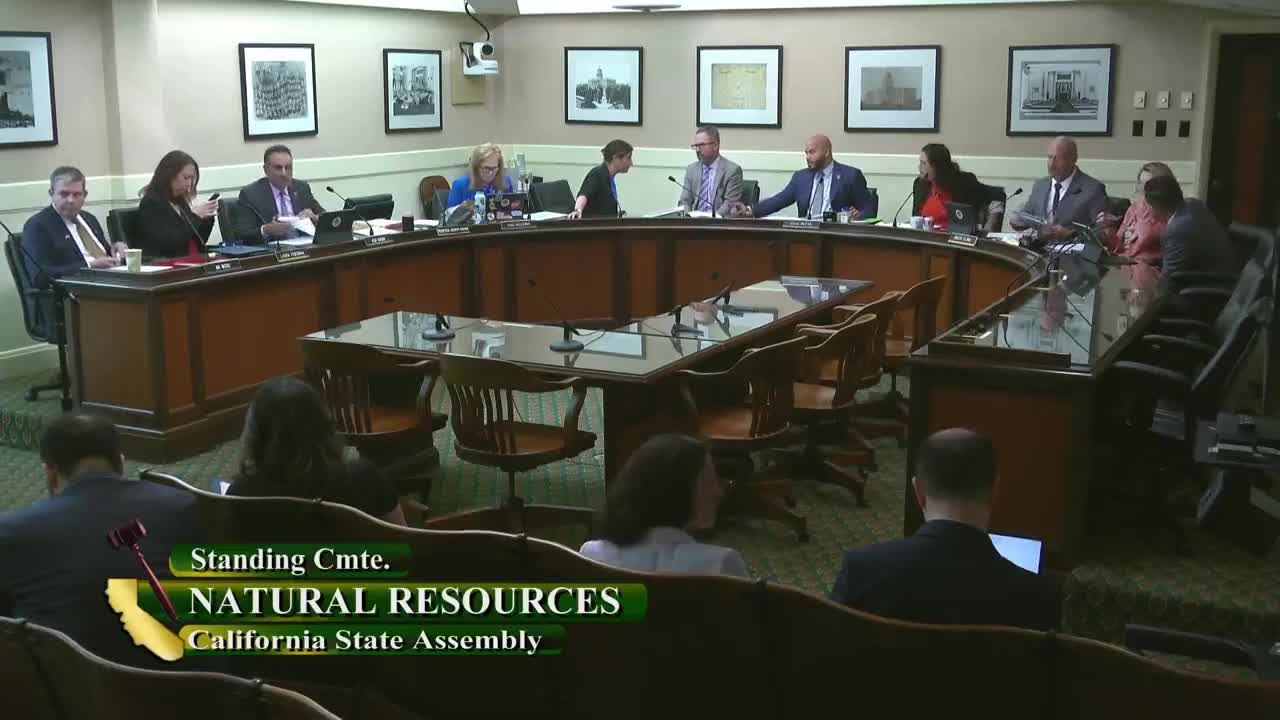 15MIN
Assembly Standing Committee on Natural Resources
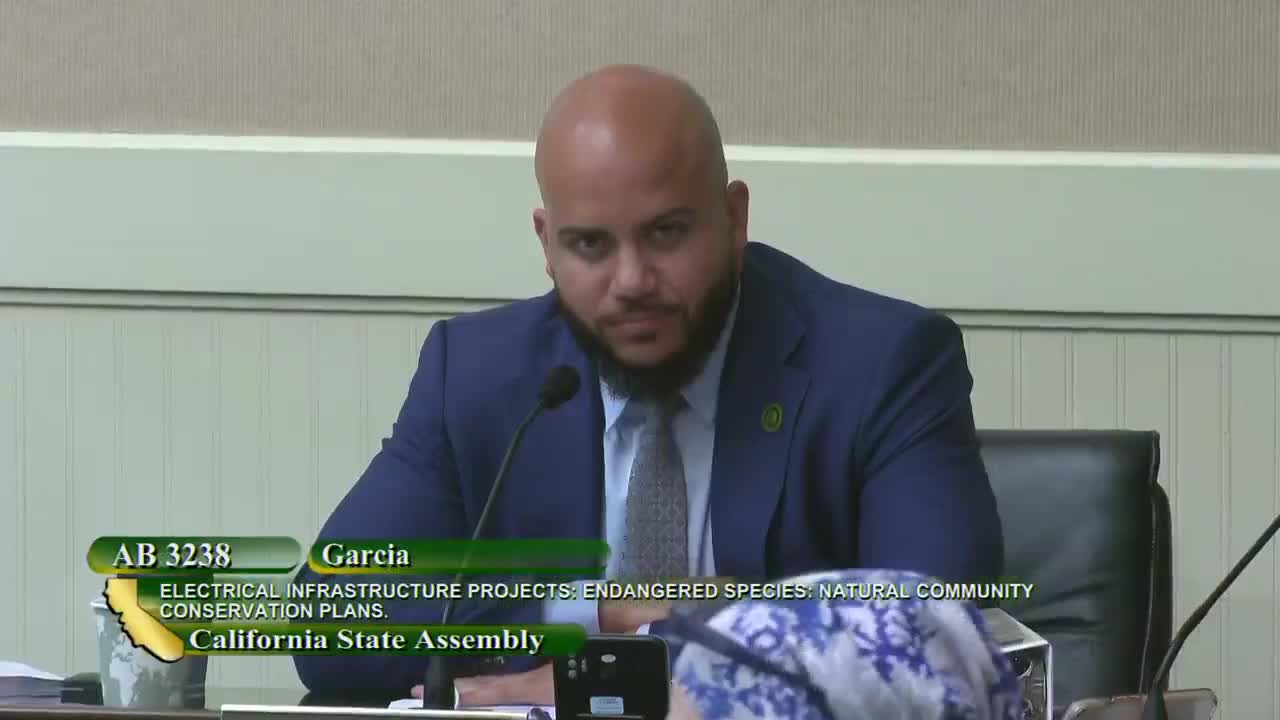 18SEC
Assembly Standing Committee on Natural Resources
1MIN
Assembly Standing Committee on Natural Resources
 27MIN
Assembly Standing Committee on Natural Resources
Bill Author

Bill Co-Author(s):