AB 37: Political Reform Act of 1974: campaign funds: security expenses.
- Session Year: 2023-2024
- House: Assembly
- Latest Version Date: 2023-09-18
Current Status:
Failed
(2024-01-29: Consideration of Governor's veto stricken from file.)
Introduced
In Committee
First Chamber
In Committee
Second Chamber
Enacted
The Political Reform Act of 1974 regulates the use of campaign funds held by candidates for elective office, elected officers, and campaign committees. The act authorizes a candidate or elected officer to use campaign funds to pay or reimburse the state for the costs of installing and monitoring a home or office electronic security system if specified conditions are met. These conditions include that the candidate or elected officer has received threats to physical safety that have been verified by law enforcement and that no more than $5,000 in campaign funds be used for this purpose.
This bill would eliminate those conditions. The bill would instead authorize a candidate or elected officer to use campaign funds to pay or reimburse the state for the reasonable costs of installing and monitoring a home or office electronic security system, and for the reasonable costs of providing personal security to a candidate, elected officer, or the immediate family or staff of a candidate or elected officer, provided that the threat or potential threat to safety arises from the candidates or elected officers activities, duties, or status as a candidate or elected officer. The bill would require the return of the security system to the committee that paid for the security system or reimbursement by the candidate, elected officer, immediate family, or staff, to the campaign fund account of the committee that paid for the security system and reporting of the reimbursement to the Fair Political Practices Commission, as specified.
The Political Reform Act of 1974, an initiative measure, provides that the Legislature may amend the act to further the acts purposes upon a 2/3 vote of each house of the Legislature and compliance with specified procedural requirements.
This bill would declare that it furthers the purposes of the act.
The Political Reform Act of 1974 regulates the use of campaign funds held by candidates for elective office, elected officers, and campaign committees. The act authorizes a candidate or elected officer to use campaign funds to pay or reimburse the state for the costs of installing and monitoring a home or office electronic security system if specified conditions are met. These conditions include that the candidate or elected officer has received threats to physical safety that have been verified by law enforcement and that no more than $5,000 in campaign funds be used for this purpose.
This bill would eliminate those conditions. The bill would instead authorize a candidate or elected officer to use campaign funds to pay or reimburse the state for the reasonable costs of installing and monitoring a home or office electronic security system, and for the reasonable costs of providing personal security to a candidate, elected officer, or the immediate family and or staff of a candidate or elected officer, if those costs are directly related to a political, legislative, or governmental purpose. provided that the threat or potential threat to safety arises from the candidates or elected officerss activities, duties, or status as a candidate or elected officer. The bill would require the return of the security system to the committee that paid for the security system or reimbursement by the candidate, elected officer, immediate family, or staff, to the campaign fund account of the committee that paid for the security system and reporting of the reimbursement to the Fair Political Practices Commission, as specified.
The Political Reform Act of 1974, an initiative measure, provides that the Legislature may amend the act to further the acts purposes upon a 2/3 vote of each house of the Legislature and compliance with specified procedural requirements.
This bill would declare that it furthers the purposes of the act.
The Political Reform Act of 1974 regulates the use of campaign funds held by candidates for elective office, elected officers, and campaign committees. The act authorizes a candidate or elected officer to use campaign funds to pay or reimburse the state for the costs of installing and monitoring a home or office electronic security system if specified conditions are met. These conditions include that the candidate or elected officer has received threats to physical safety that have been verified by law enforcement and that no more than $5,000 in campaign funds be used for this purpose.
This bill would eliminate those conditions. The bill would instead authorize a candidate or elected officer to use campaign funds to pay or reimburse the state for the reasonable costs of installing and monitoring a home or office electronic security system, and for the reasonable costs of providing personal security to a candidate, elected officer, or the immediate family and staff of a candidate or elected officer, if those costs are reasonably related to the candidate or elected officers status as a candidate or elected officer. directly related to a political, legislative, or governmental purpose. The bill would require the return of the security system to the committee that paid for the security system or reimbursement by the candidate, elected officer, immediate family, or staff, to the campaign fund account of the committee that paid for the security system and reporting of the reimbursement to the Fair Political Practices Commission, as specified.
The Political Reform Act of 1974, an initiative measure, provides that the Legislature may amend the act to further the acts purposes upon a 2/3 vote of each house of the Legislature and compliance with specified procedural requirements.
This bill would declare that it furthers the purposes of the act.
The Political Reform Act of 1974 regulates the use of campaign funds held by candidates for elective office, elected officers, and campaign committees. The act authorizes a candidate or elected officer to use campaign funds to pay or reimburse the state for the costs of installing and monitoring a home or office electronic security system if specified conditions are met. These conditions include that the candidate or elected officer has received threats to physical safety that have been verified by law enforcement, enforcement and that no more than $5,000 in campaign funds be used for this purpose, and that the candidate or elected officer report the expenditure of campaign funds to the Fair Political Practices Commission. purpose.
This bill would eliminate those conditions. The bill would instead authorize a candidate or elected officer to use campaign funds to pay or reimburse the state for the reasonable costs of installing and monitoring a home or office electronic security system, and for the reasonable costs of providing personal security to a candidate, elected officer, or the immediate family and staff of a candidate or elected officer, if those costs are reasonably related to the candidate or elected officers status as a candidate or elected officer. The bill would require the return of the security system to the committee that paid for the security system or reimbursement by the candidate, elected officer, immediate family, or staff, to the campaign fund account of the committee that paid for the security system and reporting of the reimbursement to the Fair Political Practices Commission, as specified.
The Political Reform Act of 1974, an initiative measure, provides that the Legislature may amend the act to further the acts purposes upon a 2/3 vote of each house of the Legislature and compliance with specified procedural requirements.
This bill would declare that it furthers the purposes of the act.
The Political Reform Act of 1974 regulates the use of campaign funds held by candidates for elective office, elected officers, and campaign committees. The act authorizes a candidate or elected officer to use campaign funds to pay or reimburse the state for the costs of installing and monitoring a home or office electronic security system if specified conditions are met. These conditions include that the candidate or elected officer has received threats to physical safety that have been verified by law enforcement, that no more than $5,000 in campaign funds be used for this purpose, and that the candidate or elected officer report the expenditure of campaign funds to the Fair Political Practices Commission.
This bill would eliminate those conditions. The bill would instead authorize a candidate or elected officer to use campaign funds to pay or reimburse the state for the reasonable costs of installing and monitoring a home or office electronic security system, and for the reasonable costs of providing personal security to a candidate, elected officer, or the immediate family and staff of a candidate or elected officer, if those costs are reasonably related to the candidate or elected officers status as a candidate or elected officer.
The Political Reform Act of 1974, an initiative measure, provides that the Legislature may amend the act to further the acts purposes upon a 2/3 vote of each house of the Legislature and compliance with specified procedural requirements.
This bill would declare that it furthers the purposes of the act.
(a)For purposes of this section, security expenses include the reasonable costs of installing and monitoring a home or office electronic security system for, and the reasonable costs of providing personal security to, a candidate, elected officer, or the immediate family or staff of a candidate or elected officer. Security expenses do not include payments to a relative, within the third degree of consanguinity, of a candidate or elected officer, unless the relative owns or operates a professional personal security business and the cost of the service is no greater than the relative would otherwise charge.
(b)Notwithstanding Section 89517, campaign funds may be used to pay, or reimburse the state, for security expenses to protect a candidate, an elected officer, or the immediate family or staff of a candidate or elected officer, provided that the threat or potential threat to safety arises from the candidates or elected officers activities, duties, or status as a candidate or elected officer. An expenditure of campaign funds pursuant to this subdivision shall be reported to the Commission.
(c)(1)If a committee uses campaign funds to pay, or reimburse the state, for the costs of installing a home or office electronic security system, either the security system shall be returned to the committee or reimbursement for the security system shall be made to the campaign fund account of the committee that paid for the security system, pursuant to the requirements in paragraphs (2) and (3).
(2)(A)Except as provided in subparagraph (B), return or reimbursement is due within one year of when the elected officer leaves the office for which the security system was purchased or when the candidate is no longer a candidate for the office for which the security system was purchased, or upon sale of the property on which the security system is installed, whichever occurs sooner.
(B)If there is a continuing threat to the physical safety of the candidate or elected officer, the threat arises from the candidates or elected officers activities, duties, or status as a candidate or elected officer, and the threat has been reported to and verified by an appropriate law enforcement agency, return or reimbursement is due within one year of when the threat verified by the law enforcement agency ceases, or upon sale of the property on which the security system is installed, whichever occurs sooner.
(3)The amount of the reimbursement shall be the fair market value of the security system at the time that reimbursement is paid or due pursuant to paragraph (2), whichever occurs sooner. For a security system installed at the home or office of a candidate or elected officer, the candidate or elected officer shall pay the reimbursement. For a security system installed at the home or office of immediate family or staff, either the candidate or elected officer, or the immediate family or staff, shall pay the reimbursement.
(4)The candidate or elected officer shall report reimbursement pursuant to this subdivision to the Commission.
(d)The immediate family or staff of the candidate or elected officer shall not be personally liable for reimbursement for expenditures for security expenses pursuant to this section.
SEC. 3.Section 89519 of the Government Code is amended to read:89519.(a)Upon the 90th day after leaving an elective office, or the 90th day following the end of the postelection reporting period following the defeat of a candidate for elective office, whichever occurs last, campaign funds under the control of the former candidate or elected officer shall be considered surplus campaign funds and shall be disclosed pursuant to Chapter 4 (commencing with Section 84100).
(b)Surplus campaign funds shall be used only for the following purposes:
(1)The payment of outstanding campaign debts or elected officers expenses.
(2)The repayment of contributions.
(3)Donations to a bona fide charitable, educational, civic, religious, or similar tax-exempt, nonprofit organization, where no substantial part of the proceeds will have a material financial effect on the former candidate or elected officer, any member of the former candidates or elected officers immediate family, or the former candidates or elected officers campaign treasurer.
(4)Contributions to a political party committee, provided the campaign funds are not used to support or oppose candidates for elective office. However, the campaign funds may be used by a political party committee to conduct partisan voter registration, partisan get-out-the-vote activities, and slate mailers as that term is defined in Section 82048.3.
(5)Contributions to support or oppose a candidate for federal office, a candidate for elective office in a state other than California, or a ballot measure.
(6)The payment for professional services reasonably required by the committee to assist in the performance of its administrative functions, including payment for attorneys fees and other costs for litigation that arises directly out of a candidates or elected officers activities, duties, or status as a candidate or elected officer, including, but not limited to, an action to enjoin defamation, defense of an action brought for a violation of state or local campaign, disclosure, or election laws, and an action from an election contest or recount.
(c)For purposes of this section, the payment of, or the reimbursement to the state for, security expenses, as defined in Section 89517.5, to protect a candidate, an elected officer, or the immediate family or staff of a candidate or elected officer, shall be deemed an outstanding campaign debt or elected officers expense, provided that the threat or potential threat to safety arises from the candidates or elected officers activities, duties, or status as a candidate or elected officer. The candidate or elected officer shall report a payment or reimbursement for security expenses made pursuant to this section to the Commission.
SEC. 4.The Legislature finds and declares that this bill furthers the purposes of the Political Reform Act of 1974 within the meaning of subdivision (a) of Section 81012 of the Government Code.
(a)For purposes of this section, security expenses include the reasonable costs of installing and monitoring a home or office electronic security system for, and the reasonable costs of providing personal security to, a candidate, elected officer, or the immediate family and or staff of a candidate or elected officer. Security expenses do not include payments to a relative, within the third degree of consanguinity, of a candidate or elected officer, unless the relative owns or operates a professional personal security business and the cost of the service is no greater than the relative would otherwise charge.
(b)Notwithstanding Section 89517, campaign funds may be used to pay, or reimburse the state, for security expenses to protect a candidate, an elected officer, or the immediate family and or staff of a candidate or elected officer, if those security expenses are directly related to a political, legislative, or governmental purpose. officer, provided that the threat or potential threat to safety arises from the candidates or elected officers activities, duties, or status as a candidate or elected officer. An expenditure of campaign funds pursuant to this subdivision shall be reported to the Commission.
(c)(1)If a committee uses campaign funds to pay, or reimburse the state, for the costs of installing a home or office electronic security system, either the security system shall be returned to the committee or reimbursement for the security system shall be made to the campaign fund account of the committee that paid for the security system, pursuant to the requirements in paragraphs (2) and (3).
(2)Return(A)Except as provided in subparagraph (B), return or reimbursement is due within one year of when the elected officer leaves the office for which the security system was purchased or when the candidate is no longer a candidate for the office for which the security system was purchased, or upon sale of the property on which the security system is installed, whichever occurs sooner.
(B)If there is a continuing threat to the physical safety of the candidate or elected officer, the threat arises from the candidates or elected officers activities, duties, or status as a candidate or elected officer, and the threat has been reported to and verified by an appropriate law enforcement agency, return or reimbursement is due within one year of when the threat verified by the law enforcement agency ceases, or upon sale of the property on which the security system is installed, whichever occurs sooner.
(3)The amount of the reimbursement shall be the fair market value of the security system at the time that reimbursement is paid or due pursuant to paragraph (2), whichever occurs sooner. For a security system installed at the home or office of a candidate or elected officer, the candidate or elected officer shall pay the reimbursement. For a security system installed at the home or office of immediate family or staff, either the candidate or elected officer, or the immediate family or staff, shall pay the reimbursement.
(4)The candidate or elected officer shall report reimbursement pursuant to this subdivision to the Commission.
(d)The immediate family or staff of the candidate or elected officer shall not be personally liable for reimbursement for expenditures for security expenses pursuant to this section.
SEC. 3.Section 89519 of the Government Code is amended to read:89519.(a)Upon the 90th day after leaving an elective office, or the 90th day following the end of the postelection reporting period following the defeat of a candidate for elective office, whichever occurs last, campaign funds under the control of the former candidate or elected officer shall be considered surplus campaign funds and shall be disclosed pursuant to Chapter 4 (commencing with Section 84100).
(b)Surplus campaign funds shall be used only for the following purposes:
(1)The payment of outstanding campaign debts or elected officers expenses.
(2)The repayment of contributions.
(3)Donations to a bona fide charitable, educational, civic, religious, or similar tax-exempt, nonprofit organization, where no substantial part of the proceeds will have a material financial effect on the former candidate or elected officer, any member of the former candidates or elected officers immediate family, or the former candidates or elected officers campaign treasurer.
(4)Contributions to a political party committee, provided the campaign funds are not used to support or oppose candidates for elective office. However, the campaign funds may be used by a political party committee to conduct partisan voter registration, partisan get-out-the-vote activities, and slate mailers as that term is defined in Section 82048.3.
(5)Contributions to support or oppose a candidate for federal office, a candidate for elective office in a state other than California, or a ballot measure.
(6)The payment for professional services reasonably required by the committee to assist in the performance of its administrative functions, including payment for attorneys fees and other costs for litigation that arises directly out of a candidates or elected officers activities, duties, or status as a candidate or elected officer, including, but not limited to, an action to enjoin defamation, defense of an action brought for a violation of state or local campaign, disclosure, or election laws, and an action from an election contest or recount.
(c)For purposes of this section, the payment of, or the reimbursement to the state for, security expenses, as defined in Section 89517.5, to protect a candidate, an elected officer, or the immediate family and or staff of a candidate or elected officer, shall be deemed an outstanding campaign debt or elected officers expense if those security expenses are directly related to a political, legislative, or governmental purpose. expense, provided that the threat or potential threat to safety arises from the candidates or elected officers activities, duties, or status as a candidate or elected officer. The candidate or elected officer shall report a payment or reimbursement for security expenses made pursuant to this section to the Commission.
SEC. 4.The Legislature finds and declares that this bill furthers the purposes of the Political Reform Act of 1974 within the meaning of subdivision (a) of Section 81012 of the Government Code.
(a)For purposes of this section, security expenses include the reasonable costs of installing and monitoring a home or office electronic security system for, and the reasonable costs of providing personal security to, a candidate, elected officer, or the immediate family and staff of a candidate or elected officer. Security expenses do not include payments to a relative, within the third degree of consanguinity, of a candidate or elected officer, unless the relative owns or operates a professional personal security business and the cost of the service is no greater than the relative would otherwise charge.
(b)Notwithstanding Section 89517, campaign funds may be used to pay, or reimburse the state, for security expenses to protect a candidate, an elected officer, or the immediate family and staff of a candidate or elected officer, if those security expenses are reasonably related to the candidate or elected officers status as a candidate or elected officer. directly related to a political, legislative, or governmental purpose. An expenditure of campaign funds pursuant to this subdivision shall be reported to the Commission.
(c)(1)If a committee uses campaign funds to pay, or reimburse the state, for the costs of installing a home or office electronic security system, either the security system shall be returned to the committee or reimbursement for the security system shall be made to the campaign fund account of the committee that paid for the security system, pursuant to the requirements in paragraphs (2) and (3).
(2)Return or reimbursement is due within one year of when the elected officer leaves the office for which the security system was purchased or when the candidate is no longer a candidate for the office for which the security system was purchased, or upon sale of the property on which the security system is installed, whichever occurs sooner.
(3)The amount of the reimbursement shall be the fair market value of the security system at the time that reimbursement is paid or due pursuant to paragraph (2), whichever occurs sooner. For a security system installed at the home or office of a candidate or elected officer, the candidate or elected officer shall pay the reimbursement. For a security system installed at the home or office of immediate family or staff, either the candidate or elected officer, or the immediate family or staff, shall pay the reimbursement.
(4)The candidate or elected officer shall report reimbursement pursuant to this subdivision to the Commission.
(d)The immediate family or staff of the candidate or elected officer shall not be personally liable for reimbursement for expenditures for security expenses pursuant to this section.
SEC. 3.Section 89519 of the Government Code is amended to read:89519.(a)Upon the 90th day after leaving an elective office, or the 90th day following the end of the postelection reporting period following the defeat of a candidate for elective office, whichever occurs last, campaign funds under the control of the former candidate or elected officer shall be considered surplus campaign funds and shall be disclosed pursuant to Chapter 4 (commencing with Section 84100).
(b)Surplus campaign funds shall be used only for the following purposes:
(1)The payment of outstanding campaign debts or elected officers expenses.
(2)The repayment of contributions.
(3)Donations to a bona fide charitable, educational, civic, religious, or similar tax-exempt, nonprofit organization, where no substantial part of the proceeds will have a material financial effect on the former candidate or elected officer, any member of the former candidates or elected officers immediate family, or the former candidates or elected officers campaign treasurer.
(4)Contributions to a political party committee, provided the campaign funds are not used to support or oppose candidates for elective office. However, the campaign funds may be used by a political party committee to conduct partisan voter registration, partisan get-out-the-vote activities, and slate mailers as that term is defined in Section 82048.3.
(5)Contributions to support or oppose a candidate for federal office, a candidate for elective office in a state other than California, or a ballot measure.
(6)The payment for professional services reasonably required by the committee to assist in the performance of its administrative functions, including payment for attorneys fees and other costs for litigation that arises directly out of a candidates or elected officers activities, duties, or status as a candidate or elected officer, including, but not limited to, an action to enjoin defamation, defense of an action brought for a violation of state or local campaign, disclosure, or election laws, and an action from an election contest or recount.
(c)For purposes of this section, the payment of, or the reimbursement to the state for, security expenses, as defined in Section 89517.5, to protect a candidate, an elected officer, or the immediate family and staff of a candidate or elected officer, shall be deemed an outstanding campaign debt or elected officers expense if those security expenses are reasonably related to the candidate or elected officers status as a candidate or elected officer. directly related to a political, legislative, or governmental purpose. The candidate or elected officer shall report a payment or reimbursement for security expenses made pursuant to this section to the Commission.
SEC. 4.The Legislature finds and declares that this bill furthers the purposes of the Political Reform Act of 1974 within the meaning of subdivision (a) of Section 81012 of the Government Code.
(a)For purposes of this section, security expenses include the reasonable costs of installing and monitoring a home or office electronic security system for, and the reasonable costs of providing personal security to to, a candidate, elected officer, or the immediate family and staff of a candidate or elected officer. Security expenses do not include payments to a relative, within the third degree of consanguinity, of a candidate or elected officer, unless the relative owns or operates a professional personal security business and the cost of the service is no greater than the relative would otherwise charge.
(b)Notwithstanding Section 89517, campaign funds may be used to pay, or reimburse the state, for security expenses to protect a candidate, an elected officer, or the immediate family and staff of a candidate or elected officer, if those security expenses are reasonably related to the candidate or elected officers status as a candidate or elected officer. An expenditure of campaign funds pursuant to this subdivision shall be reported to the Commission.
(c)(1)If a committee uses campaign funds to pay, or reimburse the state, for the costs of installing a home or office electronic security system, either the security system shall be returned to the committee or reimbursement for the security system shall be made to the campaign fund account of the committee that paid for the security system, pursuant to the requirements in paragraphs (2) and (3).
(2)Return or reimbursement is due within one year of when the elected officer leaves the office for which the security system was purchased or when the candidate is no longer a candidate for the office for which the security system was purchased, or upon sale of the property on which the security system is installed, whichever occurs sooner.
(3)The amount of the reimbursement shall be the fair market value of the security system at the time that reimbursement is paid or due pursuant to paragraph (2), whichever occurs sooner. For a security system installed at the home or office of a candidate or elected officer, the candidate or elected officer shall pay the reimbursement. For a security system installed at the home or office of immediate family or staff, either the candidate or elected officer, or the immediate family or staff, shall pay the reimbursement.
(4)The candidate or elected officer shall report reimbursement pursuant to this subdivision to the Commission.
(d)The immediate family or staff of the candidate or elected officer shall not be personally liable for reimbursement for expenditures for security expenses pursuant to this section.
SEC. 3.Section 89519 of the Government Code is amended to read:89519.(a)Upon the 90th day after leaving an elective office, or the 90th day following the end of the postelection reporting period following the defeat of a candidate for elective office, whichever occurs last, campaign funds under the control of the former candidate or elected officer shall be considered surplus campaign funds and shall be disclosed pursuant to Chapter 4 (commencing with Section 84100).
(b)Surplus campaign funds shall be used only for the following purposes:
(1)The payment of outstanding campaign debts or elected officers expenses.
(2)The repayment of contributions.
(3)Donations to a bona fide charitable, educational, civic, religious, or similar tax-exempt, nonprofit organization, where no substantial part of the proceeds will have a material financial effect on the former candidate or elected officer, any member of the former candidates or elected officers immediate family, or the former candidates or elected officers campaign treasurer.
(4)Contributions to a political party committee, provided the campaign funds are not used to support or oppose candidates for elective office. However, the campaign funds may be used by a political party committee to conduct partisan voter registration, partisan get-out-the-vote activities, and slate mailers as that term is defined in Section 82048.3.
(5)Contributions to support or oppose a candidate for federal office, a candidate for elective office in a state other than California, or a ballot measure.
(6)The payment for professional services reasonably required by the committee to assist in the performance of its administrative functions, including payment for attorneys fees and other costs for litigation that arises directly out of a candidates or elected officers activities, duties, or status as a candidate or elected officer, including, but not limited to, an action to enjoin defamation, defense of an action brought for a violation of state or local campaign, disclosure, or election laws, and an action from an election contest or recount.
(c)For purposes of this section, the payment of, or the reimbursement to the state for, security expenses, as defined in Section 89517.5, to protect a candidate, an elected officer, or the immediate family and staff of a candidate or elected officer, shall be deemed an outstanding campaign debt or elected officers expense if those security expenses are reasonably related to the candidate or elected officers status as a candidate or elected officer. The candidate or elected officer shall report a payment or reimbursement for security expenses made pursuant to this section to the Commission.
SEC. 4.The Legislature finds and declares that this bill furthers the purposes of the Political Reform Act of 1974 within the meaning of subdivision (a) of Section 81012 of the Government Code.
(a)For purposes of this section, security expenses include the reasonable costs of installing and monitoring a home or office electronic security system and the reasonable costs of providing personal security to a candidate, elected officer, or the immediate family and staff of a candidate or elected officer. Security expenses do not include payments to a relative, within the third degree of consanguinity, of a candidate or elected officer, unless the relative owns or operates a professional personal security business and the cost of the service is no greater than the relative would otherwise charge.
(b)Notwithstanding Section 89517, campaign funds may be used to pay, or reimburse the state, for security expenses to protect a candidate, an elected officer, or the immediate family and staff of a candidate or elected officer, if those security expenses are reasonably related to the candidate or elected officers status as a candidate or elected officer.
SEC. 3.Section 89519 of the Government Code is amended to read:89519.(a)Upon the 90th day after leaving an elective office, or the 90th day following the end of the postelection reporting period following the defeat of a candidate for elective office, whichever occurs last, campaign funds under the control of the former candidate or elected officer shall be considered surplus campaign funds and shall be disclosed pursuant to Chapter 4 (commencing with Section 84100).
(b)Surplus campaign funds shall be used only for the following purposes:
(1)The payment of outstanding campaign debts or elected officers expenses.
(2)The repayment of contributions.
(3)Donations to a bona fide charitable, educational, civic, religious, or similar tax-exempt, nonprofit organization, where no substantial part of the proceeds will have a material financial effect on the former candidate or elected officer, any member of the former candidates or elected officers immediate family, or the former candidates or elected officers campaign treasurer.
(4)Contributions to a political party committee, provided the campaign funds are not used to support or oppose candidates for elective office. However, the campaign funds may be used by a political party committee to conduct partisan voter registration, partisan get-out-the-vote activities, and slate mailers as that term is defined in Section 82048.3.
(5)Contributions to support or oppose a candidate for federal office, a candidate for elective office in a state other than California, or a ballot measure.
(6)The payment for professional services reasonably required by the committee to assist in the performance of its administrative functions, including payment for attorneys fees and other costs for litigation that arises directly out of a candidates or elected officers activities, duties, or status as a candidate or elected officer, including, but not limited to, an action to enjoin defamation, defense of an action brought for a violation of state or local campaign, disclosure, or election laws, and an action from an election contest or recount.
(c)For purposes of this section, the payment for, or the reimbursement to the state of, the costs of installing and monitoring an electronic security system in the home or office, or both, of a candidate or elected officer who has received threats to the candidates or elected officers physical safety shall be deemed an outstanding campaign debt or elected officers expense, provided that the threats arise from the candidates or elected officers activities, duties, or status as a candidate or elected officer and that the threats have been reported to and verified by an appropriate law enforcement agency. Verification shall be determined solely by the law enforcement agency to which the threat was reported. The candidate or elected officer shall report an expenditure of campaign funds made pursuant to this section to the Commission. The report to the Commission shall include the date that the candidate or elected officer informed the law enforcement agency of the threat, the name and the telephone number of the law enforcement agency, and a brief description of the threat. No more than five thousand dollars ($5,000) in surplus campaign funds may be used, cumulatively, by a candidate or elected officer pursuant to this subdivision. Payments made pursuant to this subdivision shall be made during the two years immediately following the date upon which the campaign funds become surplus campaign funds. The candidate or elected officer shall reimburse the surplus fund account for the fair market value of the security system no later than two years immediately following the date upon which the campaign funds became surplus campaign funds. The campaign funds become surplus campaign funds upon sale of the property on which the system is installed, or prior to the closing of the surplus campaign fund account, whichever comes first. The electronic security system shall be the property of the campaign committee of the candidate or elected officer.(c)For purposes of this section, the payment of, or the reimbursement to the state for, security expenses, as defined in Section 89517.5, to protect a candidate, an elected officer, or the immediate family and staff of a candidate or elected officer, shall be deemed an outstanding campaign debt or elected officers expense if those security expenses are reasonably related to the candidate or elected officers status as a candidate or elected officer.
SEC. 4.The Legislature finds and declares that this bill furthers the purposes of the Political Reform Act of 1974 within the meaning of subdivision (a) of Section 81012 of the Government Code.
CORRECTIONS: HeadingLine 1. DigestPage 1.|
Date
|
Status
|
|---|---|
| Jan 29, 2024 | Consideration of Governor's veto stricken from file. |
| Jan 3, 2024 | Consideration of Governor's veto pending. |
| Oct 8, 2023 | Vetoed by Governor. |
| Sep 20, 2023 | Enrolled and presented to the Governor at 4 p.m. |
| Sep 13, 2023 | Senate amendments concurred in. To Engrossing and Enrolling. (Ayes 75. Noes 0. Page 3468.). |
| Sep 13, 2023 | In Assembly. Concurrence in Senate amendments pending. |
| Sep 13, 2023 | Read third time. Passed. Ordered to the Assembly. (Ayes 35. Noes 3. Page 2701.). |
| Sep 1, 2023 | Read second time. Ordered to third reading. |
| Aug 31, 2023 | Read third time and amended. Ordered to second reading. |
| Aug 15, 2023 | Read second time. Ordered to third reading. |
| Aug 14, 2023 | From committee: Be ordered to second reading pursuant to Senate Rule 28.8. |
| Jul 10, 2023 | Read second time and amended. Re-referred to Com. on APPR. |
| Jul 6, 2023 | From committee: Amend, and do pass as amended and re-refer to Com. on APPR. (Ayes 7. Noes 0.) (July 5). |
| Jun 27, 2023 | From committee chair, with author's amendments: Amend, and re-refer to committee. Read second time, amended, and re-referred to Com. on E. & C.A. |
| May 31, 2023 | Referred to Com. on E. & C.A. |
| May 18, 2023 | In Senate. Read first time. To Com. on RLS. for assignment. |
| May 18, 2023 | Read third time. Passed. Ordered to the Senate. (Ayes 70. Noes 0. Page 1588.) |
| Apr 27, 2023 | Read second time. Ordered to third reading. |
| Apr 26, 2023 | From committee: Do pass. (Ayes 15. Noes 0.) (April 26). |
| Mar 29, 2023 | From committee: Do pass and re-refer to Com. on APPR. (Ayes 7. Noes 0.) (March 29). Re-referred to Com. on APPR. |
| Jan 26, 2023 | Referred to Com. on ELECTIONS. |
| Dec 9, 2022 | Introduced measure version corrected. |
| Dec 6, 2022 | From printer. May be heard in committee January 5. |
| Dec 5, 2022 | Read first time. To print. |
|
Date
|
Description
|
Location
|
Votes
|
|
|---|---|---|---|---|
| Sep 13, 2023 | AB 37 Bonta Concurrence in Senate Amendments | Assembly Floor |
Passed |
|
| Sep 13, 2023 | Assembly 3rd Reading AB37 Bonta et al. By Wiener | Senate Floor |
Passed |
|
| Jul 5, 2023 | Do pass as amended, but first amend, and re-refer to the Committee on [Appropriations] | Senate Standing Committee on Elections and Constitutional Amendments |
Passed |
|
| May 18, 2023 | AB 37 Bonta Assembly Third Reading | Assembly Floor |
Passed |
|
| Apr 26, 2023 | Do pass. | Assembly Standing Committee on Appropriations |
Passed |
|
| Mar 29, 2023 | Do pass and be re-referred to the Committee on [Appropriations] | Assembly Standing Committee on Elections |
Passed |
This list shows positions taken on this bill by organizations on the date displayed, which is linked to the original source.
Positions by individuals are not included.
|
Organization
|
Position
|
Date
|
|---|---|---|
| California Contract Cities Association | ** Support | |
| City of San Marcos | ** Support | |
| City of Thousand Oaks | ** Support | |
| League Of California Cities | ** Support | |
| Todd Spitzer, District Attorney of Orange County | ** Support |
GOVERNOR'S VETO
GV Bill Id:AB 37
Author:(Bonta)
As Enrolled Ver:September 18, 2023
2/3 vote
SUMMARY
Authorizes campaign funds to be used for costs related to security expenses, as defined, to protect a candidate, elected officer, or the immediate family or staff of a candidate or elected officer, as specified.
Senate Amendments
- Expand this bill to allow campaign funds to be used for costs related to security expenses for a potential threat to safety that arises from a candidate's or elected officer's activities, duties, or status as a candidate or elected officer. Delete provisions from the Assembly-approved version of the bill that required any security expenses that are paid for with campaign funds to be reasonably related to the candidate's or elected officer's status.
- Require an expenditure of campaign funds related to security expenses to be reported to the Fair Political Practices Commission (FPPC).
- Require a security system to be returned to the committee that paid for it after a specified period, or requires reimbursement for the fair market value of that system to be made by the candidate, elected officer, immediate family, or staff, to the committee that paid for the security system, as specified. Require the candidate or elected official to report payment or reimbursement of the security system to the FPPC, as specified.
Governor's Veto Message
"This bill would expand what qualifies as an allowable use of campaign funds for security-related expenses.
"While I support the author's intention, the bill as drafted does not clearly define 'security expenses.' Without more guidance on what would or would not be allowed as a legitimate use of campaign funds, this bill could have unintended consequences and could lead to use of political donations for expenditures far beyond what any reasonable donor would expect. We must ensure political donations are utilized in a manner consistent with their intended purpose.
COMMENTS
The Political Reform Act (PRA) strictly regulates the use of campaign funds by candidates, elected officials, and others who control the expenditure of those funds and generally requires expenditures of campaign funds to be directly or reasonably related to a political, legislative, or governmental purpose. In recognition of the fact that public officials may face threats to their security due to their political, legislative, or governmental activities, current law includes a specific exception to the otherwise generally-applicable rules governing the expenditure of campaign funds. A candidate or elected official may use up to $5,000 in campaign funds to pay, or reimburse the state, for the costs of installing and monitoring a home or office electronic security system if the following circumstances are met: 1) the candidate or elected officer has received threats to their physical safety, 2) the threats arise from their activities, duties, or status as a candidate or elected officer, and 3) the threats have been reported to and verified by law enforcement. This bill significantly broadens this exception to allow expenditures for personal security, including for immediate family and staff, and repeals the $5,000 cap and requirement that threats first be verified by law enforcement.
California voters passed an initiative, Proposition 9, in 1974 that created the FPPC and codified significant restrictions and prohibitions on candidates, officeholders, and lobbyists. That initiative is commonly known as the PRA. Amendments to the PRA that are not submitted to the voters, such as those contained in this bill, must further the purposes of the initiative and require a two-thirds vote of both houses of the Legislature.
The Senate amendments expand the bill to allow campaign funds to be used for costs related to security expenses for a potential threat to safety that arises from a candidate's or elected officer's activities, duties, or status as a candidate or elected officer. Additionally, the Senate amendments delete provisions from the Assembly-approved version of the bill that required any security expenses that are paid for with campaign funds to be reasonably related to the candidate's or elected officer's status, require an expenditure of campaign funds related to security expenses to be reported to the FPPC, and require return of or reimbursement for the fair market value of the security system, as specified. Additionally, the amendments require the candidate or elected official to report payment or reimbursement of the security system to the FPPC. This bill, as amended in the Senate, is generally consistent with Assembly actions.
According to the Author
"Unfortunately, we have seen an increase in threats against public officials, especially women, and harassment against legislative staff who are serving the constituents who elected us to office…Political violence is never the answer. When reactionary elements fan the flames of violence, they are putting candidates and elected officials squarely in their sights. Holding public office is about serving your community, but we never signed up for violence, and our families and children must be protected."
Arguments in Support
In support of a previous version of this bill, the League of California Cities wrote, "Unfortunately, city officials know all too well why this bill is necessary. The list of examples of recent incidents of attacks and harassment of local elected officials is unfortunately long. According to the National League of Cities, in a survey of local public officials, 87% observed an increase in attacks on public officials in recent years, while 81% reported having experienced harassment, threats, and violence themselves. These could be in the form of personal attacks, physical assaults, and cyberbullying directed at themselves or their children… [This] bill would…make it easier for those interested in serving their community and running for local office to do so knowing they have more options when it comes to protecting themselves, their family, and their staff."
Arguments in Opposition
With an oppose unless amended position, the City of Beverly Hills writes, "Current laws governing the use of campaign funds for security expenses impose limitations that, in many cases, are insufficient to provide adequate protection. While AB 37 revises these regulations by extending the coverage of allowable security-related expenses and removes the requirement for threats to be verified by law enforcement prior to expenditure, it also eliminates the $5,000 cap on expenses related to home or office electronic security systems. Without a cap on reasonable expenses, the City of Beverly Hills cannot support this bill. We are also concerned that the protection for immediate family members and staff could be abused without better safeguards in place. The City of Beverly Hills recognizes AB 37 not only serves to protect those already in office but also seeks to uphold the essence of public service; however, we cannot support this bill without a cap on reasonable expenses or a narrower definition on whom the campaign funds can be expended on for security."
FISCAL COMMENTS
According to the Senate Appropriations Committee, pursuant to Senate Rule 28.8, negligible state costs.
VOTES
ASM ELECTIONS: 7-0-1
YES: Bryan, Bennett, Essayli, Lee, Low, Pellerin, Blanca Rubio
ABS, ABST OR NV: Lackey
ASM APPROPRIATIONS: 15-0-1
YES: Holden, Megan Dahle, Bryan, Calderon, Wendy Carrillo, Dixon, Mike Fong, Hart, Lowenthal, Papan, Pellerin, Robert Rivas, Sanchez, Weber, Wilson
ABS, ABST OR NV: Mathis
ASSEMBLY FLOOR: 70-0-10
YES: Addis, Alanis, Alvarez, Arambula, Bains, Bauer-Kahan, Bennett, Berman, Boerner, Bonta, Bryan, Calderon, Juan Carrillo, Wendy Carrillo, Chen, Connolly, Megan Dahle, Davies, Dixon, Essayli, Flora, Mike Fong, Gabriel, Garcia, Gipson, Grayson, Haney, Hart, Holden, Hoover, Irwin, Jackson, Kalra, Lee, Low, Lowenthal, Maienschein, Mathis, McCarty, McKinnor, Stephanie Nguyen, Ortega, Pacheco, Papan, Jim Patterson, Joe Patterson, Pellerin, Petrie-Norris, Quirk-Silva, Ramos, Reyes, Luz Rivas, Robert Rivas, Rodriguez, Blanca Rubio, Sanchez, Santiago, Schiavo, Soria, Ta, Ting, Valencia, Villapudua, Wallis, Ward, Weber, Wicks, Wood, Zbur, Rendon
ABS, ABST OR NV: Aguiar-Curry, Cervantes, Vince Fong, Friedman, Gallagher, Jones-Sawyer, Lackey, Muratsuchi, Waldron, Wilson
SENATE FLOOR: 35-3-2
YES: Allen, Alvarado-Gil, Archuleta, Ashby, Atkins, Becker, Blakespear, Bradford, Cortese, Dodd, Durazo, Eggman, Glazer, Gonzalez, Hurtado, Jones, Laird, Limón, McGuire, Menjivar, Min, Newman, Nguyen, Niello, Ochoa Bogh, Padilla, Portantino, Roth, Rubio, Skinner, Smallwood-Cuevas, Stern, Umberg, Wahab, Wiener
NO: Grove, Seyarto, Wilk
ABS, ABST OR NV: Caballero, Dahle
ASSEMBLY FLOOR: 75-0-5
YES: Addis, Aguiar-Curry, Alanis, Alvarez, Arambula, Bains, Bennett, Berman, Boerner, Bonta, Bryan, Calderon, Juan Carrillo, Wendy Carrillo, Cervantes, Chen, Connolly, Davies, Dixon, Essayli, Flora, Mike Fong, Friedman, Gabriel, Garcia, Gipson, Grayson, Haney, Hart, Holden, Hoover, Irwin, Jackson, Jones-Sawyer, Kalra, Lee, Low, Lowenthal, Maienschein, Mathis, McCarty, McKinnor, Muratsuchi, Stephanie Nguyen, Ortega, Pacheco, Papan, Jim Patterson, Joe Patterson, Pellerin, Petrie-Norris, Quirk‑Silva, Ramos, Rendon, Reyes, Luz Rivas, Rodriguez, Blanca Rubio, Sanchez, Santiago, Schiavo, Soria, Ta, Ting, Valencia, Villapudua, Waldron, Wallis, Ward, Weber, Wicks, Wilson, Wood, Zbur, Robert Rivas
ABS, ABST OR NV: Bauer-Kahan, Megan Dahle, Vince Fong, Gallagher, Lackey
UPDATED
VERSION: September 18, 2023
CONSULTANT: Nichole Becker / ELECTIONS / (916) 319-2094 FN: 0002493
CONCURRENCE IN SENATE AMENDMENTS
CSA1 Bill Id:AB 37
Author:(Bonta)
As Amended Ver:August 31, 2023
2/3 vote
SUMMARY
Authorizes campaign funds to be used for costs related to security expenses, as defined, to protect a candidate, elected officer, or the immediate family or staff of a candidate or elected officer, as specified.
Senate Amendments
- Expand this bill to allow campaign funds to be used for costs related to security expenses for a potential threat to safety that arises from a candidate's or elected officer's activities, duties, or status as a candidate or elected officer. Delete provisions from the Assembly-approved version of the bill that required any security expenses that are paid for with campaign funds to be reasonably related to the candidate's or elected officer's status.
- Require an expenditure of campaign funds related to security expenses to be reported to the Fair Political Practices Commission (FPPC).
- Require a security system to be returned to the committee that paid for it after a specified period, or requires reimbursement for the fair market value of that system to be made by the candidate, elected officer, immediate family, or staff, to the committee that paid for the security system, as specified. Require the candidate or elected official to report payment or reimbursement of the security system to the FPPC, as specified.
COMMENTS
The Political Reform Act (PRA) strictly regulates the use of campaign funds by candidates, elected officials, and others who control the expenditure of those funds and generally requires expenditures of campaign funds to be directly or reasonably related to a political, legislative, or governmental purpose. In recognition of the fact that public officials may face threats to their security due to their political, legislative, or governmental activities, current law includes a specific exception to the otherwise generally-applicable rules governing the expenditure of campaign funds. A candidate or elected official may use up to $5,000 in campaign funds to pay, or reimburse the state, for the costs of installing and monitoring a home or office electronic security system if the following circumstances are met: 1) the candidate or elected officer has received threats to their physical safety, 2) the threats arise from their activities, duties, or status as a candidate or elected officer, and 3) the threats have been reported to and verified by law enforcement. This bill significantly broadens this exception to allow expenditures for personal security, including for immediate family and staff, and repeals the $5,000 cap and requirement that threats first be verified by law enforcement.
California voters passed an initiative, Proposition 9, in 1974 that created the FPPC and codified significant restrictions and prohibitions on candidates, officeholders, and lobbyists. That initiative is commonly known as the PRA. Amendments to the PRA that are not submitted to the voters, such as those contained in this bill, must further the purposes of the initiative and require a two-thirds vote of both houses of the Legislature.
The Senate amendments expand the bill to allow campaign funds to be used for costs related to security expenses for a potential threat to safety that arises from a candidate's or elected officer's activities, duties, or status as a candidate or elected officer. Additionally, the Senate amendments delete provisions from the Assembly-approved version of the bill that required any security expenses that are paid for with campaign funds to be reasonably related to the candidate's or elected officer's status, require an expenditure of campaign funds related to security expenses to be reported to the FPPC, and require return of or reimbursement for the fair market value of the security system, as specified. Additionally, the amendments require the candidate or elected official to report payment or reimbursement of the security system to the FPPC. This bill, as amended in the Senate, is generally consistent with Assembly actions.
According to the Author
"Unfortunately, we have seen an increase in threats against public officials, especially women, and harassment against legislative staff who are serving the constituents who elected us to office…Political violence is never the answer. When reactionary elements fan the flames of violence, they are putting candidates and elected officials squarely in their sights. Holding public office is about serving your community, but we never signed up for violence, and our families and children must be protected."
Arguments in Support
In support of a previous version of this bill, the League of California Cities wrote, "Unfortunately, city officials know all too well why this bill is necessary. The list of examples of recent incidents of attacks and harassment of local elected officials is unfortunately long. According to the National League of Cities, in a survey of local public officials, 87% observed an increase in attacks on public officials in recent years, while 81% reported having experienced harassment, threats, and violence themselves. These could be in the form of personal attacks, physical assaults, and cyberbullying directed at themselves or their children… [This] bill would…make it easier for those interested in serving their community and running for local office to do so knowing they have more options when it comes to protecting themselves, their family, and their staff."
Arguments in Opposition
With an oppose unless amended position, the City of Beverly Hills writes, "Current laws governing the use of campaign funds for security expenses impose limitations that, in many cases, are insufficient to provide adequate protection. While AB 37 revises these regulations by extending the coverage of allowable security-related expenses and removes the requirement for threats to be verified by law enforcement prior to expenditure, it also eliminates the $5,000 cap on expenses related to home or office electronic security systems. Without a cap on reasonable expenses, the City of Beverly Hills cannot support this bill. We are also concerned that the protection for immediate family members and staff could be abused without better safeguards in place. The City of Beverly Hills recognizes AB 37 not only serves to protect those already in office but also seeks to uphold the essence of public service; however, we cannot support this bill without a cap on reasonable expenses or a narrower definition on whom the campaign funds can be expended on for security."
FISCAL COMMENTS
According to the Senate Appropriations Committee, pursuant to Senate Rule 28.8, negligible state costs.
VOTES:
ASM ELECTIONS: 7-0-1
YES: Bryan, Bennett, Essayli, Lee, Low, Pellerin, Blanca Rubio
ABS, ABST OR NV: Lackey
ASM APPROPRIATIONS: 15-0-1
YES: Holden, Megan Dahle, Bryan, Calderon, Wendy Carrillo, Dixon, Mike Fong, Hart, Lowenthal, Papan, Pellerin, Robert Rivas, Sanchez, Weber, Wilson
ABS, ABST OR NV: Mathis
ASSEMBLY FLOOR: 70-0-10
YES: Addis, Alanis, Alvarez, Arambula, Bains, Bauer-Kahan, Bennett, Berman, Boerner, Bonta, Bryan, Calderon, Juan Carrillo, Wendy Carrillo, Chen, Connolly, Megan Dahle, Davies, Dixon, Essayli, Flora, Mike Fong, Gabriel, Garcia, Gipson, Grayson, Haney, Hart, Holden, Hoover, Irwin, Jackson, Kalra, Lee, Low, Lowenthal, Maienschein, Mathis, McCarty, McKinnor, Stephanie Nguyen, Ortega, Pacheco, Papan, Jim Patterson, Joe Patterson, Pellerin, Petrie-Norris, Quirk-Silva, Ramos, Reyes, Luz Rivas, Robert Rivas, Rodriguez, Blanca Rubio, Sanchez, Santiago, Schiavo, Soria, Ta, Ting, Valencia, Villapudua, Wallis, Ward, Weber, Wicks, Wood, Zbur, Rendon
ABS, ABST OR NV: Aguiar-Curry, Cervantes, Vince Fong, Friedman, Gallagher, Jones‑Sawyer, Lackey, Muratsuchi, Waldron, Wilson
UPDATED
VERSION: August 31, 2023
CONSULTANT: Nichole Becker / ELECTIONS / (916) 319-2094 FN: 0001699
SENATE RULES COMMITTEE Office of Senate Floor Analyses (916) 651-1520 Fax: (916) 327-4478 | AB 37 |
THIRD READING
Bill No: AB 37
Author: Bonta (D), et al.
Amended: 8/31/23 in Senate
Vote: 27
SENATE ELECTIONS & C.A. COMMITTEE: 7-0, 7/5/23
AYES: Glazer, Nguyen, Allen, McGuire, Menjivar, Newman, Umberg
SENATE APPROPRIATIONS COMMITTEE: Senate Rule 28.8
ASSEMBLY FLOOR: 70-0, 5/18/23 - See last page for vote
SUBJECT: Political Reform Act of 1974: campaign funds: security expenses
SOURCE: Author
DIGEST:
This bill authorizes campaign funds to be used for costs related to security expenses, as defined, to protect a candidate, elected officer, or the immediate family or staff of a candidate or elected officer, as specified.
Senate Floor Amendments of 8/31/23 specify that campaign funds may be used to pay or reimburse the state for the costs of providing personal security to a candidate, elected officer, or their immediate family or staff provided that threat or potential threat to safety arises from the candidate’s or elected officer’s activities, duties, or status instead of being directly related to a political, legislative, or governmental purpose. The amendments also provide additional parameters relating to the return or reimbursement of a security system if there is a continuing threat to the physical safety of the candidate or elected officer.
ANALYSIS:
Existing law:
- Creates the Fair Political Practices Commission (FPPC) and makes it responsible for the impartial, effective administration and implementation of the Political Reform Act of 1974 (PRA).
- Requires expenditures of campaign funds to be reasonably related to a political, legislative, or governmental purpose. Requires an expenditure of campaign funds that confers a substantial personal benefit on any individual with authority to approve the expenditure of campaign funds to be directly related to a political, legislative, or governmental purpose.
- Prohibits the use of campaign funds for the purchase of real property, appliances or equipment, payment or reimbursement for the lease or purchase of real property, lease or refurbishment of any appliance or equipment where property is owned or leased in whole or in part by the office holder or candidate, campaign treasurer, or any one with authority to approve expenditure of campaign funds or an immediate family member of one of those individuals.
- Creates an exception to the prohibition in 3) that authorizes campaign funds to be used to pay or reimburse the state for the costs of installing and monitoring an electronic security system in the home or office, or both, of a candidate or elected officer who has received threats to the candidate’s or elected officer’s physical safety, provided that the threats arise from the candidate’s or elected officer’s activities, duties, or status as a candidate or elected officer and that the threats have been reported to and verified by an appropriate law enforcement agency, as specified.
- Requires a candidate or elected officer to report any expenditure of campaign funds made for the costs or reimbursement of installing or monitoring an electronic security system to the FPPC. Requires the report to include the date that the candidate or elected officer informed the law enforcement agency of the threat, the name and phone number of the law enforcement agency, and a brief description of the threat. Provides that no more than $5,000 in campaign funds may be used, cumulatively, by a candidate or elected officer, and requires the candidate or elected officer to reimburse the campaign fund account for the costs of the security system upon sale of the property where the security equipment is installed, based on the fair market value of the security equipment at the time the property is sold.
- Requires campaign funds under the control of a former candidate or elected officer, upon the 90th day after leaving an elective office, or the 90th day following the end of the postelection reporting period following the defeat of a candidate for elective office, whichever occurs last, to be considered surplus campaign funds and to be disclosed, as specified. Requires surplus campaign funds to be used only for certain purposes, including the payment of outstanding campaign debts or elected officer’s expenses.
This bill:
- Deletes the existing provision of law allowing a candidate or elected officer to use campaign funds for costs related to installing and monitoring an electronic security system in the home and/or office of the candidate or elected official, subject to specified conditions.
- Defines “security expenses” to mean the reasonable costs of installing and monitoring a home or office electronic security system for, and the reasonable costs of providing personal security to, a candidate, elected officer, or the immediate family or staff of a candidate or elected officer. Provides that “security expenses” do not include payments to a relative, within the third degree of consanguinity, of a candidate or elected officer, unless the relative owns or operates a professional personal security business and the cost of the service is no greater than the relative would otherwise charge.
- Authorizes a committee to use campaign funds to pay or reimburse the state for security expenses to protect a candidate, an elected officer, or the immediate family or staff of a candidate or elected officer, provided that the threat or potential threat to safety arises from the candidate’s or elected officer’s activities, duties, or status as a candidate or elected officer. Requires any expenditure of campaign funds for these purposes be reported to the FPPC.
- Provides, that if a committee uses campaign funds for the purchase of, or reimbursement for the costs of installing a home or office electronic security system, either the system must be returned to the committee or the campaign fund account of the committee must be reimbursed for the system. Specifies:
- Return or reimbursement is due within one year of when the elected officer leaves the office for which the security system was purchased or when the candidate is no longer a candidate for the office for which the security system was purchased, or upon sale of the property on which the security system is installed, whichever occurs sooner. Provides that if there is a continuing threat to the physical safety of the candidate or elected officer, the threat arises from the candidate’s or elected officer’s activities, duties, or status as a candidate or elected officer, and the threat has been reported to and verified by an appropriate law enforcement agency, return or reimbursement is due within one year of when the threat verified by the law enforcement agency ceases, or upon sale of the property on which the security system is installed, whichever occurs sooner.
- The amount of reimbursement is the fair market value of the system at the time the reimbursement is paid or due pursuant to a) above.
- For a security system at the home or office of the elected officer or candidate, the elected officer or candidate pays the reimbursement.
- For a security system at the home or office of immediate family or staff, either the candidate or elected officer or the immediate family or staff pays for the reimbursement.
- Requires the candidate or elected officer to report the reimbursement.
- Provides that the immediate family or staff shall not be personally liable for reimbursement for expenditures for security expenses.
- Provides that security expenses under this bill are deemed an outstanding campaign debt or elected officer’s expense if those security expenses arise from a threat or potential threat to safety from the candidate’s or elected officer’s activities, duties, or status as a candidate or elected officer. This would authorize surplus campaign funds to be used for this purpose.
Background
Recent Research. A July 20, 2022 report from researchers at the University of California, Davis Violence Prevention Research Program (VPRP) revealed trends in attitudes toward violence, including political violence, in the United States.
The researchers conducted the nationwide online survey in English and Spanish from May 13 to June 22. The questions were designed to gauge current attitudes and concerns about violence in the United States and willingness to engage in specific political violence scenarios.
The survey questions focused on three areas: beliefs regarding democracy and the potential for violence in the United States, beliefs regarding American society and institutions, and support for and willingness to engage in violence, including political violence. Some key findings from those surveyed:
- 67.2% perceive there is “a serious threat to our democracy.”
- 50.1% agree that “in the next several years, there will be civil war in the United States.”
- 42.4% agreed that “having a strong leader for America is more important than having a democracy.”
- 41.2% agreed that “in America, native-born white people are being replaced by immigrants.”
- 18.7% agreed strongly or very strongly that violence or force is needed to “protect American democracy” when “elected leaders will not.”
- 20.5% think that political violence is at least sometimes justifiable “in general.”
The researchers note that the findings, coupled with prior research, suggest a continuing high level of alienation and a mistrust of American democratic society and its institutions. Substantial minorities of the population endorse violence, including lethal violence, to obtain political objectives. The researchers believe evidence-based violence prevention efforts should be put in place quickly. They say more research on prevention efforts will be needed.
Data Collection and Analysis. On October 19, 2022, the Anti-Defamation League (ADL) and Princeton University’s Bridging Divides Initiative (BDI) issued a press release announcing the launch of a new data collection initiative that tracks threats and harassment of local elected officials.
Findings include:
- Threats of death and gun violence are more than twice as common as any other form of threat.
- Intimidation was the overwhelming form of harassment.
- Threats or harassment of election officials or poll workers span 21 states and make up about 34% of all incidents tracked. Of these incidents, the states with the highest percentage of threats or harassment incidents include Pennsylvania (16%), Georgia (14%), Michigan (13%), Wisconsin (10%), and Arizona (6%) which make up 59% of all threats or harassment to election officials or poll workers.
- Women officials were targeted at a higher frequency than others, totaling 42.5% of incidents. Adjusting for the proportion of women in local offices, the data reveal that women are targeted 3.4 times more than men.
In the News. On November 4, 2022, TIME published “The United States of Political Violence,” which stated that there has been a surge of harassment, attacks, and violent threats targeting civic and public officials and their families in the United States. TIME reported that the spike in violent threats has strained state and local budgets, forcing public officials to take steps like hiring armed guards for their homes, installing bulletproof glass in local government offices, investing in trauma counseling for staff, and devoting time and resources to things like active-shooter trainings and monitoring emails and phone calls for menacing messages that might have to be reported to law enforcement.
Use of Campaign Funds. The PRA strictly regulates the use of campaign funds by candidates, elected officials, and others who control the expenditure of those funds. Existing law generally requires expenditures of campaign funds to be either reasonably related to a political, legislative, or governmental purpose, or directly related to a political, legislative, or governmental purpose. In situations where the expenditure confers a substantial personal benefit on any individual with authority to approve the expenditure of campaign funds. A substantial personal benefit means an expenditure of campaign funds which results in a direct personal benefit with a value of more than $200.
In 1993, in recognition of the threats public officials may face to their security as a resulting from their political, legislative, or governmental activities, SB 771 (Rosenthal, Chapter 1143, Statutes of 1993) was enacted. SB 771 included a specific exception to the otherwise generally-applicable rules governing the expenditure of campaign funds. Authorizing a candidate or elected official to use up to $5,000 in campaign funds to pay, or reimburse the state, for the costs of installing and monitoring a home or office electronic security system if the following circumstances are met: (1) the candidate or elected officer has received threats to their physical safety, (2) the threats arise from their activities, duties, or status as a candidate or elected officer, and (3) the threats have been reported to and verified by law enforcement. Additional safeguards on the use of campaign funds consistent with the PRA included the following requirements that the security system be the property of the campaign committee, not the candidate; that the candidate must reimburse the campaign committee for the current fair market value of the security system upon sale of the candidate's property, upon closing of a surplus campaign account, or within two years of leaving office; that expenditure must be reported to the FPPC and the report must include specified details regarding the threats including the date the candidate or elected officer informed the law enforcement agency of the threat, the name and phone number of the law enforcement agency, and a brief description of the threat.
Comments
According to the author, AB 37 is the first bill I introduced this year in response to the alarming increase in political violence directed towards elected officials and candidates for office. This past year, three of our colleagues were targets of intimidation tactics or threats, including a death threat. Just last month, we were evacuated from our chambers because of a credible threat involving a shooter at large.
As public servants, there is a lot we humbly and willingly sacrifice to serve, including spending time with family and our privacy. However, the one thing we should never be willing or expected to give up is our sense of safety, or the safety of our families, and those who work closely with us. Unfortunately, we have seen an increase in threats against candidates and public officials, especially women, and harassment of staff who are serving our constituents
Political violence is never the answer. When reactionary elements fan the flames of violence, they are putting candidates and elected officials squarely in their sights. Holding public office is about serving your community, but we never signed up for violence, and our families and children must be protected.
Related/Prior Legislation
AB 1043 (Irwin, Chapter 46, Statutes of 2019) permitted campaign funds to be used for costs related to the cybersecurity of electronic devices of a candidate, elected officer, or campaign worker.
AB 220 (Bonta, Chapter 384, Statutes of 2019) authorized the use of campaign funds to pay for childcare expenses resulting from a candidate engaging in campaign activities.
FISCAL EFFECT: Appropriation: No Fiscal Com.: Yes Local: No
SUPPORT: (Verified 9/1/23)
California Contract Cities Association
City of San Marcos
City of Thousand Oaks
League of California Cities
Todd Spitzer, District Attorney of Orange County
OPPOSITION: (Verified 9/1/23)
One individual
ASSEMBLY FLOOR: 70-0, 5/18/23
AYES: Addis, Alanis, Alvarez, Arambula, Bains, Bauer-Kahan, Bennett, Berman, Boerner, Bonta, Bryan, Calderon, Juan Carrillo, Wendy Carrillo, Chen, Connolly, Megan Dahle, Davies, Dixon, Essayli, Flora, Mike Fong, Gabriel, Garcia, Gipson, Grayson, Haney, Hart, Holden, Hoover, Irwin, Jackson, Kalra, Lee, Low, Lowenthal, Maienschein, Mathis, McCarty, McKinnor, Stephanie Nguyen, Ortega, Pacheco, Papan, Jim Patterson, Joe Patterson, Pellerin, Petrie-Norris, Quirk-Silva, Ramos, Reyes, Luz Rivas, Robert Rivas, Rodriguez, Blanca Rubio, Sanchez, Santiago, Schiavo, Soria, Ta, Ting, Valencia, Villapudua, Wallis, Ward, Weber, Wicks, Wood, Zbur, Rendon
NO VOTE RECORDED: Aguiar-Curry, Cervantes, Vince Fong, Friedman, Gallagher, Jones-Sawyer, Lackey, Muratsuchi, Waldron, Wilson
Prepared by: Scott Matsumoto / E. & C.A. / (916) 651-4106
9/2/23 8:22:53
**** END ****
SENATE RULES COMMITTEE Office of Senate Floor Analyses (916) 651-1520 Fax: (916) 327-4478 | AB 37 |
THIRD READING
Bill No: AB 37
Author: Bonta (D), et al.
Amended: 7/10/23 in Senate
Vote: 27
SENATE ELECTIONS & C.A. COMMITTEE: 7-0, 7/5/23
AYES: Glazer, Nguyen, Allen, McGuire, Menjivar, Newman, Umberg
SENATE APPROPRIATIONS COMMITTEE: Senate Rule 28.8
ASSEMBLY FLOOR: 70-0, 5/18/23 - See last page for vote
SUBJECT: Political Reform Act of 1974: campaign funds: security expenses
SOURCE: Author
DIGEST:
This bill authorizes campaign funds to be used for costs related to security expenses, as defined, to protect a candidate, elected officer, or the immediate family or staff of a candidate or elected officer, as specified.
ANALYSIS:
Existing law:
- Creates the Fair Political Practices Commission (FPPC) and makes it responsible for the impartial, effective administration and implementation of the Political Reform Act of 1974 (PRA).
- Requires expenditures of campaign funds to be reasonably related to a political, legislative, or governmental purpose. Requires an expenditure of campaign funds that confers a substantial personal benefit on any individual with authority to approve the expenditure of campaign funds to be directly related to a political, legislative, or governmental purpose.
- Prohibits the use of campaign funds for the purchase of real property, appliances or equipment, payment or reimbursement for the lease or purchase of real property, lease or refurbishment of any appliance or equipment where property is owned or leased in whole or in part by the office holder or candidate, campaign treasurer, or any one with authority to approve expenditure of campaign funds or an immediate family member of one of those individuals.
- Creates an exception to the prohibition in 3) that authorizes campaign funds to be used to pay or reimburse the state for the costs of installing and monitoring an electronic security system in the home or office, or both, of a candidate or elected officer who has received threats to the candidate’s or elected officer’s physical safety, provided that the threats arise from the candidate’s or elected officer’s activities, duties, or status as a candidate or elected officer and that the threats have been reported to and verified by an appropriate law enforcement agency, as specified.
- Requires a candidate or elected officer to report any expenditure of campaign funds made for the costs or reimbursement of installing or monitoring an electronic security system to the FPPC. Requires the report to include the date that the candidate or elected officer informed the law enforcement agency of the threat, the name and phone number of the law enforcement agency, and a brief description of the threat. Provides that no more than $5,000 in campaign funds may be used, cumulatively, by a candidate or elected officer, and requires the candidate or elected officer to reimburse the campaign fund account for the costs of the security system upon sale of the property where the security equipment is installed, based on the fair market value of the security equipment at the time the property is sold.
- Requires campaign funds under the control of a former candidate or elected officer, upon the 90th day after leaving an elective office, or the 90th day following the end of the postelection reporting period following the defeat of a candidate for elective office, whichever occurs last, to be considered surplus campaign funds and to be disclosed, as specified. Requires surplus campaign funds to be used only for certain purposes, including the payment of outstanding campaign debts or elected officer’s expenses.
This bill:
- Deletes the existing provision of law allowing a candidate or elected officer to use campaign funds for costs related to installing and monitoring an electronic security system in the home and/or office of the candidate or elected official, subject to specified conditions.
- Defines “security expenses” to mean the reasonable costs of installing and monitoring a home or office electronic security system for, and the reasonable costs of providing personal security to, a candidate, elected officer, or the immediate family and staff of a candidate or elected officer. Provides that “security expenses” do not include payments to a relative, within the third degree of consanguinity, of a candidate or elected officer, unless the relative owns or operates a professional personal security business and the cost of the service is no greater than the relative would otherwise charge.
- Authorizes a committee to use campaign funds to pay or reimburse the state for security expenses to protect a candidate, an elected officer, or the immediate family or staff of a candidate or elected officer, if those security expenses are directly related to a political, legislative, or governmental purpose. Requires any expenditure of campaign funds for these purposes be reported to the FPPC.
- Provides, that if a committee uses campaign funds for the purchase of, or reimbursement for the costs of installing a home or office electronic security system, either the system must be returned to the committee or the campaign fund account of the committee must be reimbursed for the system. Specifies:
- Return or reimbursement is due within one year of the elected officer leaving the office or when the candidate is no longer a candidate for the office or upon sale of the property where the system was installed, whichever occurs sooner.
- The amount of reimbursement is the fair market value of the system at the time the reimbursement is paid or due pursuant to a) above.
- For a security system at the home or office of the elected officer or candidate, the elected officer or candidate pays the reimbursement.
- For a security system at the home or office of immediate family or staff, either the candidate or elected officer or the immediate family or staff pays for the reimbursement.
- Requires the candidate or elected officer to report the reimbursement.
- Provides that the immediate family or staff shall not be personally liable for reimbursement for expenditures for security expenses.
- Provides that security expenses under this bill are deemed an outstanding campaign debt or elected officer’s expense if those security expenses are directly related to a political, legislative, or governmental purpose. Thereby authorizing surplus campaign funds to be used for this purpose.
Background
Recent Research. A July 20, 2022 report from researchers at the University of California, Davis Violence Prevention Research Program (VPRP) revealed trends in attitudes toward violence, including political violence, in the United States.
The researchers conducted the nationwide online survey in English and Spanish from May 13 to June 22. The questions were designed to gauge current attitudes and concerns about violence in the United States and willingness to engage in specific political violence scenarios.
The survey questions focused on three areas: beliefs regarding democracy and the potential for violence in the United States, beliefs regarding American society and institutions, and support for and willingness to engage in violence, including political violence. Some key findings from those surveyed:
- 67.2% perceive there is “a serious threat to our democracy.”
- 50.1% agree that “in the next several years, there will be civil war in the United States.”
- 42.4% agreed that “having a strong leader for America is more important than having a democracy.”
- 41.2% agreed that “in America, native-born white people are being replaced by immigrants.”
- 18.7% agreed strongly or very strongly that violence or force is needed to “protect American democracy” when “elected leaders will not.”
- 20.5% think that political violence is at least sometimes justifiable “in general.”
The researchers note that the findings, coupled with prior research, suggest a continuing high level of alienation and a mistrust of American democratic society and its institutions. Substantial minorities of the population endorse violence, including lethal violence, to obtain political objectives. The researchers believe evidence-based violence prevention efforts should be put in place quickly. They say more research on prevention efforts will be needed.
Data Collection and Analysis. On October 19, 2022, the Anti-Defamation League (ADL) and Princeton University’s Bridging Divides Initiative (BDI) issued a press release announcing the launch of a new data collection initiative that tracks threats and harassment of local elected officials.
Findings include:
- Threats of death and gun violence are more than twice as common as any other form of threat.
- Intimidation was the overwhelming form of harassment.
- Threats or harassment of election officials or poll workers span 21 states and make up about 34% of all incidents tracked. Of these incidents, the states with the highest percentage of threats or harassment incidents include Pennsylvania (16%), Georgia (14%), Michigan (13%), Wisconsin (10%), and Arizona (6%) which make up 59% of all threats or harassment to election officials or poll workers.
- Women officials were targeted at a higher frequency than others, totaling 42.5% of incidents. Adjusting for the proportion of women in local offices, the data reveal that women are targeted 3.4 times more than men.
In the News. On November 4, 2022, TIME published “The United States of Political Violence,” which stated that there has been a surge of harassment, attacks, and violent threats targeting civic and public officials and their families in the United States. TIME reported that the spike in violent threats has strained state and local budgets, forcing public officials to take steps like hiring armed guards for their homes, installing bulletproof glass in local government offices, investing in trauma counseling for staff, and devoting time and resources to things like active-shooter trainings and monitoring emails and phone calls for menacing messages that might have to be reported to law enforcement.
Use of Campaign Funds. The PRA strictly regulates the use of campaign funds by candidates, elected officials, and others who control the expenditure of those funds. Existing law generally requires expenditures of campaign funds to be either reasonably related to a political, legislative, or governmental purpose, or directly related to a political, legislative, or governmental purpose. In situations where the expenditure confers a substantial personal benefit on any individual with authority to approve the expenditure of campaign funds. A substantial personal benefit means an expenditure of campaign funds which results in a direct personal benefit with a value of more than $200.
In 1993, in recognition of the threats public officials may face to their security as a resulting from their political, legislative, or governmental activities, SB 771 (Rosenthal, Chapter 1143, Statutes of 1993) was enacted. SB 771 included a specific exception to the otherwise generally-applicable rules governing the expenditure of campaign funds. Authorizing a candidate or elected official to use up to $5,000 in campaign funds to pay, or reimburse the state, for the costs of installing and monitoring a home or office electronic security system if the following circumstances are met: (1) the candidate or elected officer has received threats to their physical safety, (2) the threats arise from their activities, duties, or status as a candidate or elected officer, and (3) the threats have been reported to and verified by law enforcement. Additional safeguards on the use of campaign funds consistent with the PRA included the following requirements that the security system be the property of the campaign committee, not the candidate; that the candidate must reimburse the campaign committee for the current fair market value of the security system upon sale of the candidate's property, upon closing of a surplus campaign account, or within two years of leaving office; that expenditure must be reported to the FPPC and the report must include specified details regarding the threats including the date the candidate or elected officer informed the law enforcement agency of the threat, the name and phone number of the law enforcement agency, and a brief description of the threat.
Comments
According to the author, AB 37 is the first bill I introduced this year in response to the alarming increase in political violence directed towards elected officials and candidates for office. This past year, three of our colleagues were targets of intimidation tactics or threats, including a death threat. Just last month, we were evacuated from our chambers because of a credible threat involving a shooter at large.
As public servants, there is a lot we humbly and willingly sacrifice to serve, including spending time with family and our privacy. However, the one thing we should never be willing or expected to give up is our sense of safety, or the safety of our families, and those who work closely with us. Unfortunately, we have seen an increase in threats against candidates and public officials, especially women, and harassment of staff who are serving our constituents
Political violence is never the answer. When reactionary elements fan the flames of violence, they are putting candidates and elected officials squarely in their sights. Holding public office is about serving your community, but we never signed up for violence, and our families and children must be protected.
Related/Prior Legislation
AB 1043 (Irwin, Chapter 46, Statutes of 2019) permitted campaign funds to be used for costs related to the cybersecurity of electronic devices of a candidate, elected officer, or campaign worker.
AB 220 (Bonta, Chapter 384, Statutes of 2019) authorized the use of campaign funds to pay for childcare expenses resulting from a candidate engaging in campaign activities.
FISCAL EFFECT: Appropriation: No Fiscal Com.: Yes Local: No
SUPPORT: (Verified 8/16/23)
California Contract Cities Association
City of San Marcos
City of Thousand Oaks
League of California Cities
Todd Spitzer, District Attorney of Orange County
OPPOSITION: (Verified 8/16/23)
None received
ASSEMBLY FLOOR: 70-0, 5/18/23
AYES: Addis, Alanis, Alvarez, Arambula, Bains, Bauer-Kahan, Bennett, Berman, Boerner, Bonta, Bryan, Calderon, Juan Carrillo, Wendy Carrillo, Chen, Connolly, Megan Dahle, Davies, Dixon, Essayli, Flora, Mike Fong, Gabriel, Garcia, Gipson, Grayson, Haney, Hart, Holden, Hoover, Irwin, Jackson, Kalra, Lee, Low, Lowenthal, Maienschein, Mathis, McCarty, McKinnor, Stephanie Nguyen, Ortega, Pacheco, Papan, Jim Patterson, Joe Patterson, Pellerin, Petrie-Norris, Quirk-Silva, Ramos, Reyes, Luz Rivas, Robert Rivas, Rodriguez, Blanca Rubio, Sanchez, Santiago, Schiavo, Soria, Ta, Ting, Valencia, Villapudua, Wallis, Ward, Weber, Wicks, Wood, Zbur, Rendon
NO VOTE RECORDED: Aguiar-Curry, Cervantes, Vince Fong, Friedman, Gallagher, Jones-Sawyer, Lackey, Muratsuchi, Waldron, Wilson
Prepared by: Scott Matsumoto / E. & C.A. / (916) 651-4106
8/16/23 14:04:44
SENATE COMMITTEE ON
ELECTIONS AND CONSTITUTIONAL AMENDMENTS
Senator Steven Glazer, Chair
2023 - 2024 Regular
Bill No: 37 Hearing Date: 7/5/23
Author: | Bonta | ||
Version: | 6/27/23 | ||
Urgency: | Fiscal: | ||
Consultant: | |||
Subject:
DIGEST
This bill authorizes campaign funds to be used for costs related to security expenses, as defined, to protect a candidate, elected officer, or the immediate family or staff of a candidate or elected officer, as specified.
ANALYSIS
Existing law:
- Creates the FPPC and makes it responsible for the impartial, effective administration and implementation of the Political Reform Act of 1974 (PRA).
- Requires expenditures of campaign funds to be reasonably related to a political, legislative, or governmental purpose. Requires an expenditure of campaign funds that confers a substantial personal benefit on any individual with authority to approve the expenditure of campaign funds to be directly related to a political, legislative, or governmental purpose.
- Prohibits the use of campaign funds for the purchase of real property, appliances or equipment, payment or reimbursement for the lease or purchase of real property, lease or refurbishment of any appliance or equipment where property is owned or leased in whole or in part by the office holder or candidate, campaign treasurer, or any one with authority to approve expenditure of campaign funds or an immediate family member of one of those individuals.
- Creates an exception to the prohibition in 3) that authorizes campaign funds to be used to pay or reimburse the state for the costs of installing and monitoring an electronic security system in the home or office, or both, of a candidate or elected officer who has received threats to the candidate’s or elected officer’s physical safety, provided that the threats arise from the candidate’s or elected officer’s activities, duties, or status as a candidate or elected officer and that the threats have been reported to and verified by an appropriate law enforcement agency, as specified.
- Requires a candidate or elected officer to report any expenditure of campaign funds made for the costs or reimbursement of installing or monitoring an electronic security system to the FPPC. Requires the report to include the date that the candidate or elected officer informed the law enforcement agency of the threat, the name and phone number of the law enforcement agency, and a brief description of the threat. Provides that no more than $5,000 in campaign funds may be used, cumulatively, by a candidate or elected officer, and requires the candidate or elected officer to reimburse the campaign fund account for the costs of the security system upon sale of the property where the security equipment is installed, based on the fair market value of the security equipment at the time the property is sold.
- Requires campaign funds under the control of a former candidate or elected officer, upon the 90th day after leaving an elective office, or the 90th day following the end of the postelection reporting period following the defeat of a candidate for elective office, whichever occurs last, to be considered surplus campaign funds and to be disclosed, as specified. Requires surplus campaign funds to be used only for certain purposes, including the payment of outstanding campaign debts or elected officer’s expenses.
This bill:
- Deletes the existing provision of law allowing a candidate or elected officer to use campaign funds for costs related to installing and monitoring an electronic security system in the home and/or office of the candidate or elected official subject to specified conditions.
- Defines “security expenses” to mean the reasonable costs of installing and monitoring a home or office electronic security system and the reasonable costs of providing personal security to a candidate, elected officer, or the immediate family and staff of a candidate or elected officer. Provides that “security expenses” do not include payments to a relative, within the third degree of consanguinity, of a candidate or elected officer, unless the relative owns or operates a professional personal security business and the cost of the service is no greater than the relative would otherwise charge.
- Authorizes a committee to use campaign funds to pay or reimburse the state for security expenses to protect a candidate, an elected officer, or the immediate family or staff of a candidate or elected officer, if those security expenses are reasonably related to the candidate or elected officer’s status as a candidate or elected officer. Requires any expenditure of campaign funds for these purposes be reported to the FPPC.
- Provides, that if a committee uses campaign funds for purchase of, or reimbursement for the costs of installing a home or office electronic security system, either the system must be returned to the committee or the campaign fund account of the committee must be reimbursed for the system.
- Return or reimbursement is due within one year of the elected officer leaving the office or when the candidate is no longer a candidate for the office or upon sale of the property where the system was installed, whichever occurs sooner.
- The amount of reimbursement is the fair market value of the system at the time the reimbursement is paid or due pursuant to a) above.
- For a security system at the home or office of the elected officer or candidate, the elected officer or candidate pays the reimbursement.
- For a security system at the home or office of immediate family or staff, either the candidate or elected officer or the immediate family or staff pays for the reimbursement.
- Requires the candidate or elected officer to report the reimbursement.
- Provides that the immediate family or staff shall not be personally liable for reimbursement for expenditures for security expenses.
- Provides that security expenses under this bill are deemed an outstanding campaign debt or elected officer’s expense if those security expenses are reasonably related to the candidate or elected officer’s status as a candidate or elected officer. Thereby authorizing surplus campaign funds to be used for this purpose.
BACKGROUND
Recent Research. A July 20, 2022 report from researchers at the University of California, Davis Violence Prevention Research Program (VPRP) reveals trends in attitudes toward violence, including political violence, in the United States.
The researchers conducted the nationwide online survey in English and Spanish from May 13 to June 22. The questions were designed to gauge current attitudes and concerns about violence in the U.S. and willingness to engage in specific political violence scenarios. A total of 8,620 people who are adult members of the Ipsos Knowledge Panel participated. The sample was designed to represent the general adult population of the United States.
“We expected the findings to be concerning, but these exceeded our worst expectations,” said Garen Wintemute, lead author of the study. Wintemute is an emergency department physician and director of the VPRP and the California Firearm Violence Research Center at the University of California, Davis.
The survey questions focused on three areas: beliefs regarding democracy and the potential for violence in the United States, beliefs regarding American society and institutions, and support for and willingness to engage in violence, including political violence. Some key findings from those surveyed:
- 67.2% perceive there is “a serious threat to our democracy.”
- 50.1% agree that “in the next several years, there will be civil war in the United States.”
- 42.4% agreed that “having a strong leader for America is more important than having a democracy.”
- 41.2% agreed that “in America, native-born white people are being replaced by immigrants.”
- 18.7% agreed strongly or very strongly that violence or force is needed to “protect American democracy” when “elected leaders will not.”
- 20.5% think that political violence is at least sometimes justifiable “in general.”
The researchers note that the findings, coupled with prior research, suggest a continuing high level of alienation and a mistrust of American democratic society and its institutions. Substantial minorities of the population endorse violence, including lethal violence, to obtain political objectives. The researchers believe evidence-based violence prevention efforts should be put in place quickly. They say more research on prevention efforts will be needed.
Data Collection and Analysis. On October 19, 2022, the Anti-Defamation League (ADL) and Princeton University’s Bridging Divides Initiative (BDI) issued a press release announcing the launch of a new data collection initiative that tracks threats and harassment of local elected officials. This first-of-its-kind project is an ongoing study to systematically evaluate threats and harassment of local officials across the United States using public event-based data.
“Threats and harassment against local officials present a significant challenge to American democracy,” said Oren Segal, Vice President of the ADL Center on Extremism. Additionally, it was stated, “This dataset shows the pervasiveness of threats and harassment around the country. We urge policymakers and communities to use these data to better understand this dangerous phenomenon and create better policy to more effectively count and counter future incidents.”
As opposed to surveys and stories, event-based data allow for observed assessment of incidents. This permits the followers to understand patterns, and thus enable more effective evidence-driven policy. The research team scanned through over 10,000 data points from public sources, narrowing the search to over 400 individual cases.
Findings include:
- Threats of death and gun violence are more than twice as common as any other form of threat.
- Intimidation was the overwhelming form of harassment.
- Threats or harassment of election officials or poll workers span 21 states and make up about 34% of all incidents tracked. Of these incidents, the states with the highest percentage of threats or harassment incidents include Pennsylvania (16%), Georgia (14%), Michigan (13%), Wisconsin (10%), and Arizona (6%) which make up 59% of all threats or harassment to election officials or poll workers.
- Women officials were targeted at a higher frequency than others, totaling 42.5% of incidents. Adjusting for the proportion of women in local offices, the data reveal that women are targeted 3.4 times more than men.
In the News. On November 4, 2022, TIME published “The United States of Political Violence,” which stated that there has been a surge of harassment, attacks, and violent threats targeting civic and public officials and their families in the United States (US). Some episodes of violence have made national headlines, including the insurrection in the U.S. Capitol on January 6, 2021 to block certification of the presidential election and the 2022 October break-in at U.S. Speaker Nancy Pelosi’s San Francisco home. While these episodes of violence are dramatic examples of the threats that public officials and their families and staff can face, the article notes that many episodes of harassment of public officials are constitutionally protected free speech, leaving it to officials with limited resources to comb through angry threats to decipher which ones are true threats to their safety, or the safety of their families and staff. The article also notes that analysts say that officials who are women or people of color are disproportionately targeted by these threats.
TIME reported that the spike in violent threats has strained state and local budgets, forcing public officials to take steps like hiring armed guards for their homes, installing bulletproof glass in local government offices, investing in trauma counseling for staff, and devoting time and resources to things like active-shooter trainings and monitoring emails and phone calls for menacing messages that might have to be reported to law enforcement.
COMMENTS
- According to the author: AB 37 is the first bill I introduced this year in response to the alarming increase in political violence directed towards elected officials and candidates for office. This past year, three of our colleagues were targets of intimidation tactics or threats, including a death threat. Just last month, we were evacuated from our chambers because of a credible threat involving a shooter at large.
As public servants, there is a lot we humbly and willingly sacrifice to serve, including spending time with family and our privacy. However, the one thing we should never be willing or expected to give up is our sense of safety, or the safety of our families, and those who work closely with us. Unfortunately, we have seen an increase in threats against candidates and public officials, especially women, and harassment of staff who are serving our constituents
Political violence is never the answer. When reactionary elements fan the flames of violence, they are putting candidates and elected officials squarely in their sights. Holding public office is about serving your community, but we never signed up for violence, and our families and children must be protected.
- Argument in Support. In a letter supporting AB 37, the California Contract Cities Association stated, in part the following:
AB 37 directly responds to the rise of political violence in both California and across the United States. Recently many elected officials and political candidates at the local, state, and federal levels have spoken out about receiving violent threats and experiencing sustained harassment. Some of these threats have also impacted elected officials and political candidates’ staff as well as family members.
CCCA recognizes the great importance of AB 37, as the bill would offer increased security protections to our membership as well as other elected officials and candidates at a time when many are fearful and worried about their safety. We believe that an elected official’s commitment to public service should not come at the expense of their personal safety. Therefore CCCA urges you to support AB 37, which increases protections for elected officials and candidates, and mirrors what security is offered at the federal level.
- Use of Campaign Funds. The PRA strictly regulates the use of campaign funds by candidates, elected officials, and others who control the expenditure of those funds. Existing law generally requires expenditures of campaign funds to be either reasonably related to a political, legislative, or governmental purpose, or directly related to a political, legislative, or governmental purpose. In situations where the expenditure confers a substantial personal benefit on any individual with authority to approve the expenditure of campaign funds. A substantial personal benefit means an expenditure of campaign funds which results in a direct personal benefit with a value of more than $200.
In 1993, in recognition of the threats public officials may face to their security as a resulting from their political, legislative, or governmental activities, SB 771 (Rosenthal), Chapter 1143, Statutes of 1993, was enacted. SB 771 included a specific exception to the otherwise generally-applicable rules governing the expenditure of campaign funds. Authorizing a candidate or elected official to use up to $5,000 in campaign funds to pay, or reimburse the state, for the costs of installing and monitoring a home or office electronic security system if the following circumstances are met: (1) the candidate or elected officer has received threats to their physical safety, (2) the threats arise from their activities, duties, or status as a candidate or elected officer, and (3) the threats have been reported to and verified by law enforcement. Additional safeguards on the use of campaign funds consistent with the PRA included the following requirements that the security system be the property of the campaign committee, not the candidate; that the candidate must reimburse the campaign committee for the current fair market value of the security system upon sale of the candidate's property, upon closing of a surplus campaign account, or within 2 years of leaving office; that expenditure must be reported to the Fair Political Practices Commission and the report must include specified details regarding the threats including the date the candidate or elected officer informed the law enforcement agency of the threat, the name and phone number of the law enforcement agency, and a brief description of the threat.
4) How AB 37 Broadens Existing Requirements and Recommended Amendment. AB 37 repeals the $5,000 allowing unlimited expenditure, authorizes the additional use of funds for family and staff, adds personal security as a permissible expense, repeals the verification of threat requirement, and adds a new requirement: “reasonably related to the candidate or elected officer’s status as a candidate or elected officer.” Staff notes that this is a lower standard than existing law which states, “Expenditures which confer a substantial personal benefit shall be directly related to a political, legislative, or governmental purpose.” Contributions are held in trust and the existing standards are safeguards of that trust. Staff recommends the bill be amended to conform to Section 89512 and 89512.5 of the Government Code relating to expenditures that confer substantial personal benefit by striking the existing language and replacing it with “directly related to a political, legislative, or governmental purpose.”
RELATED/PRIOR LEGISLATION
AB 1043 (Irwin), Chapter 46, Statutes of 2019, permitted campaign funds to be used for costs related to the cybersecurity of electronic devices of a candidate, elected officer, or campaign worker.
AB 220 (Bonta), Chapter 384, Statutes of 2019, authorized the use of campaign funds to pay for childcare expenses resulting from a candidate engaging in campaign activities.
PRIOR ACTION
Assembly Floor: | 70 - 0 |
Assembly Appropriations Committee: | 15 - 0 |
Assembly Committee: | 7 - 0 |
POSITIONS
Sponsor: Author
Support: California Contract Cities Association
City of San Marcos
City of Thousand Oaks
League of California Cities
Todd Spitzer, District Attorney of Orange County
Oppose: None received
-- END --
ASSEMBLY THIRD READING
ATR Bill Id:AB 37
Author:(Bonta)
As Introduced Ver:December 5, 2022
2/3 vote
SUMMARY
Authorizes campaign funds to be used for costs related to security expenses, as defined, to protect a candidate, elected officer, or the immediate family or staff of a candidate or elected officer, as specified.
Major Provisions
- Authorizes a candidate or an elected officer to use campaign funds to pay for the reasonable costs of a home or office electronic security system and personal security for the candidate or elected officer, or their immediate family and staff, if such expenses are reasonably related to the candidate's or elected officer's status.
- Deletes provisions of law that allow up to $5,000 in campaign funds to be used to pay, or reimburse the state, for the costs of installing and monitoring a home or office electronic security system only if all of the following circumstances are met: (1) the candidate or elected officer has received threats to their physical safety, (2) the threats arise from their activities, duties or status as a candidate or elected officer, and (3) the threats have been reported to and verified by law enforcement.
- Repeals provisions of existing law that require any expenditures for the costs of the electronic security system to be reported to the Fair Political Practices Commission (FPPC), and that require the candidate or officer to reimburse the campaign fund for the costs of the equipment upon the sale of the property on which the equipment is installed.
COMMENTS
The Political Reform Act (PRA) strictly regulates the use of campaign funds by candidates, elected officials, and others who control the expenditure of those funds and generally requires expenditures of campaign funds to be directly or reasonably related to a political, legislative, or governmental purpose. In recognition of the fact that public officials may face threats to their security due to their political, legislative, or governmental activities, current law includes a specific exception to the otherwise generally-applicable rules governing the expenditure of campaign funds. A candidate or elected official may use up to $5,000 in campaign funds to pay, or reimburse the state, for the costs of installing and monitoring a home or office electronic security system if the following circumstances are met: (1) the candidate or elected officer has received threats to their physical safety, (2) the threats arise from their activities, duties, or status as a candidate or elected officer, and (3) the threats have been reported to and verified by law enforcement. This bill significantly broadens this exception to allow expenditures for personal security, including for immediate family and staff, and repeals the $5,000 cap and requirement that threats are first verified by law enforcement.
California voters passed an initiative, Proposition 9, in 1974 that created the FPPC and codified significant restrictions and prohibitions on candidates, officeholders, and lobbyists. That initiative is commonly known as the PRA. Amendments to the PRA that are not submitted to the voters, such as those contained in this bill, must further the purposes of the initiative and require a two-thirds vote of both houses of the Legislature.
Please see the policy committee analysis for a full discussion of this bill.
According to the Author
"Unfortunately, we have seen an increase in threats against public officials, especially women, and harassment against legislative staff who are serving the constituents who elected us to office…Political violence is never the answer. When reactionary elements fan the flames of violence, they are putting candidates and elected officials squarely in their sights. Holding public office is about serving your community, but we never signed up for violence, and our families and children must be protected."
Arguments in Support
In support of this bill, the League of California Cities write, "Unfortunately, city officials know all too well why this bill is necessary. The list of examples of recent incidents of attacks and harassment of local elected officials is unfortunately long. According to the National League of Cities, in a survey of local public officials, 87% observed an increase in attacks on public officials in recent years, while 81% reported having experienced harassment, threats, and violence themselves. These could be in the form of personal attacks, physical assaults, and cyberbullying directed at themselves or their children… [This] bill would…make it easier for those interested in serving their community and running for local office to do so knowing they have more options when it comes to protecting themselves, their family, and their staff."
Arguments in Opposition
None received.
FISCAL COMMENTS
According to the Assembly Appropriations Committee, minor and absorbable costs to the FPPC.
VOTES
ASM ELECTIONS: 7-0-1
YES: Bryan, Bennett, Essayli, Lee, Low, Pellerin, Blanca Rubio
ABS, ABST OR NV: Lackey
ASM APPROPRIATIONS: 15-0-1
YES: Holden, Megan Dahle, Bryan, Calderon, Wendy Carrillo, Dixon, Mike Fong, Hart, Lowenthal, Papan, Pellerin, Robert Rivas, Sanchez, Weber, Wilson
ABS, ABST OR NV: Mathis
UPDATED
VERSION: December 5, 2022
CONSULTANT: Nichole Becker / ELECTIONS / (916) 319-2094 FN: 0000250
Date of Hearing: April 26, 2023
ASSEMBLY COMMITTEE ON APPROPRIATIONS
Chris Holden, Chair
ABPCA Bill Id:AB 37
Author:(Bonta) – As Introduced Ver:December 5, 2022
Policy Committee: | Elections | Vote: | 7 - 0 |
|
| ||
|
|
Urgency: No State Mandated Local Program: No Reimbursable: No
SUMMARY:
This bill authorizes a candidate or an elected officer to use campaign funds to pay for the reasonable costs of a home or office electronic security system and personal security for the candidate or elected officer, or their immediate family and staff, if such expenses are reasonably related to the candidate’s or elected officer’s status.
This bill repeals existing law that allows security system expenses, capped at $5,000, only if the candidate or elected officer has received threats to physical safety related to official duties and verified by law enforcement, and requires the candidate or elected officer to reimburse the campaign fund for security system costs upon sale of the property where equipment is installed.
FISCAL EFFECT:
Minor and absorbable costs to the Fair Political Practices Commission (FPPC).
COMMENTS:
- Purpose. According to the author, this bill is a “response to the rising tide of political violence in California and in the United States.” The author contends:
As public servants, there is a lot we sacrifice to serve, this includes spending time with family and our privacy. However, the one thing we should never be willing or expected to give up is our sense of safety. Unfortunately, we have seen an increase in threats against public officials, especially women, and harassment against legislative staff who are serving the constituents who elected us to office.
This bill is supported by associations representing cities and the Orange County District Attorney.
- Threats to Public Officials. News reports reveal a surge of harassment, attacks, and violent threats targeting civic and public officials and their families across the country. Some episodes of violence have made national headlines, such as the January 6, 2021, insurrection at the U.S. Capitol and the October 2022 break-in at then-Speaker Nancy Pelosi’s San Francisco home. However, many episodes of harassment are constitutionally protected free speech, leaving it to officials to filter which threats are credible against their safety and whether investments, such as installing security cameras at the office, are necessary.
- Authorized Use of Campaign Funds. The Political Reform Act strictly regulates the use of campaign funds and requires expenditures to be directly or reasonably related to a political, legislative, or governmental purpose. Existing law provides a an exception to this requirement, allowing a candidate or elected official to use up to $5,000 in campaign funds to pay for the costs of installing and monitoring a home or office electronic security system if: (a) the candidate or elected officer has received threats to their physical safety, (b) the threats arise from their official activities, duties, or status, and (c) the threats have been verified by law enforcement. This bill broadens this exception to allow expenditures for personal security, including for immediate family and staff, and repeals the $5,000 cap and requirement that threats are first verified by law enforcement.
- Prior Legislation. AB 1043 (Irwin), Chapter 46, Statutes of 2019, permitted campaign funds to be used for costs related to a candidate’s, elected officer’s, or campaign worker’s electronic device cybersecurity.
Analysis Prepared by: Irene Ho / APPR. / (916) 319-2081
Date of Hearing: March 29, 2023
ASSEMBLY COMMITTEE ON ELECTIONS
Isaac G. Bryan, Chair
ABPCA Bill Id:AB 37 (
Author:Bonta) – As Introduced Ver:December 5, 2022
SUBJECT: Political Reform Act of 1974: campaign funds: security expenses.
SUMMARY: Authorizes campaign funds to be used for costs related to security expenses, as defined, to protect a candidate, elected officer, or the immediate family or staff of a candidate or elected officer, as specified. Specifically, this bill:
- Authorizes campaign funds to be used to pay, or reimburse the state, for security expenses to protect a candidate, an elected officer, or the immediate family or staff of a candidate or elected officer, if those security expenses are reasonably related to the candidate or elected officer’s status as a candidate or elected officer.
- Defines “security expenses” to mean the reasonable costs of installing and monitoring a home or office electronic security system and the reasonable costs of providing personal security to a candidate, elected officer, or the immediate family and staff of a candidate or elected officer. Provides that “security expenses” do not include payments to a relative, within the third degree of consanguinity, of a candidate or elected officer, unless the relative owns or operates a professional personal security business and the cost of the service is no greater than the relative would otherwise charge.
- Deletes provisions of law that allows up to $5,000 in campaign funds to be used to pay, or reimburse the state, for the costs of installing and monitoring a home or office electronic security system only if all of the following circumstances are met: (1) the candidate or elected officer has received threats to their physical safety, (2) the threats arise from their activities, duties or status as a candidate or elected officer, and (3) the threats have been reported to and verified by law enforcement.
- Repeals provisions of existing law that require any expenditures for the costs of the electronic security system to be reported to the Fair Political Practices Commission (FPPC), and that require the candidate or officer to reimburse the campaign fund for the costs of the equipment upon the sale of the property on which the equipment is installed.
EXISTING LAW:
- Creates the FPPC, and makes it responsible for the impartial, effective administration and implementation of the Political Reform Act (PRA). (Government Code §§81000 et seq.)
- Requires expenditures of campaign funds to be reasonably related to a political, legislative, or governmental purpose. Requires an expenditure of campaign funds that confers a substantial personal benefit on any individual with authority to approve the expenditure of campaign funds to be directly related to a political, legislative, or governmental purpose. (Government Code §§89510 et seq.)
- Authorizes campaign funds to be used to pay, or reimburse the state, for the costs of installing and monitoring an electronic security system in the home or office, or both, of a candidate or elected officer who has received threats to the candidate’s or elected officer’s physical safety, provided that the threats arise from the candidate’s or elected officer’s activities, duties, or status as a candidate or elected officer and that the threats have been reported to and verified by an appropriate law enforcement agency, as specified. (Government Code §89517.5)
- Requires a candidate or elected officer to report any expenditure of campaign funds made for the costs or reimbursement of installing or monitoring an electronic security system to the FPPC. Requires the report to include the date that the candidate or elected officer informed the law enforcement agency of the threat, the name and phone number of the law enforcement agency, and a brief description of the threat. Provides that no more than $5,000 in campaign funds may be used, cumulatively, by a candidate or elected officer, and requires the candidate or elected officer to reimburse the campaign fund account for the costs of the security system upon sale of the property where the security equipment is installed, based on the fair market value of the security equipment at the time the property is sold. (Government Code §89517.5)
- Requires campaign funds under the control of a former candidate or elected officer, upon the 90th day after leaving an elective office, or the 90th day following the end of the postelection reporting period following the defeat of a candidate for elective office, whichever occurs last, to be considered surplus campaign funds and to be disclosed, as specified. Requires surplus campaign funds to be used only for certain purposes, including the payment of outstanding campaign debts or elected officer’s expenses. (Government Code §89519(a)(1))
- Provides that the payment for, or the reimbursement to the state of, the costs of installing and monitoring an electronic security system in the home or office, or both, of a candidate or elected officer who has received threats to the candidate’s or elected officer’s physical safety shall be deemed an outstanding campaign debt or elected officer’s expense, provided that the threats arise from the candidate’s or elected officer’s activities, duties, or status as a candidate or elected officer and the threats have been reported to and verified by an appropriate law enforcement agency, as specified. (Government Code §89519(c))
FISCAL EFFECT: Unknown
COMMENTS:
- Purpose of the Bill: According to the author:
I am introducing AB 37 in response to the rising tide of political violence in California and in the United States. As public servants, there is a lot we sacrifice to serve, this includes spending time with family and our privacy. However, the one thing we should never be willing or expected to give up is our sense of safety. Unfortunately, we have seen an increase in threats against public officials, especially women, and harassment against legislative staff who are serving the constituents who elected us to office.
The political rhetoric across the country is becoming increasingly alarming, with lawmakers across the country from local school boards to congressional leaders constantly receiving threats. When Trump took office as President and spewed lie after lie about how the election was stolen, his radicalized followers took it upon themselves to confront public officials, and even their family members, by any means necessary, with the Big Lie justifying the violence.
Political violence is never the answer. When reactionary elements fan the flames of violence, they are putting candidates and elected officials squarely in their sights. Holding public office is about serving your community, but we never signed up for violence, and our families and children must be protected.
- Authorized Use of Campaign Funds: The PRA strictly regulates the use of campaign funds by candidates, elected officials, and others who control the expenditure of those funds. Existing law generally requires expenditures of campaign funds to be either reasonably related to a political, legislative, or governmental purpose, or directly related to a political, legislative, or governmental purpose in situations where the expenditure confers a substantial personal benefit on any individual with authority to approve the expenditure of campaign funds. A substantial personal benefit means an expenditure of campaign funds which results in a direct personal benefit with a value of more than $200.
In recognition of the fact that public officials may face threats to their security due to their political, legislative, or governmental activities, current law includes a specific exception to the otherwise generally-applicable rules governing the expenditure of campaign funds. A candidate or elected official may use up to $5,000 in campaign funds to pay, or reimburse the state, for the costs of installing and monitoring a home or office electronic security system if the following circumstances are met: (1) the candidate or elected officer has received threats to their physical safety, (2) the threats arise from their activities, duties, or status as a candidate or elected officer, and (3) the threats have been reported to and verified by law enforcement.
This bill significantly broadens the types of security expenses that can be paid for with campaign funds by allowing a candidate or elected officer to spend those funds on personal security, and by allowing campaign funds to be spent on personal security for the immediate family and staff of a candidate or elected official. Additionally, this bill eliminates the $5,000 cap and the requirement for the threats to be reported and verified by law enforcement when campaign funds are used for security expenses. The author’s concern about an increase in political violence and threats against public officials and the families and staff of those officials may warrant a reconsideration of the $5,000 cap on the use of campaign funds for security expenses. The committee may wish to consider, however, whether it would be more prudent to increase the monetary cap rather than eliminate it.
Furthermore, this bill repeals an existing requirement that threats against a candidate or elected official must have been reported to and verified by an appropriate law enforcement agency before the candidate or official may use campaign funds for security expenses. The committee may wish to consider whether this type of verification requirement is an important component to retain in the law to protect against improper expenditures of campaign funds. Is there evidence to demonstrate that the existing verification requirement is too onerous?
Moreover, this bill deletes provisions of law that require a candidate or elected officer to reimburse the campaign fund account for the costs of the security system upon sale of the property where the security equipment is installed. With the repeal of these provisions, there would be no remedy in law to address what happens to the security equipment once a person is no longer an elected officer or candidate. The committee may wish to consider reinstating prior provisions of law or adding new reimbursement requirements to address this question. - News Articles: According to a 2022 TIME article, there has been a surge of harassment, attacks, and violent threats targeting civic and public officials and their families in the United States (US). Some episodes of violence have made national headlines, including the insurrection in the US Capitol on January 6, 2021 to block certification of the presidential election and the 2022 October break-in at US Speaker Nancy Pelosi’s San Francisco home. While these episodes of violence are dramatic examples of the threats that public officials and their families and staff can face, the article notes that many episodes of harassment of public officials are constitutionally protected free speech, leaving it to officials with limited resources to comb through angry threats to decipher which ones are true threats to their safety, or the safety of their families and staff. The article also notes that analysts say that officials who are women or people of color are disproportionately targeted by these threats.
Additionally, the TIME article reported that the spike in violent threats has strained state and local budgets, forcing public officials to take steps like hiring armed guards for their homes, installing bulletproof glass in local government offices, investing in trauma counseling for staff, and devoting time and resources to things like active-shooter trainings and monitoring emails and phone calls for menacing messages that might have to be reported to law enforcement. - Recent Research: According to a 2022 news article, researchers at Princeton University and the Anti-Defamation League are building the first-ever national database that tracks incidents of threats and harassment against government officials. The researchers spent two years searching public sources of information to build a central repository of threat reports. According to the article, the baseline research findings show that women officials are targeted 3.4 times more often than men; threats of death and gun violence are more than twice as common as any other form of threat, while intimidation is the top form of harassment, and the states accounting for the highest share of incidents against poll workers and election officials are all likely to be 2024 battleground states.
- Arguments in Support: In support of this bill, the League of California Cities writes:
Unfortunately, city officials know all too well why this bill is necessary. The list of examples of recent incidents of attacks and harassment of local elected officials is unfortunately long. According to the National League of Cities, in a survey of local public officials, 87 percent observed an increase in attacks on public officials in recent years, while 81 percent reported having experienced harassment, threats, and violence themselves. These could be in the form of personal attacks, physical assaults, and cyberbullying directed at themselves or their children… [This] bill would…make it easier for those interested in serving their community and running for local office to do so knowing they have more options when it comes to protecting themselves, their family, and their staff.
- Previous Legislation: AB 1043 (Irwin), Chapter 46, Statutes of 2019, permits campaign funds to be used for costs related to the cybersecurity of electronic devices of a candidate, elected officer, or campaign worker.
- Political Reform Act of 1974: California voters passed an initiative, Proposition 9, in 1974 that created the FPPC and codified significant restrictions and prohibitions on candidates, officeholders, and lobbyists. That initiative is commonly known as the PRA. Amendments to the PRA that are not submitted to the voters, such as those contained in this bill, must further the purposes of the initiative and require a two-thirds vote of both houses of the Legislature.
REGISTERED SUPPORT / OPPOSITION:
Support
League of California Cities
Todd Spitzer, Orange County District Attorney
Opposition
One individual
Analysis Prepared by: Nichole Becker / ELECTIONS / (916) 319-2094
Discussed in Hearing
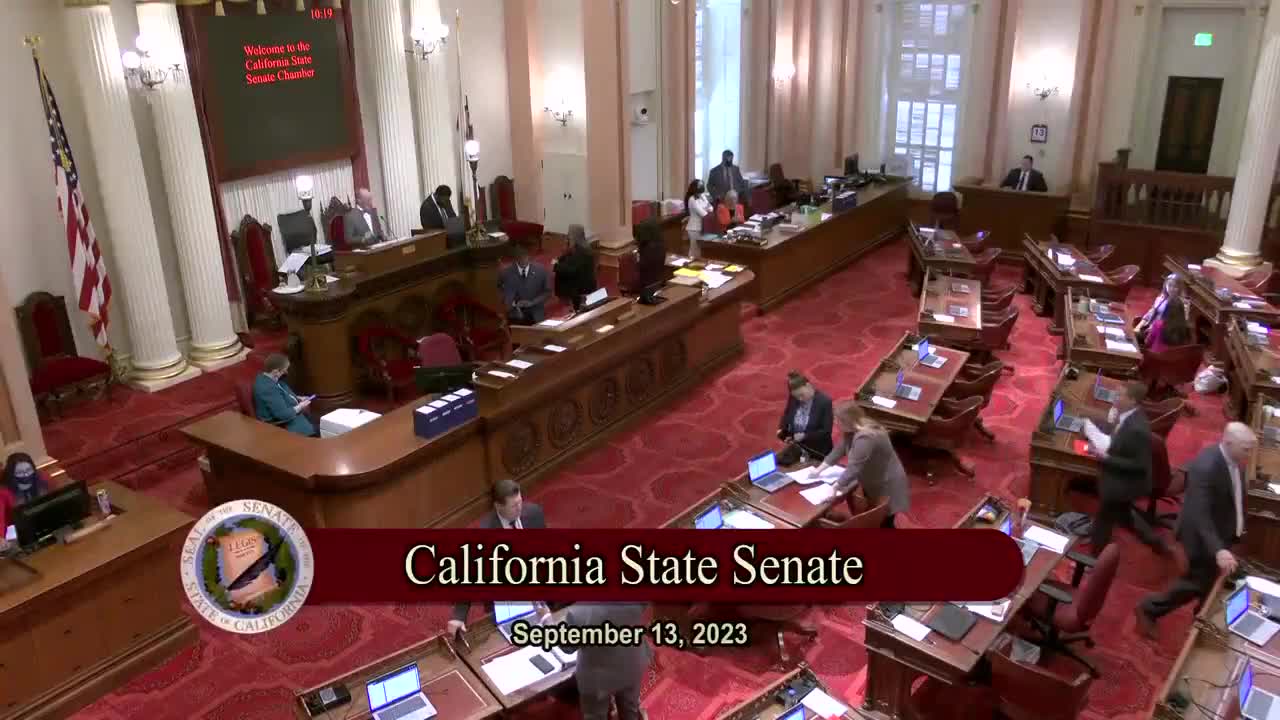 3MIN
Senate Floor
 1MIN
Assembly Floor
 5MIN
Senate Standing Committee on Elections and Constitutional Amendments
 1MIN
Assembly Floor
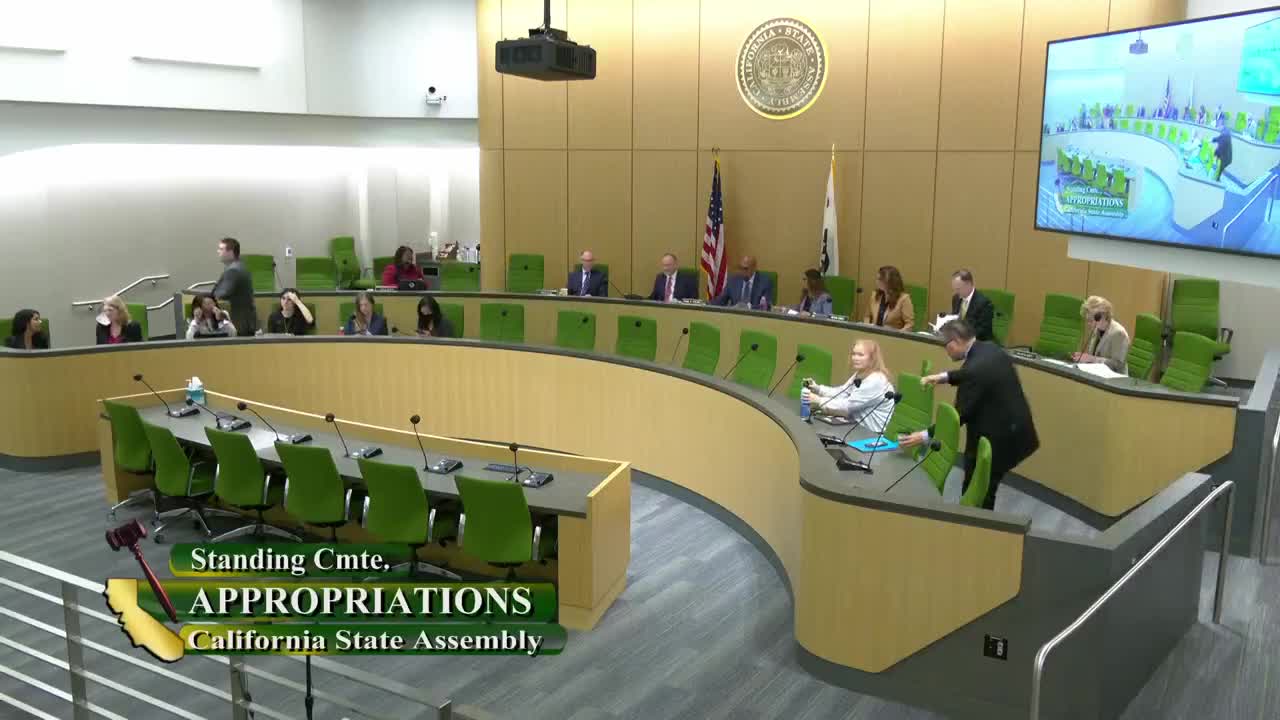 4MIN
Assembly Standing Committee on Appropriations
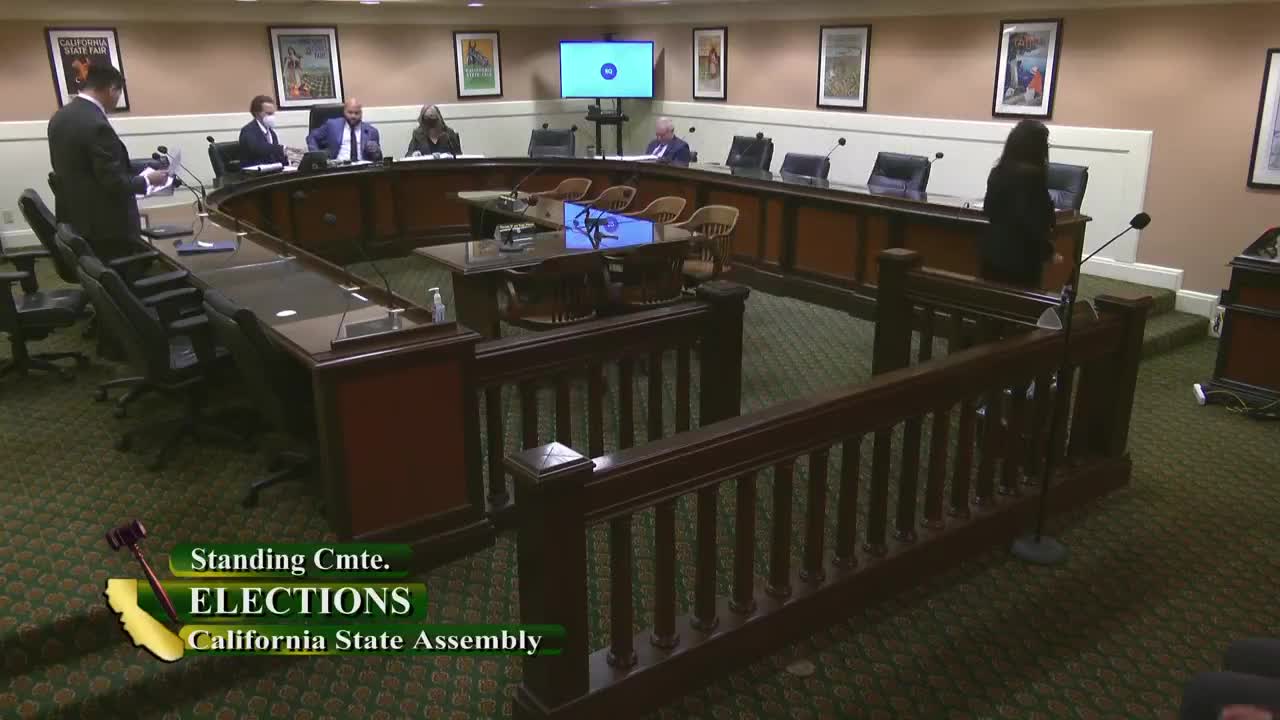 8MIN
Assembly Standing Committee on Elections
Bill Author

Bill Co-Author(s):
