AB 652: Department of Pesticide Regulation Environmental Justice Advisory Committee.
- Session Year: 2023-2024
- House: Assembly
- Latest Version Date: 2023-10-10
Current Status:
Passed
(2023-10-10: Chaptered by Secretary of State - Chapter 662, Statutes of 2023.)
Introduced
In Committee
First Chamber
In Committee
Second Chamber
Enacted
Existing law, added by the Governors Reorganization Plan No. 1 of 1991, creates the Department of Pesticide Regulation and authorizes the Director of Pesticide Regulation, among other things, to adopt regulations for the issuance and renewal of licenses and certificates for pest control operations. Existing law requires the director, on or after January 1, 2025, to adopt regulations for the issuance and renewal of licenses and certificates for pest control operations for a 3-year period.
This bill would require the department, by January 1, 2026, to establish and convene a Department of Pesticide Regulation Environmental Justice Advisory Committee, as provided, that would provide prioritized recommendations to the department on ways to integrate environmental justice considerations into department programs, policies, decisionmaking, and activities, and on how the department can improve its engagement with communities with the most significant exposure to pesticides. The bill would require the advisory committee to hold, at a minimum, 2 public meetings annually and to post, as needed, its recommendations on the departments internet website. The bill would also require the department to post, as needed, on its internet website an update on its efforts to incorporate the advisory committees recommendations.
Existing law, added by the Governors Reorganization Plan No. 1 of 1991, creates the Department of Pesticide Regulation and authorizes the Director of Pesticide Regulation, among other things, to adopt regulations for the issuance and renewal of licenses and certificates for pest control operations. Existing law requires the director, on or after January 1, 2025, to adopt regulations for the issuance and renewal of licenses and certificates for pest control operations for a 3-year period.
This bill would require the department, by July 1, 2025, January 1, 2026, to establish and convene a Department of Pesticide Regulation Environmental Justice Advisory Committee, as provided, that would provide prioritized recommendations to the department on ways to integrate environmental justice considerations into department programs, policies, decisionmaking, and activities, and on how the department can improve its engagement with communities with the most significant exposure to pesticides. The bill would require the advisory committee to hold, at a minimum, quarterly 2 public meetings annually and to periodically post post, as needed, its recommendations on the departments internet website its recommendations. website. The bill would also require the department to periodically post post, as needed, on its internet website an update on its efforts to incorporate the advisory committees recommendations.
Existing law, added by the Governors Reorganization Plan No. 1 of 1991, creates the Department of Pesticide Regulation and authorizes the Director of Pesticide Regulation, among other things, to adopt regulations for the issuance and renewal of licenses and certificates for pest control operations. Existing law requires the director, on or after January 1, 2025, to adopt regulations for the issuance and renewal of licenses and certificates for pest control operations for a 3-year period.
This bill would require the department, by July 1, 2025, to establish and convene a Department of Pesticide Regulation Environmental Justice Advisory Committee, as provided, that would provide recommendations to the department on ways to integrate environmental justice considerations into department programs, policies, decisionmaking, and activities, and on how the department can improve its engagement with communities with the most significant exposure to pesticides. The bill would require the advisory committee to hold, at a minimum, quarterly meetings and to periodically post on the departments internet website its recommendations. The bill would also require the department to periodically post on its internet website an update on its efforts to incorporate the advisory committees recommendations.
Existing law, added by the Governors Reorganization Plan No. 1 of 1991, creates the Department of Pesticide Regulation and authorizes the Director of Pesticide Regulation, among other things, to adopt regulations for the issuance and renewal of licenses and certificates for pest control operations. Existing law requires the director, on or after January 1, 2025, to adopt regulations for the issuance and renewal of licenses and certificates for pest control operations for a 3-year period.
This bill would require the department, by January July 1, 2025, to establish and convene a Department of Pesticide Regulation Environmental Justice Advisory Committee, as provided, that would provide recommendations to the department on ways to integrate environmental justice considerations into department programs, policies, decisionmaking, and activities, and on how the department can improve its engagement with communities with the most significant exposure to pesticides. The bill would require the advisory committee to hold, at a minimum, quarterly meetings and to periodically post on the departments internet website its recommendations. The bill would also require the department to periodically post on its internet website an update on its efforts to incorporate the advisory committees recommendations.
Existing law, added by the Governors Reorganization Plan No. 1 of 1991, creates the Department of Pesticide Regulation and authorizes the Director of Pesticide Regulation, among other things, to adopt regulations for the issuance and renewal of licenses and certificates for pest control operations. Existing law requires the director, on or after January 1, 2025, to adopt regulations for the issuance and renewal of licenses and certificates for pest control operations for a 3-year period.
This bill would require the department, by January 1, 2025, to establish and convene a Department of Pesticide Regulation Environmental Justice Advisory Committee, as provided, that would formally review the activities and programs under the jurisdiction of the department and that would provide recommendations to the department on ways to integrate environmental justice considerations into department programs, policies, decisionmaking, and activities, and on how the department can improve its communication engagement with communities with the most significant exposure to pesticides. The bill would require the advisory committee to hold, at a minimum, quarterly meetings and to periodically post on the departments internet website its recommendations. The bill would also require the department to periodically post on its internet website an update on its efforts to incorporate the advisory committees recommendations.
Existing law, added by the Governors Reorganization Plan No. 1 of 1991, creates the Department of Pesticide Regulation and authorizes the Director of Pesticide Regulation, among other things, to adopt regulations for the issuance and renewal of licenses and certificates for pest control operations. Existing law requires the director, on or after January 1, 2025, to adopt regulations for the issuance and renewal of licenses and certificates for pest control operations for a 3-year period.
This bill would require the department, by July January 1, 2025, to establish and convene an environmental justice advisory committee, a Department of Pesticide Regulation Environmental Justice Advisory Committee, as provided, that would formally review the activities and programs under the jurisdiction of the department and that would provide recommendations and identify best practices for improving community protections, compliance with regulations, and enforcement of timelines. to the department on ways to integrate environmental justice considerations into department programs, policies, decisionmaking, and activities, and on how the department can improve its communication with communities with the most significant exposure to pesticides. The bill would require the advisory committee to hold, at a minimum, quarterly meetings and to periodically post on the departments internet website its recommendations. The bill would also require the department to periodically post on its internet website an update on its efforts to incorporate the advisory committees recommendations.
Existing law, added by the Governors Reorganization Plan No. 1 of 1991, creates the Department of Pesticide Regulation and authorizes the Director of Pesticide Regulation, among other things, to adopt regulations for the issuance and renewal of licenses and certificates for pest control operations. Existing law requires the director, on or after January 1, 2025, to adopt regulations for the issuance and renewal of licenses and certificates for pest control operations for a 3-year period.
This bill would require the department, by July 1, 2025, to establish and convene an environmental justice advisory committee, as provided, that would formally review the activities and programs under the jurisdiction of the department and that would provide recommendations and identify best practices for improving community protections, compliance with regulations, and enforcement of timelines.
(a)The department shall convene a Department of Pesticide Regulation Environmental Justice Advisory Committee by January 1, 2026.
(b)(1)The advisory committee shall be composed of up to 11 members, and shall include all of the following:
(A)At least two environmental justice leaders who represent rural communities with the most significant exposure to pesticides.
(B)At least one environmental justice leader who represents urban communities with the most significant exposure to pesticides.
(C)At least one representative of Native American, tribal, or indigenous groups.
(D)At least one farmworker advocate.
(E)Up to one person with expertise in issues affecting socially disadvantaged farmers or ranchers.
(F)Up to one agroecologist or biologist with an environmental justice background.
(2)The goal of the composition of the advisory committee membership is to reflect the geographic diversity of California and represent communities in the central coast, central valley, and southern and northern California.
(c)The Director of Pesticide Regulation shall appoint the advisory committee members from nominations received from environmental justice organizations, community groups, or other organizations or entities implementing program work that seeks to achieve environmental justice as defined in Section 65040.12 of the Government Code through an open, public process.
(d)The advisory committee, in consultation with the department, shall adopt a charter that includes, but is not limited to, the governance structure of the advisory committee, term limits, an application process for new advisory committee members, and the process for identifying prioritized recommendations.
(e)(1)The advisory committee shall provide prioritized recommendations to the department on ways to integrate environmental justice considerations into department programs, policies, decisionmaking, and activities, and on how the department can improve its engagement with communities with the most significant exposure to pesticides.
(2)The advisory committee shall develop prioritized recommendations within the departments authority as specified in statute. The prioritized recommendations shall be done through a public process and take public feedback into consideration.
(f)(1)The members of the advisory committee may receive a reasonable per diem allowance as specified in Section 11564.5 of the Government Code, or at a higher rate that may be established by the department, for each days attendance at a noticed meeting of the advisory committee.
(2)The members of the advisory committee may be reimbursed for actual and necessary travel expenses incurred in connection with their official duties.
(g)The advisory committee members and the department shall cofacilitate advisory committee meetings. The advisory committee shall hold, at a minimum, two public meetings annually, of which at least one per year shall be held in a community with high pesticide use. Members of the advisory committee shall be provided with a remote call-in option. Language access shall be available to advisory committee members and the public.
(h)The advisory committees recommendations for the department shall be posted, as needed, on the departments internet website.
(i)The department shall post, as needed, on its internet website, an update on its efforts to incorporate the recommendations of the advisory committee.
(j)For purposes of this section, the following definitions apply:
(1)Advisory committee means the Department of Pesticide Regulation Environmental Justice Advisory Committee established pursuant to this section.
(2)Department means the Department of Pesticide Regulation.
(3)Socially disadvantaged farmer or rancher has the same meaning as defined in Section 512.
(a)The department shall convene a Department of Pesticide Regulation Environmental Justice Advisory Committee by July 1, 2025. January 1, 2026.
(b)(1)The advisory committee shall be composed of up to 15 11 members, and shall include all of the following:
(A)At least three two environmental justice leaders who represent rural and urban communities with the most significant exposure to pesticides.
(B)At least one environmental justice leader who represents urban communities with the most significant exposure to pesticides.
(B)(C)At least three representatives one representative of Native American, tribal, or indigenous groups.
(C)(D)At least two farmworker advocates. one farmworker advocate.
(D)(E)Up to two people one person with expertise in issues affecting socially disadvantaged farmers or ranchers.
(E)(F)Up to two agroecologists or biologists one agroecologist or biologist with an environmental justice background.
(2)The goal of the composition of the advisory committee members shall membership is to reflect the geographic diversity of California and represent communities in the central coast, central valley, and southern and northern California.
(c)The department Director of Pesticide Regulation shall appoint the advisory committee members from nominations received from environmental justice organizations and community groups organizations, community groups, or other organizations or entities implementing program work that seeks to achieve environmental justice as defined in Section 65040.12 of the Government Code through an open, public process. The
(d)The advisory committee committee, in consultation with the department, shall adopt a charter that establishes includes, but is not limited to, the governance structure of the advisory committee, including, but not limited to, term limits and a selection term limits, an application process for new advisory committee members based on an open, public nomination process. members, and the process for identifying prioritized recommendations.
(d)(e)(1)The advisory committee shall provide prioritized recommendations to the department on ways to integrate environmental justice considerations into department programs, policies, decisionmaking, and activities, and on how the department can improve its engagement with communities with the most significant exposure to pesticides.
(2)The advisory committee shall develop prioritized recommendations within the departments authority as specified in statute. The prioritized recommendations shall be done through a public process and take public feedback into consideration.
(e)(f)(1)The members of the advisory committee may receive a reasonable per diem allowance as specified in Section 11564.5 of the Government Code, or at a higher rate that may be established by the department, for each days attendance at a noticed meeting of the advisory committee.
(2)The members of the advisory committee may be reimbursed for actual and necessary travel expenses incurred in connection with their official duties.
(f)(g)The advisory committee members and the departments Assistant Director for Environmental Justice and Equity department shall cofacilitate advisory committee meetings. The advisory committee shall hold, at a minimum, quarterly two public meetings, meetings annually, of which at least three one per year shall be held in communities a community with high pesticide use. Members of the advisory committee shall be provided with a remote call-in option. Language access shall be available to advisory committee members and the public.
(g)(h)The advisory committee shall periodically post, committees recommendations for the department shall be posted, as needed, on the departments internet website, its recommendations for the department. website.
(h)(i)The department shall periodically post, as needed, on its internet website, an update on its efforts to incorporate the recommendations of the advisory committee.
(i)(j)For purposes of this section, the following definitions apply:
(1)Advisory committee means the Department of Pesticide Regulation Environmental Justice Advisory Committee established pursuant to this section.
(2)Department means the Department of Pesticide Regulation.
(3)Socially disadvantaged farmer or rancher has the same meaning as defined in Section 512.
(a)The department shall convene a Department of Pesticide Regulation Environmental Justice Advisory Committee by July 1, 2025.
(b)(1)The advisory committee shall be composed of up to 15 members, and shall include all of the following:
(A)At least three environmental justice leaders who represent rural and urban communities with the most significant exposure to pesticides.
(B)At least three representatives of Native American, tribal, or indigenous groups.
(C)At least two farmworker advocates.
(D)Up to two people with expertise in issues affecting socially disadvantaged farmers or ranchers.
(E)Up to two agroecologists or biologists with an environmental justice background.
(2)The advisory committee members shall represent communities in the central coast, central valley, and southern and northern California.
(c)The department shall appoint the advisory committee members from nominations received from environmental justice organizations and community groups through an open, public process. The advisory committee shall adopt a charter that establishes the governance structure of the advisory committee, including, but not limited to, term limits and a selection process for new advisory committee members based on an open, public nomination process.
(d)The advisory committee shall provide recommendations to the department on ways to integrate environmental justice considerations into department programs, policies, decisionmaking, and activities, and on how the department can improve its engagement with communities with the most significant exposure to pesticides.
(e) (1)The members of the advisory committee may receive a reasonable per diem allowance as specified in Section 11564.5 of the Government Code, or at a higher rate that may be established by the department, for each days attendance at a noticed meeting of the advisory committee.
(2)The members of the advisory committee may be reimbursed for actual and necessary travel expenses incurred in connection with their official duties.
(f)The advisory committee members and the departments Assistant Director for Environmental Justice and Equity shall cofacilitate advisory committee meetings. The advisory committee shall hold, at a minimum, quarterly public meetings, of which at least three per year shall be held in communities with high pesticide use. Members of the advisory committee shall be provided with a remote call-in option. Language access shall be available to advisory committee members and the public.
(g)The advisory committee shall periodically post, on the departments internet website, its recommendations for the department.
(h)The department shall periodically post, on its internet website, an update on its efforts to incorporate the recommendations of the advisory committee.
(i)For purposes of this section, the following definitions apply:
(1)Advisory committee means the Department of Pesticide Regulation Environmental Justice Advisory Committee established pursuant to this section.
(2)Department means the Department of Pesticide Regulation.
(3)Socially disadvantaged farmer or rancher has the same meaning as defined in Section 512.
(a)The department shall convene a Department of Pesticide Regulation Environmental Justice Advisory Committee by January July 1, 2025.
(b)(1)The advisory committee shall be composed of up to 15 members, and shall include the following:
(A)At least three environmental justice leaders who represent rural and urban communities with the most significant exposure to pesticides.
(B)At least three representatives of Native American, tribal, or indigenous groups.
(C)At least two farmworker advocates.
(D)Up to two people with expertise in issues affecting socially disadvantaged farmers or ranchers.
(E)Up to two agroecologists or biologists with an environmental justice background.
(2)The advisory committee members shall represent communities in the central coast, central valley, and southern and northern California.
(c)The department shall appoint the advisory committee members from nominations received from environmental justice organizations and community groups through an open, public process. After the initial establishment of the advisory committee, future committee members shall be selected through a majority vote of existing committee members at a noticed public meeting of the advisory committee. The advisory committee shall adopt a charter that establishes the governance structure of the advisory committee, including, but not limited to, term limits and a selection process for new advisory committee members based on an open, public nomination process.
(d)The advisory committee shall provide recommendations to the department on ways to integrate environmental justice considerations into department programs, policies, decisionmaking, and activities, and on how the department can improve its engagement with communities with the most significant exposure to pesticides.
(e) (1)The members of the advisory committee may receive a reasonable per diem allowance as specified in Section 11564.5 of the Government Code, or at a higher rate that may be established by the department, for each days attendance at a noticed meeting of the advisory committee.
(2)The members of the advisory committee may be reimbursed for actual and necessary travel expenses incurred in connection with their official duties.
(f)The advisory committee members and the departments Assistant Director for Environmental Justice and Equity shall cofacilitate advisory committee meetings. The advisory committee shall hold, at a minimum, quarterly public meetings, of which at least three per year shall be held in communities with high pesticide use. Members of the advisory committee shall be provided with a remote call-in option. Language access shall be available to advisory committee members and the public.
(g)The advisory committee shall periodically post, on the departments internet website, its recommendations for the department.
(h)The department shall periodically post, on its internet website, an update on its efforts to incorporate the recommendations of the advisory committee.
(i)For purposes of this section, the following definitions apply:
(1)Advisory committee means the Department of Pesticide Regulation Environmental Justice Advisory Committee established pursuant to this section.
(2)Department means the Department of Pesticide Regulation.
(3)Socially disadvantaged farmer or rancher has the same meaning as defined in Section 512.
(a)The department shall convene a Department of Pesticide Regulation Environmental Justice Advisory Committee by January 1, 2025.
(b)(1)The advisory committee shall be composed of up to 15 members, and shall include the following:
(A)At least three environmental justice leaders who represent rural and urban communities with the most significant exposure to pesticides.
(B)At least three representatives of Native American, tribal, or indigenous groups.
(C)At least two farmworker advocates.
(D)Up to two people with expertise in issues affecting socially disadvantaged farmers or ranchers.
(E)Up to two agroecologists or biologists with an environmental justice background.
(2)The advisory committee members shall represent communities in the central coast, central valley, and southern and northern California.
(c)The department shall appoint the advisory committee members from nominations received from environmental justice organizations and community groups through an open, public process. After the initial establishment of the advisory committee, future committee members shall be selected through a majority vote of existing committee members at a noticed public meeting of the advisory committee.
(d)The advisory committee shall formally review the activities and programs under the jurisdiction of the department, and shall provide recommendations to the department on ways to integrate environmental justice considerations into department programs, policies, decisionmaking, and activities, and on how the department can improve its communication engagement with communities with the most significant exposure to pesticides.
(e) (1)The members of the advisory committee may receive a reasonable per diem allowance for each days attendance at a noticed meeting of the advisory committee.
(2)The members of the advisory committee may be reimbursed for actual and necessary travel expenses incurred in connection with their official duties.
(f)The advisory committee members and the departments Assistant Director for Environmental Justice and Equity shall cofacilitate advisory committee meetings. The advisory committee shall hold, at a minimum, quarterly public meetings, of which at least three per year shall be held in communities with high pesticide use. Members of the advisory committee shall be provided with a remote call-in option. Language access shall be available to advisory committee members and the public.
(g)The advisory committee shall periodically post, on the departments internet website, its recommendations for the department.
(h)The department shall periodically post, on its internet website, an update on its efforts to incorporate the recommendations of the advisory committee.
(i)For purposes of this section, the following definitions apply:
(1)Advisory committee means the Department of Pesticide Regulation Environmental Justice Advisory Committee established pursuant to this section.
(2)Department means the Department of Pesticide Regulation.
(3)Socially disadvantaged farmer or rancher has the same meaning as defined in Section 512.
(a)The department, in consultation with the California Air Resources Board Environmental Justice Advisory Committee, department shall convene a Department of Pesticide Regulation Environmental Justice Advisory Committee by July January 1, 2025.
(b)(1)The advisory committee shall be composed of at least up to 15 members, and shall include environmental justice leaders, advocates of socially disadvantaged farmers or ranchers, representatives of Native American or tribal groups, farmworker advocates, and representatives from communities in the state with the most significant exposure to pesticides, including, but not limited to, community members living in both urban and rural regions with high pesticide use. the following:
(A)At least three environmental justice leaders who represent rural and urban communities with the most significant exposure to pesticides.
(B)At least three representatives of Native American, tribal, or indigenous groups.
(C)At least two farmworker advocates.
(D)Up to two people with expertise in issues affecting socially disadvantaged farmers or ranchers.
(E)Up to two agroecologists or biologists with an environmental justice background.
(2)The advisory committee members shall represent communities in the central coast, central valley, and southern and northern California.
(c)The department shall appoint the advisory committee members from nominations received from environmental justice organizations and community groups. groups through an open, public process. After the initial establishment of the advisory committee, future committee members shall be selected through a majority vote of existing committee members at a noticed public meeting of the advisory committee.
(d)The advisory committee shall formally review the activities and programs under the jurisdiction of the department, and shall provide recommendations and identify best practices for improving community protections, compliance with regulations, and enforcement of timelines and budget. to the department on ways to integrate environmental justice considerations into department programs, policies, decisionmaking, and activities, and on how the department can improve its communication with communities with the most significant exposure to pesticides.
(e) (1)The members of the advisory committee may receive a reasonable per diem allowance for each days attendance at a noticed meeting of the advisory committee.
(2)The members of the advisory committee may be reimbursed for actual and necessary travel expenses incurred in connection with their official duties.
(f)The advisory committee members and the departments Assistant Director for Environmental Justice and Equity shall cofacilitate advisory committee meetings. The advisory committee shall hold, at a minimum, quarterly public meetings, of which three per year shall be held in communities with high pesticide use. Members of the advisory committee shall be provided with a remote call-in option. Language access shall be available to advisory committee members and the public.
(g)The advisory committee shall periodically post, on the departments internet website, its recommendations for the department.
(h)The department shall periodically post, on its internet website, an update on its efforts to incorporate the recommendations of the advisory committee.
(i)For purposes of this section, the following definitions apply:
(1)Advisory committee means the Department of Pesticide Regulation Environmental Justice Advisory Committee established pursuant to this section.
(2)Department means the Department of Pesticide Regulation.
(3)Socially disadvantaged farmer or rancher has the same meaning as defined in Section 512.
REVISIONS: HeadingLine 2.(a)The department, in consultation with the California Air Resources Board Environmental Justice Advisory Committee, shall convene a Department of Pesticide Regulation Environmental Justice Advisory Committee by July 1, 2025.
(b)The advisory committee shall be composed of at least 15 members, and shall include environmental justice leaders, advocates of socially disadvantaged farmers or ranchers, representatives of Native American or tribal groups, farmworker advocates, and representatives from communities in the state with the most significant exposure to pesticides, including, but not limited to, community members living in both urban and rural regions with high pesticide use.
(c)The department shall appoint the advisory committee members from nominations received from environmental justice organizations and community groups.
(d)The advisory committee shall formally review the activities and programs under the jurisdiction of the department, and shall provide recommendations and identify best practices for improving community protections, compliance with regulations, and enforcement of timelines and budget.
(e) (1)The members of the advisory committee may receive a per diem allowance for each days attendance at a meeting of the advisory committee.
(2)The members of the advisory committee may be reimbursed for actual and necessary travel expenses incurred in connection with their official duties.
|
Date
|
Status
|
|---|---|
| Oct 10, 2023 | Chaptered by Secretary of State - Chapter 662, Statutes of 2023. |
| Oct 10, 2023 | Approved by the Governor. |
| Sep 20, 2023 | Enrolled and presented to the Governor at 4 p.m. |
| Sep 13, 2023 | Senate amendments concurred in. To Engrossing and Enrolling. (Ayes 55. Noes 16. Page 3475.). |
| Sep 13, 2023 | In Assembly. Concurrence in Senate amendments pending. |
| Sep 13, 2023 | Read third time. Passed. Ordered to the Assembly. (Ayes 29. Noes 10. Page 2706.). |
| Sep 11, 2023 | Read second time. Ordered to third reading. |
| Sep 8, 2023 | Read third time and amended. Ordered to second reading. |
| Sep 5, 2023 | Read second time. Ordered to third reading. |
| Sep 1, 2023 | From committee: Do pass. (Ayes 5. Noes 2.) (September 1). |
| Aug 28, 2023 | In committee: Referred to APPR suspense file. |
| Aug 17, 2023 | From committee chair, with author's amendments: Amend, and re-refer to committee. Read second time, amended, and re-referred to Com. on APPR. |
| Aug 17, 2023 | In committee: Hearing postponed by committee. |
| Aug 14, 2023 | From committee chair, with author's amendments: Amend, and re-refer to committee. Read second time, amended, and re-referred to Com. on APPR. |
| Jul 5, 2023 | From committee: Do pass and re-refer to Com. on APPR. (Ayes 4. Noes 3.) (July 5). Re-referred to Com. on APPR. |
| Jun 22, 2023 | From committee chair, with author's amendments: Amend, and re-refer to committee. Read second time, amended, and re-referred to Com. on E.Q. |
| Jun 14, 2023 | Referred to Com. on E.Q. |
| Jun 1, 2023 | In Senate. Read first time. To Com. on RLS. for assignment. |
| May 31, 2023 | Read third time. Passed. Ordered to the Senate. (Ayes 57. Noes 17. Page 2066.) |
| May 18, 2023 | Read second time. Ordered to third reading. |
| May 18, 2023 | From committee: Do pass. (Ayes 11. Noes 4.) (May 18). |
| Mar 29, 2023 | In committee: Set, first hearing. Referred to APPR. suspense file. |
| Mar 15, 2023 | From committee: Do pass and re-refer to Com. on APPR. (Ayes 7. Noes 2.) (March 14). Re-referred to Com. on APPR. |
| Mar 15, 2023 | Coauthors revised. |
| Mar 7, 2023 | Re-referred to Com. on E.S. & T.M. |
| Mar 6, 2023 | From committee chair, with author's amendments: Amend, and re-refer to Com. on E.S. & T.M. Read second time and amended. |
| Feb 17, 2023 | Referred to Com. on E.S. & T.M. |
| Feb 10, 2023 | From printer. May be heard in committee March 12. |
| Feb 9, 2023 | Read first time. To print. |
|
Date
|
Description
|
Location
|
Votes
|
|
|---|---|---|---|---|
| Sep 13, 2023 | AB 652 Lee Concurrence in Senate Amendments | Assembly Floor |
Passed |
|
| Sep 13, 2023 | Assembly 3rd Reading AB652 Lee et al. By Laird | Senate Floor |
Passed |
|
| Sep 1, 2023 | Do pass | Senate Standing Committee on Appropriations |
Passed |
|
| Aug 28, 2023 | Placed on suspense file | Senate Standing Committee on Appropriations |
Passed |
|
| Jul 5, 2023 | Do pass, but first be re-referred to the Committee on [Appropriations] | Senate Standing Committee on Environmental Quality |
Passed |
|
| May 31, 2023 | AB 652 Lee Assembly Third Reading | Assembly Floor |
Passed |
|
| May 18, 2023 | Do pass. | Assembly Standing Committee on Appropriations |
Passed |
|
| Mar 14, 2023 | Do pass and be re-referred to the Committee on [Appropriations] | Assembly Standing Committee on Environmental Safety and Toxic Materials |
Passed |
This list shows positions taken on this bill by organizations on the date displayed, which is linked to the original source.
Positions by individuals are not included.
|
Organization
|
Position
|
Date
|
|---|---|---|
| 350 Conejo - San Fernando Valley | ** Support | |
| 350 South Bay Los Angeles | ** Support | |
| Active San Gabriel Valley | ** Support | |
| African American Farmers of California | ** Against | |
| Agricultural Council Of California | ** Against | |
| Agricultural Institute of Marin | ** Support | |
| All Things Connected | ** Support | |
| Almond Alliance of California | ** Against | |
| American Bird Conservancy | ** Support | |
| American Chemistry Council | ** Against | |
| American Pistachio Growers | ** Against | |
| Asyr’s Bridge | ** Support | |
| Ban SUP | ** Support | |
| Bay Area-System Change Not Climate Change | ** Support | |
| Bend The Arc: Jewish Action | ** Support | |
| Big Pine Paiute Tribe of the Owens Valley | ** Support | |
| Breast Cancer Prevention Partners | ** Support | |
| California Agricultural Aircraft Association | ** Against | |
| California Apple Commission | ** Against | |
| California Association Of Pest Control Advisers | ** Against | |
| California Association Of Wheat Growers | ** Against | |
| California Bean Shippers Association | ** Against | |
| California Blueberry Association | ** Against | |
| California Blueberry Commission | ** Against | |
| California Certified Organic Farmers | ** Support | |
| California Chamber Of Commerce | ** Against | |
| California Climate & Agriculture Network | ** Support | |
| California Cotton Ginners and Growers Association | ** Against | |
| California Environmental Voters | ** Support | |
| California Farm Bureau Federation | ** Against | |
| California Food and Farming Network | ** Support | |
| California Fresh Fruit Association | ** Against | |
| California Health+advocates, Subsidiary of The California Primary Care Association | ** Support | |
| California Institute for Biodiversity | ** Support | |
| California Institute for Rural Studies | ** Support | |
| California Interfaith Power & Light | ** Support | |
| Californians Against Waste | ** Support | |
| Californians for Pesticide Reform | ** Support | |
| California Nurses for Environmental Health and Justice | ** Support | |
| California Pear Growers Association | ** Against | |
| California Rural Legal Assistance Foundation | ** Support | |
| California Seed Association | ** Against | |
| California Strawberry Commission | ** Against | |
| California Walnut Commission | ** Against | |
| Campesinas Unidas Del Valle De San Joaquin | ** Support | |
| Caps 805 | ** Support | |
| Carbon Cycle Institute | ** Support | |
| Ceja Action | ** Support | |
| Center For Biological Diversity | ** Support | |
| Center for Community Action & Environmental Justice | ** Support | |
| Center for Farmworker Families | ** Support | |
| Center For Food Safety | ** Support | |
| Center on Race, Poverty & the Environment | ** Support | |
| Central American Students Association At Harvard | ** Support | |
| Central California Environmental Justice Network | ** Support | |
| Central Coast Alliance United for a Sustainable Economy | ** Support | |
| Central Valley Air Quality Coalition | ** Support | |
| Central Valley Neighborhood Harvest | ** Support | |
| centro binacional para el desarrollo indigena oaxaqueno | ** Support | |
| Ceres Community Project | ** Support | |
| Children Now | ** Support | |
| Citizens Climate Lobby West LA Chapter | ** Support | |
| cleanearth4kids.org | ** Support | |
| Clean Water Action | ** Support | |
| Clergy and Laity United for Economic Justice | ** Support | |
| Coalition Advocating for Pesticide Safety | ** Support | |
| Coalition for Humane Immigrant Rights | ** Support | |
| Comite Por Un Shafter Mejor | ** Support | |
| Comite Progreso De Lamont | ** Support | |
| Committee for a Better Arvin | ** Support | |
| Community Alliance With Family Farmers | ** Support | |
| Community Water Center | ** Support | |
| Delano Guardians | ** Support | |
| Dietrick Institute for Applied Insect Ecology | ** Support | |
| DSA Santa Cruz Ecosocialists | ** Support | |
| Environmental Protection Information Center | ** Support | |
| Environmental Working Group | ** Support | |
| Esperanza Community Farms | ** Support | |
| Facts Families Advocating for Chemical and Toxics Safety | ** Support | |
| Faithful Friends/amigos Fieles | ** Support | |
| Farmer Mark | ** Support | |
| Farm Habitat | ** Support | |
| Far West Equipment Dealers Association | ** Against | |
| Fibershed | ** Support | |
| Friends Committee On Legislation Of California | ** Support | |
| Friends Of The Earth | ** Support | |
| Grower-Shipper Association of Central California | ** Against | |
| Growing Hope Gardens | ** Support | |
| Health Care Without Harm | ** Support | |
| Immaculate Heart Community Environmental Commission | ** Support | |
| Jonas Philanthropies | ** Support | |
| Kanap Kuahan Coalition | ** Support | |
| Klamath Forest Alliance | ** Support | |
| Latino Coalition for a Healthy California | ** Support | |
| League of United Latin American Citizens of Salinas Council 2055 | ** Support | |
| Los Angeles Food Policy Council | ** Support | |
| Mar Vista Green Tent | ** Support | |
| Mixteco Indigena Community Organizing Project | ** Support | |
| Monterey Bay Central Labor Council, AFL-CIO | ** Support | |
| Monterey County Supervisor | ** Support | |
| Monterey Waterkeeper | ** Support | |
| National Stewardship Action Council | ** Support | |
| National Women in Agriculture Association | ** Support | |
| National Women in Agriculture Association - Central Valley Chapter | ** Support | |
| National Young Farmers Coalition | ** Support | |
| Natural Resources Defense Council | ** Support | |
| Nikkei Progressives | ** Support | |
| Nisei Farmers League | ** Against | |
| Norcal Resist | ** Support | |
| North Bay Jobs with Justice | ** Support | |
| Northcoast Environmental Center | ** Support | |
| Olive Growers Council of California | ** Against | |
| Orange County Equality Coalition | ** Support | |
| Orange County Rapid Response Network | ** Support | |
| Pajaro Valley Federation of Teachers, Aft 1936 | ** Support | |
| Parents Against Santa Susana Field Laboratory | ** Support | |
| Pest Control Operators Of California | ** Against | |
| Pesticide Action Network | ** Support | |
| Pesticide Action Network North America | ** Support | |
| Physicians for Social Responsibility - Los Angeles | ** Support | |
| Poison Free Malibu | ** Support | |
| Public Health Advocates | ** Support | |
| Queers 4 Climate | ** Support | |
| Rincon-Vitova Insectaries | ** Support | |
| Roots of Change | ** Support | |
| Sacramento Food Policy Council | ** Support | |
| Safe Ag Safe Schools | ** Support | |
| San Diego Food System Alliance | ** Support | |
| San Francisco Bay Physicians for Social Responsibility | ** Support | |
| See | ** Support | |
| Sierra Club California | ** Support | |
| Sierra Harvest | ** Support | |
| SoCal 350 Climate Action | ** Support | |
| Social Eco Education dba. SEE | ** Support | |
| Social Justice Legal Foundation | ** Support | |
| Society of Native Nations | ** Support | |
| Solano County Democratic Central Committee | ** Support | |
| Sonoma County Climate Activist Network | ** Support | |
| Sonoma Safe Agriculture Safe Schools | ** Support | |
| Sustainable Systems Research Foundation | ** Support | |
| The Consolidated Central Valley Table Grape Pest and Disease Control District | ** Against | |
| The Inland Empire-Immigrant Youth Collective | ** Support | |
| The Praxis Project | ** Support | |
| United Food and Commercial Workers | ** Support | |
| United Food and Commercial Workers Union, Western States Council | ** Support | |
| United Food And Commercial Workers Western States Council | ** Support | |
| Usc Environmental Student Assembly | ** Support | |
| Valley Improvement Projects | ** Support | |
| West Berkeley Alliance for Clean Air and Safe Jobs | ** Support | |
| Western Agricultural Processors Association | ** Against | |
| Western Growers Association | ** Against | |
| Western Plant Health Association | ** Against | |
| Wild Farm Alliance | ** Support |
CONCURRENCE IN SENATE AMENDMENTS
CSA1 Bill Id:AB 652
Author:(Lee)
As Amended Ver:September 8, 2023
Majority vote
SUMMARY
Establishes an Environmental Justice Advisory Committee (EJ Advisory Committee) to make recommendations for integrating environmental justice considerations into the Department of Pesticide Regulation's (DPR's) programs, policies, decision making, and activities.
Senate Amendments
- Delay the date by which DPR shall convene an EJ Advisory Committee from January 1, 2025, to January 1, 2026.
- Reduce the required number of members of the EJ Advisory Committee from 15 to 11, and reduce the required number of members from each category of representation accordingly. Require that the EJ Advisory Committee include at least one environmental justice leader who represents urban communities with the most significant exposure to pesticides.
- Delete the requirement that after the initial establishment of the EJ Advisory Committee, future committee members be selected through a majority vote of existing committee members. Require, instead, that the EJ Advisory Committee, in consultation with DPR, adopt a charter that includes the governance structure of the committee, term limits, an application process for new members, and the process for identifying prioritized recommendations.
- Delete the requirement that the EJ Advisory Committee formally review the activities and programs under the jurisdiction of DPR. Require the EJ Advisory Committee to develop prioritized recommendations on ways to integrate environmental justice into DPR through a public process and taking into consideration public feedback.
- Authorize DPR to establish a reasonable per diem allowance for members of the EJ Advisory Committee higher than the $100 statutory cap established in 1986.
- Reduce the minimum number of required meetings from quarterly to two per year, and reduce, from three to one, the number of meetings per year that must be held in a community with high pesticide use.
- Add Senators Durazo, Gonzalez, and Laird as coauthors, and make other technical and conforming changes.
COMMENTS
Health risks due to pesticide exposure: Pesticide exposure has been linked to the elevated incidence of human diseases such as cancers, Alzheimer's disease, Parkinson's disease, amyotrophic lateral sclerosis, asthma, bronchitis, infertility, birth defects, attention deficit hyperactivity disorder (ADHD), autism, diabetes, obesity, respiratory diseases, organ diseases, and system failures. People exposed to pesticides are at greater risk of developing various cancers, including non-Hodgkin lymphoma, leukemia, brain tumors, and cancers of the breast, prostate, lung, stomach, colon, liver, and bladder. Children exposed to pesticides either in utero or during other critical periods of development may have lower IQs, birth defects, developmental delays, and face higher risks of autism spectrum disorder, ADHD, and cancer. Pesticides can also cause genetic and epigenetic changes by impacting various processes at cellular levels. Pesticides may be involved in endocrine disruption.
Disproportionate burden of pesticide exposure: According to a 2022 BMC Public Health article, "Many environmental pollutants are known to have disproportionate effects on Black, Indigenous, and People of Color (BIPOC), as well as on communities of low-income and wealth. The reasons for these disproportionate effects are complex and involve hundreds of years of systematic oppression kept in place through structural racism and classism in the United States… Disparities in exposures and harms from pesticides are widespread, impacting BIPOC and low-income communities in both rural and urban settings and occurring throughout the entire lifecycle of the pesticide from production to end-use… This is not simply a pesticides issue, but a broader public health and civil rights issue."
A 2015 study by California Environmental Protection Agency (CalEPA) researchers found that environmental health hazards disproportionately burden communities of color in California, and that pesticide use was the pollution burden that showed the greatest racial, ethnic, and income disparities in the state – disproportionately imposing more of a hazard than multiple air pollutants and other toxic releases. The authors of the study found that more than 95% of all agricultural pesticide use in the state occurs in the 60% of California zip codes that have the highest proportion of residents of color. Another study found that in 2019, more than eight million pounds of pesticides linked to childhood cancers were used in the eleven California counties that had a majority (>50%) Latinx population, resulting in 4.2 pounds of these pesticides used per person. This contrasts sharply with the 770,000 pounds of these same pesticides used in the 25 California counties with the fewest (<24%) Latinx residents, resulting in 0.35 pounds of these pesticides used per person. Both groups of counties in that study have comparable land area and population sizes.
In addition to agricultural applications of pesticides, it is well-established that the manufacturing, storage, and disposal of chemicals, such as pesticides, affect BIPOC and impoverished communities more than the general population. When compared to their percentage of the total population, BIPOC populations are disproportionately represented among communities living near a facility. Additionally, low income communities tend to have housing structures that are deteriorating due to lack of resources and investment. This issue, coupled with often crowded living conditions in public or low-income housing, often leads to the heavy use of pesticides as a short-term fix for chronic pest problems in low-income areas.
Children and disproportionate exposure to pesticides: BIPOC children in California are especially at risk of being disproportionally impacted by pesticide exposure. In California, almost three out of every four children with the highest potential for exposure to pesticides at school were non-Anglo. An analysis of 15 agricultural counties in California found that children identifying as Hispanic were 46% more likely than white children to go to school within a quarter mile of locations where pesticides of human health concern were used. Hispanic children were also 91% more likely than white children to attend school where the highest amount of pesticides of human health concern were used nearby. Children are generally more susceptible to the impacts of pesticides due to their physical makeup, behavior, and physiology, and exposure to very low levels of pesticides at certain developmental stages can cause adverse health effects.
All of these disproportionate exposures present a serious environmental justice issue that must be addressed.
Environmental justice: According to the United States Environmental Protection Agency (US EPA), "Environmental justice is the fair treatment and meaningful involvement of all people regardless of race, color, national origin, or income, with respect to the development, implementation, and enforcement of environmental laws, regulations, and policies. This goal will be achieved when everyone enjoys… the same degree of protection from environmental and health hazards, and equal access to the decision-making process to have a healthy environment in which to live, learn, and work." The United State Environmental Protection Agency defines meaningful involvement as, "People have an opportunity to participate in decisions about activities that may affect their environment and/or health; the public's contribution can influence the regulatory agency's decision; community concerns will be considered in the decision making process; and, decision makers will seek out and facilitate the involvement of those potentially affected."
Supporters of this bill argue that the tenets of environmental justice are not being consistently followed in pesticide policy and programs in California, and that impacted community members have limited, if any, opportunities for meaningful involvement in related decision-making processes.
This bill: This bill establishes, in statute, a DPR EJ Advisory Committee to require the meaningful, public consideration of environmental justice community members' recommendations regarding DPR's actions and to integrate environmental justice considerations into DPR's programs, policies, decision making, and activities.
According to the Author
"Pesticide exposure has been linked to both acute and chronic human health impacts, including an increased risk of certain cancers, neurodevelopmental toxicity, birth defects, respiratory illness, endocrine disruption, and reproductive harm. Studies show that Black, Indigenous, and People of Color, as well as people living in low-income communities, are disproportionately exposed to pesticides. Yet these same people have historically not had, and still don't have, the opportunity to provide meaningful input into the laws and policies regulating pesticides that directly impact them. AB 652 takes an important step in rectifying this issue by establishing a DPR EJ Advisory Committee charged with integrating environmental justice considerations into DPR's programs, policies, decision-making, and activities. The DPR EJ Advisory Committee will provide an ongoing, formal, public forum for the meaningful involvement of environmental justice community members in pesticide issues impacting them. The ultimate goal of the DPR EJ Advisory Committee created by AB 652 is to improve the environment and public health in communities disproportionately burdened by the harms and risks of pesticide use."
Arguments in Support
A large coalition of supporters, comprised of environmental justice, environmental, labor, public health, community, and other organizations, writes, "Despite the known environmental injustices of pesticide exposure in California, DPR is not publicly accountable to the communities most affected by its decisions. The establishment of an Environmental Justice Advisory Committee would increase transparency and accountability to these communities… Exposure to pesticides is linked to acute poisoning and chronic diseases, such as cancer, respiratory disease and developmental disorders in children. There are significant racial disparities in exposure to pesticides and associated health impacts. …[P]esticides are one of the top two pollutants in California whose impacts are most correlated with race and ethnicity… There is currently no formalized, public, or consistent way for environmental justice communities to provide feedback or recommendations to DPR, despite the fact that they bear the brunt of pesticide-related health impacts. DPR rarely addresses the concerns of environmental justice communities in their regulations and activities, often adopting industrial agriculture's recommendations instead… An Environmental Justice Advisory Committee at DPR would create more transparency and accountability to environmental justice communities and require DPR to integrate environmental justice into its decision-making…. This would be an important first step in centering environmental justice in the Department's activities and decisions."
Arguments in Opposition
A coalition of opponents, comprised of agricultural organizations and the chemical industry, writes, "…[T]he Administration and [CalEPA], and DPR specifically, have meaningfully engaged with the communities and their representatives, incorporating them into decision making processes and outreach… DPR formally interacts with community-based organizations, California residents, and address EJ concerns with unprecedented access and opportunities for discussion. Given the broad array of activities currently implemented, we believe the necessity for an advisory committee, as proposed in AB 652, is without merit… [T]his coalition is concerned that the establishment of a special interest advisory committee will set the precedent for future advisory committees representing various stakeholders that interact with DPR… Because over 90% of DPR's budget is derived from special funds and without an identified alternative fund source in the bill, this is an inappropriate cost incurred by those stakeholders that predominantly financially support DPR. As DPR experiences a budgetary structural imbalance and the Administration is potentially considering investment strategies, it's inappropriate to add an additional cost burden on DPR and by extension, its rate payers… AB 652, as currently drafted, would also codify an undemocratic and closed-loop system for future appointments of EJ representatives on the advisory committee. The bill contains no commentary on term limits for advisory committee members, ostensibly allowing members to serve a lifetime appointment."
FISCAL COMMENTS
According to the Senate Appropriations Committee, DPR estimates, should a previous version of this bill be enacted, ongoing costs of about $1.1 million annually (DPR Fund) and 3.5 positions to convene the EJ committee, support facilitation, prepare quarterly meetings, manage contracts, develop and update the website, and provide technical assistance, among other things. Staff note this estimate is in line with costs for the EJ Advisory Committee at the California Air Resource Board (CARB). Several other state departments and offices also have bodies to support EJ engagement. Despite serving similar purposes, costs for each body vary considerably due to differing roles, requirements, sizes, structures, and activities. To the extent that major differences exist between the EJ committee as implemented at DPR and the CARB EJAC, actual costs of this bill could be different from DPR's estimate. Staff also note the DPR Fund is operating with a structural deficit, and is anticipated to fall $3.85 million short of current programmatic needs in 2024-25.
VOTES:
ASM ENVIRONMENTAL SAFETY AND TOXIC MATERIALS: 7-2-0
YES: Lee, Arambula, Bauer-Kahan, Connolly, McKinnor, Pacheco, Zbur
NO: Hoover, Ta
ASM APPROPRIATIONS: 11-4-1
YES: Holden, Bryan, Calderon, Wendy Carrillo, Mike Fong, Hart, Lowenthal, Papan, Pellerin, Weber, Ortega
NO: Megan Dahle, Dixon, Mathis, Sanchez
ABS, ABST OR NV: Robert Rivas
ASSEMBLY FLOOR: 57-17-6
YES: Addis, Aguiar-Curry, Alvarez, Arambula, Bauer-Kahan, Bennett, Berman, Boerner, Bonta, Bryan, Calderon, Juan Carrillo, Wendy Carrillo, Cervantes, Connolly, Mike Fong, Friedman, Gabriel, Garcia, Gipson, Grayson, Haney, Hart, Holden, Irwin, Jackson, Jones- Sawyer, Kalra, Lee, Low, Lowenthal, Maienschein, McCarty, McKinnor, Muratsuchi, Ortega, Pacheco, Papan, Pellerin, Petrie-Norris, Ramos, Reyes, Luz Rivas, Robert Rivas, Rodriguez, Blanca Rubio, Santiago, Schiavo, Ting, Valencia, Ward, Weber, Wicks, Wilson, Wood, Zbur, Rendon
NO: Alanis, Chen, Megan Dahle, Davies, Dixon, Essayli, Flora, Vince Fong, Gallagher, Hoover, Lackey, Jim Patterson, Joe Patterson, Sanchez, Ta, Waldron, Wallis
ABS, ABST OR NV: Bains, Mathis, Stephanie Nguyen, Quirk-Silva, Soria, Villapudua
UPDATED
VERSION: September 8, 2023
CONSULTANT: Shannon McKinney / E.S. & T.M. / (916) 319-3965 FN: 0002409
SENATE RULES COMMITTEE Office of Senate Floor Analyses (916) 651-1520 Fax: (916) 327-4478 | AB 652 |
THIRD READING
Bill No: AB 652
Author: Lee (D), et al.
Amended: 9/8/23 in Senate
Vote: 21
SENATE ENVIRONMENTAL QUALITY COMMITTEE: 4-3, 7/5/23
AYES: Allen, Gonzalez, Menjivar, Skinner
NOES: Dahle, Hurtado, Nguyen
SENATE APPROPRIATIONS COMMITTEE: 5-2, 9/1/23
AYES: Portantino, Ashby, Bradford, Wahab, Wiener
NOES: Jones, Seyarto
ASSEMBLY FLOOR: 57-17, 5/31/23 - See last page for vote
SUBJECT: Department of Pesticide Regulation Environmental Justice Advisory Committee
SOURCE: Californians for Pesticide Reform
Pesticide Action Network
Safe Ag Safe Schools
DIGEST:
This bill requires the Department of Pesticide Regulation (DPR) to convene an Environmental Justice Advisory Committee (EJAC) by July 1, 2025, with specified membership that would provide recommendations to DPR to integrate environmental justice considerations into DPR’s programs, policies, decision making, and activities.
Senate Floor Amendments of 9/8/23 extend the deadline by which DPR is to convene an EJAC by six months; reduce the number of members of the EJAC and make corresponding changes to the number of members representing different constituencies; broaden where nominations for EJAC members may come from; make changes to the charter to be adopted by the EJAC to: (1) require the charter to be adopted in consultation with DPR, (2) change the membership selection process to an application process, and (3) add the establishment of a process for identifying prioritized recommendations for DPR; require recommendations for DPR provided by the EJAC to be prioritized recommendations and be developed within DPR’s statutory authority and through a public process; reduce the required number of annual public meetings; and make minor changes to meeting facilitation and the posting of recommendations to DPR’s website.
ANALYSIS:
Existing law:
- Authorizes the state’s pesticide regulatory program and mandates DPR to, among other things, provide for the proper, safe, and efficient use of pesticides for the protection of public health and safety, for the protection of the environment from environmentally harmful pesticides, and to assure agricultural and pest control workers safe working conditions where pesticides are present by prohibiting, regulating, or otherwise ensuring proper stewardship of pesticides. (Food and Agriculture Code (FAC) § 11401, et seq.)
- Defines “environmental justice” as the fair treatment and meaningful involvement of people of all races, cultures, incomes, and national origins, with respect to the development, adoption, implementation, and enforcement of environmental laws, regulations, and policies. (Government Code (GOV) § 65040.12 and Public Resources Code (PRC) § 30107.3)
This bill:
- Requires DPR to convene an EJAC by January 1, 2026.
- Requires the EJAC to be composed of up to 11 members, including all of the following:
- At least two environmental justice leaders who represent rural communities with the most significant exposure to pesticides;
- At least one environmental justice leader who represents urban communities with the most significant exposure to pesticides;
- At least one representative of Native American, tribal, or indigenous groups
- At least one farmworker advocate;
- Up to one person with expertise in issues affecting socially disadvantaged farmers or ranchers; and
- Up to one agroecologist or biologist with an environmental justice background.
- States that the goal of the composition of the EJAC is to reflect the geographic diversity of California and represent communities in the central coast, central valley, and southern and northern California.
- Requires the Director of DPR to appoint the EJAC members from nominations received from environmental justice organizations, community groups, or other organizations of entities implementing program work that seeks to achieve environmental justice through an open, public process.
- Requires the EJAC to adopt a charter in consultation with DPR that establishes the governance structure of the EJAC, term limits, an application process for new EJAC members, and the process for identifying prioritized recommendations for DPR.
- Requires the EJAC to provide prioritized recommendations to DPR on ways to integrate environmental justice considerations into DPR’s programs, policies, decision making, and activities, and on how DPR can improve its engagement with communities with the most significant exposure to pesticides. These prioritized recommendations are to be developed within DPR’s authority as specified in statue and be done through a public process and take public feedback into consideration.
- Authorizes a reasonable per diem allowance that may exceed $100 for the EJAC members for meeting attendance and reimbursement for travel expenses.
- Requires that EJAC members and DPR co-facilitate EJAC meetings.
- Requires that the EJAC hold, at a minimum, two public meetings annually, of which at least one per year is held in a community with high pesticide use. Requires that members of the EJAC are provided with a remote call-in option, and that language access is available to EJAC members and the public.
- Requires the EJAC recommendations for DPR to be posted on DPR’s internet website as needed.
- Requires DPR to post on its internet website an update on its efforts to incorporate the recommendations of the EJAC as needed.
Background
- Disproportionate burden of pesticide exposure. Many environmental pollutants are known to have disproportionate effects on Black, Indigenous, and People of Color (BIPOC), as well as on communities of low-income and wealth. A 2015 study by California Environmental Protection Agency (CalEPA) researchers that found that environmental health hazards disproportionately burden communities of color in California, and that pesticide use was the pollution burden that showed the greatest racial, ethnic, and income disparities in the state. The authors of the study found that more than 95% of all pesticide use in the state occurs in the 60% of California zip codes that have the highest proportion of residents of color. A 2022 peer-reviewed study published in the journal BMC Public Health concluded that BIPOC and people living in poverty are generally exposed to higher levels of pesticides than the total population at large. These patterns present a serious environmental justice issue that must be addressed.
- Environmental justice at DPR. With a long established legislative mandate to address environmental injustice our state, CalEPA and DPR have taken steps to address environmental justice considerations in the enforcement of environmental laws; provided outreach and trainings to disadvantaged communities; and, hired a full-time bilingual and bicultural Environmental Justice Liaison at DPR. Other actions DPR has taken to implement environmental justice principles include providing multilingual outreach and education on pesticide safety to farmworker communities and urban workers who may be exposed to pesticides, holding a DPR Environmental Justice Pesticide Enforcement Workshop, and hiring bilingual staff. DPR’s website lists the October 12 and 13, 2022, "Tulare County Pesticide Educational Pesticide Workshops," held jointly with the Tulare County Agricultural Commissioner’s Office, as a description of its recent environmental justice activities. These are all positive steps in the right direction toward rectifying the historic issue of disproportionate pesticide exposure in BIPOC and low income communities. However, these actions do not establish a public, ongoing process to review and address BIPOC’s and low income communities’ disproportionate exposure to pesticides or to meaningfully consider input from people in these communities on pesticide-related activities. Despite decades of efforts, these communities continue to be disproportionately exposed to pesticides.
Comments
- Purpose of Bill. According to the author, “Pesticide exposure has been linked to both acute and chronic human health impacts, including an increased risk of certain cancers, neurodevelopmental toxicity, birth defects, respiratory illness, endocrine disruption, and reproductive harm. Studies show that Black, Indigenous, and People of Color, as well as people living in low-income communities, are disproportionately exposed to pesticides. Yet these same people have historically not had, and still don’t have, the opportunity to provide meaningful input into the laws and policies regulating pesticides that directly impact them. AB 652 takes an important step in rectifying this issue by establishing a DPR Environmental Justice Advisory Committee charged with integrating environmental justice considerations into DPR’s programs, policies, decision-making, and activities. The DPR Environmental Justice Advisory Committee will provide an ongoing, formal, public forum for the meaningful involvement of environmental justice community members in pesticide issues impacting their communities. The ultimate goal of the DPR Environmental Justice Advisory Committee created by AB 652 is to improve the environment and public health in communities disproportionately burdened by the harms and risks of pesticide use.”
- CARB EJAC model. The DPR EJAC that would be established pursuant to this bill is modeled after the California Air Resources Board (CARB) EJAC, which was established by the California Global Warming Solutions Act of 2006 (AB 32, Núñez, Chapter 488, Statutes of 2006). AB 32 required the CARB EJAC to advise CARB in developing the Scoping Plan every five years and any other pertinent matters in implementing AB 32. Under AB 32, the EJAC must be comprised of representatives from communities in the state with the most significant exposure to air pollution, including, but not limited to, communities with minority populations or low-income populations, or both. Committee meetings are open to the public and include a public comment period. There are currently 13 members of the CARB EJAC. Similar to the CARB EJAC, the goal of the DPR EJAC would be to institute a formal, public, ongoing, accessible, and institutionalized process by which people in BIPOC and low income communities can meaningfully participate in decision making processes addressing environmental pollution that disproportionately burdens them. Ultimately, the bill seeks to improve the environment and public health in communities disproportionately burdened by the harms and risks of pesticides.
- Meaningful engagement. This bill has a number of provisions that may prevent common pitfalls of environmental justice work. Environmental justice-related activities can fall short of meaningful engagement by, for example, not recurring frequently enough, by having barriers to access, by being one-way communication channels, or by lacking follow-up. This bill requires recurring EJAC meetings that are open to the public. To facilitate access, at least one of these meetings are to take place within an impacted community, these meetings must have remote access options and have language access, and the bill also requires travel reimbursement and a per diem for EJAC members. The bill also has requirements for responses: the EJAC is to post on DPR’s website recommendations for DPR, and DPR is to post updates to its efforts to incorporate those recommendations.
Related/Prior Legislation
AB 649 (Bennett, Chapter 492, Statutes of 2022) established the Office of Environmental Justice and Tribal Relations within CalRecycle and prescribes the duties of the office, including, among others, ensuring that CalRecycle’s programs effectively address the needs of disadvantaged communities, low-income communities, California Native American tribes, and farmworkers.
AB 32 (Núñez, Chapter 488, Statues of 2006) established the California Global Warming Solutions Act of 2006 and requires CARB, by July 1, 2007, to convene an environmental justice advisory committee to advise it in developing the carbon neutrality scoping plan and any other matters pertinent to implementing the provisions of the bill.
SB 89 (Escutia, Chapter 728, Statutes of 2000) required CalEPA to establish a Working Group on Environmental Justice to assist in developing a strategy for identifying and addressing gaps in existing programs, policies, or activities that may hinder the achievement of environmental justice in the state. Required the CalEPA secretary to convene an advisory committee to assist the working group by providing recommendations and information to, and serving as a resource for, the working group.
SB 115 (Solis, Chapter 690, Statutes of 1999) defined environmental justice and requires CalEPA to conduct its programs, policies, and activities with consideration to environmental justice and to develop a model environmental justice mission statement for boards, departments, and offices within the agency, by January 1, 2001.
[NOTE: See the Senate Environmental Quality Committee analysis for detailed background of this bill.]
FISCAL EFFECT: Appropriation: No Fiscal Com.: Yes Local: No
According to the Senate Appropriations Committee, DPR estimates ongoing costs of about $1.1 million annually (DPR Fund) and 3.5 positions to convene the EJ committee, support facilitation, prepare quarterly meetings, manage contracts, develop and update the website, and provide technical assistance, among other things. Staff note this estimate is in line with costs for EJAC atCARB. Several other state departments and offices also have bodies to support EJ engagement. Despite serving similar purposes, costs for each body vary considerably due to differing roles, requirements, sizes, structures, and activities. To the extent that major differences exist between the EJ committee as implemented at DPR and the CARB EJAC, actual costs of this bill could be different from DPR’s estimate. Staff also notes the DPR Fund is operating with a structural deficit, and is anticipated to fall $3.85 million short of current programmatic needs in 2024-25.
SUPPORT: (Verified 9/8/23)
Californians for Pesticide Reform (co-source)
Pesticide Action Network (co-source)
Safe Ag Safe Schools (co-source)
350 Conejo / San Fernando Valley
350 South Bay Los Angeles
Agricultural Institute of Marin
All Things Connected
American Bird Conservancy
Asyr’s Bridge
Ban SUP
Bay Area-system Change Not Climate Change
Bend the Arc: Jewish Action
Big Pine Paiute Tribe of the Owens Valley
Breast Cancer Prevention Partners
California Certified Organic Farmers
California Climate & Agriculture Network
California Environmental Voters
California Food and Farming Network
California Health+Advocates, Subsidiary of the California Primary Care Association
California Institute for Biodiversity
California Institute for Rural Studies
California Interfaith Power & Light
California Nurses for Environmental Health and Justice
California Rural Legal Assistance Foundation
Californians Against Waste
Campesinas Unidas Del Valle De San Joaquin
Caps 805
Ceja Action
Center for Community Action & Environmental Justice
Center for Farmworker Families
Center for Food Safety
Center on Race, Poverty & the Environment
Central American Students Association at Harvard
Central California Environmental Justice Network
Central Coast Alliance United for a Sustainable Economy
Central Valley Air Quality Coalition
Central Valley Neighborhood Harvest
Centro Binacional Para El Desarrollo Indígena Oaxaqueno
Ceres Community Project
Children Now
Citizens Climate Lobby West LA Chapter
Clean Water Action
Cleanearth4kids.org
Clergy and Laity United for Economic Justice
Coalition Advocating for Pesticide Safety
Coalition for Humane Immigrant Rights
Comite Por Un Shafter Mejor
Comite Progreso De Lamont
Committee for A Better Arvin
Communitiy Water Center
Community Alliance with Family Farmers
Delano Guardians
Dietrick Institute for Applied Insect Ecology
Dsa Santa Cruz Ecosocialists
Environmental Protection Information Center
Esperanza Community Farms
Facts Families Advocating for Chemical and Toxics Safety
Faithful Friends/Amigos Fieles
Farm Habitat
Farmer Mark
Fibershed
Friends Committee on Legislation of California
Friends of the Earth
Growing Hope Gardens
Health Care Without Harm
Immaculate Heart Community Environmental Commission
Jonas Philanthropies
Kanap Kuahan (tell the Truth) Coalition
Klamath Forest Alliance
Latino Coalition for A Healthy California
League of United Latin American Citizens of Salinas Council 2055
Los Angeles Food Policy Council
Mar Vista Green Tent
Mixteco Indegena Community Organizing Project
Monterey Bay Central Labor Council, AFL-CIO
Monterey County Supervisor
Monterey Waterkeeper
National Stewardship Action Council
National Women in Agriculture Association - Central Valley Chapter
National Young Farmers Coalition
Nikkei Progressives
Norcal Resist
North Bay Jobs with Justice
Northcoast Environmental Center
Orange County Equality Coalition
Orange County Rapid Response Network
Pajaro Valley Federation of Teachers, AFT 1936
Parents Against Santa Susanna Field Laboratory
Pesticide Action Network North America
Physicians for Social Responsibility - Los Angeles
Poison Free Malibu
Public Health Advocates
Queers 4 Climate
Rincon-Vitova Insectaries
Roots of Change
Sacramento Food Policy Council
San Diego Food System Alliance
San Francisco Bay Physicians for Social Responsibility
Sierra Club California
Sierra Harvest
SoCal 350 Climate Action
Social Eco Education dba. SEE
Social Justice Legal Foundation
Society of Native Nations
Solano County Democratic Central Committee
Sonoma County Climate Activist Network
Sonoma Safe Agriculture Safe Schools
Sustainable Systems Research Foundation
The Inland Empire Immigrant Youth Collective
The Praxis Project
The United Food and Commercial Workers Western States Council
United Food and Commercial Workers
United Food and Commercial Workers Union, Western States Council
USC Environmental Student Assembly
Valley Improvement Projects
West Berkeley Alliance for Clean Air and Safe Jobs
Wild Farm Alliance
OPPOSITION: (Verified 9/8/23)
African American Farmers of California
Agricultural Council of California
Almond Alliance of California
American Chemistry Council
American Pistachio Growers
California Agricultural Aircraft Association
California Apple Commission
California Association of Pest Control Advisers
California Association of Wheat Growers
California Bean Shippers Association
California Blueberry Association
California Blueberry Commission
California Chamber of Commerce
California Cotton Ginners and Growers Association
California Farm Bureau Federation
California Fresh Fruit Association
California Pear Growers Association
California Seed Association
California Strawberry Commission
California Walnut Commission
Far West Equipment Dealers Association
Grower-Shipper Association of Central California
Nisei Farmers League
Olive Growers Council of California
Pest Control Operators of California
The Consolidated Central Valley Table Grape Pest and Disease Control District
Western Agricultural Processors Association
Western Growers Association
Western Plant Health Association
ARGUMENTS IN SUPPORT: According to supporters, “There is currently no formalized, public, or consistent way for environmental justice communities to provide feedback or recommendations to DPR, despite the fact that they bear the brunt of pesticide-related health impacts. And DPR rarely addresses the concerns of environmental justice communities in their regulations and activities, often adopting industrial agriculture’s recommendations instead. There is also a continuous, revolving door between DPR leadership and the chemical and agribusiness industry, with many past DPR directors and deputy-directors leaving their roles to accept jobs with industry. […] An Environmental Justice Advisory Committee at DPR would create more transparency and accountability to environmental justice communities and require DPR to integrate environmental justice into its decision-making. The committee would be composed of members from communities experiencing high pesticide exposure, tasked with guiding and monitoring the activities of the Department. Members would be selected from environmental justice organizations, socially disadvantaged farmers and ranchers, Native American and tribal groups, and farmworker advocates. This would be an important first step in centering environmental justice in the Department's activities and decisions.”
ARGUMENTS IN OPPOSITION: According to opponents, “We fully respect and appreciate that marginalized groups and environmental justice (EJ) concerns have not, historically, been tended to by state agencies and departments with the care and attention deserved. To remedy these historical injustices the Administration and California Environmental Protection Agency (CalEPA), and DPR specifically, have meaningfully engaged with the communities and their representatives, incorporating them into decision making processes and outreach. […] Given the broad array of activities currently implemented, we believe the necessity for an advisory committee, as proposed in AB 652, is without merit. Beyond a formal advisory committee per AB 652 being redundant, this coalition is concerned that the establishment of a special interest advisory committee will set the precedent for future advisory committees representing various stakeholders that interact with DPR. […] This trend would only further financially constrain DPR and lead to administrative burdens that could complicate DPR’s decision making. […] As DPR experiences a budgetary structural imbalance and the Administration is potentially considering investment strategies, it’s inappropriate to add an additional cost burden on DPR and by extension, its rate payers.”
ASSEMBLY FLOOR: 57-17, 5/31/23
AYES: Addis, Aguiar-Curry, Alvarez, Arambula, Bauer-Kahan, Bennett, Berman, Boerner, Bonta, Bryan, Calderon, Juan Carrillo, Wendy Carrillo, Cervantes, Connolly, Mike Fong, Friedman, Gabriel, Garcia, Gipson, Grayson, Haney, Hart, Holden, Irwin, Jackson, Jones-Sawyer, Kalra, Lee, Low, Lowenthal, Maienschein, McCarty, McKinnor, Muratsuchi, Ortega, Pacheco, Papan, Pellerin, Petrie-Norris, Ramos, Reyes, Luz Rivas, Robert Rivas, Rodriguez, Blanca Rubio, Santiago, Schiavo, Ting, Valencia, Ward, Weber, Wicks, Wilson, Wood, Zbur, Rendon
NOES: Alanis, Chen, Megan Dahle, Davies, Dixon, Essayli, Flora, Vince Fong, Gallagher, Hoover, Lackey, Jim Patterson, Joe Patterson, Sanchez, Ta, Waldron, Wallis
NO VOTE RECORDED: Bains, Mathis, Stephanie Nguyen, Quirk-Silva, Soria, Villapudua
Prepared by: Theresa Keates / E.Q. / (916) 651-4108
9/11/23 12:48:41
**** END ****
SENATE RULES COMMITTEE Office of Senate Floor Analyses (916) 651-1520 Fax: (916) 327-4478 | AB 652 |
THIRD READING
Bill No: AB 652
Author: Lee (D), et al.
Amended: 8/17/23 in Senate
Vote: 21
SENATE ENVIRONMENTAL QUALITY COMMITTEE: 4-3, 7/5/23
AYES: Allen, Gonzalez, Menjivar, Skinner
NOES: Dahle, Hurtado, Nguyen
SENATE APPROPRIATIONS COMMITTEE: 5-2, 9/1/23
AYES: Portantino, Ashby, Bradford, Wahab, Wiener
NOES: Jones, Seyarto
ASSEMBLY FLOOR: 57-17, 5/31/23 - See last page for vote
SUBJECT: Department of Pesticide Regulation Environmental Justice Advisory Committee
SOURCE: Californians for Pesticide Reform
Pesticide Action Network
Safe Ag Safe Schools
DIGEST:
This bill requires the Department of Pesticide Regulation (DPR) to convene an Environmental Justice Advisory Committee (EJAC) by July 1, 2025, with specified membership that would provide recommendations to DPR to integrate environmental justice considerations into DPR’s programs, policies, decision making, and activities.
ANALYSIS:
Existing law:
- Authorizes the state’s pesticide regulatory program and mandates DPR to, among other things, provide for the proper, safe, and efficient use of pesticides for the protection of public health and safety, for the protection of the environment from environmentally harmful pesticides, and to assure agricultural and pest control workers safe working conditions where pesticides are present by prohibiting, regulating, or otherwise ensuring proper stewardship of pesticides. (Food and Agriculture Code (FAC) § 11401, et seq.)
- Defines “environmental justice” as the fair treatment and meaningful involvement of people of all races, cultures, incomes, and national origins, with respect to the development, adoption, implementation, and enforcement of environmental laws, regulations, and policies. (Government Code (GOV) § 65040.12 (e)(1) and Public Resources Code (PRC) § 30107.3 (a))
- Specifies that “environmental justice” includes, but is not limited to, all of the following:
- The availability of a healthy environment for all people;
- The deterrence, reduction, and elimination of pollution burdens for populations and communities experiencing the adverse effects of that pollution, so that the effects of the pollution are not disproportionately borne by those populations and communities;
- Governmental entities engaging and providing technical assistance to populations and communities most impacted by pollution to promote their meaningful participation in all phases of the environmental and land use decision-making process; and
- At a minimum, the meaningful consideration of recommendations from populations and communities most impacted by pollution into environmental and land use decisions. (GOV § 65040.12 (e)(2) and PRC § 30107.3 (b)).
- Requires the DPR director to establish a pest management advisory committee to assist DPR in identifying, facilitating, and promoting environmentally sound pest management practices and pest management systems. (FAC § 12536)
This bill:
- Requires DPR to convene an EJAC by July 1, 2025.
- Requires the EJAC to be composed of up to 15 members, including all of the following:
- At least three environmental justice leaders who represent rural and urban communities with the most significant exposure to pesticides;
- At least three representatives of Native American, tribal, or indigenous groups;
- At least two farmworker advocates;
- Up to two people with expertise in issues affecting socially disadvantaged farmers or ranchers; and,
- Up to two agroecologists or biologists with an environmental justice background.
- Requires that the EJAC members represent communities in the central coast, central valley, and southern and northern California.
- Requires DPR to appoint the EJAC members from nominations received from environmental justice organizations and community groups through an open, public process, and that the EJAC adopt a charter that establishes the governance structure of the EJAC, including, but not limited to, term limits and a selection process for new advisory committee members based on an open, public nomination process.
- Requires the EJAC to provide recommendations to DPR on ways to integrate environmental justice considerations into DPR’s programs, policies, decision making, and activities, and on how DPR can improve its engagement with communities with the most significant exposure to pesticides.
- Authorizes a reasonable per diem allowance for the EJAC members for meeting attendance and travel expenses reimbursement that may exceed $100.
- Requires that EJAC members and DPR’s Assistant Director for Environmental Justice and Equity co-facilitate EJAC meetings.
- Requires that the EJAC hold, at a minimum, quarterly public meetings, of which at least three per year are held in communities with high pesticide use. Requires that members of the EJAC are provided with a remote call-in option, and that language access is available to EJAC members and the public.
- Requires the EJAC to periodically post, on DPR’s internet website, its recommendations for DPR.
- Requires DPR to periodically post, on its internet website, an update on its efforts to incorporate the recommendations of the EJAC.
Background
- Disproportionate burden of pesticide exposure. Many environmental pollutants are known to have disproportionate effects on Black, Indigenous, and People of Color (BIPOC), as well as on communities of low-income and wealth. A 2015 study by California Environmental Protection Agency (CalEPA) researchers that found that environmental health hazards disproportionately burden communities of color in California, and that pesticide use was the pollution burden that showed the greatest racial, ethnic, and income disparities in the state. The authors of the study found that more than 95% of all pesticide use in the state occurs in the 60% of California zip codes that have the highest proportion of residents of color. A 2022 peer-reviewed study published in the journal BMC Public Health concluded that BIPOC and people living in poverty are generally exposed to higher levels of pesticides than the total population at large. These patterns present a serious environmental justice issue that must be addressed.
- Environmental justice at DPR. With a long established legislative mandate to address environmental injustice our state, CalEPA and DPR have taken steps to address environmental justice considerations in the enforcement of environmental laws; provided outreach and trainings to disadvantaged communities; and, hired a full-time bilingual and bicultural Environmental Justice Liaison at DPR. Other actions DPR has taken to implement environmental justice principles include providing multilingual outreach and education on pesticide safety to farmworker communities and urban workers who may be exposed to pesticides, holding a DPR Environmental Justice Pesticide Enforcement Workshop, and hiring bilingual staff. DPR’s website lists the October 12 and 13, 2022, "Tulare County Pesticide Educational Pesticide Workshops," held jointly with the Tulare County Agricultural Commissioner’s Office, as a description of its recent environmental justice activities. These are all positive steps in the right direction toward rectifying the historic issue of disproportionate pesticide exposure in BIPOC and low income communities.
However, these actions do not establish a public, ongoing process to review and address BIPOC’s and low income communities’ disproportionate exposure to pesticides or to meaningfully consider input from people in these communities on pesticide-related activities. Despite decades of efforts, these communities continue to be disproportionately exposed to pesticides.
Comments
- Purpose of Bill. According to the author, “Pesticide exposure has been linked to both acute and chronic human health impacts, including an increased risk of certain cancers, neurodevelopmental toxicity, birth defects, respiratory illness, endocrine disruption, and reproductive harm. Studies show that Black, Indigenous, and People of Color, as well as people living in low-income communities, are disproportionately exposed to pesticides. Yet these same people have historically not had, and still don’t have, the opportunity to provide meaningful input into the laws and policies regulating pesticides that directly impact them. AB 652 takes an important step in rectifying this issue by establishing a DPR Environmental Justice Advisory Committee charged with integrating environmental justice considerations into DPR’s programs, policies, decision-making, and activities. The DPR Environmental Justice Advisory Committee will provide an ongoing, formal, public forum for the meaningful involvement of environmental justice community members in pesticide issues impacting their communities. The ultimate goal of the DPR Environmental Justice Advisory Committee created by AB 652 is to improve the environment and public health in communities disproportionately burdened by the harms and risks of pesticide use.”
- CARB EJAC model. The DPR EJAC that would be established pursuant to this bill is modeled after the California Air Resources Board (CARB) EJAC, which was established by the California Global Warming Solutions Act of 2006 (AB 32, Núñez, Chapter 488, Statues of 2006). AB 32 requires the CARB EJAC to advise CARB in developing the Scoping Plan every five years and any other pertinent matters in implementing AB 32. Under AB 32, the EJAC must be comprised of representatives from communities in the state with the most significant exposure to air pollution, including, but not limited to, communities with minority populations or low-income populations, or both. Committee meetings are open to the public and include a public comment period. There are currently 13 members of the CARB EJAC.
Similar to the CARB EJAC, the goal of the DPR EJAC would be to institute a formal, public, ongoing, accessible, and institutionalized process by which people in BIPOC and low income communities can meaningfully participate in decision making processes addressing environmental pollution that disproportionately burdens them. Ultimately, the bill seeks to improve the environment and public health in communities disproportionately burdened by the harms and risks of pesticides.
- Meaningful engagement. This bill has a number of provisions that may prevent common pitfalls of environmental justice work. Environmental justice-related activities can fall short of meaningful engagement by, for example, not recurring frequently enough, by having barriers to access, by being one-way communication channels, or by lacking follow-up. This bill requires recurring EJAC meetings that are open to the public. To facilitate access, at least three of these meetings are to take place within impacted communities, these meetings must have remote access options and have language access, and the bill also requires travel reimbursement and a per diem for EJAC members. The bill also has requirements for responses: the EJAC is to periodically post on DPR’s website recommendations for DPR, and DPR is to periodically post updates to its efforts to incorporate those recommendations.
Related/Prior Legislation
AB 649 (Bennett, Chapter 492, Statutes of 2022) established the Office of Environmental Justice and Tribal Relations within CalRecycle and prescribed the duties of the office, including, among others, ensuring that CalRecycle’s programs effectively address the needs of disadvantaged communities, low-income communities, California Native American tribes, and farmworkers.
AB 32 (Núñez, Chapter 488, Statutes of 2006) established the California Global Warming Solutions Act of 2006 and required CARB, by July 1, 2007, to convene an environmental justice advisory committee to advise it in developing the carbon neutrality scoping plan and any other matters pertinent to implementing the provisions of the bill.
SB 89 (Escutia, Chapter 728, Statutes of 2000) required CalEPA to establish a Working Group on Environmental Justice to assist in developing a strategy for identifying and addressing gaps in existing programs, policies, or activities that may hinder the achievement of environmental justice in the state. Required the CalEPA secretary to convene an advisory committee to assist the working group by providing recommendations and information to, and serving as a resource for, the working group.
SB 115 (Solis, Chapter 690, Statutes of 1999) defined environmental justice and requires CalEPA to conduct its programs, policies, and activities with consideration to environmental justice and to develop a model environmental justice mission statement for boards, departments, and offices within the agency, by January 1, 2001.
[NOTE: See the Senate Environmental Quality Committee analysis for detailed background of this bill.]
FISCAL EFFECT: Appropriation: No Fiscal Com.: Yes Local: No
According to the Senate Appropriations Committee, “DPR estimates ongoing costs of about $1.1 million annually (DPR Fund) and 3.5 positions to convene the EJ committee, support facilitation, prepare quarterly meetings, manage contracts, develop and update the website, and provide technical assistance, among other things. Staff note this estimate is in line with costs for the EJ Advisory Committee (EJAC) at the California Air Resource Board (CARB). Several other state departments and offices also have bodies to support EJ engagement. Despite serving similar purposes, costs for each body vary considerably due to differing roles, requirements, sizes, structures, and activities. To the extent that major differences exist between the EJ committee as implemented at DPR and the CARB EJAC, actual costs of this bill could be different from DPR’s estimate. Staff also note the DPR Fund is operating with a structural deficit, and is anticipated to fall $3.85 million short of current programmatic needs in 2024-25.”
SUPPORT: (Verified 9/1/23)
Californians for Pesticide Reform (co-source)
Pesticide Action Network (co-source)
Safe Ag Safe Schools (co-source)
350 Conejo / San Fernando Valley
350 South Bay Los Angeles
Agricultural Institute of Marin
All Things Connected
American Bird Conservancy
Asyr’s Bridge
Ban Sup (single Use Plastic)
Bay Area-system Change Not Climate Change
Bend the Arc: Jewish Action
Big Pine Paiute Tribe of the Owens Valley
Breast Cancer Prevention Partners
California Certified Organic Farmers
California Climate & Agriculture Network
California Environmental Voters
California Food and Farming Network
California Health+advocates, Subsidiary of The California Primary Care Association
California Institute for Biodiversity
California Institute for Rural Studies
California Interfaith Power & Light
California Nurses for Environmental Health and Justice
California Rural Legal Assistance Foundation
Californians Against Waste
Campesinas Unidas Del Valle De San Joaquin
Caps 805
Ceja Action
Center for Community Action & Environmental Justice
Center for Farmworker Families
Center for Food Safety; the
Center on Race, Poverty & the Environment
Central American Students Association at Harvard
Central California Environmental Justice Network
Central Coast Alliance United for a Sustainable Economy
Central Valley Air Quality Coalition
Central Valley Neighborhood Harvest
Centro Binacional Para El Desarrollo Indígena Oaxaqueno
Ceres Community Project
Children Now
Citizens Climate Lobby West LA Chapter
Clean Water Action
Cleanearth4kids.org
Clergy and Laity United for Economic Justice
Coalition Advocating for Pesticide Safety
Coalition for Humane Immigrant Rights (CHIRLA)
Comite Por Un Shafter Mejor
Comite Progreso De Lamont
Committee for A Better Arvin
Communitiy Water Center
Community Alliance With Family Farmers
Delano Guardians
Dietrick Institute for Applied Insect Ecology
Dsa Santa Cruz Ecosocialists
Environmental Protection Information Center
Esperanza Community Farms
Facts Families Advocating for Chemical and Toxics Safety
Faithful Friends/amigos Fieles
Farm Habitat
Farmer Mark
Fibershed
Friends Committee on Legislation of California
Friends of the Earth
Growing Hope Gardens
Health Care Without Harm
Immaculate Heart Community Environmental Commission
Jonas Philanthropies
Kanap Kuahan (tell the Truth) Coalition
Klamath Forest Alliance
Latino Coalition for A Healthy California
League of United Latin American Citizens of Salinas Council 2055
Los Angeles Food Policy Council
Mar Vista Green Tent
Mixteco Indigena Community Organizing Project
Monterey Bay Central Labor Council, Afl-cio
Monterey County Supervisor
Monterey Waterkeeper
National Stewardship Action Council
National Women in Agriculture Association (Central Valley Chapter)
National Young Farmers Coalition
Nikkei Progressives
NorCal Resist
North Bay Jobs With Justice
Northcoast Environmental Center
Orange County Equality Coalition
Orange County Rapid Response Network
Pajaro Valley Federation of Teachers, AFT 1936
Parents Against Santa Susanna Field Laboratory
Pesticide Action Network North America
Physicians for Social Responsibility - Los Angeles
Poison Free Malibu
Public Health Advocates
Queers 4 Climate
Rincon-vitova Insectaries
Roots of Change
Sacramento Food Policy Council
San Diego Food System Alliance
San Francisco Bay Physicians for Social Responsibility
SEE (Social Eco Education)
Sierra Club California
Sierra Harvest
So Cal 350 Climate Action
Social Justice Legal Foundation
Society of Native Nations
Solano County Democratic Central Committee
Sonoma County Climate Activist Network
Sonoma Safe Agriculture Safe Schools
Sustainable Systems Research Foundation
The Inland Empire Immigrant Youth Collective
The Praxis Project
United Food and Commercial Workers
United Food and Commercial Workers Union, Western States Council
USC Environmental Student Assembly
Valley Improvement Projects
West Berkeley Alliance for Clean Air and Safe Jobs
Wild Farm Alliance
OPPOSITION: (Verified 9/1/23)
African American Farmers of California
Agricultural Council of California
Almond Alliance of California
American Chemistry Council
American Pistachio Growers
California Agricultural Aircraft Association
California Apple Commission
California Association of Pest Control Advisers
California Association of Wheat Growers
California Bean Shippers Association
California Blueberry Association
California Blueberry Commission
California Chamber of Commerce
California Cotton Ginners and Growers Association
California Farm Bureau Federation
California Fresh Fruit Association
California Pear Growers Association
California Seed Association
California Strawberry Commission
California Walnut Commission
Far West Equipment Dealers Association
Grower-Shipper Association of Central California
Nisei Farmers League
Olive Growers Council of California
Pest Control Operators of California
The Consolidated Central Valley Table Grape Pest and Disease Control District
Western Agricultural Processors Association
Western Growers Association
Western Plant Health Association
ARGUMENTS IN SUPPORT: According to supporters, “There is currently no formalized, public, or consistent way for environmental justice communities to provide feedback or recommendations to DPR, despite the fact that they bear the brunt of pesticide-related health impacts. And DPR rarely addresses the concerns of environmental justice communities in their regulations and activities, often adopting industrial agriculture’s recommendations instead. There is also a continuous, revolving door between DPR leadership and the chemical and agribusiness industry, with many past DPR directors and deputy-directors leaving their roles to accept jobs with industry. […] An Environmental Justice Advisory Committee at DPR would create more transparency and accountability to environmental justice communities and require DPR to integrate environmental justice into its decision-making. The committee would be composed of members from communities experiencing high pesticide exposure, tasked with guiding and monitoring the activities of the Department. Members would be selected from environmental justice organizations, socially disadvantaged farmers and ranchers, Native American and tribal groups, and farmworker advocates. This would be an important first step in centering environmental justice in the Department's activities and decisions.”
ARGUMENTS IN OPPOSITION: According to opponents, “We fully respect and appreciate that marginalized groups and environmental justice (EJ) concerns have not, historically, been tended to by state agencies and departments with the care and attention deserved. To remedy these historical injustices the Administration and California Environmental Protection Agency (CalEPA), and DPR specifically, have meaningfully engaged with the communities and their representatives, incorporating them into decision making processes and outreach. […] Given the broad array of activities currently implemented, we believe the necessity for an advisory committee, as proposed in AB 652, is without merit. Beyond a formal advisory committee per AB 652 being redundant, this coalition is concerned that the establishment of a special interest advisory committee will set the precedent for future advisory committees representing various stakeholders that interact with DPR. […] This trend would only further financially constrain DPR and lead to administrative burdens that could complicate DPR’s decision making. […] As DPR experiences a budgetary structural imbalance and the Administration is potentially considering investment strategies, it’s inappropriate to add an additional cost burden on DPR and by extension, its rate payers.”
ASSEMBLY FLOOR: 57-17, 5/31/23
AYES: Addis, Aguiar-Curry, Alvarez, Arambula, Bauer-Kahan, Bennett, Berman, Boerner, Bonta, Bryan, Calderon, Juan Carrillo, Wendy Carrillo, Cervantes, Connolly, Mike Fong, Friedman, Gabriel, Garcia, Gipson, Grayson, Haney, Hart, Holden, Irwin, Jackson, Jones-Sawyer, Kalra, Lee, Low, Lowenthal, Maienschein, McCarty, McKinnor, Muratsuchi, Ortega, Pacheco, Papan, Pellerin, Petrie-Norris, Ramos, Reyes, Luz Rivas, Robert Rivas, Rodriguez, Blanca Rubio, Santiago, Schiavo, Ting, Valencia, Ward, Weber, Wicks, Wilson, Wood, Zbur, Rendon
NOES: Alanis, Chen, Megan Dahle, Davies, Dixon, Essayli, Flora, Vince Fong, Gallagher, Hoover, Lackey, Jim Patterson, Joe Patterson, Sanchez, Ta, Waldron, Wallis
NO VOTE RECORDED: Bains, Mathis, Stephanie Nguyen, Quirk-Silva, Soria, Villapudua
Prepared by: Theresa Keates / E.Q. / (916) 651-4108
9/2/23 9:51:49
**** END ****
SENATE COMMITTEE ON
Senator Anthony Portantino, Chair
2023 - 2024 Regular Session
AB 652 (Lee) - Department of Pesticide Regulation Environmental Justice Advisory Committee
Version: | Policy Vote: |
Urgency: | Mandate: |
Hearing Date: August 28, 2023 | Consultant: |
Bill Summary:
This bill would require the Department of Pesticide Regulation (DPR) to convene an Environmental Justice (EJ) Advisory Committee to provide recommendations for integrating environmental justice considerations into DPR programs, policies, decisionmaking, and activities.
Fiscal Impact:
- DPR estimates ongoing costs of about $1.1 million annually (DPR Fund) and 3.5 positions to convene the EJ committee, support facilitation, prepare quarterly meetings, manage contracts, develop and update the website, and provide technical assistance, among other things. Staff note this estimate is in line with costs for the EJ Advisory Committee (EJAC) at the California Air Resource Board (CARB). Several other state departments and offices also have bodies to support EJ engagement. Despite serving similar purposes, costs for each body vary considerably due to differing roles, requirements, sizes, structures, and activities. To the extent that major differences exist between the EJ committee as implemented at DPR and the CARB EJAC, actual costs of this bill could be different from DPR’s estimate. Staff also note the DPR Fund is operating with a structural deficit, and is anticipated to fall $3.85 million short of current programmatic needs in 2024-25.
Background:
DPR regulates pesticides in California. DPR is responsible for protecting human health and the environment through the regulation of pesticide sales and use, and by fostering reduced-risk pest management. The department’s oversight includes product evaluation and registration, continuous assessment, reevaluation, enforcement, statewide licensing of applicators and pest control businesses, environmental monitoring, and residue testing of produce. In the United States, pesticides must be registered and licensed with the US Environmental Protection Agency (US EPA) before being registered in California. DPR conducts additional evaluations alongside the US EPA, assessing factors such as a product's toxicology, environmental behavior, effectiveness against target pests, risks to non-target organisms, fish, wildlife, and human health. The DPR continues to evaluate pesticides post-registration, even placing products into formal reevaluation if necessary.
California regulations mandate that DPR investigate reports of possible adverse effects from pesticide use on people or the environment. If significant adverse impacts occurred or are likely, DPR must reevaluate the pesticide's registration, potentially requiring additional data to determine hazards or appropriate mitigation measures. The reevaluation can conclude in various ways: if no significant adverse effects are found, the process ends without further action; if mitigation is needed, DPR imposes restrictions; if the impact cannot be mitigated, the pesticide's registration may be canceled or suspended.
Funding DPR. DPR’s Pesticide Programs and Administration are primarily funded by the DPR Fund with limited funding from the General Fund, California Environmental License Plate Fund, Federal Trust Fund, Reimbursements, and Cannabis Tax Fund. The DPR Fund supports roughly 90 percent of the department’s budget. It collects revenues from the following three sources: (1) a quarterly mill assessment on pesticide sales, (2) pesticide registration fees from over 13,750 registrants, and (3) licensing and certification fees from individual commercial applicators, pest control pilots and advisers and dealers. The fund receives 20 percent of its revenues from pesticide-related licensing and registration fees and 80 percent from a mill assessment levied on pesticides. The mill assessment is applied to agricultural and non-agricultural pesticides at the point of first sale into the state. The assessment is currently at 21 mills, or 2.1 cents per dollar, and was last adjusted in 2004. Of the total mill assessment, 7.6 mills are allocated to CACs for their pesticide compliance and enforcement activities.
Environmental justice in California. EJ is defined in current law as “the fair treatment and meaningful involvement of people of all races, cultures, incomes and national origins with respect to the development, adoption, implementation and enforcement of environmental laws, regulations, and policies." This definition was established by SB 115 (Solis, Chapter 690, Statutes of 1999), which also provided the procedural framework for environmental justice in California and directed CalEPA to conduct its programs, policies, and activities with consideration to environmental justice principles. According to the Department of Resources Recycling and Recovery (CalRecycle), the passage of SB 115 made California the first state in the nation to put environmental justice considerations into law. Shortly thereafter, SB 89 (Escutia, Chapter 728, Statutes of 2000) was enacted, and called for a strategic path to advance environmental justice. It required CalEPA to establish an interagency Working Group on Environmental Justice to assist in developing a strategy for identifying and addressing gaps in existing programs, policies, or activities that may hinder the achievement of environmental justice in the state.
CalEPA established an Environmental Justice Task Force (Task Force) in 2013 to facilitate the use of environmental justice considerations in compliance and enforcement programs and to enhance communications with community members to maximize benefits in disproportionately impacted areas. CalEPA published its 2016 – 2018 Environmental Justice Program Update in 2019 to describe significant programmatic efforts undertaken by CalEPA and its boards, departments, and office, including DPR, to address environmental injustice. Currently, the Task Force is enhancing engagement with existing, community-led forums that focus on compliance and enforcement of environmental laws, including pesticide laws, in five pilot communities.
Costs of existing EJ bodies vary. Several bodies have been established in state government for EJ-related purposes. Their resource needs and costs for implementation and operations differ depending on several factors, including statutory and other requirements for each organization as well as its size, structure, activities, and workload, among other things. Some examples include:
- The Environmental Justice Advisory Committee (EJAC) at the California Air Resources Board (CARB). The CARB EJAC was established by the California Global Warming Solutions Act of 2006 (AB 32, Núñez, Chapter 488, Statues of 2006). AB 32 requires the CARB EJAC to advise CARB in developing the Scoping Plan every five years and any other pertinent matters in implementing AB 32. Under AB 32, the EJAC must be comprised of representatives from communities in the state with the most significant exposure to air pollution, including, but not limited to, communities with minority populations or low-income populations, or both. Committee meetings are open to the public and include a public comment period. There are currently 13 members of the CARB EJAC.
- Key EJAC budget items include:
- EJAC Meeting facilitation: $300,000 estimated for 2022 EJAC meeting support, including technical writer and facilitation support for EJAC meetings
- EJAC compensation: $200,000 estimated for 2022
- $500 dollars per noticed EJAC meeting and panelists at Scoping Plan workshops and CARB board meetings. CARB also reimburses EJAC members’ travel costs for in-person meetings.
- EJAC Community engagement: CARB commits to staff and logistical support for community engagement, which could include independent facilitation, funding for speakers / hosts, and scheduling support. CARB provided a budget of $50,000 for community engagement in 2022.
- Key EJAC budget items include:
- The Office of Environmental Justice and Tribal Relations at CalRecycle. AB 649 (Bennett, 2022) established the Office of Environmental Justice and Tribal Relations at CalRecycle. Costs were estimated to be minor and absorbable.
- The California Agricultural Land Equity Task Force at the Strategic Growth Council (SGC). Established in the 2022 budget, the California Agricultural Land Equity Task Force will convene over three years to develop recommendations to equitably increase access to agricultural land for food production and traditional tribal agricultural uses. It is required to meet at least quarterly, subject to the provisions of the Bagley-Keene Open Meeting Act, and has 13 regionally diverse members. The 2022 California Budget included one-time funding of $1 million spread over 3 years for stipends and travel reimbursement to Task Force members, language access services, and agency staff time required to administer the body over the three years. The Task Force has under one position (0.8 FTE) for task force support and administration of Bagley-Keene. In addition, SGC used $2.25 million from its Greenhouse Gas Reduction Fund (GGRF) allocations for research, pilot projects, technical assistance, and 2.2 additional positions. Table 1 shows a breakdown of the Land Equity Task Force budget.
Table 1: SGC Land Equity Task Force Budget

Source: California Strategic Growth Council, October 27 2022 meeting: Action Item 7 staff report.
Accessed via https://sgc.ca.gov/meetings/council/2022/docs/20221027-Item7_StaffReport.pdf
Proposed Law:
This bill would require DPR to convene an EJ committee to provide recommendations for integrating EJ considerations into DPR programs, policies, decisionmaking, and activities. Specifically, this bill would:
- Require DPR to convene an EJ committee by July 1, 2025.
- Require the EJ committee to be composed of to 15 members, as specified.
- Require DPR to appoint the EJ committee members from nominations received from environmental justice organizations and community groups through an open, public process.
- Require the EJ committee to adopt a charter establishing its governance structure, including term limits and a selection process for new advisory committee members based on an open, public nomination process.
- Require the EJ committee to provide recommendations to DPR on ways to integrate environmental justice considerations into DPR’s programs, policies, decision making, and activities, and on how DPR can improve its engagement with communities with the most significant exposure to pesticides.
- Authorize a reasonable per diem allowance as specified in Section 11564.5 of the Government Code, or at a higher rate that may be established by the department, for the EJ committee members for meeting attendance..
- Require that EJ committee members and DPR’s Assistant Director for Environmental Justice and Equity co-facilitate EJ committee meetings.
- Require that the EJ committee hold, at a minimum, quarterly public meetings, of which at least three per year are held in communities with high pesticide use. Requires that members of the EJ committee are provided with a remote call-in option, and that language access is available to EJ committee members and the public.
- Require the EJ committee to periodically post, on DPR’s internet website, its recommendations for DPR.
- Require DPR to periodically post, on its internet website, an update on its efforts to incorporate the recommendations of the EJ committee.
Related Legislation:
AB 649 (Bennett, Chapter 492, Statutes of 2022) establishes the Office of Environmental Justice and Tribal Relations within CalRecycle and prescribes the duties of the office, including, among others, ensuring that CalRecycle’s programs effectively address the needs of disadvantaged communities, low-income communities, California Native American tribes, and farmworkers.
AB 32 (Núñez, Chapter 488, Statues of 2006) establishes the California Global Warming Solutions Act of 2006 and requires CARB, by July 1, 2007, to convene an environmental justice advisory committee to advise it in developing the carbon neutrality scoping plan and any other matters pertinent to implementing the provisions of the bill.
SB 89 (Escutia, Chapter 728, Statutes of 2000) requires CalEPA to establish a Working Group on Environmental Justice to assist in developing a strategy for identifying and addressing gaps in existing programs, policies, or activities that may hinder the achievement of environmental justice in the state. Requires the CalEPA secretary to convene an advisory committee to assist the working group by providing recommendations and information to, and serving as a resource for, the working group.
SB 115 (Solis, Chapter 690, Statutes of 1999) defines environmental justice and requires CalEPA to conduct its programs, policies, and activities with consideration to environmental justice and to develop a model environmental justice mission statement for boards, departments, and offices within the agency, by January 1, 2001.
Staff Comments:
The growth in expenditures from the DPR Fund has outpaced growth in revenues, creating a structural imbalance in the fund. The DPR Fund has operated under a structural deficit in five out of eight years from 2014-15 to FY 2021-22. According to the administration, the DPR Fund balance is estimated to be approximately $8.54 million in 2023-23 and approximately $1.73 million at the end of 2023-24. Absent any changes, the administration anticipates the DPR Fund will fall $3.85 million short of current programmatic needs in 2024-25.
-- END --
SENATE COMMITTEE ON ENVIRONMENTAL QUALITY
Senator Allen, Chair
2023 - 2024 Regular
Bill No. | AB 652 | Hearing Date: | 7/5/2023 |
Author: | Lee | ||
Version: | 6/22/2023 | ||
Urgency: | No | Fiscal: | Yes |
Consultant: | Theresa Keates | ||
SUBJECT: Department of Pesticide Regulation Environmental Justice Advisory Committee
DIGEST: Requires the Department of Pesticide Regulation (DPR) to convene an Environmental Justice Advisory Committee (EJAC) by January 1, 2025, with specified membership that would provide recommendations to DPR to integrate environmental justice considerations into DPR’s programs, policies, decision making, and activities.
ANALYSIS:
Existing law:
- Authorizes the state’s pesticide regulatory program and mandates DPR to, among other things, provide for the proper, safe, and efficient use of pesticides for the protection of public health and safety, for the protection of the environment from environmentally harmful pesticides, and to assure agricultural and pest control workers safe working conditions where pesticides are present by prohibiting, regulating, or otherwise ensuring proper stewardship of pesticides. (Food and Agriculture Code (FAC) § 11401, et seq.)
- Defines “environmental justice” as the fair treatment and meaningful involvement of people of all races, cultures, incomes, and national origins, with respect to the development, adoption, implementation, and enforcement of environmental laws, regulations, and policies. (Government Code (GOV) § 65040.12 (e)(1) and Public Resources Code (PRC) § 30107.3 (a))
- Specifies that “environmental justice” includes, but is not limited to, all of the following:
- The availability of a healthy environment for all people;
- The deterrence, reduction, and elimination of pollution burdens for populations and communities experiencing the adverse effects of that pollution, so that the effects of the pollution are not disproportionately borne by those populations and communities;
- Governmental entities engaging and providing technical assistance to populations and communities most impacted by pollution to promote their meaningful participation in all phases of the environmental and land use decision-making process; and
- At a minimum, the meaningful consideration of recommendations from populations and communities most impacted by pollution into environmental and land use decisions. (GOV § 65040.12 (e)(2) and PRC § 30107.3 (b)).
- Requires the DPR director to establish a pest management advisory committee to assist DPR in identifying, facilitating, and promoting environmentally sound pest management practices and pest management systems. (FAC § 12536)
This bill:
- Requires DPR to convene an EJAC by January 1, 2025.
- Requires the EJAC to be composed of up to 15 members, including the following:
- At least three environmental justice leaders who represent rural and urban communities with the most significant exposure to pesticides;
- At least three representatives of Native American, tribal, or indigenous groups;
- At least two farmworker advocates;
- Up to two people with expertise in issues affecting socially disadvantaged farmers or ranchers; and,
- Up to two agroecologists or biologists with an environmental justice background.
- Requires that the EJAC members represent communities in the central coast, central valley, and southern and northern California.
- Requires DPR to appoint the EJAC members from nominations received from environmental justice organizations and community groups through an open, public process, and after the initial establishment of the EJAC, future committee members shall be selected through a majority vote of existing committee members at a noticed public meeting of the EJAC.
- Requires the EJAC to provide recommendations to DPR on ways to integrate environmental justice considerations into DPR’s programs, policies, decision making, and activities, and on how DPR can improve its engagement with communities with the most significant exposure to pesticides.
- Authorizes a reasonable per diem allowance for the EJAC members for meeting attendance and travel expenses reimbursement.
- Requires that EJAC members and DPR’s Assistant Director for Environmental Justice and Equity co-facilitate EJAC meetings.
- Requires that the EJAC hold, at a minimum, quarterly public meetings, of which at least three per year are held in communities with high pesticide use. Requires that members of the EJAC are provided with a remote call-in option, and that language access is available to EJAC members and the public.
- Requires the EJAC to periodically post, on DPR’s internet website, its recommendations for DPR.
- Requires DPR to periodically post, on its internet website, an update on its efforts to incorporate the recommendations of the EJAC.
Background
- Pesticides and people. People can be exposed to pesticides in many ways. Pesticide occupational exposure may occur during the manufacturing, transportation, and sale of pesticides, and when pesticides are applied for agricultural, public health, and structural pest control purposes. Parents working in agricultural settings may take pesticide-contaminated clothing and equipment home, exposing their children. Children are generally more susceptible to the impacts of pesticides and exposure to very low levels of pesticides at certain developmental stages can cause adverse health effects. Non-occupational exposure includes pesticide residue ingestion through contaminated food or water, or inhalation of pesticide droplets from the air from pesticide drift from the point of release or fumigation. People are also exposed to pesticides through residual indoor sprays, indoor and outdoor fogging, and structural pest control.
Pesticide exposure has been linked to human diseases such as cancers, Alzheimer's disease, Parkinson’s disease, amyotrophic lateral sclerosis, asthma, bronchitis, infertility, attention deficit hyperactivity disorder (ADHD), autism, diabetes, obesity, respiratory diseases, organ diseases, endocrine disruption, and genetic changes. Children exposed to pesticides in utero or during other critical periods of development may have lower IQs, birth defects, and developmental delays, and face higher risk of autism spectrum disorder, ADHD, and cancer.
- Disproportionate burden of pesticide exposure. Many environmental pollutants are known to have disproportionate effects on Black, Indigenous, and People of Color (BIPOC), as well as on communities of low-income and wealth. A 2015 study by California Environmental Protection Agency (CalEPA) researchers that found that environmental health hazards disproportionately burden communities of color in California, and that pesticide use was the pollution burden that showed the greatest racial, ethnic, and income disparities in the state. The authors of the study found that more than 95% of all pesticide use in the state occurs in the 60% of California zip codes that have the highest proportion of residents of color. A 2022 peer-reviewed study published in the journal BMC Public Health concluded that BIPOC and people living in poverty are generally exposed to higher levels of pesticides than the total population at large. These patterns present a serious environmental justice issue that must be addressed.
- Environmental justice. According to the United States Environmental Protection Agency (US EPA), “Environmental justice is the fair treatment and meaningful involvement of all people regardless of race, color, national origin, or income, with respect to the development, implementation, and enforcement of environmental laws, regulations, and policies. This goal will be achieved when everyone enjoys…the same degree of protection from environmental and health hazards, and equal access to the decision-making process to have a healthy environment in which to live, learn, and work.”
Meaningful involvement, as related to environmental justice, means that, “People have an opportunity to participate in decisions about activities that may affect their environment and/or health; the public's contribution can influence the regulatory agency's decision; community concerns will be considered in the decision making process; and, decision makers will seek out and facilitate the involvement of those potentially affected.”
- Environmental justice in California. California became the first state in the nation to put environmental justice considerations into law when Governor Gray Davis signed SB 115 (Solis, Chapter 690, Statutes of 1999). The bill provided the procedural framework for environmental justice in California and directed CalEPA to conduct its programs, policies, and activities with consideration to environmental justice principles. It also defined environmental justice in the state to mean, “the fair treatment and meaningful involvement of people of all races, cultures, incomes and national origins with respect to the development, adoption, implementation and enforcement of environmental laws, regulations, and policies.” SB 89 (Escutia, Chapter 728, Statutes of 2000) was enacted shortly after SB 115 and called for a strategic path to advance environmental justice. It required CalEPA to establish an interagency Working Group on Environmental Justice to assist in developing a strategy for identifying and addressing gaps in existing programs, policies, or activities that may hinder the achievement of environmental justice in the state. While some of the statutory requirements of these early bills have expired, they, and others, establish long-term legislative intent for a robust environmental justice program throughout CalEPA’s boards, departments, and office.
- CalEPA’s Environmental Justice Task Force. DPR is a department within CalEPA. CalEPA established an Environmental Justice Task Force (Task Force) in 2013 to facilitate the use of environmental justice considerations in compliance and enforcement programs and to enhance communications with community members to maximize benefits in disproportionately impacted areas. CalEPA received consistent feedback from environmental justice stakeholders across the state in 2021 and 2022 regarding the need for enforcement engagement that is more transparent, solution-oriented, responsive to community needs, and sustained. To begin meeting these needs, the Task Force is enhancing engagement with existing, community-led forums that focus on compliance and enforcement of environmental laws, including pesticide laws, in five pilot communities.
- Environmental justice at DPR. With a long established legislative mandate to address environmental injustice our state, CalEPA and DPR have taken steps to address environmental justice considerations in the enforcement of environmental laws; provided outreach and trainings to disadvantaged communities; and, hired a full-time bilingual and bicultural Environmental Justice Liaison at DPR. Other actions DPR has taken to implement environmental justice principles include providing multilingual outreach and education on pesticide safety to farmworker communities and urban workers who may be exposed to pesticides, holding a DPR Environmental Justice Pesticide Enforcement Workshop, and hiring bilingual staff. DPR’s website lists the October 12 and 13, 2022, "Tulare County Pesticide Educational Pesticide Workshops," held jointly with the Tulare County Agricultural Commissioner’s Office, as a description of its recent environmental justice activities. These are all positive steps in the right direction toward rectifying the historic issue of disproportionate pesticide exposure in BIPOC and low income communities.
However, these actions do not establish a public, ongoing process to review and address BIPOC’s and low income communities’ disproportionate exposure to pesticides or to meaningfully consider input from people in these communities on pesticide-related activities. Despite decades of efforts, these communities continue to be disproportionately exposed to pesticides.
Comments
- Purpose of Bill. According to the author, “Pesticide exposure has been linked to both acute and chronic human health impacts, including an increased risk of certain cancers, neurodevelopmental toxicity, birth defects, respiratory illness, endocrine disruption, and reproductive harm. Studies show that Black, Indigenous, and People of Color, as well as people living in low-income communities, are disproportionately exposed to pesticides. Yet these same people have historically not had, and still don’t have, the opportunity to provide meaningful input into the laws and policies regulating pesticides that directly impact them. AB 652 takes an important step in rectifying this issue by establishing a DPR Environmental Justice Advisory Committee charged with integrating environmental justice considerations into DPR’s programs, policies, decision-making, and activities. The DPR Environmental Justice Advisory Committee will provide an ongoing, formal, public forum for the meaningful involvement of environmental justice community members in pesticide issues impacting their communities. The ultimate goal of the DPR Environmental Justice Advisory Committee created by AB 652 is to improve the environment and public health in communities disproportionately burdened by the harms and risks of pesticide use.”
- CARB EJAC model. The DPR EJAC that would be established pursuant to this bill is modeled after the California Air Resources Board (CARB) EJAC, which was established by the California Global Warming Solutions Act of 2006 (AB 32, Núñez, Chapter 488, Statues of 2006). AB 32 requires the CARB EJAC to advise CARB in developing the Scoping Plan every five years and any other pertinent matters in implementing AB 32. Under AB 32, the EJAC must be comprised of representatives from communities in the state with the most significant exposure to air pollution, including, but not limited to, communities with minority populations or low-income populations, or both. Committee meetings are open to the public and include a public comment period. There are currently 13 members of the CARB EJAC.
Similar to the CARB EJAC, the goal of the DPR EJAC would be to institute a formal, public, ongoing, accessible, and institutionalized process by which people in BIPOC and low income communities can meaningfully participate in decision making processes addressing environmental pollution that disproportionately burdens them. Ultimately, the bill seeks to improve the environment and public health in communities disproportionately burdened by the harms and risks of pesticides.
- Meaningful engagement. This bill has a number of provisions that may prevent common pitfalls of environmental justice work. Environmental justice-related activities can fall short of meaningful engagement by, for example, not recurring frequently enough, by having barriers to access, by being one-way communication channels, or by lacking follow-up. This bill requires recurring EJAC meetings that are open to the public. To facilitate access, at least three of these meetings are to take place within impacted communities, these meetings must have remote access options and have language access, and the bill also requires travel reimbursement and a per diem for EJAC members. The bill also has requirements for responses: the EJAC is to periodically post on DPR’s website recommendations for DPR, and DPR is to periodically post updates to its efforts to incorporate those recommendations.
- Refining the scope. Opposition to this bill has expressed concerns that the EJAC would review and advise on all of DPR activities and programs, potentially slowing down DPR’s ability to make decisions. The author has amended the bill to focus the EJAC’s role to be to provide recommendations on ways to integrate environmental justice considerations into DPR’s programs, policies, decision making, and activities and on how DPR can improve its engagement with communities with the most significant exposure to pesticides. Making decisions with more voices at the table could take more time, but it would be reasonable to assert that the voices historically excluded from these discussions that have been disproportionately burdened by the consequences of those decisions are owed a seat at the table.
- EJAC membership. Opposition has expressed concerns that the membership of the EJAC is primarily agriculture-focused and leaves out groups such as pest management professionals, landscapers, vector control agencies, forestry professionals, and municipal pesticide applicators. DPR estimates that only 16-19% of pesticide use is in urban environments, leaving a majority occurring in agricultural areas. Even with this agricultural skew in communities likely affected by pesticide use, the bill specifically includes urban communities by stating that membership shall include environmental justice leaders representing rural and urban areas with the most significant exposure to pesticides.
Proponents of the bill argue that the EJAC in this bill is meant to facilitate engagement with a disproportionately impacted constituency that has not had meaningful access to DPR’s policy making process. They assert that the aforementioned groups have had access to the policy process in ways these disproportionately impacted groups have not: through trade groups, through advocacy, and through existing DPR advisory committees, such as DPR’s Pest Management Advisory Committee, whose membership includes industry, academia, and public interest organizations. Opposition has also expressed concerns regarding the selection process of EJAC members. The author has indicated they are open to continue refining this to address opposition concerns.
Related/Prior Legislation
AB 649 (Bennett, Chapter 492, Statutes of 2022) establishes the Office of Environmental Justice and Tribal Relations within CalRecycle and prescribes the duties of the office, including, among others, ensuring that CalRecycle’s programs effectively address the needs of disadvantaged communities, low-income communities, California Native American tribes, and farmworkers.
AB 32 (Núñez, Chapter 488, Statues of 2006) establishes the California Global Warming Solutions Act of 2006 and requires CARB, by July 1, 2007, to convene an environmental justice advisory committee to advise it in developing the carbon neutrality scoping plan and any other matters pertinent to implementing the provisions of the bill.
SB 89 (Escutia, Chapter 728, Statutes of 2000) requires CalEPA to establish a Working Group on Environmental Justice to assist in developing a strategy for identifying and addressing gaps in existing programs, policies, or activities that may hinder the achievement of environmental justice in the state. Requires the CalEPA secretary to convene an advisory committee to assist the working group by providing recommendations and information to, and serving as a resource for, the working group.
SB 115 (Solis, Chapter 690, Statutes of 1999) defines environmental justice and requires CalEPA to conduct its programs, policies, and activities with consideration to environmental justice and to develop a model environmental justice mission statement for boards, departments, and offices within the agency, by January 1, 2001.
SOURCE:
Californians for Pesticide Reform
Pesticide Action Network
Safe Ag, Safe Schools
SUPPORT:
350 Conejo / San Fernando Valley
350 South Bay Los Angeles
Agricultural Institute of Marin
All Things Connected
American Bird Conservancy
Asyr’s Bridge
Ban Sup (single Use Plastic)
Bay Area-system Change Not Climate Change
Bend the Arc: Jewish Action
Big Pine Paiute Tribe of The Owens Valley
Breast Cancer Prevention Partners
California Certified Organic Farmers (CCOF)
California Climate & Agriculture Network (CALCAN)
California Environmental Voters
California Food and Farming Network
California Health+advocates, Subsidiary of The California Primary Care Association
California Institute for Biodiversity
California Institute for Rural Studies
California Interfaith Power & Light
California Nurses for Environmental Health and Justice
California Rural Legal Assistance Foundation
Californians Against Waste
Californians for Pesticide Reform
Campesinas Unidas Del Valle De San Joaquin
Caps 805
Ceja Action
Center for Community Action & Environmental Justice
Center for Farmworker Families
Center for Food Safety; the
Center on Race, Poverty & the Environment
Central American Students Association At Harvard
Central California Environmental Justice Network
Central Coast Alliance United for A Sustainable Economy
Central Valley Air Quality Coalition
Central Valley Neighborhood Harvest
Centro Binacional Para El Desarrollo Indígena Oaxaqueno
Ceres Community Project
Children Now
Citizens Climate Lobby West LA Chapter
Clean Water Action
Cleanearth4kids.org
Clergy and Laity United for Economic Justice
Coalition Advocating for Pesticide Safety
Coalition for Humane Immigrant Rights (CHIRLA)
Comite Por Un Shafter Mejor
Comite Progreso De Lamont
Committee for A Better Arvin
Communitiy Water Center
Community Aliance With Family Farmers
Community Alliance With Family Farmers
Delano Guardians
Dietrick Institute for Applied Insect Ecology
Dsa Santa Cruz Ecosocialists
Environmental Protection Information Center
Esperanza Community Farms
Facts Families Advocating for Chemical and Toxics Safety
Faithful Friends/amigos Fieles
Farm Habitat
Farmer Mark
Fibershed
Friends Committee on Legislation of California
Friends of The Earth
Growing Hope Gardens
Health Care Without Harm
Immaculate Heart Community Environmental Commission
Jonas Philanthropies
Kanap Kuahan (tell the Truth) Coalition
Klamath Forest Alliance
Latino Coalition for A Healthy California
League of United Latin American Citizens (LULAC) of Salinas Council 2055
Los Angeles Food Policy Council
Mar Vista Green Tent
Monterey Bay Central Labor Council, Afl-cio
Monterey County Supervisor
Monterey Waterkeeper
National Stewardship Action Council
National Women in Agriculture Association (central Valley Chapter)
National Young Farmers Coalition
Nikkei Progressives
Norcal Resist
North Bay Jobs With Justice
Northcoast Environmental Center
Orange County Equality Coalition
Orange County Rapid Response Network
Pajaro Valley Federation of Teachers, Aft 1936
Parents Against Santa Susanna Field Laboratory
Pesticide Action Network
Pesticide Action Network North America
Physicians for Social Responsibility - Los Angeles
Poison Free Malibu
Public Health Advocates
Queers 4 Climate
Roots of Change
Sacramento Food Policy Council
Safe Ag Safe Schools
San Diego Food System Alliance
San Francisco Bay Physicians for Social Responsibility
See (social Eco Education)
Sierra Club California
Sierra Harvest
So Cal 350 Climate Action
Social Justice Legal Foundation
Society of Native Nations
Solano County Democratic Central Committee
Sonoma County Climate Activist Network (SOCOCAN!)
Sonoma Safe Agriculture Safe Schools
Sustainable Systems Research Foundation
The Inland Empire Immigrant Youth Collective
The Praxis Project
The United Food and Commercial Workers Western States Council
United Food and Commercial Workers (UFCW)
Usc Environmental Student Assembly
Valley Improvement Projects
West Berkeley Alliance for Clean Air and Safe Jobs
Wild Farm Alliance
mixteco Indigena Community Organizing Project (MICOP)
OPPOSITION
African American Farmers of California
Agricultural Council of California
Almond Alliance of California
American Chemistry Council
American Pistachio Growers
California Agricultural Aircraft Association
California Apple Commission
California Association of Pest Control Advisers
California Association of Wheat Growers
California Bean Shippers Association
California Blueberry Association
California Blueberry Commission
California Chamber of Commerce
California Cotton Ginners and Growers Association
California Farm Bureau Federation
California Fresh Fruit Association
California Pear Growers Association
California Seed Association
California Strawberry Commission
California Walnut Commission
Far West Equipment Dealers Association
Grower-shipper Association of Central California
Nisei Farmers League
Olive Growers Council of California
Pest Control Operators of California
The Consolidated Central Valley Table Grape Pest and Disease Control District
Western Agricultural Processors Association
Western Growers Association
Western Plant Health Association
ARGUMENTS IN SUPPORT:
According to a coalition of 106 organizations in support, “There is currently no formalized, public, or consistent way for environmental justice communities to provide feedback or recommendations to DPR, despite the fact that they bear the brunt of pesticide-related health impacts. And DPR rarely addresses the concerns of environmental justice communities in their regulations and activities, often adopting industrial agriculture’s recommendations instead. There is also a continuous, revolving door between DPR leadership and the chemical and agribusiness industry, with many past DPR directors and deputy-directors leaving their roles to accept jobs with industry. […] An Environmental Justice Advisory Committee at DPR would create more transparency and accountability to environmental justice communities and require DPR to integrate environmental justice into its decision-making. The committee would be composed of members from communities experiencing high pesticide exposure, tasked with guiding and monitoring the activities of the Department. Members would be selected from environmental justice organizations, socially disadvantaged farmers and ranchers, Native American and tribal groups, and farmworker advocates. This would be an important first step in centering environmental justice in the Department's activities and decisions.”
ARGUMENTS IN OPPOSITION:
According to a coalition of 28 organizations in opposition, “We fully respect and appreciate that marginalized groups and environmental justice (EJ) concerns have not, historically, been tended to by state agencies and departments with the care and attention deserved. To remedy these historical injustices the Administration and California Environmental Protection Agency (CalEPA), and DPR specifically, have meaningfully engaged with the communities and their representatives, incorporating them into decision making processes and outreach. […] Given the broad array of activities currently implemented, we believe the necessity for an advisory committee, as proposed in AB 652, is without merit. Beyond a formal advisory committee per AB 652 being redundant, this coalition is concerned that the establishment of a special interest advisory committee will set the precedent for future advisory committees representing various stakeholders that interact with DPR. […] This trend would only further financially constrain DPR and lead to administrative burdens that could complicate DPR’s decision making. […] As DPR experiences a budgetary structural imbalance and the Administration is potentially considering investment strategies, it’s inappropriate to add an additional cost burden on DPR and by extension, its rate payers. AB 652, as currently drafted, would also codify an undemocratic and closed-loop system for future appointments of EJ representatives on the advisory committee.”
-- END --
ASSEMBLY THIRD READING
ATR Bill Id:AB 652
Author:(Lee)
As Amended Ver:March 6, 2023
Majority vote
SUMMARY
Establishes a Department of Pesticide Regulation Environmental Justice Advisory Committee (EJ Advisory Committee) to integrate environmental justice considerations into the Department of Pesticide Regulation’s (DPR’s) programs, policies, decision making, and activities.
Major Provisions
- Requires DPR to convene an EJ Advisory Committee by January 1, 2025.
- Requires the EJ Advisory Committee to be composed of up to 15 members, including at least three environmental justice leaders; at least three representatives of Native American, tribal, or indigenous groups; at least two farmworker advocates; up to two people with expertise in issues affecting socially disadvantaged farmers or ranchers; and, up to two agroecologists or biologists with an environmental justice background.
- Requires the EJ Advisory Committee to formally review the activities and programs under the jurisdiction of DPR, and to provide recommendations to DPR on ways to integrate environmental justice considerations into DPR’s programs, policies, decision making, and activities, and on how DPR can improve its communication with communities with the most significant exposure to pesticides.
- Requires DPR to periodically post, on its internet website, an update on its efforts to incorporate the recommendations of the EJ Advisory Committee.
- Requires that the EJ Advisory Committee hold, at a minimum, quarterly public meetings, of which three per year are held in communities with high pesticide use. Requires that members of the EJ Advisory Committee are provided with a remote call-in option, and that language access is available to EJ Advisory Committee members and the public.
COMMENTS
Health risks due to pesticide exposure: Pesticide exposure has been linked to the elevated incidence of human diseases such as cancers, Alzheimer's disease, Parkinson’s disease, amyotrophic lateral sclerosis, asthma, bronchitis, infertility, birth defects, attention deficit hyperactivity disorder (ADHD), autism, diabetes, obesity, respiratory diseases, organ diseases, and system failures. People who are exposed to pesticides are at greater risk of developing various cancers, including non-Hodgkin lymphoma, leukemia, brain tumors, and cancers of the breast, prostate, lung, stomach, colon, liver, and bladder. Children exposed to pesticides either in utero or during other critical periods of development may have lower IQs, birth defects, and developmental delays, and face higher risk of autism spectrum disorder, ADHD, and cancer. Pesticides can also cause genetic and epigenetic changes by impacting various processes at cellular levels. Pesticides may be involved in endocrine disruption.
Disproportionate burden of pesticide exposure: According to a 2022 BMC Public Health article, "Many environmental pollutants are known to have disproportionate effects on Black, Indigenous, and People of Color (BIPOC), as well as on communities of low-income and wealth. The reasons for these disproportionate effects are complex and involve hundreds of years of systematic oppression kept in place through structural racism and classism in the United States… Disparities in exposures and harms from pesticides are widespread, impacting BIPOC and low-income communities in both rural and urban settings and occurring throughout the entire lifecycle of the pesticide from production to end-use… This is not simply a pesticides issue, but a broader public health and civil rights issue."
A 2015 study by California Environmental Protection Agency (CalEPA) researchers that found that environmental health hazards disproportionately burden communities of color in California, and that pesticide use was the pollution burden that showed the greatest racial, ethnic, and income disparities in the state – disproportionately imposing more of a hazard than multiple air pollutants and other toxic releases. The authors of the study found that more than 95% of all agricultural pesticide use in the state occurs in the 60% of California zip codes that have the highest proportion of residents of color. Another study found that in 2019, more than eight million pounds of pesticides linked to childhood cancers were used in the eleven California counties that had a majority Latinx population (>50%), resulting in 4.2 pounds of these pesticides used per person. This contrasts sharply with the 770,000 pounds of these same pesticides used in the 25 California counties with the fewest Latinx residents (<24%), resulting in 0.35 pounds of these pesticides used per person. Both groups of counties in that study have comparable land area and population sizes.
In addition to agricultural applications of pesticides, it is well-established that the manufacturing, storage, and waste of chemicals such as pesticides affect BIPOC and impoverished communities more than the general population. California and many Southern states average a 63% BIPOC population within one mile of a facility, compared to a 40% and 38% national and relevant state average, respectively. Additionally, low income communities tend to have housing structures that are deteriorating due to lack of resources and investment. This issue, coupled with often crowded living conditions in public or low-income housing, often leads to the heavy use of pesticides as a short-term fix for chronic pest problems in low-income areas.
Children and disproportional exposure to pesticides: BIPOC children in California are especially at risk of being disproportionally impacted by pesticide exposure. In California, almost three out of every four children with the highest potential for exposure to pesticides at school were non-Anglo. An analysis of 15 agricultural counties in California found that children identifying as Hispanic were 46% more likely than white children to go to school within a quarter mile of locations where pesticides of human health concern were used. Hispanic children were also 91% more likely than white children to attend school where the highest amount of pesticides of human health concern were used nearby. Children are generally more susceptible to the impacts of pesticides due to their physical makeup, behavior, and physiology, and exposure to very low levels of pesticides at certain developmental stages can cause adverse health effects.
All of these disproportionate exposures present a serious environmental justice issue that must be addressed.
Environmental justice: According to the United States Environmental protection Agency (US EPA), "Environmental justice is the fair treatment and meaningful involvement of all people regardless of race, color, national origin, or income, with respect to the development, implementation, and enforcement of environmental laws, regulations, and policies. This goal will be achieved when everyone enjoys… the same degree of protection from environmental and health hazards, and equal access to the decision-making process to have a healthy environment in which to live, learn, and work." USEPA defines meaningful involvement, as related to environmental justice, as, "People have an opportunity to participate in decisions about activities that may affect their environment and/or health; the public's contribution can influence the regulatory agency's decision; community concerns will be considered in the decision making process; and, decision makers will seek out and facilitate the involvement of those potentially affected."
This bill: AB 652 establishes, in statute, a DPR EJ Advisory Committee to require the public consideration of environmental justice community members’ recommendations regarding DPR’s actions and to advance the integration of environmental justice considerations into DPR’s programs, policies, decision making, and activities.
According to the Author
"Pesticide exposure has been linked to both acute and chronic human health impacts, including an increased risk of certain cancers, neurodevelopmental toxicity, birth defects, respiratory illness, endocrine disruption, and reproductive harm. Studies show that Black, Indigenous, and People of Color, as well as people living in low-income communities, are disproportionately exposed to pesticides. Yet these same people have historically not had, and still don’t have, the opportunity to provide meaningful input into the laws and policies regulating pesticides that directly impact them. AB 652 takes an important step in rectifying this issue by establishing a DPR Environmental Justice Advisory Committee charged with integrating environmental justice considerations into DPR’s programs, policies, decision-making, and activities. The DPR Environmental Justice Advisory Committee will provide an ongoing, formal, public forum for the meaningful involvement of environmental justice community members in pesticide issues impacting them. The ultimate goal of the DPR Environmental Justice Advisory Committee created by AB 652 is to improve the environment and public health in communities disproportionately burdened by the harms and risks of pesticide use."
Arguments in Support
A coalition of supporters argues, "Despite the known environmental injustices of pesticide exposure in California, DPR is not publicly accountable to the communities most affected by its decisions. The establishment of an Environmental Justice Advisory Committee would increase transparency and accountability to these communities… Exposure to pesticides is linked to acute poisoning and chronic diseases, such as cancer, respiratory disease and developmental disorders in children. There are significant racial disparities in exposure to pesticides and associated health impacts. …[P]esticides are one of the top two pollutants in California whose impacts are most correlated with race and ethnicity… There is currently no formalized, public, or consistent way for environmental justice communities to provide feedback or recommendations to DPR, despite the fact that they bear the brunt of pesticide-related health impacts. And DPR rarely addresses the concerns of environmental justice communities in their regulations and activities, often adopting industrial agriculture’s recommendations instead… An Environmental Justice Advisory Committee at DPR would create more transparency and accountability to environmental justice communities and require DPR to integrate environmental justice into its decision-making…. This would be an important first step in centering environmental justice in the Department's activities and decisions."
Arguments in Opposition
A coalition of opponents argues, "…[T]he Administration and [CalEPA], and DPR specifically, have meaningfully engaged with the communities and their representatives, incorporating them into decision making processes and outreach… DPR formally interacts with community-based organizations, California residents, and address EJ concerns with unprecedented access and opportunities for discussion. Given the broad array of activities implemented, we believe the necessity for an advisory committee, as proposed in AB 652, is without merit… [T]his coalition is concerned that the establishment of a special interest advisory committee will set the precedent for future advisory committees representing various stakeholders that interact with DPR… Because over 90% of DPR’s budget is derived from special funds and without an identified alternative fund source in the bill, this is an inappropriate cost incurred by those stakeholders that predominantly financially support DPR. As DPR experiences a budgetary structural imbalance and the Administration is potentially considering investment strategies, it’s inappropriate to add an additional cost burden on DPR and by extension, its rate payers… Finally, the membership of the proposed advisory committee in AB 652 is cause for concern… This prescribed membership is nearly exclusive to agricultural pesticide use. This does not reflect the reality that agricultural uses only comprise approximately 50% of pesticide sales."
FISCAL COMMENTS
According to the Assembly Appropriations Committee, DPR estimates ongoing annual costs of approximately $1.1 million (DPR fund) for three new positions, contract funds, and travel costs. The staff positions would convene the EJ Advisory Committee, support facilitation, prepare quarterly meetings, manage facilitation and translation contracts, develop and post updates to DPR’s website, and coordinate with DPR staff on technical assistance and presentations. The contract funds would support travel costs for EJ Advisory Committee members, reasonable per diem reimbursements, and translation, interpretation, and facilitation services.
VOTES
ASM ENVIRONMENTAL SAFETY AND TOXIC MATERIALS: 7-2-0
YES: Lee, Arambula, Bauer-Kahan, Connolly, McKinnor, Pacheco, Zbur
NO: Hoover, Ta
ASM APPROPRIATIONS: 11-4-1
YES: Holden, Bryan, Calderon, Wendy Carrillo, Mike Fong, Hart, Lowenthal, Papan, Pellerin, Weber, Ortega
NO: Megan Dahle, Dixon, Mathis, Sanchez
ABS, ABST OR NV: Robert Rivas
UPDATED
VERSION: March 6, 2023
CONSULTANT: Shannon McKinney / E.S. & T.M. / (916) 319-3965 FN: 0000548
Date of Hearing: March 29, 2023
ASSEMBLY COMMITTEE ON APPROPRIATIONS
Chris Holden, Chair
ABPCA Bill Id:AB 652
Author:(Lee) – As Amended Ver:March 6, 2023
Policy Committee: | Environmental Safety and Toxic Materials | Vote: | 7 - 2 |
|
| ||
|
|
Urgency: No State Mandated Local Program: No Reimbursable: No
SUMMARY:
This bill establishes a Department of Pesticide Regulation (DPR) Environmental Justice Advisory Committee (EJAC) to integrate environmental justice considerations into DPR’s programs, policies, decisionmaking, and activities.
Specifically, this bill:
- Requires DPR to convene the EJAC by January 1, 2025, and requires the EJAC to be composed of 15 members, as specified, and to represent communities in the central coast, central valley, and southern and northern California.
- Requires DPR to appoint the EJAC members from nominations received from environmental justice organizations and community groups through an open, public process. Specifies that after the initial establishment of the EJAC, future committee members shall be selected through a majority vote of existing committee members at a noticed public meeting of the EJAC.
- Requires the EJAC to formally review the activities and programs under the jurisdiction of DPR, and to provide recommendations to DPR on ways to integrate environmental justice considerations into DPR’s programs, policies, decisionmaking, and activities, and on how DPR can improve its communication with communities with the most significant exposure to pesticides.
- Authorizes a) a reasonable per diem allowance for the EJAC members for each day’s attendance at a noticed meeting and b) reimbursement to the members of the EJAC for actual and necessary travel expenses incurred in connection with their official duties.
- Requires that the EJAC members and DPR’s Assistant Director for Environmental Justice and Equity co-facilitate EJAC meetings. Requires that the EJAC hold, at a minimum, quarterly public meetings, of which three per year must be held in communities with high pesticide use. Requires that members of the EJAC be provided with a remote call-in option, and that language access be available to EJAC members and the public.
- Requires the EJAC to periodically post, on DPR’s website, its recommendations for DPR, and requires DPR to periodically post, on its website, an update on its efforts to incorporate the recommendations of the EJAC.
FISCAL EFFECT:
DPR estimates ongoing annual costs of approximately $1.1 million (DPR fund) for three new positions, contract funds, and travel costs. The staff positions would convene the EJAC, support facilitation, prepare quarterly meetings, manage facilitation and translation contracts, develop and post updates to DPR’s website, and coordinate with DPR staff on technical assistance and presentations. The contract funds would support travel costs for EJAC committee members, reasonable per diem reimbursements, and translation, interpretation, and facilitation services.
COMMENTS:
1) Purpose. The goal of this bill is to institute a formal, public, ongoing, accessible, and institutionalized process at DPR by which people in communities of color and low-income communities can meaningfully participate in decisionmaking processes addressing environmental pollution that disproportionately burdens them. According to the author:
Studies show that Black, Indigenous, and People of Color, as well as people living in low-income communities, are disproportionately exposed to pesticides. Yet these same people have historically not had, and still don’t have, the opportunity to provide meaningful input into the laws and policies regulating pesticides that directly impact them. AB 652 takes an important step in rectifying this issue by establishing a DPR Environmental Justice Advisory Committee charged with integrating environmental justice considerations into DPR’s programs, policies, decision-making, and activities.
2) Pesticide Exposure. Pesticide exposure has been linked to numerous diseases, such as various cancers, Alzheimer's, Parkinson’s, asthma, birth defects, respiratory diseases, and many other conditions. Children exposed to pesticides either in utero or during other critical periods of development may have lower IQs, birth defects, and developmental delays and face higher risk of autism spectrum disorder, ADHD, and cancer. Studies have found that environmental health hazards disproportionately burden communities of color in California, with children of color experiencing the greatest vulnerabilities of any subgroup. More than 95% of all pesticide use in the state occurs in the 60% of California zip codes that have the highest proportion of residents of color. Rural communities and farmworkers are also often on the frontlines of pesticide exposure.
3) Air Resources Board (ARB) EJAC. The EJAC proposed in this bill is modeled on the ARB EJAC, which was established in AB 32 (Núñez), Chapter 488, Statutes of 2006. AB 32 requires the ARB EJAC to advise ARB in developing its scoping plan and implementing AB 32 to reduce greenhouse gas emissions in the state. Under AB 32, the ARB EJAC must be comprised of representatives from communities in the state with the most significant exposure to air pollution, including, but not limited to, communities with minority populations or low-income populations, or both. ARB EJAC meetings are open to the public and include a public comment period. There are currently 13 members of the ARB EJAC.
4) DPR Fund. The DPR Fund supports roughly 90% of DPR’s budget. The DPR Fund receives 20% of its revenues from pesticide-related licensing and registration fees and 80% from a mill assessment levied on pesticides. The mill assessment is applied to agricultural and non-agricultural pesticides at the point of first sale into the state. The assessment, which is currently a $0.021 fee charged on each dollar of pesticide sales, has not changed in 17 years. Mill revenues fund DPR’s health and safety evaluation programs, pesticide enforcement, environmental monitoring, and Integrated Pest Management (IPM) outreach and education programs.
The DPR Fund has operated under a structural deficit in five out of eight years from fiscal year (FY) 2014-15 to FY 2021-22. According to the administration, the DPR Fund balance is estimated to be approximately $8.54 million in FY 2023-23 and approximately $1.73 million at the end of FY 2023-24. Absent any changes, the administration anticipates the DPR Fund, in FY 2024-25, will fall $3.85 million short of current programmatic needs. This anticipated deficit is likely to be even greater when accounting for future programmatic needs.
The FY 2021-22 Governor’s Budget proposed to restructure and increase the mill assessment to generate more revenue for DPR. This proposal was not include in the final budget. Instead, the FY 2021-22 budget included limited-term General Fund augmentations of $10.3 million in FY 2021‑22 and $8.8 million in FY 2022‑23 for various activities intended to support safe and sustainable pest management practices. This funding included $1 million over two years for a study on the mill assessment to identify the appropriate structure, sources, and levels of funding that will allow the department to continue to fulfill its mission of protecting public health and the environment long-term. In February 2022, DPR contracted with Sacramento-based company Crowe LLC to conduct this study, engage and consult with DPR stakeholders throughout various stages of the study, and issue a report outlining proposed mill options. The mill assessment study is ongoing.
5) Support and Opposition. Writing in support, a coalition of organization states:
There is currently no formalized, public, or consistent way for environmental justice communities to provide feedback or recommendations to DPR, despite the fact that they bear the brunt of pesticide-related health impacts. And DPR rarely addresses the concerns of environmental justice communities in their regulations and activities, often adopting industrial agriculture’s recommendations instead. There is also a continuous, revolving door between DPR leadership and the chemical and agribusiness industry, with many past DPR directors and deputy-directors leaving their roles to accept jobs with industry…An Environmental Justice Advisory Committee at DPR would create more transparency and accountability to environmental justice communities and require DPR to integrate environmental justice into its decision-making.
Writing in opposition, a coalition of agricultural and business organizations contends that the California Environmental Protection Agency (CalEPA) has implemented a broad array of formal and informal methods of engagement with environmental justice communities and that this bill is redundant and likely to set a precedent for future “special interest” advisory committees representing other stakeholders that interact with DPR. They also argue that the proposed 15-member EJAC is nearly exclusive to agricultural use, which compromises only half of pesticide sales in the state. The coalition also states:
AB 652 requires DPR to provide reimbursement costs and per diem to advisory committee members for their participation… Because over 90% of DPR’s budget is derived from special funds and without an identified alternative fund source in the bill, this is an inappropriate cost incurred by those stakeholders that predominantly financially support DPR…AB 652 would also empower self-selected EJ representatives to advise on issues outside the scope of their interaction with DPR…Because community representatives are not subject to DPR’s regulations or pay assessments or licensing fees supporting the preponderance of DPR’s budget, it’s inappropriate for this committee to unilaterally advise on these issues.
Analysis Prepared by: Nikita Koraddi / APPR. / (916) 319-2081
Date of Hearing: March 14, 2023
ASSEMBLY COMMITTEE ON ENVIRONMENTAL SAFETY AND TOXIC MATERIALS
Alex Lee, Chair
ABPCA Bill Id:AB 652 (
Author:Lee) – As Amended Ver:March 6, 2023
SUBJECT: Department of Pesticide Regulation Environmental Justice Advisory Committee
SUMMARY: Establishes a Department of Pesticide Regulation Environmental Justice Advisory Committee (EJ Advisory Committee) to integrate environmental justice considerations into the Department of Pesticide Regulation’s (DPR’s) programs, policies, decision making, and activities. Specifically, this bill:
- Requires DPR to convene an EJ Advisory Committee by January 1, 2025.
- Requires the EJ Advisory Committee to be composed of up to 15 members, including the following:
- At least three environmental justice leaders who represent rural and urban communities with the most significant exposure to pesticides;
- At least three representatives of Native American, tribal, or indigenous groups;
- At least two farmworker advocates;
- Up to two people with expertise in issues affecting socially disadvantaged farmers or ranchers; and,
- Up to two agroecologists or biologists with an environmental justice background.
- Requires that the EJ Advisory Committee members represent communities in the central coast, central valley, and southern and northern California.
- Requires DPR to appoint the EJ Advisory Committee members from nominations received from environmental justice organizations and community groups through an open, public process. Specifies that after the initial establishment of the EJ Advisory Committee, future committee members shall be selected through a majority vote of existing committee members at a noticed public meeting of the EJ Advisory Committee.
- Requires the EJ Advisory Committee to formally review the activities and programs under the jurisdiction of DPR, and to provide recommendations to DPR on ways to integrate environmental justice considerations into DPR’s programs, policies, decision making, and activities, and on how DPR can improve its communication with communities with the most significant exposure to pesticides.
- Authorizes a reasonable per diem allowance for the EJ Advisory Committee members for each day’s attendance at a noticed meeting of the EJ Advisory Committee.
- Authorizes reimbursement to the members of the EJ Advisory Committee for actual and necessary travel expenses incurred in connection with their official duties.
- Requires that EJ Advisory Committee members and DPR’s Assistant Director for Environmental Justice and Equity cofacilitate EJ Advisory Committee meetings.
- Requires that the EJ Advisory Committee hold, at a minimum, quarterly public meetings, of which three per year are held in communities with high pesticide use. Requires that members of the EJ Advisory Committee are provided with a remote call-in option, and that language access is available to EJ Advisory Committee members and the public.
- Requires the EJ Advisory Committee to periodically post, on DPR’s internet website, its recommendations for DPR.
- Requires DPR to periodically post, on its internet website, an update on its efforts to incorporate the recommendations of the EJ Advisory Committee.
EXISTING LAW:
- Authorizes the state’s pesticide regulatory program and mandates DPR to, among other things, provide for the proper, safe, and efficient use of pesticides for the protection of public health and safety, for the protection of the environment from environmentally harmful pesticides, and to assure agricultural and pest control workers safe working conditions where pesticides are present by prohibiting, regulating, or otherwise ensuring proper stewardship of pesticides. (Food and Agriculture Code (FAC) § 11401, et seq.)
- Defines "environmental justice" as the fair treatment and meaningful involvement of people of all races, cultures, incomes, and national origins, with respect to the development, adoption, implementation, and enforcement of environmental laws, regulations, and policies. (Government Code (GC) § 65040.12 (e)(1) and Pubic Resources Code ( PRC) § 30107.3 (a))
- Specifies that "environmental justice" includes, but is not limited to, all of the following:
- The availability of a healthy environment for all people;
- The deterrence, reduction, and elimination of pollution burdens for populations and communities experiencing the adverse effects of that pollution, so that the effects of the pollution are not disproportionately borne by those populations and communities;
- Governmental entities engaging and providing technical assistance to populations and communities most impacted by pollution to promote their meaningful participation in all phases of the environmental and land use decisionmaking process; and,
- At a minimum, the meaningful consideration of recommendations from populations and communities most impacted by pollution into environmental and land use decisions. (GC § 65040.12 (e)(2) and PRC § 30107.3 (b)).
- Defines "socially disadvantaged farmer or rancher" as a farmer or rancher who is a member of a socially disadvantaged group, which is further defined as a group whose members have been subjected to racial, ethnic, or gender prejudice because of their identity as members of a group without regard to their individual qualities. Specifies that these groups include all of the following: African Americans; Native Indians; Alaskan Natives; Hispanics; Asian Americans; Native Hawaiians; and, Pacific Islanders. (FAC § 512)
- Requires the California Environmental Protection Agency (CalEPA), in designing its mission for programs, policies, and standards, to do all of the following:
- Conduct its programs, policies, and activities that substantially affect human health or the environment in a manner that ensures the fair treatment of people of all races, cultures, and income levels, including minority populations and low-income populations of the state;
- Promote enforcement of all health and environmental statutes within its jurisdiction in a manner that ensures the fair treatment of people of all races, cultures, and income levels, including minority populations and low-income populations in the state;
- Ensure greater public participation in the agency’s development, adoption, and implementation of environmental regulations and policies; and,
- Improve research and data collection for programs within the agency relating to the health of, and environment of, people of all races, cultures, and income levels, including minority populations and low-income populations of the state. (PRC § 71110)
- Requires, on or before January 1, 2002, the Secretary for Environmental Protection to convene a Working Group on Environmental Justice to assist CalEPA in developing, on or before July 1, 2002, an agencywide strategy for identifying and addressing any gaps in existing programs, policies, or activities that may impede the achievement of environmental justice. (PRC § 71113)
- Requires the Secretary for Environmental Protection to, on or before January 1, 2002, convene an advisory group to assist the Working Group on Environmental Justice by providing recommendations and information to, and serving as a resource for, the working group. (PRC § 71114)
- Requires the Secretary for Environmental Protection to, not later than January 1, 2004, and every three years thereafter, prepare and submit to the Governor and the Legislature a report on the implementation of the CalEPA environmental justice strategy. (PRC § 71115)
- Requires the California Air Resources Board (CARB), by July 1, 2007, to convene an environmental justice advisory committee, of at least three members, to advise it in developing the carbon neutrality scoping plan pursuant to AB 32, the California Global Warming Solutions Act of 2006 (Núñez, Chapter 488, Statues of 2006), and any other matters pertinent in implementing AB 32.
- Requires that the advisory committee be comprised of representatives from communities in the state with the most significant exposure to air pollution, including, but not limited to, communities with minority populations or low-income populations, or both;
- Requires CARB to appoint the advisory committee members from nominations received from environmental justice organizations and community groups; and,
- Requires CARB to provide reasonable per diem for attendance at advisory committee meetings by advisory committee members from nonprofit organizations. (Health and Safety Code § 38591)
- Requires the DPR director to establish a pest management advisory committee to assist DPR in identifying, facilitating, and promoting environmentally sound pest management practices and pest management systems. (FAC § 12536)
FISCAL EFFECT: Unknown.
COMMENTS:
Need for the bill: According to the author, "Pesticide exposure has been linked to both acute and chronic human health impacts, including an increased risk of certain cancers, neurodevelopmental toxicity, birth defects, respiratory illness, endocrine disruption, and reproductive harm. Studies show that Black, Indigenous, and People of Color, as well as people living in low-income communities, are disproportionately exposed to pesticides. Yet these same people have historically not had, and still don’t have, the opportunity to provide meaningful input into the laws and policies regulating pesticides that directly impact them. AB 652 takes an important step in rectifying this issue by establishing a DPR Environmental Justice Advisory Committee charged with integrating environmental justice considerations into DPR’s programs, policies, decision-making, and activities. The DPR Environmental Justice Advisory Committee will provide an ongoing, formal, public forum for the meaningful involvement of environmental justice community members in pesticide issues impacting their communities. The ultimate goal of the DPR Environmental Justice Advisory Committee created by AB 652 is to improve the environment and public health in communities disproportionately burdened by the harms and risks of pesticide use."
Pesticides: Pesticides are substances that are used to prevent, destroy, or repel damage-causing pests. Pests are living organisms that can cause harm to humans in respect to food competition, destruction of property, and the spread of disease. Pests include insects, rodents, microbes, fungi, and weeds; therefore, pesticides include insecticides, rodenticides, bactericides, fungicides, and herbicides. While pesticides are designed to eliminate or mitigate damage from pests, pesticides can also pose risks to people.
Exposure to pesticides: According to Emerging Contaminants (Nuro, 2020), people are exposed to pesticides either actively through occupational exposure or passively through non-occupational exposure. Pesticide occupational exposure may occur during the manufacturing, transportation, and sale of pesticides, and when pesticides are applied for agricultural, public health, and structural pest control purposes. Parents working in agricultural settings, especially, may take pesticide-contaminated clothing and equipment home, which has been associated with the development of cancers in their children.
Non-occupational exposure includes pesticide residue ingestion through contaminated food or water, or inhalation of pesticide droplets from the air from pesticide drift from the point of release or fumigation. People are also exposed to pesticides through residual indoor sprays, indoor and outdoor fogging, and structural pest control. Additionally, treatment of ectoparasites in pets, e.g. fleas, is a source of exposure, especially for children. Children are generally more susceptible to the impacts of pesticides due to their physical makeup, behavior, and physiology, and exposure to very low levels of pesticides at certain developmental stages can cause adverse health effects.
Health risks due to pesticide exposure: As Emerging Contaminants summarizes, pesticide exposure has been linked to the elevated incidence of human diseases such as cancers, Alzheimer's disease, Parkinson’s disease, amyotrophic lateral sclerosis, asthma, bronchitis, infertility, birth defects, attention deficit hyperactivity disorder (ADHD), autism, diabetes, obesity, respiratory diseases, organ diseases, and system failures. People who are exposed to pesticides are at a greater risk to develop various cancers including non-Hodgkin lymphoma, leukemia, brain tumors, and cancers of the breast, prostate, lung, stomach, colon, liver, and bladder. The sponsors note that children exposed to pesticides either in utero or during other critical periods of development may have lower IQs, birth defects, and developmental delays, and face higher risk of autism spectrum disorder, ADHD, and cancer.
Emerging Contaminants describes that pesticides can also cause genetic and epigenetic changes by impacting various processes at cellular levels. Pesticides may be involved in endocrine disruption and induction of inflammatory signals that result in the production of reactive oxygen species (ROS) causing oxidative stress. ROS disrupt the cellular functions of mitochondria and endoplasmic reticulum.
Disproportionate burden of pesticide exposure: According to the 2022 BMC Public Health article, "Pesticides and environmental injustice in the USA: root causes, current regulatory reinforcement and a path forward," "Many environmental pollutants are known to have disproportionate effects on Black, Indigenous, and People of Color (BIPOC), as well as on communities of low-income and wealth. The reasons for these disproportionate effects are complex and involve hundreds of years of systematic oppression kept in place through structural racism and classism in the United States… Disparities in exposures and harms from pesticides are widespread, impacting BIPOC and low-income communities in both rural and urban settings and occurring throughout the entire lifecycle of the pesticide from production to end-use… This is not simply a pesticides issue, but a broader public health and civil rights issue."
The BMC Public Health article describes a 2015 study by CalEPA researchers that found that environmental health hazards disproportionately burden communities of color in California, and that pesticide use was the pollution burden that showed the greatest racial, ethnic, and income disparities in the state – disproportionately imposing more of a hazard than multiple air pollutants and other toxic releases. The authors of the study found that more than 95% of all pesticide use in the state occurs in the 60% of California zip codes that have the highest proportion of residents of color. It should be noted that the authors of the study found that no pollution indicators disproportionately burdened people in high percentage white or wealthy zip codes.
The BMC Public Health article cites other studies illustrating disproportionate pesticide exposure burden in California. For example, one study found that over half of the glyphosate used in California was applied in the state’s eight most impoverished counties, where 53% of residents identified as Hispanic or Latinx compared to the state average of 38%. Another study found that in 2019, more than eight million pounds of pesticides linked to childhood cancers were used in the eleven California counties that had a majority Latinx population (>50%), resulting in 4.2 pounds of these pesticides used per person. This contrasts sharply with the 770,000 pounds of these same pesticides used in the 25 California counties with the fewest Latinx residents (<24%), resulting in 0.35 pounds of these pesticides used per person. Both groups of counties in that study have comparable land area and population sizes.
In addition to agricultural applications of pesticides, where residents can be exposed both at their workplaces and in their homes, BIPOC and people living in low-income communities are disproportionally impacted by pesticides in other ways. For one, it is well-established that the manufacturing, storage, and waste of chemicals such as pesticides affect BIPOC and impoverished communities more than the general population. The BMC Public Health article reports that California and many Southern states harbor the highest number of pesticide manufacturing facilities in predominantly BIPOC neighborhoods, averaging a 63% BIPOC population within one mile of a facility compared to a 40% and 38% national and relevant state average, respectively. Additionally, low income communities tend to have housing structures that are deteriorating due to lack of resources and investment. This issue, coupled with often crowded living conditions in public or low-income housing, often leads to the heavy use of pesticides as a short-term fix for chronic pest problems in low income areas.
Children and disproportional exposure to pesticides: BIPOC children in California are especially at risk of being disproportionally impacted by pesticide exposure. The BMC Public Health article describes that in California, almost three out of every four children with the highest potential for exposure to pesticides at school were non-Anglo. An analysis of 15 agricultural counties in California found that children identifying as Hispanic were 46% more likely than white children to go to school within a quarter mile of locations where pesticides of human health concern were used. Hispanic children were also 91% more likely than white children to attend school where the highest amount of pesticides of human health concern were used nearby. Pesticide exposure in children is particularly concerning because children are more susceptible to the effects of pesticides because they are still developing. With children of color more likely to be exposed to pesticides, they are not only more susceptible, but more vulnerable to pesticidal harm. Children of color are therefore the most vulnerable of any vulnerable population subgroup and will often be the most at-risk population.
The BMC Public Health article concludes that altogether, the available literature and data suggest that BIPOC and people living in poverty are generally exposed to higher levels of pesticides than the total population at large. This presents a serious environmental justice issue that must be addressed.
Environmental justice: According to the US EPA, "Environmental justice is the fair treatment and meaningful involvement of all people regardless of race, color, national origin, or income, with respect to the development, implementation, and enforcement of environmental laws, regulations, and policies. This goal will be achieved when everyone enjoys… the same degree of protection from environmental and health hazards, and equal access to the decision-making process to have a healthy environment in which to live, learn, and work."
Meaningful involvement, as related to environmental justice, means that, "People have an opportunity to participate in decisions about activities that may affect their environment and/or health; the public's contribution can influence the regulatory agency's decision; community concerns will be considered in the decision making process; and, decision makers will seek out and facilitate the involvement of those potentially affected."
Establishment of an environmental justice framework in California: According to the California Department of Resources Recycling and Recovery (CalRecycle), California became the first state in the nation to put environmental justice considerations into law when Governor Gray Davis signed SB 115 (Solis, Chapter 690, Statutes of 1999). The bill provided the procedural framework for environmental justice in California and directed CalEPA to conduct its programs, policies, and activities with consideration to environmental justice principles. It also defined environmental justice in the state to mean, "the fair treatment and meaningful involvement of people of all races, cultures, incomes and national origins with respect to the development, adoption, implementation and enforcement of environmental laws, regulations, and policies." SB 89 (Escutia, Chapter 728, Statutes of 2000) was enacted shortly after SB 115, and called for a strategic path to advance environmental justice. It required CalEPA to establish an interagency Working Group on Environmental Justice to assist in developing a strategy for identifying and addressing gaps in existing programs, policies, or activities that may hinder the achievement of environmental justice in the state. While some of the statutory requirements of these early bills have expired, they, and others, establish long-term legislative intent for a robust environmental justice program throughout CalEPA’s boards, departments, and office.
CalEPA’s Environmental Justice Task Force: Established in 2013 by CalEPA Secretary Matthew Rodriquez, the Environmental Justice Task Force (Task Force) seeks to facilitate the use of environmental justice considerations in compliance and enforcement programs and enhance communications with community members to maximize benefits in disproportionately impacted areas. CalEPA received consistent feedback from environmental justice stakeholders across the state in 2021 and 2022 regarding the need for enforcement engagement that is more transparent, solution-oriented, responsive to community needs, and sustained. To begin meeting these needs, the Task Force is enhancing engagement with existing, community-led forums that focus on compliance and enforcement of environmental laws, including pesticide laws, in five pilot communities.
DPR’s current environmental justice activities: In 2019, pursuant to the provisions
required in PRC § 71115, CalEPA published its 2016 – 2018 Environmental Justice Program Update to describe significant programmatic efforts undertaken by CalEPA and its boards, departments, and office, including DPR, to address environmental injustice. The report describes DPR’s actions taken to implement environmental justice principles including developing notification requirements for pesticide applications around schools and licensed day care centers; beginning the process to transition away from some of the state’s more harmful pesticide products; hiring a full-time bilingual and bicultural Environmental Justice Liaison; working with childcare providers to enhance awareness around integrated pest management practices; providing multilingual outreach and education on pesticide safety to farmworker communities and urban workers who may be exposed to pesticides, like gardeners and golf course workers; creating a sanitizer awareness outreach project aimed at restaurant workers; holding a DPR Environmental Justice Pesticide Enforcement Workshop; and, hiring bilingual staff. DPR’s website lists the October 12 and 13, 2022, "Tulare County Pesticide Educational Pesticide Workshops," held jointly with the Tulare County Agricultural Commissioner’s Office, as a description of its recent environmental justice activities.
With a long established legislative mandate to address environmental injustice our state, CalEPA, and DPR have taken steps to address environmental justice considerations in the enforcement of environmental laws; provided outreach and trainings to disadvantaged communities; and, hired an Environmental Justice Liaison at DPR. These are all positive steps in the right direction toward rectifying the historic issue of disproportionate pesticide exposure in BIPOC and low income communities. However, none of these actions establish a public, ongoing process to systematically review and address BIPOC’s and low income communities’ disproportionate exposure to pesticides or to establish a public, ongoing process for the meaningful consideration of input from people in these communities on pesticide-related activities. According to CalEPA, "Community leaders in the environmental justice movement work to meaningfully include communities disproportionately impacted by pollution in decision-making processes," but despite decades of these efforts, the concerns of environmental justice communities are inadequately considered during decision making processes, and these communities are inequitably protected.
This bill: AB 652 establishes, in statute, a DPR EJ Advisory Committee to require the public consideration of environmental justice community members’ recommendations regarding DPR’s actions and to integrate environmental justice considerations into DPR’s programs, policies, decision making, and activities. The EJ Advisory Committee will be composed of members from across the state, and will include environmental justice leaders who represent rural and urban communities with the most significant exposure to pesticides; representatives of Native American, tribal, or indigenous groups; farmworker advocates; people with expertise in issues affecting socially disadvantaged farmers or ranchers; and, agroecologists or biologists with an environmental justice background. EJ Advisory Committee members will be appointed from nominations received from environmental justice organizations and community groups through an open, public process.
Under the bill, the EJ Advisory Committee will formally review the activities and programs under the jurisdiction of DPR, and will publically provide recommendations to DPR on ways to integrate environmental justice considerations into DPR’s programs, policies, decision making, and activities, and recommendations on how DPR can improve its communication with communities with the most significant exposure to pesticides. The bill requires DPR to then post, on its internet website, an update on its efforts to incorporate the recommendations of the EJ Advisory Committee. In these ways, AB 652 will establish an ongoing, public forum for meaningful consideration of input from people disproportionately impacted by pesticides.
CARB EJ Advisory Committee: The DPR EJ Advisory Committee established by AB 652 is modeled after the CARB EJ Advisory Committee, established in 2006, by the California Global Warming Solutions Act of 2006 (AB 32, Núñez, Chapter 488, Statues of 2006). AB 32 requires the CARB EJ Advisory Committee to advise CARB in developing the carbon neutrality scoping plan and any other pertinent matters in implementing AB 32. Under AB 32, the EJ Advisory Committee must be comprised of representatives from communities in the state with the most significant exposure to air pollution, including, but not limited to, communities with minority populations or low-income populations, or both. Committee meetings are open to the public and include a public comment period. There are currently 13 members of the CARB EJ Advisory Committee.
This bill: Similar to the CARB EJ Advisory Committee established by AB 32, the goal of the DPR EJ Advisory Committee established by AB 652 is to institute a formal, public, ongoing, accessible, and institutionalized process by which people in BIPOC and low income communities can meaningfully participate in decision making processes addressing environmental pollution that disproportionately burdens them. Ultimately, the bill seeks to improve the environment and public health in communities disproportionately burdened by the harms and risks of pesticides.
CalEPA states that, "Institutionalizing [environmental justice] and equity is critical to serving the State of California’s most vulnerable and pollution-burdened communities…. Legislation plays a vital role in institutionalizing [environmental justice] and equity." AB 652 will do just that in regards to pesticide exposure.
Arguments in support: A coalition of supporters argues, "Despite the known environmental injustices of pesticide exposure in California, DPR is not publicly accountable to the communities most affected by its decisions. The establishment of an Environmental Justice Advisory Committee would increase transparency and accountability to these communities…
The pesticide application rate on California cropland is about 4.5 times the national average. Exposure to pesticides is linked to acute poisoning and chronic diseases, such as cancer, respiratory disease and developmental disorders in children. There are significant racial disparities in exposure to pesticides and associated health impacts. Research by the California Environmental Protection Agency found that pesticides are one of the top two pollutants in California whose impacts are most correlated with race and ethnicity. Farmworkers and their families in particular experience high rates of exposure to pesticides because of working and living near pesticide applications, lack of protection at work, low quality housing, and lack of access to supplies needed to clean work clothes. In California, more than 90% of farmworkers are from Mexico and about 75 percent are undocumented…
There is currently no formalized, public, or consistent way for environmental justice communities to provide feedback or recommendations to DPR, despite the fact that they bear the brunt of pesticide-related health impacts. And DPR rarely addresses the concerns of environmental justice communities in their regulations and activities, often adopting industrial agriculture’s recommendations instead. There is also a continuous, revolving door between DPR leadership and the chemical and agribusiness industry, with many past DPR directors and deputy-directors leaving their roles to accept jobs with industry. For instance, the last director is now employed by pesticide manufacturer Syngenta, and the director from 2004-2011 left for a role at Clorox…
An Environmental Justice Advisory Committee at DPR would create more transparency and accountability to environmental justice communities and require DPR to integrate environmental justice into its decision-making…. . This would be an important first step in centering environmental justice in the Department's activities and decisions."
Arguments in opposition: A coalition of opponents argues, "We fully respect and appreciate that marginalized groups and environmental justice (EJ) concerns have not, historically, been tended to by state agencies and departments with the care and attention deserved. To remedy these historical injustices the Administration and California Environmental Protection Agency (CalEPA), and DPR specifically, have meaningfully engaged with the communities and their representatives, incorporating them into decision making processes and outreach… DPR formally interacts with community-based organizations, California residents, and address EJ concerns with unprecedented access and opportunities for discussion. Given the broad array of activities implemented, we believe the necessity for an advisory committee, as proposed in AB 652, is without merit…
Beyond the provisions of AB 652 being redundant, this coalition is concerned that the establishment of a special interest advisory committee will set the precedent for future advisory committees representing various stakeholders that interact with DPR…This trend would only further financially constrain DPR and lead to administrative burdens that could complicate DPR’s decision making.
…AB 652 requires DPR to provide reimbursement costs and per diem to advisory committee members for their participation… Because over 90% of DPR’s budget is derived from special funds and without an identified alternative fund source in the bill, this is an inappropriate cost incurred by those stakeholders that predominantly financially support DPR. As DPR experiences a budgetary structural imbalance and the Administration is potentially considering investment strategies, it’s inappropriate to add an additional cost burden on DPR and by extension, its rate payers…
…Finally, the membership of the proposed advisory committee in AB 652 is cause for concern… This prescribed membership is nearly exclusive to agricultural pesticide use. This does not reflect the reality that agricultural uses only comprise approximately 50% of pesticide sales. In that sense, the committee membership, as contemplated in AB 652, disproportionately impacts (or focuses on) agricultural uses. Therefore, the membership identified in AB 652 is inadequate to address the broad array of EJ interactions with pesticides in California."
Previous related legislation:
- AB 649 (Bennett, Chapter 492, Statutes of 2022). Establishes the Office of Environmental Justice and Tribal Relations within CalRecycle and prescribes the duties of the office, including, among others, ensuring that CalRecycle’s programs effectively address the needs of disadvantaged communities, low-income communities, California Native American tribes, and farmworkers.
- AB 32 (Núñez, Chapter 488, Statues of 2006). Establishes the California Global Warming Solutions Act of 2006 and requires CARB, by July 1, 2007, to convene an environmental justice advisory committee to advise it in developing the carbon neutrality scoping plan and any other matters pertinent in implementing the provisions of the bill.
- SB 89 (Escutia, Chapter 728, Statutes of 2000). Requires CalEPA to establish a Working Group on Environmental Justice to assist in developing a strategy for identifying and addressing gaps in existing programs, policies, or activities that may hinder the achievement of environmental justice in the state. Requires the CalEPA secretary to convene an advisory committee to assist the working group by providing recommendations and information to, and serving as a resource for, the working group.
- SB 115 (Solis, Chapter 690, Statutes of 1999). Defines environmental justice and requires CalEPA to conduct its programs, policies, and activities with consideration to environmental justice and to develop a model environmental justice mission statement for boards, departments, and offices within the agency, by January 1, 2001.
REGISTERED SUPPORT / OPPOSITION:
Support
Active San Gabriel Valley
Agricultural Institute of Marin
American Bird Conservancy
Ban Sup (Single Use Plastic)
Bay Area-System Change Not Climate Change
California Certified Organic Farmers (CCOF)
California Environmental Voters
California Food and Farming Network
California Institute for Biodiversity
California Interfaith Power & Light
California Nurses for Environmental Health and Justice
California Rural Legal Assistance Foundation (CRLA Foundation)
Californians for Pesticide Reform
Campesinas Unidas Del Valle De San Joaquin
Carbon Cycle Institute
Center for Biological Diversity
Center for Farmworker Families
Center for Food Safety; the
Center on Race, Poverty & the Environment
Central California Environmental Justice Network
Centro Binacional Para El Desarrollo Indígena Oaxaqueno
Ceres Community Project
Children Now
Clean Water Action
Cleanearth4kids.org
Coalition Advocating for Pesticide Safety
Community Water Center
Dietrick Institute for Applied Insect Ecology
DSA Santa Cruz Ecosocialists
Environmental Protection Information Center
Environmental Working Group (EWG)
Friends Committee on Legislation of California
Friends of The Earth
Health Care Without Harm
Jonas Philanthropies
Klamath Forest Alliance
Latino Coalition for A Healthy California
League of United Latin American Citizens (LULAC) of Salinas Council 2055
Monterey Bay Central Labor Council, (AFL-CIO)
Natural Resources Defense Council (NRDC)
North Bay Jobs With Justice
Northcoast Environmental Center
Pajaro Valley Federation of Teachers
Pesticide Action Network North America
Physicians for Social Responsibility - Los Angeles
Poison Free Malibu
Roots of Change
Safe Ag Safe Schools
San Francisco Bay Physicians for Social Responsibility
Sierra Club California
Sonoma County Climate Activist Network (SOCOCAN!)
Sonoma Safe Agriculture Safe Schools
The United Food and Commercial Workers Western States Council
United Food and Commercial Workers, Western States Council
West Berkeley Alliance for Clean Air and Safe Jobs
Opposition
African American Farmers of California
Agricultural Council of California
American Chemistry Council
American Pistachio Growers
California Agricultural Aircraft Association
California Apple Commission
California Association of Pest Control Advisers
California Association of Wheat Growers
California Bean Shippers Association
California Blueberry Association
California Blueberry Commission
California Chamber of Commerce
California Cotton Ginners and Growers Association
California Fresh Fruit Association
California Pear Grower Association
California Seed Association
California Strawberry Commission
California Walnut Commission
Far West Equipment Dealers Association
Grower-shipper Association of Central California
Nisei Farmers League
Olive Growers Council of California
The Consolidated Central Valley Table Grape Pest and Disease Control District
Western Agricultural Processors Association
Western Growers Association
Western Plant Health Association
Analysis Prepared by: Shannon McKinney / E.S. & T.M. /
Discussed in Hearing
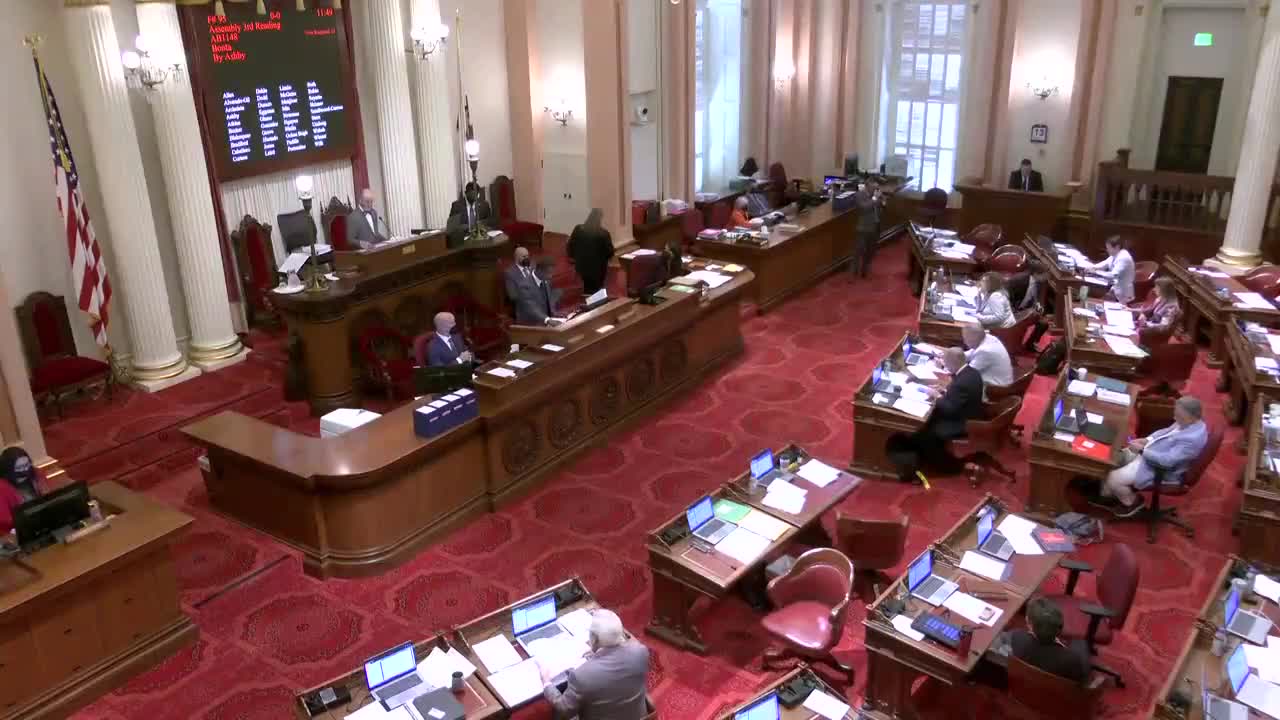 2MIN
Senate Floor
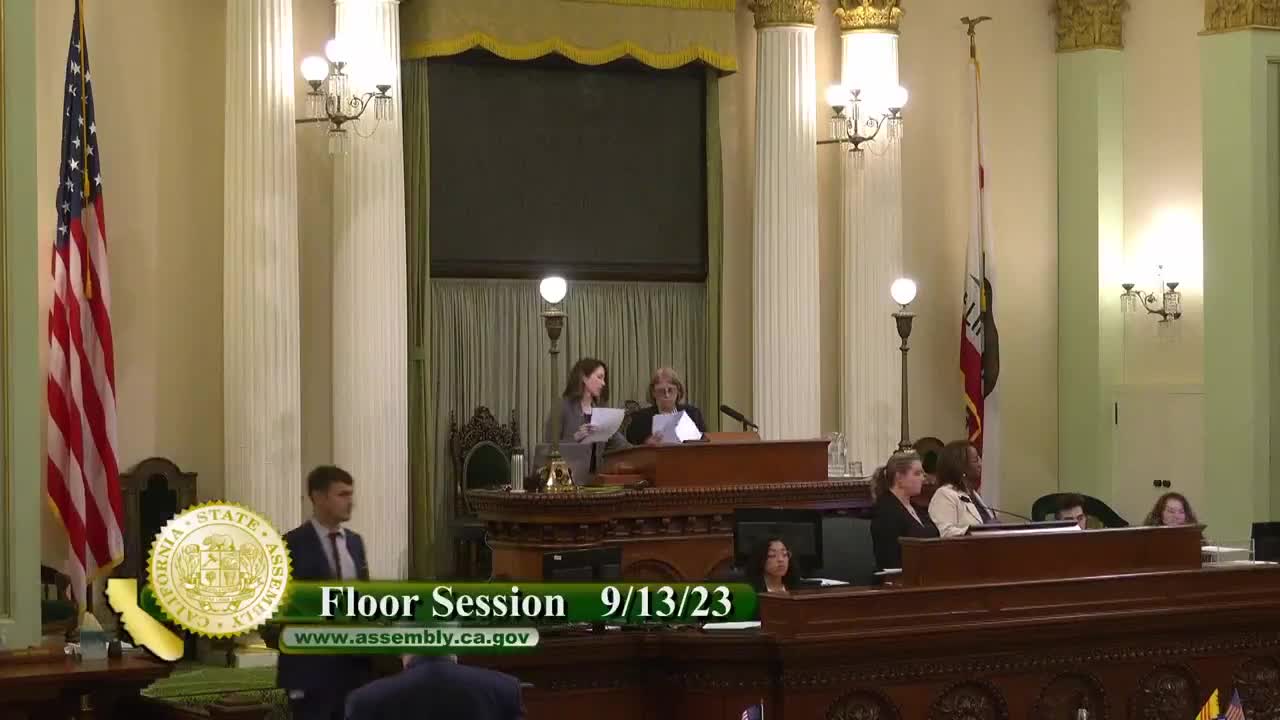 1MIN
Assembly Floor
 1MIN
Senate Standing Committee on Appropriations
 21MIN
Senate Standing Committee on Environmental Quality
 3MIN
Assembly Standing Committee on Appropriations
 31MIN
Assembly Standing Committee on Environmental Safety and Toxic Materials
Bill Author