AB 816: Minors: consent to medical care.
- Session Year: 2023-2024
- House: Assembly
- Latest Version Date: 2023-10-08
Current Status:
Passed
(2023-10-08: Chaptered by Secretary of State - Chapter 456, Statutes of 2023.)
Introduced
In Committee
First Chamber
In Committee
Second Chamber
Enacted
Existing law authorizes a minor who is 12 years of age or older to consent to medical care and counseling relating to the diagnosis and treatment of a drug- or alcohol-related problem. Existing law exempts replacement narcotic abuse treatment, as specified, from these provisions.
This bill would authorize a minor who is 16 years of age or older to consent to replacement narcotic abuse treatment that uses buprenorphine at a physicians office, clinic, or health facility, by a licensed physician and surgeon or other health care provider, as specified, whether or not the minor also has the consent of their parent or guardian. The bill would authorize a minor 16 years of age or older to consent to any other medications for opioid use disorder from a licensed narcotic treatment program as replacement narcotic therapy without the consent of the minors parent or guardian only if, and to the extent, expressly permitted by federal law.
Existing law authorizes a minor who is 12 years of age or older to consent to medical care and counseling relating to the diagnosis and treatment of a drug- or alcohol-related problem. Existing law exempts replacement narcotic abuse treatment, as specified, from these provisions.
This bill would authorize a minor who is 16 years of age or older to consent to replacement narcotic abuse treatment that uses buprenorphine at a physicians office, clinic, or health facility, by a licensed physician and surgeon or other health care provider, as specified, whether or not the minor also has the consent of their parent or guardian. The bill would authorize a minor 16 years of age or older to consent to any other medications for opioid use disorder from a licensed narcotic treatment program as replacement narcotic therapy without the consent of the minors parent or guardian only if, and to the extent, expressly permitted by federal law.
Existing law authorizes a minor who is 12 years of age or older to consent to medical care and counseling relating to the diagnosis and treatment of a drug- or alcohol-related problem. Existing law exempts replacement narcotic abuse treatment, as specified, from these provisions.
This bill would authorize a minor who is 16 years of age or older to consent to replacement narcotic abuse treatment that uses buprenorphine. buprenorphine at a physicians office, clinic, or health facility, by a licensed physician and surgeon or other health care provider, as specified, whether or not the minor also has the consent of their parent or guardian. The bill would authorize a minor 16 years of age or older to consent to any other medications for opioid use disorder from a licensed narcotic treatment program as replacement narcotic therapy without the consent of the minors parent or guardian only if, and to the extent, expressly permitted by federal law.
Existing law authorizes a minor who is 12 years of age or older to consent to medical care and counseling relating to the diagnosis and treatment of a drug- or alcohol-related problem. Existing law exempts replacement narcotic abuse treatment, as specified, from these provisions.
This bill would authorize a minor who is 16 years of age or older to consent to replacement narcotic abuse treatment that uses buprenorphine.
(a)As used in this section:
(1)Counseling means the provision of counseling services by a provider under a contract with the state or a county to provide alcohol or drug abuse counseling services pursuant to Part 2 (commencing with Section 5600) of Division 5 of the Welfare and Institutions Code or pursuant to Division 10.5 (commencing with Section 11750) of the Health and Safety Code.
(2)Drug or alcohol includes, but is not limited to, any substance listed in any of the following:
(A)Section 380 or 381 of the Penal Code.
(B)Division 10 (commencing with Section 11000) of the Health and Safety Code.
(C)Subdivision (f) of Section 647 of the Penal Code.
(3)LAAM means levoalphacetylmethadol as specified in paragraph (10) of subdivision (c) of Section 11055 of the Health and Safety Code.
(4)Professional person means a physician and surgeon, registered nurse, psychologist, clinical social worker, professional clinical counselor, marriage and family therapist, registered marriage and family therapist intern when appropriately employed and supervised pursuant to Section 4980.43 of the Business and Professions Code, psychological assistant when appropriately employed and supervised pursuant to Section 2913 of the Business and Professions Code, associate clinical social worker when appropriately employed and supervised pursuant to Section 4996.18 of the Business and Professions Code, or registered clinical counselor intern when appropriately employed and supervised pursuant to Section 4999.42 of the Business and Professions Code.
(b)A minor who is 12 years of age or older may consent to medical care and counseling relating to the diagnosis and treatment of a drug- or alcohol-related problem.
(c)The treatment plan of a minor authorized by this section shall include the involvement of the minors parent or guardian, if appropriate, as determined by the professional person or treatment facility treating the minor. The professional person providing medical care or counseling to a minor shall state in the minors treatment record whether and when the professional person attempted to contact the minors parent or guardian, and whether the attempt to contact the parent or guardian was successful or unsuccessful, or the reason why, in the opinion of the professional person, it would not be appropriate to contact the minors parent or guardian.
(d)The minors parent or guardian is not liable for payment for care provided to a minor pursuant to this section, except that if the minors parent or guardian participates in a counseling program pursuant to this section, the parent or guardian is liable for the cost of the services provided to the minor and the parent or guardian.
(e)(1)This section does not authorize a minor to receive replacement narcotic therapy, in a program licensed pursuant to Article 1 (commencing with Section 11839) of Chapter 10 of Part 2 of Division 10.5 of the Health and Safety Code, without the consent of the minors parent or guardian.
(2)Notwithstanding paragraph (1), a minor 16 years of age or older may consent to receive medications for opioid use disorder from a licensed narcotic treatment program as replacement narcotic therapy without the consent of the minors parent or guardian only if, and to the extent, expressly permitted by federal law.
(f)It is the intent of the Legislature that the state shall respect the right of a parent or legal guardian to seek medical care and counseling for a drug- or alcohol-related problem of a minor child when the child does not consent to the medical care and counseling, and nothing in this section shall be construed to restrict or eliminate this right.
(g)Notwithstanding any other law, when a parent or legal guardian has sought the medical care and counseling for a drug- or alcohol-related problem of a minor child, the physician and surgeon shall disclose medical information concerning the care to the minors parent or legal guardian upon the parents or guardians request, even if the minor child does not consent to disclosure, without liability for the disclosure.
SEC. 2.Section 6929.1 is added to the Family Code, to read:6929.1.Notwithstanding any other law, a minor 16 years of age or older may consent to opioid use disorder treatment that uses buprenorphine at a physicians office, clinic, or health facility, by a licensed physician and surgeon or other health care provider acting within the scope of their practice, whether or not the minor also has the consent of their parent or guardian.
(a)As used in this section:
(1)Counseling means the provision of counseling services by a provider under a contract with the state or a county to provide alcohol or drug abuse counseling services pursuant to Part 2 (commencing with Section 5600) of Division 5 of the Welfare and Institutions Code or pursuant to Division 10.5 (commencing with Section 11750) of the Health and Safety Code.
(2)Drug or alcohol includes, but is not limited to, any substance listed in any of the following:
(A)Section 380 or 381 of the Penal Code.
(B)Division 10 (commencing with Section 11000) of the Health and Safety Code.
(C)Subdivision (f) of Section 647 of the Penal Code.
(3)LAAM means levoalphacetylmethadol as specified in paragraph (10) of subdivision (c) of Section 11055 of the Health and Safety Code.
(4)Professional person means a physician and surgeon, registered nurse, psychologist, clinical social worker, professional clinical counselor, marriage and family therapist, registered marriage and family therapist intern when appropriately employed and supervised pursuant to Section 4980.43 of the Business and Professions Code, psychological assistant when appropriately employed and supervised pursuant to Section 2913 of the Business and Professions Code, associate clinical social worker when appropriately employed and supervised pursuant to Section 4996.18 of the Business and Professions Code, or registered clinical counselor intern when appropriately employed and supervised pursuant to Section 4999.42 of the Business and Professions Code.
(b)A minor who is 12 years of age or older may consent to medical care and counseling relating to the diagnosis and treatment of a drug- or alcohol-related problem.
(c)The treatment plan of a minor authorized by this section shall include the involvement of the minors parent or guardian, if appropriate, as determined by the professional person or treatment facility treating the minor. The professional person providing medical care or counseling to a minor shall state in the minors treatment record whether and when the professional person attempted to contact the minors parent or guardian, and whether the attempt to contact the parent or guardian was successful or unsuccessful, or the reason why, in the opinion of the professional person, it would not be appropriate to contact the minors parent or guardian.
(d)The minors parent or guardian is not liable for payment for care provided to a minor pursuant to this section, except that if the minors parent or guardian participates in a counseling program pursuant to this section, the parent or guardian is liable for the cost of the services provided to the minor and the parent or guardian.
(e)(1)This section does not authorize a minor to receive replacement narcotic therapy, in a program licensed pursuant to Article 1 (commencing with Section 11839) of Chapter 10 of Part 2 of Division 10.5 of the Health and Safety Code, without the consent of the minors parent or guardian.
(2)Notwithstanding paragraph (1), a minor 16 years of age or older may consent to receive medications for opioid use disorder from a licensed narcotic treatment program as replacement narcotic therapy without the consent of the minors parent or guardian only if, and to the extent, expressly permitted by federal law.
(f)It is the intent of the Legislature that the state shall respect the right of a parent or legal guardian to seek medical care and counseling for a drug- or alcohol-related problem of a minor child when the child does not consent to the medical care and counseling, and nothing in this section shall be construed to restrict or eliminate this right.
(g)Notwithstanding any other law, when a parent or legal guardian has sought the medical care and counseling for a drug- or alcohol-related problem of a minor child, the physician and surgeon shall disclose medical information concerning the care to the minors parent or legal guardian upon the parents or guardians request, even if the minor child does not consent to disclosure, without liability for the disclosure.
SEC. 2.Section 6929.1 is added to the Family Code, to read:6929.1.Notwithstanding any other law, a minor 16 years of age or older may consent to opioid use disorder treatment that uses buprenorphine at a physicians office, clinic, or health facility, by a licensed physician and surgeon or other health care provider acting within the scope of their practice, whether or not the minor also has the consent of their parent or guardian.
(a)As used in this section:
(1)Counseling means the provision of counseling services by a provider under a contract with the state or a county to provide alcohol or drug abuse counseling services pursuant to Part 2 (commencing with Section 5600) of Division 5 of the Welfare and Institutions Code or pursuant to Division 10.5 (commencing with Section 11750) of the Health and Safety Code.
(2)Drug or alcohol includes, but is not limited to, any substance listed in any of the following:
(A)Section 380 or 381 of the Penal Code.
(B)Division 10 (commencing with Section 11000) of the Health and Safety Code.
(C)Subdivision (f) of Section 647 of the Penal Code.
(3)LAAM means levoalphacetylmethadol as specified in paragraph (10) of subdivision (c) of Section 11055 of the Health and Safety Code.
(4)Professional person means a physician and surgeon, registered nurse, psychologist, clinical social worker, professional clinical counselor, marriage and family therapist, registered marriage and family therapist intern when appropriately employed and supervised pursuant to Section 4980.43 of the Business and Professions Code, psychological assistant when appropriately employed and supervised pursuant to Section 2913 of the Business and Professions Code, associate clinical social worker when appropriately employed and supervised pursuant to Section 4996.18 of the Business and Professions Code, or registered clinical counselor intern when appropriately employed and supervised pursuant to Section 4999.42 of the Business and Professions Code.
(b)A minor who is 12 years of age or older may consent to medical care and counseling relating to the diagnosis and treatment of a drug- or alcohol-related problem.
(c)The treatment plan of a minor authorized by this section shall include the involvement of the minors parent or guardian, if appropriate, as determined by the professional person or treatment facility treating the minor. The professional person providing medical care or counseling to a minor shall state in the minors treatment record whether and when the professional person attempted to contact the minors parent or guardian, and whether the attempt to contact the parent or guardian was successful or unsuccessful, or the reason why, in the opinion of the professional person, it would not be appropriate to contact the minors parent or guardian.
(d)The minors parent or guardian is not liable for payment for care provided to a minor pursuant to this section, except that if the minors parent or guardian participates in a counseling program pursuant to this section, the parent or guardian is liable for the cost of the services provided to the minor and the parent or guardian.
(e)(1)This section does not authorize a minor to receive replacement narcotic abuse treatment, therapy, in a program licensed pursuant to Article 1 (commencing with Section 11839) of Chapter 10 of Part 2 of Division 10.5 of the Health and Safety Code, without the consent of the minors parent or guardian, unless that replacement narcotic abuse treatment is for a minor 16 years of age or older and uses buprenorphine. guardian.
(2)Notwithstanding paragraph (1), a minor 16 years of age or older may consent to receive medications for opioid use disorder from a licensed narcotic treatment program as replacement narcotic therapy without the consent of the minors parent or guardian only if, and to the extent, expressly permitted by federal law.
(f)It is the intent of the Legislature that the state shall respect the right of a parent or legal guardian to seek medical care and counseling for a drug- or alcohol-related problem of a minor child when the child does not consent to the medical care and counseling, and nothing in this section shall be construed to restrict or eliminate this right.
(g)Notwithstanding any other law, when a parent or legal guardian has sought the medical care and counseling for a drug- or alcohol-related problem of a minor child, the physician and surgeon shall disclose medical information concerning the care to the minors parent or legal guardian upon the parents or guardians request, even if the minor child does not consent to disclosure, without liability for the disclosure.
SEC. 2.Section 6929.1 is added to the Family Code, to read:6929.1.Notwithstanding any other law, a minor 16 years of age or older may consent to opioid use disorder treatment that uses buprenorphine at a physicians office, clinic, or health facility, by a licensed physician and surgeon or other health care provider acting within the scope of their practice, whether or not the minor also has the consent of their parent or guardian.
(a)As used in this section:
(1)Counseling means the provision of counseling services by a provider under a contract with the state or a county to provide alcohol or drug abuse counseling services pursuant to Part 2 (commencing with Section 5600) of Division 5 of the Welfare and Institutions Code or pursuant to Division 10.5 (commencing with Section 11750) of the Health and Safety Code.
(2)Drug or alcohol includes, but is not limited to, any substance listed in any of the following:
(A)Section 380 or 381 of the Penal Code.
(B)Division 10 (commencing with Section 11000) of the Health and Safety Code.
(C)Subdivision (f) of Section 647 of the Penal Code.
(3)LAAM means levoalphacetylmethadol as specified in paragraph (10) of subdivision (c) of Section 11055 of the Health and Safety Code.
(4)Professional person means a physician and surgeon, registered nurse, psychologist, clinical social worker, professional clinical counselor, marriage and family therapist, registered marriage and family therapist intern when appropriately employed and supervised pursuant to Section 4980.43 of the Business and Professions Code, psychological assistant when appropriately employed and supervised pursuant to Section 2913 of the Business and Professions Code, associate clinical social worker when appropriately employed and supervised pursuant to Section 4996.18 of the Business and Professions Code, or registered clinical counselor intern when appropriately employed and supervised pursuant to Section 4999.42 of the Business and Professions Code.
(b)A minor who is 12 years of age or older may consent to medical care and counseling relating to the diagnosis and treatment of a drug- or alcohol-related problem.
(c)The treatment plan of a minor authorized by this section shall include the involvement of the minors parent or guardian, if appropriate, as determined by the professional person or treatment facility treating the minor. The professional person providing medical care or counseling to a minor shall state in the minors treatment record whether and when the professional person attempted to contact the minors parent or guardian, and whether the attempt to contact the parent or guardian was successful or unsuccessful, or the reason why, in the opinion of the professional person, it would not be appropriate to contact the minors parent or guardian.
(d)The minors parent or guardian is not liable for payment for care provided to a minor pursuant to this section, except that if the minors parent or guardian participates in a counseling program pursuant to this section, the parent or guardian is liable for the cost of the services provided to the minor and the parent or guardian.
(e)This section does not authorize a minor to receive replacement narcotic abuse treatment, in a program licensed pursuant to Article 3 (commencing with Section 11875) of Chapter 1 of Part 3 of Division 10.5 Article 1 (commencing with Section 11839) of Chapter 10 of Part 2 of Division 10.5 of the Health and Safety Code, without the consent of the minors parent or guardian. guardian, unless that replacement narcotic abuse treatment is for a minor 16 years of age or older and uses buprenorphine.
(f)It is the intent of the Legislature that the state shall respect the right of a parent or legal guardian to seek medical care and counseling for a drug- or alcohol-related problem of a minor child when the child does not consent to the medical care and counseling, and nothing in this section shall be construed to restrict or eliminate this right.
(g)Notwithstanding any other law, when a parent or legal guardian has sought the medical care and counseling for a drug- or alcohol-related problem of a minor child, the physician and surgeon shall disclose medical information concerning the care to the minors parent or legal guardian upon the parents or guardians request, even if the minor child does not consent to disclosure, without liability for the disclosure.
|
Date
|
Status
|
|---|---|
| Oct 8, 2023 | Chaptered by Secretary of State - Chapter 456, Statutes of 2023. |
| Oct 8, 2023 | Approved by the Governor. |
| Sep 19, 2023 | Enrolled and presented to the Governor at 4 p.m. |
| Sep 12, 2023 | Senate amendments concurred in. To Engrossing and Enrolling. (Ayes 64. Noes 6. Page 3311.). |
| Sep 12, 2023 | Assembly Rule 77 suspended. (Page 3228.) |
| Sep 11, 2023 | In Assembly. Concurrence in Senate amendments pending. May be considered on or after September 13 pursuant to Assembly Rule 77. |
| Sep 11, 2023 | Read third time. Passed. Ordered to the Assembly. (Ayes 29. Noes 9. Page 2579.). |
| Sep 6, 2023 | Read second time. Ordered to third reading. |
| Sep 5, 2023 | Read third time and amended. Ordered to second reading. |
| Jun 22, 2023 | Read second time. Ordered to third reading. |
| Jun 21, 2023 | From committee: Do pass. (Ayes 9. Noes 2.) (June 20). |
| May 24, 2023 | Referred to Com. on JUD. |
| May 16, 2023 | In Senate. Read first time. To Com. on RLS. for assignment. |
| May 15, 2023 | Read third time. Passed. Ordered to the Senate. (Ayes 62. Noes 0. Page 1543.) |
| Mar 29, 2023 | Read second time. Ordered to third reading. |
| Mar 28, 2023 | From committee: Do pass. (Ayes 7. Noes 0.) (March 28). |
| Feb 23, 2023 | Referred to Com. on JUD. |
| Feb 14, 2023 | From printer. May be heard in committee March 16. |
| Feb 13, 2023 | Read first time. To print. |
|
Date
|
Description
|
Location
|
Votes
|
|
|---|---|---|---|---|
| Sep 12, 2023 | AB 816 Haney Concurrence in Senate Amendments | Assembly Floor |
Passed |
|
| Sep 11, 2023 | Assembly 3rd Reading AB816 Haney By Wiener | Senate Floor |
Passed |
|
| Jun 20, 2023 | Do pass | Senate Standing Committee on Judiciary |
Passed |
|
| May 15, 2023 | AB 816 Haney Assembly Third Reading | Assembly Floor |
Passed |
|
| Mar 28, 2023 | Do pass. | Assembly Standing Committee on Judiciary |
Passed |
This list shows positions taken on this bill by organizations on the date displayed, which is linked to the original source.
Positions by individuals are not included.
|
Organization
|
Position
|
Date
|
|---|---|---|
| American Academy Of Pediatrics, California | ** Support | |
| CA Bridge | ** Support | |
| California Academy Of Family Physicians | ** Support | |
| California Association for Nurse Practitioners | ** Support | |
| California Coalition For Youth | ** Support | |
| California Medical Association | ** Support | |
| California Psychological Association | ** Support | |
| California State Association of Psychiatrists | ** Support | |
| Children’s Trust California | ** Support | |
| Montage Health | ** Support | |
| Montage Health Prescribe Safe | ** Support | |
| National Association of Social Workers California Chapter | ** Support | |
| National Center for Youth Law | ** Support | |
| National Health Law Program | ** Support | |
| san francisco marin medical society | ** Support | |
| Steinberg Institute | ** Support | |
| The California Children's Trust | ** Support |
CONCURRENCE IN SENATE AMENDMENTS
CSA1 Bill Id:AB 816
Author:(Haney)
As Amended Ver:September 5, 2023
Majority vote
SUMMARY
Creates an exception that allows a minor who is at least 16 years of age or older to consent to narcotic replacement therapy as part of their substance abuse treatment plan.
Major Provisions
Authorizes a minor who is 16 years of age or older to consent to replacement narcotic abuse treatment that uses buprenorphine, while maintaining the requirement that the professional person providing the treatment shall include the parent in the treatment plan, unless the professional determines it would be inappropriate to contact the minor's parent or guardian.
Senate Amendments
Clarify that a minor 16 years of age or older may consent to receive medications for opioid use disorder from a licensed narcotic treatment program as replacement narcotic therapy without the consent of the minor's parent or guardian only if, and to the extent, expressly permitted by federal law.
COMMENTS
Minor consent to treatment. Existing law permits a minor who is 12 years of age or older to consent to medical care and counseling related to the treatment of drug or alcohol abuse. However, existing law expressly exempts "narcotic replacement" therapy from the kinds of services to which a minor may consent. As the name suggests, narcotic replacement therapy – or opioid replacement therapy – treats opioid addiction by replacing the opioid with a less dangerous drug that curbs the cravings without the "high" or danger of overdose, thereby allowing the addicted person to wean themselves off opioids. The Food and Drug Administration (FDA)-approved drug, buprenorphine, is most often used for this purpose. However, existing law expressly exempts narcotic replacement therapy from the kinds of drug or alcohol treatment to which a minor may consent. This policy aligns with related laws that both permit, and limit, minor consent to various kinds of medical treatment. For example, a minor who is 12 years of age or older may consent to mental health treatment and services, such as counseling, but they are not allowed to consent to more invasive forms of treatment, including the administration of psychotropic drugs, without parental consent. (Health and Safety Code Section 124260(b).) In other words, existing law assumes that it is one thing to allow a minor to consent to mental health counseling without parental consent; it is quite another thing to permit a minor to consent to prescription medications without parental consent.
This bill creates an exception to the existing prohibition on providing narcotic replacement therapy to a minor without parental consent. Specifically, it would allow a minor who is at least 16 years of age or older to consent to narcotic replacement therapy. The research cited by the author and sponsor suggests that many older teenagers experience opioid addiction but mental health professionals cannot always obtain parental consent, either because the minor is unwilling to disclose their abuse to parents or the parents are no longer a part of the minor's life. Existing law already allows minors as young as 12 to consent to forms of substance abuse treatment other than narcotic replacement therapy without parental consent. This bill would continue to prohibit narcotic replacement therapy for minors between 12 and 15 years of age, but it would allow those16 and 17 – that is, those nearing the age of majority – to access treatment without parental consent. Significantly, this bill would keep in place the existing requirement that the professional person providing the treatment must involve the parent in the treatment plan, unless in their professional judgment it would not be appropriate to notify the parent. This bill does not change the default position favoring parental involvement.
According to the Author
According to the author, "California has a youth overdose crisis." The author and sponsor note that, last year, one out of every five deaths among California's youth was caused by opioid overdose. Yet, opioid addiction can be safely treated with buprenorphine, 'a lifesaving medication stops opioid cravings and allows therapists and doctors the time they need to get youth clean and sober.' Current law requires parental consent to receive this opioid replacement therapy, but often times, the author contends, "youth suffering from opioid addiction are not in contact with their parents, or have parents who are also dealing with addiction and are not part of their children's lives." AB 816, the author concludes, "will allow physicians to oversee buprenorphine treatment for youth over the age of 16 without parental consent. This bill will be a critical step forward to achieving California's goal of ending the rapidly growing crisis of youth opioid deaths."
Arguments in Support
The American Academy of Pediatrics, California (AAP-CA), provides a succinct but thorough argument on behalf of this bill. APA-Cal writes:
Youth opioid deaths are a serious concern. One out of every five youth deaths are caused by an opioid overdose. Additionally, overdoses among youth have risen by 179% over the last two years.
AB 816 would allow California physicians to safely expand youth access to effective treatment with buprenorphine consistent with FDA recommendations and National AAP policy. As pediatricians, we consistently make every effort to engage families in the care of youth. However, obtaining parental consent is not always possible. For youth without an available or supportive caregiver (e.g., unhoused youth), or for youth who may be unwilling to disclose their substance use to caregivers, we strongly believe parental consent should not be a barrier to safe and effective care. The patients for whom parental consent is the most challenging are often the most vulnerable patients who need our care and advocacy the most.
Opioid replacement therapy treats opioid addiction by replacing highly addictive opioids with physician-supervised medications that reduce withdrawal symptoms without the danger of an overdose. Opioid replacement therapies are the only evidence-based treatment for opioid addiction.
Buprenorphine was approved by the Food and Drug Administration (FDA) in 2002 and is one of three medications currently used for opioid replacement therapy. Other opioid replacement therapy medications exist such as methadone and naltrexone. However, buprenorphine is the most effective at helping patients abstain from opioid use because it has a chemical ceiling that stops the drug's effects from increasing when more of the drug is taken, making it difficult to abuse and impossible to overdose.
Several other youth advocacy groups and professional associations, including the California Medical Association, support this bill for the same reasons articulated by APA-Cal.
Arguments in Opposition
No opposition on file.
FISCAL COMMENTS
None.
VOTES:
ASM JUDICIARY: 7-0-4
YES: Maienschein, Connolly, Haney, Pacheco, Papan, Reyes, Robert Rivas
ABS, ABST OR NV: Essayli, Dixon, Kalra, Sanchez
ASSEMBLY FLOOR: 62-0-18
YES: Addis, Aguiar-Curry, Alvarez, Arambula, Bains, Bauer-Kahan, Bennett, Berman, Boerner, Bonta, Bryan, Calderon, Juan Carrillo, Wendy Carrillo, Cervantes, Connolly, Mike Fong, Gabriel, Garcia, Gipson, Grayson, Haney, Hart, Holden, Irwin, Jackson, Jones-Sawyer, Kalra, Lee, Low, Lowenthal, Maienschein, McCarty, McKinnor, Muratsuchi, Stephanie Nguyen, Ortega, Pacheco, Papan, Pellerin, Petrie-Norris, Quirk-Silva, Ramos, Reyes, Luz Rivas, Robert Rivas, Rodriguez, Blanca Rubio, Santiago, Schiavo, Soria, Ting, Valencia, Villapudua, Wallis, Ward, Weber, Wicks, Wilson, Wood, Zbur, Rendon
ABS, ABST OR NV: Alanis, Chen, Megan Dahle, Davies, Dixon, Essayli, Flora, Vince Fong, Friedman, Gallagher, Hoover, Lackey, Mathis, Jim Patterson, Joe Patterson, Sanchez, Ta, Waldron
SENATE FLOOR: 30-9-1
YES: Allen, Archuleta, Ashby, Atkins, Becker, Blakespear, Bradford, Cortese, Dodd, Durazo, Eggman, Glazer, Gonzalez, Hurtado, Laird, Limón, McGuire, Menjivar, Min, Newman, Padilla, Portantino, Roth, Rubio, Skinner, Smallwood-Cuevas, Stern, Umberg, Wahab, Wiener
NO: Alvarado-Gil, Dahle, Grove, Jones, Nguyen, Niello, Ochoa Bogh, Seyarto, Wilk
ABS, ABST OR NV: Caballero
UPDATED
VERSION: September 5, 2023
CONSULTANT: Tom Clark / JUD. / (916) 319-2334 FN: FN: 0001974
SENATE RULES COMMITTEE Office of Senate Floor Analyses (916) 651-1520 Fax: (916) 327-4478 | AB 816 |
THIRD READING
Bill No: AB 816
Author: Haney (D)
Amended: 9/5/23 in Senate
Vote: 21
SENATE JUDICIARY COMMITTEE: 9-2, 6/20/23
AYES: Umberg, Allen, Ashby, Caballero, Durazo, Laird, Min, Stern, Wiener
NOES: Wilk, Niello
ASSEMBLY FLOOR: 62-0, 5/15/23 - See last page for vote
SUBJECT: Minors: consent to medical care
SOURCE: American Academy of Pediatrics, California
DIGEST:
This bill authorizes minors aged 16 years of age or older to consent to receive medications for opioid use disorder from a licensed narcotic treatment program as replacement narcotic therapy, as specified, without the consent of their parent or guardian; and clarifies that a minor aged 16 years of age or older may consent to opioid use disorder treatment that includes buprenorphine, as specified, with or without the consent of a parent or guardian.
Senate Floor Amendments of 9/5/23 clarify that a minor aged 16 years of age or older may consent to the use of buprenorphine provided at certain health facilities and by medical practitioners acting within the scope of their practice, with or without the consent of a parent or guardian; and clarify that a minor aged 16 years or older may consent to receive medication for opioid use disorder from a licensed narcotic treatment program as replacement narcotic therapy without the consent of the minor’s parent or guardian only if, and to the extent, expressly permitted by federal law.
ANALYSIS:
Existing law:
- Establishes that a “minor” is an individual under 18 years of age. (Fam. Code, § 6500.)
- Defines the following relevant terms:
- “Counseling” is the provision of counseling services by a provider under a contract with the state or a county to provide alcohol or drug abuse counseling services, as specified.
- “Drug or alcohol” includes substances identified as such in the Penal Code and Health and Safety Code.
- “LAAM” is levoalphacetylmethadol, as defined in Section 11055 of the Health and Safety Code.
- “Professional person” includes a physician and surgeon, registered nurse, psychologist, clinical social worker, professional clinical counselor, marriage and family therapist, and other identified health care professionals. (Fam. Code, § 2929(a).)
- Permits a minor who is 12 years of age or older to consent to medical care and counseling relating to the diagnosis and treatment of a drug- or alcohol-related problem without the consent of their parent or guardian.[1] (Fam. Code, §§ 6929(b), 6920.)
- Provides that a treatment plan of a minor authorized by 3) shall include involvement of the minor’s parent, if appropriate, as determined by the professional person or treatment facility treating the minor. The professional person providing care or counseling shall state in the minor’s treatment record whether and when they attempted to contact the minor’s parent and whether the attempt was successful or unsuccessful, or why, in their professional opinion, it would be inappropriate to contact the minor’s parent or guardian. (Fam. Code, § 6929(d).)
- Provides that a minor’s parent is not liable for services provided pursuant to 3), except if the minor’s parent participates in a counseling program pursuant to 3), the parent is liable for the costs of the services provided to the minor and their parent. (Fam. Code, § 6929(d).)
- Provides that 3) does not authorize a minor to receive replacement narcotic abuse treatment, in a program licensed pursuant to the Health and Safety Code, without parental consent. (Fam. Code, § 6929(e).)
- States that it is the intent of the Legislature that the state shall respect the right of a parent or legal guardian to seek medical care and counseling for a drug- or alcohol-related problem of a minor child when the child does not consent to the medical care or counseling, and the provisions allowing a minor to consent to their own treatment shall not be construed to restrict or eliminate that right. (Fam. Code, § 6929(f).)
- Requires a physician and surgeon to disclose medical information concerning the minor’s care under 3) to the minor’s parent, when the parent has sought medical care and counseling for the minor’s drug- or alcohol-related problem, even if the minor does not consent to the disclosure, and provides that the physician and surgeon is not liable for the disclosure. (Fam. Code, § 6929(g).)
This bill:
- Authorizes a minor aged 16 years or older to consent to receive medications for opioid use disorder from a licensed narcotic treatment program as replacement narcotic therapy, to the extent expressly permitted by federal law, without the consent of their parent or guardian.
- Authorizes a minor aged 16 years of age or order to consent to opioid use disorder treatment that uses buprenorphine at a physician’s office, clinic, or health facility, provided by a licensed physician and surgeon or other health care provider acting within the scope of their practice, with or without the consent of their parent or guardian.
- Changes the reference to “replacement narcotic abuse treatment” to “replacement narcotic therapy.”
Comments
Existing law permits a minor who is 12 years of age or older to consent to medical care and counseling related to the treatment of drug or alcohol abuse, with the express exemption of replacement narcotic abuse treatment. As the name suggests, narcotic replacement therapy treats substance abuse disorder by replacing the substance with a drug that curbs cravings and allows the addicted person to wean themselves off the illicit substance.
Buprenorphine is a replacement narcotic abuse treatment for opioid abuse that is FDA-approved for persons 16 years of age and older. Unlike many other opioid replacements, buprenorphine can be prescribed and dispensed in a physician’s office rather than in a clinic, making it a more accessible treatment option for opioid addiction. In recognition of the ravaging opioid crisis and the rise of fentanyl addiction, the federal government has recently made it easier for physicians to prescribe buprenorphine.
This bill creates a modest exception-to-the-exception to allow a minor aged 16 years or older to consent to medications for opioid use disorder as part of their substance abuse therapy. This bill also clarifies that a minor aged 16 years or older may consent to opioid use treatment that uses buprenorphine at a physician’s office, clinic, or health facility, provided by a licensed medical provider acting within the scope of their practice, with or without the consent of a parent or guardian. Given that many teenagers suffering from opioid abuse do not have a supportive, or even available, parent to give consent, this bill will enable older teens suffering from opioid addiction to take steps to obtain a federally approved treatment. This bill maintains the existing requirement that the treating professional attempt to involve the parent in the treatment plan, unless in their professional judgment notifying the parent would be inappropriate.
FISCAL EFFECT: Appropriation: No Fiscal Com.: No Local: No
SUPPORT: (Verified 9/5/23)
American Academy of Pediatrics, California (source)
CA Bridge
California Academy of Family Physicians
California Association for Nurse Practitioners
California Coalition for Youth
California Medical Association
California Psychological Association
California State Association of Psychiatrics
Children’s Trust California
Montage Health
National Association of Social Workers – California Chapter
National Center for Youth Law
National Health Law Program
San Francisco Marin Medical Society
Steinberg Institute
OPPOSITION: (Verified 9/5/23)
None received
ARGUMENTS IN SUPPORT: According to the American Academy of Pediatrics, California, “As pediatricians, we consistently make every effort to engage families in the care of youth. However, obtaining parental consent is not always possible. For youth without an available or supportive caregiver (e.g., unhoused youth), or for youth who may be unwilling to disclose their substance use to caregivers, we strongly believe parental consent should not be a barrier to safe and effective care. The patients for whom parental consent is the most challenging are often the most vulnerable patients who need our care and advocacy the most.”
ASSEMBLY FLOOR: 62-0, 5/15/23
AYES: Addis, Aguiar-Curry, Alvarez, Arambula, Bains, Bauer-Kahan, Bennett, Berman, Boerner, Bonta, Bryan, Calderon, Juan Carrillo, Wendy Carrillo, Cervantes, Connolly, Mike Fong, Gabriel, Garcia, Gipson, Grayson, Haney, Hart, Holden, Irwin, Jackson, Jones-Sawyer, Kalra, Lee, Low, Lowenthal, Maienschein, McCarty, McKinnor, Muratsuchi, Stephanie Nguyen, Ortega, Pacheco, Papan, Pellerin, Petrie-Norris, Quirk-Silva, Ramos, Reyes, Luz Rivas, Robert Rivas, Rodriguez, Blanca Rubio, Santiago, Schiavo, Soria, Ting, Valencia, Villapudua, Wallis, Ward, Weber, Wicks, Wilson, Wood, Zbur, Rendon
NO VOTE RECORDED: Alanis, Chen, Megan Dahle, Davies, Dixon, Essayli, Flora, Vince Fong, Friedman, Gallagher, Hoover, Lackey, Mathis, Jim Patterson, Joe Patterson, Sanchez, Ta, Waldron
Prepared by: Allison Whitt Meredith / JUD. / (916) 651-4113
9/6/23 9:48:14
**** END ****
Going forward, this analysis uses “parent” to include the term “guardian.” ↑
SENATE RULES COMMITTEE Office of Senate Floor Analyses (916) 651-1520 Fax: (916) 327-4478 | AB 816 |
THIRD READING
Bill No: AB 816
Author: Haney (D)
Introduced: 2/13/23
Vote: 21
SENATE JUDICIARY COMMITTEE: 9-2, 6/20/23
AYES: Umberg, Allen, Ashby, Caballero, Durazo, Laird, Min, Stern, Wiener
NOES: Wilk, Niello
ASSEMBLY FLOOR: 62-0, 5/15/23 - See last page for vote
SUBJECT: Minors: consent to medical care
SOURCE: American Academy of Pediatrics, California
DIGEST:
This bill authorizes minors aged 16 years of age and older to consent to buprenorphine as a narcotic replacement therapy to treat a substance abuse issue, without the consent of their parent or guardian.
ANALYSIS:
Existing law:
- Establishes that a “minor” is an individual under 18 years of age. (Fam. Code, § 6500.)
- Defines the following relevant terms:
- “Counseling” is the provision of counseling services by a provider under a contract with the state or a county to provide alcohol or drug abuse counseling services, as specified.
- “Drug or alcohol” includes substances identified as such in the Penal Code and Health and Safety Code.
- “LAAM” is levoalphacetylmethadol, as defined in Section 11055 of the Health and Safety Code.
- “Professional person” includes a physician and surgeon, registered nurse, psychologist, clinical social worker, professional clinical counselor, marriage and family therapist, and other identified health care professionals. (Fam. Code, § 2929(a).)
- Permits a minor who is 12 years of age or older to consent to medical care and counseling relating to the diagnosis and treatment of a drug- or alcohol-related problem without the consent of their parent or guardian.[1] (Fam. Code, §§ 6929(b), 6920.)
- Provides that a treatment plan of a minor authorized by 3) shall include involvement of the minor’s parent, if appropriate, as determined by the professional person or treatment facility treating the minor. The professional person providing care or counseling shall state in the minor’s treatment record whether and when they attempted to contact the minor’s parent and whether the attempt was successful or unsuccessful, or why, in their professional opinion, it would be inappropriate to contact the minor’s parent or guardian. (Fam. Code, § 6929(d).)
- Provides that a minor’s parent is not liable for services provided pursuant to 3), except if the minor’s parent participates in a counseling program pursuant to 3), the parent is liable for the costs of the services provided to the minor and their parent. (Fam. Code, § 6929(d).)
- Provides that 3) does not authorize a minor to receive replacement narcotic abuse treatment, in a program licensed pursuant to the Health and Safety Code, without parental consent. (Fam. Code, § 6929(e).)
- States that it is the intent of the Legislature that the state shall respect the right of a parent or legal guardian to seek medical care and counseling for a drug- or alcohol-related problem of a minor child when the child does not consent to the medical care or counseling, and the provisions allowing a minor to consent to their own treatment shall not be construed to restrict or eliminate that right. (Fam. Code, § 6929(f).)
- Requires a physician and surgeon to disclose medical information concerning the minor’s care under 3) to the minor’s parent, when the parent has sought medical care and counseling for the minor’s drug- or alcohol-related problem, even if the minor does not consent to the disclosure, and provides that the physician and surgeon is not liable for the disclosure. (Fam. Code, § 6929(g).)
This bill authorizes a minor aged 16 years or older to consent, without parental consent, to buprenorphine as a replacement narcotic abuse treatment.
Comments
Existing law permits a minor who is 12 years of age or older to consent to medical care and counseling related to the treatment of drug or alcohol abuse, with the express exemption of replacement narcotic abuse treatment. As the name suggests, narcotic replacement therapy treats substance abuse disorder by replacing the substance with a drug that curbs cravings and allows the addicted person to wean themselves off the illicit substance.
Buprenorphine is a replacement narcotic abuse treatment for opioid abuse that is FDA-approved for persons 16 years of age and older. Unlike many other opioid replacements, buprenorphine can be prescribed and dispensed in a physician’s office rather than in a clinic, making it a more accessible treatment option for opioid addiction. In recognition of the ravaging opioid crisis and the rise of fentanyl addiction, the federal government has recently made it easier for physicians to prescribe buprenorphine.
This bill creates a modest exception-to-the-exception to allow a minor aged 16 years or older to consent to buprenorphine as part of their substance abuse treatment plan. Given that many teenagers suffering from opioid abuse do not have a supportive, or even available, parent to give consent, this bill will enable older teens suffering from opioid addiction to take steps to obtain a federally approved treatment. This bill maintains the existing requirement that the treating professional attempt to involve the parent in the treatment plan, unless in their professional judgment notifying the parent would be inappropriate.
FISCAL EFFECT: Appropriation: No Fiscal Com.: No Local: No
SUPPORT: (Verified 6/21/23)
American Academy of Pediatrics, California (source)
CA Bridge
California Academy of Family Physicians
California Association for Nurse Practitioners
California Coalition for Youth
California Medical Association
California Psychological Association
California State Association of Psychiatrics
Children’s Trust California
Montage Health
National Association of Social Workers – California Chapter
National Center for Youth Law
National Health Law Program
San Francisco Marin Medical Society
Steinberg Institute
OPPOSITION: (Verified 6/21/23)
None received
ARGUMENTS IN SUPPORT: According to the American Academy of Pediatrics, California, “As pediatricians, we consistently make every effort to engage families in the care of youth. However, obtaining parental consent is not always possible. For youth without an available or supportive caregiver (e.g., unhoused youth), or for youth who may be unwilling to disclose their substance use to caregivers, we strongly believe parental consent should not be a barrier to safe and effective care. The patients for whom parental consent is the most challenging are often the most vulnerable patients who need our care and advocacy the most.”
ASSEMBLY FLOOR: 62-0, 5/15/23
AYES: Addis, Aguiar-Curry, Alvarez, Arambula, Bains, Bauer-Kahan, Bennett, Berman, Boerner, Bonta, Bryan, Calderon, Juan Carrillo, Wendy Carrillo, Cervantes, Connolly, Mike Fong, Gabriel, Garcia, Gipson, Grayson, Haney, Hart, Holden, Irwin, Jackson, Jones-Sawyer, Kalra, Lee, Low, Lowenthal, Maienschein, McCarty, McKinnor, Muratsuchi, Stephanie Nguyen, Ortega, Pacheco, Papan, Pellerin, Petrie-Norris, Quirk-Silva, Ramos, Reyes, Luz Rivas, Robert Rivas, Rodriguez, Blanca Rubio, Santiago, Schiavo, Soria, Ting, Valencia, Villapudua, Wallis, Ward, Weber, Wicks, Wilson, Wood, Zbur, Rendon
NO VOTE RECORDED: Alanis, Chen, Megan Dahle, Davies, Dixon, Essayli, Flora, Vince Fong, Friedman, Gallagher, Hoover, Lackey, Mathis, Jim Patterson, Joe Patterson, Sanchez, Ta, Waldron
Prepared by: Allison Whitt Meredith / JUD. / (916) 651-4113
6/23/23 12:29:09
**** END ****
Going forward, this analysis uses “parent” to include the term “guardian.” ↑
Senator Thomas Umberg, Chair
2023-2024 Regular Session
Bill No: AB 816 (Author:Haney)
Version: February 13, 2023
Hearing Date: June 20, 2023
Fiscal: No
Urgency: No
Consultant: AWM
SUBJECT
Minors: consent to medical care
DIGEST
This bill authorizes minors aged 16 years of age and older to consent to buprenorphine as a narcotic replacement therapy to treat a substance abuse issue, without the consent of their parent or guardian.
EXECUTIVE SUMMARY
Existing law permits a minor who is 12 years of age or older to consent to medical care and counseling related to the treatment of drug or alcohol abuse, with the express exemption of replacement narcotic abuse treatment. As the name suggests, narcotic replacement therapy treats substance abuse disorder by replacing the substance with a drug that curbs cravings and allows the addicted person to wean themselves off the illicit substance.
Buprenorphine is a replacement narcotic abuse treatment for opioid abuse that is FDA-approved for persons 16 years of age and older. Unlike many other opioid replacements, buprenorphine can be prescribed and dispensed in a physician’s office rather than in a clinic, making it a more accessible treatment option for opioid addiction. In recognition of the ravaging opioid crisis and the rise of fentanyl addiction, the federal government has recently made it easier for physicians to prescribe buprenorphine.
This bill creates a modest exception-to-the-exception to allow a minor aged 16 years or older to consent to buprenorphine as part of their substance abuse treatment plan. Given that many teenagers suffering from opioid abuse do not have a supportive, or even available, parent to give consent, this bill will enable older teens suffering from opioid addiction to take steps to obtain a federally approved treatment. The bill maintains the existing requirement that the treating professional attempt to involve the parent in the treatment plan, unless in their professional judgment notifying the parent would be inappropriate.
This bill is sponsored by the American Academy of Pediatrics, California, and is supported by a 14 organizations, including a number of groups representing medical and mental health professionals. There is no known opposition.
PROPOSED CHANGES TO THE LAW
Existing law:
- Establishes that a “minor” is an individual under 18 years of age. (Fam. Code, § 6500.)
- Defines the following relevant terms:
- “Counseling” is the provision of counseling services by a provider under a contract with the state or a county to provide alcohol or drug abuse counseling services, as specified.
- “Drug or alcohol” includes substances identified as such in the Penal Code and Health and Safety Code.
- “LAAM” is levoalphacetylmethadol, as defined in section 11055 of the Health and Safety Code.
- “Professional person” includes a physician and surgeon, registered nurse, psychologist, clinical social worker, professional clinical counselor, marriage and family therapist, and other identified health care professionals. (Fam. Code, § 2929(a).)
- Permits a minor who is 12 years of age or older to consent to medical care and counseling relating to the diagnosis and treatment of a drug- or alcohol-related problem without the consent of their parent or guardian.[1] (Fam. Code, §§ 6929(b), 6920.)
- Provides that a treatment plan of a minor authorized by 3) shall include involvement of the minor’s parent, if appropriate, as determined by the professional person or treatment facility treating the minor. The professional person providing care or counseling shall state in the minor’s treatment record whether and when they attempted to contact the minor’s parent and whether the attempt was successful or unsuccessful, or why, in their professional opinion, it would be inappropriate to contact the minor’s parent or guardian. (Fam. Code, § 6929(d).)
- Provides that a minor’s parent is not liable for services provided pursuant to 3), except if the minor’s parent participates in a counseling program pursuant to 3), the parent is liable for the costs of the services provided to the minor and their parent. (Fam. Code, § 6929(d).)
- Provides that 3) does not authorize a minor to receive replacement narcotic abuse treatment, in a program licensed pursuant to the Health and Safety Code, without parental consent. (Fam. Code, § 6929(e).)
- States that it is the intent of the Legislature that the state shall respect the right of a parent or legal guardian to seek medical care and counseling for a drug- or alcohol-related problem of a minor child when the child does not consent to the medical care or counseling, and the provisions allowing a minor to consent to their own treatment shall not be construed to restrict or eliminate that right. (Fam. Code, § 6929(f).)
- Requires a physician and surgeon to disclose medical information concerning the minor’s care under 3) to the minor’s parent, when the parent has sought medical care and counseling for the minor’s drug- or alcohol-related problem, even if the minor does not consent to the disclosure, and provides that the physician and surgeon is not liable for the disclosure. (Fam. Code, § 6929(g).)
This bill:
- Authorizes a minor aged 16 years or older to consent, without parental consent, to buprenorphine as a replacement narcotic abuse treatment.
COMMENTS
- Author’s comment
According to the author:
California has a youth overdose crisis. Last year 1 out of every 5 youth deaths in California was caused by an opioid overdose. There is only one medication that has been approved by the FDA to treat opioid addiction: buprenorphine. This lifesaving medication stops opioid cravings and allows therapists and doctors the time they need to get youth clean and sober.
Currently state law requires parental consent to receive this medication. But often times, youth suffering from opioid addiction are not in contact with their parents, or have parents who are also dealing with addiction and are not part of their children’s lives. This presents a significant barrier for youth who need to access this life-saving medication.
AB 816 will allow physicians to oversee buprenorphine treatment for youth over the age of 16 without parental consent. This bill will be a critical step forward to achieving California’s goal of ending the rapidly growing crisis of youth opioid deaths.
2. This bill authorizes minors aged 16 years of age and older to consent to buprenorphine to treat a substance abuse problem
“At common law, minors generally were considered to lack the legal capacity to give valid consent to medical treatment or services, and consequently a parent, guardian, or other legally authorized person generally was required to provide the requisite consent.”[2] This general rule was intended to “protect the health and welfare of minors, safeguarding them from the potential overreaching of third parties or the improvidence of their own immature decisionmaking, and leaving decisions concerning the minor's medical care in the hands of his or her parents, who were presumed to be in the best position to protect the health of their child.”[3]
But parental autonomy is not absolute. “Under the doctrine of Parens patriae, the state has a right, indeed, a duty, to protect children. [Citation] State officials may interfere in family matters to safeguard the child’s health, educational development and emotional well-being.”[4]
Over the last 70 years, California has adopted a number of statutes that allow minors to seek medical care in certain situations without parental consent.[5] This bill addresses Family Code section 6929 (“Section 6929”), which allows minors who are 12 years of age or older to consent to medical care and counseling for a drug- or alcohol-related problem without parental consent.[6]
As with similar minor-consent laws, Section 6929 has guardrails for minors seeking care. The professional treating the minor for their substance abuse issues is required to notify the minor’s parent unless the professional determines that it would be inappropriate to do so.[7] The minor’s parent is not liable for the costs of the care except to the extent that the parent participates.[8] A parent retains their right to have the minor involuntarily treated for substance abuse issues.[9] And, relevant to this bill, Section 6929 does not permit a minor to consent to replacement narcotic abuse treatment otherwise authorized for the treatment of substance abuse disorders.[10]
This bill would make a modest exception to the rule against allowing a minor to consent to replacement narcotic abuse treatment, by allowing minors 16 years of age and older to consent to replacement treatment with buprenorphine. Buprenorphine is approved by the federal Food and Drug Administration (FDA) to treat opioid use disorder.[11] Unlike other opioid abuse disorder treatments that have to be administered in clinics, buprenorphine can be prescribed or dispensed in physician offices, thereby making buprenorphine a more accessible treatment option for many people.[12] The FDA approved the use of buprenorphine by persons 16 years of age and older in 2002.[13] Earlier this year, in recognition of the state of the opioid addiction crisis and the need for access to treatment, Congress removed the requirement that physicians obtain a waiver before prescribing buprenorphine.[14]
The bill is supported by a number of medical organizations, all of which note that youth opioid deaths are a serious concern. According to the bill’s sponsor, the American Academy of Pediatrics, California, one in five youth deaths is caused by an opioid overdose. They explain:
As pediatricians, we consistently make every effort to engage families in the care of youth. However, obtaining parental consent is not always possible. For youth without an available or supportive caregiver (e.g., unhoused youth), or for youth who may be unwilling to disclose their substance use to caregivers, we strongly believe parental consent should not be a barrier to safe and effective care. The patients for whom parental consent is the most challenging are often the most vulnerable patients who need our care and advocacy the most.
The California Association for Nurse Practitioners also writes:
As providers of substance abuse disorder treatment, NPs understand the important role of buprenorphine in the care of patients battling opioid addiction. While the State of California continues to face a physician shortage, NPs’ role and perspective as administrators and prescribers of buprenorphine proves especially vulnerable. The persisting opioid crisis has demonstrated that it is critical that treatment be accessible to all who need it. Oftentimes, obtaining parental consent is a barrier to this lifesaving treatment. AB 816 works to increase access to such treatment by authorizing a minor aged 16 years older to consent to treatment using the drug buprenorphine[, thereby providing] an additional avenue for individuals to receive potentially lifesaving treatment.
Committee staff are not aware of any opposition to this bill.
SUPPORT
American Academy of Pediatrics, California (sponsor)
CA Bridge
California Academy of Family Physicians
California Association for Nurse Practitioners
California Coalition for Youth
California Medical Association
California Psychological Association
California State Association of Psychiatrics
Children’s Trust California
Montage Health
National Association of Social Workers – California Chapter
National Center for Youth Law
National Health Law Program
San Francisco Marin Medical Society
Steinberg Institute
OPPOSITION
None received
RELATED LEGISLATION
Pending Legislation:
SB 457 (Menjivar, 2023) authorizes a minor who is 15 years of age or older and living separate and apart from their parent or guardian and managing their own finances to consent to vision care. SB 457 is pending on the Assembly Floor.
AB 665 (Carrillo, 2023) allows minors aged 12 and older to consent to mental health treatment and residential shelter services provided that the treating professional determines that they are mature enough to participate intelligently, bringing the provision in line with the current authorization for 12-year-olds with private insurance to consent to mental health treatment. AB 665 is pending before this Committee and is set to be heard on the same day as this bill.
Prior Legislation:
SB 866 (Wiener, 2022) would have allowed minors aged 15 and older to consent to a vaccine that has been approved by the FDA and meets the recommendations of the Advisory Committee on Immunization Practices of the federal Centers for Disease Control and Prevention. SB 866 died on the Assembly Floor.
AB 3189 (Cooper, Ch. 1003, Stats. 2018) authorized minors aged 12 and older to consent to medical treatment related to the diagnosis or treatment of an injury and the collection of medical evidence related to alleged intimate partner violence.
PRIOR VOTES:
Assembly Floor (Ayes 62, Noes 0)
Assembly Judiciary Committee (Ayes 7, Noes 0)
**************
Going forward, this analysis uses “parent” to include the term “guardian.” ↑
American Academy of Pediatrics v. Lungren (1997) 16 Cal.4th 307, 314-315. Going forward, this analysis uses “parent” to include a guardian. ↑
Id. at p. 315. ↑
In re Phillip B. (1979) 92 Cal.App.3d 769, 801. ↑
American Academy of Pediatrics, supra, 16 Cal.4th at p. 316. ↑
Fam. Code, § 6920; see also id., § 6920. ↑
Id., § 6929(c). ↑
Id., § 6929(d). ↑
Id., § 6929(f). ↑
Id., § 6929(e). ↑
United States Department of Health and Human Services, Substance Abuse and Mental Health Services Administration, “Buprenorphine” (last updated May 10, 2023), https://www.samhsa.gov/medications-substance-use-disorders/medications-counseling-related-conditions/buprenorphine. All links in this analysis are current as of June 16, 2023. ↑
Ibid. ↑
FDA, Approval letters re NDA 20-732 & NDA 20-733 (Subutext and Suboxone) (Oct. 8, 2022). ↑
United States Department of Health and Human Services, Substance Abuse and Mental Health Services Administration, “Removal of DATA Waiver (X-Waiver) Requirement” (last updated Apr. 25, 2023), https://www.samhsa.gov/medications-substance-use-disorders/removal-data-waiver-requirement. ↑
ASSEMBLY THIRD READING
ATR Bill Id:AB 816
Author:(Haney)
As Introduced Ver:February 13, 2023
Majority vote
SUMMARY
Creates an exception that allows a minor who is at least 16 years of age or older to consent to narcotic replacement therapy as part of their substance abuse treatment plan.
Major Provisions
Authorizes a minor who is 16 years of age or older to consent to replacement narcotic abuse treatment that uses buprenorphine, while maintaining the requirement that the professional person providing the treatment shall include the parent in the treatment plan, unless the professional determines it would be inappropriate to contact the minor's parent or guardian.
COMMENTS
Minor consent to treatment. Existing law permits a minor who is 12 years of age or older to consent to medical care and counseling related to the treatment of drug or alcohol abuse. However, existing law expressly exempts "narcotic replacement" therapy from the kinds of services to which a minor may consent. As the name suggests, narcotic replacement therapy – or opioid replacement therapy – treats opioid addiction by replacing the opioid with a less dangerous drug that curbs the cravings without the "high" or danger of overdose, thereby allowing the addicted person to wean themselves off opioids. The Food and Drug Administration (FDA)-approved drug, buprenorphine, is most often used for this purpose. However, existing law expressly exempts narcotic replacement therapy from the kinds of drug or alcohol treatment to which a minor may consent. This policy aligns with related laws that both permit, and limit, minor consent to various kinds of medical treatment. For example, a minor who is 12 years of age or older may consent to mental health treatment and services, such as counseling, but they are not allowed to consent to more invasive forms of treatment, including the administration of psychotropic drugs, without parental consent. (Health and Safety Code Section 124260(b).) In other words, existing law assumes that it is one thing to allow a minor to consent to mental health counseling without parental consent; it is quite another thing to permit a minor to consent to prescription medications without parental consent.
This bill creates an exception to the existing prohibition on providing narcotic replacement therapy to a minor without parental consent. Specifically, it would allow a minor who is at least 16 years of age or older to consent to narcotic replacement therapy. The research cited by the author and sponsor suggests that many older teenagers experience opioid addiction but mental health professionals cannot always obtain parental consent, either because the minor is unwilling to disclose their abuse to parents or the parents are no longer a part of the minor's life. Existing law already allows minors as young as 12 to consent to forms of substance abuse treatment other than narcotic replacement therapy without parental consent. This bill would continue to prohibit narcotic replacement therapy for minors between 12 and 15 years of age, but it would allow those16 and 17 – that is, those nearing the age of majority – to access treatment without parental consent. Significantly, this bill would keep in place the existing requirement that the professional person providing the treatment must involve the parent in the treatment plan, unless in their professional judgment it would not be appropriate to notify the parent. This bill does not change the default position favoring parental involvement.
According to the Author
According to the author, "California has a youth overdose crisis." The author and sponsor note that, last year, one out of every five deaths among California's youth was caused by opioid overdose. Yet, opioid addiction can be safely treated with buprenorphine, 'a lifesaving medication stops opioid cravings and allows therapists and doctors the time they need to get youth clean and sober.' Current law requires parental consent to receive this opioid replacement therapy, but often times, the author contends, "youth suffering from opioid addiction are not in contact with their parents, or have parents who are also dealing with addiction and are not part of their children's lives." AB 816, the author concludes, "will allow physicians to oversee buprenorphine treatment for youth over the age of 16 without parental consent. This bill will be a critical step forward to achieving California's goal of ending the rapidly growing crisis of youth opioid deaths."
Arguments in Support
The American Academy of Pediatrics, California (AAP-CA), provides a succinct but thorough argument on behalf of this bill. APA-Cal writes:
Youth opioid deaths are a serious concern. One out of every five youth deaths are caused by an opioid overdose. Additionally, overdoses among youth have risen by 179% over the last two years.
AB 816 would allow California physicians to safely expand youth access to effective treatment with buprenorphine consistent with FDA recommendations and National AAP policy. As pediatricians, we consistently make every effort to engage families in the care of youth. However, obtaining parental consent is not always possible. For youth without an available or supportive caregiver (e.g., unhoused youth), or for youth who may be unwilling to disclose their substance use to caregivers, we strongly believe parental consent should not be a barrier to safe and effective care. The patients for whom parental consent is the most challenging are often the most vulnerable patients who need our care and advocacy the most.
Opioid replacement therapy treats opioid addiction by replacing highly addictive opioids with physician-supervised medications that reduce withdrawal symptoms without the danger of an overdose. Opioid replacement therapies are the only evidence-based treatment for opioid addiction.
Buprenorphine was approved by the Food and Drug Administration (FDA) in 2002 and is one of three medications currently used for opioid replacement therapy. Other opioid replacement therapy medications exist such as methadone and naltrexone. However, buprenorphine is the most effective at helping patients abstain from opioid use because it has a chemical ceiling that stops the drug's effects from increasing when more of the drug is taken, making it difficult to abuse and impossible to overdose.
Several other youth advocacy groups and professional associations, including the California Medical Association, support this bill for the same reasons articulated by APA-Cal.
Arguments in Opposition
No opposition on file.
FISCAL COMMENTS
None.
VOTES
ASM JUDICIARY: 7-0-4
YES: Maienschein, Connolly, Haney, Pacheco, Papan, Reyes, Robert Rivas
ABS, ABST OR NV: Essayli, Dixon, Kalra, Sanchez
UPDATED
VERSION: February 13, 2023
CONSULTANT: Tom Clark / JUD. / (916) 319-2334 FN: 0000178
Date of Hearing: March 28, 2023
ASSEMBLY COMMITTEE ON JUDICIARY
Brian Maienschein, Chair
ABPCA Bill Id:AB 816
Author:(Haney) – As Introduced Ver:February 13, 2023
SUBJECT: Minors: consent to medical care
KEY ISSUE: should a minor who is sixteen years of age or older be permitted to consent to narcotic replacement abuse treatment that uses buprenorphine?
SYNOPSIS
Existing law permits a minor who is twelve years of age or older to consent to medical care and counseling related to the treatment of drug or alcohol abuse. However, existing law expressly exempts “replacement narcotic abuse treatment” from the kinds of services to which a minor may consent. As the name suggests, narcotic replacement therapy – or opioid replacement therapy – treats opioid addiction by replacing the opioid with a less dangerous drug that curbs the cravings and allows the addicted person to wean themselves off opioids. The FDA-approved drug, buprenorphine, is typically used for this purpose. The existing law requiring parental consent for narcotic replacement therapy aligns with related laws that both permit, and limit, minor consent. For example, a minor who is twelve years of age or older may consent to mental health treatment and services, such as counseling, but they are not allowed to consent to more invasive forms of treatment, including the administration of psychotropic drugs, without parental consent. In other words, existing law assumes that it is one thing to allow a minor to consent to counseling and related forms of treatment without parental consent; it is quite another thing to permit a minor to consent to prescription medications without parental consent.
This bill creates an exception that would allow a minor who is at least sixteen years of age or older to consent to narcotic replacement therapy as part of their substance abuse treatment plan. Under current law, a person must be at least eighteen to consent to such treatment, but according to the author and sponsor, there are many instances where a sixteen year old has sufficient maturity, and sufficient need, to consent to narcotic replacement therapy. Moreover, many teenagers suffering from opioid abuse do not have a supportive, or even available, parent. Ideally, where parents are present, engaged and supportive, they should be involved in the treatment plan. But this is not true for all addicted teens, even when narcotic replacement therapy can save their lives. The bill recognizes that minors between ages 12 and 15 years may be too young to consent, even if they would benefit from the treatment; however, making a more mature 16 year-old wait until they are 18 may be too late. The bill maintains the existing law requirement that the professional providing treatment must attempt to involve the parent in the treatment plan, unless in their professional judgment notifying the parent would be inappropriate. There is no known opposition to this bill.
SUMMARY: Authorizes a minor who is 16 years of age or older to consent to replacement narcotic abuse treatment that uses buprenorphine, while maintaining the requirement that the professional person providing the treatment shall include the parent in the treatment plan, unless the professional determines it would be inappropriate to contact the minor’s parent or guardian.
EXISTING LAW:
- Authorizes a minor who is 12 years of age or older to consent to medical care and counseling relating to the diagnosis and treatment of a drug- or alcohol-related problem. (Family Code Section 6929 (b).)
- Specifies that a treatment plan pursuant to 1) above shall include the involvement of the minor’s parent or guardian, if appropriate, as determined by the professional person or treatment facility treating the minor. Requires the professional persons providing medical care or counseling to a minor to document their attempts to contact the minor’s parent or guardian, or to document the reason why it would not be appropriate to contact the minor’s parent or guardian. (Family Code Section 6929 (c).)
- Specifies that the above provisions do not authorize a minor to receive replacement narcotic abuse treatment without the consent of the minor’s parent or guardian. (Family Code Section 6929 (e).)
FISCAL EFFECT: As currently in print this bill is keyed non-fiscal.
COMMENTS: According to the author, “California has a youth overdose crisis.” The author and sponsor note that, last year, one out of every five deaths among California’s youth was caused by opioid overdose. Yet, opioid addition can be safely treated with buprenorphine, “a lifesaving medication stops opioid cravings and allows therapists and doctors the time they need to get youth clean and sober.” Current law requires parental consent to receive this opioid replacement therapy, but often times, the author contends, “youth suffering from opioid addiction are not in contact with their parents, or have parents who are also dealing with addiction and are not part of their children’s lives.” AB 816, the author concludes, “will allow physicians to oversee buprenorphine treatment for youth over the age of 16 without parental consent. This bill will be a critical step forward to achieving California’s goal of ending the rapidly growing crisis of youth opioid deaths.”
Minor consent to treatment. Existing law permits a minor who is 12 years of age or older to consent to medical care and counseling related to the treatment of drug or alcohol abuse. However, existing law expressly exempts “narcotic replacement” therapy from the kinds of services to which a minor may consent. As the name suggests, narcotic replacement therapy – or opioid replacement therapy – treats opioid addiction by replacing the opioid with a less dangerous drug that curbs the cravings without the “high” or danger of overdose, thereby allowing the addicted person to wean themselves off opioids. The FDA-approved drug, buprenorphine, is most often used for this purpose. However, existing law expressly exempts narcotic replacement therapy from the kinds of drug or alcohol treatment to which a minor may consent. This policy aligns with related laws that both permit, and limit, minor consent to various kinds of medical treatment. For example, a minor who is 12 years of age or older may consent to mental health treatment and services, such as counseling, but they are not allowed to consent to more invasive forms of treatment, including the administration of psychotropic drugs, without parental consent. (Health & Safety Code Section 124260 (b).) In other words, existing law assumes that it is one thing to allow a minor to consent to mental health counseling without parental consent; it is quite another thing to permit a minor to consent to prescription medications without parental consent.
This bill creates an exception to the existing prohibition on providing narcotic replacement therapy to a minor without parental consent. Specifically, it would allow a minor who is at least 16 years of age or older to consent to narcotic replacement therapy. The research cited by the author and sponsor suggests that many older teenagers experience opioid addiction but mental health professionals cannot always obtain parental consent, either because the minor is unwilling to disclose their abuse to parents or the parents are no longer a part of the minor’s life. Existing law already allows minors as young as 12 to consent to forms of substance abuse treatment other than narcotic replacement therapy without parental consent. This bill would continue to prohibit narcotic replacement therapy for minors between 12 and 15 years of age, but it would allow those16 and 17 – that is, those nearing the age of majority – to access treatment without parental consent. Significantly, this bill would keep in place the existing requirement that the professional person providing the treatment must involve the parent in the treatment plan, unless in their professional judgment it would not be appropriate to notify the parent. The bill does not change the default position favoring parental involvement.
ARGUMENTS IN SUPPORT: The American Academy of Pediatrics, California (AAP-CA), provides a succinct but thorough argument on behalf of this bill. APA-Cal writes:
Youth opioid deaths are a serious concern. 1 out of every 5 youth deaths are caused by an opioid overdose. Additionally, overdoses among youth have risen by 179% over the last two years.
AB 816 would allow California physicians to safely expand youth access to effective treatment with buprenorphine consistent with FDA recommendations and National AAP policy. As pediatricians, we consistently make every effort to engage families in the care of youth. However, obtaining parental consent is not always possible. For youth without an available or supportive caregiver (e.g., unhoused youth), or for youth who may be unwilling to disclose their substance use to caregivers, we strongly believe parental consent should not be a barrier to safe and effective care. The patients for whom parental consent is the most challenging are often the most vulnerable patients who need our care and advocacy the most.
Opioid replacement therapy treats opioid addiction by replacing highly addictive opioids with physician-supervised medications that reduce withdrawal symptoms without the danger of an overdose. Opioid replacement therapies are the only evidence-based treatment for opioid addiction.
Buprenorphine was approved by the Food and Drug Administration (FDA) in 2002 and is one of three medications currently used for opioid replacement therapy. Other opioid replacement therapy medications exist such as methadone and naltrexone. However, buprenorphine is the most effective at helping patients abstain from opioid use because it has a chemical ceiling that stops the drug's effects from increasing when more of the drug is taken, making it difficult to abuse and impossible to overdose.
Several other youth advocacy groups and professional associations, including the California Medical Association, support this bill for the same reasons articulated by APA-Cal.
REGISTERED SUPPORT / OPPOSITION:
Support
American Academy of Pediatrics, California
CA Bridge
California Coalition for Youth
California Medical Association
Montage Health Prescribe Safe
National Association of Social Workers, California Chapter
Steinberg Institute
The California Children's Trust
Opposition
None on file
Analysis Prepared by: Tom Clark / JUD. / (916) 319-2334
Discussed in Hearing
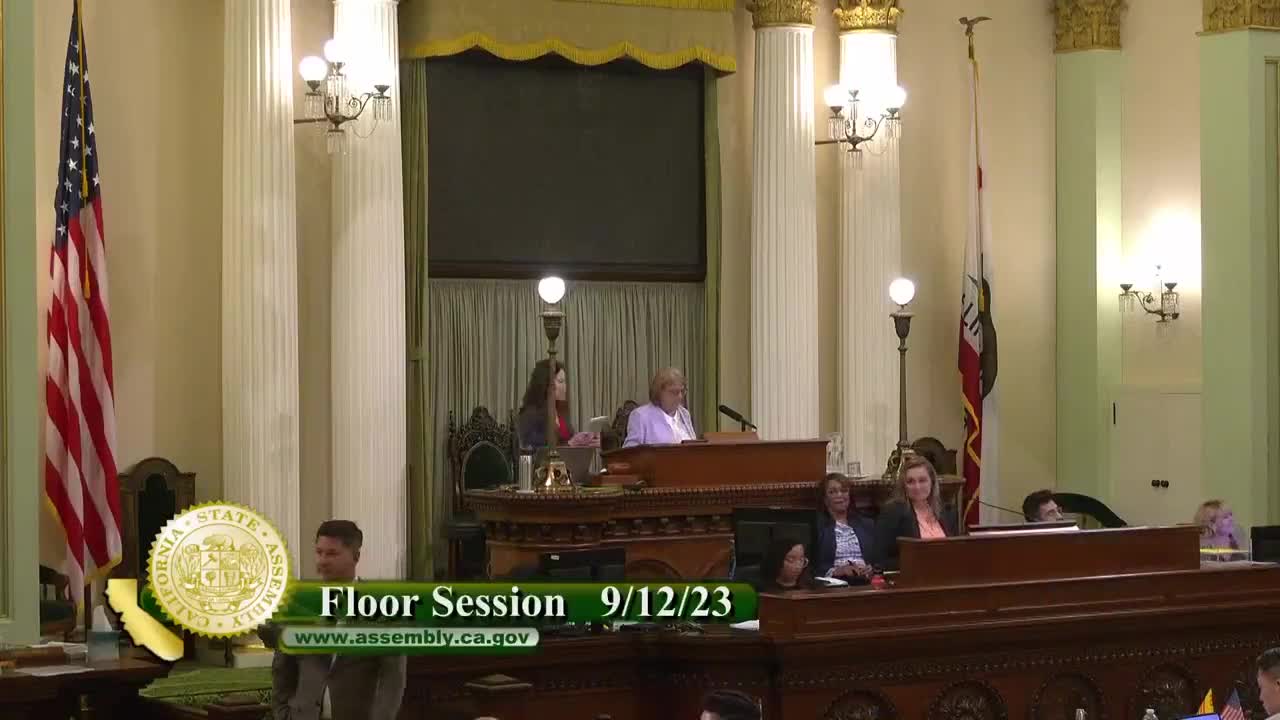 58SEC
Assembly Floor
 3MIN
Senate Floor
 10MIN
Senate Standing Committee on Judiciary
 14MIN
Assembly Standing Committee on Judiciary
Bill Author

Bill Co-Author(s):