AB 99: Department of Transportation: state roads and highways: integrated pest management.
- Session Year: 2023-2024
- House: Assembly
- Latest Version Date: 2024-09-03
Current Status:
Failed
(2024-09-25: Vetoed by Governor.)
Introduced
In Committee
First Chamber
In Committee
Second Chamber
Enacted
Existing law vests the Department of Transportation with possession and control of the state highway system and associated property. Existing law prohibits each state agency that has responsibility for roadside vegetation control operations on, or along, a roadway, including a state highway, from conducting a roadside vegetation control operation on a portion of the roadway for which a property owner has made a request for information related to the roadside vegetation control operation until certain conditions are satisfied, as specified.
This bill would require the Department of Transportation to adopt, on or before January 1, 2026, a statewide policy to use integrated pest management, as defined, on state roads and highways, as specified, and to implement the statewide policy in cities or counties that have adopted integrated pest management approaches to roadside vegetation management. The bill would require the Department of Transportation, in developing the statewide policy, to consult with the Department of Pesticide Regulation and the University of California Statewide Integrated Pest Management Program. The bill would require the Department of Transportation, when operating in a city or a county that has adopted an integrated pest management policy that is more restrictive than the statewide policy, to the extent feasible, to operate in a manner consistent with the citys or countys integrated pest management policy, as specified. The bill would require the Department of Transportation, on or before December 31, 2026, and annually thereafter, to make publicly available on its internet website the amount, location, and type of pesticides, and the pesticide formulation, by city and county, it uses, and, at least 24 hours before applying a pesticide, would require the Department of Transportation to provide on its internet website and mobile application, and through any other means of communication deemed appropriate by the applicable state transportation district, information on when and where it plans to apply the pesticide.
Under existing law, a violation of certain provisions and regulations related to pesticides is a misdemeanor punishable by a fine of not less than $5,000 and not more than $50,000, or by imprisonment of not more than 6 months, or by both the fine and imprisonment.
Because a violation of this bills requirements would be a crime subject to the provision above, the bill would impose a state-mandated local program.
The California Constitution requires the state to reimburse local agencies and school districts for certain costs mandated by the state. Statutory provisions establish procedures for making that reimbursement.
This bill would provide that no reimbursement is required by this act for a specified reason.
Existing law vests the Department of Transportation with possession and control of the state highway system and associated property. Existing law prohibits each state agency that has responsibility for roadside vegetation control operations on, or along, a roadway, including a state highway, from conducting a roadside vegetation control operation on a portion of the roadway for which a property owner has made a request for information related to the roadside vegetation control operation until certain conditions are satisfied, as specified.
This bill would require the Department of Transportation to adopt, on or before January 1, 2025, 2026, a statewide policy to use integrated pest management, as defined, on state roads and highways, as specified, and to implement the statewide policy in cities or counties that have adopted integrated pest management approaches to roadside vegetation management. The bill would require the Department of Transportation, in developing the statewide policy, to consult with the Department of Pesticide Regulation and the University of California Statewide Integrated Pest Management Program. The bill would require the Department of Transportation, when operating in a city or a county that has adopted an integrated pest management policy that is more restrictive than the statewide policy, to the extent feasible, to operate in a manner consistent with the citys or countys integrated pest management policy, as specified. The bill would require the Department of Transportation, on or before December 31, 2025, 2026, and annually thereafter, to make publicly available on its internet website the amount, location, and type of pesticides, and the pesticide formulation, by city and county, it uses, and, at least 24 hours before applying a pesticide, would require the Department of Transportation to provide on its internet website and mobile application, and through any other means of communication deemed appropriate by the applicable state transportation district, information on when and where it plans to apply the pesticide.
Under existing law, a violation of certain provisions and regulations related to pesticides is a misdemeanor punishable by a fine of not less than $5,000 and not more than $50,000, or by imprisonment of not more than 6 months, or by both the fine and imprisonment.
Because a violation of this bills requirements would be a crime subject to the provision above, the bill would impose a state-mandated local program.
The California Constitution requires the state to reimburse local agencies and school districts for certain costs mandated by the state. Statutory provisions establish procedures for making that reimbursement.
This bill would provide that no reimbursement is required by this act for a specified reason.
Existing law vests the Department of Transportation with possession and control of the state highway system and associated property. Existing law prohibits each state agency that has responsibility for roadside vegetation control operations on, or along, a roadway, including a state highway, from conducting a roadside vegetation control operation on a portion of the roadway for which a property owner has made a request for information related to the roadside vegetation control operation until certain conditions are satisfied, as specified.
This bill would require the Department of Transportation to adopt, on or before January 1, 2025, a statewide policy to use integrated pest management, as defined, on state roads and highways, as specified, and to implement the statewide policy in cities or counties that have adopted integrated pest management approaches to road-side roadside vegetation management. The bill would require the Department of Transportation, in developing the statewide policy, to consult with the Department of Pesticide Regulation and the University of California Statewide Integrated Pest Management Program. The bill would require the Department of Transportation, when operating in a city or a county that has a adopted an integrated pest management policy that is more restrictive approach than the statewide policy, to the extent feasible, to operate in a manner consistent with the approach mandated by the city or the county. citys or countys integrated pest management policy, as specified. The bill would require the Department of Transportation, on or before December 31, 2025, and annually thereafter, to make publicly available on its internet website the amount, location, and type of pesticides, and the pesticide formulation, by city and county, it uses, and, at least 24 hours before applying a pesticide, would require the Department of Transportation to provide on its internet website and mobile application, and through any other means of communication deemed appropriate by the applicable state transportation district, information on when and where it plans to apply the pesticide.
Under existing law, a violation of certain provisions and regulations related to pesticides is a misdemeanor punishable by a fine of not less than $5,000 and not more than $50,000, or by imprisonment of not more than 6 months, or by both the fine and imprisonment.
Because a violation of this bills requirements would be a crime subject to the provision above, the bill would impose a state-mandated local program.
The California Constitution requires the state to reimburse local agencies and school districts for certain costs mandated by the state. Statutory provisions establish procedures for making that reimbursement.
This bill would provide that no reimbursement is required by this act for a specified reason.
Existing law vests the Department of Transportation with possession and control of the state highway system and associated property. Existing law prohibits each state agency that has responsibility for roadside vegetation control operations on, or along, a roadway, including a state highway, from conducting a roadside vegetation control operation on a portion of the roadway for which a property owner has made a request for information related to the roadside vegetation control operation until certain conditions are satisfied, as specified.
This bill would require the Department of Transportation to adopt adopt, on or before January 1, 2025, a statewide policy to use integrated pest management, as defined, on state roads and highways, as specified, and to implement the statewide policy in cities or counties that have adopted integrated pest management approaches to road-side vegetation management. The bill would require the Department of Transportation, in developing the statewide policy, to consult with the Department of Pesticide Regulation and the University of California Statewide Integrated Pest Management Program. The bill would require the Department of Transportation, when operating in a city or a county that has a more restrictive approach than the statewide policy, to the extent feasible, to operate in a manner consistent with the approach mandated by the city or the county. The bill would require the Department of Transportation, on or before December 31, 2024, 2025, and annually thereafter, to make publically publicly available on its internet website the amount, location, and type of pesticides, and the pesticide formulation, by city and county, it uses, and, at least 24 hours before applying a pesticide, would require the Department of Transportation to provide on its internet website and mobile application application, and through any other means of communication deemed appropriate by the applicable state transportation district, information on when and where it plans to apply the pesticide.
Under existing law, a violation of certain provisions and regulations related to pesticides is a misdemeanor punishable by a fine of not less than $5,000 and not more than $50,000, or by imprisonment of not more than 6 months, or by both the fine and imprisonment.
Because a violation of this bills requirements would be a crime subject to the provision above, the bill would impose a state-mandated local program.
The California Constitution requires the state to reimburse local agencies and school districts for certain costs mandated by the state. Statutory provisions establish procedures for making that reimbursement.
This bill would provide that no reimbursement is required by this act for a specified reason.
Existing law vests the Department of Transportation with possession and control of the state highway system and associated property. Existing law prohibits each state agency that has responsibility for roadside vegetation control operations on, or along, a roadway, including a state highway, from conducting a roadside vegetation control operation on a portion of the roadway for which a property owner has made a request for information related to the roadside vegetation control operation until certain conditions are satisfied, as specified.
This bill would require the department Department of Transportation to adopt a statewide policy to only use integrated pest management, as defined, that does not use herbicides or pesticides on state roads and highways in each county that has adopted an ordinance prohibiting roadside spraying of herbicides and pesticides. highways, as specified, and to implement the statewide policy in counties that have adopted integrated pest management approaches to road-side vegetation management. The bill would require the department, Department of Transportation, in developing the statewide policy, to contract with an outside entity that possesses expertise in integrated pest management. consult with the Department of Pesticide Regulation and the University of California Statewide Integrated Pest Management Program. The bill would require the Department of Transportation, when operating in a county that has a more restrictive approach than the statewide policy, to the extent feasible, to operate in a manner consistent with the approach mandated by the county. The bill would require the Department of Transportation, on or before December 31, 2024, and annually thereafter, to make publically available on its internet website the amount, location, and type of pesticides, and the pesticide formulation, by county, it uses, and, at least 24 hours before applying a pesticide, would require the Department of Transportation to provide on its internet website and mobile application information on when and where it plans to apply the pesticide.
Under existing law, a violation of certain provisions and regulations related to pesticides is a misdemeanor punishable by a fine of not less than $5,000 and not more than $50,000, or by imprisonment of not more than 6 months, or by both the fine and imprisonment.
Because a violation of this bills requirements would be a crime subject to the provision above, the bill would impose a state-mandated local program.
The California Constitution requires the state to reimburse local agencies and school districts for certain costs mandated by the state. Statutory provisions establish procedures for making that reimbursement.
This bill would provide that no reimbursement is required by this act for a specified reason.
Existing law vests the Department of Transportation with possession and control of the state highway system and associated property. Existing law prohibits each state agency that has responsibility for roadside vegetation control operations on, or along, a roadway, including a state highway, from conducting a roadside vegetation control operation on a portion of the roadway for which a property owner has made a request for information related to the roadside vegetation control operation until certain conditions are satisfied, as specified.
This bill would require the department to develop and adopt a statewide policy to discontinue roadside spraying of herbicides and synthetic pesticides only use integrated pest management, as defined, that does not use herbicides or pesticides on state roads and highways in each county where the county board of supervisors that has adopted a resolution that opposes the spraying of herbicides and synthetic pesticides in the county, except where no alternative vegetation management practice is feasible or during a state of emergency relating to wildfire if the spraying is solely for purposes of preventing, combating, or mitigating the risk of wildfire. The bill would require the department, in developing that policy, to consider implementing alternative vegetation management practices, as specified. an ordinance prohibiting roadside spraying of herbicides and pesticides. The bill would require the department, in developing the statewide policy, to contract with an outside entity that possesses expertise in integrated pest management.
Under existing law, a violation of certain provisions and regulations related to pesticides is a misdemeanor punishable by a fine of not less than $5,000 and not more than $50,000, or by imprisonment of not more than 6 months, or by both the fine and imprisonment.
Because a violation of this bills requirements would be a crime subject to the provision above, the bill would impose a state-mandated local program.
The California Constitution requires the state to reimburse local agencies and school districts for certain costs mandated by the state. Statutory provisions establish procedures for making that reimbursement.
This bill would provide that no reimbursement is required by this act for a specified reason.
Existing law vests the Department of Transportation with possession and control of the state highway system and associated property. Existing law prohibits each state agency that has responsibility for roadside vegetation control operations on, or along, a roadway, including a state highway, from conducting a roadside vegetation control operation on a portion of the roadway for which a property owner has made a request for information related to the roadside vegetation control operation until certain conditions are satisfied, as specified.
This bill would require the department to develop and adopt a statewide policy to discontinue roadside spraying of herbicides and synthetic pesticides in each county where the county board of supervisors has adopted a resolution that opposes the spraying of herbicides and synthetic pesticides in the county, except where no alternative vegetation management practice is feasible or during a state of emergency relating to wildfire if the spraying is solely for purposes of preventing, combating, or mitigating the risk of wildfire. The bill would require the department, in developing that policy, to consider implementing alternative vegetation management practices, as specified.
For purposes of this article, integrated pest management means an ecosystem-based strategy that focuses on long-term prevention of pests or their damage through a combination of techniques, such as biological controls, habitat manipulation, modification of cultural practices, and use of resistant varieties, through which pesticides are used only after monitoring indicates they are needed according to established guidelines, treatments are made with the goal of removing only the target organism, and pest control materials are selected and applied in a manner that minimizes risks to human health, beneficial and nontarget organisms, and the environment.
13178.1.(a)It is the policy of the state that effective least harmful pest management practices should be the preferred method of managing pests on state roads and highways and that the state should take the necessary steps to facilitate the adoption of effective least harmful pest management practices on state roads and highways.
(b)It is the intent of the Legislature that all Department of Transportation personnel who apply herbicides or pesticides on state roads and highways be trained in integrated pest management and the safe use of herbicides and pesticides in relation to the unique nature of state roads and highways.
13178.2.(a)On or before January 1, 2026, the Department of Transportation shall adopt a statewide policy to use integrated pest management on state roads and highways.
(b)In developing the statewide policy, the Department of Transportation shall consult with the Department of Pesticide Regulation and the University of California Statewide Integrated Pest Management Program.
(c)The statewide policy shall do all of the following:
(1)Restrict pesticide use to the least harmful product and application method.
(2)To the maximum extent feasible, require that any pesticide used be used for a limited time.
(3)Prohibit the use of pesticides, except in any of the following circumstances:
(A)Where no alternative vegetation management method has been proven effective.
(B)In fire hazard severity zones, as classified or identified by the State Fire Marshal pursuant to Section 51178 of the Government Code or Section 4202 of the Public Resources Code, for purposes of preventing, combating, or mitigating the risk of wildfire.
(C)For the eradication of invasive plant species or habitat restoration, but only if the use of nonchemical methods for prevention and management, such as physical, mechanical, cultural, and biological controls, are infeasible.
(d)The Department of Transportation shall implement the statewide policy in cities and counties that have adopted integrated pest management approaches to roadside vegetation management.
(e)When operating in a city or a county that has adopted an integrated pest management policy that is more restrictive than the statewide policy, the Department of Transportation shall, to the extent feasible, operate in a manner consistent with the citys or countys integrated pest management policy if the city or county has submitted to the Department of Transportation, in writing, the integrated pest management policy that it adopted and that is more restrictive than the statewide policy.
13178.4.(a)The Department of Transportation shall, on or before December 31, 2026, and annually thereafter, make publicly available on its internet website the amount, location, and type of pesticides, and the pesticide formulation, by city and county, used by the Department of Transportation.
(b)The Department of Transportation shall, at least 24 hours before applying a pesticide, provide on its internet website and mobile application, and through any other means of communication deemed appropriate by the applicable state transportation district, information on when and where it plans to apply the pesticide.
SEC. 2.No reimbursement is required by this act pursuant to Section 6 of Article XIIIB of the California Constitution because the only costs that may be incurred by a local agency or school district will be incurred because this act creates a new crime or infraction, eliminates a crime or infraction, or changes the penalty for a crime or infraction, within the meaning of Section 17556 of the Government Code, or changes the definition of a crime within the meaning of Section 6 of Article XIIIB of the California Constitution.
For purposes of this article, integrated pest management means an ecosystem-based strategy that focuses on long-term prevention of pests or their damage through a combination of techniques, such as biological controls, habitat manipulation, modification of cultural practices, and use of resistant varieties, through which pesticides are used only after monitoring indicates they are needed according to established guidelines, treatments are made with the goal of removing only the target organism, and pest control materials are selected and applied in a manner that minimizes risks to human health, beneficial and nontarget organisms, and the environment.
13178.1.(a)It is the policy of the state that effective least harmful pest management practices should be the preferred method of managing pests on state roads and highways and that the state should take the necessary steps to facilitate the adoption of effective least harmful pest management practices on state roads and highways.
(b)It is the intent of the Legislature that all Department of Transportation personnel who apply herbicides or pesticides on state roads and highways be trained in integrated pest management and the safe use of herbicides and pesticides in relation to the unique nature of state roads and highways.
13178.2.(a)On or before January 1, 2025, 2026, the Department of Transportation shall adopt a statewide policy to use integrated pest management on state roads and highways.
(b)In developing the statewide policy, the Department of Transportation shall consult with the Department of Pesticide Regulation and the University of California Statewide Integrated Pest Management Program.
(c)The statewide policy shall do all of the following:
(1)Restrict pesticide use to the least harmful product and application method.
(2)To the maximum extent feasible, require that any pesticide used be used for a limited time.
(3)Prohibit the use of pesticides, except in any of the following circumstances:
(A)Where no alternative vegetation management method has been proven effective.
(B)In fire hazard severity zones, as classified or identified by the State Fire Marshal pursuant to Section 51178 of the Government Code or Section 4202 of the Public Resources Code, for purposes of preventing, combating, or mitigating the risk of wildfire.
(C)For the eradication of invasive plant species or habitat restoration, but only if the use of nonchemical methods for prevention and management, such as physical, mechanical, cultural, and biological controls, are infeasible.
(d)The Department of Transportation shall implement the statewide policy in cities and counties that have adopted integrated pest management approaches to roadside vegetation management.
(e)When operating in a city or a county that has adopted an integrated pest management policy that is more restrictive than the statewide policy, the Department of Transportation shall, to the extent feasible, operate in a manner consistent with the citys or countys integrated pest management policy if the city or county has submitted to the Department of Transportation, in writing, the integrated pest management policy that it adopted and that is more restrictive than the statewide policy.
13178.4.(a)The Department of Transportation shall, on or before December 31, 2025, 2026, and annually thereafter, make publicly available on its internet website the amount, location, and type of pesticides, and the pesticide formulation, by city and county, used by the Department of Transportation.
(b)The Department of Transportation shall, at least 24 hours before applying a pesticide, provide on its internet website and mobile application, and through any other means of communication deemed appropriate by the applicable state transportation district, information on when and where it plans to apply the pesticide.
SEC. 2.No reimbursement is required by this act pursuant to Section 6 of Article XIIIB of the California Constitution because the only costs that may be incurred by a local agency or school district will be incurred because this act creates a new crime or infraction, eliminates a crime or infraction, or changes the penalty for a crime or infraction, within the meaning of Section 17556 of the Government Code, or changes the definition of a crime within the meaning of Section 6 of Article XIIIB of the California Constitution.
For purposes of this article, integrated pest management means an ecosystem-based strategy that focuses on long-term prevention of pests or their damage through a combination of techniques, such as biological controls, habitat manipulation, modification of cultural practices, and use of resistant varieties, through which pesticides are used only after monitoring indicates they are needed according to established guidelines, treatments are made with the goal of removing only the target organism, and pest control materials are selected and applied in a manner that minimizes risks to human health, beneficial and nontarget organisms, and the environment.
13178.1.(a)It is the policy of the state that effective least harmful pest management practices should be the preferred method of managing pests on state roads and highways and that the state should take the necessary steps to facilitate the adoption of effective least harmful pest management practices on state roads and highways.
(b)It is the intent of the Legislature that all Department of Transportation personnel who apply herbicides or pesticides on state roads and highways be trained in integrated pest management and the safe use of herbicides and pesticides in relation to the unique nature of state roads and highways.
13178.2.(a)On or before January 1, 2025, the Department of Transportation shall adopt a statewide policy to use integrated pest management on state roads and highways.
(b)In developing the statewide policy, the Department of Transportation shall consult with the Department of Pesticide Regulation and the University of California Statewide Integrated Pest Management Program.
(c)The statewide policy shall do all of the following:
(1)Restrict pesticide use to the least harmful product and application method.
(2)To the maximum extent feasible, require that any pesticide used be biodegradable, derived from natural sources, and be used for a limited time.
(3)Prohibit the use of pesticides, except in any of the following circumstances:
(A)Where no alternative vegetation management method has been proven effective.
(B)In high-fire severity areas, as identified by the Department of Transportation, in consultation with the Department of Forestry and Fire Protection, fire hazard severity zones, as classified or identified by the State Fire Marshal pursuant to Section 51178 of the Government Code or Section 4202 of the Public Resources Code, for purposes of preventing, combating, or mitigating the risk of wildfire.
(C)For the eradication of invasive plant species or habitat restoration, but only if the use of nonchemical methods for prevention and management, such as physical, mechanical, cultural, and biological controls, are infeasible.
(d)The Department of Transportation shall implement the statewide policy in cities and counties that have adopted integrated pest management approaches to roadside vegetation management.
(e)When operating in a city or a county that has a adopted an integrated pest management policy that is more restrictive approach than the statewide policy, the department Department of Transportation shall, to the extent feasible, operate in a manner consistent with the approach mandated by the city or the county. citys or countys integrated pest management policy if the city or county has submitted to the Department of Transportation, in writing, the integrated pest management policy that it adopted and that is more restrictive than the statewide policy.
13178.4.(a)The Department of Transportation shall, on or before December 31, 2025, and annually thereafter, make publicly available on its internet website the amount, location, and type of pesticides, and the pesticide formulation, by city and county, used by the Department of Transportation.
(b)The Department of Transportation shall, at least 24 hours before applying a pesticide, provide on its internet website and mobile application, and through any other means of communication deemed appropriate by the applicable state transportation district, information on when and where it plans to apply the pesticide.
SEC. 2.No reimbursement is required by this act pursuant to Section 6 of Article XIIIB of the California Constitution because the only costs that may be incurred by a local agency or school district will be incurred because this act creates a new crime or infraction, eliminates a crime or infraction, or changes the penalty for a crime or infraction, within the meaning of Section 17556 of the Government Code, or changes the definition of a crime within the meaning of Section 6 of Article XIIIB of the California Constitution.
For purposes of this article, integrated pest management means an ecosystem-based strategy that focuses on long-term prevention of pests or their damage through a combination of techniques, such as biological controls, habitat manipulation, modification of cultural practices, and use of resistant varieties, through which pesticides are used only after monitoring indicates they are needed according to established guidelines, treatments are made with the goal of removing only the target organism, and pest control materials are selected and applied in a manner that minimizes risks to human health, beneficial and nontarget organisms, and the environment.
13178.1.(a)It is the policy of the state that effective least harmful pest management practices should be the preferred method of managing pests on state roads and highways and that the state should take the necessary steps to facilitate the adoption of effective least harmful pest management practices on state roads and highways.
(b)It is the intent of the Legislature that all Department of Transportation personnel who apply herbicides or pesticides on state roads and highways be trained in integrated pest management and the safe use of herbicides and pesticides in relation to the unique nature of state roads and highways.
13178.2.(a)The On or before January 1, 2025, the Department of Transportation shall adopt a statewide policy to use integrated pest management on state roads and highways.
(b)In developing the statewide policy, the Department of Transportation shall consult with the Department of Pesticide Regulation and the University of California Statewide Integrated Pest Management Program.
(c)The statewide policy shall do all of the following:
(1)Restrict pesticide use to the least harmful product and application method.
(2)To the maximum extent feasible, require that any pesticide used be biodegradable, derived from natural sources, and be used for a limited time.
(3)Prohibit the use of pesticides, except in any of the following circumstances:
(A)Where no alternative vegetation management method has been proven effective.
(B)During a state of emergency, as defined in Section 8558 of the Government Code, relating to wildfire if the roadside spraying of pesticides is being performed solely In high-fire severity areas, as identified by the Department of Transportation, in consultation with the Department of Forestry and Fire Protection, for purposes of preventing, combating, or mitigating the risk of wildfire.
(C)For the eradication of invasive plant species or habitat restoration, but only if the use of nonchemical methods for prevention and management, such as physical, mechanical, cultural, and biological controls, are infeasible.
(d)The Department of Transportation shall implement the statewide policy in cities and counties that have adopted integrated pest management approaches to road-side roadside vegetation management.
(e)When operating in a city or a county that has a more restrictive approach than the statewide policy, the department shall, to the extent feasible, operate in a manner consistent with the approach mandated by the city or the county.
13178.4.(a)The Department of Transportation shall, on or before December 31, 2024, 2025, and annually thereafter, make publically publicly available on its internet website the amount, location, and type of pesticides, and the pesticide formulation, by city and county, used by the Department of Transportation.
(b)The Department of Transportation shall, at least 24 hours before applying a pesticide, provide on its internet website and mobile application application, and through any other means of communication deemed appropriate by the applicable state transportation district, information on when and where it plans to apply the pesticide.
SEC. 2.No reimbursement is required by this act pursuant to Section 6 of Article XIIIB of the California Constitution because the only costs that may be incurred by a local agency or school district will be incurred because this act creates a new crime or infraction, eliminates a crime or infraction, or changes the penalty for a crime or infraction, within the meaning of Section 17556 of the Government Code, or changes the definition of a crime within the meaning of Section 6 of Article XIIIB of the California Constitution.
For purposes of this article, integrated pest management means a pest management strategy that focuses on long-term prevention or suppression of pest problems through a combination of techniques such as monitoring for pest presence and establishing treatment threshold levels, using nonchemical practices to make the habitat less conducive to pest development, improving sanitation, and employing mechanical and physical controls. an ecosystem-based strategy that focuses on long-term prevention of pests or their damage through a combination of techniques, such as biological controls, habitat manipulation, modification of cultural practices, and use of resistant varieties, through which pesticides are used only after monitoring indicates they are needed according to established guidelines, treatments are made with the goal of removing only the target organism, and pest control materials are selected and applied in a manner that minimizes risks to human health, beneficial and nontarget organisms, and the environment.
13178.1.(a)It is the policy of the state that effective least toxic harmful pest management practices should be the preferred method of managing pests on state roads and highways and that the state should take the necessary steps to facilitate the adoption of effective least toxic harmful pest management practices on state roads and highways.
(b)It is the intent of the Legislature that all Department of Transportation personnel who apply herbicides or pesticides on state roads and highways be trained in integrated pest management and the safe use of herbicides and pesticides in relation to the unique nature of state roads and highways.
13178.2.(a)The Department of Transportation shall adopt a statewide policy to only use integrated pest management that does not use herbicides or pesticides on state roads and highways in each county that has adopted an ordinance prohibiting roadside spraying of herbicides and pesticides. highways.
(b)In developing the statewide policy, the department Department of Transportation shall contract with an outside entity that possesses expertise in integrated pest management, such as consult with the Department of Pesticide Regulation and the University of California Statewide Integrated Pest Management Program.
(c)The statewide policy shall do all of the following:
(1)Restrict pesticide use to the least harmful product and application method.
(2)To the maximum extent feasible, require that any pesticide used be biodegradable, derived from natural sources, and be used for a limited time.
(3)Prohibit the use of pesticides, except in any of the following circumstances:
(A)Where no alternative vegetation management method has been proven effective.
(B)During a state of emergency, as defined in Section 8558 of the Government Code, relating to wildfire if the roadside spraying of pesticides is being performed solely for purposes of preventing, combating, or mitigating the risk of wildfire.
(C)For the eradication of invasive plant species or habitat restoration, but only if the use of nonchemical methods for prevention and management, such as physical, mechanical, cultural, and biological controls, are infeasible.
(d)The Department of Transportation shall implement the statewide policy in counties that have adopted integrated pest management approaches to road-side vegetation management.
(e)When operating in a county that has a more restrictive approach than the statewide policy, the department shall, to the extent feasible, operate in a manner consistent with the approach mandated by the county.
13178.4.(a)The Department of Transportation shall, on or before December 31, 2024, and annually thereafter, make publically available on its internet website the amount, location, and type of pesticides, and the pesticide formulation, by county, used by the Department of Transportation.
(b)The Department of Transportation shall, at least 24 hours before applying a pesticide, provide on its internet website and mobile application information on when and where it plans to apply the pesticide.
SEC. 2.No reimbursement is required by this act pursuant to Section 6 of Article XIIIB of the California Constitution because the only costs that may be incurred by a local agency or school district will be incurred because this act creates a new crime or infraction, eliminates a crime or infraction, or changes the penalty for a crime or infraction, within the meaning of Section 17556 of the Government Code, or changes the definition of a crime within the meaning of Section 6 of Article XIIIB of the California Constitution.
For purposes of this article, integrated pest management means a pest management strategy that focuses on long-term prevention or suppression of pest problems through a combination of techniques such as monitoring for pest presence and establishing treatment threshold levels, using nonchemical practices to make the habitat less conducive to pest development, improving sanitation, and employing mechanical and physical controls.
13178.1.(a)It is the policy of the state that effective least toxic pest management practices should be the preferred method of managing pests on state roads and highways and that the state should take the necessary steps to facilitate the adoption of effective least toxic pest management practices on state roads and highways.
(b)It is the intent of the Legislature that all Department of Transportation personnel who apply herbicides or pesticides on state roads and highways be trained in integrated pest management and the safe use of herbicides and pesticides in relation to the unique nature of state roads and highways.
13178.2.(a)The Department of Transportation shall adopt a statewide policy to only use integrated pest management that does not use herbicides or pesticides on state roads and highways in each county that has adopted an ordinance prohibiting roadside spraying of herbicides and pesticides.
(b)In developing the statewide policy, the department shall contract with an outside entity that possesses expertise in integrated pest management, such as the University of California Statewide Integrated Pest Management Program.
SEC. 2.No reimbursement is required by this act pursuant to Section 6 of Article XIIIB of the California Constitution because the only costs that may be incurred by a local agency or school district will be incurred because this act creates a new crime or infraction, eliminates a crime or infraction, or changes the penalty for a crime or infraction, within the meaning of Section 17556 of the Government Code, or changes the definition of a crime within the meaning of Section 6 of Article XIIIB of the California Constitution.
SECTION 1.Section 98 is added to the Streets and Highways Code, to read:98.(a)(1)The department shall develop and adopt a statewide policy to discontinue roadside spraying of herbicides and synthetic pesticides in each county where the county board of supervisors has adopted a resolution that opposes the spraying of herbicides and synthetic pesticides in the county, except as specified in paragraph (2).(2)The policy shall not apply in either of the following circumstances:(A)Where no alternative vegetation management practice is feasible.(B)During a state of emergency, as defined in Section 8558 of the Government Code, relating to wildfire if the roadside spraying of herbicides and synthetic pesticides is being performed solely for purposes of preventing, combating, or mitigating the risk of wildfire.(b)In developing the policy pursuant to subdivision (a), the department shall consider implementing alternative vegetation management practices, including, but not limited to, all of the following:(1)Using organic pesticides.(2)Mulching.(3)Tarping.(4)Improving irrigation systems.(5)Altering landscape designs.(6)Using compost tea and turf aeration.(a)(1)The department shall develop and adopt a statewide policy to discontinue roadside spraying of herbicides and synthetic pesticides in each county where the county board of supervisors has adopted a resolution that opposes the spraying of herbicides and synthetic pesticides in the county, except as specified in paragraph (2).
(2)The policy shall not apply in either of the following circumstances:
(A)Where no alternative vegetation management practice is feasible.
(B)During a state of emergency, as defined in Section 8558 of the Government Code, relating to wildfire if the roadside spraying of herbicides and synthetic pesticides is being performed solely for purposes of preventing, combating, or mitigating the risk of wildfire.
(b)In developing the policy pursuant to subdivision (a), the department shall consider implementing alternative vegetation management practices, including, but not limited to, all of the following:
(1)Using organic pesticides.
(2)Mulching.
(3)Tarping.
(4)Improving irrigation systems.
(5)Altering landscape designs.
(6)Using compost tea and turf aeration.
|
Date
|
Status
|
|---|---|
| Sep 25, 2024 | Vetoed by Governor. |
| Sep 10, 2024 | Enrolled and presented to the Governor at 4:30 p.m. |
| Aug 29, 2024 | Senate amendments concurred in. To Engrossing and Enrolling. (Ayes 52. Noes 16.). |
| Aug 29, 2024 | Assembly Rule 77 suspended. |
| Aug 28, 2024 | In Assembly. Concurrence in Senate amendments pending. May be considered on or after August 30 pursuant to Assembly Rule 77. |
| Aug 28, 2024 | Read third time. Passed. Ordered to the Assembly. (Ayes 27. Noes 9.). |
| Aug 19, 2024 | Read second time. Ordered to third reading. |
| Aug 15, 2024 | Read second time and amended. Ordered returned to second reading. |
| Aug 15, 2024 | From committee: Amend, and do pass as amended. (Ayes 5. Noes 2.) (August 15). |
| Sep 1, 2023 | In committee: Held under submission. |
| Aug 14, 2023 | In committee: Referred to APPR suspense file. |
| Jul 13, 2023 | Read second time and amended. Re-referred to Com. on APPR. |
| Jul 12, 2023 | From committee: Amend, and do pass as amended and re-refer to Com. on APPR. (Ayes 5. Noes 2.) (July 12). |
| Jun 28, 2023 | From committee: Do pass and re-refer to Com. on E.Q. (Ayes 11. Noes 4.) (June 27). Re-referred to Com. on E.Q. |
| May 31, 2023 | Referred to Coms. on TRANS. and E.Q. |
| May 23, 2023 | In Senate. Read first time. To Com. on RLS. for assignment. |
| May 22, 2023 | Read third time. Passed. Ordered to the Senate. (Ayes 55. Noes 16. Page 1706.) |
| May 18, 2023 | Read second time. Ordered to third reading. |
| May 18, 2023 | From committee: Do pass. (Ayes 11. Noes 4.) (May 18). |
| May 18, 2023 | Joint Rule 62(a), file notice suspended. (Page 1580.) |
| May 17, 2023 | In committee: Set, first hearing. Referred to APPR. suspense file. |
| May 10, 2023 | In committee: Hearing postponed by committee. |
| Apr 25, 2023 | From committee: Do pass and re-refer to Com. on APPR. (Ayes 10. Noes 4.) (April 24). Re-referred to Com. on APPR. |
| Apr 18, 2023 | Re-referred to Com. on TRANS. |
| Apr 17, 2023 | From committee chair, with author's amendments: Amend, and re-refer to Com. on TRANS. Read second time and amended. |
| Mar 29, 2023 | From committee: Do pass and re-refer to Com. on TRANS. (Ayes 7. Noes 2.) (March 28). Re-referred to Com. on TRANS. |
| Mar 22, 2023 | Re-referred to Com. on E.S. & T.M. |
| Mar 21, 2023 | From committee chair, with author's amendments: Amend, and re-refer to Com. on E.S. & T.M. Read second time and amended. |
| Mar 6, 2023 | Re-referred to Coms. on E.S. & T.M. and TRANS. pursuant to Assembly Rule 96. |
| Mar 3, 2023 | In committee: Hearing postponed by committee. |
| Mar 2, 2023 | Re-referred to Com. on TRANS. |
| Mar 1, 2023 | From committee chair, with author's amendments: Amend, and re-refer to Com. on TRANS. Read second time and amended. |
| Feb 2, 2023 | Referred to Com. on TRANS. |
| Jan 10, 2023 | From printer. May be heard in committee February 9. |
| Jan 9, 2023 | Read first time. To print. |
|
Date
|
Description
|
Location
|
Votes
|
|
|---|---|---|---|---|
| Aug 29, 2024 | AB 99 Connolly Concurrence in Senate Amendments | Assembly Floor |
Passed |
|
| Aug 28, 2024 | Assembly 3rd Reading AB99 Connolly et al. By Stern | Senate Floor |
Passed |
|
| Aug 15, 2024 | Do pass as amended | Senate Standing Committee on Appropriations |
Passed |
|
| Aug 14, 2023 | Placed on suspense file | Senate Standing Committee on Appropriations |
Passed |
|
| Jul 12, 2023 | Do pass as amended, but first amend, and re-refer to the Committee on [Appropriations] | Senate Standing Committee on Environmental Quality |
Passed |
|
| Jun 27, 2023 | Do pass, but first be re-referred to the Committee on [Environmental Quality] | Senate Standing Committee on Transportation |
Passed |
|
| May 22, 2023 | AB 99 Connolly Assembly Third Reading | Assembly Floor |
Passed |
|
| May 18, 2023 | Do pass. | Assembly Standing Committee on Appropriations |
Passed |
|
| Apr 24, 2023 | Do pass and be re-referred to the Committee on [Appropriations] | Assembly Standing Committee on Transportation |
Passed |
|
| Mar 28, 2023 | Do pass and be re-referred to the Committee on [Transportation] | Assembly Standing Committee on Environmental Safety and Toxic Materials |
Passed |
This list shows positions taken on this bill by organizations on the date displayed, which is linked to the original source.
Positions by individuals are not included.
|
Organization
|
Position
|
Date
|
|---|---|---|
| 350 South Bay Los Angeles | ** Support | |
| 350 Southland Legislative Alliance | ** Support | |
| Alexis Fineman - San Anselmo City Council | ** Support | |
| Alliance of Nurses for Healthy Environments | ** Support | |
| Alta Orsa Winery | ** Support | |
| American Bird Conservancy | ** Support | |
| American Chemistry Council | ** Against | |
| American Pistachio Growers | ** Against | |
| Amy's Kitchen | ** Support | |
| Andrew Berman - Mill Valley Mayor | ** Support | |
| As You Sow | ** Support | |
| A Voice for Choice Advocacy | ** Support | |
| Ban SUP | ** Support | |
| Barbara Coler - Fairfax Vice Mayor | ** Support | |
| Bees N Blooms Farm | ** Support | |
| Bernier Farms | ** Support | |
| Betsy Nash, Menlo Park Council Member | ** Support | |
| Beyond Pesticides | ** Support | |
| Boek House Hearth and Husbandry | ** Support | |
| Brighter Beginnings | ** Support | |
| California Agricultural Aircraft Association | ** Against | |
| California Agricultural Commissioners & Sealers Association | ** Against | |
| California Alfalfa & Forage Association | ** Against | |
| California Alliance of Nurses for Healthy Environments | ** Support | |
| California Apple Commission | ** Against | |
| California Association Of Pest Control Advisers | ** Against | |
| California Association Of Wheat Growers | ** Against | |
| California Association Of Winegrape Growers | ** Against | |
| California Blueberry Association | ** Against | |
| California Blueberry Commission | ** Against | |
| California Cattlemen'S Association | ** Against | |
| california coastal trail association | ** Support | |
| California Coastkeeper Alliance | ** Support | |
| California Cotton Ginners and Growers Association | ** Against | |
| California Environmental Voters | ** Support | |
| California Farm Bureau Federation | ** Against | |
| California Forestry Association | ** Against | |
| California Fresh Fruit Association | ** Against | |
| California Grain & Feed Association | ** Against | |
| California Health Coalition Advocacy | ** Support | |
| California Invasive Plant Council | ** Against | |
| California Native Plant Society | ** Against | |
| California Native Plant Society - Milo Baker Chapter | ** Support | |
| California Native Plant Society - San Diego Chapter | ** Against | |
| California Native Plant Society Yerba Buena Chapter | ** Against | |
| Californians Against Waste | ** Support | |
| Californians For Alternatives to Toxics | ** Support | |
| Californians for Pesticide Reform | ** Support | |
| California Nurses for Environmental Health and Justice | ** Support | |
| California Nurses for Environmental Health & Justice | ** Support | |
| California Rice Commission | ** Against | |
| California Rural Legal Assistance Foundation | ** Support | |
| California Seed Association | ** Against | |
| California Strawberry Commission | ** Against | |
| California Tomato Growers Association | ** Against | |
| California Walnut Commission | ** Against | |
| California Wheat Commission | ** Against | |
| Caroline Joachim, Vice Mayor Fairfax | ** Support | |
| Center For Biological Diversity | ** Support | |
| Center for Community Action & Environmental Justice | ** Support | |
| Center for Democratic and Environmental Rights | ** Support | |
| Center for Natural Lands Management | ** Against | |
| Chance Cutrano, Councilmember, Town of Fairfax | ** Support | |
| Chance Cutrano, Mayor Fairfax Town Council | ** Support | |
| Chris Rogers - City Council Santa Rosa | ** Support | |
| City of El Cerrito, Mayor Pro Tem Gabriel Quinto | ** Support | |
| Claremont Canyon Conservancy | ** Against | |
| Clean Air Coalition of North Whittier and Avocado Heights | ** Support | |
| Clean Air Coalition of Whittier | ** Support | |
| Clean Earth 4 Kids | ** Support | |
| cleanearth4kids.org | ** Support | |
| Clean Water Action | ** Support | |
| Coastwalk | ** Support | |
| Conscious Kitchen | ** Support | |
| Conservation Action Fund for Education | ** Support | |
| Council Member Laura Parmer-lohan, City of San Carlos | ** Support | |
| County of Humboldt | ** Support | |
| County Of Mariposa | ** Against | |
| County of Napa | ** Support | |
| County of Sonoma | ** Support | |
| Daily Acts | ** Support | |
| Defend Them All Foundation | ** Support | |
| Dennis Rodoni, Marin County District 4 Supervisor | ** Support | |
| Dennis Rosatti - Harmony Union School Board Trustee | ** Support | |
| Dietrick Institute for Applied Insect Ecology | ** Support | |
| Donald Williams Mayor, City of Calistoga | ** Support | |
| Ecological Options Network | ** Support | |
| Educate. Advocate. | ** Support | |
| Eldridge for All | ** Support | |
| Eli Beckman - Corte Madera Town Council Vice Mayor | ** Support | |
| Environmental Working Group | ** Support | |
| Eon – the Ecological Options Network | ** Support | |
| Eric Lucan - Marin County Supervisor District 5 | ** Support | |
| Erin Axelrod Contract Grazing | ** Support | |
| Facts: Families Advocating for Chemical & Toxics Safety | ** Support | |
| Families Advocating for Chemical and Toxics Safety | ** Support | |
| Ford Greene - San Anselmo Council | ** Support | |
| Frank Egger - Fairfax City Mayor | ** Support | |
| Friends Of The Earth | ** Support | |
| Friends of the Earth U.S. | ** Support | |
| Geoff Ellsworth Mayor, City of St. Helena | ** Support | |
| GMO Science | ** Support | |
| Good Earth Natural Foods | ** Support | |
| Go Organic Napa County | ** Support | |
| Grandparents4action | ** Support | |
| Green Foothills | ** Support | |
| Hafner Vineyards | ** Support | |
| Healthy Highways Coalition | ** Support | |
| Holli Their - Tiburon Town Council Member | ** Support | |
| Hoopa Valley Tribal Council | ** Support | |
| Hopkins River Ranch | ** Support | |
| Https://marinbeekeepers.org/ Marin Bee Keepers | ** Support | |
| Humboldt; County Of | ** Support | |
| Indivisible Marin | ** Support | |
| Inland Empire Resource Conservation District | ** Against | |
| Irvine Council Member Larry Agran | ** Support | |
| Irvine Ranch Conservancy | ** Against | |
| Jonas Philanthropies | ** Support | |
| Kathleen Downing Landscaping | ** Support | |
| Laguna Canyon Foundation | ** Against | |
| LA Honda Indivisible | ** Support | |
| Lala Landscapes | ** Support | |
| Larry Bragman - Director, Division 3 Marin Municipal Water District | ** Support | |
| Laura Parmer-lohan, Mayor, City of San Carlos | ** Support | |
| Lisa Bennett, Sausalito Marin City School District Board of Trustees | ** Support | |
| Long Beach Gray Panthers | ** Support | |
| Madrone Audubon Society | ** Support | |
| Madrone Audubon Society, Sonoma County | ** Support | |
| Mamavation - Non-toxic Products for Healthy Families | ** Support | |
| Marin County Council of Mayors and Councilmembers | ** Support | |
| Marin County Council of Mayors and Council Members | ** Support | |
| Mary Sackett - Marin County Supervisor District 1 | ** Support | |
| Max Perrey - Mill Valley City Council | ** Support | |
| Megan Kaun, Vice Chair Santa Rosa Board of Public Utilities | ** Support | |
| Melissa Blaustein - Mayor of Sausalito | ** Support | |
| Melissa Blaustein, Mayor of Sausalito | ** Support | |
| Mennen Environmental Foundation | ** Support | |
| Midpeninsula Regional Open Space District | ** Against | |
| moms advocating sustainability | ** Support | |
| Nalle Winery | ** Support | |
| Napa Wildlife Rescue | ** Support | |
| National Stewardship Action Council | ** Support | |
| Natural Sporthorse | ** Support | |
| Nature Collective | ** Against | |
| Neighborgate Grazing Project | ** Support | |
| Neighbors to Preserve Rural Sonoma County | ** Support | |
| Non Toxic Communities | ** Support | |
| Nontoxic Neighborhoods | ** Support | |
| Nontoxic Schools | ** Support | |
| North Bay Jobs with Justice | ** Support | |
| OFA Marin | ** Support | |
| OFA Marin - All on The Line | ** Support | |
| Old World Winery | ** Support | |
| Olive Growers Council of California | ** Against | |
| Pacific Egg & Poultry Association | ** Against | |
| Pacific Seed Association | ** Against | |
| Parents for a Safer Environment | ** Support | |
| PAT Ravasio, Corte Madera Town Council Member | ** Support | |
| Paula Lane Action Network | ** Support | |
| Paula Lane Action Network , Sonoma County, CA | ** Support | |
| Peninsula Open Space Trust | ** Against | |
| Perk Advocacy | ** Support | |
| Pesticide Action Network | ** Support | |
| Pesticide Free Rohnert Park | ** Support | |
| Pesticide Free Rp | ** Support | |
| Pesticide Free Zone | ** Support | |
| Petaluma River Council | ** Support | |
| Poison Free Malibu | ** Support | |
| Preston Vineyards Dba Preston Farm and Winery | ** Support | |
| Protection of The Educational Rights of Kids | ** Support | |
| Protect Our Watershed San Mateo County | ** Support | |
| Protect Wild Petaluma | ** Support | |
| Public Health Advocates | ** Support | |
| Puma Springs Vineyards | ** Support | |
| Raft Wines | ** Support | |
| recolte energy | ** Support | |
| Resource Conservation District of Monterey County | ** Against | |
| Resource Conservation District of Tehama County | ** Against | |
| Resource Renewal Institute | ** Support | |
| Reverie Ranch | ** Support | |
| Re:wild Your Campus | ** Support | |
| Rincon-Vitova Insectaries | ** Support | |
| River Partners | ** Against | |
| Royce Mclemore - Marin City Community Services District Board Member | ** Support | |
| Royce Mclemore - President Golden Gate Village Resident Council | ** Support | |
| Russian Riverkeeper | ** Support | |
| Safe Ag Safe Schools | ** Support | |
| San Francisco Forest Alliance | ** Support | |
| San Gregorio Environmental Resource Center | ** Support | |
| Santa Clara Valley Open Space Authority | ** Against | |
| Save the Sonoma Coast | ** Support | |
| Sierra Club California | ** Support | |
| Silicon Valley Bicycle Coalition | ** Support | |
| Singing Frogs Farm | ** Support | |
| Slow Food Russian River | ** Support | |
| SoCal 350 Climate Action | ** Support | |
| Solano Land Trust | ** Against | |
| Solano Resource Conservation District | ** Against | |
| Sonoma County Beekeepers Association | ** Support | |
| Sonoma County Board of Supervisors | ** Support | |
| Sonoma County Climate Activist Network | ** Support | |
| Sonoma County Conservation Action | ** Support | |
| Sonoma County Democratic Party | ** Support | |
| Sonoma County Tomorrow, INC | ** Support | |
| Sonoma Safe Agriculture Safe Schools | ** Support | |
| South Skyline Association | ** Support | |
| Stephanie Hellman, Fairfax Town Council Member | ** Support | |
| Straus Family Creamery | ** Support | |
| Sunflower Alliance | ** Support | |
| Sustainable St. Helena | ** Support | |
| Tara Firma Farms | ** Support | |
| Terrie Green, Marin City Community Services District Board Member | ** Support | |
| The Herd Foundation - Holistic Education for Reversing Desertification | ** Support | |
| Topanga Association For A Scenic Community | ** Support | |
| Topanga Creek Watershed Committee | ** Support | |
| Tree Spirit Project | ** Support | |
| Turning Green | ** Support | |
| Upper Salinas - Las Tablas Resource Conservation District | ** Against | |
| Urban Carmel - Mill Valley City Council | ** Support | |
| UVE | ** Support | |
| Vida Verde Nature Education | ** Support | |
| Watershed Alliance Of Marin | ** Support | |
| Wentzel Winery | ** Support | |
| Western Agricultural Processors Association | ** Against | |
| Western Growers Association | ** Against | |
| Western Plant Health Association | ** Against | |
| Wildcare | ** Support | |
| Wild Oat Hollow | ** Support | |
| Woodland Associates | ** Support | |
| Www.gmoscience.org | ** Support | |
| Yolo County Resource Conservation District | ** Against |
GOVERNOR'S VETO
GV Bill Id:AB 99
Author:(Connolly)
As Enrolled Ver:September 3, 2024
2/3 vote
SUMMARY
Requires, on or before January 1 2026, the Department of Transportation (CalTrans) to develop a statewide policy (Policy) to use integrated pest management (IPM) on state roads and highways. Requires, on or before January 1, 2026, CalTrans to annually report on its website the amount, location, and type of pesticides it used. Requires CalTrans to provide a 24 hour notice before applying a pesticide on state roads or highways.
Senate Amendments:
1) Move the implementation date for Caltrans to develop a state IPM policy and for reporting pesticide use on its website from January 1, 2025, to January 1, 2026.
2) Make technical changes.
Governor’s Veto Message
This bill would restrict the use of herbicides and pesticides by Caltrans for vegetation management along state roads and highways. The bill would also require Caltrans to comply with stricter local ordinances, and publish annual reports on pesticide use, among other requirements.
While I appreciate the intent to promote environmental stewardship, this bill raises several concerns. By allowing local ordinances to override state standards, the bill conflicts with existing state law, which preempts local regulation of pesticide use. The bill also uses unclear terminology, creating implementation and enforcement challenges, and leading to a regulatory patchwork that complicates Caltrans' ability to manage vegetation safely and efficiently across the state. This would increase administrative burdens and limit Caltrans' ability to use the most effective vegetation management tools along state highways.
California has made significant progress in sustainable pest management through the Sustainable Pest Management (SPM) Roadmap, developed in collaboration with state agencies and stakeholders. This roadmap reflects a holistic, long-term approach to managing pests while protecting human health, the environment, and the economy. Caltrans' existing Integrated Vegetation Management Plan aligns with these efforts. Furthermore, earlier this year, I signed Assembly Bill 2113 (Chapter 60, Statutes of 2024), codifying California's commitment to sustainable pest management.
COMMENTS
Pesticides: Pesticides are substances that are used to prevent, destroy, or repel damage-causing pests. Pests are living organisms that can cause harm to humans through food competition, destruction of property, and the spread of disease. Pests include insects, rodents, microbes, fungi, and weeds. Pesticides for these organisms include insecticides, rodenticides, bactericides, fungicides, and herbicides. While pesticides are designed to eliminate or mitigate damage from pests, pesticides can also pose risks to people and the environment.
Exposure to pesticides: According to Emerging Contaminants (Nuro, 2020), people are exposed to pesticides either actively through occupational exposure or passively through non-occupational exposure. Pesticide occupational exposure may occur during the manufacturing, transportation, and sale of pesticides, and when pesticides are applied for agricultural, public health, and structural pest control purposes. Parents working in agricultural settings, especially, may take pesticide-contaminated clothing and equipment home, which has been associated with the development of cancers in their children.
Health risks due to pesticide exposure: As Emerging Contaminants summarizes, pesticide exposure has been linked to the elevated incidence of human diseases such as cancers, Alzheimer's disease, Parkinson's disease, amyotrophic lateral sclerosis, asthma, bronchitis, infertility, birth defects, attention deficit hyperactivity disorder (ADHD), autism, diabetes, obesity, respiratory diseases, organ diseases, and system failures. People who are exposed to pesticides are at greater risk for developing various cancers, including non-Hodgkin lymphoma, leukemia, brain tumors, and cancers of the breast, prostate, lung, stomach, colon, liver, and bladder.
Emerging Contaminants reports that pesticides can also cause genetic and epigenetic changes by impacting various processes at cellular levels. Pesticides may be involved in endocrine disruption and induction of inflammatory signals that result in the production of reactive oxygen species (ROS) causing oxidative stress. ROS disrupt the cellular functions of mitochondria and endoplasmic reticula, which play critical roles in energy and protein production.
The Department of Pesticide Regulation (DPR): Since most pesticides are, by design, inherently toxic to their target pest – and excess amounts of any substance may be harmful – pesticide use must be strictly controlled. Changes to federal law have delegated responsibility and authority to states for training, registration, and enforcement through cooperative agreements, with the United State Environmental Protection Agency maintaining oversight responsibility over state programs. In California, these duties lie with DPR. DPR is housed within the California Environmental Protection Agency and has the express mission "to protect human health and the environment by regulating pesticide sales and use, and by fostering reduced-risk pest management."
CalTrans: CalTrans controls the vegetation along state highways for the safety of motorists, cyclists, and other users of state roads, and to prevent wildfires that can start if dried grass and brush are allowed to go untended along the road.
Invasive plants such as stinkwort, star-thistle, and spotted knapweed thrive along highways. CalTrans uses herbicides on these invasive weeds due to the plants' tenacity and because mowing or weed trimming exacerbates the problem by spreading seeds. CalTrans workers are trained to follow federal and state laws pertaining to pesticide use. All herbicides are used in accordance with their respective federal label, California Code of Regulations, as well as CalTrans policy.
CalTrans typically sprays herbicides from a truck in areas where the safety of Caltrans workers might be jeopardized by fast moving traffic or lack of visibility. The herbicide most used by CalTrans is glyphosate (Roundup), which is included on the state's list of chemicals known to cause cancer (Proposition 65). Some California counties have ordinances against government use of glyphosate for weed control. As a state agency, CalTrans is not bound by these ordinances and uses glyphosate when necessary.
University of California (UC) Statewide IPM Program: According to the UC Statewide IPM Program, "Integrated pest management, or IPM, is a process you can use to solve pest problems while minimizing risks to people and the environment. IPM can be used to manage all kinds of pests anywhere–in urban, agricultural, and wildland or natural areas." They define IPM as an ecosystem-based strategy that focuses on long-term prevention of pests or their damage through a combination of techniques such as biological control, habitat manipulation, modification of cultural practices, and use of resistant varieties. Pesticides are used only after monitoring indicates they are needed according to established guidelines, and treatments are made with the goal of removing only the target organism. Pest control materials are selected and applied in a manner that minimizes risks to human health, beneficial and nontarget organisms, and the environment.
Other road-side vegetation options: According to the document, "Pollinators and Roadsides: Best Management Practices for Managers and Decision Makers," published in 2016 by the United States Department of Transportation (US DOT):
"Pollinator-friendly roadside management practices such as reduced mowing and targeted herbicide use can reduce roadside maintenance costs. Roadsides with pollinator habitat features such as abundant flowering plants can draw tourists, resulting in positive economic benefits to States and local communities. Additionally, farmers and ranchers nearby may benefit economically from roadside habitat because of the ecosystem services such as pollination and pest control the habitat supports. Roadsides managed with pollinators in mind can achieve multiple goals of stabilizing roadsides, reducing storm water pollution, supporting wildlife, and building public exposure and appreciation for the local landscape."
Challenges for CalTrans: Managing the statewide highway system is an enormous undertaking. Specifically when it comes to road-side vegetation management, CalTrans must weigh many factors, including the likelihood of a wildfire; the presence of invasive weeds; exposure to pesticides by CalTrans workers and the public; and, protecting CalTrans workers, given that working on the side of a state highway is very dangerous work. While CalTrans has a vegetation management plan, it is unclear if they have asked for outside expertise (DPR or the UC IPM Program, for example) to observe their road-side vegetation operations and see what, if any, changes could be made to reduce pesticide use and better protect its workers, human health and safety, and the environment. It is unclear if CalTrans has evaluated the US DOT's best practices for using pollinator-friendly roadside management practices. The question is not: "Is CalTrans following their vegetation management plan?," the question is, "Can CalTrans do better?" AB 99 strives to make CalTrans better, when it comes to reducing pesticide use.
This bill: AB 99 requires, on or before January 1, 2026, CalTrans to develop IPM strategies with the goal of reducing pesticide use. This is consistent with the Governor Gavin Newsom's Administration's goals to reduce statewide pesticide use of harmful pesticides by 2050, as outlined by the strategic pest management workgroup at DPR.
According to the Author
"The dangers and health risks caused by pesticides and synthetic herbicides like Roundup are undeniable. Even though North Bay communities like Marin and Sonoma have taken bold steps to protect our sensitive ecosystems along highways, toxic chemicals are still being sprayed in our backyards. AB 99 will prohibit these dangerous chemicals from being deployed along highways in counties that adopt resolutions banning their usage – ensuring that the local environmental protections that our communities have fought for stand strong."
Arguments in Support
According to a coalition writing in support, "The environmental and human health consequences of synthetic pesticides are well researched and documented. RoundUpTM/glyphosate is a probable human carcinogen and other synthetic pesticides that Caltrans uses are not readily biodegradable, highly toxic to fish, water pollutants, and inhalation hazards. As a state agency Caltrans is exempt from Proposition 65 notifications and operates with far less environmental oversight than local municipal entities. Caltrans' pesticide use has resulted in documented and preventable human exposure to known carcinogens. Many state highways flow directly through rural and urban residential communities, directly past the doorsteps of businesses, homes, and schools, and along bicycle lanes and bus stops where there is high potential for accidental exposure. Spraying occurs during the daytime and on weekends, and Caltrans provides no advanced notification. Chemical drift from roadside spraying has a disproportionate impact on marginalized and disadvantaged communities, and in particular homeless communities which are often located adjacent to state highways. These vulnerable communities need our protection."
Arguments in Opposition
According to a coalition writing in opposition, "Firstly, the bill proposes to establish a definition of integrated pest management that is inconsistent with that which is established by academia and commonly accepted by vegetation management professionals. The University of California defines integrated pest management (IPM) as a combination of techniques that does include the use of chemical control (i.e., pesticides) "only after monitoring indicates they are needed according to established guidelines." Within the conventional IPM approach and sustainable pest management definition marketed by the Department of Pesticide Regulation, other control mechanisms, such as hand weeding, mowing, etc. are to be considered or used first, but chemical control is not excluded, as proposed in AB 99. Therefore, by extension, requiring Cal Trans to contract with an outside entity, such as the University of California's Statewide Integrated Pest Management, to develop a policy, as suggested in AB 99, would only exacerbate the incongruency between statute and an academically supported and readily adopted definition."
FISCAL COMMENTS
According to the Senate Appropriations Committee, enactment of this bill could have unknown, but significant costs to Caltrans, potentially exceeding $10 million annually. Potential costs to DPR are approximately $166,000 annually to consult with local agencies on local IPM policies and to conduct monitoring. Potential costs to the UC to consult with Caltrans are minor and absorbable.
VOTES
ASM ENVIRONMENTAL SAFETY AND TOXIC MATERIALS: 7-2-0
YES: Lee, Arambula, Bauer-Kahan, Connolly, McKinnor, Pacheco, Zbur
NO: Hoover, Ta
ASM TRANSPORTATION: 10-4-1
YES: Friedman, Berman, Juan Carrillo, Gipson, Hart, Jackson, Kalra, Lowenthal, Ward, Wicks
NO: Vince Fong, Davies, Sanchez, Wallis
ABS, ABST OR NV: Stephanie Nguyen
ASM APPROPRIATIONS: 11-4-1
YES: Holden, Bryan, Calderon, Wendy Carrillo, Mike Fong, Hart, Lowenthal, Papan, Pellerin, Weber, Ortega
NO: Megan Dahle, Dixon, Mathis, Sanchez
ABS, ABST OR NV: Robert Rivas
ASSEMBLY FLOOR: 55-16-9
YES: Addis, Aguiar-Curry, Arambula, Bauer-Kahan, Bennett, Berman, Boerner, Bonta, Bryan, Calderon, Juan Carrillo, Wendy Carrillo, Cervantes, Connolly, Mike Fong, Friedman, Gabriel, Garcia, Gipson, Haney, Hart, Holden, Irwin, Jackson, Jones-Sawyer, Kalra, Lee, Low, Lowenthal, Maienschein, McCarty, McKinnor, Muratsuchi, Ortega, Pacheco, Papan, Pellerin, Petrie-Norris, Ramos, Reyes, Luz Rivas, Robert Rivas, Rodriguez, Santiago, Schiavo, Ting, Valencia, Villapudua, Ward, Weber, Wicks, Wilson, Wood, Zbur, Rendon
NO: Alanis, Megan Dahle, Davies, Dixon, Essayli, Flora, Vince Fong, Gallagher, Hoover, Mathis, Jim Patterson, Joe Patterson, Sanchez, Ta, Waldron, Wallis
ABS, ABST OR NV: Alvarez, Bains, Chen, Grayson, Lackey, Stephanie Nguyen, Quirk-Silva, Blanca Rubio, Soria
SENATE FLOOR: 27-9-4
YES: Allen, Archuleta, Ashby, Becker, Blakespear, Caballero, Cortese, Durazo, Eggman, Gonzalez, Hurtado, Laird, Limón, McGuire, Menjivar, Min, Newman, Padilla, Portantino, Roth, Rubio, Skinner, Smallwood-Cuevas, Stern, Umberg, Wahab, Wiener
NO: Alvarado-Gil, Dahle, Grove, Jones, Nguyen, Niello, Ochoa Bogh, Seyarto, Wilk
ABS, ABST OR NV: Atkins, Bradford, Dodd, Glazer
ASSEMBLY FLOOR: 52-16-11
YES: Addis, Aguiar-Curry, Arambula, Bauer-Kahan, Bennett, Berman, Boerner, Bonta, Bryan, Calderon, Juan Carrillo, Wendy Carrillo, Connolly, Mike Fong, Friedman, Gabriel, Garcia, Gipson, Haney, Hart, Holden, Irwin, Jackson, Jones-Sawyer, Kalra, Lee, Low, Lowenthal, Maienschein, McCarty, McKinnor, Muratsuchi, Pacheco, Papan, Pellerin, Petrie-Norris, Quirk-Silva, Ramos, Rendon, Reyes, Luz Rivas, Rodriguez, Blanca Rubio, Santiago, Ting, Villapudua, Ward, Weber, Wicks, Wilson, Wood, Robert Rivas
NO: Alanis, Chen, Megan Dahle, Davies, Dixon, Essayli, Gallagher, Hoover, Lackey, Mathis, Jim Patterson, Joe Patterson, Sanchez, Ta, Waldron, Wallis
ABS, ABST OR NV: Alvarez, Bains, Cervantes, Flora, Grayson, Stephanie Nguyen, Ortega, Schiavo, Soria, Valencia, Zbur
UPDATED
VERSION: September 3, 2024
CONSULTANT: Josh Tooker / E.S. & T.M. / (916) 319-3965 FN: 0005150
CONCURRENCE IN SENATE AMENDMENTS
CSA1 Bill Id:AB 99
Author:(Connolly)
As Amended Ver:August 15, 2024
Majority vote
SUMMARY
Requires, on or before January 1 2026, the Department of Transportation (CalTrans) to develop a statewide policy (Policy) to use integrated pest management (IPM) on state roads and highways. Requires, on or before January 1, 2026, CalTrans to annually report on its website the amount, location, and type of pesticides it used. Requires CalTrans to provide a 24 hour notice before applying a pesticide on state roads or highways.
Senate Amendments
1) Move the implementation date for Caltrans to develop a state IPM policy and for reporting pesticide use on its website from January 1, 2025, to January 1, 2026.
2) Make technical changes.
COMMENTS
Pesticides: Pesticides are substances that are used to prevent, destroy, or repel damage-causing pests. Pests are living organisms that can cause harm to humans through food competition, destruction of property, and the spread of disease. Pests include insects, rodents, microbes, fungi, and weeds. Pesticides for these organisms include insecticides, rodenticides, bactericides, fungicides, and herbicides. While pesticides are designed to eliminate or mitigate damage from pests, pesticides can also pose risks to people and the environment.
Exposure to pesticides: According to Emerging Contaminants (Nuro, 2020), people are exposed to pesticides either actively through occupational exposure or passively through non-occupational exposure. Pesticide occupational exposure may occur during the manufacturing, transportation, and sale of pesticides, and when pesticides are applied for agricultural, public health, and structural pest control purposes. Parents working in agricultural settings, especially, may take pesticide-contaminated clothing and equipment home, which has been associated with the development of cancers in their children.
Health risks due to pesticide exposure: As Emerging Contaminants summarizes, pesticide exposure has been linked to the elevated incidence of human diseases such as cancers, Alzheimer's disease, Parkinson's disease, amyotrophic lateral sclerosis, asthma, bronchitis, infertility, birth defects, attention deficit hyperactivity disorder (ADHD), autism, diabetes, obesity, respiratory diseases, organ diseases, and system failures. People who are exposed to pesticides are at greater risk for developing various cancers, including non-Hodgkin lymphoma, leukemia, brain tumors, and cancers of the breast, prostate, lung, stomach, colon, liver, and bladder.
Emerging Contaminants reports that pesticides can also cause genetic and epigenetic changes by impacting various processes at cellular levels. Pesticides may be involved in endocrine disruption and induction of inflammatory signals that result in the production of reactive oxygen species (ROS) causing oxidative stress. ROS disrupt the cellular functions of mitochondria and endoplasmic reticula, which play critical roles in energy and protein production.
The Department of Pesticide Regulation (DPR): Since most pesticides are, by design, inherently toxic to their target pest – and excess amounts of any substance may be harmful – pesticide use must be strictly controlled. Changes to federal law have delegated responsibility and authority to states for training, registration, and enforcement through cooperative agreements, with the United State Environmental Protection Agency maintaining oversight responsibility over state programs. In California, these duties lie with DPR. DPR is housed within the California Environmental Protection Agency and has the express mission "to protect human health and the environment by regulating pesticide sales and use, and by fostering reduced-risk pest management."
CalTrans: CalTrans controls the vegetation along state highways for the safety of motorists, cyclists, and other users of state roads, and to prevent wildfires that can start if dried grass and brush are allowed to go untended along the road.
Invasive plants such as stinkwort, star-thistle, and spotted knapweed thrive along highways. CalTrans uses herbicides on these invasive weeds due to the plants' tenacity and because mowing or weed trimming exacerbates the problem by spreading seeds. CalTrans workers are trained to follow federal and state laws pertaining to pesticide use. All herbicides are used in accordance with their respective federal label, California Code of Regulations, as well as CalTrans policy.
CalTrans typically sprays herbicides from a truck in areas where the safety of Caltrans workers might be jeopardized by fast moving traffic or lack of visibility. The herbicide most used by CalTrans is glyphosate (Roundup), which is included on the state's list of chemicals known to cause cancer (Proposition 65). Some California counties have ordinances against government use of glyphosate for weed control. As a state agency, CalTrans is not bound by these ordinances and uses glyphosate when necessary.
University of California (UC) Statewide IPM Program: According to the UC Statewide IPM Program, "Integrated pest management, or IPM, is a process you can use to solve pest problems while minimizing risks to people and the environment. IPM can be used to manage all kinds of pests anywhere–in urban, agricultural, and wildland or natural areas." They define IPM as an ecosystem-based strategy that focuses on long-term prevention of pests or their damage through a combination of techniques such as biological control, habitat manipulation, modification of cultural practices, and use of resistant varieties. Pesticides are used only after monitoring indicates they are needed according to established guidelines, and treatments are made with the goal of removing only the target organism. Pest control materials are selected and applied in a manner that minimizes risks to human health, beneficial and nontarget organisms, and the environment.
Other road-side vegetation options: According to the document, "Pollinators and Roadsides: Best Management Practices for Managers and Decision Makers," published in 2016 by the United States Department of Transportation (US DOT):
"Pollinator-friendly roadside management practices such as reduced mowing and targeted herbicide use can reduce roadside maintenance costs. Roadsides with pollinator habitat features such as abundant flowering plants can draw tourists, resulting in positive economic benefits to States and local communities. Additionally, farmers and ranchers nearby may benefit economically from roadside habitat because of the ecosystem services such as pollination and pest control the habitat supports. Roadsides managed with pollinators in mind can achieve multiple goals of stabilizing roadsides, reducing storm water pollution, supporting wildlife, and building public exposure and appreciation for the local landscape."
Challenges for CalTrans: Managing the statewide highway system is an enormous undertaking. Specifically when it comes to road-side vegetation management, CalTrans must weigh many factors, including the likelihood of a wildfire; the presence of invasive weeds; exposure to pesticides by CalTrans workers and the public; and, protecting CalTrans workers, given that working on the side of a state highway is very dangerous work. While CalTrans has a vegetation management plan, it is unclear if they have asked for outside expertise (DPR or the UC IPM Program, for example) to observe their road-side vegetation operations and see what, if any, changes could be made to reduce pesticide use and better protect its workers, human health and safety, and the environment. It is unclear if CalTrans has evaluated the US DOT's best practices for using pollinator-friendly roadside management practices. The question is not: "Is CalTrans following their vegetation management plan?," the question is, "Can CalTrans do better?" AB 99 strives to make CalTrans better, when it comes to reducing pesticide use.
This bill: AB 99 requires, on or before January 1, 2026, CalTrans to develop IPM strategies with the goal of reducing pesticide use. This is consistent with the Governor Gavin Newsom's Administration's goals to reduce statewide pesticide use of harmful pesticides by 2050, as outlined by the strategic pest management workgroup at DPR.
According to the Author
"The dangers and health risks caused by pesticides and synthetic herbicides like Roundup are undeniable. Even though North Bay communities like Marin and Sonoma have taken bold steps to protect our sensitive ecosystems along highways, toxic chemicals are still being sprayed in our backyards. AB 99 will prohibit these dangerous chemicals from being deployed along highways in counties that adopt resolutions banning their usage – ensuring that the local environmental protections that our communities have fought for stand strong."
Arguments in Support
According to a coalition writing in support, "The environmental and human health consequences of synthetic pesticides are well researched and documented. RoundUpTM/glyphosate is a probable human carcinogen and other synthetic pesticides that Caltrans uses are not readily biodegradable, highly toxic to fish, water pollutants, and inhalation hazards. As a state agency Caltrans is exempt from Proposition 65 notifications and operates with far less environmental oversight than local municipal entities. Caltrans' pesticide use has resulted in documented and preventable human exposure to known carcinogens. Many state highways flow directly through rural and urban residential communities, directly past the doorsteps of businesses, homes, and schools, and along bicycle lanes and bus stops where there is high potential for accidental exposure. Spraying occurs during the daytime and on weekends, and Caltrans provides no advanced notification. Chemical drift from roadside spraying has a disproportionate impact on marginalized and disadvantaged communities, and in particular homeless communities which are often located adjacent to state highways. These vulnerable communities need our protection."
Arguments in Opposition
According to a coalition writing in opposition, "Firstly, the bill proposes to establish a definition of integrated pest management that is inconsistent with that which is established by academia and commonly accepted by vegetation management professionals. The University of California defines integrated pest management (IPM) as a combination of techniques that does include the use of chemical control (i.e., pesticides) "only after monitoring indicates they are needed according to established guidelines." Within the conventional IPM approach and sustainable pest management definition marketed by the Department of Pesticide Regulation, other control mechanisms, such as hand weeding, mowing, etc. are to be considered or used first, but chemical control is not excluded, as proposed in AB 99. Therefore, by extension, requiring Cal Trans to contract with an outside entity, such as the University of California's Statewide Integrated Pest Management, to develop a policy, as suggested in AB 99, would only exacerbate the incongruency between statute and an academically supported and readily adopted definition."
FISCAL COMMENTS
According to the Senate Appropriations Committee, enactment of this bill could have unknown, but significant costs to Caltrans, potentially exceeding $10 million annually. Potential costs to DPR are approximately $166,000 annually to consult with local agencies on local IPM policies and to conduct monitoring. Potential costs to the UC to consult with Caltrans are minor and absorbable.
VOTES:
ASM ENVIRONMENTAL SAFETY AND TOXIC MATERIALS: 7-2-0
YES: Lee, Arambula, Bauer-Kahan, Connolly, McKinnor, Pacheco, Zbur
NO: Hoover, Ta
ASM TRANSPORTATION: 10-4-1
YES: Friedman, Berman, Juan Carrillo, Gipson, Hart, Jackson, Kalra, Lowenthal, Ward, Wicks
NO: Vince Fong, Davies, Sanchez, Wallis
ABS, ABST OR NV: Stephanie Nguyen
ASM APPROPRIATIONS: 11-4-1
YES: Holden, Bryan, Calderon, Wendy Carrillo, Mike Fong, Hart, Lowenthal, Papan, Pellerin, Weber, Ortega
NO: Megan Dahle, Dixon, Mathis, Sanchez
ABS, ABST OR NV: Robert Rivas
ASSEMBLY FLOOR: 55-16-9
YES: Addis, Aguiar-Curry, Arambula, Bauer-Kahan, Bennett, Berman, Boerner, Bonta, Bryan, Calderon, Juan Carrillo, Wendy Carrillo, Cervantes, Connolly, Mike Fong, Friedman, Gabriel, Garcia, Gipson, Haney, Hart, Holden, Irwin, Jackson, Jones-Sawyer, Kalra, Lee, Low, Lowenthal, Maienschein, McCarty, McKinnor, Muratsuchi, Ortega, Pacheco, Papan, Pellerin, Petrie-Norris, Ramos, Reyes, Luz Rivas, Robert Rivas, Rodriguez, Santiago, Schiavo, Ting, Valencia, Villapudua, Ward, Weber, Wicks, Wilson, Wood, Zbur, Rendon
NO: Alanis, Megan Dahle, Davies, Dixon, Essayli, Flora, Vince Fong, Gallagher, Hoover, Mathis, Jim Patterson, Joe Patterson, Sanchez, Ta, Waldron, Wallis
ABS, ABST OR NV: Alvarez, Bains, Chen, Grayson, Lackey, Stephanie Nguyen, Quirk-Silva, Blanca Rubio, Soria
SENATE FLOOR: 27-9-4
YES: Allen, Archuleta, Ashby, Becker, Blakespear, Caballero, Cortese, Durazo, Eggman, Gonzalez, Hurtado, Laird, Limón, McGuire, Menjivar, Min, Newman, Padilla, Portantino, Roth, Rubio, Skinner, Smallwood-Cuevas, Stern, Umberg, Wahab, Wiener
NO: Alvarado-Gil, Dahle, Grove, Jones, Nguyen, Niello, Ochoa Bogh, Seyarto, Wilk
ABS, ABST OR NV: Atkins, Bradford, Dodd, Glazer
UPDATED
VERSION: August 15, 2024
CONSULTANT: Josh Tooker / E.S. & T.M. / (916) 319-3965 FN: 0004380
SENATE RULES COMMITTEE Office of Senate Floor Analyses (916) 651-1520 Fax: (916) 327-4478 | AB 99 |
THIRD READING
Bill No: AB 99
Author: Connolly (D), et al.
Amended: 8/15/24 in Senate
Vote: 21
SENATE TRANSPORTATION COMMITTEE: 11-4, 6/27/23
AYES: Gonzalez, Allen, Archuleta, Becker, Blakespear, Cortese, Dodd, Limón, McGuire, Umberg, Wahab
NOES: Niello, Dahle, Nguyen, Seyarto
NO VOTE RECORDED: Newman
SENATE ENVIRONMENTAL QUALITY COMMITTEE: 5-2, 7/12/23
AYES: Allen, Gonzalez, Hurtado, Menjivar, Skinner
NOES: Dahle, Nguyen
SENATE APPROPRIATIONS COMMITTEE: 5-2, 8/15/24
AYES: Caballero, Ashby, Becker, Bradford, Wahab
NOES: Jones, Seyarto
ASSEMBLY FLOOR: 55-16, 5/22/23 - See last page for vote
SUBJECT: Department of Transportation: state roads and highways: integrated pest management
SOURCE: Author
DIGEST:
This bill requires the Department of Transportation to adopt, by January 1, 2026, a statewide policy to use integrated pest management on state roads and highways and report on its website about its use of pesticides.
ANALYSIS:
Existing federal law:
Provides, under the Federal Insecticide, Fungicide, and Rodenticide Act (FIFRA), for federal regulation of pesticide distribution, sale, and use. Requires that all pesticides distributed or sold in the United States be registered by the United States Environmental Protection Agency (US EPA). Requires, before US EPA registers a pesticide under FIFRA, the applicant to show, among other things, that using the pesticide according to specifications will not generally cause unreasonable adverse effects on the environment. (7 United States Code (USC) §136 et seq)
Existing state law:
- Establishes Caltrans and provides that the department has full possession and control of all state highways and property and rights in property acquired for state highway purposes. (Streets and Highways Code (SHC) §90)
- Requires Caltrans to improve and maintain the state highways, including all traversable highways which have been adopted or designated as state highways by the commission. (SHC §91)
- Regulates the use of pesticides and authorizes the director of the Department of Pesticide Regulation (DPR) to adopt regulations to govern the registration, sale, transportation, or use of pesticides, as prescribed. (Food and Agriculture Code (FAC) §11501 et. seq)
- Requires pesticide applications on public property which take place on school grounds, parks, or other public rights-of-way where public exposure is foreseeable to be posted with warning signs. Specifically exempts CalTrans from the requirement to post warning signs when applying pesticides on public highway rights-of-way. (FAC § 12978)
- Requires the use of any pesticide by any person to be in such a manner to prevent substantial drift to nontarget areas. (FAC § 12972)
This bill:
- Defines, for the purposes of this legislation, “integrated pest management” (IPM) to mean an ecosystem-based strategy that focuses on long-term prevention of pests or their damage through a combination of techniques, such as biological controls, habitant manipulation, modification of cultural practices, and use of resistant varieties, through which pesticides are used only after monitoring indicates they are needed according to established guidelines, treatments are made with the goal of removing only the target organism, and pest control materials are selected and applied in a manner that minimizes risk to human health, beneficial and non-target organisms, and the environment.
- Declares it the policy of the state that effective least harmful pest management practices should be the preferred method of managing pests on state roads and highways and that the state should facilitate its adoption.
- Declares it the intent of the Legislature that all Department of Transportation (Caltrans) personnel who apply pesticides on state rounds should be trained in IPM and the safe use of herbicides and pesticides.
- Requires by January 1, 2026 Caltrans, in consultation with DPR and the University of California Statewide Integrated Pest Management Program (UC SIPMP) adopt a statewide policy to use IPM on roads and highways. This policy shall:
- Restrict pesticide use to the least harmful product and application method;
- Require, to the maximum extent feasible, that any pesticide used be used for a limited time;
- Prohibit the use of pesticides except for:
- Where no alternative vegetation management has been proven effective;
- In fire hazard severity zones for the purposes of preventing, combating, or mitigating the risk of wildfire; or
- The eradication of invasive plant species or habitat restoration and nonchemical methods for management are infeasible.
- Requires Caltrans, when operating in a city or county that has adopted an IPM policy that is more restrictive that the statewide policy to operate in a manner consistent with the local IPM policy if the local government has submitted their policy to Caltrans in writing.
- Requires Caltrans, beginning December 31, 2026, to annually make publically available on its website the amount, location, type, and formulation of pesticides used.
- Requires Caltrans to provide on its internet website, mobile application, and any other means deemed appropriate by the state transportation district, information on where and when it plans to apply pesticides at least 24 hours prior to application.
Comments
- Purpose of the bill. According to the author, “The dangers and health risks caused by pesticides and synthetic herbicides like Roundup are undeniable. Even though communities like Marin and Sonoma have taken bold steps to protect our sensitive ecosystems along highways, toxic chemicals are still being sprayed in our backyards. AB 99 will prohibit these dangerous chemicals from being deployed along highways in cities and counties that adopt integrative pest management approaches to roadside vegetation management – ensuring that the local environmental protections that our communities have fought for stand strong.”
- Pesticides and environmental health. Pesticides are substances that are used to prevent, destroy, or repel damage-causing or disease-carrying pests, such as mosquitoes, ticks, rodents, weeds, and insects. The chemical properties of pesticides vary widely depending on their target and purpose. However, as many pesticides are designed to actively harm or repel living organisms they can often pose risks to humans and natural habitats.
Research has shown that pesticide exposure to humans can result in symptoms ranging from dizziness or nausea to serious long-term effects such as elevated incidence of cancer, Alzheimer’s disease, asthma, and birth defects. Pesticides can be environmentally persistent and mobile, allowing them to travel far beyond the point of application and build up to toxic levels in organisms. Perhaps one of the most famous incidents is the threatening of bald eagles and other bird populations caused in part by the thinning of eggshells caused by a buildup of the pesticide DDT.
As with any chemical, the dose (and how it’s administered) makes the poison. Because of the recognized risks pesticides may pose to environmental and human health there is extensive federal and state regulation of the usage of pesticides. To propose a pesticide for registration a manufacturer must conduct many scientific studies according to requirements established by the US Environmental Protection Agency (EPA). This data is then submitted to the EPA for review and to determine if the pesticide does not present an unreasonable risk to humans or the environment. In California DPR is further responsible for licensing pesticides for use and sale in the state. If pesticides are utilized following the guidance of these agencies the environmental and health risk they pose is usually minimal.
- Roadside vegetation management. Along the roadside wild vegetation can create several problems by decreasing visibility, creating fuel for fires, or serving as a vector for invasive species. As part of its responsibility for maintaining the state’s highways Caltrans manages roadside vegetation along approximately 15,000 miles of highway and 230,000 acres of right-of-way.
In 1987, a statewide committee developed Caltrans’ vegetation control policy. This policy called for Caltrans to maintain a narrow strip clear of vegetation (four to eight feet) next to pavement edges to control the risk of fire, to provide visibility and provide space for emergency use, and to preserve the pavement. The policy strongly emphasized the use of chemical pesticides to kill unwanted vegetation before it sprouts. In 1992, this policy was subject to an environmental impact report which concluded that Caltrans needed to incorporate integrated vegetation management (IVM) strategies into the department’s vegetation management program. IVM practices can reduce the need for pesticides, promote healthy ecosystems, and provide measurable results, such as greater natural species diversity along rights-of-way and better control of invasive species. Under IVM Caltrans uses various methods to keep vegetation in check, including herbicide spraying, mowing, weed whacking, goats, and hand removal.
Caltrans set goals for reduction of chemical use: a 50% reduction by 2000 and an 80% reduction by 2012. According to the report “Caltrans and Roadside Weed Control” presented by Caltrans at the 2001 California Weed Science Society Caltrans, Caltrans achieved a 51.6% reduction in herbicide use by July 2000 using IVM. The current Caltrans Maintenance Manual, last updated in 2014, confusingly states “design changes will be required to meet the 80% goal by 2012,” suggesting the goal was not reached. Caltrans has no current goals for specific amounts of pesticide reduction beyond continuing to review and update their current policies of IVM.
In Caltrans District 1 (D1), which includes Humboldt and Mendocino Counties, Caltrans has explored nearly every method of vegetation control. D1 settled on primarily using mechanical methods (i.e., mowing) and manual methods (i.e., string trimming, hand pulling, chainsaws, hoes, weed wrench pullers, etc.), with chemical vegetation control as the “alternative” method. D1 mows 74% of the acres, string-trims/chainsaws/pulls 22% of the acres, and chemically treats 4% of the acres. Using these methods D1 has achieved an 10-year average of 88.5% reduction in the annual chemical herbicide use from the 1992 baseline, though that number did fall from a 94% reduction to an 87% reduction from 2010-2019. Caltrans also must send a notice of intent to either Humboldt or Mendocino County if it is planning to treat roadsides with chemical herbicides.
- Caltrans’ current use of herbicides. When Caltrans uses herbicide on invasive weeds it is due to the plants' tenacity and because mowing can spread seeds. They typically limit spraying herbicides to areas where the safety of Caltrans workers might be jeopardized by fast-moving traffic or lack of visibility, preventing the use of nonchemical vegetation management. Eliminating or even greatly reducing the amount of pesticides used by Caltrans will increase the amount of time, cost, and worker risk involved with vegetation management. According to DPR, Caltrans utilized 199,813 pounds of pesticides in 2021.
When applying herbicides, Caltrans workers are trained to follow state and federal laws pertaining to pesticide use and follow several policies to mitigate environmental risks. Caltrans herbicide spraying vehicles maintain a slow speed to prevent drift and will not spray when wind speeds are 10 mph or higher. Caltrans will not apply herbicides in buffer zones adjacent to creeks, wetlands, waterways, and drainage outlets. They will also not spray near wildlife habitats, schools, driveways, and congregated mailboxes. Caltrans reviews its policies of herbicide application every year to keep current with the best policies for managing vegetation along state highways.
- Integrated Pest Management (IPM). According to the University of California’s IPM Program website, “IPM is an ecosystem-based strategy that focuses on long-term prevention of pests or their damage through a combination of techniques such as biological control, habitat manipulation, modification of cultural practices, and use of resistant varieties. Pesticides are used only after monitoring indicates they are needed according to established guidelines, and treatments are made with the goal of removing only the target organism. Pest control materials are selected and applied in a manner that minimizes risks to human health, beneficial and nontarget organisms, and the environment.”
The website’s description of how IPM is to be implemented refers to monitoring and managing specific sites; fields, landscapes, forests, or buildings. Caltrans’ road system crosses over and through many different ecosystems including coasts, rivers, deserts, forests, mountains, and urban environments. Each of these ecosystems requires a thoughtful and tailored approach under IPM, as a key tenet is identifying what pests are likely to invade the area in order to engage in preventative maintenance. The approaches that can be used to control pests are often grouped into the categories of biological, cultural, mechanical/physical, and chemical control. These methods are all part of Caltrans’ current IVM policy. The main difference between IPM and IVM would seem to be an increased focus on monitoring and prevention.
The provisions of the IPM strategy mandated by this bill go beyond the University of California’s description of IPM. Rather than only allowing pesticide after monitoring and according to established guidelines, the strategy mandated by the bill actively forbids chemical methods except for in specified cases. These exceptions allow for pesticide use where no alternative has been proven effective, in high-severity fire areas, and for removing invasive plants.
- Pesky alerts. In addition to directing Caltrans to develop an IPM strategy this bill requires Caltrans to provide information on where and what pesticides they spray 24 hours in advance of spraying. This likely could be achieved through use of Caltrans’ Quick Map mobile app which provides real-time updates on road conditions such as traffic speed, lane closures, and traffic incidents. This reporting system could potentially allow individuals concerned about pesticide exposure to avoid roadsides undergoing spraying. A 24-hour spraying notice would likely not be trivial to implement, especially by 2026, as DPR has been working on a statewide pesticide application notification system for agricultural spraying since 2021 and has not yet achieved a statewide rollout.
- Current conflicts between local policies and Caltrans. The herbicide most used by CalTrans is glyphosate (Roundup). Glyphosphate is included on the state's list of chemicals known to cause cancer and was found to probably be a carcinogen by the World Health Organization’s International Agency for Research On Cancer in 2015. Out of a concern of the potentially harmful effects to humans, several local governments, including communities in the author’s district, have passed ordinances prohibiting the use of glyphosphate and other pesticides by government agencies for weed control.
More recent analyses by the European Food Safety Authority, the European Chemicals Agency, and the EPA (in an interim decision in 2020) have all determined that glyphosphate is likely not a carcinogen. According to the EPA there are no risks of concern to human health when glyphosate is used in accordance with its current label. Caltrans continues to use glyphosphate when using herbicides as part of their vegetation management strategy. As a state agency, Caltrans is not bound by local ordinances and utilizes pesticides along the roadsides they manage in areas that have local prohibitions on pesticide use. However Caltrans has, in coordination with the relevant counties, moved its IVM strategy to primarily mechanical methods in District 1.
- Cities over state. One of the major components of this bill would require Caltrans to comply, to the extent feasible, with local ordinances that are more restrictive than Caltrans’ statewide policy. It is unclear if such a system, where local governments would have authority over the actions of state agencies, has ever been implemented before. This provision would create several problems. Firstly, it would require Caltrans to manage creating a statewide policy that is consistent with a patchwork of policies across dozens of local governments, which would be logistical challenging. Secondly this provision provides no definition for “extent feasible” which opens up Caltrans to lawsuits from disgruntled local governments who may disagree with Caltrans’ determination that complying with their local ordinance isn’t feasible. Thirdly this would create an unfortunate disconnect between the cost of any ordinance and the body imposing it. Under this bill a local government could require an extremely stringent policy, such as requiring hand-pulling of every weed along the highway, and Caltrans would bear the costs and risks. There would be little incentive for a local government to consider practical concerns when crafting policies.
If a local government truly believes it is worth the cost and increased risk of fire and worker injury to not spray pesticides then they could negotiate with Caltrans to relinquish the portion of the state highway passing through their jurisdiction. They would then assume responsibility for maintaining the highway and would be free to take on the costs and risks of implementing the management practices they wish to employ. Though this may not be a viable solution for major highways critical to the state transportation network.
FISCAL EFFECT: Appropriation: No Fiscal Com.: Yes Local: Yes
According to the Senate Appropriations Committee:
- Caltrans indicates that costs related to this bill are unknown, but significant, and would depend upon the acreage of right-of-way currently managed by chemical means that are located in cities and counties with an integrated pest management (IPM) policy. Staff estimates Caltrans costs to implement a statewide IPM policy in cities and counties with an IPM policy could exceed $10 million annually, if mechanical brush removal replaced chemical spraying in cities and counties with a local policy. Caltrans estimates costs to implement the bill in non-operating areas (separate from roadway operating areas) would include approximately $1.65 million ongoing for 10.0 PY of staff, $400,000 over two years for training, and approximately $6 million annually ongoing for vegetation management contracts. In addition, Caltrans estimates costs of approximately $150,000 annually ongoing for staff to consult with the University of California Statewide Integrated Pest Management Program, and costs of up to $200,000 annually to update and maintain website reporting tools. (State Highway Account)
- The Department of Pesticide Regulation (DPR) estimates ongoing costs of approximately $166,000 annually for 1.0 PY of staff to consult with local agencies on local IPM policies and conduct compliance monitoring activities. DPR notes that costs to consult with Caltrans in the development of a statewide policy would be absorbable. (Department of Pesticide Regulation Fund)
- The University of California indicates that costs for its Statewide Integrated Pest Management Program to consult with Caltrans on the development of a statewide policy would be minor and absorbable. (General Fund)
SUPPORT: (Verified 8/16/24)
350 South Bay Los Angeles
350 Southland Legislative Alliance
A Voice for Choice Advocacy
Alexis Fineman - San Anselmo City Council
Alliance of Nurses for Healthy Environments
Alta Orsa Winery
American Bird Conservancy
Amy's Kitchen
Andrew Berman - Mill Valley Mayor (FORMER)
As You Sow
Ban Sup (single Use Plastic)
Barbara Coler - Fairfax Vice Mayor
Bees N Blooms Farm
Bernier Farms
Betsy Nash, Menlo Park Council Member
Beyond Pesticides
Boek House Hearth and Husbandry
Brighter Beginnings
California Alliance of Nurses for Healthy Environments
California Coastal Trail Association
California Coastkeeper Alliance
California Environmental Voters (formerly Clcv)
California Health Coalition Advocacy
California Native Plant Society - Milo Baker Chapter
California Nurses for Environmental Health & Justice
California Nurses for Environmental Health and Justice
California Rural Legal Assistance Foundation
California Rural Legal Assistance Foundation (CRLAF)
Californians Against Waste
Californians for Alternatives to Toxics
Californians for Pesticide Reform
Caroline Joachim, Vice Mayor Fairfax
Center for Biological Diversity
Center for Community Action & Environmental Justice
Center for Democratic and Environmental Rights
Chance Cutrano, Councilmember, Town of Fairfax
Chance Cutrano, Mayor Fairfax Town Council
Chris Rogers - City Council Santa Rosa
City of El Cerrito, Mayor Pro Tem Gabriel Quinto
Clean Air Coalition of North Whittier and Avocado Heights
Clean Air Coalition of Whittier
Clean Earth 4 Kids
Clean Water Action
Cleanearth4kids.org
Conscious Kitchen
Conservation Action Fund for Education
County of Napa
Daily Acts
Defend Them All Foundation
Dennis Rodoni, Marin County District 4 Supervisor
Dennis Rosatti - Harmony Union School Board Trustee (FORMER)
Dietrick Institute for Applied Insect Ecology
Donald Williams Mayor, City of Calistoga
Ecological Options Network
Eli Beckman - Corte Madera Town Council Vice Mayor
Environmental Working Group
Eon – the Ecological Options Network
Eric Lucan - Marin County Supervisor District 5
Erin Axelrod Contract Grazing
Facts: Families Advocating for Chemical & Toxics Safety
Families Advocating for Chemical and Toxics Safety
Ford Greene - San Anselmo Council
Frank Egger - Fairfax City Mayor (FORMER)
Friends of The Earth
Friends of The Earth U.s.
Geoff Ellsworth Mayor, City of St. Helena (FORMER)
Gmo Science
Go Organic Napa County
Good Earth Natural Foods
Grandparents4action
Green Foothills
Hafner Vineyards
Healthy Highways Coalition
Holli Their - Tiburon Town Council Member
Hopkins River Ranch
Https://marinbeekeepers.org/ Marin Bee Keepers
Humboldt; County of
Indivisible Marin
Irvine Council Member Larry Agran
Jonas Philanthropies
Kathleen Downing Landscaping
LA Honda Indivisible
Lala Landscapes
Larry Bragman - Director, Division 3 Marin Municipal Water District (FORMER)
Laura Parmer-lohan, Mayor, City of San Carlos (FORMER)
Lisa Bennett, Sausalito Marin City School District Board of Trustees
Long Beach Gray Panthers
Madrone Audubon Society
Madrone Audubon Society, Sonoma County
Mamavation - Non-toxic Products for Healthy Families
Marin County Council of Mayors and Council Members
Marin County Council of Mayors and Councilmembers
Mary Sackett - Marin County Supervisor District 1
Max Perrey - Mill Valley City Council
Megan Kaun, Vice Chair Santa Rosa Board of Public Utilities (FORMER)
Melissa Blaustein - Mayor of Sausalito
Melissa Blaustein, Mayor of Sausalito
Mennen Environmental Foundation
Moms Advocating Sustainability
Nalle Winery
Napa Wildlife Rescue
National Stewardship Action Council
Natural Sporthorse
Neighborgate Grazing Project
Neighbors to Preserve Rural Sonoma County
Non Toxic Communities
Non-toxic Neighborhoods
Nontoxic Schools
North Bay Jobs With Justice
Ofa Marin
Ofa Marin - All on The Line
Old World Winery
Parents for A Safer Environment
PAT Ravasio, Corte Madera Town Council Member
Paula Lane Action Network
Paula Lane Action Network (PLAN), Sonoma County, CA
Perk Advocacy
Pesticide Action Network
Pesticide Free Rohnert Park
Pesticide Free Rp
Pesticide Free Zone
Petaluma River Council
Poison Free Malibu
Preston Vineyards Dba Preston Farm and Winery
Protect Our Watershed San Mateo County
Protect Wild Petaluma
Protection of The Educational Rights for Kids
Public Health Advocates
Puma Springs Vineyards
Raft Wines
Re:wild Your Campus
Recolte Energy
Resource Renewal Institute
Reverie Ranch
Rincon-vitova Insectaries
Royce Mclemore - Marin City Community Services District Board Member (FORMER)
Royce Mclemore - President Golden Gate Village Resident Council
Russian Riverkeeper
Safe Ag Safe Schools
San Francisco Forest Alliance
San Gregorio Environmental Resource Center
Save the Sonoma Coast
Sierra Club California
Singing Frogs Farm
Slow Food Russian River
Socal 350 Climate Action
Sonoma County Beekeepers Association
Sonoma County Board of Supervisors
Sonoma County Climate Activist Network (SOCOCAN!)
Sonoma County Conservation Action
Sonoma County Democratic Party
Sonoma County Tomorrow, INC
Sonoma Safe Agriculture Safe Schools (sonoma Sass)
Stephanie Hellman, Fairfax Town Council Member
Straus Family Creamery
Sunflower Alliance
Sustainable St. Helena
Tara Firma Farms
Terrie Green, Marin City Community Services District Board Member
The Herd Foundation - Holistic Education for Reversing Desertification
Topanga Association for A Scenic Community
Topanga Creek Watershed Committee
Tree Spirit Project
Turning Green
Urban Carmel - Mill Valley City Council
Uve
Watershed Alliance of Marin
Wentzel Winery
Wild Oat Hollow
Wildcare
Woodland Associates
www.gmoscience.org
OPPOSITION: (Verified 8/16/24)
American Chemistry Council
American Pistachio Growers
California Agricultural Aircraft Association
California Agricultural Commissioners & Sealers Association
California Alfalfa & Forage Association
California Apple Commission
California Association of Pest Control Advisers
California Association of Wheat Growers
California Association of Winegrape Growers
California Blueberry Association
California Blueberry Commission
California Cattlemen's Association
California Cotton Ginners and Growers Association
California Farm Bureau Federation
California Forestry Association
California Fresh Fruit Association
California Grain & Feed Association
California Invasive Plant Council
California Native Plant Society
California Native Plant Society - San Diego Chapter
California Native Plant Society Yerba Buena Chapter
California Rice Commission
California Seed Association
California Strawberry Commission
California Tomato Growers Association
California Walnut Commission
California Wheat Commission
Center for Natural Lands Management
Claremont Canyon Conservancy
County of Mariposa
Inland Empire Resource Conservation District
Irvine Ranch Conservancy
Laguna Canyon Foundation
Midpeninsula Regional Open Space District
Nature Collective
Olive Growers Council of California
Pacific Egg & Poultry Association
Pacific Seed Association
Peninsula Open Space Trust
Resource Conservation District of Monterey County
Resource Conservation District of Tehama County
River Partners
Santa Clara Valley Open Space Authority
Solano Land Trust
Solano Resource Conservation District
Upper Salinas - Las Tablas Resource Conservation District
Western Agricultural Processors Association
Western Growers Association
Western Plant Health Association
Yolo County Resource Conservation District
ARGUMENTS IN SUPPORT: According to a collation of environmental groups writing in support including the Healthy Highways Coalition, “The environmental and human health consequences of synthetic pesticides are well researched and documented. RoundUp/glyphosate is a probable human carcinogen and other synthetic pesticides that Caltrans uses are not readily biodegradable, highly toxic to fish, water pollutants, and inhalation hazards. As a state agency Caltrans is exempt from Proposition 65 notifications and operates with far less environmental oversight than local municipal entities.”
“In Humboldt and Mendocino Counties mowing and grazing have replaced herbicides as Caltrans' primary maintenance tool for over 35 years. Many counties throughout California have stopped using toxic synthetic chemicals for non-emergency road maintenance and have discovered that roads can be kept safe with far less chemical input. Caltrans continues to use orders of magnitude more pesticides per road mile than many county transportation departments. A mechanism should be in place for a county government to have a voice in how their state roadways are managed.”
ARGUMENTS IN OPPOSITION: According to a collation of agricultural growers writing in opposition, “The severe limits and prohibition of herbicide and pesticide use proposed in AB 99 will severely limit the tools in the state’s toolbox to address the serious threats to public health and safety posed by inadequately managed vegetation on roadways. AB 99 does not consider that in some areas of the state, terrain or technological capacity, there are no viable alternative vegetation management practices other the herbicide applications. Removing this option would exorbitantly increase costs for Caltrans and likely local agencies, jeopardize workers safety (by necessitating repeated mowing passes on dangerous roadway shoulders and rights-of-ways), increase motorists safety risks (from rocks thrown from mowers on congested roadways or limiting driver sightlines), allow for the proliferation of invasive weeds and provide subpar or woefully inadequate fire abatement. Particularly with respect to fire management, poor vegetation control and deferred maintenance by Caltrans has been the cause of significant fire events in recent years.”
“While the author has attempted to institute caveats for utilizing pesticides for pest management, they have done so in an overly narrow manner. For example, vegetation management for wildfire risk would be restricted to only high-fire severity zones. This would forestall important and critical efforts by Caltrans to manage fuel loads, protect communities and ecosystems in all other areas of the State that may also be prone to fire risk. As another example, in AB 99, control of invasive plant species by chemical means would only be allowable after Caltrans has potentially gone through a costly and lengthy review period for feasibility and effectiveness of alternatives. The bill also fails to specify whom would verify Caltrans has done an adequate feasibility assessment, opening up offerings for legal challenges on an application by application basis. Additionally, the bill contains no allowances for control for invasive pests (rather only plant species) that can transmit devastating plant diseases or threaten agricultural or environmentally sensitive areas adjacent to the right of way. The exceptions offered are far too narrow and do not serve to meaningfully align Caltrans’ actions with safe and sustainable communities…”
ASSEMBLY FLOOR: 55-16, 5/22/23
AYES: Addis, Aguiar-Curry, Arambula, Bauer-Kahan, Bennett, Berman, Boerner, Bonta, Bryan, Calderon, Juan Carrillo, Wendy Carrillo, Cervantes, Connolly, Mike Fong, Friedman, Gabriel, Garcia, Gipson, Haney, Hart, Holden, Irwin, Jackson, Jones-Sawyer, Kalra, Lee, Low, Lowenthal, Maienschein, McCarty, McKinnor, Muratsuchi, Ortega, Pacheco, Papan, Pellerin, Petrie-Norris, Ramos, Reyes, Luz Rivas, Robert Rivas, Rodriguez, Santiago, Schiavo, Ting, Valencia, Villapudua, Ward, Weber, Wicks, Wilson, Wood, Zbur, Rendon
NOES: Alanis, Megan Dahle, Davies, Dixon, Essayli, Flora, Vince Fong, Gallagher, Hoover, Mathis, Jim Patterson, Joe Patterson, Sanchez, Ta, Waldron, Wallis
NO VOTE RECORDED: Alvarez, Bains, Chen, Grayson, Lackey, Stephanie Nguyen, Quirk-Silva, Blanca Rubio, Soria
Prepared by: Jacob O'Connor / TRANS. / (916) 651-4121
8/18/24 11:47:25
**** END ****
SENATE COMMITTEE ON APPROPRIATIONS
Senator Anna Caballero, Chair
2023 - 2024 Regular Session
AB 99 (Connolly) - Department of Transportation: state roads and highways: integrated pest management
Version: July 13, 2023 | Policy Vote: TRANS. 11 - 4, E.Q. 5 - 2 |
Urgency: No | Mandate: Yes |
Hearing Date: August 15, 2024 | Consultant: Mark McKenzie |
Bill Summary:
AB 99 would require the Department of Transportation (Caltrans) to adopt a statewide policy to use “integrated pest management” on state roads and highways by January 1, 2025, and implement the policy in cities and counties that have adopted integrated pest management approaches to roadside vegetation management.
*********** ANALYSIS ADDENDUM – SUSPENSE FILE ***********
The following information is revised to reflect amendments
adopted by the committee on August 15, 2024
Fiscal Impact:
- Caltrans indicates that costs related to this bill are unknown, but significant, and would depend upon the acreage of right-of-way currently managed by chemical means that are located in cities and counties with an integrated pest management (IPM) policy. Staff estimates Caltrans costs to implement a statewide IPM policy in cities and counties with an IPM policy could exceed $10 million annually, if mechanical brush removal replaced chemical spraying in cities and counties with a local policy. Caltrans estimates costs to implement the bill in non-operating areas (separate from roadway operating areas) would include approximately $1.65 million ongoing for 10.0 PY of staff, $400,000 over two years for training, and approximately $6 million annually ongoing for vegetation management contracts. In addition, Caltrans estimates costs of approximately $150,000 annually ongoing for staff to consult with the University of California Statewide Integrated Pest Management Program, and costs of up to $200,000 annually to update and maintain website reporting tools. (State Highway Account)
- The Department of Pesticide Regulation (DPR) estimates ongoing costs of approximately $166,000 annually for 1.0 PY of staff to consult with local agencies on local IPM policies and conduct compliance monitoring activities. DPR notes that costs to consult with Caltrans in the development of a statewide policy would be absorbable. (Department of Pesticide Regulation Fund)
- The University of California indicates that costs for its Statewide Integrated Pest Management Program to consult with Caltrans on the development of a statewide policy would be minor and absorbable. (General Fund)
Author Amendments:
Revise, from 2025 to 2026, the date by which Caltrans must adopt a statewide policy, and begin to post specified information on its website.
-- END --
SENATE COMMITTEE ON
Senator Anthony Portantino, Chair
2023 - 2024 Regular Session
AB 99 (Connolly) - Department of Transportation: state roads and highways: integrated pest management
Version: | Policy Vote: |
Urgency: | Mandate: |
Hearing Date: | Consultant: |
Bill Summary:
AB 99 would require the Department of Transportation (Caltrans) to adopt a statewide policy to use “integrated pest management” on state roads and highways by January 1, 2025, and implement the policy in cities and counties that have adopted integrated pest management approaches to roadside vegetation management.
Fiscal Impact:
- Caltrans indicates that costs related to this bill are unknown, but significant, and would depend upon the acreage of right-of-way currently managed by chemical means that are located in cities and counties with an integrated pest management (IPM) policy. Staff estimates Caltrans costs to implement a statewide IPM policy in cities and counties with an IPM policy could exceed $10 million annually, if mechanical brush removal replaced chemical spraying in cities and counties with a local policy (see staff comments). Caltrans estimates costs to implement the bill in non-operating areas (separate from roadway operating areas) would include approximately $1.65 million ongoing for 10.0 PY of staff, $400,000 over two years for training, and approximately $6 million annually ongoing for vegetation management contracts. In addition, Caltrans estimates costs of approximately $150,000 annually ongoing for staff to consult with the University of California Statewide Integrated Pest Management Program, and costs of up to $200,000 annually to update and maintain website reporting tools. (State Highway Account)
- The Department of Pesticide Regulation (DPR) estimates ongoing costs of approximately $166,000 annually for 1.0 PY of staff to consult with local agencies on local IPM policies and conduct compliance monitoring activities. DPR notes that costs to consult with Caltrans in the development of a statewide policy would be absorbable. (Department of Pesticide Regulation Fund)
- The University of California indicates that costs for its Statewide Integrated Pest Management Program to consult with Caltrans on the development of a statewide policy would be minor and absorbable. (General Fund)
Background:
Existing law establishes Caltrans and vests the department with full possession and control of all state highways and all property and rights in property acquired for state highway purposes. Existing law requires Caltrans to improve and maintain the state highway system. As part of its responsibility for maintaining the state’s highways, Caltrans is responsible for managing roadside vegetation along approximately 15,000 miles of highway and 230,000 acres of right-of-way for the safety of motorists, cyclists, and other users of state roads, and to abate dry vegetation that can become fuel for fires. Caltrans implements an Integrated Vegetation Management Plan comprised of various methods for keeping vegetation in check, including herbicide spraying, mowing, weed whacking, and hand removal. In some cases goats have been used along state highways to reduce brush. Caltrans typically uses herbicides (usually glyphosate, otherwise known as Roundup) to treat invasive weeds and in areas where the safety of Caltrans workers might be jeopardized by fast moving traffic or lack of visibility.
In Caltrans District 1 (D1), which includes Humboldt and Mendocino Counties, Caltrans has explored numerous methods of vegetation control, and has primarily relied on mechanical methods (i.e., mowing) and manual methods (i.e., string trimming, hand pulling, chainsaws, hoes, weed wrench pullers, etc.), with chemical vegetation control as the “alternative” method. D1 mows 74% of the acres, string-trims/chainsaws/pulls 22% of the acres, and chemically treats 4% of the acres. Using these methods D1 has achieved an 10-year average of 88.5% reduction in the annual chemical herbicide use from a specified 1992 baseline, though that number did fall from a 94% reduction to an 87% reduction from 2010-2019. Caltrans also must send a notice of intent to either Humboldt or Mendocino County if it is planning to treat roadsides with chemical herbicides. Alternative methods of vegetation control need to be developed and proven effective in a variety of types of plant communities and climates for Caltrans to be able to continue its mandate in these counties and elsewhere.
Proposed Law:
AB 99 would require Caltrans to adopt and implement a statewide policy to use integrated pest management on state roads and highways. Specifically, this bill would:
- Define “integrated pest management” as an ecosystem-based strategy that focuses on long-term prevention of pests or their damage through a combination of techniques, such as biological controls, habitant manipulation, modification of cultural practices, and use of resistant varieties, through which pesticides are used only after monitoring indicates they are needed according to established guidelines, treatments are made with the goal of removing only the target organism, and pest control materials are selected and applied in a manner that minimizes risk to human health, beneficial and non-target organisms, and the environment.
- Declare that it is the policy of the state that effective least harmful pest management practices should be the preferred method of managing pests on state roads and highways and that the state should facilitate its adoption on state roads and highways.
- State the intent that all Caltrans personnel who apply herbicides and pesticides on state roads and highways be trained in IPM and the safe use of herbicides and pesticides, as specified.
- Require Caltrans, in consultation with DPR and the UC Statewide Integrated Pest Management Program, to adopt a statewide policy to use IPM on state roads and highways by January 1, 2025.
- Require the statewide policy to restrict the pesticide use to the least harmful product and application method, require any pesticide use to only be for a limited time, to the extent feasible, and prohibit the use of pesticides, except in the following circumstances:
- Where no alternative vegetation management method has proven effective.
- In fire hazard severity zones, as specified, for purposes of preventing, combating, or mitigating wildfire risk.
- For the eradication of invasive species or habitat restoration, but only if the use of nonchemical methods for prevention and management are infeasible.
- Require Caltrans to implement the statewide policy in cities and counties that have adopted IPM approaches to roadside vegetation management. If a local agency’s IPM policy is more restrictive than the statewide policy, Caltrans must operate in a manner consistent with the local policy, to the extent feasible if the local agency has submitted the locally-adopted IPM policy that is more restrictive than state policy.
- Require Caltrans to publish on its website specified information regarding its pesticide use, aggregated by city and county, by December 31, 2025 and annually thereafter.
- Require Caltrans to provide information on when and where it plans to apply pesticides on its website and mobile application, and through other means deemed appropriate by each district, at least 24 hours in advance of pesticide application.
Staff Comments:
This bill would require Caltrans to develop the specified statewide IPM policy, and implement that policy in cities and counties that have adopted a local IPM policy, and comply with local requirements if the local policy is more restrictive than the statewide policy. It is unclear how many cities and counties have adopted local policies and the associated miles of highway that would be affected by this bill. Caltrans indicates that the current chemical program costs approximately $22.7 million annually, and 7,044 miles of highways were treated by chemical means in 2021-22 (an estimated 8,538 acres). Caltrans further indicated that contracting costs for mechanical removal of brush ranged from $11,800 to 16,300 per acre, which is approximately 4.4 times the cost of chemical spraying on the low end. Caltrans estimates that if the entirety of the roadside spraying efforts were replaced by mechanical methods, costs would exceed $100 million annually (using the low-end estimate), which would increase overall costs by at least $78 million per year. Staff notes, however, that actual costs are likely to be much lower when limited to cities and counties that have adopted local IPM policies, and accounting for areas that would be subject to the specified exemptions noted in the bill. Staff estimates that if the bill resulted in the use of mechanical means rather than chemical spraying on an additional 10% of state highways (854 acres), this bill could increase Caltrans vegetation management costs by over $10 million annually.
-- END --
SENATE COMMITTEE ON ENVIRONMENTAL QUALITY
Senator Allen, Chair
2023 - 2024 Regular
Bill No: AB 99
Author: | Connolly | ||
Version: | 4/17/2023 | Hearing Date: | 7/12/2023 |
Urgency: | No | Fiscal: | Yes |
Consultant: | Gabrielle Meindl | ||
SUBJECT: Department of Transportation: state roads and highways: integrated pest management
DIGEST: This bill requires the Department of Transportation to adopt, by January 1, 2025, a statewide policy to use integrated pest management on state roads and highways and report on its website about its use of pesticides.
ANALYSIS:
Existing federal law:
- Provides, under the Federal Insecticide, Fungicide, and Rodenticide Act (FIFRA), for federal regulation of pesticide distribution, sale, and use. Requires that all pesticides distributed or sold in the United States be registered by the United States Environmental Protection Agency (US EPA). Requires, before US EPA registers a pesticide under FIFRA, the applicant to show, among other things, that using the pesticide according to specifications will not generally cause unreasonable adverse effects on the environment. (7 United States Code (USC) §136 et seq)
- Defines, under FIFRA, ''unreasonable adverse effects on the environment'' to mean: (1) any unreasonable risk to man or the environment, taking into account the economic, social, and environmental costs and benefits of the use of any pesticide, or (2) a human dietary risk from residues that result from a use of a pesticide in or on any food, as defined. (7 USC §136 (bb))
Existing state law:
- Establishes Caltrans and provides that the department has full possession and control of all state highways and property and rights in property acquired for state highway purposes. (Streets and Highways Code (SHC) §90)
- Requires Caltrans to improve and maintain the state highways, including all traversable highways which have been adopted or designated as state highways by the commission. (SHC §91)
- Regulates the use of pesticides and authorizes the director of the Department of Pesticide Regulation (DPR) to adopt regulations to govern the registration, sale, transportation, or use of pesticides, as prescribed. (Food and Agriculture Code (FAC) §11501 et. seq)
- Requires pesticide applications on public property which take place on school grounds, parks, or other public rights-of-way where public exposure is foreseeable to be posted with warning signs. The warning signs shall be in English and Spanish and contain a warning that the area has been treated with a pesticide and that individuals are not to enter the area. Specifically exempts CalTrans from the requirement to post warning signs when applying pesticides on public highway rights-of-way. (FAC § 12978)
- Requires the use of any pesticide by any person to be in such a manner to prevent substantial drift to nontarget areas. (FAC § 12972)
This bill:
- Defines, for the purposes of this legislation, “integrated pest management” (IPM) to mean an ecosystem-based strategy that focuses on long-term prevention of pests or their damage through a combination of techniques, such as biological controls, habitant manipulation, modification of cultural practices, and use of resistant varieties, through which pesticides are used only after monitoring indicates they are needed according to established guidelines, treatments are made with the goal of removing only the target organism, and pest control materials are selected and applied in a manner that minimizes risk to human health, beneficial and non-target organisms, and the environment.
- Declares it the policy of the state that effective least harmful pest management practices should be the preferred method of managing pests on state roads and highways and that the state should facilitate its adoption.
- Declares it the intent of the Legislature that all Department of Transportation (Caltrans) personnel who apply pesticides on state rounds should be trained in IPM and the safe use of herbicides and pesticides.
- Requires by January 1, 2025, Caltrans, in consultation with DPR and the University of California Statewide Integrated Pest Management Program (UC SIPMP) adopt a statewide policy to use IPM on roads and highways. This policy shall:
- Restrict pesticide use to the least harmful product and application method;
- Require, to the maximum extent feasible, that any pesticide used be biodegradable, derived from natural sources, and used for a limited time;
- Prohibit the use of pesticides except for:
- Where no alternative vegetation management has been proven effective;
- In fire hazard severity zones, as specified, for the purposes of preventing, combating, or mitigating the risk of wildfire; or
- The eradication of invasive plant species or habitat restoration and nonchemical methods for management are infeasible.
- Requires Caltrans, when operating in a city or county that has adopted an IPM policy that is more restrictive than the statewide policy, that Caltrans may, to the extent feasible, operate in a manner consistent with that policy, provided that the city or county submits to the department an IPM policy that the city or county has adopted that is more restrictive than the statewide policy.
- Requires Caltrans, beginning December 31, 2025, to annually make publically available on its website the amount, location, type, and formulation of pesticides used.
- Requires Caltrans to provide on its internet website, mobile application, and any other means deemed appropriate by the state transportation district, information on where and when it plans to apply pesticides at least 24 hours prior to application.
Background
- Pesticides and environmental health. Pesticides are substances that are used to prevent, destroy, or repel damage-causing or disease-carrying pests, such as mosquitoes, ticks, rodents, weeds, and insects. The chemical properties of pesticides vary widely depending on their target and purpose. However, as many pesticides are designed to actively harm or repel living organisms they can often pose risks to humans and natural habitats.
Research has shown that pesticide exposure to humans can result in symptoms ranging from dizziness or nausea to serious long-term effects such as elevated incidence of cancer, Alzheimer's disease, asthma, and birth defects. Pesticides can be environmentally persistent and mobile, allowing them to travel far beyond the point of application and build up to toxic levels in organisms.
Because of the recognized risks pesticides may pose to environmental and human health there is extensive federal and state regulation of the usage of pesticides. To propose a pesticide for registration a manufacturer must conduct many scientific studies according to requirements established by the US Environmental Protection Agency (US EPA). This data is then submitted to the US EPA for review and to determine if the pesticide does not present an unreasonable risk to humans or the environment. In California, DPR is further responsible for licensing pesticides for use and sale in the state.
DPR is housed within CalEPA and has the express mission "to protect human health and the environment by regulating pesticide sales and use, and by fostering reduced-risk pest management."
DPR has six program areas that work to fulfill it is responsibilities and goals:
- pesticide registration: responsible for the scientific evaluation and registration of pesticide products;
- pest management and licensing: evaluates pesticide and pest management problems and awards grants to develop and promote new strategies that reduce adverse environmental effects and hazards from pesticide use in agricultural and non-agricultural settings;
- human health assessment: reviews toxicological studies, prepares risk assessments, and evaluates the adequacy of product labels;
- worker health and safety: evaluates exposure and performs risk assessments to develop and implement mitigation measures that reduce the risk of workers and public exposure to pesticides;
- environmental monitoring: monitors the environment to determine the fate of pesticides and analyzes potential hazards in air, soil, and ground and surface water; and,
- enforcement: enforces federal and state laws and regulations pertaining to proper and safe use of pesticides.
- Roadside vegetation management. CalTrans controls the vegetation along state highways for the safety of motorists, cyclists, and other users of state roads, and to prevent wildfires that can start if dried grass and brush are allowed to go untended along the road.
To control vegetation, CalTrans implements a plan called the Integrated Vegetation Management Plan (IVM) composed of assorted methods for keeping vegetation in check, including herbicide spraying, mowing, weed whacking, and hand removal. Even goats have been used along state highways to reduce brush.
During the dry months, vegetation along the shoulders turns dry, becoming an ample fuel for fires. A car bottoming out, a trailer chain dragging on the road, and even the friction of roadway rocks hitting other rocks on the shoulder can send a spark into the dry weeds, igniting the next wildfire. Invasive plants such as stinkwort, star-thistle, and spotted knapweed thrive along highways. CalTrans uses herbicide on these invasive weeds due to the plants' tenacity and because mowing or weed trimming exacerbates the problem by spreading seeds. CalTrans workers are trained to follow federal and state laws pertaining to pesticide use. All herbicides are used in accordance with their respective federal label, California Code of Regulations, as well as CalTrans policy.
CalTrans typically sprays herbicides in areas where the safety of Caltrans workers might be jeopardized by fast moving traffic or lack of visibility. The herbicide most used by CalTrans is glyphosate (Roundup), which is included on the state's list of chemicals known to cause cancer (Proposition 65). When applying herbicides, CalTrans follows protocols, including leaving buffer zones adjacent to creeks, wetlands, waterways, and drainage outlets. CalTrans maintains buffer zones around private driveways and mailboxes. CalTrans reviews its policies of herbicide application every year to keep current with best policies of managing vegetation along state highways. Some counties have ordinances against government use of glyphosate, (i.e. Roundup), for weed control. As a state agency, CalTrans is not bound by these ordinances and uses glyphosate when necessary.
- Integrated Pest Management (IPM). According to the University of California's IPM Program website, "IPM is an ecosystem-based strategy that focuses on long-term prevention of pests or their damage through a combination of techniques such as biological control, habitat manipulation, modification of cultural practices, and use of resistant varieties. Pesticides are used only after monitoring indicates they are needed according to established guidelines, and treatments are made with the goal of removing only the target organism. Pest control materials are selected and applied in a manner that minimizes risks to human health, beneficial and nontarget organisms, and the environment."
The website's description of how IPM is to be implemented refers to monitoring and managing specific sites; fields, landscapes, forests, or buildings. Caltrans' road system crosses over and through many different ecosystems including coasts, rivers, deserts, forests, mountains, and urban environments. Each of these ecosystems requires a thoughtful and tailored approach under IPM, as a key tenet is identifying what pests are likely to invade the area in order to engage in preventative maintenance. The approaches that can be used to control pests are often grouped into the categories of biological, cultural, mechanical/physical, and chemical control. These methods are all part of Caltrans' current IVM policy. The main difference between IPM and IVM would seem to be an increased focus on monitoring and prevention.
- Sustainable Pest Management. While much progress has been made in recent decades by a wide range of entities to transition to safer and more sustainable pest management practices, more work is clearly needed. Despite California’s strict regulatory system and robust risk assessment process, there are still chemical tools in use that can cause harm to humans and the environment. In 2021, DPR, the CalEPA, and California Department of Food and Agriculture launched the Sustainable Pest Management (SPM) Work Group, as part of the state of California’s commitment to accelerating the transition away from high-risk pesticides toward adoption of safer, sustainable pest control practices. Twenty-nine leaders representing diverse interests were charged with aligning on a pathway to minimize reliance on the use of toxic pesticides and promote solutions that protect health and safety; are agronomically and economically sound; eliminate racial and other disparities; and, engage, educate, and promote collaboration toward safe, sustainable pest management practices in production agriculture.
SPM is a holistic, whole-system approach applicable in agricultural and other managed ecosystems and urban and rural communities that builds on the concept of IPM to include the wider context of the three sustainability pillars. Like IPM, SPM guides pest management decisions, and includes a wide range of tools and approaches. SPM goes beyond a checklist of practices or products to address impacts on communities and equity; linkages to broader environmental issues such as water conservation, biodiversity conservation, soil health, and climate impact; and, a broader consideration of economic benefits and impacts.
Two of the major goals that came from the SPM workgroup are that by 2050, California will have eliminated the use of Priority Pesticides (the most harmful) by transitioning to sustainable pest management practices and that by 2050, SPM will have been adopted as the de facto pest management system in California.
- Other road-side vegetation options. According to the document, "Pollinators and Roadsides: Best Management Practices for Managers and Decision Makers," published in 2016 by the United States Department of Transportation (US DOT):
"Key steps that State Departments of Transportation (DOTs) and other transportation agencies can take to improve the quality of roadside habitat for pollinators include 1) adjusting roadside vegetation management techniques to accommodate pollinator resource needs, and 2) enhancing and restoring native roadside vegetation to include plant materials that improve pollinator habitat.
Pollinator-friendly roadside management practices such as reduced mowing and targeted herbicide use can reduce roadside maintenance costs. Roadsides with pollinator habitat features such as abundant flowering plants can draw tourists, resulting in positive economic benefits to States and local communities. Additionally, farmers and ranchers nearby may benefit economically from roadside habitat because of the ecosystem services such as pollination and pest control the habitat supports. Roadsides managed with pollinators in mind can achieve multiple goals of stabilizing roadsides, reducing storm water pollution, supporting wildlife, and building public exposure and appreciation for the local landscape."
In Caltrans District 1 (D1), which includes Humboldt and Mendocino Counties, Caltrans has explored and tried nearly every method of vegetation control. D1 settled on primarily using mechanical methods (i.e., mowing) and manual methods (i.e., string trimming, hand pulling, chainsaws, hoes, weed wrench pullers, etc.), with chemical vegetation control as the “alternative” method. D1 mows 74% of the acres, string-trims/chainsaws/pulls 22% of the acres, and chemically treats 4% of the acres. Using these methods D1 has achieved an 10-year average of 88.5% reduction in the annual chemical herbicide use from the 1992 baseline, though that number did fall from a 94% reduction to an 87% reduction from 2010-2019. Caltrans also must send a notice of intent to either Humboldt or Mendocino County if it is planning to treat roadsides with chemical herbicides. Alternative methods of vegetation control need to be developed and proven effective in a variety of types of plant communities and climates for Caltrans to be able to continue its mandate in these counties and elsewhere.
Comments
- Purpose of Bill. According to the author, "The dangers and health risks caused by pesticides and synthetic herbicides like Roundup are undeniable. Even though communities like Marin and Sonoma have taken bold steps to protect our sensitive ecosystems along highways, toxic chemicals are still being sprayed in our backyards. AB 99 will prohibit these dangerous chemicals from being deployed along highways in cities and counties that adopt integrative pest management approaches to roadside vegetation management - ensuring that the local environmental protections that our communities have fought for stand strong."
- Beyond IPM. The provisions of the statewide IPM strategy mandated by this bill go beyond the University of California's description of IPM. Rather than only allowing pesticides after monitoring indicates they are needed and according to established guidelines, the bill actively prohibits chemical methods except for in specified cases. These exceptions allow for pesticide use where no alternative has been proven effective, in specified fire hazard severity zones, and for removing invasive plants.
According to opponents of this measure, “the bill proposes to establish a definition of integrated pest management (IPM) consistent with the term defined by the University of California Agriculture and Natural Resources’ statewide Integrated Pest Management Program, but then contradicts the specifics of that definition throughout the remainder of the bill. As an example, it specifies IPM is the state policy to guide vegetation management action, but then limits circumstances in which certain IPM compliant techniques can be used, regardless of whether the circumstances warrant a different approach. This overly narrow edict of pest management approaches available for Caltrans is antithetical to the systems approach of decision making specified by IPM.”
The author counters that the bill only requires Caltrans to implement the statewide policy in cities and counties that have adopted IPM approaches to roadside vegetation management. Arguably, though, requiring Caltrans to adopt a statewide policy would obligate Caltrans to some degree to implement the policy throughout the state. If the author’s objective is to have this policy narrowly applied it would seem to make more sense to make this a pilot program. - Cities over state. Due to potential human health concerns, several local governments, including communities in the author’s district, have passed ordinances prohibiting the use of the herbicide glyphosate (Roundup) and other pesticides by government agencies for weed control. Roundup is the herbicide most used by Caltrans. Currently, Caltrans is not bound by local ordinances. This bill would change that by requiring Caltrans to comply, to the extent feasible, with local ordinances that are more restrictive than Caltrans’ statewide policy. This issue was addressed, in part, by the Senate Transportation Committee amendments (see discussion below).
- Senate Transportation Committee amendments. This bill was heard in the Senate Transportation Committee on June 27, 2023. Due to timing constraints, the author committed to taking two amendments in this committee as a condition of the bill’s passage in Senate Transportation Committee. Below is an excerpt from the Transportation Committee’s analysis that explains the amendments.
- “Increasing fire risk. Climate change has greatly increased the risk and impact of wildfires in the state. As such maintenance of roadside vegetation has become more important than ever. Spraying of pesticides along roadsides to create fire breaks is an important tool to managing wildfire risk. This bill creates an exemption allowing for pesticide spraying in zones that Caltrans determines to be high-fire severity zones, in consultation with the Department of Forestry and Fire Protection (CAL FIRE). However, CAL FIRE already has working definitions for these areas developed by the State Fire Marshal and requiring Caltrans to develop their own would be duplicative. The committee and author may wish to amend the bill to instead allow Caltrans to use pesticides in fire hazard severity zones, as identified by the State Fire Marshal.
- “Too many ordinances. One of the major components of this bill would require Caltrans to comply, to the extent feasible, with local ordinances that are more restrictive than Caltrans’ statewide policy. Among other concerns, this provision could create an excessive administrative burden for Caltrans as it has to monitor local policies in every city and county in California to avoid violating a more strict local IPM policy. The committee and author may wish to amend the bill to require a local jurisdiction to first submit their local policies to Caltrans before Caltrans must comply with those policies.”
- “Increasing fire risk. Climate change has greatly increased the risk and impact of wildfires in the state. As such maintenance of roadside vegetation has become more important than ever. Spraying of pesticides along roadsides to create fire breaks is an important tool to managing wildfire risk. This bill creates an exemption allowing for pesticide spraying in zones that Caltrans determines to be high-fire severity zones, in consultation with the Department of Forestry and Fire Protection (CAL FIRE). However, CAL FIRE already has working definitions for these areas developed by the State Fire Marshal and requiring Caltrans to develop their own would be duplicative. The committee and author may wish to amend the bill to instead allow Caltrans to use pesticides in fire hazard severity zones, as identified by the State Fire Marshal.
- Challenge with requiring pesticides be “biodegradable” and “derived from natural sources.” AB 99 requires that the IPM policy stipulate that pesticides be (to the maximum extent feasible) “biodegradable” and “derived from natural sources.” This could create a complex set of implementation challenges and may not achieve the intended IPM goal of ensuring that the resulting pesticides used minimize risks to human health, beneficial and non-target organisms, or the environment.
First, the terms “biodegradable” and “derived from natural sources” have no clear relationship to the definition of IPM, and as such do not necessarily align with the primary intention of promoting IPM. Secondly, there is no accepted definition or standards for what it means for a pesticide to be biodegradable—such as the time-period for it to biodegrade—so being biodegradable does not automatically indicate lack of risk or harm. Similarly, some pesticides are derived from natural sources, but this stipulation is not a good measure of a pesticide’s potential safety, toxicity, persistence in the environment, or ability to cause harm. In fact, even pesticides derived from natural sources, such as biopesticides like pyrethrins, can cause harm to off-target organisms or the environment if they migrate off-site.
In both circumstances, products considered biodegradable or derived from natural sources would have to be analyzed on a use and environment specific basis to determine the actual potential risks to human health, beneficial and nontarget organisms, or the environment. Lastly, a large difficulty faced in implementation is that the terms “biodegradable” and “derived from natural sources” are not used by DPR to categorize pesticides, which would make it challenging for both DPR and applicators to identify what pesticides are considered to qualify for these classifications.
The committee may wish to consider deleting this requirement from the bill.
- What about “safety” and “feasibility?” AB 99 restricts pesticide use to situations where no other vegetation management method has been “proven effective.” The Midpeninsula Regional Open Space District (Midpen) raises concern that this restriction is too stringent and does not allow for the full use of IPM-approved treatments for vegetation management. According to Midpen, “[it] ignores other IPM considerations such as safety and feasibility. A technique that has been proven effective in one situation, at one scale, may not be feasible in a different situation and at a different scale. For instance, one might be able to eliminate a small population of an invasive plant in a park by covering an area with tarping. That same approach may not work (or be safe) along a roadside.”
According to the author, the inclusion of “safe and feasible” would “create too big of a loophole…no other alternative vegetation management method is always effective, safe, and feasible, which means excessive routine spraying of pesticides will likely continue.”
- Committee amendments. Staff recommends the committee adopt the bolded amendments contained in comments 4 and 5 above.
Related/Prior Legislation
AB 363 (Bauer-Kahan, 2023) requires the DPR to issue a determination with respect to a reevaluation of neonicotinoid pesticides when used on outdoor ornamental plants, trees, and turf, and to adopt control measures for those uses that are necessary to protect pollinating insects, aquatic ecosystems, and human health. This bill is pending action in the Senate Appropriations Committee.
SB 458 (Durazo, 2019) would have prohibited the use of pesticides that contain chlorpyrifos in California, until the Director of the DPR adopts specified control measures for chlorpyrifos. This bill died in the Senate Appropriations suspense file.
SB 1411 (Jackson, 2013) would have authorized county agricultural commissioners to adopt regulations to prohibit the use of any pesticide within one-quarter mile of a school and to notify in writing schools and other specified sites within one-quarter mile of planned pesticide application. This bill died in the Senate.
DOUBLE REFERRAL:
This measure was heard in Senate Transportation Committee on June 27, 2023, and passed out of committee with a vote of 11-4.
SOURCE:
Author
SUPPORT:
350 South Bay Los Angeles
350 Southland Legislative Alliance
A Voice for Choice Advocacy
Alexis Fineman - San Anselmo City Council
Alliance of Nurses for Healthy Environments
Alta Orsa Winery
American Bird Conservancy
Amy's Kitchen
Andrew Berman - Mill Valley Mayor (FORMER)
As You Sow
Ban Sup (single Use Plastic)
Barbara Coler - Fairfax Vice Mayor
Bees N Blooms Farm
Bernier Farms
Betsy Nash, Menlo Park Council Member
Beyond Pesticides
Boek House Hearth and Husbandry
Brighter Beginnings
California Coastal Trail Association
California Coastkeeper Alliance
California Environmental Voters (formerly Clcv)
California Health Coalition Advocacy
California Native Plant Society - Milo Baker Chapter
California Nurses for Environmental Health and Justice
California Rural Legal Assistance Foundation
Californians Against Waste
Californians for Pesticide Reform
Caroline Joachim, Vice Mayor Fairfax
Center for Biological Diversity
Center for Community Action & Environmental Justice
Center for Democratic and Environmental Rights
Chance Cutrano, Mayor Fairfax Town Council
Chris Rogers - City Council Santa Rosa
City of El Cerrito, Mayor Pro Tem Gabriel Quinto
Clean Air Coalition of Whittier
Clean Earth 4 Kids
Clean Water Action
Conscious Kitchen
Conservation Action Fund for Education
Council Member Laura Parmer-lohan, City of San Carlos
Daily Acts
Defend Them All Foundation
Dennis Rodoni, Marin County District 4 Supervisor
Dennis Rosatti - Harmony Union School Board Trustee (FORMER)
Dietrick Institute for Applied Insect Ecology
Donald Williams Mayor, City of Calistoga
Eli Beckman - Corte Madera Town Council Vice Mayor
Environmental Working Group
Eon – the Ecological Options Network
Eric Lucan - Marin County Supervisor District 5
Erin Axelrod Contract Grazing
Families Advocating for Chemical and Toxics Safety
Ford Greene - San Anselmo Council
Frank Egger - Fairfax City Mayor (FORMER)
Friends of The Earth
Geoff Ellsworth Mayor, City of St. Helena (FORMER)
Good Earth Natural Foods
Green Foothills
Hafner Vineyards
Healthy Highways Coalition
Holli Their - Tiburon Town Council Member
Hopkins River Ranch
Indivisible Marin
Jonas Philanthropies
Kathleen Downing Landscaping
LA Honda Indivisible
Lala Landscapes
Larry Bragman - Director, Division 3 Marin Municipal Water District (FORMER)
Laura Parmer-lohan, Mayor, City of San Carlos (FORMER)
Lisa Bennett, Sausalito Marin City School District Board of Trustees
Long Beach Gray Panthers
Madrone Audubon Society, Sonoma County
Mamavation - Non-toxic Products for Healthy Families
Marin County Council of Mayors and Councilmembers
Mary Sackett - Marin County Supervisor District 1
Max Perrey - Mill Valley City Council
Melissa Blaustein, Mayor of Sausalito
Mennen Environmental Foundation
Moms Advocating Sustainability
Nalle Winery
Napa Wildlife Rescue
Natural Sporthorse
Neighborgate Grazing Project
Neighbors to Preserve Rural Sonoma County
Non Toxic Communities
Non-toxic Neighborhoods
Nontoxic Schools
North Bay Jobs With Justice
Ofa Marin - All on The Line
Old World Winery
Parents for A Safer Environment
PAT Ravasio, Corte Madera Town Council Member
Paula Lane Action Network (PLAN), Sonoma County, CA
Pesticide Action Network
Pesticide Free Rp
Pesticide Free Zone
Petaluma River Council
Poison Free Malibu
Preston Vineyards Dba Preston Farm and Winery
Protect Our Watershed San Mateo County
Protect Wild Petaluma
Protection of The Educational Rights for Kids
Public Health Advocates
Puma Springs Vineyards
Raft Wines
Re:wild Your Campus
Recolte Energy
Resource Renewal Institute
Reverie Ranch
Rincon-vitova Insectaries
Royce Mclemore - Marin City Community Services District Board Member (FORMER)
Royce Mclemore - President Golden Gate Village Resident Council
Russian Riverkeeper
Safe Ag Safe Schools
San Francisco Forest Alliance
San Gregorio Environmental Resource Center
Save the Sonoma Coast
Sierra Club California
Singing Frogs Farm
Slow Food Russian River
Socal 350 Climate Action
Sonoma County Beekeepers Association
Sonoma County Climate Activist Network (SOCOCAN!)
Sonoma County Conservation Action
Sonoma County Tomorrow, INC
Sonoma Safe Agriculture Safe Schools (sonoma Sass)
Stephanie Hellman, Fairfax Town Council Member
Straus Family Creamery
Sunflower Alliance
Sustainable St. Helena
Tara Firma Farms
Terrie Green, Marin City Community Services District Board Member
The Herd Foundation - Holistic Education for Reversing Desertification
Topanga Association for A Scenic Community
Topanga Creek Watershed Committee
Tree Spirit Project
Turning Green
Urban Carmel - Mill Valley City Council
Uve
Watershed Alliance of Marin
Wentzel Winery
Wild Oat Hollow
Woodland Associates
Www.gmoscience.org
OPPOSITION:
American Chemistry Council
American Pistachio Growers
California Agricultural Aircraft Association
California Agricultural Commissioners & Sealers Association
California Alfalfa & Forage Association
California Apple Commission
California Association of Pest Control Advisers
California Association of Winegrape Growers
California Blueberry Association
California Blueberry Commission
California Cattlemen's Association
California Cotton Ginners and Growers Association
California Farm Bureau Federation
California Forestry Association
California Fresh Fruit Association
California Rice Commission
California Strawberry Commission
California Tomato Growers Association
California Walnut Commission
Olive Growers Council of California
Western Agricultural Processors Association
Western Growers Association
Western Plant Health Association
ARGUMENTS IN SUPPORT:
According to a collation of environmental groups writing in support, including the Healthy Highways Coalition, “The environmental and human health consequences of synthetic pesticides are well researched and documented. RoundUp/glyphosate is a probable human carcinogen and other synthetic pesticides that Caltrans uses are not readily biodegradable, highly toxic to fish, water pollutants, and inhalation hazards. As a state agency Caltrans is exempt from Proposition 65 notifications and operates with far less environmental oversight than local municipal entities.”
“Caltrans’ pesticide use has resulted in documented and preventable human exposure to known carcinogens. Many state highways flow directly through rural and urban residential communities, directly past the doorsteps of businesses, homes, and schools, and along bicycle lanes and bus stops where there is high potential for accidental exposure. Spraying occurs during the daytime and on weekends, and Caltrans provides no advanced notification. Chemical drift from roadside spraying has a disproportionate impact on marginalized and disadvantaged communities, and in particular homeless communities which are often located adjacent to state highways. These vulnerable communities need our protection.”
“In Humboldt and Mendocino Counties mowing and grazing have replaced herbicides as Caltrans' primary maintenance tool for over 35 years. Many counties throughout California have stopped using toxic synthetic chemicals for non-emergency road maintenance and have discovered that roads can be kept safe with far less chemical input. Caltrans continues to use orders of magnitude more pesticides per road mile than many county transportation departments. A mechanism should be in place for a county government to have a voice in how their state roadways are managed.”
ARGUMENTS IN OPPOSITION:
According to a collation of agricultural growers writing in opposition, including the Western Agricultural Processors Association “The severe limits and prohibition of herbicide and pesticide use proposed in AB 99 will severely limit the tools in the state’s toolbox to address the serious threats to public health and safety posed by inadequately managed vegetation on roadways. AB 99 does not consider that in some areas of the state, terrain or technological capacity, there are no viable alternative vegetation management practices other the herbicide applications. Removing this option would exorbitantly increase costs for Caltrans and likely local agencies, jeopardize workers safety (by necessitating repeated mowing passes on dangerous roadway shoulders and rights-of-ways), increase motorists safety risks (from rocks thrown from mowers on congested roadways or limiting driver sightlines), allow for the proliferation of invasive weeds and provide subpar or woefully inadequate fire abatement. Particularly with respect to fire management, poor vegetation control and deferred maintenance by Caltrans has been the cause of significant fire events in recent years.”
“While the author has attempted to institute caveats for utilizing pesticides for pest management, they have done so in an overly narrow manner. For example, vegetation management for wildfire risk would be restricted to only high-fire severity zones. This would forestall important and critical efforts by Caltrans to manage fuel loads, protect communities and ecosystems in all other areas of the State that may also be prone to fire risk. As another example, in AB 99, control of invasive plant species by chemical means would only be allowable after Caltrans has potentially gone through a costly and lengthy review period for feasibility and effectiveness of alternatives. The bill also fails to specify whom would verify Caltrans has done an adequate feasibility assessment, opening up offerings for legal challenges on an application by application basis. Additionally, the bill contains no allowances for control for invasive pests (rather only plant species) that can transmit devastating plant diseases or threaten agricultural or environmentally sensitive areas adjacent to the right of way. The exceptions offered are far too narrow and do not serve to meaningfully align Caltrans’ actions with safe and sustainable communities…”
“Finally, AB 99 requires Caltrans to annually report the amount, type, and location of pesticide applications. This information is readily available through Pesticide Use Reports published annually by the Department of Pesticide Regulation. In addition to annual reporting, AB 99 also requires Caltrans to provide 24-hour notice online and through mobile applications prior to the application of a pesticide. In the 2022-23 State Budget, the Legislature provided $10 million for the Department of Pesticide Regulation to develop a statewide notification system for pesticide use based on the public’s right to know (not as a public health precautionary measure). Obligating Caltrans to develop a public notification system and annual reporting separate and distinct from the Department of Pesticide Regulation’s existing and proposed systems are redundant and constitute a misappropriation of limited public resources that should otherwise be dedicated to managing vegetation, protecting roadways for users and providing for safe and accessible roadways for all Californians.”
-- END --
SENATE COMMITTEE ON TRANSPORTATION
Senator Lena Gonzalez, Chair
2023 - 2024 Regular
Bill No: AB 99 Hearing Date: 6/27/2023
Author: | Connolly | ||
Version: | 4/17/2023 Amended | ||
Urgency: | No | Fiscal: | Yes |
Consultant: | Jacob O'Connor | ||
SUBJECT: Department of Transportation: state roads and highways: integrated pest management
DIGEST: This bill requires the Department of Transportation to adopt, by January 1, 2025, a statewide policy to use integrated pest management on state roads and highways and report on its website about its use of pesticides.
ANALYSIS:
Existing federal law:
- Provides, under the Federal Insecticide, Fungicide, and Rodenticide Act (FIFRA), for federal regulation of pesticide distribution, sale, and use. Requires that all pesticides distributed or sold in the United States be registered by the United States Environmental Protection Agency (US EPA). Requires, before US EPA registers a pesticide under FIFRA, the applicant to show, among other things, that using the pesticide according to specifications will not generally cause unreasonable adverse effects on the environment. (7 United States Code (USC) §136 et seq)
- Defines, under FIFRA, ''unreasonable adverse effects on the environment'' to mean: (1) any unreasonable risk to man or the environment, taking into account the economic, social, and environmental costs and benefits of the use of any pesticide, or (2) a human dietary risk from residues that result from a use of a pesticide in or on any food, as defined. (7 USC §136 (bb))
Existing state law:
- Establishes Caltrans and provides that the department has full possession and control of all state highways and property and rights in property acquired for state highway purposes. (Streets and Highways Code (SHC) §90)
- Requires Caltrans to improve and maintain the state highways, including all traversable highways which have been adopted or designated as state highways by the commission. (SHC §91)
- Regulates the use of pesticides and authorizes the director of the Department of Pesticide Regulation (DPR) to adopt regulations to govern the registration, sale, transportation, or use of pesticides, as prescribed. (Food and Agriculture Code (FAC) §11501 et. seq)
- Requires pesticide applications on public property which take place on school grounds, parks, or other public rights-of-way where public exposure is foreseeable to be posted with warning signs. The warning signs shall be in English and Spanish and contain a warning that the area has been treated with a pesticide and that individuals are not to enter the area. Specifically exempts CalTrans from the requirement to post warning signs when applying pesticides on public highway rights-of-way. (FAC § 12978)
- Requires the use of any pesticide by any person to be in such a manner to prevent substantial drift to nontarget areas. (FAC § 12972)
This bill:
- Defines, for the purposes of this legislation, “integrated pest management” (IPM) to mean an ecosystem-based strategy that focuses on long-term prevention of pests or their damage through a combination of techniques, such as biological controls, habitant manipulation, modification of cultural practices, and use of resistant varieties, through which pesticides are used only after monitoring indicates they are needed according to established guidelines, treatments are made with the goal of removing only the target organism, and pest control materials are selected and applied in a manner that minimizes risk to human health, beneficial and non-target organisms, and the environment.
- Declares it the policy of the state that effective least harmful pest management practices should be the preferred method of managing pests on state roads and highways and that the state should facilitate its adoption.
- Declares it the intent of the Legislature that all Department of Transportation (Caltrans) personnel who apply pesticides on state rounds should be trained in IPM and the safe use of herbicides and pesticides.
- Requires by January 1, 2025 Caltrans, in consultation with DPR and the University of California Statewide Integrated Pest Management Program (UC SIPMP) adopt a statewide policy to use IPM on roads and highways. This policy shall:
- Restrict pesticide use to the least harmful product and application method;
- Require, to the maximum extent feasible, that any pesticide used be biodegradable, derived from natural sources, and used for a limited time;
- Prohibit the use of pesticides except for:
- Where no alternative vegetation management has been proven effective;
- In high-fire severity areas for the purposes of preventing, combating, or mitigating the risk of wildfire; or
- The eradication of invasive plant species or habitat restoration and nonchemical methods for management are infeasible.
- Requires Caltrans, when operating in a city or county with a more restrictive approach than the statewide policy, to comply with the local approach to the extent feasible.
- Requires Caltrans, beginning December 31, 2025, to annually make publically available on its website the amount, location, type, and formulation of pesticides used.
- Requires Caltrans to provide on its internet website, mobile application, and any other means deemed appropriate by the state transportation district, information on where and when it plans to apply pesticides at least 24 hours prior to application.
COMMENTS:
- Purpose of bill. According to the author, “The dangers and health risks caused by pesticides and synthetic herbicides like Roundup are undeniable. Even though communities like Marin and Sonoma have taken bold steps to protect our sensitive ecosystems along highways, toxic chemicals are still being sprayed in our backyards. AB 99 will prohibit these dangerous chemicals from being deployed along highways in cities and counties that adopt integrative pest management approaches to roadside vegetation management – ensuring that the local environmental protections that our communities have fought for stand strong.”
- Pesticides and environmental health. Pesticides are substances that are used to prevent, destroy, or repel damage-causing or disease-carrying pests, such as mosquitoes, ticks, rodents, weeds, and insects. The chemical properties of pesticides vary widely depending on their target and purpose. However, as many pesticides are designed to actively harm or repel living organisms they can often pose risks to humans and natural habitats.
Research has shown that pesticide exposure to humans can result in symptoms ranging from dizziness or nausea to serious long-term effects such as elevated incidence of cancer, Alzheimer’s disease, asthma, and birth defects. Pesticides can be environmentally persistent and mobile, allowing them to travel far beyond the point of application and build up to toxic levels in organisms. Perhaps one of the most famous incidents is the threatening of bald eagles and other bird populations caused in part by the thinning of eggshells caused by a buildup of the pesticide DDT.
As with any chemical, the dose (and how it’s administered) makes the poison. Because of the recognized risks pesticides may pose to environmental and human health there is extensive federal and state regulation of the usage of pesticides. To propose a pesticide for registration a manufacturer must conduct many scientific studies according to requirements established by the US Environmental Protection Agency (EPA). This data is then submitted to the EPA for review and to determine if the pesticide does not present an unreasonable risk to humans or the environment. In California DPR is further responsible for licensing pesticides for use and sale in the state. If pesticides are utilized following the guidance of these agencies the environmental and health risk they pose is usually minimal.
- Roadside vegetation management. Along the roadside wild vegetation can create several problems by decreasing visibility, turning dry and becoming an ample fuel for fires, or serving as a vector for invasive species. As part of its responsibility for maintaining the state’s highways Caltrans is responsible for managing roadside vegetation along approximately 15,000 miles of highway and 230,000 acres of right-of-way.
In 1987, a statewide committee developed Caltrans’ vegetation control policy. This policy called for Caltrans to maintain a narrow strip clear of vegetation (four to eight feet) next to pavement edges to control the risk of fire, to provide visibility and provide space for emergency use, and to preserve the pavement. The policy strongly emphasized the use of chemical pesticides to kill unwanted vegetation before it sprouts. In 1992, this policy was subject to an environmental impact report which concluded that Caltrans needed to incorporate integrated vegetation management (IVM) strategies into the department’s vegetation management program. IVM practices can reduce the need for pesticides, promote healthy ecosystems, and provide measurable results, such as greater natural species diversity along rights-of-way and better control of invasive species. Under IVM Caltrans uses various methods to keep vegetation in check, including herbicide spraying, mowing, weed whacking, and hand removal. Goats have been used along state highways to reduce brush.
After EIR was issued in 1992 Caltrans set goals for reduction of chemical use: a 50% reduction by 2000 and an 80% reduction by 2012. According to the report “Caltrans and Roadside Weed Control” presented by Caltrans at the 2001 California Weed Science Society Caltrans, Caltrans achieved a 51.6% reduction in herbicide use by July 2000 using IVM. The current Caltrans Maintenance Manual, last updated in 2014, confusingly states “design changes will be required to meet the 80% goal by 2012,” suggesting the goal was not reached. Caltrans has no current goals for specific amounts of pesticide reduction beyond continuing to review and update their current policies of IVM.
In Caltrans District 1 (D1), which includes Humboldt and Mendocino Counties, Caltrans has explored and tried nearly every method of vegetation control. D1 settled on primarily using mechanical methods (i.e., mowing) and manual methods (i.e., string trimming, hand pulling, chainsaws, hoes, weed wrench pullers, etc.), with chemical vegetation control as the “alternative” method. D1 mows 74% of the acres, string-trims/chainsaws/pulls 22% of the acres, and chemically treats 4% of the acres. Using these methods D1 has achieved an 10-year average of 88.5% reduction in the annual chemical herbicide use from the 1992 baseline, though that number did fall from a 94% reduction to an 87% reduction from 2010-2019. Caltrans also must send a notice of intent to either Humboldt or Mendocino County if it is planning to treat roadsides with chemical herbicides. Alternative methods of vegetation control need to be developed and proven effective in a variety of types of plant communities and climates for Caltrans to be able to continue its mandate in these counties and elsewhere.
- Caltrans’ current use of herbicides. When Caltrans uses herbicide on invasive weeds it is due to the plants' tenacity and because mowing or weed trimming can spread seeds. They typically limit spraying herbicides in areas where the safety of Caltrans workers might be jeopardized by fast-moving traffic or lack of visibility, preventing the use of nonchemical vegetation management. Eliminating or even greatly reducing the amount of pesticides used by Caltrans will increase the amount of time, cost, and worker risk involved with vegetation management. According to DPR, Caltrans utilized 199,813 pounds of pesticides in 2021.
When applying herbicides, Caltrans workers are trained to follow state and federal laws pertaining to pesticide use and follow several policies to mitigate environmental risks. Caltrans herbicide spraying vehicles maintain a slow speed to prevent drift and will not spray when wind speeds are 10 mph or higher. Caltrans will not apply herbicides in buffer zones adjacent to creeks, wetlands, waterways, and drainage outlets. They will also not spray near wildlife habitats, schools, driveways, and congregated mailboxes. Caltrans reviews its policies of herbicide application every year to keep current with the best policies for managing vegetation along state highways.
- Integrated Pest Management (IPM). According to the University of California’s IPM Program website, “IPM is an ecosystem-based strategy that focuses on long-term prevention of pests or their damage through a combination of techniques such as biological control, habitat manipulation, modification of cultural practices, and use of resistant varieties. Pesticides are used only after monitoring indicates they are needed according to established guidelines, and treatments are made with the goal of removing only the target organism. Pest control materials are selected and applied in a manner that minimizes risks to human health, beneficial and nontarget organisms, and the environment.”
The website’s description of how IPM is to be implemented refers to monitoring and managing specific sites; fields, landscapes, forests, or buildings. Caltrans’ road system crosses over and through many different ecosystems including coasts, rivers, deserts, forests, mountains, and urban environments. Each of these ecosystems requires a thoughtful and tailored approach under IPM, as a key tenet is identifying what pests are likely to invade the area in order to engage in preventative maintenance. The approaches that can be used to control pests are often grouped into the categories of biological, cultural, mechanical/physical, and chemical control. These methods are all part of Caltrans’ current IVM policy. The main difference between IPM and IVM would seem to be an increased focus on monitoring and prevention.
The provisions of the IPM strategy mandated by this bill seem to go beyond the University of California’s description of IPM. Rather than only allowing pesticide after monitoring and according to established guidelines, the strategy mandated by the bill actively forbids chemical methods except for in specified cases. These exceptions allow for pesticide use where no alternative has been proven effective, in high-severity fire areas, and for removing invasive plants.
- Increasing fire risk. One question supporters of this bill have raised is Caltrans’ use of pesticides has continued to remain steady despite calls and promises to reduce usage. Caltrans has responded by pointing out that our changing climate has greatly increased the risk and impact of wildfires in the state. As such maintenance of roadside vegetation has become more important than ever and the spraying of pesticides along roadsides to create fire breaks is an important tool to managing wildfire risk. This bill creates an exemption allowing for pesticide spraying in zones that Caltrans determines to be high-fire severity zones, in consultation with the Department of Forestry and Fire Protection (CAL FIRE). However CAL FIRE already has working definitions for these areas and requiring Caltrans to develop their own would be duplicative. The committee and author may wish to amend the bill to instead allow Caltrans to use pesticides in fire hazard severity zones, as identified by CAL FIRE.
- Pesky alerts. In addition to directing Caltrans to develop an IPM strategy this bill requires Caltrans to provide information on where and what pesticides they spray 24 hours in advance of spraying. This likely could be achieved through use of Caltrans’ Quick Map mobile app which provides real-time updates on road conditions such as traffic speed, lane closures, and traffic incidents. This reporting system could potentially allow individuals concerned about pesticide exposure to avoid roadsides undergoing spraying. A 24-hour spraying notice would likely not be trivial to implement, especially by 2025, as DPR has been working on a statewide pesticide application notification system for agricultural spraying since 2021 and has not yet achieved a statewide rollout.
- Current conflicts between local policies and Caltrans. The herbicide most used by CalTrans is glyphosate (Roundup). Glyphosphate included on the state's list of chemicals known to cause cancer and was found to probably be a carcinogen by the World Health Organization’s International Agency for Research On Cancer in 2015. Out of a concern of the potentially harmful effects to humans, several local governments, including communities in the author’s district, have passed ordinances prohibiting the use of glyphosphate and other pesticides by government agencies for weed control.
More recent analyses by the European Food Safety Authority, the European Chemicals Agency, and the EPA (in an interim decision in 2020) have all determined that glyphosphate is likely not a carcinogen. According to the EPA there are no risks of concern to human health when glyphosate is used in accordance with its current label. Caltrans continues to use glyphosphate when using herbicides as part of their vegetation management strategy. As a state agency, Caltrans is not bound by local ordinances and utilizes pesticides along the roadsides they manage in areas that have local prohibitions on pesticide use. However Caltrans has, in coordination with the relevant counties, moved its IVM strategy to primarily mechanical methods in District 1.
- Cities over state. One of the major components of this bill would require Caltrans to comply, to the extent feasible, with local ordinances that are more restrictive than Caltrans’ statewide policy. It is unclear if such a system, where local governments would have authority over the actions of state agencies, has ever been implemented before. This provision would create several problems. Firstly, it would require Caltrans to carefully track ordinances of each local government in the state to ensure they are not failing to comply with a new ordinance. Secondly this provision provides no definition for “extent feasible” which opens up Caltrans to lawsuits from disgruntled local governments who likely will disagree with Caltrans’ determination that complying with their local ordinance isn’t feasible. Thirdly this would create an unfortunate disconnect between the cost of any ordinance and the body imposing it. Under this bill a local government could require an extremely stringent policy, such as requiring hand-pulling of every weed along the highway, and Caltrans would bear the costs and risks. There would be little incentive for a local government to consider practical concerns when crafting policies.
If a local government truly believes it is worth the cost and increased risk of fire and worker injury to not spray pesticides then they could negotiate with Caltrans to relinquish the portion of the state highway passing through their jurisdiction. They would then assume responsibility for maintaining the highway and would be free to take on the costs and risks of implementing the management practices they wish to employ. Though this may not be a viable solution for major highways critical to the state transportation network.
The committee and author may wish to amend the bill to eliminate the requirement for Caltrans to comply with local ordinances.
- Double Referral. This bill has been double referred to the Senate Environmental Quality Committee.
Related Legislation:
AB 652 (Lee) establishes a DPR Environmental Justice Advisory Committee to integrate environmental justice considerations into DPR’s programs, policies, decision-making, and activities. This bill is pending action in the Senate Environmental Quality Committee.
AB 363 (Bauer-Kahan) requires the DPR to issue a determination with respect to a reevaluation of neonicotinoid pesticides when used on outdoor ornamental plants, trees, and turf, and to adopt control measures for those uses that are necessary to protect pollinating insects, aquatic ecosystems, and human health. This bill is pending action in the Senate Environmental Quality Committee.
SB 458 (Durazo of 2019) would have prohibited the use of pesticides that contain chlorpyrifos in California, until the Director of the DPR adopts specified control measures for chlorpyrifos. This bill died in the Senate Appropriations suspense file.
SB 1411 (Jackson of 2013) would have authorized county agricultural commissioners to adopt regulations to prohibit the use of any pesticide within one-quarter mile of a school and to notify in writing schools and other specified sites within one-quarter mile of planned pesticide application. This bill died in the Senate
FISCAL EFFECT: Appropriation: Fiscal Com.: Local:
According to the Assembly Appropriations Committee, “Caltrans anticipates significant initial and ongoing costs resulting from the implementation of this bill in the range of tens of millions of dollars to low hundreds of millions of dollars (State Highway Account). This includes implementing changes to Caltrans’ pest and vegetation management practices in lieu of using chemicals, increased staff workload, increased liability exposure related to wildfires, consultation, and developing notifications.”
“Caltrans notes it is not clear how many cities and counties and associated miles of roads and highways would be affected by this bill. Based on staff estimates and existing services contracts, if all existing highway shoulder spraying was replaced with mechanical removal, Caltrans estimates it would incur costs ranging from $80 million to $120 million. Caltrans manages 2,550 parcels containing 16,742 acres separate from operating areas of Caltrans’ maintenance crews. For properties separate from these operating areas, Caltrans notes it would require several new positions to manage sustainable pest management operations (approximately $1.7 million in ongoing annual costs), training ($400,000 in ongoing annual costs), vegetation management contracts ($6 million in ongoing annual costs), consultation with the UC Statewide Integrated Pest Management Program ($150,000 in ongoing annual costs), and updating and maintaining Caltrans’ website and notification system for pesticide spraying (ranging from $160,000 to $200,000 in ongoing annual contracting costs).”
“Finally, Caltrans notes it is unclear whether the bill requires the department to identify high-fire severity areas itself or use identifications established by CAL FIRE and local and federal firefighting jurisdictions. If Caltrans were tasked with identifying these areas, Caltrans notes this would be an expensive and lengthy process and could expose Caltrans to additional liability. This committee notes that CAL FIRE’s Office of the State Fire Marshal is required by law to maintain maps of fire hazard severity zones, which are classified as moderate, high, or very high, and that it is unlikely that Caltrans would need to duplicate efforts.”
POSITIONS: (Communicated to the committee before noon on Wednesday, June 21st.)
SUPPORT:
350 South Bay Los Angeles
350 Southland Legislative Alliance
A Voice for Choice Advocacy
American Bird Conservancy
As You Sow
Ban Sup (single Use Plastic)
Brighter Beginnings
California Alliance of Nurses for Healthy Environments
California Coastal Trail Association
California Coastkeeper Alliance
California Environmental Voters (formerly Clcv)
California Health Coalition Advocacy
California Nurses for Environmental Health and Justice
California Rural Legal Assistance Foundation (CRLAF)
Californians Against Waste
Californians for Alternatives to Toxics
Californians for Pesticide Reform
Center for Biological Diversity
Center for Community Action & Environmental Justice
Center for Democratic and Environmental Rights
Clean Air Coalition of North Whittier and Avocado Heights
Clean Earth 4 Kids
Clean Water Action
Cleanearth4kids.org
Conscious Kitchen
Conservation Action Fund for Education
County of Napa
Daily Acts
Defend Them All Foundation
Dietrick Institute for Applied Insect Ecology
Environmental Working Group
Eon – the Ecological Options Network
Facts: Families Advocating for Chemical & Toxics Safety
Friends of The Earth U.s.
Go Organic Napa County
Healthy Highways Coalition
Humboldt; County of
Indivisible Marin
Irvine Council Member Larry Agran
Jonas Philanthropies
Long Beach Gray Panthers
Madrone Audubon Society, Sonoma County
Moms Advocating Sustainability
National Stewardship Action Council
Neighbors to Preserve Rural Sonoma County
Non-toxic Neighborhoods
Nontoxic Schools
North Bay Jobs With Justice
Ofa Marin - All on The Line
Parents for A Safer Environment
Paula Lane Action Network (PLAN), Sonoma County, CA
Pesticide Action Network
Pesticide Free Rohnert Park
Pesticide Free Zone
Poison Free Malibu
Protect Our Watershed San Mateo County
Protection of The Educational Rights for Kids
Public Health Advocates
Re:wild Your Campus
Resource Renewal Institute
Rincon-vitova Insectaries
Russian Riverkeeper
San Francisco Forest Alliance
Save the Sonoma Coast
Sierra Club California
Slow Food Russian River
Socal 350 Climate Action
Sonoma County Beekeepers Association
Sonoma County Board of Supervisors
Sonoma County Climate Activist Network (SOCOCAN!)
Sonoma County Conservation Action
Sonoma County Tomorrow, INC
Sonoma Safe Agriculture Safe Schools (sonoma Sass)
Sunflower Alliance
Topanga Association for A Scenic Community
Topanga Creek Watershed Committee
Tree Spirit Project
Turning Green
Watershed Alliance of Marin
Wild Oat Hollow
Woodland Associates
OPPOSITION:
American Chemistry Council
American Pistachio Growers
California Agricultural Aircraft Association
California Agricultural Commissioners & Sealers Association
California Alfalfa & Forage Association
California Apple Commission
California Association of Pest Control Advisers
California Association of Wheat Growers
California Association of Winegrape Growers
California Blueberry Association
California Blueberry Commission
California Cattlemen's Association
California Cotton Ginners and Growers Association
California Farm Bureau Federation
California Forestry Association
California Fresh Fruit Association
California Grain & Feed Association
California Rice Commission
California Seed Association
California Strawberry Commission
California Tomato Growers Association
California Walnut Commission
California Wheat Commission
Olive Growers Council of California
Pacific Egg & Poultry Association
Pacific Seed Association
Western Agricultural Processors Association
Western Growers Association
Western Plant Health Association
ARGUMENTS IN SUPPORT: According to a collation of environmental groups writing in support including the Healthy Highways Coalition, “The environmental and human health consequences of synthetic pesticides are well researched and documented. RoundUp/glyphosate is a probable human carcinogen and other synthetic pesticides that Caltrans uses are not readily biodegradable, highly toxic to fish, water pollutants, and inhalation hazards. As a state agency Caltrans is exempt from Proposition 65 notifications and operates with far less environmental oversight than local municipal entities.”
“Caltrans’ pesticide use has resulted in documented and preventable human exposure to known carcinogens. Many state highways flow directly through rural and urban residential communities, directly past the doorsteps of businesses, homes, and schools, and along bicycle lanes and bus stops where there is high potential for accidental exposure. Spraying occurs during the daytime and on weekends, and Caltrans provides no advanced notification. Chemical drift from roadside spraying has a disproportionate impact on marginalized and disadvantaged communities, and in particular homeless communities which are often located adjacent to state highways. These vulnerable communities need our protection.”
“In Humboldt and Mendocino Counties mowing and grazing have replaced herbicides as Caltrans' primary maintenance tool for over 35 years. Many counties throughout California have stopped using toxic synthetic chemicals for non-emergency road maintenance and have discovered that roads can be kept safe with far less chemical input. Caltrans continues to use orders of magnitude more pesticides per road mile than many county transportation departments. A mechanism should be in place for a county government to have a voice in how their state roadways are managed.”
ARGUMENTS IN OPPOSITION: According to a collation of agricultural growers writing in opposition, including the Western Agricultural Processors Association “The severe limits and prohibition of herbicide and pesticide use proposed in AB 99 will severely limit the tools in the state’s toolbox to address the serious threats to public health and safety posed by inadequately managed vegetation on roadways. AB 99 does not consider that in some areas of the state, terrain or technological capacity, there are no viable alternative vegetation management practices other the herbicide applications. Removing this option would exorbitantly increase costs for Caltrans and likely local agencies, jeopardize workers safety (by necessitating repeated mowing passes on dangerous roadway shoulders and rights-of-ways), increase motorists safety risks (from rocks thrown from mowers on congested roadways or limiting driver sightlines), allow for the proliferation of invasive weeds and provide subpar or woefully inadequate fire abatement. Particularly with respect to fire management, poor vegetation control and deferred maintenance by Caltrans has been the cause of significant fire events in recent years.”
“While the author has attempted to institute caveats for utilizing pesticides for pest management, they have done so in an overly narrow manner. For example, vegetation management for wildfire risk would be restricted to only high-fire severity zones. This would forestall important and critical efforts by Caltrans to manage fuel loads, protect communities and ecosystems in all other areas of the State that may also be prone to fire risk. As another example, in AB 99, control of invasive plant species by chemical means would only be allowable after Caltrans has potentially gone through a costly and lengthy review period for feasibility and effectiveness of alternatives. The bill also fails to specify whom would verify Caltrans has done an adequate feasibility assessment, opening up offerings for legal challenges on an application by application basis. Additionally, the bill contains no allowances for control for invasive pests (rather only plant species) that can transmit devastating plant diseases or threaten agricultural or environmentally sensitive areas adjacent to the right of way. The exceptions offered are far too narrow and do not serve to meaningfully align Caltrans’ actions with safe and sustainable communities…”
“Finally, AB 99 requires Caltrans to annually report the amount, type, and location of pesticide applications. This information is readily available through Pesticide Use Reports published annually by the Department of Pesticide Regulation. In addition to annual reporting, AB 99 also requires Caltrans to provide 24-hour notice online and through mobile applications prior to the application of a pesticide. In the 2022-23 State Budget, the Legislature provided $10 million for the Department of Pesticide Regulation to develop a statewide notification system for pesticide use based on the public’s right to know (not as a public health precautionary measure). Obligating Caltrans to develop a public notification system and annual reporting separate and distinct from the Department of Pesticide Regulation’s existing and proposed systems are redundant and constitute a misappropriation of limited public resources that should otherwise be dedicated to managing vegetation, protecting roadways for users and providing for safe and accessible roadways for all Californians.”
-- END --
ASSEMBLY THIRD READING
ATR Bill Id:AB 99
Author:(Connolly)
As Amended Ver:April 17, 2023
Majority vote
SUMMARY
Requires the Department of Transportation (CalTrans) to develop a statewide policy (Policy) to use integrated pest management (IPM) on state roads and highways. Requires CalTrans to annually report on its website the amount, location, and type of pesticides it used. Requires CalTrans to provide a 24 hour notice before applying a pesticide on state roads or highways.
Major Provisions
COMMENTS
Pesticides: Pesticides are substances that are used to prevent, destroy, or repel damage-causing pests. Pests are living organisms that can cause harm to humans through food competition, destruction of property, and the spread of disease. Pests include insects, rodents, microbes, fungi, and weeds. Pesticides for these organisms include insecticides, rodenticides, bactericides, fungicides, and herbicides. While pesticides are designed to eliminate or mitigate damage from pests, pesticides can also pose risks to people and the environment.
Exposure to pesticides: According to Emerging Contaminants (Nuro, 2020), people are exposed to pesticides either actively through occupational exposure or passively through non-occupational exposure. Pesticide occupational exposure may occur during the manufacturing, transportation, and sale of pesticides, and when pesticides are applied for agricultural, public health, and structural pest control purposes. Parents working in agricultural settings, especially, may take pesticide-contaminated clothing and equipment home, which has been associated with the development of cancers in their children.
Health risks due to pesticide exposure: As Emerging Contaminants summarizes, pesticide exposure has been linked to the elevated incidence of human diseases such as cancers, Alzheimer's disease, Parkinson's disease, amyotrophic lateral sclerosis, asthma, bronchitis, infertility, birth defects, attention deficit hyperactivity disorder (ADHD), autism, diabetes, obesity, respiratory diseases, organ diseases, and system failures. People who are exposed to pesticides are at greater risk for developing various cancers, including non-Hodgkin lymphoma, leukemia, brain tumors, and cancers of the breast, prostate, lung, stomach, colon, liver, and bladder.
Emerging Contaminants reports that pesticides can also cause genetic and epigenetic changes by impacting various processes at cellular levels. Pesticides may be involved in endocrine disruption and induction of inflammatory signals that result in the production of reactive oxygen species (ROS) causing oxidative stress. ROS disrupt the cellular functions of mitochondria and endoplasmic reticula, which play critical roles in energy and protein production.
The Department of Pesticide Regulation (DPR): Since most pesticides are, by design, inherently toxic to their target pest – and excess amounts of any substance may be harmful – pesticide use must be strictly controlled. Changes to federal law have delegated responsibility and authority to states for training, registration, and enforcement through cooperative agreements, with the United State Environmental Protection Agency maintaining oversight responsibility over state programs. In California, these duties lie with DPR. DPR is housed within the California Environmental Protection Agency and has the express mission "to protect human health and the environment by regulating pesticide sales and use, and by fostering reduced-risk pest management."
CalTrans: CalTrans controls the vegetation along state highways for the safety of motorists, cyclists, and other users of state roads, and to prevent wildfires that can start if dried grass and brush are allowed to go untended along the road.
Invasive plants such as stinkwort, star-thistle, and spotted knapweed thrive along highways. CalTrans uses herbicides on these invasive weeds due to the plants' tenacity and because mowing or weed trimming exacerbates the problem by spreading seeds. CalTrans workers are trained to follow federal and state laws pertaining to pesticide use. All herbicides are used in accordance with their respective federal label, California Code of Regulations, as well as CalTrans policy.
CalTrans typically sprays herbicides from a truck in areas where the safety of Caltrans workers might be jeopardized by fast moving traffic or lack of visibility. The herbicide most used by CalTrans is glyphosate (Roundup), which is included on the state's list of chemicals known to cause cancer (Proposition 65). Some California counties have ordinances against government use of glyphosate, (i.e. Roundup), for weed control. As a state agency, CalTrans is not bound by these ordinances and uses glyphosate when necessary.
UC Statewide IPM Program: According to the University of California Statewide IPM Program, "Integrated pest management, or IPM, is a process you can use to solve pest problems while minimizing risks to people and the environment. IPM can be used to manage all kinds of pests anywhere–in urban, agricultural, and wildland or natural areas." They define IPM as an ecosystem-based strategy that focuses on long-term prevention of pests or their damage through a combination of techniques such as biological control, habitat manipulation, modification of cultural practices, and use of resistant varieties. Pesticides are used only after monitoring indicates they are needed according to established guidelines, and treatments are made with the goal of removing only the target organism. Pest control materials are selected and applied in a manner that minimizes risks to human health, beneficial and nontarget organisms, and the environment.
Other road-side vegetation options: According to the document, "Pollinators and Roadsides: Best Management Practices for Managers and Decision Makers," published in 2016 by the United States Department of Transportation (US DOT):
"Pollinator-friendly roadside management practices such as reduced mowing and targeted herbicide use can reduce roadside maintenance costs. Roadsides with pollinator habitat features such as abundant flowering plants can draw tourists, resulting in positive economic benefits to States and local communities. Additionally, farmers and ranchers nearby may benefit economically from roadside habitat because of the ecosystem services such as pollination and pest control the habitat supports. Roadsides managed with pollinators in mind can achieve multiple goals of stabilizing roadsides, reducing storm water pollution, supporting wildlife, and building public exposure and appreciation for the local landscape."
Challenges for CalTrans: Managing the statewide highway system is an enormous undertaking. Specifically when it comes to road-side vegetation management, CalTrans must weigh many factors, including the likelihood of a wildfire; the presence of invasive weeds; exposure to pesticides by CalTrans workers and the public; and, protecting CalTrans workers, given that working on the side of a state highway is very dangerous work. While CalTrans has a vegetation management plan, it is unclear if they have asked for outside expertise (DPR or the UC IPM Program, for example) to observe their road-side vegetation operations and see what, if any, changes could be made to reduce pesticide use and better protect its workers, human health and safety, and the environment. It is unclear if CalTrans has evaluated the US DOT's best practices for using pollinator-friendly roadside management practices. The question is not: "Is CalTrans following their vegetation management plan?," the question is, "Can CalTrans do better?" AB 99 strives to make CalTrans better, when it comes to reducing pesticide use.
This bill: AB 99 requires CalTrans to develop IPM strategies with the goal of reducing pesticide use. This is consistent with the Governor Gavin Newsom's Administration's goals to reduce statewide pesticide use of harmful pesticides by 2050, as outlined by the strategic pest management workgroup at DPR. When it comes to public health and safety and environmental protection, California has been a leader. California can continue to be a leader in reducing the use of pesticides along state highways by working with entities such as DPR and the University of California, as well as looking at best practices released by the US DOT. The unfortunate reality is that pesticides are harmful, and were designed to kill target plants, insects, and animals. Requiring one of our state agencies to review its practices and see if it can reduce its pesticide use while maintaining state roads and highways seems like a very reasonable endeavor.
According to the Author
"The dangers and health risks caused by pesticides and synthetic herbicides like Roundup are undeniable. Even though North Bay communities like Marin and Sonoma have taken bold steps to protect our sensitive ecosystems along highways, toxic chemicals are still being sprayed in our backyards. AB 99 will prohibit these dangerous chemicals from being deployed along highways in counties that adopt resolutions banning their usage – ensuring that the local environmental protections that our communities have fought for stand strong."
Arguments in Support
According to a coalition writing in support, "The environmental and human health consequences of synthetic pesticides are well researched and documented. RoundUpTM/glyphosate is a probable human carcinogen and other synthetic pesticides that Caltrans uses are not readily biodegradable, highly toxic to fish, water pollutants, and inhalation hazards. As a state agency Caltrans is exempt from Proposition 65 notifications and operates with far less environmental oversight than local municipal entities. Caltrans' pesticide use has resulted in documented and preventable human exposure to known carcinogens. Many state highways flow directly through rural and urban residential communities, directly past the doorsteps of businesses, homes, and schools, and along bicycle lanes and bus stops where there is high potential for accidental exposure. Spraying occurs during the daytime and on weekends, and Caltrans provides no advanced notification. Chemical drift from roadside spraying has a disproportionate impact on marginalized and disadvantaged communities, and in particular homeless communities which are often located adjacent to state highways. These vulnerable communities need our protection."
Arguments in Opposition
According to a coalition writing in opposition, "Firstly, the bill proposes to establish a definition of integrated pest management that is inconsistent with that which is established by academia and commonly accepted by vegetation management professionals. The University of California defines integrated pest management (IPM) as a combination of techniques that does include the use of chemical control (i.e., pesticides) "only after monitoring indicates they are needed according to established guidelines." Within the conventional IPM approach and sustainable pest management definition marketed by the Department of Pesticide Regulation, other control mechanisms, such as hand weeding, mowing, etc. are to be considered or used first, but chemical control is not excluded, as proposed in AB 99. Therefore, by extension, requiring Cal Trans to contract with an outside entity, such as the University of California's Statewide Integrated Pest Management, to develop a policy, as suggested in AB 99, would only exacerbate the incongruency between statute and an academically supported and readily adopted definition."
FISCAL COMMENTS
According to the Assembly Appropriations Committee, enactment of this bill could cost CalTrans significant initial and ongoing costs in the range of tens of millions of dollars to low hundreds of millions of dollars.
VOTES
ASM ENVIRONMENTAL SAFETY AND TOXIC MATERIALS: 7-2-0
YES: Lee, Arambula, Bauer-Kahan, Connolly, McKinnor, Pacheco, Zbur
NO: Hoover, Ta
ASM TRANSPORTATION: 10-4-1
YES: Friedman, Berman, Juan Carrillo, Gipson, Hart, Jackson, Kalra, Lowenthal, Ward, Wicks
NO: Vince Fong, Davies, Sanchez, Wallis
ABS, ABST OR NV: Stephanie Nguyen
ASM APPROPRIATIONS: 11-4-1
YES: Holden, Bryan, Calderon, Wendy Carrillo, Mike Fong, Hart, Lowenthal, Papan, Pellerin, Weber, Ortega
NO: Megan Dahle, Dixon, Mathis, Sanchez
ABS, ABST OR NV: Robert Rivas
UPDATED
VERSION: April 17, 2023
CONSULTANT: Josh Tooker / E.S. & T.M. / FN: 0000436
Date of Hearing: May 17, 2023
ASSEMBLY COMMITTEE ON APPROPRIATIONS
Chris Holden, Chair
ABPCA Bill Id:AB 99
Author:(Connolly) – As Amended Ver:April 17, 2023
Policy Committee: | Environmental Safety and Toxic Materials | Vote: | 7 - 2 |
Transportation | 10 - 4 | ||
|
|
Urgency: No State Mandated Local Program: Yes Reimbursable: No
SUMMARY:
This bill requires the California Department of Transportation (Caltrans) to develop a statewide policy to use integrated pest management (IPM) on state roads and highways, annually report pesticide use information on its website, and provide notice before applying a pesticide.
Specifically, this bill:
1) Declares it is the policy of the state that effective least harmful pest management practices should be the preferred method of managing pests on state roads and highways and that the state should take the necessary steps to facilitate the adoption of effective least harmful pest management practices on state roads and highways.
2) Declares the intent of the Legislature that all Caltrans personnel who apply herbicides or pesticides on state roads and highways be trained in IPM and the safe use of herbicides and pesticides in relation to the unique nature of state roads and highways.
3) Requires Caltrans, on or before January 1, 2025, to adopt a statewide policy to use IPM on state roads and highways, and in doing so, consult with the Department of Pesticide Regulation (DPR) and the University of California (UC) Statewide IPM Program.
4) Requires the policy to restrict pesticide use to the least harmful product and application method; to the maximum extent feasible, require that any pesticide used be biodegradable, derived from natural sources, and be used for a limited time; and, prohibit the use of pesticides, except as specified.
5) Requires Caltrans to implement the policy in cities and counties that have adopted IPM approaches to roadside vegetation management. Requires Caltrans, when operating in a city or county that has a more restrictive approach than the policy, to the extent feasible, to operate in a manner consistent with the approach mandated by the city or county.
6) Requires Caltrans, by December 31, 2025, and annually thereafter, to make publically available on its website the amount, location, and type of pesticides, and the pesticide formulation, by the city and county, used by Caltrans.
7) Requires Caltrans, at least 24 hours before applying a pesticide, to provide on its website and mobile application, and through any other means of communication deemed appropriate by the applicable state transportation district, information on when and where it plans to apply the pesticide.
FISCAL EFFECT:
Caltrans anticipates significant initial and ongoing costs resulting from the implementation of this bill in the range of tens of millions of dollars to low hundreds of millions of dollars (State Highway Account). This includes implementing changes to Caltrans’ pest and vegetation management practices in lieu of using chemicals, increased staff workload, increased liability exposure related to wildfires, consultation, and developing notifications.
Caltrans notes it is not clear how many cities and counties and associated miles of roads and highways would be affected by this bill. Based on staff estimates and existing services contracts, if all existing highway shoulder spraying was replaced with mechanical removal, Caltrans estimates it would incur costs ranging from $80 million to $120 million. Caltrans manages 2,550 parcels containing 16,742 acres separate from operating areas of Caltrans’ maintenance crews. For properties separate from these operating areas, Caltrans notes it would require several new positions to manage sustainable pest management operations (approximately $1.7 million in ongoing annual costs), training ($400,000 in ongoing annual costs), vegetation management contracts ($6 million in ongoing annual costs), consultation with the UC Statewide Integrated Pest Management Program ($150,000 in ongoing annual costs), and updating and maintaining Caltrans’ website and notification system for pesticide spraying (ranging from $160,000 to $200,000 in ongoing annual contracting costs).
Finally, Caltrans notes it is unclear whether the bill requires the department to identify high-fire severity areas itself or use identifications established by CAL FIRE and local and federal firefighting jurisdictions. If Caltrans were tasked with identifying these areas, Caltrans notes this would be an expensive and lengthy process and could expose Caltrans to additional liability. This committee notes that CAL FIRE’s Office of the State Fire Marshal is required by law to maintain maps of fire hazard severity zones, which are classified as moderate, high, or very high, and that it is unlikely that Caltrans would need to duplicate efforts.
COMMENTS:
1) Purpose. According to the author:
The dangers and health risks caused by pesticides and synthetic herbicides like Roundup are undeniable. Even though North Bay communities like Marin and Sonoma have taken bold steps to protect our sensitive ecosystems along highways, toxic chemicals are still being sprayed in our backyards. AB 99 will prohibit these dangerous chemicals from being deployed along highways in counties that adopt resolutions banning their usage – ensuring that the local environmental protections that our communities have fought for stand strong.
2) Background. Caltrans controls the vegetation along state highways for the safety of motorists, cyclists, and other users of state roads, and to prevent wildfires that can start if dried grass and brush are allowed to go untended along the road. Caltrans implements an Integrated Vegetation Management Plan comprised of various methods for keeping vegetation in check, including herbicide spraying, mowing, weed whacking, and hand removal. Even goats have been used along state highways to reduce brush. The Assembly Environmental Safety and Toxic Materials Committee analysis of this bill notes that Caltrans workers are trained to follow federal and state laws pertaining to pesticide use, and that all herbicides are used in accordance with their respective federal label, California Code of Regulations, and Caltrans policy. An herbicide commonly used by Caltrans is glyphosate (used in products such as Roundup), which is included on the state's list of chemicals known to cause cancer (Proposition 65).
This bill requires Caltrans to adopt a statewide policy to use IPM on state roads and highways. The UC Statewide IPM Program describes IPM as an ecosystem-based strategy that focuses on long-term prevention of pests or their damage through a combination of techniques such as biological control, habitat manipulation, modification of cultural practices, and use of resistant varieties. Pesticides are used only after monitoring indicates they are needed according to established guidelines, and treatments are made with the goal of removing only the target organism. Pest control materials are selected and applied in a manner that minimizes risks to human health, beneficial and non-target organisms, and the environment.
3) Support and Opposition. According to a coalition of organizations writing in support of this bill:
As a state agency Caltrans is exempt from Proposition 65 notifications and operates with far less environmental oversight than other municipal entities…Spraying occurs during the daytime and on weekends, and Caltrans provides no advanced notification. Chemical drift from roadside spraying has a disproportionate impact on marginalized and disadvantaged communities, and in particular homeless communities which are often located adjacent to state highways. In Humboldt and Mendocino Counties mowing and grazing have replaced herbicides as Caltrans' primary maintenance tool for over 30 years. Many counties throughout California have stopped using RoundUp/glyphosate and other synthetic chemicals for routine land management. A county government should be allowed to have a voice in how their state roadways are managed.
Writing in opposition, a coalition of agricultural organizations argues, among other things:
AB 99 does not consider that in some areas of the state, terrain or technological capacity, there are no viable alternative vegetation management practices other the herbicide applications. Removing this option would exorbitantly increase costs for Caltrans and likely local agencies, jeopardize workers safety (by necessitating repeated mowing passes on dangerous roadway shoulders and rights-of-ways), increase motorists safety risks (from rocks thrown from mowers on congested roadways or limiting driver sightlines), allow for the proliferation of invasive weeds and provide subpar or woefully inadequate fire abatement.
Analysis Prepared by: Nikita Koraddi / APPR. / (916) 319-2081
Date of Hearing: April 24, 2023
ASSEMBLY COMMITTEE ON TRANSPORTATION
Laura Friedman, Chair
ABPCA Bill Id:AB 99 (
Author:Connolly) – As Introduced Ver:January 9, 2023
SUBJECT: State highways: vegetation management: herbicides and pesticides
SUMMARY: Requires the Department of Transportation (Caltrans) to adopt a statewide policy to use integrated pest management (IPM) on state roads and highways and report on its website about its use of pesticides. Specifically, this bill:
- Defines "integrated pest management" as an ecosystem-based strategy that focuses on long-term prevention of pests or their damage through a combination of techniques, such as biological controls, habitat manipulation, modification of cultural practices, and use of resistant varieties, through which pesticides are used only after monitoring indicates they are needed according to established guidelines, treatments are made with the goal of removing only the target organism, and pest control materials are selected and applied in a manner that minimizes risks to human health, beneficial and nontarget organisms, and the environment.
- Requires Caltrans to adopt a policy to use IPM on state roads and highways on or before January 1 2025.
- Requires Caltrans, when developing the policy, consult with the Department of Pesticide Regulation (DPR) and the University of California (UC) Statewide IPM Program.
- Requires the policy to do all of the following:
- Restrict pesticide use to the least harmful product and application method;
- To the maximum extent feasible, require that any pesticide used be biodegradable, derived from natural sources, and be used for a limited time; and,
- Prohibit the use of pesticides, except in any of the following circumstances:
- Where no alternative vegetation management method has been proven effective;
- In high-fire severity areas, as identified by the Department of Transportation, in consultation with the Department of Forestry and Fire Protection, for purposes of preventing, combating, or mitigating the risk of wildfire.; or,
- For the eradication of invasive plant species or habitat restoration, but only if the use of nonchemical methods for prevention and management, such as physical, mechanical, cultural, and biological controls, are infeasible.
- Requires Caltrans to implement the policy in cities or counties that have adopted IPM approaches to roadside vegetation management.
- Requires Caltrans, when operating in a city or county that has a more restrictive approach than the policy, to the extent feasible, to operate in a manner consistent with the approach mandated by the city or county.
- Requires Caltrans, on or before December 31, 2025, and annually thereafter, to make publicly available on its internet website the amount, location, and type of pesticides, and the pesticide formulation it uses by city or county.
- Requires Caltrans, at least 24 hours before applying a pesticide, to provide on its internet website and mobile application information, and through any other means of communication deemed appropriate by the applicable state transportation district when and where it plans to apply the pesticide.
EXISTING LAW:
- Establishes Caltrans and provides that the department has full possession and control of all state highways and property and rights in property acquired for state highway purposes. (Streets and Highways Code (SHC) 90)
- Requires Caltrans to improve and maintain the state highways, including all traversable highways which have been adopted or designated as state highways by the commission. (SHC 91)
- Requires pesticide applications on public property that take place on school grounds, parks, or other public rights-of-way where public exposure is foreseeable to be posted with warning signs. The warning signs shall be in English and Spanish and contain a warning that the area has been treated with a pesticide and that individuals are not to enter the area. Specifically exempts Caltrans from the requirement to post warning signs when applying pesticides on public highway rights-of-way. (Food and Agricultural Code (FAC) 12978)
- Requires the use of any pesticide by any person to be in such a manner to prevent substantial drift to nontarget areas. (FAC 12972)
FISCAL EFFECT: Unknown
COMMENTS:
Pesticides are used to control various pests and disease carriers, such as mosquitoes, ticks, rats and mice, weeds, insect infestation, and diseases. There are many types and each is effective against specific pests. While pesticides are designed to eliminate or mitigate damage from pests, pesticides can also pose risks to humans and natural habitats.
Pesticide exposure has been linked to the elevated incidence of human diseases such as cancers, Alzheimer's disease, Parkinson’s disease, amyotrophic lateral sclerosis, asthma, bronchitis, infertility, birth defects, attention deficit hyperactivity disorder (ADHD), autism, diabetes, obesity, respiratory diseases, organ diseases, and system failures. People who are exposed to pesticides are at greater risk for developing various cancers, including non-Hodgkin lymphoma, leukemia, brain tumors, and cancers of the breast, prostate, lung, stomach, colon, liver, and bladder.
Caltrans uses pesticides to control the growth of vegetation along state highways for the safety of motorists, cyclists, and other users of state roads, and to prevent wildfires that can start if dried grass and brush are allowed to grow untended along the road.
Pesticide exposure. Because of the proximity of roadways to where people live and work, motorists, children, and people exercising outdoors can easily be exposed to potentially harmful chemicals that Caltrans sprays to control vegetation. Moreover, Caltrans’ staff and contractors involved in the transportation and spraying of pesticides can be directly exposed to high levels of pesticides. Workers may unintentionally expose their families to pesticides if they bring pesticide-contaminated equipment or clothing home. Furthermore, pesticide spraying from Caltrans’ vehicles can drift before settling onto on passing cars, pedestrians, and the road itself. During high rain events, pesticide residue can be washed off into storm water systems and subsequent sensitive water habitats.
According to a 2022 BMC Public Health article more than 95% of all pesticide use in California occurs in the 60% of California zip codes that have the highest proportion of residents of color. Another study found that over half of the glyphosate used in California was applied in the state’s eight most impoverished counties, where 53% of residents identified as Hispanic or Latino compared to the state average of 38%.
Caltrans’ vegetation control policy. Managing the statewide highway system is an enormous undertaking. When it comes to roadside vegetation management, Caltrans must weigh many factors, including the likelihood of a wildfire, the presence of invasive weeds, exposure to pesticides by Caltrans workers and the public, and, protecting Caltrans workers, given that working on the side of a state highway is very dangerous.
In 1987, a statewide committee developed Caltrans’ vegetation control policy. This policy called for Caltrans to maintain a narrow strip clear of vegetation (four to eight feet) next to pavement edges to control the risk of fire, to provide visibility, to provide space for emergency use, and to preserve the pavement. The policy strongly emphasized the use of chemical pesticides to kill unwanted vegetation before it sprouts. In 1992, this policy was subject to an environmental impact report which concluded that Caltrans needed to incorporate integrated vegetation management (IVM) strategies into the department’s vegetation management program. IVM practices can reduce the need for pesticides, promote healthy ecosystems, and provide measurable results, such as greater natural species diversity along rights-of-way and better control of invasive species.
Caltrans’ current policy is similar to IMP. To control vegetation, Caltrans implemented the Integrated Vegetation Management Plan in 1992 which uses various methods to keep vegetation in check, including herbicide spraying, mowing, weed whacking, and hand removal. Even goats have been used along state highways to reduce brush.
Caltrans uses herbicide on these invasive weeds due to the plants' tenacity and because mowing or weed trimming exacerbates the problem by spreading seeds. During dry months, weeds along the shoulders turns dry, becoming ample fuel for fires. A car bottoming out, a trailer chain dragging on the road, and even the friction of roadway rocks hitting other rocks on the shoulder can send a spark into the dry weeds, igniting the next wildfire. Invasive plants such as stinkwort, star-thistle, and spotted knapweed thrive along highways.
Caltrans workers are trained to follow federal and state laws pertaining to pesticide use. Caltrans typically sprays herbicides in areas where the safety of Caltrans workers might be jeopardized by fast-moving traffic or lack of visibility. The herbicide most used by Caltrans is glyphosate (Roundup), which is included on the state's list of chemicals known to cause cancer (Proposition 65). When applying herbicides, Caltrans’ policy is to leave buffer zones adjacent to creeks, wetlands, waterways, and drainage outlets, and around private driveways and mailboxes. Caltrans reviews its policies of herbicide application every year to keep current with the best policies for managing vegetation along state highways.
Some counties in order to address environmental concerns and concerns about human exposure have adopted stricter ordinances prohibiting the use of certain types of pesticides by government agencies such as the use of glyphosate, (i.e. Roundup), for weed control. As a state agency, Caltrans is not bound by these ordinances and uses glyphosate when it deems necessary.
Pesticide use by other states’ Departments of Transportation (DOT). States like Oregon and Minnesota are good models to look to address the state’s pesticide use. In 2010, Oregon DOT committed to a 25% percent reduction in herbicide use as part of a comprehensive review of its integrated vegetation management program. After five years, Oregon DOT exceeded the reduction goal, achieving an average 44% reduction. The reduction goal was predominantly met by switching to a product with less active ingredients. Other factors contributing to reduced pesticide use included upgrading application equipment; reducing shoulder widths; and using the proper calibration.
This year, the Minnesota legislature is considering a new law that would appropriate funds to start a program to create healthy habitats along highways. Additionally, it requires the Minnesota DOT to get guidance from the Board of Water and Soil Resources on native vegetation, on avoiding the use of pesticides lethal to pollinators, and protect nesting birds, pollinators, and other wildlife in its ditch management.
Staff comments: This bill requires Caltrans to develop IPM strategies with the goal of reducing pesticide use. This is consistent with the Administration's goals to reduce statewide pesticide use of harmful pesticides by 2050. When it comes to public health and safety and environmental protection, California has been a leader. California can continue to be a leader in reducing the use of pesticides along state highways by working with entities such as DPR and the University of California, as well as looking at best practices released by the US DOT, and those adopted by other states.
In addition to considering the safety of pesticide use as a strategy for controlling vegetation along roadways, pesticide use can have other negative outcomes. Pesticide-treated roadways may lead to increase soil erosion and runoff into stormwater systems and culverts. Therefore, it may be useful to consider requiring Caltrans to consider the use of alternatives to pesticide use, such as hardscaping along roadways in high-fire-risk areas.
Although Caltrans has extensive documentation on its integrative vegetation management policy there appears to be a lack of publicly available real-time information. Real-time information will enable sensitive populations or communities near highways to plan appropriately to protect their health and business. Furthermore, transparency means more accountability and counties can use this information to ensure that Caltrans is following its stated policy of reducing roadside pesticide use.
According to the author, “The dangers and health risks caused by pesticides and synthetic herbicides like Roundup are undeniable. Even though North Bay communities like Marin and Sonoma have taken bold steps to protect our sensitive ecosystems along highways, toxic chemicals are still being sprayed in our backyards. AB 99 will prohibit these dangerous chemicals from being deployed along highways in counties that adopt resolutions banning their usage – ensuring that the local environmental protections that our communities have fought for stand strong.”
According to a coalition writing in support, including Healthy Highways Coalition, Environmental Working Group, California Native Plant Society, and others, “Caltrans’ herbicide use has resulted in documented and preventable human exposure to known carcinogens. Caltrans currently sprays Roundup/glyphosate and dozens of other more toxic herbicides. Many state highways flow through rural communities, directly past the doorsteps of businesses and homes, and along bicycle lanes and bus stops where there is high potential for accidental exposure. Spraying occurs during the daytime and on weekends, and Caltrans provides no advanced notification. Chemical drift from roadside spraying has a disproportionate impact on marginalized and disadvantaged communities, and in particular homeless communities which are often located adjacent to state highways.”
According to a coalition writing in opposition, including the American Chemistry Council, American Pistachio growers, California Alfalfa and Forage Association, and others, “it should be noted that Caltrans’ work is already guided by an IPM approach for their vegetation management control. As demonstrated by Caltrans Integrated Vegetation Management Program, whose primary methods of weed abatement include mechanical, manual, biological, cultural, structural, and only when necessary, chemical. And when applying herbicides, Caltrans follows strict protocols, including leaving buffer zones adjacent to creeks, wetlands, waterways and drainage outlets, applications by licensed professionals, and incorporating locations specific considerations. Caltrans annually reviews its vegetation management policies to keep current with best practices.”
Current and previous legislation. AB 652 (Lee) establishes a DPR Environmental Justice Advisory Committee to integrate environmental justice considerations into DPR’s programs, policies, decision-making, and activities. This bill is pending action in the Assembly Appropriations Committee.
AB 363 (Bauer-Kahan) requires the DPR to issue a determination with respect to a reevaluation of neonicotinoid pesticides when used on outdoor ornamental plants, trees, and turf, and to adopt control measures for those uses that are necessary to protect pollinating insects, aquatic ecosystems, and human health. This bill is pending action in the Assembly Appropriations Committee.
SB 458 (Durazo of 2019) would have prohibited the use of pesticides that contain chlorpyrifos in California, until the Director of the DPR adopts specified control measures for chlorpyrifos. This bill died in the Senate Appropriations suspense file.
SB 1411 (Jackson of 2013) would have authorized county agricultural commissioners to adopt regulations to prohibit the use of any pesticide within one-quarter mile of a school and to notify in writing schools and other specified sites within one-quarter mile of planned pesticide application. This bill died in the Senate.
REGISTERED SUPPORT / OPPOSITION:
Support
350 South Bay Los Angeles
350 Southland Legislative Alliance
A Voice for Choice Advocacy
Alliance of Nurses for Healthy Environments
American Bird Conservancy
As You Sow
Ban Sup
Brighter Beginnings
California Alliance of Nurses for Healthy Environments
California Coastal Trail Association
California Coastkeeper Alliance
California Health Coalition Advocacy
California Native Plant Society Santa Clara Valley Chapter
California Nurses for Environmental Health and Justice
California Rural Legal Assistance
Californians Against Waste
Californians for Alternatives to Toxics
Californians for Pesticide Reform
Center for Biological Diversity
Center for Community Action & Environmental Justice
Center for Democratic and Environmental Rights
Clean Air Coalition of North Whittier and Avocado Heights
Clean Earth 4 Kids
Clean Water Action
Coastwalk
Committee for Green Foothills
Conscious Kitchen
Conservation Action Fund for Education
County of Humboldt
County of Sonoma
Daily Acts
Defend Them All Foundation
Dietrick Institute for Applied Insect Ecology
Ecological Options Network
Educate. Advocate.
Eldridge for All
Environmental Working Group
Ecological Options Network
Families Advocating for Chemical & Toxics Safety
Friends of The Earth U.S.
GMOScience.org
Go Organic Napa County
Healthy Highways Coalition
Hoopa Valley Tribal Council
Indivisible Marin
Jonas Philanthropies
Long Beach Gray Panthers
Madrone Audubon Society, Sonoma County
Midpeninsula Regional Open Space District
Moms Advocating Sustainability
Neighbors to Preserve Rural Sonoma County
Non-toxic Neighborhoods
Nontoxic Schools
North Bay Jobs With Justice
OFA Marin - All on The Line
Parents for A Safer Environment
Paula Lane Action Network
Peninsula Open Space Trust
Pesticide Action Network
Pesticide Free Rohnert Park
Pesticide Free Zone
Poison Free Malibu
Protect Our Watershed San Mateo County
Protect Wild Petaluma
Public Health Advocates
Re:Wild Your Campus
Resource Renewal Institute
Rincon-Vitova Insectaries
Russian Riverkeeper
San Francisco Forest Alliance
Save the Sonoma Coast
Silicon Valley Bicycle Coalition
Slow Food Russian River
So-Cal 350
So-Cal 350 Climate Action
Sonoma County Beekeepers Association
Sonoma County Board of Supervisors
Sonoma County Climate Activist Network
Sonoma County Conservation Action
Sonoma County Tomorrow
Sonoma Safe Agriculture Safe Schools
South Skyline Association
Sunflower Alliance
Sustainable St. Helena
Topanga Association for a Scenic Community
Topanga Creek Watershed Committee
Tree Spirit Project
Turning Green
Turning Green
UVE
Vida Verde Nature Education
Watershed Alliance of Marin
Wild Oat Hollow
Woodland Associates
One Individual
Oppose
American Chemistry Council
American Pistachio Growers
California Agricultural Aircraft Association
California Alfalfa & Forage Association
California Apple Commission
California Association of Pest Control Advisers
California Association of Wheat Growers
California Blueberry Association
California Blueberry Commission
California Cattlemen's Association
California Cotton Ginners and Growers Association
California Farm Bureau Federation
California Fresh Fruit Association
California Grain & Feed Association
California Rice Commission
California Seed Association
California Strawberry Commission
California Tomato Growers Association
California Walnut Commission
Olive Growers Council of California
Pacific Egg & Poultry Association
Pacific Seed Association
Western Agricultural Processors Association
Western Plant Health Association
Analysis Prepared by: Dirk Spencer / TRANS. / (916) 319-2093
Date of Hearing: March 28, 2023
ASSEMBLY COMMITTEE ON ENVIRONMENTAL SAFETY AND TOXIC MATERIALS
Alex Lee, Chair
ABPCA Bill Id:AB 99 (
Author:Connolly) – As Amended Ver:March 21, 2023
SUBJECT: Department of Transportation: state roads and highways: integrated pest management
SUMMARY: Requires the Department of Transportation (CalTrans) to develop a statewide policy (Policy) to use integrated pest management (IPM) on state roads and highways. Requires CalTrans to annually report on its website the amount, location and type of pesticides used. Requires CalTrans to provide a 24 hour notice before applying a pesticide. Specifically, this bill:
1) Defines "integrated pest management" as an ecosystem-based strategy that focuses on long-term prevention of pests or their damage through a combination of techniques, such as biological controls, habitat manipulation, modification of cultural practices, and use of resistant varieties, through which pesticides are used only after monitoring indicates they are needed according to established guidelines, treatments are made with the goal of removing only the target organism, and pest control materials are selected and applied in a manner that minimizes risks to human health, beneficial and nontarget organisms, and the environment.
2) Declares it is the policy of the state that effective least harmful pest management practices should be the preferred method of managing pests on state roads and highways and that the state should take the necessary steps to facilitate the adoption of effective least harmful pest management practices on state roads and highways.
3) Declares the intent of the Legislature that all CalTrans personnel who apply herbicides or pesticides on state roads and highways be trained in IPM and the safe use of herbicides and pesticides in relation to the unique nature of state roads and highways.
4) Requires CalTrans to adopt a Policy to use IPM on state roads and highways.
5) Requires CalTrans, when developing the Policy, to consult with the Department of Pesticide Regulation (DPR) and the University of California (UC) Statewide IPM Program.
6) Requires the Policy to do all of the following:
a) Restrict pesticide use to the least harmful product and application method;
b) To the maximum extent feasible, require that any pesticide used be biodegradable, derived from natural sources, and be used for a limited time; and,
c) Prohibit the use of pesticides, except in any of the following circumstances:
(i) Where no alternative vegetation management method has been proven effective;
(ii) During a state of emergency, as defined in Government Code Section 8558, relating to wildfire if the roadside spraying of pesticides is being performed solely for purposes of preventing, combating, or mitigating the risk of wildfire; or,
(iii) For the eradication of invasive plant species or habitat restoration, but only if the use of nonchemical methods for prevention and management, such as physical, mechanical, cultural, and biological controls, are infeasible.
7) Requires CalTrans to implement the Policy in counties that have adopted integrated pest management approaches to road-side vegetation management.
8) Requires CalTrans, when operating in a county that has a more restrictive approach than the Policy, to, the extent feasible, operate in a manner consistent with the approach mandated by the county.
9) Requires CalTrans, on or before December 31, 2024, and annually thereafter, to make publically available on its internet website the amount, location, and type of pesticides, and the pesticide formulation, by county, used by CalTrans.
10) Requires CalTrans, at least 24 hours before applying a pesticide, to provide on its internet website and mobile application information, when and where it plans to apply the pesticide.
EXISTING LAW:
- Provides, under the Federal Insecticide, Fungicide, and Rodenticide Act (FIFRA), for federal regulation of pesticide distribution, sale, and use. Requires that all pesticides distributed or sold in the United States be registered (licensed) by the United States Environmental Protection Agency (US EPA). Requires, before US EPA registers a pesticide under FIFRA, the applicant to show, among other things, that using the pesticide according to specifications will not generally cause unreasonable adverse effects on the environment. (7 United States Code (USC) §136 et seq)
- Defines, under FIFRA, ''unreasonable adverse effects on the environment'' to mean: (1) any unreasonable risk to man or the environment, taking into account the economic, social, and environmental costs and benefits of the use of any pesticide, or (2) a human dietary risk from residues that result from a use of a pesticide in or on any food, as defined. (7 USC §136 (bb))
- Authorizes the state’s pesticide regulatory program and mandates DPR to, among other things, provide for the proper, safe, and efficient use of pesticides essential for the production of food and fiber, for the protection of public health and safety, for the protection of the environment from environmentally harmful pesticides, and to assure agricultural and pest control workers safe working conditions where pesticides are present by prohibiting, regulating, or otherwise ensuring proper stewardship of those pesticides. (Food and Agriculture Code (FAC) § 11401 et seq.)
- Regulates the use of pesticides and authorizes the DPR director to adopt regulations to govern the registration, sale, transportation, or use of pesticides, as prescribed. (FAC §11501 et. seq)
- Requires the DPR director to endeavor to eliminate from use in the state any pesticide that endangers the agricultural or nonagricultural environment, is not beneficial for the purposes for which it is sold, or is misrepresented. (FAC § 12824)
- Encourages the development and implementation of pest management systems, stressing application of biological and cultural pest control techniques with selective pesticides when necessary to achieve acceptable levels of control with the least possible harm to nontarget organisms and the environment. (FAC § 11501 (f))
- Requires pesticide applications on public property which take place on school grounds, parks, or other public rights-of-way where public exposure is foreseeable to be posted with warning signs. The warning signs shall be in English and Spanish and contain a warning that the area has been treated with a pesticide and that individuals are not to enter the area. Specifically exempts CalTrans from the requirement to post warning signs when applying pesticides on public highway rights-of-way. (FAC § 12978)
- Requires the use of any pesticide by any person to be in such a manner to prevent substantial drift to nontarget areas. (FAC § 12972)
FISCAL EFFECT: Unknown.
COMMENTS:
Need for the bill: According to the author, "The dangers and health risks caused by pesticides and synthetic herbicides like Roundup are undeniable. Even though North Bay communities like Marin and Sonoma have taken bold steps to protect our sensitive ecosystems along highways, toxic chemicals are still being sprayed in our backyards. AB 99 will prohibit these dangerous chemicals from being deployed along highways in counties that adopt resolutions banning their usage – ensuring that the local environmental protections that our communities have fought for stand strong."
Pesticides: Pesticides are substances that are used to prevent, destroy, or repel damage-causing pests. Pests are living organisms that can cause harm to humans through food competition, destruction of property, and the spread of disease. Pests include insects, rodents, microbes, fungi, and weeds. Pesticides for these organisms include insecticides, rodenticides, bactericides, fungicides, and herbicides. While pesticides are designed to eliminate or mitigate damage from pests, pesticides can also pose risks to people.
Exposure to pesticides: According to Emerging Contaminants (Nuro, 2020), people are exposed to pesticides either actively through occupational exposure or passively through non-occupational exposure. Pesticide occupational exposure may occur during the manufacturing, transportation, and sale of pesticides, and when pesticides are applied for agricultural, public health, and structural pest control purposes. Parents working in agricultural settings, especially, may take pesticide-contaminated clothing and equipment home, which has been associated with the development of cancers in their children.
Non-occupational exposure includes pesticide residue ingestion through contaminated food or water, or inhalation of pesticide droplets from the air from pesticide drift from the point of release or fumigation. People are also exposed to pesticides through residual indoor sprays, indoor and outdoor fogging, and structural pest control. Additionally, treatment of ectoparasites in pets (e.g. fleas,) is a source of exposure, especially for children. Children are generally more susceptible to the impacts of pesticides due to their physical makeup, behavior, and physiology, and exposure to very low levels of pesticides at certain developmental stages can cause adverse health effects.
Health risks due to pesticide exposure: As Emerging Contaminants summarizes, pesticide exposure has been linked to the elevated incidence of human diseases such as cancers, Alzheimer's disease, Parkinson’s disease, amyotrophic lateral sclerosis, asthma, bronchitis, infertility, birth defects, attention deficit hyperactivity disorder (ADHD), autism, diabetes, obesity, respiratory diseases, organ diseases, and system failures. People who are exposed to pesticides are at greater risk for developing various cancers, including non-Hodgkin lymphoma, leukemia, brain tumors, and cancers of the breast, prostate, lung, stomach, colon, liver, and bladder.
Emerging Contaminants reports that pesticides can also cause genetic and epigenetic changes by impacting various processes at cellular levels. Pesticides may be involved in endocrine disruption and induction of inflammatory signals that result in the production of reactive oxygen species (ROS) causing oxidative stress. ROS disrupt the cellular functions of mitochondria and endoplasmic reticula, which play critical roles in energy and protein production.
Disproportionate burden of pesticide exposure: According to the 2022 BMC Public Health article, "Pesticides and environmental injustice in the USA: root causes, current regulatory reinforcement and a path forward", "Many environmental pollutants are known to have disproportionate effects on Black, Indigenous, and People of Color (BIPOC), as well as on communities of low-income and wealth. The reasons for these disproportionate effects are complex and involve hundreds of years of systematic oppression kept in place through structural racism and classism in the United States… Disparities in exposures and harms from pesticides are widespread, impacting BIPOC and low-income communities in both rural and urban settings and occurring throughout the entire lifecycle of the pesticide from production to end-use… This is not simply a pesticides issue, but a broader public health and civil rights issue."
The BMC Public Health article describes a 2015 study by the California Environmental Protection Agency (CalEPA) researchers that found that environmental health hazards disproportionately burden communities of color in California, and that pesticide use was the pollution burden that showed the greatest racial, ethnic, and income disparities in the state – disproportionately imposing more of a hazard than multiple air pollutants and other toxic releases. The authors of the study found that more than 95% of all pesticide use in the state occurs in the 60% of California zip codes that have the highest proportion of residents of color. It should be noted that the authors of the study found that no pollution indicators disproportionately burdened people in high percentage white or wealthy zip codes.
The BMC Public Health article cites other studies illustrating disproportionate pesticide exposure burden in California. For example, one study found that over half of the glyphosate used in California was applied in the state’s eight most impoverished counties, where 53% of residents identified as Hispanic or Latinx compared to the state average of 38%. Another study found that in 2019, more than eight million pounds of pesticides linked to childhood cancers were used in the eleven California counties that had a majority Latinx population (>50%), resulting in 4.2 pounds of these pesticides used per person. This contrasts sharply with the 770,000 pounds of these same pesticides used in the 25 California counties with the fewest Latinx residents (<24%), resulting in 0.35 pounds of these pesticides used per person. Both groups of counties in that study have comparable land area and population sizes.
In addition to agricultural applications of pesticides, where residents can be exposed both at their workplaces and in their homes, BIPOC and people living in low-income communities are disproportionally impacted by pesticides in other ways. For one, it is well-established that the manufacturing, storage, and waste of chemicals such as pesticides affect BIPOC and impoverished communities more than the general population. The BMC Public Health article reports that California and many Southern states harbor the highest number of pesticide manufacturing facilities in predominantly BIPOC neighborhoods, averaging a 63% BIPOC population within one mile of a facility compared to a 40% and 38% national and relevant state average, respectively.
Children and disproportional exposure to pesticides: BIPOC children in California are especially at risk of being disproportionally impacted by pesticide exposure. The BMC Public Health article describes that in California, almost three out of every four children with the highest potential for exposure to pesticides at school were non-Anglo. An analysis of 15 agricultural counties in California found that children identifying as Hispanic were 46% more likely than white children to go to school within a quarter mile of locations where pesticides of human health concern were used. Hispanic children were also 91% more likely than white children to attend school where the highest amount of pesticides of human health concern were used nearby. Pesticide exposure in children is particularly concerning because children are more susceptible to the effects of pesticides, since they are still developing. With children of color more likely to be exposed to pesticides, they are not only more susceptible, but more vulnerable to pesticidal harm. Children of color are therefore the most vulnerable of any vulnerable population subgroup and will often be the most at-risk population.
The Department of Pesticide Regulation (DPR): Since most pesticides are, by design, inherently toxic to their target pest – and excess amounts of any substance may be harmful – pesticide use must be strictly controlled. Amendments to FIFRA have delegated responsibility and authority to states for training, registration, and enforcement through cooperative agreements, with US EPA maintaining oversight responsibility over state programs. In California, these duties lie with DPR. DPR is housed within CalEPA and has the express mission "to protect human health and the environment by regulating pesticide sales and use, and by fostering reduced-risk pest management."
DPR has six program areas that work to fulfill it is responsibilities and goals:
- pesticide registration: responsible for the scientific evaluation and registration of pesticide products;
- pest management and licensing: evaluates pesticide and pest management problems and awards grants to develop and promote new strategies that reduce adverse environmental effects and hazards from pesticide use in agricultural and non-agricultural settings;
- human health assessment: reviews toxicological studies, prepares risk assessments, and evaluates the adequacy of product labels;
- worker health and safety: evaluates exposure and performs risk assessments to develop and implement mitigation measures that reduce the risk of workers and public exposure to pesticides;
- environmental monitoring: monitors the environment to determine the fate of pesticides and analyzes potential hazards in air, soil, and ground and surface water; and,
- enforcement: enforces federal and state laws and regulations pertaining to proper and safe use of pesticides.
Pesticide Use Reporting: The Food Safety Act of 1989 (AB 2161, Chapter 1200) gave DPR clear statutory authority to require full reporting of agricultural pesticide use. Each year, DPR is tasked with collecting and processing all records of agricultural pesticide applications, and, since 2011, does so using the online CalAgPermits tool. Pesticide uses are reported to County Agricultural Commissioners (CACs) who, in turn, report the data to DPR. California’s pesticide use reporting program is the most comprehensive of its kind and mandates reporting of the following uses:
- Production of any agricultural commodity (except livestock),
- Treatment of postharvest agricultural commodities,
- Landscape maintenance in parks, golf courses, cemeteries, and similar sites defined in California code as agricultural use,
- Roadside and railroad rights-of-way,
- Poultry and fish production,
- Application of a restricted material,
- Application of a pesticide with known potential to pollute groundwater when used outdoors, including in industrial and institutional settings (non-agricultural), and
- Application by licensed pest control operators, including agricultural and structural applicators and professional landscape gardeners
Consumer home and garden and most industrial and institutional uses are exempt from reporting.
Pesticide use data are leveraged for better risk assessments, to improve worker safety and public health, protect water and air quality and wildlife, for local enforcement efforts, and to inform pest management alternatives.
County Agricultural Commissioners (CACs): While DPR is responsible for the delivery of an effective statewide pesticide regulatory program, the Legislature has delegated local pesticide use enforcement to CACs.
County boards of supervisors appoint CACs, which must be licensed by the state. CACs are tasked with the enforcement of laws and regulations that cover environmental protection, pest prevention, worker and consumer protection, and other special services. CACs investigate reports of illnesses and injuries associated with pesticide use. They are also responsible for the inspection of operations and records of growers, non-agricultural pesticide applicators, pest control businesses (agricultural and structural), farm labor contractors, and government agencies to ensure compliance with safety standards and requirements. They further certify private applicators, issue restricted materials permits, train field workers, and conduct public outreach efforts. CAC staff also conduct inspections to prevent pesticide misapplication and drift, ground and surface water contamination, and to protect endangered species and non-target wildlife. If violations are found, CACs can levy civil penalties.
CalTrans: CalTrans controls the vegetation along state highways for the safety of motorists, cyclists, and other users of state roads, and to prevent wildfires that can start if dried grass and brush are allowed to go untended along the road.
To control vegetation, CalTrans implements a plan called the Integrated Vegetation Management Plan composed of assorted methods for keeping vegetation in check, including herbicide spraying, mowing, weed whacking, and hand removal. Even goats have been used along state highways to reduce brush.
During the dry months, vegetation along the shoulders turns dry, becoming an ample fuel for fires. A car bottoming out, a trailer chain dragging on the road, and even the friction of roadway rocks hitting other rocks on the shoulder can send a spark into the dry weeds, igniting the next wildfire. Invasive plants such as stinkwort, star-thistle, and spotted knapweed thrive along highways. CalTrans uses herbicide on these invasive weeds due to the plants' tenacity and because mowing or weed trimming exacerbates the problem by spreading seeds. CalTrans workers are trained to follow federal and state laws pertaining to pesticide use. All herbicides are used in accordance with their respective federal label, California Code of Regulations, as well as CalTrans policy.
CalTrans typically sprays herbicides in areas where the safety of Caltrans workers might be jeopardized by fast moving traffic or lack of visibility. The herbicide most used by CalTrans is glyphosate (Roundup), which is included on the state's list of chemicals known to cause cancer (Proposition 65). When applying herbicides, CalTrans follows strict protocols, including leaving buffer zones adjacent to creeks, wetlands, waterways, and drainage outlets. CalTrans maintains buffer zones around private driveways and mailboxes. CalTrans reviews its policies of herbicide application every year to keep current with best policies of managing vegetation along state highways. Some counties have ordinances against government use of glyphosate, (i.e. Roundup), for weed control. As a state agency, CalTrans is not bound by these ordinances and uses glyphosate when necessary. 
UC Statewide IPM Program: According to the UC Statewide IPM Program, "Integrated pest management, or IPM, is a process you can use to solve pest problems while minimizing risks to people and the environment. IPM can be used to manage all kinds of pests anywhere–in urban, agricultural, and wildland or natural areas." They define IPM as an ecosystem-based strategy that focuses on long-term prevention of pests or their damage through a combination of techniques such as biological control, habitat manipulation, modification of cultural practices, and use of resistant varieties. Pesticides are used only after monitoring indicates they are needed according to established guidelines, and treatments are made with the goal of removing only the target organism. Pest control materials are selected and applied in a manner that minimizes risks to human health, beneficial and nontarget organisms, and the environment.
IPM focuses on long-term prevention of pests or their damage by managing the ecosystem. IPM focuses on actions to keep pests from becoming a problem, such as by growing a healthy crop that can withstand pest attacks, using disease-resistant plants, or caulking cracks to keep insects or rodents from entering a building. Rather than simply eliminating current pests IPM involves examining environmental factors that affect the pest and its ability to thrive. Through these strategies, IPM can create conditions that are unfavorable for the pest.
The most effective, long-term way to manage pests is by using a combination of methods that work better together than separately. Approaches for managing pests are often grouped in the following categories: biological control is the use of natural enemies—predators, parasites, pathogens, and competitors—to control pests and their damage; cultural controls are practices that reduce pest establishment, reproduction, dispersal, and survival; mechanical and physical controls kill a pest directly, block pests out, or make the environment unsuitable for it; and, chemical control is the use of pesticides. In IPM, pesticides are used only when needed and in combination with other approaches for more effective, long-term control. Pesticides are selected and applied in a way that minimizes their possible harm to people, nontarget organisms, and the environment.
These IPM principles and practices are combined to create IPM programs. While each situation is different, six major components are common to all IPM programs: pest identification; monitoring and assessing pest numbers and damage; guidelines for when management action is needed; preventing pest problems; using a combination of biological; cultural; physical/mechanical and chemical management tools; and, after action is taken, assessing the effect of pest management.
Sustainable Pest Management: While much progress has been made in recent decades by a wide range of entities to transition to safer and more sustainable pest management practices, more work is clearly needed. Despite California’s strict regulatory system and robust risk assessment process, there are still chemical tools in use that can cause harm to humans and the environment. In 2021, DPR, the CalEPA, and California Department of Food and Agriculture launched the Sustainable Pest Management (SPM) Work Group, as part of the state of California’s commitment to accelerating the transition away from high-risk pesticides toward adoption of safer, sustainable pest control practices. Twenty-nine leaders representing diverse interests were charged with aligning on a pathway to minimize reliance on the use of toxic pesticides and promote solutions that protect health and safety; are agronomically and economically sound; eliminate racial and other disparities; and, engage, educate, and promote collaboration toward safe, sustainable pest management practices in production agriculture.
SPM is a holistic, whole-system approach applicable in agricultural and other managed ecosystems and urban and rural communities that builds on the concept of IPM to include the wider context of the three sustainability pillars. Like IPM, SPM guides pest management decisions, and includes a wide range of tools and approaches. SPM goes beyond a checklist of practices or products to address impacts on communities and equity; linkages to broader environmental issues such as water conservation, biodiversity conservation, soil health, and climate impact; and, a broader consideration of economic benefits and impacts.
Two of the major goals that came from the SPM workgroup are that by 2050, California will have eliminated the use of Priority Pesticides (the most harmful) by transitioning to sustainable pest management practices and that by 2050, SPM will have been adopted as the de facto pest management system in California.
Other road-side vegetation options: According to the document, "Pollinators and Roadsides: Best Management Practices for Managers and Decision Makers", published in 2016 by the United States Department of Transportation (US DOT):
"Key steps that State Departments of Transportation (DOTs) and other transportation agencies can take to improve the quality of roadside habitat for pollinators include 1) adjusting roadside vegetation management techniques to accommodate pollinator resource needs, and 2) enhancing and restoring native roadside vegetation to include plant materials that improve pollinator habitat.
Pollinator-friendly roadside management practices such as reduced mowing and targeted herbicide use can reduce roadside maintenance costs. Roadsides with pollinator habitat features such as abundant flowering plants can draw tourists, resulting in positive economic benefits to States and local communities. Additionally, farmers and ranchers nearby may benefit economically from roadside habitat because of the ecosystem services such as pollination and pest control the habitat supports. Roadsides managed with pollinators in mind can achieve multiple goals of stabilizing roadsides, reducing storm water pollution, supporting wildlife, and building public exposure and appreciation for the local landscape."
Challenges for CalTrans: Managing the statewide highway system is an enormous undertaking. Specifically when it comes to road-side vegetation management, CalTrans must weigh many factors, including the likelihood of a wildfire; the presence of invasive weeds; exposure to pesticides by CalTrans workers and the public; and, protecting CalTrans workers, given that working on the side of a state highway is very dangerous work. While CalTrans has a vegetation management plan, it is unclear if they have asked for outside expertise (DPR or the UC IPM Program, for example) to observe their road-side vegetation operations and see what, if any, changes could be made to reduce pesticide use and better protect its workers, human health and safety, and the environment. It is unclear if CalTrans has evaluated the US DOT's best practices for using pollinator-friendly roadside management practices. The question is not: "Is CalTrans following their vegetation management plan?"; the question is, "Can CalTrans do better?". AB 99 strives to make CalTrans better, when it comes to reducing pesticide use.
This bill: AB 99 requires CalTrans to develop IPM strategies with the goal of reducing pesticide use. This is consistent with the Administration's goals to reduce statewide pesticide use of harmful pesticides by 2050 as outlined by the SPM workgroup. When it comes to public health and safety and environmental protection, California has been a leader. California can continue to be leader in reducing the use of pesticides along state highways by working with entities such as DPR and the University of California, as well as looking at best practices released by the US DOT. The unfortunate reality is that pesticides are harmful, and were designed to kill target plants, insects, and animals. Requiring one of our state agencies to review its practices and see if it can reduce its pesticide use and maintain state roads and highways seems like a very reasonable endeavor.
Issues to consider: As the bill moves through the process, the author may want to consider providing a date that CalTrans must complete the Policy by. Additionally, the author may wish to continue working with stakeholders and consider some type of mechanism where counties report to CalTrans on whether or not they have adopted integrated pest management approaches to road-side vegetation management.
Double-referral: Should this bill pass out of the Assembly Environmental Safety and Toxic Materials Committee, it will be re-referred to the Assembly Transportation Committee.
Arguments in support: According to a coalition writing in support, "The environmental and human health consequences of synthetic pesticides are well researched and documented. RoundUpTM/glyphosate is a probable human carcinogen and other synthetic pesticides that Caltrans uses are not readily biodegradable, highly toxic to fish, water pollutants, and inhalation hazards. As a state agency Caltrans is exempt from Proposition 65 notifications and operates with far less environmental oversight than local municipal entities. Caltrans' pesticide use has resulted in documented and preventable human exposure to known carcinogens. Many state highways flow directly through rural and urban residential communities, directly past the doorsteps of businesses, homes, and schools, and along bicycle lanes and bus stops where there is high potential for accidental exposure. Spraying occurs during the daytime and on weekends, and Caltrans provides no advanced notification. Chemical drift from roadside spraying has a disproportionate impact on marginalized and disadvantaged communities, and in particular homeless communities which are often located adjacent to state highways. These vulnerable communities need our protection.
There is a huge potential for roadsides to become wildlife corridors and provide valuable habitat. For example, "pollinator highways" have been shown by the University of Florida to crowd out invasive species and decrease maintenance costs while increasing ecosystem services by millions of dollars. Ecosystem services include crop pollination, which could be a boon for California farmers. Pollinator highways have been shown to improve wildlife habitat, reduce water pollution, sequester carbon, increase farm yields, and reduce road maintenance costs."
Arguments in opposition: According to a coalition writing in opposition, "Firstly, the bill proposes to establish a definition of integrated pest management that is inconsistent with that which is established by academia and commonly accepted by vegetation management professionals. The University of California defines integrated pest management (IPM) as a combination of techniques that does include the use of chemical control (i.e., pesticides) "only after monitoring indicates they are needed according to established guidelines." Within the conventional IPM approach and sustainable pest management definition marketed by the Department of Pesticide Regulation, other control mechanisms, such as hand weeding, mowing, etc. are to be considered or used first, but chemical control is not excluded, as proposed in AB 99. Therefore, by extension, requiring Cal Trans to contract with an outside entity, such as the University of California’s Statewide Integrated Pest Management, to develop a policy, as suggested in AB 99, would only exacerbate the incongruency between statute and an academically supported and readily adopted definition.
Cal Trans manages approximately 15,000 miles of highway and 230,000 acres of right-of-way throughout California. The management, maintenance, and control of vegetation on the roadsides is paramount to protect traveler and worker safety, the environment, highway infrastructure, and transportation system reliability. AB 99 is contrary to these aims."
Related legislation:
1) AB 652 (Lee). Establishes a DPR Environmental Justice Advisory Committee to integrate environmental justice considerations into DPR’s programs, policies, decision making, and activities. This bill is pending action in the Assembly Appropriations Committee.
2) AB 363 (Bauer-Kahan). Requires the DPR to issue a determination with respect to a reevaluation of neonicotinoid pesticides when used on outdoor ornamental plants, trees, and turf, and to adopt control measures for those uses that are necessary to protect pollinating insects, aquatic ecosystems, and human health. This bill is pending action in the Assembly Appropriations Committee.
REGISTERED SUPPORT / OPPOSITION:
Support
350 South Bay Los Angeles
350 Southland Legislative Alliance
A Voice for Choice Advocacy
American Bird Conservancy
As You Sow
Ban SUP (Single Use Plastic)
Brighter Beginnings
California Alliance of Nurses for Healthy Environments
California Coastal Trail Association
California Coastkeeper Alliance
California Health Coalition Advocacy
California Nurses for Environmental Health and Justice
California Rural Legal Assistance Foundation (CRLAF)
Californians Against Waste
Californians for Alternatives to Toxics
Californians for Pesticide Reform
Center for Biological Diversity
Center for Community Action & Environmental Justice
Center for Democratic and Environmental Rights
Clean Air Coalition of North Whittier and Avocado Heights
Clean Earth 4 Kids
Clean Water Action
Conscious Kitchen
Conservation Action Fund for Education
Daily Acts
Defend Them All Foundation
Dietrick Institute for Applied Insect Ecology
Educate. Advocate.
Environmental Working Group
Eon – the Ecological Options Network
Facts: Families Advocating for Chemical & Toxics Safety
Friends of the Earth U.S.
Go Organic Napa County
Healthy Highways Coalition
Humboldt; County of
Indivisible Marin
Jonas Philanthropies
Long Beach Gray Panthers
Madrone Audubon Society, Sonoma County
Moms Advocating Sustainability
Neighbors to Preserve Rural Sonoma County
Non-toxic Neighborhoods
Nontoxic Schools
North Bay Jobs With Justice
OFA Marin - All on The Line
Parents for A Safer Environment
Paula Lane Action Network (PLAN), Sonoma County, CA
Pesticide Action Network
Pesticide Free Rohnert Park
Pesticide Free Zone
Poison Free Malibu
Protect Our Watershed San Mateo County
Public Health Advocates
Re:wild Your Campus
Resource Renewal Institute
Rincon-Vitova Insectaries
Russian Riverkeeper
San Francisco Forest Alliance
Save the Sonoma Coast
Sierra Club California
Slow Food Russian River
Socal 350 Climate Action
Sonoma County Beekeepers Association
Sonoma County Climate Activist Network (SOCOCAN!)
Sonoma County Conservation Action
Sonoma County Tomorrow, INC
Sonoma Safe Agriculture Safe Schools (Sonoma Sass)
Sunflower Alliance
Topanga Association for a Scenic Community
Topanga Creek Watershed Committee
Tree Spirit Project
Turning Green
Watershed Alliance of Marin
Wild Oat Hollow
Woodland Associates
Opposition
American Chemistry Council
American Pistachio Growers
California Agricultural Aircraft Association
California Alfalfa & Forage Association
California Apple Commission
California Association of Pest Control Advisers
California Association of Wheat Growers
California Blueberry Association
California Blueberry Commission
California Cattlemen's Association
California Cotton Ginners and Growers Association
California Farm Bureau Federation
California Fresh Fruit Association
California Grain & Feed Association
California Rice Commission
California Seed Association
California Strawberry Commission
California Tomato Growers Association
California Walnut Commission
Olive Growers Council of California
Pacific Egg & Poultry Association
Pacific Seed Association
Western Agricultural Processors Association
Western Growers Association
Western Plant Health Association
Analysis Prepared by: Josh Tooker / E.S. & T.M. /
Discussed in Hearing
 45SEC
Assembly Floor
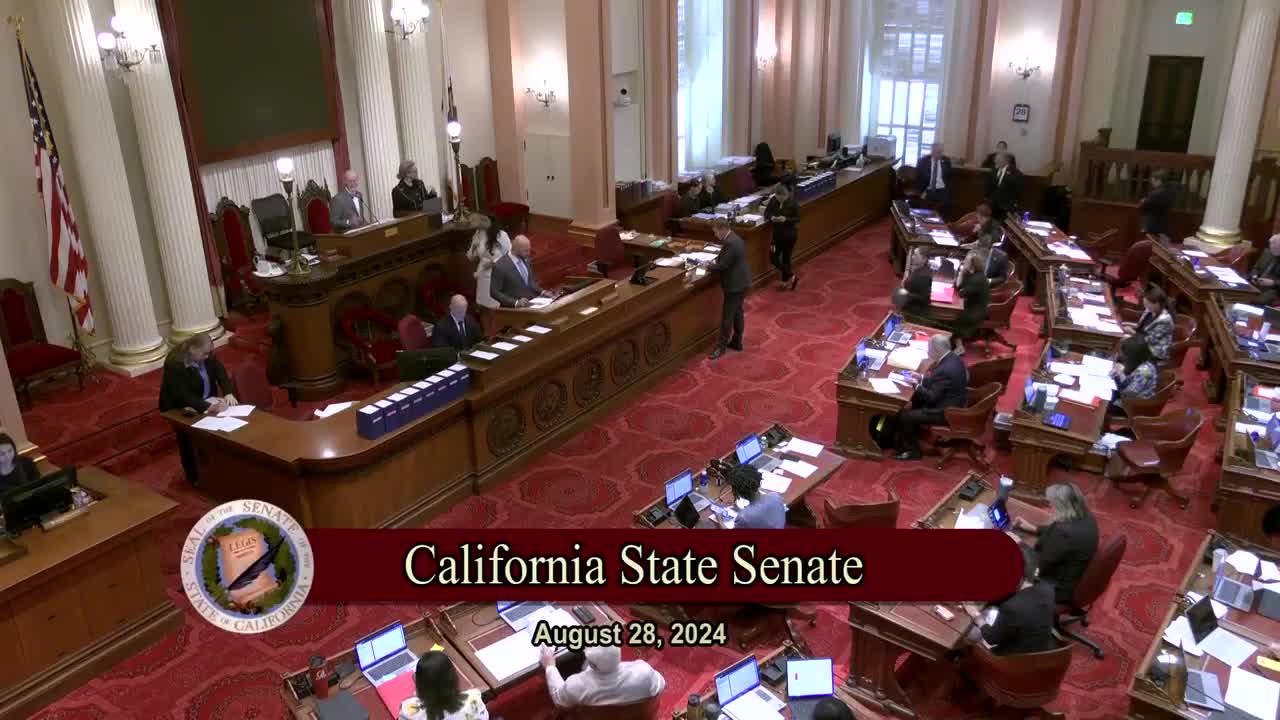 2MIN
Senate Floor
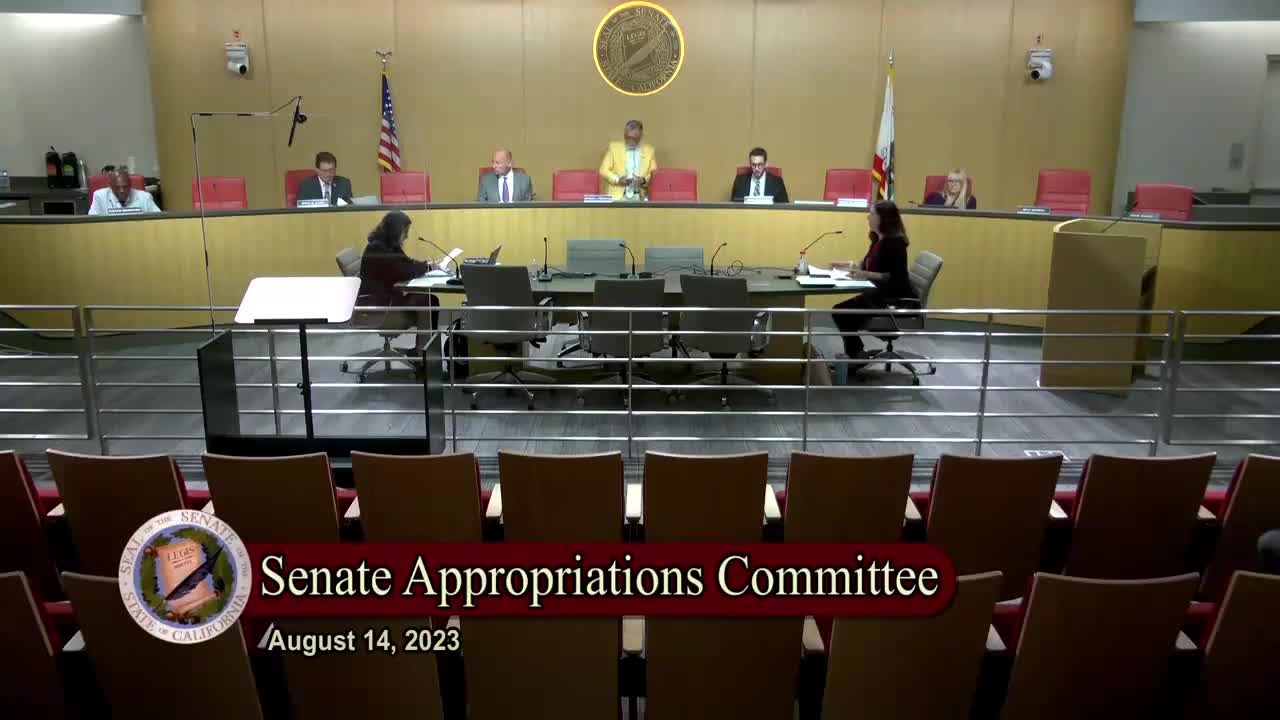 3MIN
Senate Standing Committee on Appropriations
 30MIN
Senate Standing Committee on Environmental Quality
 31MIN
Senate Standing Committee on Transportation
 1MIN
Assembly Floor
 18MIN
Assembly Standing Committee on Transportation
 36MIN
Assembly Standing Committee on Environmental Safety and Toxic Materials
Bill Author

Bill Co-Author(s):