ACR 163: Special Districts Week.
- Session Year: 2023-2024
- House: Assembly
- Latest Version Date: 2024-06-14
Current Status:
Passed
(2024-06-14: Chaptered by Secretary of State - Res. Chapter 97, Statutes of 2024.)
Introduced
In Committee
First Chamber
In Committee
Second Chamber
Enacted
This measure proclaims the week of May 19, 2024, to May 25, 2024, to be Special Districts Week.
This measure proclaims the week of May 19, 2024, to May 25, 2024, to be Special Districts Week.
This measure proclaims the week of May 19, 2024, to May 25, 2024, to be Special Districts Week.
WHEREAS, Special districts are local governmental entities created by a communitys residents, funded by those residents, and overseen by those residents, to provide specialized services and infrastructure; and
WHEREAS, Today, just over 2,000 independent special districts provide millions of Californians with essential services, including services related to water, sanitation, and water recycling, fire protection, electricity, parks and recreation, health care, open space, ports and harbors, flood protection, mosquito abatement, cemeteries, resource conservation, airports, transit, road maintenance, veterans facilities, and more; and
WHEREAS, Special districts first arose when San Joaquin Valley farmers needed a way to access their local water supply; and
WHEREAS, Under the Wright Act of 1887, the Turlock Irrigation District became Californias first special district and made it possible for local farmers to intensify and diversify agriculture in Californias central valley; and
WHEREAS, In the 20th century, special districts increased dramatically in both number and scope, and during the periods of prosperity and population growth that followed both world wars when the demand for all types of public services increased, and special districts met that need; and
WHEREAS, The statutory authorization for mosquito abatement districts was enacted in 1915 to combat the salt marsh mosquitoes around the San Francisco Bay and higher than average malaria cases in rural counties; and
WHEREAS, Fire protection districts can trace their origins to a 1923 state law, and in 1931, the Legislature authorized recreation districts, the forerunners of todays recreation and park districts; and
WHEREAS, Hospital districts arose in 1945 because of a statewide shortage of hospital beds. In 1994, the Legislature then expanded their breadth and renamed them health care districts in recognition of the diverse, modern needs of Californias communities and the importance of proactive, affordable health care beyond the walls of a hospital building; and
WHEREAS, Although originally created to provide individual services, in 1961, the Legislature authorized special districts to address multiple needs when it provided for multipurpose, community services districts; and
WHEREAS, Special districts vary in size and scope and serve diverse communities throughout California, from small rural neighborhoods, such as the Pine Cove Water District in the San Jacinto Mountains in the County of Riverside, to large urban regions, such as the East Bay Municipal Utility District spanning much of the Counties of Alameda and Contra Costa; and
WHEREAS, Local residents own special districts and govern them through locally elected or appointed boards. A series of sunshine laws ensure special districts remain transparent and accountable to the communities they serve, as these laws require open and public meetings, public access to records, regular audits, online posting of finances and compensation, and more; and
WHEREAS, To prevent overlapping services and ensure that local agencies are operating effectively and efficiently to meet community needs, special districts are formed, reviewed, consolidated, or dissolved through a methodical local process that includes the oversight of a local agency formation commission and the consent of local voters; and
WHEREAS, In 1969, several independent special districts formed a statewide association called the California Special Districts Association, commonly referred to as the CSDA, to promote good governance and improved essential local services through professional development, advocacy, and other services for all types of independent special districts; and
WHEREAS, The Legislature seeks to promote democratic institutions, community-based services, local control, and self-determination; and
WHEREAS, The Legislature seeks to promote and educate the public about their local public service providers, including awareness and understanding of special districts; now, therefore, be it
Resolved by the Assembly of the State of California, the Senate thereof concurring, That the Legislature hereby proclaims the week of May 19, 2024, to May 25, 2024, inclusive, to be Special Districts Week and encourages all Californians to be involved in their communities and be civically engaged with their local government; and be it further
Resolved, That the Chief Clerk of the Assembly transmit copies of this resolution to the author for appropriate distribution.
|
Date
|
Status
|
|---|---|
| Jun 14, 2024 | Chaptered by Secretary of State - Res. Chapter 97, Statutes of 2024. |
| Jun 14, 2024 | Enrolled and filed with the Secretary of State at 2 p.m. |
| Jun 6, 2024 | In Assembly. Ordered to Engrossing and Enrolling. |
| Jun 6, 2024 | Adopted and to Assembly. (Ayes 32. Noes 0. Page 4355.) |
| Jun 4, 2024 | Ordered to special consent calendar. |
| May 29, 2024 | From committee: Ordered to third reading. |
| May 20, 2024 | In Senate. To Com. on RLS. |
| May 16, 2024 | Adopted and to Senate. (Ayes 71. Noes 0.) |
| May 16, 2024 | Coauthors revised. |
| May 13, 2024 | From committee: Be adopted. To Consent Calendar. (Ayes 10. Noes 0.) (May 13). |
| Apr 1, 2024 | Referred to Com. on RLS. |
| Mar 22, 2024 | From printer. |
| Mar 21, 2024 | Introduced. To print. |
|
Date
|
Description
|
Location
|
Votes
|
|
|---|---|---|---|---|
| Jun 6, 2024 | Special Consent ACR163 Hart et al. | Senate Floor |
Passed |
|
| May 16, 2024 | ACR 163 Hart Consent Calendar Second Day Regular Session | Assembly Floor |
Passed |
|
| May 13, 2024 | Be adopted. To Consent Calendar. | Assembly Standing Committee on Rules |
Passed |
This list shows positions taken on this bill by organizations on the date displayed, which is linked to the original source.
Positions by individuals are not included.
|
Organization
|
Position
|
Date
|
|---|---|---|
| California Municipal Utilities Association | ** Support | |
| SMUD | ** Support | |
| Vista Irrigation District | ** Support |
SENATE RULES COMMITTEE Office of Senate Floor Analyses (916) 651-1520 Fax: (916) 327-4478 | ACR 163 |
THIRD READING
Bill No: ACR 163
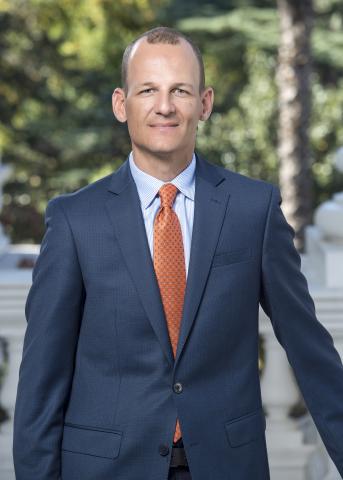
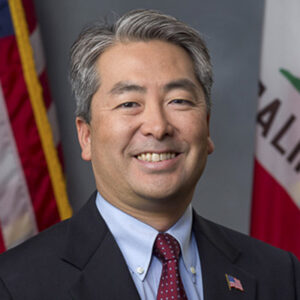
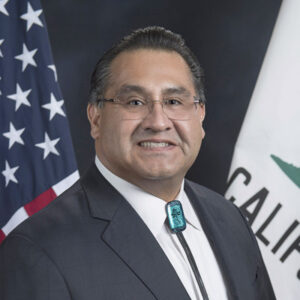
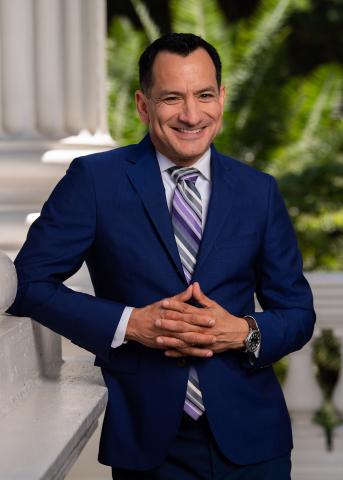
Author: Hart (D), et al.
Introduced: 3/21/24
Vote: 21
ASSEMBLY FLOOR: 71-0, 5/16/24 (Consent) - See last page for vote
SUBJECT: Special Districts Week
SOURCE: California Special Districts Association
DIGEST:
This resolution proclaims the week of May 19, 2024, to May 25, 2024, to be Special Districts Week.
ANALYSIS: This resolution makes the following legislative findings:
- Special districts are local governmental entities created by a community’s residents, funded by those residents, and overseen by those residents, to provide specialized services and infrastructure.
- Today, just over 2,000 independent special districts provide millions of Californians with essential services, including services related to water, sanitation, and water recycling, fire protection, electricity, parks and recreation, health care, open space, ports and harbors, flood protection, mosquito abatement, cemeteries, resource conservation, airports, transit, road maintenance, veterans’ facilities, and more.
- In the 20th century, special districts increased dramatically in both number and scope, and during the periods of prosperity and population growth that followed both world wars when the demand for all types of public services increased, and special districts met that need.
- In 1969, several independent special districts formed a statewide association called the California Special Districts Association, commonly referred to as the CSDA, to promote good governance and improved essential local services through professional development, advocacy, and other services for all types of independent special districts.
- The Legislature seeks to promote democratic institutions, community-based services, local control, and self-determination. The Legislature seeks to promote and educate the public about their local public service providers, including awareness and understanding of special districts.
This resolution proclaims the week of May 19, 2024, to May 25, 2024, to be Special Districts Week.
Comments
According to the Author, “From maintaining water systems to providing fire services, special districts honor their commitment to meeting the needs of the public every day. ACR 163 recognizes special districts for their vital role in supporting diverse and vibrant communities.”
Related/Prior Legislation
The following are the most recent measures proclaiming Special Districts Week:
- SCR 52 (Alvarado-Gil, Resolution Chapter 88, Statutes of 2023).
- ACR 180 (Bauer-Kahan, Resolution Chapter 86, Statutes of 2022).
- ACR 17 (Voepel, Resolution Chapter 54, Statutes of 2021).
FISCAL EFFECT: Appropriation: No Fiscal Com.: No Local: No
SUPPORT: (Verified 5/24/24)
California Special Districts Association (source)
California Municipal Utilities Association
Sacramento Municipal Utility District
Vista Irrigation District
OPPOSITION: (Verified 5/24/24)
None received
ASSEMBLY FLOOR: 71-0, 5/16/24
AYES: Aguiar-Curry, Alanis, Arambula, Bains, Bauer-Kahan, Bennett, Berman, Boerner, Bonta, Bryan, Calderon, Juan Carrillo, Wendy Carrillo, Chen, Connolly, Davies, Dixon, Essayli, Mike Fong, Friedman, Gabriel, Gallagher, Garcia, Grayson, Haney, Hart, Holden, Hoover, Jackson, Jones-Sawyer, Kalra, Lackey, Lee, Low, Lowenthal, Maienschein, McCarty, McKinnor, Muratsuchi, Stephanie Nguyen, Ortega, Pacheco, Papan, Jim Patterson, Joe Patterson, Pellerin, Petrie-Norris, Quirk-Silva, Ramos, Rendon, Reyes, Luz Rivas, Rodriguez, Blanca Rubio, Sanchez, Santiago, Schiavo, Soria, Ta, Ting, Valencia, Villapudua, Waldron, Wallis, Ward, Weber, Wicks, Wilson, Wood, Zbur, Robert Rivas
NO VOTE RECORDED: Addis, Alvarez, Cervantes, Megan Dahle, Flora, Vince Fong, Gipson, Irwin, Mathis
Prepared by: Aizenia Randhawa / SFA / (916) 651-1520
5/29/24 14:37:16
**** END ****
Date of Hearing: May 13, 2024
ASSEMBLY COMMITTEE ON RULES
Blanca Pacheco, Chair
ABPCA Bill Id:ACR 163 (
Author:Hart) – As Introduced Ver:March 21, 2024
SUBJECT: Special Districts Week.
SUMMARY: Proclaims the week of May 19, 2024, to May 25, 2024, inclusive, to be Special Districts Week, and encourages all Californians to be involved in their communities and be civically engaged with their local government. Specifically, this resolution makes the following legislative findings:
- Special districts are local governmental entities created by a community’s residents, funded by those residents, and overseen by those residents, to provide specialized services and infrastructure.
- Special districts first arose when San Joaquin Valley farmers needed a way to access their local water supply. Under the Wright Act of 1887, the Turlock Irrigation District became California’s first special district and made it possible for local farmers to intensify and diversify agriculture in California’s central valley.
- In the 20th century, special districts increased dramatically in both number and scope, and during the periods of prosperity and population growth that followed both world wars when the demand for all types of public services increased, and special districts met that need.
- The statutory authorization for mosquito abatement districts was enacted in 1915 to combat the salt marsh mosquitoes around the San Francisco Bay and higher than average malaria cases in rural counties.
- Fire protection districts can trace their origins to a 1923 state law, and in 1931, the Legislature authorized recreation districts, the forerunners of today’s recreation and park districts.
- Hospital districts arose in 1945 because of a statewide shortage of hospital beds. In 1994, the Legislature then expanded their breadth and renamed them health care districts in recognition of the diverse, modern needs of California’s communities and the importance of proactive, affordable health care beyond the walls of a hospital building.
- Special districts vary in size and scope and serve diverse communities throughout California, from small rural neighborhoods, such as the Pine Cove Water District in the San Jacinto Mountains in the County of Riverside, to large urban regions, such as the East Bay Municipal Utility District spanning much of the Counties of Alameda and Contra Costa.
- Today, just over 2,000 independent special districts provide millions of Californians with essential services, including services related to water, sanitation, and water recycling, fire protection, electricity, parks and recreation, health care, open space, ports and harbors, flood protection, mosquito abatement, cemeteries, resource conservation, airports, transit, road maintenance, veterans’ facilities, and more.
FISCAL EFFECT: This resolution is keyed non-fiscal by Legislative Counsel.
REGISTERED SUPPORT / OPPOSITION:
Support
California Municipal Utilities Association (CMUA)
SMUD
Vista Irrigation District
Opposition
None on file
Analysis Prepared by: Michael Erke / RLS. / (916) 319-2800
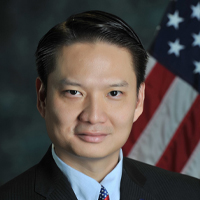
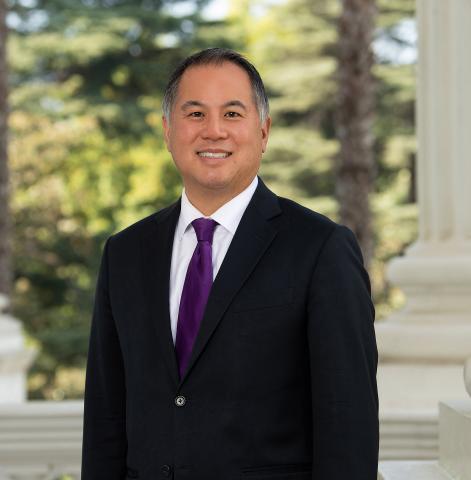
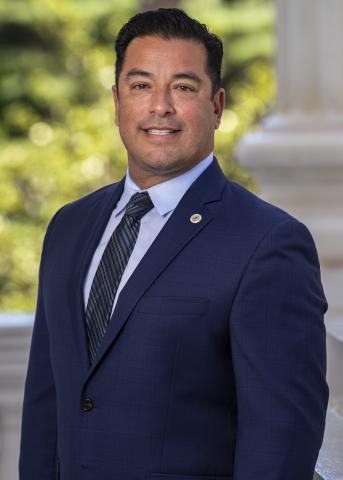
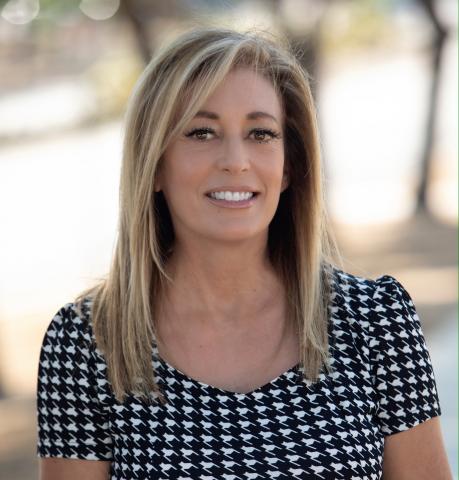
Bill Author

Bill Co-Author(s):