SB 1016: Latino and Indigenous Disparities Reduction Act.
- Session Year: 2023-2024
- House: Senate
- Latest Version Date: 2024-09-28
Current Status:
Passed
(2024-09-28: Chaptered by Secretary of State. Chapter 873, Statutes of 2024.)
Introduced
In Committee
First Chamber
In Committee
Second Chamber
Enacted
(1)Existing law requires state agencies, boards, and commissions, in the course of collecting demographic data as to the ancestry or ethnic origin of Californians, to use separate collection categories and tabulations for certain groups, as specified. Existing federal law imposes various requirements on the collection of demographic data, as provided.
Existing law establishes the State Department of Public Health, which is responsible for various programs relating to the health and safety of people in the state. Existing law requires the State Department of Public Health to collect and report specified information, including data on violent deaths.
This bill would require the department, on or after January 1, 2028, in the course of collecting demographic data as to the ancestry or ethnic origin of California residents for any report that includes rates for major diseases and leading causes of death, as specified, to use separate collection categories and tabulations for Hispanic or Latino groups using standardized federal race and ethnicity categories from the federal Office of Management and Budgets Standards for Maintaining, Collecting, and Presenting Federal Data on Race and Ethnicity, as specified. The bill would require the department to use separate collection categories and tabulations for each major Latino group and Mesoamerican Indigenous nation, if that group or nation is not included in the standardized federal race and ethnicity categories, as specified. The bill would require the department, when collecting the preferred language of program participants, to include specified languages.
Existing law requires state agencies, boards, and commissions to report, as specified, data on collection categories and tabulations for certain groups. Existing law requires the collected data to be made available to the public, except as specified, including, among other things, personal identifying information, which existing law deems confidential. Existing law requires state agencies to update their data collection to reflect additional certain groups as they are reported by the United States Census Bureau, as specified.
This bill would require the department to include the collected data in every demographic report on ancestry, ethnic origins, or language of California residents that the department publishes or releases on or after July 1, 2029. The bill would require the department to make available to the public the collected data, except as specified, including, among other things, personal identifying information, which the bill would deem confidential. On or before July 1, 2029, and annually thereafter, the bill would require the department to report to the Legislature on the collected data and the methods used to collect that data. The bill would require the department to update its data collection to reflect additional Latino groups, Mesoamerican Indigenous nations, and Mesoamerican Indigenous language groups as they are reported by the United States Census Bureau, as specified.
This bill would authorize the State Department of Public Health to continue to collect and report demographic data in the form that the data was submitted if the data was collected pursuant to federal programs or surveys, by other state entities, or by third-party entities, as specified.
(2)Existing constitutional provisions require that a statute that limits the right of access to the meetings of public bodies or the writings of public officials and agencies be adopted with findings demonstrating the interest protected by the limitation and the need for protecting that interest.
This bill would make legislative findings to that effect.
(1)Existing law requires state agencies, boards, and commissions, in the course of collecting demographic data as to the ancestry or ethnic origin of Californians, to use separate collection categories and tabulations for certain groups, as specified. Existing federal law imposes various requirements on the collection of demographic data, as provided.
Existing law establishes the State Department of Public Health, which is responsible for various programs relating to the health and safety of people in the state. Existing law requires the State Department of Public Health to collect and report specified information, including data on violent deaths.
This bill would require the department, on or after January 1, 2027, 2028, in the course of collecting demographic data as to the ancestry or ethnic origin of California residents for any report that includes rates for major diseases and leading causes of death, as specified, to use separate collection categories and tabulations for Hispanic or Latino groups using standardized federal race and ethnicity categories from the federal Office of Management and Budgets Standards for Maintaining, Collecting, and Presenting Federal Data on Race and Ethnicity, as specified. The bill would require the department to use separate collection categories and tabulations for each major Latino group and Mesoamerican Indigenous nation, if that group or nation is not included in the standardized federal race and ethnicity categories, as specified. The bill would require the department, when collecting the preferred language of program participants, to include specified languages.
Existing law requires state agencies, boards, and commissions to report, as specified, data on collection categories and tabulations for certain groups. Existing law requires the collected data to be made available to the public, except as specified, including, among other things, personal identifying information, which existing law deems confidential. Existing law requires state agencies to update their data collection to reflect additional certain groups as they are reported by the United States Census Bureau, as specified.
This bill would require the department to include the collected data in every demographic report on ancestry, ethnic origins, or language of California residents that the department publishes or releases on or after July 1, 2027. 2029. The bill would require the department to make available to the public the collected data, except as specified, including, among other things, personal identifying information, which the bill would deem confidential. On or before July 1, 2028, 2029, and annually thereafter, the bill would require the department to report to the Legislature on the collected data and the methods used to collect that data. The bill would require the department to update its data collection to reflect additional Latino groups, Mesoamerican Indigenous nations, and Mesoamerican Indigenous language groups as they are reported by the United States Census Bureau, as specified.
This bill would authorize the State Department of Public Health to continue to collect and report demographic data in the form that the data was submitted if the data was collected pursuant to federal programs or surveys, by other state entities, or by third-party entities, as specified.
(2)Existing constitutional provisions require that a statute that limits the right of access to the meetings of public bodies or the writings of public officials and agencies be adopted with findings demonstrating the interest protected by the limitation and the need for protecting that interest.
This bill would make legislative findings to that effect.
(1)Existing law requires state agencies, boards, and commissions, in the course of collecting demographic data as to the ancestry or ethnic origin of Californians, to use separate collection categories and tabulations for certain groups, as specified. Existing federal law imposes various requirements on the collection of demographic data, as provided.
Existing federal law provides for the Supplemental Nutrition Assistance Program, known in California as CalFresh, under which supplemental nutrition assistance benefits allocated to the state by the federal government are distributed to eligible individuals by each county. Under existing law, the State Department of Social Services (department) administers the CalFresh program. Existing law requires the department to publicly report specified information, including certain data specific to students enrolled in an institution of higher learning who receive CalFresh benefits, as specified.Existing law establishes the State Department of Public Health, which is responsible for various programs relating to the health and safety of people in the state. Existing law requires the State Department of Public Health to collect and report specified information, including data on violent deaths.
This bill would require the department, on or after January 1, 2027, in the course of collecting demographic data as to the ancestry or ethnic origin of California residents for any report on the CalFresh program, that includes rates for major diseases and leading causes of death, as specified, to use separate collection categories and tabulations for Hispanic or Latino groups using standardized federal race and ethnicity categories from the federal Office of Management and Budgets Standards for Maintaining, Collecting, and Presenting Federal Data on Race and Ethnicity, as specified. The bill would require the department to use separate collection categories and tabulations for each major Latino group and Mesoamerican Indigenous nation, if that group or nation is not included in the standardized federal race and ethnicity categories, as specified. The bill would require the department, when collecting the preferred language of CalFresh program participants, to include specified languages.
Existing law requires state agencies, boards, and commissions to report, as specified, data on collection categories and tabulations for certain groups. Existing law requires the collected data to be made available to the public, except as specified, including, among other things, personal identifying information, which existing law deems confidential. Existing law requires state agencies to update their data collection to reflect additional certain groups as they are reported by the United States Census Bureau, as specified.
This bill would require the department to include the collected data in every demographic report on ancestry, ethnic origins, or language of California residents that the department publishes or releases on or after July 1, 2028. 2027. The bill would require the department to make available to the public the collected data, except as specified, including, among other things, personal identifying information, which the bill would deem confidential. On or before July 1, 2028, and annually thereafter, the bill would require the department to report to the Legislature on the collected data and the methods used to collect that data. The bill would require the department to update its data collection to reflect additional Latino groups, Mesoamerican Indigenous nations, and Mesoamerican Indigenous language groups as they are reported by the United States Census Bureau, as specified. The bill would require the department to comply with the bills requirements as early as possible, but no later than July 1, 2028.
(2)Existing law establishes the State Department of Public Health, which is responsible for various programs relating to the health and safety of people in the state. Existing law requires the State Department of Public Health to collect and report specified information, including data on violent deaths.On or after January 1, 2027, the bill would require the State Department of Public Health to comply with the bills requirements whenever collecting demographic data as to the ancestry or ethnic origin of California residents for a report that includes rates for major diseases, as specified. The This bill would authorize the State Department of Public Health to continue to collect and report demographic data in the form that the data was submitted if the data was collected pursuant to federal programs or surveys, by other state entities, or by third-party entities, as specified.
(3)(2)Existing constitutional provisions require that a statute that limits the right of access to the meetings of public bodies or the writings of public officials and agencies be adopted with findings demonstrating the interest protected by the limitation and the need for protecting that interest.
This bill would make legislative findings to that effect.
(1)Existing law requires state agencies, boards, and commissions, in the course of collecting demographic data as to the ancestry or ethnic origin of Californians, to use separate collection categories and tabulations for certain groups, as specified. Existing federal law imposes various requirements on the collection of demographic data, as provided.
Existing federal law provides for the Supplemental Nutrition Assistance Program, known in California as CalFresh, under which supplemental nutrition assistance benefits allocated to the state by the federal government are distributed to eligible individuals by each county. Under existing law, the State Department of Social Services (department) administers the CalFresh program. Existing law requires the department to publicly report specified information, including certain data specific to students enrolled in an institution of higher learning who receive CalFresh benefits, as specified.
This bill would require the department, in the course of collecting demographic data directly or by contract as to the ancestry or ethnic origin of California residents for any report on the CalFresh program, to use separate collection categories and tabulations for Hispanic or Latino groups using standardized federal race and ethnicity categories from the federal Office of Management and Budgets Standards for Maintaining, Collecting, and Presenting Federal Data on Race and Ethnicity, as specified. The bill would require the department to use separate collection categories and tabulations for each major Latino group, Mesoamerican Indigenous nation, and Mesoamerican Indigenous language group, group and Mesoamerican Indigenous nation, if that group or nation is not included in the standardized federal race and ethnicity categories, as specified. The bill would require the department, when collecting the preferred language of CalFresh program participants, to include specified languages.
Existing law requires state agencies, boards, and commissions to report, as specified, data on collection categories and tabulations for certain groups. Existing law requires the collected data to be made available to the public, except as specified, including, among other things, personal identifying information, which existing law deems confidential. Existing law requires state agencies to update their data collection to reflect additional certain groups as they are reported by the United States Census Bureau, as specified.
This bill would require the department to include the collected data in every demographic report on ancestry or ethnic origins ancestry, ethnic origins, or language of California residents that the department publishes or releases on or after July 1, 2028. The bill would require the department to make available to the public the collected data, except as specified, including, among other things, personal identifying information, which the bill would deem confidential. On or before July 1, 2028, and annually thereafter, the bill would require the department to report to the Legislature on the collected data and the methods used to collect that data. The bill would require the department to update its data collection to reflect additional Latino groups, Mesoamerican Indigenous nations, and Mesoamerican Indigenous language groups as they are reported by the United States Census Bureau, as specified. The bill would require the department to comply with the bills requirements as early as possible, but no later than July 1, 2028.
(2)Existing law establishes the State Department of Public Health, which is responsible for various programs relating to the health and safety of people in the state. Existing law requires the State Department of Public Health to collect and report specified information, including data on violent deaths.
On or after January 1, 2027, the bill would require the State Department of Public Health to comply with the bills requirements whenever collecting demographic data as to the ancestry or ethnic origin of California residents for a report that includes rates for major diseases, as specified. The bill would authorize the State Department of Public Health to continue to collect and report demographic data in the form that the data was submitted if the data was collected pursuant to federal programs or surveys, by other state entities, or by third-party entities, as specified.
(3)Existing constitutional provisions require that a statute that limits the right of access to the meetings of public bodies or the writings of public officials and agencies be adopted with findings demonstrating the interest protected by the limitation and the need for protecting that interest.
This bill would make legislative findings to that effect.
(1)Existing law requires state agencies, boards, and commissions, in the course of collecting demographic data as to the ancestry or ethnic origin of Californians, to use separate collection categories and tabulations for certain groups, as specified. Existing federal law imposes various requirements on the collection of demographic data, as provided.
Existing federal law provides for the Supplemental Nutrition Assistance Program, known in California as CalFresh, under which supplemental nutrition assistance benefits allocated to the state by the federal government are distributed to eligible individuals by each county. Under existing law, the State Department of Social Services (department) administers the CalFresh program. Existing law requires the department to publicly report specified information, including certain data specific to students enrolled in an institution of higher learning who receive CalFresh benefits, as specified.
This bill would require the department, in the course of collecting demographic data directly or by contract as to the ancestry or ethnic origin of California residents for any report on the CalFresh program, to use separate collection categories and tabulations for Hispanic or Latino groups using standardized federal race and ethnicity categories from the federal Office of Management and Budgets Standards for Maintaining, Collecting, and Presenting Federal Data on Race and Ethnicity, as specified. The bill would require the department to use separate collection categories and tabulations for each major Latino group, Mesoamerican Indigenous nation, and Mesoamerican Indigenous language group, if that group or nation is not included in the standardized federal race and ethnicity categories, as specified.
Existing law requires state agencies, boards, and commissions to report, as specified, data on collection categories and tabulations for certain groups. Existing law requires the collected data to be made available to the public, except as specified, including, among other things, personal identifying information, which existing law deems confidential. Existing law requires state agencies to update their data collection to reflect additional certain groups as they are reported by the United States Census Bureau, as specified.
This bill would require the department to include the collected data in every demographic report on ancestry or ethnic origins of California residents that the department publishes or releases on or after July 1, 2028. The bill would require the department to make available to the public the collected data, except as specified, including, among other things, personal identifying information, which the bill would deem confidential. On or before July 1, 2028, and annually thereafter, the bill would require the department to report to the Legislature on the collected data and the methods used to collect that data. The bill would require the department to update its data collection to reflect additional Latino groups, Mesoamerican Indigenous nations, and Mesoamerican Indigenous language groups as they are reported by the United States Census Bureau, as specified. The bill would require the department to comply with the bills requirements as early as possible, but no later than July 1, 2028.
(2)Existing law establishes the State Department of Public Health, which is responsible for various programs relating to the health and safety of people in the state. Existing law requires the State Department of Public Health to collect and report specified information, including data on violent deaths.
On or after January 1, 2027, the bill would require the State Department of Public Health to comply with the bills requirements whenever collecting demographic data as to the ancestry or ethnic origin of California residents for a report that includes rates for major diseases, as specified.
(3)Existing constitutional provisions require that a statute that limits the right of access to the meetings of public bodies or the writings of public officials and agencies be adopted with findings demonstrating the interest protected by the limitation and the need for protecting that interest.
This bill would make legislative findings to that effect.
(a)On or after January 1, 2028, the State Department of Public Health, whenever collecting demographic data as to the ancestry or ethnic origin of California residents for a report that includes rates for major diseases, leading causes of death per demographic, subcategories for leading causes of death in California overall, pregnancy, housing, and mental health rates shall comply with all of the following:
(1)The department shall use separate collection categories in the provided forms that offer respondents the option of selecting one or more ethnic or racial designations and tabulations for Hispanic or Latino groups using standardized federal race and ethnicity categories from the federal Office of Management and Budgets most recent revision to Standards for Maintaining, Collecting, and Presenting Federal Data on Race and Ethnicity.
(2)To the extent the standardized federal race and ethnicity categories from the federal Office of Management and Budgets most recent revision to Standards for Maintaining, Collecting, and Presenting Federal Data on Race and Ethnicity does not include the group or nation, the department shall use separate collection categories in the provided forms that offer respondents the option of selecting one or more ethnic or racial designations and tabulations for both of the following:
(A)Each major Latino group, including, but not limited to, Mexican, Guatemalan, Salvadoran, Honduran, Nicaraguan, Puerto Rican, Dominican, Cuban, Colombian, and Peruvian, followed by a blank space to fill in additional groups.
(B)Each major Mesoamerican Indigenous nation, including, but not limited to, Maya, Aztec, Mixteco, Zapoteco, and Triqui, followed by a blank space to fill in additional nations.
(3)When collecting the preferred language of program participants, the department shall include Mixteco, Triqui, Zapoteco, Kiche, Mam, and Kanjobal, followed by a blank space to fill in additional languages.
(4)The department shall include the data collected pursuant to paragraphs (1) and (2), and when available, paragraph (3), in every demographic report on ancestry, ethnic origins, or language of Californians by the department published or released on or after July 1, 2029, including the other groups, nations, or languages that are filled in by the respondents.
(5)(A)The department shall make the data collected pursuant to paragraphs (1), (2), and (3) available to the public in accordance with state and federal law, including by posting the data on the internet website of the department, except for personal identifying information, which shall be deemed confidential and shall not be disclosed.
(B)The department shall not make public demographic data that would permit identification of individuals. The department may, to prevent identification of individuals, aggregate data categories at a state, county, city, census tract, or ZIP Code level to facilitate comparisons and identify disparities.
(C)The department shall not make public demographic data that would result in statistical unreliability.
(6)On or before July 1, 2029, and annually thereafter, the department shall report to the Legislature, in compliance with Section 9795 of the Government Code, both of the following:
(A)The data collected pursuant to paragraphs (1), (2), and (3).
(B)The methods used to collect that data.
(7)Within 18 months after a decennial United States Census is released to the public, the department shall update its data collection to reflect the additional Latino groups, major Mesoamerican Indigenous nations, and major Mesoamerican Indigenous language groups as they are reported by the United States Census Bureau.
(b)The department may continue to collect and report demographic data in the form that the data was submitted if the data was collected under either of the following circumstances:
(1)Pursuant to federal programs or surveys, whereby the guidelines for demographic data collection categories are defined by the federal program or survey and the data could not be aggregated to comply with those requirements.
(2)When demographic data is collected by other entities, including either of the following:
(A)State offices, departments, and agencies that are not subject to this section.
(B)Third-party entities when administering surveys that are not solely funded by the department.
SEC. 2.The Legislature finds and declares that Section 1 of this act, which adds Article 4 (commencing with Section 131250) to Chapter 2 of Part 1 of Division 112 of the Health and Safety Code imposes a limitation on the publics right of access to the meetings of public bodies or the writings of public officials and agencies within the meaning of Section 3 of Article I of the California Constitution. Pursuant to that constitutional provision, the Legislature makes the following findings to demonstrate the interest protected by this limitation and the need for protecting that interest:
In order to protect the privacy of California residents, while also gathering and publicizing useful demographic data, it is necessary that personal identifying information remain confidential.
(a)On or after January 1, 2027, 2028, the State Department of Public Health, whenever collecting demographic data as to the ancestry or ethnic origin of California residents for a report that includes rates for major diseases, leading causes of death per demographic, subcategories for leading causes of death in California overall, pregnancy, housing, and mental health rates shall comply with all of the following:
(1)The department shall use separate collection categories in the provided forms that offer respondents the option of selecting one or more ethnic or racial designations and tabulations for Hispanic or Latino groups using standardized federal race and ethnicity categories from the federal Office of Management and Budgets most recent revision to Standards for Maintaining, Collecting, and Presenting Federal Data on Race and Ethnicity.
(2)To the extent the standardized federal race and ethnicity categories from the federal Office of Management and Budgets most recent revision to Standards for Maintaining, Collecting, and Presenting Federal Data on Race and Ethnicity does not include the group or nation, the department shall use separate collection categories in the provided forms that offer respondents the option of selecting one or more ethnic or racial designations and tabulations for both of the following:
(A)Each major Latino group, including, but not limited to, Mexican, Guatemalan, Salvadoran, Honduran, Nicaraguan, Puerto Rican, Dominican, Cuban, Colombian, and Peruvian, followed by a blank space to fill in additional groups.
(B)Each major Mesoamerican Indigenous nation, including, but not limited to, Maya, Aztec, Mixteco, Zapoteco, and Triqui, followed by a blank space to fill in additional nations.
(3)When collecting the preferred language of program participants, the department shall include Mixteco, Triqui, Zapoteco, Kiche, Mam, and Kanjobal, followed by a blank space to fill in additional languages.
(4)The department shall include the data collected pursuant to paragraphs (1) and (2), and when available, paragraph (3), in every demographic report on ancestry, ethnic origins, or language of Californians by the department published or released on or after July 1, 2027, 2029, including the other groups, nations, or languages that are filled in by the respondents.
(5)(A)The department shall make the data collected pursuant to paragraphs (1), (2), and (3) available to the public in accordance with state and federal law, including by posting the data on the internet website of the department, except for personal identifying information, which shall be deemed confidential and shall not be disclosed.
(B)The department shall not make public demographic data that would permit identification of individuals. The department may, to prevent identification of individuals, aggregate data categories at a state, county, city, census tract, or ZIP Code level to facilitate comparisons and identify disparities.
(C)The department shall not make public demographic data that would result in statistical unreliability.
(6)On or before July 1, 2028, 2029, and annually thereafter, the department shall report to the Legislature, in compliance with Section 9795 of the Government Code, both of the following:
(A)The data collected pursuant to paragraphs (1), (2), and (3).
(B)The methods used to collect that data.
(7)Within 18 months after a decennial United States Census is released to the public, the department shall update its data collection to reflect the additional Latino groups, major Mesoamerican Indigenous nations, and major Mesoamerican Indigenous language groups as they are reported by the United States Census Bureau.
(b)The department may continue to collect and report demographic data in the form that the data was submitted if the data was collected under either of the following circumstances:
(1)Pursuant to federal programs or surveys, whereby the guidelines for demographic data collection categories are defined by the federal program or survey and the data could not be aggregated to comply with those requirements.
(2)When demographic data is collected by other entities, including either of the following:
(A)State offices, departments, and agencies that are not subject to this section.
(B)Third-party entities when administering surveys that are not solely funded by the department.
SEC. 2.The Legislature finds and declares that Section 1 of this act, which adds Article 4 (commencing with Section 131250) to Chapter 2 of Part 1 of Division 112 of the Health and Safety Code imposes a limitation on the publics right of access to the meetings of public bodies or the writings of public officials and agencies within the meaning of Section 3 of Article I of the California Constitution. Pursuant to that constitutional provision, the Legislature makes the following findings to demonstrate the interest protected by this limitation and the need for protecting that interest:
In order to protect the privacy of California residents, while also gathering and publicizing useful demographic data, it is necessary that personal identifying information remain confidential.
(a)On or after January 1, 2027, the State Department of Public Health shall comply with the requirements specified in Section 18928.6 of the Welfare and Institutions Code Health, whenever collecting demographic data as to the ancestry or ethnic origin of California residents for a report that includes rates for major diseases, leading causes of death per demographic, subcategories for leading causes of death in California overall, pregnancy, housing, and mental health rates. rates shall comply with all of the following:
(1)The department shall use separate collection categories in the provided forms that offer respondents the option of selecting one or more ethnic or racial designations and tabulations for Hispanic or Latino groups using standardized federal race and ethnicity categories from the federal Office of Management and Budgets most recent revision to Standards for Maintaining, Collecting, and Presenting Federal Data on Race and Ethnicity.
(2)To the extent the standardized federal race and ethnicity categories from the federal Office of Management and Budgets most recent revision to Standards for Maintaining, Collecting, and Presenting Federal Data on Race and Ethnicity does not include the group or nation, the department shall use separate collection categories in the provided forms that offer respondents the option of selecting one or more ethnic or racial designations and tabulations for both of the following:
(A)Each major Latino group, including, but not limited to, Mexican, Guatemalan, Salvadoran, Honduran, Nicaraguan, Puerto Rican, Dominican, Cuban, Colombian, and Peruvian, followed by a blank space to fill in additional groups.
(B)Each major Mesoamerican Indigenous nation, including, but not limited to, Maya, Aztec, Mixteco, Zapoteco, and Triqui, followed by a blank space to fill in additional nations.
(3)When collecting the preferred language of program participants, the department shall include Mixteco, Triqui, Zapoteco, Kiche, Mam, and Kanjobal, followed by a blank space to fill in additional languages.
(4)The department shall include the data collected pursuant to paragraphs (1) and (2), and when available, paragraph (3), in every demographic report on ancestry, ethnic origins, or language of Californians by the department published or released on or after July 1, 2027, including the other groups, nations, or languages that are filled in by the respondents.
(5)(A)The department shall make the data collected pursuant to paragraphs (1), (2), and (3) available to the public in accordance with state and federal law, including by posting the data on the internet website of the department, except for personal identifying information, which shall be deemed confidential and shall not be disclosed.
(B)The department shall not make public demographic data that would permit identification of individuals. The department may, to prevent identification of individuals, aggregate data categories at a state, county, city, census tract, or ZIP Code level to facilitate comparisons and identify disparities.
(C)The department shall not make public demographic data that would result in statistical unreliability.
(6)On or before July 1, 2028, and annually thereafter, the department shall report to the Legislature, in compliance with Section 9795 of the Government Code, both of the following:
(A)The data collected pursuant to paragraphs (1), (2), and (3).
(B)The methods used to collect that data.
(7)Within 18 months after a decennial United States Census is released to the public, the department shall update its data collection to reflect the additional Latino groups, major Mesoamerican Indigenous nations, and major Mesoamerican Indigenous language groups as they are reported by the United States Census Bureau.
(b)The department may continue to collect and report demographic data in the form that the data was submitted if the data was collected under either of the following circumstances:
(1)Pursuant to federal programs or surveys, whereby the guidelines for demographic data collection categories are defined by the federal program or survey and the data could not be aggregated to comply with those requirements.
(2)When demographic data is collected by other entities, including either of the following:
(A)State offices, departments, and agencies that are not subject to Section 18928.6 of the Welfare and Institution Code. this section.
(B)Third-party entities when administering surveys that are not solely funded by the department.
SEC. 2.Section 18928.6 is added to the Welfare and Institutions Code, to read:18928.6.(a)This section shall be known, and may be cited, as the Latino and Indigenous Disparities Reduction Act.(b)The State Department of Social Services whenever collecting demographic data as to the ancestry or ethnic origin of California residents for any report on the CalFresh program shall comply with all of the following:(1)The department shall use separate collection categories in the provided forms that offer respondents the option of selecting one or more ethnic or racial designations and tabulations for Hispanic or Latino groups using standardized federal race and ethnicity categories from the federal Office of Management and Budgets most recent revision to Standards for Maintaining, Collecting, and Presenting Federal Data on Race and Ethnicity.(2)To the extent the standardized federal race and ethnicity categories from the federal Office of Management and Budgets most recent revision to Standards for Maintaining, Collecting, and Presenting Federal Data on Race and Ethnicity does not include the group or nation, the department shall use separate collection categories in the provided forms that offer respondents the option of selecting one or more ethnic or racial designations and tabulations for both of the following:(A)Each major Latino group, including, but not limited to, Mexican, Guatemalan, Salvadoran, Honduran, Nicaraguan, Puerto Rican, Dominican, Cuban, Colombian, and Peruvian, followed by a blank space to fill in additional groups.(B)Each major Mesoamerican Indigenous nation, including, but not limited to, Maya, Aztec, Mixteco, Zapoteco, and Triqui, followed by a blank space to fill in additional nations.(3)When collecting the preferred language of program participants, the department shall include Mixteco, Triqui, Zapoteco, Kiche, Mam, and Kanjobal, followed by a blank space to fill in additional languages.(4)The department shall include the data collected pursuant to paragraphs (1) and (2), and when available, paragraph (3), in every demographic report on ancestry, ethnic origins, or language of Californians by the department published or released on or after July 1, 2028, including the other groups, nations, or languages that are filled in by the respondents.(5)(A)The department shall make the data collected pursuant to paragraphs (1), (2), and (3) available to the public in accordance with state and federal law, including by posting the data on the internet website of the department, except for personal identifying information, which shall be deemed confidential and shall not be disclosed.(B)The department shall not make public demographic data that would permit identification of individuals. The department may, to prevent identification of individuals, aggregate data categories at a state, county, city, census tract, or ZIP Code level to facilitate comparisons and identify disparities.(C)The department shall not make public demographic data that would result in statistical unreliability.(6)On or before July 1, 2028, and annually thereafter, the department shall report to the Legislature, in compliance with Section 9795 of the Government Code, both of the following:(A)The data collected pursuant to paragraphs (1), (2), and (3).(B)The methods used to collect that data.(7)Within 18 months after a decennial United States Census is released to the public, the department shall update its data collection to reflect the additional Latino groups, major Mesoamerican Indigenous nations, and major Mesoamerican Indigenous language groups as they are reported by the United States Census Bureau.(c)The department shall comply with this section as early as possible following the effective date of this section, but no later than July 1, 2028.SEC. 3.SEC. 2.The Legislature finds and declares that Section 1 of this act, which adds Article 4 (commencing with Section 131250) to Chapter 2 of Part 1 of Division 112 of the Health and Safety Code, and Section 2 of this act, which adds Section 18928.6 to the Welfare and Institution Code, impose Code imposes a limitation on the publics right of access to the meetings of public bodies or the writings of public officials and agencies within the meaning of Section 3 of Article I of the California Constitution. Pursuant to that constitutional provision, the Legislature makes the following findings to demonstrate the interest protected by this limitation and the need for protecting that interest:
In order to protect the privacy of California residents, while also gathering and publicizing useful demographic data, it is necessary that personal identifying information remain confidential.
(a)On or after January 1, 2027, the State Department of Public Health shall comply with the requirements specified in Section 18928.6 of the Welfare and Institutions Code whenever collecting demographic data as to the ancestry or ethnic origin of California residents for a report that includes rates for major diseases, leading causes of death per demographic, subcategories for leading causes of death in California overall, pregnancy, housing, and mental health rates.
(b)The department may continue to collect and report demographic data in the form that the data was submitted if the data was collected under either of the following circumstances:
(1)Pursuant to federal programs or surveys, whereby the guidelines for demographic data collection categories are defined by the federal program or survey and the data could not be aggregated to comply with those requirements.
(2)When demographic data is collected by other entities, including either of the following:
(A)State offices, departments, and agencies that are not subject to Section 18928.6 of the Welfare and Institution Code.
(B)Third-party entities when administering surveys that are not solely funded by the department.
SEC. 2.Section 18928.6 is added to the Welfare and Institutions Code, to read:18928.6.(a)This section shall be known, and may be cited, as the Latino and Indigenous Disparities Reduction Act.
(b)The State Department of Social Services whenever collecting demographic data as to the ancestry or ethnic origin of California residents for any report on the CalFresh program shall comply with all of the following:
(1)In the course of collecting demographic data directly or by contract as to the ancestry or ethnic origin of California residents, the The department shall use separate collection categories in the provided forms that offer respondents the option of selecting one or more ethnic or racial designations or languages and tabulations for Hispanic or Latino groups using standardized federal race and ethnicity categories from the federal Office of Management and Budgets most recent revision to Standards for Maintaining, Collecting, and Presenting Federal Data on Race and Ethnicity.
(2)To the extent the standardized federal race and ethnicity categories from the federal Office of Management and Budgets most recent revision to Standards for Maintaining, Collecting, and Presenting Federal Data on Race and Ethnicity does not include the group or nation, the department, in the course of collecting demographic data directly or by contract as to the ancestry or ethnic origin of California residents, department shall use separate collection categories in the provided forms that offer respondents the option of selecting one or more ethnic or racial designations or languages and tabulations for all both of the following:
(A)Each major Latino group, including, but not limited to, Mexican, Guatemalan, Salvadoran, Honduran, Nicaraguan, Costa Rican, Panamanian, Belizean, Puerto Rican, Dominican, Cuban, Argentinean, Bolivian, Brazilian, Chilean, Colombian, Ecuadorian, Guyanese, Paraguayan, Peruvian, Surinamese, Uruguayan, and Venezuelan. Puerto Rican, Dominican, Cuban, Colombian, and Peruvian, followed by a blank space to fill in additional groups.
(B)Each major Mesoamerican Indigenous nation, including, but not limited to, Maya, Aztec, Mixteco, Zapoteco, and Triqui. Triqui, followed by a blank space to fill in additional nations.
(C)Each major Mesoamerican Indigenous language group, including, but not limited to, Zapoteco, Chinanteco, Kiche, Nahuatl, Mixteco, Purepecha, Tzotzil, Mayan, Amuzgo, Ayuujk (Mixe), Mam, Popti, Qanjobal, Triqui, and Chatino.(3)When collecting the preferred language of program participants, the department shall include Mixteco, Triqui, Zapoteco, Kiche, Mam, and Kanjobal, followed by a blank space to fill in additional languages.
(3)(4)The department shall include the data collected pursuant to paragraphs (1) and (2) (2), and when available, paragraph (3), in every demographic report on ancestry or ethnic origins ancestry, ethnic origins, or language of Californians by the department published or released on or after July 1, 2028. 2028, including the other groups, nations, or languages that are filled in by the respondents.
(4)(5)(A)The department shall make the data collected pursuant to paragraph (1) and (2) paragraphs (1), (2), and (3) available to the public in accordance with state and federal law, including by posting the data on the internet website of the department, except for personal identifying information, which shall be deemed confidential and shall not be disclosed.
(B)The department shall not make public demographic data that would permit identification of individuals. The department may, to prevent identification of individuals, aggregate data categories at a state, county, city, census tract, or ZIP Code level to facilitate comparisons and identify disparities.
(C)The department shall not make public demographic data that would result in statistical unreliability.
(5)(6)On or before July 1, 2028, and annually thereafter, the department shall report to the Legislature, in compliance with Section 9795 of the Government Code, both of the following:
(A)The data collected pursuant to paragraphs (1) and (2). (1), (2), and (3).
(B)The methods used to collect that data.
(6)(7)Within 18 months after a decennial United States Census is released to the public, the department shall update its data collection to reflect the additional Latino groups, major Mesoamerican Indigenous nations, and major Mesoamerican Indigenous language groups as they are reported by the United States Census Bureau.
(c)The department shall comply with this section as early as possible following the effective date of this section, but no later than July 1, 2028.
SEC. 3.The Legislature finds and declares that Section 1 of this act, which adds Article 4 (commencing with Section 131250) to Chapter 2 of Part 1 of Division 112 of the Health and Safety Code, and Section 2 of this act, which adds Section 18928.6 to the Welfare and Institution Code, impose a limitation on the publics right of access to the meetings of public bodies or the writings of public officials and agencies within the meaning of Section 3 of Article I of the California Constitution. Pursuant to that constitutional provision, the Legislature makes the following findings to demonstrate the interest protected by this limitation and the need for protecting that interest:
In order to protect the privacy of California residents, while also gathering and publicizing useful demographic data, it is necessary that personal identifying information remain confidential.
On or after January 1, 2027, the State Department of Public Health shall comply with the requirements specified in Section 18928.6 of the Welfare and Institutions Code whenever collecting demographic data as to the ancestry or ethnic origin of California residents for a report that includes rates for major diseases, leading causes of death per demographic, subcategories for leading causes of death in California overall, pregnancy, housing, and mental health rates.
SEC. 2.Section 18928.6 is added to the Welfare and Institutions Code, to read:18928.6.(a)This section shall be known, and may be cited, as the Latino and Indigenous Disparities Reduction Act.
(b)The State Department of Social Services whenever collecting demographic data as to the ancestry or ethnic origin of California residents for any report on the CalFresh program shall comply with all of the following:
(1)In the course of collecting demographic data directly or by contract as to the ancestry or ethnic origin of California residents, the department shall use separate collection categories in the provided forms that offer respondents the option of selecting one or more ethnic or racial designations or languages and tabulations for Hispanic or Latino groups using standardized federal race and ethnicity categories from the federal Office of Management and Budgets Standards for Maintaining, Collecting, and Presenting Federal Data on Race and Ethnicity.
(2)To the extent the standardized federal race and ethnicity categories from the federal Office of Management and Budgets Standards for Maintaining, Collecting, and Presenting Federal Data on Race and Ethnicity does not include the group or nation, the department, in the course of collecting demographic data directly or by contract as to the ancestry or ethnic origin of California residents, shall use separate collection categories in the provided forms that offer respondents the option of selecting one or more ethnic or racial designations or languages and tabulations for all of the following:
(A)Each major Latino group, including, but not limited to, Mexican, Guatemalan, Salvadoran, Honduran, Nicaraguan, Costa Rican, Panamanian, Belizean, Puerto Rican, Dominican, Cuban, Argentinean, Bolivian, Brazilian, Chilean, Colombian, Ecuadorian, Guyanese, Paraguayan, Peruvian, Surinamese, Uruguayan, and Venezuelan.
(B)Each major Mesoamerican Indigenous nation, including, but not limited to, Maya, Aztec, Mixteco, Zapoteco, and Triqui.
(C)Each major Mesoamerican Indigenous language group, including, but not limited to, Zapoteco, Chinanteco, Kiche, Nahuatl, Mixteco, Purepecha, Tzotzil, Mayan, Amuzgo, Ayuujk (Mixe), Mam, Popti, Qanjobal, Triqui, and Chatino.
(3)The department shall include the data collected pursuant to paragraphs (1) and (2) in every demographic report on ancestry or ethnic origins of Californians by the department published or released on or after July 1, 2028.
(4)(A)The department shall make the data collected pursuant to paragraph (1) and (2) available to the public in accordance with state and federal law, including by posting the data on the internet website of the department, except for personal identifying information, which shall be deemed confidential and shall not be disclosed.
(B)The department shall not make public demographic data that would permit identification of individuals. The department may, to prevent identification of individuals, aggregate data categories at a state, county, city, census tract, or ZIP Code level to facilitate comparisons and identify disparities.
(C)The department shall not make public demographic data that would result in statistical unreliability.
(5)On or before July 1, 2028, and annually thereafter, the department shall report to the Legislature, in compliance with Section 9795 of the Government Code, both of the following:
(A)The data collected pursuant to paragraphs (1) and (2).
(B)The methods used to collect that data.
(6)Within 18 months after a decennial United States Census is released to the public, the department shall update its data collection to reflect the additional Latino groups, major Mesoamerican Indigenous nations, and major Mesoamerican Indigenous language groups as they are reported by the United States Census Bureau.
(c)The department shall comply with this section as early as possible following the effective date of this section, but no later than July 1, 2028.
SEC. 3.The Legislature finds and declares that Section 1 of this act, which adds Article 4 (commencing with Section 131250) to Chapter 2 of Part 1 of Division 112 of the Health and Safety Code, and Section 2 of this act, which adds Section 18928.6 to the Welfare and Institution Code, impose a limitation on the publics right of access to the meetings of public bodies or the writings of public officials and agencies within the meaning of Section 3 of Article I of the California Constitution. Pursuant to that constitutional provision, the Legislature makes the following findings to demonstrate the interest protected by this limitation and the need for protecting that interest:
In order to protect the privacy of California residents, while also gathering and publicizing useful demographic data, it is necessary that personal identifying information remain confidential.
|
Date
|
Status
|
|---|---|
| Sep 28, 2024 | Chaptered by Secretary of State. Chapter 873, Statutes of 2024. |
| Sep 28, 2024 | Approved by the Governor. |
| Sep 3, 2024 | Enrolled and presented to the Governor at 3 p.m. |
| Aug 27, 2024 | Assembly amendments concurred in. (Ayes 34. Noes 0. Page 5507.) Ordered to engrossing and enrolling. |
| Aug 26, 2024 | In Senate. Concurrence in Assembly amendments pending. |
| Aug 26, 2024 | Read third time. Passed. (Ayes 73. Noes 0. Page 6551.) Ordered to the Senate. |
| Aug 20, 2024 | Read second time. Ordered to third reading. |
| Aug 19, 2024 | Read second time and amended. Ordered to second reading. |
| Aug 15, 2024 | From committee: Do pass as amended. (Ayes 12. Noes 1.) (August 15). |
| Aug 7, 2024 | August 7 set for first hearing. Placed on suspense file. |
| Jun 12, 2024 | From committee: Do pass and re-refer to Com. on APPR. (Ayes 16. Noes 0.) (June 11). Re-referred to Com. on APPR. |
| Jun 3, 2024 | Referred to Com. on HEALTH. |
| May 22, 2024 | In Assembly. Read first time. Held at Desk. |
| May 21, 2024 | Read third time. Passed. (Ayes 34. Noes 0. Page 4090.) Ordered to the Assembly. |
| May 20, 2024 | Read second time. Ordered to third reading. |
| May 16, 2024 | Read second time and amended. Ordered to second reading. |
| May 16, 2024 | From committee: Do pass as amended. (Ayes 5. Noes 0. Page 3968.) (May 16). |
| May 10, 2024 | Set for hearing May 16. |
| Apr 22, 2024 | April 22 hearing: Placed on APPR suspense file. |
| Apr 16, 2024 | Set for hearing April 22. |
| Apr 15, 2024 | Read second time and amended. Re-referred to Com. on APPR. |
| Apr 11, 2024 | From committee: Do pass as amended and re-refer to Com. on APPR. (Ayes 10. Noes 0. Page 3561.) (April 10). |
| Apr 3, 2024 | Set for hearing April 10. |
| Apr 2, 2024 | From committee: Do pass and re-refer to Com. on HEALTH. (Ayes 4. Noes 0. Page 3427.) (April 1). Re-referred to Com. on HEALTH. |
| Mar 5, 2024 | Set for hearing April 1. |
| Feb 14, 2024 | Referred to Coms. on HUMAN S. and HEALTH. |
| Feb 6, 2024 | From printer. May be acted upon on or after March 7. |
| Feb 5, 2024 | Introduced. Read first time. To Com. on RLS. for assignment. To print. |
|
Date
|
Description
|
Location
|
Votes
|
|
|---|---|---|---|---|
| Aug 27, 2024 | Unfinished Business SB1016 Gonzalez et al. Concurrence | Senate Floor |
Passed |
|
| Aug 26, 2024 | SB 1016 Gonzalez Senate Third Reading By Arambula | Assembly Floor |
Passed |
|
| Aug 15, 2024 | Do pass as amended. | Assembly Standing Committee on Appropriations |
Passed |
|
| Jun 11, 2024 | Do pass and be re-referred to the Committee on [Appropriations] | Assembly Standing Committee on Health |
Passed |
|
| May 21, 2024 | Senate 3rd Reading SB1016 Gonzalez et al. | Senate Floor |
Passed |
|
| May 16, 2024 | Do pass as amended | Senate Standing Committee on Appropriations |
Passed |
|
| Apr 22, 2024 | Placed on suspense file | Senate Standing Committee on Appropriations |
Passed |
|
| Apr 10, 2024 | Do pass as amended, but first amend, and re-refer to the Committee on [Appropriations] | Senate Standing Committee on Health |
Passed |
|
| Apr 1, 2024 | Do pass, but first be re-referred to the Committee on [Health] | Senate Standing Committee on Human Services |
Passed |
This list shows positions taken on this bill by organizations on the date displayed, which is linked to the original source.
Positions by individuals are not included.
|
Organization
|
Position
|
Date
|
|---|---|---|
| AARP | ** Support | |
| Access Reproductive Justice | ** Support | |
| Action Council of Monterey County | ** Support | |
| AltaMed Health Services | ** Support | |
| APLA Health | ** Support | |
| Asian Americans Advancing Justice Southern California | ** Support | |
| Asian Health Services | ** Support | |
| Asian Pacific Partners for Empowerment, Advocacy and Leadership | ** Support | |
| Asian Resources, Inc. | ** Support | |
| Asociacion De Migrantes Guatemaltecos, LA | ** Support | |
| Buen Vecino | ** Support | |
| California Black Health Network | ** Support | |
| California Food and Farming Network | ** Support | |
| California Immigrant Policy Center | ** Support | |
| California Life Sciences | ** Support | |
| California Pan - Ethnic Health Network | ** Support | |
| CALIFORNIA PRIMARY CARE ASSOCIATION ADVOCATES | ** Support | |
| California Wic Association | ** Support | |
| Canal Alliance | ** Support | |
| Casa Del Diabetico Gualan | ** Support | |
| Center for Asian Americans in Action | ** Support | |
| centro binacional para el desarrollo indigena oaxaqueno | ** Support | |
| Ceres Community Project | ** Support | |
| Children Now | ** Support | |
| Community Health Councils | ** Support | |
| Courage California | ** Support | |
| Empowering Pacific Islander Communities | ** Support | |
| End the Epidemics: Californians Mobilizing to End HIV, Viral Hepatitis, STIS, | ** Support | |
| Equality California | ** Support | |
| First 5 California | ** Support | |
| First 5 Monterey County | ** Support | |
| Healthy Kids Happy Faces | ** Support | |
| Hispanas Organized for Political Equality | ** Support | |
| Justice in Aging | ** Support | |
| Latino Coalition for a Healthy California | ** Support | |
| Mixteco/Indígena Community Organizing Project | ** Support | |
| Nourish California | ** Support | |
| Oasis Legal Services | ** Support | |
| Orale: Organizing Rooted in Abolition, Liberation, and Empowerment | ** Support | |
| Pesticide Action Network | ** Support | |
| Public Health Advocates | ** Support | |
| Radio Bilingue, Inc. | ** Support | |
| Regional Asthma Management & Prevention | ** Support | |
| San Ysidro Health | ** Support | |
| Southeast Asia Resource Action Center | ** Support | |
| UCLA Latino Policy and Politics Institute | ** Support | |
| Union De Guatemaltecos Emigrantes | ** Support | |
| Vision y Compromiso | ** Support | |
| western center on law & poverty | ** Support | |
| Women Lawyers of Sacramento | ** Support |
SENATE RULES COMMITTEE Office of Senate Floor Analyses (916) 651-1520 Fax: (916) 327-4478 | SB 1016 |
UNFINISHED BUSINESS
Bill No: SB 1016
Author: Gonzalez (D), et al.
Amended: 8/19/24
Vote: 21
SENATE HUMAN SERVICES COMMITTEE: 4-0, 4/1/24
AYES: Alvarado-Gil, Blakespear, Menjivar, Wahab
NO VOTE RECORDED: Ochoa Bogh
SENATE HEALTH COMMITTEE: 10-0, 4/10/24
AYES: Roth, Nguyen, Glazer, Gonzalez, Hurtado, Limón, Menjivar, Rubio, Smallwood-Cuevas, Wiener
NO VOTE RECORDED: Grove
SENATE APPROPRIATIONS COMMITTEE: 5-0, 5/16/24
AYES: Caballero, Ashby, Becker, Bradford, Wahab
NO VOTE RECORDED: Jones, Seyarto
SENATE FLOOR: 34-0, 5/21/24
AYES: Alvarado-Gil, Archuleta, Ashby, Atkins, Becker, Blakespear, Bradford, Caballero, Cortese, Dodd, Durazo, Eggman, Glazer, Gonzalez, Hurtado, Laird, Limón, McGuire, Menjivar, Min, Newman, Nguyen, Niello, Padilla, Portantino, Roth, Rubio, Skinner, Smallwood-Cuevas, Stern, Umberg, Wahab, Wiener, Wilk
NO VOTE RECORDED: Allen, Dahle, Grove, Jones, Ochoa Bogh, Seyarto
ASSEMBLY FLOOR: 73-0, 8/26/24 - See last page for vote
SUBJECT: Latino and Indigenous Disparities Reduction Act
SOURCE: Latino Coalition for a Healthy California
DIGEST:
This bill requires the California Department of Public Health, whenever collecting demographic data as to the ancestry or ethnic origin of California residents for specified reports, to use separate collection and tabulation categories for each major Latino group, Mesoamerican Indigenous nation, and Mesoamerican Indigenous language group, as specified.
Assembly Amendments
delay the implementation of this bill from 2027 to 2028 for the collection of data, and from 2027 or 2028 to 2029 for the requirements on reports using this data.
ANALYSIS:
Existing law:
- Establishes the California Department of Public Health (CDPH), directed by a state Public Health Officer, to be vested with all the duties, powers, purposes, functions, responsibilities, and jurisdiction as they relate to public health and licensing of health facilities, as specified. [HSC §131050]
- Requires a state agency, board, or commission that directly or by contract collects demographic data as to the ancestry or ethnic origin of Californians to use separate collection categories and tabulations for the following: each major Asian group, including, but not limited to, Chinese, Japanese, Filipino, Korean, Vietnamese, Asian Indian, Laotian, and Cambodian; and each major Pacific Islander group, including, but not limited to, Hawaiian, Guamanian, and Samoan. [GOV § 8310.5]
- Requires CDPH, to the extent funding is appropriated, when collecting demographic data as to the ancestry or ethnic origin of persons for a report that includes rates for major diseases, leading causes of death per demographic, subcategories for leading causes of death in California overall, pregnancy rates, or housing numbers to collect and tabulate data for additional major Asian groups, including Bangladeshi, Hmong, Indonesian, Malaysian, Pakistani, Sri Lankan, Taiwanese, and Thai and additional Native Hawaiian and other Pacific Islander groups, including Fijian and Tongan. [GOV § 8310.7]
- Exempts CDPH’s data collection from 3) above if the data was collected pursuant to federal programs or surveys whereby the guidelines for data collection categories are defined by the federal program or survey, or the data is collected by another entity not solely funded by CDPH. [GOV § 8310.7]
This bill:
- Requires CDPH, no later than July 1, 2028, to collect the following separate collection categories for Hispanic or Latino groups whenever collecting demographic data as to the ancestry or ethnic origin of California residents for any report that includes rates for major diseases, leading causes of death per demographic, subcategories for leading causes of death in California overall, pregnancy, housing, and mental health rates:
- Each major Latino group, including, but not limited to, Mexican, Guatemalan, Salvadoran, Honduran, Nicaraguan, Puerto Rican, Dominican, Cuban, Colombian, and Peruvian, followed by a blank space to fill in additional groups;
- Each major Mesoamerican Indigenous nation, including, but not limited to, Maya, Aztec, Mixteco, Zapoteco, and Triqui followed by a blank space to fill in additional groups; and,
- Requires CHDP, when collecting the preferred language of program participants, to include Mixteco, Triqui, Zapoteco, K’iche, Mam, and Kanjobal, followed by a blank space to fill in additional langauges.
- Requires CDPH to use the standardized federal race and ethnicity categories from the federal Office of Management and Budget’s (OMB) most recent revision to “Standards for Maintaining, Collecting, and Presenting Federal Data on Race and Ethnicity” as well as the collection categories described in 1) above.
- Requires CDPH to include the data collected in 1) above and when available, in 2) above in every demographic report on ancestry or ethnic origins of Californians by either department published or released on or after July 1, 2029.
- Requires CDPH to make the data collected in 1) and 2) above available to the public in accordance with state and federal law, including by posting the data on their websites, except for personal identifying information, which is deemed confidential and cannot be disclosed. Prohibits CDPH from making public demographic data that would permit identification of individuals. Permits CDPH to aggregate data categories at a state, county, city, census tract, or ZIP Code level to facilitate comparisons and identify disparities. Prohibits CDPH from making public, demographic data that would result in statistical unreliability.
- Requires CDPH to report to the Legislature, on or before July 1, 2029, and annually thereafter:
a) The data collected pursuant to 1) and 2) above; and,
b) The methods used to collect that data.
- Requires CDPH to update its data collection to reflect the additional Latino groups, major Mesoamerican Indigenous nations, and major Mesoamerican Indigenous language groups as they are reported by the U.S. Census Bureau within 18 months after a decennial U.S. Census is released to the public.
- Permits CDPH to continue to collect and report demographic data in the form that the data was submitted if the data was collected under either of the following circumstances:
- Pursuant to federal programs or surveys, whereby the guidelines for demographic data collection categories are defined by the federal program or survey and the data could not be aggregated to comply with those requirements.
- When demographic data is collected by other entities, including state offices, departments and agencies not subject to this section and third-party entities when administering surveys not solely funded by CDPH.
Comments
- Author’s statement. According to the author, Latinos make up 40% of California’s population, and within the Latino community, there are several ethnic subgroups that experience diverse health outcomes. California’s state health programs currently view Latinos as a monolith, instead of looking at these subgroups individually and understanding the unique challenges they each face. Using data without the nuances of subgroups can lead to policymakers and researchers relying on less detailed information when making health and policy decisions. Current research has shown that the prevalence of diabetes within Latino subgroups varied from 5% to 18% based on country of origin. This highlights how health data collected by the state isn’t necessarily reflective of the diversity of various subgroups within Latino populations and ignores the health trends within those subgroups. Data disaggregation is imperative for discovering disparities among the Latino community and addressing them effectively. During the height of the COVID-19 pandemic, Indigenous communities could not access timely and reliable information to access vaccines in California and suffered a higher death rate as a result. This bill takes the critical and necessary first step to uncover trends and potential disparities that are often hidden in aggregated numbers for Latinos and Indigenous Mesoamericans in California by requiring the state’s public health agency to collect and disaggregate data for specified subgroups.
- Latinos in California. According to the most recent data from the U.S. Census Bureau, Latinos make up 40.3% of the population of California, making Latino the largest ethnicity in California. The 2022 Census Bureau American Community Survey reports that 81% of the Latinos in California are Mexican, 5% are Salvadoran, 3% are Guatemalen, and the next largest subcategory is “other” at 2%. The American Community Survey only breaks down the Latino category by country of origin using the most common countries of origin in the United States. Other groups that make up a significant portion of Latinos in the United States, such as Puerto Ricans and Cubans, make up 1% or less of California’s Latino population. The survey also does not include data on Mesoamerican Indigenous nation or Mesoamerican Indigenous language group. According to the Mixteco Indígena Community Organizing Project, California is home to an estimated 170,000 indigenous migrants from the Mexican state of Oaxaca, Guerrero, and Michoacán, including Mixtecs, Zapotecs, and Purépechas, which would be 1% of the Latino population. These indigenous populations often only speak their native pre-Hispanic indigenous languages and their unique cultural practices and beliefs often isolate them from other Latino populations.
- OMB Interagency Technical Working Group on Race and Ethnicity Standards. The Office of Management and Budget (OMB) maintains government-wide standards for federal race and ethnicity data to ensure the ability to compare information and data across federal agencies. In June 2022, the U.S. Chief Statistician identified updating the standards as a top priority to ensure that the standards better reflect the diversity of the American people. The Interagency Technical Working Group on Race and Ethnicity Standards (Working Group) was created to lead this effort and was charged with proposing recommendations for improving the quality and usefulness of federal race and ethnicity data. On March 29, 2024, the OMB published the updated revisions “Revisions to OMB’s Statistical Policy Directive No. 15: Standards for Maintaining, Collecting, and Presenting Federal Data on Race and Ethnicity.”
Under the previous 1997 directive, respondents are first asked whether they are Hispanic or Latino as a yes/no question, with another question following to ask what race they are. Respondents can choose one or more of the following categories: American Indian or Alaskan Native, Asian, Black or African American, Native Hawaiian or Other Pacific Islander, White. Under new rule, the questions about race and ethnicity are combined. The Hispanic or Latino category asks for further information allowing respondents to check one or more options of the following categories: Mexican, Puerto Rican, Salvadoran, Cuban, Dominican, or Guatemalan. It also includes a blank where additional categories can be included, with the instructions “Enter, for example, Colombian, Honduran, Spaniard, etc.” Respondents are also able to include information in the other racial/ethnic categories such as Black or African American if applicable. The directive also gives a short version of the form that may be used only if an agency requests a variance and demonstrates that the potential benefit of the detailed data would not justify the additional burden of collection.
- Race/ethnicity data collection in California. California currently largely follows the 1997 OMB guidance, except where state law requires further disaggregation for Asian and Native Hawaiian or Pacific Islander groups. Proponents of the laws mandating the collection of that data raised similar issues as are being raised here: failing to disaggregate data misses important differences among subgroups. Starting in 1990, California began collecting additional categories for each major Asian and Pacific Islander group, including Chinese, Japanese, Filipino, Korean, Vietnamese, Asian Indian, Hawaiian, Guamanian, Samoan, Laotian, and Cambodian. Additional subcategories have since been added in specific circumstances or by certain state entities. More recently, starting January 1, 2024, the State Controller’s office and the Department of Human Resources are required to collect the following additional collection categories solely about state employees for Black Californians: a) African Americans who are descendants of persons who were enslaved in the U.S.; or, b) Blacks who are not descendants of persons who were enslaved in the U.S, including, but not limited to, African Blacks, Caribbean Blacks, and other Blacks. Language groups are not included in demographic data requirements. However, numerous federal and state language access laws implicitly require the collection of the preferred language of program participants or require state agencies to calculate the percentage of non-English speaking people served by the agency or its programs. California agencies must conform to the new OMB guidance within five years, though the guidance states most programs should be able to implement sooner than the five-year deadline.
Related/Prior Legislation
SB 435 (Gonzalez, 2023) would have been substantially similar to this bill. SB 435 was vetoed by Governor Newsom who stated in his veto message, “Providing more detailed health and demographic information for Latino groups and Mesoamerican Indigenous nations is important to inform our services and supports and to help identify disparities. To this end, my Administration is actively monitoring and reviewing the OMB update to federal standards for collection and reporting of race and ethnicity information, and looks forward to engaging stakeholders in this effort. California is required to submit data to the federal government using these federal standards, and programs that receive federal funding must also use these standards. As such, implementing a different framework for data collection in California prior to the release of updated federal standards is premature.”
FISCAL EFFECT: Appropriation: No Fiscal Com.: Yes Local: No
According to the Assembly Appropriations Committee, this bill would have General Fund costs potentially in the low millions of dollars in fiscal year (FY) 2026-27 and FY 2027-28, and $1.9 million in FY 2028-29, and $718,000 in FY 2029-30 and ongoing. These costs include ongoing, annual costs of $718,000 starting in FY 2026-27 for four permanent, full-time positions to support data gathering, user acceptance testing, and the development and refinement of data quality evaluation procedures for system upgrades. Duties will include coordinating data collection and reporting standards, maintaining interoperability between data systems, preserving historical data crosswalks, and developing improved reporting methodologies to enhance data utility while maintaining privacy. Costs also include limited-term funding in FY 2026-27 through FY 2027-28 for one limited-term staff position to reevaluate and reprogram existing systems, registries, and reports published by CDPH; one-time costs in FY 2026-27 to update data systems and ongoing costs to support software licenses; and a portion of $1.6 million over 17 months to complete a Project Approval Lifecycle (PAL) review and approval. PAL costs may be significantly lower as CDPH will be adopting new federal demographic data collection standards concurrently with implementation of this bill.
SUPPORT: (Verified 8/27/24)
Latino Coalition for a Healthy California (source)
AARP
Access Reproductive Justice
Action Council of Monterey County
Altamed Health Services
APLA Health
Asian Americans Advancing Justice-Southern California
Asian Health Services
Asian Pacific Partners for Empowerment, Advocacy and Leadership
Asian Resources, Inc.
Asociacion de Migrantes Guatemaltecos, LA
Buen Vecino
California Black Health Network
California Food and Farming Network
California Immigrant Policy Center
California Life Sciences
California Pan - Ethnic Health Network
California Primary Care Association Advocates
California WIC Association
Canal Alliance
Casa del Diabetico Gualan
Center for Asian Americans in Action
Centro Binacional Para El Desarrollo Indígena Oaxaqueno
Ceres Community Project
Children Now
Community Health Councils
Courage California
Empowering Pacific Islander Communities (EPIC)
End the Epidemics: Californians Mobilizing to End HIV, Viral Hepatitis, STIs,
and Overdose
Equality California
First 5 California
First 5 Monterey County
Healthy Kids Happy Faces
Hispanas Organized for Political Equality
Justice in Aging
Mixteco/Indígena Community Organizing Project
Nourish California
Oasis Legal Services
Orale: Organizing Rooted in Abolition, Liberation, and Empowerment
Pesticide Action Network
Public Health Advocates
Radio Bilingüe, Inc.
Regional Asthma Management & Prevention
San Ysidro Health
Southeast Asia Resource Action Center
Union de Guatemaltecos Emigrantes
Vision y Compromiso
Western Center on Law & Poverty
Women Lawyers of Sacramento
One Individual
OPPOSITION: (Verified 8/27/24)
None received
ARGUMENTS IN SUPPORT: Latino Coalition for a Healthy California write that this bill takes the first step to uncover trends and potential disparities that are often hidden in aggregated numbers for Latinos and Indigenous Mesoamericans in California. This bill requires that the data to be used to report on critical health-related outcomes, including rates of major diseases, leading causes of death per demographic, subcategories for leading causes of death in California, and other important health information. Without disaggregated data, policymakers and researchers must rely on less detailed data released by state agencies or local data that may be collected inconsistently in different jurisdictions, leading to health and related inequities.
ASSEMBLY FLOOR: 73-0, 8/26/24
AYES: Addis, Aguiar-Curry, Alanis, Alvarez, Arambula, Bains, Bauer-Kahan, Bennett, Berman, Boerner, Bonta, Bryan, Calderon, Juan Carrillo, Wendy Carrillo, Chen, Connolly, Davies, Flora, Mike Fong, Friedman, Gabriel, Gallagher, Garcia, Gipson, Grayson, Haney, Hart, Holden, Hoover, Irwin, Jackson, Jones-Sawyer, Kalra, Lackey, Lee, Low, Lowenthal, Maienschein, Mathis, McCarty, McKinnor, Muratsuchi, Stephanie Nguyen, Pacheco, Papan, Jim Patterson, Joe Patterson, Pellerin, Petrie-Norris, Quirk-Silva, Ramos, Rendon, Reyes, Luz Rivas, Rodriguez, Blanca Rubio, Sanchez, Santiago, Schiavo, Ta, Ting, Valencia, Villapudua, Waldron, Wallis, Ward, Weber, Wicks, Wilson, Wood, Zbur, Robert Rivas
NO VOTE RECORDED: Cervantes, Megan Dahle, Dixon, Essayli, Ortega, Soria
Click here to enter text.
Prepared by: Jen Flory / HEALTH / (916) 651-4111
8/27/24 11:54:58
**** END ****
SENATE THIRD READING
STR Bill Id:SB 1016
Author:(Gonzalez)
As Amended Ver:August 19, 2024
Majority vote
SUMMARY
Commencing January 1, 2028, requires the California Department of Public Health (DPH), whenever collecting demographic data as to the ancestry or ethnic origin of California residents for specified reports, to use separate collection and tabulation categories for each major Latino group, Mesoamerican Indigenous nation, and Mesoamerican Indigenous language group, as specified.
Major Provisions
- Requires DPH, on or after January 1, 2028, when collecting demographic data on the ancestry or ethnic origin of California residents for any report that includes rates for major diseases and leading causes of death, pregnancy, housing, and mental health to do the following:
- Use separate collection categories that offer the option of selecting one or more ethnic or racial designations and tabulations for Hispanic or Latino groups using standardized federal race and ethnicity categories from the federal Office of Management and Budget (OMB)'s most recent revision to “Standards for Maintaining, Collecting, and Presenting Federal Data on Race and Ethnicity” (“OMB standards”).
- To the extent the OMB standards do not include a respondent's group or nation, provide separate collection categories that offer respondents the option of selecting one or more ethnic or racial designations and tabulations for both of the following:
- Each major Latino group, including Mexican, Guatemalan, Salvadoran, Honduran, Nicaraguan, Puerto Rican, Dominican, Cuban, Colombian, and Peruvian, followed by a blank space to fill in additional groups; and,
- Each major Mesoamerican Indigenous nation, including, but not limited to, Maya, Aztec, Mixteco, Zapoteco, and Triqui, followed by a blank space to fill in additional nations.
- Requires DPH, when collecting the preferred language of program participants, to include Mixteco, Triqui, Zapoteco, K'iche, Mam, and Kanjobal, followed by a blank space to fill in additional languages.
- Requires DPH to include data collected pursuant to items 1) and 2), above, when available, including the other groups, nations, or languages that are filled in by the respondents, in every demographic report on ancestry, ethnic origins, or language of Californians DPH publishes or releases on or after July 1, 2029.
- Requires DPH to make the data collected pursuant to items 1) and 2), above, available to the public in accordance with state and federal law, including by posting the data on DPH's website, except for personal identifying information.
- Prohibits DPH from making public demographic data that would permit identification of individuals. Authorizes DPH to aggregate data categories, as specified, to facilitate comparisons and identify disparities.
- Prohibits DPH from making available public demographic data that would result in statistical unreliability.
- Requires DPH, on or before July 1, 2029, and annually thereafter, to report to the Legislature the data collected pursusant to items 1) and 2), above; and the methods used to collect that data.
- Requires DPH, within 18 months after a decennial U.S. Census is released to the public, to update its data collection to reflect the additional Latino groups, major Mesoamerican Indigenous nations, and major Mesoamerican Indigenous language groups as they are reported by the U.S. Census Bureau.
- Authorizes DPH to continue to collect and report demographic data in the form that the data was submitted by other entities, in specified circumstances.
COMMENTS
- Latinos in California. According to the most recent data from the U.S. Census Bureau, Latinos make up 40.3% of the population of California, making Latino the largest ethnicity in California. The 2022 Census Bureau American Community Survey reports that 81% of the Latinos in California are Mexican, 5% are Salvadoran, 3% are Guatemalan, and the next largest subcategory is “other” at 2%. The American Community Survey only breaks down the Latino category by country of origin using the most common countries of origin in the United States. Other groups that make up a significant portion of Latinos in the United States, such as Puerto Ricans and Cubans, make up 1% or less of California's Latino population. The survey also does not include data on Mesoamerican Indigenous nation or Mesoamerican Indigenous language group. According to the Mixteco Indígena Community Organizing Project, California is home to an estimated 170,000 indigenous migrants from the Mexican state of Oaxaca, Guerrero, and Michoacán, including Mixtecs, Zapotecs, and Purépechas, which would be 1% of the Latino population. These indigenous populations often only speak their native pre-Hispanic indigenous languages and their unique cultural practices and beliefs often isolate them from other Latino populations.
- OMB Interagency Technical Working Group on Race and Ethnicity Standards. The OMB maintains government-wide standards for federal race and ethnicity data to ensure the ability to compare information and data across federal agencies. In June 2022, the U.S. Chief Statistician identified updating the standards as a top priority to ensure that the standards better reflect the diversity of the American people. The Interagency Technical Working Group on Race and Ethnicity Standards (Working Group) was created to lead this effort and was charged with proposing recommendations for improving the quality and usefulness of federal race and ethnicity data. On March 29, 2024, the OMB published the updated revisions “Revisions to OMB's Statistical Policy Directive No. 15: Standards for Maintaining, Collecting, and Presenting Federal Data on Race and Ethnicity.” California agencies must conform to the new OMB guidance within five years, though the guidance states most programs should be able to implement sooner than the five-year deadline. Please see the Assembly Health Committee analysis for more background on race/ethnicity data collection in California.
- Importance of data disaggregation. The pandemic highlighted the ways in which systemic racism exacerbates health disparities that exists for vulnerable populations. Data disaggregation would allow for a more accurate and nuanced understanding of the unique challenges and disparities of different subgroups within the larger Latino population. The information would also allow for researchers and policymakers to identify disparities that may not be apparent when examining data for the Latino community as a whole.
According to the Author
Latinos make up more than 40% of California's population, and within the Latino community, there are several ethnic subgroups that experience diverse health outcomes. The author contends that California's state health programs currently view Latinos as a monolith, instead of looking at these subgroups individually and understanding the unique challenges they each face. Using data without the nuances of subgroups can lead to policymakers and researchers relying on less detailed information when making health and policy decisions. Current research has shown that the prevalence of diabetes within Latino subgroups varied from 5% to 18% based on country of origin. This highlights how health data collected by the state isn't necessarily reflective of the diversity of various subgroups within Latino populations and ignores the health trends within those subgroups. Data disaggregation is imperative for discovering disparities among the Latino community and addressing them effectively. During the height of the COVID-19 pandemic, Indigenous communities could not access timely and reliable information to access vaccines in California and suffered a higher death rate as a result. The author concludes that this bill takes the critical and necessary first step to uncover trends and potential disparities that are often hidden in aggregated numbers for Latinos and Indigenous Mesoamericans in California by requiring the state's public health agency to collect and disaggregate data for specified subgroups.
Arguments in Support
According to Latino Coalition for a Healthy California, the sponsor of this bill, Latinos are the largest racial and ethnic group in California, making up more than 40 % of the state's population. However, Latinos are also diverse and vary widely in terms of ethnicity, culture, and language. Additionally, Latino subgroups and Indigenous Mesoamericans experience disparate health and life outcomes based on these differences. This is especially true for Indigenous Mesoamericans who speak over 560 Indigenous languages. According to the U.S. Census Bureau, almost 20,000 Indigenous language speakers from Latin America reside in the United States and California has one of the largest Indigenous Latin American populations in the country. The sponsor continues that state systems and programs currently do not collect data on these subgroups. Latino subgroups and Mesoamerican Indigenous Nations have specific needs, such as Indigenous language access, to obtain quality and reliable information and services from our state agencies and programs. The sponsor concludes that without disaggregated data, policymakers and researchers must rely on less detailed data released by state agencies or local data that may be collected inconsistently in different jurisdictions, leading to health and related inequities.
Arguments in Opposition
The Department of Finance is opposed to this bill because it results in significant General Fund impacts not included in the Administration's spending plan. In addition, DPH may experience a strain on its resources to implement two different data standards as the bill's provisions are not aligned with updated federal requirements. Lastly, to the extent the size of any of the bill's listed demographic groups is small, DPH may be unable to include the collected data in reports to protect confidentiality.
FISCAL COMMENTS
According to the Assembly Appropriations Committee, General Fund costs potentially in the low millions of dollars in fiscal year (FY) 2026-27 and FY 2027-28, and $1.9 million in FY 2028-29, and $718,000 in FY 2029-30 and ongoing. These costs include ongoing, annual costs of $718,000 starting in FY 2026-27 for four permanent, full-time positions to support data gathering, user acceptance testing, and the development and refinement of data quality evaluation procedures for system upgrades. Duties will include coordinating data collection and reporting standards, maintaining interoperability between data systems, preserving historical data crosswalks, and developing improved reporting methodologies to enhance data utility while maintaining privacy. Costs also include limited-term funding in FY 2026-27 through FY 2027-28 for one limited-term staff position to reevaluate and reprogram existing systems, registries, and reports published by DPH; one-time costs in FY 2026-27 to update data systems and ongoing costs to support software licenses; and a portion of $1.6 million over 17 months to complete a Project Approval Lifecycle (PAL) review and approval. PAL costs may be significantly lower as DPH will be adopting new federal demographic data collection standards concurrently with implementation of this bill.
VOTES
SENATE FLOOR: 34-0-6
YES: Alvarado-Gil, Archuleta, Ashby, Atkins, Becker, Blakespear, Bradford, Caballero, Cortese, Dodd, Durazo, Eggman, Glazer, Gonzalez, Hurtado, Laird, Limón, McGuire, Menjivar, Min, Newman, Nguyen, Niello, Padilla, Portantino, Roth, Rubio, Skinner, Smallwood-Cuevas, Stern, Umberg, Wahab, Wiener, Wilk
ABS, ABST OR NV: Allen, Dahle, Grove, Jones, Ochoa Bogh, Seyarto
ASM HEALTH: 16-0-0
YES: Bonta, Waldron, Aguiar-Curry, Arambula, Wendy Carrillo, Flora, Haney, Jones-Sawyer, Maienschein, McCarty, Joe Patterson, Rodriguez, Sanchez, Santiago, Lowenthal, Pellerin
ASM APPROPRIATIONS: 12-1-2
YES: Wicks, Sanchez, Arambula, Bryan, Calderon, Wendy Carrillo, Mike Fong, Grayson, Haney, Hart, Pellerin, Villapudua
NO: Dixon
ABS, ABST OR NV: Jim Patterson, Ta
UPDATED
VERSION: August 19, 2024
CONSULTANT: Eliza Brooks / HEALTH / (916) 319-2097 FN: 0004117
Date of Hearing: August 7, 2024
ASSEMBLY COMMITTEE ON APPROPRIATIONS
Buffy Wicks, Chair
SBPCA Bill Id:SB 1016
Author:(Gonzalez) – As Amended Ver:May 16, 2024
Policy Committee: | Health | Vote: | 16 - 0 |
|
| ||
|
|
Urgency: No State Mandated Local Program: No Reimbursable: No
SUMMARY:
This bill requires the California Department of Public Health (CDPH), when collecting demographic data on the ancestry or ethnic origin of California residents, to use separate data collection categories and tabulations for specified Latino groups and Mesoamerican Indigenous nations, and to include specified languages when collecting information on preferred language.
- Requires CDPH, on or after January 1, 2027, when collecting demographic data on the ancestry or ethnic origin of California residents for any report that includes rates for major diseases and leading causes of death, pregnancy, housing, and mental health to do the following:
- Use separate collection categories that offer the option of selecting one or more ethnic or racial designations and tabulations for Hispanic or Latino groups using standardized federal race and ethnicity categories from the federal Office of Management and Budget (OMB)’s most recent revision to “Standards for Maintaining, Collecting, and Presenting Federal Data on Race and Ethnicity” (“OMB standards”).
- To the extent the OMB standards do not include a respondent’s group or nation, provide separate collection categories that offer respondents the option of selecting one or more ethnic or racial designations and tabulations for both of the following:
- Each major Latino group, including Mexican, Guatemalan, Salvadoran, Honduran, Nicaraguan, Puerto Rican, Dominican, Cuban, Colombian, and Peruvian, followed by a blank space to fill in additional groups.
- Each major Mesoamerican Indigenous nation, including, but not limited to, Maya, Aztec, Mixteco, Zapoteco, and Triqui, followed by a blank space to fill in additional nations.
- Use separate collection categories that offer the option of selecting one or more ethnic or racial designations and tabulations for Hispanic or Latino groups using standardized federal race and ethnicity categories from the federal Office of Management and Budget (OMB)’s most recent revision to “Standards for Maintaining, Collecting, and Presenting Federal Data on Race and Ethnicity” (“OMB standards”).
- Requires CDPH, when collecting the preferred language of program participants, to include Mixteco, Triqui, Zapoteco, K’iche, Mam, and Kanjobal, followed by a blank space to fill in additional languages.
- Requires CDPH to include data collected pursuant to items 1) and 2), above, when available, including the other groups, nations, or languages that are filled in by the respondents, in every demographic report on ancestry, ethnic origins, or language of Californians CDPH publishes or releases on or after July 1, 2027.
- Requires CDPH to make the data collected pursuant to items 1) and 2), above, available to the public in accordance with state and federal law, including by posting the data on CDPH’s website, except for personal identifying information.
- Prohibits CDPH from making public demographic data that would permit identification of individuals. Authorizes CDPH to aggregate data categories, as specified, to facilitate comparisons and identify disparities.
- Prohibits CDPH from making available public demographic data that would result in statistical unreliability.
- Requires CDPH, on or before July 1, 2028, and annually thereafter, to report to the Legislature the data collected pursusant to items 1) and 2), above; and the methods used to collect that data.
- Requires CDPH, within 18 months after a decennial U.S. Census is released to the public, to update its data collection to reflect the additional Latino groups, major Mesoamerican Indigenous nations, and major Mesoamerican Indigenous language groups as they are reported by the U.S. Census Bureau.
- Authorizes CDPH to continue to collect and report demographic data in the form that the data was submitted by other entities, in specified circumstances.
FISCAL EFFECT:
CDPH estimates General Fund costs as follows:
- $2.2 million in fiscal year (FY) 2026-27.
- $2.8 million in FY 2027-28.
- $1.9 million in FY 2028-29.
- $718,000 in FY 2029-30 and ongoing.
These costs include ongoing, annual costs of $718,000 starting in FY 2026-27 for four permanent, full-time positions to support data gathering, user acceptance testing, and the development and refinement of data quality evaluation procedures for system upgrades. Duties will include coordinating data collection and reporting standards, maintaining interoperability between data systems, preserving historical data crosswalks, and developing improved reporting methodologies to enhance data utility while maintaining privacy. Costs also include limited-term funding in FY 2026-27 through FY 2027-28 for one limited-term staff position to reevaluate and reprogram existing systems, registries, and reports published by CDPH; one-time costs in FY 2026-27 to update data systems and ongoing costs to support software licenses; and $1.6 million over 17 months to complete a Project Approval Lifecycle (PAL) review and approval.
According to the Legislative Analyst’s Office, the General Fund faces a structural deficit in the tens of billions of dollars over the next several fiscal years.
COMMENTS:
- Purpose. This bill is sponsored by The Latino Coalition for a Healthy California. According to the author:
…[W]ithin the Latino community, there are several ethnic subgroups that experience diverse health outcomes. California’s state health programs currently view Latinos as a monolith…Using data without the nuances of subgroups can lead to policymakers and researchers relying on less detailed information when making health and policy decisions…[t]he prevalence of diabetes within Latino subgroups varied from 5% to 18% based on country of origin. This highlights how health data collected by the State isn’t necessarily reflective of the diversity of various subgroups within Latino populations…
During the height of the COVID-19 pandemic, Indigenous communities could not access timely and reliable information to access vaccines in California and suffered a higher death rate as a result. SB 1016 takes the critical and necessary first step to uncover trends and potential disparities that are often hidden in aggregated numbers for Latinos and Indigenous Mesoamericans in California…
- Background. The OMB maintains government-wide standards for federal race and ethnicity data to ensure the ability to compare information and data across federal agencies. On March 29, 2024, the OMB published the updated standards. Under the previous 1997 directive, respondents are first asked whether they are Hispanic or Latino as a yes/no question, with another question following to ask their race. Respondents can choose one or more of the following race categories: American Indian or Alaskan Native, Asian, Black or African American, Native Hawaiian or Other Pacific Islander, or white. Under the new OMB standards, the questions about race and ethnicity are combined. The Hispanic or Latino category asks for further information allowing respondents to check one or more of the following categories: Mexican, Puerto Rican, Salvadoran, Cuban, Dominican, or Guatemalan. It also includes a blank where additional categories can be included, with the instructions “Enter, for example, Colombian, Honduran, Spaniard, etc.” Respondents are also able to include information in the other racial/ethnic categories such as Black or African American if applicable. California agencies must conform to the new OMB guidance within five years. California largely follows the 1997 OMB guidance, except where state law requires further disaggregation for Asian and Native Hawaiian or Pacific Islander groups. Language groups are not included in demographic data requirements.
- Related Legislation. SB 435 (Gonzalez), of the current legislative session, was similar to this bill, but also required updated data collection by the CalFresh program. Governor Newsom vetoed SB 435, stating, in part:
[M]y administration is actively monitoring and reviewing the [OMB standards], and looks forward to engaging stakeholders in this effort. California is required to submit data to the federal government using these federal standards, and programs that receive federal funding must also use these standards. As such, implementing a different framework for data collection in California prior to the release of updated federal standards is premature.
The author states the language of this bill, SB 1016, mirrors the OMB data collection guidelines.
Analysis Prepared by: Allegra Kim / APPR. / (916) 319-2081
Date of Hearing: June 11, 2024
ASSEMBLY COMMITTEE ON HEALTH
Mia Bonta, Chair
SBPCA Bill Id:SB 1016
Author:(Gonzalez) – As Amended Ver:May 16, 2024
SENATE VOTE: 34-0
SUBJECT: Latino and Indigenous Disparities Reduction Act.
SUMMARY: Requires the California Department of Public Health (DPH), whenever collecting demographic data as to the ancestry or ethnic origin of California residents for specified reports, to use separate collection and tabulation categories for each major Latino group, Mesoamerican Indigenous nation, and Mesoamerican Indigenous language group, as specified. Specifically, this bill:
- Requires DPH, on or after January 1, 2027, in the course of collecting demographic data as to the ancestry or ethnic origin of California residents for any report that includes rates for major diseases and leading causes of death in California overall, pregnancy, housing, and mental health rates to do the following:
- Utilize separate collection categories in the provided forms that offer respondents the option of selecting one or more ethnic or racial designations and tabulations for Hispanic or Latino groups using standardized federal race and ethnicity categories from the federal Office of Management and Budget (OMB)’s most recent revision to “Standards for Maintaining, Collecting, and Presenting Federal Data on Race and Ethnicity.”
- To the extent the standardized federal race and ethnicity categories from the federal OMB most recent revision to “Standards for Maintaining, Collecting, and Presenting Federal Data on Race and Ethnicity” does not include the group or nation, utilize separate collection categories in the provided forms that offer respondents the option of selecting one or more ethnic or racial designations and tabulations for both of the following:
- Each major Latino group, including, but not limited to, Mexican, Guatemalan, Salvadoran, Honduran, Nicaraguan, Puerto Rican, Dominican, Cuban, Colombian, and Peruvian, followed by a blank space to fill in additional groups; and,
- Each major Mesoamerican Indigenous nation, including, but not limited to, Maya, Aztec, Mixteco, Zapoteco, and Triqui, followed by a blank space to fill in additional nations.
- Utilize separate collection categories in the provided forms that offer respondents the option of selecting one or more ethnic or racial designations and tabulations for Hispanic or Latino groups using standardized federal race and ethnicity categories from the federal Office of Management and Budget (OMB)’s most recent revision to “Standards for Maintaining, Collecting, and Presenting Federal Data on Race and Ethnicity.”
- Requires DPH, when collecting the preferred language of program participants, to include Mixteco, Triqui, Zapoteco, K’iche, Mam, and Kanjobal, followed by a blank space to fill in additional languages.
- Requires DPH to include data collected pursuant to 1) a) and 1) b) and when available 2) above in every demographic report on ancestry, ethnic origins, or language of Californians by DPH published or released on or after July 1, 2027, including the other groups, nations, or languages that are filled in by the respondents.
- Requires DPH to make the data collected pursuant 1) a) and 1) b) and 2) above available to the public in accordance with state and federal law, including by posting the data on DPH’s internet website, except for personal identifying information, which is to be deemed confidential and not be disclosed.
- Prohibits DPH from making public demographic data that would permit identification of individuals.
- Authorizes DPH to prevent identification of individuals, aggregate data categories at a state, county, city, census tract, or ZIP Code level to facilitate comparisons and identify disparities.
- Prohibits DPH from making available public demographic data that would result in statistical unreliability.
- Requires DPH, on or before July 1, 2028, and annually thereafter, to report to the Legislature, both of the following:
- The data collected pursusant to the above 1) a), 1) b), and 2 above; and,
- The methods utilized to collect that data.
- Requires DPH, within 18 months after a decennial United States Census is released to the public, to update its data collection to reflect the additional Latino groups, major Mesoamerican Indigenous nations, and major Mesoamerican Indigenous language groups as they are reported by the United States Census Bureau.
- Finds and declares that this bill imposes a limitation on the public’s right of access to the meetings of public bodies or the writings of public officials and agencies within California Constitution.
- Finds, to demonstrate the interest protection by the limitation in 10) above and the need for the protecting that interest, that in order to protect the privacy of California residents, while also gathering and publicizing useful demographic data, it is necessary that personal identifying information remain confidential.
EXISTING LAW:
- Establishes DPH, directed by a state Public Health Officer, to be vested with all the duties, powers, purposes, functions, responsibilities, and jurisdiction as they relate to public health and licensing of health facilities, as specified. [Health and Safety Code §131050]
- Requires a state agency, board, or commission that directly or by contract collects demographic data as to the ancestry or ethnic origin of Californians to use separate collection categories and tabulations for the following: each major Asian group, including, but not limited to, Chinese, Japanese, Filipino, Korean, Vietnamese, Asian Indian, Laotian, and Cambodian; and, each major Pacific Islander group, including, but not limited to, Hawaiian, Guamanian, and Samoan. [Government Code (GOV) §8310.5]
- Requires DPH, to the extent funding is appropriated, when collecting demographic data as to the ancestry or ethnic origin of persons for a report that includes rates for major diseases, leading causes of death per demographic, subcategories for leading causes of death in California overall, pregnancy rates, or housing numbers to collect and tabulate data for additional major Asian groups, including Bangladeshi, Hmong, Indonesian, Malaysian, Pakistani, Sri Lankan, Taiwanese, and Thai and additional Native Hawaiian and other Pacific Islander groups, including Fijian and Tongan. [GOV §8310.7]
- Exempts DPH’s data collection from 3) above if the data was collected pursuant to federal programs or surveys whereby the guidelines for data collection categories are defined by the federal program or survey, or the data is collected by another entity not solely funded by DPH. [GOV §8310.7]
FISCAL EFFECT: According to the Senate Committee on Appropriations, unknown, ongoing General Fund costs to DPH for data collection.
COMMENTS:
- PURPOSE OF THIS BILL. The author notes that Latinos make up more than 40% of California’s population, and within the Latino community, there are several ethnic subgroups that experience diverse health outcomes. The author contends that California’s state health programs currently view Latinos as a monolith, instead of looking at these subgroups individually and understanding the unique challenges they each face. Using data without the nuances of subgroups can lead to policymakers and researchers relying on less detailed information when making health and policy decisions. Current research has shown that the prevalence of diabetes within Latino subgroups varied from 5% to 18% based on country of origin. This highlights how health data collected by the state isn’t necessarily reflective of the diversity of various subgroups within Latino populations and ignores the health trends within those subgroups. Data disaggregation is imperative for discovering disparities among the Latino community and addressing them effectively. During the height of the COVID-19 pandemic, Indigenous communities could not access timely and reliable information to access vaccines in California and suffered a higher death rate as a result. The author concludes that this bill takes the critical and necessary first step to uncover trends and potential disparities that are often hidden in aggregated numbers for Latinos and Indigenous Mesoamericans in California by requiring the state’s public health agency to collect and disaggregate data for specified subgroups.
- BACKGROUND.
- Latinos in California. According to the most recent data from the U.S. Census Bureau, Latinos make up 40.3% of the population of California, making Latino the largest ethnicity in California. The 2022 Census Bureau American Community Survey reports that 81% of the Latinos in California are Mexican, 5% are Salvadoran, 3% are Guatemalen, and the next largest subcategory is “other” at 2%. The American Community Survey only breaks down the Latino category by country of origin using the most common countries of origin in the United States. Other groups that make up a significant portion of Latinos in the United States, such as Puerto Ricans and Cubans, make up 1% or less of California’s Latino population. The survey also does not include data on Mesoamerican Indigenous nation or Mesoamerican Indigenous language group. According to the Mixteco Indígena Community Organizing Project, California is home to an estimated 170,000 indigenous migrants from the Mexican state of Oaxaca, Guerrero, and Michoacán, including Mixtecs, Zapotecs, and Purépechas, which would be 1% of the Latino population. These indigenous populations often only speak their native pre-Hispanic indigenous languages and their unique cultural practices and beliefs often isolate them from other Latino populations.
- OMB Interagency Technical Working Group on Race and Ethnicity Standards. The OMB maintains government-wide standards for federal race and ethnicity data to ensure the ability to compare information and data across federal agencies. In June 2022, the U.S. Chief Statistician identified updating the standards as a top priority to ensure that the standards better reflect the diversity of the American people. The Interagency Technical Working Group on Race and Ethnicity Standards (Working Group) was created to lead this effort and was charged with proposing recommendations for improving the quality and usefulness of federal race and ethnicity data. On March 29, 2024, the OMB published the updated revisions “Revisions to OMB’s Statistical Policy Directive No. 15: Standards for Maintaining, Collecting, and Presenting Federal Data on Race and Ethnicity.”
Under the previous 1997 directive, respondents are first asked whether they are Hispanic or Latino as a yes/no question, with another question following to ask what race they are. Respondents can choose one or more of the following categories: American Indian or Alaskan Native, Asian, Black or African American, Native Hawaiian or Other Pacific Islander, or white. Under new rule, the questions about race and ethnicity are combined. The Hispanic or Latino category asks for further information allowing respondents to check one or more options of the following categories: Mexican, Puerto Rican, Salvadoran, Cuban, Dominican, or Guatemalan. It also includes a blank where additional categories can be included, with the instructions “Enter, for example, Colombian, Honduran, Spaniard, etc.” Respondents are also able to include information in the other racial/ethnic categories such as Black or African American if applicable. The directive also gives a short version of the form that may be used only if an agency requests a variance and demonstrates that the potential benefit of the detailed data would not justify the additional burden of collection.
- Race/ethnicity data collection in California. California currently largely follows the 1997 OMB guidance, except where state law requires further disaggregation for Asian and Native Hawaiian or Pacific Islander groups. Starting in 1990, California began collecting additional categories for each major Asian and Pacific Islander (API) group, including Chinese, Japanese, Filipino, Korean, Vietnamese, Asian Indian, Hawaiian, Guamanian, Samoan, Laotian, and Cambodian. Additional subcategories have since been added in specific circumstances or by certain state entities. More recently, starting January 1, 2024, the State Controller’s office and the Department of Human Resources (CalHR) are required to collect the following additional collection categories solely about state employees for Black Californians: i) African Americans who are descendants of persons who were enslaved in the U.S.; or, ii) Blacks who are not descendants of persons who were enslaved in the U.S, including, but not limited to, African Blacks, Caribbean Blacks, and other Blacks. Language groups are not included in demographic data requirements. However, numerous federal and state language access laws implicitly require the collection of the preferred language of program participants or require state agencies to calculate the percentage of non-English speaking people served by the agency or its programs. California agencies must conform to the new OMB guidance within five years, though the guidance states most programs should be able to implement sooner than the five-year deadline.
- Importance of data disaggregation. The pandemic highlighted the ways in which systemic racism exacerbates health disparities that exists for vulnerable populations. Data disaggregation would allow for a more accurate and nuanced understanding of the unique challenges and disparities of different subgroups within the larger Latino population. The information would also allow for researchers and policymakers to identify disparities that may not be apparent when examining data for the Latino community as a whole.
- SUPPORT. According to Latino Coalition for a Healthy California, the sponsor of this bill, Latinos are the largest racial and ethnic group in California, making up more than 40 % of the state’s population. However, Latinos are also diverse and vary widely in terms of ethnicity, culture, and language. Additionally, Latino subgroups and Indigenous Mesoamericans experience disparate health and life outcomes based on these differences. This is especially true for Indigenous Mesoamericans who speak over 560 Indigenous languages. According to the U.S. Census Bureau, almost 20,000 Indigenous language speakers from Latin America reside in the United States and California has one of the largest Indigenous Latin American populations in the country. The sponsor continues that state systems and programs currently do not collect data on these subgroups. Latino subgroups and Mesoamerican Indigenous Nations have specific needs, such as Indigenous language access, to obtain quality and reliable information and services from our state agencies and programs. The sponsor concludes that without disaggregated data, policymakers and researchers must rely on less detailed data released by state agencies or local data that may be collected inconsistently in different jurisdictions, leading to health and related inequities.
- RELATED LEGISLATION. SB 1078 (Min) establishes the Office of Language Access within the California Health and Human Services Agency to ensure individuals with limited English proficiency have meaningful access to government programs and services. SB 1078 is pending in the Assembly Health Committee.
- PREVIOUS LEGISLATION.
- SB 435 (Gonzalez) of 2023 was similar to this bill. SB 435 was vetoed by Governor Newsom who stated in his veto message, “Providing more detailed health and demographic information for Latino groups and Mesoamerican Indigenous nations is important to inform our services and supports and to help identify disparities. To this end, my Administration is actively monitoring and reviewing the OMB update to federal standards for collection and reporting of race and ethnicity information, and looks forward to engaging stakeholders in this effort. California is required to submit data to the federal government using these federal standards, and programs that receive federal funding must also use these standards. As such, implementing a different framework for data collection in California prior to the release of updated federal standards is premature.”
- SB 189 (Committee on Budget and Fiscal Review), Chapter 48, Statutes of 2022 requires, among other things, that the State Controller’s Office and CalHR, when collecting demographic data as to the ancestry or ethnic origin of Californians hired into state employment, to use additional collection categories and tabulations for specified Black or African American groups.
- AB 1358 (Muratsuchi) of 2021 would have expanded the groups that state agencies are required to collect disaggregated demographic data on and would have required DPH to establish standards for the collection of demographic information by local health officers and health care providers. AB 1358 was held on the Senate Appropriations Committee suspense file.
- AB 1726 (Rob Bonta) Chapter 607, Statutes of 2016, requires DPH, when collecting demographic data on ancestry or ethnic origin of persons for a report that includes rates for major diseases, including causes of death per demographic, sub categories for leading causes of death in California overall, pregnancy rate, or housing number, to disaggregate those data for specified Native Hawaiian and other API groups.
- AB 295 (Lieu) of 2007 would have required certain state entities, including DPH and the Department of Social Services, to report collected demographic data according to each major API group and make the data available to the public to the extent that disclosure did not violate confidentiality. AB 295 was vetoed by Governor Schwarzenegger who stated in his veto message that “existing law gives state agencies the flexibility to expand upon current demographic categories if necessary.”
- AB 814 (Floyd), Chapter 965, Statutes of 1989, requires state agencies, when collecting demographic data as to the ancestry or ethnic origin of Californians to separate collection categories for each major API group, including Chinese, Japanese, Filipino, Korean, Vietnamese, Asian Indian, Hawaiian, Guamanian, Samoan, Laotian, and Cambodian.
REGISTERED SUPPORT / OPPOSITION:
Support
Latino Coalition for a Healthy California (sponsor)
AARP
Access Reproductive Justice
Action Council of Monterey County
Altamed Health Services Corporation
APLA Health
Asian Health Services
Asian Pacific Partners for Empowerment, Advocacy and Leadership
Asian Resources, INC.
Asociacion De Migrantes Guatemaltecos
Buen Vecino
California Black Health Network
California Certified Organic Farmers (CCOF)
California Food and Farming Network
California Immigrant Policy Center
California Latinas for Reproductive Justice
California Life Sciences
California Pan - Ethnic Health Network
California State Council of Service Employees International Union (seiu California)
California WIC Association
Canal Alliance
Casa Del Diabetico Gualan
Center for Asian Americans in Action
Centro Binacional Para El Desarrollo Indígena Oaxaqueno
Ceres Community Project
Children Now
Community Clinic Association of Los Angeles County (CCALAC)
Community Health Councils
Courage California
CPCA Advocates, Subsidiary of The California Primary Care Association
Empowering Pacific Islander Communities (EPIC) Fiscally Sponsored by Community Partners
End the Epidemics: Californians Mobilizing to End HIV, Viral Hepatitis, STIs, and Overdose
Equality California
First 5 Monterey County
Gender Justice LA
Having Our Say Coalition
Healthy House Within a Match Coalition
Healthy Kids Happy Faces
Justice in Aging
Latino Coalition for A Healthy California
Maternal and Child Health Access
Mixteco/indígena Community Organizing Project (MICOP)
Nicos Chinese Health Coalition
Nourish California
Oasis Legal Services
ORALE: Organizing Rooted in Abolition, Liberation, and Empowerment
Pesticide Action Network
Pesticide Action Network North America
Public Health Advocates
Radio Bilingüe, INC.
Regional Asthma Management & Prevention
San Ysidro Health
Southeast Asia Resource Action Center
The Unity Council
UCLA Latino Policy and Politics Institute
Union De Guatemaltecos Emigrantes
Veggielution
Vision Y Compromiso (UNREG)
Western Center on Law & Poverty
Opposition
None on file.
Analysis Prepared by: Eliza Brooks / HEALTH / (916) 319-2097
SENATE RULES COMMITTEE Office of Senate Floor Analyses (916) 651-1520 Fax: (916) 327-4478 | SB 1016 |
THIRD READING
Bill No: SB 1016
Author: Gonzalez (D), et al.
Amended: 5/16/24
Vote: 21
SENATE HUMAN SERVICES COMMITTEE: 4-0, 4/1/24
AYES: Alvarado-Gil, Blakespear, Menjivar, Wahab
NO VOTE RECORDED: Ochoa Bogh
SENATE HEALTH COMMITTEE: 10-0, 4/10/24
AYES: Roth, Nguyen, Glazer, Gonzalez, Hurtado, Limón, Menjivar, Rubio, Smallwood-Cuevas, Wiener
NO VOTE RECORDED: Grove
SENATE APPROPRIATIONS COMMITTEE: 5-0, 5/16/24
AYES: Caballero, Ashby, Becker, Bradford, Wahab
NO VOTE RECORDED: Jones, Seyarto
SUBJECT: Latino and Indigenous Disparities Reduction Act
SOURCE: Latino Coalition for a Healthy California
DIGEST:
Requires the California Department of Public Health, whenever collecting demographic data as to the ancestry or ethnic origin of California residents for specified reports, to use separate collection and tabulation categories for each major Latino group, Mesoamerican Indigenous nation, and Mesoamerican Indigenous language group, as specified.
ANALYSIS:
Existing law:
- Establishes the California Department of Public Health (CDPH), directed by a state Public Health Officer, to be vested with all the duties, powers, purposes, functions, responsibilities, and jurisdiction as they relate to public health and licensing of health facilities, as specified. [HSC §131050]
- Requires a state agency, board, or commission that directly or by contract collects demographic data as to the ancestry or ethnic origin of Californians to use separate collection categories and tabulations for the following: each major Asian group, including, but not limited to, Chinese, Japanese, Filipino, Korean, Vietnamese, Asian Indian, Laotian, and Cambodian; and each major Pacific Islander group, including, but not limited to, Hawaiian, Guamanian, and Samoan. [GOV § 8310.5]
- Requires CDPH, to the extent funding is appropriated, when collecting demographic data as to the ancestry or ethnic origin of persons for a report that includes rates for major diseases, leading causes of death per demographic, subcategories for leading causes of death in California overall, pregnancy rates, or housing numbers to collect and tabulate data for additional major Asian groups, including Bangladeshi, Hmong, Indonesian, Malaysian, Pakistani, Sri Lankan, Taiwanese, and Thai and additional Native Hawaiian and other Pacific Islander groups, including Fijian and Tongan. [GOV § 8310.7]
- Exempts CDPH’s data collection from 3) above if the data was collected pursuant to federal programs or surveys whereby the guidelines for data collection categories are defined by the federal program or survey, or the data is collected by another entity not solely funded by CDPH. [GOV § 8310.7]
This bill:
- Requires CDPH, no later than July 1, 2027, to collect the following separate collection categories for Hispanic or Latino groups whenever collecting demographic data as to the ancestry or ethnic origin of California residents for any report that includes rates for major diseases, leading causes of death per demographic, subcategories for leading causes of death in California overall, pregnancy, housing, and mental health rates:
- Each major Latino group, including, but not limited to, Mexican, Guatemalan, Salvadoran, Honduran, Nicaraguan, Puerto Rican, Dominican, Cuban, Colombian, and Peruvian, followed by a blank space to fill in additional groups;
- Each major Mesoamerican Indigenous nation, including, but not limited to, Maya, Aztec, Mixteco, Zapoteco, and Triqui followed by a blank space to fill in additional groups; and,
- Requires CHDP, when collecting the preferred language of program participants, to include Mixteco, Triqui, Zapoteco, K’iche, Mam, and Kanjobal, followed by a blank space to fill in additional langauges.
- Requires CDPH to use the standardized federal race and ethnicity categories from the federal Office of Management and Budget’s (OMB) most recent revision to “Standards for Maintaining, Collecting, and Presenting Federal Data on Race and Ethnicity” as well as the collection categories described in 1) above.
- Requires CDPH to include the data collected in 1) above and when available, in 2) above in every demographic report on ancestry or ethnic origins of Californians by either department published or released on or after July 1, 2027.
- Requires CDPH to make the data collected in 1) and 2) above available to the public in accordance with state and federal law, including by posting the data on their websites, except for personal identifying information, which is deemed confidential and cannot be disclosed. Prohibits CDPH from making public demographic data that would permit identification of individuals. Permits CDPH to aggregate data categories at a state, county, city, census tract, or ZIP Code level to facilitate comparisons and identify disparities. Prohibits CDPH from making public, demographic data that would result in statistical unreliability.
- Requires CDPH to report to the Legislature, on or before July 1, 2028, and annually thereafter:
a) The data collected pursuant to 1) and 2) above; and,
b) The methods used to collect that data.
- Requires CDPH to update its data collection to reflect the additional Latino groups, major Mesoamerican Indigenous nations, and major Mesoamerican Indigenous language groups as they are reported by the U.S. Census Bureau within 18 months after a decennial U.S. Census is released to the public.
- Permits CDPH to continue to collect and report demographic data in the form that the data was submitted if the data was collected under either of the following circumstances:
- Pursuant to federal programs or surveys, whereby the guidelines for demographic data collection categories are defined by the federal program or survey and the data could not be aggregated to comply with those requirements.
- When demographic data is collected by other entities, including state offices, departments and agencies not subject to this section and third-party entities when administering surveys not solely funded by CDPH.
COMMENTS:
- Author’s statement. According to the author:
Latinos make up 40% of California’s population, and within the Latino community, there are several ethnic subgroups that experience diverse health outcomes. California’s state health programs currently view Latinos as a monolith, instead of looking at these subgroups individually and understanding the unique challenges they each face. Using data without the nuances of subgroups can lead to policymakers and researchers relying on less detailed information when making health and policy decisions. Current research has shown that the prevalence of diabetes within Latino subgroups varied from 5% to 18% based on country of origin. This highlights how health data collected by the state isn’t necessarily reflective of the diversity of various subgroups within Latino populations and ignores the health trends within those subgroups. Data disaggregation is imperative for discovering disparities among the Latino community and addressing them effectively. During the height of the COVID-19 pandemic, Indigenous communities could not access timely and reliable information to access vaccines in California and suffered a higher death rate as a result. This bill takes the critical and necessary first step to uncover trends and potential disparities that are often hidden in aggregated numbers for Latinos and Indigenous Mesoamericans in California by requiring the state’s public health agency to collect and disaggregate data for specified subgroups.
- Latinos in California. According to the most recent data from the U.S. Census Bureau, Latinos make up 40.3% of the population of California, making Latino the largest ethnicity in California. The 2022 Census Bureau American Community Survey reports that 81% of the Latinos in California are Mexican, 5% are Salvadoran, 3% are Guatemalen, and the next largest subcategory is “other” at 2%. The American Community Survey only breaks down the Latino category by country of origin using the most common countries of origin in the United States. Other groups that make up a significant portion of Latinos in the United States, such as Puerto Ricans and Cubans, make up 1% or less of California’s Latino population. The survey also does not include data on Mesoamerican Indigenous nation or Mesoamerican Indigenous language group. According to the Mixteco Indígena Community Organizing Project, California is home to an estimated 170,000 indigenous migrants from the Mexican state of Oaxaca, Guerrero, and Michoacán, including Mixtecs, Zapotecs, and Purépechas, which would be 1% of the Latino population. These indigenous populations often only speak their native pre-Hispanic indigenous languages and their unique cultural practices and beliefs often isolate them from other Latino populations.
- OMB Interagency Technical Working Group on Race and Ethnicity Standards. The OMB maintains government-wide standards for federal race and ethnicity data to ensure the ability to compare information and data across federal agencies. In June 2022, the U.S. Chief Statistician identified updating the standards as a top priority to ensure that the standards better reflect the diversity of the American people. The Interagency Technical Working Group on Race and Ethnicity Standards (Working Group) was created to lead this effort and was charged with proposing recommendations for improving the quality and usefulness of federal race and ethnicity data. On March 29, 2024, the OMB published the updated revisions “Revisions to OMB’s Statistical Policy Directive No. 15: Standards for Maintaining, Collecting, and Presenting Federal Data on Race and Ethnicity.”
Under the previous 1997 directive, respondents are first asked whether they are Hispanic or Latino as a yes/no question, with another question following to ask what race they are. Respondents can choose one or more of the following categories: American Indian or Alaskan Native, Asian, Black or African American, Native Hawaiian or Other Pacific Islander, White. Under new rule, the questions about race and ethnicity are combined. The Hispanic or Latino category asks for further information allowing respondents to check one or more options of the following categories: Mexican, Puerto Rican, Salvadoran, Cuban, Dominican, or Guatemalan. It also includes a blank where additional categories can be included, with the instructions “Enter, for example, Colombian, Honduran, Spaniard, etc.” Respondents are also able to include information in the other racial/ethnic categories such as Black or African American if applicable. The directive also gives a short version of the form that may be used only if an agency requests a variance and demonstrates that the potential benefit of the detailed data would not justify the additional burden of collection.
- Race/ethnicity data collection in California. California currently largely follows the 1997 OMB guidance, except where state law requires further disaggregation for Asian and Native Hawaiian or Pacific Islander groups. Proponents of the laws mandating the collection of that data raised similar issues as are being raised here: failing to disaggregate data misses important differences among subgroups. Starting in 1990, California began collecting additional categories for each major Asian and Pacific Islander group, including Chinese, Japanese, Filipino, Korean, Vietnamese, Asian Indian, Hawaiian, Guamanian, Samoan, Laotian, and Cambodian. Additional subcategories have since been added in specific circumstances or by certain state entities. More recently, starting January 1, 2024, the State Controller’s office and the Department of Human Resources are required to collect the following additional collection categories solely about state employees for Black Californians: a) African Americans who are descendants of persons who were enslaved in the U.S.; or, b) Blacks who are not descendants of persons who were enslaved in the U.S, including, but not limited to, African Blacks, Caribbean Blacks, and other Blacks. Language groups are not included in demographic data requirements. However, numerous federal and state language access laws implicitly require the collection of the preferred language of program participants or require state agencies to calculate the percentage of non-English speaking people served by the agency or its programs. California agencies must conform to the new OMB guidance within five years, though the guidance states most programs should be able to implement sooner than the five-year deadline.
- Related/Prior Legislation. SB 435 (Gonzalez of 2023) was substantially similar to this bill. SB 435 was vetoed by Governor Newsom who stated in his veto message, “Providing more detailed health and demographic information for Latino groups and Mesoamerican Indigenous nations is important to inform our services and supports and to help identify disparities. To this end, my Administration is actively monitoring and reviewing the OMB update to federal standards for collection and reporting of race and ethnicity information, and looks forward to engaging stakeholders in this effort. California is required to submit data to the federal government using these federal standards, and programs that receive federal funding must also use these standards. As such, implementing a different framework for data collection in California prior to the release of updated federal standards is premature.”
FISCAL EFFECT: Appropriation: No Fiscal Com.: Yes Local: No
According to the Senate Appropriations Committee:
This bill has unknown, ongoing General Fund costs for the CDPH for data collection.
SUPPORT: (Verified 5/14/24)
Latino Coalition for a Healthy California (source)
AARP
Access Reproductive Justice
Action Council of Monterey County
Altamed Health Services
APLA Health
Asian Americans Advancing Justice-Southern California
Asian Health Services
Asian Pacific Partners for Empowerment, Advocacy and Leadership
Asian Resources, Inc.
Asociacion de Migrantes Guatemaltecos, LA
Buen Vecino
California Black Health Network
California Food and Farming Network
California Immigrant Policy Center
California Life Sciences
California Pan - Ethnic Health Network
California Primary Care Association Advocates
California WIC Association
Canal Alliance
Casa del Diabetico Gualan
Center for Asian Americans in Action
Centro Binacional Para El Desarrollo Indígena Oaxaqueno
Ceres Community Project
Children Now
Community Health Councils
Courage California
Empowering Pacific Islander Communities (EPIC)
End the Epidemics: Californians Mobilizing to End HIV, Viral Hepatitis, STIs,
and Overdose
Equality California
First 5 Monterey County
Justice in Aging
Mixteco/Indígena Community Organizing Project
Nourish California
Oasis Legal Services
Orale: Organizing Rooted in Abolition, Liberation, and Empowerment
Pesticide Action Network
Public Health Advocates
Radio Bilingüe, Inc.
Regional Asthma Management & Prevention
San Ysidro Health
Southeast Asia Resource Action Center
Union de Guatemaltecos Emigrantes
Vision y Compromiso
Western Center on Law & Poverty
One Individual
OPPOSITION: (Verified 5/14/24)
None received
ARGUMENTS IN SUPPORT: Latino Coalition for a Healthy California (source) writes:
This bill takes the first step to uncover trends and potential disparities that are often hidden in aggregated numbers for Latinos and Indigenous Mesoamericans in California. This bill requires that the data to be used to report on critical health-related outcomes, including rates of major diseases, leading causes of death per demographic, subcategories for leading causes of death in California, and other important health information. Without disaggregated data, policymakers and researchers must rely on less detailed data released by state agencies or local data that may be collected inconsistently in different jurisdictions, leading to health and related inequities.
Prepared by: Jen Flory / HEALTH / (916) 651-4111
5/18/24 16:20:48
**** END ****
SENATE COMMITTEE ON APPROPRIATIONS
Senator Anna Caballero, Chair
2023 - 2024 Regular Session
SB 1016 (Gonzalez) - Latino and Indigenous Disparities Reduction Act
Version: April 15, 2024 | Policy Vote: HUMAN S. 4 - 0, HEALTH 10 - 0 |
Urgency: No | Mandate: No |
Hearing Date: May 16, 2024 | Consultant: Agnes Lee |
Bill Summary:
SB 1016 would require the California Department of Social Services (CDSS) and the California Department of Public Health (CDPH), whenever collecting demographic data as to the ancestry or ethnic origin of California residents for specified programs, to use separate collection categories and tabulations for each major Latino group and each major Mesoamerican Indigenous nation, as specified.
*********** ANALYSIS ADDENDUM – SUSPENSE FILE ***********
The following information is revised to reflect amendments
adopted by the committee on May 16, 2024
Fiscal Impact:
Unknown, ongoing General Fund costs for the CDPH for data collection.
Author Amendments:
Limit the data collection requirements to the CDPH.
-- END --
SENATE COMMITTEE ON APPROPRIATIONS
Senator Anna Caballero, Chair
2023 - 2024 Regular Session
SB 1016 (Gonzalez) - Latino and Indigenous Disparities Reduction Act
Version: April 15, 2024 | Policy Vote: HUMAN S. 4 - 0, HEALTH 10 - 0 |
Urgency: No | Mandate: No |
Hearing Date: April 22, 2024 | Consultant: Agnes Lee |
Bill Summary:
SB 1016 would require the California Department of Social Services (CDSS), whenever collecting demographic data as to the ancestry or ethnic origin of California residents for any report on the CalFresh program, to use separate collection categories and tabulations for each major Latino group and each major Mesoamerican Indigenous nation, as specified.
Fiscal Impact:
Unknown, ongoing costs, likely hundreds of thousands to low millions (General Fund), for CDSS and for California Department of Public Health (CDPH) for ongoing staffing resources and one-time automation costs to update existing information technology systems for the collection of the data.
Background:
Current law requires a state agency, board, or commission that directly or by contract collects demographic data as to the ancestry or ethnic origin of Californians to use separate collection categories and tabulations for the following: each major Asian group, including, but not limited to, Chinese, Japanese, Filipino, Korean, Vietnamese, Asian Indian, Laotian, and Cambodian; and each major Pacific Islander group, including, but not limited to, Hawaiian, Guamanian, and Samoan.
Current law requires CDPH, when collecting demographic data as to the ancestry or ethnic origin of persons for a report that includes rates for major diseases, leading causes of death per demographic, subcategories for leading causes of death in California overall, pregnancy rates, or housing numbers to use additional separate collection categories and other tabulations for major Asian groups and Native Hawaiian and other Pacific Islander groups.
CalFresh provides monthly food benefits to qualified low-income individuals and families to assist with the purchase of the food they need to maintain adequate nutrition levels. CDSS currently maintains publicly accessible CalFresh data and trends on its CalFresh Data Dashboard including, but not limited to: demographic data, annual CalFresh caseload numbers, timeliness and accuracy rates, and churn measurements.
Proposed Law:
Specific provisions of the bill would:
- Require CDSS, whenever collecting demographic data as to the ancestry or ethnic origin of California residents for any report on the CalFresh program to comply with all of the following:
- Use separate collection categories in the provided forms that offer respondents the option of selecting one or more ethnic or racial designations and tabulations for Hispanic or Latino groups using standardized federal race and ethnicity categories, as specified.
- To the extent the standardized federal race and ethnicity categories, as specified, do not include the group or nation, the department must use separate collection categories in the provided forms that offer respondents the option of selecting one or more ethnic or racial designations and tabulations for both of the following:
- Each major Latino group, including, but not limited to, Mexican, Guatemalan, Salvadoran, Honduran, Nicaraguan, Puerto Rican, Dominican, Cuban, Colombian, and Peruvian, followed by a blank space to fill in additional groups.
- Each major Mesoamerican Indigenous nation, including, but not limited to, Maya, Aztec, Mixteco, Zapoteco, and Triqui, followed by a blank space to fill in additional nations.
- When collecting the preferred language of program participants, the department must include Mixteco, Triqui, Zapoteco, K’iche, Mam, and Kanjobal, followed by a blank space to fill in additional languages.
- Require CDSS, on or before July 1, 2028, and annually thereafter, to report to the Legislature on the data collected and the methods used to collect the data.
- Require CDSS, within 18 months after a decennial United States Census is released to the public, to update its data collection to reflect the additional Latino groups, major Mesoamerican Indigenous nations, and major Mesoamerican Indigenous language groups as they are reported by the United States Census Bureau.
- Require CDPH to comply with the proposed requirements above whenever collecting demographic data as to the ancestry or ethnic origin of California residents for a report that includes rates for major diseases, leading causes of death per demographic, subcategories for leading causes of death in California overall, pregnancy, housing, and mental health rates.
Related Legislation:
SB 435 (Gonzalez, 2023) was similar to this bill. The bill was vetoed by the Governor.
-- END --
SENATE COMMITTEE ON HEALTH
Senator Richard Roth, Chair
BILL NO: SB 1016
AUTHOR: | Gonzalez | ||
VERSION: | February 5, 2024 | ||
HEARING DATE: | April 10, 2024 | ||
CONSULTANT: | Jen Flory | ||
SUBJECT: Latino and Indigenous Disparities Reduction Act
SUMMARY:
Requires the California Department of Public Health and the California Department of Social Services, whenever collecting demographic data as to the ancestry or ethnic origin of California residents for specified reports, to use separate collection and tabulation categories for each major Latino group, Mesoamerican Indigenous nation, and Mesoamerican Indigenous language group, as specified.
Existing law:
- Establishes the California Department of Public Health (CDPH), directed by a state Public Health Officer, to be vested with all the duties, powers, purposes, functions, responsibilities, and jurisdiction as they relate to public health and licensing of health facilities, as specified. [HSC §131050]
- Requires a state agency, board, or commission that directly or by contract collects demographic data as to the ancestry or ethnic origin of Californians to use separate collection categories and tabulations for the following: each major Asian group, including, but not limited to, Chinese, Japanese, Filipino, Korean, Vietnamese, Asian Indian, Laotian, and Cambodian; and each major Pacific Islander group, including, but not limited to, Hawaiian, Guamanian, and Samoan. [GOV § 8310.5]
- Requires CDPH, to the extent funding is appropriated, when collecting demographic data as to the ancestry or ethnic origin of persons for a report that includes rates for major diseases, leading causes of death per demographic, subcategories for leading causes of death in California overall, pregnancy rates, or housing numbers to collect and tabulate data for additional major Asian groups, including Bangladeshi, Hmong, Indonesian, Malaysian, Pakistani, Sri Lankan, Taiwanese, and Thai and additional Native Hawaiian and other Pacific Islander groups, including Fijian and Tongan. [GOV § 8310.7]
- Exempts CDPH’s data collection from 3) above if the data was collected pursuant to federal programs or surveys whereby the guidelines for data collection categories are defined by the federal program or survey, or the data is collected by another entity not solely funded by CDPH. [GOV § 8310.7]
- Establishes the CalFresh program, administered by the Department of Social Services (CDSS) to administer the provision of federal Supplemental Nutrition Assistance Program
(SNAP) benefits to families and individuals meeting certain criteria, as specified. [WIC § 18900 et seq.]
This bill:
- Requires CDPH and CDSS, no later than July 1, 2028, to collect the following separate collection categories for Hispanic or Latino groups whenever collecting demographic data as to the ancestry or ethnic origin of California residents for any report that: a) includes rates for major diseases, leading causes of death per demographic, subcategories for leading causes of death in California overall, pregnancy, housing, and mental health rates (CDPH); or, b) on the CalFresh program (CDSS):
- Each major Latino group, including, but not limited to, Mexican, Guatemalan, Salvadoran, Honduran, Nicaraguan, Costa Rican, Panamanian, Belizean, Puerto Rican, Dominican, Cuban, Argentinean, Bolivian, Brazilian, Chilean, Colombian, Ecuadorian, Guyanese, Paraguayan, Peruvian, Surinamese, Uruguayan, and Venezuelan;
- Each major Mesoamerican Indigenous nation, including, but not limited to, Maya, Aztec, Mixteco, Zapoteco, and Triqui; and,
- Each major Mesoamerican Indigenous language group, including, but not limited to, Zapoteco, Chinanteco, K’iche, Nahuatl, Mixteco, Purépecha, Tzotzil, Mayan, Amuzgo, Ayuujk (Mixe), Mam, Popti’, Q’anjob’al, Triqui, and Chatino.
- Requires CDPH and CDSS to use the standardized federal race and ethnicity categories from the federal Office of Management and Budget’s (OMB) “Standards for Maintaining, Collecting, and Presenting Federal Data on Race and Ethnicity” as well as the collection categories described in 1) above.
- Requires CDPH and CDSS to include the data collected in every demographic report on ancestry or ethnic origins of Californians by either department published or released on or after July 1, 2028.
- Requires CDPH and CDSS to make the data collected available to the public in accordance with state and federal law, including by posting the data on their websites, except for personal identifying information, which is deemed confidential and cannot be disclosed. Prohibits CDPH and CDSS from making public demographic data that would permit identification of individuals. Permits CDPH and CDSS to aggregate data categories at a state, county, city, census tract, or ZIP Code level to facilitate comparisons and identify disparities. Prohibits CDPH and CDSS from making public, demographic data that would result in statistical unreliability.
- Requires CDPH and CDSS to report to the Legislature, on or before July 1, 2028, and annually thereafter:
a) The data collected pursuant to 1) and 2) above; and,
b) The methods used to collect that data.
6) Requires CDPH and CDSS to update its data collection to reflect the additional Latino groups, major Mesoamerican Indigenous nations, and major Mesoamerican Indigenous language groups as they are reported by the U.S. Census Bureau within 18 months after a decennial U.S. Census is released to the public.
FISCAL EFFECT:
This bill has not been analyzed by a fiscal committee.
COMMENTS:
- Author’s statement. According to the author, Latinos make up 40% of California’s population, and within the Latino community, there are several ethnic subgroups that experience diverse health outcomes. California’s state health programs currently view Latinos as a monolith, instead of looking at these subgroups individually and understanding the unique challenges they each face. Using data without the nuances of subgroups can lead to policymakers and researchers relying on less detailed information when making health and policy decisions. Current research has shown that the prevalence of diabetes within Latino subgroups varied from 5% to 18% based on country of origin. This highlights how health data collected by the state isn’t necessarily reflective of the diversity of various subgroups within Latino populations and ignores the health trends within those subgroups. Data disaggregation is imperative for discovering disparities among the Latino community and addressing them effectively. During the height of the COVID-19 pandemic, Indigenous communities could not access timely and reliable information to access vaccines in California and suffered a higher death rate as a result. This bill takes the critical and necessary first step to uncover trends and potential disparities that are often hidden in aggregated numbers for Latinos and Indigenous Mesoamericans in California by requiring the state’s public health agency to collect and disaggregate data for specified subgroups.
- Latinos in California. According to the most recent data from the U.S. Census Bureau, Latinos make up 40.3% of the population of California, making Latino the largest ethnicity in California. The 2022 Census Bureau American Community Survey reports that 81% of the Latinos in California are Mexican, 5% are Salvadoran, 3% are Guatemalen, and the next largest subcategory is “other” at 2%. The American Community Survey only breaks down the Latino category by country of origin using the most common countries of origin in the United States. Other groups that make up a significant portion of Latinos in the United States, such as Puerto Ricans and Cubans, make up 1% or less of California’s Latino population. The survey also does not include data on Mesoamerican Indigenous nation or Mesoamerican Indigenous language group. According to the Mixteco Indígena Community Organizing Project, California is home to an estimated 170,000 indigenous migrants from the Mexican state of Oaxaca, Guerrero, and Michoacán, including Mixtecs, Zapotecs, and Purépechas, which would be 1% of the Latino population. These indigenous populations often only speak their native pre-Hispanic indigenous languages and their unique cultural practices and beliefs often isolate them from other Latino populations.
- OMB Interagency Technical Working Group on Race and Ethnicity Standards. The OMB maintains government-wide standards for federal race and ethnicity data to ensure the ability to compare information and data across federal agencies. In June 2022, the U.S. Chief Statistician identified updating the standards as a top priority to ensure that the standards better reflect the diversity of the American people. The Interagency Technical Working Group on Race and Ethnicity Standards (Working Group) was created to lead this effort and was charged with proposing recommendations for improving the quality and usefulness of federal race and ethnicity data. On March 29, 2024, the OMB published the updated revisions “Revisions to OMB’s Statistical Policy Directive No. 15: Standards for Maintaining, Collecting, and Presenting Federal Data on Race and Ethnicity.”
Under the previous 1997 directive, respondents are first asked whether they are Hispanic or Latino as a yes/no question, with another question following to ask what race they are. Respondents can choose one or more of the following categories: American Indian or Alaskan Native, Asian, Black or African American, Native Hawaiian or Other Pacific Islander, White. Under new rule, the questions about race and ethnicity are combined. The Hispanic or Latino category asks for further information allowing respondents to check one or more options of the following categories: Mexican, Puerto Rican, Salvadoran, Cuban, Dominican, or Guatemalan. It also includes a blank where additional categories can be included, with the instructions “Enter, for example, Colombian, Honduran, Spaniard, etc.” Respondents are also able to include information in the other racial/ethnic categories such as Black or African American if applicable. The directive also gives a short version of the form that may be used only if an agency requests a variance and demonstrates that the potential benefit of the detailed data would not justify the additional burden of collection.
- Race/ethnicity data collection in California. California currently largely follows the 1997 OMB guidance, except where state law requires further disaggregation for Asian and Native Hawaiian or Pacific Islander groups. Proponents of the laws mandating the collection of that data raised similar issues as are being raised here: failing to disaggregate data misses important differences among subgroups. Starting in 1990, California began collecting additional categories for each major Asian and Pacific Islander group, including Chinese, Japanese, Filipino, Korean, Vietnamese, Asian Indian, Hawaiian, Guamanian, Samoan, Laotian, and Cambodian. Additional subcategories have since been added in specific circumstances or by certain state entities. More recently, starting January 1, 2024, the State Controller’s office and the Department of Human Resources are required to collect the following additional collection categories solely about state employees for Black Californians: a) African Americans who are descendants of persons who were enslaved in the U.S.; or, b) Blacks who are not descendants of persons who were enslaved in the U.S, including, but not limited to, African Blacks, Caribbean Blacks, and other Blacks. Language groups are not included in demographic data requirements. However, numerous federal and state language access laws implicitly require the collection of the preferred language of program participants or require state agencies to calculate the percentage of non-English speaking people served by the agency or its programs. California agencies must conform to the new OMB guidance within five years, though the guidance states most programs should be able to implement sooner than the five-year deadline.
- Double referral. This bill was heard in the Senate Human Services Committee on April 1, 2024, and passed with a 4-0 vote.
- Related legislation. SB 1078 (Min) establishes the Office of Language Access within the California Health and Human Services Agency to ensure individuals with limited English proficiency have meaningful access to government programs and services. SB 1078 is set for hearing on April 10, 2023 in this Committee.
- Prior legislation. SB 435 (Gonzalez of 2023) was substantially similar to this bill. SB 435 was vetoed by Governor Newsom who stated in his veto message, “Providing more detailed health and demographic information for Latino groups and Mesoamerican Indigenous nations is important to inform our services and supports and to help identify disparities. To this end, my Administration is actively monitoring and reviewing the OMB update to federal standards for collection and reporting of race and ethnicity information, and looks forward to engaging stakeholders in this effort. California is required to submit data to the federal government using these federal standards, and programs that receive federal funding must also use these standards. As such, implementing a different framework for data collection in California prior to the release of updated federal standards is premature.”
SB 189 (Committee on Budget and Fiscal Review, Chapter 48, Statutes of 2022) requires, among other things, that the State Controller’s Office and the Department of Human Resources, when collecting demographic data as to the ancestry or ethnic origin of Californians hired into state employment, to use additional collection categories and tabulations for specified Black or African American groups.
AB 1358 (Muratsuchi of 2021) would have expanded the groups that state agencies are required to collect disaggregated demographic data on and would have required CDPH to establish standards for the collection of demographic information by local health officers and health care providers. AB 1358 was held on the Senate Appropriations Committee suspense file.
AB 1726 (Bonta, Chapter 607, Statutes of 2016) requires CDPH, when collecting demographic data on ancestry or ethnic origin of persons for a report that includes rates for major diseases, including causes of death per demographic, sub categories for leading causes of death in California overall, pregnancy rate, or housing number, to disaggregate those data for specified Native Hawaiian and other Asian and Pacific Islander groups.
AB 295 (Lieu of 2007) would have required certain state entities, including CDPH and CDSS, to report collected demographic data according to each major Asian and Pacific Islander group and make the data available to the public to the extent that disclosure did not violate confidentiality. AB 295 was vetoed by Governor Schwarzenegger who stated in his veto message that “existing law gives state agencies the flexibility to expand upon current demographic categories if necessary.”
AB 814 (Floyd, Chapter 965, Statutes of 1989) requires state agencies, when collecting demographic data as to the ancestry or ethnic origin of Californians to separate collection categories for each major Asian and Pacific Islander group, including Chinese, Japanese, Filipino, Korean, Vietnamese, Asian Indian, Hawaiian, Guamanian, Samoan, Laotian, and Cambodian.
- Support. Co-sponsors Latino Coalition for a Healthy California write that this bill takes the first step to uncover trends and potential disparities that are often hidden in aggregated numbers for Latinos and Indigenous Mesoamericans in California. This bill requires that the data to be used to report on critical health-related outcomes, including rates of major diseases, leading causes of death per demographic, subcategories for leading causes of death in California, and other important health information. Without disaggregated data, policymakers and researchers must rely on less detailed data released by state agencies or local data that may be collected inconsistently in different jurisdictions, leading to health and related inequities.
- Policy Comments.
- Challenges in disaggregating data. California’s Latino population is more diverse than the current data collection allows for and does not take into account indigenous groups living here for whom Spanish is not their first language. The recently proposed OMB categories, because they are based on the most common Latino groups in the entire U.S., may miss some Latino groups that may make up a larger percentage of the population in California than in the rest of the country. However, the author should consider a format similar to what the OMB is proposing with the most common categories listed as an option and a final option where respondents can self-identify any category that is not listed. Some of the categories listed in this bill include groups with minimal populations in California, and California has traditionally only counted racial, ethnic, or language data for groups that meet a certain threshold. Additionally, the longer a particular form is, the less likely respondents will fill it out completely, particularly as questions regarding race, ethnicity, and language are often optional or otherwise left blank by respondents. For example, the Medi-Cal program’s racial/ethnic data has “not reported” as its largest category. Capturing the more common categories, but then allowing for self-identification for other categories, would keep demographic forms a reasonable length, but also allow respondents to answer as they identify themselves. The departments could still be required to report on the alternative answers that are filled in to get a better understanding of the Latino population in California as well as how they self-identify. A similar approach could be followed for the Mesoamerican Indigenous nation category when language data is collected.
- Exemptions for data not controlled by CDPH. As was done in previous legislation regarding additional major Asian and Pacific Islander groups, this bill contains no exemptions for CDPH for data that is collected for federal programs or surveys pursuant to federal guidelines on demographic data collection for those programs or surveys, or for data that is collected by third parties not solely funded by CDPH. For this last category in particular, CDPH would have little means of controlling the data it receives absent mandates to those third parties on how data is to be collected.
- Language data should be treated separately. Language information is collected separately than racial or ethnic data. Language data is more commonly collected by departments for program administration, so as to be able to communicate effectively with program enrollees, such as for the CalFresh program. Much of the information currently collected by CDPH (such as causes of death and rates of disease) is not collected directly from the individuals being reported on. CDPH also does not control the sources of much of this data as it is reported by counties or other health entities. This is not to say that CDPH should not be required to have information available in more languages when it does communicate with the public, just that the cost of trying to acquire language data for these reports may not justify the benefit, and would require additional language obligating these other entities.
SUPPORT AND OPPOSITION:
Support: Latino Coalition for a Healthy California (sponsor)
AARP
Access Reproductive Justice
Action Council of Monterey County
Altamed Health Services
APLA Health
Asian Americans Advancing Justice-Southern California
Asian Health Services
Asian Pacific Partners for Empowerment, Advocacy and Leadership
Asian Resources, Inc.
Asociacion de Migrantes Guatemaltecos, LA
Buen Vecino
California Black Health Network
California Food and Farming Network
California Immigrant Policy Center
California Life Sciences
California Pan - Ethnic Health Network
Canal Alliance
Casa del Diabetico Gualan
Center for Asian Americans in Action
Centro Binacional Para El Desarrollo Indígena Oaxaqueno
Ceres Community Project
Children Now
Community Health Councils
Courage California
Empowering Pacific Islander Communities (EPIC)
End the Epidemics: Californians Mobilizing to End HIV, Viral Hepatitis, STIs,
and Overdose
Equality California
First 5 Monterey County
Justice in Aging
Mixteco/Indígena Community Organizing Project
Nourish California
Oasis Legal Services
Orale: Organizing Rooted in Abolition, Liberation, and Empowerment
Pesticide Action Network
Public Health Advocates
Radio Bilingüe, Inc.
Regional Asthma Management & Prevention
San Ysidro Health
Southeast Asia Resource Action Center
Union de Guatemaltecos Emigrantes
Vision y Compromiso
Western Center on Law & Poverty
One Individual
Oppose: None received
-- END --
SENATE COMMITTEE ON HUMAN SERVICES
Senator Alvarado-Gil, Chair
2023 - 2024 Regular
Bill No: | SB 1016 | ||
Author: | Gonzalez | ||
Version: | February 5, 2024 | Hearing Date: | April 1, 2024 |
Urgency: | No | Fiscal: | Yes |
Consultant: | Diana Dominguez | ||
Subject: Latino and Indigenous Disparities Reduction Act
SUMMARY
This bill requires the California Department of Social Services (CDSS), in the course of collecting demographic data of the ancestry or ethnic origin of California residents for any report on the CalFresh program, to use separate collection categories and tabulations for each major Latino group, Mesoamerican Indigenous nation, and Mesoamerican Indigenous language, as specified.
ABSTRACT
Existing Law:
- Establishes under federal law the Supplemental Nutrition Assistance Program (SNAP) to promote the general welfare and to safeguard the health and wellbeing of the nation’s population by raising the levels of nutrition among low-income households. (7 United States Code, Section 2011 et seq.)
- Establishes in California statute the CalFresh Program to administer the provision of federal SNAP benefits to families and individuals meeting specified criteria. (WIC 18900 et seq.)
- Requires a state agency, board, or commission that directly or by contract collects demographic data as to the ancestry or ethnic origin of Californians to use separate collection categories and tabulations for the following: each major Asian group, including, but not limited to: Chinese, Japanese, Filipino, Korean, Vietnamese, Asian Indian, Laotian, and Cambodian; and each major Pacific Islander group, including, but not limited to, Hawaiian, Guamanian, and Samoan. (Government Code (GOV) 8310.5)
- Requires the Department of Industrial Relations (DIR) and the Department of Fair Employment and Housing (DFEH) to collect and tabulate data for those groups listed above, as well as additional major Asian groups including, but not limited to, Bangladeshi, Hmong, Indonesian, Malaysian, Pakistani, Sri Lankan, Taiwanese, and Thai, and additional major Native Hawaiian groups and other Pacific Islander groups including, but not limited to Fijian and Tongan. (GOV 8310.7)
This Bill:
- Creates the Latino and Indigenous Disparities Reduction Act.
- Requires CDSS, whenever collecting demographic data of the ancestry or ethnic origin of California residents for any report on the CalFresh program to comply with all of the following:
- Use separate collection categories in the provided forms that offer respondents the option of selecting one or more ethnic or racial designations or languages and tabulations for Hispanic or Latino groups using standardized federal race and ethnicity categories from the federal Office of Management and Budget’s (OMB’s) “Standards for Maintaining, Collecting, and Presenting Federal Data on Race and Ethnicity.”
- To the extent the standardized federal race and ethnicity categories from the Federal OMBs “Standards for Maintaining, Collecting, and Presenting Federal Data on Race and Ethnicity” does not include the group or nation, for CDSS to use separate collection categories in the provided forms that offer respondents the option of selecting one or more ethnic or racial designations or languages and tabulations for all of the following:
- Each major Latino group, including, but not limited to: Mexican, Salvadoran, Guatemalan, Honduran, Nicaraguan, Costa Rican, Panamanian, Belizean, Puerto Rican, Dominican, Cuban, and South American;
- Each major Mesoamerican Indigenous nation, including, but not limited to: Maya, Aztec, Mixteco, Zapoteco, and Triqui; and,
- Each major Mesoamerican Indigenous language group, including, but not limited to: Zapoteco, Chinanteco, K’iche Nahuatl, Mixteco, Purépecha, Tzotzil, Mayan, Amuzgo, Ayuujk (Mixe), Mam, Popti’, Q’anjob’al, Triqui, and Chatino.
- Requires CDSS to publish or release on or after July 1, 2028 the data collected to be included in every demographic report on ancestry or ethnic origins of Californians by CDSS published.
- Requires CDSS to report to the Legislature, on or before July 1, 2028, both of the following:
- The data collected in 2) above.
- The methods used to collect that data.
- Requires CDSS to make the data available to the public in accordance with state and federal law, including by posting the data on CDSS’ website, except for personally identifying information, which is deemed confidential and is not to be disclosed.
- Prohibits CDSS from reporting demographic data that would permit identification of individuals, and permits CDSS, in order to prevent identification of individuals, to aggregate data categories at a state, county, city, census tract, or ZIP code level to facilitate comparisons and identify disparities;
- Prohibits CDSS from reporting demographic data that would result in statistical unreliability.
- Requires CDSS, within 18 months after a decennial United States (U.S.) Census is released to the public, to update its data collection to reflect the additional Latino groups, major specific Mesoamerican Indigenous nations, and major Mesoamerican Indigenous language groups as they are reported by the U.S. Census Bureau.
- Requires CDSS to comply with the provisions of this bill as early as possible, but no later than July 1, 2028.
- Requires, the California Department of Public Health (CDPH) on or after January 1, 2027, to comply with the above requirements, as specified, for a report that includes rates for major diseases, leading causes of death per demographic, subcategories for leading causes of death in California overall, pregnancy, housing, and mental health rates.
- Makes legislative findings and declarations related to this Act imposing a limitation on the public’s right of access to the meetings of public bodies or the writings of public officials and agencies, and finds that in order to protect the privacy of California residents, while also gathering and publicizing useful demographic data, it is necessary that personal identifying information remain confidential.
FISCAL IMPACT
This bill has not yet been analyzed by a fiscal committee.
BACKGROUND AND DISCUSSION
Purpose of the Bill:
According to the author, “Latinos make up 40 percent of California’s population and within the Latino community there are several ethnic subgroups that experience diverse health outcomes. California’s state health programs currently view Latinos as a monolith, instead of looking at these subgroups individually and understanding the unique challenges they each face. Using data without the nuances of subgroups can lead to policymakers and researchers relying on less detailed information when making health and policy decisions. Current research has shown that the prevalence of diabetes within Latino subgroups varied from 5 percent to 18 percent based on country of origin. This highlights how health data collected by the state is not necessarily reflective of the diversity of various subgroups within Latino populations and ignores the health trends within those subgroups.”
The author further states, “Data disaggregation is imperative for discovering disparities among the Latino community and addressing them effectively. SB 1016 takes the critical and necessary first step to uncover trends and potential disparities that are often hidden in aggregated numbers for Latinos and Indigenous Mesoamericans in California by requiring public health state agencies to collect and disaggregate data for specified subgroups.”
CalFresh
CalFresh provides monthly food benefits to qualified low-income individuals and families to assist with the purchase of the food they need to maintain adequate nutrition levels. CalFresh is the largest nutrition assistance program in California, with 3.1 million households and over 5.3 million people receiving benefits in December 2023.[1] CDSS administers CalFresh at the state level, and California’s 58 counties administer the program at the local level. CalFresh benefits are federally funded and national income eligibility standards and benefit levels are established by the federal government. Although benefits are federally funded, costs to administer the program are shared by state, county, and federal governments.
CDSS currently maintains publicly accessible CalFresh data and trends on its CalFresh Data Dashboard including, but not limited to: demographic data, annual CalFresh caseload numbers, timeliness and accuracy rates, and churn measurements. The National Council of La Raza reports that Latinos account for more than half of all CalFresh recipients in California. While millions of Latinos participate in CalFresh, Latino participation rates have historically lagged behind state and national averages. By addressing data equity in analysis and reporting of ethnic subgroups within the Latino population, this bill aims to gain a deeper understanding of hidden participation rate trends in aggregate data, which will inform the development of targeted interventions within the Latino community.
Federal Data Collection
United States Census Bureau (Bureau) is a federal agency responsible for collecting and providing statistical data about the American population and its economy. The Bureau has primary responsibility for conducting a decennial census of all persons residing in the U.S. and for collecting demographic information about the population in accordance with the U.S. Office of Management and Budget (OMB). The census has advanced over time to reflect changes in society and the recognition of diverse racial and ethnic groups.
According to Bureau, when the first census was held in 1790, data collection was limited to free white males, free white females, other free persons, and slaves, which reflected the racial and social structure of that time. In subsequent decades, the census expanded to include more racial categories. However, the focus remained primarily on racial categorization rather than ethnic or national origin, and still prohibited any person of mixed origin to claim membership in more than one category or as white. The following list provides examples of changes to census data collection over time:
- A person of a mixed African and European ancestry was identified as “mulatto” in the 1850 census;
- Native Americans were not recognized until 1860, when the racial category of “Indian” was added;
- “Chinese” was added in 1870 as the first category for people of Asian descent, following “Japanese” in 1890;
- “Other” was added in 1910, which primarily referred to people of Korean and Filipino descent; and
- “Filipino”, “Korean”, and “Hindu” were listed in 1920.[2]
Census data was not separately collected for residents identifying as Latino or Hispanic until the 1930 Census added “Mexican” as a racial category. Mexican was the third largest racial group in the 1930 Census after white and Black, respectively. However, this approach still resulted in an undercount of the Latino/Hispanic population since many Latinos/Hispanics did not identify as “Mexican” or fit into the other limited racial categories. Recognizing this, the 1970 Census was the first to include a question on Latino/Hispanic origin, allowing individuals to self-identity as being of Hispanic, Latino, or Spanish origin, regardless of race. The specific self-identification categories included: Mexican, Puerto Rican, Cuban, Central or South American, which represent strikingly different cultures and histories. While precise counting of the Latino/Hispanic population remained a challenge, this change was noteworthy as it recognized the distinct ethnic identity of the Latino/Hispanic population and allowed for a more accurate representation of this group in the census data. Since then, the Bureau has continued to refine and expand its data collection efforts by adding more categories to capture the diversity within the Latino/Hispanic population.
The Bureau currently adheres to the 1997 OMB standards, which require two separate race and ethnicity questions. For data on ethnicity, two minimum categories to choose from include: “Of Hispanic, Latino, or Spanish origin” or “Not of Hispanic, Latino, or Spanish origin.” For data on race, five minimum categories to choose from include: American Indian or Alaska Native; Asian; Black or African American; Native Hawaiian or Other Pacific Islander; and White. According to the 2020 Census, there are currently 62.1 million self-identified Latino or Hispanic people in the U.S., a 23% increase since 2010. As of the 2020 Census, 24.5 million people who self-identified as Latino or Hispanic live in California.
Recent efforts by the OMB include proposed changes to the census relating to the collection of detailed race and ethnicity categories. The Federal Interagency Technical Working Group on Race and Ethnicity Standards proposed the following example for self-response data collection for Hispanic/Latino:
- Hispanic or Latino – Provide details below.
- Mexican or Mexican American
- Puerto Rican
- Cuban
- Salvadoran
- Dominican
- Colombian
- Enter, for example, Guatemalan, Spaniard, Ecuadorian, etc.[3]
The OMB is expected to complete its revisions of its standards by no later than the summer of 2024.[4]
This bill would require CDSS and CDPH to use separate collection categories for each major Latino group, Mesoamerican Indigenous nation, and Mesoamerican Indigenous language group, as specified, even if OMB standards do not include the delineated groups. According to the author, it is unlikely the federal government’s updated data collection categories will require the disaggregation of data to the extent needed to better understand California’s diverse Latino population.
Racial/Ethnic Data Collection in California
AB 1088 (Eng, 2011) required a state agency, board, or commission that directly or by contract collects demographic data on the ancestry or ethnic origin of Californian residents to use separate collection categories and tabulations for each major Asian and Pacific Islander group, as specified. AB 1088 also required the Department of Industrial Relations and the Department of Fair Employment and Housing (renamed the Civil Rights Department in 2022) to collect and tabulate data for additional major Asian and Native Hawaiian and other Pacific Islander (AANHPI) groups, as specified. AB 1726 (Bonta, 2016) added CDPH to the list of departments required to collect and tabulate data for additional major AANHPI groups for instances when ancestry or ethnic origin data is collected for a report that includes rates for major diseases, leading causes of death per demographic, subcategories for leading causes of death in California overall, pregnancy rates, or housing numbers.
Despite the Latino community representing 40% of the California population, current law requires that agencies collect data on individuals using the broad term of “Latino.” Although this term aligns with the OMB standards, it does not capture the wide variety of ethnic subgroups and languages spoken within the Latino population. This bill would instead require CDSS, for the CalFresh program, and CDPH to disaggregate data for Latino subgroups and Mesoamerican Indigenous subgroups to better highlight and understand the distinct barriers and needs currently hidden within the broad “Latino” category.
Health Disparities in California
Latino subgroups and Indigenous Latin Americans have specific needs, such as Indigenous language access, to obtain quality and reliable information and services from our state agencies and programs, such as for CalFresh. During the height of the COVID-19 pandemic, Indigenous communities could not access timely and reliable information to access vaccines in California and suffered higher deaths as a result.[5] Studies have shown that when there is an aggregation of data into generalized groups such as Latino or Hispanic; Asian American; Native Hawaiian and Pacific Islander; or American Indian and Alaska Native the aggregation masks critical within-group differences and disparities, limiting the health and social services fields’ abilities to target their resources where most needed.[6] Data disaggregation allows for approaches that address specific needs and create solutions to eliminate health disparities.[7]
Senate Bill 435 Veto Message
Governor Newsom vetoed SB 435 (Gonzalez, 2023), which was substantially similar to this bill. SB 435 would have required CDSS and CDPH to include separate collection categories for each major Latino group, Mesoamerican Indigenous nation, and major Mesoamerican Indigenous language group when collecting demographic data. The Governor’s veto message read:
“California is required to submit data to the federal government using these federal standards, and programs that receive federal funding must also use these standards. As such, implementing a different framework for data collection in California prior to the release of updated federal standards is premature.”[8]
Although the updated OMB standards are not expected until summer 2024, this bill would not go into effect until 2027.
Other States
Five states—Washington, Massachusetts, Minnesota, Oregon, and Connecticut—go beyond the OMB standards to collect data on Latino subgroups, as well as other subgroups. Washington requires hospitals to collect self-identified data on a patient’s race(s) and preferred language. The list for self-identified race(s) includes 72 options, and the list for preferred language includes 50 options.[9] Massachusetts law requires state agencies to collect demographic data for each group in the following categories: Asian, Pacific Islander, Black or African American, Latino, and Caucasian. Minnesota requires certain school districts to collect data on racial subgroups; Oregon requires health care providers to collect data; and Connecticut requires public health and health care data to include subgroups.
Related/Prior Legislation:
SB 435 (Gonzalez, 2023), substantially similar to this bill, would have required CDSS and CDPH to include separate collection categories for each major Latino group, each major Mesoamerican Indigenous nation, and major Mesoamerican Indigenous language group when collecting demographic data, as specified. This bill was vetoed by Governor Newsom.
AB 1358 (Muratsuchi, 2021) would have expanded the groups that state agencies are required to collect disaggregated demographic data on and would have required CDPH to establish standards for the collection of demographic information by local health officers and health care providers. This bill was held in the Senate Appropriations Committee.
AB 1726 (Bonta, Chapter 607, Statutes of 2016) required CDPH, when collecting demographic data on ancestry or ethnic origin of persons for a report that includes rates for major diseases, including causes of death per demographic, sub categories for leading causes of death in California overall, pregnancy rate, or housing number, to disaggregate those data for specified Native Hawaiian and other Asian and Pacific Islander groups.
AB 176 (Bonta, 2015) would have required the California Community Colleges (CCC), the California State University (CSU), the University of California (UC), and the California Department of Managed Health Care to disaggregate demographic information for Native Hawaiian, Asian, and Pacific Islander groups. This bill was vetoed by Governor Brown.
AB 1088 (Eng, Chapter 689, Statutes of 2011) required the Department of Industrial Relations and the Department of Fair Employment and Housing to collect and tabulate data for each major Asian, Native Hawaiian, and other Pacific Islander group.
AB 1737 (Eng, 2010) would have required certain state agencies to use additional separate collection categories and tabulations for major Asian and Pacific Islander groups. This bill was held in the Assembly Appropriations Committee.
AB 295 (Lieu, 2007) would have required various state entities to report collected demographic data according to each major Asian and Pacific Islander group and make the data available to the public to the extent that disclosure did not violate confidentiality. This bill was vetoed by Governor Schwarzenegger.
AB 2420 (Lieu, 2006) would have expanded the ancestry or ethnic origin collection categories required to be collected by any state agency, board, commission, CCC, or CSU. This bill was held in the Senate Appropriations Committee.
COMMENTS
This bill aims to promote health equity and representation for Latinos and Indigenous Mesoamericans by requiring CDSS and CDPH to collect data on racial subgroups with the goal of identifying disparities faced by subgroups to inform health reporting and decision making. Although the OMB does not require states to collect data on racial subgroups, the OMB standards are a minimum requirement established almost 20 years ago. The OMB is in the process of updating its data collection categories, which are expected to be finalized during summer of 2024. Five other states currently collect data on racial subgroups, including Latino subgroups, ahead of new OMB guidance. If passed, this bill would not go in effect until 2027.
A recent projection by the U.S. Census Bureau reported that over 1 in 4 Americans are likely to be Latino by 2060.[10] Latinos comprise 40% of California’s population, making California the state with the largest Latino population in the country. This bill would recognize that “Latinos” living in California are not a monolith and enable CDSS and CDPH to learn more about program and health needs faced by Latino and Mesoamerican Indigenous subgroups.
POSITIONS
Support:
Latino Coalition for A Healthy California (Sponsor)
AARP
Access Reproductive Justice
Action Council of Monterey County
Altamed Health Services
Apla Health
Asian Americans Advancing Justice-southern California
Asian Resources, INC
Asociacion De Migrantes Guatemaltecos, LA
Buen Vecino
California Black Health Network
California Immigrant Policy Center
California Pan - Ethnic Health Network
Canal Alliance
Casa Del Diabetico Gualan
Center for Asian Americans in Action
Centro Binacional Para El Desarrollo Indígena Oaxaqueno
Ceres Community Project
Children Now
Community Health Councils
Courage California
Empowering Pacific Islander Communities (EPIC) Fiscally Sponsored by Community Partners
End the Epidemics: Californians Mobilizing to End Hiv, Viral Hepatitis, Stis, and Overdose
Equality California
Justice in Aging
Mixteco/indígena Community Organizing Project
Nourish California
Oasis Legal Services
Orale: Organizing Rooted in Abolition, Liberation, and Empowerment
Pesticide Action Network North America
Public Health Advocates
Radio Bilingüe, INC.
Regional Asthma Management & Prevention
San Ysidro Health
Southeast Asia Resource Action Center
Ucla Latino Policy and Politics Institute
Union De Guatemaltecos Emigrantes
Vision Y Compromiso (UNREG)
Western Center on Law & Poverty
Oppose:
None
-- END --
https://www.cdss.ca.gov/inforesources/data-portal/research-and-data/calfresh-data-dashboard ↑
https://www.census.gov/data-tools/demo/race/MREAD_1790_2010.html ↑
https://www.federalregister.gov/documents/2023/01/27/2023-01635/initial-proposals-for-updating-ombs-race-and-ethnicity-statistical-standards ↑
https://www.whitehouse.gov/omb/briefing-room/2023/01/26/initial-proposals-for-revising-the-federal-race-and-ethnicity-standards/ ↑
https://calmatters.org/health/coronavirus/2021/11/covid-indigenous-language-barriers/ ↑
https://www.ncbi.nlm.nih.gov/pmc/articles/PMC7791160/ ↑
https://www.healthaffairs.org/do/10.1377/forefront.20211123.426054 ↑
https://www.gov.ca.gov/wp-content/uploads/2023/10/SB-435-VETO.pdf ↑
https://app.leg.wa.gov/wac/default.aspx?cite=246-455-025 ↑
https://www.latimes.com/delos/story/2023-11-09/new-census-numbers-project-over-1-in-4-americans-will-be-latino-by-2060 ↑
Discussed in Hearing
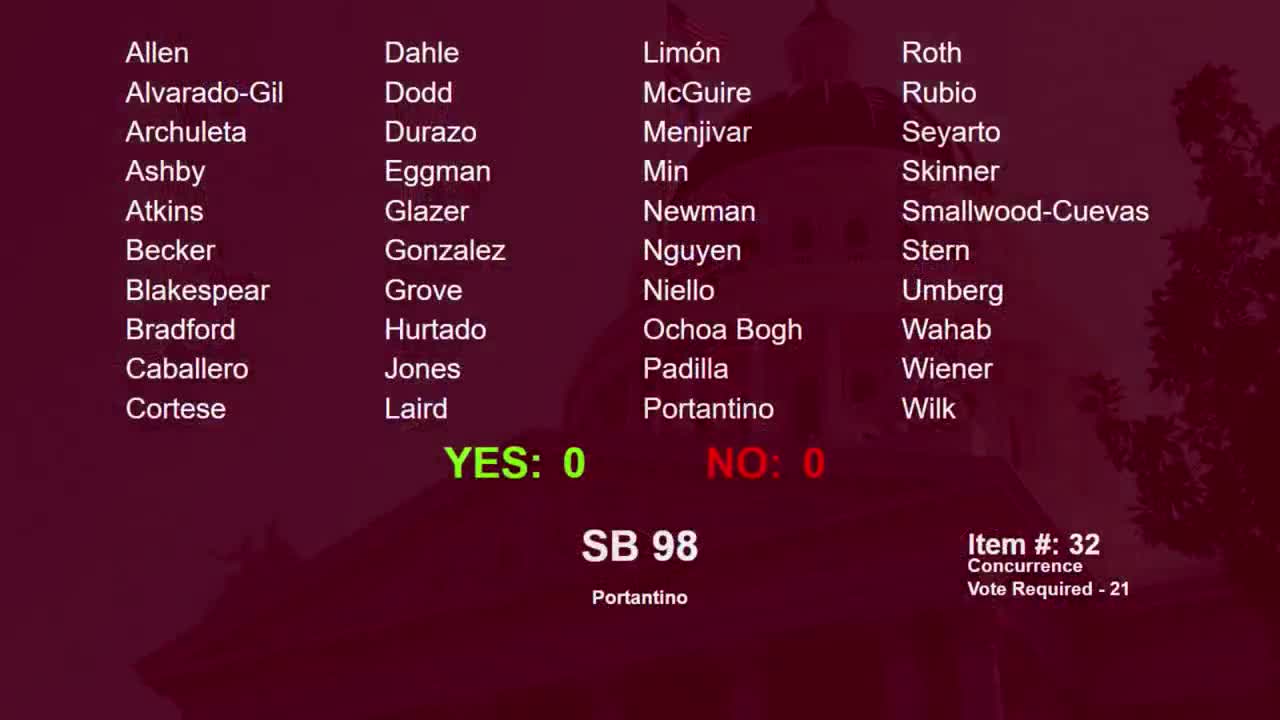 2MIN
Senate Floor
 56SEC
Assembly Floor
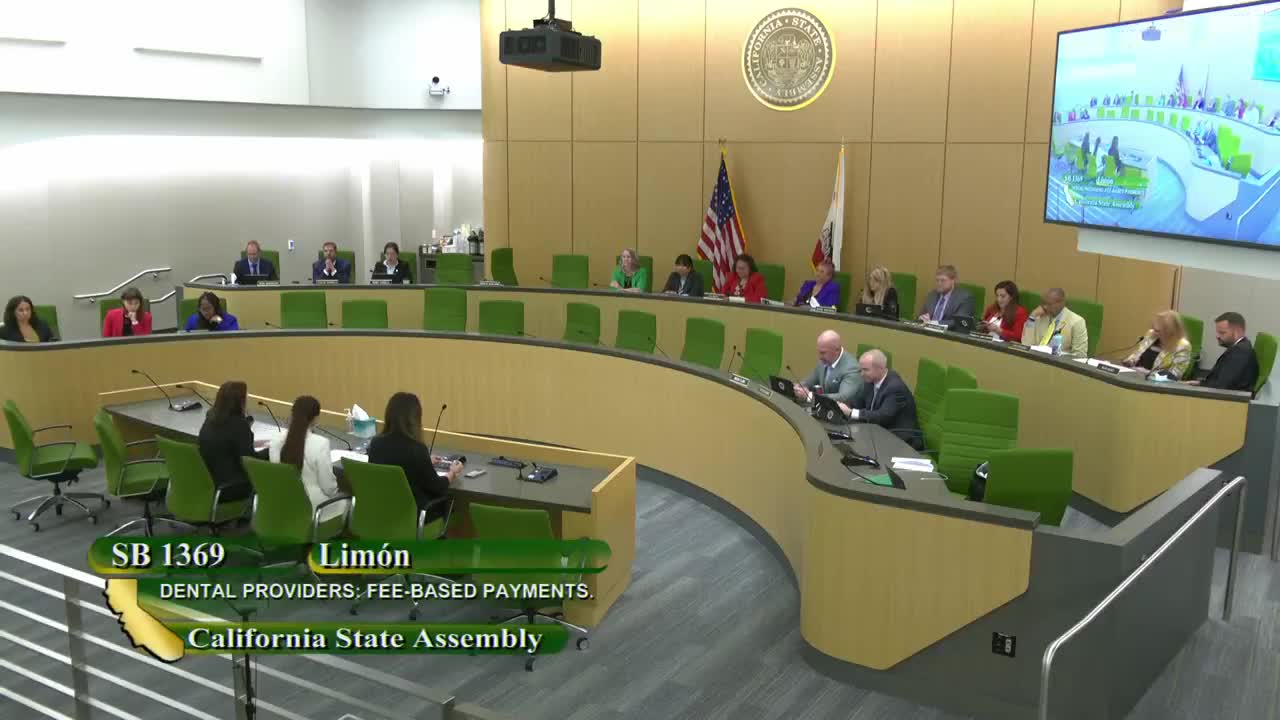 9MIN
Assembly Standing Committee on Health
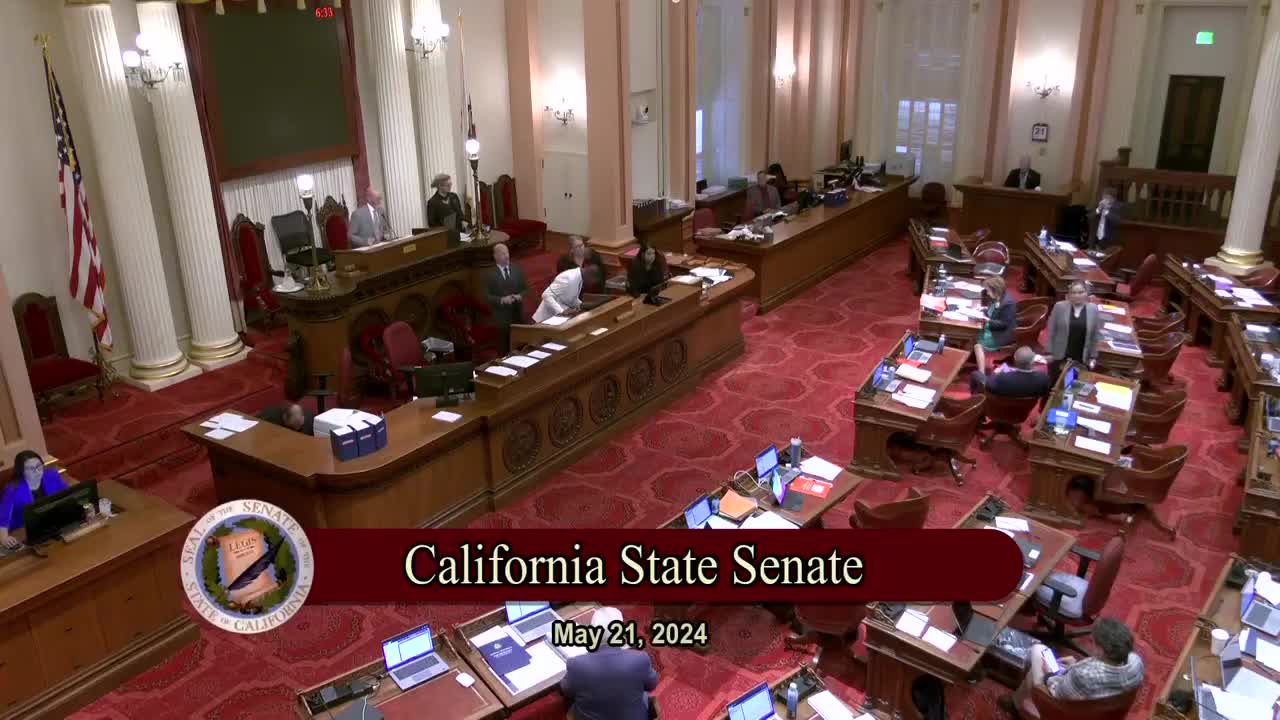 2MIN
Senate Floor
 46SEC
Senate Standing Committee on Appropriations
 10MIN
Senate Standing Committee on Health
 11MIN
Senate Standing Committee on Human Services
Bill Author