SB 1213: Health care programs: cancer.
- Session Year: 2023-2024
- House: Senate
- Latest Version Date: 2024-09-04
Current Status:
Failed
(2024-09-27: In Senate. Consideration of Governor's veto pending.)
Introduced
In Committee
First Chamber
In Committee
Second Chamber
Enacted
Existing law requires the State Department of Health Care Services to perform various health functions, including providing breast and cervical cancer screening and treatment for low-income individuals. Existing law provides that an individual is eligible to receive treatment services if, among other things, the individual has a family income at or below 200% of the federal poverty level as determined by the provider performing the screening and diagnosis.
This bill would provide that, commencing no later than July 1, 2026, an individual is eligible to receive treatment services if the individual has a family income at or below 250% of the federal poverty level as determined by the provider performing the screening and diagnosis.
Existing law requires the State Department of Health Care Services to perform various health functions, including providing breast and cervical cancer screening and treatment for low-income individuals. Existing law provides that an individual is eligible to receive treatment services if, among other things, the individual has a family income at or below 200% of the federal poverty level as determined by the provider performing the screening and diagnosis.
This bill would provide that that, commencing no later than July 1, 2026, an individual is eligible to receive treatment services if the individual has a family income at or below 300% 250% of the federal poverty level as determined by the provider performing the screening and diagnosis.
Existing law requires the State Department of Health Care Services to perform various health functions, including providing breast and cervical cancer screening and treatment for low-income individuals. Existing law provides that an individual is eligible to receive treatment services if, among other things, the individual has a family income at or below 200% of the federal poverty level as determined by the provider performing the screening and diagnosis.
This bill would provide that an individual is eligible to receive treatment services if the individual has a family income at or below 300% of the federal poverty level as determined by the provider performing the screening and diagnosis.
(a)(1)(A)A provider or an entity that participates in the grant made to the department by the federal Centers for Disease Control and Prevention breast and cervical cancer early detection program established under Title XV of the federal Public Health Service Act (42 U.S.C. Sec. 300k et seq.) in accordance with requirements of Section 1504 of that act (42 U.S.C. Sec. 300n) may only render screening services under the grant to an individual if the provider or entity determines that the individuals family income does not exceed 200 percent of the federal poverty level.
(B)Commencing no later than July 1, 2026, a provider or an entity described in subparagraph (A) may render screening services under the grant if the provider or entity determines that the individuals family income does not exceed 250 percent of the federal poverty level.
(2)Providers, or the enrolling entity, shall make available to all applicants and beneficiaries, before or concurrent with enrollment, information on the manner in which to apply for insurance affordability programs, in a manner determined by the State Department of Health Care Services. The information shall include the manner in which applications can be submitted for insurance affordability programs, information about the open enrollment periods for the California Health Benefit Exchange, and the continuous enrollment aspect of the Medi-Cal program.
(b)(1)The department shall provide for breast cancer and cervical cancer screening services under the grant at the level of funding budgeted from state and other resources during the fiscal year in which the Legislature has appropriated funds to the department for this purpose. These screening services shall not be deemed to be an entitlement.
(2)The following individuals shall be eligible for breast cancer screening and diagnostic services pursuant to this section if they meet all other eligibility requirements:
(A)An individual of any age who is symptomatic.
(B)An individual whose age is within the age range for routine breast cancer screening, as recommended by the United States Preventive Services Task Force, subject to any federal action relating to breast cancer screening that overrides those recommendations.
(3)For purposes of this section, symptomatic means an individual presenting with an abnormality or change in the look or feel of the breast, including, but not limited to, a lump, a hard knot, thickening or swelling of the breast tissue, a change in the color, size, or shape of the breast, or any discharge from the nipple.
(c)To implement the federal breast and cervical cancer early detection program specified in this section, the department may contract, to the extent permitted by Section 19130 of the Government Code, with public and private entities, or utilize existing health care service provider enrollment and payment mechanisms, including the Medi-Cal programs fiscal intermediary. However, the Medi-Cal programs fiscal intermediary shall only be utilized if services provided under the program are specifically identified and reimbursed in a manner that does not claim federal financial reimbursement. Any contracts with, and the utilization of, the Medi-Cal programs fiscal intermediary shall not be subject to Chapter 3 (commencing with Section 12100) of Part 2 of Division 2 of the Public Contract Code. Contracts to implement the federal breast and cervical cancer early detection program entered into by the department with entities other than the Medi-Cal programs fiscal intermediary shall not be subject to Part 2 (commencing with Section 10100) of Division 2 of the Public Contract Code.
(d)The department shall enter into an interagency agreement with the State Department of Health Care Services to transfer that portion of the grant made to the department by the federal Centers for Disease Control and Prevention breast and cervical cancer early detection program established under Title XV of the federal Public Health Service Act (42 U.S.C. Sec. 300k et seq.) to the State Department of Health Care Services. The department shall have no other liability to the State Department of Health Care Services under this article.
SEC. 2.Section 104162 of the Health and Safety Code is amended to read:104162.An individual shall be eligible to receive treatment services pursuant to this article provided that all of the following criteria are met:
(a)The individual is a resident of California.
(b)The individual is uninsured or underinsured.
(c)The individual, who meets the income standards described in subdivision (d), was screened for breast or cervical cancer by a provider or entity participating in the Centers for Disease Control and Prevention breast and cervical cancer early detection program established under Title XV of the Public Health Service Act (42 U.S.C. Sec. 300k et seq.) in accordance with requirements of Section 1504 of that act (42 U.S.C. Sec. 300n) and needs treatment for breast or cervical cancer.
(d)(1)As determined by the provider performing the screening and diagnosis, the individual has family income at or below 200 percent of the federal poverty level.
(2)Commencing no later than July 1, 2026, as determined by the provider described in paragraph (1), the individual has family income at or below 250 percent of the federal poverty level.
(e)The individual has filed a completed application for eligibility for treatment services under the Medi-Cal program pursuant to Section 14007.71 of the Welfare and Institutions Code, and has been found ineligible for benefits under that section.
(a)(1)(A)A provider or an entity that participates in the grant made to the department by the federal Centers for Disease Control and Prevention breast and cervical cancer early detection program established under Title XV of the federal Public Health Service Act (42 U.S.C. Sec. 300k et seq.) in accordance with requirements of Section 1504 of that act (42 U.S.C. Sec. 300n) may only render screening services under the grant to an individual if the provider or entity determines that the individuals family income does not exceed 300 200 percent of the federal poverty level.
(B)Commencing no later than July 1, 2026, a provider or an entity described in subparagraph (A) may render screening services under the grant if the provider or entity determines that the individuals family income does not exceed 250 percent of the federal poverty level.
(2)Providers, or the enrolling entity, shall make available to all applicants and beneficiaries, before or concurrent with enrollment, information on the manner in which to apply for insurance affordability programs, in a manner determined by the State Department of Health Care Services. The information shall include the manner in which applications can be submitted for insurance affordability programs, information about the open enrollment periods for the California Health Benefit Exchange, and the continuous enrollment aspect of the Medi-Cal program.
(b)(1)The department shall provide for breast cancer and cervical cancer screening services under the grant at the level of funding budgeted from state and other resources during the fiscal year in which the Legislature has appropriated funds to the department for this purpose. These screening services shall not be deemed to be an entitlement.
(2)The following individuals shall be eligible for breast cancer screening and diagnostic services pursuant to this section if they meet all other eligibility requirements:
(A)An individual of any age who is symptomatic.
(B)An individual whose age is within the age range for routine breast cancer screening, as recommended by the United States Preventive Services Task Force, subject to any federal action relating to breast cancer screening that overrides those recommendations.
(3)For purposes of this section, symptomatic means an individual presenting with an abnormality or change in the look or feel of the breast, including, but not limited to, a lump, a hard knot, thickening or swelling of the breast tissue, a change in the color, size, or shape of the breast, or any discharge from the nipple.
(c)To implement the federal breast and cervical cancer early detection program specified in this section, the department may contract, to the extent permitted by Section 19130 of the Government Code, with public and private entities, or utilize existing health care service provider enrollment and payment mechanisms, including the Medi-Cal programs fiscal intermediary. However, the Medi-Cal programs fiscal intermediary shall only be utilized if services provided under the program are specifically identified and reimbursed in a manner that does not claim federal financial reimbursement. Any contracts with, and the utilization of, the Medi-Cal programs fiscal intermediary shall not be subject to Chapter 3 (commencing with Section 12100) of Part 2 of Division 2 of the Public Contract Code. Contracts to implement the federal breast and cervical cancer early detection program entered into by the department with entities other than the Medi-Cal programs fiscal intermediary shall not be subject to Part 2 (commencing with Section 10100) of Division 2 of the Public Contract Code.
(d)The department shall enter into an interagency agreement with the State Department of Health Care Services to transfer that portion of the grant made to the department by the federal Centers for Disease Control and Prevention breast and cervical cancer early detection program established under Title XV of the federal Public Health Service Act (42 U.S.C. Sec. 300k et seq.) to the State Department of Health Care Services. The department shall have no other liability to the State Department of Health Care Services under this article.
SEC. 2.Section 104162 of the Health and Safety Code is amended to read:104162.An individual shall be eligible to receive treatment services pursuant to this article provided that all of the following criteria are met:
(a)The individual is a resident of California.
(b)The individual is uninsured or underinsured.
(c)The individual, who meets the income standards described in subdivision (d), was screened for breast or cervical cancer by a provider or entity participating in the Centers for Disease Control and Prevention breast and cervical cancer early detection program established under Title XV of the Public Health Service Act (42 U.S.C. Sec. 300k et seq.) in accordance with requirements of Section 1504 of that act (42 U.S.C. Sec. 300n) and needs treatment for breast or cervical cancer.
(d)(1)As determined by the provider performing the screening and diagnosis, the individual has family income at or below 300 200 percent of the federal poverty level.
(2)Commencing no later than July 1, 2026, as determined by the provider described in paragraph (1), the individual has family income at or below 250 percent of the federal poverty level.
(e)The individual has filed a completed application for eligibility for treatment services under the Medi-Cal program pursuant to Section 14007.71 of the Welfare and Institutions Code, and has been found ineligible for benefits under that section.
(a)(1)A provider or an entity that participates in the grant made to the department by the federal Centers for Disease Control and Prevention breast and cervical cancer early detection program established under Title XV of the federal Public Health Service Act (42 U.S.C. Sec. 300k et seq.) in accordance with requirements of Section 1504 of that act (42 U.S.C. Sec. 300n) may only render screening services under the grant to an individual if the provider or entity determines that the individuals family income does not exceed 300 percent of the federal poverty level.
(2)Providers, or the enrolling entity, shall make available to all applicants and beneficiaries, before or concurrent with enrollment, information on the manner in which to apply for insurance affordability programs, in a manner determined by the State Department of Health Care Services. The information shall include the manner in which applications can be submitted for insurance affordability programs, information about the open enrollment periods for the California Health Benefit Exchange, and the continuous enrollment aspect of the Medi-Cal program.
(b)(1)The department shall provide for breast cancer and cervical cancer screening services under the grant at the level of funding budgeted from state and other resources during the fiscal year in which the Legislature has appropriated funds to the department for this purpose. These screening services shall not be deemed to be an entitlement.
(2)The following individuals shall be eligible for breast cancer screening and diagnostic services pursuant to this section if they meet all other eligibility requirements:
(A)An individual of any age who is symptomatic.
(B)An individual whose age is within the age range for routine breast cancer screening, as recommended by the United States Preventive Services Task Force, subject to any federal action relating to breast cancer screening that overrides those recommendations.
(3)For purposes of this section, symptomatic means an individual presenting with an abnormality or change in the look or feel of the breast, including, but not limited to, a lump, a hard knot, thickening or swelling of the breast tissue, a change in the color, size, or shape of the breast, or any discharge from the nipple.
(c)To implement the federal breast and cervical cancer early detection program specified in this section, the department may contract, to the extent permitted by Section 19130 of the Government Code, with public and private entities, or utilize existing health care service provider enrollment and payment mechanisms, including the Medi-Cal programs fiscal intermediary. However, the Medi-Cal programs fiscal intermediary shall only be utilized if services provided under the program are specifically identified and reimbursed in a manner that does not claim federal financial reimbursement. Any contracts with, and the utilization of, the Medi-Cal programs fiscal intermediary shall not be subject to Chapter 3 (commencing with Section 12100) of Part 2 of Division 2 of the Public Contract Code. Contracts to implement the federal breast and cervical cancer early detection program entered into by the department with entities other than the Medi-Cal programs fiscal intermediary shall not be subject to Part 2 (commencing with Section 10100) of Division 2 of the Public Contract Code.
(d)The department shall enter into an interagency agreement with the State Department of Health Care Services to transfer that portion of the grant made to the department by the federal Centers for Disease Control and Prevention breast and cervical cancer early detection program established under Title XV of the federal Public Health Service Act (42 U.S.C. Sec. 300k et seq.) to the State Department of Health Care Services. The department shall have no other liability to the State Department of Health Care Services under this article.
SEC. 2.Section 104162 of the Health and Safety Code is amended to read:104162.An individual shall be eligible to receive treatment services pursuant to this article provided that all of the following criteria are met:
(a)The individual is a resident of California.
(b)The individual is uninsured or underinsured.
(c)The individual, who meets the income standards described in subdivision (d), was screened for breast or cervical cancer by a provider or entity participating in the Centers for Disease Control and Prevention breast and cervical cancer early detection program established under Title XV of the Public Health Service Act (42 U.S.C. Sec. 300k et seq.) in accordance with requirements of Section 1504 of that act (42 U.S.C. Sec. 300n) and needs treatment for breast or cervical cancer.
(d)As determined by the provider performing the screening and diagnosis, the individual has family income at or below 300 percent of the federal poverty level.
(e)The individual has filed a completed application for eligibility for treatment services under the Medi-Cal program pursuant to Section 14007.71 of the Welfare and Institutions Code, and has been found ineligible for benefits under that section.
(a)(1)A provider or entity that participates in the grant made to the department by the federal Centers for Disease Control and Prevention breast and cervical cancer early detection program established under Title XV of the federal Public Health Service Act (42 U.S.C. Sec. 300k et seq.) in accordance with requirements of Section 1504 of that act (42 U.S.C. Sec. 300n) may only render screening services under the grant to an individual if the provider or entity determines that the individuals family income does not exceed 300 percent of the federal poverty level.
(2)Providers, or the enrolling entity, shall make available to all applicants and beneficiaries, prior to before or concurrent with enrollment, information on the manner in which to apply for insurance affordability programs, in a manner determined by the State Department of Health Care Services. The information shall include the manner in which applications can be submitted for insurance affordability programs, information about the open enrollment periods for the California Health Benefit Exchange, and the continuous enrollment aspect of the Medi-Cal program.
(b)(1)The department shall provide for breast cancer and cervical cancer screening services under the grant at the level of funding budgeted from state and other resources during the fiscal year in which the Legislature has appropriated funds to the department for this purpose. These screening services shall not be deemed to be an entitlement.
(2)The following individuals shall be eligible for breast cancer screening and diagnostic services pursuant to this section if they meet all other eligibility requirements:
(A)An individual of any age who is symptomatic.
(B)An individual whose age is within the age range for routine breast cancer screening, as recommended by the United States Preventive Services Task Force, subject to any federal action relating to breast cancer screening that overrides those recommendations.
(3)For purposes of this section, symptomatic means an individual presenting with an abnormality or change in the look or feel of the breast, including, but not limited to, a lump, a hard knot, thickening or swelling of the breast tissue, a change in the color, size, or shape of the breast, or any discharge from the nipple.
(c)To implement the federal breast and cervical cancer early detection program specified in this section, the department may contract, to the extent permitted by Section 19130 of the Government Code, with public and private entities, or utilize existing health care service provider enrollment and payment mechanisms, including the Medi-Cal programs fiscal intermediary. However, the Medi-Cal programs fiscal intermediary shall only be utilized if services provided under the program are specifically identified and reimbursed in a manner that does not claim federal financial reimbursement. Any contracts with, and the utilization of, the Medi-Cal programs fiscal intermediary shall not be subject to Chapter 3 (commencing with Section 12100) of Part 2 of Division 2 of the Public Contract Code. Contracts to implement the federal breast and cervical cancer early detection program entered into by the department with entities other than the Medi-Cal programs fiscal intermediary shall not be subject to Part 2 (commencing with Section 10100) of Division 2 of the Public Contract Code.
(d)The department shall enter into an interagency agreement with the State Department of Health Care Services to transfer that portion of the grant made to the department by the federal Centers for Disease Control and Prevention breast and cervical cancer early detection program established under Title XV of the federal Public Health Service Act (42 U.S.C. Sec. 300k et seq.) to the State Department of Health Care Services. The department shall have no other liability to the State Department of Health Care Services under this article.
SEC. 2.Section 104162 of the Health and Safety Code is amended to read:104162.An individual shall be eligible to receive treatment services pursuant to this article provided that all of the following criteria are met:
(a)The individual is a resident of California.
(b)The individual is uninsured or underinsured.
(c)The individual, who meets the income standards described in subdivision (d), was screened for breast or cervical cancer by a provider or entity participating in the Centers for Disease Control and Prevention breast and cervical cancer early detection program established under Title XV of the Public Health Service Act (42 U.S.C. Sec. 300k et seq.) in accordance with requirements of Section 1504 of that act (42 U.S.C. Sec. 300n) and needs treatment for breast or cervical cancer.
(d)As determined by the provider performing the screening and diagnosis, the individual has family income at or below 300 percent of the federal poverty level.
(e)The individual has filed a completed application for eligibility for treatment services under the Medi-Cal program pursuant to Section 14007.71 of the Welfare and Institutions Code, and has been found ineligible for benefits under that section.
(a)(1)A provider or entity that participates in the grant made to the department by the federal Centers for Disease Control and Prevention breast and cervical cancer early detection program established under Title XV of the federal Public Health Service Act (42 U.S.C. Sec. 300k et seq.) in accordance with requirements of Section 1504 of that act (42 U.S.C. Sec. 300n) may only render screening services under the grant to an individual if the provider or entity determines that the individuals family income does not exceed 200 300 percent of the federal poverty level.
(2)Providers, or the enrolling entity, shall make available to all applicants and beneficiaries, prior to or concurrent with enrollment, information on the manner in which to apply for insurance affordability programs, in a manner determined by the State Department of Health Care Services. The information shall include the manner in which applications can be submitted for insurance affordability programs, information about the open enrollment periods for the California Health Benefit Exchange, and the continuous enrollment aspect of the Medi-Cal program.
(b)(1)The department shall provide for breast cancer and cervical cancer screening services under the grant at the level of funding budgeted from state and other resources during the fiscal year in which the Legislature has appropriated funds to the department for this purpose. These screening services shall not be deemed to be an entitlement.
(2)The following individuals shall be eligible for breast cancer screening and diagnostic services pursuant to this section if they meet all other eligibility requirements:
(A)An individual of any age who is symptomatic.
(B)An individual whose age is within the age range for routine breast cancer screening, as recommended by the United States Preventive Services Task Force, subject to any federal action relating to breast cancer screening that overrides those recommendations.
(3)For purposes of this section, symptomatic means an individual presenting with an abnormality or change in the look or feel of the breast, including, but not limited to, a lump, a hard knot, thickening or swelling of the breast tissue, a change in the color, size, or shape of the breast, or any discharge from the nipple.
(c)To implement the federal breast and cervical cancer early detection program specified in this section, the department may contract, to the extent permitted by Section 19130 of the Government Code, with public and private entities, or utilize existing health care service provider enrollment and payment mechanisms, including the Medi-Cal programs fiscal intermediary. However, the Medi-Cal programs fiscal intermediary shall only be utilized if services provided under the program are specifically identified and reimbursed in a manner that does not claim federal financial reimbursement. Any contracts with, and the utilization of, the Medi-Cal programs fiscal intermediary shall not be subject to Chapter 3 (commencing with Section 12100) of Part 2 of Division 2 of the Public Contract Code. Contracts to implement the federal breast and cervical cancer early detection program entered into by the department with entities other than the Medi-Cal programs fiscal intermediary shall not be subject to Part 2 (commencing with Section 10100) of Division 2 of the Public Contract Code.
(d)The department shall enter into an interagency agreement with the State Department of Health Care Services to transfer that portion of the grant made to the department by the federal Centers for Disease Control and Prevention breast and cervical cancer early detection program established under Title XV of the federal Public Health Service Act (42 U.S.C. Sec. 300k et seq.) to the State Department of Health Care Services. The department shall have no other liability to the State Department of Health Care Services under this article.
SEC. 2.Section 104162 of the Health and Safety Code is amended to read:104162.An individual shall be eligible to receive treatment services pursuant to this article provided that all of the following criteria are met:
(a) The individual is a resident of California.
(b) The individual is uninsured or underinsured.
(c) The individual, who meets the income standards described in subdivision (d), was screened for breast or cervical cancer by a provider or entity participating in the Centers for Disease Control and Prevention breast and cervical cancer early detection program established under Title XV of the Public Health Service Act (42 U.S.C. Sec. 300k et seq.) in accordance with requirements of Section 1504 of that act (42 U.S.C. Sec. 300n) and needs treatment for breast or cervical cancer.
(d) As determined by the provider performing the screening and diagnosis, the individual has family income at or below 200 300 percent of the federal poverty level.
(e) The individual has filed a completed application for eligibility for treatment services under the Medi-Cal program pursuant to Section 14007.71 of the Welfare and Institutions Code, and has been found ineligible for benefits under that section.
|
Date
|
Status
|
|---|---|
| Sep 27, 2024 | In Senate. Consideration of Governor's veto pending. |
| Sep 27, 2024 | Vetoed by the Governor. |
| Sep 10, 2024 | Enrolled and presented to the Governor at 4 p.m. |
| Aug 30, 2024 | Assembly amendments concurred in. (Ayes 40. Noes 0. Page 5749.) Ordered to engrossing and enrolling. |
| Aug 29, 2024 | Ordered to special consent calendar. |
| Aug 28, 2024 | In Senate. Concurrence in Assembly amendments pending. |
| Aug 28, 2024 | Read third time. Passed. (Ayes 73. Noes 0. Page 6801.) Ordered to the Senate. |
| Aug 20, 2024 | Read second time. Ordered to third reading. |
| Aug 19, 2024 | Read second time and amended. Ordered to second reading. |
| Aug 15, 2024 | From committee: Do pass as amended. (Ayes 11. Noes 0.) (August 15). |
| Aug 7, 2024 | August 7 set for first hearing. Placed on suspense file. |
| Jun 5, 2024 | From committee: Do pass and re-refer to Com. on APPR. (Ayes 14. Noes 0.) (June 4). Re-referred to Com. on APPR. |
| May 28, 2024 | Referred to Com. on HEALTH. |
| May 22, 2024 | In Assembly. Read first time. Held at Desk. |
| May 21, 2024 | Read third time. Passed. (Ayes 39. Noes 0. Page 4086.) Ordered to the Assembly. |
| May 16, 2024 | Read second time. Ordered to third reading. |
| May 16, 2024 | From committee: Do pass. (Ayes 7. Noes 0. Page 3975.) (May 16). |
| May 10, 2024 | Set for hearing May 16. |
| Apr 15, 2024 | April 15 hearing: Placed on APPR suspense file. |
| Apr 8, 2024 | From committee with author's amendments. Read second time and amended. Re-referred to Com. on APPR. |
| Apr 5, 2024 | Set for hearing April 15. |
| Apr 4, 2024 | From committee: Do pass and re-refer to Com. on APPR. (Ayes 10. Noes 0. Page 3469.) (April 3). Re-referred to Com. on APPR. |
| Mar 21, 2024 | From committee with author's amendments. Read second time and amended. Re-referred to Com. on HEALTH. |
| Mar 14, 2024 | Set for hearing April 3. |
| Feb 29, 2024 | Referred to Com. on HEALTH. |
| Feb 16, 2024 | From printer. May be acted upon on or after March 17. |
| Feb 15, 2024 | Introduced. Read first time. To Com. on RLS. for assignment. To print. |
|
Date
|
Description
|
Location
|
Votes
|
|
|---|---|---|---|---|
| Aug 30, 2024 | Special Consent SB1213 Atkins et al. | Senate Floor |
Passed |
|
| Aug 28, 2024 | SB 1213 Atkins Senate Third Reading By Weber | Assembly Floor |
Passed |
|
| Aug 15, 2024 | Do pass as amended. | Assembly Standing Committee on Appropriations |
Passed |
|
| Jun 4, 2024 | Do pass and be re-referred to the Committee on [Appropriations] | Assembly Standing Committee on Health |
Passed |
|
| May 21, 2024 | Senate 3rd Reading SB1213 Atkins et al. | Senate Floor |
Passed |
|
| May 16, 2024 | Do pass | Senate Standing Committee on Appropriations |
Passed |
|
| Apr 15, 2024 | Placed on suspense file | Senate Standing Committee on Appropriations |
Passed |
|
| Apr 3, 2024 | Do pass, but first be re-referred to the Committee on [Appropriations] | Senate Standing Committee on Health |
Passed |
This list shows positions taken on this bill by organizations on the date displayed, which is linked to the original source.
Positions by individuals are not included.
|
Organization
|
Position
|
Date
|
|---|---|---|
| Albie Aware Breast Cancer Foundation | ** Support | |
| American Cancer Society Cancer Action Network | ** Support | |
| American College Of Obstetricians And Gynecologists District Ix | ** Support | |
| California Academy Of Family Physicians | ** Support | |
| California Chronic Care Coalition | ** Support | |
| California Hospital Association | ** Support | |
| California Life Sciences | ** Support | |
| California Pan-Ethnic Health Network | ** Support | |
| CALIFORNIA PRIMARY CARE ASSOCIATION ADVOCATES | ** Support | |
| California Retired Teachers Association | ** Support | |
| California School Employees Association | ** Support | |
| California State Council of Service Employees International Union | ** Support | |
| City Of Hope National Medical Center | ** Support | |
| County Health Executives Association Of California | ** Support | |
| Health Access California | ** Support | |
| Susan G. Komen Foundation | ** Support | |
| TrueCare | ** Support | |
| Valley Breast Care | ** Support | |
| western center on law & poverty | ** Support |
SENATE RULES COMMITTEE Office of Senate Floor Analyses (916) 651-1520 Fax: (916) 327-4478 | SB 1213 |
VETO
Bill No: SB 1213
Author: Atkins (D), et al.
Enrolled: 9/4/24
Vote: 27
SENATE HEALTH COMMITTEE: 10-0, 4/3/24
AYES: Roth, Nguyen, Gonzalez, Grove, Hurtado, Limón, Menjivar, Rubio, Smallwood-Cuevas, Wiener
NO VOTE RECORDED: Glazer
SENATE APPROPRIATIONS COMMITTEE: 7-0, 5/16/24
AYES: Caballero, Jones, Ashby, Becker, Bradford, Seyarto, Wahab
SENATE FLOOR: 39-0, 5/21/24
AYES: Alvarado-Gil, Archuleta, Ashby, Atkins, Becker, Blakespear, Bradford, Caballero, Cortese, Dahle, Dodd, Durazo, Eggman, Glazer, Gonzalez, Grove, Hurtado, Jones, Laird, Limón, McGuire, Menjivar, Min, Newman, Nguyen, Niello, Ochoa Bogh, Padilla, Portantino, Roth, Rubio, Seyarto, Skinner, Smallwood-Cuevas, Stern, Umberg, Wahab, Wiener, Wilk
NO VOTE RECORDED: Allen
SENATE FLOOR: 40-0, 8/30/24
AYES: Allen, Alvarado-Gil, Archuleta, Ashby, Atkins, Becker, Blakespear, Bradford, Caballero, Cortese, Dahle, Dodd, Durazo, Eggman, Glazer, Gonzalez, Grove, Hurtado, Jones, Laird, Limón, McGuire, Menjivar, Min, Newman, Nguyen, Niello, Ochoa Bogh, Padilla, Portantino, Roth, Rubio, Seyarto, Skinner, Smallwood-Cuevas, Stern, Umberg, Wahab, Wiener, Wilk
ASSEMBLY FLOOR: 73-0, 8/28/24 - See last page for vote
SUBJECT: Health care programs: cancer
SOURCE: American Cancer Society Cancer Action Network
Susan G. Komen Foundation
DIGEST:
This bill increases the income threshold for the state’s breast and cervical cancer early detection and treatment programs from 200% to 250% of the federal poverty level (FPL).
ANALYSIS:
Existing law:
- Requires the Department of Health Care Services (DHCS) to develop and maintain the Breast and Cervical Cancer Treatment Program (BCCTP) to provide coverage for breast and cervical cancer treatment and services related to a cancer diagnosis, for individuals whose family income is at or below 200% of the federal poverty level (FPL). [HSC §104160, 104162]
- Requires a provider or entity that participates in the federal National Breast and Cervical Cancer Early Detection Program (NBCCEDP), administered in the state by DHCS as the Every Woman Counts (EWC) Program, to provide screening services to an individual only if the individual's family income has been determined not to exceed 200% of the federal poverty level (FPL). [HSC §104150]
- Requires treatment services—if an individual is made eligible for treatment due to a diagnosis of breast cancer, cervical cancer, or a reoccurrence of breast cancer or cervical cancer, whether at the original cancer site or a different cancer site—to be provided for the duration of the period of treatment, as long as the individual continues to meet all other eligibility requirements. [HSC §104161.1]
This bill increases the income threshold for the state’s EWC Program and the BCCTP, commencing no later than July 1, 2026, to 250% FPL, as determined by specified providers.
Comments
Author’s statement. According to the author, “breast cancer is the most common cancer in women in the United States, except for skin cancers, and the second leading cause of cancer death in women behind lung cancer. About one out of every 100 breast cancers diagnosed in the United States is found in a man. The American Cancer Society estimates there will be about 13,820 new cases of invasive cervical cancer diagnosed and about 4,360 women will die from cervical cancer in the United States in 2024. Although California’s incidence of breast cancer and cervical cancer are lower than the national rates, there is more we could do to expand access to life-saving services to detect and treat breast and cervical cancer early. By expanding eligibility to the EWC Program, which provides breast and cervical cancer screening, and the BCCTP, we will have the opportunity to close the gap on cancer care to the Californians who don’t have access to affordable health care options and further our work to reduce cancer deaths. Currently 33 states cover individuals with incomes up to 250% FPL and five states cover individuals with incomes up to 300% FPL or more. California is currently in the bottom 20% of coverage levels”.
Background
In 2000, Congress passed the Breast and Cervical Cancer Prevention and Treatment Act, which allowed states to offer those who are diagnosed with cancer in the NBCCEDP with screening and diagnostic services, and referrals to treatment, through Medicaid. According to DHCS’s website, the mission of the EWC program is to mitigate the devastating medical, emotional, and financial effects of breast and cervical cancer by eliminating health disparities for medically underserved, low-income individuals. The EWC report published in February 2024, which included information for Fiscal Year (FY) 2022-23, states that caseload was 65,401 individuals from July 1 through December 31, 2022. The EWC Program experienced a caseload decrease of 23.7% compared to the caseload (85,728 individuals) for the same period of the previous FY (July 1 through December 31, 2021). The EWC income threshold is currently 200% FPL for an individual ($30,120), compared to 250% FPL ($36,450) for an individual for the National Breast and Cervical Cancer Early Detection Program. The EWC report further states that regional health educators (RHEs) and community health workers (CHWs) held 319 classes and 233 one-on-one sessions, reaching 3,169 individuals. RHEs and CHWs continued to collaborate with various organizations in counties with advanced breast and cervical cancer rates to schedule virtual and in-person health education classes and conduct one-on-one sessions. During this period, EWC also completed screening navigation for 148 women and helped them resolve barriers to obtaining breast and/or cervical cancer screening and treatment services. As of December 31, 2022, there were 1,100 primary care providers enrolled in the EWC Program.
FISCAL EFFECT: Appropriation: No Fiscal Com.: Yes Local: No
SUPPORT: (Verified 9/30/24)
American Cancer Society Cancer Action Network (co-source)
Susan G. Komen Foundation (co-source)
Albie Aware Breast Cancer Foundation
American College of Obstetricians and Gynecologists District IX
California Academy of Family Physicians
California Chronic Care Coalition
California Hospital Association
California Life Sciences
California Pan-Ethnic Health Network
California Primary Care Association Advocates
California Retired Teachers Association
California School Employees Association
California State Council of Service Employees International Union
City of Hope National Medical Center
County Health Executives Association of California
Health Access California
TrueCare
Valley Breast Care
Western Center on Law & Poverty
OPPOSITION: (Verified 9/30/24)
None received
ARGUMENTS IN SUPPORT: The sponsors and other supporters of this bill state that the EWC Program is funded by both federal dollars through grants from the Centers for Disease Control and Prevention and from two state tobacco taxes and breast cancer awareness specialty license plates general funds. They argue that due to recent expansion of full-scope Medi-Cal to low-income individuals previously deemed ineligible for the program because of their immigration status, many of those previously eligible for EWC and BCCTP will now be eligible for full-scope Medi-Cal and will no longer need these programs. However, for people who are uninsured or underinsured with income above 200% FPL and not eligible for Medi-Cal, purchasing insurance may still be prohibitively expensive. Individuals without satisfactory immigration status are not eligible for subsidies to reduce premiums. Even for those who are eligible for subsidies, premiums and out-of-pocket expenses could be at least $10,000 per year. They further argue that expanding eligibility for EWC and BCCTP from 200% FPL to 250% FPL will ensure that these individuals will have access to critical cancer screening and treatment. As California moves towards universal coverage, it is critical that we take the next step in ensuring more people have access to critical cancer care.
GOVERNOR'S VETO MESSAGE:
This bill would increase the income eligibility limit from 200 to 250 percent of the Federal Poverty Level for services provided through the Every Woman Counts Program and the Breast and Cervical Cancer Treatment Program, beginning July 1, 2026. I am supportive of the intent of this bill, which is to increase eligibility for no-cost, breast and cervical cancer screenings, diagnostic services, and treatment. However, while I commend the author for her continued work to increase access to women's health core, this bill would require ongoing expenditures of millions of dollars from the General Fund that should be considered in the annual budget process. In partnership with the Legislature this year, my Administration has enacted a balanced budget that avoids deep program cuts to vital services and protected investments in education, health care, climate, public safety, housing, and social service programs that millions of Californians rely on. It is important to remain disciplined when considering bills with significant fiscal implications that are not included in the budget, such as this measure.
ASSEMBLY FLOOR: 73-0, 8/28/24
AYES: Addis, Aguiar-Curry, Alanis, Alvarez, Arambula, Bains, Bauer-Kahan, Bennett, Berman, Boerner, Bonta, Bryan, Calderon, Juan Carrillo, Wendy Carrillo, Chen, Connolly, Megan Dahle, Davies, Flora, Mike Fong, Friedman, Gabriel, Gallagher, Garcia, Gipson, Grayson, Haney, Hart, Holden, Hoover, Irwin, Jackson, Jones-Sawyer, Kalra, Lee, Low, Lowenthal, Maienschein, Mathis, McCarty, McKinnor, Muratsuchi, Stephanie Nguyen, Pacheco, Papan, Jim Patterson, Joe Patterson, Pellerin, Petrie-Norris, Quirk-Silva, Ramos, Rendon, Reyes, Luz Rivas, Rodriguez, Blanca Rubio, Sanchez, Santiago, Schiavo, Soria, Ting, Valencia, Villapudua, Waldron, Wallis, Ward, Weber, Wicks, Wilson, Wood, Zbur, Robert Rivas
NO VOTE RECORDED: Cervantes, Dixon, Essayli, Lackey, Ortega, Ta
Prepared by: Reyes Diaz / HEALTH / (916) 651-4111
10/16/24 14:16:30
**** END ****
SENATE RULES COMMITTEE Office of Senate Floor Analyses (916) 651-1520 Fax: (916) 327-4478 | SB 1213 |
UNFINISHED BUSINESS
Bill No: SB 1213
Author: Atkins (D), et al.
Amended: 8/19/24
Vote: 21
SENATE HEALTH COMMITTEE: 10-0, 4/3/24
AYES: Roth, Nguyen, Gonzalez, Grove, Hurtado, Limón, Menjivar, Rubio, Smallwood-Cuevas, Wiener
NO VOTE RECORDED: Glazer
SENATE APPROPRIATIONS COMMITTEE: 7-0, 5/16/24
AYES: Caballero, Jones, Ashby, Becker, Bradford, Seyarto, Wahab
SENATE FLOOR: 39-0, 5/21/24
AYES: Alvarado-Gil, Archuleta, Ashby, Atkins, Becker, Blakespear, Bradford, Caballero, Cortese, Dahle, Dodd, Durazo, Eggman, Glazer, Gonzalez, Grove, Hurtado, Jones, Laird, Limón, McGuire, Menjivar, Min, Newman, Nguyen, Niello, Ochoa Bogh, Padilla, Portantino, Roth, Rubio, Seyarto, Skinner, Smallwood-Cuevas, Stern, Umberg, Wahab, Wiener, Wilk
NO VOTE RECORDED: Allen
ASSEMBLY FLOOR: 73-0, 8/28/24 - See last page for vote
SUBJECT: Health care programs: cancer
SOURCE: American Cancer Society Cancer Action Network
Susan G. Komen Foundation
DIGEST:
This bill increases the income threshold for the state’s breast and cervical cancer early detection and treatment programs from 200% to 250% of the federal poverty level (FPL).
Assembly Amendments
change the income threshold for these programs to 250% FPL, rather than 300% FPL as originally proposed. These amendments also make the provisions of this bill effective commencing no later than July 1, 2026.
ANALYSIS:
Existing law:
- Requires the Department of Health Care Services (DHCS) to develop and maintain the Breast and Cervical Cancer Treatment Program (BCCTP) to provide coverage for breast and cervical cancer treatment and services related to a cancer diagnosis, for individuals whose family income is at or below 200% of the federal poverty level (FPL). [HSC §104160, 104162]
- Requires a provider or entity that participates in the federal National Breast and Cervical Cancer Early Detection Program (NBCCEDP), administered in the state by DHCS as the Every Woman Counts (EWC) Program, to provide screening services to an individual only if the individual's family income has been determined not to exceed 200% of the federal poverty level (FPL). [HSC §104150]
- Requires treatment services—if an individual is made eligible for treatment due to a diagnosis of breast cancer, cervical cancer, or a reoccurrence of breast cancer or cervical cancer, whether at the original cancer site or a different cancer site—to be provided for the duration of the period of treatment, as long as the individual continues to meet all other eligibility requirements. [HSC §104161.1]
This bill increases the income threshold for the state’s EWC Program and the BCCTP, commencing no later than July 1, 2026, to 250 % FPL, as determined by specified providers.
Comments
Author’s statement. According to the author, “breast cancer is the most common cancer in women in the United States, except for skin cancers, and the second leading cause of cancer death in women behind lung cancer. About one out of every 100 breast cancers diagnosed in the United States is found in a man. The American Cancer Society estimates there will be about 13,820 new cases of invasive cervical cancer diagnosed and about 4,360 women will die from cervical cancer in the United States in 2024. Although California’s incidence of breast cancer and cervical cancer are lower than the national rates, there is more we could do to expand access to life-saving services to detect and treat breast and cervical cancer early. By expanding eligibility to the EWC Program, which provides breast and cervical cancer screening, and the BCCTP, we will have the opportunity to close the gap on cancer care to the Californians who don’t have access to affordable health care options and further our work to reduce cancer deaths. Currently 33 states cover individuals with incomes up to 250% FPL and five states cover individuals with incomes up to 300% FPL or more. California is currently in the bottom 20% of coverage levels”.
Background
In 2000, Congress passed the Breast and Cervical Cancer Prevention and Treatment Act, which allowed states to offer those who are diagnosed with cancer in the NBCCEDP with screening and diagnostic services, and referrals to treatment, through Medicaid. According to DHCS’s website, the mission of the EWC program is to mitigate the devastating medical, emotional, and financial effects of breast and cervical cancer by eliminating health disparities for medically underserved, low-income individuals. The EWC report published in February 2024, which included information for Fiscal Year (FY) 2022-23, states that caseload was 65,401 individuals from July 1 through December 31, 2022. The EWC Program experienced a caseload decrease of 23.7% compared to the caseload (85,728 individuals) for the same period of the previous FY (July 1 through December 31, 2021). The EWC income threshold is currently 200% FPL for an individual ($30,120), compared to 250% FPL ($36,450) for an individual for the National Breast and Cervical Cancer Early Detection Program. The EWC report further states that regional health educators (RHEs) and community health workers (CHWs) held 319 classes and 233 one-on-one sessions, reaching 3,169 individuals. RHEs and CHWs continued to collaborate with various organizations in counties with advanced breast and cervical cancer rates to schedule virtual and in-person health education classes and conduct one-on-one sessions. During this period, EWC also completed screening navigation for 148 women and helped them resolve barriers to obtaining breast and/or cervical cancer screening and treatment services. As of December 31, 2022, there were 1,100 primary care providers enrolled in the EWC Program.
FISCAL EFFECT: Appropriation: No Fiscal Com.: Yes Local: No
According to the Assembly Appropriations Committee, General Fund (GF) costs of an unknown amount, potentially low to mid millions of dollars in the first year of implementation, and mid millions to over ten million dollars in the second year and ongoing, for the EWC Program. If DHCS receives federal approval to draw down federal matching funds to pay for treatment of individuals between 200% and 250% FPL, DHCS estimates costs of $32.2 million to $64.5 million ($15.9 million to $31.9 million GF, $16.3 million to $32.6 million federal funds (FF)) in the first year, and $80.1 million to $160.3 million ($39.6 million to $79.2 million GF and $40.5 million to $81.0 million FF) in the second year and ongoing.
SUPPORT: (Verified 8/19/24)
American Cancer Society Cancer Action Network (co-source)
Susan G. Komen Foundation (co-source)
Albie Aware Breast Cancer Foundation
American College of Obstetricians and Gynecologists District IX
California Academy of Family Physicians
California Chronic Care Coalition
California Hospital Association
California Life Sciences
California Pan-Ethnic Health Network
California Primary Care Association Advocates
California Retired Teachers Association
California School Employees Association
California State Council of Service Employees International Union
City of Hope National Medical Center
County Health Executives Association of California
Health Access California
TrueCare
Valley Breast Care
Western Center on Law & Poverty
OPPOSITION: (Verified 8/19/24)
None received
ARGUMENTS IN SUPPORT: The sponsors and other supporters of this bill state that the EWC Program is funded by both federal dollars through grants from the Centers for Disease Control and Prevention and from two state tobacco taxes and breast cancer awareness specialty license plates general funds. They argue that due to recent expansion of full-scope Medi-Cal to low-income individuals previously deemed ineligible for the program because of their immigration status, many of those previously eligible for EWC and BCCTP will now be eligible for full-scope Medi-Cal and will no longer need these programs. However, for people who are uninsured or underinsured with income above 200% FPL and not eligible for Medi-Cal, purchasing insurance may still be prohibitively expensive. Individuals without satisfactory immigration status are not eligible for subsidies to reduce premiums. Even for those who are eligible for subsidies, premiums and out-of-pocket expenses could be at least $10,000 per year. They further argue that expanding eligibility for EWC and BCCTP from 200% FPL to 250% FPL will ensure that these individuals will have access to critical cancer screening and treatment. As California moves towards universal coverage, it is critical that we take the next step in ensuring more people have access to critical cancer care.
ASSEMBLY FLOOR: 73-0, 8/28/24
AYES: Addis, Aguiar-Curry, Alanis, Alvarez, Arambula, Bains, Bauer-Kahan, Bennett, Berman, Boerner, Bonta, Bryan, Calderon, Juan Carrillo, Wendy Carrillo, Chen, Connolly, Megan Dahle, Davies, Flora, Mike Fong, Friedman, Gabriel, Gallagher, Garcia, Gipson, Grayson, Haney, Hart, Holden, Hoover, Irwin, Jackson, Jones-Sawyer, Kalra, Lee, Low, Lowenthal, Maienschein, Mathis, McCarty, McKinnor, Muratsuchi, Stephanie Nguyen, Pacheco, Papan, Jim Patterson, Joe Patterson, Pellerin, Petrie-Norris, Quirk-Silva, Ramos, Rendon, Reyes, Luz Rivas, Rodriguez, Blanca Rubio, Sanchez, Santiago, Schiavo, Soria, Ting, Valencia, Villapudua, Waldron, Wallis, Ward, Weber, Wicks, Wilson, Wood, Zbur, Robert Rivas
NO VOTE RECORDED: Cervantes, Dixon, Essayli, Lackey, Ortega, Ta
Click here to enter text.
Prepared by: Reyes Diaz / HEALTH / (916) 651-4111
8/28/24 22:58:56
**** END ****
SENATE THIRD READING
STR Bill Id:SB 1213
Author:(Atkins)
As Amended Ver:August 19, 2024
Majority vote
SUMMARY
Commencing no later than July 1, 2026, increases the income threshold for the state’s breast and cervical cancer early detection and treatment programs from 200% to 250% of the federal poverty level (FPL).
Major Provisions
COMMENTS
Every Woman Counts (EWC). The Department of Health Care Services (DHCS) administers the National Breast and Cervical Cancer Early Detection Program as the EWC program in California. EWC provides breast and cervical cancer screening services to individuals who meet other program eligibility requirements, including a person of any age whose income does not exceed 200% FPL ($30,120 for an individual) and who is symptomatic, as defined, or whose age is within the age range for routine breast cancer screening, as recommended by the U.S. Preventive Services Task Force, subject to any federal action relating to breast cancer screening that overrides those recommendations.
DHCS states the EWC program is funded by the federal Centers for Disease Control and Prevention (CDC); the Breast Cancer Fund, derived from a two-cent tobacco tax imposed by 1993 state legislation; Proposition 99, a 1988 ballot measure that imposed a twenty-five-cent surtax on tobacco taxes; and the General Fund. The CDC funding is capped until the next grant cycle in federal fiscal year 2027. DHCS states funds from the Breast Cancer Fund have been slowly declining over the years. Proposition 99 funding supports a variety of other programs and has remained relatively stable as a source for the EWC program in recent years.
The Breast and Cervical Cancer Treatment Program (BCCTP). The federal BCCTP provides full-scope, no-cost Medi-Cal to individuals diagnosed with breast or cervical cancer, or both, who need cancer treatment and meet federal BCCTP requirements. AB 430 (Cardenas), Chapter 171, Statutes of 2001, established a state-funded BCCTP program that provides limited-scope Medi-Cal for individuals who need breast or cervical cancer treatment and meet state BCCTP requirements. The state BCCTP expands access for individuals who do not meet all of the federal BCCTP requirements.
This bill increases the income eligibility threshold for the state's breast and cervical cancer early detection and treatment programs, from 200% FPL to 250% FPL.
According to the Author
Breast cancer is the most common cancer in women in the United States, except for skin cancers, and the second leading cause of cancer death in women behind lung cancer. The author states that about one out of every 100 breast cancers diagnosed in the United States is found in a man. The author continues that the American Cancer Society estimates there will be about 13,820 new cases of invasive cervical cancer diagnosed and about 4,360 women will die from cervical cancer in the United States in 2024. The author states that although California's incidence of breast cancer and cervical cancer are lower than the national rates, there is more we could do to expand access to life-saving services to detect and treat breast and cervical cancer early. The author notes that currently 33 states cover individuals with incomes up to 250% FPL and five states cover individuals with incomes up to 300% FPL or more, while California is currently in the bottom 20% of coverage levels. The author concludes that by expanding eligibility to the EWC Program, which provides breast and cervical cancer screening, and the BCCTP, we will have the opportunity to close the gap on cancer care to the Californians who don't have access to affordable health care options and further our work to reduce cancer deaths.
Arguments in Support
According to the American Cancer Society Cancer Action Network (ACSCAN), the EWC Program is funded by both federal dollars through grants from the Centers for Disease Control and Prevention and from two state tobacco taxes and breast cancer awareness specialty license plates general funds. ACSCAN notes that due to recent expansion of full-scope Medi-Cal to low-income individuals previously deemed ineligible for the program because of their immigration status, many of those previously eligible for EWC and BCCTP will now be eligible for full-scope Medi-Cal and will no longer need these programs. ACSCAN contends that for people who are uninsured or underinsured with income above 200% FPL and not eligible for Medi-Cal, purchasing insurance may still be prohibitively expensive. Individuals without satisfactory immigration status are not eligible for subsidies to reduce premiums. Even for those who are eligible for subsidies, premiums and out-of-pocket expenses could be at least $10,000 per year. ACSCAN further argues that expanding eligibility for EWC and BCCTP from 200% FPL to 300% FPL will ensure that these individuals will have access to critical cancer screening and treatment.
According to Susan G. Komen (SGK), raising the income eligibility level from 200 to 300% FPL would extend these critical services to Californians making up to $45,180. SGK notes 33 states across the U.S. already provide coverage up to 250% FPL and five states currently provide coverage up to 300%. SGK concludes that with costs of living continuing to rise in California and across the country, now is a crucial time to expand access to these life saving programs, especially for geographically isolated populations.
Arguments in Opposition
The Department of Finance is opposed to this bill because it results in significant ongoing General Fund costs not included in the state's spending plan. Efforts to expand the scope of Medi-Cal benefits should be considered as part of the annual budget process. Existing law requires DHCS to provide breast and cervical cancer screening and treatment for low-income individuals who have a family income at or below 200% of the federal poverty level. The most recent Medi-Cal Local Assistance Estimate prepared by DHCS indicates BCCTP expenditures in fiscal year 2024-25 to be $27,366,000 ($10,590,000 General Fund) to support cancer treatment. Enhanced Title XIX Medicaid funds may be claimed under the federal Medicaid Breast and Cervical Cancer Treatment Act of 2000 (P.L. 106-354). The federal National Breast and Cervical Cancer Early Detection Program, administered in California by the Department as the EWC Program, provides free breast and cervical cancer screening, diagnostic services, case management, and other clinical services for uninsured and underserved Californians who do not qualify for Medi-Cal with income at or below 200% of the federal poverty level. Currently, the EWC program is funded with a combination of Cigarette and Tobacco Products Surtax Unallocated Fund, Breast Cancer Fund, Centers for Disease Control and Prevention National Breast and Cervical Cancer Early Detection Program Grant, and General Fund. DHCS estimates that EWC expenditures in fiscal year 2024-25 to be $29,559,000 ($4,647,000 General Fund).
FISCAL COMMENTS
According to the Assembly Appropriations Committee, General Fund (GF) costs of an unknown amount, potentially low to mid millions of dollars in the first year of implementation, and mid millions to over ten million dollars in the second year and ongoing, for the Every Woman Counts program. If DHCS receives federal approval to draw down federal matching funds to pay for treatment of individuals between 200% FPL and 250% FPL, DHCS estimates costs of $32.2 million to $64.5 million ($15.9 million to $31.9 million GF, $16.3 million to $32.6 million federal funds (FF)) in the first year, and $80.1 million to $160.3 million ($39.6 million to $79.2 million GF and $40.5 million to $81.0 million FF) in the second year and ongoing.
VOTES
SENATE FLOOR: 39-0-1
YES: Alvarado-Gil, Archuleta, Ashby, Atkins, Becker, Blakespear, Bradford, Caballero, Cortese, Dahle, Dodd, Durazo, Eggman, Glazer, Gonzalez, Grove, Hurtado, Jones, Laird, Limón, McGuire, Menjivar, Min, Newman, Nguyen, Niello, Ochoa Bogh, Padilla, Portantino, Roth, Rubio, Seyarto, Skinner, Smallwood-Cuevas, Stern, Umberg, Wahab, Wiener, Wilk
ABS, ABST OR NV: Allen
ASM HEALTH: 14-0-2
YES: Bonta, Aguiar-Curry, Arambula, Wendy Carrillo, Haney, Jones-Sawyer, Maienschein, McCarty, Joe Patterson, Rodriguez, Sanchez, Santiago, Schiavo, Weber
ABS, ABST OR NV: Waldron, Flora
ASM APPROPRIATIONS: 11-0-4
YES: Wicks, Arambula, Bryan, Calderon, Wendy Carrillo, Mike Fong, Grayson, Haney, Hart, Pellerin, Villapudua
ABS, ABST OR NV: Sanchez, Dixon, Jim Patterson, Ta
UPDATED
VERSION: August 19, 2024
CONSULTANT: Eliza Brooks / HEALTH / (916) 319-2097 FN: 0004127
Date of Hearing: August 7, 2024
ASSEMBLY COMMITTEE ON APPROPRIATIONS
Buffy Wicks, Chair
SBPCA Bill Id:SB 1213
Author:(Atkins) – As Amended Ver:April 8, 2024
Policy Committee: | Health | Vote: | 14 - 0 |
|
| ||
|
|
Urgency: No State Mandated Local Program: No Reimbursable: No
SUMMARY:
This bill increases the income eligibility threshold for the state’s breast and cervical cancer early detection and treatment programs, from 200% of the federal poverty level (FPL), to 300% FPL.
FISCAL EFFECT:
- Every Woman Counts (EWC) Breast and Cervical Cancer Early Detection Program. In the first two years of implementation, the Department of Health Care Services (DHCS) estimates costs in the range of $17.7 million to $43.4 million, including one-time, estimated program implementation costs of up to $500,000, depending on the details and scale of implementation, for local assistance efforts (General Fund (GF)). DHCS estimates annual, ongoing costs after the second year of $12.2 million to $30.6 million, for cancer screening.
- Breast and Cervical Cancer and Treatment Program (BCCTP). DHCS estimates this bill could more than double the number of women the BCCTP serves at a time. Assuming a January 1, 2025 implementation, DHCS estimates costs as follows:
- Year 1: $96.7 million to $161.3 million total funds ($80.4 million to $128.6 million (GF), $16.3 million to $32.6 million (federal funds))
- Year 2 and ongoing: $240.4 million to $400.7 million total funds ($199.9 million to $319.6 million GF, $40.5 million to $81.0 million (federal funds)).
DHCS anticipates state operations or system change costs needed to implement these program changes will be absorbable.
According to the Legislative Analyst’s Office, the General Fund faces a structural deficit in the tens of billions of dollars over the next several fiscal years.
COMMENTS:
- Purpose. This bill is sponsored by the American Cancer Society Cancer Action Network (ACSCAN) and Susan G. Komen Foundation. According to the author:
By expanding eligibility to the Every Woman Counts (EWC) program, which provides breast and cervical cancer screening, and the Breast and Cervical Cancer Treatment Program (BCCTP) we will have the opportunity to close the gap on cancer care to the Californians who don’t have access to affordable healthcare options and further our work to reduce cancer deaths. Currently 33 states cover individuals with incomes up to 250% Federal Poverty Line (FPL) and 5 states cover individuals with incomes up to 300% FPL or more. California is currently in the bottom 20% of coverage levels.
- Background.
EWC. DHCS administers the National Breast and Cervical Cancer Early Detection Program as the EWC program in California. EWC provides breast and cervical cancer screening services to individuals who meet other program eligibility requirements, including a person of any age whose income does not exceed 200% FPL ($30,120 for an individual) and who is symptomatic, as defined, or whose age is within the age range for routine breast cancer screening, as recommended by the U.S. Preventive Services Task Force, subject to any federal action relating to breast cancer screening that overrides those recommendations.
DHCS states the EWC program is funded by the federal Centers for Disease Control and Prevention (CDC); the Breast Cancer Fund, derived from a two-cent tobacco tax imposed by 1993 state legislation; Proposition 99, a 1988 ballot measure that imposed a twenty-five-cent surtax on tobacco taxes; and the General Fund. The CDC funding is capped until the next grant cycle in federal FY 2027. DHCS states funds from the Breast Cancer Fund have been slowly declining over the years. Proposition 99 funding supports a variety of other programs and has remained relatively stable as a source for the EWC program in recent years.
BCCTP. The federal BCCTP provides full-scope, no-cost Medi-Cal to individuals diagnosed with breast or cervical cancer, or both, who need cancer treatment and meet federal BCCTP requirements. AB 430 (Cardenas), Chapter 171, Statutes of 2001, established a state-funded BCCTP program that provides limited-scope Medi-Cal for individuals who need breast or cervical cancer treatment and meet state BCCTP requirements. The state BCCTP expands access for individuals who do not meet all of the federal BCCTP requirements.
To implement this bill, DHCS could seek federal approval to draw down federal matching funds to treat women up to 250% FPL, per federal law. For women between 250% FPL and 300% FPL, all additional costs would be to the General Fund. BCCTP estimates this bill will result in an additional 2,183 to 2,683 individuals who would receive cancer treatment.
- Related Legislation. SB 1172 (Grove), Chapter 130, Statutes of 2024, extends, to January 1, 2032, the ability for individuals to donate through their personal income tax return to the California Breast Cancer Research Voluntary Tax Contribution Fund and the California Cancer Research Voluntary Tax Contribution Fund, as specified.
Analysis Prepared by: Allegra Kim / APPR. / (916) 319-2081
Date of Hearing: June 4, 2024
ASSEMBLY COMMITTEE ON HEALTH
Mia Bonta, Chair
SBPCA Bill Id:SB 1213
Author:(Atkins) – As Amended Ver:April 8, 2024
SENATE VOTE: 39-0
SUBJECT: Health care programs: cancer.
SUMMARY: Increases the income threshold for the state’s breast and cervical cancer early detection and treatment programs from 200% to 300% of the federal poverty level FPL).
EXISTING LAW:
- Requires the Department of Health Care Services (DHCS) to develop and maintain the Breast and Cervical Cancer Treatment Program (BCCTP) to provide coverage for breast and cervical cancer treatment and services related to a cancer diagnosis, for individuals whose family income is at or below 200% FPL. [Health and Safety Code (HSC) §104160, 104162]
- Requires a provider or entity that participates in the federal National Breast and Cervical Cancer Early Detection Program (NBCCEDP), administered in the state by DHCS as the Every Woman Counts (EWC) Program, to provide screening services to an individual only if the individual's family income has been determined not to exceed 200% of the federal poverty level (FPL). [HSC §104150]
- Requires treatment services—if an individual is made eligible for treatment due to a diagnosis of breast cancer, cervical cancer, or a reoccurrence of breast cancer or cervical cancer, whether at the original cancer site or a different cancer site—to be provided for the duration of the period of treatment, as long as the individual continues to meet all other eligibility requirements. [HSC §104161.1]
FISCAL EFFECT: According to the Senate Appropriations Committee, unknown, ongoing costs (General Fund) to provide breast and cervical cancer screening and treatment services to individuals between 200% and 300% of FPL.
COMMENTS:
- PURPOSE OF THIS BILL. According to the author, breast cancer is the most common cancer in women in the United States, except for skin cancers, and the second leading cause of cancer death in women behind lung cancer. The author states that about one out of every 100 breast cancers diagnosed in the United States is found in a man. The author continues that the American Cancer Society estimates there will be about 13,820 new cases of invasive cervical cancer diagnosed and about 4,360 women will die from cervical cancer in the United States in 2024. The author states that although California’s incidence of breast cancer and cervical cancer are lower than the national rates, there is more we could do to expand access to life-saving services to detect and treat breast and cervical cancer early. The author notes that currently 33 states cover individuals with incomes up to 250% FPL and five states cover individuals with incomes up to 300% FPL or more, while California is currently in the bottom 20% of coverage levels. The author concludes that by expanding eligibility to the EWC Program, which provides breast and cervical cancer screening, and the BCCTP, we will have the opportunity to close the gap on cancer care to the Californians who don’t have access to affordable health care options and further our work to reduce cancer deaths.
- BACKGROUND. In 2000, Congress passed the Breast and Cervical Cancer Prevention and Treatment Act, which allowed states to offer those who are diagnosed with cancer in the NBCCEDP with screening and diagnostic services, and referrals to treatment, through Medicaid. NBCCEDP is administered by DHCS as the EWC Program. According to DHCS’s website, the mission of the EWC Program is to mitigate the devastating medical, emotional, and financial effects of breast and cervical cancer by eliminating health disparities for medically underserved, low-income individuals.
The EWC report published in February 2024, which included information for Fiscal Year (FY) 2022-23, states that caseload was 65,401 individuals from July 1 through December 31, 2022. The EWC Program experienced a caseload decrease of 23.7% compared to the caseload (85,728 individuals) for the same period of the previous FY (July 1 through December 31, 2021). The EWC income threshold is currently 200% FPL for an individual ($30,120), compared to 250% FPL ($36,450) for an individual for the NBCCEDP.
The EWC report further states that regional health educators (RHEs) and community health workers (CHWs) held 319 classes and 233 one-on-one sessions, reaching 3,169 individuals. RHEs and CHWs continued to collaborate with various organizations in counties with advanced breast and cervical cancer rates to schedule virtual and in-person health education classes and conduct one-on-one sessions. During this period, EWC also completed screening navigation for 148 women and helped them resolve barriers to obtaining breast and/or cervical cancer screening and treatment services. As of December 31, 2022, there were 1,100 primary care providers enrolled in the EWC Program.
The federal BCCTP provides full-scope, no-cost Medi-Cal to individuals diagnosed with and found to be in need of breast and/or cervical cancer treatment and meet all Federal BCCTP requirements.
AB 430 (Cardenas), Chapter 171, Statutes of 2001, established a state funded BCCTP program that provides limited-scope Medi-Cal for individuals diagnosed with and found to be in need of breast and/or cervical cancer treatment and meet all State BCCTP requirements. The state BCCTP expands access for individuals who do not meet all of the federal BCCTP requirements.
DHCS has statutory authority to manage both Federal and State Medicaid options to cover eligible low-income individuals screened and found to be in need of breast and/or cervical cancer treatment by EWC’s Cancer Detection Program and Family Planning, Access, Care and Treatment program. BCCTP requires beneficiaries to be California residents and that their gross family income not exceed 200% FPL for their family size (based on Non-Modified Adjusted Gross Income rules).
- SUPPORT. According to the American Cancer Society Cancer Action Network (ACSCAN), the EWC Program is funded by both federal dollars through grants from the Centers for Disease Control and Prevention and from two state tobacco taxes and breast cancer awareness specialty license plates general funds. ACSCAN notes that due to recent expansion of full-scope Medi-Cal to low-income individuals previously deemed ineligible for the program because of their immigration status, many of those previously eligible for EWC and BCCTP will now be eligible for full-scope Medi-Cal and will no longer need these programs. ACSCAN contends that for people who are uninsured or underinsured with income above 200% FPL and not eligible for Medi-Cal, purchasing insurance may still be prohibitively expensive. Individuals without satisfactory immigration status are not eligible for subsidies to reduce premiums. Even for those who are eligible for subsidies, premiums and out-of-pocket expenses could be at least $10,000 per year. ACSCAN further argues that expanding eligibility for EWC and BCCTP from 200% FPL to 300% FPL will ensure that these individuals will have access to critical cancer screening and treatment.
According to Susan G. Komen (SGK), raising the income eligibility level from 200 to 300% FPL would extend these critical services to Californians making up to $45,180. SGK notes 33 states across the U.S. already provide coverage up to 250% FPL and five states currently provide coverage up to 300%. SGK concludes that with costs of living continuing to rise in California and across the country, now is a crucial time to expand access to these life saving programs, especially for geographically isolated populations.
- RELATED LEGISLATION. SB 1172 (Grove) extends, to January 1, 2032, the ability for individuals to donate through their personal income tax return to the California Breast Cancer Research Voluntary Tax Contribution Fund and the California Cancer Research Voluntary Tax Contribution Fund, as specified. SB 1172 is pending in the Assembly Revenue and Taxation Committee.
- PREVIOUS LEGISLATION.
- SB 945 (Atkins) of 2018 would have deleted time limits for breast and cervical cancer treatment under the BCCTP, and instead require services to continue for the duration of the period of treatment, as long as the individual continued to meet all other eligibility requirements. SB 945 was not heard in the Assembly Health Committee.
- AB 1795 (Atkins), Chapter 608, Statutes of 2016, requires individuals of any age who are symptomatic, as specified, to be eligible for breast cancer screening and diagnostic services through the EWC Program if they meet specified eligibility requirements. AB 1795 also clarifies that an individual who is diagnosed with a reoccurrence of cancer, as specified, is required to be eligible for an additional period of treatment, as long as the individual meets all other applicable eligibility requirements, and the respective treatment duration limits apply.
- AB 430 (Cardenas), Chapter 171, Statues of 2001, as the health budget trailer bill, implemented the EWC Program, among other things.
- SB 945 (Atkins) of 2018 would have deleted time limits for breast and cervical cancer treatment under the BCCTP, and instead require services to continue for the duration of the period of treatment, as long as the individual continued to meet all other eligibility requirements. SB 945 was not heard in the Assembly Health Committee.
REGISTERED SUPPORT / OPPOSITION:
Support
American Cancer Society Cancer Action Network, Inc. (cosponsor)
Susan G. Komen (cosponsor)
Albie Aware Breast Cancer Foundation
American College of Obstetricians and Gynecologists District Ix
California Chronic Care Coalition
California Hospital Association
California Life Sciences
California Pan - Ethnic Health Network
California Retired Teachers Association
California School Employees Association
California State Council of Service Employees International Union (seiu California)
City of Hope National Medical Center
County Health Executives Association of California (CHEAC)
CPCA Advocates, Subsidiary of The California Primary Care Association
Health Access California
Truecare
Valley Breast Care
Western Center on Law & Poverty, Inc.
Opposition
None on file.
Analysis Prepared by: Eliza Brooks / HEALTH / (916) 319-2097
SENATE RULES COMMITTEE Office of Senate Floor Analyses (916) 651-1520 Fax: (916) 327-4478 | SB 1213 |
THIRD READING
Bill No: SB 1213
Author: Atkins (D), et al.
Amended: 4/8/24
Vote: 21
SENATE HEALTH COMMITTEE: 10-0, 4/3/24
AYES: Roth, Nguyen, Gonzalez, Grove, Hurtado, Limón, Menjivar, Rubio, Smallwood-Cuevas, Wiener
NO VOTE RECORDED: Glazer
SENATE APPROPRIATIONS COMMITTEE: 7-0, 5/16/24
AYES: Caballero, Jones, Ashby, Becker, Bradford, Seyarto, Wahab
SUBJECT: Health care programs: cancer
SOURCE: American Cancer Society Cancer Action Network
Susan G. Komen Foundation
DIGEST:
This bill increases the income threshold for the state’s breast and cervical cancer early detection and treatment programs from 200% to 300% of the federal poverty level.
ANALYSIS:
Existing law:
- Requires the Department of Health Care Services (DHCS) to develop and maintain the Breast and Cervical Cancer Treatment Program (BCCTP) to provide coverage for breast and cervical cancer treatment and services related to a cancer diagnosis, for individuals whose family income is at or below 200% of the federal poverty level (FPL). [HSC §104160, 104162]
- Requires a provider or entity that participates in the federal National Breast and Cervical Cancer Early Detection Program (NBCCEDP), administered in the state by DHCS as the Every Woman Counts (EWC) Program, to provide screening services to an individual only if the individual's family income has been determined not to exceed 200% of the federal poverty level (FPL). [HSC §104150]
- Requires treatment services—if an individual is made eligible for treatment due to a diagnosis of breast cancer, cervical cancer, or a reoccurrence of breast cancer or cervical cancer, whether at the original cancer site or a different cancer site—to be provided for the duration of the period of treatment, as long as the individual continues to meet all other eligibility requirements. [HSC §104161.1]
This bill increases the income threshold for the state’s EWC Program and the BCCTP to 300 % FPL.
Comments
Author’s statement. According to the author, “breast cancer is the most common cancer in women in the United States, except for skin cancers, and the second leading cause of cancer death in women behind lung cancer. About one out of every 100 breast cancers diagnosed in the United States is found in a man. The American Cancer Society estimates there will be about 13,820 new cases of invasive cervical cancer diagnosed and about 4,360 women will die from cervical cancer in the United States in 2024. Although California’s incidence of breast cancer and cervical cancer are lower than the national rates, there is more we could do to expand access to life-saving services to detect and treat breast and cervical cancer early. By expanding eligibility to the EWC Program, which provides breast and cervical cancer screening, and the BCCTP, we will have the opportunity to close the gap on cancer care to the Californians who don’t have access to affordable health care options and further our work to reduce cancer deaths. Currently 33 states cover individuals with incomes up to 250% FPL and five states cover individuals with incomes up to 300% FPL or more. California is currently in the bottom 20% of coverage levels”.
Background
In 2000, Congress passed the Breast and Cervical Cancer Prevention and Treatment Act, which allowed states to offer those who are diagnosed with cancer in the NBCCEDP with screening and diagnostic services, and referrals to treatment, through Medicaid. According to DHCS’s website, the mission of the EWC program is to mitigate the devastating medical, emotional, and financial effects of breast and cervical cancer by eliminating health disparities for medically underserved, low-income individuals.
The EWC report published in February 2024, which included information for Fiscal Year (FY) 2022-23, states that caseload was 65,401 individuals from July 1 through December 31, 2022. The EWC Program experienced a caseload decrease of 23.7% compared to the caseload (85,728 individuals) for the same period of the previous FY (July 1 through December 31, 2021). The EWC income threshold is currently 200% FPL for an individual ($30,120), compared to 250% FPL ($36,450) for an individual for the National Breast and Cervical Cancer Early Detection Program. The EWC report further states that regional health educators (RHEs) and community health workers (CHWs) held 319 classes and 233 one-on-one sessions, reaching 3,169 individuals. RHEs and CHWs continued to collaborate with various organizations in counties with advanced breast and cervical cancer rates to schedule virtual and in-person health education classes and conduct one-on-one sessions. During this period, EWC also completed screening navigation for 148 women and helped them resolve barriers to obtaining breast and/or cervical cancer screening and treatment services. As of December 31, 2022, there were 1,100 primary care providers enrolled in the EWC Program.
FISCAL EFFECT: Appropriation: No Fiscal Com.: Yes Local: No
According to the Senate Appropriations Committee, unknown, ongoing costs (General Fund) to provide breast and cervical cancer screening and treatment services to individuals between 200% and 300% of FPL.
SUPPORT: (Verified 5/14/24)
American Cancer Society Cancer Action Network (co-source)
Susan G. Komen Foundation (co source)
Albie Aware Breast Cancer Foundation
American College of Obstetricians and Gynecologists District IX
California Chronic Care Coalition
California Hospital Association
California Life Sciences
California Pan-Ethnic Health Network
California Primary Care Association Advocates
California Retired Teachers Association
California School Employees Association
California State Council of Service Employees International Union
City of Hope National Medical Center
County Health Executives Association of California
Health Access California
TrueCare
Valley Breast Care
Western Center on Law & Poverty
OPPOSITION: (Verified 5/14/24)
None received
ARGUMENTS IN SUPPORT: The sponsors and other supporters of this bill state that the EWC Program is funded by both federal dollars through grants from the Centers for Disease Control and Prevention and from two state tobacco taxes and breast cancer awareness specialty license plates general funds. They argue that due to recent expansion of full-scope Medi-Cal to low-income individuals previously deemed ineligible for the program because of their immigration status, many of those previously eligible for EWC and BCCTP will now be eligible for full-scope Medi-Cal and will no longer need these programs. However, for people who are uninsured or underinsured with income above 200% FPL and not eligible for Medi-Cal, purchasing insurance may still be prohibitively expensive. Individuals without satisfactory immigration status are not eligible for subsidies to reduce premiums. Even for those who are eligible for subsidies, premiums and out-of-pocket expenses could be at least $10,000 per year. They further argue that expanding eligibility for EWC and BCCTP from 200% FPL to 300% FPL will ensure that these individuals will have access to critical cancer screening and treatment. As California moves towards universal coverage, it is critical that we take the next step in ensuring more people have access to critical cancer care.
Prepared by: Reyes Diaz / HEALTH / (916) 651-4111
5/17/24 13:33:37
**** END ****
SENATE COMMITTEE ON
Senator Anna Caballero, Chair
2023 - 2024 Regular Session
SB 1213 (Atkins) - Health care programs: cancer
Version: | Policy Vote: |
Urgency: | Mandate: |
Hearing Date: | Consultant: |
Bill Summary:
SB 1213 would increase the income eligibility threshold for the state’s breast and cervical cancer screening and treatment programs from 200 percent to 300 percent of the federal poverty level (FPL).
Fiscal Impact:
Unknown, ongoing costs (General Fund) to provide breast and cervical cancer screening and treatment services to individuals between 200 percent to 300 percent of the FPL.
Background:
The Department of Health Care Services (DHCS) administers the Every Woman Counts (EWC) program, which provides free breast and cervical cancer screening and diagnostic services to California’s underserved populations. Current law limits services to an individual whose family income does not exceed 200 percent of the FPL. The following individuals, who meet other program eligibility requirements, are eligible for breast cancer screening and diagnostic services:
- An individual of any age who is symptomatic, as defined.
- An individual whose age is within the age range for routine breast cancer screening, as recommended by the United States Preventive Services Task Force, subject to any federal action relating to breast cancer screening that overrides those recommendations.
DHCS also administers the Breast and Cervical Cancer Treatment Program (BCCTP) which provides breast and cervical cancer treatment for low-income uninsured and underinsured individuals who are diagnosed with breast or cervical cancer. Current law limits services to an individual whose family income does not exceed 200 percent of the FPL. If an individual is underinsured, as defined, the BCCTP is the payer of second resort for treatment services. For underinsured individuals, the BCCTP may pay for the individual’s breast or cervical cancer copayments, premiums, and deductible; or may provide only treatment services not otherwise covered by other health care insurance, as specified.
Current law states that DHCS must provide for these breast cancer and cervical cancer screening and treatment services at the level of funding budgeted from state and other resources as appropriated by the Legislature, and that these services are not deemed to be an entitlement.
Proposed Law:
SB 1213 would increase the income eligibility threshold for the state’s breast and cervical cancer screening and treatment programs from 200 percent to 300 percent of the FPL.
-- END --
SENATE COMMITTEE ON HEALTH
Senator Richard Roth, Chair
BILL NO: SB 1213
AUTHOR: | Atkins | ||
VERSION: | March 21, 2024 | ||
HEARING DATE: | April 3, 2024 | ||
CONSULTANT: | Reyes Diaz | ||
SUBJECT: Health care programs: cancer
SUMMARY:
Increases the income threshold for the state’s breast and cervical cancer early detection and treatment programs from 200% to 300% of the federal poverty level.
Existing law:
- Requires the Department of Health Care Services (DHCS) to develop and maintain the Breast and Cervical Cancer Treatment Program (BCCTP) to provide coverage for breast and cervical cancer treatment and services related to a cancer diagnosis, for individuals whose family income is at or below 200% of the federal poverty level (FPL). [HSC §104160, 104162]
- Requires a provider or entity that participates in the federal National Breast and Cervical Cancer Early Detection Program (NBCCEDP), administered in the state by DHCS as the Every Woman Counts (EWC) Program, to provide screening services to an individual only if the individual's family income has been determined not to exceed 200% of the federal poverty level (FPL). [HSC §104150]
- Requires treatment services—if an individual is made eligible for treatment due to a diagnosis of breast cancer, cervical cancer, or a reoccurrence of breast cancer or cervical cancer, whether at the original cancer site or a different cancer site—to be provided for the duration of the period of treatment, as long as the individual continues to meet all other eligibility requirements. [HSC §104161.1]
This bill: Increases the income threshold for the state’s EWC Program and the BCCTP to 300 % FPL.
FISCAL EFFECT:
This bill has not been analyzed by a fiscal committee.
COMMENTS:
- Author’s statement. According to the author, breast cancer is the most common cancer in women in the United States, except for skin cancers, and the second leading cause of cancer death in women behind lung cancer. About one out of every 100 breast cancers diagnosed in the United States is found in a man. The American Cancer Society estimates there will be about 13,820 new cases of invasive cervical cancer diagnosed and about 4,360 women will die from cervical cancer in the United States in 2024. Although California’s incidence of breast cancer and cervical cancer are lower than the national rates, there is more we could do to expand access to life-saving services to detect and treat breast and cervical cancer early. By expanding eligibility to the EWC Program, which provides breast and cervical cancer screening, and the BCCTP, we will have the opportunity to close the gap on cancer care to the Californians who don’t have access to affordable health care options and further our work to reduce cancer deaths. Currently 33 states cover individuals with incomes up to 250% FPL and five states cover individuals with incomes up to 300% FPL or more. California is currently in the bottom 20% of coverage levels.
- Background. In 2000, Congress passed the Breast and Cervical Cancer Prevention and Treatment Act, which allowed states to offer those who are diagnosed with cancer in the NBCCEDP with screening and diagnostic services, and referrals to treatment, through Medicaid. According to DHCS’s website, the mission of the EWC program is to mitigate the devastating medical, emotional, and financial effects of breast and cervical cancer by eliminating health disparities for medically underserved, low-income individuals.
The EWC report published in February 2024, which included information for Fiscal Year (FY) 2022-23, states that caseload was 65,401 individuals from July 1 through December 31, 2022. The EWC Program experienced a caseload decrease of 23.7% compared to the caseload (85,728 individuals) for the same period of the previous FY (July 1 through December 31, 2021). The EWC income threshold is currently 200% FPL for an individual ($30,120), compared to 250% FPL ($36,450) for an individual for the National Breast and Cervical Cancer Early Detection Program. The EWC report further states that regional health educators (RHEs) and community health workers (CHWs) held 319 classes and 233 one-on-one sessions, reaching 3,169 individuals. RHEs and CHWs continued to collaborate with various organizations in counties with advanced breast and cervical cancer rates to schedule virtual and in-person health education classes and conduct one-on-one sessions. During this period, EWC also completed screening navigation for 148 women and helped them resolve barriers to obtaining breast and/or cervical cancer screening and treatment services. As of December 31, 2022, there were 1,100 primary care providers enrolled in the EWC Program.
- Related legislation. SB 1172 (Grove) extends, to January 1, 2032, the ability for individuals to donate through their personal income tax return to the California Breast Cancer Research Voluntary Tax Contribution Fund and the California Cancer Research Voluntary Tax Contribution Fund, as specified. SB 1172 is pending in the Senate Rules Committee.
- Prior legislation. SB 945 (Atkins of 2018) would have deleted time limits for breast and cervical cancer treatment under the BCCTP, and instead require services to continue for the duration of the period of treatment, as long as the individual continued to meet all other eligibility requirements. SB 945 was not heard in the Assembly Health Committee.
AB 1795 (Atkins, Chapter 608, Statutes of 2016) requires individuals of any age who are symptomatic, as specified, to be eligible for breast cancer screening and diagnostic services through the EWC Program if they meet specified eligibility requirements. AB 1795 also clarifies that an individual who is diagnosed with a reoccurrence of cancer, as specified, is required to be eligible for an additional period of treatment, as long as the individual meets all other applicable eligibility requirements, and the respective treatment duration limits apply.
AB 430 (Cardenas, Chapter 171, Statues of 2001), as the health budget trailer bill, implemented the EWC Program, among other things.
- Support. The sponsors and other supporters of this bill state that the EWC Program is funded by both federal dollars through grants from the Centers for Disease Control and Prevention and from two state tobacco taxes and breast cancer awareness specialty license plates general funds. They argue that due to recent expansion of full-scope Medi-Cal to low-income individuals previously deemed ineligible for the program because of their immigration status, many of those previously eligible for EWC and BCCTP will now be eligible for full-scope Medi-Cal and will no longer need these programs. However, for people who are uninsured or underinsured with income above 200% FPL and not eligible for Medi-Cal, purchasing insurance may still be prohibitively expensive. Individuals without satisfactory immigration status are not eligible for subsidies to reduce premiums. Even for those who are eligible for subsidies, premiums and out-of-pocket expenses could be at least $10,000 per year. They further argue that expanding eligibility for EWC and BCCTP from 200% FPL to 300% FPL will ensure that these individuals will have access to critical cancer screening and treatment. As California moves towards universal coverage, it is critical that we take the next step in ensuring more people have access to critical cancer care.
SUPPORT AND OPPOSITION:
Support: American Cancer Society Cancer Action Network (cosponsor)
Susan G. Komen Foundation (cosponsor)
Albie Aware Breast Cancer Foundation
American College of Obstetricians and Gynecologists District IX
California Chronic Care Coalition
California Hospital Association
California Life Sciences
California Pan-Ethnic Health Network
California Retired Teachers Association
California School Employees Association
City of Hope
County Health Executives Association of California
TrueCare
Valley Breast Care
Western Center on Law & Poverty
Oppose: None received
-- END --
Discussed in Hearing
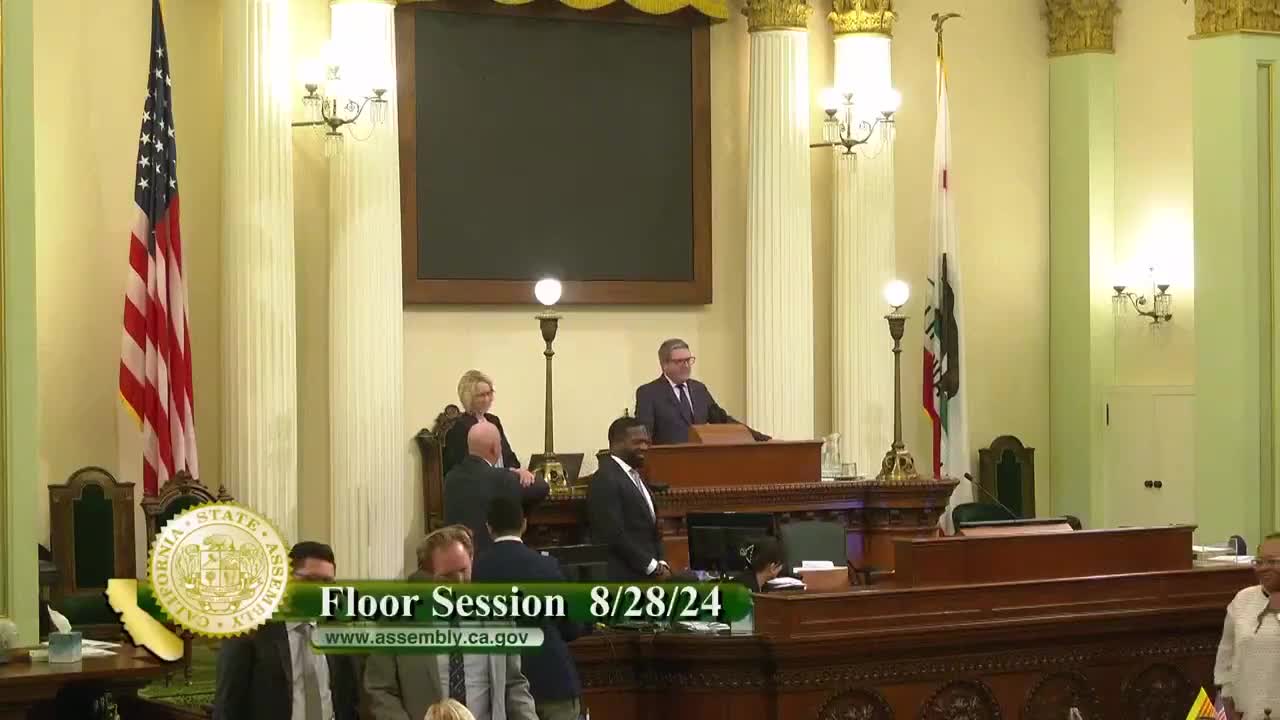 2MIN
Assembly Floor
 8MIN
Assembly Standing Committee on Health
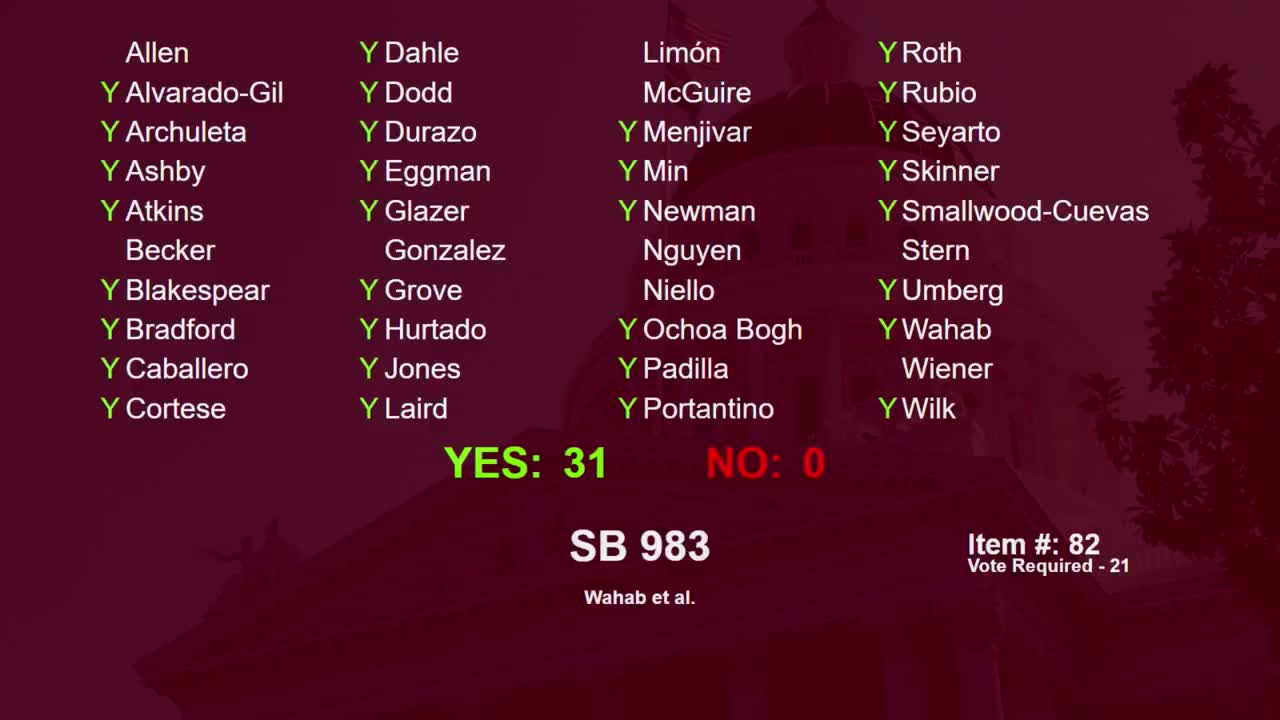 3MIN
Senate Floor
 13MIN
Senate Standing Committee on Health
Bill Author


