SB 1468: Healing arts boards: informational and educational materials for prescribers of narcotics: federal “Three Day Rule.”
- Session Year: 2023-2024
- House: Senate
- Latest Version Date: 2024-09-22
Current Status:
Passed
(2024-09-22: Chaptered by Secretary of State. Chapter 488, Statutes of 2024.)
Introduced
In Committee
First Chamber
In Committee
Second Chamber
Enacted
Existing law regulates healing arts practitioners by various boards under the Department of Consumer Affairs. Existing federal regulations, known as the Three Day Rule, authorize a practitioner who is not specifically registered to conduct a narcotic treatment program to dispense not more than a 3-day supply of narcotic drugs, in accordance with applicable federal, state, and local laws, to one person or for one persons use at one time for the purpose of initiating maintenance treatment or detoxification treatment while arrangements are being made for referral for treatment, as specified.
This bill, with certain exceptions, would require each board that licenses a prescriber, as defined, to develop and annually disseminate to each licensee informational and educational material regarding the Three Day Rule, and to post that material on their internet website. The bill would require the Medical Board of California to also annually disseminate the material it develops to each acute care hospital in the state.
Existing law regulates healing arts practitioners by various boards under the Department of Consumer Affairs. Existing federal regulations, known as the Three Day Rule, authorize a practitioner who is not specifically registered to conduct a narcotic treatment program to dispense not more than a 3-day supply of narcotic drugs, in accordance with applicable federal, state, and local laws, to one person or for one persons use at one time for the purpose of initiating maintenance treatment or detoxification treatment while arrangements are being made for referral for treatment, as specified.
This bill bill, with certain exceptions, would require each board that licenses a prescriber, as defined, to develop and annually disseminate to each licensee informational and educational material regarding the Three Day Rule, and to post that material on their internet website. The bill would require the Medical Board of California to also annually disseminate the material it develops to each acute care hospital in the state.
Existing law regulates healing arts practitioners by various boards under the Department of Consumer Affairs. Existing federal regulations, known as the Three Day Rule, authorize a practitioner who is not specifically registered to conduct a narcotic treatment program to dispense not more than a 3-day supply of narcotic drugs, in accordance with applicable federal, state, and local laws, to one person or for one persons use at one time for the purpose of initiating maintenance treatment or detoxification treatment while arrangements are being made for referral for treatment, as specified.
This bill would require each board that licenses a prescriber, as defined, to develop and biannually annually disseminate to each licensee informational and educational material regarding the Three Day Rule, and to post that material on their internet website. The bill would require the Medical Board of California to also biannually annually disseminate the material it develops to each acute care hospital in the state.
Existing law regulates healing arts practitioners by various boards under the Department of Consumer Affairs. Existing federal regulations, known as the Three Day Rule, authorize a practitioner who is not specifically registered to conduct a narcotic treatment program to dispense not more than a 3-day supply of narcotic drugs, in accordance with applicable federal, state, and local laws, to one person or for one persons use at one time for the purpose of initiating maintenance treatment or detoxification treatment while arrangements are being made for referral for treatment, as specified.
This bill would require each board that licenses a prescriber, as defined, to develop and biannually disseminate to each licensee informational and educational material regarding the Three Day Rule, and would require the Medical Board of California to also biannually disseminate the material it develops to each acute care hospital in the state.
Existing law establishes the Department of Consumer Affairs, which is comprised of boards that license and regulate various professions and vocations. Under existing law, each board within the department exists as a separate unit with specified functions.This bill would make a nonsubstantive change to these provisions.Existing law establishes the Department of Consumer Affairs, which is comprised of boards that license and regulate various professions and vocations. Under existing law, each board within the department exists as a separate unit with specified functions.
This bill would make a nonsubstantive change to these provisions.
(a)For purposes of this section, prescriber means a person authorized to write or issue a prescription pursuant to Section 11150 of the Health and Safety Code.
(b)(1)Each board that licenses a prescriber shall develop informational and educational material regarding the federal Drug Enforcement Administrations Three Day Rule, as codified in subsection (b) of Section 1306.07 of Title 21 of the Code of Federal Regulations, in order to ensure prescriber awareness of existing medication-assisted treatment pathways to serve patients with substance use disorder.
(2)Each board shall annually disseminate the informational and educational material developed pursuant to paragraph (1) to each licensed prescribers email address on file with the board.
(3)Each board shall post the informational and educational material developed pursuant to paragraph (1) on their internet website.
(4)The requirements of this subdivision shall not apply to the Veterinary Medical Board.
(c)The Medical Board of California shall also annually disseminate the informational and educational material it develops pursuant to subdivision (b) to each acute care hospital in the state. The board may disseminate the informational and educational material to each acute care hospital in the state via email.
(d)The department and boards may consult with other state agencies as necessary to implement this section.
(a)For purposes of this section, prescriber means a person authorized to write or issue a prescription pursuant to Section 11150 of the Health and Safety Code.
(b)(1)Each board that licenses a prescriber shall develop informational and educational material regarding the federal Drug Enforcement Administrations Three Day Rule, as codified in subsection (b) of Section 1306.07 of Title 21 of the Code of Federal Regulations, in order to ensure prescriber awareness of existing medication-assisted treatment pathways to serve patients with substance use disorder and shall disseminate the informational and educational material to licensees biannually. disorder.
(2)Each board shall annually disseminate the informational and educational material developed pursuant to paragraph (1) to each licensed prescribers email address on file with the board.
(3)Each board shall post the informational and educational material developed pursuant to paragraph (1) on their internet website.
(c)The Medical Board of California shall also annually disseminate the informational and educational material it develops pursuant to subdivision (b) to each acute care hospital in the state biannually. state. The board may disseminate the informational and educational material to each acute care hospital in the state via email.
(d)The department and boards may consult with other state agencies as necessary to implement this section.
(a)For purposes of this section, prescriber means a person authorized to write or issue a prescription pursuant to Section 11150 of the Health and Safety Code.
(b)Each board that licenses a prescriber shall develop informational and educational material regarding the federal Drug Enforcement Administrations Three Day Rule, as codified in subsection (b) of Section 1306.07 of Title 21 of the Code of Federal Regulations, in order to ensure prescriber awareness of existing medication-assisted treatment pathways to serve patients with substance use disorder and shall disseminate the informational and educational material to licensees biannually.
(c)The Medical Board of California shall also disseminate the informational and educational material it develops pursuant to subdivision (b) to each acute care hospital in the state biannually.
(d)The department and boards may consult with other state agencies as necessary to implement this section.
SECTION 1.Section 108 of the Business and Professions Code is amended to read:108.Each board within the department exists as a separate unit, and has the functions of setting standards, holding meetings, and setting dates thereof, preparing and conducting examinations, passing upon applicants, conducting investigations of violations of laws under its jurisdiction, issuing citations and holding hearings for the revocation of licenses, and the imposing of penalties following those hearings, insofar as these powers are given by statute to each respective board.Each of the boards comprising board within the department exists as a separate unit, and has the functions of setting standards, holding meetings, and setting dates thereof, preparing and conducting examinations, passing upon applicants, conducting investigations of violations of laws under its jurisdiction, issuing citations and holding hearings for the revocation of licenses, and the imposing of penalties following those hearings, insofar as these powers are given by statute to each respective board.
|
Date
|
Status
|
|---|---|
| Sep 22, 2024 | Chaptered by Secretary of State. Chapter 488, Statutes of 2024. |
| Sep 22, 2024 | Approved by the Governor. |
| Aug 27, 2024 | Enrolled and presented to the Governor at 2 p.m. |
| Aug 22, 2024 | Assembly amendments concurred in. (Ayes 33. Noes 0. Page 5297.) Ordered to engrossing and enrolling. |
| Aug 20, 2024 | Ordered to special consent calendar. |
| Aug 15, 2024 | In Senate. Concurrence in Assembly amendments pending. |
| Aug 15, 2024 | Read third time. Passed. (Ayes 75. Noes 0. Page 6321.) Ordered to the Senate. |
| Aug 8, 2024 | Read second time. Ordered to consent calendar. |
| Aug 7, 2024 | From committee: Do pass. Ordered to consent calendar. (Ayes 14. Noes 0.) (August 7). |
| Jun 26, 2024 | Read second time and amended. Re-referred to Com. on APPR. |
| Jun 25, 2024 | From committee: Do pass as amended and re-refer to Com. on APPR. (Ayes 18. Noes 0.) (June 25). |
| Jun 3, 2024 | Referred to Com. on B. & P. |
| May 23, 2024 | In Assembly. Read first time. Held at Desk. |
| May 22, 2024 | Read third time. Passed. (Ayes 38. Noes 0. Page 4136.) Ordered to the Assembly. |
| May 20, 2024 | Read second time. Ordered to third reading. |
| May 17, 2024 | Read second time and amended. Ordered to second reading. |
| May 17, 2024 | From committee: Do pass as amended. (Ayes 7. Noes 0. Page 3985.) (May 16). |
| May 10, 2024 | Set for hearing May 16. |
| Apr 29, 2024 | April 29 hearing: Placed on APPR suspense file. |
| Apr 22, 2024 | Set for hearing April 29. |
| Apr 18, 2024 | April 22 hearing postponed by committee. |
| Apr 12, 2024 | Set for hearing April 22. |
| Apr 8, 2024 | From committee: Do pass and re-refer to Com. on APPR with recommendation: To consent calendar. (Ayes 11. Noes 0. Page 3511.) (April 8). Re-referred to Com. on APPR. |
| Apr 4, 2024 | Set for hearing April 8. |
| Apr 3, 2024 | Re-referred to Com. on B., P. & E. D. |
| Mar 20, 2024 | From committee with author's amendments. Read second time and amended. Re-referred to Com. on RLS. |
| Feb 29, 2024 | Referred to Com. on RLS. |
| Feb 20, 2024 | From printer. May be acted upon on or after March 18. |
| Feb 16, 2024 | Introduced. Read first time. To Com. on RLS. for assignment. To print. |
|
Date
|
Description
|
Location
|
Votes
|
|
|---|---|---|---|---|
| Aug 22, 2024 | Special Consent SB1468 Ochoa Bogh et al. | Senate Floor |
Passed |
|
| Aug 15, 2024 | SB 1468 Ochoa Bogh Consent Calendar Second Day Regular Session | Assembly Floor |
Passed |
|
| Aug 7, 2024 | Do pass. To Consent Calendar. | Assembly Standing Committee on Appropriations |
Passed |
|
| Jun 25, 2024 | Do pass as amended and be re-referred to the Committee on [Appropriations] | Assembly Standing Committee on Business and Professions |
Passed |
|
| May 22, 2024 | Senate 3rd Reading SB1468 Ochoa Bogh et al. | Senate Floor |
Passed |
|
| May 16, 2024 | Do pass as amended | Senate Standing Committee on Appropriations |
Passed |
|
| Apr 29, 2024 | Placed on suspense file | Senate Standing Committee on Appropriations |
Passed |
|
| Apr 8, 2024 | Do pass, but first be re-referred to the Committee on [Appropriations] with the recommendation: To Consent Calendar | Senate Standing Committee on Business, Professions and Economic Development |
Passed |
This list shows positions taken on this bill by organizations on the date displayed, which is linked to the original source.
Positions by individuals are not included.
|
Organization
|
Position
|
Date
|
|---|---|---|
| California State Board of Pharmacy | ** Support | |
| Ella Baker Center For Human Rights | ** Support | |
| Smart Justice California, a project of Tides Advocacy | ** Support | |
| Vera Institute Of Justice | ** Support |
SENATE RULES COMMITTEE Office of Senate Floor Analyses (916) 651-1520 Fax: (916) 327-4478 | SB 1468 |
UNFINISHED BUSINESS
Bill No: SB 1468
Author: Ochoa Bogh (R) and Roth (D), et al.
Amended: 6/26/24
Vote: 21
SENATE BUS., PROF. & ECON. DEV. COMMITTEE: 11-0, 4/8/24
AYES: Ashby, Nguyen, Alvarado-Gil, Archuleta, Dodd, Eggman, Glazer, Menjivar, Niello, Smallwood-Cuevas, Wilk
NO VOTE RECORDED: Becker, Roth
SENATE APPROPRIATIONS COMMITTEE: 7-0, 5/16/24
AYES: Caballero, Jones, Ashby, Becker, Bradford, Seyarto, Wahab
SENATE FLOOR: 38-0, 5/22/24
AYES: Alvarado-Gil, Ashby, Atkins, Becker, Blakespear, Bradford, Caballero, Cortese, Dahle, Dodd, Durazo, Eggman, Glazer, Gonzalez, Grove, Hurtado, Jones, Laird, Limón, McGuire, Menjivar, Min, Newman, Nguyen, Niello, Ochoa Bogh, Padilla, Portantino, Roth, Rubio, Seyarto, Skinner, Smallwood-Cuevas, Stern, Umberg, Wahab, Wiener, Wilk
NO VOTE RECORDED: Allen, Archuleta
ASSEMBLY FLOOR: 75-0, 8/15/24 (Consent) - See last page for vote
SUBJECT: Healing arts boards: informational and educational materials for prescribers of narcotics: federal “Three Day Rule.”
SOURCE: Author
DIGEST:
This bill requires each health professional licensing board that licenses a prescriber to develop informational and educational material regarding the federal Drug Enforcement Administration’s (DEA) “Three Day Rule” in order to ensure prescriber awareness of existing medication-assisted treatment pathways to serve patients with substance use disorder.
Assembly Amendments
exempt the Veterinary Medical Board of California from the bill’s requirements. The Assembly Committee on Business and Professions noted the bill was not germane to the practice of veterinary medicine.
ANALYSIS:
Existing law:
- Establishes various practice acts in the Business and Professions Code (BPC) governed by various boards within the Department of Consumer Affairs (DCA) which provide for the licensing and regulation of health care professionals including: (a) physicians and surgeons (under the Medical Practice Act), dentists (under the Dental Practice Act), veterinarians (under the Veterinary Medicine Practice Act); (b) registered nurses, nurse practitioners (NP) and certified nurse-midwives (CNM) (under the Nursing Practice Act); (c) physician assistants (PA) (under the Physician Assistant Practice Act); (d) osteopathic physicians and surgeons (under the Osteopathic Medical Practice Act); (e) naturopathic doctors (ND) (under the Naturopathic Doctors Act); (f) optometrists (under the Optometry Practice Act); (g) doctors of podiatric medicine (under the Podiatric Act); and (h) pharmacies, pharmacists and wholesalers of dangerous drugs or devices (under the Pharmacy Law). (Business and Professions Code (BPC) §§ 500 et seq.)
- Specifies certain requirements regarding the dispensing and furnishing of dangerous drugs and devices, and prohibits a person from furnishing any dangerous drug or device except upon the prescription of a physician, dentist, podiatrist, optometrist, veterinarian or ND. (BPC § 4059)
- Establishes continuing education (CE) and continuing medical education (CME) requirements for health care providers, including a course on the risks of addiction associated with the use of Schedule II drugs, and including but not limited to:
- Dentists must complete not less than 50 hours of approved CE during the two-year period immediately preceding the expiration of their license. (BPC § 1645)
- Physicians and surgeons licensed by the Medical Board of California (MBC) must complete a one-time CME course of 12 hours in the subjects of pain management and the treatment of terminally ill and dying patients, among other requirements and other considerations MBC must make for required CME established through regulations. (BPC § 2190.5)
- Osteopathic physicians and surgeons licensed by the Osteopathic Medical Board of California (OMBC) must complete a minimum of 100 hours of American Osteopathic Association CE hours during each two-year cycle. (BPC § 2454.5)
- Certified nurse-midwives certified by the Board of Registered Nursing (BRN) who hold an active furnishing number, who are currently authorized through standardized procedures or protocols to furnish Schedule II controlled substances, and who are registered with the United States Drug Enforcement Administration (DEA) must provide documentation of CE specific to the use of Schedule II controlled substances in settings other than a hospital based on standards developed by the BRN. (BPC § 2746.51)
- Nurse practitioners certified by the BRN who hold an active furnishing number, who are authorized through standardized procedures or protocols to furnish Schedule II controlled substances, and who are registered with DEA must complete a course including Schedule II controlled substances based on standards developed by BRN. (BPC § 2836.1)
- Optometrists certified to use therapeutic pharmaceutical agents must complete a total of 50 hours of CE every two years in order to renew his or her certificate 35 of which must be on the diagnosis, treatment, and management of ocular disease, including pain medication. Requires the Board of Optometry to encourage every optometrist to take a course or courses in pharmacology and pharmaceuticals as part of his or her CE. (BPC § 3059)
- Physician assistants licensed by the Physician Assistant Board (PAB) must complete no more than 50 hours of CE every two years. The PAB shall, as it deems appropriate, accept certification by the National Commission on Certification of Physician Assistants, or another qualified certifying body, as determined by the PAB, as evidence of compliance with CE requirements. (BPC § 3524.5)
- Establishes the Uniform Controlled Substances Act which regulates controlled substances and defines an opiate as any substance having an addiction-forming or addiction-sustaining liability similar to morphine or being capable of conversion into a drug having addiction-forming or addiction-sustaining liability. (Health and Safety Code (HSC) § 11020)
- Prohibits any person other than a physician, dentist, podiatrist, veterinarian, ND (according to certain supervision and protocol requirements), pharmacist (according to certain authorization and according to certain policies and procedures), CNM (if furnished or ordered incidentally to the provision of family planning services, routine health care or perinatal care, or care rendered consistent with the CNM’s practice; occurs under physician and surgeon supervision; and is in accordance with standardized procedures or protocols as specified), NP (if it is consistent with a NP’s educational preparation or for which clinical competency has been established and maintained; occurs under physician and surgeon supervision; and is in accordance with standardized procedures or protocols as specified); a pharmacist or registered nurse or PA acting within the scope of an experimental health workforce project authorized by the Office of Statewide Health Planning and Development (HSC §§ 128125 et seq.); an optometrist licensed under the Optometry Practice Act, or an out-of-state prescriber acting in an emergency situation from writing or issuing a prescription for a controlled substance.
(HSC § 11150) - States that a prescription for a controlled substance shall only be issued for a legitimate medical purpose by an individual practitioner acting in the usual course of his or her professional practice, and that the responsibility for the proper prescribing and dispensing of controlled substances is upon the prescribing practitioner, but a corresponding responsibility rests with the pharmacist who fills the prescription. (HSC § 11153)
- Requires a prescriber to offer a prescription for naloxone hydrochloride (NH) or another drug approved by the Food and Drug Administration (FDA) for the complete or partial reversal of opioid depression to a patient when one or more of the following circumstances are present:
- The prescription dosage is 90 or more morphine milligram equivalents of an opioid medication per day.
- An opioid medication is prescribed concurrently with a prescription for benzodiazepine.
- The patient presents with an increased risk for overdose, as specified. (BPC § 741(a))
- Requires a prescriber to provide education on overdose prevention and the use of NH to patients, a minor’s parent or guardian, and one or more persons designated by the patient, as specified. (BPC § 741(b-c))
This bill:
- Requires each health professional licensing board that licenses a prescriber to develop informational and educational material regarding the federal Drug Enforcement Administration’s “Three Day Rule,” as codified in subsection (b) of Section 1306.07 of Title 21 of the Code of Federal Regulations, in order to ensure prescriber awareness of existing medication-assisted treatment pathways to serve patients with substance use disorder and to disseminate the informational and educational material to licensees annually via email and to post the information on their website. Authorizes the Department of Consumer Affairs and health professional licensing boards to consult with other state agencies as necessary to implement these provisions.
- Requires MBC to disseminate the informational and educational material it develops to each acute care hospital in the state annually and authorizes this to be done via email.
- Exempts the Veterinary Medical Board from the requirements of this bill.
Background
Opioids. Opioids are a class of drugs prescribed and administered by health professionals to manage pain. The term “opioid” is commonly used to describe both naturally occurring opiates derived from the opium poppy as well as their manufactured synthetics. Common examples of prescription opioids include oxycodone (OxyContin, Percocet); hydrocodone (Vicodin, Norco, Lorcet); codeine; and morphine. Heroin is also an opioid, but is ineligible for lawful prescription in the United States. In addition to providing pain relief, opioids can be used as a cough suppressant, an antidiarrheal, a method of sedation, and a treatment for shortness of breath.
The majority of pharmaceutical opioids are Schedule II drugs under the federal Controlled Substances Act, considered by the DEA to have a high potential for abuse that may lead to severe psychological or physical dependence. However, combination drugs containing lower doses of opioids combined with other active ingredients are typically less restricted; for example, cough syrups containing low doses of codeine are frequently classified Schedule V medications.
In October of 2017, the White House declared the opioid cr isis a national public health emergency, formally recognizing what had long been understood to be a growing epidemic responsible for devastation in communities across the country. According to the Centers for Disease Control and Prevention (CDC), as many as 50,000 Americans died of an opioid overdose in 2016, representing a 28 percent increase over the previous year. The California Department of Public Health estimated that nearly 2,000 Californians died of an opioid overdose in 2016.
The nature of the country’s opioid crisis has evolved over the past several years as illicitly manufactured fentanyl has replaced prescribed pain management medication as the dominant source of opioid-related overdoses. Fentanyl is a synthetic opioid that is up to 100 times stronger than morphine. Fentanyl is often pressed into pills to imitate more common (and less potent) pharmaceutical products, and other drugs can be unknowingly “laced” with fentanyl. Over 70,000 Americans died of a fentanyl overdose in 2021, including 5,961 deaths in California – approximately 83% of all opioid-related deaths in California.
The abuse of prescription drugs was historically viewed as a criminal concern analogous to street narcotics cases regularly investigated by law enforcement. In recent years, however, an expert consensus has evolved around the opinion that the opioid crisis must be addressed through the lens of public health policy. It is widely accepted that health professionals must continue to play a critical role in any meaningful solutions through safe-prescribing and the medication-assisted treatment of opioid use disorder.
Three-Day Rule. The Easy Medication Access and Treatment for Opioid Addiction Act was signed into federal law on December 11, 2020 as Public Law 116–215. One of the provisions of the Act directed DEA to revise 21 CFR 1306.07(b) “so that practitioners . . . are allowed to dispense not more than a three-day supply of narcotic drugs to one person or for one person's use at one time for the purpose of initiating maintenance treatment or detoxification treatment (or both).” On August 8, 2023, the DEA expanded and revised this regulation to allow non-physician practitioners to prescribe narcotic drugs under the “Three Day Rule.”
FISCAL EFFECT: Appropriation: No Fiscal Com.: Yes Local: No
According to the Assembly Committee on Appropriations, this bill creates minor and absorbable workload costs to boards that license prescribers to send emails to licensees. The DCA notes boards have email addresses for many, but not all, licensees. This bill creates additional minor and absorbable costs to DCA’s Office of Public Affairs and Publications, Design, and Editing Division for content development workload of approximately 80 combined hours of work, and to the Office of Information Services for web postings of educational materials.
SUPPORT: (Verified 8/16/24)
California State Board of Pharmacy
Ella Baker Center for Human Right
Mayor Todd Gloria, City of San Diego
Smart Justice California, a Project of Tides Advocacy
Vera Institute of Justice
OPPOSITION: (Verified 8/16/24)
None received
ARGUMENTS IN SUPPORT: According to the California State Board of Pharmacy, “California has a long history of fighting to combat the opioid crisis and save lives, including increasing access to opioid antagonists. Opioid use disorder is a chronic, treatable medical condition, but many might not understand the condition or how it can be effectively treated. The Board advocates and supports increased education and engagement amongst health care providers with respect to improving confidence for providers assisting patients with opioid use disorder.”
Ella Baker Center for Human Rights writes, “Ensuring that practitioners are aware they may now dispense a three-day supply of medication at one time will help ease the burdens placed on patients struggling with opioid use disorder, giving them a better chance of success. The Ella Baker Center works to advance racial and economic justice to ensure dignity and opportunity for low-income people of color. EBC supports SB 1468 (Ochoa Bogh), as consistent with that vision.”
Mayor Todd Gloria, City of San Diego states this bill, “Educates and encourages providers to make use of the new federal Drug Enforcement Agency (DEA) rule to allow practitioners to dispense a three-day supply of narcotic medication to start detoxification treatment or maintenance treatment for people who use opioids.”
Smart Justice California writes “Ensuring that practitioners (not just physicians) are aware they may now dispense a three-day supply of medication at one time will help ease the burdens placed on patients struggling with opioid use disorder, giving them a better chance of success.”
According to the Vera Institute of Justice, “Rather than resorting to ineffective harsh penalties to address dangerous drug use, the legislature should invest in real solutions that apply a public health approach, like SB 1468. Research has consistently shown that public health approaches, including community-based substance use treatment, effectively reduce drug use.2 In particular, medication treatment has been shown to reduce overdose deaths by an incredible 34 to 38 percent.3 By ensuring the stability of our communities, policies like SB 1468 can deliver the safety Californians deserve.”
ASSEMBLY FLOOR: 75-0, 8/15/24
AYES: Addis, Aguiar-Curry, Alanis, Arambula, Bains, Bauer-Kahan, Bennett, Berman, Boerner, Bonta, Bryan, Calderon, Juan Carrillo, Wendy Carrillo, Cervantes, Connolly, Megan Dahle, Davies, Dixon, Essayli, Mike Fong, Friedman, Gabriel, Gallagher, Garcia, Gipson, Grayson, Haney, Hart, Hoover, Irwin, Jackson, Jones-Sawyer, Kalra, Lackey, Lee, Low, Lowenthal, Maienschein, Mathis, McCarty, McKinnor, Muratsuchi, Stephanie Nguyen, Ortega, Pacheco, Papan, Jim Patterson, Joe Patterson, Pellerin, Petrie-Norris, Quirk-Silva, Ramos, Rendon, Reyes, Luz Rivas, Rodriguez, Blanca Rubio, Sanchez, Santiago, Schiavo, Soria, Ta, Ting, Valencia, Villapudua, Waldron, Wallis, Ward, Weber, Wicks, Wilson, Wood, Zbur, Robert Rivas
NO VOTE RECORDED: Alvarez, Chen, Flora, Holden
Prepared by: Sarah Mason / B., P. & E.D. /
8/16/24 13:26:17
**** END ****
Date of Hearing: August 7, 2024
ASSEMBLY COMMITTEE ON APPROPRIATIONS
Buffy Wicks, Chair
SBPCA Bill Id:SB 1468
Author:(Ochoa Bogh) – As Amended Ver:June 26, 2024
Policy Committee: | Business and Professions | Vote: | 18 - 0 |
|
| ||
|
|
Urgency: No State Mandated Local Program: No Reimbursable: No
SUMMARY:
Federal Drug Enforcement Administration (DEA) regulations authorize a health practitioner who is not registered to conduct a narcotic treatment program to dispense up to a three-day supply of narcotic drugs for the purpose of initiating maintenance or detoxification treatment while arranging for a person’s narcotic treatment. This bill requires each board that licenses prescribers to develop and disseminate to each licensee informational material regarding the “Three Day Rule,” and to post that material on its website.
Specifically, this bill:
- Defines “prescriber” to mean a person authorized to write or issue a prescription, as specified.
- Requires each board that licenses a prescriber to develop and annually disseminate to each licensee’s email address informational and educational material regarding the Three Day Rule, and to post that material on its website.
- Exempts the Veterinary Medical Board from the requirements of this bill.
- Requires the Medical Board of California to annually disseminate via email the informational and educational material it develops to each acute care hospital in the state.
FISCAL EFFECT:
Minor and absorbable workload costs to boards that license prescribers to send emails to licensees. The Department of Consumer Affairs (DCA) notes boards have email addresses for many, but not all, licensees.
Minor and absorbable costs to DCA’s Office of Public Affairs and Publications, Design, and Editing Division for content development workload of approximately 80 combined hours of work, and to the Office of Information Services for web postings of educational materials.
COMMENTS:
- Purpose. According to the author:
SB 1468 requires DCA boards that license practitioners who are authorized to dispense narcotic drugs to send a notice to their licensees regarding the DEA’s recent changes to the Three Day Rule. The notification must include a summary of the rule and resources for licensees to access if they are interested in learning more. Ensuring that practitioners (not just physicians) are aware they may now dispense a three-day supply of medication at one time will help ease the burdens placed on patients struggling with opioid use disorder, giving them a better chance of success.
- Background. The federal Easy Medication Access and Treatment for Opioid Addiction Act directed the DEA to revise federal regulations to allow practitioners “to dispense not more than a three-day supply of narcotic drugs to one person or for one person's use at one time for the purpose of initiating maintenance treatment or detoxification treatment (or both).” Generally, practitioners are permitted to administer no more than one day’s medication at a time for a maximum of three days, which cannot be renewed or extended. During the three-day period, the provider is expected to arrange for the patient’s treatment in a maintenance or detoxification program. In 2023, the DEA expanded and revised this regulation to allow non-physician practitioners to prescribe narcotic drugs under the Three Day Rule.
- Related Legislation. AB 2115 (Haney) allows a practitioner who is authorized to prescribe a narcotic drug at a clinic registered with the Board of Pharmacy and any necessary federal agencies to dispense that narcotic drug from the clinic’s supply for the purpose of relieving acute withdrawal symptoms when necessary while making arrangements for opioid addiction treatment. AB 2115 is pending in Senate Appropriations Committee.
Analysis Prepared by: Allegra Kim / APPR. / (916) 319-2081
Date of Hearing: June 25, 2024
ASSEMBLY COMMITTEE ON BUSINESS AND PROFESSIONS
Marc Berman, Chair
SBPCA Bill Id:SB 1468
Author:(Ochoa Bogh) – As Amended Ver:May 17, 2024
SENATE VOTE: 38-0
SUBJECT: Healing arts boards: informational and educational materials for prescribers of narcotics: federal “Three Day Rule.”
SUMMARY: Requires each board that licenses a prescriber of narcotic drugs to develop informational and educational material regarding the federal Drug Enforcement Administration’s “Three Day Rule.”
EXISTING LAW:
- Establishes various practice acts, implemented and enforced by various board within the Department of Consumer Affairs (DCA), to regulate the following health care professionals: physicians and surgeons (Medical Practice Act), dentists (Dental Practice Act), veterinarians (Veterinary Medicine Practice Act), registered nurses, nurse practitioners, and certified nurse-midwives (Nursing Practice Act), physician assistants (Physician Assistant Practice Act), osteopathic physician and surgeons (Osteopathic Medical Practice Act), naturopathic doctors (Naturopathic Doctors Act), optometrists (Optometry Practice Act), doctors of podiatric medicine (Podiatric Act), and pharmacists (Pharmacy Law). (Business and Professions Code (BPC) §§ 500 et seq.)
- Limits the furnishing of any dangerous drug or device, defined as any drug unsafe for self-use in humans and animals, except upon the prescription of a physician, dentist, podiatrist, optometrist, veterinarian, or naturopathic doctor as specified. (BPC § 4059)
- Establishes the “California Uniform Controlled Substances Act,” which regulates the manufacture, possession, use, and distribution of controlled substances. (Health and Safety Code (HSC) § 11000 et seq.)
- Specifies that no person other than a physician, dentist, podiatrist, or veterinarian, naturopathic doctor, pharmacist, registered nurse, certified nurse-midwife, nurse practitioner physician assistant, naturopathic doctor, optometrist, or an out-of-state prescriber, as specified, shall write or issue a prescription. (HSC § 11150)
- Requires a prescription for a controlled substance to only be issued for a legitimate medical purpose by an individual practitioner acting in the usual course of their professional practice, and subjects any person who knowingly violates this requirement to imprisonment for up to one year, or by a fine not exceeding $20,000, or by both imprisonment and fine. (HSC § 11153)
- Authorizes a practitioner, who is not specifically registered to conduct a narcotic treatment program, to dispense (but not prescribe) narcotic drugs, in accordance with applicable Federal, State, and local laws relating to controlled substances, to one person or for one person's use at one time for the purpose of initiating maintenance treatment or detoxification treatment (or both). (Code of Federal Regulations (CFR), Title 21, Chapter 11, § 1306.07(b))
- Prohibits more than a three-day supply of such medication from being dispensed to the person or for the person's use at one time while arrangements are being made for referral for treatment, and prohibits such emergency treatment from being renewed or extended. (CFR, Title 21, Chapter 11, § 1306.07(b))
- Defines “practitioner” to mean a physician, dentist, veterinarian, scientific investigator, pharmacy, hospital, or other person licensed, registered, or otherwise permitted, by the United States or the jurisdiction in which they practice or do research, to distribute, dispense, conduct research with respect to, administer, or use in teaching or chemical analysis, a controlled substance in the course of professional practice or research. (CFR, Title 21, Chapter 13, § 802)
THIS BILL:
- Requires each board that licenses a prescriber of narcotic drugs to develop informational and educational material regarding the federal Drug Enforcement Administration’s “Three Day Rule,” as specified, in order to ensure prescriber awareness of existing medication-assisted treatment pathways to serve patients with substance use disorder.
- Requires each board to annually disseminate the informational and educational material developed to each licensed prescriber’s email address on file with the board.
- Requires each board to post the informational and educational material developed on their internet website.
- Requires the Medical Board of California to annually disseminate the informational and educational material it develops to each acute care hospital in the state. The board may disseminate the informational and educational material to each acute care hospital in the state via email.
- Allows the departments and boards to consult with other state agencies as necessary to comply with the provisions of this bill.
- Defines “prescriber” to mean a person authorized to write or issue a prescription pursuant to Health and Safety Code § 11150.
FISCAL EFFECT: According to the Senate Appropriations Committee, unknown, but potentially minor costs for impacted boards to disseminate the required information to their respective licensees electronically and post information on their internet websites (various special funds) and minor and absorbable costs to the Office of Information Services within DCA.
COMMENTS:
Purpose. This bill is sponsored by the author. According to the author:
[This bill] requires DCA boards that license practitioners who are authorized to dispense narcotic drugs to send a notice to their licensees regarding the DEA’s recent changes to the Three Day Rule. The notification must include a summary of the rule and resources for licensees to access if they are interested in learning more. Ensuring that practitioners (not just physicians) are aware they may now dispense a three-day supply of medication at one time will help ease the burdens placed on patients struggling with opioid use disorder, giving them a better chance of success.
Background.
The Substance Abuse and Mental Health Services Administration’s (SAMHSA) 2022 National Survey on Drug Use and Health estimates that 3.2% (or 8.9 million) Americans ages 12 or older misused opioids (heroin or prescription pain relievers), and 2.2% (or 6.1 million people) had an opioid use disorder (OUD), in the 12 months prior to the survey.[1] OUD is a treatable chronic health condition, for which medications such as buprenorphine, methadone, and naltrexone, are a safe and effective treatment of OUD.[2] According to SAMHSA, “these medications operate to normalize brain chemistry, block the euphoric effects of alcohol and opioids, relieve physiological cravings, and normalize body functions without the negative and euphoric effects of the substance used” and can be used for a lifetime.[3]
In 1974, the federal Drug Enforcement Agency implemented the Narcotic Addict Treatment Act, which allows specified medical practitioners to administer and dispense certain narcotic medications for the treatment of substance use disorders, so long as they are separately registered to conduct a narcotic treatment program. An “emergency treatment” provision currently allows unregistered practitioners to dispense (but not prescribe) a three-day supply of narcotic drugs at one time to a person for the purpose of initiating maintenance treatment or detoxification treatment (or both). In practice, this allows a patient to receive one day’s dose during the emergency treatment and to take the second and third days’ doses with them so they do not need to make return visits to the provider. The “Three Day Rule” allows for individuals suffering from acute withdrawal symptoms to receive emergency access to medication-assisted treatment while waiting for long-term treatment. One study of patients who were treated for a non-fatal opioid overdose in a Massachusetts emergency department revealed that 3.7% of patients died of an opioid-related overdose within one year of discharge.[4] A 2015 study concluded that medication-assisted treatment initiated in emergency departments “significantly increased engagement in addiction treatment, reduced self-reported illicit opioid use, and decreased use of inpatient addiction treatment services.”[5] However, one study indicated that roughly 1 in 5 U.S. adults with OUD received any medications for OUD in 2021.[6] Furthermore, the researchers found that, in particular, Black adults, women, those whom are unemployed, and residents of nonmetropolitan areas were substantially less likely to receive any medications for OUD.
This bill would require the various boards within the DCA that license physicians, dentists, veterinarians, registered nurses, nurse practitioners, certified nurse-midwives, physician assistants, naturopathic doctors, optometrists, podiatrists, and pharmacists to develop and annually disseminate educational materials related to the “Three Day Rule,” with the goal of increasing provider awareness. Additionally, this bill would require the Medical Board of California to provide the materials it develops to acute care hospitals across the state.
Current Related Legislation.
AB 2115 (Haney) would allow a practitioner who is authorized to prescribe a narcotic drug at a clinic registered with the Board of Pharmacy and with any necessary federal agencies to dispense that narcotic drug from the clinic’s supply for the purpose of relieving acute withdrawal symptoms when necessary while arrangements are being made for referral to opioid addiction treatment.
Prior Related Legislation.
AB 663 (Haney), Chapter 539, Statutes of 2023, allows county-operated mobile pharmacies to carry and dispense buprenorphine and buprenorphine/naloxone combination medications for the treatment of OUD and authorizes the operation of multiple mobile units within one jurisdiction.
AB 816 (Haney), Chapter 456, Statutes of 2023, authorizes a minor who is 16 years of age or older to consent to replacement narcotic abuse treatment that uses buprenorphine, as specified.
ARGUMENTS IN SUPPORT:
The California State Board of Pharmacy writes the following in support:
California has a long history of fighting to combat the opioid crisis and save lives, including increasing access to opioid antagonists. Opioid use disorder is a chronic, treatable medical condition, but many might not understand the condition or how it can be effectively treated. The Board advocates and supports increased education and engagement amongst health care providers with respect to improving confidence for providers assisting patients with opioid use disorder.
POLICY ISSUES:
As currently written, this bill would require the California Veterinary Medical Board to develop and disseminate materials on the federal “Three Day Rule” to licensed veterinarians. Considering the lack of germaneness to the practice of veterinary medicine, the author may wish to exempt the California Veterinary Medical Board from the bill.
AMENDMENTS:
To exempt the California Veterinary Medical Board, amend the bill as follows:
On page 2, between lines 23 and 24, insert:
(4) The requirements of this subdivision shall not apply to the Veterinary Medical Board.
REGISTERED SUPPORT:
California Opioid Maintenance Providers
California State Board of Pharmacy
Ella Baker Center for Human Rights
Mayor Todd Gloria, City of San Diego
Medical Board of California
Prosecutors Alliance
Smart Justice California, a Project of Tides Advocacy
Vera Institute of Justice
REGISTERED OPPOSITION:
None on file
Analysis Prepared by: Kaitlin Curry / B. & P. / (916) 319-3301
Substance Abuse and Mental Health Services Administration. (November 2023). Key Substance Use and Mental Health Indicators in the United States: Results from the 2022 National Survey on Drug Use and Health. https://www.samhsa.gov/data/sites/default/files/reports/rpt42731/2022-nsduh-nnr.pdf ↑
U.S. Food & Drug Administration. (2024, May 20). Prescribe with Confidence. https://www.fda.gov/drugs/drug-safety-and-availability/prescribe-confidence ↑
Substance Abuse and Mental Health Services Administration. (2024, April 11). Medications for Substance Use Disorders. https://www.samhsa.gov/medications-substance-use-disorders ↑
Weiner, S. G., Baker, O., Bernson, D., & Schuur, J. D. (2020). One-Year Mortality of Patients After Emergency Department Treatment for Nonfatal Opioid Overdose. Annals of emergency medicine, 75(1), 13–17. https://doi.org/10.1016/j.annemergmed.2019.04.020 ↑
D’Onofrio, G., O’Connor, P. G., Pantalon, M. V., Chawarski, M. C., Busch, S. H., Owens, P. H., Bernstein, S. L., & Fiellin, D. A. (2015). Emergency Department–Initiated Buprenorphine/Naloxone Treatment for Opioid Dependence: A Randomized Clinical Trial. JAMA : The Journal of the American Medical Association, 313(16), 1636–1644. https://doi.org/10.1001/jama.2015.3474 ↑
Jones, C. M., Han, B., Baldwin, G. T., Einstein, E. B., & Compton, W. M. (2023). Use of Medication for Opioid Use Disorder Among Adults With Past-Year Opioid Use Disorder in the US, 2021. JAMA Network Open, 6(8), e2327488–e2327488. https://doi.org/10.1001/jamanetworkopen.2023.27488 ↑
SENATE RULES COMMITTEE Office of Senate Floor Analyses (916) 651-1520 Fax: (916) 327-4478 | SB 1468 |
THIRD READING
Bill No: SB 1468
Author: Ochoa Bogh (R) and Roth (D), et al.
Amended: 5/17/24
Vote: 21
SENATE BUS., PROF. & ECON. DEV. COMMITTEE: 11-0, 4/8/24
AYES: Ashby, Nguyen, Alvarado-Gil, Archuleta, Dodd, Eggman, Glazer, Menjivar, Niello, Smallwood-Cuevas, Wilk
NO VOTE RECORDED: Becker, Roth
SENATE APPROPRIATIONS COMMITTEE: 7-0, 5/16/24
AYES: Caballero, Jones, Ashby, Becker, Bradford, Seyarto, Wahab
SUBJECT: Healing arts boards: informational and educational materials for prescribers of narcotics: federal “Three Day Rule.”
SOURCE: Author
DIGEST:
This bill requires each health professional licensing board that licenses a prescriber to develop informational and educational material regarding the federal Drug Enforcement Administration’s (DEA) “Three Day Rule” in order to ensure prescriber awareness of existing medication-assisted treatment pathways to serve patients with substance use disorder
ANALYSIS:
Existing law:
- Establishes various practice acts in the Business and Professions Code (BPC) governed by various boards within the Department of Consumer Affairs (DCA) which provide for the licensing and regulation of health care professionals including: (a) physicians and surgeons (under the Medical Practice Act), dentists (under the Dental Practice Act), veterinarians (under the Veterinary Medicine Practice Act); (b) registered nurses, nurse practitioners (NP) and certified nurse-midwives (CNM) (under the Nursing Practice Act); (c) physician assistants (PA) (under the Physician Assistant Practice Act); (d) osteopathic physicians and surgeons (under the Osteopathic Medical Practice Act); (e) naturopathic doctors (ND) (under the Naturopathic Doctors Act); (f) optometrists (under the Optometry Practice Act); (g) doctors of podiatric medicine (under the Podiatric Act); and (h) pharmacies, pharmacists and wholesalers of dangerous drugs or devices (under the Pharmacy Law). (Business and Professions Code (BPC) §§ 500 et seq.)
- Specifies certain requirements regarding the dispensing and furnishing of dangerous drugs and devices, and prohibits a person from furnishing any dangerous drug or device except upon the prescription of a physician, dentist, podiatrist, optometrist, veterinarian or ND. (BPC § 4059)
- Establishes continuing education (CE) and continuing medical education (CME) requirements for health care providers, including a course on the risks of addiction associated with the use of Schedule II drugs, and including but not limited to:
- Dentists must complete not less than 50 hours of approved CE during the two-year period immediately preceding the expiration of their license. (BPC § 1645)
- Physicians and surgeons licensed by the Medical Board of California (MBC) must complete a one-time CME course of 12 hours in the subjects of pain management and the treatment of terminally ill and dying patients, among other requirements and other considerations MBC must make for required CME established through regulations. (BPC § 2190.5)
- Osteopathic physicians and surgeons licensed by the Osteopathic Medical Board of California (OMBC) must complete a minimum of 100 hours of American Osteopathic Association CE hours during each two-year cycle. (BPC § 2454.5)
- Certified nurse-midwives certified by the Board of Registered Nursing (BRN) who hold an active furnishing number, who are currently authorized through standardized procedures or protocols to furnish Schedule II controlled substances, and who are registered with the United States Drug Enforcement Administration (DEA) must provide documentation of CE specific to the use of Schedule II controlled substances in settings other than a hospital based on standards developed by the BRN. (BPC § 2746.51)
- Nurse practitioners certified by the BRN who hold an active furnishing number, who are authorized through standardized procedures or protocols to furnish Schedule II controlled substances, and who are registered with DEA must complete a course including Schedule II controlled substances based on standards developed by BRN. (BPC § 2836.1)
- Optometrists certified to use therapeutic pharmaceutical agents must complete a total of 50 hours of CE every two years in order to renew his or her certificate 35 of which must be on the diagnosis, treatment, and management of ocular disease, including pain medication. Requires the Board of Optometry to encourage every optometrist to take a course or courses in pharmacology and pharmaceuticals as part of his or her CE. (BPC § 3059)
- Physician assistants licensed by the Physician Assistant Board (PAB) must complete no more than 50 hours of CE every two years. The PAB shall, as it deems appropriate, accept certification by the National Commission on Certification of Physician Assistants, or another qualified certifying body, as determined by the PAB, as evidence of compliance with CE requirements. (BPC § 3524.5)
- Establishes the Uniform Controlled Substances Act which regulates controlled substances and defines an opiate as any substance having an addiction-forming or addiction-sustaining liability similar to morphine or being capable of conversion into a drug having addiction-forming or addiction-sustaining liability. (Health and Safety Code (HSC) § 11020)
- Prohibits any person other than a physician, dentist, podiatrist, veterinarian, ND (according to certain supervision and protocol requirements), pharmacist (according to certain authorization and according to certain policies and procedures), CNM (if furnished or ordered incidentally to the provision of family planning services, routine health care or perinatal care, or care rendered consistent with the CNM’s practice; occurs under physician and surgeon supervision; and is in accordance with standardized procedures or protocols as specified), NP (if it is consistent with a NP’s educational preparation or for which clinical competency has been established and maintained; occurs under physician and surgeon supervision; and is in accordance with standardized procedures or protocols as specified); a pharmacist or registered nurse or PA acting within the scope of an experimental health workforce project authorized by the Office of Statewide Health Planning and Development (HSC §§ 128125 et seq.); an optometrist licensed under the Optometry Practice Act, or an out-of-state prescriber acting in an emergency situation from writing or issuing a prescription for a controlled substance.
(HSC § 11150) - States that a prescription for a controlled substance shall only be issued for a legitimate medical purpose by an individual practitioner acting in the usual course of his or her professional practice, and that the responsibility for the proper prescribing and dispensing of controlled substances is upon the prescribing practitioner, but a corresponding responsibility rests with the pharmacist who fills the prescription. (HSC § 11153)
- Requires a prescriber to offer a prescription for naloxone hydrochloride (NH) or another drug approved by the Food and Drug Administration (FDA) for the complete or partial reversal of opioid depression to a patient when one or more of the following circumstances are present:
- The prescription dosage is 90 or more morphine milligram equivalents of an opioid medication per day.
- An opioid medication is prescribed concurrently with a prescription for benzodiazepine.
- The patient presents with an increased risk for overdose, as specified. (BPC § 741(a))
- Requires a prescriber to provide education on overdose prevention and the use of NH to patients, a minor’s parent or guardian, and one or more persons designated by the patient, as specified. (BPC § 741(b-c))
This bill:
- Requires each health professional licensing board that licenses a prescriber to develop informational and educational material regarding the federal Drug Enforcement Administration’s “Three Day Rule,” as codified in subsection (b) of Section 1306.07 of Title 21 of the Code of Federal Regulations, in order to ensure prescriber awareness of existing medication-assisted treatment pathways to serve patients with substance use disorder and to disseminate the informational and educational material to licensees annually via email and to post the information on their website. Authorizes the Department of Consumer Affairs and health professional licensing boards to consult with other state agencies as necessary to implement these provisions.
- Requires MBC to disseminate the informational and educational material it develops to each acute care hospital in the state annually and authorizes this to be done via email.
Background
Opioids. Opioids are a class of drugs prescribed and administered by health professionals to manage pain. The term “opioid” is commonly used to describe both naturally occurring opiates derived from the opium poppy as well as their manufactured synthetics. Common examples of prescription opioids include oxycodone (OxyContin, Percocet); hydrocodone (Vicodin, Norco, Lorcet); codeine; and morphine. Heroin is also an opioid, but is ineligible for lawful prescription in the United States. In addition to providing pain relief, opioids can be used as a cough suppressant, an antidiarrheal, a method of sedation, and a treatment for shortness of breath.
The majority of pharmaceutical opioids are Schedule II drugs under the federal Controlled Substances Act, considered by the DEA to have a high potential for abuse that may lead to severe psychological or physical dependence. However, combination drugs containing lower doses of opioids combined with other active ingredients are typically less restricted; for example, cough syrups containing low doses of codeine are frequently classified Schedule V medications.
In October of 2017, the White House declared the opioid cr isis a national public health emergency, formally recognizing what had long been understood to be a growing epidemic responsible for devastation in communities across the country. According to the Centers for Disease Control and Prevention (CDC), as many as 50,000 Americans died of an opioid overdose in 2016, representing a 28 percent increase over the previous year. The California Department of Public Health estimated that nearly 2,000 Californians died of an opioid overdose in 2016.
The nature of the country’s opioid crisis has evolved over the past several years as illicitly manufactured fentanyl has replaced prescribed pain management medication as the dominant source of opioid-related overdoses. Fentanyl is a synthetic opioid that is up to 100 times stronger than morphine. Fentanyl is often pressed into pills to imitate more common (and less potent) pharmaceutical products, and other drugs can be unknowingly “laced” with fentanyl. Over 70,000 Americans died of a fentanyl overdose in 2021, including 5,961 deaths in California – approximately 83% of all opioid-related deaths in California.
The abuse of prescription drugs was historically viewed as a criminal concern analogous to street narcotics cases regularly investigated by law enforcement. In recent years, however, an expert consensus has evolved around the opinion that the opioid crisis must be addressed through the lens of public health policy. It is widely accepted that health professionals must continue to play a critical role in any meaningful solutions through safe-prescribing and the medication-assisted treatment of opioid use disorder.
Three-Day Rule. The Easy Medication Access and Treatment for Opioid Addiction Act was signed into federal law on December 11, 2020 as Public Law 116–215. One of the provisions of the Act directed DEA to revise 21 CFR 1306.07(b) “so that practitioners . . . are allowed to dispense not more than a three-day supply of narcotic drugs to one person or for one person's use at one time for the purpose of initiating maintenance treatment or detoxification treatment (or both).” On August 8, 2023, the DEA expanded and revised this regulation to allow non-physician practitioners to prescribe narcotic drugs under the “Three Day Rule.”
FISCAL EFFECT: Appropriation: No Fiscal Com.: Yes Local: No
According to the Senate Committee on Appropriations, the measure will result in unknown, but potentially minor costs for impacted boards to disseminate the required information to their respective licensees electronically and post information on their internet websites as well as minor and absorbable costs to the Office of Information Services within DCA.
SUPPORT: (Verified 5/16/24)
California State Board of Pharmacy
Smart Justice California
Vera Institute of Justice
OPPOSITION: (Verified 5/16/24)
None received
ARGUMENTS IN SUPPORT: According to the California State Board of Pharmacy, “California has a long history of fighting to combat the opioid crisis and save lives, including increasing access to opioid antagonists. Opioid use disorder is a chronic, treatable medical condition, but many might not understand the condition or how it can be effectively treated. The Board advocates and supports increased education and engagement amongst health care providers with respect to improving confidence for providers assisting patients with opioid use disorder.”
Smart Justice California writes “Ensuring that practitioners (not just physicians) are aware they may now dispense a three-day supply of medication at one time will help ease the burdens placed on patients struggling with opioid use disorder, giving them a better chance of success.”
According to the Vera Institute of Justice, “Rather than resorting to ineffective harsh penalties to address dangerous drug use, the legislature should invest in real solutions that apply a public health approach, like SB 1468. Research has consistently shown that public health approaches, including community-based substance use treatment, effectively reduce drug use.2 In particular, medication treatment has been shown to reduce overdose deaths by an incredible 34 to 38 percent.3 By ensuring the stability of our communities, policies like SB 1468 can deliver the safety Californians deserve.”
Prepared by: Sarah Mason / B., P. & E.D. /
5/20/24 18:52:57
**** END ****
SENATE COMMITTEE ON
Senator Anna Caballero, Chair
2023 - 2024 Regular Session
SB 1468 (Ochoa Bogh) - Healing arts boards: informational and educational materials for prescribers of narcotics: federal “Three Day Rule.”
Version: | Policy Vote: |
Urgency: | Mandate: |
Hearing Date: | Consultant: |
Bill Summary:
SB 1468 requires each health professional licensing board under the Department of Consumer Affairs (DCA) that licenses a prescriber to develop informational and educational material regarding the federal Drug Enforcement Administration’s (DEA) “Three Day Rule” in order to ensure prescriber awareness of existing medication-assisted treatment pathways to serve patients with substance use disorder.
*********** ANALYSIS ADDENDUM – SUSPENSE FILE ***********
The following information is revised to reflect amendments
adopted by the committee on May 16, 2024
Fiscal Impact:
- Unknown, but potentially minor costs for impacted boards to disseminate the required information to their respective licensees electronically and post information on their internet websites (various special funds).
- Minor and absorbable costs to the Office of Information Services within DA.
Author Amendments:
Specify that dissemination of informational and educational materials to licensees be done through electronic means and add a coauthor.
Committee Amendments:
Add a coauthor.
-- END --
SENATE COMMITTEE ON
Senator Anna Caballero, Chair
2023 - 2024 Regular Session
SB 1468 (Ochoa Bogh) - Healing arts boards: informational and educational materials for prescribers of narcotics: federal “Three Day Rule.”
Version: | Policy Vote: |
Urgency: | Mandate: |
Hearing Date: | Consultant: |
Bill Summary:
SB 1468 requires each health professional licensing board under the Department of Consumer Affairs (DCA) that licenses a prescriber to develop informational and educational material regarding the federal Drug Enforcement Administration’s (DEA) “Three Day Rule” in order to ensure prescriber awareness of existing medication-assisted treatment pathways to serve patients with substance use disorder.
Fiscal Impact:
- Ongoing annual costs of approximately $774,000 to DCA to print and mail informational materials, to be reimbursed by the ten boards that have prescribing licensees. These costs are generally not absorbable by the impacted boards.
- Minor and absorbable workload for each impacted board to disseminate the required information to its respective licensees (various special funds).
- Minor and absorbable costs to the Office of Information Services within the DCA.
Background:
The Easy Medication Access and Treatment for Opioid Addiction Act was signed into federal law on December 11, 2020. One of the provisions of the Act directed the DEA to revise Title 21 Code of Federal Regulations Section 1306.07(b) “so that practitioners . . . are allowed to dispense not more than a three-day supply of narcotic drugs to one person or for one person's use at one time for the purpose of initiating maintenance treatment or detoxification treatment (or both).” Generally, practitioners are permitted to administer no more than one day’s medication at a time for a maximum of three days, which cannot be renewed or extended. During the three-day period, the provider is also expected to arrange for the patient’s referral for treatment in a maintenance or detoxification program.
On August 8, 2023, the DEA expanded and revised this regulation to allow non-physician practitioners to prescribe narcotic drugs under the “Three Day Rule.”
Proposed Law:
- Requires each board that licenses a prescriber to develop informational and educational material regarding the DEA’s “Three Day Rule” in order to ensure prescriber awareness of existing medication-assisted treatment pathways to serve patients with substance use disorder.
- Requires boards to disseminate the informational and educational material to licensees biannually.
- Requires the Medical Board of California to also disseminate the information and educational material it develops to each acute care hospital in the state biannually.
- Authorizes the department and boards to consult with other state agencies as necessary.
- Defines “prescriber” as a person authorized to write or issue a prescription pursuant to Health and Safety Code (HSC) section 11150.
Staff Comments:
DCA notes that boards are not required to collect email or other electronic messaging information from their licensees. To effectively implement the requirements of this bill, boards would need to mail the information directly to their licensees’ addresses on record. Annual costs for printing and postage is estimated to be $774,000 based on an estimate of 300,000 total licensees across all impacted boards, to be reimbursed by the boards as follows:
Board | Estimated impacted Licensees | Total Annual | Absorbable Yes/No |
Board of Pharmacy | 62,298 | $161,000 | No |
Dental Board | 33,487 | $86,000 | No |
Medical Board | 119,558 | $308,000 | No |
Physician Assistant | 14,294 | $37,000 | No |
Podiatric Medicine Board | 1,829 | $5,000 | No |
State Board of Optometry | 6,968 | $18,000 | No |
Osteopathic Medical Board | 9,621 | $25,000 | No |
Naturopathic Medical Board | 823 | $2,000 | No |
Board of Registered Nursing | 29,665 | $77,000 | Yes |
Veterinary Medical Board | 12,199 | $31,000 | No |
DCA’s estimate includes the Veterinary Medical Board. While DCA does not believe veterinarians are an intended target for dissemination of the DEA’s “Three Day Rule,” as currently written this bill would include these licensees as prescribers pursuant to HSC section 11150.
DCA’s total printing and mailing costs are broken down as follows:
300,000 (Total Licensees) | Cost/Poster | Print cost | Biannually |
8x11 Poster | $0.15 | $45,000 | $90,000 |
Envelope and Printing Address | $0.14 | $42,000 | $84,000 |
Postage | $1.00 | $300,000 | $600,000 |
Total Annual Cost | $774,000 |
-- END --
SENATE COMMITTEE ON
BUSINESS, PROFESSIONS AND ECONOMIC DEVELOPMENT
Senator Angelique Ashby, Chair
2023 - 2024 Regular
Bill No: Hearing Date: April 8, 2024
Author: | |||
Version: | March 20, 2024 | ||
Urgency: | No | Fiscal: | Yes |
Consultant: | Sarah Mason | ||
Subject:
SUMMARY:
Requires each health professional licensing board that licenses a prescriber to develop informational and educational material regarding the federal Drug Enforcement Administration’s (DEA) “Three Day Rule” in order to ensure prescriber awareness of existing medication-assisted treatment pathways to serve patients with substance use disorder
Existing law:
- Establishes various practice acts in the Business and Professions Code (BPC) governed by various boards within the Department of Consumer Affairs (DCA) which provide for the licensing and regulation of health care professionals including: physicians and surgeons (under the Medical Practice Act), dentists (under the Dental Practice Act), veterinarians (under the Veterinary Medicine Practice Act); registered nurses, nurse practitioners (NP) and certified nurse-midwives (CNM) (under the Nursing Practice Act); physician assistants (PA) (under the Physician Assistant Practice Act); osteopathic physicians and surgeons (under the Osteopathic Medical Practice Act); naturopathic doctors (ND) (under the Naturopathic Doctors Act); optometrists (under the Optometry Practice Act); doctors of podiatric medicine (under the Podiatric Act) and; pharmacies, pharmacists and wholesalers of dangerous drugs or devices (under the Pharmacy Law). (Business and Professions Code (BPC) §§ 500 et seq.)
- Specifies certain requirements regarding the dispensing and furnishing of dangerous drugs and devices, and prohibits a person from furnishing any dangerous drug or device except upon the prescription of a physician, dentist, podiatrist, optometrist, veterinarian or ND. (BPC § 4059)
- Establishes continuing education (CE) and continuing medical education (CME) requirements for health care providers, including a course on the risks of addiction associated with the use of Schedule II drugs, and including but not limited to:
- Dentists must complete not less than 50 hours of approved CE during the two-year period immediately preceding the expiration of their license. (BPC § 1645)
- Physicians and surgeons licensed by the Medical Board of California (MBC) must complete a one-time CME course of 12 hours in the subjects of pain management and the treatment of terminally ill and dying patients, among other requirements and other considerations MBC must make for required CME established through regulations. (BPC § 2190.5)
- Osteopathic physicians and surgeons licensed by the Osteopathic Medical Board of California (OMBC) must complete a minimum of 100 hours of American Osteopathic Association CE hours during each two-year cycle. (BPC § 2454.5)
- Certified nurse-midwives certified by the Board of Registered Nursing (BRN) who hold an active furnishing number, who are currently authorized through standardized procedures or protocols to furnish Schedule II controlled substances, and who are registered with the United States Drug Enforcement Administration (DEA) must provide documentation of CE specific to the use of Schedule II controlled substances in settings other than a hospital based on standards developed by the BRN. (BPC § 2746.51)
- Nurse practitioners certified by the BRN who hold an active furnishing number, who are authorized through standardized procedures or protocols to furnish Schedule II controlled substances, and who are registered with DEA must complete a course including Schedule II controlled substances based on standards developed by BRN. (BPC § 2836.1)
- Optometrists certified to use therapeutic pharmaceutical agents must complete a total of 50 hours of CE every two years in order to renew his or her certificate 35 of which must be on the diagnosis, treatment, and management of ocular disease, including pain medication. Requires the Board of Optometry to encourage every optometrist to take a course or courses in pharmacology and pharmaceuticals as part of his or her CE. (BPC § 3059)
- Physician assistants licensed by the Physician Assistant Board (PAB) must complete no more than 50 hours of CE every two years. The PAB shall, as it deems appropriate, accept certification by the National Commission on Certification of Physician Assistants, or another qualified certifying body, as determined by the PAB, as evidence of compliance with CE requirements. (BPC § 3524.5)
- Establishes the Uniform Controlled Substances Act which regulates controlled substances and defines an opiate as any substance having an addiction-forming or addiction-sustaining liability similar to morphine or being capable of conversion into a drug having addiction-forming or addiction-sustaining liability. (Health and Safety Code (HSC) § 11020)
- Prohibits any person other than a physician, dentist, podiatrist, veterinarian, ND (according to certain supervision and protocol requirements), pharmacist (according to certain authorization and according to certain policies and procedures), CNM (if furnished or ordered incidentally to the provision of family planning services, routine health care or perinatal care, or care rendered consistent with the CNM’s practice; occurs under physician and surgeon supervision; and is in accordance with standardized procedures or protocols as specified), NP (if it is consistent with a NP’s educational preparation or for which clinical competency has been established and maintained; occurs under physician and surgeon supervision; and is in accordance with standardized procedures or protocols as specified); a pharmacist or registered nurse or PA acting within the scope of an experimental health workforce project authorized by the Office of Statewide Health Planning and Development (HSC §§ 128125 et seq.); an optometrist licensed under the Optometry Practice Act, or an out-of-state prescriber acting in an emergency situation from writing or issuing a prescription for a controlled substance.
(HSC § 11150) - States that a prescription for a controlled substance shall only be issued for a legitimate medical purpose by an individual practitioner acting in the usual course of his or her professional practice, and that the responsibility for the proper prescribing and dispensing of controlled substances is upon the prescribing practitioner, but a corresponding responsibility rests with the pharmacist who fills the prescription. (HSC § 11153)
- Requires a prescriber to offer a prescription for naloxone hydrochloride (NH) or another drug approved by the Food and Drug Administration (FDA) for the complete or partial reversal of opioid depression to a patient when one or more of the following circumstances are present:
- The prescription dosage is 90 or more morphine milligram equivalents of an opioid medication per day.
- An opioid medication is prescribed concurrently with a prescription for benzodiazepine.
- The patient presents with an increased risk for overdose, as specified. (BPC § 741(a))
- Requires a prescriber to provide education on overdose prevention and the use of NH to patients, a minor’s parent or guardian, and one or more persons designated by the patient, as specified. (BPC § 741(b-c))
This bill:
- Requires each health professional licensing board that licenses a prescriber to develop informational and educational material regarding the federal Drug Enforcement Administration’s “Three Day Rule,” as codified in subsection (b) of Section 1306.07 of Title 21 of the Code of Federal Regulations, in order to ensure prescriber awareness of existing medication-assisted treatment pathways to serve patients with substance use disorder and shall disseminate the informational and educational material to licensees biannually. Authorizes the Department of Consumer Affairs and health professional licensing boards to consult with other state agencies as necessary to implement these provisions.
- Requires MBC to disseminate the informational and educational material it develops to each acute care hospital in the state biannually.
FISCAL EFFECT:
Unknown. This bill is keyed fiscal by Legislative Counsel.
COMMENTS:
- Purpose. The Author is the Sponsor of this bill. According to the Author, SB 1468 seeks to address is the need for increased education and engagement amongst providers around how to confidently manage patients with opioid use disorder. Reports have shown that providers have not been enforcing the new DEA rule because of a lack of comfortability.
- Background.
Opioids. Opioids are a class of drugs prescribed and administered by health professionals to manage pain. The term “opioid” is commonly used to describe both naturally occurring opiates derived from the opium poppy as well as their manufactured synthetics. Common examples of prescription opioids include oxycodone (OxyContin, Percocet); hydrocodone (Vicodin, Norco, Lorcet); codeine; and morphine. Heroin is also an opioid, but is ineligible for lawful prescription in the United States. In addition to providing pain relief, opioids can be used as a cough suppressant, an antidiarrheal, a method of sedation, and a treatment for shortness of breath.
The majority of pharmaceutical opioids are Schedule II drugs under the federal Controlled Substances Act, considered by the DEA to have a high potential for abuse that may lead to severe psychological or physical dependence. However, combination drugs containing lower doses of opioids combined with other active ingredients are typically less restricted; for example, cough syrups containing low doses of codeine are frequently classified Schedule V medications.
In October of 2017, the White House declared the opioid cr isis a national public health emergency, formally recognizing what had long been understood to be a growing epidemic responsible for devastation in communities across the country. According to the Centers for Disease Control and Prevention (CDC), as many as 50,000 Americans died of an opioid overdose in 2016, representing a 28 percent increase over the previous year. The California Department of Public Health estimated that nearly 2,000 Californians died of an opioid overdose in 2016.
The nature of the country’s opioid crisis has evolved over the past several years as illicitly manufactured fentanyl has replaced prescribed pain management medication as the dominant source of opioid-related overdoses. Fentanyl is a synthetic opioid that is up to 100 times stronger than morphine. Fentanyl is often pressed into pills to imitate more common (and less potent) pharmaceutical products, and other drugs can be unknowingly “laced” with fentanyl. Over 70,000 Americans died of a fentanyl overdose in 2021, including 5,961 deaths in California – approximately 83% of all opioid-related deaths in California.
The abuse of prescription drugs was historically viewed as a criminal concern analogous to street narcotics cases regularly investigated by law enforcement. In recent years, however, an expert consensus has evolved around the opinion that the opioid crisis must be addressed through the lens of public health policy. It is widely accepted that health professionals must continue to play a critical role in any meaningful solutions through safe-prescribing and the medication-assisted treatment of opioid use disorder.
Three-Day Rule. The Easy Medication Access and Treatment for Opioid Addiction Act was signed into federal law on December 11, 2020 as Public Law 116–215. One of the provisions of the Act directed DEA to revise 21 CFR 1306.07(b) “so that practitioners . . . are allowed to dispense not more than a three-day supply of narcotic drugs to one person or for one person's use at one time for the purpose of initiating maintenance treatment or detoxification treatment (or both).” On August 8, 2023, the DEA expanded and revised this regulation to allow non-physician practitioners to prescribe narcotic drugs under the “Three Day Rule.”
SUPPORT AND OPPOSITION:
Support:
Smart Justice California
Opposition:
None received.
-- END --
Discussed in Hearing
 3MIN
Assembly Standing Committee on Business and Professions
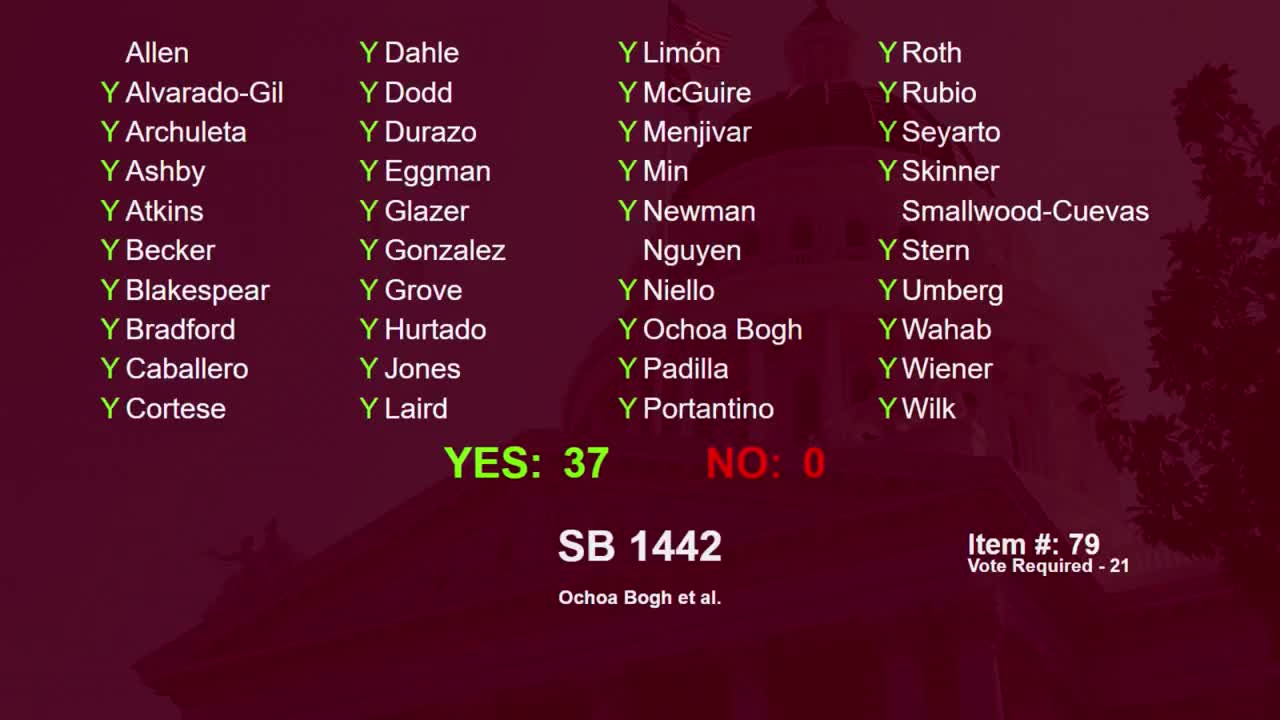 1MIN