AB 794: Criminal acts against law enforcement animals.
- Session Year: 2015-2016
- House: Assembly
- Latest Version Date: 2015-08-13
Existing law makes it a crime punishable by a fine or imprisonment, or both, to willfully and maliciously and with no legal justification strike, beat, kick, cut, stab, shoot with a firearm, administer any poison or other harmful or stupefying substance to, or throw, hurl, or project at, or place any rock, object, or other substance which is used in such a manner as to be capable of producing injury and likely to produce injury, on or in the path of, a horse being used by, or any dog under the supervision of, any peace officer in the discharge or attempted discharge of his or her duties. Existing law also makes it a crime punishable by imprisonment in a county jail for not exceeding one year, or by a fine not exceeding $1,000, or by both a fine and imprisonment, to willfully and maliciously and with no legal justification interfere with or obstruct a horse or dog being used by a peace officer in the discharge or attempted discharge of his or her duties by frightening, teasing, agitating, harassing, or hindering the horse or dog. Existing law requires a person who is convicted of a crime pursuant to these provisions to make restitution to the agency owning the animal and employing the peace officer for any veterinary bills, replacement costs of the animal if it is disabled or killed, and the salary of the peace officer for the period of time his or her services are lost to the agency.
This bill would additionally make those crimes applicable when those acts are carried out against a horse or dog being used by, or under the supervision of, a volunteer who is acting under the direct supervision of a peace officer in the discharge or attempted discharge of his or her assigned volunteer duties. The bill would also require a defendant convicted of those acts to pay restitution for a horse or dog that is used by, or under the supervision of, a volunteer who is acting under the direct supervision of a peace officer, as specified. By expanding the scope of existing crimes, the bill would impose a state-mandated local program.
The California Constitution requires the state to reimburse local agencies and school districts for certain costs mandated by the state. Statutory provisions establish procedures for making that reimbursement.
This bill would provide that no reimbursement is required by this act for a specified reason.
Existing law makes it a crime punishable by a fine or imprisonment, or both, to willfully and maliciously and with no legal justification strike, beat, kick, cut, stab, shoot with a firearm, administer any poison or other harmful or stupefying substance to, or throw, hurl, or project at, or place any rock, object, or other substance which is used in such a manner as to be capable of producing injury and likely to produce injury, on or in the path of, any a horse being used by, or any dog under the supervision of, any peace officer in the discharge or attempted discharge of his or her duties. Existing law also makes it a crime punishable by imprisonment in a county jail for not exceeding one year, or by a fine not exceeding $1,000, or by both a fine and imprisonment, to willfully and maliciously and with no legal justification interfere with or obstruct a horse or dog being used by any a peace officer in the discharge or attempted discharge of his or her duties by frightening, teasing, agitating, harassing, or hindering the horse or dog. Existing law requires a person who is convicted of a crime pursuant to these provisions to make restitution to the agency owning the animal and employing the peace officer for any veterinary bills, replacement costs of the animal if it is disabled or killed, and the salary of the peace officer for the period of time his or her services are lost to the agency.
This bill would additionally make those crimes applicable when those acts are carried out against a horse or dog being used by, or under the supervision of, a volunteer police observer who is acting under the direct supervision of a peace officer in the discharge or attempted discharge of his or her assigned volunteer duties. The bill would also require a defendant convicted of those acts to pay restitution for a horse or dog that is used by, or under the supervision of, a volunteer police observer, who is acting under the direct supervision of a peace officer, as specified. By expanding the scope of existing crimes, the bill would impose a state-mandated local program.
The California Constitution requires the state to reimburse local agencies and school districts for certain costs mandated by the state. Statutory provisions establish procedures for making that reimbursement.
This bill would provide that no reimbursement is required by this act for a specified reason.
Existing law makes it a crime punishable by a fine or imprisonment, or both, to willfully and maliciously and with no legal justification strike, beat, kick, cut, stab, shoot with a firearm, administer any poison or other harmful or stupefying substance to, or throw, hurl, or project at, or place any rock, object, or other substance which is used in such a manner as to be capable of producing injury and likely to produce injury, on or in the path of, any horse being used by, or any dog under the supervision of, any peace officer in the discharge or attempted discharge of his or her duties. Existing law also makes it a crime punishable by imprisonment in a county jail for not exceeding one year, or by a fine not exceeding $1,000, or by both a fine and imprisonment, to willfully and maliciously and with no legal justification interfere with or obstruct a horse or dog being used by any peace officer in the discharge or attempted discharge of his or her duties by frightening, teasing, agitating, harassing, or hindering the horse or dog. Existing law requires a person who is convicted of a crime pursuant to these provisions to make restitution to the agency owning the animal and employing the peace officer for any veterinary bills, replacement costs of the animal if it is disabled or killed, and the salary of the peace officer for the period of time his or her services are lost to the agency.
This bill would additionally make those crimes applicable when those acts are carried out against a horse or dog being used by, or under the supervision of, a volunteer police observer in the discharge or attempted discharge of his or her assigned volunteer duties. The bill would also require a defendant convicted of those acts to pay restitution for a horse or dog that is used by or under the supervision of a volunteer police observer, as specified. By expanding the scope of existing crimes, the bill would impose a state-mandated local program.
The California Constitution requires the state to reimburse local agencies and school districts for certain costs mandated by the state. Statutory provisions establish procedures for making that reimbursement.
This bill would provide that no reimbursement is required by this act for a specified reason.
(a)Any person who willfully and maliciously and with no legal justification strikes, beats, kicks, cuts, stabs, shoots with a firearm, administers any poison or other harmful or stupefying substance to, or throws, hurls, or projects at, or places any rock, object, or other substance which is used in such a manner as to be capable of producing injury and likely to produce injury, on or in the path of, a horse being used by, or a dog under the supervision of, a peace officer in the discharge or attempted discharge of his or her duties, or a volunteer who is acting under the direct supervision of a peace officer in the discharge or attempted discharge of his or her assigned volunteer duties, is guilty of a public offense. If the injury inflicted is a serious injury, as described in subdivision (c), the person shall be punished by imprisonment pursuant to subdivision (h) of Section 1170 for 16 months, two or three years, or in a county jail for not exceeding one year, or by a fine not exceeding two thousand dollars ($2,000), or by both a fine and imprisonment. If the injury inflicted is not a serious injury, the person shall be punished by imprisonment in the county jail for not exceeding one year, or by a fine not exceeding one thousand dollars ($1,000), or by both a fine and imprisonment.
(b)Any person who willfully and maliciously and with no legal justification interferes with or obstructs a horse or dog being used by a peace officer in the discharge or attempted discharge of his or her duties, or a volunteer who is acting under the direct supervision of a peace officer in the discharge or attempted discharge of his or her assigned volunteer duties, by frightening, teasing, agitating, harassing, or hindering the horse or dog shall be punished by imprisonment in a county jail for not exceeding one year, or by a fine not exceeding one thousand dollars ($1,000), or by both a fine and imprisonment.
(c)Any person who, in violation of this section, and with intent to inflict that injury or death, personally causes the death, destruction, or serious physical injury including bone fracture, loss or impairment of function of any bodily member, wounds requiring extensive suturing, or serious crippling, of a horse or dog, shall, upon conviction of a felony under this section, in addition and consecutive to the punishment prescribed for the felony, be punished by an additional term of imprisonment pursuant to subdivision (h) of Section 1170 for one year.
(d)Any person who, in violation of this section, and with the intent to inflict that injury, personally causes great bodily injury, as defined in Section 12022.7, to any person not an accomplice, shall, upon conviction of a felony under this section, in addition and consecutive to the punishment prescribed for the felony, be punished by an additional term of imprisonment in the state prison for two years unless the conduct described in this subdivision is an element of any other offense of which the person is convicted or receives an enhancement under Section 12022.7.
(e)A defendant convicted of a violation of this section shall be ordered to make restitution to the agency owning the animal and employing the peace officer, to a volunteer who is acting under the direct supervision of a peace officer who is using his or her horse or supervising his or her dog in the performance of his or her assigned duties, or to the agency that provides, or the individual who provides, veterinary health care coverage or veterinary care for a horse or dog being used by, or under the supervision of, a volunteer who is acting under the direct supervision of a peace officer for any veterinary bills, replacement costs of the animal if it is disabled or killed, and, if applicable, the salary of the peace officer for the period of time his or her services are lost to the agency.
SEC. 2.No reimbursement is required by this act pursuant to Section 6 of Article XIIIB of the California Constitution because the only costs that may be incurred by a local agency or school district will be incurred because this act creates a new crime or infraction, eliminates a crime or infraction, or changes the penalty for a crime or infraction, within the meaning of Section 17556 of the Government Code, or changes the definition of a crime within the meaning of Section 6 of Article XIIIB of the California Constitution.
(a)Any person who willfully and maliciously and with no legal justification strikes, beats, kicks, cuts, stabs, shoots with a firearm, administers any poison or other harmful or stupefying substance to, or throws, hurls, or projects at, or places any rock, object, or other substance which is used in such a manner as to be capable of producing injury and likely to produce injury, on or in the path of, any a horse being used by, or a dog under the supervision of, a peace officer in the discharge or attempted discharge of his or her duties, or a volunteer police observer who is acting under the direct supervision of a peace officer in the discharge or attempted discharge of his or her assigned volunteer duties, is guilty of a public offense. If the injury inflicted is a serious injury, as described in subdivision (c), the person shall be punished by imprisonment pursuant to subdivision (h) of Section 1170 for 16 months, two or three years, or in a county jail for not exceeding one year, or by a fine not exceeding two thousand dollars ($2,000), or by both a fine and imprisonment. If the injury inflicted is not a serious injury, the person shall be punished by imprisonment in the county jail for not exceeding one year, or by a fine not exceeding one thousand dollars ($1,000), or by both a fine and imprisonment.
(b)Any person who willfully and maliciously and with no legal justification interferes with or obstructs a horse or dog being used by a peace officer in the discharge or attempted discharge of his or her duties, or a volunteer police observer who is acting under the direct supervision of a peace officer in the discharge or attempted discharge of his or her assigned volunteer duties, by frightening, teasing, agitating, harassing, or hindering the horse or dog shall be punished by imprisonment in a county jail for not exceeding one year, or by a fine not exceeding one thousand dollars ($1,000), or by both a fine and imprisonment.
(c)Any person who, in violation of this section, and with intent to inflict that injury or death, personally causes the death, destruction, or serious physical injury including bone fracture, loss or impairment of function of any bodily member, wounds requiring extensive suturing, or serious crippling, of a horse or dog, shall, upon conviction of a felony under this section, in addition and consecutive to the punishment prescribed for the felony, be punished by an additional term of imprisonment pursuant to subdivision (h) of Section 1170 for one year.
(d)Any person who, in violation of this section, and with the intent to inflict that injury, personally causes great bodily injury, as defined in Section 12022.7, to any person not an accomplice, shall, upon conviction of a felony under this section, in addition and consecutive to the punishment prescribed for the felony, be punished by an additional term of imprisonment in the state prison for two years unless the conduct described in this subdivision is an element of any other offense of which the person is convicted or receives an enhancement under Section 12022.7.
(e)A defendant convicted of a violation of this section shall be ordered to make restitution to the agency owning the animal and employing the peace officer, to a volunteer police observer who is acting under the direct supervision of a peace officer who is using his or her horse or supervising his or her dog in the performance of his or her assigned duties, or to the agency that provides, or the individual who provides, veterinary health care coverage or veterinary care for a horse or dog being used by, or under the supervision of, a volunteer police observer who is acting under the direct supervision of a peace officer for any veterinary bills, replacement costs of the animal if it is disabled or killed, and, if applicable, the salary of the peace officer for the period of time his or her services are lost to the agency.
SEC. 2.No reimbursement is required by this act pursuant to Section 6 of Article XIIIB of the California Constitution because the only costs that may be incurred by a local agency or school district will be incurred because this act creates a new crime or infraction, eliminates a crime or infraction, or changes the penalty for a crime or infraction, within the meaning of Section 17556 of the Government Code, or changes the definition of a crime within the meaning of Section 6 of Article XIIIB of the California Constitution.
(a)Any person who willfully and maliciously and with no legal justification strikes, beats, kicks, cuts, stabs, shoots with a firearm, administers any poison or other harmful or stupefying substance to, or throws, hurls, or projects at, or places any rock, object, or other substance which is used in such a manner as to be capable of producing injury and likely to produce injury, on or in the path of, any horse being used by, or any a dog under the supervision of, any a peace officer in the discharge or attempted discharge of his or her duties, or a volunteer police observer in the discharge or attempted discharge of his or her assigned volunteer duties, is guilty of a public offense. If the injury inflicted is a serious injury, as defined described in subdivision (c), the person shall be punished by imprisonment pursuant to subdivision (h) of Section 1170 for 16 months, two or three years, or in a county jail for not exceeding one year, or by a fine not exceeding two thousand dollars ($2,000), or by both a fine and imprisonment. If the injury inflicted is not a serious injury, the person shall be punished by imprisonment in the county jail for not exceeding one year, or by a fine not exceeding one thousand dollars ($1,000), or by both a fine and imprisonment.
(b)Any person who willfully and maliciously and with no legal justification interferes with or obstructs any a horse or dog being used by any a peace officer in the discharge or attempted discharge of his or her duties, or a volunteer police observer in the discharge or attempted discharge of his or her assigned volunteer duties, by frightening, teasing, agitating, harassing, or hindering the horse or dog shall be punished by imprisonment in a county jail for not exceeding one year, or by a fine not exceeding one thousand dollars ($1,000), or by both a fine and imprisonment.
(c)Any person who, in violation of this section, and with intent to inflict that injury or death, personally causes the death, destruction, or serious physical injury including bone fracture, loss or impairment of function of any bodily member, wounds requiring extensive suturing, or serious crippling, of any a horse or dog, shall, upon conviction of a felony under this section, in addition and consecutive to the punishment prescribed for the felony, be punished by an additional term of imprisonment pursuant to subdivision (h) of Section 1170 for one year.
(d)Any person who, in violation of this section, and with the intent to inflict that injury, personally causes great bodily injury, as defined in Section 12022.7, to any person not an accomplice, shall, upon conviction of a felony under this section, in addition and consecutive to the punishment prescribed for the felony, be punished by an additional term of imprisonment in the state prison for two years unless the conduct described in this subdivision is an element of any other offense of which the person is convicted or receives an enhancement under Section 12022.7.
(e)In any case in which a A defendant is convicted of a violation of this section, the defendant shall be ordered to make restitution to the agency owning the animal and employing the peace officer officer, to a volunteer police observer who is using his or her horse or supervising his or her dog in the performance of his or her assigned duties, or to the agency that provides, or the individual who provides, veterinary health care coverage or veterinary care for a horse or dog being used by, or under the supervision of, a volunteer police observer for any veterinary bills, replacement costs of the animal if it is disabled or killed, and and, if applicable, the salary of the peace officer for the period of time his or her services are lost to the agency.
SEC. 2.No reimbursement is required by this act pursuant to Section 6 of Article XIIIB of the California Constitution because the only costs that may be incurred by a local agency or school district will be incurred because this act creates a new crime or infraction, eliminates a crime or infraction, or changes the penalty for a crime or infraction, within the meaning of Section 17556 of the Government Code, or changes the definition of a crime within the meaning of Section 6 of Article XIIIB of the California Constitution.
|
Date
|
Status
|
|---|---|
| Aug 13, 2015 | Chaptered by Secretary of State - Chapter 201, Statutes of 2015. |
| Aug 13, 2015 | Approved by the Governor. |
| Aug 3, 2015 | Enrolled and presented to the Governor at 3 p.m. |
| Jul 6, 2015 | Read third time. Passed. Ordered to the Assembly. (Ayes 39. Noes 0. Page 1790.). |
| Jul 6, 2015 | In Assembly. Ordered to Engrossing and Enrolling. |
| Jul 6, 2015 | Read third time. Passed. Ordered to the Assembly. |
| Jul 1, 2015 | Ordered to special consent calendar. |
| Jun 30, 2015 | Read second time. Ordered to third reading. |
| Jun 29, 2015 | From committee: Do pass. (Ayes 6. Noes 0.) (June 29). |
| Jun 16, 2015 | From committee: Do pass and re-refer to Com. on APPR. (Ayes 7. Noes 0.) (June 16). Re-referred to Com. on APPR. |
| May 14, 2015 | Referred to Com. on PUB. S. |
| Apr 30, 2015 | In Senate. Read first time. To Com. on RLS. for assignment. |
| Apr 30, 2015 | Read third time. Passed. Ordered to the Senate. (Ayes 77. Noes 0. Page 1225.) |
| Apr 30, 2015 | Read third time. Passed. Ordered to the Senate. |
| Apr 23, 2015 | Read second time. Ordered to Consent Calendar. |
| Apr 22, 2015 | From committee: Do pass. To Consent Calendar. (Ayes 17. Noes 0.) (April 22). |
| Apr 15, 2015 | From committee: Do pass and re-refer to Com. on APPR. with recommendation: To Consent Calendar. (Ayes 7. Noes 0.) (April 14). Re-referred to Com. on APPR. |
| Apr 9, 2015 | Re-referred to Com. on PUB. S. |
| Apr 8, 2015 | From committee chair, with author's amendments: Amend, and re-refer to Com. on PUB. S. Read second time and amended. |
| Apr 7, 2015 | In committee: Set, first hearing. Hearing canceled at the request of author. |
| Mar 12, 2015 | Referred to Com. on PUB. S. |
| Feb 26, 2015 | From printer. May be heard in committee March 28. |
| Feb 25, 2015 | Read first time. To print. |
|
Date
|
Description
|
Location
|
Votes
|
|
|---|---|---|---|---|
| Jul 6, 2015 | Special Consent #4 AB794 Linder | Senate Floor |
Passed |
|
| Jun 29, 2015 | Do pass | Senate Standing Committee on Appropriations |
Passed |
|
| Jun 16, 2015 | Do pass, but first be re-referred to the Committee on [Appropriations] | Senate Standing Committee on Public Safety |
Passed |
|
| Apr 30, 2015 | AB 794 LINDER Consent Calendar Second Day Regular Session | Assembly Floor |
Passed |
|
| Apr 22, 2015 | Do pass. To Consent Calendar. | Assembly Standing Committee on Appropriations |
Passed |
|
| Apr 14, 2015 | Do pass and be re-referred to the Committee on [Appropriations] with recommendation: To Consent Calendar | Assembly Standing Committee on Public Safety |
Passed |
This list shows positions taken on this bill by organizations on the date displayed, which is linked to the original source.
Positions by individuals are not included.
AB 794
Page 7
|
Office of Senate Floor Analyses (916) 651-1520 Fax: (916) 327-4478 |
THIRD READING
Bill No: AB 794
Amended: 4/8/15 in Assembly
SENATE PUBLIC SAFETY COMMITTEE: 7-0, 6/16/15
AYES: Hancock, Anderson, Glazer, Leno, Liu, Monning, Stone
SENATE APPROPRIATIONS COMMITTEE: 6-0, 6/29/15
AYES: Lara, Beall, Hill, Leyva, Mendoza, Nielsen
NO VOTE RECORDED: Bates
ASSEMBLY FLOOR: 77-0, 4/30/15 (Consent) - See last page for vote
SUBJECT: Criminal acts against law enforcement animals
SOURCE: California Mounted Officers Association
DIGEST: This bill expands criminal acts against law enforcement animals to include offenses against animals used by volunteers, acting under the direct supervision of a peace officer, as specified.
Existing law:
Provides that any person who maliciously strikes, beats, kicks, stabs, shoots, or throws, hurls, or projects any rock or object at any horse being used by a peace officer, or any dog being supervised by a peace officer in the performance of his or her duties is a public offense. If the injury inflicted is a serious injury, as specified, the person shall be punished by imprisonment pursuant to subdivision (h) of Section 1170 of Penal Code for 16 months, two or three years, or in a county jail for not exceeding one year, or by a fine not exceeding $2,000, or by both a fine and imprisonment. If the injury inflicted is not a serious injury, the person shall be punished by imprisonment in the county jail for not exceeding one year, or by a fine not exceeding $1,000, or by both a fine and imprisonment. (Penal Code § 600(a).)
States that any person who willfully and maliciously interferes with, or obstructs, any horse or dog being used by a peace officer or any dog being supervised by a peace officer in the performance of his or her duties by frightening, teasing, agitating, harassing, or hindering the horse or dog shall be punished by imprisonment in a county jail not exceeding one year; by a fine not exceeding $1,000 or by both. (Penal Code § 600(b).)
Provides that any person who, with the intent to inflict serious injury or death, personally causes the death, destruction, or serious physical injury of a horse or dog being used by, or under the direction of, a peace officer shall, shall, upon conviction of a felony under this section, in addition and consecutive to the punishment prescribed for the felony, be punished by an additional term of imprisonment pursuant to subdivision (h) of Section 1170 for one year. (Penal Code § 600(c).)
Defines “serious injury” to include bone fracture, loss or impairment of function of any bodily member, wounds requiring extensive suturing, or serious crippling. (Penal Code § 600(c).)
Provides that any person with the intent to inflict that injury, personally causes great bodily injury to a person not an accomplice, must, upon conviction of a felony under this section, in addition and consecutive, be punished by an additional term of imprisonment in the state prison for two years unless the conduct can be punished under Penal Code Section 12022.7 or it is an element of a separate offense for which the person is convicted. (Penal Code § 600(d).)
Requires the defendant to make restitution to the agency owning the animal and employing the peace officer for any veterinary bills, replacement costs of the animal if it is disabled or killed, and the salary of the peace officer for the period of time his or her services are lost to the agency. (Penal Code § 600(e).)
Provides that when battery is committed against any person, including a peace officer and serious bodily injury is inflicted on the person, the battery is punishable by imprisonment in the state prison for two, three, or four years or by imprisonment in a county jail not exceeding one year. (Penal Code § 243(d).)
Specifies the actions of a person who maliciously and intentionally maims, mutilates, tortures, or wounds a living animal, or maliciously and intentionally kills an animal as a criminal offense. (Penal Code § 597.)
Specifies when a person overdrives, overloads, drives when overloaded, overworks, tortures, torments, deprives of necessary sustenance, drink, or shelter, cruelly beats, mutilates, or cruelly kills any animal, or causes or procures any animal to be so overdriven, overloaded, driven when overloaded, overworked, tortured, tormented, deprived of necessary sustenance, drink, shelter, or to be cruelly beaten, mutilated, or cruelly killed; and whoever, having the charge or custody of any animal, either as owner or otherwise, subjects any animal to needless suffering, or inflicts unnecessary cruelty upon the animal, or in any manner abuses any animal, or fails to provide the animal with proper food, drink, or shelter or protection from the weather, or who drives, rides, or otherwise uses the animal when unfit for labor as a criminal offense. (Penal Code § 597(b).)
Specifies the actions of a person who maliciously and intentionally maims, mutilates, or tortures any mammal, bird, reptile, amphibian, or fish, as specified as a criminal offense. (Penal Code § 597(c).)
Requires punishment as a felony by imprisonment pursuant to subdivision (h) of Section 1170, or by a fine of not more than $20,000, or by both that fine and imprisonment, or alternatively, as a misdemeanor by imprisonment in a county jail for not more than one year, or by a fine of not more than $20,000, or by both that fine and imprisonment for violations of Penal Code Section 597(animal cruelty). (Penal Code § 597(d).)
Specifies that upon the conviction of a person charged with a violation of this section by causing or permitting an act of cruelty, as specified, all animals lawfully seized and impounded with respect to the violation by a peace officer, officer of a humane society, or officer of a pound or animal regulation department of a public agency shall be adjudged by the court to be forfeited and shall thereupon be awarded to the impounding officer for proper disposition. A person convicted of a violation of this section by causing or permitting an act of cruelty, as specified, shall be liable to the impounding officer for all costs of impoundment from the time of seizure to the time of proper disposition. (Penal Code § 597(g).)
Specifies that mandatory seizure or impoundment shall not apply to animals in properly conducted scientific experiments or investigations performed under the authority of the faculty of a regularly incorporated medical college or university of this state. (Penal Code § 597(g).)
Requires that if a defendant is granted probation for a conviction animal cruelty, the court shall order the defendant to pay for, and successfully complete, counseling, as determined by the court, designed to evaluate and treat behavior or conduct disorders. If the court finds that the defendant is financially unable to pay for that counseling, the court may develop a sliding fee schedule based upon the defendant's ability to pay. The counseling shall be in addition to any other terms and conditions of probation, including any term of imprisonment and any fine. If the court does not order custody as a condition of probation for a conviction under this section, the court shall specify on the court record the reason or reasons for not ordering custody. This does not apply to cases involving police dogs or horses as described in Section 600. (Penal Code § 597(h).)
This bill:
Expands crimes against law enforcement animals to include acts carried out against a horse or dog being used by, or under the supervision of, a volunteer, who is acting under the direct supervision of a peace officer in the discharge or attempted discharge of his or her assigned volunteer duties.
Expands the restitution requirements for defendants convicted of those acts to include a volunteer who is acting under the direct supervision of a peace officer using their own horse or dog. In such a case, the defendant would be required to make restitution to the volunteer, or the agency that provides, or individual that provides, veterinary care for the horse or dog.
Background
A number of local law enforcement agencies are utilizing volunteers to act as the agencies’ “eyes and ears.” For example, the Riverside County Sheriff’s Department has the Sheriff’s Mounted Posse. Mounted citizen volunteers provide assistance to law enforcement in Riverside County by being “eyes and ears.” They do not have the powers or authority vested in peace officers. Citizen volunteers are directed to contact law enforcement if they witness a crime or suspicious activity. Citizen volunteers are not expected to take direct action on any potential criminal activity. (http://www. riversidesheriff.org/volunteer/posse.asp.)
The Pasadena Police Department also has a Volunteer Mounted Unit:
Non-sworn civilian volunteer group that provides a patrol service in
the more remote park areas of the City, including the Arroyo Seco
Park and the Rose Bowl. The Unit acts as “eyes and ears” for the
department by reporting violations and other circumstances that may
be a threat to public safety.
The Volunteer Mounted Unit
was originally formed to assist at the Rose Bowl in patrolling
parking lots during the 1984 Olympics. It was formalized and adopted
by the Police Department in 1985 when the department recognized the
need for passive patrol in the remote hiking and riding trail areas
not readily accessible by patrol units. Since then, Volunteer Mounted
Unit members have donated thousands of hours creating a police
presence and providing an important link between the department and
the community that utilizes the parks.
(http://www.ci.pasadena.ca.us/police/mounted_volunteers/.)
This bill seeks to protect the animals of these Volunteer Mounted Unit volunteers by making it a crime to harm or harass these animals. This bill, additionally, expands the restitution requirements so that a volunteer would be eligible for restitution.
FISCAL EFFECT: Appropriation: No Fiscal Com.: Yes Local: Yes
According to the Senate Appropriations Committee:
Likely minor, if any, state costs (General Fund) for felony convictions resulting in new commitments to state prison. Data from the Department of Corrections and Rehabilitation indicates only two commitments to state prison over the past four years for this offense against animals used by peace officers. Violations against animals used by volunteers acting under the supervision of a peace officer are estimated to be even less likely.
Potential increase in non-reimbursable local enforcement and incarceration costs (Local Funds) offset to a degree by fine revenue for new jail felony and misdemeanor convictions.
California Mounted Officers Association (source)
American Society of the Prevention of Cruelty to Animals
California Association of Highway Patrolmen
California Police Chiefs Association
Peace Officers Research Association of California
Riverside Sheriffs’ Association
Sonoma County Board of Supervisors
One individual
OPPOSITION: (Verified 6/30/15)
None received
ARGUMENTS IN SUPPORT: According to the California Mounted Officers Association (CMOA):
The CMOA Board of Directors, who represent over 250 CMOA members who
are comprised of mounted law enforcement personnel and mounted law
enforcement volunteers, whole heartedly support and sponsor AB-794.
The CMOA recognizes that under the current law of Penal
Code 600, law enforcement volunteers and their mounts do not have any
protection. Also currently, law enforcement personnel cannot take
any legal action in regard to someone who would assault the mount of
a mounted law enforcement volunteer.
CMOA understands the
dedication, time, personal expense, and providing their own mounts
that law enforcement mounted volunteers give to their communities
across the state every day. AB-794 helps protect these dedicated
volunteers and their mounts who provide volunteer service to their
communities. AB-794 will also allow law enforcement to enforce the
new amended PC 600.
ASSEMBLY FLOOR: 77-0, 4/30/15
AYES: Achadjian, Alejo, Travis Allen, Baker, Bigelow, Bloom, Bonilla, Bonta, Brough, Brown, Burke, Calderon, Chang, Chau, Chiu, Chu, Cooley, Cooper, Dababneh, Dahle, Daly, Dodd, Eggman, Frazier, Beth Gaines, Gallagher, Cristina Garcia, Eduardo Garcia, Gatto, Gipson, Gonzalez, Gordon, Gray, Grove, Hadley, Harper, Roger Hernández, Holden, Irwin, Jones, Jones-Sawyer, Kim, Lackey, Levine, Linder, Lopez, Low, Maienschein, Mathis, Mayes, McCarty, Medina, Melendez, Mullin, Nazarian, Obernolte, O'Donnell, Olsen, Patterson, Perea, Quirk, Rendon, Ridley-Thomas, Rodriguez, Salas, Santiago, Steinorth, Mark Stone, Thurmond, Ting, Wagner, Waldron, Weber, Wilk, Williams, Wood, Atkins
NO VOTE RECORDED: Campos, Chávez, Gomez
Prepared by: Jessica Devencenzi / PUB. S. /
6/30/15 14:58:43
**** END ****
AB 794 (Linder) Page 2 of 2
SENATE COMMITTEE ON APPROPRIATIONS
Senator Ricardo Lara, Chair
2015 - 2016 Regular Session
AB 794 (Linder) - Criminal acts against law enforcement animals
|
|
Version: April 8, 2015 |
Policy Vote: PUB. S. 7 - 0 |
Urgency: No |
Mandate: Yes |
Hearing Date: June 29, 2015 |
Consultant: Jolie Onodera |
This bill does not meet the criteria for referral to the Suspense File.
Bill Summary:
AB 794 would expand the criminal acts against animals used by, or under the supervision of, a peace officer to include offenses against animals used by volunteers acting under the direct supervision of a peace officer, as specified.
Fiscal Impact:
Likely minor, if any, state costs (General Fund) for felony convictions resulting in new commitments to state prison. Data from the CDCR indicates only two commitments to state prison over the past four years for this offense against animals used by peace officers. Violations against animals used by volunteers acting under the supervision of a peace officer are estimated to be even less likely.
Potential increase in non-reimbursable local enforcement and incarceration costs (Local Funds) offset to a degree by fine revenue for new jail felony and misdemeanor convictions.
Background:
Existing law makes it a crime to willfully and maliciously and with no legal justification injure a horse being used by, or any dog under the supervision of, any peace officer in the discharge or attempted discharge of his or her duties. If the injury inflicted is a serious injury, as defined, a person is subject to imprisonment in county jail (or state prison if the defendant has a prior serious or violent felony conviction) for 16 months, two or three years, or in a county jail for up to one year, a fine of up to $2,000, or both the fine and imprisonment. If the injury is not a serious injury, the person is subject to imprisonment in county jail for up to one year, or by a fine of up to $1,000, or by both the fine and imprisonment. (Penal Code (PC) § 600(a).)
Existing law also makes it a crime punishable by imprisonment in a county jail not exceeding one year, or by a fine not exceeding $1,000, or by both a fine and imprisonment, to willfully and maliciously and with no legal justification interfere with or obstruct a horse or dog being used by a peace officer in the discharge or attempted discharge of his or her duties by frightening, teasing, agitating, harassing, or hindering the horse or dog. (PC § 600(b).)
Under existing law, a defendant convicted of a violation of PC § 600 is required to make restitution to the agency owning the animal and employing the peace officer for any veterinary bills, replacement costs of the animal if it is disabled or killed, and the salary of the peace officer for the period of time his or her services are lost to the agency. (PC § 600(e).)
This bill seeks to extend similar protections to animals used by volunteers acting under the direct supervision of a peace officer, as specified.
Proposed Law:
This bill would extend the criminal acts pursuant to PC § 600 against animals used by, or under the supervision of, a peace officer, to include similar offenses against animals used by a volunteer who is acting under the direct supervision of a peace officer in the discharge or attempted discharge of his or her assigned volunteer duties.
Additionally, this bill expands the restitution requirements for defendants convicted of those offenses to include restitution to a volunteer who is acting under the direct supervision of a peace officer who is using his or her horse or supervising his or her dog in the performance of his or her assigned duties, or to the individual or agency that provides veterinary health care coverage or veterinary care for a horse or dog being used by, or under the supervision of, a volunteer who is acting under the direct supervision of a peace officer for any veterinary bills or replacement costs of the animal if it is disabled or killed.
Prior Legislation:
AB 667 (Smyth) 2007 would have increased the penalties for willfully and maliciously injuring a horse or dog used by a peace officer in his or her duties, as specified. This bill was referred to but not heard in the Assembly Committee on Public Safety.
-- END --
AB 794 (Linder ) Page 6 of 6
SENATE COMMITTEE ON PUBLIC SAFETY
Senator Loni Hancock, Chair
2015 - 2016 Regular
Bill No: AB 794 Hearing Date: June 16, 2015
Author: |
Linder |
||
Version: |
April 8, 2015 |
||
Urgency: |
No |
Fiscal: |
Yes |
Consultant: |
JRD |
||
Subject: Criminal Acts Against Law Enforcement Animals
HISTORY
Source: California Mounted Officers Association
Prior Legislation: AB 667 (Smyth) – 2007-08, died in Assembly Public Safety
Support: American Society of the
Prevention of Cruelty to Animals; California Association of Highway
Patrolmen; California Police Chiefs Association; Peace Officers
Research Association of California; Riverside Sheriffs’
Association; Sonoma County Board of Supervisors; One Individual
Opposition: California Public Defenders Association
Assembly Floor Vote: 77 - 0
PURPOSE
The purpose of this bill is to expand criminal acts against law enforcement animals to include offenses against animals used by volunteers, acting under the direct supervision of a peace officer, as specified.
Existing law provides that any person who maliciously strikes, beats, kicks, stabs, shoots, or throws, hurls, or projects any rock or object at any horse being used by a peace officer, or any dog being supervised by a peace officer in the performance of his or her duties is a public offense. If the injury inflicted is a serious injury, as specified, the person shall be punished by imprisonment pursuant to subdivision (h) of Section 1170 for 16 months, two or three years, or in a county jail for not exceeding one year, or by a fine not exceeding two thousand dollars, or by both a fine and imprisonment. If the injury inflicted is not a serious injury, the person shall be punished by imprisonment in the county jail for not exceeding one year, or by a fine not exceeding one thousand dollars, or by both a fine and imprisonment. (Penal Code § 600(a).)
Existing law states that any person who willfully and maliciously interferes with, or obstructs, any horse or dog being used by a peace officer or any dog being supervised by a peace officer in the performance of his or her duties by frightening, teasing, agitating, harassing, or hindering the horse or dog shall be punished by imprisonment in a county jail not exceeding one year; by a fine not exceeding $1,000 or by both. (Penal Code § 600(b).)
Existing law provides that any person who, with the intent to inflict serious injury or death, personally causes the death, destruction, or serious physical injury of a horse or dog being used by, or under the direction of, a peace officer shall, shall, upon conviction of a felony under this section, in addition and consecutive to the punishment prescribed for the felony, be punished by an additional term of imprisonment pursuant to subdivision (h) of Section 1170 for one year. (Penal Code § 600(c).)
Existing law defines “serious injury” to include bone fracture, loss or impairment of function of any bodily member, wounds requiring extensive suturing, or serious crippling. (Penal Code § 600(c).)
Existing law provides that any person with the intent to inflict that injury, personally causes great bodily injury to a person not an accomplice, must, upon conviction of a felony under this section, in addition and consecutive, be punished by an additional term of imprisonment in the state prison for two years unless the conduct can be punished under Penal Code section 12022.7 or it is an element of a separate offense for which the person is convicted. (Penal Code § 600(d).)
Existing law requires the defendant to make restitution to the agency owning the animal and employing the peace officer for any veterinary bills, replacement costs of the animal if it is disabled or killed, and the salary of the peace officer for the period of time his or her services are lost to the agency. (Penal Code § 600(e).)
Existing law provides that when battery is committed against any person, including a peace officer and serious bodily injury is inflicted on the person, the battery is punishable by imprisonment in the state prison for two, three, or four years or by imprisonment in a county jail not exceeding one year. (Penal Code § 243(d).)
Existing law specifies the actions of a person who maliciously and intentionally maims, mutilates, tortures, or wounds a living animal, or maliciously and intentionally kills an animal as a criminal offense. (Penal Code § 597.)
Existing law specifies when a person overdrives, overloads, drives when overloaded, overworks, tortures, torments, deprives of necessary sustenance, drink, or shelter, cruelly beats, mutilates, or cruelly kills any animal, or causes or procures any animal to be so overdriven, overloaded, driven when overloaded, overworked, tortured, tormented, deprived of necessary sustenance, drink, shelter, or to be cruelly beaten, mutilated, or cruelly killed; and whoever, having the charge or custody of any animal, either as owner or otherwise, subjects any animal to needless suffering, or inflicts unnecessary cruelty upon the animal, or in any manner abuses any animal, or fails to provide the animal with proper food, drink, or shelter or protection from the weather, or who drives, rides, or otherwise uses the animal when unfit for labor as a criminal offense. (Penal Code § 597(b).)
Existing law specifies the actions of a person who maliciously and intentionally maims, mutilates, or tortures any mammal, bird, reptile, amphibian, or fish, as specified as a criminal offense. (Penal Code § 597(c).)
Existing law requires punishment as a felony by imprisonment pursuant to subdivision (h) of Section 1170, or by a fine of not more than twenty thousand dollars ($20,000), or by both that fine and imprisonment, or alternatively, as a misdemeanor by imprisonment in a county jail for not more than one year, or by a fine of not more than twenty thousand dollars ($20,000), or by both that fine and imprisonment for violations of Penal Code section 597(animal cruelty). (Penal Code § 597(d).)
Existing law specifies that upon the conviction of a person charged with a violation of this section by causing or permitting an act of cruelty, as specified, all animals lawfully seized and impounded with respect to the violation by a peace officer, officer of a humane society, or officer of a pound or animal regulation department of a public agency shall be adjudged by the court to be forfeited and shall thereupon be awarded to the impounding officer for proper disposition. A person convicted of a violation of this section by causing or permitting an act of cruelty, as specified, shall be liable to the impounding officer for all costs of impoundment from the time of seizure to the time of proper disposition. (Penal Code § 597(g).)
Existing law specifies that mandatory seizure or impoundment shall not apply to animals in properly conducted scientific experiments or investigations performed under the authority of the faculty of a regularly incorporated medical college or university of this state. (Penal Code § 597(g).)
Existing law requires that if a defendant is granted probation for a conviction animal cruelty, the court shall order the defendant to pay for, and successfully complete, counseling, as determined by the court, designed to evaluate and treat behavior or conduct disorders. If the court finds that the defendant is financially unable to pay for that counseling, the court may develop a sliding fee schedule based upon the defendant's ability to pay. The counseling shall be in addition to any other terms and conditions of probation, including any term of imprisonment and any fine. If the court does not order custody as a condition of probation for a conviction under this section, the court shall specify on the court record the reason or reasons for not ordering custody. This does not apply to cases involving police dogs or horses as described in Section 600. (Penal Code § 597(h).)
This bill expands crimes against law enforcement animals to include acts carried out against a horse or dog being used by, or under the supervision of, a volunteer, who is acting under the direct supervision of a peace officer in the discharge or attempted discharge of his or her assigned volunteer duties.
This bill expands the restitution requirements for defendants convicted of those acts to include a volunteer who is acting under the direct supervision of a peace officer using their own horse or dog. In such a case, the defendant would be required to make restitution to the volunteer, or the agency that provides, or individual that provides, veterinary care for the horse or dog.
RECEIVERSHIP/OVERCROWDING CRISIS AGGRAVATION
For the past eight years, this Committee has scrutinized legislation referred to its jurisdiction for any potential impact on prison overcrowding. Mindful of the United States Supreme Court ruling and federal court orders relating to the state’s ability to provide a constitutional level of health care to its inmate population and the related issue of prison overcrowding, this Committee has applied its “ROCA” policy as a content-neutral, provisional measure necessary to ensure that the Legislature does not erode progress in reducing prison overcrowding.
On February 10, 2014, the federal court ordered California to reduce its in-state adult institution population to 137.5% of design capacity by February 28, 2016, as follows:
143% of design bed capacity by June 30, 2014;
141.5% of design bed capacity by February 28, 2015; and,
137.5% of design bed capacity by February 28, 2016.
In February of this year the administration reported that as “of February 11, 2015, 112,993 inmates were housed in the State’s 34 adult institutions, which amounts to 136.6% of design bed capacity, and 8,828 inmates were housed in out-of-state facilities. This current population is now below the court-ordered reduction to 137.5% of design bed capacity.” ( Defendants’ February 2015 Status Report In Response To February 10, 2014 Order, 2:90-cv-00520 KJM DAD PC, 3-Judge Court, Coleman v. Brown, Plata v. Brown (fn. omitted).
While significant gains have been made in reducing the prison population, the state now must stabilize these advances and demonstrate to the federal court that California has in place the “durable solution” to prison overcrowding “consistently demanded” by the court. (Opinion Re: Order Granting in Part and Denying in Part Defendants’ Request For Extension of December 31, 2013 Deadline, NO. 2:90-cv-0520 LKK DAD (PC), 3-Judge Court, Coleman v. Brown, Plata v. Brown (2-10-14). The Committee’s consideration of bills that may impact the prison population therefore will be informed by the following questions:
Whether a proposal erodes a measure which has contributed to reducing the prison population;
Whether a proposal addresses a major area of public safety or criminal activity for which there is no other reasonable, appropriate remedy;
Whether a proposal addresses a crime which is directly dangerous to the physical safety of others for which there is no other reasonably appropriate sanction;
Whether a proposal corrects a constitutional problem or legislative drafting error; and
Whether a proposal proposes penalties which are proportionate, and cannot be achieved through any other reasonably appropriate remedy.
COMMENTS
1. Need for Legislation
According to the author:
In Penal Code 600, it is an offense to willfully, maliciously harm, injure, obstruct, or interfere with a horse or a dog under the supervision of a law enforcement officer in the discharge of official duties. These violations are punishable by a fine and/or imprisonment. Punishment depends on the seriousness of the injury to the animal. Upon conviction, a defendant must also pay restitution for damages. Unfortunately, Penal Code 600 only covers animals that are directly being used by an employed peace officer.
AB 794 would add to Penal Code section 600, to additionally include animals that are being used by volunteer peace officers. With budgets being stretched at the local level and efforts being made to engage with citizens, many counties are creating more volunteer opportunities to work with law enforcement. For many years Riverside County has worked with locals in Norco to take advantage of their love of horses by having the Mounted Posse. These volunteers serve the region by observing and reporting directly to the Sheriff’s office. While the volunteers themselves are protected from harm under state, their horses are not. AB 794 will ensure that those who volunteer to help protect their communities will also have protections for their animals afforded to law enforcement animals.
2. Effect of Legislation
A number of local law enforcement agencies are utilizing volunteers to act as the agencies’ “eyes and ears.” For example, the Riverside County Sheriff’s Department has the Sheriff’s Mounted Posse. Mounted citizen volunteers provide assistance to law enforcement in Riverside County by being “eyes and ears.” They do not have the powers or authority vested in peace officers. Citizen volunteers are directed to contact law enforcement if they witness a crime or suspicious activity. Citizen volunteers are not expected to take direct action on any potential criminal activity. (http://www. riversidesheriff.org/volunteer/posse.asp.)
The Pasadena Police Department also has a Volunteer Mounted Unit:
Non-sworn civilian volunteer
group that provides a patrol service in the more remote park areas of
the City, including the Arroyo Seco Park and the Rose Bowl. The Unit
acts as “eyes and ears” for the department by reporting
violations and other circumstances that may be a threat to public
safety.
The Volunteer Mounted Unit was originally formed
to assist at the Rose Bowl in patrolling parking lots during the 1984
Olympics. It was formalized and adopted by the Police Department in
1985 when the department recognized the need for passive patrol in
the remote hiking and riding trail areas not readily accessible by
patrol units. Since then, Volunteer Mounted Unit members have donated
thousands of hours creating a police presence and providing an
important link between the department and the community that utilizes
the parks.
(http://www.ci.pasadena.ca.us/police/mounted_volunteers/.)
This legislation seeks to protect the animals of these Volunteer Mounted Unit volunteers by making it a crime to harm or harass these animals. This bill, additionally, expands the restitution requirements so that a volunteer would be eligible for restitution.
3. Argument in Support
According to the California Mounted Officers Association (CMOA):
The CMOA Board of Directors, who
represent over 250 CMOA members who are comprised of mounted law
enforcement personnel and mounted law enforcement volunteers, whole
heartedly support and sponsor AB-794.
The CMOA recognizes
that under the current law of Penal Code 600, law enforcement
volunteers and their mounts do not have any protection. Also
currently, law enforcement personnel cannot take any legal action in
regard to someone who would assault the mount of a mounted law
enforcement volunteer.
CMOA understands the dedication,
time, personal expense, and providing their own mounts that law
enforcement mounted volunteers give to their communities across the
state every day. AB-794 helps protect these dedicated volunteers and
their mounts who provide volunteer service to their communities.
AB-794 will also allow law enforcement to enforce the new amended PC
600.
4. Argument in Opposition
According to the California Public Defenders Association,
The California Public Defenders Association (CPDA), a statewide organization of public defenders, private defense counsel, and investigators is sorry to inform you of our opposition to AB 794 by Assemblymember Linder.
Under current law, Penal Code § 600, it is a felony to assault or harm a horse or dog that is under the supervision of a peace officer in the discharge or attempted discharge of his or her duties. It is also a misdemeanor to harass, interfere with, or obstruct these animals.
This bill would modify PC § 600 to include “a volunteer police observer,” and require restitution “to a volunteer police observer who is using his or her horse or supervising his or her dog in the performance of his or her assigned duties . . ..” (Emphasis added).
This bill expands the scope of a crime, and extends it to any number of “volunteer police observers.” This term is not defined in the statute, nor is there a reference to a definition in another statute. This is likely because the term is not defined, and is left to the individual law enforcement agencies to determine the definition, qualification, and training of these volunteers.
Likewise, it is troubling that a volunteer can bring “his or her dog or horse” to assist in law enforcement activities, without any parameters setting out the qualifications of the animal. It takes a very disciplined and well-trained animal to be of assistance to law enforcement. Citizens should not bear the risk of becoming involved in an incident with a poorly-trained animal, and then be criminally charged because of behavior that the animal may responsible for. For example, an overly-sensitive horse may become spooked from background noise and commotion during an incident, but an individual may be charged because of the horse’s behavior.
Because this bill is vague and criminalizes potentially innocuous behavior, it should be opposed.
-- END –
AB 794
Page 2
Date of Hearing: April 22, 2015
ASSEMBLY COMMITTEE ON APPROPRIATIONS
Jimmy Gomez, Chair
AB 794
(Linder) – As Amended April 8, 2015
Policy Committee: |
Public Safety |
Vote: |
7 - 0 |
|
|
|
|
|
|
|
|
Urgency: No State Mandated Local Program: Yes Reimbursable: No
SUMMARY:
This bill expands criminal acts against law enforcement animals to include offenses against animals used by volunteers acting under the direct supervision of a peace officer. Specifically, this bill:
Expands crimes against law enforcement animals to include acts carried out against a horse or dog being used by, or under the supervision of, a volunteer who is acting under the direct supervision of a peace officer in the discharge or attempted discharge of his or her assigned volunteer duties.
Expands the restitution requirements for defendants convicted of those acts to include a volunteer who is acting under the direct supervision of a peace officer using their own horse or dog. In such a case, the defendant would be required to make restitution to the volunteer, or the agency that provides, or individual that provides, veterinary care for the horse or dog.
FISCAL EFFECT:
Moderate nonreimbursable local costs for incarceration, offset to a degree by fee revenue, as this type of crime will probably be added to another criminal charge.
COMMENTS:
Background. Current law provides that any person who, with the intent to inflict serious injury, as defined, or death, personally causes the death, destruction, or serious physical injury of a horse or dog being used by, or under the direction of, a peace officer shall, upon conviction of a felony under this section, in addition and consecutive to the punishment prescribed for the felony, be punished by an additional term of imprisonment. Current law also specifies the actions of a person who maliciously and intentionally maims, mutilates, tortures, or wounds a living animal, or maliciously and intentionally kills an animal as a criminal offense.
Purpose. According to the author, "AB 794 would add to Penal Code section 600, to additionally include animals that are being used by volunteer peace officers. With budgets being stretched at the local level and efforts being made to engage with citizens, many counties are creating more volunteer opportunities to work with law enforcement. For many years Riverside County has worked with locals in Norco to take advantage of their love of horses by having the Mounted Posse. These volunteers serve the region by observing and reporting directly to the Sheriff’s office. While the volunteers themselves are protected from harm under state, their horses are not. AB 794 will ensure that those who volunteer to help protect their communities will also have protections for their animals afforded to law enforcement animals."
Argument in Support: According to the California Mounted Officers Association (CMOA),
“The CMOA recognizes that under the current law of Penal Code 600, law enforcement volunteers and their mounts do not have any protection. Also currently, law enforcement personnel cannot take any legal action in regard to someone who would assault the mount of a mounted law enforcement volunteer.
“CMOA understands the dedication, time, personal expense, and providing their own mounts that law enforcement mounted volunteers give to their communities across the state every day. AB-794 helps protect these dedicated volunteers and their mounts who provide volunteer service to their communities. AB-794 will also allow law enforcement to enforce the new amended PC 600."
Prior Legislation: AB 667 (Smyth), of the 2007-2008 legislative session, would have increased the punishment for violation of Penal Code section 600 to two, three, or four years in the state prison. The bill was held in Assembly Public Safety Committee.
Analysis Prepared by: Pedro R. Reyes / APPR. / (916) 319-2081
AB 794
Page 5
Date of Hearing: April 14, 2015
Counsel: David Billingsley
ASSEMBLY COMMITTEE ON PUBLIC SAFETY
Bill Quirk, Chair
AB 794
(Linder) – As Amended April 8, 2015
SUMMARY:
Expands criminal acts against law enforcement animals to include offenses against animals used by volunteers acting under the direct supervision of a peace officer. Specifically, this bill:
Expands crimes against law enforcement animals to include acts carried out against a horse or dog being used by, or under the supervision of, a volunteer who is acting under the direct supervision of a peace officer in the discharge or attempted discharge of his or her assigned volunteer duties.
Expands the restitution requirements for defendants convicted of those acts to include a volunteer who is acting under the direct supervision of a peace officer using their own horse or dog. In such a case, the defendant would be required to make restitution to the volunteer, or the agency that provides, or individual that provides, veterinary care for the horse or dog.
EXISTING LAW:
Provides that any person who maliciously strikes, beats, kicks, stabs, shoots, or throws, hurls, or projects any rock or object at any horse being used by a peace officer, or any dog being supervised by a peace officer in the performance of his or her duties is a public offense. If the injury inflicted is a serious injury, as specified, the person shall be punished by imprisonment pursuant to subdivision (h) of Section 1170 for 16 months, two or three years, or in a county jail for not exceeding one year, or by a fine not exceeding two thousand dollars, or by both a fine and imprisonment. If the injury inflicted is not a serious injury, the person shall be punished by imprisonment in the county jail for not exceeding one year, or by a fine not exceeding one thousand dollars, or by both a fine and imprisonment. (Pen. Code, § 600, subd. (a).)
States that any person who willfully and maliciously interferes with, or obstructs, any horse or dog being used by a peace officer or any dog being supervised by a peace officer in the performance of his or her duties by frightening, teasing, agitating, harassing, or hindering the horse or dog shall be punished by imprisonment in a county jail not exceeding one year; by a fine not exceeding $1,000; or by both. (Pen. Code, § 600, subd. (b).)
Provides that any person who, with the intent to inflict serious injury or death, personally causes the death, destruction, or serious physical injury of a horse or dog being used by, or under the direction of, a peace officer shall, shall, upon conviction of a felony under this section, in addition and consecutive to the punishment prescribed for the felony, be punished by an additional term of imprisonment pursuant to subdivision 9h) of Section 1170 for one year. (Pen. Code, § 600, subd. (c).)
Defines "serious injury" to include bone fracture, loss or impairment of function of any bodily member, wounds requiring extensive suturing, or serious crippling. (Pen. Code, § 600, subd. (c).)
Provides that any person with the intent to inflict that injury, personally causes great bodily injury to a person not an accomplice, shall, upon conviction of a felony under this section, in addition and consecutive, be punished by an additional term of imprisonment in the state prison for two years unless the conduct can be punished under Penal Code section 12022.7 or it is an element of a separate offense for which the person is convicted. . (Pen. Code, § 600, subd. (d).)
Requires the defendant to make restitution to the agency owning the animal and employing the peace officer for any veterinary bills, replacement costs of the animal if it is disabled or killed, and the salary of the peace officer for the period of time his or her services are lost to the agency. (Pen. Code, § 600, subd. (e).)
Provides that when battery is committed against any person, including a peace officer and serious bodily injury is inflicted on the person, the battery is punishable by imprisonment in the state prison for two, three, or four years or by imprisonment in a county jail not exceeding one year. (Pen. Code, § 243, subd. (d).)
Specifies the actions of a person who maliciously and intentionally maims, mutilates, tortures, or wounds a living animal, or maliciously and intentionally kills an animal as a criminal offense. (Pen. Code, § 597.)
Specifies when a person overdrives, overloads, drives when overloaded, overworks, tortures, torments, deprives of necessary sustenance, drink, or shelter, cruelly beats, mutilates, or cruelly kills any animal, or causes or procures any animal to be so overdriven, overloaded, driven when overloaded, overworked, tortured, tormented, deprived of necessary sustenance, drink, shelter, or to be cruelly beaten, mutilated, or cruelly killed; and whoever, having the charge or custody of any animal, either as owner or otherwise, subjects any animal to needless suffering, or inflicts unnecessary cruelty upon the animal, or in any manner abuses any animal, or fails to provide the animal with proper food, drink, or shelter or protection from the weather, or who drives, rides, or otherwise uses the animal when unfit for labor as a criminal offense. (Pen. Code, § 597, subd. (b).)
Specifies the actions of a person who maliciously and intentionally maims, mutilates, or tortures any mammal, bird, reptile, amphibian, or fish, as specified as a criminal offense. (Pen. Code, § 597, subd. (c).)
Requires punishment as a felony by imprisonment pursuant to subdivision (h) of Section 1170, or by a fine of not more than twenty thousand dollars ($20,000), or by both that fine and imprisonment, or alternatively, as a misdemeanor by imprisonment in a county jail for not more than one year, or by a fine of not more than twenty thousand dollars ($20,000), or by both that fine and imprisonment for violations of Penal Code section 597(animal cruelty). (Pen. Code, § 597, subd. (d).)
Specifies that upon the conviction of a person charged with a violation of this section by causing or permitting an act of cruelty, as specified, all animals lawfully seized and impounded with respect to the violation by a peace officer, officer of a humane society, or officer of a pound or animal regulation department of a public agency shall be adjudged by the court to be forfeited and shall thereupon be awarded to the impounding officer for proper disposition. A person convicted of a violation of this section by causing or permitting an act of cruelty, as specified, shall be liable to the impounding officer for all costs of impoundment from the time of seizure to the time of proper disposition. (Pen. Code, § 597, subd. (g).)
Specifies that mandatory seizure or impoundment shall not apply to animals in properly conducted scientific experiments or investigations performed under the authority of the faculty of a regularly incorporated medical college or university of this state. (Pen. Code, § 597, subd. (g).)
Requires that if a defendant is granted probation for a conviction animal cruelty, the court shall order the defendant to pay for, and successfully complete, counseling, as determined by the court, designed to evaluate and treat behavior or conduct disorders. If the court finds that the defendant is financially unable to pay for that counseling, the court may develop a sliding fee schedule based upon the defendant's ability to pay. The counseling shall be in addition to any other terms and conditions of probation, including any term of imprisonment and any fine. If the court does not order custody as a condition of probation for a conviction under this section, the court shall specify on the court record the reason or reasons for not ordering custody. This does not apply to cases involving police dogs or horses as described in Section 600. (Pen. Code, § 597, subd. (h).)
FISCAL EFFECT:
Unknown
COMMENTS:
Author's Statement: According to the author, "In Penal Code 600, it is an offense to willfully, maliciously harm, injure, obstruct, or interfere with a horse or a dog under the supervision of a law enforcement officer in the discharge of official duties. These violations are punishable by a fine and/or imprisonment. Punishment depends on the seriousness of the injury to the animal. Upon conviction, a defendant must also pay restitution for damages. Unfortunately, Penal Code 600 only covers animals that are directly being used by an employed peace officer.
"AB 794 would add to Penal Code section 600, to additionally include animals that are being used by volunteer peace officers. With budgets being stretched at the local level and efforts being made to engage with citizens, many counties are creating more volunteer opportunities to work with law enforcement. For many years Riverside County has worked with locals in Norco to take advantage of their love of horses by having the Mounted Posse. These volunteers serve the region by observing and reporting directly to the Sheriff’s office. While the volunteers themselves are protected from harm under state, their horses are not. AB 794 will ensure that those who volunteer to help protect their communities will also have protections for their animals afforded to law enforcement animals."
Riverside County Sheriff’s Department Citizen Volunteers: Riverside County Sheriff’s Department allows citizens to volunteer their time in a variety of ways. Among those volunteers, are a group called the Sheriff’s Mounted Posse. The citizen volunteers that participated in the mounted posse must meet the following requirements:
Volunteers must be 18 years of age. Be a citizen of the United States of America or a legal resident with a citizen application in process, pass a basic background investigation and be in reasonable health and physically able to perform the duties required of a Mounted Posse members. Riding members must own, or have reasonable access to and satisfactorily maintain an equine in good condition and sound health. Riding members must also own or have reasonable access to a truck and horse trailer. Ground support members need not own a horse or trailer, but should be able to meet the physical requirements of their duties.
Mounted citizen volunteers provide assistance to law enforcement in Riverside County by being “eyes and ears.” They do not have the powers or authority vested in peace officers. Citizen volunteers are directed to contact law enforcement if they witness a crime or suspicious. Citizen volunteers are not expected to take direct action on any potential criminal activity. http://www.riversidesheriff.org/volunteer/posse.asp
Argument in Support: According to the California Mounted Officers Association (CMOA), “The CMOA Board of Directors, who represent over 250 CMOA members who are comprised of mounted law enforcement personnel and mounted law enforcement volunteers, whole heartedly support and sponsor AB-794.
“The CMOA recognizes that under the current law of Penal Code 600, law enforcement volunteers and their mounts do not have any protection. Also currently, law enforcement personnel cannot take any legal action in regard to someone who would assault the mount of a mounted law enforcement volunteer.
“CMOA understands the dedication, time, personal expense, and providing their own mounts that law enforcement mounted volunteers give to their communities across the state every day. AB-794 helps protect these dedicated volunteers and their mounts who provide volunteer service to their communities. AB-794 will also allow law enforcement to enforce the new amended PC 600."
Prior Legislation: AB 667 (Smyth), of the 2007-2008 legislative session, would have increased the punishment for violation of Penal Code section 600 to two, three, or four years in the state prison. The bill was held in Assembly Public Safety Committee.
REGISTERED SUPPORT / OPPOSITION:
Support
California Mounted Officers Association
American Society of the Prevention of Cruelty to Animals
California Association of Highway Patrolmen
Peace
Officers Research Association of California
Opposition
None
Analysis Prepared by:
David Billingsley / PUB. S. / (916) 319-3744
Discussed in Hearing
 2MIN
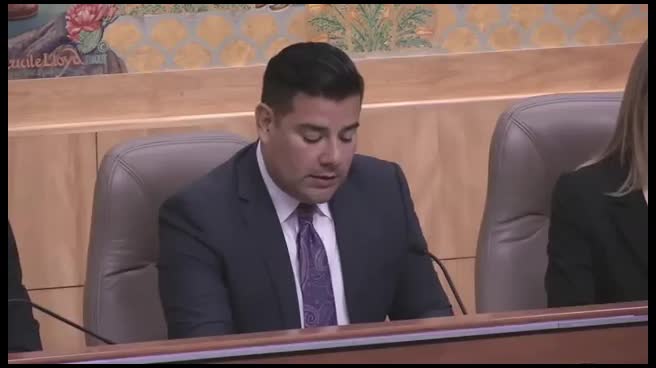
Senate Standing Committee on Appropriations
 10MIN
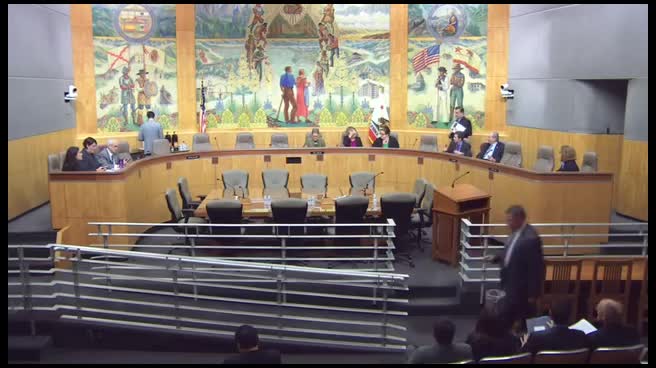
Senate Standing Committee on Public Safety
Bill Author
Bill Co-Author(s):